Review: Halla Custom Instruments SG-Style

Halla Custom SG – body beauty reverse

Halla Custom Instruments is one of a number of cool small instrument makers in Finland. The company is run by trained luthier-artisan Ville Mattila and specialises in one-off custom electric and acoustic string instruments. Ville Mattila is a member of the Guild of Finnish Luthiers.

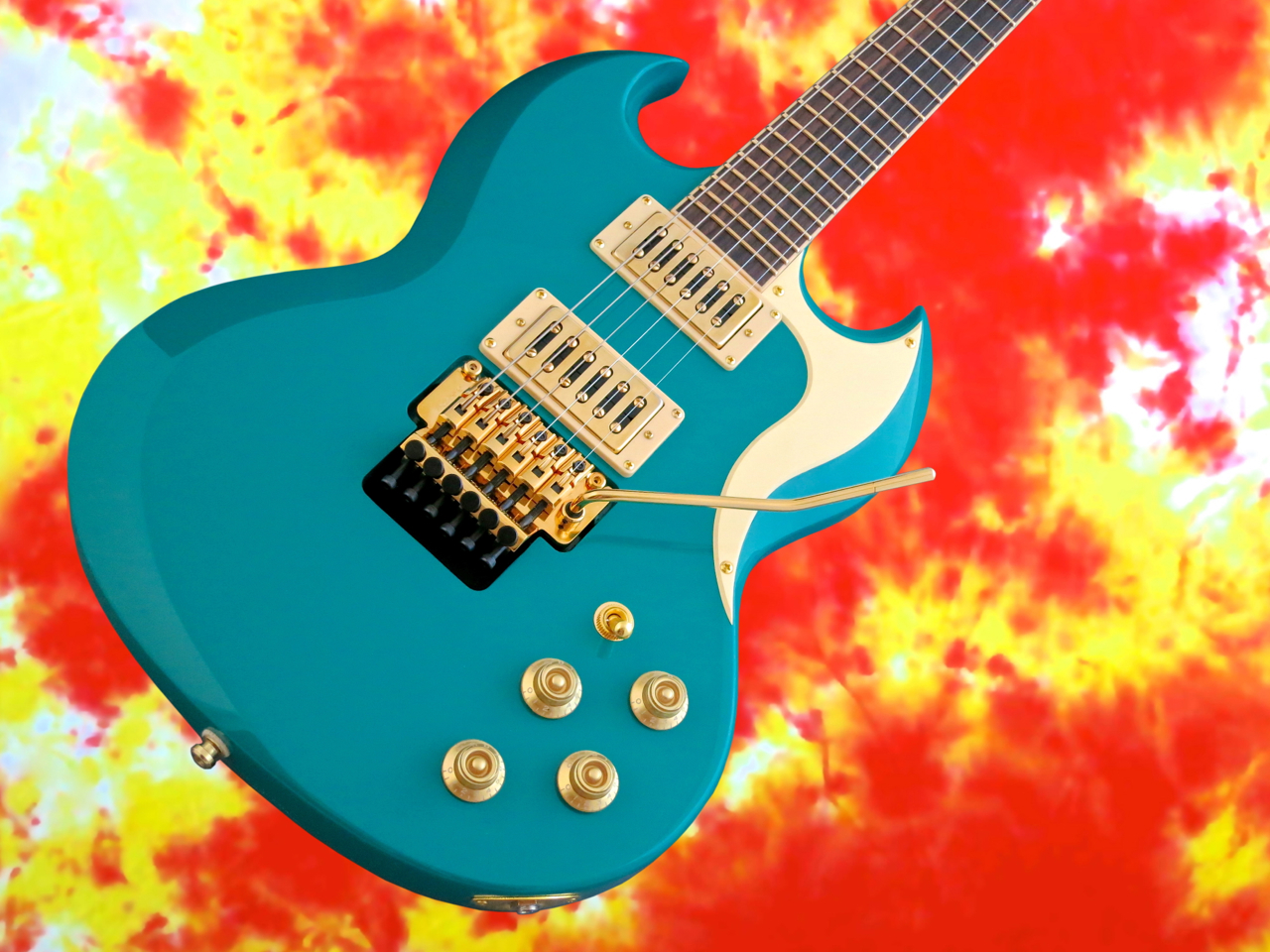
Kitarablogi received a stunning Halla Custom electric for testing. The guitar may look like a tribute to the Gibson SG, but there’s more to this Halla than meets the eye!

****

Halla Custom SG – full front

Just looking at the Halla Custom SG (price approximately 3,000 €) I had to catch my breath. This is a turquoise bombshell of a guitar, with a healthy dose of additional glitz added by the golden hardware.

But the fantastic paint job (using very hard acrylic lacquer) is only part of the story: ”It’s an SG, Jim, but not as we know it!”

Halla Custom SG – back beauty

The Halla Custom SG fuses design aspects from two classic guitar models – the Gibson SG and the Fender Stratocaster.

We find the classic lines and the set neck of an SG, but the Halla uses Fender-typical materials – namely a maple neck and an alder body – as well as a long scale (25.5″/64.8 cm).

Halla Custom SG – headstock

The Floyd Rose-equipped Halla comes with a bound rosewood fretboard with a compound radius and 24 gold-coloured stainless steel frets.

Hidden beneath the fretboard lie two neck-stabilising graphite rods, placed either side of the truss rod.

Halla Custom SG – tuners

The instrument sports a set of golden Gotoh tuners, as well as a neck wrist-strengthening volute.

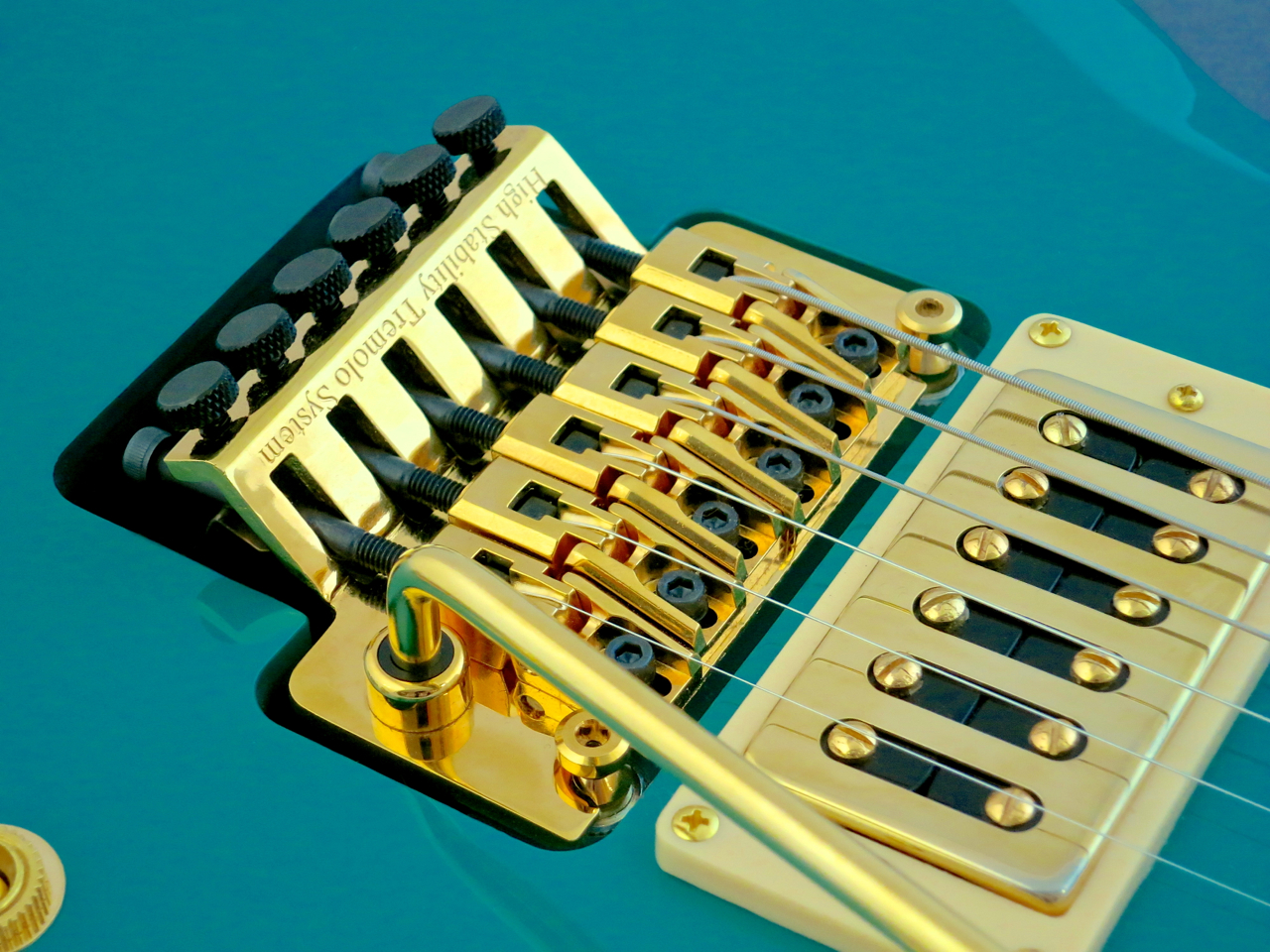
Halla Custom SG – Floyd Rose

The Floyd Rose is a top-drawer Gotoh unit, which comes with a screw in vibrato arm. An adjustable nylon cuff lets you decide how loosely (or tightly) the arm stays in place.

Halla Custom SG – Venla pickups

The Custom SG is equipped with a pair of Halla Custom’s hotter-than-vintage Venla-humbuckers.

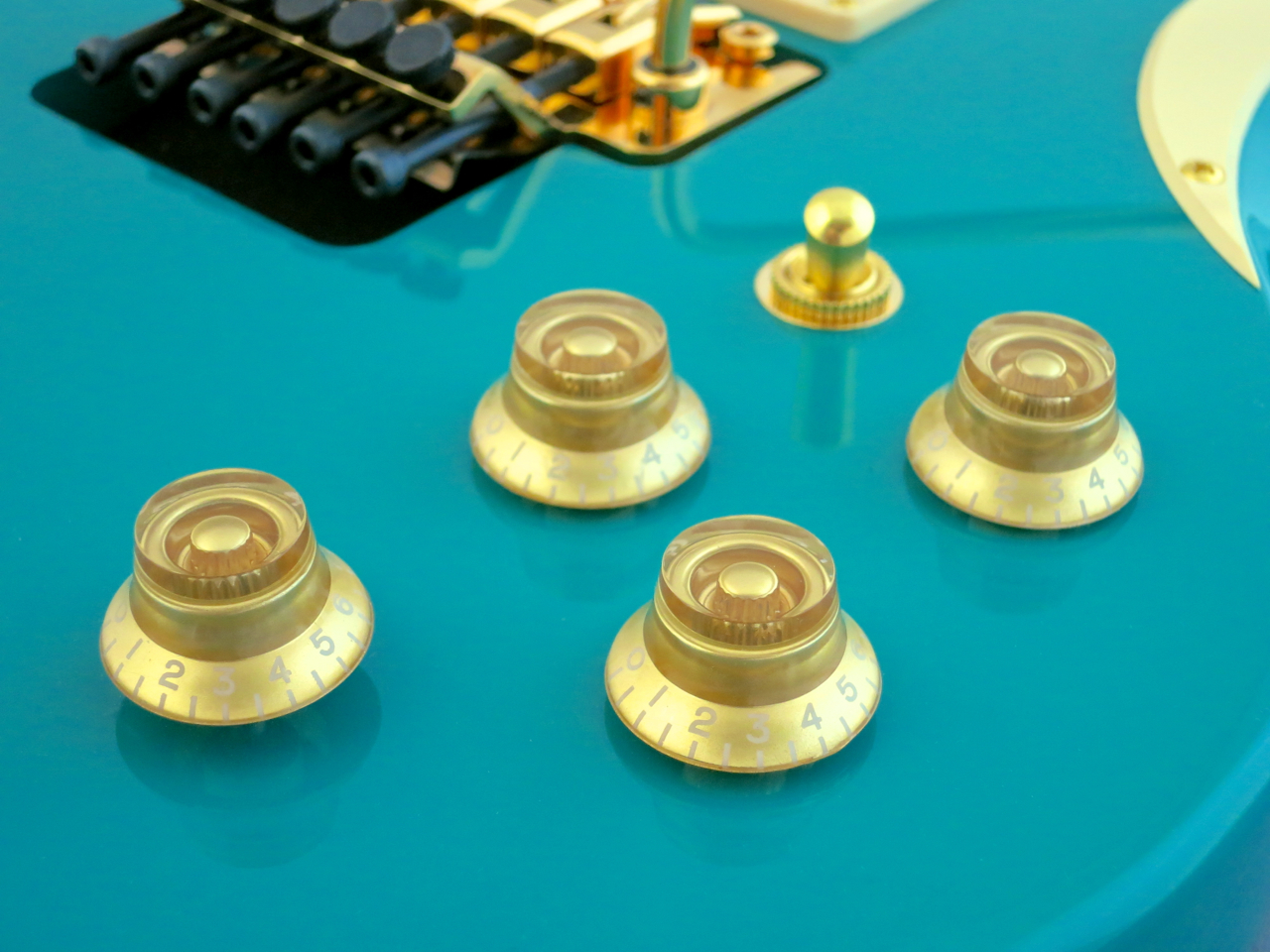
Halla Custom SG – controls

There’s a nice little twist to the seemingly standard four controls plus three-way toggle set-up:

This Halla Custom guitar features a built-in passive fuzz circuit, which can be activated using a push/pull-switch hidden in the neck pickup’s tone control.

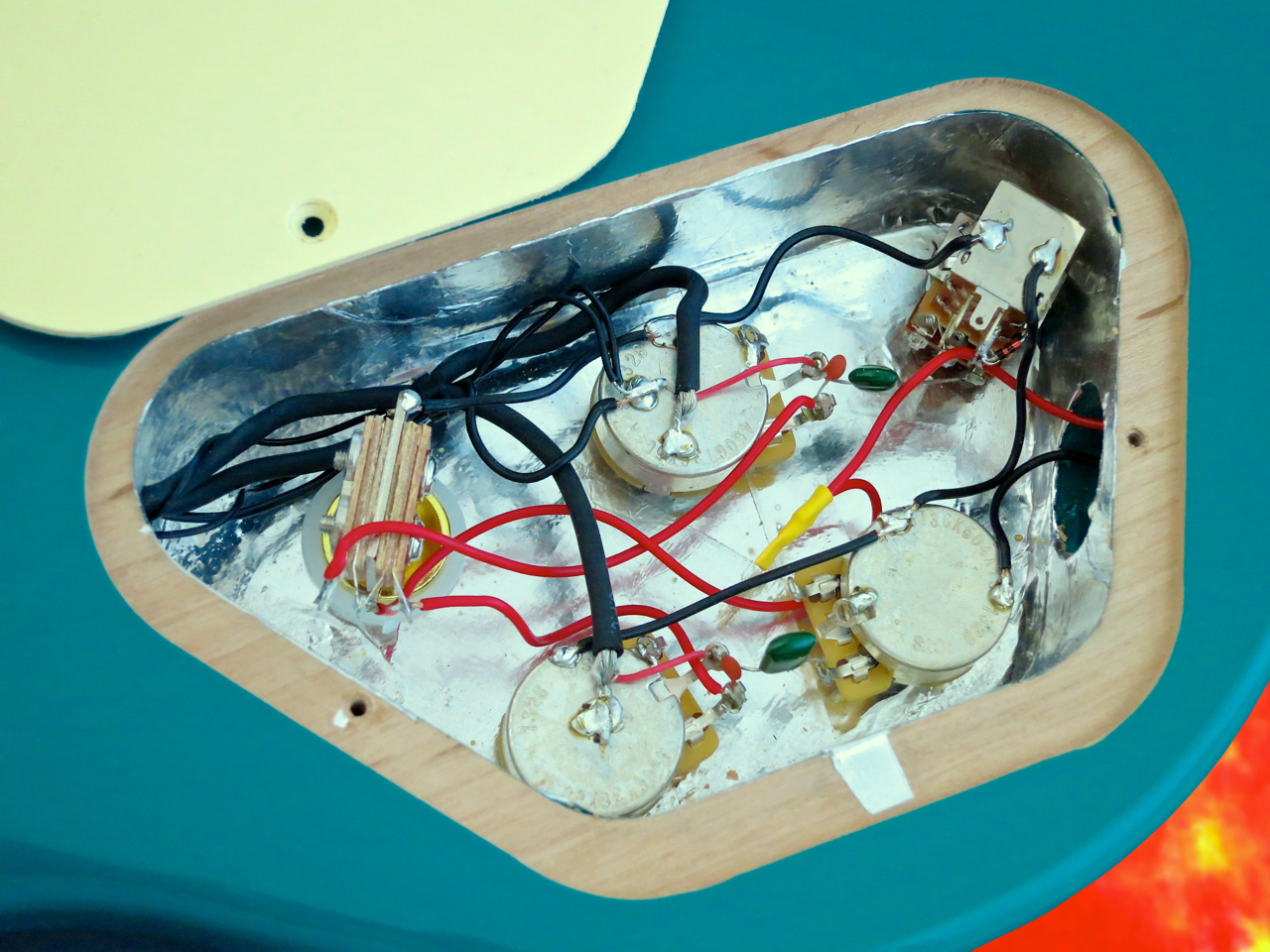
Halla Custom SG – control cavity

You really get what you pay for with a Halla – quality components, ultra-clean workmanship and thoroughly applied foil shielding.

The eagle-eyed among you will surely have already spotted the treble-bleed caps on both volume pots.

****

Halla Custom SG – body beauty 1

The Halla Custom SG was ordered by its lucky owner (a man known as Make El Weirdo) as a hot-rod Rock guitar with Gibson-esque looks, but a Superstrat sound.

What can I say? This is a fantastic guitar that ticks all the right boxes!

Some Gibson SGs can feel a little bit insubstantial, and many suffer from tuning problems due to their long necks. The Halla Custom SG has no such problems, this is a rock solid, chunky instrument.

The owner’s preference for a ”baseball bat” neck profile, this guitar’s thicker-than-a-Gibson alder body, and Ville Mattila’s considerable skills as a luthier take the Halla Custom SG to a different level altogether!

This Halla came tuned to E-flat, and set up with a very low action, as specified by the customer. The playing feel was extremely fluid, and with a light picking technique this Halla played buzz-free all across the fretboard.

The Gotoh Floyd Rose worked great, too.

Halla Custom’s own Venla-humbuckers are the bee’s knees for fans of the harder styles of Rock guitar. The pickups pack an enormous punch, but miraculously manage to sound as open and chiming as vintage, low-powered ’buckers:

Halla’s built-in passive fuzz is a fun little addition that’s more than a gadget, especially when you’re playing with a single channel amp:

But with a guitar such as this, you will surely spend most of your time enjoying its precise attack and chunky crunch:

Halla Custom SG – body beauty 2

****

Halla Custom SG – beauty shot 2

The Halla Custom SG is a shining example of the high standards of luthiery in Finland.

Naturally, handmade quality such as this comes at a price. If you have the money, though, you should really ask yourself if you want to spend it on an off-the-peg, production line guitar, or rather on a special instrument made exactly to your own specifications.

Halla Custom SG – beauty shot 1

****

Halla Custom Instruments SG-Style

Prices for Halla Custom guitars start from 1,200 €, depending on the guitar type and options chosen. A similar guitar like the reviewed instrument would cost approximately 3,000 €.

Contact: Halla Custom Instruments

Thanks to Make El Weirdo (aka Mutantti Make) for the loan of his personal guitar!

****

Pros:

+ handmade in Finland

+ workmanship

+ tuning stability

+ set-up

+ built-in fuzz

+ sound

Review: Fender American Standard Stratocaster HSS Shawbucker

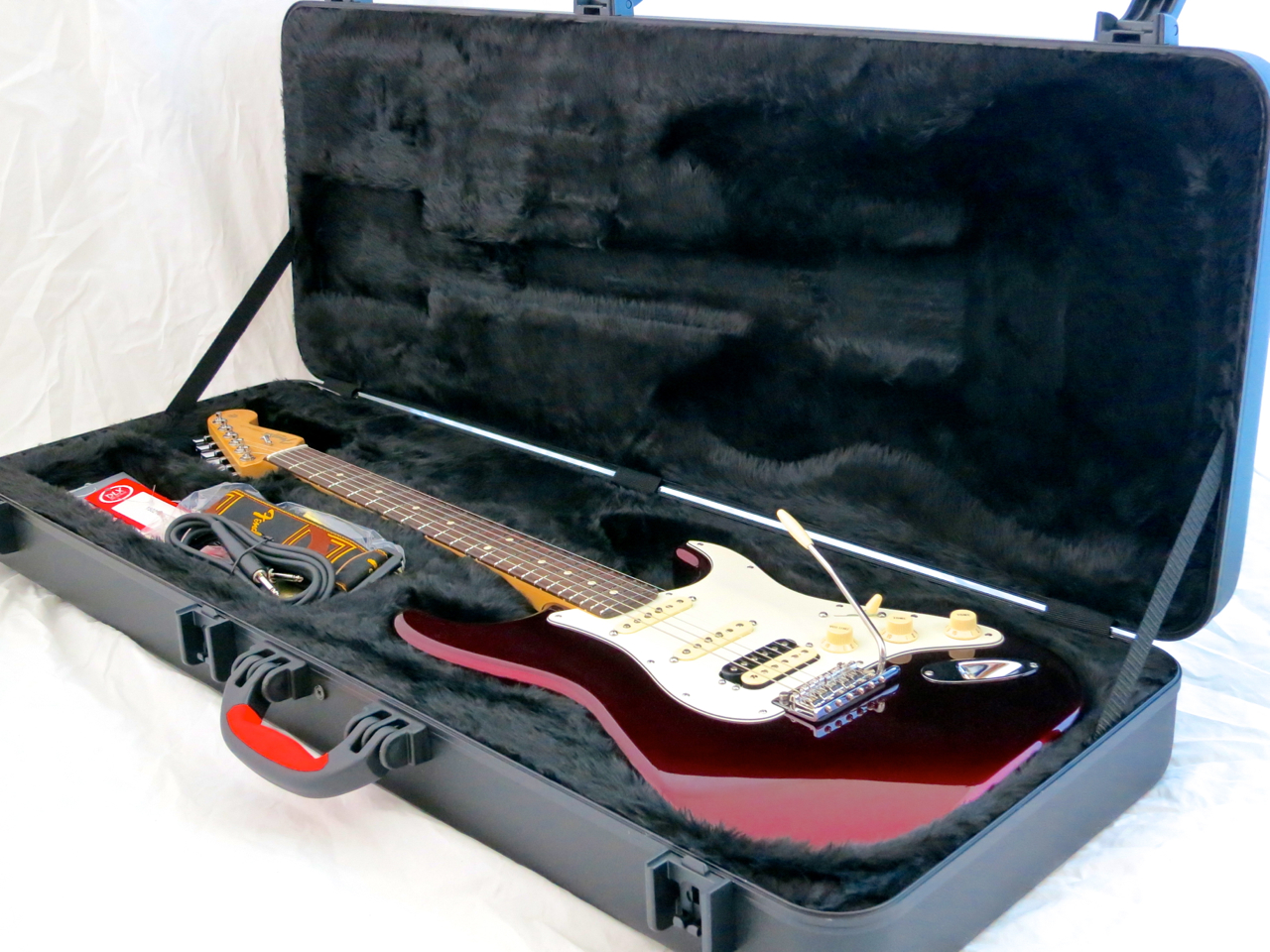
Fender Am Std Stratocaster HSS Shawbucker – in case

What – yet another Stratocaster model!? Who needs another Strat? Yeah, man, I’ve noticed there’s a ’bucker at the bridge position, but that’s been done before, hasn’t it!

True, but this is a new American Standard model you should definitely try out, because the guys at Fender R&D have come up with a couple of nifty improvements that haven’t been available on HSS-Strats thus far.

Fender Am Std Stratocaster HSS Shawbucker – The Shawbucker

A Shaw-what?

Fender calls its newest bridge humbucker the Shawbucker in honour of the man who designed it, Tim Shaw. Mr Shaw is a genuine living legend, and held in high esteem amongst people in the know. In the 1970s and 80s he worked for Gibson, and helped to turn around the company’s flagging fortunes and decline in quality. As the resident electronic guru he played a pivotal role during the design of models, such as the Gibson Les Paul Heritage 80, coming up with the first reissue of the original PAF-humbucker. This pickup is still in production, now known as the ’57 Classic. Later, Shaw moved on to Guild, and from there to Fender Musical Instruments.

****

Fender Am Std Stratocaster HSS Shawbucker – full front BIG

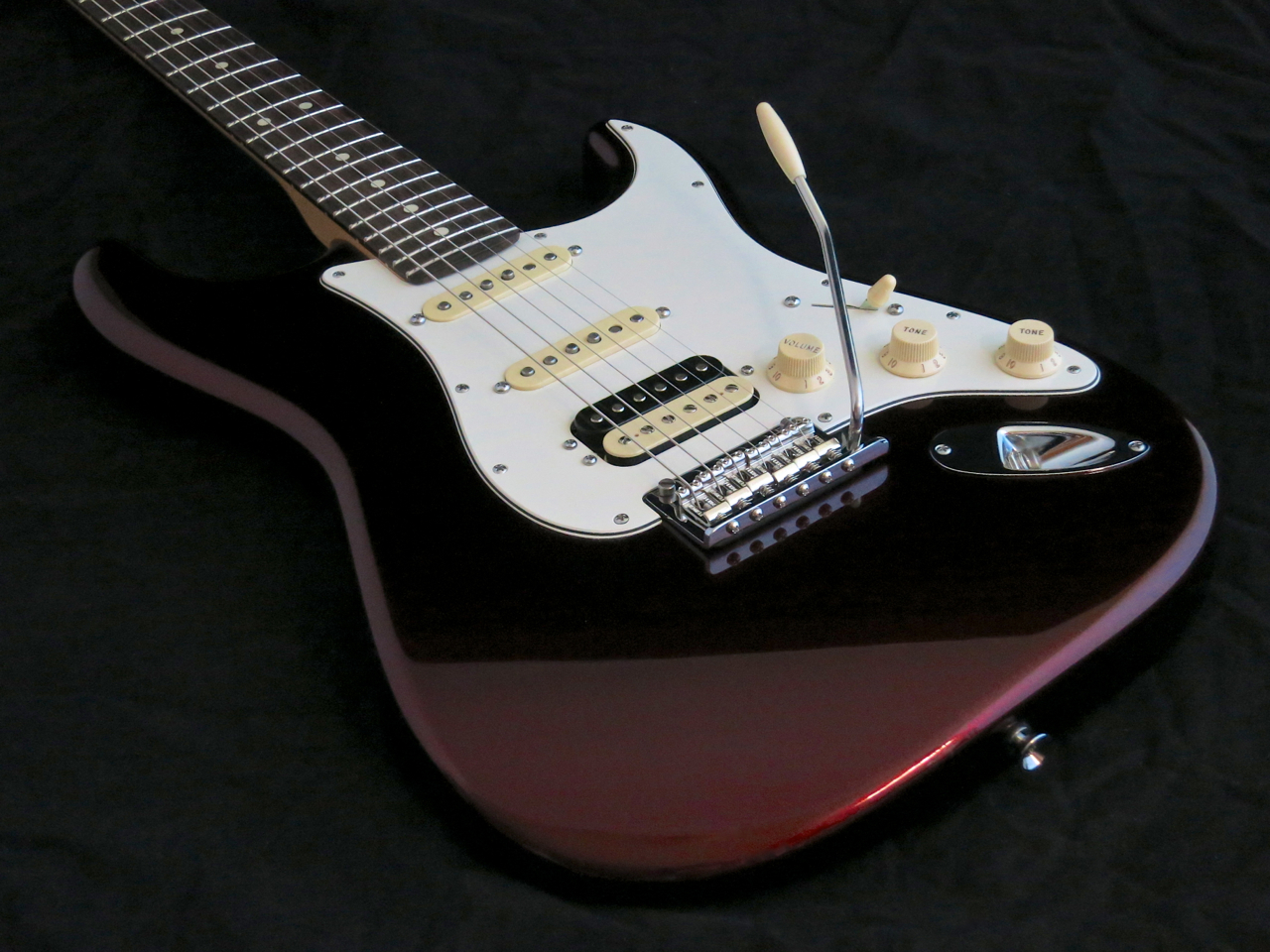
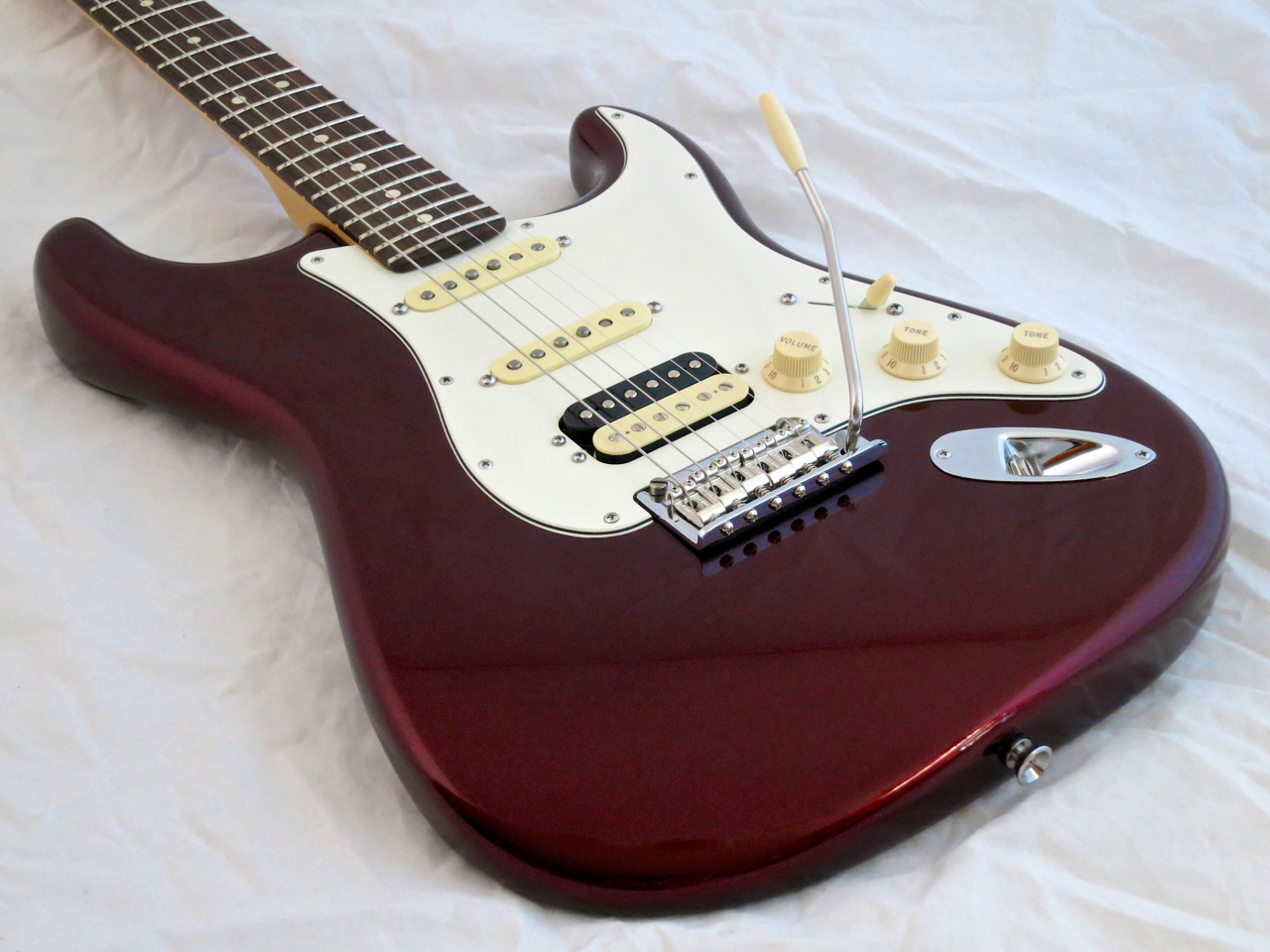
Most of the improvements in the Fender American Standard Stratocaster HSS Shawbucker (current price in Finland approx. 1,600 €) centre around the electronic side of things.

In terms of its basic build the model continues within the time-tested parameters of the American Standard product line.

Fender Am Std Stratocaster HSS Shawbucker – beauty shot 2

The Shawbucker Strat is built using a solid ash body and a bolt-on maple neck.

The neck profile is a friendly, modern ”C”, with the rosewood fingerboards flatter-than-vintage radius of 9.5″ and the 22 jumbo-sized frets further contributing to a contemporary playing feel.

Fender Am Std Stratocaster HSS Shawbucker – headstock

The two-way truss rod is adjusted from the headstock.

Fender Am Std Stratocaster HSS Shawbucker – tuners

Fender’s Deluxe machine heads work smoothly and accurately.

Fender Am Std Stratocaster HSS Shawbucker – neck plate

The American Standard Shawbucker also sports the company’s patented neck angle adjustment.

Fender Am Std Stratocaster HSS Shawbucker – vibrato bridge

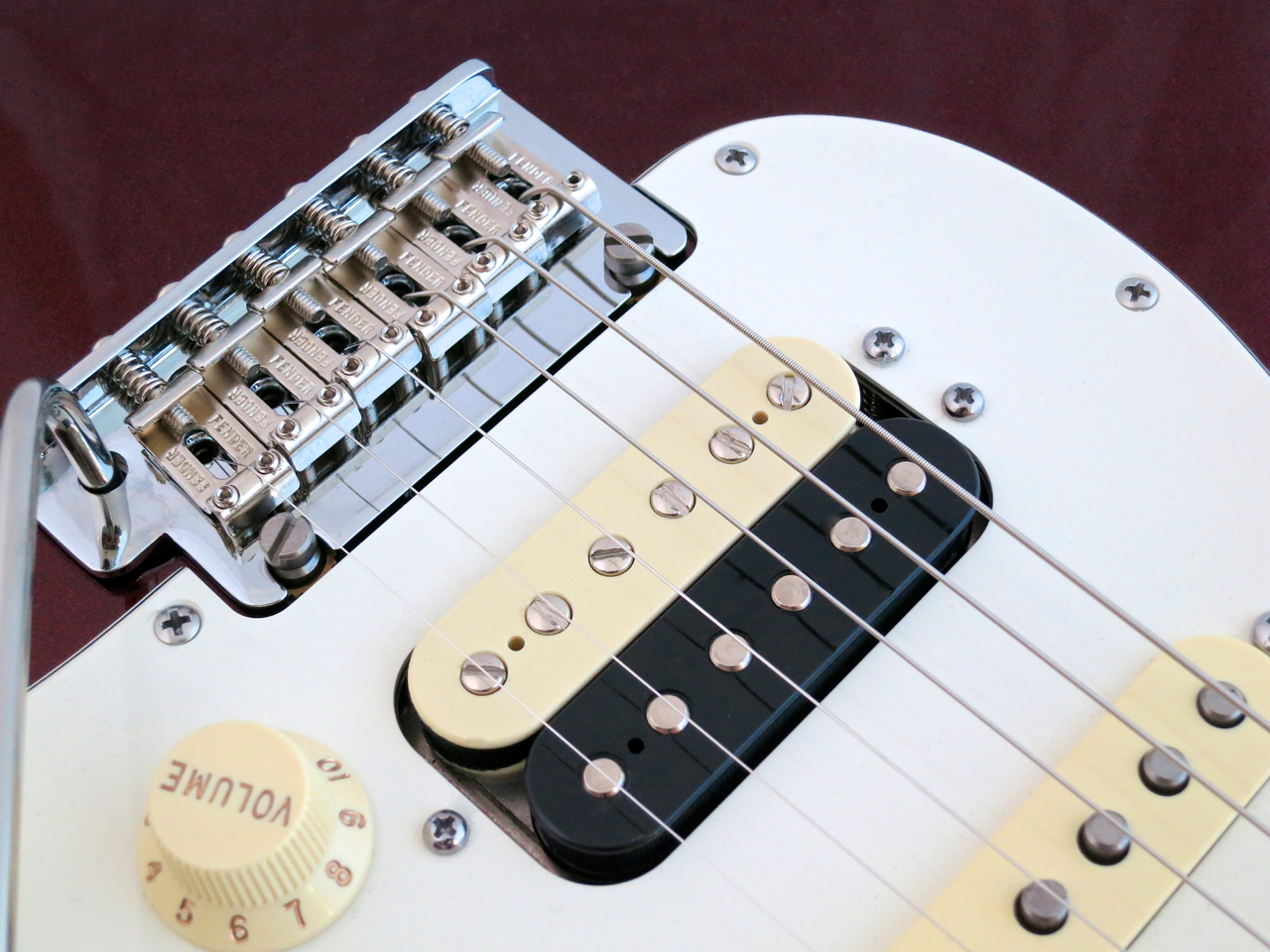
The current American Standard vibrato bridge combines a modern, knife-edge, twin-post base plate with vintage-type bridge saddles made from folded steel.

Our review sample came with a slightly steep bridge tip up, which I adjusted back to factory specs in no time, using the correct Phillips head screwdrivers.

Fender Am Std Stratocaster HSS Shawbucker – pickups

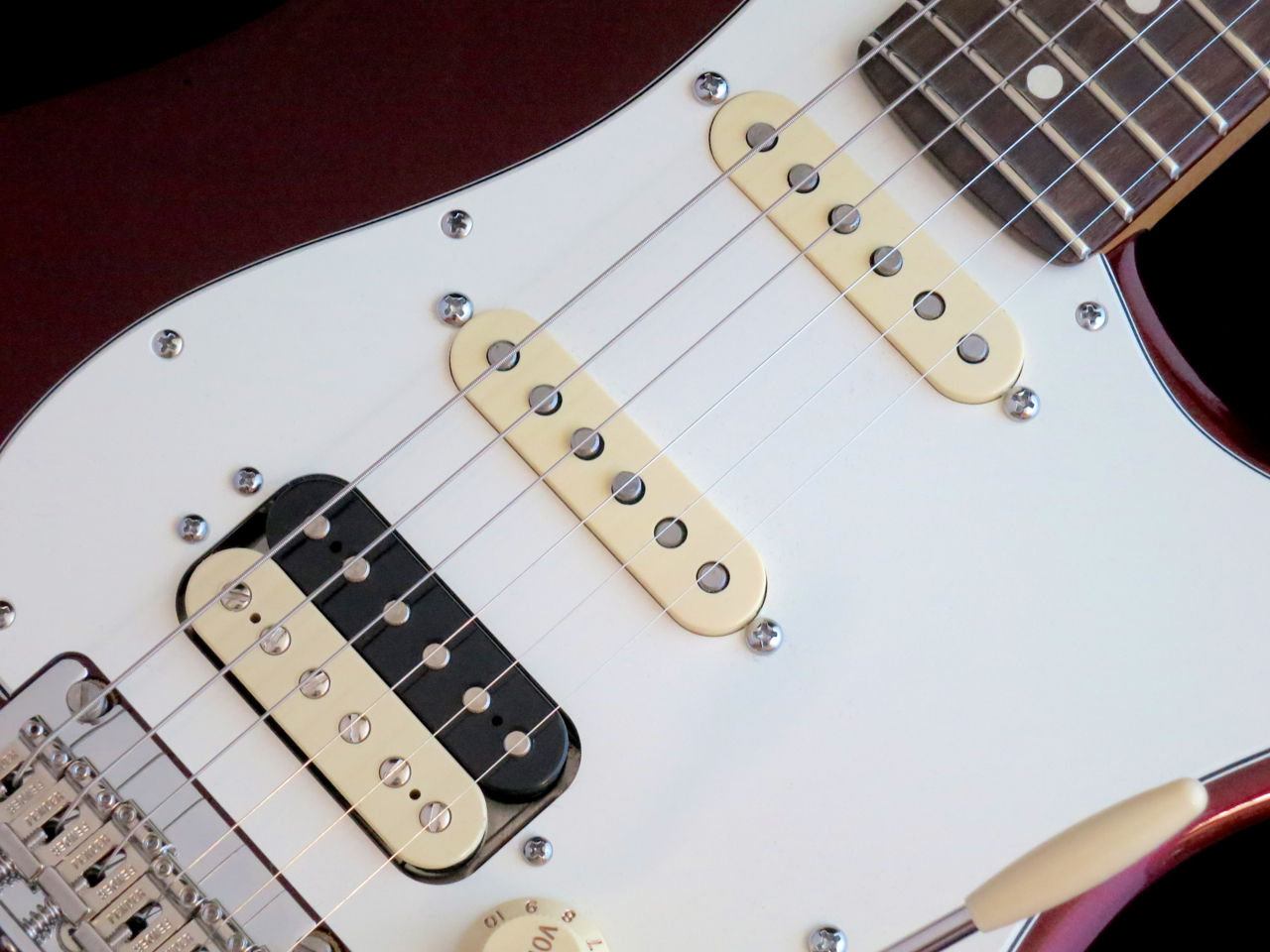
The HSS Shawbucker features a well-balanced set of pickups:

A pair of Custom Shop Fat ’50s single coils have been selected for neck and middle pickup duties. The middle pickup is RW/RP, making position four on the five-way switch humbucking.

Fender Am Std Stratocaster HSS Shawbucker – The Shawbucker

The Shawbucker is a moderate-output, vintage-voiced humbucker with a PAF-type tone.

Fender Am Std Stratocaster HSS Shawbucker – controls

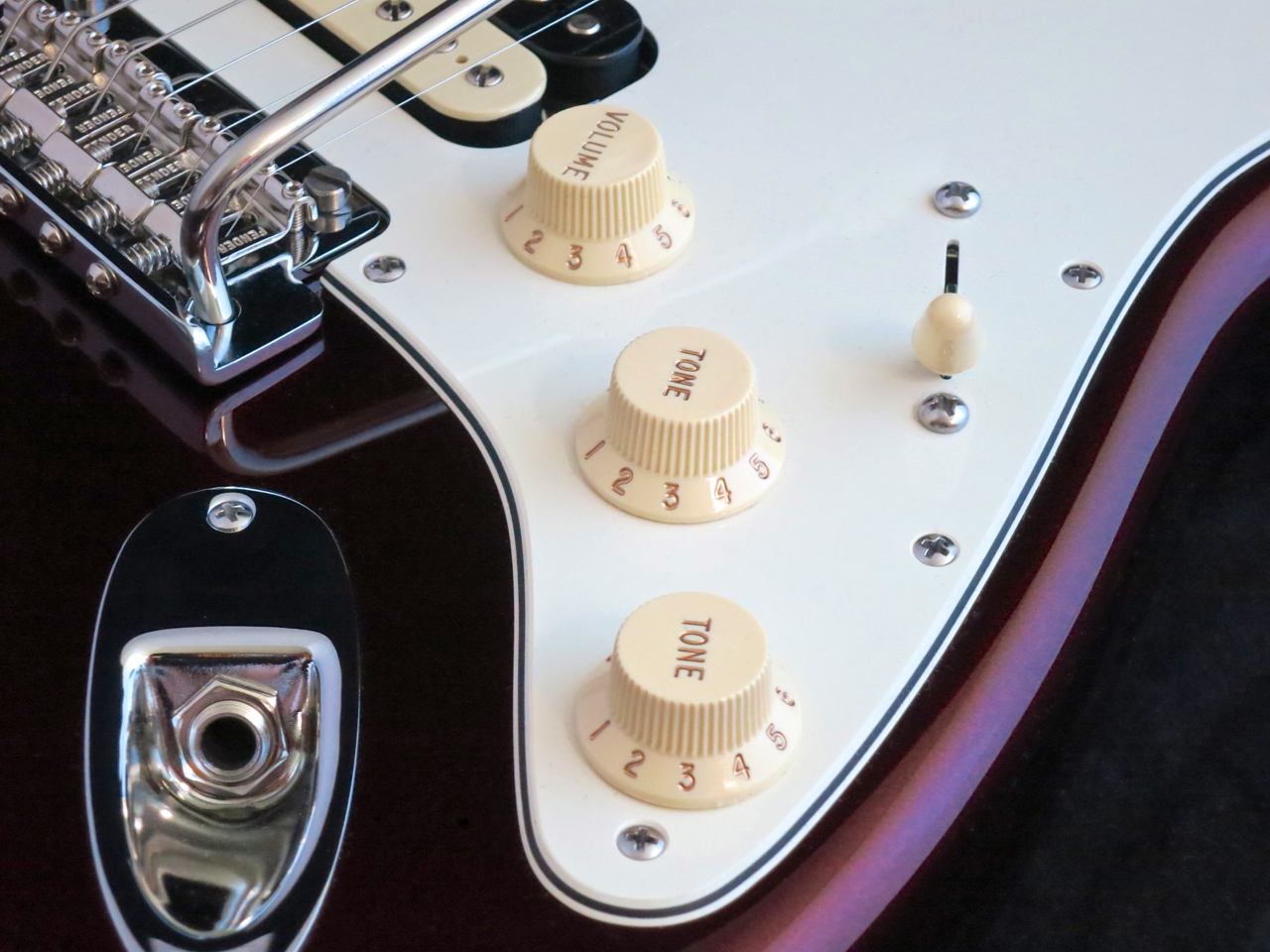
The control set-up looks pretty standard, but there’s more to the Shawbucker Strat than meets the eye:

Single coil pickups and humbuckers usually require different types of potentiometers to function satisfactorily. Single coils tend to sound best with 250k controls, as they attenuate some of the sharpest, most biting trebles in the signal. Humbuckers, on the other hand, tend to work better with higher resistance values – 500k, usually – which keep this pickup type’s softer top end intact. Tone control circuits usually also employ differently valued capacitors for single coils and humbuckers, respectively.

Most HSS- and HSH-loaded guitars suffer from the compromises shared control pots and tone circuits entail, when mixing the different pickup types. As a result, you either end up with muddy-sounding humbuckers or uncomfortably scratchy single coils.

The genius of the Shawbucker Strat lies in the two stacked potentiometers it uses. The same pot shaft simultaneously turns both a 250k and a 500k pot stacked on top of each other. The Shawbucker Stratocaster employs these stacked pots for the master volume control and for the joint bridge-and-middle tone circuit. The 500k side deals with all things humbucker, while the 250k layer is reserved for the single coil signals. As the neck tone is reserved for the neck pickup only, it uses a traditional 250k pot.

The second position on the five-way switch gives you the middle pickup together with the split Shawbucker.

Fender Am Std Stratocaster HSS Shawbucker – in case

The American Standard Stratocaster HSS Shawbucker guitar comes in its quality hard case, with a strap and a guitar lead also included in the price.

****

Fender Am Std Stratocaster HSS Shawbucker – beauty shot 1

I don’t think there’s much need to talk about the Stratocaster’s time-proven ergonomics. Same goes for the well thought-out contemporary improvements the American Standard series offers. The American Standard Stratocaster has been the top seller of Fender’s US output for decades.

The review instruments is a fitting torchbearer for this industry standard – it’s a great-feeling, great-playing, lightweight guitar.

Its acoustic voice is fresh, dynamic and strong, and the Shawbucker Strat’s vibrato works very well in the middle ground between a vintage vibrato and a double-locking Floyd Rose whammy.

Thanks to the chunky nature of the Custom Shop Fat ’50s, this model’s bridge humbucker never manages to overpower the single coils. Yes, there is a slight jump in signal level, when you switch from the Fat ’50s to the Shawbucker, but here it feels very organic and musical.

To my ears the HSS Shawbucker sounds fantastic, offering a bridge position signal boost, while retaining plenty of that ”stratty” character. The improved control set-up works just like it should – there’s a healthy dose of top end airiness in the bridge humbucker, while the single coils sound chiming, but fat. Now, here’s an HSS-Strat that finally does away with any unnecessary compromises!

Fender Am Std Stratocaster HSS Shawbucker – beauty shot 2

****

Fender Am Std Stratocaster HSS Shawbucker – body beauty 1

Despite the long-winded name, Fender’s American Standard Stratocaster HSS Shawbucker is an outstanding new variation on a proven theme. The Shawbucker-model takes the sound of HSS-guitars to a whole new level.

Fender Am Std Stratocaster HSS Shawbucker – body beauty 2

****

Fender American Standard Stratocaster HSS Shawbucker

price around 1.600 €

A big thank you to DLX Music Helsinki for supplying the review guitar!

Pros:

+ value for money

+ playability

+ updated electronics

+ vibrato action and stability

+ sound

Fender Am Std Stratocaster HSS Shawbucker – body beauty 2

Testipenkissä: Fender American Standard Stratocaster HSS Shawbucker

Fender Am Std Stratocaster HSS Shawbucker – in case

Taasko uusi Strato-malli? Ketä tällainen enää kiinnostaa? Juu, juu, kyllä, siinä on humbucker tallamikkinä…näitäkin on jo nähty!

Totta, mutta tähän uuteen American Standard -malliin kannattaa mielestäni ehdottomasti tutustua, koska Fenderin R&D-ryhmä on keksinyt Shawbucker-Stratoon muutamia uusia, oivia detaljiratkaisuja, joita tähän mennessä puuttuivat HSS-mikitetyiltä Stratocastereilta.

Fender Am Std Stratocaster HSS Shawbucker – The Shawbucker

Mikä ihmeen Shawbucker?

Shawbucker on Fenderin uuden tallahumbuckerin nimi, joka on nimetty sen kehittäjän, Tim Shawn, mukaan. Tim Shaw on oikea elävä legenda kitarapiireissä, joka on ollut 1970- ja 1980-luvulla Gibsonilla töissä. Myöhemmin hän siirtyi Guildiin ja sittemmin Fenderiin. Elektroniikka-guruna hän oli ratkaisevassa asemassa esim. Gibson Les Paul Heritage 80 -projektissa, ja kehitteli firmalle mm. PAF-mikrofonin uusintapainoksia, joita nykyään tunnetaan nimellä ’57 Classic.

****

Fender Am Std Stratocaster HSS Shawbucker – full front BIG

Fender American Standard Stratocaster HSS Shawbuckerin (hintaluokka noin 1.600 €) parannukset koskevat pääosin soittimen elektroniikkaa.

Perusrakenteeltaan malli jatkaa saumattomasti Fenderin erittäin suosittua American Standard -linjaa.

Fender Am Std Stratocaster HSS Shawbucker – beauty shot 2

Shawbucker-Straton saarnirunkoon on liitetty vaahterasta veistetty ruuvikaula.

Kaulaprofiiliksi on valittu nykyaikainen C-profiili, ja myös ruusupuisen otelaudan vintagea loivempi radius (9,5 tuumaa) sekä kitaran 22 jumbokokoiset nauhat tekevät soittimesta nykyaikaisen.

Fender Am Std Stratocaster HSS Shawbucker – headstock

Kaksisuuntaista kaularautaa säädetään kätevästi lavan puolelta.

Fender Am Std Stratocaster HSS Shawbucker – tuners

Hyvästä vireestä pitävät huolen Fenderin Deluxe-koneistot.

Fender Am Std Stratocaster HSS Shawbucker – neck plate

American Standard Shawbucker -mallista löytyy myös firman patentoitu säätömekanismi kaulan kulmalle.

Fender Am Std Stratocaster HSS Shawbucker – vibrato

Nykyisissä American Standard -vibratalloissa on moderni aluslevy veitsenterä-laakereilla, mutta vintage-Stratoista tuttuja tallapaloja muotoon taivutetusta teräksestä.

Testisoittimessa vibran tip up -kulma oli säädetty hieman liian jyrkäksi, mutta asia oli helppo korjata itse sopivilla ristipääruuvareilla.

Fender Am Std Stratocaster HSS Shawbucker – pickups

HSS Shawbuckerin mikrofonivarustus on tarkoin valikoitu:

Kaula- ja keksimikrofoneina toimivat kaksi Custom Shop Fat ’50s -yksikelaista. Vastakkaiseen suuntaan käämitty – ja vastakkaista magneetista napaisuutta omaava – keskimikrofoni poistaa tehokkaasti ulkoisia häiriöitä, kun sitä käytetään yhdessä kaulamikin kanssa.

Fender Am Std Stratocaster HSS Shawbucker – The Shawbucker

Shawbucker-kaksikelainen on vintage-tyylinen humbucker avoimella, PAF-tyylisellä soundilla.

Fender Am Std Stratocaster HSS Shawbucker – controls

Kytkin- ja säädinosasto näyttää hyvin perinteiseltä, mutta siihen on piilotettu tämän kitaran kätevimmät parannukset:

Yksikelaiset ja humbucker-mikrofonit vaativat periaatteessa erilaisia potentiometrejä toimiakseen toivotulla tavalla. Yksikelaisten mikkien kanssa käytetään yleisesti potikoita 250 kilo-ohmin vastuksella, jotta niiden soundista ei tulisi liiankin terävä. Humbuckereilla taas on perinteisesti käytetty 500 kilo-ohmin potentiometrejä, jotta diskantti säilyisi paremmin niiden signaalissa. Myös tonepiirissä toimivan kondensaattorin kapasitanssi-arvo on usein syytä olla erilainen, riippuen siitä onko käytössä yksikelainen vai kaksikelainen mikrofoni.

HSS- ja HSH-kitaroiden ongelma piilee usein juuri potikoiden ja konkkien valinnassa, koska sekä yksikelaisten että kaksikelaisten signaalit reititetään yhteisten volume- ja tone-potikoiden läpi. Lopputuloksena joko humbucker soi hieman mutaisesti tai sitten yksikelainen on hieman liian terävä.

Shawbucker-Stratossa nämä ongelmat on hoidettu pois päiväjärjestykseltä käyttämällä sekä volume- että toisen tone-säätimessä  tuplapotikoita, joissa samaan akseliin on liitetty sekä 250 k:n että 500 k:n potentiometri päällekkäin. Humbuckerin signaali on kytketty tuplapotikan 500 k -tasoon, kun taas yksikelaisen soundi muokataan 250 k -tasolla. Keskimmäinen, perinteinen tone-säädin vaikuttaa kaulamikrofoniin, kun taas pleksin reunalla oleva toinen tone toimii keski- ja tallamikrofoneilla.

Viisiasentoisen kytkimen kakkosasennossa keskimikrofoni soi yhdessä puolitetun humbuckerin kanssa.

Fender Am Std Stratocaster HSS Shawbucker – in case

American Standard Stratocaster HSS Shawbucker -pakettiin kuuluu myös laadukas kova laukku, olkahinka, sekä kitarajohto.

****

Fender Am Std Stratocaster HSS Shawbucker – beauty shot 1

Stratocasterin hyvästä ergonomiasta ei tarvitse varmasti puhua enempää. American Standard -sarjan soittimien erittäin mukavasta, nykyaikaisesta soittotuntumasta on myös hehkutettu jo pitkään, ja syystäkin. American Standard -Strato on jo vuosikymmeniä ollut firman eniten myyty kitara USA-valikoimastaan.

Testikitara tuntuu juuri sellaiselta kuin sopii odottaa alan merkkipaaluusta – soitin on kevyt, ja se sopii erinomaisesti ainakin minun käteeni.

Akustinen ääni on tutun raikas, dynaaminen ja vahva. Vibratallakin toimii kiitettävästi perinne-Straton ja Floikan välimaastossa.

Fat ’50s -mikrofonien valinta Shawbuckerin aisapareiksi takaa, etteivät yksikelaiset jää missään tilanteessa humbuckeriin nähden alakynteen. Vaihdossa Fat ’50s -mikrofonista Shawbuckerin kyllä huomaa edelleen signaalitason eron, mutta tässä kitarassa boostaus tuntuu hyvin orgaaniselta ja musikaaliselta.

Mielestäni HSS Shawbuckerin soundi on kauttaaltaan hyvin herkullinen ja sopivasti Straton omalla luonteella höystetty. Päivitetty elektroniikka toimii vallan mainiosti – humbucker soi raikkaasti, eikä mene tukkoon, mutta samalla yksikelaisissa diskantilta on leikattu kaikki epämiellyttävä piikikkyys sopivasti pois. Viimeinkin HSS-Strato joka toimii vailla soundillisia kompromisseja!

Fender Am Std Stratocaster HSS Shawbucker – beauty shot 2

****

Fender Am Std Stratocaster HSS Shawbucker – body beauty 1

Fender American Standard Stratocaster HSS Shawbucker on – hassusta nimestään huolimatta – mainio sähkökitara todella hyvillä päivityksillä. Shawbucker-Strato vie HSS-mikkitetyn kitaran konseptin viimein seuraavalle tasolle.

Fender Am Std Stratocaster HSS Shawbucker – body beauty 2

****

Fender American Standard Stratocaster HSS Shawbucker

hintaluokka noin 1.600 €

Kiitos DLX Musiikille testikitaran lainaamisesta!

Plussat:

+ hinta-laatu-suhde

+ soitettavuus

+ parannettu elektroniikka

+ vibratallan toiminta

+ soundi

Fender Am Std Stratocaster HSS Shawbucker – body beauty 2

Review: Blackstar ID:Core BEAM

Blackstar ID_Core Beam – front

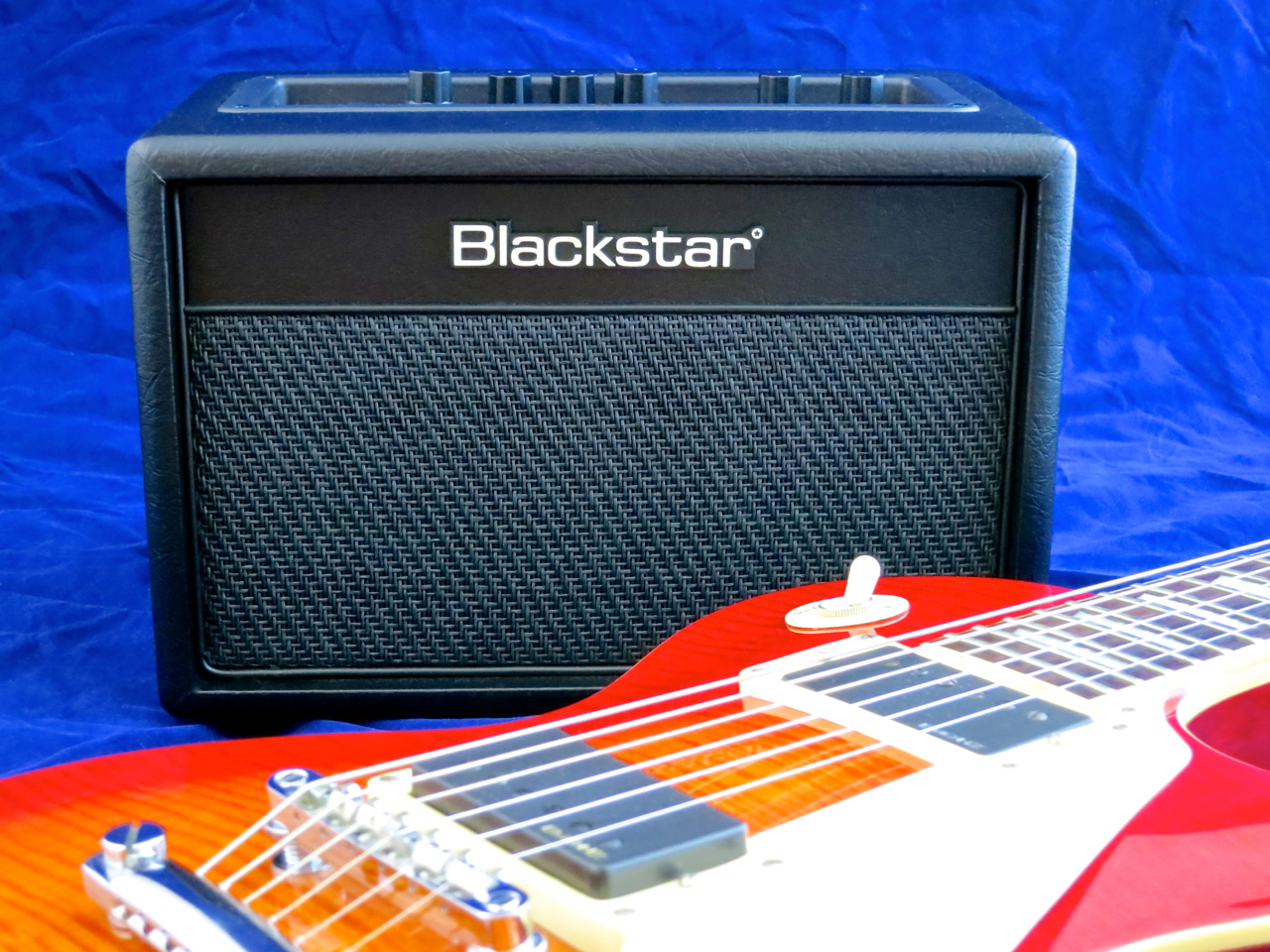
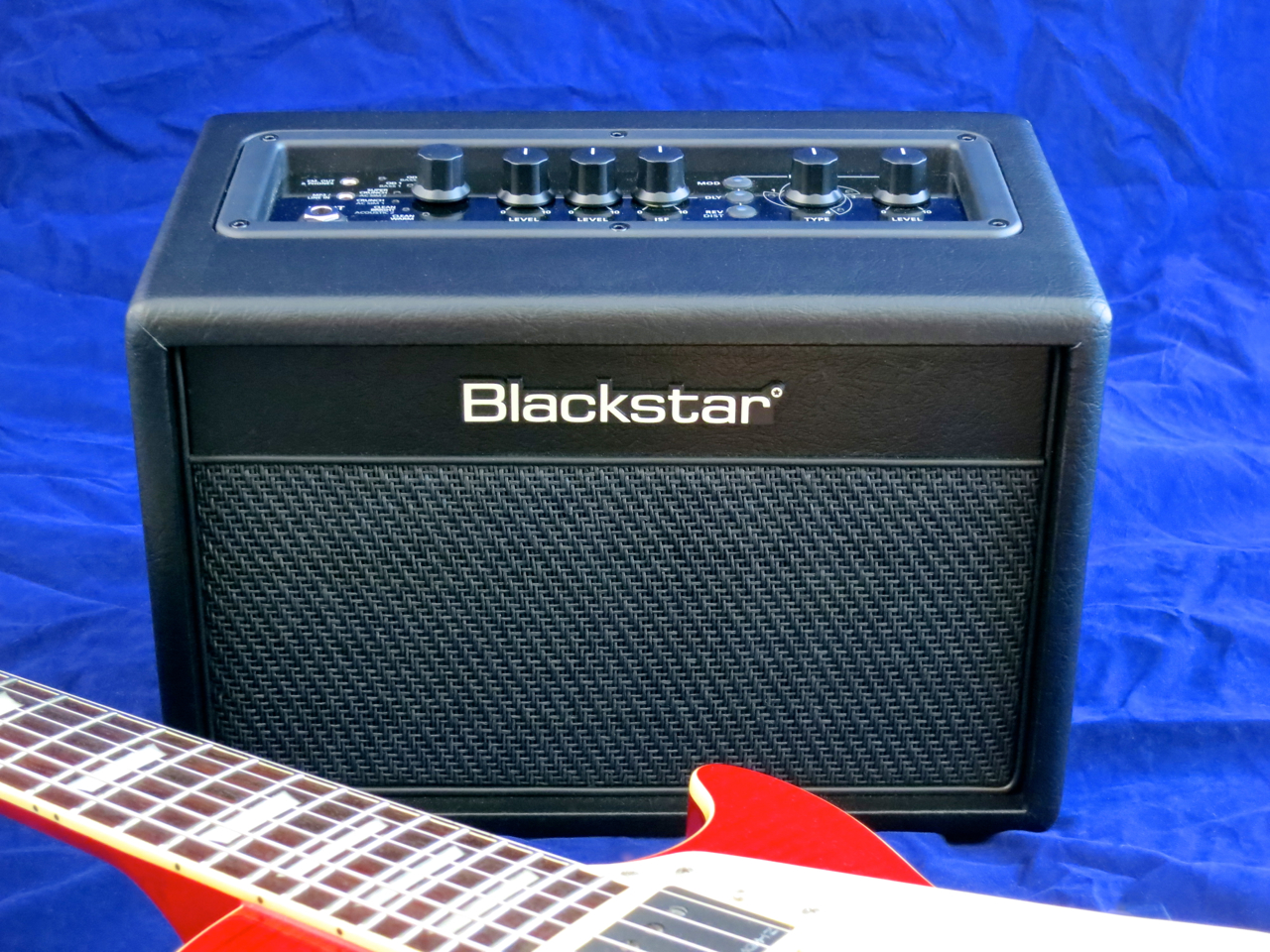
Blackstar’s ID:Core BEAM (current price in Finland: 299 €), which was introduced at this year’s NAMM Show, is one of a new breed of amplifiers:

The BEAM is a so-called ”lifestyle amp” that combines a practical solution for living room practising with a Bluetooth stereo system with a suitable Rock look.

****

Blackstar ID_Core Beam – angle right

The Blackstar ID:Core BEAM is a genuine ID:Core-combo, which means that all its parameters are accessible via Blackstar’s Insider software.

The newcomer is a stereophonic amp with its 20 watts of power running into a pair of three-inch speakers. Blackstar’s Super Wide Stereo-effect – a feature taken from the company’s larger ID:Core combos – can also be applied to the BEAM’s music player, with its own, separate width adjustment.

Blackstar ID_Core Beam – back

Apart from the power switch, the ID:Core BEAM’s back panel features the input jack for the (optional) footswitch. The rest of the combo’s controls and connectors can be found on the top-mounted control panel.

Blackstar ID_Core Beam – control panel

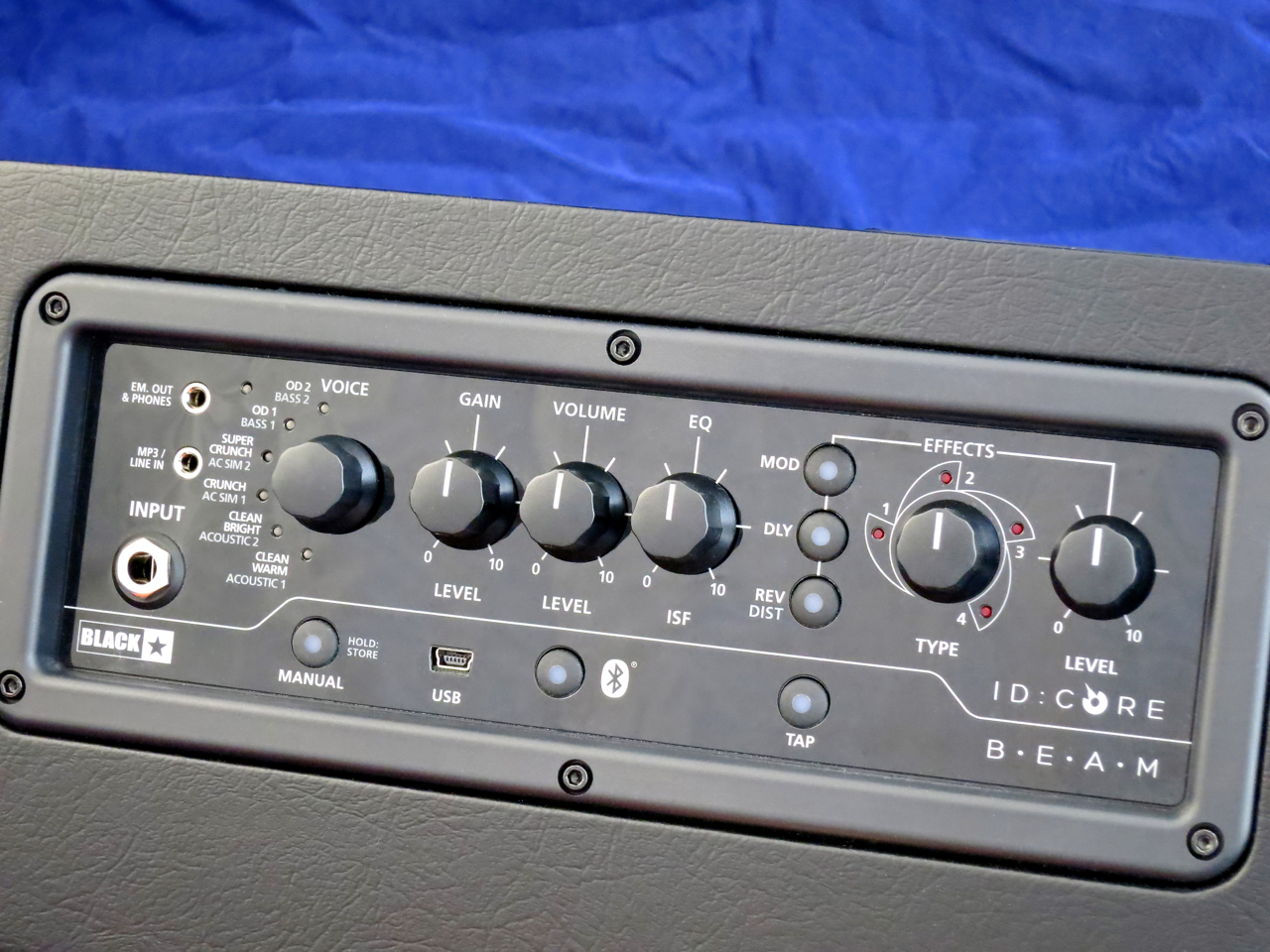
The larger ID:Core combos are well-equipped practice amps, but the BEAM has a couple of additional aces up its sleeve:

The ID:Core BEAM offers you 12 amp models (Voices). The first set (the Voices LED glows red) deals with six amp models for electric guitar, while the second set (green LED) gives you two Voices each for acoustic guitar, electric bass, and acoustic guitar simulation.

The amp section has three physical knobs for adjustment – gain, volume, and Blackstar’s patented ISF-control, which control’s the amp’s overall tonal character. Using the Insider-software you will be able to access additional parameters for deep editing, like a three-band EQ-section or a noise gate.

The effects department features four different modulation effects, four delay types, and four reverbs. The two Voices for bass swap the reverbs for bass distortion. You can choose one effect from each effect section for a Voice (meaning up to three simultaneous effects).

The small combo also features a built-in tuner.

The music signal, sent to the BEAM from your mobile device via Bluetooth, naturally isn’t sent through the combo’s amp modelling circuits. It is fed into the signal chain just before the power amp section. The ID:Core BEAM allows you to play along to the Bluetooth signal, of course!

The USB-port isn’t only used to remote control the amp’s parameters via Insider – this lifestyle combo doubles as a full-blown USB sound card. The BEAM can be run in three different USB-modes, which allows you to either send a stereo signal of the amp sound to your sequencer, or send two discrete mono signals (with one channel completely dry, and the second channel with all the amp modelling and effects) to your recording software. The third USB-mode is called Reamping, and it’s used to feed a dry guitar signal off your audio sequencer into the ID:Core BEAM and record the effected signal onto a separate recording track simultaneously.
The signal level of the USB-audio can be controlled directly (and independently of the amp’s master volume settings), making it very easy to set the correct recording levels for your personal studio setup.

****

Blackstar ID_Core Beam – front angle

Blackstar have really hit the bull’s eye with their new lifestyle combo!

Listening to music with a very critical ear you can hear a little bit of hiss, but it isn’t loud enough to spoil the fun. Remember, the ID:Core BEAM isn’t meant to be a studio monitor, but rather a nifty, compact music player for your bookcase – something this little combo handles with much aplomb. You wouldn’t necessarily expect such a full and strong delivery from such a compact unit.

The ID:Core BEAM also sounds great as a guitar and bass amp, which isn’t quite as surprising, considering this combo’s pedigree.

The guitar amp voices have plenty of character, and the effects have more than ample depth and width:

The high quality of the acoustic simulator was something of a positive surprise:

Despite its diminutive size, the BEAM also delivers when it comes to electric bass tones:

****

Blackstar ID_Core Beam – angle left

The Blackstar ID:Core BEAM succeeds to combine a programmable practice combo for guitar and bass, a Bluetooth-player, and a USB sound card into a very enticing package. In addition to being a great living room amp, the BEAM could also prove a handy little amp for guitar instructors.

****

Blackstar ID:Core BEAM

299 €

Finnish distributor: Musamaailma

****

Pros:

+ well thought-out concept

+ value for money

+ feature-packed guitar and bass amp

+ adjustable Super Wide Stereo-function

+ USB sound card

+ full sound

Cons:

– high noise gate setting on default bass distortion

Review: Carvin MicroBass MB 10

Carvin MB10 Micro Bass – control panel

Carvin’s series of extremely compact MicroBass bass combos is built using the company’s lightweight BX 250 MicroBass amplifier sunk into four differently-sized speaker cabinets. Thanks to some clever design work – as well as lightweight modern bass speakers – even the largest of the MicroBass-combos, the MB210 (equipped with two 10-inch speakers and a horn tweeter), only weighs 16 kilos.

Kitarablogi received the smallest member of the MicroBass-family for testing. The MB10 is small enough to take with you on public transport, should the need ever arise.

****

Carvin MB10 Micro Bass – front view

Carvin MicroBass MB10 (current price in Finland: 577 €) is compactness incarnate:

The combo’s dimensions are only 47 x 33 x 28 cm (h/w/d), and it weighs in at just below 12 kilos!

Carvin MB10 Micro Bass – side view

Despite its diminutive size the Carvin’s build is roadworthy and sturdy.

The 10-inch speaker and the horn tweeter are safely tucked away behind a chunky metal grille.

Carvin MB10 Micro Bass – back view

You can use the MicroBass MB10 both with the cabinet standing up and lying on its side, thanks to two sets of rubber feet installed to the closed-back cabinet.

Carvin MB10 colour options

Black vinyl is the MB10’s standard livrée, but if you feel more flamboyant you could also get your small Carvin in, say, fake snake hide for a small surcharge (40 €).

****

Carvin MB10 Micro Bass – control panel – large

Small it may be, but Carvin’s BX 250 MicroBass amplifier comes fully equipped:

Carvin’s preamp section runs in Class A with satisfyingly low levels of hiss. Adding more Drive to proceedings will fatten up your tone and add a little bit of grind, but you shouldn’t really expect any Metal-style distortion from this combo.

The Contour-knob allows you to apply a loudness-type pre-EQ curve to your signal, which will boost both the bass and treble frequencies, while attenuating the mid-range slightly. Contour works nicely in cleaning up a crowded mid-range, as well as adding a bit of punch to your overall sound.

The EQ-department on the MicroBass is very well equipped, too. In addition to the shelving Bass and Treble filters Carvin has added a lot of flexibility in the guise of two semi-parametric mid-frequency filters. There’s ample boost and cut on tap to satisfy any bass player.

The amp also includes a nifty bass-optimised one-knob compressor. A red light in the middle of the amp’s blue jewel light gives you nice visual clues about the amounts of compression applied to your signal. Carvin’s compressor works in a very musical fashion, and it helps the player to get the most out of this little bass combo. Even small amounts of compression will go a long way in helping to clean up the MB10’s output, helping you to get even more volume out of the Carvin.

Using only the built-in speakers, the MicroBass’ Class D power amp will dish out 200 watts of power, adding a compatible extension cab will give you 50 watts more.

In addition to the speaker output, there’s also a headphone output that doubles as a tuner out, and a balanced DI-output (XLR). The output levels for the headphone and DI-output are controlled by the DI Level knob. Using the Pre/Post switch you can decide, whether to send the input signal directly to the output, or whether you’d prefer to use the preamp signal, complete with compression and EQ.

Lovers of warm vintage sounds will be pleased to hear that you can dim the Carvin’s tweeter, using a mini-switch.

Because writing about sound always seems somewhat futile, I’ve prepared different audio clips to give you an idea of the Carvin MicroBass MB10’s versatility. All clips have been recorded with a microphone:

Jazz Bass – EQ-controls in neutral

Jazz Bass – light bass boost, Tweeter-switch set to Dim

Jazz Bass – played with a plectrum, a little bit of Contour added

Jazz Bass – slapped, Contour set to 12 o’clock

Höfner 500/1 – plectrum, Tweeter set to Dim

Rickenbacker 4003

Rickenbacker – plectrum

****

Carvin MB10 Micro Bass – front view 2

If you’re holding down the bass in a loud-as-f*ck Metal band, or if your usual gigs include 20,000-seater stadiums, Carvin’s little combo probably isn’t the right choice for you. The MicroBass MB10 is a loud amp – for its size – but it can only go so far…

But: The Carvin MicroBass MB 10 is a fantastic choice for the majority of us bassists, who play in small clubs, in restaurants or in pubs. In venues such as these the Carvin will be just the ticket, its tiny footprint and big sound making it a gig machine. The recording studio is also a place where a high-powered bass stack can be counterproductive, due to issues such as audible bleeding into drum mics, making a high-quality, moderate-power combo, such as the MicroBass MB10, a great choice. I’d also reckon that this little Carvin will find a place in the hearts of many Unplugged-, Folk- and (acoustic) Jazz-players.

****

Carvin MicroBass MB10

577 €

Finnish distributor: Musiikki Silfverberg

Thanks to Vantaan Musiikki for the loan of the review combo!

****

Pros:

+ compact size

+ lightweight

+ versatile

+ easy-to-use compressor

+ sound

Testipenkissä: Blackstar ID:Core BEAM

Blackstar ID_Core Beam – front

Vuoden alussa NAMM-messuilla esitelty Blackstar ID:Core BEAM (299 €) kuuluu uuteen, nopeasti kasvavaan vahvistinkategoriaan:

Se on niin kutsuttu ”lifestyle amp”, joka on samalla sekä hyödyllinen pikkukombo harjoitteluun että kitaristin imagoon sopiva Bluetooth-vahvistin musiikin kuuntelua varten.

****

Blackstar ID_Core Beam – angle right

Blackstar ID:Core BEAM on aito ID:Core-kombo mikä tarkoittaa, että sen kaikkiin parametreihin pääsee käsiksi Blackstarin oman Insider-softan kautta.

Uutuuskombo on stereofoninen, ja sen 20 watin tehoa pusketaan ulos kahdesta kolmen tuuman kaiuttimista. Isoista ID:Coreista tuttu Super Wide Stereo -efekti toimii BEAM-kombossa myös musiikin kuuntelussa, ja sen vaikutusta voi säätää erikseen.

Blackstar ID_Core Beam – back

ID:Core BEAM:n takaseinästä löytyy sähköliittimen lisäksi jakki jalkakytkimelle (maksullinen lisävaruste). Kaikki muut liittimet on sijoitettu isolle etupaneelille.

Blackstar ID_Core Beam – control panel

BEAM:n isot sisarukset ovat jo todella hyvin varustettuja, mutta pikkukombo panee ominaisuutensa runsaudella vielä selvästi paremmaksi:

Vahvistinmallinnuksia löytyy tässä peräti 12 kappaletta. Ensimmäinen satsi (Voice-ledi palaa punaisena) on varattu kuudelle eri sähkökitarakanavalle, kun taas toisesta satsista (vihreä ledi) löytyy kaksi vahvistintyyppiä akustiselle kitaralle, kaksi akustisen kitaran mallinnusta, sekä kaksi ohjelmaa sähköbassolle.

Vahvistinosasto tarjoaa kolme fyysistä säädintä soundien muokkaamiseksi – gainin ja volumen lisäksi löytyy vielä Blackstarin patentoima, yleissoundiin vaikuttava ISF-toiminto. Insider-softalla pääsee säätämään sitten tarkemmin muitakin parametrejä, kuten EQ:t tai kohinaporttia.

Efektiosasto tarjoaa neljä modulaatioefektiä, neljä viivetyyppiä, sekä neljä eri kaikua. Bassovahvistimien kanssa on kaiun sijaan lisätty bassosärö. Jokaisesta efektityypistä voi valita yhden per vahvistinmalli, siis samanaikaisesti voidaan käyttää korkeintaan kolmea efektiä.

Pikkukombossa on myös kätevä sisäinen viritysmittari.

Bluetooth:n kautta vastaanotettu audiosignaali ei luonnollisesti kulje mallinnusosion läpi, vaan se lisätään ID:Core BEAM -kombon signaalitielle vasta kitaravahvistimen jälkeen. Bluetooth-musiikin kanssa voi tietysti soittaa mukaan!

USB-liitintä ei käytetä ainoastaan Insider-softan pyörittämiseen, vaan tämä lifestyle-kombo on myös täysverinen usb-äänikortti. BEAM:lla on kolme eri USB Audio -moodia – vahvistin pystyy lähettämään joko stereofonista kitarasignaalia efekteillä höystettynä sekvensserille tai kaksi monosignaalia, joista yksi on kuiva tulosignaali ja toinen koko mallinnuksen läpi käynyt monosignaali. Näiden kahden lisäksi on tarjolla vielä erittäin kätevä Reamping-tila, jossa sekvensseristä lähetetty prosessoimaton kitararaita viedään ID:Core-kombon läpi ja mallinnettu signaali äänitetään toiseen sekvensseriraitaan.

USB-signaalitasoa pystyy säätämään itsenäisesti ja riippumatta kombon masterista, minkä ansiosta usb:n kautta lähetetyn voimakkuuden saa aina omalle äänityssoftalle sopivaksi.

****

Blackstar ID_Core Beam – front angle

Kyllä, nyt täytyy sanoa, että Blackstarin uusi lifestyle-kombo on täysosuma!

Musiikin kuuntelussa on havaittavissa pikkusen kohinaa, mutta se ei nouse lainkaan häiritsevästi esiin. ID:Core BEAM ei ole tarkoitettukaan studiomonoriksi, vaan kirjahyllyn musiikkikeskukseksi, ja se asia on kombolla suveräänisti hallussa. Musiikki kuulostaa yllättävän täyteläiseltä, ja myös sitä volyymin määrää on tarjolla kiitettävän runsaasti.

Myös kitara- ja bassosoundien osilta Blackstar-uutuus ei jätä mielestäni toivomiseen varaa!

Kitarasoundit soivat erittäin hyvin, ja myös BEAM:n efektitarjonta on varsin maukas:

Akustisen kitaran mallintaminen onnistuu pikkukombolla yllättävän hyvin:

Vaikka tämä Blackstar-uutuus on hyvin kompakti tapaus, jopa BEAM-kombon bassosoundit kuulostavat mukavan meheviltä:

****

Blackstar ID_Core Beam – angle left

Blackstar ID:Core BEAM yhdistää erittäin onnistuneesti mallintavan harjoituskombon kitaralle (ja bassolle), usb-äänikortin, sekä tehokkaan Bluetooth-kaiuttimen. Ainakin omasta mielestäni tämä uutuuskombo sopii todella hyvin – olohuonekäytön ohella – myös opetusvahvistimeksi.

****

Blackstar ID:Core BEAM

299 €

Lisätiedot: Musamaailma

****

Plussat:

+ toimiva konsepti

+ hinta-laatu-suhde

+ hyvin varusteltu, ohjelmoitava kitara- ja basso-osasto

+ säädettävä Super Wide Stereo -toiminto

+ USB-äänikortti

+ täyteläinen soundi

Miinukset:

– voimakas kohinaportti bassosärön tehdasasetuksissa

Review: Morley M2 Wah, M2 Wah Volume + M2 Passive Volume

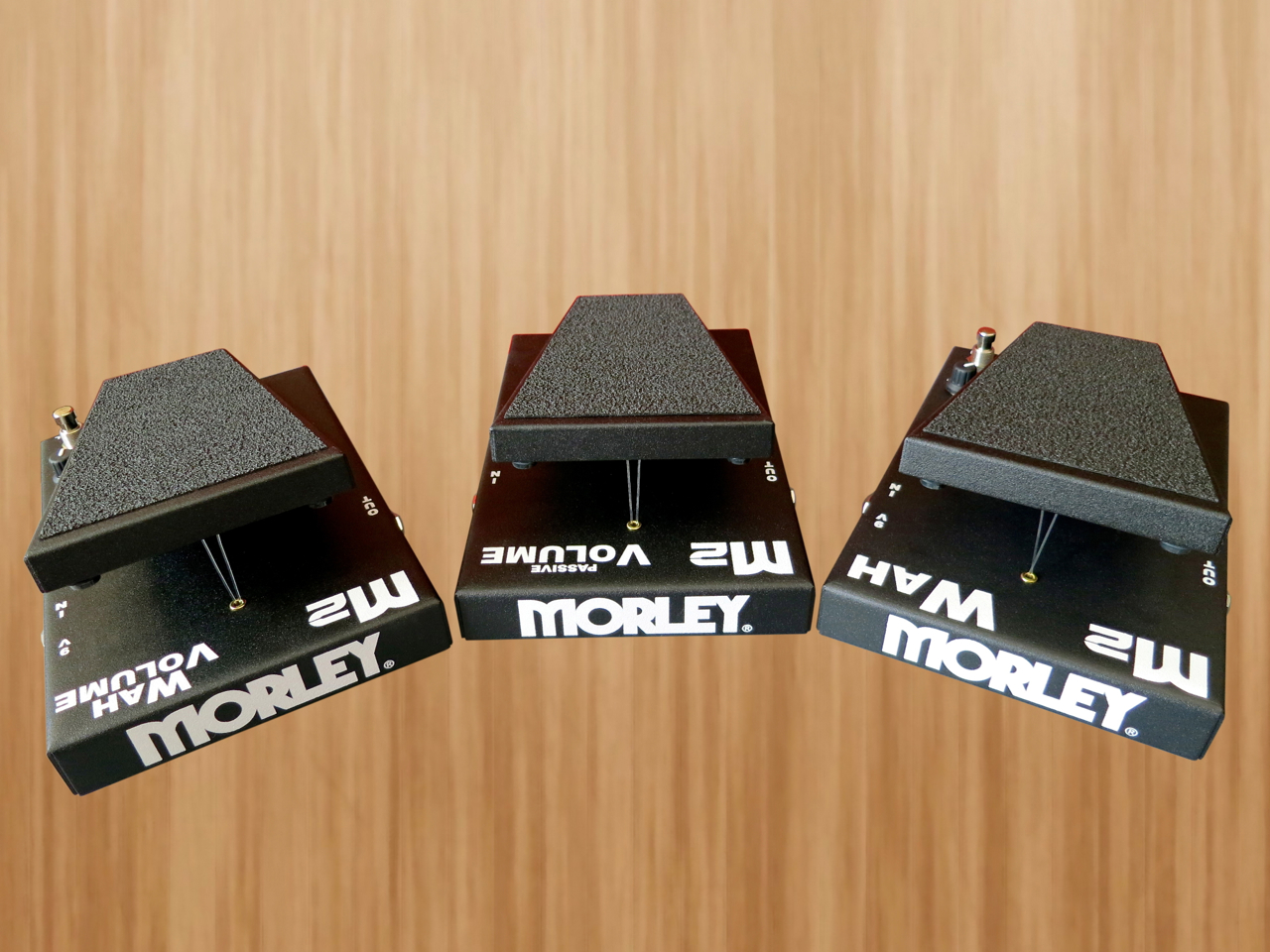
Morley M2 – group shot – final

US brand Morley are best known for their pro-quality wahs and volume pedals that many players – like Steve Vai, George Lynch and Mark Tremonti – rely on in their setups. Morley’s original series uses electro-optical electronics, instead of traditional potentiometres. The big advantage in going electro-optical lies in the fact that such a pedal won’t ever become scratchy or intermittent, because there is no mechanical control pot to wear out or become dirty.

There are quite a few guitarists, though, which – for some reason or other – prefer the ”feel” and ”sound” of a mechanically controlled pedal to that of an electro-optical one. Morley’s new M2-series is a nod to the more traditional players.

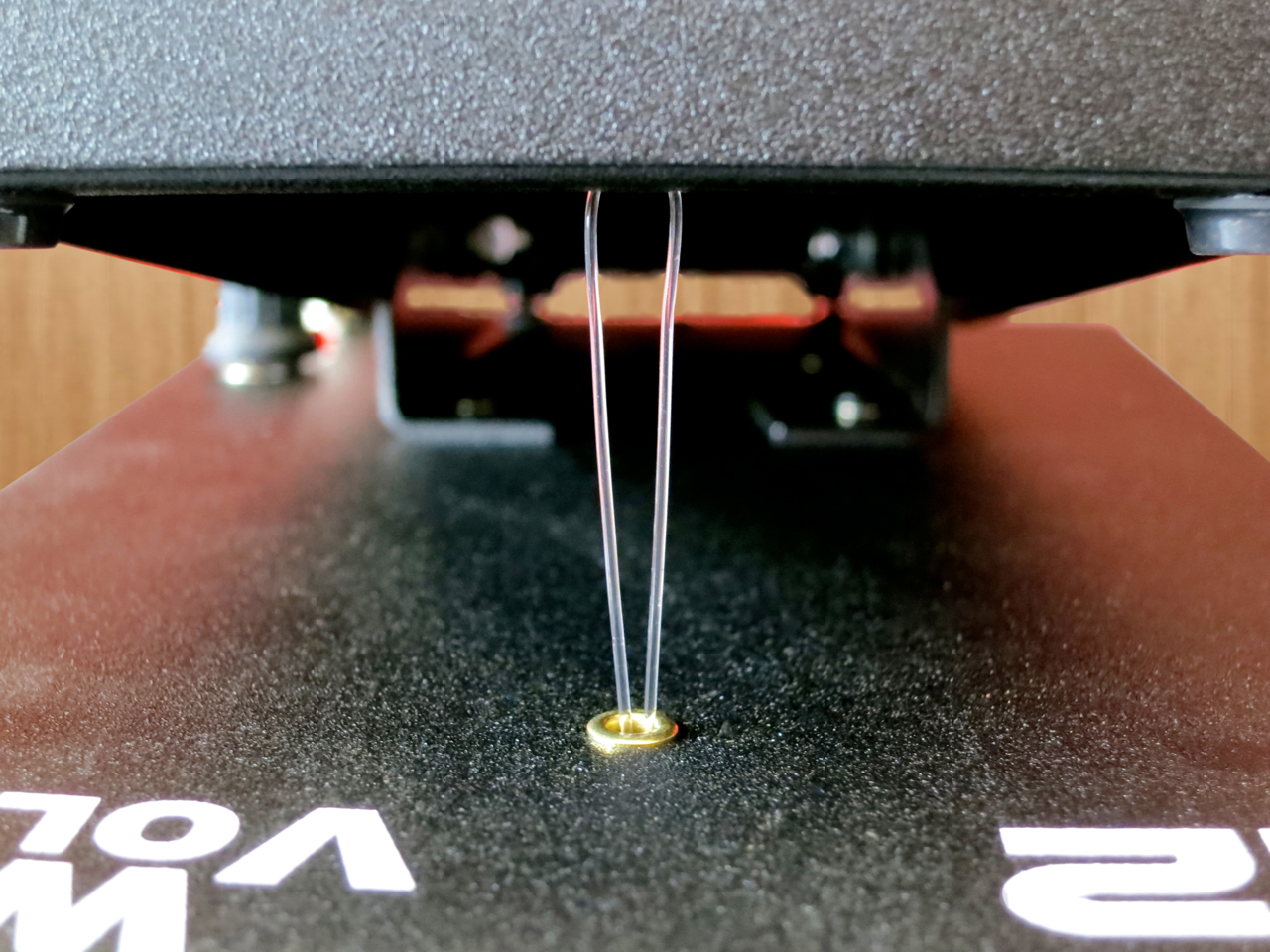
Morley M2 Wah Volume – nylon string

Nevertheless, Morley still like to do things their own way, which is why the company has come up with a different type of mechanical control for their M2-pedals:

Traditional pedals (and their descendants) use a rack, mounted beneath the treadle, to turn the pinion of a large control pot attached to the top of the pedal’s casing. Hanging in this exposed position, the pot is prone to take in dirt, moisture and dust, which in turn shortens its lifespan and affects signal quality. Sooner or later you will have to change the old pot for a brand-new one.

Morley’s M2-pedals use a top grade, sealed fader, tucked away neatly inside the pedal’s casing. The fader is moved by sturdy nylon strings attached to the front and back of the treadle.

****

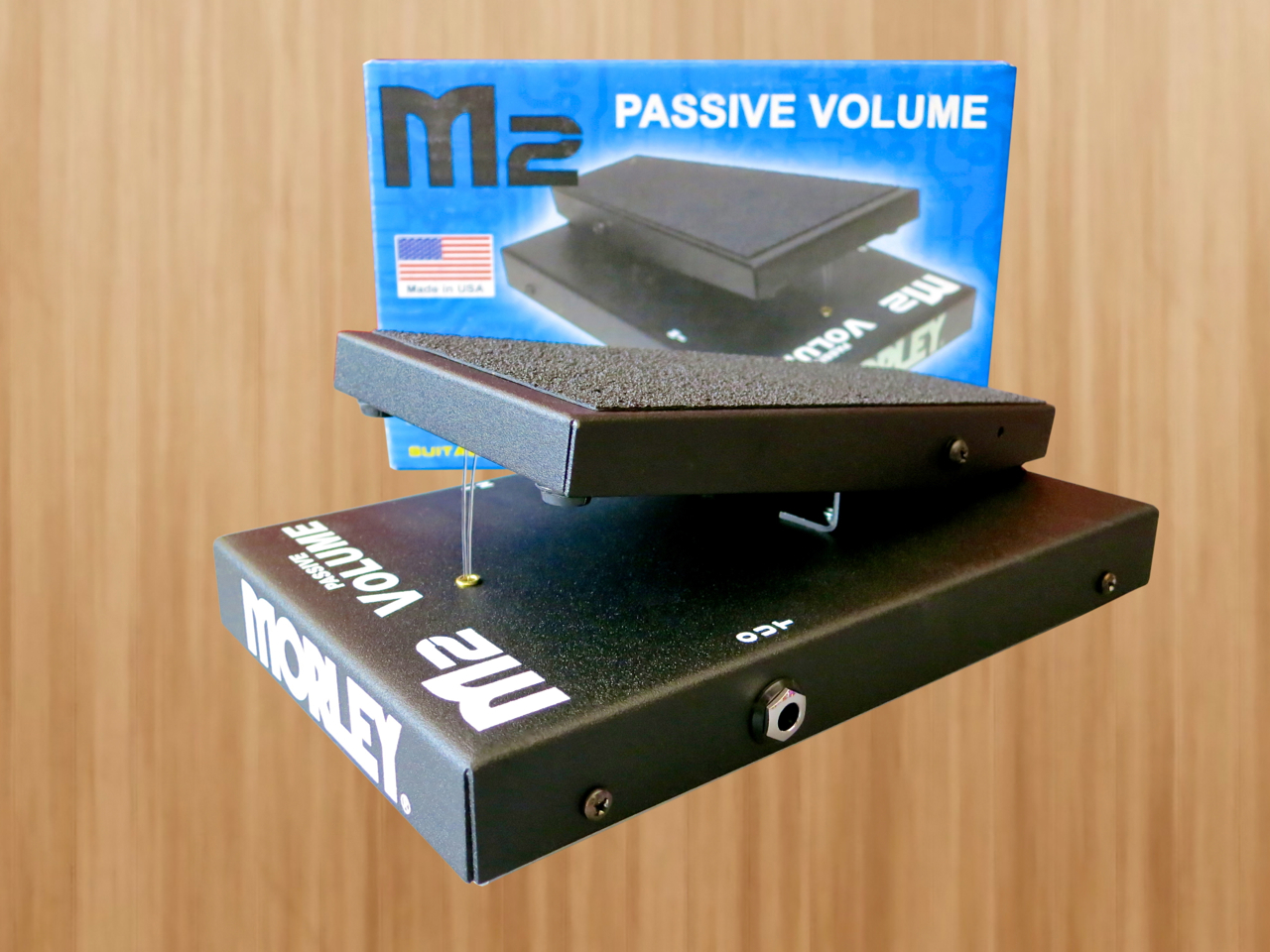
Morley M2 Passive Volume – with box

For this review we got three M2 models from Vantaan Musiikki:

The first pedal is the Morley M2 Passive Volume (current price in Finland: 76 €), which works without the need for a battery.

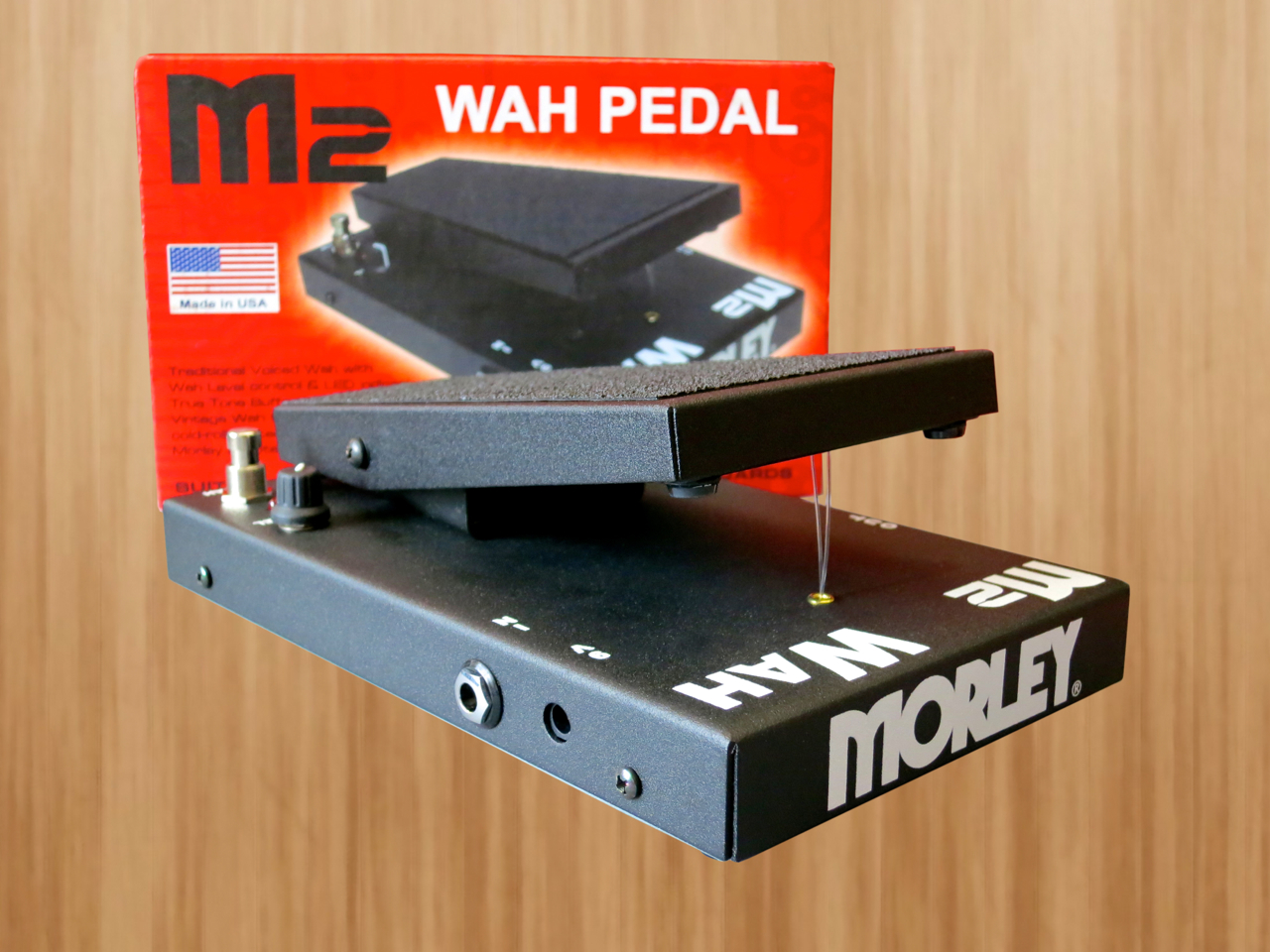
Morley M2 Wah – with box

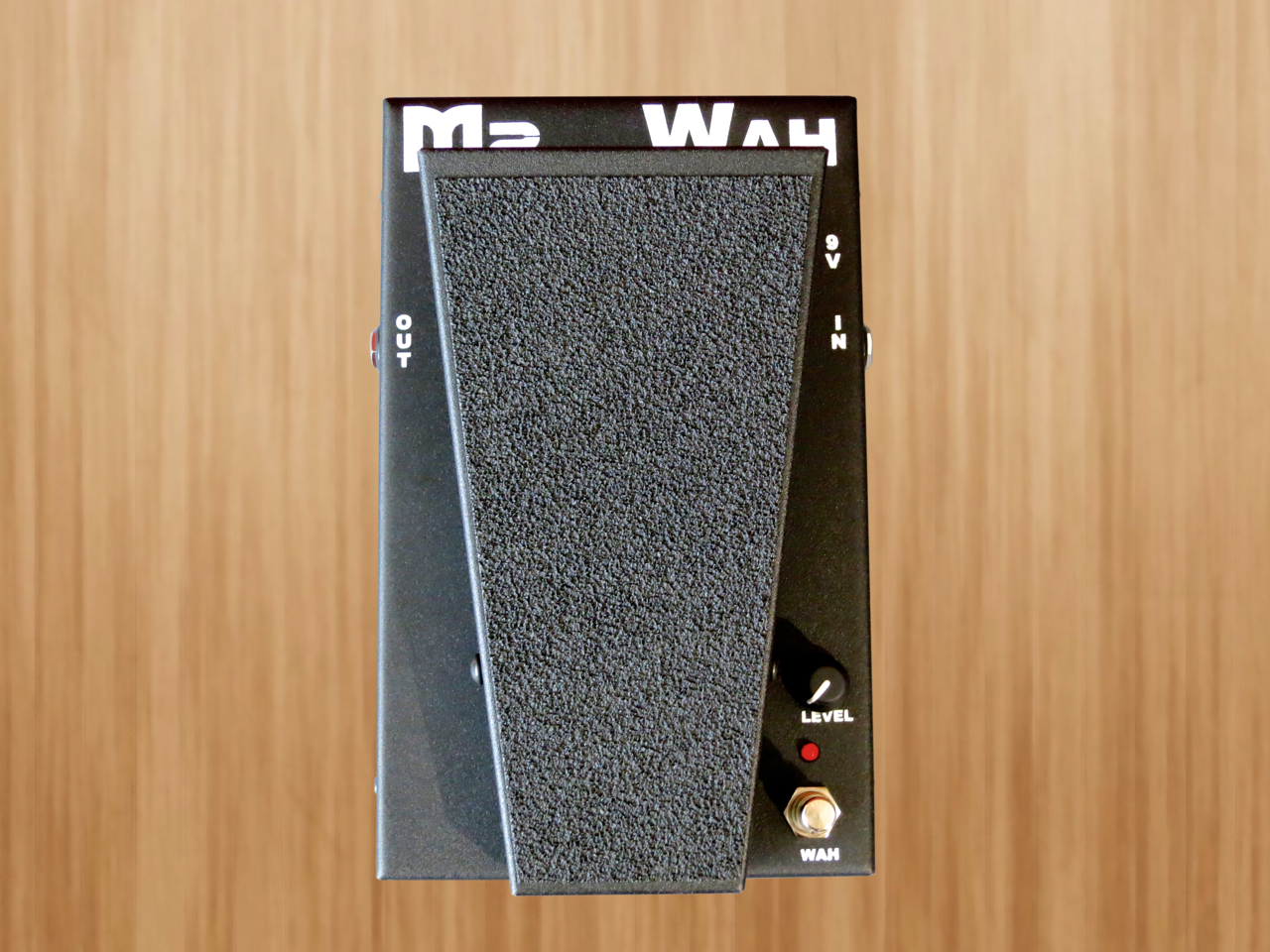
The second model is the Morley M2 Wah (83 €), which promises to deliver vintage-toned wah-goodness.

Morley M2 Wah Volume – with box

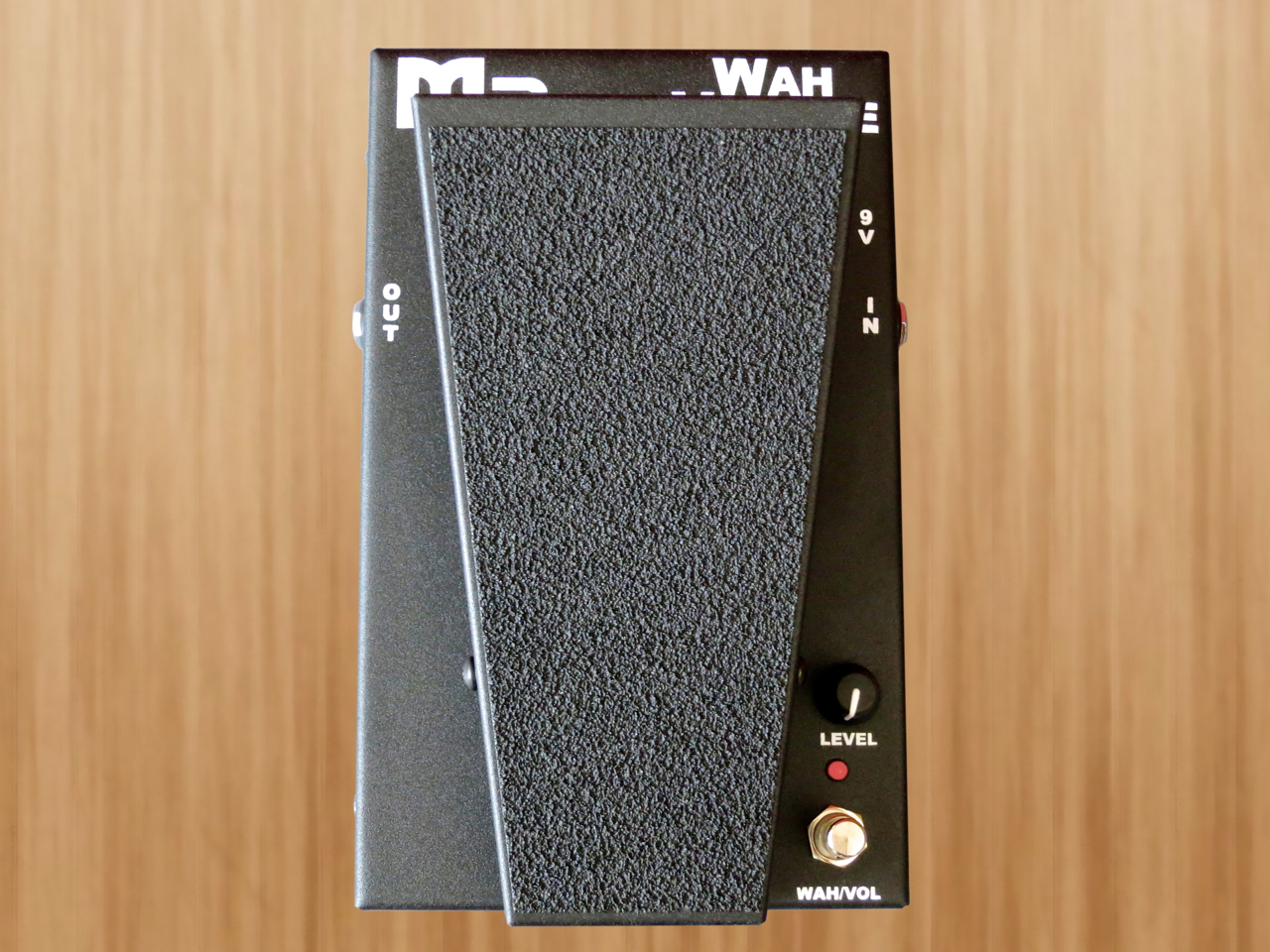
And, last but not least, there’s a cool twin-mode pedal – the Morley M2 Wah/Volume (94 €).

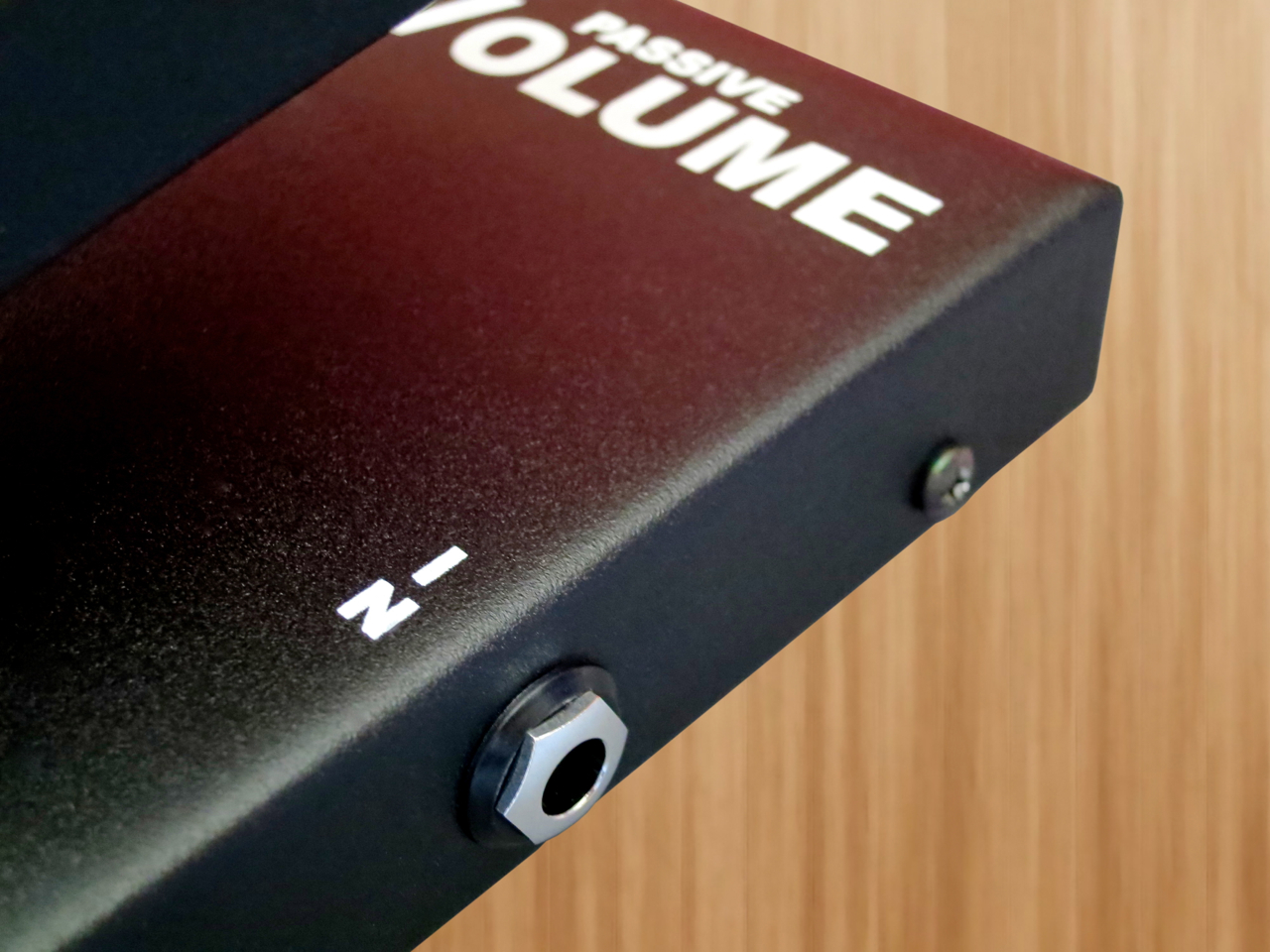
Morley M2 Passive Volume – input

This trio of M2-pedals share the same basic build:

The housing is made from folded, cold-rolled steel, resulting in very sturdy and trustworthy pedals. The treadle sports a thick cover of non-slip material that will keep your foot safely on the pedal, no matter what.

The guitar input is on the Morley’s right flank.

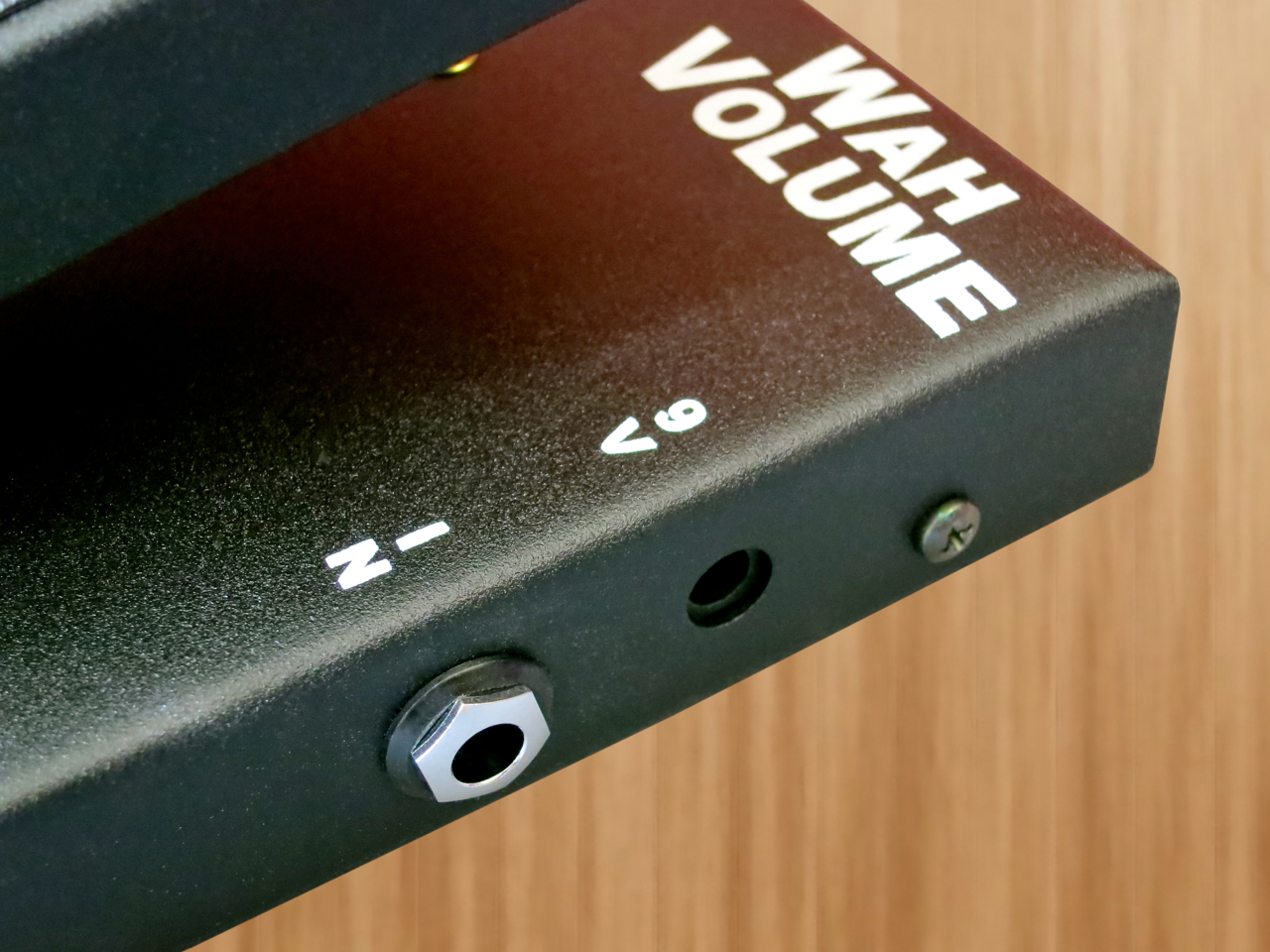
Morley M2 Wah Volume – input

The two active pedals – the M2 Wah and the M2 Wah/Volume – additionally feature a standard 9 Volts DC input.

Morley M2 Wah – base plate

You can also run the active pedals using a 9 V battery. The battery compartment comes equipped with an easy-to-open quick clip lid.

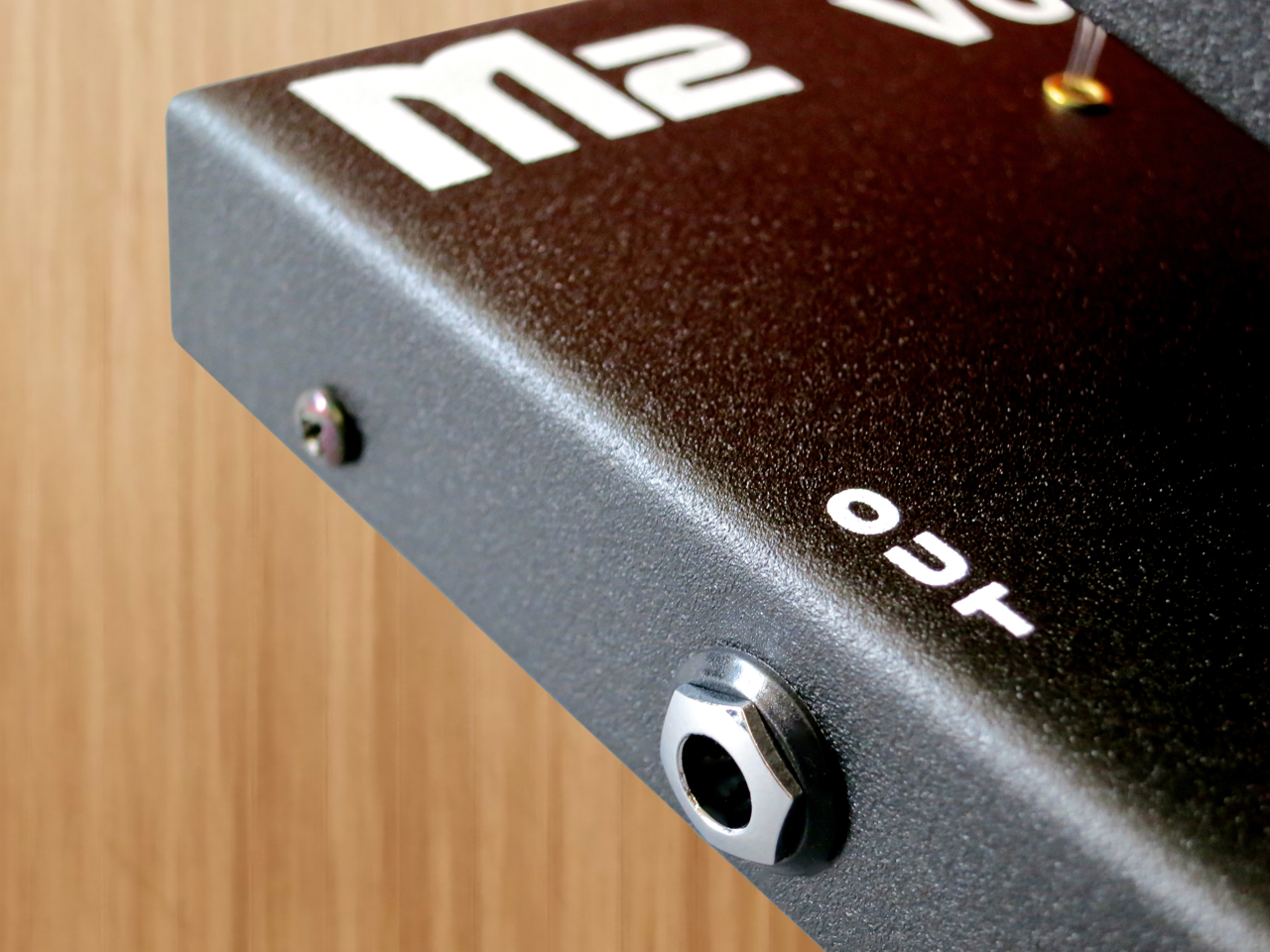
Morley M2 Passive Volume – output

The output has been placed on the left side of the M2-pedals.

Morley M2 Wah – switch and control

The M2 Wah features an On/Off-switch for the wah-effect (with a red indicator LED), as well as a dedicated level control for the effect signal.

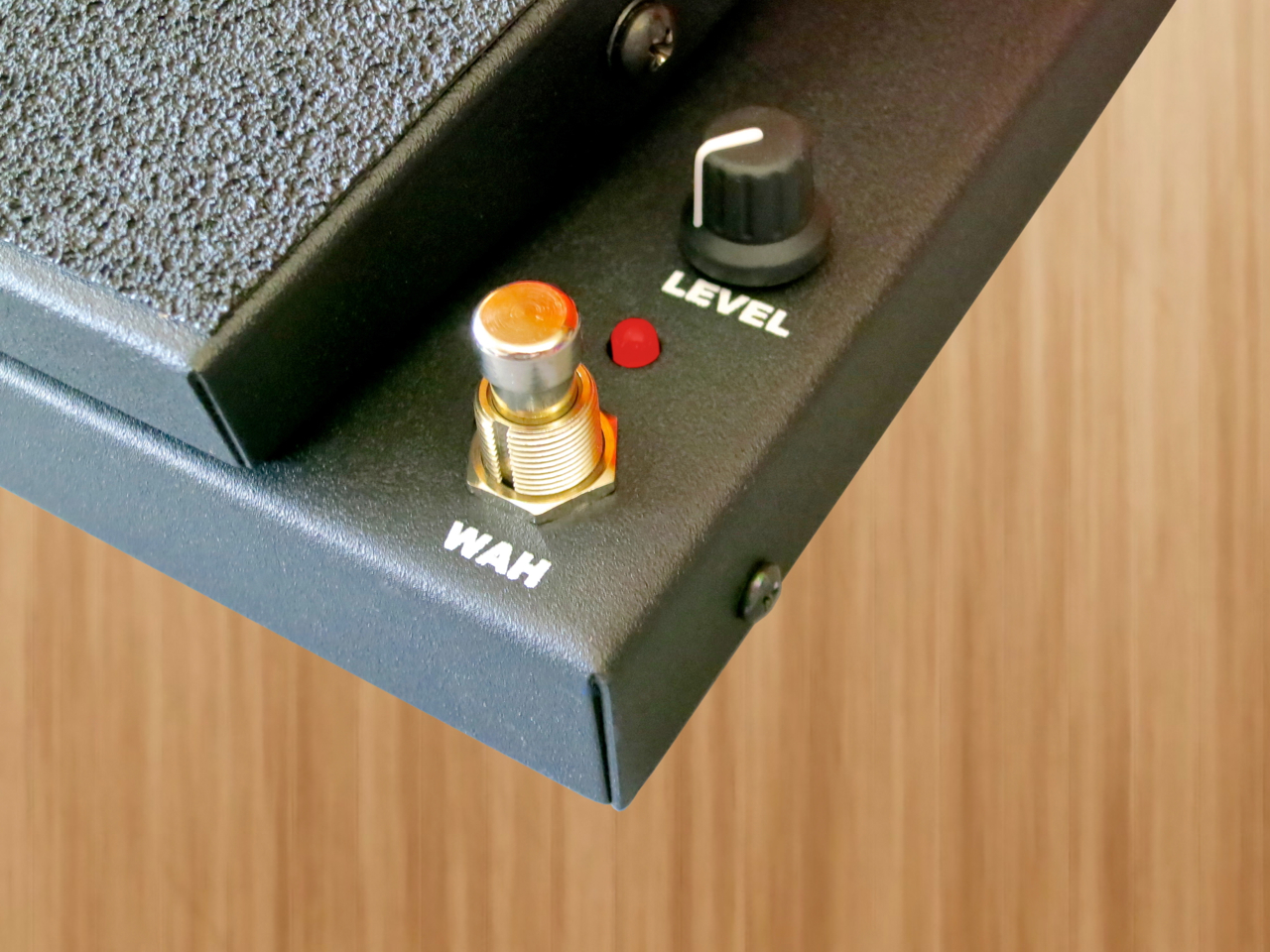
Morley M2 Wah Volume – switch and control

The control setup on the M2 Wah/Volume looks identical, but it functions a bit differently:

The footswitch toggles between volume mode (LED off) and wah mode (LED on). The level knob works only on the wah side of things.

****

Morley M2 Passive Volume – front view

Morley’s M2 Passive Volume-pedal works extremely smoothly, evenly and precisely. There are no jumps or wobbles in the volume level, instead the Passive Volume works just as it should, and without having any noticeable effect on your guitar’s inherent tone. The M2 Passive Volume clearly is a pro-quality choice at a very fair price.

Morley M2 Passive Volume – left

****

Morley M2 Wah – top view

Morley’s M2 Wah comes equipped with an internal active buffer (the Morley True Tone Buffer), which stays on, even with the wah-effect turned off. An active buffer will prevent audible signal deterioration, even if you’re using a long line of (true bypass) effect pedals or a very long cable between you effects and the amp. The only ”drawback” of an active buffer is that the pedal will draw a tiny bit of current, even with the effect turned off.

Oh, boy, Morley’s wah-sound is just what the doctor ordered! The M2 Wah’s filter sounds really juicy, and the pedal works in a very musical and organic way.

Morley M2 Wah – left

****

Morley M2 Wah Volume – right

The M2 Wah/Volume combines both volume control and wah-wah with an active buffer, meaning you do need a battery (or power supply) to run the pedal’s volume side, too.

Morley’s Wah/Volume-pedal manages to combine both effects in an easy-to-use, handy package. This pedal’s volume mode works just as evenly and smoothly as the M2 Passive Volume, while the wah side of things sounds just as tasty as in the stand-alone M2 Wah.

The M2 Wah/Volume was simply too good to let go – I had to buy one!

Morley M2 Wah Volume – top view

****

Morley M2 Wah – right

For some reason, I’ve always dug Morley’s straightforward and unsentimental design. The new M2-series, too, has that famous big, black and square ”Morley look”. Morley’s M2-pedals sure don’t look cute, but they more than make up for it when it comes to roadworthiness and reliability.

Many professionals rely on a Morley for their sound. I’m sure that these M2-series pedals will find their way into many a musician’s arsenal.

I’d suggest you go and check them out!

Morley M2 Wah Volume – left

****

Morley M2 -series

M2 Volume – 76 €

M2 Wah – 83 €

M2 Wah/Volume – 94 €

Finnish distributor: Musiikki Silfverberg

Many thanks to Vantaan Musiikki for the loan of the review pedals!

****

Pros:

+ excellent value-for-money

+ made in USA

+ sturdy build

+ work smoothly

+ sound

+ buffered output (M2 Wah and M2 Wah/Volume only)

Testipenkissä: Carvin MicroBass MB 10

Carvin MB10 Micro Bass – control panel

Carvinin erittäin kompakteissa MicroBass-bassokomboissa firman ultrakevyt BX 250 MicroBass -vahvistin on upotettu neljään erikokoisiin kaappeihin. Hyvän suunnittelun ja nykyaikaisten (entistä kevyempien) kaiuttimien ansiosta, jopa isoin Carvin MicroBass -kombo – kahdella kymppituumaisella kaiuttimella, sekä diskanttitorvella varustettu MB210 – painaa vain 16 kiloa.

Kitarablogi sai testiin MicroBass-perheen pienimmän jäsenen, MB10-kombon, jolla pystyy matkustamaan vaikkapa julkisilla treeneihin tai keikalle.

****

Carvin MB10 Micro Bass – front view

Carvin MicroBass MB10 (577 €) on oikea kompaktiuuden ruumiillistuma:

Kombon ulkomitat ovat vain 47 x 33 x 28 cm (k/l/s), ja pikku-Carvinin paino pysyy jopa alle 12 kilon!

Carvin MB10 Micro Bass – side view

Pienuudestaan huolimatta myös tämä Carvin on jämerää tekoa.

Kunnon metalliritilän takana näkyy kymppituumainen bassokaiutin, sekä kombon neodyymimagneetilla varustettu diskanttitorvi.

Carvin MB10 Micro Bass – back view

MicroBass MB10 -vahvistinta voi käyttää joko pystyasennossa tai sivullaan. Kombon suljetun kotelon kylkeen on tätä varten lisätty toinen satsi kumijalkoja.

Carvin MB10 colour options

Musta vinyylipäällyste on MB10:ssä vakiona, mutta pientä lisämaksua vastaan (40 €) voi tilata oman MicroBass-kombon vaikkapa käärmeennahka-kuvioisella vinyylillä.

****

Carvin MB10 Micro Bass – control panel – large

Carvin BX 250 MicroBass -vahvistimen varustelu ei todellakaan jätä toivomiseen varaa:

Carvinin etuvahvistin toimii A-luokan periaatteella mukavan alhaisella kohinatasolla. Drive-säädintä avaamalla voi saada soundia vintage-tyylisesti vielä rouheammaksi ja mehevämmäksi, mutta säröpedaalin kaltaista Metal-säröä ei pitäisi odottaa tästä vahvistimesta.

Contour-säätimen tarkoitus on lisätä soundiin hieman loudness-maista esi-EQ:tä, jossa basso- ja diskanttirekistereitä boostataan vähän, samalla kun keskialueelta otetaan hieman signaalia pois. Signaaliin voi näin lisätä jo hieman potkua (ja siistiä keskitaajuuksia), ilman että taajuuskorjaimiin on edes koskettu.

MicroBassin EQ-osasto on hyvin varusteltu – Bass- ja Treble-hyllykorjainten lisäksi on tarjolla jopa kaksi puoliparametrista korjainta keskitaajuuksille.

Vahvistimesta löytyy myös bassolle optimoitu, helppokäyttöinen kompressori. Signaalitasosta ja kompressorin toimesta saa MicroBass-kombossa myös optista viestiä, punaisella merkkivalolla muuten violetin jewel-valon keskellä. Carvinin kompressori toimii musikaalisesti ja on oiva työkalu, jolla saadaan pikkukombosta kaikki irti. Jo hyvin maltillisesti käytettynä kompressori tekee lopputuloksesta siistimmän, ja samalla voi soittaa komboa lujempaa.

Omilla, sisäisillä kaiuttimilla MicroBassin D-luokan päätevahvistimen maksimitehoksi ilmoitetaan 200 wattia. Sopivalla lisäkaapilla voidaan saada pikkukombosta vielä 50 wattia lisää tehoa ulos.

Kaappilähdön lisäksi on tarjolla vielä kuulokelähtö (joka on samalla myös lähtö viritysmittarille), sekä balansoitu DI-lähtö (XLR). Kuuloke- ja DI-lähdölle on yhteinen säädin signaalitasolle (DI Level), ja Pre/Post-kytkimellä voi valita lähetetäänkö tulosignaali suoraan lähtöihin vai käytetäänkö EQ:lla ja kompressorilla höystetty signaali lähteenä.

Pehmeän vintage-soundin ystävät iloitsevat varmasti Tweeter-pikkukytkimestä, jolla saa haluttaessa diskanttitorvi hiljaisemmaksi.

Koska soundin kuvailu on hyvin hankalaa touhua, olen äänittänyt erilaisia audiopätkiä, joilla saa kuvan Carvin MicroBass MB10:n monipuolisuudesta. Äänitykset on tehty kahdella mikrofonilla (siis ilman DI-lähtöä):

Jazz Bass – EQ:t neutraaliasennossa

Jazz Bass – kevyt bassoboosti, Tweeter-kytkin Dim-asennossa

Jazz Bass – plektralla, pieni ripaus Contouria

Jazz Bass – slap-soittoa, Contour-säädin kello 12

Höfner 500/1 – plektralla, Tweeter-kytkin Dim-asennossa

Rickenbacker 4003

Rickenbacker – plektralla

****

Carvin MB10 Micro Bass – front view 2

Jos olet todella kovaäänisen Thrash Metal -bändin basisti, tai jos olet lähdössä soittamaan seuraava keikkasi Olympiastadionilla, Carvinin pikkukombo ei ole ehkä se paras valinta. MicroBass MB10 on kyllä – etenkin kokoonsa nähden – hyvin kovaääninen bassokombo, mutta jossain tulee kuitenkin raja vastaan.

Carvin MicroBass MB 10 on kuitenkin loistava valinta meille enemmistölle, jotka soittavat säännöllisesti ravintoloissa ja pubeissa. Näissä paikoissa Carvinin maltillinen volyymi, kompakti koko ja loistava soundi tekevät MicroBass-kombosta lyömättömän keikkakoneen. Studiossakin pieni bassovahvistin on usein kullan arvoinen, koska vuotoäänet, esimerkiksi rumpumikkeihin, saa estettyä helpommin. Myös Unplugged-, Folk- ja akustisen Jazz-musiikin ystäville pikku-Carvin voi osoittautua erinomaiseksi valinnaksi.

****

Carvin MicroBass MB10

577 €

Maahantuoja: Musiikki Silfverberg

Kiitos Vantaan Musiikille testivahvistimen lainaamisesta!

****

Plussat:

+ kompakti koko

+ alhainen paino

+ monipuolinen

+ helppokäyttöinen kompressori

+ soundi

Testipenkissä: Morley M2 Wah, M2 Wah Volume + M2 Passive Volume

Morley M2 – group shot – final

Amerikkalaisvalmistaja Morley on tunnettu laadukkaista wah- ja volume-pedaaleistaan, jotka kuuluvat esimerkiksi Steve Vain, George Lynchin ja Mark Tremontin vakiotyökaluihin. Alkuperäiset Morley-pedaalit on usein toteutettu optisella tavalla, ilman perinteistä mekaanista potentiometriä polkimen alla.

Joidenkin kitaristien mielestä mekaaninen säädin kuulostaa ja tuntuu kuitenkin – vaikeasti selitettävällä tavalla – ”paremmalta” kuin optisesti toteutettu wah-pedaali, ja juuri heitä varten Morley on kehittänyt uuden M2-sarjansa.

Morley M2 Wah Volume – nylon string

Morley on kuitenkin Morley, ja firma on päättänyt käyttää M2-sarjassa omaa säätömekanismiaan:

Perinnepedaaleissa (ja niiden kopioissa) polkimen etupäähän on kiinnitetty hammastanko, joka kääntää kotelon kanteen asennettua säädintä. Näiden pedaalien iso potikka altistuu pölylle ja lialle, mikä voi johtaa siihen, että signaali alkaa jossain vaiheessa rahista. Silloin on useimmiten edessä potentiometrin vaihto.

Morley M2 -pedaaleissa käytetään military-speksattua, kotelon uumeniin asennettua liukusäädintä, jota säädetään polkimen etu- ja takapuoliin kiinnitetyillä nailonsiimoilla.

****

Morley M2 Passive Volume – with box

Saimme Vantaan Musiikilta kolme M2-pedaalia testiin:

Ensimmäinen on ilman paristoa toimiva Morley M2 Passive Volume (76 €).

Morley M2 Wah – with box

Toinen pedaali on sarjan klassisia wah-soundeja tarjoava Morley M2 Wah (83 €).

Morley M2 Wah Volume – with box

Ja kolmas on todella kätevä yhdistelmäpedaali – Morley M2 Wah/Volume (94 €).

Morley M2 Passive Volume – input

M2-kolmikon perusrakenne on sama:

Pedaalit on rakennettu täysin taitetusta teräksestä, ja lopputulos vaikuttaa erittäin kestävältä ja luotettavalta. Poljin on päällystetty paksusti luistamattomalla materiaalilla, joka pitää kengän pohjan tiukasti ja turvallisesti pedaalilla.

Tulo kitarajohdolle on Morley:ssa pedaalin oikeassa laidassa.

Morley M2 Wah Volume – input

Kolmikon aktiivipedaaleissa – M2 Wah ja M2 Wah/Volume – on kitaratulon lisäksi vielä liitin virtalähteelle.

Morley M2 Wah – base plate

Näitä kahta pedaalia voi luonnollisesti myös käyttää yhdeksän voltin paristolla, ja paristolokeroon päästään ilman ruuvimeisseliä.

Morley M2 Passive Volume – output

Vasemmasta kyljestä taas löytyy kaikissa M2-pedaaleissa lähtöjakki.

Morley M2 Wah – switch and control

M2 Wahissa on efektille tarkoitettu päälle/pois-jalkakytkin, punainen led-valo, sekä Level-säädin efektin lähtötasolle.

Morley M2 Wah Volume – switch and control

M2 Wah/Volume-pedaalin kattaus näyttää samanlaiselta, mutta yhdistelmäpedaalissa jalkakytkin vaihtaa pedaalin käyttötilaa volumesta (ledi pois päältä) wahiin (valo on päällä) ja takaisin.

****

Morley M2 Passive Volume – front view

Morley M2 Passive Volume -pedaali toimii erittäin jouhevasti, sulavasti ja tarkasti. Äänenvoimakkuutta säädettäessä ei esiinny minkäänlaisia kuoppia, eikä hyppelehtimistäkään, vaan volyymimuutokset ovat tasaisia polkimen koko liikeradalla. Pedaali vaikuttaa siis luotettavalta ja oivalta työkalulta.

Morley M2 Passive Volume – left

****

Morley M2 Wah – top view

M2 Wah -pedaalissa on aktiivinen bufferi (Morley True Tone Buffer), joka on päällä myös silloin, kun wah-efekti on pois päältä. Bufferivahvistimen ansiosta signaali ei huonone käytännössä lainkaan, vaikka pedaalin jälkeen olisi käytössä tavallista isompi määrä muita efektejä, tai vaikkapa erittäin pitkä johto vahvistimeen. Bufferin ainoa ”huono” puoli on se, että pedaali tarvitsee aina pienen määrän käyttövirtaa.

Morleyn wah-soundi on täysin minun makuuni! M2 Wah:n filtteri kuulostaa erittäin mehevältä ja koko pedaali toimii erittäin orgaanisella ja hyvin musikaalisella tavalla.

Morley M2 Wah – left

****

Morley M2 Wah Volume – right

Erittäin kätevässä M2 Wah/Volume-pedaalissa molemmat puolet käyttävät efektin sisäistä bufferia – siis: tässä pedaalissa myös volume-toiminto tarvitsee toimiakseen pariston (tai virtalähteen).

Morleyn Wah/Volume-pedaali onnistuu yhdistämään hyvin käytännöllisellä tavalla sekä wah-efektin että äänentason säätämistä. Volume-puoli toimii yhtä jouhevasti ja tarkasti kuin Passive Volume -pedaalissa, ja wah-soundi on yhtä herkullinen kuin M2 Wah -polkimessa.

Itse asiassa pidin tästä pedaalista niin paljon, että ostin sen itselleni!

Morley M2 Wah Volume – top view

****

Morley M2 Wah – right

Jostain syystä Morleyn suorasukainen ja epäsentimentaalinen muotoilu on aina vedonnut minuun. Myös uusi M2-kolmikko koostuu kolmesta isosta mustista laatikosta. Morley ei ehkä saa koskaan design-palkintoa, mutta M2-pedaalien jämeryys ja kestävyys on vailla vertaa.

Morleyn soundiin luottavat monet ammattimuusikot, ja M2-sarja on selvästi rakennettu kestämään myös rankempaa kiertue-elämää mukisematta.

Kokeilemisen arvoisia polkimia siis!

Morley M2 Wah Volume – left

****

Morley M2 -sarja

M2 Volume – 76 €

M2 Wah – 83 €

M2 Wah/Volume – 94 €

Maahantuoja: Musiikki Silfverberg

Kiitos Vantaan Musiikille testipedaalien lainaamisesta!

****

Plussat:

+ loistava hinta-laatu-suhde

+ valmistettu USA:ssa

+ jämerä rakenne

+ toimivat jouhevasti ja tarkasti

+ soundi

+ bufferoitu lähtö (vain M2 Wah ja M2 Wah/Volume)

Testipenkissä: Boss VE-1 + VE-2

Boss VE-1 + VE-2 teaser

Boss VE-1 Vocal Echo (noin 170 €) ja VE-2 Vocal Harmonist (noin 200 €) ovat erittäin käteviä efektiratkaisuja laulajalle, trubaduurille, sekä taustalaulua hoitavalle bändisoittajalle, jotka antavat itse muusikolle kaikki laulusoundinsa ainekset käteen.

Boss VE-1 on enemmän laulusolistille suunnattu työkalupakki, joka tarjoaa portaattomasti säädettävää vireenkorjausta ja laajan valikoiman eri kaiku- ja viive-efektejä. Boss VE-2 taas on stemmakone, joka pystyy tunnistamaan biisin soinnut myös suoraan omasta kitaratulostaan.

****

ve-1_top_gal

VE-1 Vocal Echo tarjoaa yllättävän paljon kompaktissa paketissa:

Nimensä mukaan VE-1 tarjoaa seitsemän eri kaiun ja viiveen yhteisefektiä. Viiveet pystyy tahdistamaan tap tempo -toiminolla. Toistojen määrää ja viiveen voimakkuutta pystyy myös säätämään. Tilaefektien yleissoundiin vaikuttaa helppokäyttöinen Tone-säädin.

Enhance-napilla voi ottaa Bossin automaattisen kompressorin käyttöön. Enhance tarjoaa kaksi eri vaihtoehtoa – miedompi ja vahvempi kompressio.

VE-1:n reaaliaikaista vireenkorjausta säädetään Correct-potikalla, ja säätövaraa riittää hyvin miedoista korjauksista rankkaan Rap- tai EDM-meininkiin. Tarvittaessa voi myös muokata vireenkorjatun signaalin ”sukupuolta”, enemmän miehekkääksi tai naiselliseksi.

Viimeinen efektiosasto on Bossin tarjoama automaattinen tuplaus (Double), jonka ansiosta livelauluun saadaan mukaan monilta levyiltä tuttua efektiä.

VE-1:n sisäiseen muistiin voi tallentaa kolme eri patchia, esimerkiksi illan setin eri lauluja varten.

ve-1_back_gal

Boss VE-1:n takapaneelista löytyy kaikki tarpeelliset liittimet:

Balansoitu mikrofonitulo phantomsyötöllä, balansoitu XLR-lähtö, sekä minikokoinen kuulokelähtö.

Footswitch-liittimeen voi kytkeä esimerkiksi Bossin FS-5U- tai FS-6-jalkakytkimet, joilla pystyy vaihtamaan Memory-patcheja lennossa tai laitamaan Double-tuplausta päälle ja pois.

USB-portin kautta voidaan äänittää oman laulusuorituksensa suoraan digitaalisesti tietokoneelle (tarvittaessa jopa taustanauhan kera).

Boss VE-1 toimii joko neljällä AA-paristolla tai (lisävarusteena saatavalla) virtalähteellä.

****

ve-2_top_gal

Punainen Boss VE-2 on oiva stemmakone:

Vocal Harmonist -osastolta löytyy Type-valitsimen ja Variation-napin avulla peräti 24 erilaista taustalaulun vaihtoehtoa – unisono- ja oktaavivaihtoehdoista kolmisointuihin (= laulettu ääni plus kaksi keinotekoista laulajaa).

Taustaköörien soinnut/sävellajit määritellään joko etukäteen Key-kiertokytkimellä tai ohjailua hoidetaan interaktiivisesti Auto Harmonist -ominaisudella, jolloin VE-2 tunnistaa omatoimisesti kitaralla soitetut soinnut. Auto Harmonistin oiva hybriditila – jolloin VE-2 käyttää Key-kytkimen asetusta aina, kun kitarasignaalista ei pysty tunnistamaan sointuja – mahdollistaa myös kitarasoolon soittamista, ilman että stemmakone jäisi roikkumaan väärässä soinnussa.

Harmonist-osaston Balance-säätimellä määritellään tulosignaalin ja keinokuoron välistä signaalitasoa.

VE-2:n Enhance-nappi tarjoaa kaksi vaihtoehtoa – vain automaatista kompressointia tai kompressorin lisäksi myös vireenkorjausta mikrofonitulon signaalille.

Echo-säädin on helppokäyttöinen tapa lisätä koko signaaliin kaikua, viivettä, tai molemmat yhdessä.

Myös VE-2 tarjoaa kolme muistipaikkaa omille asetuksille.

Bossin omalla jalkakytkimellä voi vaihtaa kolmen tilan välillä:

Sininen valo tarkoittaa, että koko VE-2 on päällä, kun taas keltainen valo kertoo käyttäjälle, että ainoastaan Enhance- ja Echo-osiot ovat käytössä. Kun Boss on kokonaan pois päältä, valo sammuu.

ve-2_back_gal

VE-2:n takapaneelista löytyy enemmän liittimiä ja kytkimiä kuin VE-1:ssä:

Guitar In on kitaratulo, kun taas Guitar Thru -lähdöstä kitarasignaali syötetään muuttamattomana eteenpäin kitaravahvistimeen.

Balansoidussa XLR-lähdössä taas on VE-2:ssa mahdollisuus maalenkin katkeamiseen (Ground Lift).

Footswitch-tuloon voi kytkeä esimerkiksi Bossin FS-5U- tai FS-6-jalkakytkimiä, joilla pystyy vaihtamaan Memory-patcheja lennossa tai laitamaan Variation-vaihtoehdon päälle ja pois.

USB-portin kautta voidaan VE-2:ssakin äänittää oman laulusuorituksen suoraan digitaalisesti tietokoneelle (tarvittaessa jopa taustanauhan kera).

Myös Boss VE-2 toimii joko neljällä AA-paristolla tai (lisävarusteena saatavalla) virtalähteellä.

****

ve-1_angle_1_gal

Bossin VE-1 Vocal Echo osoittautui testissä hyvin helppokäyttöiseksi laitteeksi, jolla on pro-tason soundi.

Mikrofonietuaste on hyvin laadukas, ja jo pelkästään kaiku kuulostaa muhkealta:

Enhance-osaston laululle optimoidun kompressorin ja EQ:n ansiosta laulusoundista tulee sopivasti viimeistelty:

Jokaiseen kaikuun voi lisätä myös viive-efektin:

Vireenkorjausta pystyy säätämään juuri omalle laululle (tai biisille) sopivaksi. Tässä yksi pätkä, jossa Correct-säädin on kello kymmenen kohdalla:

Samankaltainen pätkä, mutta vireenkorjaus on säädetty kello kahteen:

Pitch Correct täysille kuulostaa tällaiselta:

Viimeisessä esimerkissä Correct-säädin on kello 12:n kohdalla, ja sen lisäksi automaattinen tuplaus on kytketty päälle:

****

ve-2_angle_2_gal

Bossin VE-2:sta on yhtä helppo käyttää kuin sinistä sisarmalliaan. Punaisen Vocal Harmonistin uumenissa työskentelee sama laadukas mikrofonietuaste, mikä luo hyvän perustan laadukkaalle soundille.

VE-2:n kaikuosaston tarjonta on vähän suppeampi, mutta stemmakoneen tilaefektit kuulostavat siitä huolimatta todella hyviltä.

Jos käyttää Harmonist-osastoa pelkästään Key-kiertokytkimellä, kannattaa valita taustalaulun Type-vaihtoehdo ne sopivimmat, koska esimerkiksi C-duurissa jotkut vaihtoehdot ovat tarkoitettu duurisointuja varten, kun taas toiset selvästi soivat A-mollissa.

Tässä kolme eri Key-vaihtoehtoa C-duurissa:

Kitarasyöttöä hyödyntävä Auto Harmonist -toiminta antaa käyttäjälle paljon enemmän valinnanvaraa, ja lopputuloksesta tulee vielä entistäkin luonnollisemman kuuloista. Tässä kaksi eri Auto Harmonistilla laulettua esimerkkiä:

****

ve-1_angle_2_gal

On kyllä uskomatonta miten tällaista prosessorivääntöä ja äänenlaatua saadaan pakattua näin pieniin ja helppokäyttöisiin laitteisiin!

Molempien Boss-koneiden soundi on erittäin hyvä ja luonnollinen. Tämän lisäksi soundillisesti hiottu lopputulos syntyy myös ilman tuntuvaa latency-viivettä.

Minun täytyy kuitenkin korostaa, että soundin hyvyys ja laulun vireisyys riippuvat silti aina myös tulevasta signaalista. Vaikka VE-1 ja VE-2 ovat mainiota, pro-tason laitteita, nekään eivät pysty tekemään todella kehnosta laulajasta Pavarotin.

Hyvästä laulajasta VE-1 tekee kuitenkin vielä paremman, ja todella hyvälle laulajalle VE-1 voi olla ikään kuin oman soundin tae ja lauluakrobatiikan turvaverkko.

Boss VE-2 taas on loistava työkalu, silloin kun trubaduuri haluaa lisää väriä esitykseensä. Punainen loota saa myös perinteisen keikkatrion kuulostamaan laulun kannalta paljon isommalta orkesterilta.

ve-2_angle_1_gal

****

Boss VE-1 Vocal Echo + VE-2 Vocal Harmonist

VE-1 – noin 170 €

VE-2 – noin 200 €

Maahantuoja: Roland

****

Plussat (molemmat laitteet):

+ hinta-laatu-suhde

+ helppokäyttöinen

+ laadukas mikrofonivahvistin

+ laadukkaat efektit

+ säädettävä vireenkorjaus (vain VE-1)

+ 24 eri stemmavaihtoehtoa (vain VE-2)

+ USB-audio

Miinukset (molemmat laitteet):

– käyttöohje ehkä hieman lyhytsanainen

****

Pidä blogia WordPress.comissa.

Ylös ↑