****
Spira Guitars -juttu löytyy TÄÄLTÄ.
Kitarablogi.com – Finland's premier Guitar and Bass blog
Juttuja kitaroista ja bassoista
****
This review was originally published in FINNISH.
****

How do you know that a new feature or phenomenon is here to stay? By finding this feature in instruments priced under 300 euros.
Northstar Guitars is a new brand of affordable electric guitars that focuses on heat-treated wood (also called “roasted”) in the necks of their Fender-style models. At first, heat treatment was only a feature found in custom shop instruments. Over time, roasted necks began to be available in mid-priced electric guitars as well. And now they can even be found in affordable instruments.
The whole idea behind heat treatment is to change the properties of recently felled wood into old and well-dried wood. When done correctly, heat treatment improves the sound of the entire guitar, and it also reduces the movement of the wood in response to the changing seasons.
Northstar Guitars is the brainchild of British company Tanglewood, known for its acoustic stringed instruments, which are manufactured in Asia. The company’s experience in both supplier selection and quality control has now been channelled into this new affordable electric guitar collection.
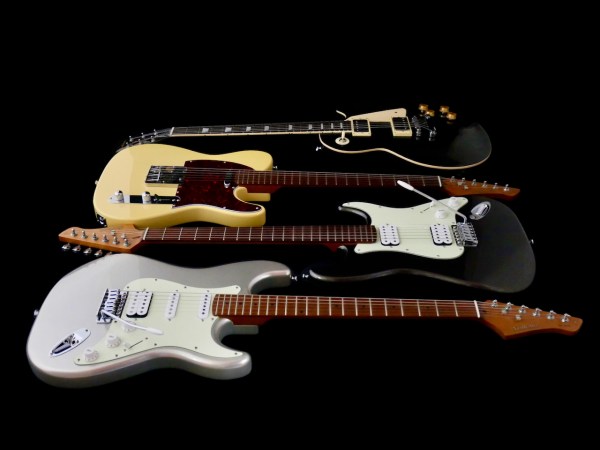
We received four electric guitars for this test from Northstar’s importer, Musamaailma – three Fender-style models, and one Les Paul copy.
****
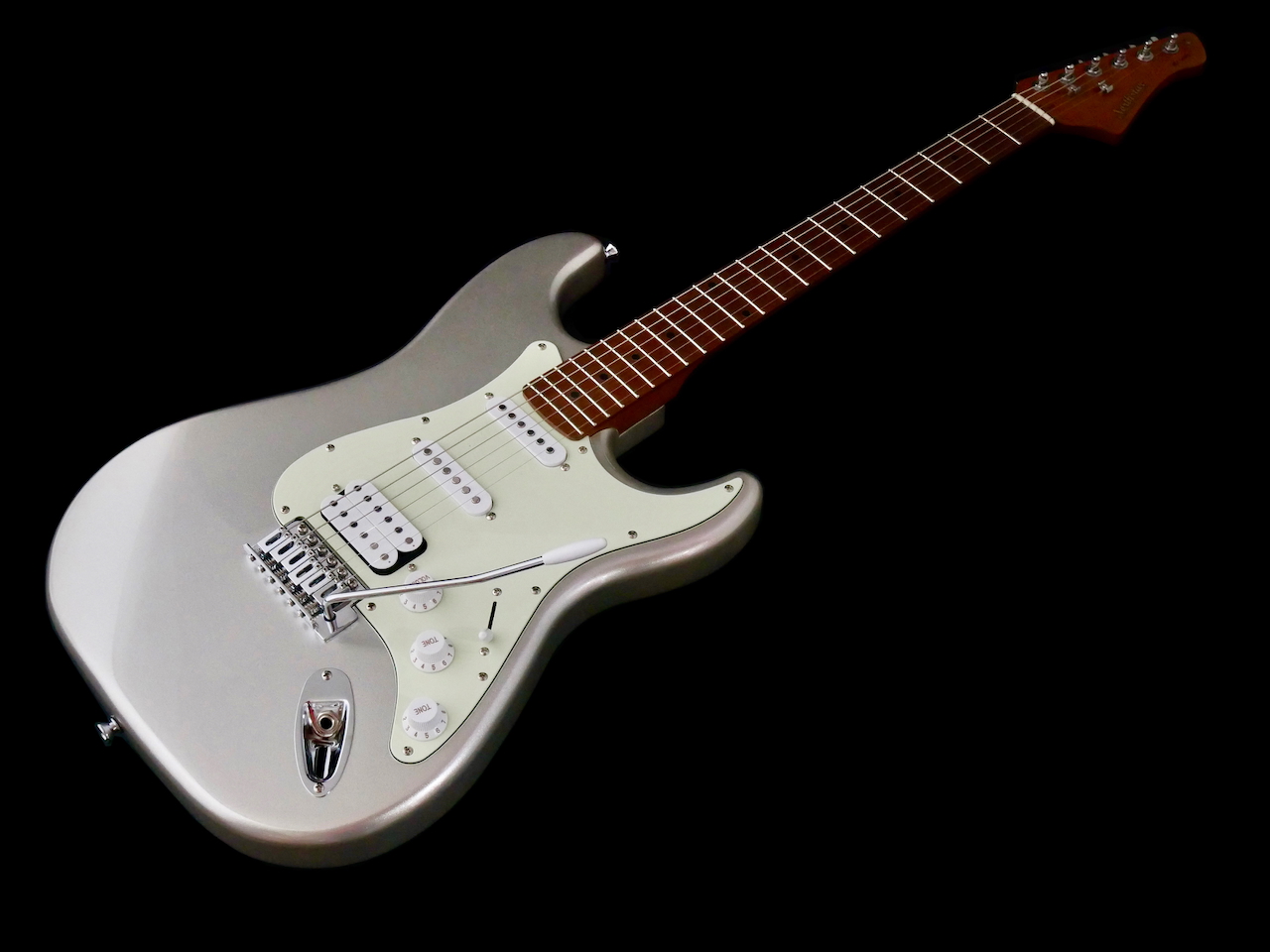

Northstar NS-1 HSS ja NS-1 HH (229,– € each)
Northstar Guitars has chosen the NS-1 model number for its Strato-like models. The company only offers a limited number of colour options, which is a deliberate decision that keeps the price of the guitars down.

The NS-1 HSS guitar comes in a finish called Inca Silver, while the HH version comes in a finish called Charcoal Frost. Both are beautifully executed metallic colours.

Both instruments use roasted maple for the neck and fingerboard. The wood looks beautiful, and there is even a slight flame visible on them.
Interestingly, the degree of roasting of the necks and fingerboards is different on the HSS and HH guitars, which is why the position marks on the NS-1 HH are a bit difficult to see, especially in dim lighting.
The Northstar NS-1 instruments use solid poplar for the bodies. In this price range, the affordability of the wood outweighs weight concerns, which is why the HSS model is comfortably medium-weight, while the HH guitar is already a bit heavier.
The workmanship of the Northstar NS-1 models is very neat, for example the quality of the fretwork is clearly among the best in this price range.

Everything seems to be in order in terms of the quality of the metal parts in the Northstar NS-1 guitars. The tuners are of the modern, enclosed and permanently greased variety, while the vibrato bridges are vintage-style (but with a slightly thinner block).
The pickups of both models use ceramic magnets. The HSS option has two single-coils and an open humbucker, while – as its name suggests – the NS-1 HH is an option with two open humbuckers. In the HSS model, the electronics consist of a five-way switch, as well as a master volume and two tone controls. The HH guitar has a three-way selector, as well as master volume and tone controls.
The playability of the Northstar NS-1 HSS and NS-1 HH is first-class. The guitars have identical neck profiles – a nice medium D – and the playing feel is fast and effortless.
The single coils on the NS-1 HSS sound deliciously dynamic and have a good dose of “woodiness”. The guitar’s humbucker pickup is well balanced with the single coils in terms of its output level, and this pickup also has a certain vintage style to its sound.
The NS-1 HH is clearly aimed at rock-minded players, as the pickups have a little more power and a very deliciously rough attitude.
****

Northstar NS-2 (229,– €)
The model number of Northstar’s Tele guitars is NS-2. The test instrument is finished in a creamy Vintage White colour.
The basic materials of the NS-2 are the same as those of the NS-1 guitars – a roasted maple neck, roasted maple fretboard and poplar body. Here too, the bolt-on neck has been given a thin matte finish, while the body is gloss lacquered.

Here too, the fretboard’s roast is relatively dark, which can make it difficult to see the fret marks in low light.

Since the NS-2 is a Tele-style instrument, the guitar naturally has a vintage Tele-style bridge. In this case, it is a so-called top-loader bridge, where the strings are not passed through the body, but rather anchored to the back wall of the bridge. This solution was found in original Teles from 1958/59, and its idea then was to speed up and facilitate the construction of the guitar.
Some claim that a top-loader bridge is a bad solution that degrades the guitar’s sustain and sound, but I haven’t noticed anything untoward about this Northstar. Well-known top-loader fans include Jimmy Page (Led Zeppelin) and Jim Campilongo, and both guitarists’ signature models feature this supposedly inferior bridge solution. So much for online rumours…
The workmanship and playability of the Northstar NS-2 are also of a very high level, and this test specimen was the lightest guitar in the test.
The original Telecaster was designed to offer the widest possible range of sounds – the bridge pickup is a bright and rootsy country and rock pickup, while the neck pickup offers a very warm and round jazz option. The ”both-pickups-at-the-same-time” selection, which only officially entered the picture in 1967, has adds some great funk sounds to this recipe.
The Northstar NS-2 offers good versions of these sounds with a small early-1970s emphasis, which has a bit more bite than the early 1950s Teles. This guitar will give you some great James Burton-style sounds from Elvis Presley’s Las Vegas era.
****

Northstar NS-3 (359,– €)
“And now for something completely different…”
The Northstar NS-3 is a Les Paul Standard-style electric guitar from Northstar. The NS-3’s body is carved from poplar. The maple neck is glued to the body and the bound fingerboard is rosewood.
The body and back of the neck are finished in a glossy Charcoal Frost metallic color.

The NS-3’s hardware consists of a tune-o-matic bridge and a stopbar tailpiece, as well as enclosed tuners with metal Kluson-style knobs.

The Northstar NS-3’s pickups are covered humbuckers. In addition to a three-position toggle switch, the guitar has four controls – each pickup has its own volume and tone controls.
Again, the workmanship and playability leave nothing to be desired in this price range. Based on the test sample, the weight of the NS-3 is still within reasonable limits. The neck profile is – as befits this type of guitar – a slightly rounder D, and it fits my hand very comfortably.
The Northstar NS-3’s pickups are not spoiled by excessive power, and they sound deliciously creamy and very dynamic. Thanks to the surprisingly high-quality pickups, this model covers a wide range of sounds – from clean and warm Jazz to rough 1970s Rock and modern Metal.
****
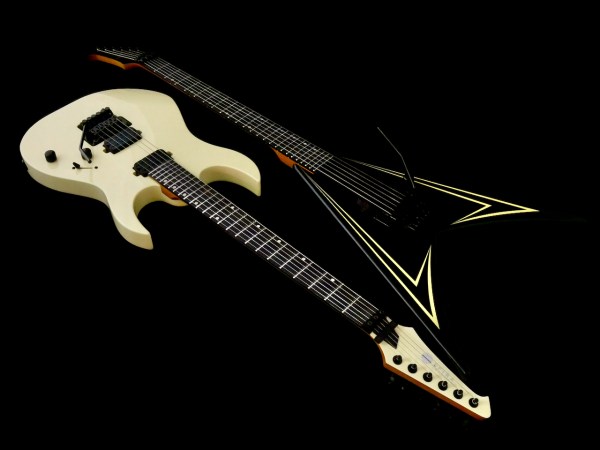
Here’s a demo of two Spira guitars from the 420 Series:
****
• The rhythm guitar tracks were played using both guitars
• Lead guitars as indicated in the video
• Amp used: Blackstar HT-1 (recorded direct)
• Pedals used: Boss SD-1, UralKit GE Rouhi, UralKit Less Love Electra
****
The demo is a short arrangement of the Megadeth classic ”Symphony of Destruction”.
****
Testi tulossa: https://blogi.rockway.fi/








 Kitarablogi.com – Finland's premier Guitar and Bass blog