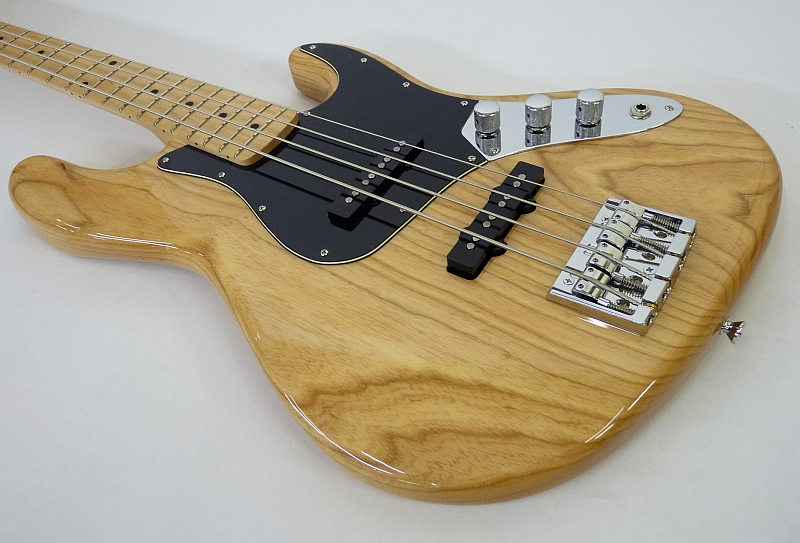
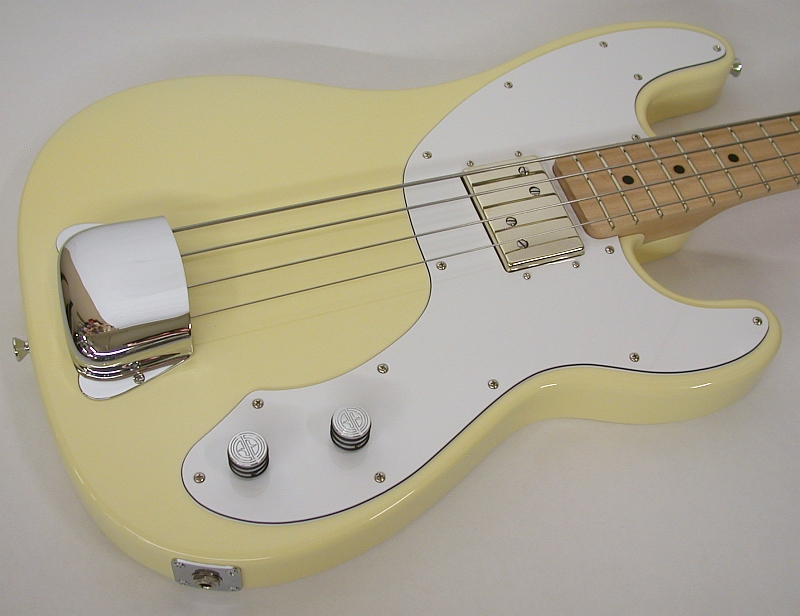
Review: Duesenberg D-Bass

****

Duesenberg D-Bass – D-badge

German maker Duesenberg is known for its high-quality guitars and basses, that combine seamlessly Art Deco-chic and ingenious improvements in many details, such as the hardware and electronics departments.

The Duesenberg D-Bass is a good example of this, promising both P- and J-style tones from a passive, one-pickup instrument.

****

Duesenberg D-Bass – full front 2

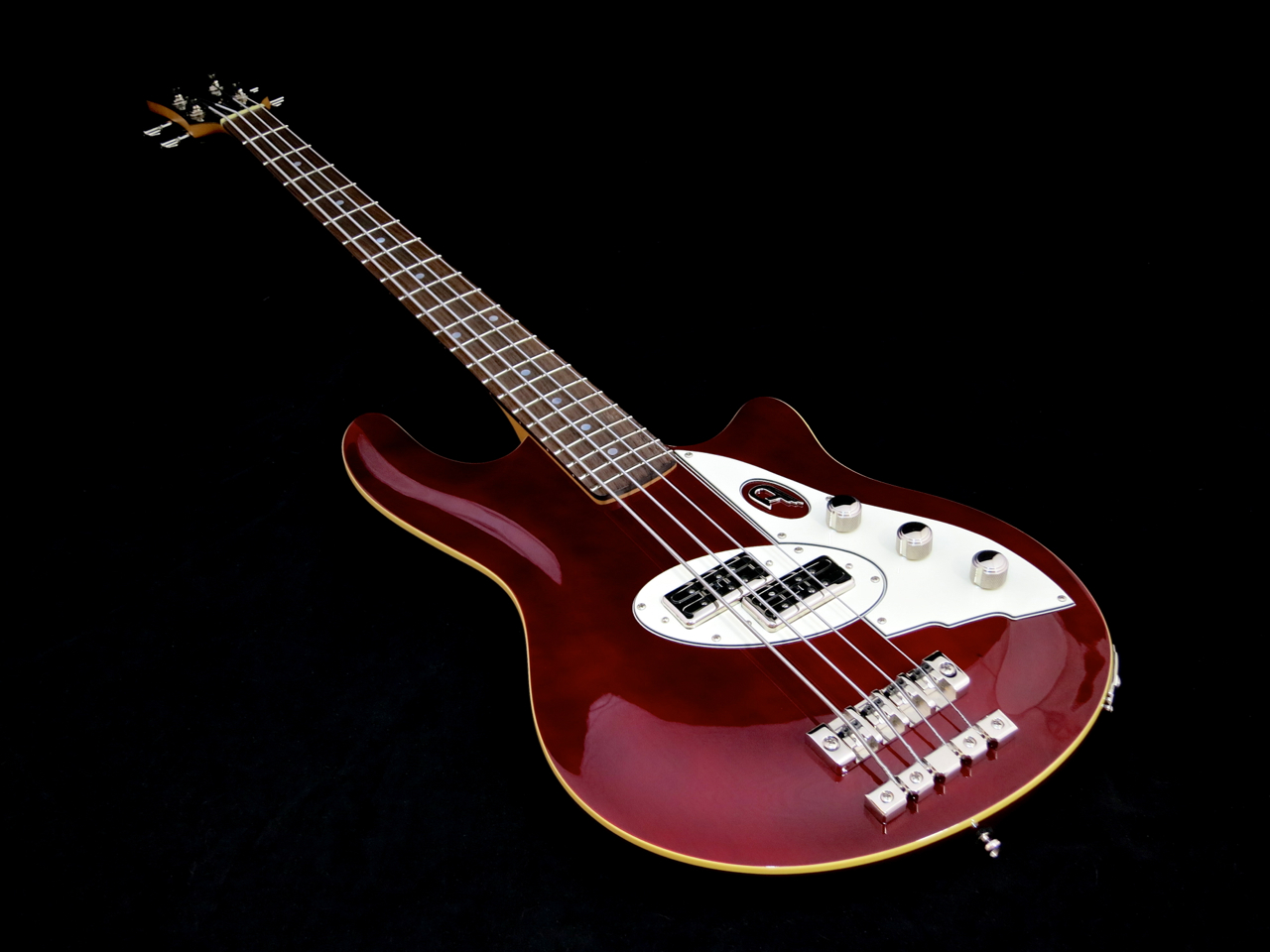
The Duesenberg D-Bass (current price in Finland: 1.729,90 €) proves that you can build a bass from classic tonewoods without having to resort to copying others.

This is a four-string, passive bass, built using a bolt-on maple neck with a rosewood fretboard mated to a bound alder body. The top of the body sports elegant carving.

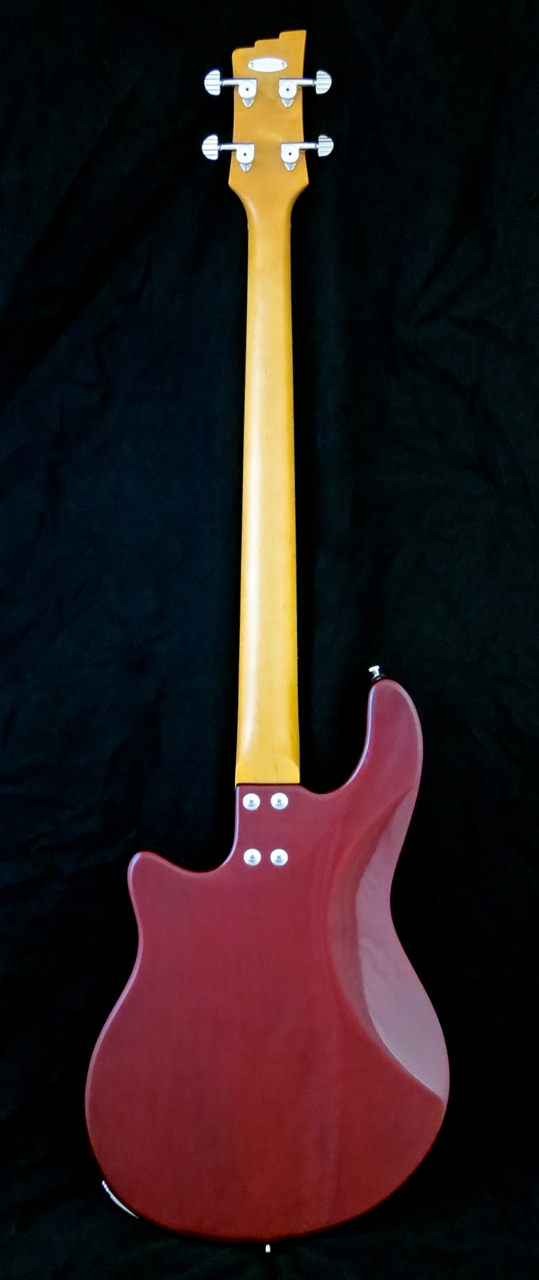
Duesenberg D-Bass – full back 2

The generous rib cage bevel adds a great deal of comfort to the D-Bass.

The body comes in a fetching gloss finish, while the neck has received a thin, vintage-tinted satin finish.

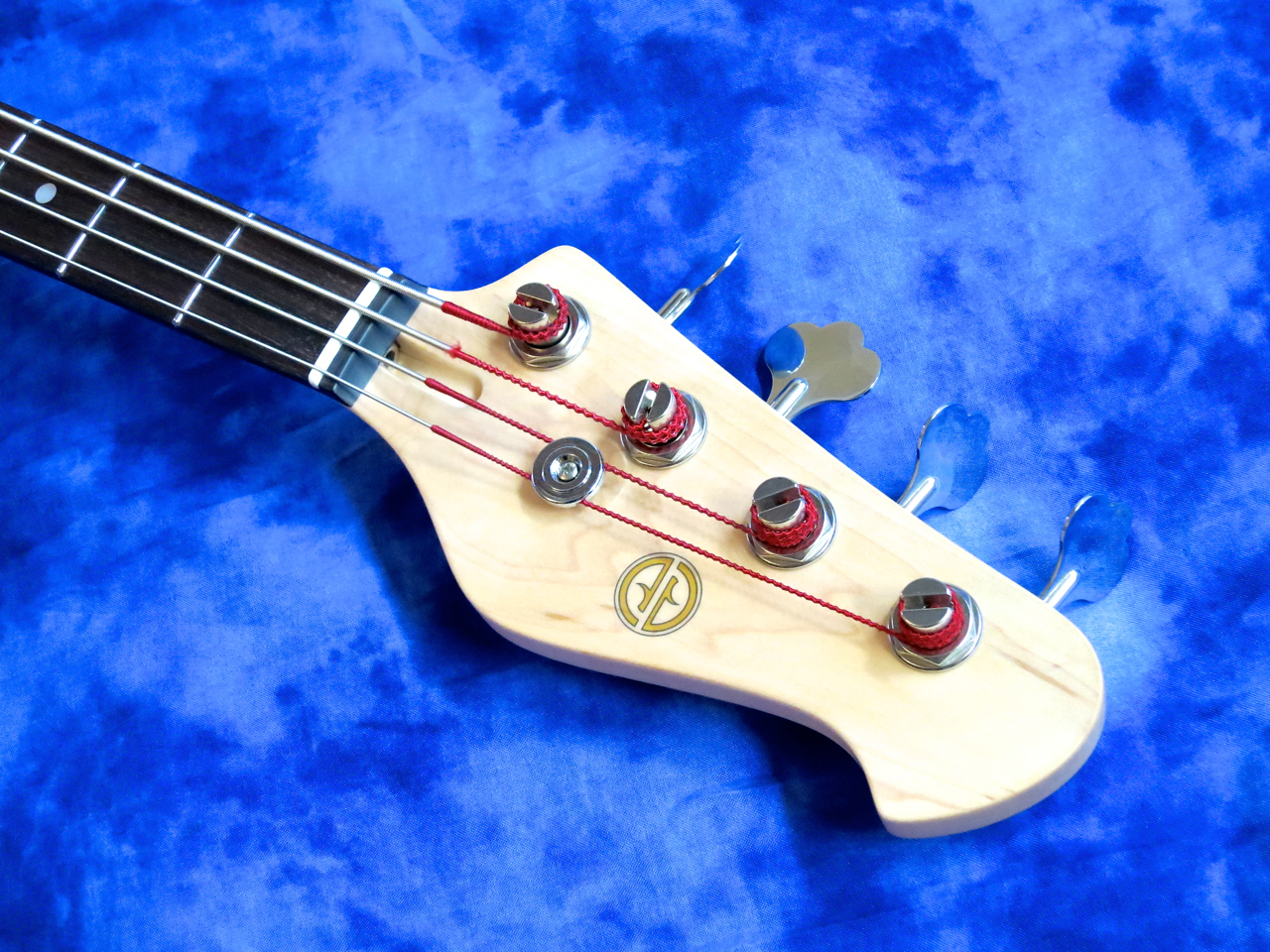
Duesenberg D-Bass – headstock

I feel that Duesenberg’s three step headstock looks even better in its bass guise than the smaller guitar version.
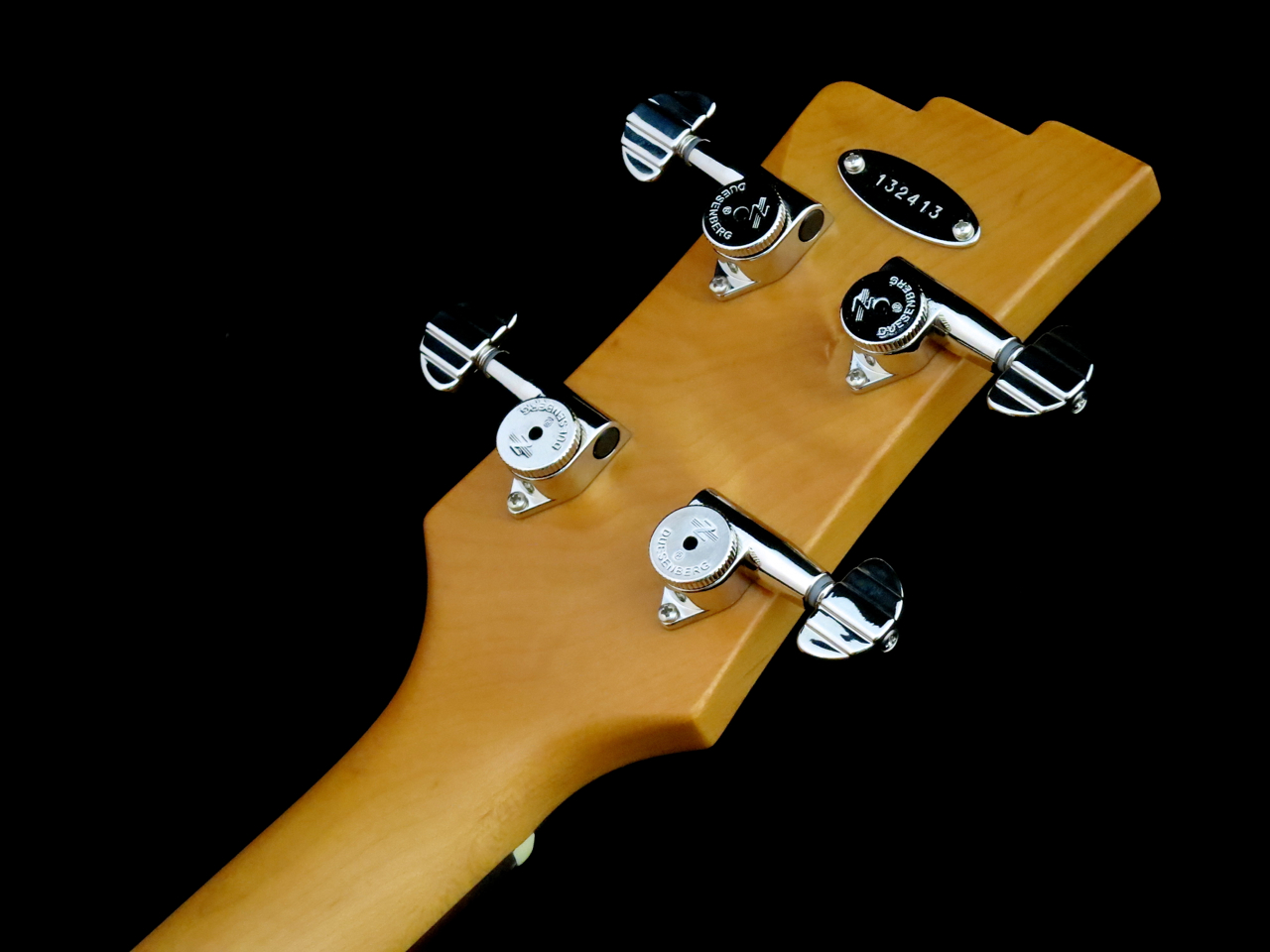
Duesenberg D-Bass – tuners

Duesenberg use their own locking Z-Tuners on the D-Bass. The string is first fed into a well in the tuning post until it comes out of a small hole in the tuning machine’s back. You cut off the surplus length of string, pull back the string by a couple of millimetres, lock it in place and tune up. Voila, a clean and uncluttered solution that leaves no sharp string ends.

Duesenberg D-Bass – fretboard

Duesenberg employ a PLEK-robot to give all their instruments a perfect fret job and set-up.

Duesenberg D-Bass – neck joint

Thanks to the angled neck joint an excursion to the dusty end of the fretboard is fast and easy on the D-Bass.

Duesenberg D-Bass – bridge

Duesenberg’s bridge and tailpiece combo are made of chunky bits of milled brass.

In addition to action and intonation the bridge also offers the adjustment of string-to-string distance. After adjustment you can lock everything in place with allen grub screws.

Duesenberg D-Bass – pickup

The D-Bass’ two-part pickup is situated on its own, oval pickguard.

Duesenberg’s Toaster-pickup may resemble a Fender Precision-pickup, but it really has its own thing going on in terms of construction. While the venerable P-Bass is equipped with two singlecoil pickups (one for each pair of strings), which are hooked up to form a humbucking unit, Duesenberg’s design uses two small humbuckers with open covers.

Duesenberg D-Bass – controls

The passive controls are found on the bass’ larger pickguard and comprise a master volume, the Mid-Shift control and a master tone.

Duesenberg D-Bass – control cavity

The Mid-Shift control uses a nifty bit of wiring voodoo:

When Mid-Shift is fully turned up, both coils of each pickup are used fully, but some of the top end signal is filtered by a capacitor. This is how the D-Bass achieves a P-style sound.

Turning the potentiometer counterclockwise fades out the signal of one of each humbucker’s coils, while lessening the capacitor’s effect on the signal. Fully counterclockwise, this gives you a brighter and more focussed, J-type tone.

You can find a similar wiring trick on Seymour Duncan’s web page, showing you how to wire up a humbucker in such a way that you can use a control pot for going from humbucking to singlecoil by feeding one of the pickup coils to earth.

Duesenberg D-Bass – reverse angle

Duesenberg D-Bass – case

The Duesenberg D-Bass comes in its own quality hard case.

****

Duesenberg D-Bass – beauty shot 2

Duesenberg’s bass is a beautiful instrument with a nice, medium weight and a great balance, both in you lap or hanging on a strap.

The neck profile is a Precision-style wide ”D”, but combined with the D-Bass’ larger fingerboard radius and its jumbo frets the playing feel is decidedly more modern and slinky than vintage.

My only small gripe is a strictly cosmetic one: I would like to see one or two screws added to the larger control scratchplate, as the current layout doesn’t make the plate fit snugly on top of the body’s top contour, leaving a few edges standing proud of the body surface.

This Duesenberg has a very healthy acoustic ring, completely devoid of any of the quirks often associated with vintage basses (like an over-enthusiastic low G or a dead spot around the high c).

Amped up you’re in for a real treat, as long as you’re not after that type of extreme EQ, only achievable with active preamps. Duesenberg’s Mid-Shift control is a really ingenious addition to the D-Bass, resulting in a much more organic palette of sounds than a mere coil-split could provide. The volume drop going from the P- to the J-variant is negligible, which is another positive effect of not using a straight coil-split.

I always play the same motif twice in each sound clip – first with Mid-Shift full on (P), then with Mid-Shift turned down fully (J).

Duesenberg D-Bass – body beauty 1

****

Duesenberg D-Bass – full front   Duesenberg D-Bass – full back

I must say, I liked the Duesenberg D-Bass very much. It is a great instrument for connoisseurs of passive bass tones. The Mid-Shift control isn’t ”in your face”, but still manages to provide you with an ingenious way of tailoring the bass’ sound to your needs.

****

Duesenberg D-Bass

1.729,90 €

Finnish distributor: F-Musiikki

****

Pros:

+ workmanship

+ Mid-Shift control

+ playability

+ design

+ sound

Cons:

– pickguard fit (read the review)

****

Duesenberg D-Bass – body beauty 2

Testipenkissä: Vox Mark III + Mark V

****

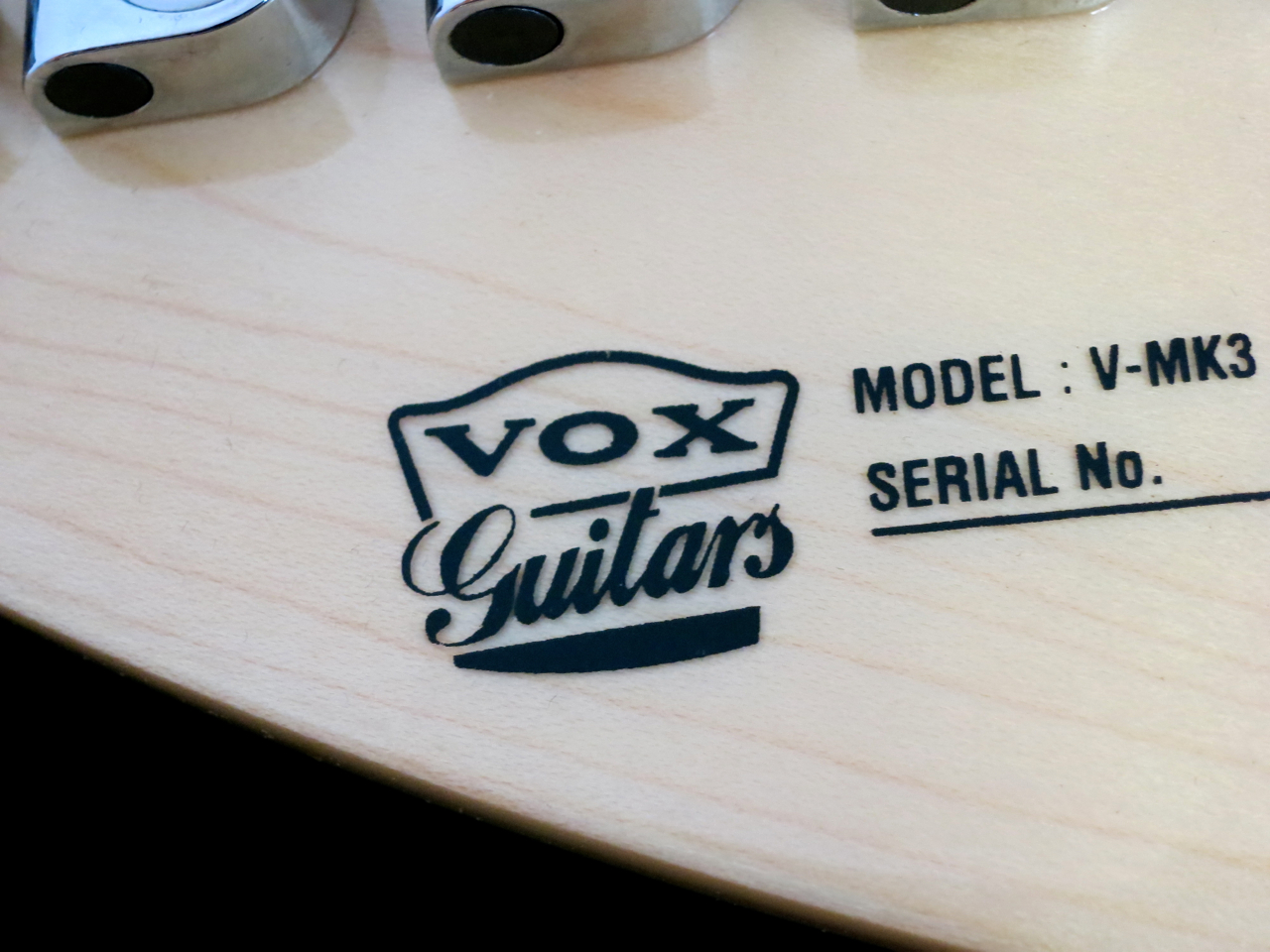
Vox Mark III – headstock logo

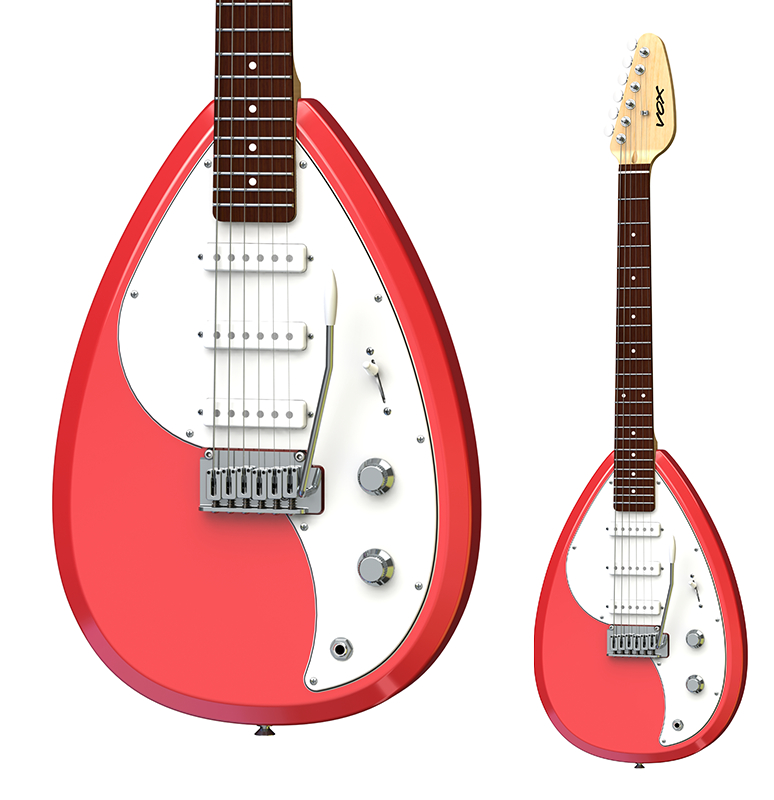
Voxin 1960-luvun Mark III- ja Mark V -kitarat – jotka tunnetaan myös nimillä Teardrop (Mark III) ja Phantom (Mark V) – ovat jälleen saatavissa musiikkikaupoista. Brittiboomi-mallien tunnetuimmat käyttäjät olivat 1960-luvulla Rolling Stonesien Brian Jones (Mark III) ja Hollies-yhtiön Tony Hicks (Mark V).

Todella ilahduttavaa on, että uusi Vox-kaksikko on saatavilla erittäin maltillisella hinnalla.

****

Vox Mark III – full front

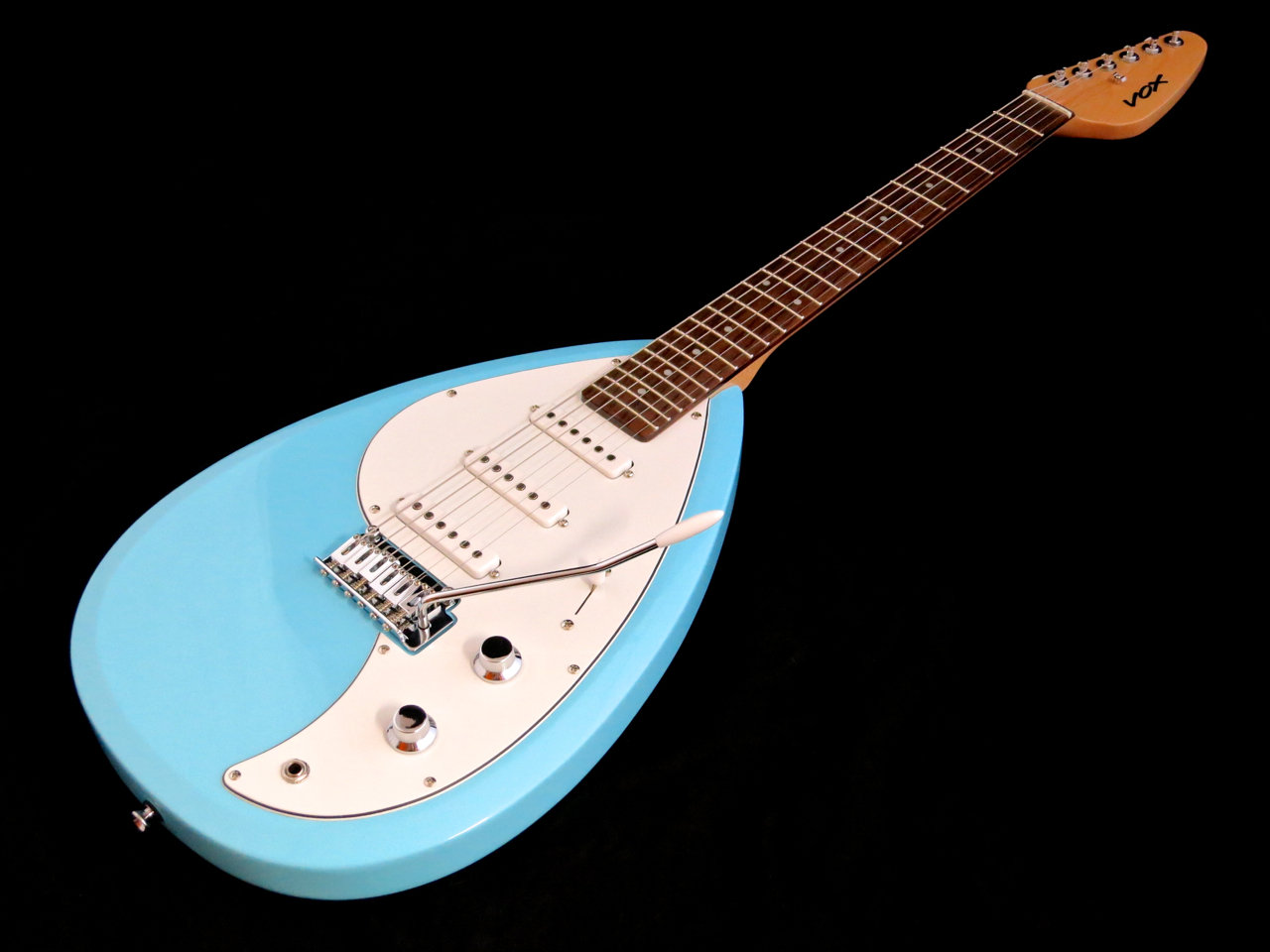
Vox Mark III (355 €) muistuttaa symmetrisellä rungollaan hieman kreikkalaista busukia.

Uusintapainos valmistetaan lyhyellä 22-tuuman (610 mm) mensuurilla, minkä ansiosta se sopii hyvin myös nuorten soittimeksi.

Vox Mark III – full back

Lehmusrunkoon ruuvattu kaula on veistetty vaahterasta, ja Teardropin otelauta on palisanteria.

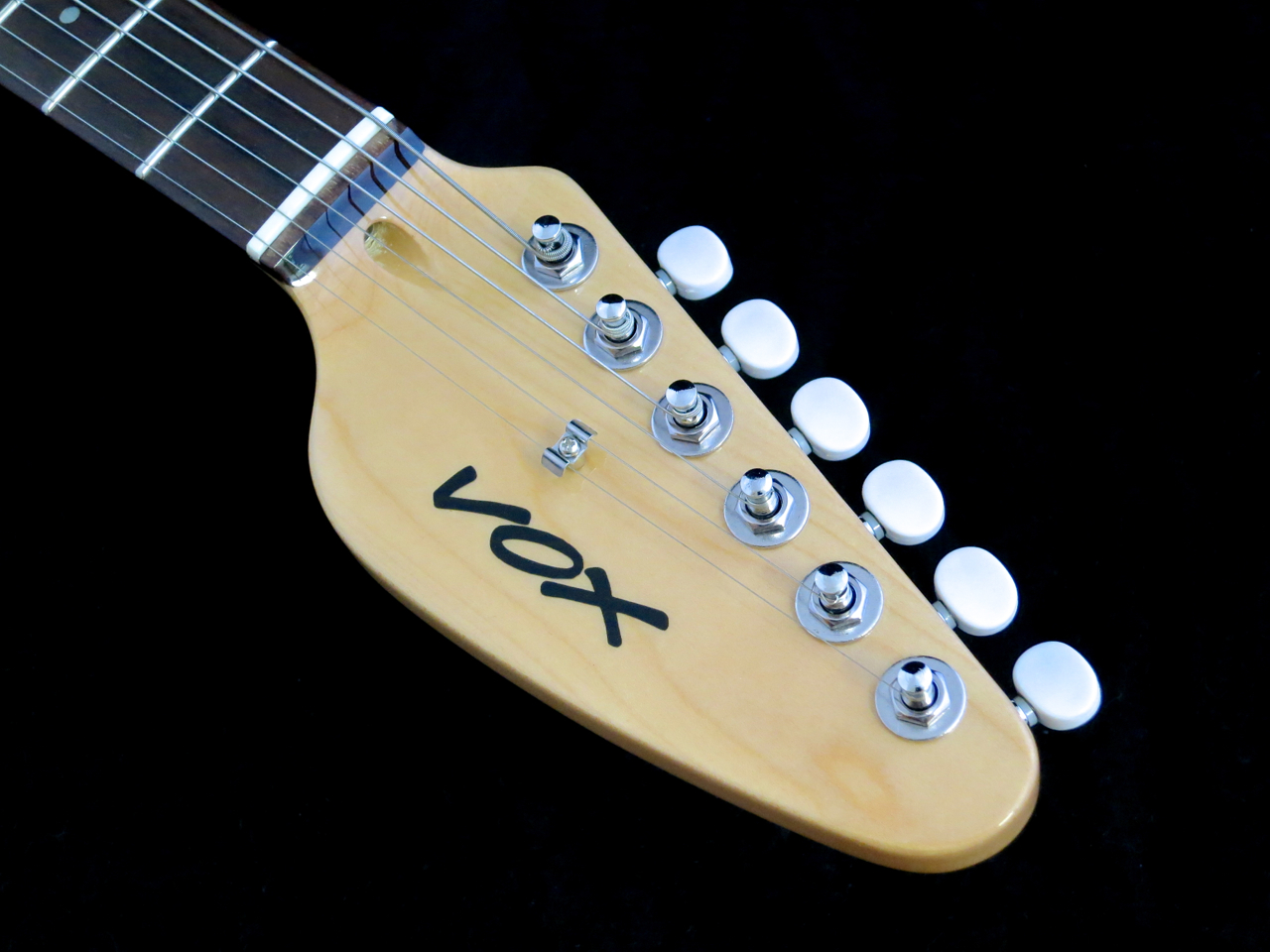
Vox Mark III – headstock

Legendaarinen Vox-lavan uusi versio on hieman pienempi kuin alkuperäinen ja mielestäni paljon alkuperäistä kätevämpi.

Vox Mark III – tuners

Nykyaikaisissa suljetuissa virittimissä on valkoisia muovinuppeja.

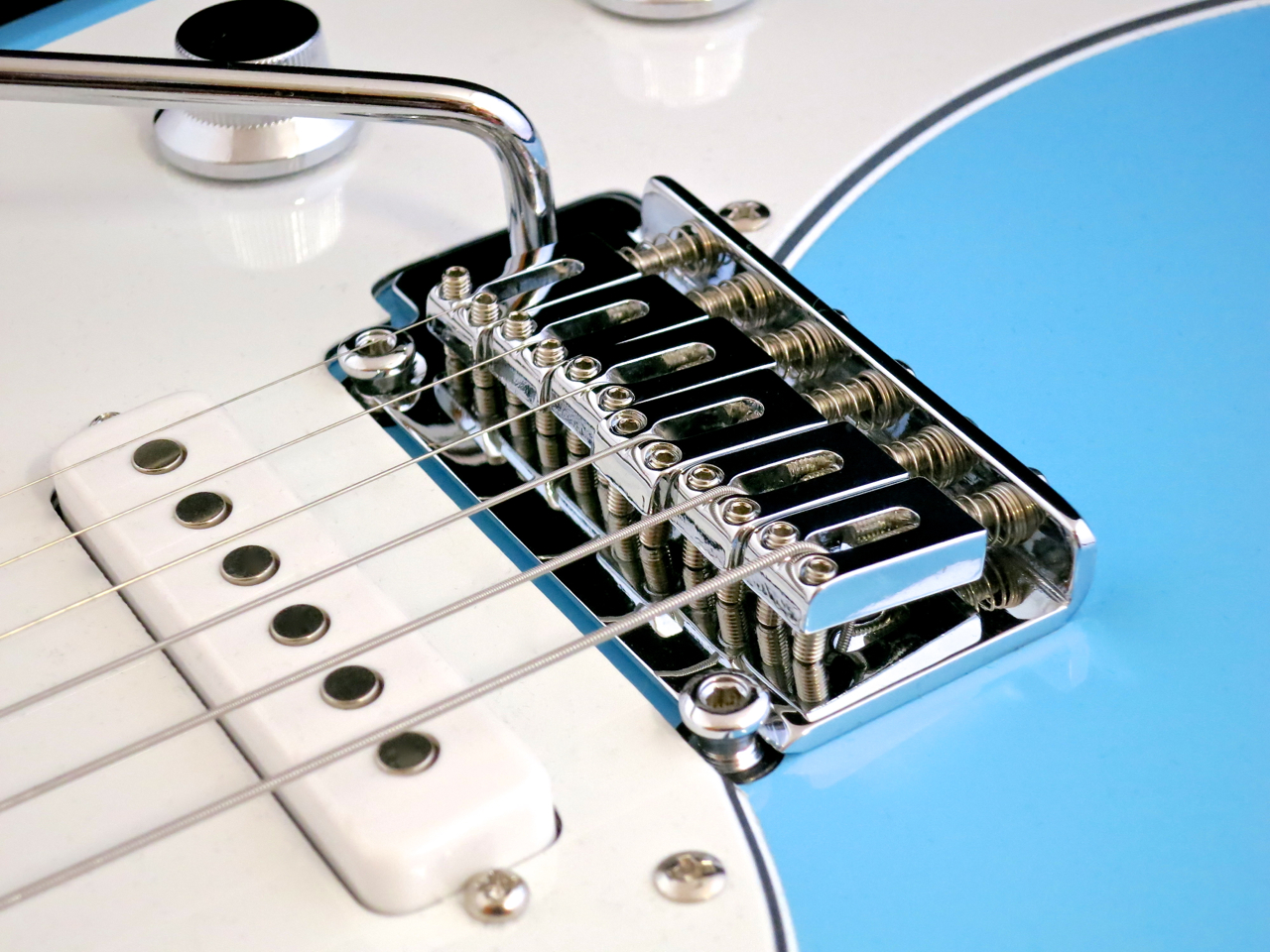
Vox Mark III – vibrato

Vox Mark III on varustettu nykyaikaisella vibratallalla.

Vox Mark III – vibrato springs

Tehtaalta Mark III ja Mark V lähtevät kolmella jousella varustettuina, mutta topatussa pussissa on pakattu vielä yksi jousi mukaan.

Vintage-snobit eivät luultavasti tykkää tämän vibran ohuesta blokista, koska sanotaan, että sustainin kannalta massiivisempi on parempi. Toisaalta myös Floyd Rose -vibroissa käytetään vintagea ohuempaa blokkia.

Vox Mark III – pickups

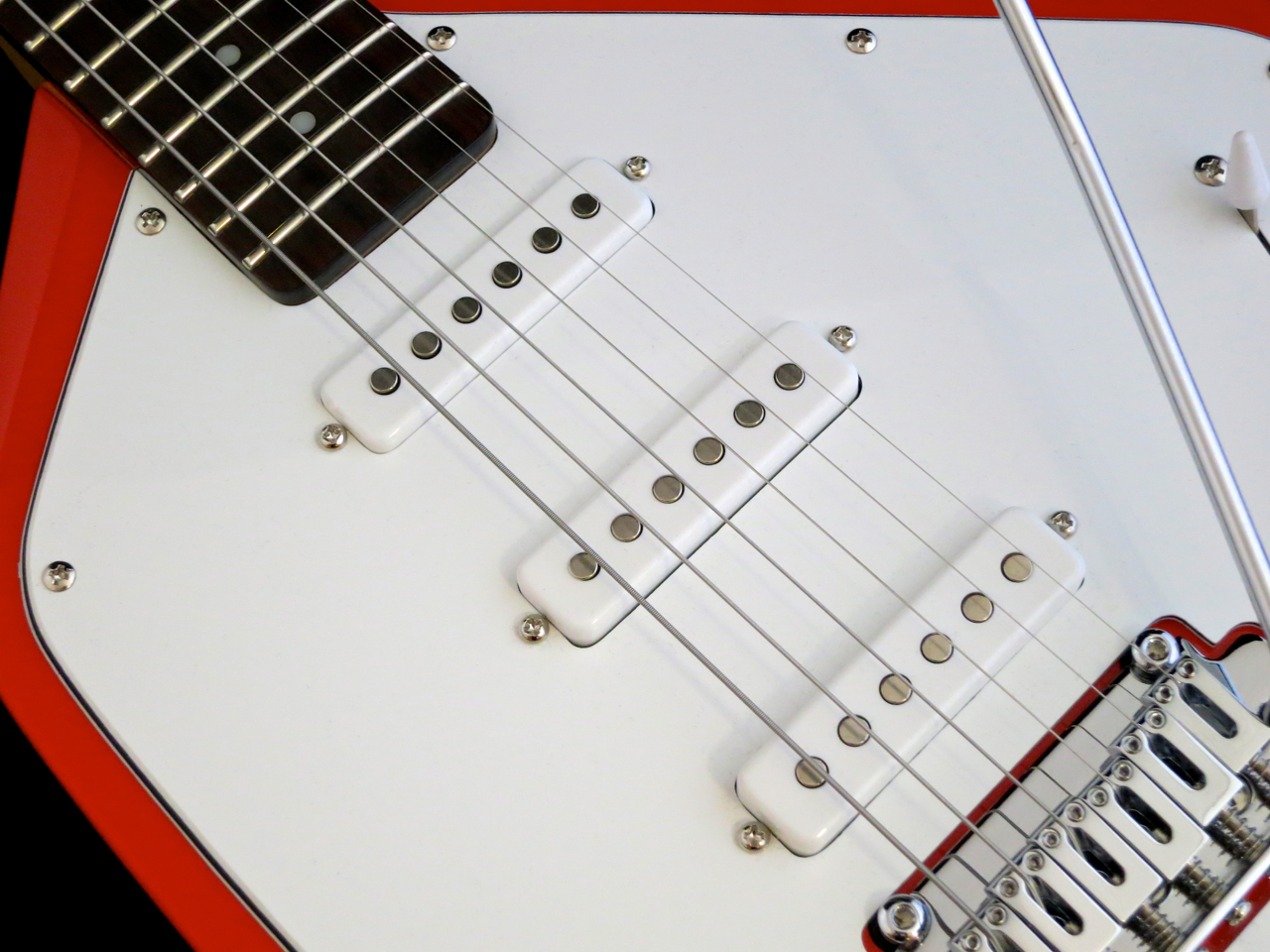
Vox-mallin kolmesta yksikelaisista voi varmasti odottaa raikasta soundia kuuskytluvun hengessä.

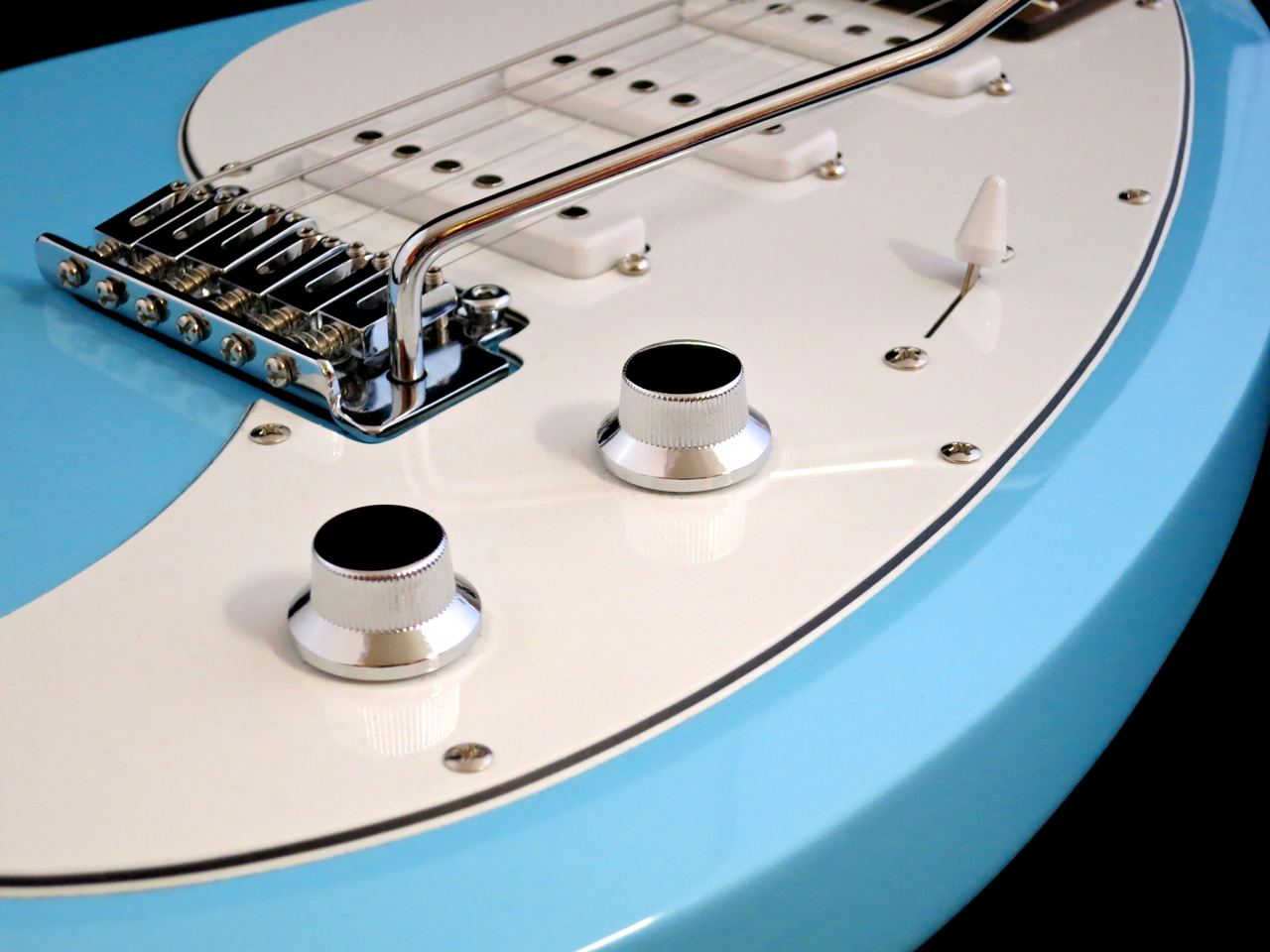
Vox Mark III – controls

Elektroniikka koostuu yhdestä viisipykäläisestä kytkimestä, sekä master tone- ja master volume -säätimistä.

****

Vox Mark V – full front

Kulmikkaan Vox Mark V:n (355 €) perusresepti on periaatteessa sama kuin Mark kolmosessa.

Vox Mark V – full back

Myös Fantomin lehmusrunkoon on lisätty mukavuusviiste soittajan kylkiluita/vatsaa varten.

Vox Mark V – headstock

Mark-mallien kaulat ovat samanlaisia, aina kiiltävää viimeistelyä myöten.

Vox Mark V – vibrato

Mark V:ssa kolmikerroksinen pleksi ympäröi kitaran vibratallaa.

Vox Mark V – frets

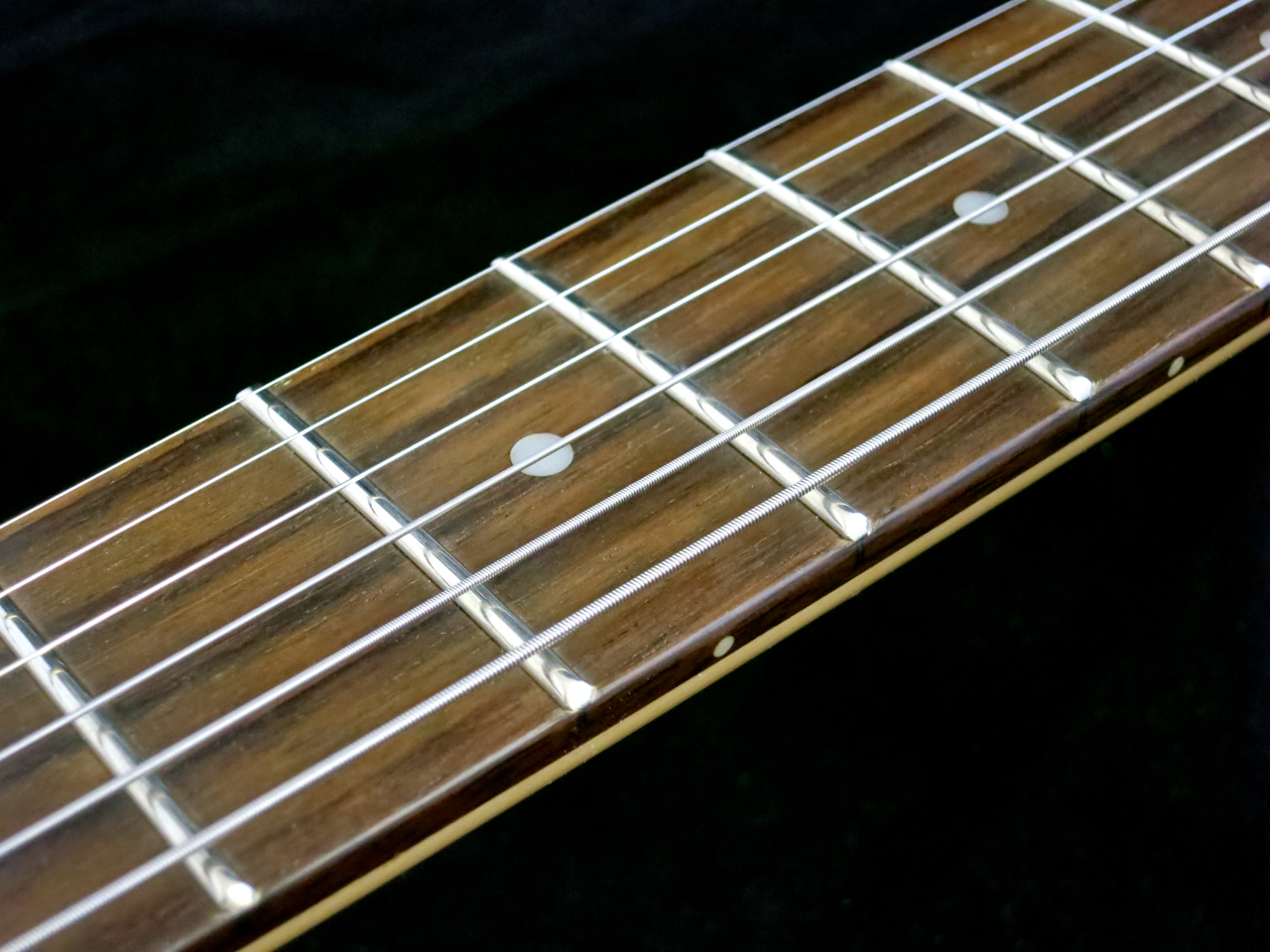
Vox-soittimien nauhatyö on yllättävän laadukasta, kun katsoo Mark-mallien hintalappuja. Nauhat on kiillotettu ja niidet päät on pyöristetty huolellisesti.

Vox Mark V – pickups

Vox Mark V Phantom -kitarassa käytetään samoja mikrofoneja…

Vox Mark V – controls

…sekä samaa elektroniikkaa kuin Mark III Teardropissa.

Vox Mark III – gigbag

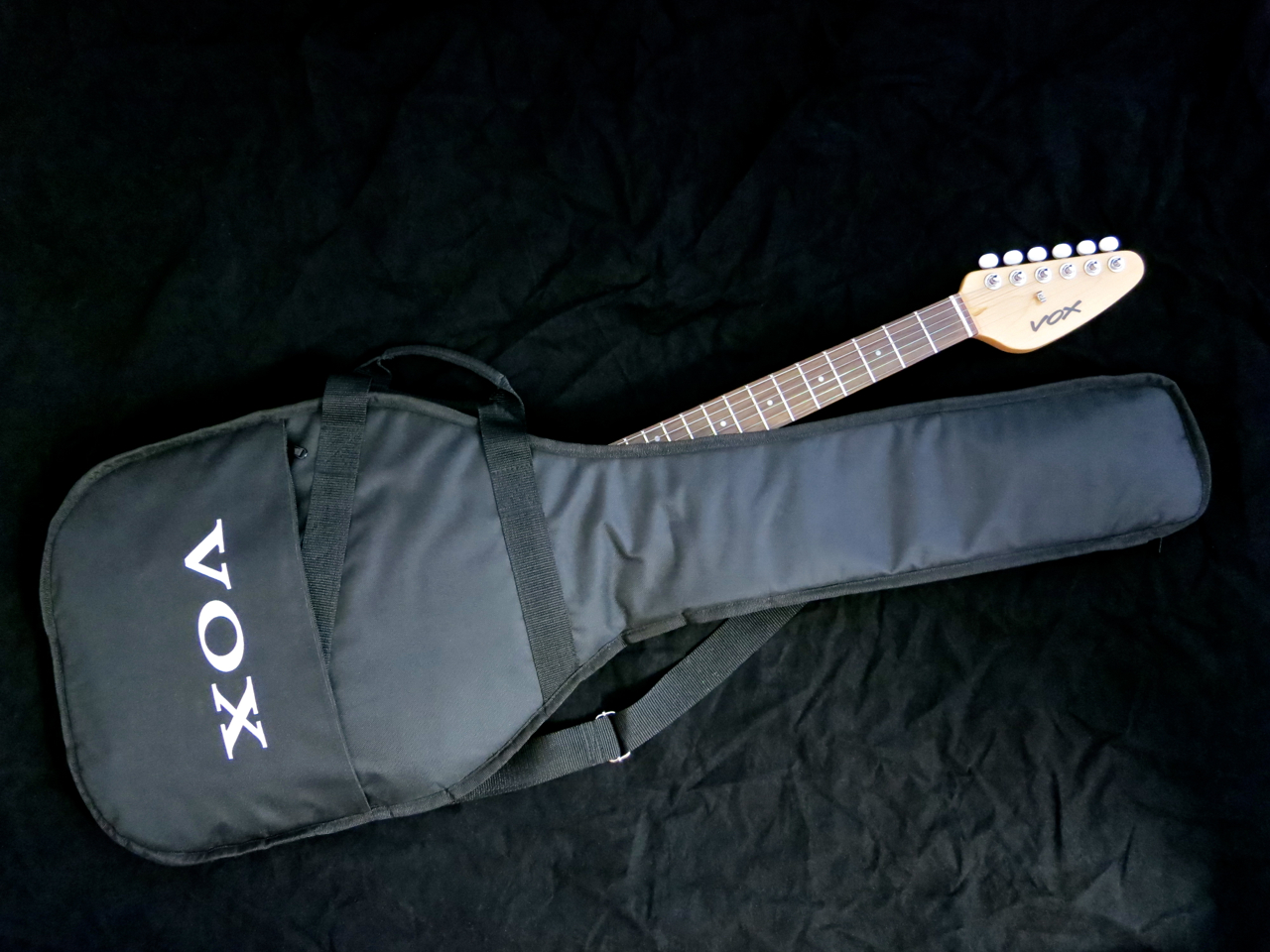
Topattu pussi kuuluu Mark-malleissa hintaan!

****

Vox Mark III – beauty shot 2

Vox Mark III on erittäin kompakti kitara, ja testissä käynyt yksilö mukavan kevyt. Rungon pyöreän muotoilun takia Teardrop ei ole ehkä maailman luontevin ”sohvakitara”, mutta hihnan varressa kitaraa on hyvin mukava kantaa.

Lyhyen skaalan ja kiiltäväksi lakatun, pyöreällä D-profiililla varustetun kaulan ansiosta tällä Voxilla on samantyyppiset vibat kuin esimerkiksi Fenderin Mustang-mallissa, ja tehdaskieliä (010-satsi) on erittäin helppoa venyttää. Vaikka kielet oli säädetty hyvin lähelle otelautaa (E: 1,6 mm/e: 1,3 mm), Mark III Teardrop soi puhtaasti ja rämisemättä. Vibratalla toimii maltillisesti käytettynä hyvin, mutta Floyd Rosen haastajaksi sitä ei tietenkään ole.

Vox Mark III:n akustinen ääni on hyvin Fender-mainen, mutta samalla kauniin lämmin.

Vox Teardrop -mallin puhdas soundi sopii vaikkapa rautalankaan tai funk-musiikkiin:

Säröpuolella homman nimi on Vintage Rock:

Vox Mark III – back beauty

****

Vox Mark V – beauty shot 2

Vox Mark V on sylissä hieman vastahakoinen tapaus, ja hyvän soittoasennon löytämiseen menee tovi. Kevyt testiyksilö roikkuu kuitenkin hihnassa todella hyvässä tasapainossa.

Phantomin soittotuntuma on erittäin lähellä Teardrop-mallia, nimittäin vintage-tyylinen ja mukava. Testiyksilössä intonaatio oli säädetty kahdelle kielelle hieman nuotin vierestä, mutta homma hoitui nopeasti ristiruuvarilla. Kitaran tatsi oli säädetty myös Vox Mark V:ssa hyvin kevyeksi (E: 1,6 mm/e: 1,1 mm). Jos haluaa soittotuntumasta vielä kiinteämmän, suosittelisin pykälän paksumman 011-satsin käyttämistä.

Molemmat Vox-kitarat kuulostavat miltei samalta, sekä akustisesti että vahvistimen kautta soitettuina.

Tällainen on Mark V Phantomin puhdas soundi pienen Marshall-kombon kautta soitettuna:

Mark V:n Rock-soundista löytyy mukavasti karkeutta ja asennetta:

Vox Mark V – back beauty

****

Vox Mark III – beauty shot 1

Vox Mark -mallien erikoisten runkomuotojen takia voisi helposti erehtyä lokeroimaan Teardrop- ja Phantom-kitarat pelkiksi ”musiikkivideo-kitaroiksi”.

Totuus on kuitenkin, että sekä Mark III että Mark V toimivat ilahduttavan hyvin Pop-, Beat-, Blues- ja Classic Rock -genreissä. Uudet Voxit tarjoavat roimasti vastinetta rahalle, koska niiden soitettavuus ja soundi ovat enemmän kuin kohdillaan. Suosittelen!

Vox Mark V – beauty shot 1

****

Vox Mark -sarjan kitarat

Vox Mark III Teardrop – 355 €

Vox Mark V Phantom – 355 €

Maahantuoja: EM Nordic

Suuri kiitos DLX Musiikille testisoittimien lainaamisesta!

****

Plussat (molemmat mallit):

+ ulkonäkö

+ työnjälki

+ soitettavuus

+ soundi

+ topattu pussi kuuluu hintaan

Miinukset (molemmat mallit):

– eivät istu kovin luontevasti sylissä

Vox Mark III – Vox crest

Review: Tanglewood TU-1CE, TU-3, TU-3E & TU-5

Tanglewood TU-3E – headstock VID

The humble ukulele’s popularity has been on the rise over the last few years, not least because these instruments are easy to carry around and plenty of fun to play.

This fact hasn’t gone unnoticed by British brand Tanglewood, who have recently broadened their range of ukes.

****

Tanglewood ukuleles – teaser

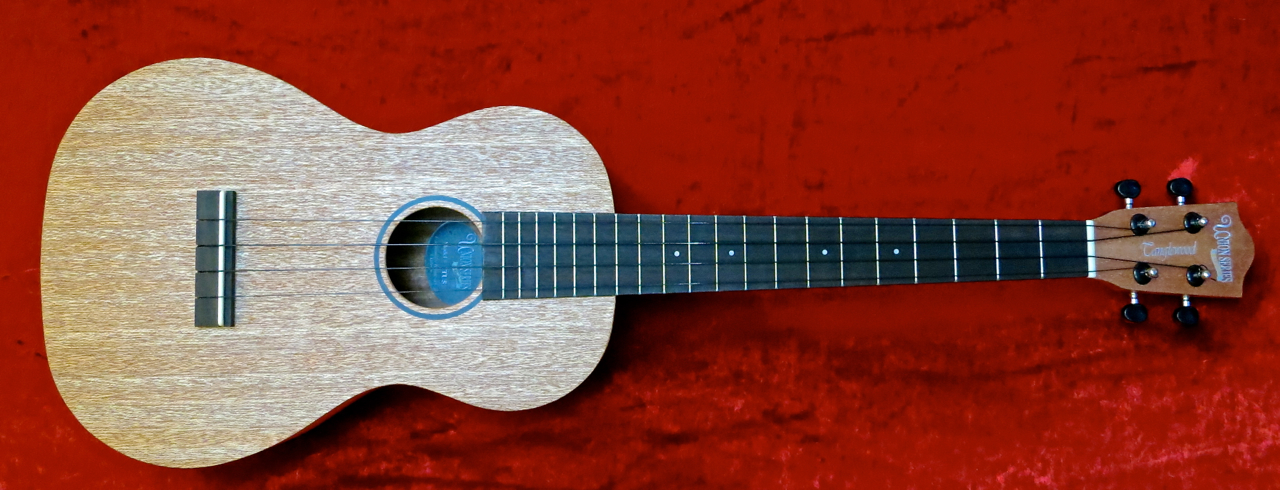
The quartet of ukes we’ve received for testing – the TU-1CE, the TU-3, the TU-3E and the TU-5 – are all part of Tanglewood’s mahogany-bodied Union-series.

Tanglewood TU-1CE – headstock

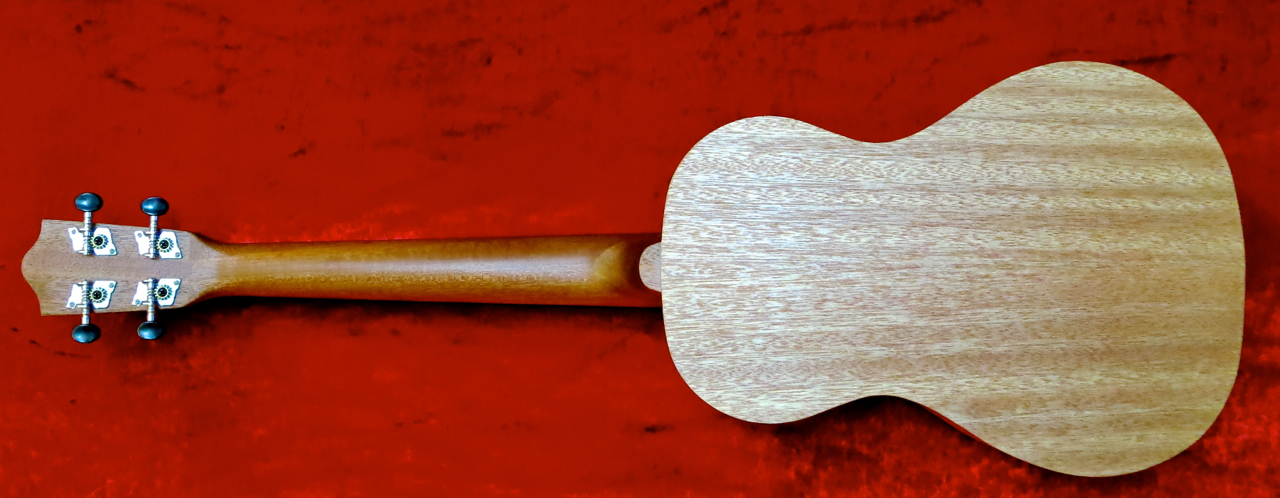
All Union-series ukuleles have mahogany necks with glued-on neck heels and headstocks.

The fingerboards have been crafted from rosewood.

Tanglewood – uke tuners VID

Tanglewood’s geared, open tuners work very well.

Tanglewood TU-3 – bridge

Ukuleles come with one of several different bridge designs, depending on the manufacturer.

Tanglewood has chosen the most practical ukulele bridge, which anchors the knotted string ends in little slots cut into the top of the bridge.

Tanglewood TU-3 – body beauty 2

All Union-series ukuleles have a sound box made from laminated mahogany.

The instruments have received a clear satin finish.

****

Tanglewood TU-1CE – beauty shot

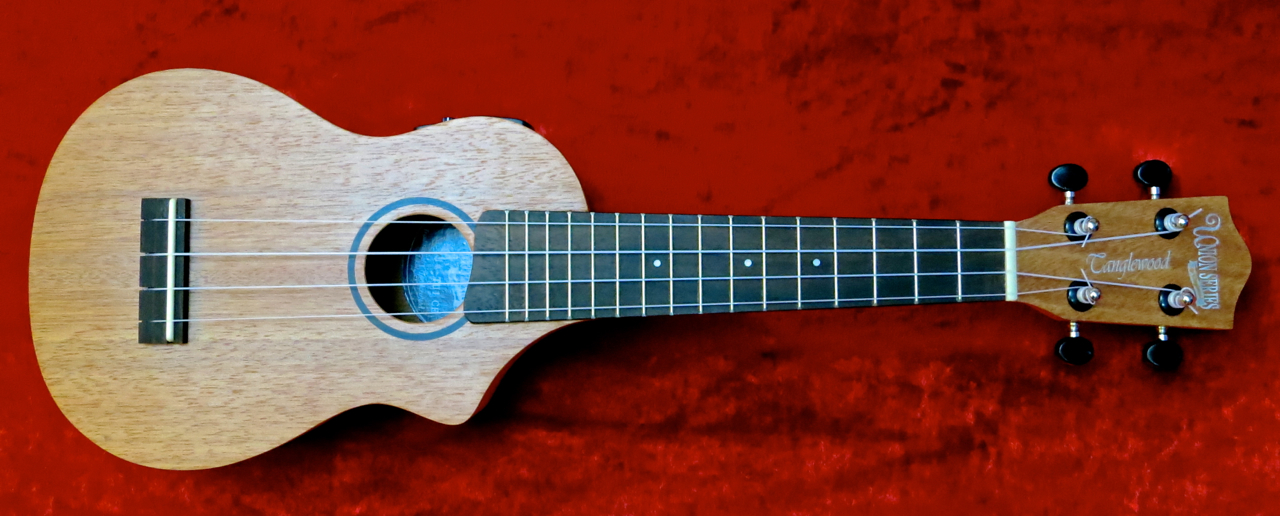
Tanglewood’s TU-1CE (current price in Finland 116 €) is a soprano ukulele with a deep cutaway. It comes with a pickup and preamp installed.

The soprano is the smallest of the common four ukulele sizes. The TU-1CE has a scale of only 34.5 cm.

Tanglewood TU-1CE – cutaway

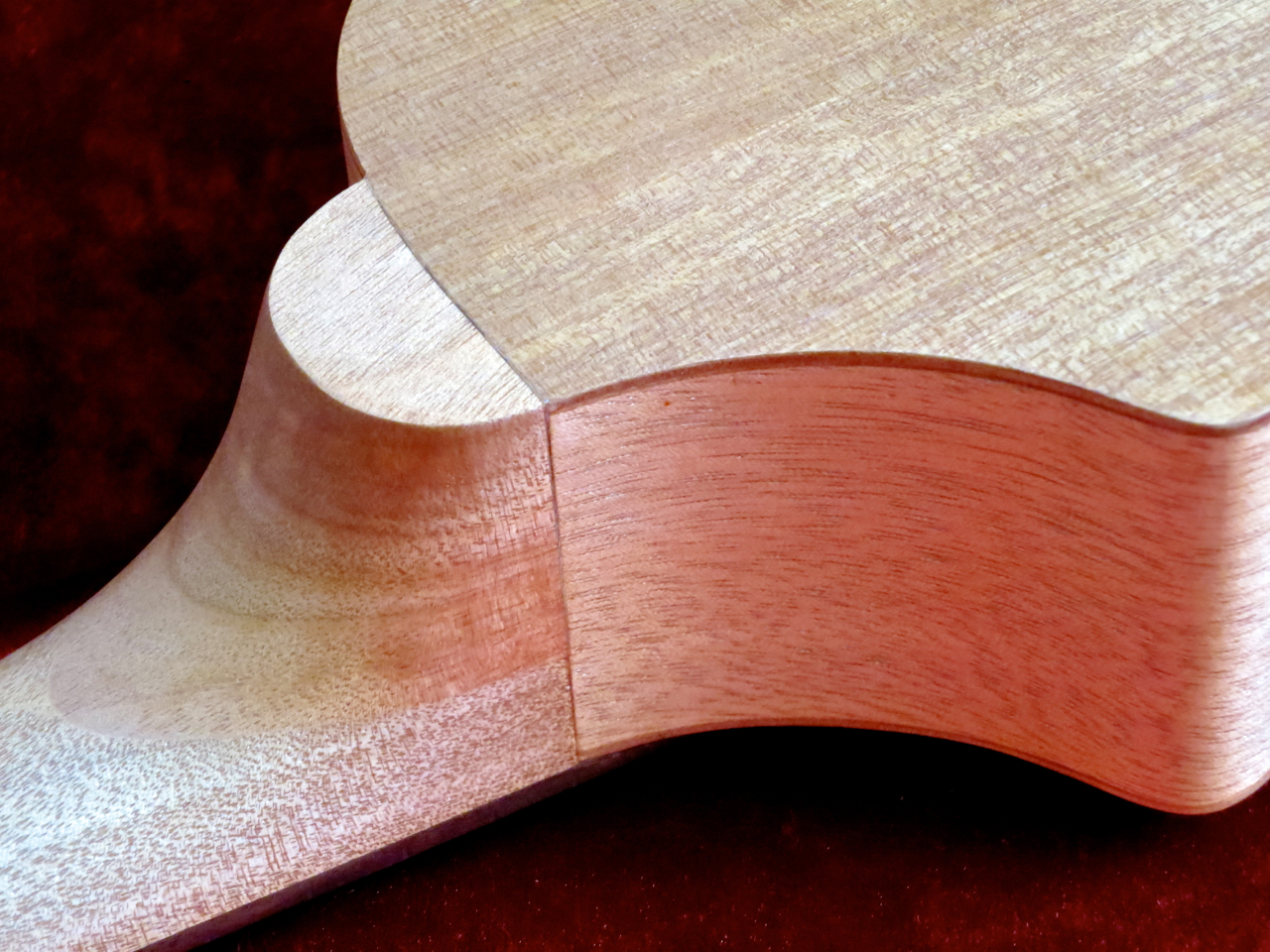
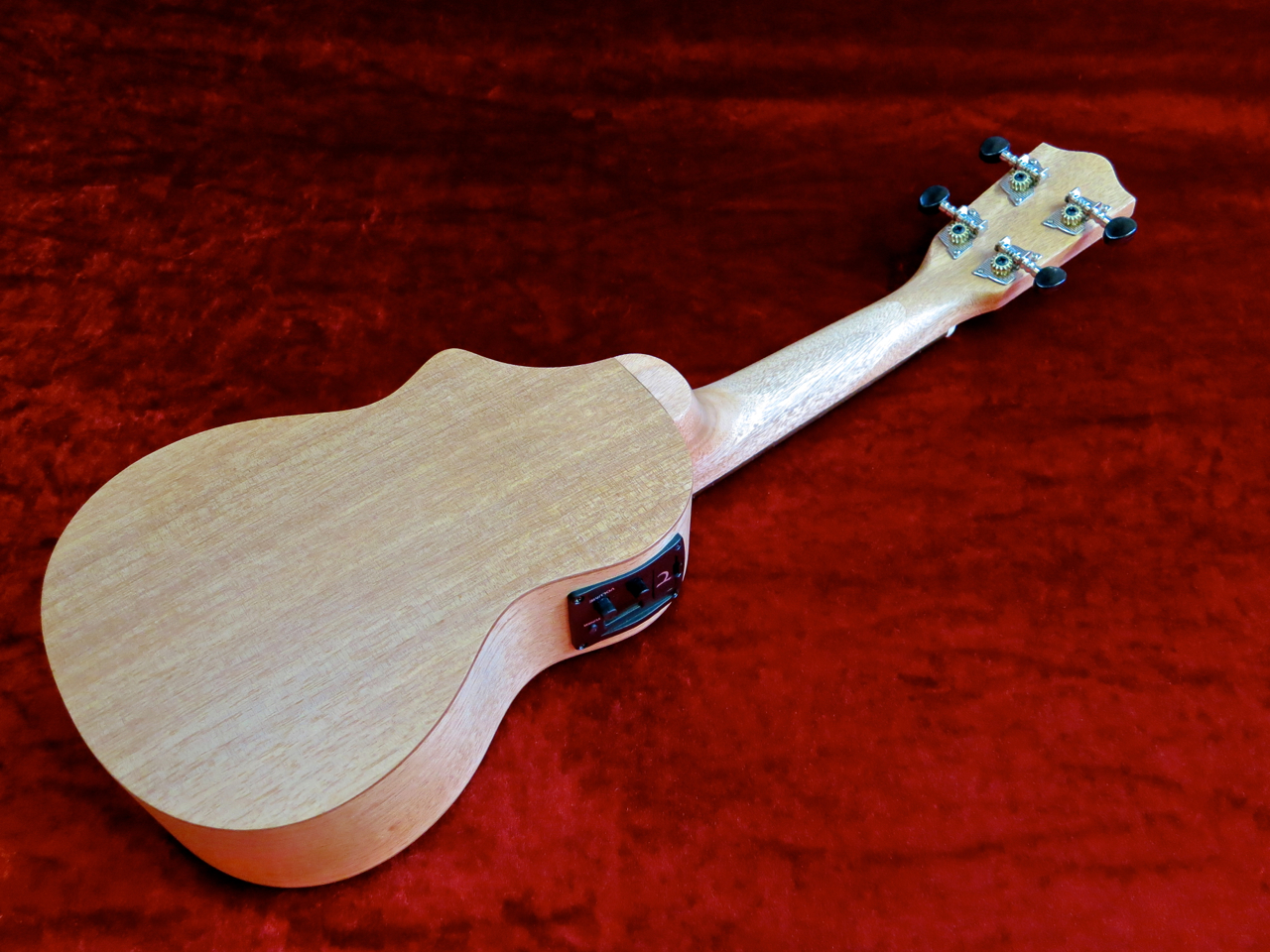
The workmanship on this Tanglewood (built in the Far East) is very good in relation to its low price. Look at that clean neck joint!

Tanglewood TU-1CE – frets

The TU-1CE sports 16 small frets, as well as dot position markers.

Tanglewood TU-1CE – back beauty 2

This soprano comes factory-equipped with top quality Aquila Nylgut strings.

Tanglewood TU-1CE – preamp + tuner

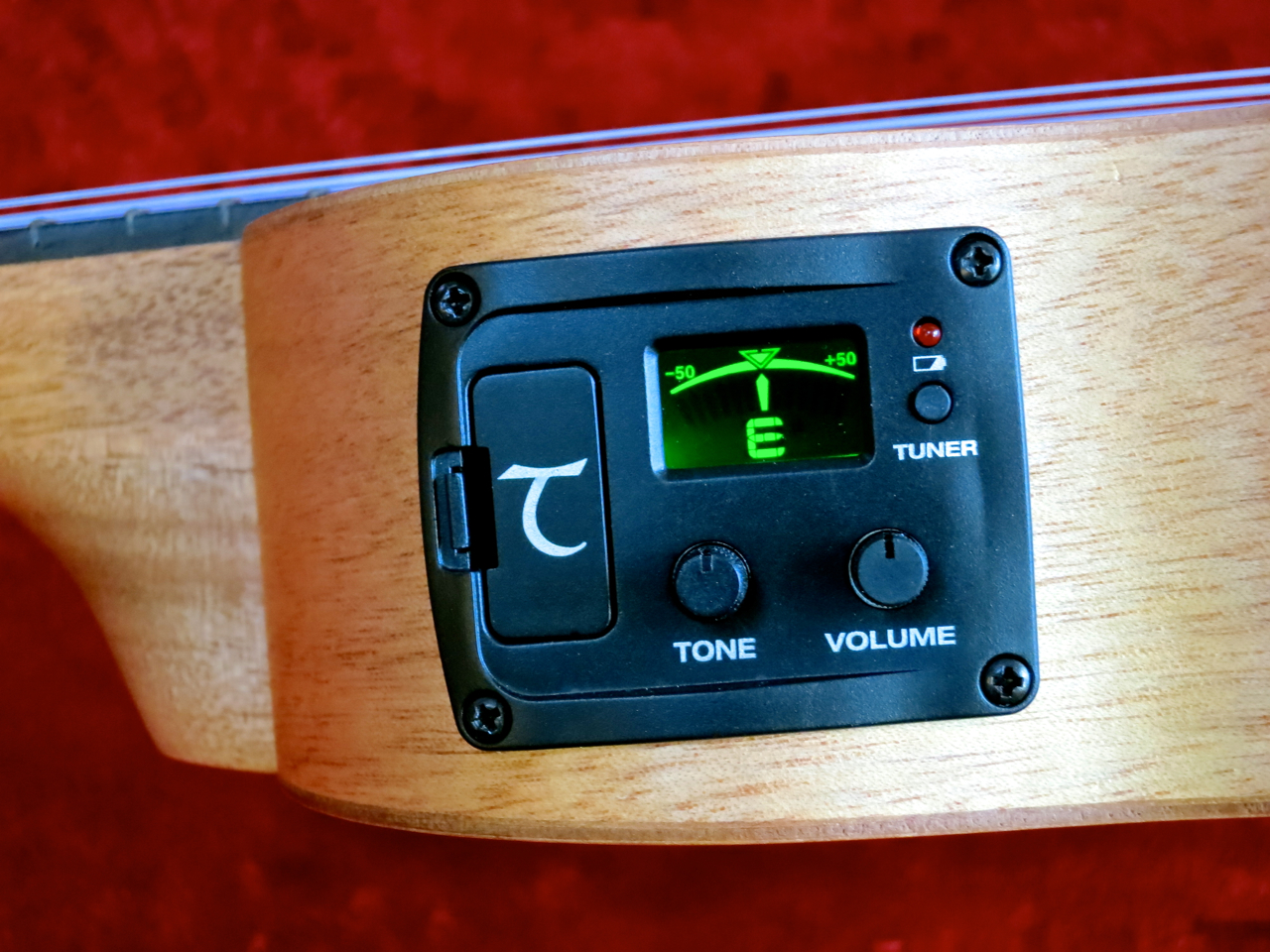
The Tanglewood’s preamplifier is powered by a button cell and offers controls for volume and tone, as well as a chromatic tuner.

****

Tanglewood TU-3 – case

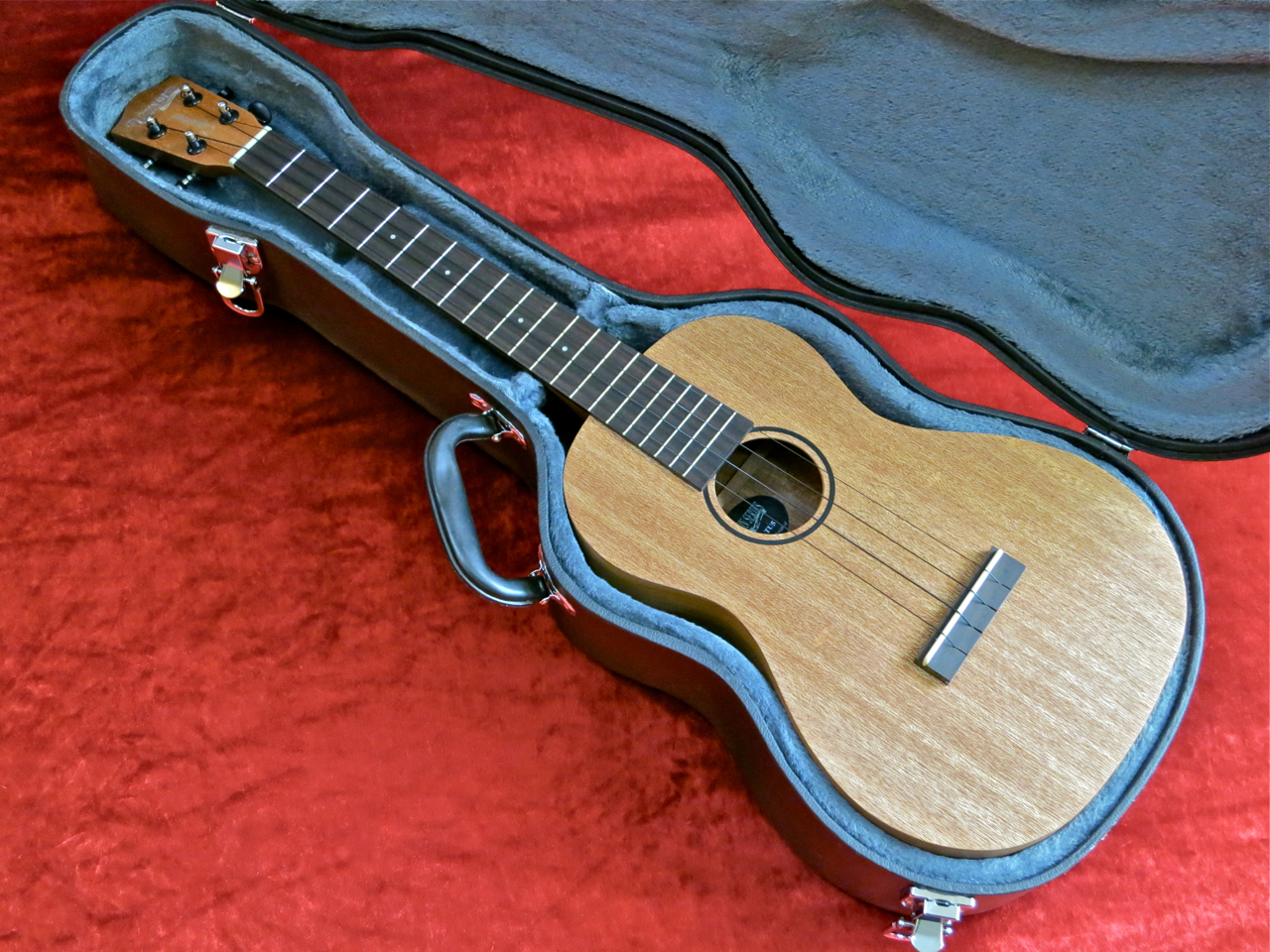
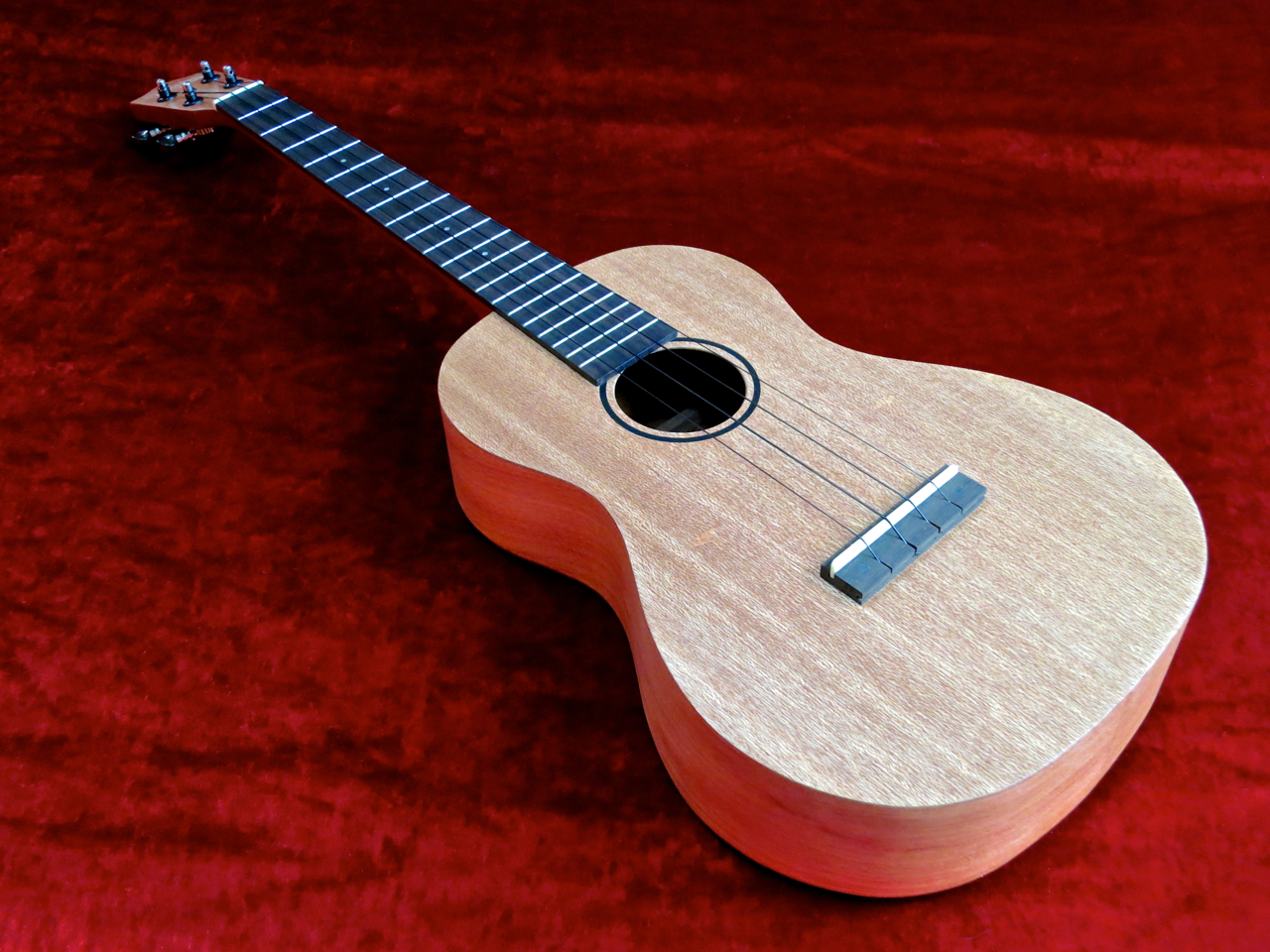
The Tanglewood TU-3 (119 €) is a concert-sized uke. A stylish hardcase is included in the price.

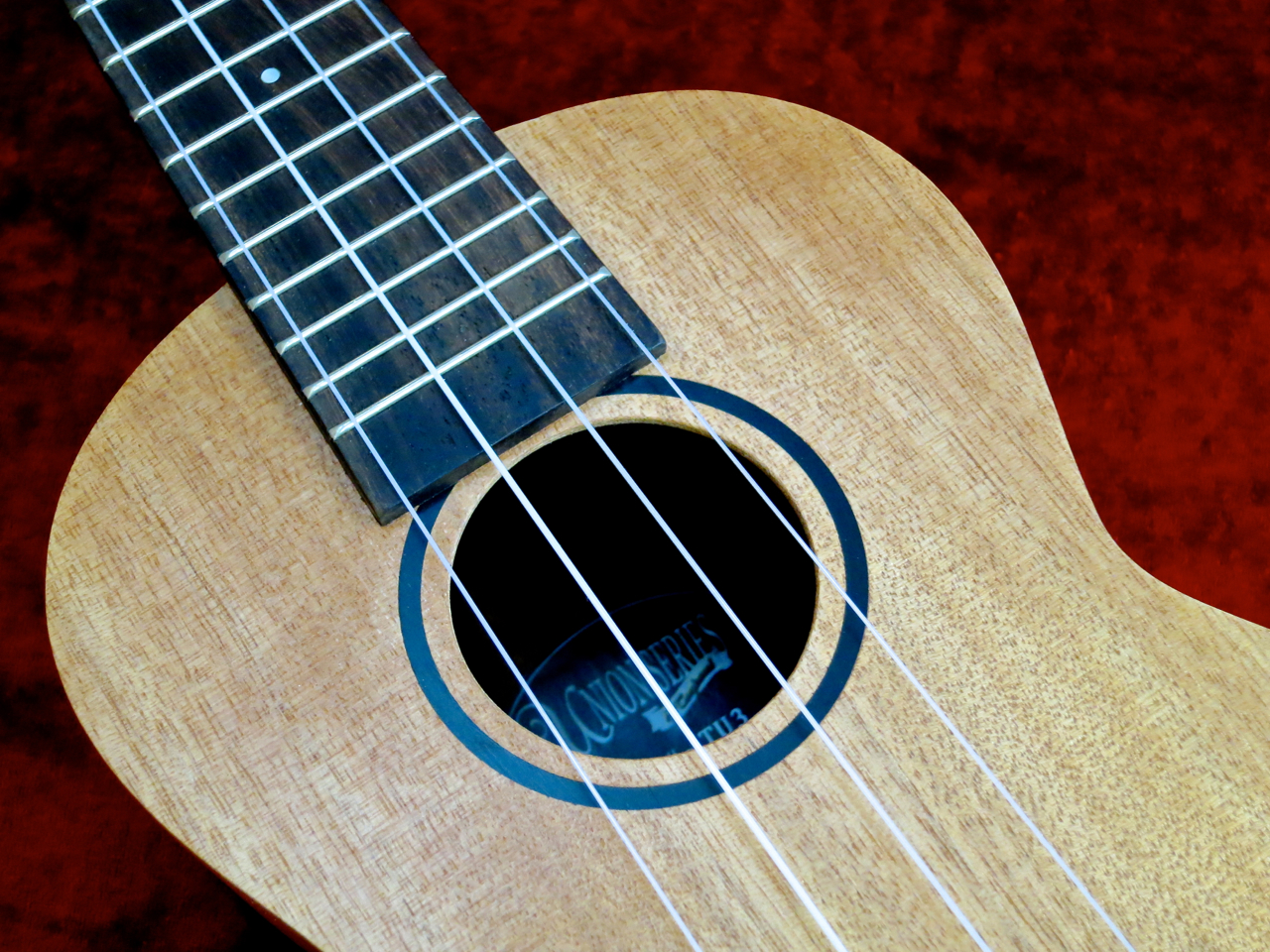
Tanglewood TU-3 – soundhole

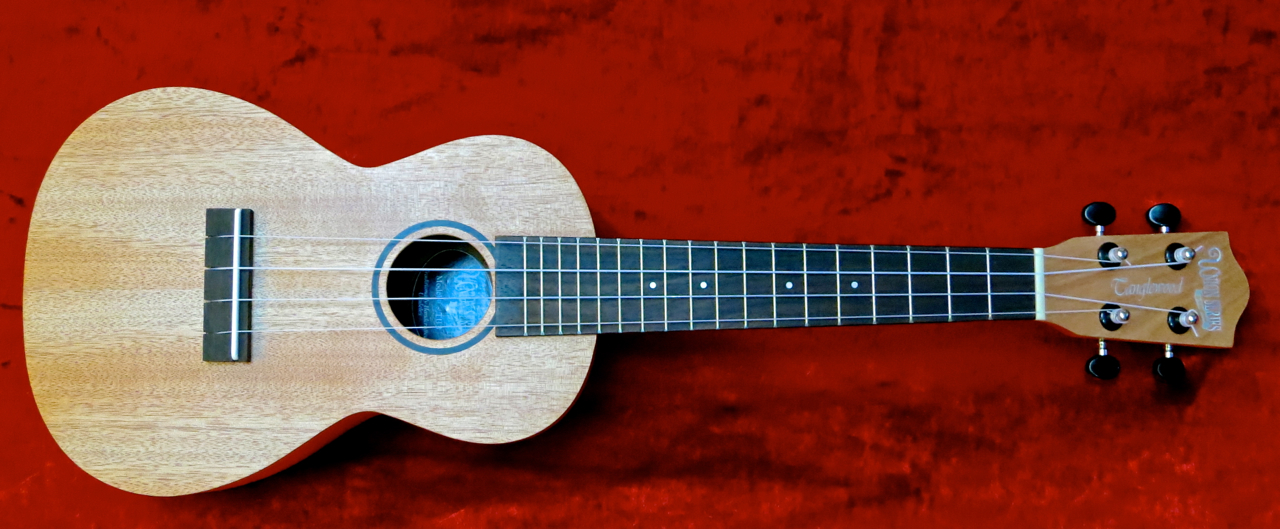
A Concert-ukulele is the next bigger size to a soprano.

This model has a 37.5 cm scale.

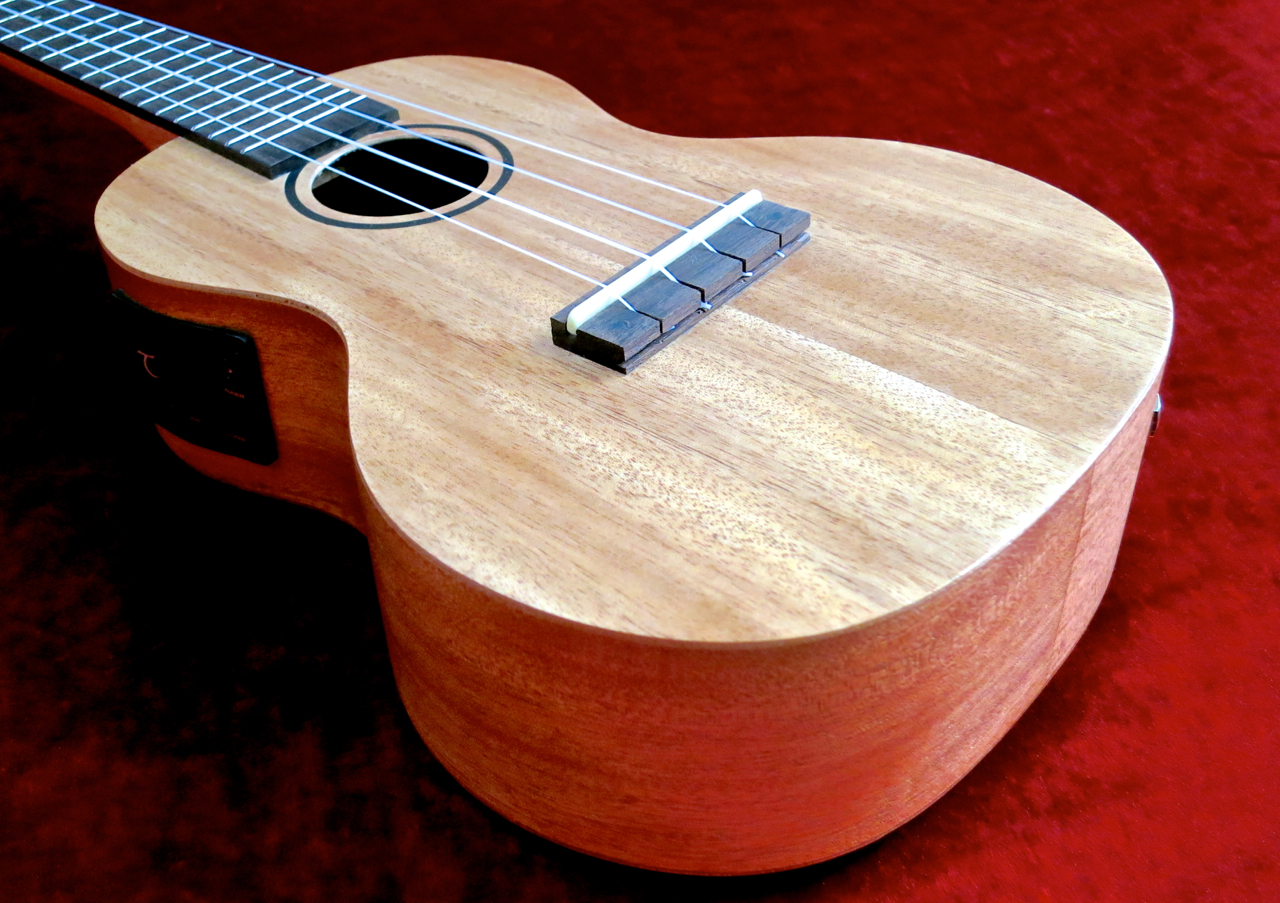
Tanglewood TU-3 – beauty shot

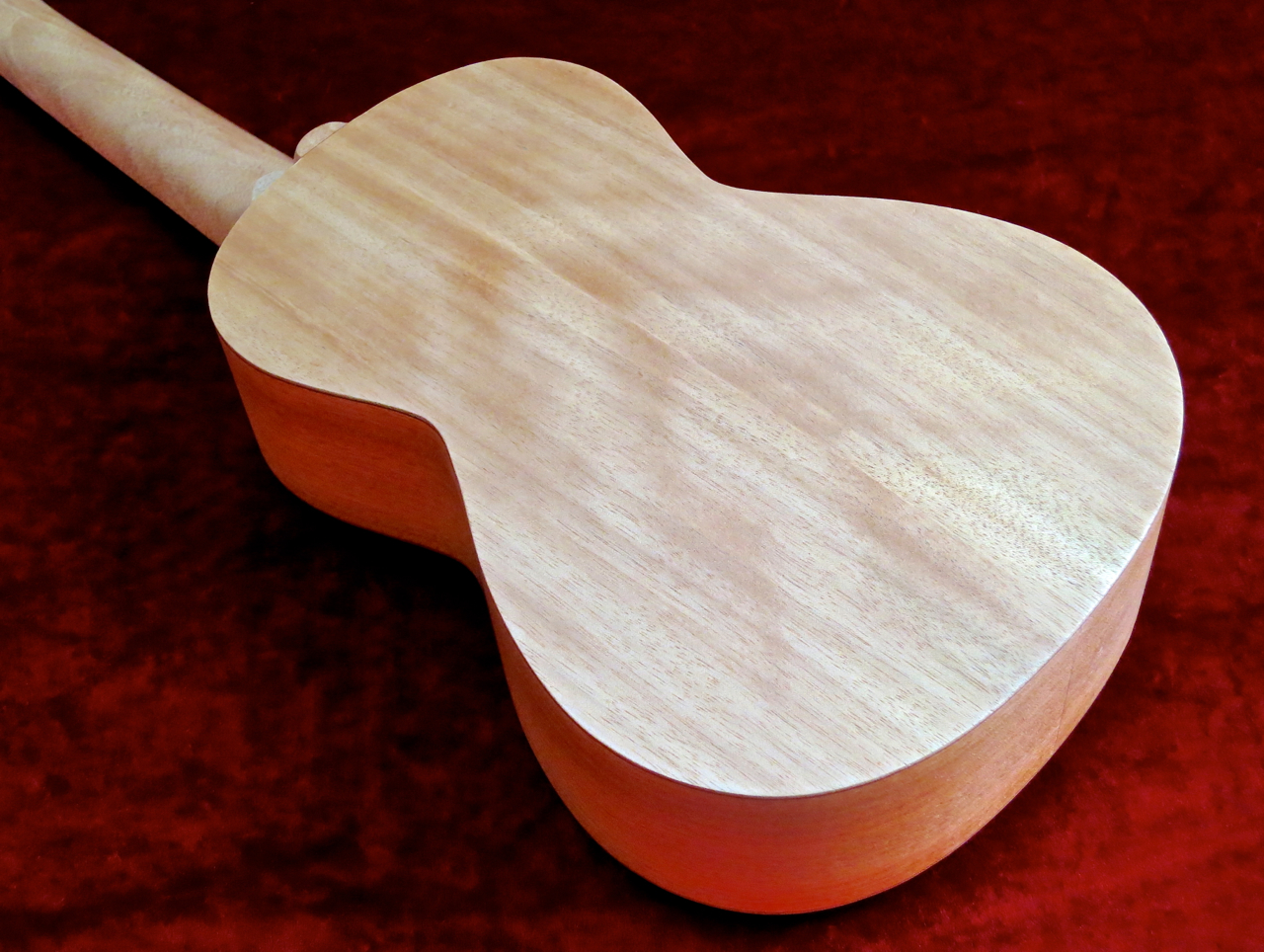
This TU-3 has an exceptionally nicely grained body…

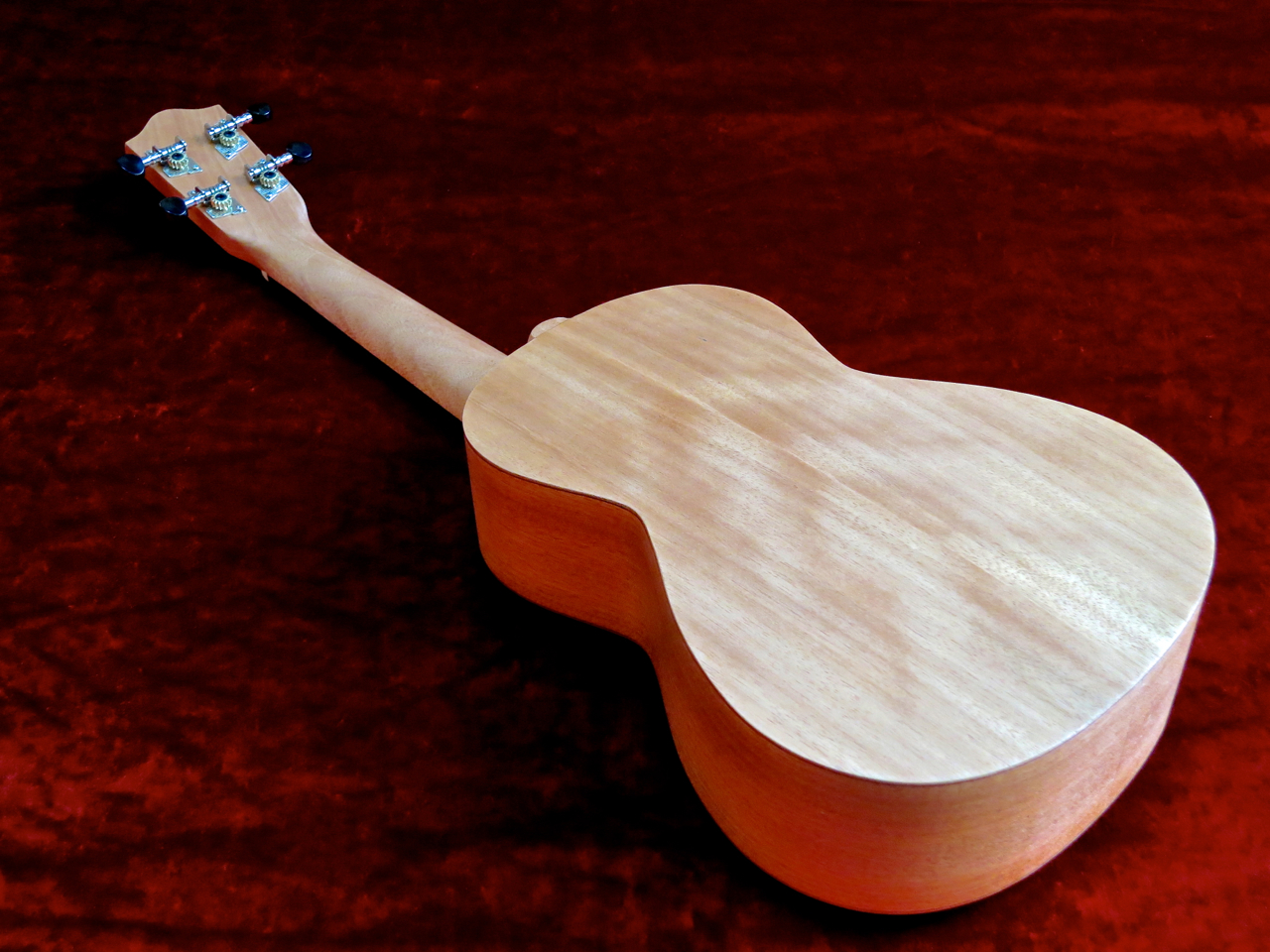
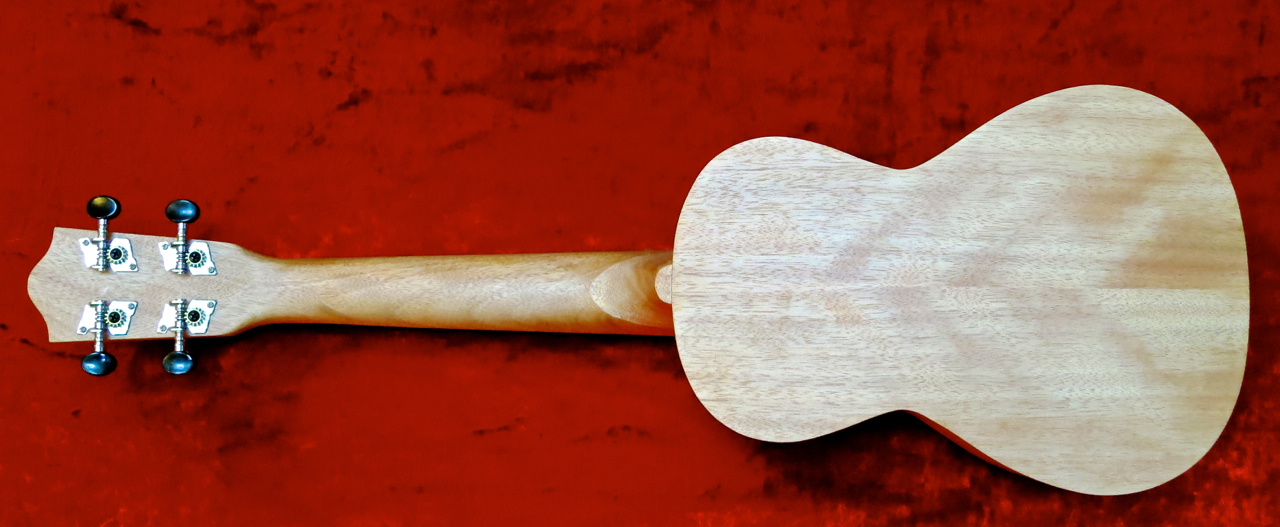
Tanglewood TU-3 – back beauty

…with a highly figured back.

****

Tanglewood TU-3E – preamp

The TU-3’s electroacoustic version – the Tanglewood TU-3E (129 €) – comes equipped with the same preamp model we’ve already seen on the TU-1CE.

Tanglewood TU-3E – body angle VID

The TU-3E’s fingerboard offers you 18 small frets.

Tanglewood TU-3E – rosette VID

The simple rosette found on all Union-series ukuleles complements the organic, woody look of the instruments very well.

Tanglewood TU-3E – body back angle VID

The output jack is situated on the lower rim.

****

Tanglewood TU-5 – case vs2

Just like the two Union concert-ukuleles, Tanglewood’s baritone uke, the TU-5-ukulelessa (149 €), also comes in its sturdy case.

Tanglewood TU-5 – beauty 2 VID

The baritone is the largest traditional ukulele size, with the TU-5’s scale length measuring 51.2 cm.

Tanglewood TU-5 – bridge + rosette VID

The TU-5is equipped with 20 small frets. Our test sample came with a set of black nylon strings tuned to High-g-tuning (d4-g3-h3-e4), meaning that the fourth string is one octave above a regular guitar string.

Tanglewood TU-5 – back beauty 2 VID

****

Tanglewood TU-1CE – full front

This is what the TU-1CE sounds like when recorded with a condenser microphone:

The built-in piezo system results in a very decent direct sound:

This clips mixes the microphone with the piezo output:

Tanglewood TU-1CE – full back

****

Tanglewood TU-3 – full front

I recorded the concert-sized Tanglewoodin TU-3 with an AKG C3000 and a Shure SM57:

Tanglewood TU-3 – full back

****

Tanglewood TU-3E – full front

Acoustically, the piezo-equipped TU-3E sounds virtually indentical to the all-acoustic TU-3:

Sadly, our test sample displayed some sort of trouble with its under-saddle transducer (probably an uneven bridge slot), which rendered the pickup sound rather useless, because the middle pair of strings was much louder than the two outermost strings:

Here’s a mix of the TU-3E’s electric and acoustic signals:

Tanglewood TU-3E – full back

****

Tanglewood TU-5 – full front

I recorded Tanglewood’s TU-5 baritone uke using an AKG C3000 condenser microphone and Shure’s dynamic model SM57:

Tanglewood TU-5 – full back

****

Tanglewood TU-1CE – beauty shot 2

Tanglewood’s Union-series ukes are well-made, lightweight instruments with a very down-to-earth charm.

Regardless of their low price tags these ukes are decent musical instruments, not toys!

I must say I enjoyed Tanglewood’s fat neck profiles a lot. These are neck a grown-up man can hold on to!

Judging by the fine performance of the TU-1CE’s pickup system, I’m willing to believe that the TU-3E’s underwhelming pickup sound is just a one-off oversight in quality control.

Still, the whole picture is really very positive, both in terms of workmanship and sound. The inclusion on classy-looking hard cases in the price of the three ”bigger” models on test makes these Tanglewoods even more enticing. In my view, Tanglewood’s Union-series ukuleles are a great, and affordable, way to get to know the Hawaiian cousin of the guitar.

Tanglewood TU-5 – beauty shot VID

****

Tanglewood Union-sarja ukuleles

Finnish distributor: Musamaailma

TU-1CE – 116 €

TU-3 – 119 €

TU-3E – 129 €

TU-5 – 149 €

****

Pros (all models):

+ workmanship

+ satin finish

+ fretwork

+ Aquila-strings (except for TU-5)

+ case included (not with TU-1CE)

+ TU-1CE: good-sounding piezo system

Cons:

– TU-3E: piezo system’s performance in review sample

– TU-5: spongy feel of factory-installed strings

****

Tanglewood TU-3 – body back angle

”Pisara” ja ”Fantomi” tulivat takaisin – Vox Mark III ja Mark V

markiii_rd

markv_wh

1960-luvun legendaariset Vox III– (aka Teardrop) ja Mark V -mallit (aka Phantom) ovat tulleet takaisin, uusina edullisina versioina.

Kitaroissa on ruuvikaula vaahterasta palisanteriotelaudalla, sekä lehmusrunko. Molemmat mallit ovat lyhytskaalaisia (61 cm), ja niissä on kolme yksikelaista mikrofonia ja moderni Strato-tyylinen vibratalla.

Kitaroiden lisäksi Vox tarjoaa nyt myös lyhytskaalaisia Mark III ja Mark V -bassoja.

lg_markiii_bass_sf

lg_markv_bass_bk

****

Maahantuoja: EM Nordic

Testipenkissä: Duesenberg D-Bass

****

Duesenberg D-Bass – D-badge

Saksalainen Duesenberg on valmistaja, joka on tunnettu laadukkaista kielisoittimista, joissa vintage-mainen tyylikkyys yhdistyy saumattomasti uusiin, kekseliäisiin ratkaisuihin yksityiskohdissa.

Duesenberg D-Bass on juuri tällainen soitin, sillä valmistajan mukaan bassosta saa irti sekä Presari- että Jazz-maisia soundeja firman passiivisella Mid-Shift-säätimellä.

****

Duesenberg D-Bass – full front 2

Duesenberg D-Bass (1.729,90 €) on hyvä osoitus siitä, että hyväksi havaittuja perusaineksia voi yhdistellä tyylikkäästi kopioimatta muita soittimia.

Soitin on passiivinen nelikielinen basso, jolla on ruuvikaula vaahterasta ruusupuisella otelaudalla, sekä reunalistoitettu leppärunko kaarevalla etupuolella.

Duesenberg D-Bass – full back 2

Rungon syvä viiste lisää D-Basson mukavuutta.

Soittimen runko viimeistellään kiiltävällä lakkauksella, kun taas kaulassa on ohut mattapintainen viimeistely.

Duesenberg D-Bass – headstock

Minun mielestäni Duesenbergin kolmiaskelmainen viritinlapa näyttää isona bassoversiona vielä paremmalta kuin firman kitaroissa.

Duesenberg D-Bass – tuners

D-Bassossa käytetään Duesenbergin omia, lukittavia Z-Tuner-virittimiä, joissa kieli ensin pujotetaan virittimen akselissa olevaan käytävään, ennen kuin kieli lukitaan paikoilleen.

Duesenberg D-Bass – fretboard

Duesenbergin erittäin siisti nauhatyö viimeistellään PLEK-robotilla.

Duesenberg D-Bass – neck joint

D-Basson 22. nauhaan pääsee vaivattomasti sulavan kaulaliitoksen ansiosta.

Duesenberg D-Bass – bridge

Duesenbergin messinkinen talla on erittäin lujaa tekoa.

Kielten korkeuden ja intonaation lisäksi voi säätää vapaasti myös kielten väliset etäisyydet. Säätämisen jälkeen tallapalat lukitaan paikoilleen kuusiokoloruuveilla.

Duesenberg D-Bass – pickup

D-Basson kaksiosainen mikrofoni on asennettu omaa ovaaliin pleksiin.

Duesenbergin Toaster-bassomikrofonin juju piilee siinä, että jokaisessa puoliskossa on kaksi kelaa. Tässä mallissa kytketään siis kaksi humbuckeria yhteen, kun taas vanhassa Presarissa käytetään kaksi yksikelaista puoliskoa, jotka vasta yhdessä muodostavat häiriöitä torjuvan yhdistelmän.

Duesenberg D-Bass – controls

Duesenbergin passiivinen elektroniikka löytyy basson isommasta plektrasuojasta – master volume, Mid-Shift-säädin ja master tone.

Duesenberg D-Bass – control cavity

Tässä Mid-Shiftin toimintaperiaate paljastuu:

Silloin kun Mid-Shift-säädin on täysin avattu, kummankin puoliskon molempia keloja käytetään soundin tuottamisessa, mutta signaalin diskanttia suodatetaan hieman kondesaattorilla. Tästä syntyy D-Basson Presari-tyylinen soundi.

Mitä enemmän säädintä käännetään vastapäivään, sitä enemmän kummankin mikrofonipuoliskon toisen kelan signaalista vaimennetaan potentiometrin omalla vastuksella, mutta samalla kondensaattorin vaikutus vähenee. Säätimen toisessa ääripäässä syntyy siis hieman kirkkaampi ja ohuempi J-tyylinen soundi.

Seymour Duncanin sivuilla löytyy samankaltainen kytkentä, jolla kitaran humbuckeria muutetaan portaattomasti humbuckerista yksikelaiseen kytkemällä toinen kela säätimen kautta maahan.

Duesenberg D-Bass – reverse angle

Duesenberg D-Bass – case

Duesenberg D-Bassoa myydään omassa kovassa laukussaan.

****

Duesenberg D-Bass – beauty shot 2

Duesenberg-basso on kaunis soitin mukavalla keskivertopainolla ja erinomaisella tasapainolla, sekä sylissä että hihnasta roikkuen.

Kaulaprofiiliksi on valittu hyvin Presari-mainen matala, mutta leveä ”D”. Soittotuntuma on kuitenkin hyvin nopea ja nykyaikainen, koska D-Basson palisanteriotelaudan kaarevuus on melko loiva, ja myös koska käytössä ovat jumbo-kokoiset nauhat.

Ainoa huomautukseni on kosmeettisesta seikasta: Näkisin kernaasti yksi tai kaksi ruuvia lisää säätimiä kantavassa pleksissä, jotta kolmikerroksinen muovi istuisi tiukemmin D-Basson kaarevaa runkoa vasten.

Duesenbergin akustinen soundi on erinomainen, eikä soittimesta löydy lainkaan monista vintage-bassoista tuttuja soundillisia ongelmakohtia (esimerkiksi ”yli-innokas” matala G tai nopeasti ”kuoleva” korkea c).

Vahvistettu soundi on loistava, jos ei haeta aktiivisoittimista tuttua äärimmäistä muokattavuutta. Mid-Shift-säädin toimii kiitettävästi, ja sen vaikutus on paljon orgaanisempi kuin raju päälle/pois-tyypistä kelojen kytkemistä. Koska kytkentä ainoastaan filtteroi ja vaimentaa osan signaalista, Mid-Shift-säätimen ääriasentojen välillä ei myöskään synny huomattavia eroja signaalitasossa, vaan ainoastaan äänen karakteri muuttuu hieman savuisemmasta P-basson soundista vähän kirkkaampaan J-tyyliseen sointiin.

Esimerkkipätkissä soitan aina saman kuvion kahdesti – ensin Mid-Shiftiä täysin avattuna (P) ja sen jälkeen säätimellä toisessa ääriasennossa (J).

Duesenberg D-Bass – body beauty 1

****

Duesenberg D-Bass – full front   Duesenberg D-Bass – full back

Duesenberg D-Bass on mielestäni upea sähköbasso laadukasta passivisoundia etsiville. Soittimen Mid-Shift-toiminto on hienovarainen, mutta silti erittäin toimiva tapa räätälöidä Duesenbergin soundia itselleen sopivaksi.

****

Duesenberg D-Bass

1.729,90 €

Maahantuoja: F-Musiikki

****

Plussat:

+ työnjälki

+ Mid-Shift-säädin

+ soitettavuus

+ ulkonäkö

+ soundi

Miinukset:

– plektrasuojan kiinnitys (katso teksti)

****

Duesenberg D-Bass – body beauty 2

Meet the makers: Amfisound Guitars

Amfisound Guitars is run by two master luthiers in the outskirts of the northern Finnish city of Oulu.

Sampo Leppävuori (say ’SUM-poe’) and Tomi Korkalainen (’Tommy’) met while studying at the Ikaalinen College of Crafts and Design. They became friends and decided to set up shop together near Sampo’s hometown.

Amfisound is able to offer a very wide selection of different guitar and bass models, because the company combines both Sampo’s and Tomi’s strengths.

AMfisound – Sampo Leppävuori

Sampo Leppävuori loves classic bass and guitar designs, as you can see in Amfisound Guitars’ tasty Classic Line -models, such as the Halti-, Kaira-, Halla- and Kobalt-guitars.

These instruments are far from being straight copies of vintage guitars, though, as all Amfisound models feature a long list of updates and improvements (mostly in the hardware, electronics and pickup departments), as well as special Amfisound-features, such as the company’s special, heel-less set-neck joint.

Amfisound – Tomi Korkalainen

Tomi Korkalainen’s creative activities are mostly zoned in on the Metal and Hard Rock genres, where he strives to come up with the ultimate Metal-guitars in terms of playablity, tone and visual impact.

Amfisound’s Extreme Line of Metal axes – comprising such guitars, as the Routa, Atrain, Railo and Roster models – bears clear testament to Tomi’s creative genius.

****
Kitarablogi: What’s the philosophy behind Amfisound Guitars?

Tomi: We wanted to set in motion a fresh and youthful custom guitar culture in Finland. Being based up here in the north strengthens our North-European image and appeal, which we try to underline further by making our guitars very visual. We came up with our Finnish model names around 2003/2004. The model names are quite easy to get to grips with even for foreigners, and it’s cool to hear them spoken in different accents at trade shows.

KB: Your visual approach sets you apart from many other makers.

Sampo: We had to come up ourselves with practically all of our special finishes, treatments and woodworking techniques. And you still keep on learning something new while working on new designs. When it comes to making guitars for the Hard ’n’ Heavy -crowd, there was basically no precedent over here in Finland. We simply had to dig in and come up with all the solutions by ourselves. All this hard graft has reaped rewards and Amfisound instruments are held in high regard at home as well as abroad. It is also great to be involved in the evolution of the art and culture of guitar-making in Finland. Since we started our company, people’s attitudes towards Finnish Metal guitars have changed dramatically for the better, which is a good indicator for the kind of mind-boggling progress guitar-making in this country has seen. 

KB: How do you approach the building process?

Tomi: At the moment most of our instruments are ordered from abroad. Each order is treated individually, and each guitar is built by hand from start to finish. We don’t build in production runs, and we never use prefabricated bodies or necks, which is actually a great advantage for our customers. Our instruments are played by a lot of great artists from all sorts of different musical genres, in Finland and abroad. Our branding has taken a large leap in my opinion, when we introduced our current, round company logo. For us it means that we can make Amfisound Guitars a real Finnish guitar brand, instead of us being merely some small custom maker from northern Finland.

****

Amfisound Guitars’ range of models offers a very broad scope for customisation, because Sampo and Tomi want to make sure that each and every customer gets exactly the guitar or bass he or she wants.

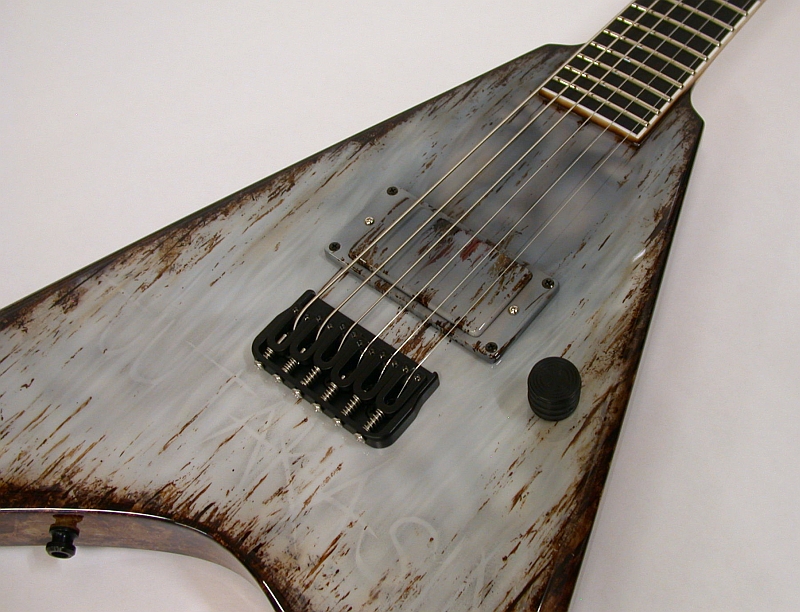
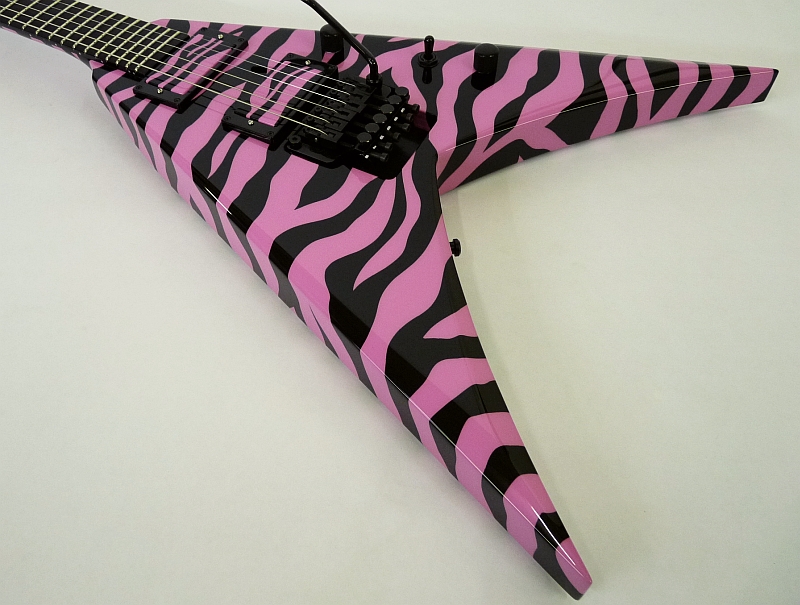
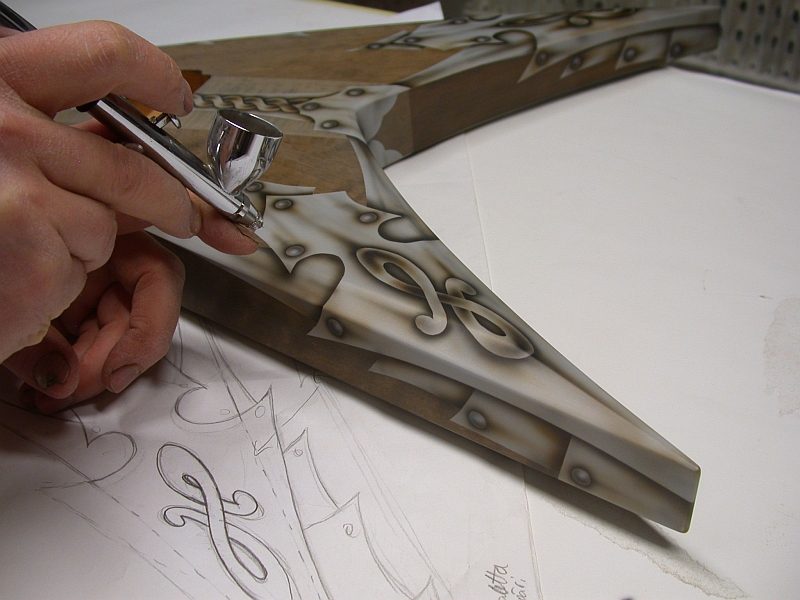
Amfisound’s unbelievable custom finishes are fast becoming the stuff of guitar legend. These guys are real wizards when it comes to using the spray gun and the airbrush! Regardless of whether you want an instrument that looks like and ancient piece of wood, complete with runic writings, or rather a real shocker in neon green with leopard spots, the dynamic duo of Amfisound will do it with style.

****
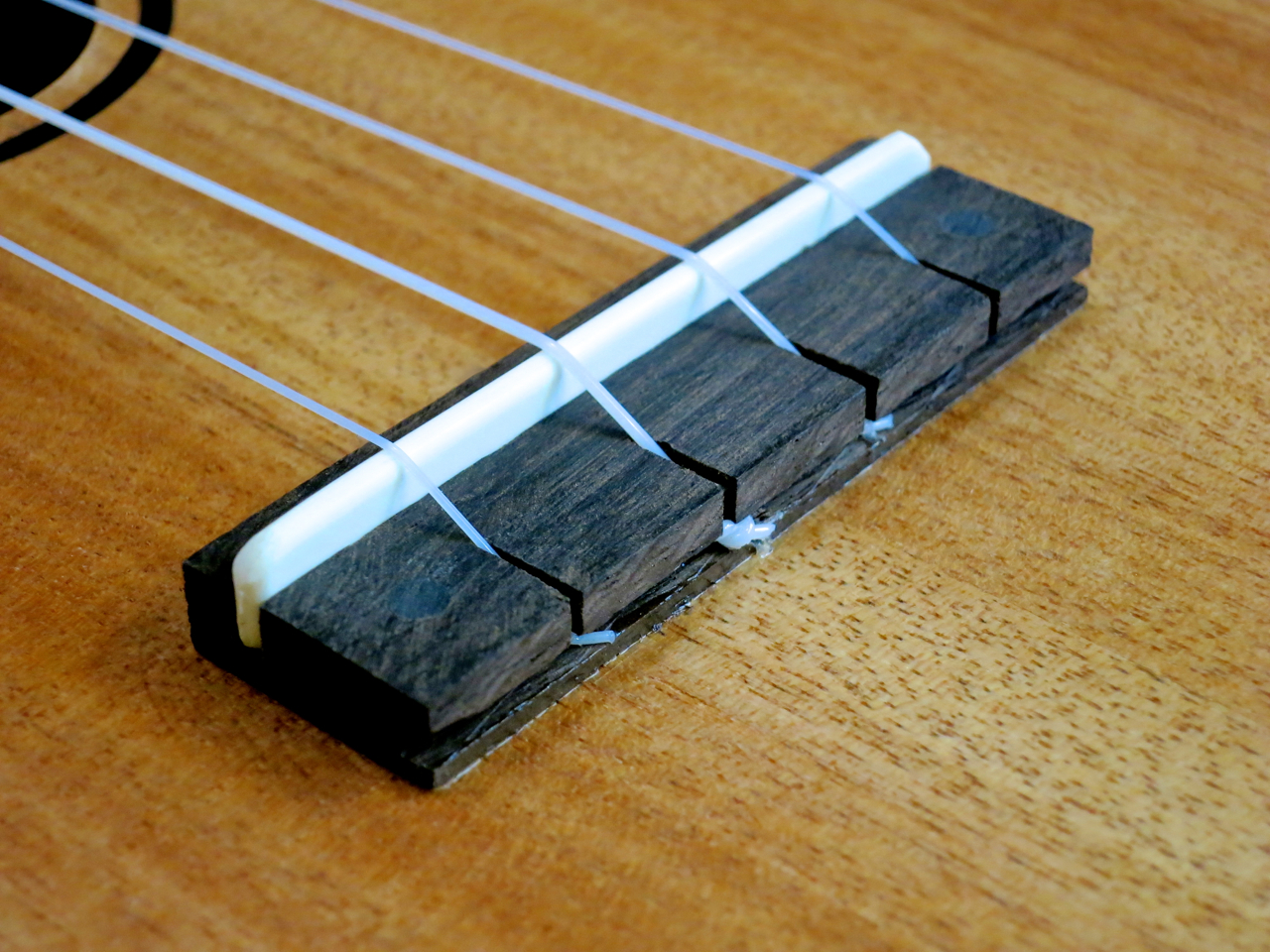
Besides making their own models Amfisound Guitars also take on repair and customising work.

****

Amfisound Guitars – raw wood

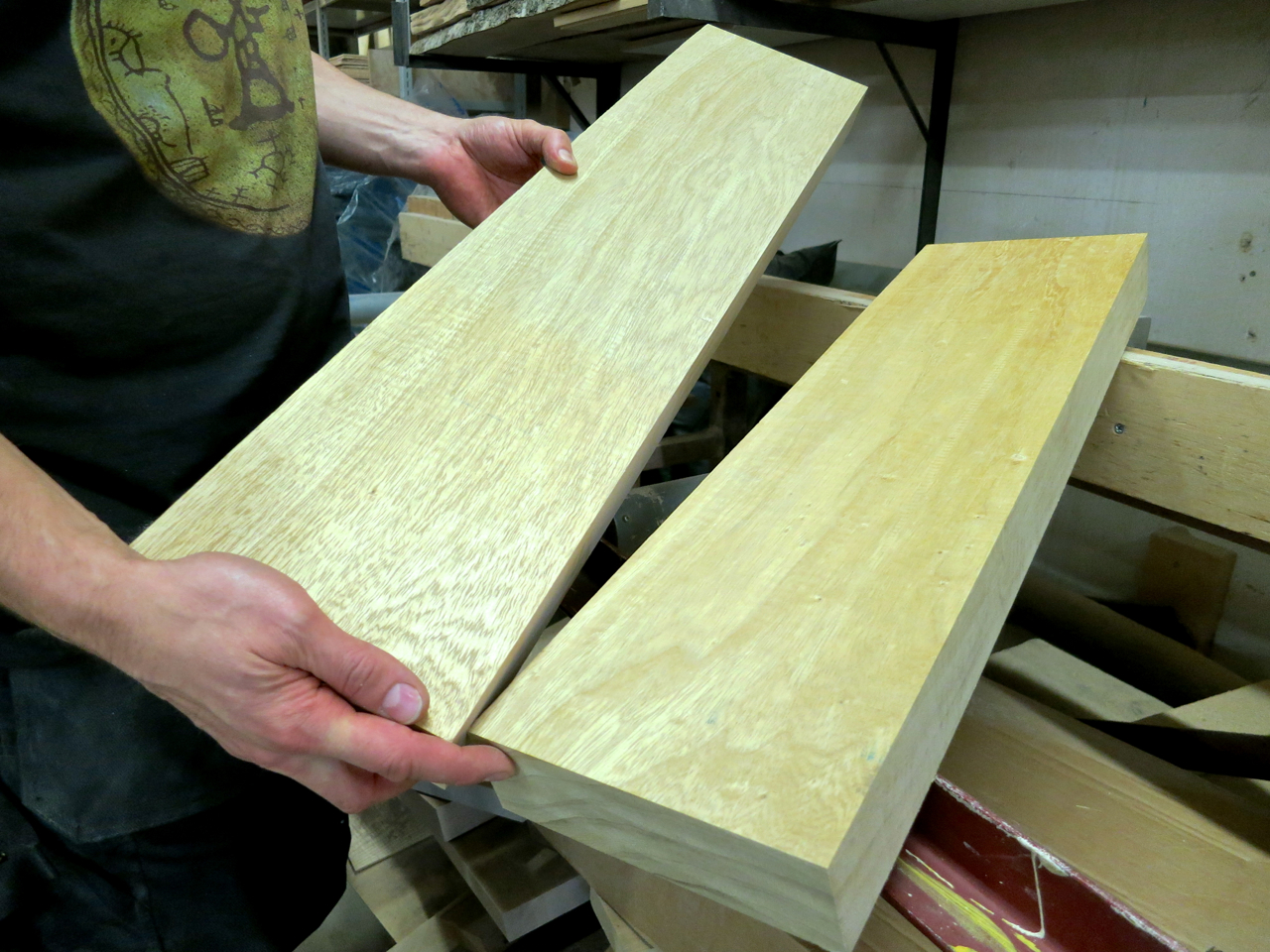
Every Amfisound instrument once started out as a heap of wooden planks.

Amfisound Guitars – arctic birch

Amfisound very often use native Finnish wood species, like figured arctic birch and black alder, in their body designs, alongside more exotic timber, such as African mahogany (khaya ivorensis).

Amfisound Guitars – ebony blanks

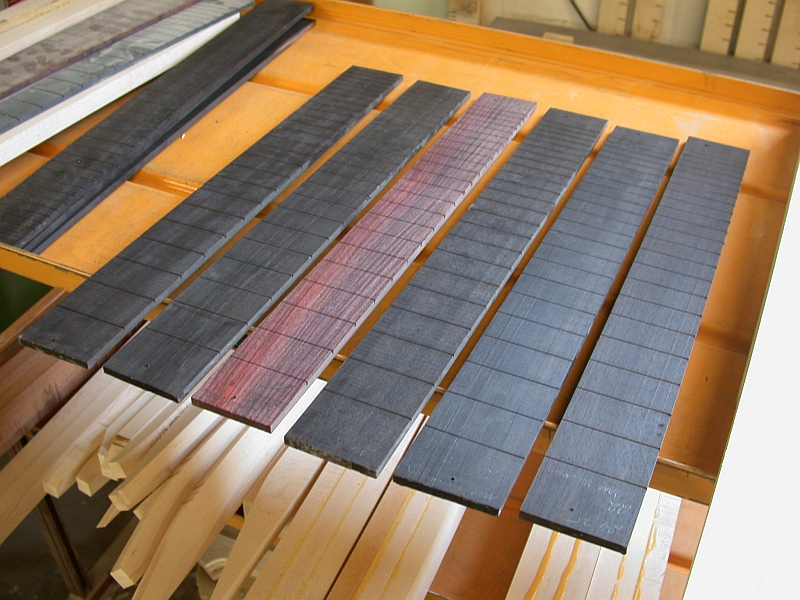
Here’s a close-up of a stack of ebony fingerboard blanks. Naturally, Amfisound has all the necessary paperwork to prove it comes from legal sources.

Amfisound Guitars – korina blanks

If you’d rather have something more exotic for your guitar’s body, there are such alternatives as korina, which is also known as (black) limba.

Amfisound Guitars – jigs + templates

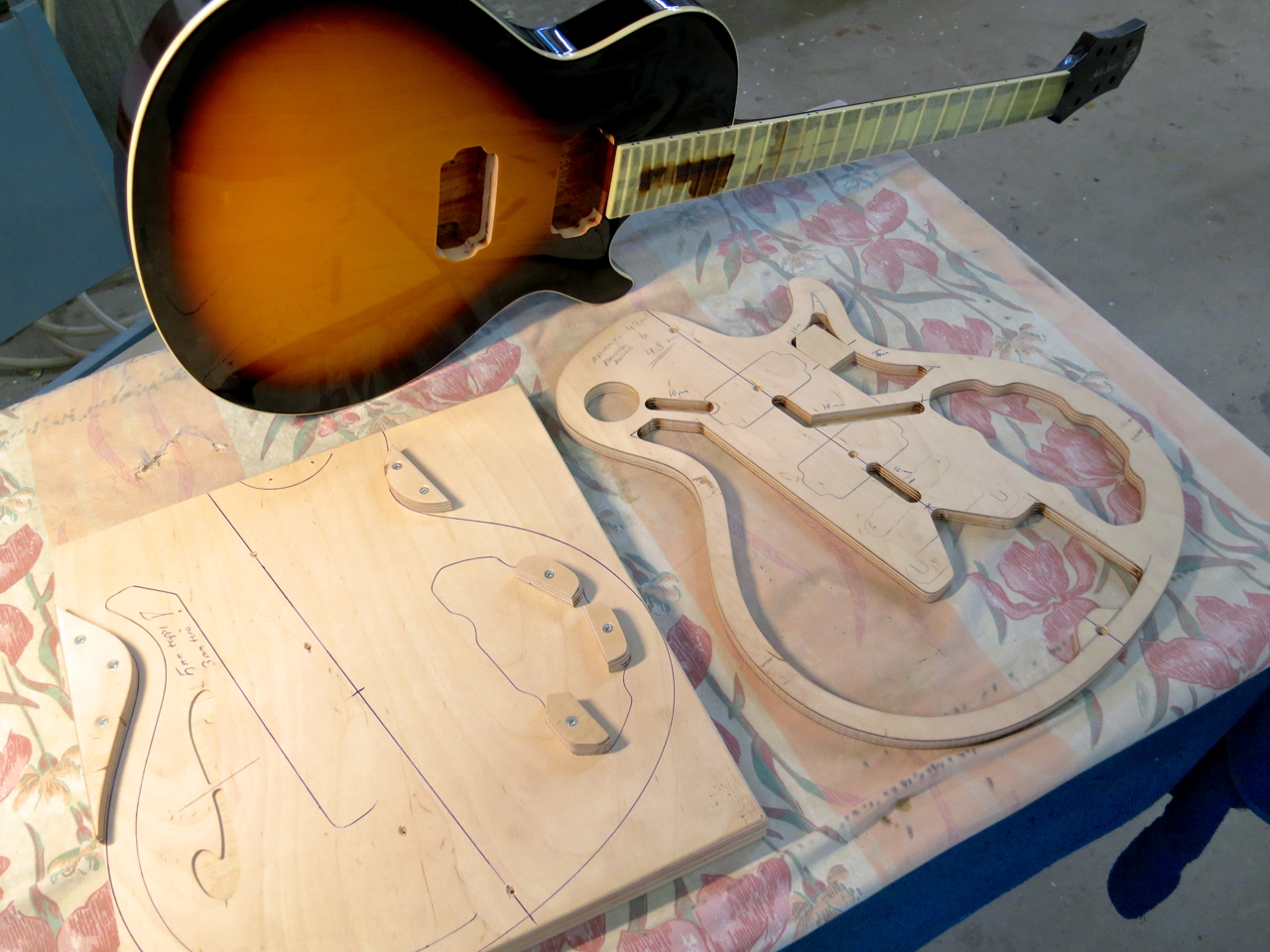
A lot of work has gone into Sampo’s and Tomi’s own routing templates, jigs and fixtures. Most of the building process at Amfisound Guitars is old-school instrument-making.

Amfisound Guitars – jigs + fixture semi-solid Halti

A semi-solid version of the Amfisound Halti is in the works. The routing template gives you a good view on all the cavities that will be covered by the carved top.

gluing neck blank

On through-neck designs the neck blank is glued together from three strips of maple.

fretboard blanks

Here we have some rosewood and ebony fingerboards with the fret slots already sawn.

copy router

For some more demanding operations a copy carver is used to ensure consistency.

In this picture a Halti-model receives its deep neck joint cutaway…

rough shaping of carved top

…while here the copy carver is used to rough out the dished shape of the top.

marking pu cavity

But often only handwork will do for an Amfisound guitar:

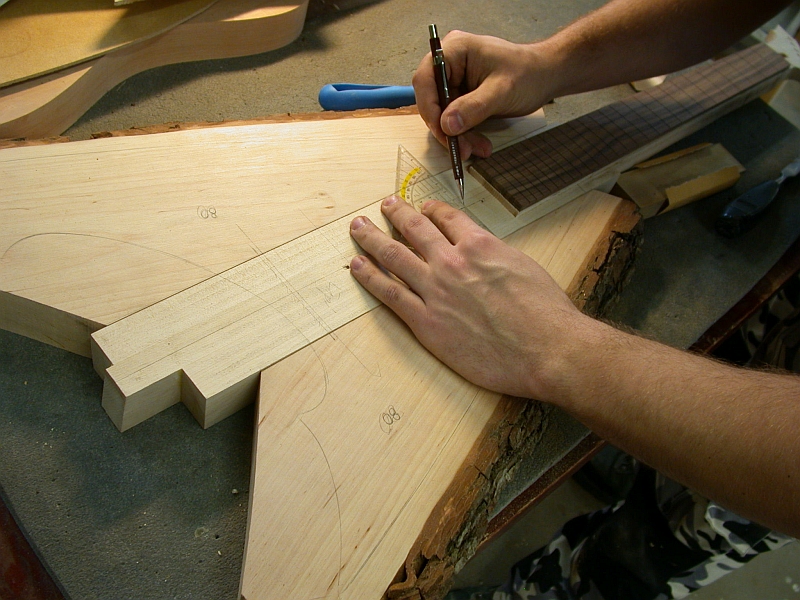
The outlines of an Atrain-guitar, as well as the positions of the bridge and the pickups, are drawn onto the wood with a pencil.

thru-neck neck joint

A wood rasp is a good tool to start shaping a smooth neck heel, if you know what you do.

pickup routing bass

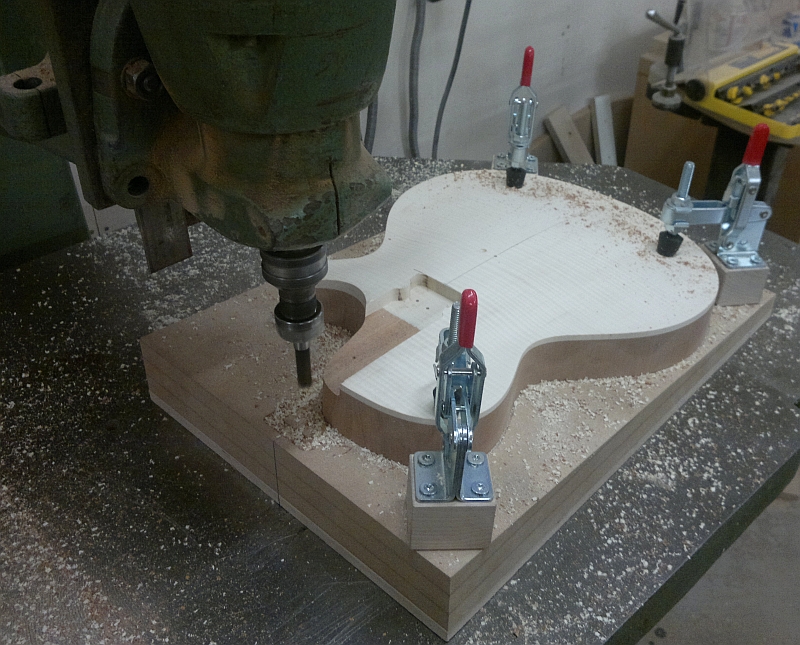
A router table is used for a lot of things in guitar-building:

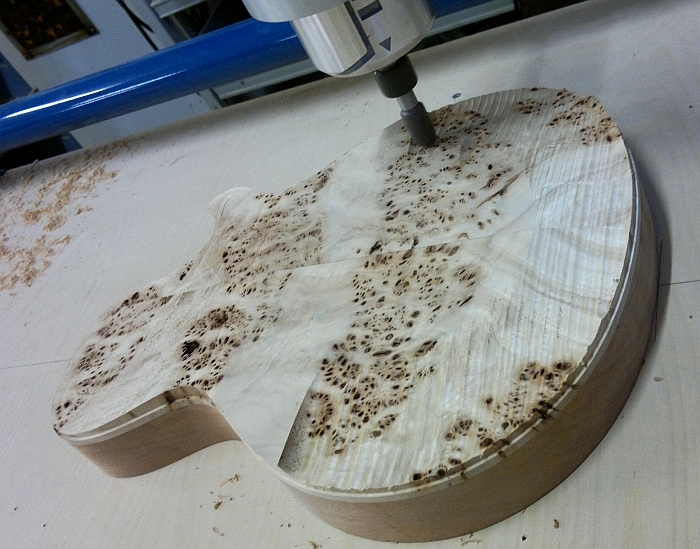
Here a pickup cavity is routed into a bass body…

neck cavity routing

…while this picture shows a neck slot being cut…

pickup routing

…and this picture shows a pickup cavity and the necessary recesses for a vibrato being routed out.

Amfisound Guitars – Tomi drum sanding

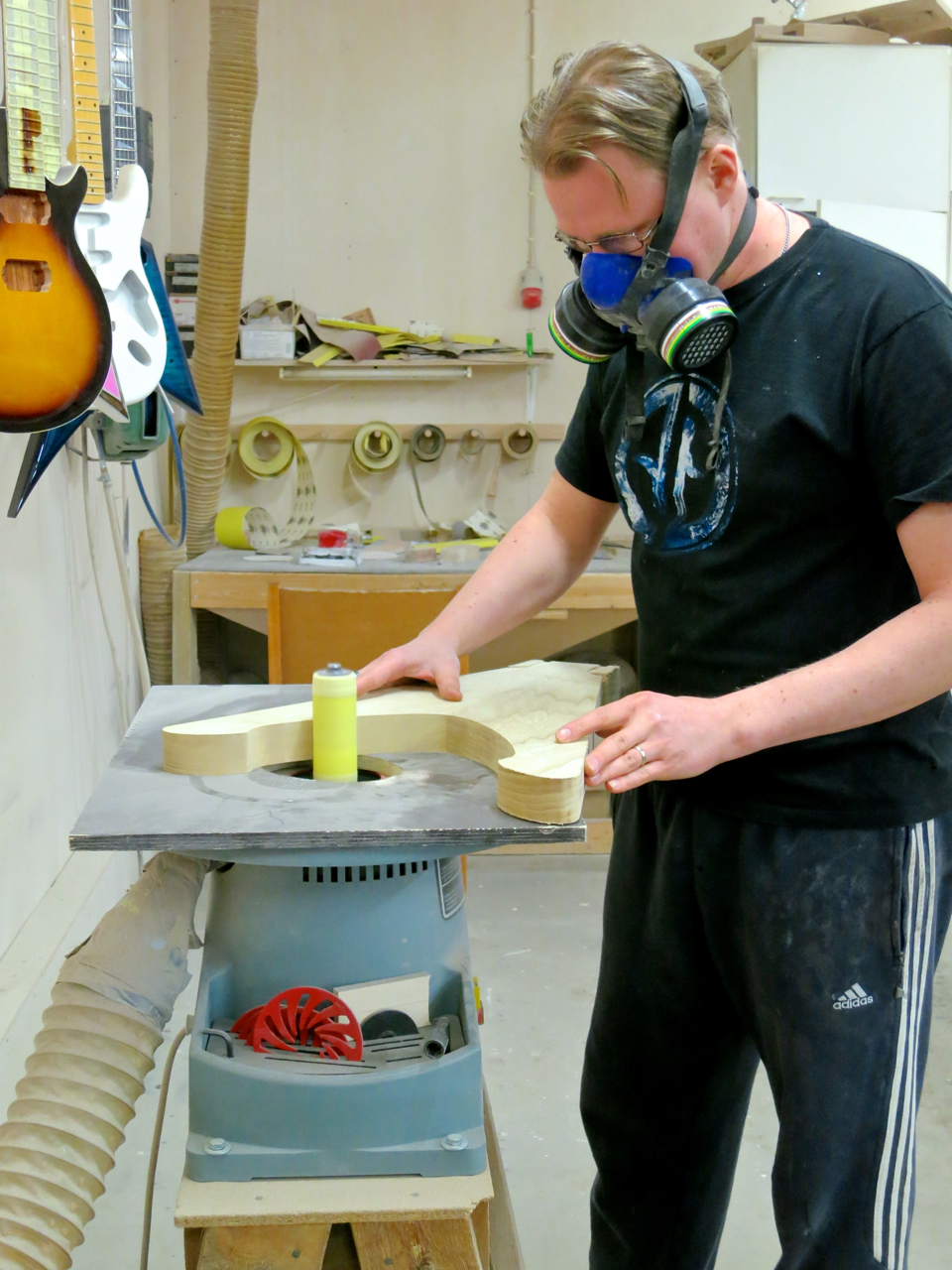
Tomi makes sure the outlines of this Railo-body are crisp and clean.

sanding

body contouring

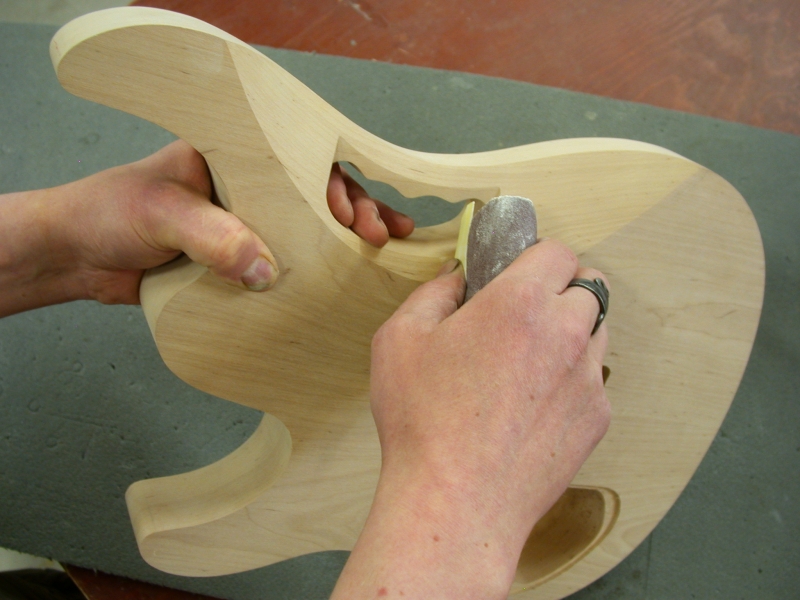
Many spots need hand-sanding, though.

fret crowning

After levelling a special file is used to put the rounded playing surface back into the frets.

airbrush

Stunning visuals need a good amount of planning and a very steady hand.

airbrush 2

Amfisound – Finnish Flag finish

Amfisound – custom finish 2

When it comes to graphic finishes, at Amfisound only the sky’s the limit.

Amfisound Guitars – Sampo scrapes binding

Sampo scrapes the fingerboard binding after the finish has dried.

binding scraping

Same procedure, different guitar.

bridge and string retainer drilling

The holes for the switches, pots and the hardware are drilled quite late in the process.

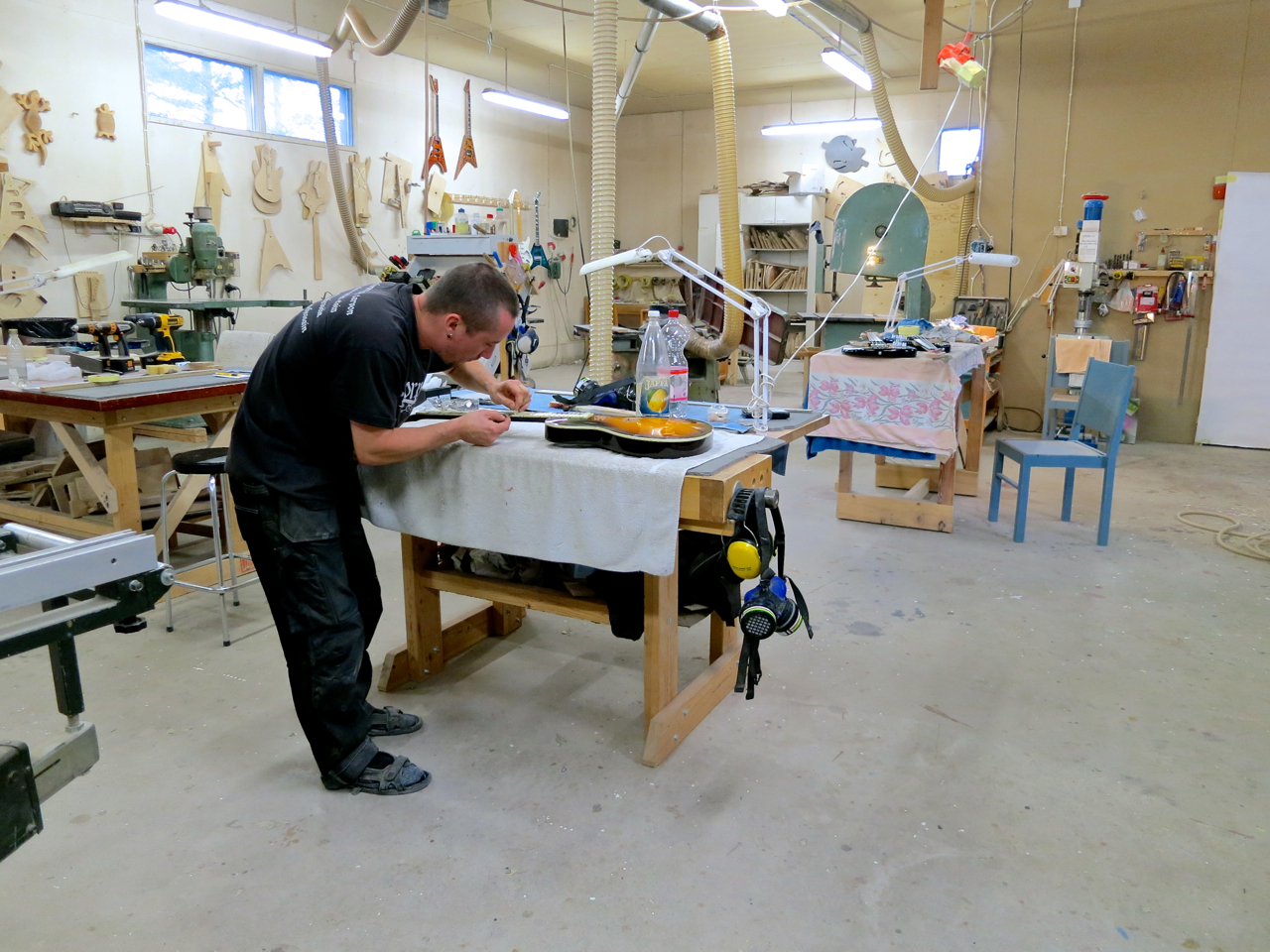
assembly 2

assembly

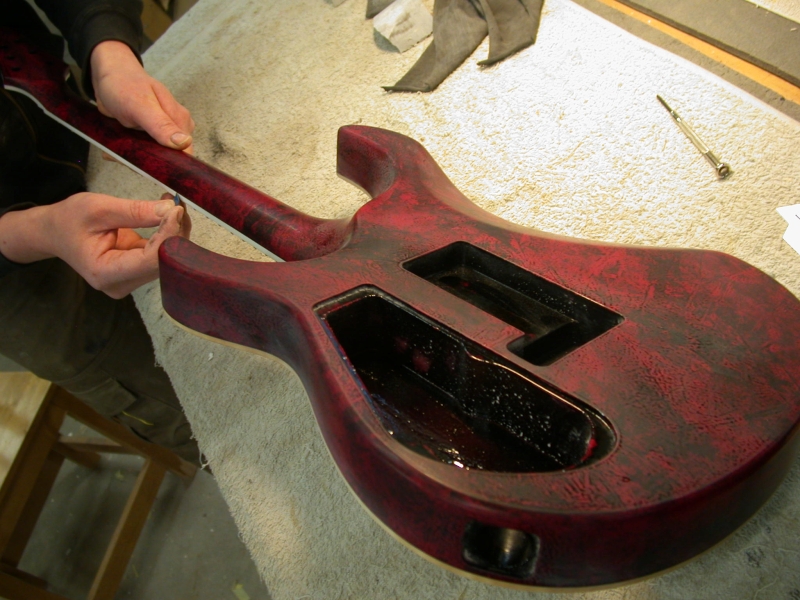
A Sustainer-equipped guitar in final assembly.

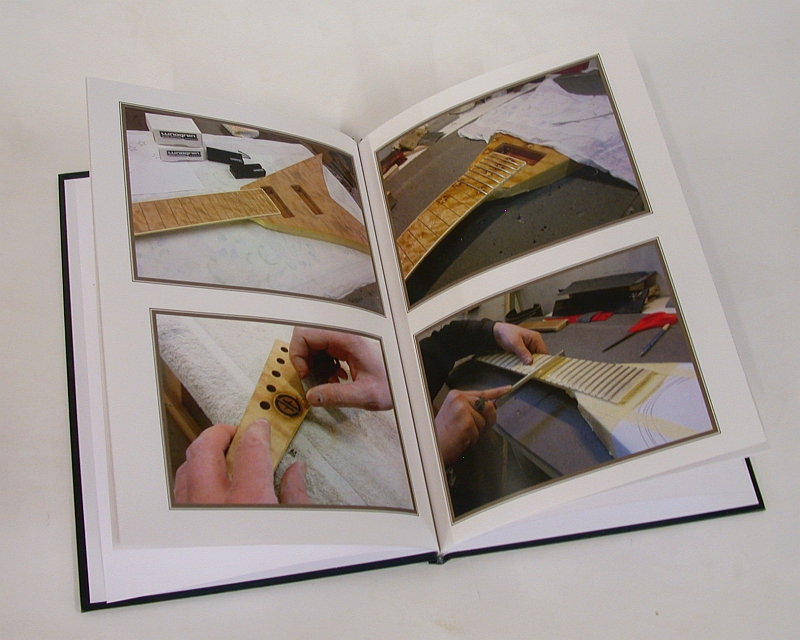
making of booklet

Amfisound offer their customers the option to order a Building Process -book along with their guitar or bass, detailing its genesis from raw wood into a fine instrument.

****

Amfisound’s Sampo Leppävuori and Tomi Korkalainen are both members of The Finnish Guild Of Luthiers.

****

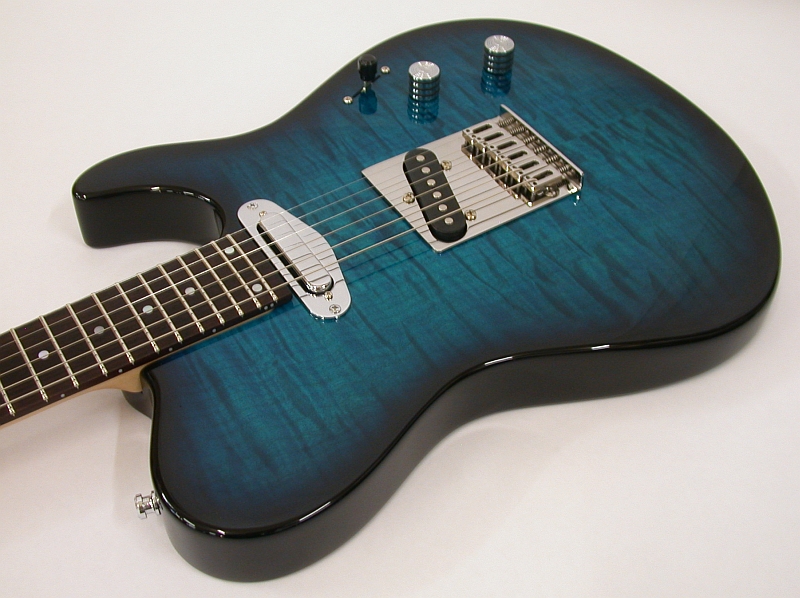
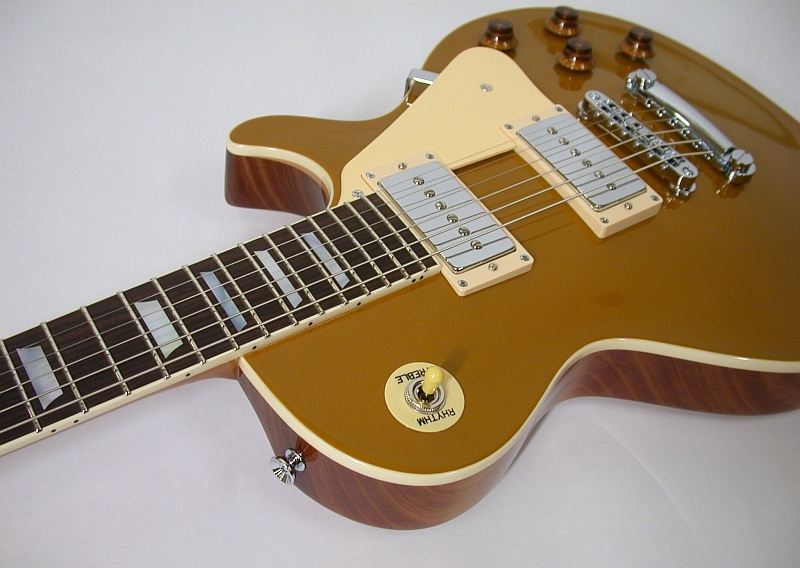
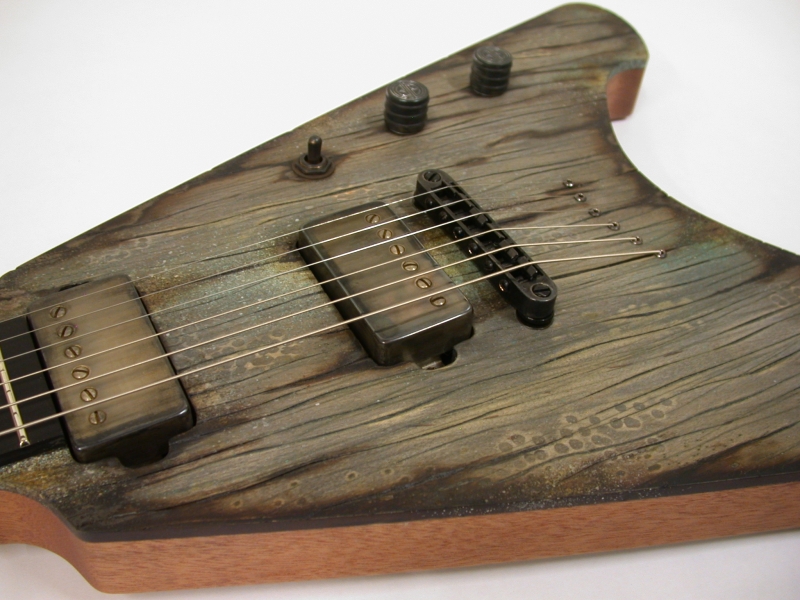
Here are a few examples of finished instruments (photos: Amfisound).

Amfisound Halla:

Halla Filtertron

Halla

****
Amfisound Halti:

Halti Burltop

Halti neck joint

Halti Goldtop

Halti graphic finish

Halti Arcticia

Halti Arcticia

****

Amfisound Kobalt:

Kobalt P90

****

Amfisound Kaira:

Kaira 8-string

Kaira HSH graphic finish

****

Kelo-finish:

Kaira Kelo

Railo aged

****

Amfisound Routa Karelia:

Routa Karelia old wood spray finish

Routa Karelia pink zebra

Routa Karelia Deluxe

****

Amfisound Routa Original:

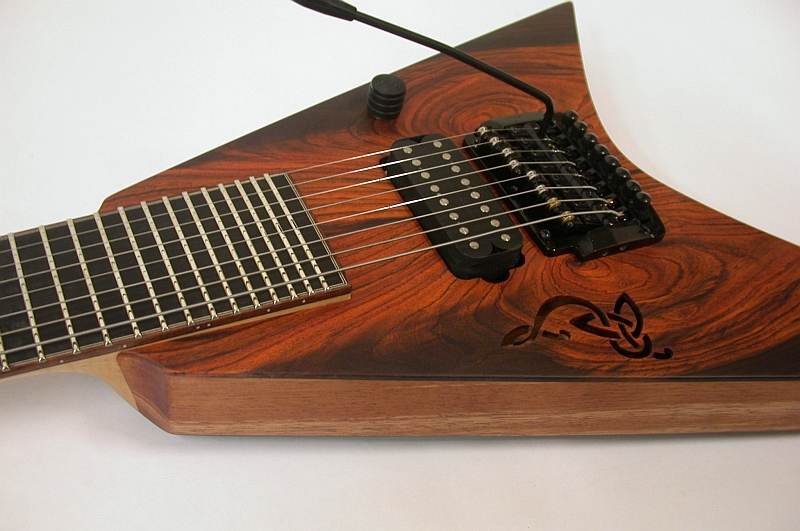
Routa Original 8-string

Eight-string!

****

Amfisound Roster:

Roster Camo

****

Amfisound Kuru:

Kuru 5-string

Kuru

Kuru Arcticia

Kuru Arcticia

****

More basses:

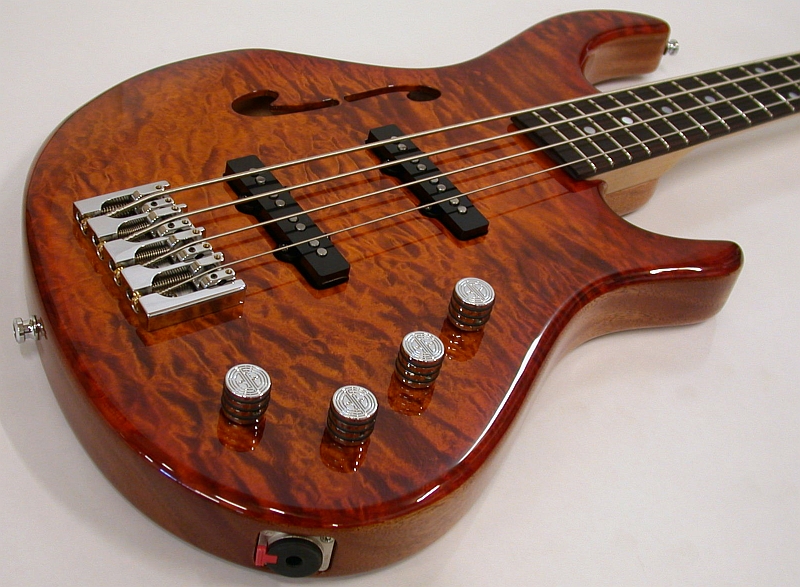
Jazz bass

Tele bass

Pidä blogia WordPress.comissa.

Ylös ↑