Testipenkissä: Raato Guitars Fuzzrocity

Raato Custom Guitars on tunnettu pajan nykytarpeisiin tehdyistä huippulaadukaista sähkö- ja bassokitaroistaan. Raato Guitarsin pomo Mika Ruotsalainen on hiljattain lisänyt kolme efektipedaalia brändin valikoimaan – yhden trebleboosterin, sekä pari fuzzia.
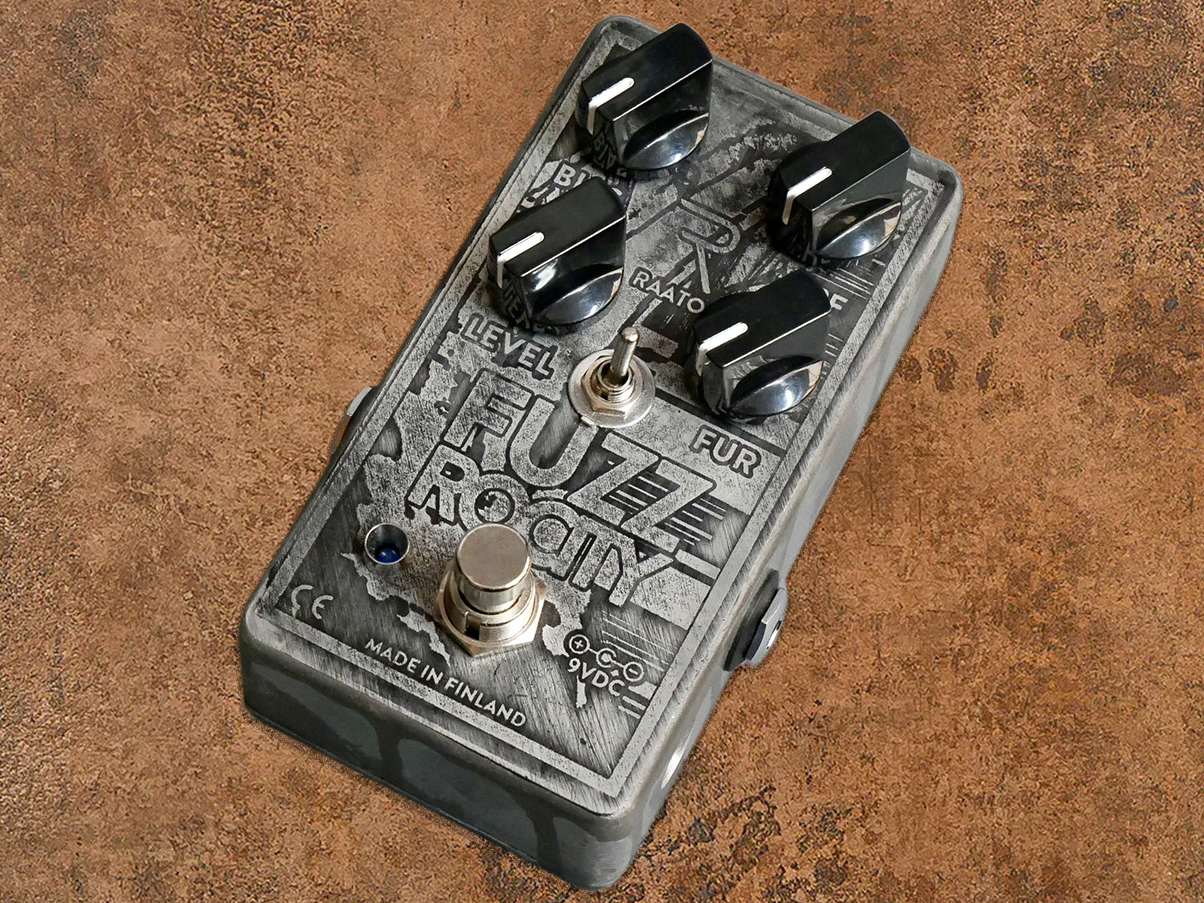
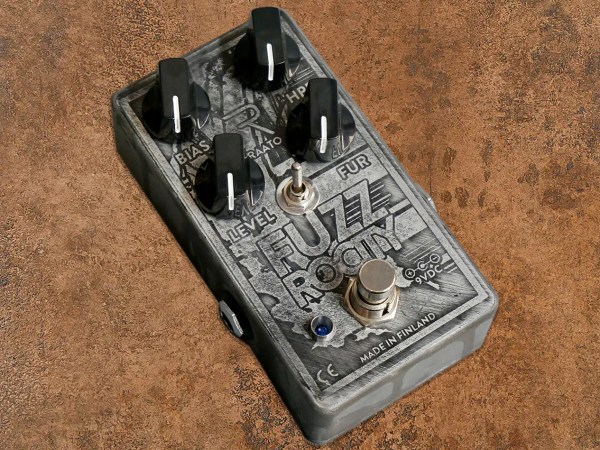
Upouusi Raato Fuzzrocity (268 €) on Fuzz Face -tyylinen piipohjainen fuzz-särö nykyajan kitaristeille. Tässä yhteydessä ”Fuzz Face -tyylinen” tarkoittaa nimenomaan efektin soundimaailma, sillä Fuzzrocity ei ole missään nimessä jonkun vintage-pedaalin klooni.

Kun kävin pajalla, Mika näytti minulle muutaman työn alla olevan Fuzzrocity-pedaalin. Hän käyttää erittäin laadukkaita osia, sekä oman suunnittelun mukaan tehtyjä piirilevyjä. Myös pedaalien grafiikat etsataan itse Raato Guitarsilla. Toimiakseen Raato-pedaalit tarvitsevat Boss-standardin mukaista yhdeksän voltin virtalähdettä.

Hyvä vintage Fuzz Face voi olla taivaallinen soundikokemus, mutta valitettavasti sillä ei ole paljon mahdollisuuksia säätää sitä soundia, kun tarjolla on ainoastaan Fuzz- ja Volume-säätimet. Riippuen soittajan musikkillisista tarpeista, sekä käytetystä kitarasta ja vahvistimesta, vintage-fuzz voi kuulostaa liian terävältä tai liian mutaiselta, etenkin nykyaikaisten alavireisten (tai seitsenkielisten) kitaroiden kanssa.

Lisäksi vanhat Fuzz Facet voivat aiheuttaa ongelmia yhteiskäytössä wah-pedaalin kanssa. Pedaalien välinen impedanssin yhteensopimattomuus voi aiheuttaa korvia raastavaa ulinaa.
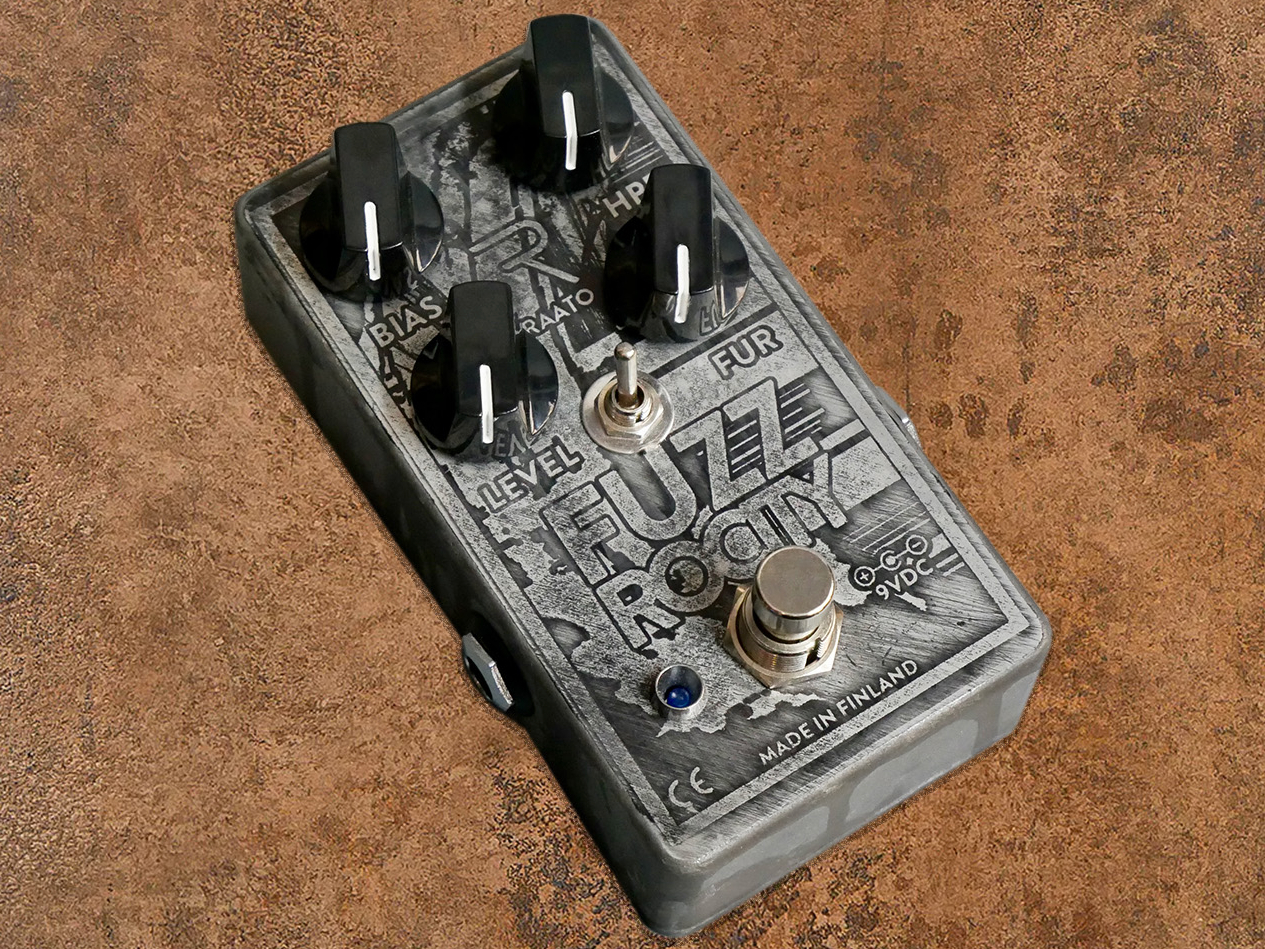
Raato Fuzzrocity on suunniteltu nykykitaristin tarpeita silmällä pitäen – pedaali tarjoaa laajan valikoiman herkullisia säröjä, sekä paljon säätövaraa eri genrejä ja tarpeita varten. Efektistä löytyy neljä säädintä:

BIAS antaa sinun säätää piitransistorien käyttöjännitettä, kun taas HPF tarkoittaa ylipäästösuodatinta, jolla voit poistaa särösignaalista mahdollisesti häiritseviä bassotaajuuksia. FUR vastaa tavallista fuzz- tai gain-säädintä tulosignaalille, kun taas LEVEL ohjaa lähtösignaalin voimakkuutta.

Lisäksi Fuzzrocitysta löytyy kolmisuuntainen minikytkin, joka antaa sinulle kaksi eri treble-filtteriä (sekä ohituksen keskiasennossa), jolla voi kesyttää tarvittaessa signaalin diskanttia.

Saat nykyaikaisen version Fuzz Face soundista, kun BIAS on lähes täysillä ja HPF pois päältä, jolloin FUR ja LEVEL toimivat vintage-faced Fuzz- ja Volume-säätimien tavalla. Ehdottaisin, että laitat tässä tapauksessa diskanttifiltterin kytkimen ala-asentoon.

Raato Fuzzrocity tarjoaa kuitenkin paljon laajemman kattauksen eri fuzz-soundeja, kun ottaa kaikki säätimet käyttöön.

BIAS-säätimen asetuksilla on erittäin suuri vaikutus tämän pedaalin luonteeseen ja dynamiikkaan. Matalilla BIAS-asetuksilla saat ”kuolevan pariston” soundeja, joissa esiintyy vahva geittaaminen ja hyvinkin rakeinen särösoundi. Avaamalla BIASia fuzz-sounds muuttuu kiinteämmäksi ja dynaamisemmaksi. Monet nyky-rock- ja metal-kitaristit hyötyvät pedaalin HPF-säätimestä, joka on tärkeä työkalu, silloin kun halutaan pitää mutaisia bassotaajuuksia aisoissa. FUR-säädin käyttäytyy – luonnollisesti – vuorovaikutteisesti BIAS-säätimen kanssa, ja sen soundien skaala ulottuu ”rikkinäisen sitarin” soundeista mietojen overdrive-soundien kautta tuomiopäivän fuzziin. Kolmiasentoinen treble-kytkin toimii hienosti purevuuden annostelijana.

Mika Ruotsalainen on suunnittelut Raato Fuzzrocity -pedaalinsa toimimaan saumattomasti myös vintage-tyylisten wah-wah-pedaalien kanssa, niin kuin kuulee tämän jutun alussa olevassa videossa, jossa käytin Voxin V845 suoraan Fuzzrocityyn.

Jutun lopussa oleva video taas näyttää, kuinka hyvin Fuzzrocity reagoi kitaran volume-säätimen muutoksiin.

Minun mielestäni Raato Guitarsin Fuzzrocity-särö on täysosuma, koska sillä saa erittäin laajan valikoiman erilaisia vintage-vivahteisia fuzz-soundeja, täysin ilman vintage-klooneille tyypillisiä ongelmia monissa nykypäivän genreissä.

Fuzzrocity-pedaali on piensarjoissa käsin tehty efekti, ja saatavilla hyvin järkevällä hinnalla. Pedaalilla on selkeästi luottotyökalun ainekset.

Review: Raato Guitars Fuzzrocity

Raato Custom Guitars is a Finnish maker of ultramodern handcrafted electric guitars and basses. Recently Raato’s main man Mika Ruotsalainen has introduced three effect pedals – a treble booster, as well as a pair of fuzz-boxes.

The Raato Fuzzrocity (268 €) is a Fuzz Face-flavoured silicon fuzz made for the modern guitarist. When I say ”Fuzz Face-flavoured” I mean the character of the fuzz sound, but the Fuzzrocity is not a clone of a vintage Fuzz Face.

Mika showed me a few Fuzzrocity pedals he was working on, when I visited his workshop, and I could see he was using high-quality parts and bespoke pcbs to assemble his pedals. The custom graphics are also etched into the pedals’ casings right there in the workshop. The pedal is powered by a Boss-standard 9V power supply.

A vintage Fuzz Face can be a thing of beauty, but it doesn’t offer much scope for adjustment, offering only Fuzz- and Volume-controls, without any option to adjust the resulting fuzz sound itself. Depending on the player’s requirements and equipment a vintage fuzz can sound too bright or too muddy, especially with modern downtuned (or seven-string) guitars.

Additionally, many original Fuzz Faces have a tendency to self-oscillate when used in conjunction with a wah-wah, due to impedance mismatching caused – in most cases – by the wah-pedal.

The Raato Fuzzrocity has been designed from the ground up to give you all of that delicious sound, while also offering plenty of scope for adjustment. There are four controls on offer:

BIAS lets you adjust the operating voltage for the silicon transistors, while HPF stands for ”high-pass filter” and lets you dial out any bottom end that might be clogging up your sound. FUR corresponds to your regular fuzz- or gain-control for the input signal, and LEVEL controls the output level.

Additionally, there’s a three-way mini-toggle that gives you two low-pass filter setting (plus bypass in the middle position) to tame the signals treble content, if necessary.

To get a modern version of a Fuzz Face sound, start off with the BIAS around 4 o’clock and the HPF turned to 7 o’clock. With this setting FUR and LEVEL correspond to a two-knob fuzz’s Fuzz- and Volume-controls, respectively. I’d recommend you set the three-way toggle to the downward position in this case.

But there’s a much wider array of tones to be gleaned from the Raato Fuzzrocity by using the controls to their fullest.

Settings of the BIAS-control have a very large bearing on the character and dynamics of this pedal. Set low BIAS will give you the sound of a ”dying” battery with plenty of gating and graininess. Turning BIAS up gradually will give you firmer fuzz sounds and more dynamic variation. For modern applications with drop-tuned and/or seven-string electrics and baritones, the HPF-knob is a crucial tool to keep any unwanted wooliness at bay. The FUR-control is – naturally – interactive with the BIAS settings, and it will take you all the way from ”broken sitar” tones and mild overdrive to doomsday fuzz. The three-way treble switch is really useful in tailoring the table content to suit your needs.

Mika Ruotsalainen has designed the Raato Fuzzrocity to work well with vintage-style wah-pedals, as you can easily hear in the video at the top of this review, where I have a Vox V845 running directly into the Fuzzrocity.

The video at the bottom of this video will show you for its part how well the Fuzzrocity responds to changes at your guitar’s own volume control.

In my view the Raato Fuzzrocity is a success on all fronts, because it manages to give you a wide variety of vintage-inspire fuzz sounds, without the drawbacks of vintage clones, and with far greater scope for adjustments.

The Fuzzrocity is handcrafted in Finland in very limited numbers and sold at a very reasonable price. This could easily become your go-to fuzz from now on.

Laundromat Thunderbird Mk I Fuzz – a short review

• Guitar used – Fender Japan 60s Stratocaster
• Amp used – Bluetone Black Prince Reverb
• Bass used – Höfner 500/1 Violin Bass
• Bass amplifier – Bluetone Bass 200
• Mic used – Shure SM7B
• Preamp used – Cranborne Audio Camden EC2
Check out Laundromat’s Instagram page HERE.

Laundromat is the name Finnish fuzz builder Antti Karttu has chosen for his line of handcrafted fuzz pedals.

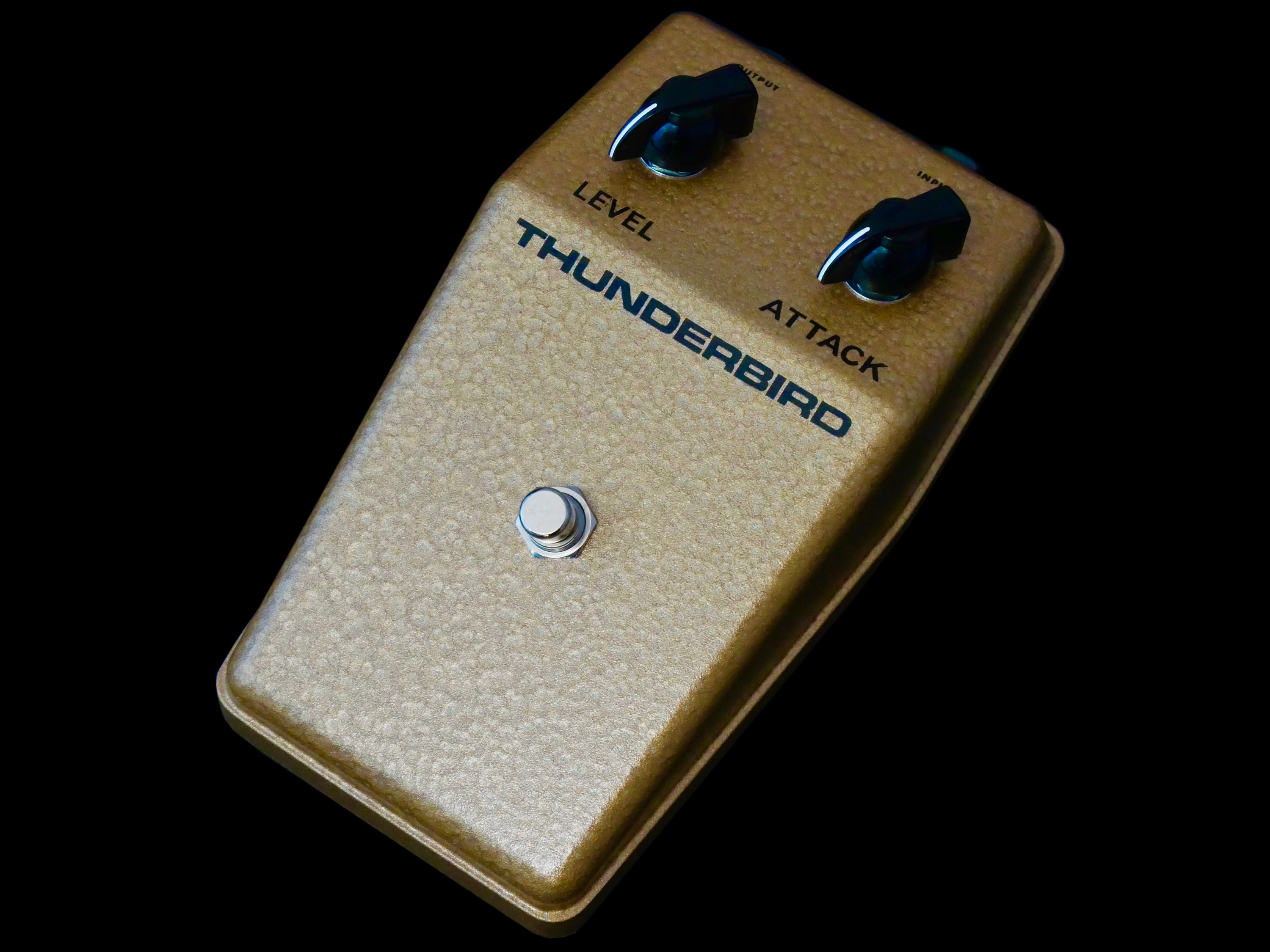
The Thunderbird Mk I (390 €) is based on Gary Hurst’s legendary Tone Bender Mk I. The 1965 Tone Bender was one of the first fuzz pedals ever, and it started the fuzz craze in the UK.

Laundromat uses its own extremely rugged case design and only the best available components. The Thunderbird Mk I circuit is built around three NOS germanium transistors – namely a pair of Mullard OC75s and a Texas Instrument.

Like the original, the Laundromat Thunderbird Mk I isn’t a subtle fuzz pedal. This pedal grabs you by the lapels and shakes you, screaming in your face.

There isn’t much in the way of dialling down the fuzz with your guitar’s volume control, like on Fuzz Face-style circuits. This here is more of an on-off-affair.

The sound and behaviour of the Thunderbird Mk I is just as you’d expect – this is a rude sounding fuzz with a clear tendency towards gating, which adds crackles and spitting sounds to note attacks.

Vintage Tone Bender’s these days command silly prices, even for road-weary units.

Laundromat’s Thunderbird Mk I is clearly built to last, meaning it will give you delicious fuzz tones reliably.

”Paranoid” pienellä budjetilla +++ ”Paranoid” on a small budget

Silloin kun aloitin kitaran soittamista – 1970-luvulla – ”halvat” kitarat ja vahvistimet olivat yleensä huonoja. Nykypäivänä asiat ovat onneksi muuttuneet, ja edullisilla soittovehkeillä pystyy saamaan tarpeeksi hyviä soundeja, ettei innostus musiikin tekemiseen loppu.

Jos budjetti on pieni, eikä tarkoitus ole soittaa kokonaisen bändin kanssa, saa jo tällaisella kattauksella aikaiseksi ”olohuonekitaristia” tyydyttäviä soundeja.

When I first started playing guitar – in the 1970s – ”cheap” guitars and amps were generally bad. Fortunately, things have changed, and you can get satisfying sounds with relatively inexpensive equipment.

If your budget is small, and you don’t aim at playing with a whole band, a small set-up like the above will keep you going for a good while.

Review: Bluetone Rattlebox Fuzz

• Riff guitar parts (panned slightly left and right): Hamer USA Studio Custom
• Rhythm and lead guitars: Squier Bullet Stratocaster
• Guitar amp: Bluetone Shadows Jr
• Mic: Shure 545SD
• Mic preamp: Cranborne Audio Camden EC2
• The Squier Bronco Bass was recorded direct with the EC2

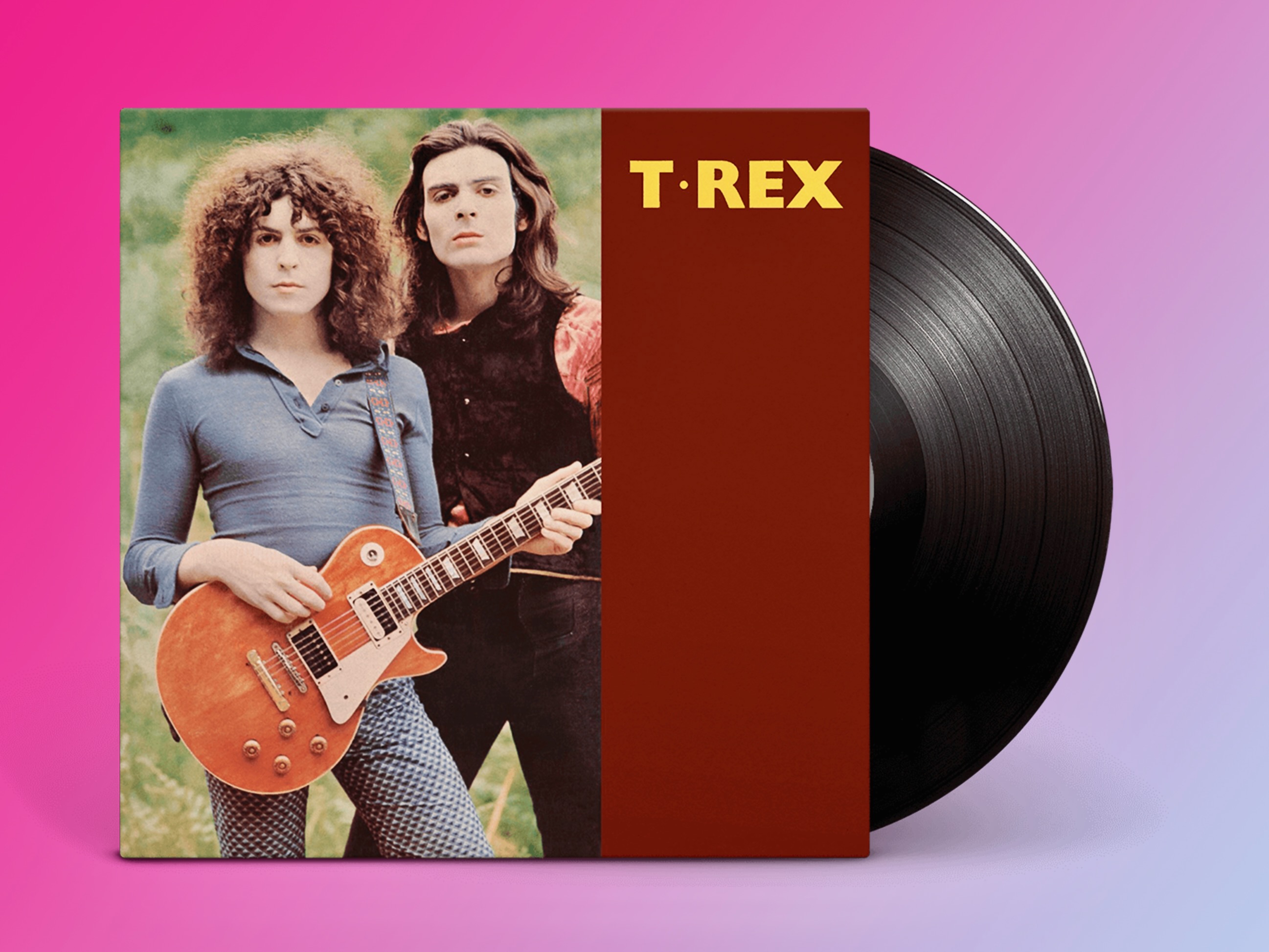
To many the Glam Rock genre was born with the release of T. Rex’ eponymous album in December 1970, as well as with the band’s two standalone singles ”Ride A White Swan” (10/1970) and ”Hot Love” (02/1971). The album ”Electric Warrior” (released in September ’71) – and especially its huge hit single ”Get It On (Bang A Gong)” – then shot the band into the stratosphere.

Marc Bolan’s idiosyncratic vocal delivery, charged with unveiled eroticism, was an important ingredient in the band’s success, but for many the real magic happened in the T. Rex guitar sound. Probably the most important ingredient in Bolan’s tone was a rather rare British fuzz box, called the John Hornby Skewes Shatterbox. Even though the Shatterbox was a two-in-one box that added a switchable treble booster to the fuzz, Marc Bolan tended to rely on the fuzz effect only, while using a Dallas Rangemaster for boosting purposes.

Fans of the T. Rex guitar sound were facing a dilemma; Rangemaster copies aren’t that hard to come by, but Shatterbox Fuzz copies are almost impossible to find. That is, until now…

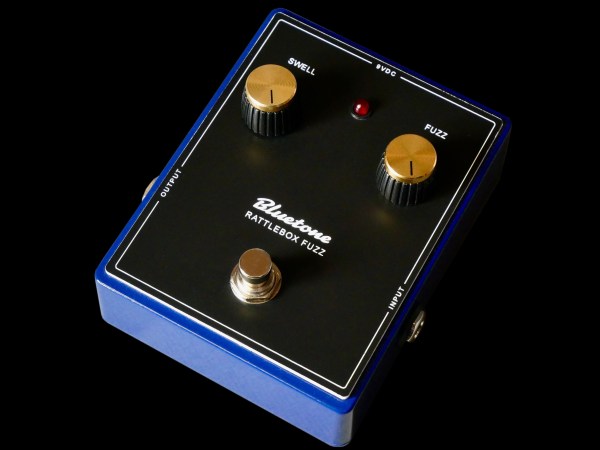
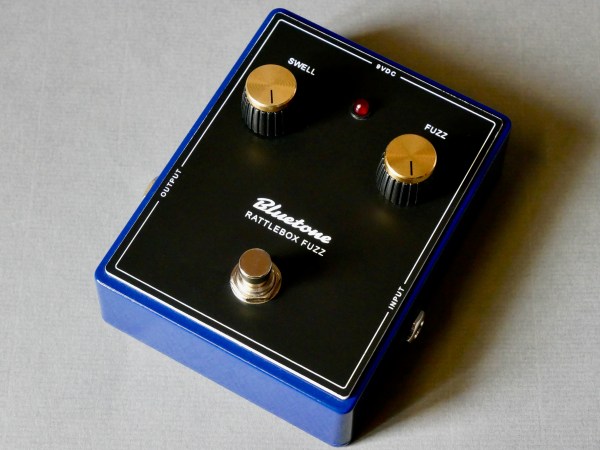
The brand-new Bluetone Rattlebox Fuzz (220, – €) is a slightly modernised version of the original 1960s Shatterbox.

Bluetone’s Rattlebox contains a sensibly updated version of the Shatterbox’ original fuzz circuit. The Rattlebox is extremely easy to use, because it sports only two controls – Swell (the gain control) and Fuzz (the volume).

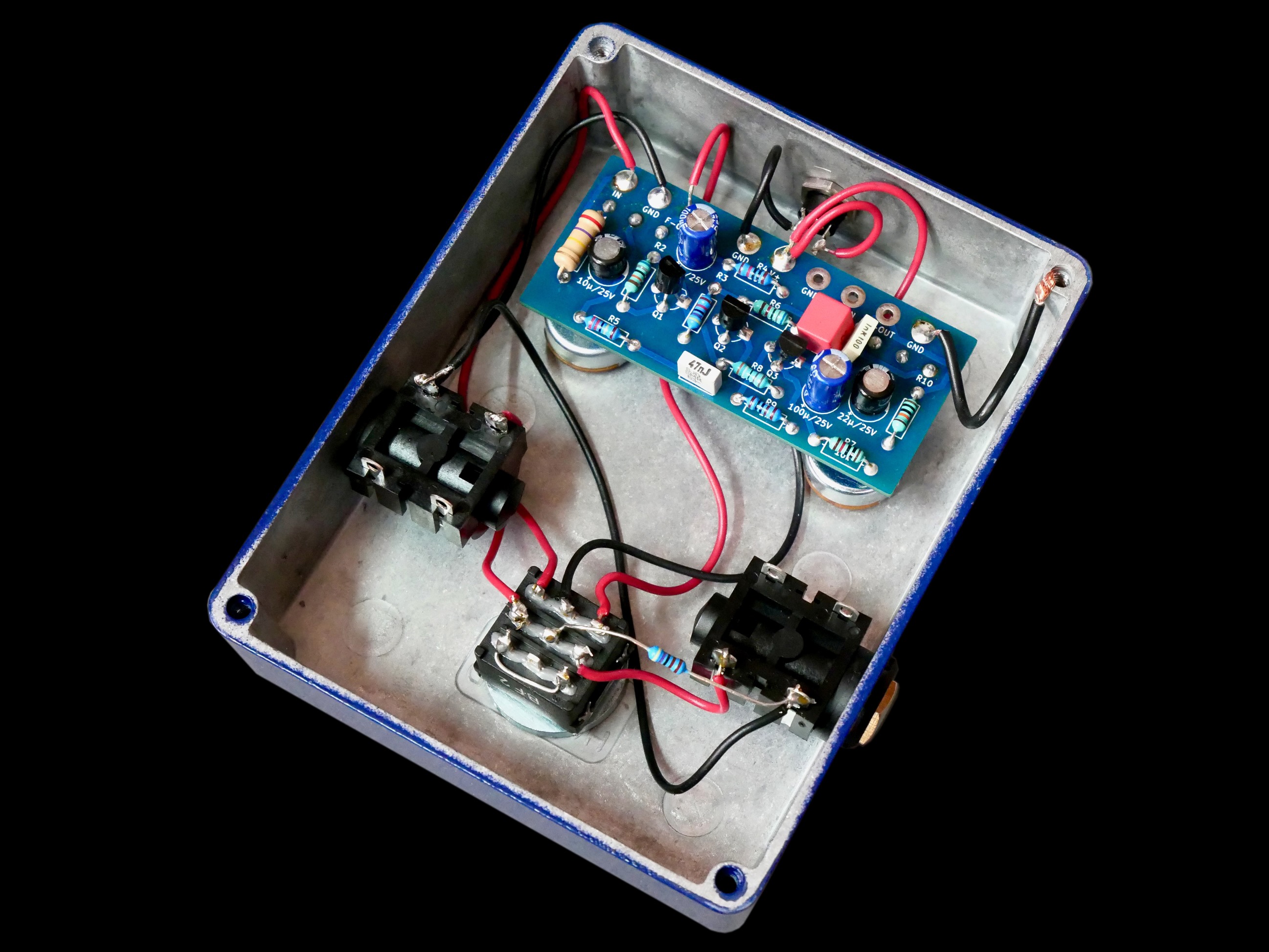
The Bluetone Rattlebox’ circuit is designed around three silicon transistors. The built-quality is top notch, without resorting to any point-to-point-voodoo. This effect runs on any Boss-type nine-volt power supply.

****

What does the Bluetone Rattlebox offer you that you cannot get from other fuzz pedal?

Compare to a silicon Fuzz Face, for example, the Rattlebox sounds much fatter, and its bite is situated in a slightly lower frequency range.

Speaking of which: Fuzz Faces – and similar designs – are usually used with the gain turned up full or almost full. Then you use you guitar’s volume control to find your personal sweet spot.

This ”pedal to the metal” approach doesn’t work that well, when applied to the Bluetone Rattlebox. There are two reasons for this:

For one, Bluetone’s new fuzz reacts very interactively to the pickup feeding the signal to the pedal, and, secondly, the ”wrong” choice of Swell setting will make the pedal gate rather easily, sometimes even sounding like a broken guitar cable.

The Rattlebox is best approached by carefully going over the settings across the whole range of the Swell control to find the best spots to achieve the desired sound with your guitar.

In this example I recorded a silicon Fuzz Face clone (first half) and the Bluetone Rattlebox (second half) with the controls turned full up on both pedals. With these settings the Rattlebox leaves clearly audible gating artefacts with the guitar’s (SG Junior copy) own volume turned down.

****

You can get beautiful and creamy rhythm sounds from the Bluetone Rattlebox, as the demo song proves. The lead guitar’s strong gating, on the other hand, is used here deliberately to accentuate each note’s start and finish.

Testipenkissä: Bluetone Rattlebox Fuzz

• Riffikitarat (stereokuvassa hieman vasemmalla ja oikealla): Hamer USA Studio Custom
• Komppi- ja soolokitarat: Squier Bullet Stratocaster
• Vahvistin: Bluetone Shadows Jr
• Mikrofoni: Shure 545SD
• Mikkivahvistin: Cranborne Audio Camden EC2
• Squier Bronco -basso äänitetty suoraan EC2:n kautta

Monien mielestä Glam Rock -genren lähtölaukaus oli T. Rex -bändin vuoden 1970 joulukuussa ilmestynyt albumi ”T. Rex”, sekä yhtiön singlet ”Ride A White Swan” (10/1970) ja ”Hot Love” (02/1971). Syyskuussa 1971 ilmestynyt albumi ”Electric Warrior” – ja etenkin sen sinkku ”Get It On (Bang A Gong)” – lähetti T. Rexiä sitten lopullisesti rakettimaiseen nousuun.

Marc Bolanin omintakeisen, eroottisesti latautuneen laulutyylin lisäksi, T. Rexin menestys perustui pitkälti Bolanin rouheaan kitarasoundiin. Tämän kitarasoundin tärkeä ainesosa oli melko harvinainen brittiläinen John Hornby Skewes Shatterbox Fuzz -pedaali. Vaikka Shatterboxissa oli fuzzin lisäksi vielä treble booster -osio, Bolan käytti mieluummin pelkästään Shatterboxin fuzz-osiota, jonka jälkeen hän ajoi signaalinsa vielä erillisen Dallas Rangemasterin kautta vahvistimeen.

T. Rex -fanien ongelma on pitkään ollut että, vaikka Rangemasterin kopioita on suhteellisen laajasti saatavilla, Shatterbox Fuzzin uusia versioita on ollut tähän mennessä erittäin hankala löytää.

Upouusi Bluetone Rattlebox Fuzz (220, – €) on nykyaikaistettu versio 60-luvun Shatterboxista.

Bluetone Rattleboxista löytyy pieteetillä päivitetty versio esikuvan fuzz-osiosta. Rattlebox on erittäin helppoa käyttää, kun laitteesta löytyy vain Swell- (gain) ja Fuzz-säätimet (volume).

Bluetone Rattleboxin fuzz-piiri on toteutettu kolmella piitransistorilla (engl.: silicon). Toteutus ja työnjälki on kauttaltaan ensiluokkaisen siisti. Rattlebox toimii ainoastaan ulkoisella yhdeksän voltin virtalähteellä.

****

Mitä erikoista Bluetone Rattlebox sitten tarjoaa muihin, enemmän tunnetuihin fuzz-laatikoihin nähden?

Esimerkiksi pii-Fuzz Faceen verrattuna Rattlebox tarjoaa runsaasti enemmän bassoa, ja sen purevuutta löytyy hieman matalammasta keskirekisteristä.

Fuzz Face -tyyliset fuzzit käytetään usein näin, että gainia laitetaan täysille (tai lähes täysille), minkä jälkeen käytetään kitaran volume-säädintä ns. sweet spotin hakemiseen.

Tämä ”nupit kaakkoon” -tyylinen lähestymistapa ei toimi kovin hyvin Rattleboxin kanssa kahdesta syystä:

Ensinnäkin tämä Bluetone-fuzz reagoi hyvin interaktiivisesti eri kitaroiden mikrofoneihin, ja toiseksi ”huonosti” asetettu Swell-arvo johtaa suhteellisen rankkaan geittaukseen, joka voi ääritapauksessa jopa kuulostaa rikkinäiseltä lähtöjakilta.

Rattleboxia kannattaa siis käyttää enemmän niin, että etsii rauhassa eri kitaroiden kanssa ne pisteet Swell-säätimen koko kaaresta, jossa soundi on omasta mielestä paras mahdollinen.

Tässä yksi soundiesimerkki Fuzz Face -kloonista (ensimmäinen puolisko) ja Bluetone Rattleboxista (toinen puolisko), jossa molempien pedaalien säätimet on avattu täysin. Näillä säädöillä ei pysty soittamaan SG Junior -tyylisellä kitaralla hiljaisia fraaseja, ilman Rattleboxin geittaamista.

****

Demobiisi kuitenkin todistaa, että oikeilla Swell-säädöillä löytyy Bluetone Rattleboxista myös herkullisia mietoja särösoundeja. Soolokitara taas käyttää pedaalin geittaamista tehokeinona, jolla alleviivataan jokaisen nuotin alku ja loppu.

Now on YouTube: Bluetone Rattlebox Fuzz

Here’s a demo song featuring the Bluetone Rattlebox Fuzz, and based on the T. Rex classic ”Get It On (Bang A Gong)”.
Marc Bolan was the most famous user of the John Hornby Skewes Shatterbox Fuzz. The brand-new Bluetone Rattlebox Fuzz packs the vintage pedal’s sound into a more compact format. For more info go HERE.
• Riff guitars (stereo left and right): Hamer USA Studio Custom
• Rhythm and lead guitars: Squier Bullet Stratocaster
• Amp used: Bluetone Shadows Jr
• Mic used: Shure 545SD
• Preamp used: Cranborne Audio Camden EC2
• Squier Bronco Bass recorded direct through the EC2

UralKit Ge Rouhi versus FF Si – the Kitarablogi-video

I thought it would be fun to do a direct comparison between these two fuzz pedals by Uraltone.
In the first half of the video I play the guitar with the volume control backed off to about 7.5 of 10. For the second part of the video I turned my guitar up to full volume.
The UralKit Ge Rouhi used here isn’t the regular version, but rather the Helsinki Tonefest 2023 special edition that I assembled at the guitar show.
****
• Guitar used: Harley Benton DC-60 Junior
• Amp used: Bluetone Black Prince Reverb
• Mic used: Shure SM57
• Preamp used: Cranborne Audio Camden EC2
• Interface used: Universal Audio Volt 2
• The Squier (Japan) Jazz bass was recorded using the Cranborne preamp

UralKit Germanium Rouhi

UralKit FF Si

Pidä blogia WordPress.comissa.

Ylös ↑