Lisätiedot: Musamaailma
Kitarablogi.com – Finland's premier Guitar and Bass blog
Juttuja kitaroista ja bassoista

Lisätiedot: Musamaailma


Halla Custom Instruments on pieni kitarapaja Tampereelta. Firma on erikoistunut custom-tilauksiin, joissa valmistetaan kaikenlaisia kielisoittimia asiakkaiden toivomuksien mukaan. Halla Customin vetäjä on soitinrakentaja-artesaani Ville Mattila. Mattila kuluu Suomen Soitinrakentajien Kiltaan.
Kitarablogi sai Halla Customilta oikean kaunottaren testiin. Kitara vaikuttaa ensisilmäykseltä kunnianosoitukselta Gibson SG:lle, mutta asiat eivät ole niin suoraviivaisia kuin miltä ne näyttävät!
****

Kyllä tämä Halla Custom SG (hinta noin 3.000 €) on varsin henkeäsalpaava ilmestys. Se on turkoosinvärinen, uhkeanmuotoinen soitin, johon metalliosien kultainen hohto sopii kuin nakutettu.
Mutta tämän kitaran upea viimeistely (kovalla akryylilakalla) ei ole Halla Custom SG:n tärkein piirre: ”It’s an SG, Jim, but not as we know it!”

Tässä Halla Custom -kitarassa yhdistetään saumattomasti kahden klassikkokitaroiden ominaisuuksia – Gibson SG:n muotoiluun on sekoitettu reilusti Fender Stratocasterilta tuttuja piirteitä:
Vaikka tässäkin kitarassa on Gibson-klassikon virtaviivaistettu runko ja liimattu kaula (tosin paljon sulavammalla liitoksella), käytetään Halla Customissa Fenderille tyypillisiä materiaaleja – nimittäin vaahterakaulaa ja leppärunkoa – sekä täysipitkää mensuuria (25,5 tuumaa/64,8 cm).

Floyd Rosella varustetulla Hallalla on kartiomaisesti muuttuva otelaudan radius (ns. compound radius), jossa otelaudan kaarevuudesta tulee sitä loivempi mitä lähemmäksi runkoa mennään. Reunalistoitettuun ruusupuisen otelautaan on asennettu 24 kullanväristä teräsnauha.
Kaksi grafiittitankoa kaularaudan vieressä lisäävät entisestään kaulan lujuutta.

Laadukkaat, kullanväriset virittimet ovat peräisin japanilaisen Gotohin valikoimasta.
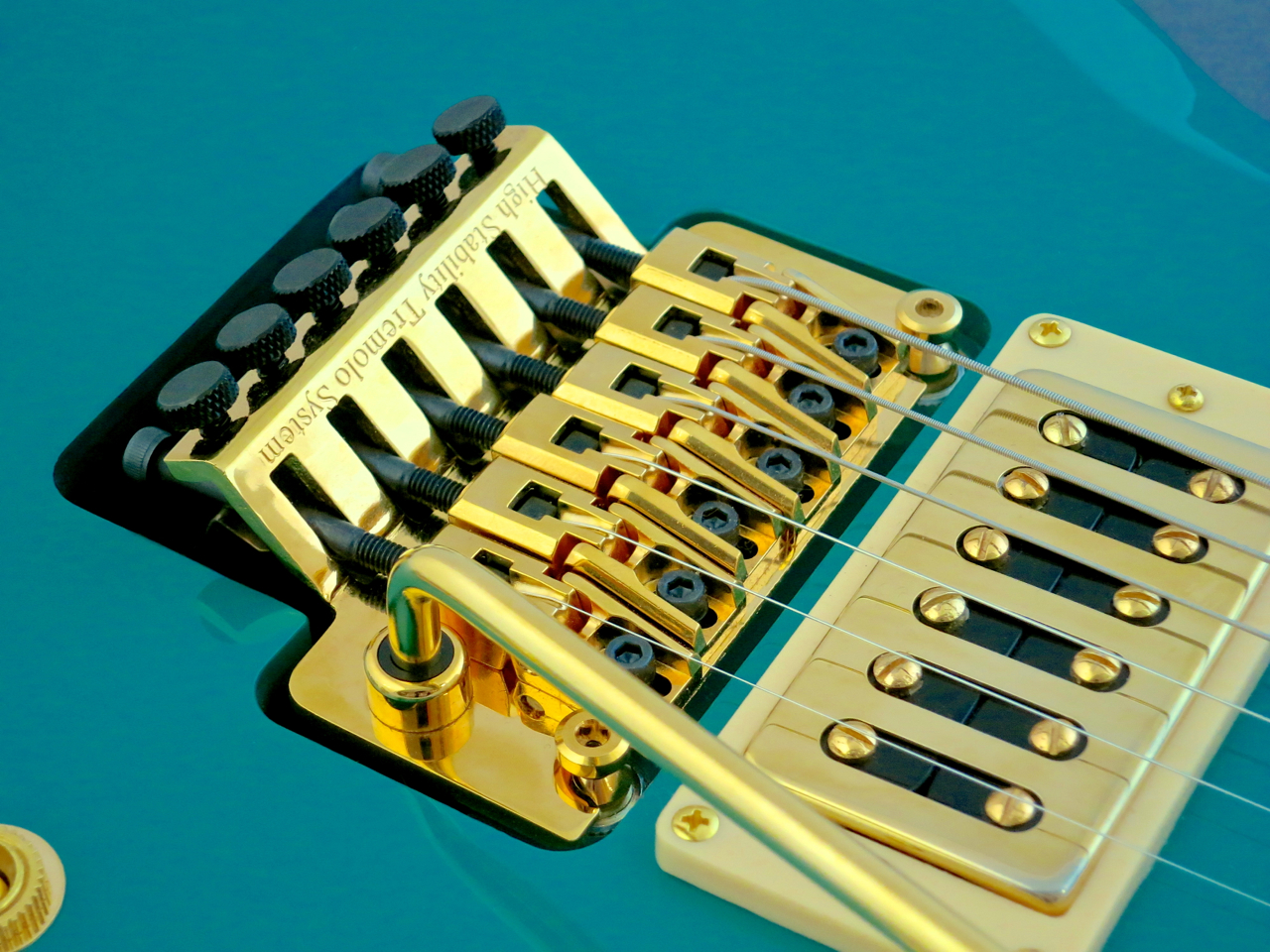
Huippulaadukas Floyd Rose tulee sekin Gotohilta. Ruuvattavan vibrakammen istuvuutta säädetään nailonkauluksella ja pienellä kuusiokoloruuvilla.

Halla Custom SG -kitaraan on asennettu kaksi firman omaa humbuckeria. Halla Venla -nimiset kaksikelaiset ovat vintagea selvästi kuumempia tapauksia.
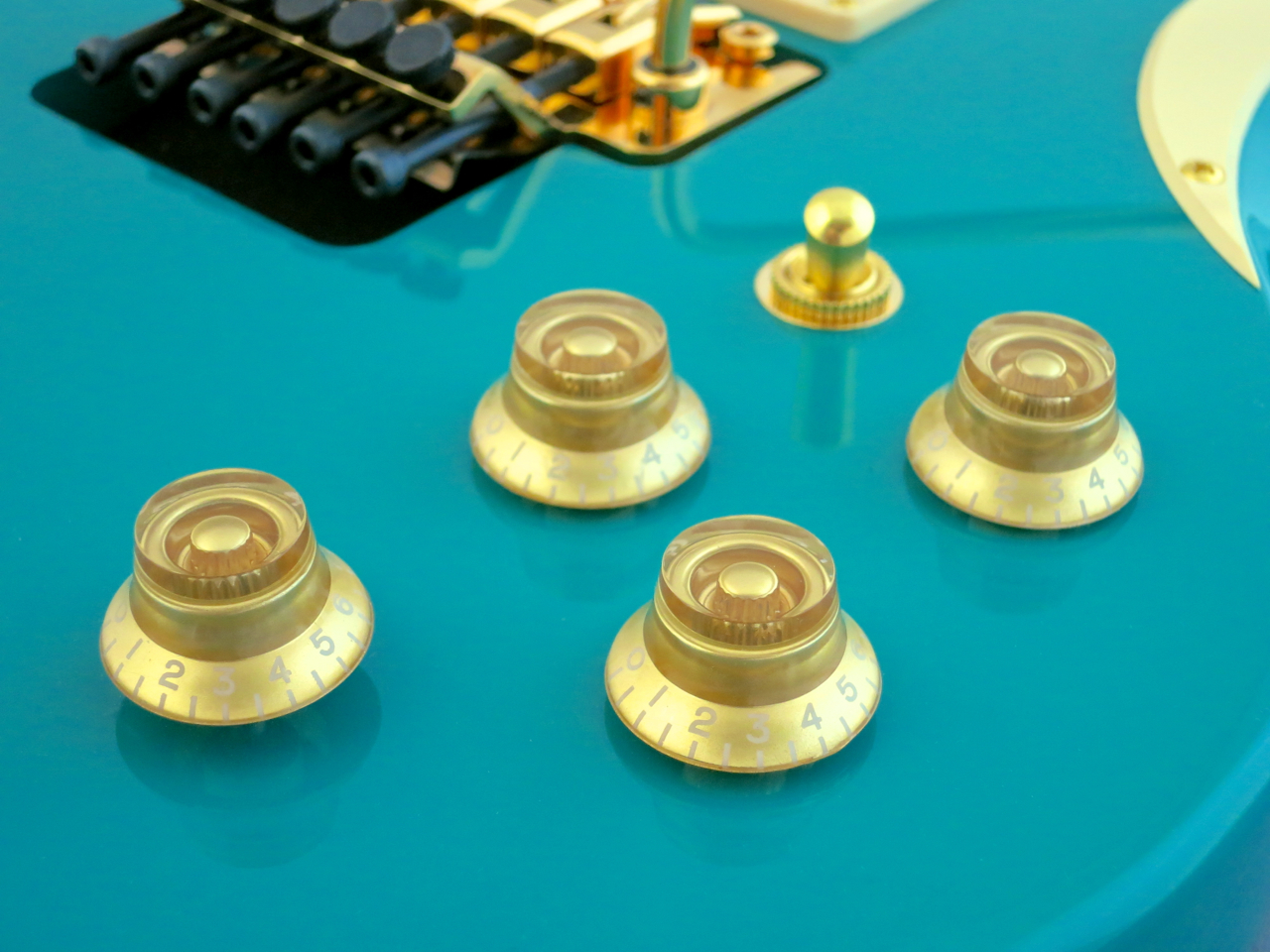
Neljä säädintä ja kolmiasentoinen vipukytkin – asetelma näyttää harmittomalta, mutta tähänkin on lisätty yksi herkullinen lisäominaisuus:
Tässä Halla Customissa on mukana passiivinen (= ei tarvitse paristoa) säröpiiri, joka laitetaan päälle kaulamikin tone-säädintä nostamalla.
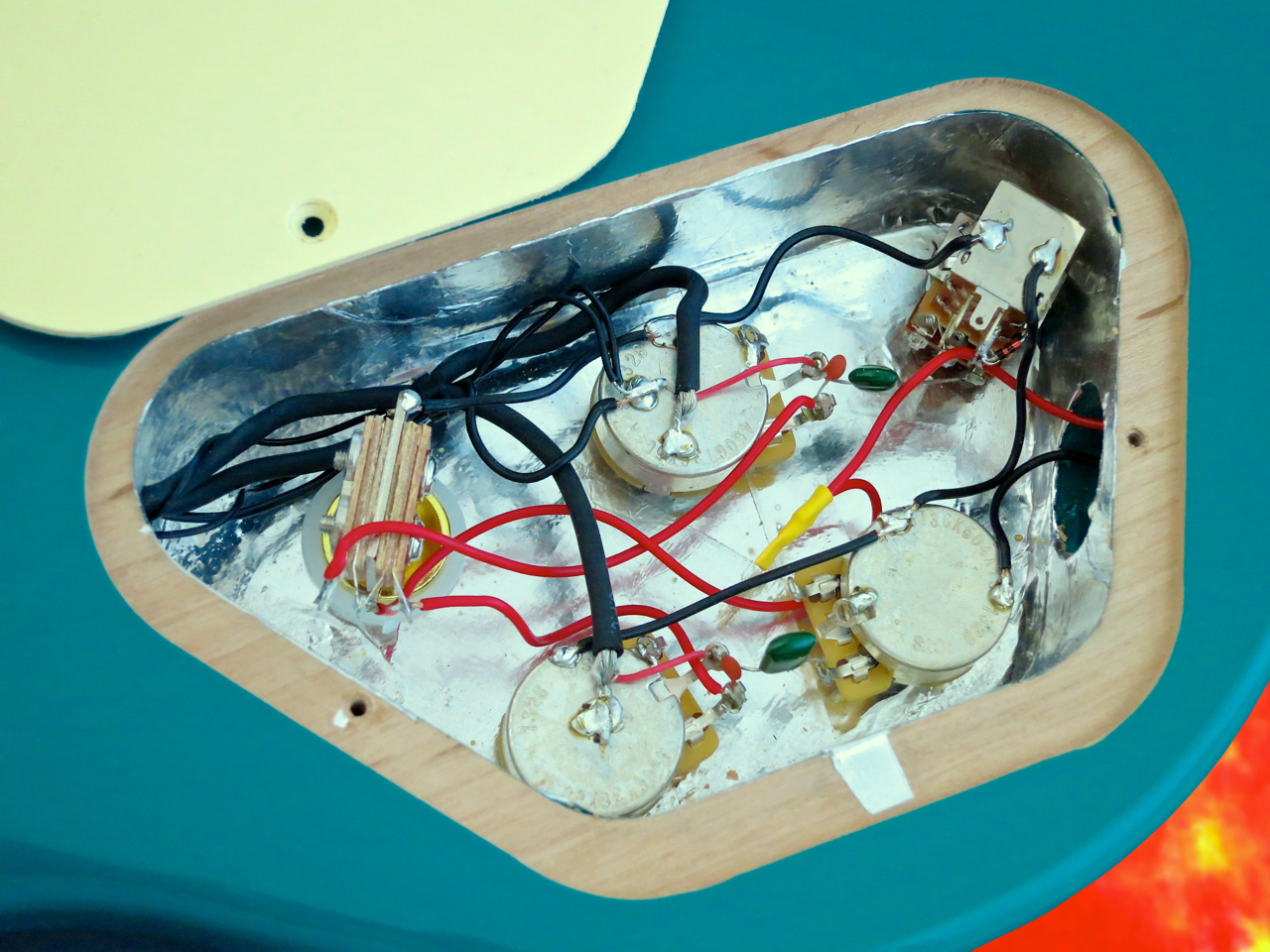
Myös sisäisesti Hallan työnjälki edustaa ehtaa custom shop -laatua, jollaista on lähes mahdotonta löytää ison tuotannon soittimista.
Asiantuntijat ovat varmasti jo huomanneet, että volume-potikoihin on myös lisätty treble-bleed kondensaattoreita.
****

Tätä Halla Custom SG:tä on tilattu hot-rod Rock-kitaraksi, jossa on Gibson-kaltainen ulkonäkö, mutta Superstrat-tyylinen soundi.
Voin vain todeta, että tuli täysosuma. Tämä on suorastaan fantastinen ja erittäin inspiroiva soitin!
Jotkut Gibson SG:t voivat tuntua hieman hauraalta, ja monilla yksilöillä on sisäänrakennettuja vireongelmia soitintyypin erittäin pitkän kaulan takia. Halla Custom SG on täysin vapaa tällaisista ongelmista – soittotuntuma on (sanojen parhaassa mielessä) erittäin tukeva ja tanakka. Tämä kitara rokkaa!
Omistajan valitsema paksu kaulaprofiili, kaulan grafiittivahvennukset, Hallan Gibsonia paksumpi leppärunko, sekä Ville Mattilan osaaminen soitinrakentajana nostavat Halla Custom SG:n selvästi valtavirran yläpuolelle.
Testikitara oli säädetty omistajan toivomuksien mukaisesti Es-vireeseen ja se tuli hyvin matalalla kielten korkeudella. Soittotuntuma oli erittäin nopea ja vaivaton, ja kevyellä plektrakädellä kitara soi rämisemättä koko otelaudalla.
Myös soittimen Gotoh-floikka toimi kiitettävästi.
Halla Customin valmistamien Venla-mikrofonien soundi sopii täydellisesti rankempaan Rock- ja Metal-meininkiin. Mikrofonien lähtötaso on suhteellisen korkea, mutta – ihme kyllä – niiden soundi on silti vintage-maisesti avoin ja helisevä:
Halla-kitaran sisäinen passiivinen säröpiiri on erittäin kätevä lisäys, etenkin kun käytössä on yksikanavainen kitaravahvistin:
Tätä kitaraa on kuitenkin luotu rokkaamaan rankasti, ja niin se tekeekin selkeällä atakilla ja rouhealla äänellään:

****

Halla Customin SG on loistava esimerkki soitinrakentamisen erittäin korkeasta tasosta täällä Suomessa.
Tällaisella käsintehdyllä laadulla on luonnollisesti hintansakin, mutta vastineeksi saa tässä aidon custom-soittimen, joka on tehty kokonaan omien toivomusten mukaan.

****
Halla Custom Instruments SG-Style
Halla Custom -kitaroiden hinnat lähtevät noin 1.200 eurosta ylöspäin, riippuen kitaratyypistä, sekä soittimen varustelusta ja viimeistelystä. Testatun kitaran hinta olisi noin 3.000 €.
Lisätiedot: Halla Custom Instruments
Kiitokset menevät Make El Weirdolle (aka Mutantti Make) oman kitaransa lainaamisesta!
****
Plussat:
+ käsintehty Suomessa
+ työnjälki
+ vireen pitäminen
+ kitaran säädöt
+ sisäänrakennettu särö
+ soundi
Halla Custom Instruments is one of a number of cool small instrument makers in Finland. The company is run by trained luthier-artisan Ville Mattila and specialises in one-off custom electric and acoustic string instruments. Ville Mattila is a member of the Guild of Finnish Luthiers.
Kitarablogi received a stunning Halla Custom electric for testing. The guitar may look like a tribute to the Gibson SG, but there’s more to this Halla than meets the eye!
****
Just looking at the Halla Custom SG (price approximately 3,000 €) I had to catch my breath. This is a turquoise bombshell of a guitar, with a healthy dose of additional glitz added by the golden hardware.
But the fantastic paint job (using very hard acrylic lacquer) is only part of the story: ”It’s an SG, Jim, but not as we know it!”
The Halla Custom SG fuses design aspects from two classic guitar models – the Gibson SG and the Fender Stratocaster.
We find the classic lines and the set neck of an SG, but the Halla uses Fender-typical materials – namely a maple neck and an alder body – as well as a long scale (25.5″/64.8 cm).
The Floyd Rose-equipped Halla comes with a bound rosewood fretboard with a compound radius and 24 gold-coloured stainless steel frets.
Hidden beneath the fretboard lie two neck-stabilising graphite rods, placed either side of the truss rod.
The instrument sports a set of golden Gotoh tuners, as well as a neck wrist-strengthening volute.
The Floyd Rose is a top-drawer Gotoh unit, which comes with a screw in vibrato arm. An adjustable nylon cuff lets you decide how loosely (or tightly) the arm stays in place.
The Custom SG is equipped with a pair of Halla Custom’s hotter-than-vintage Venla-humbuckers.
There’s a nice little twist to the seemingly standard four controls plus three-way toggle set-up:
This Halla Custom guitar features a built-in passive fuzz circuit, which can be activated using a push/pull-switch hidden in the neck pickup’s tone control.
You really get what you pay for with a Halla – quality components, ultra-clean workmanship and thoroughly applied foil shielding.
The eagle-eyed among you will surely have already spotted the treble-bleed caps on both volume pots.
****
The Halla Custom SG was ordered by its lucky owner (a man known as Make El Weirdo) as a hot-rod Rock guitar with Gibson-esque looks, but a Superstrat sound.
What can I say? This is a fantastic guitar that ticks all the right boxes!
Some Gibson SGs can feel a little bit insubstantial, and many suffer from tuning problems due to their long necks. The Halla Custom SG has no such problems, this is a rock solid, chunky instrument.
The owner’s preference for a ”baseball bat” neck profile, this guitar’s thicker-than-a-Gibson alder body, and Ville Mattila’s considerable skills as a luthier take the Halla Custom SG to a different level altogether!
This Halla came tuned to E-flat, and set up with a very low action, as specified by the customer. The playing feel was extremely fluid, and with a light picking technique this Halla played buzz-free all across the fretboard.
The Gotoh Floyd Rose worked great, too.
Halla Custom’s own Venla-humbuckers are the bee’s knees for fans of the harder styles of Rock guitar. The pickups pack an enormous punch, but miraculously manage to sound as open and chiming as vintage, low-powered ’buckers:
Halla’s built-in passive fuzz is a fun little addition that’s more than a gadget, especially when you’re playing with a single channel amp:
But with a guitar such as this, you will surely spend most of your time enjoying its precise attack and chunky crunch:
****
The Halla Custom SG is a shining example of the high standards of luthiery in Finland.
Naturally, handmade quality such as this comes at a price. If you have the money, though, you should really ask yourself if you want to spend it on an off-the-peg, production line guitar, or rather on a special instrument made exactly to your own specifications.
****
Halla Custom Instruments SG-Style
Prices for Halla Custom guitars start from 1,200 €, depending on the guitar type and options chosen. A similar guitar like the reviewed instrument would cost approximately 3,000 €.
Contact: Halla Custom Instruments
Thanks to Make El Weirdo (aka Mutantti Make) for the loan of his personal guitar!
****
Pros:
+ handmade in Finland
+ workmanship
+ tuning stability
+ set-up
+ built-in fuzz
+ sound


”What – yet another Stratocaster model!? Who needs another Strat? Yeah, man, I’ve noticed there’s a ’bucker at the bridge position, but that’s been done before, hasn’t it!”
True, but this is a new American Standard model you should definitely try out, because the guys at Fender R&D have come up with a couple of nifty improvements that haven’t been available on HSS-Strats thus far.

”A Shaw-what?”
Fender calls its newest bridge humbucker the Shawbucker in honour of the man who designed it, Tim Shaw. Mr Shaw is a genuine living legend, and held in high esteem amongst people in the know. In the 1970s and 80s he worked for Gibson, and helped to turn around the company’s flagging fortunes and decline in quality. As the resident electronic guru he played a pivotal role during the design of models, such as the Gibson Les Paul Heritage 80, coming up with the first reissue of the original PAF-humbucker. This pickup is still in production, now known as the ’57 Classic. Later, Shaw moved on to Guild, and from there to Fender Musical Instruments.
****

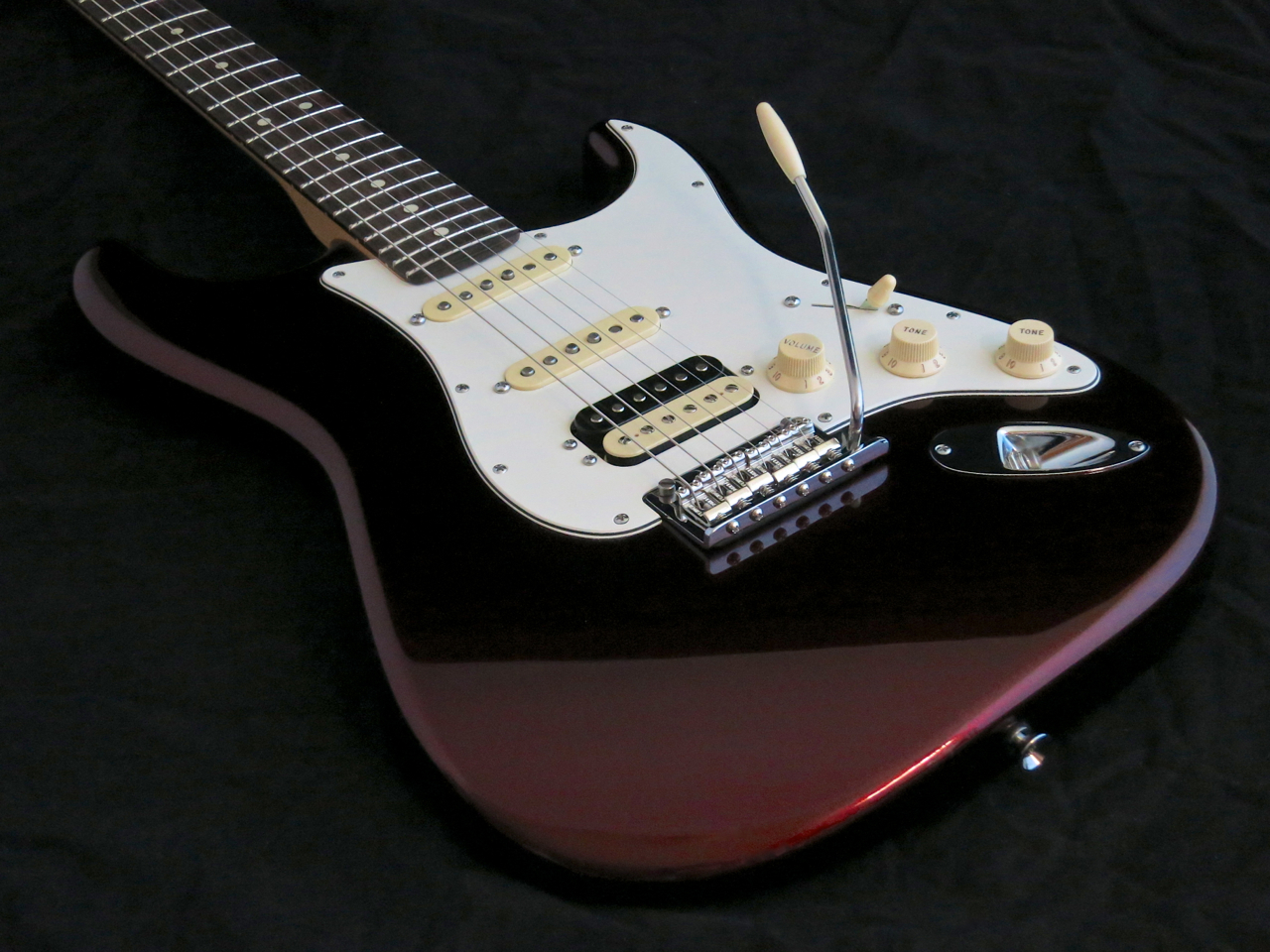
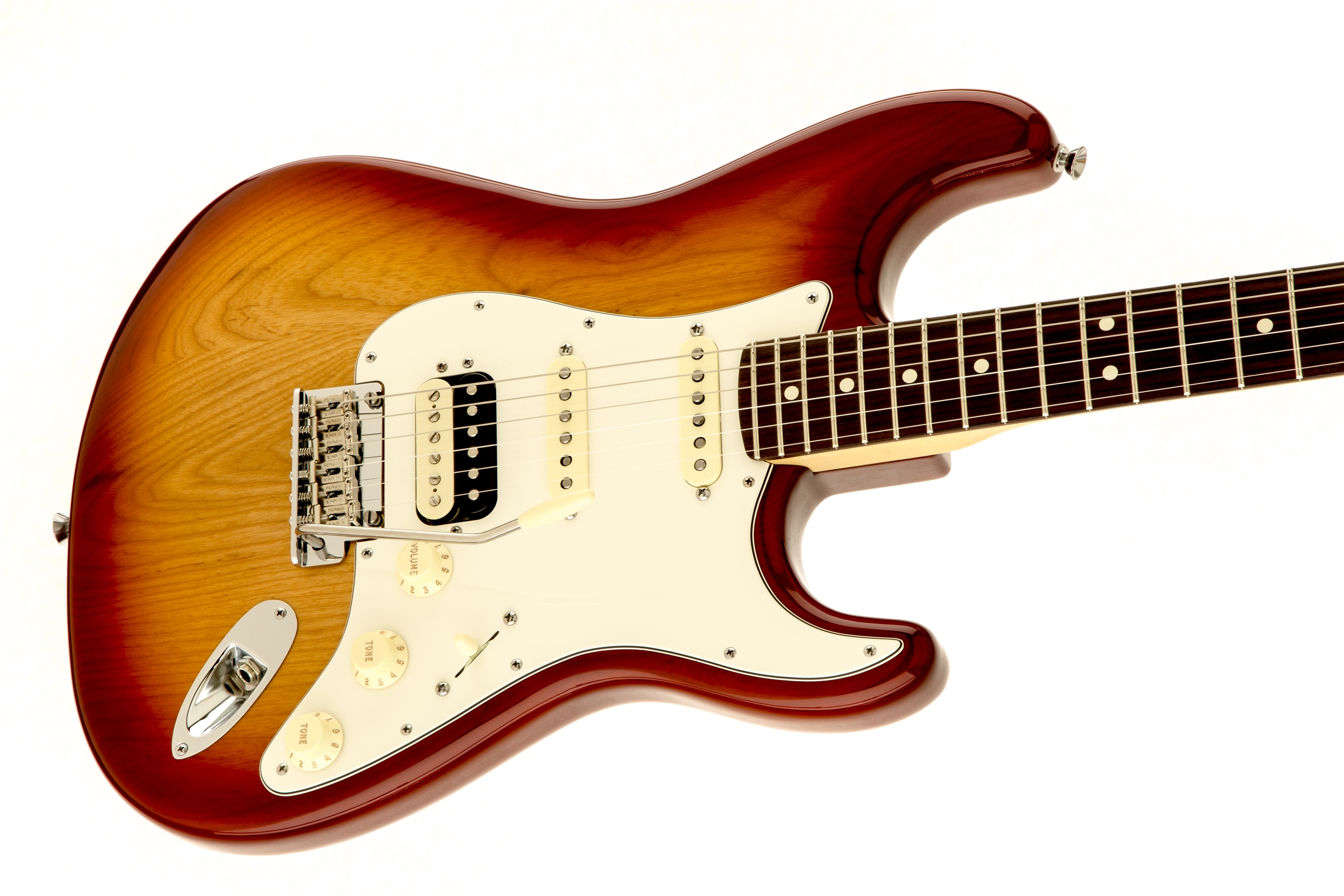
Most of the improvements in the Fender American Standard Stratocaster HSS Shawbucker (current price in Finland approx. 1,600 €) centre around the electronic side of things.
In terms of its basic build the model continues within the time-tested parameters of the American Standard product line.

The Shawbucker Strat is built using a solid ash body and a bolt-on maple neck.
The neck profile is a friendly, modern ”C”, with the rosewood fingerboards flatter-than-vintage radius of 9.5″ and the 22 jumbo-sized frets further contributing to a contemporary playing feel.

The two-way truss rod is adjusted from the headstock.

Fender’s Deluxe machine heads work smoothly and accurately.

The American Standard Shawbucker also sports the company’s patented neck angle adjustment.

The current American Standard vibrato bridge combines a modern, knife-edge, twin-post base plate with vintage-type bridge saddles made from folded steel.
Our review sample came with a slightly steep bridge tip up, which I adjusted back to factory specs in no time, using the correct Phillips head screwdrivers.
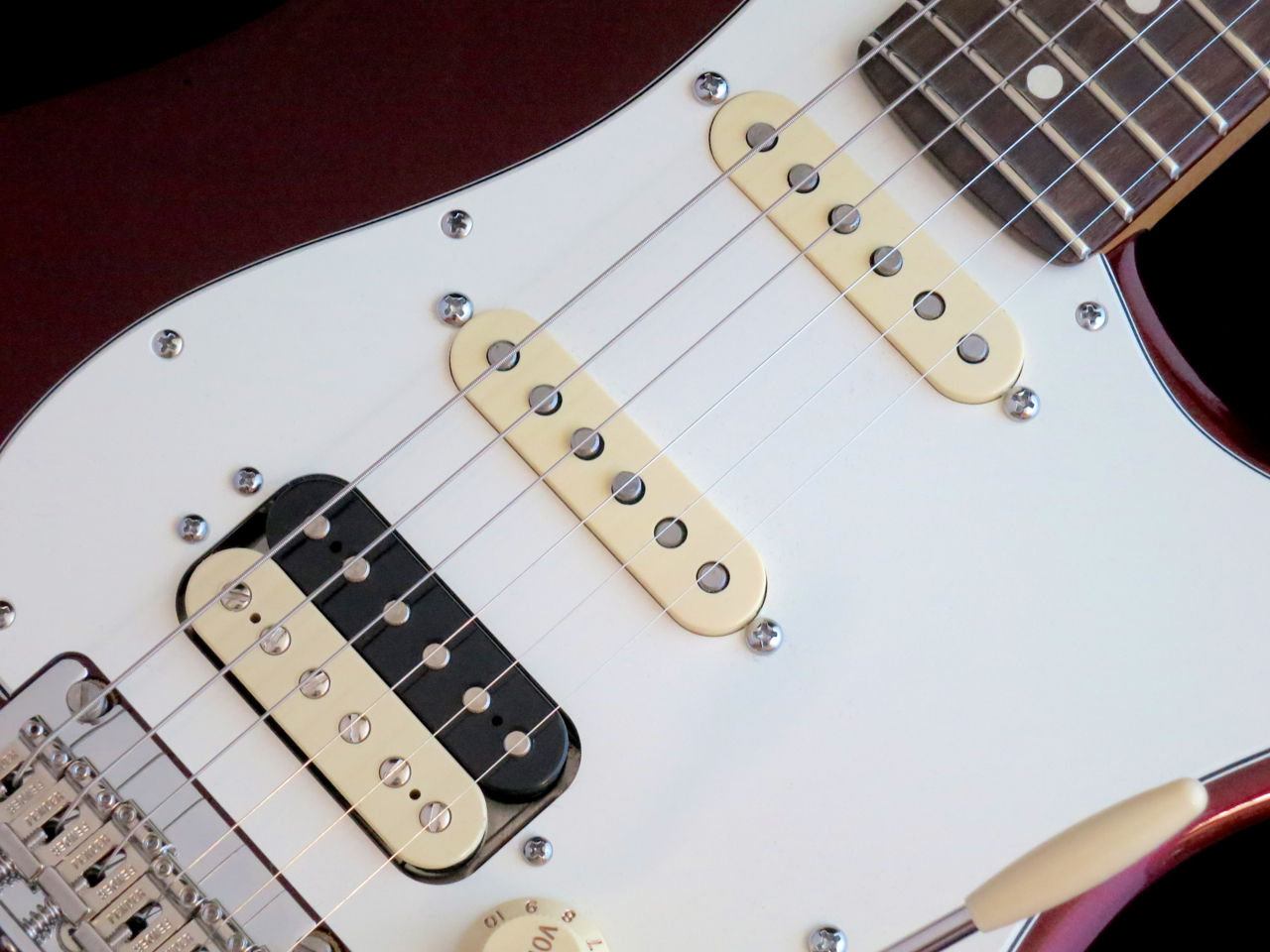
The HSS Shawbucker features a well-balanced set of pickups:
A pair of Custom Shop Fat ’50s single coils have been selected for neck and middle pickup duties. The middle pickup is RW/RP, making position four on the five-way switch humbucking.
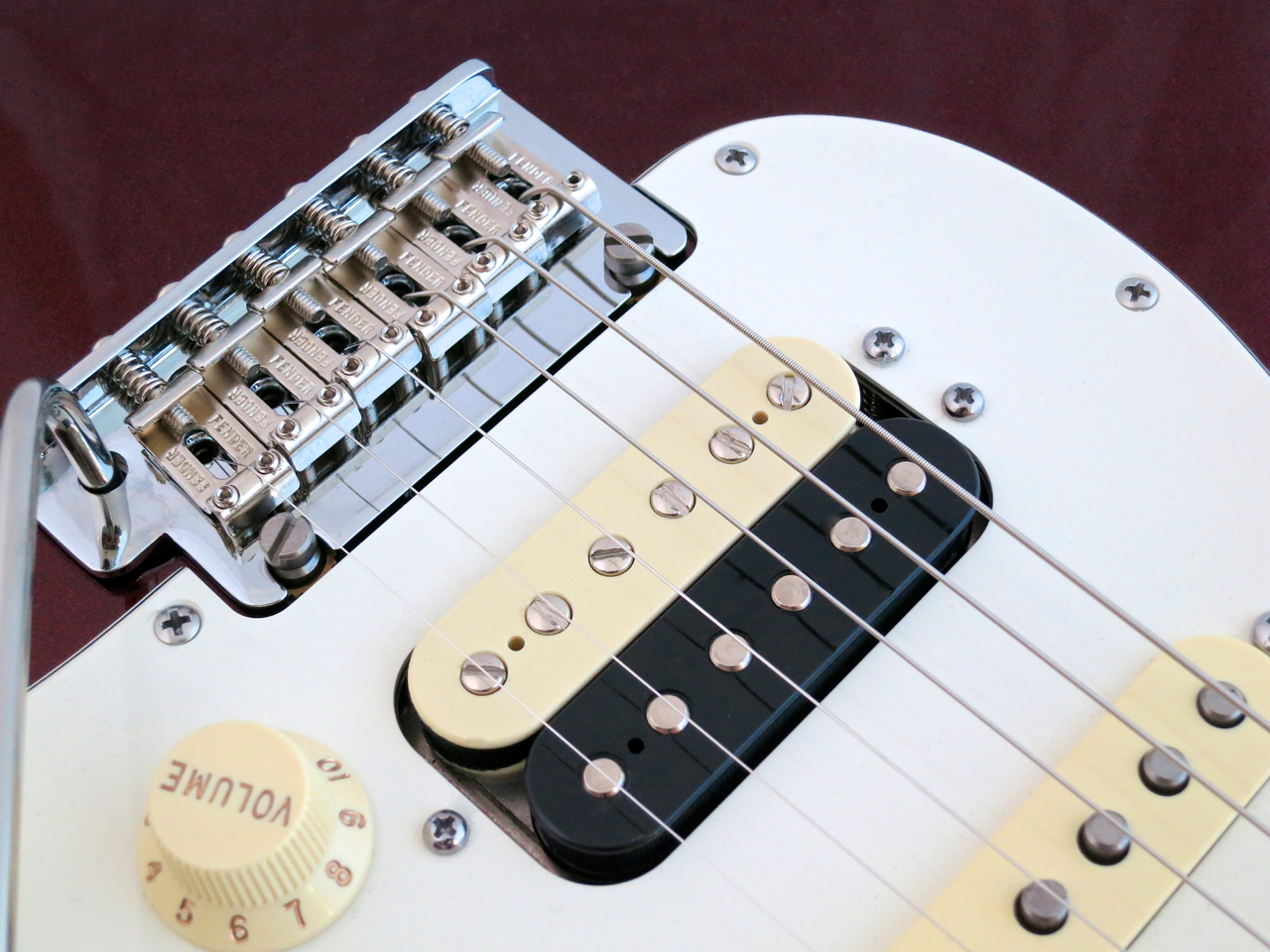
The Shawbucker is a moderate-output, vintage-voiced humbucker with a PAF-type tone.
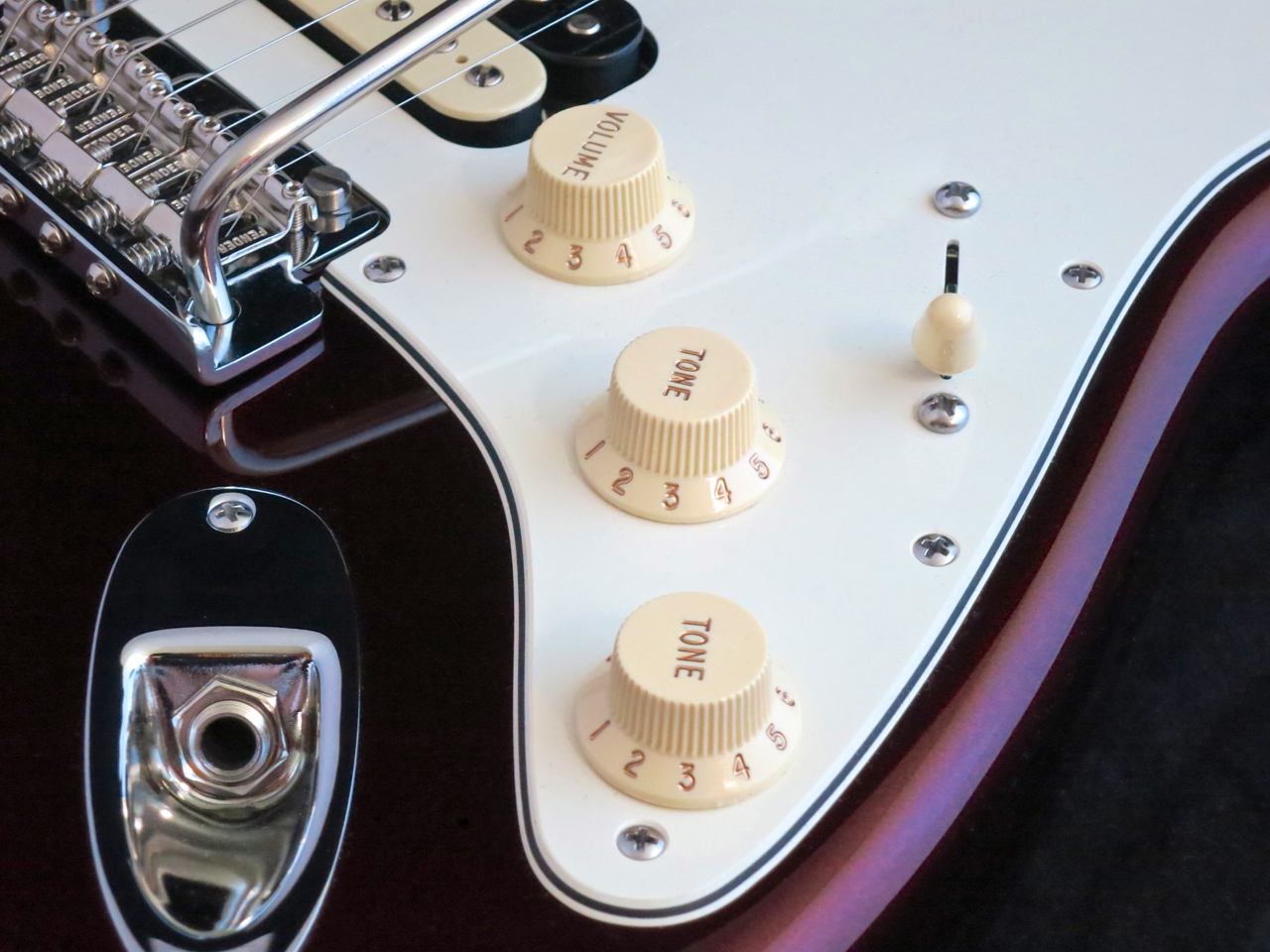
The control set-up looks pretty standard, but there’s more to the Shawbucker Strat than meets the eye:
Single coil pickups and humbuckers usually require different types of potentiometers to function satisfactorily. Single coils tend to sound best with 250k controls, as they attenuate some of the sharpest, most biting trebles in the signal. Humbuckers, on the other hand, tend to work better with higher resistance values – 500k, usually – which keep this pickup type’s softer top end intact. Tone control circuits usually also employ differently valued capacitors for single coils and humbuckers, respectively.
Most HSS- and HSH-loaded guitars suffer from the compromises shared control pots and tone circuits entail, when mixing the different pickup types. As a result, you either end up with muddy-sounding humbuckers or uncomfortably scratchy single coils.
The genius of the Shawbucker Strat lies in the two stacked potentiometers it uses. The same pot shaft simultaneously turns both a 250k and a 500k pot stacked on top of each other. The Shawbucker Stratocaster employs these stacked pots for the master volume control and for the joint bridge-and-middle tone circuit. The 500k side deals with all things humbucker, while the 250k layer is reserved for the single coil signals. As the neck tone is reserved for the neck pickup only, it uses a traditional 250k pot.
The second position on the five-way switch gives you the middle pickup together with the split Shawbucker.
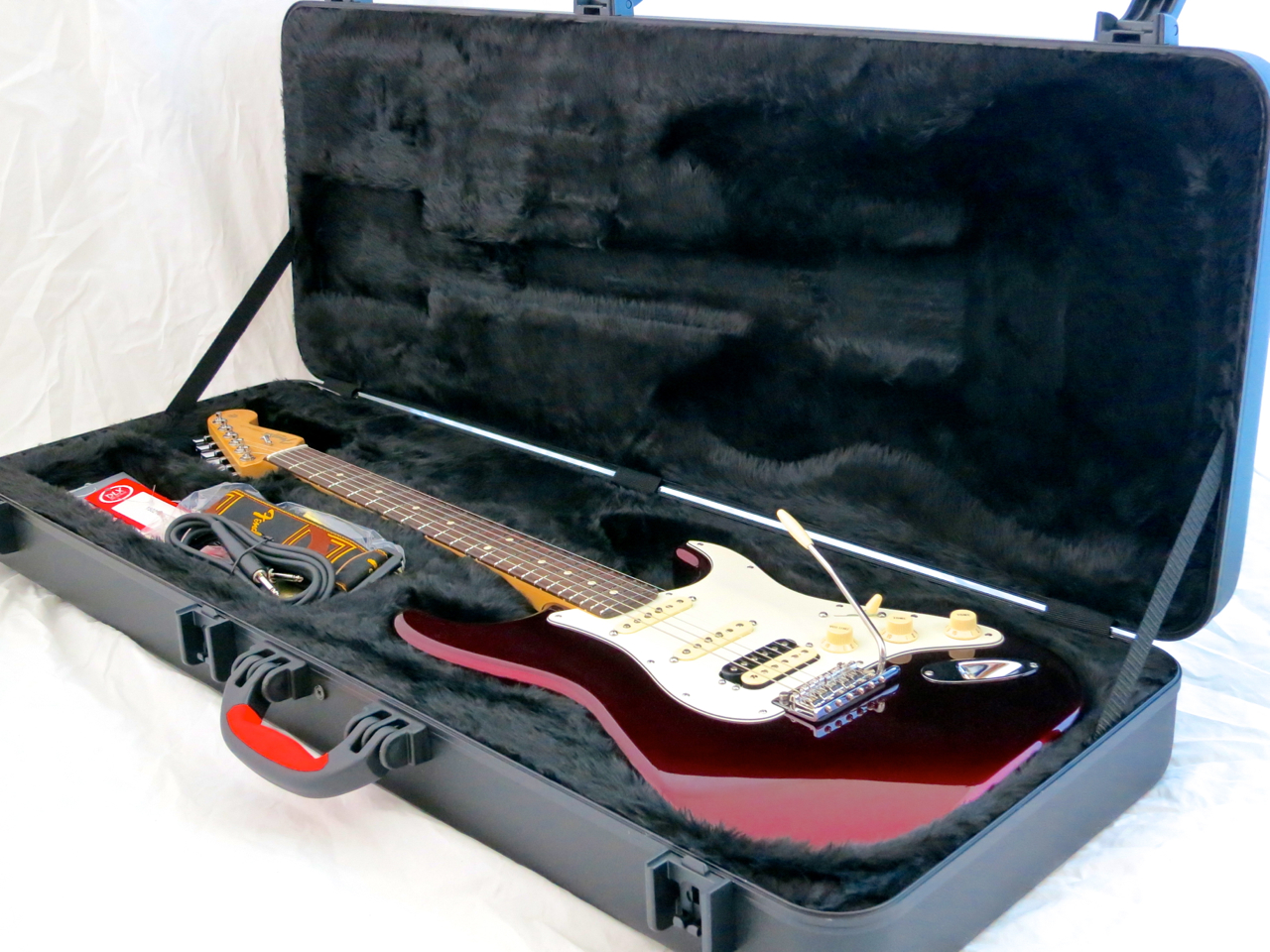
The American Standard Stratocaster HSS Shawbucker guitar comes in its quality hard case, with a strap and a guitar lead also included in the price.
****

I don’t think there’s much need to talk about the Stratocaster’s time-proven ergonomics. Same goes for the well thought-out contemporary improvements the American Standard series offers. The American Standard Stratocaster has been the top seller of Fender’s US output for decades.
The review instruments is a fitting torchbearer for this industry standard – it’s a great-feeling, great-playing, lightweight guitar.
Its acoustic voice is fresh, dynamic and strong, and the Shawbucker Strat’s vibrato works very well in the middle ground between a vintage vibrato and a double-locking Floyd Rose whammy.
Thanks to the chunky nature of the Custom Shop Fat ’50s, this model’s bridge humbucker never manages to overpower the single coils. Yes, there is a slight jump in signal level, when you switch from the Fat ’50s to the Shawbucker, but here it feels very organic and musical.
To my ears the HSS Shawbucker sounds fantastic, offering a bridge position signal boost, while retaining plenty of that ”stratty” character. The improved control set-up works just like it should – there’s a healthy dose of top end airiness in the bridge humbucker, while the single coils sound chiming, but fat. Now, here’s an HSS-Strat that finally does away with any unnecessary compromises!

****

Despite the long-winded name, Fender’s American Standard Stratocaster HSS Shawbucker is an outstanding new variation on a proven theme. The Shawbucker-model takes the sound of HSS-guitars to a whole new level.
****
Fender American Standard Stratocaster HSS Shawbucker
price around 1.600 €
A big thank you to DLX Music Helsinki for supplying the review guitar!
Pros:
+ value for money
+ playability
+ updated electronics
+ vibrato action and stability
+ sound
”Taasko uusi Strato-malli? Ketä tällainen enää kiinnostaa? Juu, juu, kyllä, siinä on humbucker tallamikkinä…näitäkin on jo nähty!”
Totta, mutta tähän uuteen American Standard -malliin kannattaa mielestäni ehdottomasti tutustua, koska Fenderin R&D-ryhmä on keksinyt Shawbucker-Stratoon muutamia uusia, oivia detaljiratkaisuja, joita tähän mennessä puuttuivat HSS-mikitetyiltä Stratocastereilta.
”Mikä ihmeen Shawbucker?”
Shawbucker on Fenderin uuden tallahumbuckerin nimi, joka on nimetty sen kehittäjän, Tim Shawn, mukaan. Tim Shaw on oikea elävä legenda kitarapiireissä, joka on ollut 1970- ja 1980-luvulla Gibsonilla töissä. Myöhemmin hän siirtyi Guildiin ja sittemmin Fenderiin. Elektroniikka-guruna hän oli ratkaisevassa asemassa esim. Gibson Les Paul Heritage 80 -projektissa, ja kehitteli firmalle mm. PAF-mikrofonin uusintapainoksia, joita nykyään tunnetaan nimellä ’57 Classic.
****
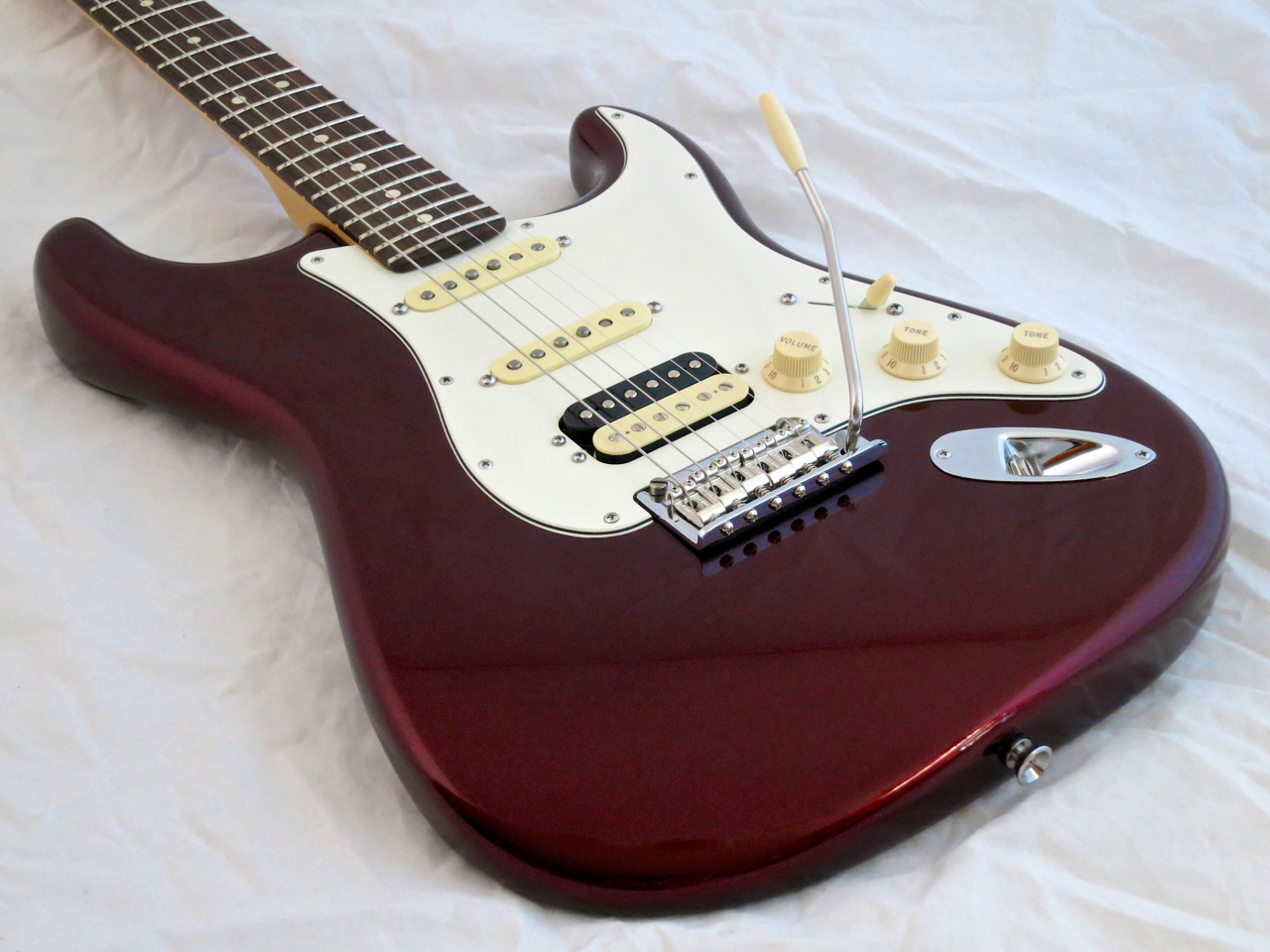
Fender American Standard Stratocaster HSS Shawbuckerin (hintaluokka noin 1.600 €) parannukset koskevat pääosin soittimen elektroniikkaa.
Perusrakenteeltaan malli jatkaa saumattomasti Fenderin erittäin suosittua American Standard -linjaa.
Shawbucker-Straton saarnirunkoon on liitetty vaahterasta veistetty ruuvikaula.
Kaulaprofiiliksi on valittu nykyaikainen C-profiili, ja myös ruusupuisen otelaudan vintagea loivempi radius (9,5 tuumaa) sekä kitaran 22 jumbokokoiset nauhat tekevät soittimesta nykyaikaisen.
Kaksisuuntaista kaularautaa säädetään kätevästi lavan puolelta.
Hyvästä vireestä pitävät huolen Fenderin Deluxe-koneistot.
American Standard Shawbucker -mallista löytyy myös firman patentoitu säätömekanismi kaulan kulmalle.

Nykyisissä American Standard -vibratalloissa on moderni aluslevy veitsenterä-laakereilla, mutta vintage-Stratoista tuttuja tallapaloja muotoon taivutetusta teräksestä.
Testisoittimessa vibran tip up -kulma oli säädetty hieman liian jyrkäksi, mutta asia oli helppo korjata itse sopivilla ristipääruuvareilla.
HSS Shawbuckerin mikrofonivarustus on tarkoin valikoitu:
Kaula- ja keksimikrofoneina toimivat kaksi Custom Shop Fat ’50s -yksikelaista. Vastakkaiseen suuntaan käämitty – ja vastakkaista magneetista napaisuutta omaava – keskimikrofoni poistaa tehokkaasti ulkoisia häiriöitä, kun sitä käytetään yhdessä kaulamikin kanssa.
Shawbucker-kaksikelainen on vintage-tyylinen humbucker avoimella, PAF-tyylisellä soundilla.
Kytkin- ja säädinosasto näyttää hyvin perinteiseltä, mutta siihen on piilotettu tämän kitaran kätevimmät parannukset:
Yksikelaiset ja humbucker-mikrofonit vaativat periaatteessa erilaisia potentiometrejä toimiakseen toivotulla tavalla. Yksikelaisten mikkien kanssa käytetään yleisesti potikoita 250 kilo-ohmin vastuksella, jotta niiden soundista ei tulisi liiankin terävä. Humbuckereilla taas on perinteisesti käytetty 500 kilo-ohmin potentiometrejä, jotta diskantti säilyisi paremmin niiden signaalissa. Myös tonepiirissä toimivan kondensaattorin kapasitanssi-arvo on usein syytä olla erilainen, riippuen siitä onko käytössä yksikelainen vai kaksikelainen mikrofoni.
HSS- ja HSH-kitaroiden ongelma piilee usein juuri potikoiden ja konkkien valinnassa, koska sekä yksikelaisten että kaksikelaisten signaalit reititetään yhteisten volume- ja tone-potikoiden läpi. Lopputuloksena joko humbucker soi hieman mutaisesti tai sitten yksikelainen on hieman liian terävä.
Shawbucker-Stratossa nämä ongelmat on hoidettu pois päiväjärjestykseltä käyttämällä sekä volume- että toisen tone-säätimessä tuplapotikoita, joissa samaan akseliin on liitetty sekä 250 k:n että 500 k:n potentiometri päällekkäin. Humbuckerin signaali on kytketty tuplapotikan 500 k -tasoon, kun taas yksikelaisen soundi muokataan 250 k -tasolla. Keskimmäinen, perinteinen tone-säädin vaikuttaa kaulamikrofoniin, kun taas pleksin reunalla oleva toinen tone toimii keski- ja tallamikrofoneilla.
Viisiasentoisen kytkimen kakkosasennossa keskimikrofoni soi yhdessä puolitetun humbuckerin kanssa.
American Standard Stratocaster HSS Shawbucker -pakettiin kuuluu myös laadukas kova laukku, olkahinka, sekä kitarajohto.
****
Stratocasterin hyvästä ergonomiasta ei tarvitse varmasti puhua enempää. American Standard -sarjan soittimien erittäin mukavasta, nykyaikaisesta soittotuntumasta on myös hehkutettu jo pitkään, ja syystäkin. American Standard -Strato on jo vuosikymmeniä ollut firman eniten myyty kitara USA-valikoimastaan.
Testikitara tuntuu juuri sellaiselta kuin sopii odottaa alan merkkipaaluusta – soitin on kevyt, ja se sopii erinomaisesti ainakin minun käteeni.
Akustinen ääni on tutun raikas, dynaaminen ja vahva. Vibratallakin toimii kiitettävästi perinne-Straton ja Floikan välimaastossa.
Fat ’50s -mikrofonien valinta Shawbuckerin aisapareiksi takaa, etteivät yksikelaiset jää missään tilanteessa humbuckeriin nähden alakynteen. Vaihdossa Fat ’50s -mikrofonista Shawbuckerin kyllä huomaa edelleen signaalitason eron, mutta tässä kitarassa boostaus tuntuu hyvin orgaaniselta ja musikaaliselta.
Mielestäni HSS Shawbuckerin soundi on kauttaaltaan hyvin herkullinen ja sopivasti Straton omalla luonteella höystetty. Päivitetty elektroniikka toimii vallan mainiosti – humbucker soi raikkaasti, eikä mene tukkoon, mutta samalla yksikelaisissa diskantilta on leikattu kaikki epämiellyttävä piikikkyys sopivasti pois. Viimeinkin HSS-Strato joka toimii vailla soundillisia kompromisseja!
****
Fender American Standard Stratocaster HSS Shawbucker on – hassusta nimestään huolimatta – mainio sähkökitara todella hyvillä päivityksillä. Shawbucker-Strato vie HSS-mikkitetyn kitaran konseptin viimein seuraavalle tasolle.
****
Fender American Standard Stratocaster HSS Shawbucker
hintaluokka noin 1.600 €
Kiitos DLX Musiikille testikitaran lainaamisesta!
Plussat:
+ hinta-laatu-suhde
+ soitettavuus
+ parannettu elektroniikka
+ vibratallan toiminta
+ soundi

****

We’ve all seen the memes on social media, haven’t we? And let’s be honest – there’s plenty of truth in them!
Many – if not most – of us guitarists seem to have an annoying tendency to want to amass a wide selection of instruments and/or effect pedals and/or guitar amps for personal use. This gear lust, which often leads to crammed living conditions, empty pockets, and considerable trouble with our significant other, is generally known as Gear Acquisition Syndrome, colloquially shortened to G.A.S. (or GAS).
It seems that GAS has become ever more prevalent over the last couple of (or three) decades, but the roots of this problem reach as far back as popular music and the advent of mass media.
****
The early days

It’s hard to pinpoint exactly the onset of GAS, but many people would agree that Gibson’s Nick Lucas Special signature model (first released in 1927) played a crucial part.
Nick Lucas (1897-1982) was an accomplished guitarist and popular crooner, whose biggest hits (in the late Twenties and early Thirties) coincided with the popularity of the radio and the wider availability of phonograph records.
The Nick Lucas Special was Gibson’s first signature guitar, laying the groundwork for the endorsement deals we’re familiar with these days. Apart from riding on an artist’s popularity, a signature guitar also tends to suggest to the guitarist that, were he (or she) to play this particular instrument, some of the magic (as well as the technical prowess) of the endorsing artist might rub off. In short, the message is ”buy this guitar, and you will become a better and more popular player!”
As most male guitarists not only care for their playing technique, but also for the opposite sex, becoming more popular always sounded (and still sounds) like a good idea.
The Fifties and Sixties – the guitar boom

During the first half of the 20th Century the guitar grew from a not-very-common, specialist instrument into a popular mainstream choice – not least thanks to Country music and the ”singing cowboys” featured on radio and records, as well as in the movie theatres.
But it was Rock ’n’ Roll that put the guitar in all its shapes on the top of the desirability list for masses of youngsters in the so-called Western World.
Yet, GAS wasn’t such a serious issue at that time, because musical instruments were outrageously expensive then, and some of the top US-brands almost impossible to get hold of in Europe.
Andy Babiuk’s fantastic book ”Beatles Gear” gives the reader a very good idea of how difficult it was for the guitarists of the late Fifties and early Sixties to even scrape together enough money to buy a single guitar (or amp). Owning multiple guitars was the privilege of the biggest stars only. Back in 1965 a new, baby blue Fender Stratocaster would have set you back around 3,000 euros in today’s money! This makes a current American Standard Stratocaster seem dead cheap at approximately 1,500 euros. And remember, back then there was no such thing as a quality (licensed) copy, and even substandard instruments from Eastern Europe weren’t really cheap (Harrison’s Czech-made Futurama cost him the better part of 1,200 euros in today’s money).
Still, young players were brand-conscious, at least to some degree, and lusting for the exact guitar they knew their idol was playing. Even if they couldn’t afford it…
They don’t make ’em like they used to

The transition of the plain old ”used guitar” to the ”vintage guitar” we all know today got to a start in the late Sixties, mostly fuelled by the two best-known brands – Gibson and Fender:
When flagging sales of the Gibson Les Paul prompted the company to scuttle the model in favour of the instrument we now know as the Gibson SG, nobody could have foreseen that the move would lead to the first run on a discontinued electric guitar model ever. Caused by the exposure given to the ”out of print” Les Paul Standard by the new wave of Blues players, spearheaded by Mike Bloomfield and Eric Clapton, many serious guitarists started actively searching for used Les Pauls. The fact that Gibson chose to reissue the Les Paul in the late Sixties, but failed to sense that the crowd lusted for the double-humbucker Burst (instead of the Goldtop and the Custom), quickly turned the original Standards produced between 1958 and 1960 into the stuff of legend.
Both Fender and Gibson became parts of large business conglomerates before the Sixties were over, and a feeling started to seep into the guitar community that the earlier instruments were of a higher quality than those produced under the new managements.
Big in Japan

The proliferation of reasonably well-made guitars from Japan – often dead-on copies of US classics – at reasonable prices was what truly kicked off the phenomenon we now call GAS.
For the first time amateur and semi-professional guitarists could afford to own more than a couple of guitars. Effect pedals, too, would start to benefit from Far Eastern efficiency and mass-production.
Many of the 1970s Tokai-, Ibanez- and Yamaha-guitars – as well as the earliest Roland/Boss-effects – are now considered vintage classics in their own right.

Licensed copies
The Eighties finally ”sealed our fate”, when it comes to GAS.
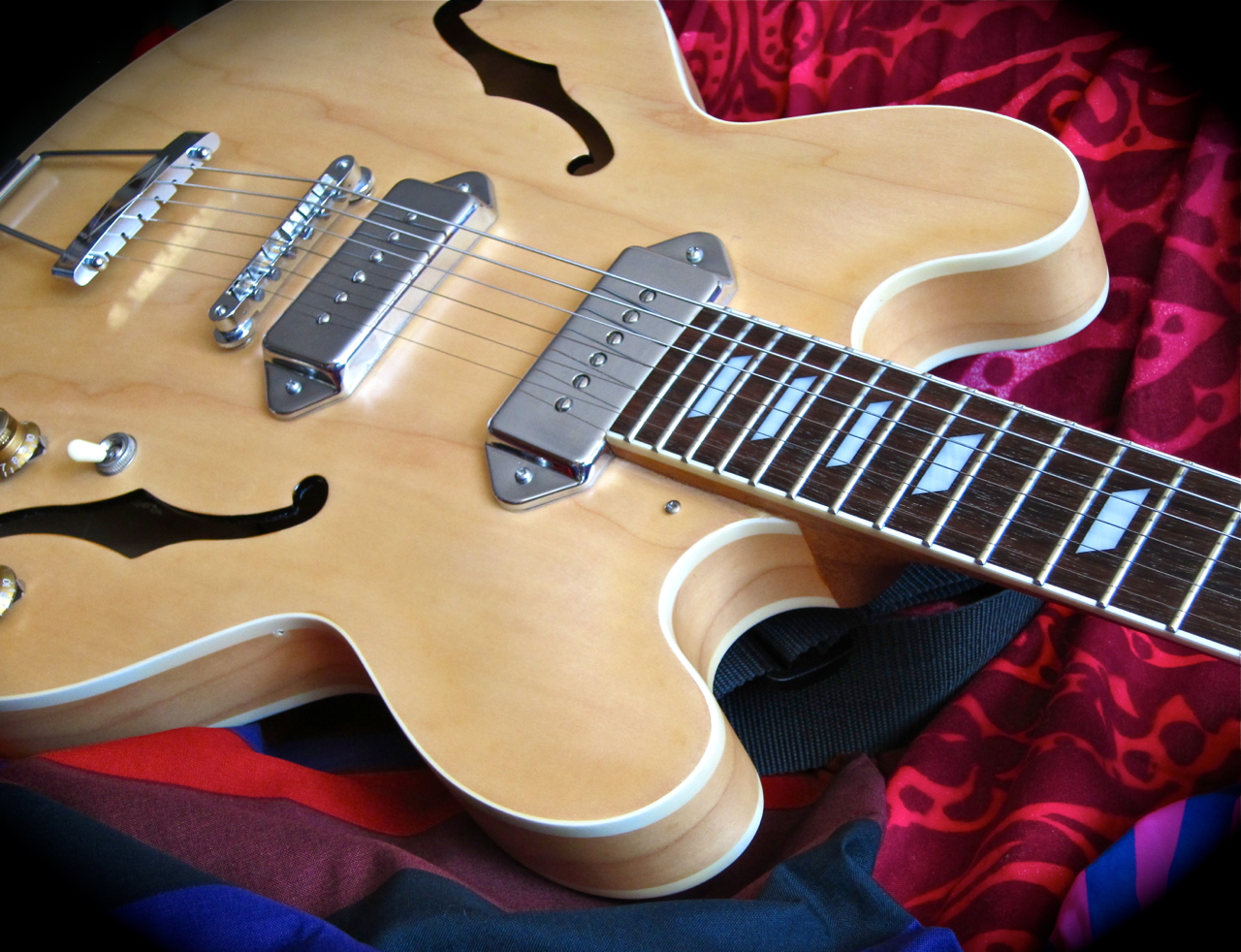
Many large brands started to release official (=licensed) copies of their own instruments in the 1980s, with the rest following suit in the following decades. Brands like Squier, Epiphone, or Sterling make it affordable to hoard instruments that offer at least some of the clout of their famous, upmarket brethren.

****

We are all different – we don’t all lust after the same guitars, and we don’t all accumulate gear for the same reasons or in the same way.
I think one could divide us Gassers up into five basic categories, according to how and why we ”simply have to have that guitar”.
1. The Fan
The Fan is a hardcore follower of one (or two) Rock bands (or guitar gods), and he (or she) focusses on acquiring as much of the gear used by their idol as humanly possible. The Fan hopes to come as close as possible to their idol’s famous guitar tone, and he/she wants to feel (and look) the way his (or her) idol does when playing those classic riffs and songs.
2. The Nostalgist
The Nostalgist comes from a similar place as the Fan, having a clear vision of what it is he’s looking for. But, instead of trying to relive a certain band’s or player’s tone, as the Fan does, the Nostalgist wants to reclaim the (his/her own?) past. The Nostalgist longs for the classic looks and tones gleaned off vintage equipment, the sounds of a cooler, more vibrant place than the current here-and-now. Some Nostalgists also buy all the stuff they wanted, but couldn’t afford to get, when they were young.
3. The Hunter and Gatherer
The Hunter and Gatherer simply loves to get new toys, especially when he can claim to have ”snapped up a real bargain”. These are the guys that constantly trail the Internet, on the lookout for something, anything really, that might whet their considerable appetite. Very often it doesn’t even matter if it is an instrument (or other piece of gear) the Hunter and Gatherer really ”needs”; as long as it’s cool and ”a bargain” it’s a viable acquisition.
4. The Specialist
The Specialist has a strong focus on one, two or three specific pieces of equipment, that he (or she) simply cannot get enough of. These are the guys who seem to have a perfectly good reason for buying several dozen Telecasters, or a whole flock of Fender Tweed-era amps – or maybe they zone in solely on gear manufactured during one specific year…
5. The Pragmatist
The Pragmatist comes over as very reasonable, even though he’s an addict like the rest of us. The Pragmatist tells his wife that he doesn’t yet own an archtop guitar with DeArmond pickups, but that he needs just such a guitar to complete his ”colour palette” or ”toolbox”. Some Pragmatists – like professional guitarists, studio owners, or guitar reviewers – can make a real art form of their Gassing, meaning it takes the unsuspecting wife years (if not decades) to see through this charade.

Naturally, things aren’t always as clear cut in real life as they might seem on paper. Most of us GAS-sufferers tend to display a mixture of two of three of the above GAS-categories.
****
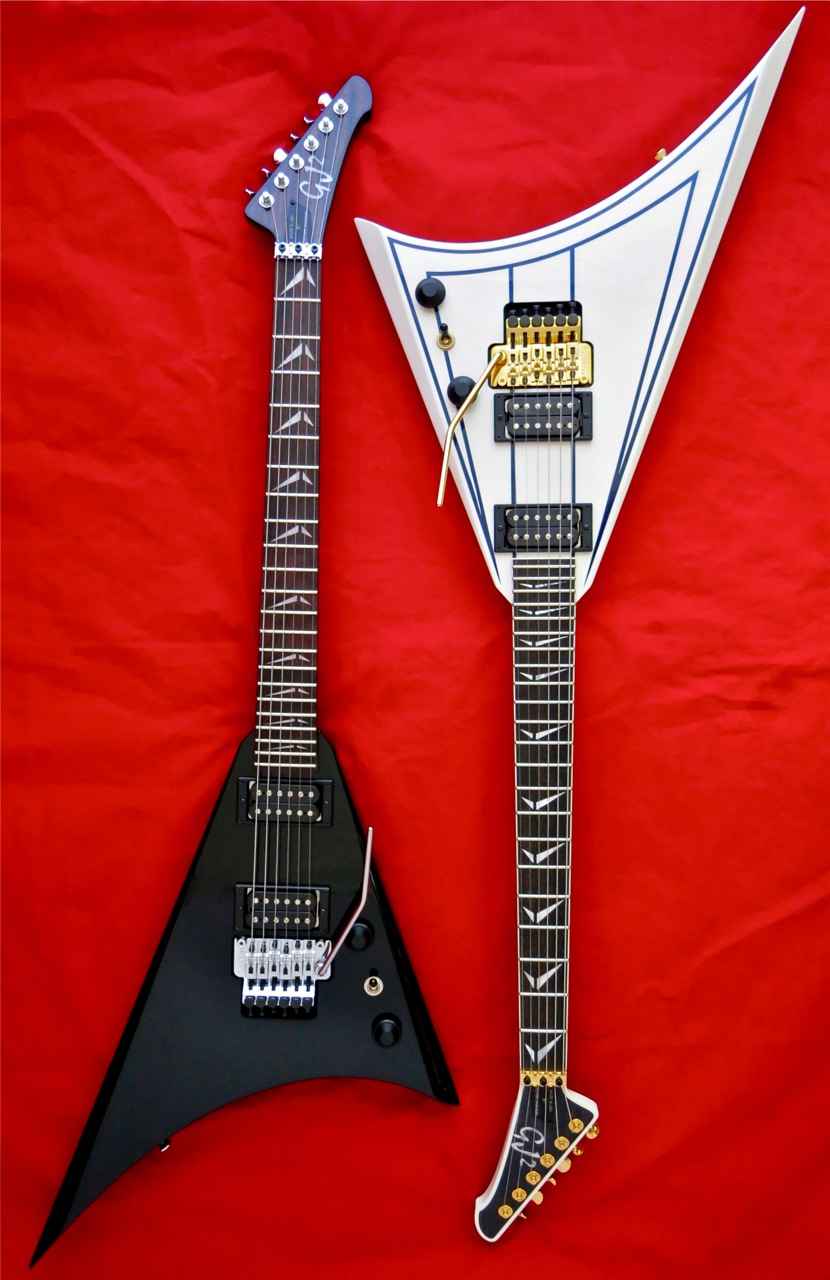
Does owning more than one or two guitars have real advantages? If you ask me, my answer would be a resounding ”yes and no”!
The ”yes” part of my answer has to do with the fact that playing guitar (or bass guitar) is always a tactile experience. Different instruments have different neck profiles, they have different overall dimensions, different actions, different fret sizes, different fingerboard radii, and they simply smell and feel differently.
This is probably the main reason why we don’t all play Line 6 Variax guitars. They might be decent instruments with an astonishingly realistic array of different tones, but they completely lack the important tactile element that is so crucial in inspiring you to come up with different licks and different ways of approaching the guitar as an instrument.
A big, fat Jazz box will make you play noticeably differently to a sleek Strat or SG, and the same holds true for the differences between, say, an ES-335 and a Floyd Rose-equipped Metal axe.
On the ”no” side of the equation, buying a new piece of equipment will surely inspire you, but it won’t automatically turn you into a ”better” guitarist. Even though it’s hard to admit, only regular practice will move you forward on the long and winding road to improvement.

****
In a way, we’re extremely lucky these days. There has never been a better time to be a guitarist than now. There’s an abundance of cool gear available, and much of it at rather reasonable prices.
The downside to this is, of course, that it’s so much easier to become a gear addict, because the price tag doesn’t necessarily act as much of a threshold, anymore.
Still, I tend to see the positive side of things, because the affordability of decent equipment makes it much easier for guitarists these days to try out different stuff on their way to finding the gear that’s most suitable for the music they make.



 Kitarablogi.com – Finland's premier Guitar and Bass blog