Testipenkissä: Spin X -johto (Mad Professor RED Cable)

Update 24.11.2015:

Spindecosta tuli viesti, että firma ei tulekaan markkinoimaan Spin X -johtoa omalla nimellään, vaan että myynti jatkuu Mad Professor RED Cable nimellä!

Spin X 2

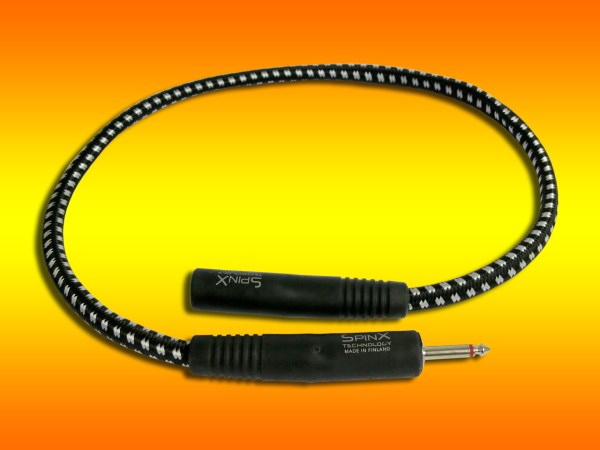
Harva vempain on viime aikoina synnyttänyt kitaristien keskuudessa samankaltaista kuhinaa kuin suomalainen Spin X -johto, ja kyse on sentään ”vain” noin 75 cm pitkästä ja kahdella valtavalla liittimellä varustetusta kaapelista.

Spin X -johdon (hinta ei vielä vahvistettu) takana on suomalainen yritys Spindeco Oy. Spin X -johdossa johtimien hyötysuhdetta parannetaan hyödyntämällä elektronin spin -nimistä nanoteknologista ilmiötä. Johdossa olevilla hiilellä päällystetyillä erikoisjohtimilla järjestetään signaalia kuljettavat elektronit ikään kuin siistimpään järjestykseen, mikä ilmeisesti nopeuttaa signaalin kulkua johtimen läpi. Kitarajohdossa spin-ilmiön päähyöty on – valmistajan myyntivastaavan mukaan – että kaikki taajuuskaistat saapuvat samanaikaisesti vahvistimen tulojakkiin, kun perinteisessä johdossa bassot saapuvat hieman muita taajuuksia jäljessä.

Googlaamalla selviää hyvin nopeasti, että elektronien spin ei ole mitään huuhaata, vaan aitoa kvanttifysiikkaa. Meitä kitaristeja kuitenkin kiinnostavat eniten seuraavat kysymykset:

Toimiiko Spin X -johto toivotulla tavalla? Onko ero selvästi havaittavissa? Onko pakko hankkia tällainen johto?

****

Sain Spindecon Jerry Ala-Leppilammelta yhden Spin X -johdon testattavaksi.

Johdon isoja liittimiä auki ruuvaamalla selvisi heti, että johdossa käytetään todellakin ainoastaan johtimia, eikä esimerkiksi plugiin upotettuja muuntajia tai vastaavaa.

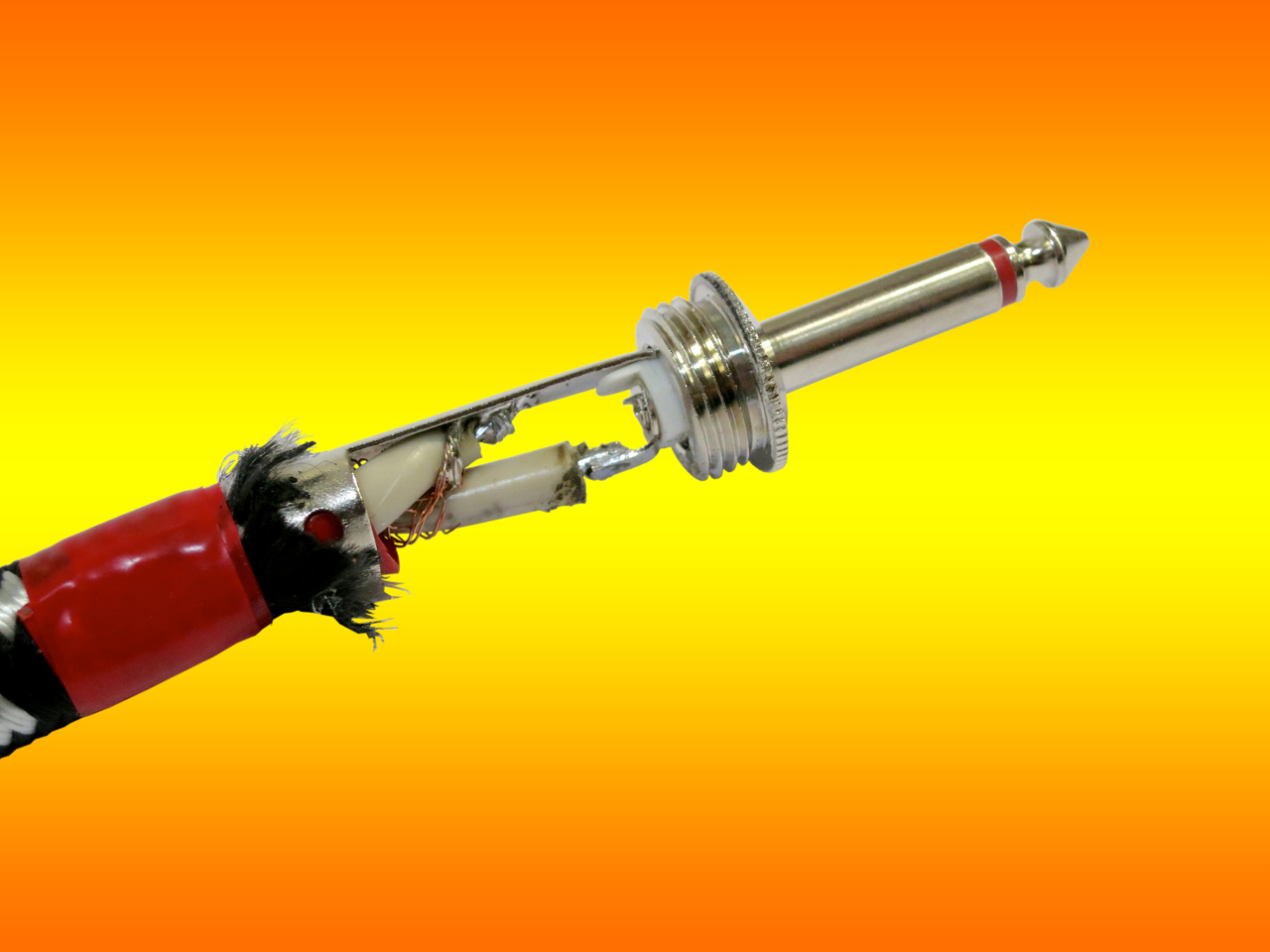
Monet kitaristit kysyvät myös miksi Spin X -johto on niin lyhyt, ja miksi se on saatavilla pelkästään ”jatkojohtona”, eikä tavallisena kitarajohtona. Näissä kuvissa näkyy vastaus:
Spin X cable – plug 2

Spin X Cable – jack 2

Spin X:n toimiminen ilmeisesti edellyttää sitä, että johdon kaksi johdinta (signaali ja maa) ovat rakenteeltaan täysin identtisiä, mutta tästä seuraa samalla, että erikoisjohto on selvästi häiriöherkempi kuin perinteinen koaksiaalinen kitarajohto.

guitar cable

coaxcable

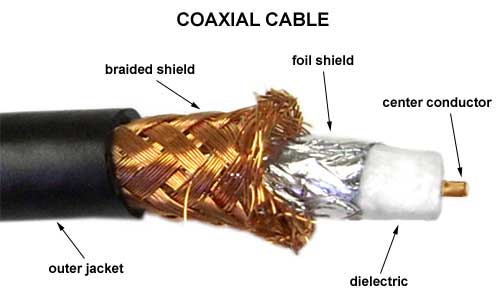
Tavallisessa kitarajohdossa signaali kulkee johdon keskijohtimessa, sen ympärille on laitettu eristys (ja usein myös johdon staattisia käsittelyääniä vähentävää alumiini- tai grafiittifoliota). Tiivis kuparilangasta tehty verkko (vaippa) toimii maajohtimena, ja suojaa Faraday-häkkinä kitarasignaalia tehokkaasti ulkoisia elektromagneettisia häiriöitä vastaan.

Kun liittää vahvistimen tuloon pelkästään Spin X -johdon kuuluu (isoilla gain- ja/tai volume-asetuksilla) selkeästi vahvistimelta tulevan muuntajahuminan, sekä johdon hiplaamisessa syntyviä käsittelyääniä. Heti kun tavallinen kitarajohto on liitetty Spin X -johtoon, sekä brummi että mikrofoninen rähinä loppuu kuin seinään.

****

Spin X -johdon erikoisjohto vaikuttaa laadukkaalta ja mekaanisesti kestävältä. Myös juotokset olivat siistejä.

Testijohdossa vain hyvin löysästi ja huolimattomasti laitettu vedonpoisto (molemmissa liittimissä!) aiheutti hieman hämmennystä.

****

Halusin selvittää, onko elektronien nopeusero mitattavissa kotistudio-olosuhteissa, ja tein seuraavanlaisen kokeilun:

Äänitin Fender Stratocasterin akustista ääntä AKG C3000 -kondensaattorimikrofonilla vasempaan kanavaan, samalla kun korkea impendanssinen kitarasignaali meni tavallista kitarajohtoa (Whirlwind Leader) pitkin suoraan äänikortille.

Whirlwind Wave

Kitarasignaali (oikea kanava) oli aavistuksen verran mikkisignaalia jäljessä, kuten tässä kuvassa näkyy.

Spin X Wave

Spin X -johdon käyttö ei ainakaan nopeuttanut signaalin kulkua sen verran, että se olisi audiosekvensserillä näkyvissä.

Myös kuulohavainnolla viive kuulostaa hyvin samanlaiselta, ehkä jopa hiuksen verran pidemmältä Spin X -johtoa käytettäessä:

****

Äänitin koesarjan eri kitaroilla Blackstar HT-1R -putkikombolla niin, että jokaisessa klipissä ensimmäinen puolisko on äänitetty pelkästään Whirlwind-johdolla ja sitten toisessa on lisätty Spin X -johto signaalitiehen.

Ensin Fender Stratocaster ilman vahvistinta:

Strato Blackstarin kautta:

Gibson LP Junior:

Hamer USA Studio Custom:

Gibson Melody Maker SG:

****

Seuraavaksi menin Spin X -johdon kanssa Rock-Ola & The Freewheelers -yhtyen kitaristille. Sami Saarisen kanssa kokeiltiin Spin X -johdon vaikutuksia hieman suuremmalla volyymillä eri vintage- ja custom shop -kitaroiden ja -vahvistimien kanssa, pedaalilaudalla ja ilman.

Valitettavasti tästä sessiosta ei ole äänityksiä, mutta soundillisesti erot Spin X -johdolla ja ilman olivat jopa selvemmät kuin kotistudio-oloissa.

****

Spin X 1

Viimeisenä halusin saada selvillä, onko Spin X:n toiminta kytköksissä putkitekniikkaan vai toimiiko johto myös edullisen transistorivahvistimen kanssa.

Äänitin siis muutaman pätkän poikani Marshall MG30CFX -kombon kautta. Kaikki pätkät alkavat ilman erikoisjohtoa, joka tulee toisessa puoliskossa mukaan kuvaan.

Fender Telecasterin kaulamikrofoni:

Molemmat mikit yhdessä:

Telecasterin tallamikrofoni:

****

Testien perusteella minun täytyy todeta, että ”jotain” todella tapahtuu, silloin kun Spin X -johtoa käytetään. Johdon vaikutus tulee selkeämmin esiin laadukkailla vahvistimilla ja hieman isommalla volyymillä kuin kotisohvalla kerrostalossa. Jotenkin tuntuu myös siitä, että yksikelaisilla mikrofoneilla varustetut kitarat – esimerkiksi Stratot, Telet, LP Junior, non-reverse Firebird – hyötyvät erikoisjohdon tuomista muutoksista enemmän kuin humbucker-kitarat.

Spin X -johdon ”soundi” tavalliseen kitarajohtoon verrattuna on lähellä laadukkaan bufferin tuomia lisäyksiä pitkässä signaaliketjussa. Spin X:n kanssa soundissa on vähemmän raapivaa terävyyttä diskantissa, enemmän avoimuutta ja kiiltoa ylä-middlen preesensalueella, sekä tiukempi ja tarkempi bassotoisto. Fender Stratocasterit ja Telecasterit saavat aavistuksen verran lisää hifimäisyyttä ja P-90-mikrofoneista katoaa pieni annos tukkoisuutta etenkin clean-soundeissa.

Spin X:n kautta signaalitaso tuntuu myös aavistuksen verran korkeammalta, mikä toki voi olla pelkästään psykoakustinen ilmiö.

****

Spin X 5

Kysymykseen onko soundi ”parempi” Spin X -johdolla ei kuitenkaan pysty vastaamaan yksiselitteisesti. Rockabilly- tai Punk-kitaristeille kovan ja kirskuvan diskantin lievä vaimennus voi olla myös huono asia, myös keskialueen siistiminen ei ole välttämättä jokaisessa tapauksessa (perinne-Blues, Swamp Rock) toivottu lisäys.

Todelliselle soundiesteetikolle – siis David Gilmourin, Michael Landaun tai Eric Johnsonin kaltaiselle soittajalle – Spin X -johdon tuomat lievät, mutta tyylikkäät, muutokset voivat muodostaa sen paljon kaivatun pisteen iin päällä.

Siihen, kuinka paljon on valmis maksamaan Spin X:n tuomasta lisäsilauksesta, jokaisen itse on vastattava.

****

Spin X Cable

Lisätiedot: Spindeco

Spin X Cable – now on SoundCloud

In all clips the first half is recorded without the Spin X Cable, while the second half uses the Spin X in front of the sound card or amp.
++++
Mic + DI track (to check the delay between mic and DI):
• left channel – AKG C3000 close miking a Stratocaster
• right channel – Stratocaster DI’d via Focusrite Saffire 6 USB
++++
The signal chain used was:
Guitar –> 6 m Whirlwind Leader –> (Spin X Cable) –> Blackstar HT-1R –> 5 m Planet Waves Classic –> Focusrite Saffire 6 USB

Spin X 1

Review: Bogner Harlow, Wessex and Burnley

Reinhold Bogner

This time Kitarablogi has had the pleasure to review the fruits of a cooperation between two legendary designers:

Custom amp guru Reinhold Bogner

Rupert Neve

…and the grand old man of recording studio electronics Rupert Neve have unveiled a line of three Bogner effect pedals (made in the USA), which were designed around Rupert Neve’s famous audio transformers.

Bogner – Neve transformer

Audio transformers are rarely seen (or mentioned) when it comes to pedal effects, for both reasons of price and mass production.

In valve amplifiers audio transformers play a crucial role, because they are the last stage before the signal reaches the speaker. Audio transformers ”translate” the signal for the speaker, which is why they have a direct impact on the tone and dynamic behaviour of a tube amplifier.

Bogner-pedals teaser – w lights

At the moment three different Bogner/Neve-pedals are available – the Harlow booster (current price in Finland: 235 €), the Wessex overdrive (229 €), and the Burnley distortion (235 €).

Each pedal has a glowing ”eye” indicating the current signal strength of the stompbox.

****

Bogner Harlow – with box

The Bogner Harlow gives you two effects in one pedal:

In addition to it’s boost function, the Harlow also incorporates Bogner’s Bloom compression circuit, which promises to give you a very natural, three-dimensional and musical type of compression.

You’ll find three control knobs on the Harlow – a level control for the booster, a Bloom-control for the compressor, and a master tone.

Bogner Harlow – full front 2

****

Bogner Wessex – with box

Bogner’s Wessex is the overdrive pedal in the Bogner/Neve-family.

In addition to its gain and level controls the Wessex also includes a two-band EQ, as well as a E/N-switch. ”N” stands for ”normal” and this mode will give you a slightly more traditional, mid-range centred sound. Switching to ”E” (for ”enhanced”) there’s more gain on tap, coupled with a fatter, more full-range tone.

Bogner Wessex – full front 2

****

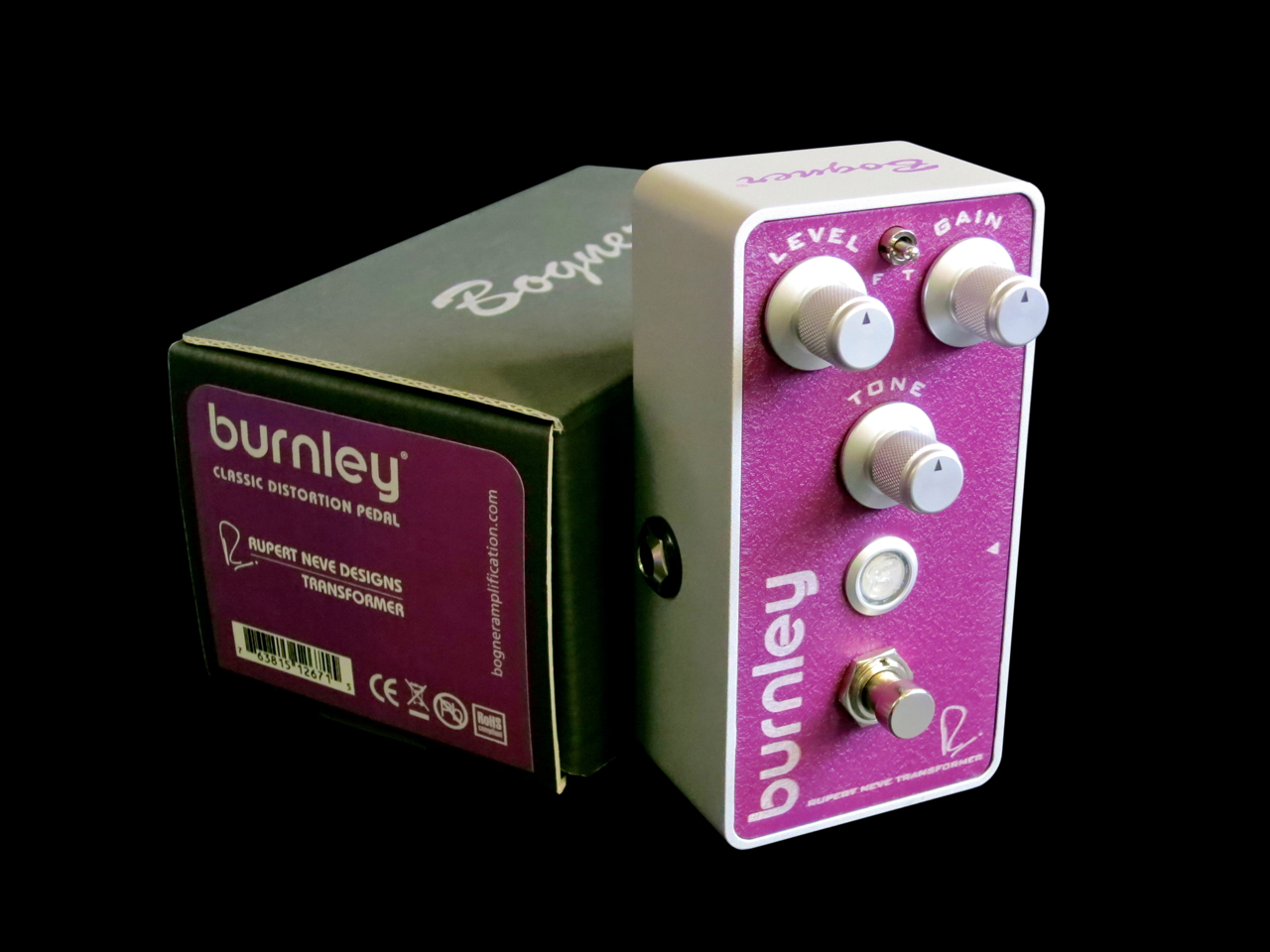
Bogner Burnley – with box

The third pedal, the Bogner Burnley, is a distortion effect.

The Burnley offers three controls – level, gain and tone – plus an F/T-switch. ”T” (for ”tight”) promises you a more aggressive distortion effect than the warmer and fatter ”F” mode.

Bogner Burnley – full front 2

****

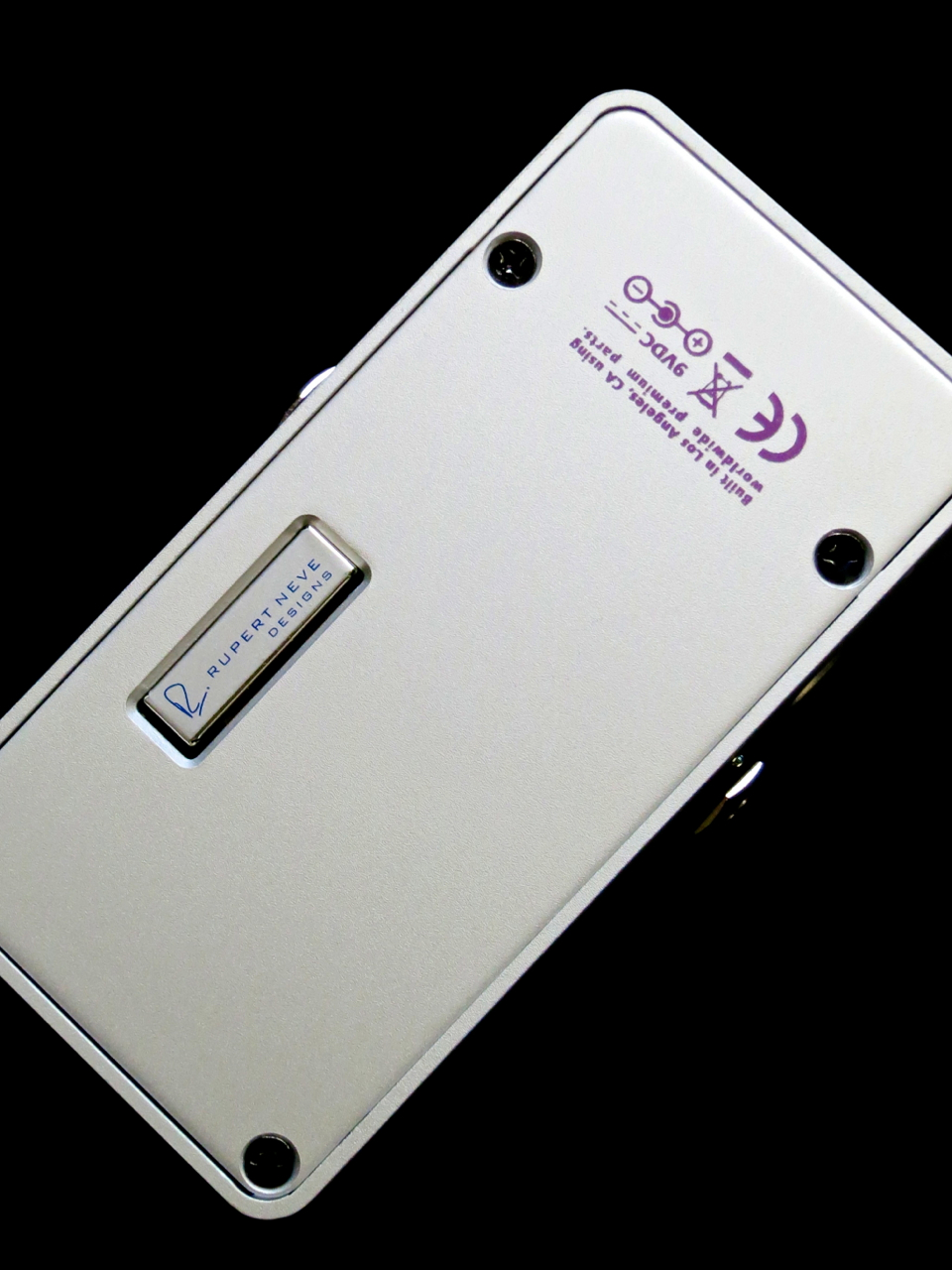
Bogner Harlow – inside

Both Mr Bogner and Mr Neve are known for their uncompromising commitment to both sound and workmanship. This commitment is well represented in this range of pedal effects.

In the Bogner-pedals the circuit board is hidden inside a black plastic box. This is a workable solution weighing the risk of direct backwards engineering against the possible future need for repair or servicing. Components completely covered in black resin (some boutique manufacturers do this) are the bane of any guitar technician!

As you can clearly see in the pictures, all three stompboxes can be run using a nine volt battery or an external PSU (using the Boss-standard).

****

Bogner Harlow – left 2

Bogner doesn’t divulge the precise amount of boost that can be had from the Harlow, but let me tell you it will most probably be enough to overdrive even the cleanest of amplifiers.

The Bloom-circuit in the Bogner Harlow sounds deliciously chewy and reacts very musically.

Bogner’s Harlow is the type of pedal you want to leave on the whole time, because any guitar will sound better with this box running. This pedal also reacts very well to changes in your guitar’s volume control setting.

There’s a nice attack click, when played with a Stratocaster:

The Harlow stays clear and clean, even when you play a neck humbucker (I’m using my Hamer USA Studio Custom):

Bogner Wessex – right 2

The overdrive and distortion tones of Bogner amplifiers are already the stuff of legend, and the amp guru has managed to pack these sounds into two Bogner/Neve-pedals.

The Bogner Wessex luckily isn’t just another Tubescreamer clone; instead this stompbox gives you Mr Bogner’s vision of the perfect overdrive sound.

Even though there’s a healthy amount of gain on offer in the Wessex, the sound always stays transparent and well-defined. This pedal also keeps the inherent character of your guitar intact.

Wessex’s Enhanced mode will even make your vintage-styled Strat sing:

On the other hand there won’t be any boxiness, or mud, when using humbuckers:

Bogner Burnley – left 2

If you’re a Hendrix fan you should definitely try the Burnley’s Fat mode. It will make your Strat sing and growl in Woodstock-fashion, even when played into a clean amp channel at bedroom volume levels:

Bogner’s Burnley, too, is sensitive to guitar volume changes. Using Tight mode and humbuckers will give you a modern distortion tone:

Bogner-pedals teaser

Here’s the audio track off the Youtube video. All guitar parts have been played on a P-90-equipped Gibson Les Paul Junior:

****

Bogner Harlow – right 2

Bogner Wessex – left 2

Bogner Burnley – right 2

Rupert Neve and Reinhold Bogner aren’t men ho do things by half – and these pedals are a fitting testament to this commitment!

The Bogner/Neve-series of guitar effects offers you Bogner’s boutique tones in a very compact guise, and at a very fair price. Try these pedals out – you won’t be disappointed!

****

Bogner Amplification Harlow, Wessex & Burnley

Harlow – 235 €

Wessex – 229 €

Burnley – 235 €

Finnish distributor: Musamaailma

****

Pros:

+ workmanship

+ compact size

+ genuine boutique amp tones

Review: DV Mark Little Jazz + Jazz 12

DV Mark Little Jazz + Jazz 12 – Soundcloud pic

Marco de Virgiliis’ company Markbass has made its mark spearheading the use of Class D power amps, which have made it possible to pack an amazing amount of output power into very small and lightweight bass amp heads. Markbass’ sister brand, DV Mark, concentrates on guitar amps, for the most part.
Markbass and DV Mark have recently changed their distributor in Finland. Their products are now distributed by Musamaailma, which celebrates its 30th year in business in 2015.

The combos in DV Mark’s Jazz series – the DV Little Jazz  (current price in Finland: 393 €) and the DV Jazz 12 (462 €) – are very lightweight guitar amps, meant for professional use, and designed to concentrate solely on one thing – a top grade clean tone.

****

dvmark_little_jazz_1_625px

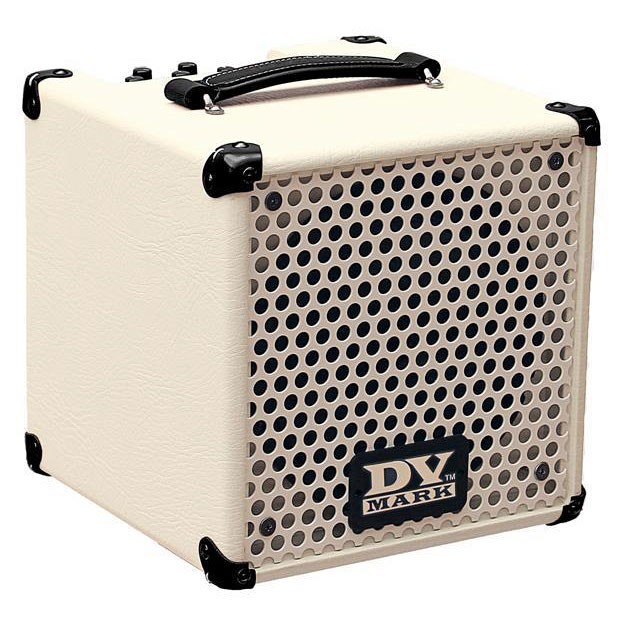
The DV Little Jazz is a surprisingly small combo in the shape of a cube (27 x 27 x 26 cm). Thanks to its diminutive size and small weight (just under seven kilos), you can easily take it on a bus or tram on the way to your next gig or rehearsal.

The cream white cabinet is home to an eight-inch speaker that was specially designed for this amp.

The corner protectors and the Little Jazz’ sturdy metal grille give this small combo a suitably chunky look.

dvmark_dv_jazz_12_1_700px

The DV Jazz 12 is a good deal larger in size (43 x 42 x 30 cm), with a more traditional guitar combo look and a stylish cloth grille.

Thanks to its special-design, neodymium 12-inch speaker, the Jazz 12 weighs in at just under nine kilos.

dvmark_little_jazz_pic_3

dvmark_dv_jazz_12_2

Both combos have a partially open back, and they share an identical, fan-cooled amplifier module dishing out 45 watts of power.

The back panel offers a speaker output, a balanced DI output (XLR), as well as a headphones output and an on/off-switch for the internal speaker.

dvmark_little_jazz_2

In addition to the Master volume, the control panel sports a three-band EQ section, a level control for the built-in digital reverb, as well as an auxiliary input for your phone, tablet or mp3-player.

dvmark_dv_jazz_12_3

****

DV Mark Jazz controls

The sound of both DV Mark Jazz-combos is really clean, warm and beautiful, but never lifeless or one-dimensional. The inherent character of your chosen guitar is kept intact, and the same holds true for all the intricacies of your playing technique.

You can then fine-tune the tone to your liking by using the musical EQ section.

A fantastically realistic spring reverb simulation works as the basis for the reverb sound in these DV Mark combos. To add even more character and depth to the overall tone, DV Mark’s designers have chosen to add some pitch modulation to the reverb. Adding reverb in moderate amounts, the modulation adds a chorus-like breadth to proceedings. At full-on Surf-style settings, though, the pitch modulation could prove to be a tad distracting to some guitarists.

My only real criticism regarding the Little Jazz and Jazz 12 combos has to do with their continuous fan-cooling. On stage the – relatively quiet – whoosh of the PC-type fan won’t be a problem, but in intimate recording studio settings some fan noise may end up on ”tape”.

I would really like to stress that, despite looking like a small practice amp, the DV Mark Little Jazz really is meant for active onstage use – it’s not a toy! The combo’s 45 W will be enough in many situations, and if you need more power, you can simply stick a mic in front of it or use the excellent built-in DI-output.

For such a small amp the Little Jazz sounds surprisingly big and warm, even though there’s a small trace of boxiness to the tone, when compared directly with the Jazz 12. DV’s Little Jazz sounds like the grown up guitar combo it really is.

Here’s a short clip using a Fender Telecaster and recorded with a Shure SM57:

This is what a double humbucker Hamer sounds like through the Little Jazz:

Here’s a short clip of the built-in reverb:

The DV Jazz 12 could be called the Little Jazz’ deluxe edition, thanks to its bigger and slightly more open sound. The larger speaker combined with a larger cabinet gives the brilliant clean tone more space to breathe. The end result is one of the best clean sounds I’ve ever heard.

The first clip has been played on a Telecaster:

Here’s a similar clip with my Hamer USA Studio Custom:

I’ve used an Epiphone Casino (equipped with Göldo pickups) for the demo track. The first pass is the Little Jazz, the second pass has been recorded with the Jazz 12:

****

LITTLE_JAZZ_VS_JAZZ_12(0)

The DV Mark Little Jazz and Jazz 12 are two great combos for the gigging guitarist. And I don’t just mean Jazzers.

These DV Mark combos are also fantastic choices for players who like to get their sounds from pedals or multi-effect boards. By combining a pair of Little Jazzes or Jazz 12s you’ll end up with a great-sounding stereo rig, which will still be easy to transport.

****

DV Mark Little Jazz + Jazz 12

DV Little Jazz – 393 €

DV Jazz 12 – 462 €

Finnish distributor: Musamaailma

****

Pros (both models):

+ lightweight

+ compact

+ ample output power

+ workmanship

+ sound

+ DI-output

Cons (both models):

– continuous fan-cooling

Testipenkissä: DV Mark Little Jazz + Jazz 12

DV Mark Little Jazz + Jazz 12 – Soundcloud pic

Marco de Virgiliisin perustama Markbass on tunnettu edelläkävijänä D-luokan päätevahvistimien käytössä, mikä on mahdollistanut tehokkaiden bassovahvistimien tarjoamista erittäin kompaktissa ja kevyessä muodossa. Markbassin sisarbrändi DV Mark taas keskittyy kitaravahvistimiin.

Markbassin ja DV Markin edustus Suomessa on muuttunut hiljattain – uusi maahantuoja on Musamaailma.

DV Markin Jazz-sarjan kombot – DV Little Jazz  (393 €) ja DV Jazz 12 (462 €) – ovat ammattikäyttöön tarkoitettuja, hyvin kevyitä kitaravahvistimia, jotka keskittyvät täysin yhteen asiaan – erittäin laadukkaaseen puhtaaseen soundiin.

****

dvmark_little_jazz_1_625px

DV Little Jazz on todella pienikokoinen, kuutiomainen (27 x 27 x 26 cm) kitarakombo, joka kulkee erittäin helposti soittajan mukana. Paino pysyy jopa seitsemän kilon alapuolella.

Kermanvaalean kotelonsa uumeniin on asennettu 8-tuumainen, juuri tätä vahvistinta varten suunniteltu kaiutin.

Kestävä metallinen eturitilä antaa kombolle sopivasti tukevan ulkonäön.

dvmark_dv_jazz_12_1_700px

Selvästi isomman (43 x 42 x 30 cm) DV Jazz 12 -kitarakombon ulkonäkö on perinteisempi, ja sen tumma etukangas kenties myös tyylikkäämpi.

Erikoisvalmisteisen, 12 -tuumaisen neodyymikaiuttimensa ansiosta Jazz 12:n paino pysyy jopa alle 9 kiloa.

dvmark_little_jazz_pic_3

dvmark_dv_jazz_12_2

Molemmissa komboissa on identtinen, tuulettimella jäähdytetty 45-wattinen vahvistinmoduuli, sekä puoliavoin takaseinä.

Takapaneelista löytyy lähtö lisäkaiuttimelle, balansoitu DI-lähtö, päälle/pois-kytkin sisäiselle kaiuttimelle, sekä kuulokelähtö hiljaista harjoittelua varten.

dvmark_little_jazz_2

Etupaneeli taas tarjoaa master-volumen lisäksi kolmikaistaisen EQ-osaston, digitaalisen kaiun, sekä aux-tulon mp3-soittimelle.

dvmark_dv_jazz_12_3

****

DV Mark Jazz controls

DV Markin Jazz-sarjan kombojen soundi on todella puhdas, lämmin ja kaunis, muttei koskaan tylsä tai yksiulotteinen. Käytetyn soittimen luonne säilyy täysin ehjänä, ja myös kitaristin soittotekniikan jokaista yksityiskohtaa vahvistetaan uskollisesti.

Erittäin tervettä perussoundia voi sitten maustella itselleen sopivaksi kombon oivilla Bass-, Mid- ja Treble-säätimillä.

Kaiun perustana toimii DV Mark -kaksikossa erittäin luonnollisen kuuloinen jousikaiun mallinnus. Kaikuun on kuitenkin lisätty pikkuannos sävelkorkeuden huojuntaa, joka syventää kaiun maltillisilla asetuksilla (chorus-efektin lailla) sopivasti vahvistimen soundia. Surf-tyylisillä asetuksilla (= kaiku täysille) kaiun modulaatio voi kuitenkin mahdollisesti häiritä huojunnalle herkkää kultakorvaa.

Ainoa kritiikkikohta koskee Little Jazzin ja Jazz 12:n tuuletinta – lavalla tuulettimen (sinänsä hiljainen) käyntiääni ei varmasti koidu ongelmaksi, mutta erittäin intiimeissä studiotilanteissa pieni annos aktiivituuletuksen suhinaa voi joskus päätyä ”nauhaan”.

Haluaisin korostaa sitä, että vaikkapa DV Little Jazz näyttääkin pieneltä harjoituskombolta, se on todellakin live-käyttöön tarkoitettu kitaravahvistin, eikä lelu! Kombon 45 wattia riittävät mainiosti moniin tilanteisiin, ja lisätehoa saa helposti joko mikittämällä tai mainion sisäänrakennetun DI-lähdön kautta.

Soundiltaan Little Jazz on yllättävän iso ja lämmin, vaikka suorassa vertailussa Jazz 12:een pikkuinen annos soinnillista ahtautta on toki havaittavissa. DV Little Jazz kuulostaa kuitenkin aikuiselta kitarakombolta.

Tässä Telecasterilla soitettu esimerkki:

Ja tältä humbuckereilla varustettu Hamer kuulostaa:

Tässä yksi lyhyt näyte kaikusoundista:

DV Jazz 12 -komboa voi mielestäni kutsua Little Jazzin deluxe-versioksi, sen isomman ja hieman avoimemman soundinsa ansiosta. Jazz-sarjan loistava perussoundi saa suuremman kaiuttimen ja isomman kotelon kautta yksinkertaisesti enemmän tilaa hengittää. Lopputulos on vaikuttavaa.

Ensimmäinen esimerkkipätkä on soitettu Fender Telecasterilla:

Toisessa soi Hamerin Studio Custom -kitara:

Demobiisissä käytin (Göldo-mikrofoneilla varustettua) Epiphone Casinoa. Ensimmäinen läpimeno on äänitetty Little Jazzilla, kun toisessa puoliskossa kuullaan Jazz 12 -komboa:

****

LITTLE_JAZZ_VS_JAZZ_12(0)

Kauniilla clean-soundilla varustetut Little Jazz- ja Jazz 12 -kombot ovat mielestäni loistava valinta monille kitaristeille, ei ainoastaan Jazz-musiikin ystäville.

DV Mark -kombot tekevät nimittäin myös erinomaista yhteistyötä pedaalilaudan (tai multiefektin) kanssa. Kahdella kombolla voi rakentaa itselleen tehokkaan ja hyväkuuloisen stereojärjestelmän, joka on silti vielä todella helppoa roudata.

****

DV Mark Little Jazz + Jazz 12 -kombot

DV Little Jazz – 393 €

DV Jazz 12 – 462 €

Lisätiedot: Musamaailma

****

Plussat (molemmat mallit):

+ alhainen paino

+ kompakti koko

+ vahvistinteho

+ työnjälki

+ soundi

+ DI-lähtö

Miinukset (molemmat mallit):

– tuuletin aina päällä

Review: Blackstar ID:Core BEAM

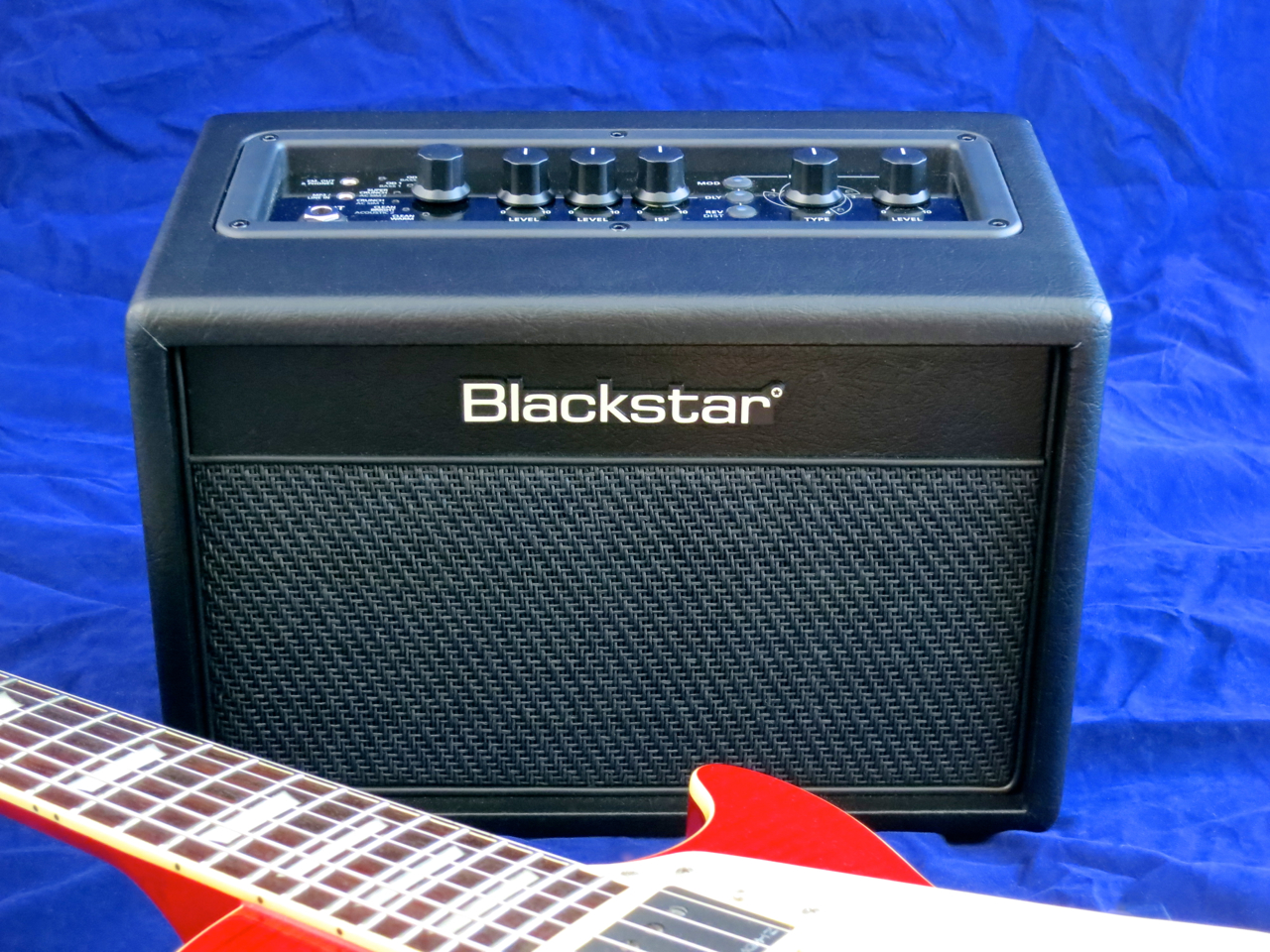
Blackstar ID_Core Beam – front

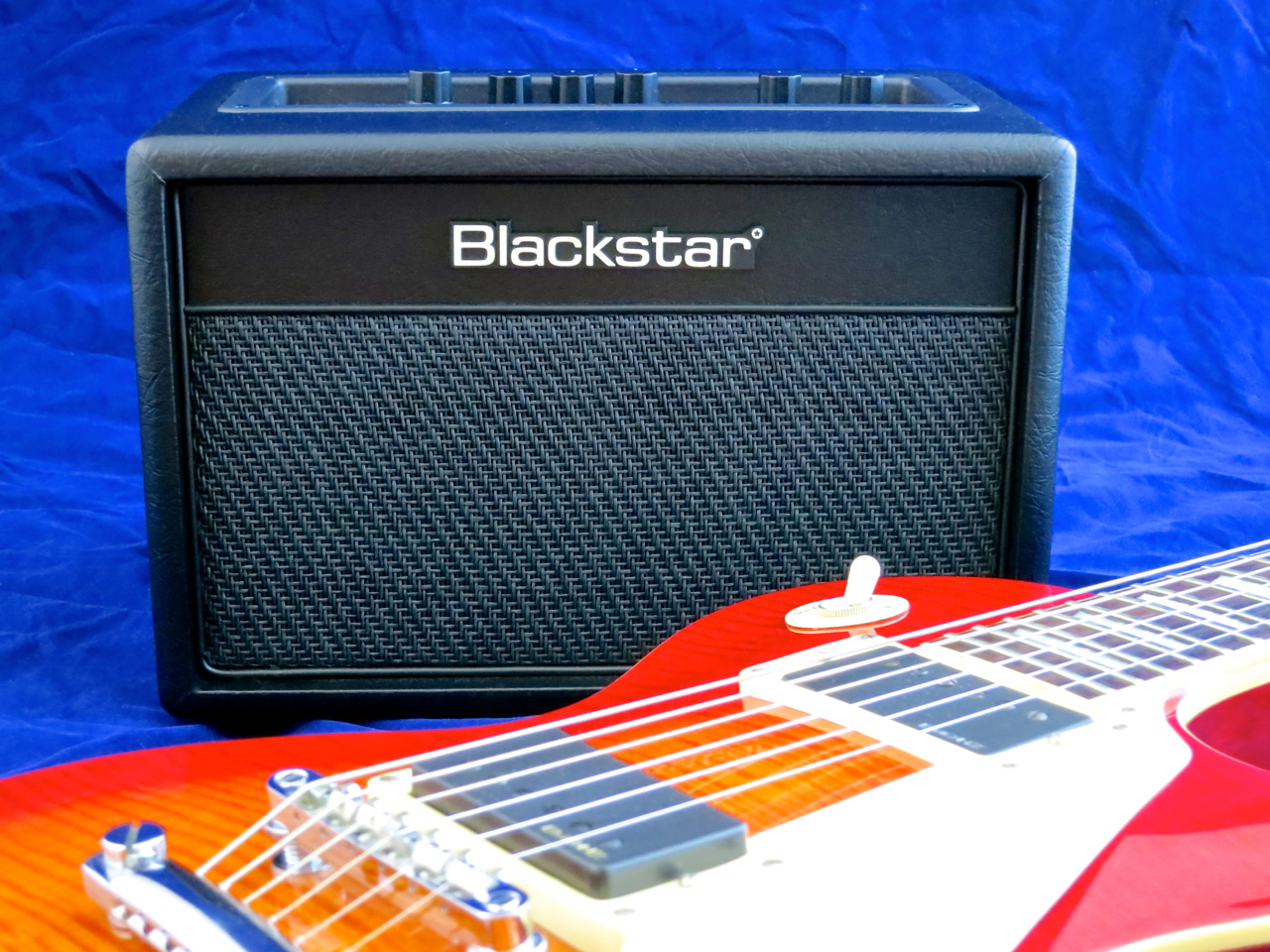
Blackstar’s ID:Core BEAM (current price in Finland: 299 €), which was introduced at this year’s NAMM Show, is one of a new breed of amplifiers:

The BEAM is a so-called ”lifestyle amp” that combines a practical solution for living room practising with a Bluetooth stereo system with a suitable Rock look.

****

Blackstar ID_Core Beam – angle right

The Blackstar ID:Core BEAM is a genuine ID:Core-combo, which means that all its parameters are accessible via Blackstar’s Insider software.

The newcomer is a stereophonic amp with its 20 watts of power running into a pair of three-inch speakers. Blackstar’s Super Wide Stereo-effect – a feature taken from the company’s larger ID:Core combos – can also be applied to the BEAM’s music player, with its own, separate width adjustment.

Blackstar ID_Core Beam – back

Apart from the power switch, the ID:Core BEAM’s back panel features the input jack for the (optional) footswitch. The rest of the combo’s controls and connectors can be found on the top-mounted control panel.

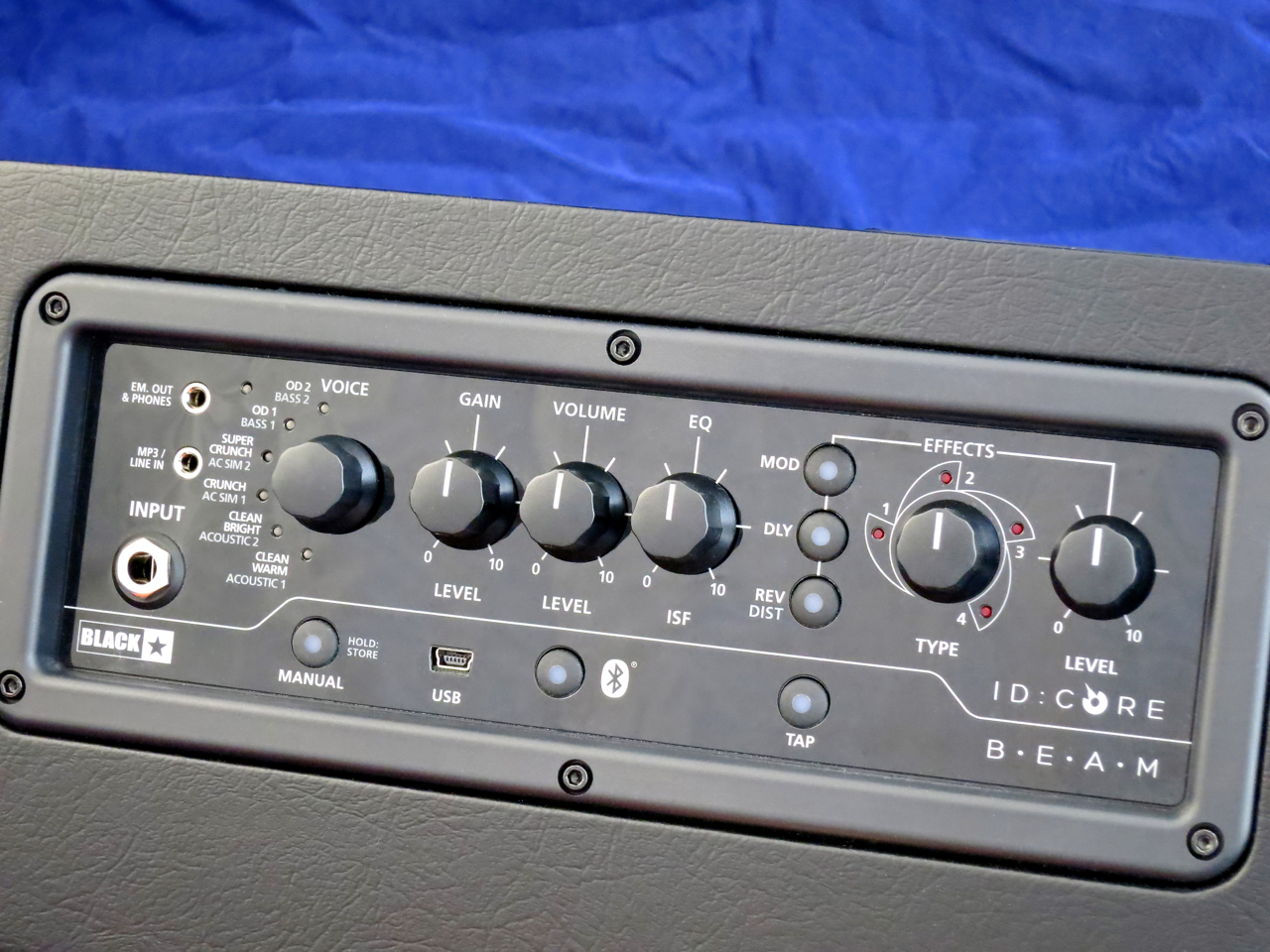
Blackstar ID_Core Beam – control panel

The larger ID:Core combos are well-equipped practice amps, but the BEAM has a couple of additional aces up its sleeve:

The ID:Core BEAM offers you 12 amp models (Voices). The first set (the Voices LED glows red) deals with six amp models for electric guitar, while the second set (green LED) gives you two Voices each for acoustic guitar, electric bass, and acoustic guitar simulation.

The amp section has three physical knobs for adjustment – gain, volume, and Blackstar’s patented ISF-control, which control’s the amp’s overall tonal character. Using the Insider-software you will be able to access additional parameters for deep editing, like a three-band EQ-section or a noise gate.

The effects department features four different modulation effects, four delay types, and four reverbs. The two Voices for bass swap the reverbs for bass distortion. You can choose one effect from each effect section for a Voice (meaning up to three simultaneous effects).

The small combo also features a built-in tuner.

The music signal, sent to the BEAM from your mobile device via Bluetooth, naturally isn’t sent through the combo’s amp modelling circuits. It is fed into the signal chain just before the power amp section. The ID:Core BEAM allows you to play along to the Bluetooth signal, of course!

The USB-port isn’t only used to remote control the amp’s parameters via Insider – this lifestyle combo doubles as a full-blown USB sound card. The BEAM can be run in three different USB-modes, which allows you to either send a stereo signal of the amp sound to your sequencer, or send two discrete mono signals (with one channel completely dry, and the second channel with all the amp modelling and effects) to your recording software. The third USB-mode is called Reamping, and it’s used to feed a dry guitar signal off your audio sequencer into the ID:Core BEAM and record the effected signal onto a separate recording track simultaneously.

The signal level of the USB-audio can be controlled directly (and independently of the amp’s master volume settings), making it very easy to set the correct recording levels for your personal studio setup.

****

Blackstar ID_Core Beam – front angle

Blackstar have really hit the bull’s eye with their new lifestyle combo!

Listening to music with a very critical ear you can hear a little bit of hiss, but it isn’t loud enough to spoil the fun. Remember, the ID:Core BEAM isn’t meant to be a studio monitor, but rather a nifty, compact music player for your bookcase – something this little combo handles with much aplomb. You wouldn’t necessarily expect such a full and strong delivery from such a compact unit.

The ID:Core BEAM also sounds great as a guitar and bass amp, which isn’t quite as surprising, considering this combo’s pedigree.

The guitar amp voices have plenty of character, and the effects have more than ample depth and width:

The high quality of the acoustic simulator was something of a positive surprise:

Despite its diminutive size, the BEAM also delivers when it comes to electric bass tones:

****

Blackstar ID_Core Beam – angle left

The Blackstar ID:Core BEAM succeeds to combine a programmable practice combo for guitar and bass, a Bluetooth-player, and a USB sound card into a very enticing package. In addition to being a great living room amp, the BEAM could also prove a handy little amp for guitar instructors.

****

Blackstar ID:Core BEAM

299 €

Finnish distributor: Musamaailma

****

Pros:

+ well thought-out concept

+ value for money

+ feature-packed guitar and bass amp

+ adjustable Super Wide Stereo-function

+ USB sound card

+ full sound

Cons:

– high noise gate setting on default bass distortion

Testipenkissä: Blackstar ID:Core BEAM

Blackstar ID_Core Beam – front

Vuoden alussa NAMM-messuilla esitelty Blackstar ID:Core BEAM (299 €) kuuluu uuteen, nopeasti kasvavaan vahvistinkategoriaan:

Se on niin kutsuttu ”lifestyle amp”, joka on samalla sekä hyödyllinen pikkukombo harjoitteluun että kitaristin imagoon sopiva Bluetooth-vahvistin musiikin kuuntelua varten.

****

Blackstar ID_Core Beam – angle right

Blackstar ID:Core BEAM on aito ID:Core-kombo mikä tarkoittaa, että sen kaikkiin parametreihin pääsee käsiksi Blackstarin oman Insider-softan kautta.

Uutuuskombo on stereofoninen, ja sen 20 watin tehoa pusketaan ulos kahdesta kolmen tuuman kaiuttimista. Isoista ID:Coreista tuttu Super Wide Stereo -efekti toimii BEAM-kombossa myös musiikin kuuntelussa, ja sen vaikutusta voi säätää erikseen.

Blackstar ID_Core Beam – back

ID:Core BEAM:n takaseinästä löytyy sähköliittimen lisäksi jakki jalkakytkimelle (maksullinen lisävaruste). Kaikki muut liittimet on sijoitettu isolle etupaneelille.

Blackstar ID_Core Beam – control panel

BEAM:n isot sisarukset ovat jo todella hyvin varustettuja, mutta pikkukombo panee ominaisuutensa runsaudella vielä selvästi paremmaksi:

Vahvistinmallinnuksia löytyy tässä peräti 12 kappaletta. Ensimmäinen satsi (Voice-ledi palaa punaisena) on varattu kuudelle eri sähkökitarakanavalle, kun taas toisesta satsista (vihreä ledi) löytyy kaksi vahvistintyyppiä akustiselle kitaralle, kaksi akustisen kitaran mallinnusta, sekä kaksi ohjelmaa sähköbassolle.

Vahvistinosasto tarjoaa kolme fyysistä säädintä soundien muokkaamiseksi – gainin ja volumen lisäksi löytyy vielä Blackstarin patentoima, yleissoundiin vaikuttava ISF-toiminto. Insider-softalla pääsee säätämään sitten tarkemmin muitakin parametrejä, kuten EQ:t tai kohinaporttia.

Efektiosasto tarjoaa neljä modulaatioefektiä, neljä viivetyyppiä, sekä neljä eri kaikua. Bassovahvistimien kanssa on kaiun sijaan lisätty bassosärö. Jokaisesta efektityypistä voi valita yhden per vahvistinmalli, siis samanaikaisesti voidaan käyttää korkeintaan kolmea efektiä.

Pikkukombossa on myös kätevä sisäinen viritysmittari.

Bluetooth:n kautta vastaanotettu audiosignaali ei luonnollisesti kulje mallinnusosion läpi, vaan se lisätään ID:Core BEAM -kombon signaalitielle vasta kitaravahvistimen jälkeen. Bluetooth-musiikin kanssa voi tietysti soittaa mukaan!

USB-liitintä ei käytetä ainoastaan Insider-softan pyörittämiseen, vaan tämä lifestyle-kombo on myös täysverinen usb-äänikortti. BEAM:lla on kolme eri USB Audio -moodia – vahvistin pystyy lähettämään joko stereofonista kitarasignaalia efekteillä höystettynä sekvensserille tai kaksi monosignaalia, joista yksi on kuiva tulosignaali ja toinen koko mallinnuksen läpi käynyt monosignaali. Näiden kahden lisäksi on tarjolla vielä erittäin kätevä Reamping-tila, jossa sekvensseristä lähetetty prosessoimaton kitararaita viedään ID:Core-kombon läpi ja mallinnettu signaali äänitetään toiseen sekvensseriraitaan.

USB-signaalitasoa pystyy säätämään itsenäisesti ja riippumatta kombon masterista, minkä ansiosta usb:n kautta lähetetyn voimakkuuden saa aina omalle äänityssoftalle sopivaksi.

****

Blackstar ID_Core Beam – front angle

Kyllä, nyt täytyy sanoa, että Blackstarin uusi lifestyle-kombo on täysosuma!

Musiikin kuuntelussa on havaittavissa pikkusen kohinaa, mutta se ei nouse lainkaan häiritsevästi esiin. ID:Core BEAM ei ole tarkoitettukaan studiomonoriksi, vaan kirjahyllyn musiikkikeskukseksi, ja se asia on kombolla suveräänisti hallussa. Musiikki kuulostaa yllättävän täyteläiseltä, ja myös sitä volyymin määrää on tarjolla kiitettävän runsaasti.

Myös kitara- ja bassosoundien osilta Blackstar-uutuus ei jätä mielestäni toivomiseen varaa!

Kitarasoundit soivat erittäin hyvin, ja myös BEAM:n efektitarjonta on varsin maukas:

Akustisen kitaran mallintaminen onnistuu pikkukombolla yllättävän hyvin:

Vaikka tämä Blackstar-uutuus on hyvin kompakti tapaus, jopa BEAM-kombon bassosoundit kuulostavat mukavan meheviltä:

****

Blackstar ID_Core Beam – angle left

Blackstar ID:Core BEAM yhdistää erittäin onnistuneesti mallintavan harjoituskombon kitaralle (ja bassolle), usb-äänikortin, sekä tehokkaan Bluetooth-kaiuttimen. Ainakin omasta mielestäni tämä uutuuskombo sopii todella hyvin – olohuonekäytön ohella – myös opetusvahvistimeksi.

****

Blackstar ID:Core BEAM

299 €

Lisätiedot: Musamaailma

****

Plussat:

+ toimiva konsepti

+ hinta-laatu-suhde

+ hyvin varusteltu, ohjelmoitava kitara- ja basso-osasto

+ säädettävä Super Wide Stereo -toiminto

+ USB-äänikortti

+ täyteläinen soundi

Miinukset:

– voimakas kohinaportti bassosärön tehdasasetuksissa

Review: Morley M2 Wah, M2 Wah Volume + M2 Passive Volume

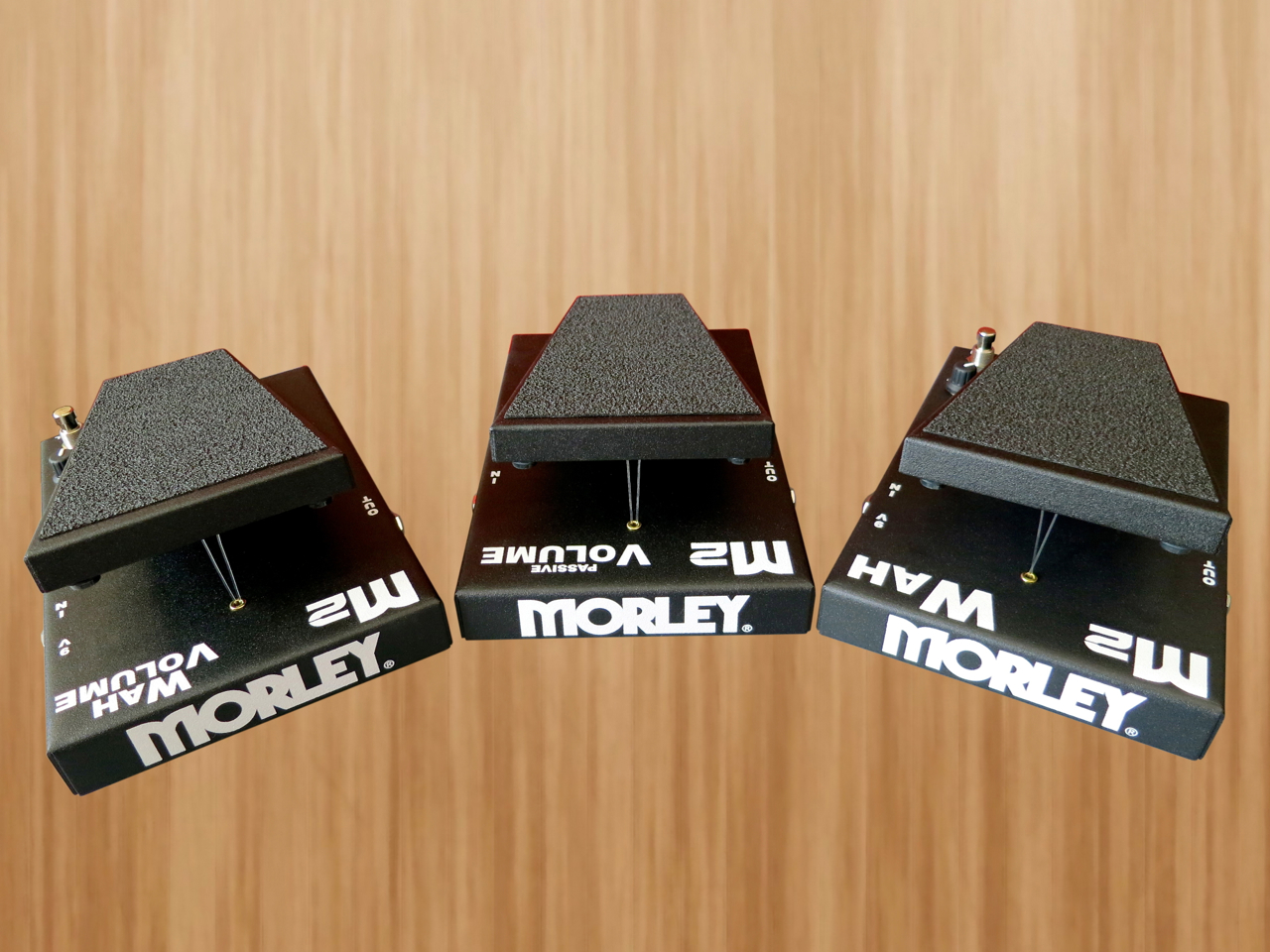
Morley M2 – group shot – final

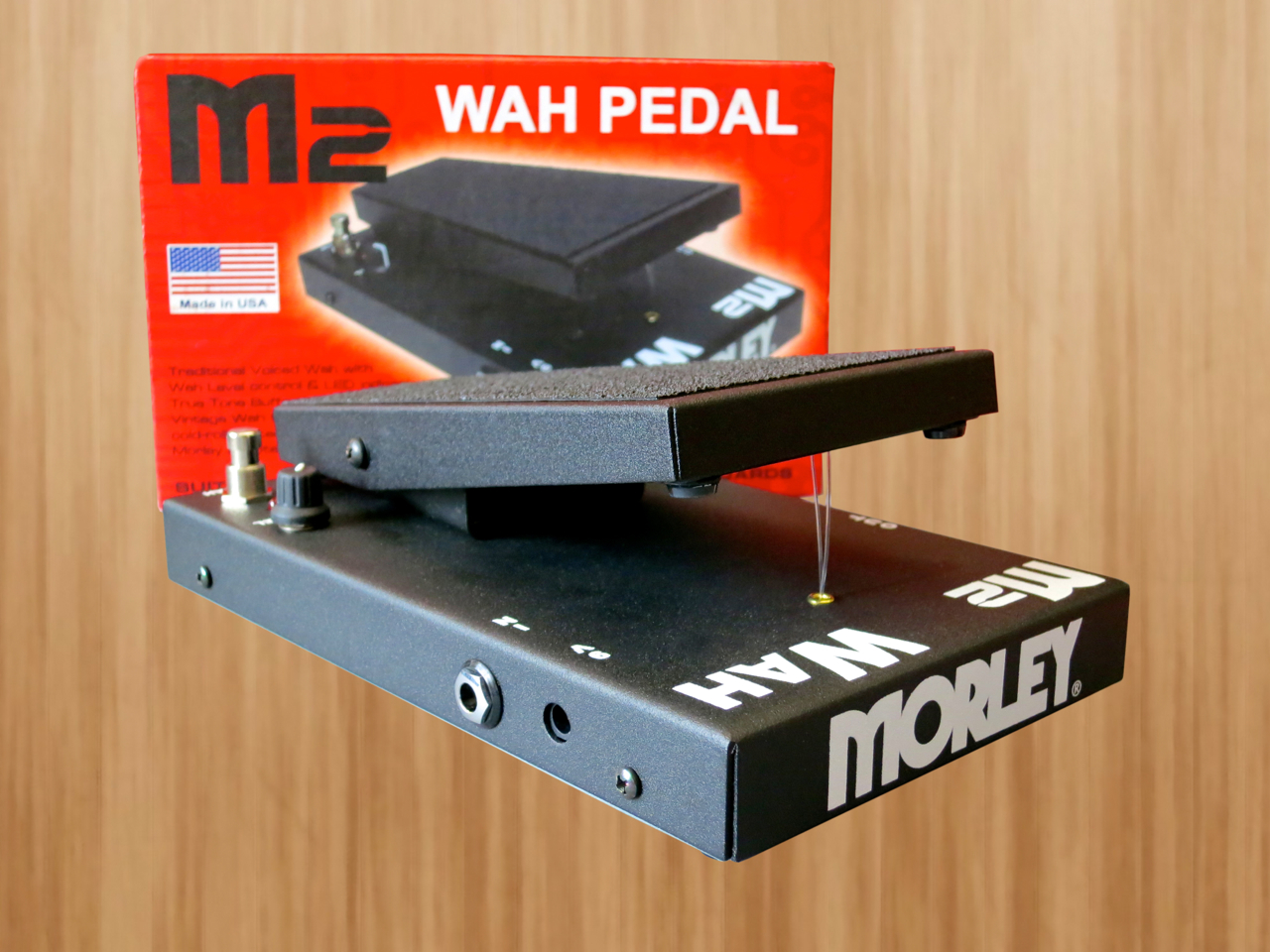
US brand Morley are best known for their pro-quality wahs and volume pedals that many players – like Steve Vai, George Lynch and Mark Tremonti – rely on in their setups. Morley’s original series uses electro-optical electronics, instead of traditional potentiometres. The big advantage in going electro-optical lies in the fact that such a pedal won’t ever become scratchy or intermittent, because there is no mechanical control pot to wear out or become dirty.

There are quite a few guitarists, though, which – for some reason or other – prefer the ”feel” and ”sound” of a mechanically controlled pedal to that of an electro-optical one. Morley’s new M2-series is a nod to the more traditional players.

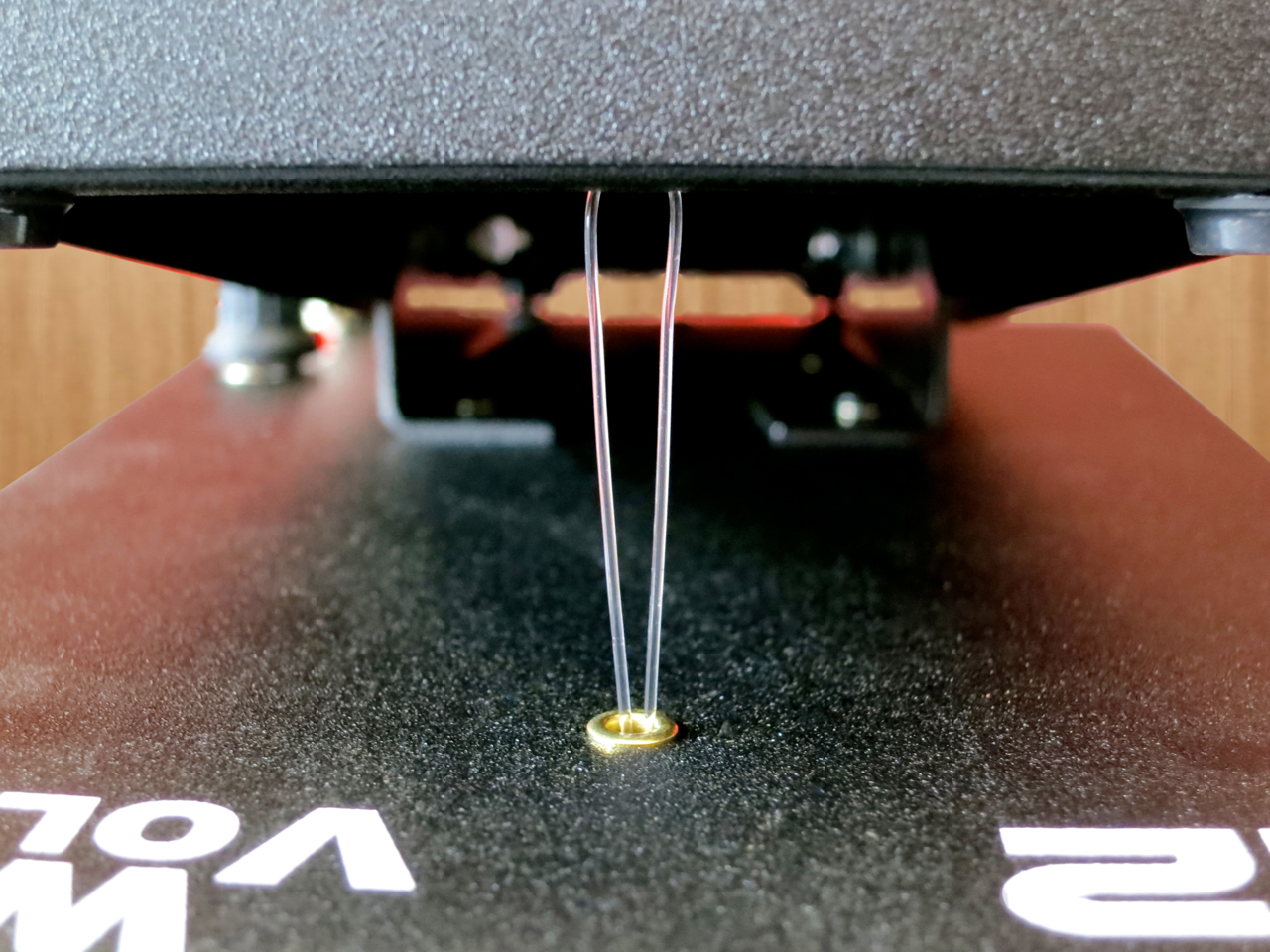
Morley M2 Wah Volume – nylon string

Nevertheless, Morley still like to do things their own way, which is why the company has come up with a different type of mechanical control for their M2-pedals:

Traditional pedals (and their descendants) use a rack, mounted beneath the treadle, to turn the pinion of a large control pot attached to the top of the pedal’s casing. Hanging in this exposed position, the pot is prone to take in dirt, moisture and dust, which in turn shortens its lifespan and affects signal quality. Sooner or later you will have to change the old pot for a brand-new one.

Morley’s M2-pedals use a top grade, sealed fader, tucked away neatly inside the pedal’s casing. The fader is moved by sturdy nylon strings attached to the front and back of the treadle.

****

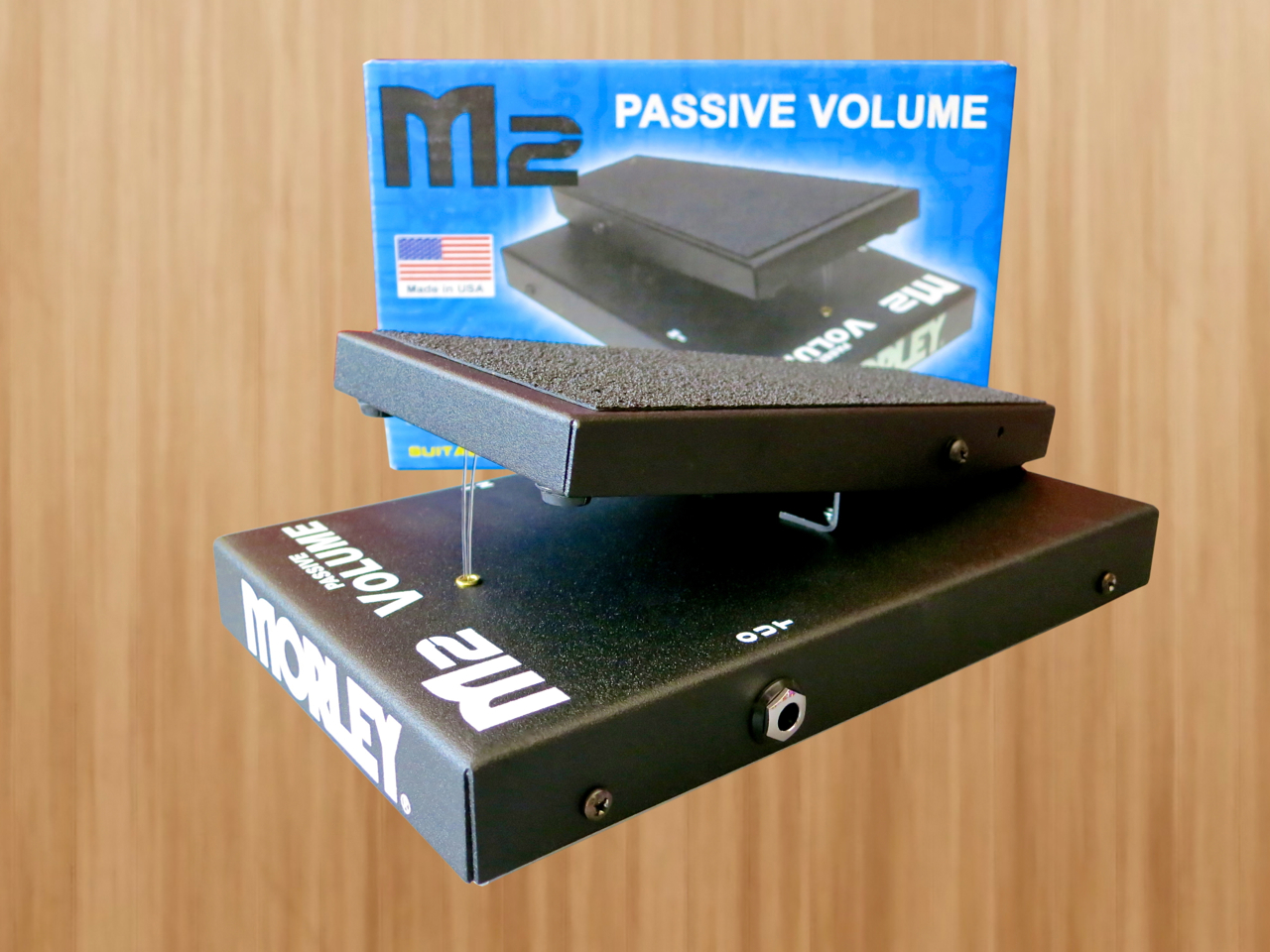
Morley M2 Passive Volume – with box

For this review we got three M2 models from Vantaan Musiikki:

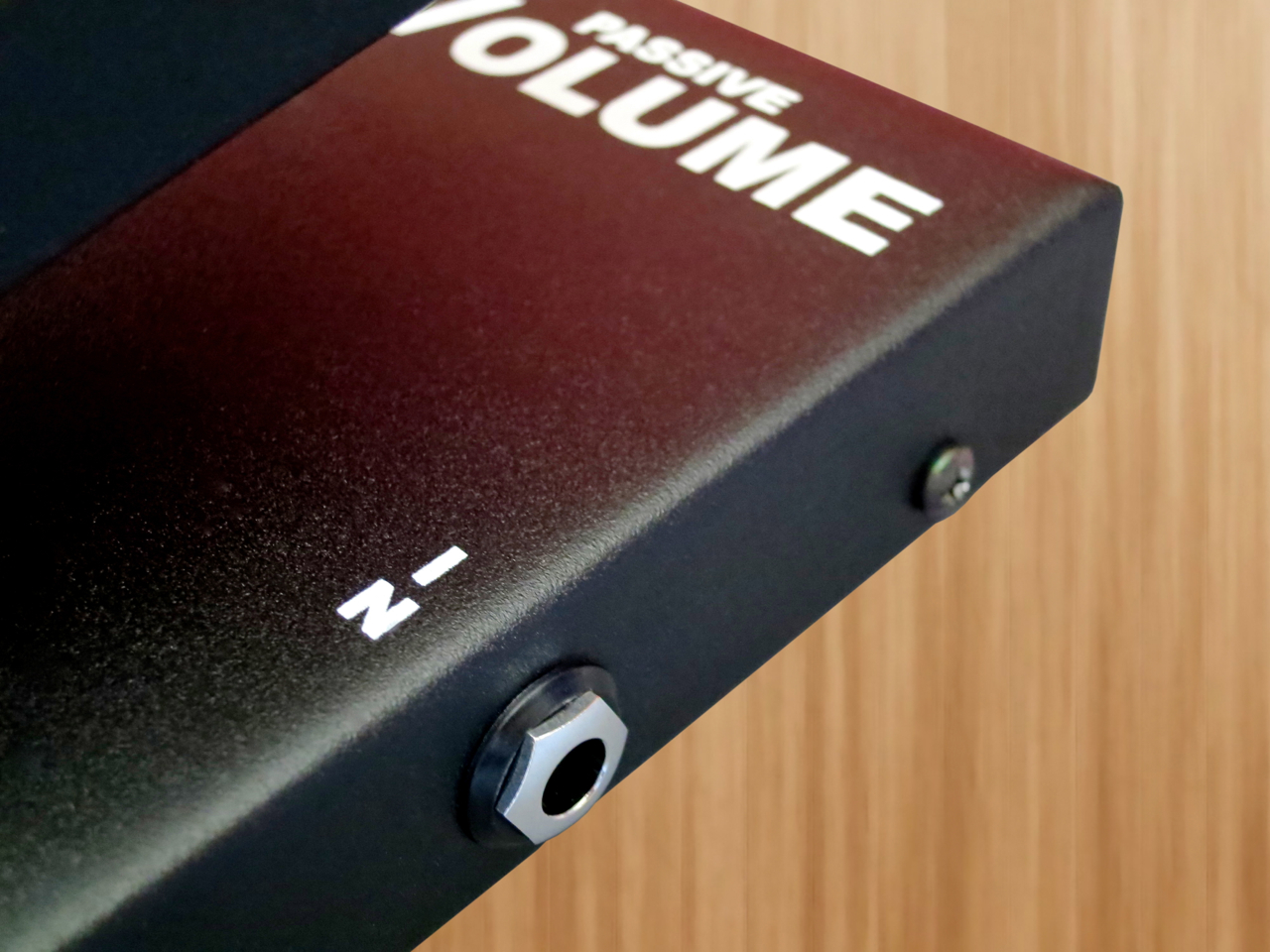
The first pedal is the Morley M2 Passive Volume (current price in Finland: 76 €), which works without the need for a battery.

Morley M2 Wah – with box

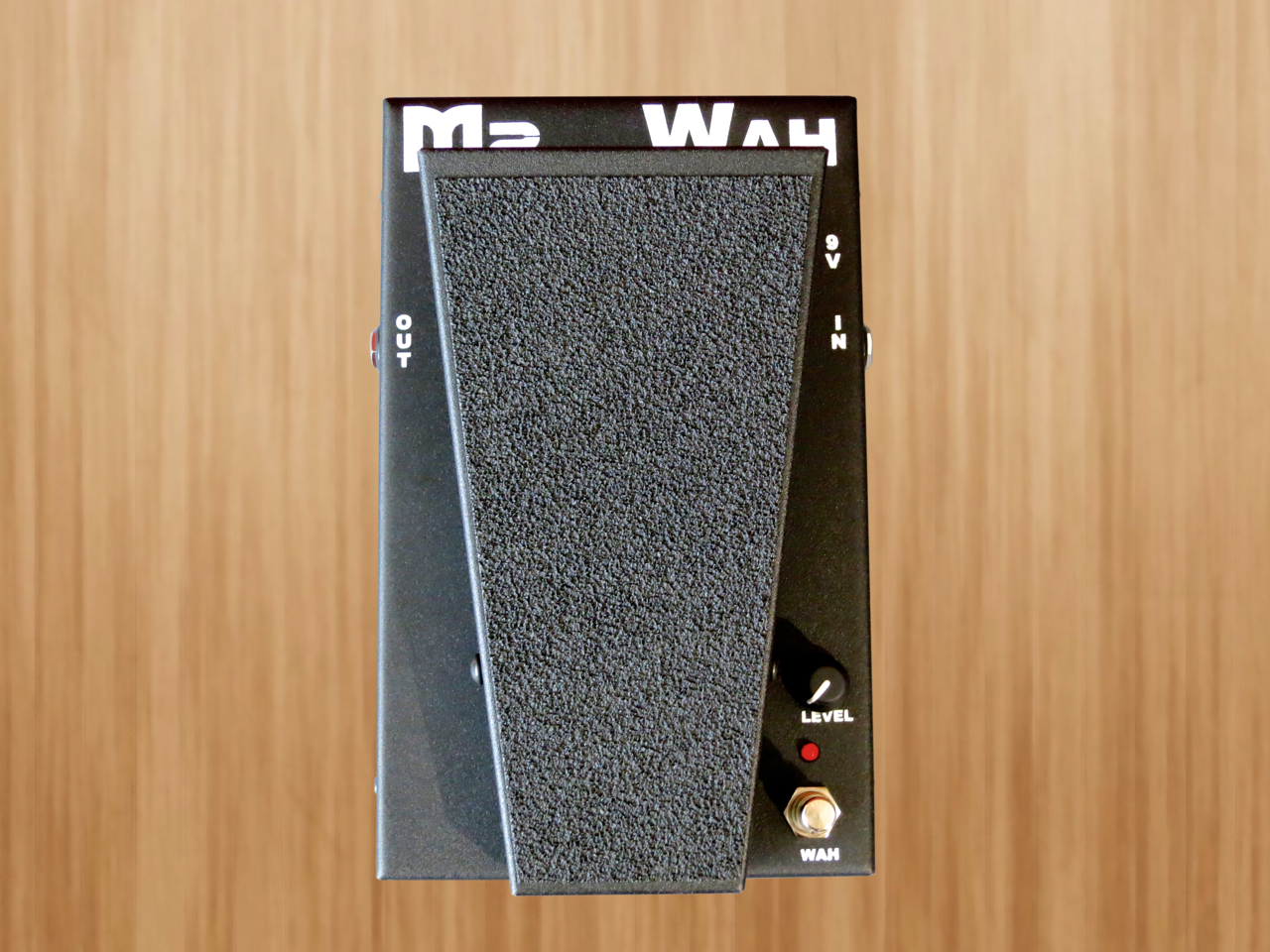
The second model is the Morley M2 Wah (83 €), which promises to deliver vintage-toned wah-goodness.

Morley M2 Wah Volume – with box

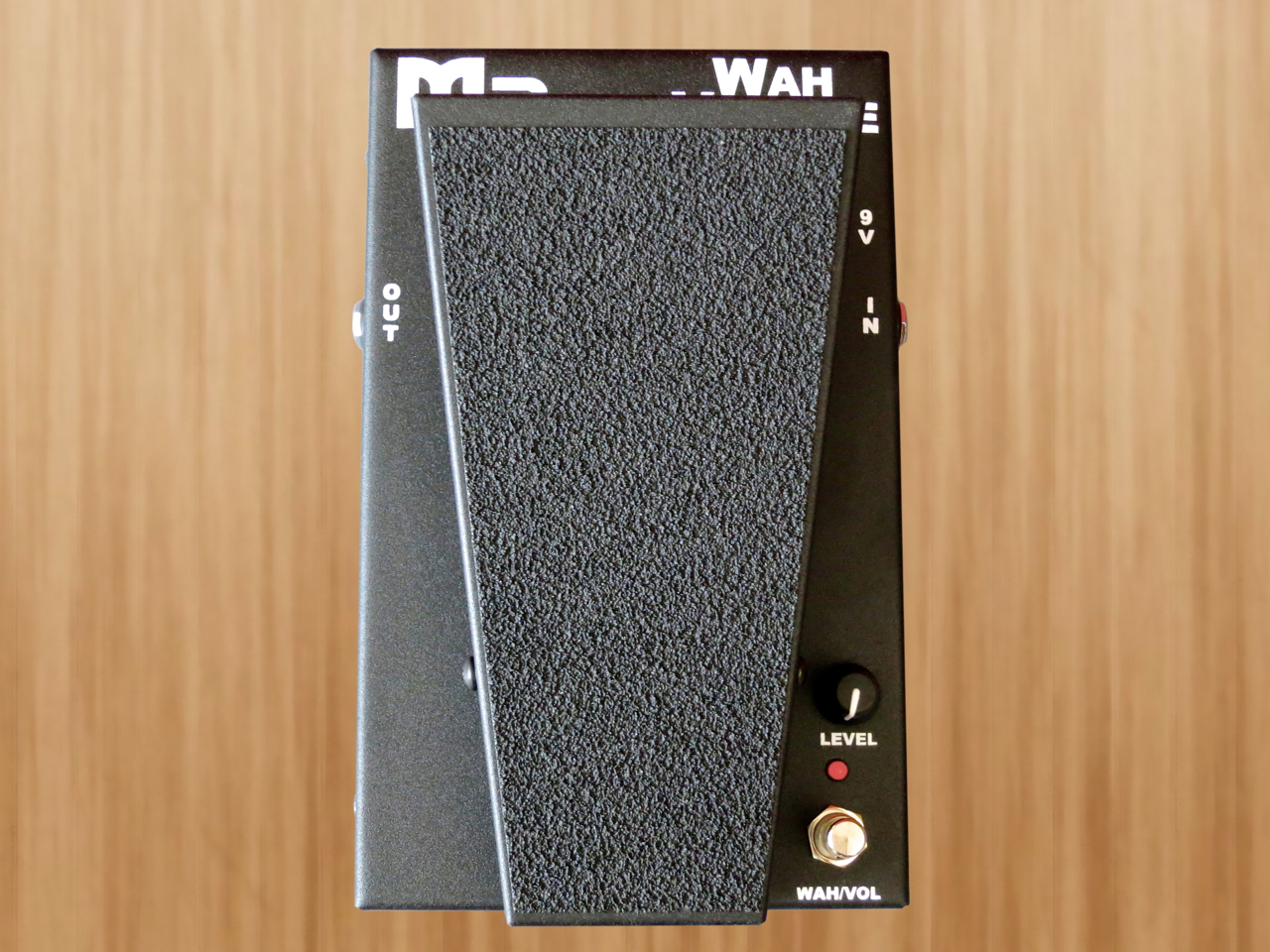
And, last but not least, there’s a cool twin-mode pedal – the Morley M2 Wah/Volume (94 €).

Morley M2 Passive Volume – input

This trio of M2-pedals share the same basic build:

The housing is made from folded, cold-rolled steel, resulting in very sturdy and trustworthy pedals. The treadle sports a thick cover of non-slip material that will keep your foot safely on the pedal, no matter what.

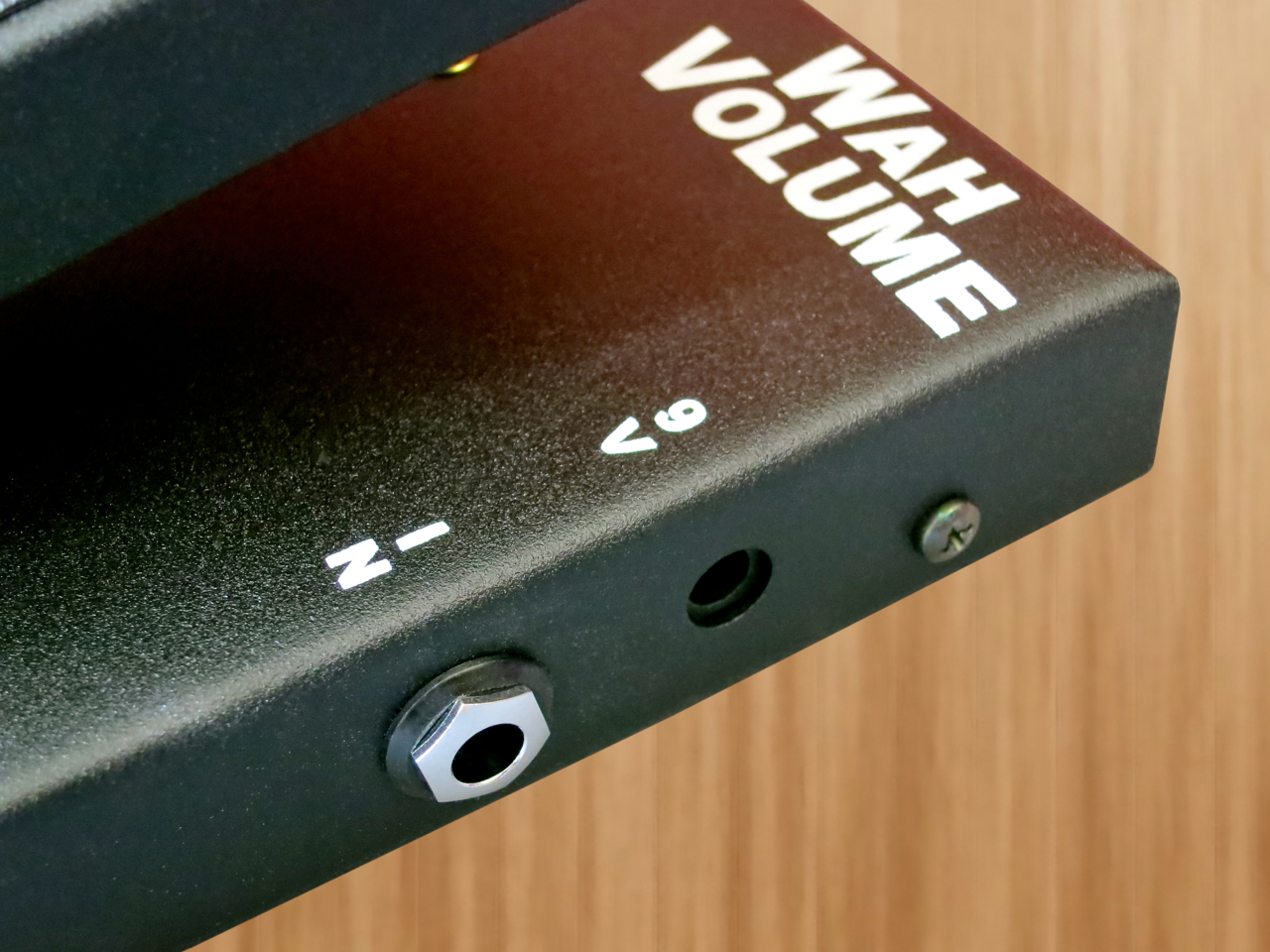
The guitar input is on the Morley’s right flank.

Morley M2 Wah Volume – input

The two active pedals – the M2 Wah and the M2 Wah/Volume – additionally feature a standard 9 Volts DC input.

Morley M2 Wah – base plate

You can also run the active pedals using a 9 V battery. The battery compartment comes equipped with an easy-to-open quick clip lid.

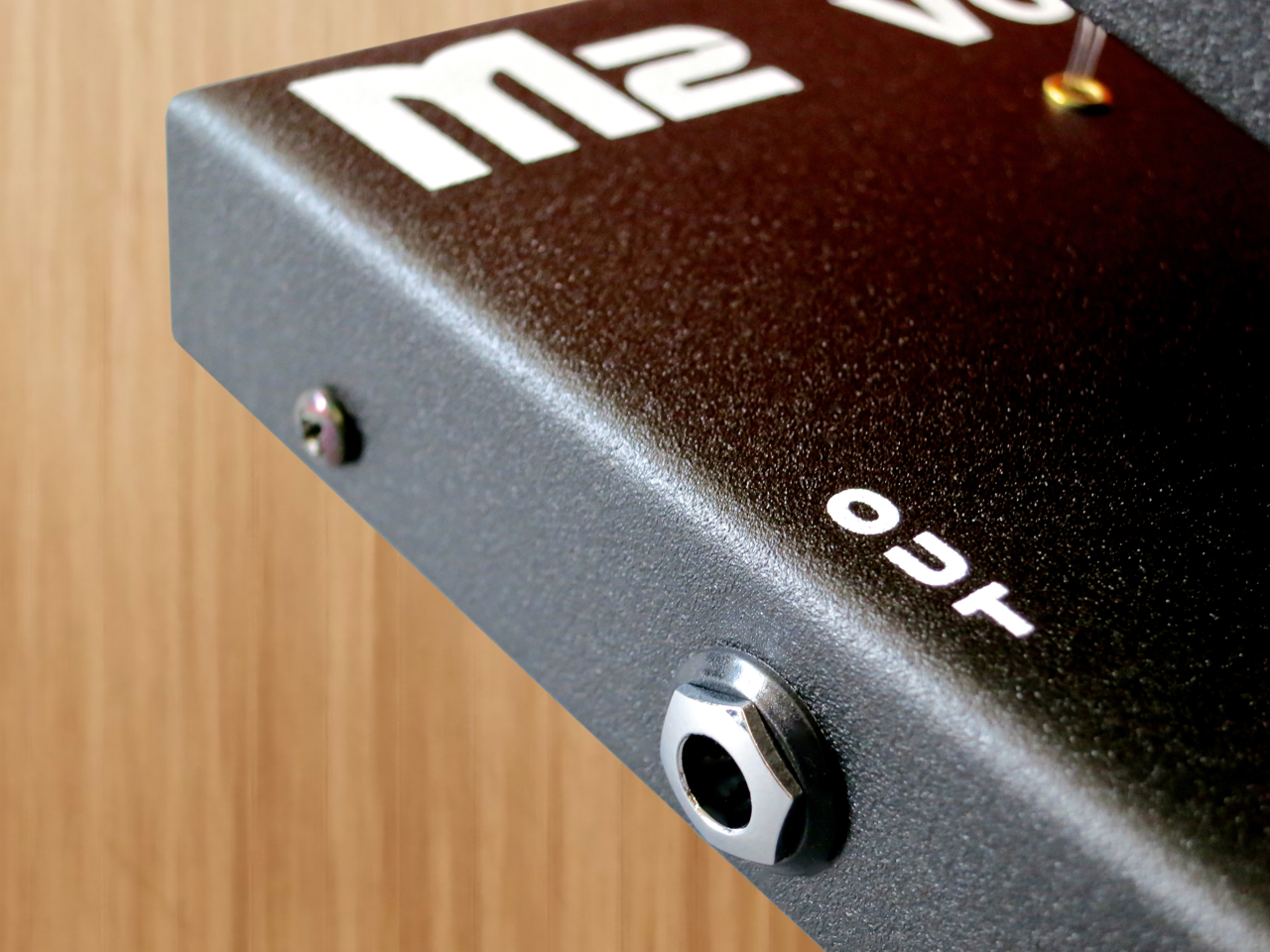
Morley M2 Passive Volume – output

The output has been placed on the left side of the M2-pedals.

Morley M2 Wah – switch and control

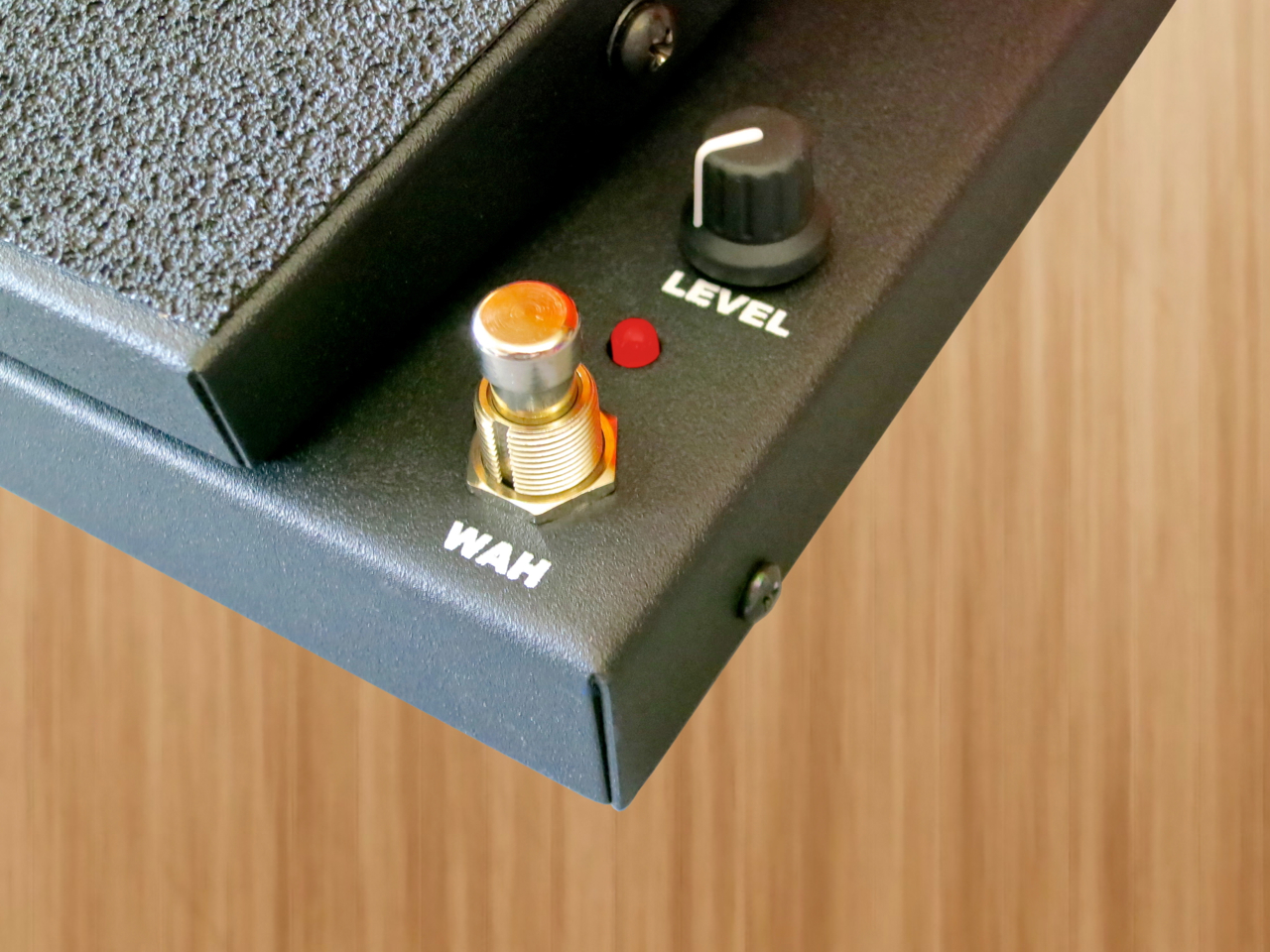
The M2 Wah features an On/Off-switch for the wah-effect (with a red indicator LED), as well as a dedicated level control for the effect signal.

Morley M2 Wah Volume – switch and control

The control setup on the M2 Wah/Volume looks identical, but it functions a bit differently:

The footswitch toggles between volume mode (LED off) and wah mode (LED on). The level knob works only on the wah side of things.

****

Morley M2 Passive Volume – front view

Morley’s M2 Passive Volume-pedal works extremely smoothly, evenly and precisely. There are no jumps or wobbles in the volume level, instead the Passive Volume works just as it should, and without having any noticeable effect on your guitar’s inherent tone. The M2 Passive Volume clearly is a pro-quality choice at a very fair price.

Morley M2 Passive Volume – left

****

Morley M2 Wah – top view

Morley’s M2 Wah comes equipped with an internal active buffer (the Morley True Tone Buffer), which stays on, even with the wah-effect turned off. An active buffer will prevent audible signal deterioration, even if you’re using a long line of (true bypass) effect pedals or a very long cable between you effects and the amp. The only ”drawback” of an active buffer is that the pedal will draw a tiny bit of current, even with the effect turned off.

Oh, boy, Morley’s wah-sound is just what the doctor ordered! The M2 Wah’s filter sounds really juicy, and the pedal works in a very musical and organic way.

Morley M2 Wah – left

****

Morley M2 Wah Volume – right

The M2 Wah/Volume combines both volume control and wah-wah with an active buffer, meaning you do need a battery (or power supply) to run the pedal’s volume side, too.

Morley’s Wah/Volume-pedal manages to combine both effects in an easy-to-use, handy package. This pedal’s volume mode works just as evenly and smoothly as the M2 Passive Volume, while the wah side of things sounds just as tasty as in the stand-alone M2 Wah.

The M2 Wah/Volume was simply too good to let go – I had to buy one!

Morley M2 Wah Volume – top view

****

Morley M2 Wah – right

For some reason, I’ve always dug Morley’s straightforward and unsentimental design. The new M2-series, too, has that famous big, black and square ”Morley look”. Morley’s M2-pedals sure don’t look cute, but they more than make up for it when it comes to roadworthiness and reliability.

Many professionals rely on a Morley for their sound. I’m sure that these M2-series pedals will find their way into many a musician’s arsenal.

I’d suggest you go and check them out!

Morley M2 Wah Volume – left

****

Morley M2 -series

M2 Volume – 76 €

M2 Wah – 83 €

M2 Wah/Volume – 94 €

Finnish distributor: Musiikki Silfverberg

Many thanks to Vantaan Musiikki for the loan of the review pedals!

****

Pros:

+ excellent value-for-money

+ made in USA

+ sturdy build

+ work smoothly

+ sound

+ buffered output (M2 Wah and M2 Wah/Volume only)

Pidä blogia WordPress.comissa.

Ylös ↑