Review: Four LP Standard Style Guitars

Alkuperäinen, laajempi suomenkielinen juttu on luettavissa TÄÄLTÄ.

Thanks to technological progress and cheap Asian labour, you can already get a very decent Les Paul Standard copy these days for somewhere between 500 and 700 euros.

Here are four of those guitars presented in alphabetical order. I tried to obtain one of the new Epiphone-models from their Finnish distributor for this round-up, but to no avail.

****

GrassRoots G-LP-60S Honey Sunburst

• Current price in Finland: 559, – (incl. gig bag)

• Distributor: Musamaailma

GrassRoots is a brand in the ESP Guitars family, and concentrates on traditional electric guitars and basses. Even though the LP-60S is the least expensive guitar in this round-up, it comes in its own, high-quality gig bag. The finish on our review sample is called Honey Sunburst.

The G-LP-60S’ body is made from four side-by-side pieces of mahogany, with a top crafted from maple. The flame maple veneer on the curved top looks gorgeous.

The set mahogany neck is one piece of mahogany (!), except for the top half of the headstock. The bound fretboard has been made from beautiful pau ferro, while the LP-60S’ top nut is genuine bovine bone. The fretwork looks very decent.

The machine heads are nice copies of vintage Kluson tuners. The GrassRoots’ bridge is a modernised version of a Tune-o-matic, sporting six separate small metal clips to keep the bridge saddles in place.

The LP-60S’ pickups are GrassRoots’ own GH-1G humbuckers with metal covers. Looking beneath the electronics cavity covers, we found a closed three-way toggle switch, as well as four small pots and very clean soldering.

The first thing I noticed when I picked up the GrassRoots guitar is how light it is. I don’t know if GrassRoots uses any type of weight relief on the LP-60S, but the review sample’s weight clocks in at only 3.3 kgs.

The neck profile is a very ”fast” version of Gibson’s famous 60s neck, meaning a nicely rounded, but relatively slim C-shape. Musamaailma’s in-house guitar technician has expertly set up the review guitar, resulting in a buzz-free action of only 1.6 mm (bass-E) and 1.5 mm (treble-e).

I’d describe the GrassRoots humbuckers as vintage-powered, meaning they give a lot of scope for dynamics and a nice, rounded top end response. The neck ’bucker is flutey, while the bridge pickup offers ample kick and mid-range push. The GrassRoots G-LP-60S is a versatile LP Standard style guitar, which sounds great, offers a comfortably slender neck profile, and which doesn’t weigh a tonne.

****

Green LP STD Lemon Drop

• Current price in Finland: 498, –

• Distributor: Nordsound

Green Guitars is a Swedish brand with Far Eastern production to keep the prices musician-friendly. Green’s LP STD model comes in a fetching Lemon Drop finish, as well as sporting a few features that differ from standard vintage-fare.

The Green’s body uses three pieces of very lively mahogany. The arched maple top has been spruced up with a tiger striped flame maple veneer. Green’s LP STD sports a deeper cutaway than its famous forebear, resulting in a more pointed horn.

The set-in neck is carved out of three side-by-side strips of mahogany, which – in all probability – should add a little stiffness to the neck. The neck wrist is protected from headstock breaks by a volute.
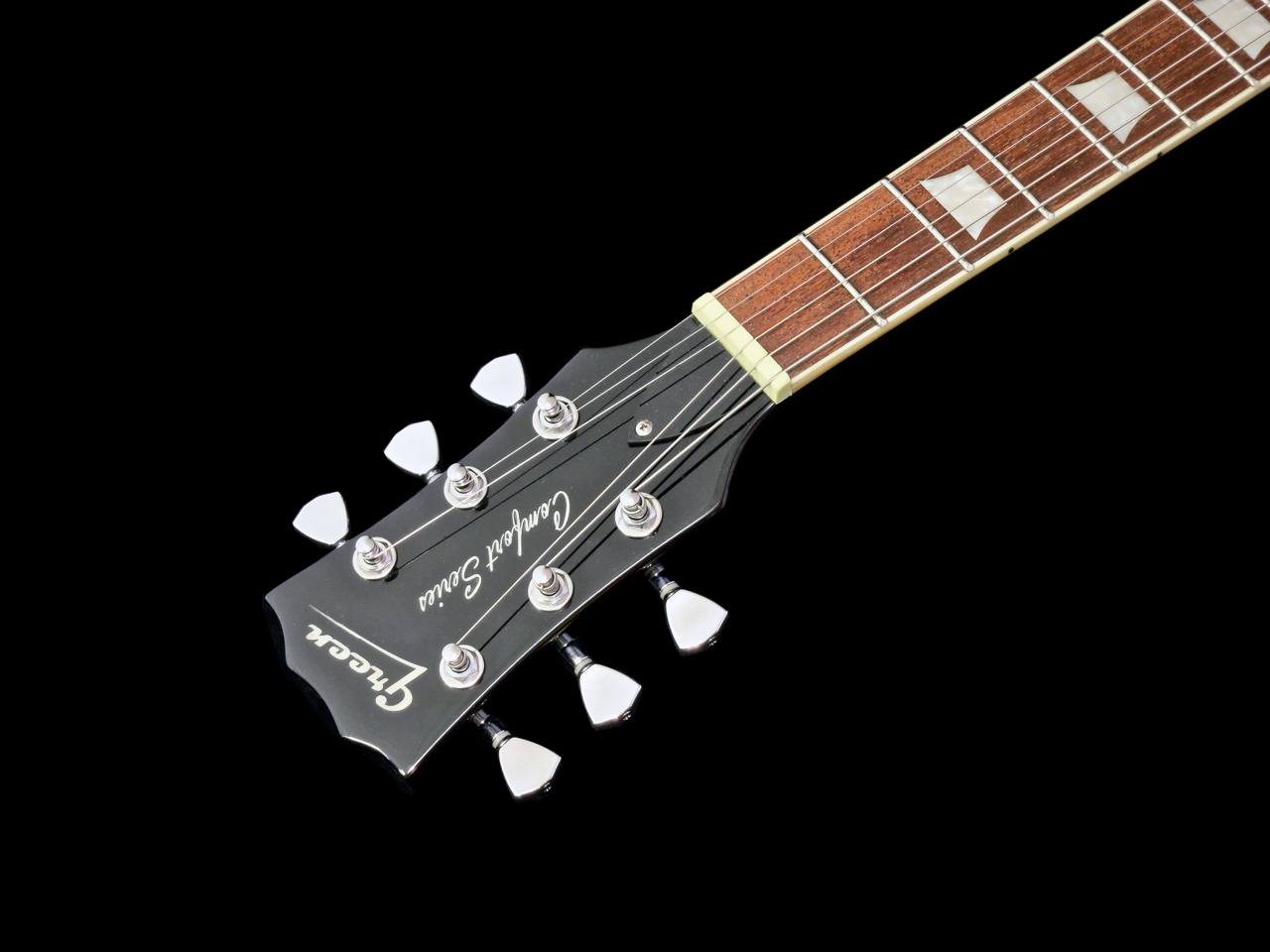
The Green features a set of modern tuning machines, as well as an up-to-date version of the Tune-o-matic bridge.

The bound rosewood fretboard comes with 22 well-installed medium-size frets. The nut is made from a cream coloured plastic.

Green’s LP STAD model sports a pair of open, zebra-coloured humbuckers. The electronics comprise a closed three-way toggle, as well as four small diameter pots. The soldering looks nice and clean.

Green’s neck profile is a smidgen bigger than that of the GrassRoots – I’d say the profile is somewhere halfway between a ’59 and a ’60 Gibson. The set-up on our test sample was very good, with the action clocking in at 1.7 mm (bass-E) and 1.5 mm (treble-e), without any fret buzz.

I’d describe the Green’s humbuckers as ”hot vintage”. This guitar has a big sound with a nice, fresh dose of treble. If you’re into Slash, this is the guitar I’d try out first.

****

Tokai Guitars ALS-62 Honey Burst

• Current price in Finland: 659, –

• Distributor: Tokai Guitars Nordic/Musamaailma

Tokai Guitars must be the most famous ”copy brand” in the world, whose instruments caused Fender and Gibson to do something about their sagging quality control back in the 1980s.

In addition to their top-of-the-line Japanese LS-models, Tokai also offers more affordable Chinese versions under the ALS-banner. The flame maple veneer – finished in a fetching Honey Burst – looks stunning, deep and chatoyant.

The Tokai ALS-62’s body uses four pieces of mahogany and a veneered arched maple top. In this series Tokai uses hard rock maple for their guitar necks – in this case we’re talking about a three-piece affair of neck, headstock, and neck heel.

Tokai uses jatoba as the material for its bound fretboard. We find 22 expertly-finished, medium-sized frets, as well as a genuine bone nut. The bridge is a fine version of the vintage Tune-o-matic, with a single metal bracket keeping the saddles in place. The bridge and stopbar ferrules have been sunk into the top wood for a very clean look.

The Tokai ALS-62 sports a pair of covered LSC-F-humbuckers. The electronics comprise a closed three-way toggle switch, plus four small pots. The soldering is very clean.

Tokai’s neck profile is my personal favourite, I must confess. It’s a rounded, not-too-fat 1959-style neck profile, offering your fretting had a good amount of ”meat” without too much bulk. The action is buzz-free, while being comfortably low at 1.6 mm (bass-E) and 1.4 mm (treble-e).

The Tokai ALS-62 sounds like ”the real thing”, leaving nothing to be desired. The neck pickup is creamy and flutey, while the bridge unit adds the right amount of grit to proceedings. The Tommi’s output is vintage-to-medium. This is a gorgeous guitar with a versatile sound to boot.

****

Vintage V100PGM Lemon Drop

• Current price in Finland: 576, –

• Distributor: Nordsound

Vintage Brand’s V100PGM Lemon Drop is an ”unofficial” signature guitar, offering you an affordable shot at the legendary LP played by three legends in a row – Peter Green, Gary Moore, and Kirk Hammett. The original guitar’s burst has long faded into an ”unburst” lemon drop shade, which is why the Vintage V100PGM Lemon Drop was first only available in that shade. Our test sample, on the other had, is Vintage’s view of what the guitar must have looked like brand new. So, here we have a beautiful cherry sunburst-coloured guitar, that is called ”Lemon Burst”, go figure.

Trev Wilkinson, who has designed this guitar for Vintage Brand, has added a few nifty updates to prevent the V100PGM from being a straight copy instrument:

The V100PGM’s mahogany body (three pieces) has a rounder bass-side shoulder and a much deeper cutaway that Gibson’s original. The top’s flame maple veneer sports extremely pretty and deep figuring.

The guitar’s neck – crafted from three side-by-side pieces of mahogany – is glued into the body by means of an asymmetrical neck joint, making excursions to the dusty end more comfortable.

The Vintage’s fingerboard is made from a trademarked material, called ”Lignum Rosa”, which translates from Latin as ”wood of the rose”. I can’t tell you what it actually is, but it looks and feels great, and it is home to 22 medium-sized, well-dressed frets. The top nut is Graph Tech’s NuBone material, which is a man-made alternative to ivory.

Surprisingly, the V100PGM comes with a set of Grover Deluxe vintage-type machine heads, instead of the Wilkinsons I’d have expected. The bridge on this Vintage is a Wilkinson-version of a modern Tune-o-matic.

The V100PGM comes with a pair of Wilkinson WVC-humbuckers. Like on the original, the neck unit has been installed ”upside down”, meaning with the adjustable pole screws facing the bridge, and with the wires hooked up in reverse, too. Gary Moore swapped the bridge pickup’s controls from the original bell-type to the early-Sixties ”reflectors”, because he wanted to be able to find the correct control without having to look at the guitar. This has been copied on the Vintage as well.

The V100PGM uses a closed three-way toggle switch and four small diameter pots. The soldering looks very decent.

The Vintage V100PGM comes with a slightly flatter version of a Gibson 60s C-neck, so we’re talking about a very ”fast” neck feel. The review guitars comfortable set-up gives you plenty of acoustic dynamic range at 1.9 mm (bass-E) and 1.7 mm (treble-e).

Thanks to their moderate output the Wilkinson-humbuckers offer plenty of dynamics and openness, with a nice, bell-like treble response. The neck pickup is warm, while the bridge unit sounds brighter.

On the Vintage V100PGM the three-way switch’s middle position opens the door to a wide spectrum of different tones, which differ from the usual LP middle-position sounds. With both volume controls turned up fully, you get a very wiry and bright sound, due to the out-of-phase pickups. Turning one of the volume controls down by a little, gradually adds bottom end and mid-range width. Depending on which volume knob is turned down, the resulting sounds will differ somewhat. Experimentation is allowed and will be rewarded with many different shadings. I think it’s fantastic that Vintage Brand offers somethign a bit out of the ordinary at this affordable price point.

Tulossa Rockway-blogiin: Neljä LP Standard -tyylistä kitaraa

Here’s a demo song of four LP Standard style guitars based on ZZ Top’s classic track ”Stages”.
****
The demoed guitars are:
GrassRoots G-LP-60S
Green Guitars LP Standard Lemon Drop
Tokai Guitars ALS-62
Vintage ReIssued Series V100PGM
****
• Effects used: Dunlop CryBaby Mini, Ibanez Fuzz 850 Mini, Mad Professor Simble OD, Joyo Analog Chorus, EHX Memory Toy, EHX Germanium 4 Big Muff Pi
• Amp used: Bluetone Black Prince Reverb
• Mic used: Shure SM7B
• Preamp used: Cranborne Audio Camden EC2

****

Review: Yamaha CPX1000 + APX1200

Yamaha’s CPX- ja APX-lines have received new additions recently in the form of Chinese-made top models carrying the model numbers of 1000 and 1200, respectively.

Kitarablogi picked up a Mini-Jumbo-bodied CPX1000…

…as well as a shallow-bodied APX1200.

****

Yamaha’s CPX-series – which is also known as the Compass-series – originally was designed to appeal to the Country fraternity in the States. As a result of the APX-range’s success in the 1990s many Country pickers got in touch with the company, and asked for a larger, showier sister model, equipped with the same pickup and preamp, but featuring a fatter neck profile. And Yamaha duly obliged…

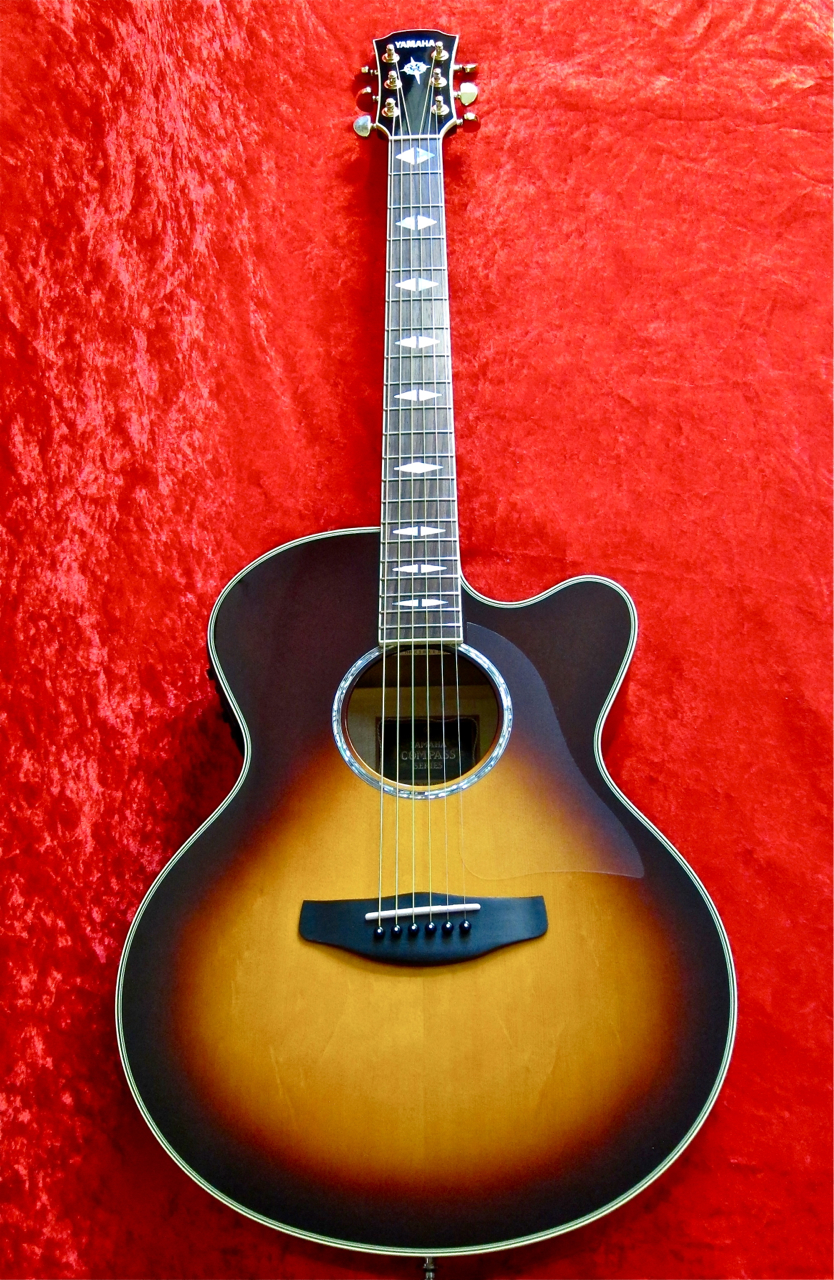
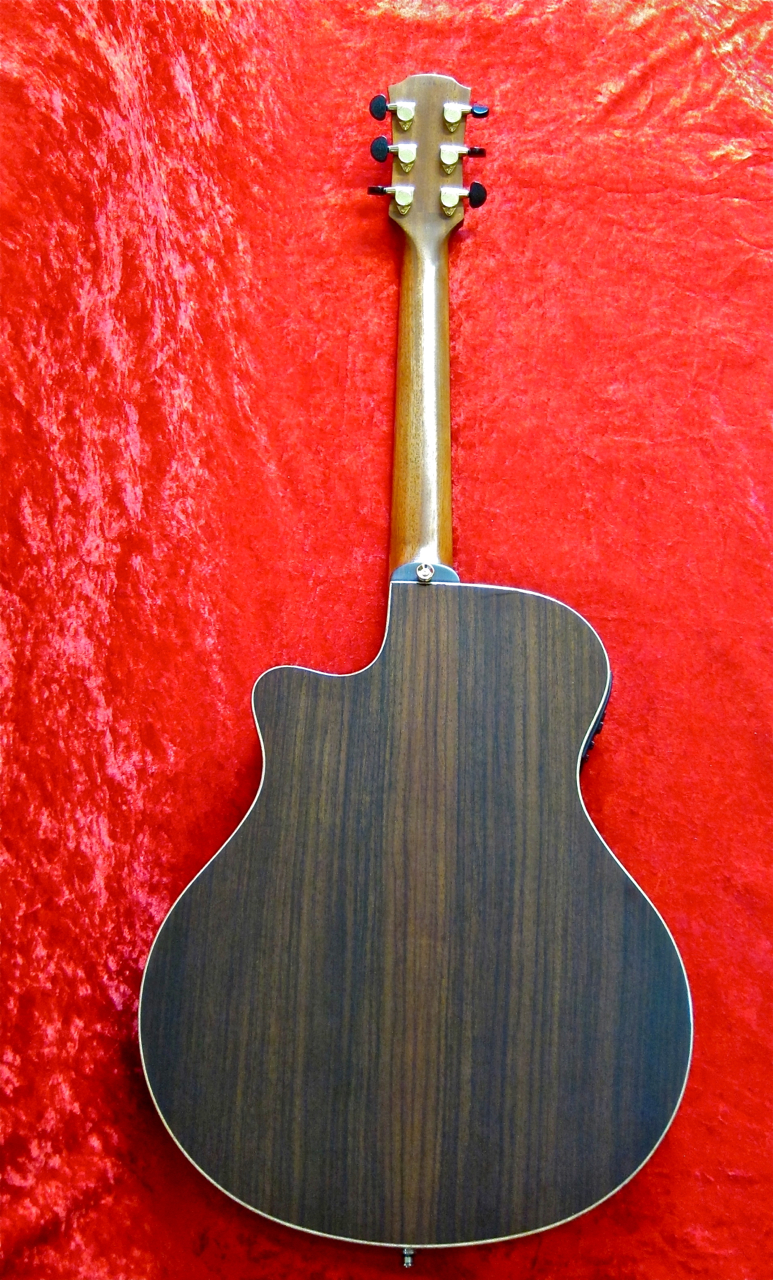
The brand-new CPX1000 (current rrp in Finland: 869 €, available in limited numbers) sure is a pretty thing: The solid spruce top is finished in a fetching Brown Sunburst, with the same deep shading applied to the back which is made from laminated flame maple. The nato neck sports a bound rosewood fretboard.

The headstock is inlaid with a compass, as a reference to the name of the series.

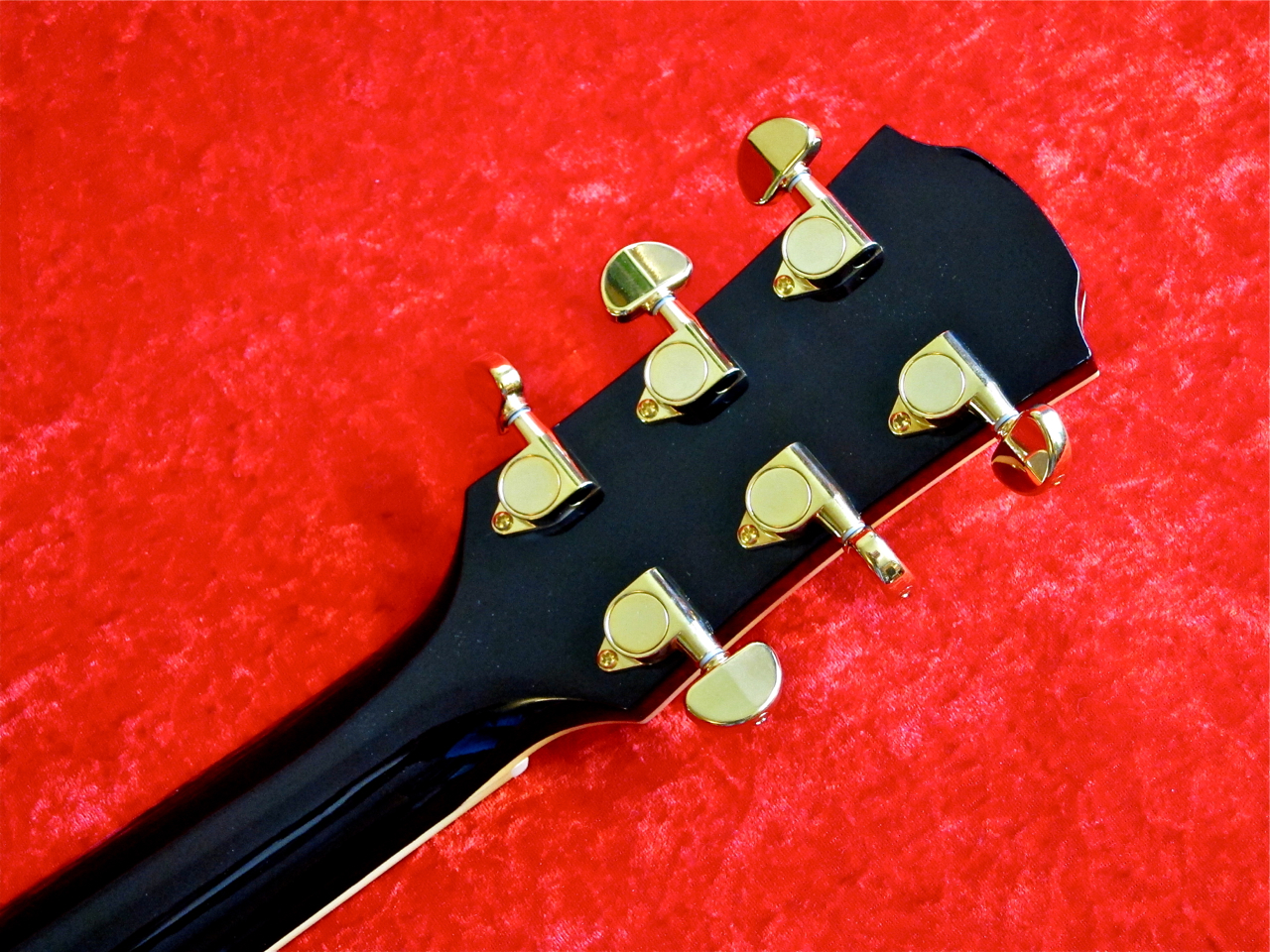
The gold-coloured, sealed tuners are of very decent quality and complement the guitar’s great looks nicely.

The inlay work and fretting have been executed to Yamaha’s customary high standards.

This clean and crisp workmanship is carried on throughout the whole guitar – look and the top binding or the intricate soundhole rosette for further proof.

The bridge on the CPX1000 is rosewood dyied black. Note the fine bear claw -grain on the spruce top.

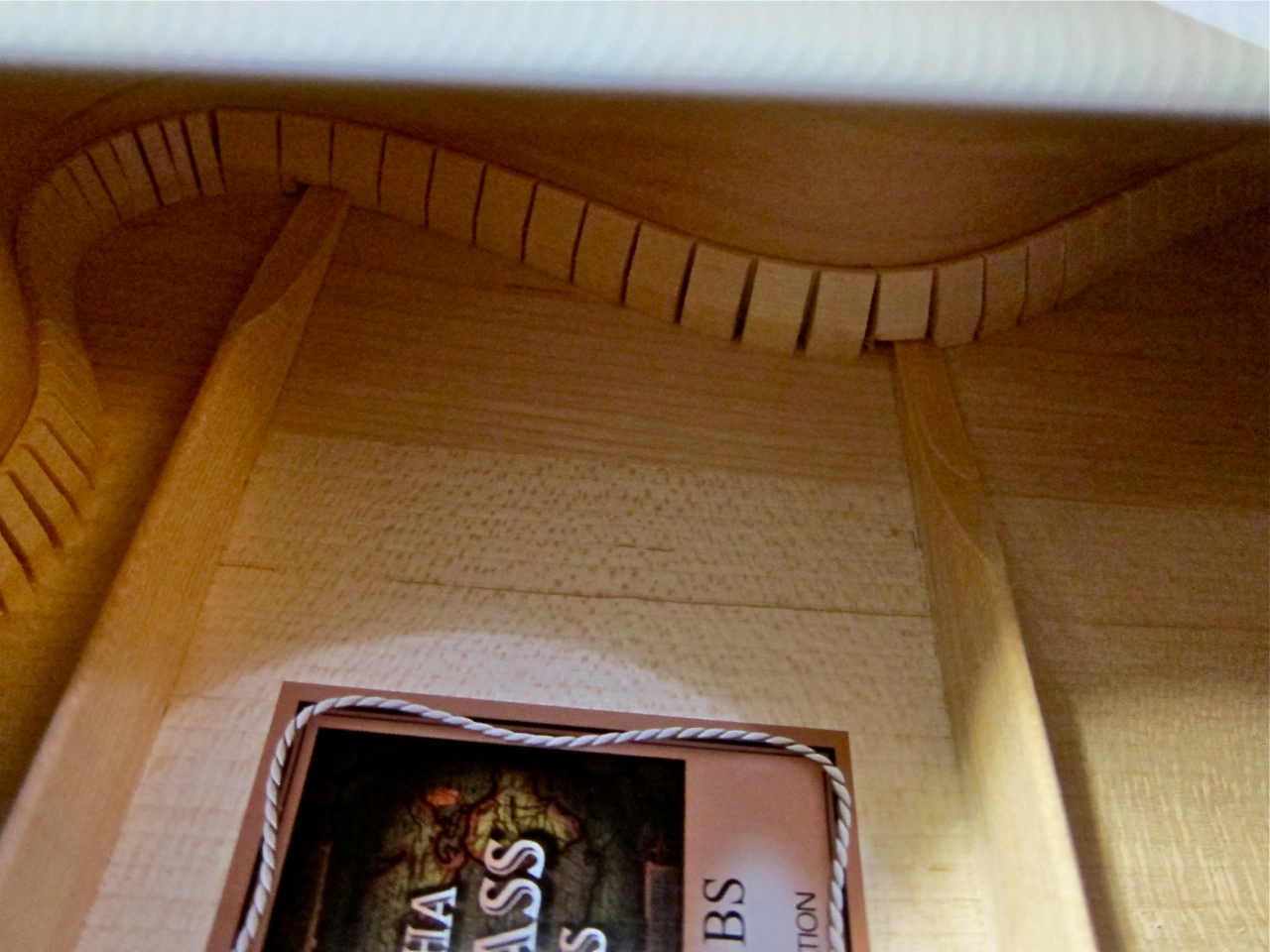
Clean workmanship is evident inside the Yamaha’s soundbox as well.

I don’t care if this is laminated flame maple, or not. It’s gorgeous in my book in any case…

This guitar comes with Yamaha’s SRT-System 63 preamp, which allows you to blend between the dry piezo tone and three virtual studio microphones. The Focus/Wide-switch lets you choose between a close-miked sound and a counterpart with a bit more virtual room in the mix. The preamp is also equipped with a digital tuner and an automatic feedback defeater (A.F.R.).

The SRT-system runs on two AA-sized batteries.

****

The Yamaha APX1200 (currently available at a special price of 999 € from F-Musiikki, limited quantities) is the new top dog, the ultimate APX-guitar. The APX-range had been developed as an unabashed electro-acoustic guitar for the electric guitarist. The models all sport shallow bodies – for comfort and feedback protection – as well as more electric-style neck profiles.

In the APX1200’s case the whole guitar is made from solid woods – spruce for the top and Indian rosewood for the back and sides.

The headstock is bound and features a front-facing made of rosewood.

The tuners on the APX1200 are the same, nice models as on the CPX, but this time the tuner buttons have been fashioned from an ebony-style plastic material.

The luscious ebony fingerboard with its gorgeous pearl and abalone inlays leaves you in no doubt about this guitar’s top-of-the-line pedigree.

The stuck-on, self-healing plastic rosette is the only feature of the APX-line that has long since divided the guitar playing masses. Some say it’s a practical and modern addition to a contemporary guitar, others think it’s butt-ugly – you make up your mind.

The APX-bridge looks quite similar to the CPX’s model.

An extremely clean interior speaks volumes of Yamaha’s stringent quality control.

The APX1200 is equipped with the same Yamaha SRT-system.

As befits the top model, the APX1200 is sold in its own soft case.

****

The differences between the CPX1000 and APX1200 in feel and sound – both acoustic and amplified – are quite clear.

The neck profile on the CPX is a rounded, C-shaped affair, with a tiny whiff of a V-style spine. The neck is also finished in high-gloss lacquer, which gives the guitar a traditional steel-string feel.

APX’s neck profile is a noticeably flatter, more angular D. This type of profile – as well as the satin finish – make an electric guitarist feel right at home. The shallow body also makes it easier to adjust to the APX1200 when switching from a solid-body electric.

In the acoustic stakes the CPX1000 clearly gets the upper hand over the APX1200, thanks to its more voluminous body. Despite the laminated back and sides the Compass-model sounds warmer and deeper than the APX, with plenty more volume on offer.

Fingerpickers will also like the CPX better, due to its more airy string-spacing at the bridge – 57 mm (E–e) on the CPX as opposed to the APX’s narrower 53 mm.

The APX1200, on the other hand, takes to powerful strumming in a loud Rock-context like a duck to water. This guitar has a very punchy attack, and thanks to its slightly thinner bottom end the overall sound stays transparent and fresh. The mid-range, on the other hand, is juicier on the APX, no doubt thanks to its solid rosewood back and sides. The CPX’s laminated flame maple dishes out a slightly drier tone.

Yamaha’s SRT-system works great. The virtual microphones manage to do away completely with annoying piezo-quackiness and one-dimensional, lifeless tone, in favour of of a signal very much like the genuine, miked-up tone of the guitar chosen. Check out the YouTube-video at the end of this review for the direct injected sound of both guitars’ SRT-systems.

This is what the models sound like recorded acoustically:

Yamaha CPX1000

Yamaha APX1200

In my opinion both Yamahas represent excellent value-for-money. The choice between models depends on what you plan to use the guitar for.

If you’re into Folk, Jazz, Country, acoustic Blues or other unplugged-styles of music, which call for dynamic and traditional acoustic guitar tones, the warmer and fuller tone of the CPX1000 might be your safer bet.

If, on the other hand, you’re after the perfect guitar for acoustic outings in a Rock- or Alternative-context, where the guitar has to survive in a crossfire of stage monitors and guitar stacks, the APX1200 will come up trumps with its smaller body and punchy sound.

****

Yamaha CPX ja APX electro-acoustic guitars

Maahantuoja: F-Musiikki

****

CPX1000

Current price in Finland 869 €

Pros:

+ value-for-money

+ workmanship

+ playability

+ acoustic sound

+ SRT-preamp

Cons:

– laminated back and sides

****

APX1200

Current special price 999 € at F-Musiikki

Pros:

+ value-for-money

+ workmanship

+ playability

+ acoustic sound

+ SRT-preamp


Cons:

– limited acoustic volume

****

Testipenkissä: Yamaha CPX1000 + APX1200

Yamahan CPX- ja APX-sarjoihin on hiljattain lisätty uusia, Kiinassa valmistettuja huippumalleja, joiden mallitunnukset ovat 1000 ja 1200.

Kitarablogi testasi Mini-Jumbo-koppaisen CPX1000-kitaran…

…sekä matalakoppaisen APX1200-mallin.

****

CPX-kitaroita – joita tunnetaan myös Compass-nimellä – kehiteltiin aikoinaan yhdysvaltalaisille Country-soittajille sopiviksi. APX-sarjan 1990-luvun menestyksen myötä monet kitaristit ottivat yhteyttä Yamahaan. He toivoivat isommalla kopalla ja hieman tuhdimmalla kaulalla varustettua kitaraa, johon oli asennettu APX:n laadukas mikrofonisysteemi.

Uusi CPX1000-kitara (suositushinta 869 €, rajoitettu erä) on komea ilmestys: Brown Sunburst -värinen, kokopuinen kuusikansi on yhdistetty loimuvaahterasivuihin ja -pohjaan. Nato-mahonkisessa kaulassa on reunalistoitettu otelauta palisanterista.

Compass-sarjaan viittaen viritinlavan etupuoleen on upotettu kaunis kompassiruusu.

Kullanväriset, suljetut virittimet toimivat jouhevasti ja sopivat väriltään kitaran prameaan ulkonäköön kuin nakutettu.

Sekä nauhoitus että otelaudan upotukset edustavat Yamahan tunnuksenomaista korkeaa työnlaatua.

Lisää siistiä työtä löytyy reunalistoituksesta, kaikuaukon rosetista ja läpinäkyvästä plektrasuojasta.

Tässä on CPX1000:n mustaksi värjätty palisanteritalla. Tässä kuvassa näkee hyvin kannen bear claw -kuvioinnin, josta monet kitaristi tällä hetkellä näyttävät tykkäävän. Se on loimuvaahteran tai -koivun kaltainen, kasvun aikana tapahtuva ilmiö, jonka syykuviot muistuttavat karhun puuhun jättämiä raapimisjälkiä – tämän takia siis bear claw -nimitys (= karhunkynsi).

Yamahan esimerkkillinen siisteys vallitsee myös CPX1000:n kopan sisällä.

Kopan reunoihin, sekä pohjaan valmistukseen on käytetty erittäin kaunista vaneria loimuvaahterasta.

Kitaraan on asennettu firman omaa mallintava SRT-System 63 -etuvahvistinta. Suoran pietsosignaalin sijaan voi valita kolmesta eri mallinnetusta mikrofonista, joiden virtuaalista etäisyyttä kitaraan voi muuttaa lähimikkitetystä (Focus) kauemmaksi poimitettuun soundiin (Wide). Lisäksi on tarjolla myös sisäinen viritysmittari, sekä automaattinen feedback-poistaja (A.F.R.).

SRT-etunen toimii kahdella AA-paristoilla.

****

Yamaha APX1200 (F-Musiikin tämänhetkinen tarjoushinta 999 €, rajoitettu erä) on tämän hetken ultimatiivinen APX-kitara. APX-sarja luotiin taannoin sähkökitaristin elektroakustiseksi kitaraksi, jolla on hieman pienempi kaulaprofiilli ja huomattavasti matalampi koppa kuin perinteisessä Dreadnought-mallissa.

APX:n tapauksessa koko koppa on kokopuusta – tässä käytetään kuusikannen lisäksi intialaista palisanteria.

Viritinlapa on reunalistoitettu ja päälystetty palisanteriviilulla.

APX1200:n virittimet ovat samaa mallia kuin CPX:ssä – nupit ovat tässä vaan keinotekoisesta eebenpuusta.

Upeat otemerkit helmiäisistä ja kuvankaunis eebenpuinen otelauta tekevät heti selväksi, että tämä on APX-malliston huippumalli.

Kanteen liimattu korkea rosetti naarmuttamattomasta muovista on jakanut mielipiteitä niin kauan, kun APX-sarja on ollut olemassa. Joidenkin mielestä se on oiva keksintö, ja nykyaikaisen kaunis lisäys, toisten mielestä taas muovirengas pilaa kitaran ulkonäön täysin.

APX:n talla näyttää lähes samalta kuin CPX:n vastineessa.

Sama siisteys myös tässä palisanterikopassa…

APX1200:kin on asennettu Yamahan SRT-etuvahvistin.

Sarjan parhaan mallin hintaan kuuluu myös kätevä laukku, joka on kovan laukun ja topatun pussin risteytys.

****

Soitettavuudessa, sekä akustisessa ja vahvistetussa soundissa on selkeät erot CPX1000:n ja APX1200:n välillä.

CPX:n kaulaprofiili on pyöreä ja keskipaksu ”C”, jossa on mukana aavistus V-tyylisestä selkärangasta. Kaula on myös viimeistelty kiiltävällä lakalla. Tästä syntyy mukavasti perinteinen teräskielisen tuntuma.

APX:n kaulaprofiili taas on huomattavasti matalampi, harteikas ”D”. Tällainen profiili ja kaulan mattapintainen viimeistely antaa vannotulle sähkökitaristille ystävällisemmän vaikutelman APX1200:sta. Myös mallin pienempi koppa helpottaa lavalla akustisen ja lankkukitaran välisia vaihtoja.

Täysin akustisesti CPX1000 ohittaa APX1200-mallin, isomman koppansa ansiosta. Compass-mallin soundi on lämpimämpi ja syvempi, ja kitarasta lähtee yksinkertaisesti myös enemmän ääntä.

Myös näppäily on CPX:ssä mukavampi, koska E-kielten välinen etäisyys on tässä mallissa 57 mm, kun taas APX:ssä kielietäisyys on neljä milliä kapeampi (53 mm).

APX1200 on sen sijaan kuin luotu plektrasoittoon Rock-ympäristössä. Tästä kitarasta lähtee hyvin täsmällinen atakki ja ääni on ohuemman alarekisterin ansiosta hyvin selkeä. Keskiäänet taas ovat – kokopuisen palisanterikopan ansiosta – hieman mehukkaampia kuin CPX:n kuivempi vaahteraääni.

APX:n pienempi koppa ei ole feedback-ulinalle niin herkkä kuin isompi CPX, mikä voi olla lavalla hyvinkin toivottu ominaisuus.

Yamahan SRT-mikkisysteemi toimii loistavasti, ja se pitää perinteisistä pietsosysteemeistä tuttua soundin latteutta ja atakin nahksahtelua tehokkasti loitolla. You Tube -videon (jutun lopussa) olen äänittänyt suoralla linjasoittolla, joissa molemissa kompikitarassa oli käytössä virtuaalimikrofoni yksi Wide-mikityksessa, ja soolokitaroissa mikrofoni kaksi Focus-mikityksellä.

Tältä kitarat kuulostavat akustisesti:

Yamaha CPX1000

Yamaha APX1200

Mielestäni molemmat Yamahat ovat hyvin laadukkaita elektroakustisia kitaroita, ja valinta niiden välissä riippuu suurilta osin musiikkityylistä ja käyttötarkoituksesta.

Jos kyseessä on Folk, Jazz, Country, akustinen Blues tai muu sellainen Unplugged-tyylinen kokoonpano, jossa soitetaan paljon muitakin akustisia soittimia maltillisella volyymillä ja paljon soittodynamiikka käyttäen, on CPX1000:n ”akustisempi” luonne ja lämpimämpi soundi ehkä parempi valinta.

Jos taas hakusessa on Rock- tai Alternative-bändin laulajan komppikitara, joka täyttyy elää kovan monitoroinnin ja kitarastäkkien ristitulessa, on pienikoppainen ja täsmällistä soundia omaava APX1200 kuin omassa elementissään.

****

Yamaha CPX- ja APX-elektroakustiset kitarat

Maahantuoja: F-Musiikki

****

CPX1000

suositushinta 869 €, rajoitettu erä

Plussat:

+ hinta-laatu-suhde

+ työnjälki

+ soitettavuus

+ akustinen soundi

+ SRT-järjestelmä

Miinukset:

– sivut ja pohja vanerista

****

APX1200

F-Musiikin tämänhetkinen tarjoushinta 999 € (sh. 1.395 €), rajoitettu erä

Plussat:

+ hinta-laatu-suhde

+ työnjälki

+ soitettavuus

+ akustinen soundi

+ SRT-järjestelmä

Miinukset:

– akustinen volyymi

****

Pidä blogia WordPress.comissa.

Ylös ↑