Contact: Musamaailma & Flaxwood Guitars
Now on SoundCloud: Vox AV15


Contact: EM Nordic
Review: Tokai Classic Series


Tokai Guitars has built its reputation on very well-crafted and vintage-correct copies of classic models. The original Japanese Tokai instruments from the Seventies and Eighties gave most US manufacturers a good run for their money, and in some respects Tokai’s – ahem – ”versions” were even better than some of the originals from that era.
Tokai’s top-of-the-line instruments are still made in Japan. The company’s Chinese output, though, makes it possible to own a genuine Tokai guitar (or bass), even on a tighter budget.
The idea behind the brand-new Tokai Classic series is to offer very reasonably priced guitars and basses, which combine a classic look with a few modern tweaks for easier playability.
****


Kitarablogi received these three Tokai Classics for review:
A Tokai Classic TE (current price in Finland: 249 €) in a 50s-style two-tone sunburst finish…


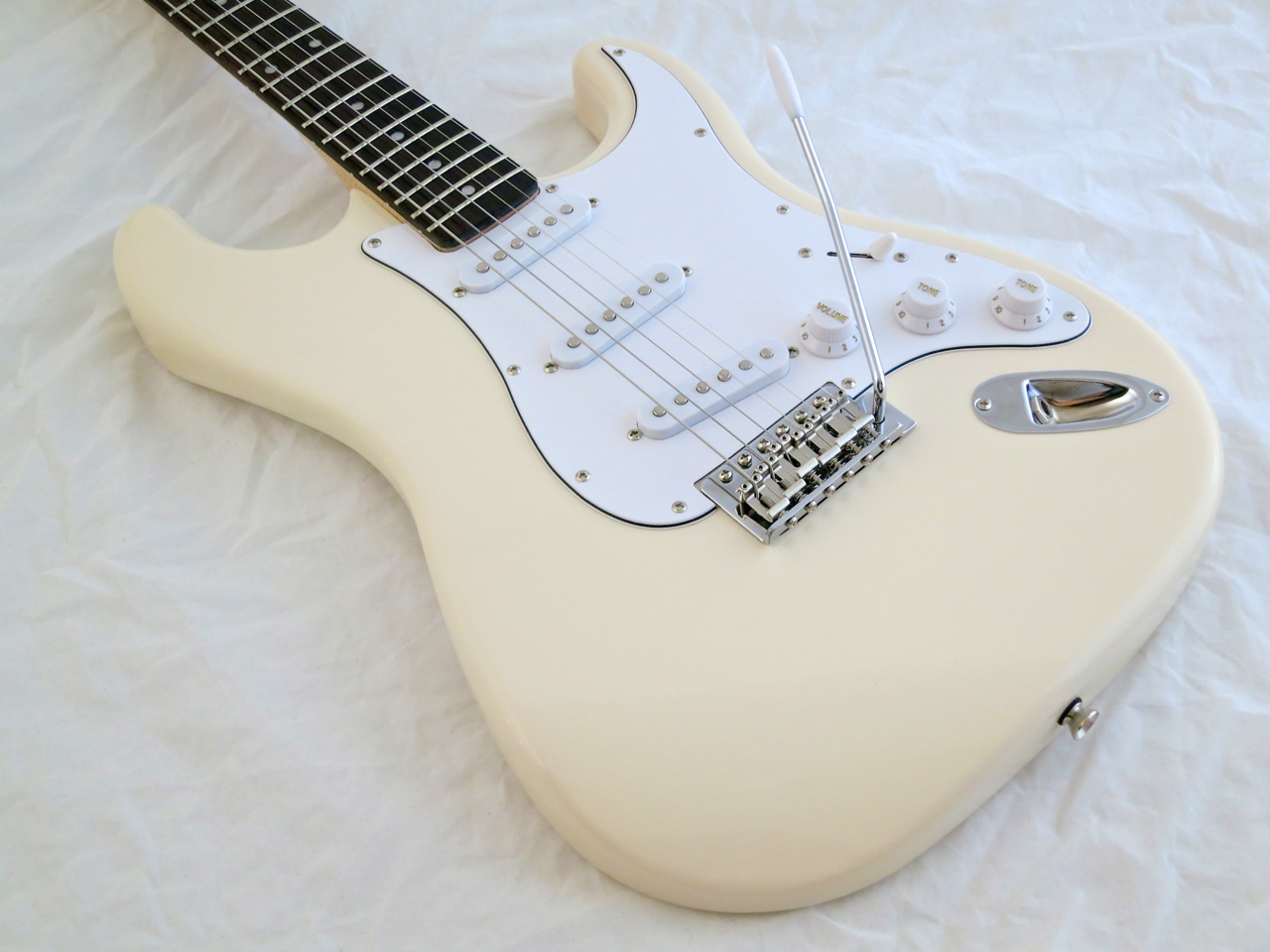
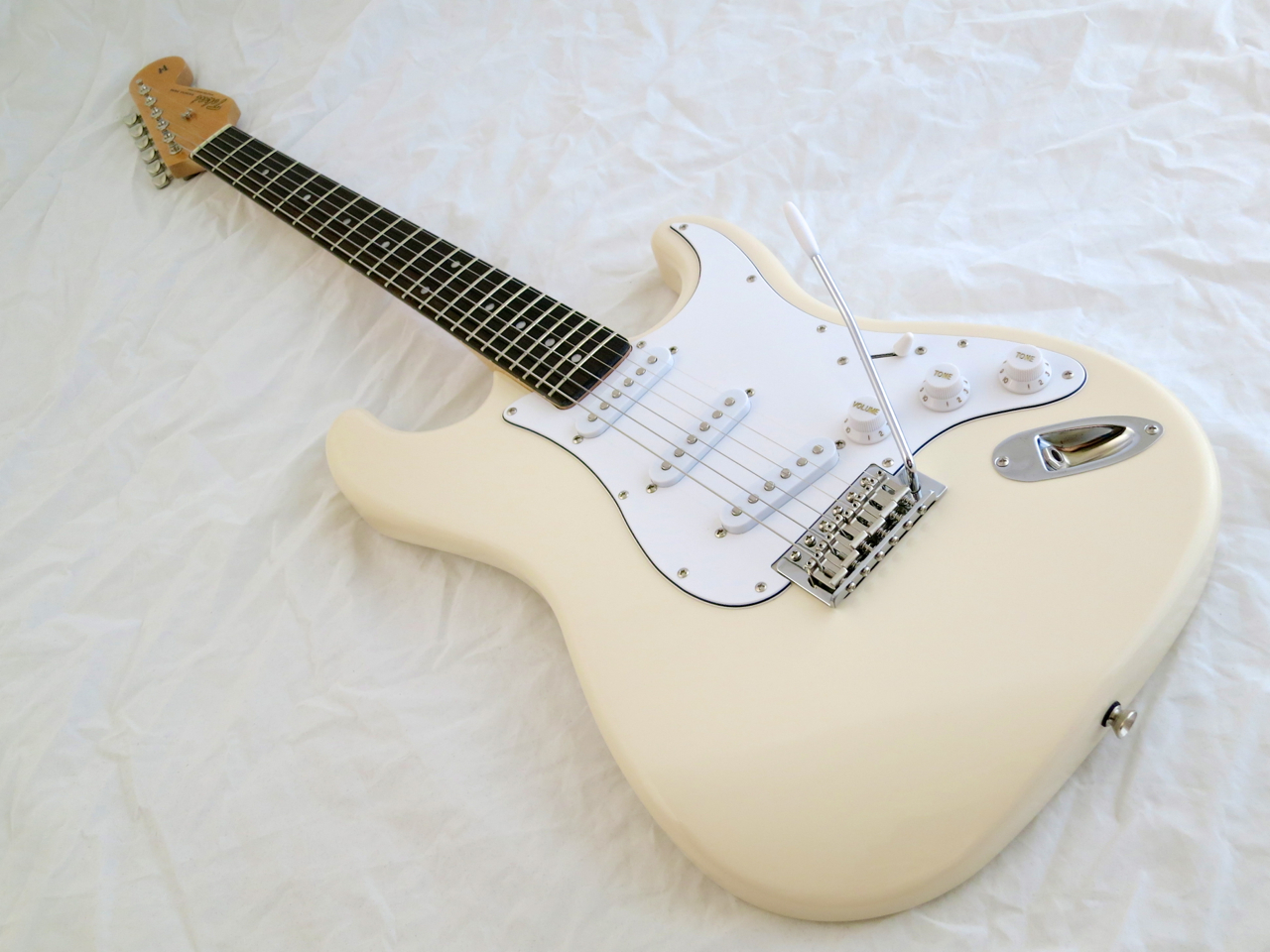
…a creamy white Tokai Classic ST (249 €)…
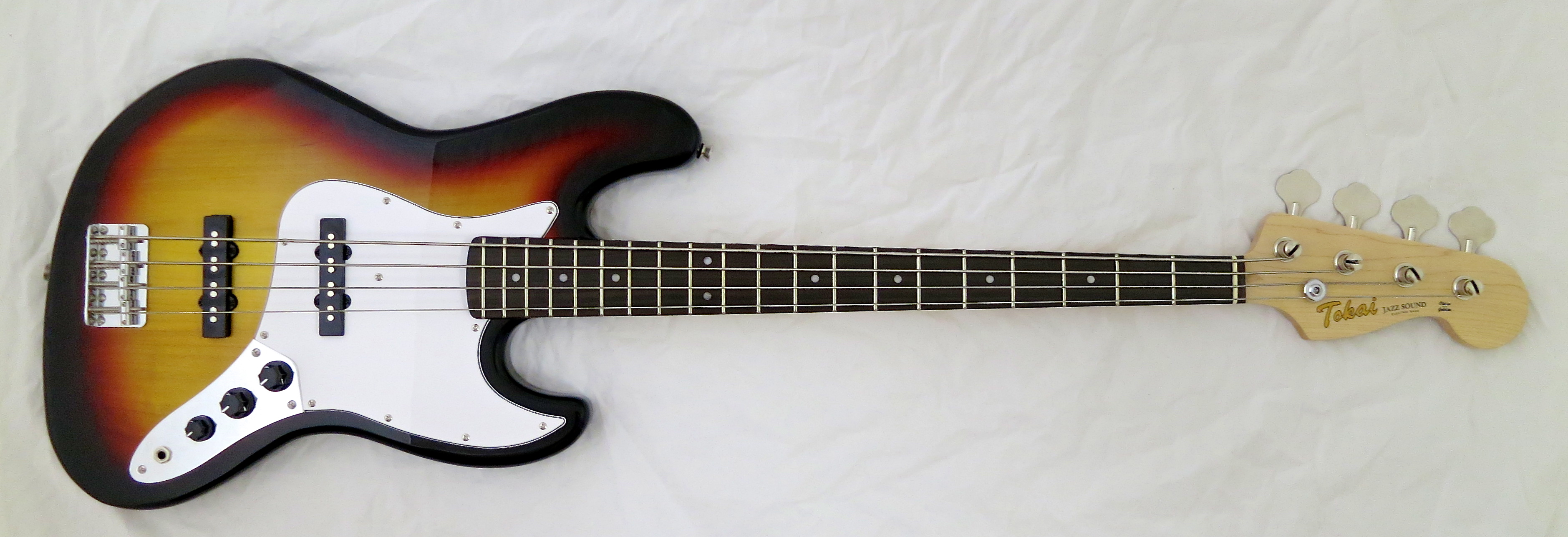

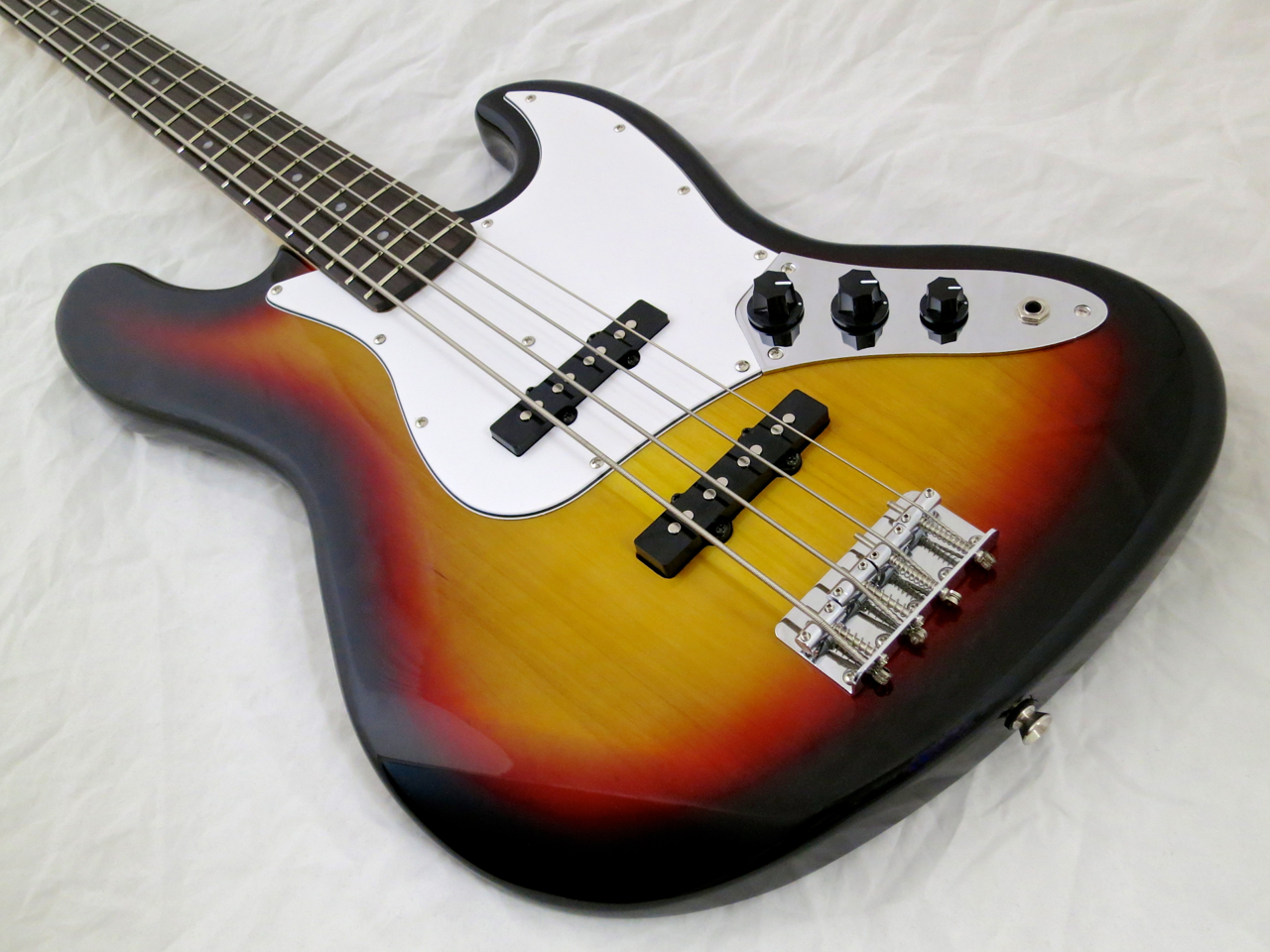
…as well as a Classic JB bass (299 €) in a fetching three-tone sunburst.

Tokai’s Classic series features bolt-on maple necks.
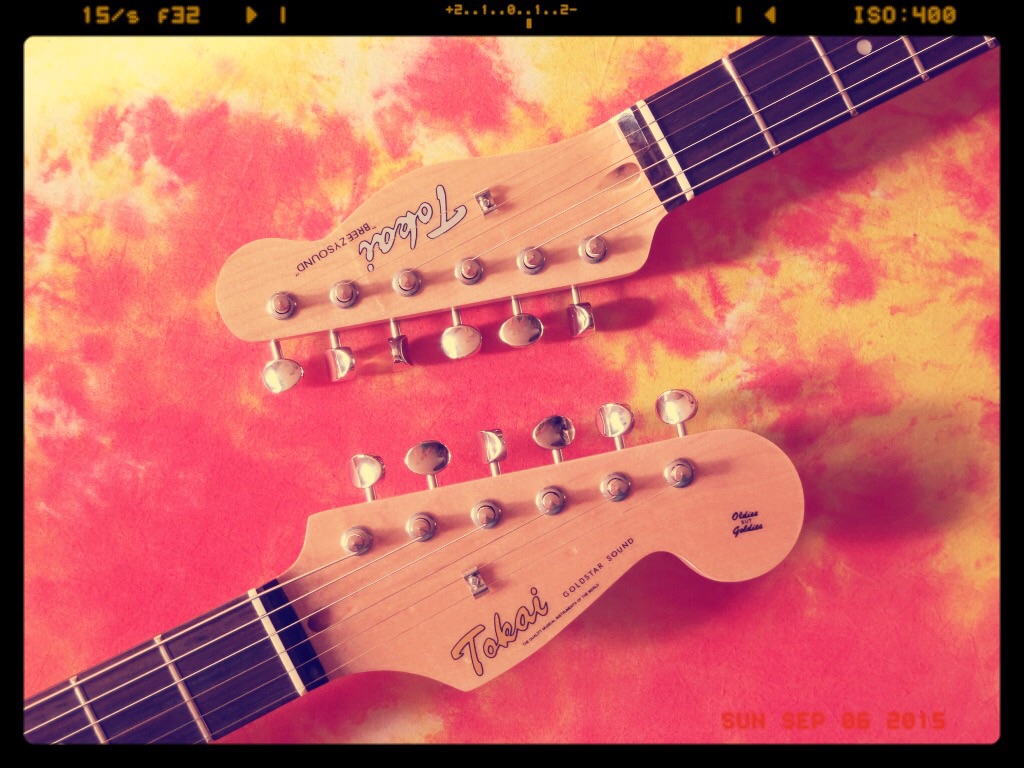
On the TE and ST models the face of the headstock sports a gloss finish.

The JB bass’ headstock front has received the same thin satin finish as the neck.
All Classic instruments offer easy access to the truss rod at the headstock, so you won’t have to take off the neck to make adjustments.

There’s a set of very decent Kluson-copies installed on the guitars.

The Classic JB comes with a set of Schaller-copies, which are less massive than vintage-style Klusons.

The Classic TE and ST come with a flatter-than-vintage fingerboard radius and chunkier frets, which makes the playing feel much more modern and bend-friendly.

The same goes for the Tokai Classic bass.

All Classic series bodies are made of basswood, a proven tonewood with a sound similar to alder.

The black plastic cushion beneath the neck plate protects the finish.
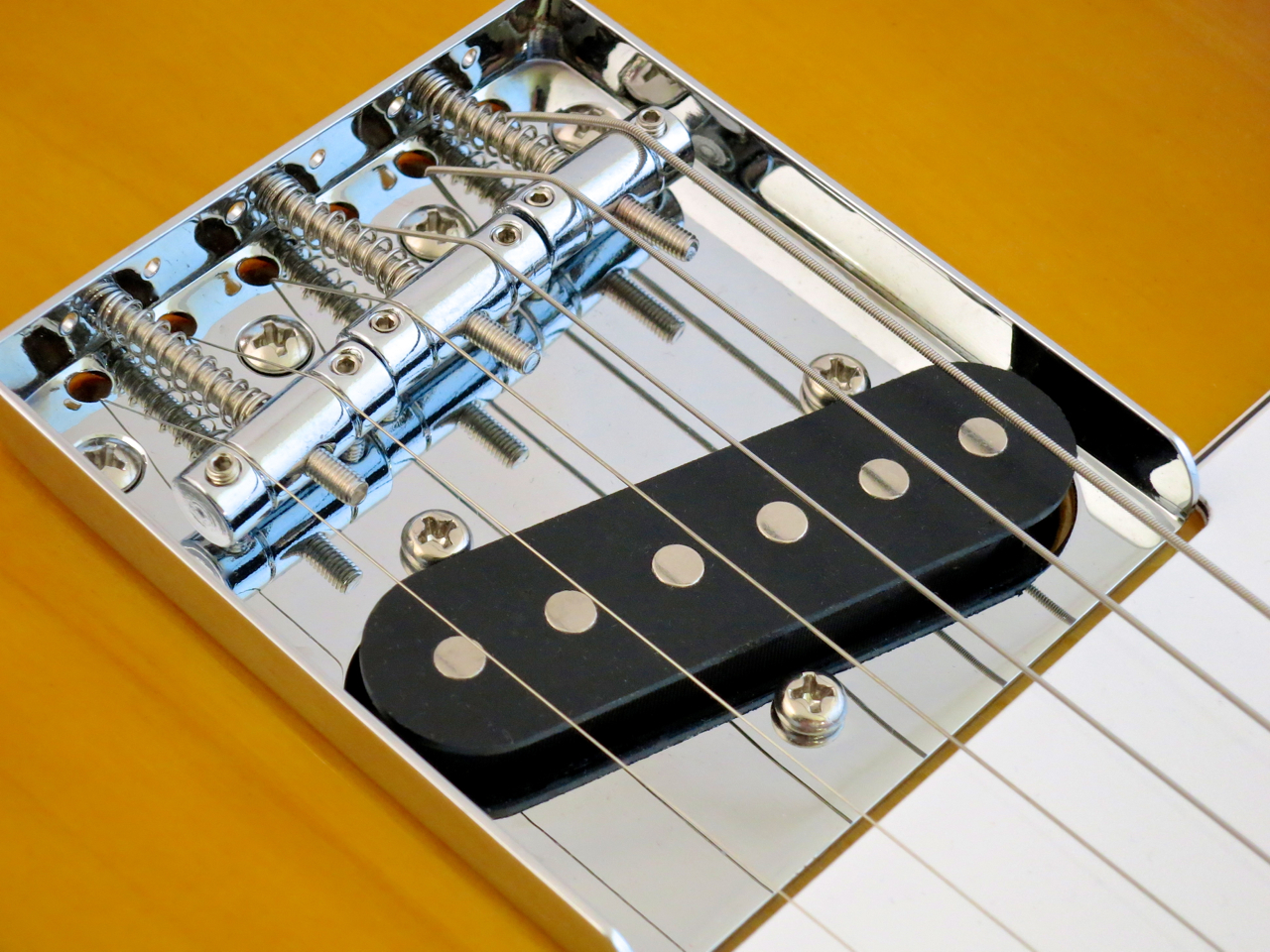
There are different versions of the three-saddle Tele-style bridge in circulation:
The Classic TE goes for the late-Sixties variety sporting three saddles with pre-set grooves for the strings.

The TE came strung the regular way, though the body, with the strings’ ball-ends anchored in ferrules. This setup is favoured by most Tele players.

Tokai’s Classic TE nevertheless offers an additional interesting feature:
It’s possible to string this guitar through the back of the bridge, too. This was a rare feature on original Fender Telecasters in 1958/59 that noticeably alters the feel and sound of the guitar.

At first glance, the bridge on Tokai’s Classic ST looks like a dead-on copy of a vintage Strat vibrato.

The vibrato block, though, isn’t as chunky as on the original. It’s about the same size as the block on a Floyd Rose vibrato.
Vintage-anoraks will sniff disapprovingly at the sight of such a block, claiming that it’s bad for the tone of the guitar. Let me tell you that the review guitar’s acoustic ring and sustain were actually quite healthy. So much for preconceptions…
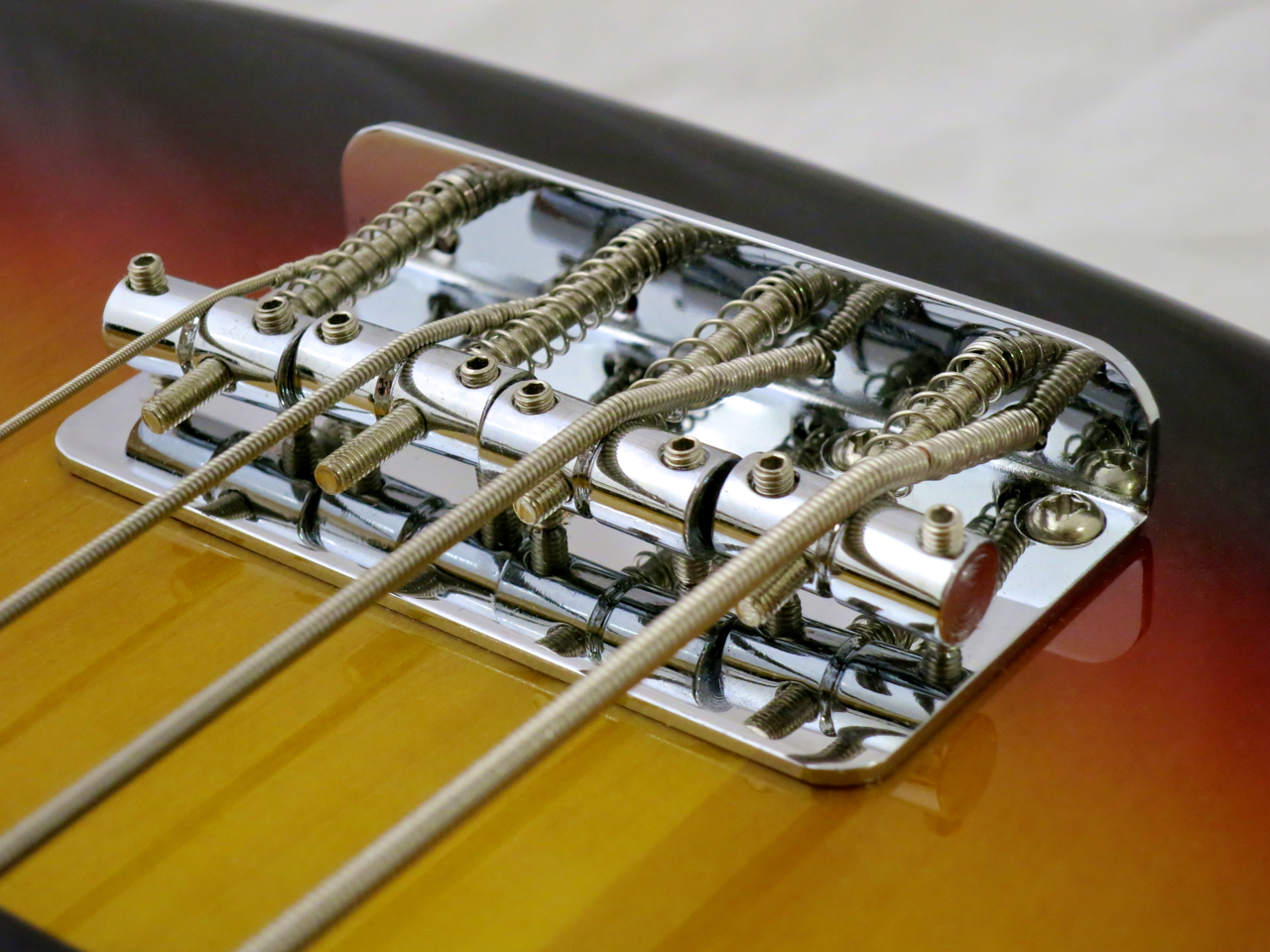
The Classic JB sports a nice copy of a 1970s Fender bass bridge.

Most self-appointed ”vintage-gurus” will tell you to steer clear at all times of ceramic Fender-style singlecoils.
Traditionally, a Fender-type singlecoil is constructed from six small, cylindrical magnets, which are tapped into vulcanised fibre plates. Around this magnet core a coil of thin copper wire is wound to complete the pickup. In traditional pickups the polepieces you see are actually the top ends of the alnico magnets.
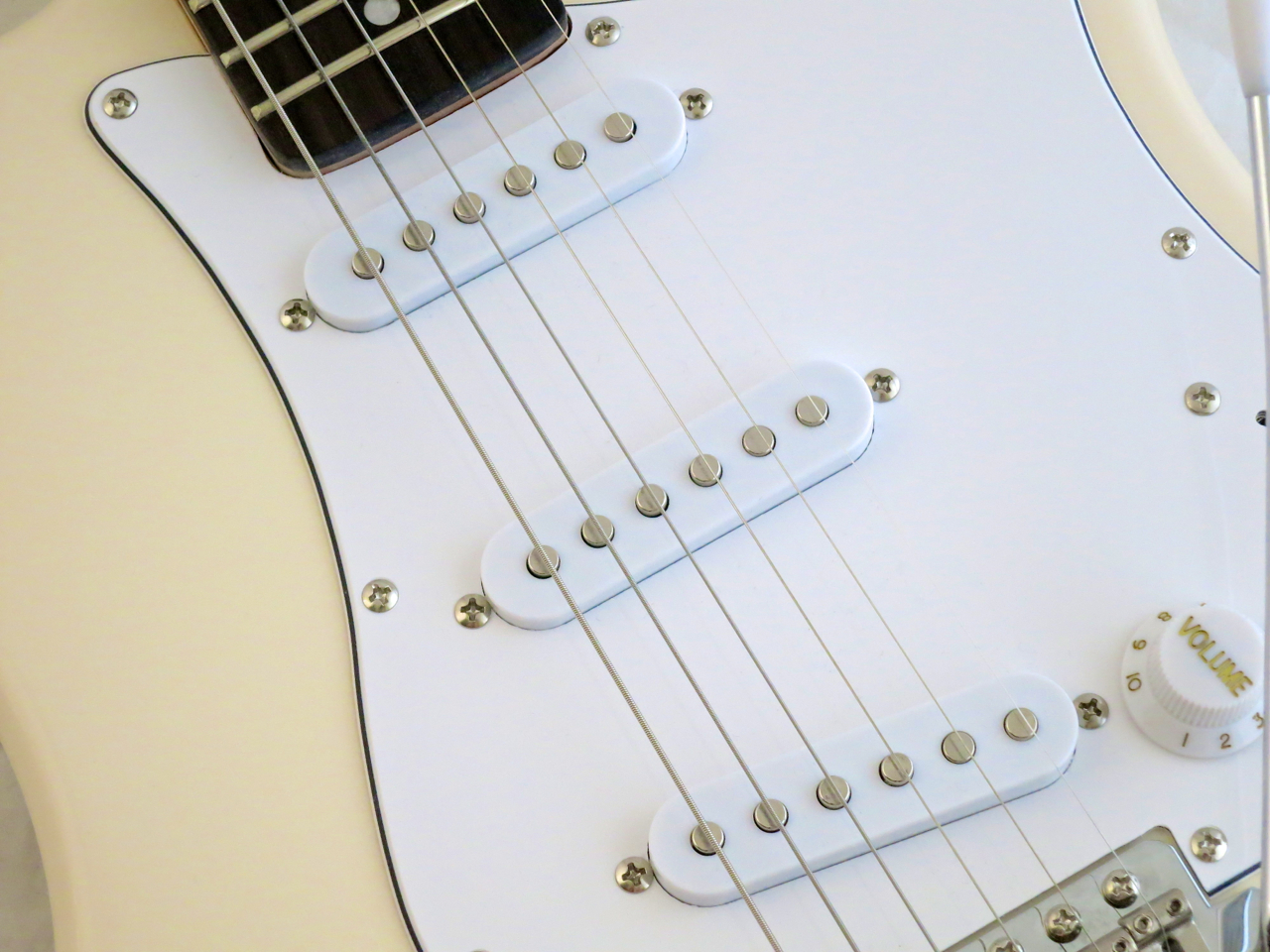
Tokai’s Classic series uses ceramic pickups, which are made a little differently. The polepieces aren’t magnets, but rather soft steel rods, which are in physical contact to a ceramic bar magnet (or sometimes two magnets) stuck to the bottom of each pickup.
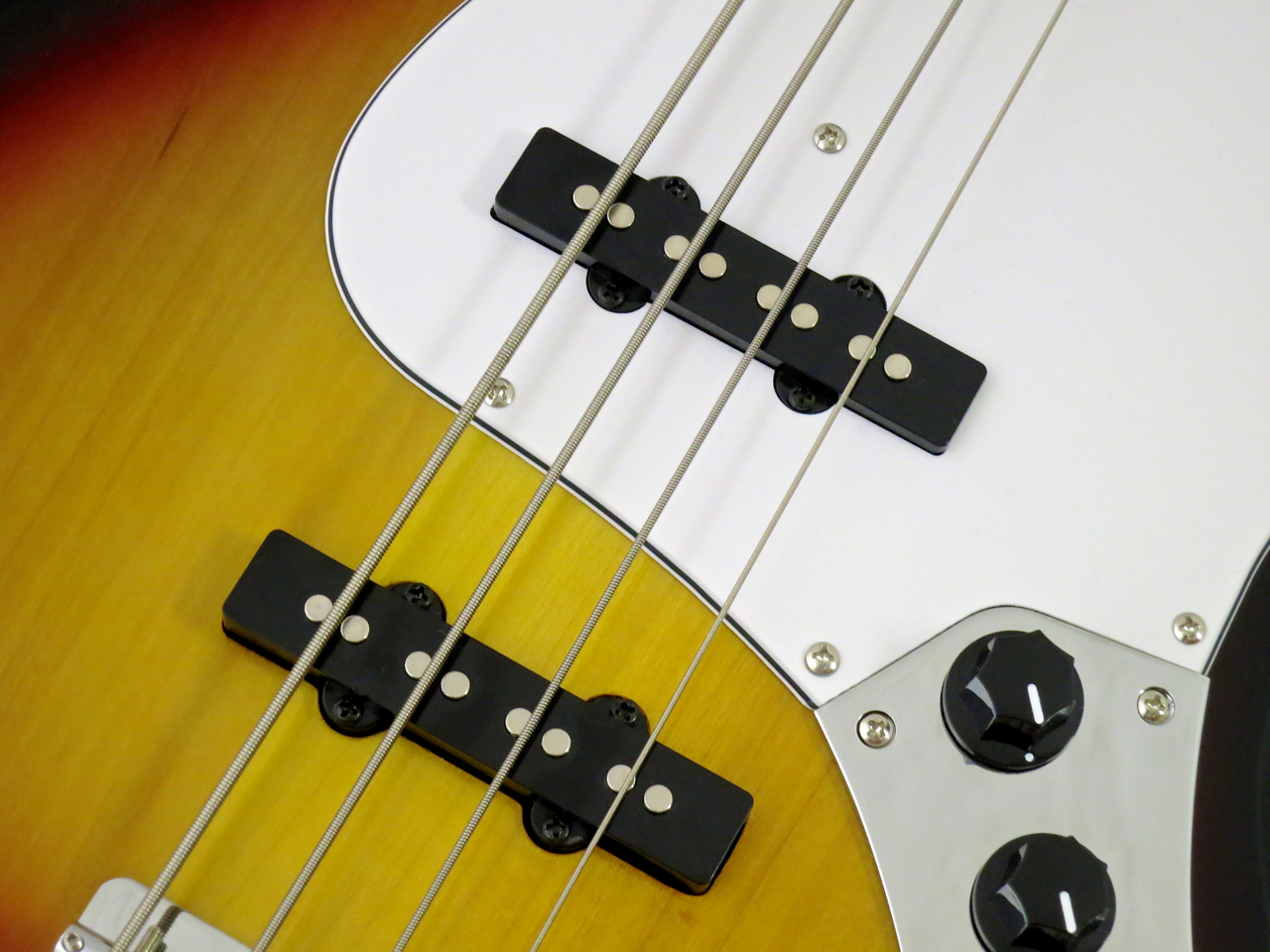
When ceramic pickups first appeared on budget guitars in the Nineties, their sound was admittedly often very spiky, brittle and sharp. This gave ceramic singlecoils a bad name, which wasn’t all that undeserved.
But that was then, and ceramic pickups have been improved drastically since. Despite this, there’s still quite a lot of prejudice against this type of guitar pickup.
In the case of these Tokai Classic instruments, I’d suggest you approach their pickups with an open heart and open ears – you might be in for a positive surprise!
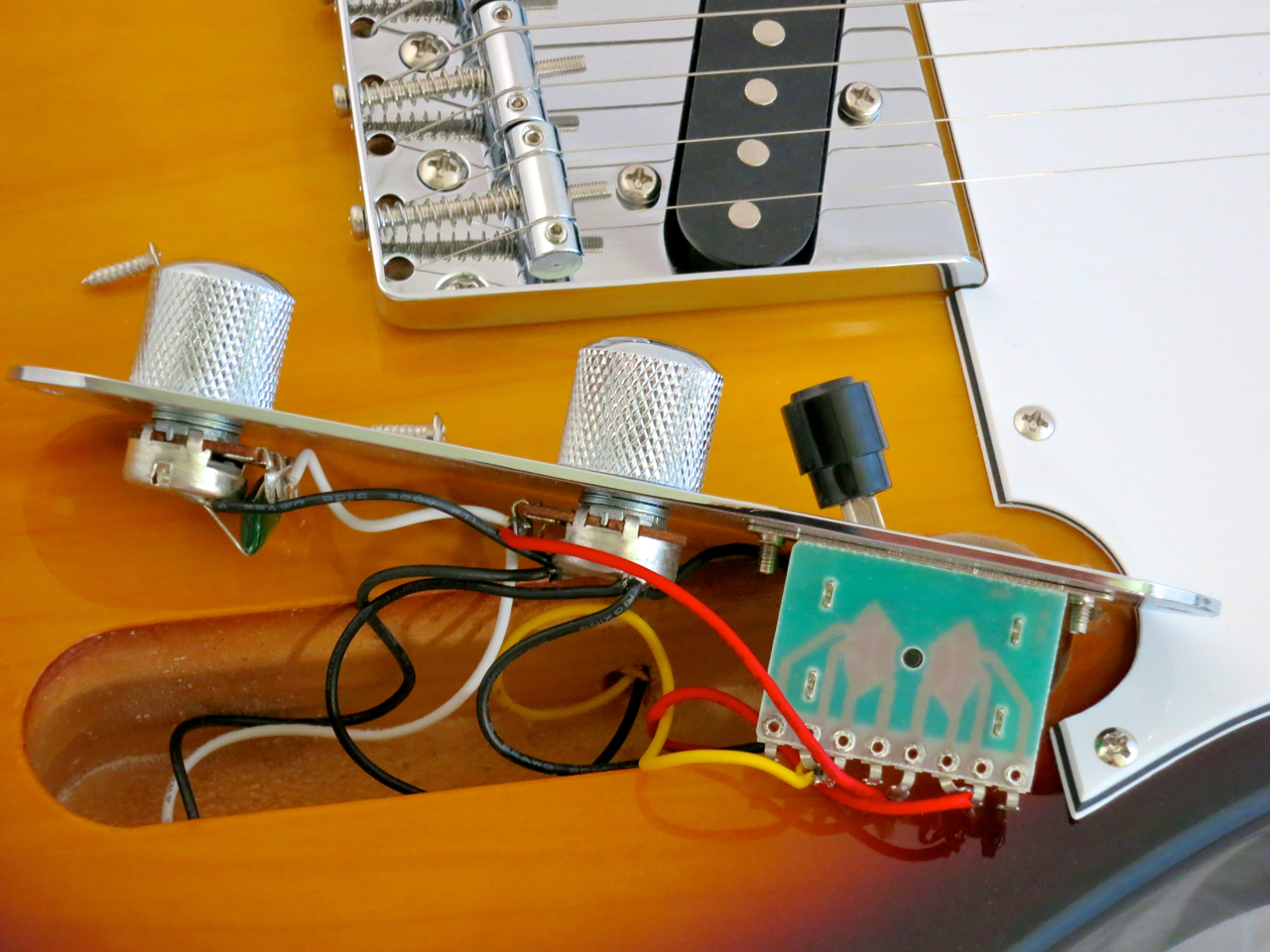
The Classic series features electronic parts of inexpensive, but very decent quality. All the switches and controls work fine, and without any hiccups.
As you can easily see from this picture, the workmanship is very clean in the Classic TE.

The rout for the Classic JB’s component cavity wasn’t quite as clean on our review sample. Luckily, this has no bearing whatsoever on the functionality of this bass guitar.
****
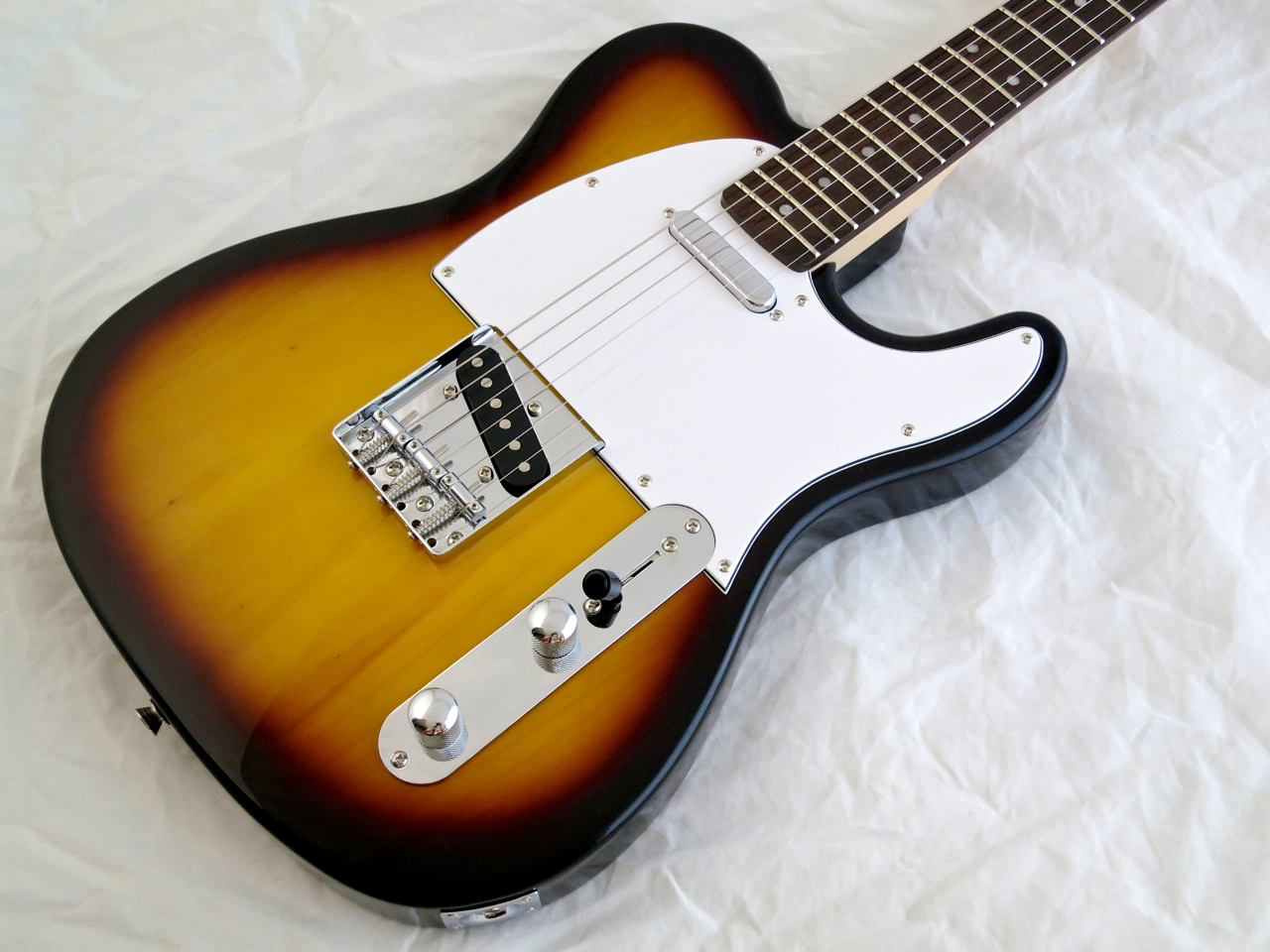
Tokai’s Classic TE is a very nice, well-playing Tele-style electric guitar.
Quite often, you will find uninspiring, flat and generic neck profiles on instruments in this price bracket.
The Classic TE is quite an exception, as it sports a comfortable, well-rounded and chunky neck, that still manages to stay on the right side of ”fat”. The fretwork is really great on our review sample. Combined with the bigger frets and flatter fretboard radius, this results in a slinky and bend-friendly playing feel.
Tokai’s Classic TE is no slouch in the sound department, either:
The neck pickup is warm and round, but never sounds boring or one-dimensional. The middle position of the switch will give you a cool, funky rhythm tone. The bridge pickup on its own offers enough twang for Country playing, and enough whack for the Classic Rock crowd.

****
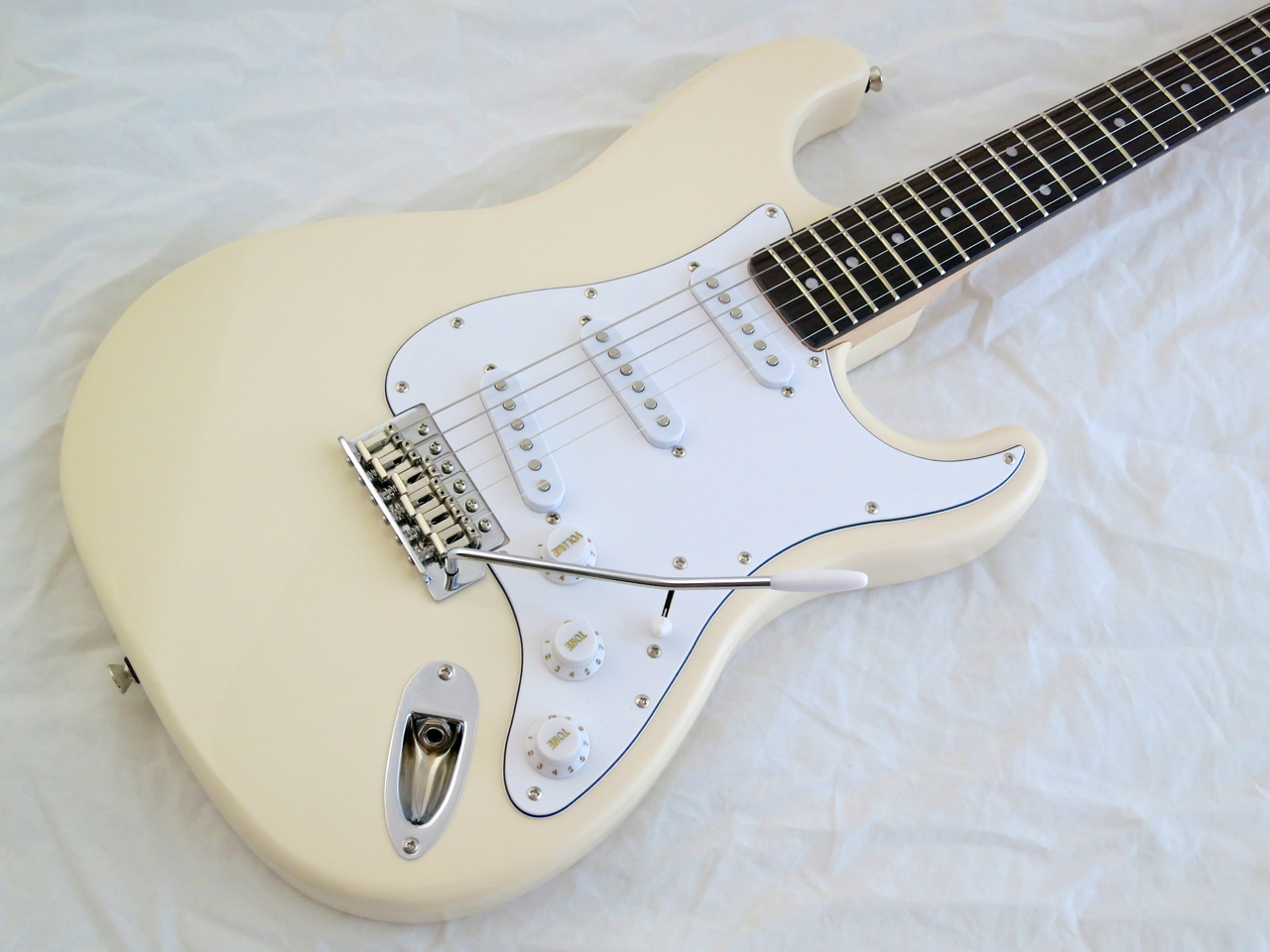
I’d never have thought an electric guitar costing only 249 € could be as utterly inspiring as this Tokai Classic ST!
The neck feels great with its oval C-profile. The fretwork and setup make this a real player’s guitar. The vibrato works well in a vintage-style way, and the ST’s acoustic tone is woody and dynamic.
The ceramic pickups on the Tokai Classic ST are a bit hotter than the alnicos on my 50s-style Fender Stratocaster reissue. They also have a bit more sizzle and bite, but in a good way, making this more of a ”Jimi Hendrix” than a ”Buddy Holly” guitar.
****

Tokai’s Classic JB truly offers a lot of bass in a very pocket-friendly package.
The Classic JB will give you all the features you’d look for in a Jazz Bass-type instrument:
There’s the slender, distinctly tapered neck profile, the comfortable balance, and the wide variety (for a passive bass) of different sounds.
This last clip lets you listen to the video’s bass and guitar tracks in isolation. During the first half all guitar tracks are played on the Classic TE, in the second half the Classic ST takes over:
****

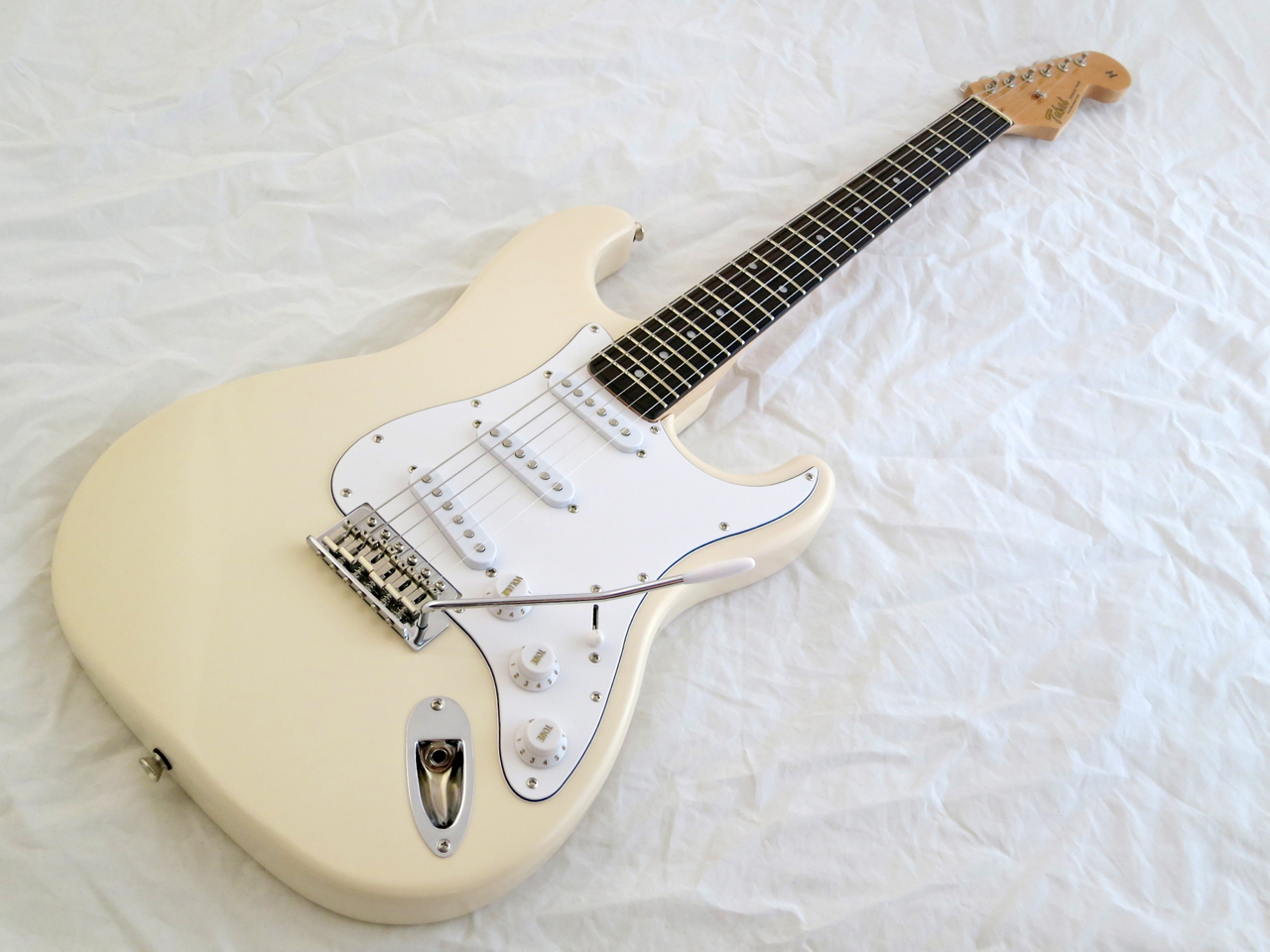
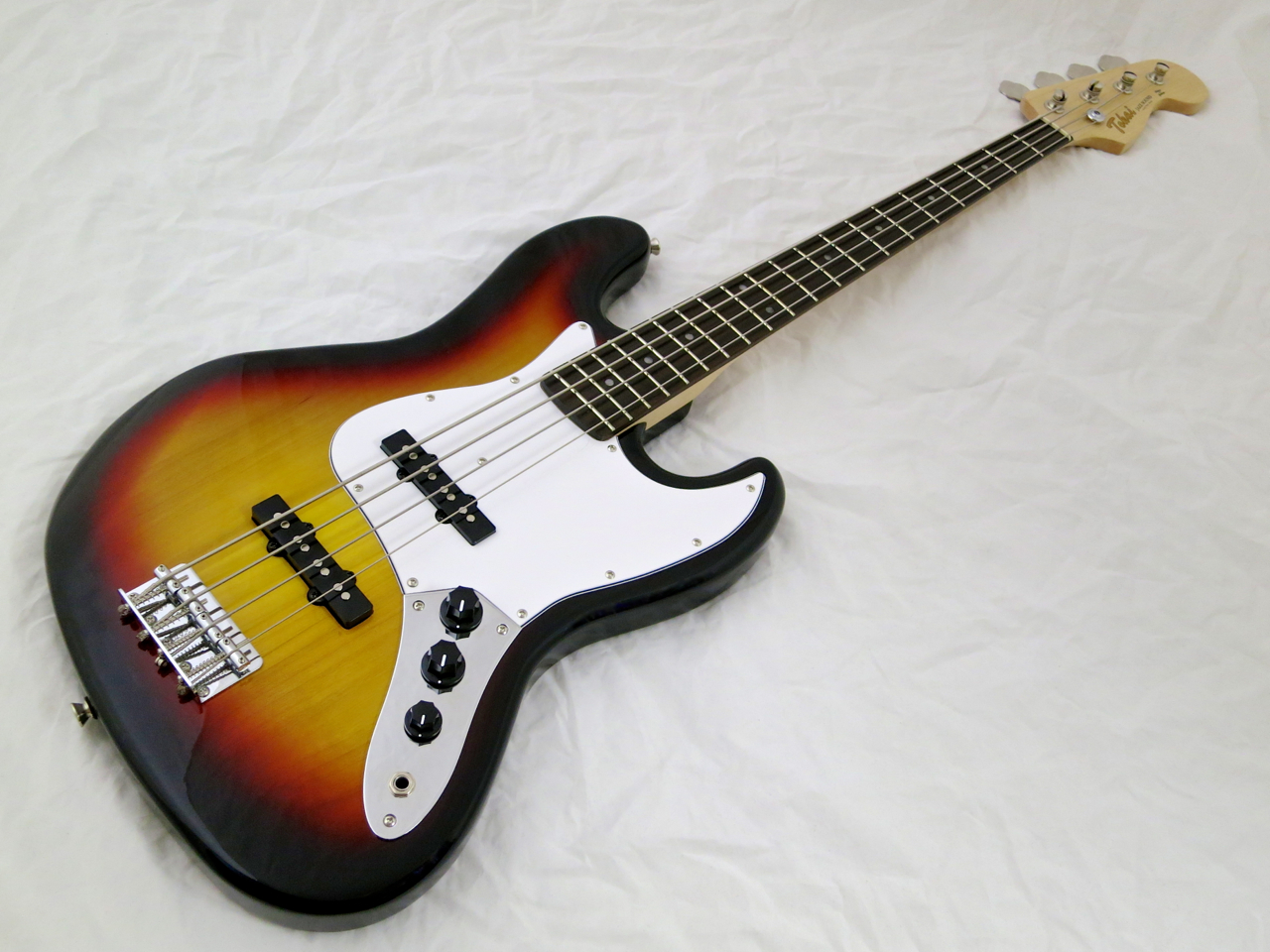
Tokai’s Classic Series may well prove to set a new standard for vintage-style instruments in this price range. The three reviewed guitars were well-made, well-playing instruments, and their sound was inspiring.
While the Classic series is aimed mainly at beginners, I wouldn’t be surprised if some of the instruments crept up on pub or club stages!
****
Tokai Classic Series
Tokai Classic TE – 249 €
Tokai Classic ST – 249 €
Tokai Classic JB – 299 €
Finnish distributor: Musamaailma
****
Pros:
+ value-for-money
+ playability
+ workmanship
+ sound
Testipenkissä: Tokai Classic Series
Tokai Guitarsin maine perustuu firman erittäin laadukkaisiin ja tarkkoihin kopiosoittimiin. Japanilaisen Tokain ”versiot” klassikkosoittimista olivat 1970- ja 80-luvulla monessa suhteessa jopa parempia kuin saman aikakauden kitarat USA:sta.
Tokain parhaimpia sarjoja valmistetaan yhä Japanissa, pitkälti käsityönä. Firman kiinalaiset sarjat tarjoavat kuitenkin oivan mahdollisuuden omistaa aidon Tokai-kitaran tai -basson myös pienemmällä budjetilla.
Upouuden Tokai Classic -sarjan idea on tarjota edullisia soittimia, joissa vintage ulkonäköön on yhdistetty nykyaikainen soitettavuus.
****
Kitarablogi sai kolme Tokai Classic -sarjalaista testiin:
Tokai Classic TE:n (249 €) Two Tone Sunburst -viimeistelyllä…
…kermanvalkoisen Tokai Classic ST:n (249 €)…
…sekä Classic JB -basson (299 €) kolmivärisellä sunburst-värityksellä.
Tokai Classic -sarjan kaulat veistetään vaahterasta.
TE- ja ST-mallissa viritinlavan etupuoli on viimeistelty kiiltävällä lakalla.
Bassomallissa koko kaulassa on ohut mattaviimeistely.
Kaularaudan säätäminen tapahtuu Classic-soittimissa lavan puolelta, ilman kaulan irrottamisen tarvetta.
Kitaroissa käytetään hyviltä tuntuvia Kluson-kopioita.
Classic JB:n lapaan on asennettu pienempiä Schaller-tyylisiä vintage virittimiä.
Classic TE:n ja ST:n otelautojen vintagea loivempi radius, sekä kitaroiden nykyaikaiset medium jumbo -nauhat, tekevät soittotuntumasta hyvin mukavan, etenkin kielten venytyksissä.
Myös Tokai Classic -bassossa on sopivasti nykyaikainen soittotuntuma.
Classic-sarjojen kokopuiset rungot valmistetaan lehmuksesta.
Kaulalevyn alta löytyvä musta muovityyni suojaa soittimen viimeistelyä.
Tele-tyylisestä tallasta löytyy erilaisia versioita:
Classic TE:n tallassa on kolme tallapalaa, joissa on valmiiksi kieliuria.
TE:n kielet voi pujottaa rungon läpi, mikä on juuri se tapa, jota Tele-soittajat tavallisesti suosivat.
Tokai Classic TE:ssä on kuitenkin myös mahdollisuus kiinnittää kielet tallan takaseinään.
Se oli harvinainen ominaisuus vuoden 1958/59 Fender Teleissä, ja tämä kiinnitystapa muuttaa tuntuvasti kitaran soundia ja tatsia.
Tokai Classic ST:n talla näyttää edestä täydelliseltä vintage-vibran kopiolta.
Tallan metalliblokki on kuitenkin jonkin verran ohuempi kuin alkuperäisessä – se on hyvin samankaltainen kuin Floyd Rose -vibran blokki.
Vintage-hipsterit aloittaisivat blokin takia heti valittelun sen tuomasta ”huonosta” soundista, mutta ainakin testisoitimessa akustinen soundi ja kitaran sustain olivat hyvinkin kohdillaan.
Classic JB:n talla on hyvä kopio 1970-luvun Fender-tallasta.
Monet ”vintage-gurut” eivät koskaan koskisi sellaiseen Fender-tyyliseen soittimeen, jonka mikrofoneissa on alkuperäisestä poikkeava rakenne:
Perinteinen tapa rakentaa Fender-tyylinen mikrofoni on kiinnittää lieriömäisiä magneettipätkiä kahteen kuitulevyyn. Magneettirivin ympärille käämitään sitten mikin kela. Näissä perinteisissä mikrofoneissa näkyvät navat ovat mikrofonin magneetit.
Tokai Classic -sarjan soittimissa käytetään hieman edullisempia mikrofoneja, joissa on teräksisiä napapaloja, sekä mikkirungon alle liimattu keraaminen tankomagneetti (tai kaksi).
Kun nämä keraamiset mikrofonit ilmestyivät 1990-luvulla edullisissa soittimissa, niiden soundi oli eittämättä hirveän piikikäs ja korvia raastava. Mikkityyppi sai tästä (osittain oikeutetusti) huonon maineen.
Alkuajoista kehitys on kuitenkin mennyt hurjaa vauhtia eteenpäin, ja nykyisten edullisten keraamisten mikrofonien laatua on parannettu hyvin tuntuvasti.
Ainakin Tokai Classic -soittimien tapauksissa kannattaa lähestyä niiden mikrofoneja ennakkoluulottomasti.
Classic-sarjan elektroniikka on laadultaan mukavasti asiallinen – kaikki säätimet ja kytkimet toimivat moitteettomasti.
Testibasson elektroniikkakolossa työnjälki ei ollut ihan niin siisti kuin testikitaroissa. Tämä ei kuitenkaan vaikuta millään lailla soittimen toimivuuteen.
****
Tokai Classic TE on erittäin mukavan tuntuinen Tele-tyylinen sähkökitara.
Tämän hintaluokan soittimissa törmää melko usein sellaisiin kaulaprofiileihin, jotka tuntuvat kulmikkailta tai liian ohuilta.
Classic TE on tässä ilahduttava poikkeus, kitaran mukavan pyöreän ja lihaksikkaan kaulan ansiosta, joka ei kuitenkaan ole liian paksu. Myös TE:n nauhatyö on kiitettävällä tasolla.
Testisoittimen paino ja soitettavuus olivat siis kohdillaan, samoin kuin TE:n soundi:
Etumikrofoni on lämmin ja pyöreä, mutta kuitenkin eloisa, kytkimen keskiasennosta taas saadaan loistava Funk-soundi, ja tallamikrofonissa sekä Country-twäng että Rock-asenne ovat kohdallaan.
****
Miten vain 249 euroa maksava sähkökitara voi ollakin niin inspiroiva kuin tämä Classic ST?
Kaula tuntuu erittäin mukavalta (C-profiili), soittotuntuma on kevyt ja vaivaton, vibratalla toimii hyvin (vintage-tyylisissä raameissa), ja akustisessa soinnissa on kiitettävästi dynamiikkaa ja ”puuta”.
Tokai Classic ST:n keraamisissa mikit ovat hieman kuumemmat kuin esimerkiksi vertailussa käytetyssä, vintage-tyylisessa Stratossa. Mikkien soundissa on myös hiukan enemmän preesensalueen purevuutta – soundi on siis enemmän ”Jimi Hendrix” kuin ”Buddy Holly”.
****
Classic JB -bassokin tarjoaa paljon soundia hyvin kohtuuhintaisessa paketissa.
Tokai Classic JB tarjoaa kaikki ne ominaisuudet, joita vanha Jazz-basso fani soittimeltaan kaipaa:
Kaulaprofiili on mukavan solakka, soittimen balanssi on kohdallaan, ja basson tarjoama soundikirjo on passiivibassoksi laaja.
Viimeisessä klipissä soi videon biisin kitara- ja bassoraidat ilman muuta taustaa (ensimmäinen puolisko: TE; toinen: ST):
****
Tokai Classic -sarjasta voisi mielestäni helposti tulla uusi laatustandardi tämän hintaluokan soittimissa. Testisoittimissa laatu, soitettavuus ja soundi olivat enemmän kuin kohdillaan.
Vaikka Classic-soittimien kohderyhmä on selvästi aloittelijat, voi vanha kettukin saada paljon iloa näistä kitaroista ja bassoista!
****
Tokai Classic Series
Tokai Classic TE – 249 €
Tokai Classic ST – 249 €
Tokai Classic JB – 299 €
Maahantuoja: Musamaailma
****
Plussat:
+ hinta-laatu-suhde
+ soitettavuus
+ työnjälki
+ soundi


Tulossa… Coming soon… Tokai Classic

Lisätiedot: Musamaailma
”Just one more!” – Living with G.A.S.

****
Just one more…pleeeeeeze!

We’ve all seen the memes on social media, haven’t we? And let’s be honest – there’s plenty of truth in them!
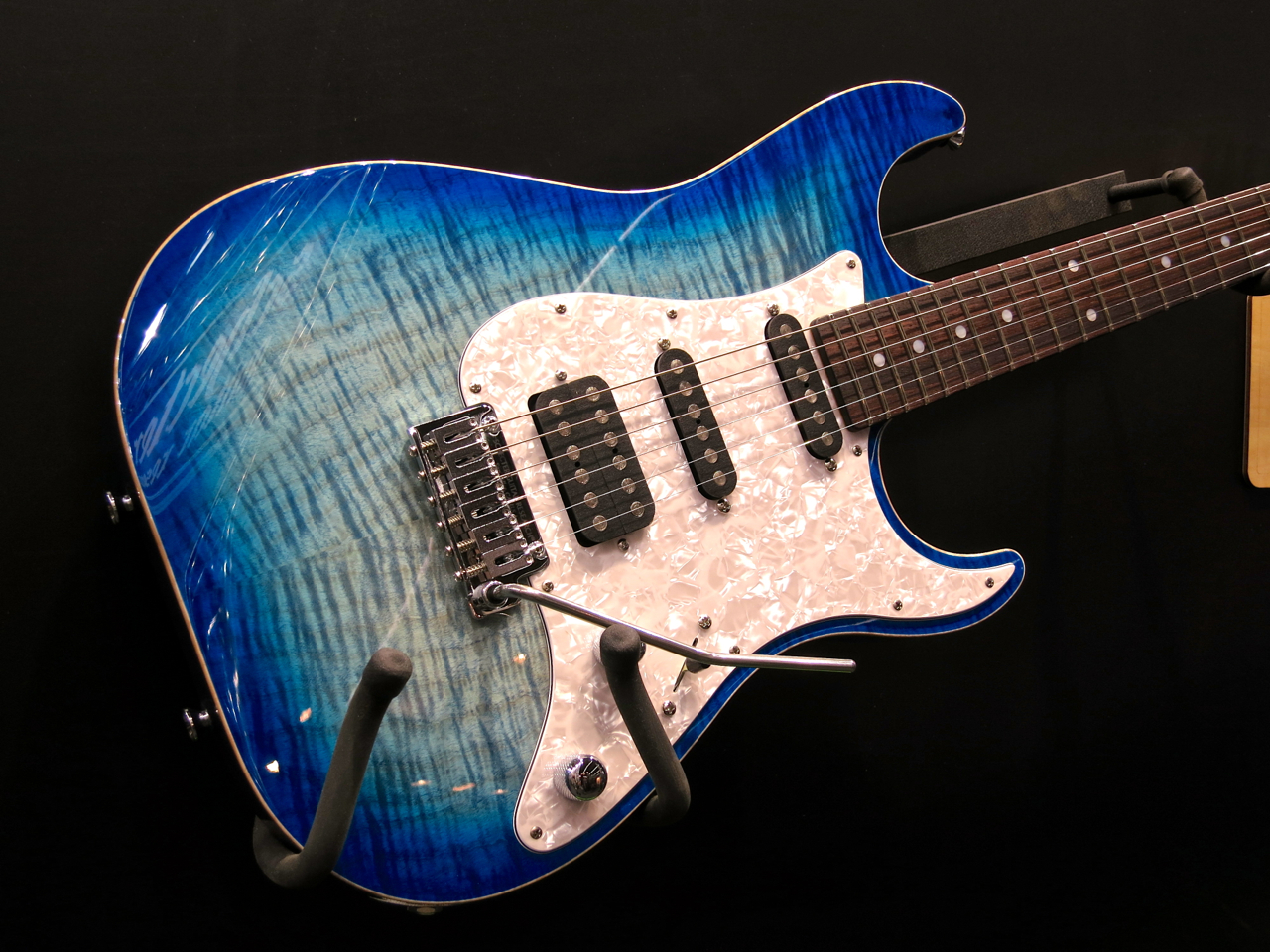
Many – if not most – of us guitarists seem to have an annoying tendency to want to amass a wide selection of instruments and/or effect pedals and/or guitar amps for personal use. This gear lust, which often leads to crammed living conditions, empty pockets, and considerable trouble with our significant other, is generally known as Gear Acquisition Syndrome, colloquially shortened to G.A.S. (or GAS).
It seems that GAS has become ever more prevalent over the last couple of (or three) decades, but the roots of this problem reach as far back as popular music and the advent of mass media.
****
G.A.S. through the decades
The early days

It’s hard to pinpoint exactly the onset of GAS, but many people would agree that Gibson’s Nick Lucas Special signature model (first released in 1927) played a crucial part.
Nick Lucas (1897-1982) was an accomplished guitarist and popular crooner, whose biggest hits (in the late Twenties and early Thirties) coincided with the popularity of the radio and the wider availability of phonograph records.
The Nick Lucas Special was Gibson’s first signature guitar, laying the groundwork for the endorsement deals we’re familiar with these days. Apart from riding on an artist’s popularity, a signature guitar also tends to suggest to the guitarist that, were he (or she) to play this particular instrument, some of the magic (as well as the technical prowess) of the endorsing artist might rub off. In short, the message is ”buy this guitar, and you will become a better and more popular player!”
As most male guitarists not only care for their playing technique, but also for the opposite sex, becoming more popular always sounded (and still sounds) like a good idea.
The Fifties and Sixties – the guitar boom

During the first half of the 20th Century the guitar grew from a not-very-common, specialist instrument into a popular mainstream choice – not least thanks to Country music and the ”singing cowboys” featured on radio and records, as well as in the movie theatres.
But it was Rock ’n’ Roll that put the guitar in all its shapes on the top of the desirability list for masses of youngsters in the so-called Western World.
Yet, GAS wasn’t such a serious issue at that time, because musical instruments were outrageously expensive then, and some of the top US-brands almost impossible to get hold of in Europe.
Andy Babiuk’s fantastic book ”Beatles Gear” gives the reader a very good idea of how difficult it was for the guitarists of the late Fifties and early Sixties to even scrape together enough money to buy a single guitar (or amp). Owning multiple guitars was the privilege of the biggest stars only. Back in 1965 a new, baby blue Fender Stratocaster would have set you back around 3,000 euros in today’s money! This makes a current American Standard Stratocaster seem dead cheap at approximately 1,500 euros. And remember, back then there was no such thing as a quality (licensed) copy, and even substandard instruments from Eastern Europe weren’t really cheap (Harrison’s Czech-made Futurama cost him the better part of 1,200 euros in today’s money).
Still, young players were brand-conscious, at least to some degree, and lusting for the exact guitar they knew their idol was playing. Even if they couldn’t afford it…
They don’t make ’em like they used to

The transition of the plain old ”used guitar” to the ”vintage guitar” we all know today got to a start in the late Sixties, mostly fuelled by the two best-known brands – Gibson and Fender:
When flagging sales of the Gibson Les Paul prompted the company to scuttle the model in favour of the instrument we now know as the Gibson SG, nobody could have foreseen that the move would lead to the first run on a discontinued electric guitar model ever. Caused by the exposure given to the ”out of print” Les Paul Standard by the new wave of Blues players, spearheaded by Mike Bloomfield and Eric Clapton, many serious guitarists started actively searching for used Les Pauls. The fact that Gibson chose to reissue the Les Paul in the late Sixties, but failed to sense that the crowd lusted for the double-humbucker Burst (instead of the Goldtop and the Custom), quickly turned the original Standards produced between 1958 and 1960 into the stuff of legend.
Both Fender and Gibson became parts of large business conglomerates before the Sixties were over, and a feeling started to seep into the guitar community that the earlier instruments were of a higher quality than those produced under the new managements.
Big in Japan

The proliferation of reasonably well-made guitars from Japan – often dead-on copies of US classics – at reasonable prices was what truly kicked off the phenomenon we now call GAS.
For the first time amateur and semi-professional guitarists could afford to own more than a couple of guitars. Effect pedals, too, would start to benefit from Far Eastern efficiency and mass-production.
Many of the 1970s Tokai-, Ibanez- and Yamaha-guitars – as well as the earliest Roland/Boss-effects – are now considered vintage classics in their own right.

Licensed copies
The Eighties finally ”sealed our fate”, when it comes to GAS.
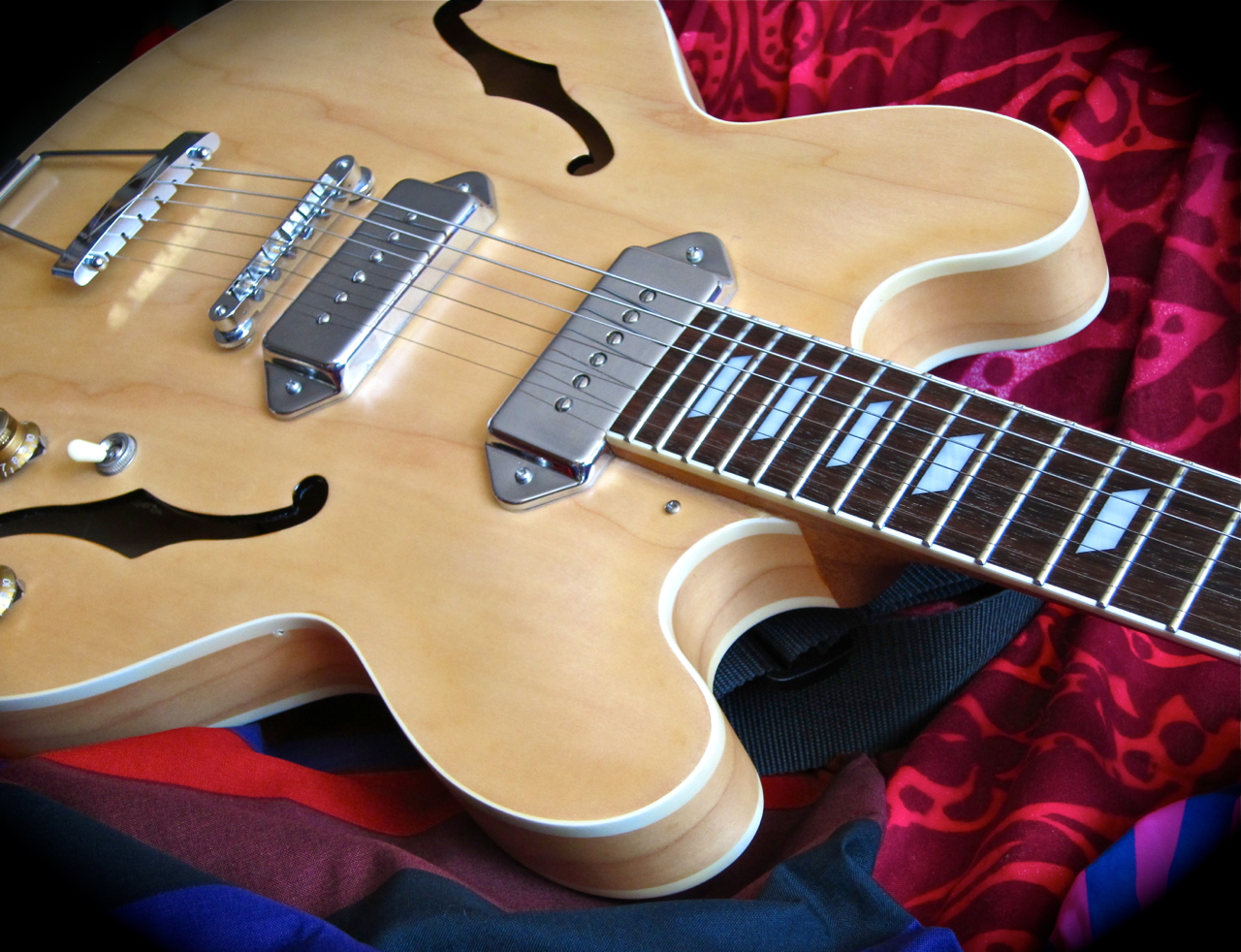
Many large brands started to release official (=licensed) copies of their own instruments in the 1980s, with the rest following suit in the following decades. Brands like Squier, Epiphone, or Sterling make it affordable to hoard instruments that offer at least some of the clout of their famous, upmarket brethren.

****
The Five Types of GAS-sufferers

We are all different – we don’t all lust after the same guitars, and we don’t all accumulate gear for the same reasons or in the same way.
I think one could divide us Gassers up into five basic categories, according to how and why we ”simply have to have that guitar”.
1. The Fan
The Fan is a hardcore follower of one (or two) Rock bands (or guitar gods), and he (or she) focusses on acquiring as much of the gear used by their idol as humanly possible. The Fan hopes to come as close as possible to their idol’s famous guitar tone, and he/she wants to feel (and look) the way his (or her) idol does when playing those classic riffs and songs.
2. The Nostalgist
The Nostalgist comes from a similar place as the Fan, having a clear vision of what it is he’s looking for. But, instead of trying to relive a certain band’s or player’s tone, as the Fan does, the Nostalgist wants to reclaim the (his/her own?) past. The Nostalgist longs for the classic looks and tones gleaned off vintage equipment, the sounds of a cooler, more vibrant place than the current here-and-now. Some Nostalgists also buy all the stuff they wanted, but couldn’t afford to get, when they were young.
3. The Hunter and Gatherer
The Hunter and Gatherer simply loves to get new toys, especially when he can claim to have ”snapped up a real bargain”. These are the guys that constantly trail the Internet, on the lookout for something, anything really, that might whet their considerable appetite. Very often it doesn’t even matter if it is an instrument (or other piece of gear) the Hunter and Gatherer really ”needs”; as long as it’s cool and ”a bargain” it’s a viable acquisition.
4. The Specialist
The Specialist has a strong focus on one, two or three specific pieces of equipment, that he (or she) simply cannot get enough of. These are the guys who seem to have a perfectly good reason for buying several dozen Telecasters, or a whole flock of Fender Tweed-era amps – or maybe they zone in solely on gear manufactured during one specific year…
5. The Pragmatist
The Pragmatist comes over as very reasonable, even though he’s an addict like the rest of us. The Pragmatist tells his wife that he doesn’t yet own an archtop guitar with DeArmond pickups, but that he needs just such a guitar to complete his ”colour palette” or ”toolbox”. Some Pragmatists – like professional guitarists, studio owners, or guitar reviewers – can make a real art form of their Gassing, meaning it takes the unsuspecting wife years (if not decades) to see through this charade.

Naturally, things aren’t always as clear cut in real life as they might seem on paper. Most of us GAS-sufferers tend to display a mixture of two of three of the above GAS-categories.
****
”You can’t play more than one guitar at a time!”
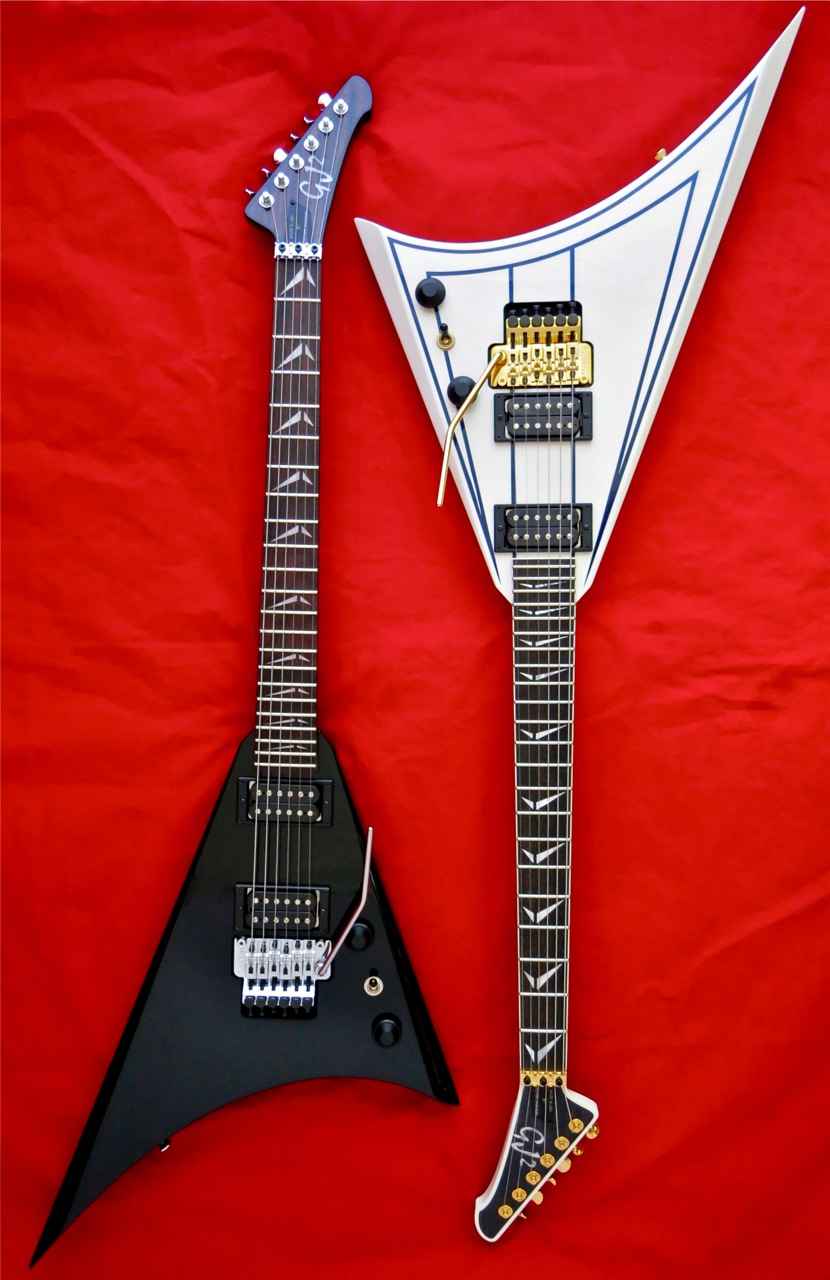
Does owning more than one or two guitars have real advantages? If you ask me, my answer would be a resounding ”yes and no”!
The ”yes” part of my answer has to do with the fact that playing guitar (or bass guitar) is always a tactile experience. Different instruments have different neck profiles, they have different overall dimensions, different actions, different fret sizes, different fingerboard radii, and they simply smell and feel differently.
This is probably the main reason why we don’t all play Line 6 Variax guitars. They might be decent instruments with an astonishingly realistic array of different tones, but they completely lack the important tactile element that is so crucial in inspiring you to come up with different licks and different ways of approaching the guitar as an instrument.
A big, fat Jazz box will make you play noticeably differently to a sleek Strat or SG, and the same holds true for the differences between, say, an ES-335 and a Floyd Rose-equipped Metal axe.
On the ”no” side of the equation, buying a new piece of equipment will surely inspire you, but it won’t automatically turn you into a ”better” guitarist. Even though it’s hard to admit, only regular practice will move you forward on the long and winding road to improvement.

****
Damned If You Do…
In a way, we’re extremely lucky these days. There has never been a better time to be a guitarist than now. There’s an abundance of cool gear available, and much of it at rather reasonable prices.
The downside to this is, of course, that it’s so much easier to become a gear addict, because the price tag doesn’t necessarily act as much of a threshold, anymore.
Still, I tend to see the positive side of things, because the affordability of decent equipment makes it much easier for guitarists these days to try out different stuff on their way to finding the gear that’s most suitable for the music they make.
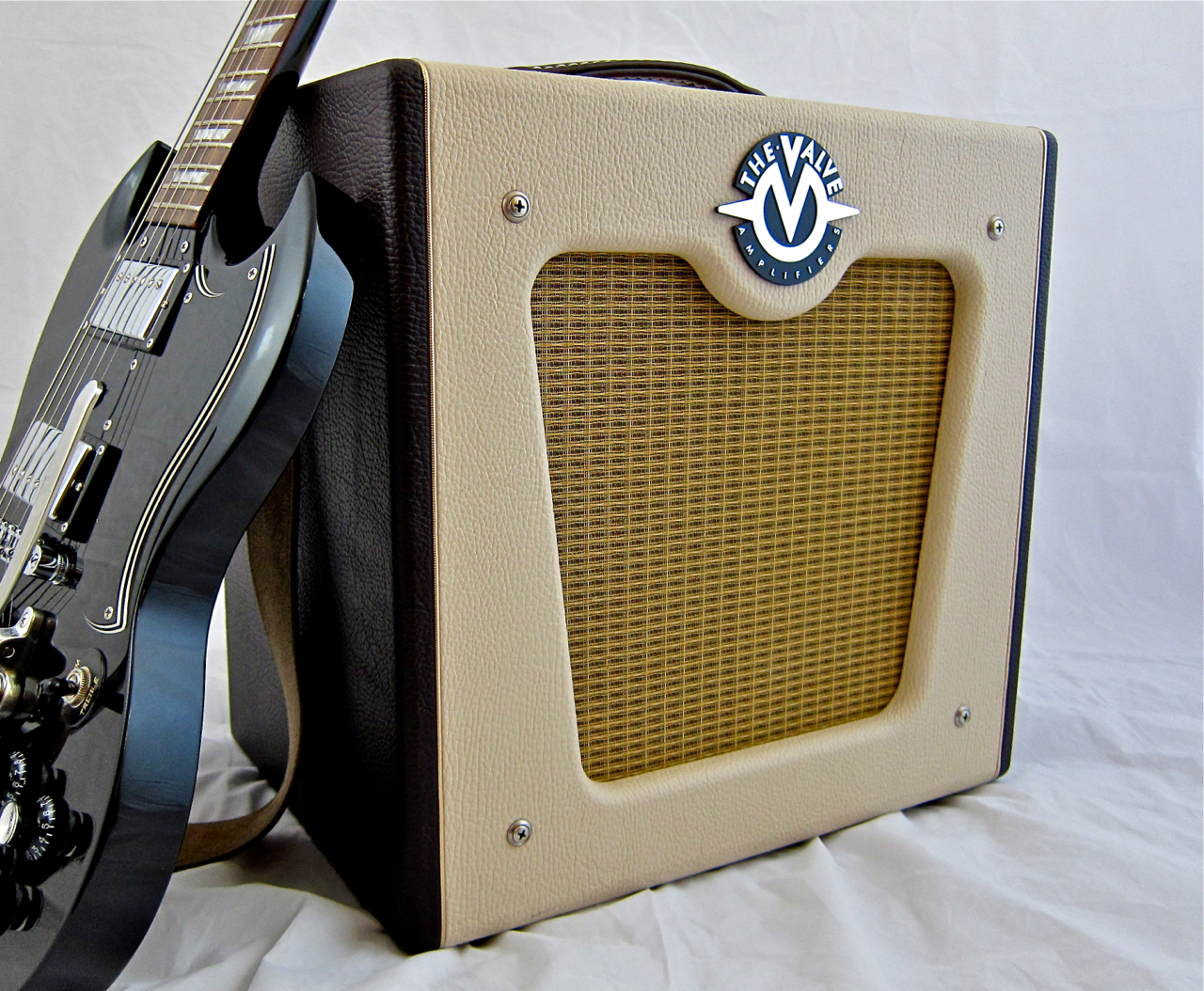
Review: Morley M2 Wah, M2 Wah Volume + M2 Passive Volume

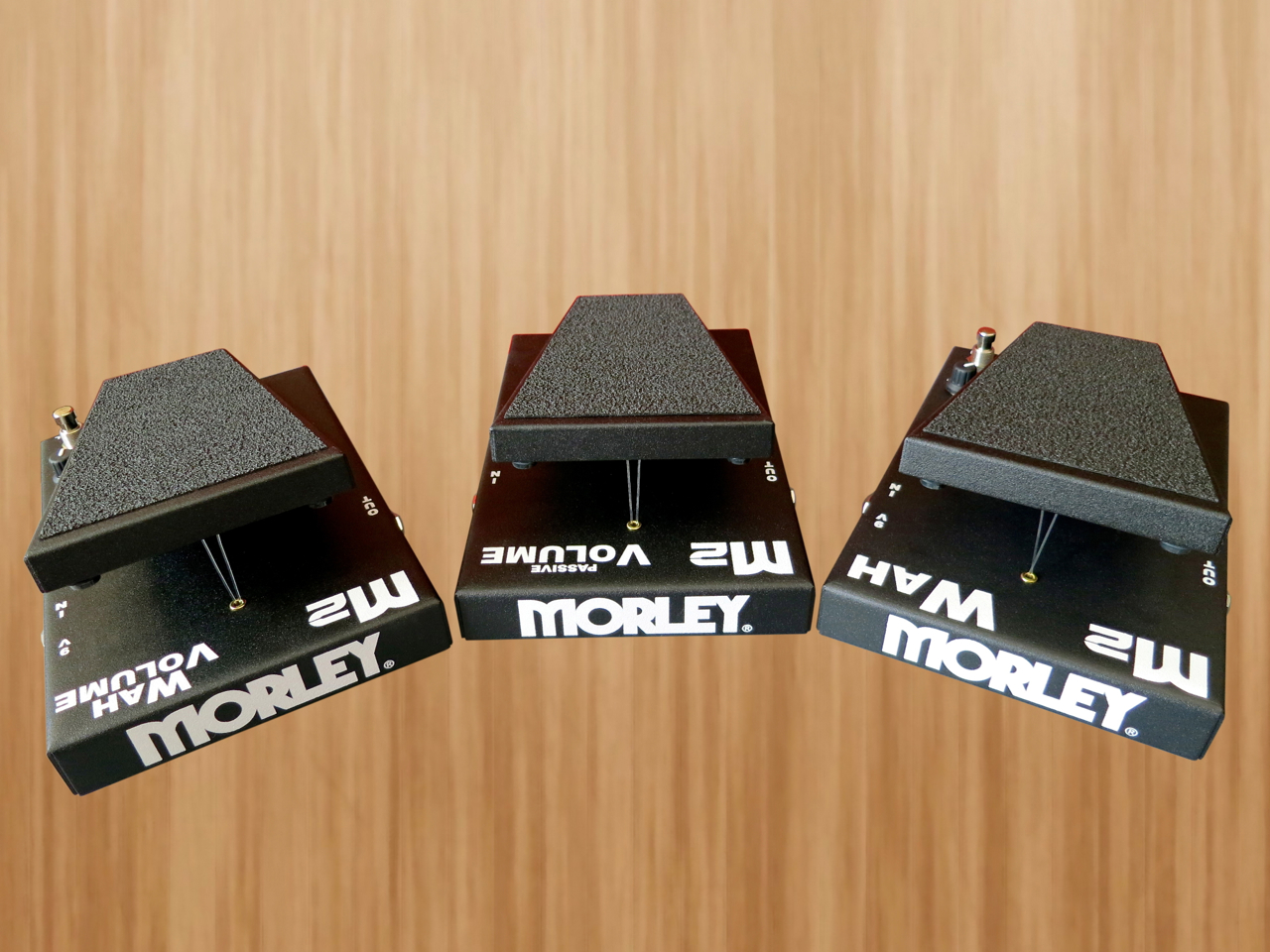
US brand Morley are best known for their pro-quality wahs and volume pedals that many players – like Steve Vai, George Lynch and Mark Tremonti – rely on in their setups. Morley’s original series uses electro-optical electronics, instead of traditional potentiometres. The big advantage in going electro-optical lies in the fact that such a pedal won’t ever become scratchy or intermittent, because there is no mechanical control pot to wear out or become dirty.
There are quite a few guitarists, though, which – for some reason or other – prefer the ”feel” and ”sound” of a mechanically controlled pedal to that of an electro-optical one. Morley’s new M2-series is a nod to the more traditional players.
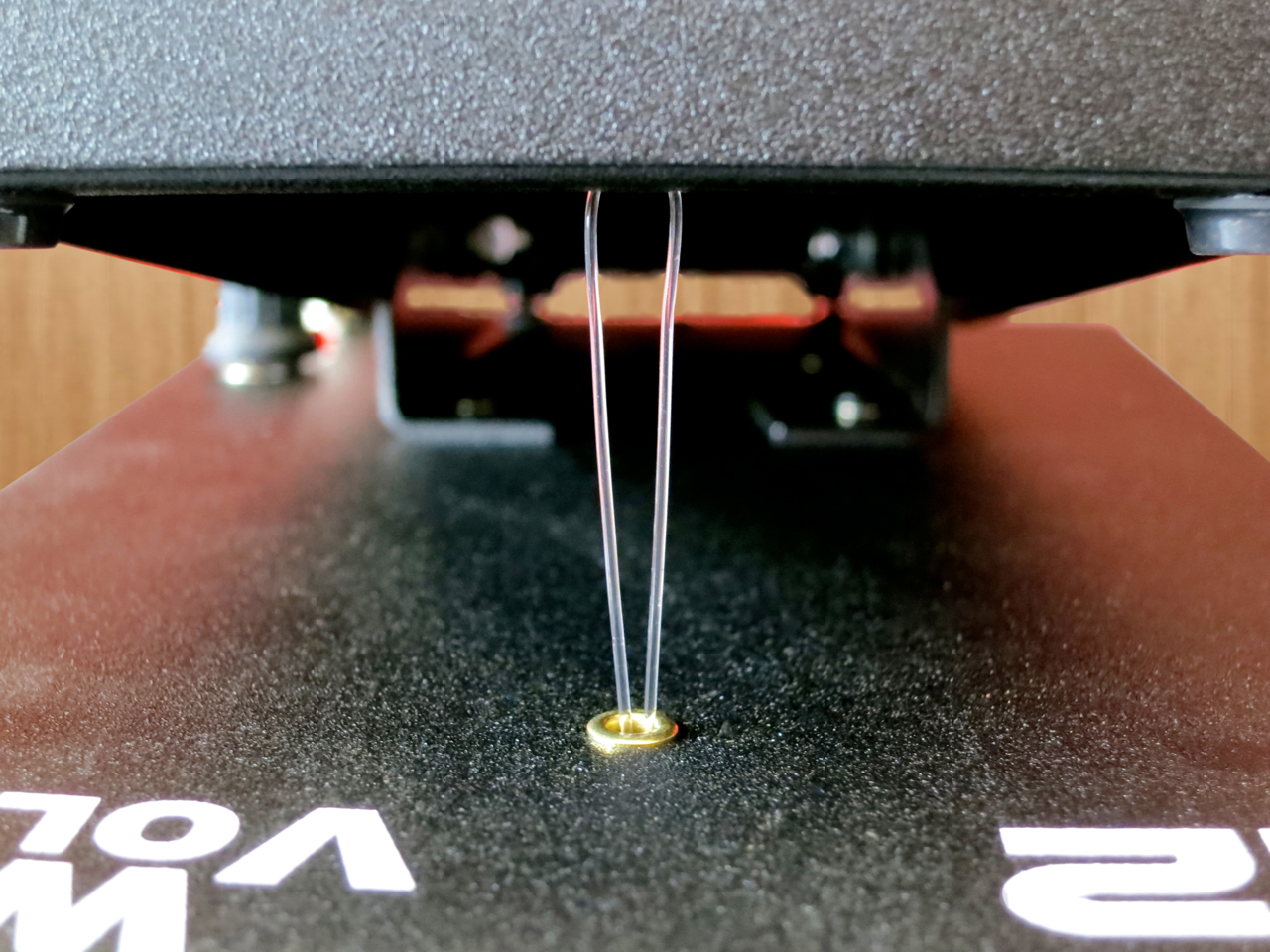
Nevertheless, Morley still like to do things their own way, which is why the company has come up with a different type of mechanical control for their M2-pedals:
Traditional pedals (and their descendants) use a rack, mounted beneath the treadle, to turn the pinion of a large control pot attached to the top of the pedal’s casing. Hanging in this exposed position, the pot is prone to take in dirt, moisture and dust, which in turn shortens its lifespan and affects signal quality. Sooner or later you will have to change the old pot for a brand-new one.
Morley’s M2-pedals use a top grade, sealed fader, tucked away neatly inside the pedal’s casing. The fader is moved by sturdy nylon strings attached to the front and back of the treadle.
****
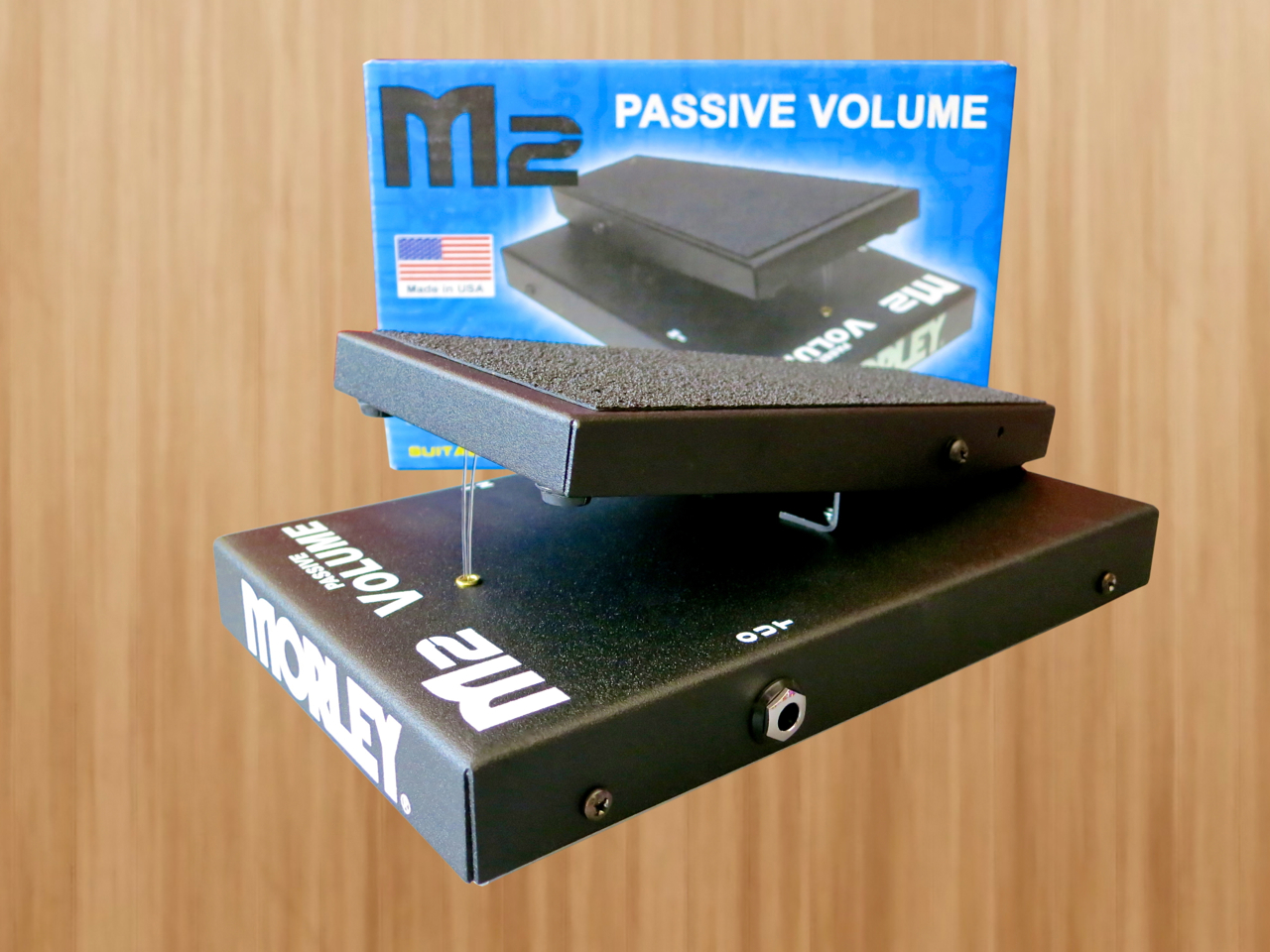
For this review we got three M2 models from Vantaan Musiikki:
The first pedal is the Morley M2 Passive Volume (current price in Finland: 76 €), which works without the need for a battery.
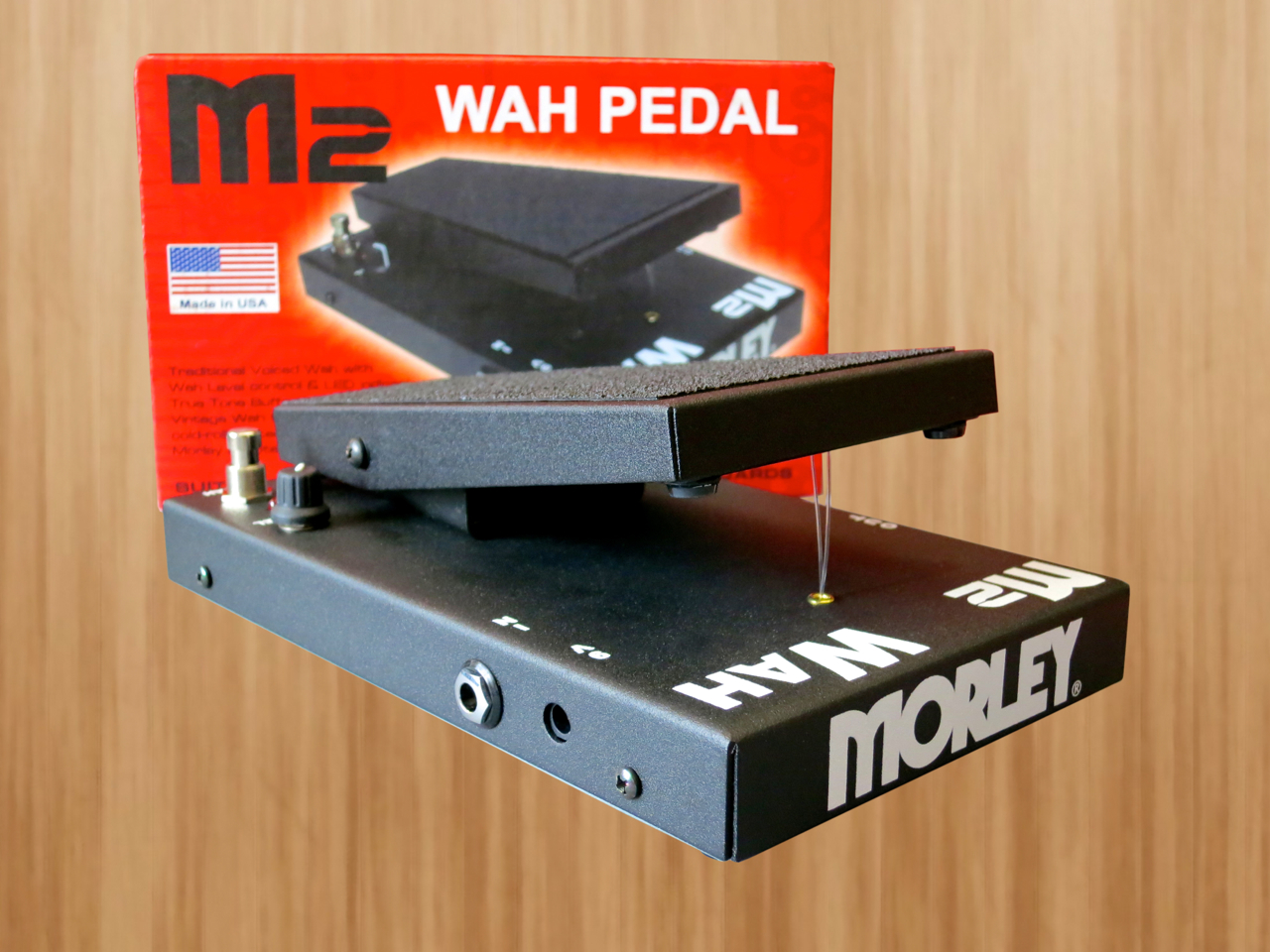
The second model is the Morley M2 Wah (83 €), which promises to deliver vintage-toned wah-goodness.

And, last but not least, there’s a cool twin-mode pedal – the Morley M2 Wah/Volume (94 €).
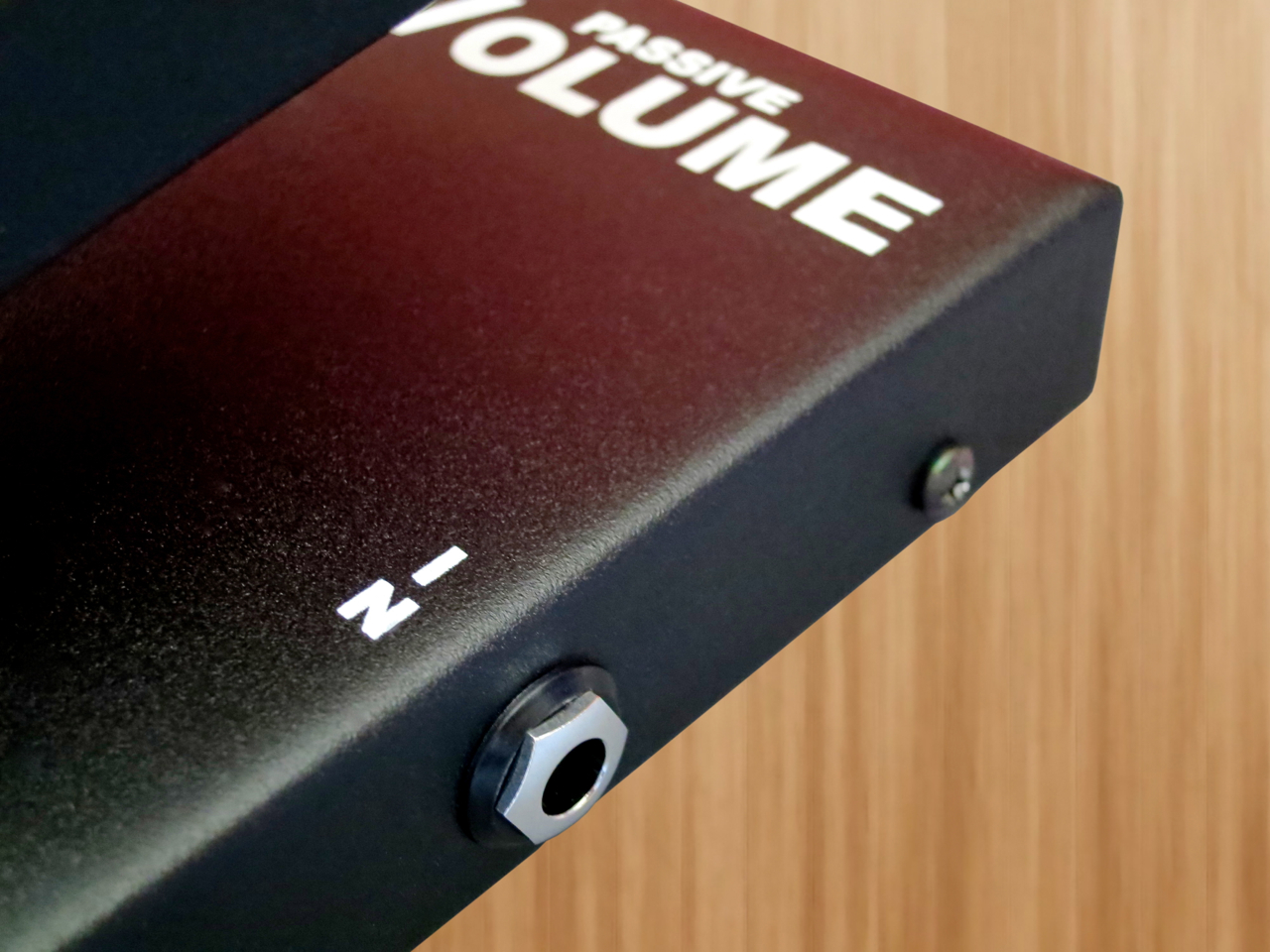
This trio of M2-pedals share the same basic build:
The housing is made from folded, cold-rolled steel, resulting in very sturdy and trustworthy pedals. The treadle sports a thick cover of non-slip material that will keep your foot safely on the pedal, no matter what.
The guitar input is on the Morley’s right flank.
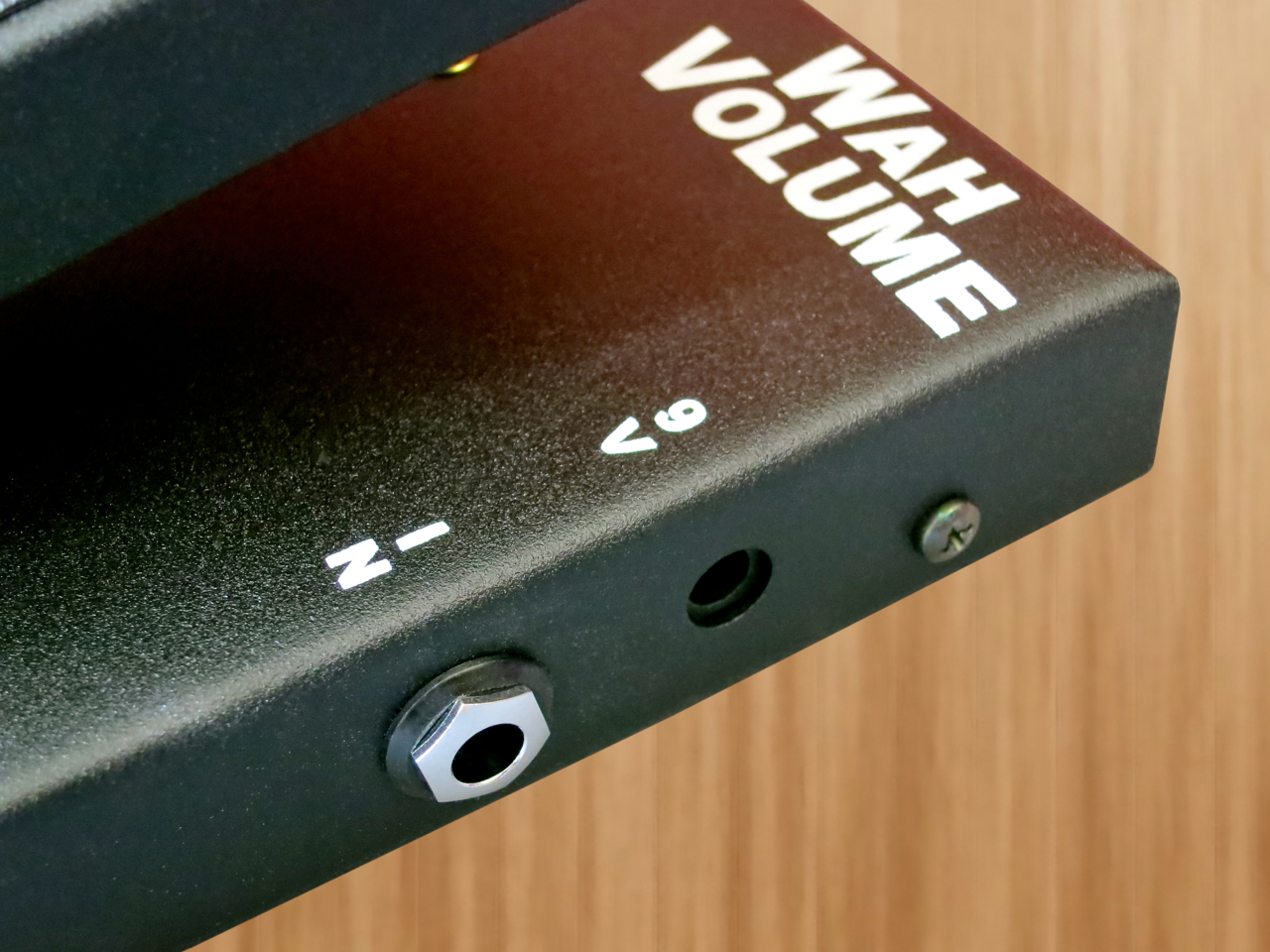
The two active pedals – the M2 Wah and the M2 Wah/Volume – additionally feature a standard 9 Volts DC input.

You can also run the active pedals using a 9 V battery. The battery compartment comes equipped with an easy-to-open quick clip lid.
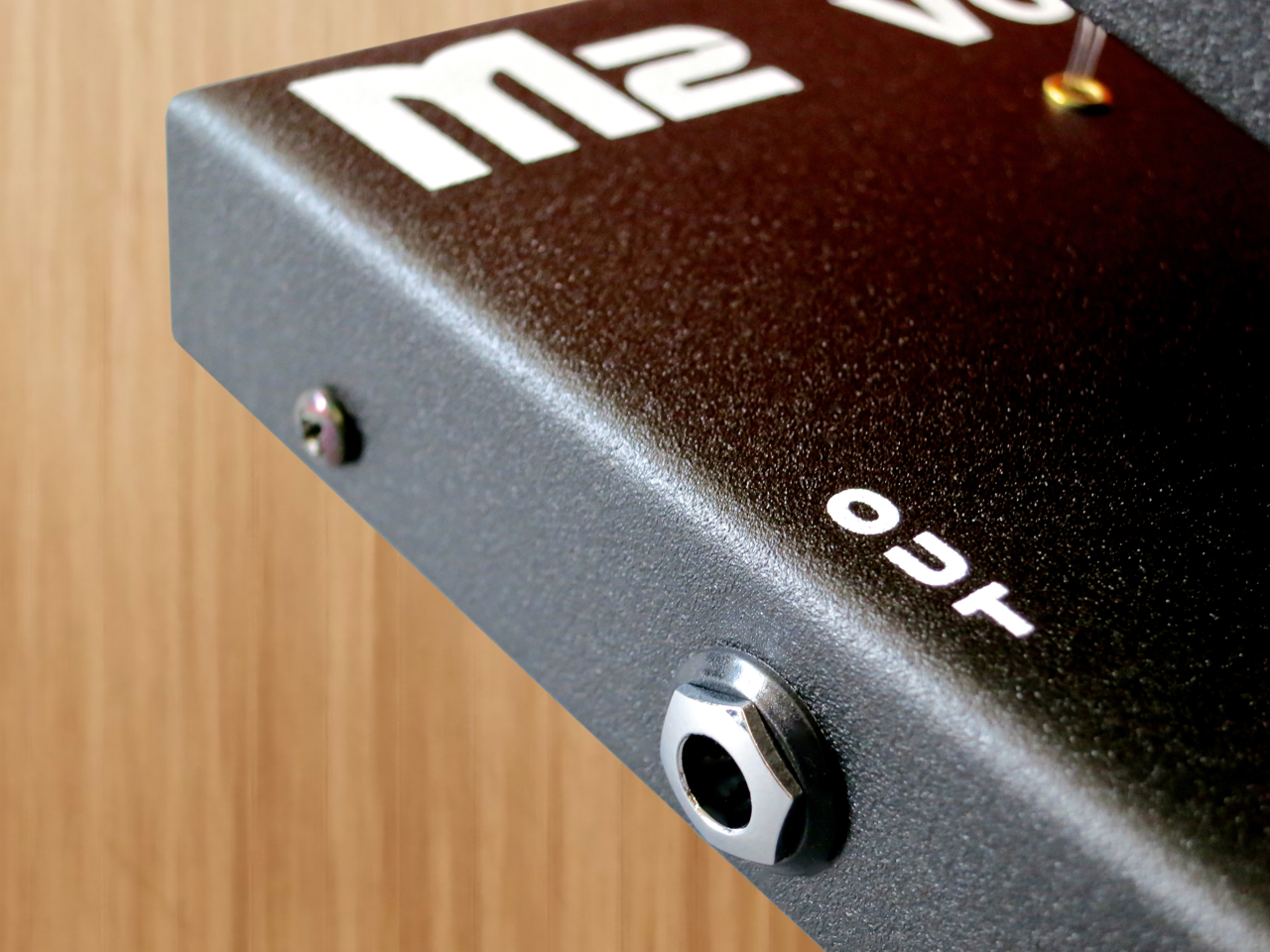
The output has been placed on the left side of the M2-pedals.
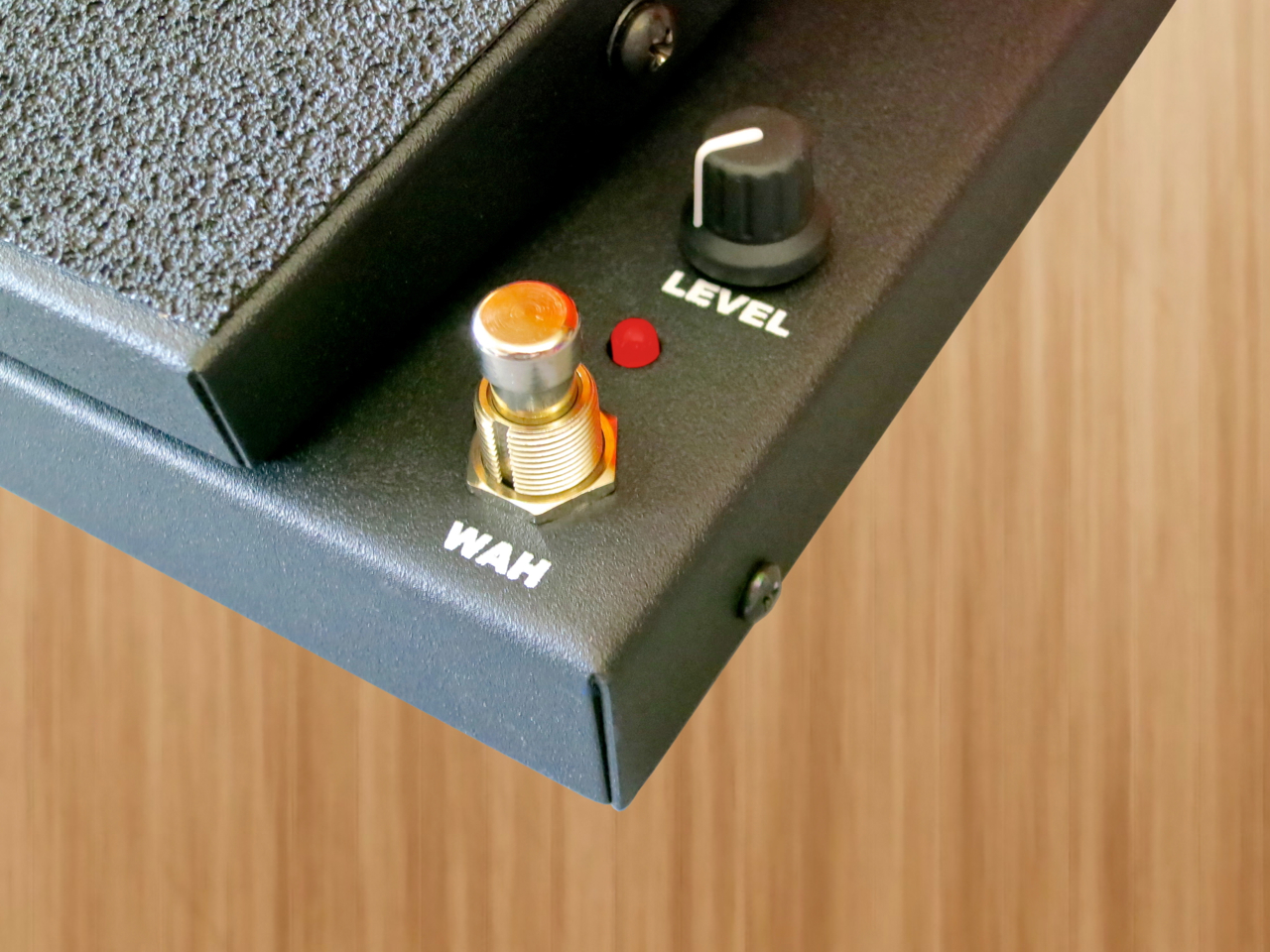
The M2 Wah features an On/Off-switch for the wah-effect (with a red indicator LED), as well as a dedicated level control for the effect signal.

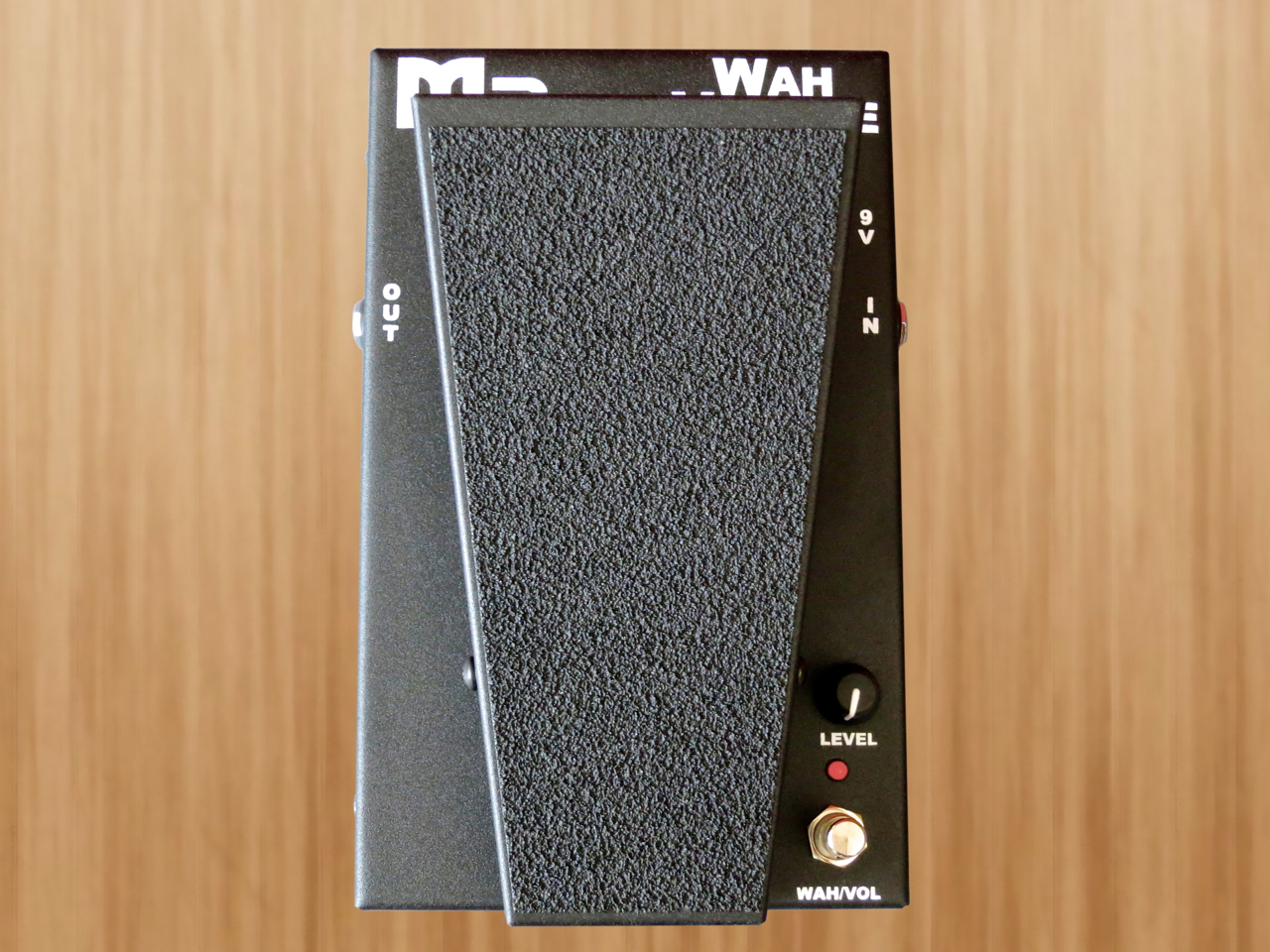
The control setup on the M2 Wah/Volume looks identical, but it functions a bit differently:
The footswitch toggles between volume mode (LED off) and wah mode (LED on). The level knob works only on the wah side of things.
****

Morley’s M2 Passive Volume-pedal works extremely smoothly, evenly and precisely. There are no jumps or wobbles in the volume level, instead the Passive Volume works just as it should, and without having any noticeable effect on your guitar’s inherent tone. The M2 Passive Volume clearly is a pro-quality choice at a very fair price.

****
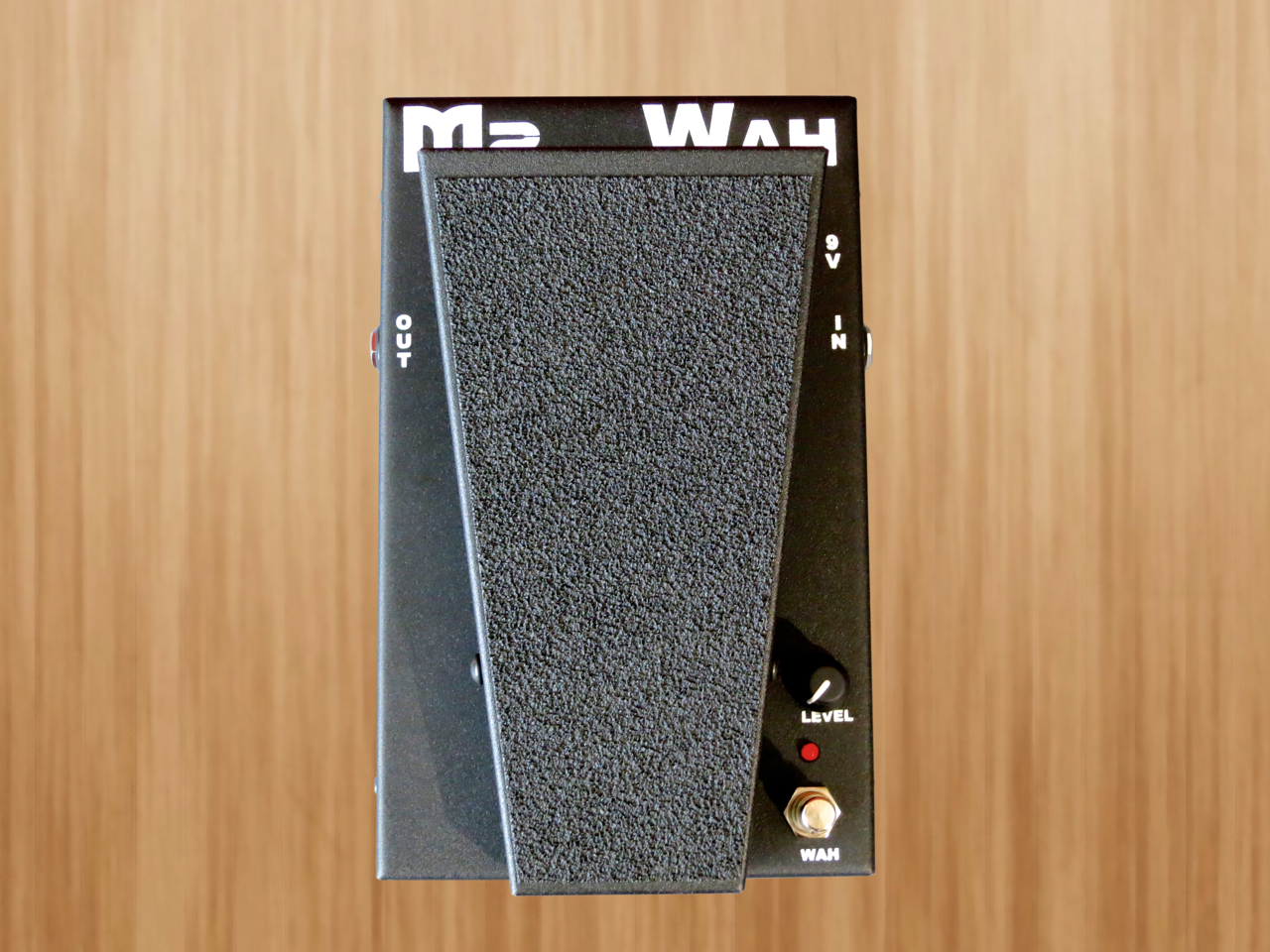
Morley’s M2 Wah comes equipped with an internal active buffer (the Morley True Tone Buffer), which stays on, even with the wah-effect turned off. An active buffer will prevent audible signal deterioration, even if you’re using a long line of (true bypass) effect pedals or a very long cable between you effects and the amp. The only ”drawback” of an active buffer is that the pedal will draw a tiny bit of current, even with the effect turned off.
Oh, boy, Morley’s wah-sound is just what the doctor ordered! The M2 Wah’s filter sounds really juicy, and the pedal works in a very musical and organic way.

****

The M2 Wah/Volume combines both volume control and wah-wah with an active buffer, meaning you do need a battery (or power supply) to run the pedal’s volume side, too.
Morley’s Wah/Volume-pedal manages to combine both effects in an easy-to-use, handy package. This pedal’s volume mode works just as evenly and smoothly as the M2 Passive Volume, while the wah side of things sounds just as tasty as in the stand-alone M2 Wah.
The M2 Wah/Volume was simply too good to let go – I had to buy one!
****

For some reason, I’ve always dug Morley’s straightforward and unsentimental design. The new M2-series, too, has that famous big, black and square ”Morley look”. Morley’s M2-pedals sure don’t look cute, but they more than make up for it when it comes to roadworthiness and reliability.
Many professionals rely on a Morley for their sound. I’m sure that these M2-series pedals will find their way into many a musician’s arsenal.
I’d suggest you go and check them out!

****
Morley M2 -series
M2 Volume – 76 €
M2 Wah – 83 €
M2 Wah/Volume – 94 €
Finnish distributor: Musiikki Silfverberg
Many thanks to Vantaan Musiikki for the loan of the review pedals!
****
Pros:
+ excellent value-for-money
+ made in USA
+ sturdy build
+ work smoothly
+ sound
+ buffered output (M2 Wah and M2 Wah/Volume only)
Testipenkissä: Morley M2 Wah, M2 Wah Volume + M2 Passive Volume

Amerikkalaisvalmistaja Morley on tunnettu laadukkaista wah- ja volume-pedaaleistaan, jotka kuuluvat esimerkiksi Steve Vain, George Lynchin ja Mark Tremontin vakiotyökaluihin. Alkuperäiset Morley-pedaalit on usein toteutettu optisella tavalla, ilman perinteistä mekaanista potentiometriä polkimen alla.
Joidenkin kitaristien mielestä mekaaninen säädin kuulostaa ja tuntuu kuitenkin – vaikeasti selitettävällä tavalla – ”paremmalta” kuin optisesti toteutettu wah-pedaali, ja juuri heitä varten Morley on kehittänyt uuden M2-sarjansa.
Morley on kuitenkin Morley, ja firma on päättänyt käyttää M2-sarjassa omaa säätömekanismiaan:
Perinnepedaaleissa (ja niiden kopioissa) polkimen etupäähän on kiinnitetty hammastanko, joka kääntää kotelon kanteen asennettua säädintä. Näiden pedaalien iso potikka altistuu pölylle ja lialle, mikä voi johtaa siihen, että signaali alkaa jossain vaiheessa rahista. Silloin on useimmiten edessä potentiometrin vaihto.
Morley M2 -pedaaleissa käytetään military-speksattua, kotelon uumeniin asennettua liukusäädintä, jota säädetään polkimen etu- ja takapuoliin kiinnitetyillä nailonsiimoilla.
****
Saimme Vantaan Musiikilta kolme M2-pedaalia testiin:
Ensimmäinen on ilman paristoa toimiva Morley M2 Passive Volume (76 €).
Toinen pedaali on sarjan klassisia wah-soundeja tarjoava Morley M2 Wah (83 €).
Ja kolmas on todella kätevä yhdistelmäpedaali – Morley M2 Wah/Volume (94 €).
M2-kolmikon perusrakenne on sama:
Pedaalit on rakennettu täysin taitetusta teräksestä, ja lopputulos vaikuttaa erittäin kestävältä ja luotettavalta. Poljin on päällystetty paksusti luistamattomalla materiaalilla, joka pitää kengän pohjan tiukasti ja turvallisesti pedaalilla.
Tulo kitarajohdolle on Morley:ssa pedaalin oikeassa laidassa.
Kolmikon aktiivipedaaleissa – M2 Wah ja M2 Wah/Volume – on kitaratulon lisäksi vielä liitin virtalähteelle.
Näitä kahta pedaalia voi luonnollisesti myös käyttää yhdeksän voltin paristolla, ja paristolokeroon päästään ilman ruuvimeisseliä.
Vasemmasta kyljestä taas löytyy kaikissa M2-pedaaleissa lähtöjakki.
M2 Wahissa on efektille tarkoitettu päälle/pois-jalkakytkin, punainen led-valo, sekä Level-säädin efektin lähtötasolle.
M2 Wah/Volume-pedaalin kattaus näyttää samanlaiselta, mutta yhdistelmäpedaalissa jalkakytkin vaihtaa pedaalin käyttötilaa volumesta (ledi pois päältä) wahiin (valo on päällä) ja takaisin.
****
Morley M2 Passive Volume -pedaali toimii erittäin jouhevasti, sulavasti ja tarkasti. Äänenvoimakkuutta säädettäessä ei esiinny minkäänlaisia kuoppia, eikä hyppelehtimistäkään, vaan volyymimuutokset ovat tasaisia polkimen koko liikeradalla. Pedaali vaikuttaa siis luotettavalta ja oivalta työkalulta.
****
M2 Wah -pedaalissa on aktiivinen bufferi (Morley True Tone Buffer), joka on päällä myös silloin, kun wah-efekti on pois päältä. Bufferivahvistimen ansiosta signaali ei huonone käytännössä lainkaan, vaikka pedaalin jälkeen olisi käytössä tavallista isompi määrä muita efektejä, tai vaikkapa erittäin pitkä johto vahvistimeen. Bufferin ainoa ”huono” puoli on se, että pedaali tarvitsee aina pienen määrän käyttövirtaa.
Morleyn wah-soundi on täysin minun makuuni! M2 Wah:n filtteri kuulostaa erittäin mehevältä ja koko pedaali toimii erittäin orgaanisella ja hyvin musikaalisella tavalla.
****
Erittäin kätevässä M2 Wah/Volume-pedaalissa molemmat puolet käyttävät efektin sisäistä bufferia – siis: tässä pedaalissa myös volume-toiminto tarvitsee toimiakseen pariston (tai virtalähteen).
Morleyn Wah/Volume-pedaali onnistuu yhdistämään hyvin käytännöllisellä tavalla sekä wah-efektin että äänentason säätämistä. Volume-puoli toimii yhtä jouhevasti ja tarkasti kuin Passive Volume -pedaalissa, ja wah-soundi on yhtä herkullinen kuin M2 Wah -polkimessa.
Itse asiassa pidin tästä pedaalista niin paljon, että ostin sen itselleni!
****
Jostain syystä Morleyn suorasukainen ja epäsentimentaalinen muotoilu on aina vedonnut minuun. Myös uusi M2-kolmikko koostuu kolmesta isosta mustista laatikosta. Morley ei ehkä saa koskaan design-palkintoa, mutta M2-pedaalien jämeryys ja kestävyys on vailla vertaa.
Morleyn soundiin luottavat monet ammattimuusikot, ja M2-sarja on selvästi rakennettu kestämään myös rankempaa kiertue-elämää mukisematta.
Kokeilemisen arvoisia polkimia siis!
****
Morley M2 -sarja
M2 Volume – 76 €
M2 Wah – 83 €
M2 Wah/Volume – 94 €
Maahantuoja: Musiikki Silfverberg
Kiitos Vantaan Musiikille testipedaalien lainaamisesta!
****
Plussat:
+ loistava hinta-laatu-suhde
+ valmistettu USA:ssa
+ jämerä rakenne
+ toimivat jouhevasti ja tarkasti
+ soundi
+ bufferoitu lähtö (vain M2 Wah ja M2 Wah/Volume)
 Kitarablogi.com – Finland's premier Guitar and Bass blog