Uusi kirja: The Complete Höfner Violin Bass Story

Höfner Book 1

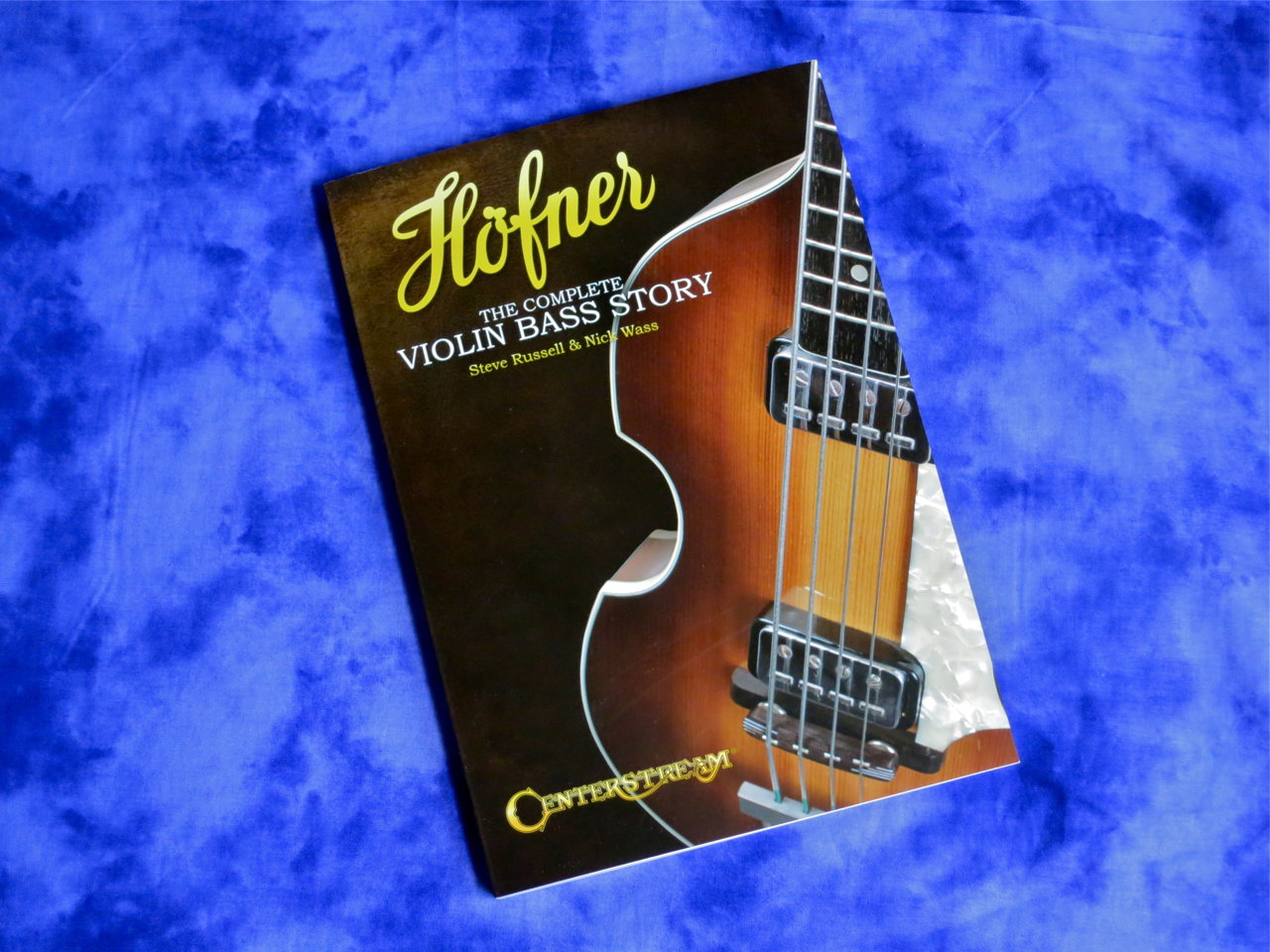
Hiljattain on ilmestynyt ensimmäinen vakavasti otettava kirja Höfnerin viulubassosta.

The Complete Violin Bass Story on Höfner-asiantuntijoiden – Steve Russellin ja Nick Wassin – huolellinen ja kattava historiikki Höfnerin klassikkobassosta.

Höfner Book 2

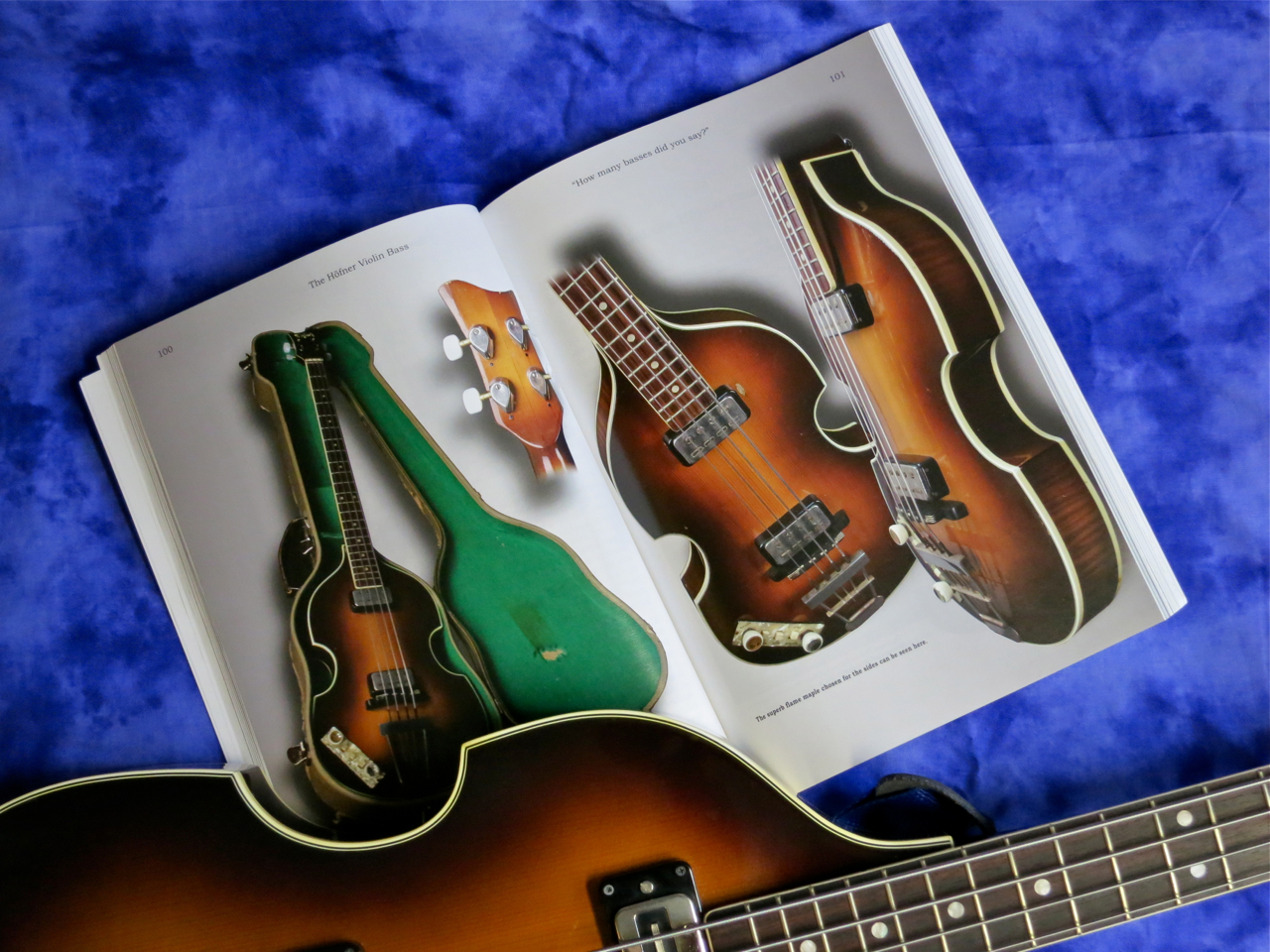
320-sivuiseen kirjaan on hyvin kirjoitetun tekstin lisäksi mahdutettu suuri määrä bassokuvia – skaala ulottuu tunnetuista varhaisen 1960-luvun viulubassoista…

Höfner Book 3

…ja 70-luvun malleista…

Höfner 4

…nykypäivän reissue-mallistoon.

Kirjassa on mukana myös Tommi Posan ottamia kuvia minun omasta 90-luvun Höfneristäni!

Bass Porn: My 1987 Rickenbacker 4003

Rickenbacker 4003 – beauty

My Rickenbacker 4003 is finished in silver, and sports the black hardware so common on 1980s Rickenbackers.

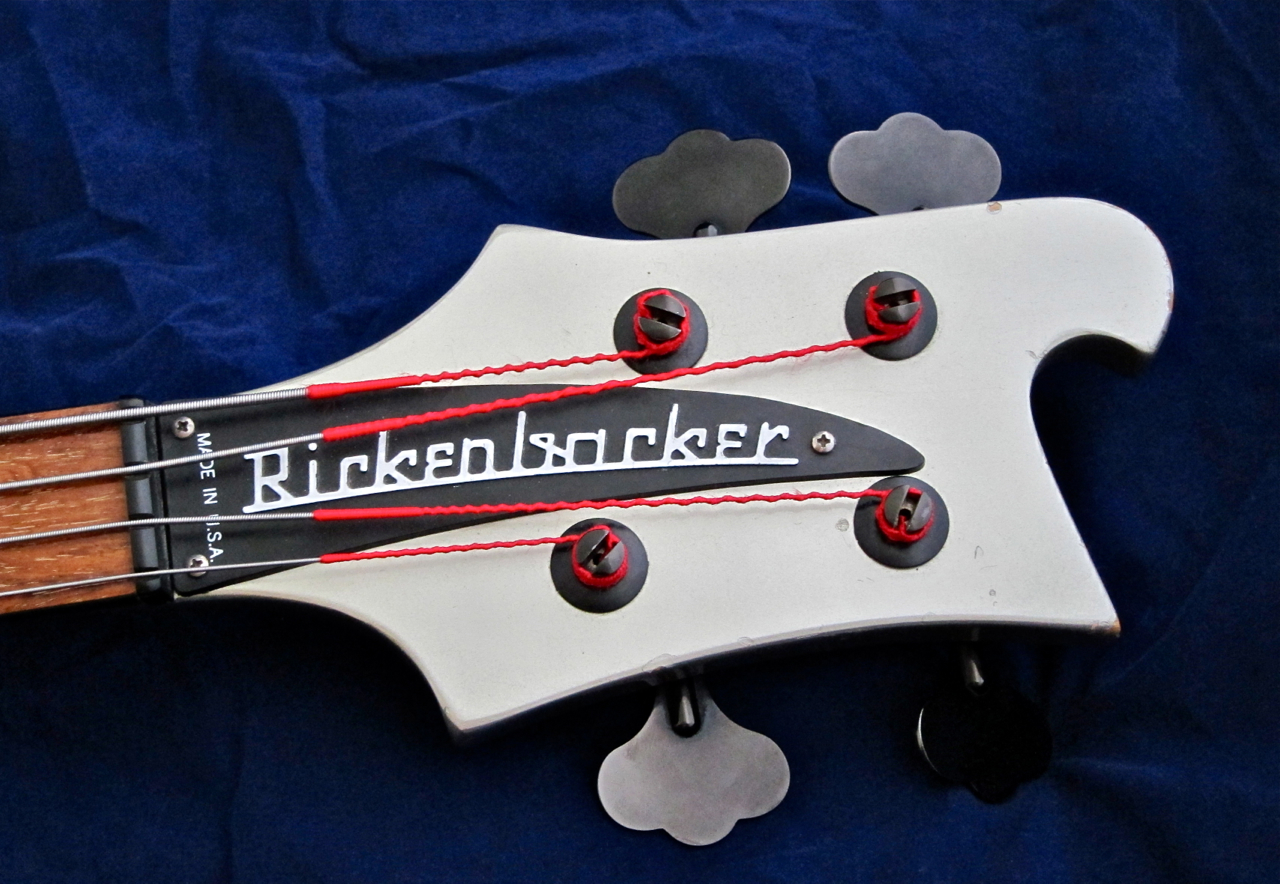
Rickenbacker 4003 – headstock

Rickenbacker 4003 – tuners

Old Rickies from the 1960s use Kluson tuners. Seventies models were most often equipped with Grover tuners. By the Eighties Rickenbacker had switched to Rickenbacker-branded Schaller tuners from Germany.

Rickenbacker 4003 – inlays

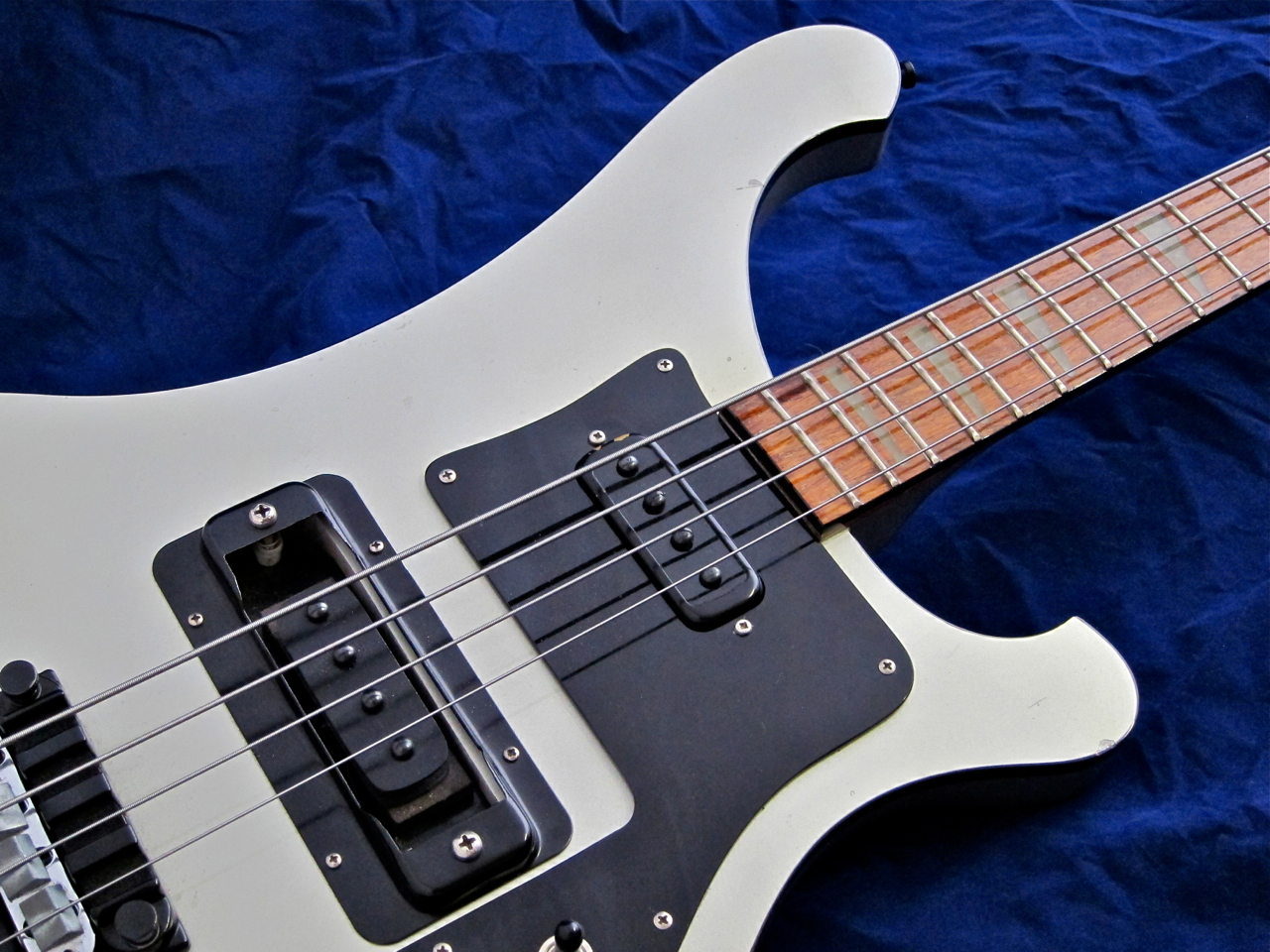
The original 4001 basses featured triangular ”shark-fin” inlays that went all the way from one edge of the fretboard to the other, effectively cutting the ’board into many pieces. The Rickenbacker 4003 has redesigned and slightly smaller inlays.

Rickenbacker 4003 – horns + pickups

Viewed from the top both singlecoil pickups seem identical.

Rickenbacker 4003 – neck pickup

While the units feature virtually identical polepieces and coils, they do differ in the details. The neck pickup is powered by a single, flat bar magnet stuck underneath the bobbin.

Rickenbacker 4003 – bridge pickup

The 4003’s distinctive bridge pickup tone of the Eighties model is produced by using a unique, thick rubber/ceramic-compound magnet that has a large gap (for the wiring) on the fingerboard-facing side. The hand rest has been removed by the previous owner.

Rickenbacker 4003 – bridge

The Rickenbacker bass bridge stands in its own recess inside the combined tailpiece and mute assembly.
In the Eighties Rickenbacker experimented with different tailpiece thicknesses, leading to quite a few bridge assemblies featuring two additional screws close to the ball ends. These factory-installed screws keep the – slightly too flexible – tailpiece from being bent out of shape by the string pull.

Rickenbacker 4003 – body binding + bridge screws

The body binding on Rickenbacker basses is usually glued to the body wings before the wings are attached to the through-neck.

Rickenbacker 4003 – full front

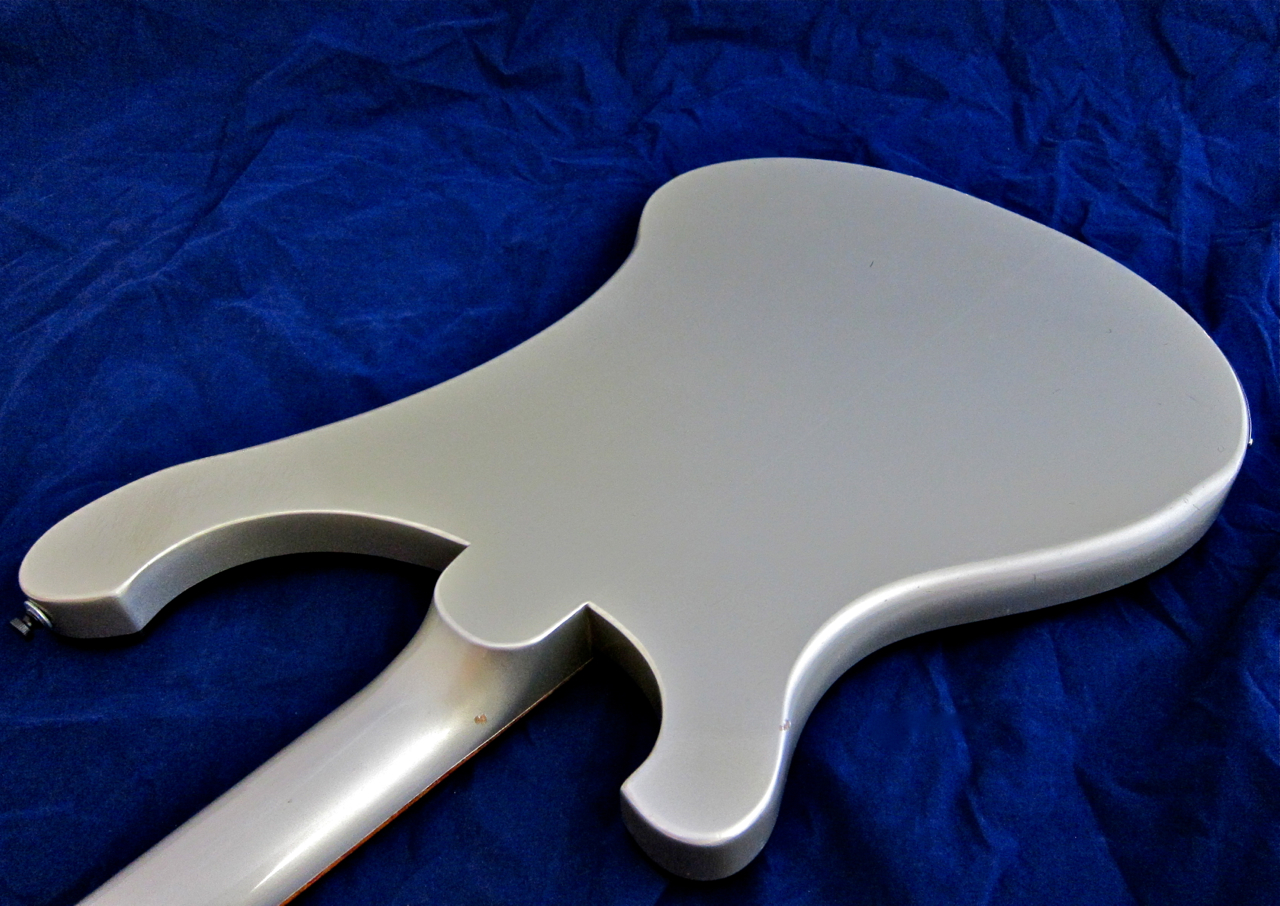
Rickenbacker 4003 – full back

Rickenbacker 4003 – glue line

Look closely, and you’ll be able to spot the glue-lines demarcating the through-neck.

Rickenbacker 4003 – jack plate

Rickenbacker used several different numbering schemes throughout the decades. In 1987 they introduced a new numbering system with a letter indicating the month of production (A = January) and a number standing for the year (0 = 1987). Additionally there are four numbers on the lower edge of the jack plate (digitally wiped from this photograph).
The Rick-O-Sound-output is for use with a Y-cable (stereo plug to two mono plugs), splitting the pickup signals for use with two amplifiers or for adding different effects to each of the pickups.

Rickenbacker 4003 – body beauty

This is what my own Rickenbacker-bass sounds like, when recorded using a SansAmp Bass Driver DI-box:

fingerstyle/neck PU

fingerstyle/both PUs

fingerstyle/bridge PU

plectrum/neck PU

plectrum/both PUs

plectrum/bridge PU

****

Some Rick-tastic clips:

Epiphone Casino – lempikitarani

Omistamastani kitaroista Epiphone Casino on se jolla soitan eniten.

Mallilla on myös ollut tärkeä paikka Beatles-yhtiön soundissa Help-albumista eteenpäin – bändin kaikki kolme kitaristit omistivat kyseisen mallin. Paul McCartney on usein kertonut haastatteluissa, että Casino on hänen lempisoittimensa.

casino_full1

Epiphone Casino ES-230TD on kitaran alkuperäinen mallitunnus, ja se oli firman vastine Gibsonin ES-330-mallille.

Gibson oli ostanut Epiphone-yrityksen 1950-luvun loppupuolella, ja siirtänyt tuotantoa oman tehtaansa läheisyyteen Kalamazoohon. Nykyään Epiphone on Gibsonin edullinen brändi, ja soittimet rakennetaan lähes kaikki Kiinassa.

casino_full2

Oma Casinoni on varhaisen 2000-luvun tuotantoa Koreasta. Alun perin kitarassa oli kiiltävä viimeistely, mutta ystäväni Sebastian Bunge (Soundhaus Lübeck) muutti sitä hiekkapaperilla Lennon-tyyliseksi mattaksi asiakkaan pyynnöstä. Samalla hän vaihtoi soittimeen paremmat P-90 mikrofonit, jotka tulivat Göldoltä.

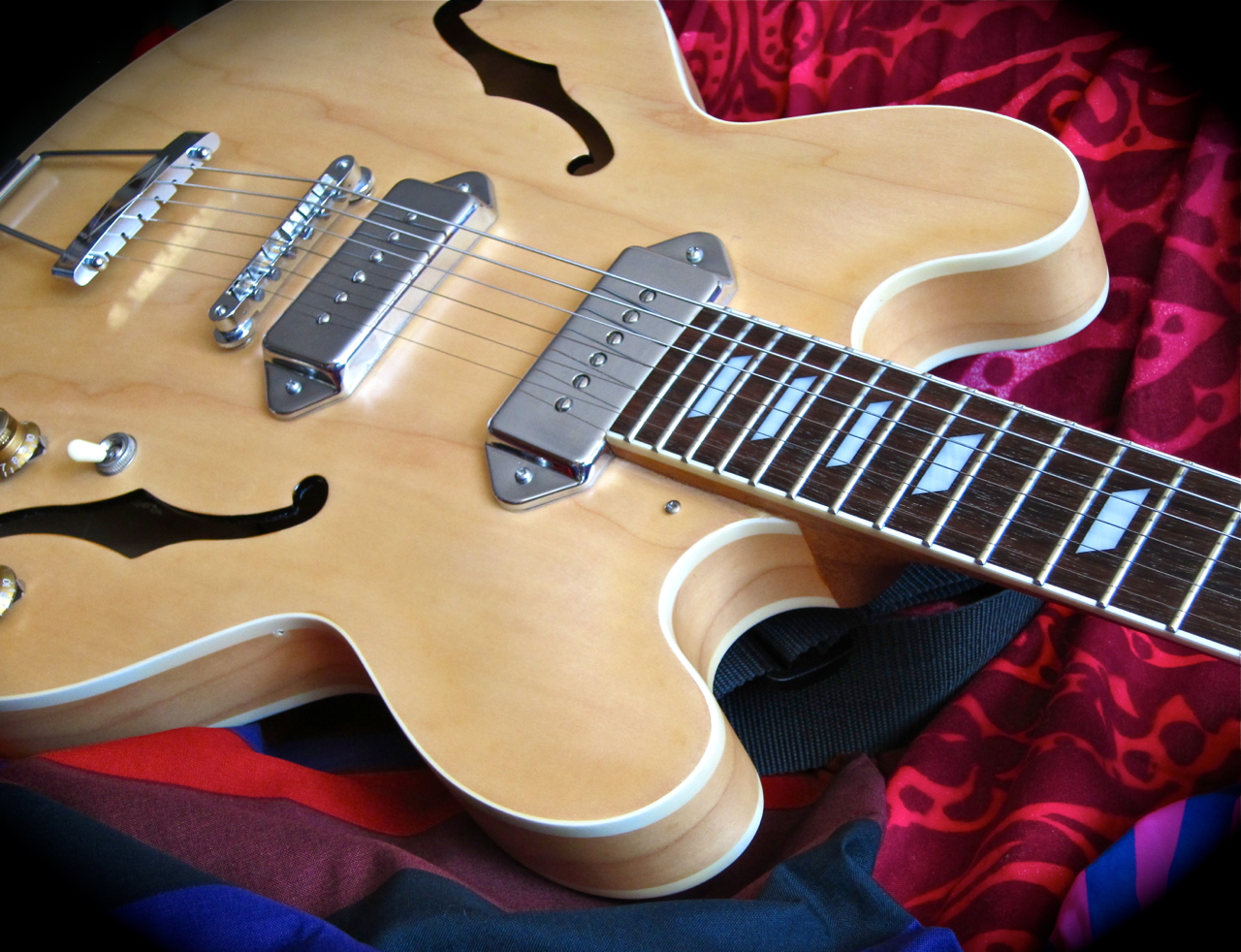
casino_p90s

Vaikka Casino näyttää samankaltaiselta puoliakustiselta kitaralta kuin Gibsonin ES-335/-345/-355, on sen runko kuitenkin täysin ontto (niin kuin myös Gibson ES-330:ssä). Rungosta puuttuu puoliakustisen kitaran keskipalkki vaahterasta, minkä takia Casinon mahonkikaula on liimattu vanerirunkoon jo 16:n nauhan kohdalla.

casino_body

60-luvun originaaleissa kaula on yksiosainen, mutta minun kitarassa on tyypillinen korealainen kolmiosainen kaula, yhdestä pitkästä osasta, johon on liitetty kaulan korko sekä viritinlapa (liitoskohta on hieman E-virittimien alapuolella).

casino_head

Ensimmäisillä Casinoilla oli – ainakin minun mielestä – kömpelön näköiset, leveät Gibson-tyyliset lavat. Vuonna 1965 muutetiin muotoa kauniimpaan tiimalasi-kaltaiseen tyyliin.

Kitarani on helpposoittoinen ja soundiltaan presiis mitä odotin. ”Minulla on tässä jotain, mitä voisi kiinnostaa sinua”, Sebastian sanoi – ja hän oli oikeassa! Soitin Casinon Soundhausissa Fender ’65 Deluxe reissue -kombon läpi, ja sointi oli juuri kuin Lennonin soundi Apple-talon katossa silloin tammikuun 1969 lopussa (OK, tiedän, että Johnilla oli Twin…).

Rakastan tätä kitaraa! Soitan Casinoni esimerkiksi tässä.

Yläoleva juttu on otettu minun toisesta blogista.

__________________________________________________________

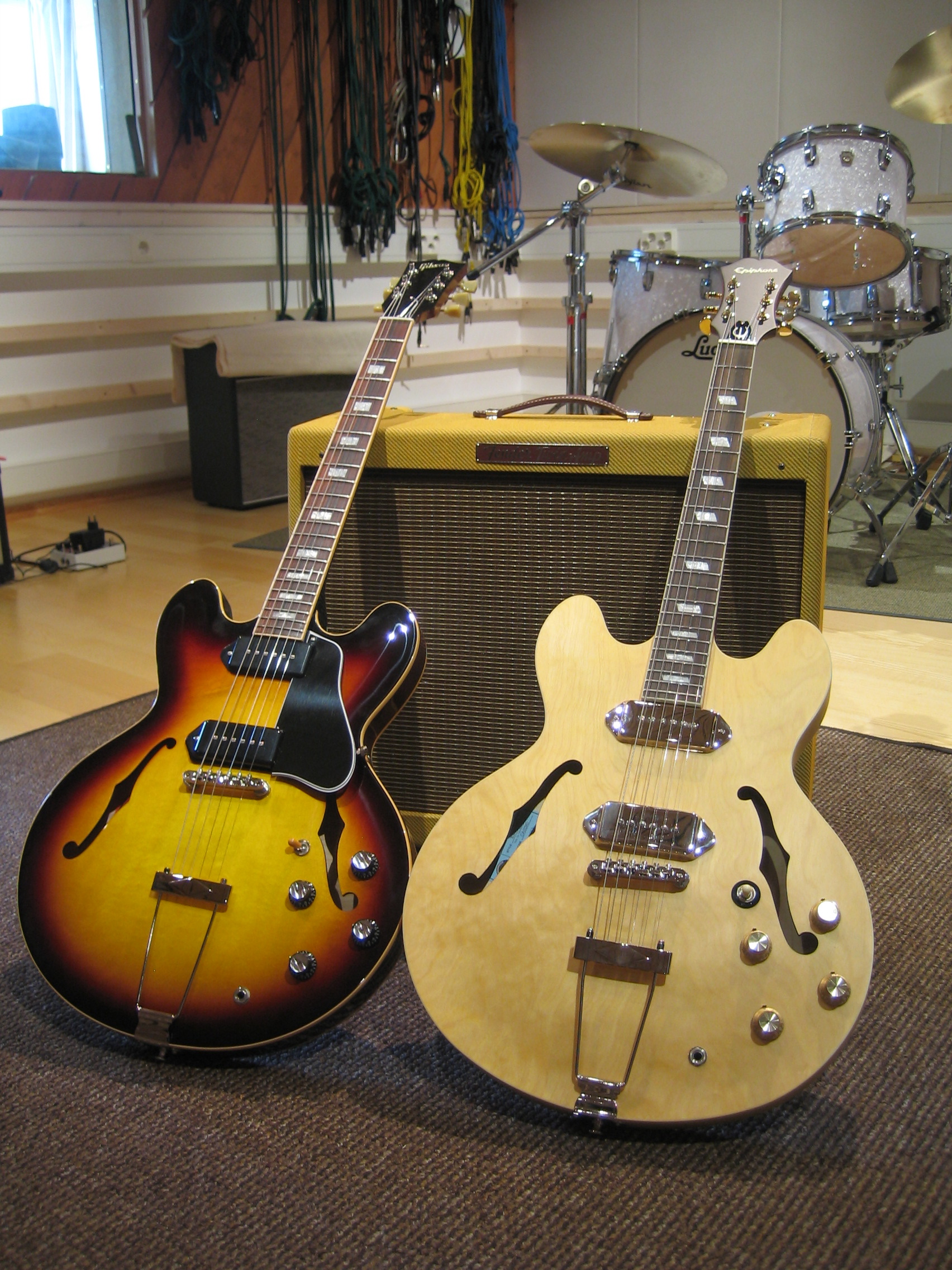
Juttuni allaolevista kahdesta kaunottareista – Gibson ES-330L ja Epiphone Inspired By Revolution Casino – julkaistiin Riffi-lehden numerossa 4/2010.

I Love My Epiphone Casino

One of my all-time favourite guitars is the Epiphone Casino. It is the ultimate Beatle-guitar – all three guitar-playing Beatles have owned and played this model. Paul McCartney still rates the Casino as his personal favourite.

casino_full1

Originally called the Epiphone Casino ES-230TD it was the sister model to Gibson’s ES-330. Gibson had bought (the then US-firm) in the mid 1950s and produced Epiphone models alongside their own line in Kalamazoo (Michigan). Nowadays the Epi brand serves as Gibson’s cost-conscious line and the production has long been moved to the Far East (mostly China).

casino_full2

My Casino is an early Noughties Korean-manufactured guitar. Originally a natural (gloss) finished model, it has been Lennon-ised by my friend Sebastian Bunge of Soundhaus Lübeck (Germany). He dulled down the finish (at which point the serial number went missing) and installed higher quality P-90 pickups made by Göldo.

casino_p90s

Although the Casino shares the double-cutaway thinline body of Gibson’s ES-335/-345/-355, it is nonetheless a completely hollow bodied model (like the ES-330). There is no maple centre block running the length of the plywood maple body, which is why the neck joint is at the 16th fret.

casino_body

While the originals had one-piece mahogany necks, my guitar comes with a three-piece neck. Basically, the neck is one piece, save for an added bit to make up the height of the neck heel, as well as the headstock, which is joined to the rest north of the saddle/wrist area (not scarf-joined beneath the 2nd fret!).

casino_head

While the first Casinos from the late 1950s/early 60s feature (rather ugly) wide Gibson-type headstocks, all post-65 models come with the much more distinctive Epi-hourglass design.

This guitar plays like a dream and sounds like it should. Sebastian pulled it out of its case and said ”I think you might be interested in this!” – damn right I was. He plugged the guitar into a Fender ’65 Deluxe reissue, and it sounded exactly like John on the Apple-building roof in January 1969 (OK, so John had played a Twin…).

I love this guitar. One example of myself playing the Epiphone Casino can be found here.

This post has been originally posted on my other blog in 2008.

__________________________________________________________

My review of these two beauties – the Gibson ES-330L and the Epiphone Inspired By Revolution Casino – can be found in Riffi Magazine’s issue 4/2010.

Pidä blogia WordPress.comissa.

Ylös ↑