Review: Tokai Classic Series

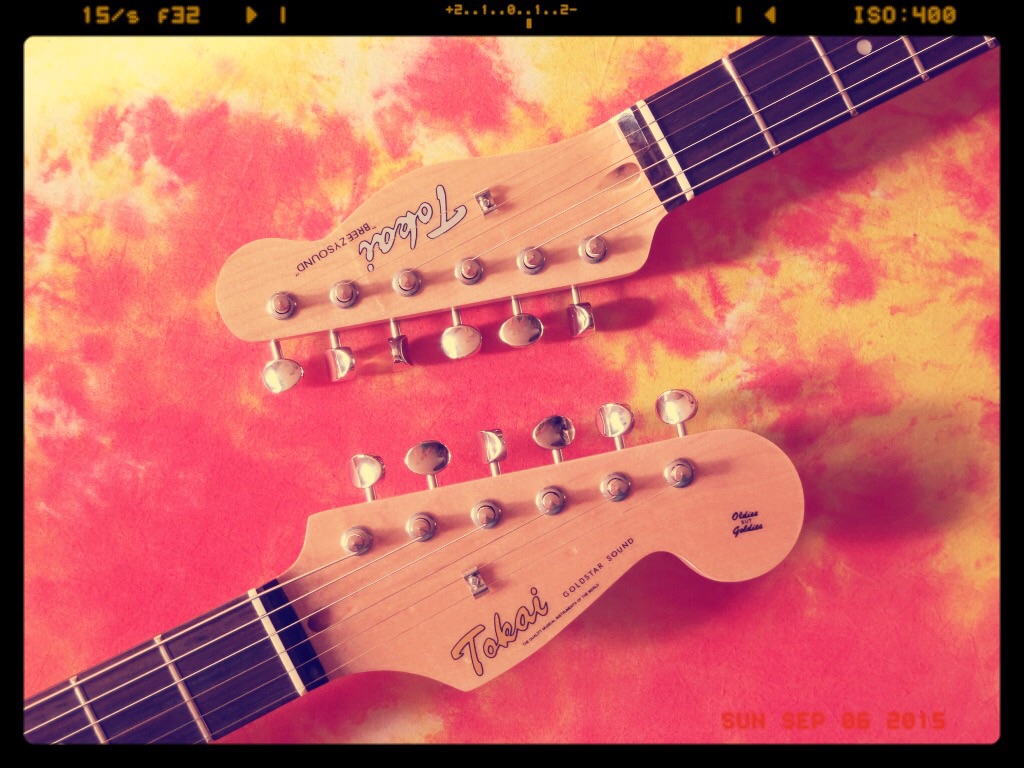
Tokai Classic TE – headstock

Tokai Guitars has built its reputation on very well-crafted and vintage-correct copies of classic models. The original Japanese Tokai instruments from the Seventies and Eighties gave most US manufacturers a good run for their money, and in some respects Tokai’s – ahem – ”versions” were even better than some of the originals from that era.

Tokai’s top-of-the-line instruments are still made in Japan. The company’s Chinese output, though, makes it possible to own a genuine Tokai guitar (or bass), even on a tighter budget.

The idea behind the brand-new Tokai Classic series is to offer very reasonably priced guitars and basses, which combine a classic look with a few modern tweaks for easier playability.

****

Tokai Classic TE – full front

Tokai Classic TE – full back

Kitarablogi received these three Tokai Classics for review:

A Tokai Classic TE (current price in Finland: 249 €) in a 50s-style two-tone sunburst finish…

Tokai Classic ST – full front

Tokai Classic ST – full back

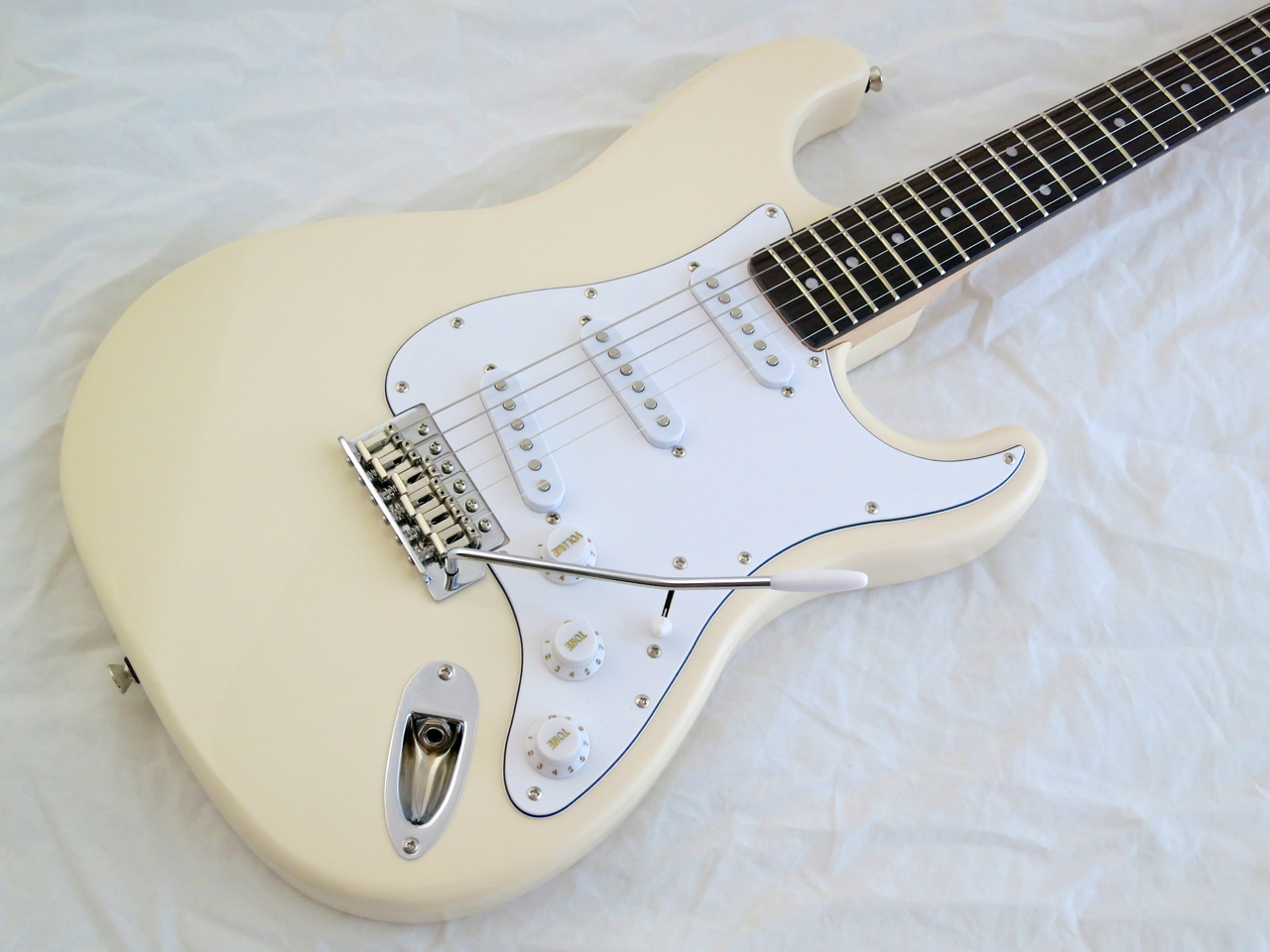
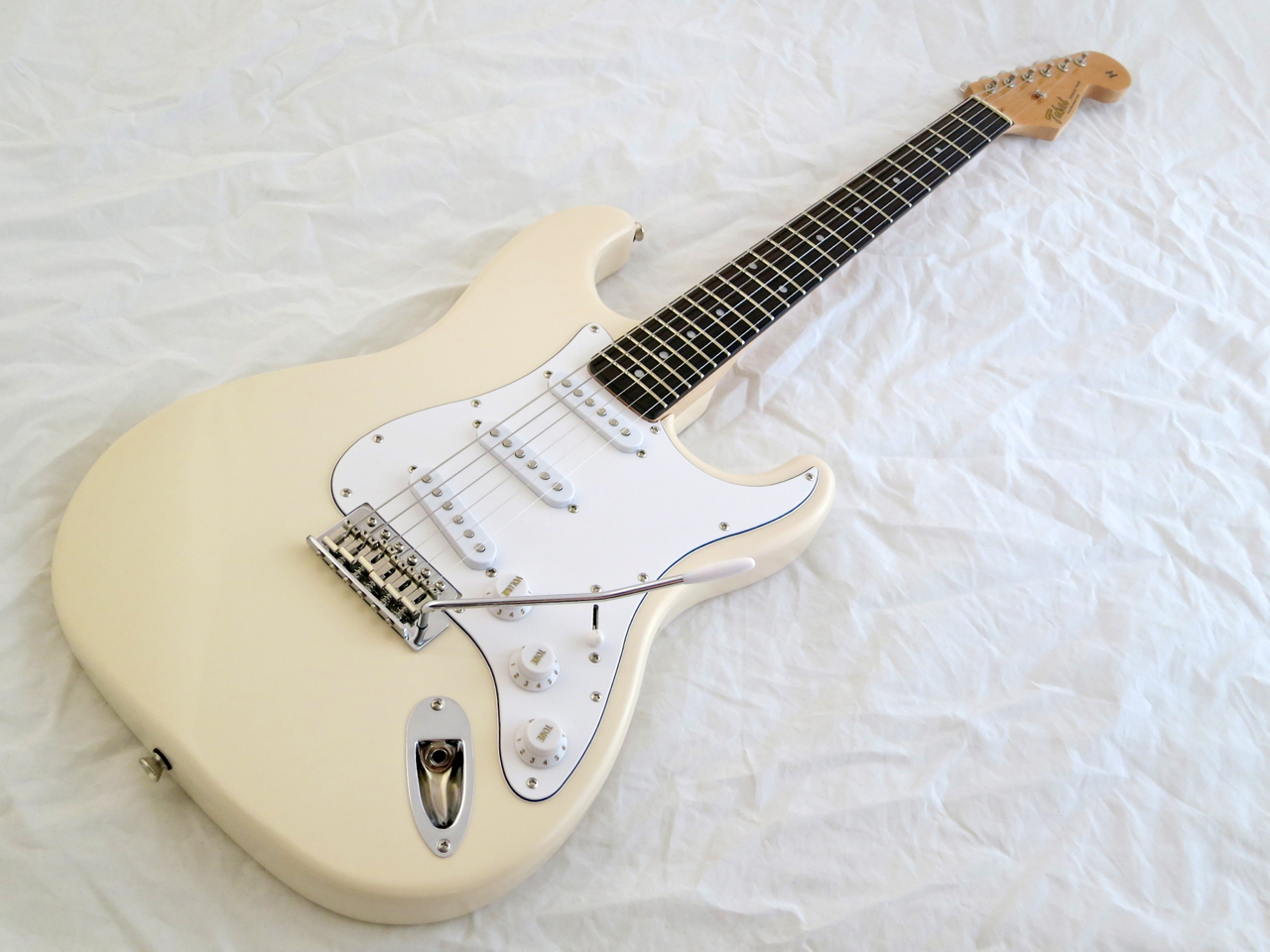
…a creamy white Tokai Classic ST (249 €)…
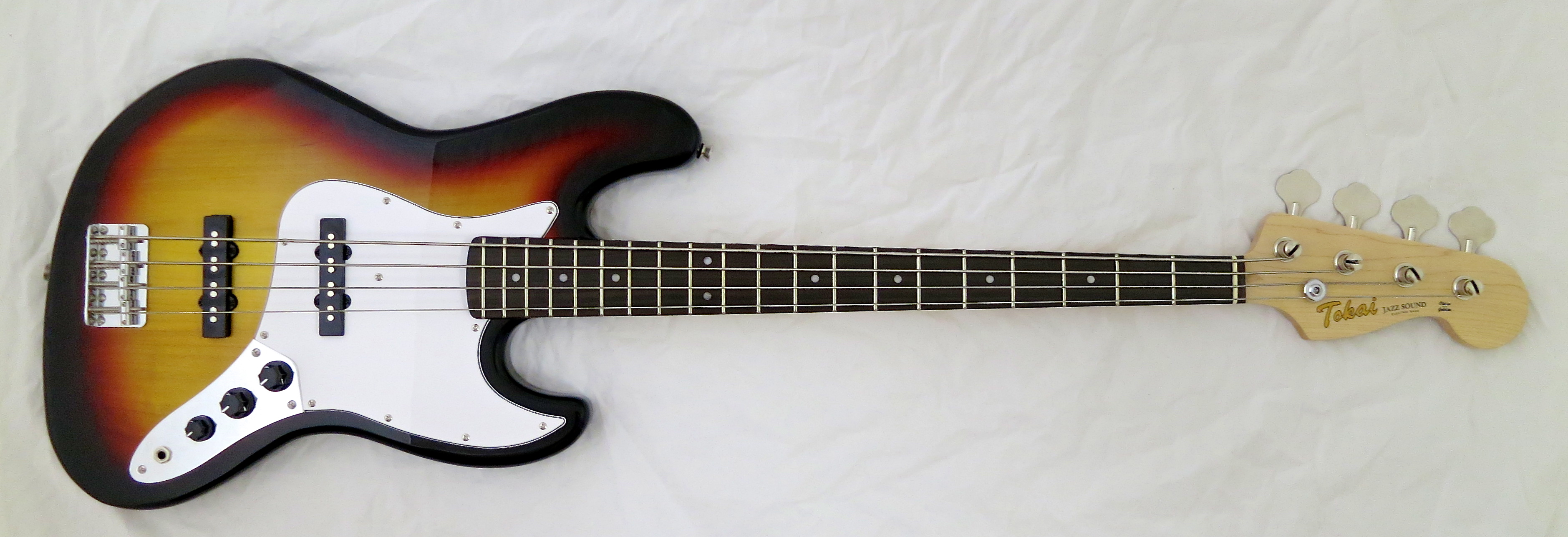
Tokai Classic JB – full front

Tokai Classic JB – full back

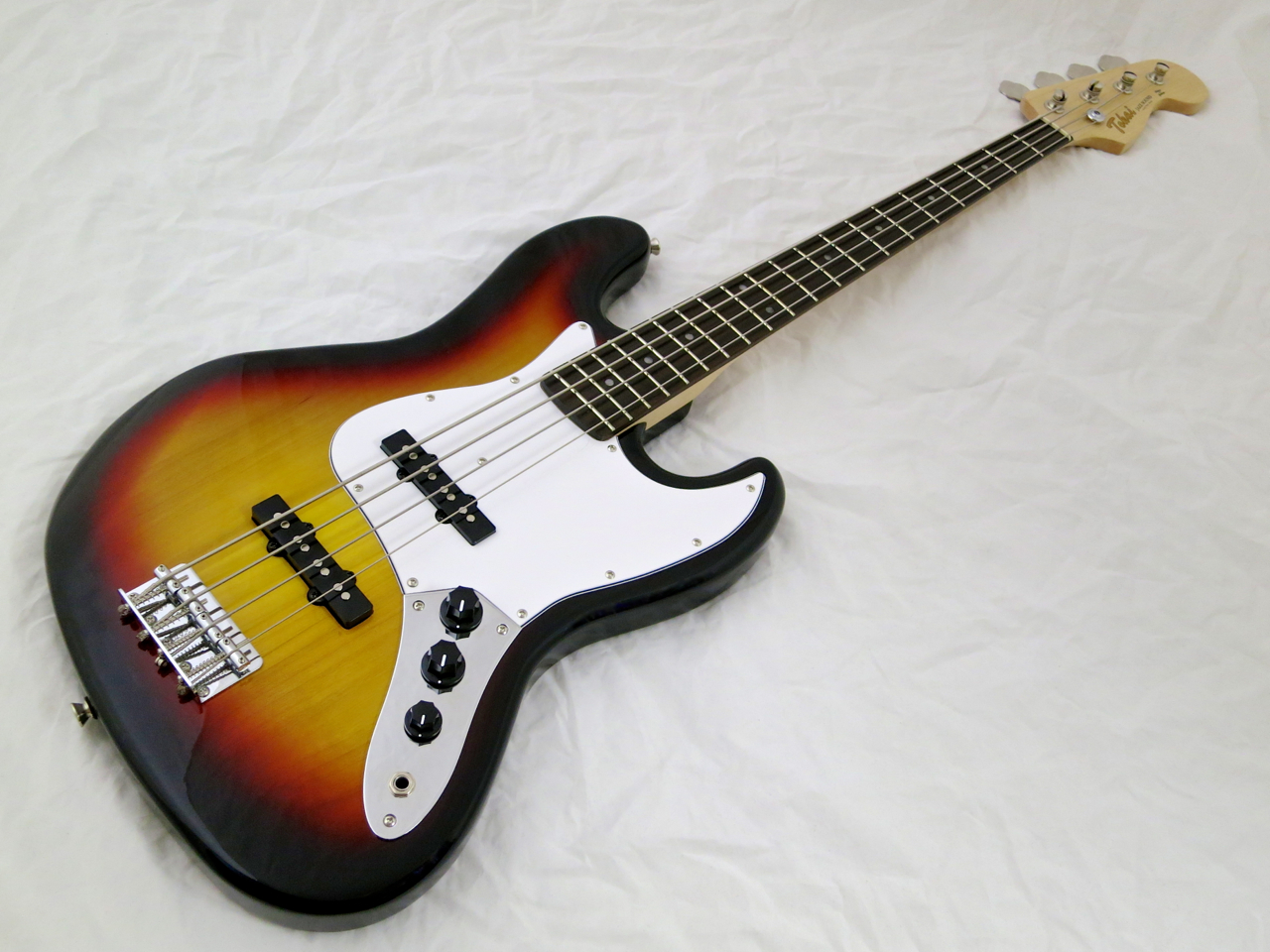
…as well as a Classic JB bass (299 €) in a fetching three-tone sunburst.

Tokai Classic ST – headstock

Tokai’s Classic series features bolt-on maple necks.

On the TE and ST models the face of the headstock sports a gloss finish.

Tokai Classic JB – headstock

The JB bass’ headstock front has received the same thin satin finish as the neck.

All Classic instruments offer easy access to the truss rod at the headstock, so you won’t have to take off the neck to make adjustments.

Tokai Classic TE – tuners

There’s a set of very decent Kluson-copies installed on the guitars.

Tokai Classic JB – tuners

The Classic JB comes with a set of Schaller-copies, which are less massive than vintage-style Klusons.

Tokai Classic guitars – fretboard

The Classic TE and ST come with a flatter-than-vintage fingerboard radius and chunkier frets, which makes the playing feel much more modern and bend-friendly.

Tokai Classic JB – fretboard

The same goes for the Tokai Classic bass.

Tokai Classic TE – back beauty 2

All Classic series bodies are made of basswood, a proven tonewood with a sound similar to alder.

Tokai Classic TE – neck plate

The black plastic cushion beneath the neck plate protects the finish.
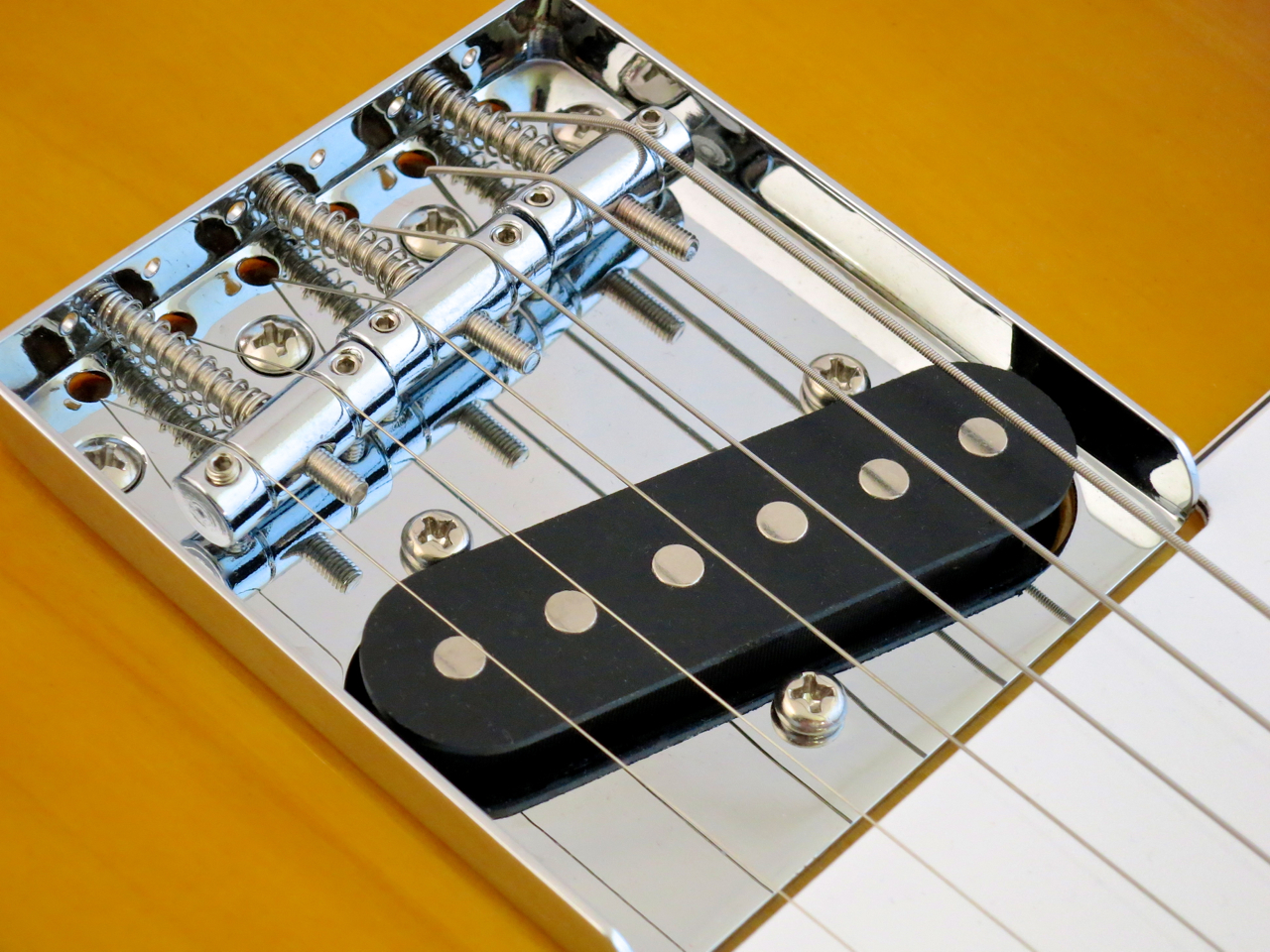
Tokai Classic TE – bridge

There are different versions of the three-saddle Tele-style bridge in circulation:

The Classic TE goes for the late-Sixties variety sporting three saddles with pre-set grooves for the strings.

Tokai Classic TE – back ferrules

The TE came strung the regular way, though the body, with the strings’ ball-ends anchored in ferrules. This setup is favoured by most Tele players.

Tokai Classic TE – additional bridge holes

Tokai’s Classic TE nevertheless offers an additional interesting feature:

It’s possible to string this guitar through the back of the bridge, too. This was a rare feature on original Fender Telecasters in 1958/59 that noticeably alters the feel and sound of the guitar.

Tokai Classic ST – bridge

At first glance, the bridge on Tokai’s Classic ST looks like a dead-on copy of a vintage Strat vibrato.

Tokai Classic ST – vibrato block

The vibrato block, though, isn’t as chunky as on the original. It’s about the same size as the block on a Floyd Rose vibrato.

Vintage-anoraks will sniff disapprovingly at the sight of such a block, claiming that it’s bad for the tone of the guitar. Let me tell you that the review guitar’s acoustic ring and sustain were actually quite healthy. So much for preconceptions…
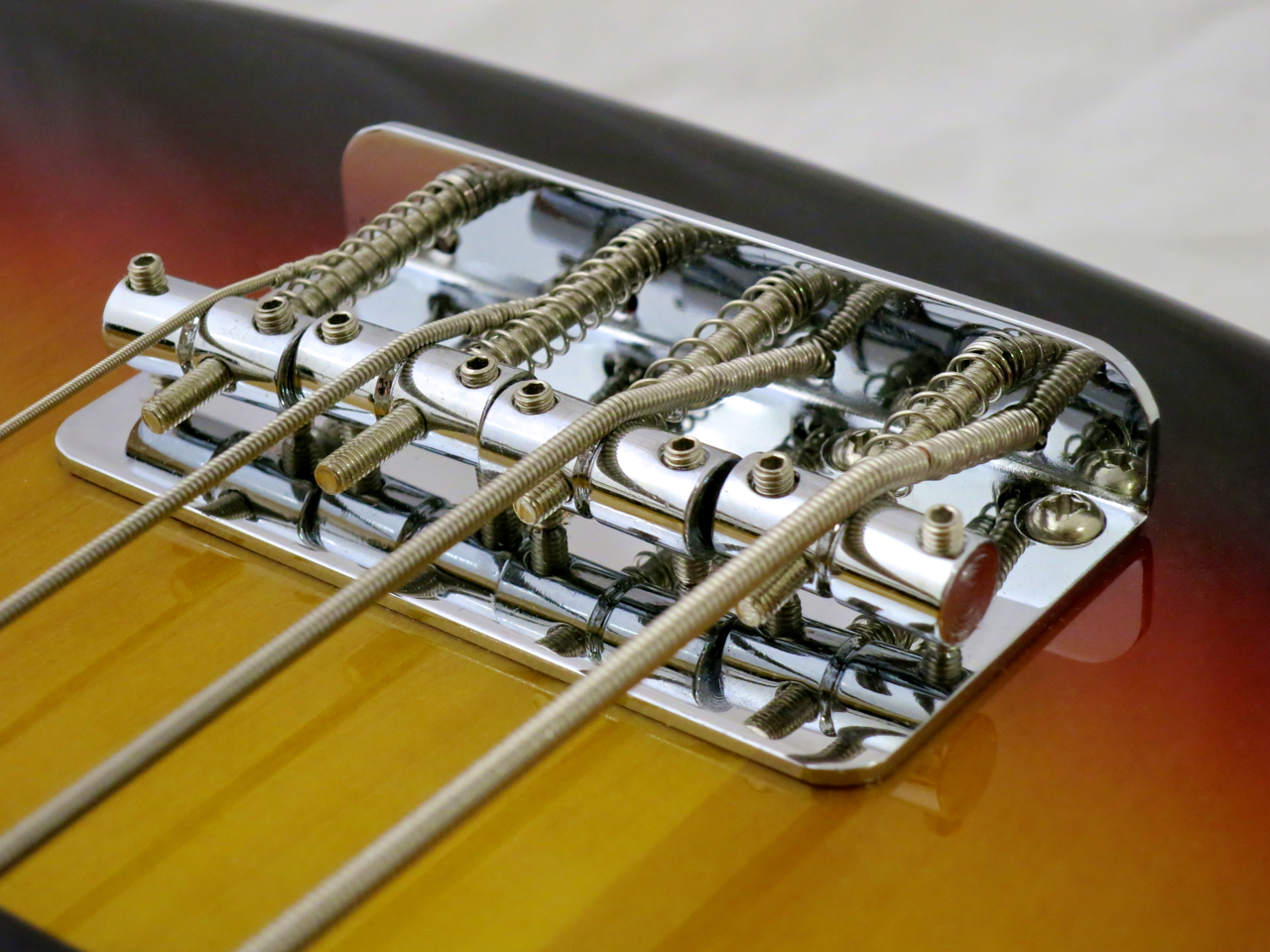
Tokai Classic JB – bridge

The Classic JB sports a nice copy of a 1970s Fender bass bridge.

Tokai Classic TE – pickups

Most self-appointed ”vintage-gurus” will tell you to steer clear at all times of ceramic Fender-style singlecoils.

Traditionally, a Fender-type singlecoil is constructed from six small, cylindrical magnets, which are tapped into vulcanised fibre plates. Around this magnet core a coil of thin copper wire is wound to complete the pickup. In traditional pickups the polepieces you see are actually the top ends of the alnico magnets.
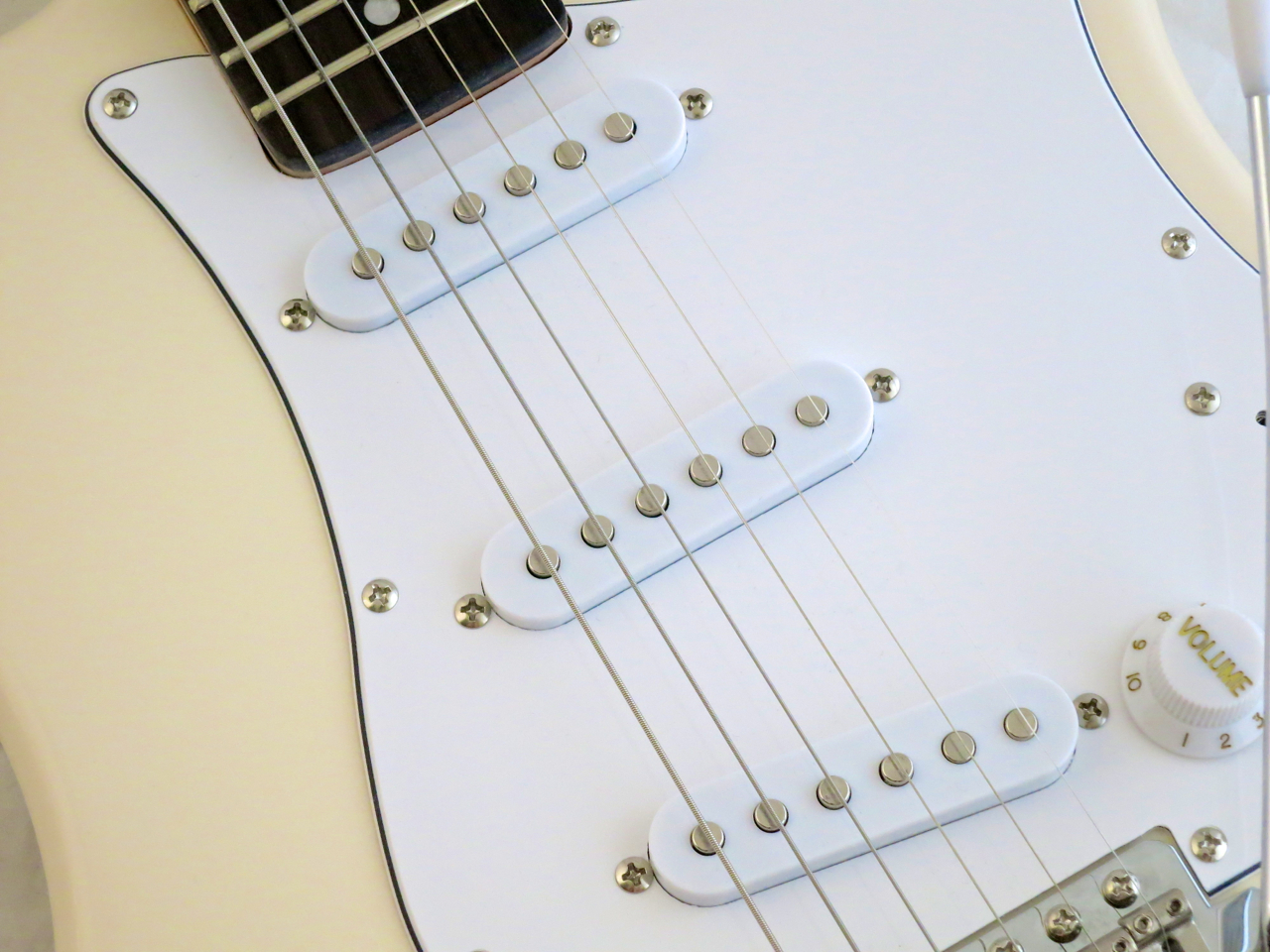
Tokai Classic ST – pickups

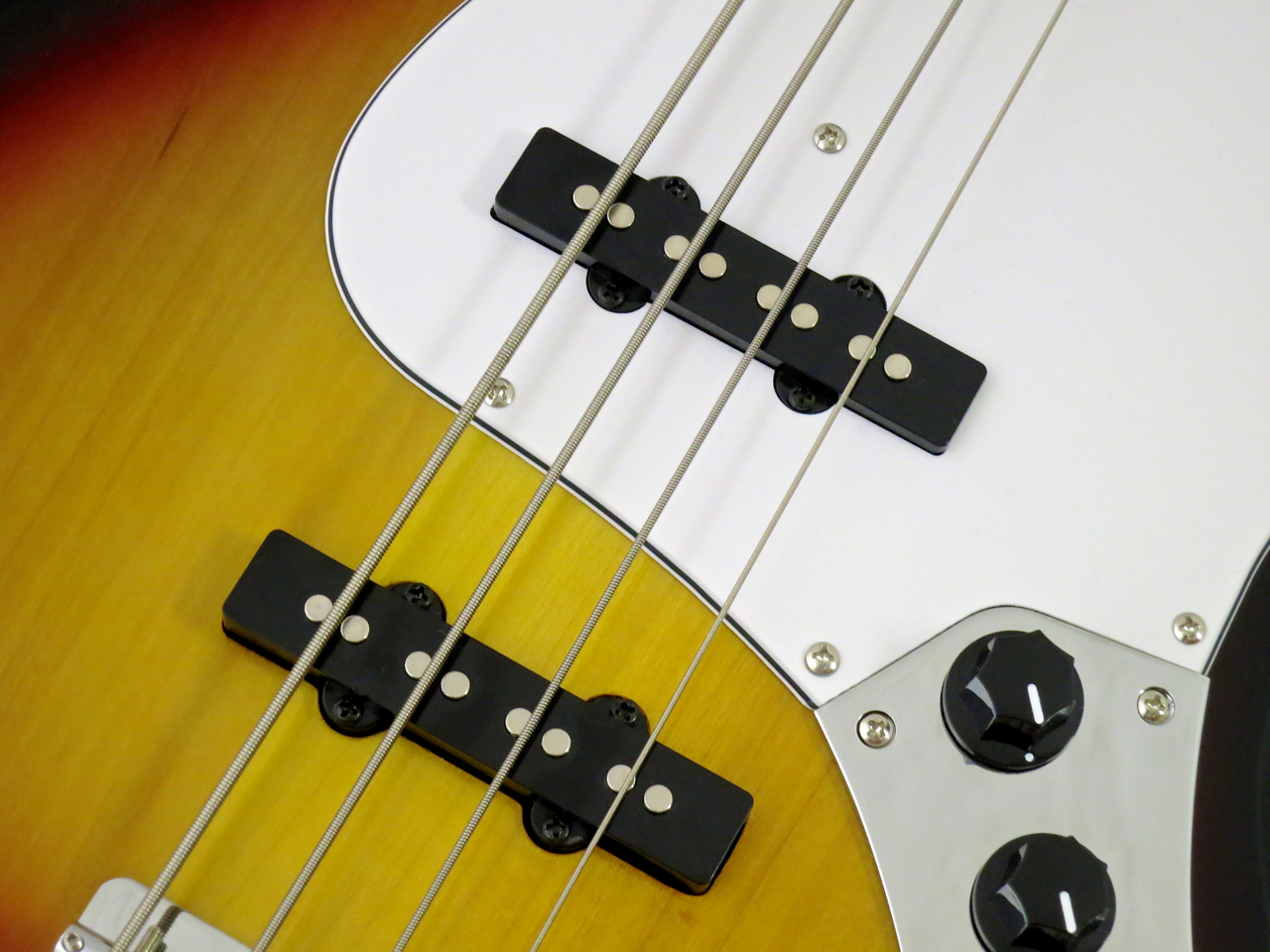
Tokai’s Classic series uses ceramic pickups, which are made a little differently. The polepieces aren’t magnets, but rather soft steel rods, which are in physical contact to a ceramic bar magnet (or sometimes two magnets) stuck to the bottom of each pickup.
Tokai Classic JB – pickups 2

When ceramic pickups first appeared on budget guitars in the Nineties, their sound was admittedly often very spiky, brittle and sharp. This gave ceramic singlecoils a bad name, which wasn’t all that undeserved.

But that was then, and ceramic pickups have been improved drastically since. Despite this, there’s still quite a lot of prejudice against this type of guitar pickup.

In the case of these Tokai Classic instruments, I’d suggest you approach their pickups with an open heart and open ears – you might be in for a positive surprise!
Tokai Classic TE – control cavity

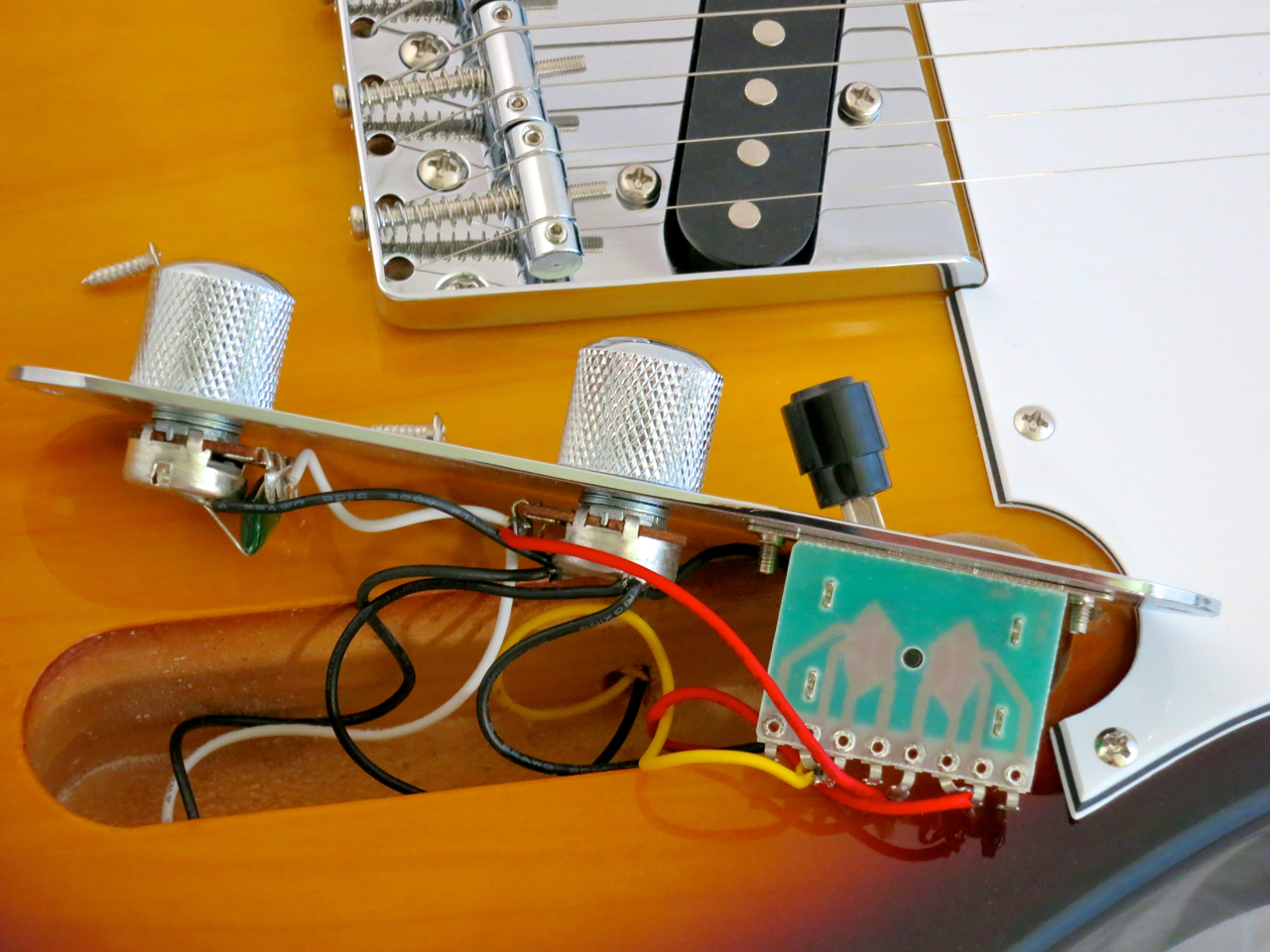
The Classic series features electronic parts of inexpensive, but very decent quality. All the switches and controls work fine, and without any hiccups.

As you can easily see from this picture, the workmanship is very clean in the Classic TE.

Tokai Classic JB – control cavity

The rout for the Classic JB’s component cavity wasn’t quite as clean on our review sample. Luckily, this has no bearing whatsoever on the functionality of this bass guitar.

****
Tokai Classic TE – body beauty 1

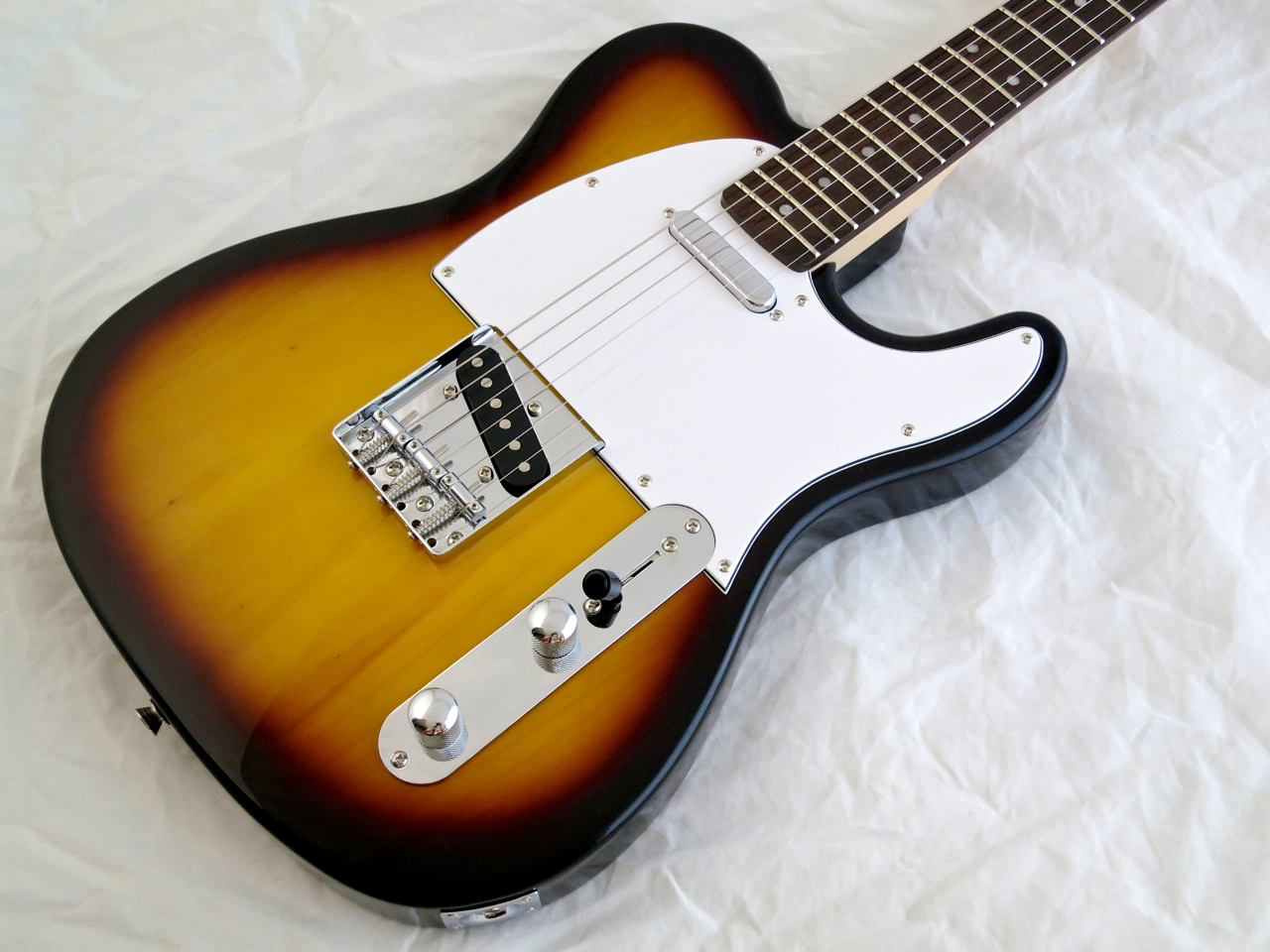
Tokai’s Classic TE is a very nice, well-playing Tele-style electric guitar.

Quite often, you will find uninspiring, flat and generic neck profiles on instruments in this price bracket.

The Classic TE is quite an exception, as it sports a comfortable, well-rounded and chunky neck, that still manages to stay on the right side of ”fat”. The fretwork is really great on our review sample. Combined with the bigger frets and flatter fretboard radius, this results in a slinky and bend-friendly playing feel.

Tokai’s Classic TE is no slouch in the sound department, either:

The neck pickup is warm and round, but never sounds boring or one-dimensional. The middle position of the switch will give you a cool, funky rhythm tone. The bridge pickup on its own offers enough twang for Country playing, and enough whack for the Classic Rock crowd.

Tokai Classic TE – body beauty 2

****

Tokai Classic ST – body beauty 1

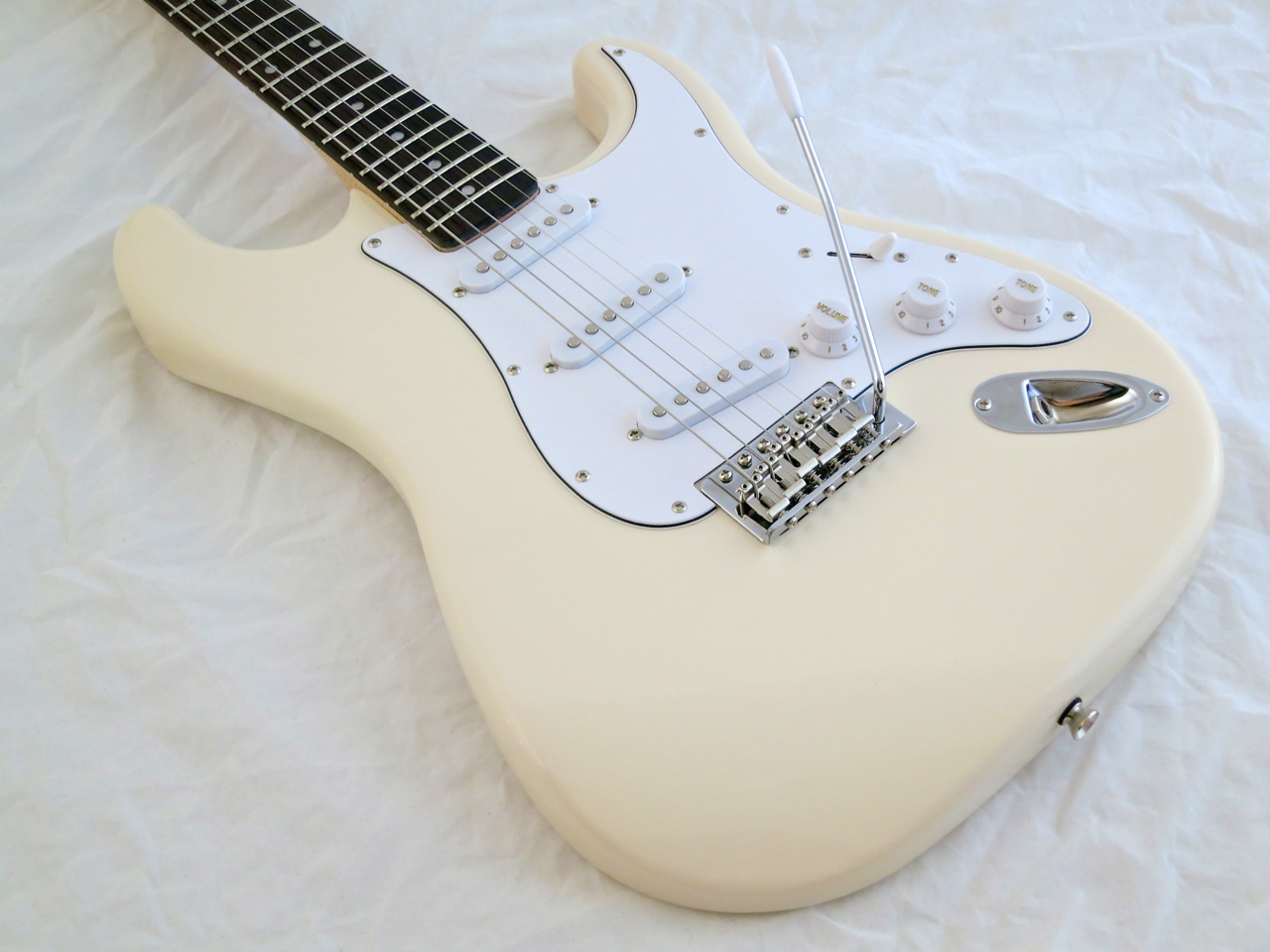
I’d never have thought an electric guitar costing only 249 € could be as utterly inspiring as this Tokai Classic ST!

The neck feels great with its oval C-profile. The fretwork and setup make this a real player’s guitar. The vibrato works well in a vintage-style way, and the ST’s acoustic tone is woody and dynamic.

The ceramic pickups on the Tokai Classic ST are a bit hotter than the alnicos on my 50s-style Fender Stratocaster reissue. They also have a bit more sizzle and bite, but in a good way, making this more of a ”Jimi Hendrix” than a ”Buddy Holly” guitar.
Tokai Classic ST – body beauty 2

****

Tokai Classic JB – body beauty 1

Tokai’s Classic JB truly offers a lot of bass in a very pocket-friendly package.

The Classic JB will give you all the features you’d look for in a Jazz Bass-type instrument:

There’s the slender, distinctly tapered neck profile, the comfortable balance, and the wide variety (for a passive bass) of different sounds.
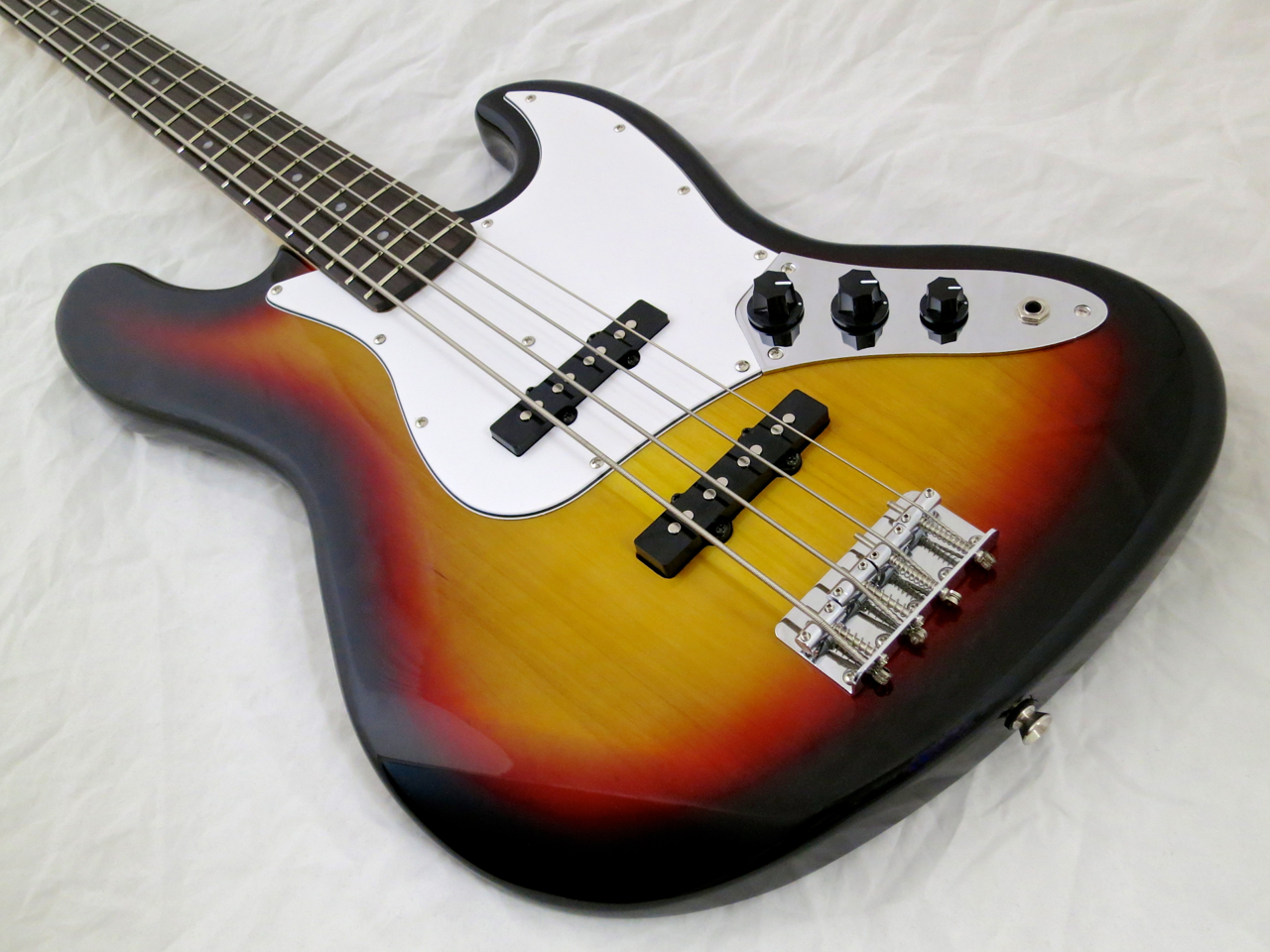
Tokai Classic JB – body beauty 2

This last clip lets you listen to the video’s bass and guitar tracks in isolation. During the first half all guitar tracks are played on the Classic TE, in the second half the Classic ST takes over:

****

Tokai Classic TE – beauty shot 1

Tokai Classic ST – beauty shot 1

Tokai Classic JB – beauty shot 1

Tokai’s Classic Series may well prove to set a new standard for vintage-style instruments in this price range. The three reviewed guitars were well-made, well-playing instruments, and their sound was inspiring.

While the Classic series is aimed mainly at beginners, I wouldn’t be surprised if some of the instruments crept up on pub or club stages!

****

Tokai Classic Series

Tokai Classic TE – 249 €

Tokai Classic ST – 249 €

Tokai Classic JB – 299 €

Finnish distributor: Musamaailma

****

Pros:

+ value-for-money

+ playability

+ workmanship

+ sound
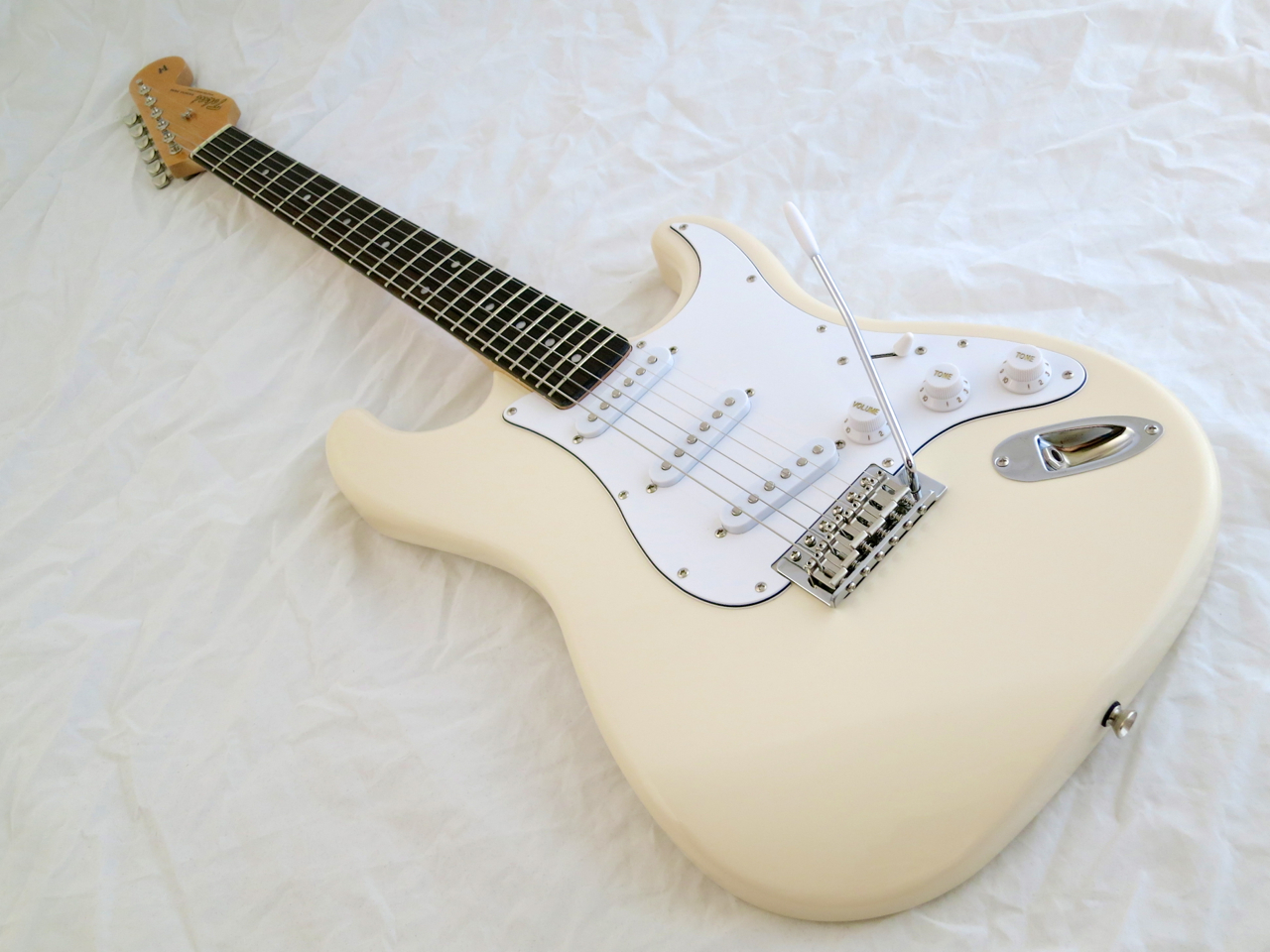
Tokai Classic ST – beauty shot 2

Testipenkissä: Tokai Classic Series

Tokai Classic TE – headstock

Tokai Guitarsin maine perustuu firman erittäin laadukkaisiin ja tarkkoihin kopiosoittimiin. Japanilaisen Tokain ”versiot” klassikkosoittimista olivat 1970- ja 80-luvulla monessa suhteessa jopa parempia kuin saman aikakauden kitarat USA:sta.

Tokain parhaimpia sarjoja valmistetaan yhä Japanissa, pitkälti käsityönä. Firman kiinalaiset sarjat tarjoavat kuitenkin oivan mahdollisuuden omistaa aidon Tokai-kitaran tai -basson myös pienemmällä budjetilla.

Upouuden Tokai Classic -sarjan idea on tarjota edullisia soittimia, joissa vintage ulkonäköön on yhdistetty nykyaikainen soitettavuus.

****

Tokai Classic TE – full front

Tokai Classic TE – full back

Kitarablogi sai kolme Tokai Classic -sarjalaista testiin:

Tokai Classic TE:n (249 €) Two Tone Sunburst -viimeistelyllä…

Tokai Classic ST – full front

Tokai Classic ST – full back

…kermanvalkoisen Tokai Classic ST:n (249 €)…

Tokai Classic JB – full front

Tokai Classic JB – full back

…sekä Classic JB -basson (299 €) kolmivärisellä sunburst-värityksellä.

Tokai Classic ST – headstock

Tokai Classic -sarjan kaulat veistetään vaahterasta.

TE- ja ST-mallissa viritinlavan etupuoli on viimeistelty kiiltävällä lakalla.

Tokai Classic JB – headstock

Bassomallissa koko kaulassa on ohut mattaviimeistely.

Kaularaudan säätäminen tapahtuu Classic-soittimissa lavan puolelta, ilman kaulan irrottamisen tarvetta.

Tokai Classic TE – tuners

Kitaroissa käytetään hyviltä tuntuvia Kluson-kopioita.

Tokai Classic JB – tuners

Classic JB:n lapaan on asennettu pienempiä Schaller-tyylisiä vintage virittimiä.

Tokai Classic guitars – fretboard

Classic TE:n ja ST:n otelautojen vintagea loivempi radius, sekä kitaroiden nykyaikaiset medium jumbo -nauhat, tekevät soittotuntumasta hyvin mukavan, etenkin kielten venytyksissä.

Tokai Classic JB – fretboard

Myös Tokai Classic -bassossa on sopivasti nykyaikainen soittotuntuma.

Tokai Classic TE – back beauty 2

Classic-sarjojen kokopuiset rungot valmistetaan lehmuksesta.

Tokai Classic TE – neck plate

Kaulalevyn alta löytyvä musta muovityyni suojaa soittimen viimeistelyä.

Tokai Classic TE – bridge

Tele-tyylisestä tallasta löytyy erilaisia versioita:

Classic TE:n tallassa on kolme tallapalaa, joissa on valmiiksi kieliuria.

Tokai Classic TE – back ferrules

TE:n kielet voi pujottaa rungon läpi, mikä on juuri se tapa, jota Tele-soittajat tavallisesti suosivat.

Tokai Classic TE – additional bridge holes

Tokai Classic TE:ssä on kuitenkin myös mahdollisuus kiinnittää kielet tallan takaseinään.

Se oli harvinainen ominaisuus vuoden 1958/59 Fender Teleissä, ja tämä kiinnitystapa muuttaa tuntuvasti kitaran soundia ja tatsia.

Tokai Classic ST – bridge

Tokai Classic ST:n talla näyttää edestä täydelliseltä vintage-vibran kopiolta.

Tokai Classic ST – vibrato block

Tallan metalliblokki on kuitenkin jonkin verran ohuempi kuin alkuperäisessä – se on hyvin samankaltainen kuin Floyd Rose -vibran blokki.

Vintage-hipsterit aloittaisivat blokin takia heti valittelun sen tuomasta ”huonosta” soundista, mutta ainakin testisoitimessa akustinen soundi ja kitaran sustain olivat hyvinkin kohdillaan.

Tokai Classic JB – bridge

Classic JB:n talla on hyvä kopio 1970-luvun Fender-tallasta.

Tokai Classic TE – pickups

Monet ”vintage-gurut” eivät koskaan koskisi sellaiseen Fender-tyyliseen soittimeen, jonka mikrofoneissa on alkuperäisestä poikkeava rakenne:

Perinteinen tapa rakentaa Fender-tyylinen mikrofoni on kiinnittää lieriömäisiä magneettipätkiä kahteen kuitulevyyn. Magneettirivin ympärille käämitään sitten mikin kela. Näissä perinteisissä mikrofoneissa näkyvät navat ovat mikrofonin magneetit.

Tokai Classic ST – pickups

Tokai Classic -sarjan soittimissa käytetään hieman edullisempia mikrofoneja, joissa on teräksisiä napapaloja, sekä mikkirungon alle liimattu keraaminen tankomagneetti (tai kaksi).

Tokai Classic JB – pickups 2

Kun nämä keraamiset mikrofonit ilmestyivät 1990-luvulla edullisissa soittimissa, niiden soundi oli eittämättä hirveän piikikäs ja korvia raastava. Mikkityyppi sai tästä (osittain oikeutetusti) huonon maineen.

Alkuajoista kehitys on kuitenkin mennyt hurjaa vauhtia eteenpäin, ja nykyisten edullisten keraamisten mikrofonien laatua on parannettu hyvin tuntuvasti.

Ainakin Tokai Classic -soittimien tapauksissa kannattaa lähestyä niiden mikrofoneja ennakkoluulottomasti.

Tokai Classic TE – control cavity

Classic-sarjan elektroniikka on laadultaan mukavasti asiallinen – kaikki säätimet ja kytkimet toimivat moitteettomasti.

Tokai Classic JB – control cavity

Testibasson elektroniikkakolossa työnjälki ei ollut ihan niin siisti kuin testikitaroissa. Tämä ei kuitenkaan vaikuta millään lailla soittimen toimivuuteen.

****

Tokai Classic TE – body beauty 1

Tokai Classic TE on erittäin mukavan tuntuinen Tele-tyylinen sähkökitara.

Tämän hintaluokan soittimissa törmää melko usein sellaisiin kaulaprofiileihin, jotka tuntuvat kulmikkailta tai liian ohuilta.

Classic TE on tässä ilahduttava poikkeus, kitaran mukavan pyöreän ja lihaksikkaan kaulan ansiosta, joka ei kuitenkaan ole liian paksu. Myös TE:n nauhatyö on kiitettävällä tasolla.

Testisoittimen paino ja soitettavuus olivat siis kohdillaan, samoin kuin TE:n soundi:

Etumikrofoni on lämmin ja pyöreä, mutta kuitenkin eloisa, kytkimen keskiasennosta taas saadaan loistava Funk-soundi, ja tallamikrofonissa sekä Country-twäng että Rock-asenne ovat kohdallaan.

Tokai Classic TE – body beauty 2

****

Tokai Classic ST – body beauty 1

Miten vain 249 euroa maksava sähkökitara voi ollakin niin inspiroiva kuin tämä Classic ST?

Kaula tuntuu erittäin mukavalta (C-profiili), soittotuntuma on kevyt ja vaivaton, vibratalla toimii hyvin (vintage-tyylisissä raameissa), ja akustisessa soinnissa on kiitettävästi dynamiikkaa ja ”puuta”.

Tokai Classic ST:n keraamisissa mikit ovat hieman kuumemmat kuin esimerkiksi vertailussa käytetyssä, vintage-tyylisessa Stratossa. Mikkien soundissa on myös hiukan enemmän preesensalueen purevuutta – soundi on siis enemmän ”Jimi Hendrix” kuin ”Buddy Holly”.

Tokai Classic ST – body beauty 2

****

Tokai Classic JB – body beauty 1

Classic JB -bassokin tarjoaa paljon soundia hyvin kohtuuhintaisessa paketissa.

Tokai Classic JB tarjoaa kaikki ne ominaisuudet, joita vanha Jazz-basso fani soittimeltaan kaipaa:

Kaulaprofiili on mukavan solakka, soittimen balanssi on kohdallaan, ja basson tarjoama soundikirjo on passiivibassoksi laaja.

Tokai Classic JB – body beauty 2

Viimeisessä klipissä soi videon biisin kitara- ja bassoraidat ilman muuta taustaa (ensimmäinen puolisko: TE; toinen: ST):

****

Tokai Classic TE – beauty shot 1

Tokai Classic ST – beauty shot 1

Tokai Classic JB – beauty shot 1

Tokai Classic -sarjasta voisi mielestäni helposti tulla uusi laatustandardi tämän hintaluokan soittimissa. Testisoittimissa laatu, soitettavuus ja soundi olivat enemmän kuin kohdillaan.

Vaikka Classic-soittimien kohderyhmä on selvästi aloittelijat, voi vanha kettukin saada paljon iloa näistä kitaroista ja bassoista!

****

Tokai Classic Series

Tokai Classic TE – 249 €

Tokai Classic ST – 249 €

Tokai Classic JB – 299 €

Maahantuoja: Musamaailma

****

Plussat:

+ hinta-laatu-suhde

+ soitettavuus

+ työnjälki

+ soundi

Tokai Classic ST – beauty shot 2

Happy Birthday, Musamaailma!

ESP LTD MM-30 – teaser

Soitinliikkeenä ja maahantuojana tunnettu Musamaailma juhlii tänä vuonna 30-vuotissynttäriään.

Juhlan kunniaksi ESP Guitars on valmistanut 30 kappaletta LTD MM-30 -juhlamallista. Synttärimallin Kitarablogi-testi on juuri työn alla.

ESP- ja LTD-soittimien lisäksi Musamaailma tuo kitara- ja bassopuolella maahan mm. myös seuraavat merkit: Admira, Blackstar, Bogner, DV Mark, EMG, GJ2 Guitars, Markbass, Mooer, Seymour Duncan, Spector, Tanglewood, Tech 21 NYC, Tokai, Rockbag ja Warwick.

Kitarablogi’s ”Book of Guitars Volume 2” – iBooks-version out now!

BoGVol2 – cover

Download your FREE Apple iBooks-version of Kitarablogi’s brand-new electronic book using this link:

Kitarablogi’s Book of Guitars 2

(You don’t need to have a Dropbox account to download – simply close the Sign In-window!)

An Android-compatible PDF-version will be released in early May.

****

BoGVol2 – cover

Lataa itsellesi nyt ILMAISEKSI Apple iBooks -versio Kitarablogin uudesta e-kirjasta tästä linkistä:

Kitarablogi’s Book of Guitars 2

(Voit imuroida tiedoston myös ilman omaa Dropbox-tiliä – klikkaa yksinkertaisesti Dropboxin Sign In -ikkuna pois!)

Android-yhteensopiva PDF-versio ilmestyy toukokuun alussa.

Review: Tokai ES-138/SR • ES-145G/BB • ES-162/TB

Tokai ES-162 – and case

Tokai Guitars have a well-earned reputation for making high-quality electric guitars and basses, often ”inspired” by vintage designs. This time we got three semis from the very top of Tokai’s Japanese model range for review.

****

Tokai ES-138SR – full front

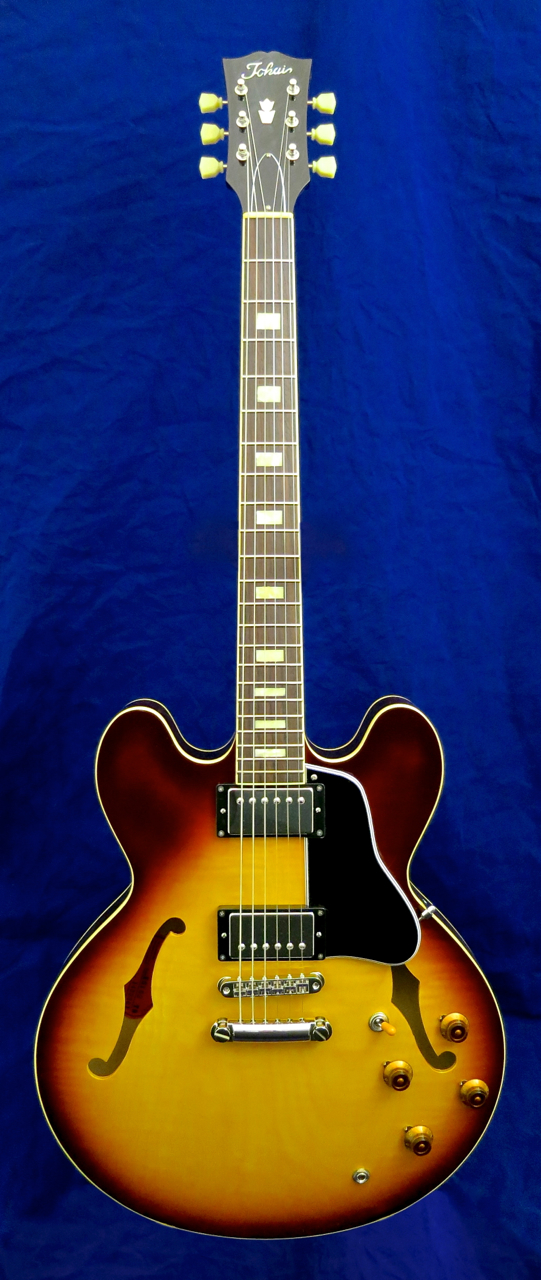
The Tokai ES-138 (current price in Finland: 1,368 €, incl. hard case) is the company’s version of a 1958 Gibson ES-335, available in either see-through red or piano black.

Tokai ES-145G – full front

Tokai’s ES-145G (current price in Finland: 1,431 €, incl. hard case) is a lightly updated variation on the theme, which comes equipped with gold-coloured hardware and a black finish.

Tokai ES-162TB – full front

The Tokai ES-162 (current price in Finland: 1,628 €, incl. hard case) is the most expensive model of the three on review. The ES-162 comes with post-1962 style small block markers, brass bridge saddles, and a light aluminium stopbar. The icing on the cake is this model’s vintage-style nitrocellulose finish – you can choose between a tri-burst and red.

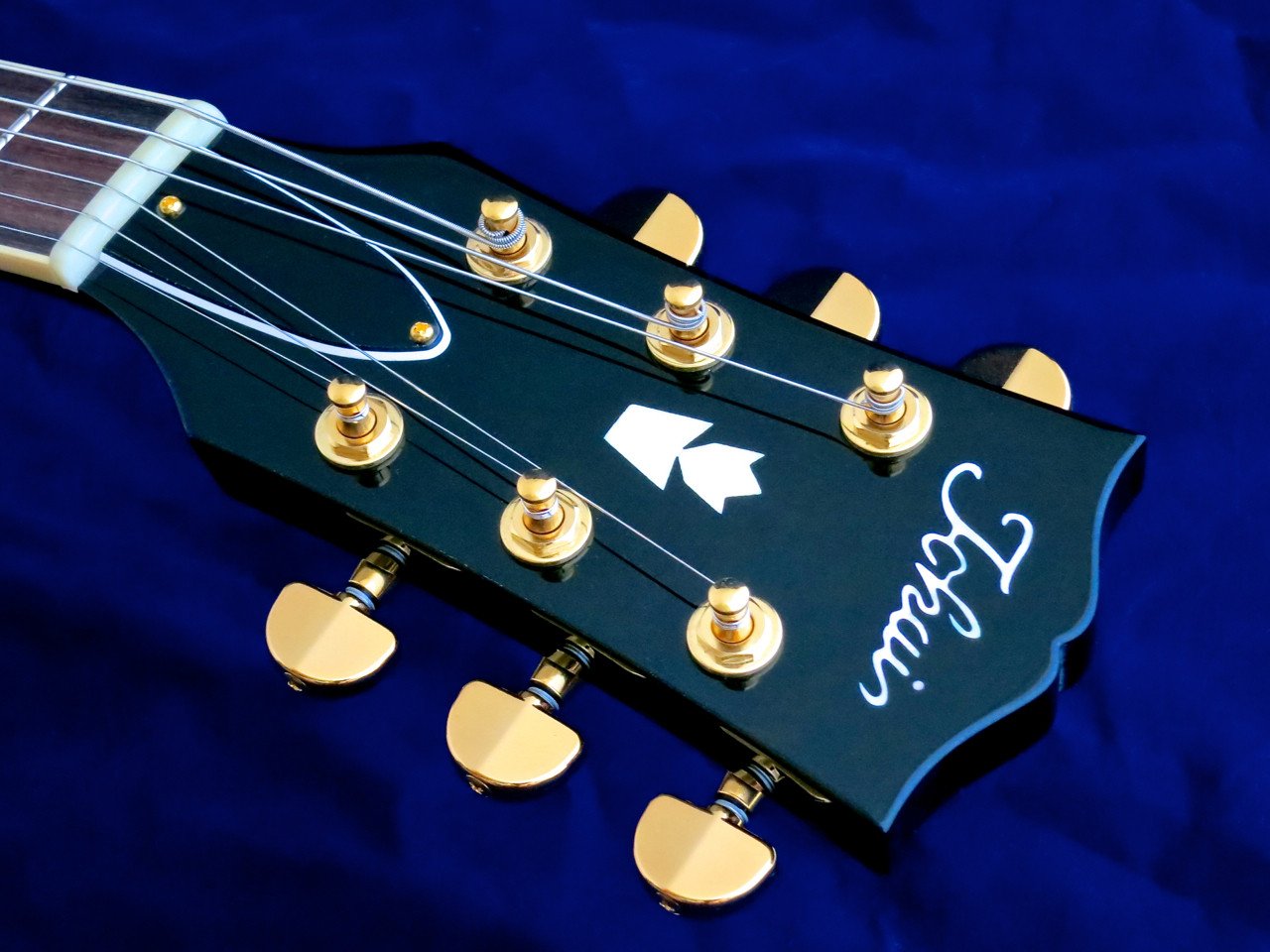
Tokai ES-138 – headstock

Tokai use top-drawer Gotoh tuners on the three tested models.

Tokai ES-138 – tuners

The ES-138 and ES-162 come equipped with vintage-style Kluson-copies.

Tokai ES-145G – headstock

Tokai ES-145G – tuners

For the ES-145G Tokai have chosen a set of modern enclosed Gotohs.

Tokai ES-145G – fingerboard

These Tokai Japan -instruments all come with a one-piece mahogany neck, complete with a vintage-correct, steep headstock angle (17 degrees).

The bound rosewood fretboards on the ES-138 and ES-145G models sport dot markers.

Tokai ES-162 – fretboard

As the ES-162 is Tokai’s version of a 1962-’64 ”Block Marker” ES-335, this guitar comes with small rectangular inlays made of pearloid.

All three instruments come fitted with medium-size frets.

Tokai ES-138 – bridge

Tokai’s ES-guitars come with Gotoh Tune-o-matic-bridges and stopbar tailpieces.

Tokai ES-145G – bridge

On the ES-138 and the ES-145G we find Gotoh’s LS-series hardware – die-cast (Zamac) parts with steel bridge saddles.

The ES-162 goes one step more ”vintage” by using a Gotoh HLS -set, comprising an ultra-light aluminium stopbar tailpiece and chrome-plated brass saddles on the bridge.

Tokai ES-162 – pickups

This guitar trio is equipped with the same pickups – a pair of Tokai PAF-Vintage Mark II -humbuckers.

Tokai ES-145G – controls

All the electronic components are top quality Japanese parts.

Tokai ES-case

Certain Tokai Japan -models are now sold in Finland complete with Tokai’s cool hard cases.

****

Tokai ES-138 – beauty shot 1

The cherry red semi-acoustic is one of guitardom’s most iconic electric models. For many this curvy and well-rounded body, made from heat-pressed maple plywood, is the most beautiful body style ever.

Tokai’s ES-138 recreates this classic guitar in its earliest guise (c. 1958), complete with dot markers and a long pickguard, which extends past the bridge.

Even though an ES-335-type body is comparatively large (but thin), many of the best semi-acoustics are surprisingly lightweight. The Tokai ES-138 is very comfortable to play – both seated and strapped on – and balances superbly.

This model’s neck profile is a medium-thick ”D”, which feels great (at least in my hand). The fret job on the test sample was excellent, the set-up spot-on, and the action very light (with a set of 010s). The ES-138’s acoustic tone is typical of this type of guitar – very hollow and nasal with a clicking attack.

Tokai’s own rendition of the classic PAF-humbucker is superb, there’s no two ways about this! The output signal is moderate, and the basic sound is very open and dynamic. The neck pickup has a warm, round tone, but doesn’t mush up. The middle position on the selector switch gives you a very balanced and open sound. The bridge humbucker on its own sounds fresh and crispy, with not even a hint of annoying mid-range ”nagging”.

Tokai ES-138 – body beauty

****

Tokai ES-145G – beauty shot 1

The black-and-gold ES-145G sure looks very stylish – this is the distinguished gentleman in Tokai’s ES-range, who keeps his cool and looks dapper, no matter what.

Our test sample was the heaviest guitar of this trio, but still much, much lighter than may lesser contenders.

The ES-145G’s neck profile is also the chunkiest. This D-profile is a real palm-filler, giving you a real taste of late-Fifties goodness, and managing to stay just on the right side of ”fat”.

The workmanship displayed, and playability offered by the ES-145G are simply superb. Played acoustically there’s not a lot of difference between the ES-145G and the ES-138.

Through an amp, the ES-145G sounds just like a quality semi-acoustic should – humbucker power, balanced by a clean mid-range.

Tokai ES-145G – body beauty

****

Tokai ES-162 – beauty shot 1

Our review sample of the Tokai ES-162 is a real featherweight!

The ES-162’s Block Marker -personality is completed by an authentic early-Sixties style neck profile. It’s an oval ”C” that is less of a handful than the ES-138’s neck.

Top marks for the ES-162’s workmanship, finish and playability – this is a first-rate instrument.

This model’s thin nitro lacquer, its lightweight tailpiece, as well as the brass saddles on the Tune-o-matic combine into a very open-sounding and dynamic acoustic performance.

Standing in the same room with your amp, it is easy to notice an added degree of 3D-depth and scope in the guitar’s amplified tone. Interestingly – as is so often the case – recording the sound doesn’t seem to fully convey this added tonal dimension. You have to experience the ES-168 ”in the flesh” to get the full picture; the recordings sound remarkably similar to the other two models’ performances.

Tokai ES-162 – body beauty

****

Tokai ES-162 – label

The reputation of Tokai Japan -instruments has been legendary among players and collectors ever since the 1970s. This trio of ES-semis makes it crystal-clear that Tokai actually deserves this reputation thanks to the superb quality of it’s Made-in-Japan guitars.

Tokai’s ES-138, ES-145G and ES-162 offer you genuine Japanese quality at very fair prices.

****

Tokai Japan semi-acoustic electrics

Tokai ES-138 – 1,368 € (hard case included)

Tokai ES-145G – 1,431 € (hard case included)

Tokai ES-162 – 1,628 € (hard case included)

Finnish distributor: Musamaailma

****

Pros:

+ Japanese workmanship

+ one-piece neck

+ superb finish and set-up

+ Gotoh-hardware

+ authentic tone

Pidä blogia WordPress.comissa.

Ylös ↑