Testipenkissä: Tanglewood TU-1CE, TU-3, TU-3E & TU-5

Tanglewood TU-3E – headstock VID

Ukulele on tällä hetkellä kovasti ”in”. Kompaktia soitinta on hauska soittaa ja se kulkee helposti mukana.

Tämän asian on huomannut myös englantilainen brändi Tanglewood, joka on hiljattain laajentanut ukulele-valikoimaansa.

****

Tanglewood ukuleles – teaser

Testissä käynyt kvartetti – TU-1CE, TU-3, TU-3E ja TU-5 – tulee Tanglewoodin mahonkikoppaisesta Union-sarjasta.
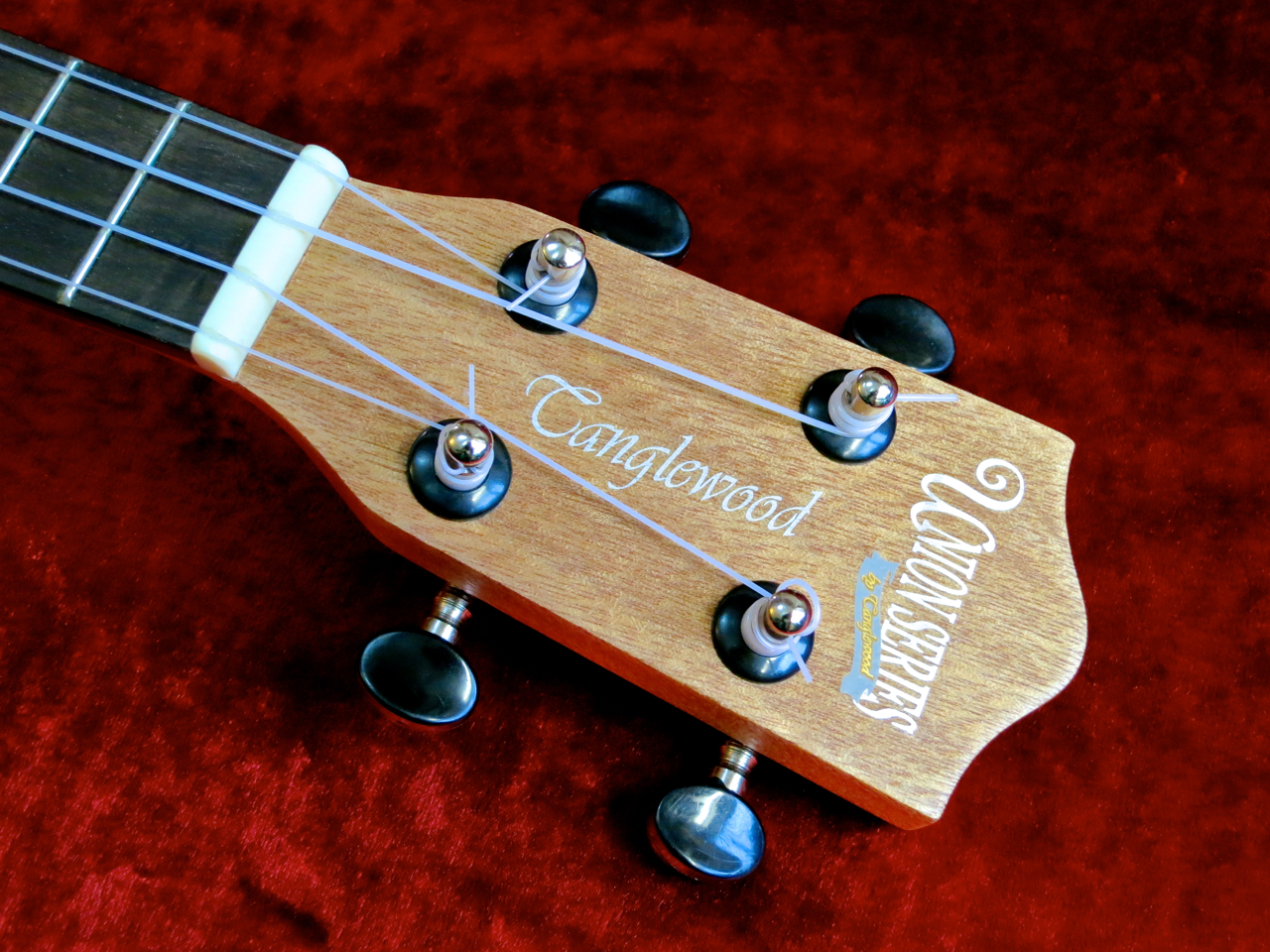
Tanglewood TU-1CE – headstock

Kaikissa Union-sarjan ukuleleissa on mahonkikaula, jossa kaulakorko ja lapa ovat liimattuna pitkään pääosaan.

Otelauta on palisanterista.

Tanglewood – uke tuners VID

Tanglewoodin avoimet virittimet toimivat moitteettomasti.
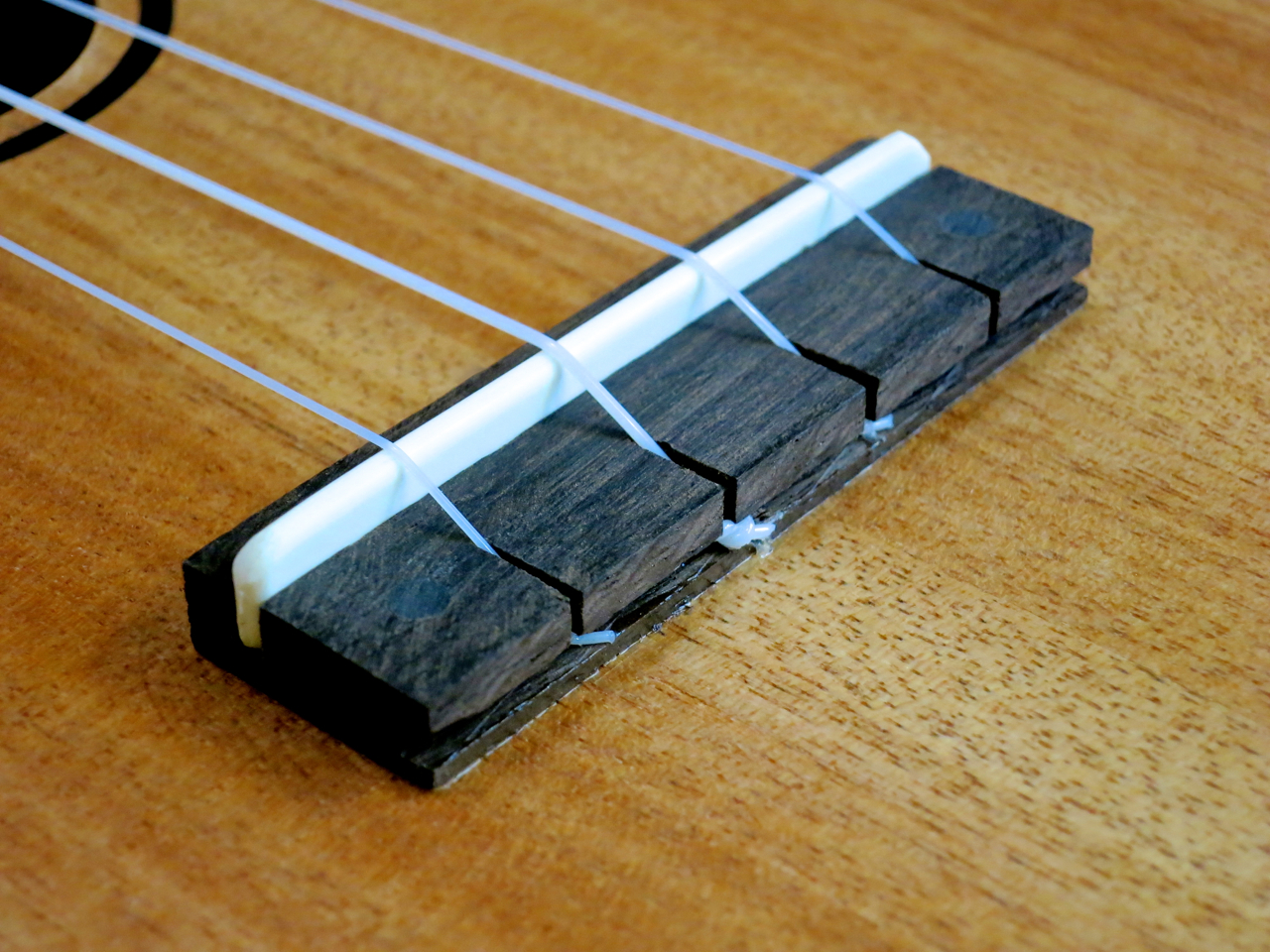
Tanglewood TU-3 – bridge

Ukuleleissa käytetään valmistajasta riippuen useita eri tallaratkaisuja.

Tanglewood on päättänyt käyttää niistä helppokäyttöisintä mallia, jossa kielet kiinnitetään solmulla tallan edestä.

Tanglewood TU-3 – body beauty 2

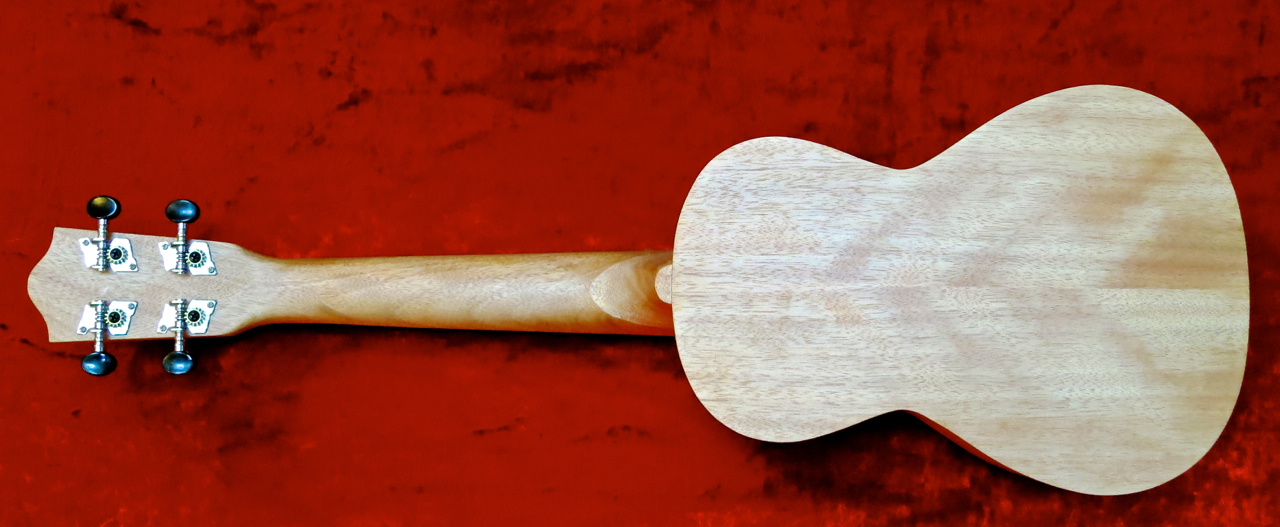
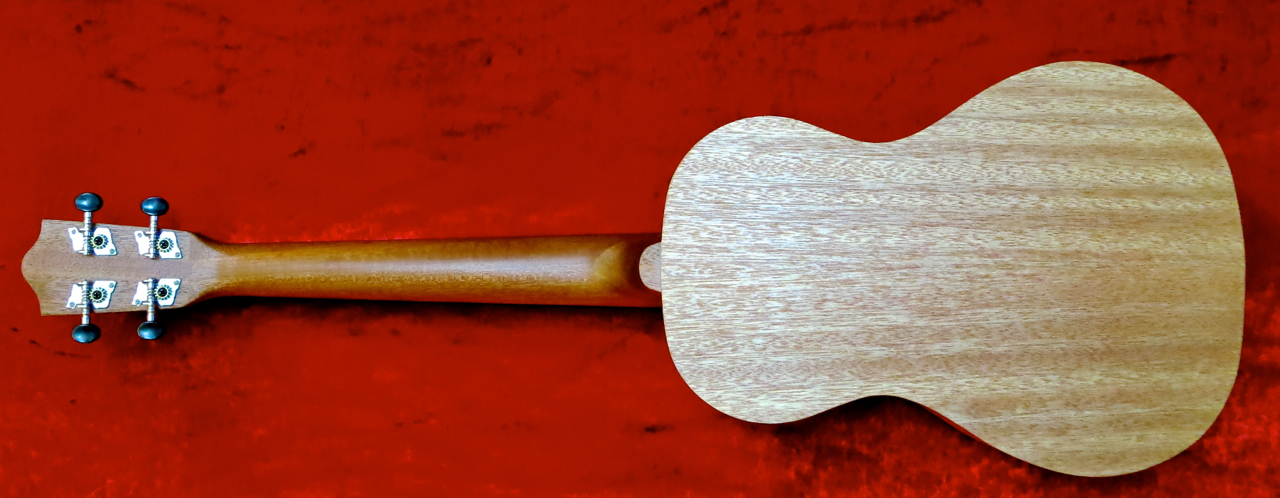
Union-sarja ukuleleissa on kaikukoppa mahonkivanerista.

Soittimet on viimeistelty ohuella mattalakkauksella.

****

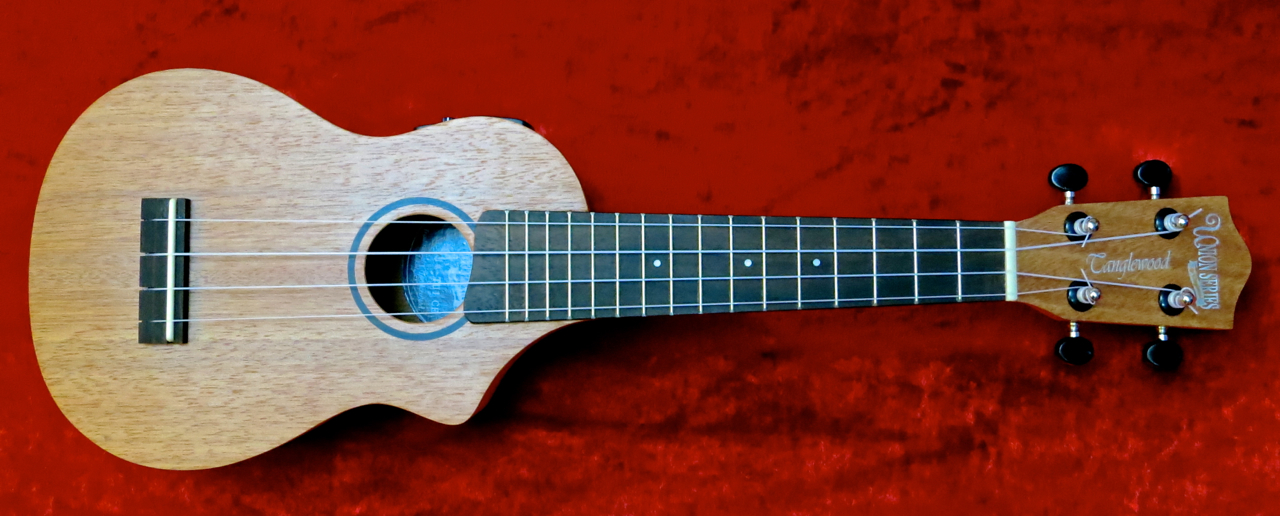
Tanglewood TU-1CE – beauty shot

Tanglewood TU-1CE (116 €) on soololovella ja mikrofonijärjestelmällä varustettu sopraano-kokoinen ukulele.

Sopraano on tavallisista ukulele-kokoluokista pienin, ja näin ollen TU-1CE:n mensuuri on vain 34,5 cm.
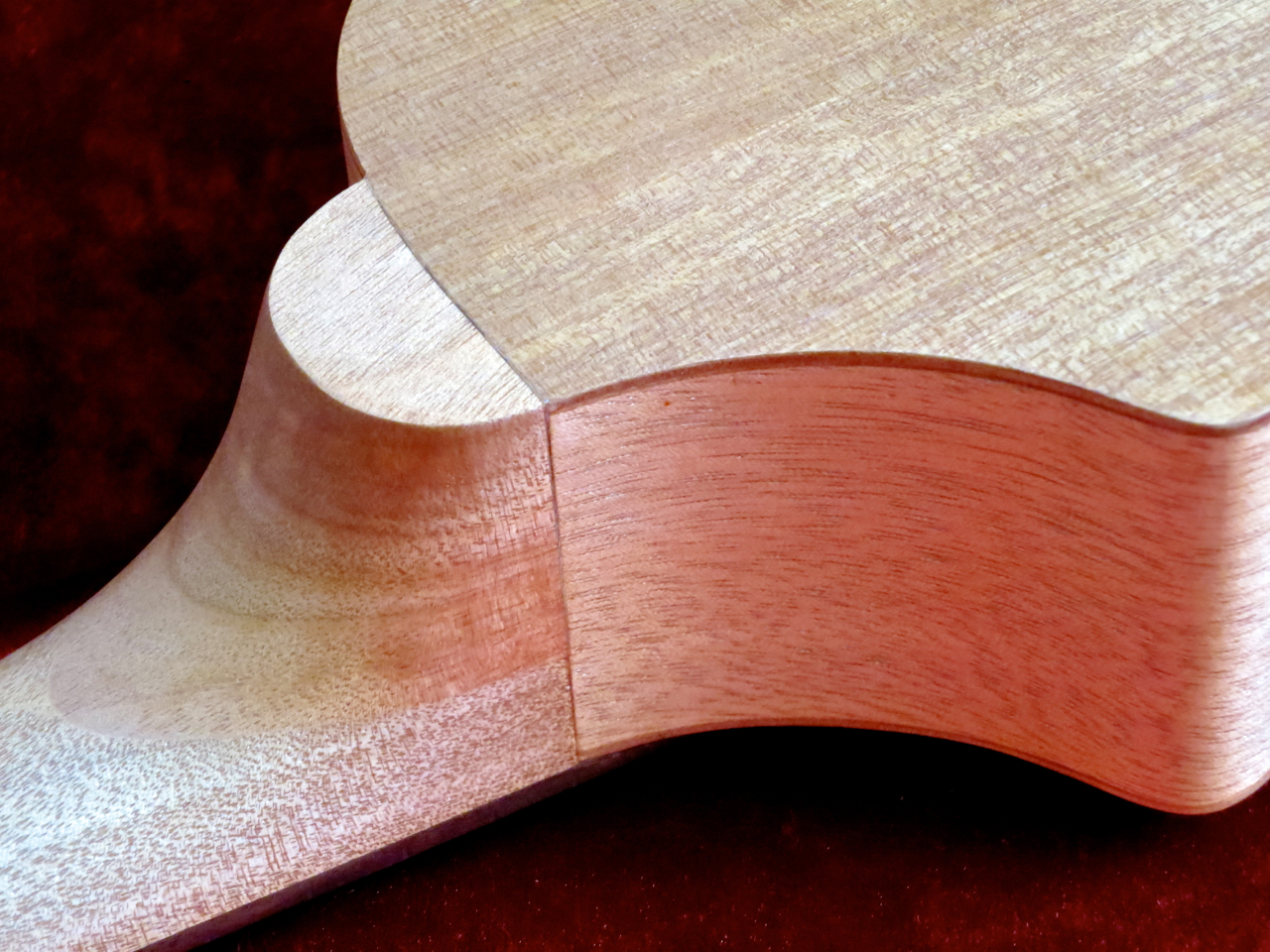
Tanglewood TU-1CE – cutaway

Kauko-Idässä valmistetun Tanglewoodin työnjälki on hintaansa nähden erinomainen, mikä näkyy esimerkiksi erittäin siististä kaulaliitoksesta.

Tanglewood TU-1CE – frets

TU-1CE:n otelaudassa on 16 pienikokoista nauhaa.
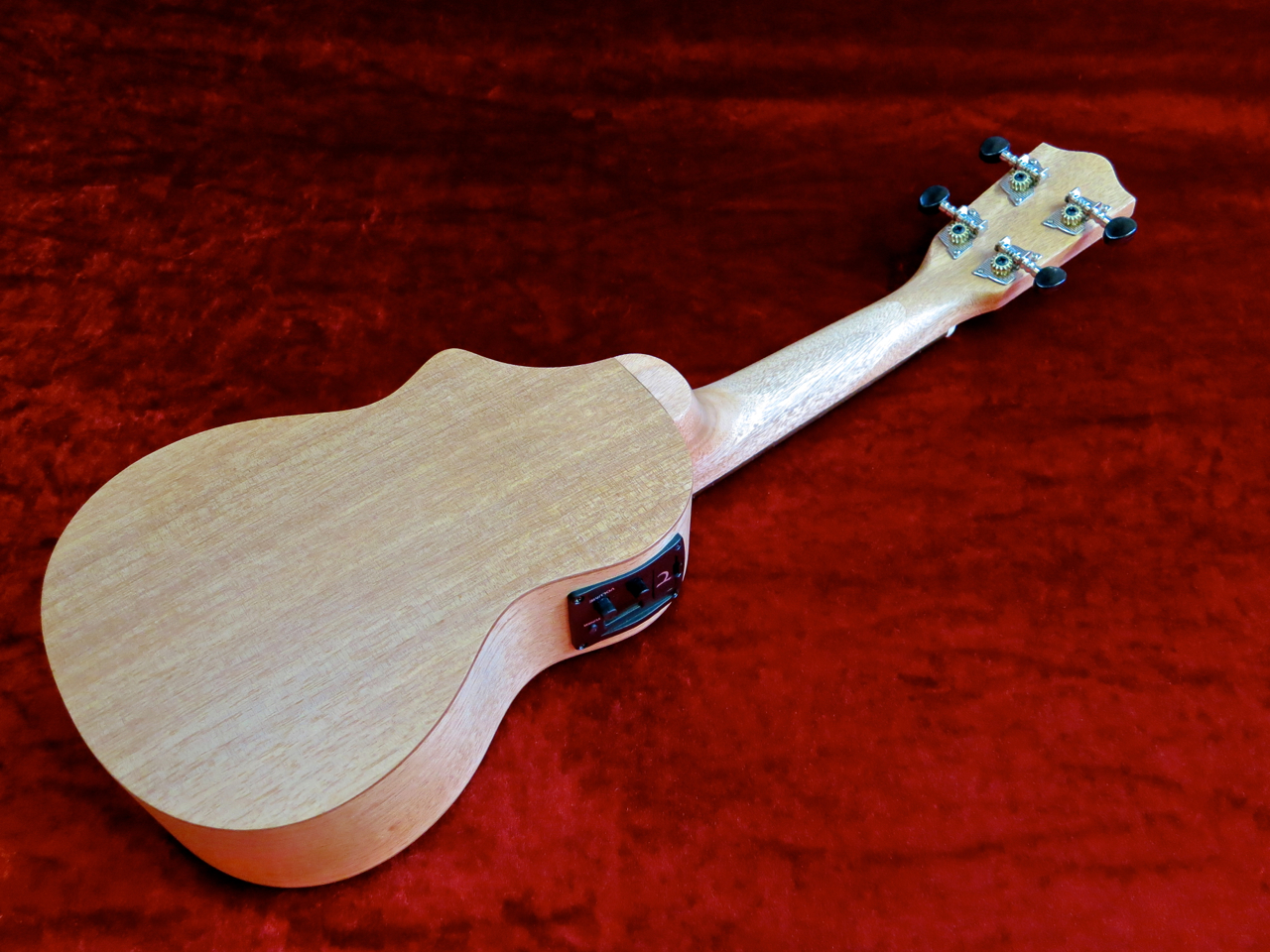
Tanglewood TU-1CE – back beauty 2

TU-1CE on varustettu laadukkailla Aquila Nylgut -kielillä.
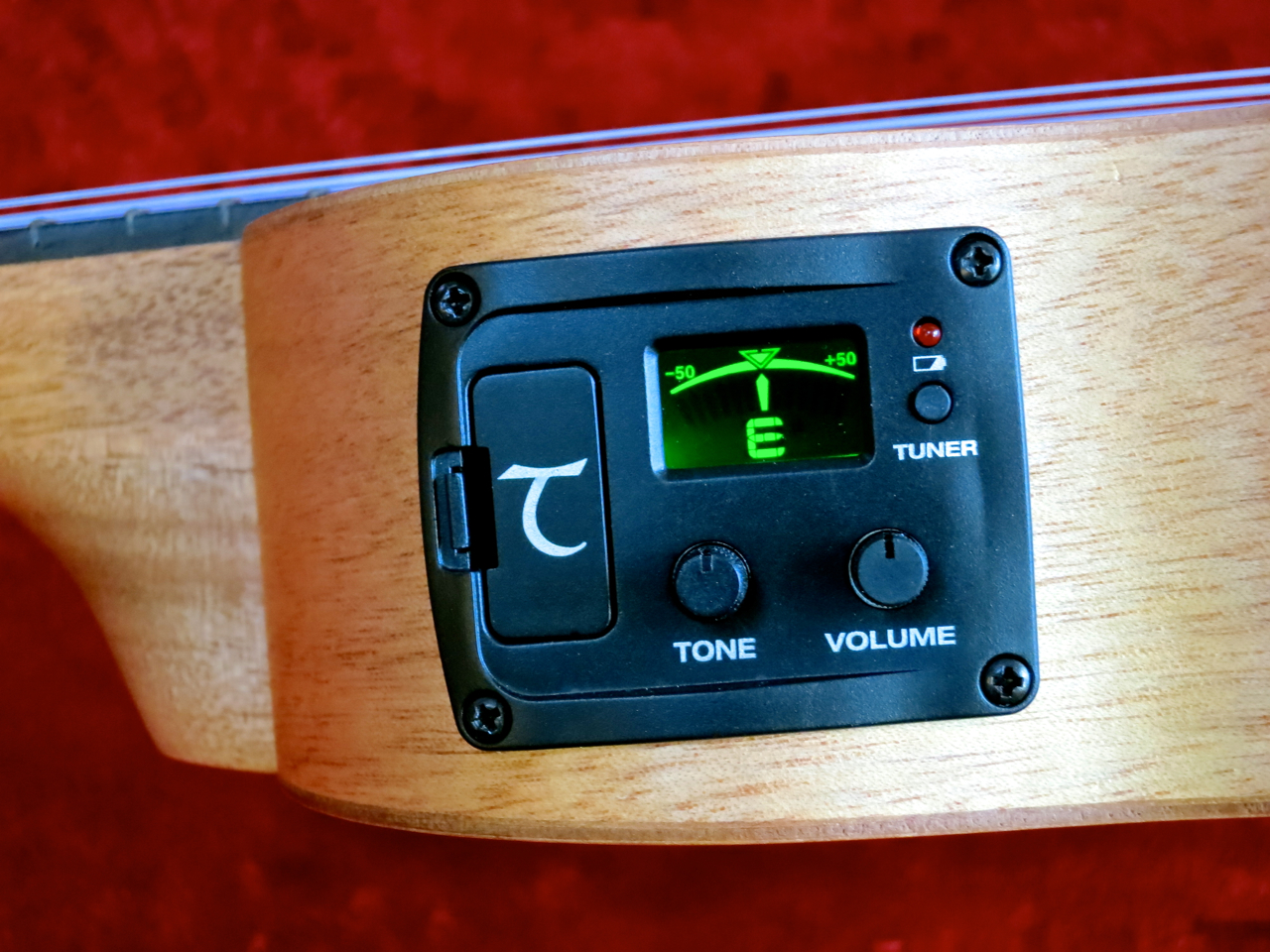
Tanglewood TU-1CE – preamp + tuner

Tanglewoodin kylkeen on asennettu nappiparistolla toimiva esivahvistin TU-1CE:n pietsomikrofonille. Volume- ja tone-säätimien lisäksi esivahvistin tarjoaa myös oivan viritysmittarin.

****

Tanglewood TU-3 – case

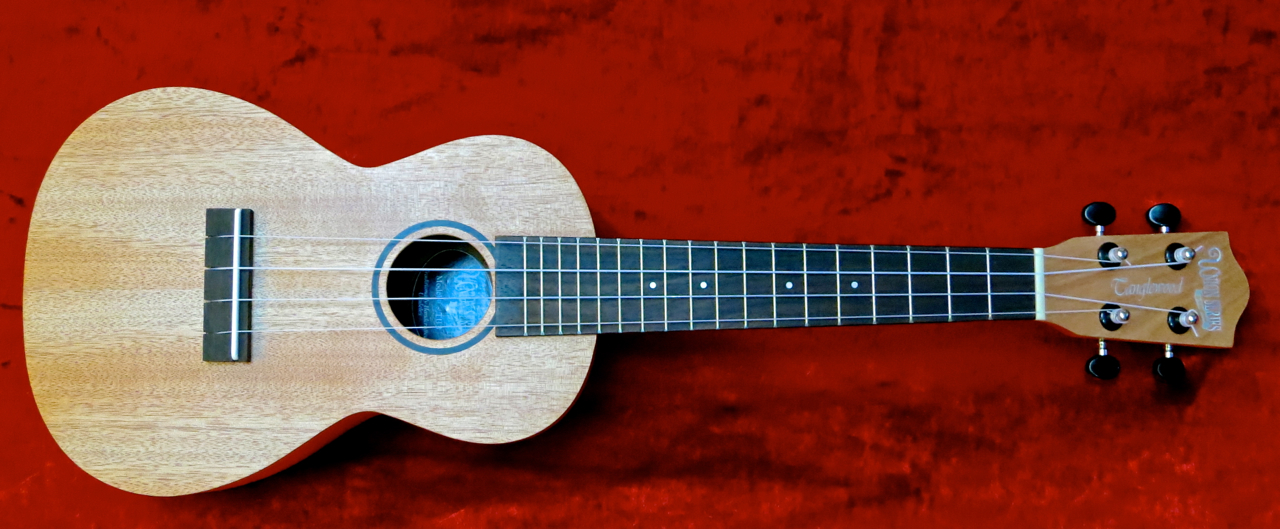
Tanglewood TU-3 (119 €) on konsertti-kokoinen ukulele, ja se toimitetaan omassa laukussaan.
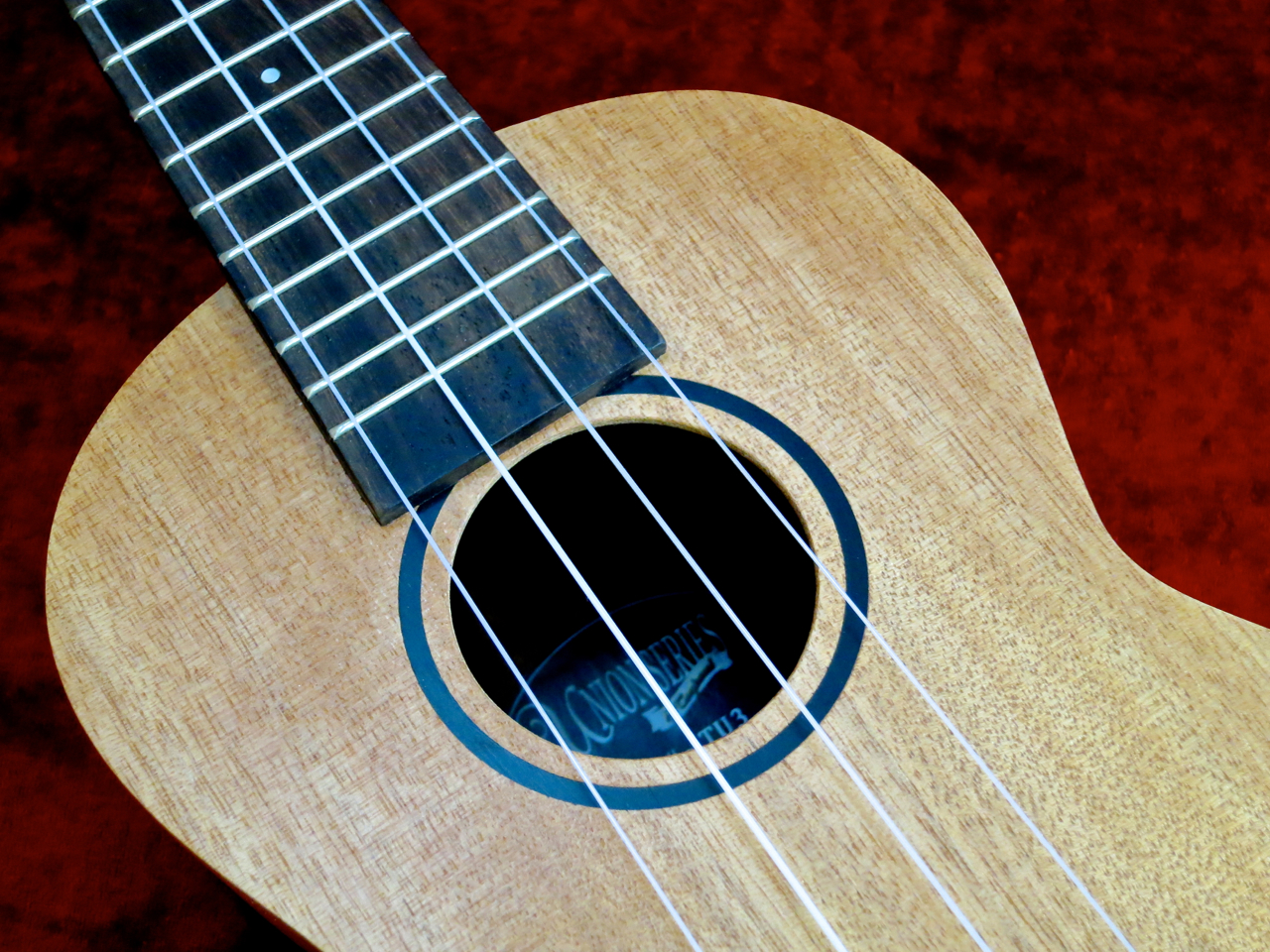
Tanglewood TU-3 – soundhole

Concert-ukulele on yksi kokoluokka sopraanosta ylöspäin.

Tämän mallin mensuuri on 37,5 cm.

Tanglewood TU-3 – beauty shot

Testissä käynyt TU-3 on kaunis yksilö niin etu-…
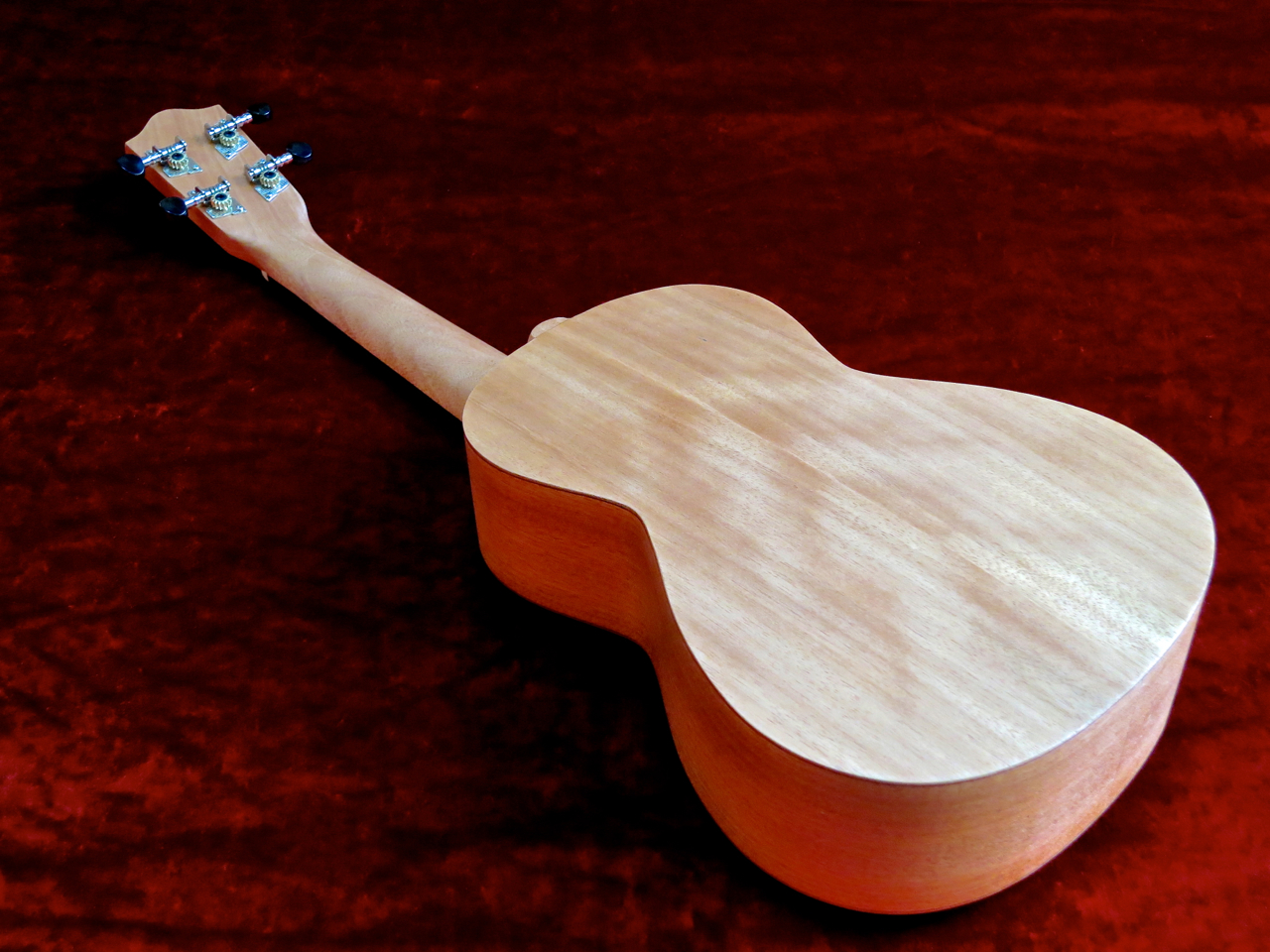
Tanglewood TU-3 – back beauty

…kuin takapuoleltakin.

****

Tanglewood TU-3E – preamp

TU-3:n sähköistetyssä versiossa – Tanglewood TU-3E (129 €) – on sama etuvahvistin kuin TU-1CE-mallissa.
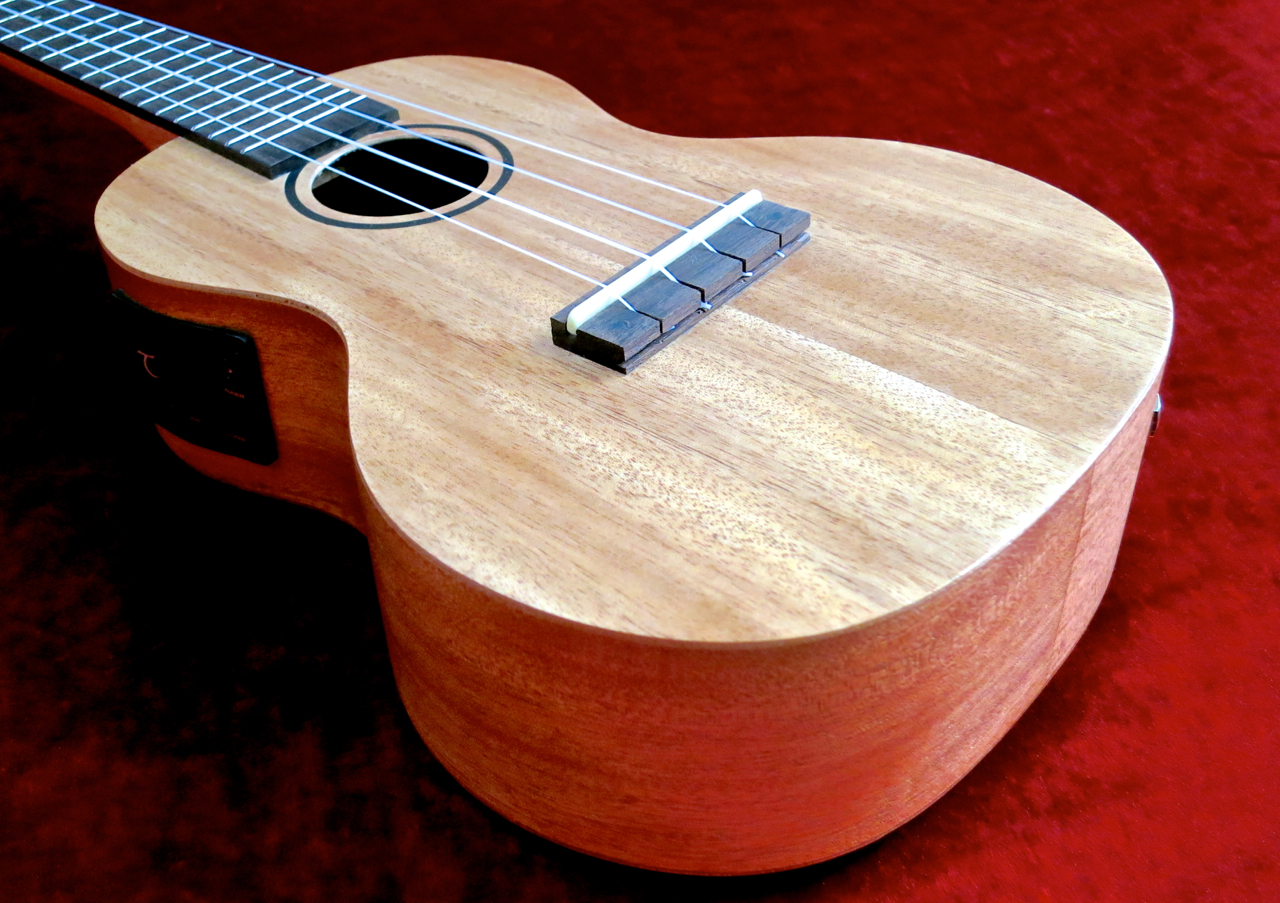
Tanglewood TU-3E – body angle VID

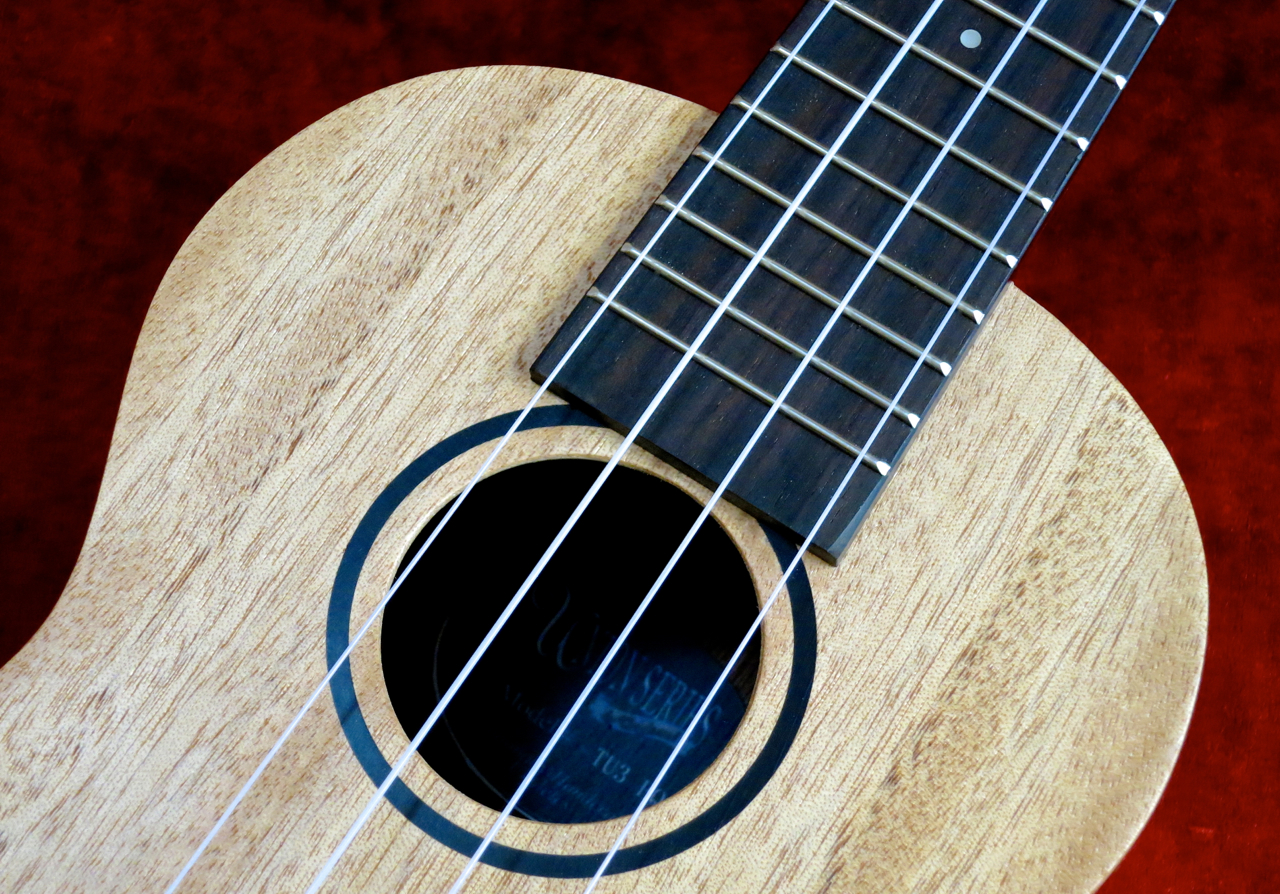
TU-3E:n otelauta tarjoaa 18 pientä nauhaa.

Tanglewood TU-3E – rosette VID

Union-sarjan ukuleleiden yksinkertainen musta rosetti istuu tyylikkäästi soittimien luonnonläheiseen imagoon.

Tanglewood TU-3E – body back angle VID

Mikkijärjestelmän lähtöjakki on asennettu kopan sivuun.

****
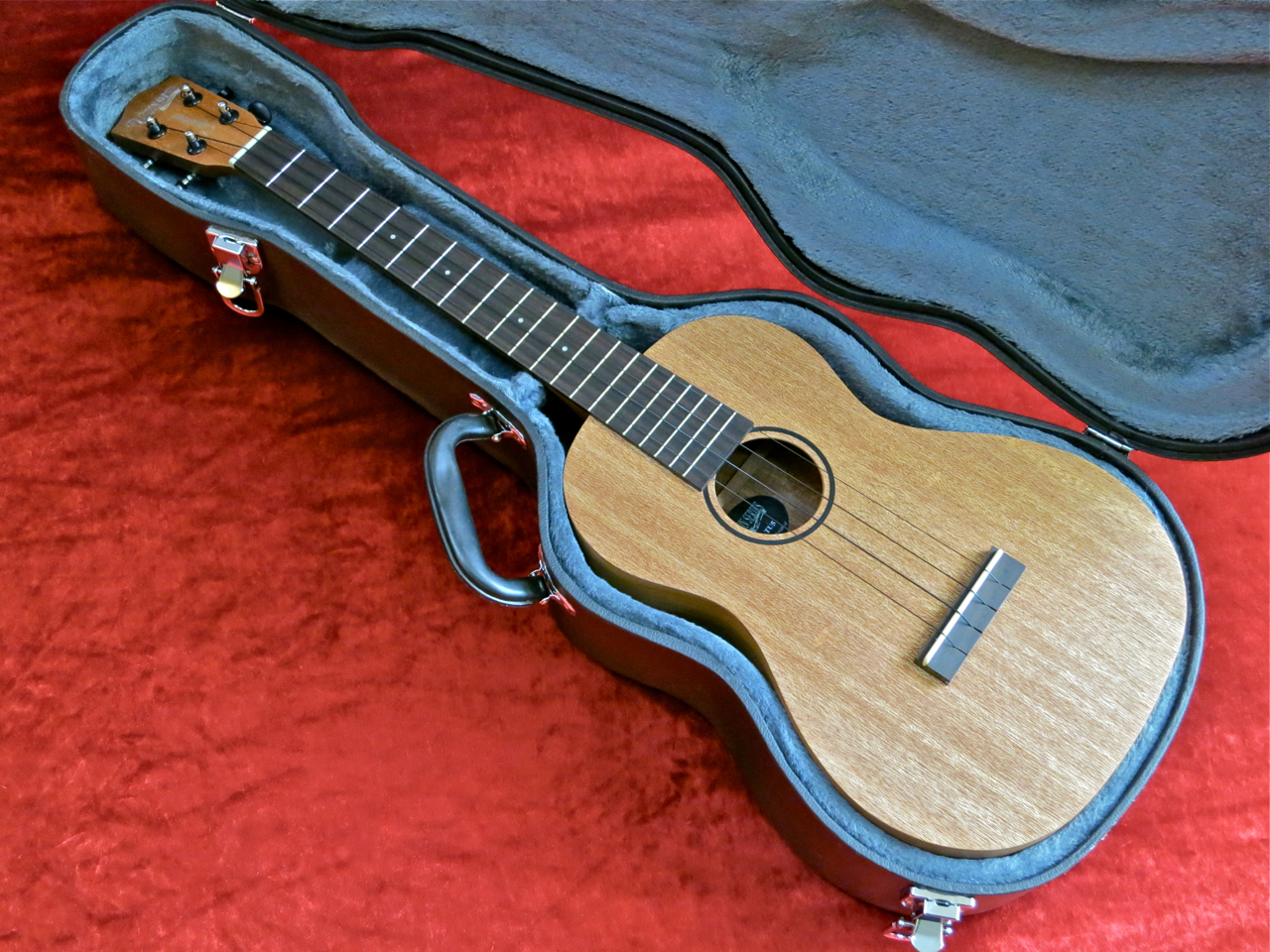
Tanglewood TU-5 – case vs2

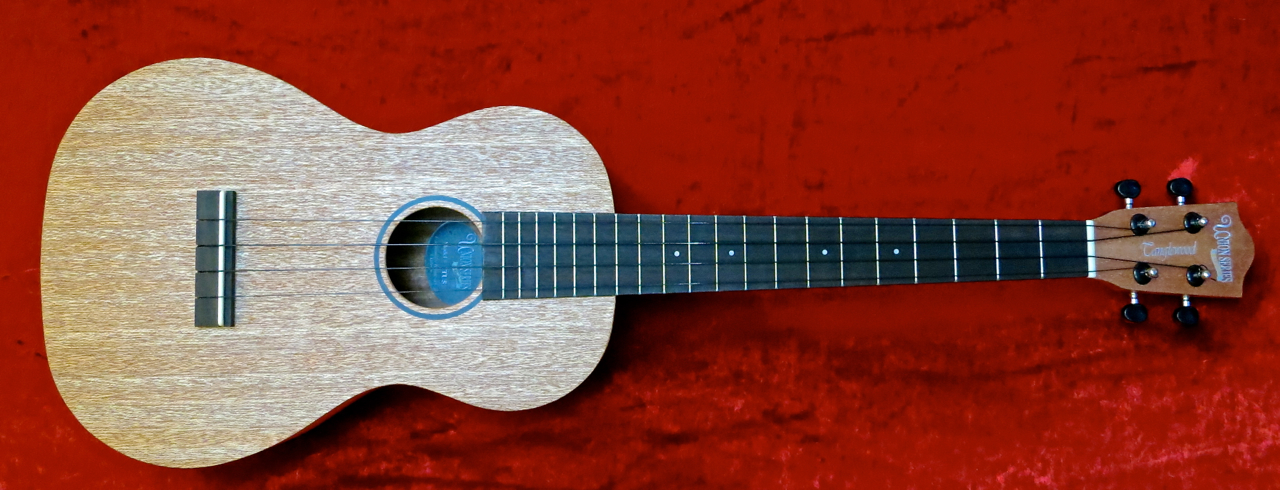
Myös Tanglewoodin baritoni-kokoisessa TU-5-ukulelessa (149 €) laadukas laukku kuuluu hintaan.

Tanglewood TU-5 – beauty 2 VID

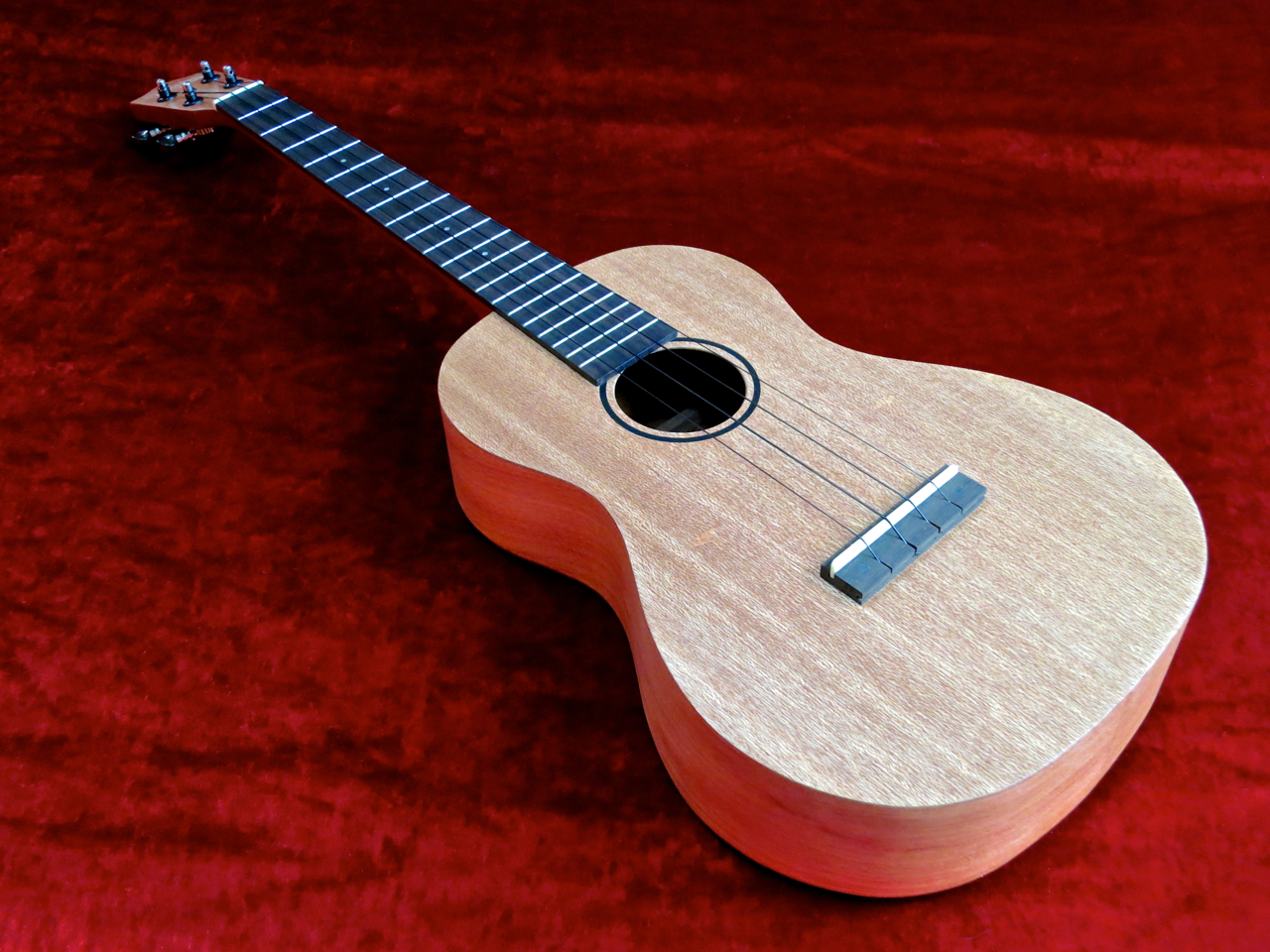
Baritoni on isoin perinteinen ukulelekoko. TU-5:n mensuurin pituus on 51,2 cm.

Tanglewood TU-5 – bridge + rosette VID

TU-5:llä on 20 pientä nauhaa. Tämä malli toimitetaan tehtaalta mustilla nylonkielillä korkeassa g-virityksessä (d4-g3-h3-e4), jossa D-kieli on viritetty oktaavin verran ylemmäs kuin akustisessa kitarassa.

Tanglewood TU-5 – back beauty 2 VID

****

Tanglewood TU-1CE – full front

Tältä TU-1CE-sopraano kuulostaa studiomikrofonilla mikitettynä:

Linjasoitostakin lähtee laadukas versio pienokaisen akustisesta äänestä:

Ja molemmista äänilähteistä yhdistetty signaali on tällainen:

Tanglewood TU-1CE – full back

****

Tanglewood TU-3 – full front

Äänitin Tanglewoodin TU-3 konserttiukulelea samanaikaisesti sekä kondensaattorimikrofonilla (AKG C3000) että dynaamisella Shure SM57:llä:
Tanglewood TU-3 – full back

****

Tanglewood TU-3E – full front

Mikitettynä pietsolla varustettu TU-3E kuulostaa käytännössä samalta kuin täysin akustinen TU-3:

Valitettavasti testiyksilön tallamikrofonin asennuksessa (tai sen toiminnassa) oli jotain häikkää, minkä takia ukulelen kaksi reunimmaiset kielet eivät kuulu käytännössä lainkaan:

Tältä kuulostavat TU-3E:n akustinen ja linjasignaali summattuina:

Tanglewood TU-3E – full back

****

Tanglewood TU-5 – full front

Äänitin Tanglewood TU-5 -baritoniukulelea samanaikaisesti sekä AKG C3000 -kondensaattorimikrofonilla että Shuren dynaamisella SM57:llä:
Tanglewood TU-5 – full back

****

Tanglewood TU-1CE – beauty shot 2

Tanglewoodin Union-sarjan ukulelet ovat laadukkaasti tehtyjä, kevyitä soittimia, joilla on mattaviimeistelyn tuoma hillitty charmi.

Nämä ukulelet ovat jo ihan oikeita soittimia, edullisista hinnoista huolimatta!

Pidän todella paljon Tanglewoodien tuhdista kaulaprofiilista, joka tarjoaa myös aikuisen kädelle reilusti mistä pitää kiinni.

Testissä käyneen TU-3E:n sähkösoundissa ilmentynyt ongelma on toki harmittava yksilövika, etenkin kun sitä vertaa TU-1CE:n mallikkaasti toimivaan pietsojärjestelmään.

Kokonaiskuva on kuitenkin hyvin positiivinen, niin työnjäljen kuin soundin osilta. Kolmen ”isompien” mallien kovat laukut tekevät näistä Tanglewood-soittimista entistäkin houkuttelevampia. Mielestäni Tanglewoodin Union-sarjan ukulelet ovat erittäin hyvä (ja edullinen) tapa tutustua ukulelen soittamiseen hieman vakavammin.
Tanglewood TU-5 – beauty shot VID

****

Tanglewood Union-sarja ukulelet

Maahantuoja: Musamaailma

TU-1CE – 116 €

TU-3 – 119 €

TU-3E – 129 €

TU-5 – 149 €

****

Plussat (kaikki mallit):

+ työnjälki

+ mattaviimeistely

+ nauhatyö

+ Aquila-kielet (ei TU-5)

+ kova laukku kuuluu hintaan (ei TU-1CE)

+ TU-1CE: laadukas pietsosoundi

Miinukset:

– TU-3E: pietsosignaalin epätasaisuus testiyksilössä

– TU-5: ensiasennuskielten löysähkö soittotuntuma

****
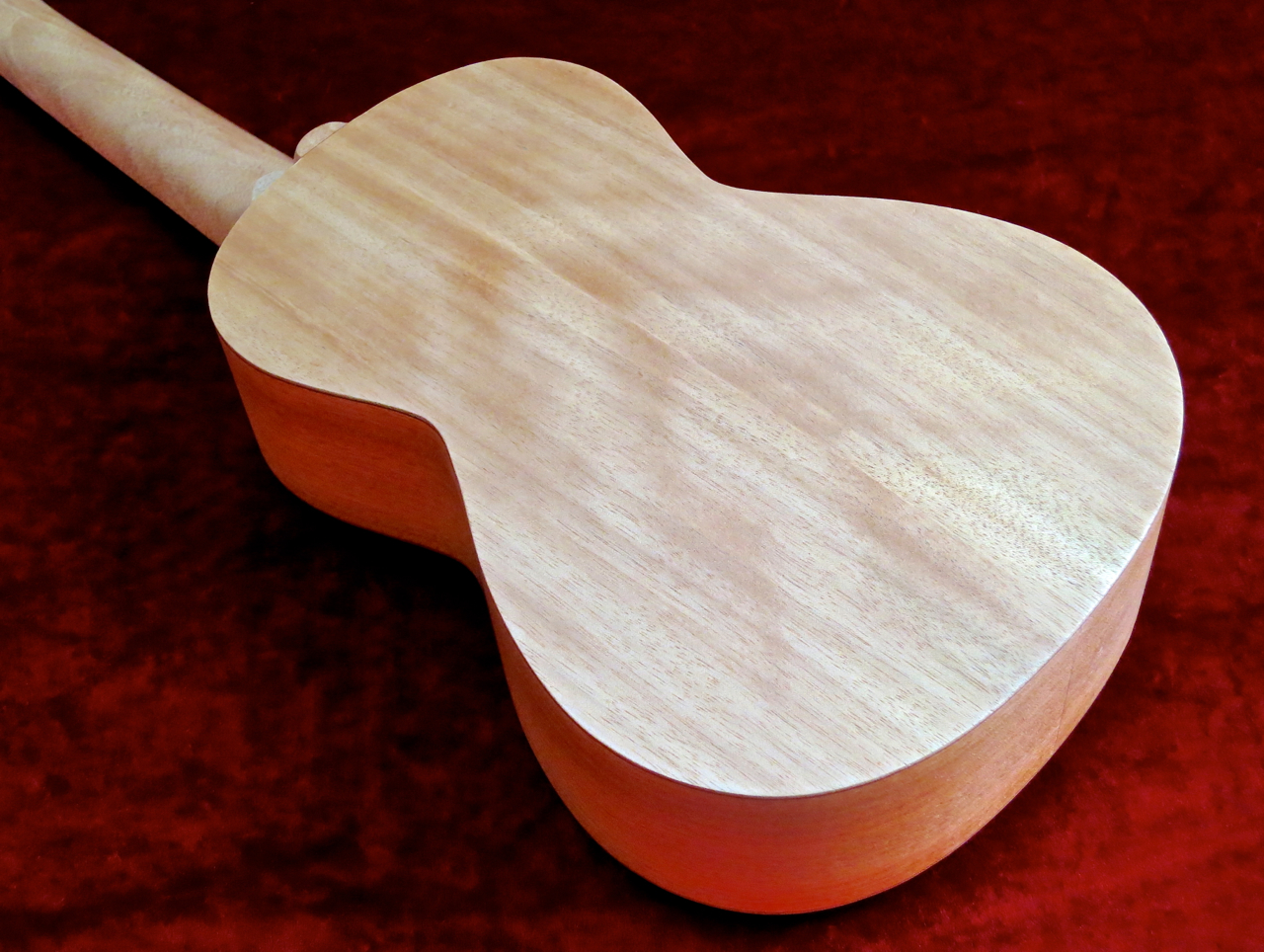
Tanglewood TU-3 – body back angle

Review: Zoom A3

****

Zoom A3 + Godin Acousticaster A6

Zoom’s A3 is the company’s brand-new, next-generation modelling effects unit for acoustic guitar.

The Zoom A3’s user interface is very similar to the one used in their MS-50G-pedal for electric guitar, but in terms of its features the A3 offers a whole plethora of stuff developed specially for use with acoustic guitars.

****

zooma3

Zoom have managed to pack an unbelievable amount of processing prowess into its new compact contender (current street price in Finland approx. 170 €), yet the A3 is still easy to use. The most vital functions have been given their own knobs and pushbuttons, which makes the A3 easy to use and cuts back on unnecessary menu-jumping at the same time.

The Zoom’s main sections are the quality dual preamp with its three-band EQ, the pedal’s versatile guitar-modelling department, as well as the A3’s large assortment of effects.

Additionally, the pedal offers a switchable solo boost (up to 12 dB) with its own tone control, an automatic feedback remover (that can defeat up to three different frequencies simultaneously) and a digital tuner.

a3_memory

The Zoom A3 is a programmable unit, which can store up to 20 patches. The patches can also be lined up in an A/B-list, which enables you to select patches for on-the-fly switching.

a3_battery

The effect pedal comes with its own power supply unit, but it can also be run on four AA-size batteries.

Zoom A3 – mic input

The A3’s microphone input – which can run phantom power (+24V or +48V) for condenser mics – and the unit’s balanced XLR-output (with a dedicated ground lift switch) have been placed on the front panel.

Zoom_A3_right_side

Your guitar’s output goes into the Zoom’s pickup input on the unit’s right hand side. A three-way slider lets you select two pre-EQ curves – magnetic or piezo – as well as a linear option (flat).

Zoom_A3_left_side

The stereo outputs have been placed on the opposite side, next to the USB-port for (firmware updates).

****

Zoom A3

Each of the A3’s patches can run up to three different effects simultaneously, so you could use the first slot for one of the Zoom’s 28 virtual guitars, the second slot for one of three virtual microphones (SM57, C414, U87) and the third for something like a reverb.

On the other hand, you can also use the A3 as a ”pure” multieffect, by not using any digital guitar-modelling and creating patches with three effects in them. You can choose from 40 different effect types – from compression and chorus all the way to pitch-shifting and reverb. The sound quality is very good, and each effect offers plenty of leeway for precise adjustment.

16_body_types

Still, I think the A3’s biggest selling point is its excellent modelling section, which makes it possible to achieve astonishingly realistic results with only a few clicks of a button.

To work properly the modelling section needs a clean guitar signal, so the first thing is to make sure you’ve got the input gain settings for your straight guitar output and/or the mic put in front of your guitar just right.

Once the levels are OK, miraculously changing the character of your guitar is quick and easy: First, use the rotary switch above the Zoom’s display to select the body type corresponding best to the guitar you’re using – for example, choose ”Mold Body” if you’re playing an Ovation or ”YMH” if your guitar is a Yamaha LL-series instrument.

acoustic_preamp

Next, you select a virtual guitar of your liking for the first effect slot in the chosen patch. You can access all of the A3’s 28 virtual guitars by using the Type-buttons. The guitars are displayed using their model names – like J-45, LG-2 or F-55 – as well as by an icon in the display.

If you’re using only a direct piezo signal as a starting point, you can add a good dose of authenticity by selecting a virtual microphone for the second effect slot of the patch. Each of the three virtual mics lets you choose between close- and ambient-miking, and whether the mic has been placed in front of the virtual sound-hole or near the virtual guitar’s bridge.

I have recorded three audio examples to give you an idea of the modelling technology’s sound:

The first clip features a Godin Acousticaster with an LR Baggs piezo system. First you’ll hear the straight piezo signal, followed by the these virtual guitars: A D-28, an OM-28, a 00-18 and an SJ-200. I’ve used Zoom’s virtual version of an AKG C414, and a touch of reverb:

The second clip has been recorded with me playing my Takamine N-20 -jumbo into a real condenser mic (an AKG C3000). The sequence of virtual guitar models is the same as above:

In the third clip I play my Tanglewood TW28-CSN -dreadnought, with the physical microphone and the sequence of virtual guitars staying the same:

****

In my opinion the Zoom A3 is a very serious contender for the title of ”Best compact multieffect for acoustic guitar”. It is a fantastic little tool for both live use and in the studio, where it can act as your own production centre for acoustic guitars. The Zoom is very easy to use and it sounds great. The on-board anti-feedback circuitry works very nicely and the solo boost is a handy tool to have in a unit such as this.

The best bit is, nonetheless, the A3’s surprisingly organic-sounding modelling section. The Zoom’s biggest advantage, when compared to other similar effect units, lies in its versatility and the wide range of different virtual guitars on offer. It is very easy to find a good body-style match for your physical guitar’s input signal, and the amount of different virtual guitar models makes it almost hard to choose. The option to creatively misuse the Zoom A3 – by selecting the ”wrong” body-type for your input signal – is also fun, and yields some nice new flavours.

But, don’t listen to me, go out and give it a try yourselves.

****

Zoom A3

Current street price in Finland approx. 170 €

Finnish distributor: Studiotec

****

Pros:

+ value-for-money

+ quality preamp

+ mic input with phantom power

+ great-sounding virtual guitar models

+ effect quality

+ EQ-section has physical control knobs

+ Boost & Anti-Feedback functions

****

Pidä blogia WordPress.comissa.

Ylös ↑