
****
Juttu on nyt luettavissa TÄÄLTÄ.
****
Kitarablogi.com – Finland's premier Guitar and Bass blog
Juttuja kitaroista ja bassoista
****
Alkuperäinen juttu on ilmestynyt Rockway-blogissa.
****
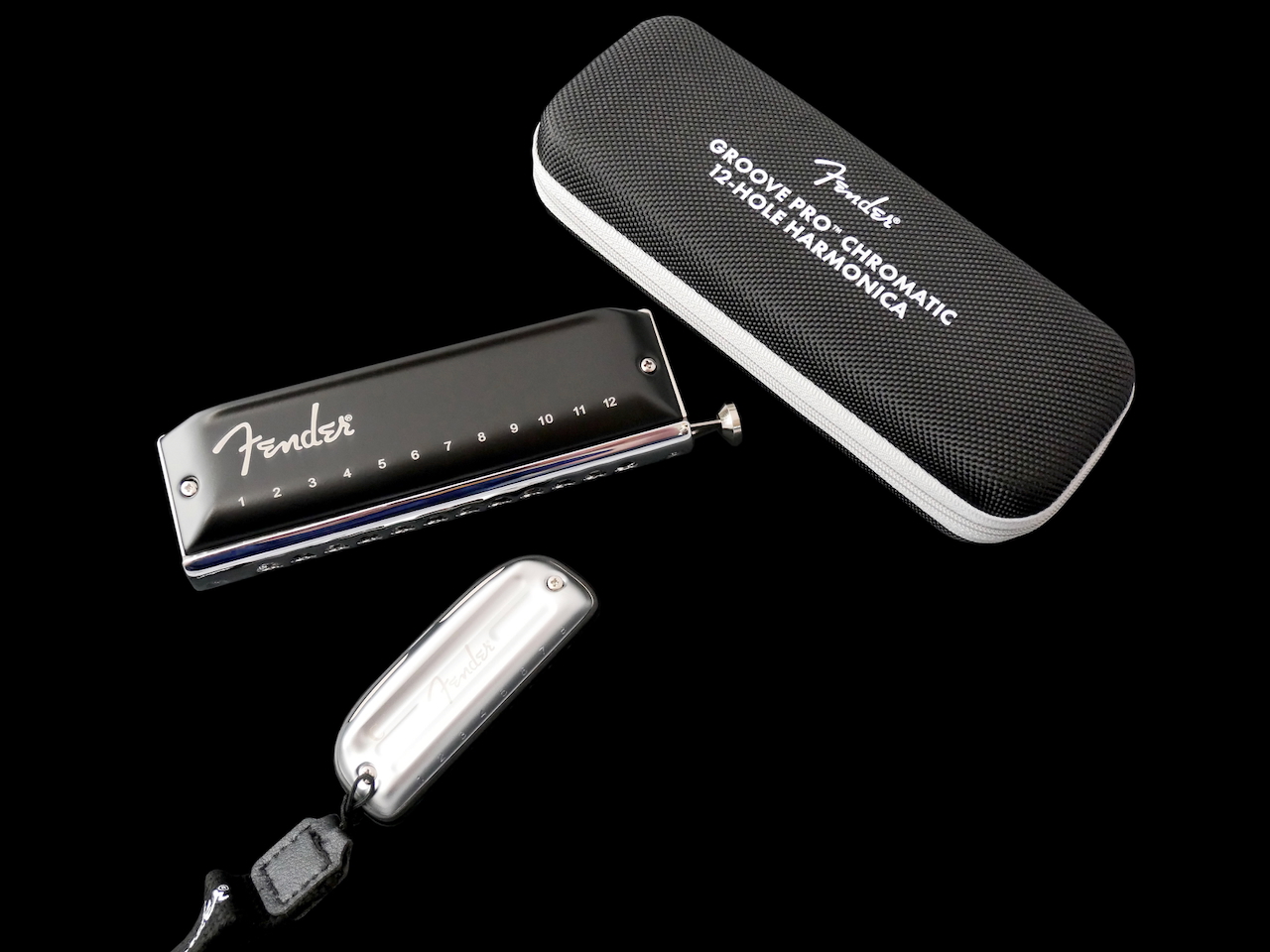
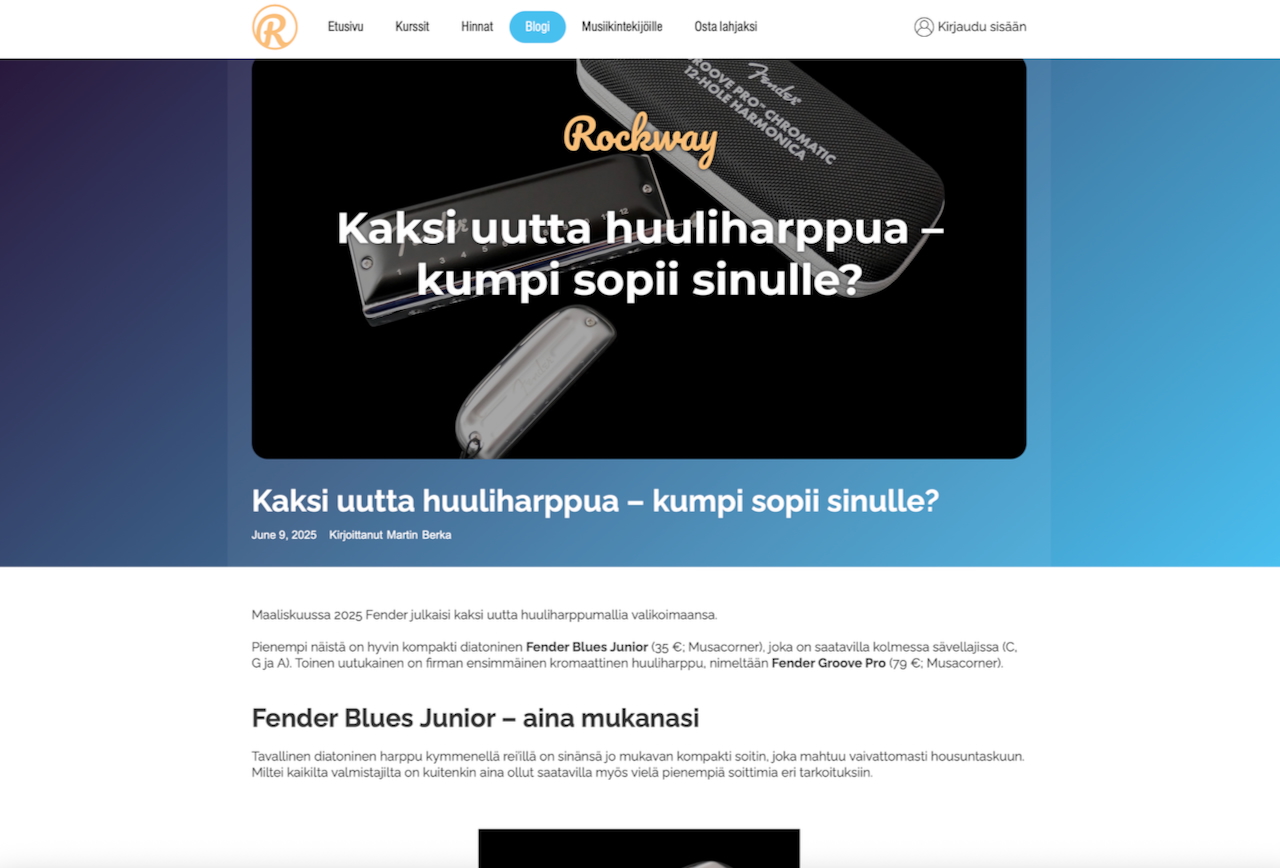
In March 2025, Fender released two new harmonica models.
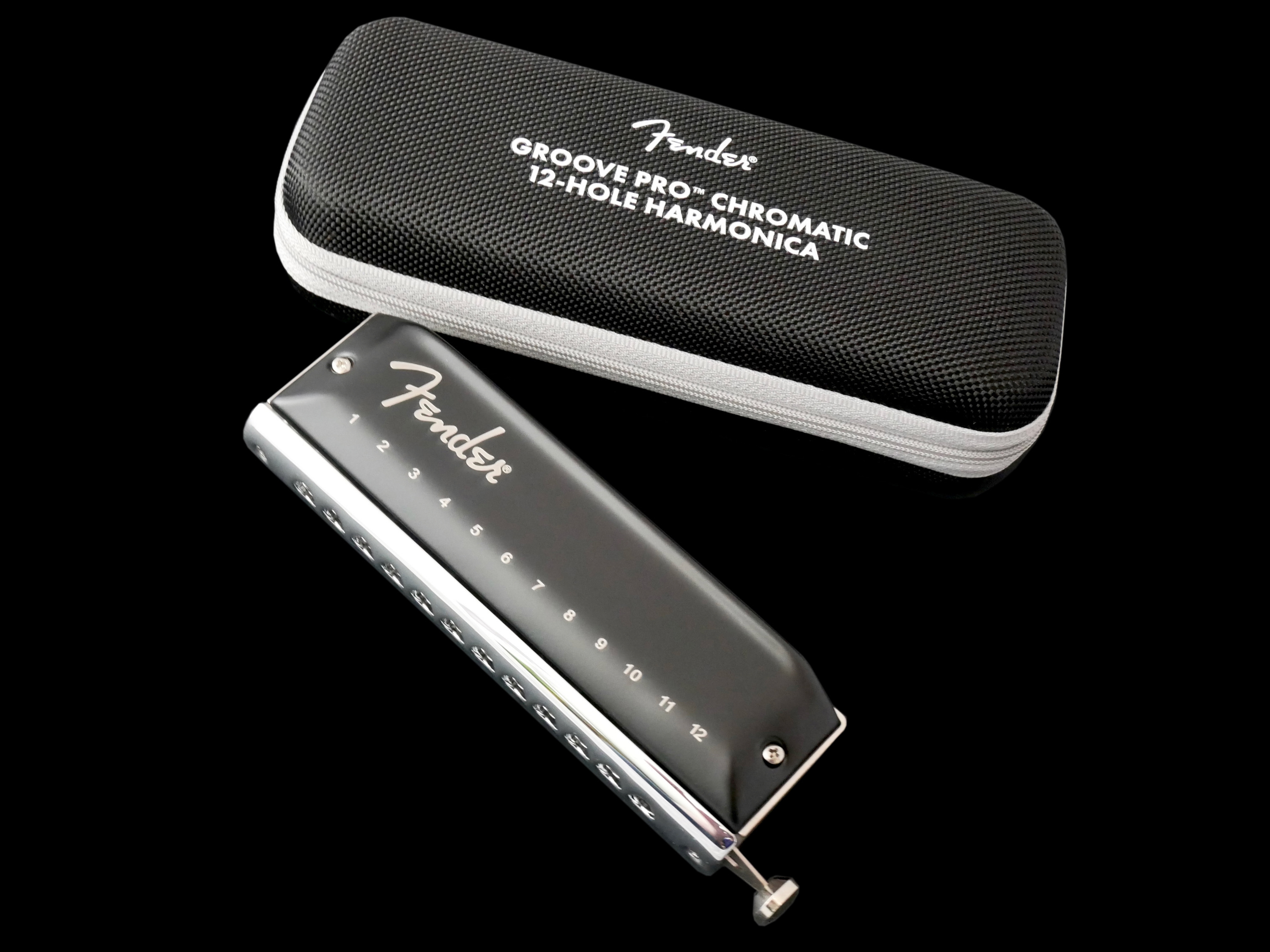
The smaller of these is the very compact diatonic Fender Blues Junior (€35), which is available in three keys (C, G, and A). The other new addition is the company’s first chromatic harmonica, called the Fender Groove Pro (€79).
****
A standard diatonic harp with ten holes is already a nice compact instrument that fits easily in a trouser pocket. However, almost all manufacturers have always had even smaller instruments available for different purposes.
About 15 years ago, the German traditional manufacturer C.A. Seydel found a new approach to the miniature diatonic harmonica when it invented its Big Six collection. In the Big Sixes, the distance between the holes remains the same as in a full-size harmonica, but instead of ten channels, only the first six were offered. According to Seydel, most blues players usually only use these holes, because the bends are best done in these, and therefore the missing high notes are not a problem at all.
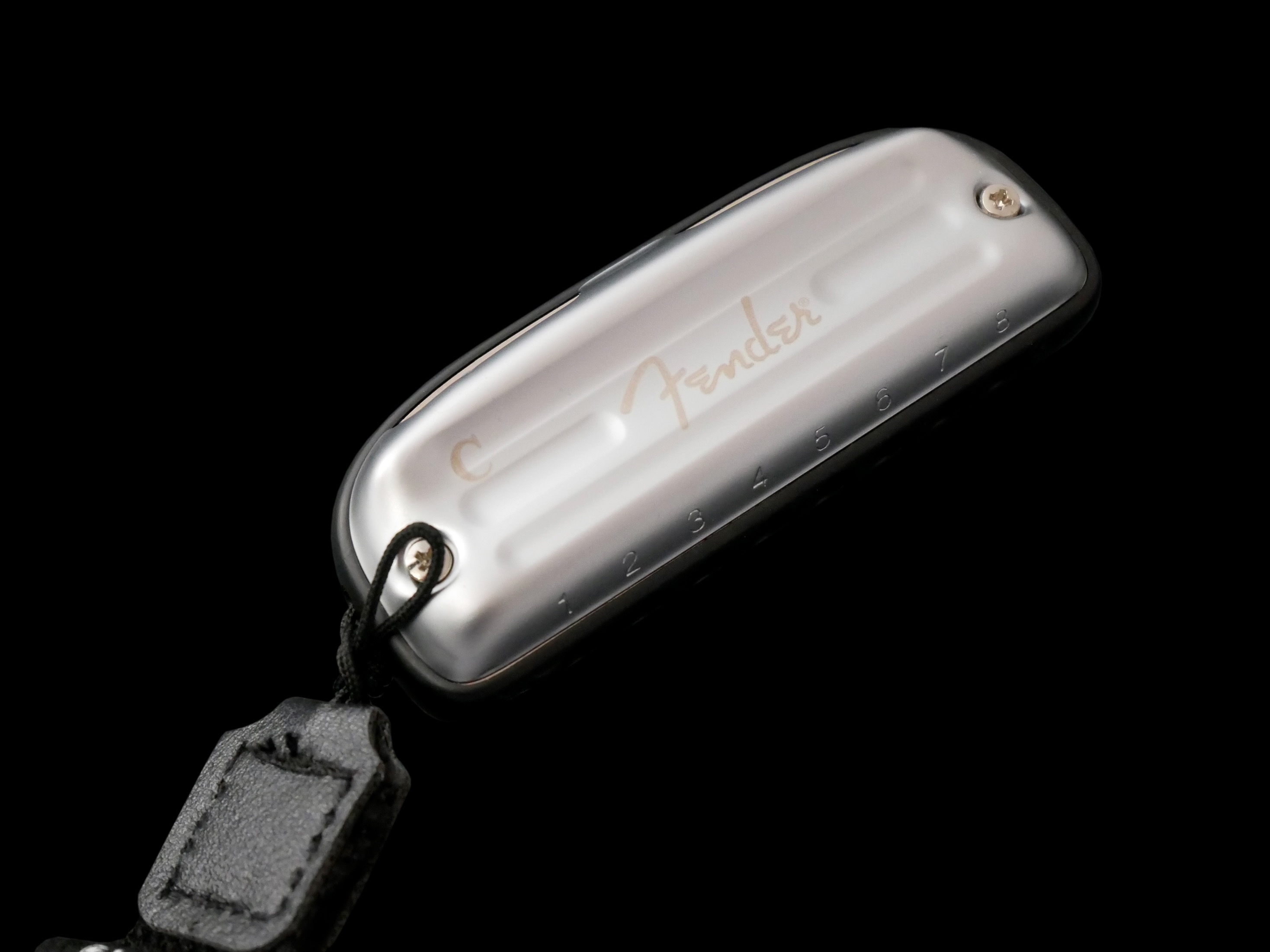
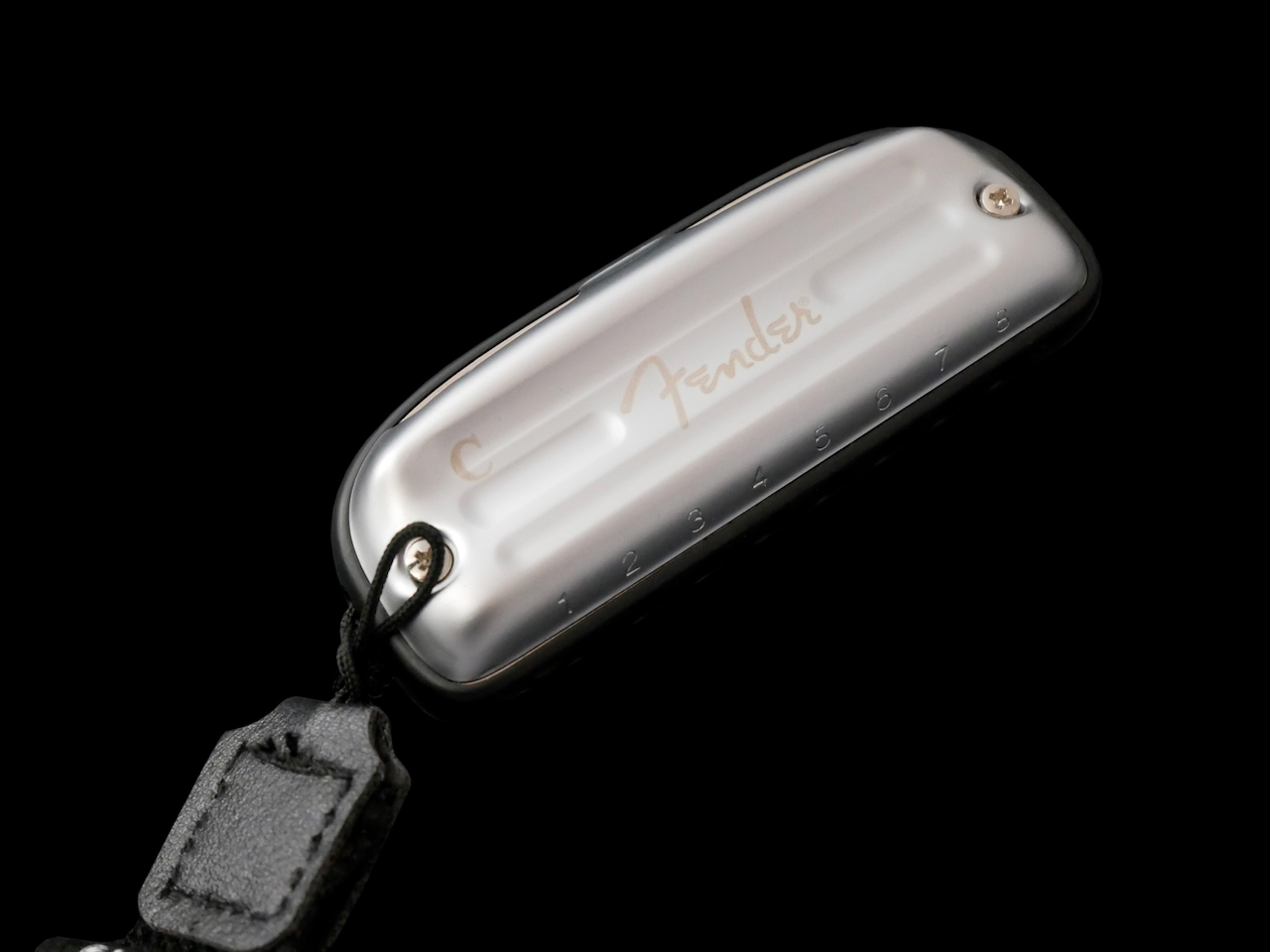
Fender’s brand new Blues Junior 8-Hole Diatonic model is based on the same idea, but offers two channels more tonal range than the Seydel Big Six. The harmonica is sold with a lanyard and a cleaning cloth.
The Fender Blues Junior’s design is very sleek and beautiful. The steel covers have a matte finish, while the harp’s comb is made of black ABS plastic. The appearance of the Blues Junior resembles a slightly smaller version of the Hohner Golden Melody model.
Because the channels on the front of the body have round holes, at first glance it may seem that they are closer together in the new Fender than usual. However, the distance between the channels is the standard 7.5 mm.
Fender’s contract manufacturer seems to have top-notch quality control, as the Blues Junior is suitably airtight, while the sensitivity of the phosphor bronze reeds has been adjusted appropriately.
The Fender Blues Junior harmonica is precisely tuned and very comfortable to play. The Blues Junior is a pleasantly loud harp with a deliciously crunchy sound.
In the demo above, I have used a model of a distorted tweed amplifier.
****
Since each air channel in a chromatic harmonica is connected to no fewer than four reeds, so-called valves have been found in chromatic models almost from their inception.
In modern instruments, the valves are made of lightweight plastic. They are narrow flaps that are glued to the reed plate at the opposite end of each reed. Thanks to the valves, when you blow into the harp, the air only goes through the blowing reed of the channel, while during drawing, the air only flows through the reed that is played during the draw.
The advantages of valves are – in addition to airtightness – the more precise attack of the chromatic harmonica and a louder sound. On the other hand, valves make bends practically impossible, because bends are based on the modulation caused by the opposite reed of the same channel. In addition, the valves can sometimes stick to the reed plates due to the humidity of the exhaled air, which makes it difficult to sound the reed and can give the attack a slight duck whistle-like roughness.
Because valves add to the price of chromatic harps – but also because of the drawbacks of valves – a new wave of cheaper, valveless chromatic harmonicas has emerged in recent years. According to bloggers and YouTube testers, the Chinese manufacturer Easttop seems to be a fairly high-quality manufacturer of affordable chromatic harps.
Why do I mention the Easttop brand here? Well, because Fender’s brand new Groove Pro Chromatic is clearly manufactured by Easttop – it’s a so-called OEM version – of their own Forerunner 2.0 model. The abbreviation “OEM” comes stands for “original equipment manufacturer”, and it means that the manufacturer does not put their own brand logo on the product, but the logo of the brand in question – in this case Fender.
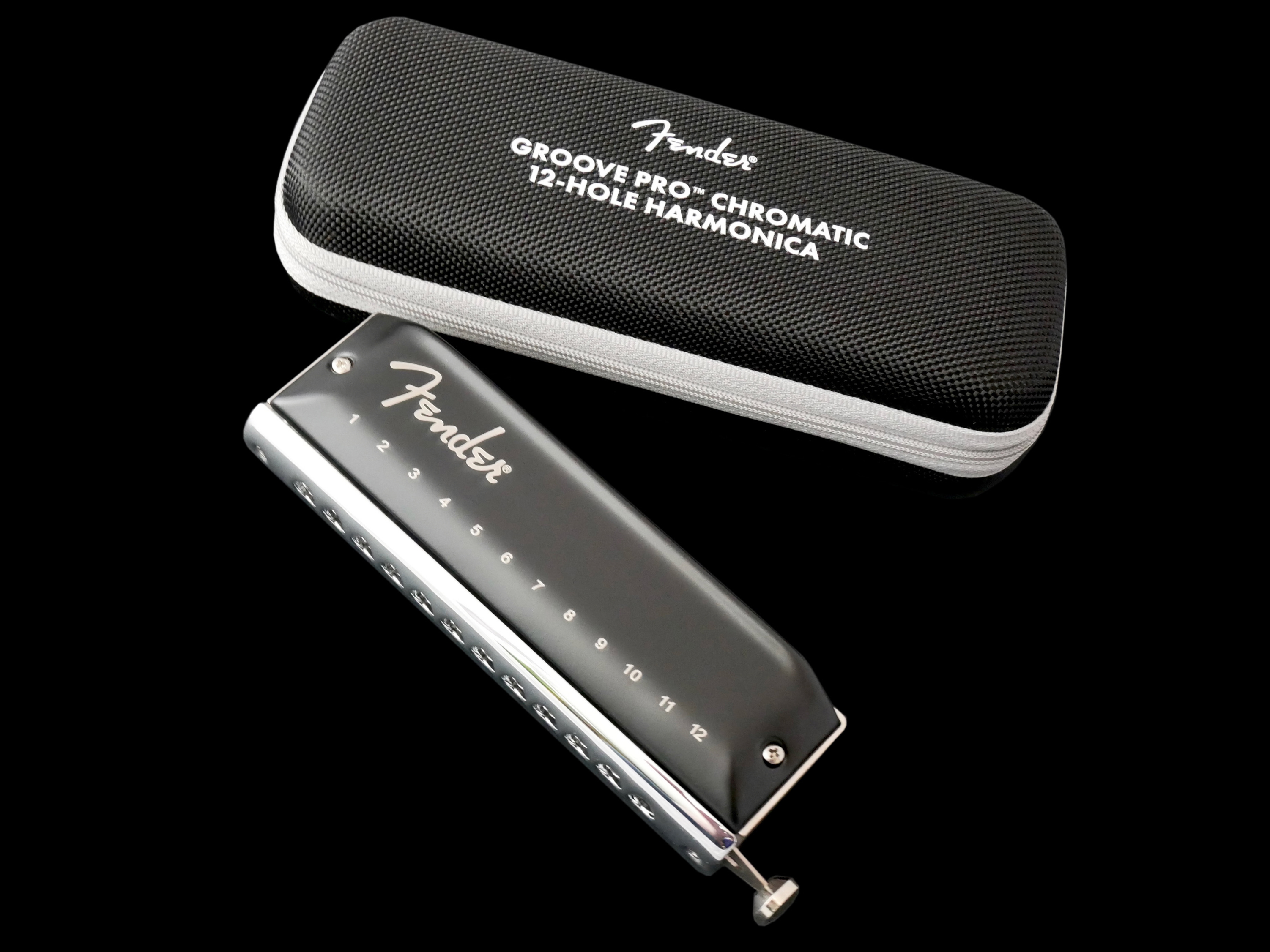
In any case, Fender’s new Groove Pro seems to be of very high quality and its transparent comb has a nice weight, which increases the volume and ”weight” of the sound in chromatic harmonicas. The Fender Groove Pro has 12 channels, which means that the harp has a three-octave range (c1-c4). In addition to the harmonica, the package includes a very high-quality, pencil-case style soft case and a cleaning cloth.
The Groove Pro has a very nice rounded cast metal mouthpiece with round holes. The switching mechanism feels fast and it is also pleasantly quiet. The harmonica’s reeds are made of phosphor bronze. The mouthpiece and matte black steel covers are shaped in such a way as not to cause problems with a player’s beard or moustache.
I think the Fender Groove Pro’s tuning and sound are really good. The new harp’s airtightness is also a positive surprise – although it does require a little more air to play than a harmonica with valves, the difference is not striking. Although the volume of the Fender’s sound is – naturally – a bit lower than my Hohner Chrometta or Hohner Discovery, it is easier to play the lowest notes on the Groove Pro (read: in tune) even with poor playing technique, because the valves do not have the braking effect on the reeds’ attack.
Even ten years ago, wiser people than me said that buying a chromatic harp for under a hundred euros was throwing money in the trash, because the cheap harps of the time let a lot of excess air through, and because they were very poorly tuned.
In recent years, the quality of inexpensive chromatic harmonicas has increased significantly, of which the brand new Fender Groove Pro is a very good example. I can only recommend this model – and not only to beginners.
****
”Olisiko mahdollista rakentaa Suomessa käsintehty kitara sellaiseen hintaan, että tavallisella muusikolla olisi siihen varaa?”
Suomalainen kitaristi Petri Matero oli pohtinut tätä kysymystä jonkin aikaa, ennen kuin hän päätti ottaa asiasta selvää. Yhdessä Kanki Guitarsin Teemu Korven kanssa he alkoivat kehittämään Materon ajatusta eteenpäin. Pitkän suunnitteluprosessin ja useiden prototyyppien jälkeen, Matero, Korpi ja Juha Tolonen (Sveitsissä asuva suomalainen, jolla on siellä oma boutique-kitaroiden kauppa Captain Sounds) päättivät perustaa hanketta varten oman yrityksen – Arvo Guitars.
Arvo Electric Guitar -malli perustuu pitkälti Leo Fenderin oppiin selkeydestä ja suoraviivaisuudesta. Arvo-lankkukitara ei ole tarkoitettu boutique-soittimeksi termin varsinaisessa merkityksessä, jossa tarjotaan asiakkaille laaja valikoima erilaisia custom vaihtoehtoja kaulaprofiilista puuvalintoihin tai elektroniikasta viimeistelyihin. Arvossa alusta – siis kitara itse – pysyy muuttumattomana, ja asiakas saa valita kolmesta eri mikkityypistä (joilla on kaikilla samat humbucker-ulkoviivat), kiinteän tai vibratallan, sekä yhden neljästä värivaihtoehdosta. Pitämällä alustan standardisoituna ja tarjoamalla ainoastaan tarkoin rajatun määrän vaihtoehtoja soittimen hinta pysyy edullisena, suomalaisesta alkuperästä huolimatta.
Suomessa asuville Arvo Guitars tarjoaa vielä yhden yhtä nerokkaan kuin erikoisen lisäherkun – kitaran liisausta.
Arvo GAAS -niminen (Guitar as a service) palvelu mahdollistaa sekä kitaran ostamisen osamaksulla että soittimen käyttöä vuoden verran pientä kuukausimaksua vastaan. Kaikkia GAAS-palvelun yksityiskohtia kannattaa tsekata Arvo Guitarsin nettisivuilta.
****
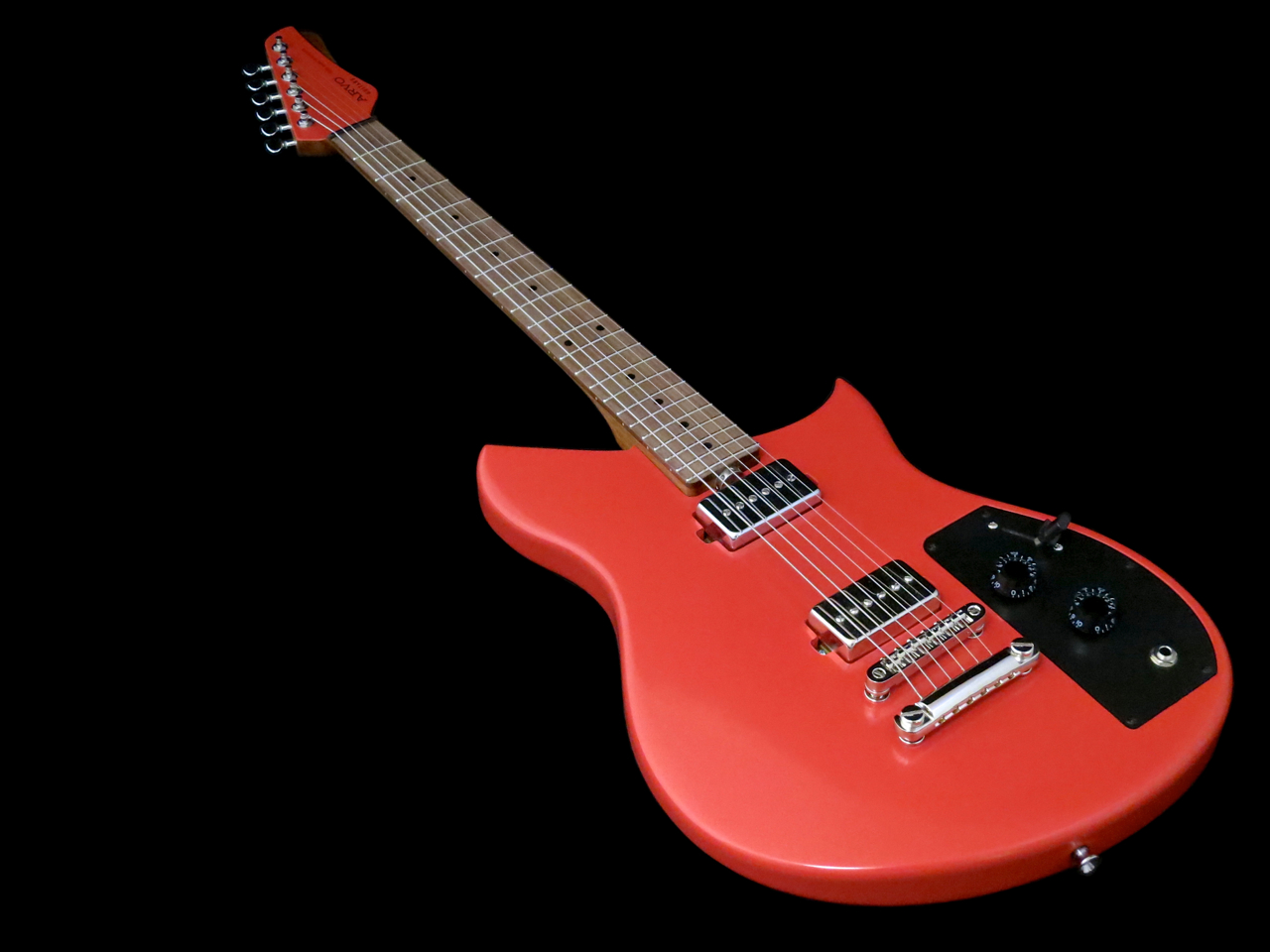
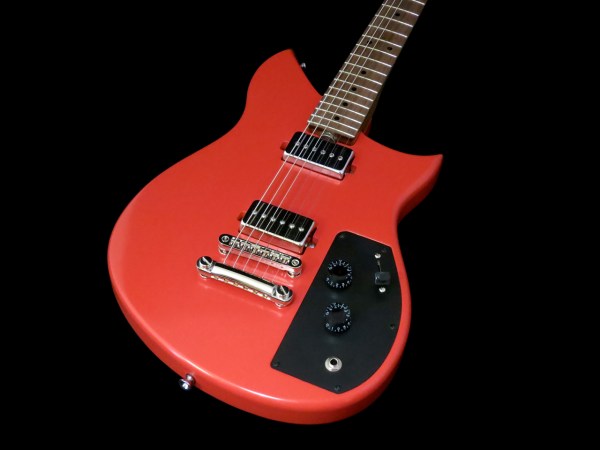
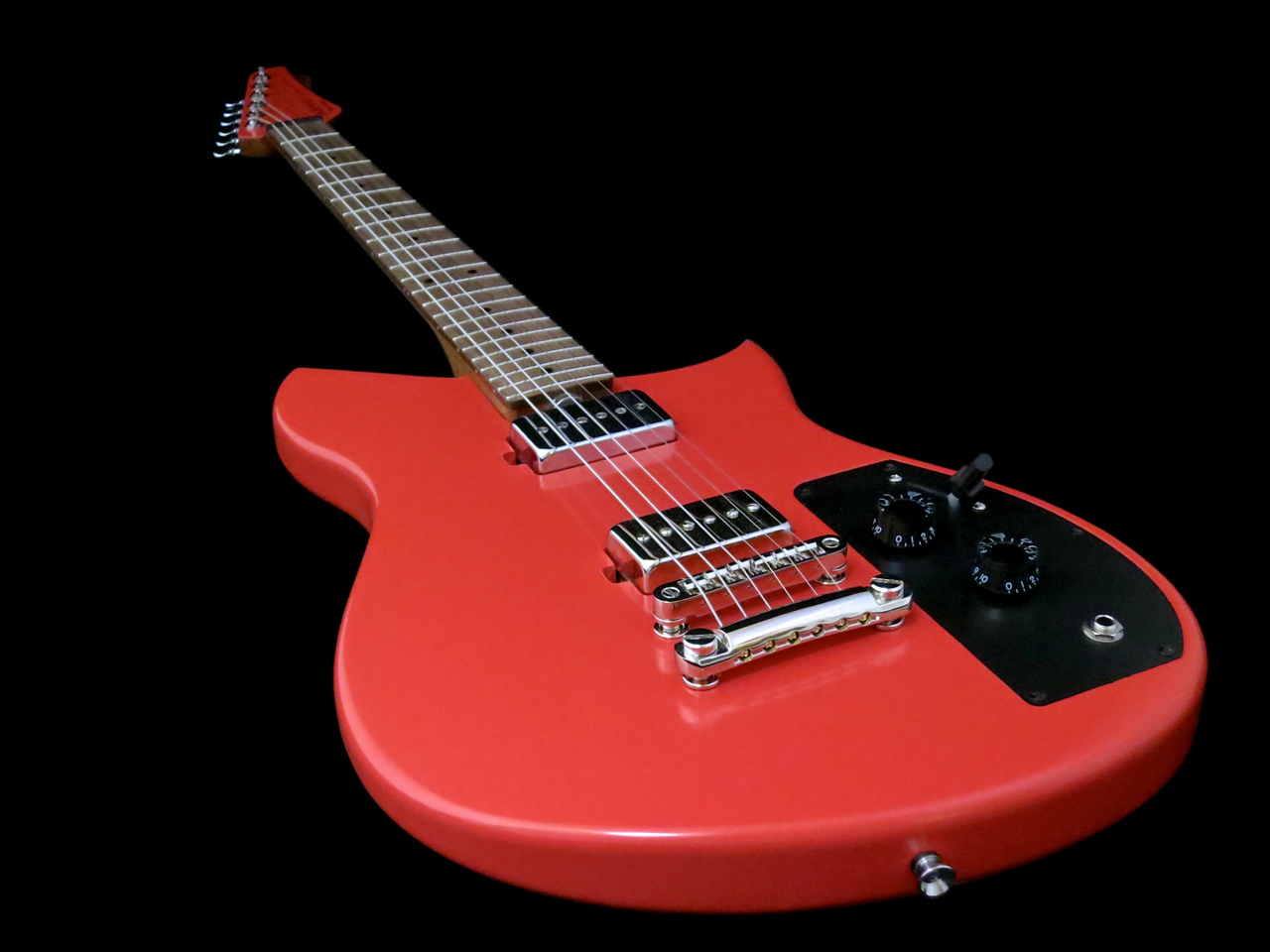
Arvo Electric Guitar -malli (testattu versio: 1.240 €) on minusta kaunis lankkukitara, joka näyttää samalla sekä tuoreelta että klassiselta.
Arvo Guitars pitää huolen kitaristin jaksamisesta pitämällä kitaran painon tarkoin rajoitettuna. Jokainen valmis soitin painaa vain noin kaksi ja puoli kiloa.
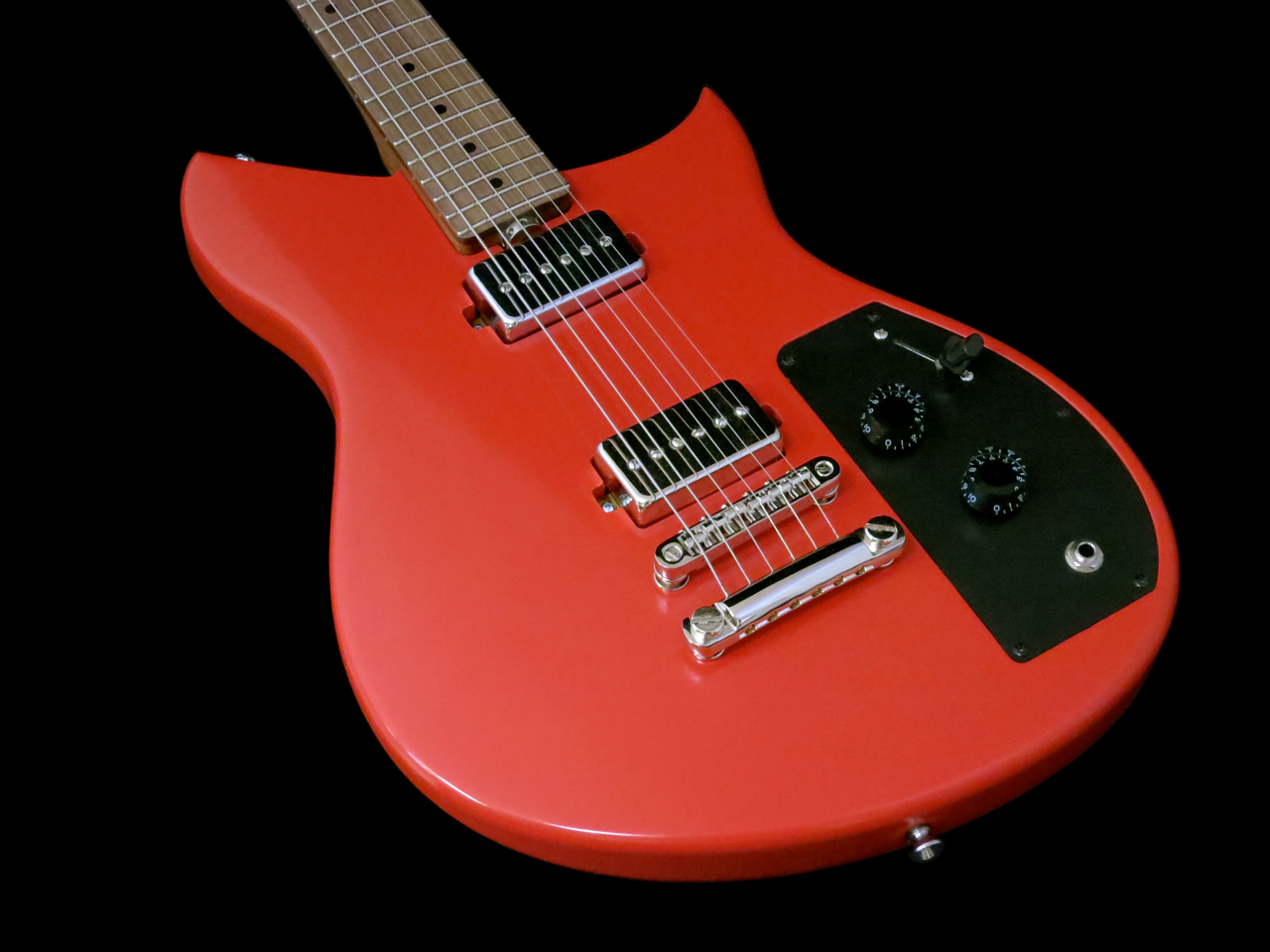
Poppelirungossa on edessä mukavuusviiste plektrakädelle. Kotimainen poppeli on hyvin resonoiva puulaji, joka on lisäksi suhteellisen helposti maalattavissa. Oman Arvon saa neljällä eri värillä – punainen, valkoinen, harmaa ja musta.
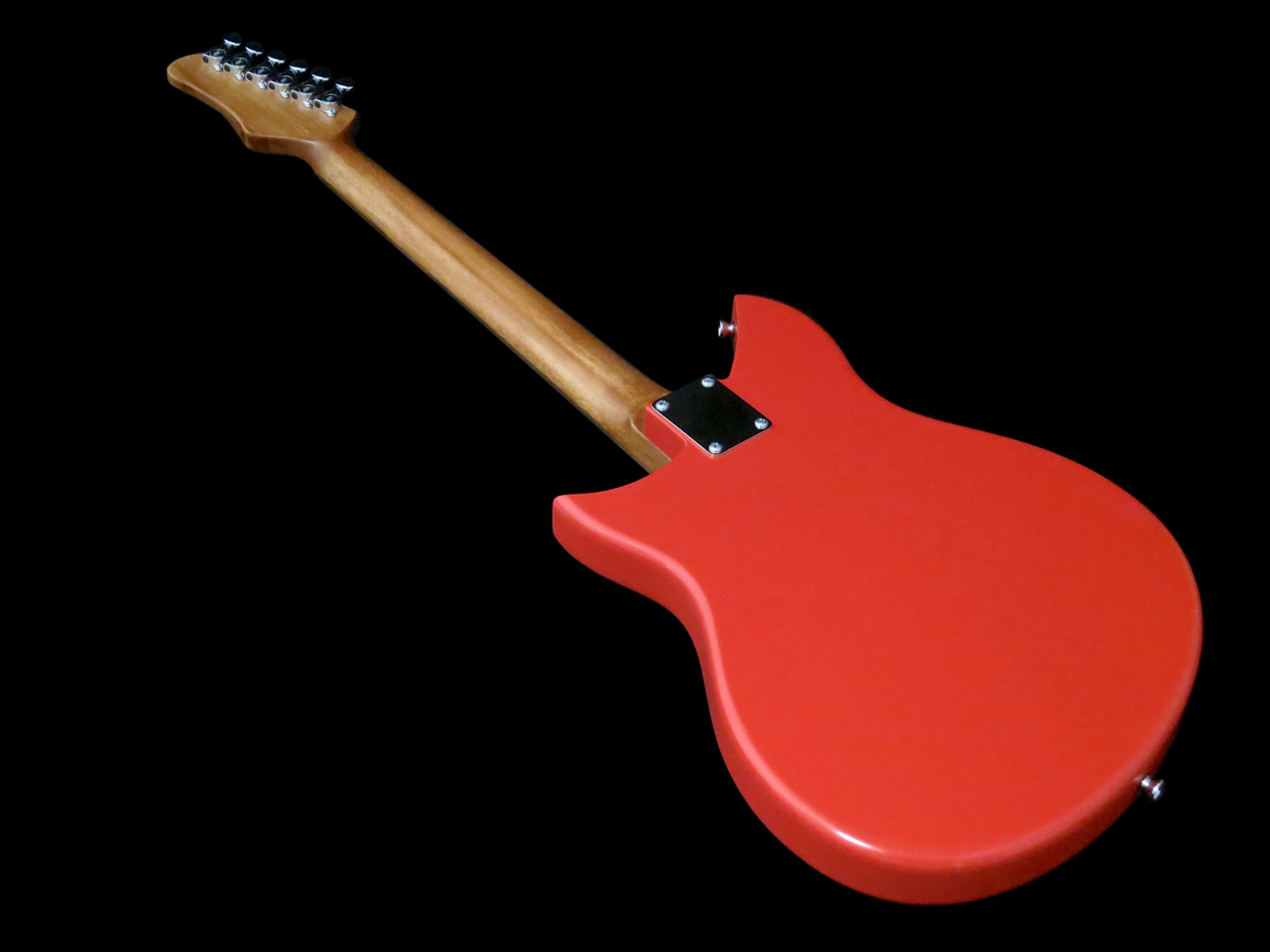
Ruuvikaulan materiaaliksi on valittu afrikkalaista mahonkia, ja se sai ylleen avohuokoisen natural-viimeistelyn.
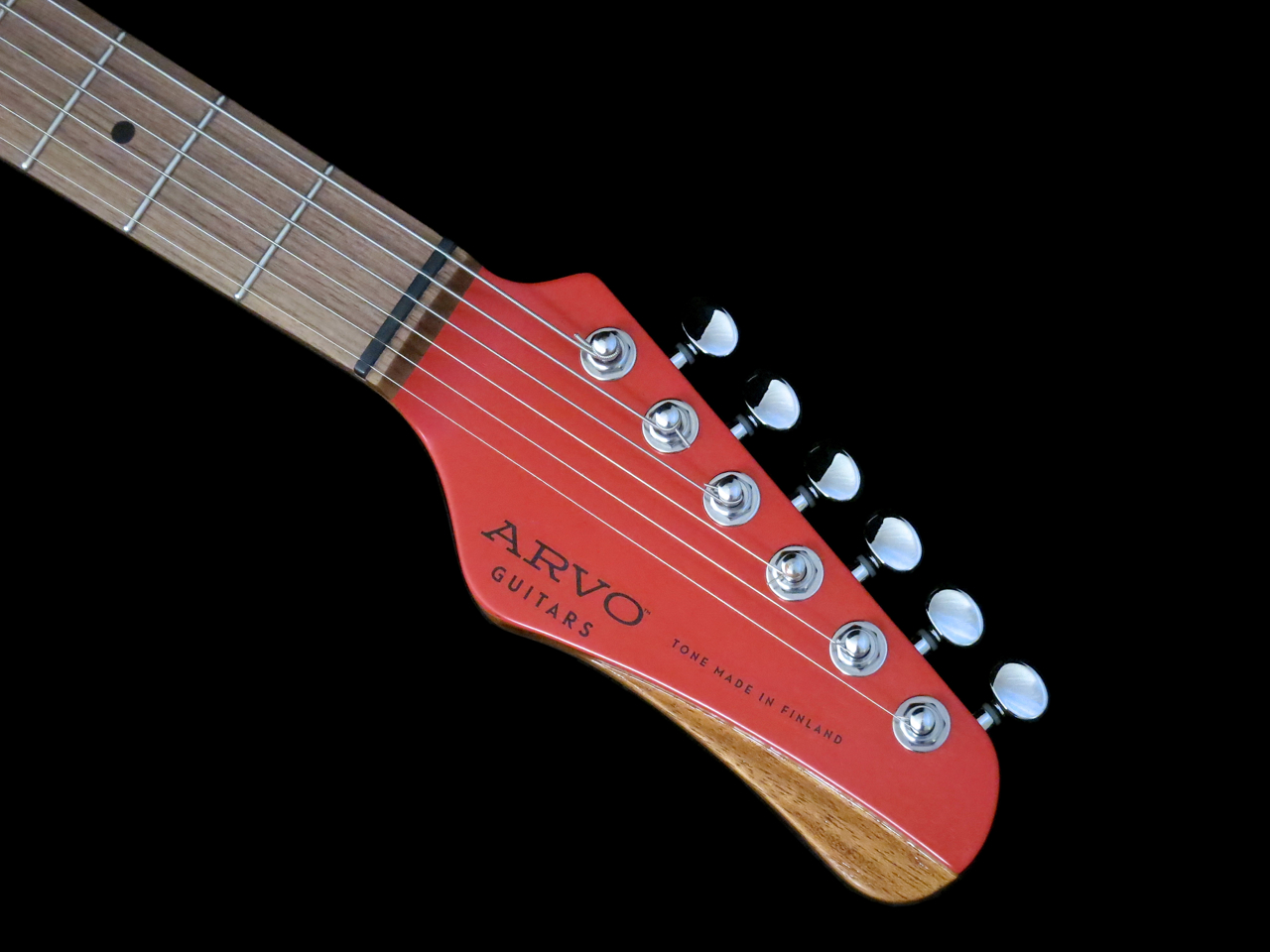
Testatusta, varhaistuotannon versiosta löytyy Wilkinson-virittimet. ”Oikeissa” tuotantokitaroissa nähdään sitten Graph Techin Ratio-koneistot. Itsevoiteleva satula on Graph Techin Black Tusq.
Otelaudan materiaalina käytetään Arvoissa kaunista pähkinäpuuta. Nauhatyö on erinomaisen laadukas, ja esimerkiksi nauhojen päät on pyöristetty erittäin sulaviksi.
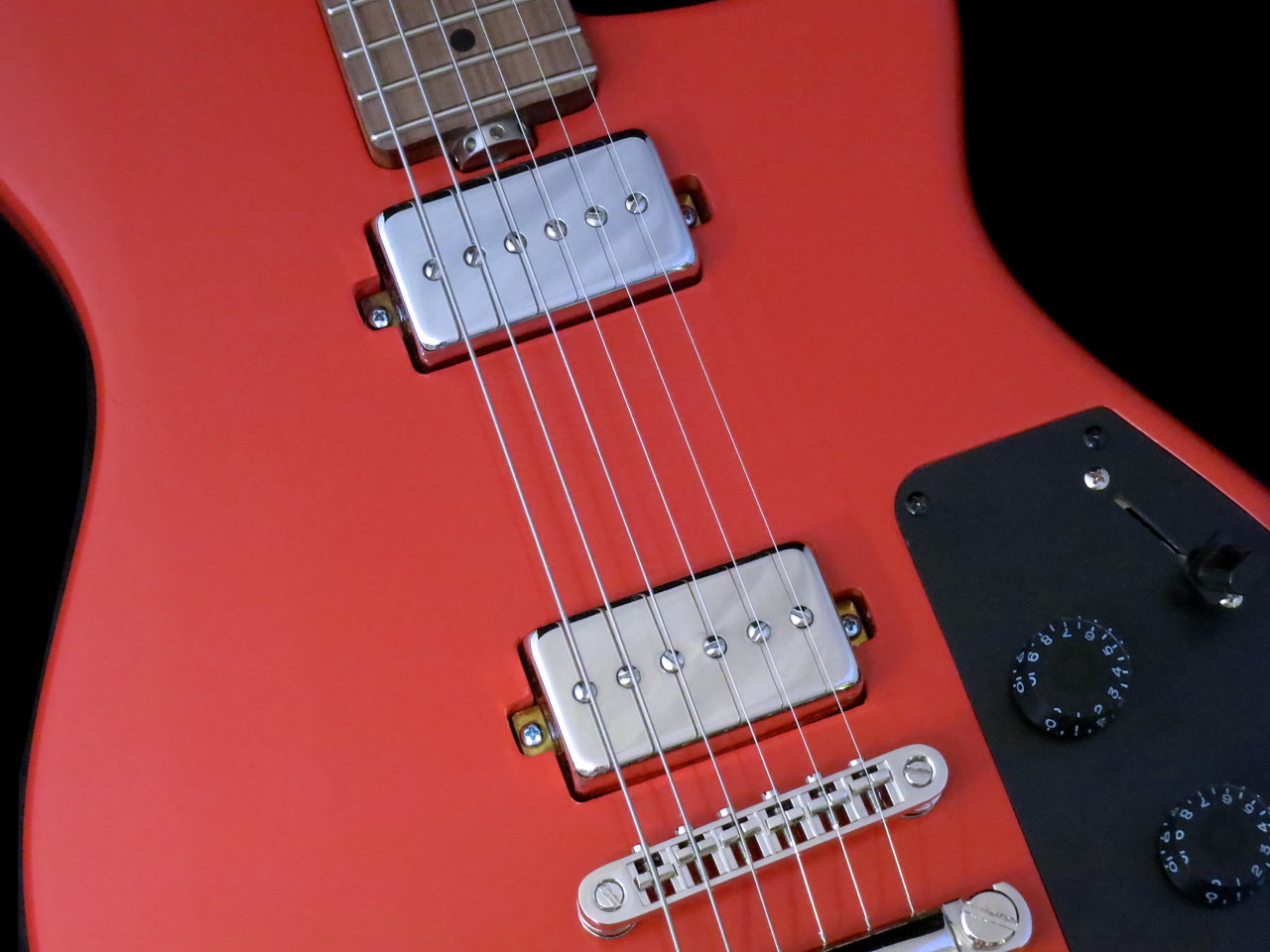
Kaikissa Arvo-kitaroissa on kaksi käsintehtyä mikrofonia. Soittimelle tarjotut kolme mikkityyppiä ovat kaikki humbucker-kokoisia, mutta mikkikuoren alla voi olla humbucker, P-90 tai Fender-tyylinen yksikelainen. Asiakkaalla on vapaat kädet omaan kitaransa haluamansa kombinaation valinnassa.
Arvo-mikkejä on myös helppo vaihtaa, koska ne ovat liitetty muuhun elektroniikkaan mikrofonikoloihin sijoitetuilla pikaliitimillä. Kieltenvaihdon yhteydessä pystyy ruuvaamaan mikrofonin irti, ja korvaamaan sitä toisentyyppisellä Arvo-mikillä hyvin nopeasti, ja täysin ilman juotoskolvin tarvetta.
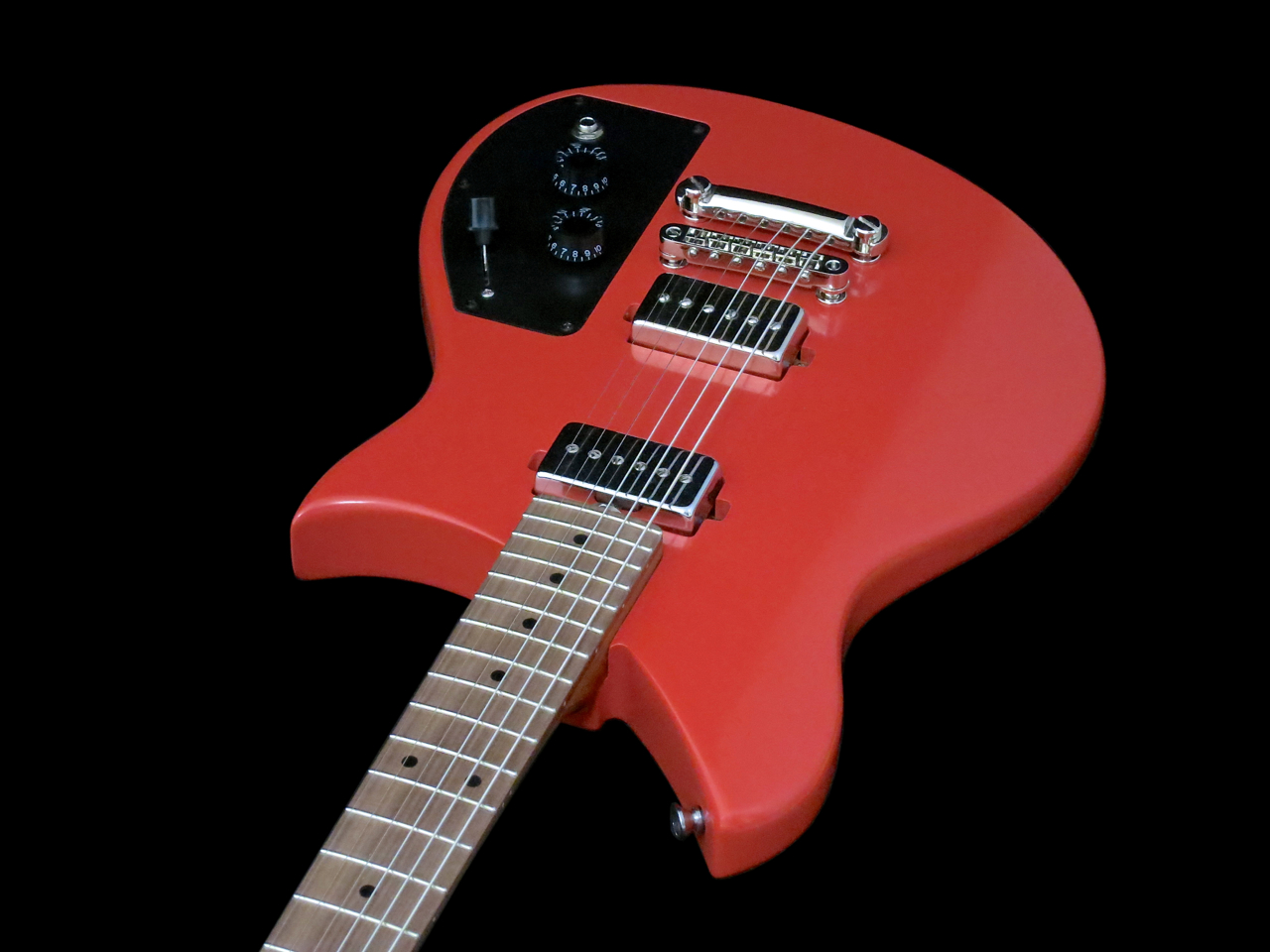
Talla ja kieltenpidin näyttävät tavallisilta korealaisilta osilta, mutta ne tulevatkin Graph Techin uudesta ResoMax-sarjasta. ResoMax-osiin käytetään firman omaa erikoisvalmisteista metalliseosta, joka parantaa valmistajan mukaan soittimen atakkia, soittodynamiikka ja yleissointia. Kätevänä lisäominaisuutena löytyy pieniä magneetteja, jotka pitävät Tune-o-matic-tallan ja Stopbar-pitimen visusti paikoillaan myös kieltenvaihdon yhteydessä.
Arvon suunnitteluperiaatteiden mukaisesti soittimen säätimet ovat hyvin suoraviivaiset. Muovipaneelista löytyy Tele-mainen kolmiasentoinen kytkin, sekä master volume- ja master tone -säätimet.
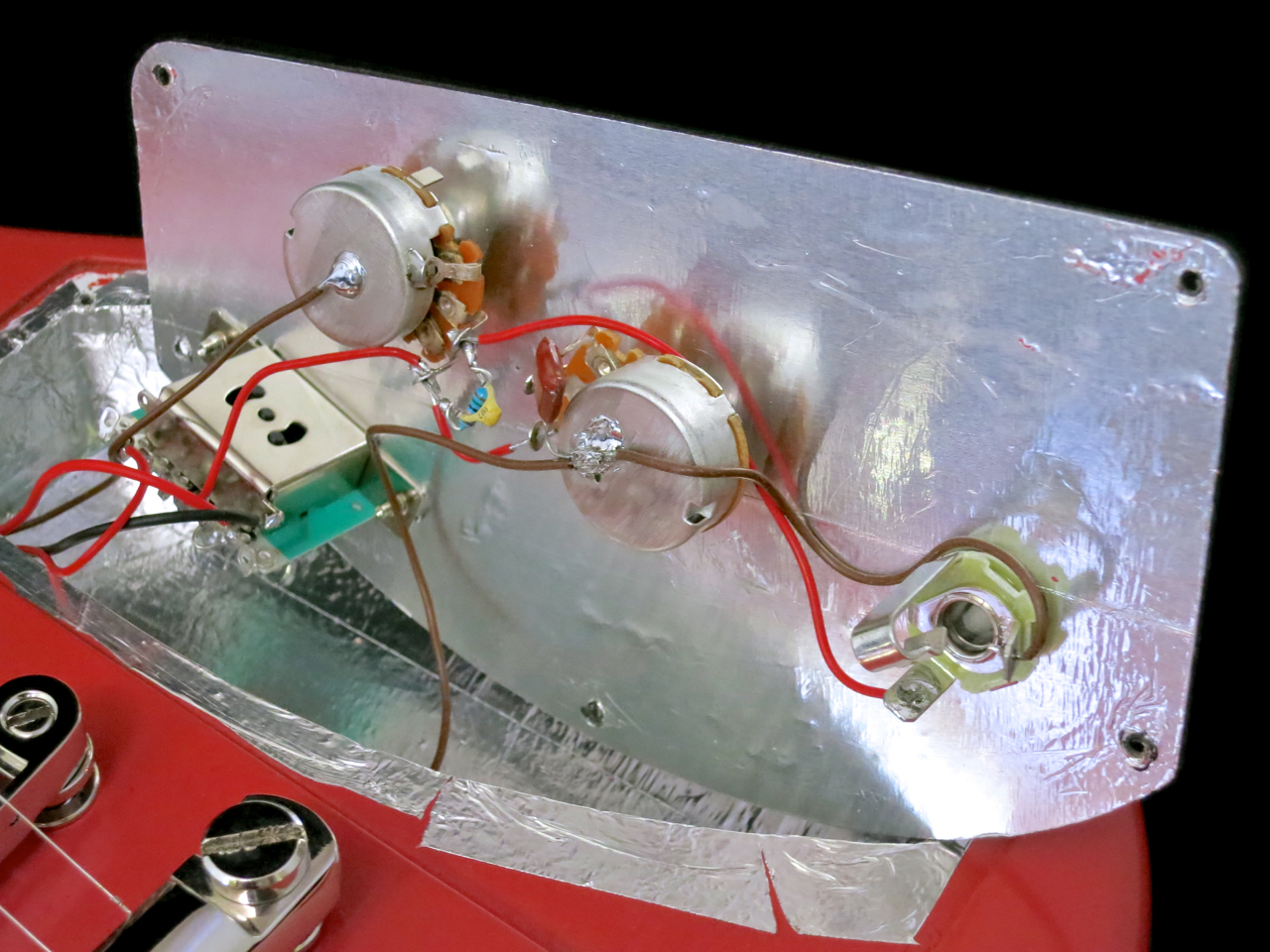
Juotokset näyttävät siisteiltä ja elektroniikkalokeron foliosuojaus hyvin huolelliselta.
Topattu pussi kuuluu Arvon hintaan.
Arvo Guitars antaa alkuperäiselle omistajalle elinikäisen tuotetakuun. Lisäksi jokaisesta myydystä kitarasta menee 50 euron lahjoitus Pelastakaa lapset -yhdistykselle.
****
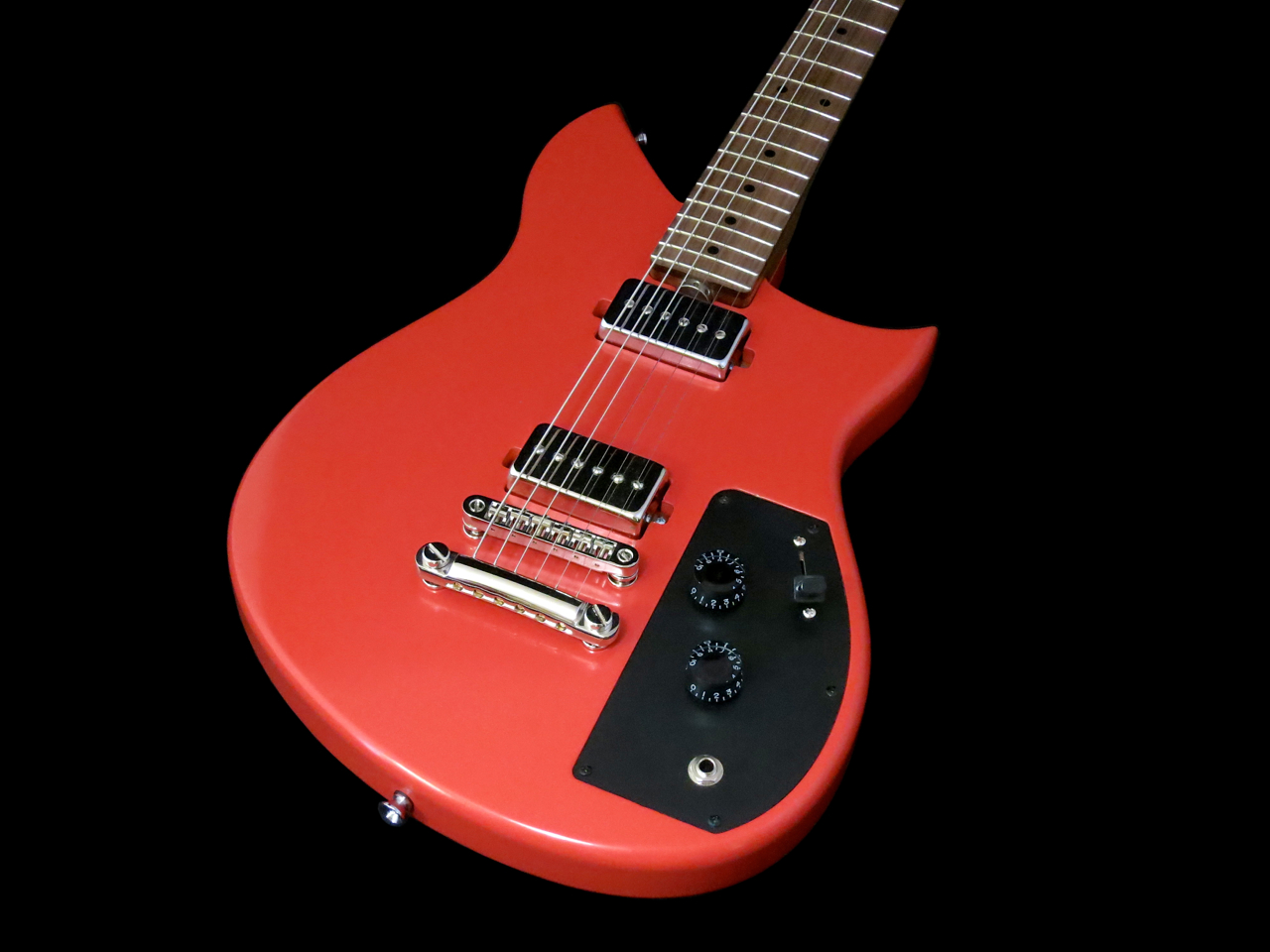
Arvo Electric Guitar on todellakin erityisen kevyt lankkukitara. Hyvän suunnittelun ansiosta soitin ei kuitenkaan ole kaulapainoinen.
Arvon ulkonäkö on klassisesti hillitty ja myös kitaran kaulaprofiili on valittu huolella mahdollisimman yleispäteväksi. Kaulaprofiili on melko tuhti C, aika lähellä Gibsonin myöhäisen 1950-luvun kauloja, mikä on erinomainen valinta myös kitaran perussoundia ja pitkiä keikkoja silmällä pitäen. Otelaudan Gibson-tyylinen radius (12 tuumaa), sekä nauhojen mainio kapeahko ja keskikorkea olemus, tekevät Arvon soittamisesta helpon ja mukavan.
Arvo-kitaran laadukkaat, hyvin resonoivat puut, sekä soittimen Graph Tech -osat, ovat omiaan antamaan kitaralle vahvan ja kirkkaan akustisen äänen, sekä pitkän ja harmonisesti rikkaan sustainin.
Vahvistettuna iso osa soundista riippuu luonnollisesti omaan kitaraan valituista mikkityypeistä. Kahdesta humbuckerista saa kermaisen perussoundin, kun taas Fender-tyylisillä yksikelaisilla lopputulos on lähempänä Stratoa tai Telecasteria.
Testikitaraan oli asennettu kaksi P-90:tä, jonka ansiosta soundi menee samalla mehukkaan, mutta rouhean suuntaan, joka tuli tutuksi monesta The Who- tai Santana-klassikkobiisistä. Kaulamikrofoni on lämmin ja moniulotteinen, keskiasento tarjoaa loistavan (ja funkahtavan) komppisoundin, kun taas tallamikrofonista lähtee pureva soundi, joka ei kuitenkaan ole koskaan liian terävä.
Tässä on esimerkki Arvon puhtaista perussoundeista (äänitetty suoraan Blackstar HT-1R -kombon linjalähdöstä):
Demobiisiä varten mikitin kaksi täysputkikomboa (Juketone True Blood ja Bluetone Shadows Jr.) Shure SM57 -mikrofoneilla. Kaikki säröä tulee vahvistimista. Ainoa pedaali on biisin tremolo-osuuksissa käytetty uusi Bluetone Harmonic Tremolo.
****
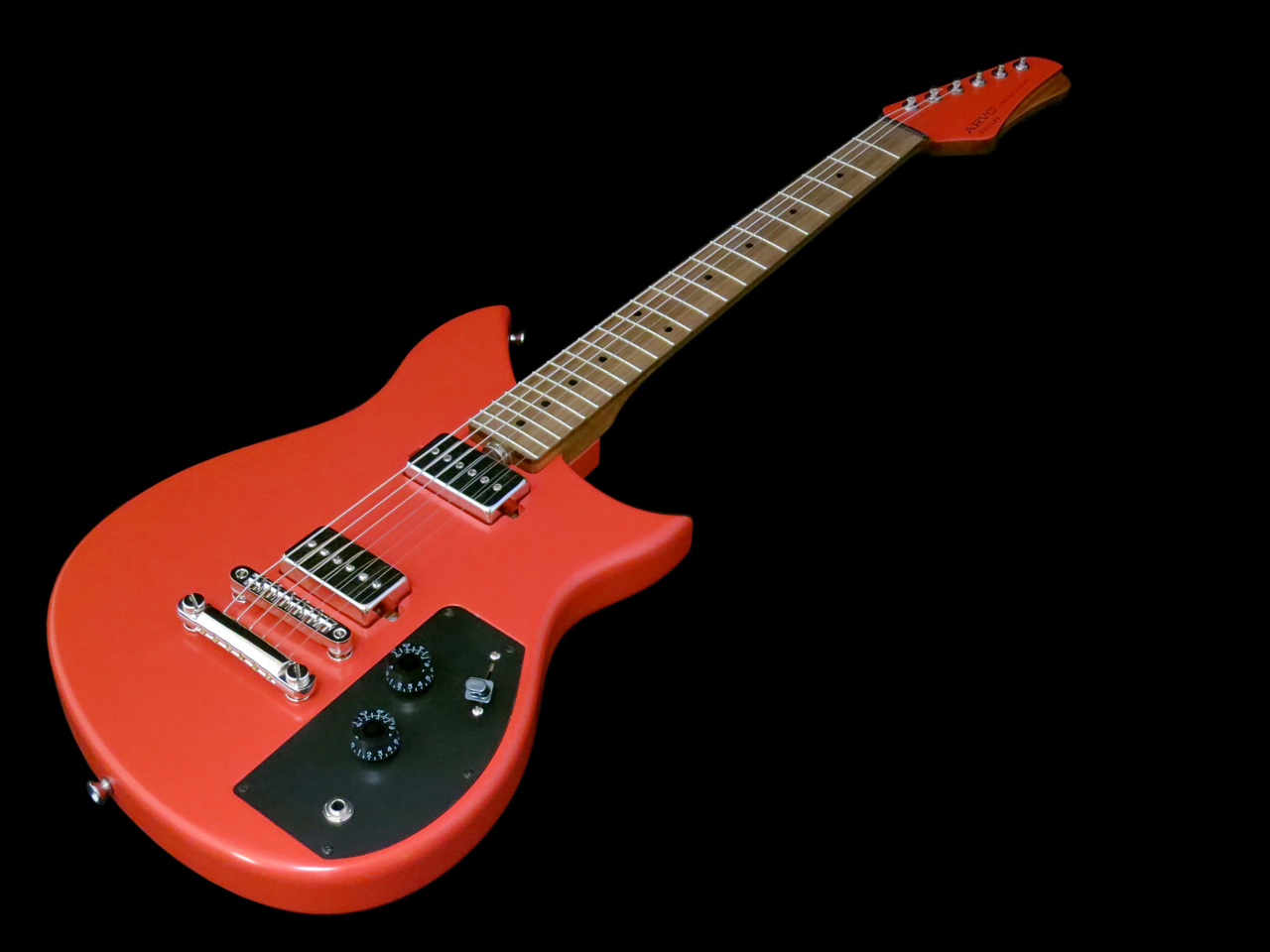
Minun täytyy nostaa hattua Petri Materolle ja Teemu Korvelle, koska heidän projektinsa on testin perusteella onnistunut täydellisesti! Arvo on käsintehty suomalainen sähkökitara rivimuusikolle ystävällisellä hinnalla.
Arvo Electric Guitar -mallin tarkoitus ei ole olla hienostunut boutique-kitara, jolla on henkeäsalpaavan kauniita loimupuita tai erittäin kallis mikitys ja elektroniikka. Arvo-kitara on tarkoitettu olla muusikon suoraviivainen, uskollinen ja laadukas työjuhta lavalla ja studiossa. Se on tehty soitettavaksi.
Itse asiassa pidin Arvosta niin paljon, että minun piti ostaa se.
****
Arvo Electric Guitar
Perushinta: 1.240 € (topattu pussi kuluu hintaan); optiona Duesenberg Les Trem (+ 150 €)
Valmistaja: Arvo Guitars
****
Plussat:
+ suomalaista käsityötä
+ työnjälki
+ nauhatyö
+ soitettavuus
+ soundi
+ edullinen hinta

”Is it possible to produce a handcrafted Finnish solidbody electric guitar at a price most working musicians can afford?”
Finnish guitarist Petri Matero kept pondering this question in earnest for some time, before deciding to try to find out. Together with Kanki Guitars’ Teemu Korpi they started to develop the idea of an affordable Finnish guitar. After much brainstorming and a row of prototypes Matero, Korpi and a man called Juha Tolonen, who runs a boutique guitar shop in Switzerland (called Captain Sounds), pooled their resources and started a new guitar company – Arvo Guitars.
The Arvo Electric Guitar follows Leo Fender’s basic principle of keeping things simple. The Arvo is not meant to be a boutique guitar, offering a myriad of options for the customer to choose from. Instead, by offering only a limited number of finishes and pickup types (all built to the same physical size), the Arvo’s price tag is kept in check, despite it being a handmade instrument.
****
The Arvo Electric Guitar (prices starting from 1,240 €) is a pretty instrument that manages to look fresh and classic at the same time.
To make the life of working musicians a little easier, Arvo Guitars are very particular when it comes to weight, making sure that the finished instruments come in at around a mere two-and-a-half kilos.
The front-contoured body is crafted from Finnish poplar, which is both resonant and relatively easy to finish. The Arvo is available in four colours – red, white, black and grey.
The bolt-on neck is made from African mahogany, and it has received a transparent, open-pore finish.
The review sample is a very early production model that has been equipped with a set of Wilkinson machine heads. The ”proper” production instruments will sport a set of Graph Tech Ratio tuners. The nut has been cut from Graph Tech’s Black Tusq, a self-lubricating material.
The fingerboard uses walnut, which is a cool-looking choice. The fretwork is nothing short of excellent, with special care having been given to smoothly rounded fret ends.
The Arvo comes with two handmade pickups. The offered pickup types are humbucker, P-90 and single-coil, all built into humbucker-sized casings. The customer can choose any pickup combination he or she needs to capture their individual tone.
Because the pickups are connected to the controls using quick connectors inside the pickup routings, it is possible to swap between different Arvo-pickups relatively easily. Just remove the strings, take out the disconnected pickup, connect the new pickup and drop it in.
The bridge and stopbar tailpiece may look like standard Korean versions of Gibson’s original Tune-o-matic set-up, but they are in fact Graph Tech’s improved ResoMax parts. Graph Tech’s ResoMax hardware is made from their own proprietary metal mix, which they claim is much more resonant than the standard Zinc-based material used normally. A nifty additional feature are tiny magnets that keep the bridge and tailpiece secured to their height-adjustment posts, even after you’ve removed the strings.
In keeping with the Arvo’s design ethos, the controls are very straightforward – a master volume, a master tone, and a Tele-style three-way blade selector, all mounted onto a large plastic plate.
The soldering looks very clean and the control cavity has received a thorough foil shielding.
A gigbag comes included with the guitar.
Arvo Guitars covers its instruments with a lifetime warranty granted to the original owner. An additional incentive comes in the guise of a 50 € donation for every guitar sold to the Finnish section of Save the Children.
****
The Arvo Electric Guitar is really light as a feather, yet, thanks to its design, it doesn’t suffer from neck heaviness.
In keeping with the Arvo’s classic looks the neck profile has been chosen to appeal to a wide range of guitarists. The profile is a chunky C, quite close in spirit to a late-Fifties Gibson, and good for sustain and long playing sessions. The 12-inch fretboard radius, along with the well-chosen narrowish, but medium-height frets, make for a very positive playing feel that will make you want to keep on playing.
The Arvo’s high-quality, resonant woods and the Graph Tech-hardware combine to give the guitar a loud and strident acoustic voice and plenty of harmonically rich sustain.
Amped up, much of the tone naturally hinges on the pickup type you choose for your own guitar. You could go double humbucker for a creamy and powerful voice, or maybe drop in a bridge single-coil to do a Keef or an Andy Summers.
Our review sample came with a pair of P-90 pickups, which gives you plenty of that juicy, but gritty classic Townshend and early Santana vibe. The neck pickup is warm and multidimensional, the mixed position clucky, and the bridge pickup wiry, but never thin.
Here’s a clean clip recorded direct with a Blackstar HT-1R valve combo:
For the demo song I miked up my Juketone True Blood and Bluetone Shadows Jr. combos with a Shure SM57. No overdrive pedals were used. The tremolo guitar part uses Bluetone’s new Harmonic Tremolo pedal.
****
In my view Arvo Guitars has achieved what Petri Matero and Teemu Korpi set out to do; here we have a handcrafted electric guitar, made in Finland, offered at a very reasonable price.
The Arvo Electric Guitar doesn’t want to be a boutique guitar that stuns you with its figured woods, its upmarket cosmetics, and esoteric pickups. This is a straightforward, high-quality tool for the working musician, meant to be played and gigged a lot.
Actually, I liked the review guitar so much that I had to buy it.
****
Arvo Electric Guitar
1,240 € as reviewed (includes gigbag); Duesenberg Les Trem optional (+ 150 €)
Contact: Arvo Guitars
****
Pros:
+ handcrafted in Finland
+ workmanship
+ fretwork
+ playability
+ sound
+ value-for-money





 Kitarablogi.com – Finland's premier Guitar and Bass blog