Ukulele on pienikokoinen nelikielinen kielisoitin kitaraperheestä. Musiikkihistorian kirjoissa sanotaan, että havaijilainen ukulele kehittyi nykymuotoon 1800-luvun loppupuolella espanjalaisista ja portugalilaisista ”matkakitaroista”. Lähteestä ja näkökulmasta riippuen, soittimet saapuivat Havaijille joko Etelä-Amerikan kautta (vihuela) tai suoraan europpalaisten maahanmuuttajien mukana (machete tai braguinha).
1900-luvun alussa Yhdysvalloissa kasvoi kiinnostus Havaijin-saaria ja havaijilaista kulttuuria kohtaan. Vuonna 1915 alkoi erilaisten näyttelyjen ja kiertävien musiikkiryhmien kautta USAssa suoranainen Havaijibuumi. Etenkin ukulelellä vaikutti olevan erityisen suurta viehätysvoimaa ja soittimen kysyntä kasvoi räjähdysmäisesti.
Jostakin syystä ukulelen suosio ei loppunut muutaman vuoden jälkeen, vaan pikkuinen soitin teki onnistuneen hyppäyksen hula-hula soittimesta varhaisen jazzin ja vaudeville-viihteen soittimeksi.
Vasta 1960-luvun beat-, rock-, blues- ja folk-aallot veivät lopulta ukulelelta sen pitkän suosion.
Nyt näyttää kuitenkin siitä, että ukulele on tekemässä suuren comebackin. Aktiivisoittajia on tulossa koko ajan lisää. Myös monissa kouluissa oppilaiden ensisoitin on yhä useammin nokkahuilun sijaan ukulele.
Kuvassa (vasemmalta): sopraano-, konsertti- ja tenoriukulele, sekä guita(r)lele.
Alkuperäisestä sopraanoukulelesta kasvoi ajan myötä kokonainen soitinperhe. Sopraanon lisäksi yleisesti käytössä ovat konsertti- ja tenoriukulelet. Pikkuinen sopranino- tai tasku-ukulele on tarkoitettu lähinnä hauskaksi kuriositeetiksi. Baritoniukulele taas eroaa muista perinteisistä ukuleleista virityksen suhteen, sillä sillä on C-virityksen (g1-c1-e1-a1) sijaan sama viritys kuin kitaran neljällä ylimmällä kielellä.
Komppisoittajat suosivat yleensä perinteistä ”korkeaa” C-viritystä – myös tenoriukuleleissa – kun taas monesti melodiaa soittavat soittajat suosivat tenoreissa usein ”matalaa” C-viritystä (g-c1-e1-a1), jossa g-kieli on soittimen matalin kieli. Jotkut taas pitävät sopraanoukulelejään vanhassa (alkuperäisessä) D-virityksessä (a1-d1-fis1-h1).
Perinteisten kokojen lisäksi on markkinoilla vielä bassoukuleleja, joilla on paksujen kumimaisten kieltensä ansiosta sama viritys kuin bassokitaralla, sekä guitalele (tai guitarlele), joka on tenorikokoinen pikkukitara A-virityksellä.
Ukulelen perusrakenne on hyvin kitaramainen – soittimessa on kaula, nauhallinen otelauta, sekä ontto kaikukoppa.
Vintage-tyylisissä sopraanoissa on usein vain 12 nauhaa, mutta isommissa malleissa voi olla jopa 18 nauhaa.
Kitaratyylisen muodon lisäksi on myös tällaisia nk. ananasmallisia soittimia (ns. pineapple uke), joilla on hieman erilainen ääni.
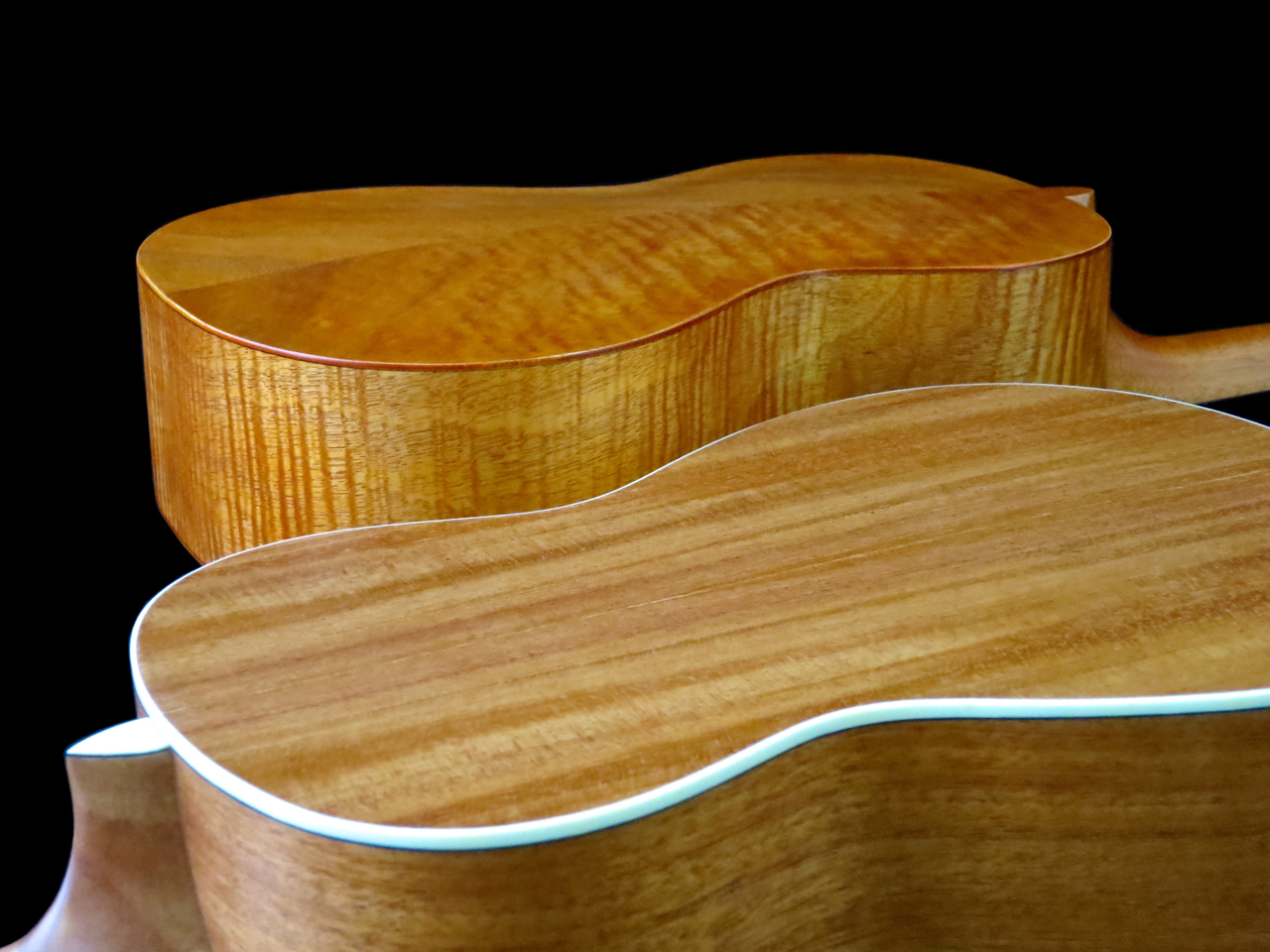
Joissakin malleissa voi olla muotoon prässätty kaareva pohja, niin kuin kuvan taaemmassa soittimessa.
1900-luvun alussa kaikissa ukuleleissa käytettiin virittämiseen esim. monen jousisoittimen tavoin yksinkertaisia puutappeja, joissa puiden kitka piti kielet vireessä (kuvassa: ruskeat virittimet).
1920-luvulla ns. patenttivirittimet astuivat mukaan kuvaan. Myöskään näiden metallisten viritystappien sisällä ei ollut varsinaista koneistoa hammasratoineen, vaan nekin toimivat viritystapin, metalliprikkojen ja -jousien välisellä (säädettävällä) kitkalla.
Moderneissa soittimissa käytetään yleensä joko avoimia tai suljettuja kitaratyylisiä virittimiä.
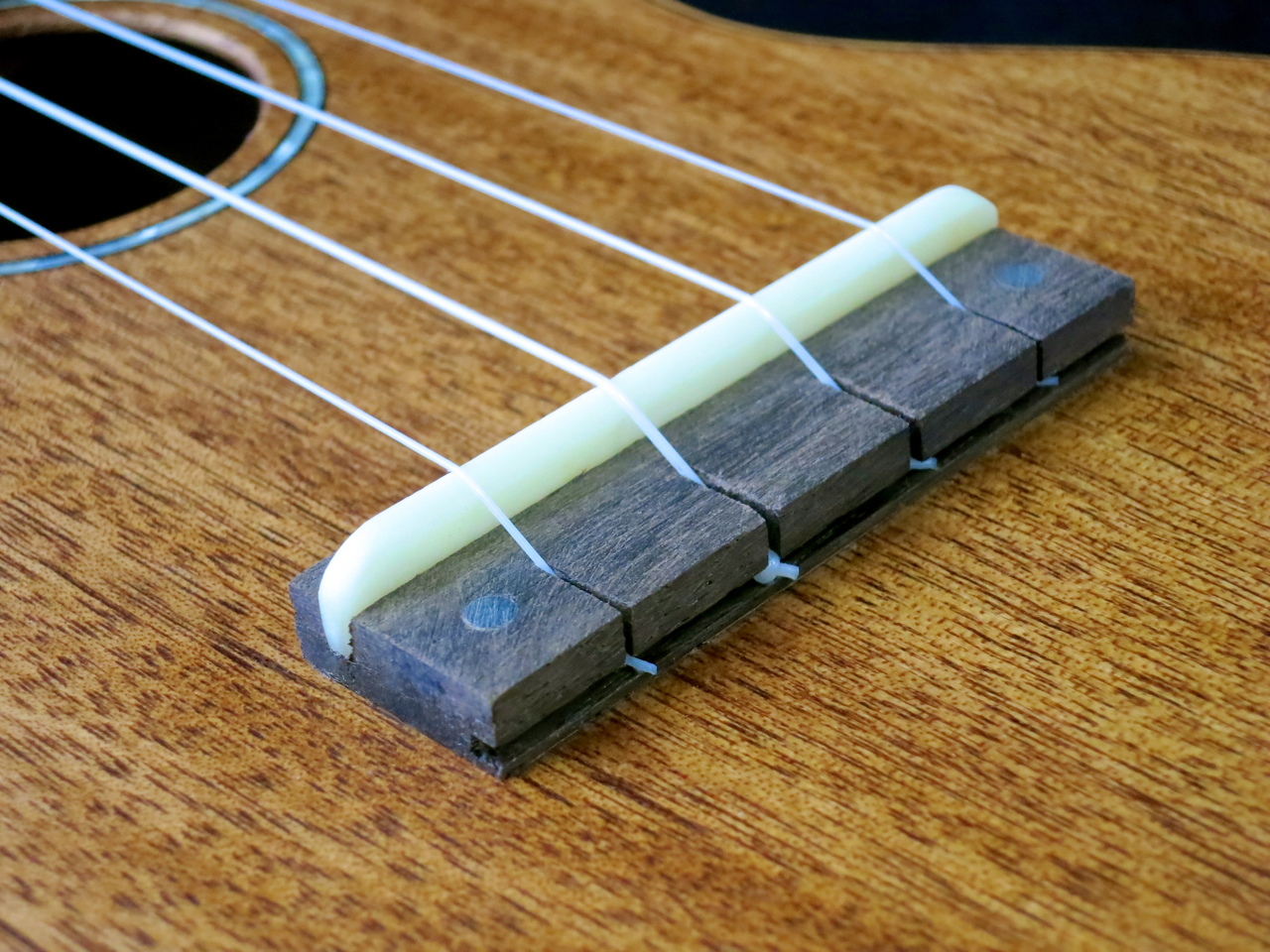
Nykyisin markkinoilla olevissa ukuleleissa voi olla joko perinteinen talla, jossa tavallinen solmu pitää kielet paikoillaan, …
… tai sitten klassiselta kitaralta lainattu, hieman monimutkaisempi ratkaisu.
All guitar tracks recorded using the LA Lady overdrive, Gemini chorus and Nemesis delay pedals plugged into a Juketone True Blood valve amplifier (miked up with a Shure SM57).
It’s practically impossible to overstate the significance of Fender’s brand-new American Professional series of guitars and basses:
This isn’t just another new series among many others – the American Professional instruments are replacing Fender’s longest-running, mega-selling American Standard model range.
In addition to several Tele, Strat, Precision and Jazz Bass models, the American Pro range also includes modern versions of the Jazzmaster and Jaguar guitars.
Fender’s American Pro instruments feature a multitude of improvements and updates over the American Standard models, but without doubt the most important upgrade comes in the form of the series’ V-Mod single-coils.
The V-Mod pickups have been developed by Fender’s electronics specialist Tim Shaw. The basic idea was to provide pickups that are tuned specifically for the position they are used in on the guitar. Shaw even went as far as harmonising the tonal response between the wound and plain strings inside each pickup, in some cases even using different magnets inside one pickup.
****
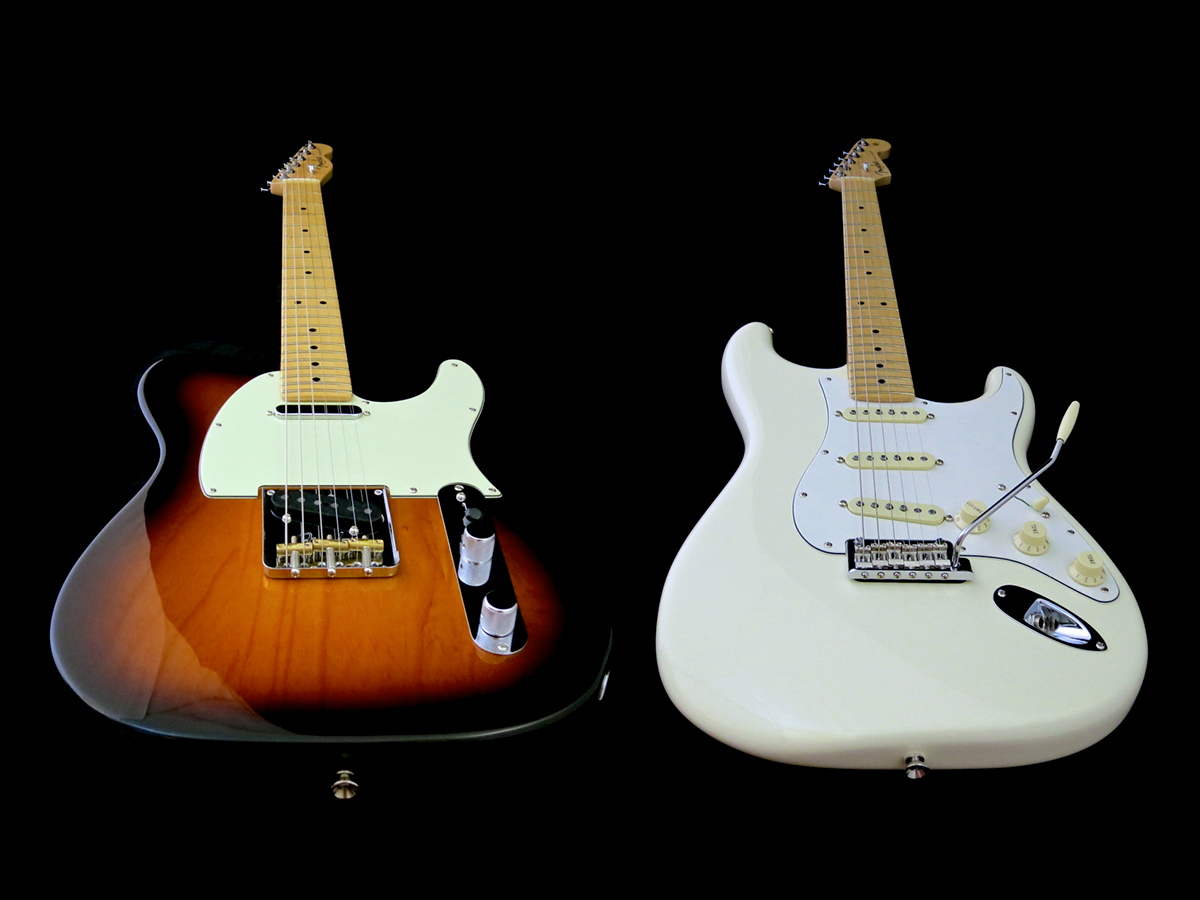
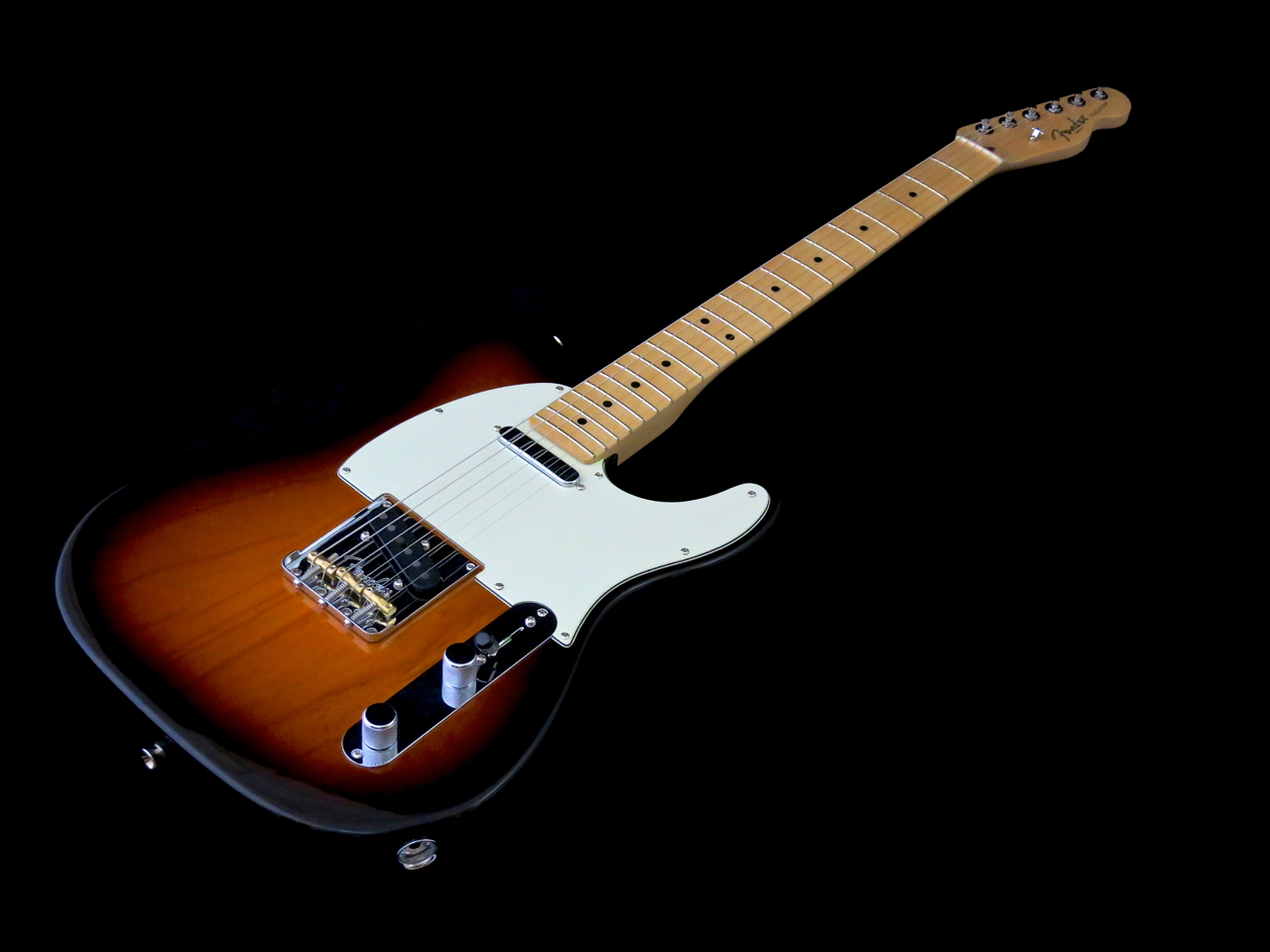
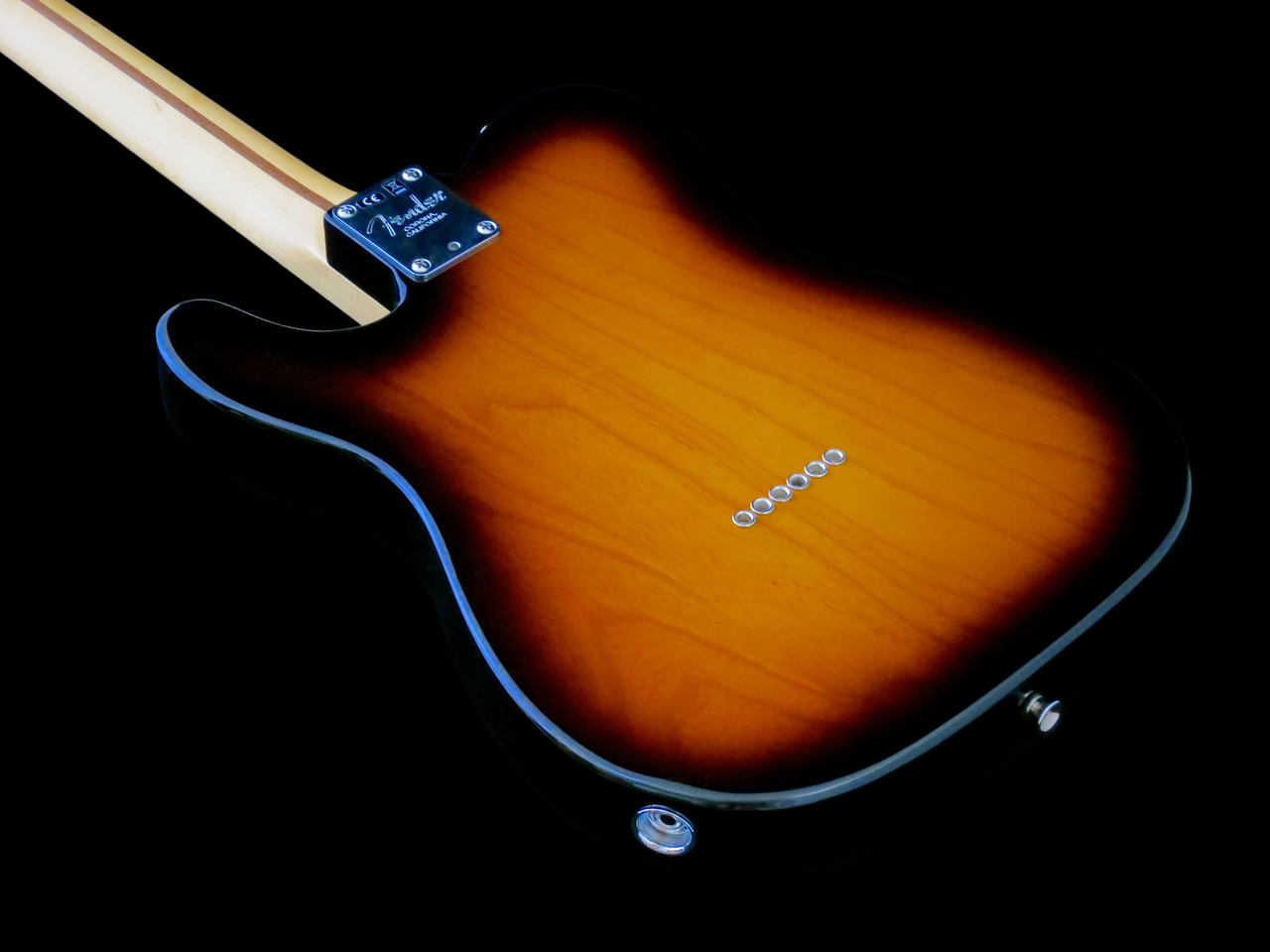
Depending on the chosen finish, the Fender American Professional Telecaster (price in Finland approx. 1,700 €; incl. case) comes with either an alder or ash body (as on the two-tone sunburst model reviewed here).
You can also choose between a one-piece maple neck and a rosewood fingerboard option.
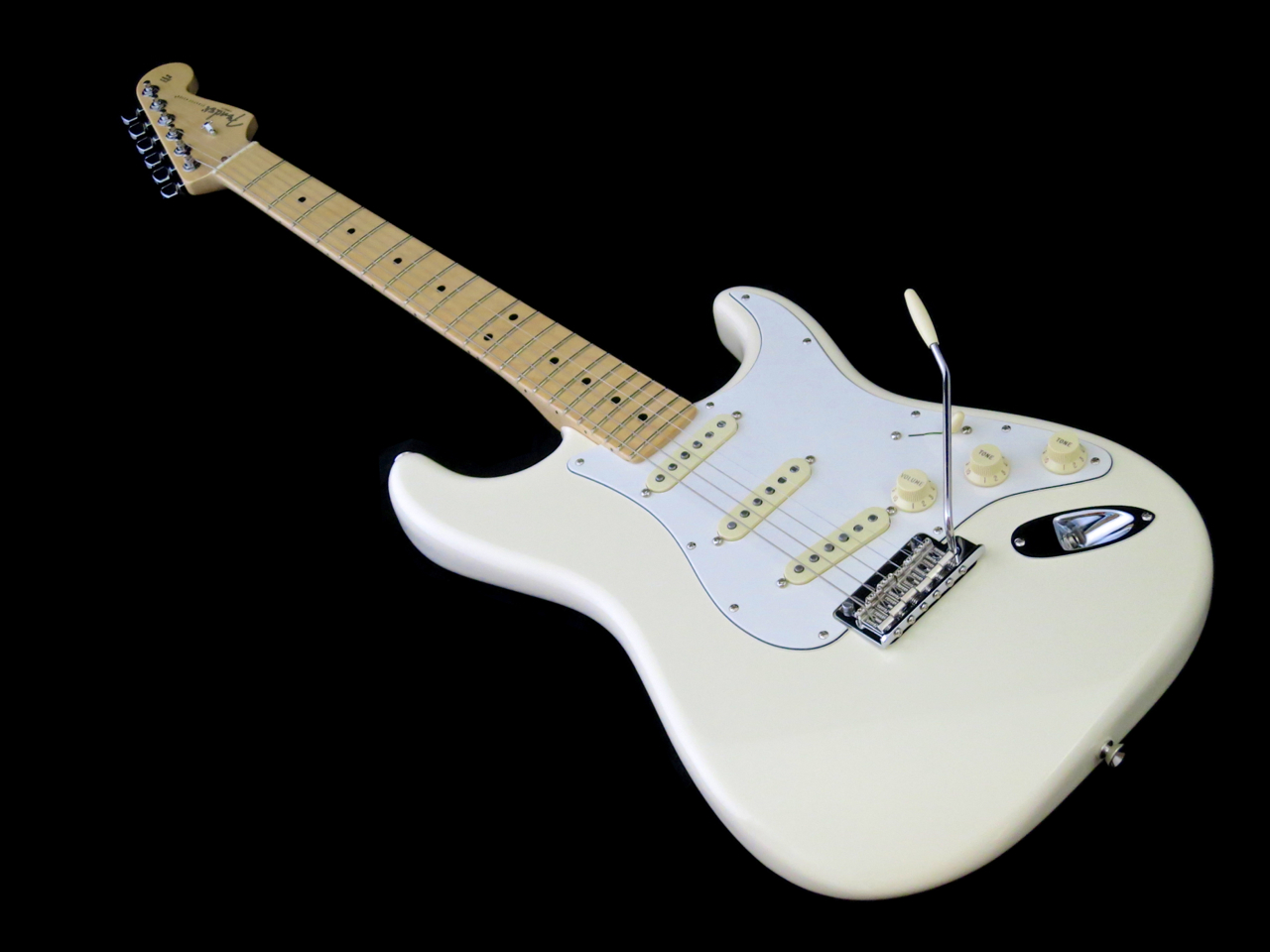
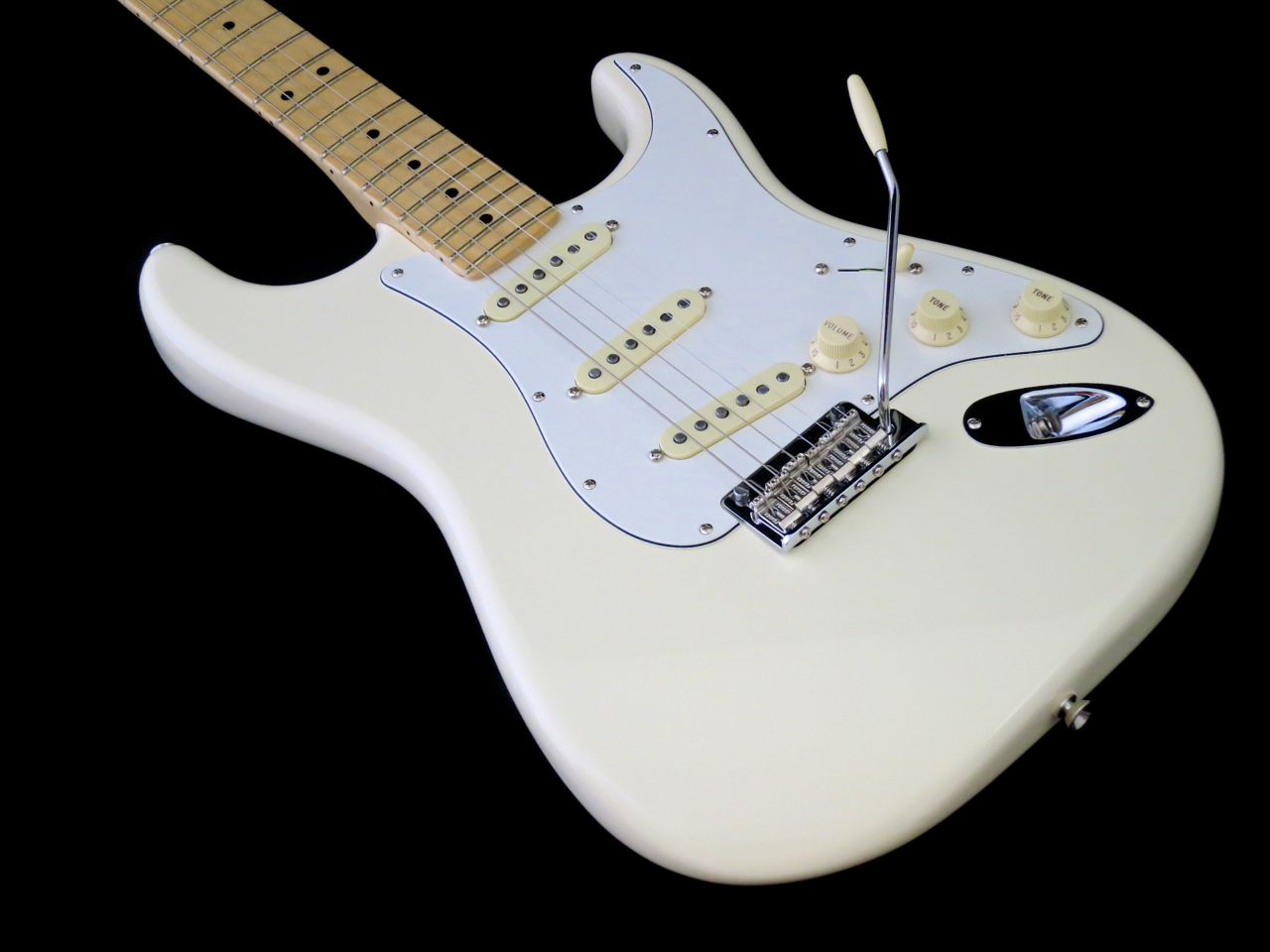
The American Professional Stratocaster (price in Finland approx. 1,700 €; incl. case) uses alder for the body, and you can choose between one-piece maple necks and rosewood fingerboards, too.
After having used synthetic materials for a long time, Fender have now switched to genuine bone nuts on all their American Pro instruments.
The two-way Biflex truss rods have been kept over from the American Standards.
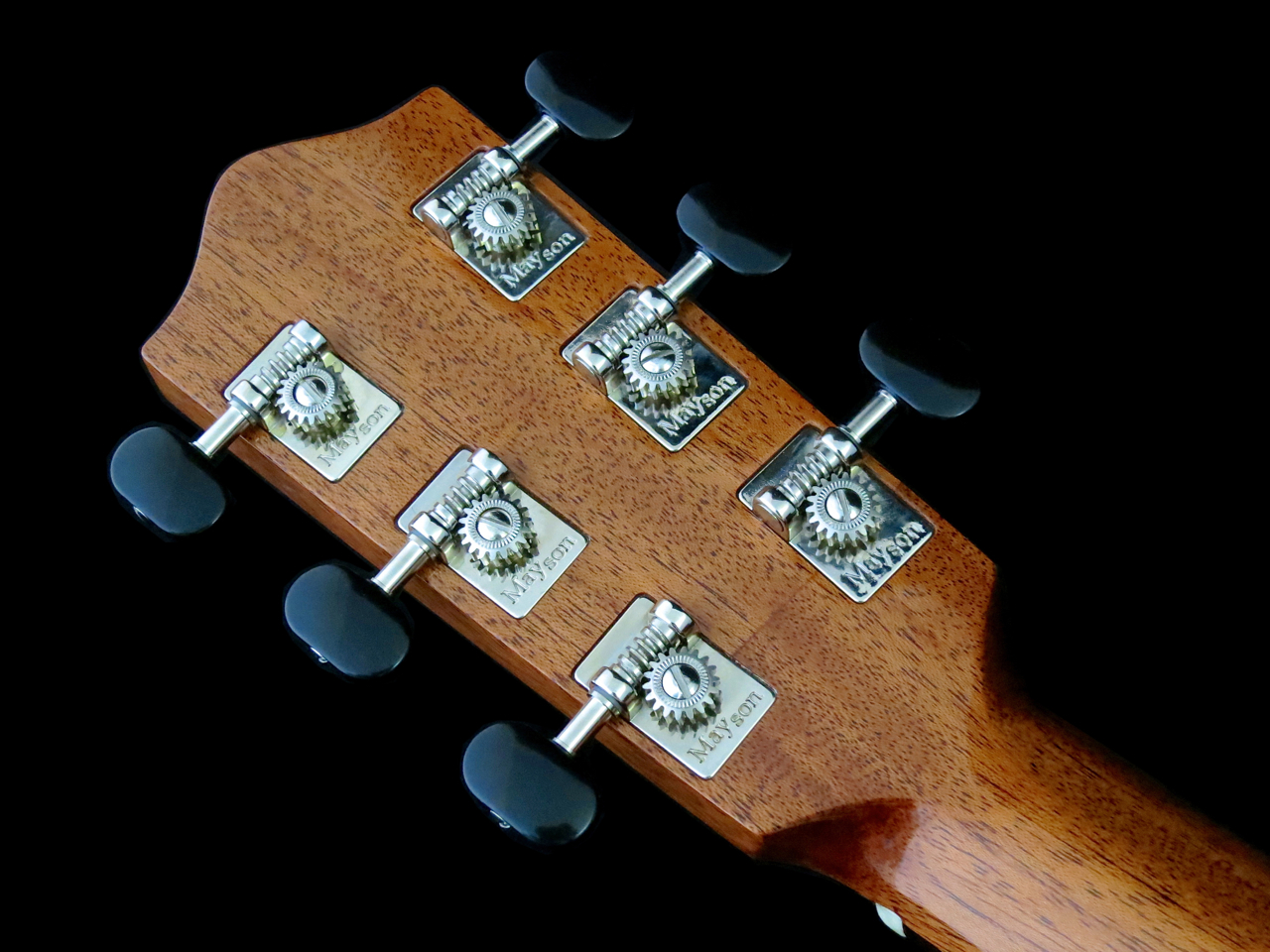
All Am Pro guitars come with modern tuners with staggered-height posts.
The fretboard radius is kept at 9.5 inches, which gives you an excellent compromise between a vintage Fender-feel and modern playability.
There’s been an important change regarding the fret material, though:
American Professional guitars come with a new fret type that is almost as tall as jumbo wire, but narrower than the frets on the discontinued American Standard models. Again, this new fret profile is meant to give you the feel – and the percussive attack – of vintage fretwire, combined with the bend-friendly height modern jumbo-sizes offer.
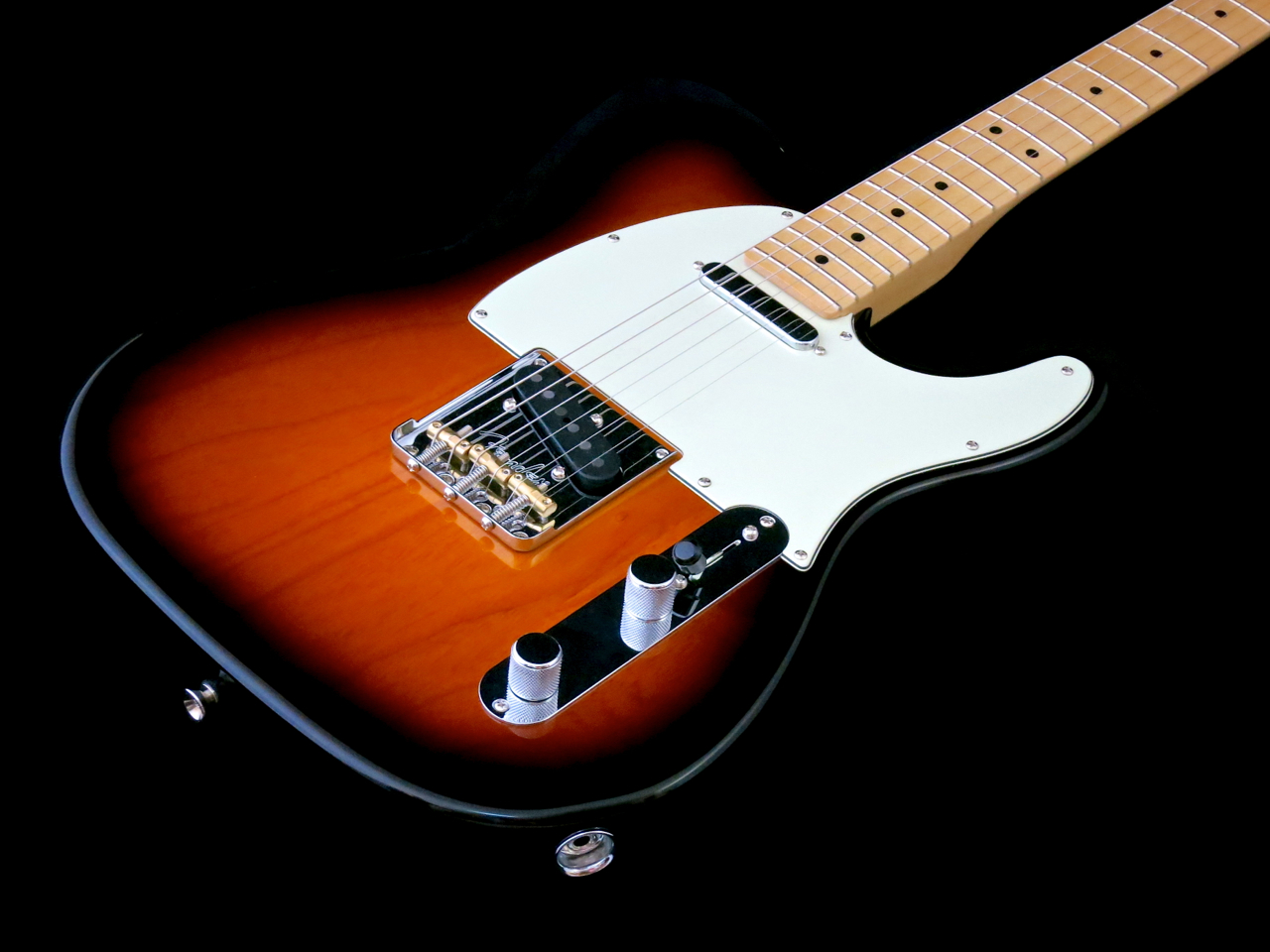
The Am Pro Telecaster’s bridge is a brand-new design, which is reminiscent of vintage-type Tele bridges, but includes a few contemporary improvements.
Tele anoraks will be pleased to see Fender reverting back to a three-saddle design using brass saddles. The new saddles sport machined slopes for better intonation adjustment.
For the most part, the sides of the bridge’s base plate are lower than on a vintage-style Tele bridge to make fingerpicking easier. The rear-facing end is higher, though, and Fender even includes a short and snazzy bridge cover (not shown).
Why fix something that’s not broken?
The Am Pro Strat vibrato is basically the same well-designed two-point bridge we all know from the recent American Standard series Strats, sporting vintage bent-steel saddles, and a modern bridge plate and vibrato block.
The vibrato arm is push-fit.
The American Professional models feature a traditional four-screws-plus-tilt neck joint.
The Am Pro Strat’s deep contours make the guitar especially comfortable to play.
The V-Mod pickups on the Telecaster both use Alnico V magnets for the bass strings and Alnico II for the treble strings.
The bridge pickup is reverse-wound/reverse-polarity to give you a hum-free middle (both pickups on) setting.
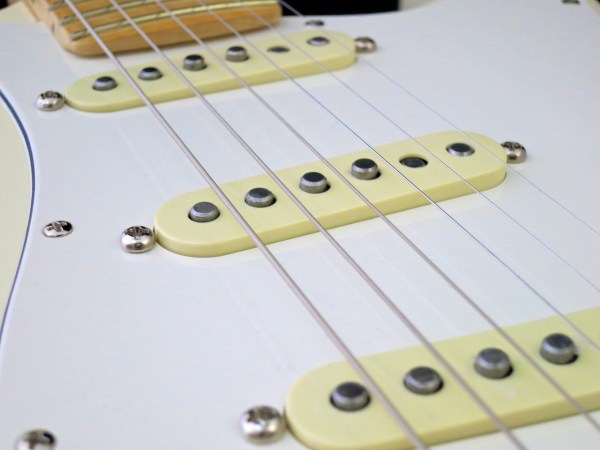
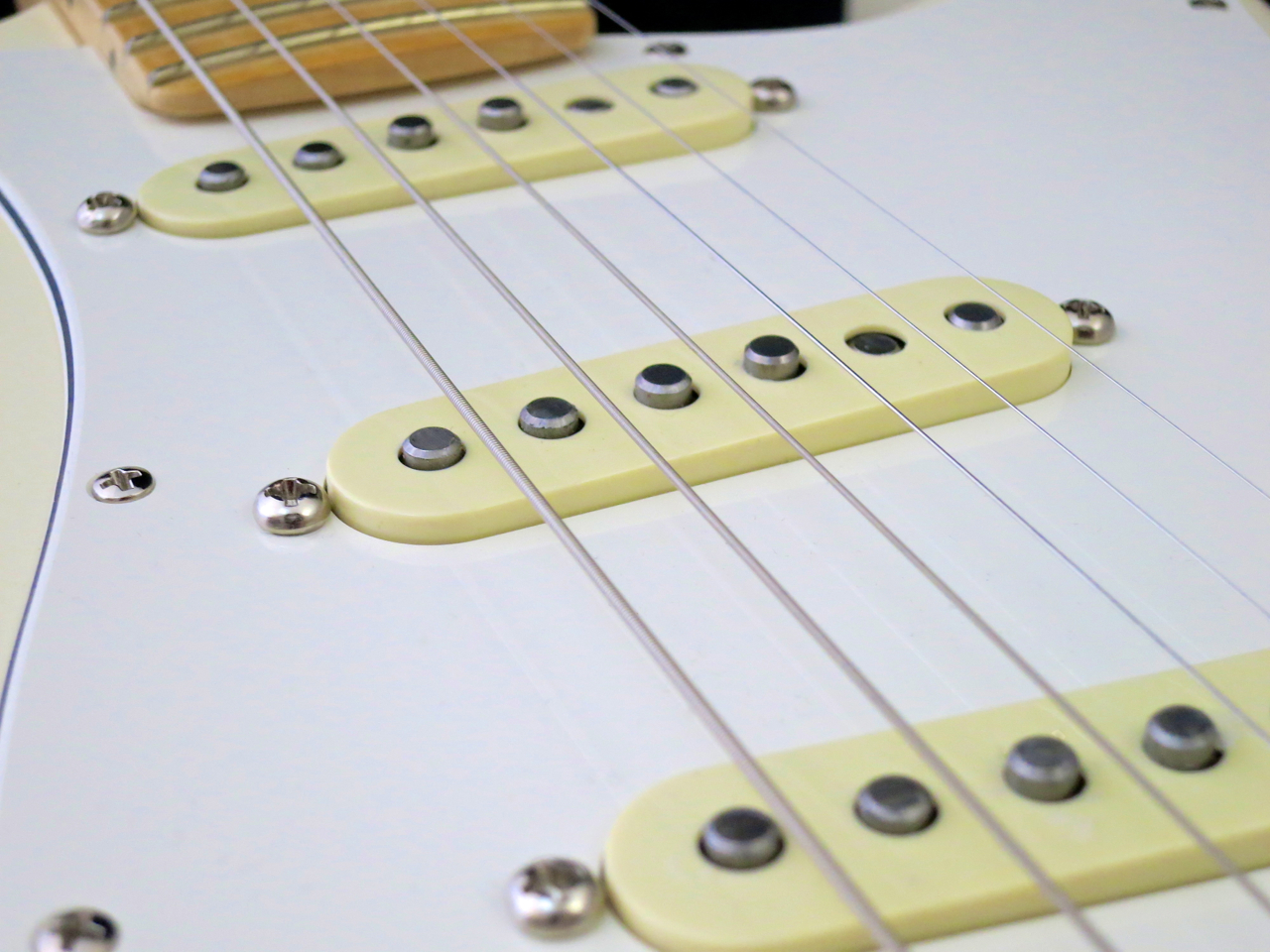
The V-Mod set for the SSS-Strat is even more involved than the Tele’s set-up:
The neck pickup uses Alnico II magnets for the wound strings and Alnico IIIs for the plain strings, for a tight bass and warm trebles. The middle pickup comes with Alnico IIs for the bass strings and Alnico Vs for the top, which helps retain the sparkle and clarity in switch positions two and four. The bridge pickup has Alnico V magnets for all six strings.
The tone control set-up has been modified to include the bridge pickup as well, by having the neck and middle pickups share the first tone control.
****
Fender has given the neck profiles an overhaul, too, and this has clearly paid off:
The new, more oval C-profile feels fantastic, much better than the sometimes slightly generic feel of older American Standard necks. The neck is chunky without being fat or unwieldy.
The workmanship, the fretwork and the general set-up were very good, but for some reason the intonation was off on our test sample. Nothing a digital tuner and a screwdriver can’t fix in a matter of minutes, though…
I look for a woody and throaty basic voice in my Teles, and the new American Pro Telecaster delivers. There’s enough twang in here for Country and early Rock ’n’ Roll, but the sound always stays satisfyingly fat and chunky.
Tweed-style clean:
Tweed-style crunch:
British-style distortion:
The new neck profile also does its magic when it comes to the Am Pro Strat. This is one guitar that’s hard to put down!
You can only admire Tim Shaw for his dedication and perseverance in developing the Strat’s V-Mod pickup set.
Every now and then I tend to veer towards the cynical, when dealing with marketing hype and pickup esoterics. I mean, come on, most traditionally constructed Strats (and S-type guitars) sound like a Strat – bright, sparkly single pickup selections and hollowed-out in-between settings.
Fender’s V-Mod single-coils do clearly make a difference in my opinion. Firstly, the string-to-string balance for each pickup on its own is outstanding, both in terms of level and timbre. Secondly, the in-between settings sound extremely good, too, despite the fact that the V-Mod set mixes three different Strat pickups.
This results in a Stratocaster model with five equally great-sounding pickup selections.
Tweed-style clean:
Tweed-style crunch:
British-style distortion:
The demo track has Telecaster rhythm tracks coming from the left side of the stereo field, and Stratocaster rhythm parts coming from the right. On the first pass the lead guitar part is played on the Tele, for the second pass the Strat takes over.
****
In my view, the American Professional Telecaster and Stratocaster are very worthy successors to their American Standard counterparts.
These guitars will doubtlessly set a new standard for high-volume production line electric guitars, just as their predecessors have done since the late 1980s.
****
Fender American Professional Telecaster & Stratocaster
Approximate price: 1,700 € each (includes hard case)















 Kitarablogi.com – Finland's premier Guitar and Bass blog