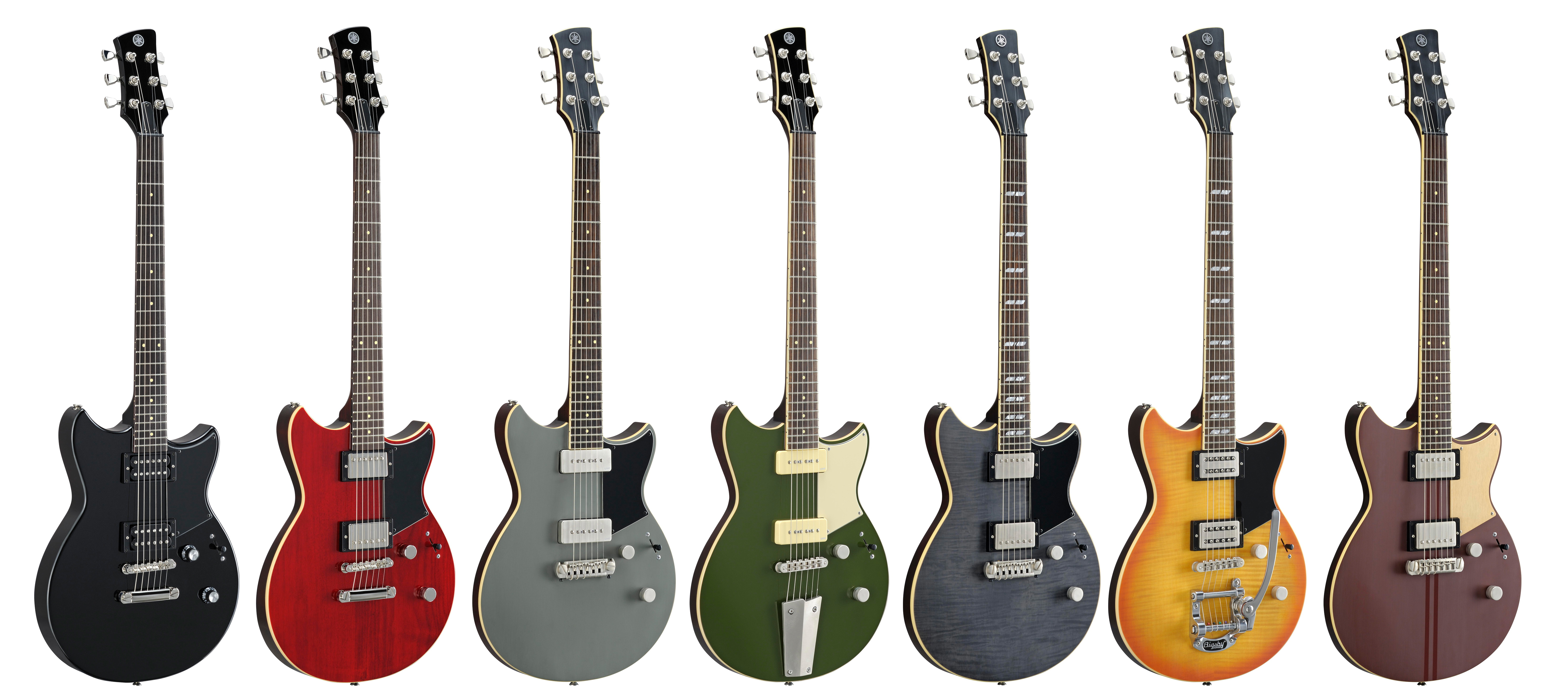
Yamaha on eilen esitellyt uuden sähkökitara-mallistonsa – Yamaha Revstar.
Tässä otteita F-Musiikin (Yamahan maahantuoja Suomessa) lehdistötiedotteesta:
Löydä uusi puoli itsestäsi!
Yamaha Revstar -mallistoa suunniteltaessa haettiin inspiraatiota Lontoon ja Tokion katupyöristä.
Toteutuksessa hyödynnettiin Japanilaista insinööri- ja käsityötaitoa yhdistettynä Yamahan 50-vuotiseen perinteeseen kitaranrakentamisessa. Jokainen yksityiskohta kaikissa Revstar-malleissa on tarkkaan harkittu antamaan kullekin kitaramallille oman persoonallisen luonteensa.
Tämä on Revstar – uusi kumppanisi!
Mallisto:
RS320 in Black Steel, Red Copper or Stock Yellow high gloss finish (katuhinta noin 450 €)
RS420 in Black Steel, Fired Red or Factory Blue high gloss finish (katuhinta noin 550 €)
RS502 in Shop Black or Billet Green steel wool finish (katuhinta noin 670 €)
RS502T in Bowden Green high gloss finish (katuhinta noin 775 €)
RS620 in Brick Burst or Burnt Charcoal steel wool finish (katuhinta noin 890 €)
RS720B in Ash Grey or Wall Fade steel wool finish with licensed Bigsby (katuhinta noin 1.100 €)
RS820CR in Rusty Rat or Steel Rust steel wool finish (katuhinta noin 1.100 €)
RSP20CR in Brushed Black or Rusty Rat steel wool finish – Made in Japan (katuhinta noin 1.700 €)
Revstar: Tärkeät ominaisuudet
* Ensimmäinen täysin uusi Yamaha sähkökitaramallisto 20:een vuoteen
* 8 persoonallista mallia yksilöllisillä ominaisuuksilla
* Rouhea teollinen viimeistely
* Livenä testattu tekniikka
* Yksilölliset mikrofonit
* Huippumiellyttävä soitettavuus
Yahama Guitars have introduced their brand-new Revstar Series of solidbody electric guitars yesterday.
The Revstar Series, which was over three years in the making, encompasses eight different models – from the affordable RS320 (street price in Finland approx. 450 €) to the pukka Made-in-Japan RSP20CR (1,700 €).
Mallinnustekniikan edelläkävijäksi tunnetun Line 6:n maahantuonti on siirtänyt F-Musiikille.
Line 6 -tuotevalikoimaan kuuluvat niin mallintavat kitaravahvistimet, efektipedaalit ja POD-multiefektit, kuin myös – yhteistyössä Yamahan kanssa syntynyt – uusi mallintava Variax Standard -kitaramalli.
When I wrote the original (Finnish) version of this review, the company behind this guitar lead, Spindeco Oy, had been making tentative noises about marketing the cable using the Spin X brand name. Since then I have been informed that Spindeco won’t start marketing this lead, after all. The cable will continue to be sold as the Mad Professor RED Cable – same specifications, different colour.
For the sake of clarity, the English version the review will refer to the product as the Spin X cable, too.
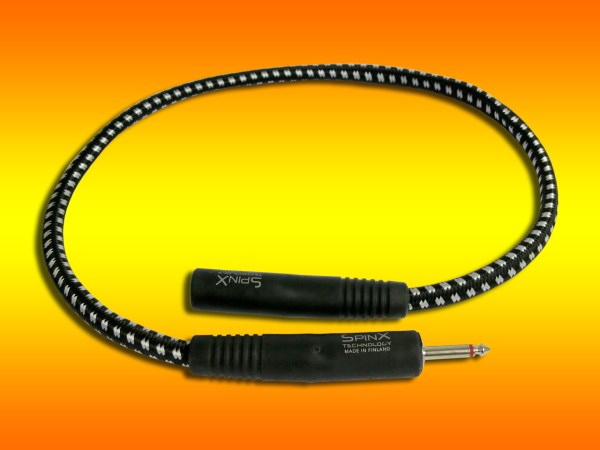
Seldom has there been this amount of Internet chatter and general hysteria about any guitar accessory, as there has been about the Finnish Spin X cable, which is only a guitar lead of approximately 75 cm length, with two giant 1/4-inch connectors (a female input; a male output).
The Spin X cable (sold for 129 € as the RED Cable by Mad Professor) is manufactured by a Finnish company called Spindeco Oy. The cable promises to improve the efficiency of its conductors by means of a nano-electrical phenomenon, known as the electron spin. Special graphite-coated conductors are meant to rearrange the signal-carrying electrons in such a way, that the signal flow is improved. Spindeco claim that the main benefit of this technology in a guitar lead is an improved phase correlation between the different frequency bands of the signal. Apparently, traditional leads tend to pass high frequencies quicker than low frequencies, which tend to arrive at the amplifier with a very tiny time lag.
Using the benefits of the noble search engine, I quickly ascertained that the electron spin is, in fact, no voodoo, but rather generally acknowledged quantum physics. Still, we guitarists are interested in audible results; we ask questions like:
Does the Spin X cable do what it says on the tin? Is there truly a discernible difference in sound? Do I have to own one if I want to be a Tone God?
****
I was given a Spin X cable for reviewing purposes.
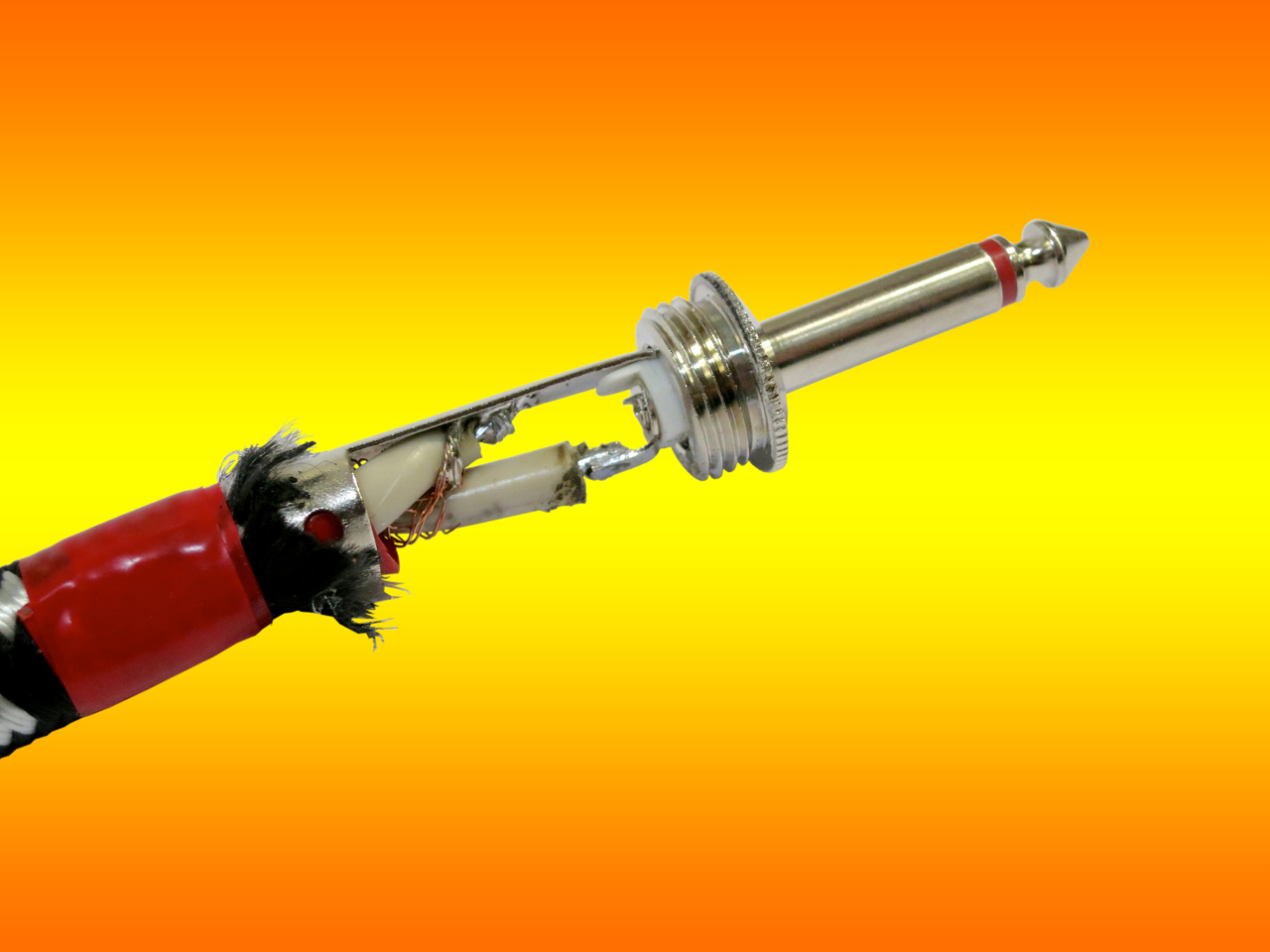
There’s been some rumours about miniature transformers, or buffers, inside the lead’s giant connectors, which is why I had to take a closer look inside. Nope, it’s just a bunch of different conductors – some left unused – attached with traditional soldering tin!
The short length of the Spin X cable has also been the centre of some speculation. Guitarists have been asking: ”Why is it just a short extension cord, instead of a full-length guitar lead?”
Take a closer look at these pictures (click on them for a larger view), and the answer becomes rather obvious:
It seems that Spin X relies on two identical conductors to function in the desired way. One is the hot (signal) conductor, while the other goes to earth (ground). But using this type of cable results in a less-than-ideal setup, when it comes to mains hum and electromagnetic interference.
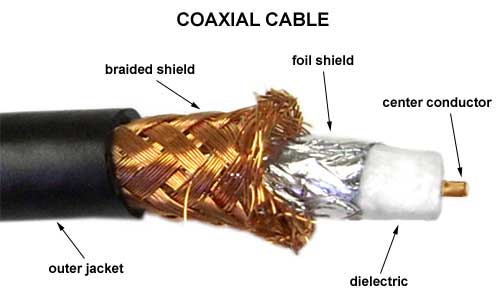
Traditional guitar cables are built as coaxial leads, where a centre conductor carries the guitar signal. The centre conductor runs inside a layer of insulation, which in turn is covered by one (or several) shields. The shield is connected to ground and serves two purposes – one: its the audio signal’s earth; two: it’s a Faraday cage that shields the signal conductor from extraneous interference, like mains hum.
If you connect only the Spin X cable to an amp, and turn up the volume, you will be greeted by an unacceptable amount of hum and microphonics, but as soon as you plug your regular lead into the Spin X, all the noises disappear. This means that the Spin X needs the traditional, coaxial guitar lead to do away with all the interference.
****
The Spin X cable seemed reasonably rugged and well made.
The only thing that bothered me in the road-worthiness department were the badly secured strain relief cuffs in both connectors of our review sample.
****
I wanted to find out, whether you could ”measure” any real speeding up of the guitar signal in the confines of a home studio. I came up with the following setup:
I recorded the acoustic sound of a Fender Stratocaster using an AKG C3000 condenser microphone onto the left channel of a stereo signal, while direct-injecting the high-impedance guitar signal going through a Whirlwind Leader cable into my sound card.
As you can see above, the DI’ed guitar signal (waveform on the bottom) is a tiny bit behind the miked up acoustic sound.
This picture shows clearly that the Spin X doesn’t ”speed up” the guitar signal in any way noticeable in a standard audio sequencer.
The listening test also doesn’t reveal any noticeable differences between using only the traditional lead or adding the Spin X cable. If anything, adding the Spin X might even add a minuscule amount of time lag to proceedings, at least to my ears:
****
I then recorded a series of sound clips, using my trusty Blackstar HT-1R valve combo. In each clip the first half is played through just the traditional Whirlwind lead, while the second half has the Spin X cable added into the signal chain.
For comparison purposes here’s a clip of a Fender Stratocaster DI’ed into the sequencer (first half Whirlwind only; second half Whirlwind plus Spin X):
A Strat through the Blackstar:
Gibson LP Junior:
Hamer USA Studio Custom:
Gibson Melody Maker SG:
****
Next I took the Spin X to the guitarist of Rock-Ola & The Freewheelers. Sami Saarinen went through several different vintage and custom shop guitars and amps at band rehearsal volumes – both straight into the amp, as well as using a pedalboard.
The differences in sound between using only a traditional guitar lead and adding the Spin X cable seemed a little bit more pronounced using Sami’s setup at higher volume levels, compared to what I could make out in my home studio.
****
For the last bit I wanted to make sure that the Spin X cable’s function was not dependent on valve technology:
I borrowed my son’s Marshall MG30CFX combo for a short test run. All sound clips start with only the Whirlwind cable connected; the Spin X comes in at the halfway point.
Fender Telecaster (neck pickup):
Both pickups:
Bridge pickup:
****
Based on my tests I have to state that the Spin X cable really does add a little ”something” to the sound. The Spin X’ effect is more easily spotted with a quality guitar and a quality amp at slightly higher volume levels. It also seems that the tonal effects are more pronounced in singlecoil-equipped guitars – like a Stratocaster, a Telecaster, a Les Paul Junior, or a non-reverse Firebird – than when using humbucker-carrying guitar models.
The Spin X’ ”sound” is similar to the effect a buffer amp has on a long signal chain. You will get a slightly more refined top end, a whiff of added presence and openness, as well as a tighter and more pronounced bass. Strats and Teles will sound a tiny bit more HiFi, while a P-90 pickup will lose a little of its lower-mid congestion.
The Spin X seems to make the signal louder by an inkling, but this could also be a mere psychoacoustic effect, caused by the added presence.
****
There’s no simple and straight answer to the question, whether the Spin X cable genuinely ”improves” your tone. Many Rockabilly, Punk or Metal guitarists wouldn’t want to make their guitars sound ”more polite”. Some styles and genres simply demand a gritty, unruly top end, and some chunky mid-range grind.
For some tone hounds and sound aesthetes, however – players following the in the footsteps of guitarists, such as David Gilmour, Michael Landau or Eric Johnson – the Spin X cable’s tiny tonal changes might make all the difference.
In any case, it is up to you to decide how much this minuscule fine-tuning of your guitar signal is worth to you.
****
Spin X Cable
For more info on the Mad Professor RED Cable go HERE.
Spindecosta tuli viesti, että firma ei tulekaan markkinoimaan Spin X -johtoa omalla nimellään, vaan että myynti jatkuu Mad Professor RED Cable nimellä!
Harva vempain on viime aikoina synnyttänyt kitaristien keskuudessa samankaltaista kuhinaa kuin suomalainen Spin X -johto, ja kyse on sentään ”vain” noin 75 cm pitkästä ja kahdella valtavalla liittimellä varustetusta kaapelista.
Spin X -johdon (hinta ei vielä vahvistettu) takana on suomalainen yritys Spindeco Oy. Spin X -johdossa johtimien hyötysuhdetta parannetaan hyödyntämällä elektronin spin -nimistä nanoteknologista ilmiötä. Johdossa olevilla hiilellä päällystetyillä erikoisjohtimilla järjestetään signaalia kuljettavat elektronit ikään kuin siistimpään järjestykseen, mikä ilmeisesti nopeuttaa signaalin kulkua johtimen läpi. Kitarajohdossa spin-ilmiön päähyöty on – valmistajan myyntivastaavan mukaan – että kaikki taajuuskaistat saapuvat samanaikaisesti vahvistimen tulojakkiin, kun perinteisessä johdossa bassot saapuvat hieman muita taajuuksia jäljessä.
Googlaamalla selviää hyvin nopeasti, että elektronien spin ei ole mitään huuhaata, vaan aitoa kvanttifysiikkaa. Meitä kitaristeja kuitenkin kiinnostavat eniten seuraavat kysymykset:
Toimiiko Spin X -johto toivotulla tavalla? Onko ero selvästi havaittavissa? Onko pakko hankkia tällainen johto?
****
Sain Spindecon Jerry Ala-Leppilammelta yhden Spin X -johdon testattavaksi.
Johdon isoja liittimiä auki ruuvaamalla selvisi heti, että johdossa käytetään todellakin ainoastaan johtimia, eikä esimerkiksi plugiin upotettuja muuntajia tai vastaavaa.
Monet kitaristit kysyvät myös miksi Spin X -johto on niin lyhyt, ja miksi se on saatavilla pelkästään ”jatkojohtona”, eikä tavallisena kitarajohtona. Näissä kuvissa näkyy vastaus:
Spin X:n toimiminen ilmeisesti edellyttää sitä, että johdon kaksi johdinta (signaali ja maa) ovat rakenteeltaan täysin identtisiä, mutta tästä seuraa samalla, että erikoisjohto on selvästi häiriöherkempi kuin perinteinen koaksiaalinen kitarajohto.
Tavallisessa kitarajohdossa signaali kulkee johdon keskijohtimessa, sen ympärille on laitettu eristys (ja usein myös johdon staattisia käsittelyääniä vähentävää alumiini- tai grafiittifoliota). Tiivis kuparilangasta tehty verkko (vaippa) toimii maajohtimena, ja suojaa Faraday-häkkinä kitarasignaalia tehokkaasti ulkoisia elektromagneettisia häiriöitä vastaan.
Kun liittää vahvistimen tuloon pelkästään Spin X -johdon kuuluu (isoilla gain- ja/tai volume-asetuksilla) selkeästi vahvistimelta tulevan muuntajahuminan, sekä johdon hiplaamisessa syntyviä käsittelyääniä. Heti kun tavallinen kitarajohto on liitetty Spin X -johtoon, sekä brummi että mikrofoninen rähinä loppuu kuin seinään.
****
Spin X -johdon erikoisjohto vaikuttaa laadukkaalta ja mekaanisesti kestävältä. Myös juotokset olivat siistejä.
Testijohdossa vain hyvin löysästi ja huolimattomasti laitettu vedonpoisto (molemmissa liittimissä!) aiheutti hieman hämmennystä.
****
Halusin selvittää, onko elektronien nopeusero mitattavissa kotistudio-olosuhteissa, ja tein seuraavanlaisen kokeilun:
Äänitin Fender Stratocasterin akustista ääntä AKG C3000 -kondensaattorimikrofonilla vasempaan kanavaan, samalla kun korkea impendanssinen kitarasignaali meni tavallista kitarajohtoa (Whirlwind Leader) pitkin suoraan äänikortille.
Kitarasignaali (oikea kanava) oli aavistuksen verran mikkisignaalia jäljessä, kuten tässä kuvassa näkyy.
Spin X -johdon käyttö ei ainakaan nopeuttanut signaalin kulkua sen verran, että se olisi audiosekvensserillä näkyvissä.
Myös kuulohavainnolla viive kuulostaa hyvin samanlaiselta, ehkä jopa hiuksen verran pidemmältä Spin X -johtoa käytettäessä:
****
Äänitin koesarjan eri kitaroilla Blackstar HT-1R -putkikombolla niin, että jokaisessa klipissä ensimmäinen puolisko on äänitetty pelkästään Whirlwind-johdolla ja sitten toisessa on lisätty Spin X -johto signaalitiehen.
Ensin Fender Stratocaster ilman vahvistinta:
Strato Blackstarin kautta:
Gibson LP Junior:
Hamer USA Studio Custom:
Gibson Melody Maker SG:
****
Seuraavaksi menin Spin X -johdon kanssa Rock-Ola & The Freewheelers -yhtyen kitaristille. Sami Saarisen kanssa kokeiltiin Spin X -johdon vaikutuksia hieman suuremmalla volyymillä eri vintage- ja custom shop -kitaroiden ja -vahvistimien kanssa, pedaalilaudalla ja ilman.
Valitettavasti tästä sessiosta ei ole äänityksiä, mutta soundillisesti erot Spin X -johdolla ja ilman olivat jopa selvemmät kuin kotistudio-oloissa.
****
Viimeisenä halusin saada selvillä, onko Spin X:n toiminta kytköksissä putkitekniikkaan vai toimiiko johto myös edullisen transistorivahvistimen kanssa.
Äänitin siis muutaman pätkän poikani Marshall MG30CFX -kombon kautta. Kaikki pätkät alkavat ilman erikoisjohtoa, joka tulee toisessa puoliskossa mukaan kuvaan.
Fender Telecasterin kaulamikrofoni:
Molemmat mikit yhdessä:
Telecasterin tallamikrofoni:
****
Testien perusteella minun täytyy todeta, että ”jotain” todella tapahtuu, silloin kun Spin X -johtoa käytetään. Johdon vaikutus tulee selkeämmin esiin laadukkailla vahvistimilla ja hieman isommalla volyymillä kuin kotisohvalla kerrostalossa. Jotenkin tuntuu myös siitä, että yksikelaisilla mikrofoneilla varustetut kitarat – esimerkiksi Stratot, Telet, LP Junior, non-reverse Firebird – hyötyvät erikoisjohdon tuomista muutoksista enemmän kuin humbucker-kitarat.
Spin X -johdon ”soundi” tavalliseen kitarajohtoon verrattuna on lähellä laadukkaan bufferin tuomia lisäyksiä pitkässä signaaliketjussa. Spin X:n kanssa soundissa on vähemmän raapivaa terävyyttä diskantissa, enemmän avoimuutta ja kiiltoa ylä-middlen preesensalueella, sekä tiukempi ja tarkempi bassotoisto. Fender Stratocasterit ja Telecasterit saavat aavistuksen verran lisää hifimäisyyttä ja P-90-mikrofoneista katoaa pieni annos tukkoisuutta etenkin clean-soundeissa.
Spin X:n kautta signaalitaso tuntuu myös aavistuksen verran korkeammalta, mikä toki voi olla pelkästään psykoakustinen ilmiö.
****
Kysymykseen onko soundi ”parempi” Spin X -johdolla ei kuitenkaan pysty vastaamaan yksiselitteisesti. Rockabilly- tai Punk-kitaristeille kovan ja kirskuvan diskantin lievä vaimennus voi olla myös huono asia, myös keskialueen siistiminen ei ole välttämättä jokaisessa tapauksessa (perinne-Blues, Swamp Rock) toivottu lisäys.
Todelliselle soundiesteetikolle – siis David Gilmourin, Michael Landaun tai Eric Johnsonin kaltaiselle soittajalle – Spin X -johdon tuomat lievät, mutta tyylikkäät, muutokset voivat muodostaa sen paljon kaivatun pisteen iin päällä.
Siihen, kuinka paljon on valmis maksamaan Spin X:n tuomasta lisäsilauksesta, jokaisen itse on vastattava.
In all clips the first half is recorded without the Spin X Cable, while the second half uses the Spin X in front of the sound card or amp.
++++
Mic + DI track (to check the delay between mic and DI):
• left channel – AKG C3000 close miking a Stratocaster
• right channel – Stratocaster DI’d via Focusrite Saffire 6 USB
++++
The signal chain used was:
Guitar –> 6 m Whirlwind Leader –> (Spin X Cable) –> Blackstar HT-1R –> 5 m Planet Waves Classic –> Focusrite Saffire 6 USB
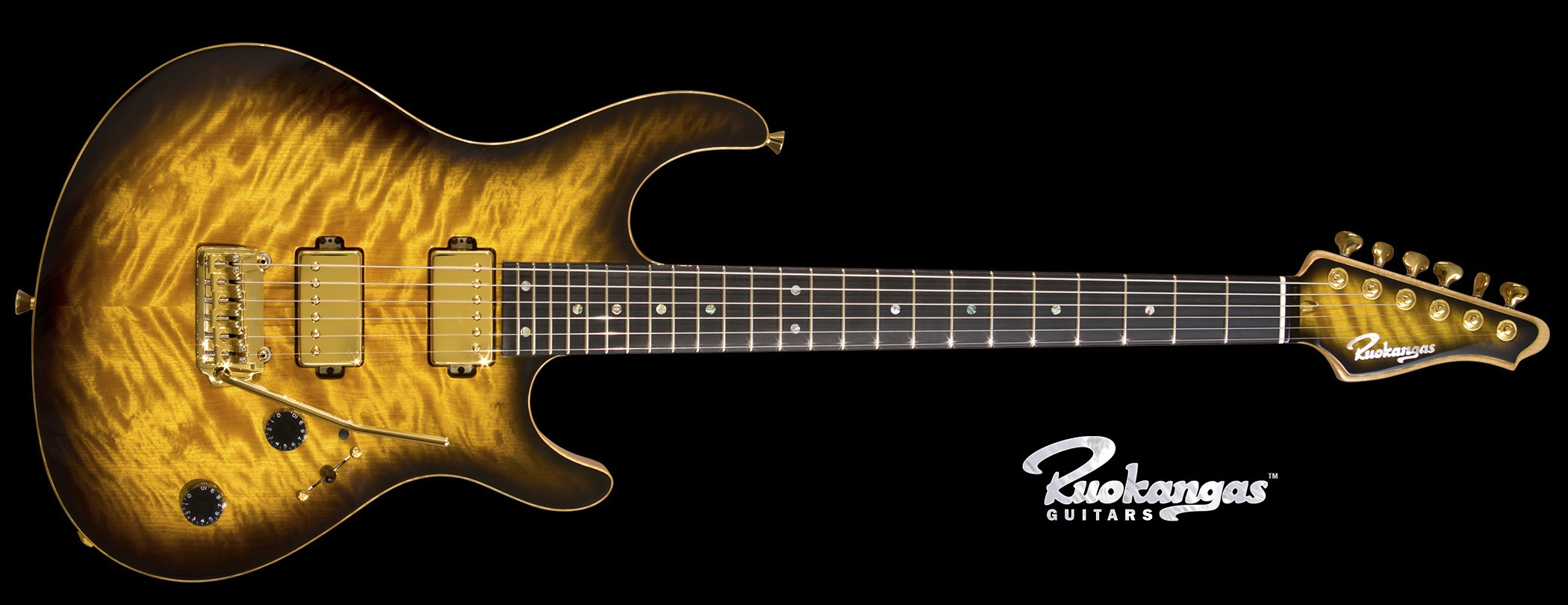
Ruokangas Guitars celebrate their 20th Anniversary by releasing two new models:
Unicorn Supersonic™
The Supersonic features a new unique Bare Bone™ finish by Ruokangas. Another new original feature are the Lock-Thru-Body™ bridge bushings, that make the guitar stronger (the wraparound bridge will not bend forward over time), and guarantee unparalleled energy transfer from the bridge into the body of the guitar.
Selling Price starting from: 3 700 €
Supersonic as pictured: 3 950 € (varies depending on options)
****
Aeon™ Classic/Deluxe/Artist
The Aeon comes in three versions – the Classic with a thermo-treated alder body and bolt-on neck – the Deluxe with a spanish cedar body, an arctic birch top and a bolt-on neck – and the Artist with a spanish cedar body, an arctic birch top and neck-thru-construction. As always with Ruokangas, you have a truckload of options for customizing the guitar to fit your style. The word ‘Aeon’ is latin, and means ‘infinity’.
Selling Price starting from: 3 200 €
Aeon Artist as pictured: 8 000 € (varies depending on options)
”What – yet another Stratocaster model!? Who needs another Strat? Yeah, man, I’ve noticed there’s a ’bucker at the bridge position, but that’s been done before, hasn’t it!”
True, but this is a new American Standard model you should definitely try out, because the guys at Fender R&D have come up with a couple of nifty improvements that haven’t been available on HSS-Strats thus far.
”A Shaw-what?”
Fender calls its newest bridge humbucker the Shawbucker in honour of the man who designed it, Tim Shaw. Mr Shaw is a genuine living legend, and held in high esteem amongst people in the know. In the 1970s and 80s he worked for Gibson, and helped to turn around the company’s flagging fortunes and decline in quality. As the resident electronic guru he played a pivotal role during the design of models, such as the Gibson Les Paul Heritage 80, coming up with the first reissue of the original PAF-humbucker. This pickup is still in production, now known as the ’57 Classic. Later, Shaw moved on to Guild, and from there to Fender Musical Instruments.
In terms of its basic build the model continues within the time-tested parameters of the American Standard product line.
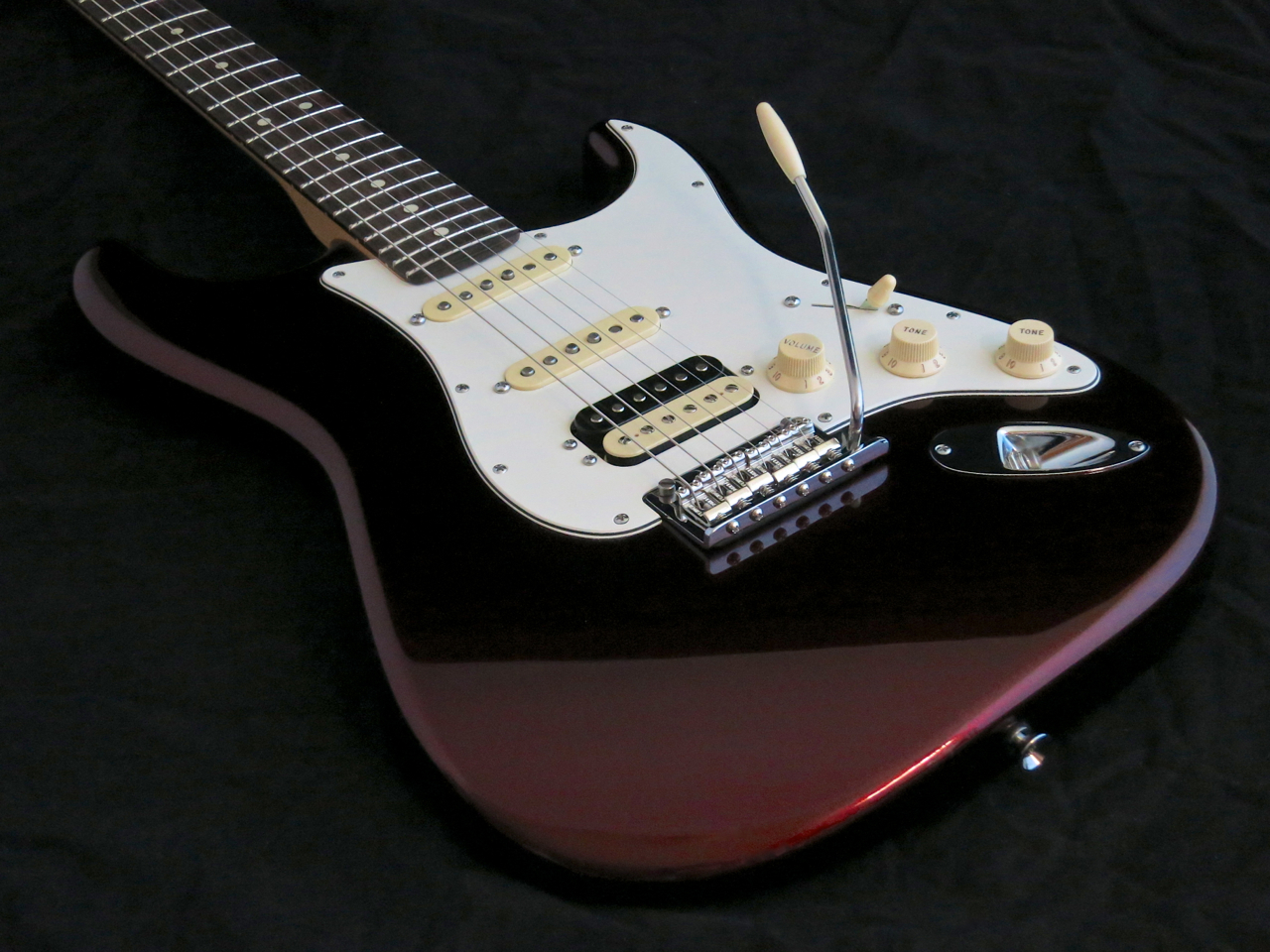
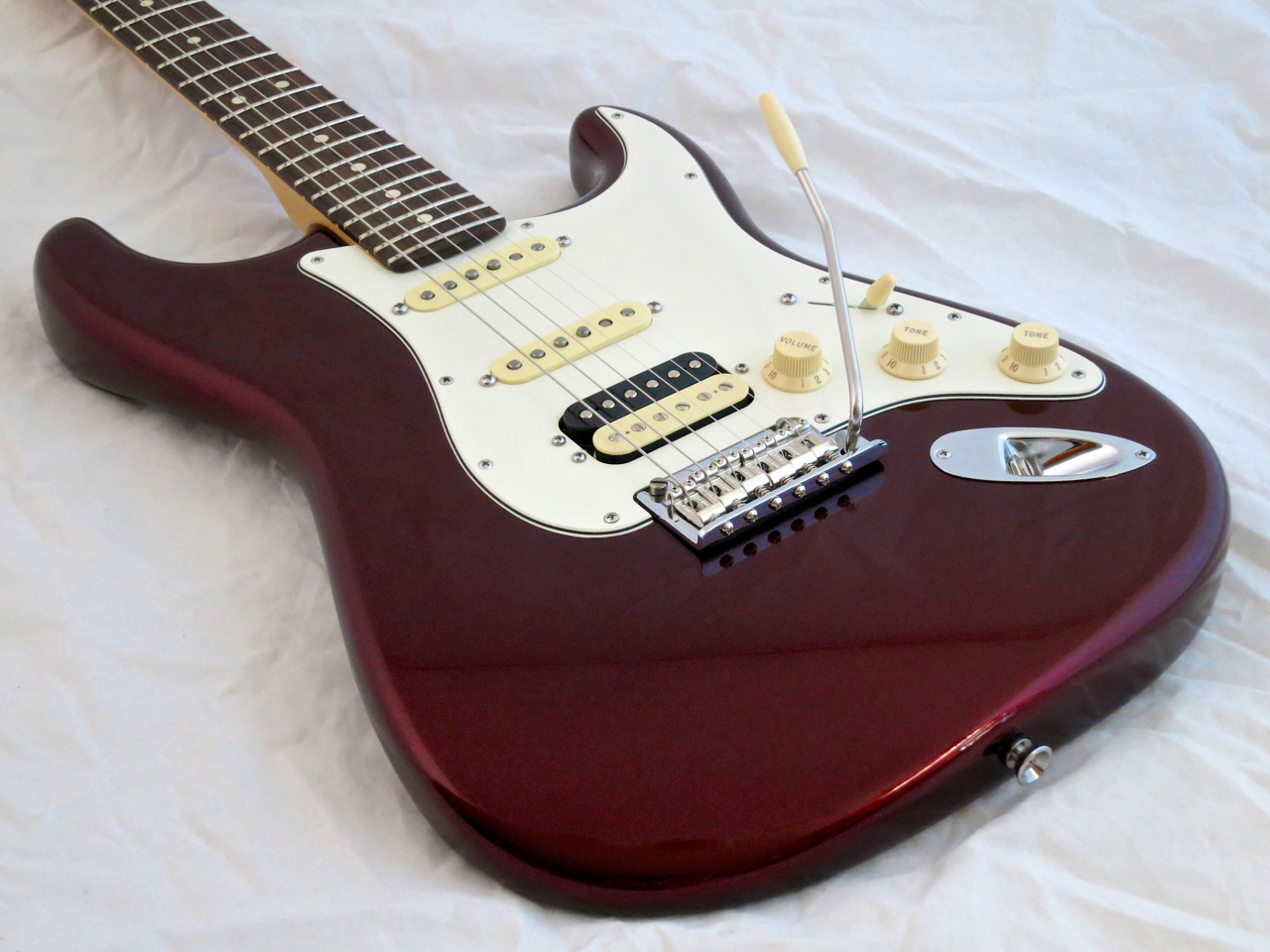
The Shawbucker Strat is built using a solid ash body and a bolt-on maple neck.
The neck profile is a friendly, modern ”C”, with the rosewood fingerboards flatter-than-vintage radius of 9.5″ and the 22 jumbo-sized frets further contributing to a contemporary playing feel.
The two-way truss rod is adjusted from the headstock.
Fender’s Deluxe machine heads work smoothly and accurately.
The American Standard Shawbucker also sports the company’s patented neck angle adjustment.
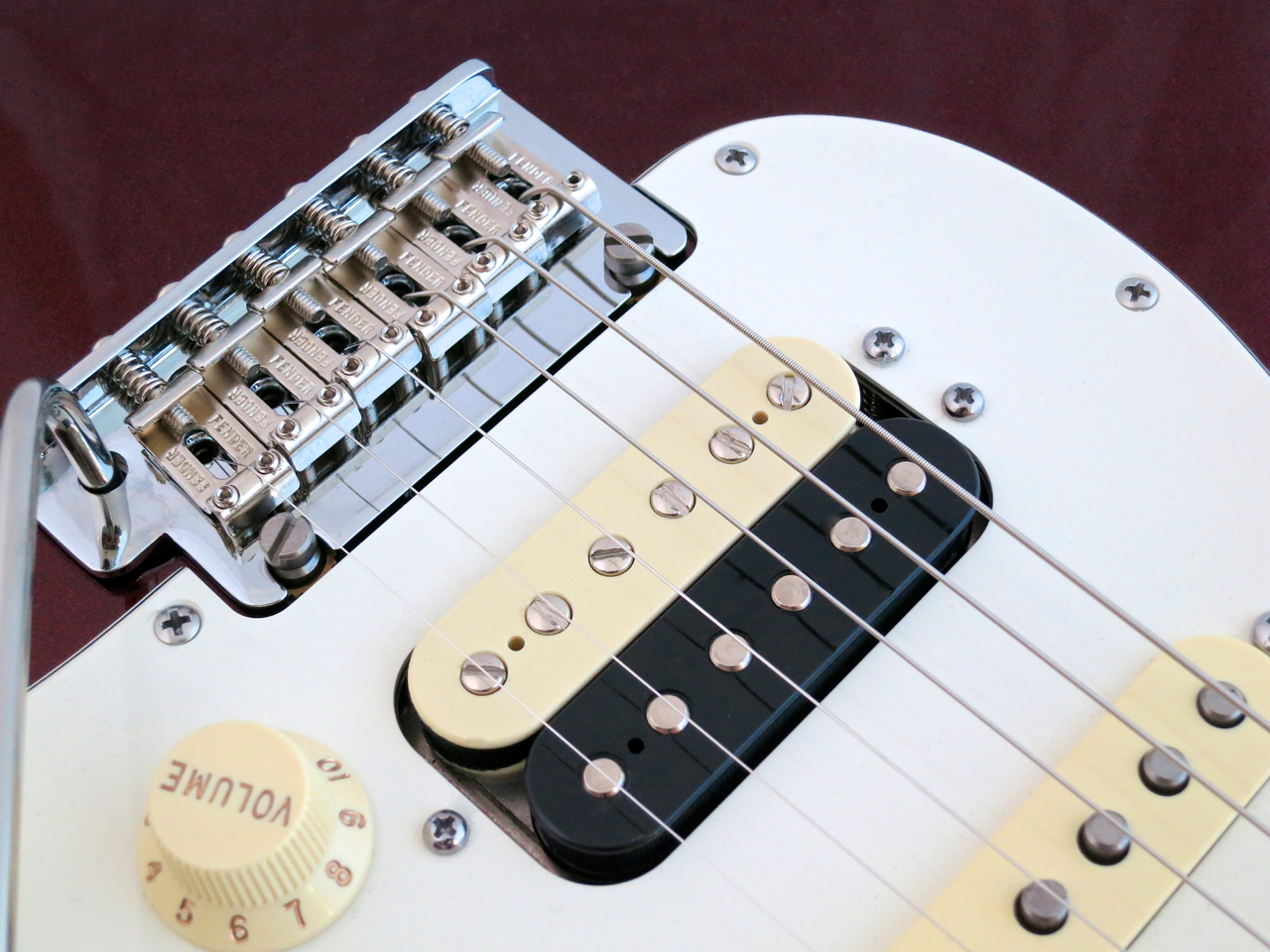
The current American Standard vibrato bridge combines a modern, knife-edge, twin-post base plate with vintage-type bridge saddles made from folded steel.
Our review sample came with a slightly steep bridge tip up, which I adjusted back to factory specs in no time, using the correct Phillips head screwdrivers.
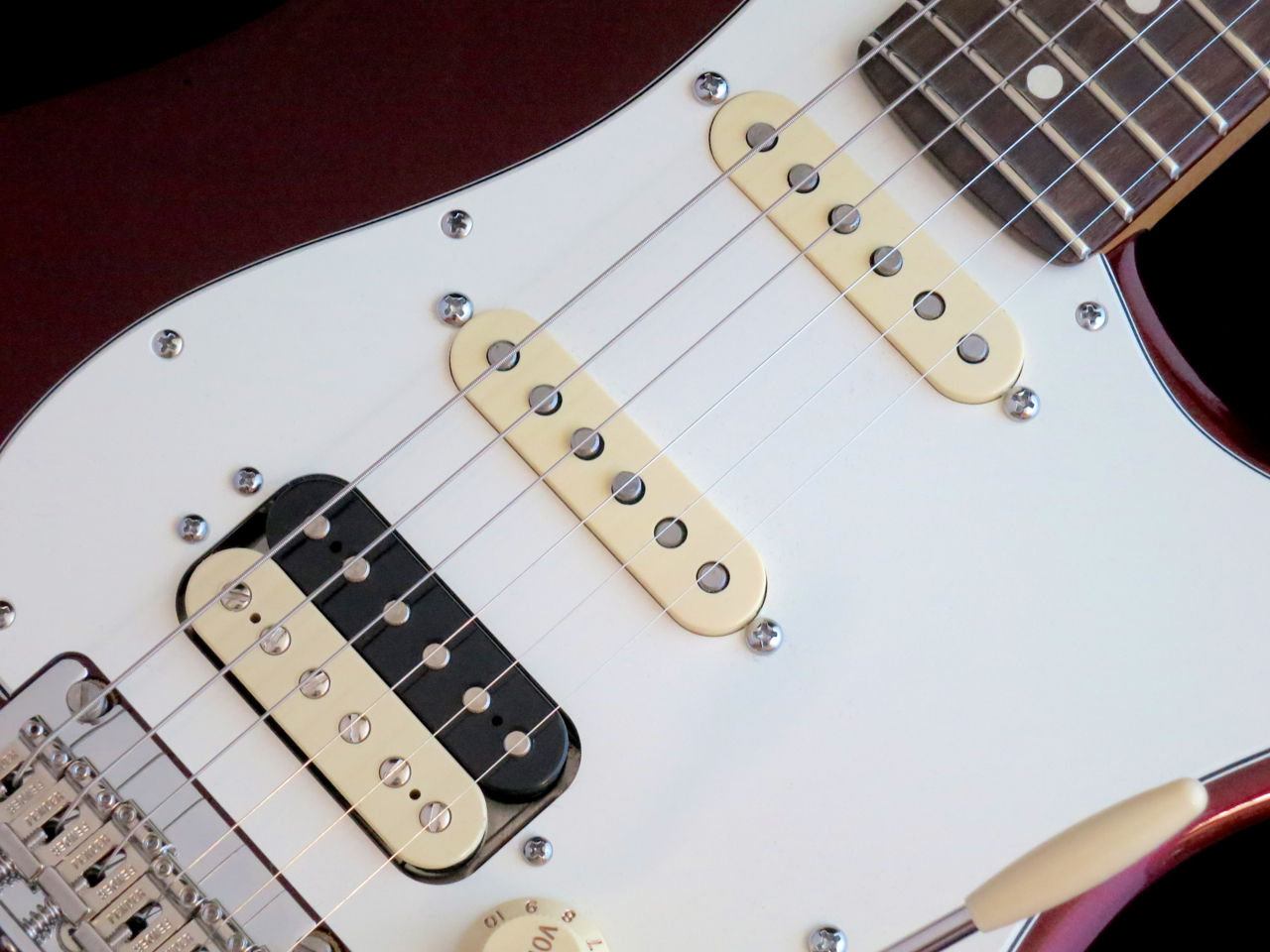
The HSS Shawbucker features a well-balanced set of pickups:
A pair of Custom Shop Fat ’50s single coils have been selected for neck and middle pickup duties. The middle pickup is RW/RP, making position four on the five-way switch humbucking.
The Shawbucker is a moderate-output, vintage-voiced humbucker with a PAF-type tone.
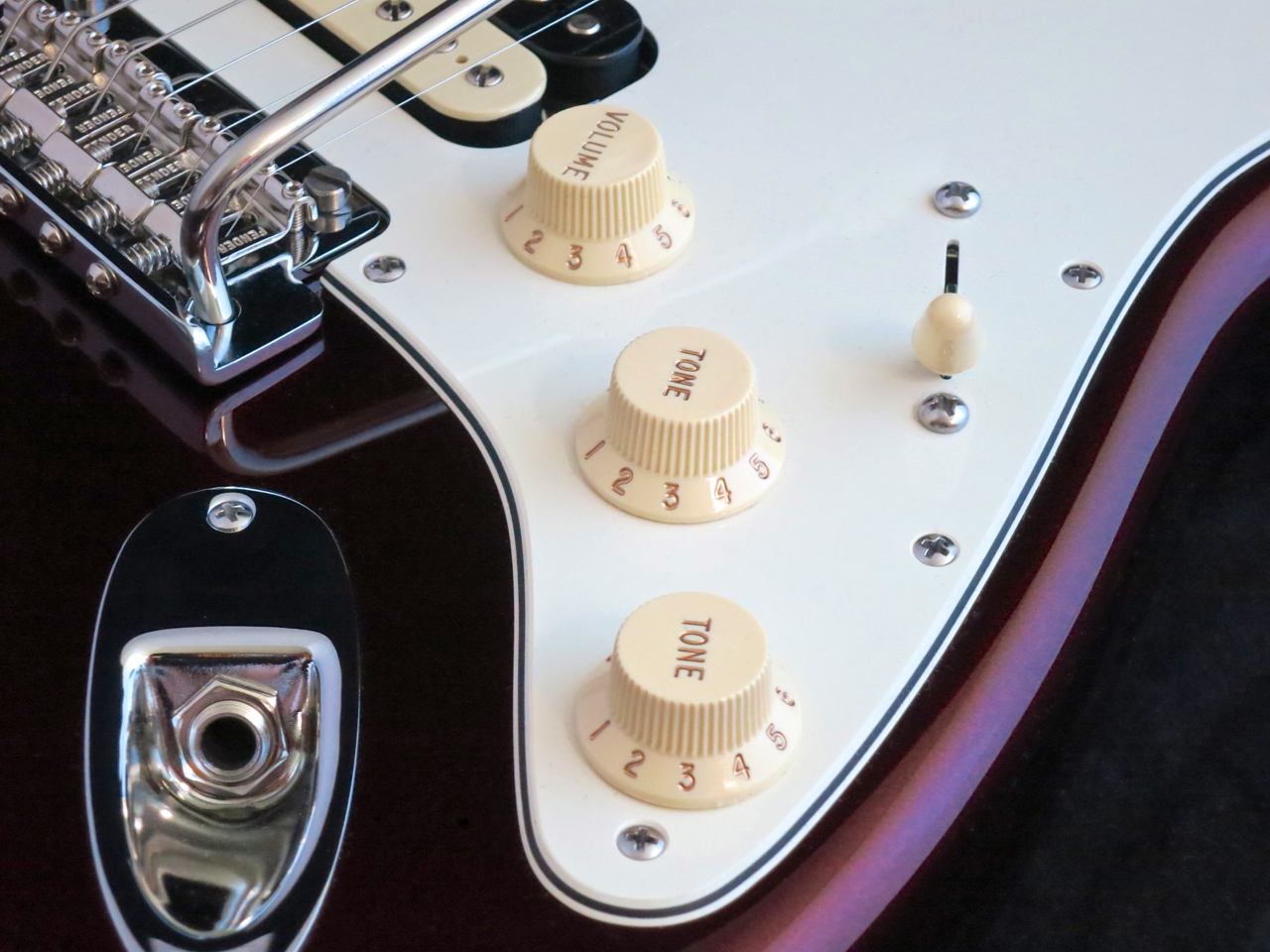
The control set-up looks pretty standard, but there’s more to the Shawbucker Strat than meets the eye:
Single coil pickups and humbuckers usually require different types of potentiometers to function satisfactorily. Single coils tend to sound best with 250k controls, as they attenuate some of the sharpest, most biting trebles in the signal. Humbuckers, on the other hand, tend to work better with higher resistance values – 500k, usually – which keep this pickup type’s softer top end intact. Tone control circuits usually also employ differently valued capacitors for single coils and humbuckers, respectively.
Most HSS- and HSH-loaded guitars suffer from the compromises shared control pots and tone circuits entail, when mixing the different pickup types. As a result, you either end up with muddy-sounding humbuckers or uncomfortably scratchy single coils.
The genius of the Shawbucker Strat lies in the two stacked potentiometers it uses. The same pot shaft simultaneously turns both a 250k and a 500k pot stacked on top of each other. The Shawbucker Stratocaster employs these stacked pots for the master volume control and for the joint bridge-and-middle tone circuit. The 500k side deals with all things humbucker, while the 250k layer is reserved for the single coil signals. As the neck tone is reserved for the neck pickup only, it uses a traditional 250k pot.
The second position on the five-way switch gives you the middle pickup together with the split Shawbucker.
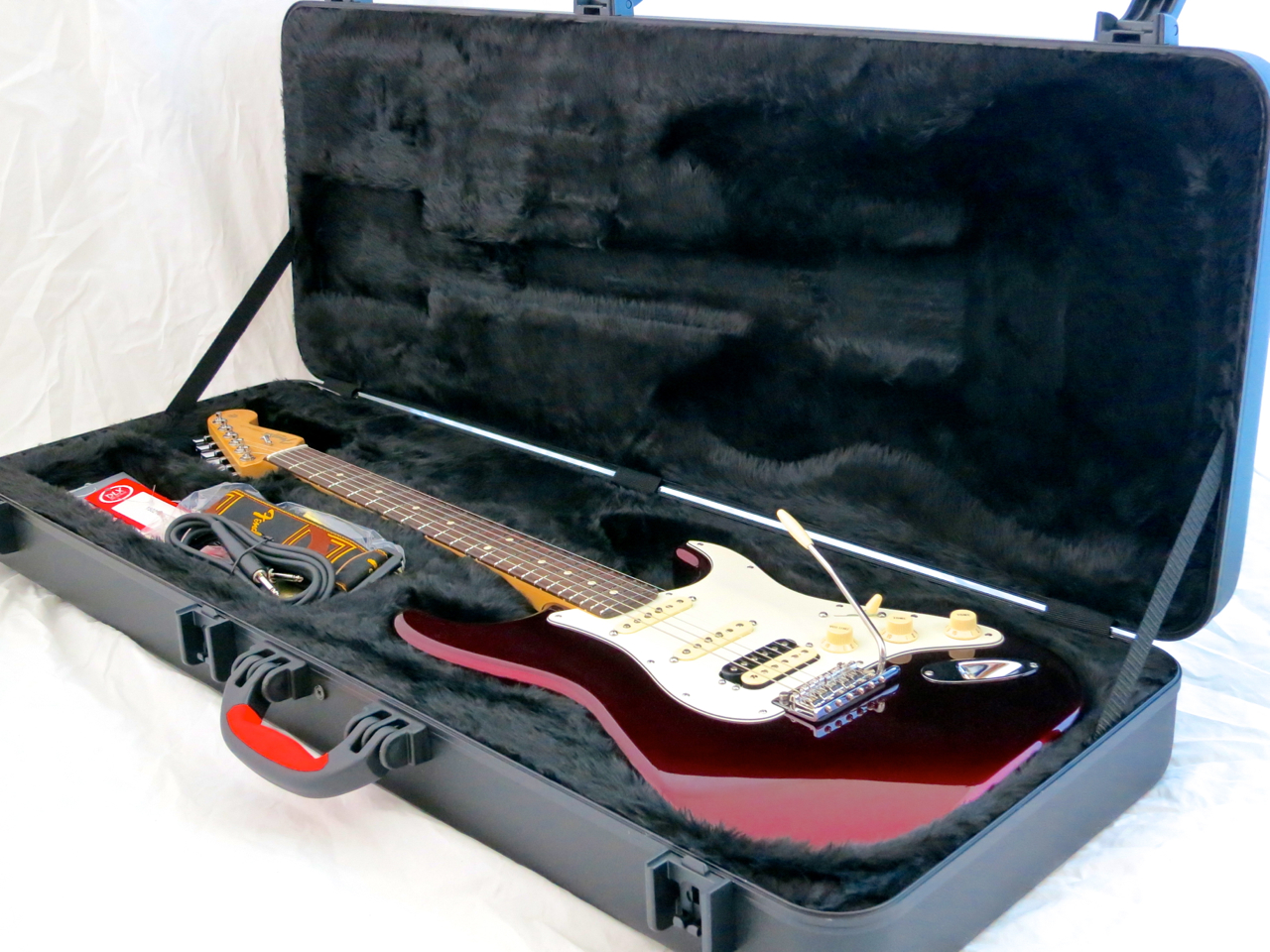
The American Standard Stratocaster HSS Shawbucker guitar comes in its quality hard case, with a strap and a guitar lead also included in the price.
****
I don’t think there’s much need to talk about the Stratocaster’s time-proven ergonomics. Same goes for the well thought-out contemporary improvements the American Standard series offers. The American Standard Stratocaster has been the top seller of Fender’s US output for decades.
The review instruments is a fitting torchbearer for this industry standard – it’s a great-feeling, great-playing, lightweight guitar.
Its acoustic voice is fresh, dynamic and strong, and the Shawbucker Strat’s vibrato works very well in the middle ground between a vintage vibrato and a double-locking Floyd Rose whammy.
Thanks to the chunky nature of the Custom Shop Fat ’50s, this model’s bridge humbucker never manages to overpower the single coils. Yes, there is a slight jump in signal level, when you switch from the Fat ’50s to the Shawbucker, but here it feels very organic and musical.
To my ears the HSS Shawbucker sounds fantastic, offering a bridge position signal boost, while retaining plenty of that ”stratty” character. The improved control set-up works just like it should – there’s a healthy dose of top end airiness in the bridge humbucker, while the single coils sound chiming, but fat. Now, here’s an HSS-Strat that finally does away with any unnecessary compromises!
****
Despite the long-winded name, Fender’s American Standard Stratocaster HSS Shawbucker is an outstanding new variation on a proven theme. The Shawbucker-model takes the sound of HSS-guitars to a whole new level.
****
Fender American Standard Stratocaster HSS Shawbucker
”Taasko uusi Strato-malli? Ketä tällainen enää kiinnostaa? Juu, juu, kyllä, siinä on humbucker tallamikkinä…näitäkin on jo nähty!”
Totta, mutta tähän uuteen American Standard -malliin kannattaa mielestäni ehdottomasti tutustua, koska Fenderin R&D-ryhmä on keksinyt Shawbucker-Stratoon muutamia uusia, oivia detaljiratkaisuja, joita tähän mennessä puuttuivat HSS-mikitetyiltä Stratocastereilta.
”Mikä ihmeen Shawbucker?”
Shawbucker on Fenderin uuden tallahumbuckerin nimi, joka on nimetty sen kehittäjän, Tim Shawn, mukaan. Tim Shaw on oikea elävä legenda kitarapiireissä, joka on ollut 1970- ja 1980-luvulla Gibsonilla töissä. Myöhemmin hän siirtyi Guildiin ja sittemmin Fenderiin. Elektroniikka-guruna hän oli ratkaisevassa asemassa esim. Gibson Les Paul Heritage 80 -projektissa, ja kehitteli firmalle mm. PAF-mikrofonin uusintapainoksia, joita nykyään tunnetaan nimellä ’57 Classic.
Perusrakenteeltaan malli jatkaa saumattomasti Fenderin erittäin suosittua American Standard -linjaa.
Shawbucker-Straton saarnirunkoon on liitetty vaahterasta veistetty ruuvikaula.
Kaulaprofiiliksi on valittu nykyaikainen C-profiili, ja myös ruusupuisen otelaudan vintagea loivempi radius (9,5 tuumaa) sekä kitaran 22 jumbokokoiset nauhat tekevät soittimesta nykyaikaisen.
Hyvästä vireestä pitävät huolen Fenderin Deluxe-koneistot.
American Standard Shawbucker -mallista löytyy myös firman patentoitu säätömekanismi kaulan kulmalle.
Nykyisissä American Standard -vibratalloissa on moderni aluslevy veitsenterä-laakereilla, mutta vintage-Stratoista tuttuja tallapaloja muotoon taivutetusta teräksestä.
Testisoittimessa vibran tip up -kulma oli säädetty hieman liian jyrkäksi, mutta asia oli helppo korjata itse sopivilla ristipääruuvareilla.
HSS Shawbuckerin mikrofonivarustus on tarkoin valikoitu:
Kaula- ja keksimikrofoneina toimivat kaksi Custom Shop Fat ’50s -yksikelaista. Vastakkaiseen suuntaan käämitty – ja vastakkaista magneetista napaisuutta omaava – keskimikrofoni poistaa tehokkaasti ulkoisia häiriöitä, kun sitä käytetään yhdessä kaulamikin kanssa.
Shawbucker-kaksikelainen on vintage-tyylinen humbucker avoimella, PAF-tyylisellä soundilla.
Kytkin- ja säädinosasto näyttää hyvin perinteiseltä, mutta siihen on piilotettu tämän kitaran kätevimmät parannukset:
Yksikelaiset ja humbucker-mikrofonit vaativat periaatteessa erilaisia potentiometrejä toimiakseen toivotulla tavalla. Yksikelaisten mikkien kanssa käytetään yleisesti potikoita 250 kilo-ohmin vastuksella, jotta niiden soundista ei tulisi liiankin terävä. Humbuckereilla taas on perinteisesti käytetty 500 kilo-ohmin potentiometrejä, jotta diskantti säilyisi paremmin niiden signaalissa. Myös tonepiirissä toimivan kondensaattorin kapasitanssi-arvo on usein syytä olla erilainen, riippuen siitä onko käytössä yksikelainen vai kaksikelainen mikrofoni.
HSS- ja HSH-kitaroiden ongelma piilee usein juuri potikoiden ja konkkien valinnassa, koska sekä yksikelaisten että kaksikelaisten signaalit reititetään yhteisten volume- ja tone-potikoiden läpi. Lopputuloksena joko humbucker soi hieman mutaisesti tai sitten yksikelainen on hieman liian terävä.
Shawbucker-Stratossa nämä ongelmat on hoidettu pois päiväjärjestykseltä käyttämällä sekä volume- että toisen tone-säätimessä tuplapotikoita, joissa samaan akseliin on liitetty sekä 250 k:n että 500 k:n potentiometri päällekkäin. Humbuckerin signaali on kytketty tuplapotikan 500 k -tasoon, kun taas yksikelaisen soundi muokataan 250 k -tasolla. Keskimmäinen, perinteinen tone-säädin vaikuttaa kaulamikrofoniin, kun taas pleksin reunalla oleva toinen tone toimii keski- ja tallamikrofoneilla.
Viisiasentoisen kytkimen kakkosasennossa keskimikrofoni soi yhdessä puolitetun humbuckerin kanssa.
American Standard Stratocaster HSS Shawbucker -pakettiin kuuluu myös laadukas kova laukku, olkahinka, sekä kitarajohto.
****
Stratocasterin hyvästä ergonomiasta ei tarvitse varmasti puhua enempää. American Standard -sarjan soittimien erittäin mukavasta, nykyaikaisesta soittotuntumasta on myös hehkutettu jo pitkään, ja syystäkin. American Standard -Strato on jo vuosikymmeniä ollut firman eniten myyty kitara USA-valikoimastaan.
Testikitara tuntuu juuri sellaiselta kuin sopii odottaa alan merkkipaaluusta – soitin on kevyt, ja se sopii erinomaisesti ainakin minun käteeni.
Akustinen ääni on tutun raikas, dynaaminen ja vahva. Vibratallakin toimii kiitettävästi perinne-Straton ja Floikan välimaastossa.
Fat ’50s -mikrofonien valinta Shawbuckerin aisapareiksi takaa, etteivät yksikelaiset jää missään tilanteessa humbuckeriin nähden alakynteen. Vaihdossa Fat ’50s -mikrofonista Shawbuckerin kyllä huomaa edelleen signaalitason eron, mutta tässä kitarassa boostaus tuntuu hyvin orgaaniselta ja musikaaliselta.
Mielestäni HSS Shawbuckerin soundi on kauttaaltaan hyvin herkullinen ja sopivasti Straton omalla luonteella höystetty. Päivitetty elektroniikka toimii vallan mainiosti – humbucker soi raikkaasti, eikä mene tukkoon, mutta samalla yksikelaisissa diskantilta on leikattu kaikki epämiellyttävä piikikkyys sopivasti pois. Viimeinkin HSS-Strato joka toimii vailla soundillisia kompromisseja!
****
Fender American Standard Stratocaster HSS Shawbucker on – hassusta nimestään huolimatta – mainio sähkökitara todella hyvillä päivityksillä. Shawbucker-Strato vie HSS-mikkitetyn kitaran konseptin viimein seuraavalle tasolle.
****
Fender American Standard Stratocaster HSS Shawbucker














 Kitarablogi.com – Finland's premier Guitar and Bass blog