Review: Esteve Organic Eco-Series Jucar & Segura

****

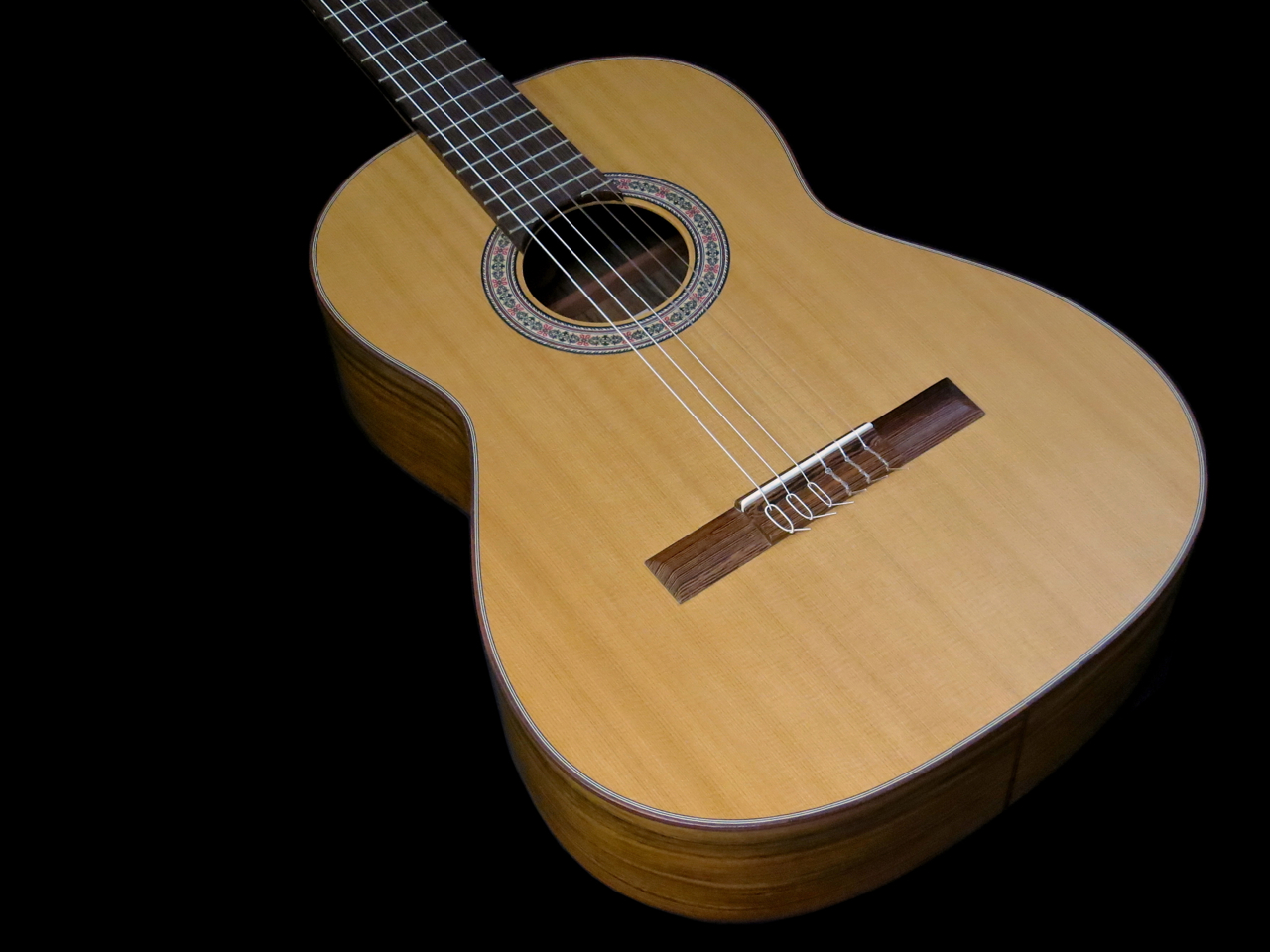
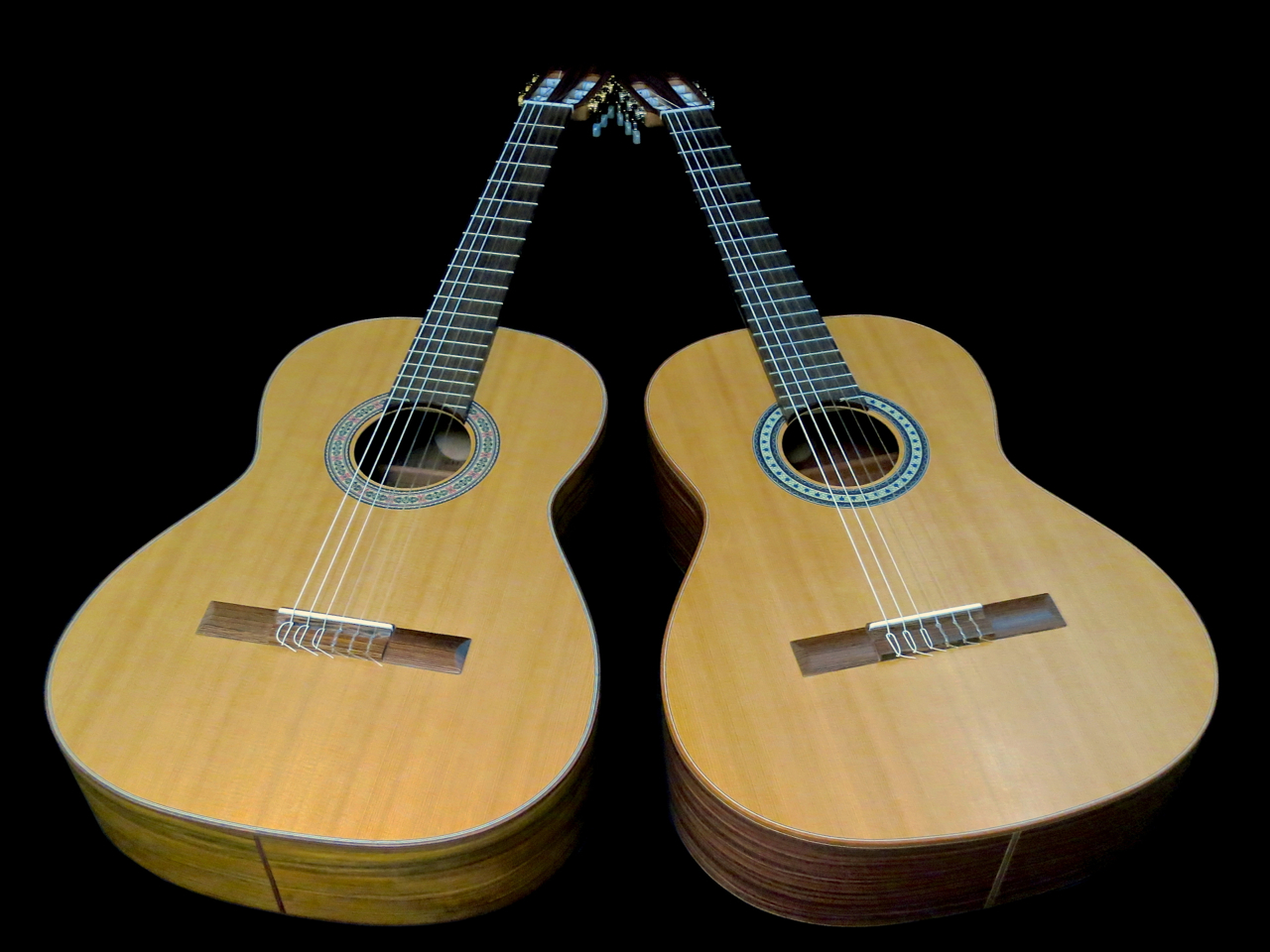
The new Esteve Segura (left) and Jucar (right) models

Many of us guitarists are surprisingly old-fashioned, when it comes to the choices of timber used in our instruments. This is especially true for the oldest and most traditional of guitar instruments – the classical guitar. We tend to automatically associate South American mahogany and so-called ”Spanish” cedar necks, ebony fingerboards and bridges, spruce or cedar tops, and rosewood rims and backs with quality and traditional guitar-making.

Some of these legendary materials are becoming scarce, some even teetering on the brink of being seriously endangered. Even though the reasons for this are mostly not the fault of instrument makers, scarcity does raise material prices, and CITES inclusions make the exporting of and/or the travelling with such instruments a bureaucratic nightmare.

Luckily, an ever-increasing number of guitar manufacturers are reacting to these developments by introducing environmentally friendly alternatives using non-traditional wood species.

One very good example is the traditional Spanish guitar company Guitarras Esteve, whose brand-new Organic Eco-Series introduces three classical guitar models that are handcrafted using traditional methods in their Valencia workshop, but who feature innovative wood choices. The icing on the new series’ proverbial cake is Esteve’s new, environmentally friendly water-based open-pore finish.

That was more than reason enough for us at Kitarablogi.com to take two of the new Esteves for a spin. The Esteve Jucar (679 €) is a solid-top instrument, while the Esteve Segura (895 €) is an all-solid classical guitar.
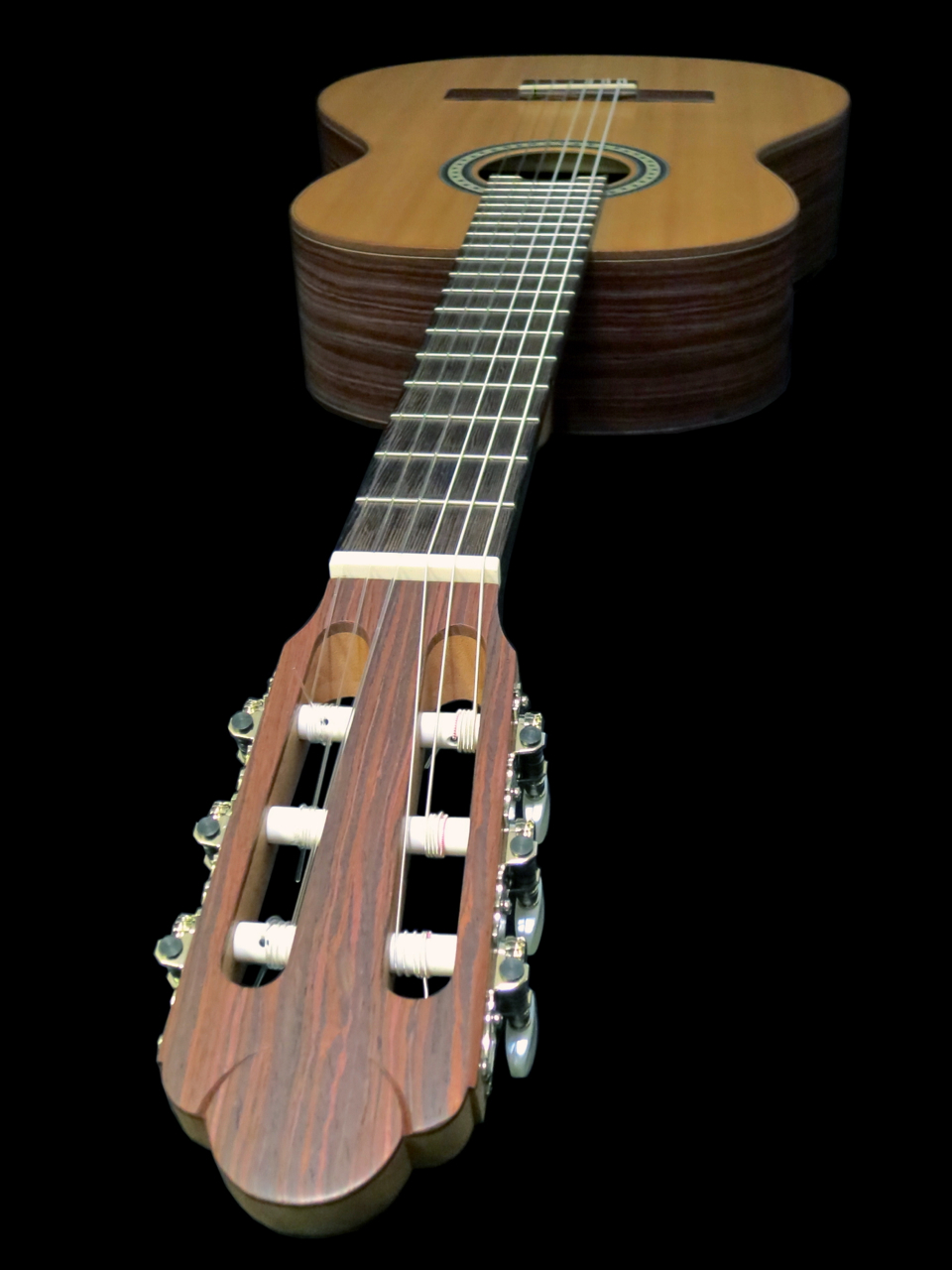
Esteve Jucar
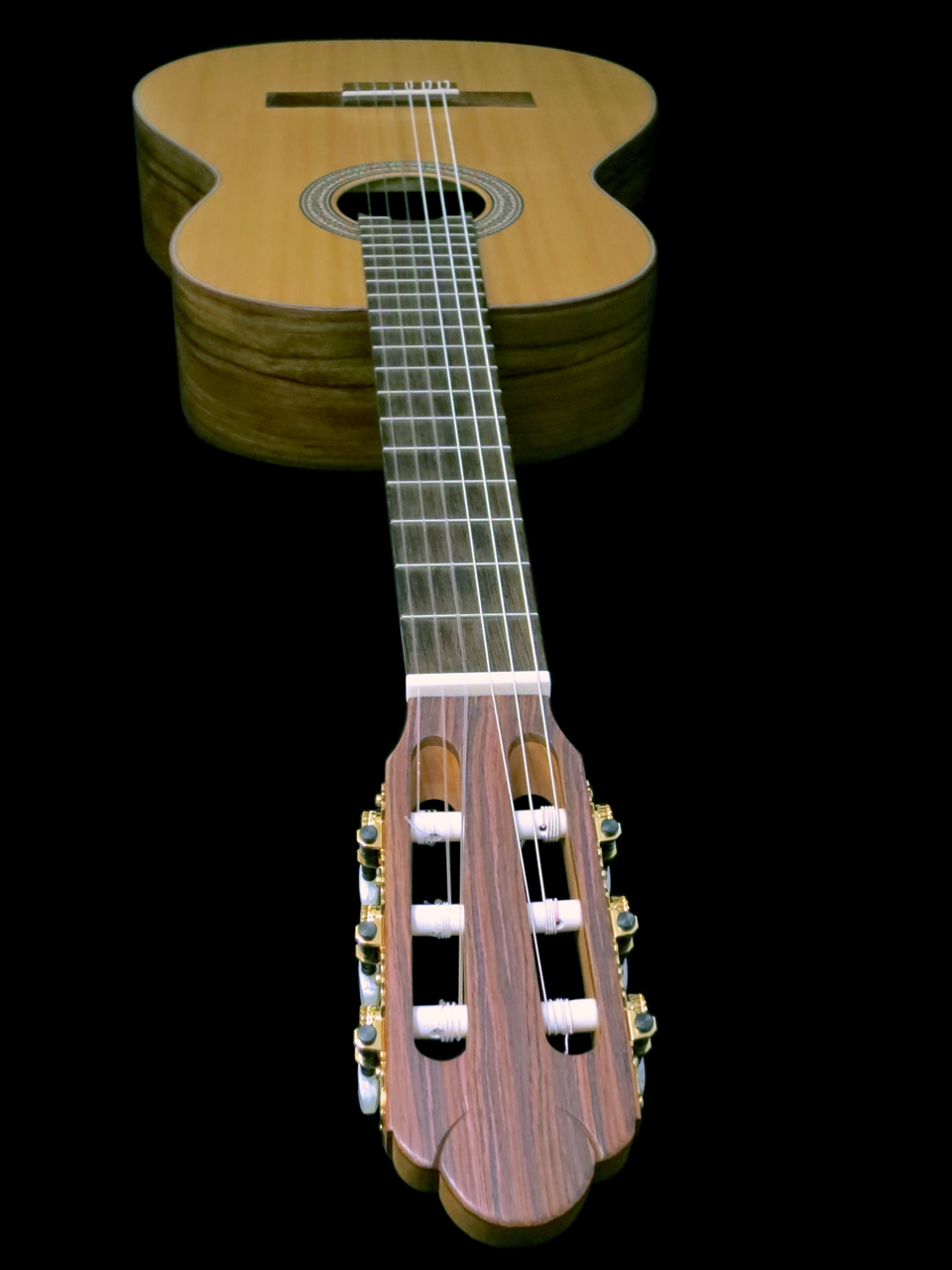
Esteve Segura

****
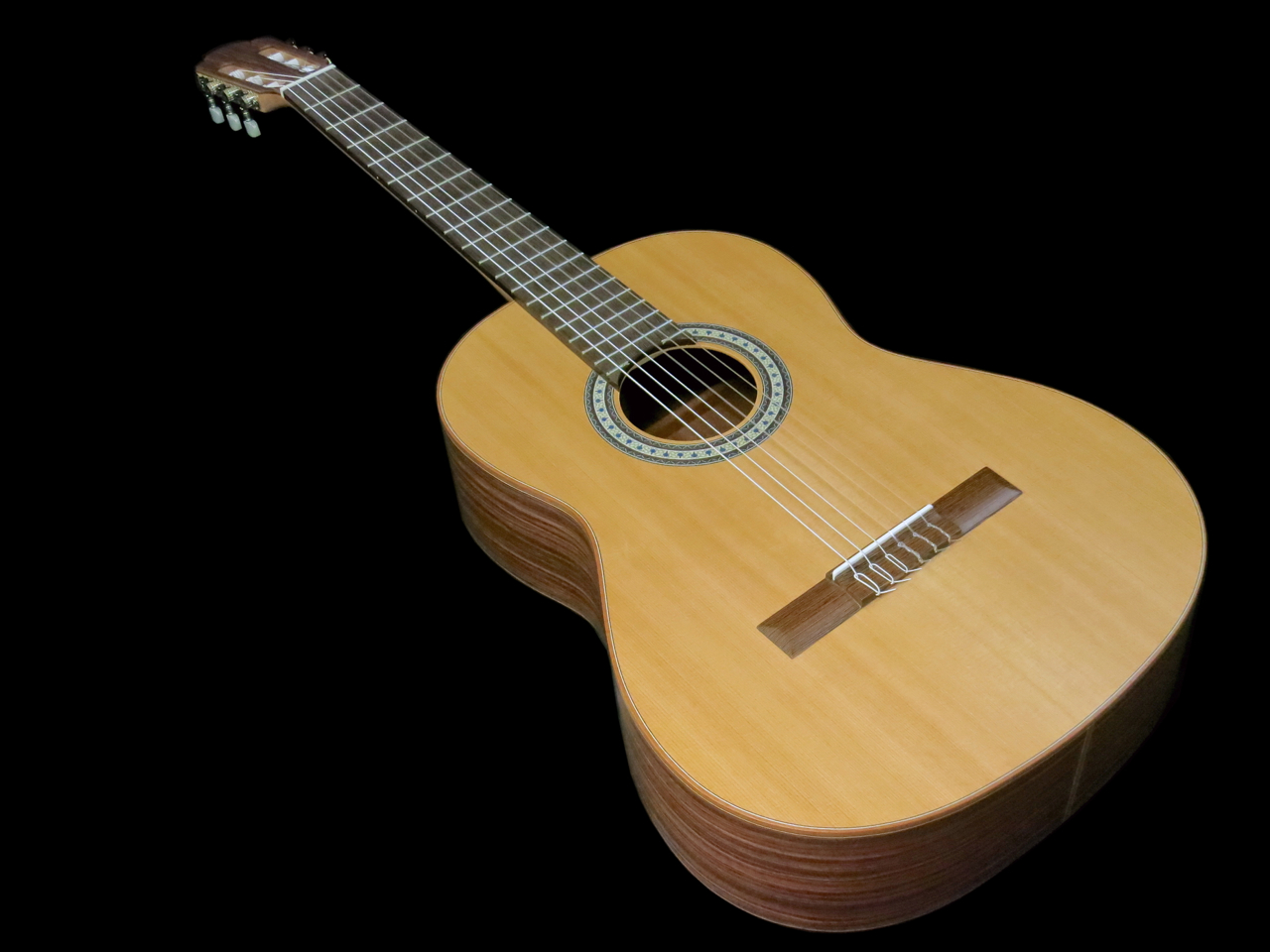
Fitting the ecological theme, Esteve has chosen to name its three Organic models after three scenic rivers that run through Spain’s south-eastern parts, near the Valencia region.

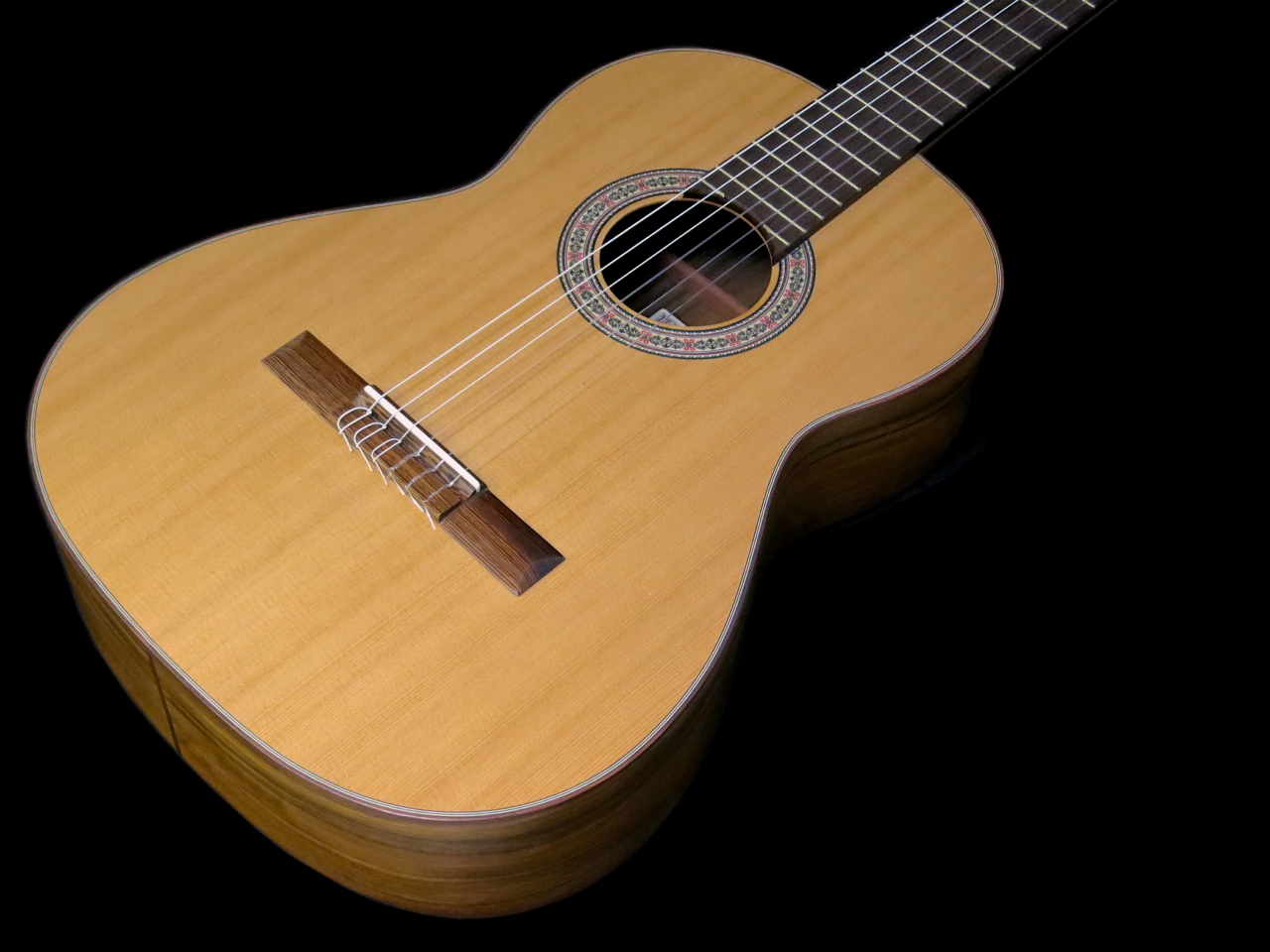
The Jucar has a solid top made from cedar, which is one of the traditional features of the instrument.
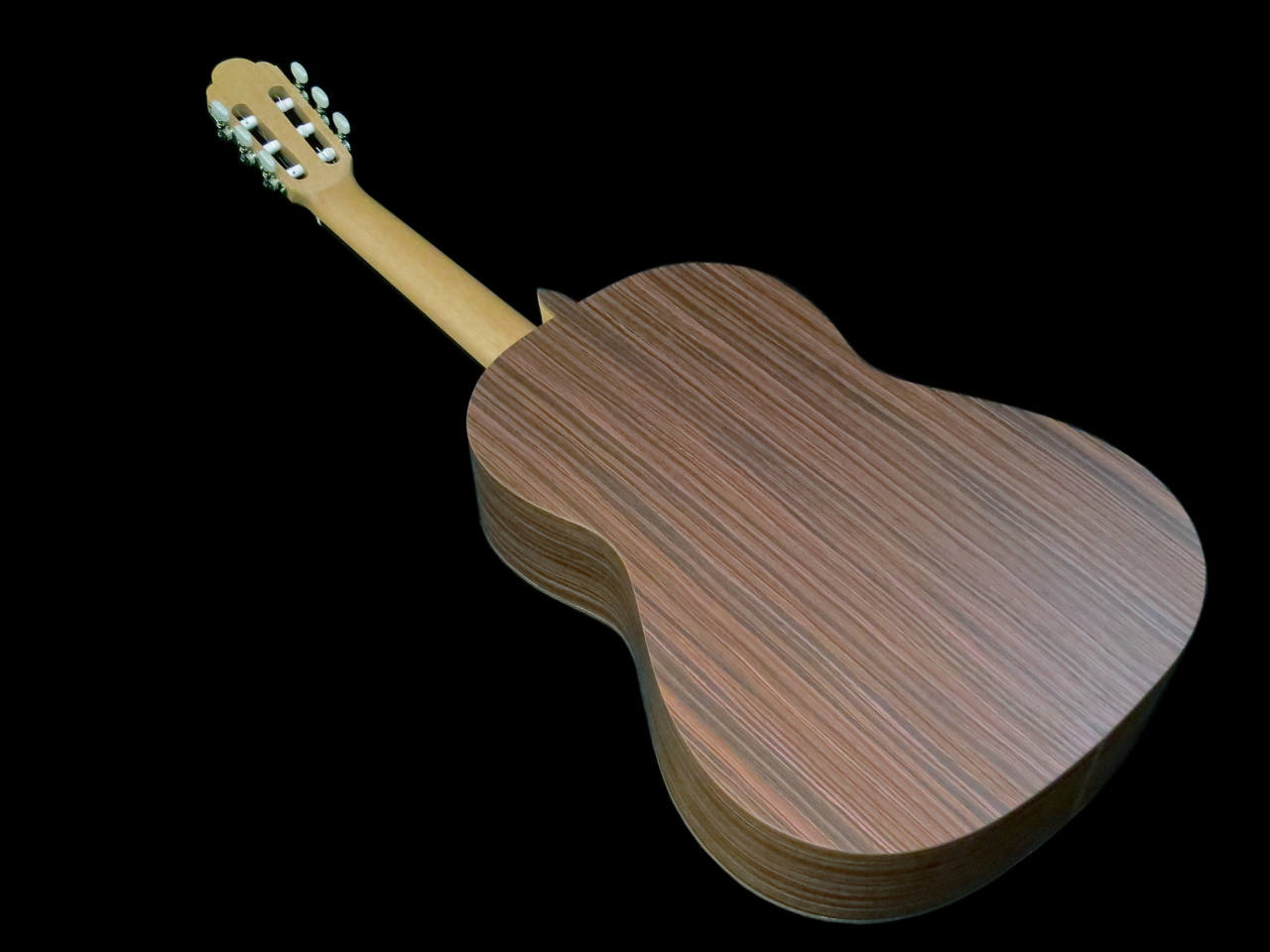
The back and sides are made from small-leaved lime (tilia cordata), which is a tree that grows abundantly in most parts of Europe. To give the Esteve Jucar a traditional look the lime plywood has been dyed a rich brown hue.

The neck has been crafted from an African mahogany substitute called okoume, which is found increasingly in many new acoustic string instruments.
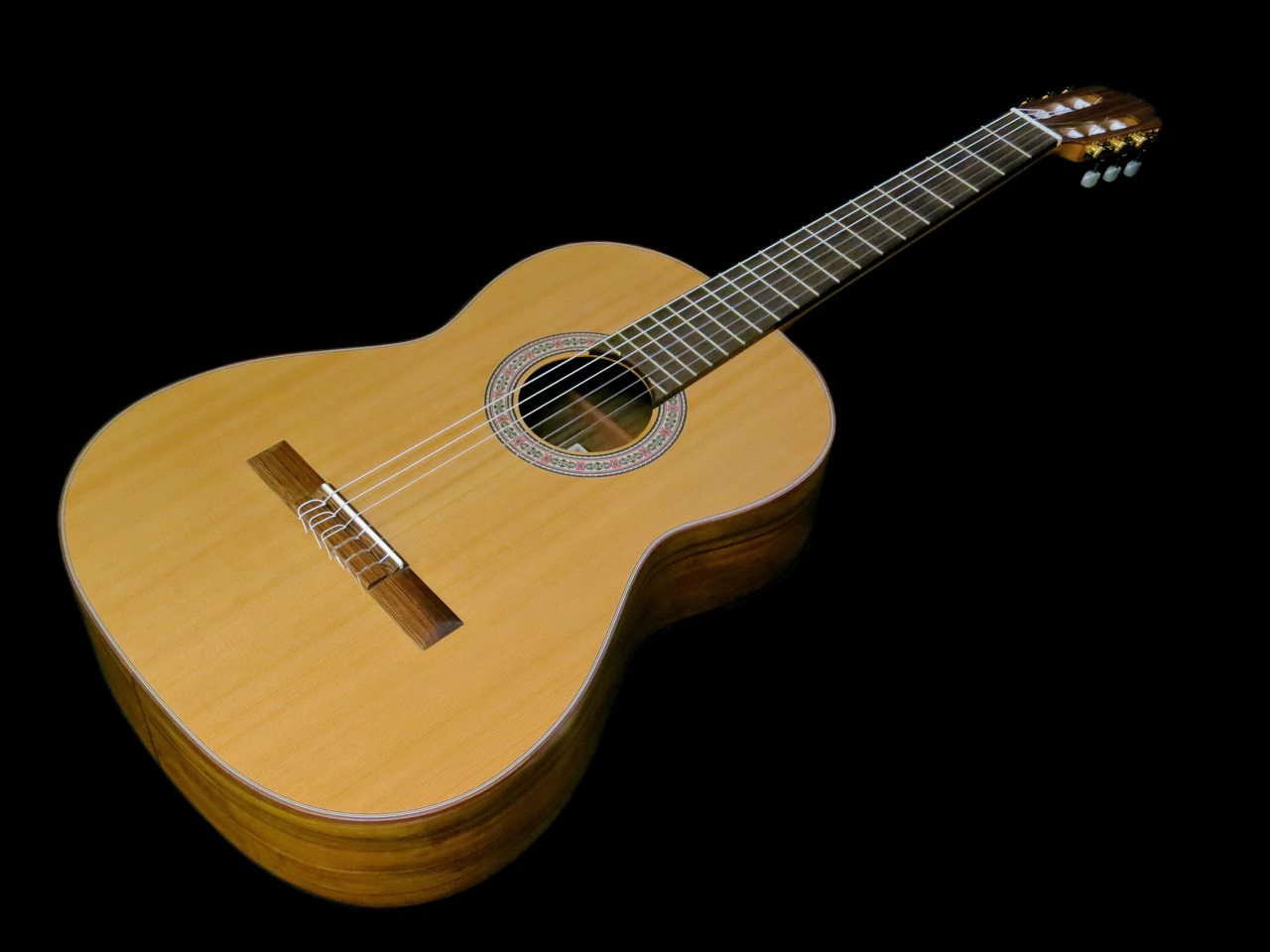
The Esteve Segura is a very competitively-priced, all-solid classical guitar, which is also built with a cedar top.
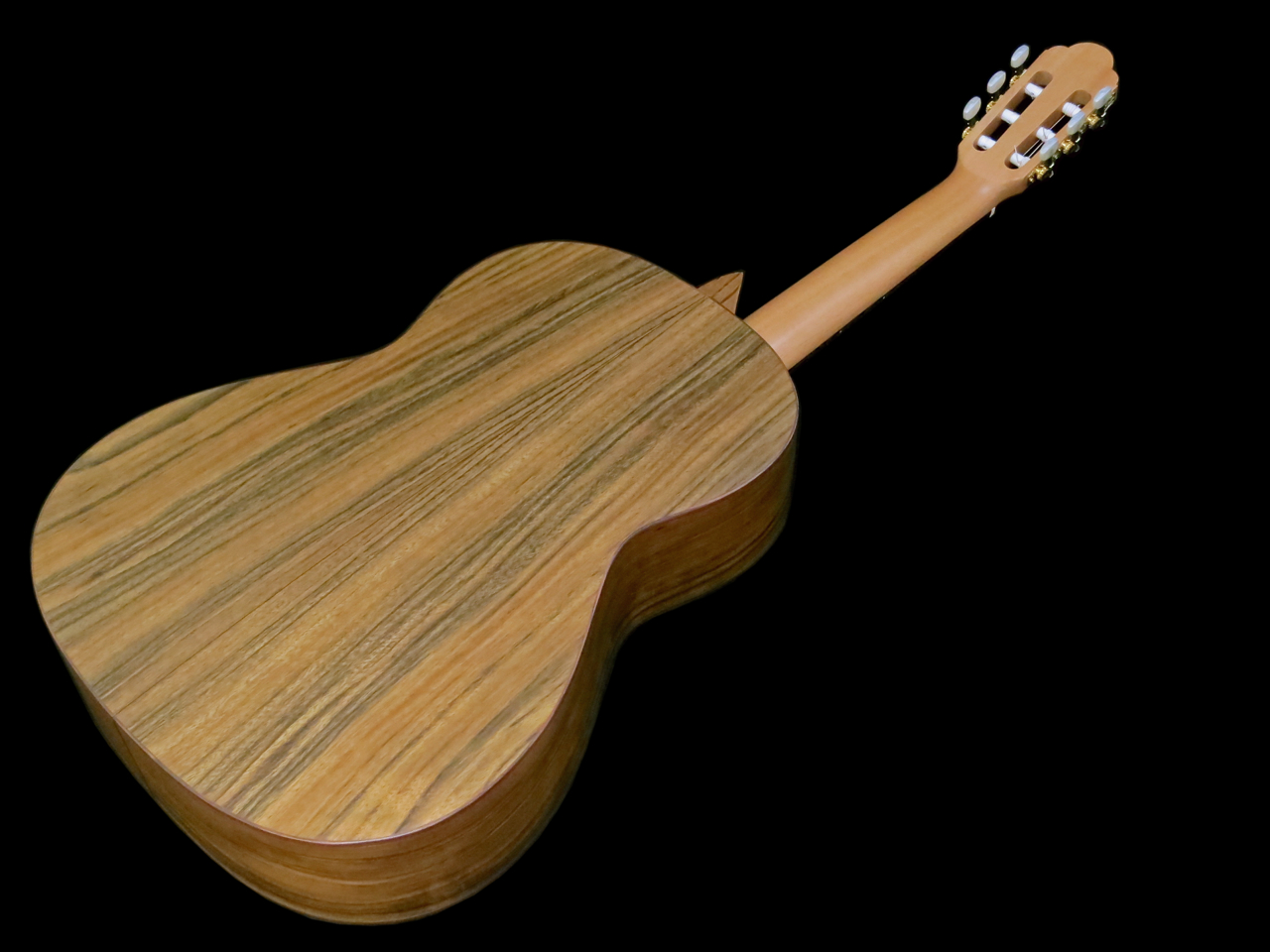
The Segura’s back and sides are made from ovangkol, an African relative of rosewood. The neck has been carved from khaya, another proven alternative to genuine mahogany.
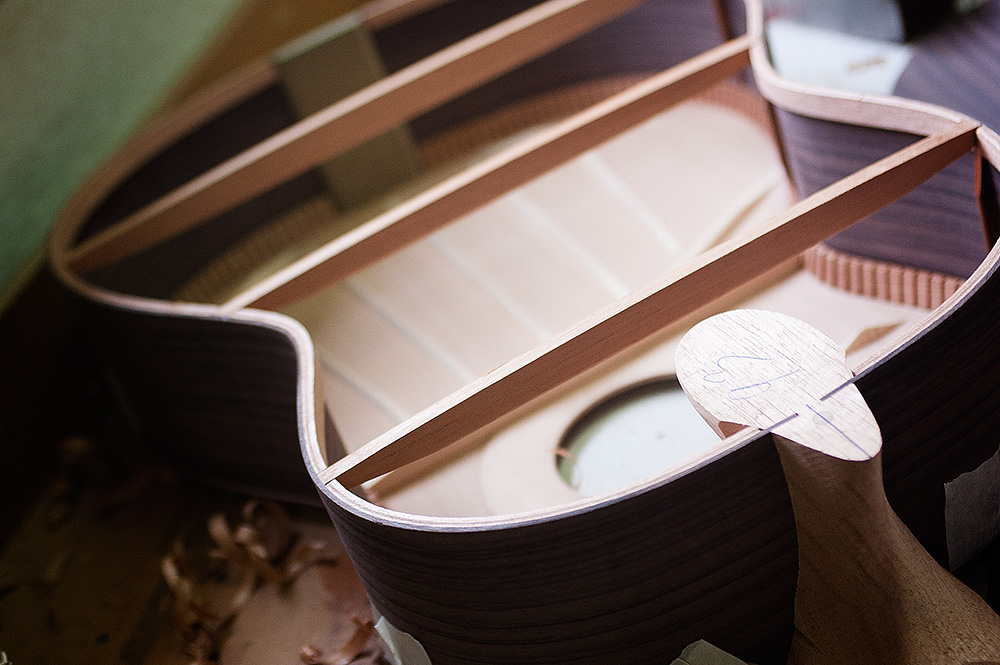
Photo courtesy of Guitarras Esteve.

As already mentioned in the introduction, the basic construction of the Organic Eco-Series follows Spanish guitar-making tradition, by making the neck joint the pivotal point of the whole building process.

The guitar’s neck isn’t glued into a neck block inside the glued body, almost at the end of the building process, like you see in many other acoustic guitars. Instead Esteve apply the Spanish Heel construction technique that glues the whole soundbox – top, back and rims – straight to the neck itself for superior vibrational transfer.
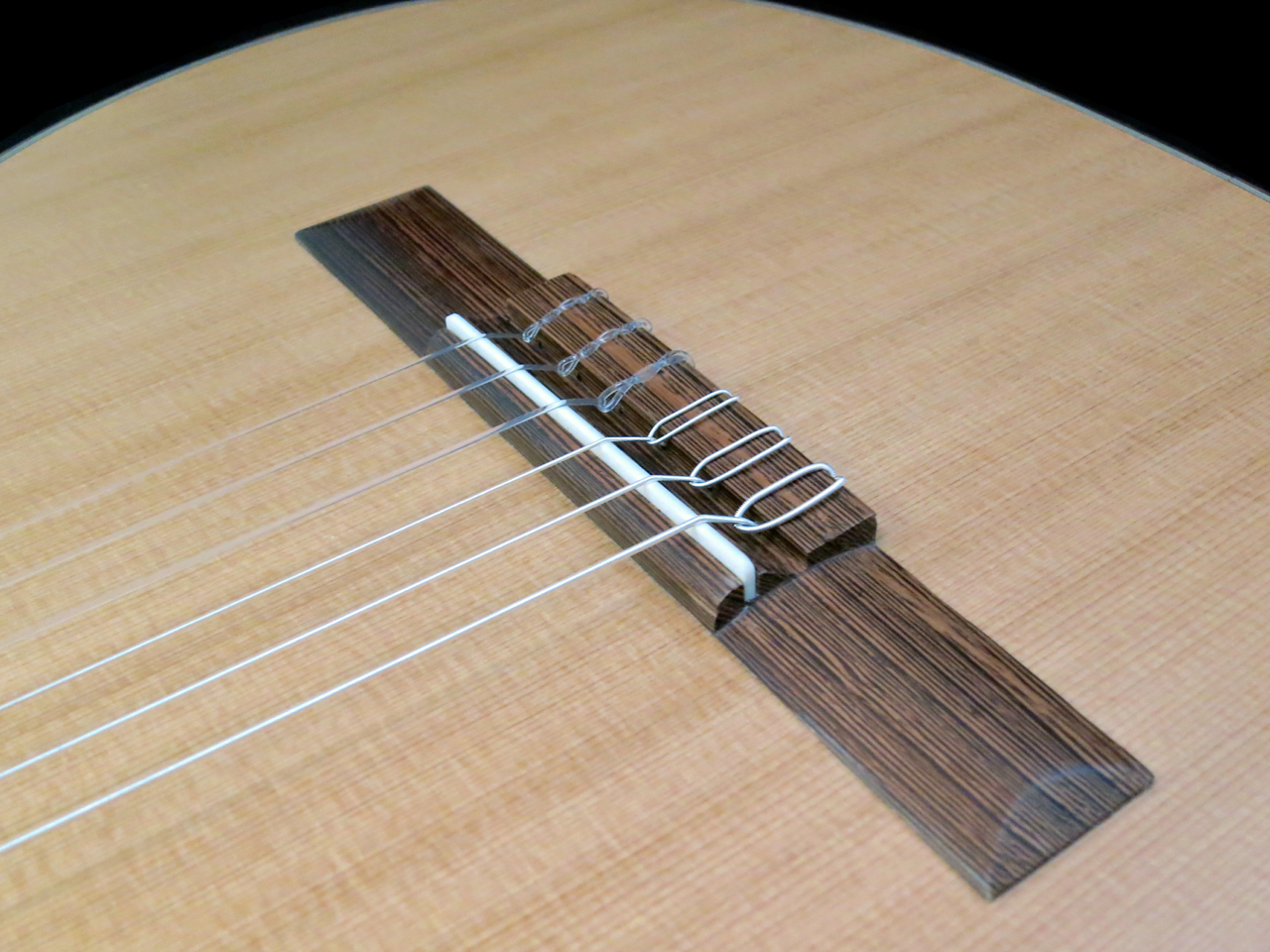
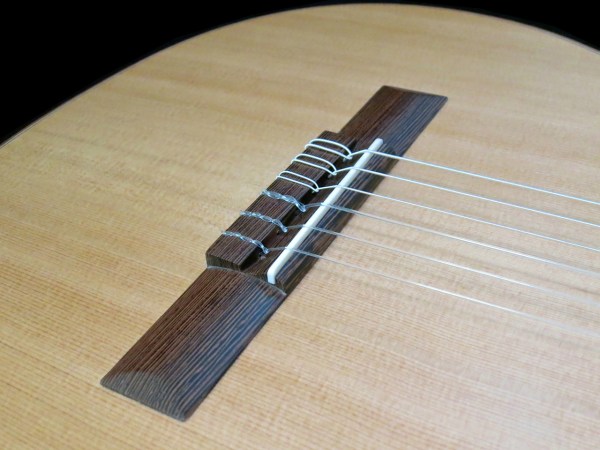
The most obvious sign that the Organic Series is using non-standard wood types is the look of the bridges and fingerboards. Instead of ebony or rosewood, both the Jucar and the Segura use wenge, a very hard and very lively looking African wood.
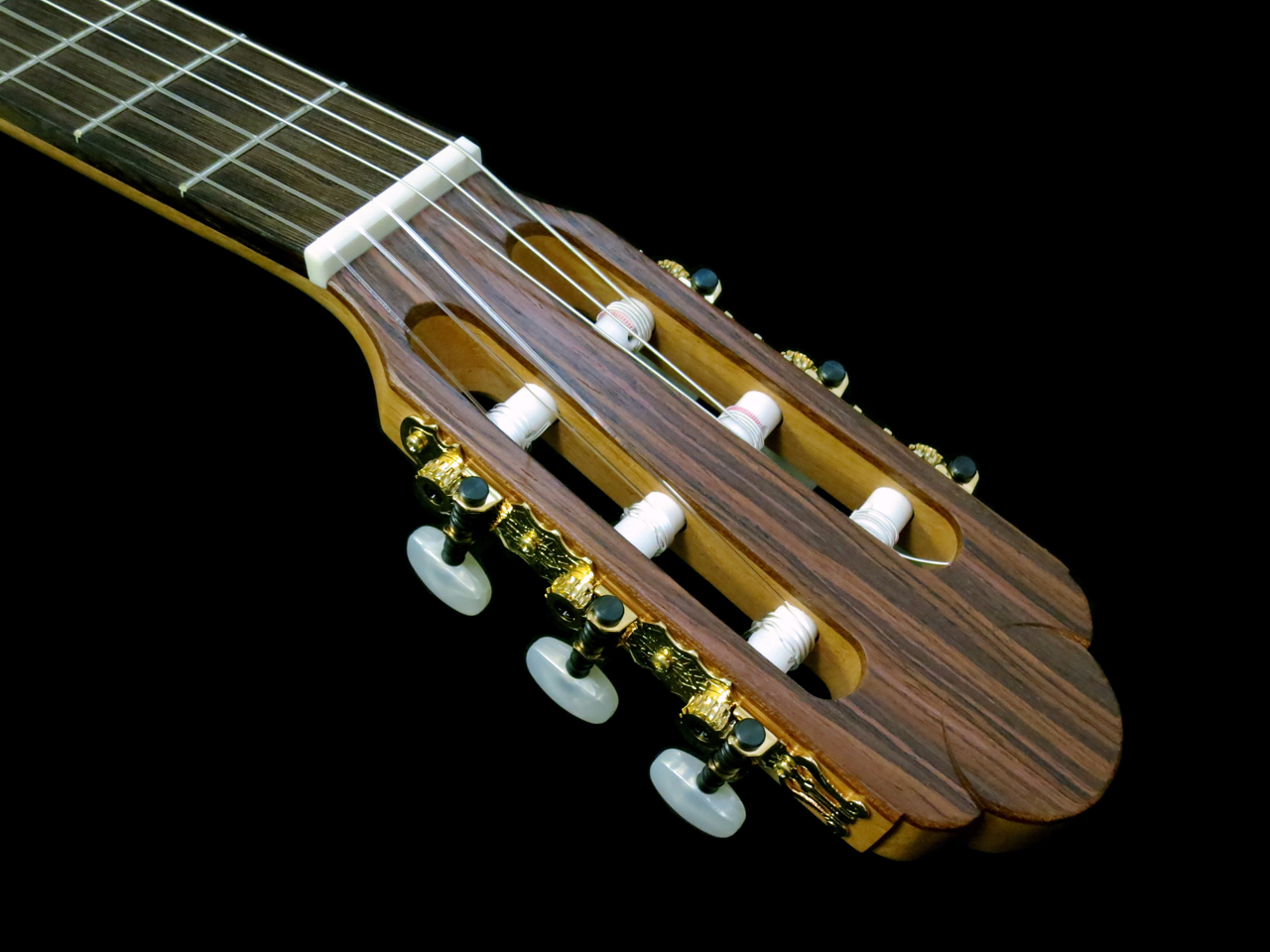
Esteve uses genuine bovine bone for the nuts and bridge saddles on both guitars.
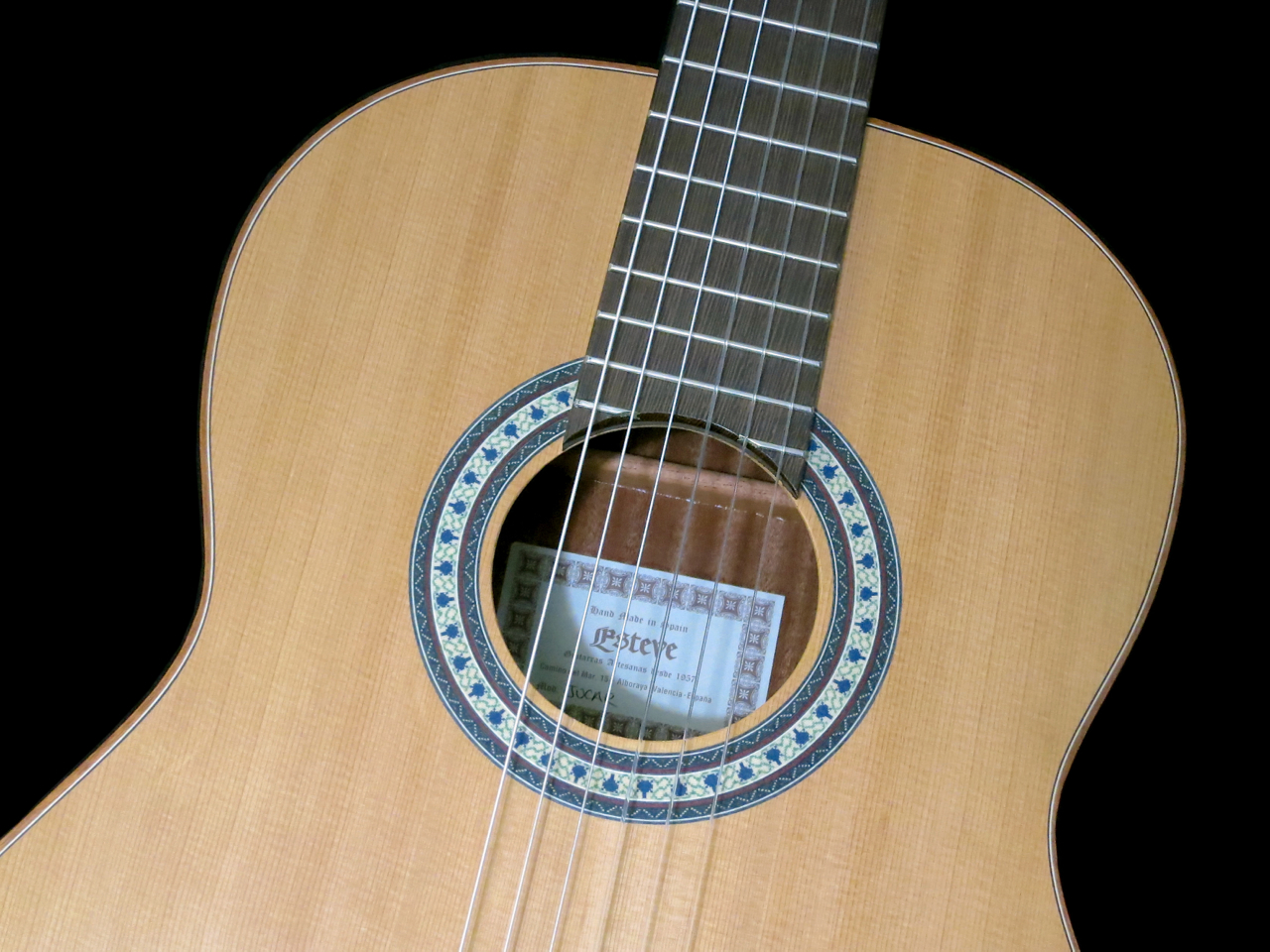
While many entry-level nylon-string guitars these days sport stuck-on rosette decals, the soundholes on these mid-priced Esteves are adorned with genuine coloured wood inlays.

Here’s the rosette on the Jucar…
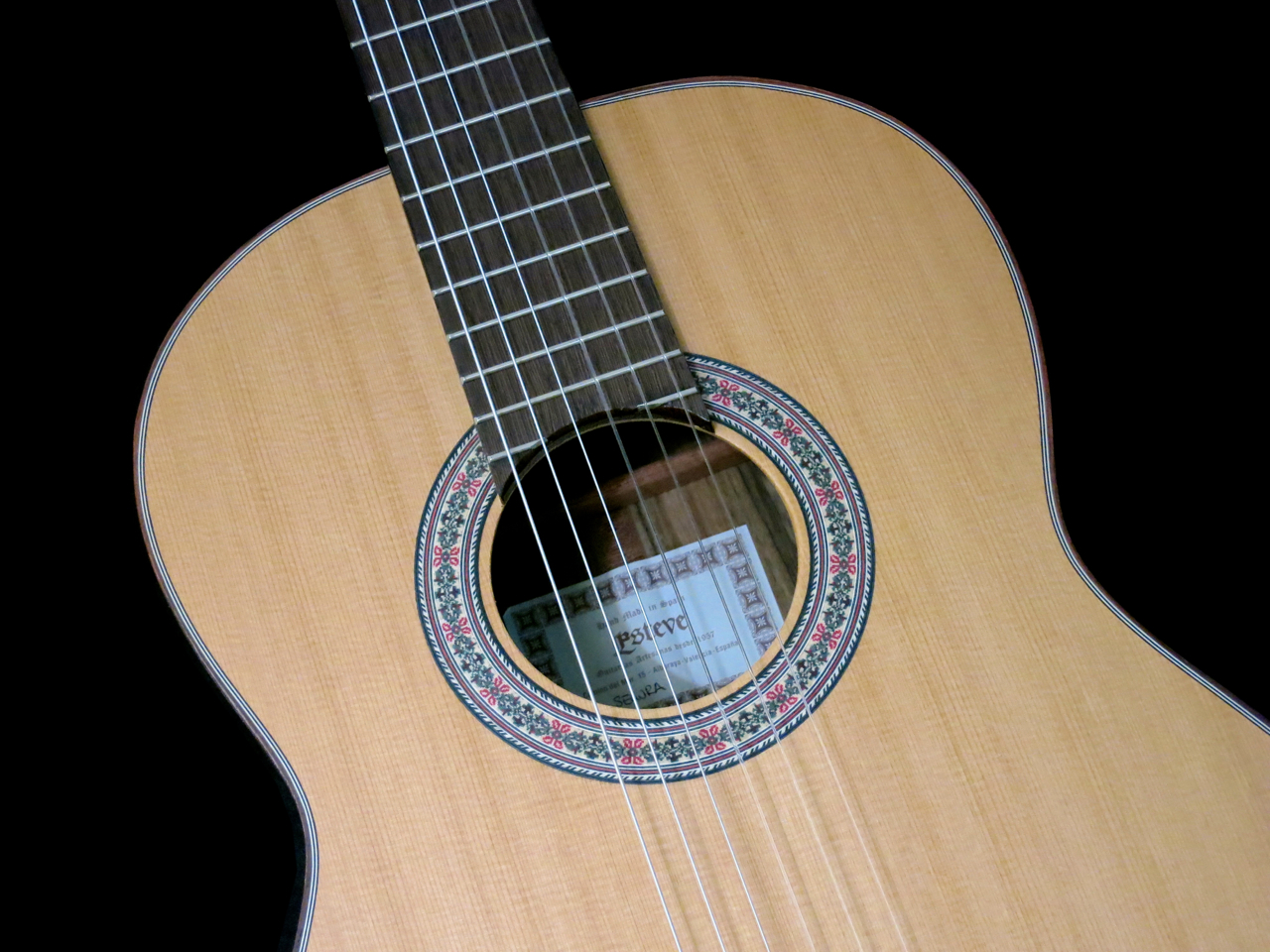
…and this is what the Segura’s rosette looks like.
Both models come factory-equipped with high-quality Savarez strings from France.

****

The Esteve Jucar and Segura both feature necks whose nut width has been toned down by a couple of millimetres. This might not seem much, but it makes the instruments noticeably easier to play. The neck profile, on the other hand, stays traditional, which means rather flat and slightly angular.

The amount of handwork going into the Organic guitars is noticeable in subtle individual differences in the feel of the necks, and in the set-up of the guitars.
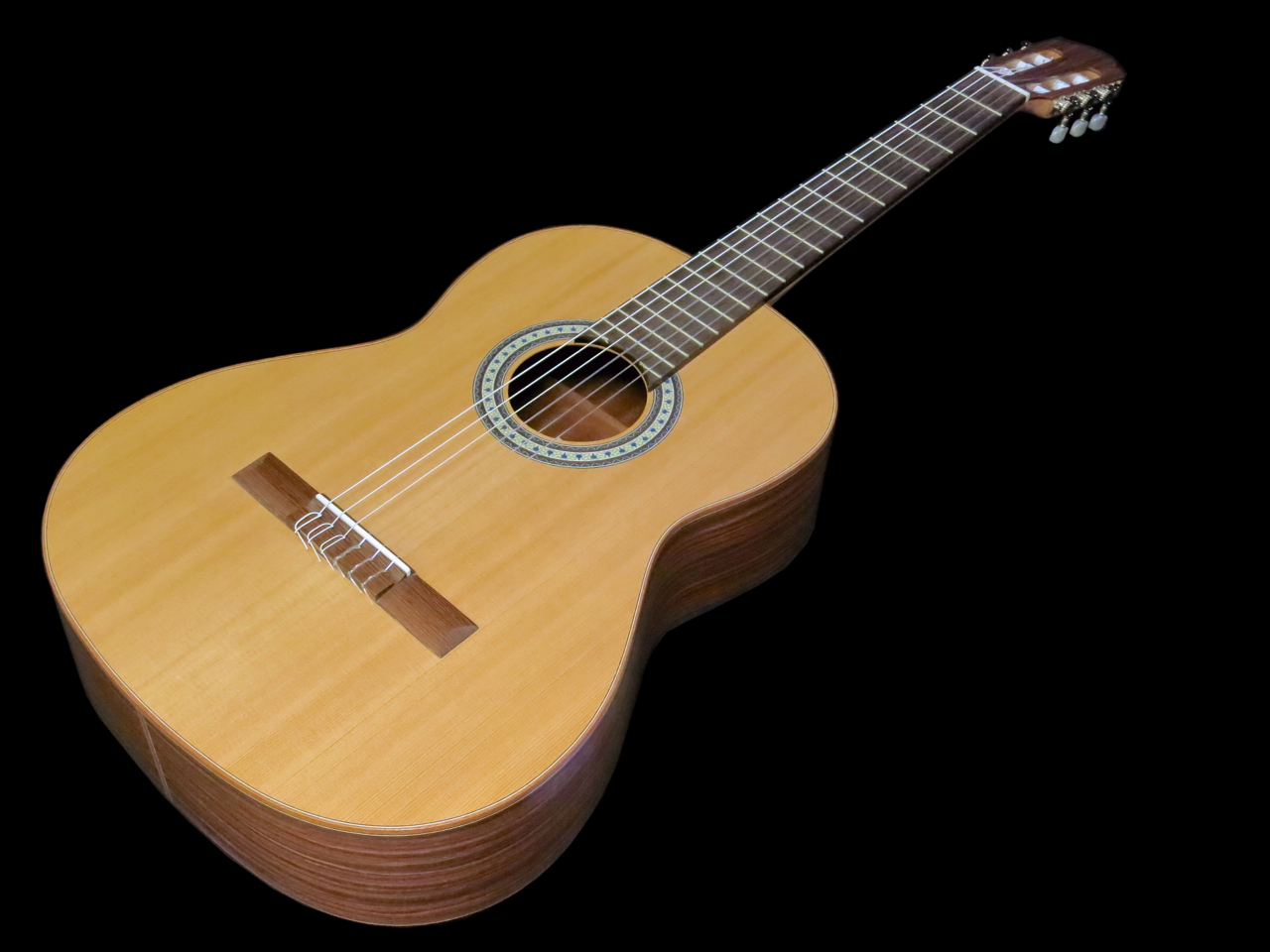
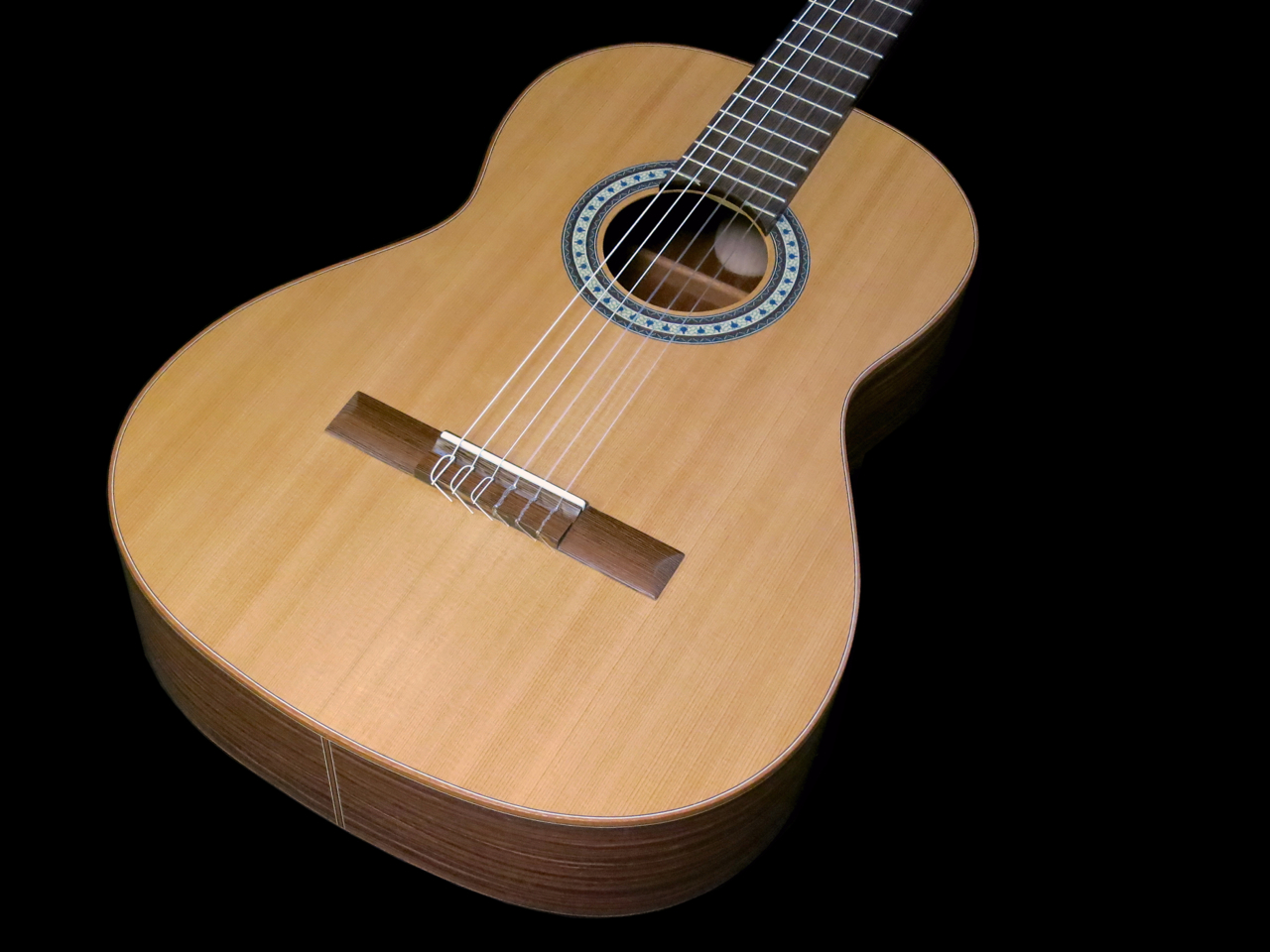
Our review sample of the Esteve Jucar has a slightly flatter neck than the Segura. The neck also gains only a very little thickness going up towards the body.

The set-up is very comfortable (low E: 3.1 mm; high e: 2.7 mm), while offering a wide dynamic range without any fret buzz.

For some strange reason I prefer the lively look and brown hue of the Jucar’s lime body over the slight greenish tint of the all-solid ovangkol found on the Segura.

The Esteve Jucar has a clear and loud voice, and it offers a surprising amount of dynamic range for a classical guitar with plywood rims and back. There’s a slight, but very pleasant, low-mid bump that nicely fills out the Jucar’s bottom range.
****
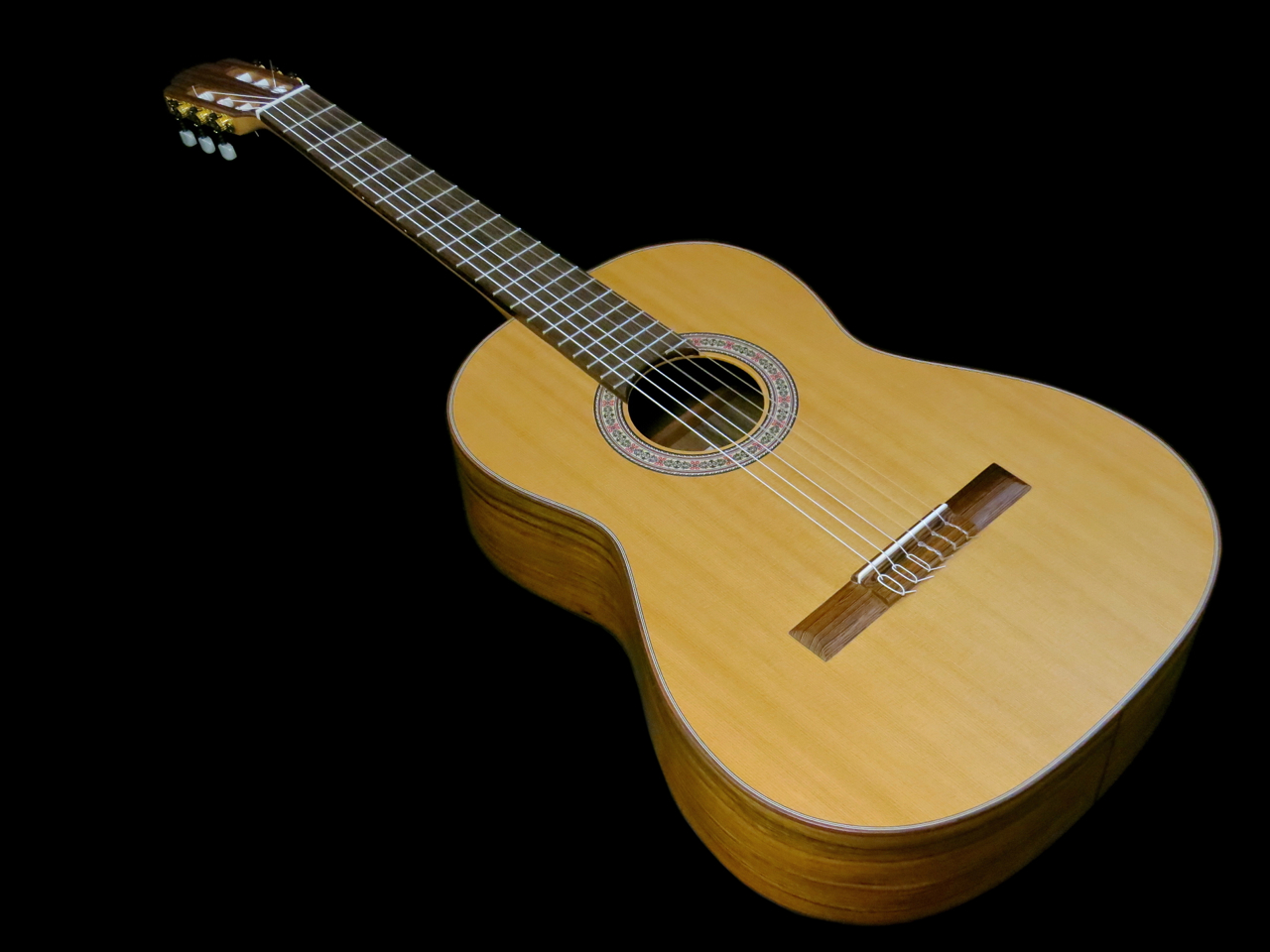
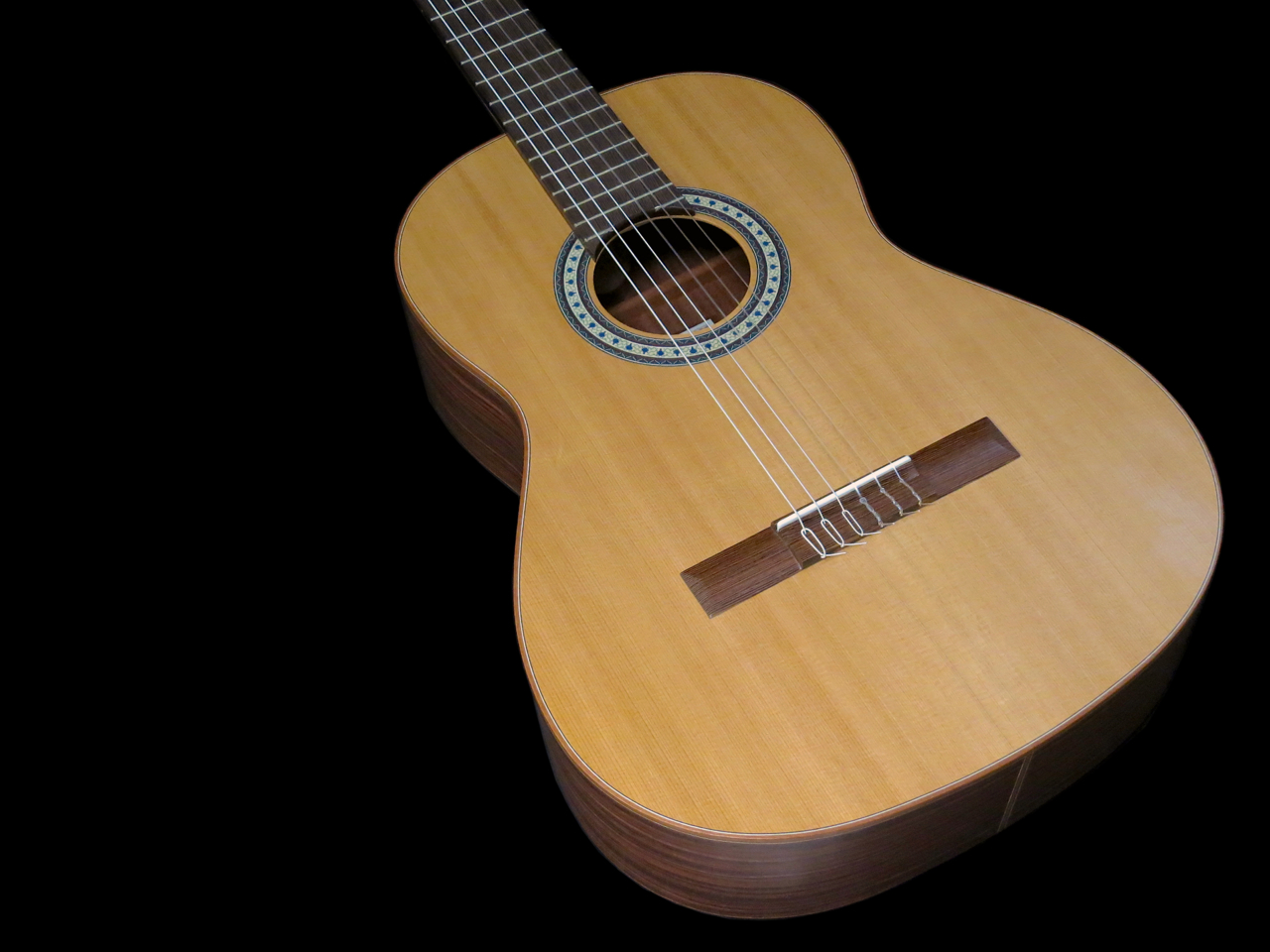
The neck on our sample of the Esteve Segura starts out with a tad more thickness at the nut, compared to the Jucar. It also gains a slight bit of additional girth on its way towards the neck heel.

The Segura’s set-up is also excellent (low E: 3.7 mm; high e: 3.1 mm), making it possible to take full advantage of the instrument’s wide dynamic range without any annoying fret buzz.

I just love the way both of these Esteves seem to breathe. This is quite likely the combination of quality workmanship and the new ecologically sound, ultra-thin finish. These new Organic Eco-guitars seem to want to make music with you willingly, you never get a sense that you have to fight and conquer the guitar.

It is always very educational, when you get to compare very similarly built guitars. The solid-top Jucar is a great guitar, offering exceptional value for the money, but the all-solid Segura clearly takes things up one notch further.

The Esteve Segura displays a big and dynamic sound, with the added volume and expanded low end that only a well-made all-solid classical guitar can offer.
****

It is great to see such a traditional guitar maker as Esteve take on the challenge to come up with high-quality alternatives to long-established wood choices.

In my view the new Organic Eco-Series models feature the right combination of traditional Spanish luthiery, ecologically-sustainable wood choices and modern non-hazardous finishes.

The Esteve Jucar and Segura take eco-friendly guitar-making out of the realm of the boutique builder or custom shop, making such instruments affordable to a much wider clientele, without compromising their playability or sound one iota.

****

Esteve Organic Eco-Series Jucar & Segura

Ecologically sustainable classical guitars

Esteve Jucar, current price in Finland: 679 €

Esteve Segura, current price in Finland: 895 €

Finnish Distributor: Musiikki Silfverberg

A big thank you to Vantaan Musiikki for the kind loan of the review instruments!

Pros (both models):

+ concept

+ materials

+ workmanship

+ playability

+ soundSave

Save

Save

Save

Save

Testipenkissä: PRS SE Custom 24 Roasted Maple

PRS Guitarsilta on ilmestynyt kesällä Euroopan markkinoille tarkoitettu erikoispainos firman SE Custom 24 -mallista. Erikoismallin nimi on PRS SE Custom 24 Roasted Maple Neck (899 €), ja se on saatavilla neljässä todella kauniissa värityksessä.

Custom 24 on PRS Guitarsin koko malliston kivijalka, johon perustuu valmistajan suosio. Paul Reed Smithin ensimmäiset, käsintehdyt sähkökitarat olivat käytännössä kaarevakantisia versioita Gibsonin 1950-luvun Doublecut Les Paul Specialista, ja muistuttivat Hamerin Sunburst-mallia. Herra Smith kuitenkin tiesi, kun perusti oman yrityksensä, että hän halusi kehittää täysin oman sähkökitaramallin.

Ja tämä oma malli oli juuri PRS:n Custom 24, joka yhdistää erittäin onnistuneesti tiettyjä ominaisuuksia Fender-sähkiksistä (mm. kaksisarvinen runko, sekä vibratallan toimintaperiaatteen) Gibson Les Paulin liimakaulan, mahonkirungon ja karevan loimuvaahtera kannen. Custom 24:n 25 tuumainen mensuuri on lyhyemmän Gibson- ja pidemmän Fender-mensuurin välissä, kun taas soittimen paranneltu vibratalla, sen funktionaalinen lapa, syvälle viistetty soololovi, sekä sellaiset kosmeettiset seikat kuin lintuotemerkit ja ”valereunalisoitus” olivat täysin Paul Reed Smithin omaa suunnittelua.

PRS:n suosittu SE-mallisto (SE = Student Edition) tehdään Etelä-Koreassa, ja siellä tehdään myös uudet Special Edition -mallit. Roasted Maple -kitaran rungon rakenne on PRS:lle perinteinen yhdistelmä mahonkipohjasta ja kaarevasta vaahterakannesta. Kustannussyistä SE-kansien vaahtera on tavallista sorttia, johon on liimattu näyttävä viilu loimuvaahterasta. Lähes kaikissa PRS-kitaroissa on ns. valereunalistoitus, jossa kannen reuna on jätetty petsaamatta/värjäämättä. Sen jälkeen kun värikerrokset ovat valmiit, peiteteipit poistetaan ja koko runko saa ylleen vielä kirkaslakkaa.

Se mikä tekee uusista erikoismalleista erikoisia on soittimien kaula:

Tavallisen mahonkikaulan ja palisanteriotelaudan sijaan Custom 24 Roasted Maple -malleissa käytetään lämpökäsiteltyä vaahteraa kaulassa ja otelaudassa. Lämpökäsittelyn idea on saada melko tuoreeseen puuhun vanhan ja paljon soitetun puun ominaisuuksia.

Otelautaan on siististi istutettu 24 medium-kokoista nauhaa, sekä mustat versiot PRS:n kuuluisista linnuista. Sulavasti muotoiltu satula on tehty itsevoitelevasta muoviseoksesta.

Custom 24 Roasted Maple -kitaran kaksi humbuckeria ovat uusimmat SE-versiot PRS:n amerikkalaisista mikrofoneista. Uusissa 85/15S-mikeissä on keraamiset magneetit, ja ne tarjoavat valmistajan mukaan erittäin maukkaan sekoituksen kuumasta lähtösignaalista ja mehukkaasta soundista.

85/15S-mikit on yhdistetty kolmiasentoiseen kytkimeen, sekä master volume- ja master tone -säätimiin. Tone-potikasta löytyy lisäksi vielä nostokytkin mikrofonien puolitusta varten.

PRS:n patentoitu vibratalla on selvästi jykevämpi ilmestys kuin 50-luvun perinnevibrat. Kampi painetaan paikoilleen, ja sen liikkuvuus nylonkauluksessaan säädetään pienellä kuusiokoloruuvilla.

Luonnollisesti PRS:n laadukas SE-pussi kuuluu myös Custom 24 Roasted Maplen hintaan.

****

Oikeastaan ainoa pieni kritiikkikohta on testisoittimen paino. Vaikka tässä ei todellakaan liikuta 1970-luvun Les Paulin sfääreissä, tämä yksilö oli kuitenkin selvästi painavampi kuin mitä odotin.

Työnjälki, viimeistelyn laatu ja soittimen hyvät tehdassäädöt ovat tehneet PRS SE -malliston kitaroista niin suosittuja, eikä Custom 24:n uusi Roasted Maple -versio poikkea tästä linjasta. Viimeistelyn ja nauhatyön laatu on erinomainen, soittotatsi tehdaskielillä (.009-satsi) hyvinkin nopea ja vapaa nauhasärinästä, ja kitaran kelluva vibrato toimii moitteettomasti.

Vaikka olen tehnyt jo pitkään työtä soittimien parissa, pidän yhä PRS:n kaulaprofiilien nimiä hieman sekavina. Roasted Maple -mallin kaulaa kutsutaan firman toimesta ”Wide Thin Carveksi”. Minusta tämä kuulostaa 1990-luvun erityismatalilta Superstrat-vauhtikauloilta, vaikka todellisuudessa SE Custom 24:n kaulaprofiili onkin pyöreä, hieman ovaali ja keskikokoinen.

En tiedä onko asia todellakin näin – vai onko se vain korvieni välissä – mutta väittäisin, että vaahterakaula tuo tähän malliin pienen ripauksen tuoreutta diskanttiin. Akustinen sointi tuntuu pikkasen enemmän Strato-maiselta kuin tavallisesti PRS-kitaroissa.

Nojaan tavallisesti soundin kannalta enemmän matalatehoisten humbuckerien suuntaan, mutta minun täytyy myöntää, että PRS:n tehokkaat 85/15S-mikrofonit soivat yllättävän dynaamisesti ja maukkaasti. Volume-säätimeen on lisätty oiva treble bleed -kytkentä, joka takaa, että soundi pysyy tuoreena myös silloin, kun volume on säädetty hiljaisemmalle. Humbuckerien splittaus lisää vielä enemmän soundivaihtoehtoja menoon.

Ensimmäinen soundiesimerkki esittelee PRS SE Custom 24 Roasted Maplen puhtaita perussoundeja. Klippi alkaa puolitetuilla mikrofoneilla:

****

PRS:n erikoispainos SE Custom 24 Roasted Maple Neck on todella hyvä lisäys firman SE-mallistoon. Jos olet aina halunnut edullisen PRS-kitaran, mutta olet vaahterakaulojen fani, Roasted Maple -malli on tarkoitettu juuri sinulle!

****


PRS SE Custom 24 Roasted Maple Neck

899 € (topattu pussi kuuluu hintaan)

Maahantuoja: EM Nordic

Kiitos DLX Musiikille testisoittimen lainasta!

****

Plussat:

+ työnjälki

+ soitettavuus

+ monipuolisuus

+ soundi

Miinukset:

– testiyksilön painoSave

Save

Save

Save

Save

Save

Save

Save

Save

Save

Save

Save

Save

Testipenkissä: Bluetone Bass 200

****

Suomalainen putkivahvistinvalmistaja Bluetone on hiljattain lisännyt uuden bassokombon valikoimaansa. Uutukaisen nimi on Bluetone Bass 200 (1.450 €).

Bass 200 on nykyaikainen hybridikone, joka yhdistää putkikytkennällä toteutetun etuvahvistimen pienikokoiseen ja kevyeen, mutta silti tehokkaaseen D-luokan päätevahvistimeen. Etuvahvistin pyörii neljän putken voimalla (2 x ECC82/12AU7, 1 x ECC83/12AX7 & 1 x EF86), kun taas D-luokan päätevahvistin ja kombon kevyt kotelo poppelivanerista pitävät kokonaisuuden painon hyvin maltillisena (vain 12 kg).

Viimeinen painoa vähentävä seikka on Bluetonen kaiutinvalinta, joka osui neodyymimagneettilla toimivaan Eminence Kappalite 3012HO -kaiuttimeen, joka tarjoaa 400 watin tehonkestoa (impedanssi: 8 ohmia).

Bluetone Bass 200:n kotelossa on kaksi bassoporttia takaseinässä. Kombon päällystemateriaali on kuvioitua vinyyliä.

Matalan painonsa ansiosta kombon päällä oleva kahva riittää mainiosti vahvistimen kantamiseen, ja Bass 200:n kompakti ulkomuoto (l = 42,5 cm, k = 52,5 cm, s = 29,5 cm) tekee Bluetonen sijoittamisesta auton takakonttiin helppoa.

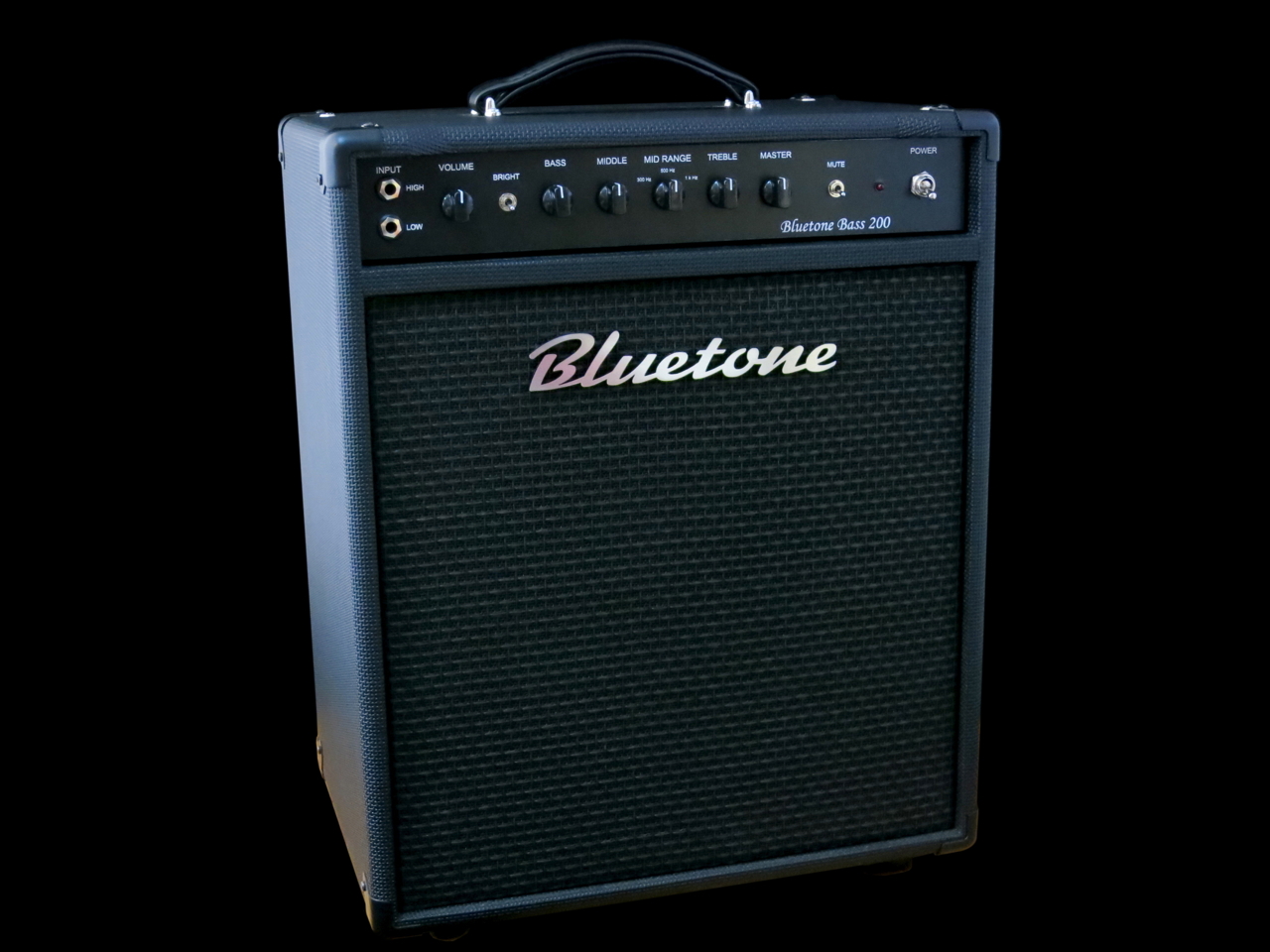
Tykkään Bluetonen asiallisesta linjasta etu- ja takapaneeleissa, jolla varmistetaan, että Bass 200:n kaikki toiminnot on helppoa löytää.

Bluetonen Bass 200 tarjoaa erilliset säätimet sekä etuvahvistimen gainelle (Volume) että päätevahvistimen lähtötasolle (Master). Kolmikaistaisessa EQ-osastossa löytyy keskialueelle kolmiasentoinen taajuusvalitsin (300 ja 500 Hz, sekä 1 kHz), sekä lisäksi erillinen Bright-kytkin. Bluetonen kätevä mykistyskytkin olisi sellainen ominaisuus, jonka näkisin kernaasti myös muiden valmistajien bassovahvistimissa.

Uusi Bluetone Bass 200 on kompakti kombo, mutta silti avokätisesti varusteltu:

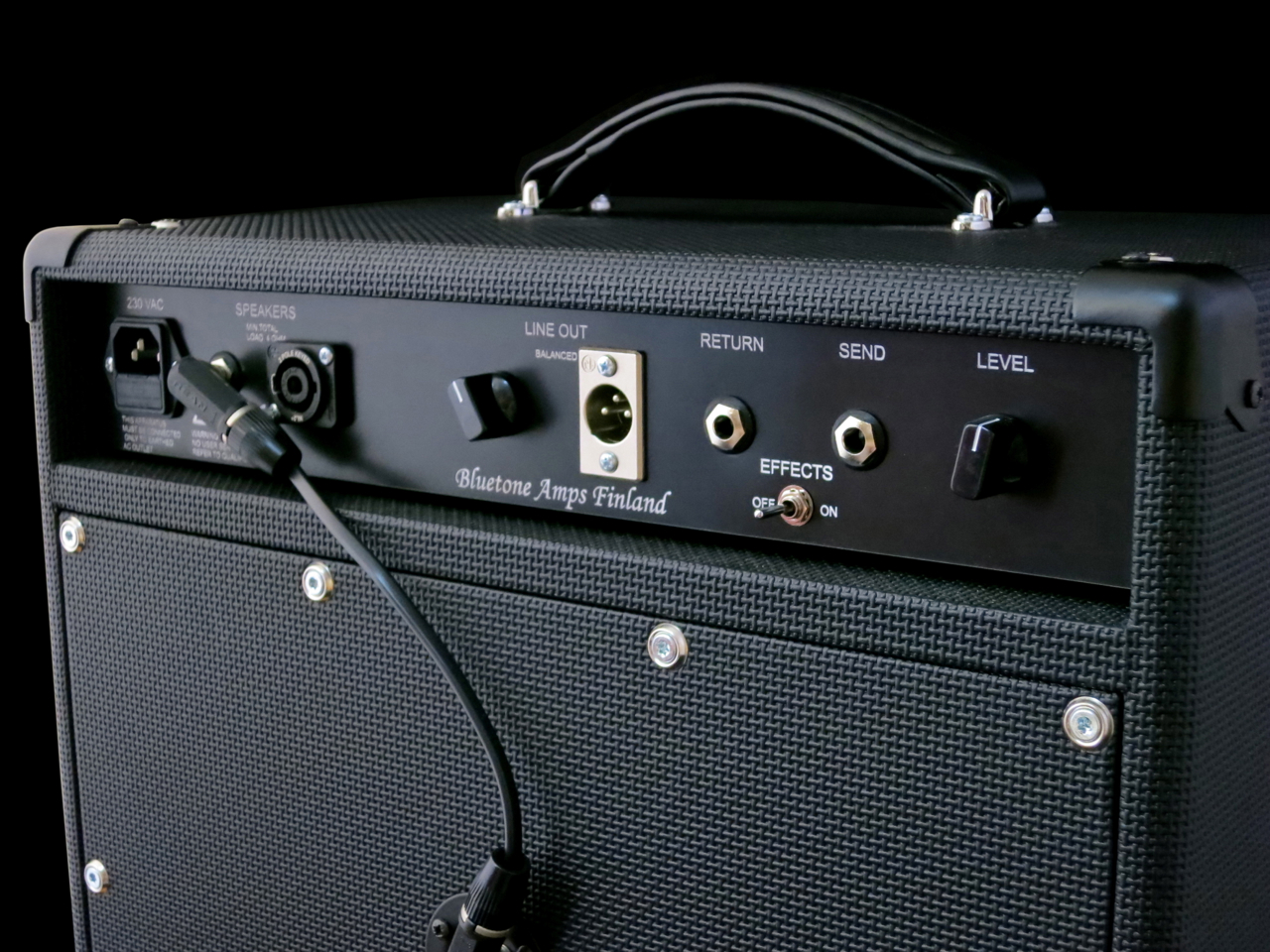
Takapaneelista löytyy kytkettävä efektilenkki omalla volume-säätimellä, säädettävä ja balansoitu DI-lähtö (XLR), sekä kaksi kaiutinlähtöä (Speakon ja jakki). Joissakin bassokomboissa on kaiuttimeen kiinni juotettu johto, mikä voi koitua ongelmaksi, jos johto tai plugi menevät esimerkiksi kuljetuksen aikana rikki. Bluetonen Bass 200:ssa asia on ratkaistu soittajien ja bänditeknikkojen iloksi oikein, erillisellä kaiutinjohdolla (takapaneelin ja takaseinän välillä), joka on tarvittaessa helposti korjattavissa tai vaihdettavissa.

****

Puhtaasta headroomista ei Bluetone Bass 200 -kombossa ole pulaa, mutta jos halutaan lisätä soundiin aitoa putkisäröä, erilliset Volume- ja Master-säätimet antavat siihen täydet mahdollisuudet. Särön luonne on Bass 200:ssa enemmän ”old school” -tyylisesti kermainen ja keskialuevoittoinen, niin kuin 1960- ja 60-lukujen Ampegeissa. Jos haetaan nykyaikaista Metal-säröä, kannattaisi mielestäni laittaa sopiva pedaali vahvistimen eteen.

Minun mielestäni bassovahvistimen EQ-osaston tarkoitus pitäisi olla soundin hiominen omaan musiikkityyliin – tai keikkatilanteeseen – sopivaksi, eikä vahvistimen omien soundillisien puutteiden korjaamiseen, niin kuin joissakin halpakomboissa tehdään. Täydet pisteet Bluetonelle, sillä Bass 200:n lähtösoundi – kaikilla EQ-säätimillä kello 12 -asennossa – on todella laadukas ja luonnollinen. Tämä kombo pitää myös jokaisen sähköbassomallin oman luonteen ehjänä, minkä ansiosta taajuuskorjaimet jäävät vapaaksi hoitamaan soundin lopullista hienosäätämistä.

Nimestään huolimatta Bluetone Bass 200 -kombosta lähtee todellisuudessa omalla Eminence-kaiuttimella jopa 250 wattia. Tällä teholla saa helposti hoidettua ison osan nykyisistä keikkapaikoista ja tilaisuuksista käyttämällä komboa sellaisenaan. Ja jos joskus tarvitaan vielä enemmän ääntä, on takapaneelin DI-lähtö valmis lähettämään vahvistimen laadukasta signaalia PA:n miksauspöytään.

Ensimmäisessä klipissä soi sormilla soitettu Jazz-basso:

Tässä esimerkissä soitan Rickenbacker 4003 -bassoani plektralla:

Ja lopuksi vielä esimerkki Bass 200:n särösoundista, soitettuna lyhytskaalaisella Squier Vista Musicmaster -bassolla:

****

Uusi Bluetone Bass 200 on loistava valinta, jos etsit kevyttä ja kompaktia ammattitasoista bassokomboa. Tässä on kyse Suomessa käsintehdystä kombosta, ja siihen nähden pidän Bass 200:n hintaa varsin maltillisena.

****

Bluetone Bass 200

1.450 €

Valmistaja: Bluetone Amplifiers

****

Plussat:

+ suomalaista käsityötä

+ kompakti koko

+ kevyt

+ ominaisuudet

+ soundiSave

Save

Save

Save

Save

Save

Save

Save

Save

Review: PRS SE Custom 24 Roasted Maple

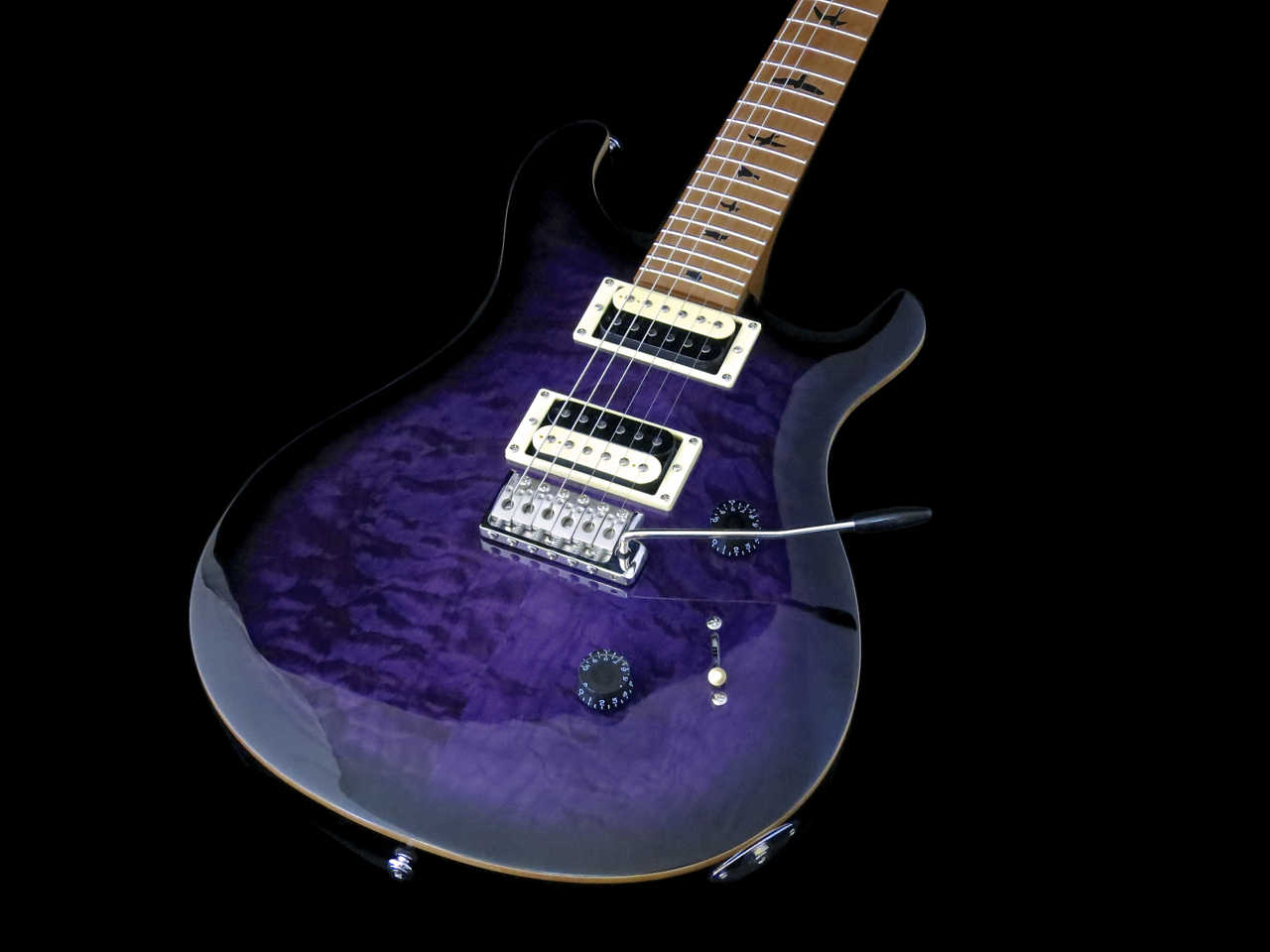
PRS Guitars have recently introduced a Europe-only special edition of their SE Custom 24 model – the PRS SE Custom 24 Roasted Maple Neck (price in Finland: 899 €), which is available in four very tasty finishes.

The Custom 24 is the foundation of PRS Guitars’ model range and the starting point of the company’s success story. Paul Reed Smith’s first handmade guitars were basically carved top, humbucker-equipped, deluxe versions of Gibson’s late-50s Doublecut Les Paul Special, not unlike Hamer Sunbursts. Mr Smith knew, when he started his guitar company, that he wanted to come up with a guitar that was truly his own brainchild.

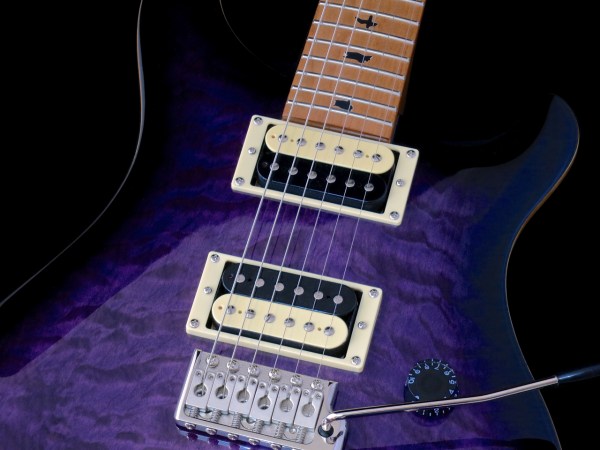
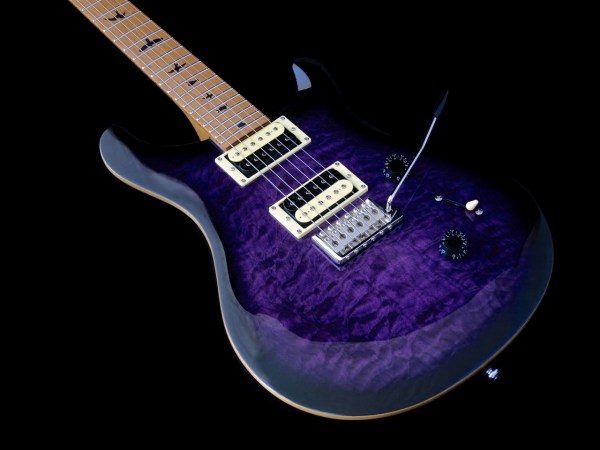
This guitar was the PRS Custom 24, a model which fuses certain Fender elements (the double cutaway body and the vibrato bridge) with the glued neck, mahogany body and general aesthetics the Gibson Les Paul was known for. The 25-inch scale lies halfway between Gibson and Fender, while the improved vibrato, the straight string pull headstock and many cosmetic touches, such as the bird inlays, the deep treble cutaway chamfer, and the faux binding, were all Paul Reed Smith’s own designs.

PRS’ successful SE (= Student Edition) range is made in South Korea, which is where the special edition models come from, too. The Roasted Maple’s body stays faithful to the original by combining a contoured mahogany back with a carved maple top. To keep costs down the beautiful quilted maple front is a thin veneer on top of a plain maple top. The faux binding is achieved by masking the top’s rim prior to colour staining. The masking tape is then removed before the final clear coats are applied.

What makes this special edition special indeed is the neck:

Instead of mahogany topped with a rosewood fretboard, the Custom 24 Roasted Maple uses thermo-treated (aka torrefied or baked maple) as the material for both the set neck and the fingerboard. The theory behind the pressure cooker-type thermo treatment is that the heat and steam applied turns new wood into wood that closely resembles decades old, well-seasoned wood in terms of its look, and more importantly, its physical properties.

The fingerboard sports 24 gleaming, medium-sized frets, as well as black versions of PRS’ famous bird inlays. The smooth and well-cut nut is self-lubricating for optimum return to pitch.

The Custom 24 Roasted Maple’s twin humbucker’s are the newest SE-version of PRS’ US-made pickups, called the 85/15S. PRS promises that these ceramic pickups deliver an excellent mix of high output levels and juicy tones.

The 85/15S pickups are connected to a three-way blade switch and a master volume and master tone. A push/pull-switch in the tone control splits both humbuckers into single-coil mode.

PRS’ patented vibrato bridge is much chunkier than vintage designs, and it also features a push in arm with adjustable tension.

Naturally, PRS also includes their high-quality SE-gigbag with the Custom 24 Roasted Maple.

****

The only small gripe I have with the review sample, is the guitar’s weight. Mind you, we’re not talking 1970s millstone Strats or Les Pauls here, but this particular guitar is heavier that I would have expected.

The workmanship, the quality of the finish, and the set-up puts PRS’ SE models in a league of their own, and the new Roasted Maple-version of the Custom 24 is no exception. The finish and fretwork are flawless, the action (with the supplied set of .009s) extremely slinky, yet completely buzz-free, and the floating vibrato works smoothly and without any tuning hiccups.

Even after all these years in the business I still find PRS Guitars’ neck profile names highly confusing. The company calls the carve on the Roasted Maple guitar a ”Wide Thin” neck. To me this always sounds like an early-Nineties super flat Superstrat neck, when in fact the SE Custom 24’s neck profile is slightly oval, well-rounded and of medium depth.

I don’t know it’s only my mind playing tricks, but to me it sounds like the maple neck adds a tiny bit of zing to this guitar’s acoustic tone. There’s a tiny amount of added ”Strattiness” in the mix, if you like.

Although I tend to be more in favour of low-to-medium output humbuckers, I have to admit that the PRS 85/15S units sound rather juicy, in spite of their high output. Thanks to the volume control’s treble bleed circuit you can really use the Custom 24’s controls to their fullest effect, without compromising your tone. The option to split the humbuckers for more wiry tones is an additional plus.

The first clip is an example of the PRS SE Custom 24 Roasted Maple’s basic sounds. It starts off with the humbuckers split:

****

The special edition PRS SE Custom 24 Roasted Maple Neck is a worthy addition to the company’s SE-range. If you’ve ever fancied a mid-priced PRS with a set maple neck, here’s your chance.

****


PRS SE Custom 24 Roasted Maple Neck

899 € (including gigbag)

Distribution: EM Nordic

Thanks to DLX Music Helsinki for the loan of the review guitar!

****

Pros:

+ workmanship

+ playability

+ versatility

+ sound

Cons:

– review guitar a little bit heavy

Save

Save

Save

Save

Save

Save

Review: Bluetone Bass 200

****

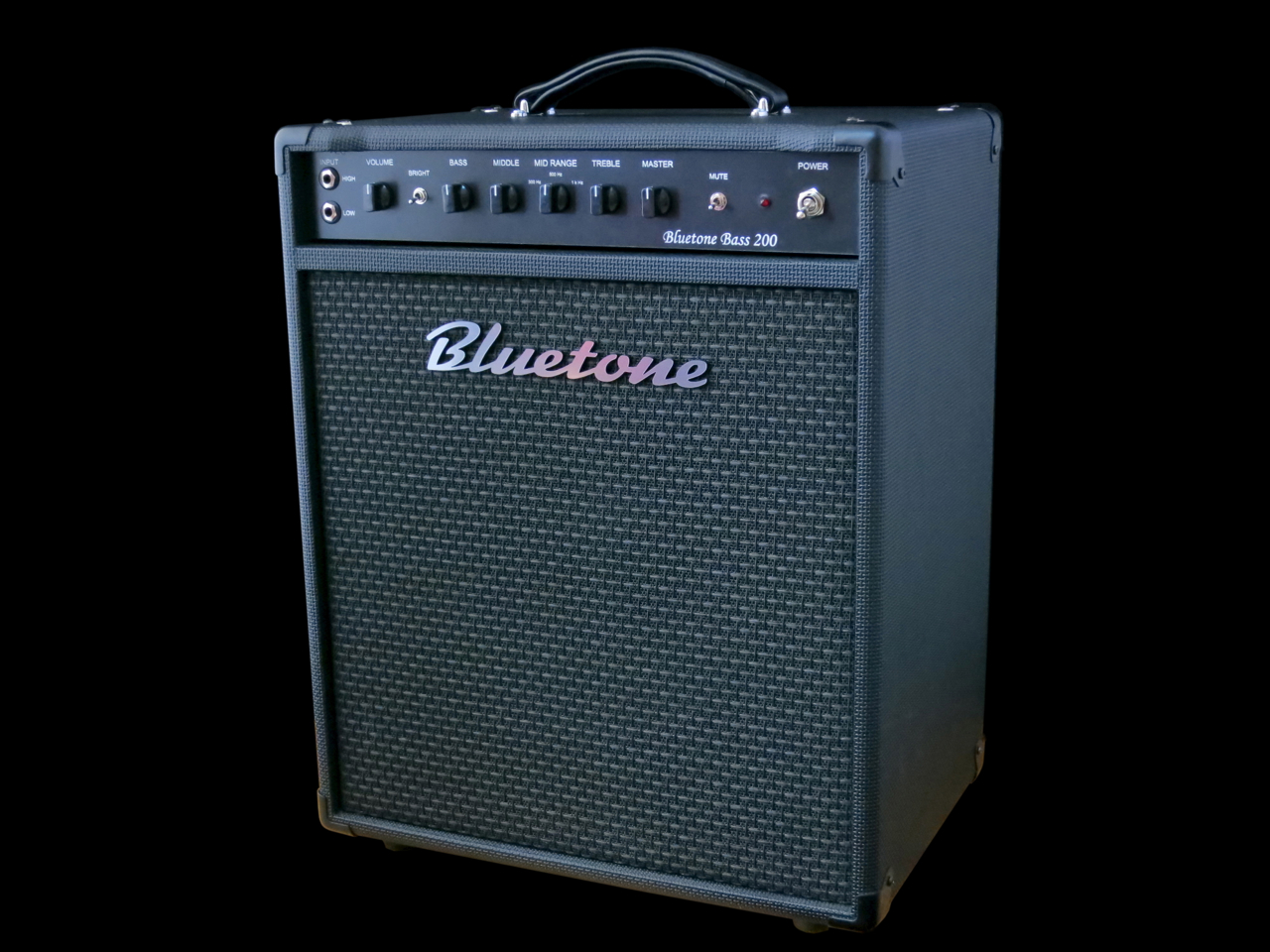
Finnish boutique amplifier makers Bluetone have recently introduced a compact bass combo – the Bluetone Bass 200 (1,450 €).

The Bass 200 is a modern hybrid bass amplifier that combines an all-valve preamp section with a compact and efficient Class-D power amp. The preamp’s architecture is based on four tubes (2 x ECC82/12AU7, 1 x ECC83/12AX7 & 1 x EF86), while the modern power amp section and the combo’s light poplar plywood cabinet result in a low weight of only 12 kilograms.

Another factor in keeping the combo’s weight player-friendly is Bluetone’s choice of speaker – a neodymium-powered Eminence Kappalite 3012HO, with a power handling of 400 W and an impedance of eight ohms.

The combo’s cabinet features two ports in the back, and it comes covered in black textured vinyl.

Thanks to its low weight the amp’s top handle is all you need to move the combo around, and its compact size (W= 42.5 cm, H= 52.5 cm, D= 29.5 cm) means it will fit in a car’s boot easily.

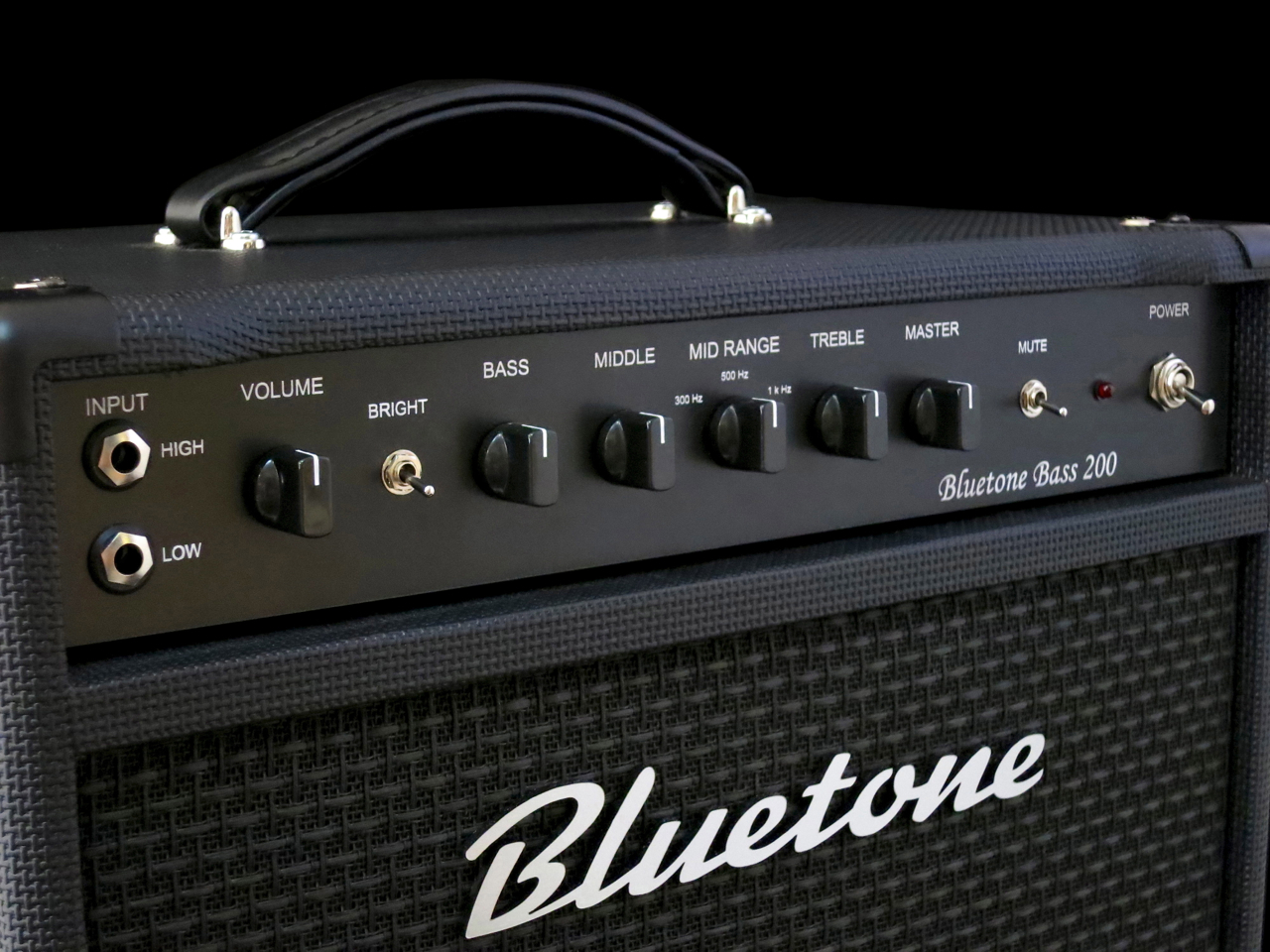
I very much like the business-like look of the Bass 200’s control panel, which means it’s very easy to find you way around the amp’s features.

The Bluetone Bass 200 offers separate knobs for preamp gain (Volume) and power amp output (Master). The active three-band EQ (plus Bright-switch) offers three-way selectable mid-band rotary switch, with centre frequencies of 300 Hz, 500 Hz and 1 kHz. The Mute-switch is a handy addition, which should be made a regular feature on any bass amplifier.

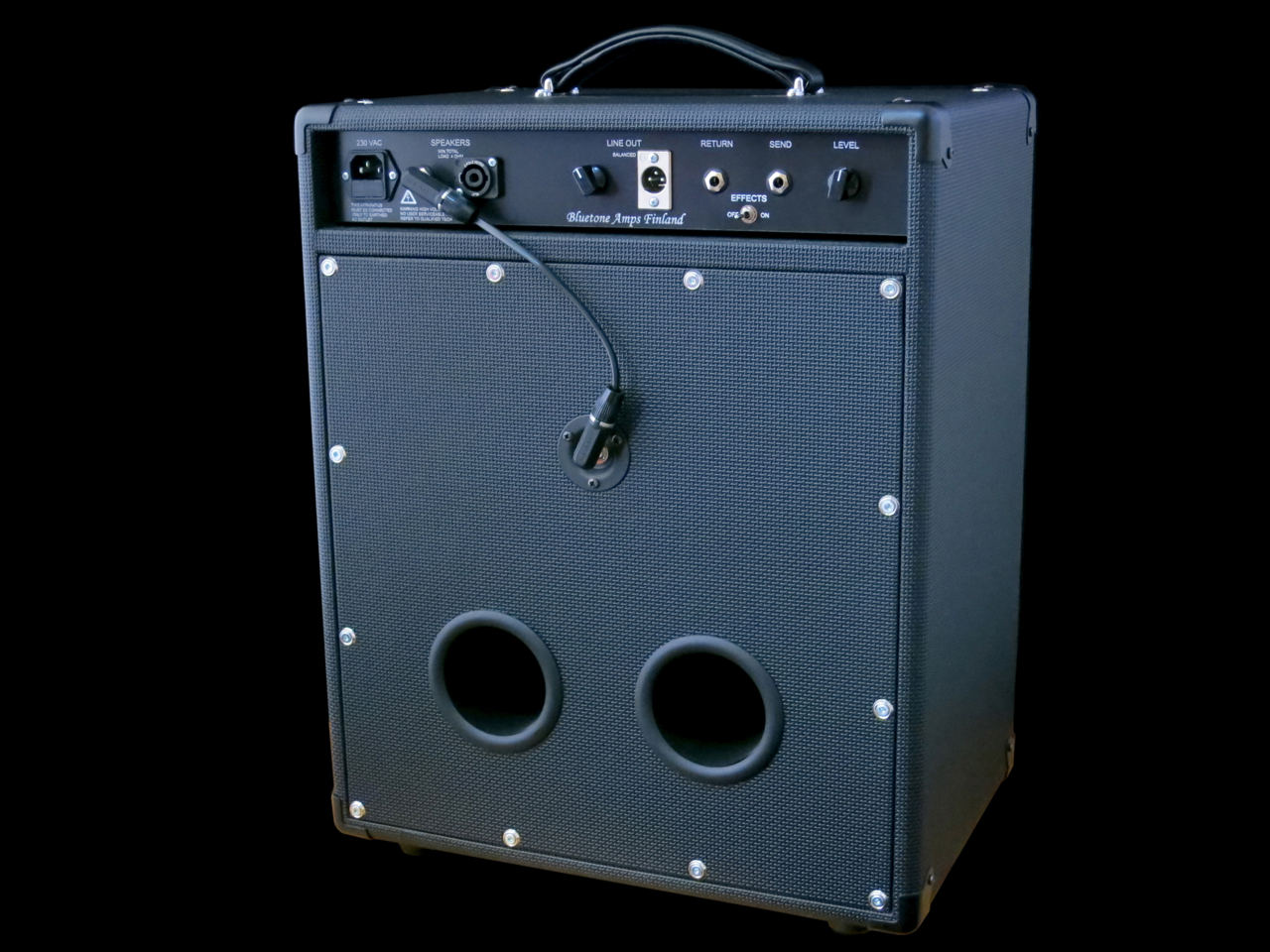
The Bluetone Bass 200 may be compact, but it is still fully spec’ed:

Around the back we find a switchable effects loop with its corresponding level control, an adjustable balanced, line level DI output (XLR), and Speakon and phone jack speaker outputs. Many bass combos have the speaker cable soldered to the internal speaker, which can be a real pain if the cable gets damaged. Bluetone’s Bass 200 goes the professional route, using a short high-quality speaker cable, which connects the back panel’s output to a sturdy phone jack on the combo’s back wall.

****

The Bluetone Bass 200 offers plenty of clean headroom, but should you desire a little overdrive or some genuine valve distortion the combination of the Volume and Master controls will happily oblige. In terms of the drive character the Bass 200 is clearly more of an ”old school” amp, dishing out plenty of Ampeg-style tube goodness. For modern metal tones I’d probably suggest you use an appropriate distortion pedal.

In my mind a bass amp’s EQ-section should be a tool to fine-tune the amp’s tone to your personal taste and/or the room and playing situation you’re faced with, and not, as in some lesser amps, to make up for the amplifier’s tonal deficiencies. Bluetone’s Bass 200 scores full marks in this respect – even with the three-band EQ’s controls set to 12 o’clock the bass sound is great and well-balanced. This combo keeps the different tonal characters of different bass models intact, freeing up the EQ-section for additional tweaking.

Despite its name, the Bluetone Bass 200 actually delivers 250 watts of output power connected to the combo’s own Eminence speaker. This is more than enough power to use the combo ”as is” for most of the smaller and medium-sized venues most working bassist play in these days. And if you need to be louder, the excellent DI output will send the combo’s signal to a PA system.

The first clip features a Jazz Bass played fingerstyle:

I used a plectrum to play my Rickenbacker 4003:

And here’s an example of the Bass 200’s distorted sound, played with a short scale Squier Vista Musicmaster Bass:

****

The Bluetone Bass 200 is a great choice if you want a compact and lightweight professional bass combo. No, this isn’t a cheap mass-produced bass combo from China, but I feel that for a handcrafted Finnish amplifier the price tag is really rather moderate.

****

Bluetone Bass 200

1,450 €

Contact: Bluetone Amplifiers

****

Pros:

+ handcrafted in Finland

+ size

+ weight

+ features

+ soundSave

Save

Save

Save

Pidä blogia WordPress.comissa.

Ylös ↑