
****
Juttu on nyt luettavissa TÄÄLTÄ.
****

Kitarablogi.com – Finland's premier Guitar and Bass blog
Juttuja kitaroista ja bassoista
****
Alkuperäinen juttu on ilmestynyt Rockway-blogissa.
****
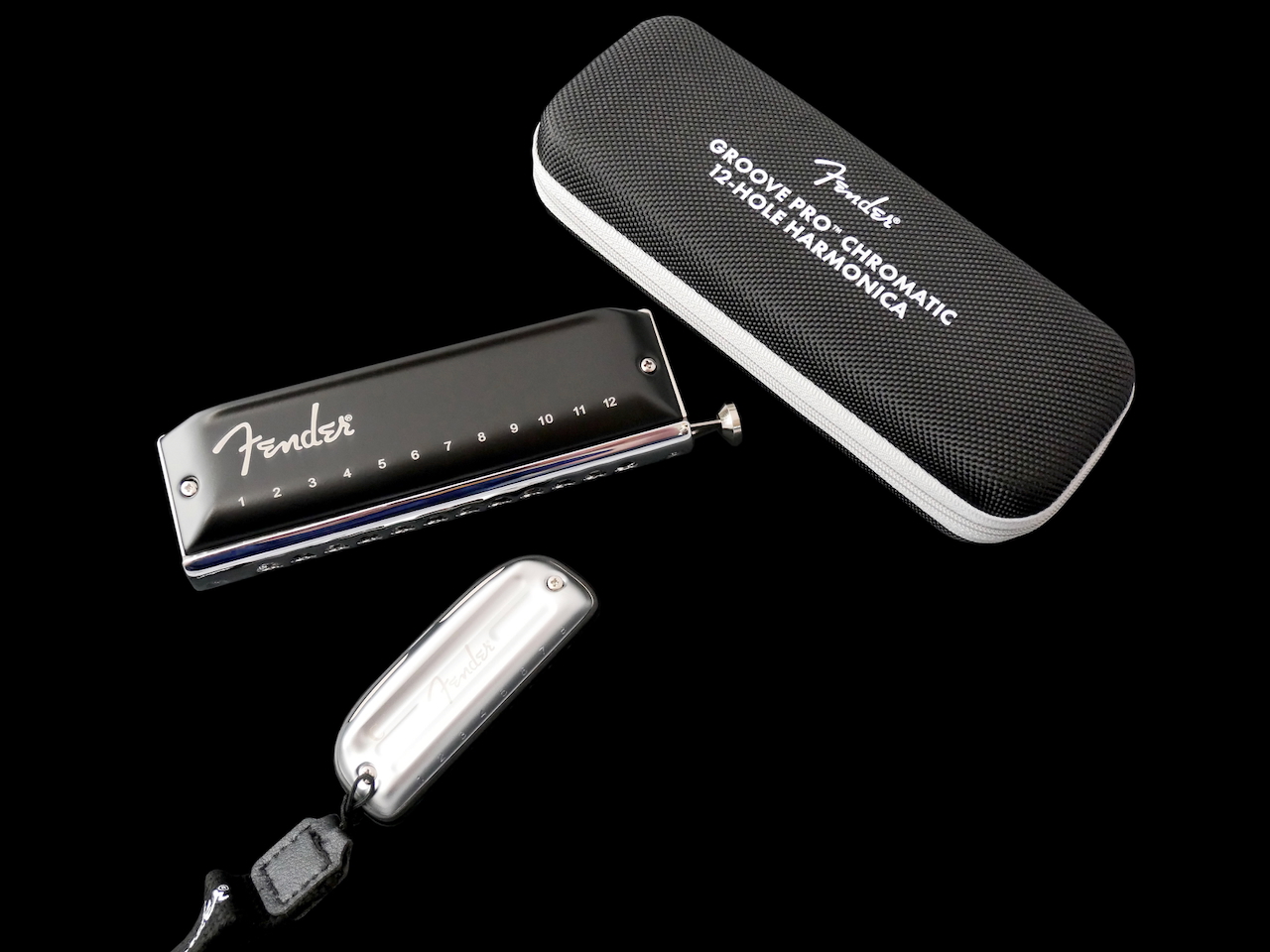
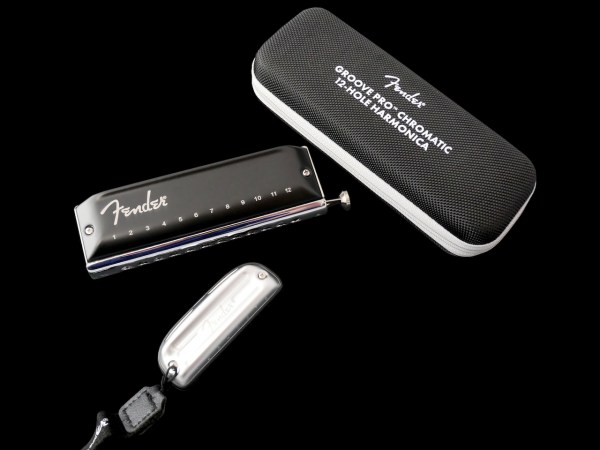
In March 2025, Fender released two new harmonica models.
The smaller of these is the very compact diatonic Fender Blues Junior (€35), which is available in three keys (C, G, and A). The other new addition is the company’s first chromatic harmonica, called the Fender Groove Pro (€79).
****
A standard diatonic harp with ten holes is already a nice compact instrument that fits easily in a trouser pocket. However, almost all manufacturers have always had even smaller instruments available for different purposes.
About 15 years ago, the German traditional manufacturer C.A. Seydel found a new approach to the miniature diatonic harmonica when it invented its Big Six collection. In the Big Sixes, the distance between the holes remains the same as in a full-size harmonica, but instead of ten channels, only the first six were offered. According to Seydel, most blues players usually only use these holes, because the bends are best done in these, and therefore the missing high notes are not a problem at all.
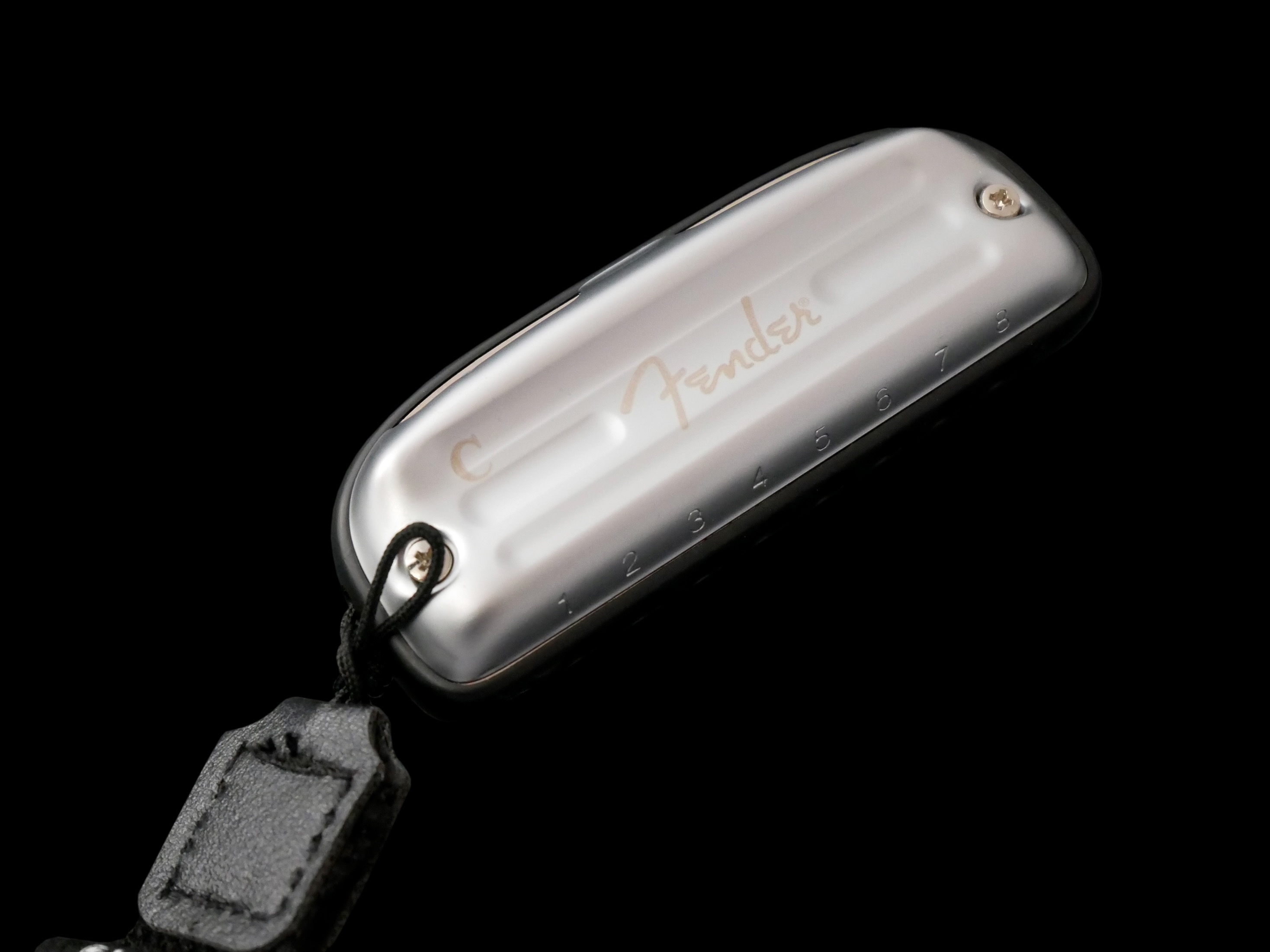
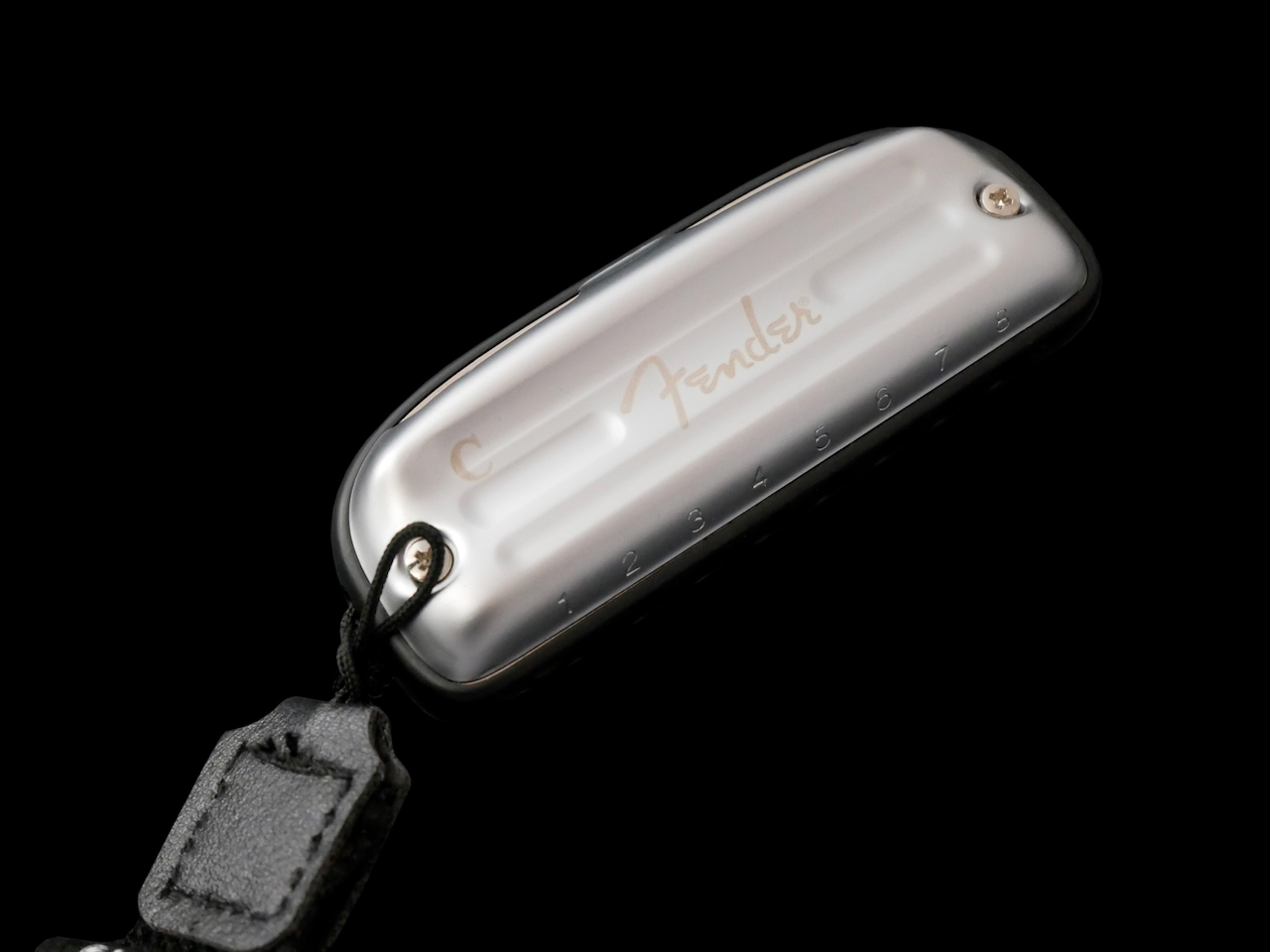
Fender’s brand new Blues Junior 8-Hole Diatonic model is based on the same idea, but offers two channels more tonal range than the Seydel Big Six. The harmonica is sold with a lanyard and a cleaning cloth.
The Fender Blues Junior’s design is very sleek and beautiful. The steel covers have a matte finish, while the harp’s comb is made of black ABS plastic. The appearance of the Blues Junior resembles a slightly smaller version of the Hohner Golden Melody model.
Because the channels on the front of the body have round holes, at first glance it may seem that they are closer together in the new Fender than usual. However, the distance between the channels is the standard 7.5 mm.
Fender’s contract manufacturer seems to have top-notch quality control, as the Blues Junior is suitably airtight, while the sensitivity of the phosphor bronze reeds has been adjusted appropriately.
The Fender Blues Junior harmonica is precisely tuned and very comfortable to play. The Blues Junior is a pleasantly loud harp with a deliciously crunchy sound.
In the demo above, I have used a model of a distorted tweed amplifier.
****
Since each air channel in a chromatic harmonica is connected to no fewer than four reeds, so-called valves have been found in chromatic models almost from their inception.
In modern instruments, the valves are made of lightweight plastic. They are narrow flaps that are glued to the reed plate at the opposite end of each reed. Thanks to the valves, when you blow into the harp, the air only goes through the blowing reed of the channel, while during drawing, the air only flows through the reed that is played during the draw.
The advantages of valves are – in addition to airtightness – the more precise attack of the chromatic harmonica and a louder sound. On the other hand, valves make bends practically impossible, because bends are based on the modulation caused by the opposite reed of the same channel. In addition, the valves can sometimes stick to the reed plates due to the humidity of the exhaled air, which makes it difficult to sound the reed and can give the attack a slight duck whistle-like roughness.
Because valves add to the price of chromatic harps – but also because of the drawbacks of valves – a new wave of cheaper, valveless chromatic harmonicas has emerged in recent years. According to bloggers and YouTube testers, the Chinese manufacturer Easttop seems to be a fairly high-quality manufacturer of affordable chromatic harps.
Why do I mention the Easttop brand here? Well, because Fender’s brand new Groove Pro Chromatic is clearly manufactured by Easttop – it’s a so-called OEM version – of their own Forerunner 2.0 model. The abbreviation “OEM” comes stands for “original equipment manufacturer”, and it means that the manufacturer does not put their own brand logo on the product, but the logo of the brand in question – in this case Fender.
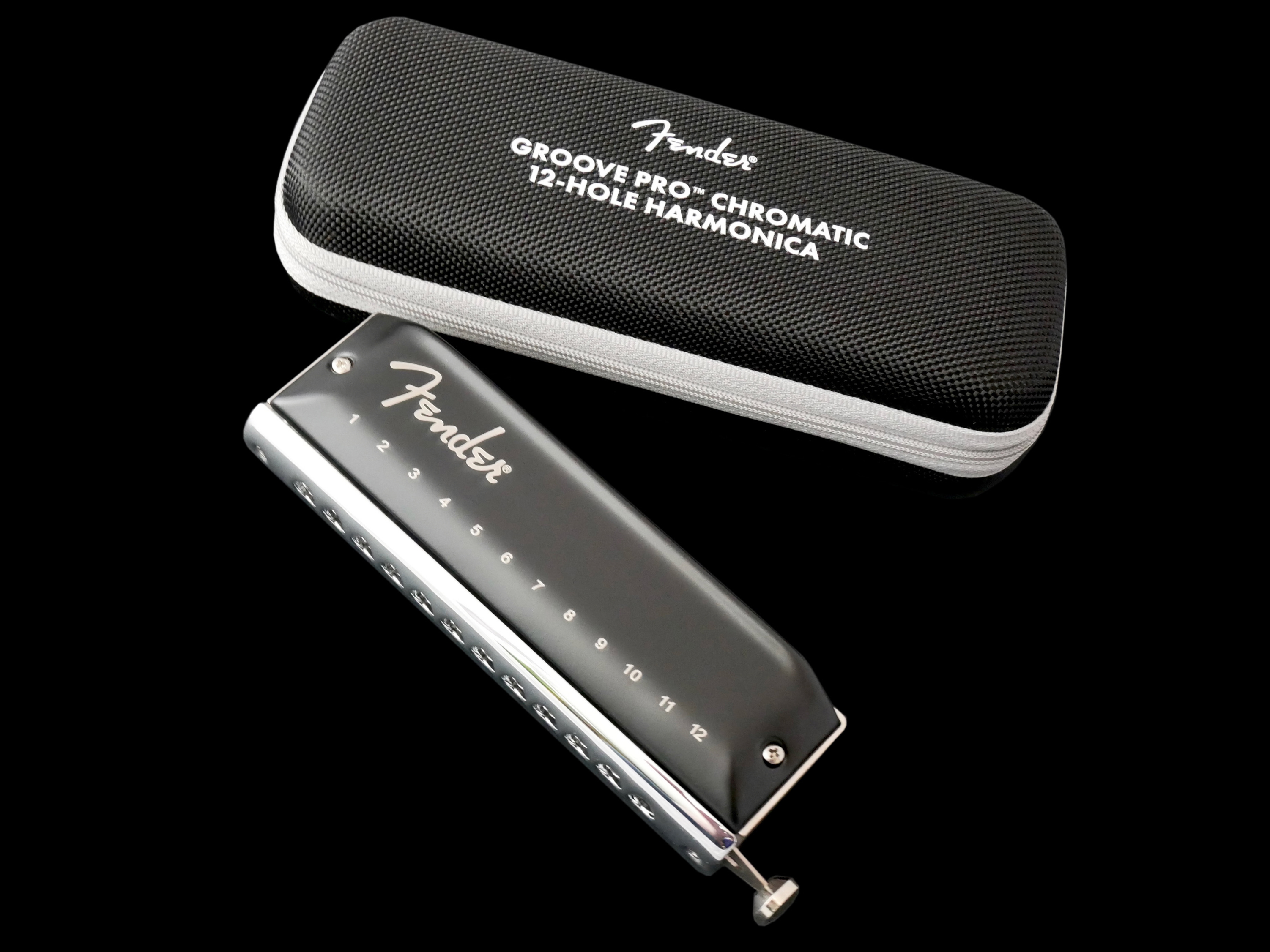
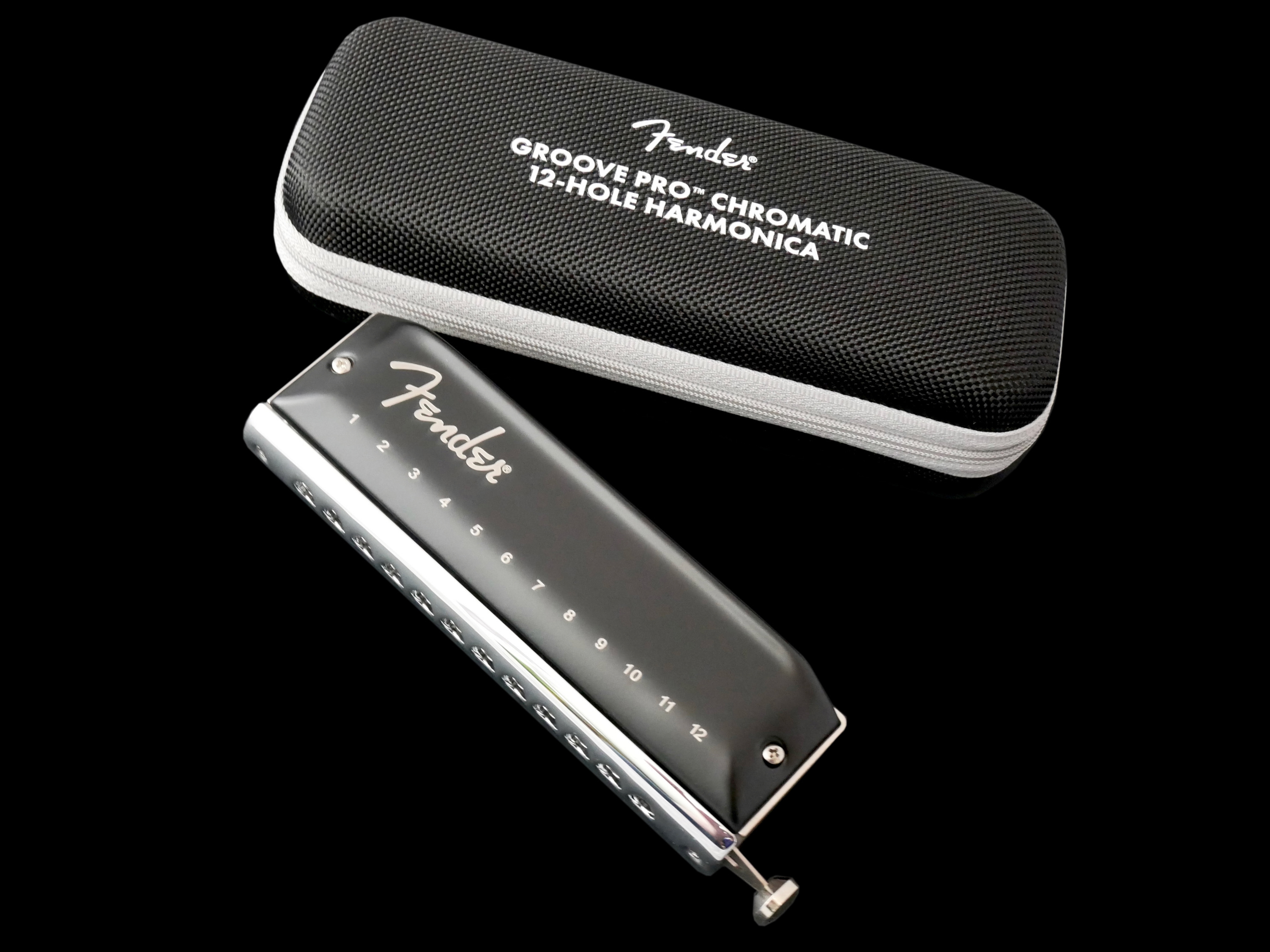
In any case, Fender’s new Groove Pro seems to be of very high quality and its transparent comb has a nice weight, which increases the volume and ”weight” of the sound in chromatic harmonicas. The Fender Groove Pro has 12 channels, which means that the harp has a three-octave range (c1-c4). In addition to the harmonica, the package includes a very high-quality, pencil-case style soft case and a cleaning cloth.
The Groove Pro has a very nice rounded cast metal mouthpiece with round holes. The switching mechanism feels fast and it is also pleasantly quiet. The harmonica’s reeds are made of phosphor bronze. The mouthpiece and matte black steel covers are shaped in such a way as not to cause problems with a player’s beard or moustache.
I think the Fender Groove Pro’s tuning and sound are really good. The new harp’s airtightness is also a positive surprise – although it does require a little more air to play than a harmonica with valves, the difference is not striking. Although the volume of the Fender’s sound is – naturally – a bit lower than my Hohner Chrometta or Hohner Discovery, it is easier to play the lowest notes on the Groove Pro (read: in tune) even with poor playing technique, because the valves do not have the braking effect on the reeds’ attack.
Even ten years ago, wiser people than me said that buying a chromatic harp for under a hundred euros was throwing money in the trash, because the cheap harps of the time let a lot of excess air through, and because they were very poorly tuned.
In recent years, the quality of inexpensive chromatic harmonicas has increased significantly, of which the brand new Fender Groove Pro is a very good example. I can only recommend this model – and not only to beginners.
****
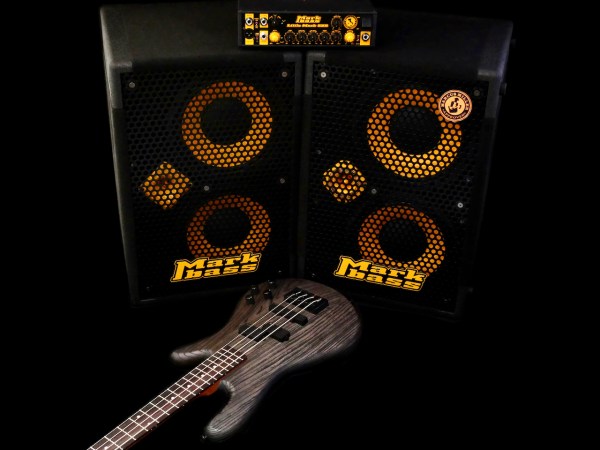

Kun minulle tarjottiin mahdollisuutta koeajella paria hienoa uutta tuotetta Spector Bass Guitarsilta ja Markbassilta, tartuin siihen tietysti molemmin käsin.
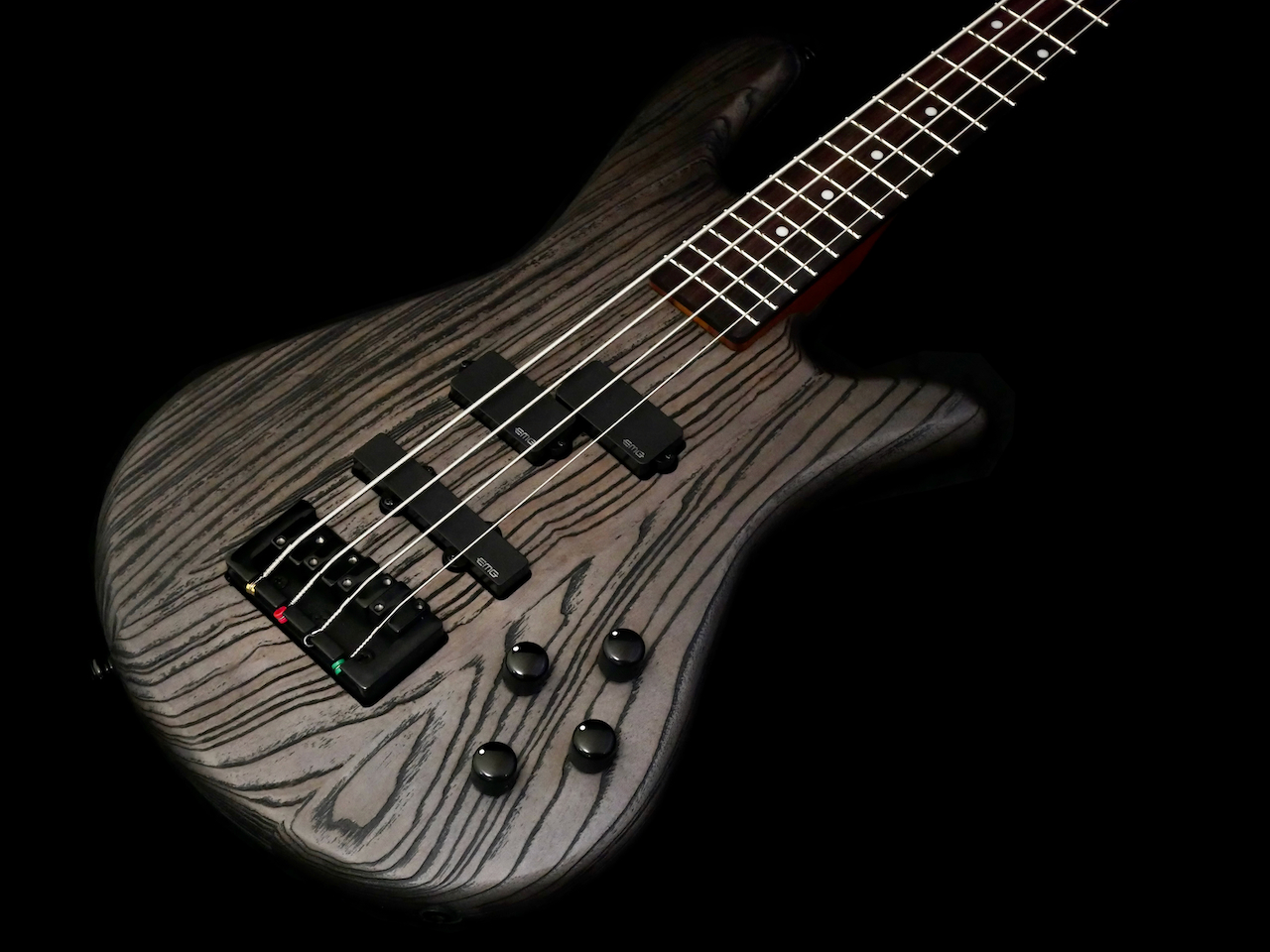
Spectorin tuore NS Pulse I-sarja sijoituu pari askelta ylöspäin yhtiön Legend- ja Performer-sarjoista. Siinä yhdistyvät eteläkorealainen käsityötaito muutamaan ylelliseen ominaisuuteen ja kauniisti hiekkapuhallettu runko kahdella eri värivaihtoehdoilla.
Italialainen Markbass on bassovahvistinvalmistaja, joka tunnetaan kevyistä ja kompakteista vahvistinpäistä ja kaiutinkaapeistaan. Markbassin upouusi MB58R-sarja (”R” tarkoittaa ”Revolution”) on keskittynyt useiden erilaisten kaiutinkaappien ympärille. Nämä kaapit on rakennettu uudella ja ainutlaatuisella tavalla, mikä edelleen auttaa vähentämään niiden painoa ja tekee niistä myös lähes täysin kierrätettäviä.
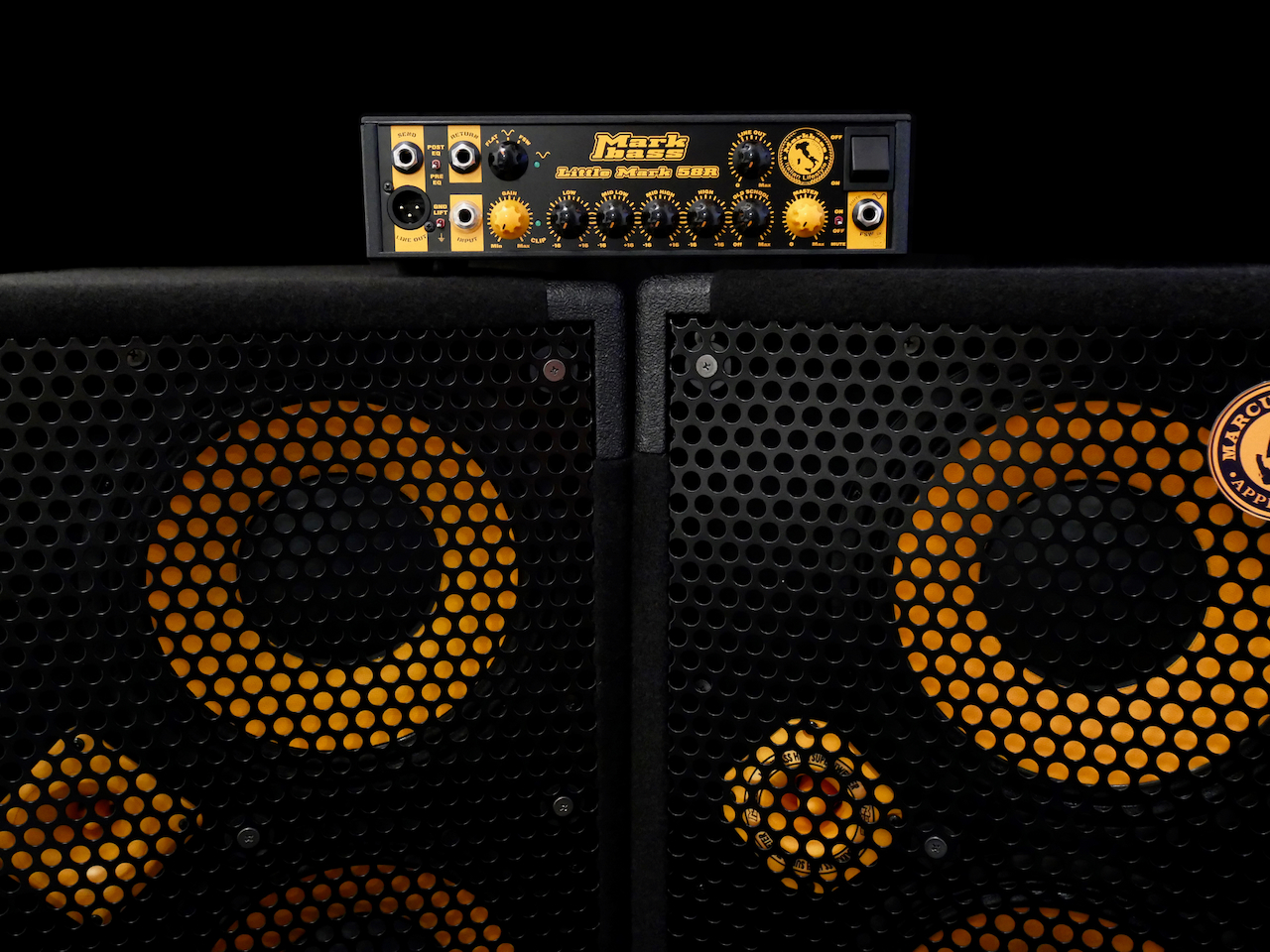
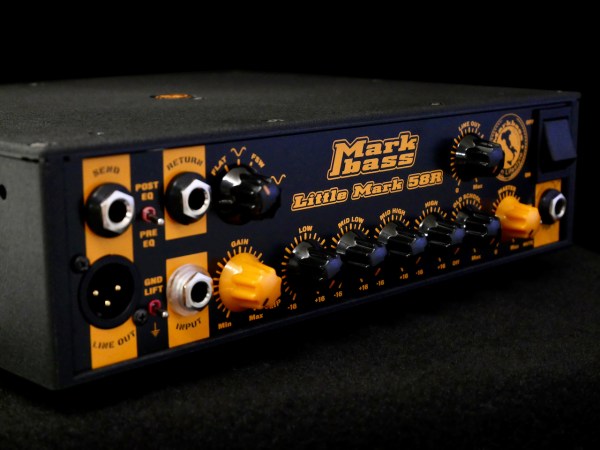
Lisäksi Markbass on esitellyt tähän sarjaan uuden version Little Mark -vahvistinpäästään, nimeltään Little Mark 58R. Little Mark 58R:ssä on ympäristöystävällinen komposiittikotelo ja uusi säätimien asettelu, mikä tekee vahvistimesta entistä kevyemmän ja helpompi käyttää.
****


Spectorin NS Pulse I 4 (1.149 €) käyttää Ned Steinbergerin (kyllä, se headless basson keksijä) alkuperäistä, erittäin ergonomista kaarevaa runkomuotoilua. Pulse I -sarjan tapauksessa runko on valmistettu korkealaatuisesta saarnipuusta.
Pultattu kaula – kuudella erillisellä ruuvilla ja alusprikoilla – on kolme pitkä palaa lämpökäsiteltyä vaahteraa. Macassar eebenpuuotelaudassa on 24 keskikokoista otelautaa.
Pulse I -sarja tarjoaa kaksi hiekkapuhalettua värivaihtoehtoa:
Testisoitin on viimeistelty Charcoal Grey -värityksellä, jossa harmaa runko yhdistyy mustiin puusyihin. Toista viimeistelyä kutsutaan Cinder Rediksi, ja siinä on musta runko punaisilla syykuvioilla.
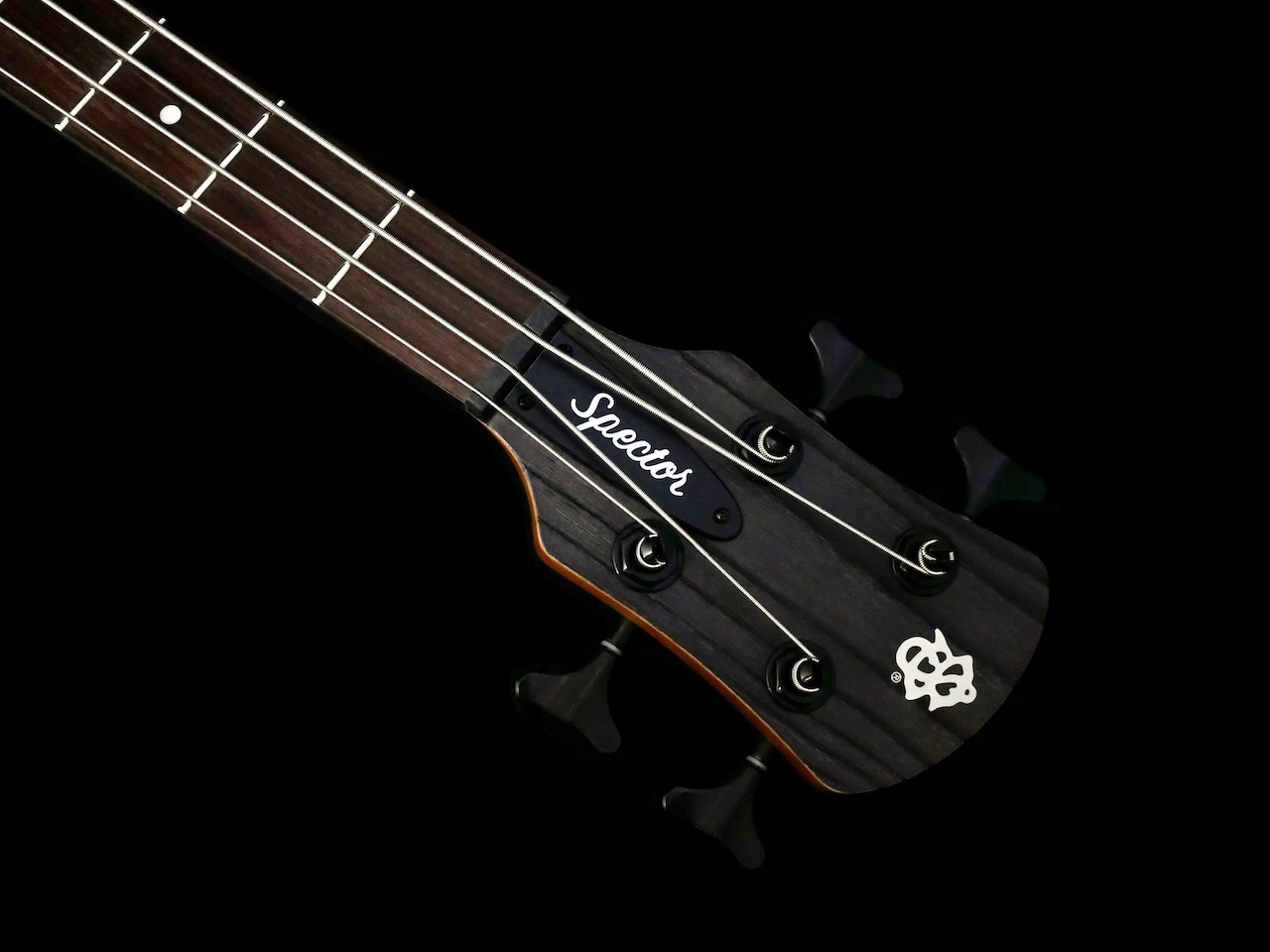
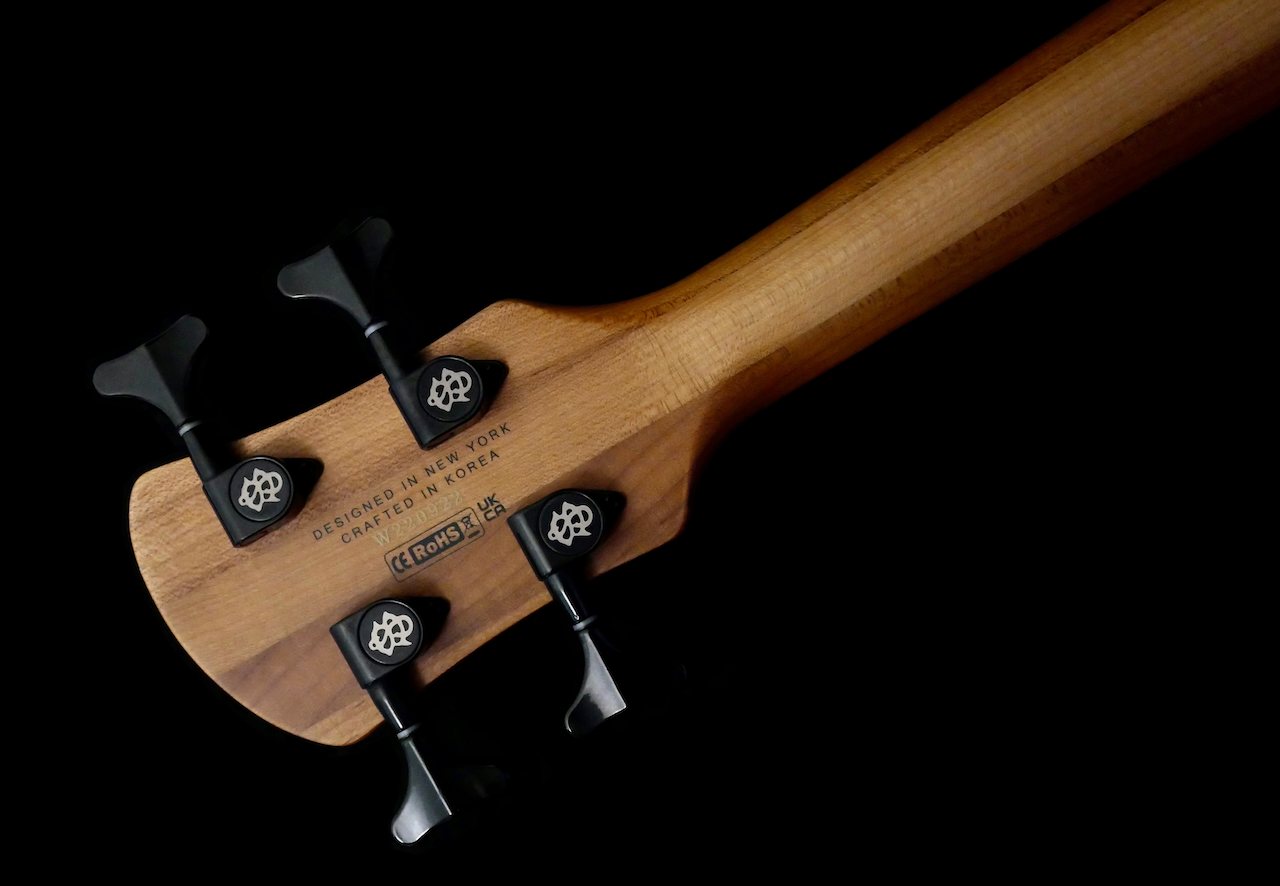
Lavan etupuolella on rungon viimeistelyä vastaava saarniviilu, sekä kuuluisa Stuart Spector Design -upotus. Basson mustat virittimet ovat nykyaikaista suljettua sorttia.
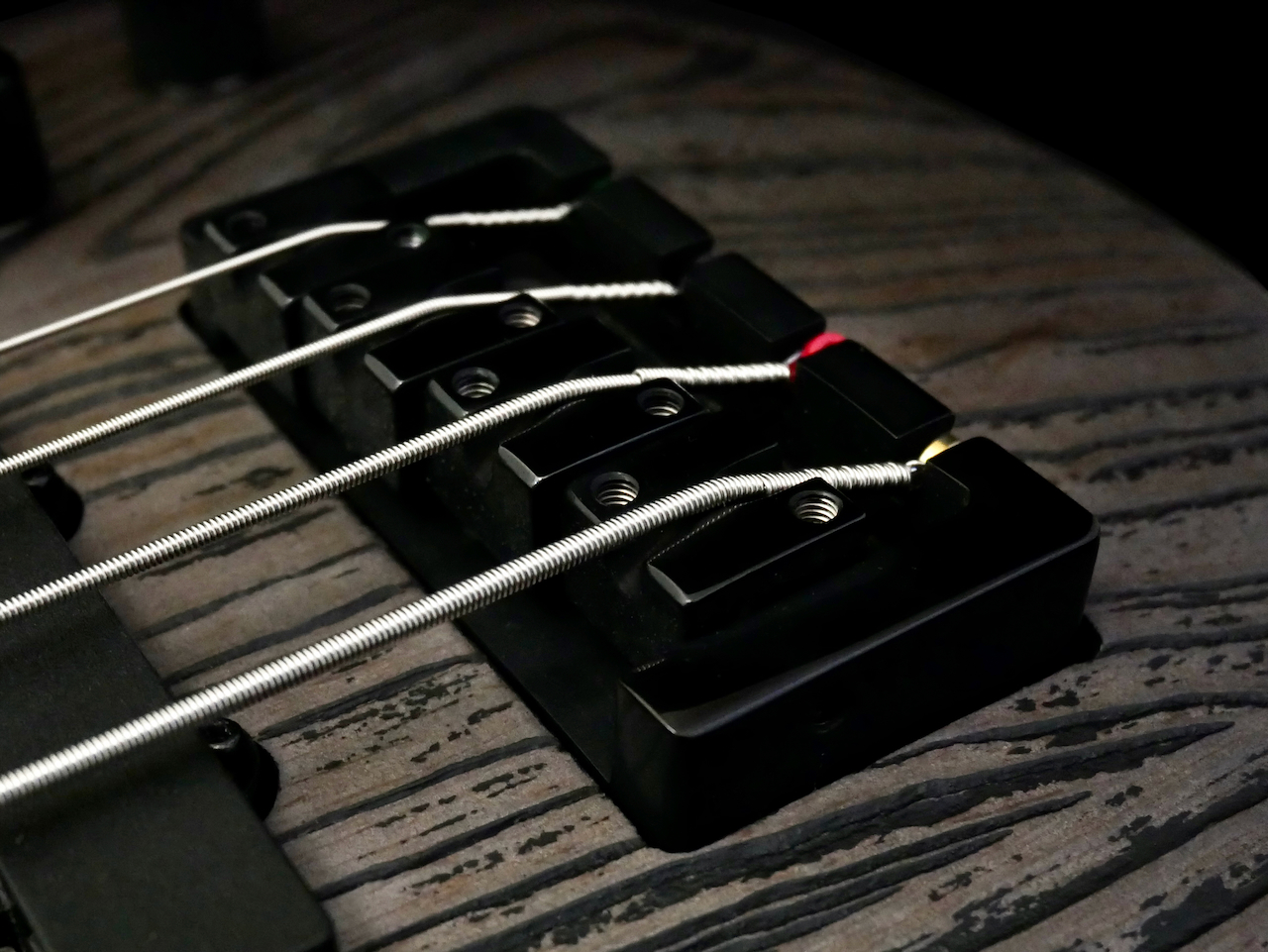
Spectorin oma tukevasti tehty talla tuo soundiin rutkasti sustainea.
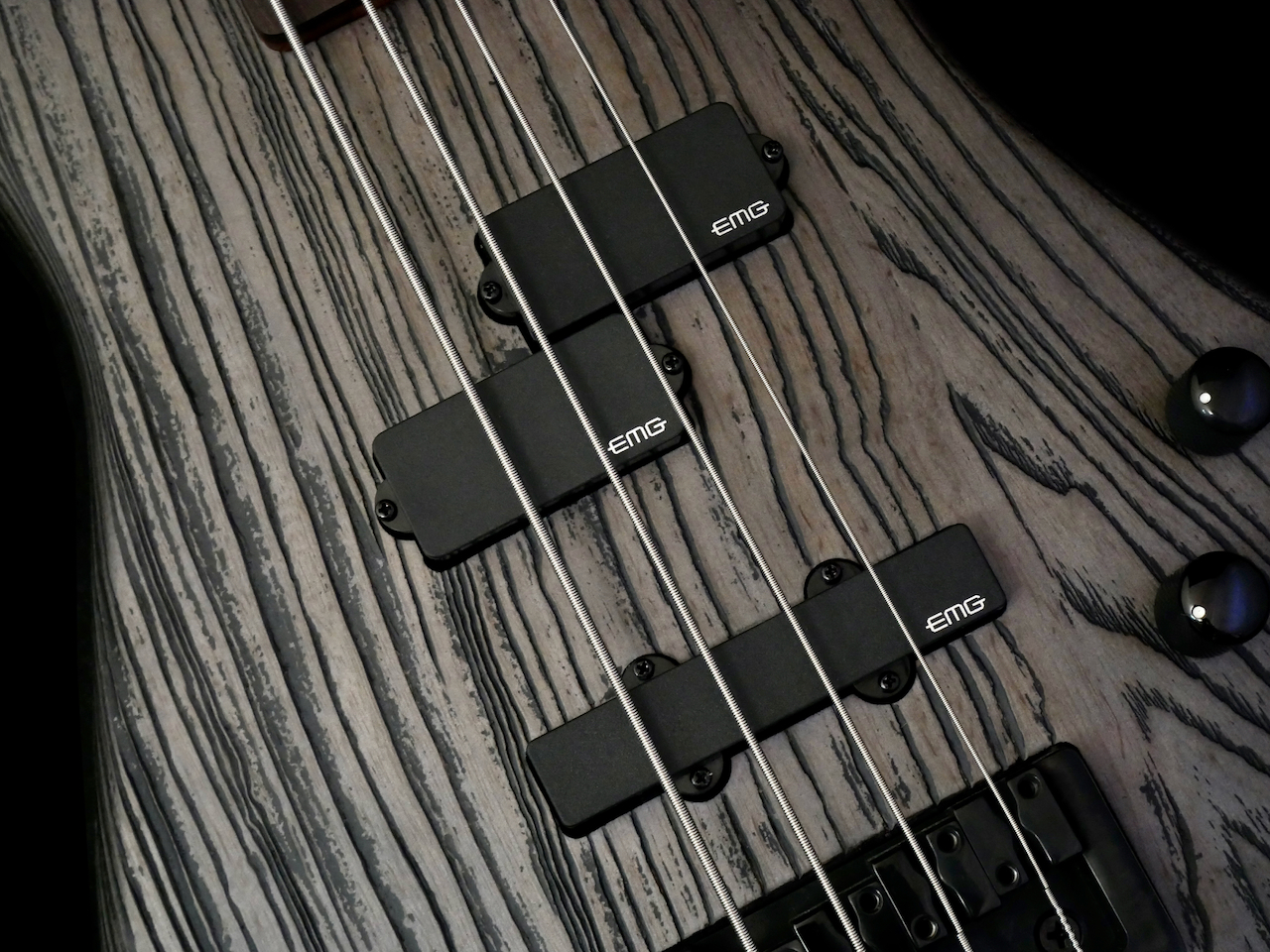
Spector NS Pulse I 4:n mikkivalinta on aktiivinen EMG PJ -setti.
Spectorin Tone Pump Jr.:n esivahvistimessa on kaksi yksittäistä äänenvoimakkuuden säädintä – yksi kummallekin mikrofonille – sekä basso- ja diskanttitaajuuskorjaimet (vain boostia).
NS Pulse I 4 on kevyt basso, joka sopii vartaloasi kuin nakutettu, rungon loivan kaarevuuden ja ylimääräisen rintakehän viisteen ansiosta.
Kaula tuntuu erittäin hoikalta ja nopealta. Suhteellisen ohut, pyöristetty kaulaprofiili yhdistettynä testibasson erinomaiseen setuppiin luo vaivattoman soittotuntuman. Tämä bassokitara ei koskaan seiso musiikin tekemisen tiellä.
Spector-basson akustinen ääni on täynnä puun lämpöä pienellä annoksella diskantin hohtoa. EMG-mikit ja Spectorin Tone Pump Jr. -esivahvistin tarjoavat erinomaisen valikoiman bassoääniä, jotka kattavat kaikki musiikkityylilajit, joita tavallisesti soitetaan sähköbassolla.
****
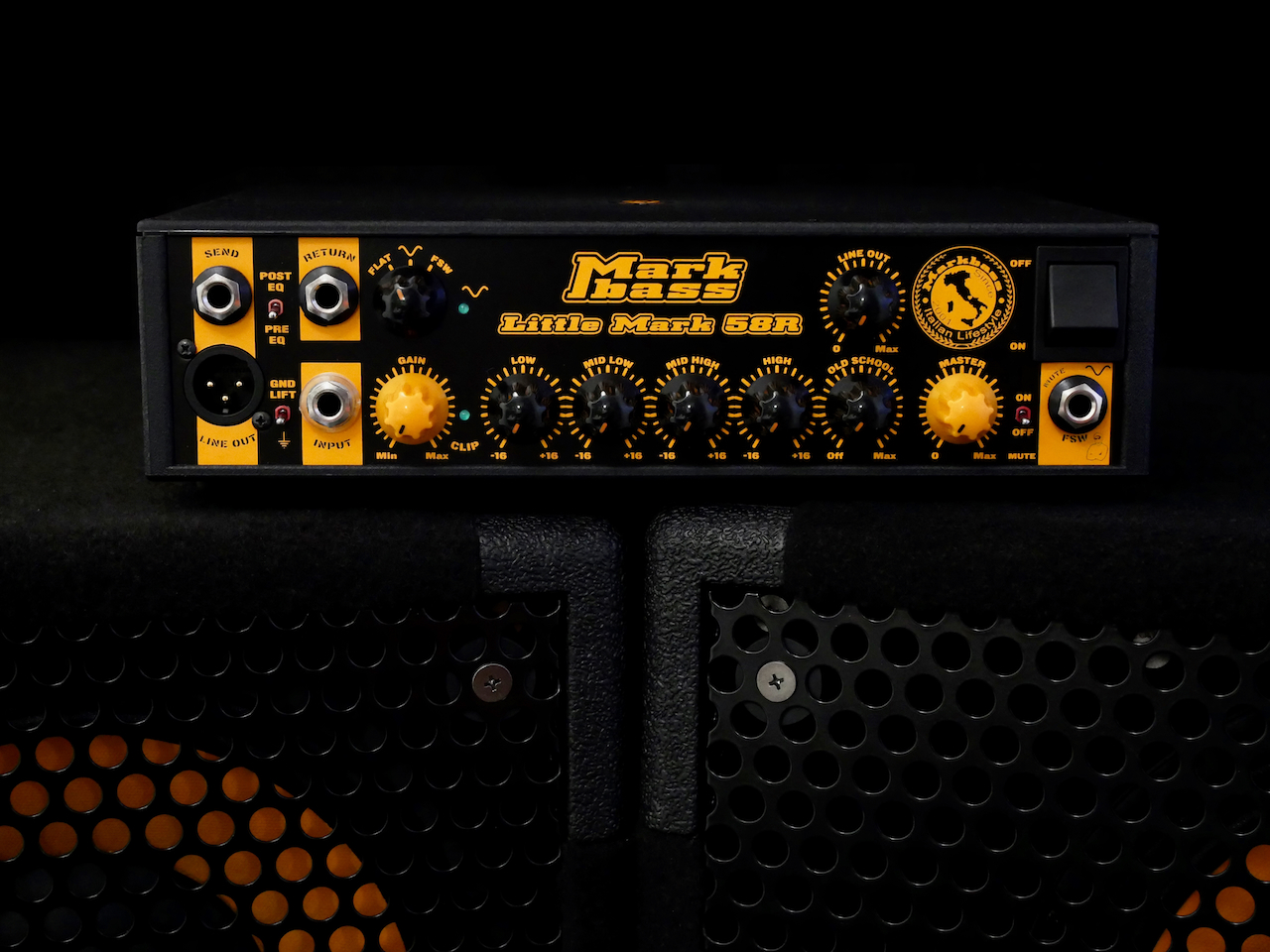
Upouusi Markbass Little Mark 58R (612 €) on ympäristöystävällinen, superkevyt (vain 2 kg) 500/300 watin vahvistinnuppi, joka on valmistettu erityisesti sopimaan yhteen firmann MB58R-kaiutinkaappisarjan kanssa.
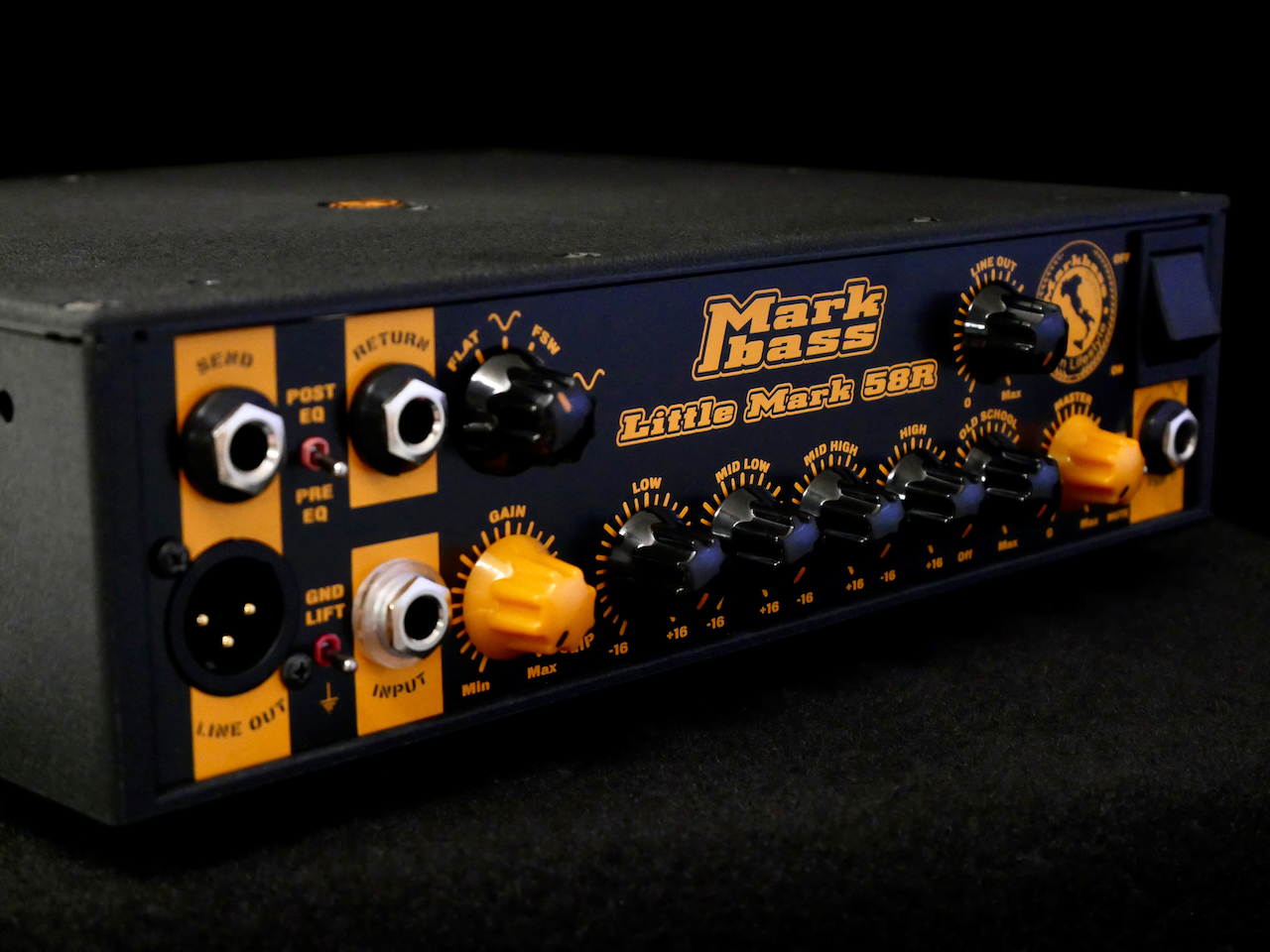

Vaikka Little Mark 58R säilyttää kaikki tavallisen Little Markin loistavat ominaisuudet – kuten nelikaistaisen taajuuskorjaimen, jossa on ylimääräinen, jalkakytkittävä Mid-Scoop-ominaisuus ja Old School -säädin – etu- ja takapaneelien asettelu on vaihdettu 58R-mallissa.
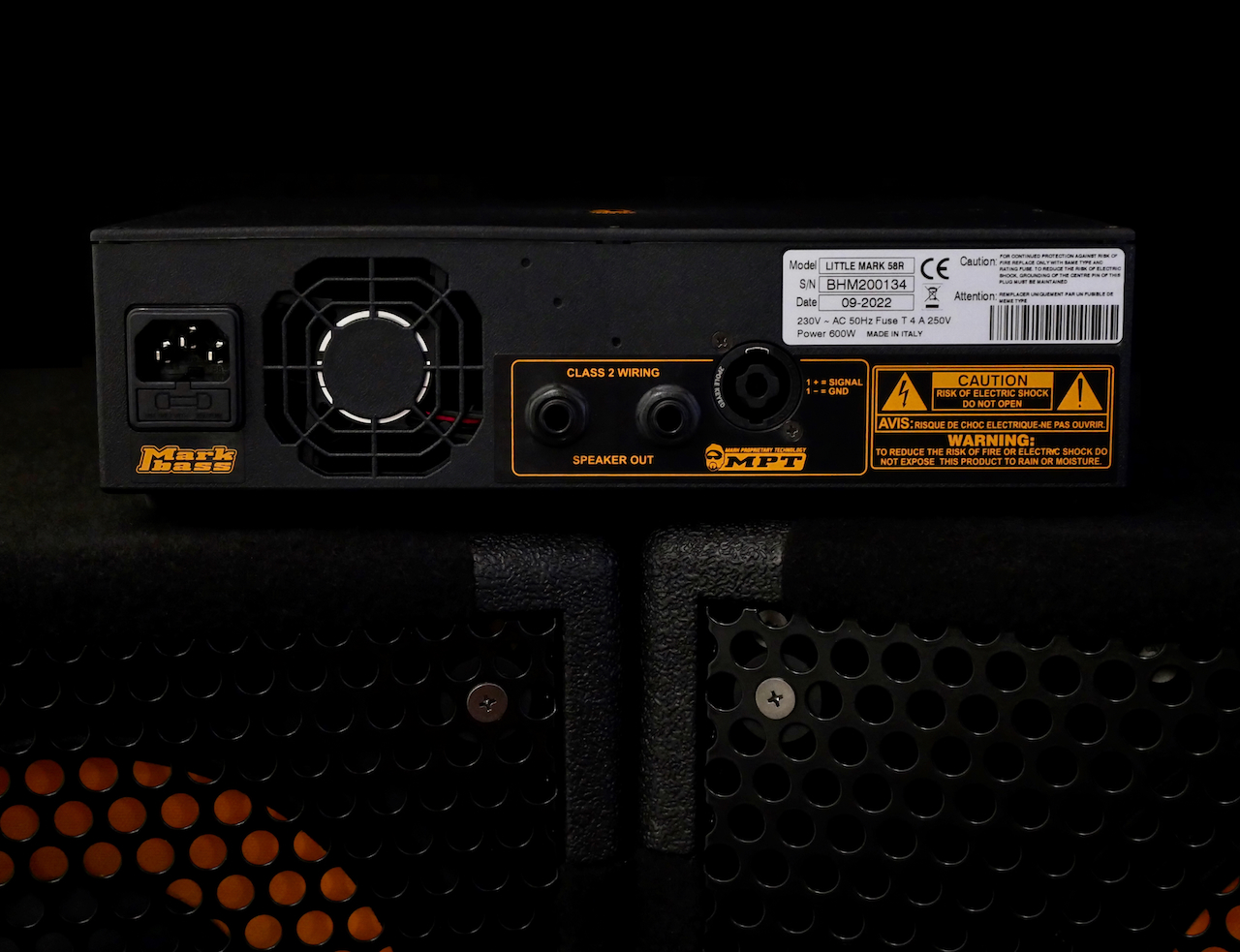
Kaikki säätimet ja sisään- ja ulostulot – kaiutinliittimiä lukuun ottamatta – on sijoitettu etupaneeliin nopeaa ja helppoa käyttöä varten. Tämän vuoksi etupaneelissa on nyt enemmän säätimiä ja liittimiä kuin aikaisemmin, mutta se ei kuitenkaan tunnu liian täyteen ahdettuna. Kaikki on helposti löydettävissä ja sijoittelu on looginen.
Little Mark 58R:n tuuletin on rittävän hiljainen vakavaan studiokäyttöön.
****
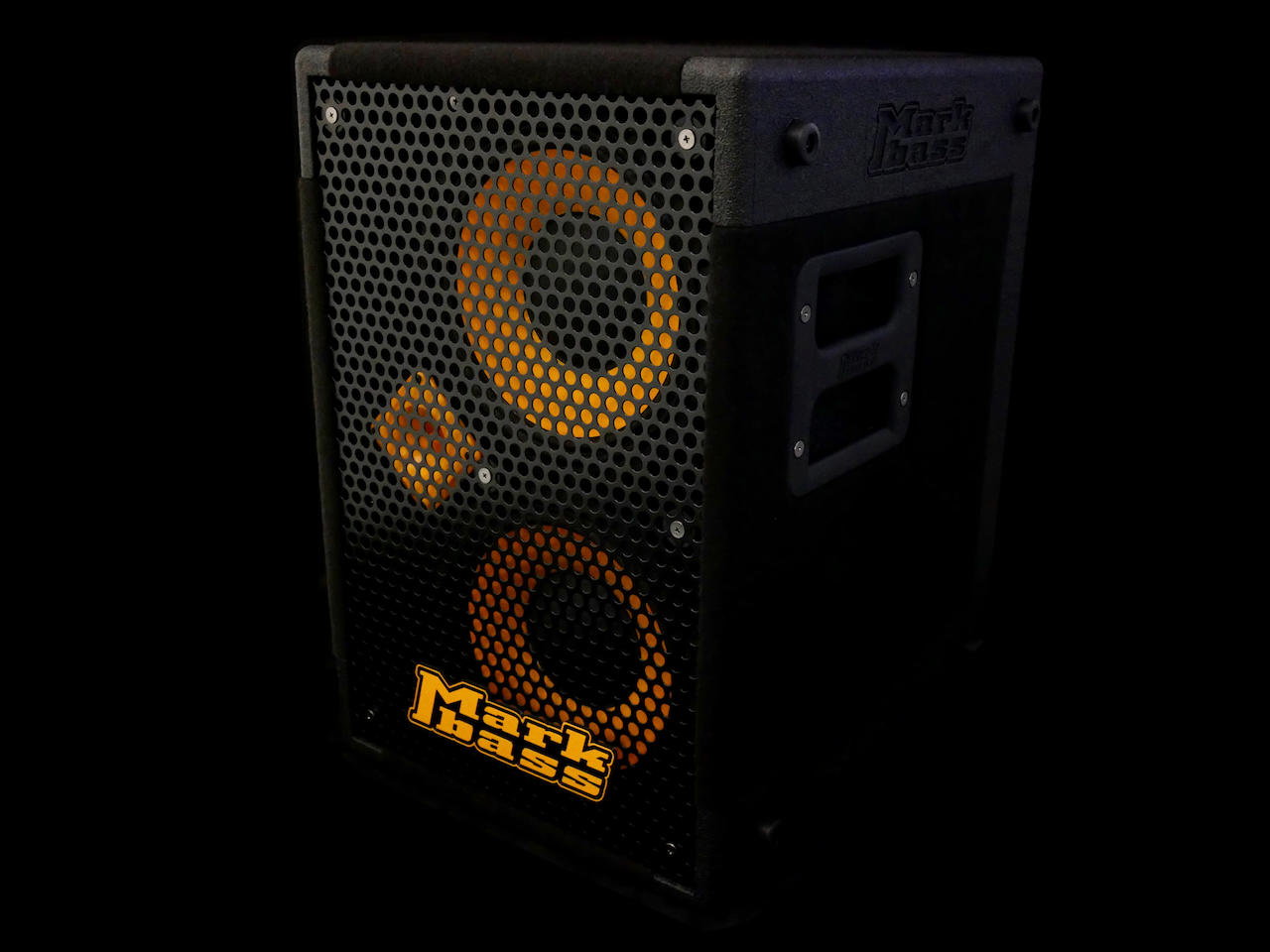
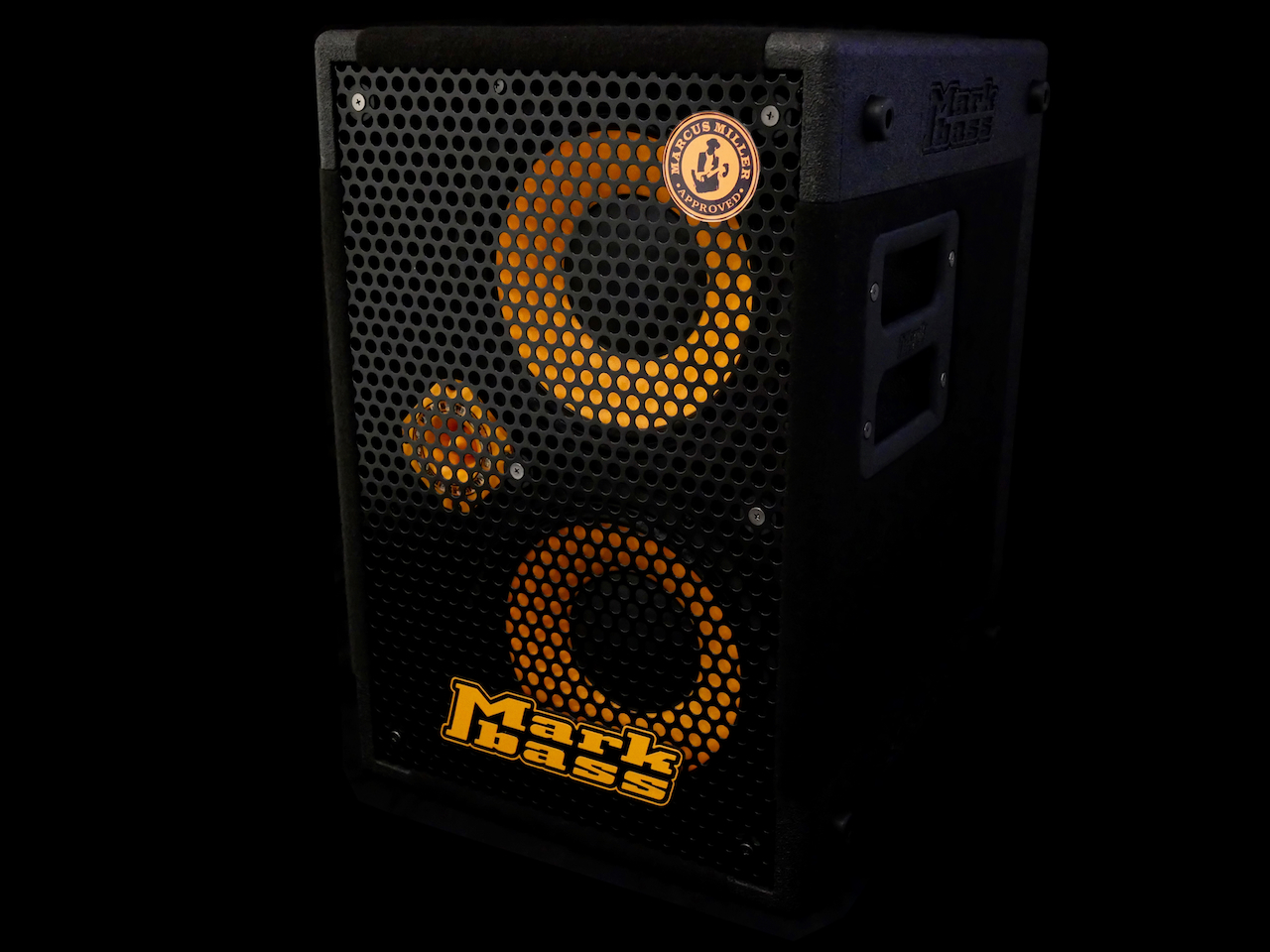
Markbass MB58 102P (ylhäällä; 612 €) ja MB58 102Pure (alhaalla; 716 €) jakavat saman vallankumouksellisen kotelorakenteen, mutta eroavat kaiuttimien teknisistä ominaisuuksista.
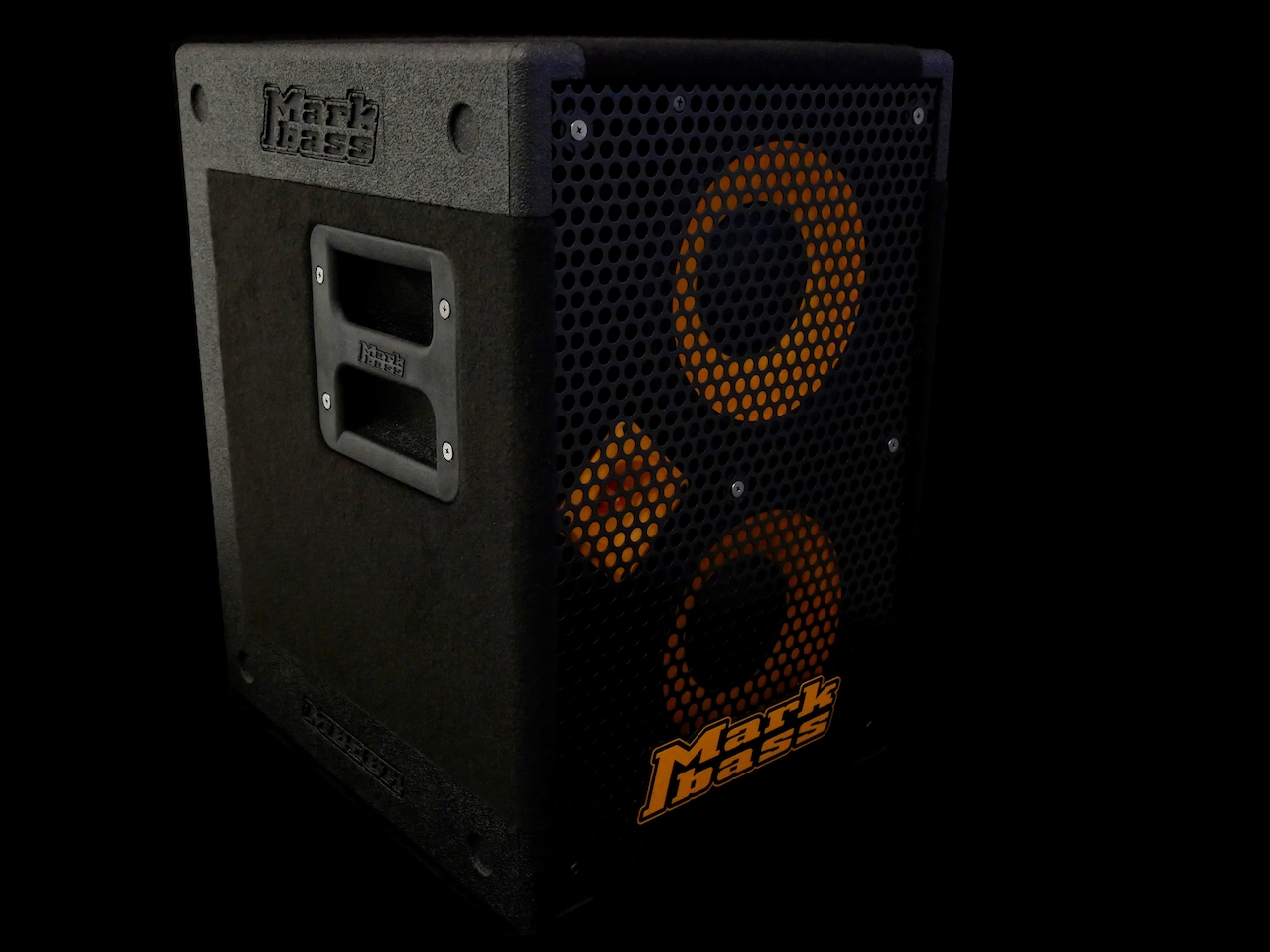
Markbass käyttää kierrätettävää ja ympäristöystävällistä polystyreenlaatua kaikkien MB58R-kaappiensa perusmateriaalina.
Haluaisin aleviivata, että kyseessä ei ole tavallinen, helposti murtuva ”styroksia”, vaan erittäin kova, mutta kevyt materiaali, joka on samankaltainen kuin se, joka on käytössä mm. autojen etu- ja takapuskureissa.
MB58R 102P on sarjan edullisin 2 x 10″ -kaappi, jossa on pari keraamista kaiutinta ja pietsodiskanttitorvi. Kaappi painaa hieman yli 12 kiloa.
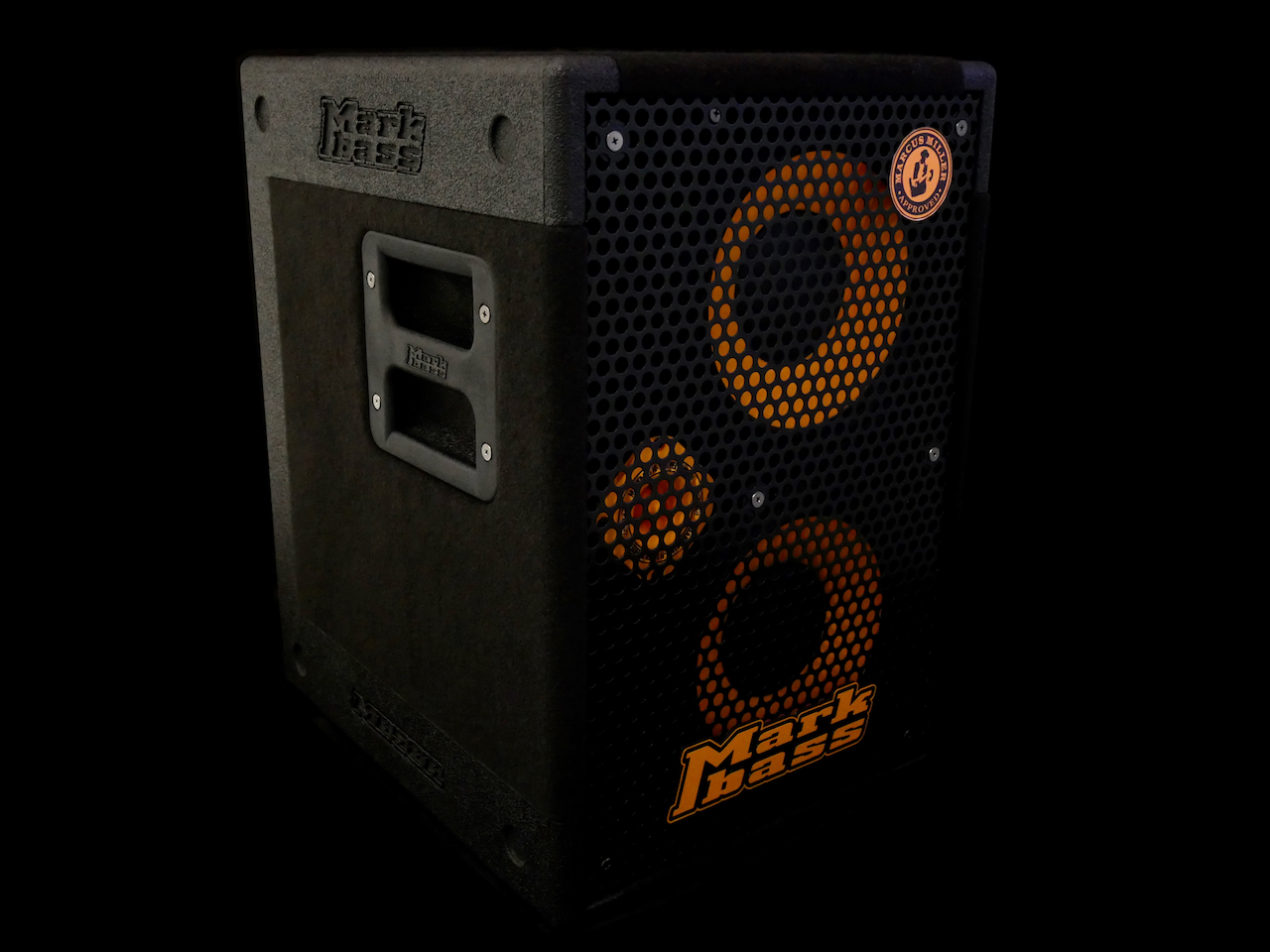
MB58R 102Pure -kaapissa taas käytetään kaksi neodyymikaiutinta, sekä Hi-Fi-diskanttielementti. Tämä kaappi painaa vain 9,8 kiloa.
Molemmissa kaapeissa kaikkien neljän sivun keskiosassa on musta mattomateriaali. Kaapeissa on suuret sivukahvat, ja molemmissa kaapeissa on kaksi settiä kumijalkoja – yksi satsi kaapin pystysuoraan ja toinen vaakasuoraan käyttöön.
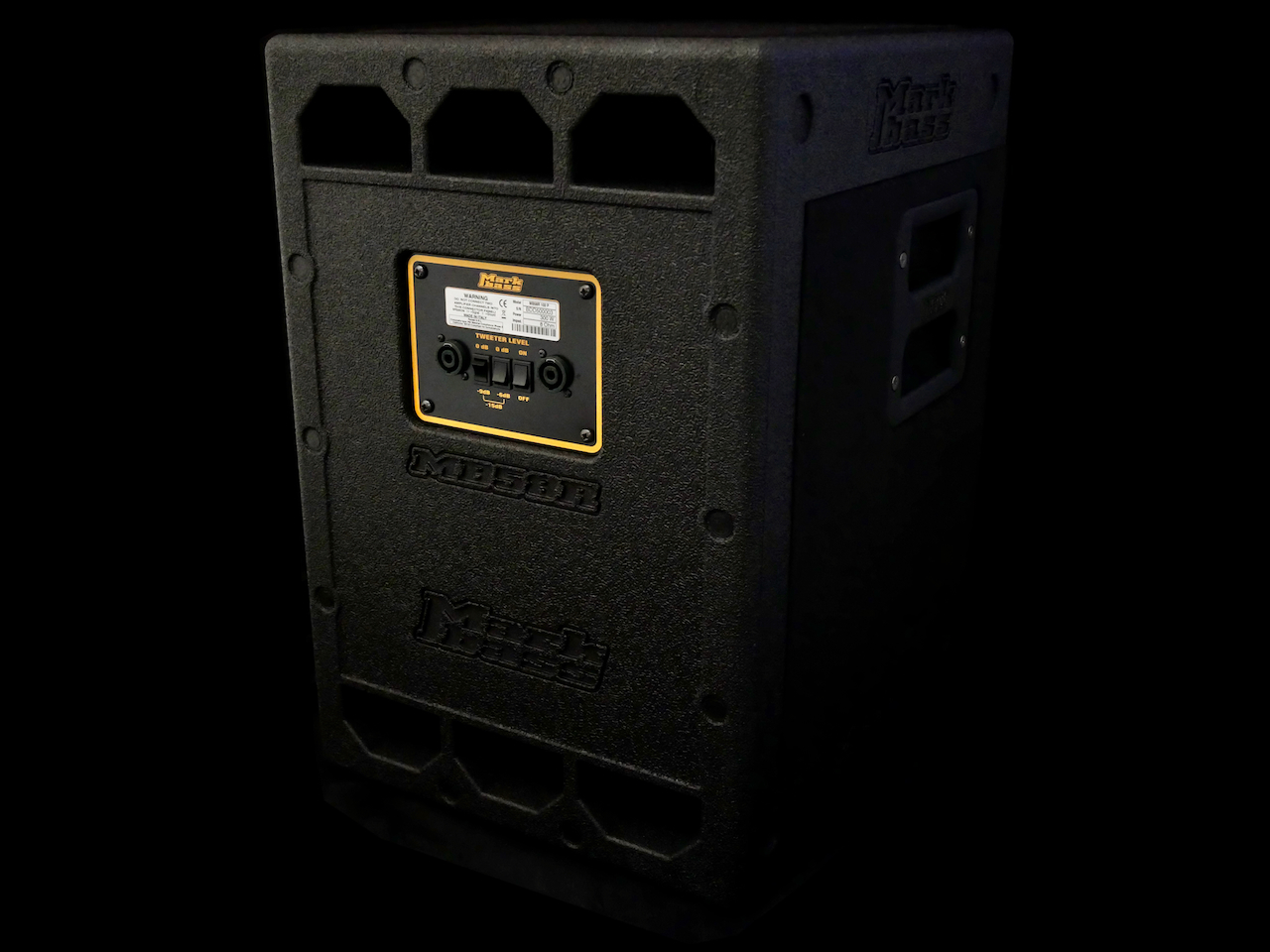
Molemmissa testatuissa MB58R-kaapeissa on refleksiaukot takana. Takapaneelissa on pari Speakon-liitintä ja kolme kytkintä diskanttikaiuttimen säätämiseen.
Ääniensä puolesta sekä 102P että 102Pure tarjoavat kuuluisan Markbass-potkun, ja vain pienet yksityiskohdat erottavat ne. Markbass MB58R 102P on tästä parista se hieman aggressiivisempi kaappi, jolla on kuitenkin suhteellisen neutraali ääni (parhaassa mahdollisessa mielessä). MB58R 102Pure taas saman potkun, mutta lisää soundiin silkkisen diskantin, sekä hieman enemmän lämpöä ala-middleen.
****
Carlos Santana sanoin ”hyvä soitin tai vahvistin ei anna sinulle yhtään selittelyn varaa”. Jos soundisi ei ole hyvä, syytä ei silloin kannata etsiä soittolaitteista.
Tässä suhteessa Spector NS Pulse I 4, Markbass Little Mark 58R sekä MB58R 102P ja 102Pure -kaapit läpäisevät tämän testin loistavasti.
Spector NS Pulse -basson soitettavuus on ensiluokkaista, eikä basso jättää myöskään soundillisesti minkäänlaista toivomisen varaa. Markbassin Little Mark 58R -nuppi tarjoaa – kummallakin kaapilla – loistavan full range -soundin, vaikka kaikki säätimet olisivat neutraaliasennoissaan. Tämän ansiosta EQ-osastoa voi käyttää vapaasti hienosäätämään omaa soundisi – tai ratkaisemaan keikkapaikan akustisia ongelmia.
Voin vain suositella, että kävisit itse kokeilemassa Spector NS Pulse -bassot ja Markbassin uutta MB58R-sarjaa lähimmästä soitinmyymälästä.
When I was offered the chance to test drive a couple of cool new products from Spector Bass Guitars and Markbass, I grabbed it with both hands, of course.
Spector’s recent NS Pulse I Series is a couple of steps up from the company’s Legend and Performer ranges. It combines South Korean craftsmanship with a few upmarket features with a couple of very tasty and tactile sandblasted body finishes.
Italy’s Markbass is a bass amp maker known for its lightweight and compact amp heads and speaker cabinets. Markbass’ brand-new MB58R Series (the ”R” stands for ”Revolution”) is centred around a whole range of different speaker cabinets. These cabinets are built in a very unique way, which further helps cut down their weight, and also makes them almost fully recyclable.
Additionally Markbass has introduced a matching new version of their Little Mark amp head, called the Little Mark 58R. The Little Mark 58R sports an eco-friendly composite housing and a new control layout, making the amp even lighter in weight and easier to use.
****
The Spector NS Pulse I 4 (current price in Finland: 1,149 €) uses Ned Steinberger’s (yes, he of headless bass fame) original, highly ergonomic curved body design. In the Pulse I Series’ case the body is made of highly figured ash.
The bolt-on neck – using six separate screws and washers – is a three-strip heat-treated maple affair. The Macassar ebony fretboard is home to 24 medium-sized frets.
The Pulse I Series comes in two sandblasted ash finishes:
Our review sample comes in a finish called charcoal grey, which combines a grey body with black wood grain. The second finish is called cinder red, and it sports a black body with red grain.
The headstock sports a matching ash veneer, the famous Stuart Spector Design inlay, and four modern black machine heads.
Spector’s chunky bridge is known as a sustain monster.
The Spector NS Pulse I 4 comes with an active PJ-set from EMG Pickups.
Spector’s Tone Pump Jr. preamp features two individual volume controls – one for each pickup – as well as boost-only controls for bass and treble EQ.
The NS Pulse I 4 is a lightweight bass that fits your body like the proverbial glove, thanks to its gentle body curvature and the additional ribcage chamfer.
The neck feels very slender and fast. The relatively thin, rounded neck profile, combined with the review sample’s excellent set-up, makes for an effortless playing feel. This is definitely a bass guitar that does not stand in your way.
The Spector’s acoustic tone is very woody with a nice bit of top-end sheen. The EMG pickups and Spector’s Tone Pump Jr. preamp offer an excellent range of bass sounds, covering the whole range of musical genres you’d normally play on an electric bass.
****
The brand-new Markbass Little Mark 58R (current price in Finland: 612 €) is an eco-friendly, super-lightweight (only 2 kg) 500/300 watts amp head, made especially to complement the company’s MB58R range of speaker cabinets.
Although the Little Mark 58R retains all of the brilliant features of the regular Little Mark – like the four-band EQ with additional, footswitchable ”Mid-Scoop” feature and the ”Old School” control – the layout of the front and back panels has been changed for the 58R model.
All controls and in- and outputs – save for the speaker connectors – have been placed on the front panel for quick and easy access. This makes the front panel more ”busy”, but doesn’t make it feel crammed. Everything is easily accessible and logically placed.
The Little Mark 58R’s fan is more than quiet enough for serious studio use.
****
The Markbass MB58 102P (top; 612 €) and MB58 102Pure (bottom; 716 €) share the same revolutionary cabinet construction, but differ in the detailed speaker specifications.
Markbass uses a recyclable and eco-friendly type of polystyrene as the basic material for all its MB58R cabinets.
Make no mistake, this isn’t your bog standard and easy-to-dent styrofoam, but rather something very sturdy, not unlike what the car industry uses to fill front and back bumpers.
The MB58R 102P is the most affordable 2 x 10″ cabinet, sporting a pair of ceramic magnet-driven speakers and a piezo tweeter. It weighs in at just a tad over 12 kilogrammes.
The MB58R 102Pure sports neodymium-powered speakers and a Hi-Fi tweeter. This cabinet weighs only 9.8 kilogrammes.
On both cabinets the middle part of all four sides features a black carpet material. There are large side handles sunk into the cabinets, and both cabinets sport two sets of rubber feet – one set for vertical, and one for horizontal placement.
Both MB58R cabinets tested are rear-ported designs. The back panel comes with a pair of Speakon connectors, and three switches for tweeter attenuation.
In terms of their sound, both the 102P and 102Pure offer that famous Markbass punch, with only small details dividing them. The Markbass MB58R 102P is the slightly more aggressive cabinet of the pair, displaying a relatively neutral sound (in the best possible sense). The MB58R 102Pure retains all of the punch, but adds a more silky top end and more warmth in the low-mids.
****
To paraphrase Carlos Santana, the hallmark of high-quality musical equipment is that it doesn’t give you any excuses. If your playing and/or your sound isn’t up to snuff, it isn’t down to your instrument or amp.
In this respect the Spector NS Pulse I 4, the Markbass Little Mark 58R, and the MB58R 102P and 102Pure cabinets pass this review with flying colours.
The Spector NS Pulse plays like a dream and offers a plethora of useable sounds. Paired with any of the two cabinets the Markbass Little Mark 58R offers a fantastic full-range bass sound with all EQ-settings (and the Old School control) in neutral. This means you can use the EQ to fine-tune your sound and/or to deal with problematic frequencies in a venue, and not for masking any possible inherent problems with your rig.
I had so much fun playing the Spector NS Pulse I 4 through the new Markbass rig, that I can only recommend you do the same.





 Kitarablogi.com – Finland's premier Guitar and Bass blog