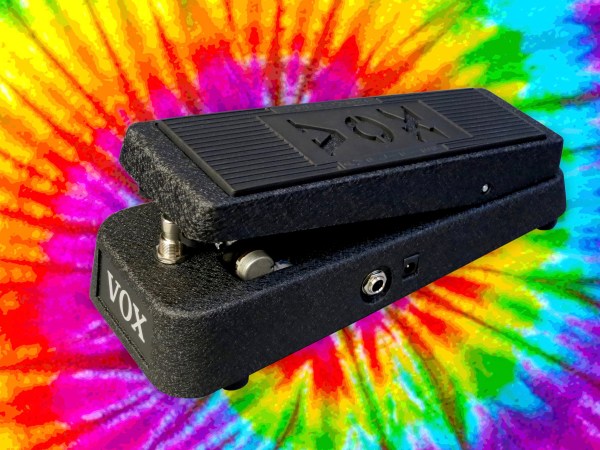
Review: Vox V845 Wah-Wah

Alkuperäistä, laajempaa Rockway-juttua voi lukea TÄÄLLÄ.

Three examples showing the different basic styles of wah-pedal use:
• ”Papa…” – whacka-whacka Motown/Funk
• ”Voodoo…” – expressive wah-wah use
• ”Money…” – so-called ”cocked” wah-wah (pedal parked in one position)
****
• Vox V845 wah-wah
• Mad Professor Simble Overdrive
• Ibanez 850 Fuzz Mini
• Fender (Japan) Stratocaster and Hamer USA Studio Custom guitars
• Juketone True Blood valve combo
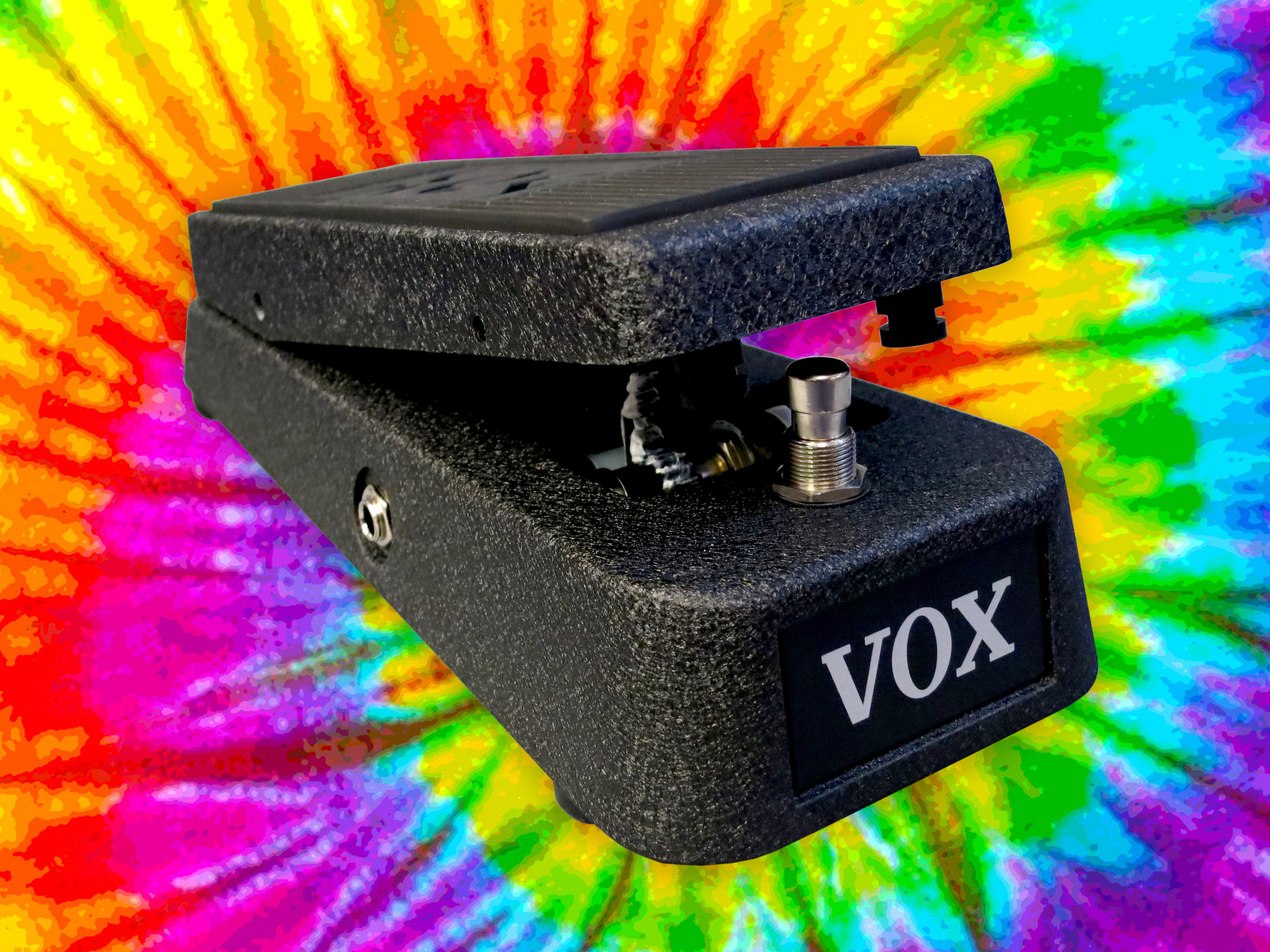
The Vox V845 is an interesting wah-pedal for at least three reasons – it’s made by the inventors of the wah-wah, it is very affordable (around 70-75 euros in Finland), and it is much lighter than regular Vox- or Dunlop-made wah-wahs (only 900 g compared to approx. 1.6 kg).

This drastic difference in weight is achieved by using a plastic core for both the main casing and the treadle. This core is then coated with an aluminium-based coating that gives the V845 the traditional look of a wah.

Electronically the Vox V845 is virtually identical to a vintage Vox-wah, apart from being built with a couple of PCBs and modern components.
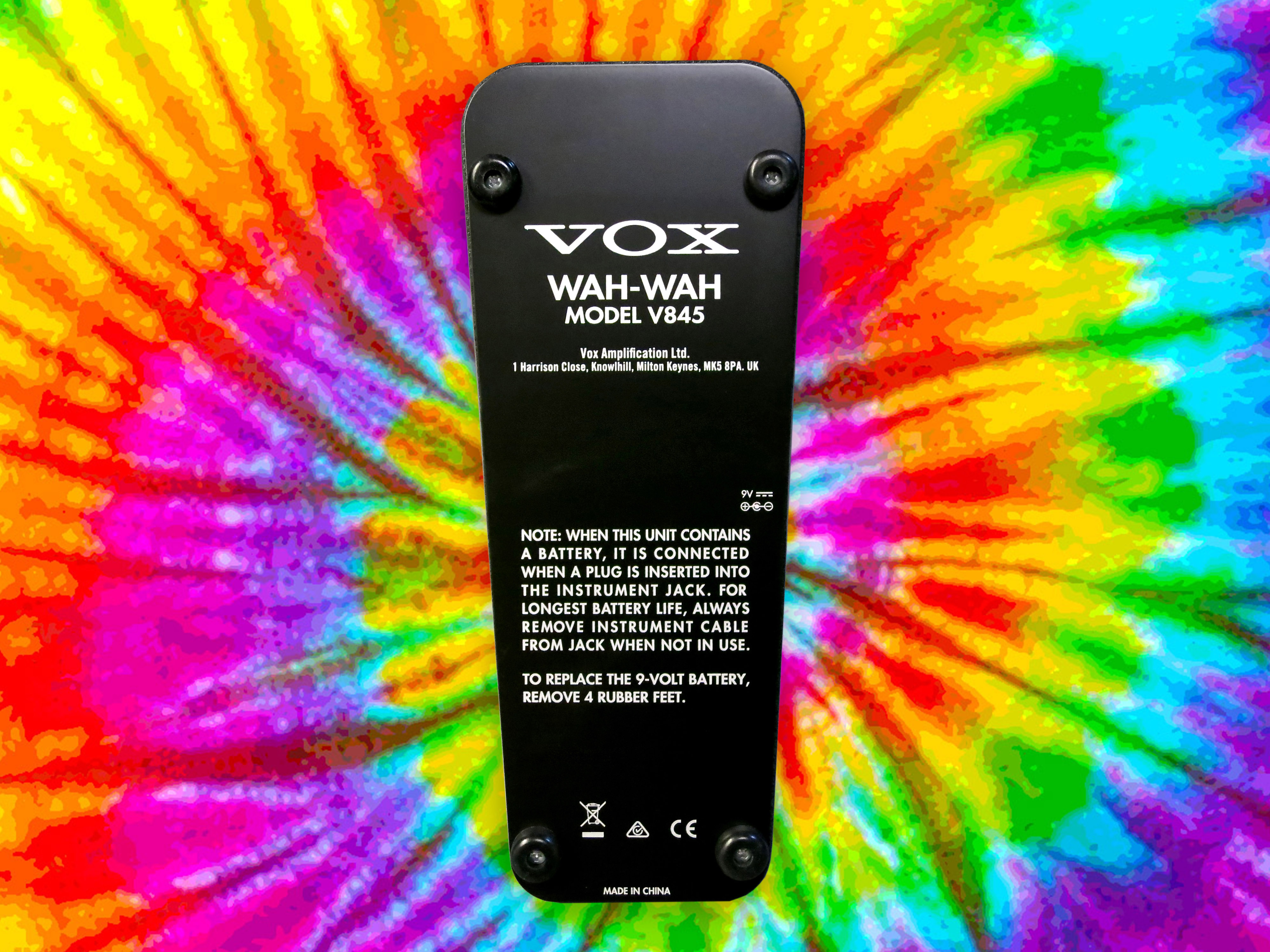
An important improvement over the originals from the 1960s and 70s is the addition of a DC input, which allows you to power the V845 from a modern power supply.

The Vox V845 looks like a wah-wah, feels like a wah-wah, so it’s no surprise that it also sounds like a genuine Vox-wah. The V845 switches on and off in the traditional way by giving the switch beneath the treadle a push in the toe-down position. The sound is big and warm, and, typical for a Vox, a little less abrasive in the top end than a standard Dunlop Cry Baby. What’s not to like?

I’ve been using the Vox V845 for four years by this point, and it hasn’t given me any trouble so far. Check it out!

****

Here are two recent recordings I’ve used the V845 on:

****

Uraltone Tonefest 2024 Overdrive Plus

Finnish company Uraltone ran a DIY pedal workshop at this year’s Tonefest Helsinki, where you could assemble this overdrive/distortion pedal kit.
The three-way mini-switch gives you regular distortion, slightly overdriven boost, and distortion with asymmetrical clipping.
All guitar tracks recorded using the Uraltone Tonefest Overdrive Plus pedal:
• main rhythm guitar (centre): Harley Benton DC-60 Junior; Juketone Trueblood
• rhythm guitar (left): Harley Benton DC-60 Junior; Bluetone Black Prince Reverb
• rhythm guitar (right): Squier Sonic Mustang SS; Bluetone Black Prince Reverb
• lead guitar: Jackson JS32 Dinky; Vox V845 wah; Bluetone Black Prince Reverb
• microphone: Shure SM7B

Purple Haze (Jimi Hendrix cover)

Here’s my cover of the Jimi Hendrix classic ”Purple Haze”.
• Lead guitars – Jackson JS32 Dinky
• Rhythm guitars – Squier Sonic Stratocaster
• Effects – Vox V845 wah-wah, Boss DS-1 distortion
• Amp – Bluetone Black Prince Reverb
• Mic – Shure 545SD
• Preamp – Cranborne Camden EC2
• Interface – Universal Audio Volt 2

”Paranoid” pienellä budjetilla +++ ”Paranoid” on a small budget

Silloin kun aloitin kitaran soittamista – 1970-luvulla – ”halvat” kitarat ja vahvistimet olivat yleensä huonoja. Nykypäivänä asiat ovat onneksi muuttuneet, ja edullisilla soittovehkeillä pystyy saamaan tarpeeksi hyviä soundeja, ettei innostus musiikin tekemiseen loppu.

Jos budjetti on pieni, eikä tarkoitus ole soittaa kokonaisen bändin kanssa, saa jo tällaisella kattauksella aikaiseksi ”olohuonekitaristia” tyydyttäviä soundeja.

When I first started playing guitar – in the 1970s – ”cheap” guitars and amps were generally bad. Fortunately, things have changed, and you can get satisfying sounds with relatively inexpensive equipment.

If your budget is small, and you don’t aim at playing with a whole band, a small set-up like the above will keep you going for a good while.

Pidä blogia WordPress.comissa.

Ylös ↑