


Lisätiedot: Vantaan Musiikki
Kitarablogi.com – Finland's premier Guitar and Bass blog
Juttuja kitaroista ja bassoista
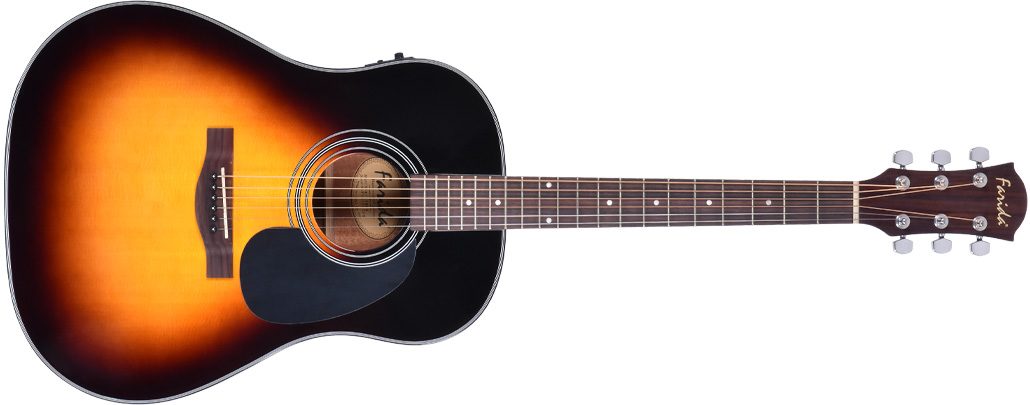
Farida M-2NS + B-10E
• solid tops (M-2NS: cedar; B-10E: spruce)
• mahogany backs and sides
• set mahogany necks
• rosewood fretboards
• rosewood bridges with compensated bridge saddles
• Farida B-10E equipped with Fishman Isys pickup and preamp
****
Demo Track
• left rhythm guitar: M-2NS parlour
• right rhythm guitar: B-10E round shoulder dreadnought
• all tracks recorded with a pair of Shure SM57 microphones
Lisätiedot: Vantaan Musiikki


Carvin’s series of extremely compact MicroBass bass combos is built using the company’s lightweight BX 250 MicroBass amplifier sunk into four differently-sized speaker cabinets. Thanks to some clever design work – as well as lightweight modern bass speakers – even the largest of the MicroBass-combos, the MB210 (equipped with two 10-inch speakers and a horn tweeter), only weighs 16 kilos.
Kitarablogi received the smallest member of the MicroBass-family for testing. The MB10 is small enough to take with you on public transport, should the need ever arise.
****

Carvin MicroBass MB10 (current price in Finland: 577 €) is compactness incarnate:
The combo’s dimensions are only 47 x 33 x 28 cm (h/w/d), and it weighs in at just below 12 kilos!

Despite its diminutive size the Carvin’s build is roadworthy and sturdy.
The 10-inch speaker and the horn tweeter are safely tucked away behind a chunky metal grille.

You can use the MicroBass MB10 both with the cabinet standing up and lying on its side, thanks to two sets of rubber feet installed to the closed-back cabinet.

Black vinyl is the MB10’s standard livrée, but if you feel more flamboyant you could also get your small Carvin in, say, fake snake hide for a small surcharge (40 €).
****

Small it may be, but Carvin’s BX 250 MicroBass amplifier comes fully equipped:
Carvin’s preamp section runs in Class A with satisfyingly low levels of hiss. Adding more Drive to proceedings will fatten up your tone and add a little bit of grind, but you shouldn’t really expect any Metal-style distortion from this combo.
The Contour-knob allows you to apply a loudness-type pre-EQ curve to your signal, which will boost both the bass and treble frequencies, while attenuating the mid-range slightly. Contour works nicely in cleaning up a crowded mid-range, as well as adding a bit of punch to your overall sound.
The EQ-department on the MicroBass is very well equipped, too. In addition to the shelving Bass and Treble filters Carvin has added a lot of flexibility in the guise of two semi-parametric mid-frequency filters. There’s ample boost and cut on tap to satisfy any bass player.
The amp also includes a nifty bass-optimised one-knob compressor. A red light in the middle of the amp’s blue jewel light gives you nice visual clues about the amounts of compression applied to your signal. Carvin’s compressor works in a very musical fashion, and it helps the player to get the most out of this little bass combo. Even small amounts of compression will go a long way in helping to clean up the MB10’s output, helping you to get even more volume out of the Carvin.
Using only the built-in speakers, the MicroBass’ Class D power amp will dish out 200 watts of power, adding a compatible extension cab will give you 50 watts more.
In addition to the speaker output, there’s also a headphone output that doubles as a tuner out, and a balanced DI-output (XLR). The output levels for the headphone and DI-output are controlled by the DI Level knob. Using the Pre/Post switch you can decide, whether to send the input signal directly to the output, or whether you’d prefer to use the preamp signal, complete with compression and EQ.
Lovers of warm vintage sounds will be pleased to hear that you can dim the Carvin’s tweeter, using a mini-switch.
Because writing about sound always seems somewhat futile, I’ve prepared different audio clips to give you an idea of the Carvin MicroBass MB10’s versatility. All clips have been recorded with a microphone:
Jazz Bass – EQ-controls in neutral
Jazz Bass – light bass boost, Tweeter-switch set to Dim
Jazz Bass – played with a plectrum, a little bit of Contour added
Jazz Bass – slapped, Contour set to 12 o’clock
Höfner 500/1 – plectrum, Tweeter set to Dim
Rickenbacker 4003
Rickenbacker – plectrum
****

If you’re holding down the bass in a loud-as-f*ck Metal band, or if your usual gigs include 20,000-seater stadiums, Carvin’s little combo probably isn’t the right choice for you. The MicroBass MB10 is a loud amp – for its size – but it can only go so far…
But: The Carvin MicroBass MB 10 is a fantastic choice for the majority of us bassists, who play in small clubs, in restaurants or in pubs. In venues such as these the Carvin will be just the ticket, its tiny footprint and big sound making it a gig machine. The recording studio is also a place where a high-powered bass stack can be counterproductive, due to issues such as audible bleeding into drum mics, making a high-quality, moderate-power combo, such as the MicroBass MB10, a great choice. I’d also reckon that this little Carvin will find a place in the hearts of many Unplugged-, Folk- and (acoustic) Jazz-players.
****
Carvin MicroBass MB10
577 €
Finnish distributor: Musiikki Silfverberg
Thanks to Vantaan Musiikki for the loan of the review combo!
****
Pros:
+ compact size
+ lightweight
+ versatile
+ easy-to-use compressor
+ sound

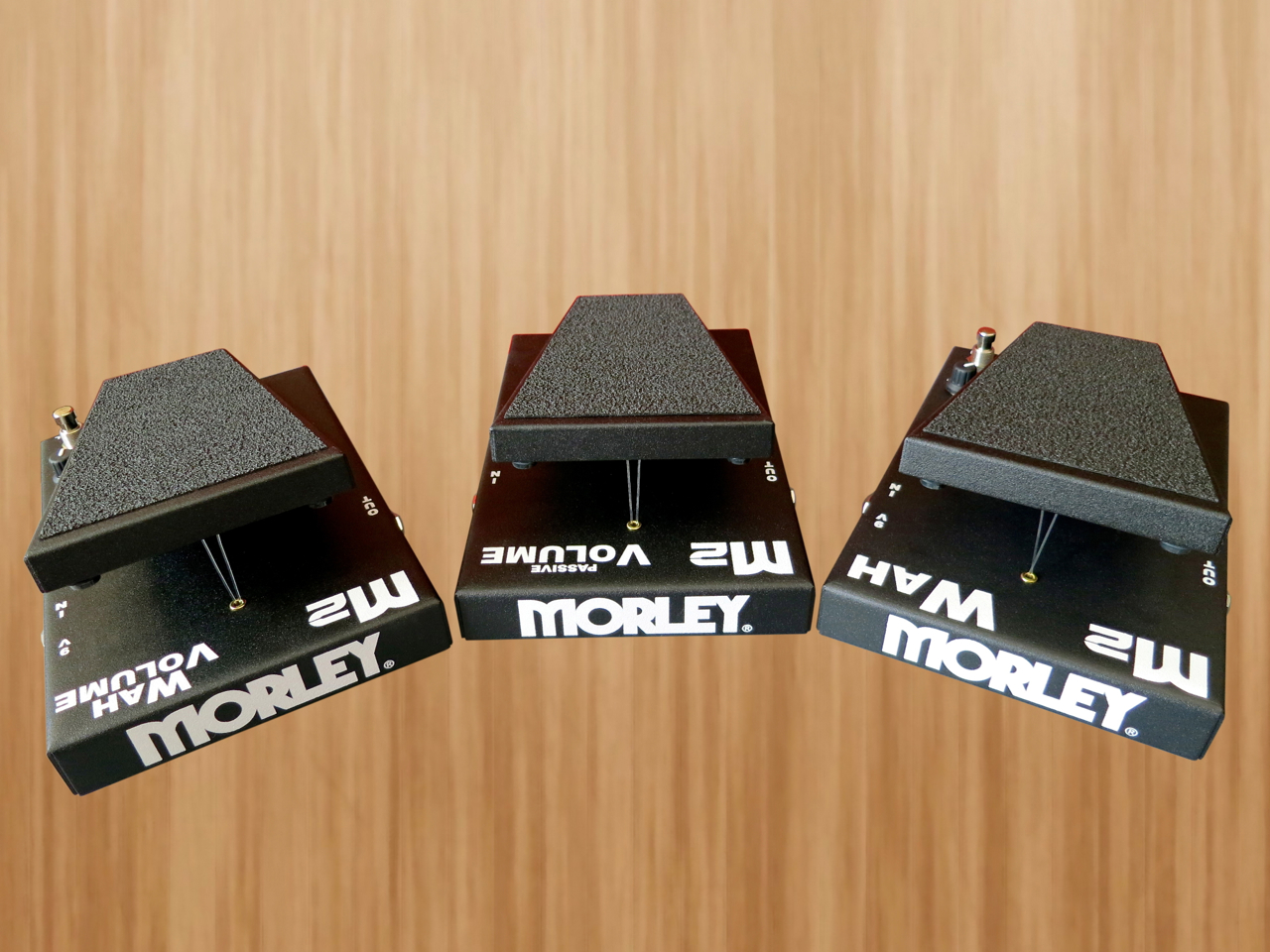
US brand Morley are best known for their pro-quality wahs and volume pedals that many players – like Steve Vai, George Lynch and Mark Tremonti – rely on in their setups. Morley’s original series uses electro-optical electronics, instead of traditional potentiometres. The big advantage in going electro-optical lies in the fact that such a pedal won’t ever become scratchy or intermittent, because there is no mechanical control pot to wear out or become dirty.
There are quite a few guitarists, though, which – for some reason or other – prefer the ”feel” and ”sound” of a mechanically controlled pedal to that of an electro-optical one. Morley’s new M2-series is a nod to the more traditional players.
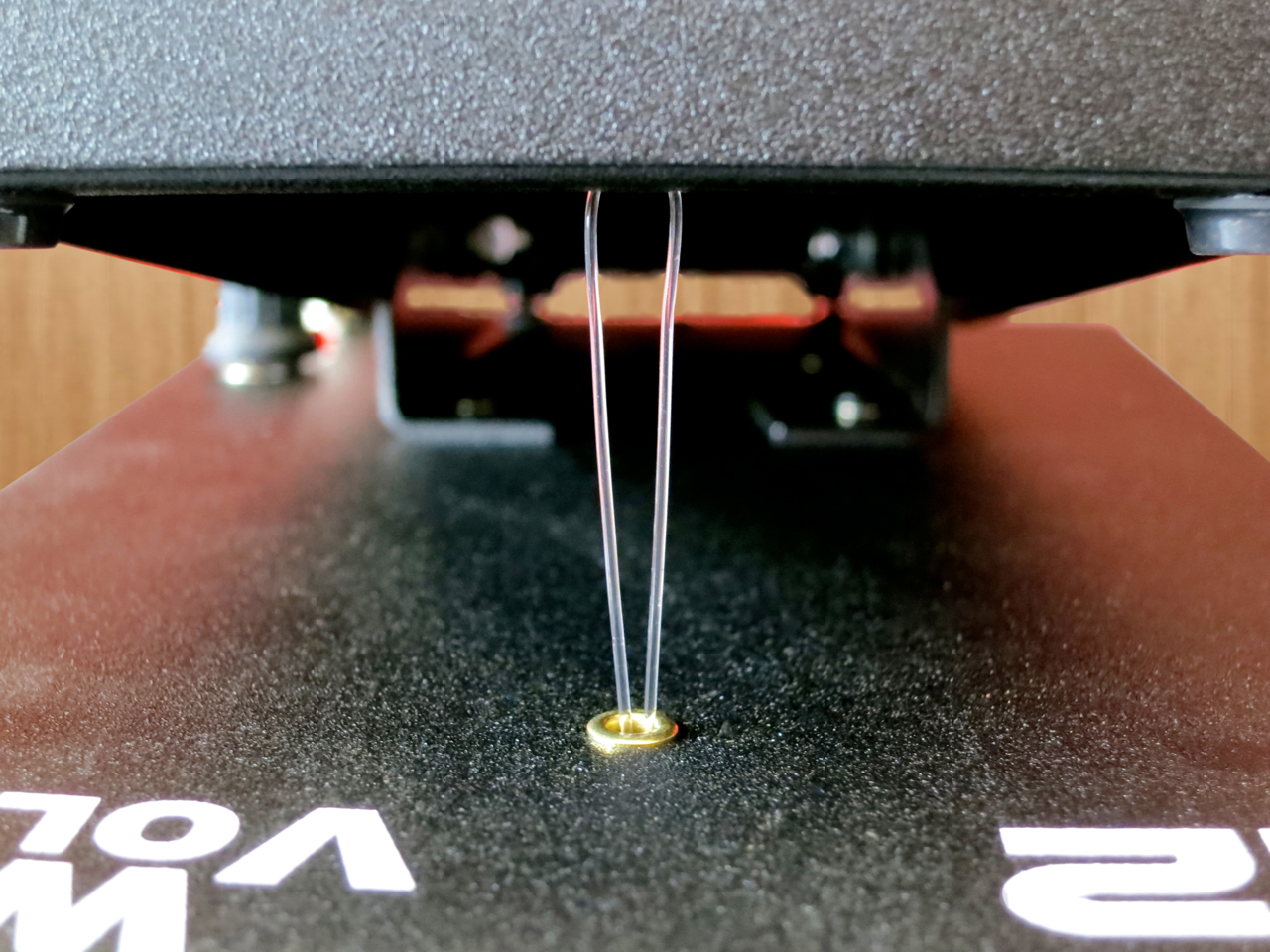
Nevertheless, Morley still like to do things their own way, which is why the company has come up with a different type of mechanical control for their M2-pedals:
Traditional pedals (and their descendants) use a rack, mounted beneath the treadle, to turn the pinion of a large control pot attached to the top of the pedal’s casing. Hanging in this exposed position, the pot is prone to take in dirt, moisture and dust, which in turn shortens its lifespan and affects signal quality. Sooner or later you will have to change the old pot for a brand-new one.
Morley’s M2-pedals use a top grade, sealed fader, tucked away neatly inside the pedal’s casing. The fader is moved by sturdy nylon strings attached to the front and back of the treadle.
****
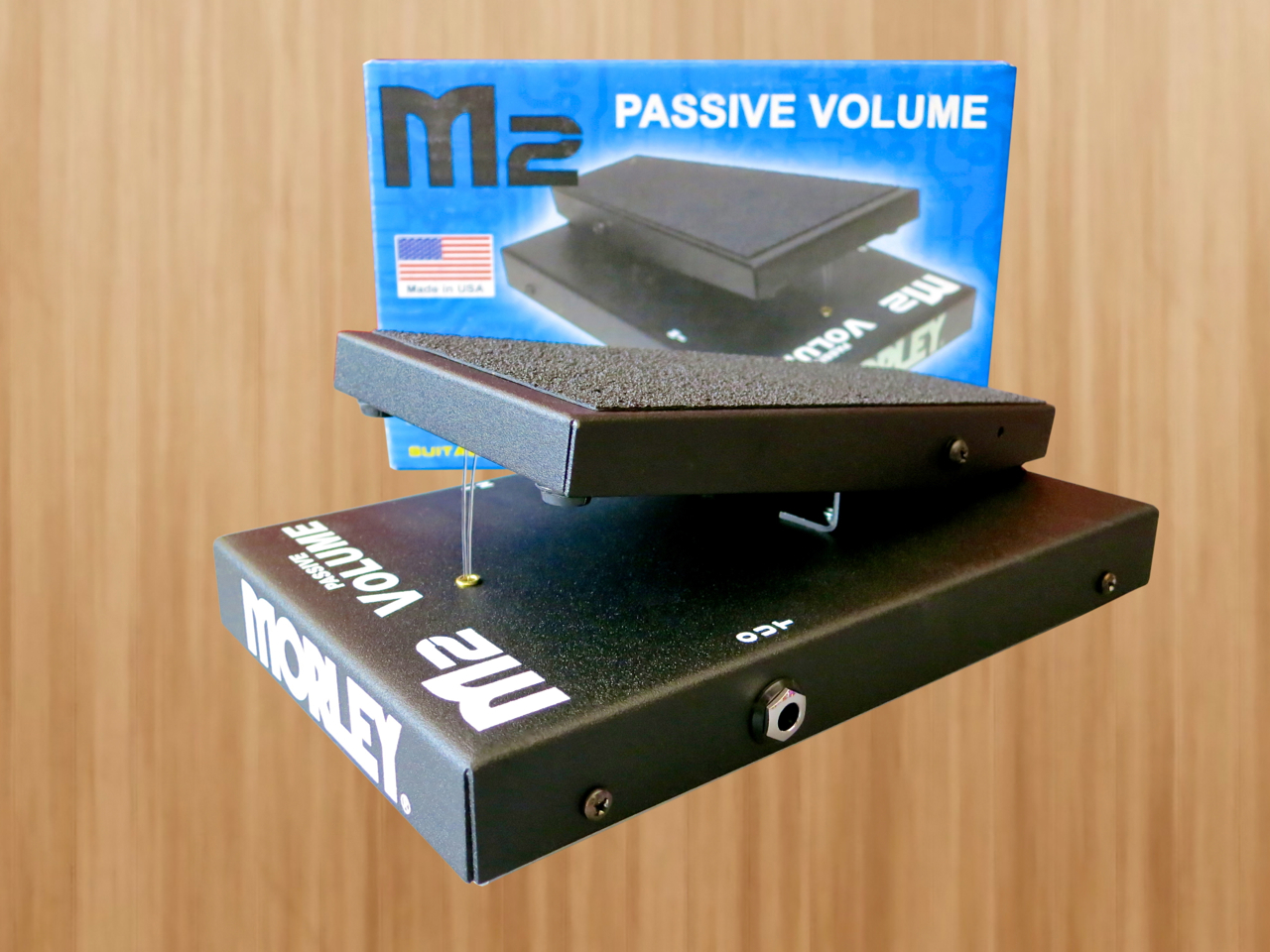
For this review we got three M2 models from Vantaan Musiikki:
The first pedal is the Morley M2 Passive Volume (current price in Finland: 76 €), which works without the need for a battery.
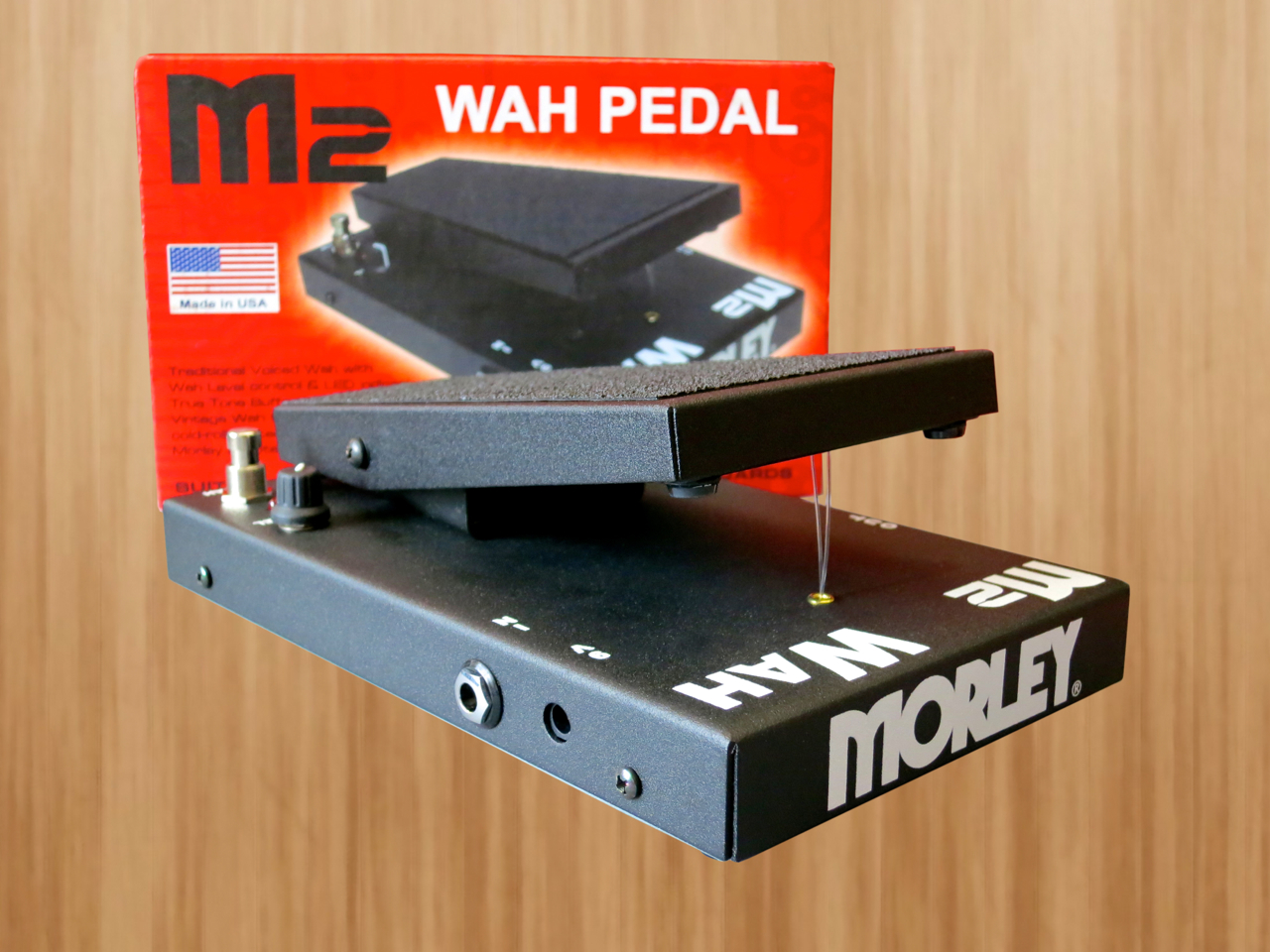
The second model is the Morley M2 Wah (83 €), which promises to deliver vintage-toned wah-goodness.

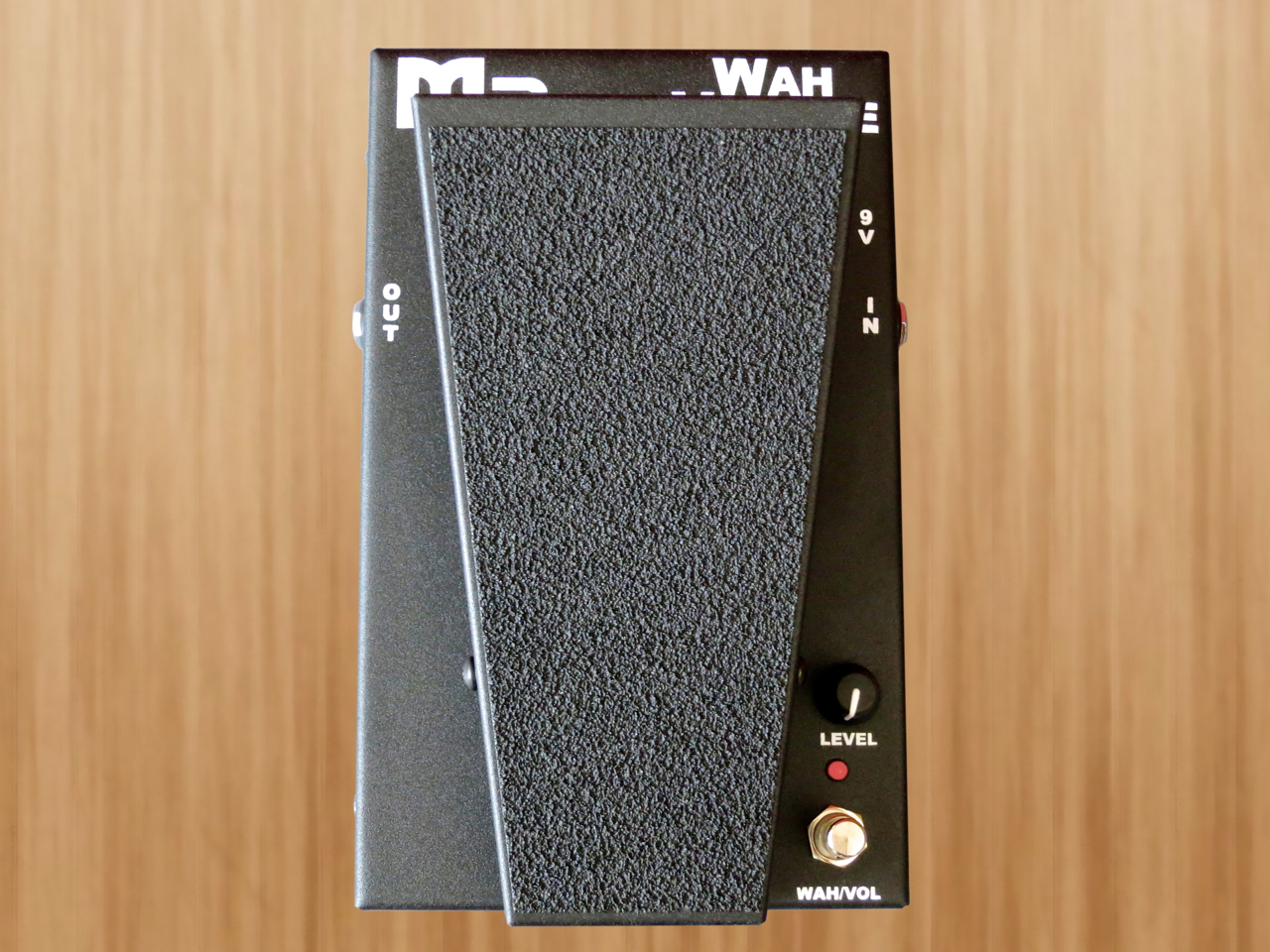
And, last but not least, there’s a cool twin-mode pedal – the Morley M2 Wah/Volume (94 €).
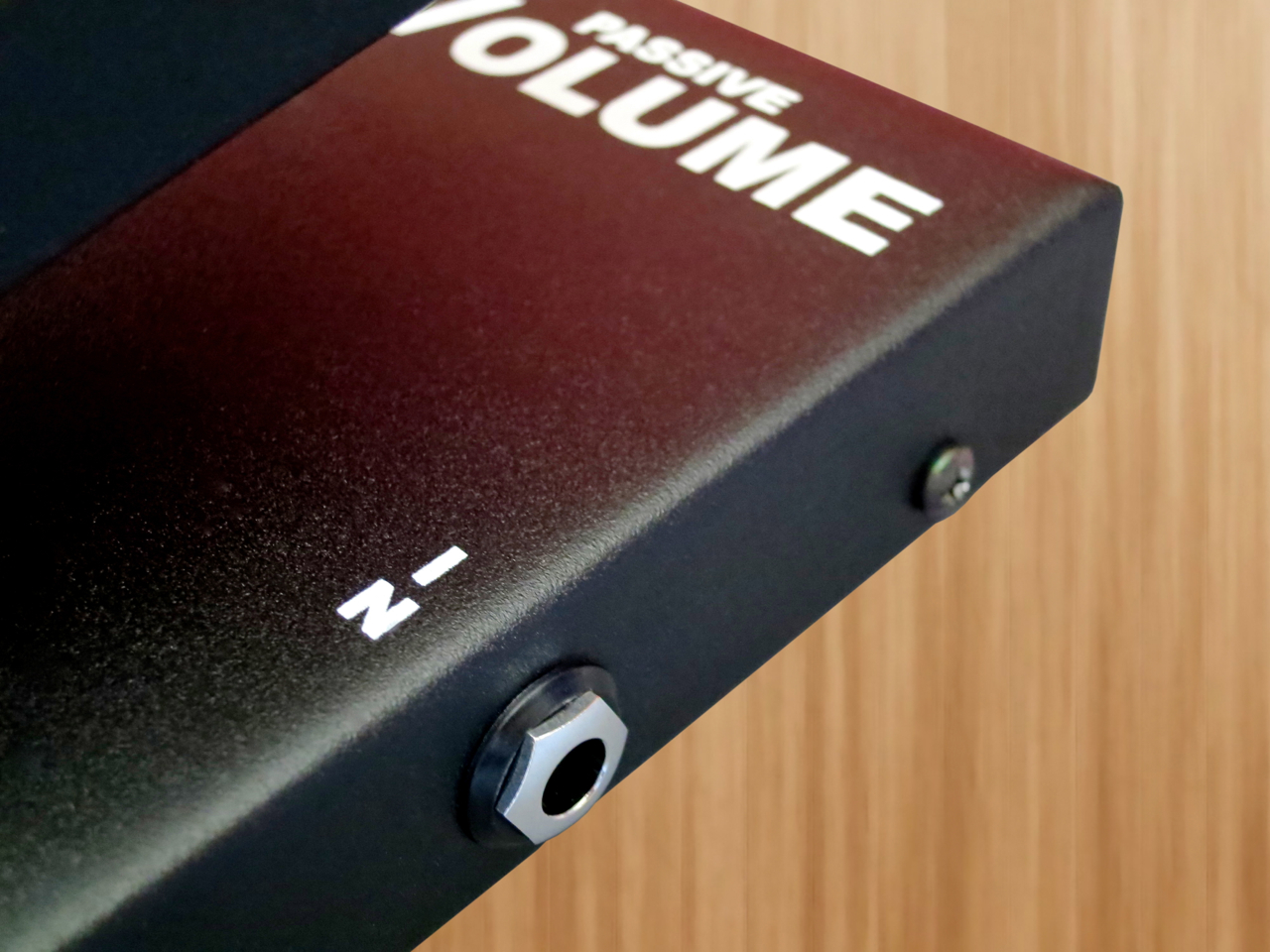
This trio of M2-pedals share the same basic build:
The housing is made from folded, cold-rolled steel, resulting in very sturdy and trustworthy pedals. The treadle sports a thick cover of non-slip material that will keep your foot safely on the pedal, no matter what.
The guitar input is on the Morley’s right flank.
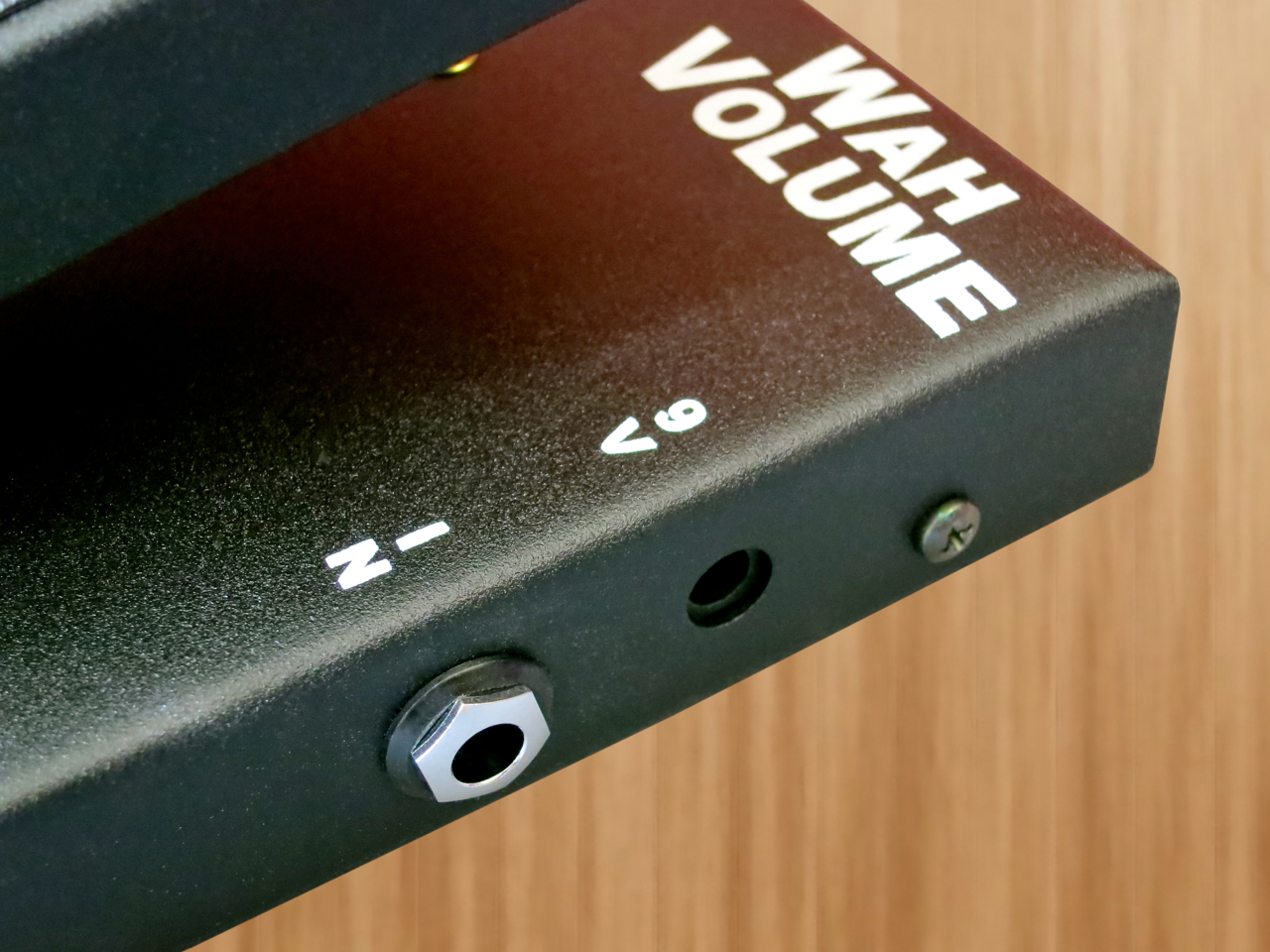
The two active pedals – the M2 Wah and the M2 Wah/Volume – additionally feature a standard 9 Volts DC input.

You can also run the active pedals using a 9 V battery. The battery compartment comes equipped with an easy-to-open quick clip lid.
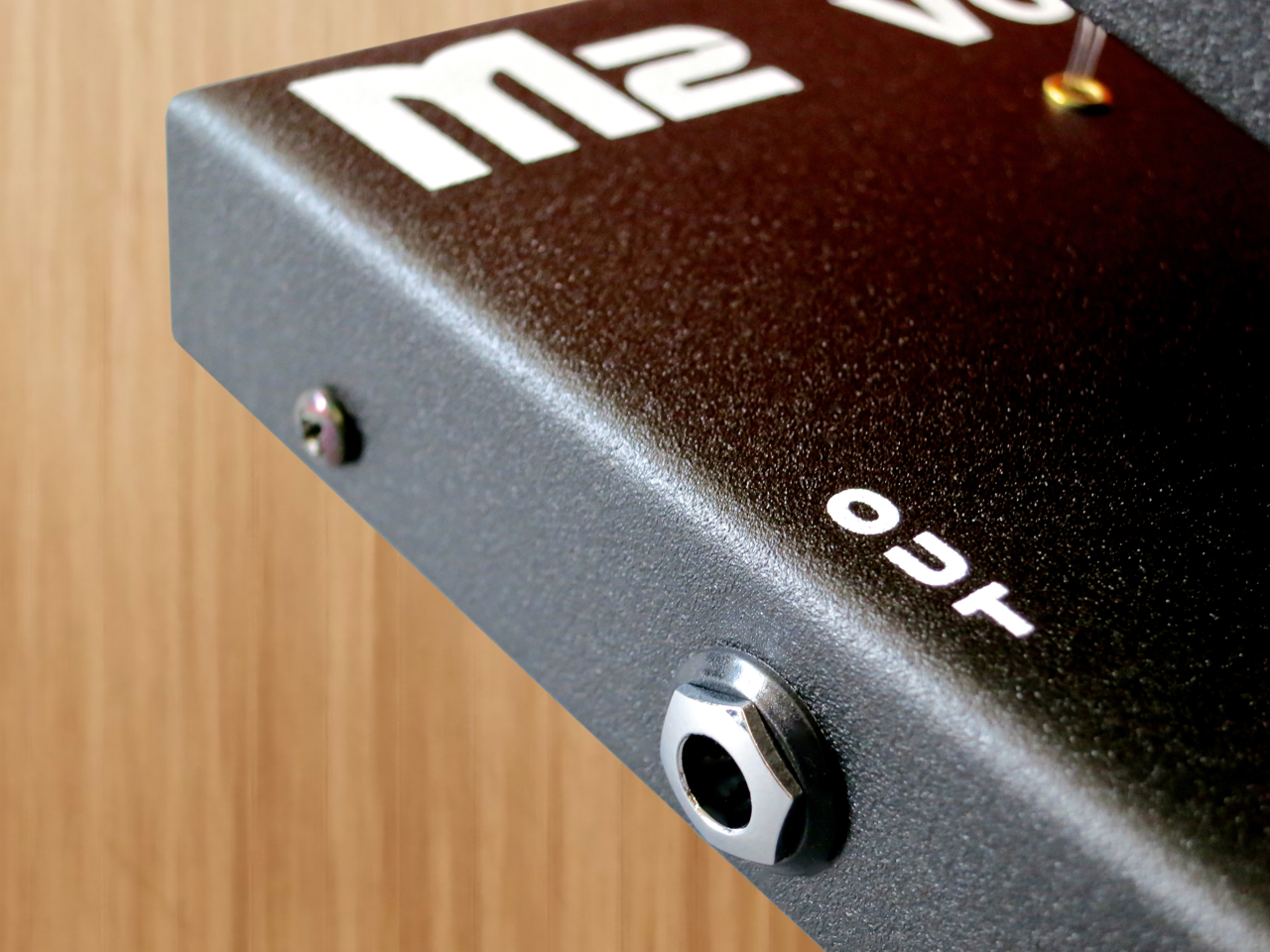
The output has been placed on the left side of the M2-pedals.
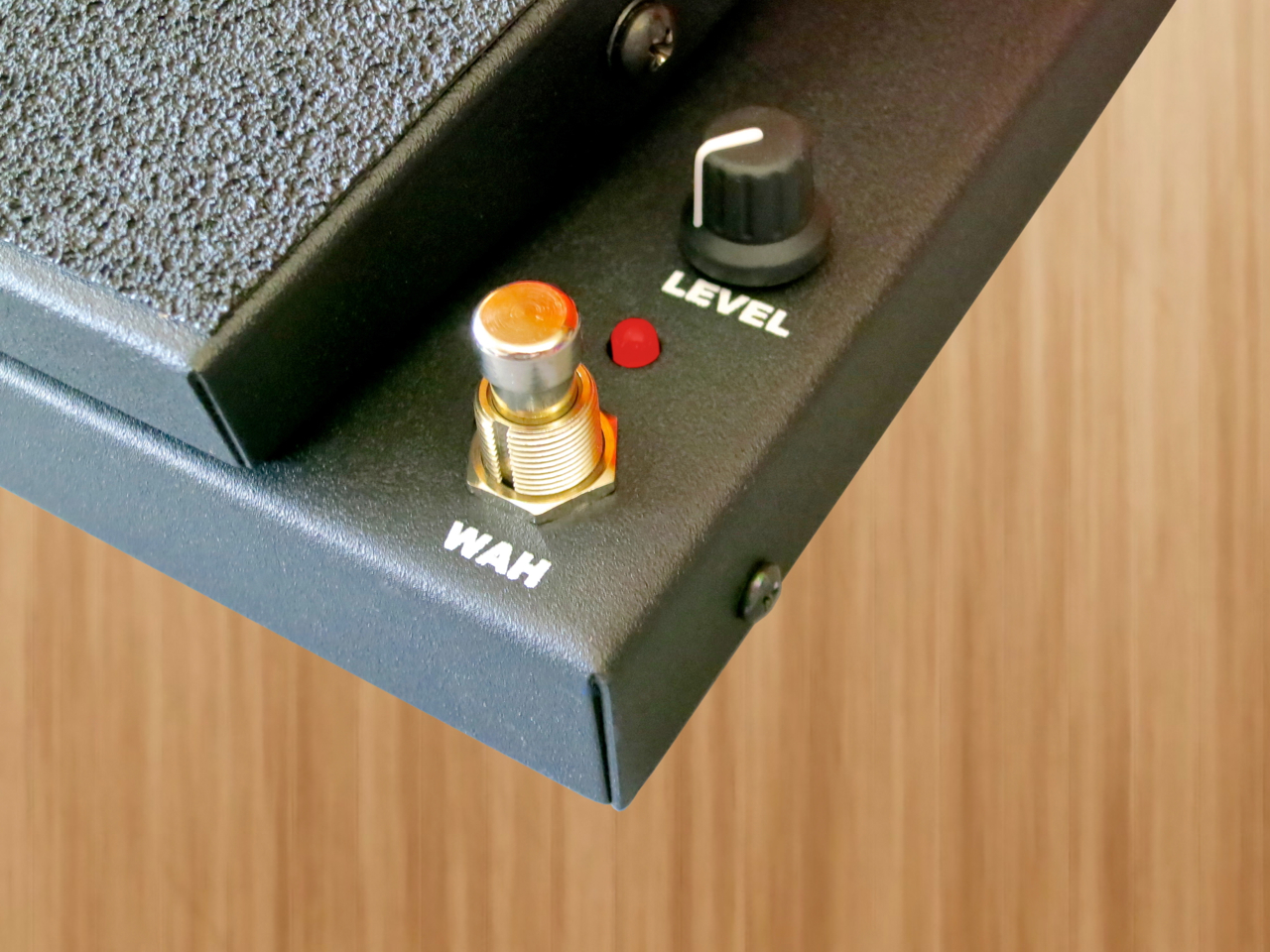
The M2 Wah features an On/Off-switch for the wah-effect (with a red indicator LED), as well as a dedicated level control for the effect signal.

The control setup on the M2 Wah/Volume looks identical, but it functions a bit differently:
The footswitch toggles between volume mode (LED off) and wah mode (LED on). The level knob works only on the wah side of things.
****

Morley’s M2 Passive Volume-pedal works extremely smoothly, evenly and precisely. There are no jumps or wobbles in the volume level, instead the Passive Volume works just as it should, and without having any noticeable effect on your guitar’s inherent tone. The M2 Passive Volume clearly is a pro-quality choice at a very fair price.

****
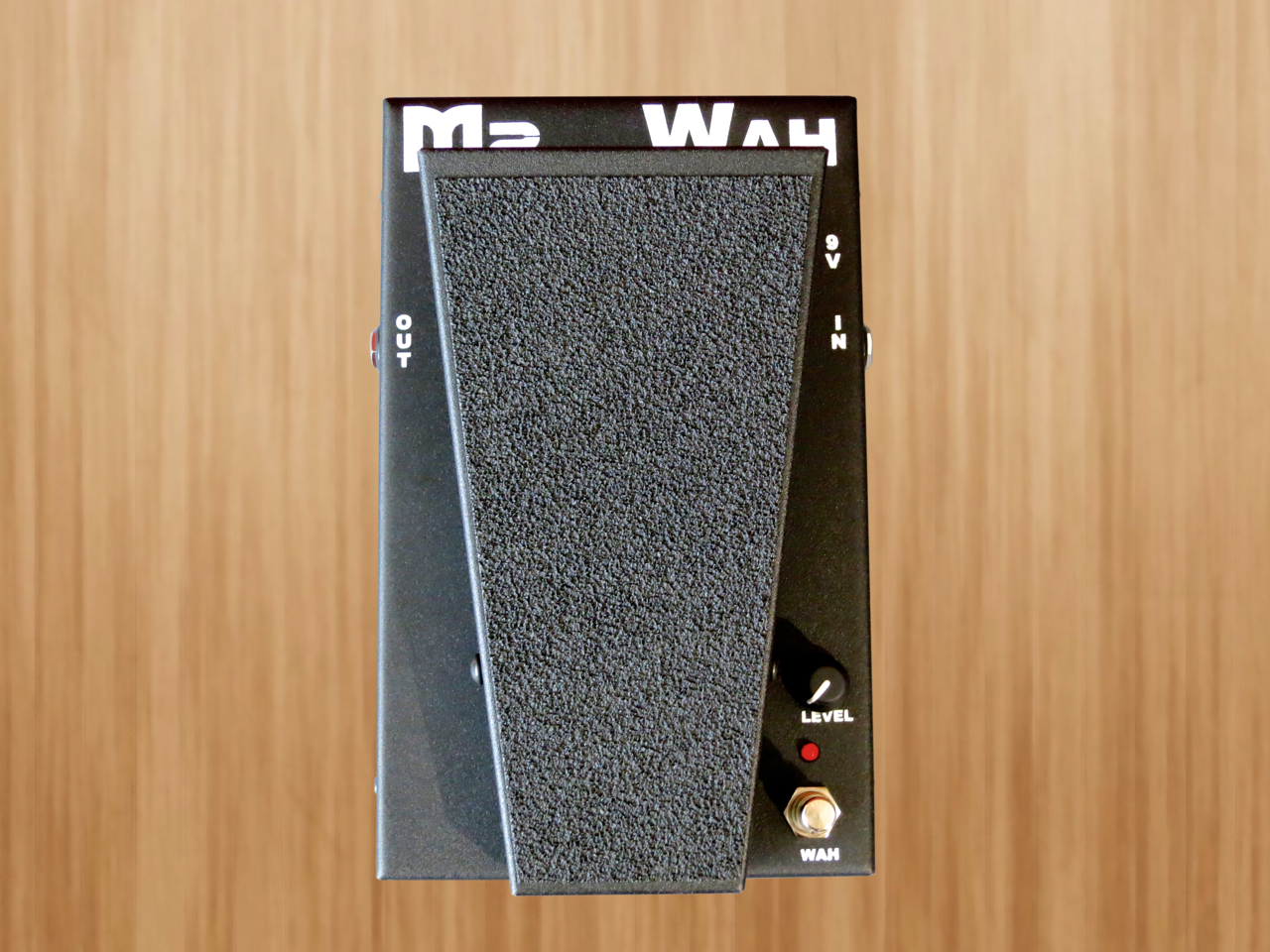
Morley’s M2 Wah comes equipped with an internal active buffer (the Morley True Tone Buffer), which stays on, even with the wah-effect turned off. An active buffer will prevent audible signal deterioration, even if you’re using a long line of (true bypass) effect pedals or a very long cable between you effects and the amp. The only ”drawback” of an active buffer is that the pedal will draw a tiny bit of current, even with the effect turned off.
Oh, boy, Morley’s wah-sound is just what the doctor ordered! The M2 Wah’s filter sounds really juicy, and the pedal works in a very musical and organic way.

****

The M2 Wah/Volume combines both volume control and wah-wah with an active buffer, meaning you do need a battery (or power supply) to run the pedal’s volume side, too.
Morley’s Wah/Volume-pedal manages to combine both effects in an easy-to-use, handy package. This pedal’s volume mode works just as evenly and smoothly as the M2 Passive Volume, while the wah side of things sounds just as tasty as in the stand-alone M2 Wah.
The M2 Wah/Volume was simply too good to let go – I had to buy one!
****

For some reason, I’ve always dug Morley’s straightforward and unsentimental design. The new M2-series, too, has that famous big, black and square ”Morley look”. Morley’s M2-pedals sure don’t look cute, but they more than make up for it when it comes to roadworthiness and reliability.
Many professionals rely on a Morley for their sound. I’m sure that these M2-series pedals will find their way into many a musician’s arsenal.
I’d suggest you go and check them out!

****
Morley M2 -series
M2 Volume – 76 €
M2 Wah – 83 €
M2 Wah/Volume – 94 €
Finnish distributor: Musiikki Silfverberg
Many thanks to Vantaan Musiikki for the loan of the review pedals!
****
Pros:
+ excellent value-for-money
+ made in USA
+ sturdy build
+ work smoothly
+ sound
+ buffered output (M2 Wah and M2 Wah/Volume only)
Carvinin erittäin kompakteissa MicroBass-bassokomboissa firman ultrakevyt BX 250 MicroBass -vahvistin on upotettu neljään erikokoisiin kaappeihin. Hyvän suunnittelun ja nykyaikaisten (entistä kevyempien) kaiuttimien ansiosta, jopa isoin Carvin MicroBass -kombo – kahdella kymppituumaisella kaiuttimella, sekä diskanttitorvella varustettu MB210 – painaa vain 16 kiloa.
Kitarablogi sai testiin MicroBass-perheen pienimmän jäsenen, MB10-kombon, jolla pystyy matkustamaan vaikkapa julkisilla treeneihin tai keikalle.
****
Carvin MicroBass MB10 (577 €) on oikea kompaktiuuden ruumiillistuma:
Kombon ulkomitat ovat vain 47 x 33 x 28 cm (k/l/s), ja pikku-Carvinin paino pysyy jopa alle 12 kilon!
Pienuudestaan huolimatta myös tämä Carvin on jämerää tekoa.
Kunnon metalliritilän takana näkyy kymppituumainen bassokaiutin, sekä kombon neodyymimagneetilla varustettu diskanttitorvi.
MicroBass MB10 -vahvistinta voi käyttää joko pystyasennossa tai sivullaan. Kombon suljetun kotelon kylkeen on tätä varten lisätty toinen satsi kumijalkoja.
Musta vinyylipäällyste on MB10:ssä vakiona, mutta pientä lisämaksua vastaan (40 €) voi tilata oman MicroBass-kombon vaikkapa käärmeennahka-kuvioisella vinyylillä.
****
Carvin BX 250 MicroBass -vahvistimen varustelu ei todellakaan jätä toivomiseen varaa:
Carvinin etuvahvistin toimii A-luokan periaatteella mukavan alhaisella kohinatasolla. Drive-säädintä avaamalla voi saada soundia vintage-tyylisesti vielä rouheammaksi ja mehevämmäksi, mutta säröpedaalin kaltaista Metal-säröä ei pitäisi odottaa tästä vahvistimesta.
Contour-säätimen tarkoitus on lisätä soundiin hieman loudness-maista esi-EQ:tä, jossa basso- ja diskanttirekistereitä boostataan vähän, samalla kun keskialueelta otetaan hieman signaalia pois. Signaaliin voi näin lisätä jo hieman potkua (ja siistiä keskitaajuuksia), ilman että taajuuskorjaimiin on edes koskettu.
MicroBassin EQ-osasto on hyvin varusteltu – Bass- ja Treble-hyllykorjainten lisäksi on tarjolla jopa kaksi puoliparametrista korjainta keskitaajuuksille.
Vahvistimesta löytyy myös bassolle optimoitu, helppokäyttöinen kompressori. Signaalitasosta ja kompressorin toimesta saa MicroBass-kombossa myös optista viestiä, punaisella merkkivalolla muuten violetin jewel-valon keskellä. Carvinin kompressori toimii musikaalisesti ja on oiva työkalu, jolla saadaan pikkukombosta kaikki irti. Jo hyvin maltillisesti käytettynä kompressori tekee lopputuloksesta siistimmän, ja samalla voi soittaa komboa lujempaa.
Omilla, sisäisillä kaiuttimilla MicroBassin D-luokan päätevahvistimen maksimitehoksi ilmoitetaan 200 wattia. Sopivalla lisäkaapilla voidaan saada pikkukombosta vielä 50 wattia lisää tehoa ulos.
Kaappilähdön lisäksi on tarjolla vielä kuulokelähtö (joka on samalla myös lähtö viritysmittarille), sekä balansoitu DI-lähtö (XLR). Kuuloke- ja DI-lähdölle on yhteinen säädin signaalitasolle (DI Level), ja Pre/Post-kytkimellä voi valita lähetetäänkö tulosignaali suoraan lähtöihin vai käytetäänkö EQ:lla ja kompressorilla höystetty signaali lähteenä.
Pehmeän vintage-soundin ystävät iloitsevat varmasti Tweeter-pikkukytkimestä, jolla saa haluttaessa diskanttitorvi hiljaisemmaksi.
Koska soundin kuvailu on hyvin hankalaa touhua, olen äänittänyt erilaisia audiopätkiä, joilla saa kuvan Carvin MicroBass MB10:n monipuolisuudesta. Äänitykset on tehty kahdella mikrofonilla (siis ilman DI-lähtöä):
Jazz Bass – EQ:t neutraaliasennossa
Jazz Bass – kevyt bassoboosti, Tweeter-kytkin Dim-asennossa
Jazz Bass – plektralla, pieni ripaus Contouria
Jazz Bass – slap-soittoa, Contour-säädin kello 12
Höfner 500/1 – plektralla, Tweeter-kytkin Dim-asennossa
Rickenbacker 4003
Rickenbacker – plektralla
****
Jos olet todella kovaäänisen Thrash Metal -bändin basisti, tai jos olet lähdössä soittamaan seuraava keikkasi Olympiastadionilla, Carvinin pikkukombo ei ole ehkä se paras valinta. MicroBass MB10 on kyllä – etenkin kokoonsa nähden – hyvin kovaääninen bassokombo, mutta jossain tulee kuitenkin raja vastaan.
Carvin MicroBass MB 10 on kuitenkin loistava valinta meille enemmistölle, jotka soittavat säännöllisesti ravintoloissa ja pubeissa. Näissä paikoissa Carvinin maltillinen volyymi, kompakti koko ja loistava soundi tekevät MicroBass-kombosta lyömättömän keikkakoneen. Studiossakin pieni bassovahvistin on usein kullan arvoinen, koska vuotoäänet, esimerkiksi rumpumikkeihin, saa estettyä helpommin. Myös Unplugged-, Folk- ja akustisen Jazz-musiikin ystäville pikku-Carvin voi osoittautua erinomaiseksi valinnaksi.
****
Carvin MicroBass MB10
577 €
Maahantuoja: Musiikki Silfverberg
Kiitos Vantaan Musiikille testivahvistimen lainaamisesta!
****
Plussat:
+ kompakti koko
+ alhainen paino
+ monipuolinen
+ helppokäyttöinen kompressori
+ soundi

Amerikkalaisvalmistaja Morley on tunnettu laadukkaista wah- ja volume-pedaaleistaan, jotka kuuluvat esimerkiksi Steve Vain, George Lynchin ja Mark Tremontin vakiotyökaluihin. Alkuperäiset Morley-pedaalit on usein toteutettu optisella tavalla, ilman perinteistä mekaanista potentiometriä polkimen alla.
Joidenkin kitaristien mielestä mekaaninen säädin kuulostaa ja tuntuu kuitenkin – vaikeasti selitettävällä tavalla – ”paremmalta” kuin optisesti toteutettu wah-pedaali, ja juuri heitä varten Morley on kehittänyt uuden M2-sarjansa.
Morley on kuitenkin Morley, ja firma on päättänyt käyttää M2-sarjassa omaa säätömekanismiaan:
Perinnepedaaleissa (ja niiden kopioissa) polkimen etupäähän on kiinnitetty hammastanko, joka kääntää kotelon kanteen asennettua säädintä. Näiden pedaalien iso potikka altistuu pölylle ja lialle, mikä voi johtaa siihen, että signaali alkaa jossain vaiheessa rahista. Silloin on useimmiten edessä potentiometrin vaihto.
Morley M2 -pedaaleissa käytetään military-speksattua, kotelon uumeniin asennettua liukusäädintä, jota säädetään polkimen etu- ja takapuoliin kiinnitetyillä nailonsiimoilla.
****
Saimme Vantaan Musiikilta kolme M2-pedaalia testiin:
Ensimmäinen on ilman paristoa toimiva Morley M2 Passive Volume (76 €).
Toinen pedaali on sarjan klassisia wah-soundeja tarjoava Morley M2 Wah (83 €).
Ja kolmas on todella kätevä yhdistelmäpedaali – Morley M2 Wah/Volume (94 €).
M2-kolmikon perusrakenne on sama:
Pedaalit on rakennettu täysin taitetusta teräksestä, ja lopputulos vaikuttaa erittäin kestävältä ja luotettavalta. Poljin on päällystetty paksusti luistamattomalla materiaalilla, joka pitää kengän pohjan tiukasti ja turvallisesti pedaalilla.
Tulo kitarajohdolle on Morley:ssa pedaalin oikeassa laidassa.
Kolmikon aktiivipedaaleissa – M2 Wah ja M2 Wah/Volume – on kitaratulon lisäksi vielä liitin virtalähteelle.
Näitä kahta pedaalia voi luonnollisesti myös käyttää yhdeksän voltin paristolla, ja paristolokeroon päästään ilman ruuvimeisseliä.
Vasemmasta kyljestä taas löytyy kaikissa M2-pedaaleissa lähtöjakki.
M2 Wahissa on efektille tarkoitettu päälle/pois-jalkakytkin, punainen led-valo, sekä Level-säädin efektin lähtötasolle.
M2 Wah/Volume-pedaalin kattaus näyttää samanlaiselta, mutta yhdistelmäpedaalissa jalkakytkin vaihtaa pedaalin käyttötilaa volumesta (ledi pois päältä) wahiin (valo on päällä) ja takaisin.
****
Morley M2 Passive Volume -pedaali toimii erittäin jouhevasti, sulavasti ja tarkasti. Äänenvoimakkuutta säädettäessä ei esiinny minkäänlaisia kuoppia, eikä hyppelehtimistäkään, vaan volyymimuutokset ovat tasaisia polkimen koko liikeradalla. Pedaali vaikuttaa siis luotettavalta ja oivalta työkalulta.
****
M2 Wah -pedaalissa on aktiivinen bufferi (Morley True Tone Buffer), joka on päällä myös silloin, kun wah-efekti on pois päältä. Bufferivahvistimen ansiosta signaali ei huonone käytännössä lainkaan, vaikka pedaalin jälkeen olisi käytössä tavallista isompi määrä muita efektejä, tai vaikkapa erittäin pitkä johto vahvistimeen. Bufferin ainoa ”huono” puoli on se, että pedaali tarvitsee aina pienen määrän käyttövirtaa.
Morleyn wah-soundi on täysin minun makuuni! M2 Wah:n filtteri kuulostaa erittäin mehevältä ja koko pedaali toimii erittäin orgaanisella ja hyvin musikaalisella tavalla.
****
Erittäin kätevässä M2 Wah/Volume-pedaalissa molemmat puolet käyttävät efektin sisäistä bufferia – siis: tässä pedaalissa myös volume-toiminto tarvitsee toimiakseen pariston (tai virtalähteen).
Morleyn Wah/Volume-pedaali onnistuu yhdistämään hyvin käytännöllisellä tavalla sekä wah-efektin että äänentason säätämistä. Volume-puoli toimii yhtä jouhevasti ja tarkasti kuin Passive Volume -pedaalissa, ja wah-soundi on yhtä herkullinen kuin M2 Wah -polkimessa.
Itse asiassa pidin tästä pedaalista niin paljon, että ostin sen itselleni!
****
Jostain syystä Morleyn suorasukainen ja epäsentimentaalinen muotoilu on aina vedonnut minuun. Myös uusi M2-kolmikko koostuu kolmesta isosta mustista laatikosta. Morley ei ehkä saa koskaan design-palkintoa, mutta M2-pedaalien jämeryys ja kestävyys on vailla vertaa.
Morleyn soundiin luottavat monet ammattimuusikot, ja M2-sarja on selvästi rakennettu kestämään myös rankempaa kiertue-elämää mukisematta.
Kokeilemisen arvoisia polkimia siis!
****
Morley M2 -sarja
M2 Volume – 76 €
M2 Wah – 83 €
M2 Wah/Volume – 94 €
Maahantuoja: Musiikki Silfverberg
Kiitos Vantaan Musiikille testipedaalien lainaamisesta!
****
Plussat:
+ loistava hinta-laatu-suhde
+ valmistettu USA:ssa
+ jämerä rakenne
+ toimivat jouhevasti ja tarkasti
+ soundi
+ bufferoitu lähtö (vain M2 Wah ja M2 Wah/Volume)



 Kitarablogi.com – Finland's premier Guitar and Bass blog