Three examples showing the different basic styles of wah-pedal use: • ”Papa…” – whacka-whacka Motown/Funk • ”Voodoo…” – expressive wah-wah use • ”Money…” – so-called ”cocked” wah-wah (pedal parked in one position) **** • Vox V845 wah-wah • Mad Professor Simble Overdrive • Ibanez 850 Fuzz Mini • Fender (Japan) Stratocaster and Hamer USA Studio Custom guitars • Juketone True Blood valve combo
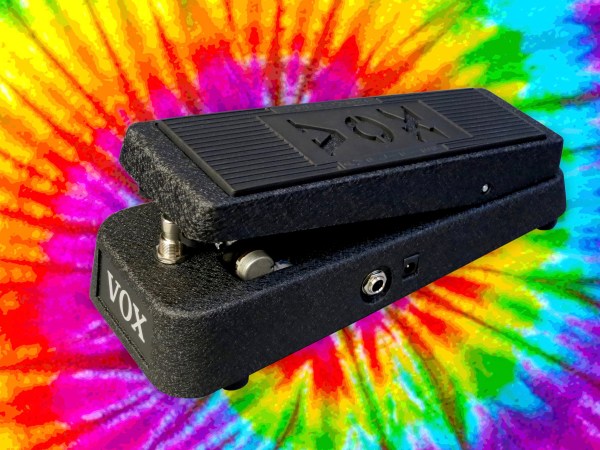
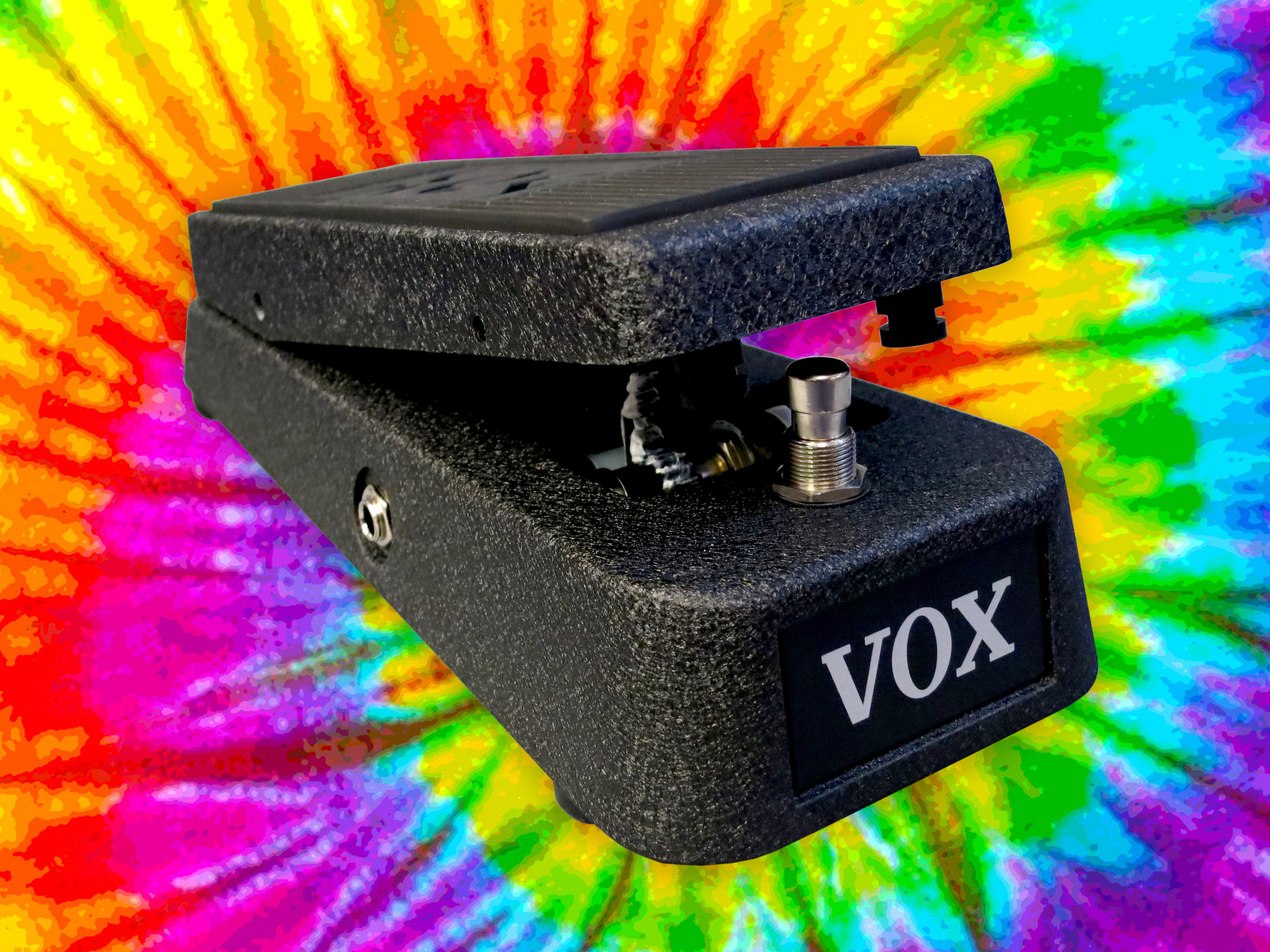
The Vox V845 is an interesting wah-pedal for at least three reasons – it’s made by the inventors of the wah-wah, it is very affordable (around 70-75 euros in Finland), and it is much lighter than regular Vox- or Dunlop-made wah-wahs (only 900 g compared to approx. 1.6 kg).
This drastic difference in weight is achieved by using a plastic core for both the main casing and the treadle. This core is then coated with an aluminium-based coating that gives the V845 the traditional look of a wah.
Electronically the Vox V845 is virtually identical to a vintage Vox-wah, apart from being built with a couple of PCBs and modern components.
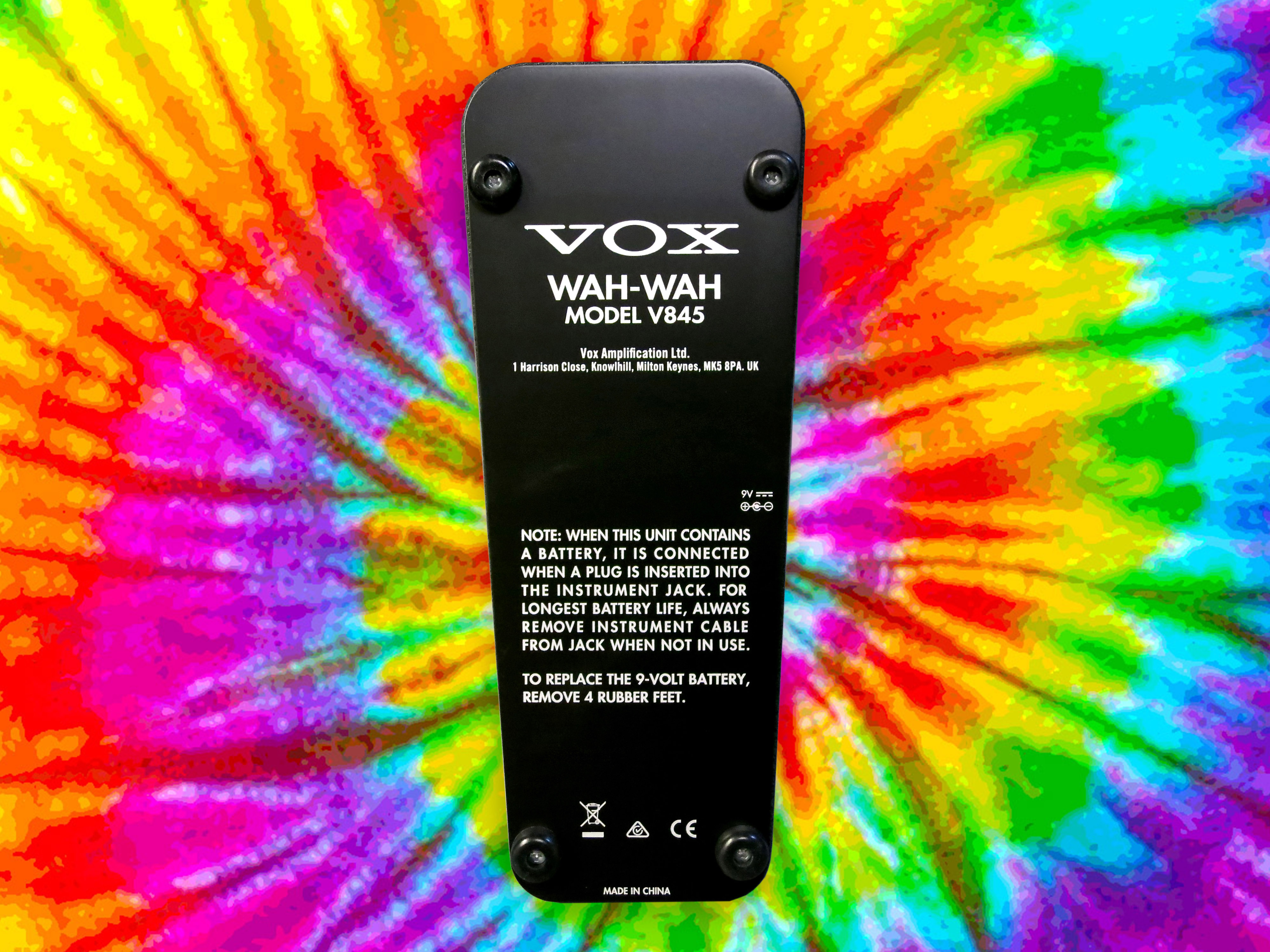
An important improvement over the originals from the 1960s and 70s is the addition of a DC input, which allows you to power the V845 from a modern power supply.
The Vox V845 looks like a wah-wah, feels like a wah-wah, so it’s no surprise that it also sounds like a genuine Vox-wah. The V845 switches on and off in the traditional way by giving the switch beneath the treadle a push in the toe-down position. The sound is big and warm, and, typical for a Vox, a little less abrasive in the top end than a standard Dunlop Cry Baby. What’s not to like?
I’ve been using the Vox V845 for four years by this point, and it hasn’t given me any trouble so far. Check it out!
****
Here are two recent recordings I’ve used the V845 on:
Here’s a short demo song featuring the Positive Grid Spark Mini practice amp (10 W modelling amp). The track is based on the Beatles classic ”Dear Prudence”. • All guitar tracks were recorded with the Spark Mini amp and a Shure SM7B microphone. • Guitars used: Harley Benton DC-60 Junior & Fender (Japan) 50s Stratocaster Reissue. • Audio interface: Universal Audio Volt 2 Find out more about the Spark Mini HERE. **** Rockway-testi tulossa.
• Sopraano-kokoinen SKB-35 on Ohanan versio vanhasta Washburn Bell -ukulelesta. • Concert-kokoisen VKC-70:n inspiraationa on toiminut Harmonyn Roy Smeck Vita -nimikkomalli. • Ohana BKT-70G yhdistää tenori-pituisen kaulan ja baritoni-uken kaikukopan. **** Komppiosuudet on soitettu oikean käden peukalolla ja etusormella. Stereokuvassa SKB-35 tulee vasemmalta, BKT-70G on keskellä ja VKC-70 kuuluu oikealta. Soitin melodiaosuudet 3 mm paksulla huopaplektralla. **** Kaikki ukuleleraidat on äänitetty Shure 545SD -mikrofonilla ja Cranborne Audio Camden EC2 -etuvahvistimen kautta.
Yllättävän monelle kompressori on jotenkin mystinen laite, joka käyttää musta magiaa soundin muokkaamiseksi. Todellisuudessa kompressori (yleiskielessä: kompura) on (puoli-) automaattisesti toimiva signaalitasoon vaikkuttava piiri, jolla kavennetaan signaalin dynamiikka – siis: hiljaisten ja kovien äänien välinen ero – toivotulla tavalla.
Etenkin puhtailla kitarasoundeilla kompressorista voi olla paljon apua, silloin kun kaivataan lisää sustainea, tukevampaa soundia, tai vaikkapa rauhallisempaa äänikuvaa. Esimerkiksi monille kantrikitaristeille kompura on lähes pakollinen varuste, jolla saadaan nopeat lickit, joissa usein sekoittuvat otetut äänet ja avoimet kielet, kuulostamaan tasaisempana ja sliipattuina.
Kitaristille tarjotaan nykypäivänä monta eri kompuraa pedaalin muodossa, joista suurin osa toimii ”enemmän tai vähemmän” -periaatteella, ehkä vielä lisätyllä atakki-kytkimellä.
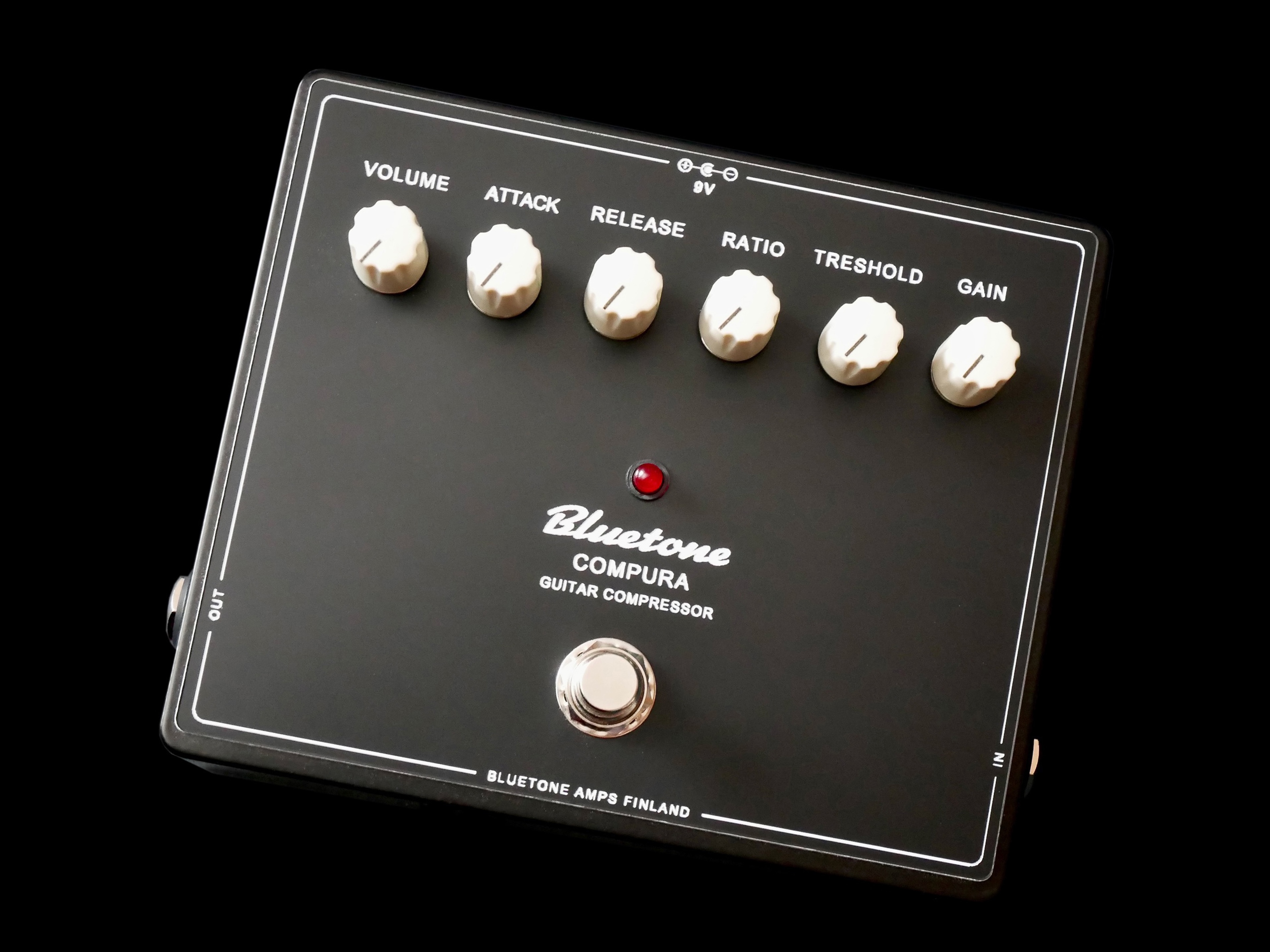
Suomalainen Bluetone Compura (330 €) lähestyy aihepiiriä toiselta kulmalta tarjoamalla laajasti säädettävän studiokompressorin kitarapedaalissa. Kuusi säädintä voivat aluksi näyttää hieman pelottavalta, mutta kun niiden toimintaa käy ensin rauhallisesti läpi, niin homma alkaa nopeasti selvenemään.
• GAIN on Compuran esivahvistus. Tässä ei ole kyse säröstä, vaan siitä, että eri kitaroissa (ja bassoissa) on eri mikrofonien vuoksi erilaiset lähtötasot. Gain-säätimellä pystyy siis optimoimaan valitun kitaran signaalitasoa kompressiopiiriä varten.
• THRESHOLD (kyllä, kuvan varhaisessa tuotantomallissa on pieni kirjoitusvirhe) tarkoittaa kynnystasoa. Threshold-tason alle jäävä signaali pysyy kompressoimatta, kun taas kynnyksen ylle menevät osuudet puristetaan dynamiikan osalta kasaan.
• RATIO on kompressiosuhteen säädin. Studiokompressoreissa lukee ratio-säätimen vieressä tavallisesti numeerinen suhde, jossa esimerkiksi ”1:1” tarkoittaa, ettei kompressoida lainkaan, kun taas ”8:1” tarkoittaa, että jos tulosignaalin taso nousee kahdeksan desibeliä kynnystason yli signaalia kompressoidaan niin, että lähtötaso nousee vain yhden dB:n verran. Bluetone Compurassa säädöt tehdään korvakuulolla.
• ATTACK ja RELEASE säätävät kuinka nopeasti kompressori alkaa vaikuttamaan signaalin tasoon sen jälkeen, kun kynnystaso ensin ylittyy (Attack-säädin), sekä silloin kun tulosignaalin taso taas laskee kynnystason alle (Release-säädin). Attack-säätimellä pystyy siis vaikuttamaan esimerkiksi siihen, kuinka paljon äänten atakista säilyy muuttumattomana, kun taas Release-säädin vaikuttaa siihen kuinka nopeasti kompressiopiiri ”nollauttuu” signaalipiikkien välissä.
• VOLUME-säädin on Bluetone Compura -pedaalissa lähtötason säädin, siis sama säädin jota kutsutaan monessa studiokompressorissa make-up gainiksi. Volume-nuppia säädetään korvakuulolla omien tarpeiden – esimerkiksi signaaliketjun muiden efektien – mukaan. Jotkut tykkäävät käyttää kompressorit miedoina boostereina, kun taas toiset haluavat, että kompressorin toiminta on signaalitason osalta lähes huomaamaton.
****
Studiossa kompressorin mittaristo on hyvin tärkeä työväline, josta saa tietoa siitä kuinka ”kuuma” tulosignaali on, kuinka monta desibeliä signaalin dynamiikka puristetaan kasaan, ja millä tasolla efektin lähtösignaali on.
Kitarapedaalissa tällainen mittarointi on minusta usein tarpeeton; usein värikkäät mittarit lattialla jopa vievät soittajan huomiota pois kaikkein tärkeämmästä – omasta soundista.
Tärkein on minun mielestäni se että muistetaan, ettei ole olemassa ”ainoa oikea tapa” käyttää sellaista kompressoria kuin Bluetonen Compura, koska mukana on aina kokonainen kasa muuttajia, kuten soitin, oma soittotatsi, musiikkigenre, muu signaalitie, käytössä oleva vahvistin jne.
Kun ottaa itselleen ensin hieman tutustumis- ja kokeiluaikaa Bluetone Compuran kanssa, löytyy hyvin helposti ja nopeasti sellaiset parametrien asetukset, jotka toimivat sinun omassa musiikillisessa työympäristössä. Se mikä sinun mielestäsi toimii sinun omassa musiikissa, on oikea riippumatta siitä, mitä toiset ehkä sanovat.
Helsingissä käsintehty Bluetone Compura ei ole halpakompura, vaan huippulaadukas pro-tason kompressoripedaali, joka tarjoaa studiokompressoreista tuttua säädettävyyttä kompaktissa muodossa. Siihen nähden laitteen hinta on jopa edullinen.
****
• Puhtaat komppiosuudet ja soolokitara – Fender ’62 Telecaster Custom Reissue • Puhtaat ja säröiset komppiosuudet – Fender ’57 Stratocaster Reissue • Vahvistin – Bluetone Black Prince Reverb • Pedaalit – Bluetone Compura, Mad Professor Simble OD • Mikrofoni – Shure SM7B • Mikkivahvistin – Cranborne Audio Camden EC2 • Interface – Universal Audio Volt 2
****
DEMO CLIP 1 Kompressorin ansiosta puhdas kitarariffi tulee kokonaiskuvassa paremmin esiin. Aluksi neljä tahtia ilman kompressoria. **** DEMO CLIP 2 Puhtaan vahvistimeen soitettu wah-wah ei aiheuta niin paljon säröä/klippausta, jos käytetään kompressoria wahwah:n ja vahvistimen välissä. Aluksi neljä tahtia ilman kompressoria. **** • Kitara – Fender ’57 Stratocaster Reissue • Vahvistin – Bluetone Black Prince Reverb • Pedaalit – Bluetone Compura, Vox V845 • Mikrofoni – Shure SM7B • Interface – Universal Audio Volt 2
Here’s a demo of the Bluetone Compura guitar compressor, based on the INXS classic ”Need You Tonight”. • Clean rhythm and lead guitars – Fender ’62 Telecaster Custom Reissue • Clean and overdriven rhythm guitars – Fender ’57 Stratocaster Reissue • Amp used – Bluetone Black Prince Reverb • Pedals used – Bluetone Compura, Mad Professor Simble OD • Mic used – Shure SM7B • Preamp used – Cranborne Audio Camden EC2 • Interface used – Universal Audio Volt 2
• Alun perin ”Sleep Walk” oli Santo ja Johnny Farinan kirjoittama instrumentaalikappale, joka ilmestyi vuonna 1959 • Joe Satriani levytti biisistä hyvän version vuonna 2002. Se on juuri Satrianin versio, josta sain inspiraatiota äänittää oman coverin. • Kitara: Jackson JS32 Dinky • Pedaalit: Mad Professor Simble OD ja EHX Memory Toy • Vahvistin: Bluetone Black Prince Reverb
Here’s my version of the Santo & Johnny classic ”Sleep Walk”, inspired by Joe Satriani’s cover version. **** • Guitar: Jackson JS32 Dinky • Pedals: Mad Professor Simble OD & Electro-Harmonix Memory Toy • Amp: Bluetone Black Prince Reverb • Microphone: Shure SM7B • Interface: Universal Audio Volt 2
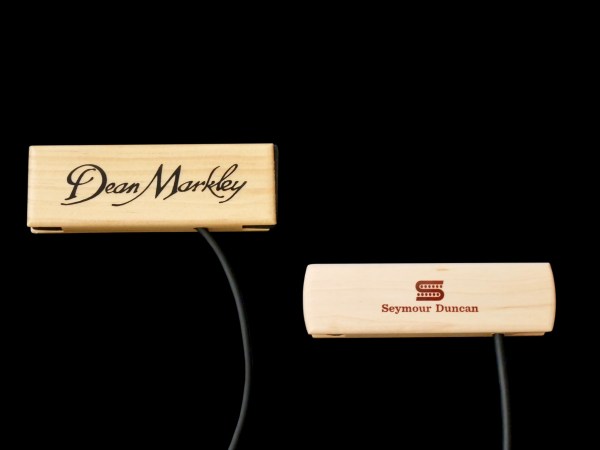
Demobiisi on lyhyt versio George Harrisonin biisistä ”All Things Must Pass”. • komppikitarat: Seymour Duncan Woody SC (vasen kanava), Dean Markley ProMag Plus (oikea kanava) • melodia: Dean Markley ensimmäinen läpisoitto, Seymour Duncan toinen läpisoitto • kitara: Takamine N-20 (jumbo seetrikannella) • etuvahvistin: Cranborne Audio Camden EC2






 Kitarablogi.com – Finland's premier Guitar and Bass blog