****
****
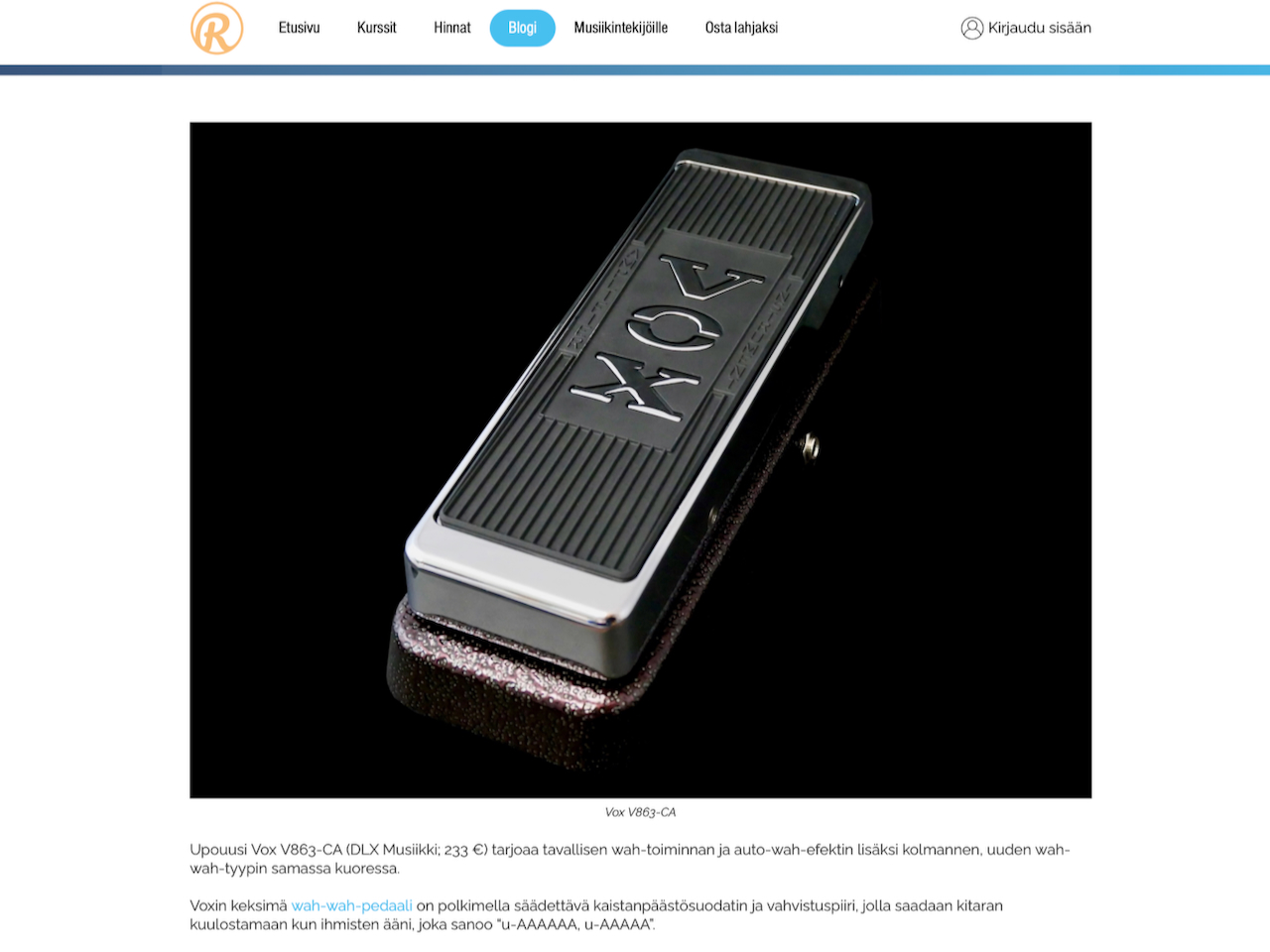
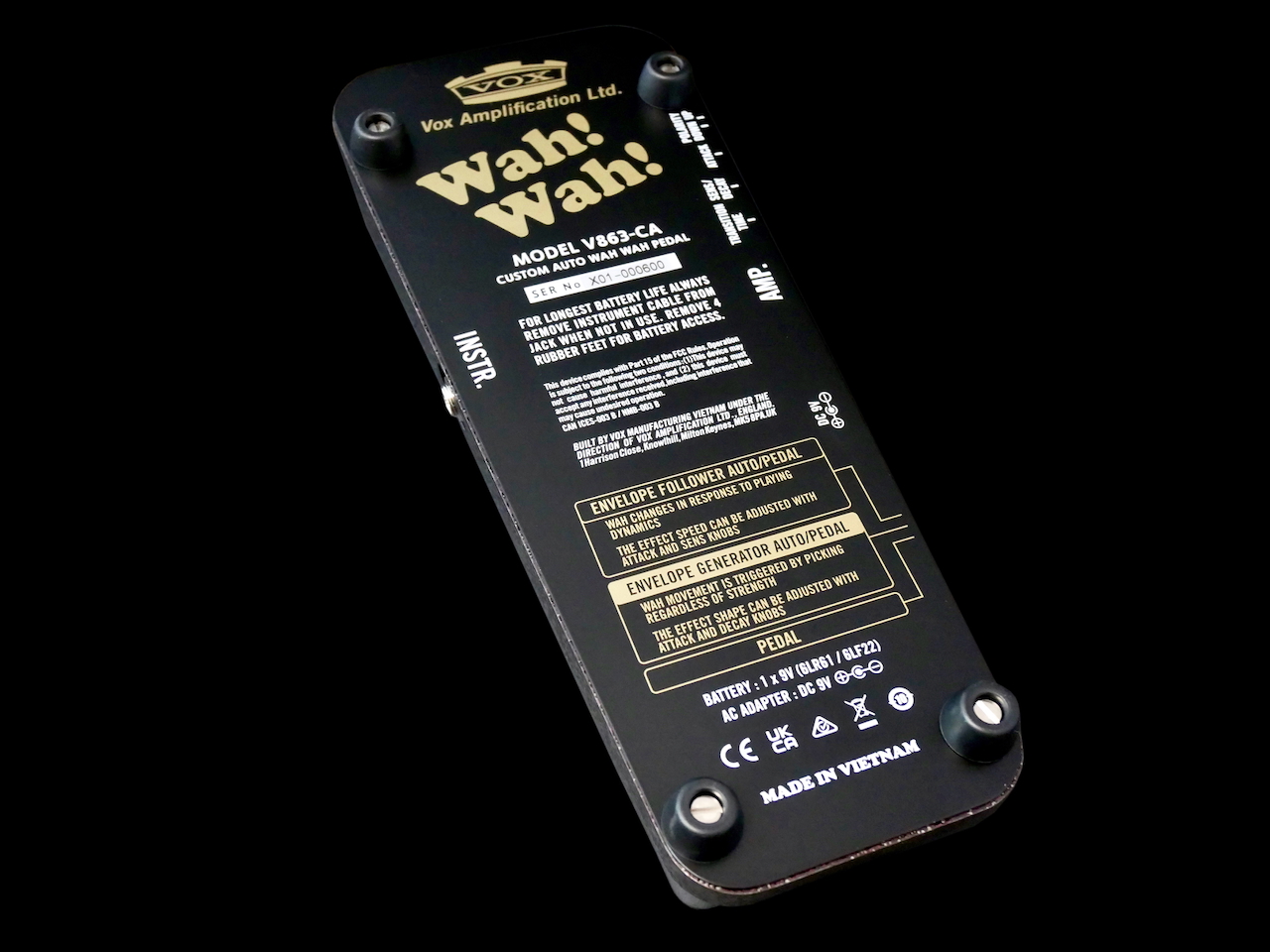
Vox V863-CA -testi on luettavissa TÄÄLLÄ.
****
Kitarablogi.com – Finland's premier Guitar and Bass blog
Juttuja kitaroista ja bassoista
Alkuperäistä, laajempaa Rockway-juttua voi lukea TÄÄLLÄ.
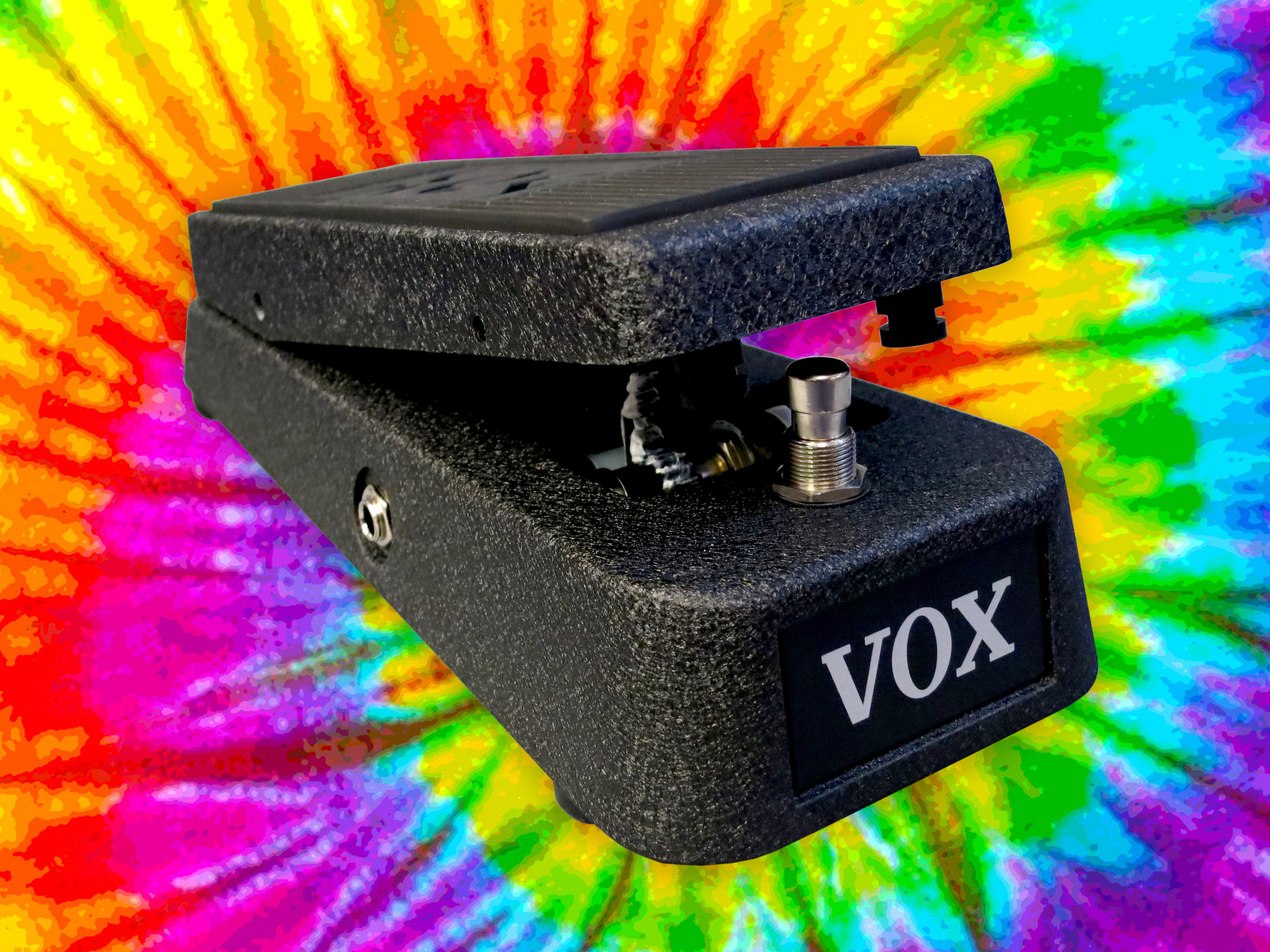
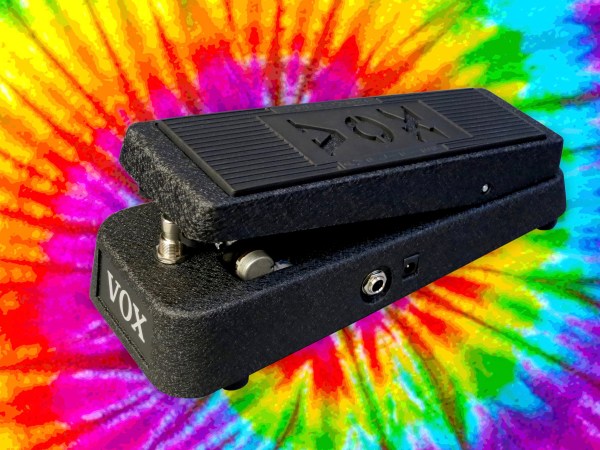
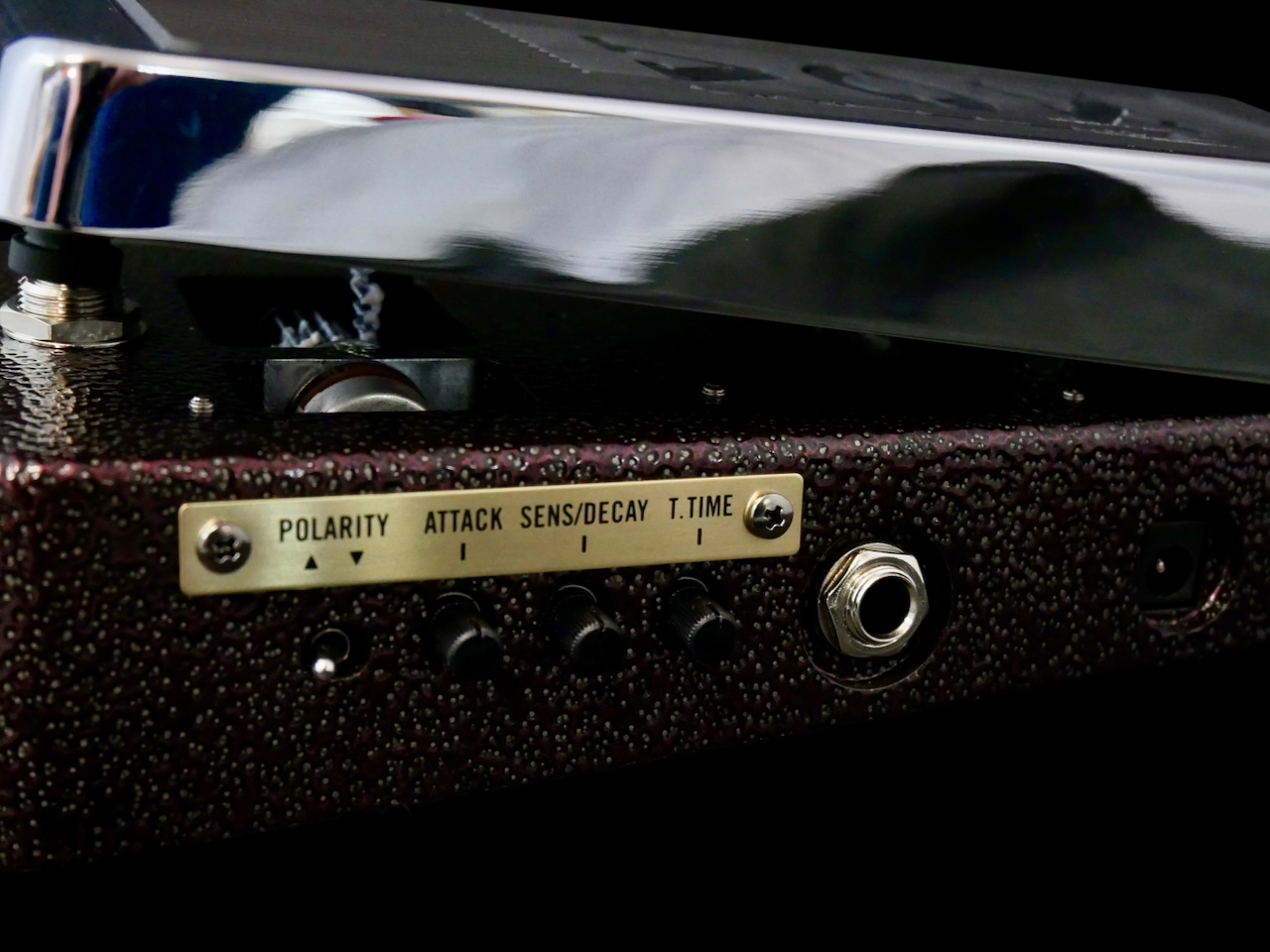
The Vox V845 is an interesting wah-pedal for at least three reasons – it’s made by the inventors of the wah-wah, it is very affordable (around 70-75 euros in Finland), and it is much lighter than regular Vox- or Dunlop-made wah-wahs (only 900 g compared to approx. 1.6 kg).
This drastic difference in weight is achieved by using a plastic core for both the main casing and the treadle. This core is then coated with an aluminium-based coating that gives the V845 the traditional look of a wah.

Electronically the Vox V845 is virtually identical to a vintage Vox-wah, apart from being built with a couple of PCBs and modern components.
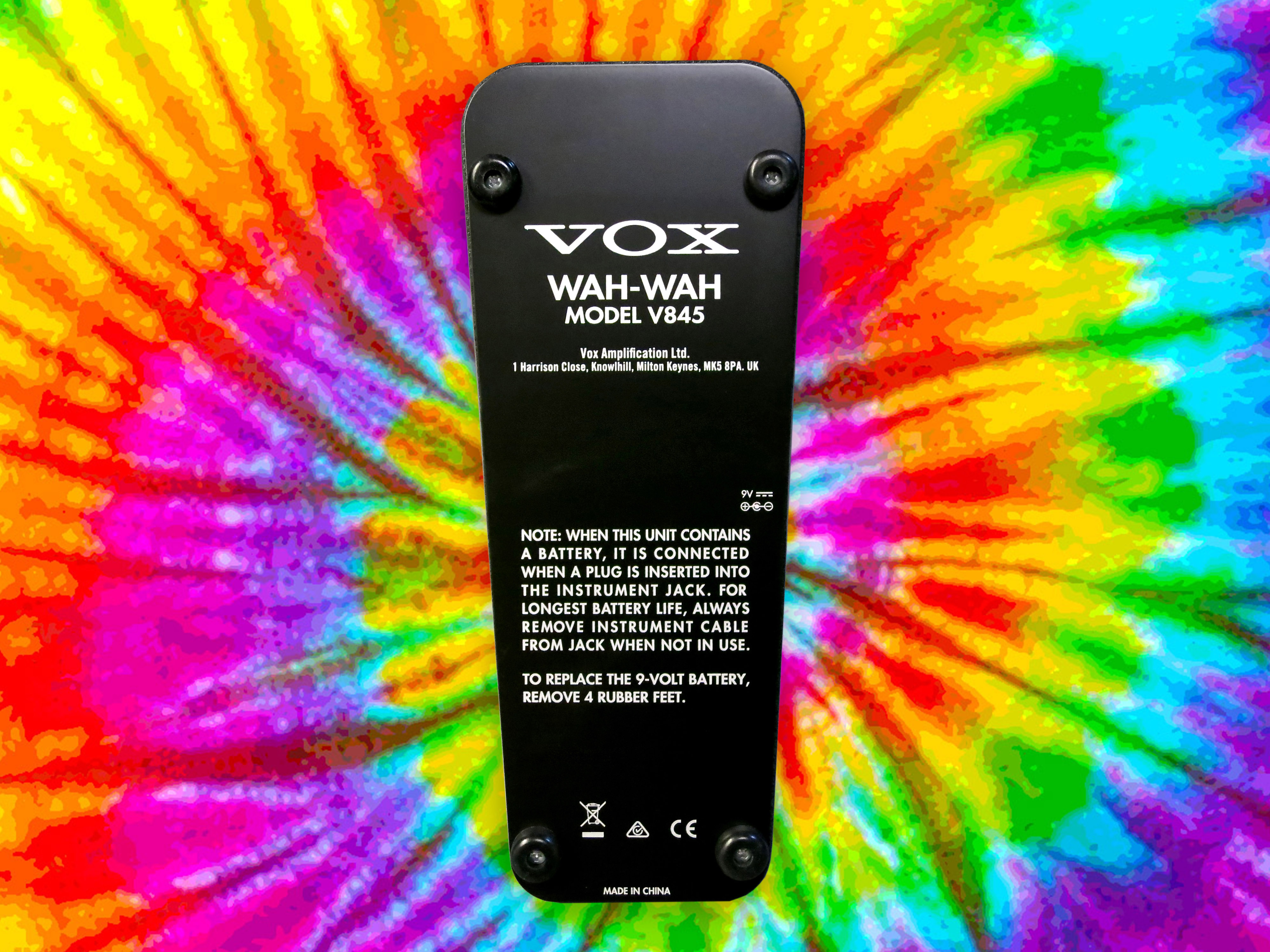
An important improvement over the originals from the 1960s and 70s is the addition of a DC input, which allows you to power the V845 from a modern power supply.

The Vox V845 looks like a wah-wah, feels like a wah-wah, so it’s no surprise that it also sounds like a genuine Vox-wah. The V845 switches on and off in the traditional way by giving the switch beneath the treadle a push in the toe-down position. The sound is big and warm, and, typical for a Vox, a little less abrasive in the top end than a standard Dunlop Cry Baby. What’s not to like?
I’ve been using the Vox V845 for four years by this point, and it hasn’t given me any trouble so far. Check it out!
****
Here are two recent recordings I’ve used the V845 on:
Silloin kun aloitin kitaran soittamista – 1970-luvulla – ”halvat” kitarat ja vahvistimet olivat yleensä huonoja. Nykypäivänä asiat ovat onneksi muuttuneet, ja edullisilla soittovehkeillä pystyy saamaan tarpeeksi hyviä soundeja, ettei innostus musiikin tekemiseen loppu.
Jos budjetti on pieni, eikä tarkoitus ole soittaa kokonaisen bändin kanssa, saa jo tällaisella kattauksella aikaiseksi ”olohuonekitaristia” tyydyttäviä soundeja.
When I first started playing guitar – in the 1970s – ”cheap” guitars and amps were generally bad. Fortunately, things have changed, and you can get satisfying sounds with relatively inexpensive equipment.
If your budget is small, and you don’t aim at playing with a whole band, a small set-up like the above will keep you going for a good while.
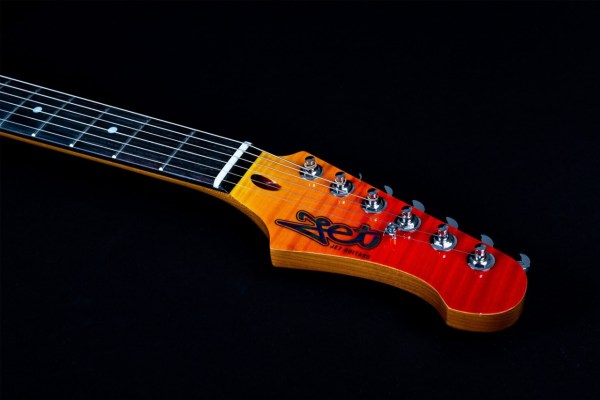
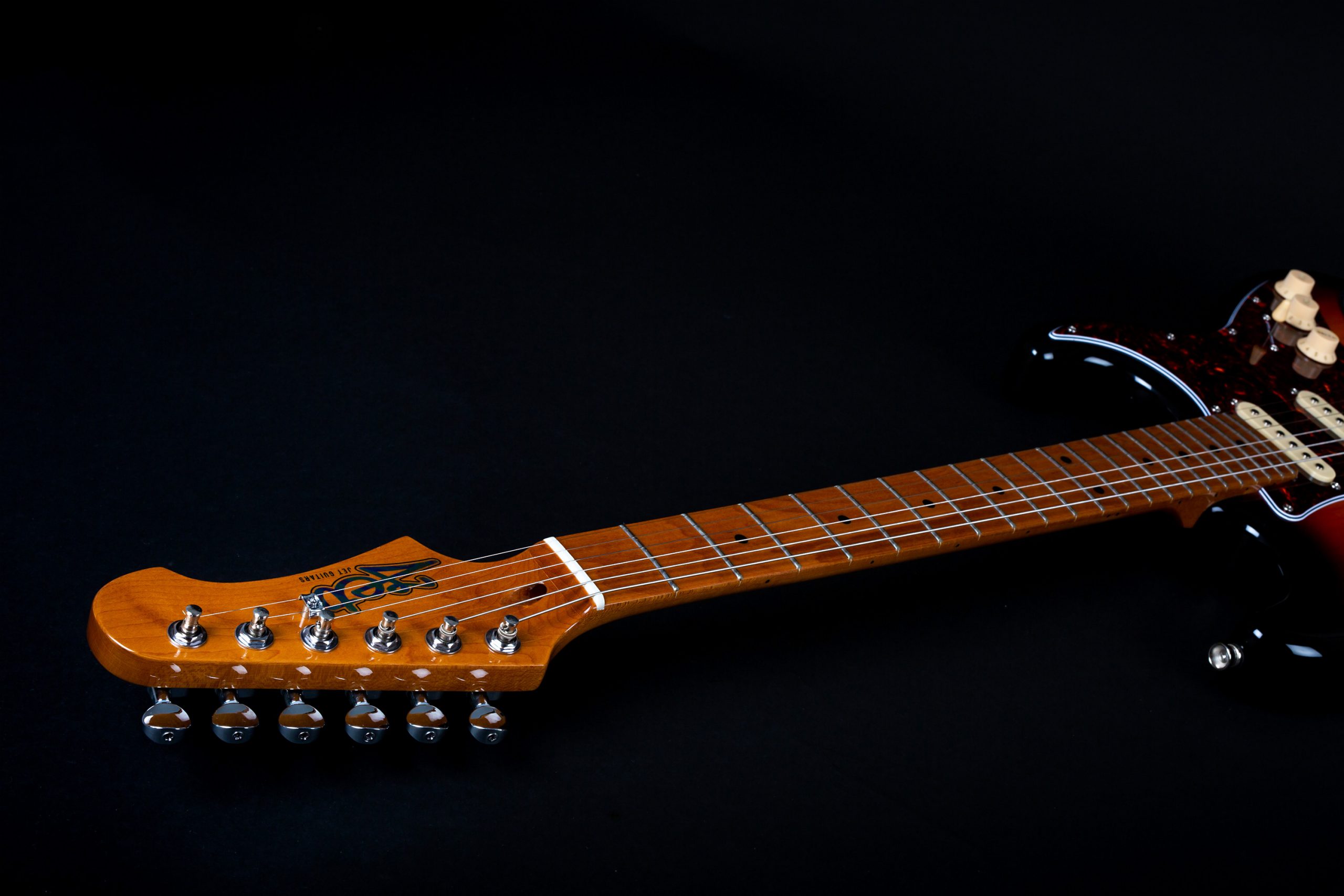
Jet Guitars
• JT-300 – perinteinen, Tele-tyylinen kitara
• JS-300 – perinteinen, Strato-tyylinen kitara vintage-vibratallalla
• JS-500 – Strato-tyylinen HH deluxe-malli nykyaikaisella vibralla ja lukkovirittimillä
• JS-600 – Strato-tyylinen HSS deluxe-malli nykyaikaisella vibralla ja lukkovirittimillä
Kaikissa Jet-kitaroissa kaula on paahdettua vaahteraa.
Lisää infoa: Millbrook Musiikki
****
• Komppikitarat: JT-300 (vasen kanava), JS-300 EHX phaserilla (oikea kanava), JS-300 Morley-wahilla (keskellä)
• Soolokitarat (Mad Professor Simble -säröpedaalin läpi): JT-300 (tallamikki), JS-300 (kaulamikki), JS-500 (kaulamikki), JS-600 (tallamikki humbuckerina)
• Vahvistin: Bluetone Black Prince Reverb
• Mikrofoni: Shure SM57
• Mikrofonivahvistin: Cranborne Camden EC2
Juttu wah-wah-pedaaleista on nyt ilmestynyt ROCKWAY-blogiin.
Japanilainen ESP Guitars on yksi maailman isoimmista kitaravalmistajista, ja etenkin Rock- ja Metalkitaristien keskuudessa arvostetaan firman luomuksia kovasti. ESP on kuitenkin paljon monipuolisempi yritys, kun mitä eurooppalaisesta näkökulmasta ehkä luullaan, sillä jotkut yrityksen alamerkeistä ovat saatavilla ainoastaan Japanissa – tunnetuimmat niistä ovat varmasti Grass Roots ja Edwards.
Edwards Guitars on ESP:n vintage-tietoinen laatubrändi ja sen mallisto tehdään Japanissa.

Edwards EX-125D (1.139 €; gigbägi kuuluu hintaan) on Edwardsin näkemys päivitetystä Gibson Explorerista, jolla on virtaviivaistettu säädinosasto ja aktiiviset mikit.

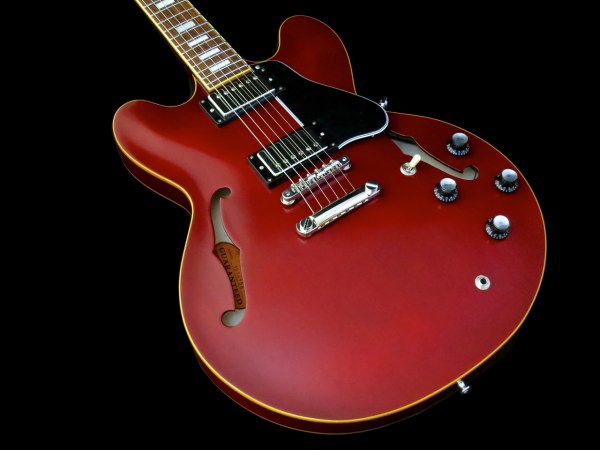
Edwards SA-160TLS (1.460 €; laukku kuuluu hintaan) näyttää vuoden 1964 Gibson ES-335:n (Clapton!) suoralta kopiolta, mutta todellisuudessa mallista löytyy yksi ratkaiseva ero esikuvaansa nähden.
****

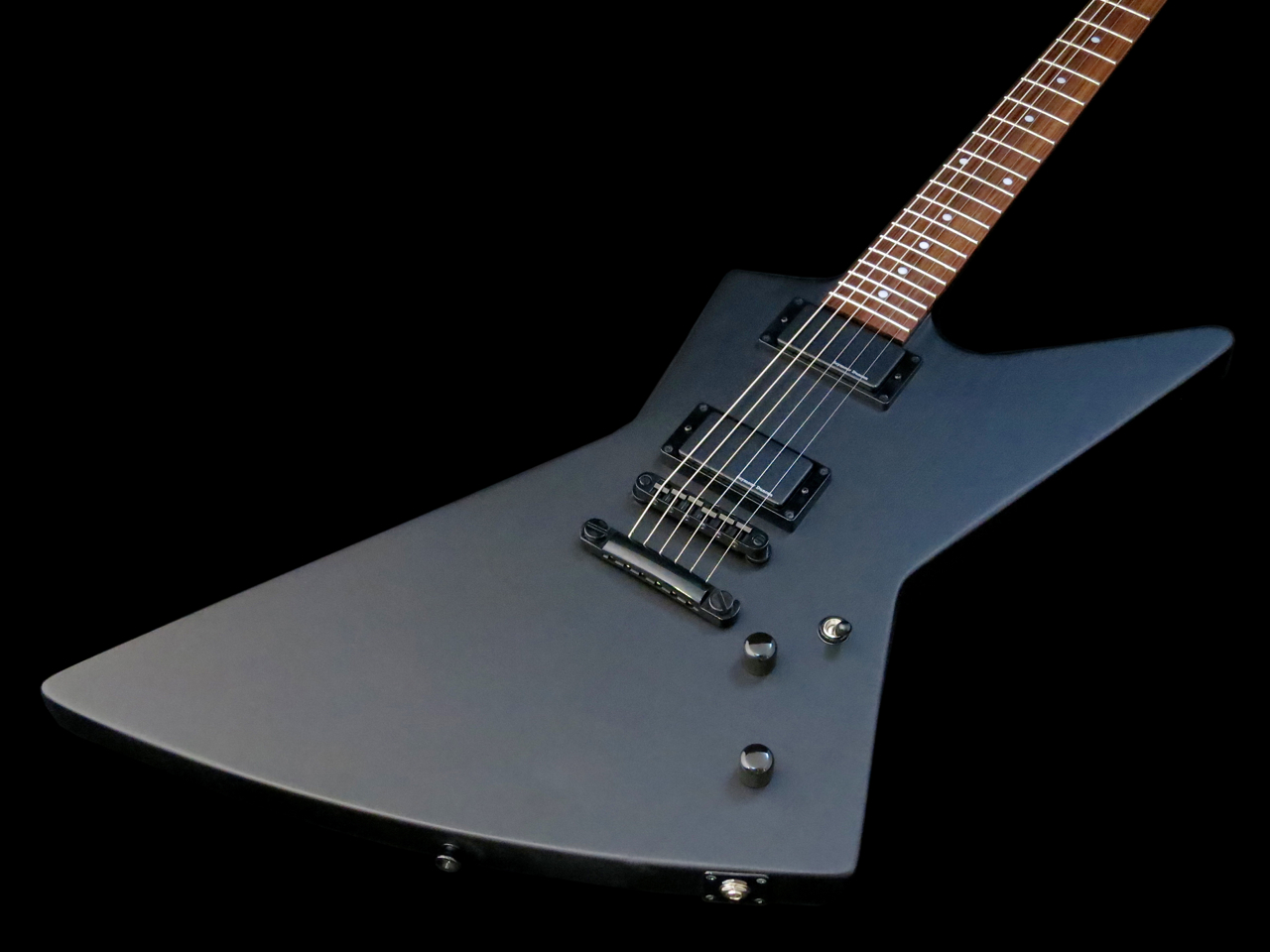
Kun kävin noutamassa testikitarat Musamaailman päämajasta, piti oikein tarkistaa oliko EX-125D:n topatussa pussissa varmasti kitara. Edwardsin versio aiheesta on selvästi kevyin Explorer-tyylinen kitara, joka minulla on ollut käsissäni tähän mennessä!
EX-125D tehdään miltei kokonaan mahongista – vain soittimen otelauta on pau ferro -nimisestä jalopuusta.
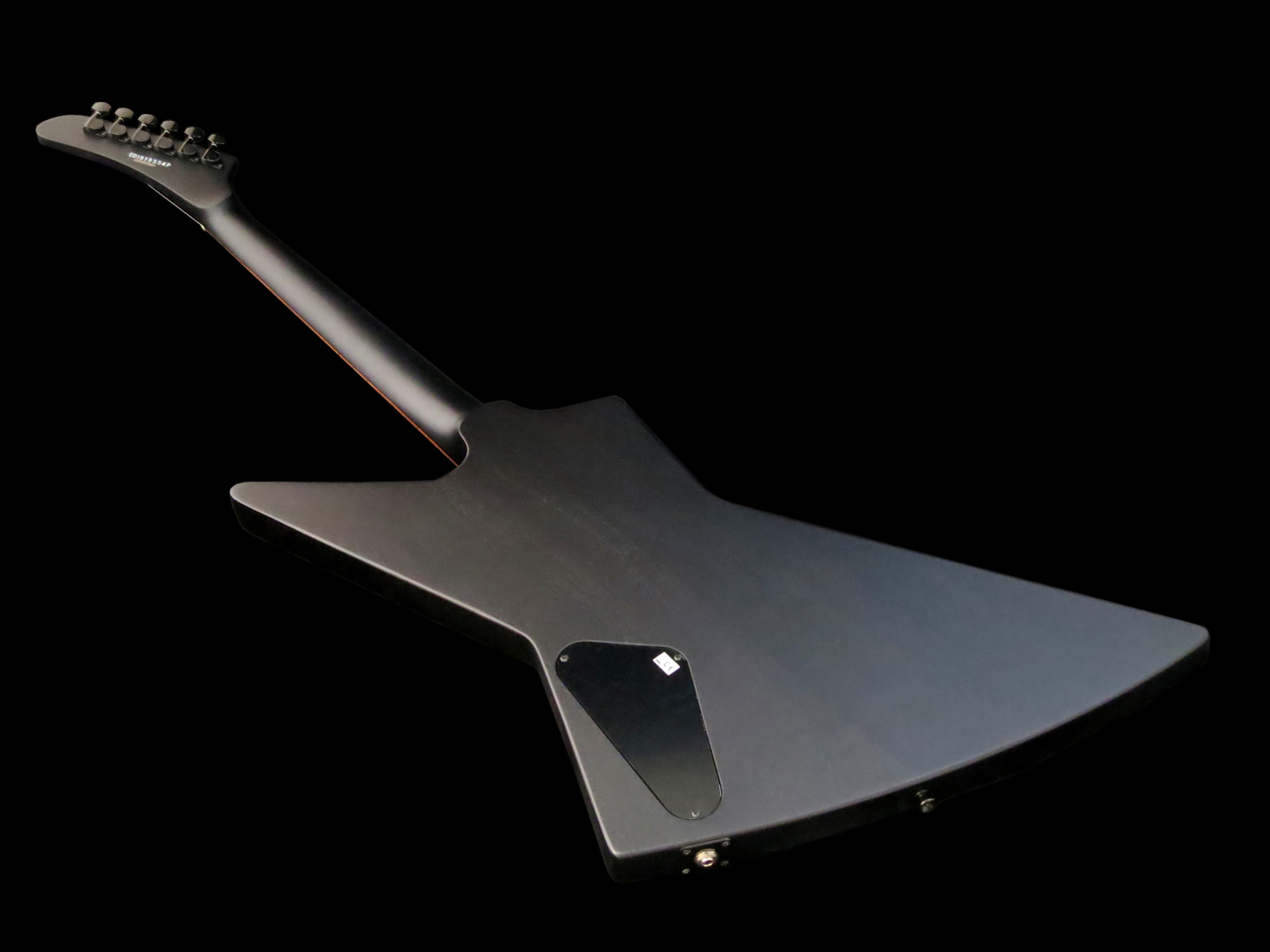
Kaulaliitos ja muut rakenteelliset seikat ovat hyvin uskollisia Gibsonin klassikolle. Edwards on kuitenkin päättänyt jättää alkuperäismallin isokokoiset pleksit käyttämättä, minkä vuoksi EX-125D:ssä myös kolmiasentoinen mikkikytkin on siirretty diskanttisarvesta tallan läheisyyteen.
Testikitaran ohut mattamusta viimeistely (Stain Cloudy Black) jättää mahongin syykuviot kauniisti esille.
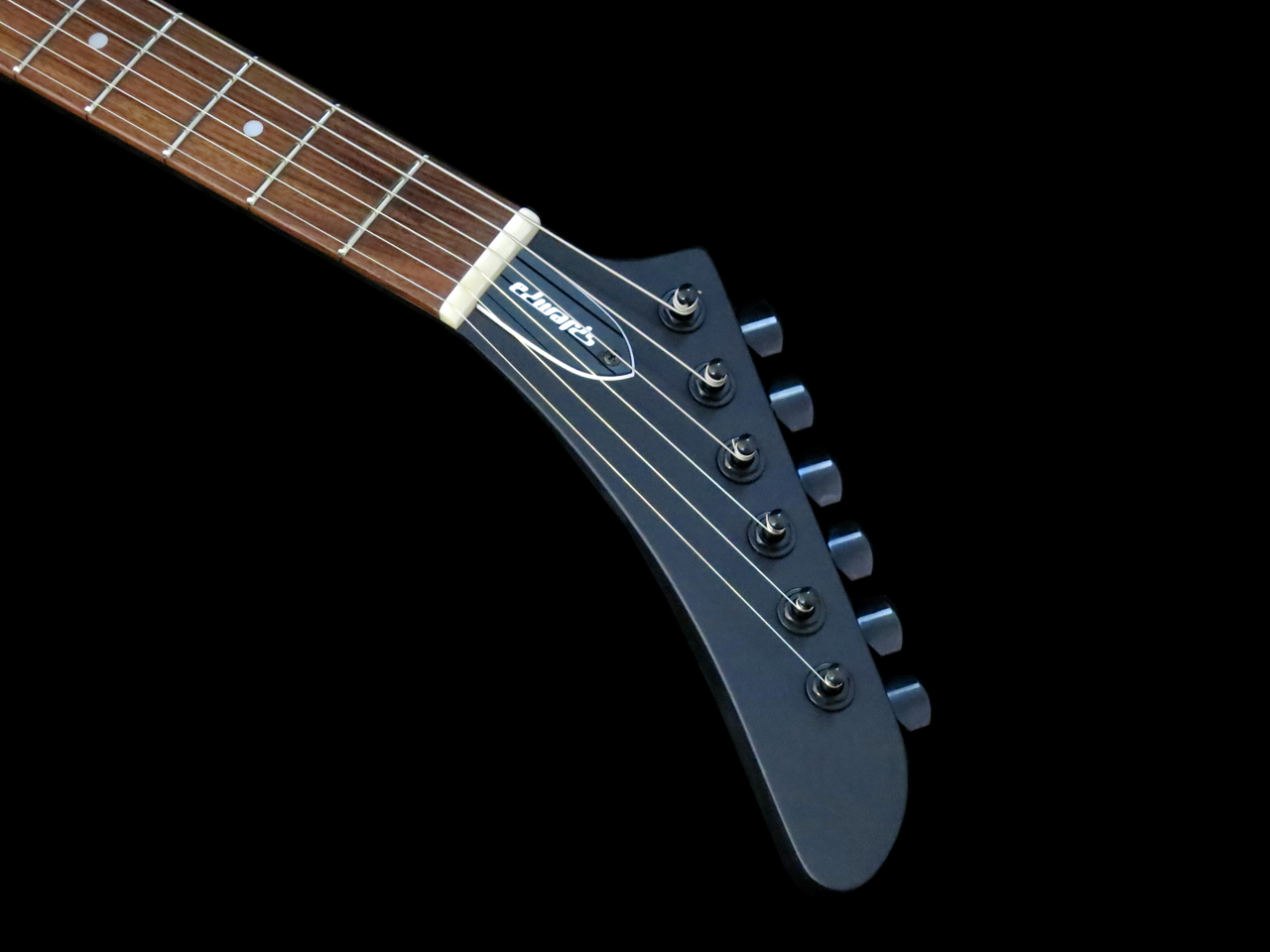
Klassiseen lätkämailalapaan on asennettu laadukkaat, mustat Gotoh-virittimet, sekä luusta veistetty satula.

Myös soittimen talla ja kieltenpidin tulevat Gotoh:n tuotannosta.
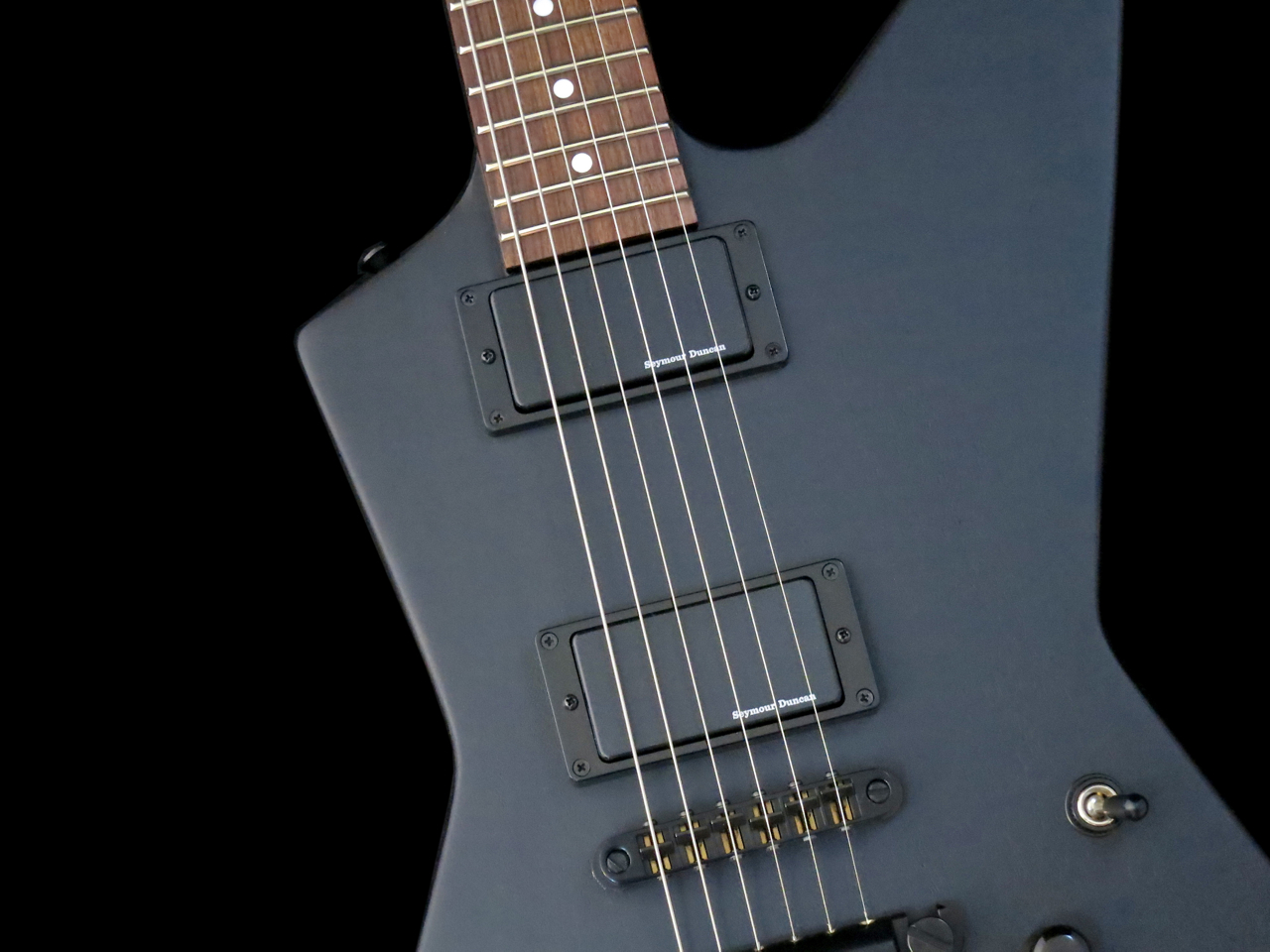
Mikrofoneiksi on valittu kaksi aktiivista Seymour Duncan Blackouts -humbuckeria, jotka on kehitetty nimenomaan nykyaikaista Metallia soittavan kitaristin tarpeisiin.
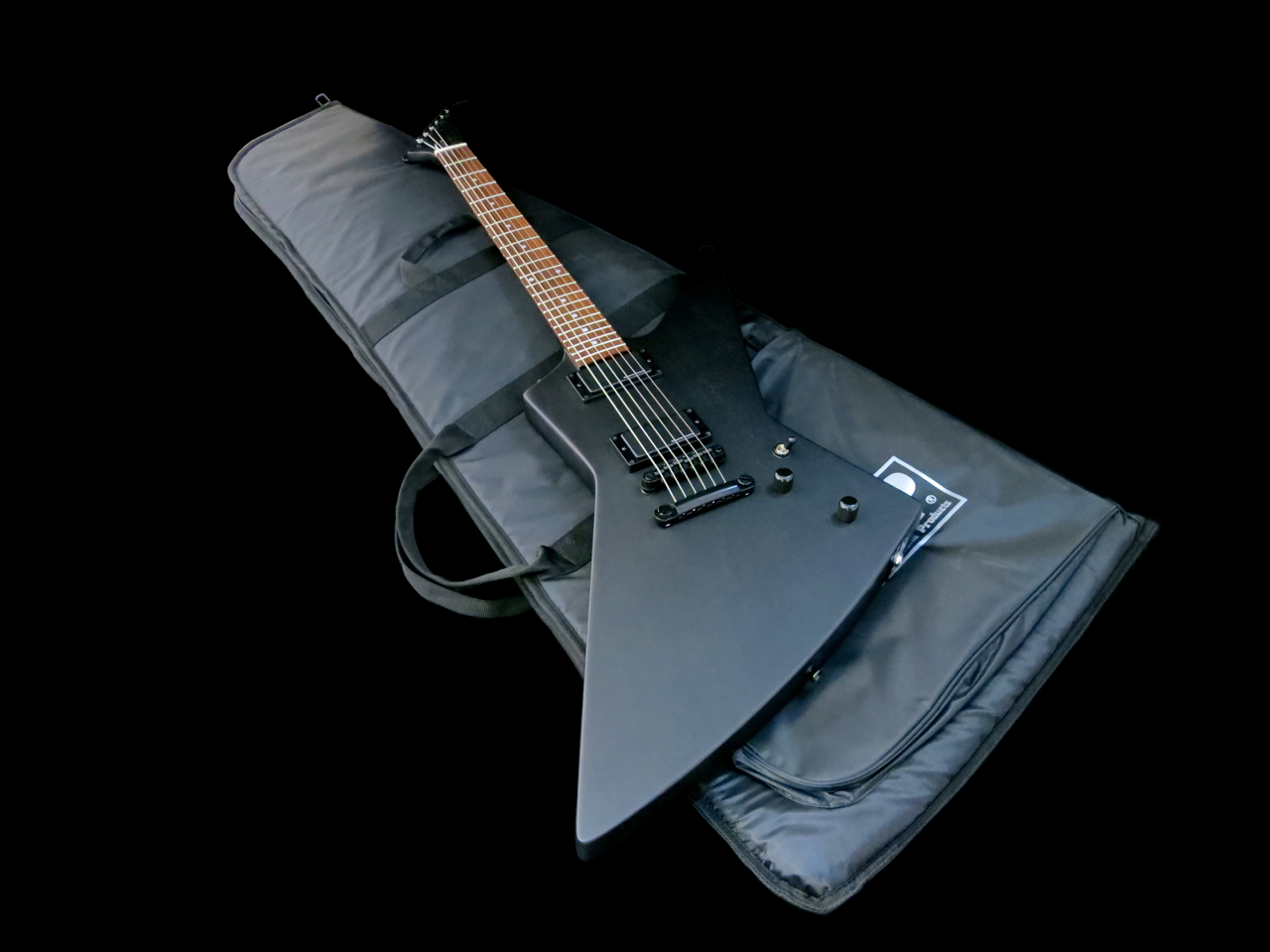
Edwards EX-125D:n hintaan kuuluu myös laadukas topattu kantopussi.
****

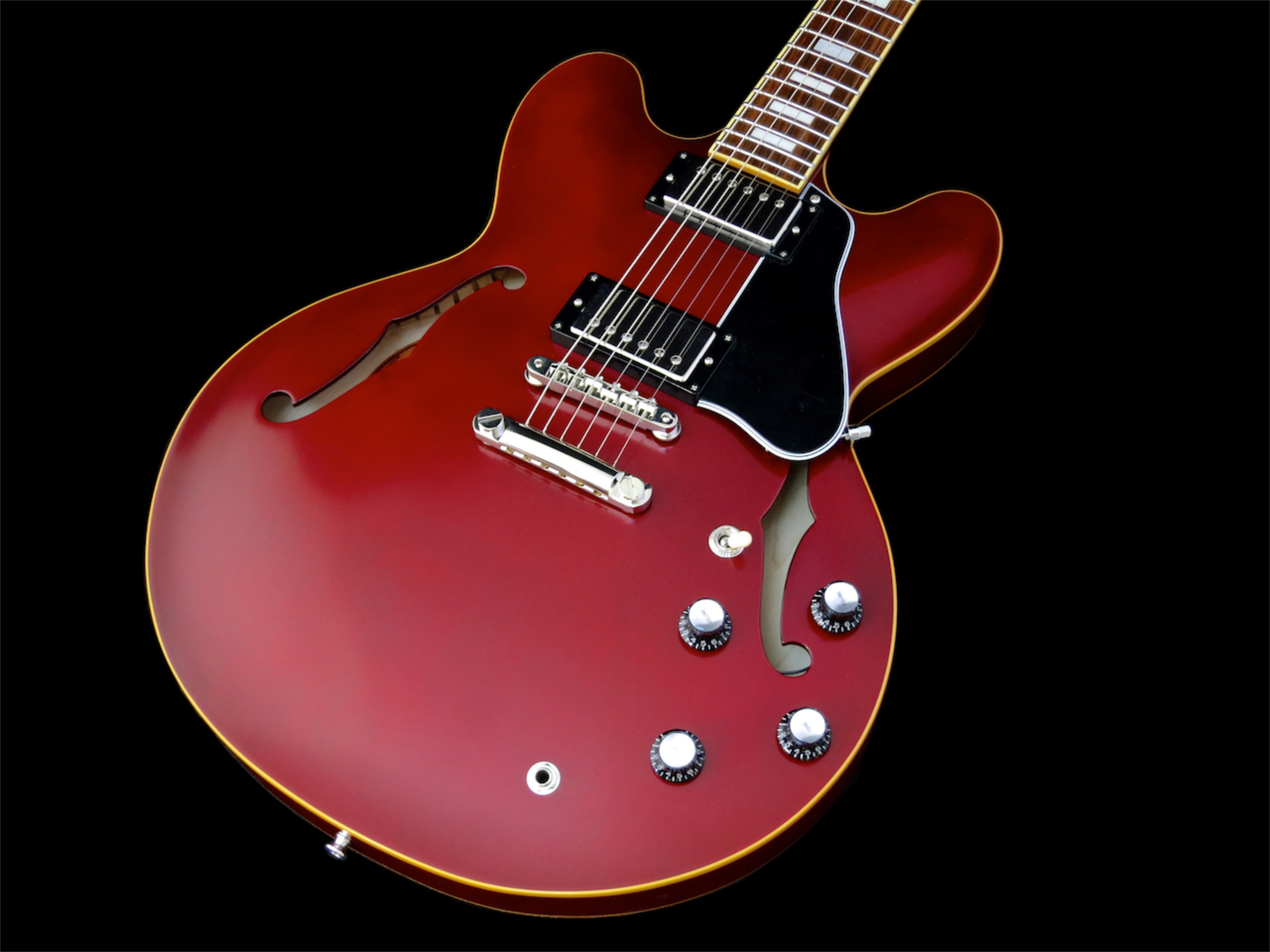
Edwards SA-160TLS näyttää vanhalta ES-335-kitaralta, mutta sen ominaisuuksissa on yksi hyvin ratkaiseva ero – kitaran kaikukoppaan on käytetty kaiverrettua kokopuista vaahteraa kannessa ja pohjassa, perinteisen vanerikopan sijaan.
Perinteisesti Gibsonin ES-335 – ja sen sukulaiset, kuten ES-330, ES-345 ja ES-355 – käyttävät muotoon prässättyä vaneria, tavallisesti kolme tai neljä kerrosta vaahteraa (joskus löytyy myös poppelia keskikerroksissa, riippuen mallista ja vuosimallista). Edwards SA-160TLS taas on tehty kalliin orkesterikitaran tapaan kaivertamalla kitaran kanta ja pohja kokopuisista vaahtera-aihioista. Vaan kaikukopan reunat on tässäkin edelleen muotoiltu höyryprässätystä vanerista.
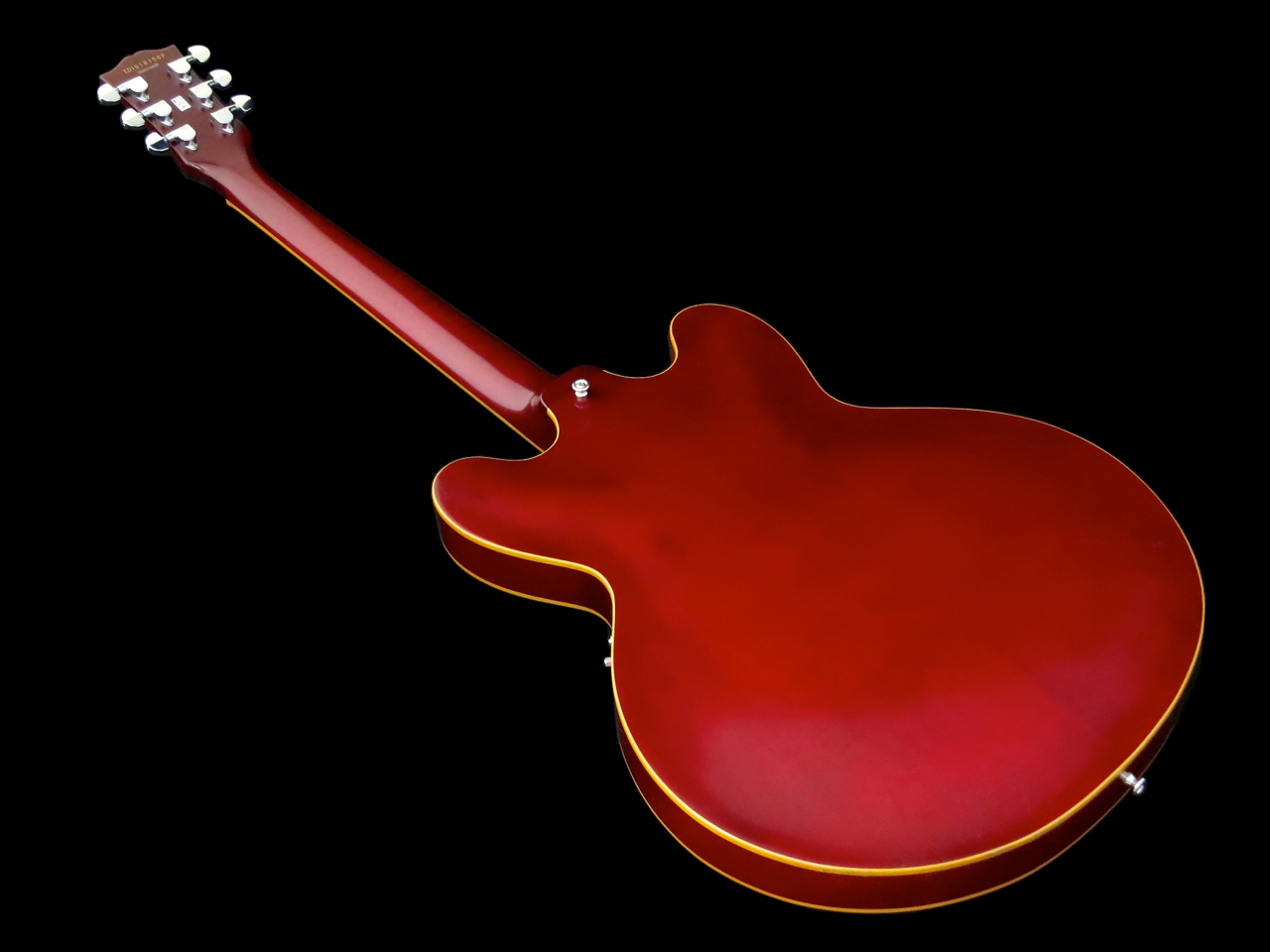
Vastapainoksi kokopuisen vaahteran soundilliseen tuoreuteen, Edwards käyttää tässä soittimessa mahonkista keskipalkkia. Kanteen ja pohjaan on jätetty keskipalkkia varten sisäpuoleen pienet ”askelmat”, niin ei tarvita tässä mallissa perinteisiä kuusikaistaleita kopan ja palkin väliin.
Erittäin kaunis puolihimmeä kirsikanpunainen viimeistely on Edwardsin versio Gibsonin VOS-viimeistelystä, minkä ansiosta SA-160TLS näyttää vanhahtavalta myös täysin ilman naarmuja.
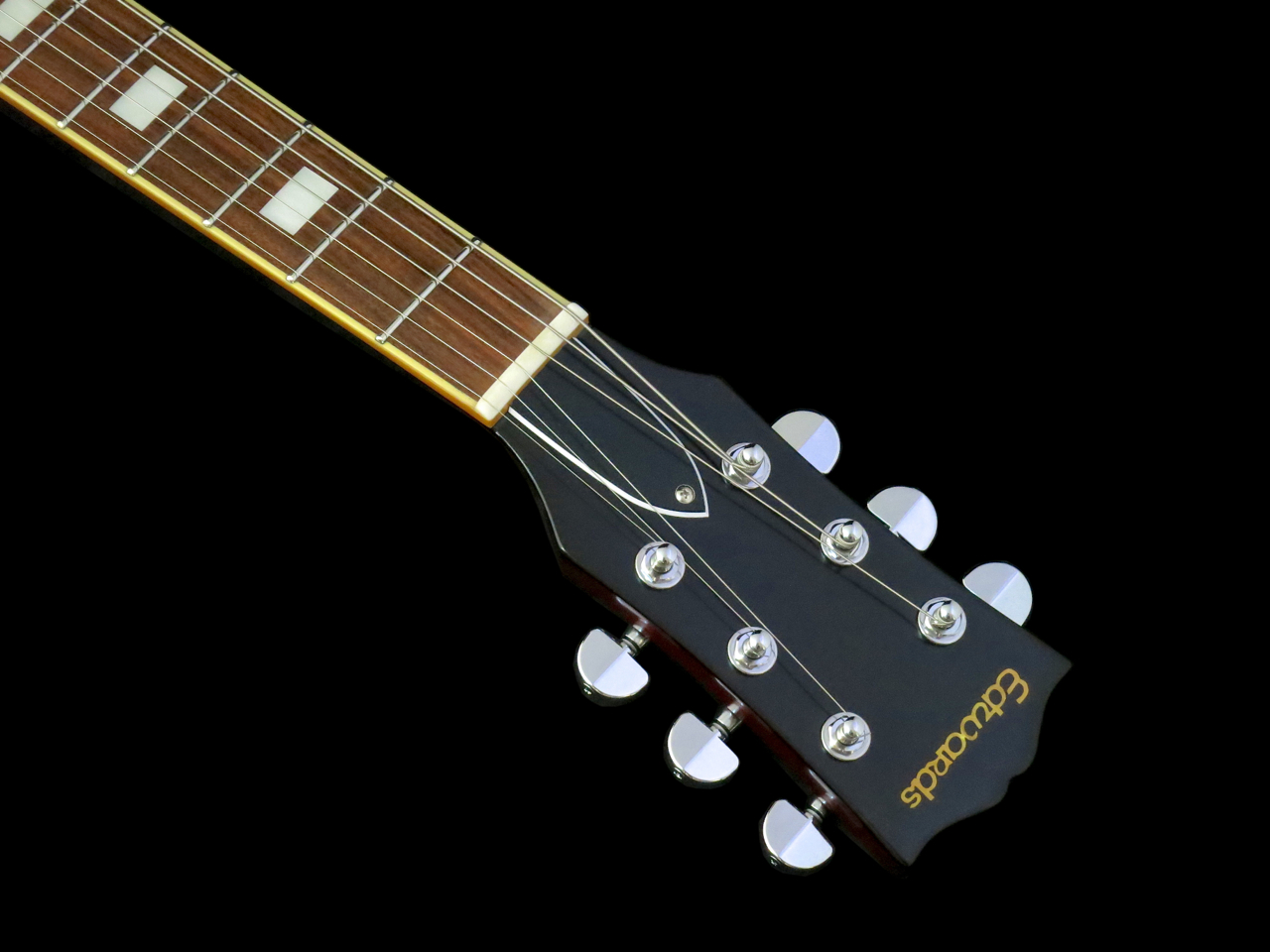
Reunalistoitettu otelauta on pau ferroa, yläsatula aitoa naudanluuta ja soittimen virittimet ovat Gotoh:n valmistamia.

SA-160TLS varustukseen kuuluu vintage-tyylinen Gotoh-talla, jossa rautalangasta tehty jousi pitää tallapalojen ruuvit paikoillaan.
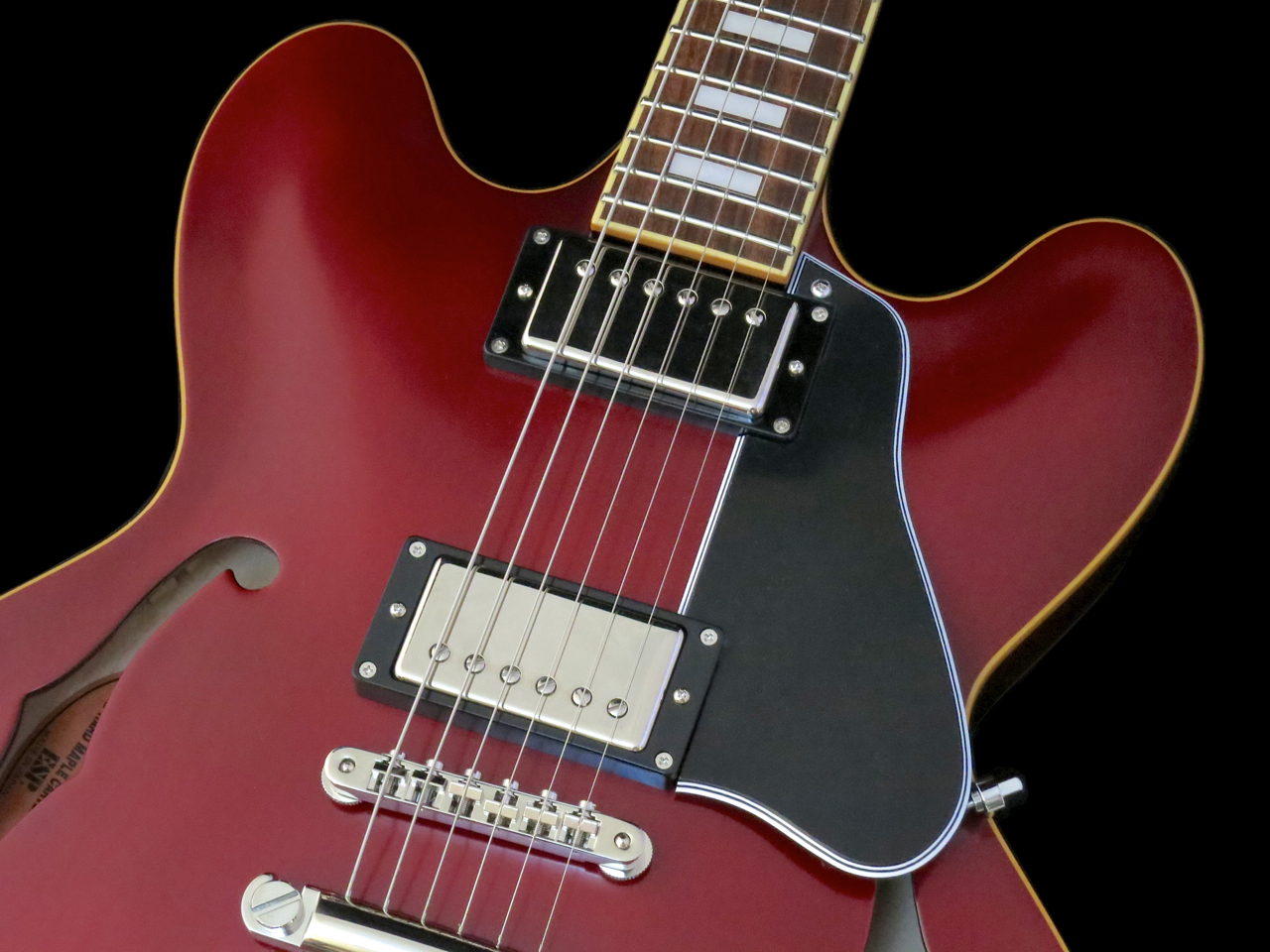
Tähän Edwardsiin on asennettu aavistuksen vintagea tehokkaammat humbuckerit – kaulamikiksi on valittu Seymour Duncanin Jazz-malli, kun taas tallamikrofonina toimii Custom 5 -humbuckeri.

SA-160TLS:n hintaan kuuluu laadukas kova kotelo.
****

Koska Explorer-tyylisissä kitaroissa, niin kuin Edwards EX-125D:ssä, on iso ja kulmikas runko, ne eivät ehkä ole luontevin valinta sohvakitaraksi, mutta seisten tämän kitaran kevyt olemus on selvä plussa.
Työnjälki on ensiluokkainen ja säädöt olivat testikitarassa kohdillaan. Kaulaprofiiliksi on valittu pyöreä, mutta maltillisen paksu C – Gibson-fanit kutsuisivat tätä 60-luvun profiiliksi. Edwards EX-125D:n kaula tuntuu hyvin nopealta, ilman 1990-luvun vauhtikaulojen ylimääräistä leveyttä tai ohuutta.
Vaikka tämän kitaran ulkomuoto on 60 vuotta vanha, vaikuttavat mallin aktiiviset mikrofonit siihen, että Edwardsin soundi on nykyaikainen. Duncanin Blackouts-humbuckerit tarjoavat runsaasti lähtötehoa ja selkeyttä, eikä ne ulise runsaalla gainella, mikä tekee niistä hyvän valinnan nyky-Metallille.
****
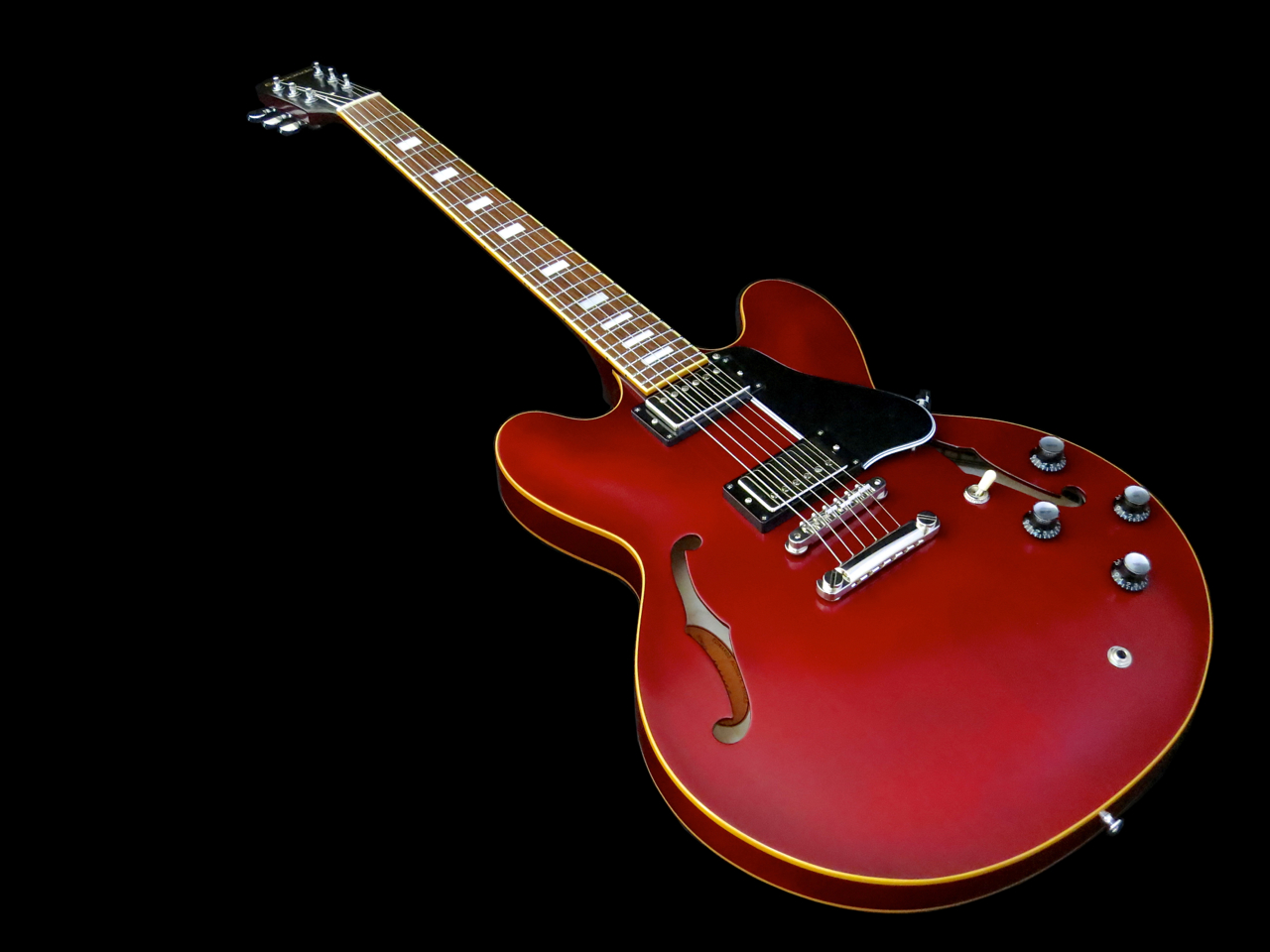
Kitaraklassikoista ES-335 on – Fender Stratocasterin ohella – yksi monipuolisimmista sähkökitaroista, joka kelpaa lähes kaikille genreille Jazzista Bluesiin tai Countrysta Rockiin.
Edwardsin SA-160TLS on erittäin tyylikäs versio ES-335:stä, jossa yhdistyy 1960-luvun kosmetiikka ja 1950-luvun soittotuntuma. Kaulaprofiiliksi on nimittäin valittu vuoden 1959:n Gibson profiili, joka on melko paksu ja pyöreä.
Työnjälki on loistava ja säädöt olivat kohdillaan. Tämäkin Edwards on kevyt kitara.
Akustisesti SA-160TLS soi hivenen verran kirkkaammalla äänellä kuin mitä odottaisi hyvältä puoliakustiselta. Vahvistimen läpi tämä pieni ero kuitenkin häviää, ja Edwardsin ja referessikitaran väliset pienet soundilliset erot johtuvat varmaan enemmän soittimien eri mikrofoneista kuin niiden perusäänistä.
****
Sääli, että Edwardsit ovat – ainakin tähän mennessä – olleet Suomessa hyvin harvinaista herkkua. Tämän testin perusteella Edwards-kitarat nimittäin vaikuttavat hyvin laadukkailta soittimilta, ja myös niiden hinta on varsin kohtuullinen.
****
Edwards EX-125D & SA-160TLS
EX-125D – 1.139 €; topattu pussi kuuluu hintaan
SA-160TLS – 1.460 €; kova laukku kuuluu hintaan
Maahantuoja: Musamaailma
****
Plussat (molemmat mallit):
+ työnjälki
+ ominaisuudet
+ soundi
+ hinta-laatu-suhde

 Kitarablogi.com – Finland's premier Guitar and Bass blog