Shrinking the AC30 – Vox Escort Battery-Mains

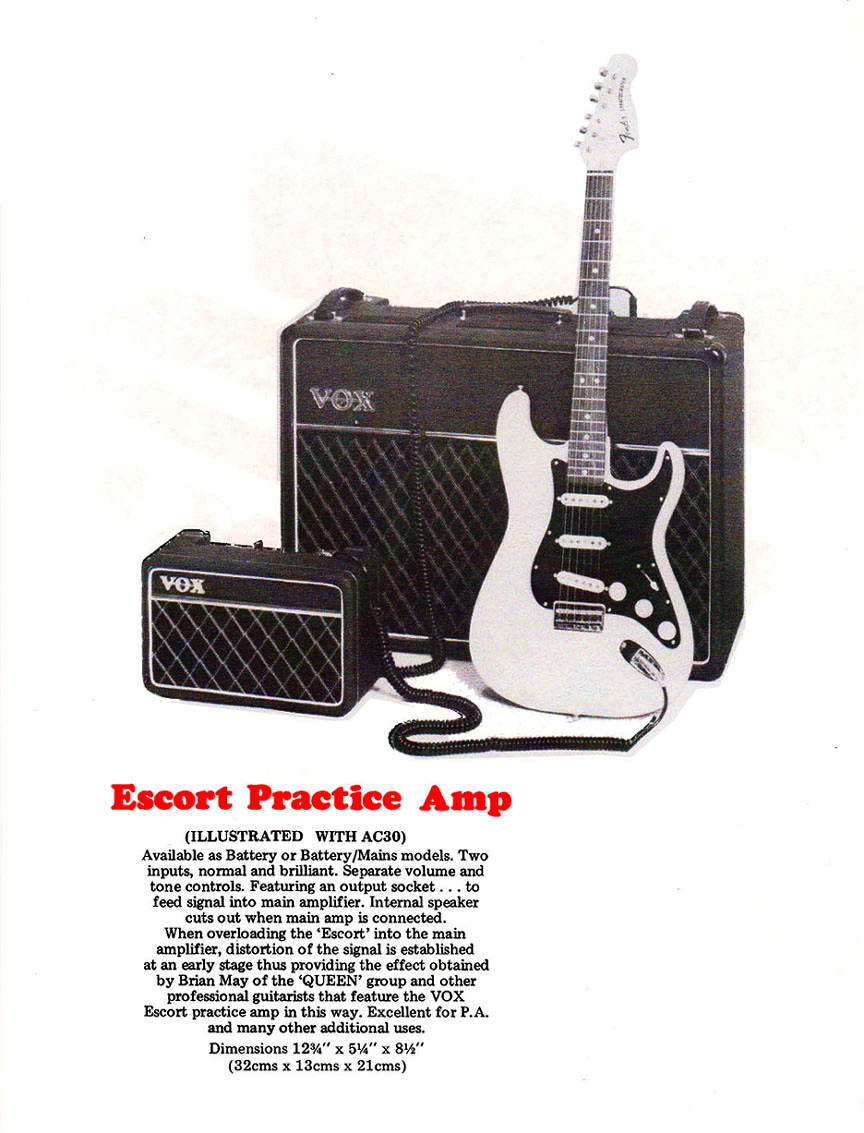
The Vox Escort came out in 1975 and was Vox’ first battery-powered practice amp. This baby-AC30 has about 3 Watts of power, which it puts out through a 5-inch Elac-speaker. The diminutive Escort stayed in the company’s line-up until 1983.

The first run of combos was battery-power only, using huge 9V -batteries, called PP9, but already in 1976 the dual-power Escort Battery-Mains -model was put into production.

****

My own Vox Escort is an ex-battery-only combo, which a previous owner had already converted to AC-powered, when I bought it some ten years ago.

The Escort features two inputs – Normal and Brilliant – as well as two controls – Volume and Tone.

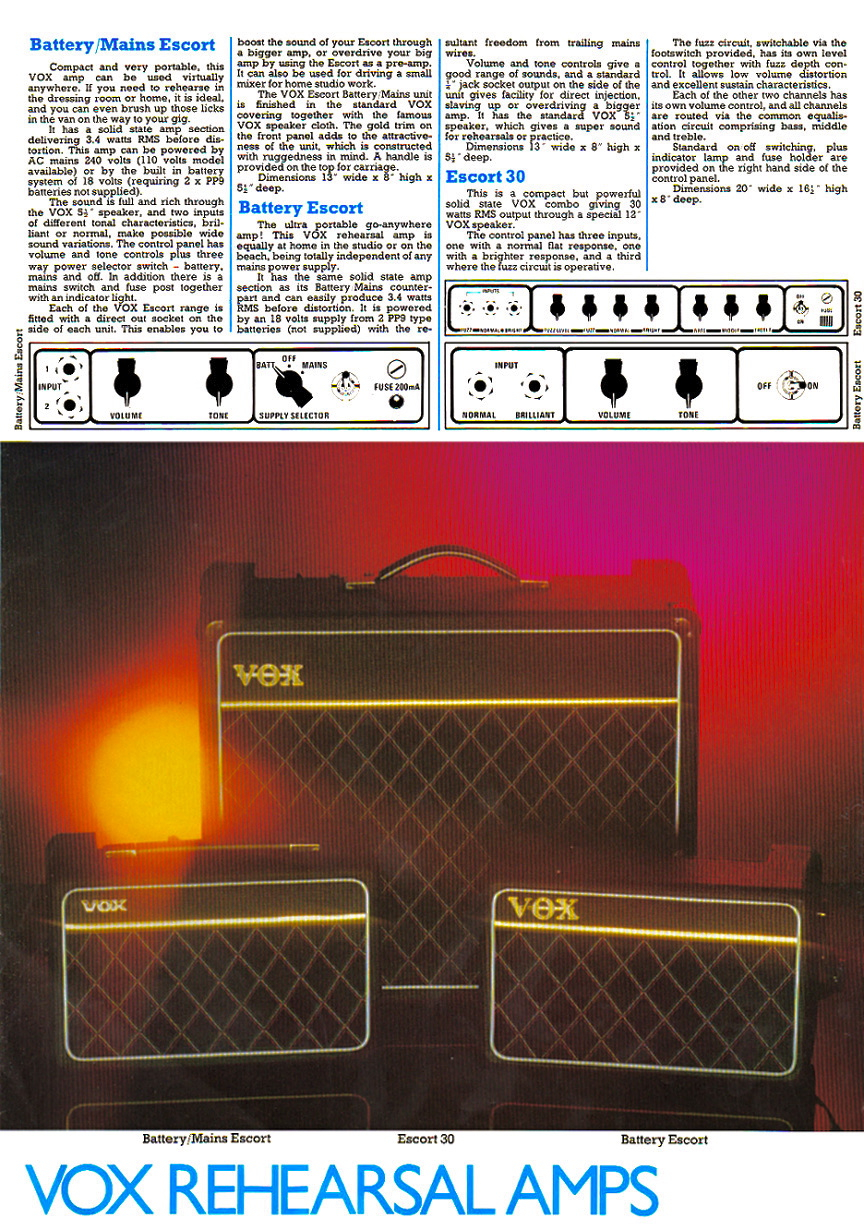
The genuine Battery-Mains-version has a slightly different layout, as well as a power-selector and a fuse compartment on the control panel:
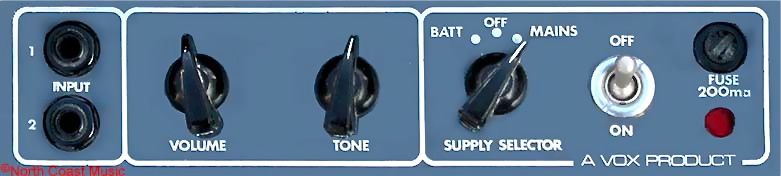
photo: © The Vox Showroom

****

On the cabinet’s right-hand side you’ll find a line out jack for easy connection to a mixing console or – as Vox suggested – for using the Escort as a booster in front of your big amp:
****
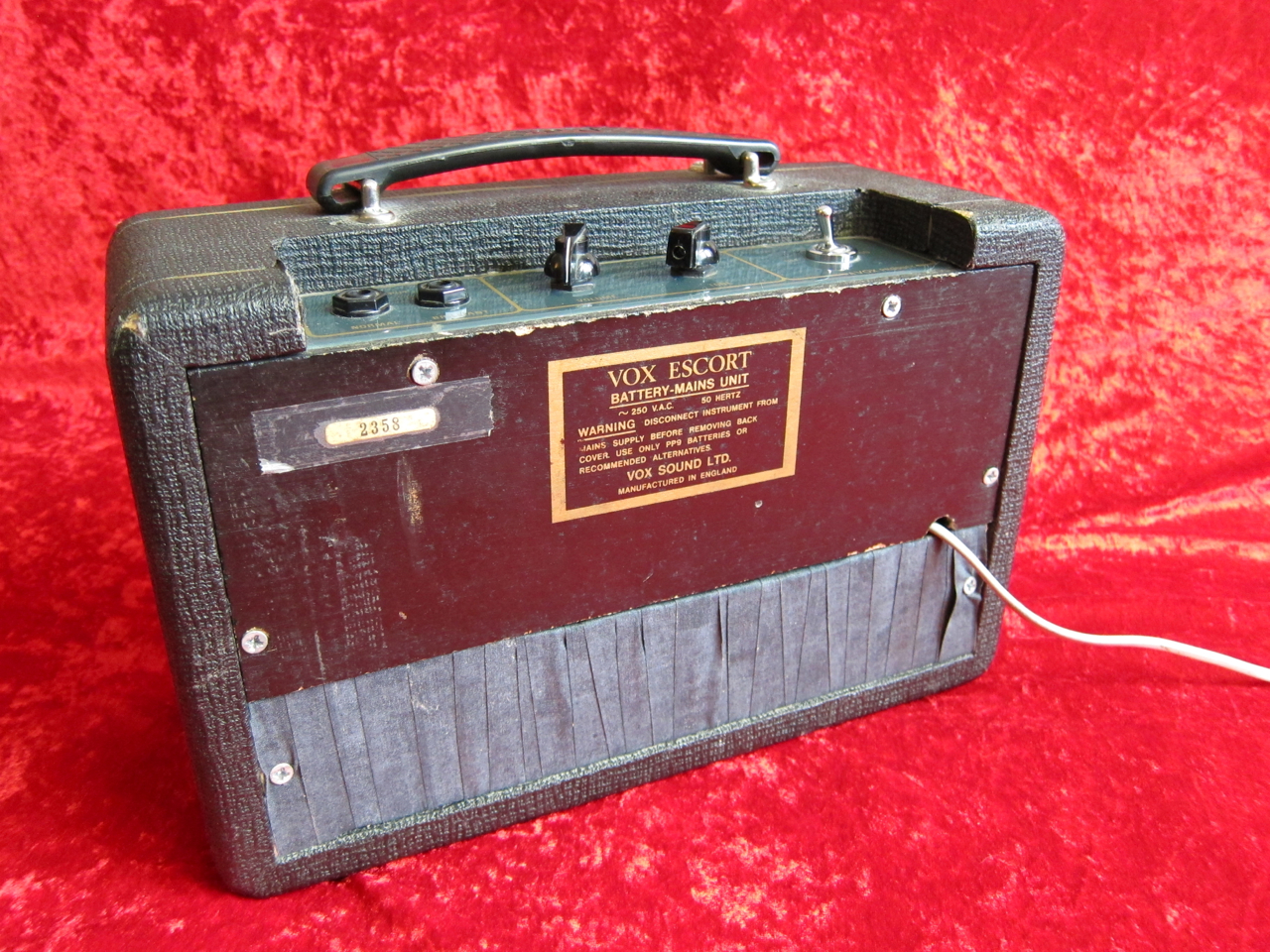
The small, lower back plate – normally providing access to the battery – is obviously not original. It would have been made of the same chipboard material, as used for the larger upper plate.

****

The modification to AC-only isn’t quite as neat as it could be, but the amp is in perfect working order, nonetheless. The sticky tape on the sides has been added to stop the back plates from rattling.
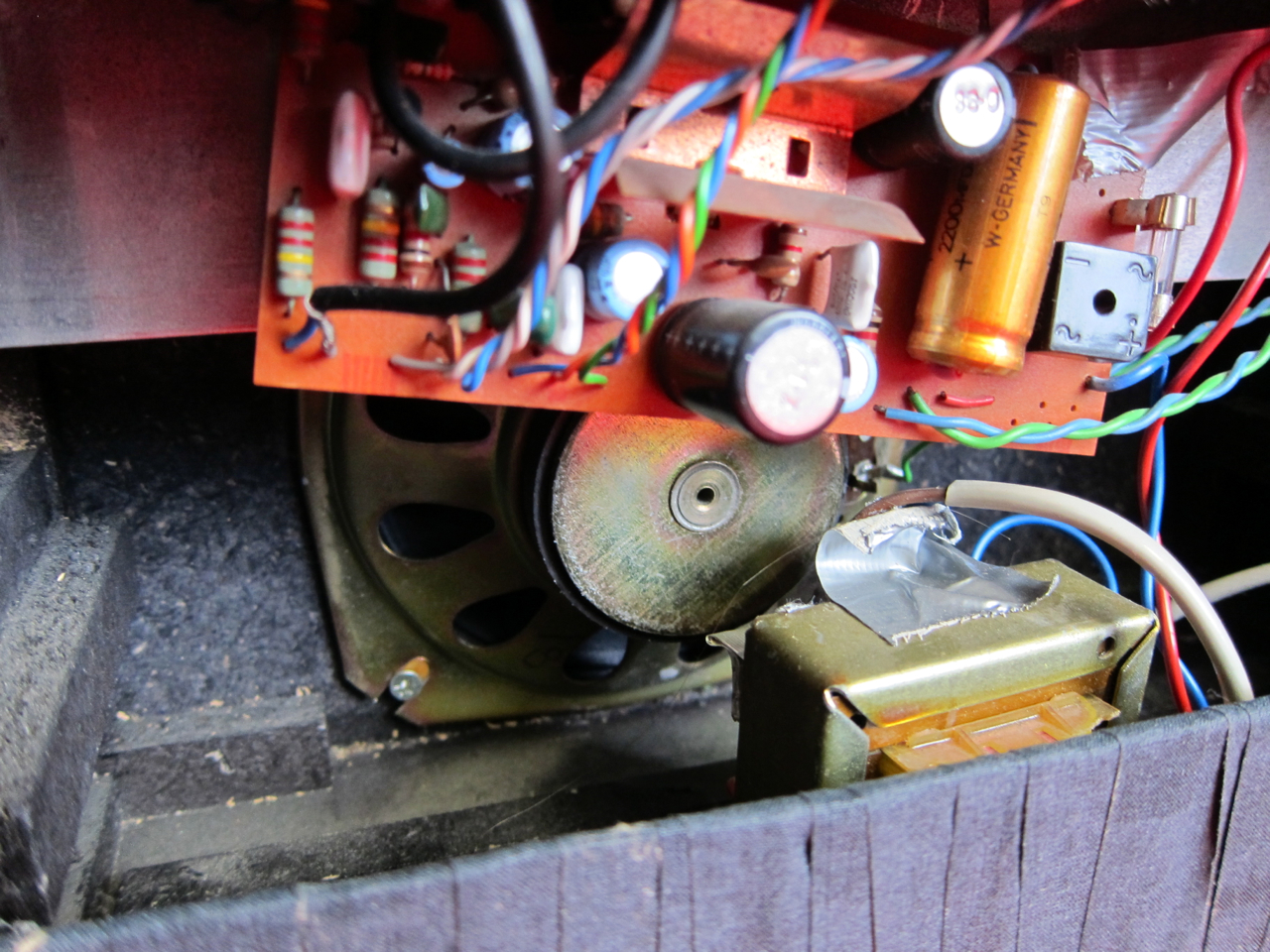
The transformer is screwed tightly to the cabinet’s floor, the circuit board (containing the rectifier amongst other components) is fastened to the amp chassis (slightly askew), while the 5-inch speaker is fixed to the baffle, as it should be.

****

During the latter half of the Seventies the Escort Battery-Mains got company by two larger brothers. The Escort 30 was a noticeably larger 30 Watt combo with a 12-inch speaker, as well as a built-in fuzz-channel. The Vox Super Twin featured two 5-inch speakers and a spring reverb, and was rated at 20 Watts.
****

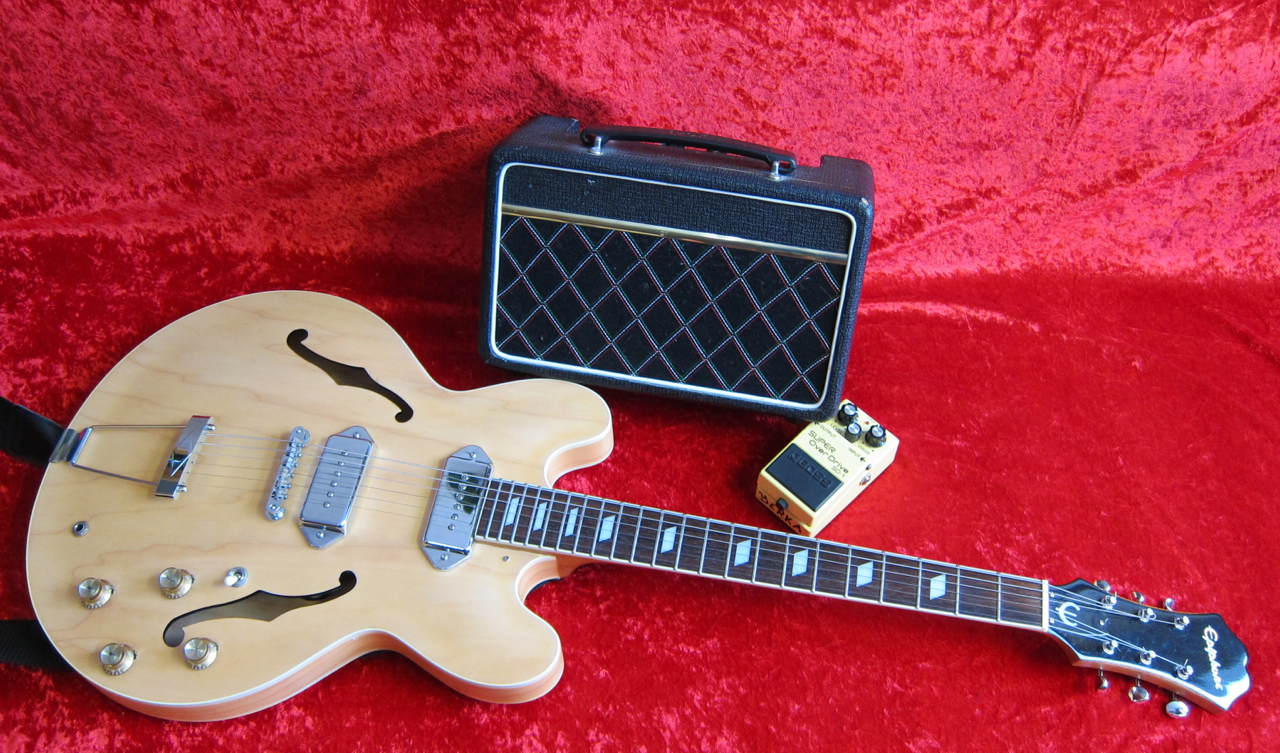
This is what my Vox Escort sounds like:

Vox Escort & Epi Casino – clean

Vox Escort & Epi Casino & Boss SD-1 – overdrive

Signal path:

Epiphone Casino –> Boss SD-1 –> Vox Escort (Normal) –> 2 x Samson C02 –> Focusrite Saffire 6 USB –> iMac/Garageband ’11

Reverb was added at mixdown.
****

In Vox’ current line-up the closest equivalent to the Escort would be the Pathfinder 10.

Vox Escort Battery-Mains – AC30:n pikkuveli

Vox Escort ilmestyy vuonna 1975 ja oli firman ensimmäinen paristokäyttöinen harjoitusvahvistin. Mini-Voxissa on noin kolmen watin verran tehoa, ja kotelossaan viisituumainen Elac-kaiutin. Pikkuinen Escort pysyi mallistossa vuoteen 1983 saakka.

Ensimmäiset kombot käyttivät vain isokokoisia yhdeksän voltin PP9-paristoja, mutta jo vuonna 1976 lisättiin Escort Battery-Mains -malli tuotantoon, jota on voitu käyttää myös verkkovirralla.

****

Oma Vox Escort on verkkovirtaa varten modattu paristoversio, ja ostin sitä vuosituhannen alussa Soitin Huttuselta.

Escortilla on kaksi tuloa – Normal ja Brilliant – sekä kaksi säädintä – Volume ja Tone.

Battery-Mains-versiossa on vielä virransyötölle valintakytkin sekä sulakepesä paneelissa:

kuva: © The Vox Showroom

****

Kotelon sivussa on linjalähtö, joko mikseriä varten tai (niin kuin Vox ehdotti) jos halusi käyttää Escortia boosterina vahvistimen edessä:

****

Pienempi takalevy, jonka takana paristo sijaitsi, ei ole enää alkuperäinen minun kombossani. Alkuperäinen oli samasta mustasta lastulevystä kuin isompi takalevy.

****

Modaus paristo-Escortista verkkovirta-versioon ei ole ehkä niin siisti kuin voisi olla, mutta kuitenkin täysin toimiva. Teipit vaimentavat takalevyen resonoinnin.

Muuntaja on kiinnitetty pohjaan, ylhäällä roikkuu tasasuuntajan ja virransyönnin piirilevy, ja viisituumainen kaiutin on etulevyssä kiinni.

****

1970-luvun loppupuolella Escort Battery-Mains sai vielä kaksi isoa veljeä rinnallaan. Escort 30 oli isompi, 30-wattinen kombo 12-tuumaisella kaiuttimella ja sisäänrakennetulla fuzzilla. Vox Super Twin taas oli kahdella 5-tuumaisella kaiuttimella varustettu 20-wattinen kombo, jolla oli jopa jousikaiku.

****

Ja täältä oma Vox Escort kuulostaa:

Vox Escort & Epi Casino – puhdas

Vox Escort & Epi Casino & Boss SD-1 – särö

Signaalitie:

Epiphone Casino –> Boss SD-1 –> Vox Escort (Normal) –> 2 x Samson C02 –> Focusrite Saffire 6 USB –> iMac/Garageband ’11

Kaiku on lisätty miksausvaiheessa.

****

Hyvin samankaltainen kombo Voxin nykyisessä mallistossa on Pathfinder 10.

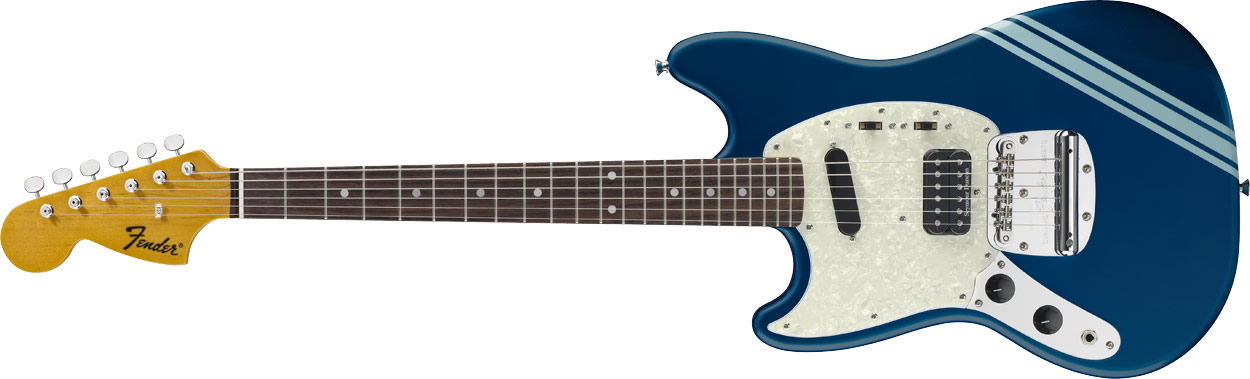
Kurt tuli takaisin // Kurt’s back – Fender Kurt Cobain Mustang

Tähän mennessä Nirvanan edesmennyttä keulahamoa, Kurt Cobain, on muistettu ainoastaan kummallisella Jagstang-kitaralla sekä erittäin kalliilla Custom Shop -kitaralla.

Nyt fanit saavat vihdoin autenttisemman Cobain-mallin: Fender Kurt Cobain Mustang.

Uusi kitara on kopio Cobainin päätyökalusta – Fenderin lyhytmensuurinen Mustang modattu Seymour Duncan -tallahumbuckerilla (JB Model).

Malli on saatavilla sekä oikea- että vasenkätisenä (ilman lisämaksua).

Until now Nirvana’s late frontman Kurt Cobain had only been honoured with the strange Jagstang-mongrel and the short run, expensive Custom Shop model.

But here’s something authentic for the fans: The Fender Kurt Cobain Mustang.

The new model is a copy of Cobain’s main tool – a short-scale Fender Mustang souped up with a Seymour Duncan JB humbucker.

The guitar is available in right- and left-handed versions (no additional charge).

****

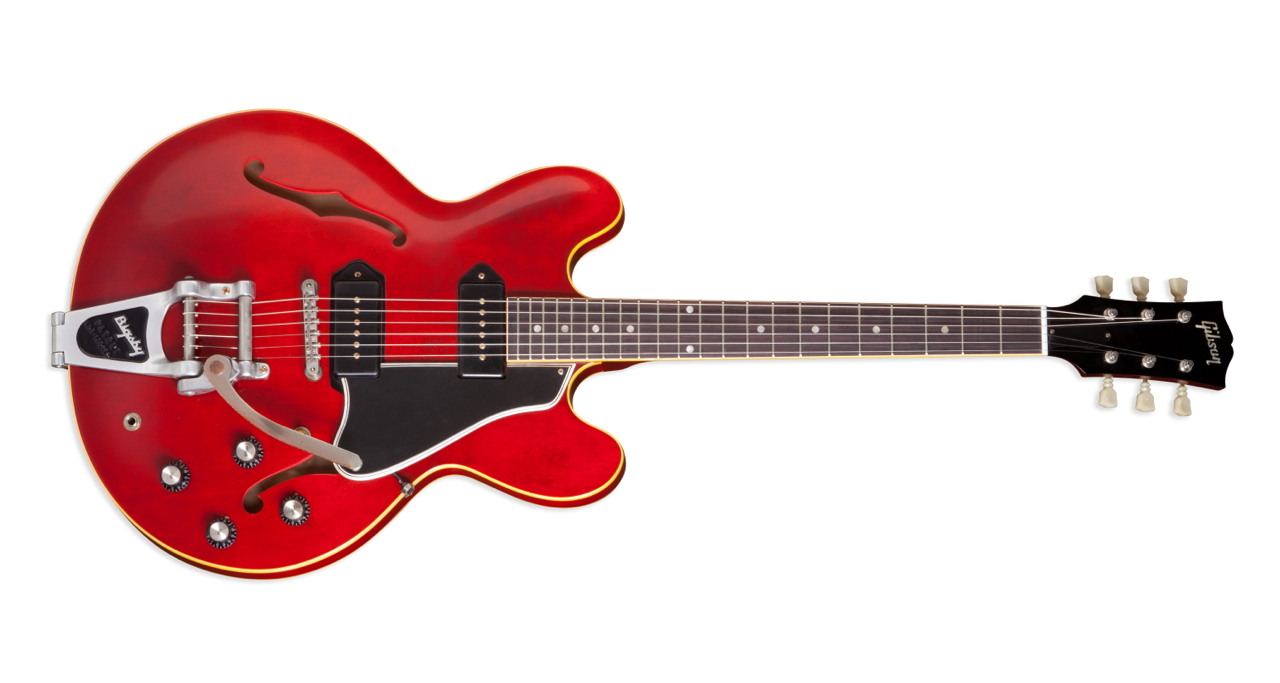
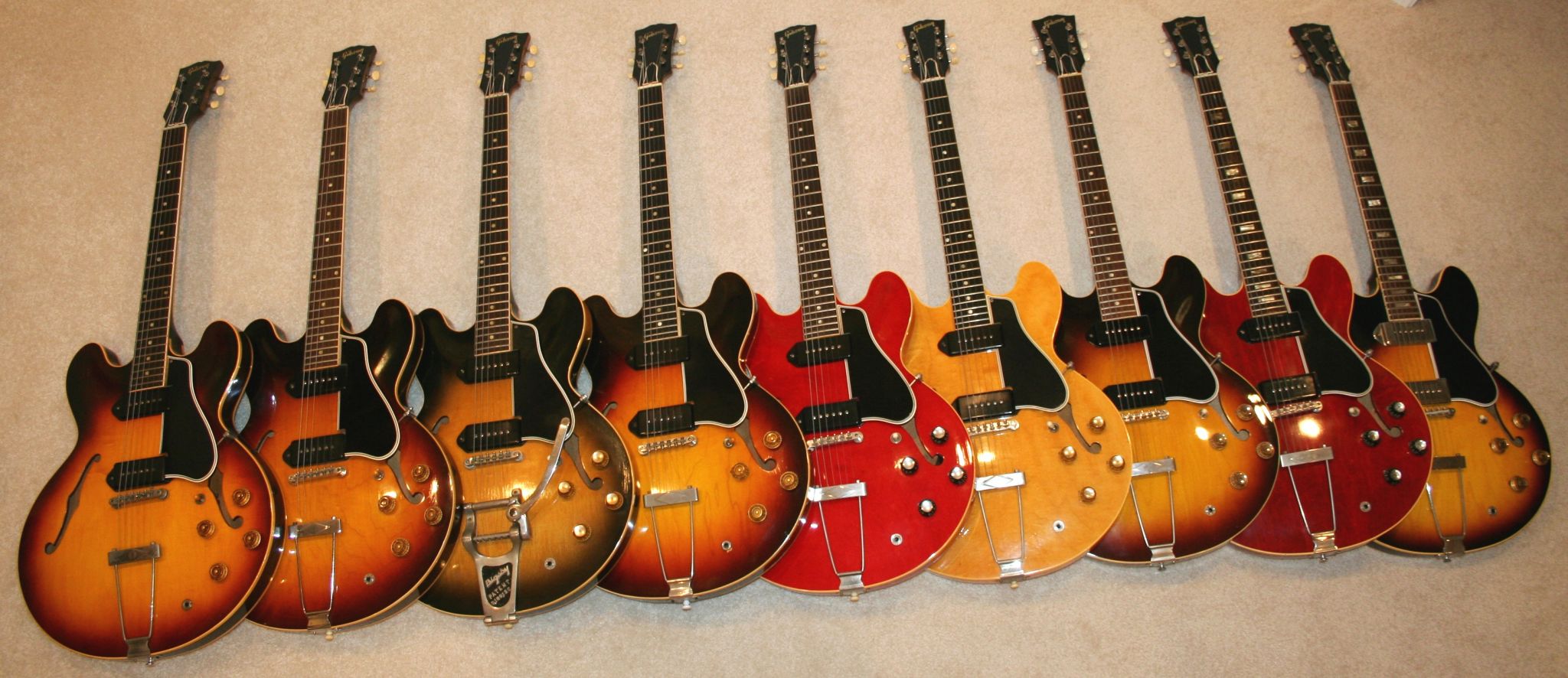
Makea uusinta Gibsonilta // Sweet reissue from Gibson – ES-330

Gibson on laittanut vanhan klassikkonsa ES-330 uudelleen tuotantoon.

ES-330:lla on sama ohut vanerirunko kuin esimerkiksi ES-335, mutta ilman keskipalkkia, minkä takia kaulaliitos on tässä jo 16. nauhan kohdalla.

Mikrofonivarustus on sekin klassinen: kaksi Alnico II -magneetteilla varustettua P-90-mikkiä.

Malli on saatavilla sekä Bigsbyllä että tavallisella trapetsilla varustettuna.

****

Maahantuoja: Into-Luthman

Gibson has chosen to re-release its classic ES-330-model.

The ES-330 shares the ES-335’s thinline plywood body, but is fully hollow (no centre block), which is why the neck joint is already at the 16th fret.

The pickups in this reissue are a pair of Alnico II -equipped P-90s.

The models is available with a Bigsby or with a trapeze tailpiece.

****

What do the terms ”Gibson 50’s neck” and ”Gibson 60’s neck” mean?

When Gibson overhauled their very successful Les Paul Standard -guitar about ten years ago, it was decided to offer the model with two different neck profiles.

Most Gibson-fans agree that the best Les Paul necks were the ones on the original Sunbursts, produced from 1958 to 1960:

• In 1959 the neck profile was a well-rounded, but not too big D-shape

• In 1960 the profile was changed to a flatter and thinner shape, resulting in a C-profile

These two neck profiles are today represented in Gibson’s 50’s- and 60’s-necks. Their cross-sections look something like this:

****

As most things in life, Gibson’s neck profiles aren’t as simple a matter as the company’s terminology will have us believe:

• The ”50’s neck” should really be called a ”1959”-profile, because earlier in the Fifties Gibson-necks were much fatter.

• The ”60’s neck”, on the other hand, is really an ”early 60’s”-profile, as the company moved on to an even flatter – as well as narrower – profile in the latter part of the Sixties.

But still, Gibson’s current 50s/60s-terminology works well with most players when talking about neck shapes.

****

Gibson’s newest feature on some models is an asymmetrical neck profile, which has a fuller bass side and a thinner treble side.

Mitä tarkoittaa ”Gibson 50’s neck” ja ”Gibson 60’s neck”?

Kun Gibson uudisti noin kymmenen vuotta sitten Les Paul Standard -mallinsa, päätettiin tarjota kestosuosikki peräti kahdella eri kaulaprofiililla.

Enemmistö Gibson-faneista on yksimielinen siitä, että firman parhaan tuntuiset Les Paul -kaulat valmistettiin 1950- ja -60-luvun taitteessa:

• vuoden 1959:n kaulaprofiili oli täyteläinen, muttei liian paksu D-muoto

• vuonna 1960 kaulaprofiili muutettiin hieman ohuemmaksi ja tasaisemmaksi – syntyi C-muotoinen profiili

Juuri näitä kaksi Gibson-profiilia tarkoitetaan, silloin kun puhutaan 50’s- ja 60’s-neckistä, ja niiden poikkileikkaukset näyttävät suunnilleen tällaiselta:

****

Kuten monet asiat elämässä, myös nämä kaksi käsitettä yksinkertaistavat hieman monimutkaisemman aihepiirin:

• ”50’s neck” pitäisi kutsua ”1959”-profiiliksi, koska ennen sitä Gibson-kitaroissa kaulaprofiili oli huomattavasti paksumpi.

• ”60’s neck” taas pitäisi nimittää ”early 60’s”-profiiliksi, koska kuuskytluvun toisella puoliskolla kaulat muutettiin vielä ohuemmaksi ja samalla myös kapeammaksi.

Mutta näinkin asia tulee kuitenkin selväksi, ja nämä termit palvelevat valtaosaa kitaristeja mainiosti.

****

Uusin juttu joissakin Gibsoneissa on muuten epäsymmetrinen kaulaprofiili, joka on bassopuolella paksumpi kuin diskanttipuolella.

Pidä blogia WordPress.comissa.

Ylös ↑