

****
Lisätiedot: Nordound
****
Kitarablogi.com – Finland's premier Guitar and Bass blog
Juttuja kitaroista ja bassoista


Kitara- ja bassopiireissä käytetään usein sanaa ”vintage”: vintage-sitä, vintage-tätä, vintage-tyylinen, vintage-mainen…
Mitä ”vintage” oikeistaan tarkoittaa? Miten ns. vintage-ilmiö syntyi?
****

Mikä ihmeen vintage?
Webster’s-sanakirjan mukaan vintage tarkoittaa vuosikertaa, ja alun perin sana käytettiin ainoastaan viiniharrastajien piireissä. 1960-luvulla termi siirtyi myös vanhoille autoille, etenkin surffarien ja hotrod-fanien keskuudessa.
Nykyään vintage-sanaa käytetään yleisesti sellaiselle vanhoille esineelle, jolla on nostalginen arvo, ja joka tuo mieleen niitä (menneitä) ”hyviä vanhoja aikoja”. Usein tällaisilla tavaroilla on myös keräilyarvo.
…ja juuri tässä viimeisessä tarkoituksessa vintage-termiä käytetään myös kitaristien välillä.
****

Ilmiön synty
Vintage-himo ja -tietoisuus syntyivät ilmiöinä 1970-luvulla ensi alkuun sähkökitarapuolella, mutta se laajensi nopeasti myös akustisille kitaroille (ja muille kielisoittimille).
Vielä seiskytluvun alkupuoleen saakka vanhat, käytetyt kitarat myytiin USA:ssa juuri sellaisina – vanhoina ja käytettyinä kitaroina – mutta tämän jälkeen samoista soittimista tuli arvoesineitä. Mistä se johtui?
Taustalla ovat kaksi päätekijää:
• Gibson Les Paul -villitys
• kitaratehtaiden siirtyminen suurille yrityksille
****
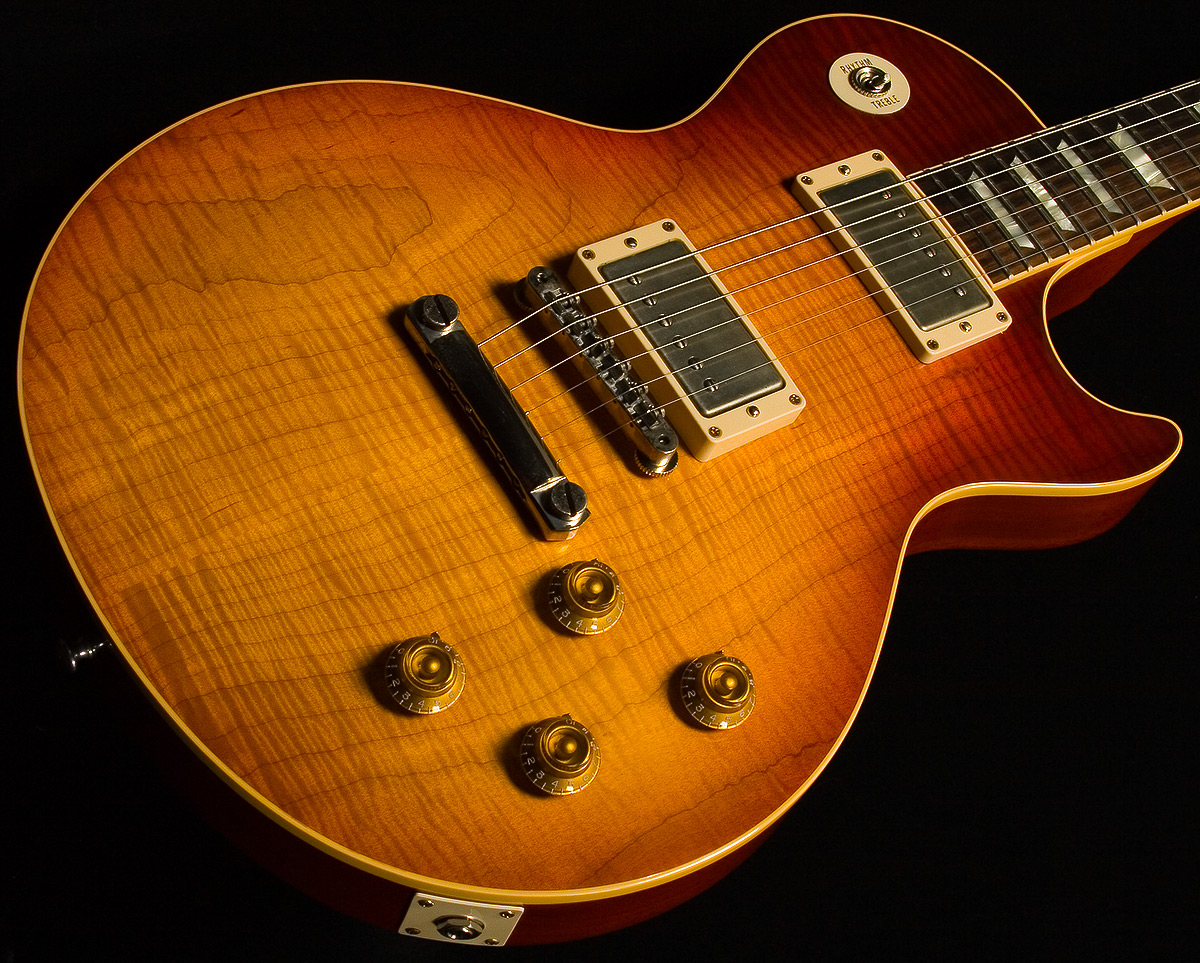
Gibson Les Paul -villitys
1950- ja 60-luvulle uskottiin vielä lujasti siihen, että uusi on aina parempi kuin vanha. Uskottiin kehitykseen ja parempaan tulevaisuuteen.
Tämän valossa ei ole mikään ihme, että alkuperäisessä Gibson Les Paul (Regular/Standard) -mallissa tehtiin muutoksia lähes joka vuosi sen lyhyessä elinkaareessa (1952-60).
Les Paul oli Gibson Guitarsin ensimmäinen lankkukitara, ja alussa haettiin vielä soittimen loppullista, definitiivistä kokonaisuutta. Tallaratkaisua muutettiin useamman kerran, ja yksikelainen P-90-mikrofoni sai lähteä firman uuden PAF-humbuckerin tieltä.
Vasta 1958 Les Paul -kitara oli saanut sen loppulliset (nykyään legendaariset) speksit, mutta ihme kyllä uudistettu liukuvärinen Sunburst-versio ei mennyt myyntiin läheskään niin hyvin kuin odotettiin. Gibsonin johtoportaassa tultiin siihen päätökseen, että syy tähän oli kitaran ”vanhanaikaisuus”. Alkuperäisen Les Paulin valmistus lopetettiin, ja sen tilalle tuli vuonna 1961 uusi Les Paul -malli, jonka tunnetaan nykyään nimellä Gibson SG.
Uusi SG-malli möi hyvin, ja Gibsonilla oltiin hyvin tyytyväisenä ratkaisuun. Kuuskytluvun toisen puoliskon Gibson Les Paul -villitys tuli firmalle kuin puun takaa.
Villitys syntyi ensin Isossa Britanniassa, jossa 60-luvun alussa purettiin sodan jälkeistä tuontikieltoa, joka koski monia USA:n tuotteita – myös soittimia. Ilmiön ensiasteita havaittiin, kun Rolling Stones -yhtiön Keith Richards osti käytetyn Les Paul -mallin (vm. 1959), ja alkoi käyttää sitä näkyvästi (esimerkiksi Satisfaction-biisissä).
Varsinainen lähtölaukaus villitykseen oli kuitenkin Eric Claptonin ilmiömäinen soitto John Mayall And The Bluesbreakers -albumissa (tunnetaan myös nimellä Beano-levy), joka sai Blues-faneja himoitsemaan sankarikitaristin kitaraa ja soundia. Les Paul Standard -kitarasta tuli erittäin haluttu ja arvostettu soitin.
Ikävä kyllä mallin valmistus oli jo vuosia sitten lopetettu, eikä uusia soittimia oli saatavilla, minkä seurauksena käytettyjen Les Paul -kitaroiden hinta alkoi nousta tuntuvasti. Kitaran suhteellinen harvinaisuus ja sen soundista syntynyt maine saivat vintage-ilmiön (sekä kitarakeräilyn) rattaat hitaasti käyntiin. Kitaratehtaiden siirtyminen suurille yrityksille laittoi tämän jälkeen kunnon vettä tähän myllyyn.
****

Kitaratehtaat myyntiin
Kuuskytluvun Beat Boomin ansiosta suurissa yhdysvaltalaisissa yrityksissä herättiin siihen, että soitinbisneksessä liikkuu paljon rahaa. Soitinvalmistajilla taas oli laajentamispaineita, koska useimmissa tapauksissa tilauksien määrä ylitti jo firmojen tuotantokapasiteetin, ja ulkopuolista investointia haettiin aktiivisesti.
Näistä yhtälöistä syntyi USA:ssa 1960-luvun loppupuoliskolla suuri aalto soitintehtaiden myyntejä, fuusioita ja – valitettavasti – myös konkursseja. Tunnetuimpia tapauksia ovat Fenderin myynti mediajätti CBS:lle (Columbia Broadcasting Systems), sekä Gibsonin emoyhtiön (Chicago Musical Instruments) fuusioituminen Ecuadorilaisen panimon (!) ECL:n kanssa uudeksi Norlin-yhtiöksi.
Aikomukset olivat näissä molemmissa tapauksissa pelkästään hyviä: haluttiin taata investointien kautta soitinvalmistajien mahdollisuuksia innovointiin, päivittää tehtaiden vanhenevaa laitekantaa, sekä suurentaa tuotantokapasiteettia laajentamalla tehtaita.
Aluksi näitä tavoitteita myös saavutettiin, mutta melko pian isojen yrityksien rakenteet ja paineet voittojen maksimointiin alkoivat murentaa soittimien laatua.
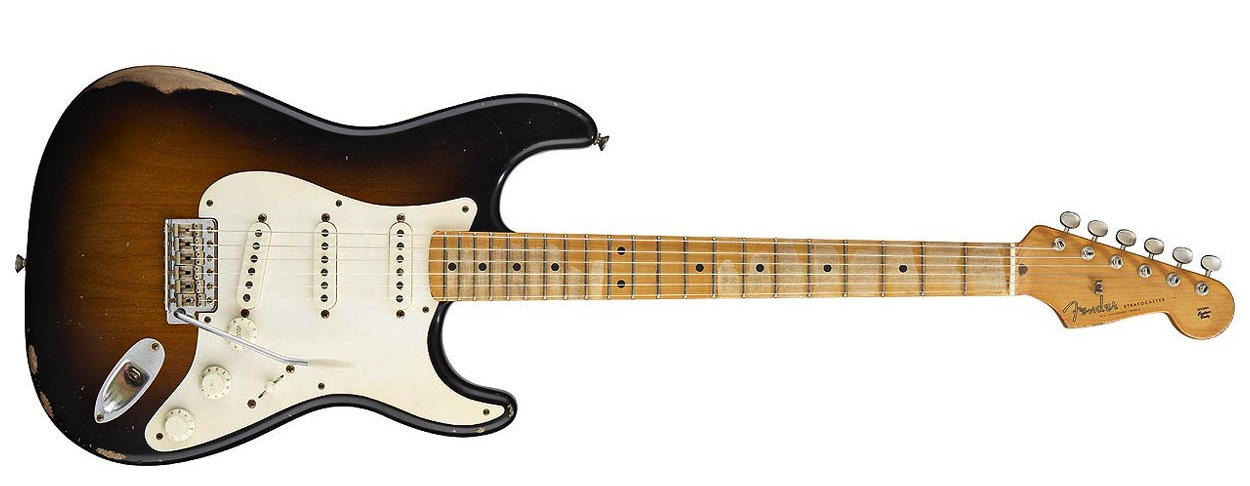
Tällaiset muutoksen huonompaan suuntaan olivat Fender Stratocasterin tapauksessa esimerkiksi kaulan kiinnitys kolmella ruuveilla, hyvin paksu polyesterilakka, huonoimmat mikrofonit, sekä valumetallista valmistettu uusi vibratalla.

Gibson Les Paulissa listaan kuului esimerkiksi jyrkempi kaulakulma, loivempi lapakulma, ohut ja kapea kaulaprofiili, moniosainen mahonki- tai vaahterakaula (yksiosaisen mahonkikaulan sijaan), sekä kaksikerroksiset mahonkirungot.
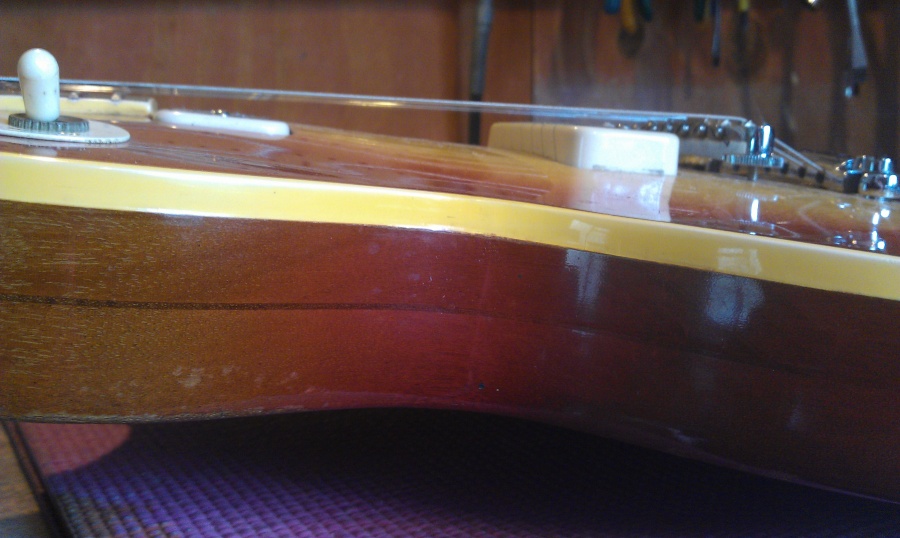
Monet rivimuusikot eivät huomanneet näitä muutoksia tai eivät pitäneet niitä huonoina, mutta kasvava joukko kitarafaneja ja soitinmyyjiä alkoivat kritisoida näitä muutoksia jo 70-luvun alkupuolella. Näissä piirreissä syntyi sellainen tunne, että valmistajat eivät halua tai kykene rakentamaan yhtä hyviä soittimia kuin aiemmin (”They don’t make them like they used to.”). Kiinnostuksen keskipiste alkoi siirtyä uusimmista malleista vanhoihin 50- ja 60-luvun kitaroihin, ja nämä soittimet muuttoivat silloin melko ripeästi asemansa käytetyistä kitaroista vuosikertakitaroihin.
Vintage-ilmiö oli syntynyt ja siirtyi ajan kanssa keräilijöiden (ja kitaralegendojen) sisäpiireistä laajemman yleisön tietoisuuteen.
Monet isot kitaravalmistajat heräsivät sekä omien laatuongelmiinsa että vintage-ilmiöön vasta 1980-luvun alussa, ja silloin ilmiöstä syntyi taas uusi soitinlaji – uusintapainokset, tai englanniksi vintage reissues.


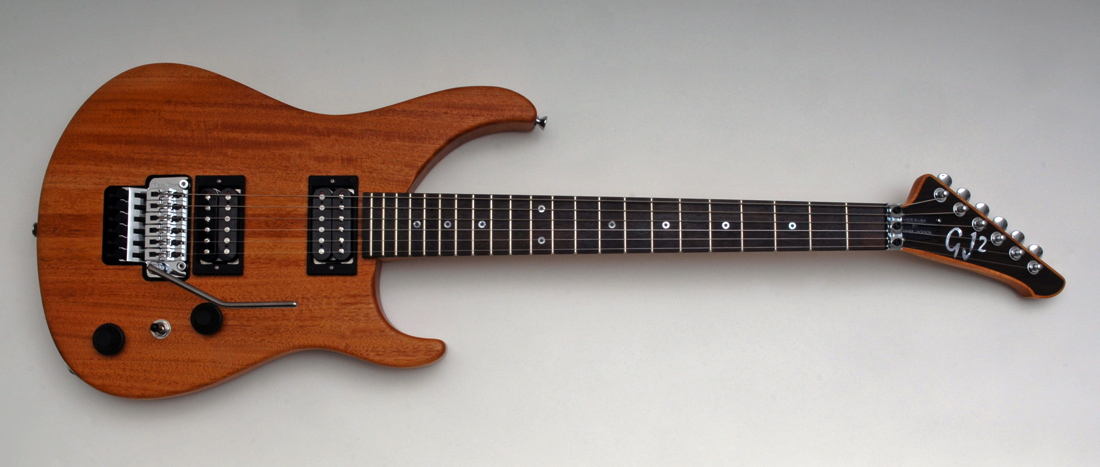
Legendaarinen kitaranrakentaja Grover Jackson on tullut takaisin!
Sama mies, joka on ollut Jackson- ja Charvel-kitaramerkkien perustaja, aloittaa nyt uuden lipun alla – GJ2 Guitars.
Grover Jacksonin GJ2-mallisto mainostetaan miehen 35-vuotisen uran huipentumaksi, ja mukana ovat mahtuneet sekä Superstrato-tyyliset kitarat (Glendora– ja Arete-mallit) että LP- (Zora) ja Randy Rhoads -kaltaiset (Concorde) luomukset.
Kitarat rakennetaan pieninä erinä Yhdysvalloissa custom shop -meiningillä, jonka ansiosta GJ2 Guitars pystyy tarjoamaan myös useita eri Custom-optioita kitaroihinsa.
****
Lisätiedot: Musamaailma
****

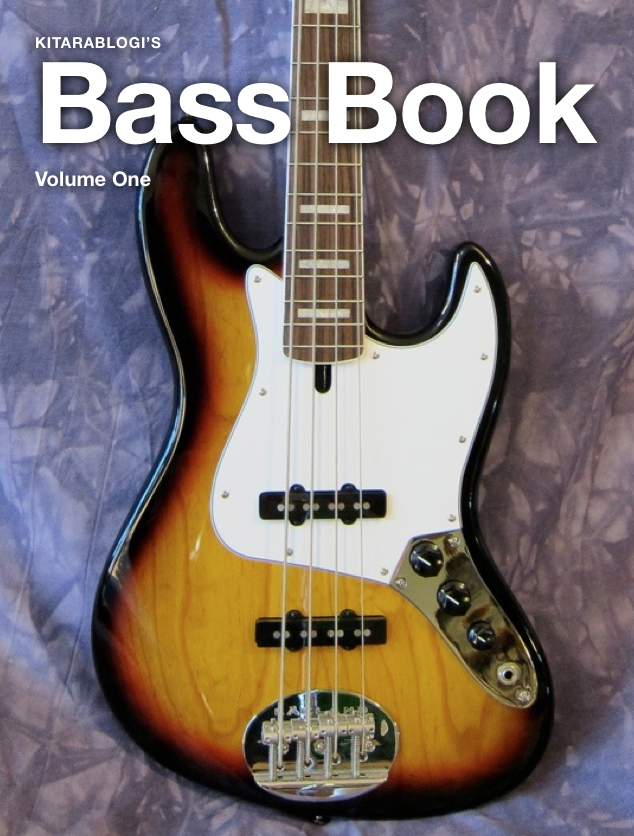
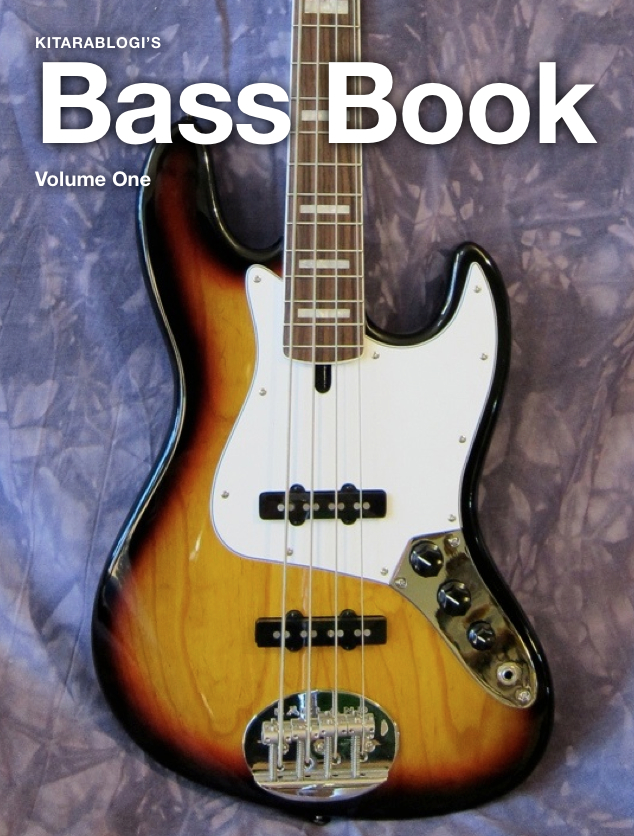
Kitarablogi’s Bass Book is a 55-page free eBook for iPad.
Kitarablogi’s Bass Book presents nine different electric basses in photographs and sound samples. Check out quality instruments by makers such as Kataja Custom Shop (Finland), Lakland, Mannedesign, Rickenbacker, Schecter, Spector and Tokai.
Download you free copy HERE or get it at the iBookstore.
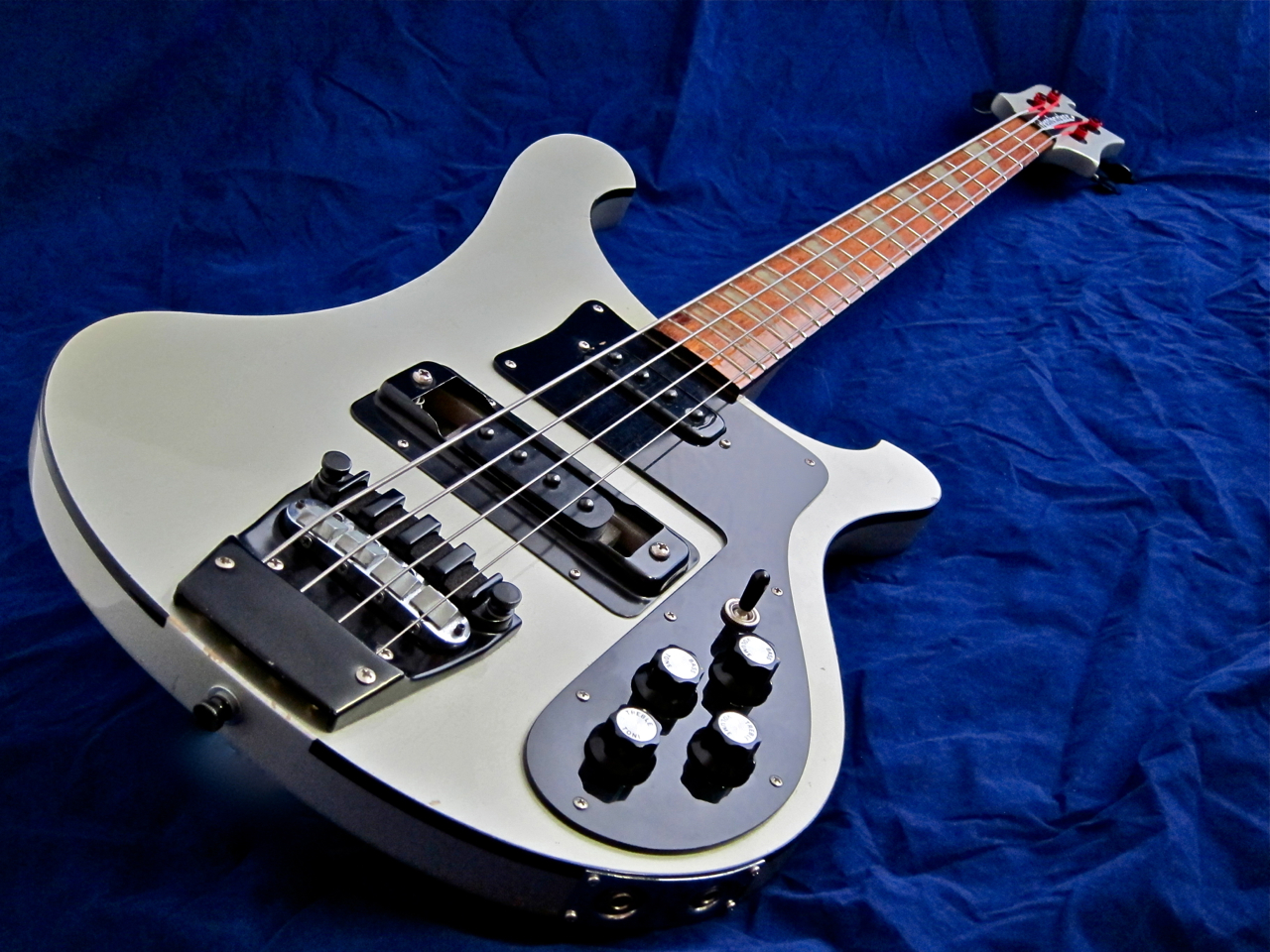
Kitarablogi’s Bass Book on 55-sivuinen, ilmainen eKirja iPadille.
Bass Bookissa esitellään yhdeksän eri bassoa kuvilla ja soundeilla. Soittimien kirjo ulottuu suomalaisesta Kataja Custom Shopista Laklandiin, Mannedesignista Rickenbackeriin, ja Schecterista Spectorin kautta Tokai-bassoon.
Lataa kirja tästä LINKISTÄ tai suoraan iBookstorelta.

****

There are a lot of changes in store for ESP/LTD-instruments in 2013, because ESP have decided to reshuffle and restructure their whole product range.
In future the name ESP will only appear on the headstocks of Japanese ESP Custom Shop instruments. ESP’s Standard series will be renamed E-II.
New for LTD in 2013 is their Made-in-Japan Elite series, which has been designed to offer the very best of what this brand has to offer.
Kitarablogi has received a brand-new LTD Elite ST-1 -guitar for review. The model is available in two permutations – either equipped with a rosewood ’board neck and active EMG-pickups (LTD Elite ST-1/R EMG) or (like our review sample) sporting a maple fretboard and passive Seymour Duncan pickups (LTD Elite ST-1/M).
****

The brand-new LTD Elite ST-1/M (1.387 €) is a stunningly beautiful guitar, which manages to blend successfully an air of timelessness with the appeal of a sleek widdle-machine.
This version is released in two different finishes – the blue Aqua Marine and the See-Through Black Cherry of our test sample – while the EMG-version is only available in See-Through Black.
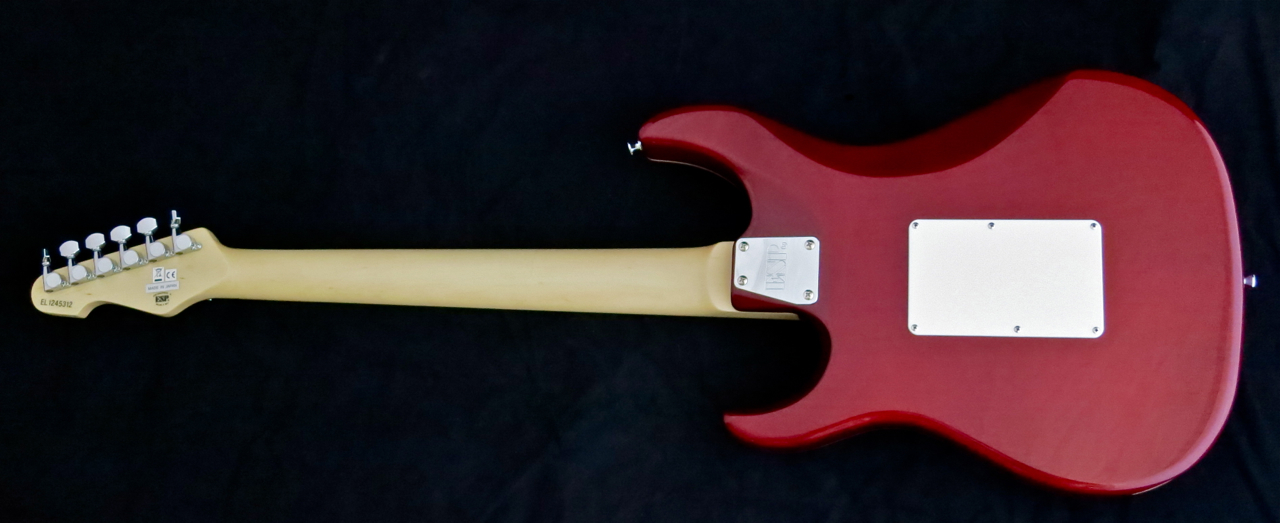
The basic ingredients making up the Elite ST-1 follow a traditional recipe: A bolt-on maple neck and an alder body.

The sleek ESP-neck joint makes excursions to the dusty end of the fingerboard just that bit more comfy.

The front of the body is spruced up by a maple top carrying a quilt maple veneer.
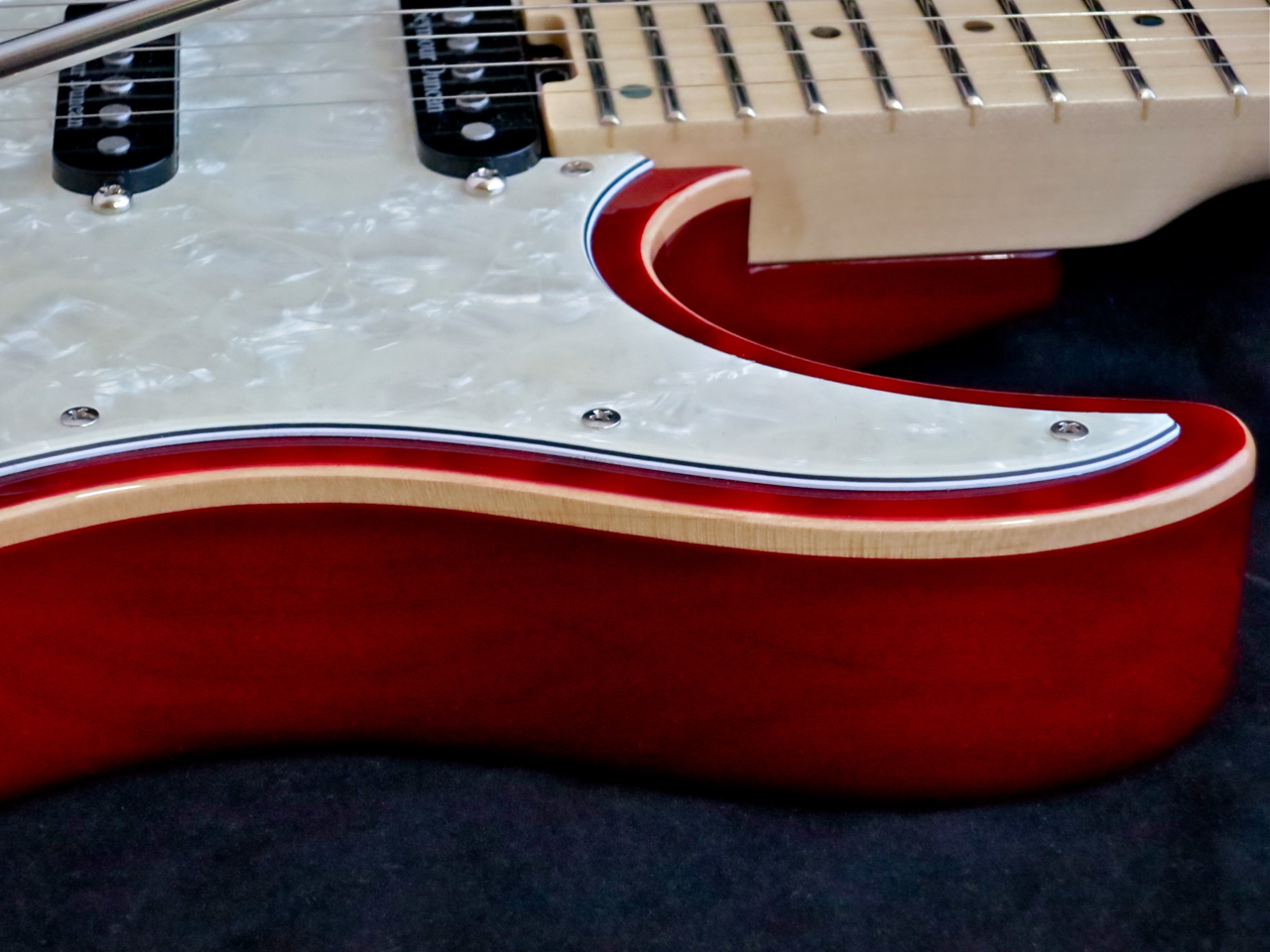
By leaving the edges of the maple top uncoloured you get what is known as ”fake binding”.

The ST-1 is equipped with 24 jumbo frets. The quality of the fretwork is exemplary, and the same holds true for the finish of the neck, which blends a satin-lacquered back with a gloss-finished fretboard.

Quality is also the name of the game when it comes to the guitar’s hardware.

The chrome-plated, sealed tuning machines are Gotoh units.

The Floyd Rose vibrato is the top-drawer Original-version, made from steel in Germany by the Schaller company.

This is what a well-installed locking nut looks like.
The string retainer bar pulls the strings down onto the nut, so the tuning doesn’t change when a string lock is opened or closed.

Seymour Duncan is the brand of choice for the LTD Elite ST-1/M when it comes to pickups:
The neck and middle units are stack-coil STK-S4-models, which promise genuine singlecoil tone bar the usual hum. The bridge humbucker is the company’s excellent, hotter-than-vintage Custom-model (SH-11).
The LTD’s truss rod can be adjusted without any component removal. Simply turn the wheel between the 24th fret and the neck pickup, using something like a small screwdriver or a nail.

The ST-1’s comprises a five-way switch, as well as master volume and tone controls.
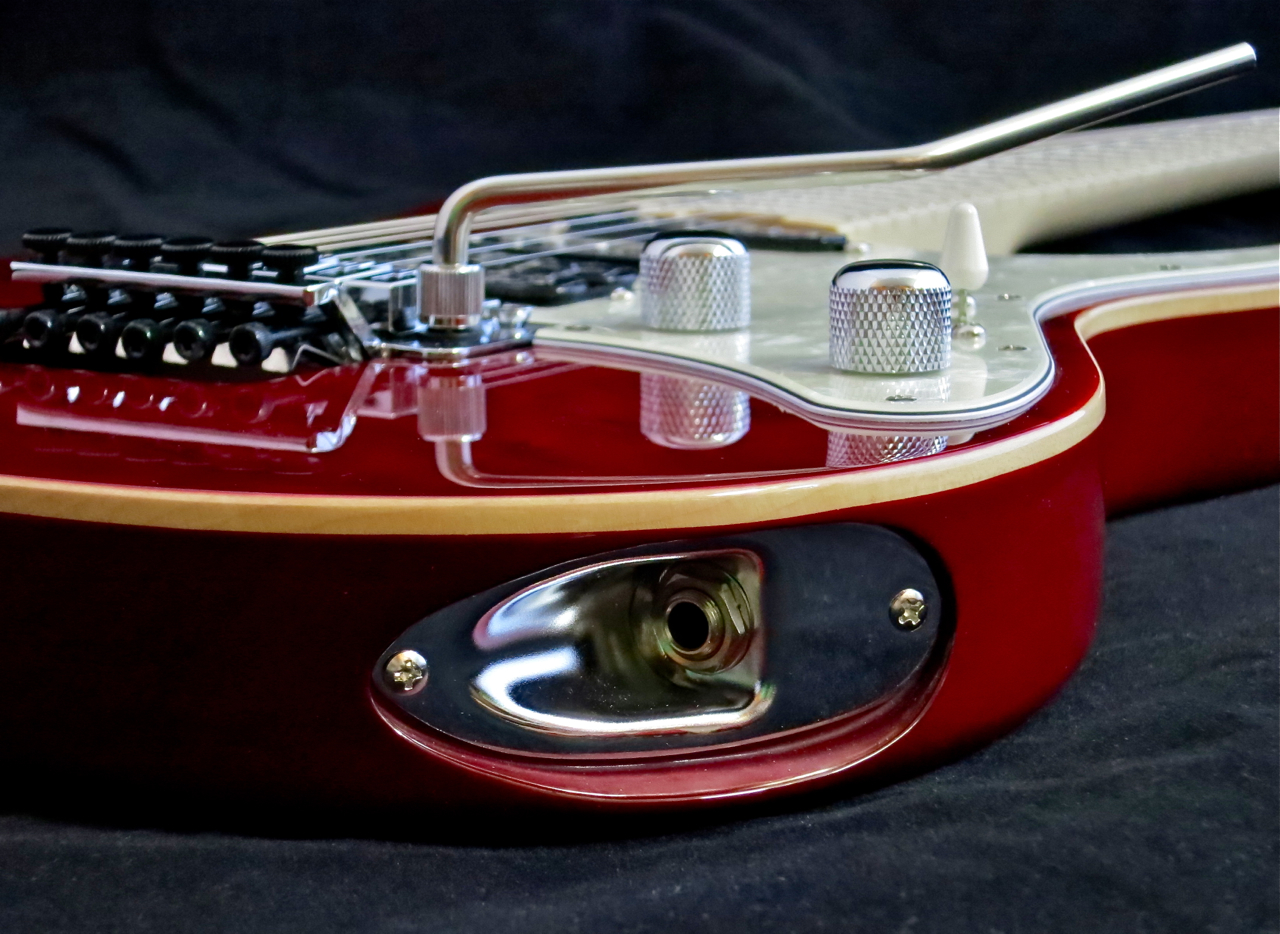
The jack plate has been sunk into the side of the body, making it easy to secure your guitar lead between the guitar and your strap.
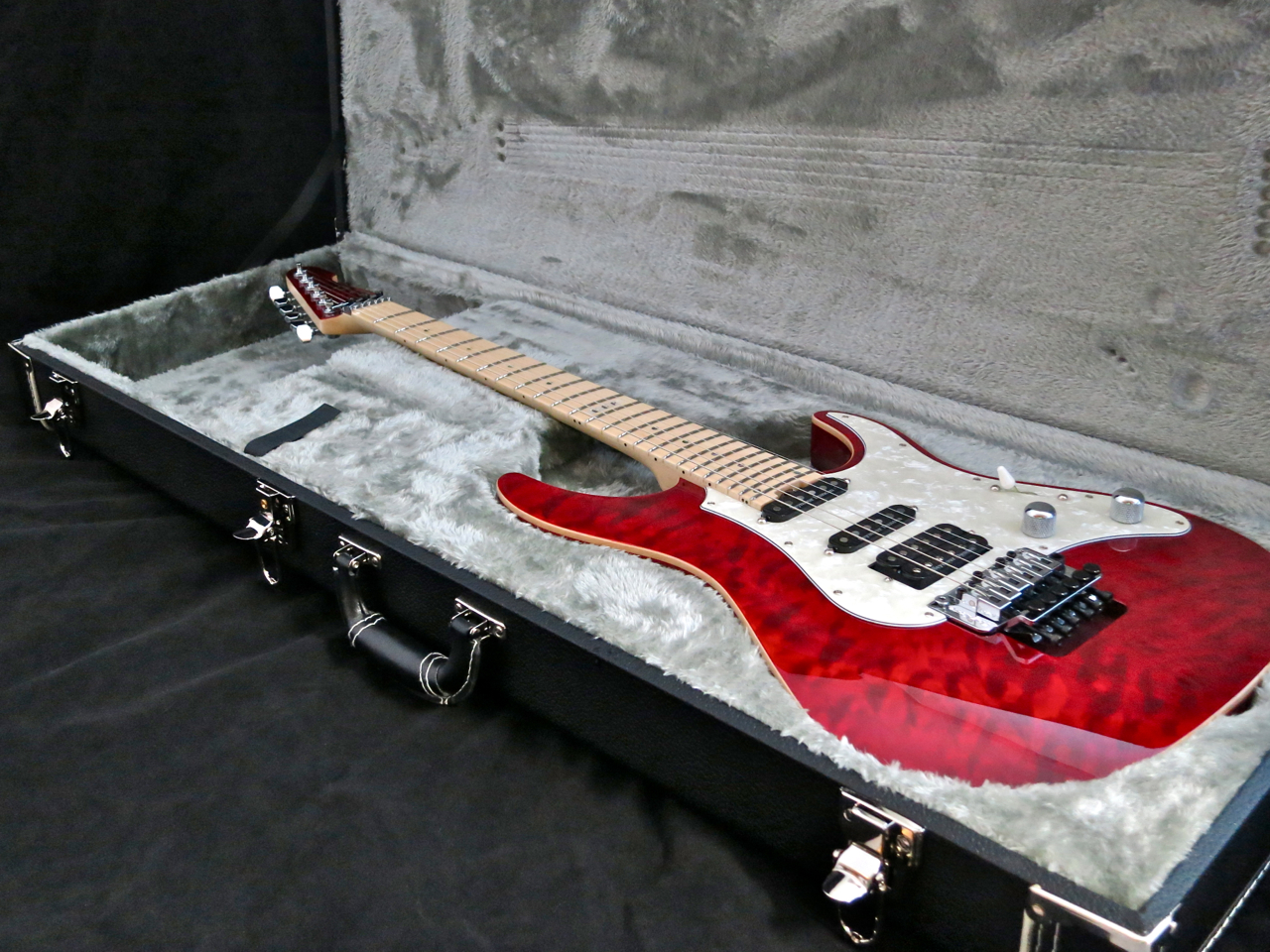
All LTD Elite series instruments are sold with their own quality hard case!
****
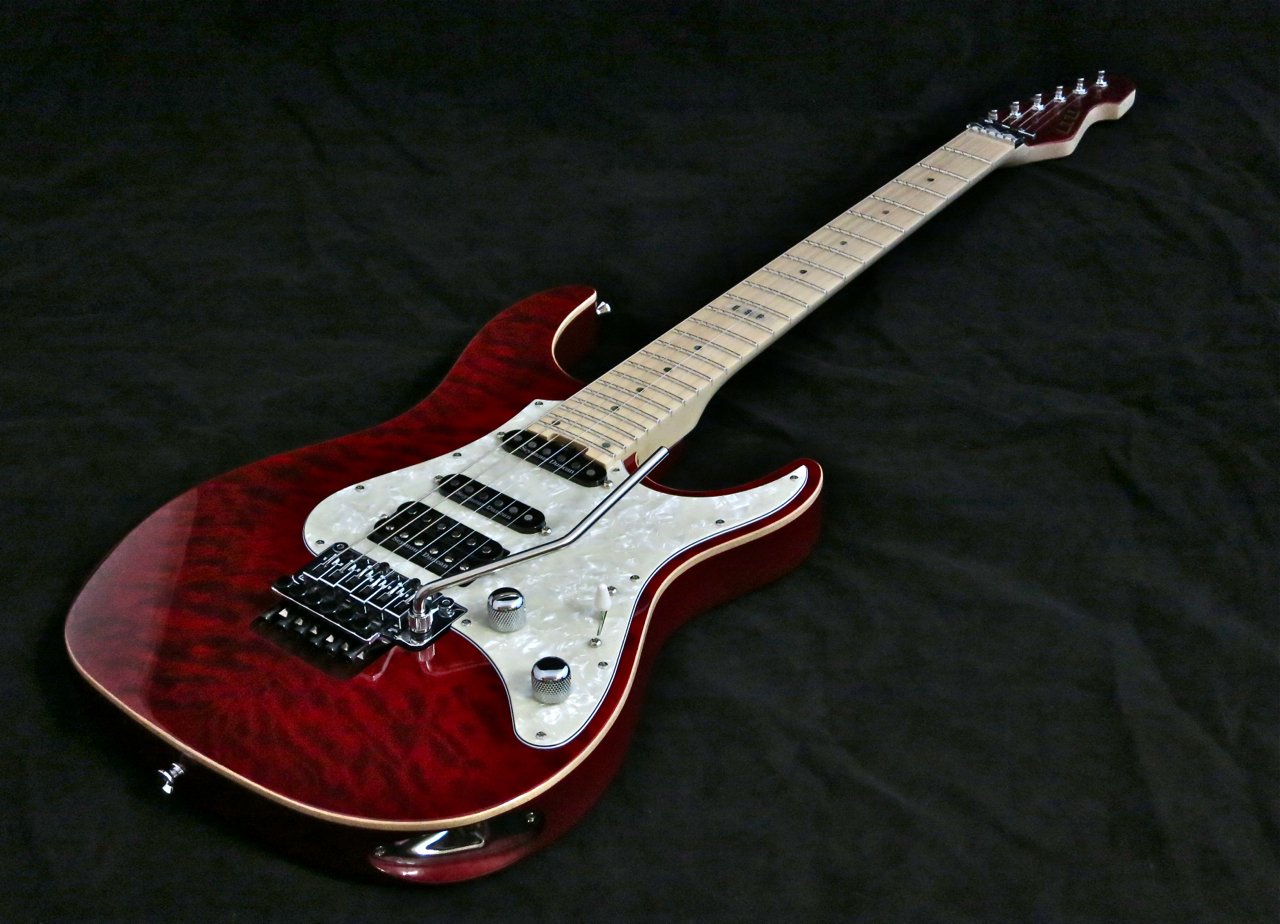
The LTD’s specs sheet mentions a ”thin U-profile”, which calls to mind the 1990s and dreadful, hand-tiring ”speed necks”.
I needn’t have worried, though, because in fact the Elite ST-1’s neck turns out to be a reasonably chunky affair – very good for both playing comfort and good sustain. I would call this neck profile a ”medium-thickness D”.
The review instrument arrived with an excellent set-up, making the guitar very easy to play. Even though the action was adjusted quite low (E: 1,6 mm/e: 1,4 mm), the Elite’s acoustic tone was superb and totally free of fret rattling. The fat and tall frets feel great and provide a fast launch pad for your fingerboard excursions.
A cheap – or badly installed – Floyd Rose bridge can be a real headache, when it comes to tuning stability and sound.
Luckily, the excellent LTD Elite doesn’t suffer from any vibrato-related problems, making this instrument a real showcase for Japanese quality and workmanship. The guitar plays great and sounds fantastic, and the vibrato bridge works like a dream, even if you like to abuse your whammy bar.
The beautiful voice of the ST-1 carries over nicely into a clean amp’s signal. The sound sample starts with the neck pickup:
In an overdriven and distorted context the Elite ST-1’s hum-cancelling stack-coil pickups are a real treat. The Seymour Duncans give you authentic and wiry Strat-type tones, but completely free from hum and buzz.
Switching to the Custom-humbucker is like engaging an additional afterburner for that extra kick:
At first the reorganisation of all things ESP might be a bit confusing, but I’m sure we’ll all get to grips with the new nomenclature quickly. One thing is clear, though:
The LTD Elite ST-1 is one of the best Superstrat-style guitars that I’ve ever had the pleasure to play. This LTD is a top-drawer, professional instrument with a fantastic feel and outstanding tone.
Based on this review it seems clear that the Elite-series really offers you the best of LTD at a fair price.

All of the five guitar tracks on this tune have been played using the LTD Elite ST-1:
****
LTD Elite ST-1/M
1.387 €
Finnish distributor: Musamaailma
****
Pros:
+ value-for-money
+ workmanship
+ playability
+ Floyd Rose set-up and tuning stability
+ sound
+ hard case included

Mannedesign is the more affordable, Far Eastern-produced brand of Italian company Manne Guitars.
Apart from Mannedesign’s wide array of electric guitars and basses the brand’s model range also includes several steel-string acoustics, two of which are featured in this review:
The Parlour-sized Mannedesign PFM and Roberto Dalla Vecchia’s signature-Dreadnought, the RDV.
****

The Mannedesign PFM (660 €) is an all-solid, small-bodied instrument for the Blues-, Folk- and Roots-guitarist, who is looking for a vintage-toned guitar.
The deep and rich matte finish on the PFM’s cedar top embues the instrument with a good dose of street credibility.

The mahogany neck is one-piece, save for the upper half of the headstock, and a another piece used to get the neck heel up to its full length. The neck joint is a the 12th fret, just like it was on many guitars in the 1930s.
The back and rims of the soundbox have been crafted from beautiful solid mahogany.
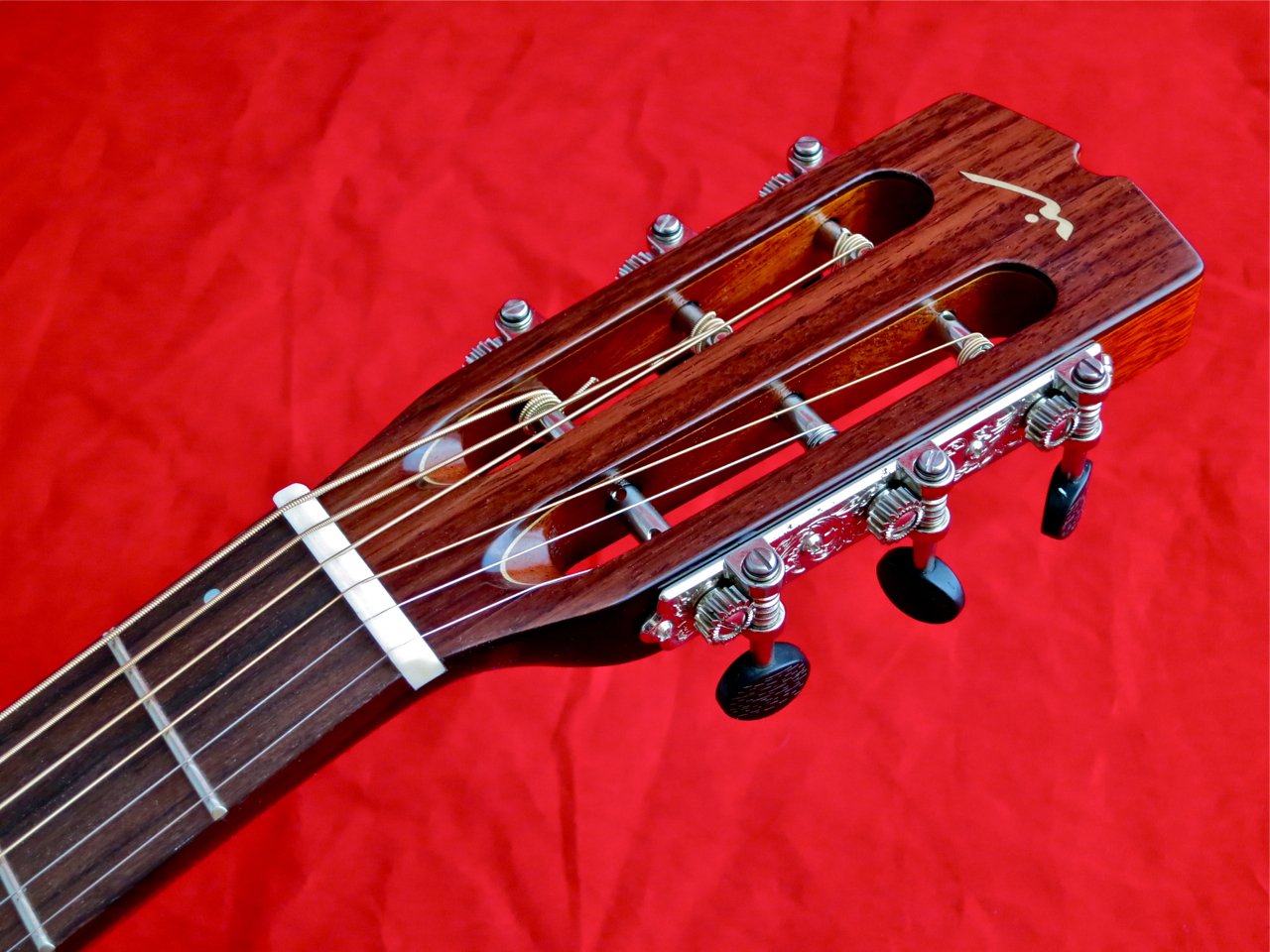
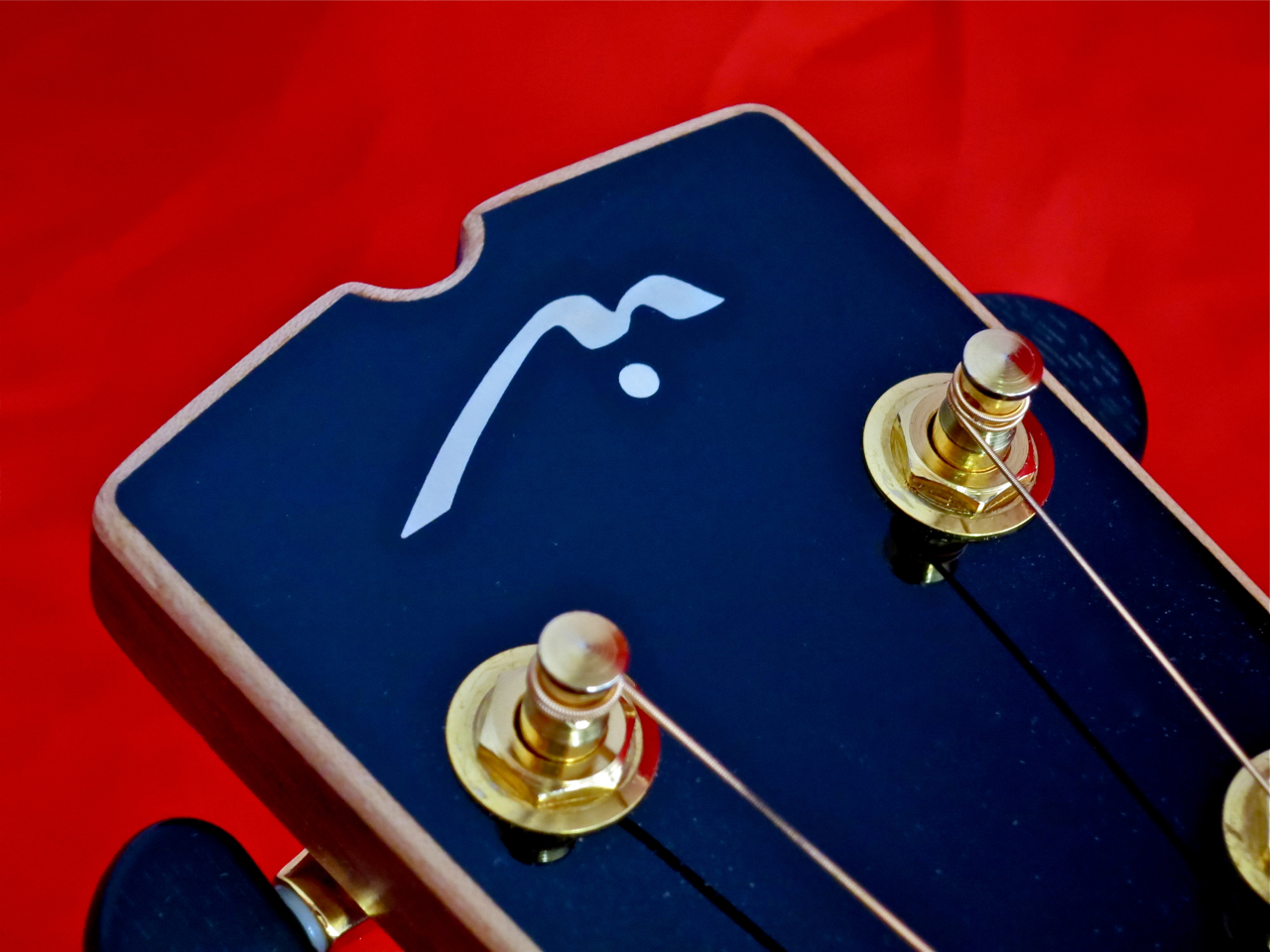
The headstock sports a rosewood veneer, which has been beautifully inlaid with a maple Mannedesign-logo.
TRhe top nut has been carved from genuine bone.

Gotoh supplies this model’s quality open tuning machines, which are a well-designed update on vintage tuners.

The Mannedesign’s rosewood fingerboard holds 19 well-seated, medium-sized frets.

The PFM’s body has been adorned with stylish flame maple binding, while the guitar’s beautiful rosette sports abalone inlays.
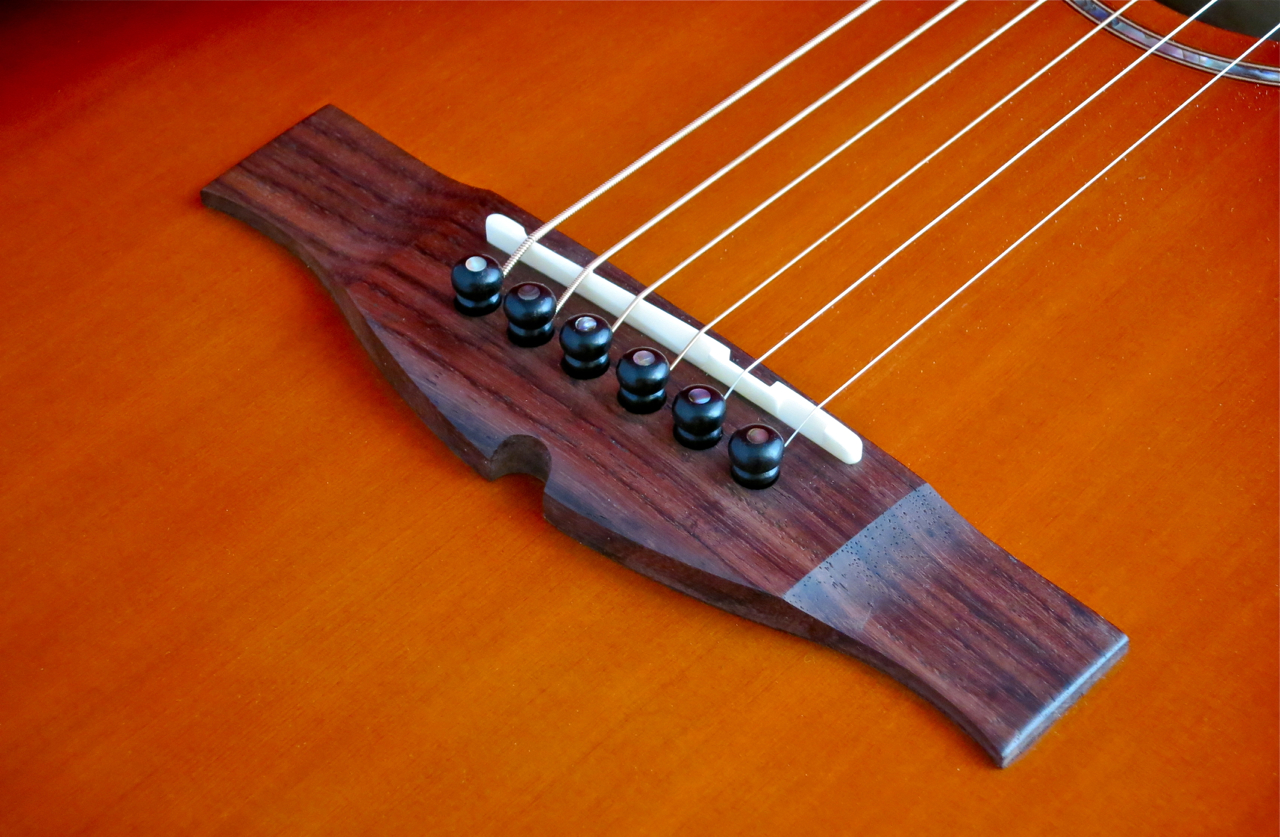
The characteristic dip of the Mannedesign’s headstock is mirrored in the rosewood bridge’s design.
The compensated bridge saddle has been made – just like the top nut – from bovine bone, which is still one of the best materials for this purpose.

****

Roberto Della Vecchia is an Italian Fingerstyle-wizard – I can only recommend hopping over to his website to check the man out!
Della Vecchia’s Mannedesign RDV -signature model (950 €) is a gorgeous Dreadnought guitar carefully crafted from traditional materials. AA-quality sitka spruce is used for the guitar’s solid top.

The RDV’s mahogany neck is one-piece, save for a separate bit used to make up the neck heel.
The solid Indian rosewood used for the back and the rims is stunningly beautiful.
The body of the guitar comes with a gloss finish, while the neck has been finished with a matte lacquer.

The headstock facing is black ebony, inlaid with a mother-of-pearl Mannedesign-logo.
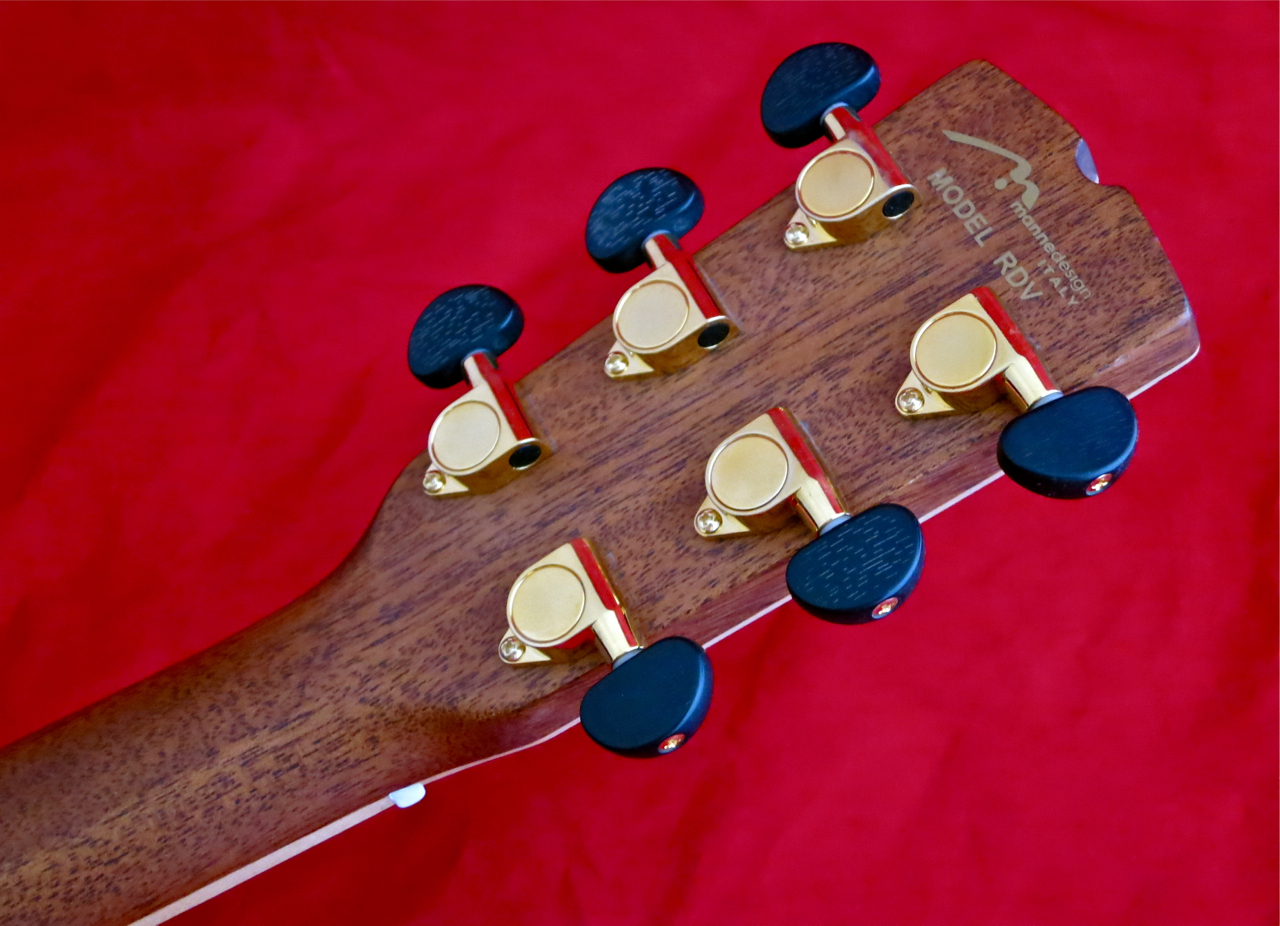
The RDV comes equipped with gold-coloured Gotoh tuners with ebony-styled plastic tuning buttons.

Maple binding frames the ebony fingerboard. The RDV is equipped with 20 medium-sized frets.

The back’s centre line has been inlaid with a very beautiful black-and-white motif.
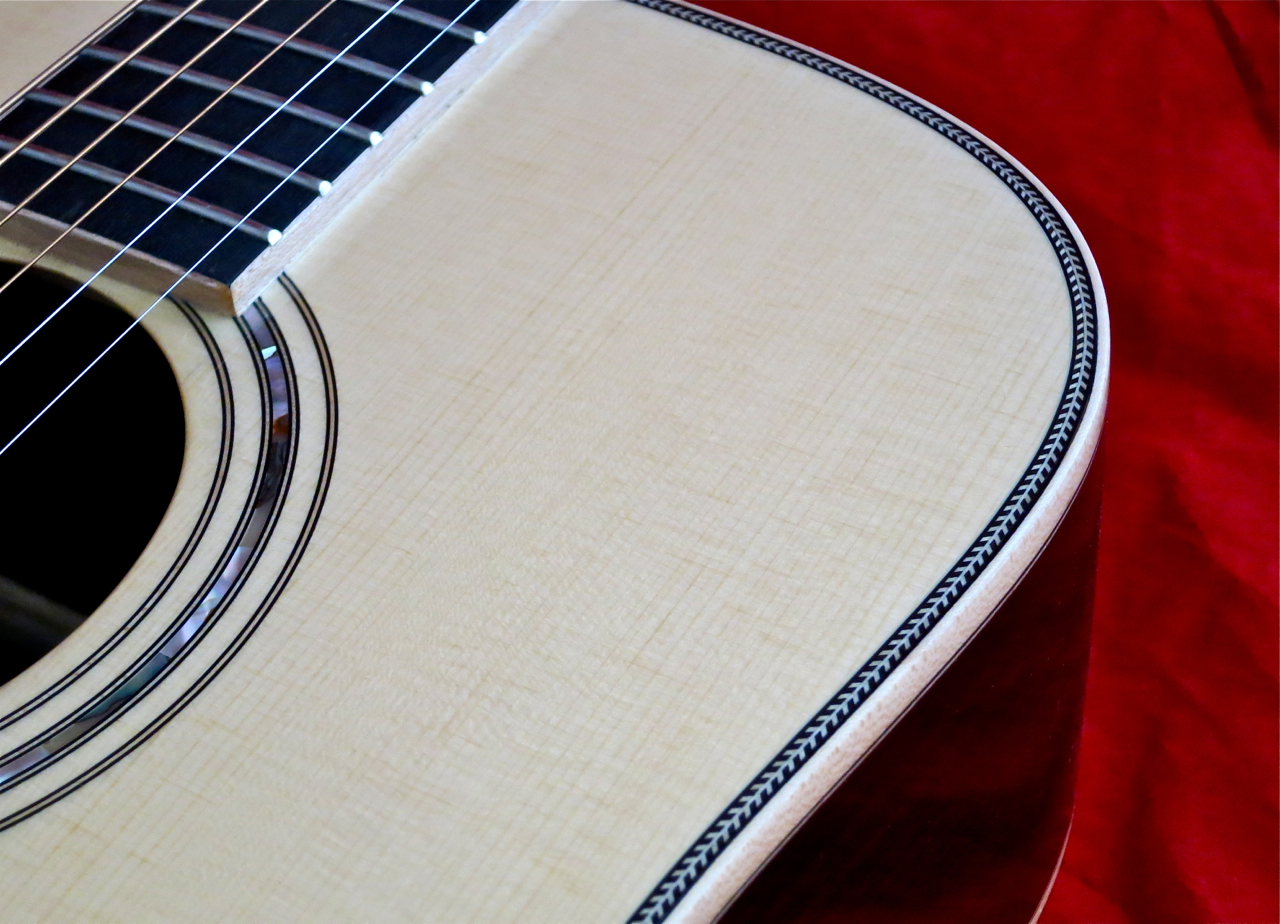
In addition to the maple edge binding the top also sports very crisp-looking herringbone purfling.
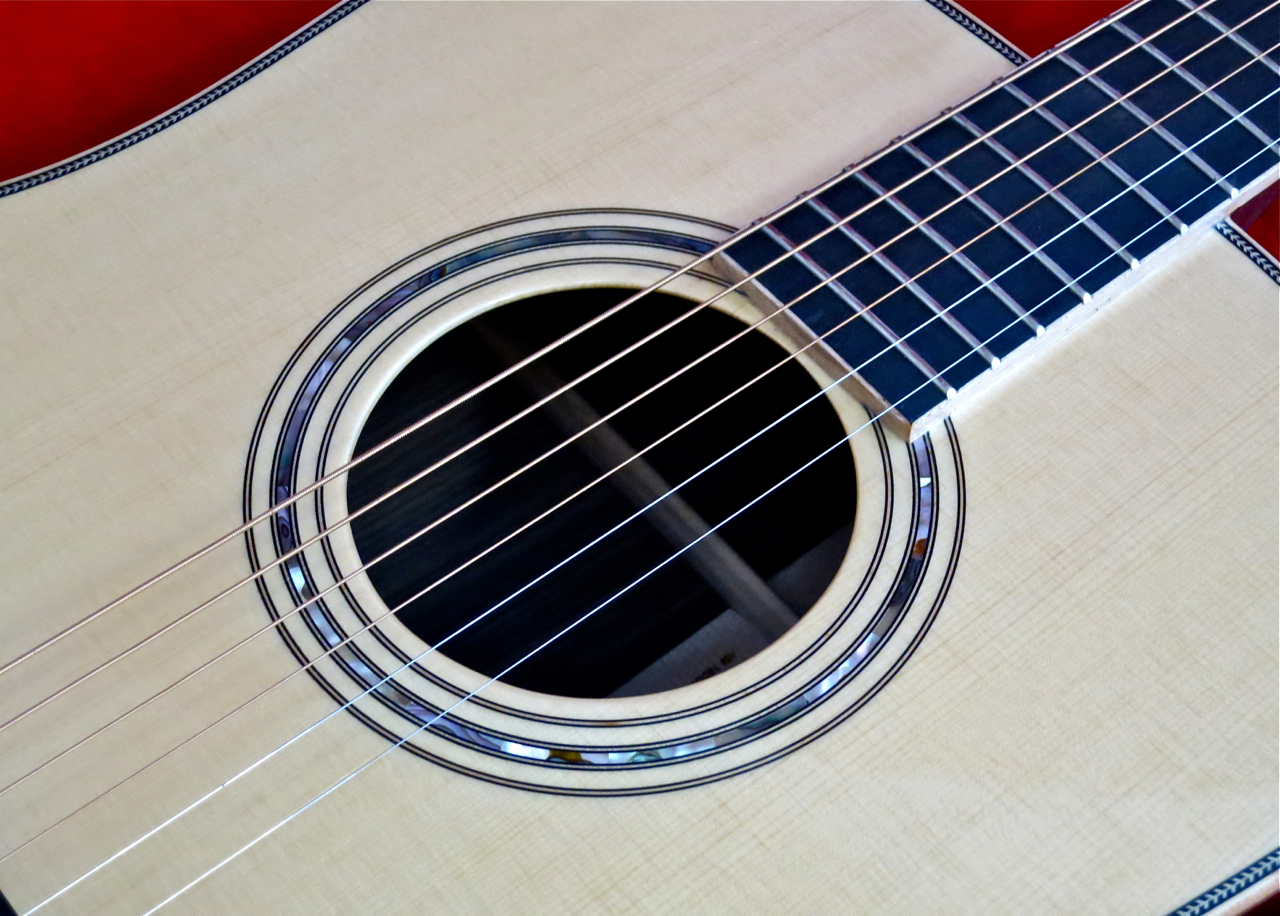
The rosette’s central ring is made up of genuine mother-of-pearl.

The RDV’s bridge is the same design we’ve already seen on the PFM, but this time crafted from deep black ebony.

****
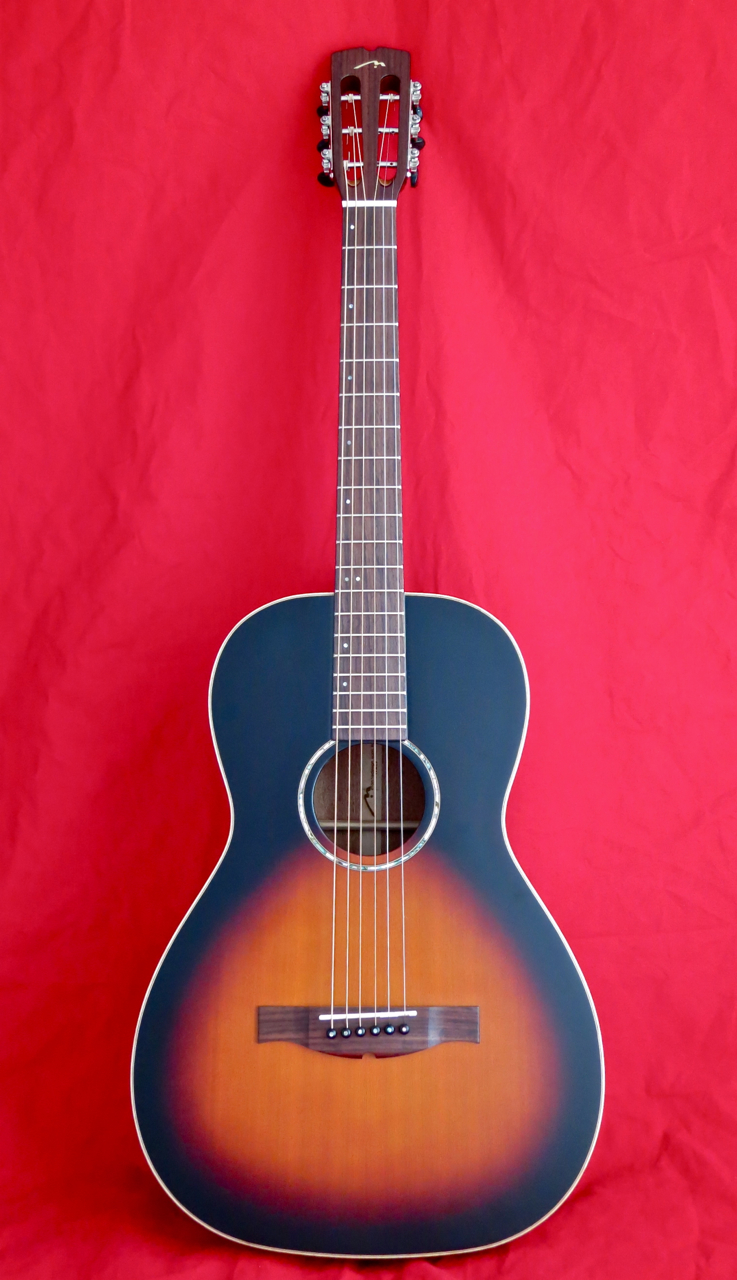
As most do Parlour-sized guitars, the Mannedesign PFM has a medium-length scale of 63 cm, which makes bending the 012-gauge strings relatively easy to bend. Instead of a ”vintage-correct” – and often loathed – V-profile neck, Mannedesign have opted for a more sensible and nice-feeling middle-of-the-road D-profile. The guitar’s nut width measures 4,4 cm, while the string spacing (E to e) at the bridge stands at 5,4 cm – good for both plectrum player, as well as fingerstylists. The test sample was set up with a very friendly action (E: 1,9 mm/e: 1,5 mm).
The Mannedesign PFM is a typical Parlour-guitar in the best possible sense. The guitar’s sound is quite dry and has a barking attack, with a strong and slightly nasal overall mid-range focus. Fingerstyle-guitarists will love the relatively light bass register, which keeps things transparent. When using a plack, you will be positively surprised by how well the PFM is able to cut through and project – great for Ragtime and early Blues. The Mannedesign PFM also records really well, because it doesn’t clutter the low-mid and bass registers.

****

The Mannedesign RDV has the long scale (63 cm) typical of a Dreadnought. Roberto Della Vecchia requested a slightly wider-than-usual string spread at the bridge (5,9 cm) to accommodate the needs of fingerstyle players. The neck profile is a very nice, oval C. The Della Vecchia model’s set-up was superb, with a nice and comfortable action (E: 2,0 mm/e: 1,5).
Rosewood-bodied Dreads often turn out to be great ”shouters”, which also holds true for the RDV’s healthy volume levels. There’s plenty of lush bass on tap, with a warm mid-range and shimmering top-end to boot. The Mannedesign RDV is a prime exponent of the famous Dreanought-sound, offering you volume, character and dynamics in spades.


****
Mannedesign-instruments still have a rather low profile here in Finland. Still, based on this review I can only recommed a closer look at the brand’s acoustic offerings.
****
Mannedesign PFM + RDV
PFM – 660 €
RDV – 950 €
Finnish distributor: Nordsound
****
Pros (both models):
+ value-for-money
+ workmanship
+ playability
+ sound
****


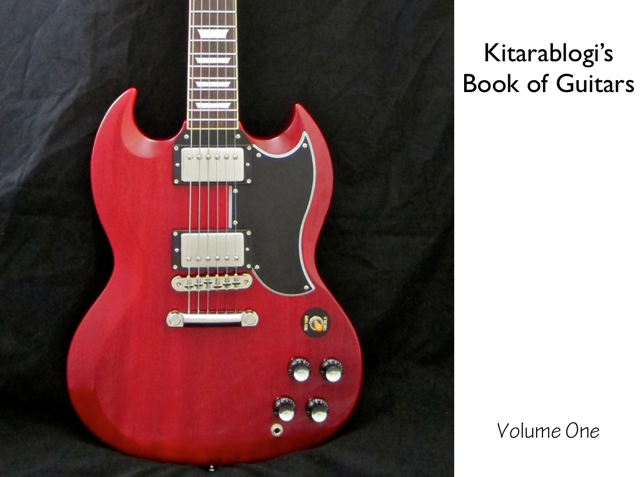
Kitarablogin kuvakirja on nyt myös saatavilla Android- ja Windows-mobiililaitteille yhteensopivassa PDF-muodossa!
Lataa itsellesi yli 100 sivua kitarakuvia ja esimerkkisoundeja – klikkaa TÄHÄN.
Jos sinulla ei vielä ole Adobe Reader For Mobile -appia saat sen TÄSTÄ.
****
Kitarablogi’s photo book is now also available in the Android- and Windows-compatible PDF-format!
Treat yourself to over 100 pages of guitar photography and sound clips – just click HERE.
You can download Adobe’s free Reader For Mobile app HERE.

 Kitarablogi.com – Finland's premier Guitar and Bass blog