Mad Professorin (ja Turenki Recordsin) Harri Koski ja hänen tiiminsä ovat laittaneet meille tänä vuonna entistäkin herkullisemman kattauksen suomalaista soitinrakennustaitoa.
****
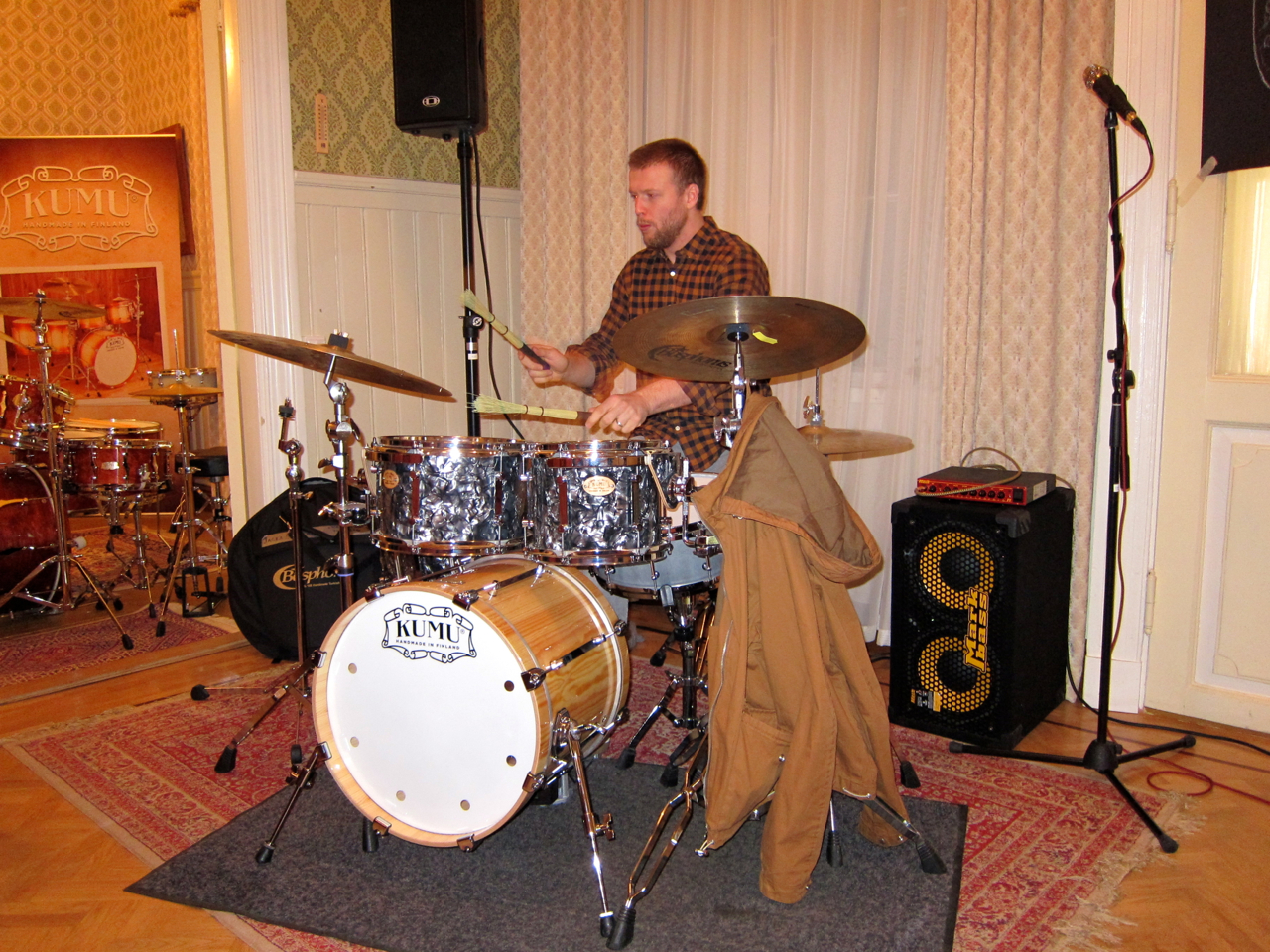
Kumu-rummut ovat esillä kokeiltavaksi ja kuuntelevaksi, esimerkiksi Jaska Lukkarisen soittamana.
****
Kitarakuun Seppo Kaskenmäki esittelee mm. firmansa maahantuomia Magneto-kitaroita ja Klein-mikrofoneja.
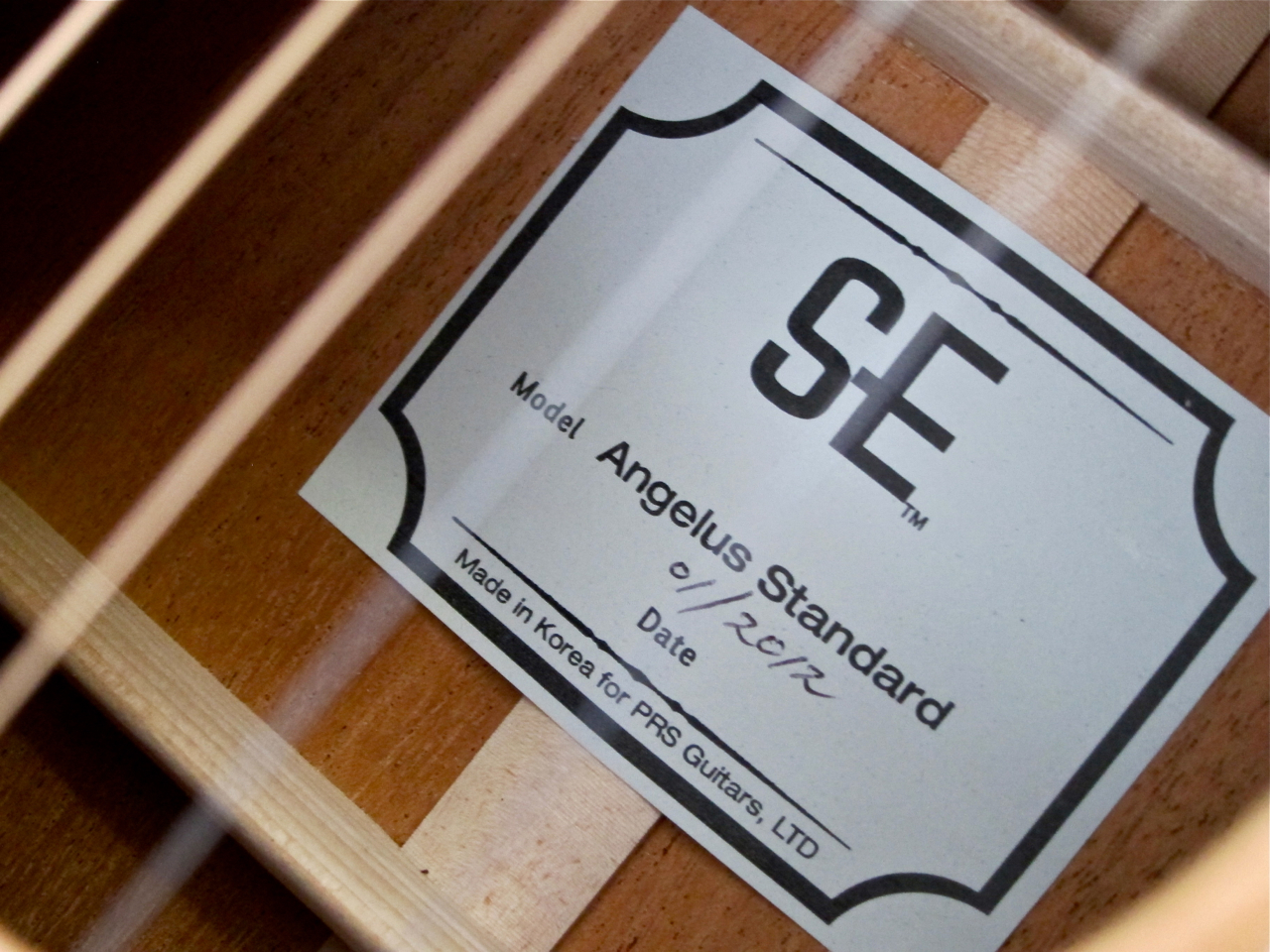
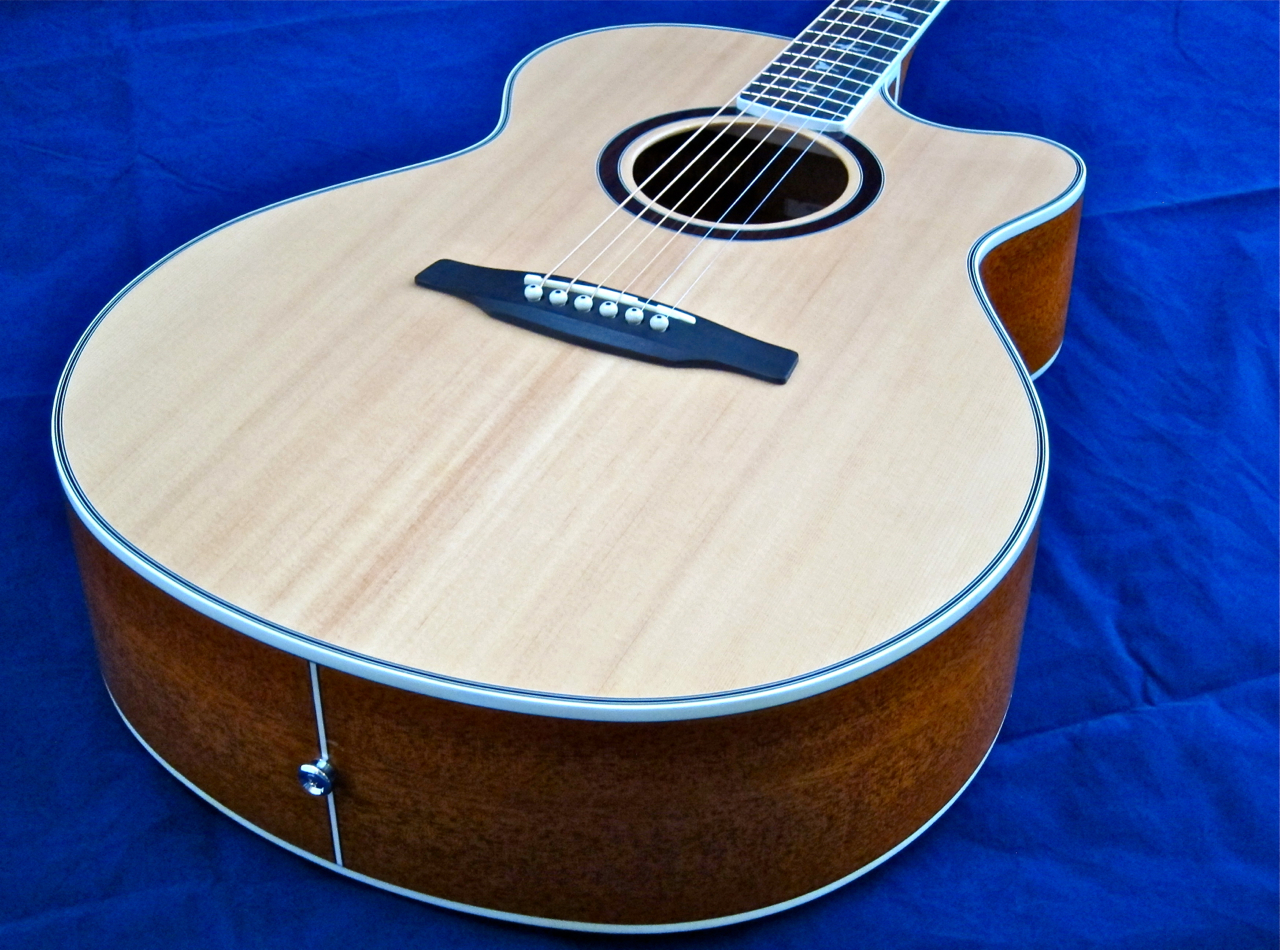
The SE Angelus Standard is a Grand Auditorium -sized steel-string acoustic from PRS Guitars’ brand-new SE Acoustic -range.
A special feature on all PRS SE steel-strings is their proprietary top bracing pattern which seamlessly combines the best bits of traditional x- and fan-bracing patterns. The end result should be a very dynamic and open-sounding acoustic tone.
****
The PRS SE Angelus Standard (current street price in Finland approx. 730 €) is a beautiful and stylish piece of work.
A Grand Auditorium’s body has about the same cubic content as a Dreadnought. Its rounder shape with a more slender waist makes it more comfortable to play, and also produces a different basic voicing. Grand Auditoriums tend to sound more open with added clarity in the lower midrange (between 600 – 800 Hz) compared to a Dreadnought, making them easier to record.
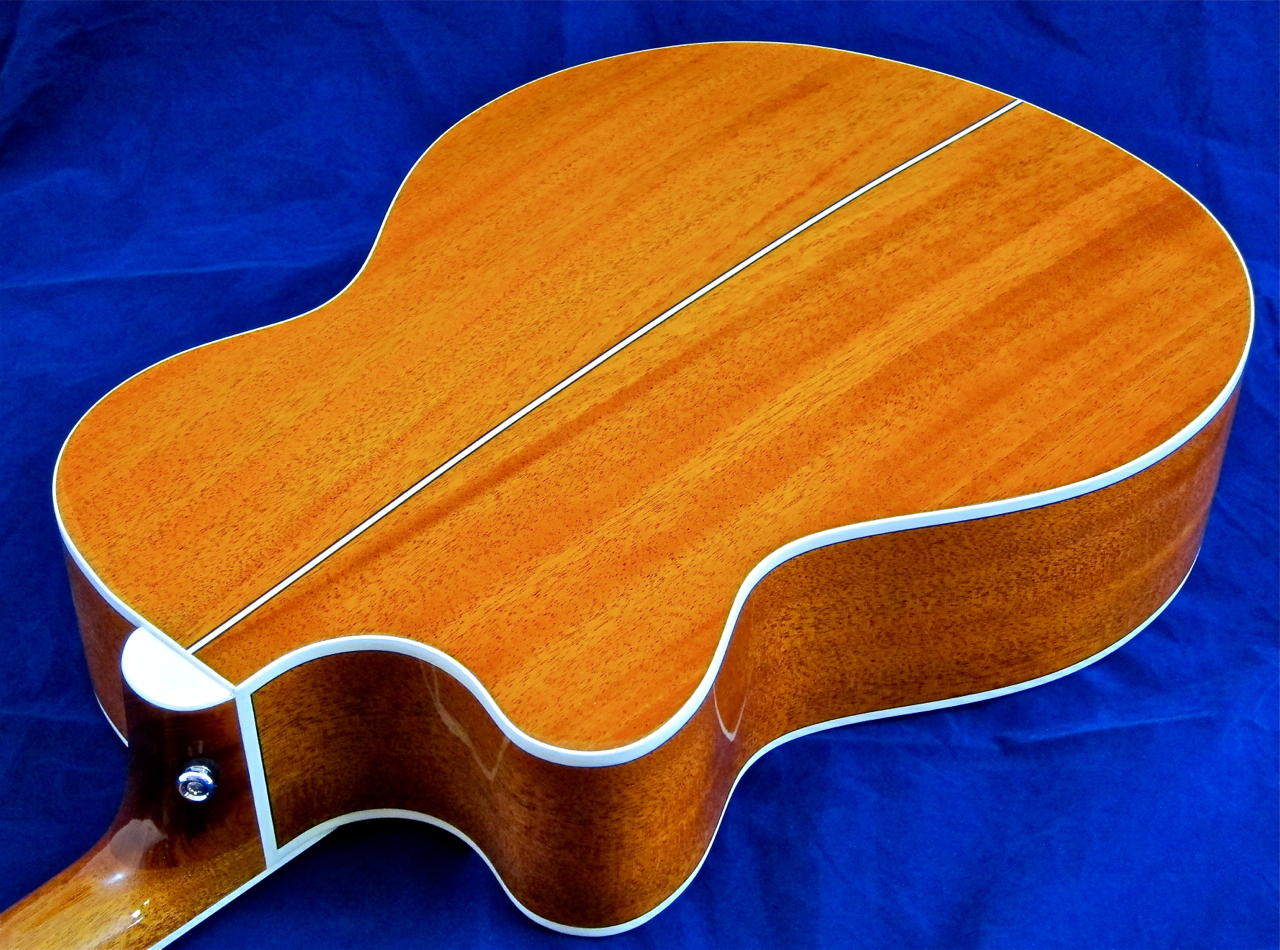
The SE Angelus Standard is crafted from solid sitka spruce for the top and solid mahogany for the body’s back. The rims are pressed from mahogany plywood, adding a little sturdiness.
Mahogany is also the material of choice for the Angelus’ neck.
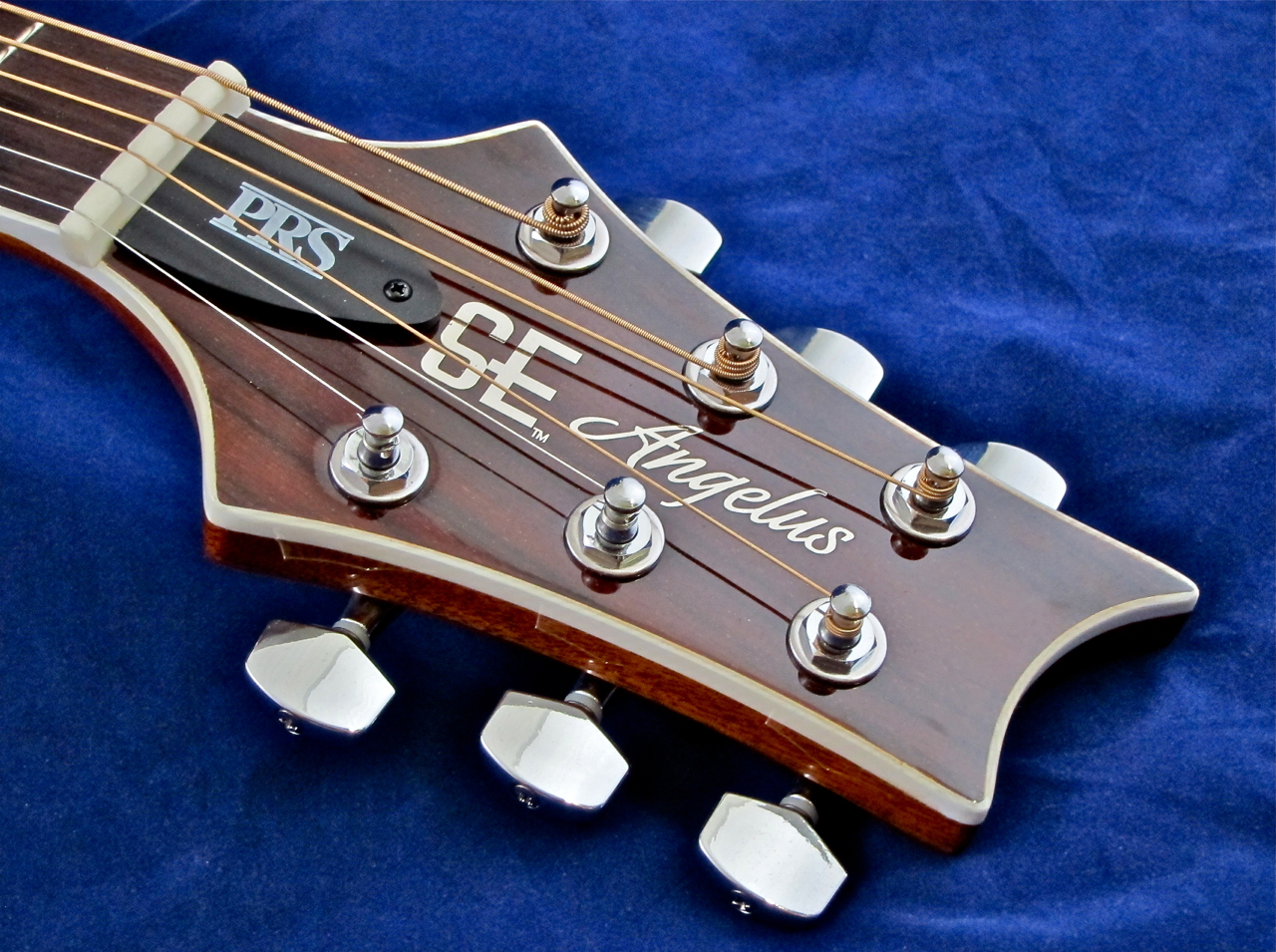
It’s surprising to see how well PRS’ traditional headstock looks on an acoustic guitar. In the SE Angelus’ case the headstock features a rosewood veneer, as well as white binding.
The top nut has been carved from genuine bovine bone.
The tuners are the same quality units PRS also uses for their SE electrics.
The SE Angelus’ neck is a three-piece affair, with a long piece making up the bulk of the neck, and two small added pieces for the headstock and the neck heel, respectively.
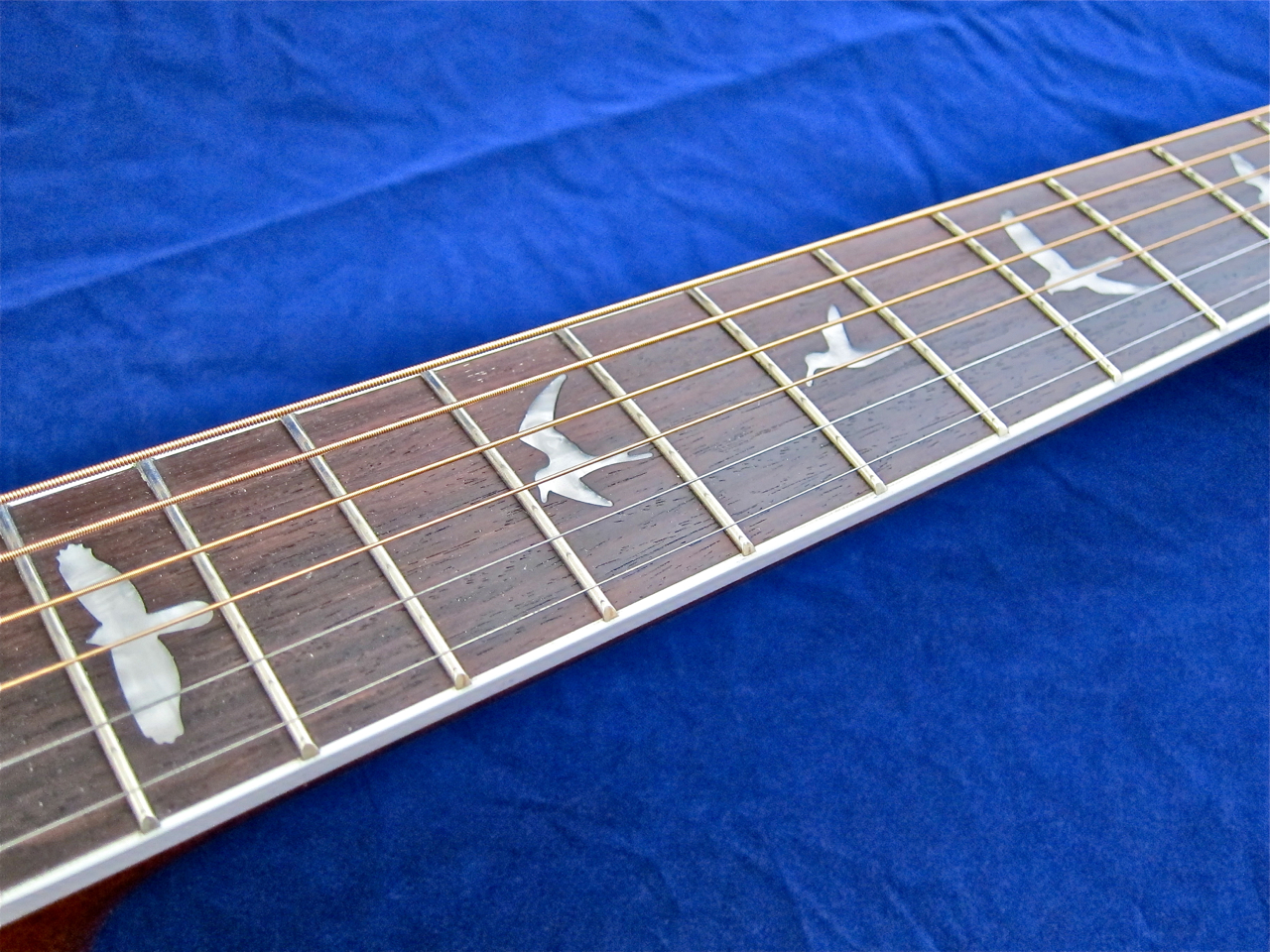
The bound rosewood fingerboard sports beautiful bird-inlays and well-finished narrow frets.
The mahogany used for body construction is gorgeous – the honey-hued wood looks good enough to eat underneath the thinly applied transparent lacquer.
By the way: A second strap button comes as standard on the SE Angelus.
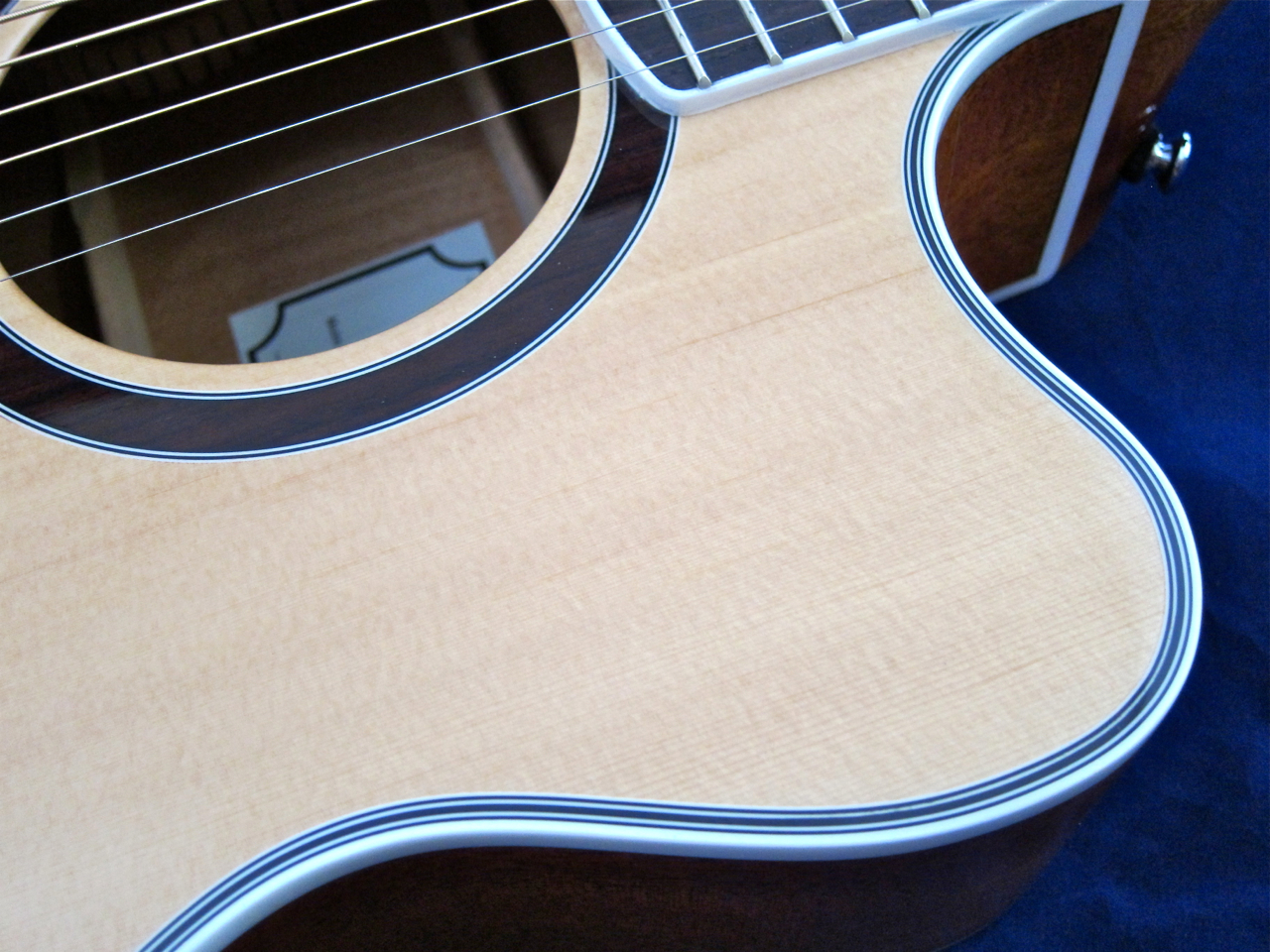
Here’s a view of the Angelus’ rounded cutaway – a typical feature on many Grand Auditorium sized instruments.
The top’s black and white binding looks very crisp.
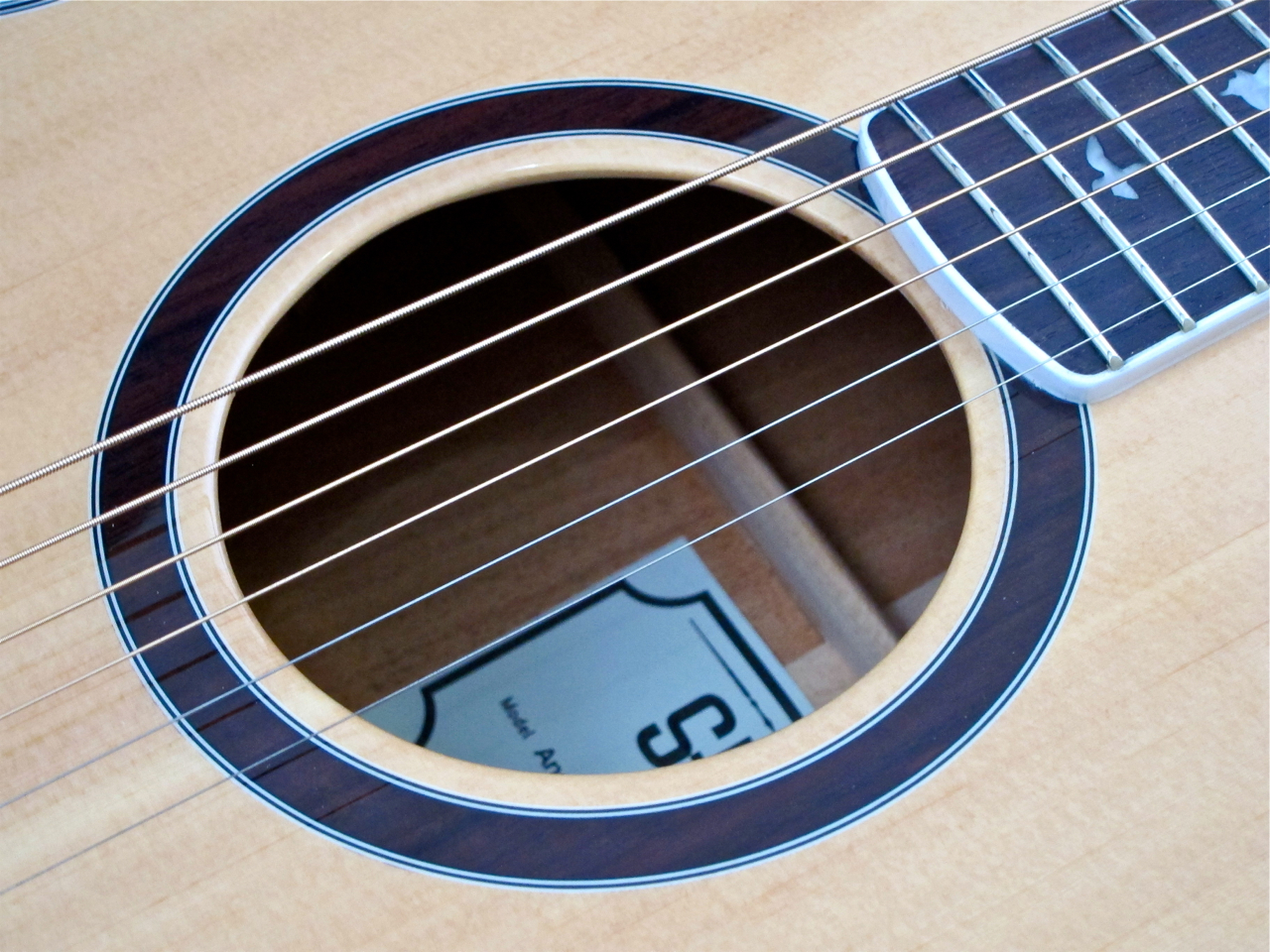
A rosewood rosette adds a tad of understated charm to proceedings.
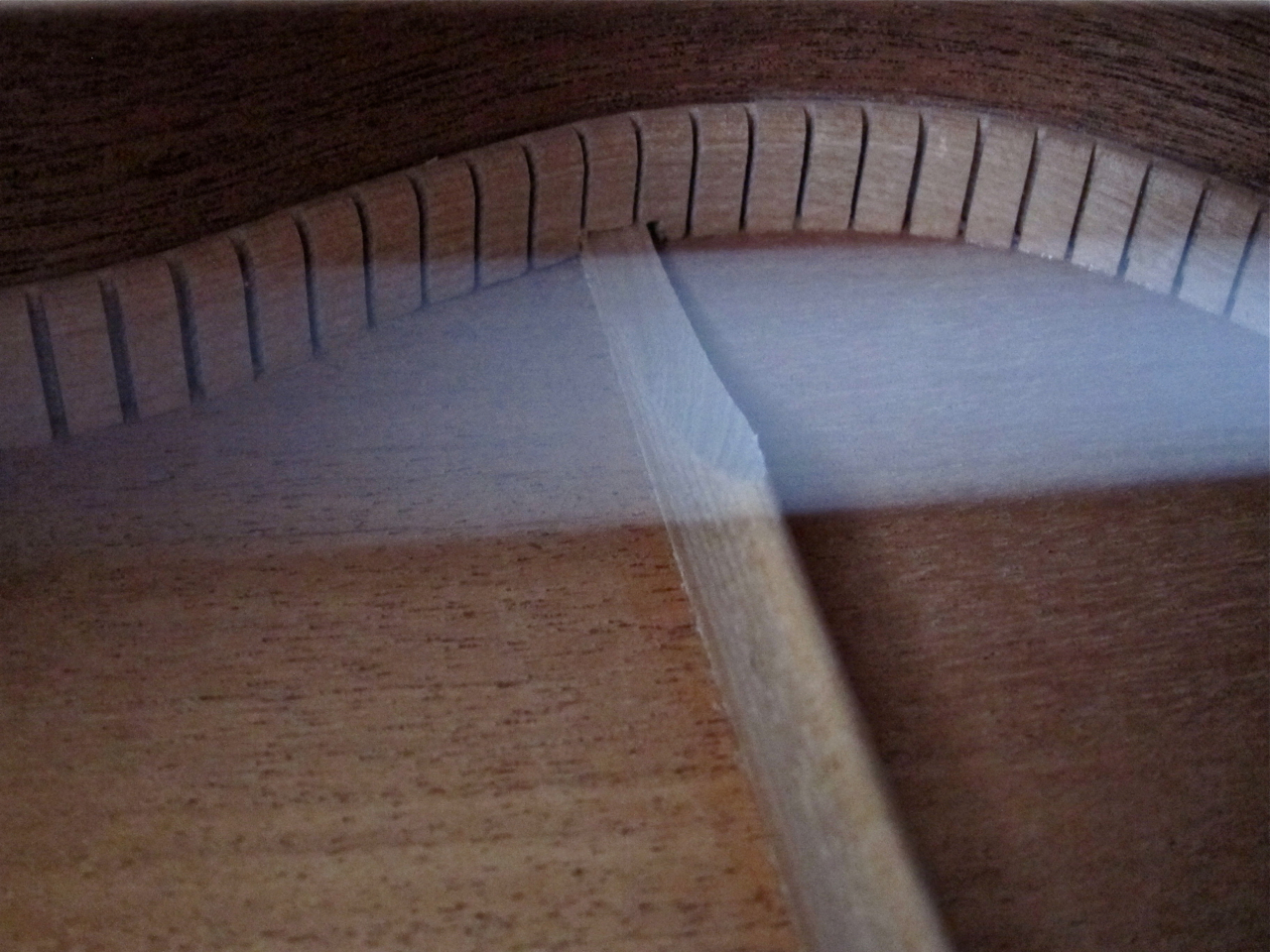
The SE Angelus displays extremely clean workmanship throughout – even on the inside!
The compensated saddle in the guitar’s rosewood bridge is made from tone-enhancing genuine bone.
****
But the PRS SE Angelus Standard isn’t just nice to look at, this guitar is also a sheer joy to play!
The instrument is lightweight, and just touching it already gives you a sense of this guitar’s eagerness to resonate.
PRS have made a wise decision in my opinion, when it came to choosing a neck profile for the Angelus: This neck is an unabashedly steel-string acoustic type of neck. No foul compromises to win over electric players – the Angelus’ neck profile is a chunky affair somewhere between a D- and a U-shaped cross-section.
If you’re new to steel-string acoustics – or just used to the feel of many electroacoustic guitars – the first impression might be a slight bit disconcerting, but fear not! In the long run a big neck will help your left-hand technique, and it’s the right choice for big tone as well.
And what a tone it is! I can only heap praise upon the Angelus’ tone, sustain and dynamics – what a beautiful open sound!
String-to-string balance is outstanding, regardless of playing style or chosen register. It’s not often that you find a brand-new guitar with such a mature voice from the get-go – especially in this price bracket!
I also recorded the SE Angelus with different recording set-ups, and can only report that it is almost impossible to get a bad (or muddy) sound out of this instrument.
This is what the Angelus sounds like when recorded with a Zoom Q2HD:
…and here are two clips, which I recorded using an AKG C3000 condenser mic close to the guitar, pointing at the 14. fret, paired with a Samson C02 at shoulder height facing towards the bridge (–> Focusrite Saffire 6 USB –> Apple Garageband):
SE Angelus Standard on Grand Auditorium -kokoinen teräskielinen akustinen kitara PRS Guitarsin upouudesta SE Acoustic -mallistosta.
PRS SE -teräskielisten erikoisuus piilee firman omassa erikoisrimoituksessa, jossa käytetään saumattomasti X-rimoituksen ja fan-rimoituksen parhaita elementtejä. Lopputuloksena pitäisi syntyä erittäin dynaaminen ja avoin akustinen klangi.
****
PRS SE Angelus Standard (katuhinta noin 730 €) on erittäin komea ja tyylikäs ilmestys suositussa Grand Auditorium -koossa.
Grand Auditorium -kitaroissa kopan tilavuus on kutakuinkin sama Dreadnought-kitaroiden kanssa. Pyöreämmän ulkomuodon ja kapeamman vyötärön ansiosta Grand Auditorium kuitenkin istuu sylissä vielä Dreadnoughtia mukavammin. Lisäksi kopan muodolla on myös vaikutusta sointiin – Grand Auditorium -kitarat soivat yleensä avoimemmin ja ilman kumisevaa keskirekisteriä (noin 600 – 800 Hz) kuin Dreadnought-soittimet, minkä ansiosta nitä on hyvin helppo äänittää.
SE Angelus Standardin koppa on veistetty kokopuisesta sitkakuusikannesta ja mahonkipohjasta. Kopan reunat ovat muotoon prässätystä mahonkivanerista, mikä lisää niihin jäykkyyttä.
Myös Angeluksen kaula valmistetaan mahongista.
PRS:n perinteinen lapamuoto istuu yllättävän hyvin myös akustiseen kitaraan. SE Angeluksen tapauksessa lapa on reunalistoitettu valkoisella muovilla, ja päällystetty kuvankauniilla palisanteriviilulla (palisanteri = ruusupuu).
Satula on veistetty aidosta naudanluusta.
Suljetut virittimet ovat samat laadukkaat mallit, joita käytetään myös SE-sähkökitaroissa.
SE Angeluksen kaula koostuu yhdestä pitkästä palasta, johon on liimattu kaksi lisäpalaa – yksi muodostaa lavan, kun taas toinen on kaulan korko.
Palisanteriotelauta on reunalistoitettu ja koristeltu taitavasti PRS-sähkökitaroista tutuilla lintu-upotuksilla. Sekä upotus- että nauhatyö on toteutettu erittäin siististi.
Kun kerran käytetään laadukasta puuta, on ilo myös näyttää se kaikille. Koppa on viimeistelty erittäin ohuesti kirkaslakalla – mahongin hunajankultainen sävy on varsinaista silmänruokaa.
SE Angelus Standardissa toinen hihnatappi on muuten vakiovaruste – hyvä niin!
Kuten monilla Grand Auditorium -kitaroilla myös Angeluksella on pyöreä soololovi.
Kuusikansi on reunalistoitettu monikerroksisilla mustavalkoisella muovilistoilla.
Tumma palisanterirosetti huokuu hillittyä tyylikyyttä.
Myös kopan sisällä jatkuu SE Angeluksen esimerkkillisen siisti linja.
Samoin kuin satula, myös palisanteritallan kompensoitu tallaluu on aitoa luuta.
****
PRS SE Angelus Standard -kitaraa ei ole ainoastaan kiva katsella, vaan sillä on myös ilo soittaa!
Kitara on hyvin kevyt, ja jo pelkästä kosketuksesta käy selväksi, että tämä soitin resonoi vapaasti.
PRS on Angeluksen kaulaprofiilin kohdalla tehnyt mielestäni parhaan mahdollisen päätöksen: Angelus Standardin kaula on nimittäin täysverinen teräskielisen kaula. Tässä ei tehdä minkäänlaisia kompromisseja tai myönnytyksiä sähkökitaristien suuntaan, vaan tarjoilla on on täyteläinen ja vankka D:n ja U:n risteytys.
Ensikertalaiselle – tai tavalliseen elektroakustiseen tottuneille – ensivaikutelma voi tuntua hivenen verran liian lihaksikkaalta, mutta muutaman soittominuutin jälkeen soittaja alkaa arvostaa kaulan mukavaa täyteläisyytä. Tuhti kaula tukee hyvää soittotekniikkaa, ja se parantaa myös roimasti kitaran yleissointia.
Ja mikä sointi tästä kitarasta lähteekin! Soundia ja soittodynamiikan toistoa voi kuvailla vain ylistyssanoilla, niin upeasti, kauniisti ja avoimesti SE Angelus Standard soi.
Kielet ovat esimerkkillisesti tasapainossa toisiaan, sekä volyymiä, että sävyä katsoen, ja loistava tasapaino säilyy ehjänä soittotekniikasta tai -rekisteristä riippumatta. On hyvin harvinaista saada suoraan pakasta vedettyä teräskielistä syliin, joka soi alusta asti näin hyvin – etenkin tässä hintaluokassa!
Kokeilin SE Angelus Standardia myös erilaisilla äänityskalustoilla, ja oli lähes mahdotonta saada tästä kitarasta huonoa tai tunkkaista soundia.
Tältä Angelus kuulostaa Zoom Q2HD:llä äänitettynä:
…ja tässä ovat kaksi pätkää, joissa käytin AKG C3000 -mikrofonia edestä, lähellä 14. nauhaa, sekä Samson C02-mikrofonia minun oikean olkapään yllä, osoittamassa kitaran tallaa kohti (–> Focusrite Saffire 6 USB –> Apple Garageband):
Upouusi Roland Mobile AC on paristokäyttöinen, stereofoninen vahvistin akustiselle kitaralle sekä laulumikrofonille.
Mobile AC:n tärkeimmät ominaisuudet ovat:
Viisi wattinen (2,5w + 2,5w) stereovahvistin akustiselle
Yksinkertaiset, selkeät säätimet
Kuuden AA-pariston kesto 15 tuntia
Mikrofonisisäänmeno laululle
Audiosisäänmeno audiosoittimille
Kolmikanavainen mikseri omilla voimakkuussäätimillä mikrofonille, kitaralle ja audiosisääntulolle
Chorus, tilakaiku ja ”Wide”-levennysefekti lisäävät syvyyttä soundiisi
There’s surprisingly little information available on the net when it comes to classical/nylon-string guitars.
Now Kitarablogi.com comes to the rescue:
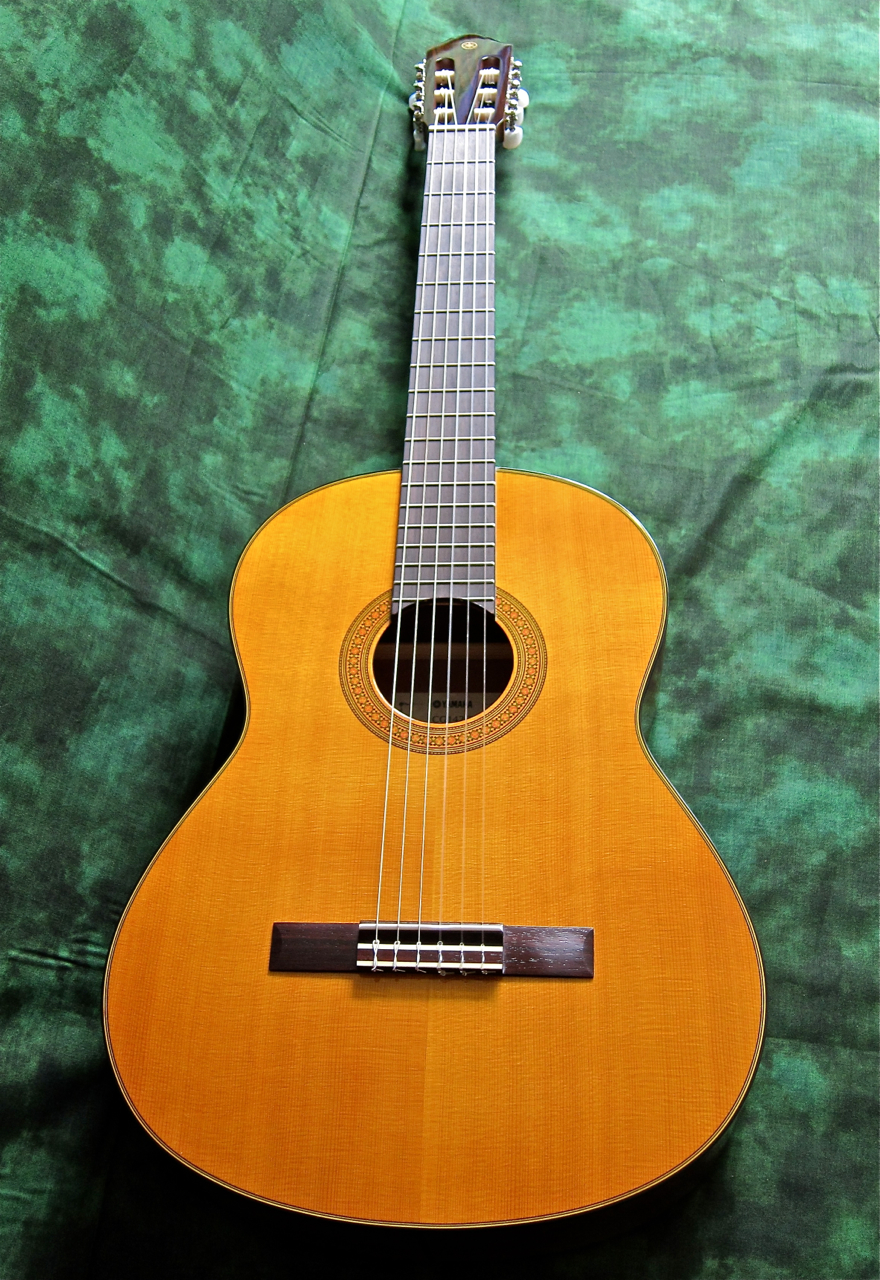
Yamaha’s C- and CG-series instruments are the best-selling classical guitars in Finland. We selected a solid cedar -topped Yamaha CG142C for this review.
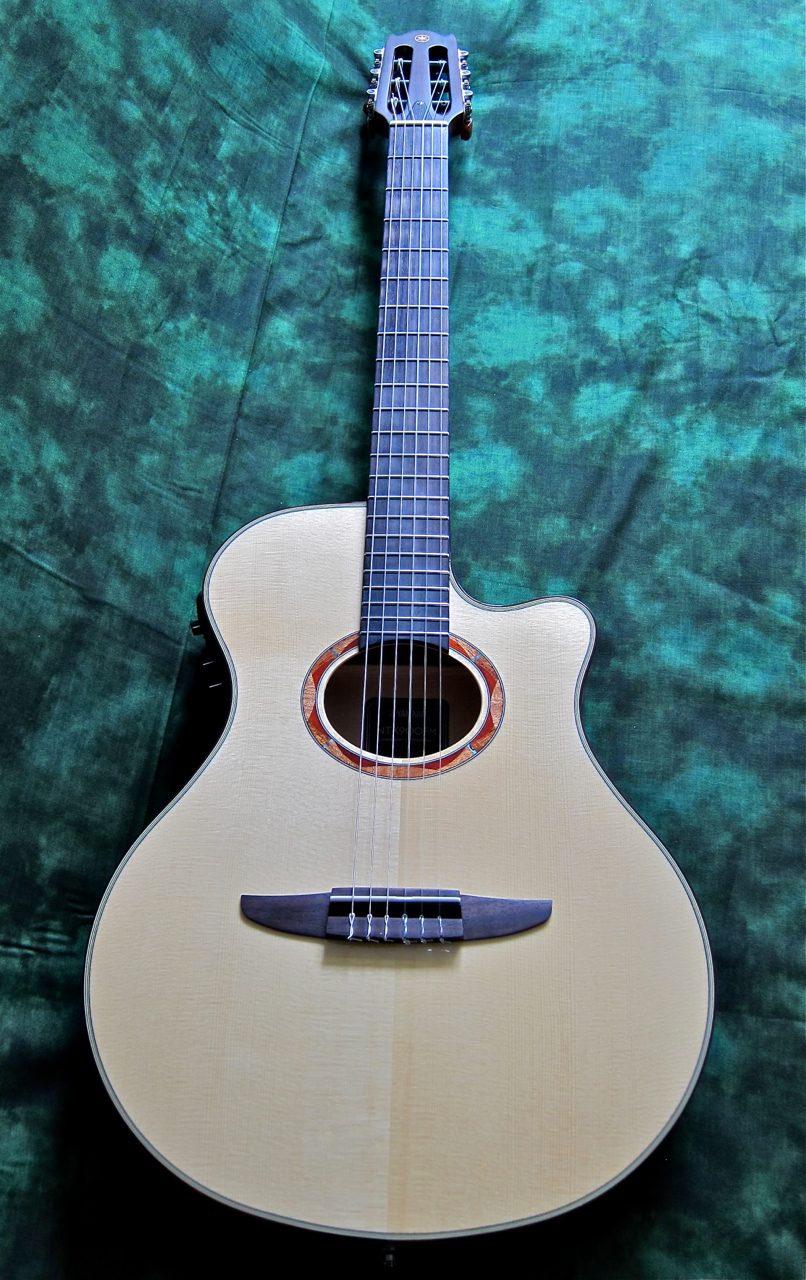
The Yamaha NTX900FM is a very interesting hybrid model – a nylon-string with a pickup and preamp system, as well as a narrower-than-classical nut width.
****
Typical of the company’s output, Yamaha’s CG142C (current street price in Finland approx. 300 €) is an extremely clean piece of work with the understated charm of a classical guitar. All CG-series guitars are build with solid tops – spruce-topped models have an ”S” suffix to their name, while cedar models are denoted with a ”C” at the end of their model name.
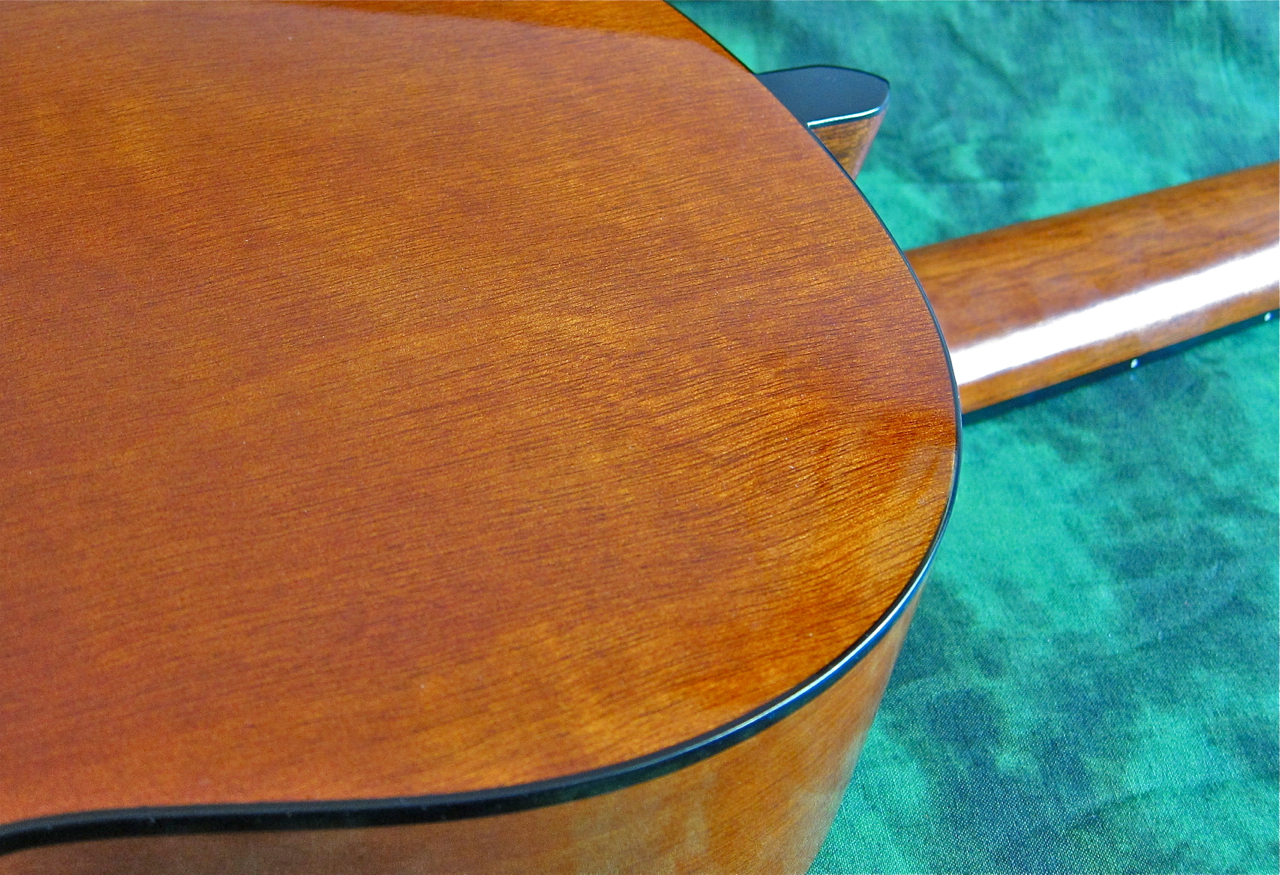
The neck, as well as the body’s back and rims, has been crafted from nato-wood. Nato is a South-East Asian tree species (lat. Palaquium) which looks and sounds similar to mahogany. The neck is solid wood, while the body (apart from the top) uses nato-plywood.
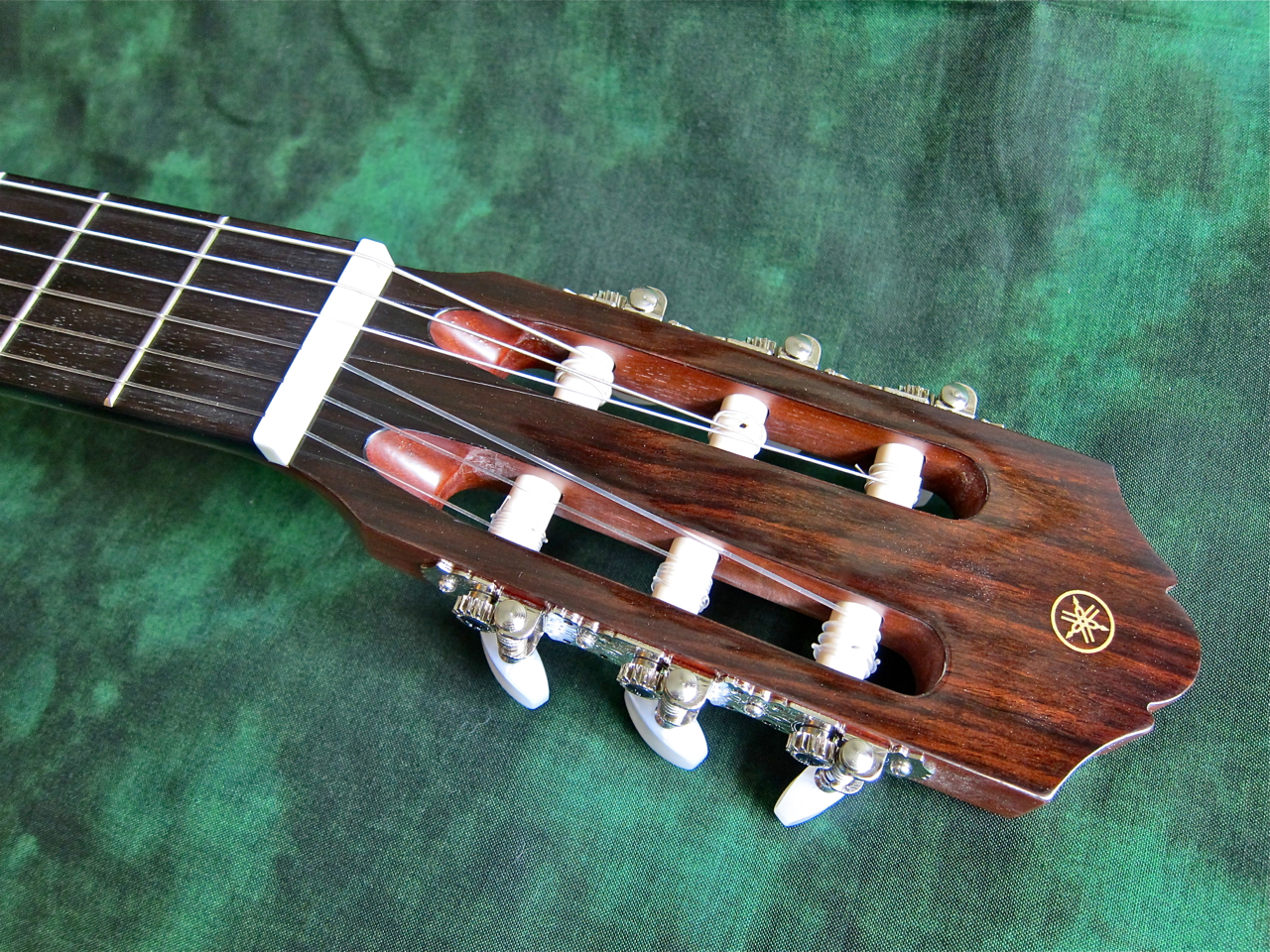
The headstock sports a beautiful rosewood veneer.
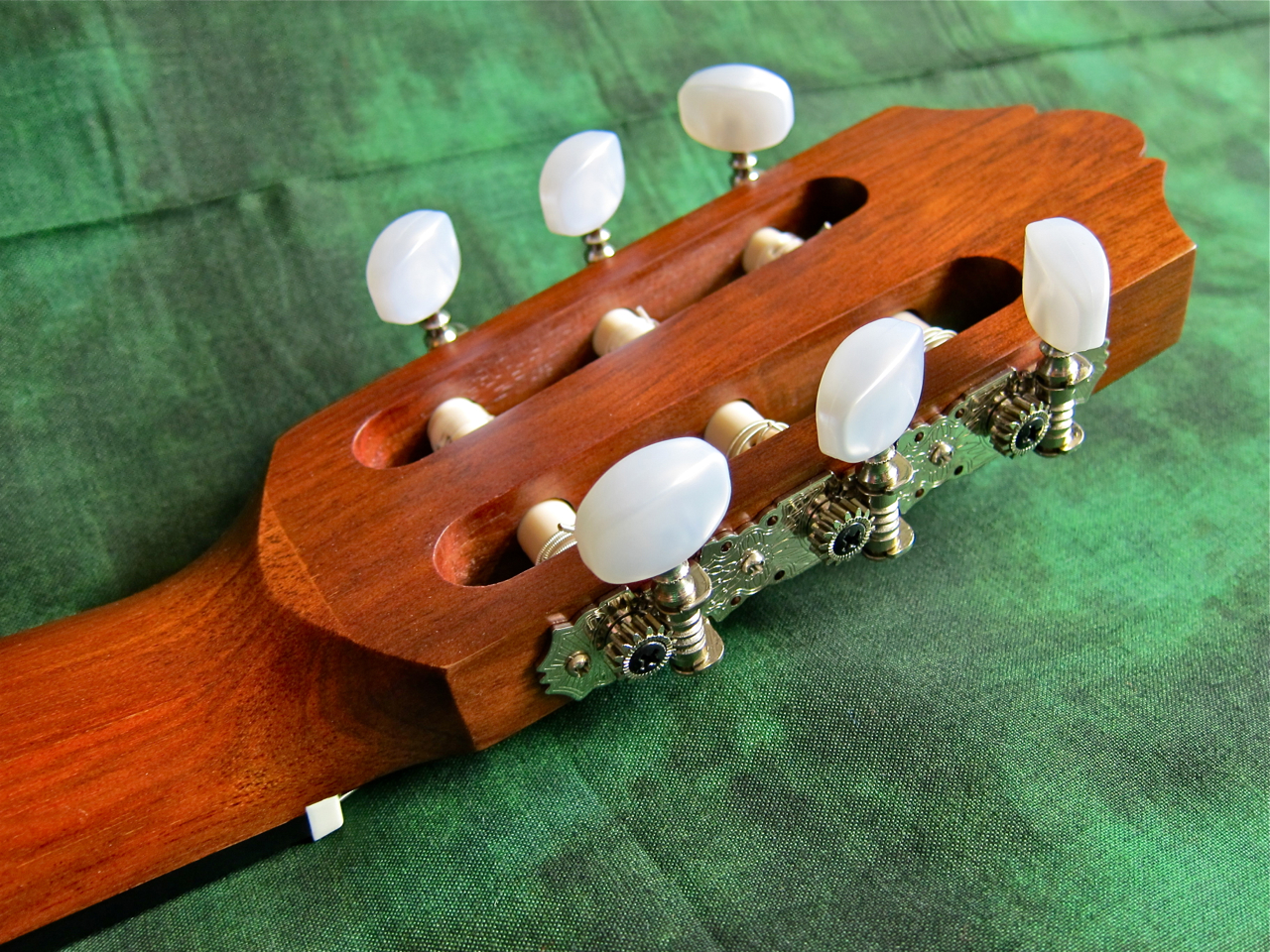
The CG142C comes equipped with traditional, open tuners. The headstock has been glued to the main part of the neck right above the neck wrist.
The satin-finished neck has been made by gluing together three strips of nato side-by-side. Added onto this main part is the neck heel, built up from several pieces of nato. Using small cut-offs in this way not only keeps costs sufficiently low, but also helps to save natural resources.
The bound rosewood fretboard sports traditional small and narrow frets.
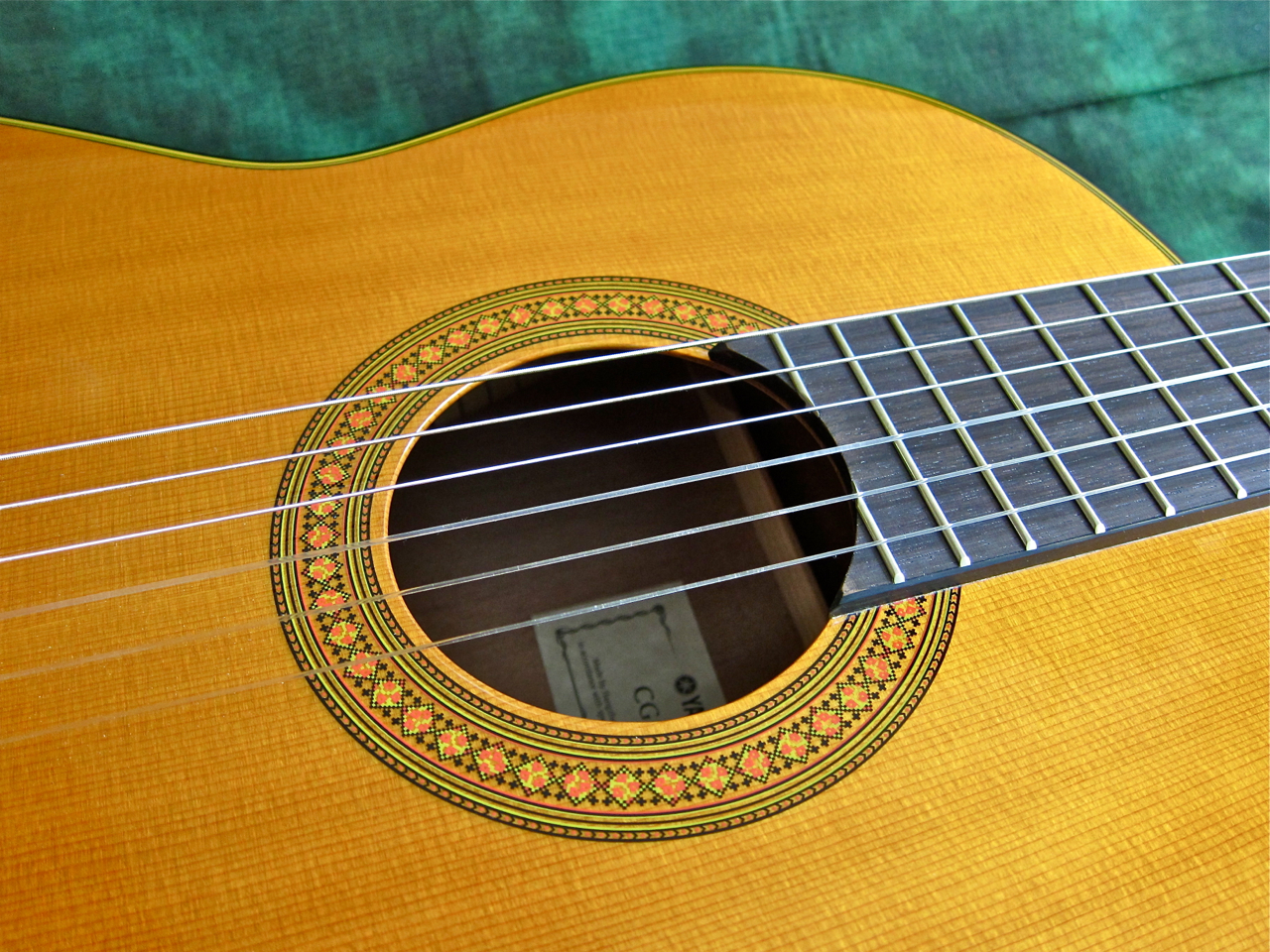
The CG142C’s beautiful rosette is actually a decal, stuck onto the top prior to lacquering, which is common practice on many budget classicals. Higher-priced models feature rosettes crafted from many small pieces of wood and other materials.
Here’s a close-up look at the top’s five-ply binding.
The back’s black binding is carried across to the heel cap.
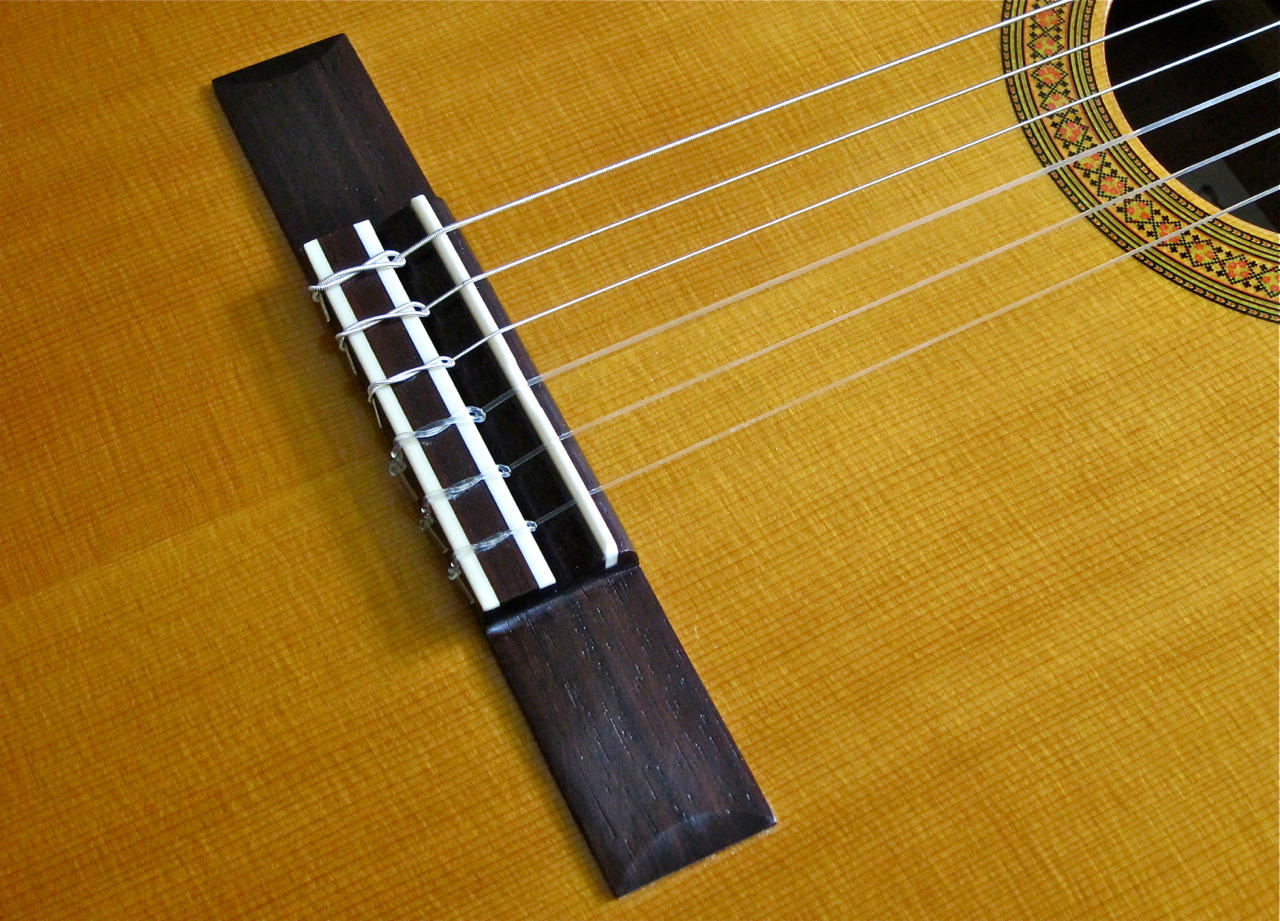
The Yamaha CG142C’s rosewood bridge is quite fetching in its poised simplicity.
Yamaha’s classical guitars tend to display clean workmanship on the inside also.
****
The Yamaha NTX900FM (current street price in Finland approx. 800 €) is the nylon-string cousin of the company’s APX-guitars. It has been designed for the guitarist who needs a quality pickup system, but doesn’t necessarily like the traditional wide and flat classical neck profile.
The NTX900FM’s top has been crafted from solid Engelmann-spruce.
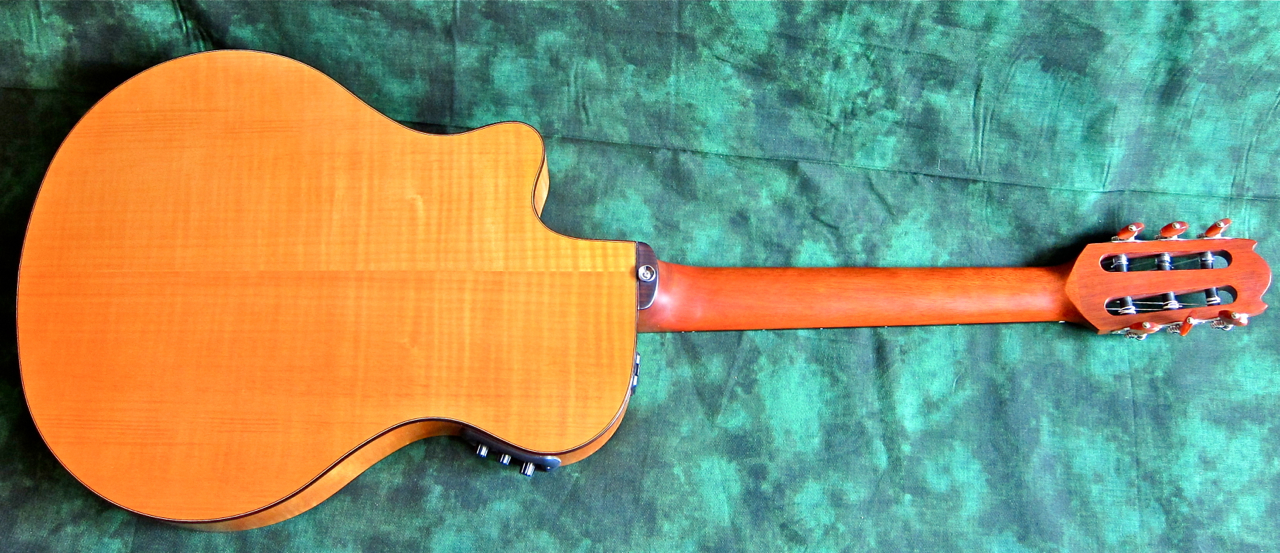
The nato neck has been glued to the maple body.
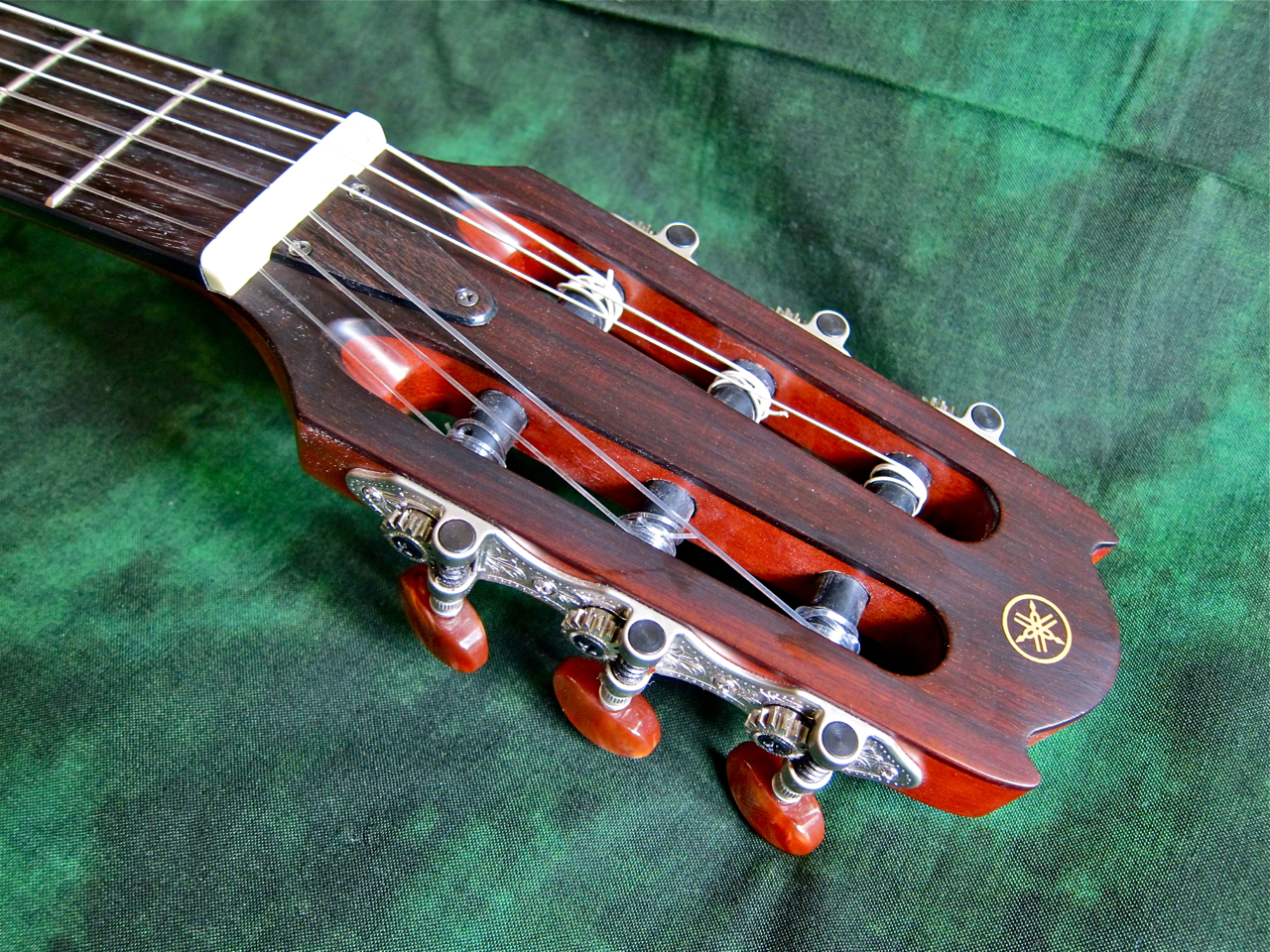
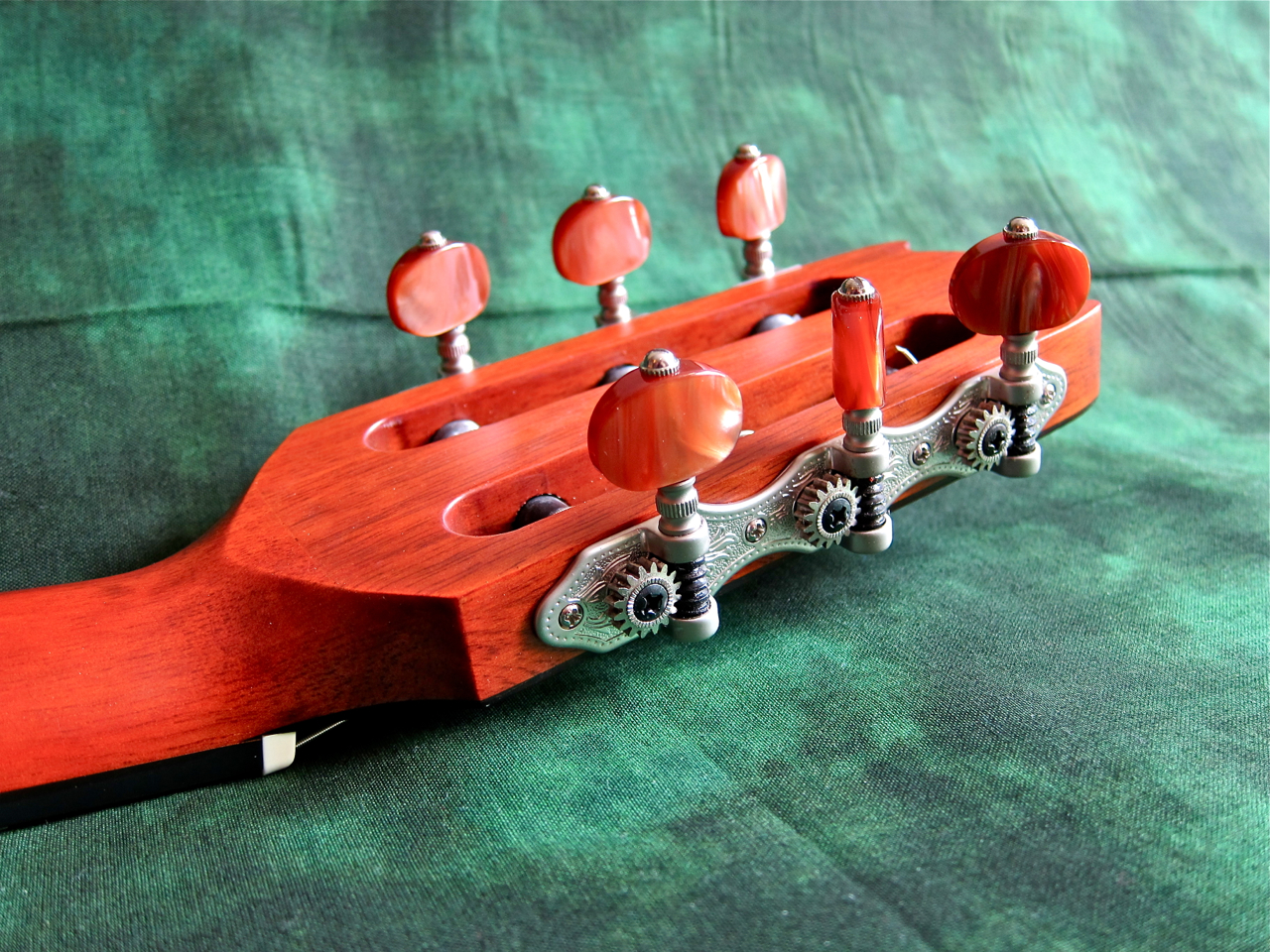
The headstock displays a cool and contemporary look…
…which is complemented by the nice tuners.
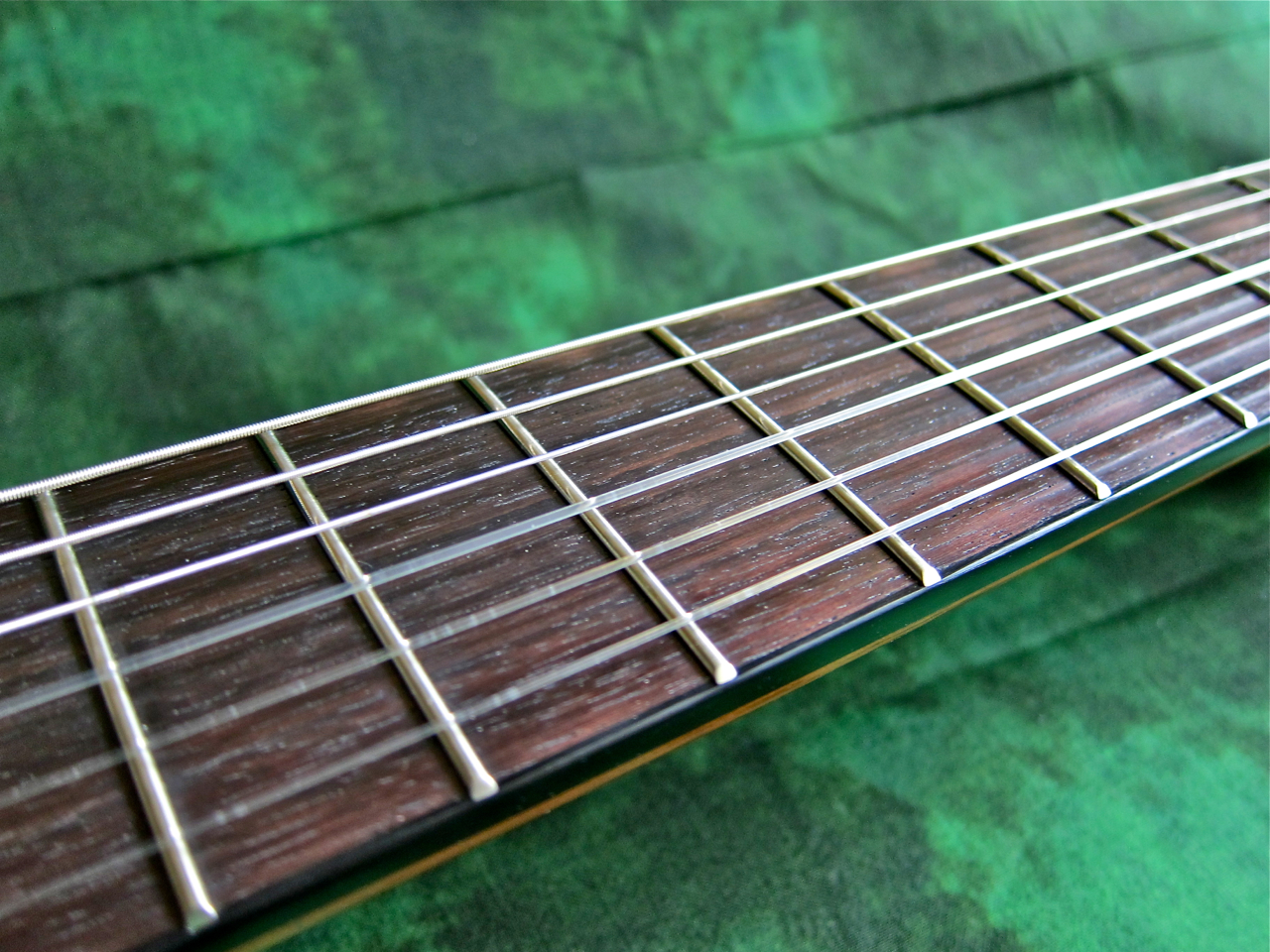
The NTX’ bound fingerboard is rosewood and comes with traditional frets.
NTX-guitars have the same type of body shape as their APX-brethren, and, just like the APX-guitars, the NTX-body is also shallower than what you’d expect from a classical guitar (with a depth of about 75 %).
The NTX900FM’s rosette has been beautifully crafted from various pieces of wood, as well as small bits of abalone.
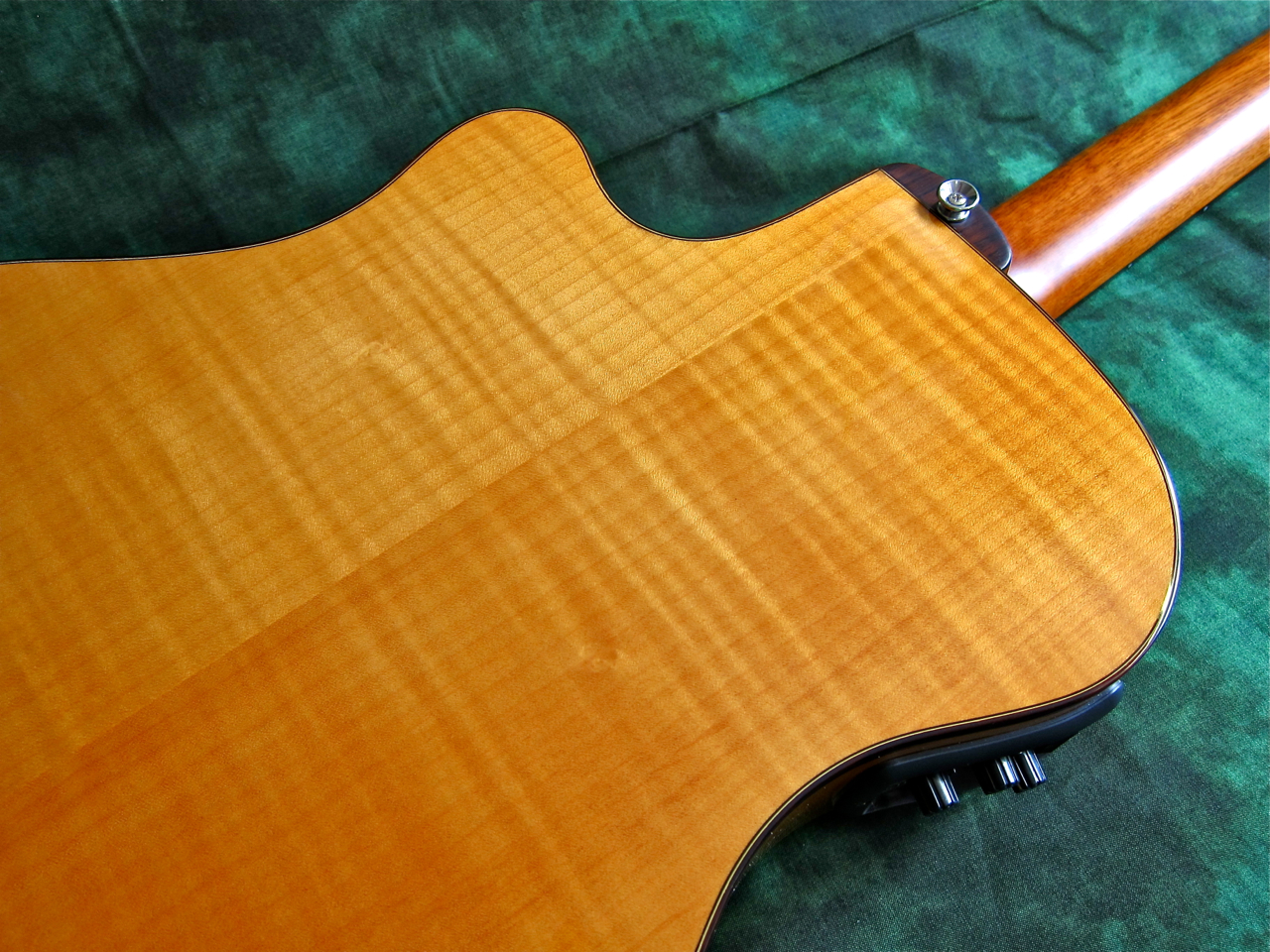
The honey-coloured finish of the flame maple soundbox looks good enough to eat.
Thes NTX900’s rosewood bridge also breaks with classical tradition in a stylish way.
This guitar’s preamp is Yamaha’s ART System 61, which is a two-band preamp with separate piezo transducers for the bass and treble string triplets. This enables you to adjust signal levels independently for the bottom and top halves. The ART System 61 preamp is equipped with a three-band EQ and a digital tuner.
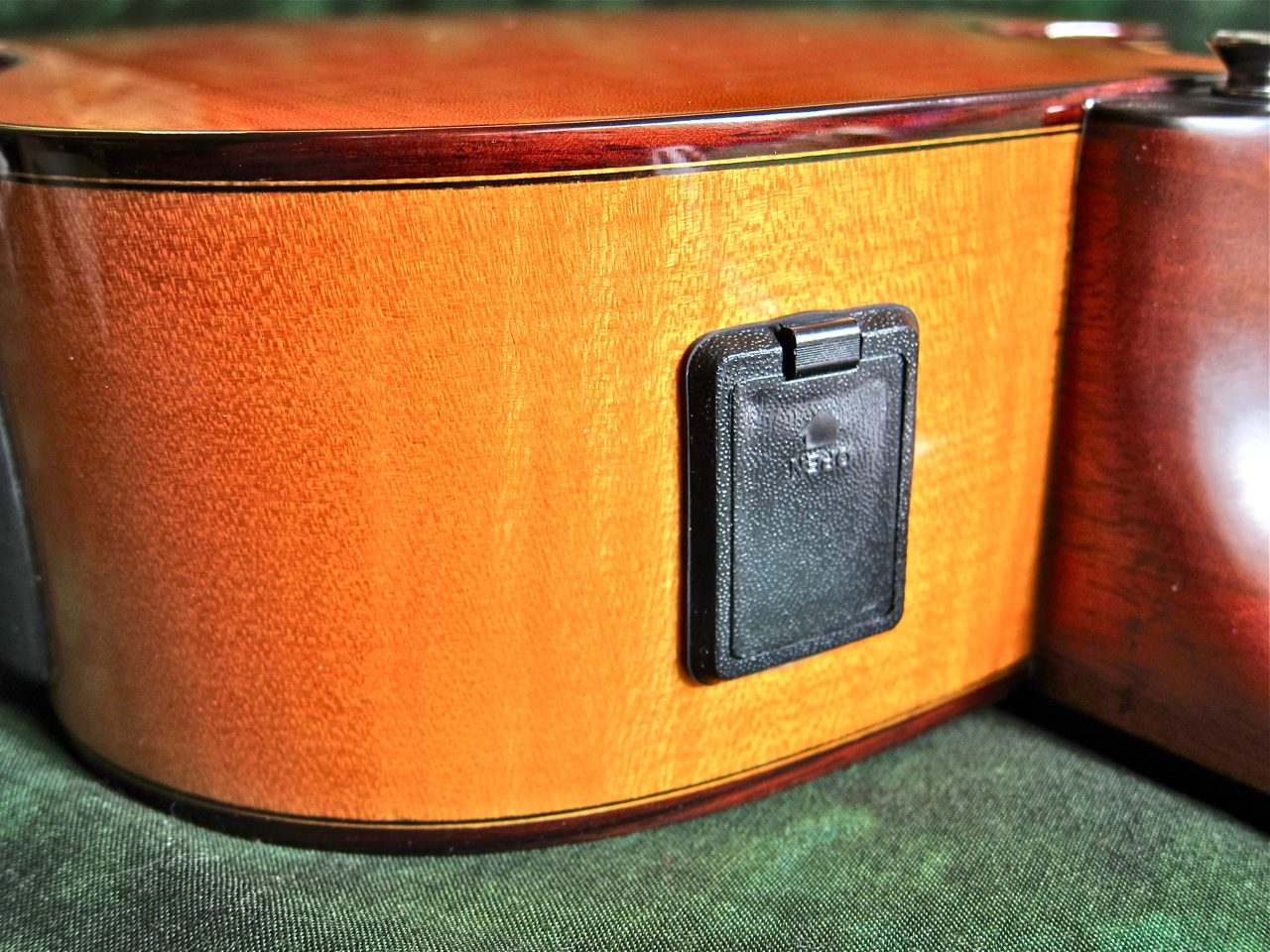
The battery compartment has been placed next to the neck heel.
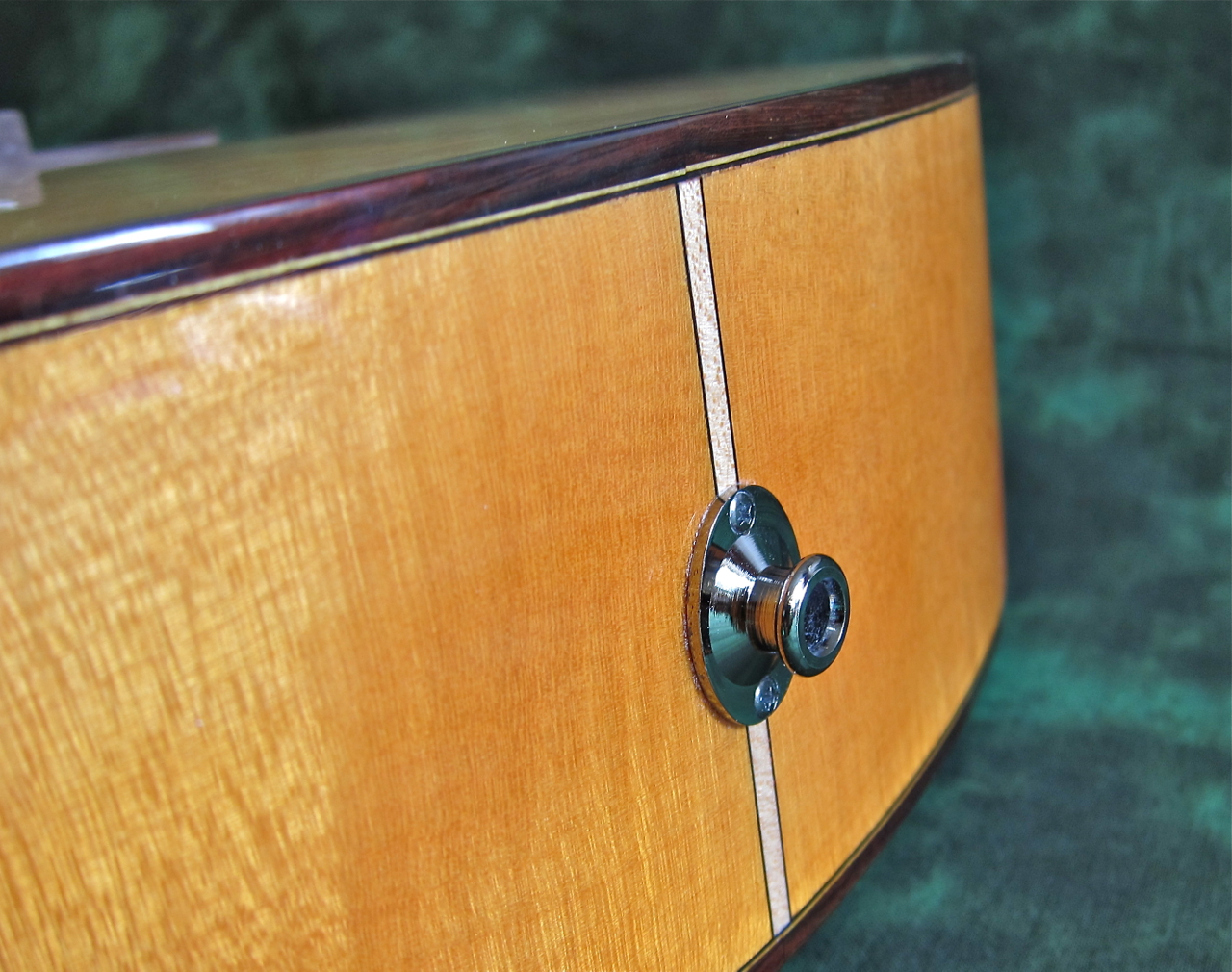
NTX900FM carries two strap buttons, with the bottom one doubling as the piezo system’s output jack.
The workmanship is clean and neat all around – inside and out.
****
****
Yamaha’s CG412C feels like a typical classical guitar: The nut width is a whopping two inches (52 mm) and the neck profile is true to style, namely flat and broad-shouldered. Such a traditional neck gives your left hand plenty of breathing room for complex fingerings, but barre chords require more attention and strength compared to a steel-string.
From an electric player’s standpoint a traditional classical set-up looks impossible, with the action at the 12th fret typically somewhere around 3.5 mm, but this is standard, comfortable fare on a nylon-string. Nylon strings are much softer than steel strings, and they also require a higher action to allow for their larger excursion.
Yamaha’s CG412C sings with a nice, full-bodied voice and an open tonal character. The guitar doesn’t project as well as an expensive classical does, but in its own price bracket the Yamaha CG142C clearly is a winner.
The nut width of the Yamaha NTX900FM’s neck lies halfway between a standard steel-string and a classical guitar, measuring 48 mm. The neck’s more tapered, slimmer and rounder D-profile makes for a much friendlier feel for the non-classical guitarist.
The NTX also comes with a lower string action (bottom-E: 3,1 mm/high-e: 2,6 mm at the 12th fret). This clearly narrows the guitar’s dynamic range, but also makes it easier to play for most of us.
Due to its shallower body and the use of maple for the soundbox, the NTX900FM isn’t particularly loud or full-bodied acoustically. The available volume is enough for practicing or song-writing, but this guitar doesn’t project in the way a traditional nylon-string does.
Using the on-board pickup system changes things dramatically, turning the Yamaha NTX900FM into an interesting addition to your guitar arsenal. Yamaha’s ART-system works extremely well, and the separate volume controls for the bass and treble sides come in handy for fine-tuning your tone. The under-saddle transducers are also quite immune against handling noises, and the whole system is refreshingly low on hiss.
In my opinion the Yamaha NTX900FM is a good choice if you’re looking for nylon-string tones with a steel-string feel – or if you’re into juicing up your nylon with effects.















































 Kitarablogi.com – Finland's premier Guitar and Bass blog