NAMM 2012 – ESP & Frank Bello

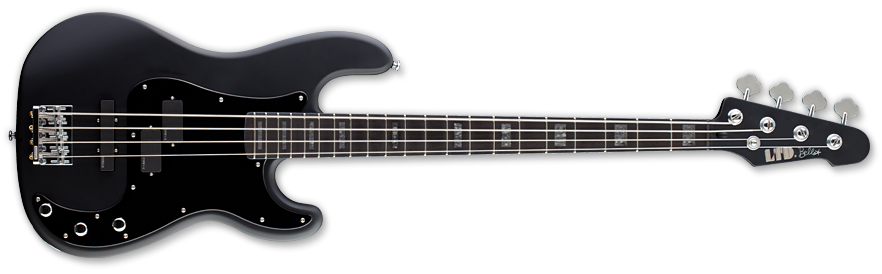
Anthraxin bassomestari Frank Bello on saanut peräti kaksi nimikkomallia ESP:ltä, jotka ovat speksiltään samoja, mutta soittimet ovat eri valmistusmaan vuoksi erihintaisia.

Sekä ESP Frank Bello Signature että LTD FB-4 muistuttavat erehdyttävästi Fenderin Presari-bassoa. Runko on leppää ja vaahterasta veistetyn ruuvikaulan otelaudaksi on valittu eebenpuuta. Talla on Gotoh:n valmistama vintagea massiivisempi malli 201B4, ja plektrasuoja on anodisoidusta alumiinista. Mikitys tulee EMG:ltä ja se on firman suosittu PJX-aktiivijärjestelmä.

****

Maahantuoja: Musamaailma

NAMM 2012 – Zoom G5 & Zoom B3

Upouusi Zoom G5 on G3-pedaalin isoveli. Pedaalilauta tarjoaa neljä multiefektiä samassa patchissa. Niiden lisäksi G5:een on lisätty putkella toimiva boosteri (jopa 18 dB), jolla on oma tone-säädin.

Zoom G5:ssa löytyy myös firman erinomainen Z-Pedal-pedaali, joka mahdollistaa useamman efektiparametrin säätämistä samanaikaisesti.

****

Basistillekin on tarjolla uusi maustepurkki nimeltään Zoom B3. Laitteella on sama arkkitehtuuri kuin G3-kitaraefektissä, mutta juuri bassolle sopivaksi räätälöityjä mallinnuksia ja efektejä.

****

Maahantuoja: Studiotec

Fender Select – USA-tehtaan parhaimmisto

Uusi Fender Select -sarja edustaa parasta mitä firman sarjantuotannolla on tarjota.

Mallistossa löytyy uusia versiota Fenderin neljästä päämallista – Telecaster, Precision Bass, Stratocaster ja Jazz Bass. Rungoissa on erittäin kauniit kannet loimuvaahterasta tai koa-puusta, ja soittimien muut speksit vastaavat American Deluxe -sarjaa.

Classic Basses, part 6: Höfner 500/1

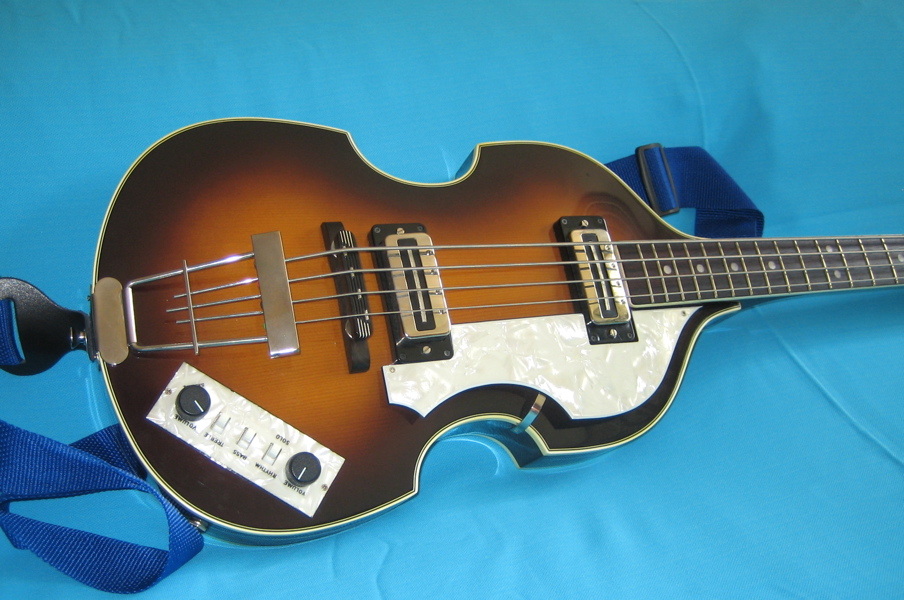
The Höfner 500/1 is a German electric bass guitar, which has been in production since 1956.

It is quite likely that this hollow-body, short-scale model (76,2 cm = 30″) would have been destined to become a mere footnote in bass history, if not for one small incident in 1961. A young, newly ”elected” bass player from Liverpool – named Paul McCartney – was browsing the local instrument stores in Hamburg (Germany), for a mid-priced electric bass, preferably left-handed. He found the Höfner 500/1 – and the rest, as they say, is history…

****

During the first years of production many of the  500/1’s specifications were changed on nearly a yearly basis.

The first production models came equipped with two long and narrow singlecoil pickups, which were placed in the neck and middle positions. An oval control plate sported two volume and two tone controls.

50058_front_01

****

In 1959 Höfner changed the control layout: a long rectangular plate offered two separate volume controls, as well as three two-position sliders for turning each pickup on or off and choosing between solo (full power) and rhythm mode (slightly dampened). This switching (Aggregat E2 B) also gives you a fat, treble-deprived signal, whenever the middle (later bridge) pickup is turned off using the slider switch – Reggae-bass galore.

h5001-59_01

****

The singlecoils were switched to humbucking pickups in 1960. The metal covers on these units are stamped with a diamond and the Höfner-logo. This model is the bass that Paul McCartney bought in Hamburg (it had to be ordered left-handed):

5001-61-14-br-to-01g

****

In 1962 the second pickup was moved close to the bridge. Shortly hereafter it the 500/1’s humbuckers were switched to the so-called staple-top-pickups, which, despite their look, are singlecoils. The pickups got their nickname, because the bridge-facing polepieces look somewhat like staples. In 1963 Paul McCartney received/bought (the available info is not quite clear on this) this type of Höfner 500/1 – which he continues to use to this day!

h500-1-62_01

****

From 1967 onwards Höfner’s new blade-pickups were installed on the 500/1.

The Höfner 500/1 stayed more or less this way until the latter part of the Nineties, before the Beatles Anthology -series kicked off a renaissance.

My own 500/1 -bass is a January 1990 -model. Then, demand for Beatle-basses was so low, that Höfner only built them on order, and for a very advantageous price.

Hofner full

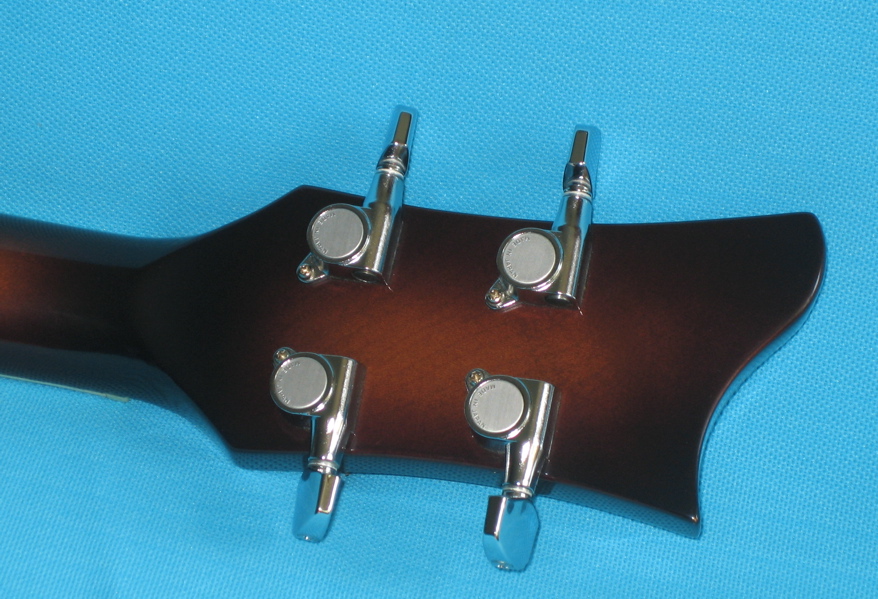
My Höfner sports a maple neck, which is one-piece save for the neck heel. The tuners are sealed Gotoh guitar models.

Hofner headstock

Hofner tuners

The top of the hollow body is spruce plywood, while the sides and back have been crafted from anigré-plywood (lat. aningeria spp.).
Hofner body

Hofner back

The Höfner’s sound is big, fat, huge and warm, but still has ample zing and growl with roundwound strings.

I’m mainly a fingerstyle player, but tend to use a plectrum whenever I play the 500/1, because its strings sit rather high above the body and are quite close to each other.

Hofner side

For some strange reason my Beatle-bass sounds fantastic plugged directly into a mixing console or soundcard, even without using a DI-box!

****

These days Höfner produces the excellent mid-price Contemporary-version (made in China) alongside its more pricier German reissues:

hct-500_1-sb_01

The main difference is that the Contemporary 500/1 is semi-solid, with a maple centre block running the length of its body. This adds some sustain, as well as making the bass less susceptible to feedback than an original.

****

The Höfner 500/1 -sound is probably known to all of us – listen to virtually any Beatles-record pre-1966. Later examples include the Beatles-tracks Get Back and Come Together, as well as McCartney’s solo-single My Brave Face.

You can also check out my Höfner here and here.

…and rounding it all off, here’s a snipped I copied from one of my ProTools-sessions:

Höfner 500/1 sound

Klassikkobassot, osa 6: Höfner 500/1

Saksalainen Höfner 500/1 ilmestyi vuonna 1956.

Hyvin suurella todennäköisyydellä tämä onttokoppainen, lyhyellä mesuurilla (76,2 cm = 30″) varustettu basso olisi muuten jäänyt historian alaviiteeksi, mutta onneksi nuori brittiläinen muusikko Paul McCartney löysi vuonna 1961 Hampurilaisessa musiikkiliikkeessä juuri sellaisen Höfner 500/1 -basson. Höfner-basso oli kevyt, edullinen sekä tilattavissa vasenkätisenä – siis juuri sellainen soitin, jota McCartney etsi.

****

Tuotannon ensimmäisissä vuosissa 500/1-mallin speksit muuttuivat nopeaan tahtiin.

Ihan alussa bassolla oli kaksi kapeaa yksikelaista mikrofonia, jotka asennettiin lähellä toisiaan. Yksi oli heti otelaudan vierellä ja toinen keskiasennossa. Basson neljä säädintä – oma volume ja tone kummallekin mikrofonille – oli asennettu soikeaan muovilevyyn.

50058_front_01

****

Vuonna 1959 Höfner muutti elektroniikan speksejä: suorakulmaisessa muovilevyssä oli nyt tarjolla kaksi volume-säädintä. Kolmella liukukytkimillä laitetaan mikrofonit yksitellen päälle/pois, sekä valita täyden tehon soolo-moodin ja hieman vaimennetun rytmi-moodin välillä. Tähän kytkentään on lisätty myös Höfnerin erikoinen tapa poistaa signaalista kaikki diskantit, aina kun laitetaan keskimikrofonin (myöhemmin tallamikin) pois päältä liukukytkimellä – reggae-basistin unelma.

h5001-59_01

****

Vuonna 1960 päivitettiin 500/1:n mikrofonit humbuckereihin. Mikrofonien metallikuoreen oli painettu vinoneliö sekä Höfner-logo, minkä takia niitä kutsutaan englanniksi Diamond-pickupiksi. Juuri tällaisen basson Paul McCartney tilasi Hampurissa:

5001-61-14-br-to-01g

****

Vuonna 1962 toinen mikrofonista siirrettiin lähempää tallaa. Mikkien rakenne muutettiin jälleen (nämä mikrofonit ovat ulkonäköönsä huolimatta yksikelaisia): tallanpuoleisellä kelalla oli nyt näkyvät suorakulmeiset napapalat, jotka pilkistivät metallikuoreen läpi. Kaulanpuoleisellä kelalla taas oli säädettävät naparuuvit. Koska kiinteät napapalat muistuttavat ulkonäöltään nitomanastoja näitä mikrofoneja kutsutaan englanniksi staple-top-pickupiksi. Vuonna 1963 Paul McCartney sai tämän version lahjaksi silloiselta brittiläiseltä maahantuojilta Selmer – ja hän käyttä tätä yksilöä yhä!

h500-1-62_01

****

Vuonna 1967 mikrofonit muutettiin sellaiseksi, että yksikelaisten keskellä on pitkä, terämäinen magneetti ja sen yläpuolella on ohuita naparuuveja.

Höfner 500/1 pysyi tällaisena 1990-luvun loppupuoleen saakka, ennen kuin Beatles Anthology -sarjan myötä kiinnostus 500/1-mallia kohti kasvoi jälleen.

Oma Höfner 500/1 -bassoni on valmistettu tammikuussa 1990. Silloin Beatle-basson kysyntä oli niin alhainen, että 500/1-tehtiin ainoastaan tilauksesta, ja hinta oli yllättävän alhainen.

Hofner full

Minun Höfnerissä kaula on veistetty vaahterasta – pitkän yhtenäiseen osaan on liimattu erillinen pala kaulakorkoa varten. Virittimet ovat Gotohin koteloidut kitaravirittimet.

Hofner headstock

Hofner tuners

Runko on tutun tapaan täysin ontto. Kansi on kuusivanerista, kun taas sivut ja pohja tehtiin silloin anigré-vanerista (lat. aningeria spp.).

Hofner body

Hofner back

Höfner 500/1:n soundi on iso, lämmin ja pyöreää, mutta bassolta saa myös mukavasti murahdusta mukaan, etenkin roundwound-kielillä.

Vaikka soitan pääsääntöisesti sormityylillä, käytän Höfnerillä aina plektran, koska kielet istuvat melko korkealla kannen yllä ja myös hyvin lähellä toisiaan.

Hofner side

Jostain kumman syystä aidot Beatle-bassot voidaan usein syöttää suoraan mikseriin (tai ulkoiseen äänikortiin) ilman DI-boksia – suora soundi on ja pysyy mehukkaana!

****

Vanhojen mallien uusintapainoksien lisäksi Höfner teettää nykyään myös laadukkaan kiinalaisen Contemporary-sarjan:

hct-500_1-sb_01

Pääero Contemporary-sarjan Beatle-bassossa on, että edullisen mallin runko on puoliakustinen – rungon sisällä on vaahterasta veistetty keskipalkki, minkä ansiosta sustain on hieman pidempi.

****

Höfner 500/1 -mallin soundi on laajasti tuttu kaikista Beatles-levyistä ennen 1966. Hyvät esimerkit ovat myös Beatles-biisit Get Back ja Come Together, sekä McCartneyn soolosinkku My Brave Face.

Soitan oman Höfnerin esimerkiksi tässä ja tässä.

…ja tämän lisäksi vielä lyhyt ote yhden biisin bassoraidasta: Höfner 500/1 sound
Kitaran virittäminen

Digitaaliset viritysmittarit ovat helpottaneet kitaran virittämistä tuntuvasti. Vielä 1970-luvulla aloittelijoille oli apuvälineinä tarjoilla ainoastaan äänirauta, virityspilli tai huuliharppu.

Tässä kaksi videota virittämisestä:

****

Kielen vire on liian matala

Kieli viritetään oikealle sävelkorkeudelle kääntämällä virittimen nuppia hitaasti vastapäivään.

****

Kielen vire on liian korkea

Kieli viritetään ensin hieman liian matalaksi kääntämällä virittimen nuppia myötäpäivään, minkä jälkeen viritetään ylös oikealle sävelkorkeudelle. Näin kieli ei jää jumiin satulan uraan, mikä voi aiheuttaa vireen yhtäkkistä laskemista kesken soittoa.

Classic Basses, part 5: The Gibson SG-bass (EB-0/EB-3)

I don’t quite know why, but the Gibson EB-3 has long seemed very exciting to me.

Probably, this is because it was the first electric bass I ever played.

I was only 14 years old, and played with architecture students – all the guys were much older than me. But I had two trump cards, which were my door into this band: a) I could play the piano and b) I was rather good at transcribing songs off records (or tape machines). The bassist was the band’s leader, and he played a genuine Gibson EB-3, which I was allowed to play a few times – wow!  🙂

In its day the Gibson EB-3 was the company’s most popular bass by far. The now legendary Thunderbird, for example, was a complete and utter flop, and only in production for six years (1963-1969). The EB-3, on the other hand, was in continuous production from 1961 all the way to 1979.

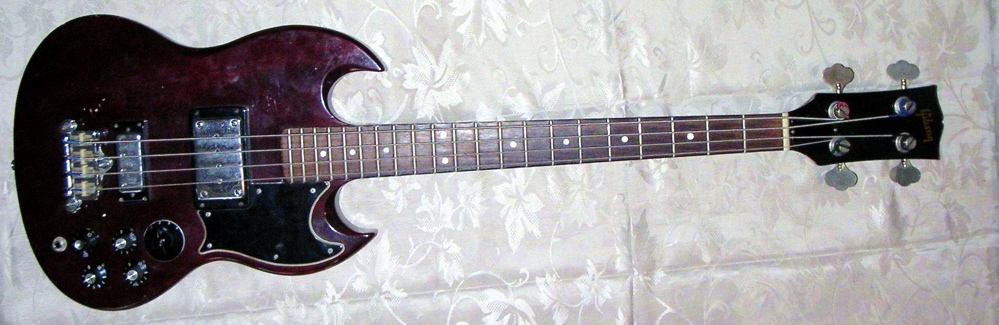
The EB-3 shared the same mahogany body, as its SG-cousins, and because it was a short-scale bass, the whole package was comfortably compact and light.

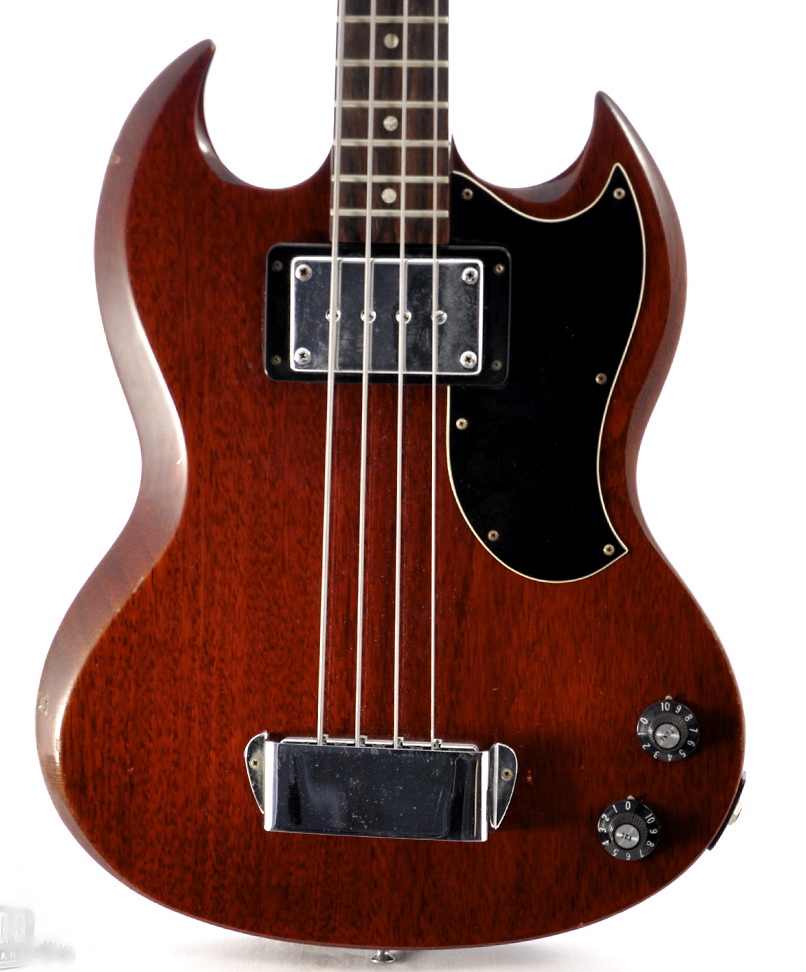
The neck pickup is a huge mother of a humbucker, with a much smaller companion mounted close to the bridge. The very first instruments had a black plastic cover on the front pickup, which was painted silver-metallic, but soon Gibson introduced a proper metal cover on the neck humbucker. The four-way rotary selector gives you each pickup on its own, both pickups together, as well as the rather strangled-sounding baritone-variant.

At the start of the Seventies the neck material was changed to maple for added strength, with the neck humbucker’s position moved to halfway between the end of the fingerboard and the bridge pickup.

During the years 1969-74 Gibson also offered a long-scale version – the EB-3L – most of which featured a spanish-style headstock (see below). Because of its longer neck the EB-3L was noticeably neck-heavy, though.

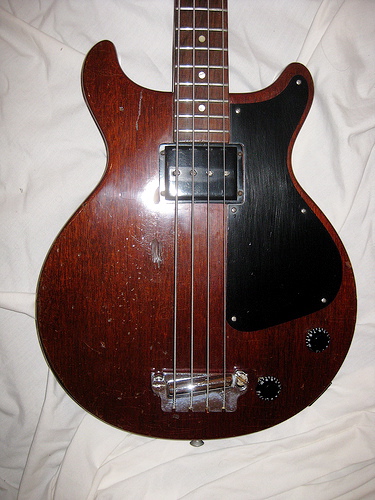
The EB-3’s kid brother is actually the model’s predecessor: the EB-0 was first introduced in 1959 with a double-cutaway Les Paul Junior -style body (see above).

In 1961 the EB-0 was changed to conform to the SG-look. In the mid-Seventies the EB-0’s single pickup was also moved closer to the bridge. From 1962 to ’65 a fuzz-equipped version was also available (the EB-0F).

****

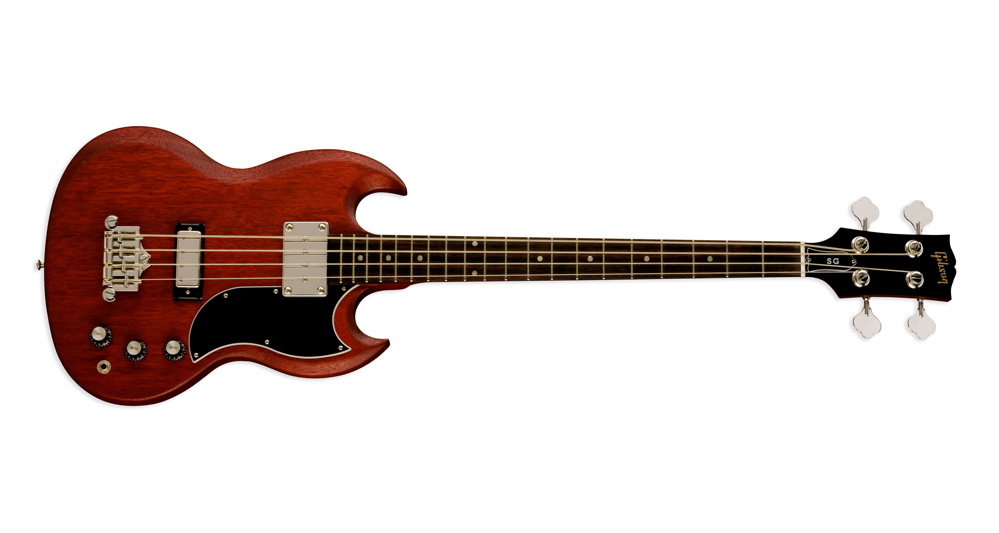
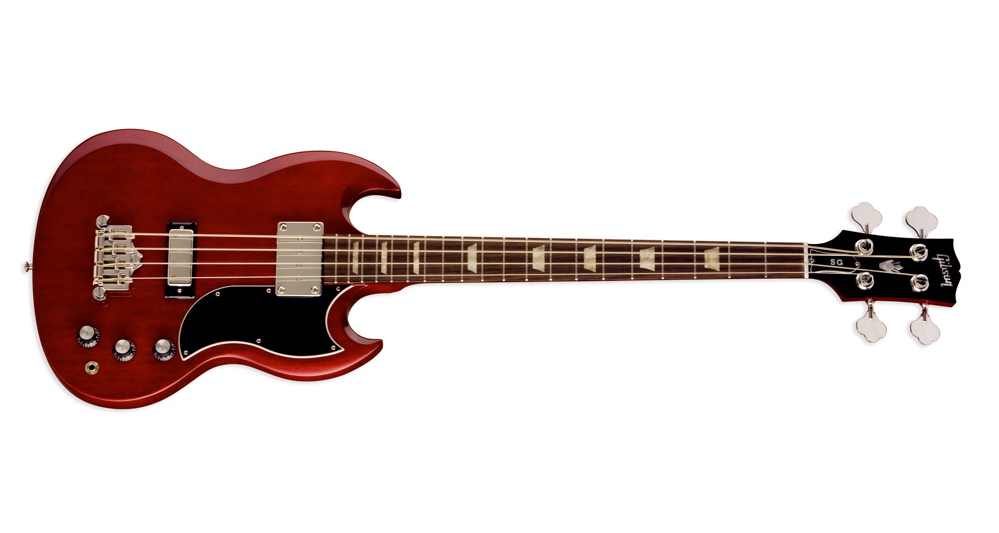
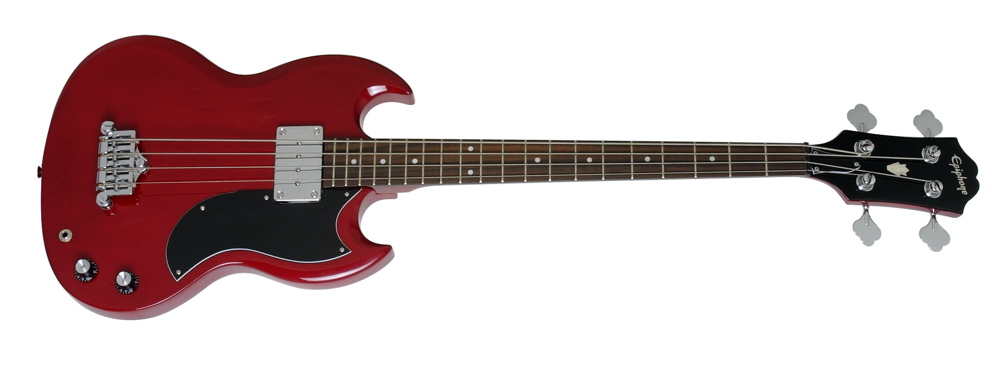
At the moment Gibson offers two USA-made SG-basses: The SG Standard Bass Faded comes in Gibson’s faded finish and sports dot inlays in the fretboard.  The SG Standard Bass is gloss-finished and features crown-style inlays. Both basses use a Jazz Bass -style volume-volume-tone-setup in place of the original four controls plus rotary switch.

****

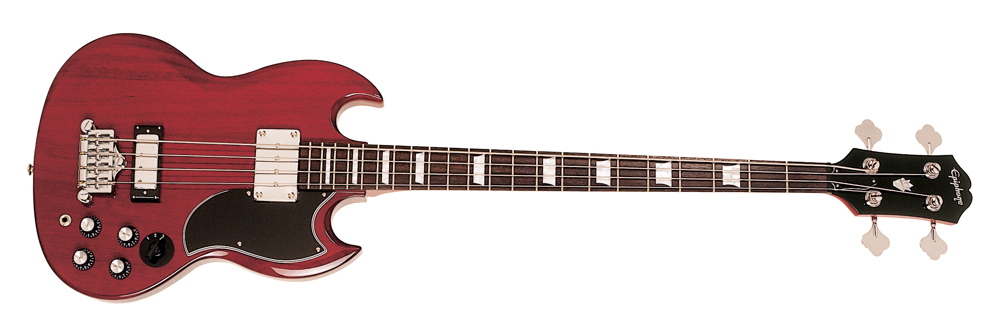
Epiphone’s cost-conscious EB-3 is only offered as in a long-scale version.

The Epiphone EB-0 is an even more affordable, bolt-on short-scale bass.

****

The fat and flexible tone of the EB-3 (as well as the EB-0) was well received by many Blues and Rock bassists in the late-Sixties and early-Seventies.

The best-known EB-3-users have been The Cream’s Jack Bruce and Free’s bassist Andy Fraser.

Here are Gibson’s own sound examples for the SG Standard Bass:
bridge pickup

both

neck pickup

Classic Basses, part 4: Gibson EB-2

The Gibson EB-2 was the company’s bass counterpart to its classic ES-335/345/355-range of semiacoustic guitars. This short-scale bass was built with the same body as the guitars: steam-pressed maple plywood (4-ply) with a maple centre block to suppress feedback. The neck was crafted from mahogany and rosewood was used for the unbound fingerboard.

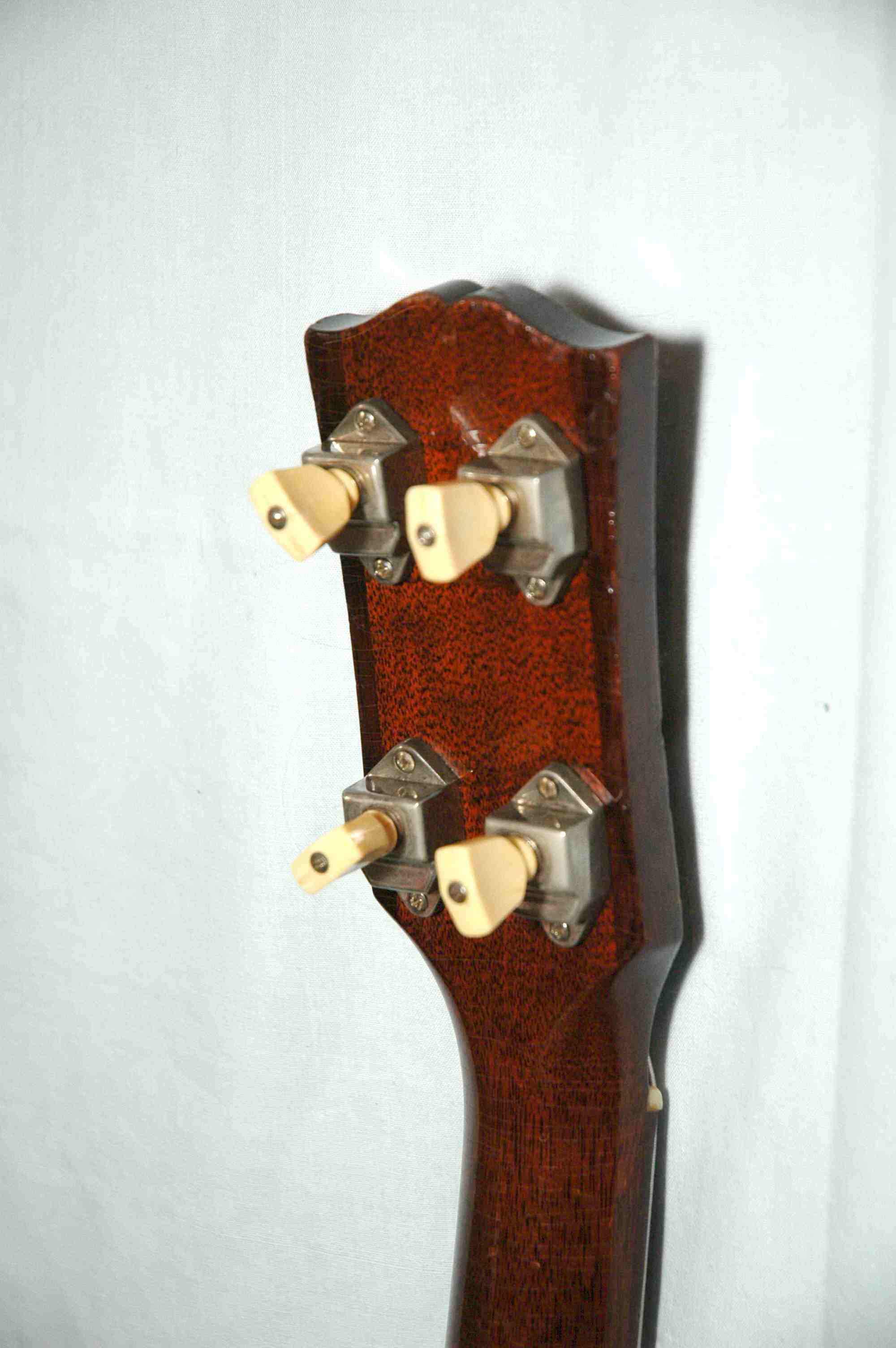
The first run of EB-2-basses (1958–’61) was equipped with back-facing, banjo-style tuning machines (until 1960), as well as a large neck humbucker with a black plastic (Bakelite) cover. A pushbutton next to the pre-compensated one-piece stud bridge engaged the ”baritone”-filter.

****

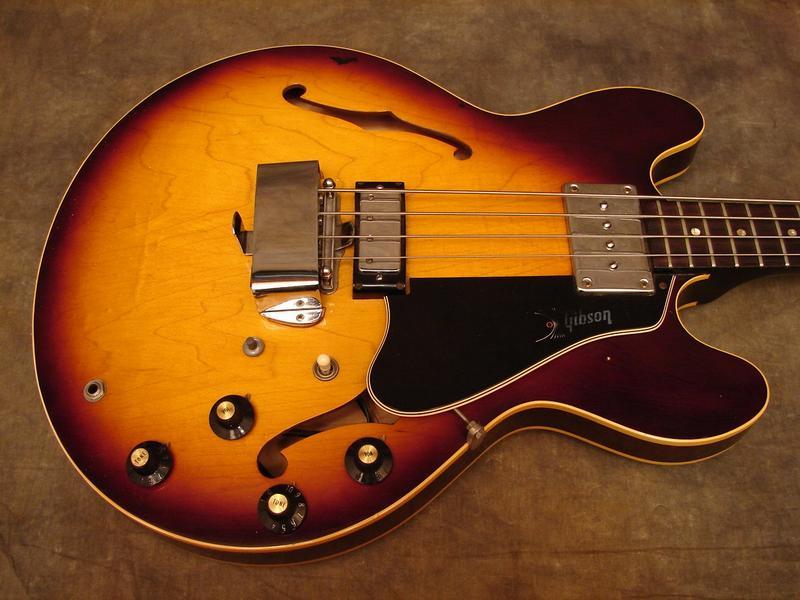
After a short break in production the EB-2 was reintroduced in 1964, now with the same metal-covered pickup as used on the EB-0/EB-3 solid-body bass.

In 1966 Gibson came out with the EB-2D – a version equipped with two pickups.

Starting in 1960, all Gibson-basses had a (detachable) mute attached to their bridges (on the photo below you can see the mute between the bridge and the bridge pickup).
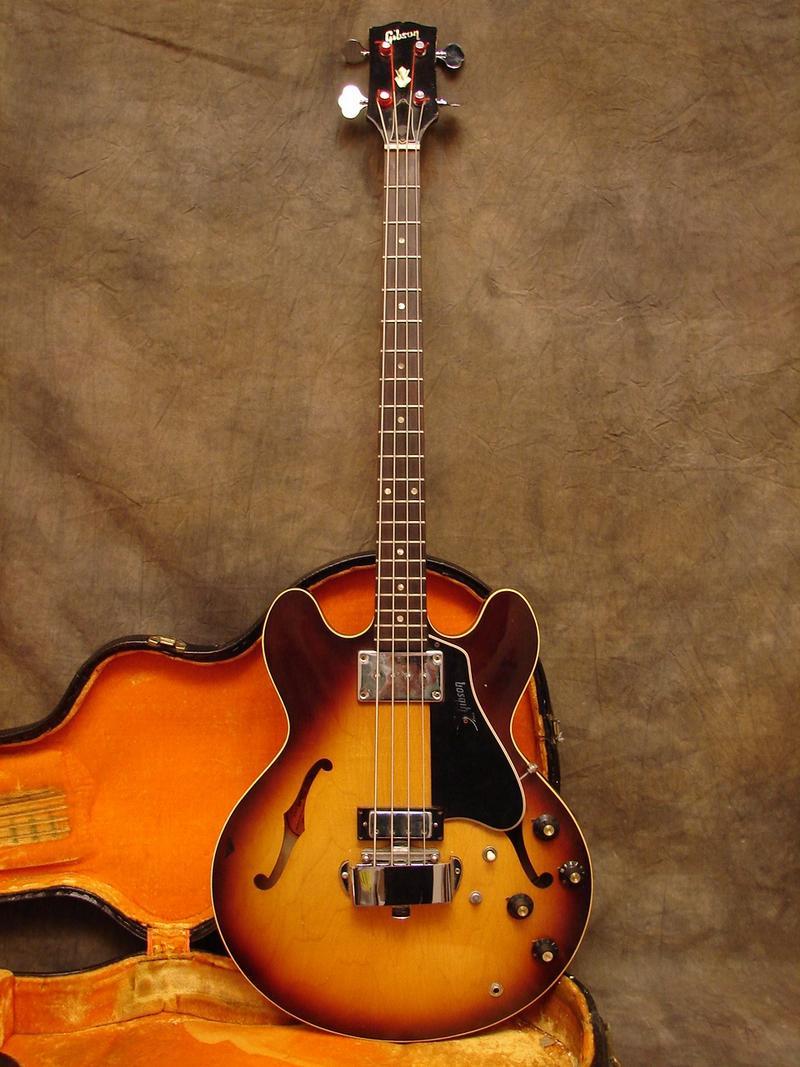
Production of the Gibson EB-2 was phased out at the end of 1970, while the EB-2D stayed in production until 1972.
****

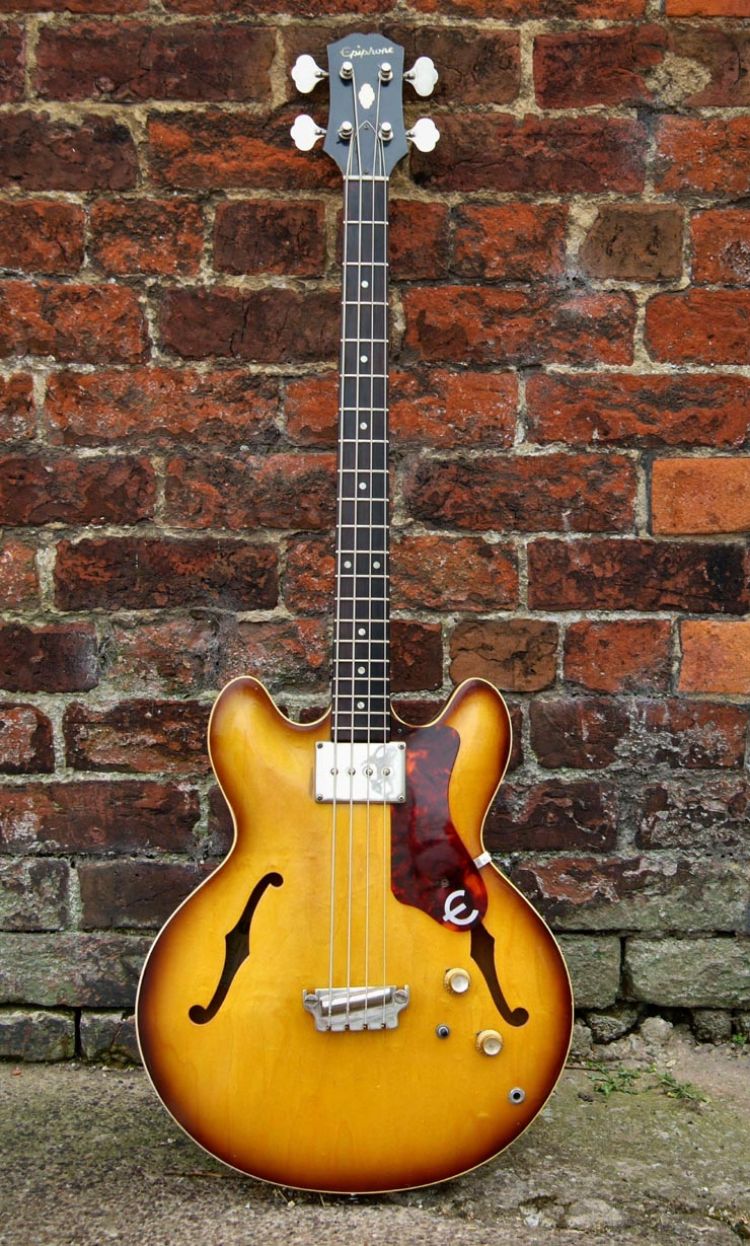
Between 1960 and 1970 Gibson also produced an alternative version of the EB-2 – the Epiphone Rivoli EBV-232.

Both the Gibson EB-2 as well as the Epiphone Rivoli were especially popular among British Blues Boom bands in the Sixties (famous users include the Yardbirds’ Paul Samwell-Smith, as well as the Animals’ Chas Chandler).

Pidä blogia WordPress.comissa.

Ylös ↑