Review: Squier Vintage Modified Cabronita Telecaster

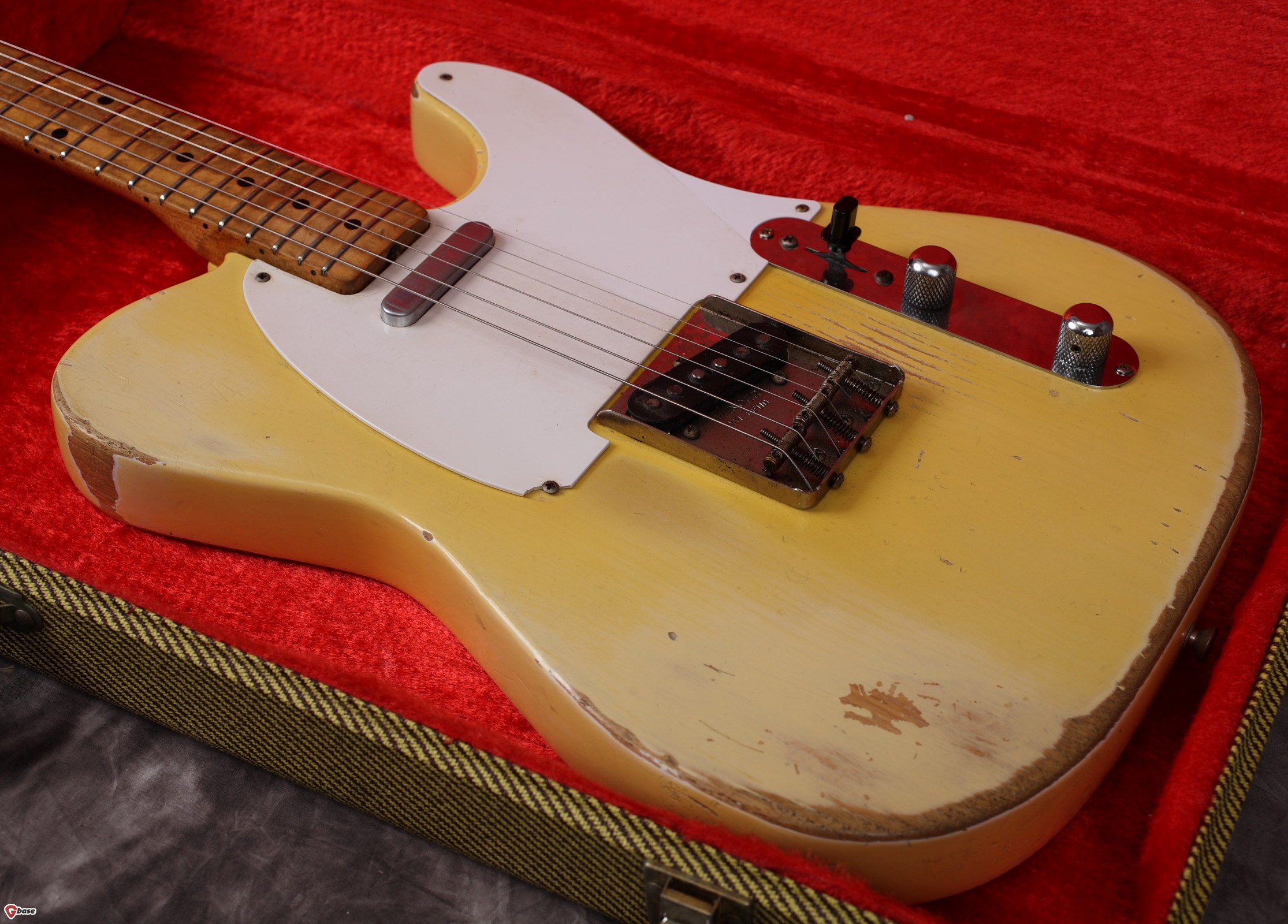
Squier Cabronita Telecaster – beauty shot 2

When the Fender Custom Shop introduced the La Cabronita Especial in 2009, nobody would have thought that this Telecaster and Gretsch mongrel would go on to become the huge hit it is today.

The Cabronita Tele’s success can be seen in the way new, more affordable versions of the model started creeping up – first as Fender models, and now as very affordable Squier guitars. At the moment of writing there are, in fact, two Squier-versions – one with a Bigsby vibrato, and one with a hardtail bridge.

****

Squier Cabronita Telecaster – full front

The Squier Vintage Modified Cabronita Telecaster (price in Finland approx. 300 €) is basically a hot-rodded Telecaster.

Squier Cabronita Telecaster – back beauty

The body of the Squier Cabronita is made from a plank of several pieces of basswood, while its classic one-piece neck has been crafted from hard rock maple.

Squier Cabronita Telecaster – headstock

There is no separate fretboard, instead the instrument’s 22 medium jumbo frets have been installed straight into the radiussed face of the neck.

A welcome nod to modernity is the truss rod access from the headstock side.
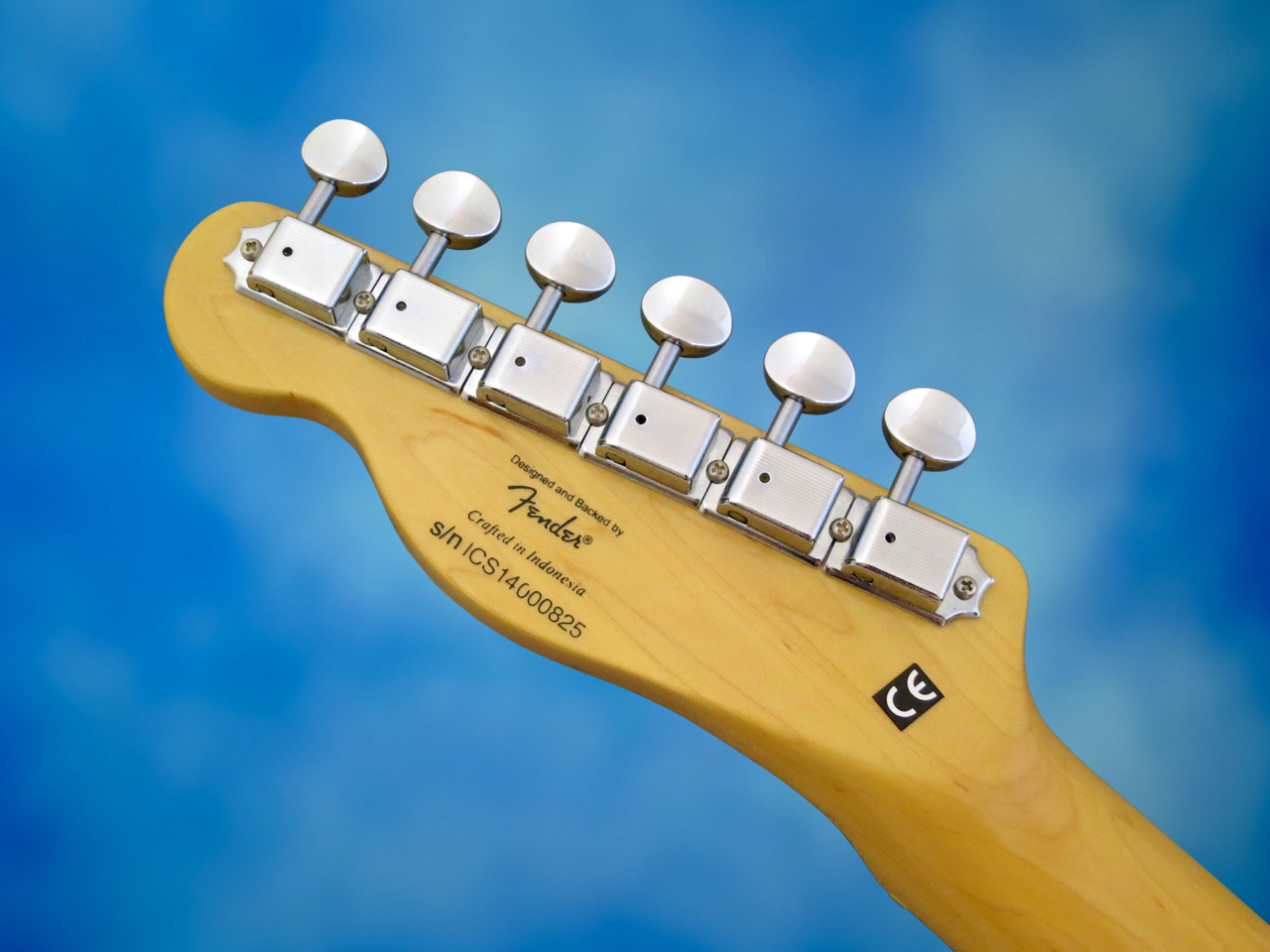
Squier Cabronita Telecaster – tuners

A set of very decent Kluson-copies has been selected for tuning duties on this Squier.
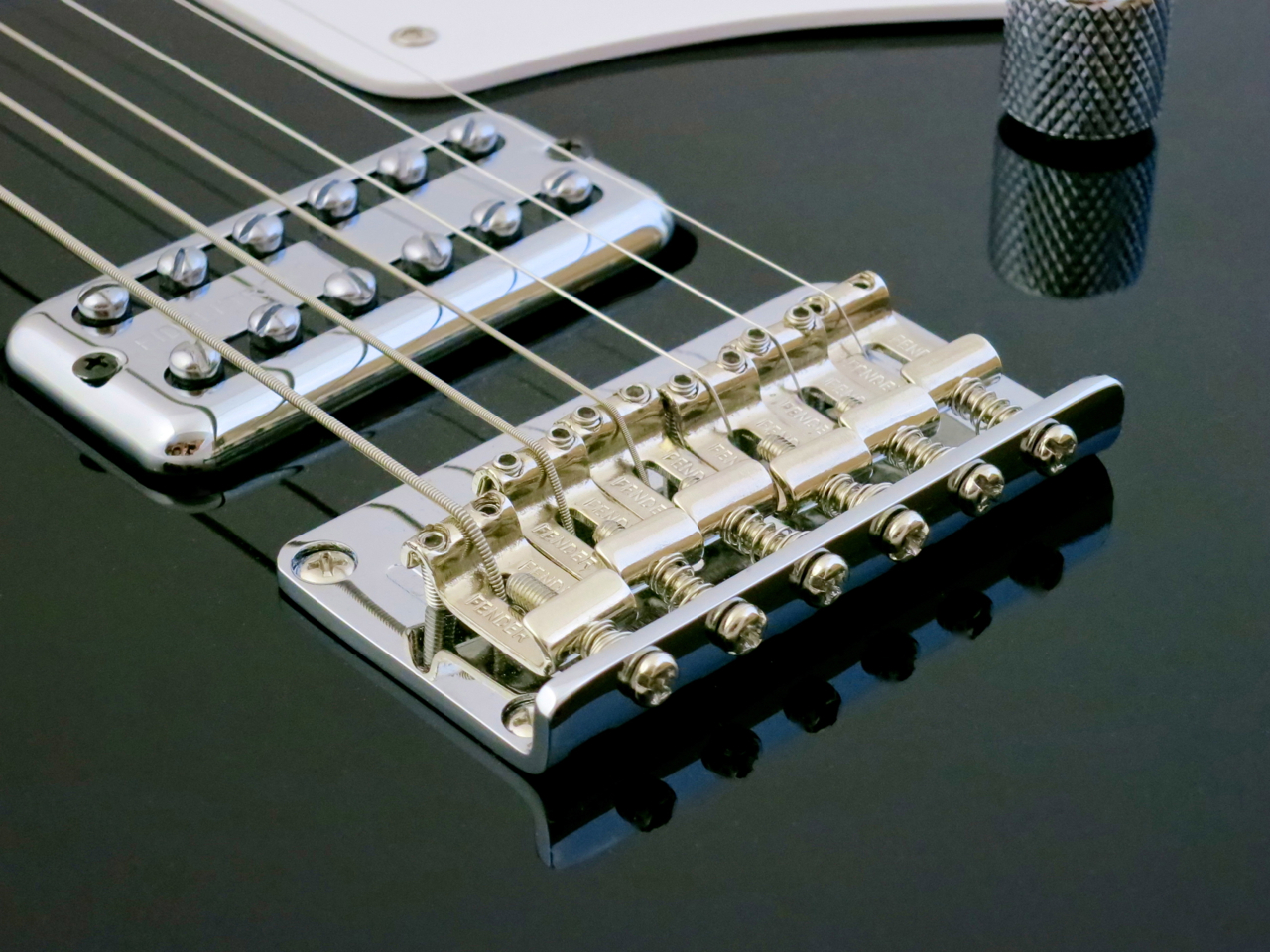
Squier Cabronita Telecaster – bridge

Instead of a classic Telecaster ashtray, the Cabronita employs a hardtail, six-saddle bridge with vintage-type Stratocaster saddles.

The extremely low price tag of the Squier can be seen in a couple of small things, such as the bridge being installed a tiny bit askew on the review instrument.

Squier Cabronita Telecaster – pickups

Central to the Cabronita-concept is the use of Gretsch Filtertron-style pickups. Squier make their own version for this guitar model, and call it the Fideli’Tron.
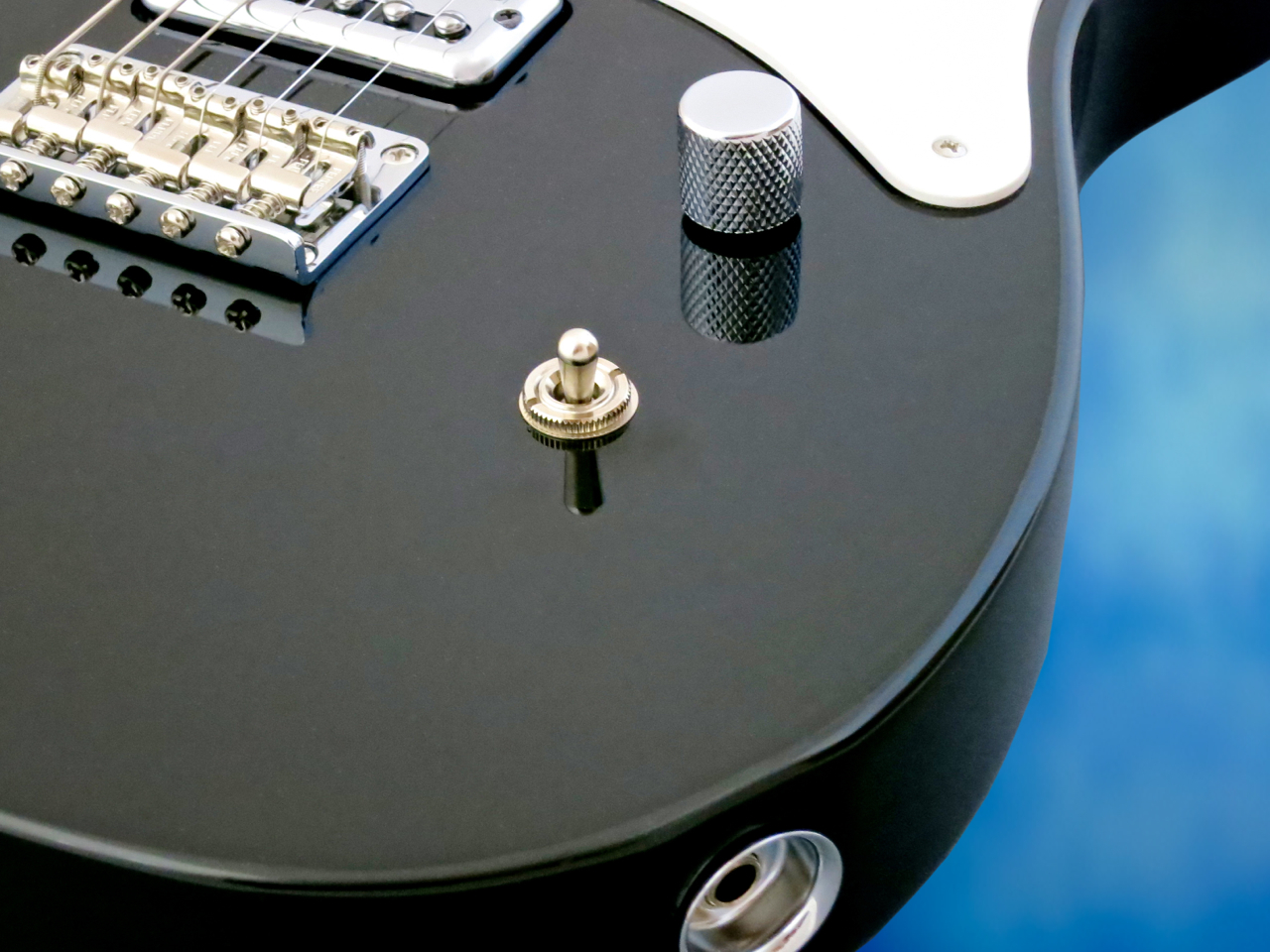
Squier Cabronita Telecaster – controls

As befits such a Hot Rod guitar, the Squier Cabronita Tele is equipped with just a single volume control, and a three-way toggle pickup selector.

Squier Cabronita Telecaster – control + switch

At prices like these you cannot seriously expect custom shop build quality:

The volume control works very smoothly, but the toggle switch of our review guitar was a bit temperamental, sometimes adding crackling, or even muting the signal, in the middle position. This could be a glitch on this specific guitar, but I’d probably upgrade to a better switch.

****

Squier Cabronita Telecaster – body beauty

Squier’s Vintage Modified Cabronita Telecaster offers a whole lot of musical fun for the money.

In the sub-500 € price bracket, manufacturers generally tend to achieve savings in production costs, by reducing man-hours spent on each instrument’s production. Very often these savings are directed at the final set-up stage. Straight out of the box, many guitars in this price bracket suffer from top nuts left too high and/or dodgy intonation, and it is then up to the local distributor or the individual music shop to give these instruments a proper set-up prior to sale. This is one of the reasons why I think you should prefer an actual guitar dealer to ordering your affordable guitar over the internet, as the dealer will make sure the guitar plays to the best of its abilities, before it is sold.

Helsinki’s DLX Music were kind enough to supply me with the review instrument, and – naturally – they keep all their stock shipshape. No problems here, then! The reviewed Squier Cabronita is a lightweight solidbody guitar, with a very comfortable C-profile neck. Thanks to its larger-than-vintage frets, as well as the modern fingerboard radius of 9.5 inches, the Cabronita is easy to play, and the string-bending feel is rather slinky, even with a set of 010s.

Acoustically, the Squier Cabronita sounds more like a hardtail Strat than a vintage Tele, which is due to this model’s different bridge. There is a good deal of that typical Fender- attack and -cluck, but much less of the famous, nasal twang of the treble strings.

Generally speaking, Filtertron-type pickups tend to fall right in the middle of your typical singlecoil/humbucker-divide. Filtertrons are doublecoil pickups (= humbuckers), but thanks to their special construction, and their smaller size, they sound much brighter than a traditional, PAF-style humbucker. Generally, there’s a lot of clarity and attack on tap in this kind pickup.

Squier’s own Fideli’Tron-pickups sound surprisingly good, belying their affordable pedigree. On clean amp settings you will get a clear attack to each note, plenty of chime, and superb string separation (this clip starts with the neck pickup):

Driven into distortion Squier’s Fideli’Trons satisfy with a healthy dose of bite and snarl:

And here’s the audio track from the Youtube-video:

Squier Cabronita Telecaster – body beauty 2

****

Squier Cabronita Telecaster – beauty shot

I simply love the way that this Squier Cabronita Telecaster manages to give you the essence of what this model is all about, at such an affordable price point. You get a great-feeling neck with a very decent fretjob, coupled with – for the money – fantastic tone. This Squier really gives you the original ”bastardised Tele” experience, and is very hard to put down, indeed.

****

Squier Vintage Modified Cabronita Telecaster

Current street price approx. 300 €

Additional info: Fender

A big thank you goes to DLX Music Helsinki for the loan of the review guitar!

****

Pros:

+ value-for-money

+ fretwork

+ playability

+ sound

Cons:

– bridge slightly askew

– temperamental toggle switch

Testipenkissä: Squier Vintage Modified Cabronita Telecaster

Squier Cabronita Telecaster – beauty shot 2

Kun Fenderin Custom Shop esitteli vuonna 2009 uuden La Cabronita Especial -mallin, kukaan ei olisi varmaan uskonnut, että tästä Telecasterin ja Gretschin ristisiitoksesta tulisi näin suuri hitti.

Mallin suosion ansiosta nähtiin viime vuosina myös edullisempia Fender Cabronitoja, sekä kaksi Squier-versiota (sekä Bigsby-vibralla että ilman).

****

Squier Cabronita Telecaster – full front

Squier Vintage Modified Cabronita Telecaster (hintaluokka noin 300 €) on perusrakenteeltaan melko lähellä perinteistä Telecasteria.

Squier Cabronita Telecaster – back beauty

Squier Cabronitalla on – useasta palasta kasattu – lehmusrunko, sekä klassinen, yhdestä vaahterapalasta veistetty vaahterakaula.

Squier Cabronita Telecaster – headstock

Kaulassa ei ole erillistä otelautaa, vaan soittimen 22 medium jumbo -kokoista nauhaa on asennettu suoraan kaulapuuhun.

Kaularautaan pääsee käsiksi suoraan lavan puolelta.

Squier Cabronita Telecaster – tuners

Squierin virittimiksi on valittu hyvin asiallisia Kluson-kopioita.

Squier Cabronita Telecaster – bridge

Cabronitassa käytetään perinteisen Tele-tallan sijaan kiinteää Stratocaster-tyylistä tallaa kuudella, vintage-tyylisellä peltipalalla.

Squierin edullisuus näkyy siitä, että testisoittimen talla oli asennettu aavistuksen verran vinoon tallamikkiin katsottuna.

Squier Cabronita Telecaster – pickups

Cabronita-konseptin keskiössä ovat Gretsch Filtertron -tyyliset mikrofonit. Squier valmistaa tätä kitaramallia varten omat Filtertron-versiot, nimellä Fideli’Tron.

Squier Cabronita Telecaster – controls

Suoraviivaisena hotrod-soittimena Squier Cabronita tarjoaa ainoastaan kolmiasentoisen mikrofonikytkimen, sekä master volume -säätimen.

Squier Cabronita Telecaster – control + switch

Tämän mallin edullisuus näkyy luonnollisesti sellaisissa yksityiskohdissa kuin esimerkiksi elektroniikan osissa:

Volume-potikka toimii testikitarassa moitteettomasti, mutta mikkivalitsimen vaihtaisin kernaasti luotettavampaan malliin.

****

Squier Cabronita Telecaster – body beauty

Squier Vintage Modified Cabronita Telecaster tarjoaa mielestäni todella reilusti vastinetta hintaansa.

Alle 500 euron sähkökitaroiden soitettavuudessa ja säädössä paljon riippuu aina myös maahantuojasta ja/tai soitinliikkeestä, koska näitä edullisia soittimia ei yleensä voi ripustaa suoraan paketista kitaraputiikin seinälle. Jostakin näiden edullisten hintojen täytyy tulla, ja usein säästetään setupista. Hyvin tavallisia ongelmia tämän hintaluokan kitaroissa ovat epätarkasti säädetty intonaatio, sekä liian iso kielten korkeus yläsatulan kohdalla. Suoraan paketista vedettynä tällainen kitara ei soi puhtaasti. Juuri siksi kannattaa ostaa edullinen soitin oikeasta musiikkiliikkeestä, jossa edullisetkin kitarat säädetään ennen myyntiä soittokuntoon.

DLX Musiikilta saadun testisoittimen kanssa ei ollut (luonnollisesti) tämäntyyppisiä ongelmia, vaan kitaran soittotatsi ja intonaatio olivat hyvin kohdillaan. Testattu Squier Cabronita on kevyt soitin, ja sillä on mukavantuntuinen, C-profiililla varustettu kaula. Kielten venytykset onnistuvat myös 010-satsilla mukavasti, Cabronitan vintagea paksumpien nauhojen, sekä nykyaikaisen otelautaradiuksen (9,5 tuumaa) ansiosta.

Squier Cabronita kuulosta akustisesti enemmän kiinteällä tallalla varustetulta Stratolta kuin perinne-Teleltä, mikä johtuu tämän mallin tallaratkaisusta. Fendereille tyypillinen tuoreus ja ryhti ovat vahvasti läsnä, mutta perinteinen, diskanttikielten Telecaster-twäng puuttuu tästä mallista lähes kokonaan.

Filtertron-mikrofonit ovat eräänlainen erikoistapaus – ne ovat kaksikelaisia humbuckereita, mutta niiltä lähtee hyvin tuore ja tarkka, hyvin singlecoil-tyylinen soundi. Selkeys ja kirkkaus ovat ne tärkeimmät avainsanat näiden mikkien kanssa.

Squierin omat Fideli’Tron-mikrofonit kuulostavat oikein hyviltä. Puhtaissa soundeissa kuuluu selvästi jokaisen nuotin atakki ja soinnuissakin kielet pysyvät hyvin eroteltavina (aloitetaan kaulamikrofonilla):

Särösoundeissa taas Fideli’Troneissa on aimo annos erittäin herkullista röyhkeyttä ja purevuutta:

Lopuksi vielä Youtube-video audioraita:

Squier Cabronita Telecaster – body beauty 2

****

Squier Cabronita Telecaster – beauty shot

Minun mielestäni Squier Cabronita Telecaster on oikein mainio edullinen versio Fenderin suositusta Custom Shop -mallista, ja minulle erittäin mielekäs uusi tuttavuus. Tämän Squierin perusasiat – kaiken edellä Cabronitan hyvä nauhatyö, sekä kitaran soundi – ovat kunnossa. Tämä malli tarjoaa edullisesti hauskan ja hieman ronskimman version perus-Telestä, josta jää todella hyvä jälkimaku.

****

Squier Vintage Modified Cabronita Telecaster

noin 300 €

Lisätiedot: Fender

Kiitos DLX Musiikille testisoittimen lainaamisesta!

****

Plussat:

+ hinta-laatu-suhde

+ nauhatyö

+ soitettavuus

+ soundi

Miinukset:

– talla asennettu hieman vinosti

– naksahteleva mikkikytkin

The Fender Telecaster – tone at the expense of intonation?

Why do we need intonation adjustment?

On string instruments, the fret spacing along the fretboard is calculated according to a mathematical formula. This formula is theoretical, though, and doesn’t take into account variables, such as string tension (tuning), string thickness (gauge) and string height (action). These variables make the actual pitch of a string, which is pressed down against a fret, deviate from the theoretically correct pitch. To compensate for this pitch offset, you need some sort of intonation adjustment that sets the correct intonation (or octave compensation) for each string.

Martin_D-42K_2006_brdt_opt

On acoustic guitars correct intonation is achieved by an angled bridge saddle, often carefully shaped to fine-tune the compensation further.

Jazz guitar bridge

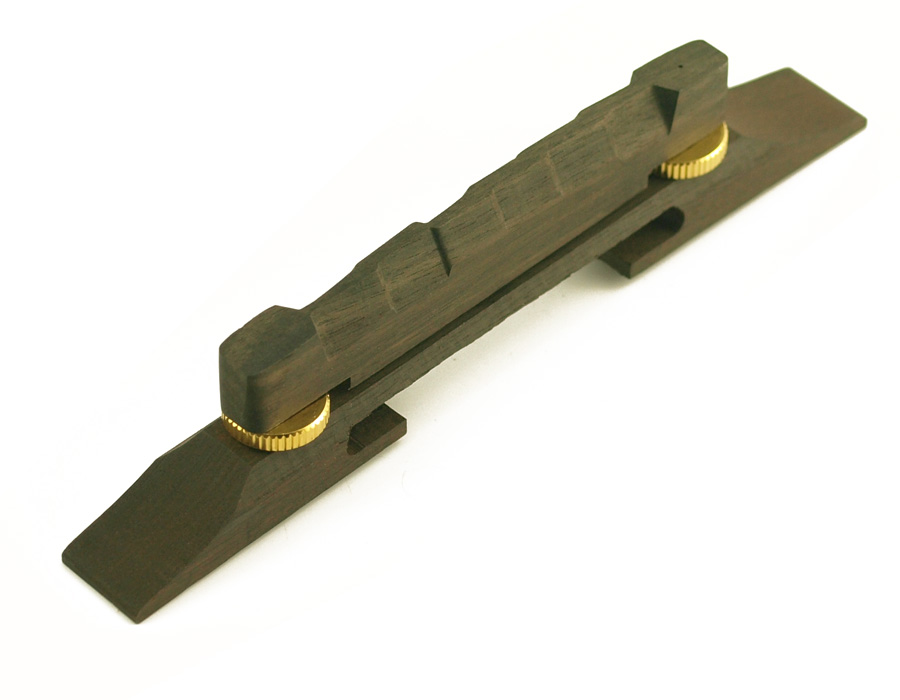
Early electric guitars were basically modified archtop acoustics, which carried on using traditional rosewood (or ebony) archtop bridges with carved ”steps” presetting the intonation. Overall intonation adjustment was carried out by moving the whole bridge carefully closer to (or further away from) the neck.

****

Fender 52 Reissue

The advent of the – much clearer-sounding – solidbody electric guitar necessitated a more precise approach to the problem of intonation adjustment.

52 Tele Bridge

Leo Fender’s novel Esquire/Broadcaster/Telecaster-bridge featured a mounting plate for the bridge pickup, as well as individual action adjustment for each string, and octave compensation in string pairs.

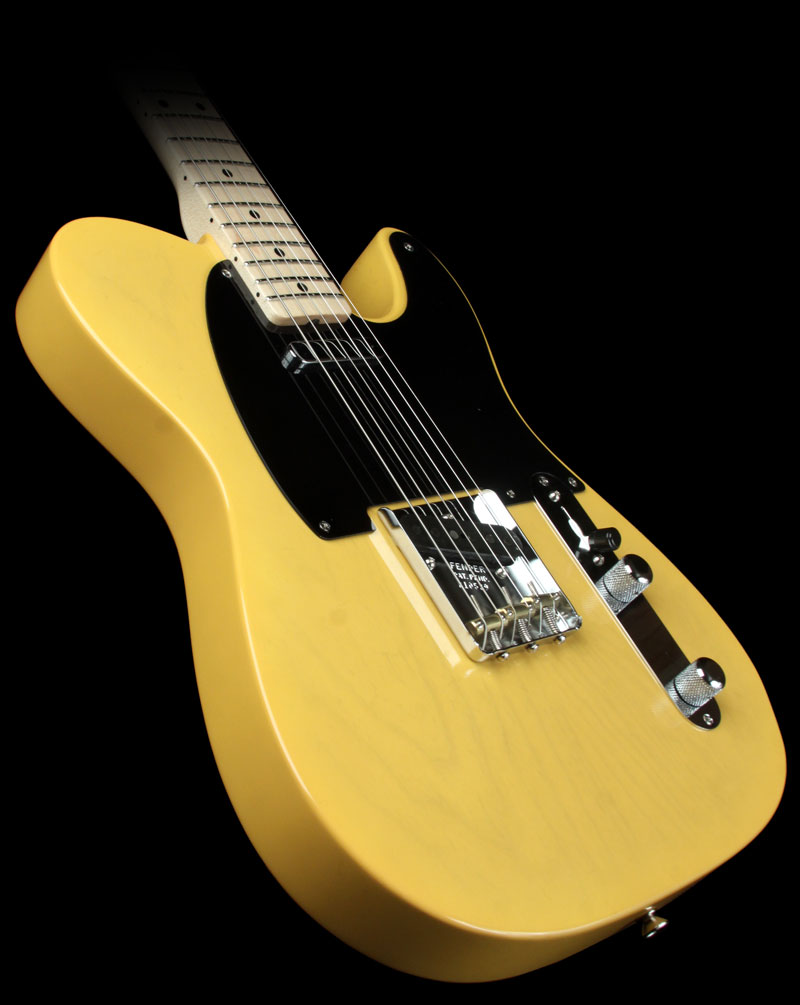
Fender_Custom_Shop_52_Telecaster_Nocaster_Blonde_R10539_1

Fender’s Telecaster bridge assembly plays a huge part in this model’s distinctive, twangy tone, laying the foundation for the model’s classic status.

close-up Fender bridge

brucke-und-ta

Over the course of the 1950s and 60s, Fender experimented with different saddles – smooth brass, smooth steel, threaded steel, and steel saddles with a single notch per string – but the basic, three-saddle formula stayed firmly in place. You got fantastic tone, but not perfectly spot-on intonation.

****

70s Fender six-saddle

Twenty years after the original launch of Fender’s first solidbody electric, things had evolved.

In 1952 the original three-saddle bridge was less of a compromise, because the regular string sets of that time (012s or 013s) had a wound g-string. With a wound g-string the biggest step in intonation adjustment was between the b- and the g-string, and, as they were catered for by different saddles, a good, working compromise could be found.

By the late Sixties, ”slinky” string sets with plain g-strings had become the norm. This shifted the intonation step between the highest wound string and the lowest plain string onto a single, rigid bridge saddle (for the D- and g-string).

Fender retained the traditional three-saddle bridge on its standard Telecaster, but introduced six-saddle bridges on many of its new models in the Seventies. Pictured above is the six-saddle bridge from a (second version) Custom Telecaster (introduced in 1972).

Although this bridge finally offered perfect intonation, some players criticised this type of bridge for ”sounding” thinner (or brighter) than the original version. This might also have been due to changes in the precise specifications of the bridge pickup at that time, though.

Hipshot 6-saddle

Modern Fender 6-saddle

More recent six-saddle designs by makers like Hipshot, Gotoh or Fender are based on a thicker bridge plate. These are perfectly serviceable, modern designs, which offer precise intonation. Many Tele-anoraks still steer clear of these bridge types, however, because the more rigid bridge plate tends to tame the bridge pickup’s twang noticeably.

****

Another approach to better intonation on a Telecaster is to keep the twang-enhancing three-saddle ashtray bridge in place, but modify the saddles.

Joe Barden angled

Pickup specialist Joe Barden came up with angled brass saddles in his design for the late Tele-master Danny Gatton.

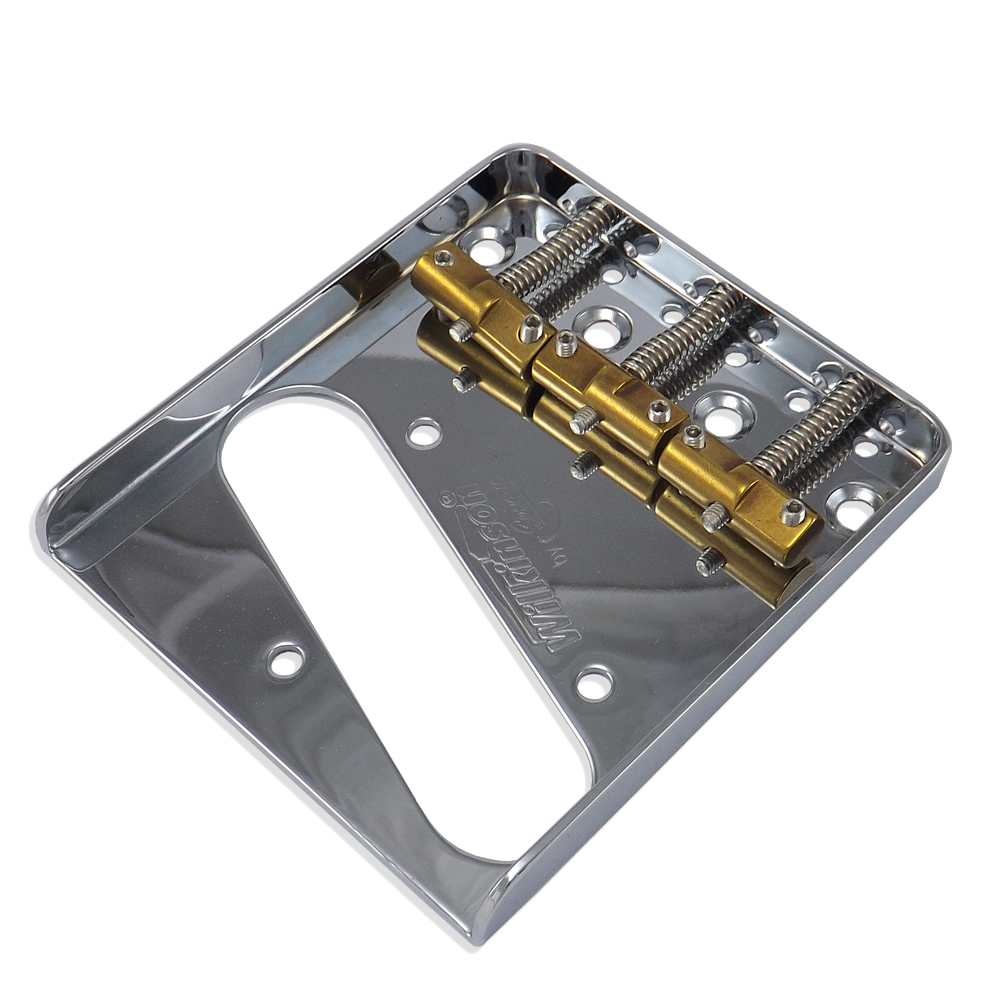
Wilkinson

Graph Tech

Wilkinson’s and Graph Tech’s designs have two different, preset jump-off points per saddle – one for each string.

These three approaches (Barden, Wilkinson, and Graph Tech) work very well in providing good intonation, while keeping the Telecaster-tone intact, as long as you use string sets with a plain g-string.

pivoting brass saddles

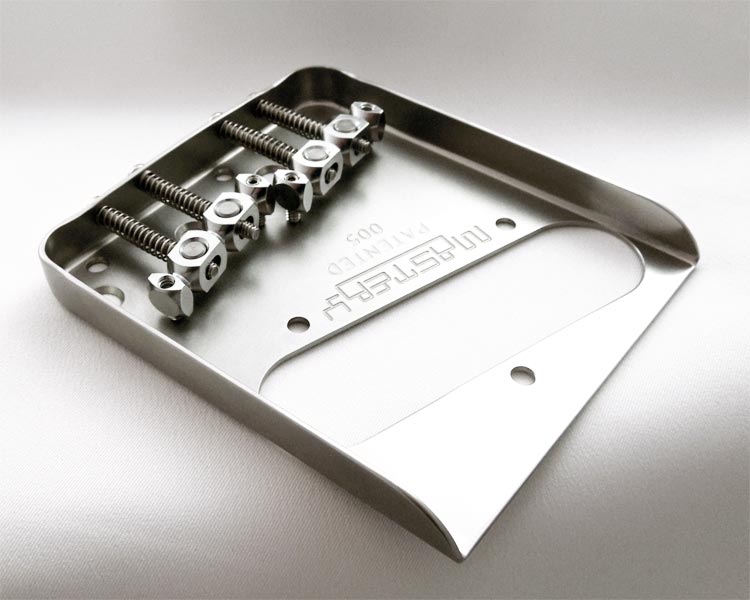
Mastery stainless steel

If you want to retain your three-saddle twang, but want to have more freedom in choosing your string gauges, the best way to go are saddles with an angle adjustment. Good examples are Wilkinson’s replacement brass saddles (above), or this stainless steel Tele-bridge by Mastery.

****

p1_u2nu2p1fg_so

How come that the vintage-type Fender Telecaster, with all its intonation flaws, is still in production and still very successful? The answer is that people have always been creative in working out solutions to design shortcomings.

In the Telecaster’s case this means finding a way to ”sweeten” the guitar’s slightly flawed intonation.

Here are three (of a myriad of) possible approaches:

1.) The fifty percent approach

After you’ve put on a set of new strings, use your digital tuner to set the (12th fret) intonation correctly for both E-strings, as well as the g-string (I call them the most critical strings). Then tune your guitar by tuning the open E-strings and the g-string to pitch. The remaining three strings (A, D, and b) are then tuned, so that the pitch at the seventh fret is correct (giving you E, a, and f#).

The A-, D-, and b-strings will be a little off in their intonation going up (or down) from the seventh fret, but overall the pitch will be much sweeter, than if you had tuned these strings to their correct open string pitches. You can then fine-adjust your sweetening by ear, using first position chords as a reference.

2.) Tuner sweetening

After you’ve put on a set of new strings, use your digital tuner to set the (12th fret) intonation, so that each string pair is slightly off in an approximately even way. With the E- and A-pair this would mean that the E-string’s intonation comes out slightly sharp, while the A-string’s intonation is a tiny bit flat. The next pair would see the D-string a bit flat, while the (plain) g-string is a tad sharp. The last pair would have the b-string a bit sharpish, with the e-string a little flat. Then tune the guitar by tuning all strings, so the pitch is correct at the seventh fret.

Now all strings will be a little off in their intonation going up (or down) from the seventh fret, but overall the pitch will be much sweeter, than if you had tuned them to their correct open string pitches. You can then fine-adjust your sweetening by ear, using first position chords as a reference.

3.) Sweetening to the A

After you’ve put on a set of new strings, use your digital tuner to set the (12th fret) intonation, so that each string pair is slightly off in an approximately even way. With the E- and A-pair this would mean that the E-string’s intonation comes out slightly sharp, while the A-string’s intonation is a tiny bit flat. The next pair would see the D-string a bit flat, while the (plain) g-string is a tad sharp. The last pair would have the b-string a bit sharpish, with the e-string a little flat. Then tune your guitar by first tuning the open A-string to pitch. Next, tune all the other strings by ear, using the A-string as your reference:

• E-string at the fifth fret against open A

• D-string at the seventh fret against open A (or A-string 12th fret harmonic)

• g-string at the second fret against open A (or A-string 12th fret harmonic)

• b-string at the tenth fret against open A (or A-string 12th fret harmonic)

• e-string at the fifth fret against open A (or A-string 12th fret harmonic)

You can then fine-adjust your sweetening by ear, using first position chords as a reference.

****

Remember, none of the above tuning tips is set in granite. Tuning and intonating a three-saddle Telecaster is a dark art, and most players have developed their own way of sweetening their guitar’s intonation. Let your ears be your guide!

Fender-American-Special-Telecaster-Olympic-White-Maple004

Review: Tokai ES-138/SR • ES-145G/BB • ES-162/TB

Tokai ES-162 – and case

Tokai Guitars have a well-earned reputation for making high-quality electric guitars and basses, often ”inspired” by vintage designs. This time we got three semis from the very top of Tokai’s Japanese model range for review.

****

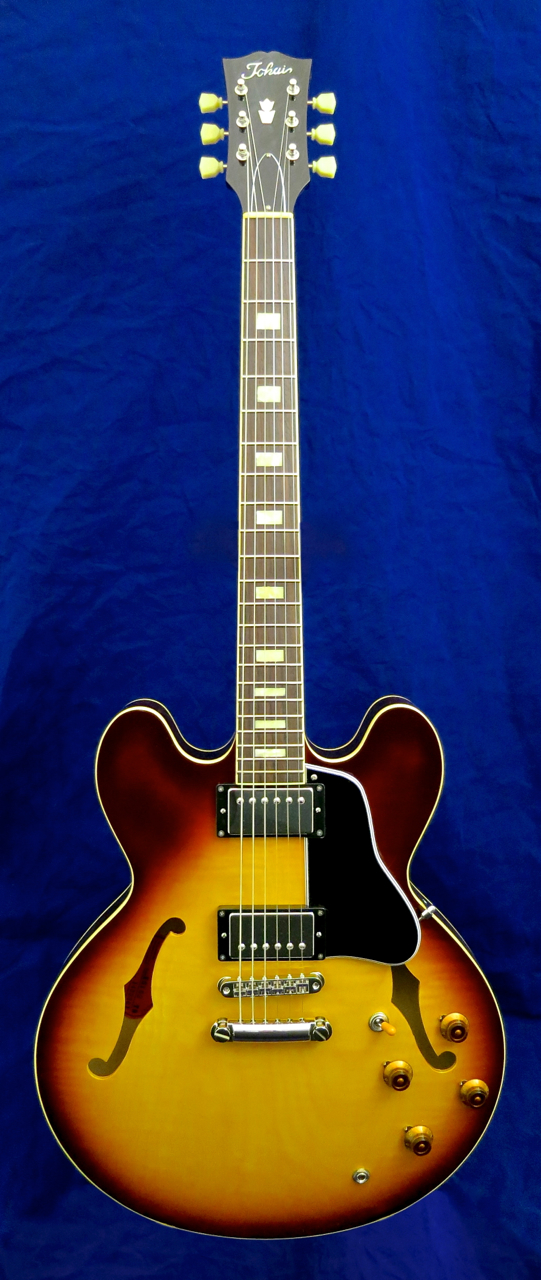
Tokai ES-138SR – full front

The Tokai ES-138 (current price in Finland: 1,368 €, incl. hard case) is the company’s version of a 1958 Gibson ES-335, available in either see-through red or piano black.

Tokai ES-145G – full front

Tokai’s ES-145G (current price in Finland: 1,431 €, incl. hard case) is a lightly updated variation on the theme, which comes equipped with gold-coloured hardware and a black finish.

Tokai ES-162TB – full front

The Tokai ES-162 (current price in Finland: 1,628 €, incl. hard case) is the most expensive model of the three on review. The ES-162 comes with post-1962 style small block markers, brass bridge saddles, and a light aluminium stopbar. The icing on the cake is this model’s vintage-style nitrocellulose finish – you can choose between a tri-burst and red.

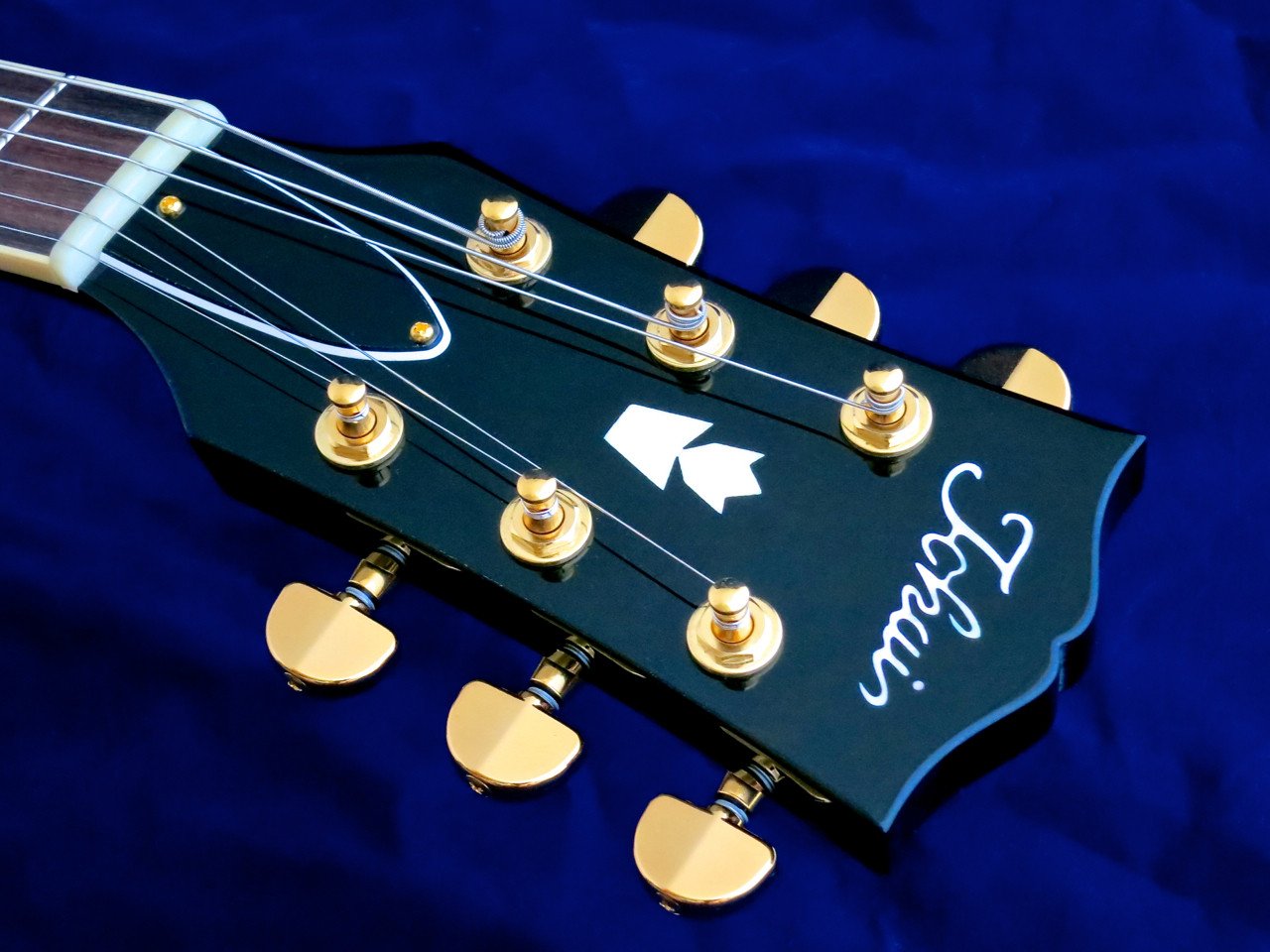
Tokai ES-138 – headstock

Tokai use top-drawer Gotoh tuners on the three tested models.

Tokai ES-138 – tuners

The ES-138 and ES-162 come equipped with vintage-style Kluson-copies.

Tokai ES-145G – headstock

Tokai ES-145G – tuners

For the ES-145G Tokai have chosen a set of modern enclosed Gotohs.

Tokai ES-145G – fingerboard

These Tokai Japan -instruments all come with a one-piece mahogany neck, complete with a vintage-correct, steep headstock angle (17 degrees).

The bound rosewood fretboards on the ES-138 and ES-145G models sport dot markers.

Tokai ES-162 – fretboard

As the ES-162 is Tokai’s version of a 1962-’64 ”Block Marker” ES-335, this guitar comes with small rectangular inlays made of pearloid.

All three instruments come fitted with medium-size frets.

Tokai ES-138 – bridge

Tokai’s ES-guitars come with Gotoh Tune-o-matic-bridges and stopbar tailpieces.

Tokai ES-145G – bridge

On the ES-138 and the ES-145G we find Gotoh’s LS-series hardware – die-cast (Zamac) parts with steel bridge saddles.

The ES-162 goes one step more ”vintage” by using a Gotoh HLS -set, comprising an ultra-light aluminium stopbar tailpiece and chrome-plated brass saddles on the bridge.

Tokai ES-162 – pickups

This guitar trio is equipped with the same pickups – a pair of Tokai PAF-Vintage Mark II -humbuckers.

Tokai ES-145G – controls

All the electronic components are top quality Japanese parts.

Tokai ES-case

Certain Tokai Japan -models are now sold in Finland complete with Tokai’s cool hard cases.

****

Tokai ES-138 – beauty shot 1

The cherry red semi-acoustic is one of guitardom’s most iconic electric models. For many this curvy and well-rounded body, made from heat-pressed maple plywood, is the most beautiful body style ever.

Tokai’s ES-138 recreates this classic guitar in its earliest guise (c. 1958), complete with dot markers and a long pickguard, which extends past the bridge.

Even though an ES-335-type body is comparatively large (but thin), many of the best semi-acoustics are surprisingly lightweight. The Tokai ES-138 is very comfortable to play – both seated and strapped on – and balances superbly.

This model’s neck profile is a medium-thick ”D”, which feels great (at least in my hand). The fret job on the test sample was excellent, the set-up spot-on, and the action very light (with a set of 010s). The ES-138’s acoustic tone is typical of this type of guitar – very hollow and nasal with a clicking attack.

Tokai’s own rendition of the classic PAF-humbucker is superb, there’s no two ways about this! The output signal is moderate, and the basic sound is very open and dynamic. The neck pickup has a warm, round tone, but doesn’t mush up. The middle position on the selector switch gives you a very balanced and open sound. The bridge humbucker on its own sounds fresh and crispy, with not even a hint of annoying mid-range ”nagging”.

Tokai ES-138 – body beauty

****

Tokai ES-145G – beauty shot 1

The black-and-gold ES-145G sure looks very stylish – this is the distinguished gentleman in Tokai’s ES-range, who keeps his cool and looks dapper, no matter what.

Our test sample was the heaviest guitar of this trio, but still much, much lighter than may lesser contenders.

The ES-145G’s neck profile is also the chunkiest. This D-profile is a real palm-filler, giving you a real taste of late-Fifties goodness, and managing to stay just on the right side of ”fat”.

The workmanship displayed, and playability offered by the ES-145G are simply superb. Played acoustically there’s not a lot of difference between the ES-145G and the ES-138.

Through an amp, the ES-145G sounds just like a quality semi-acoustic should – humbucker power, balanced by a clean mid-range.

Tokai ES-145G – body beauty

****

Tokai ES-162 – beauty shot 1

Our review sample of the Tokai ES-162 is a real featherweight!

The ES-162’s Block Marker -personality is completed by an authentic early-Sixties style neck profile. It’s an oval ”C” that is less of a handful than the ES-138’s neck.

Top marks for the ES-162’s workmanship, finish and playability – this is a first-rate instrument.

This model’s thin nitro lacquer, its lightweight tailpiece, as well as the brass saddles on the Tune-o-matic combine into a very open-sounding and dynamic acoustic performance.

Standing in the same room with your amp, it is easy to notice an added degree of 3D-depth and scope in the guitar’s amplified tone. Interestingly – as is so often the case – recording the sound doesn’t seem to fully convey this added tonal dimension. You have to experience the ES-168 ”in the flesh” to get the full picture; the recordings sound remarkably similar to the other two models’ performances.

Tokai ES-162 – body beauty

****

Tokai ES-162 – label

The reputation of Tokai Japan -instruments has been legendary among players and collectors ever since the 1970s. This trio of ES-semis makes it crystal-clear that Tokai actually deserves this reputation thanks to the superb quality of it’s Made-in-Japan guitars.

Tokai’s ES-138, ES-145G and ES-162 offer you genuine Japanese quality at very fair prices.

****

Tokai Japan semi-acoustic electrics

Tokai ES-138 – 1,368 € (hard case included)

Tokai ES-145G – 1,431 € (hard case included)

Tokai ES-162 – 1,628 € (hard case included)

Finnish distributor: Musamaailma

****

Pros:

+ Japanese workmanship

+ one-piece neck

+ superb finish and set-up

+ Gotoh-hardware

+ authentic tone

Testipenkissä: Tokai ES-138/SR • ES-145G/BB • ES-162/TB

Tokai ES-162 – and case

Tokai Guitarsilla on erittäin hyvä maine laadukkaiden sähkökitaroiden ja -bassojen valmistajana. Tällä kertaa testissä kävi kolme Japanissa käsityönä valmistettua Tokai ES -sarjan soitinta hintaskaalan kalliimmasta päästä.

****

Tokai ES-138SR – full front

Tokai ES-138 (hinta: 1.368 €, sis. kovan kotelon) on firman versio vuoden 1958:n Gibson ES-335 -kitarasta, joka on saatavilla sekä punaisena että mustana.

Tokai ES-145G – full front

Tokai ES-145G (hinta: 1.431 €, sis. kovan kotelon) on kullanvärisillä metalliosilla varustettu ja kevyesti modernisoitu tulkinta aiheesta. Se on saatavana ainoastaan mustana.

Tokai ES-162TB – full front

Tokai ES-162 (hinta: 1.628 €, sis. kovan kotelon) on kolmikon kallein malli, jolla on suorakulmaiset otemerkit, tallapalat messingistä, sekä alumiininen kieltenpidin. Piste i:n päällä on kuitenkin ES-162:n viimeistely aidolla nitrolakalla. Malli on saatavana kolmivärisellä liukuvärityksellä tai punaisena.

Tokai ES-138 – headstock

Tokai käyttää näissä kitaroissa Gotohin valmistamia laatuvirittimiä.

Tokai ES-138 – tuners

ES-138- ja ES-162-kitarat on varustettu Kluson-tyylisillä vintage-koneistoilla.

Tokai ES-145G – headstock

Tokai ES-145G – tuners

ES-145G:n lapaan taas on asennettu nykyaikaisia suljettuja Gotoh-virittimia.

Tokai ES-145G – fingerboard

Näissä Tokai Japan -soittimissa on yhdestä palasta veistettyjä mahonkikauloja vintage-tyylisellä, jyrkällä lapakulmalla (17 astetta).

ES-138- ja ES-145G-malleissa käytetään pieniä pyöreitä otemerkkejä reunalistoitetussa palisanteriotelaudassa.

Tokai ES-162 – fretboard

ES-162 taas on Tokain versio vuoden 1962-’64 ns. ”Block Marker” ES-335:sta, jossa upotukset ovat keskikokoisia suorakulmia.

Nauhakoko on näissä kolmessa ES-mallissa medium.

Tokai ES-138 – bridge

Kaikissa kolmessa Tokai ES -kitaroissa on Gotohin valmistama palkkimainen kieltenpidin, sekä kevyesti nykyaikaistettu versio Tune-o-Matic-tallasta.

Tokai ES-145G – bridge

ES-138:ssä ja ES-145G:ssä käytettään Gotoh LS -settiä sinkkipitoisesta valumetallista teräksisillä tallapaloilla.

ES-162:n Gotoh HLS -setti on muutaman asteen verran vintagemaisempi, kun käytössä on erittäin kevyt alumiinista valmistettu kieltenpidin, sekä kromattuja tallapaloja messingistä.

Tokai ES-162 – pickups

Kolmikon mikrofonivarustus on sama – kitaroissa on kaksi Tokai PAF-Vintage Mark II -humbuckeria.

Tokai ES-145G – controls

Huippulaadukas linja jatkuu luonnollisesti myös ES-kolmikon japanilaisissa elektroniikkaosissa.

Tokai ES-case

Tokai Japanin hienoimpia kitaramalleja myydään nykyään firman omissa laadukkaissa koteloissa.

****

Tokai ES-138 – beauty shot 1

Kirsikanpunainen puoliakustinen on yksi legendaarisimmista sähkökitaramalleista. Useimpien mielestä tämä kurvikas, muottiin prässätystä nelikerroksisesta vaahteravanerista tehty koppa on kaunein muoto ikinä.

Tokain ES-138 on kyllä upea tulkinta klassikkomallin varhaisesta versiosta, jolla on asianmukainen erikoispitkä plektrasuoja ja pyöreät otemerkit.

Vaikka ES-kitaroiden runko on pinta-alalta varsin mittava, on laadukas lajinsa edustaja kuitenkin useimmiten yllättävän kevyt. Tokai ES-138 on erittäin mukava pitää sylissä tai kantaa hihnassa, ja se asettuu hyvin nätisti tasapainoon.

Kaulaprofiili on keskituhti ”D”, joka istuu todella mukavasti ainakin minun käteeni. Nauhatyö oli testisoittimessa ensiluokkaista, ja kitara oli säädetty hyvin mukavaksi 010-kielisatsilla. ES-138:n akustinen klangi on mallityypin mukainen – ontto ja nasaali maiskuttavalla atakilla.

Täytyy kyllä sanoa, että Tokain omat PAF-tyyliset humbuckerit kuulostavat loistavilta! Lähtötaso on hyvin maltillinen ja perussoundi on mukavan avoin. Kaulamikki on lämmin, mutta erotteleva, ja valitsimen keskiasennossa soundi on ilmava. Tallahumbucker taas soi hyvin tuoreella äänellä, mutta ei ”marise” häiritsevästi keskialueella.

Tokai ES-138 – body beauty

****

Tokai ES-145G – beauty shot 1

Musta ja kultainen ES-145G on mielestäni erittäin tyylikäs soitin – Tokai ES -sarjan oikea herrasmies, joka näyttää hyvältä tilanteessa kuin tilanteessa.

Testiyksilö on aavistuksen verran painavampi kuin testissä käynyt ES-138, mutta silti vielä huomattavasti kevyempi kuin moni edullinen tulkinta samasta aiheesta.

ES-145G:n kaulaprofiili on tämän kolmikon tuhdein. Tällainen täyteläinen D-profiili antaa aitoa myöhäisen 1950-luvun makua. Kaula ei ole missään nimessä liian paksu, mutta se täyttää käden vakuuttavasti.

Työnjälki ja soitettavuus ovat myös ES-145G:ssä esimerkillisiä. Akustisesti soitettuna ES-145G:n ja ES-138:n soundit ovat käytännössä identtisiä.

Myös vahvistettuna on vaikea huomata selkeitä eroja – Tokai ES-145G soi kuin mitä erittäin laadukkaalta puoliakustiselta sopii odottaa.

Tokai ES-145G – body beauty

****

Tokai ES-162 – beauty shot 1

Testissä käynyt ES-162 on selvästi kolmikon kevyin yksilö!

ES-162:n Block Marker -ulkonäköön sopii myös kaulan autenttinen profiili, joka on ovaali ”C” ja hieman ohuempi kuin ES-138:ssa.

Työnjälki ja soitettavuus on myös ES-162:n tapauksessa ensiluokkaista.

Tämän kitaran ohut viimeistely nitrolakalla, sen kevyempi kieltenpidin, sekä tallan messingistä tehdyt tallapalat antavat Tokai ES-162:lle erittäin avoimen ja dynaamisen akustisen klangin.

Myös ”livenä” vahvistimen kanssa samassa huoneessa huomaa, että tämän kitaran soundissa on aavistuksen verran enemmän syvyyttä ja laajuutta. Mutta, kuten usein, äänitetyssä materiaalissa tämä ”kolmas ulottuvuus” katoaa melkein kokonaan, ja ES-162 kuulostaa miltei samalta kuin testikolmikon kaksi muuta mallia.

Tokai ES-162 – body beauty

****

Tokai ES-162 – label

Tokai Japan -soittimien maine on jo 1970-luvulta lähtien ollut legendaarinen, ja tämä ES-sarjan kärkkikolmikko tekee hyvinkin selväksi, että Tokain tapauksessa firman maine ja sen kitaroiden laatu käyvät saumattomasti yksi yhteen.

Tokain ES-138, ES-145G ja ES-162 tarjoavat japanilaista huippulaatua erittäin reiluun hintaan.

****

Tokai Japan -puoliakustiset

Tokai ES-138 – 1.368 € (kotelo sis. hintaan)

Tokai ES-145G – 1.431 € (kotelo sis. hintaan)

Tokai ES-162 – 1.628 € (kotelo sis. hintaan)

Maahantuoja: Musamaailma

****

Plussat:

+ japanilainen työnjälki

+ yksiosainen kaula

+ viimeistelyn taso

+ Gotoh-metalliosat

+ mikrofonien soundi

In pictures – AJL-Guitars

AJL-Guitars – Olli Soikkeli model

(picture courtesy of AJL-Guitars)

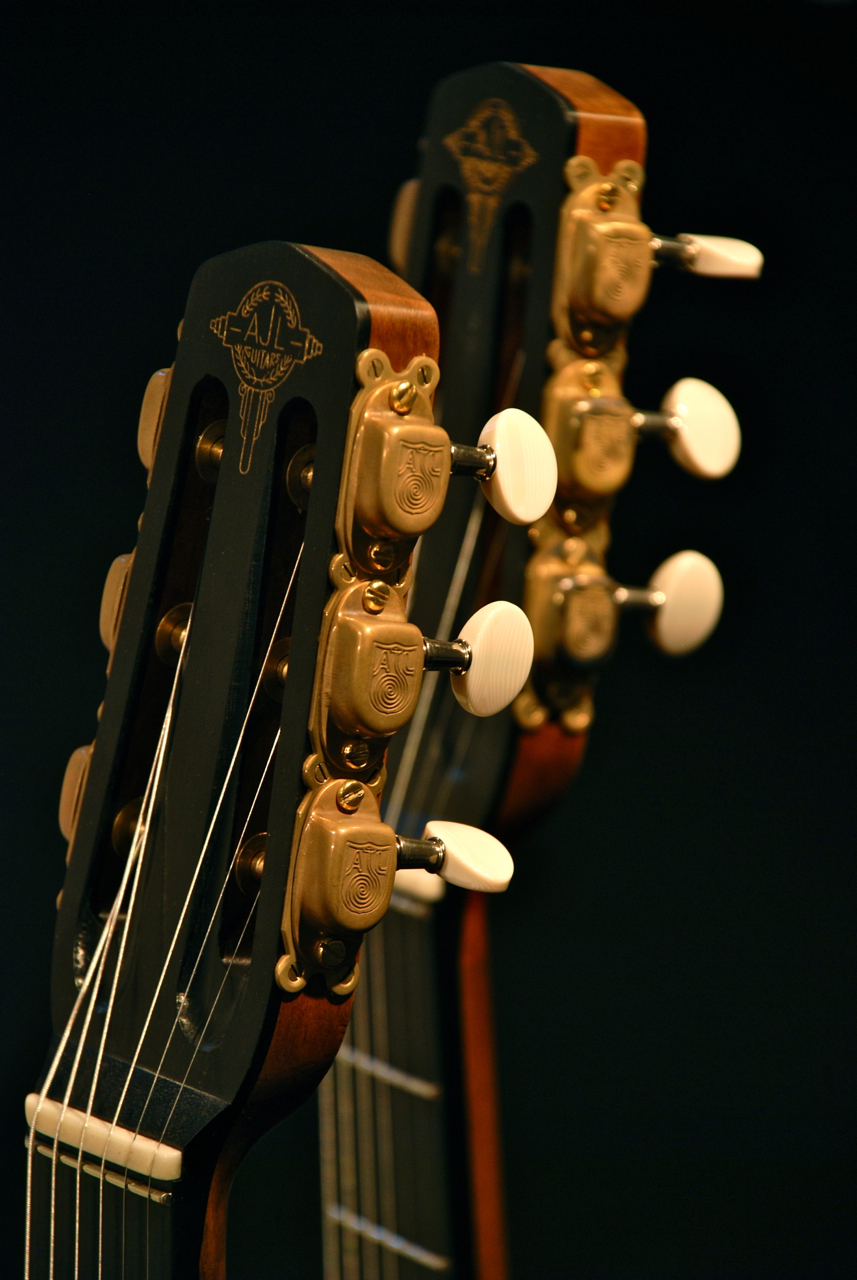
AJL-Guitars – headstocks

(picture courtesy of AJL-Guitars)

AJL-Guitars – 19%22 Master 400

(picture courtesy of AJL-Guitars)

****

In the autumn of 2013 Kitarablogi had the pleasure of visiting Ari-Jukka Luomaranta’s AJL-Guitars workshop in Kokkola.
Here are some of the pictures I took on that occasion:

AJ + Model XO 2

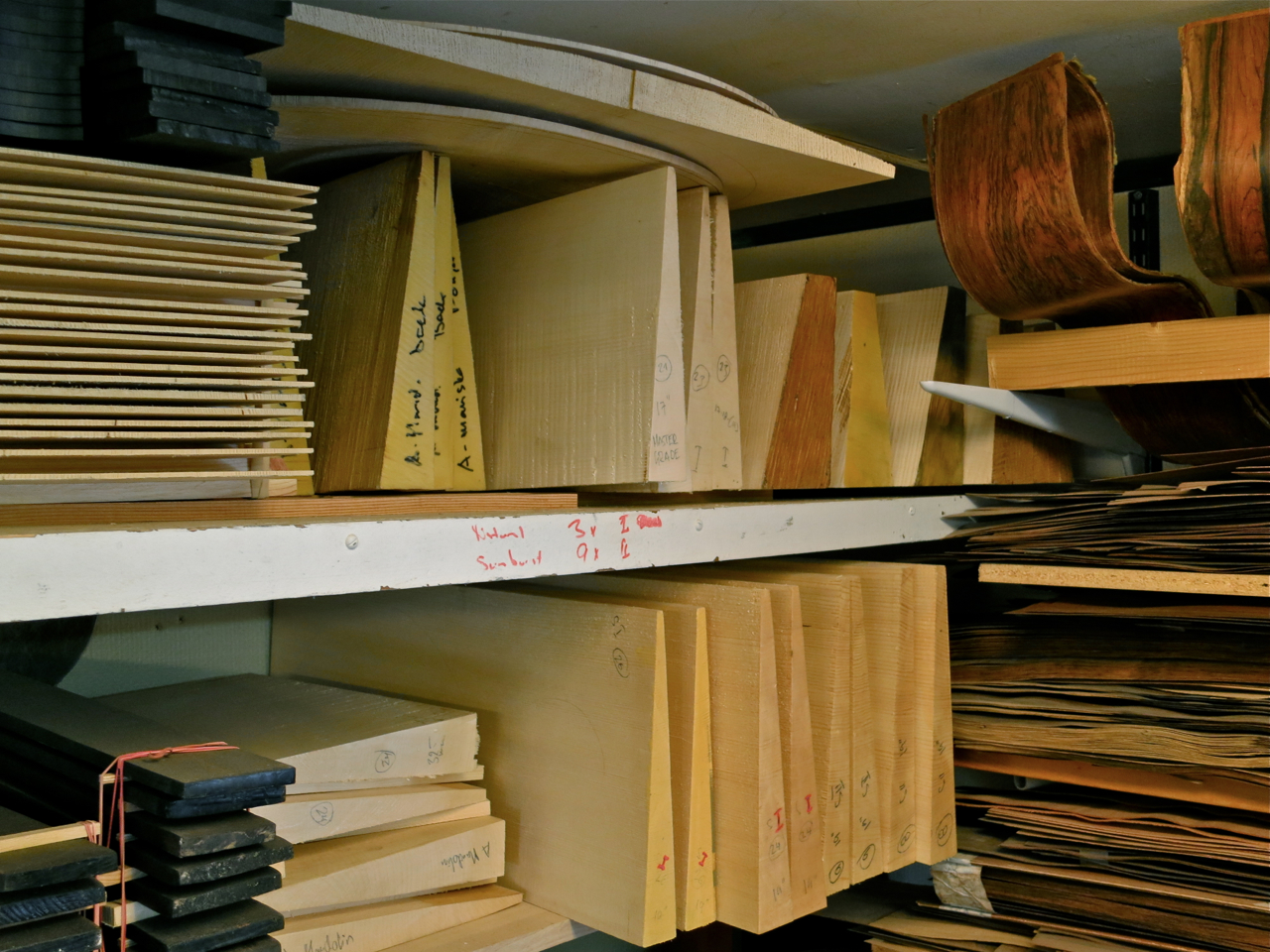
AJL Guitars – wood 2

AJL Guitars – top-grade maple

AJL Guitars – tops + fretboards

AJ + neck blanks

AJL Guitars – headstock joint

AJL Guitars – neck glue line

AJL Guitars – 3-pc maple neck blanks

AJL Guitars – different side dots

AJ + top

AJL Guitars – ladder bracing

AJL Guitars – neck angle

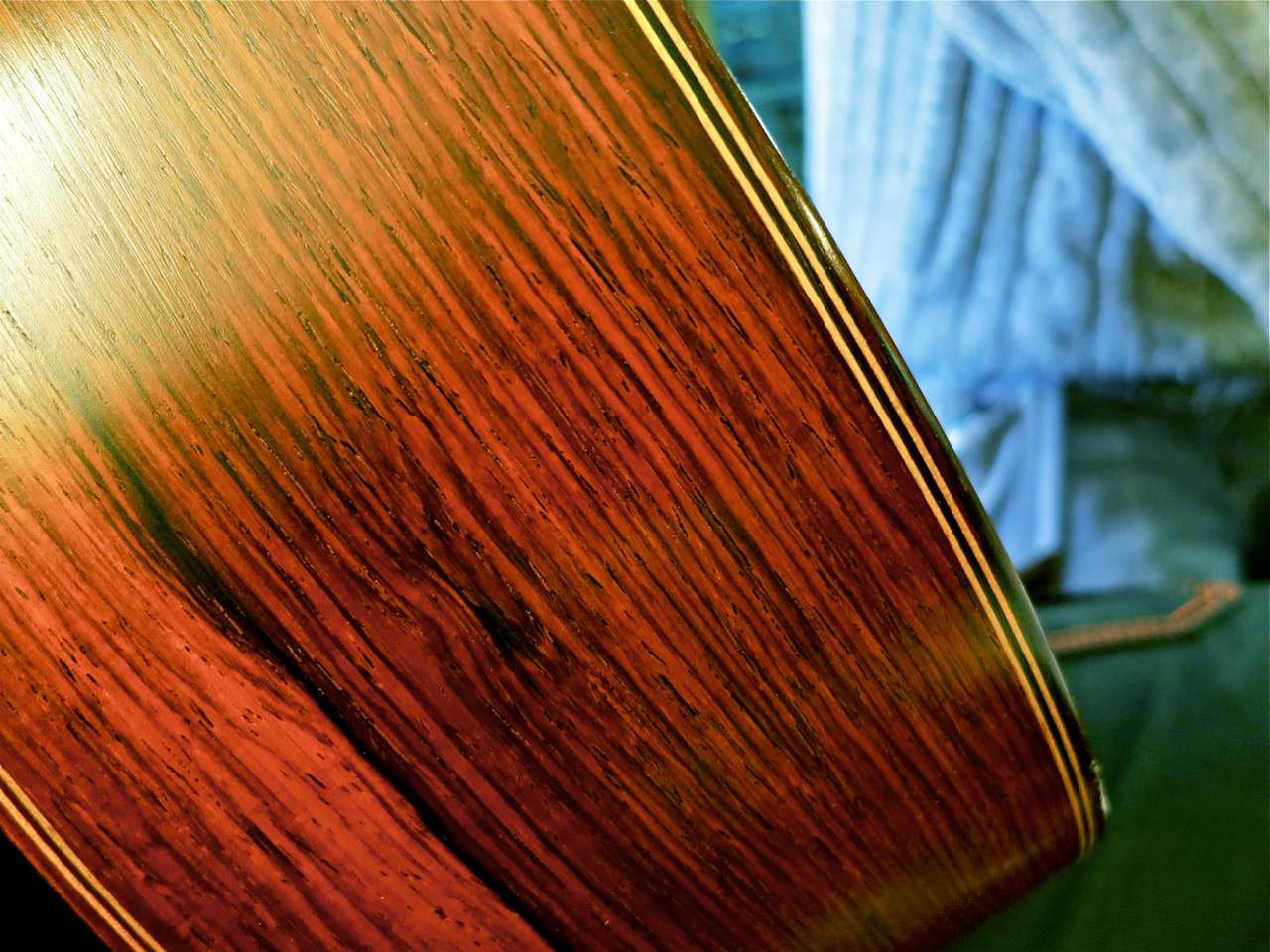
AJL Guitars – backs

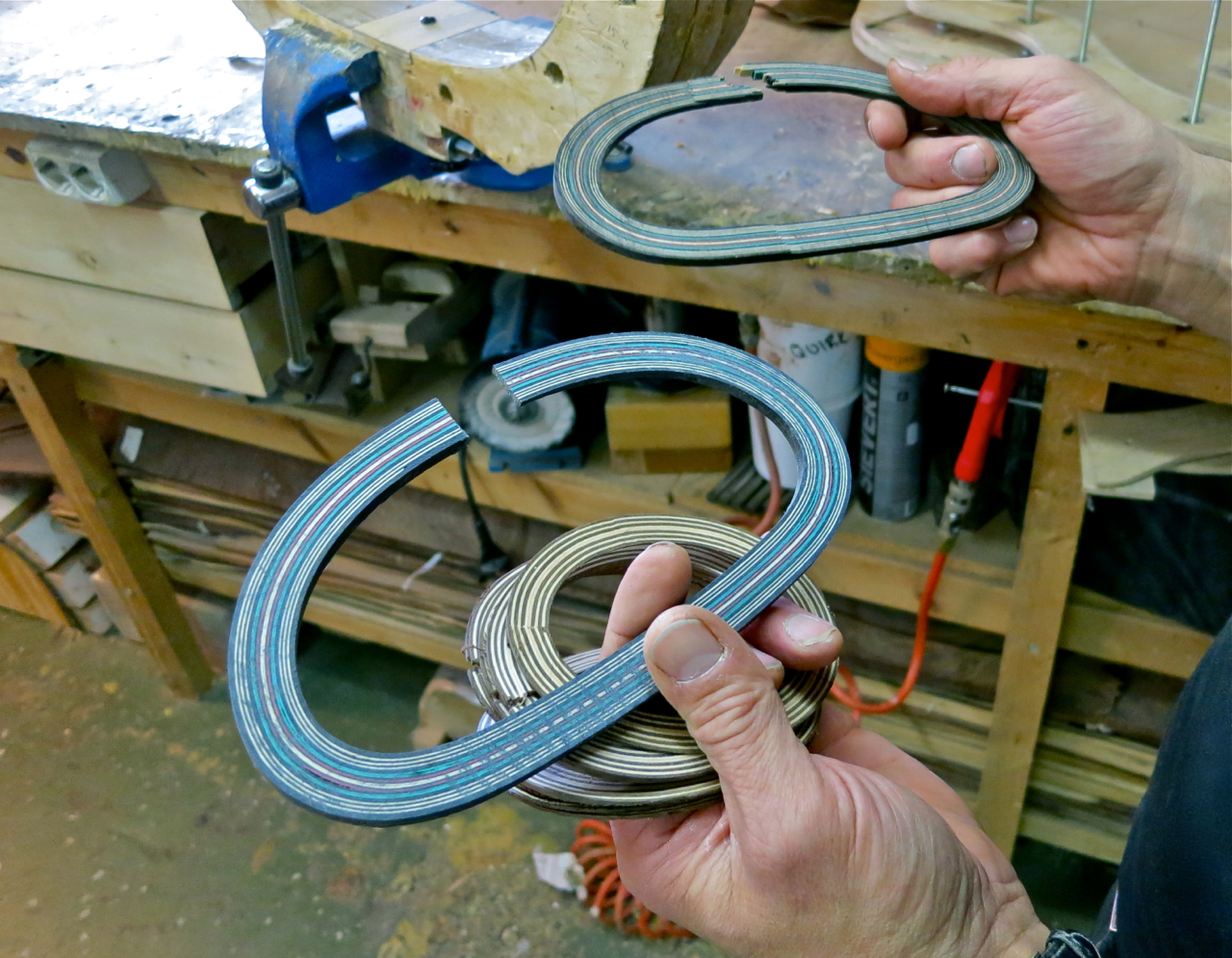
AJL-Guitars – back and rim sample

(picture courtesy of AJL-Guitars)

AJL Guitars – back bracing

AJL Guitars – raw soundboxes

AJL Guitars – soundboxes 3

AJL Guitars – rosettes

AJL Guitars – bundles of binding

AJL Guitars – close-up binding

AJL Guitars – tuners

AJL Guitars – bridge blanks

AJL-Guitars – X-O bridge

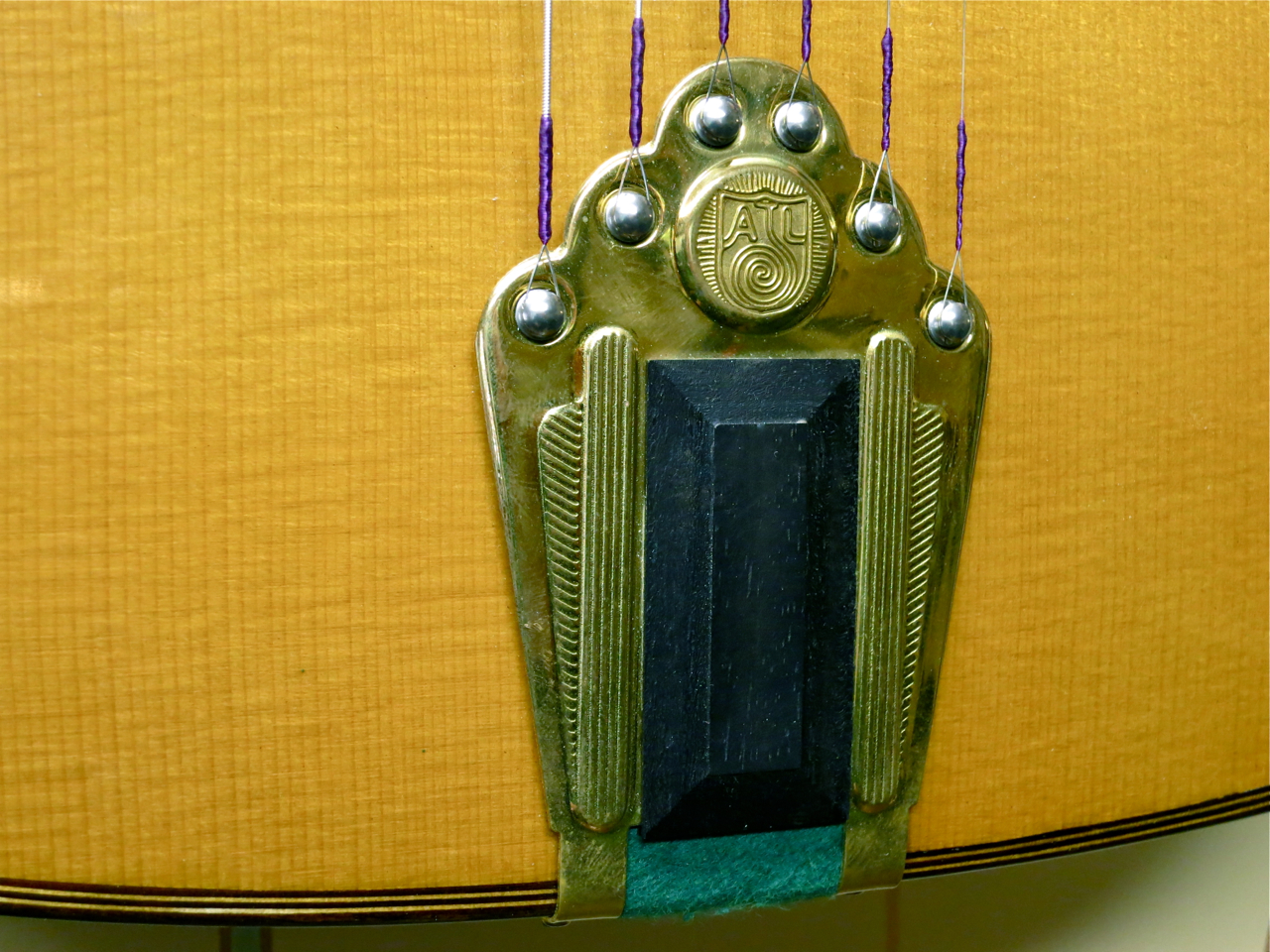
AJL Guitars – AJL tailpiece

AJ + highly figured guitar

AJL-Guitars – XO-model soundhole

(picture courtesy of AJL-Guitars)

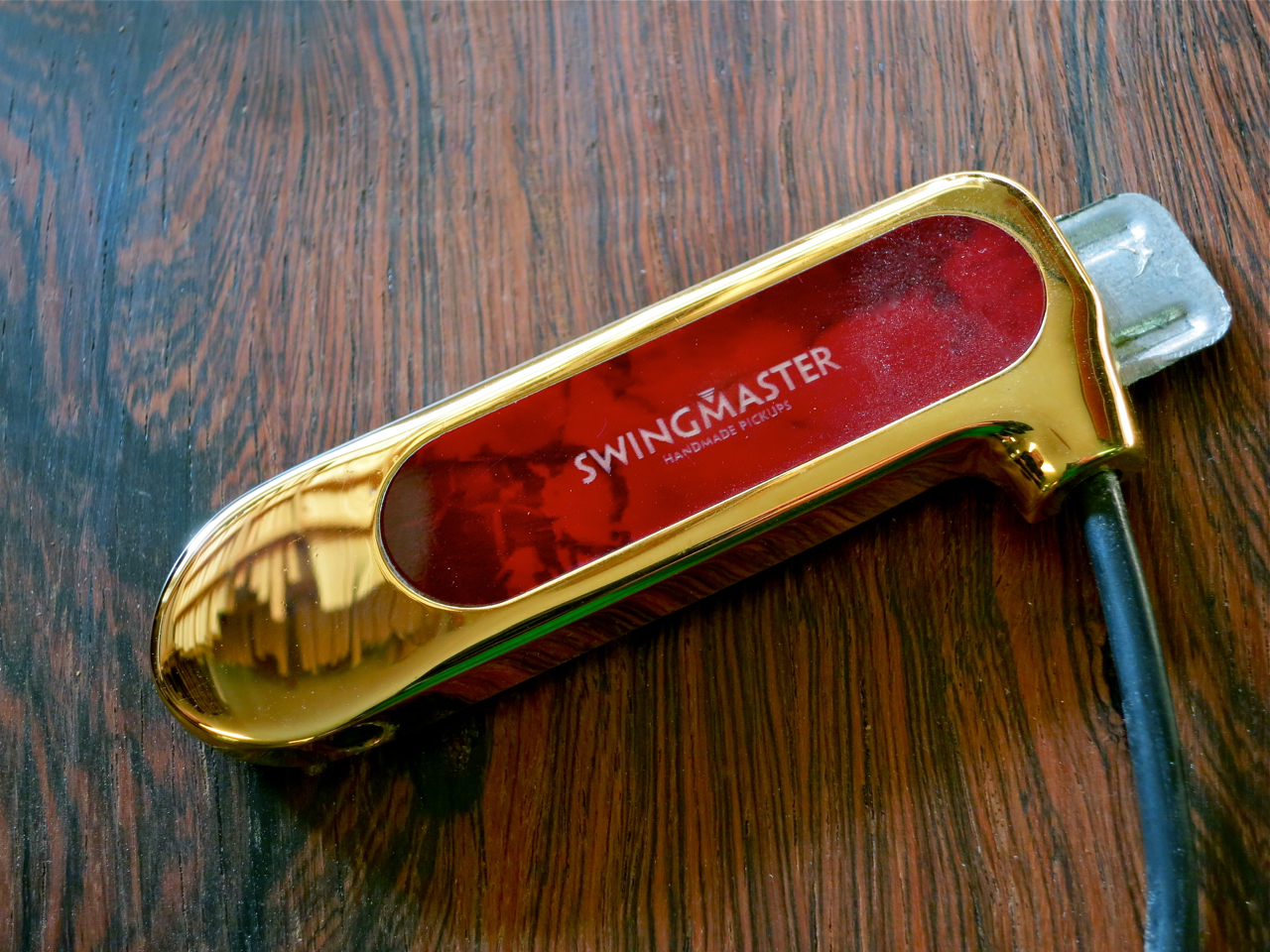
AJL Guitars – Swingmaster PU

AJL Guitars – Swingmaster innards

AJL Guitars – handmade case

AJ + Model XO

Find out more about AJL-Guitars on their WEBSITE or on FACEBOOK.
AJL-Guitars will also be at The Holy Grail Guitar Show in Berlin, Germany, in November!

Pidä blogia WordPress.comissa.

Ylös ↑