
Contact: Musamaailma
Kitarablogi.com – Finland's premier Guitar and Bass blog
Juttuja kitaroista ja bassoista

On totta, että joidenkin mielestä kopiokitaroiden tekeminen ei ole kovin reilua toimintaa. Toisaalta on myös totta, että kopiokitaroille löytyy niin suuri kysyntä, että monet isot brändit ovat jo pitkään kopioineet itse itseään. Parhaat esimerkit tästä ovat Fenderin Squier, Gibsonin Epiphone, PRS Guitarin SE-mallisto ja Music Manin Sterling by Music Man -soittimet.
On myös olemassa brändejä, jotka tekevät hyvinkin laadukkaita kopioita klassikkosoittimista, kuten Greco, Nash Guitars, Rock ’n’ Roll Relics tai Maybach. Tunnetuin nimi kopiobrändien keskuudessa on varmaan Tokai, jonka laajasta tarjonnasta löytyy sekä edullisia kitaroita ja bassoja, sekä korkealaatuisia käsintehtyjä jäljennöksiä.
Tällä kertaa saimme testiin kaksi eri P-90-yksikelaisilla varustettua sähkökitaraa – edullisen Tokai LSS-47C:n (505 €) ja japanilaisen Goldtopin, Tokai LS-98S:n (1.276 €; kova laukku kuuluu hintaan).
****

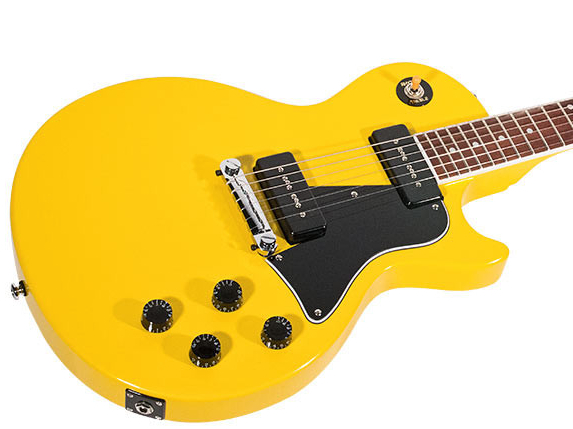
Kiinalaista Tokai LSS-47C:tä voisi luonnehtia erääksi best of -kopioksi 1950-luvun Gibson Les Paul Specialista. Kitaran peruslinja mukailee vuosien 1955-57 single-cut-mallia, keltainen väri tulee suoraan double-cut-versiosta (1958-60), ja kopion esikompensoitu palkkimainen talla on lainattu LP Specialin seuraajalta, SG Specialista.
Tokaissa runkoon liimattu kaula on veistetty kovasta vaahterasta, kun taas reunalistoitetun otelaudan puulajiksi on ilmoitettu (kestovärjättyä) jatobaa. Jatoba on eteläamerikkalainen puulaji, jota usein kutsutaan myös brasilialaiseksi kirsikaksi, vaikka todellisuudessa tämä puu kuuluu palkokasveihin. Viime aikoina jatobasta on tullut suosittu korvike CITES-listatulle ruusupuulle edullisissa ja keskihintaisissa kielisoittimissa.

Soittimen tasakanttinen runko on tehty mahongista.

Virittimet ovat hyvin toimivia Kluson-kopioita, kun taas tallaksi on valittu nykyaikainen versio Gibsonin 1960-luvun ”salama-tallasta”, jossa on kompensaatio ei-punotulle g-kielelle.

LSS-47C:n P-90-mikrofoneilla on mustat muovikuoret. Kitaran setti on päivitetty versio alkuperäisestä, jossa molempien mikkien käyttäminen samanaikaisesti mykistää ulkoisia häiriöääniä.
Ainoa, pieni kritiikin kohteeni on soittimen hieman liian isot, ja reunoissa pikkasen epäsiistit kolot mikrofoneille.

Kitarassa löytyy kolmiasentoinen kytkin, sekä kummallekin mikrofonille omat volume- ja tone-säätimet.
****

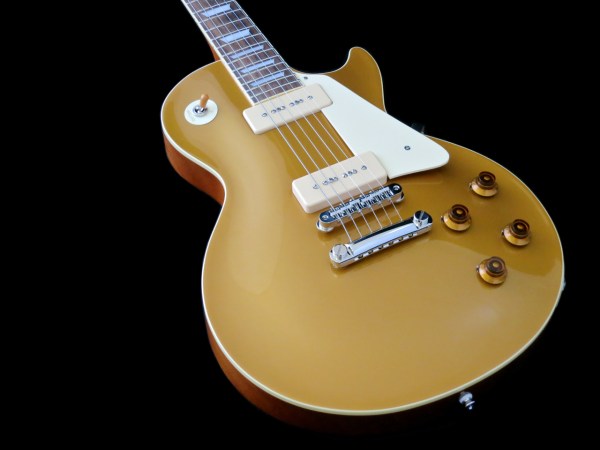
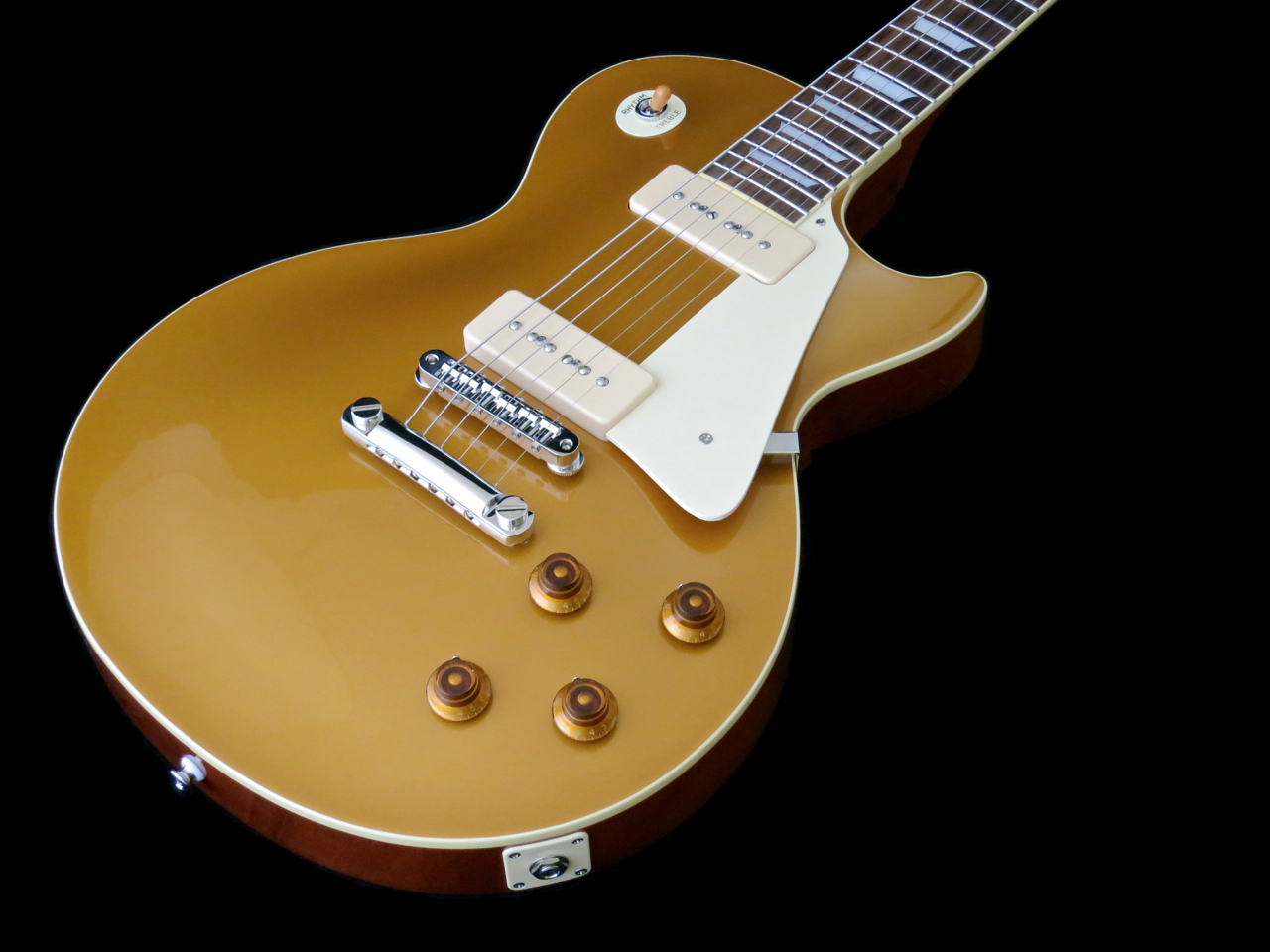
Japanilainen Tokai LS-98S on erittäin laadukas ja pikkutarkka uudelleenpainos vuoden 1956 Les Paul Standardista, siis mallista, joka tunnetaan nykyään nimellä LP Goldtop. LS-98S:een valitut puut ja komponentit ovat kauttaaltaan korkealaatuisia, ja työnjälki on erittäin huolellinen.
Kitaran yksiosainen mahonkikaula on liimattu mahonkirunkoon pitkällä sormella (long tenon). Soittimen reunalistoitettu kaareva kansi on vaahterasta, kun taas sen otelauta on aitoa intialaista ruusupuuta.

Toisin kuin vuoden 1958-60 LP Standardeissa, joilla on tavallisesti punaiseksi petsattuja runkoja ja kauloja, Goldtop-malleissa on miltei aina ”luonnollinen” viimeistely (= ruskea tasoite ja kiiltävä lakka sen päällä).

Tämän kitaran kaikki metalliosat on valittu Gotoh-malliston laadukkaammasta päästä.

LS-98S:n Tokai P-90 Mark II -mikrofoneissa on alnico-magneetteja. Alkuperäisen kaavan mukaan molemmat mikit on valmistettu täysin identtisillä spekseillä.

Laadukas kova laukku kuuluu LS-98S:n hintaan.
****

Testissä käynyt Tokai LSS-47C on todella kevyt ja erittäin mukava soitin.
Kaulaprofiili on suhteellisen matala, mutta pyöreä D, siis juuri sitä mitä Gibson-slangissa kutsutaan vuoden 1960 profiiliksi. Kun tähän lisätään vielä otelaudan 12 tuuman radius, testikitaran kiitettävä nauhatyö, sekä pro-luokan säädöt, lopputulos on erittäin vaivaton ja bendauksille suotuisa.
Vaikka kyseessä on verrattaen edullinen soitin, kuulostavat Tokain mikrofonit yllättävän hyviltä. Niissä on juuri oikea annos purevuutta, voimaa ja basson lämpöä, että ne pystyvät tyydyttämään P-90-soundin ystäviä. Kaula- ja tallamikin keskinäinen balanssi on myös todella hyvä.
****
Painonsa suhteen Tokai LS-98S on keskipainoisten kitaroiden tukevammasta päästä. Soittimen paino ei tässä vielä ole mielestäni ongelma, mutta tämän Tokain kyllä huomaa aina, kun se roikkuu hihnasta.
Työn laatu on yhdellä sanalla sanottu erinomainen. Se, että Tokain Goldtopin pyöreä C-kaulaprofiili maltillisella paksuudella on lähempänä vuoden 1959 LP Standardia, kuin hyvin paksua 1956 Goldtop -kaulaa, on varmasti enemmistölle vain hyvä asia.
Niin kuin monissa aidoissa, P-90-mikrofoneja käyttävissä LP Goldtopissa, myös Tokai LS-98S:n tapauksessa kaulamikrofoni soi selvästi kovemmalla kuin tallamikki. Tämä johtuu mikrofonien asennustavasta ja mikrofonikolojen syvyydestä – minkä takia kaulamikkiä ei pysty ruuvaamaan vielä syvemmälle runkoon – sekä siitä, että kaulamikrofonit sijaitsevat lähempänä kielten keskiväliä, jossa kielten liikerata on suurempi. Yleinen ratkaisu tähän Goldtop-ongelmaan/-ominaisuuteen on nostaa tallamikrofonin naparuuveja korkeammalle, sekä laittaa kaulumikin volume-säädin lukemaan 8,5.
Paksun vaahterakantensa ansiosta P-90-mikeillä varustettu Goldtop soi kirkkaammin kuin monet ehkä odottaisivat, etenkin tallamikin kautta. Tällä kitaralla kattaa laajan soundivalikoiman helposti ja suvereenisti, ja sopii lähes kaikkiin genreihin Jazzista ja Countrysta Bluesiin ja Rockiin.
****

LSS-47C ja LS-98S antavat vastauksen kysymykseen miksi Tokai on arvostetuin klassikkokopioiden valmistaja:
LSS-47C on hyvin edullinen versio legendaarisesta LP Specialista. Tämä soitin ei ehkä ole riittävän tarkka jäljennös useimmille vintage-faneille, mutta sen soitettavuus on vaivaton ja kitaran soundeissa on runsas annos mojoa.
LS-98S taas on pro-luokan uudelleenpainos vuoden 1956 LP Goldtopista. Tämä soitin on mainio osoitus japanilaisesta tarkkuudesta ja työnjäljestä – tämä on kerrassaan upea kitara erittäin kohtuulliseen hintaan.

****
Tokai Guitars LSS-47C + LS-98S
Tokai LSS-47 – 505 €
Tokai LS-98S – 1.276 € (kova laukku kuuluu hintaan)
Maahantuoja: Tokai Guitars Nordic/Musamaailma
****
LSS-47C – Plussat:
+ paino
+ nauhatyö
+ soundi
+ hinta-laatu-suhde
Miinukset:
– pieni epäsiisteys mikrofonikoloissa
****
LS-98S – Plussat:
+ työnjälki
+ viimeistely
+ soitettavuus
+ soundi
+ hinta-laatu-suhde

While some may question the ethics behind copying classic guitar models, the fact is that there definitely is a market for such instruments. This is underlined by the licensed copies and sub-brands many well-known companies produce. There’s Fender’s Squier, Gibson’s Epiphone, PRS Guitar’s SE range and Music Man’s Sterling by Music Man, to name just a few.
Some companies have even made a name for themselves as makers of copy guitars, such as Greco, Nash Guitars, Rock ’n’ Roll Relics and Maybach. Probably the best known name in this field is Tokai, who make both affordable copies, as well as handcrafted high-quality replicas.
This time we’ll have a look at two different P-90 models – the affordable Tokai LSS-47C (current price in Finland: 505 €) and a Japanese ”Goldtop”, the Tokai LS-98S (1,276 €; case incl.).
****
The Chinese Tokai LSS-47C could be seen as a ”best of” version of Gibson’s 1950s Les Paul Special. We find the general outline of a 1955-57 single-cut model, a yellow finish very reminiscent of the 1958-60 double-cut, combined with the pre-compensated bridge used on the follow up instrument, the SG Special.
The set neck has been made from hard rock maple, while the bound fingerboard is carbonised (dyed) jatoba. Jatoba is a South-American tree that is also called Brazilian Cherry, even though it actually belongs to the bean family of plants. Recently, Jatoba has seen wider use as a replacement for rosewood on many affordable and mid-priced guitars and basses.
The slab body has been crafted from mahogany.
While the machine heads are decent Kluson copies, the bridge is a lightweight lightning bar wrapover model, pre-compensated for modern string sets with a plain g-string.
The P-90 singlecoil pickups sit inside black soapbar covers. This is a modern set with reverse-wound/reverse-polarity pickups, which makes the middle setting hum-free.
My only small criticism would concern the slightly oversized and not super tidy pickup routs on the LSS-47C.
The passive controls comprise the classic Gibson set of a three-way toggle plus volume and tone controls for each pickup.
****
The Tokai LS-98S is a high-quality replica of a 1956 Les Paul Standard, called the LP Goldtop these days. The woods and components chosen for the LS-98S are top grade and the attention to detail is stunning.
We find a one-piece mahogany neck, glued into the mahogany body with a long tenon. The guitar’s carved top is maple, while the bound fretboard is made from rosewood.
In contrast to post-1957 LP Standards, which usually come with the neck and body back dyed with red filler, most Goldtops sport a ”natural” look (i.e. brown pore filler).
The machine heads, the stopbar tailpiece and the tuneomatic bridge all come from Gotoh’s professional grade range.
The P-90s on the LS-98S are alnico-powered Tokai P-90 Mark II units. True to vintage specs the guitar uses identical pickups in both positions.
The LS-98S come in its own high-quality case.
****
Our review sample of the Tokai LSS-47C is really light in weight and very comfortable to play.
The neck profile is a relatively thin D, or what Gibson fans would describe as a 60s profile. Combined with the 12-inch fretboard radius, the well-dressed frets and the excellent set-up, this makes the LSS-47C a really bend-friendly instrument.
Despite having a rather affordable pedigree, the pickups on this Tokai sound surprisingly good, offering the typical combination of grit, power and roundness so loved by P-90 fans. There is also a nice balance in output levels between the neck pickup and the bridge unit.
****
In terms of its weight, the Tokai LS-98S lies in the heavier side of medium. The weight isn’t really an issue per se, but you sure notice it whenever you have this Tokai strapped on.
The workmanship is simply flawless and leaves nothing to be desired. The neck profile is much closer to a late-59 LP neck than the clubby profile of a genuine 1956 Goldtop, meaning we’re dealing with a very comfortable, rounded C of medium depth.
As on many Gibson originals from the early to mid-Fifties, the Tokai LS-98S’ neck P-90 sounds a fair deal louder than its bridge pickup. This is due to the way the identical units are suspended inside the body – which means the neck pickup can’t be screwed quite far enough into the body – as well as the neck unit’s placement closer to the strings’ mid-point. You simply have to adjust the neck pickup’s volume control to 8.5 to even out the signal levels.
The thick maple top makes a P-90-equipped Les Paul-style guitar sound brighter than you’d probably expect, especially with the bridge pickup selected. This guitar can really take you from warm Jazz to spiky Country, and on to Blues and Rock sounds, without the slightest problem.
****
The LSS-47C and LS-98S give you a very good idea why Tokai is the top name in copy guitars:
The LSS-47C is a very reasonably priced version of a classic LP Special. It may not be ”vintage correct” in many of its details, but it plays and sounds very well, and gives you a lot of that classic flavour.
The LS-98S is a professional grade recreation of a 1956 LP Goldtop. Made with typical Japanese attention to detail, this is a stunning guitar at an extremely fair price.
****
Tokai Guitars LSS-47C + LS-98S
Tokai LSS-47 – 505 €
Tokai LS-98S – 1,276 € (case included)
Distributor: Tokai Guitars Nordic/Musamaailma
****
LSS-47C – Pros:
+ weight
+ fretwork
+ sound
+ value for money
Cons:
– pickup routs a little untidy
****
LS-98S – Pros:
+ workmanship
+ finish
+ playability
+ sound
+ value for money
• Made in China
• Body: Mahogany
• Neck: Maple Set-Neck
• Fingerboard: Carbonized Jatoba
• Frets: 22
• Bridge: LS-VBC Wraparound Tailpiece Bridge
• Pickups: 2 x P-90
• Electronics: 2x Volume, 2x Tone, 3-way Switch
• Inlays: Dots
• Pickguard: Three-Ply Black
• Bindings: Cream, Neck
• Headstock: Black with Logo Inlay & Gold Text
• Hardware Color: Chrome
• Color: Yellow (YW/C)
• Made in Japan
• Body: Mahogany
• Top: Maple
• Neck: One Piece Mahogany Set-Neck, Long Tenon
• Fingerboard: Rosewood
• Frets: 22
• Bridge: LS-VB, LS-VT Tailpiece
• Neck Pickup: P-90 MK2
• Bridge Pickup: P-90 MK2
• Electronics: 2x Volume, 2x Tone, 3-way Switch
• Inlays: Pearloid
• Pickguard: Cream
• Bindings: Cream, Body & Neck
• Headstock: Black with Logo Inlay & Gold Text
• Hardware Color: Chrome
• Color: Gold Top (GT)
• Case included
****
Guitar tracks – signal chain: Simble Overdrive -> Bluetone Shadows Jr -> Timbre Tones mic -> Focusrite Saffire 6 USB -> Garageband
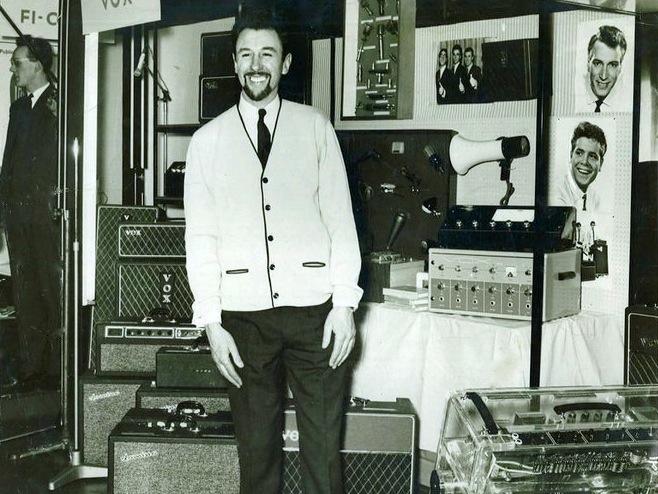
”Älä muuta mitään. AC30 on sinun lapsesi, ja sen tarina tulee jatkumaan ikuisesti!”
Näin sanoi Voxin alkuperäisen emoyhtiön, JMI:n, perustaja ja pomo Tom Jennings hänen pääsuunnittelijalle, Dick Denneylle (kuvassa), joskus 1960-luvulla.
Jo ennen kuin Marshall-vahvistimien tuotantoa edes suunniteltiin, Voxista oli jo tullut ensimmäinen brittivahvistimien legenda. Alkuperäistä Vox AC30:tä kehiteltiin vuonna 1959 The Shadows -yhtyeelle, AC15-mallin isommaksi versioksi. Hank Marvinilla ja Bruce Welchillä alkoi nimittäin tulla vaikeuksia saada kitaransoittoansa kuulumaan, koska bändin (ja Cliff Richardin) yleisöt ja keikkapaikat kasvoivat yhä nopeammin.
Vox AC30:n ensimmäinen versio oli yhdellä 12-tuumaisella kaiuttimella varustettu kombo. Kun The Beatles -yhtiön kitaristit alkoivat käyttää AC30:tä vahvistin oli jo kasvanut kahdella 12-tuumaisella varustetuksi versioksi, jota Vox kutsui ”Twiniksi”. John Lennon ja George Harrison olivat myös ensimmäisten joukossa saaneet kombon (silloin) uusimman version Top Boost -piirillä. Maailmaa järisyttävä Beatlemania oli Voxille parasta mahdollista mainontaa ikinä.
Voxin AC30 Twinistä Top Boostilla tuli Vox Amplificationin lippulaiva, joka on edelleen yksi maailman ikonisimpia kitaravahvistimia. Kiitos tästä kuuluu myös kaikille näille kitaristeille, kuten Brian May (Queen), Rory Gallagher, Lenny Kravitz ja U2:n The Edge, joille AC30 on ollut ja/tai on edelleen oman soundin kulmakivi.

Alkuperäisiä AC30-komboja (ja niiden uudelleenpainoksia) arvostellaan usein niiden koon ja painon vuoksi. Joillakin alkuperäisillä 60-luvun versioilla on myös taipumus kuumentua liikaa, vahvistimen uumenissa sijaitsevien putkien takia. Tämän lisäksi kaikki alkuperäiset AC30:t on rakennettu ilman master volume -säädintä, minkä vuoksi kombon omia särösoundeja saadaan tuotettua vain silloin, kun styrkkari pyörii (lähes) täysillä volyymillä.
Onneksi Voxin nykyisestä mallistosta löytyy monta eri nykyaikaisia ja virtaviivaistettua AC30-versioita.
Upouusi Vox AC30S1 (katuhinta noin 780 €) pakkaa AC30:n parhaita soundeja helppokäyttöiseen, master volumella -varustettuun ja helpommin kuljettavaan muotoon.
****
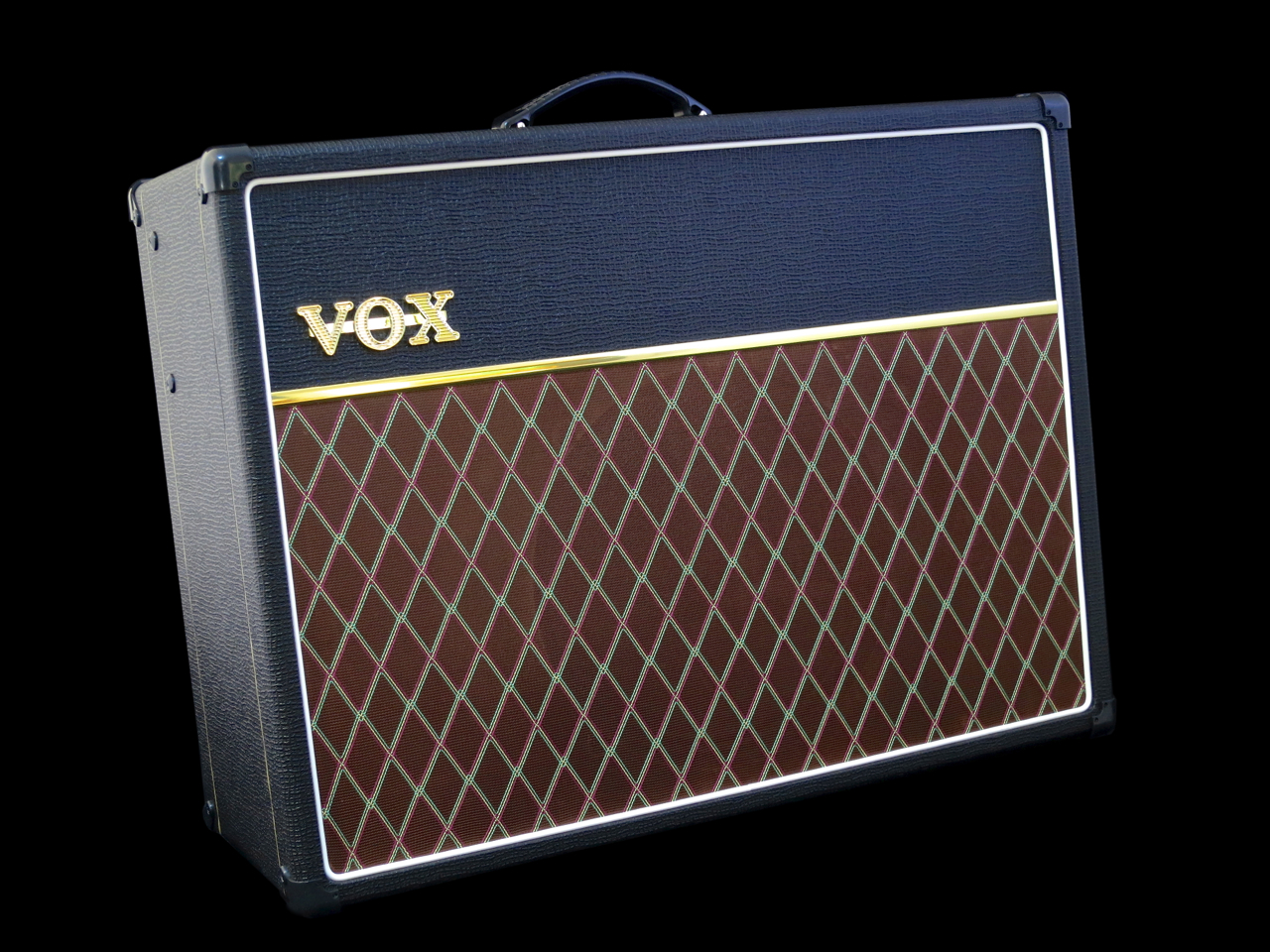
Uusi Vox AC30S1 on firman hyvin suositun kiinalaisen Custom-malliston uusin jäsen.
AC30 Single -kombolla on edelleen klassisen Voxin ulkonäkö, mutta yhdellä 12-tuumaisella varustetun uutukaisen kotelo on hieman perinteistä kapeampi. Tämä versio painaa ”vain” 24,5 kiloa, mikä on peräti yhdeksän kiloa vähemmän kuin Custom-sarjan AC30 Twin (AC30C2).

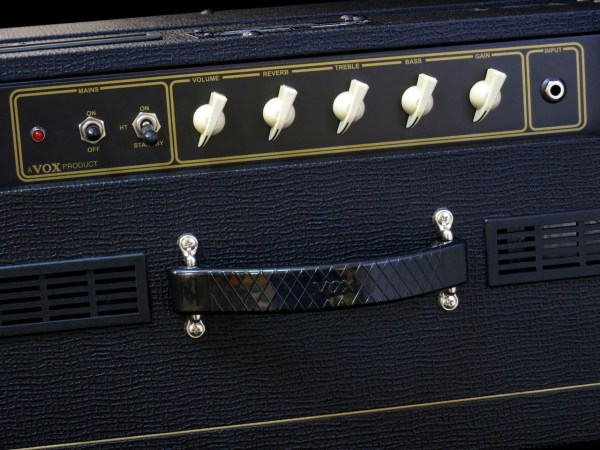
Uudessa kombossa on yksi kanava kaksikaistaisella EQ:lla, sekä master volume -säätimellä.
Tämän Voxin sisäinen kaiku on digitaalinen mallinnus perinteisestä jousikaiusta.
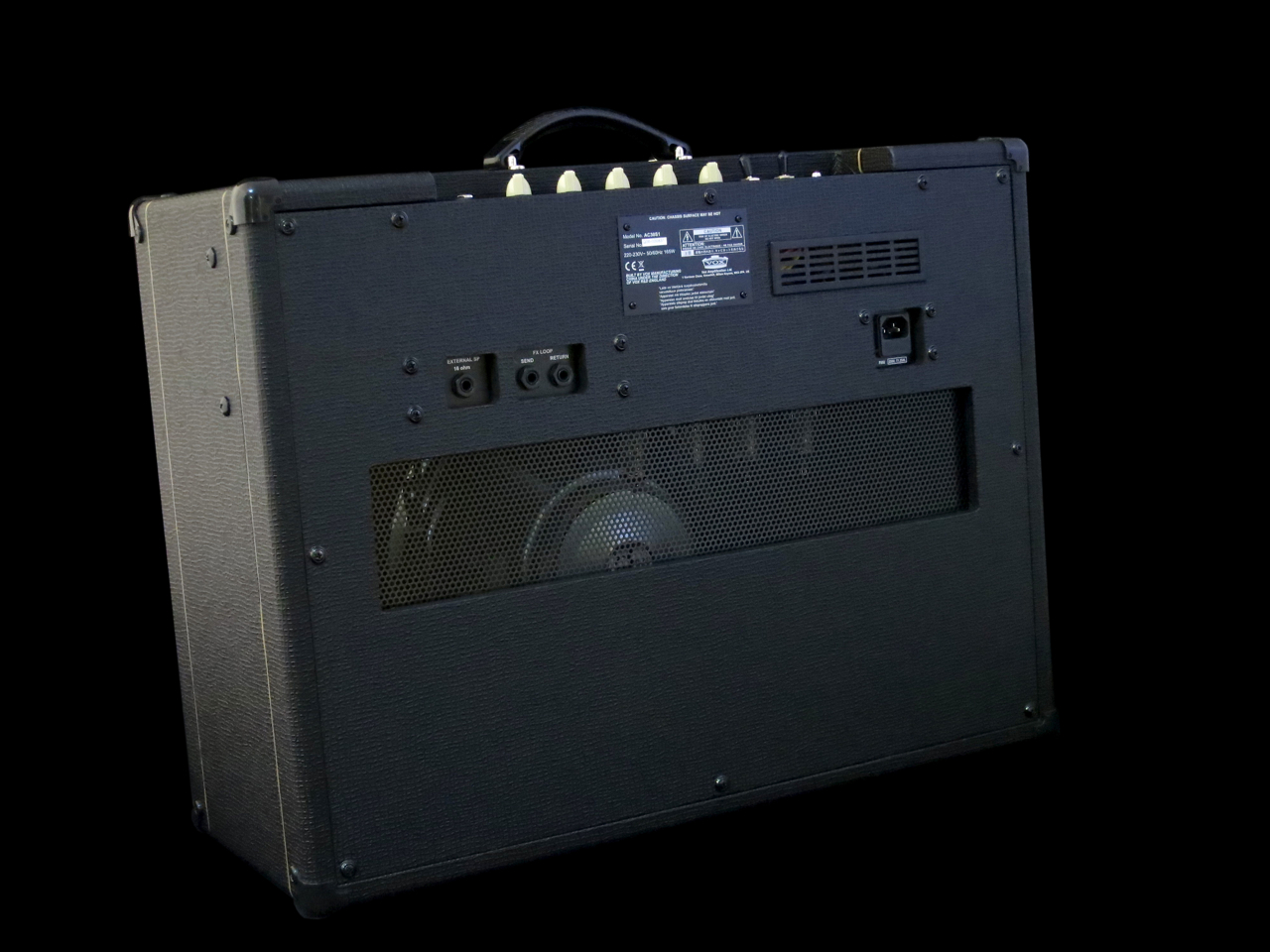
Ihan niin kuin 60-luvun esi-isällä, AC30S1:llä on puoliksi avoin takaseinä.
Vox Custom -sarjan vahvistimet on suunniteltu nykypäivän sähköturvallisuusmääräyksien mukaisiksi. AC30S1:n tapauksessa tämä näkyy esimerkiksi helposti vaihdettavissa ja hyvin tuuletetuissa vahvistinputkissa, metallisessa turvaverkossa (joka estää suoran pääsyn kuumiin putkiin), sekä irrotettavalla sähköjohdolla IEC-liittimellä.
AC30S1:n etuvahvistin käyttää kahta 12AX7-putkea, kun taas päätevahvistimessa pyörii peräti neljä EL84-putkea.
Kombon kaiutin on 12-tuumainen Celestion VX, joka on suunniteltu varta vasten tälle vahvistimelle.
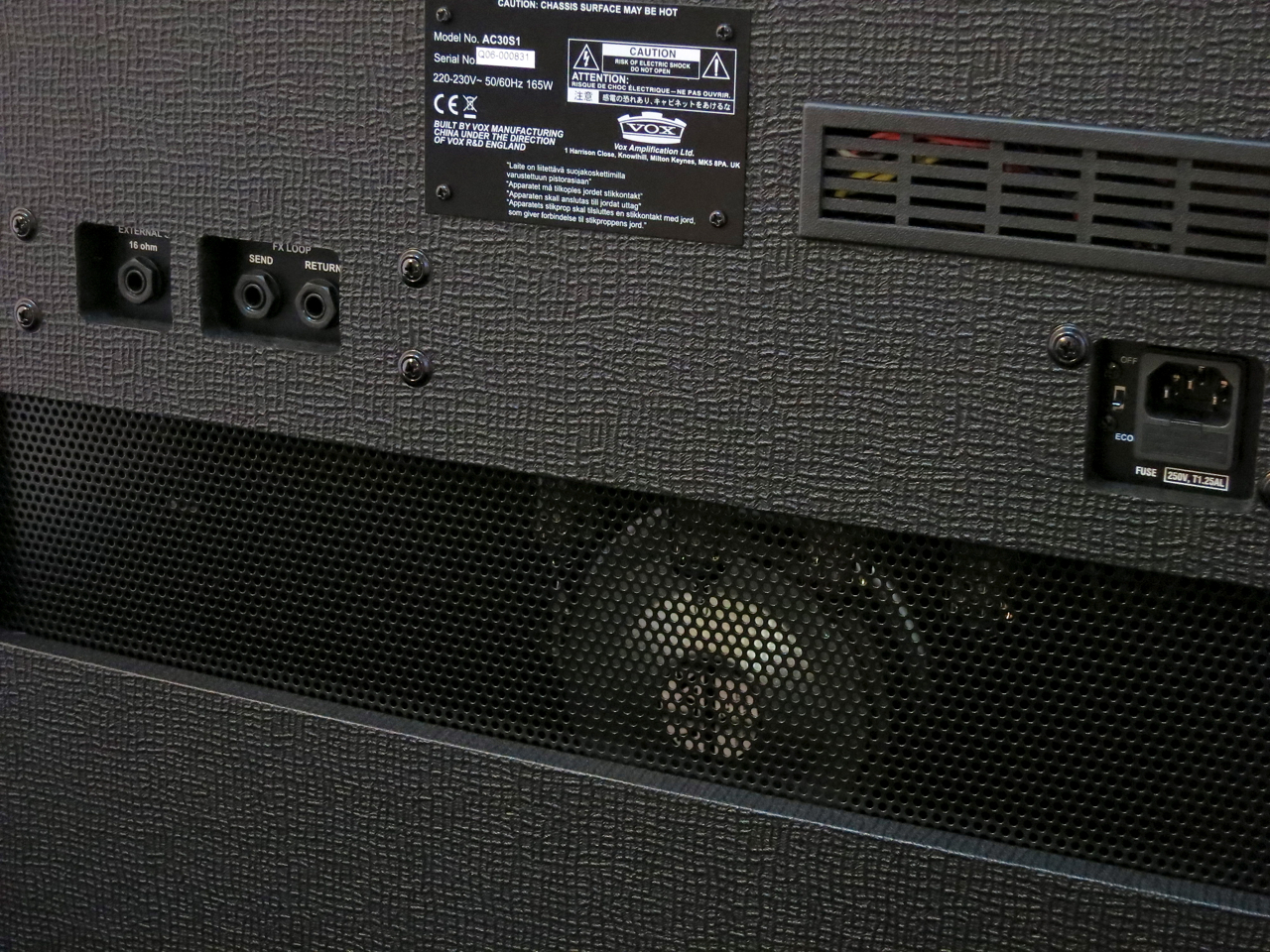
Takapaneelista löytyy lähtö lisäkaiuttimelle (16 Ω), sekä efektilenkin liittimiä.
AC30S1:n EU-versioihin on lisätty myös Eco-ominaisuus, joka laittaa kombon omatoimisesti pois päältä kahden tunnin tyhjäkäynnin jälkeen.
****

Upouusi Vox AC30S1 on selkeästi helpompi nostaa ja kuljettaa kuin perinteiset Twin-versiot, mikä on varmasti hyvä uutinen meille kaikille.
Nyt seuraa pieni varoitus:
Vaikka Voxin mainoskuvissa uutta AC30 Singleä esitellään monissa olohuone-tyylisissä tilanteissa, tämä kombo ei mielestäni ole oikea valinta olohuonekäyttöön. Vaikka tässä on kyseessä ”vain” yhdellä 12-tuumaisella kaiuttimella varustettu styrkkari, AC30S1:llä ei ole minkäänlaisia ongelmia tarjota henkeäsalpaavia volyymitasoja. Totta, tässä on master volume -säädin, mutta sen toiminta on – ainakin testiyksilössä – epätasainen juuri potikan alkumetreillä, jossa hypätään hiljaisuudesta lähes suoraan noin 30 prosentin teholle. Tämä vahvistin ei kuulu kerrostaloon tai olohuoneeseen, vaan se haluaa isoon studioon tai Rock-klubin lavalle.
Vaikka uutukaisen toimintasäde on hieman Twin-versiota kapeampi (koska kotelosta löytyy vain yksi kaiutin), Vox AC30S1:n soundit ovat kuitenkin täynnä ehtaa AC30-magiaa. Niin kuin AC30:ssä yleensä, puhdasta headroomia ei ole tarjolla niin runsaasti kuin esimerkiksi Blackface-tyylisissä Fendereissä. AC30:n juju on juuri sen tasaisesti kasvavassa reunasärössä, joka lähtee liikkeelle jo kohtuullisen pienellä gainella, sekä crunch-särön tiheydessä ja purevuudessa.
Tästä pätkästä saa hyvän idean AC30S1:n soundimaailmasta. Gain on säädetty täysille ja vahvistimen säröä ohjataan Fender Stratocasterin volume-säätimellä:
AC30S1:n digitaalisesti mallinnettu jousikaiku kuulostaa erinomaiselta – tämä on ehkä paras putkivahvistimen sisäinen digikaiku pitkään aikaan:
Demobiisissä soitan pätkiä neljästä Vox AC30:llä soitetuista klassikkobiiseistä – ”Wonderful Land” (The Shadows), ”I Feel Fine” (The Beatles), ”We Will Rock You” (Queen), sekä ”Pride (In The Name Of Love)” (U2).
• Wonderful Land – Fender Stratocaster
• I Feel Fine – Fender Stratocaster, Fender Telecaster, Epiphone Casino, Tanglewood TW28-CSN (magneettisella Seymour Duncan SA-1 -mikrofonilla)
• We Will Rock You – Fender Stratocaster
• Pride (In The Name Of Love) – Fender Telecaster & Stratocaster
Mikrofonit: AKG C3000 & Shure SM57
Delay-efektejä on lisätty miksausvaiheessa:
****
Minun mielestäni uusi Vox AC30S1 on erinomainen lisäys firman AC30-valikoimaan. Uusi Single-versio tarjoaa miltei kaikkia klassisia Vox-soundeja hieman kompaktimmassa koossa.
****
Katuhinta noin 780 €
Maahantuoja: EM Nordic
Kiitos DLX Musiikille testivahvistimen lainasta!
****
Plussat:
+ paino
+ laadukas digikaiku
+ efektilenkki
+ soundi
+ kovaääninen
Miinukset:
– master volume -potikan jyrkkyys
– kovaääninen
”Keep it as it is. The AC30 is your baby, and it will go on forever!”
These prophetic words were spoken by Tom Jennings, the founder and head of Vox’ original parent company JMI, in the mid-1960s to his chief designer Dick Denney (pictured above).
Well before Marshall Amps arrived on the scene, Vox became the UK’s first legendary guitar amplifier brand. The original Vox AC30 was developed in 1959 as a larger version of the AC15 for the group The Shadows. Hank Marvin and Bruce Welch started having problems getting themselves heard over the ever-growing crowds they were drawing at ever-larger venues.
The first version of the Vox AC30 was a combo equipped with a single 12-inch speaker, but by the time the Beatles arrived on the scene the amp had evolved into what Vox called a ”Twin amplifier”, meaning a combo with a pair of 12-inch speakers. The Beatles were also the first band to receive AC30s with the company’s (then) new Top Boost -circuit. Vox couldn’t have dreamt up a more potent way of promoting their products than Beatlemania.
The AC30 Twin with Top Boost became Vox Amplification’s flagship product, which still stands today as one of the most iconic guitar amplifiers of all time. This is thanks in no small part to the great guitarists, such as Brian May (Queen), Rory Gallagher, Lenny Kravitz and U2’s The Edge, who made the combo a vital ingredient of their respective signature sounds.
Vintage AC30s (and faithful reissues) are often criticised for being quite large and heavy. Some 1960s examples also seem to have a tendency for overheating, due to the valve layout inside the chassis. Original AC30s also are non-master volume designs, which means that break-up and crunch sounds can only be had close to full volume levels.
Luckily, Vox’ line-up also includes more modern and streamlined AC30-versions.
The brand-new Vox AC30S1 (current Finnish street price around 780 €) takes everything that is great about the AC30, and puts it into a streamlined, master volume-equipped, and much more portable single speaker combo.
****
The new Vox AC30S1 is part of the company’s very successful Chinese-made Custom range.
The AC30 Single keeps the classic Vox look, but comes in a narrower cabinet. At 24.5 kg the newcomer weighs a good nine kilos less that the Custom Series AC30 Twin (AC30C2).
The new combo offers a single amp channel with a two-band EQ-section and a master volume knob.
The built-in reverb is digital, and modelled after a classic spring reverb.
Just like the classic Sixties design the AC30S1 also sports a half-open back.
Vox’ Custom Series amps have been redesigned and updated to comply with all necessary safety regulations for modern tube amplifiers. In the AC30S1’s case this means well-ventilated valves that are easy to access, a safety grill to prevent anybody from touching piping hot tubes, and a detachable IEC mains cord.
The AC30S1 uses a pair of 12AX7 valves for the preamp section, as well as four EL84s in the power amp.
The speaker is a 12-inch Celestion VX model, designed specifically for use in this combo.
The back panel offers an additional speaker output (16 ohms) and an effects loop.
EU-versions of the AC30S1 also come with a switchable Eco-function, which will turn the amp off automatically when left running unplayed for two hours.
****
The brand-new AC30S1 is noticeably easier to lift and carry than any of the regular Twin versions, which is great news for virtually any of us.
A word of warning first:
Despite Vox’ promo pictures showing the new AC30 Single in different living room set-ups, this isn’t really a combo for noodling on the couch. Despite being a single 12-inch speaker combo, the AC30S1 has no problem whatsoever in dishing out ear-shattering sound pressure levels. Yes, there is a master volume knob, but – at least on our review sample – the pot’s taper isn’t especially even, instead jumping rather abruptly from ”off” to something like 30 percent power. This combo doesn’t belong in a block of flats or in a sitting room, this amp belongs in a full-blown studio or on a club stage.
Despite the inevitably narrower throw of a single speaker (compared to a twin speaker set-up) the sounds gleaned from the Vox AC30S1 are pure AC30 magic. Typically, clean headroom isn’t available in Fender Blackface-style amounts. An AC30’s sound is defined by the smooth and steady break-up at comparatively moderate gain levels, and by the bite and density of its crunchy distortion.
Here’s an example of the range of textures you can get from the AC30S1 with its gain at full, while using a Stratocaster’s volume control:
The AC30S1’s digitally modelled spring reverb sounds terrific; probably the best onboard digital spring reverb I’ve heard in a long time:
The demo track features my covers of four classic Vox AC30 tracks – ”Wonderful Land” (The Shadows), ”I Feel Fine” (The Beatles), ”We Will Rock You” (Queen), and ”Pride (In The Name Of Love)” (U2).
• Wonderful Land – Fender Stratocaster
• I Feel Fine – Fender Stratocaster, Fender Telecaster, Epiphone Casino, Tanglewood TW28-CSN (with Seymour Duncan SA-1 pickup)
• We Will Rock You – Fender Stratocaster
• Pride (In The Name Of Love) – Fender Telecaster & Stratocaster
Microphones used: AKG C3000 & Shure SM57
Any delays were added during mixing:
****
In my view the new Vox AC30S1 is an excellent addition to the company’s AC30 range. This combo gives you virtually all of the classic Vox tones, but with far less bulk.
****
Street price in Finland approx. 780 €
Distributor: EM Nordic
Thanks to DLX Music Helsinki for the loan of the review amp!
****
Pros:
+ lesser weight
+ high-quality spring-style digital reverb
+ effects loop
+ sound
+ high volume levels
Cons:
– master volume taper
– high volume levels
• Single-channel design inspired by the AC30’s trademark Top Boost
• All tube design featuring two 12AX7 pre-amp tubes and four EL84 power-amp tubes
• Equipped with a single Celestion-made 12-inch speaker, specially voiced for the AC30S1
• Effects send/return and external speaker output are provided for pairing with pedals or external cabinets
• Equipped with digital reverb that simulates a classic spring reverb
****
The demo track features my covers of four classic Vox AC30 tracks – ”Wonderful Land” (The Shadows), ”I Feel Fine” (The Beatles), ”We Will Rock You” (Queen), and ”Pride (In The Name Of Love)” (U2).
• Wonderful Land – Fender Stratocaster
• I Feel Fine – Fender Stratocaster, Fender Telecaster, Epiphone Casino, Tanglewood TW28-CSN (with Seymour Duncan SA-1 pickup)
• We Will Rock You – Fender Stratocaster
• Pride (In The Name Of Love) – Fender Telecaster & Stratocaster
Mics used: AKG C3000 & Shure SM57
Delays added during mixing.