Review: Amfisound Raudus Bass

Amfisound Guitars is a small company from the northern Finnish town of Oulu. Run by two master luthiers, Amfisound offers a surprisingly wide variety of different guitar and bass models, as well doing a lot of customising and repair jobs. Kitarablogi visited Amfisound’s workshop late last year – read all about it HERE.

Amfisound have introduced a new bass model recently, called the Raudus Bass, which is the subject of this review.

****

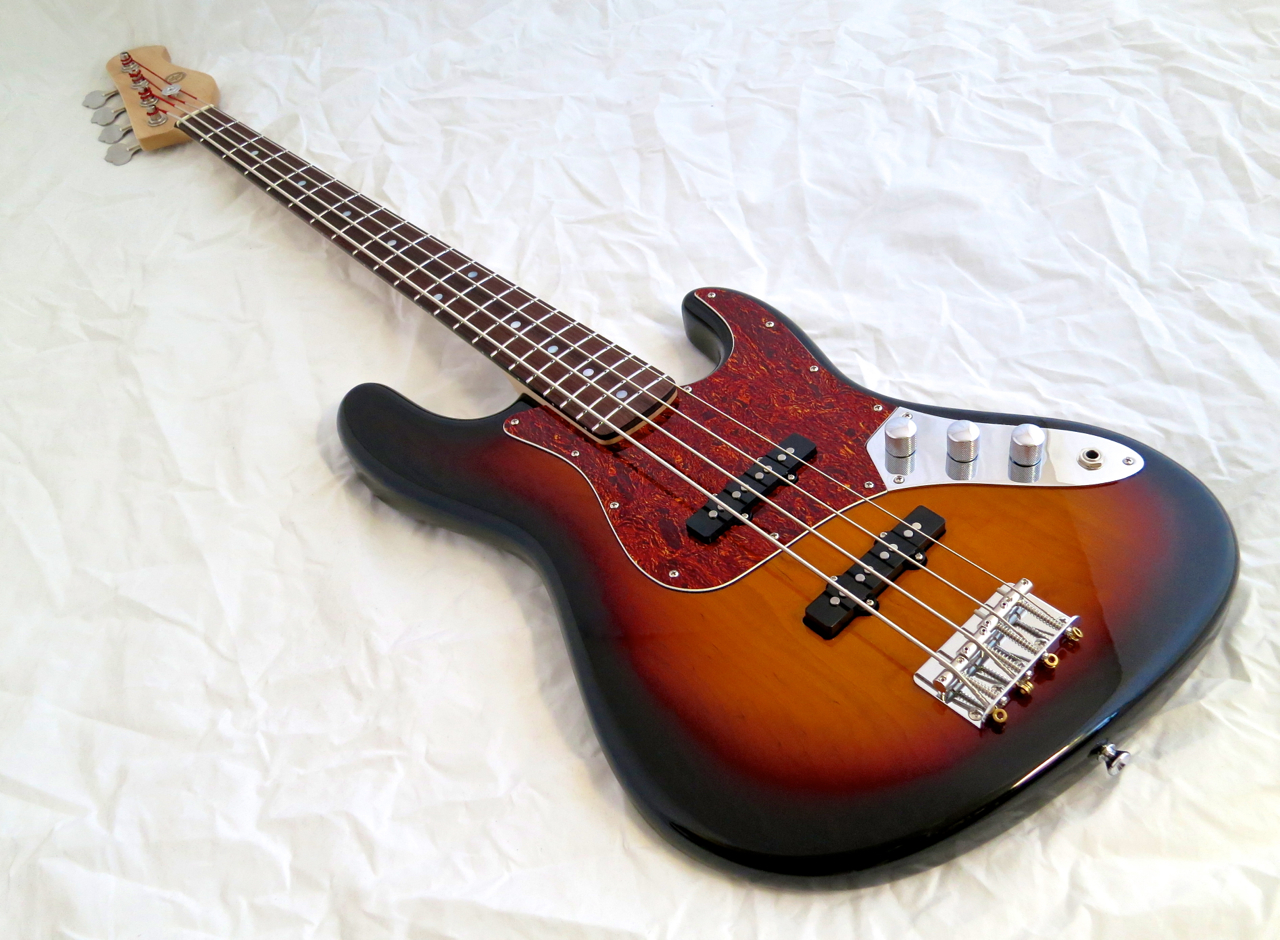
Amfisound Raudus Bass – full front

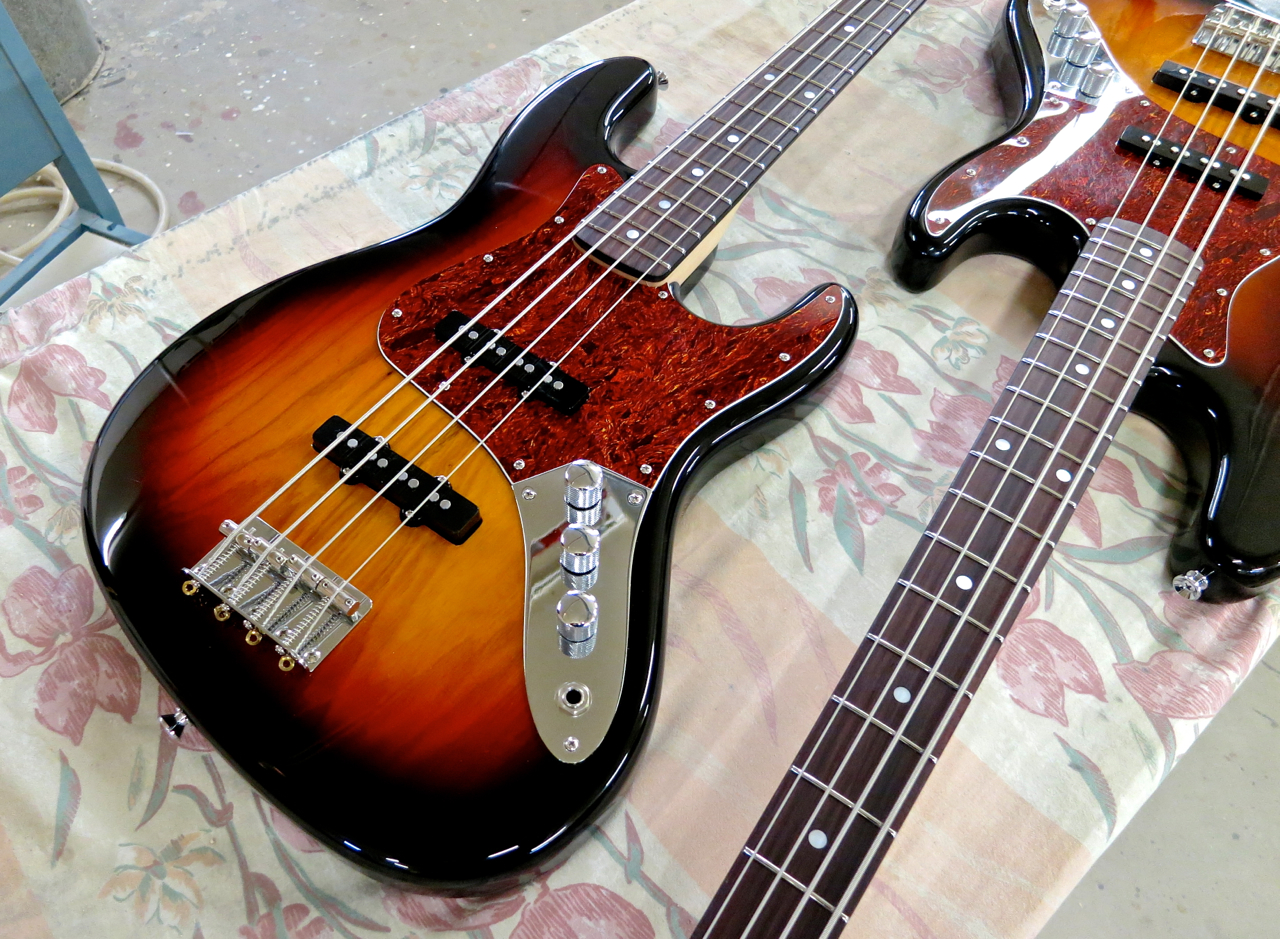
The Amfisound Raudus Bass (prices for EU-customers starting from 2,520 €) clearly takes its inspiration from Fender’s classic Jazz Bass, but this new Finnish (passive) bass offers a number of modern updates and improvements. The easiest things to notice on first sight are probably the added 21st fret and the much deeper cutaway.

Amfisound Raudus Bass – full back

The Raudus sports a body made from Finnish alder and a bolt-on maple neck.

The neck comes finished in a very thin satin lacquer, while the body is gloss finished in a glorious tri-colour sunburst.

Amfisound Raudus Bass – headstock

Our review sample of the Amfisound Raudus features two differences to the basic model – different tuning machines and different pickups.

Amfisound Raudus Bass – tuners

This Raudus comes equipped with a set of Hipshot’s UltraLite tuners (additional charge: 50 €), which are built from aircraft-grade aluminium. The UltraLite machines work extremely smoothly and precisely, and they efficiently cut down on surplus headstock weight, which is a good thing on such a traditionally-inspired long scale bass, such as the Raudus.

The two-way truss rod is accessed from the headstock side of the neck.

Amfisound Raudus Bass – fretboard

The outstanding standard of workmanship displayed in the Raudus-model’s fretwork, is but one of many points bearing clear testament to the world-class standard of Finnish luthiery! This is genuine custom shop quality.

The fretboard is made of Indian rosewood, and it’s sporting 21 medium-jumbo sized frets.
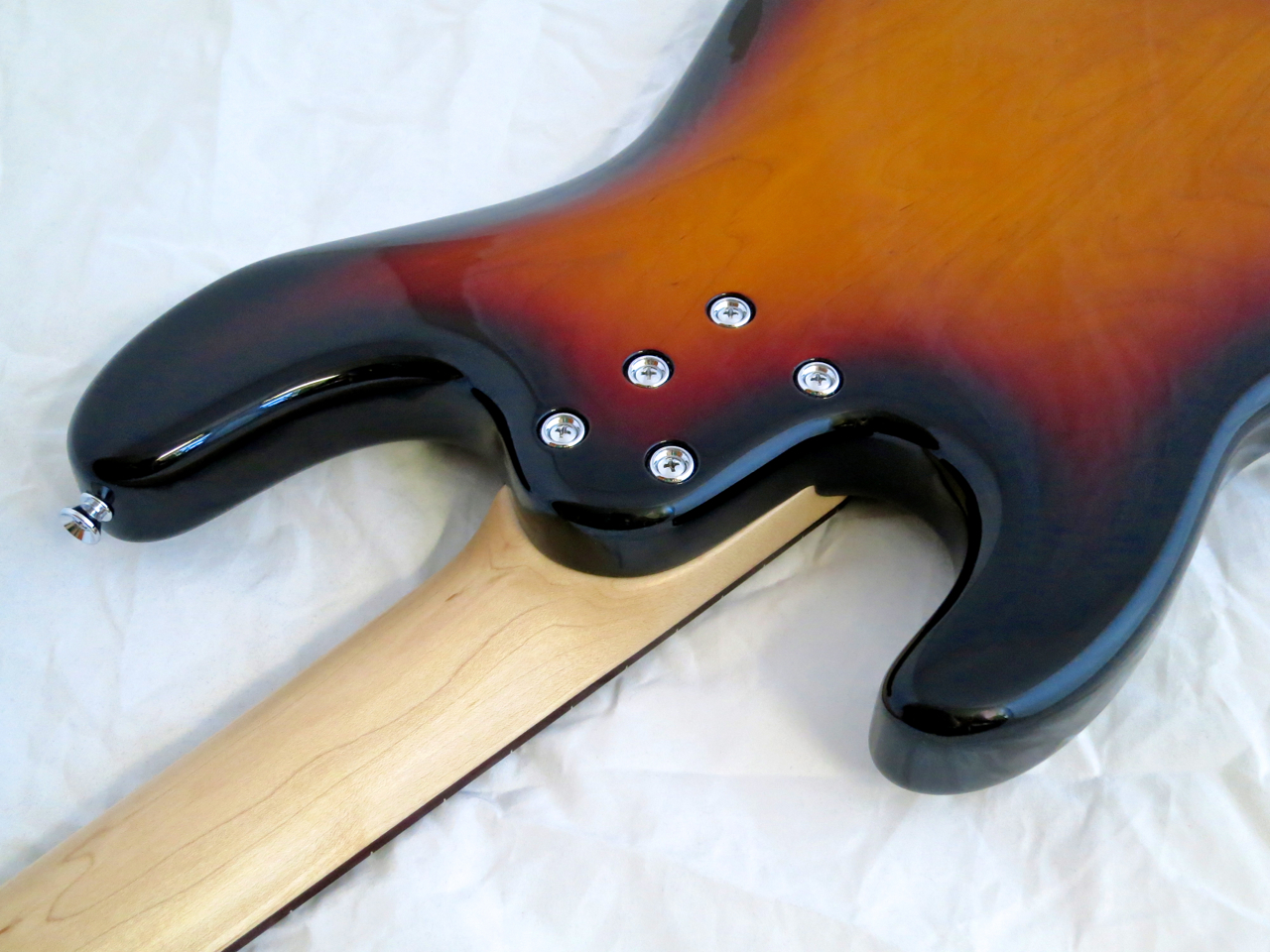
Amfisound Raudus Bass – neck joint

Amfisound’s rounded body heel makes excursions to the dusty end of the neck very comfortable, indeed.

Amfisound Raudus Bass – bridge

The bridge is a quality copy of the original, late-Sixties Fender bridge – if it ain’t broken, don’t fix it.
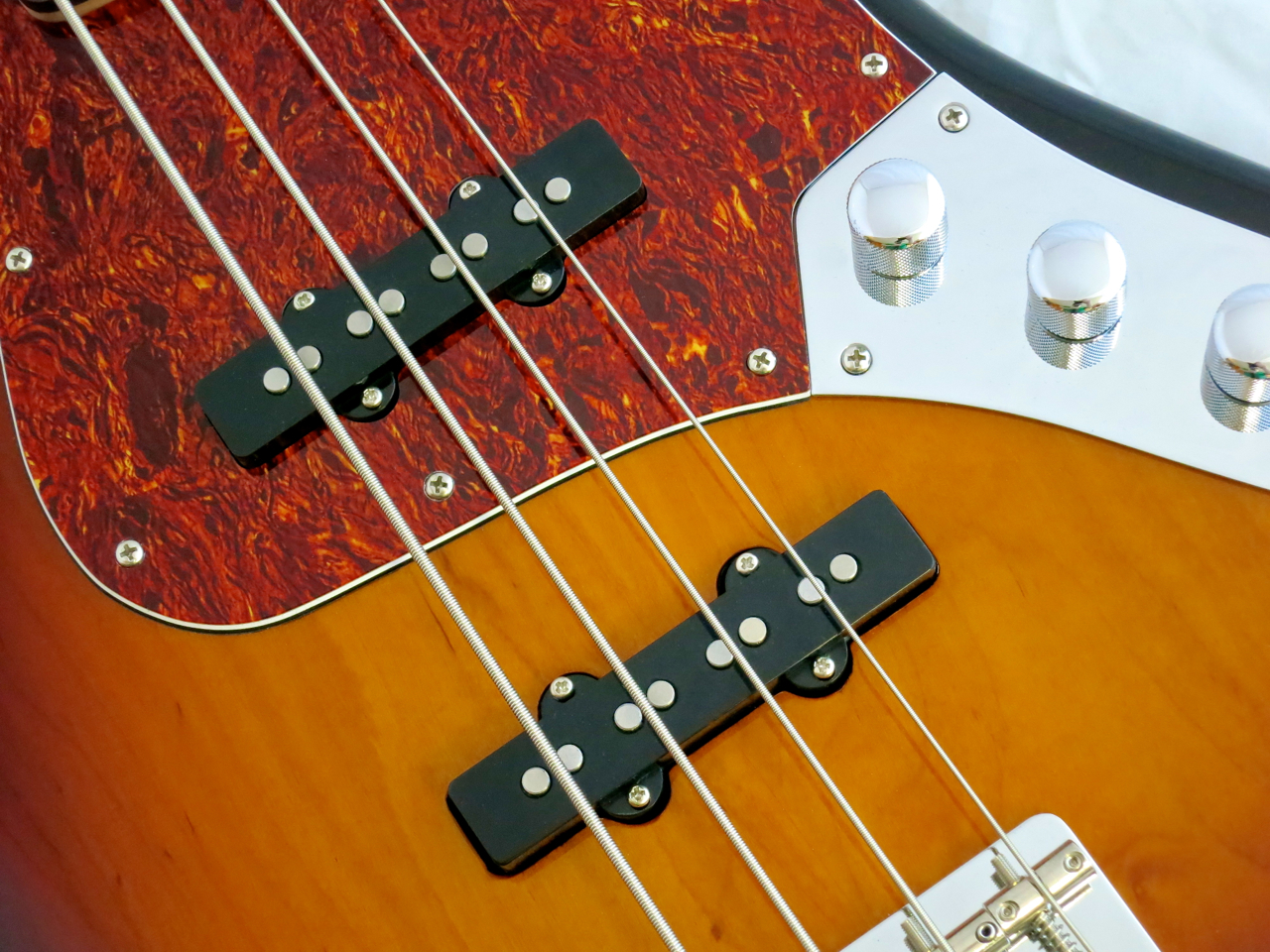
Amfisound Raudus Bass – pickups

The review sample comes with a set of Jarno Salo Pickups from Finland. The basic version uses Swedish Lundgrens.

Amfisound Raudus Bass – controls

This instrument offers you Jazz Bass-type controls – separate volume-knobs for each pickup, plus a master tone-control.

Amfisound Raudus Bass – electronics

Amfisound’s workmanship is spot-on and very crisp – even under the hood.
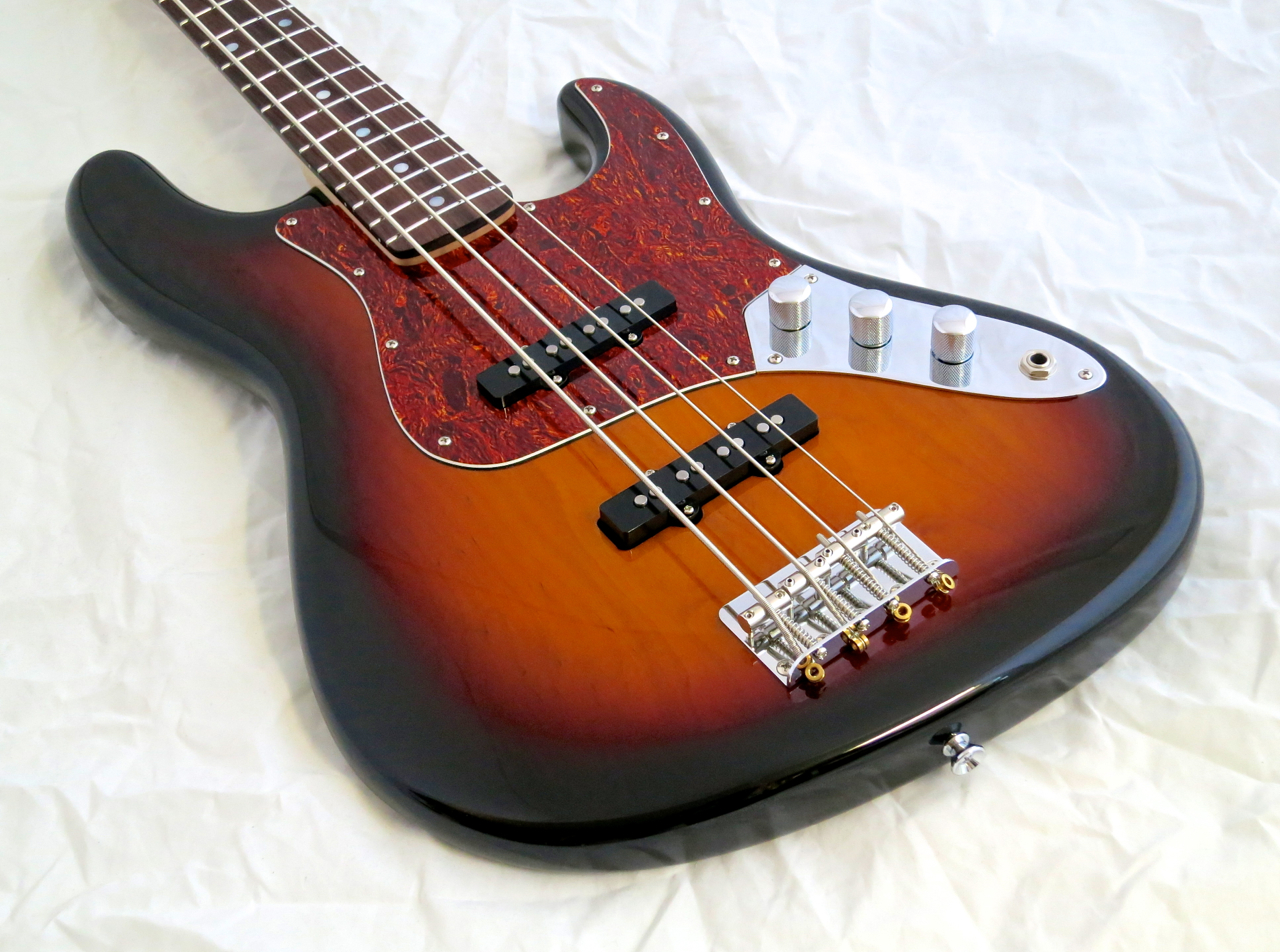
Amfisound Raudus Bass – body beauty 2

The list of available custom options from Amfisound is very long, and includes (in the Raudus-model’s case) an ash body, different bridges and/or tuners, as well as active Glockenklang-electronics (among other things). For more detailed information you should contact Amfisound’s Tomi or Sampo.

There’s also a five-string Raudus on offer, which is built with a longer scale of 35 inches.

****

Amfisound Raudus Bass – beauty shot 1

Amfisound’s Raudus Bass is a real corker of an instrument, with its sound and playability second to none.

The flatter-than-vintage fingerboard radius (9.5″) gives the slender neck a suitably modern playing feel. Thanks to Amfisound’s exemplary fretwork, our review sample’s low action (E: 2.0 mm/g: 1.6 mm) was completely free of annoying fret buzz or string rattle.

I’m a devoted Jazz Bass-fan, which made me feel right at home playing the Raudus. Yes, it’s true that the Amfisound offers much better top fret access, but overall this new bass feels like a dear old friend.

And this bass’ sound is outstanding, too, dishing out oodles of classic, Jazz Bass-style tones.

Jarno Salo’s excellent pickups are singlecoil designs, with the bridge pickup being reverse-wound and reverse-polarity in relation to the neck unit. This means that using both pickups together gets rid of any possible electromagnetic hum and buzz (from transformers, lighting or displays).

In terms of sound, these Salo-pickups really give you all those classic tones you’d expect from a bass such as this.

Listen to these three audio clips. Each clip has the neck pickup first, followed by both pickups on, and the bridge pickup going last:
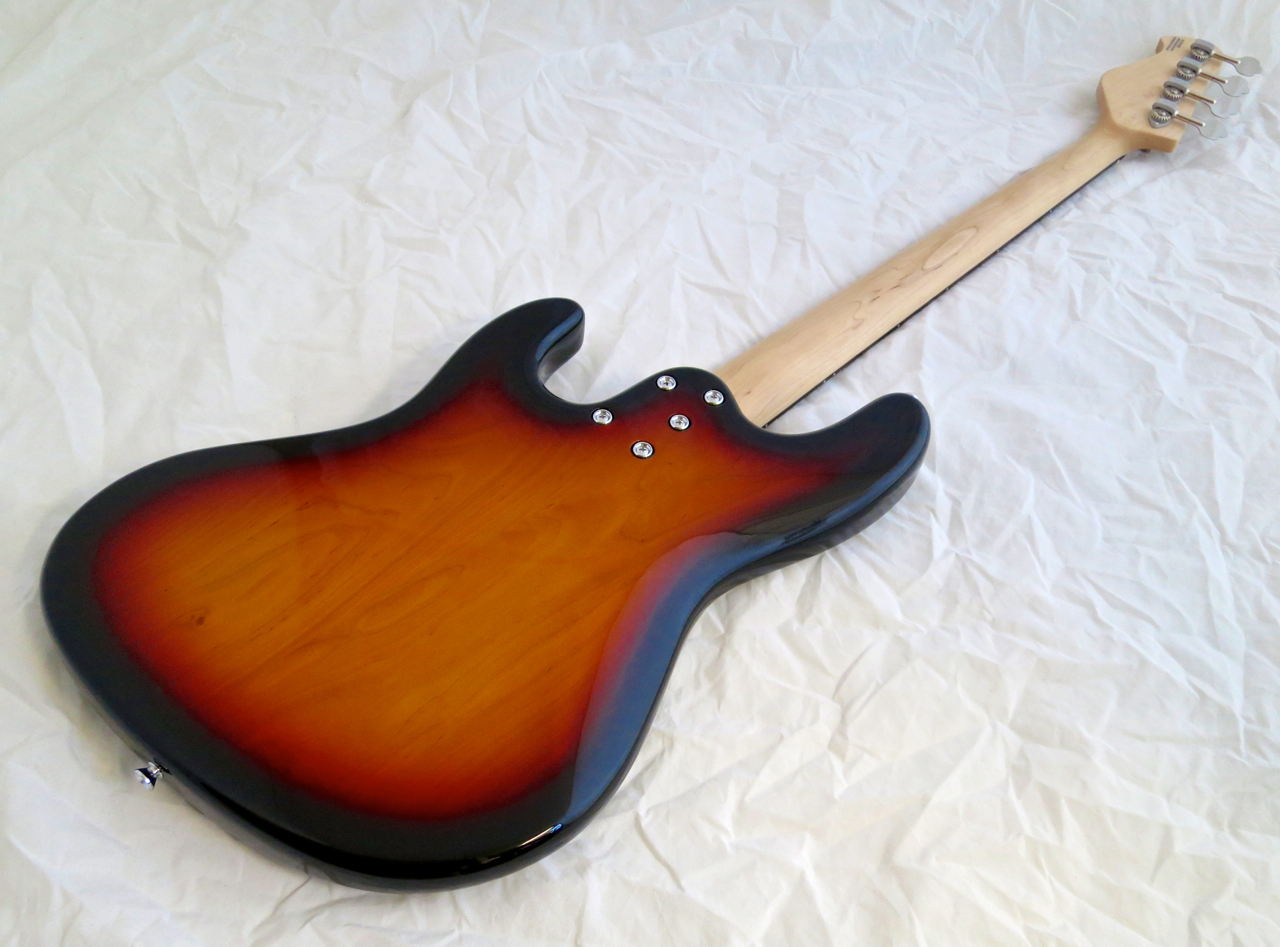
Amfisound Raudus Bass – back beauty 1

****

Amfisound Raudus Bass – beauty shot 2

The Amfisound Raudus Bass is a very fine example Finnish luthiery, there’s no two ways about this. Finns must be very lucky to find such fine instruments right at their doorstep!

****

Amfisound Guitars Raudus Bass

Prices starting from 2,520 € (EU-customers) & 2,032 € (outside the EU)

Hard case included.

Contact: Amfisound Guitars

****

Pros:

+ Made in Finland

+ handmade 

+ workmanship

+ playability

+ sound

Testipenkissä: Amfisound Raudus Bass
Amfisound Guitars on kahden soitinrakentajamestarin yhdessä vetämä soitinpaja Oulun Haukiputaalta, joka tarjoaa erittäin laajan valikoiman omia soitinmalleja, sekä kattavat korjaus- ja kustomointipalvelut. Löydät Kitarablogi-jutun viime talven Amfisound-vierailusta TÄÄLTÄ.
Amfisoundilta on hiljattain ilmestynyt uusi bassomalli nimeltään Raudus Bass, jota on saatu nyt testiin.

****

Amfisound Raudus Bass – full front

Amfisound Raudus Bass -mallin (hinnat alkaen 2.520 €) lähtökohtana on nähtävästi toiminut Fenderin Jazz-basso, mutta tämä uusi suomalainen passiivibasso tarjoaa monia nykyaikaisia päivityksiä, joita on esikuvasta turha hakea. Helpoiten havaittavissa ovat varmaan rungon huomattavasti syvempi soololovi ja otelautaan lisätty 21. nauha.

Amfisound Raudus Bass – full back

Raudus-basson runko veistetään suomalaisesta lepästä ja sen kaula on vaahteraa.

Kaulaa viimeistellään ohuella, mattapintaisella lakkauksella, kun taas runko komeilee kiiltävässä, kolmivärisessä sunburstissaan.

Amfisound Raudus Bass – headstock

Testattu Amfisound Raudus on hyvin lähellä mallin perusversiota, lukuun ottamatta testisoittimen virittimet ja mikrofonit.

Amfisound Raudus Bass – tuners
Tähän Raudukseen on asennettu – maksullisena optiona (50 €) – Hipshotin höyhenenkevyet UltraLite-virittimet, joita valmistetaan lentokoneiden valmistuksessa käytetystä alumiinista. UltraLite-virittimet toimivat erittäin tarkasti, ja ne parantavat (alhaisen painonsa ansiosta) ergonomisesti rakennetun Raudus-mallin tasapainoa vielä entisestään.

Basson kaksisuuntaista kaularautaa säädetään kätevästi lavan puolelta.

Amfisound Raudus Bass – fretboard

Tämän Amfisoundi-soittimen esimerkillinen nauhatyö on vain yksi Rauduksen lukuisista kohdista, jotka kielivät suomalaisen soitinrakennustaidon huimasta tasosta! Tällaiseen laatuun massatuotetut soittimet yksinkertaisesti eivät yllä.

Otelauta on intialaista ruusupuuta, ja nauhojen koko on medium-jumbo.

Amfisound Raudus Bass – neck joint

Amfisoundin sulavaa ruuviliitosta käytetään luonnollisesti myös firman uudessa Raudus-bassossa.

Amfisound Raudus Bass – bridge

Fenderin alun perin kehittämä bassotalla on monien mielestä yhä se paras vaihtoehto.

Amfisound Raudus Bass – pickups

Testisoittimeen on asennettu suomalaiset Jarno Salo Pickups -mikrofonit. Perusversiossa löytyy ruotsalaisia Lundgren-mikkejä.

Amfisound Raudus Bass – controls

Säätimet toimivat Jazz-bassosta tutulla tavalla – kummallekin mikrofonille on oma volume-säädin, ja niiden lisäksi löytyy yhteinen master tone.

Amfisound Raudus Bass – electronics

Amfisoundin erittäin laadukas ja siisti työ on nähtävissä myös elektroniikkalokeron kannen alta.

Amfisound Raudus Bass – body beauty 2

Amfisoundin mahdollisien custom-optioiden lista on erittäin pitkä, ja se tarjoaa Raudus Bass -mallin tapauksessa mm. saarnirunkoa, erilaisia talla- ja viritinratkaisuja, tai vaikkapa aktiivista Glockenklang-elektroniikkaa. Tarkempia tietoja optioista ja niiden hinnoista saa ottamalla yhteyttä suoraan Amfisoundin Tomiin tai Sampoon.

Raudus-basso on myös saatavilla viisikielisenä versiona pidemmällä 35-tuumaisella mensuurilla.

****

Amfisound Raudus Bass – beauty shot 1

Amfisoundin Raudus on kyllä upea ja kevyt soitin, jossa soitettavuus ja soundi ovat mielestäni prikulleen kohdallaan.

Otelaudan hieman vintagea loivempi radius (9,5 tuumaa) antaa solakalle kaulalle sopivasti nykyaikaista tuntumaa. Amfisoundin esimerkillinen nauhatyö mahdollisti testibassossa hyvin matalan kielenkorkeuden (E: 2,0 mm/g: 1,6 mm) ilman minkäänlaista räminää.

Koska olen vanha Jazz-basson fani, Raudus tuntui heti ensikättelyssä vanhalta ystävältä. Totta, ylimpiin nauhoihin pääsee Amfisoundilla alkuperäistä paremmin, mutta muuten ergonomia ja soittimen tuntuma on hyvin lähellä vanhaa klassikkoa.

Eikä Raudus jätä soundiltaan lainkaan toivomisen varaa, vaan tarjolla on erittäin maukas kattaus erilaisia klassikkosoundeja.

Alkuperäisten tavalla myös Jarno Salon mikrofonit ovat yksikelaisia, jotka on kuitenkin käämitty toistensa nähden vastasuuntaan. Tämä tarkoittaa, että yksikelaisten poimimat hurinat ja sirinät katoavat aina täysin, kun molemmat mikrofonit ovat täysillä.

Soundillisesti Salo-mikrofoneissa löytyy juuri se oikea ”vanhan liiton” meininki, joka sopii erittäin hyvin tähän perinnetietoiseen Amfisound-bassoon.

Tässä kolme esimerkkipätkää (järjestys jokaisessa pätkässä: kaulamikrofoni –> molemmat –> tallamikrofoni):

Amfisound Raudus Bass – back beauty 1

****

Amfisound Raudus Bass – beauty shot 2

Testin perusteella voin vain todeta, että Amfisoundin Raudus Bass todellakin edustaa suomalaista osaamista ja laatua parhaimmillaan. Miksi mennä merta edemmäs kalaan, kun tällainen, käsintehty laatubasso löytyy Suomessa?

****

Amfisound Guitars Raudus Bass

Hinnat alkaen 2.520 € (laadukas kova laukku kuuluu hintaan)

Lisätiedot: Amfisound Guitars

****

Plussat:

+ aitoa suomalaista laatua

+ käsintehty

+ työnjälki

+ soitettavuus

+ soundi

Meet the makers: Amfisound Guitars

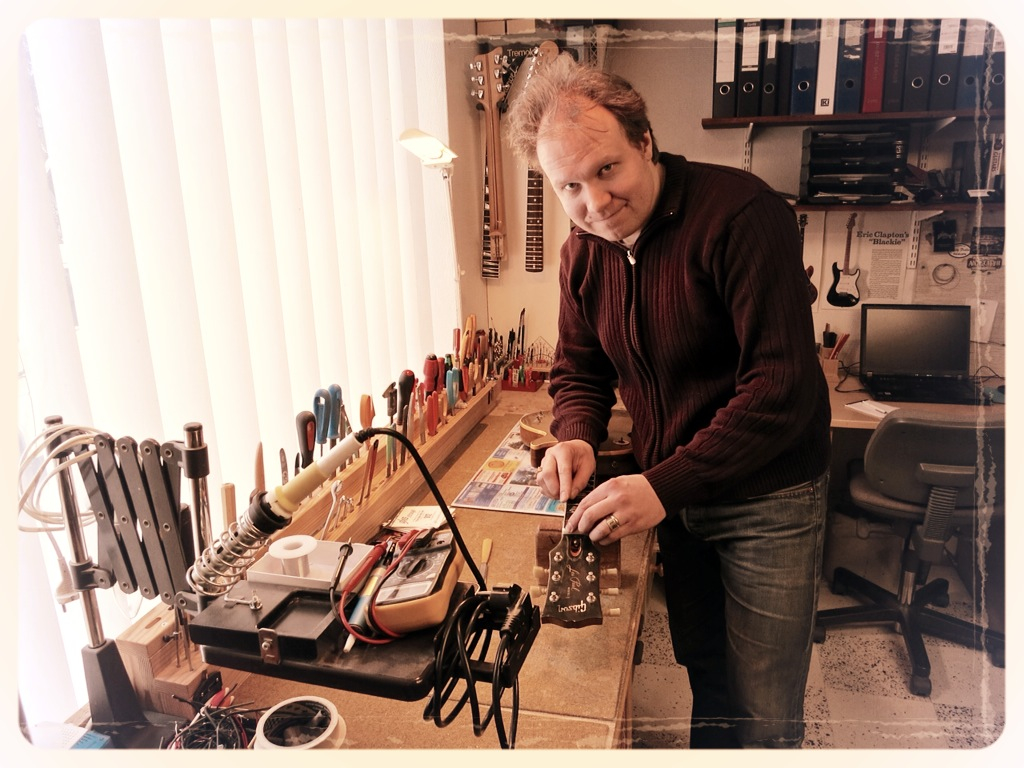
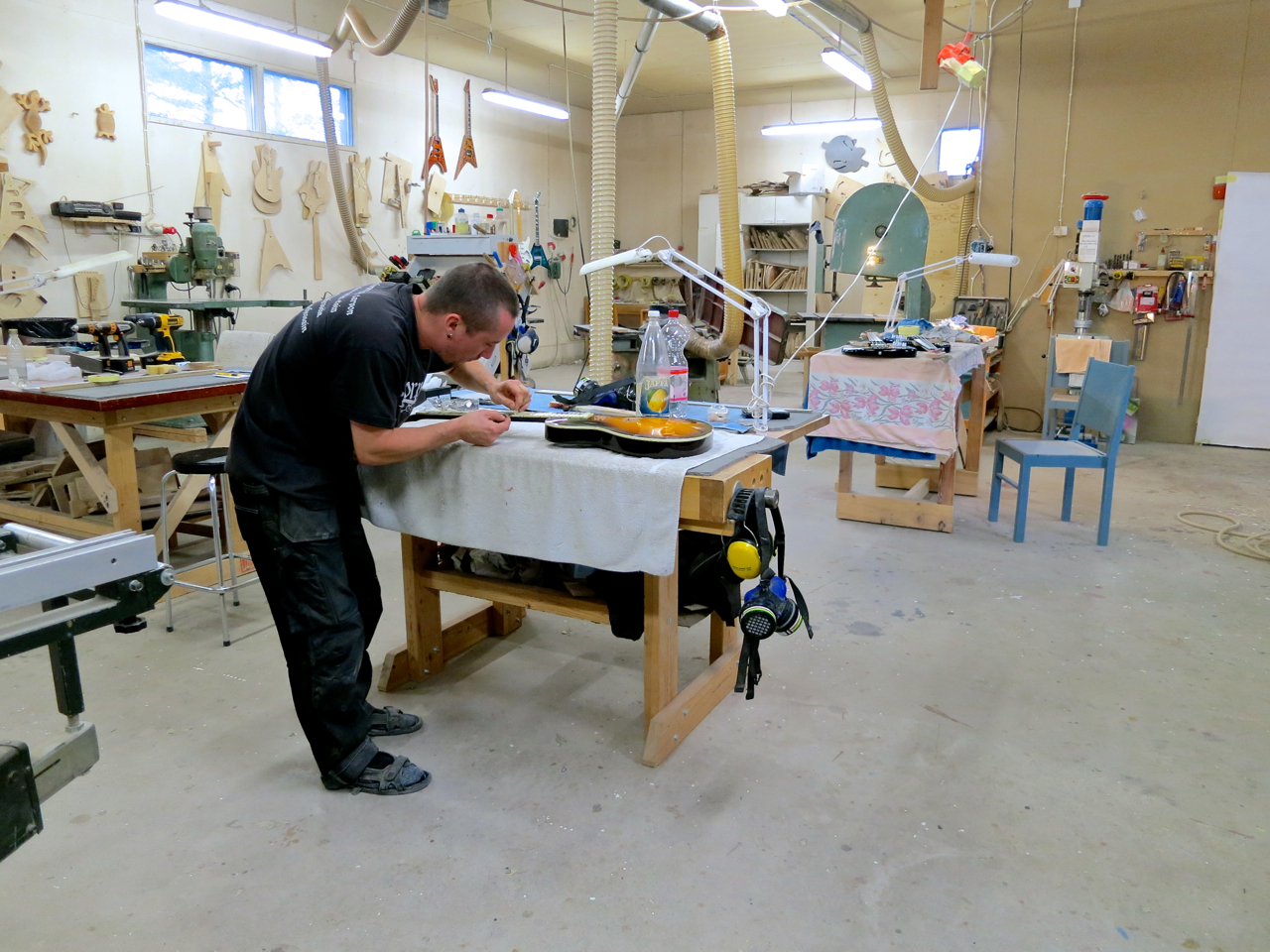
Amfisound Guitars is run by two master luthiers in the outskirts of the northern Finnish city of Oulu.

Sampo Leppävuori (say ’SUM-poe’) and Tomi Korkalainen (’Tommy’) met while studying at the Ikaalinen College of Crafts and Design. They became friends and decided to set up shop together near Sampo’s hometown.

Amfisound is able to offer a very wide selection of different guitar and bass models, because the company combines both Sampo’s and Tomi’s strengths.

AMfisound – Sampo Leppävuori

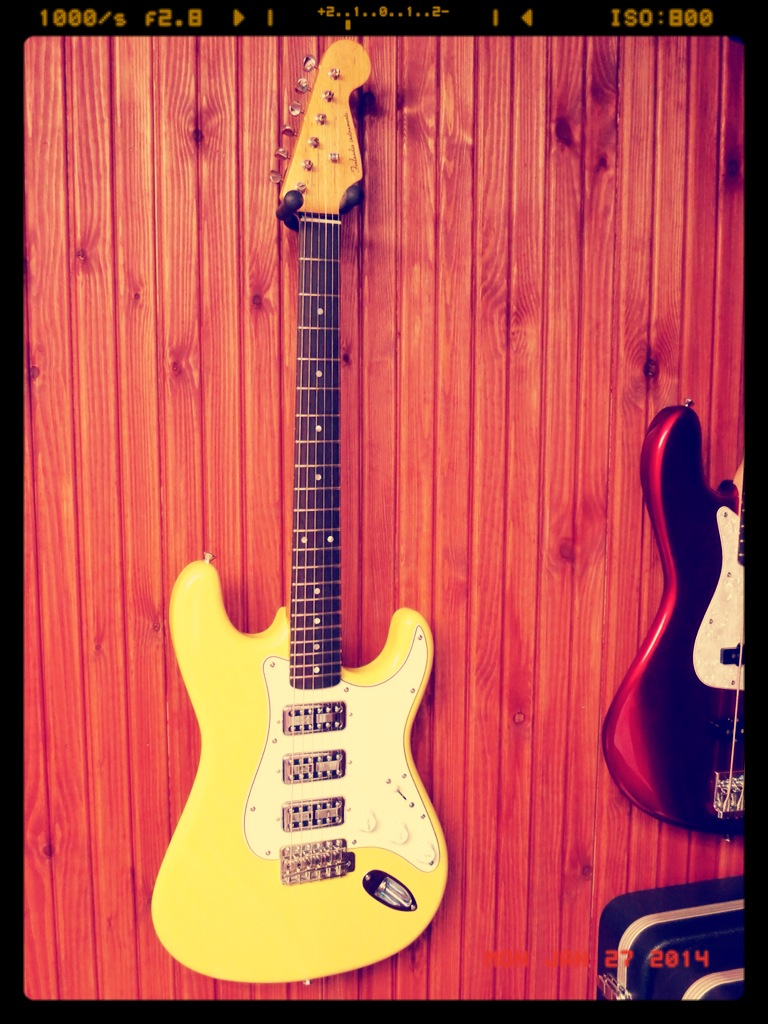
Sampo Leppävuori loves classic bass and guitar designs, as you can see in Amfisound Guitars’ tasty Classic Line -models, such as the Halti-, Kaira-, Halla- and Kobalt-guitars.

These instruments are far from being straight copies of vintage guitars, though, as all Amfisound models feature a long list of updates and improvements (mostly in the hardware, electronics and pickup departments), as well as special Amfisound-features, such as the company’s special, heel-less set-neck joint.

Amfisound – Tomi Korkalainen

Tomi Korkalainen’s creative activities are mostly zoned in on the Metal and Hard Rock genres, where he strives to come up with the ultimate Metal-guitars in terms of playablity, tone and visual impact.

Amfisound’s Extreme Line of Metal axes – comprising such guitars, as the Routa, Atrain, Railo and Roster models – bears clear testament to Tomi’s creative genius.

****

Kitarablogi: What’s the philosophy behind Amfisound Guitars?

Tomi: We wanted to set in motion a fresh and youthful custom guitar culture in Finland. Being based up here in the north strengthens our North-European image and appeal, which we try to underline further by making our guitars very visual. We came up with our Finnish model names around 2003/2004. The model names are quite easy to get to grips with even for foreigners, and it’s cool to hear them spoken in different accents at trade shows.

KB: Your visual approach sets you apart from many other makers.

Sampo: We had to come up ourselves with practically all of our special finishes, treatments and woodworking techniques. And you still keep on learning something new while working on new designs. When it comes to making guitars for the Hard ’n’ Heavy -crowd, there was basically no precedent over here in Finland. We simply had to dig in and come up with all the solutions by ourselves. All this hard graft has reaped rewards and Amfisound instruments are held in high regard at home as well as abroad. It is also great to be involved in the evolution of the art and culture of guitar-making in Finland. Since we started our company, people’s attitudes towards Finnish Metal guitars have changed dramatically for the better, which is a good indicator for the kind of mind-boggling progress guitar-making in this country has seen. 

KB: How do you approach the building process?

Tomi: At the moment most of our instruments are ordered from abroad. Each order is treated individually, and each guitar is built by hand from start to finish. We don’t build in production runs, and we never use prefabricated bodies or necks, which is actually a great advantage for our customers. Our instruments are played by a lot of great artists from all sorts of different musical genres, in Finland and abroad. Our branding has taken a large leap in my opinion, when we introduced our current, round company logo. For us it means that we can make Amfisound Guitars a real Finnish guitar brand, instead of us being merely some small custom maker from northern Finland.

****

Amfisound Guitars’ range of models offers a very broad scope for customisation, because Sampo and Tomi want to make sure that each and every customer gets exactly the guitar or bass he or she wants.

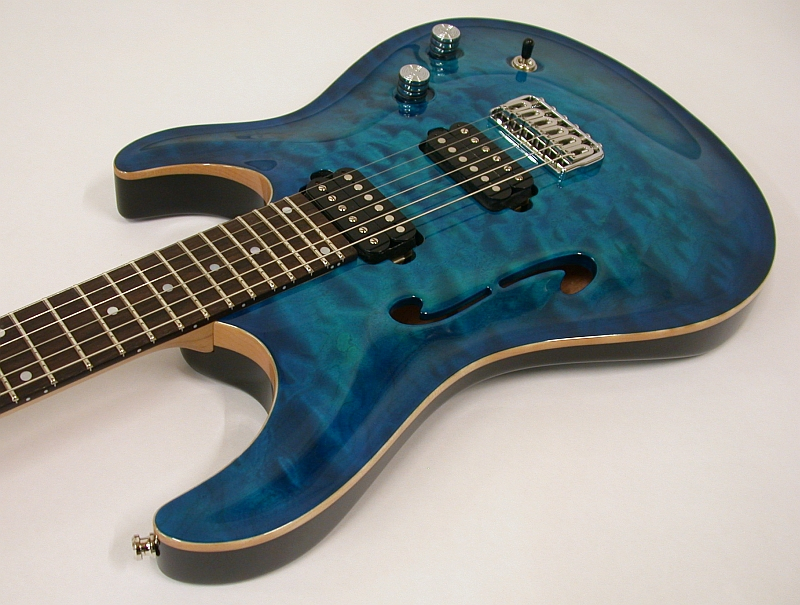
Amfisound’s unbelievable custom finishes are fast becoming the stuff of guitar legend. These guys are real wizards when it comes to using the spray gun and the airbrush! Regardless of whether you want an instrument that looks like and ancient piece of wood, complete with runic writings, or rather a real shocker in neon green with leopard spots, the dynamic duo of Amfisound will do it with style.

****

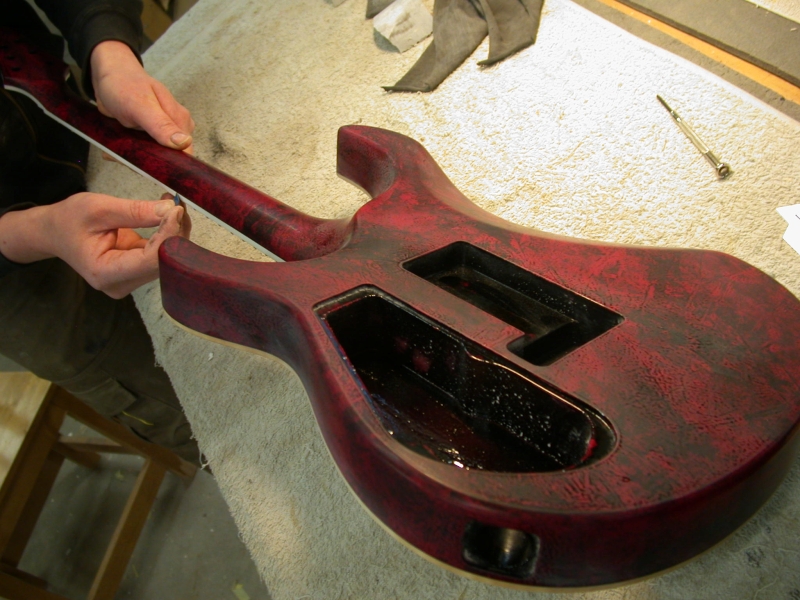
Besides making their own models Amfisound Guitars also take on repair and customising work.

****

Amfisound Guitars – raw wood

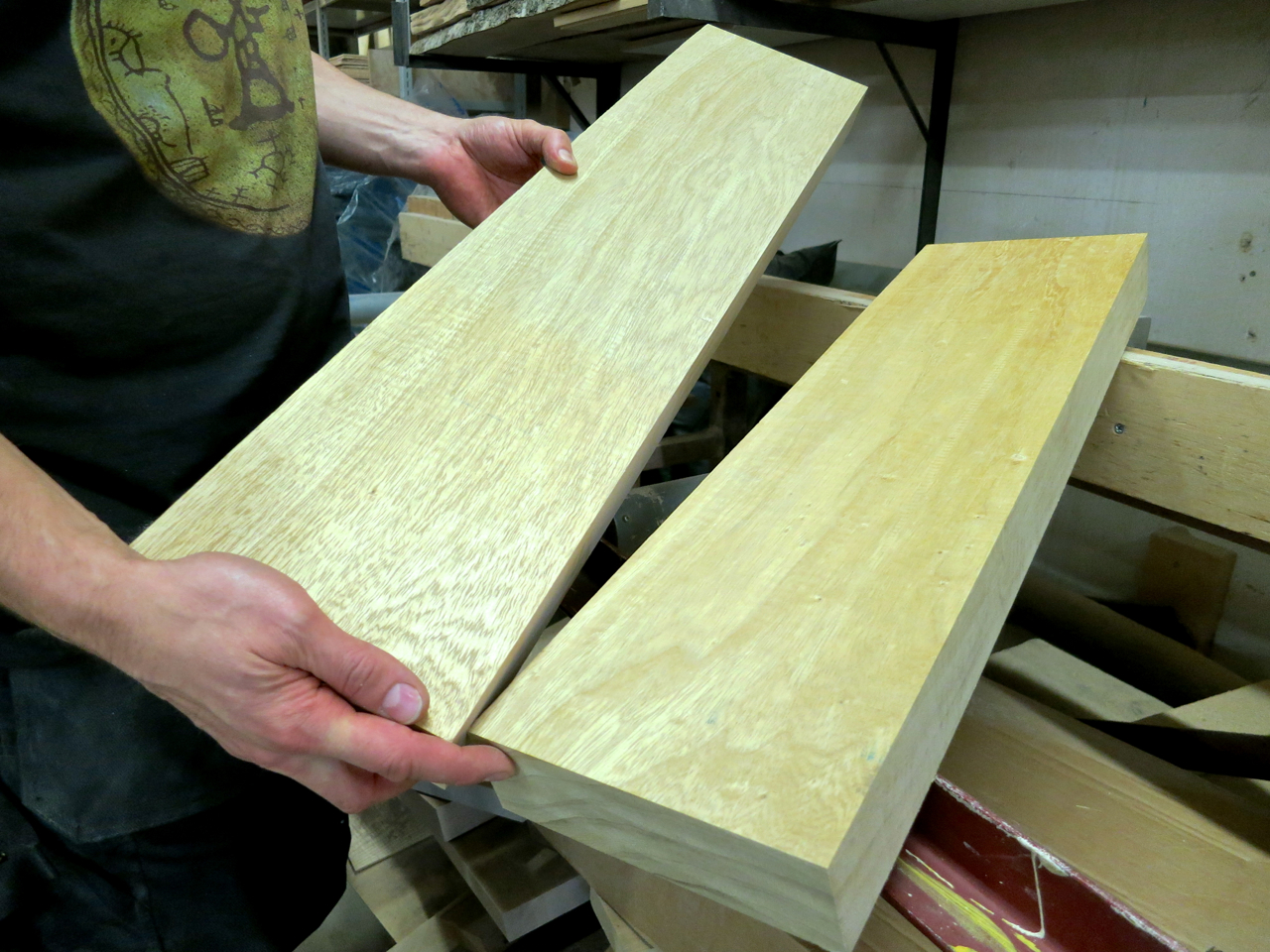
Every Amfisound instrument once started out as a heap of wooden planks.

Amfisound Guitars – arctic birch

Amfisound very often use native Finnish wood species, like figured arctic birch and black alder, in their body designs, alongside more exotic timber, such as African mahogany (khaya ivorensis).

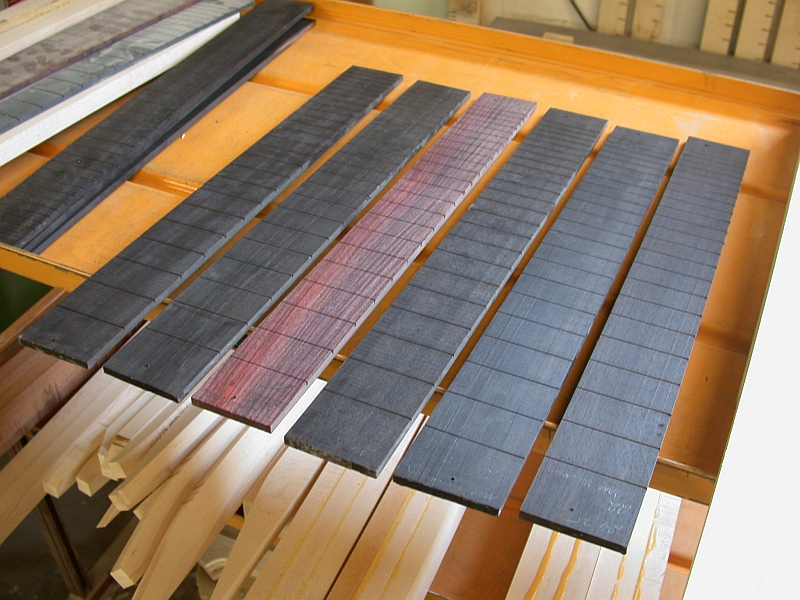
Amfisound Guitars – ebony blanks

Here’s a close-up of a stack of ebony fingerboard blanks. Naturally, Amfisound has all the necessary paperwork to prove it comes from legal sources.

Amfisound Guitars – korina blanks

If you’d rather have something more exotic for your guitar’s body, there are such alternatives as korina, which is also known as (black) limba.

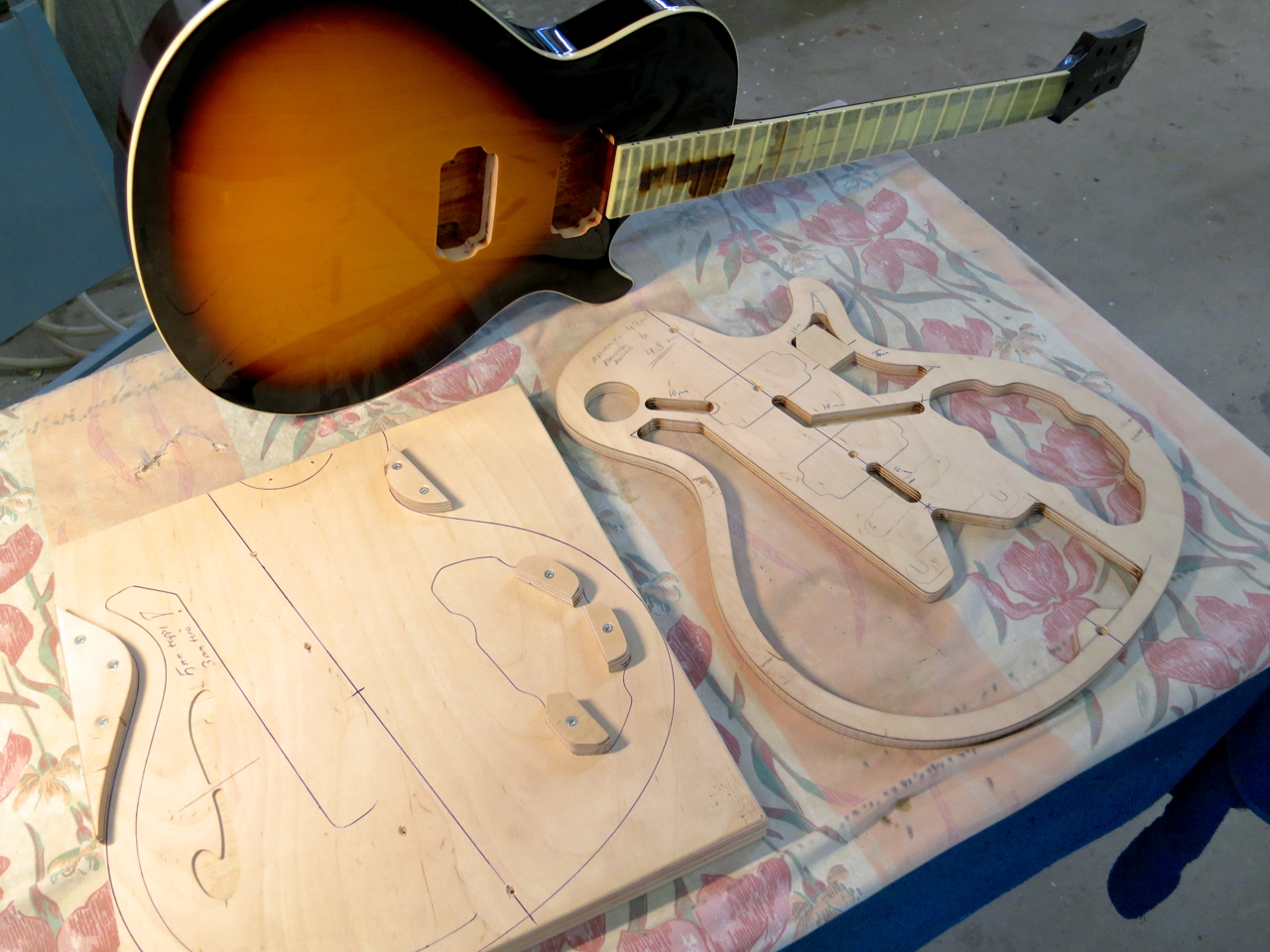
Amfisound Guitars – jigs + templates

A lot of work has gone into Sampo’s and Tomi’s own routing templates, jigs and fixtures. Most of the building process at Amfisound Guitars is old-school instrument-making.

Amfisound Guitars – jigs + fixture semi-solid Halti

A semi-solid version of the Amfisound Halti is in the works. The routing template gives you a good view on all the cavities that will be covered by the carved top.

gluing neck blank

On through-neck designs the neck blank is glued together from three strips of maple.

fretboard blanks

Here we have some rosewood and ebony fingerboards with the fret slots already sawn.

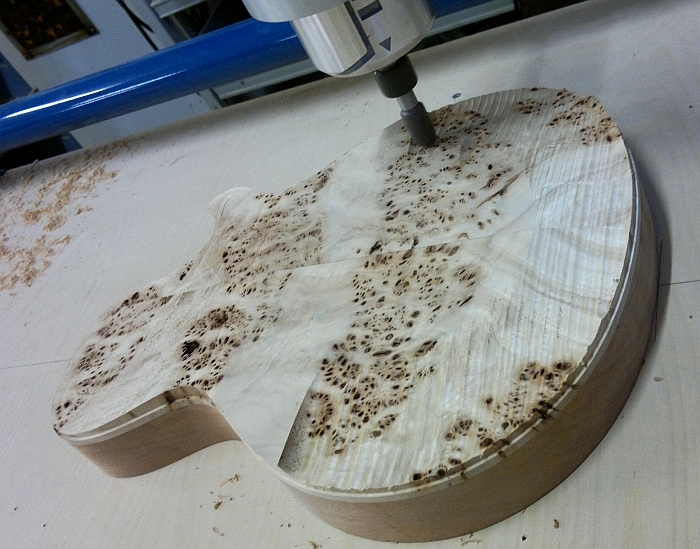
copy router

For some more demanding operations a copy carver is used to ensure consistency.

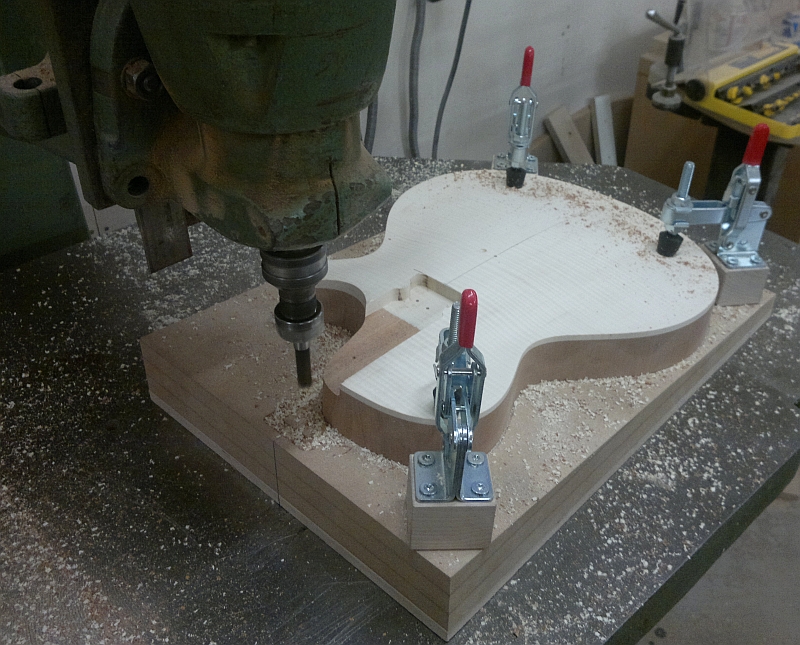
In this picture a Halti-model receives its deep neck joint cutaway…

rough shaping of carved top

…while here the copy carver is used to rough out the dished shape of the top.

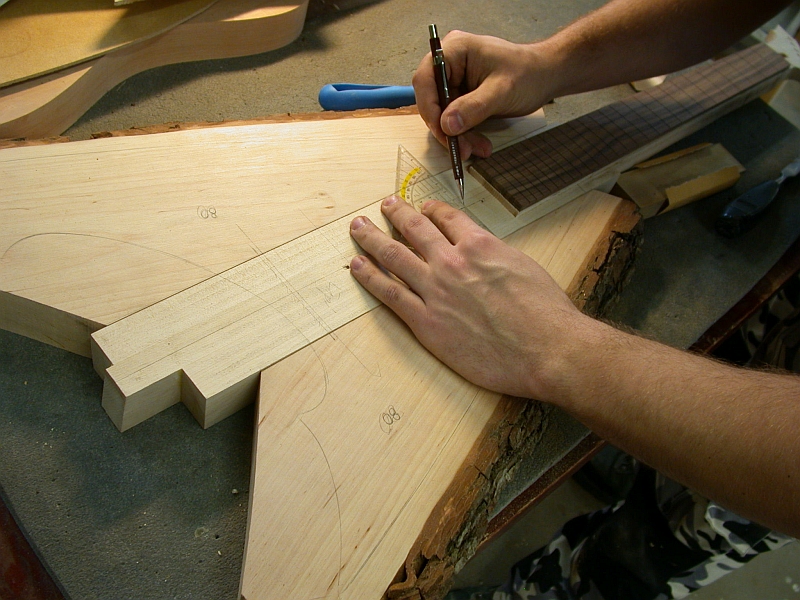
marking pu cavity

But often only handwork will do for an Amfisound guitar:

The outlines of an Atrain-guitar, as well as the positions of the bridge and the pickups, are drawn onto the wood with a pencil.

thru-neck neck joint

A wood rasp is a good tool to start shaping a smooth neck heel, if you know what you do.

pickup routing bass

A router table is used for a lot of things in guitar-building:

Here a pickup cavity is routed into a bass body…

neck cavity routing

…while this picture shows a neck slot being cut…

pickup routing

…and this picture shows a pickup cavity and the necessary recesses for a vibrato being routed out.

Amfisound Guitars – Tomi drum sanding

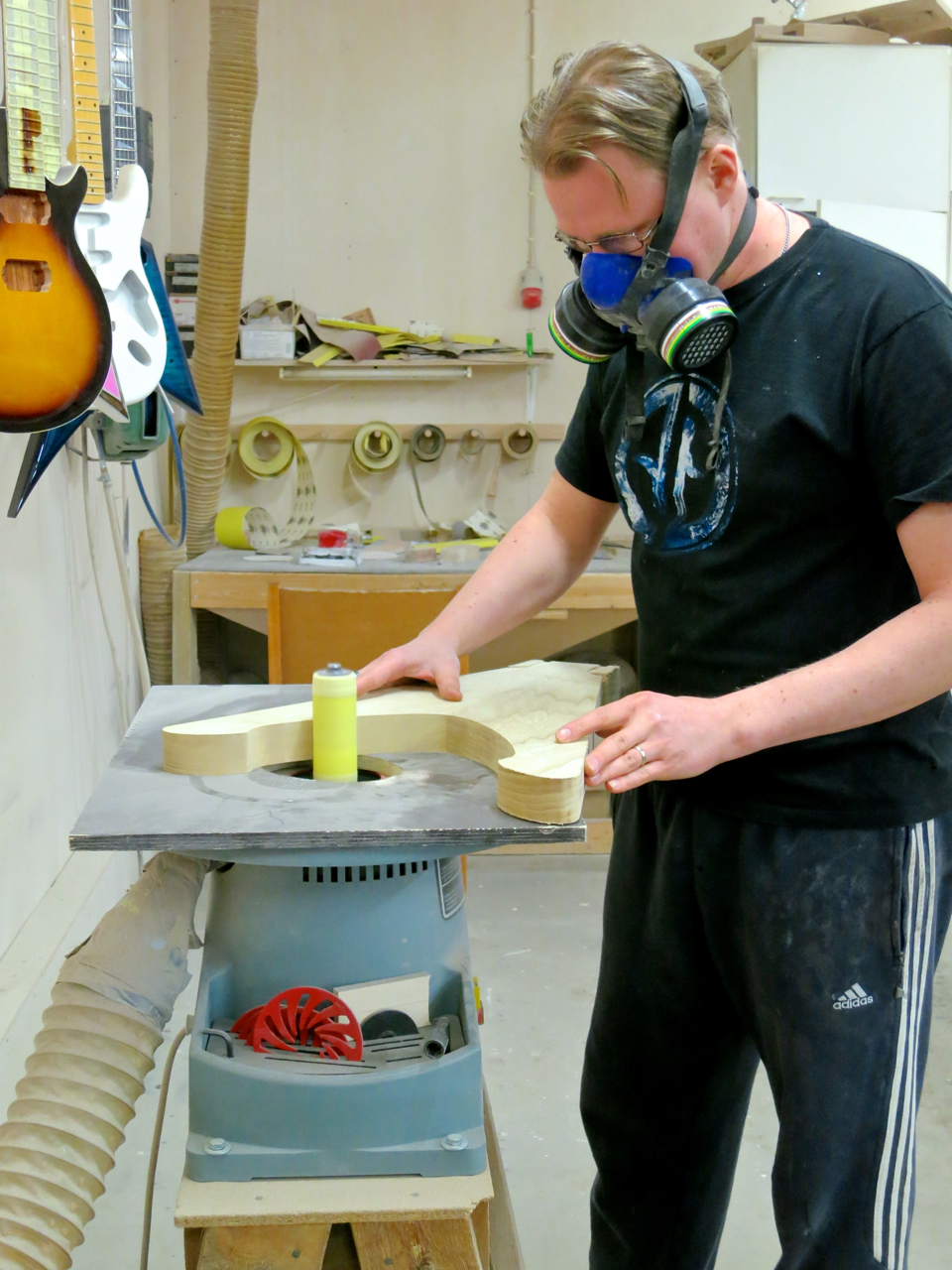
Tomi makes sure the outlines of this Railo-body are crisp and clean.

sanding

body contouring

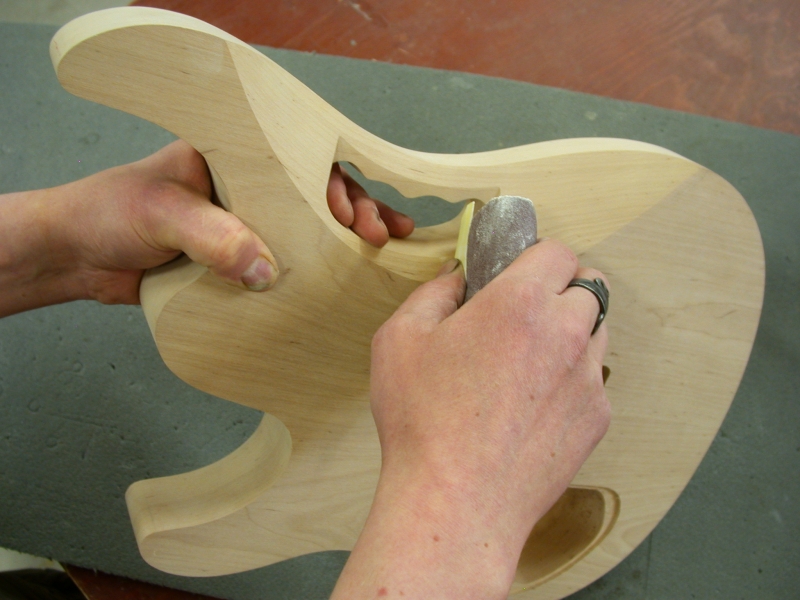
Many spots need hand-sanding, though.

fret crowning

After levelling a special file is used to put the rounded playing surface back into the frets.

airbrush

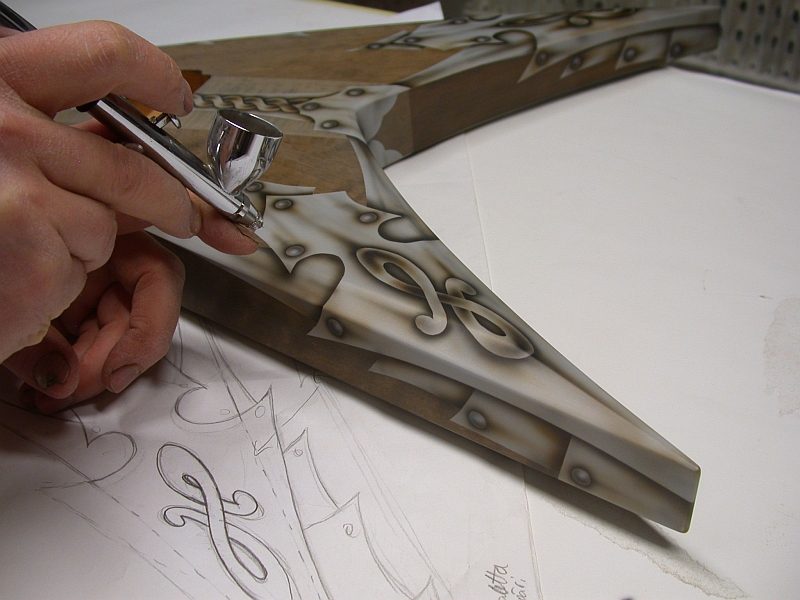
Stunning visuals need a good amount of planning and a very steady hand.

airbrush 2

Amfisound – Finnish Flag finish

Amfisound – custom finish 2

When it comes to graphic finishes, at Amfisound only the sky’s the limit.

Amfisound Guitars – Sampo scrapes binding

Sampo scrapes the fingerboard binding after the finish has dried.

binding scraping

Same procedure, different guitar.

bridge and string retainer drilling

The holes for the switches, pots and the hardware are drilled quite late in the process.

assembly 2

assembly

A Sustainer-equipped guitar in final assembly.

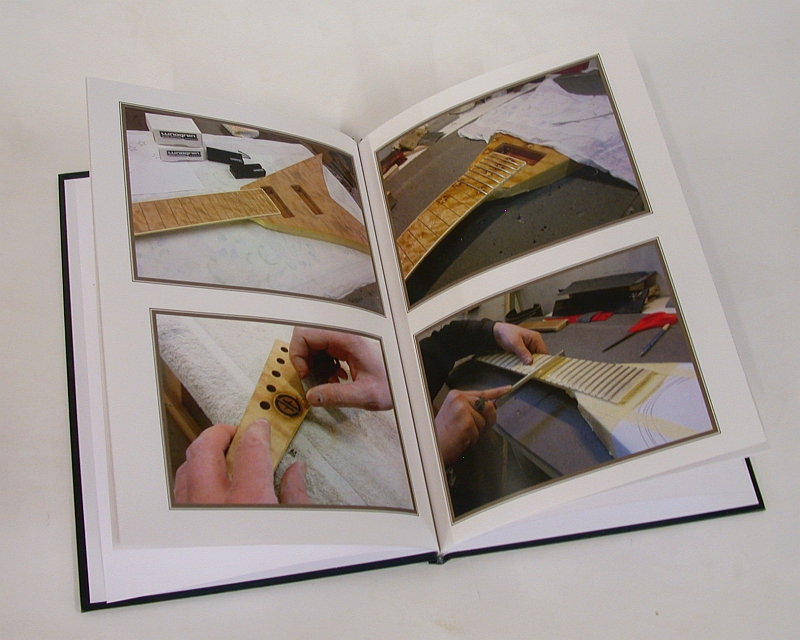
making of booklet

Amfisound offer their customers the option to order a Building Process -book along with their guitar or bass, detailing its genesis from raw wood into a fine instrument.

****

Amfisound’s Sampo Leppävuori and Tomi Korkalainen are both members of The Finnish Guild Of Luthiers.

****

Here are a few examples of finished instruments (photos: Amfisound).

Amfisound Halla:

Halla Filtertron

Halla

****

Amfisound Halti:

Halti Burltop

Halti neck joint

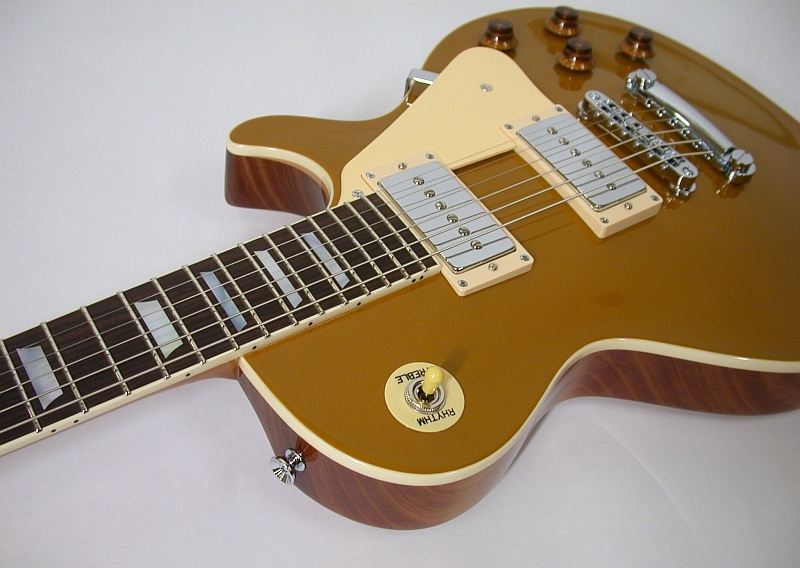
Halti Goldtop

Halti graphic finish

Halti Arcticia

Halti Arcticia

****

Amfisound Kobalt:

Kobalt P90

****

Amfisound Kaira:

Kaira 8-string

Kaira HSH graphic finish

****

Kelo-finish:

Kaira Kelo

Railo aged

****

Amfisound Routa Karelia:

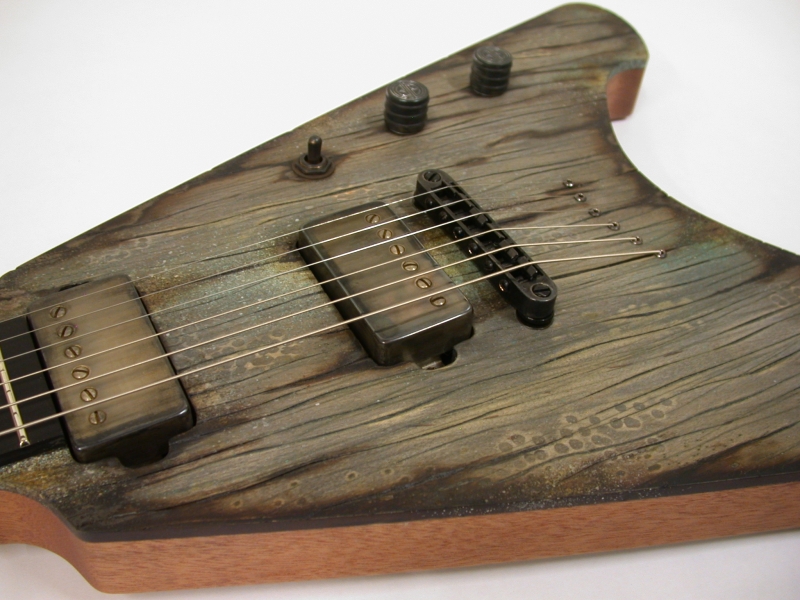
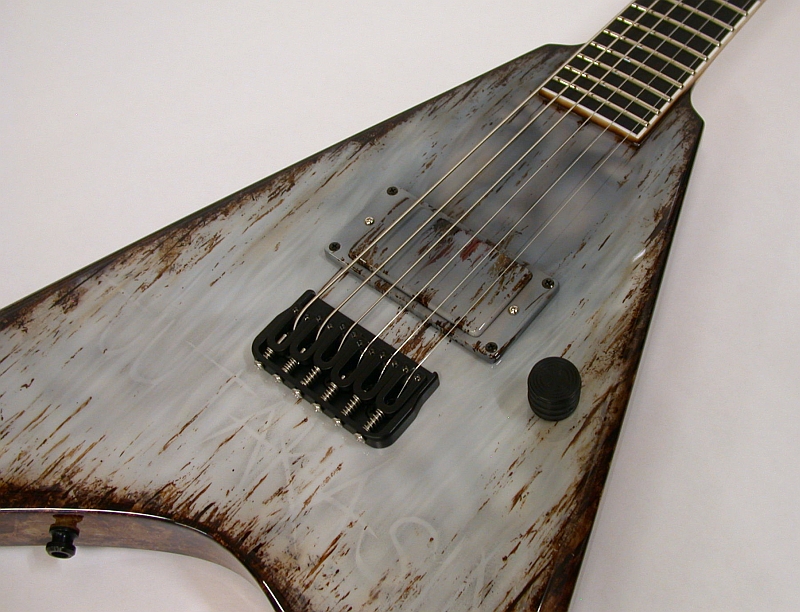
Routa Karelia old wood spray finish

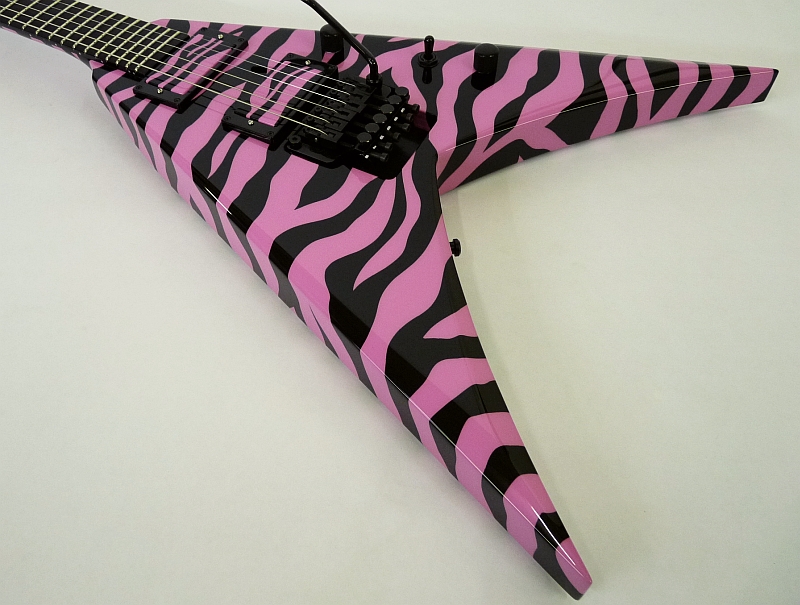
Routa Karelia pink zebra

Routa Karelia Deluxe

****

Amfisound Routa Original:

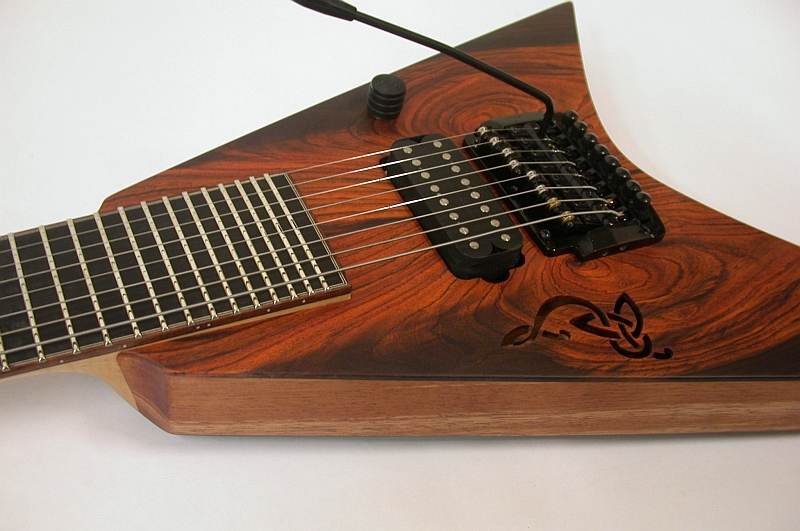
Routa Original 8-string

Eight-string!

****

Amfisound Roster:

Roster Camo

****

Amfisound Kuru:

Kuru 5-string

Kuru

Kuru Arcticia

Kuru Arcticia

****

More basses:

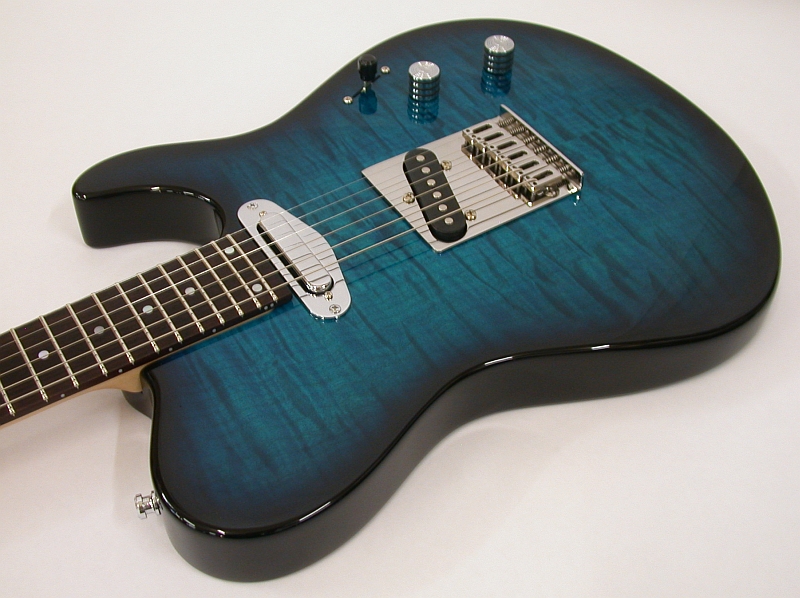
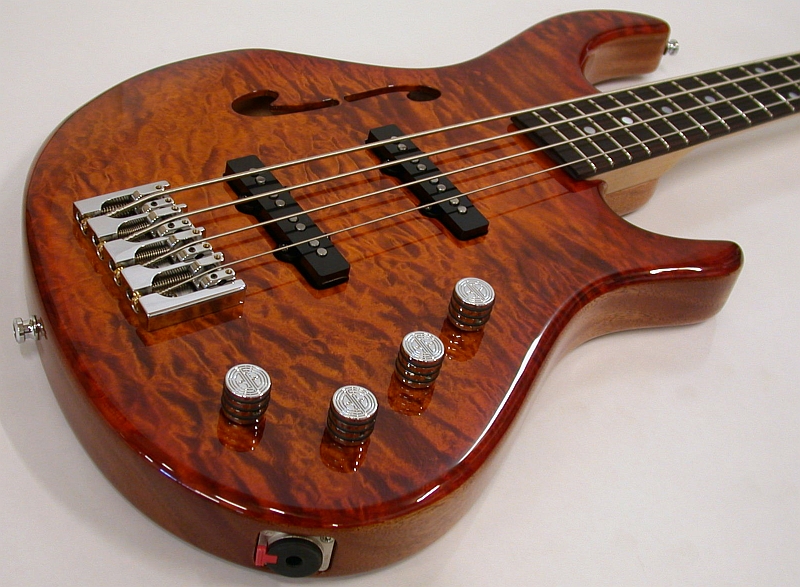
Jazz bass

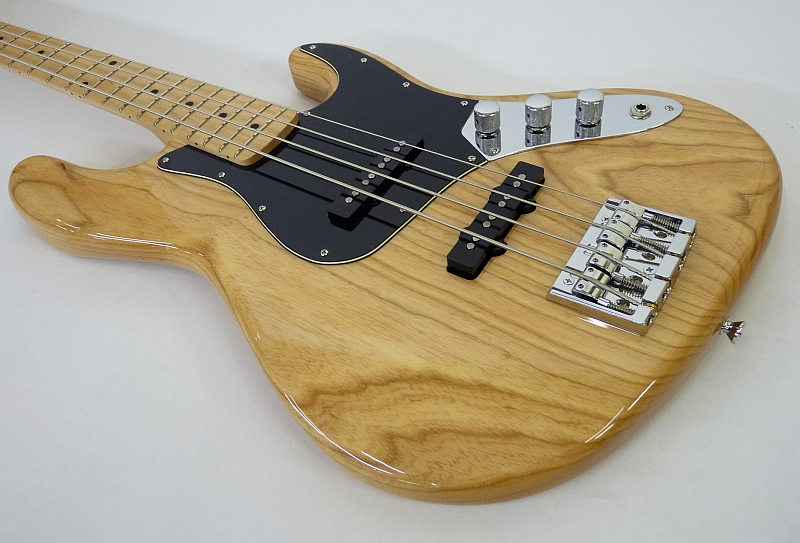
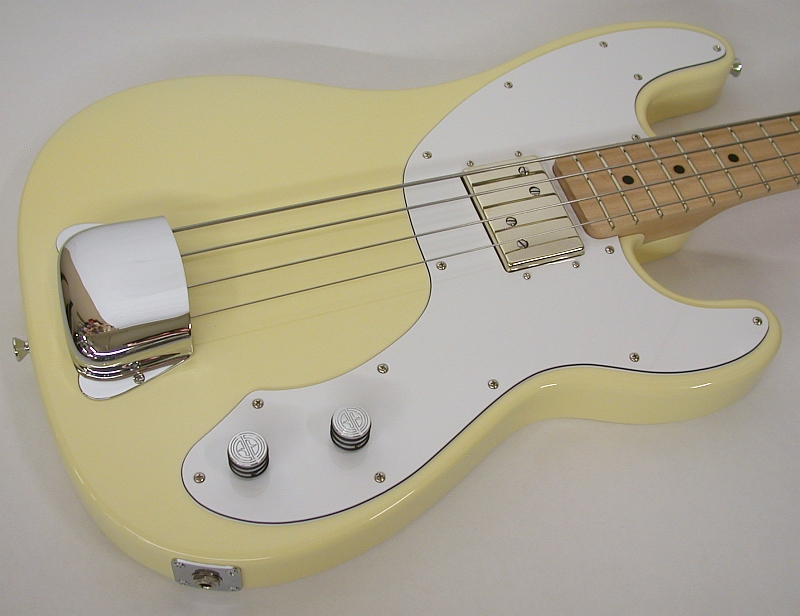
Tele bass

Lähikuvassa: Amfisound Guitars

Amfisound Guitars on kahden soitinrakentajamestarin yhdessä vetämä kitarapaja Oulun Haukiputaassa.

Sampo Leppävuori ja Tomi Korkalainen tapasivat IKATA:n kitararakennuslinjalla, ystävystyivät, ja päätyivät perustamaan oman yrityksensä Pohjois-Suomeen, Sampon kotiseudulle.

Amfisoundin mallisto on erittäin laaja, koska Sampon ja Tomin eri mieltymykset ja vahvat alueet täydentävät toisiaan.

AMfisound – Sampo Leppävuori

Sampo Leppävuori saa inspiraatiota klassikkokitara- ja -bassomalleista, joihin esimerkiksi Amfisoundin Classic Line -malliston Halti-, Kaira-, Halla- ja Kobalt-kitarat perustuvat.

Näissä kitaroissa ei kuitenkaan ole kysymys väsyneistä kopioista tai vintage-voodoon metsästämisestä, koska Amfisound-kitaroissa on pitkä lista detaljipäivityksiä (esim. mikrofoneissa ja metalliosissa) ja omia ominaisuuksia (esim. puuvalinnoissa ja kaulaliitoksissa).

Amfisound – Tomi Korkalainen

Tomi Korkalainen taas on parivaljakon vannoutunut heavymies, joka visioi ja toteuttaa metallikitaristeille äärimmäisen hienoja erikoissoittimia – ei ainoastaan soitettavuuden ja soundin kannalta, vaan myös mikä tulee kitaroiden ulkonäköön.

Tomin käsiala näkyy parhaiten Amfisoundin Extreme Line -mallistossa, johon kuuluvat mm. sellaiset soittimet kuin Routa, Atrain, Railo ja Roster.

****

Kitarablogi: Mikä on Amfisound Guitarsin filosofia?

Tomi: Haluttiin luoda Suomeen varsinainen täysin uusi ja nuorekas customkitara-kulttuuri. Pohjoinen sijainti edesauttaa myös pohjois-eurooppalaista imagoa, koska varsinkin visuaalisuus näyttelee suurta osaa työssämme. Mallien suomalaiset nimet keksittiin vuonna 2003-2004. Nimet ovat helposti lausuttavia myös ulkomaalaisille, ja onkin hienoa messuilla aina kuulla jos jonkinlaista versiota näistä.

KB: Visuaalisuudella näyttää olevan iso rooli teidän soittimissa.

Sampo: Kaikki erikoispintakäsittelyt ja puuntyöstötaidot on pitänyt opiskella itse käytännön kautta. Tämä opiskelu on jatkuvaa ja jatkuu edelleen. Varsinkin heavykitara-alalla Suomessa ei ole ollut minkäänlaista historiaa, joten kaikki tämä on pitänyt opiskella ja luoda itse. Kova työ on tuottanut tulosta ja olemme saaneet suurta arvostusta niin Suomessa kuin ulkomaillakin. On myös itse ollut ilo seurata kuinka paljon tämä on vaikuttanut tämähetkisen suomalaisen soitinrakennuskulttuurin kehittymiseen. Asenteet varsinkin heavykitaroiden suhteen ovat parantuneet firman perustamisen ajoista 100%. Se kertoo kyllä alan huimasta kehityksestä Suomessa.

KB: Millainen on Amfisoundin toimintaperiaate? Perustuuko toimintanne sarjatuotantoon?

Tomi: Tällä hetkellä suurin osa tilauksista menee ulkomaille ja jokainen tilaus on aina yksilö, joka valmistetaan käsin alusta loppuun saakka. Sarjatyötä tai valmiita aihioita emme tee, emmekä käytä ollenkaan. Tämä tuo todella paljon lisäarvoa asiakkaalle. Meillä on myös aika laaja ja nimekäs artistiperhe. Löytyypi artisteja kevyen ja raskaan musiikin nimiä niin Suomesta kuin ulkomailtakin. Vuonna 2007 muutettiin myös se meidän vanha logo uudeksi ympyränmuotoiseksi logoksi. Pidän tuota itse merkittävänä tapahtumana, koska silloin viimeistään päästiin kehittämään omaa brändiä suomalaisena kitaramerkkinä. Haluttiin tehdä Amfisound-merkkistä kitaraa eikä pysyä ainoastaan paikallisena soitinrakentajana.

****

Amfisound Guitarsin omille kitaramalleille tarjoamat kustomointimahdollisuudet ovat lähes loputtomat, koska Sampo ja Tomi haluavat, että jokainen asiakas saa juuri sellaisen kitaran tai basson, jonka hän itse haluaa.

Uskomattoman hienot graafiset viimeistellyt ovat muuten Amfisoundin erikoisalaa. Riippumatta siitä onko hakusessa kitara, joka näyttää monta sataa vuotta vanhalta mökin ovelta, jossa on riimukirjoitukset, tai haluaako asiakas limettivihreän soittimen leopardikuviolla, Amfisoundilta sellaisen saa.

****

Oman kitaratuotannon ohella Amfisoundissa hoidetaan laadukkaasti myös sähkökitaroiden ja -bassojen korjaukset ja kustomoinnit.

****

Amfisound Guitars – raw wood

Jokainen Amfisound-kitara on joskus ollut pelkkä puulankkujen kasa.

Amfisound Guitars – arctic birch

Amfisound käyttää ulkomaisten jalopuulajien (kuten khaya-mahongin) ohella usein myös kotimaisia puulajeja, kuten tervaleppää ja loimukoivua, runkopuuksi.

Amfisound Guitars – ebony blanks

Tässä kuvassa näkyy otelauta-aihiot eebenpuusta.

Amfisound Guitars – korina blanks

Oman kitaran voi myös tilata hieman harvinaisemmasta puusta veistettynä. Tässä näkyy kaksi korina-lankkua.

Amfisound Guitars – jigs + templates

Sampo ja Tomi luottavat perinteisiin rakennusmenetelmiin, mikä tarkoittaa, että jokaiseen Amfisound-soittimeen valmistukseen menee paljon käsityötä.

Pajassa käytetään itse tehtyjä jigejä ja sapluunoita jyrsimelle.

Amfisound Guitars – jigs + fixture semi-solid Halti

Tällaiset ovat Halti-kitaran puoliakustisen version kanavat ja kolot, jotka jäävät valmiissa kitarassa kaarevan kannen alle.

gluing neck blank

Kaula-läpi-rungon-rakenteisten soittimien kaulat liimataan kolmesta vierekkäisestä vaahterapalaista.

fretboard blanks

Eeben- ja ruusupuisia otelautoja nauhaurilla.

copy router

Joitakin vaativia työvaiheita varten käytetään kopiojyrsintä tasaisen laadun varmistamiseksi.

Tässä kuvassa Halti-kitaran syvä kaulaliitos saa muotonsa…

rough shaping of carved top

…kun taas tässä kitaran kanteen jyrsitään raakaversio sen lopullisesta kaarevuudesta.

marking pu cavity

Käsityöllä on kuitenkin erittäin tärkeä asema Amfisound-soitinten valmistuksessa:

Tässä kuvassa Atrain-mallin ulkomuodot, sekä mikrofonien ja tallan paikat merkitään suoraan puuhun lyijykynällä.

thru-neck neck joint

Osaavissa käsissä raspi on sulavan kaulaliitoksen alku.

pickup routing bass

Jyrsimellä työstetään runkoon kaikki tarvittavat kolot, niin kuin esimerkiksi mikrofonikolot…

neck cavity routing

…kaulataskut…

pickup routing

…sekä elektroniikkalokerot ja kolot vibratalloille.

Amfisound Guitars – Tomi drum sanding

Tomi hioo Railo-kitaran ulkoreunat hiomakoneella.

sanding

body contouring

Monet kohtat vaativat kuitenkin loppusilauksen hiomapaperilla käsin.

fret crowning

Tasoittamisen jälkeen palautetaan nauhaviilulla nauhojen puolipyöreätä profiilia.

airbrush

Onnistunut grafiikka vaati tarkkaa suunnittelua ja erittäin rauhallista kättä.

airbrush 2

Amfisound – Finnish Flag finish

Amfisound – custom finish 2

Amfisoundin graafisissa viimeistelyissä vain taivas on rajana.

Amfisound Guitars – Sampo scrapes binding

Sampo siistimässä otelaudan reunalistoja lakkauksen jälkeen.

binding scraping

Sama työvaihe, mutta toinen soitin.

bridge and string retainer drilling

Säätimille ja tallalle tarvitsemat reiät porataan vasta melko myöhäisessä vaiheessa.

assembly 2

assembly

Sustainer-elektroniikalla varustetun, keinotekoisesti esikulutetun kitaran loppuasennus.

making of booklet

Amfisound-soittimen omistaja voi halutessaan tilata myös oman kitaran (tai basson) rakentamisesta kertovan kuvakirjan.

****

Amfisoundin Sampo Leppävuori ja Tomi Korkalainen ovat Suomen Soitinrakentajien Killan jäseniä.

****

Tässä vielä muutama kuva valmiista Amfisound-soittimista (kuvat: Amfisound).

Amfisound Halla:

Halla Filtertron

Halla

****

Amfisound Halti:

Halti Burltop

Halti neck joint

Halti Goldtop

Halti graphic finish

Halti Arcticia

Halti Arcticia

****

Amfisound Kobalt:

Kobalt P90

****

Amfisound Kaira:

Kaira 8-string

Kaira HSH graphic finish

****

Kelo-viimeistely:

Kaira Kelo

Railo aged

****

Amfisound Routa Karelia:

Routa Karelia old wood spray finish

Routa Karelia pink zebra

Routa Karelia Deluxe

****

Amfisound Routa Original:

Routa Original 8-string

8-kielinen

****

Amfisound Roster:

Roster Camo

****

Amfisound Kuru:

Kuru 5-string

Kuru

Kuru Arcticia

Kuru Arcticia

****

Muita bassoja:

Jazz bass

Tele bass

Guitar Porn – Turenki Tonefest 2013

Tonefest 13 – AJL

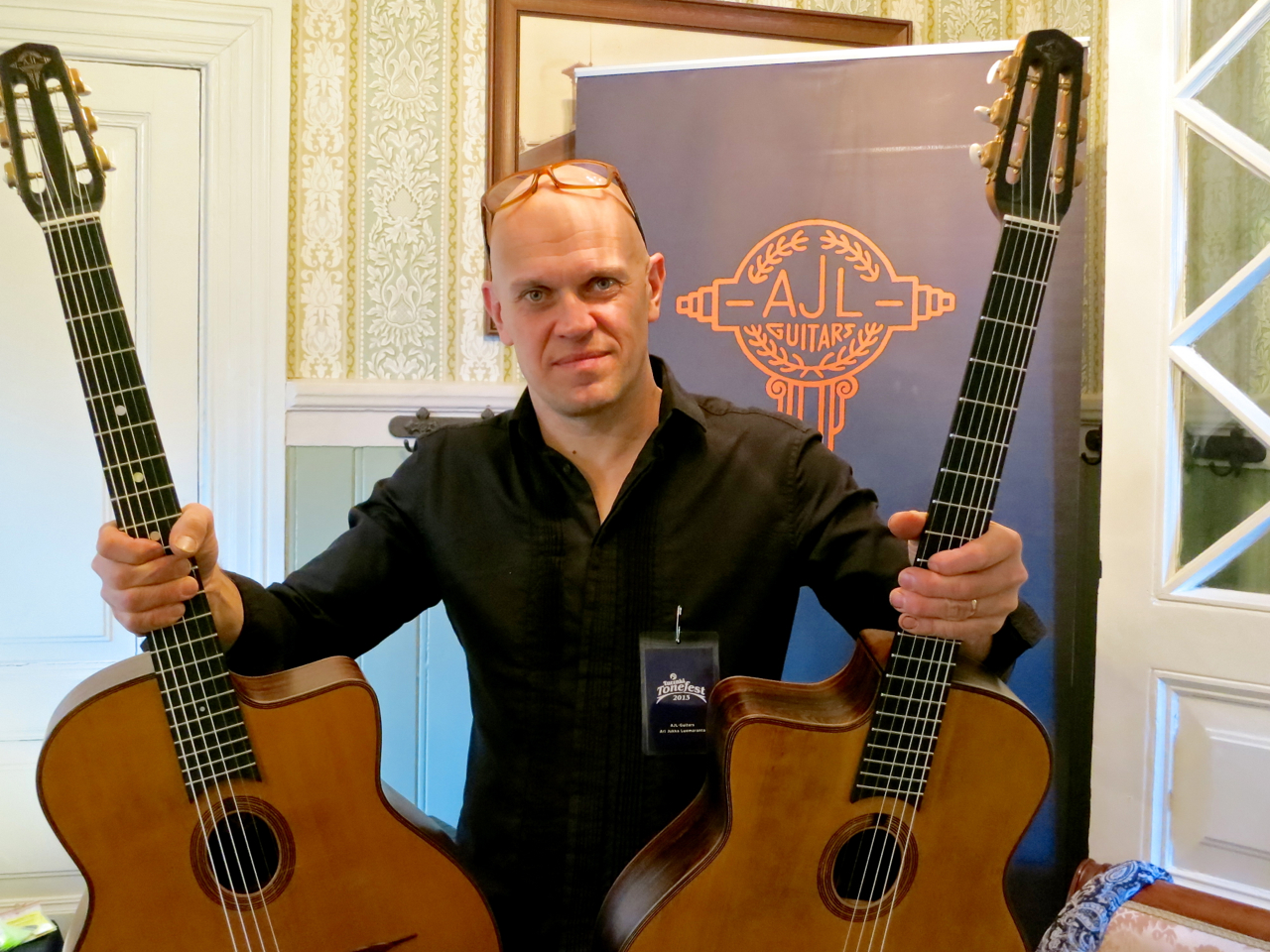
Ari-Jukka Luomaranta and a pair of AJL-Guitars’ XO-models.

****

Tonefest 13 – Aurora

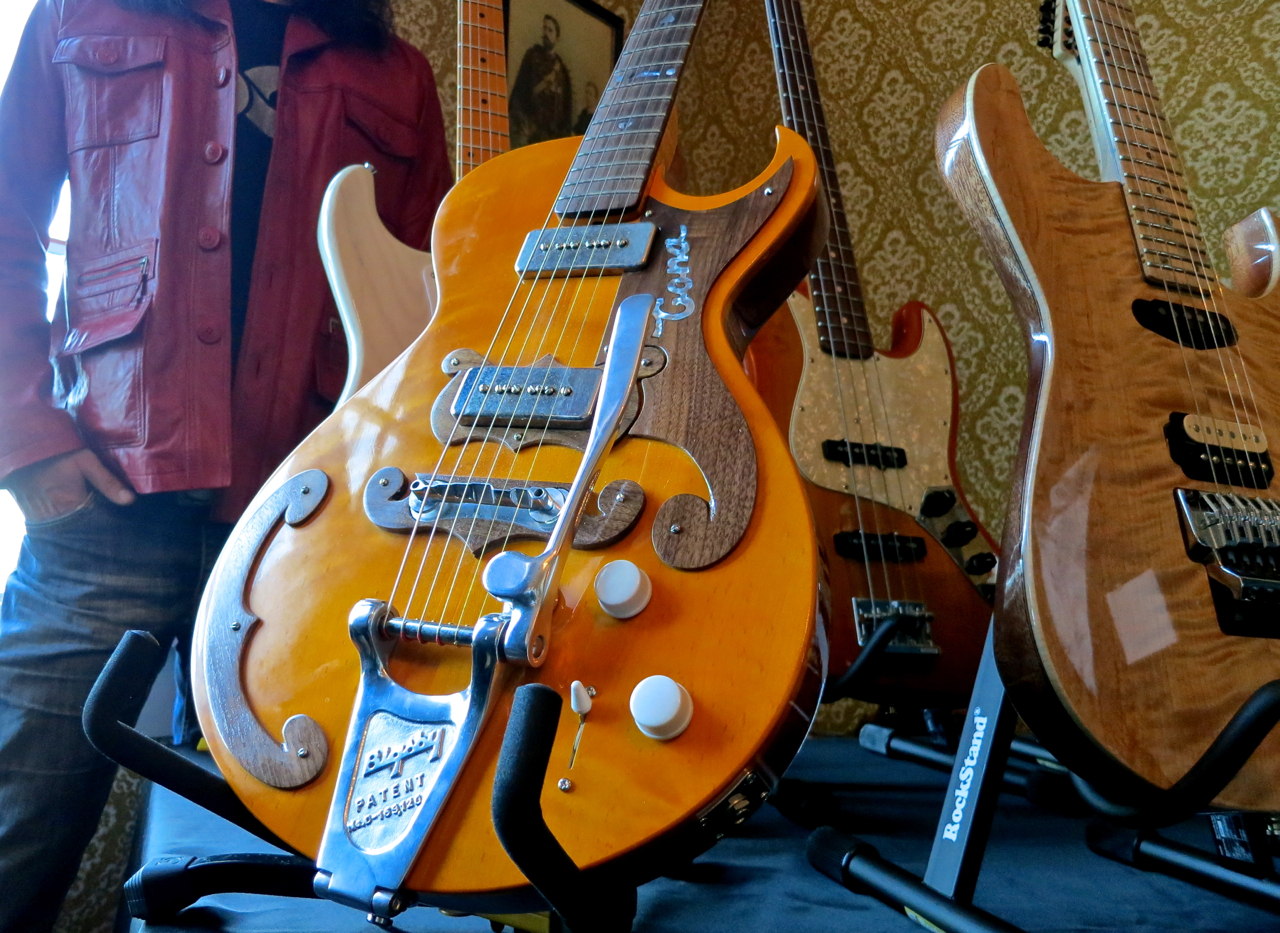
Aurora Guitars, and their slant on the famous Bigsby solidbody.

****

Tonefest 13 – Bluetone

A tasty Bluetone Amps tweed combo.

****

Tonefest 13 – Custom Sounds 2

Tonefest 13 – Custom Sounds

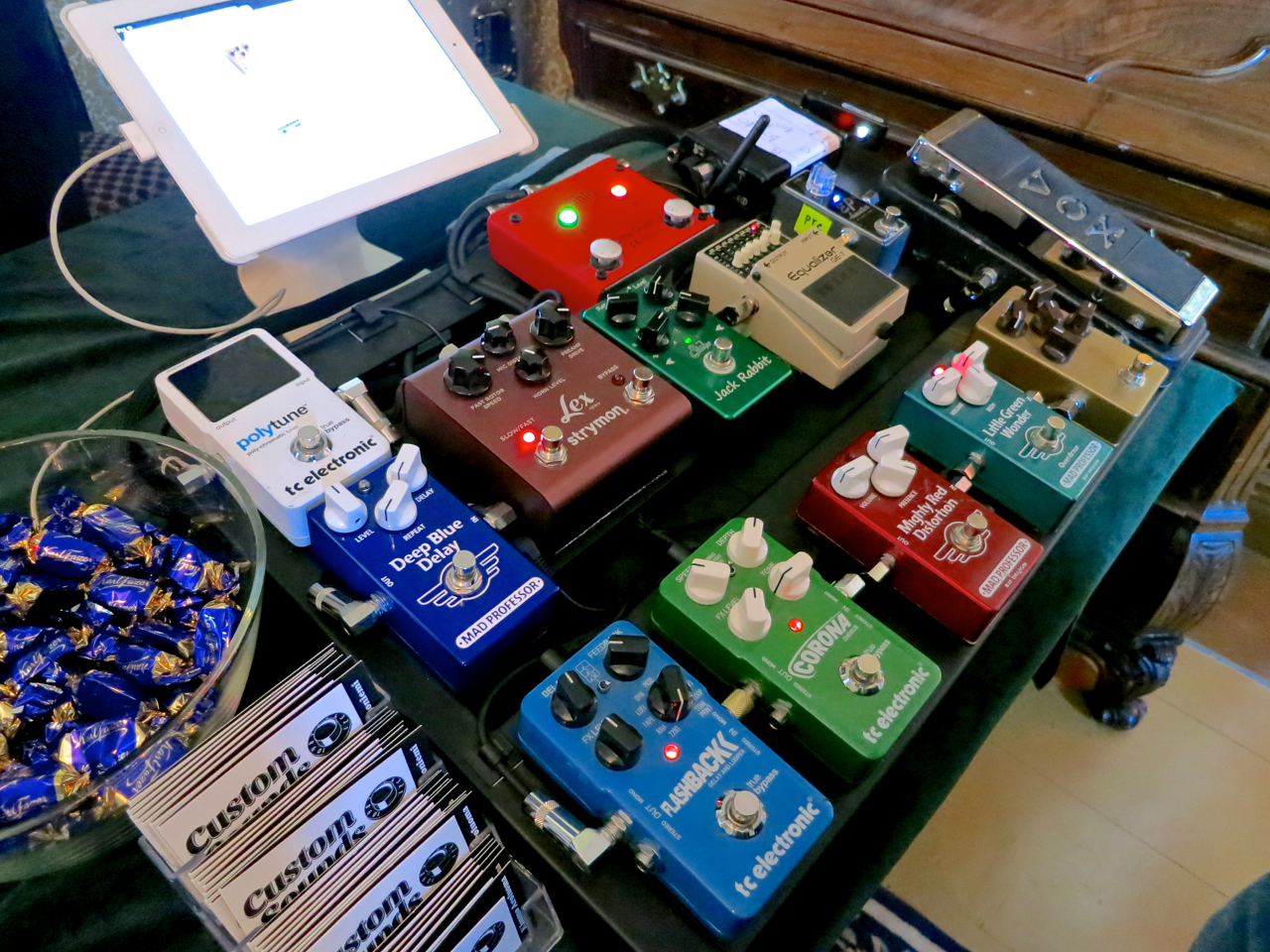
Custom Sounds display some of their custom-made pedalboards.

****

Tonefest 13 – Finlandia

Finlandia Instruments’ Costellobird (on the right) is based on an old JAK model.

****

Tonefest 13 – Halla

Tonefest 13 – Halla 2

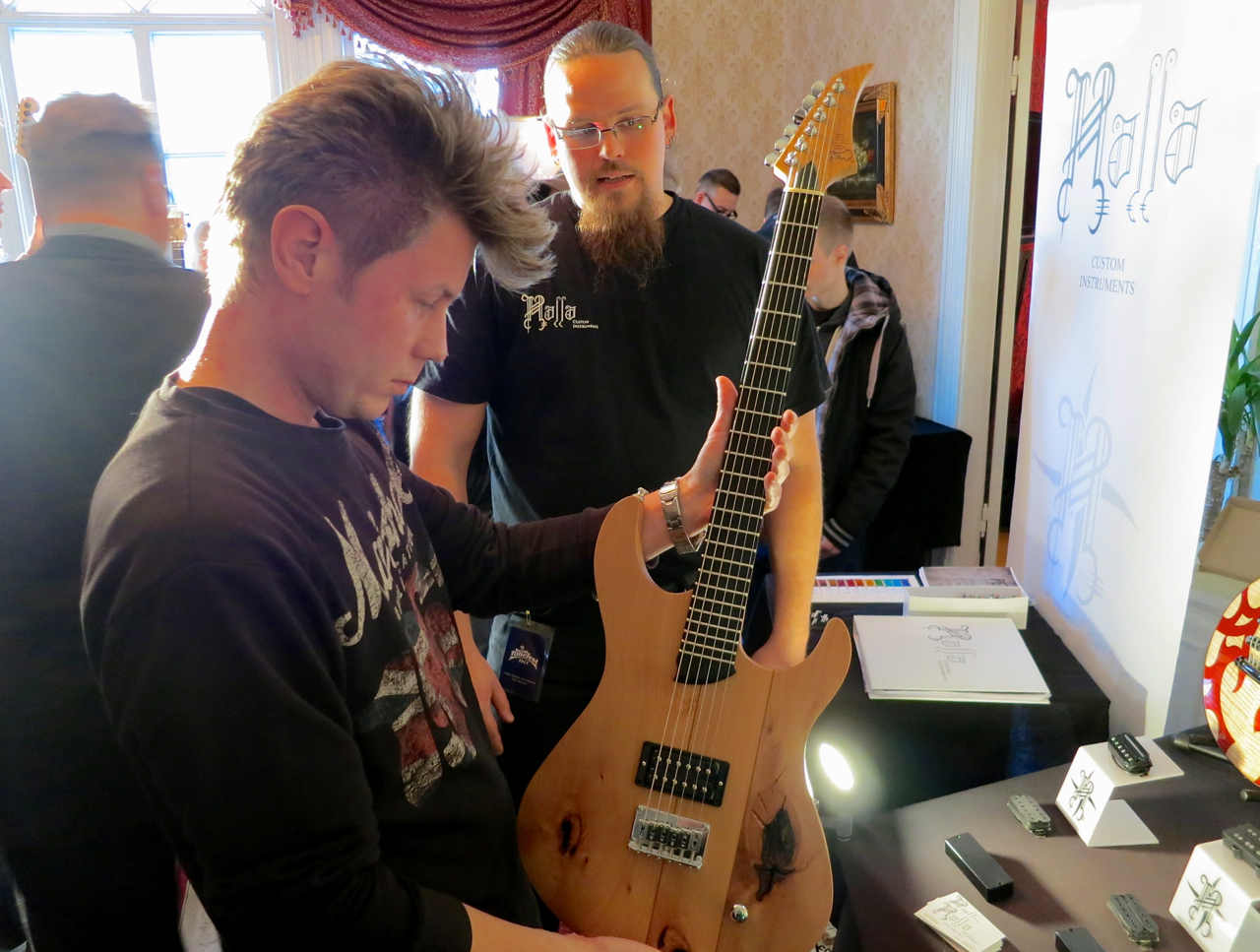
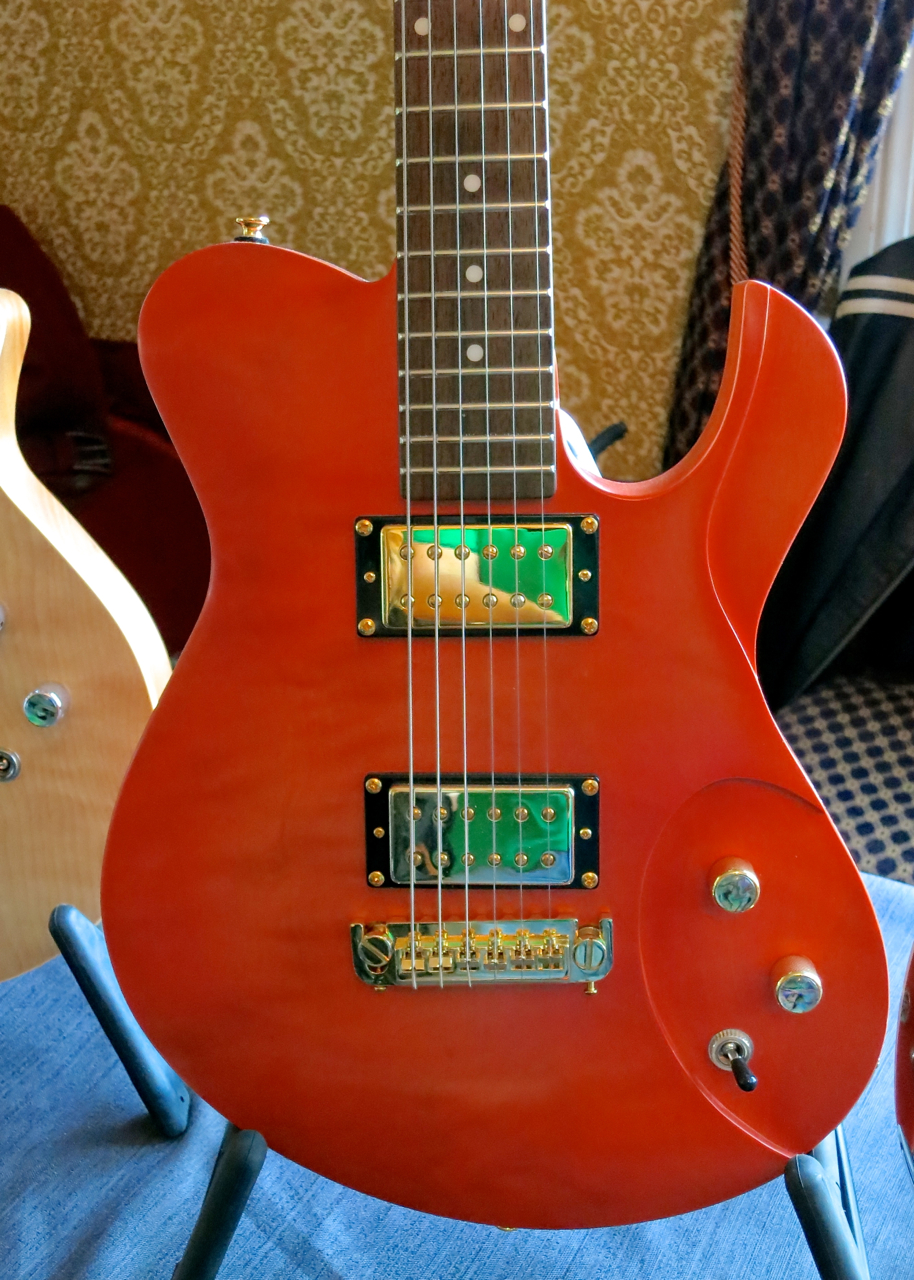
A real eye-catcher from Halla Custom Instruments – a guitar with a body made from very rustic alder.

****

Tonefest 13 – HOS

A futuristic-looking HOS Guitars model.

****

Tonefest 13 – Ikaalinen 2

Tonefest 13 – Ikaalinen

These instruments were made by luthiery students at IKATA.

****

Tonefest 13 – Jasesoi

Some of Soitinpaja JaSeSoi’s acoustic models.

****

Tonefest 13 – Kalluste

Kalluste Guitars from Estonia.

****

Tonefest 13 – Kitarapaja 2

Tonefest 13 – Kitarapaja

Swart amps and Fano guitars are among the brands displayed by Kitarapaja.

****

Tonefest 13 – Koivisto

Koivisto Guitars with two electric models and an interesting lute-type design.

****

Tonefest 13 – Monster 2

Tonefest 13 – Monster

Monster Custom Amps and Visual Clone Guitars – the cool factor is built-in.

****

Tonefest 13 – Oakbridge

Tonefest 13 – Oakbridge 2

Oakbridge Instruments specialise in acoustic instruments.

****

Tonefest 13 – Veijo Rautia

Tonefest 13 – Rautia 3

Tonefest 13 – Rautia 2

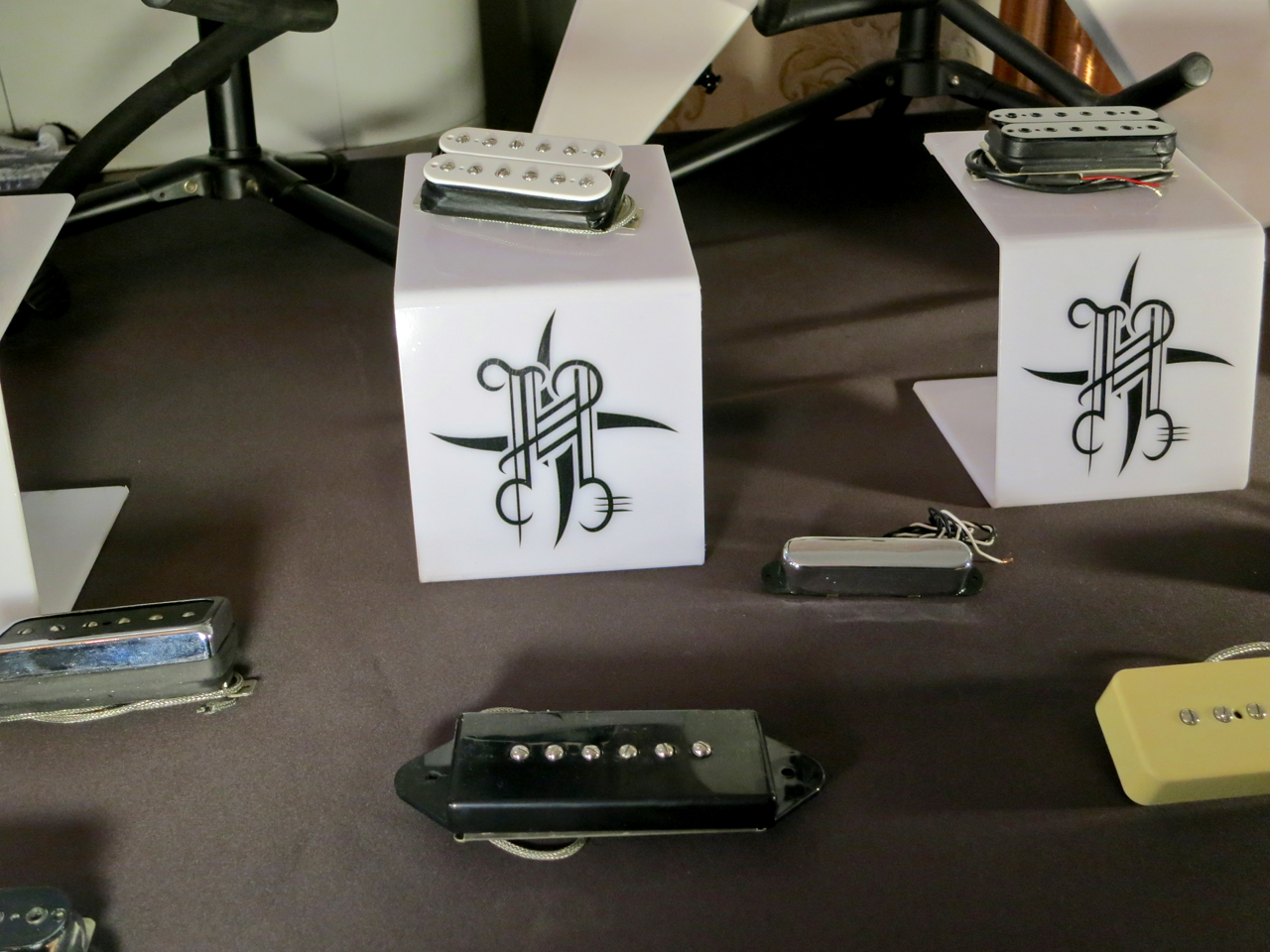
Veijo Rautia gives you lots of electric mojo with his custom guitars and pickups.

****

Tonefest 13 – Romu

Romu Amps from Estonia

****

Tonefest 13 – Markus Setzer

German master bassist Markus Setzer digs the new fretless version of the Ruokangas Steambass.

Tonefest 13 – Ruokangas

Tonefest 2013 – Ruokangas 2

Tonefest 13 – Setzer & Paranko

Antti Paranko and Markus Setzer in action with their Ruokangas instruments.

****

Tonefest 13 – Tyyster

Tyyster gives you plenty of rootsy tone and cool retro looks from metal topped guitars.

****

Tonefest 13 – Halme

Saturday saw lots of live action from Pauli Halme’s record release gig…

Tonefest 13 – Kela

…to Anssi Kela and Tuomas Wäinölä.

****

Turenki Tonefest 2013 (16. + 17.11.2013)

Coming soon – Amfisound Guitars

Kitarablogi.com visited Amfisound Guitars’ workshop near Oulu today. There will be a full report in the very near future, but here’s a short preview for you all:

Amfisound is run by the creative tandem of master luthiers Sampo Leppävuori and Tomi Korkalainen.

AMfisound – Sampo Leppävuori

Sampo’s heart beats for classically styled guitars and basses with a contemporary twist…

Amfisound – Tomi Korkalainen

…while Tomi is the mastermind behind Amfisound’s more Metal-oriented guitars.

Amfisound – custom finish 2

Amfisound Guitars’ special forte is their mastery of the art of the custom finish.

Amfisound – Finnish Flag finish

A guitar looking like a Finnish flag hewn from granite? No problem!

Amfisound – basses

But there are also plenty of classic options for friends of the more traditional look.

Pidä blogia WordPress.comissa.

Ylös ↑