
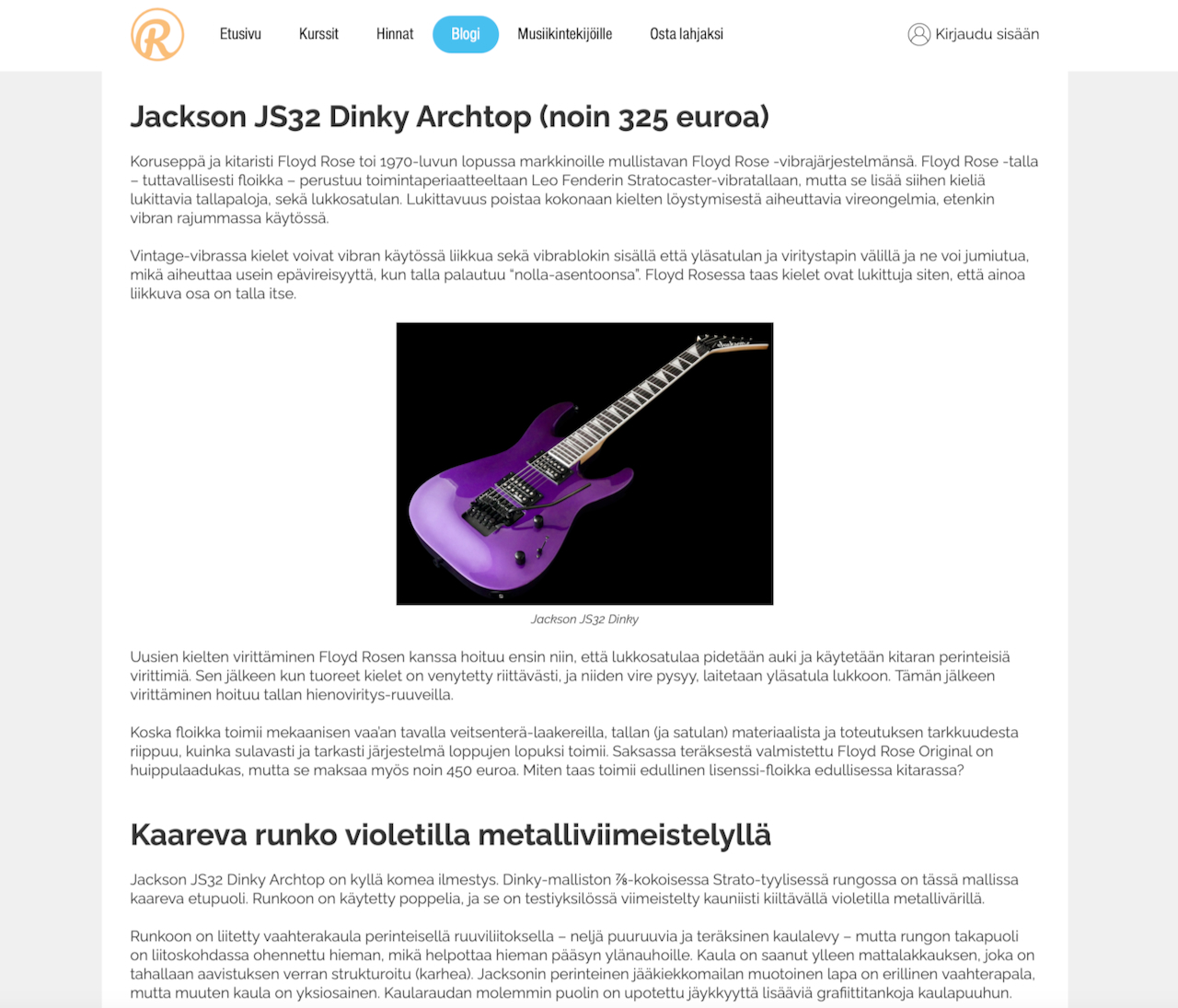
Löydät testin ja demobiisit TÄÄLTÄ.
Kitarablogi.com – Finland's premier Guitar and Bass blog
Juttuja kitaroista ja bassoista

Yllättävän monelle kompressori on jotenkin mystinen laite, joka käyttää musta magiaa soundin muokkaamiseksi. Todellisuudessa kompressori (yleiskielessä: kompura) on (puoli-) automaattisesti toimiva signaalitasoon vaikkuttava piiri, jolla kavennetaan signaalin dynamiikka – siis: hiljaisten ja kovien äänien välinen ero – toivotulla tavalla.
Etenkin puhtailla kitarasoundeilla kompressorista voi olla paljon apua, silloin kun kaivataan lisää sustainea, tukevampaa soundia, tai vaikkapa rauhallisempaa äänikuvaa. Esimerkiksi monille kantrikitaristeille kompura on lähes pakollinen varuste, jolla saadaan nopeat lickit, joissa usein sekoittuvat otetut äänet ja avoimet kielet, kuulostamaan tasaisempana ja sliipattuina.
Kitaristille tarjotaan nykypäivänä monta eri kompuraa pedaalin muodossa, joista suurin osa toimii ”enemmän tai vähemmän” -periaatteella, ehkä vielä lisätyllä atakki-kytkimellä.
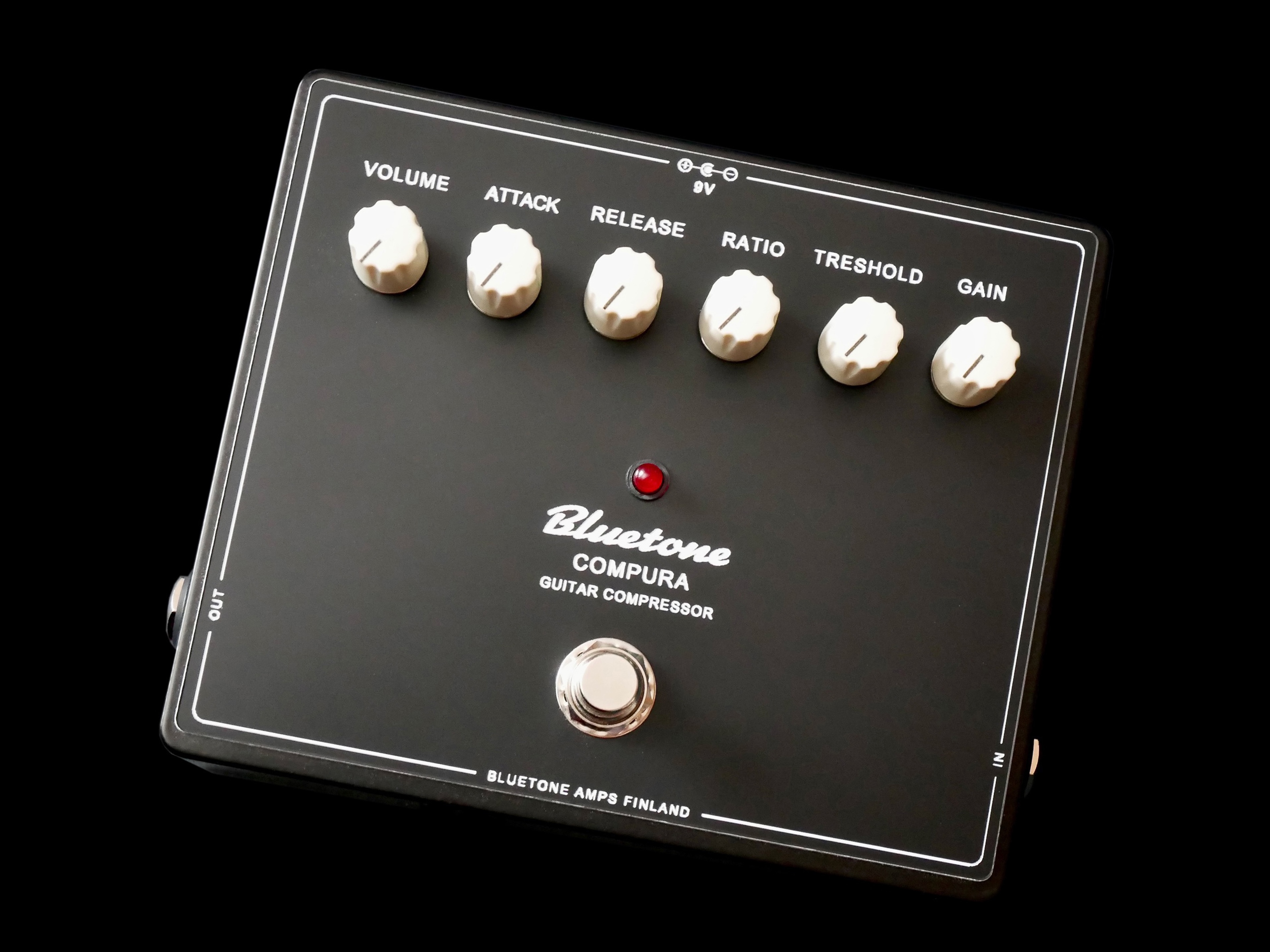
Suomalainen Bluetone Compura (330 €) lähestyy aihepiiriä toiselta kulmalta tarjoamalla laajasti säädettävän studiokompressorin kitarapedaalissa. Kuusi säädintä voivat aluksi näyttää hieman pelottavalta, mutta kun niiden toimintaa käy ensin rauhallisesti läpi, niin homma alkaa nopeasti selvenemään.
• GAIN on Compuran esivahvistus. Tässä ei ole kyse säröstä, vaan siitä, että eri kitaroissa (ja bassoissa) on eri mikrofonien vuoksi erilaiset lähtötasot. Gain-säätimellä pystyy siis optimoimaan valitun kitaran signaalitasoa kompressiopiiriä varten.
• THRESHOLD (kyllä, kuvan varhaisessa tuotantomallissa on pieni kirjoitusvirhe) tarkoittaa kynnystasoa. Threshold-tason alle jäävä signaali pysyy kompressoimatta, kun taas kynnyksen ylle menevät osuudet puristetaan dynamiikan osalta kasaan.
• RATIO on kompressiosuhteen säädin. Studiokompressoreissa lukee ratio-säätimen vieressä tavallisesti numeerinen suhde, jossa esimerkiksi ”1:1” tarkoittaa, ettei kompressoida lainkaan, kun taas ”8:1” tarkoittaa, että jos tulosignaalin taso nousee kahdeksan desibeliä kynnystason yli signaalia kompressoidaan niin, että lähtötaso nousee vain yhden dB:n verran. Bluetone Compurassa säädöt tehdään korvakuulolla.
• ATTACK ja RELEASE säätävät kuinka nopeasti kompressori alkaa vaikuttamaan signaalin tasoon sen jälkeen, kun kynnystaso ensin ylittyy (Attack-säädin), sekä silloin kun tulosignaalin taso taas laskee kynnystason alle (Release-säädin). Attack-säätimellä pystyy siis vaikuttamaan esimerkiksi siihen, kuinka paljon äänten atakista säilyy muuttumattomana, kun taas Release-säädin vaikuttaa siihen kuinka nopeasti kompressiopiiri ”nollauttuu” signaalipiikkien välissä.
• VOLUME-säädin on Bluetone Compura -pedaalissa lähtötason säädin, siis sama säädin jota kutsutaan monessa studiokompressorissa make-up gainiksi. Volume-nuppia säädetään korvakuulolla omien tarpeiden – esimerkiksi signaaliketjun muiden efektien – mukaan. Jotkut tykkäävät käyttää kompressorit miedoina boostereina, kun taas toiset haluavat, että kompressorin toiminta on signaalitason osalta lähes huomaamaton.
****
Studiossa kompressorin mittaristo on hyvin tärkeä työväline, josta saa tietoa siitä kuinka ”kuuma” tulosignaali on, kuinka monta desibeliä signaalin dynamiikka puristetaan kasaan, ja millä tasolla efektin lähtösignaali on.
Kitarapedaalissa tällainen mittarointi on minusta usein tarpeeton; usein värikkäät mittarit lattialla jopa vievät soittajan huomiota pois kaikkein tärkeämmästä – omasta soundista.
Tärkein on minun mielestäni se että muistetaan, ettei ole olemassa ”ainoa oikea tapa” käyttää sellaista kompressoria kuin Bluetonen Compura, koska mukana on aina kokonainen kasa muuttajia, kuten soitin, oma soittotatsi, musiikkigenre, muu signaalitie, käytössä oleva vahvistin jne.
Kun ottaa itselleen ensin hieman tutustumis- ja kokeiluaikaa Bluetone Compuran kanssa, löytyy hyvin helposti ja nopeasti sellaiset parametrien asetukset, jotka toimivat sinun omassa musiikillisessa työympäristössä. Se mikä sinun mielestäsi toimii sinun omassa musiikissa, on oikea riippumatta siitä, mitä toiset ehkä sanovat.
Helsingissä käsintehty Bluetone Compura ei ole halpakompura, vaan huippulaadukas pro-tason kompressoripedaali, joka tarjoaa studiokompressoreista tuttua säädettävyyttä kompaktissa muodossa. Siihen nähden laitteen hinta on jopa edullinen.
****
****
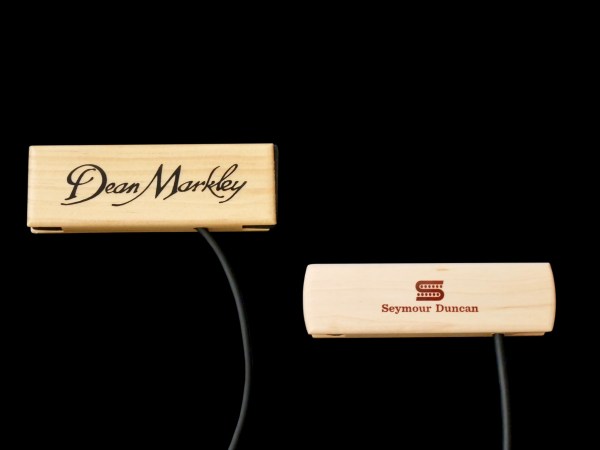
Magneettisien ääniaukolle menevien mikrofonien testi löytyy TÄÄLTÄ.

Lisää infoa/More information: Bluetone Compura


Vuoden 2024 Tonefest-tapahtumaa järjestetään Helsingin Musiikkitalossa lauantaina 18.05.2024.
Soitinmessuilla (klo 10-18) voi kokeilla laajan skaalan erilaisia soittimia, efektejä ja vahvistimia.
Tonefest-konsertti (klo 19) taas tarjoaa runsaasti maukasta kitaravetoista musiikkia.
Kaikki infot löytyy Tonefestin nettisivuilta.
Lisää infoa/More information: Bluetone Compura

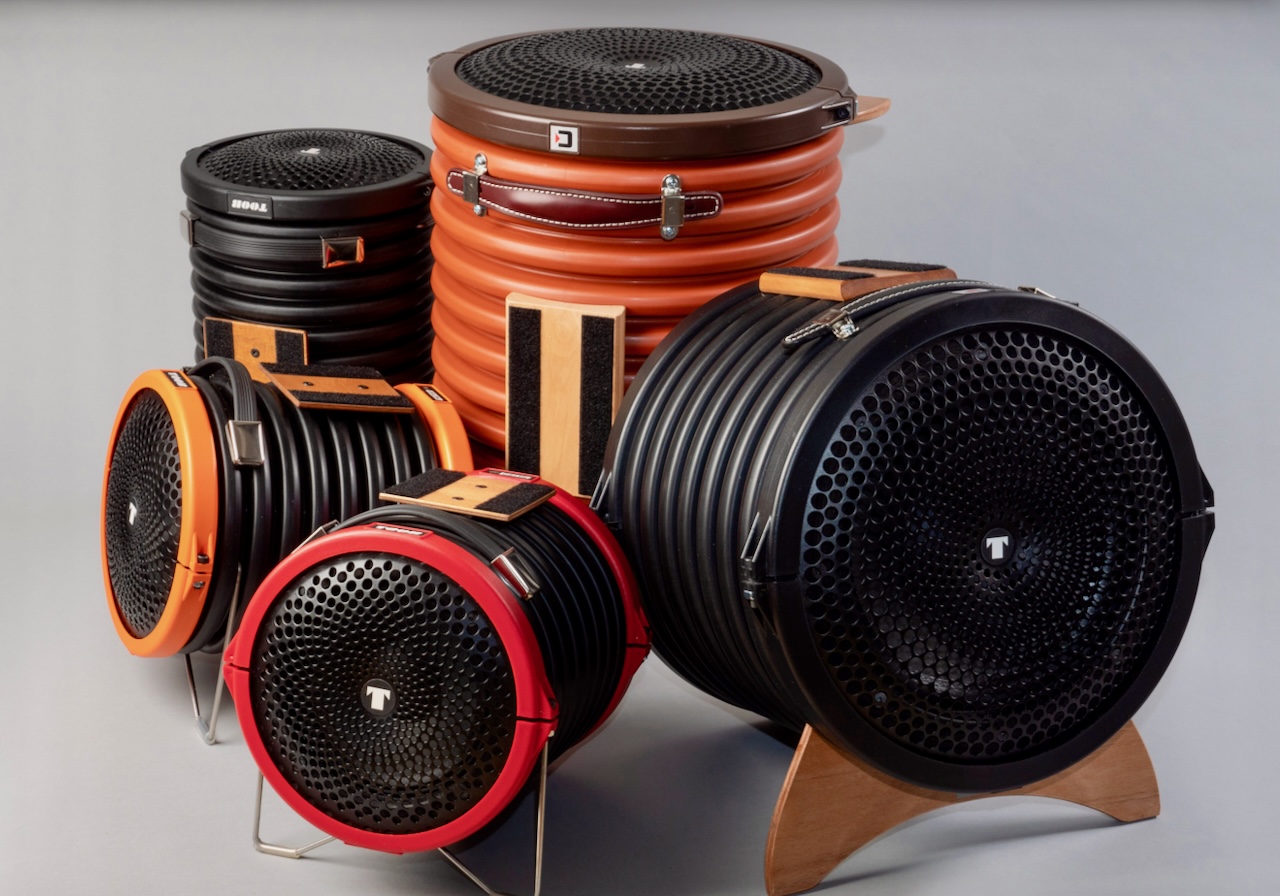
The ultralight, tubular TOOB and Metro speaker cabinets still define their category alone, seven years after their introduction in 2017. Soon 750 units have been shipped to 37 countries. Pro musicians and active giggers constitute the main user group. Inventor Markku Pietinen still crafts each unit singlehandedly in a small workshop in Lintuvaara, Espoo. At 77, with other projects still ahead, Markku is looking for a successor.
The present scale – 150 units per year- would provide a nice income boost to a fresh retiree or luthier with the requisite space, equipment and skills. Close cooperation with top musicians is a reward in itself. The market is worldwide and could absorb a lot more; this however calls for investment in marketing and production. Benefits from scaling up would be tangible. As well, there are some potentially patentable ideas in the back pocket. If the operation were taken over by a Finnish corporate entity with an acceptable credit rating, immediate public subsidies would be available. Up to now, the activity has been entirely self-financed.
The unique TOOB architecture has resulted in a variety of guitar, bass and full-range speaker cabinets. Custom versions and telescopic models for globetrotters are made to order. TOOBs have been developed in close and ongoing cooperation with the leading Finnish pipe manufacturer Uponor. Production does not have to remain in Finland, however. The corrugated, double-wall plastic pipe is made worldwide, in vast quantities, to an international standard. Several manufacturers are likely to offer pipe with compatible external profile.
It is obvious that the transfer of production to new hands requires Markku’s active participation for up to several years. Alternatives to a direct acquisition include a joint-venture and licensing/franchising arrangements, which leave the ownership of valuable special tooling intact.
For more information, please contact: toobspeakers[at]gmail.com
UItrakevyet TOOB-putkikaiuttimet ovat muodostaneet oman luokkansa vuodesta 2017, jolloin ne tuotiin markkinoille kymmenen vuoden kehittelyn jälkeen. Kolme vuotta myöhemmin esiteltiin maailman pienimmät keikkakelpoiset Metro-kaiuttimet, joista on tullut suuri menestys. Kaikkiaan pyöreät 750 kaiutinta on lähetetty 37 maahan. Ammattimuusikot ja aktiiviset keikkailijat ovat suurin käyttäjäryhmä. Idean isä Markku Pietinen kokoaa edelleen jokaisen tuotteen pienessä työhuoneessa Espoon Lintuvaarassa. Kun ikää on karttunut 77 vuotta ja edessä on vielä muita hankkeita, Markku etsii toiminnalle jatkajaa.
Nykyisessä mittakaavassa – 150 kaiutinta vuodessa – toiminta tuo mukavaa lisäansiota aktiiviselle eläkeläiselle tai vaikkapa soitinrakentajalle, jolla on entuudestaan tilat, välineet ja taito hyppysissä. Läheinen yhteistyö huippumuusikoiden kanssa on itsessään palkitsevaa. Markkina on maailmanlaajuinen ja nielisi paljon suuremman määrän; tämä kuitenkin edellyttäisi lisäpanostuksia sekä tuotantoon että markkinointiin. Skaalaedut suuremmasta volyymista olisivat tuntuvat. Takataskussa on myös ideoita, mahdollisesti patentoitavaksi asti. Mikäli toiminta siirtyisi luottoluokitellun suomalaisen yhtiön nimiin, tarjolla olisi välitöntä julkista tukea. Tähän asti toiminta on ollut täysin omarahoitteista.
TOOBien ainutlaatuinen perusratkaisu on tuottanut runsaan valikoiman kitara-, basso- ja täysaluekaiuttimia. Tilauksesta syntyy myös custom-versioita sekä kokoonpainuvia teleskooppimalleja maailmanmatkaajille. TOOBit on kehitetty läheisessä ja jatkuvassa yhteistyössä johtavan putkivalmistajan Uponorin kanssa. Tuotannon ei kuitenkaan tarvitsisi jäädä Suomeen. Poimutettua kaksikuorista muoviputkea valmistetaan kautta maailman valtavia määriä kansainvälisen standardin mukaisesti. Ulkoiselta profiililtaan yhteensopivaa putkea löytynee moneltakin valmistajalta.
On selvää, että tuotannon siirto uusiin käsiin edellyttää Markun aktiivista osallistumista jopa vuosien ajan. Vaihtoehtoina suoralle yrityskaupalle voidaan ajatella yhteisyritystä tai lisenssi/franchising -järjestelyä, jossa arvokkaat erikoistyökalut eivät vaihda omistajaa.
Lisätietoja: toobspeakers[at]gmail.com






 Kitarablogi.com – Finland's premier Guitar and Bass blog