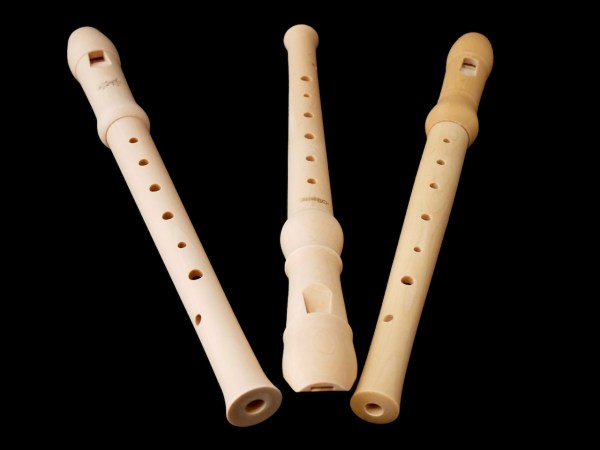
Three very affordable wooden recorders from Germany

****

The poor recorder is probably the most-hated educational musical instrument. It was my first instrument, too, as it was mandatory in West Germany in grades three and four, back in the Seventies.

I think, a lot of the recorder’s negative image is due to the fact that in all wind instruments the force of blowing is in direct relation to the instrument’s pitch and the overall sound. With the lowest notes on the recorder you have to blow carefully to prevent the note to jump squealingly into the upper octave. In the middle register too little airflow will make the pitch wobble to flat, while too much air will push the note sharp. The second ocatve, for its sins, is hard to play cleanly and nicely for any beginner. And don’t forget all the nasty ”sound effects” that are caused by sloppily closed finger holes.

The recorder has to put up with being put down as solely a beginner’s instrument, not fit for making any serious music at all. In reality, this is a fallacy, as there is a large body of serious works for recorder that require serious ”chops” to perform.

****
For over a hundred years Germany has been something of a ”promised land” when it comes to recorders. Two of the most famous recorder companies are German – Moeck and Mollenhauer. In the 1970s in West Germany, schools exclusively used recorders manufactured by these two brands, which came up with their own classic school models, the all-maple Moeck Schulflöte and the Mollenhauer Student made from pear wood.

These days most parents choose plastic instruments for their children, because plastic recorders are generally cheaper, don’t need any playing in (read about it at the bottom of this post), and because they are harder to damage than a wooden flute. Yamaha and Autos are probably the most respected brands in plastic recorders.

Even though the sound of plastic recorders is almost on a par with wooden flutes, I still like the feel of a wooden instrument in my hands.

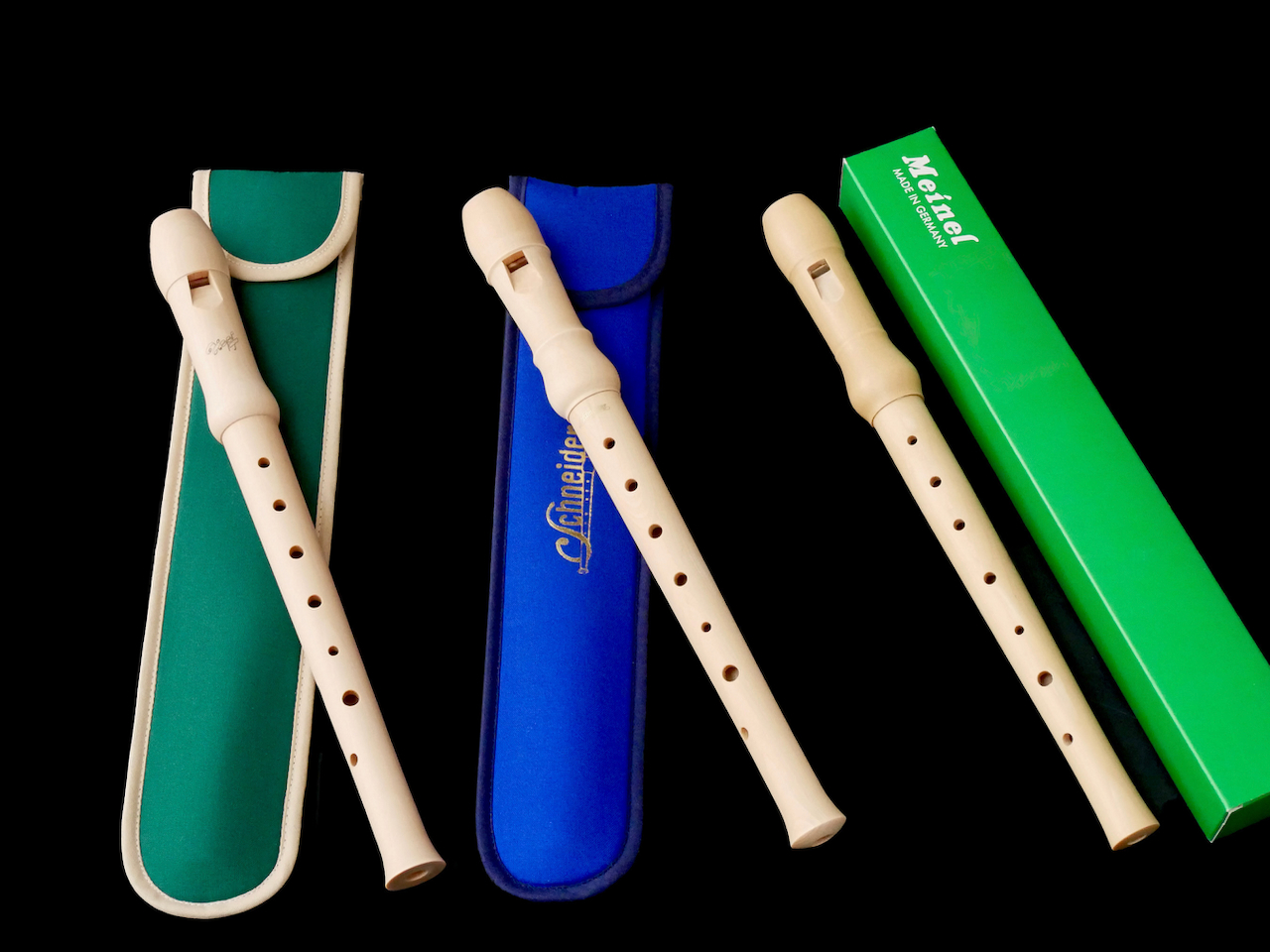
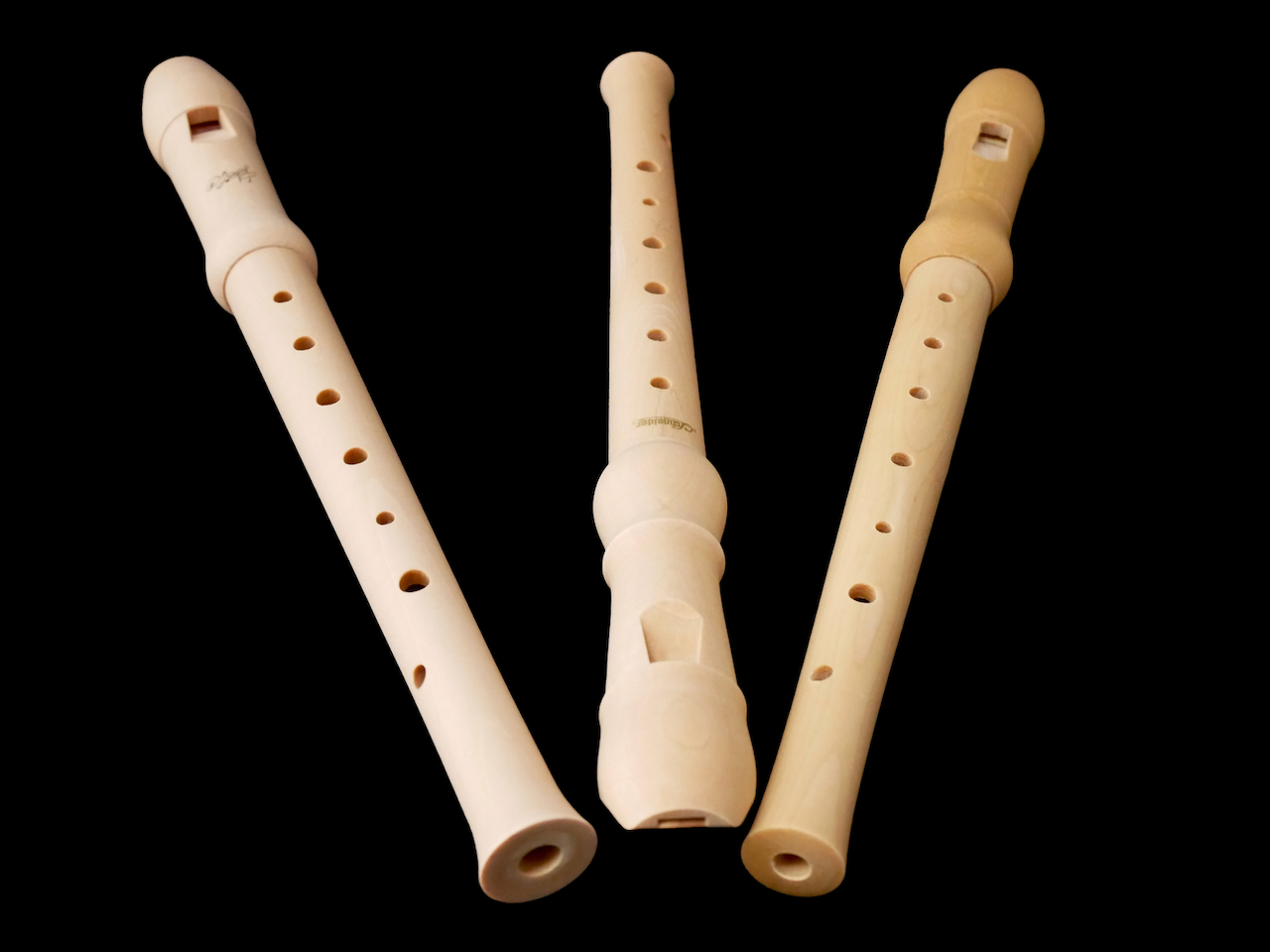
It may be surprising, but there are still small workshops is Germany producing very cost-conscious wooden recorders in small batches. I’ve chosen three soprano (aka descant) recorders for this review – a Meinel 200-1, a Schneider Student and a Hopf 46. All three models are made of maple, all are two-piece instruments (mouthpiece plus body), and all sport German fingering (because that’s what I’ve learned in school back in the day). The ”most expensive” recorder of this trio, the Hopf 46, is sold for only 33 euros in Thomann’s webshop.

Let’s find out whether we’re dealing with real instruments or whether these recorders are merely ”wooden objects pretending to be recorders”.

****
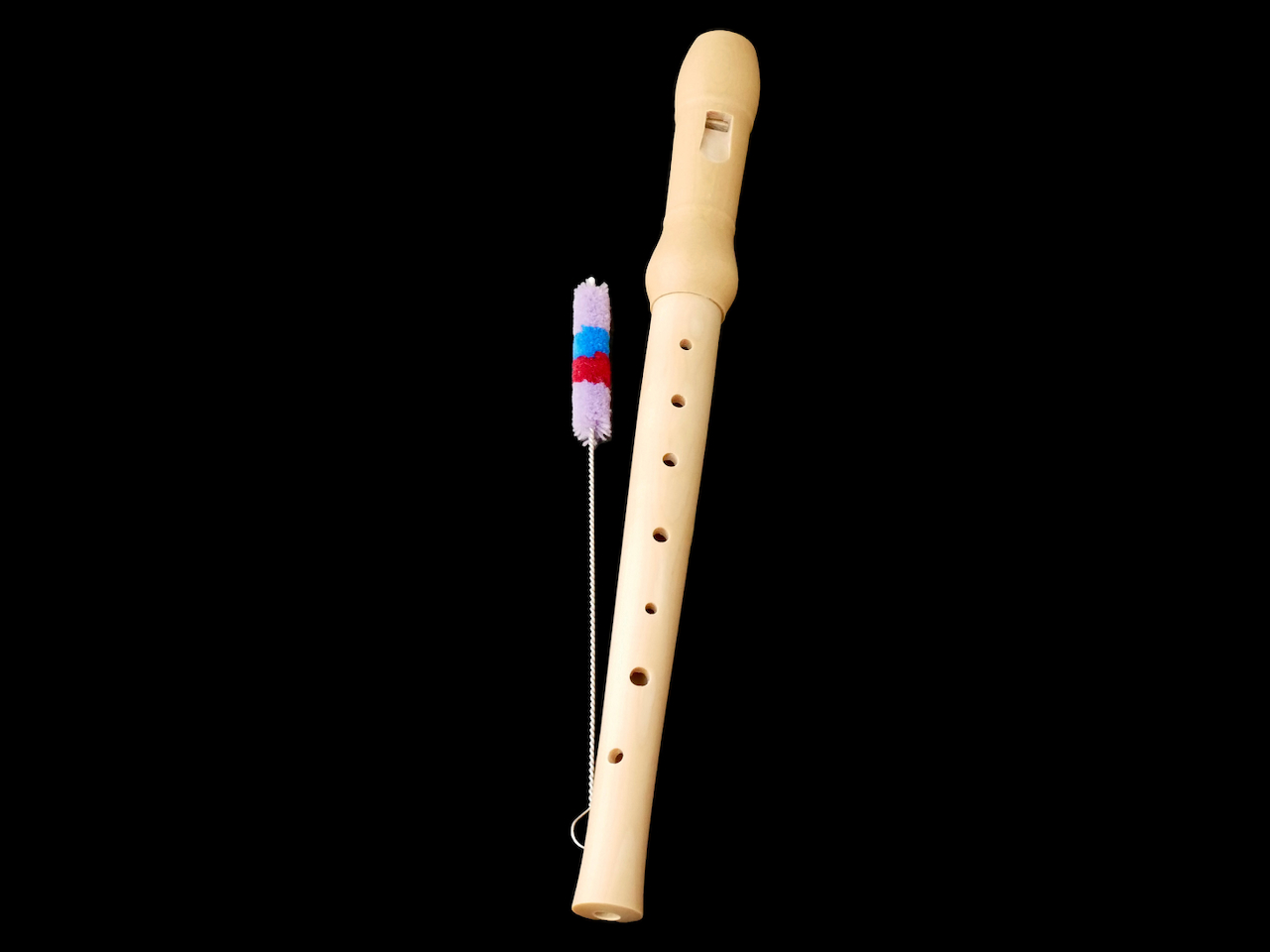
Meinel is a recorder maker with a history of over 100 years. Meinel is situated in the southeastern German region of Vogtland, on the northwestern border of the Czech Republic, a region where instrument making and artisanal wooden products have an extremely long tradition.

The Meinel 200-1 is the cheapest recorder in this review (11 €), which means that this instrument is sold in a mere cardboard box. A fuzzy cleaning brush comes with the recorder.

The Meinel 200-1 recorder displays surprisingly clean workmanship. The only very minor point of criticism in the review instrument comes in the form of a small, paraffin-soaked wood shaving inside the mouthpiece. I had no problem removing the little piece of stray wood using the cleaning brush.

Almost all manufacturers saturate their recorder blanks in a hot paraffin bath, which protects the flute from the moisture in the player’s breath.
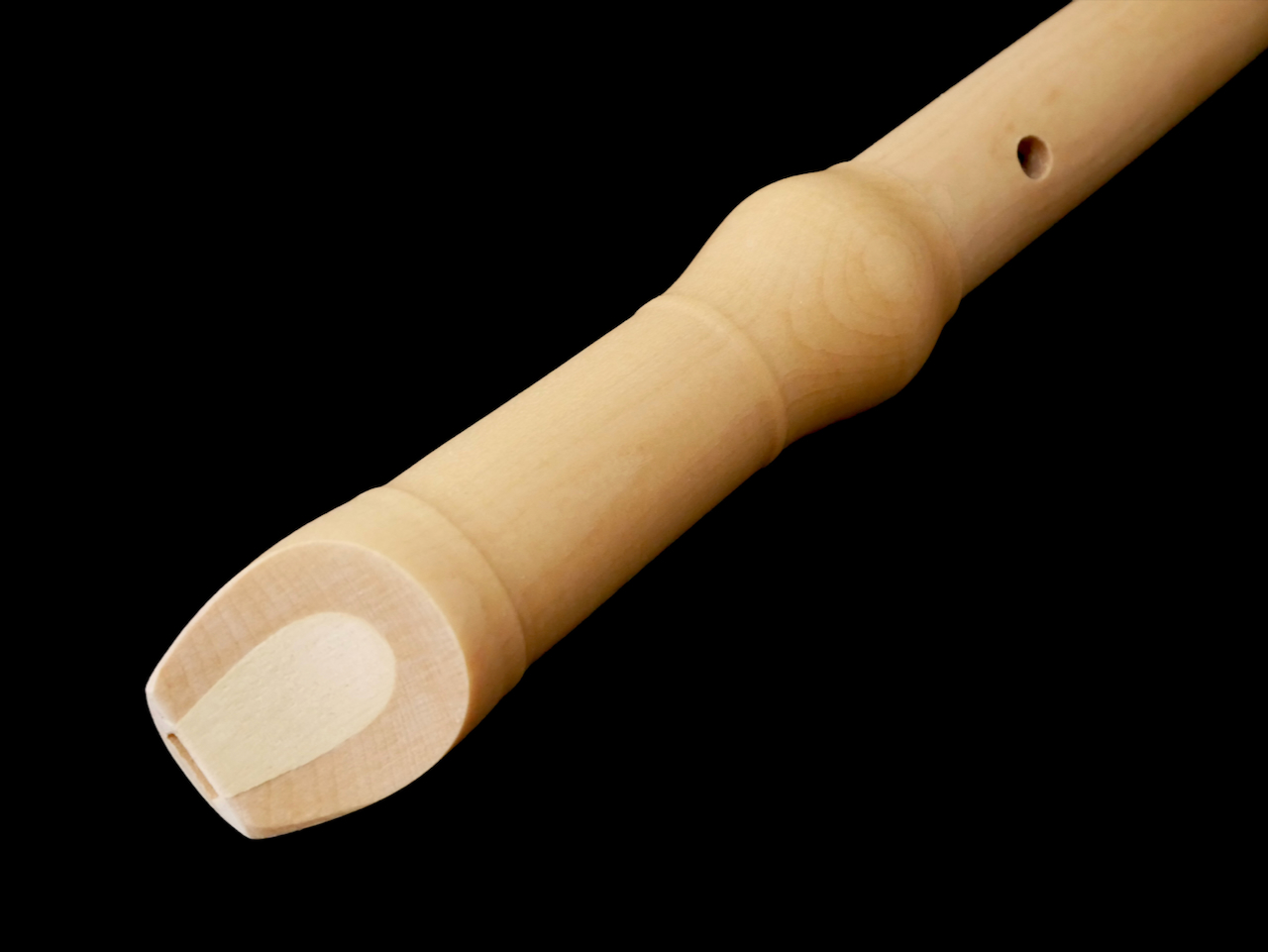
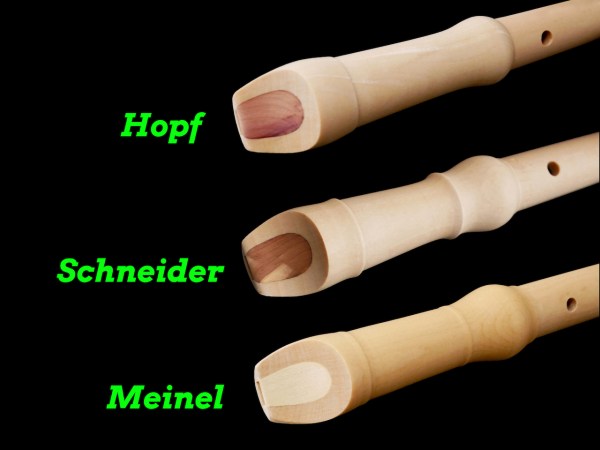
I was surprised by the light-coloured block inside the mouthpiece. Traditionally this block is made from red cedar (which is actually a juniper), because it is quite moisture-resistant and also mildly antiseptic. I decided to phone Meinel’s main man, a very friendly fellow called René Schlegel, to get to the bottom of this.

Meinel has switched from red cedar to obeche (triplochiton scleroxylon) from western Africa for most of models, because red cedar in good quality has gotten harder to find. An abundance of knots in that wood has forced Meinel to discard an ever larger amount of red cedar. Obeche, on the other hand, is easy to find in large quantity with FSC-certificates, it holds up well to moisture, and there are far less knots in the wood.
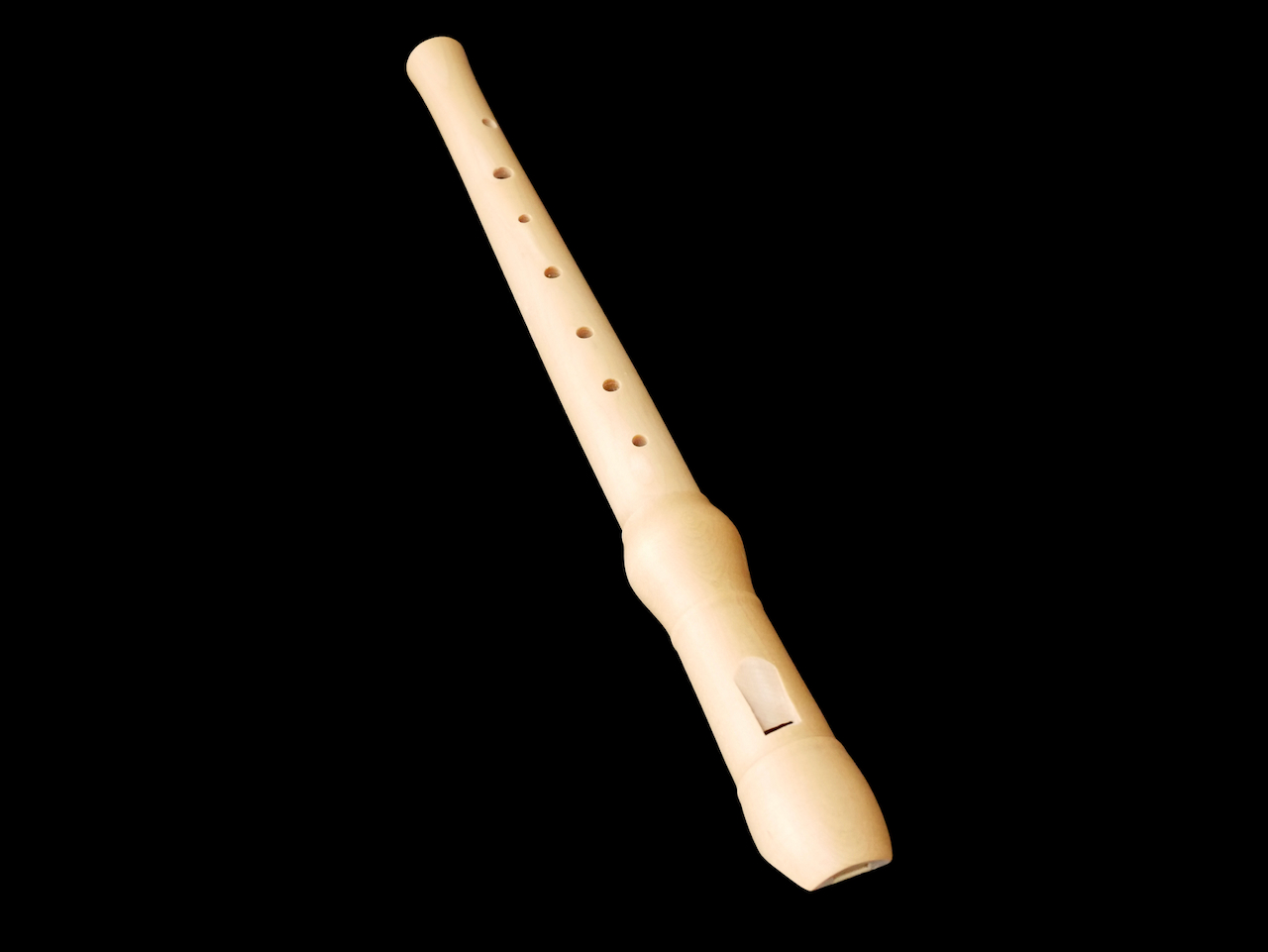
There are some user reviews on the Thomann product page that claim that the Meinel 200-1 is ”not in tune” or that it ”intonates badly”. I don’t know what the people in question have done to their recorders, but my review sample of the Meinel plays in tune beautifully with no problems whatsoever. At least after the required month-long playing in phase (read more at the end of this post).

The Meinel 200-1’s voice is very velvety and beautiful. This recorder is a little more ”breathy” than the other two instruments reviewed here, but at this sensationally low price the Meinel is hard to beat!

****
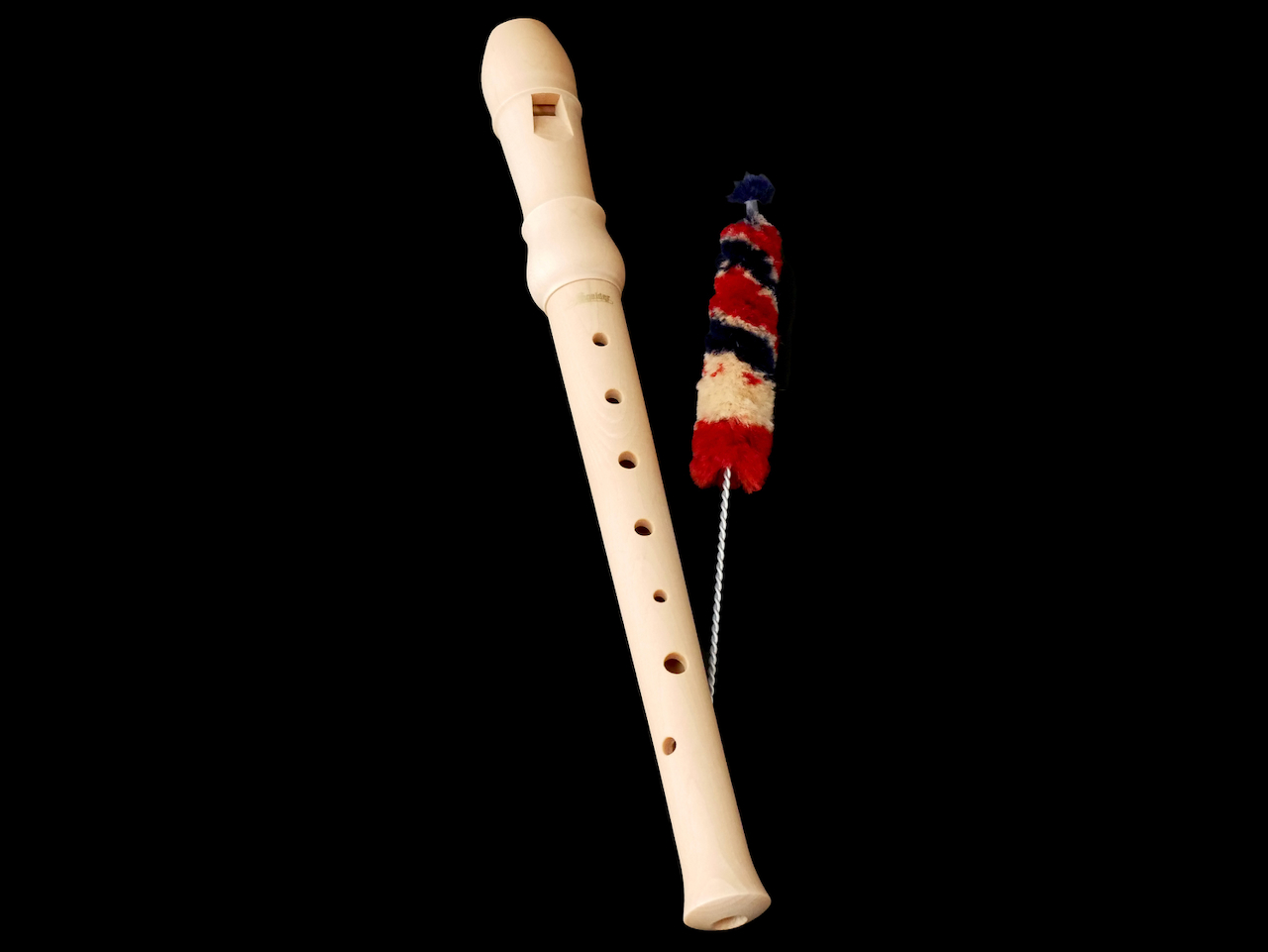
Schneider’s workshop lies in the same Vogtland-region as Meinel’s. Schneider’s history can be traced back to the year 1864, which makes you wonder why this brand is still so relatively little-known.

The Schneider Student is the company’s cheapest descant recorder (23,90 €), and it comes with a fuzzy cleaning brush, as well as a handy padded bag.

Schneider’s Student displays exemplary clean workmanship inside and out.
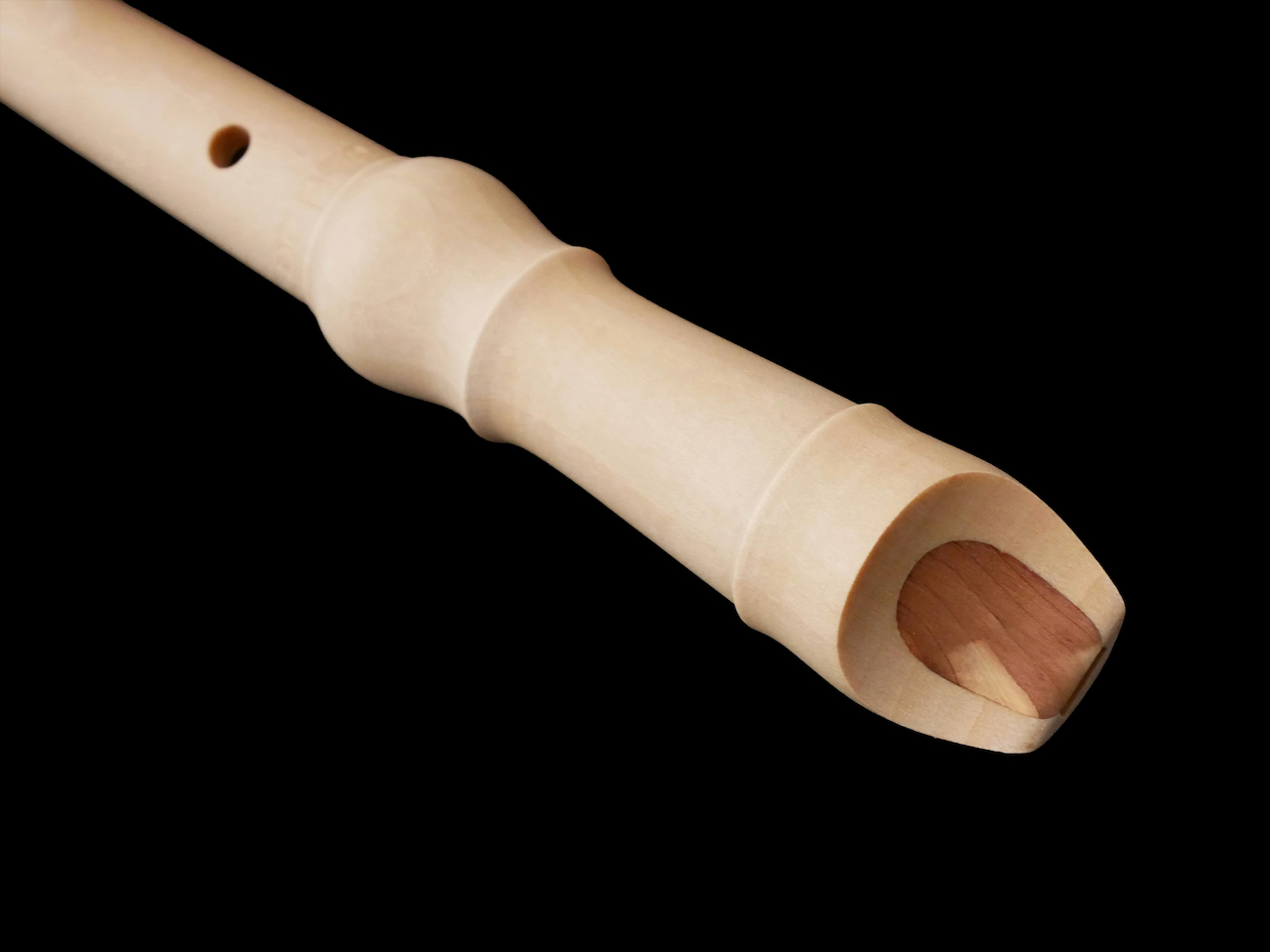
The Student-model sports a block made from red cedar. A ”Made in Germany” inscription is pressed straight into the wood above the thumb hole.
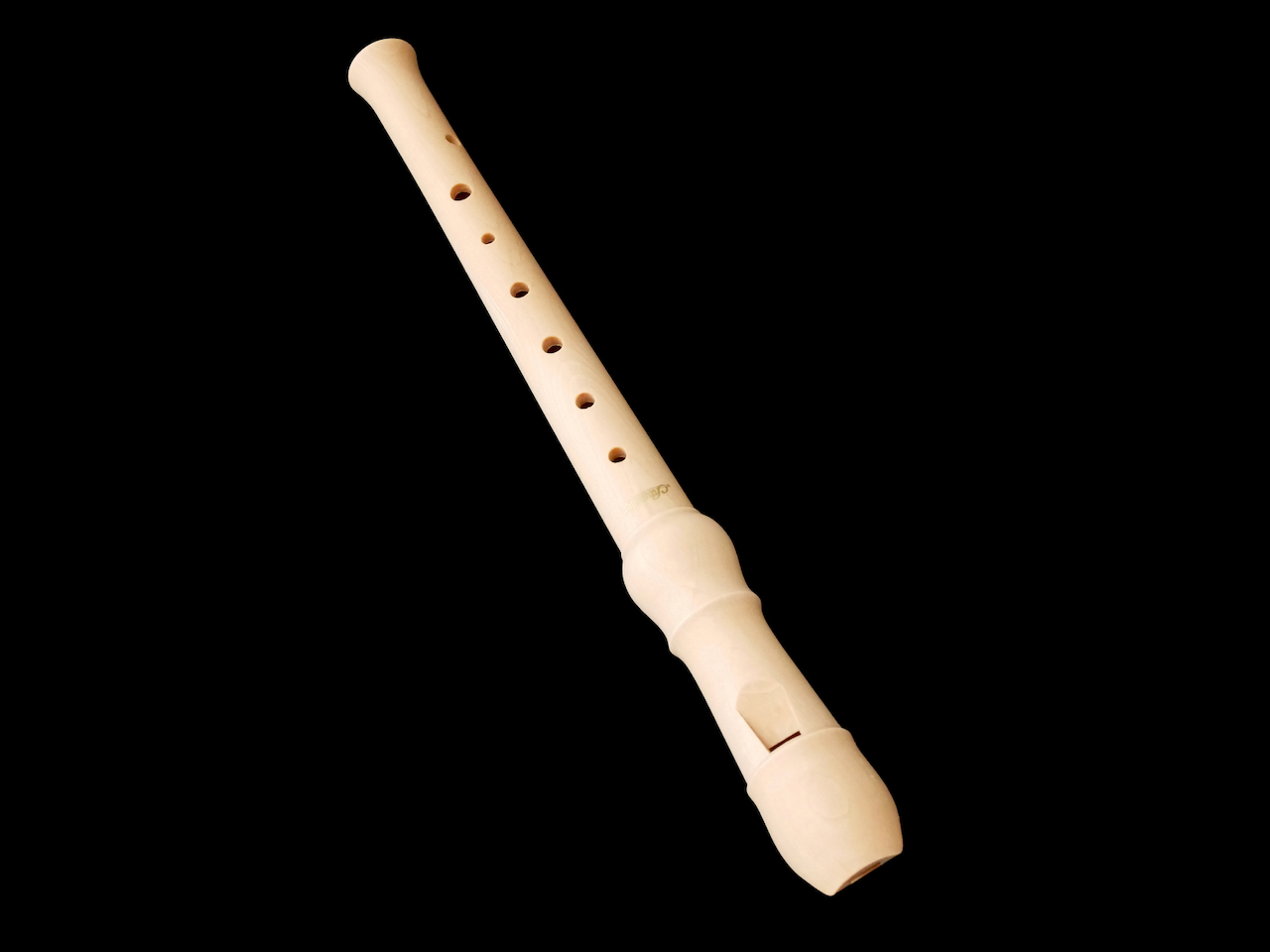
The Schneider Student’s high quality makes you wonder how the company can make a recorder this good at such a user-friendly low price.

Our review sample needed a thorough playing in-phase for the notes in the upper octave to spring to life properly and cleanly. This isn’t a fault, though, as each wooden recorder is an ”individual”. Get more information regarding the playing in of wooden recorders at the end of this review – it is an extremely important step in the life of a new recorder!

The Schneider Student plays beautifully with a bright and clearly defined voice. Its intonation is spot on. The Schneider offers a lot of recorder at a surprisingly small price.

****
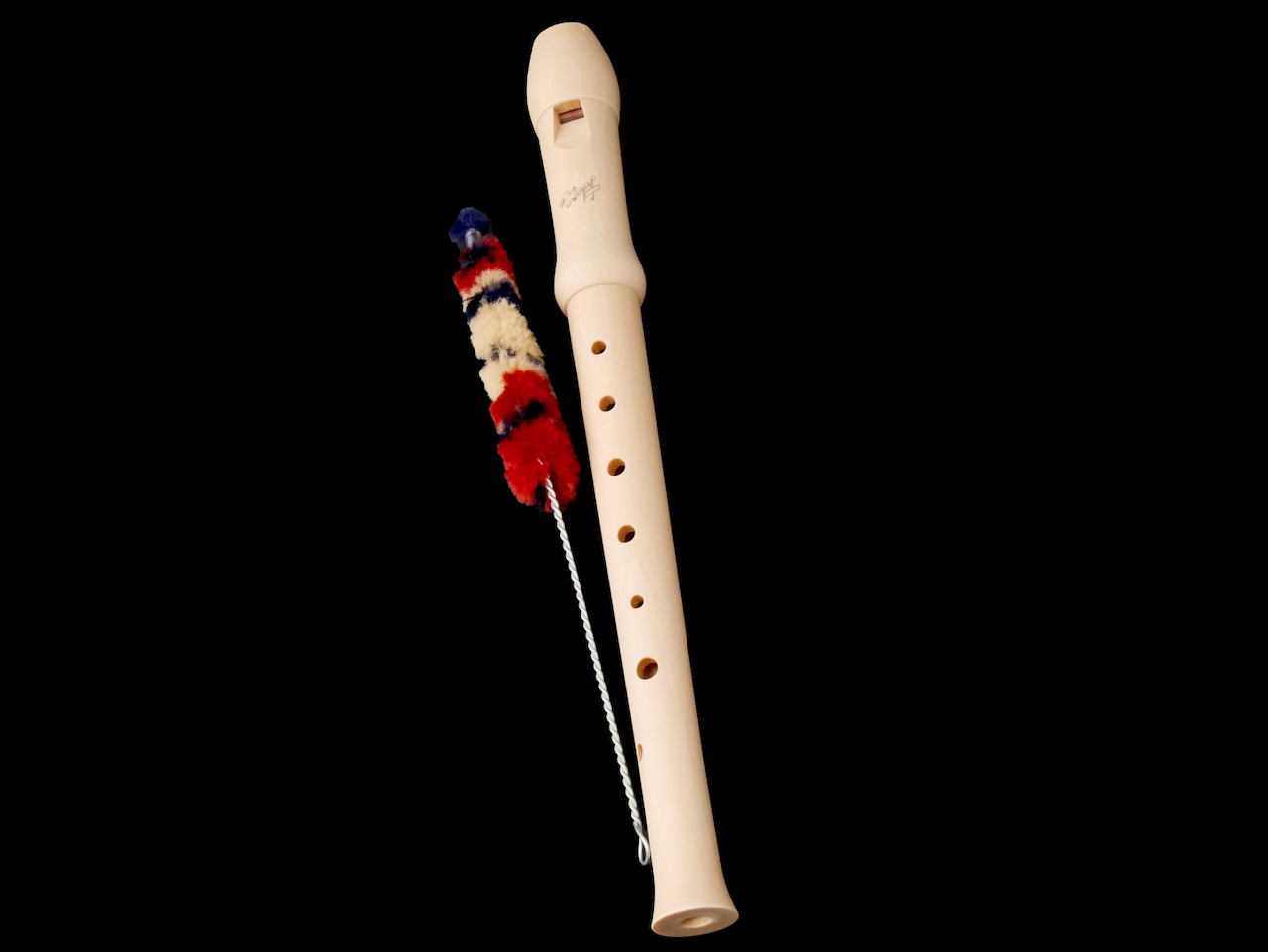
The Hopf family started making stringed instruments already in the late 17th century. For almost 300 years their workshop, too, was situated in the Vogtland, but during WWII the family moved to the town of Taunusstein (West Germany, near Wiesbaden). In 1948 a new Hopf workshop was founded, which concentrates on manufacturing guitars and recorders.

The Hopf 46 is the brand’s cheapest soprano recorder (33 €). It comes with a fuzzy cleaning brush and a nice padded bag.

The workmanship of the Hopf 46 is at least on a par with the Schneider Student. The Model 46 looks a lot like Moeck’s classic Schulflöte 1250 recorder, the same instrument that got me started, too.
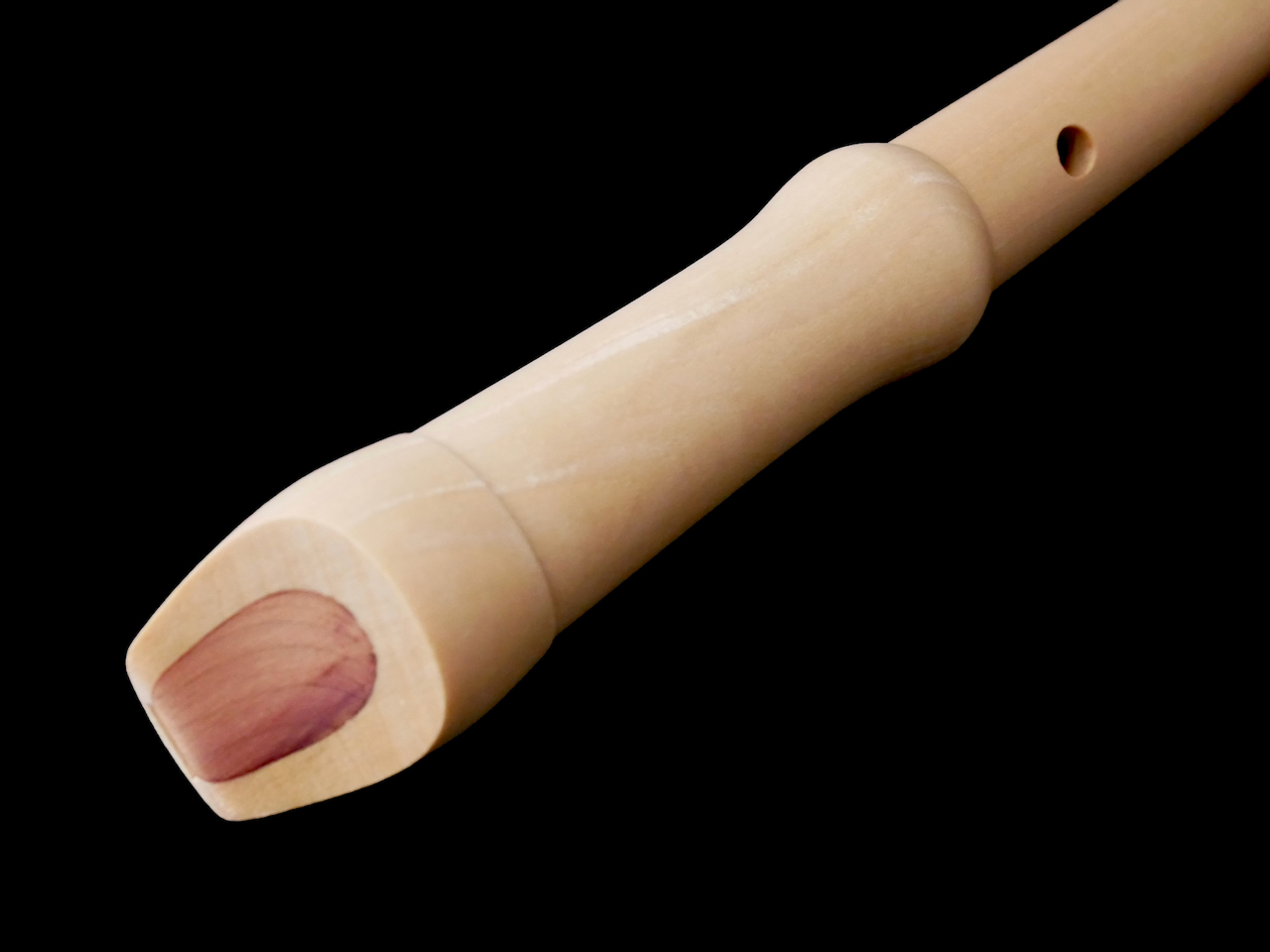
Traditional red cedar wood is used for the Hopf’s block.

The lowest part of the Model 46’s body has a tiny bit of added girth to it, when compared directly to the Meinel and Schneider recorders. The tiny additional thickness doesn’t make a difference in terms of the Hopf’s actual playability, though.
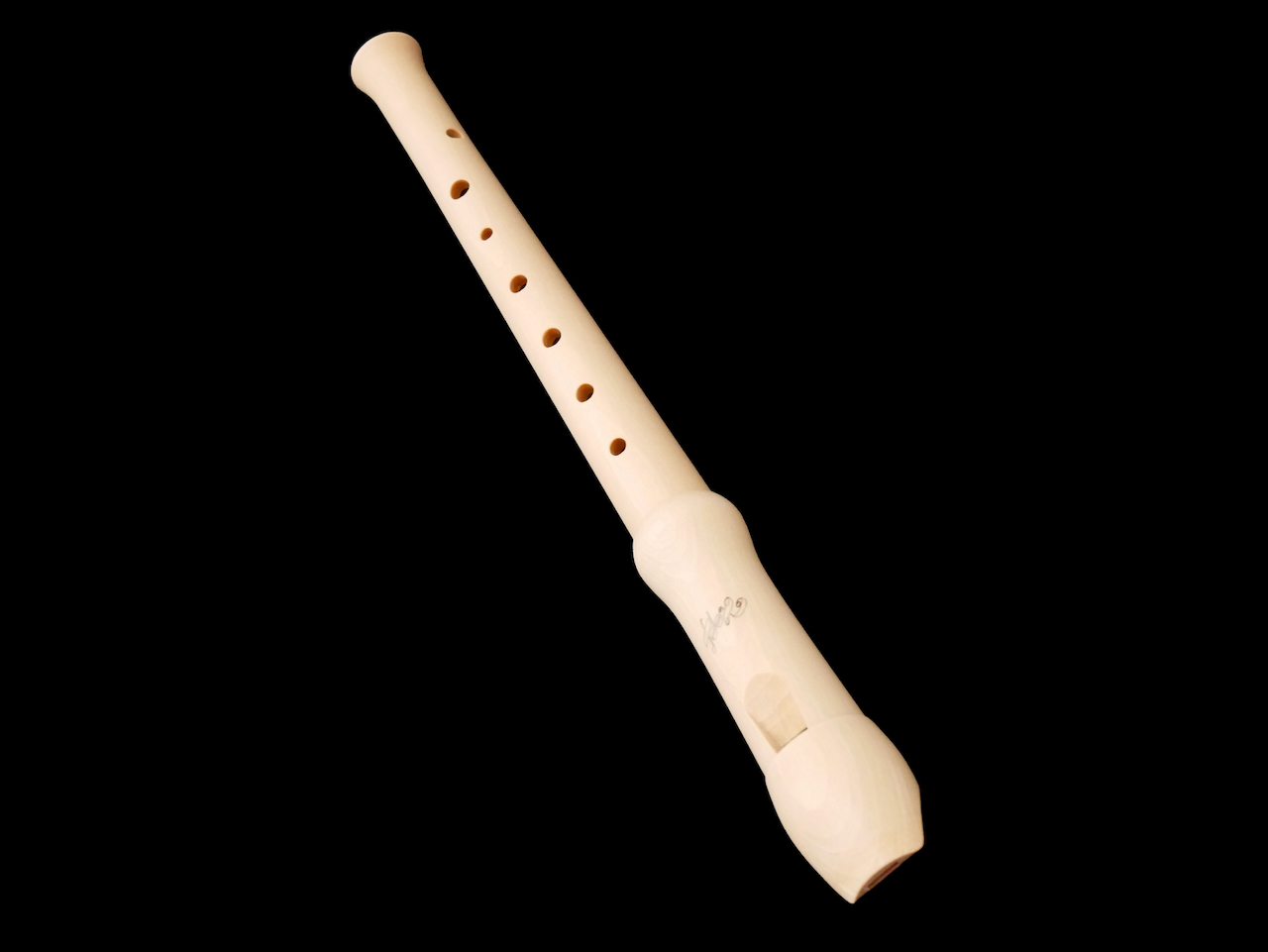
The Hopf 46 raises the same questions as the other two recorders in this review:

How can a German wooden recorder be this cheap? Why would anybody buy a plastic instrument for a beginner?

In terms of its sound, the Hopf 46 isn’t much different to the Schneider Student. The Hopf’s voice shines beautifully with a well-defined attack to each note.

After it was carefuly played in (read more at the end of this review) Hopf’s recorder plays in tune very nicely. At this low price, and with such quaity on offer, the Hopf 46 is an excellent choice as a first proper recorder.

****

****

How to play in a recorder

Even though most manufacturers saturate their recorder blanks with paraffin, a brand-new recorder isn’t ready to be played ”in earnest” right off the bat.

The reason for this lies in the player’s breath, which is both warm and humid. This puts a strain on a new recorder’s wind channel and block, which have to become slowly accustomed to the moisture. Additionally, the moisture starts to cause hoarseness and gurgling in a new recorder’s mouthpiece far more quickly than on a well-played in instrument, despite having been pre-warmed thoroughly (for example with the mouthpiece placed in the armpit).

A brand new recorder – but also an instrument that hasn’t been used for a longer time – has to be played in over a period of four to five weeks. A thorough playing in gives the recorder’s wooden components enough time to acclimatise to being played. The repeated cycle of short playing and long drying phases does reduce the danger of excessive swelling of the recorder’s mouthpiece, and helps to ”harden” the wind channel a bit. The process of playing in will also open up a wooden recorder’s voice.

Most manufacturers give this specific timetable for playing in a new recorder (after the instrument’s been warmed up):

Week 1: Play the recorder for five to ten minutes each day. Stay in the lower register and play long notes.

Week 2: Play the flute for fifteen to twenty minutes each day. Start introducing notes from the second octave.

Weeks 3–4: Play the recorder for 30 to 40 minutes daily.

After one month: The recorder’s wood should now be used to the moisture introduced by the player’s breath. You can now play the recorder as you wish (note that many professional flautists recommend using a single recorder for no longer than one or two hours).

British-Dutch recorder professor Sarah Jeffery recommends a slightly less rigid approach to playing in a new recorder. She recommeds listening to your instrument’s behaviour. Jeffery recommends adhering to the manufacturers’ instructions during the first week (only short playing times and long, low notes). For the next weeks you should listen to your recorder. If the instrument starts to sound hoarse already after five minutes playing in the second week, it’s probably a good idea to stop playing there and then, and let the recorder dry out completely. But if your instrument still sounds good after twenty minutes, you won’t break the recorder by playing five more minutes. Check out Sarah Jeffery’s excellent YouTube-channel.

Regardless of which approach to playing in your new recorder you choose, there are two extremely important things you should do when you’re finished playing:

  1. Take off the mouthpiece and blow out any condensed moisture from the wind channel, by closing the mouthpiece’s butt with the palm of one hand, and then blowing two or three times into the front opening. Usually you will then see a few drops of condensed moisture next to the windway opening at the mouthpiece’s tip. Wipe the water off the tip. Always be careful not to touch the labium (the ”ramp” with the sharp front end inside the sound hole)!
  2. After playing let the recorder dry out properly, preferably with the mouthpiece separated from the body, for at least two to three hours, before you put it away in a plastic (or wooden) closed case. These days, many manufacturers deliver their recorders with padded bags from fabric, which let the flute dry inside the bag. During the playing in phase, the recorder has to dry thoroughly before you take it out for playing the next day.

Important note: When a new recorder cracks or splits, because it hasn’t been played in properly, it won’t be covered by the manufacturer’s warranty!
Kolme edullista nokkahuilua puusta saksalaisilta valmistajilta

****

Nokkahuilu-parka on varmaan vihatuin koulusoitin ikinä. Se oli myös minun ensimmäinen soitin, joka oli länsisaksalaisissa kouluissa pakollinen kolmannella ja neljännellä luokalla 1970-luvulla.

Negatiiviseen maineeseen vaikuttaa varmaan, että kaikissa puhallinsoittimissa puhalluksen voimakkuus vaikuttaa erittäin paljon äänikorkeuteen ja nuotin soundiin. Nokkahuilun matalissa äänissä täytyy olla varovainen, ettei nuotti kippaa vinkuvalla äänellä yläoktaaviin. Keskirekisterissä liian vaisu puhallus jättää nuotin alavireiseksi, kun taas liikkaa voimaa työntää äänen toiseen suuntaan epävireiseksi. Ja toisen oktaavin äänet on suhteellisen vaikea saada ylipäänsä soimaan. Kaiken tämän lisäksi täytyy koko ajan varmistaa, että oikeat reiät on suljettu kunnolla, muuten tästäkin syntyy ei-toivottuja ääniefektejä.

Nokkahuilu on saanut sellaisen maineen, että se on vain koulusoitin, jolla ei pysty tekemään vakavasti otettavaa musiikkia. Tämä on kuitenkin vääryys, sillä taidokkaasti soitettuna se on kauniisti soiva soitin.

****

Saksa on ollut jo yli sata vuotta nokkahuilujen ”luvattu maa”, josta tulevat myös kaksi maailman tunnetuimpia nokkahuilumerkkiä – Moeck ja Mollenhauer. 1970-luvulla länsisaksalaisissa kouluissa käytettiin näiden merkkien klassisia, puisia ”koulumalleja” Moeck Schulflöte vaahterasta tai Mollenhauer Student päärynäpuusta.

Nykyään monet vanhemmat valitsevat lapsilleen muovista tehdyn nokkahuilun, koska ne ovat yleensä edullisempia ja myös hiukan kovaa menoa kestävämpiä vaihtoehtoja. Yamaha ja Aulos ovat varmasti tunnetuimmat muovihuilujen brändit.

Vaikka muoviset nokkahuilut usein soivat melkein yhtä kauniisti kuin puiset vastineet, puisen soittimen tuntuma on ainakin minusta vielä lyömätön.

Yllättävä kyllä, Saksassa on edelleen olemassa muutama pienempi paja, joissa valmistetaan edullisia puisia nokkahuiluja piensarjoissa. Valitsin niistä kolme eri sopraanomallia testattavaksi – Meinel 200-1, Schneider Student ja Hopf 46. Kaikki kolme on tehty vaahterasta yksiosaisella rungolla ja ne ovat saksalaisotteisia (koska opin näitä otteita koulussa). ”Kallein” malli, Hopf 46, maksaa Thomannin nettikaupassa vain 33 euroa.

Katsotaan seuraavaksi onko kyseessä aitoja soittimia tai ainoastaan ”nokkahuilua muistuttavia puuesineitä”.

****

Perinteikäs Meinel on ollut pystyssä jo yli sataa vuotta kaakkois-Saksan Vogtland-alueella, pohjois-Tšekin rajan lähellä. DDR:n aikoihin se oli osa isompaa Migma-soitinyhtyötä, josta on syntynyt 1990-luvulla samanniminen soitinrakentajien osuuskunta.

Meinel 200-1 on katsauksen edullisin soitin (11 €), mikä näkyy siitä, että tätä nokkahuilua myydään ilman kuljetuspussia pelkässä kartonkilaatikossa. Pörröinen puhdistusharja kuuluu hintaan.

Meinel 200-1 -huilun työnjälki on yllättävän siisti. Ainoa pikkuinen miinus tulee pienestä parafiinikyllästetystä puulastusta, jonka poistin puhdistusharjalla huilun suukappaleen uumenista.

Lähes kaikki valmistajat kyllästyvät nokkahuilujensa aihiot kuumassa parafiinikylvyssä, joka suojaa huilun puhallusilman kosteudesta.

Yllätyin suukappaleen blokin vaaleudesta ja syykuvioista. Perinteisesti blokki tehdään punasetristä (jonka oikea nimi on kynäkataja!), koska se kestää kyvin kosteutta ja on lievästi antiseptinen. Soitin Meinel-pajan pomolle, René Schlegelille, ja kysyin häneltä blokin puulajista.

Meinel-nokkahuiluissa käytetään nykyään länsiafrikkalaista apachipuuta (Triplochiton scleroxylon), koska punasetrin laatu on muuttunut viime vuosina yhä vaihtelevammaksi, minkä takia saaduista punasetrilähetyksistä on voitu käyttää vain murto-osan. Apachi – tai obeche – kestää lämpöä ja kosteutta ainakin yhtä hyvin kuin punasetri, sitä saadaan FSC-sertifioituna isommissa erissä, ja se on kynäkatajaa huomattavasti tasalaatuisempi puulaji.

T-kaupan sivustolla voi lukea ostajien joitakin arvosteluja joissa väitetään, että Meinel 200-1 olisi ”epävireinen” nokkahuilu. En tiedä miten nämä ihmiset ovat käyttäneet oman Meinel-huilunsa, mutta huolellisen sisäänsoittamisen jälkeen (hyvin tärkeä toimenpide, joista voi lukea enemmän tämän jutun lopussa) ainakin testikappale soi kauniisti ja puhtaasti.

Meinel 200-1:n ääni on kauniin pehmeä ja samettinen. Tämä soitin päästää aavistuksen verran enemmän puhallusilmaa varsinaiseen sointiin kuin testin muut huilut, mutta tähän hintaan Meinelin hinta-laatu-suhde on kuitenkin ällistyttävä.

****

Schneiderin paja sijoittuu samalla Vogtland-alueella kuin Meinelkin, ja sekin on hyvin perinteikäs (perustettu vuonna 1864), mutta suhteellisen vähän tunnettu valmistaja.

Schneider Student on firman edullisin sopraanomalli (23,90 €) ja pakettiin kuuluu pörröisen puhdistusharjaan lisäksi myös pehmustettu kuljetuspussi.

Schneider Studentin työnjälki on erittäin siisti, sekä ulko- että sisäpuolelta katsottuna.

Suukappaleen blokki on tehty perinteisen tapaan kynäkatajasta (ns. punasetri). Peukaloreiän yläpuolella on suoraan puuhun painettu maininta ”Made in Germany”.

Myös Schneider Student -nokkahuilun kohdalla on aika yllättävä, että pieni yritys pystyy näin korkeaan laatuun näin pienellä hintalapulla.

Testiyksilö tarvitsi huolellista sisäänsoittoa, ennen kuin myös yläoktaavin äänet alkoivat sytyttää siististi. Tämä ei kuitenkaan ole vika, vaan jokainen puusta tehty soitin on yksilö. Lue sisäänsoittamisesta tämän jutun lopussa – se on ratkaiseva vaihe nokkahuilun elämässä!

Schneider Student -mallin ääni on kaunis, kirkas ja tarkka. Soittimen vire on myös kohdallaan. Tässä tarjotaan erittäin paljon hyvin edullisesti!

****

Hopfin perhe aloitti kielisoittimien valmistusta jo 1600-luvun loppupuolella. Alun perin tämäkin yritys sijaitsi Vogtlandissa, mutta toisen maailmansodan jälkeen perhe muutti Länsi-Saksaan Taunussteiniin (Wiesbadenin lähelle). Sinne perustettiin vuonna 1948 uuden Hopf-soitinpajan, jossa valmistetaan sekä kitaroita että nokkahuiluja.

Hopf 46 on firman edullisin sopraanonokkahuilu (33 €) ja pakettiin kuuluu tässäkin pörröisen puhdistusharjaan lisäksi pehmustettu kuljetuspussi.

Hopf 46 -mallin työnjälki on samalla korkealla tasolla kuin Schneiderin nokkahuilussa, ja se muistuttaa ulkonäöltään vahvasti Moeckin klassikkoa Schulflöte 1250, jolla minäkin silloin aloitin.

Hopfin suukappaleen blokki on veistetty punasetristä.

Malli 46:n rungon alaosa on aavistuksen verran paksumpi kuin Meinelissa ja Schneiderissa. Soitettavuuden kannalta se ei kuitenkaan vaikuta käytännössä lainkaan soittotuntumaan, ja tulee esiin ainoastaan suorassa vertailussa.

Myös Hopf 46:n tapauksessa voi kysyä kaksi kysymystä:

Miten näin pieni hintalappu on mahdollista laadukkaassa saksalaisessa nokkahuilussa? Miksi pitäisi valita muovisoitin aloittelijalle?

Soundillisesti Hopfin sopraanonokkahuilu 46 on hyvin samankaltainen kuin Schneiderin Student-malli. Hopfin ääni on hohtava ja kaunis tarkalla atakilla.

Huolellisen sisäänsoiton jälkeen (lue enemmän tämän jutun lopussa) Hopfin nokkahuilu soi kauniissa vireessä. Tällä hinnalla ja laadulla Hopf 46 -malli on erinomainen valinta ensimmäiseksi kunnon nokkahuiluksi.

****

****

Nokkahuilun sisäänsoittaminen

Vaikka nokkahuilun aihioita kyllästytään tavallisesti kuumassa parafiinissa, upouusi huilu ei ole valmis ”oikeaan” soittoon suoraan pakkauksesta otettuna.

Syy tähän on että puhallusilma on lämmin ja hyvin kostea Tämä saa etenkin suukappaleen ilmakanavan ja blokin ns. elämään hiukan. Lisäksi puhallusilman kosteus myös kondensoi vahvemmin suukappaleen ilmakanavaan, vaikka nokkahuilun tavallinen esilämmitys – esimerkiksi soittajan kainalossa – olisi hoidettu.

Uusi nokkahuilu – ja myös pitkään soittamatta jäänyt – tarvitsee noin neljä-viisi viikkoa varovaista ja huolellista sisäänsoittoa. Sisäänsoitto antaa nokkahuilun puulle riittävästi aikaa ”tottua” kosteuteen. Sisäänsoittamisen peräkkäinen lyhyt kostutus ja pitkä kuivaaminen vähentää puun elämistä ja koventaa ilmakanavan pinnat aavistuksen verran. Samalla nokkahuilun ääni alkaa aueta.

Valmistajien nettisivuilla ja käyttöohjeissa käytetään seuraavaa kaavaa sisäänsoittamiselle (tavallisen huilun esilämmittämisen jälkeen):

Viikko 1: Soita joka päivä 5–10 minuuttia pitkiä nuotteja perusoktaavissa (vältä korkeimpia ääniä).

Viikko 2: Soita noin 15–20 minuuttia joka päivä. Voit kokeilla myös toisen oktaavin ääniä.

Viikko 3–4: Voit pidentää soittoaikaa asteittain 30–40 minuuttiin päivässä.

Kuukauden jälkeen: Huilun puu on yleensä sopeutunut kosteuteen ja voit soittaa sitä normaalisti (tosin ammattilaiset suosittelevat silti maksimissaan 1–2 tunnin päivittäistä soittoaikaa).

Englantilais-hollantilainen nokkahuilun professori Sarah Jeffery suosittelee hieman vähemmän jäykkä lähetystapaa sisäänsoittamiseen, jossa kuunnellaan uuden nokkahuilun käyttäytymistä. Hänen mukaan ensimmäisessä viikossa mennään valmistajien kaavan mukaan, ja soitetaan pitkiä ääniä perusoktaavissa. Seuraavissa viikoissa Jeffery suosittelee, että mennään nokkahuilun käyttäytymisen mukaan. Jos huilu alkaa toisessa viikossa jo viiden minuutin jälkeen kuulostaa kummalliselta (käheä ääni ja huono atakki kondensoivan veden takia), olisi parempi lopettaa soittamista jo tähän, mutta jos huilu soi vielä hyvin 20 minuutin kohdalla, viisi minuuttia lisää soittoa ei tule rikkomaan soitinta. Lisätietoa saa esimerkiksi Sarah Jeffereyn englannikielisestä YouTube-kanavasta.

Lähestymistavasta huolimatta on kaksi tärkeää toimenpidettä, joita täytyy tehdä aina soittamisen jälkeen:

  1. Irrota suukappale ja puhalla kondenssivesi pois ilmakanavasta sulkemalla suukappaleen runkoon menevä aukko yhden käden kämmenellä ja puhaltamalla pari-kolme kertaa suukappaleen ääniaukoon. Yleensä kondenssivesi näkyy tämän jälkeen pieninä pisaroina suukappaleen kärjellä ilmakanavan reunoilla. Älä koskee labiumiin (se terävä reuna ääniaukossa)!
  2. Anna koko huilun kuivua rauhassa vähintään pari-kolme tuntia, ennen kun laitat sitä sellaiseen koteloon, joka ei hengitä (muoviboksi tai puinen kotelo). Nykyään monet aloittelijan nokkahuilut myydään kangaspusseissa, jotka antavat huilun kuivua myös pois pakattuna. Sisäänsoittovaiheessa on kuitenkin tärkeä muistaa antaa nokkahuilu kuivua rauhassa seuraavaan päivään, ennen kun sillä soitetaan seuraavan kerran.

Huomautus: Jos uusi puinen nokkahuilu repii, koska sisäänsoittaminen on jätetty tekemättä, valmistajan takuu yleensä ratkeaa!

Review: Boss BR-80 Micro BR

The Boss Micro BR BR-80 is a very interesting little device packed with three different basic operating modes: It can be a full-blown digital eight-track recorder, a stereo recorder with built-in mics or a Roland eBand-compatible one-stop solution for all your practicing needs. The Boss BR-80 uses SD-HC-cards as its recording medium.

This little box of tricks is aimed mainly at guitarists, but the Micro BR offers many features that make it very useful for bass players or vocalists, too.

****

The Boss BR-80 (current price in Finland: 284 €) is only a little bit larger than most smartphones, but Boss have succeeded in keeping the device surprisingly easy to use, regardless of its feature-packed nature.

The Micro BR’s transport buttons have been placed at the bottom of the front panel, between the built-in stereo condenser microphones. Left of the display you’ll find access to the unit’s three operating modes  – MTR, eBand and Live Rec. The buttons for access to the BR-80’s menus, drum machine, tuner and effects are also found here.

Right of the display the navigation buttons are situated, as well as the data wheel.

The four push-buttons underneath the display have different functions, which relate directly to the currently selected operating mode.

The Micro BR can be powered by two AA-size batteries (or rechargable batteries) or by using an optional power supply.

The switch placed on the Boss’ bottom plate changes the 1/4-inch input’s impedance from high impedance, for use with electric guitar, to low impedance, when using an external microphone.

All of the BR-80’s inputs and outputs can be found on the unit’s sides: The left-hand side has the usb-port, the headphones/line-output and the corresponding volume control. On the other side you’ll find a 1/4-inch mono input, a mini-jack for the stereo line-level input, as well as the recording level control.

****

In MTR-mode the BR-80 works as a typical Roland/Boss multitrack recorder, offering eight tracks of simultaneous playback with a stack of eight virtual tracks (V-Track) per track (64 V-Tracks in all). One typical use for the V-Tracks would be recording eight takes of the same guitar solo from which to choose the best one during mixing.

The main screen (pictured above) shows you the signal metering and indicates which track is currently assigned to recording.

Navigating ”down” toggles you through different mixer views, so you can set fader levels and pan positions, as well as select tracks for muting or soloing.

Boss’ on-board tuner is very easy to use.

It is a real joy to work with the BR-80’s fantastic COSM-effects. In its ultra-compact league the Micro BR’s multi-effects clearly are among the best. There are 156 factory presets loaded into the BR-80, containing effects tailoured to acoustic and electric guitar, electric bass, vocals and stereo signals – and there’s also plenty of space for your own creations. The factory presets can be browsed by signal type (guitar, bass, vocals etc.) or by musical style (Jazz, 80s Metal etc).

The Boss also features a built-in drum-pattern-player, packed with loads of different drum patterns, as well as metronome clicks. You can choose from nine different drum kits. Each Song features a rhythm track (pictured above), which allows you to chain patterns into a complete drum track for your projects. Alternatively, you can also import a SMF-midifile into the pattern player – the file can contain a single pattern or even a whole drum song.

The drum track’s signal has its own mixer channel feeding straight into the master buss, and it doesn’t need to be recorded, saving you two tracks for other uses.

Once you’ve recorded all your audio, the song (drums and all audio) can then be mixed and mastered inside the BR-80. Master stereo-files can then be exported to your computer via usb or used for practising in the unit’s eBand-mode.

****

In eBand-mode the BR-80 turns into the Boss JS-8 eBand’s kid brother. eBand-mode is meant as a practising platform, with the unit playing back WAV- and MP3-files, which can either be eBand-loops (of which there are many already loaded into the Micro BR) or whole songs (either imported from your computer or recorded using the BR-80).

You can play along to the tracks or eBand-loops, utilising the unit’s COSM-effect section. If you want, you can also record your playing for later review of your improvement.

The Center Cancel -feature helps you to home in on a part you want to attenuate in a stereo mix. Regardless of its name Center Cancel can be directed to any point in the stereo field. Choosing one of three frequency bands helps to limit the cancelling to the chosen part’s musical range, keeping the rest of the music more natural in turn.

The second important feature in eBand-mode is called Speed & Pitch, which allows you to change the current loop’s or backing track’s tempo and/or pitch on the fly.

****

Live Rec is the most basic of the BR-80’s operating modes, turning the Micro BR into a portable stereo recorder that uses only its built-in, high-quality microphones.

Live Rec can be used for quickly recording new song ideas, as well as for making recordings of your rehearsals or live shows. The only tools on offer are a metronome click and the tuner.

****

The Boss BR-80 has one last ace firmly up its sleeve: The device can also be used as a usb-soundcard – along with its effects section – in your favourite audiosequencer.

Boss even include the Sonar LE -software (Windows only) along with the Micro BR.

****

In my opinion the Boss Micro BR is an amazing little box. Yes, we’ve all seen miniature stereorecorders, pocket-sized effect-units and compact multitrack machines, but the BR-80 is something special: It manages to combine successfully all of the above functions without any weak points or strange compromises.

Each of the Micro BR’s sections works at least decently: The built-in mics have a good, clean sound, the rhythm section patterns and eBand-loops really groove and inspire, the COSM-effects are fantastic (especially considering this unit’s size and price bracket), and the multi-tracker allows you to record anywhere and anytime.

And still, regardless of the wealth of features on offer here, Boss have managed (once again) to keep the Micro BR extremely easy to use.

Here’s a track I recorded, mixed and mastered using only the BR-80 for the whole process. A few instruments and a lead (cable) were all I needed in addition to the Micro BR:

Gentle Wind – Boss BR-80

****

In 1985 I owned a C-cassette four-track machine – despite it being a model from a very reputable manufacturer, it sounded completely rubbish.

In AD 2012 we are offered devices like the BR-80 – they fit in your shirt-pocket, are multi-track recorders packed full of fine effects, they can also help you improve your playing, and offer very decent stereo recording – is this fantastic, or what!?

****

Boss BR-80 Micro BR

current price in Finland: 284 €

Finnish distributor: Roland

Pros:

+ size

+ audio quality

+ quality of built-in microphones

+ quality of effects

+ eBand-mode

+ built-in drum machine

+ ease of use

+ value for money

****

Testipenkissä: Boss BR-80 Micro BR

Boss Micro BR BR-80 on hyvin mielenkiintoinen laite, kun pieneen ja kevyeen koteloon on mahdutettu peräti kolme eri käyttömoodia. BR-80 on kasiraituri, stereotallennin, sekä Rolandin eBand-formaatissa toimiva harjoituskumppani. Tallennusvälineenä toimivat SD-HC-kortit.

Bossin pääkohderyhmä ovat kitaristit, mutta Micro BR tarjoaa riittävästi hyödyllisiä ominaisuuksia myös basisteille tai laulajille.

****

Boss BR-80 (284 €) on vain vähän isompi kuin iso älypuhelin, mutta valmistaja onnistui tekemään laitteesta hyvin selkeän, sen runsaista ominaisuuksista huolimatta.

Micro BR:n alalaidasta löytyy tallentimen sisäinen stereomikrofoni, sekä kuljetusnäppäimet. Näytön vasemmanpuoleisessa alueessa valitaan ja vaihdetaan laitteen toimintatilaa – MTR, eBand tai Live Rec. Sieltä pääsee myös menuihin, sekä rumpukoneeseen, viritysmittariin ja multiefektiin käsiksi. Oikealla puolella taas sijaitsevat datapyörä ja navigointinapit.

Näytön alla olevilla neljällä napilla on eri tehtävät riippuen siitä onko BR-80 moniraituri- vai eBand-tilassa.

Micro BR saa virtansa joko kahdesta AA-kokoisesta paristosta/akusta tai erikseen ostettavista virtalähteestä.

Laitteen pohjaan upotetulla kytkimellä asetetaan kitara-/mikkitulon impedanssia tulosignaalille sopivaksi.

BR-80:n tulot ja lähdöt on sijoitettu tallentimen molempiin reunoihin: vasemmalta löytyy USB-portti, stereolähtö ja volume-säädin, kun taas oikeaan reunaan on upotettu analogiset tulot sekä tulosignaalin tasosäädin.

****

MTR-moodissa BR-80 siis toimii tyypillisen Roland/Boss-kasiraiturin lailla, sillä jokaisella raidalla on kahdeksan haamuraitaa (V-Track), joille voi äänittää esimerkiksi saman kitaraosuuden eri ottoja ja valita niistä kahdeksasta sen parhaan.

Perusnäkymä (ylläolevassa kuvassa) näyttää käyttäjälle kaikki signaalitasot, sekä mikä (tai mitkä) kanavista on tällä hetkellä valittu äänityskohdaksi.

Navigoinnin alas-napilla pääsee suoraan Micro BR:n mikserinäkymiin, jossa voi säätää kanavien tasot ja panorointi tai sooloilla ja mykistää haluamansa kanavat.

Kitaristille tarkoitetussa laitteessa täytyy myös olla kunnollinen viritysmittari, ja Bossin mittari on erittäin selkeää sorttia.

BR-80:n erinomaisten COSM-efektien kanssa on todellakin iloa työskennellä. Multiefektit kuuluvat selkeästi Micro BR -tyylisien pikkulaitteiden parhaimistoon. Tarjolla on 156 valmiita efektiä akustiselle, sähkökitaralle, bassolle, laululle ja stereo signaalille, sekä runsaasti tilaa omia efektipatchea varten. Tehdasefektit on valmiiksi lajiteltu käyttötarkoituksen (kitara, basso jne.) ja tyylin (Jazz, 80s Metal jne.) mukaan.

Bossissa on myös sisäinen rumpukone – tai ehkä paremmin sanottuna pattern playeri – joka tarjoaa runsaasti eri tyylilajin rumpukuvioita, sekä metronomiklikkejä. Käyttäjä voi valita yhdeksän eri rumpukitin välillä. Patternit pystyy ketjuttamaan Rhythm-näkymässä (ylläoleva kuva) kokonaiseksi biisiksi. Micro BR -tallentimeen voi myös tuoda SMF-muotoisia midi-tiedostoja, jotka voivat olla joko patterneja tai kokonaisia rumpu-biisejä.

Rumpukoneella on mikserissä oma stereoraitansa, jonka lähtö on kytketty masterlohkoon. Laitteen rumpuosastoa ei siis tarvitse äänittää, eikä se näin myöskään syö audioraitoja.

Valmiin biisin – audio ja rumpukone – voi lopuksi miksata ja masteroida, ja tästä syntyvän WAV-tiedoston pystyy eksportoimaan tietokoneelle tai käyttämään BR-80:n eBand-moodissa harjoittelupohjaksi.

****

eBand-tilassa BR-80:sta tulee Boss JS-8 eBand-järjestelmän pikkubroidi. Harjoitteluun tarkoitetussa eBand-moodissa Micro BR toistaa WAV- tai MP3-tiedostoja, jotka voivat olla joko eBand-formaatissa olevia audiolooppeja – joita on iso kasa jo valmiiksi ladattuina pikku-Bossissa – tai kokonaisia biisejä (esimerkiksi tietokoneelta tuotuja tai laitteella itse äänitettyä pätkiä).

Biisien ja looppien kanssa voi harjoitella soittamalla mukana – COSM-efektiosasto on luonnollisesti käytettävissä – tai sitten voi myös äänittää oman soittonsa kriittistä kuuntelua varten.

Center Cancel -toiminnolla pystyy tehokkaasti vaimentamaan (tai jopa poistamaan) halutun soittimen stereomiksauksesta. Nimestään huolimatta Center Cancel ei toimi ainoastaan keskellä stereokuvassa olevien signaalien poistajana, vaan vaimennuksen pystyy kohdistamaan tarkasti stereokuvassa. Valitsemalla vielä yhden kolmesta eri taajuuskaistasta voi pyyhkiä vain sen taajuuskaistan, jossa poistettava soitin soittaa.

Toinen eBand-tilan lisäominaisuus on Speed & Pitch, jolla voi muuttaa soivan loopin tai biisin tempoa ja/tai sävelkorkeutta.

****

Live Rec on pelkistetty BR-80:n käyttötila. Live Rec-moodissa Micro BR:stä tulee kannettava stereotallennin, joka äänittää ainoastaan laitteen sisäisillä, laadukkailla mikrofoneilla.

Live Rec on pääsääntöisesti tarkoitettu uusien ideoiden, bändiharkkojen tai omien keikkojen tallentamiseen. Apuvälineinä on tarjolla metronomi ja viritysmittari.

****

Boss BR-80:llä on vielä yksi ässä hihassa – se voi toimia myös äänityssoftan ulkoisena USB-äänikorttina, jolloin käytössä ovat myös sisäiset COSM-multiefektit.

Micro BR:n mukaan toimitetaan Sonar LE -audiosekvensseriä, joka toimii Windows-ympäristössä.

****

Mielestäni Boss Micro BR on vallan mainio laite. Stereotallentimia, pikkuisia efekti- tai harjoituslaiteita, sekä kompaktia moniraitureitakin on jo nähty aiemminkin, mutta BR-80 on silti huomiota herättävä erikoistapaus: Boss on nimittäin onnistunut pakkaamaan kaikkia toimintoja ja ominaisuuksia sulavasti samaan laitteeseen ilman häiritseviä kompromisseja.

Jokainen osa-alue toimii Micro BR:ssä ainakin kiitettävästi: sisäisillä mikrofoneilla on terve soundi, sekä rumpupatternit että eBand-loopit groovaavat –  ja ovat inspiroivia – COSM-efektilla on ilo soittaa, ja moniraiturilla voi äänittää missä ja milloin vain.

Ja jotenkin, kaikien ominaisuuksien runsaudesta huolimatta, Boss on (jälleen kerran) onnistunut pitämään käyttökynnystä todella matalalla – Micro BR on erittäin helppokäyttöinen.

Äänitin, miksasin ja masteroin tämän biisin kokonaan BR-80:ssä. Rummut tulevat Micro BR:stä samoin kaikki efektit. Muutama soitin ja yksi johto, enempää en tarvinnut:

Gentle Wind – Boss BR-80

****

Vuonna 1985 minulla oli C-kasetilla toimiva neliraituri – vaikka se oli silloin laadukas vekotin, sen soundi oli hirveä.

Vuonna 2012 meillä on Boss BR-80 – housuntaskuun mahtuva, laadukkailla efekteillä höystetty digitaalinen kasiraituri, joka on samalla myös oiva harjoitustyökalu ja stereotallennin – mahtavaa!

****

Boss BR-80 Micro BR

284 €

Maahantuoja: Roland

Plussat:

+ pieni koko

+ audiolaatu

+ sisäisten mikrofonien soundi

+ efektien laatu

+ eBand-tila

+ sisäinen rumpukone

+ helppo käyttää

+ hinta-laatu-suhde

****

Pidä blogia WordPress.comissa.

Ylös ↑