Kun pyysin testisoittimia Rockway-blogin Jazzmaster-testiin, sain samalla Musamaailmalta tarjouksen testata myös Suhr Guitarsin versio aiheesta ”Jazzmaster kiinteällä tallalla”.
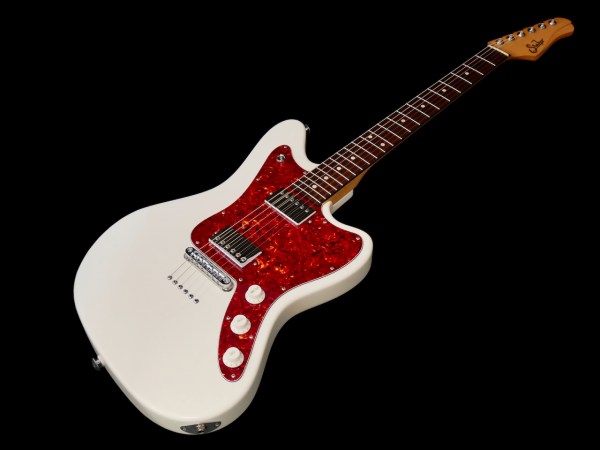
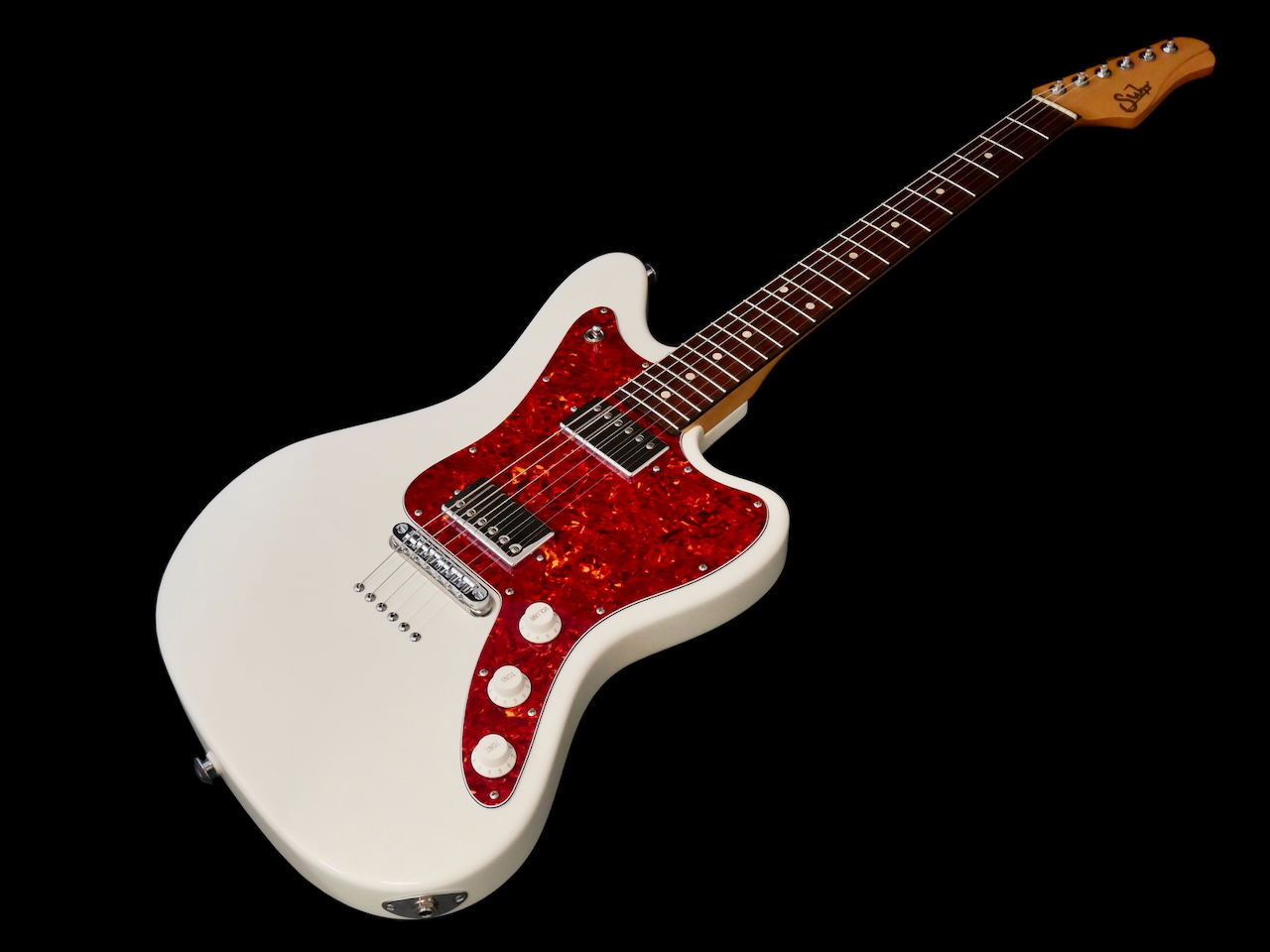
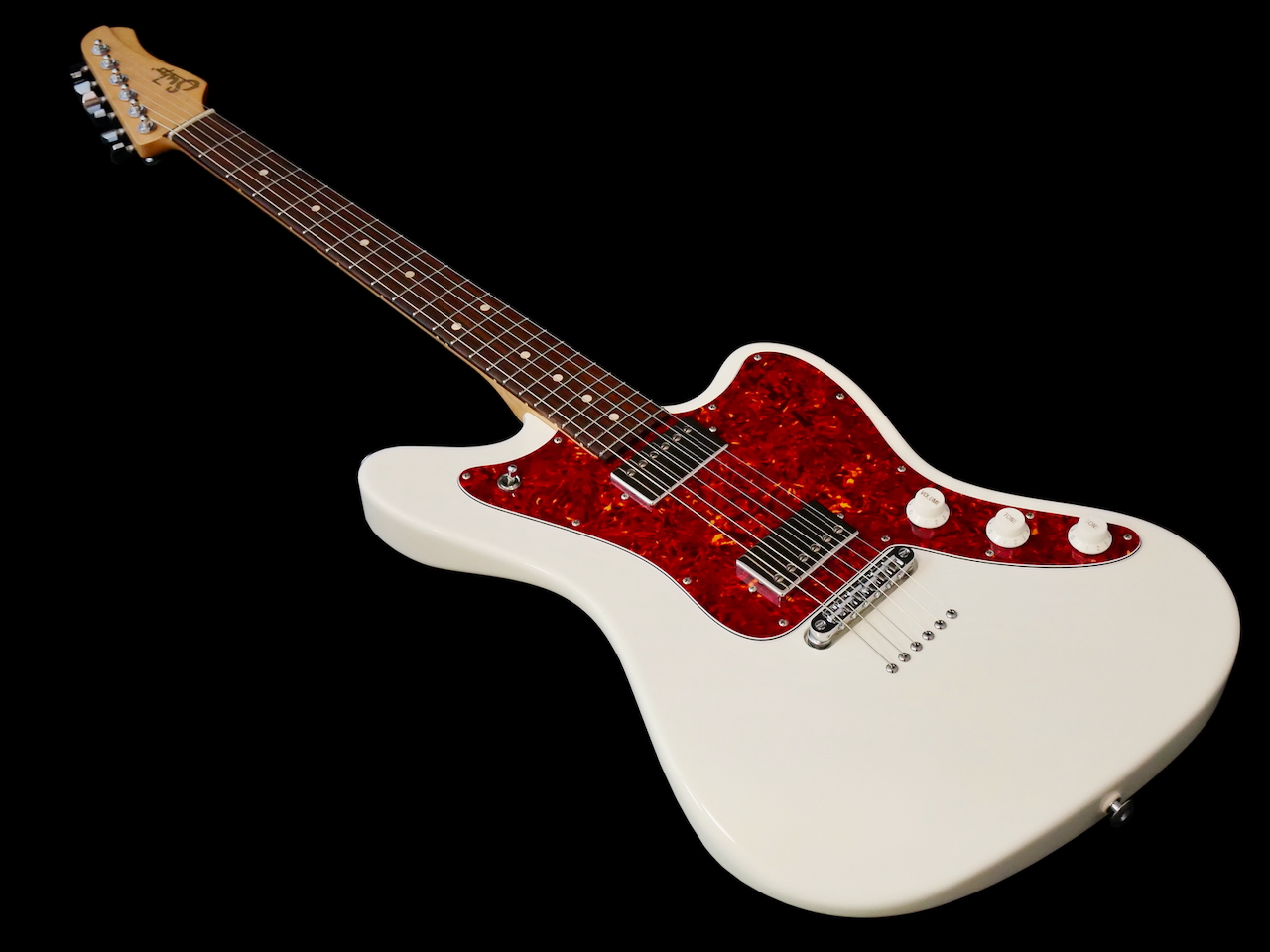
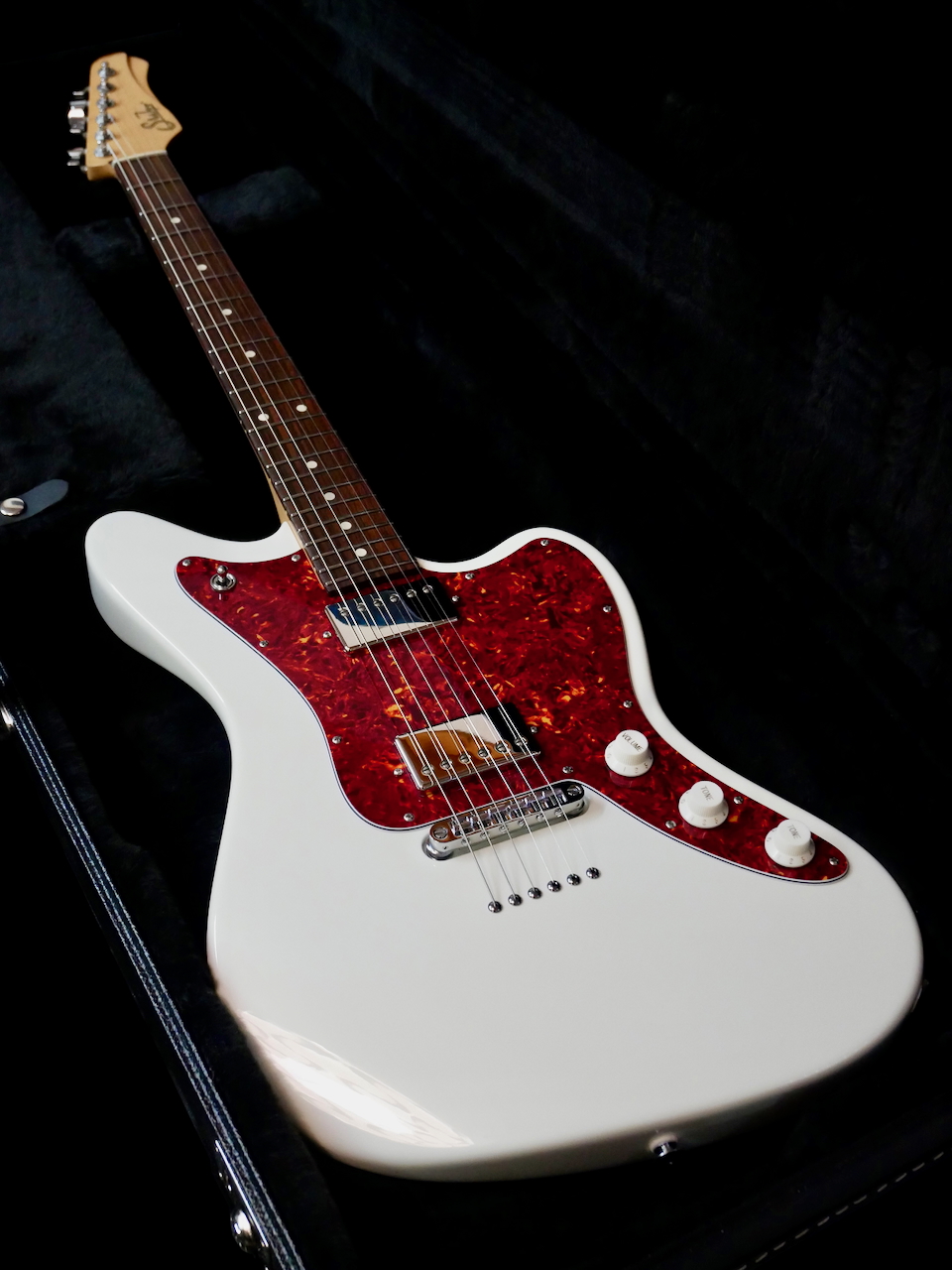
Suhr Classic JM TP6 (3.481 euroa) on nykyaikainen versio Fender Jazzmaster -mallista, jossa 1950-luvun kitaran liian monimutkainen elektroniikka erillisine säätimillä kaulamikrofonille on korvattu huomattavasti suoraviivaisemmalla ratkaisulla. Myös esikuvan kelluva vibrato sai tässä väistää; kiinteä talla on sustainin kannalta parempi ratkaisu, ja lisäksi se mahdollistaa myös nopeita vaihtoja eri virityksien välillä ilman vireongelmia.
JM-tyylisen kitaran tärkeimmästä seikasta on luonnollisesti pidetty myös Classic JM:n kohdalla kiinni – soittimen suhteellisen iso leppärunko on erittäin ergonominen, jonka ansiosta se istuu mallikkaasti soittajan kehoa vastaan.
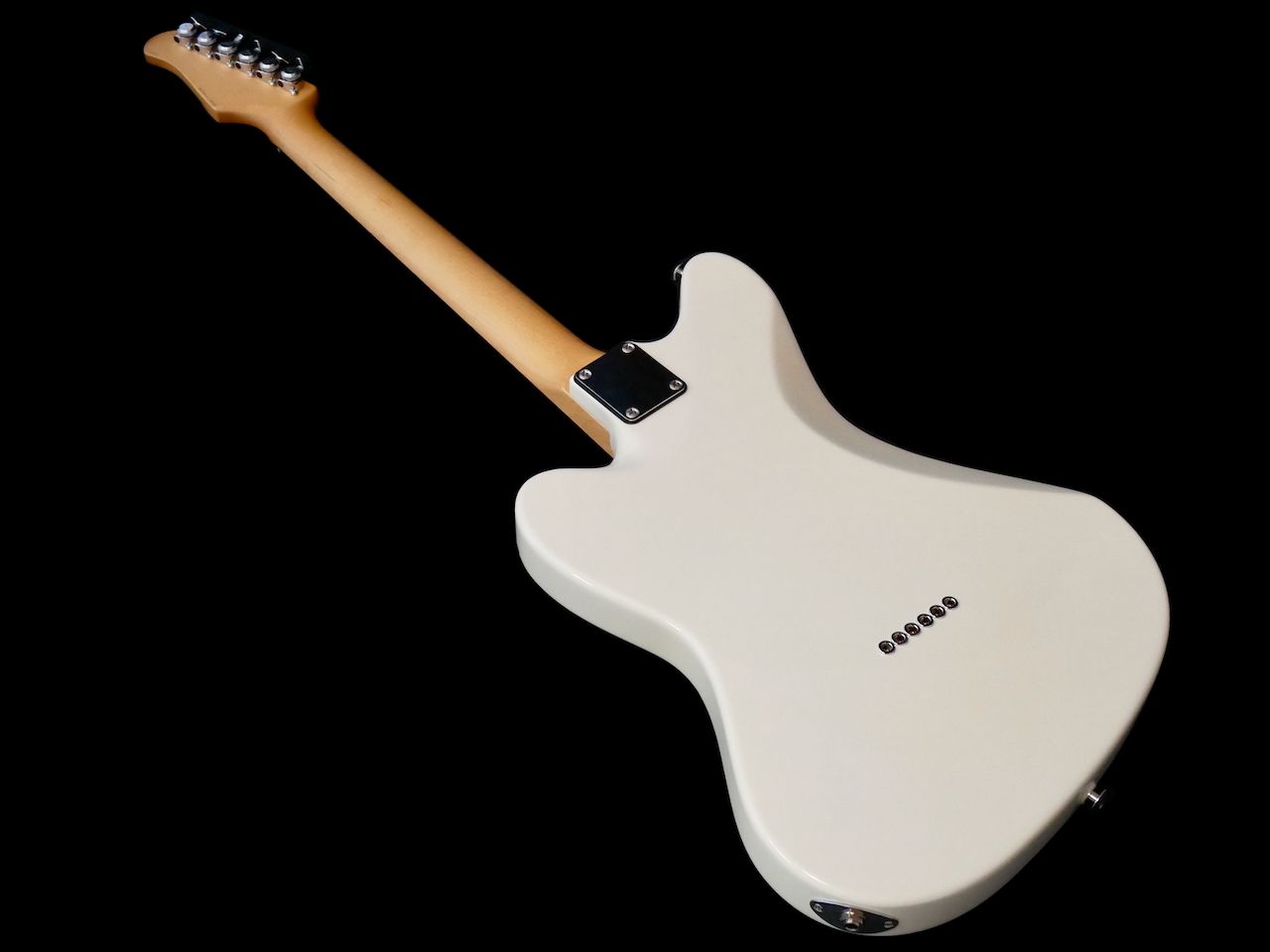
Suhrin oma lisäys on hyvin sulava viiste kaulalevyn ympärillä, joka helpottaa pääsyn ylimmille nauhoille.
Suhr Classic JM -mallissa kaula on veistetty vaahterasta, ja se on saanut ylleen ohuen satiinipintaisen viimeistelyn.
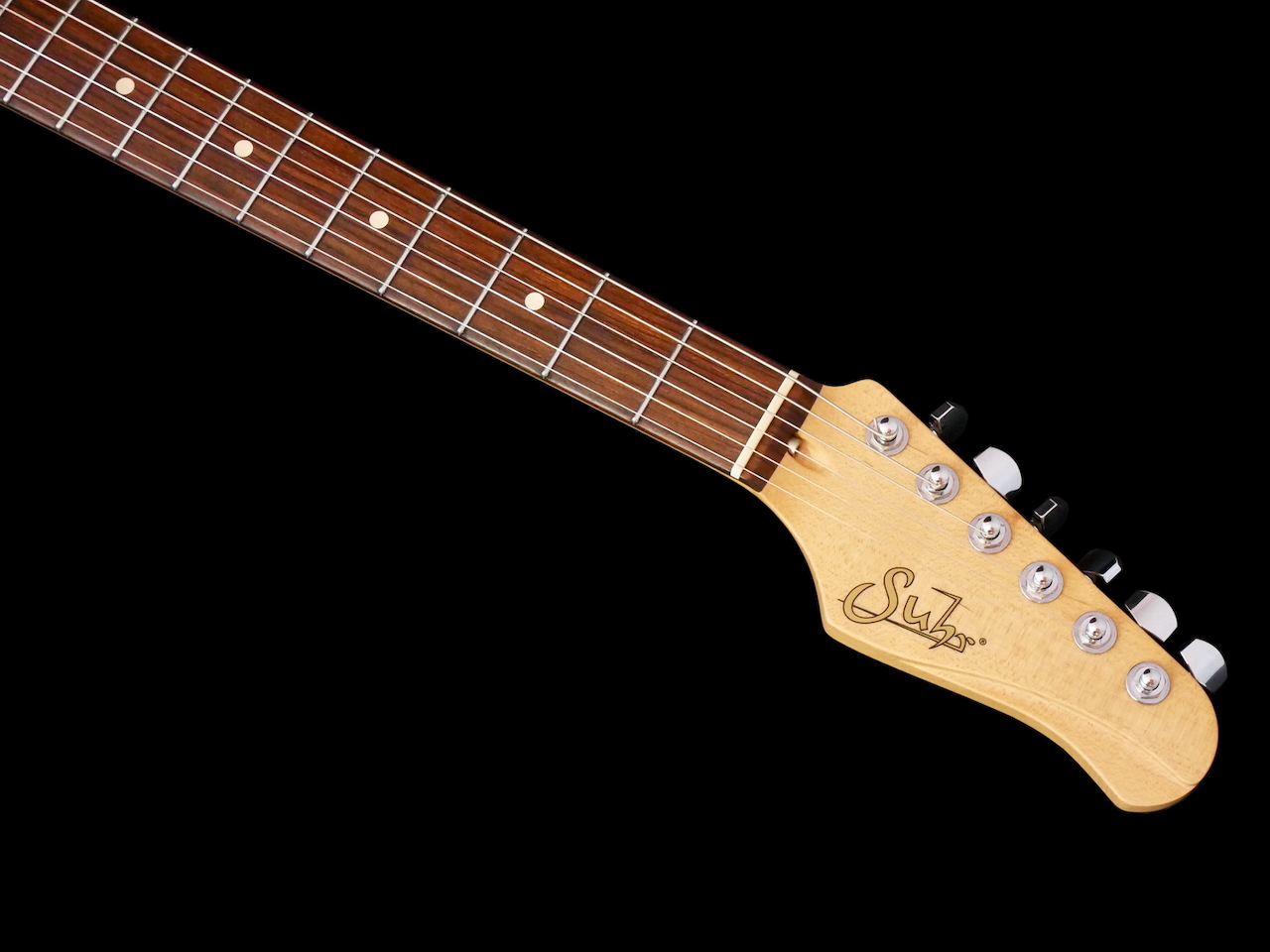
Kitaran otelauta aidosta intialaisesta ruusupuusta näyttää suorastaan herkulliselta. Otelautaan on veistetty ns compound-radius, mikä tarkoittaa että otelaudan kaarevuus on lavan lähellä kaarevampi (10 tuumaa) kuin rungon lähellä (14 tuumaa). Compound-radiuksen suuri etu on, että perussointujen soittaminen tuntuu yleensä mukavammalta juuri kaarevalla otelaudalla, kun taas soolokitaran venytyksiä on helpompi toteuttaa siististi tasaisemmalla otelaudalla.
Otelautaan on asennettu 22 medium-kokoista rosterinauhaa. Nauhatyö on ensiluokkaista.
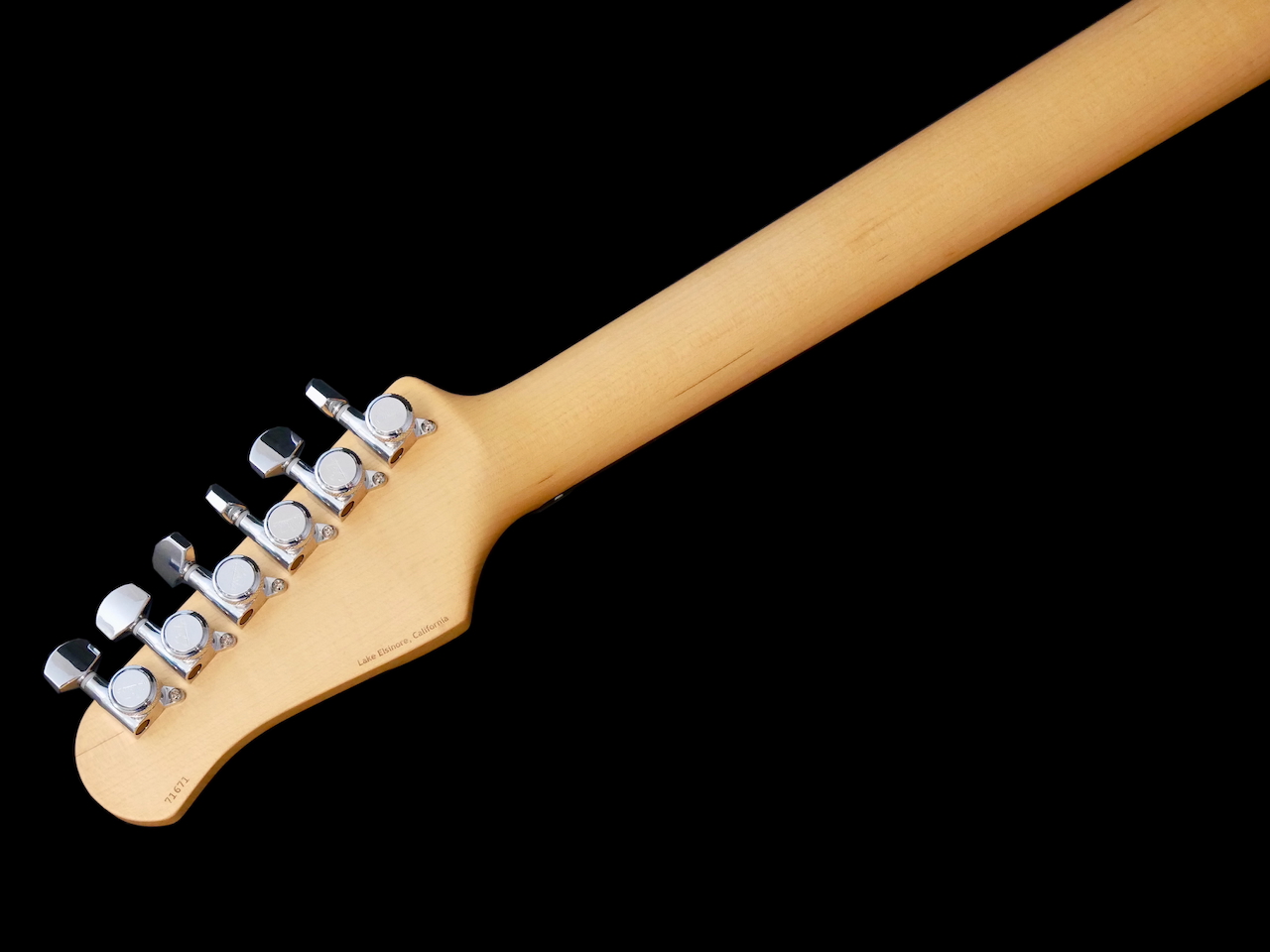
Virittimet ovat Suhr-logolla varustetut lukkovirittimet, joilla on eripituisia tappeja, kun taas kaularaudan säätämistä hoidetaan kätevästi lavan puolelta.
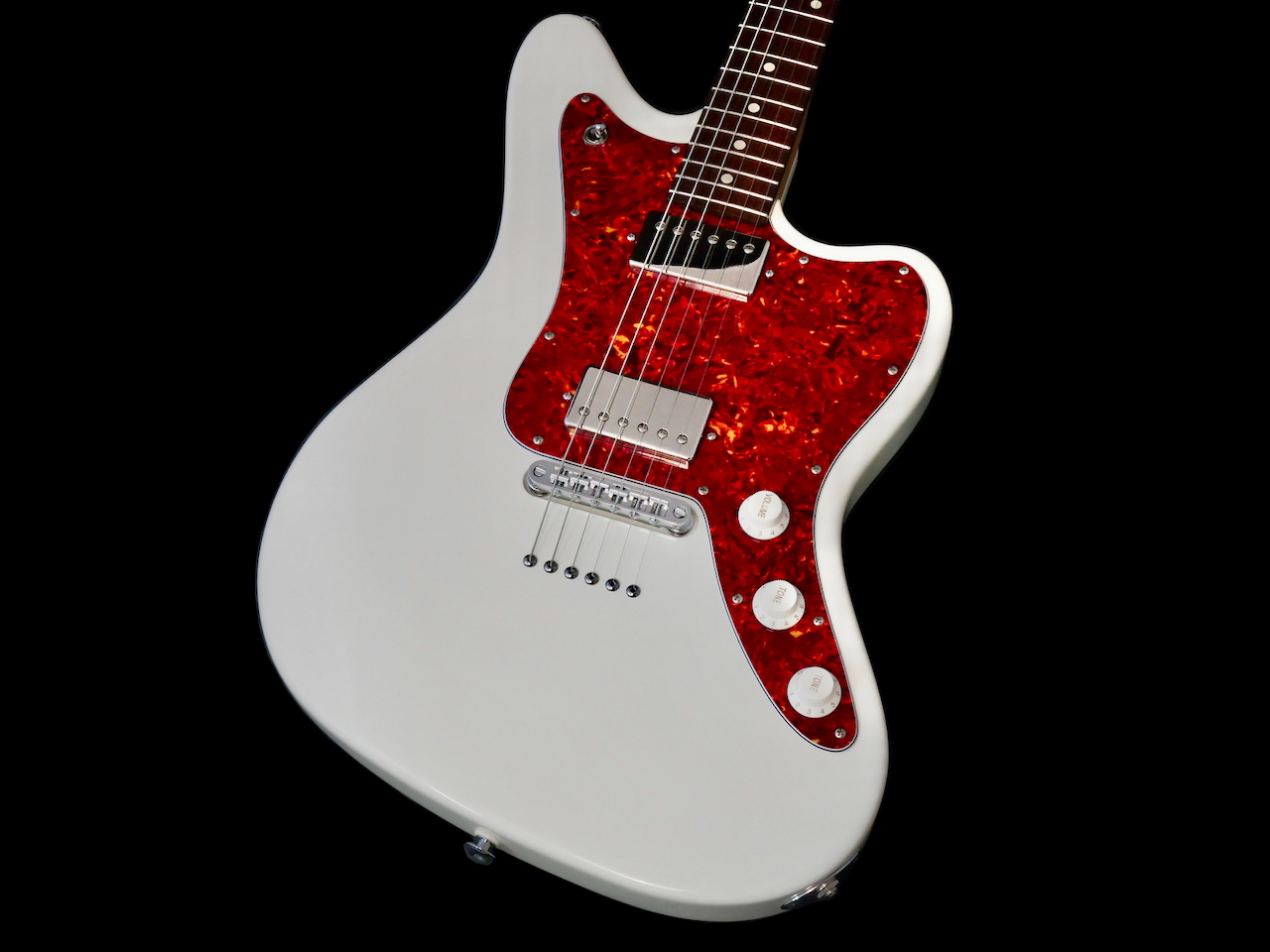
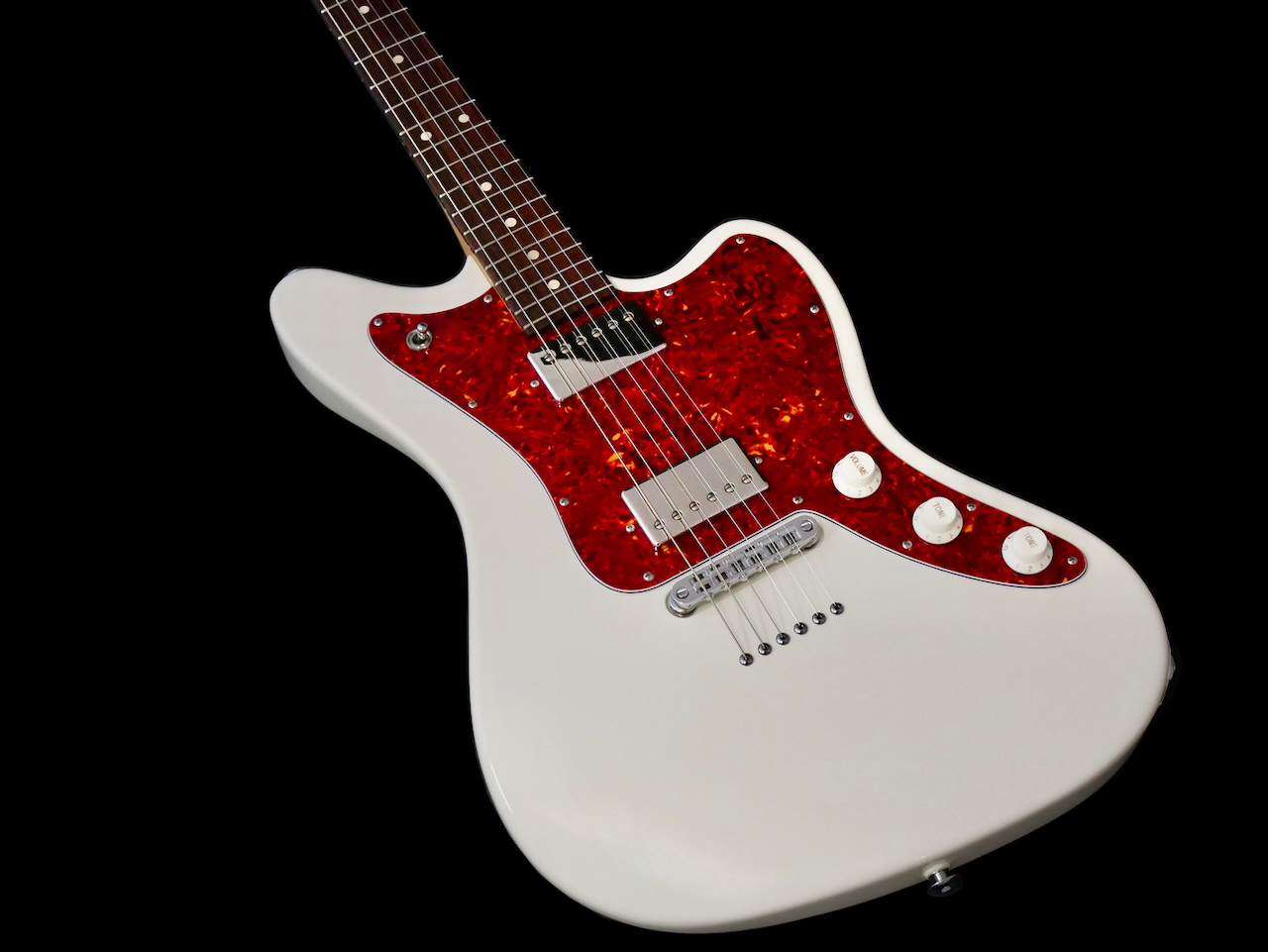
Suhr Classic JM -mallin tune-o-matic-tyylinen talla tulee ToneProsin valikoimasta – sen mallitunnus on TP6. Kielet on ankkuroitu rungon takapuoleen, niin kuin Telecastereissa yleensä, ja viety rungon läpi.
Kilpikonnakuvioiseen pleksiin on asennettu kaksi Suhr SSV -humbuckeria, joilla on alnico 5 -magneetteja, sekä kromattuja kansia.
Kolmiasentoinen vipukytkin on nykyaikaista sorttia, jolla on lyhyempi vipu, minkä ansiosta holtiton plektrakäsi ei osu siihen niin helposti kuin isompaan vintage-malliin. Säätimet on tässä tarjolla kolme kappaletta, joista ensimmäinen on master volume -nuppi, ja ne kaksi muuta kummankin mikin oma tone-säädin.
Suhr Classic JM TP6 myydään omassa laadukkaassa keikkakassissaan.
****
Kerran Guitarist-lehden haastattelija kysyi Carlos Santanalta, mikä on laadukkaan kitaran tärkein ominaisuus. Santana vastasi: ”Laadukas kitara ei anna sinulle lainkaan mahdollisuuta turhiin selityksiin. Jos laadukas kitara ei soi, se ei johda kitarasta tai vahvistimesta. Jos kuulee vääriä nuotteja, se ei silloin ole kitaran vika. Laadukas soitin ei seiso sinun tiellä, vaan se auttaa sinua saada sinun musiikkia, joka tulee sun päästä ja sun sydämestä, esiin ja kuuluville.”
Suhrin JM Classic on juuri tällainen soitin, josta tulee muutamassa minuutissa oman sielun ja ruumiin pidennys.
Huomattava osa tällaisen laatukitaran hinnasta tulee nykyään laadukkaiden puiden hinnoista. Suhrin kaltainen valmistaja etsii esimerkiksi runkoa varten mahdollisimman isokokoisia paloja, mahdollisimman kevyellä painolla, koska kahdesta tai kolmesta kevyestä palasta yhteen liimattu runko soi huomattavasti vapaammin kuin pikkurimoista kasattu vastine.
Ja sitä kyllä huomaa – vaikka offset-tyyliset rungot ovat lankkukitaroiden isommasta päästä, on Suhr Classic JM erittäin kevyt sähkökitara. Offset-runkojen erinomainen ergonomia tulee näin vielä paremmin esille.
Sana ”Classic” viittaa vintage-tietoisuuteen, joka liittyy mm. varhaisen 1960-luvun kaulaprofiiliin. Tällainen oval-C muotoinen profiili istuu mallikkaasti ainakin minun omaan käteen.
Myös Suhr SSV -humbuckerien soundi on vintage-tyylinen. Legendaaristen 50-luvun Gibson PAF -mikrofonien lailla myös Suhrin humbuckerit ei ole vahattu täysin kuoliaaksi, eikä ne ole liiallisella teholla pilattu, vaan tässä on satsattu täysin dynamiseen ja avonaiseen soundiin. SSV-mikrofonien hallittu, kevyt mikrofonisuus mahdollistaa myös toivotun feedbackin lisäämistä omaan työkalupakkiin.
Suhr Classic JM:n soitettavuus on sen sijaan silkkaa nykyaika. Otelaudan compound-radius ja laadukkaasti asennetut rosterinauhat takaavat vaivattoman soitettavuuden, ja ne mahdollistavat myös hyvin matalat säädöt ilman kielten ylimääräistä räminää nauhoja vasten.
Kokonaisuudessa voi vain toteaa, että Suhr Classic JM TP6 on yksi parhaimmista kitaroista, joita olen koskaan soittanut.
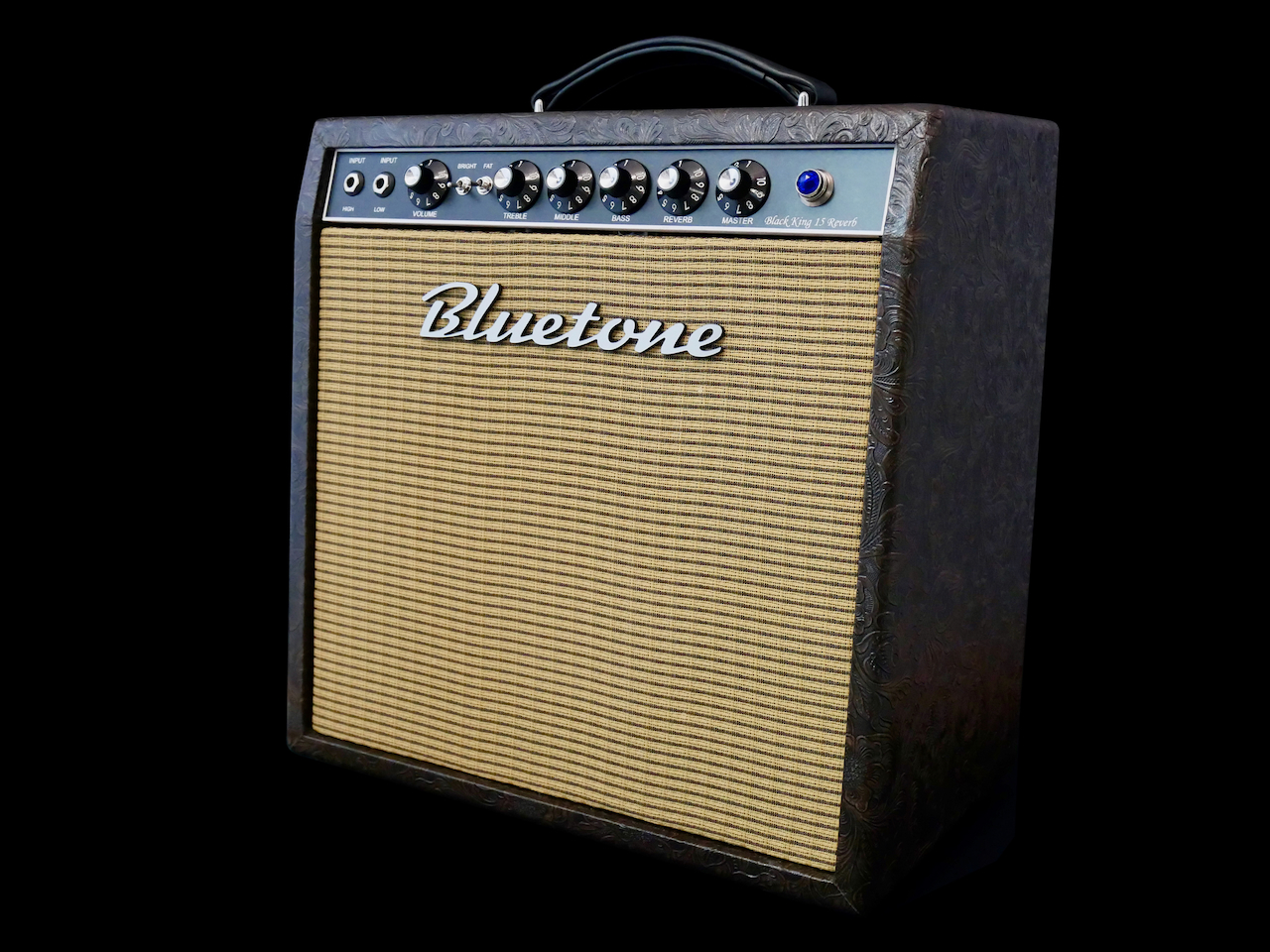
Bluetone’s new combo, the Black King 15 Reverb (prices start from 1,440 €), is a compact and lightweight (9 kg), handcrafted single-channel all-valve guitar amplifier. It’s the small brother of the Black King Reverb, offering 15 watts of output power from a pair of 6V6GT-valves.
The Black King 15 Reverb’s sound takes its cue from a rather rare Fender combo, the Vibro King, which was in production between 1993 and 2003, and which has become The Who’s Pete Townshend’s favourite live amp.
In terms of its sound and touch sensitive behaviour, the most crucial feature of the Black King 15 is the preamp’s gain structure and character, which is more aggressive than, say a Fender ”Blackface” amp, putting the new Bluetone combo squarely in the middle between ”Blackface”, ”Tweed” and Marshall-style amps.
****
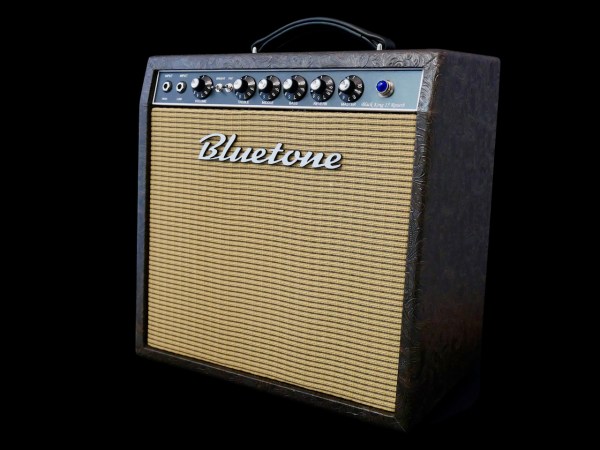
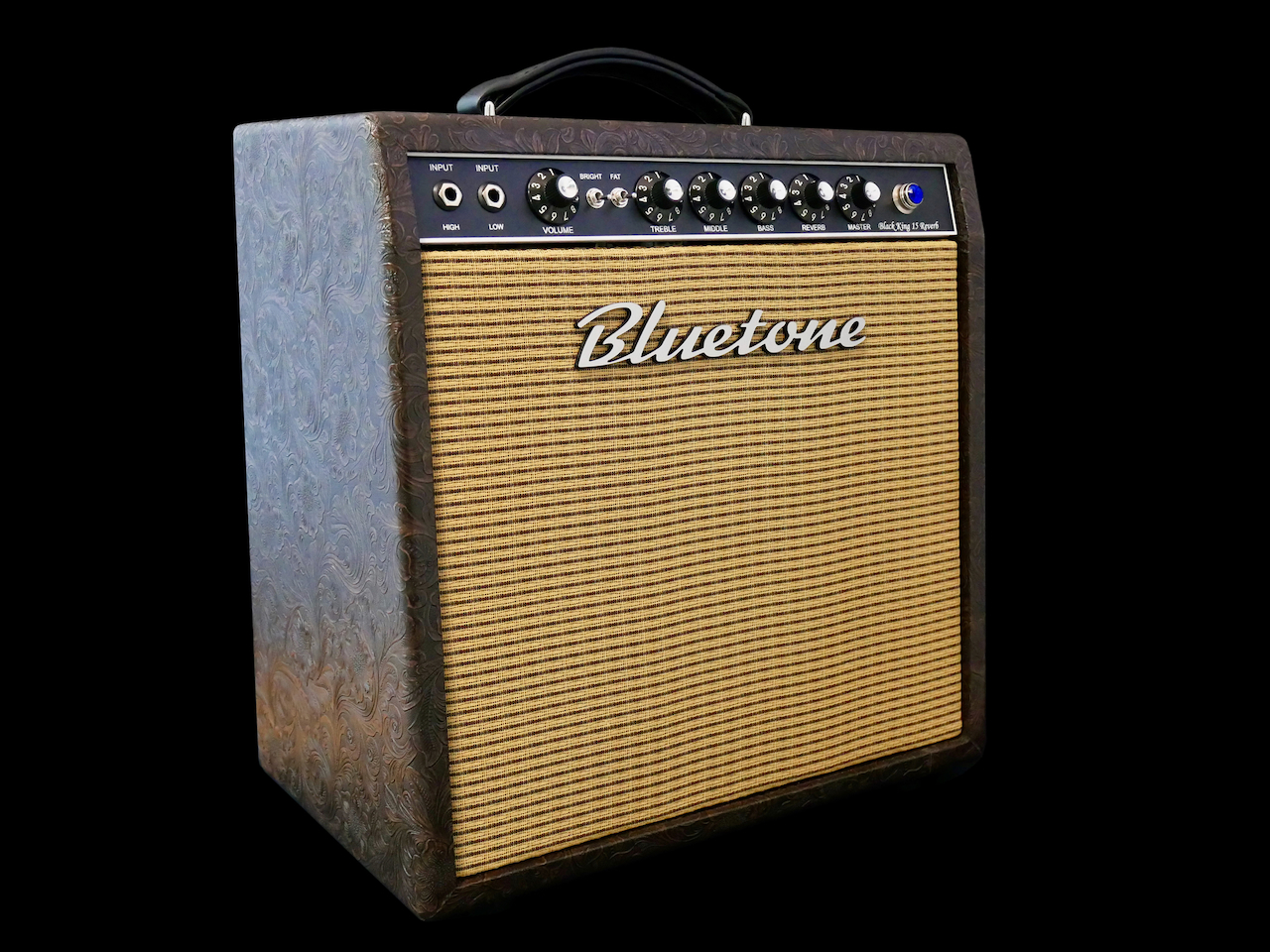
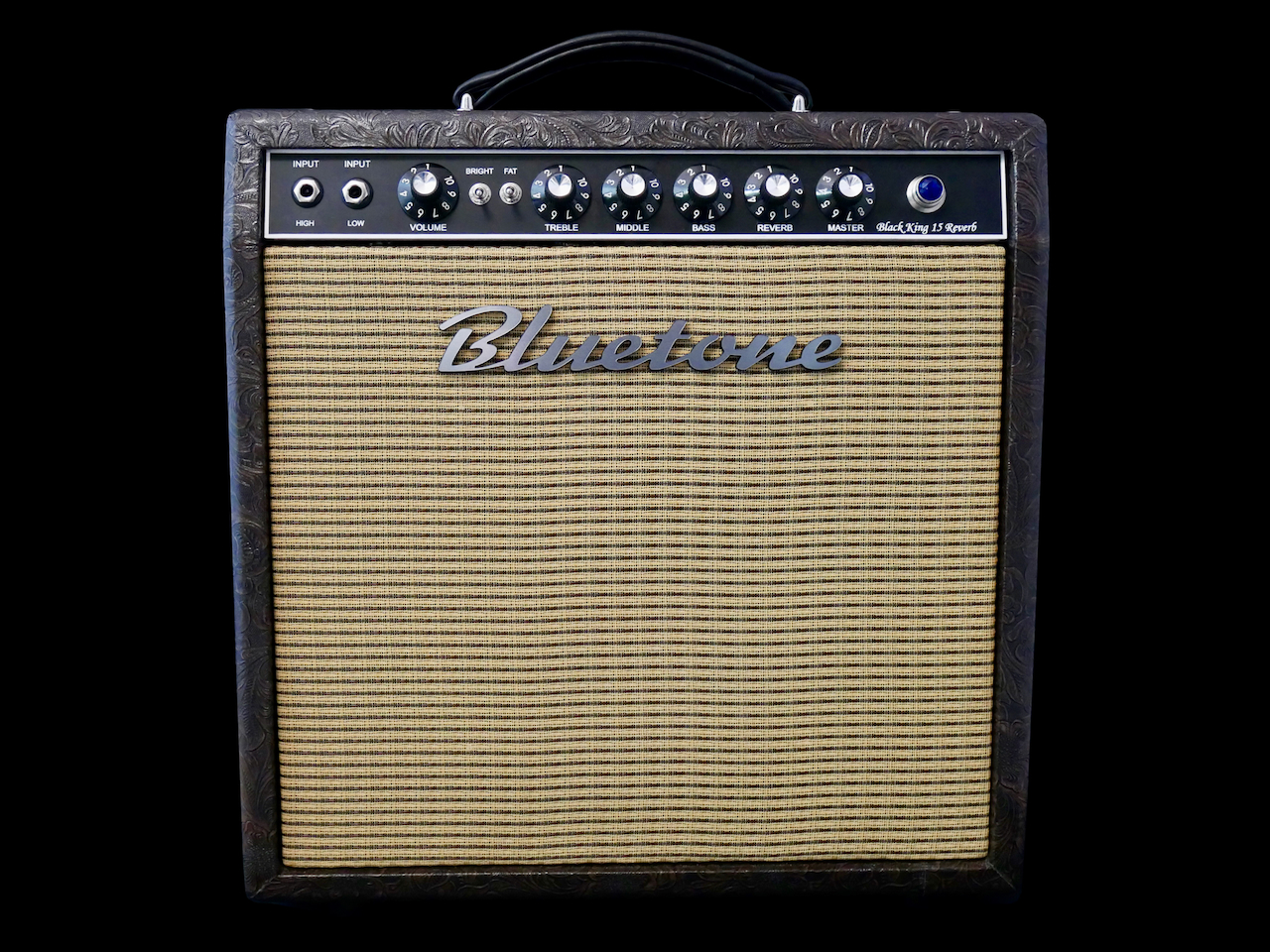
Bluetone’s Black King 15 Reverb comes in a Fender-type combo cabinet of approximately the same size as a 1960s Fender Princeton combo. The fetching Country & Western covering, as well as the wheat-coloured grille cloth come as standard.
In addition to the Volume-control the front panel gives you access to a three-band EQ-section with two additional switchable boosts – Bright and Fat. There’s a control for the spring reverb, as well as for the (post phase inverter) Master Volume.
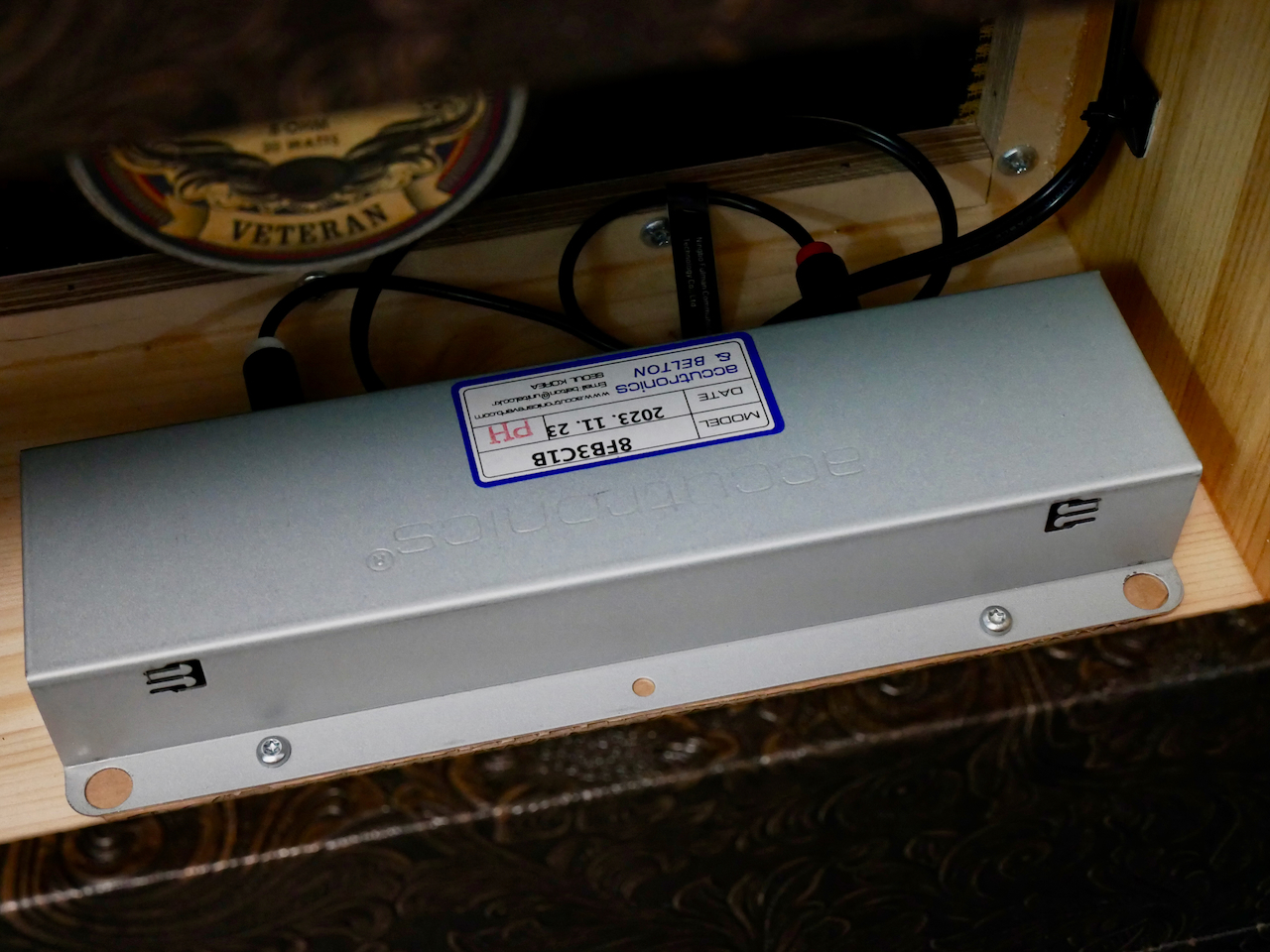
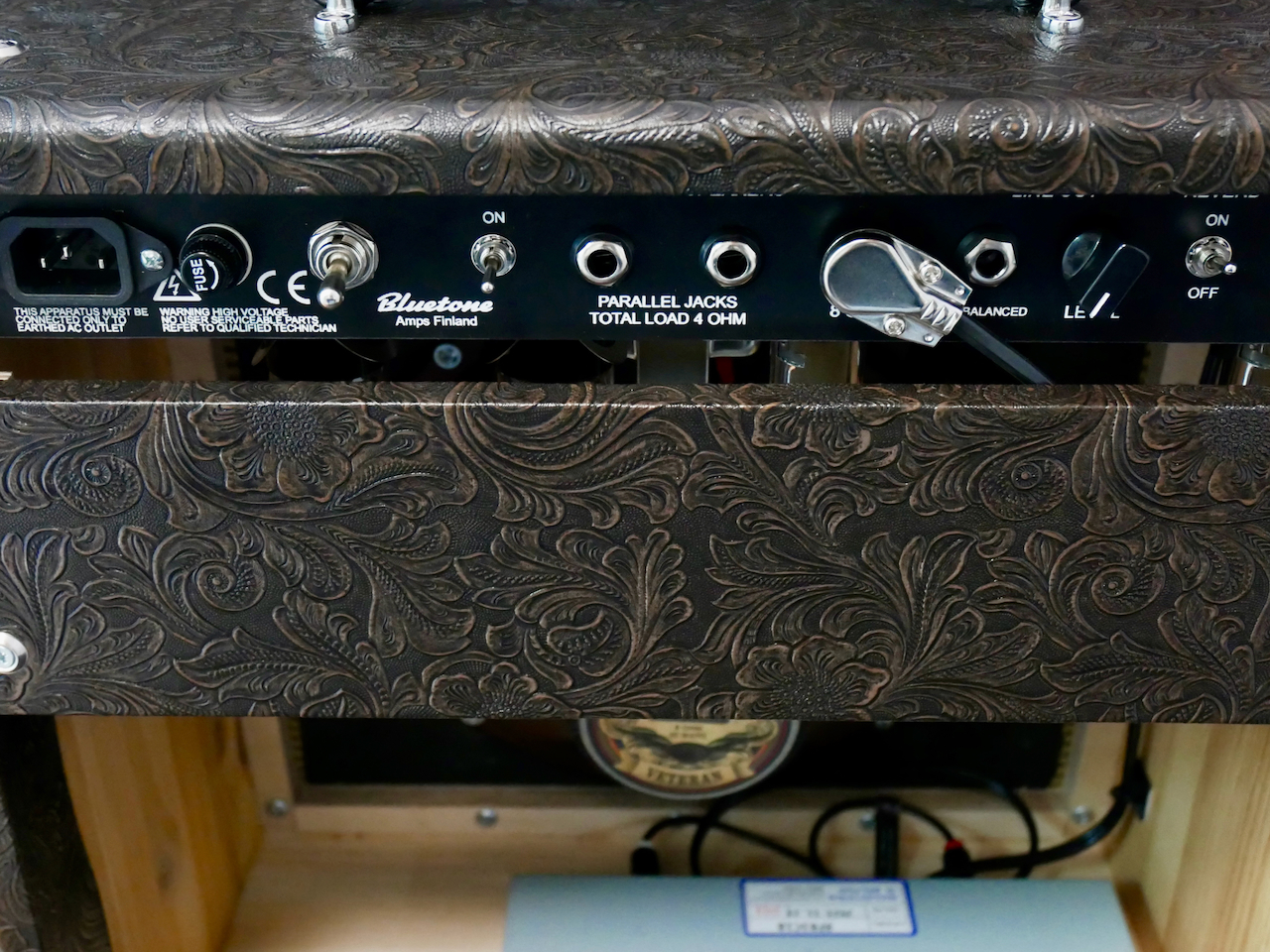
In addition to the Power On/Off-switch the back panel gives you a switchable internal dummy load that makes it possible to record the amp direct via its line output with the speaker turned off. There are also two outputs for external speakers, as well as an on/off-switch for the spring reverb.
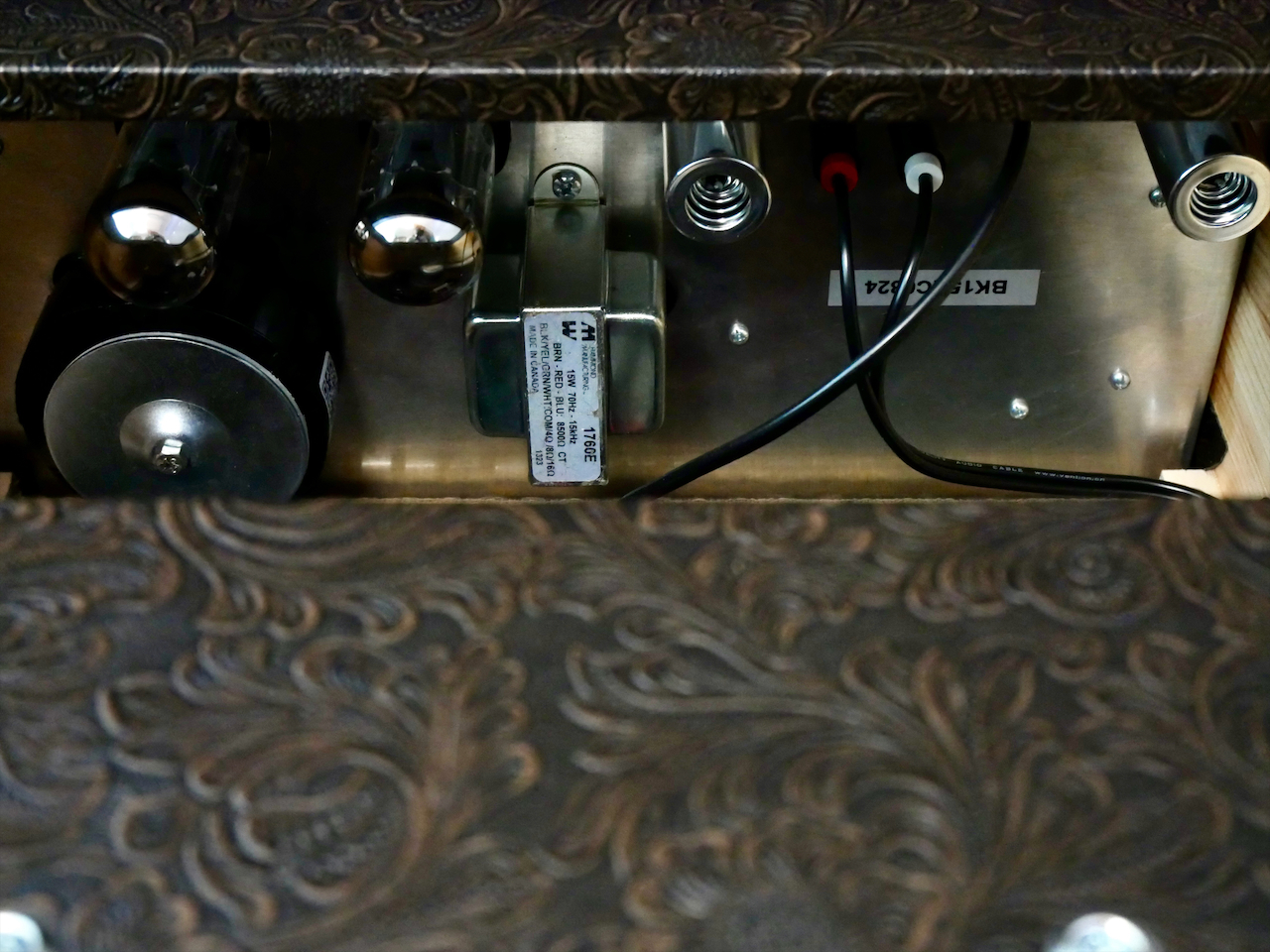
The combo we got for review came with a ten-inch 20 watts Warehouse Speakers Veteran speaker. You can also order your Black King 15 Reverb with a model G10-C/S from the same company.
****
The Bluetone Black King 15 Reverb exudes an air of top-notch quality right from the get-go. Switching the combo on you’ll find an extremely low noise floor – the mark of a well-made boutique amp. Low self-noise is a direct result of careful planning, low-tolerance components, and the sensible placement of hum-inducing transformers on the amp chassis.
The Black King 15’s 6V6GT-powered power amp naturally adds a nice dose of Fender-ish character to proceedings. There’s a healthy amount of clean headroom to be had from this combo’s preamp, but tasty break-up sounds start entering the picture earlier than in a typical ”Blackface” amplifier.
In the ”break-up zone” the Black King Reverb 15 is very touch sensitive and dynamic. The more you put in the more distortion you get out.
The Black King 15 Reverb offers plenty of distortion, which can be had at low volume levels, thanks to the master volume control. This combo also likes effect pedals.
Thanks to the preamp’s excellent EQ-section and the additional boosts, dialling in a wide range of sounds is easy, making the Black King 15 suitable for many different musical genres.
If you’re looking for a combo with more aggression than a ”Blackface” has to offer, you should definitely try the Bluetone Black King 15 Reverb. This amp offers boutique-grade quality a a very reasonable price.
Bluetonen uusi Black King 15 Reverb (hinta alkaen 1.440 €) on kätevän kokoinen (9 kg), yksikanavainen ja käsintehty putkivahvistin. Se on vuoden alussa ilmestyneen Black King Reverb -kombon pikkuveli, joka tarjoaa 15 wattia päätetehoa kahdesta 6V6GT-putkista.
Black King 15 Reverbin soundillinen esikuvana on toiminut suhteellisen harvinainen Fender Vibro King -vahvistin, joka oli tuotannossa vuodesta 1993 vuoteen 2003, ja josta on sittemmin tullut The Who -yhtiön Pete Townshendin luottotyökalu livenä.
Tärkein ominaisuus soundin ja soitettavuuden kannalta on Bluetone Black King 15 -kombossa etuvahvistimen gain-rakenne, joka on hieman Blackface-tyyliä ärhäkkäämpi, ja joka istu soundiltaan Blackface-, Tweed- ja Marshall-tyypisten vahvistimien muodostuman kolmion keskipisteellä.
****
Bluetone Black King 15 Reverb -kombo on Fender-tyylisessä kotelossa, joka on samaa kokoluokkaa 1960-luvun Princeton-kombon kanssa. Country and Western -tolex ja vaaleanruskea etukangas ovat tässä mallissa standardia.
Etupaneelista löytyy etuasteen Volume-säätimen lisäksi kolmialueinen EQ-osasto kahdella lisäboosteilla – Bright (diskantti) ja Fat (ala-middle). Jousikaiulle löytyy oma säädin, samoin kuin vaihekääntäjän jälkeiselle Master-volyymille.
Takapaneeliin on päälle/pois-kytkimen lisäksi sijoitettu sisäisen keinokuorman kytkin, jolla saa kombon oman kaiuttimen kytkettyä turvallisesti pois päältä, jos haluaa käyttää pelkästään Black King 15:n omaa linjalähtöä. Lisäksi takapaneelista löytyy jakkeja ulkoisille kaiuttimille, sekä jousikaiun oma päälle/pois-kytkin.
Testikomboon on asennettu Warehouse Speakersin 20-wattinen kymppituumainen Veteran-kaiutin. Vaihtoehtoisesti Black King 15 Reverbiä saa myös saman firman G10-C/S-kauittimella varustettuna.
****
Bluetone Black King 15 Reverb -kombo on erittäin siististi toteutettu vahvistin, joka vaikuttaa laadukkaalta heti kättelyssä. Yksi silmiinpistävä ero tällaisen laadukkaan boutique-vahvistimen ja monen massatuotetun putkikombon välillä on Bluetonen todella alhainen kohina- ja hurinataso. Se kielii kombon laaddukkaista komponenteista ja tärkeiden osien – esimerkiksi muuntajien – osaavasta sijoittelusta laitteessa.
Black King 15 -vahvistimen 6V6GT-putkilla toimiva päätevahvistin antaa soundille luonnollisesti hyvin Fender-maisen karakteerin. Etuvahvistimen gain-rakenne tarjoaa hyvin headroomia puhtaille soundeille, mutta alkaa lisätä herkullista rosoa selvästi aiemmin kuin esimerkiksi tyypillinen Blackface-kombo.
Breakup-vyöhykkeellä Black King 15 Reverb mahdollistaa hyvin dynaamista soittoa, jossa vahvistin reagoi dynamiikkaan eriasteisella säröllä.
Black King 15 Reverb tarjoaa runsaasti säröä, ja kombon Master-volumen ansiosta se on saatavilla myös hyvin maltillisella volyymitasolla. Vahvistin myös pelaa erittäin hyvin efektipedaalien kanssa.
Etuvahvistimen loistava EQ-osasto Bright- ja Fat-lisäkytkimillä antaa kitaristille laajan skaalan erilaisia soundeja, minkä ansiosta Bluetone Black King 15 toimii ongelmitta monissa genreissä.
Jos Blackfacea hieman ärhäkkäämpi kompakti Fender-tyylinen kombovahvistin kiinnosta, kannattaa minun mielestäni ehdottomasti tutustua Bluetone Black King 15 Reverbiin. Se tarjoaa ehtaa boutique-laatua reiluun hintaan.





 Kitarablogi.com – Finland's premier Guitar and Bass blog