Contact: Puuverstas Änäkäinen
Kitarablogi.com – Finland's premier Guitar and Bass blog
Juttuja kitaroista ja bassoista


Tokai Guitars have a well-earned reputation for making high-quality electric guitars and basses, often ”inspired” by vintage designs. This time we got three semis from the very top of Tokai’s Japanese model range for review.
****

The Tokai ES-138 (current price in Finland: 1,368 €, incl. hard case) is the company’s version of a 1958 Gibson ES-335, available in either see-through red or piano black.

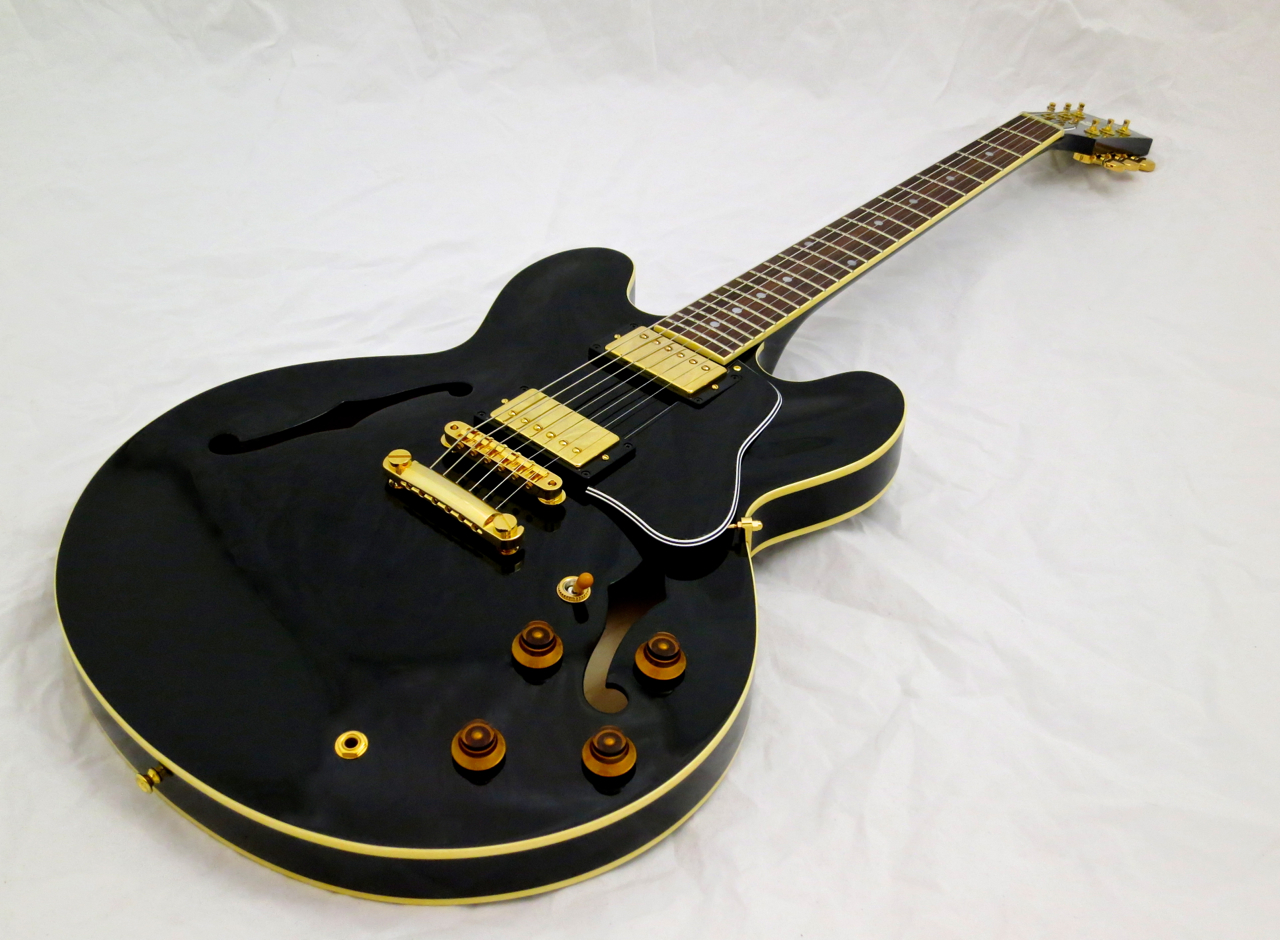
Tokai’s ES-145G (current price in Finland: 1,431 €, incl. hard case) is a lightly updated variation on the theme, which comes equipped with gold-coloured hardware and a black finish.
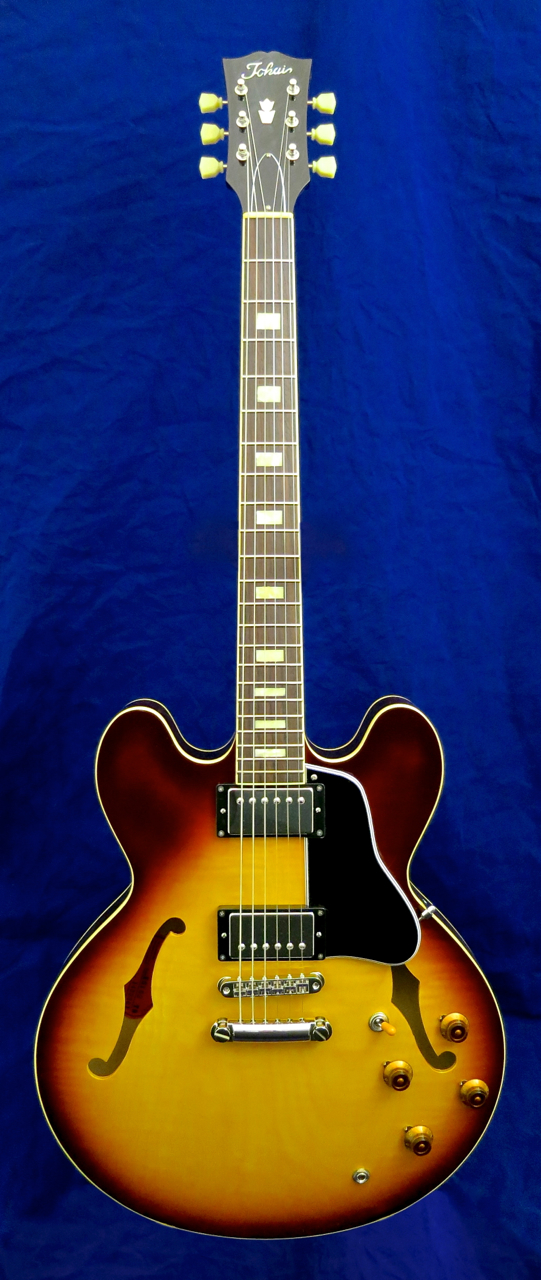
The Tokai ES-162 (current price in Finland: 1,628 €, incl. hard case) is the most expensive model of the three on review. The ES-162 comes with post-1962 style small block markers, brass bridge saddles, and a light aluminium stopbar. The icing on the cake is this model’s vintage-style nitrocellulose finish – you can choose between a tri-burst and red.

Tokai use top-drawer Gotoh tuners on the three tested models.

The ES-138 and ES-162 come equipped with vintage-style Kluson-copies.
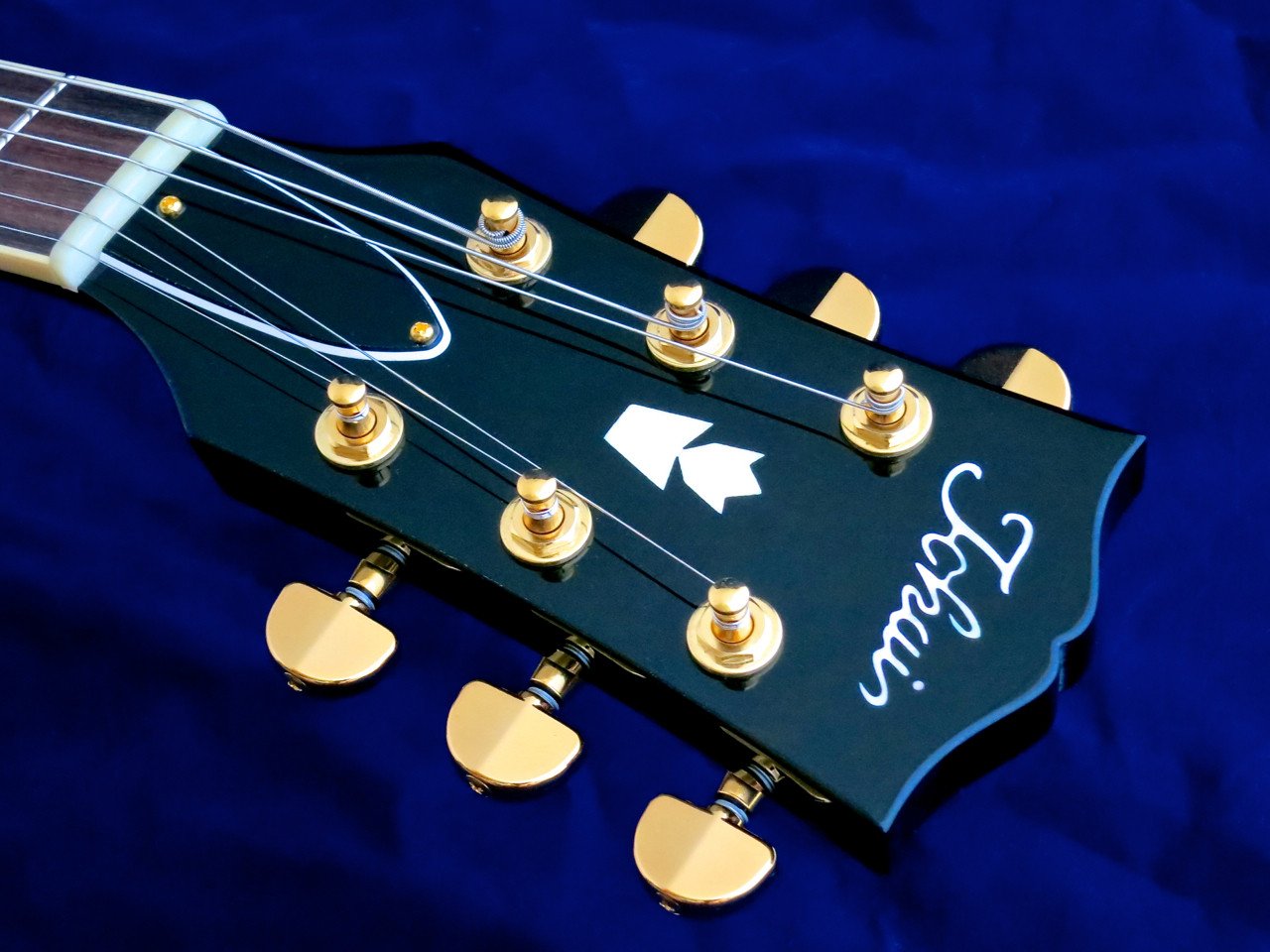

For the ES-145G Tokai have chosen a set of modern enclosed Gotohs.

These Tokai Japan -instruments all come with a one-piece mahogany neck, complete with a vintage-correct, steep headstock angle (17 degrees).
The bound rosewood fretboards on the ES-138 and ES-145G models sport dot markers.

As the ES-162 is Tokai’s version of a 1962-’64 ”Block Marker” ES-335, this guitar comes with small rectangular inlays made of pearloid.
All three instruments come fitted with medium-size frets.

Tokai’s ES-guitars come with Gotoh Tune-o-matic-bridges and stopbar tailpieces.

On the ES-138 and the ES-145G we find Gotoh’s LS-series hardware – die-cast (Zamac) parts with steel bridge saddles.
The ES-162 goes one step more ”vintage” by using a Gotoh HLS -set, comprising an ultra-light aluminium stopbar tailpiece and chrome-plated brass saddles on the bridge.

This guitar trio is equipped with the same pickups – a pair of Tokai PAF-Vintage Mark II -humbuckers.

All the electronic components are top quality Japanese parts.

Certain Tokai Japan -models are now sold in Finland complete with Tokai’s cool hard cases.
****

The cherry red semi-acoustic is one of guitardom’s most iconic electric models. For many this curvy and well-rounded body, made from heat-pressed maple plywood, is the most beautiful body style ever.
Tokai’s ES-138 recreates this classic guitar in its earliest guise (c. 1958), complete with dot markers and a long pickguard, which extends past the bridge.
Even though an ES-335-type body is comparatively large (but thin), many of the best semi-acoustics are surprisingly lightweight. The Tokai ES-138 is very comfortable to play – both seated and strapped on – and balances superbly.
This model’s neck profile is a medium-thick ”D”, which feels great (at least in my hand). The fret job on the test sample was excellent, the set-up spot-on, and the action very light (with a set of 010s). The ES-138’s acoustic tone is typical of this type of guitar – very hollow and nasal with a clicking attack.
Tokai’s own rendition of the classic PAF-humbucker is superb, there’s no two ways about this! The output signal is moderate, and the basic sound is very open and dynamic. The neck pickup has a warm, round tone, but doesn’t mush up. The middle position on the selector switch gives you a very balanced and open sound. The bridge humbucker on its own sounds fresh and crispy, with not even a hint of annoying mid-range ”nagging”.

****

The black-and-gold ES-145G sure looks very stylish – this is the distinguished gentleman in Tokai’s ES-range, who keeps his cool and looks dapper, no matter what.
Our test sample was the heaviest guitar of this trio, but still much, much lighter than may lesser contenders.
The ES-145G’s neck profile is also the chunkiest. This D-profile is a real palm-filler, giving you a real taste of late-Fifties goodness, and managing to stay just on the right side of ”fat”.
The workmanship displayed, and playability offered by the ES-145G are simply superb. Played acoustically there’s not a lot of difference between the ES-145G and the ES-138.
Through an amp, the ES-145G sounds just like a quality semi-acoustic should – humbucker power, balanced by a clean mid-range.

****

Our review sample of the Tokai ES-162 is a real featherweight!
The ES-162’s Block Marker -personality is completed by an authentic early-Sixties style neck profile. It’s an oval ”C” that is less of a handful than the ES-138’s neck.
Top marks for the ES-162’s workmanship, finish and playability – this is a first-rate instrument.
This model’s thin nitro lacquer, its lightweight tailpiece, as well as the brass saddles on the Tune-o-matic combine into a very open-sounding and dynamic acoustic performance.
Standing in the same room with your amp, it is easy to notice an added degree of 3D-depth and scope in the guitar’s amplified tone. Interestingly – as is so often the case – recording the sound doesn’t seem to fully convey this added tonal dimension. You have to experience the ES-168 ”in the flesh” to get the full picture; the recordings sound remarkably similar to the other two models’ performances.

****

The reputation of Tokai Japan -instruments has been legendary among players and collectors ever since the 1970s. This trio of ES-semis makes it crystal-clear that Tokai actually deserves this reputation thanks to the superb quality of it’s Made-in-Japan guitars.
Tokai’s ES-138, ES-145G and ES-162 offer you genuine Japanese quality at very fair prices.
****
Tokai Japan semi-acoustic electrics
Tokai ES-138 – 1,368 € (hard case included)
Tokai ES-145G – 1,431 € (hard case included)
Tokai ES-162 – 1,628 € (hard case included)
Finnish distributor: Musamaailma
****
Pros:
+ Japanese workmanship
+ one-piece neck
+ superb finish and set-up
+ Gotoh-hardware
+ authentic tone

Tokai Guitarsilla on erittäin hyvä maine laadukkaiden sähkökitaroiden ja -bassojen valmistajana. Tällä kertaa testissä kävi kolme Japanissa käsityönä valmistettua Tokai ES -sarjan soitinta hintaskaalan kalliimmasta päästä.
****
Tokai ES-138 (hinta: 1.368 €, sis. kovan kotelon) on firman versio vuoden 1958:n Gibson ES-335 -kitarasta, joka on saatavilla sekä punaisena että mustana.
Tokai ES-145G (hinta: 1.431 €, sis. kovan kotelon) on kullanvärisillä metalliosilla varustettu ja kevyesti modernisoitu tulkinta aiheesta. Se on saatavana ainoastaan mustana.
Tokai ES-162 (hinta: 1.628 €, sis. kovan kotelon) on kolmikon kallein malli, jolla on suorakulmaiset otemerkit, tallapalat messingistä, sekä alumiininen kieltenpidin. Piste i:n päällä on kuitenkin ES-162:n viimeistely aidolla nitrolakalla. Malli on saatavana kolmivärisellä liukuvärityksellä tai punaisena.
Tokai käyttää näissä kitaroissa Gotohin valmistamia laatuvirittimiä.
ES-138- ja ES-162-kitarat on varustettu Kluson-tyylisillä vintage-koneistoilla.
ES-145G:n lapaan taas on asennettu nykyaikaisia suljettuja Gotoh-virittimia.
Näissä Tokai Japan -soittimissa on yhdestä palasta veistettyjä mahonkikauloja vintage-tyylisellä, jyrkällä lapakulmalla (17 astetta).
ES-138- ja ES-145G-malleissa käytetään pieniä pyöreitä otemerkkejä reunalistoitetussa palisanteriotelaudassa.
ES-162 taas on Tokain versio vuoden 1962-’64 ns. ”Block Marker” ES-335:sta, jossa upotukset ovat keskikokoisia suorakulmia.
Nauhakoko on näissä kolmessa ES-mallissa medium.
Kaikissa kolmessa Tokai ES -kitaroissa on Gotohin valmistama palkkimainen kieltenpidin, sekä kevyesti nykyaikaistettu versio Tune-o-Matic-tallasta.
ES-138:ssä ja ES-145G:ssä käytettään Gotoh LS -settiä sinkkipitoisesta valumetallista teräksisillä tallapaloilla.
ES-162:n Gotoh HLS -setti on muutaman asteen verran vintagemaisempi, kun käytössä on erittäin kevyt alumiinista valmistettu kieltenpidin, sekä kromattuja tallapaloja messingistä.
Kolmikon mikrofonivarustus on sama – kitaroissa on kaksi Tokai PAF-Vintage Mark II -humbuckeria.
Huippulaadukas linja jatkuu luonnollisesti myös ES-kolmikon japanilaisissa elektroniikkaosissa.
Tokai Japanin hienoimpia kitaramalleja myydään nykyään firman omissa laadukkaissa koteloissa.
****
Kirsikanpunainen puoliakustinen on yksi legendaarisimmista sähkökitaramalleista. Useimpien mielestä tämä kurvikas, muottiin prässätystä nelikerroksisesta vaahteravanerista tehty koppa on kaunein muoto ikinä.
Tokain ES-138 on kyllä upea tulkinta klassikkomallin varhaisesta versiosta, jolla on asianmukainen erikoispitkä plektrasuoja ja pyöreät otemerkit.
Vaikka ES-kitaroiden runko on pinta-alalta varsin mittava, on laadukas lajinsa edustaja kuitenkin useimmiten yllättävän kevyt. Tokai ES-138 on erittäin mukava pitää sylissä tai kantaa hihnassa, ja se asettuu hyvin nätisti tasapainoon.
Kaulaprofiili on keskituhti ”D”, joka istuu todella mukavasti ainakin minun käteeni. Nauhatyö oli testisoittimessa ensiluokkaista, ja kitara oli säädetty hyvin mukavaksi 010-kielisatsilla. ES-138:n akustinen klangi on mallityypin mukainen – ontto ja nasaali maiskuttavalla atakilla.
Täytyy kyllä sanoa, että Tokain omat PAF-tyyliset humbuckerit kuulostavat loistavilta! Lähtötaso on hyvin maltillinen ja perussoundi on mukavan avoin. Kaulamikki on lämmin, mutta erotteleva, ja valitsimen keskiasennossa soundi on ilmava. Tallahumbucker taas soi hyvin tuoreella äänellä, mutta ei ”marise” häiritsevästi keskialueella.
****
Musta ja kultainen ES-145G on mielestäni erittäin tyylikäs soitin – Tokai ES -sarjan oikea herrasmies, joka näyttää hyvältä tilanteessa kuin tilanteessa.
Testiyksilö on aavistuksen verran painavampi kuin testissä käynyt ES-138, mutta silti vielä huomattavasti kevyempi kuin moni edullinen tulkinta samasta aiheesta.
ES-145G:n kaulaprofiili on tämän kolmikon tuhdein. Tällainen täyteläinen D-profiili antaa aitoa myöhäisen 1950-luvun makua. Kaula ei ole missään nimessä liian paksu, mutta se täyttää käden vakuuttavasti.
Työnjälki ja soitettavuus ovat myös ES-145G:ssä esimerkillisiä. Akustisesti soitettuna ES-145G:n ja ES-138:n soundit ovat käytännössä identtisiä.
Myös vahvistettuna on vaikea huomata selkeitä eroja – Tokai ES-145G soi kuin mitä erittäin laadukkaalta puoliakustiselta sopii odottaa.
****
Testissä käynyt ES-162 on selvästi kolmikon kevyin yksilö!
ES-162:n Block Marker -ulkonäköön sopii myös kaulan autenttinen profiili, joka on ovaali ”C” ja hieman ohuempi kuin ES-138:ssa.
Työnjälki ja soitettavuus on myös ES-162:n tapauksessa ensiluokkaista.
Tämän kitaran ohut viimeistely nitrolakalla, sen kevyempi kieltenpidin, sekä tallan messingistä tehdyt tallapalat antavat Tokai ES-162:lle erittäin avoimen ja dynaamisen akustisen klangin.
Myös ”livenä” vahvistimen kanssa samassa huoneessa huomaa, että tämän kitaran soundissa on aavistuksen verran enemmän syvyyttä ja laajuutta. Mutta, kuten usein, äänitetyssä materiaalissa tämä ”kolmas ulottuvuus” katoaa melkein kokonaan, ja ES-162 kuulostaa miltei samalta kuin testikolmikon kaksi muuta mallia.
****
Tokai Japan -soittimien maine on jo 1970-luvulta lähtien ollut legendaarinen, ja tämä ES-sarjan kärkkikolmikko tekee hyvinkin selväksi, että Tokain tapauksessa firman maine ja sen kitaroiden laatu käyvät saumattomasti yksi yhteen.
Tokain ES-138, ES-145G ja ES-162 tarjoavat japanilaista huippulaatua erittäin reiluun hintaan.
****
Tokai Japan -puoliakustiset
Tokai ES-138 – 1.368 € (kotelo sis. hintaan)
Tokai ES-145G – 1.431 € (kotelo sis. hintaan)
Tokai ES-162 – 1.628 € (kotelo sis. hintaan)
Maahantuoja: Musamaailma
****
Plussat:
+ japanilainen työnjälki
+ yksiosainen kaula
+ viimeistelyn taso
+ Gotoh-metalliosat
+ mikrofonien soundi


(picture courtesy of AJL-Guitars)
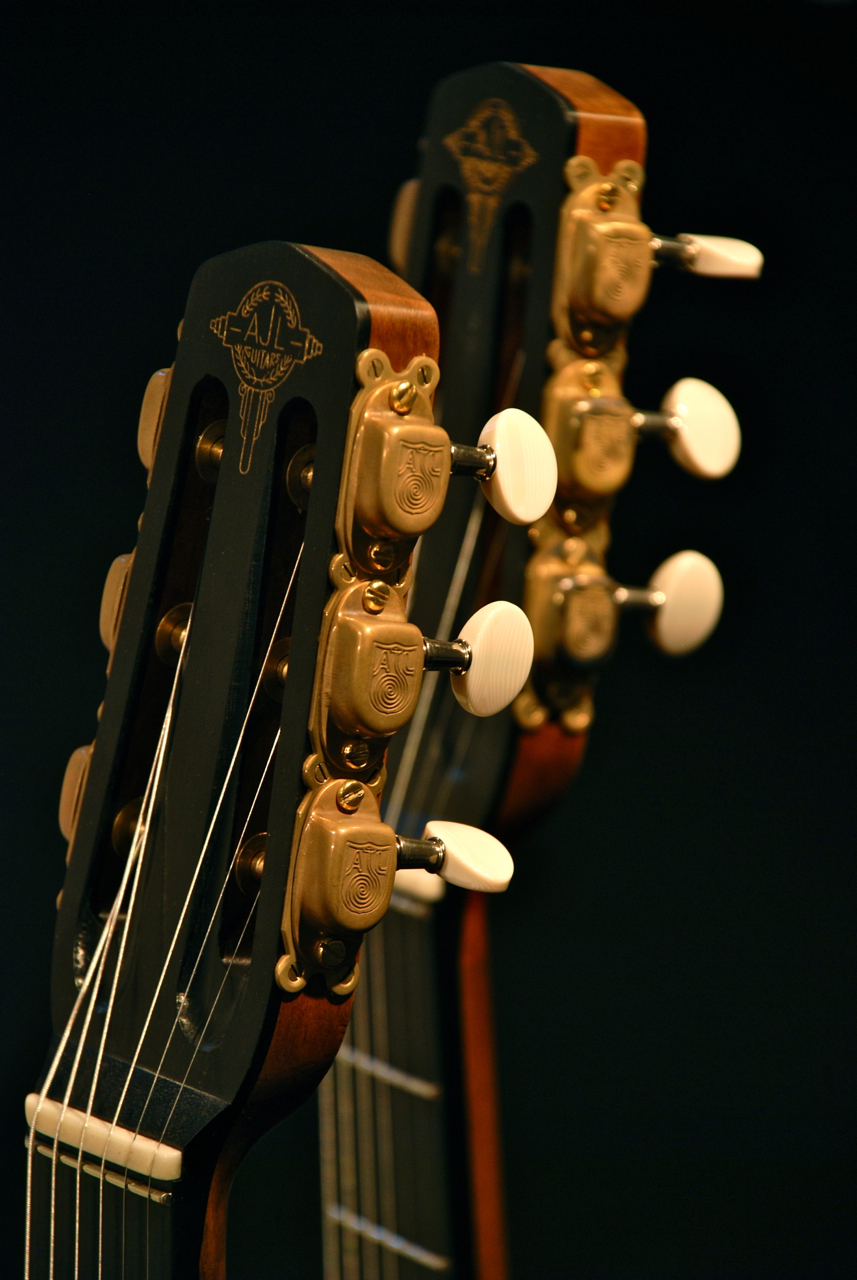
(picture courtesy of AJL-Guitars)

(picture courtesy of AJL-Guitars)
****
In the autumn of 2013 Kitarablogi had the pleasure of visiting Ari-Jukka Luomaranta’s AJL-Guitars workshop in Kokkola.
Here are some of the pictures I took on that occasion:

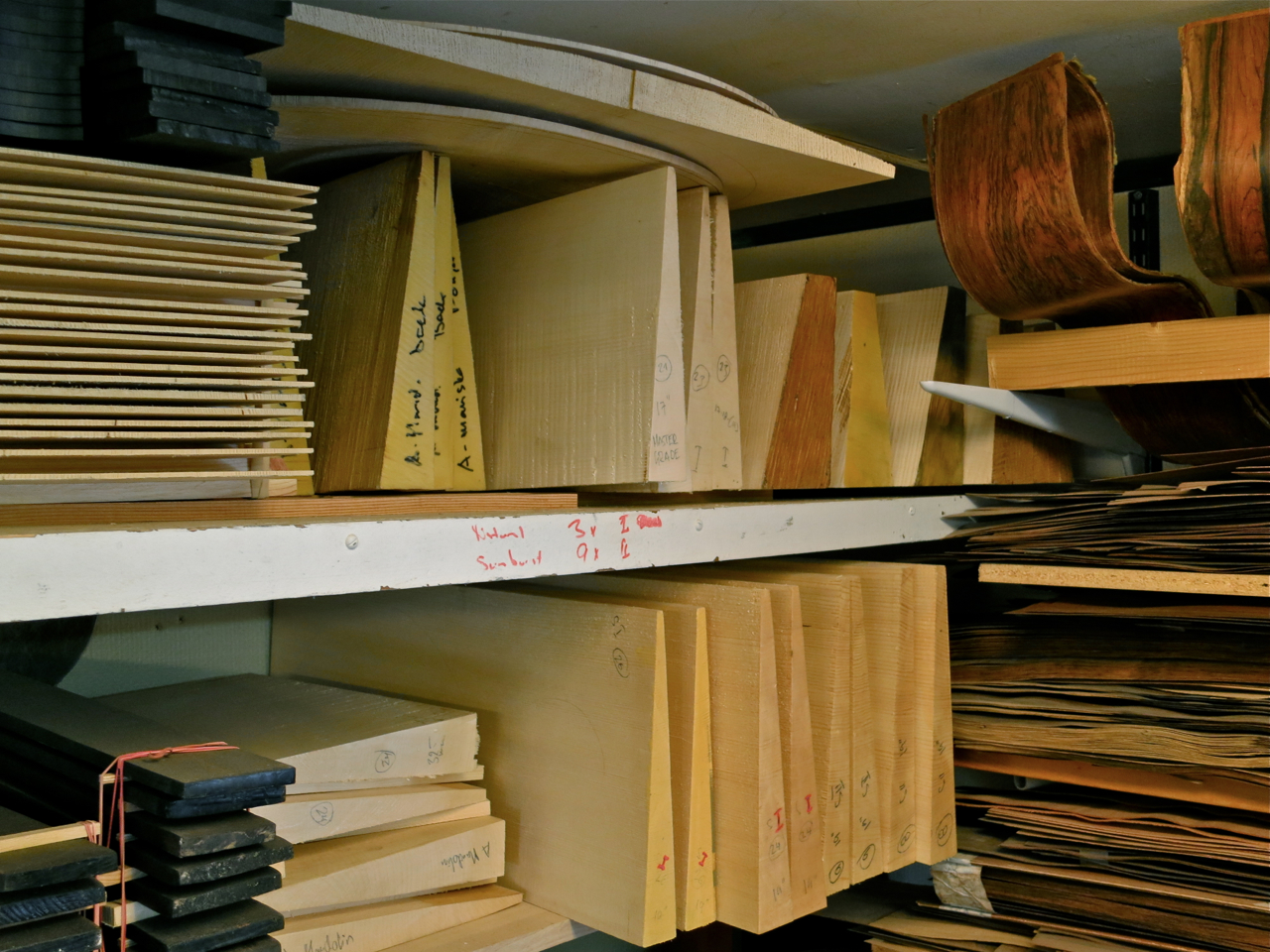


(picture courtesy of AJL-Guitars)


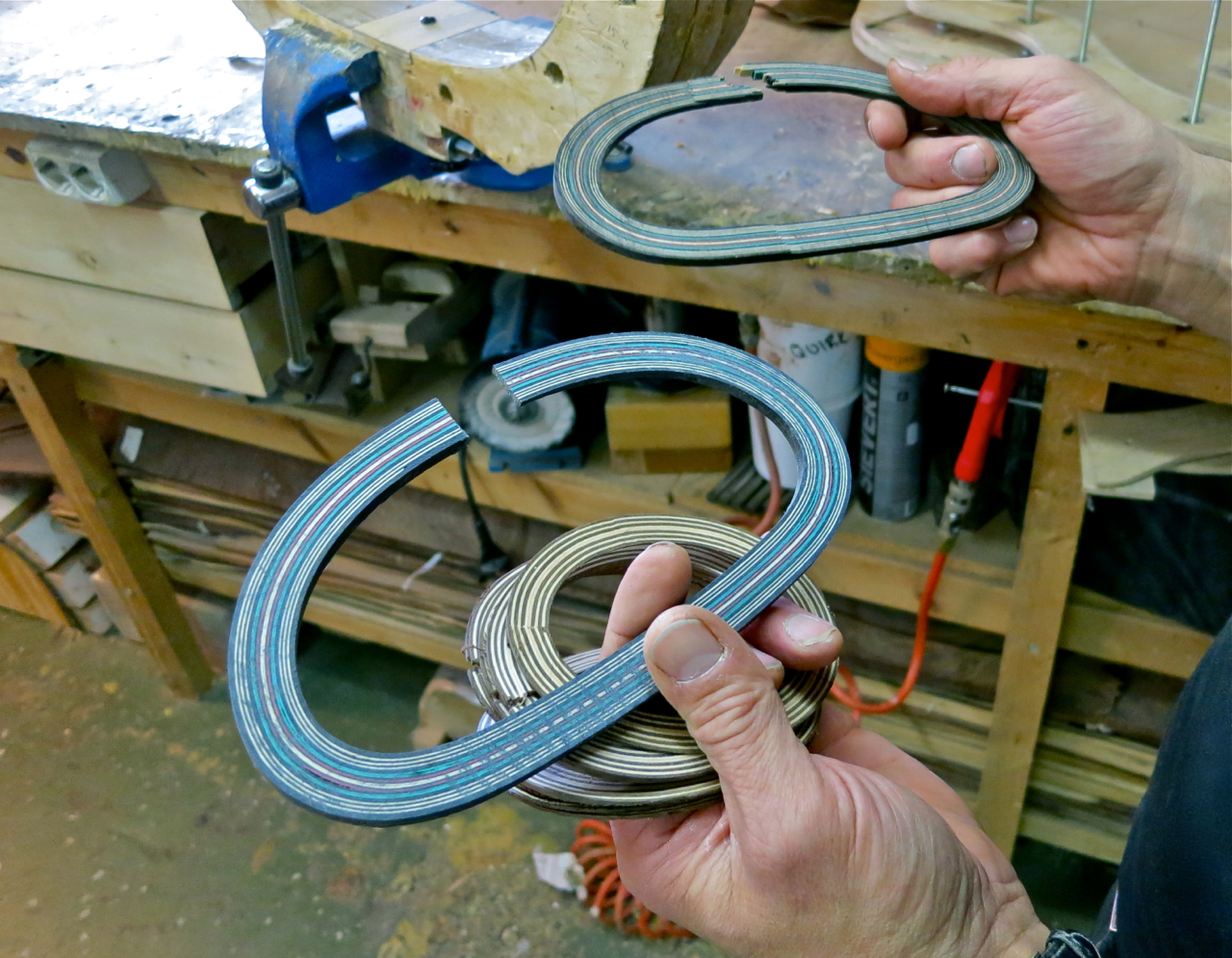

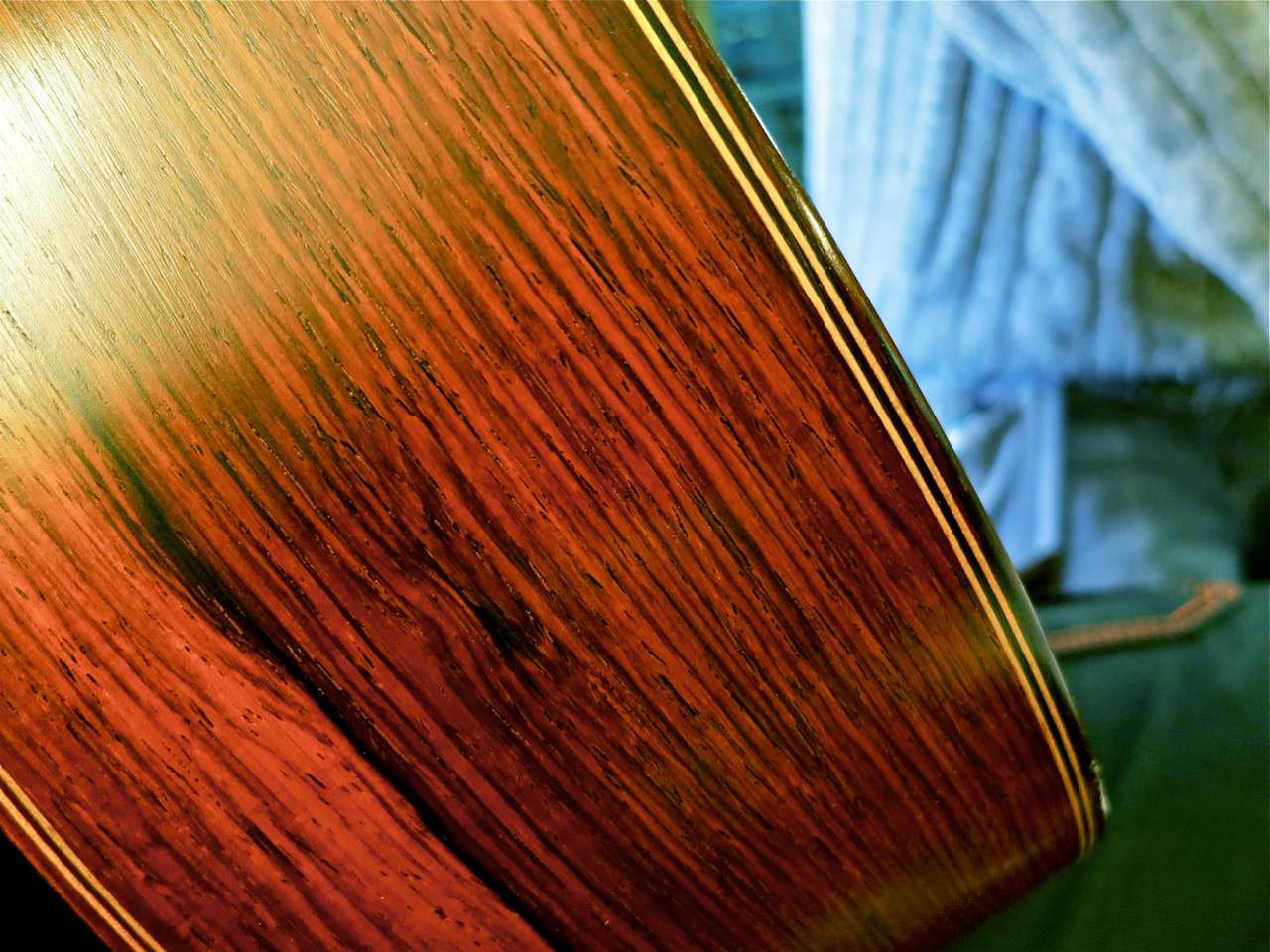


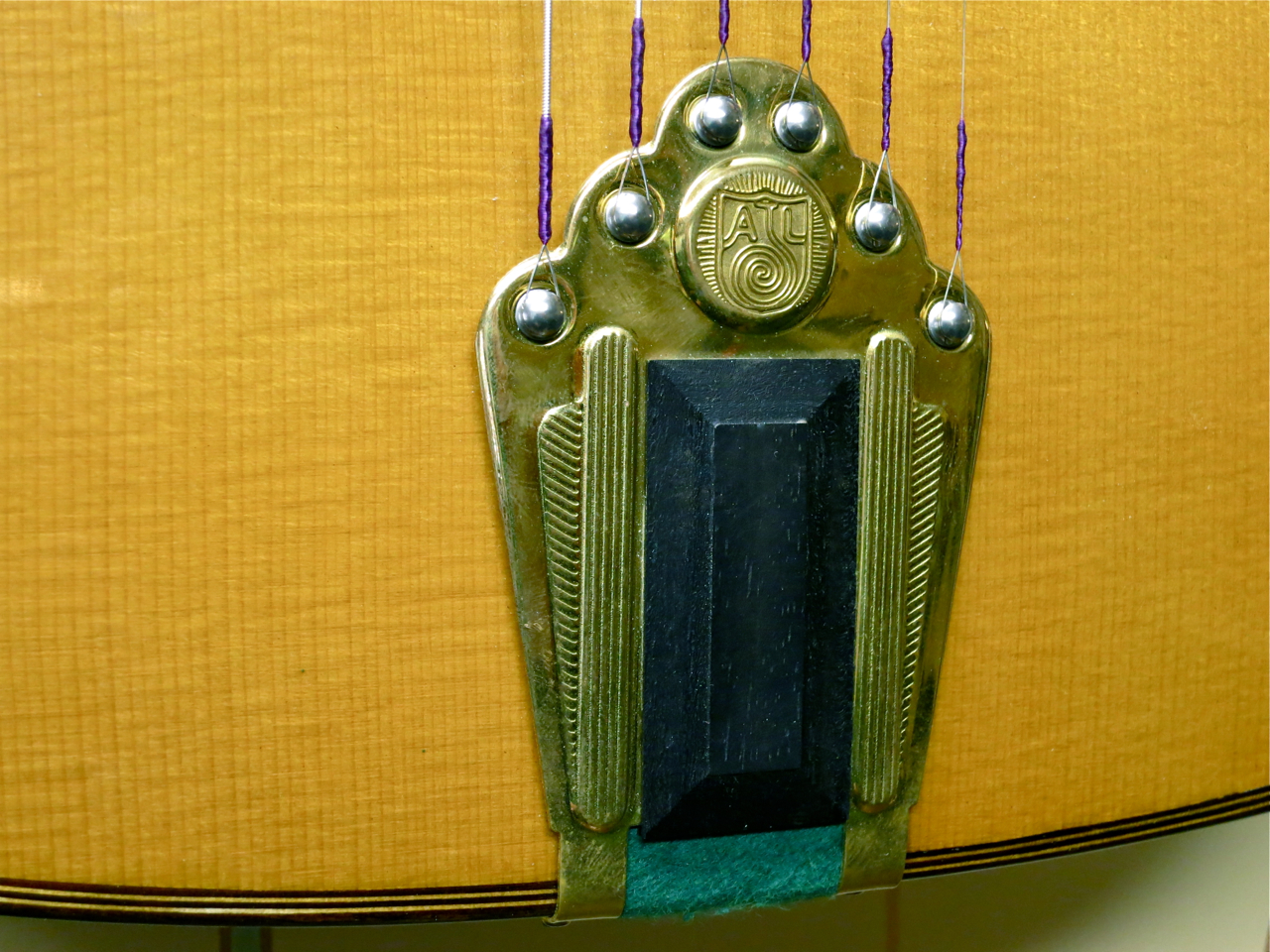


(picture courtesy of AJL-Guitars)
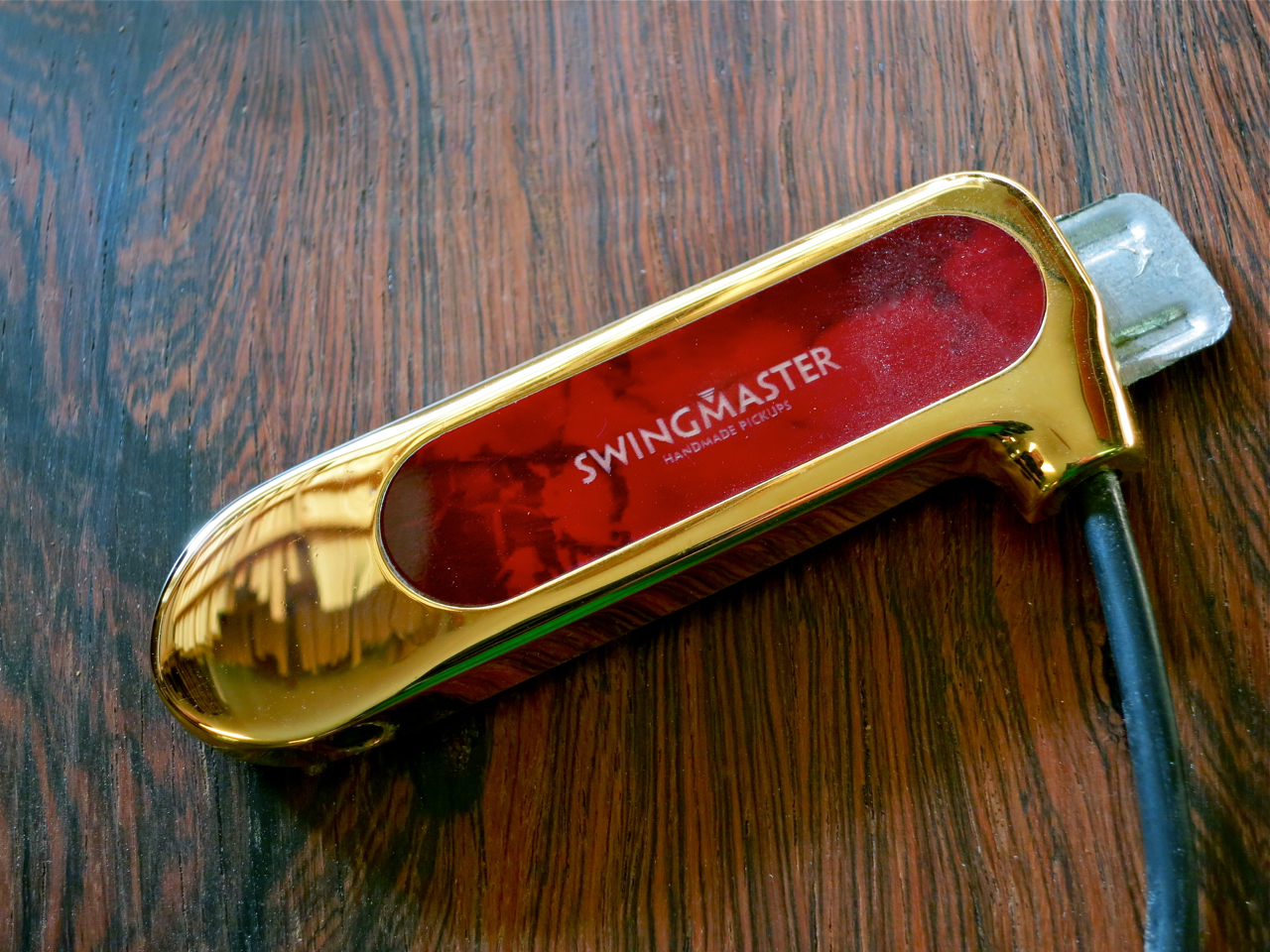


Find out more about AJL-Guitars on their WEBSITE or on FACEBOOK.
AJL-Guitars will also be at The Holy Grail Guitar Show in Berlin, Germany, in November!
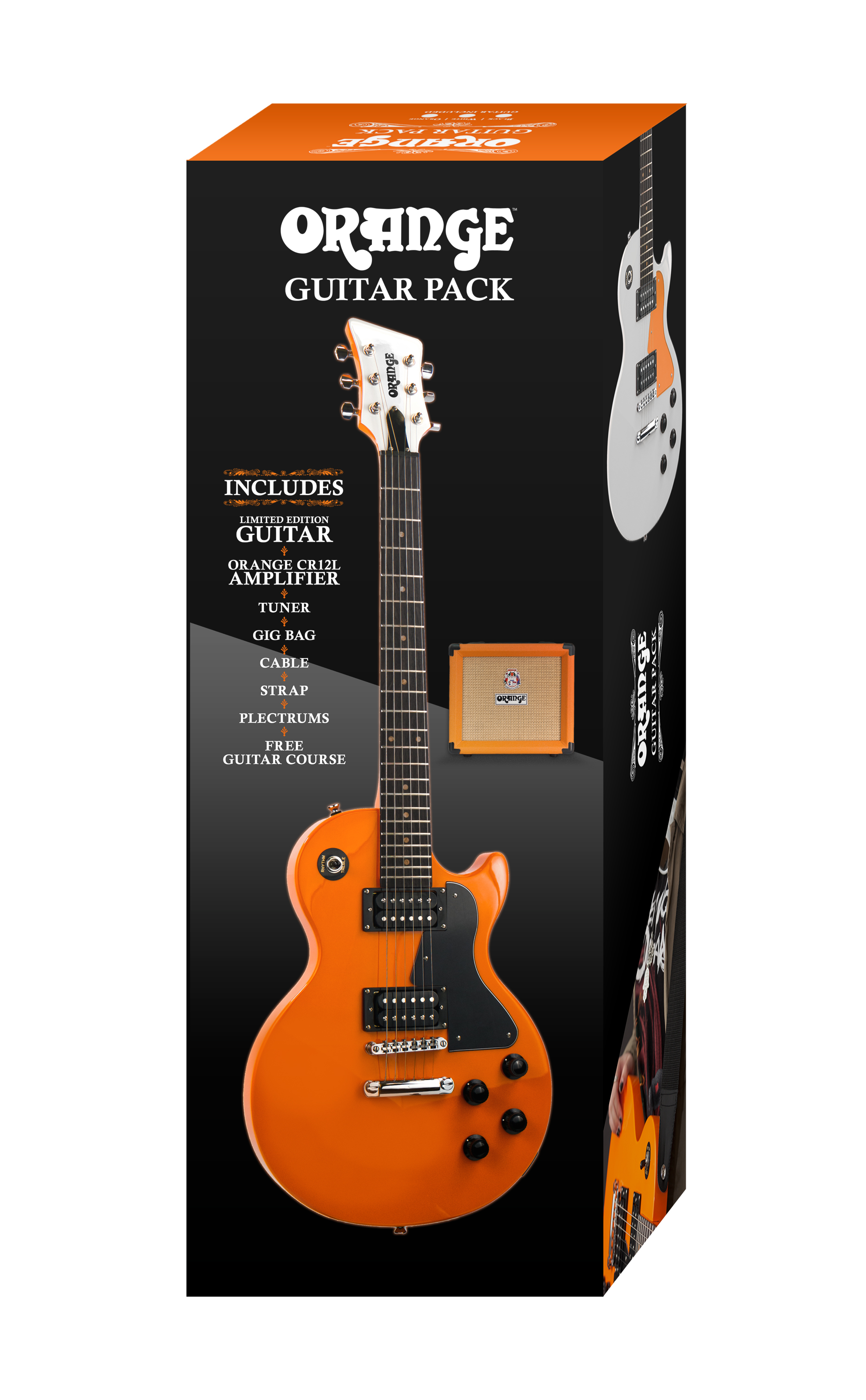
Orange Amplification are proud to launch, in time for Christmas, their new Orange Guitar Pack containing everything needed to start playing, all in one box. Created to get the next generation of guitarists playing, or encourage lapsed performers to get back in the saddle, this quality, affordable pack contains an Orange Guitar, Orange Crush PiX 12L amplifier combo, Orange branded gig bag, headstock tuner, guitar lead plus plectrums and strap. Also included is the new Orange Music Education Rock Guitar beginner guitar tuition course with access to over ten video tutorial lessons and backing tracks.
Orange Amplification tuo markkinoille ensimmäisen kitara- ja vahvistinpakettinsa. Orange Guitar Pack:iin sisältyy uusi Orange Guitar -sähkökitara, Orange Crush PiX 12L kitarakombo, topattu kitarapussi, klipsiviritysmittari, kitarajohto, sekä hihna ja muutama plektra. Paketista löytyy myös aloitteilijoille suunnattu Orange Music Education Rock Guitar -videokurssi.
Lisätiedot: Musamaailma


****
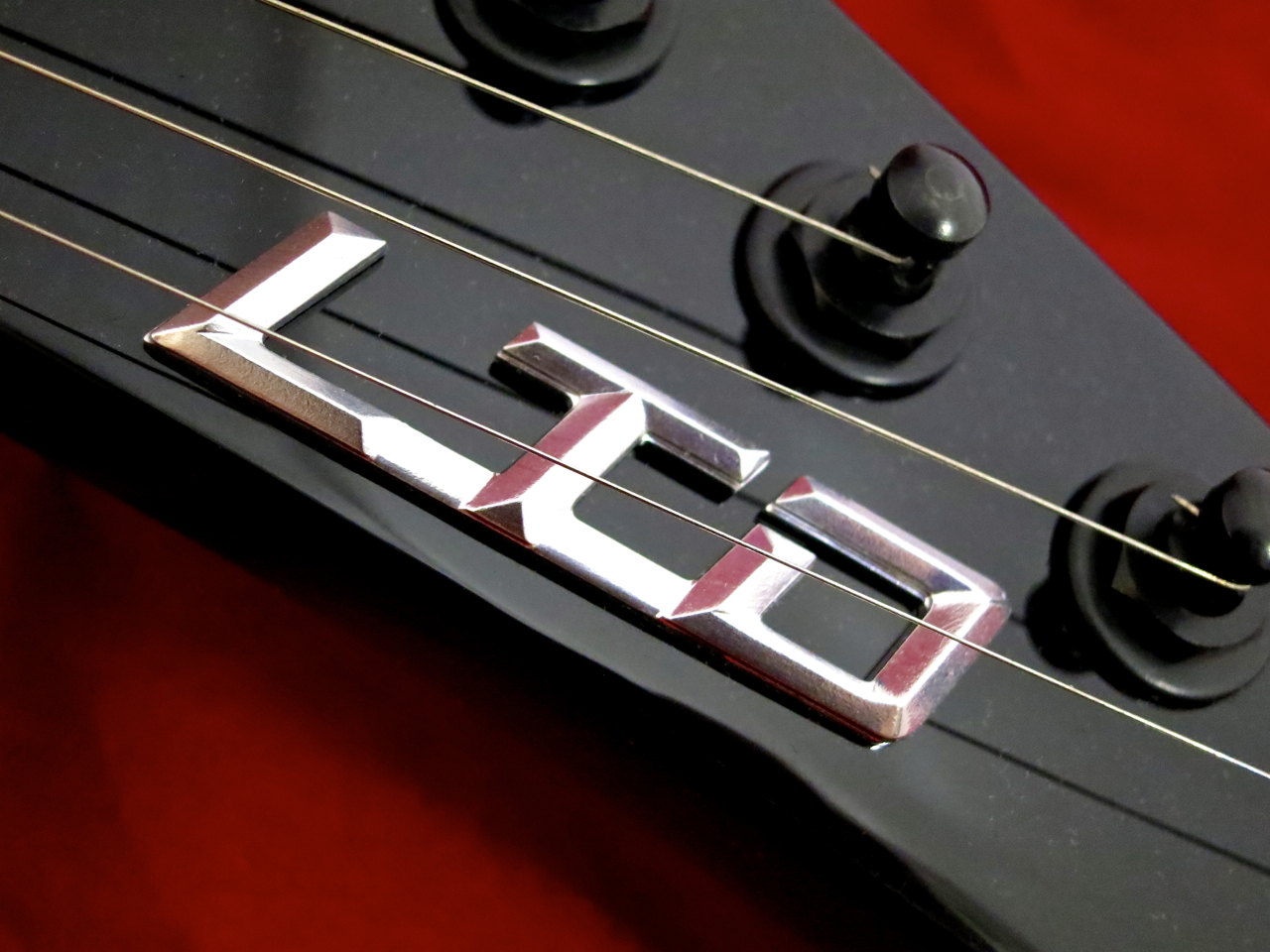
James Hetfield is a musician, who surely needs no introduction. He is Metallica’s frontman, singer, songwriter and guitarist, and has played a very important part in the development of the Metal genre.

Metallica’s guitarists – Hetfield and his colleague Kirk Hammet – have long been collaborating with ESP Guitars. The LTD James Hetfield Snakebyte is the most recent fruit of this partnership.
****

In the early years of Metallica, James Hetfield used to play a Gibsonin Explorer, and looking at his new signature model, it’s easy to conclude that this guitar legend still holds a place in his heart for angular guitars.
LTD’s James Hetfield Snakebyte (current price in Finland: 1.098 €) is an ultra-modern Metal-machine, with a clear stylistic nod to the Explorer.
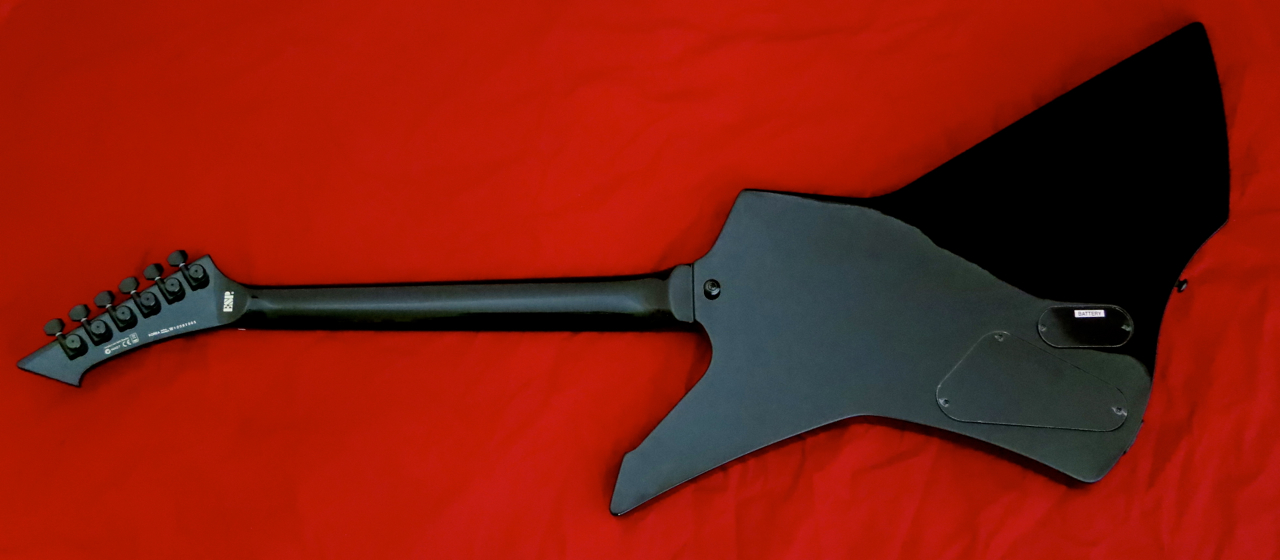
Both the guitar’s body and set neck have been crafted from mahogany, while dark-black ebony has been chosen for this model’s fingerboard.
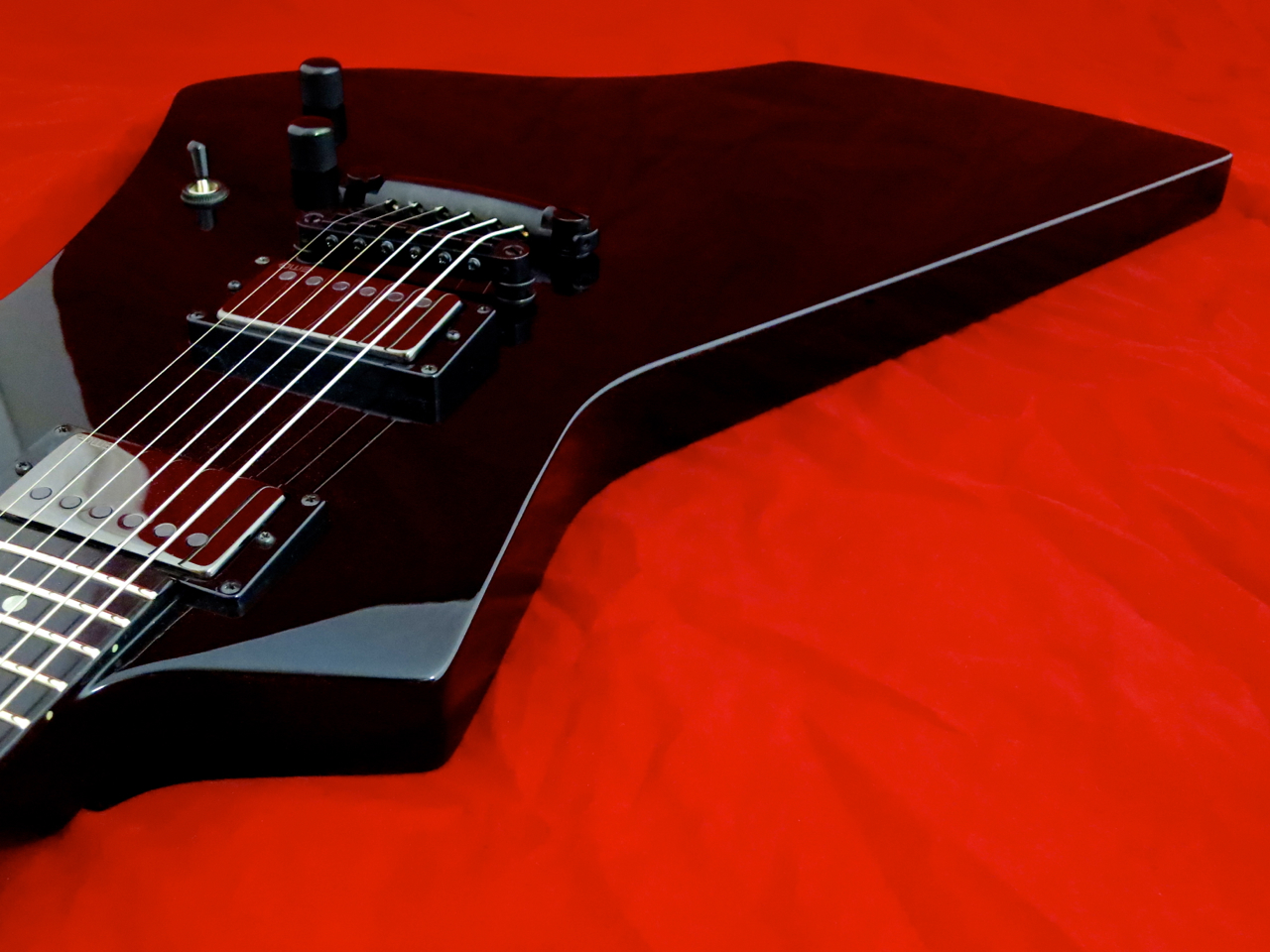
The Snakebyte’s body is noticeably more compact when compared to its vintage forefather, making for a lighter and more comfortable playing experience.
There’s a long, flat chamfer on the body’s bass side, which proved hard to photograph, but which really makes a difference in terms of the Hetfield signature model’s ergonomics.
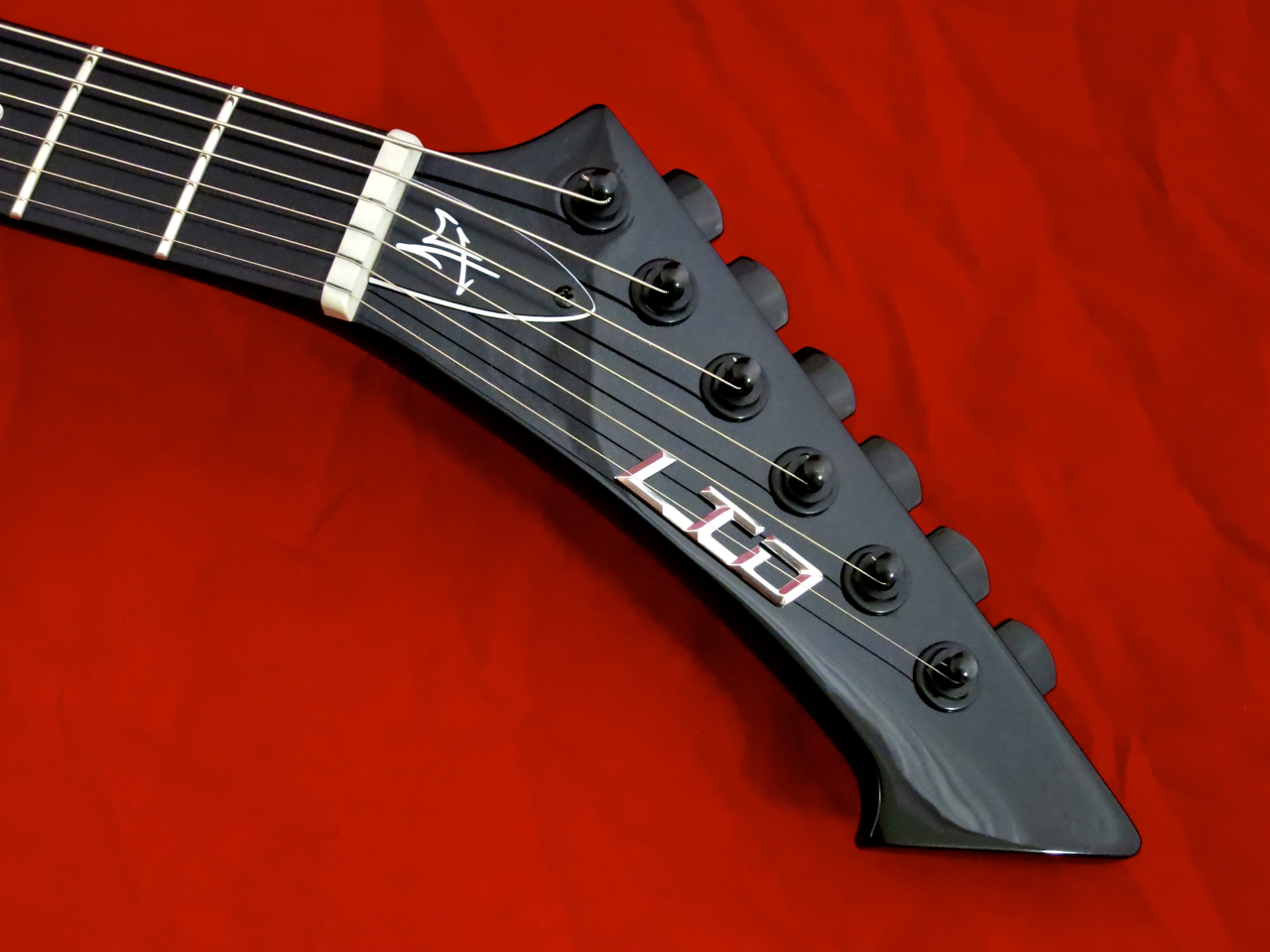

A set of locking Sperzel tuning machines have been chosen for their high quality and proven tuning stability.

The Tone Pros bridge and tailpiece combination is locked in place after adjustment, meaning everything will stay perfectly put even under the most demanding onstage conditions.

LTD’s Snakebyte sports 22 jumbo-sized frets. The fretwork is first-rate, resulting in a fast and rattle-free playing surface.

Active EMG-pickups have long played an important part in James Hetfield’s sound. A couple of years back EMG have introduced a signature pickup set –the EMG JH ”Het” Set – made to the legendary guitarist’s specifications, and used on this signature LTD.
The JH-Nneck humbucker has been developed based on EMG’s Model 60, but Hetfield’s humbucker uses separate ceramic magnets and fatter coils. EMG’s Model 81 has formed the basis for the JH-B signature bridge pickup, but here steel polepieces have been added to the pickup’s ceramic bar magnets.
According to EMG the ”Het” Set has a warm and organic basic tone, coupled with a very clear attack and loads of output power.

OK, one three-way toggle, two controls – case closed…
Hold your horses! Yes, the toggle switch works in the usual way, but the controls aren’t a master volume and a master tone, but rather two separate volumes – one knob for each pickup.
James Hetfield doesn’t need a tone control, as all his settings are dialled in by his guitar technician. This way he only has to concentrate on pickup selection, while playing and singing at the same time.

The battery compartment’s cover is held in place by machine screws and threaded inlets.
****

It’s true that in 1958 Gibson’s Explorer was a trailblazer thanks to its unusual, angular design. But it’s also true that this classic model is very large and cumbersome, often feeling like a bedside table strapped to your body.
Hetfield’s LTD signature model succeeds in keeping the Explorer’s angular spirit intact. Nonetheless, the LTD Snakebyte is a much more compact affair, which makes it far more comfortable to play and easier to hold.
The Hetfield Snakebyte is a fantastic player, as you would expect from a pro-quality guitar, such as this. The neck profile is a rounded ”C”. Our review sample came with a light action, measuring 1.8 mm (bottom E) and 1.6 mm (top e) at the 12th fret (with a set of 010s), and played well and rattle-free across the whole fretboard.
I must admit I was quite surprised at the sheer beauty of this guitar’s unplugged voice. There’s a strong, piano-like attack and an open character with a long sustain-phase.
EMG’s active ”Het” Set has the power of an approaching speedboat, yet the humbuckers still manage to offer open-sounding clean tones with plenty of organic mid-range character:
Switching to a High Gain channel takes the LTD Snakebyte straight into – surprise, surprise – legendary Hetfield-Metallica-territory. There’s power and attack to boot, and ample bite to cut through:

****

In my view, LTD’s James Hetfield Snakebyte is a top-notch precision tool for the Metal- and Thrash-guitarist. This probably isn’t the most versatile electric guitar ever, but if you’re into Hard ’n’ Heavy this guitar offers the most direct way to sheer sonic bliss.
****
LTD James Hetfield Snakebyte
1.096 €
Finnish distributor: Musamaailma
****
Pros:
+ workmanship
+ light weight
+ playability
+ acoustic tone
+ amplified sound
Cons:
– no tone control