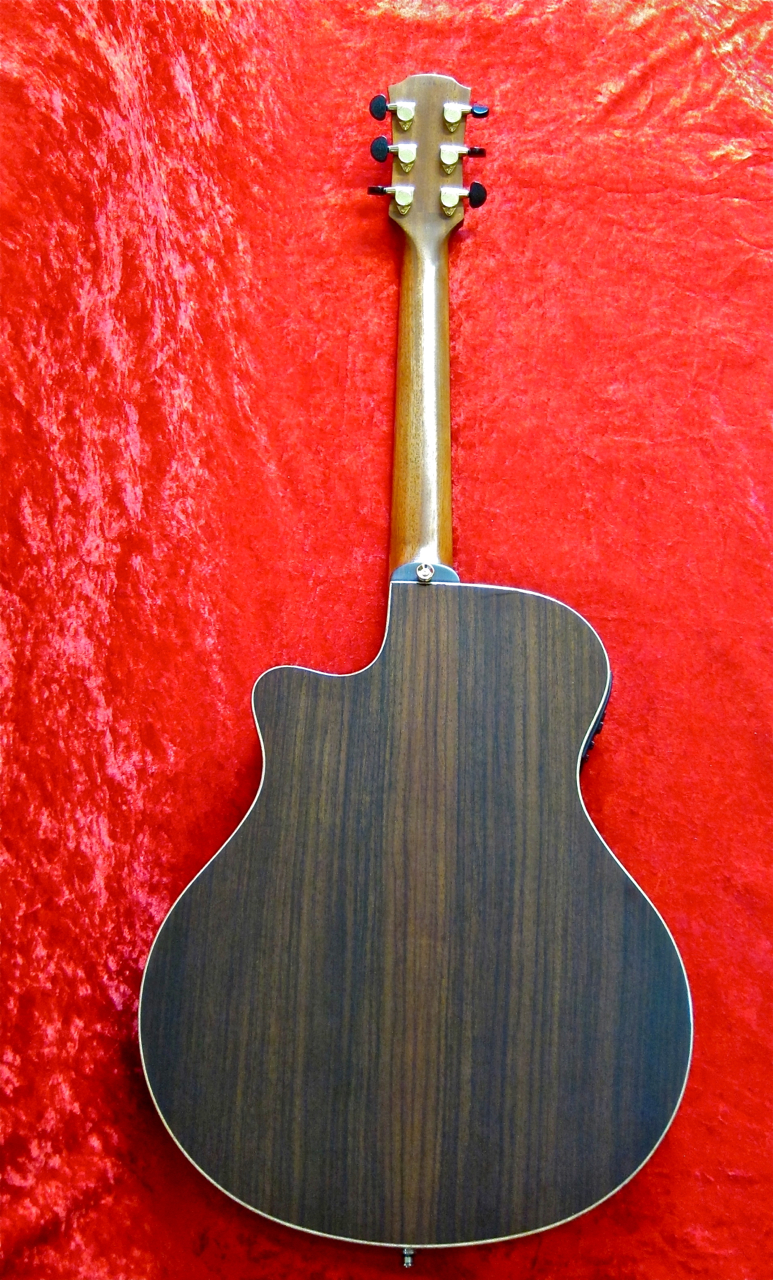
Review: PRS Studio

****

The PRS Studio -model, which was introduced last year, bundles all the improvements of the last few years in one single instrument. The Studio sports a long list of new – or improved – features, such as the Narrowfield-humbuckers.

****

In Gibson-speak ”studio” usually means a less expensive, slightly scaled-down model. In the PRS Studio’s case the word ”studio” denotes a guitar that is meant to be very versatile.

The PRS Studio (current price in Finland around 3,000 €) is a set-neck electric guitar, with the company’s traditional 25-inch (63,5 cm) scale. A great-looking flame maple top comes as standard on the Studio. PRS offer several different colour finishes, as well as a choice between a wraparound bridge or a PRS vibrato.
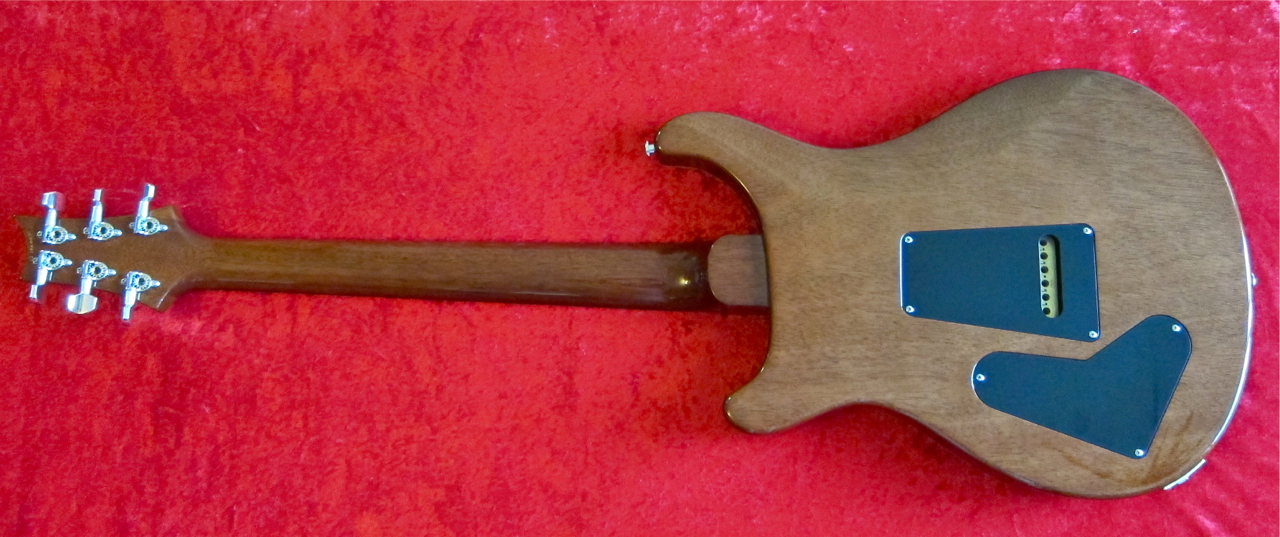
Both the neck and the back of the body are crafted from top-quality mahogany. The Studio is offered with two new neck profiles: The fuller version is called Pattern Neck, while its slimmer counterpart is designated as Pattern Thin.
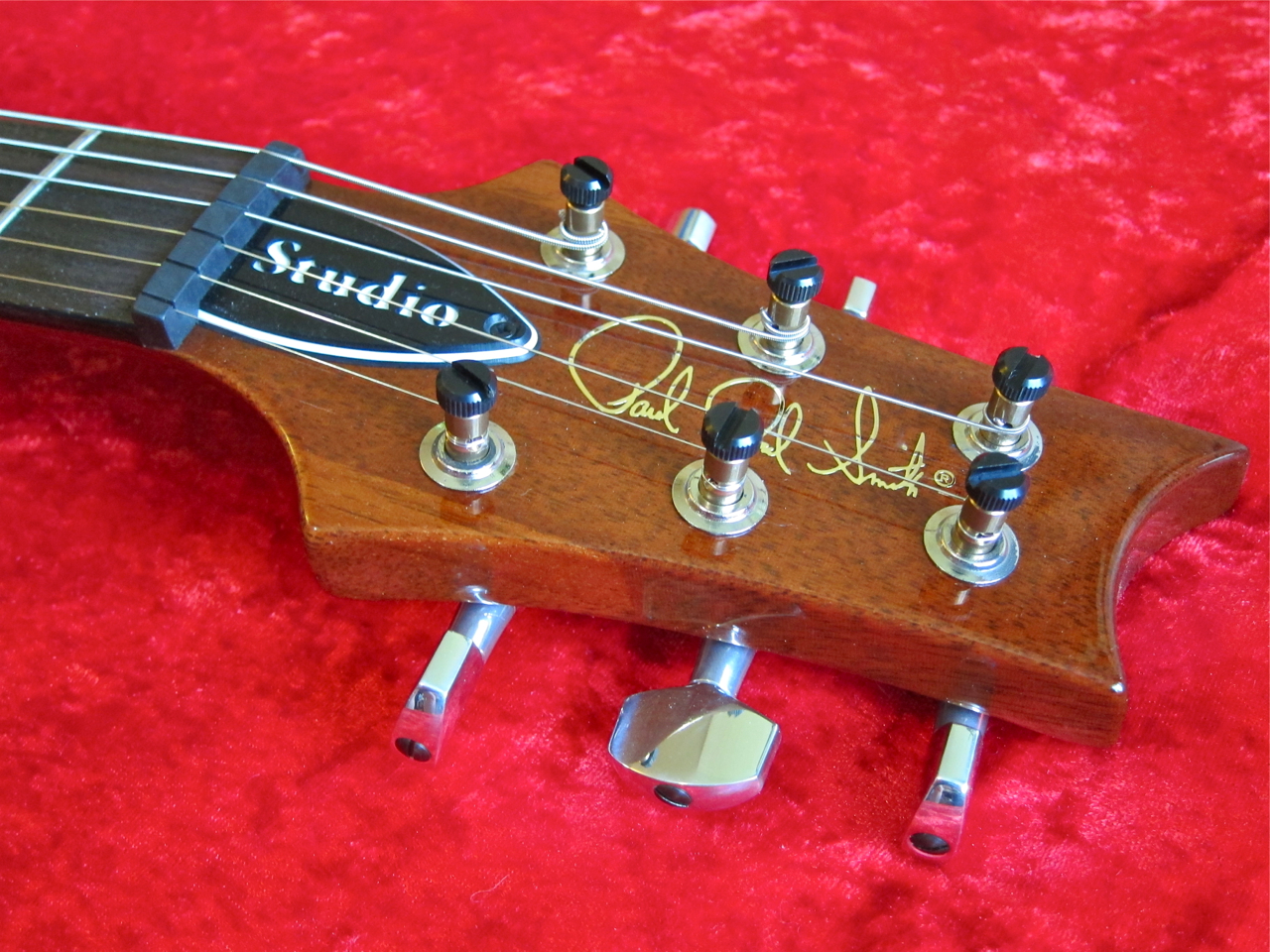
The new PRS Phase III locking tuners feature brass string posts and bushings with a much tighter fit.

I assumed that the reason for the open casings was weight reduction, but I was wrong. In one of PRS’ You Tube videos Mr Smith states that the main reason for this design change were the cool looks.

The company’s new bird inlays are standard on the Studio-model – cream coloured outlines filled with walnut.

The fretwork on our test sample was truly exemplary.

Here’s a good look at PRS’ customary neck joint – its big heel is good for sustain.

Over the past decades the PRS body shape has become a classic design in itself.

A breath-taking view for most guitar connoisseurs – the famous ”fake” binding, which is achieved by leaving the rim of the maple top unstained.
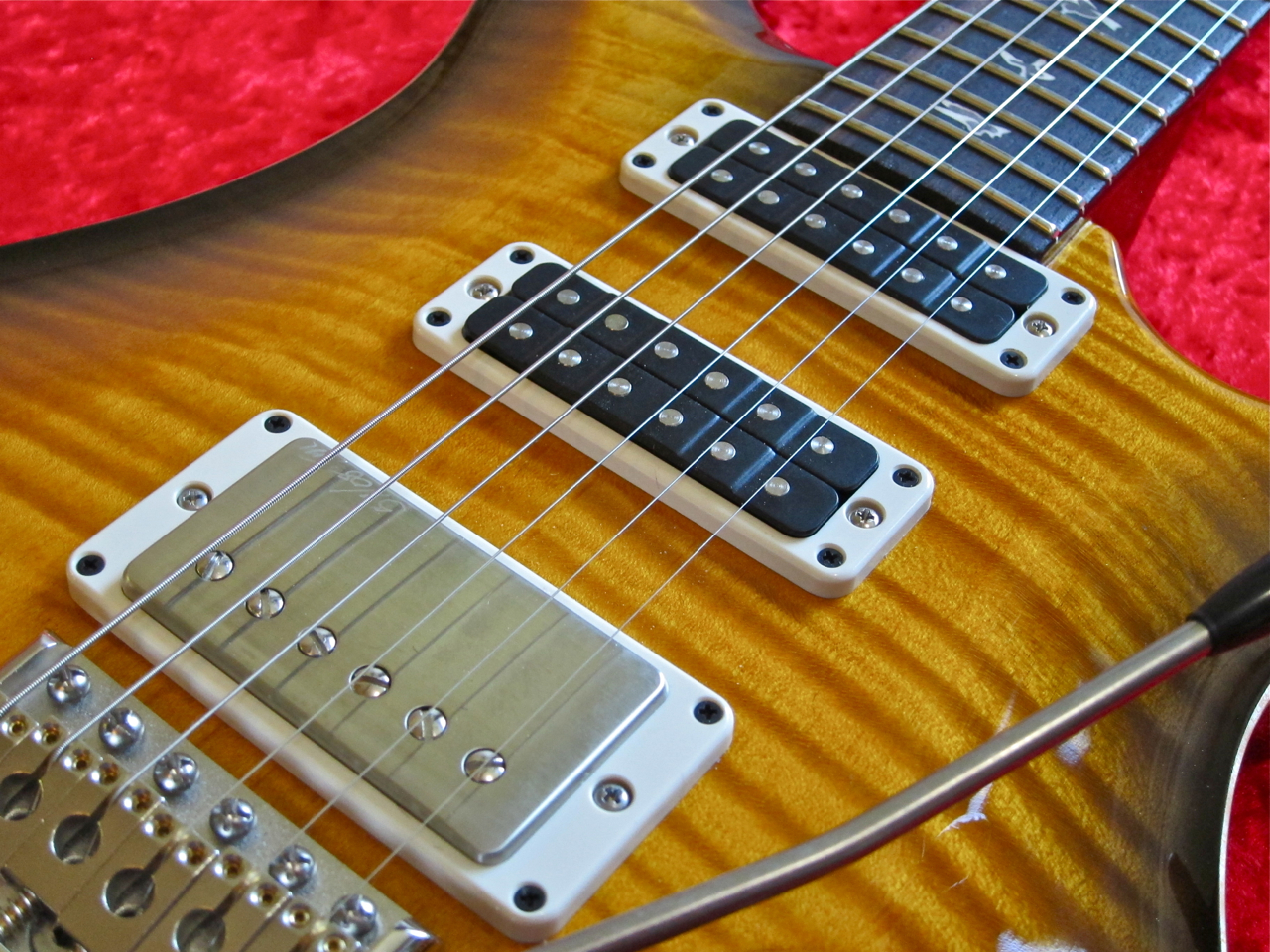
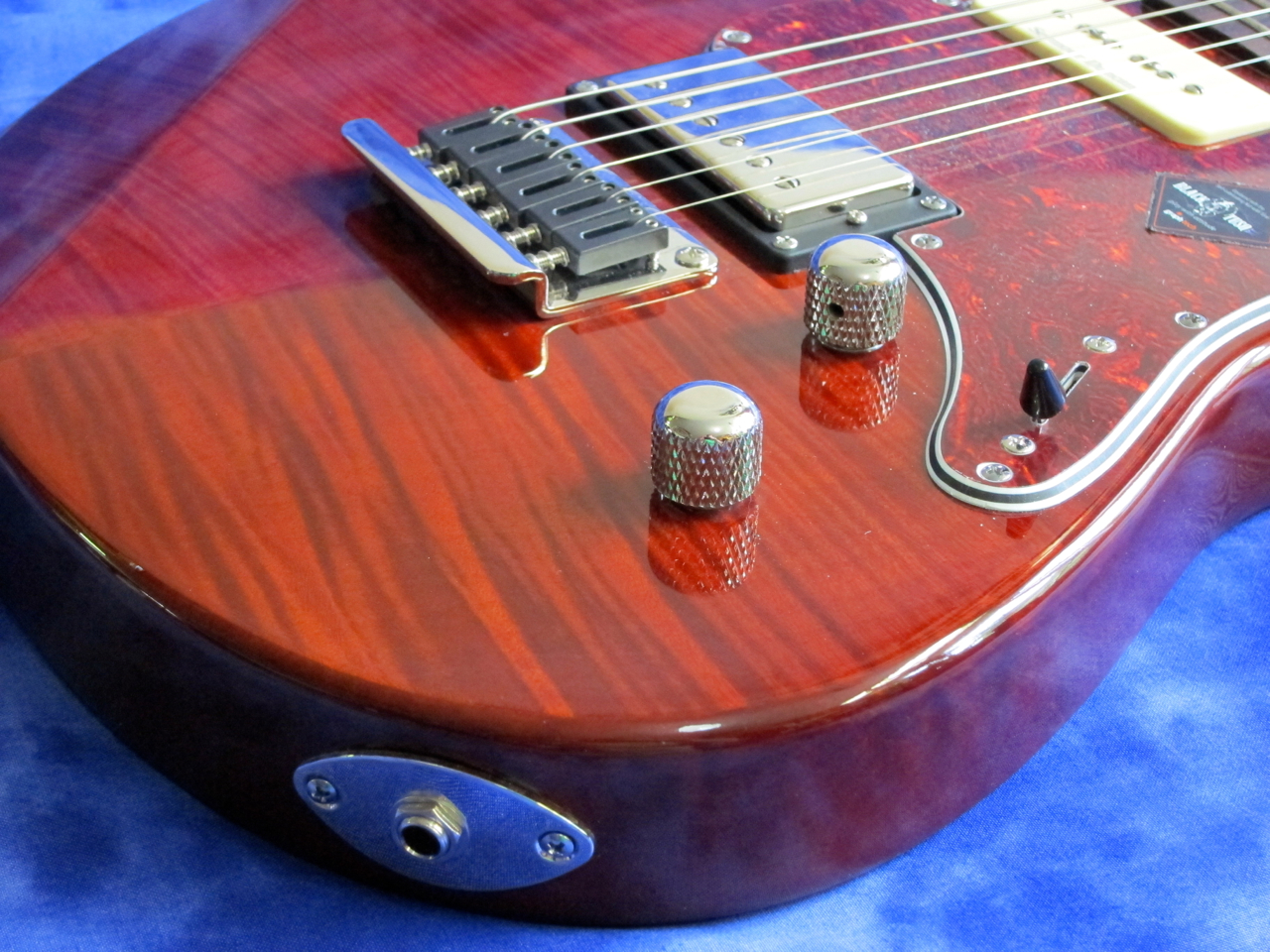
In the last years PRS has given its pickups a thorough overhaul, which has spawned a few new models: The Studio comes equipped with the new PRS 57/08 -humbucker in the bridge position. Many PRS-fans claim that this is the company’s best-ever vintage-type humbucker. The 57/08’s metal cover is brushed aluminium, and bridge versions have their model number deliberately engraved upside-down.

The brand new Narrowfield-humbuckers are very special beasts, indeed, with a sound of their own. The Narrowfield has a full-size humbucker’s output level and warm basic character, but thanks to its much narrower magnetic window the higher-mids and treble range both sound fresher and more transparent.

A push-pull-switch inside the tone control lets you split the bridge pickup.

PRS’ vintage-style vibrato is a fine improvement on Leo Fender’s original Stratocaster-bridge.

The vibrato block is milled from solid brass.

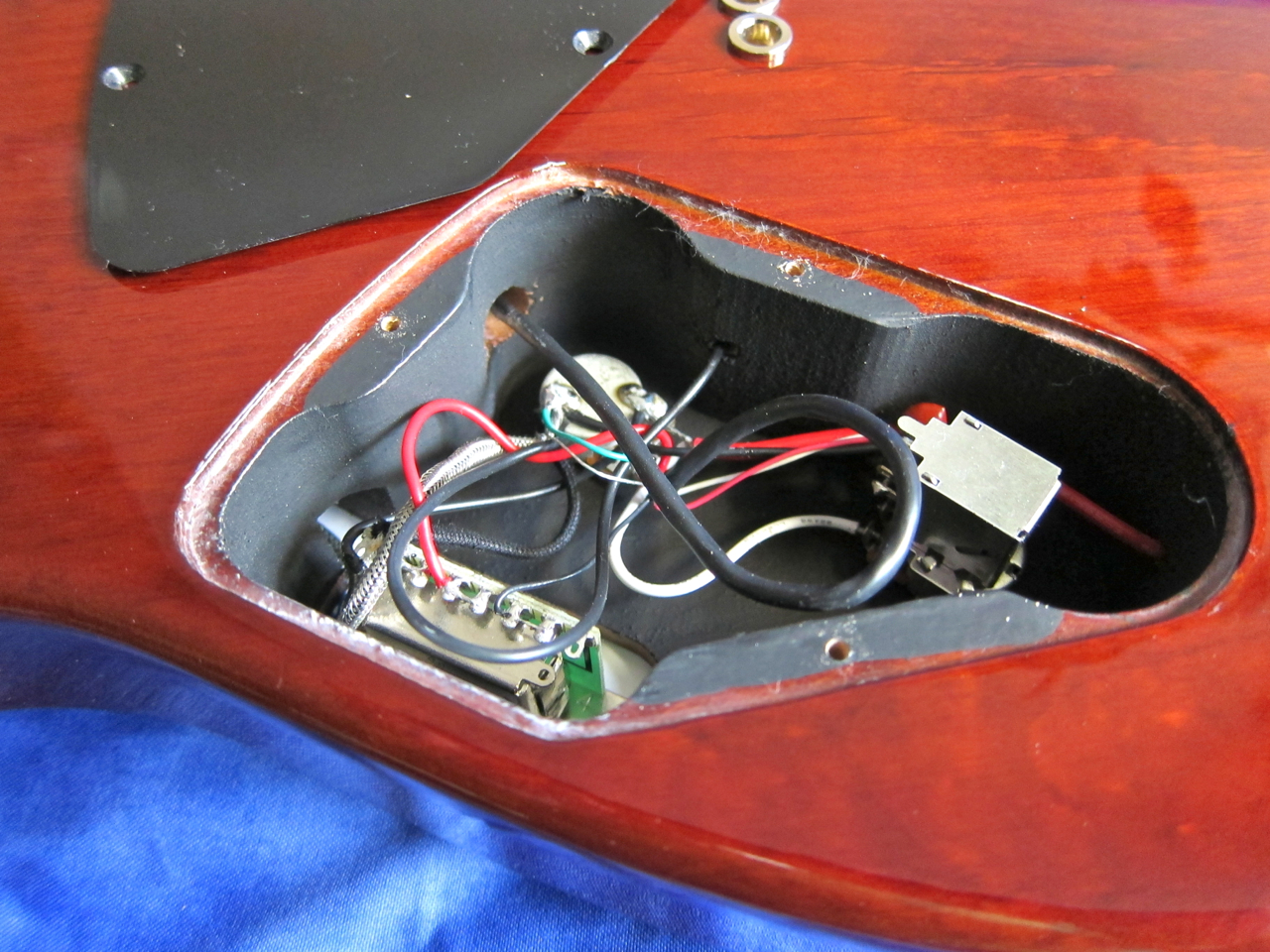
This is what the review sample’s control cavity looks like – not the cleanest PRS I’ve ever seen. Luckily the sawdust doesn’t seem to hamper the guitar’s functionality.

A classy hard case rounds out this package.

****

According to Paul Reed Smith himself, the Studio’s new Pattern neck profile is actually a return to the very beginning of PRS Guitars, when PRS was a tiny little workshop. The Pattern Neck isn’t miles away from the famous Wide-Fat-profile, but it is clearly rounder with much less shoulders to it.

The Studio’s ergonomics and playability can be summed up in one word – fantastic. The guitar is feather-light, and its slender body with the long upper horn balances perfectly on a strap – despite the neck joining the body at the 20th fret.

The PRS vibrato comes set up with four springs and works buttery and precisely with perfect return-to-pitch.

Acoustically the Studio performs like a true PRS – there’s a good dose of Gibson-ish set-neck character, mixed with a drier and and tighter attack. The warm, well-rounded, but fresh character is carried evenly across the whole fretboard.

The Narrowfield-pickups are a very interisting new breed. They don’t pretend to be sound like Strat-sized ’buckers, but give you plenty of humbucker warmth, coupled with more presence and a nice top end sheen. The Narrowfields work well in combinations, where you’d normally expect a couple of Fender-style singlecoils. In my opinion this is the first time I’ve heard a guitar, where a third humbucker makes tonal sense.

The moderately-powered PRS 57/08 -humbucker is the perfect partner for the Narrowfields, because it, too, has a fresh and dynamic tone. Splitting the 57/08 even gives you quite credible Fender-sound approximations.

The soundbites all start with the neck pickup on its own, flicking through all the switch positions with the bridge humbucker split. The final two repeats are the middle-plus-bridge and bridge-alone selections with the full humbucker in use:

PRS Studio – clean

PRS Studio – crunch

****

Three thousand Euros is quite a lot of money for one guitars. True, but I feel the PRS Studio is really worth each Cent – it is a guitar crafted to the highest standards from top-quality materials. The result is one of the best guitars coming from a large-volume manufacturer. Outstanding playability, coupled with the fantastic tone of the new pickups put this PRS in a league of its own.

****

PRS Guitars Studio

Current price in Finland: approx. 3,000 €

Finnish distributor: EM Nordic

A big thank you to DLX Music Helsinki for the loan of the review sample!

Pros:

• sheer quality

• workmanship

• playability

• smooth vibrato

• sound

• versatility

Cons:

• sawdust in the control cavity

****

Review: Kataja Guitars – three basses

****
Ari Kataja’s Kataja Custom Shop is a small builder from Tampere (Finland), who has concentrated on one-offs for his clients up to now (alongside repair work).

Kataja Guitars have recently come out with their line of Fender-inspired basses, produced in small runs; the new models were also on display at this year’s Bassopäivä (the annual Bass Day at the Pop-Jazz-Academy in Helsinki).

Kitarablogi.com jumped at the opportunity to get three models for a review:

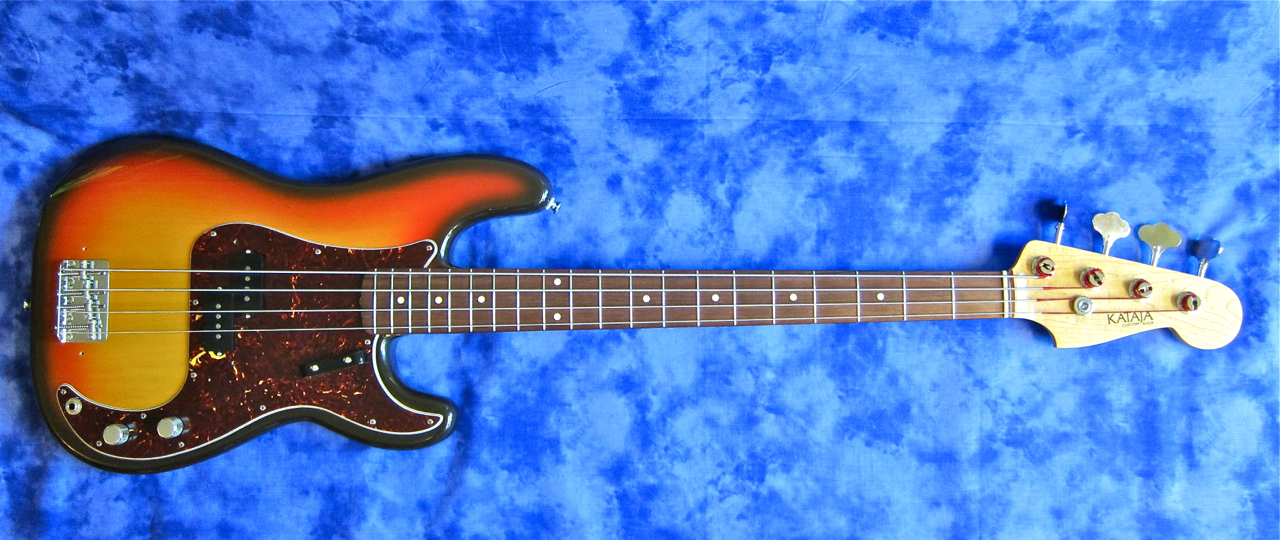
Ari Kataja’s version of a P-bass…

…a model based on a 1960 Jazz…

…as well as a ca 1962/63 Jazz Bass -based bass (current prices in Finland start from 1,920 €, incl gigbag).

****
Kataja Custom basses are crafted in Finland – start to finish. Even though there is quite a number of so-called custom builders, who use pre-fabricated bodies and necks as their basic ingredients, this is not the way for Mr Kataja. His instruments start life as wood blanks, carefully dried to a correct moisture content.

Shared features among the three review basses are bodies crafted from alder and maple necks sporting rosewood fingerboards.

Ari Kataja is also a stickler for period-correct parts and hardware. Take the tortie ’guard on the white 1960 J-model, for example, which is a special item using vintage-style celluloid for its top layer.

All three models have been finished using a modern type of nitrocellulose lacquer. The resulting finish is very thin and hard, protecting the wood, but not inhibiting the instruments’ vibrations.

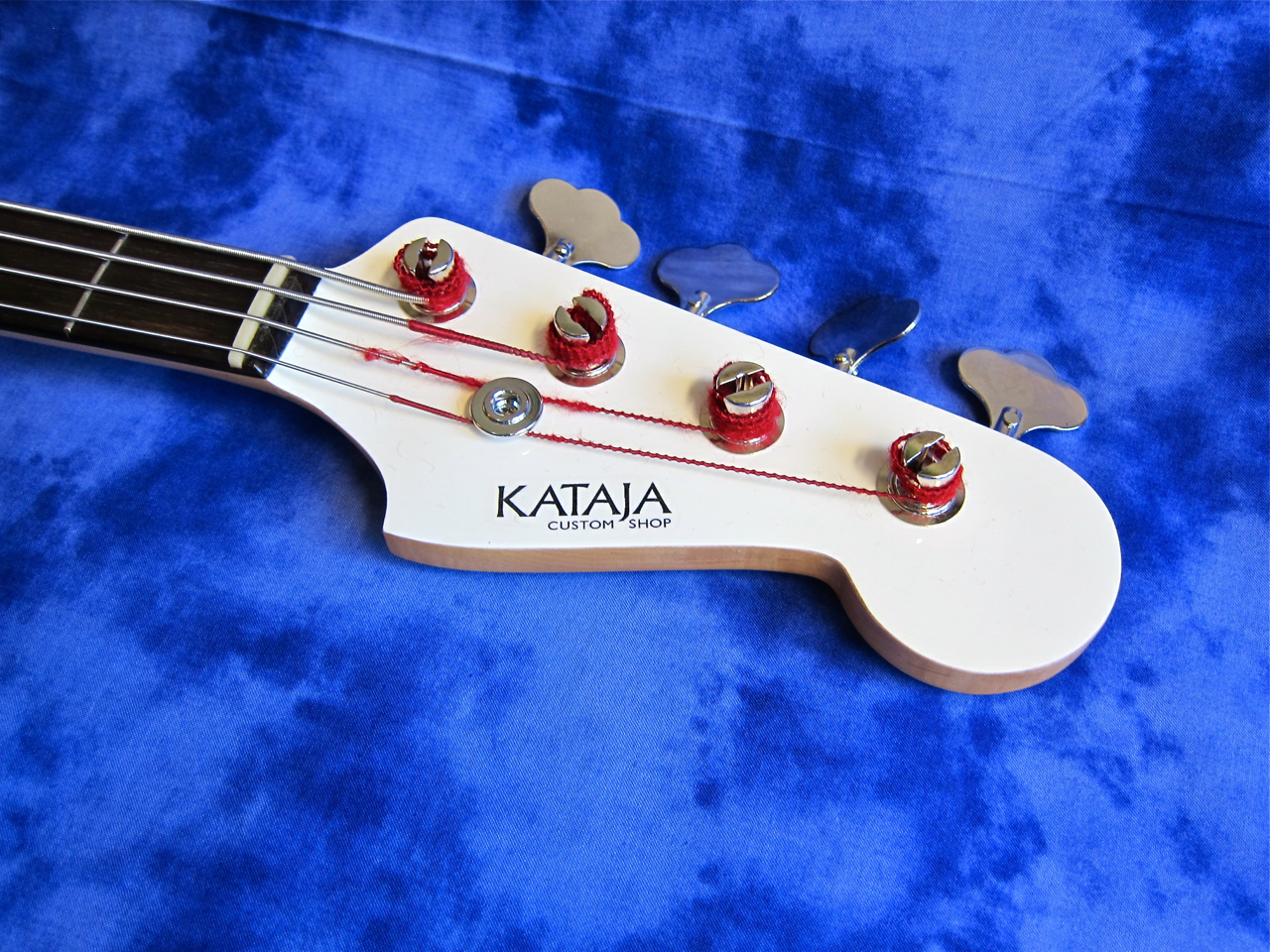
The P-model’s headstock comes finished in clear lacquer…

…while both of the J-models on review here…

…sport colour finishes, matching their bodies.

The tuning machines are modern reproduction of the reverse-action Klusons from the 1950’s and 60s. The keys still have to be turned the ”wrong” way around, compared to modern machine heads, but the tuning ratio is finer on these improved vintage reissues.

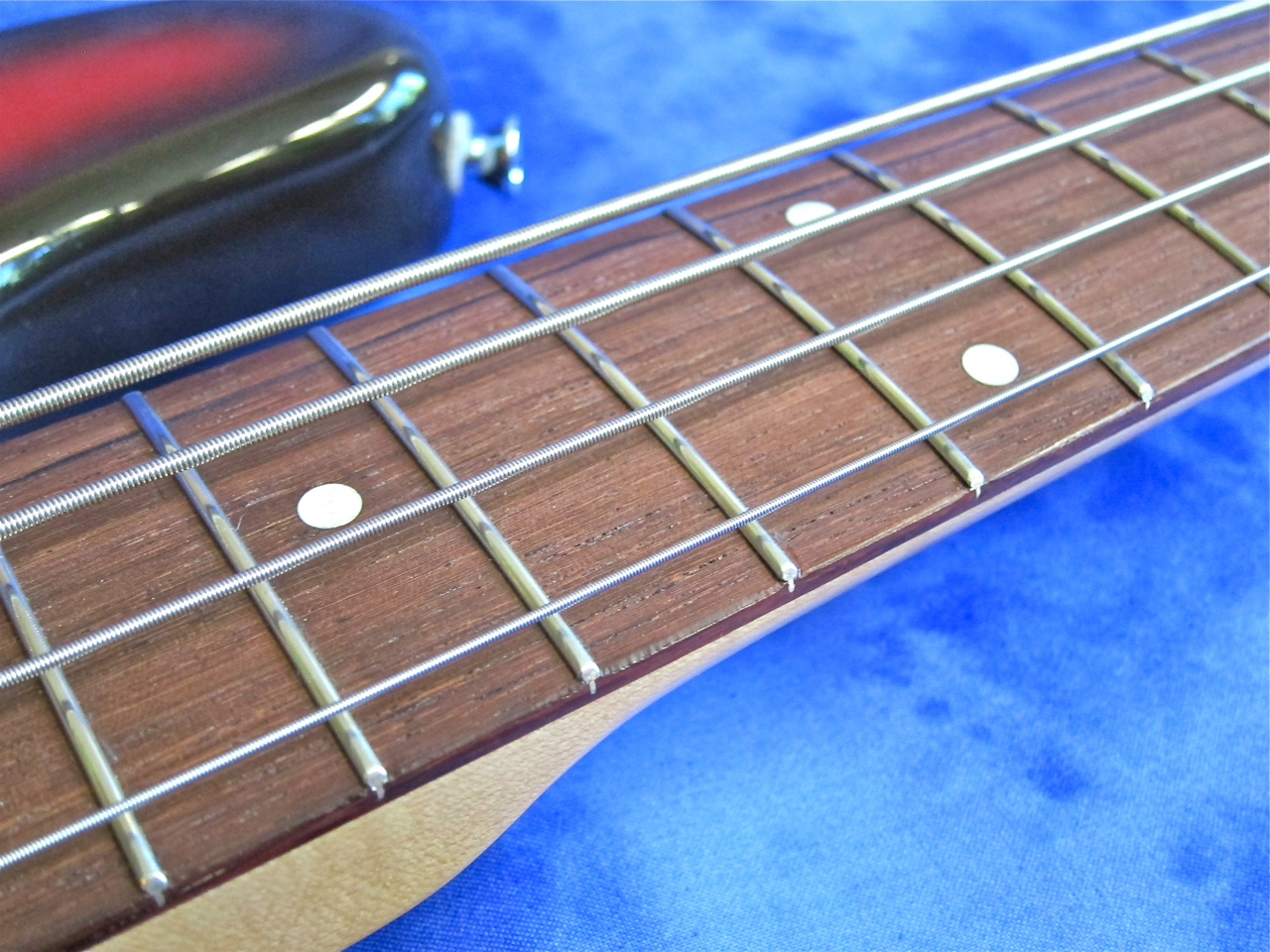
The review basses sport gorgeous Madagascar rosewood fingerboards.

The white 60 J comes with small vintage-sized frets…

…while the P-model and the 62 J both come equipped with medium-sized frets.

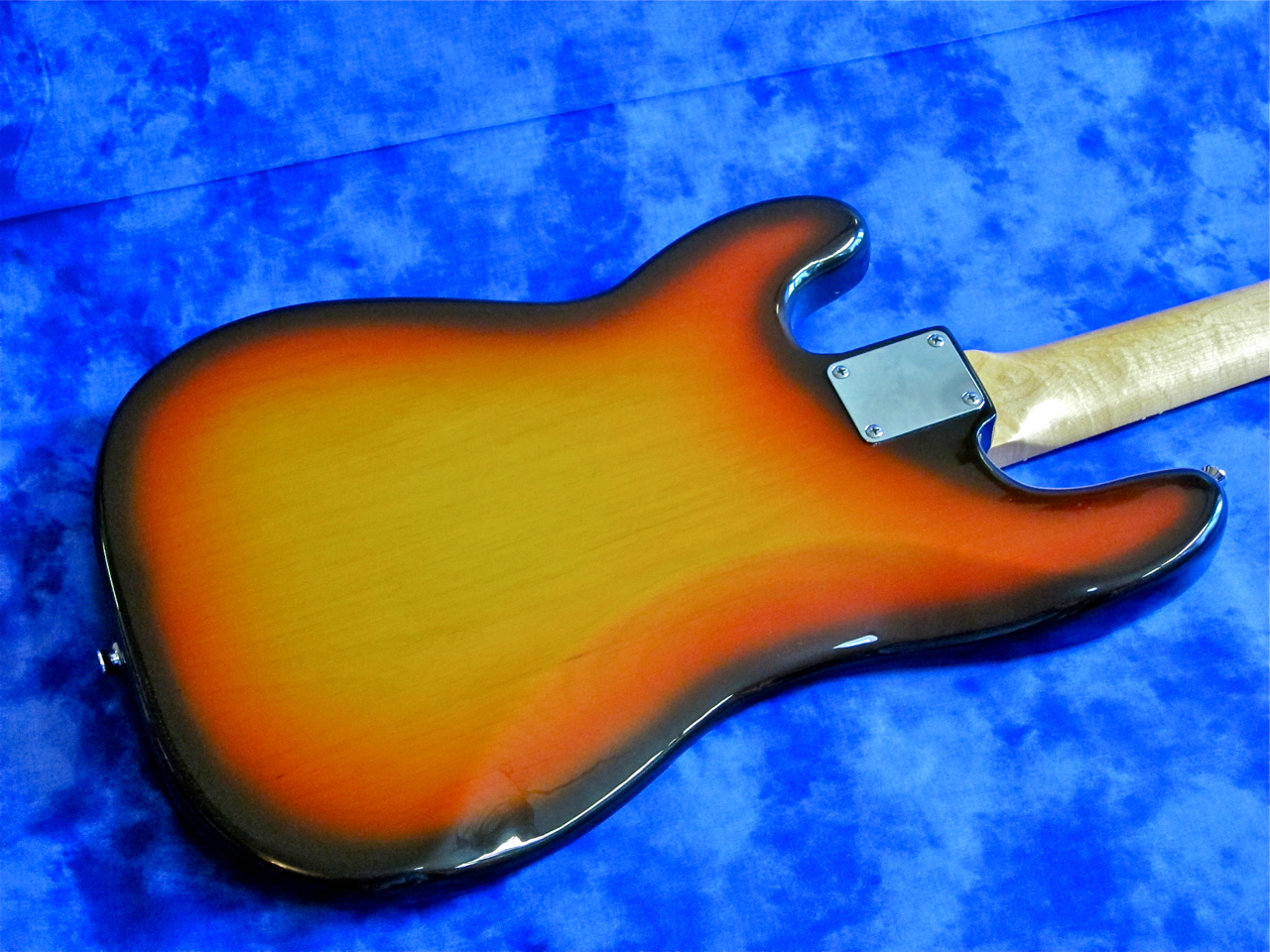
The neck joints are traditional. Following a late-50s/early-60s pattern, all basses have deep contouring for added comfort.

All three instruments come with a period-correct vintage bridge with threaded bridge saddles. This makes it possible to set the distance between the strings simply by lifting each string from one ”groove” to another.

****

The Kataja 60 P and 60 J have pickups loaded with 0,195″-diameter (4,95 mm) alnico magnets with bevelled tips.

The bevelling was used to prevent the magnets from chipping the vulcanised fibreboard coil formers, when the magnets were tapped through their holes.

The guitar boom of the 1960s made it paramount to increase production numbers and production efficiency. One step was bringing down the diameter of the pickup magnets marginally to 0,187″ (4,75 mm). The slightly slimmer magnets were easier to get through the fibreboard coil formers, which made the bevelling unnecessary. Thrue to style, Kataja’s 62 J model uses this type of magnet in its pickups.

There are also other differences between the pickups that aren’t easy to spot: The P and  60 J models’ pickups are wound with the period-correct Heavy Formvar -wire, while the blue Kataja’s pickups use the Plain Enamel -variety. Also, the fibreboard coil formers are coloured differently, according to the bass’ respective ”vintage”.

The white J-type features two stacked, concentric controls, with the silver top being each pickup’s volume control, and the lower ”ring” being the pickup’s own tone roll-off.

This set-up was changed in 1962 to the control lay-out we all know and love so well – separate volumes, one per pickup, with a shared master tone control.

****

These three basses by the Kataja Custom Shop are amazing, top-drawer instruments, designed for the vintage fanatic. The workmanship on display is first-rate, and the way with which Ari Kataja is able to zone in on each minute detail says a lot about this craftsman’s dedication and passion.

As is implied in the name, a Custom Shop’s forte is the flexibility with which it can accommodate a customer’s special wishes into the finished instrument. In the case of these three basses, Mr Kataja fattend up the neck profiles a little bit to his own preference.

The Kataja basses play like a dream and sound fantastic.

I recorded the following soundbites direct, using a Sans Amp Bass Driver DI plugged into a Focusrite Saffire 6 USB -soundcard. Each style has been recorded with one set of Sans Amp settings, taking care to keep the differences between each bass in terms of output level and sound intact. With the J-types each bass line is first played using only the neck pickup, then repeated with both pickups on full, and lastly recorded via the bridge unit on its own.

Kataja 60 P – fingerstyle

Kataja 60 J – fingerstyle

Kataja 62 J – fingerstyle

……

Kataja 60 P – pleck

Kataja 60 J – pleck

Kataja 62 J – pleck

……

Kataja 60 P – slap

Kataja 60 J – slap

Kataja 62 J – slap

****
As you can clearly hear, the Kataja-basses deliver great, vintage tones. The pickups vintage-style medium output only helps in achieving the clear and dynamic tones the originals of yore are so famous for.

In light of the offered build quality and the tasty tones on tap, Kataja’s pricing can only be seen as truly affordable.

If you’re on the lookout for an investment-grade, vintage-style bass, you should definitely try one of Kataja Custom Shop’s creations!

****

Kataja Custom Shop – vintage-style basses

current prices in Finland start from 1,920 €, incl gigbag

Contact: Kataja Guitars

Pros:

+ Made in Finland

+ workmanship

+ playability

+ sound

+ Kataja-pickups

+ satin finishes necks on review samples

+ fair price

****

Testipenkissä: Yamaha Pacifica 611H

Kun Yamaha esitteli ensimmäisen Pacifica-mallinsa 1990-luvun alussa, varmasti kukaan ei olisi uskonnut, että kyseisestä mallista syntyisi näin menestyksekäs ja laaja mallisto. Alkuperäinen Pacifica kehiteltiin kokeilumielessä Yamahan USA Westcoast Custom Shopissa, ja soittimen isät ovat Rich Lasner ja Leo Knapp.

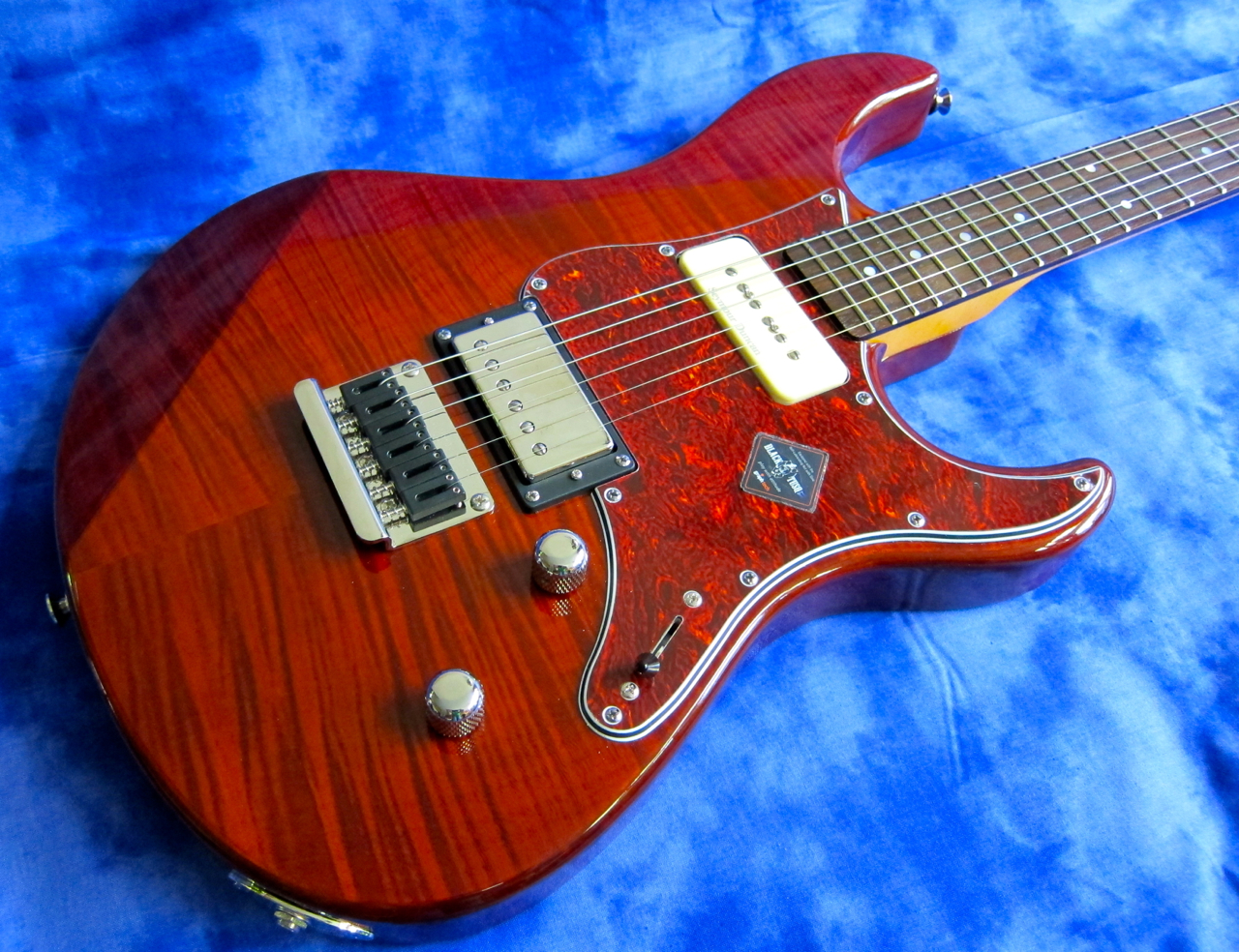
Vuosien aikana Pacifica-nimitystä kantoi hieman laajempi katras erimuotoisia kitaroita, mutta pääsääntöisesti Pacificat ovat olleet Strato-tyylisiä – näin myös tämänhetkinen top-malli Pacifica 611H.

****

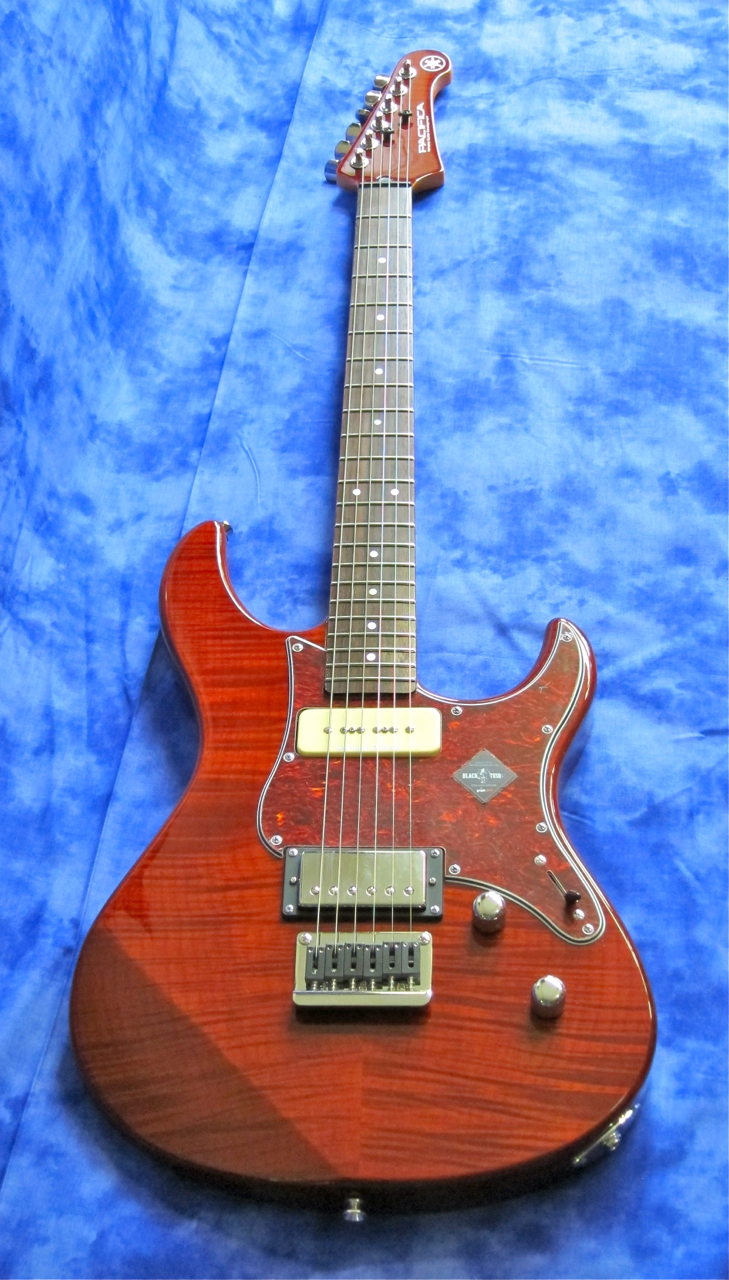
Uskomatonta, mutta totta: laadukas ja kaunis Yamaha Pacifica 611H –kitara valmistetaan Indonesiassa, mikä selittää sen erittäin maltillisen hinnan (F-Musiikin hinta: 595 €).

Puut on valittu perinteitä kunnioittaen: ruuvikaula on veistetty vaahterasta, otelauta palisanterista, ja runkopuuna on käytetty kolme palaa leppää. Koristeeksi on liimattu loimuvaahteraviilut sekä rungon että lavan etupuolelle.

Rungon viisteiden ansiosta kitara istuu mukavasti soittajan sylissä.

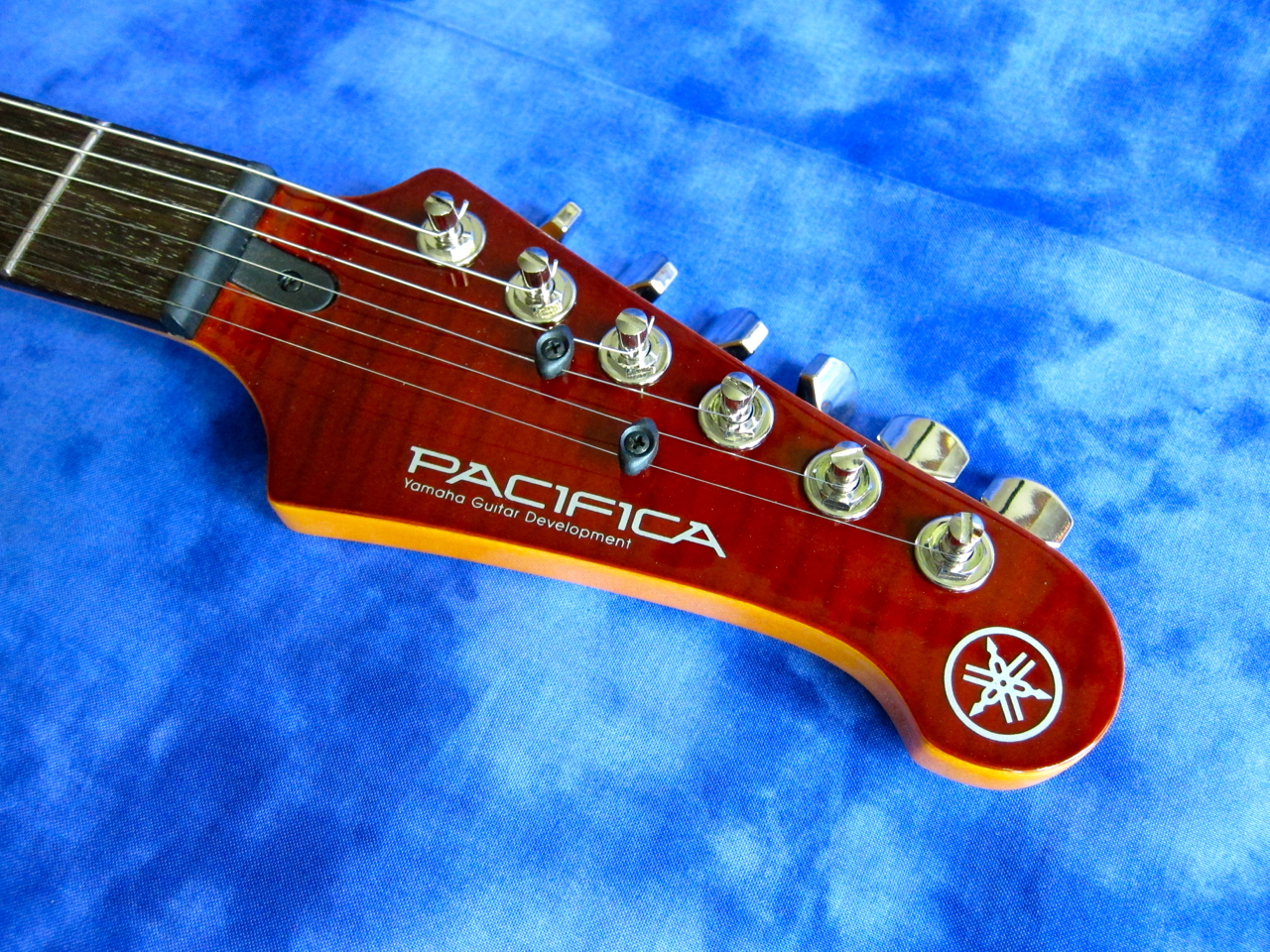
Vintage on tulossa jälleen muotiin – Pacifica 611H:lla on uutena ominaisuutena kiiltävä (ja kellertävä) lakkaus kaulassa.

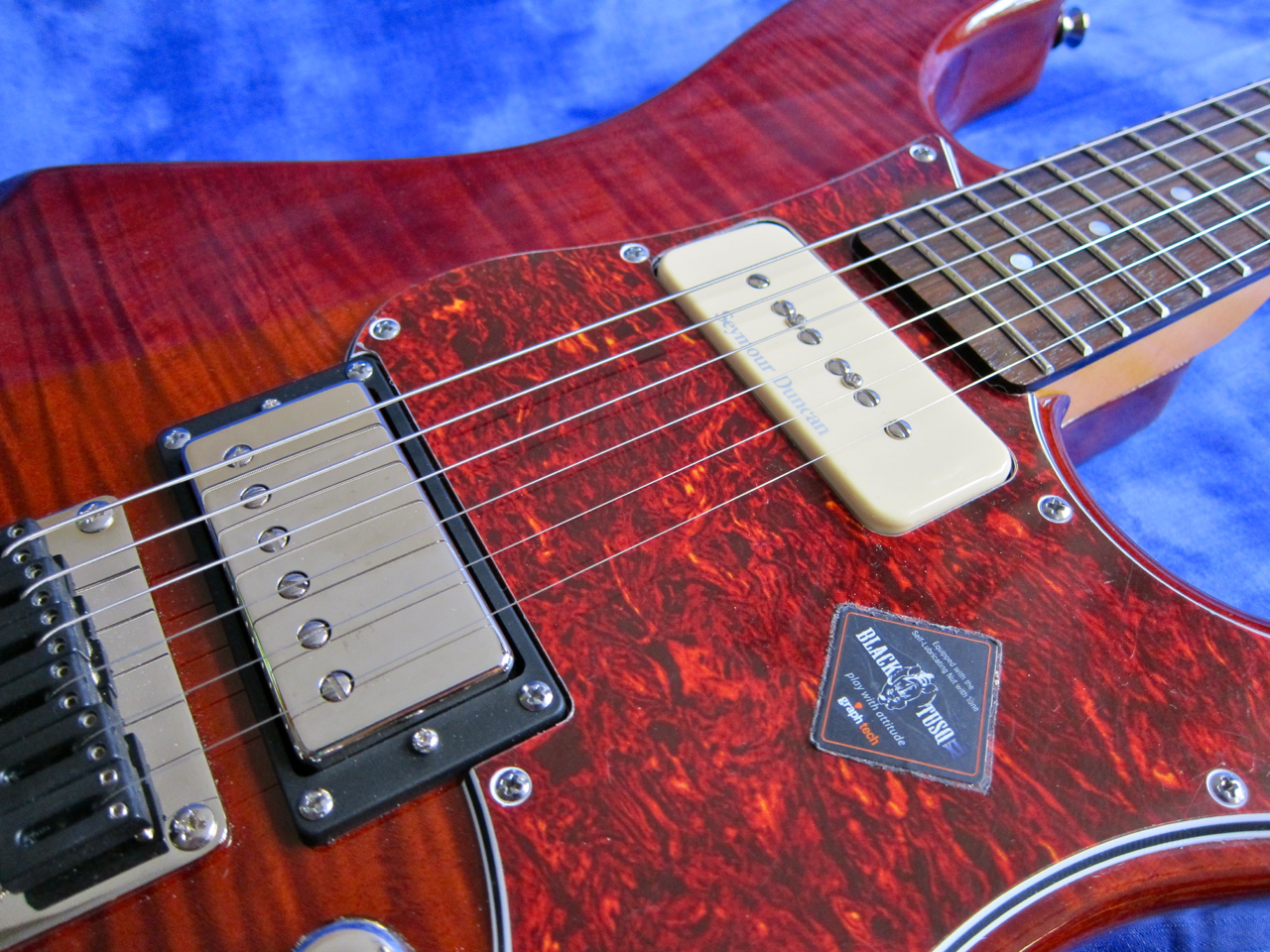
Sekä satula että kieliohjaimet tulevat Graph Techiltä, ja niiden materiaali on Teflonia sisältävä, itsevoiteleva keraaminen Black Tusq. Black Tusqin lujuus parantaa kitaran sointia, samalla kun itsevoitelu vähentää tehokkaasti kitkaa virittäessä.

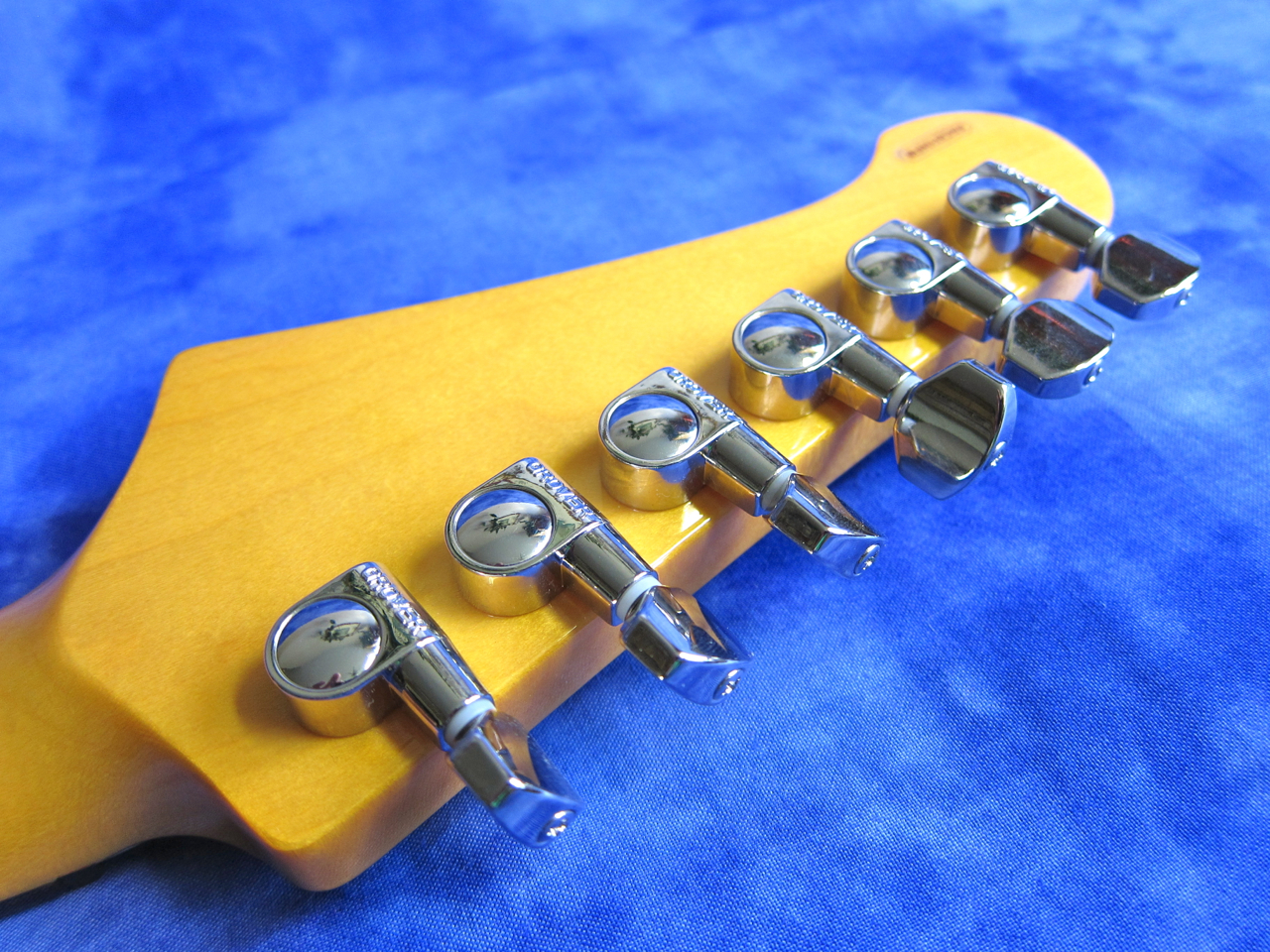
Vaikka tässä Yamahassa ei ole vibratallaa, on soittimen virittimiksi valittu laadukkaat Grover-lukkovirittimet. Uusien Groverien suuri etu on, että kielten vaihtoon ei tarvitse työkaluja, vaan nuppia kääntämällä kieli ensin lukitetaan viritintappiin, ennen kuin tappi alkaa kääntyä.

Miksi ei kaikilla valmistajilla voi olla näin tiukka laadunvalvonta? Pacifican nauhatyö on hintaluokassaan esimerkkilistä sorttia – sileän soittopinnan sekä pyöristettyjen nauhapääiden ansiosta 611H tuntuu huomattavasti kaliimmalta soittimelta kuin mikä se on.

Perinteinen ruuviliitos – kun se kerran toimii, niin miksi sitä pitäisi muuttaa?

Kilpikonnakuvioinen plektrasuoja istuu tyylikkäästi Yamahan kauniiseen punaruskeaan Root Beer -väritykseen.

Yamaha käyttää Graph Techin String Saver -tallapaloja 611-mallin kiinteassä tallassa. Itsevoiteleva materiaali pidentää kielten käyttöaikaa ja vähentää huomattavasti joistakin metallisatuloista tuttua, ikävää nasaalisuutta.

Laatukitaraa on varustettu laatumikrofoneilla: monissa kitaroissa näkyy nykyään P-90:n ja tallahumbuckerin yhdistelmää. Pacifica 611H:n tapauksessa kaulamikrofoniksi on valittu Seymour Duncanin SP-90-mikkiä, joka on firman pikkutarkka jäljennös alkuperäisestä 1950-luvun Gibson P-90:stä. Kitaran tallahumbucker on Duncanin Custom 5 -malli, joka on keskivahva mikrofoni Alnico 5 -magneettilla.

Säädinosasto koostuu yhdestä kolmiasentoisesta vipukytkimestä, sekä master volumesta ja master tonesta. Tone-potikassa on nostokytkin, jolla voi puolittaa tallahumbuckerin.

Erittäin siistiä työtä voi löytyä myös elektroniikkalokerossa, joka on suojattu ulkoisilta häiriöiltä grafiittimaalilla.

****

Pacifica 611H:n soittotuntuma on hyvin mukava, loistavan nauhatyön, sekä kaulan hyvin mukavan, keskipaksun C-läpileikkauksen ansiosta. Testiyksilö oli myös miellyttävän kevyt.

Yamahan selkeä ja avoin akustinen luonne säilyy myös vahvistetussa soundissa. Yksikelaisen P-90:n yhdistäminen tallahumbuckeriin on Pacifican tapauksessa hyvin toimiva ratkaisu. Kaulamikrofoni ei jää teholtaan lainkaan humbuckein varjoon, ja yksikelainen pystyy tuottamaan huomattavasti selkeämpää soundia kaulan lähellä kuin monet humbuckerit.

Esimerkkipätkissä aloitan kaulamikrofonista, minkä jälkeen kuullaan puolitettua humbuckeria ensin kaulamikrofonin kanssa ja sen jälkeen ilman. Lopuksi tulevat kytkimen keski- ja talla-asento täydellä humbuckerilla soitettuna:

Yamaha Pacifica 611H – puhdas

Yamaha Pacifica 611H – säröllä

Mielestäni Yamaha Pacifica 611H tarjoaa uskomattoman hyvää vastinetta rahalle. Tällä soittimella riittää rahkeet myös ammattimuusikon käyttöön, suoraan paketista ja ilman modausta!

****

Yamaha Pacifica  611H

F-Musiikin hinta: 595 €

Maahantuoja: F-Musiikki

Plussat:

• hinta-laatu-suhde

• lukkovirittimet

• Graph Tech -satula ja -tallapalat

• työnjälki

• soitettavuus

• soundi

• monipuolisuus

****

****

Yamaha Pacifica 611H – videon audioraita

****

Testipenkissä: PRS Studio

****

Viime vuoden puolella ilmestynyt PRS Studio -malli on firman jatkuvan kehityksen tämänhetkinen huipentuma. Tähän kitaraan sisältyy pitkä lista parannuksia monissa yksityiskohdisssa, sekä PRS:n uudet Narrowfield-humbuckerit.

****

Gibsonilla sana ”studio” viittaa tavallisesti ”standardia” edullisempaan versioon. PRS Guitarsin Studio-mallissa ei todellakaan ole kyse säästöversiosta, vaan nimi tulee tämän mallin monipuolisista soundimahdollisuuksista.

PRS Studio (DLX Musicin hinta 2.995 €) on liimakaulainen sähkökitara firman perinteisellä 25-tuumaisella (63,5 cm) mensuurilla. Pramea loimuvaahterakansi on jokaisessa Studiossa vakiona. Malli on saatavana usealla eri värityksellä, sekä PRS-vibratallalla tai firman wrapover-tallalla varustettuna.

Sekä kaula että rungon takaosa ovat ensiluokkaista mahonkia. Studiota valmistetaan kahdella uudella kaulaprofiililla: Pattern Neck on täyteläisempi vaihtoehto, kun taas Pattern Thin Neck on ohuempi.

Uusissa PRS Phase III -virittimissä on kielten lukitus, messingistä tehdyt tapit, sekä vintagea tiukemmin lapaan istuvat kaulukset.

Oletin, että virittimien puoliavoimiim koteloihin on päädytty painosyistä, mutta yhdessä firman You Tube -videossa Herra Smith kertoo, että tämä ratkaisu on valittu, koska ”se näyttää niin kivalta”.

PRS Studion vakiovarustukseen kuuluvat myös ruusupuisen otelaudan lintu-upotukset. Uusimmassa versiossa on kermanvaalea ulkoreuna ja pähkinäpuusta veistetty sisäosa.

Nauhatyö on testisoittimessa suorastaan esimerkkillistä.

Tältä näyttää Paul Reed Smith Guitarsin perinteinen liimaliitos sustainea lisäävällä, tukevalla kaulakorolla.

Firman rungon muotoilusta on tullut vuosien myötä klassikko.

Kitarafaneille tämä on suorastaan henkeäsalpaava näky – PRS:n kuuluisa ”feikki” reunalistoitus, jossa kannen reuna jätetään värjäämättä.

Viime vuosina PRS:n mikrofonivalikoima on käynyt läpi perusteellisen uudistusprosessin: tallamikrofoniksi on valittu PRS:n vintage-tyylinen 57/08-humbucker, joka on monien mielestä paras PRS-humbucker ikinä. 57/08:n metallikansi on harjattua alumiinia, ja pikanttina detaljina mikin mallitunnus on tallaversioissa aina päälaellaan.

Uusinta uutta on kaula- ja keskiasemaan asennettu Narrowfield-humbucker, joka on ihan uusi mikrofonityyppi omalla soundillaan. Narrowfieldissä on vintage-humbuckerin lähtöteho ja lämmin perusluonne, mutta kapeamman magneettisen ikkunan ansiosta erilainen preesensalueen rakenne ja hieman tuoreempi diskantti.

Tone-potikassa on nostokytkin, joka puolittaa yläasennossa tallahumbuckerin.

PRS:n vintage-tyylinen vibrato on itsekin legendaarinen parannus Leo Fenderin alkuperäisestä Strato-vibrasta.

Vibrablokki on valmistettu isosta messinkipalasta.

Tällaiselta testisoittimen elektroniikkalokero näyttää – ei ehkä siistein näkemäni PRS-kitara, mutta puupöly ei haittaa mitenkään kitaran toimivuutta.

Laadukas laukku kuuluu luonnollisesti PRS Studion hintaan.

****

Studion uusi Pattern-kaulaprofiili on itseasiassa PRS-kitaroiden alkuperäinen profiili sitä ajasta, kun PRS oli vielä pikkuinen custom-paja. Pattern Neck on lähellä vanhaa Wide Fat -profiilia, mutta aavistuksen verran lihaksikkaampi ja selvästi pyöreämpi. Wide Fat -kaulan hartiat on poistettu PRS:n uudesta Pattern Neckistä.

Studio-mallin soittettavuutta ja ergonomiaa voi kuvailla yhdellä sanalla – ensiluokkainen. Kitara on kevyt, ja sen ohut – ja yläsarvella varustettu – runko roikkuu tasapainoisesti hihnassa, vaikka kaulaliitos on vasta 20:n nauhan kohdalla.

Neljällä jousella varustettu PRS-vibra toimii hyvin jouhevasti ja tarkasti, ja se palaa käytön jälkeen nätisti nolla-asentoonsa ilman vireongelmia.

Akustisesti soitettuna PRS Studio soi kuin tyyppillinen PRS – Gibson-tyylinen perusluonne, mutta hieman kuivemmalla ja tiukemmalla atakilla. Kuulas, mutta lämmin karakteeri, sekä pitkä sustain ovat tasaisesti läsnä koko kitarassa.

Narrowfield-mikrofonit ovat erittäin mielenkiintoinen uutuus. Ne eivät yritäkään olla häriövapaita, Strato-tyylisiä mikrofoneja. Sen sijaan Narrowfieldistä saa loistavia solakkaampia humbucker-soundeja, jotka todellakin toimivat loistavasti kolmen mikrofonin kattauksessa. Etenkin viisipykäläisen vipukytkimen väliasennoissa eron tavallisien ja NF-humbuckereiden välillä on helppo havaita.

Hyvin maltillisella teholla toimiva PRS 57/08 -humbucker sopii tähän settiin täydellisesti, koska senkin sointi on dynaaminen ja hienostuneen raikas. Splitattuna 57/08:sta saa irti jopa melko uskottavia Fender-kaltaisia soundeja.

Seuraavissa esimerkeissä soitan kytkimen asennot läpi kaulamikistä ensin puolitettuun tallamikrofoniin. Lopuksi tulevat vielä ne kaksi asentoa, joissa tallahumbuckeri on kytketty täysille:

PRS Studio – puhdas

PRS Studio – crunch

****

Kolmetuhatta euroa on aika paljon rahaa yhdestä sähkökitarasta. PRS Studio on kuitenkin täysin hintansa arvoinen: soitin on valmistettu parhaista osista suurella huolella. Lopputulos on mielestäni yksi parhaimmista, sarjatuotannossa valmistettavista kitaroista. Soitettavuus on ensiluokkainen, ja uusien mikrofonien ansiosta tämä PRS on monipuolisuudessaan ihan omaa luokkaansa.

****

PRS Guitars Studio

DLX Musicin hinta: 2.995 €

Maahantuoja: EM Nordic

Kiitos DLX Music Helsingille testikitaran lainaamisesta!

Plussat:

• laatu

• työnjälki

• soitettavuus

• vibran toiminta

• soundi

• monipuolisuus

Miinukset:

• hieman puupölyä testiyksilön elektroniikkalokerossa

****

Epiphone esittelee kolme uutta Pro-versiota

Epiphonen kolme uutta Pro-versiota vievät firman klassikkomalleja entisestäkin lähempää alkuperäisiä Gibson-soittimia:

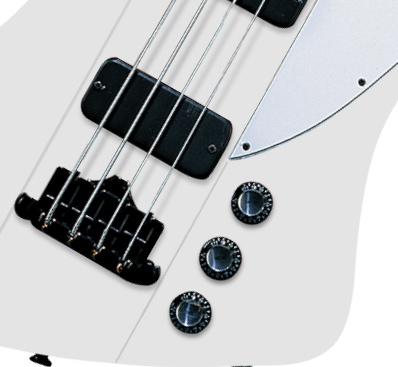
Epiphone Thunderbird Classic-IV Pro -bassossa on kaula-läpi-rungon rakenne mahongista ja pähkinäpuusta. Mikrofonit tulevat Gibson USA:lta – ne ovat aidot Gibson TB-Plus -humbuckerit keraamisilla magneeteilla.

****

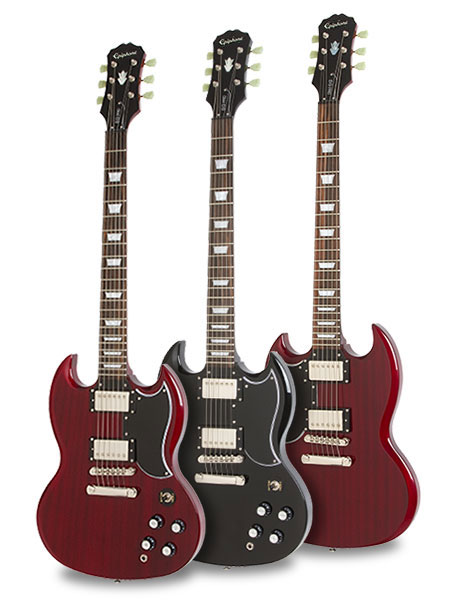
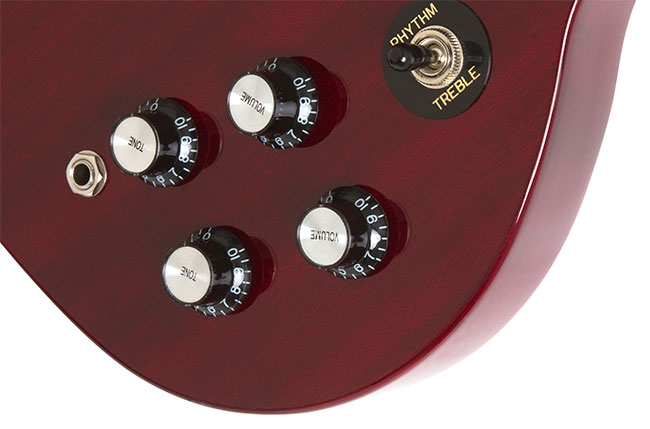
Epiphone G-400 Pro -malli komeilee Epiphone Alnico Classic Pro -humbuckereilla, joita voi volume-potikoihin piilotetuilla nostokytkimillä puolittaa. Kirsikanpunainen G-400 Pro on saatavilla myös vasenkätisenä.

****

Näyttävillä loimuvaahteraviilulla koristeltu Epiphone Les Paul Standard Plustop Pro taas on varustettu puolitettavilla Epiphone ProBucker-2 ja ProBucker-3 -humbuckereilla. Oikeankätisille kitaristeille on tarjolla viisi värivaihtoehtoa, kun taas vasenkätisen soittajan on tyydyttävä Heritage Cherry Sunburst -väritykseen.

****

Review: Yamaha CPX1000 + APX1200

Yamaha’s CPX- ja APX-lines have received new additions recently in the form of Chinese-made top models carrying the model numbers of 1000 and 1200, respectively.

Kitarablogi picked up a Mini-Jumbo-bodied CPX1000…

…as well as a shallow-bodied APX1200.

****

Yamaha’s CPX-series – which is also known as the Compass-series – originally was designed to appeal to the Country fraternity in the States. As a result of the APX-range’s success in the 1990s many Country pickers got in touch with the company, and asked for a larger, showier sister model, equipped with the same pickup and preamp, but featuring a fatter neck profile. And Yamaha duly obliged…

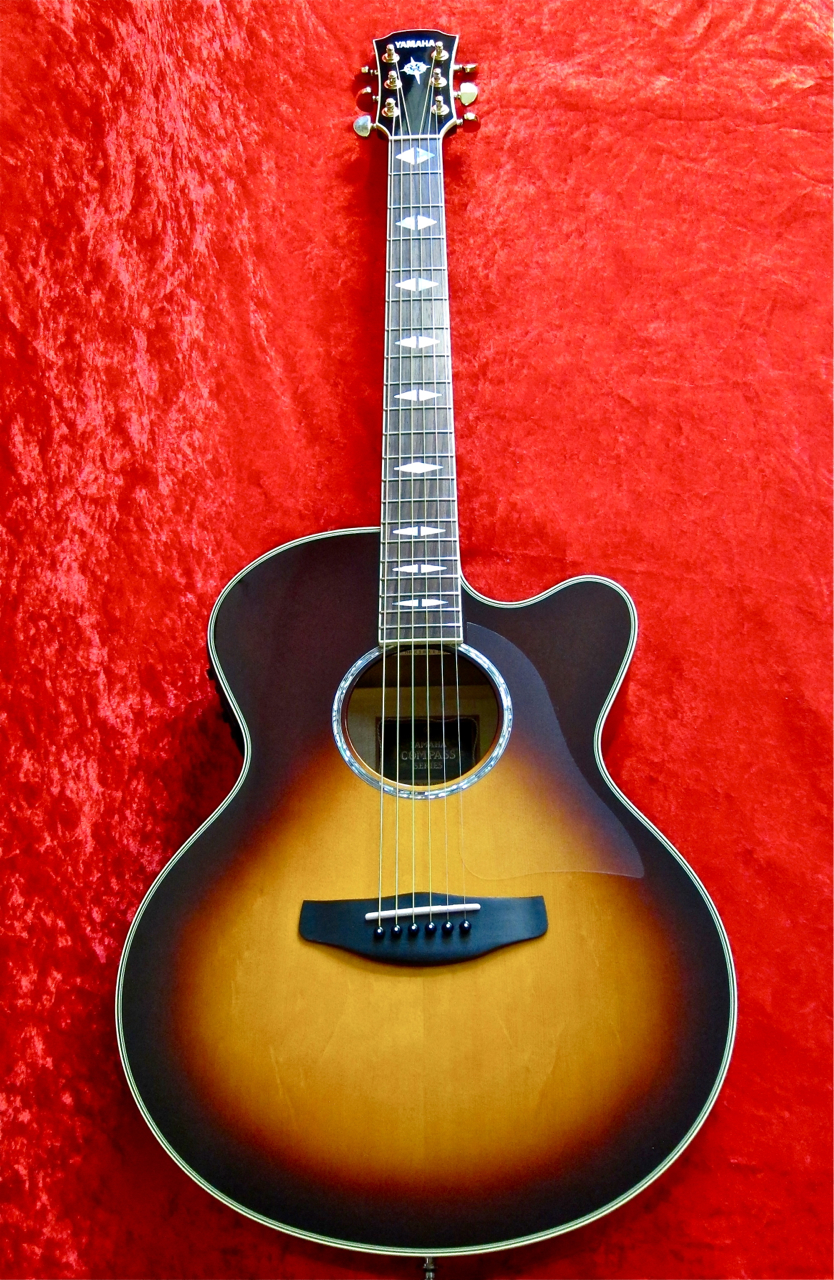
The brand-new CPX1000 (current rrp in Finland: 869 €, available in limited numbers) sure is a pretty thing: The solid spruce top is finished in a fetching Brown Sunburst, with the same deep shading applied to the back which is made from laminated flame maple. The nato neck sports a bound rosewood fretboard.

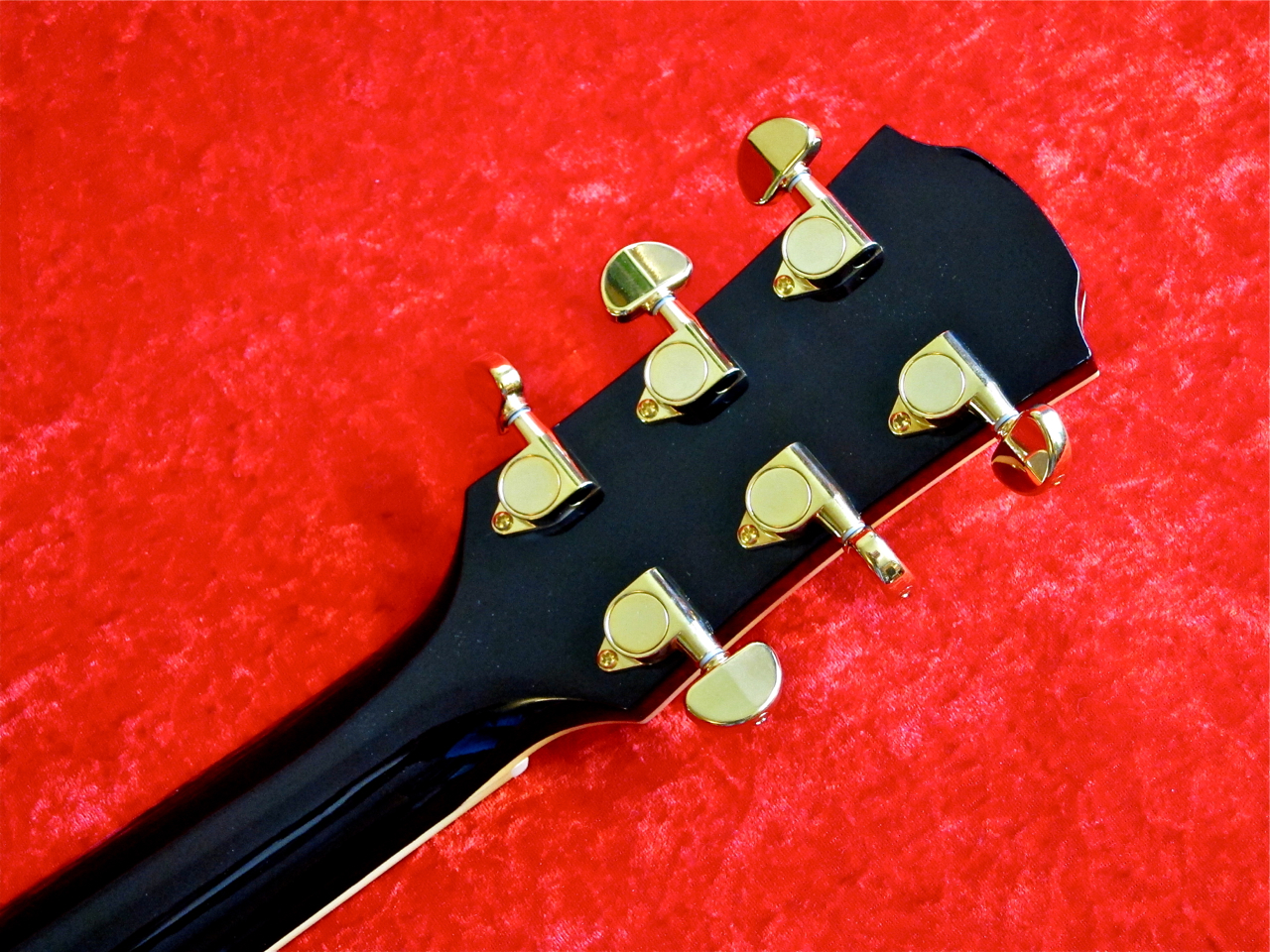
The headstock is inlaid with a compass, as a reference to the name of the series.

The gold-coloured, sealed tuners are of very decent quality and complement the guitar’s great looks nicely.

The inlay work and fretting have been executed to Yamaha’s customary high standards.

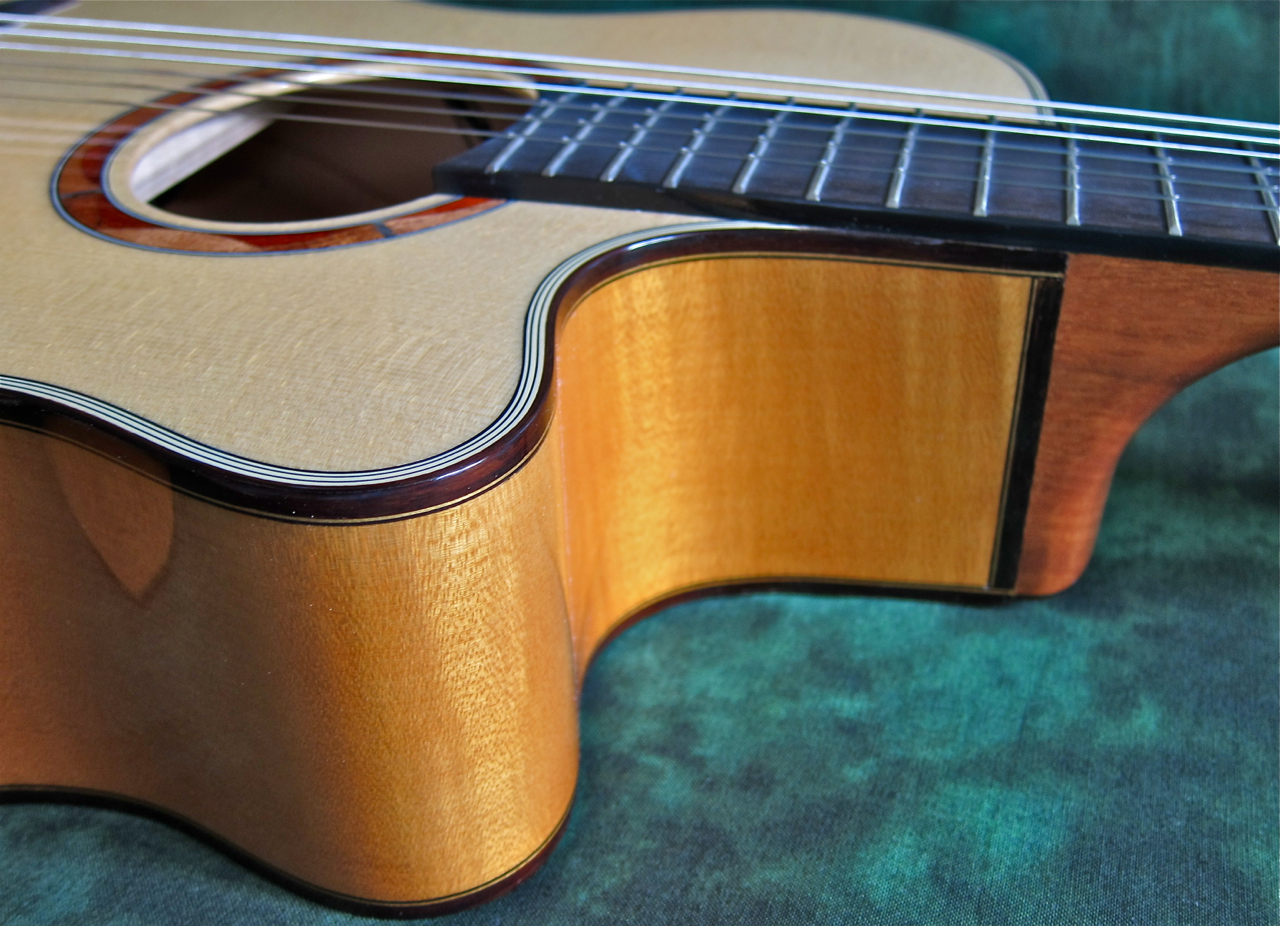
This clean and crisp workmanship is carried on throughout the whole guitar – look and the top binding or the intricate soundhole rosette for further proof.

The bridge on the CPX1000 is rosewood dyied black. Note the fine bear claw -grain on the spruce top.

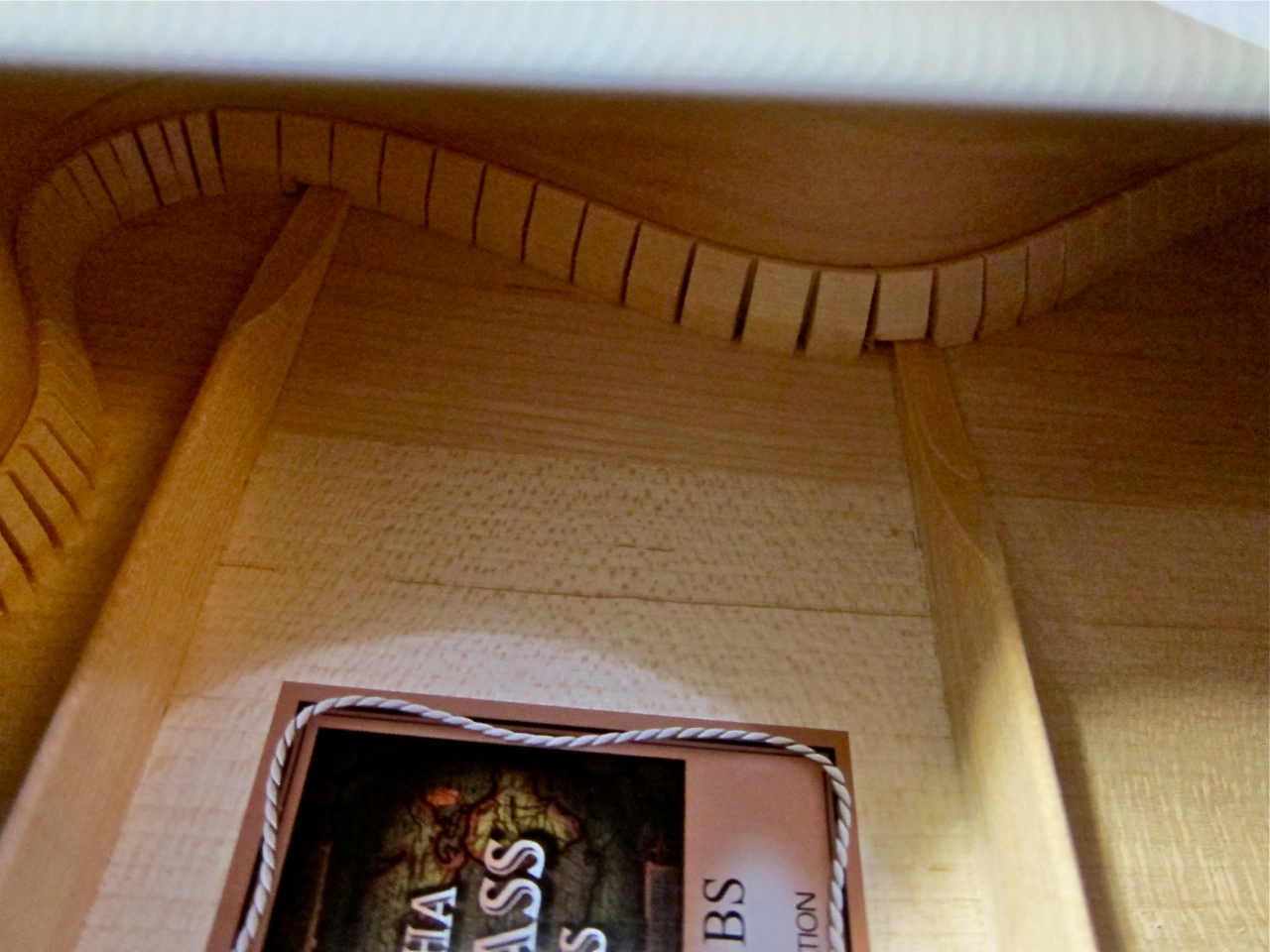
Clean workmanship is evident inside the Yamaha’s soundbox as well.

I don’t care if this is laminated flame maple, or not. It’s gorgeous in my book in any case…

This guitar comes with Yamaha’s SRT-System 63 preamp, which allows you to blend between the dry piezo tone and three virtual studio microphones. The Focus/Wide-switch lets you choose between a close-miked sound and a counterpart with a bit more virtual room in the mix. The preamp is also equipped with a digital tuner and an automatic feedback defeater (A.F.R.).

The SRT-system runs on two AA-sized batteries.

****

The Yamaha APX1200 (currently available at a special price of 999 € from F-Musiikki, limited quantities) is the new top dog, the ultimate APX-guitar. The APX-range had been developed as an unabashed electro-acoustic guitar for the electric guitarist. The models all sport shallow bodies – for comfort and feedback protection – as well as more electric-style neck profiles.

In the APX1200’s case the whole guitar is made from solid woods – spruce for the top and Indian rosewood for the back and sides.

The headstock is bound and features a front-facing made of rosewood.

The tuners on the APX1200 are the same, nice models as on the CPX, but this time the tuner buttons have been fashioned from an ebony-style plastic material.

The luscious ebony fingerboard with its gorgeous pearl and abalone inlays leaves you in no doubt about this guitar’s top-of-the-line pedigree.

The stuck-on, self-healing plastic rosette is the only feature of the APX-line that has long since divided the guitar playing masses. Some say it’s a practical and modern addition to a contemporary guitar, others think it’s butt-ugly – you make up your mind.

The APX-bridge looks quite similar to the CPX’s model.

An extremely clean interior speaks volumes of Yamaha’s stringent quality control.

The APX1200 is equipped with the same Yamaha SRT-system.

As befits the top model, the APX1200 is sold in its own soft case.

****

The differences between the CPX1000 and APX1200 in feel and sound – both acoustic and amplified – are quite clear.

The neck profile on the CPX is a rounded, C-shaped affair, with a tiny whiff of a V-style spine. The neck is also finished in high-gloss lacquer, which gives the guitar a traditional steel-string feel.

APX’s neck profile is a noticeably flatter, more angular D. This type of profile – as well as the satin finish – make an electric guitarist feel right at home. The shallow body also makes it easier to adjust to the APX1200 when switching from a solid-body electric.

In the acoustic stakes the CPX1000 clearly gets the upper hand over the APX1200, thanks to its more voluminous body. Despite the laminated back and sides the Compass-model sounds warmer and deeper than the APX, with plenty more volume on offer.

Fingerpickers will also like the CPX better, due to its more airy string-spacing at the bridge – 57 mm (E–e) on the CPX as opposed to the APX’s narrower 53 mm.

The APX1200, on the other hand, takes to powerful strumming in a loud Rock-context like a duck to water. This guitar has a very punchy attack, and thanks to its slightly thinner bottom end the overall sound stays transparent and fresh. The mid-range, on the other hand, is juicier on the APX, no doubt thanks to its solid rosewood back and sides. The CPX’s laminated flame maple dishes out a slightly drier tone.

Yamaha’s SRT-system works great. The virtual microphones manage to do away completely with annoying piezo-quackiness and one-dimensional, lifeless tone, in favour of of a signal very much like the genuine, miked-up tone of the guitar chosen. Check out the YouTube-video at the end of this review for the direct injected sound of both guitars’ SRT-systems.

This is what the models sound like recorded acoustically:

Yamaha CPX1000

Yamaha APX1200

In my opinion both Yamahas represent excellent value-for-money. The choice between models depends on what you plan to use the guitar for.

If you’re into Folk, Jazz, Country, acoustic Blues or other unplugged-styles of music, which call for dynamic and traditional acoustic guitar tones, the warmer and fuller tone of the CPX1000 might be your safer bet.

If, on the other hand, you’re after the perfect guitar for acoustic outings in a Rock- or Alternative-context, where the guitar has to survive in a crossfire of stage monitors and guitar stacks, the APX1200 will come up trumps with its smaller body and punchy sound.

****

Yamaha CPX ja APX electro-acoustic guitars

Maahantuoja: F-Musiikki

****

CPX1000

Current price in Finland 869 €

Pros:

+ value-for-money

+ workmanship

+ playability

+ acoustic sound

+ SRT-preamp

Cons:

– laminated back and sides

****

APX1200

Current special price 999 € at F-Musiikki

Pros:

+ value-for-money

+ workmanship

+ playability

+ acoustic sound

+ SRT-preamp


Cons:

– limited acoustic volume

****

Testipenkissä: Kataja Guitars – kolme bassoa

****

Ari Katajan vetämä Kataja Custom Shop on Tamperelainen paja, joka on tähän mennessä keskittynyt rakentamaan yksilöllisiä soittimia asiakkaiden toiveiden mukaan (korjaus- ja kustomointipalvelujen ohella).

Kataja Guitars on hiljattain ruvennut tuottamaan vahvasti Fender-henkisiä bassomalleja piensarjassa, joista muutama oli esillä myös tämän vuoden Bassopäivällä.

Kitarablogi.com tarttui heti tilaisuuteen ja pyysi kolme bassoa testiin:

Ari Katajan näkemys vuoden 1960 P-bassosta…

…varhaiseen, vuoden 1960 Jazz-bassoon perustuva soitin…

… sekä 1962/63 Jazz-bassoon pohjautuva malli (hinnat alk. 1.920 €, sis. gigbag).

****

Kataja Custom -bassot ovat kokonaan aitoa suomalaista käsityötä. Vaikka maailma on pullollaan Fender-mittoihin tehtyjä kauloja ja runkoja, veistetään Kataja-soittimet täydellisen laadun varmistamiseksi aina kokonaan itse, monta vuotta rauhassa kuivuneista puulankuista.

Kolmen testibasson rungot ovat leppää ja kaulat vaahteraa.

Ari Kataja on myös todella tarkka muista käyttämistään osista. Esimerkiksi kilpikonnakuvioiset pleksit ovat erikoisvalmisteisia, joissa käytetään päällimmäisessä kerroksessa alkuperäistä selluloidi-materiaalia.

Kaikki kolme mallia on lakattu alkydivahvistetulla nitroseluloosalakalla, mikä mahdollistaa erittäin ohuen, mutta samalla kovan maalipinnan, joka ei vaimenna puun värähtelyä.

Bassojen viritinlavoilla on klassinen muotoilu. P-tyylisessä bassossa lavan etupuoli on viimeistelty värittömällä lakalla…

…kun taas testin J-tyylisissä soittimissa…

…lavoissa toistuu rungon väri.

Virittimet ovat nykyaikaisia versioita alkuperäisistä Kluson-koneistoista: virittäminen toimii edelleen ”väärinpäin” — ylöspäin mennään myötä- ja alas vastapäivään – mutta välityssuhde on nykyään isompi, mikä helpottaa hienovirittämistä.

Testisoittimissa otelautoihin on käytetty kaunista ja kovaa Madagaskarin palisanteria.

Valkoiseen 60 J -bassoon on asennettu vintage-kokoiset bassonauhat…

…kun taas P-tyylisessa ja metallinsinisessä 62 J -mallissa on käytetty keskikokoista nauhaa.

Kaulan kiinnitys on perinteinen. Sähköbassojen mukavuusviisteet ovat varhaisen 1960-luvun tapaan todella syviä, ja niiden ansiosta bassot istuvat erittäin mukavasti soittajan kehoa vasten.

Kaikissa malleissa on käytetty samaa 50/60-lukujen taitteesta peräisin olevaa tallamallia, jossa tallapalat on tehty kierretangosta. Tämän tallan etu on, että kielten välistä etäisyyttä pystyy säätämään nostamalla kieli viereiseen ”uraan”.

****

Sekä Kataja 60 P- että 60 J -mallissa käytetään Kataja-mikrofoneissa alnico-magneetteja, joiden läpimitta on 0,195 tuumaa (4,95 mm), ja joiden päitä on hieman viistoitettu.

Viistoitukset auttoivat estämään kuitulevyen vaurioittuminen, silloin kun magneetit taputettiin kelarungon reikien läpi mikrofonin rakentamisen alkuvaiheessa.

1960-luvun kitara- ja bändibuumi kuitenkin johti tuotantomäärien räjähdysmäiseen nousuun, minkä takia yhden soittimen rakentamiseen tarvittu aika piti saada lyhyemmäksi. Yksi rationalisaation askel oli hieman ohuempien magneettien käyttö mikrofoneissa. Uusi koko oli läpimittoiltaan 0,187 tuumaa (4,75 mm), ja se meni samoista rei’istä helpommin läpi, minkä ansiosta magneettien hiominen putosi työvaiheena pois. Kataja 62 J -bassossa käytetään tyylinmukaisesti juuri tällaisia magneetteja yksikelaisissa Kataja-mikrofoneissa.

Testisoittimien mikrofoneissa on myös toisenlaisia eroja, joita ei huomaa avaamatta niitä: P-tyylisessä bassossa ja 60 J -mallissa käytetään ajanjakson mukaisesti Heavy Formvar -nimistä käämilankaa, kun taas sinisessä Katajassa käämilanka on Plain Enamel -laatua. Myös magneettien pituuksissa ja kelarunkojen väreissä on eroja bassojen ”vuosikertojen” mukaisesti.

Valkoisessa J-tyylisessä soittimessa on tuplapotikat, joista päällimmäinen nuppi on mikrofonin volyymisäädin ja musta levy sen alla mikrofonin oma tone-säädin.

Vuonna 1962 elektroniikka muutettiin meille kaikille tutuksi Jazz Bass -asetelmaksi – kummallekin mikrofonille on oma volume-säätimensä ja kolmas säädin on yhteinen master tone.

****

Kataja Custom Shopin kolme bassoa ovat laatusoittimia isolla L:llä, jotka lämmittävät jokaisen perinnebassojen ystävän sydäntä. Työnjälki on ensiluokkaista, ja Ari Katajan into hienovirittää myös bassojensa pienimpiä yksityiskohtia juuri oikeanlaisiksi kertoo paljon tämän kitararakentajan omistautumisesta aihepiiriin.

Custom-pajan suuri etu on, että jokaista soitinta pystyy tarvittaessa myös muokkaamaan asiakkaan pyyntöjen mukaisesti. Testikolmikon kohdalla Kataja suunnitteli bassot juuri itselleen sopiviksi, minkä vuoksi kaikkien kolmen basson kaulaprofiili on alkuperäistä aavistuksen verran tuhdimpi.

Kataja-bassojen soitettavuus on ensiluokkainen, samoin niiden soundi.

Äänitin seuraavat esimerkkipätkät Sans Amp Bass Driver DI -boksin ja Focusrite Saffire 6 USB -äänikortin kautta suoraan Garagebandiin. Jokaisen soittotyyli-ryhmän pätkät on äänitetty ja miksattu keskenään samoilla säädöillä, bassojen välisiä soundieroja säilymällä. J-tyylisillä bassoilla sama kuvio soitetaan aina ensin kaulamikrofonilla, minkä jälkeen kuvio toistetaan molemmilla mikrofonilla poimitettuna, ja lopuksi soi tallamikrofoni yksin.

Kataja 60 P – sormisoitto

Kataja 60 J – sormisoitto

Kataja 62 J – sormisoitto

……

Kataja 60 P – plektralla

Kataja 60 J – plektralla

Kataja 62 J – plektralla

……

Kataja 60 P – slap

Kataja 60 J – slap

Kataja 62 J – slap

****

Kuten jokainen voi klipeistä kuulla, Kataja-bassojen soundi on loistava ja perinteille uskollinen. Mikrofonien teho pysyy vintage-tyylisesti hyvin maltillisena, mikä on, oikeiden magneettien ja käämilangan ohella, omiaan antamaan soittimille esimerkkillisen avoimen ja dynaamisen soundin.

Laaduiltaan nämä soittimet ovat ainakin ison F:n Custom Shopin tasolla, mutta niiden hinta on selvästi amerikkalais-serkkujaan alhaisempi.

Jos etsit sitä ultimatiivista vintage-tyylistä soitinta, kannattaa mielestäni ilman muuta tutustua Kataja Custom -soittimiin!

****

Kataja Custom Shop – Vintage-tyyliset bassot

hinnat alk. 1.920 €, sis. gigbag

Lisätiedot: Kataja Guitars

Plussat:

+ Made in Finland

+ työnjälki

+ soitettavuus

+ soundi

+ valmistajan omia mikrofoneja

+ testisoittimien kauloissa mattaviimeistely

+ hinta-laatu-suhde

****

Pidä blogia WordPress.comissa.

Ylös ↑