Riffi-lehden numero 3-2026 on ilmestynyt!
Reverend Kingbolt -kitaroiden testi löytyy sivuista 39-41.
****
Aria Pro II SB-1000 -basson testi löytyy sivuista 44-45.
Kitarablogi.com – Finland's premier Guitar and Bass blog
Juttuja kitaroista ja bassoista
Riffi-lehden numero 3-2026 on ilmestynyt!
Reverend Kingbolt -kitaroiden testi löytyy sivuista 39-41.
****
Aria Pro II SB-1000 -basson testi löytyy sivuista 44-45.

****
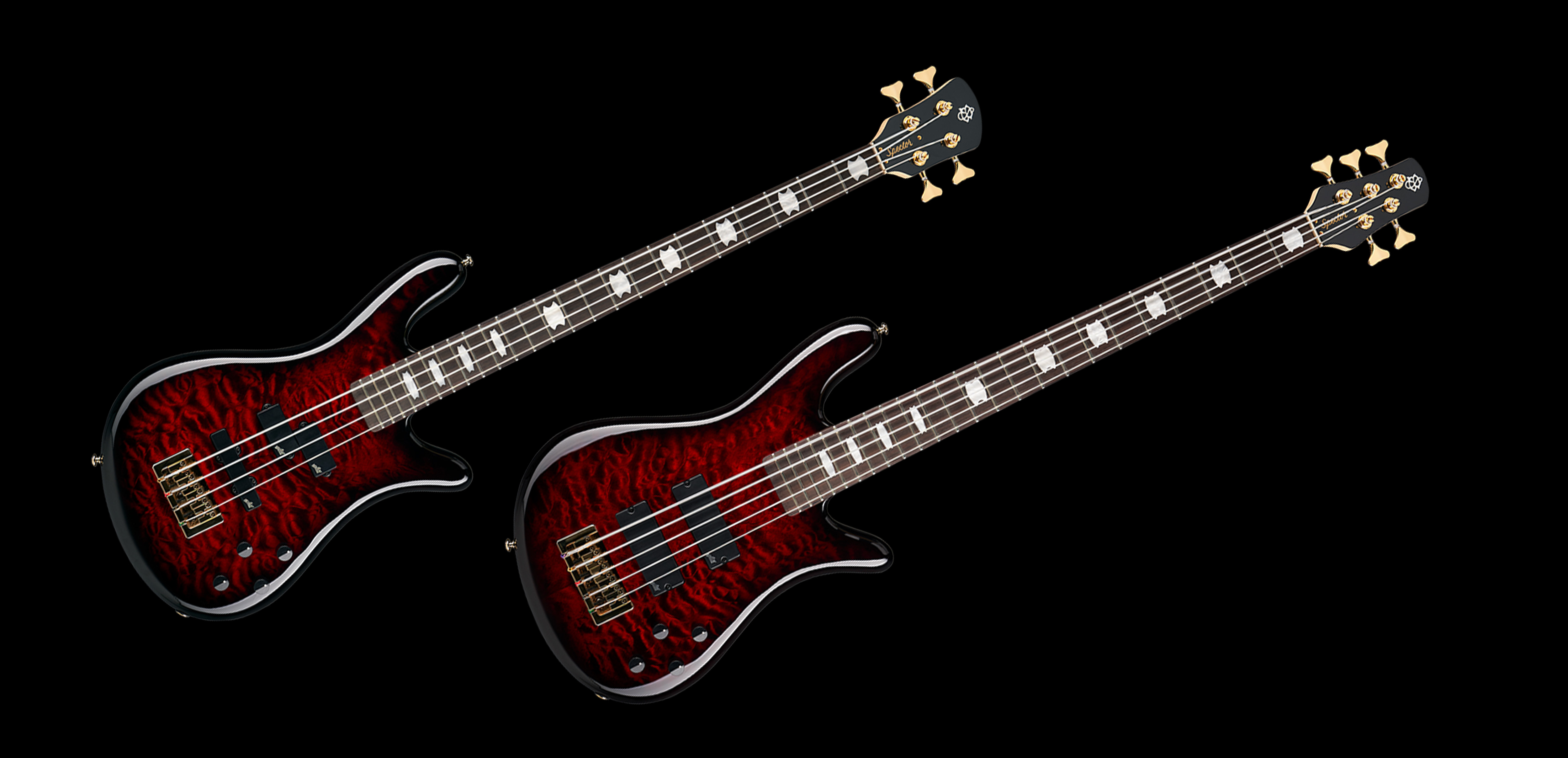
In the 1970s, a cooperative called Brooklyn Woodworkers operated in Brooklyn, New York, where several smaller carpenters, artisans, and instrument makers shared the premises of a former factory. The advantages of the cooperative include that larger and more expensive machines can be purchased and used together, and that different people can also develop new ideas together.
In 1977, young instrument maker Stuart Spector and industrial designer Ned Steinberger began to design an electric bass that was as ergonomic as possible. Ned Steinberger asked the crucial question: “Why does the body of a solid-body bass have to be straight when the player’s body is curved?”
The pair began to design a body in which the front of the body is convex in cross-section and the back concave. However, the thickness of the body remains more or less the same throughout. The new body was smaller in outline than, for example, Fender basses, but a longer upper horn was added to improve the balance of the instrument.
The fruits of this collaboration were already presented at the end of 1977 – the Spector NS-1 with one pickup, and the Spector NS-2 with two pickups. These first NS series instruments were neck-through-body basses, but a couple of years later versions with a bolt-on neck were also made.
Spector’s NS series instruments were very widely used boutique class basses in the 1980s, thanks to their excellent playability and flexible active bass sound. The most famous user is certainly the British bassist Guy Pratt, who has played a see-through red NS-2 in the late period of Pink Floyd, and as a studio bassist on albums by Madonna (e.g. on the song “Like a Prayer”) and Michael Jackson (“Earth Song”). In the United States, studio legend Chuck Rainey has used Spector basses regularly.
Today, Spector basses are manufactured in different countries and in different price ranges. The new Icon series comes from Indonesia and is the brand’s most affordable collection, which nevertheless remains very faithful to Spector and Steinberger’s original design.
****
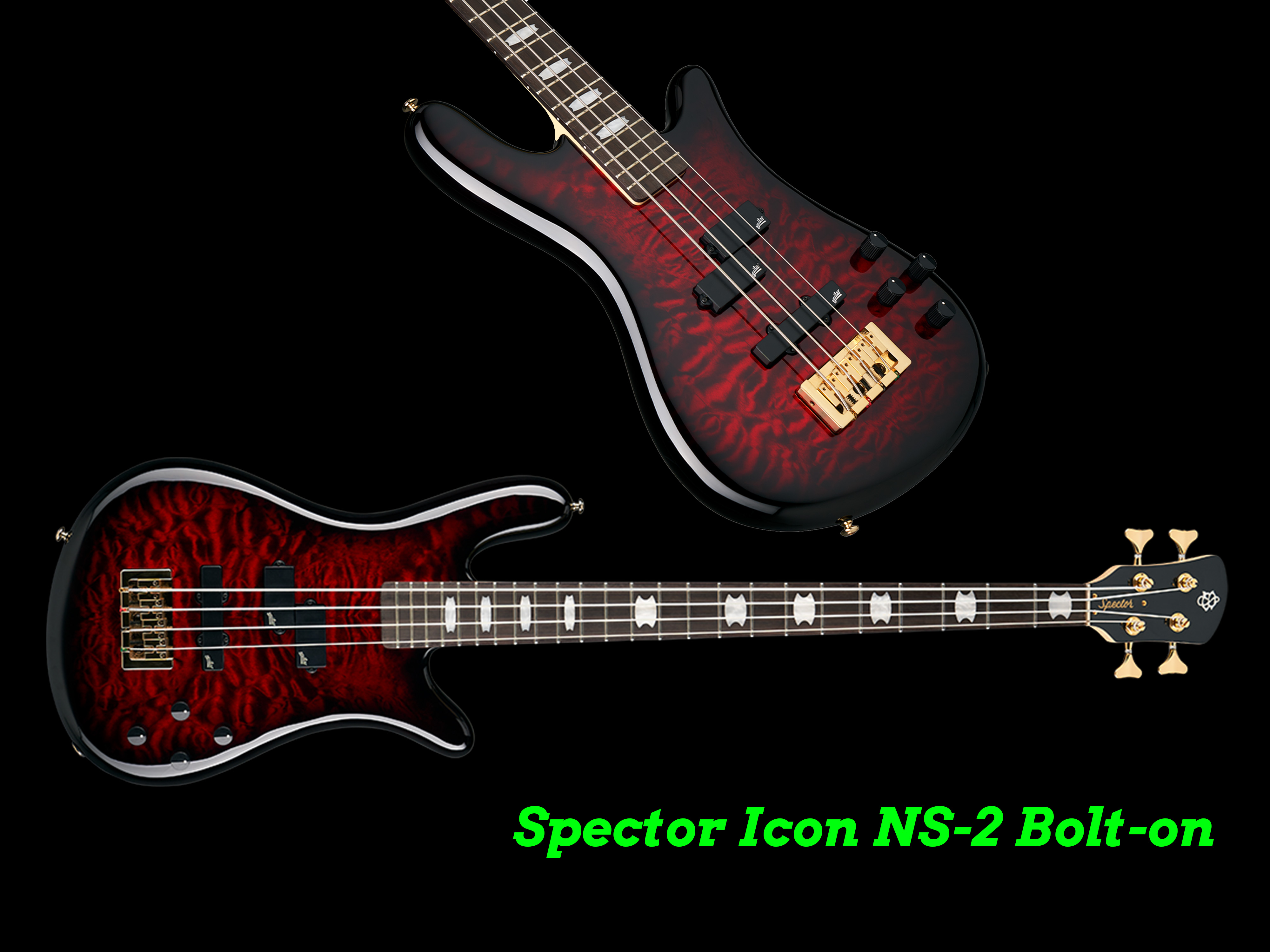
The NS-2 from the Icon series is a four-string active electric bass with a bolt-on neck.
The Icon NS-2’s curved body is carved from alder and has a flamed maple veneer glued to the front. The neck is made of three adjacent pieces of maple, while the fingerboard is made of rosewood. The neck joint is very smooth, and is implemented with four screws with their own washers.
The scale length of the Spector Icon NS-2 bass is 34 inches (i.e.: 86.4 cm). The fingerboard has the company’s large position markers embedded in it. The bass’s 24 jumbo-sized frets have been carefully installed and finished. The instrument has a brass saddle, as well as gold-colored tuners and a bridge. The bridge is Spector’s famous locking design with massive bridge saddles, with the strings anchored to the back wall of the bridge.
The new Icon series features pickups and an active preamp from Aguilar’s high-quality range. In the case of the NS-2, the pickups are the P-sized DCB P (center) and the J-shaped DCB J. The Aguilar OBP-2 preamp offers, in addition to master volume, controls for pickup balance, as well as bass and treble EQs (boost and cut).
The electronics compartment is shielded with graphite paint to prevent external interference, and the plastic cover is lined with aluminum foil. There is a special metal clip in the compartment for the nine-volt battery. The cover is screwed into place with machine screws, for which threaded sleeves are recessed in the body.
****
****
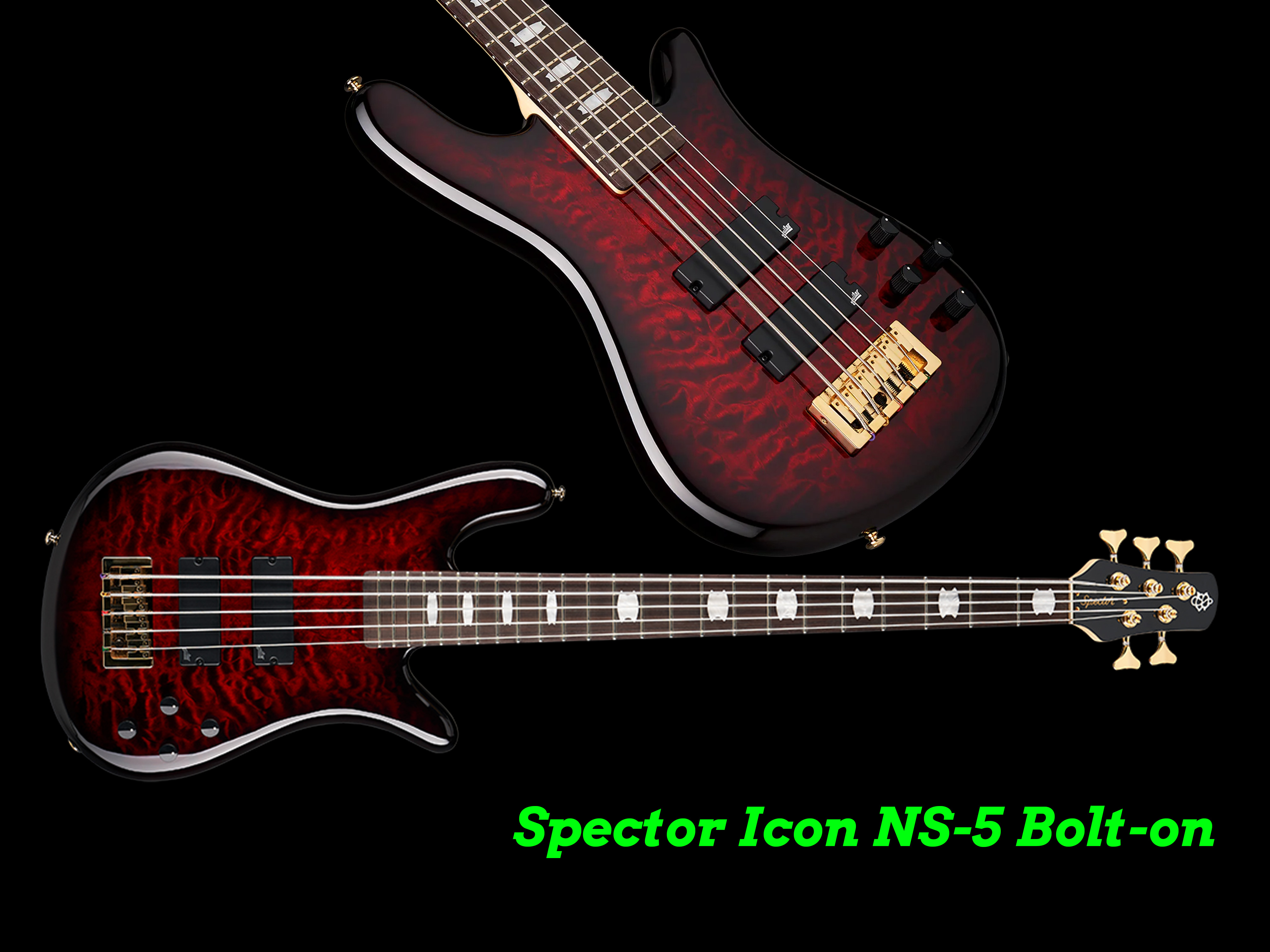
The Spector Icon NS-5 Bolt-on is a five-string version of the NS-2 model. Its main features are the same as those of the four-string bass – an alder body with flame maple veneer, a three-piece bolt-on neck, a smooth neck joint, a rosewood fingerboard with 24 frets, a brass saddle, gold tuners and a very sturdy bridge.
However, there is one crucial difference compared to the NS-2 – the Spector Icon NS-5 has a longer scale length (35 inches/88.9 cm). Thanks to the longer scale length, the low B-string has a more precise response and sound than on a regular 34-inch bass.
In addition to the scale, another difference is found in the pickup selection:
Instead of the NS-2’s PJ combination, the NS-5 has Aguilar DCB Soapbar pickups installed, which have a slightly bigger and more solid basic sound. The pickups are connected to the same Aguilar OBP-2 preamp, and here too the controls are master volume, microphone balance, bass cut/boost and treble cut/boost.
****
I don’t know who Stuart Spector has chosen as his Indonesian subcontractor, but the choice is a bill’s eye. The workmanship on both Icon series NS basses is excellent and super clean, and both feel like genuine Spectors in your hands.
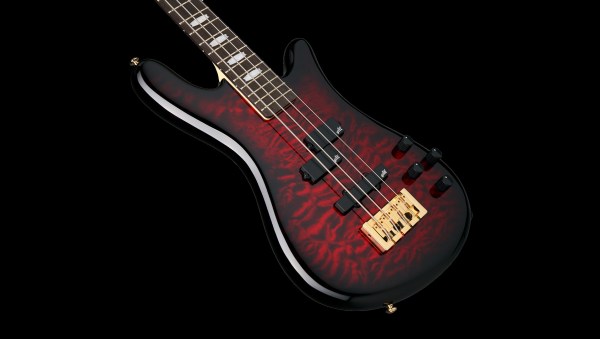
The satin-finished neck of the Spector Icon NS-2 Bolt-on model has a very nice full C-profile, which feels like a slightly thicker Fender Jazz Bass neck. The test unit came with a fantastic setup – low without any extra string rattling.
The neck profile of the five-string Icon NS-5 model is naturally slightly wider and shallower than the four-string instrument. The one-inch difference in scale is only really noticeable when playing larger intervals near the nut. The playing feel of this bass is also very fast and light.
To my ears, the Spector Icon NS-4 Bolt-on sounds a bit fresher and more flexible, while the wider pickups on the NS-5 model produce a slightly darker, fatter sound. Both options are very tasty, and the basic tones can be easily modified with Aguilar’s high-quality preamp.
Based on the review samples, I can only say that Spector’s new Icon series offers genuine Spector ergonomics and sounds at a player-friendly mid-range price.
****
****
****
****
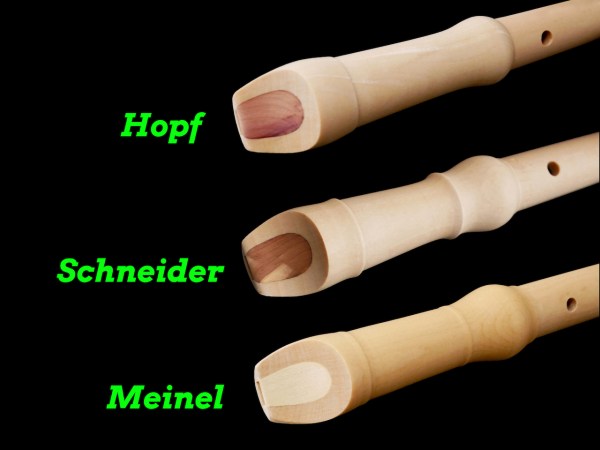
Miksi tyytyä muoviin, kun Saksasta saa edelleen hyvin edullisia nokkahuiluja puusta?
Why settle for plastic when you can still get very affordable wooden recorders from Germany?
• Hopf 46
****
****
Even though I follow the musical instrument and musical equipment industry quite closely, it can always happen that some new piece of gear, or a new manufacturer, goes unnoticed by me. For this reason, I was very happy when Joni from Vantaan Musiikki recently introduced me to the products of the Maono brand.
Maono is a Chinese company that specializes in podcasting, vlogging and livestreaming products. The brand offers studio microphones, wireless camera mics, podcast/streaming mixers, headphones, and audio interfaces.
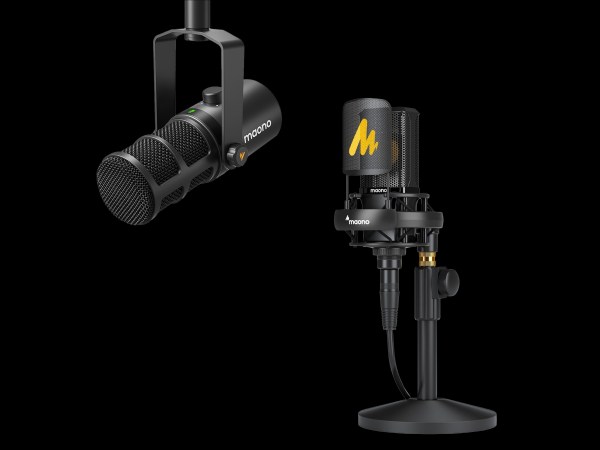
I received two Maono microphones for testing:
The Maono PD400X (145 €) is a dynamic microphone that works both as a stand-alone microphone (via its XLR output) and as a USB microphone (using USB-C) with a richly specced, internal audio interface.
The Maono PM500 (159 €), for its part, is a large-diaphragm condenser mic (34 mm läpimitta).
****
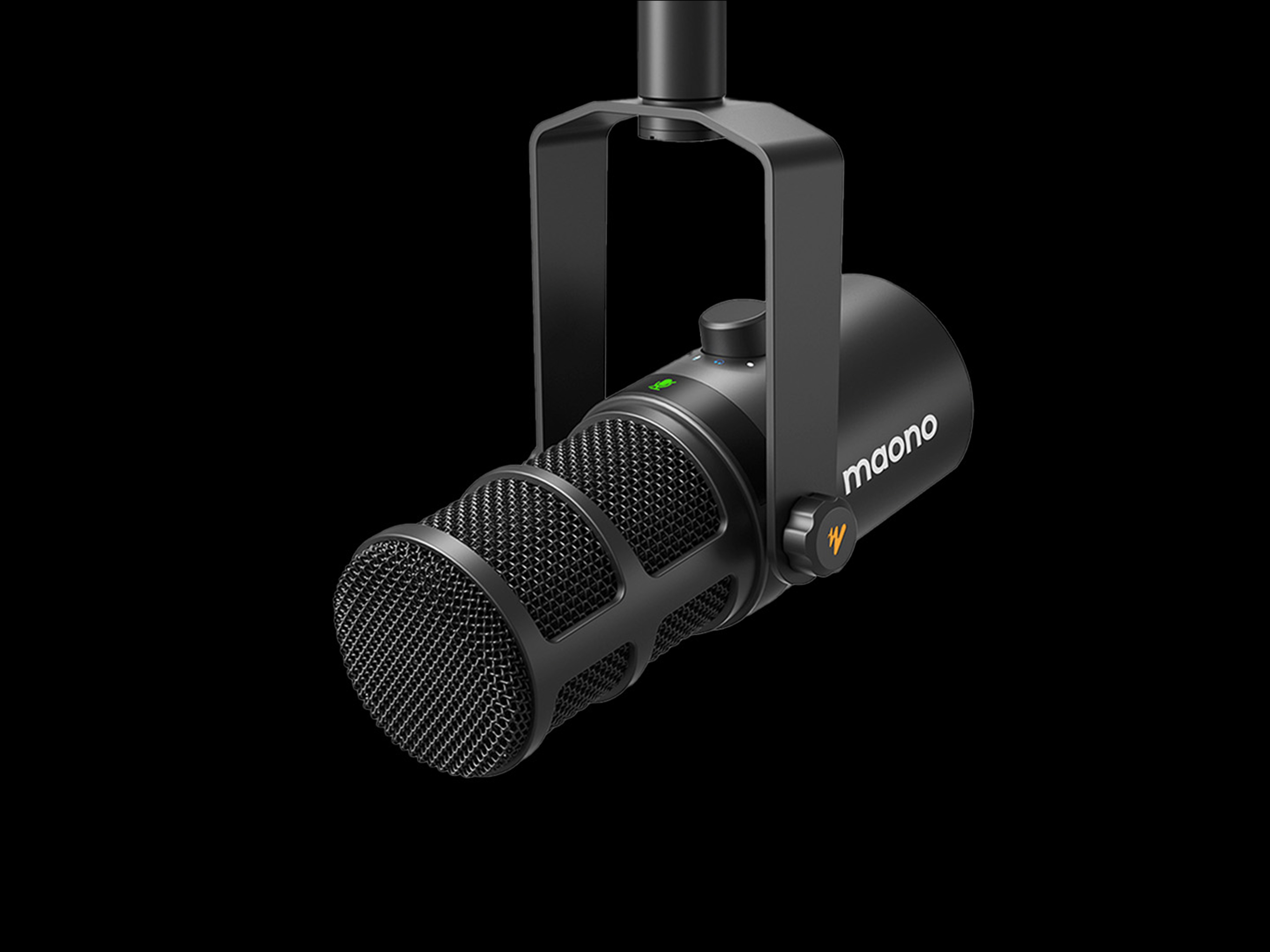
The Maono PD400X microphone’s appearance suggests its intended use as a podcast studio speech microphone. The PD400X is equally suitable for hanging from a suspension stand…
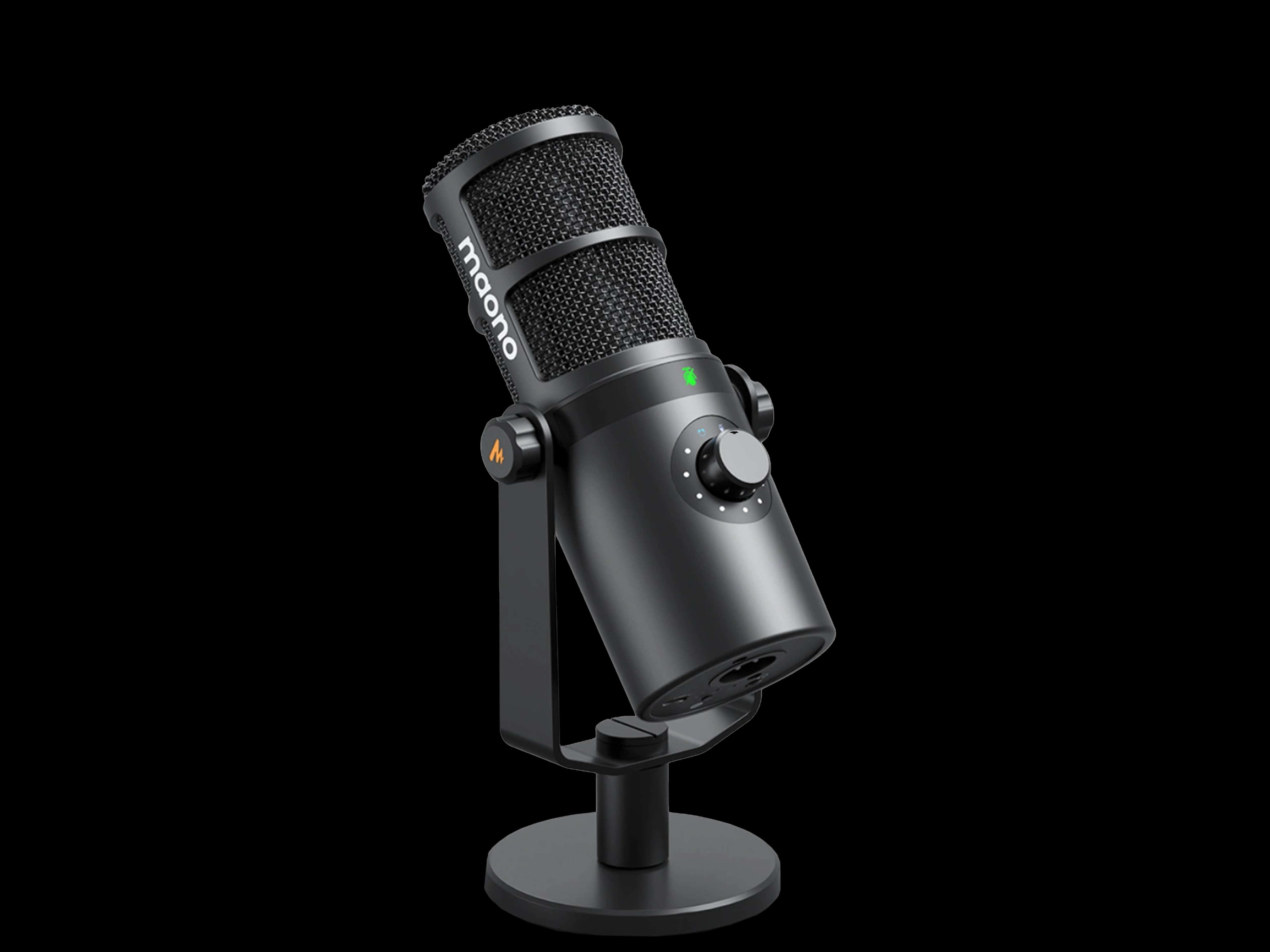
…as it is for use with a table stand.
The package includes the desk stand shown in the picture and a thick foam windscreen, as well as XLR and USB-C cables. The PD400X seems to be solidly made, and the weight of the microphone indicates that it is definitely not some nasty Temu-trash.
With the XLR cable, this Maono is a very straightforward dynamic microphone with an effective cardioid pattern and a very big sound.
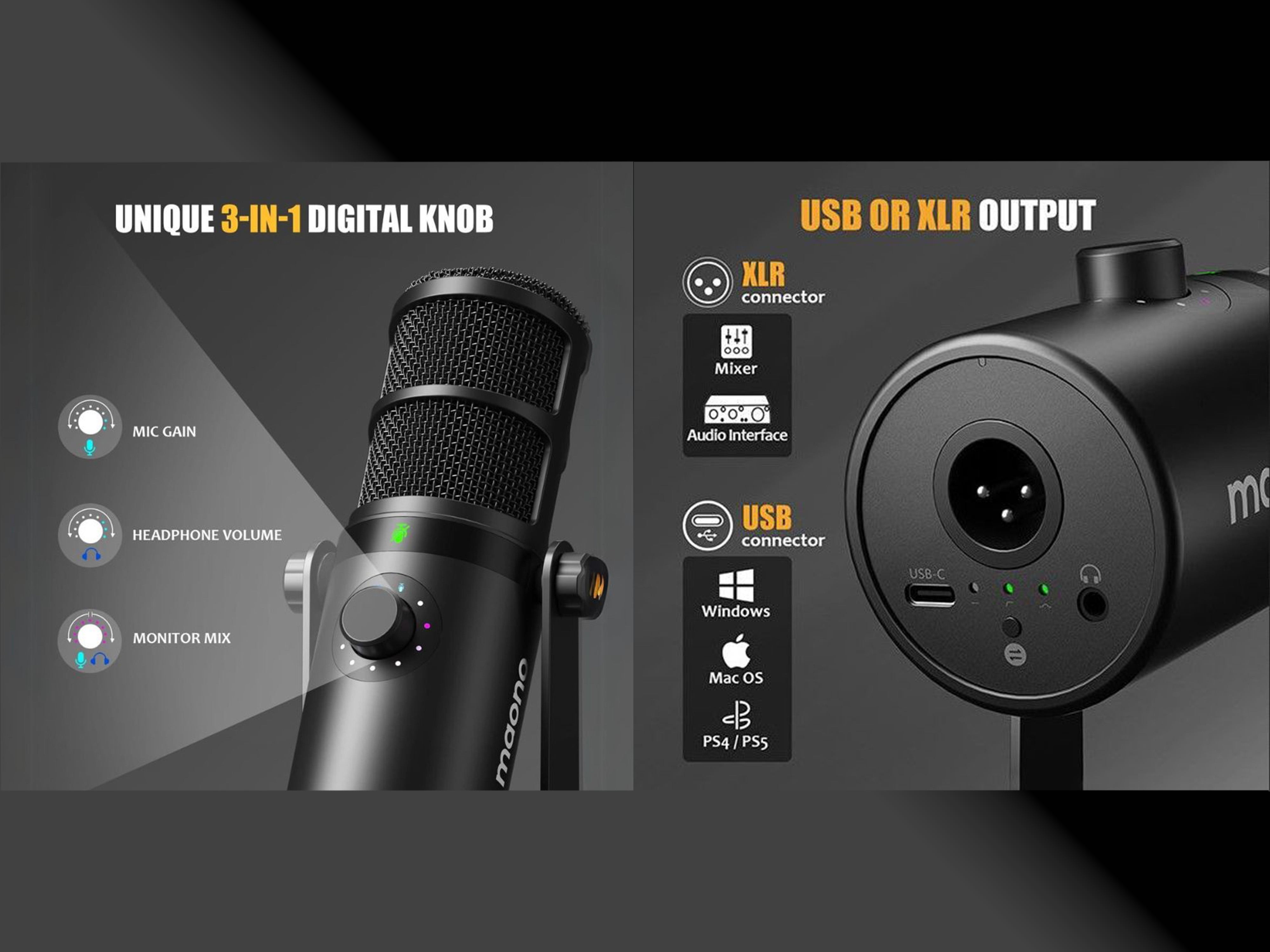
The Maono PD400X’s internal digital sound card (48 kHz/24 bit) is activated via the USB port. At the base of the mic, you’ll find a headphone output and a three-position pre-EQ (bass cut, presence boost, as well as both simultaneously). The microphone’s large control knob works in four different ways – a short press mutes – and unmutes – the PD400X, while a longer push selects one of three control modes (microphone gain, headphone volume, and monitor balance).
The PD400X is directly compatible with Windows and Mac computers via USB, as well as Sony PS4 and PS5 consoles.
If you want to access all the microphone’s cool additional functions, you should definitely download the company’s Maono Link app. With Maono Link, you can, among other things, optimise the sound of the PD400X mic for different distances of the sound source to the microphone, use the internal audio interface’s own compressor and limiter, and adjust the equalisation more precisely.
****
****
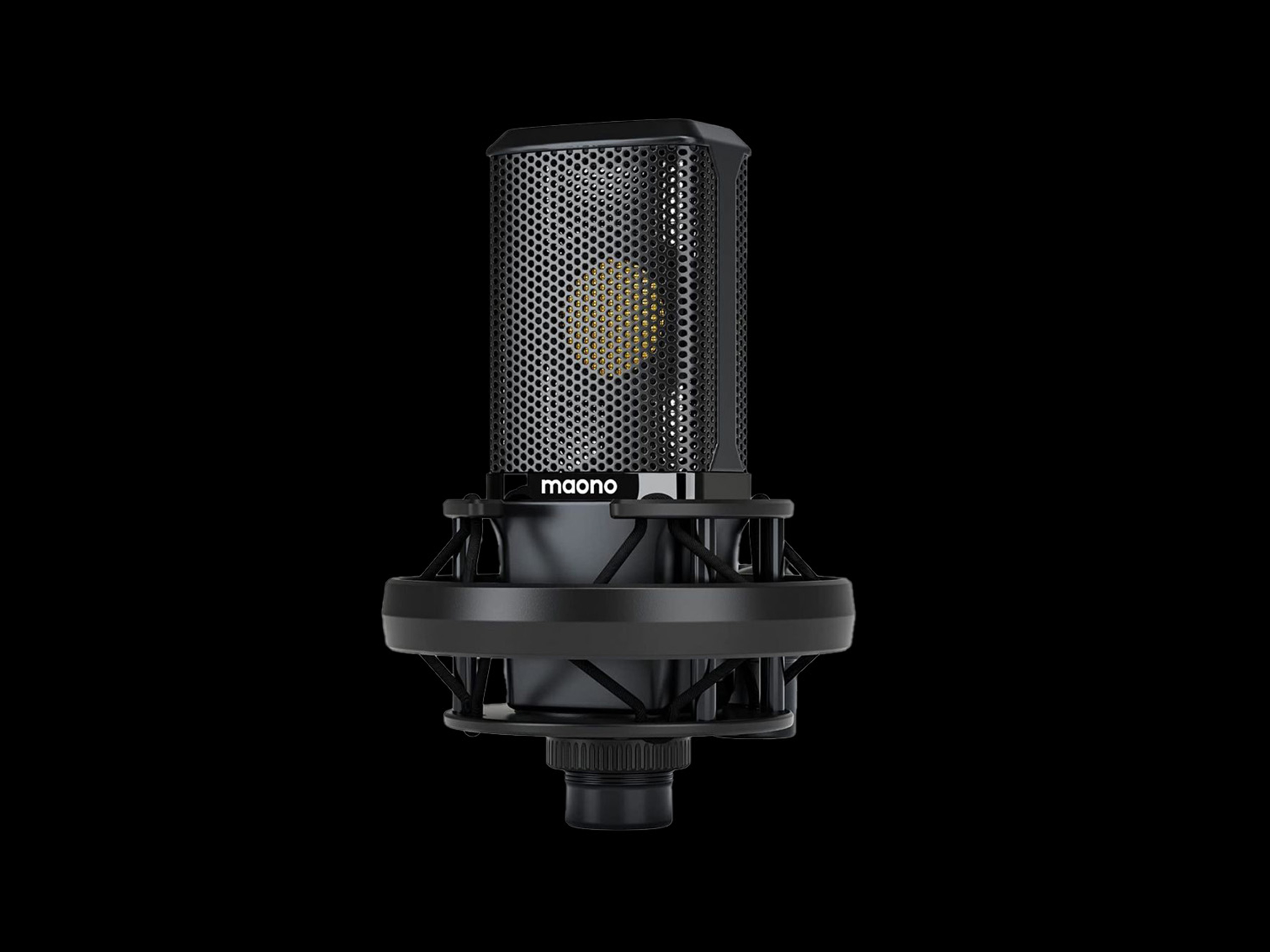
The Maono PM500 is the company’s straightforward, cardioid studio microphone with a large capsule (34 mm). It operates on 48 volts of phantom power.
The PM500’s solid build makes it look and feel much more expensive than it actually is.
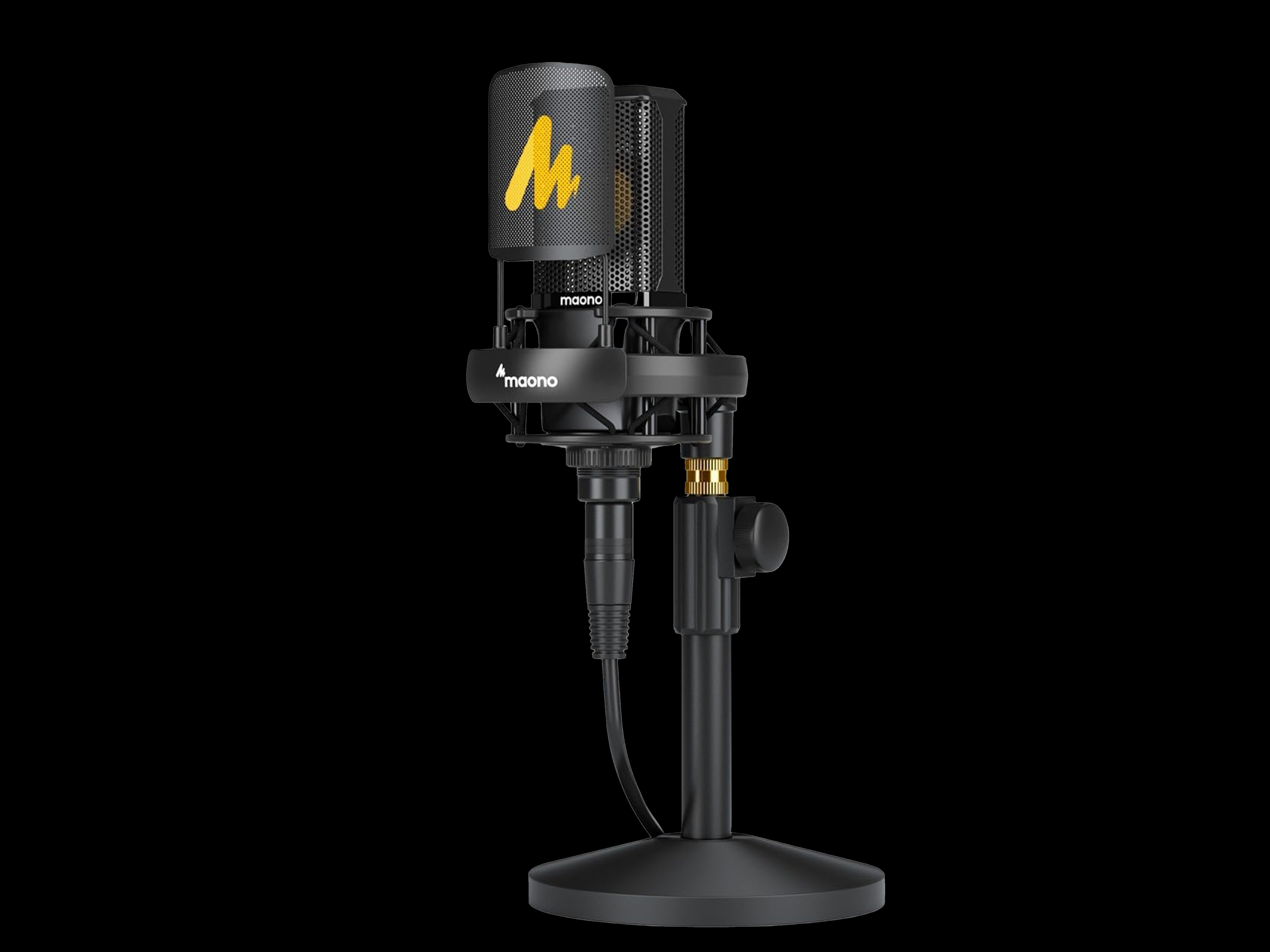
The package includes a high-quality cradle mount, a metal pop filter that easily attaches to the cradle, an XLR cable, and a height-adjustable desk stand.
As you would expect in this price range, the Maono PM500 doesn’t offer any additional on-board features, such as a bass filter. This mic is simply placed in front of the sound source, and that’s it.
****
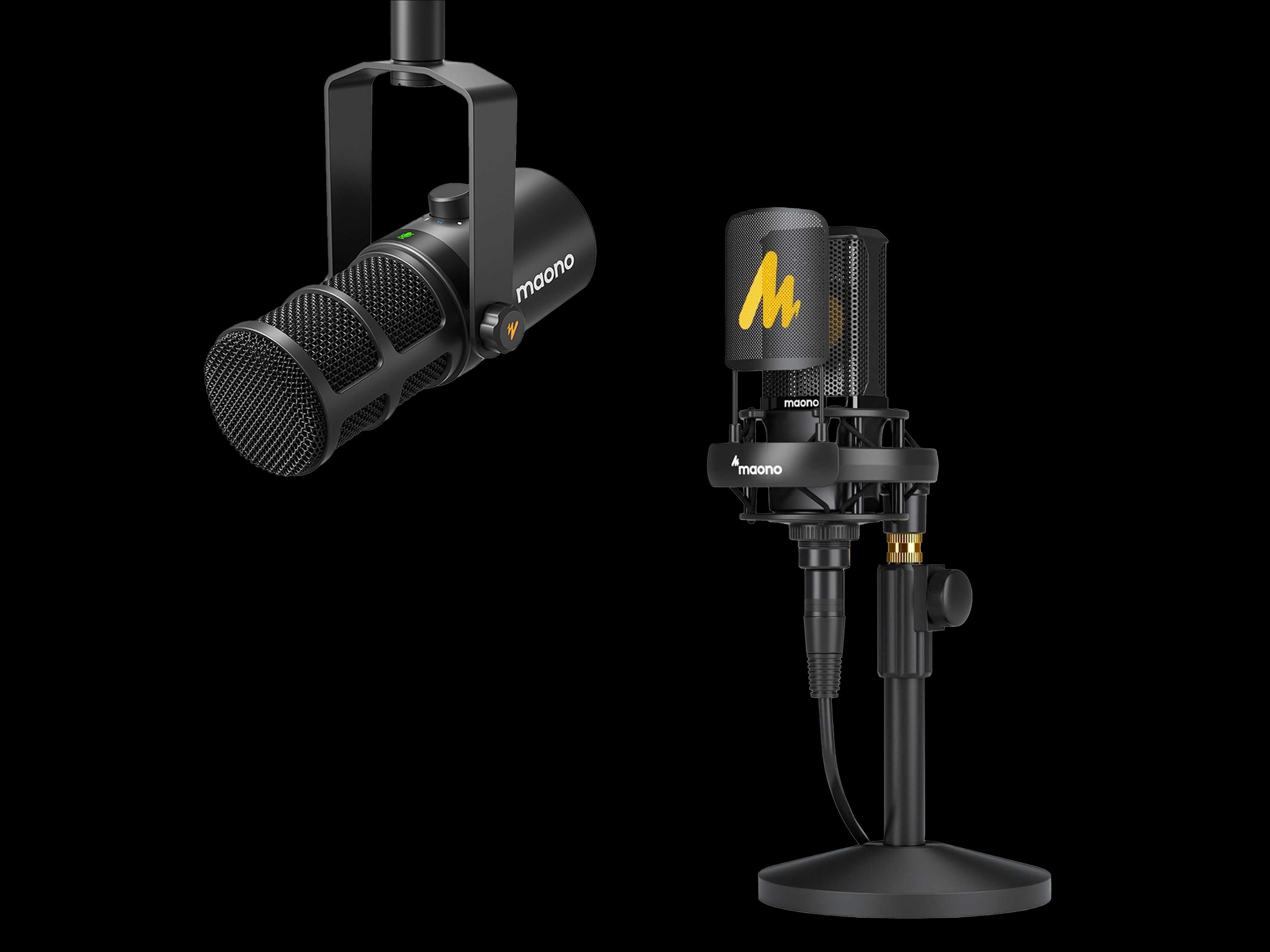
I have to take my proverbial hat off to these Maono microphones. Despite being relative newcomers, they have managed to jump straight into the ranks of well-known quality microphones.
In terms of sound and features, the Maono PD400X is very comparable to, for example, Shure’s MV7 or MV6 microphones. The PD400X already has a big ”radio sound” from the start, to which the mic’s excellent internal audio interface (and Maono Link app) gives a professional touch.
In my opinion, the Maono PM500 plays in the same league as the recently released AKG C104. As with the PD400X, the basic sound of the PM500 is also very healthy. In studio work, the sound of the leakage picked up from the sides and back of the mic is also important, and in this area the quality of the Maono PM500 becomes very obvious.
With these specs at these affordable prices, I think it’s definitely worth checking out Maono microphones in person.
****
Vaikka seuraan soitin- ja soitinlaitealaa melko tiiviisti, aina voi tapahtua että jokin uusi laite tai valmistaja jää minulta huomaamatta. Tästä syystä olin hyvin iloinen, kun Vantaan Musiikin Joni esitteli minulle hiljattain Maono-brändin tuotteita.
Maono on kiinalainen yritys, joka on erikoistunut podcast-, vloggaus- ja livestream-tuotteisiin. Brändiltä saa studiomikrofoneja, langattomia kameramikkejä, podcast-/striimausmiksereitä, kuulokkeita, sekä audio interfaceja.
Sain testattavaksi mukaan kaksi Maono-mikrofonia:
Maono PD400X (145 €) on dynaaminen mikrofoni, joka toimii sekä pelkkänä mikrofonina (XLR-lähdön kautta) että USB-mikrofonina (USB-C) runsaasti speksatulla, sisäisellä audio interfacella.
Maono PM500 (159 €) taas on isolla kapselilla (34 mm läpimitta) varustettu konkkamikki.
****
Maono PD400X -mikin ulkonäkö viittaa sen käyttötarkoitukseen podcast-studion puhemikrofonina. PD400X sopii yhtälailla roikkutettavaksi jousitetulta telineeltä…
…kuin seisovaksi vaikkapa omalla pöytäständillä.
Paketista löytyy kuvassa näkyvä pöytäteline ja paksu vaahtomuovinen tuulisuoja, sekä XLR- ja USB-C-johdot. PD400X vaikuttaa olevan vankkaa tekoa, ja mikrofonin paino kertoo että kyse ei todellakaan ole mistään Temu-krääsästä.
XLR-johdolla tämä Maono on hyvin suoraviivainen dynaaminen mikrofoni tehokkaalla herttakuviolla ja erittäin isolla soundilla.
USB-portin kautta aktivoituu Maono PD400X:n sisäinen digitaalinen äänikortti (48 kHz/24 bit). Mikin tyvessä löytyy silloin kuulokelähtö ja kolmiasentoinen esi-EQ (bassoleikkuri, preesensiboosti, sekä molemmat samanaikaisesti). Mikrofonin isokokoinen säädin toimii neljällä eri tavalla – lyhyt painallus laittaa PD400X:n mutelle, kun taas napin pidempi painaminen valitsee yhden kolmesta säädintilasta (mikrofonin gain, kuulokkeiden volyymi, sekä monitorin balanssi).
USB:n kautta PD400X on suoraan yhteensopiva Windows- ja Mac-tietokoneiden kanssa, sekä Sony PS4- ja PS5 -koneiden kanssa.
Jos haluaa päästä kiinni mikrofonin kaikkiin hienoihin lisätoimintoihin, kannattaa ehdottomasti ladata firman Maono Link -appia. Maono Linkillä pystyy mm. optimoida PD400X-mikin soundia äänilähteen eri etäisyyteen mikrofonista, käyttää sisäisen audio interfacen oman kompressorin ja limitterin, sekä säätää ekvalisoinnin tarkemmin.
****
****
Maono PM500 on firman suoraviivainen, herttakuvioinen studiomikrofoni isolla kapselilla (34 mm). Se toimii 48 voltin phantomisyöttöllä.
PM500 vaikuttaa vankalta olemukseltaan selvästi kalliimmalta kuin mitä se todellisuudessa on.
Paketissa tulee mikin mukana laadukas kehtoripustus, helposti kehtoon kiinnittävä metallinen pop-filtteri, XLR-johto, sekä korkeussäädettävä pöytäständi.
Niin kuin tässä hintaluokassa sopii odottaa, Maono PM500 ei tarjoa lainkaan lisäominaisuuksia, kuten vaikkapa bassofiltterin. Tätä mikkiä yksinkertaisesti pystytetään äänilähteen eteen, ja sillä siisti.
****
Täytyy nostaa kuvitteellista hattuani näiden Maono-mikrofonien edestä. Uusina tulokkaina ne ovat onnistuneet hyppimään heti mukaan laadukkaiden mikrofonien joukkoon.
Soundiltaan ja ominaisuuksiltaan Maono PD400X on hyvinkin verrattavissa esimerkiksi Shure MV7- tai MV6-mikrofoneihin. PD400X:llä on jo lähtökohtaisesti iso ”radiosoundi”, johon mikin erinomainen sisäinen audio interface (ja Maono Link -appi) antaa vielä ammattimaisen silauksen.
Minun mielestäni taas Maono PM500 pelaa samassa liigassa kuin vähän aikaa sitten julkaistu AKG C104. Niin kuin PD400X:n kohdalla, myös PM500:n tapauksessa mikin perussoundi on erittäin terve. Studiotyöskentelyssä tärkeää on myös mikin sivusta ja takana poimittujen vuotoäänien soundi, ja myös tällä alueella Maono PM500:n laatu on hyvin selkeä.
Näillä spekseillä ja näillä edullisilla hinnoilla kannattaa mielestäni ehdottomasti tutustua henkilökohtaisesti Maono-mikrofoneihin.
****
This review was originally published in FINNISH.
****

How do you know that a new feature or phenomenon is here to stay? By finding this feature in instruments priced under 300 euros.
Northstar Guitars is a new brand of affordable electric guitars that focuses on heat-treated wood (also called “roasted”) in the necks of their Fender-style models. At first, heat treatment was only a feature found in custom shop instruments. Over time, roasted necks began to be available in mid-priced electric guitars as well. And now they can even be found in affordable instruments.
The whole idea behind heat treatment is to change the properties of recently felled wood into old and well-dried wood. When done correctly, heat treatment improves the sound of the entire guitar, and it also reduces the movement of the wood in response to the changing seasons.
Northstar Guitars is the brainchild of British company Tanglewood, known for its acoustic stringed instruments, which are manufactured in Asia. The company’s experience in both supplier selection and quality control has now been channelled into this new affordable electric guitar collection.
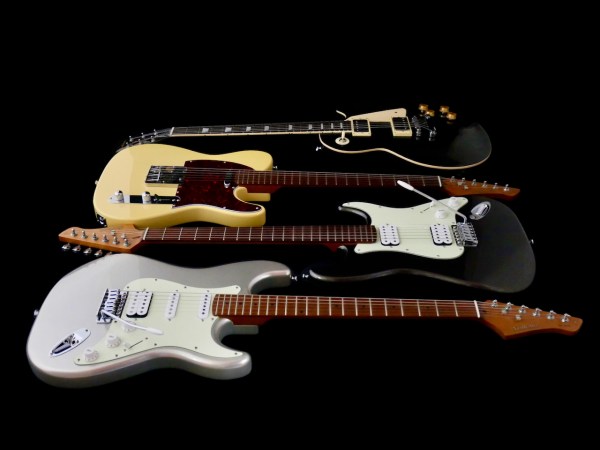
We received four electric guitars for this test from Northstar’s importer, Musamaailma – three Fender-style models, and one Les Paul copy.
****
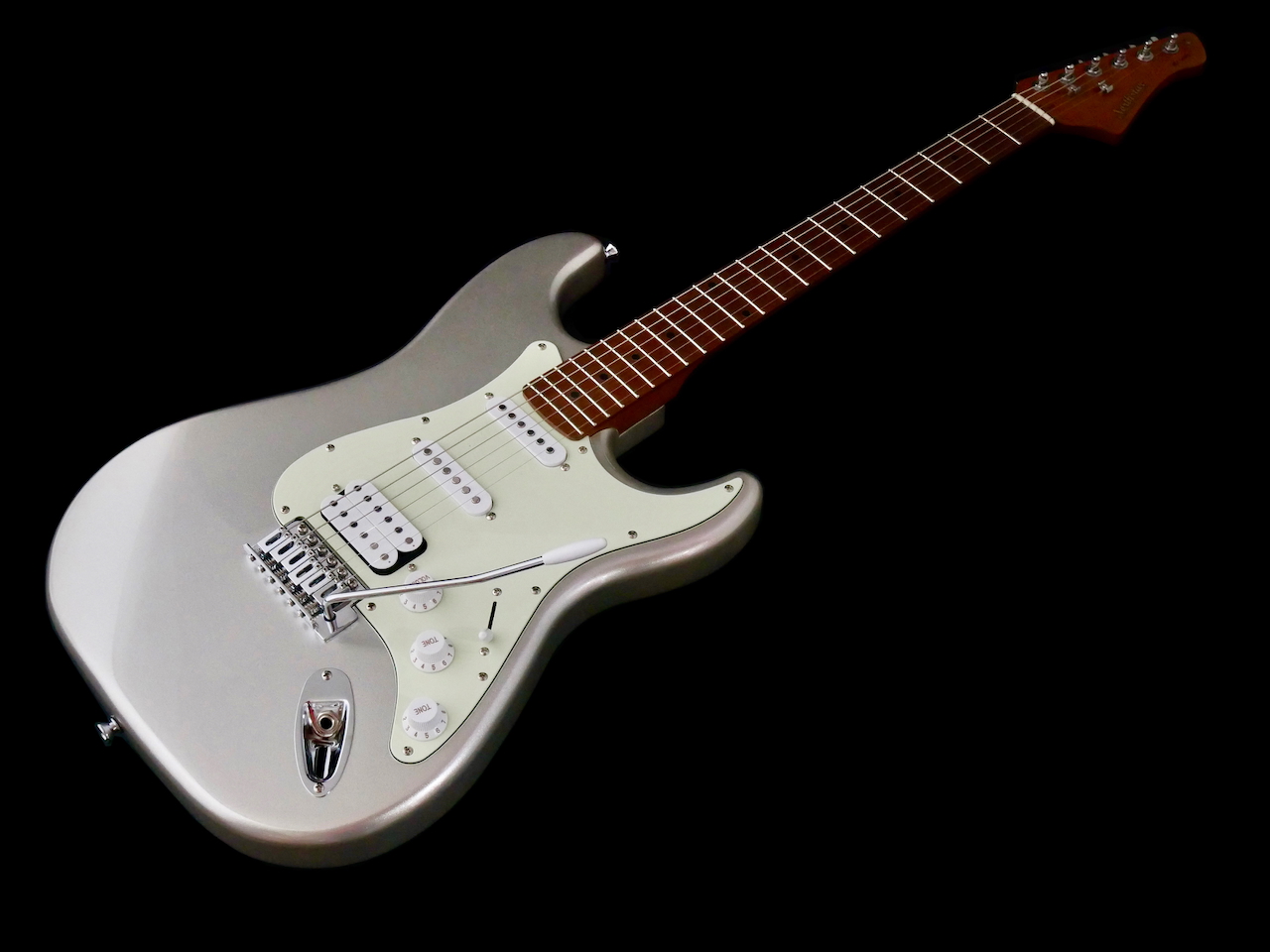

Northstar NS-1 HSS ja NS-1 HH (229,– € each)
Northstar Guitars has chosen the NS-1 model number for its Strato-like models. The company only offers a limited number of colour options, which is a deliberate decision that keeps the price of the guitars down.

The NS-1 HSS guitar comes in a finish called Inca Silver, while the HH version comes in a finish called Charcoal Frost. Both are beautifully executed metallic colours.

Both instruments use roasted maple for the neck and fingerboard. The wood looks beautiful, and there is even a slight flame visible on them.
Interestingly, the degree of roasting of the necks and fingerboards is different on the HSS and HH guitars, which is why the position marks on the NS-1 HH are a bit difficult to see, especially in dim lighting.
The Northstar NS-1 instruments use solid poplar for the bodies. In this price range, the affordability of the wood outweighs weight concerns, which is why the HSS model is comfortably medium-weight, while the HH guitar is already a bit heavier.
The workmanship of the Northstar NS-1 models is very neat, for example the quality of the fretwork is clearly among the best in this price range.

Everything seems to be in order in terms of the quality of the metal parts in the Northstar NS-1 guitars. The tuners are of the modern, enclosed and permanently greased variety, while the vibrato bridges are vintage-style (but with a slightly thinner block).
The pickups of both models use ceramic magnets. The HSS option has two single-coils and an open humbucker, while – as its name suggests – the NS-1 HH is an option with two open humbuckers. In the HSS model, the electronics consist of a five-way switch, as well as a master volume and two tone controls. The HH guitar has a three-way selector, as well as master volume and tone controls.
The playability of the Northstar NS-1 HSS and NS-1 HH is first-class. The guitars have identical neck profiles – a nice medium D – and the playing feel is fast and effortless.
The single coils on the NS-1 HSS sound deliciously dynamic and have a good dose of “woodiness”. The guitar’s humbucker pickup is well balanced with the single coils in terms of its output level, and this pickup also has a certain vintage style to its sound.
The NS-1 HH is clearly aimed at rock-minded players, as the pickups have a little more power and a very deliciously rough attitude.
****

Northstar NS-2 (229,– €)
The model number of Northstar’s Tele guitars is NS-2. The test instrument is finished in a creamy Vintage White colour.
The basic materials of the NS-2 are the same as those of the NS-1 guitars – a roasted maple neck, roasted maple fretboard and poplar body. Here too, the bolt-on neck has been given a thin matte finish, while the body is gloss lacquered.

Here too, the fretboard’s roast is relatively dark, which can make it difficult to see the fret marks in low light.

Since the NS-2 is a Tele-style instrument, the guitar naturally has a vintage Tele-style bridge. In this case, it is a so-called top-loader bridge, where the strings are not passed through the body, but rather anchored to the back wall of the bridge. This solution was found in original Teles from 1958/59, and its idea then was to speed up and facilitate the construction of the guitar.
Some claim that a top-loader bridge is a bad solution that degrades the guitar’s sustain and sound, but I haven’t noticed anything untoward about this Northstar. Well-known top-loader fans include Jimmy Page (Led Zeppelin) and Jim Campilongo, and both guitarists’ signature models feature this supposedly inferior bridge solution. So much for online rumours…
The workmanship and playability of the Northstar NS-2 are also of a very high level, and this test specimen was the lightest guitar in the test.
The original Telecaster was designed to offer the widest possible range of sounds – the bridge pickup is a bright and rootsy country and rock pickup, while the neck pickup offers a very warm and round jazz option. The ”both-pickups-at-the-same-time” selection, which only officially entered the picture in 1967, has adds some great funk sounds to this recipe.
The Northstar NS-2 offers good versions of these sounds with a small early-1970s emphasis, which has a bit more bite than the early 1950s Teles. This guitar will give you some great James Burton-style sounds from Elvis Presley’s Las Vegas era.
****

Northstar NS-3 (359,– €)
“And now for something completely different…”
The Northstar NS-3 is a Les Paul Standard-style electric guitar from Northstar. The NS-3’s body is carved from poplar. The maple neck is glued to the body and the bound fingerboard is rosewood.
The body and back of the neck are finished in a glossy Charcoal Frost metallic color.

The NS-3’s hardware consists of a tune-o-matic bridge and a stopbar tailpiece, as well as enclosed tuners with metal Kluson-style knobs.

The Northstar NS-3’s pickups are covered humbuckers. In addition to a three-position toggle switch, the guitar has four controls – each pickup has its own volume and tone controls.
Again, the workmanship and playability leave nothing to be desired in this price range. Based on the test sample, the weight of the NS-3 is still within reasonable limits. The neck profile is – as befits this type of guitar – a slightly rounder D, and it fits my hand very comfortably.
The Northstar NS-3’s pickups are not spoiled by excessive power, and they sound deliciously creamy and very dynamic. Thanks to the surprisingly high-quality pickups, this model covers a wide range of sounds – from clean and warm Jazz to rough 1970s Rock and modern Metal.