…and the grand old man of recording studio electronics Rupert Neve have unveiled a line of three Bogner effect pedals (made in the USA), which were designed around Rupert Neve’s famous audio transformers.
Audio transformers are rarely seen (or mentioned) when it comes to pedal effects, for both reasons of price and mass production.
In valve amplifiers audio transformers play a crucial role, because they are the last stage before the signal reaches the speaker. Audio transformers ”translate” the signal for the speaker, which is why they have a direct impact on the tone and dynamic behaviour of a tube amplifier.
At the moment three different Bogner/Neve-pedals are available – the Harlow booster (current price in Finland:235 €), the Wessex overdrive (229 €), and the Burnley distortion (235 €).
Each pedal has a glowing ”eye” indicating the current signal strength of the stompbox.
****
The Bogner Harlow gives you two effects in one pedal:
In addition to it’s boost function, the Harlow also incorporates Bogner’s Bloom compression circuit, which promises to give you a very natural, three-dimensional and musical type of compression.
You’ll find three control knobs on the Harlow – a level control for the booster, a Bloom-control for the compressor, and a master tone.
****
Bogner’s Wessex is the overdrive pedal in the Bogner/Neve-family.
In addition to its gain and level controls the Wessex also includes a two-band EQ, as well as a E/N-switch. ”N” stands for ”normal” and this mode will give you a slightly more traditional, mid-range centred sound. Switching to ”E” (for ”enhanced”) there’s more gain on tap, coupled with a fatter, more full-range tone.
****
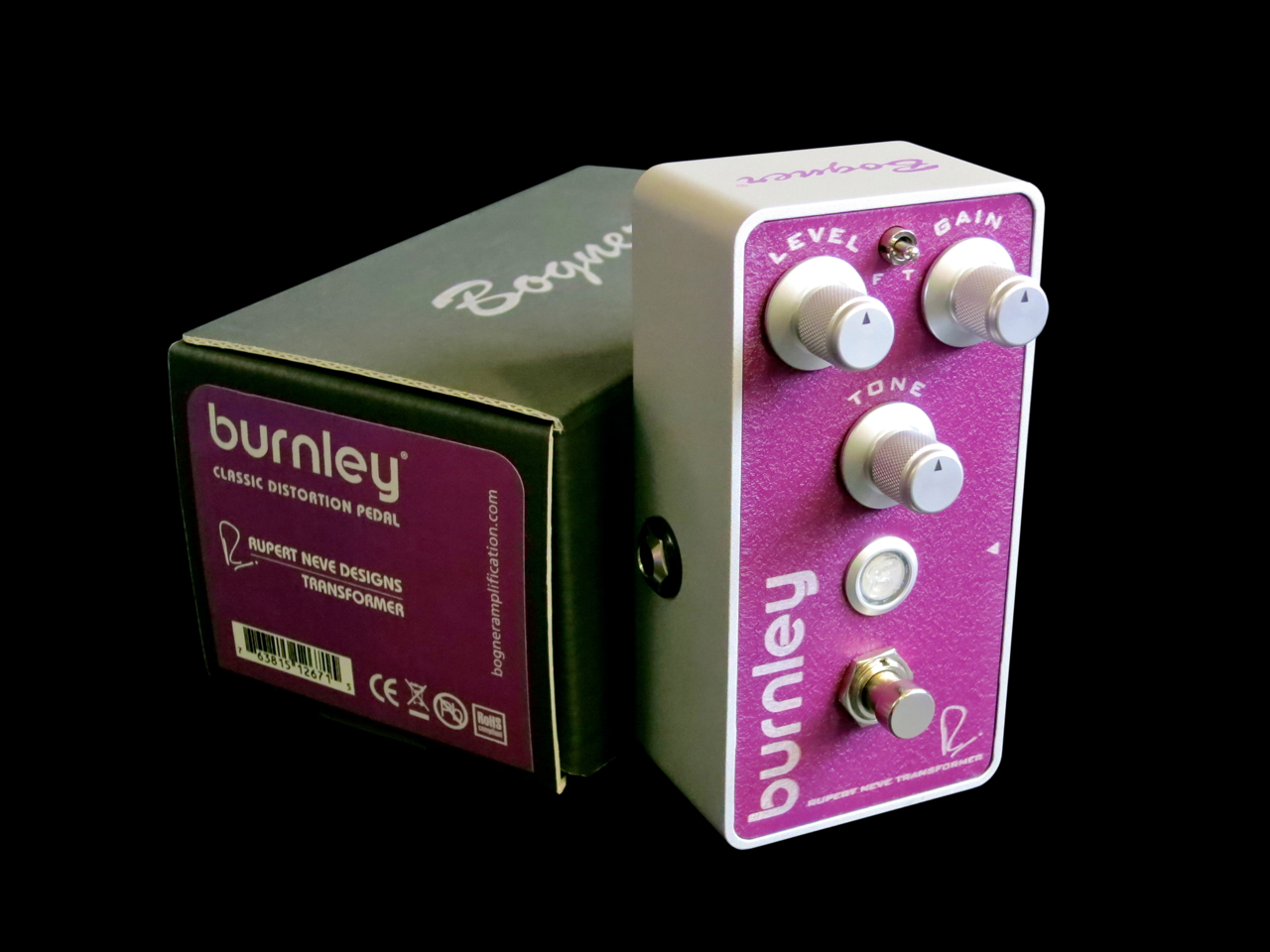
The third pedal, the Bogner Burnley, is a distortion effect.
The Burnley offers three controls – level, gain and tone – plus an F/T-switch. ”T” (for ”tight”) promises you a more aggressive distortion effect than the warmer and fatter ”F” mode.
****
Both Mr Bogner and Mr Neve are known for their uncompromising commitment to both sound and workmanship. This commitment is well represented in this range of pedal effects.
In the Bogner-pedals the circuit board is hidden inside a black plastic box. This is a workable solution weighing the risk of direct backwards engineering against the possible future need for repair or servicing. Components completely covered in black resin (some boutique manufacturers do this) are the bane of any guitar technician!
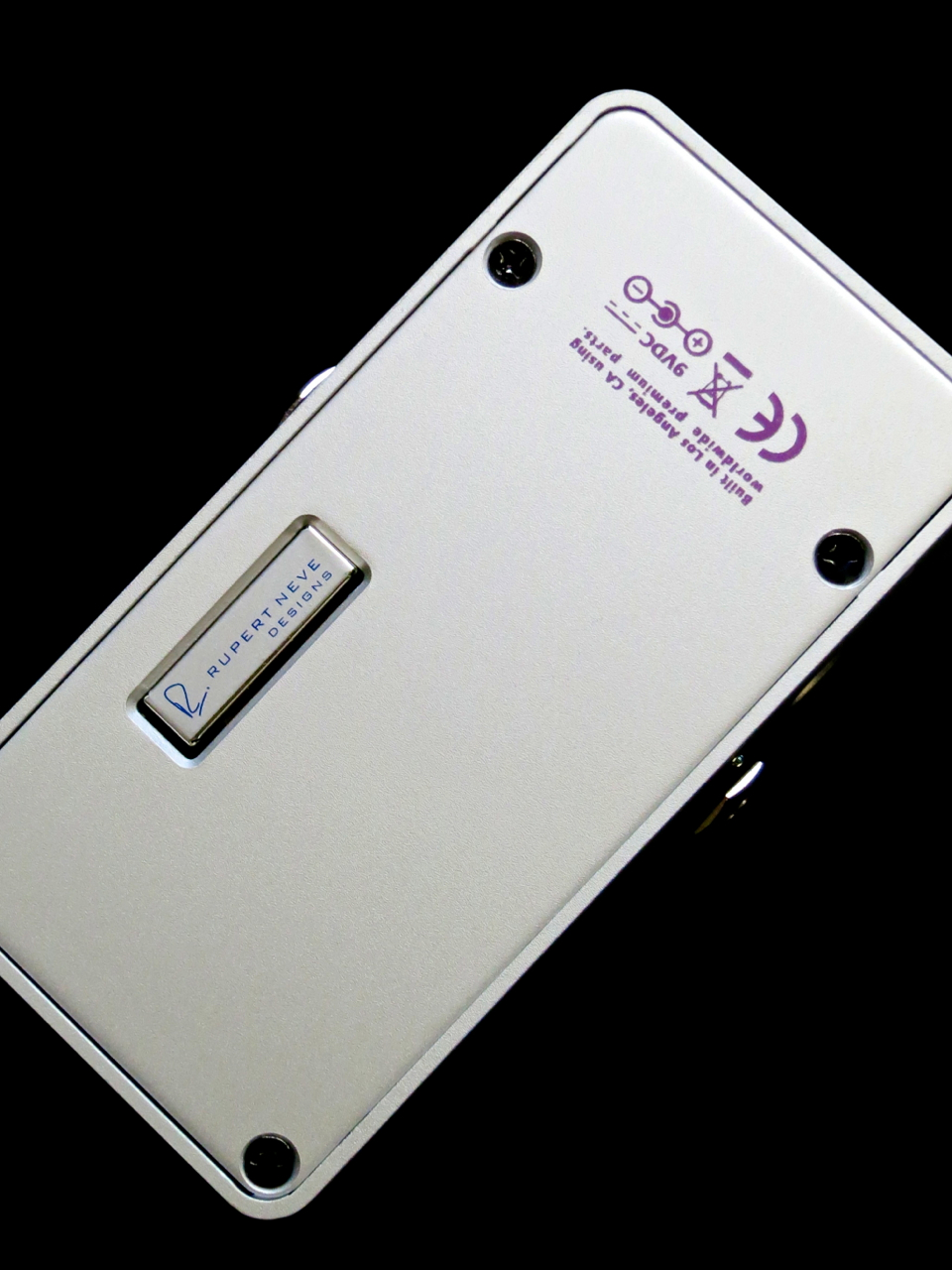
As you can clearly see in the pictures, all three stompboxes can be run using a nine volt battery or an external PSU (using the Boss-standard).
****
Bogner doesn’t divulge the precise amount of boost that can be had from the Harlow, but let me tell you it will most probably be enough to overdrive even the cleanest of amplifiers.
The Bloom-circuit in the Bogner Harlow sounds deliciously chewy and reacts very musically.
Bogner’s Harlow is the type of pedal you want to leave on the whole time, because any guitar will sound better with this box running. This pedal also reacts very well to changes in your guitar’s volume control setting.
There’s a nice attack click, when played with a Stratocaster:
The Harlow stays clear and clean, even when you play a neck humbucker (I’m using my Hamer USA Studio Custom):
The overdrive and distortion tones of Bogner amplifiers are already the stuff of legend, and the amp guru has managed to pack these sounds into two Bogner/Neve-pedals.
The Bogner Wessex luckily isn’t just another Tubescreamer clone; instead this stompbox gives you Mr Bogner’s vision of the perfect overdrive sound.
Even though there’s a healthy amount of gain on offer in the Wessex, the sound always stays transparent and well-defined. This pedal also keeps the inherent character of your guitar intact.
Wessex’s Enhanced mode will even make your vintage-styled Strat sing:
On the other hand there won’t be any boxiness, or mud, when using humbuckers:
If you’re a Hendrix fan you should definitely try the Burnley’s Fat mode. It will make your Strat sing and growl in Woodstock-fashion, even when played into a clean amp channel at bedroom volume levels:
Bogner’s Burnley, too, is sensitive to guitar volume changes. Using Tight mode and humbuckers will give you a modern distortion tone:
Here’s the audio track off the Youtube video. All guitar parts have been played on a P-90-equipped Gibson Les Paul Junior:
****
Rupert Neve and Reinhold Bogner aren’t men ho do things by half – and these pedals are a fitting testament to this commitment!
The Bogner/Neve-series of guitar effects offers you Bogner’s boutique tones in a very compact guise, and at a very fair price. Try these pedals out – you won’t be disappointed!
After receiving much critical praise for his solo album, Unintelligent Designs, Progressive Rock guitarist Elmo Karjalainen decided to follow it up with an album called The Free Guitar Album.
The album showcases Elmo’s varied, but unique, style which combines technical brilliance with melodic, quirky and sometimes humorous playing. The Free Guitar Album is also a bit different in that the digital version is, erm, free.
Get Elmo’s The Free Guitar Album by clicking HERE!
On keskiviikkoilta – nyt olisi nastaa jammailla tunti tai pari, mutta rumpalilla on biljarditurnaus ja basistin täytyy vahtia lapsiaan.
Lopputulos on jälleen kerran ilta yksin telkkarin edessä ja kitara sylissä…
Onneksi nyt on olemassa paljon luovempi ratkaisu jammailuun ja treenaamiseen – Digitechin uusi Trio Band Creator -pedaali tarjoaa väsymättömän rytmisektion hyvin kompaktissa muodossa.
****
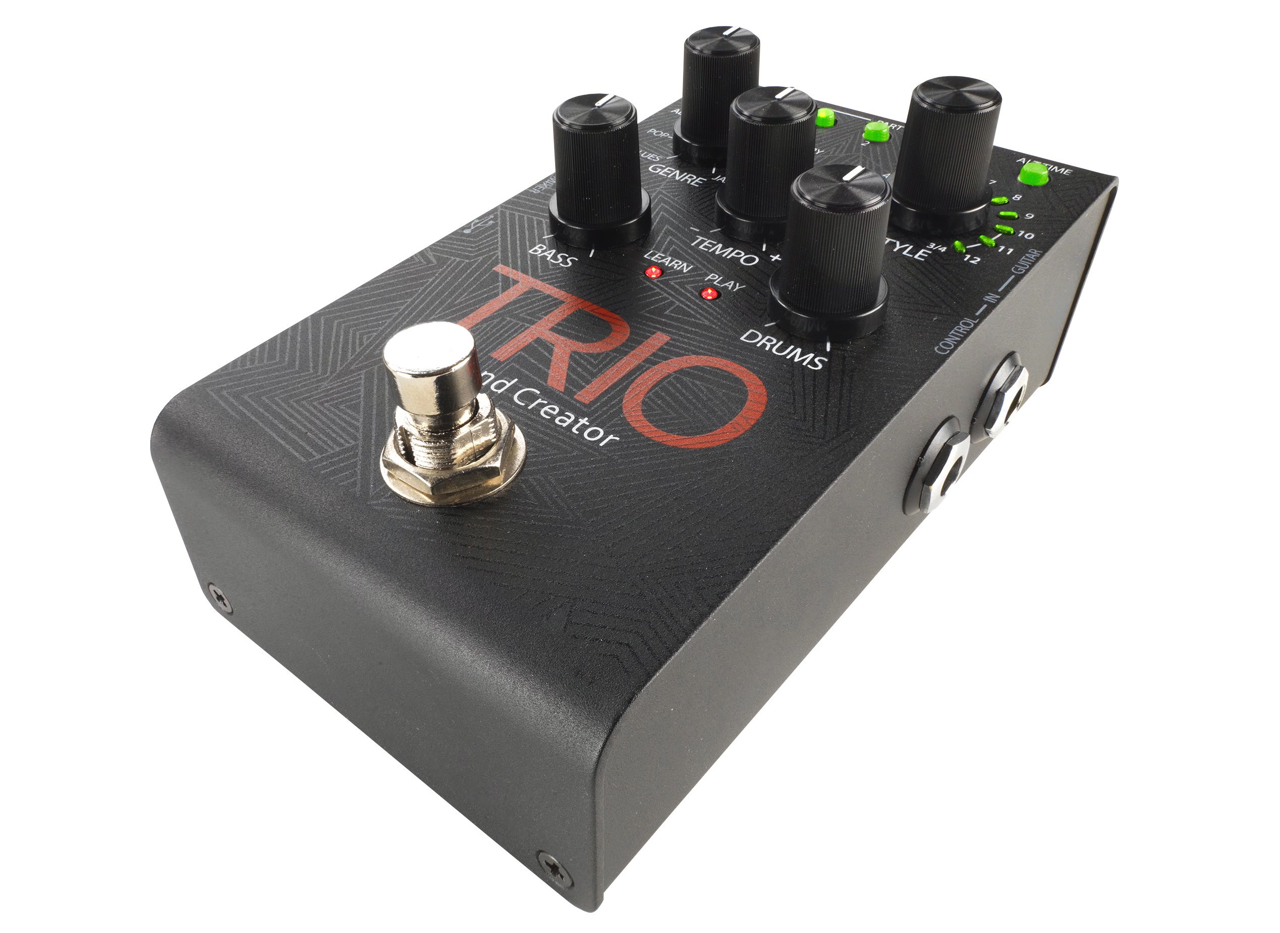
Digitech Trio -pedaali (katuhinta noin 240 €) oppii Learn-moodissa biisin (tai biisiosan) soinnut ja rakenteen suoraan kitarasignaalista. Trioon kytketään ihan tavallinen kitarajohto – käyttöön ei siis tarvita kallista MIDI-mikrofonia tai kömpelöä ohjelmointia käsin.
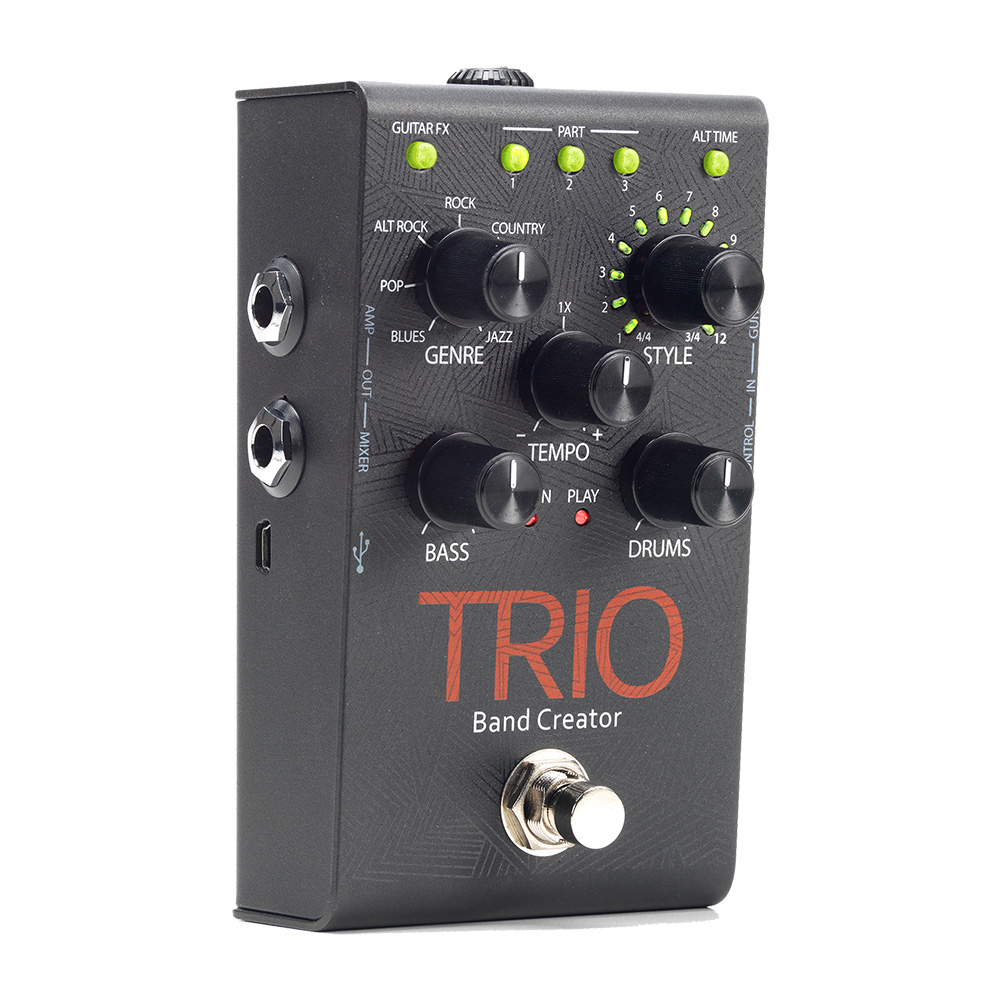
Trio osaa soittaa komppikuvioita seitsemästä eri musiikkigenrestä (Genre). Jokaisessa genressä on 12 eri tyylivaihtoehtoa (Styles), siis eri tavalla soitettuja rumpupatterneja ja bassokuvioita. Kaikki tyylit on kehitetty yhteistyössä Band In A Box -softan valmistajan kanssa.
Digitechin uusi ihmerasia tunnistaa biisin tempon automaattisesti analysoimalla sisään tulevaa audiosignaalia Learn-moodissa, mutta sitä voi hienosäätää jälkikäteen Trion Tempo-säätimellä. Alt Time -kytkimellä voi myös valita tavallisen tempon ja half-timen välillä.
Digitech Triosta löytyy lisäksi alkeellinen efekti- ja kaiutinsimulaatio-osasto, jos haluat jammailla ilman erillistä vahvistinta.
Kompakti Trio Band Creator -pedaali vaikuttaa hyvin kestävältä.
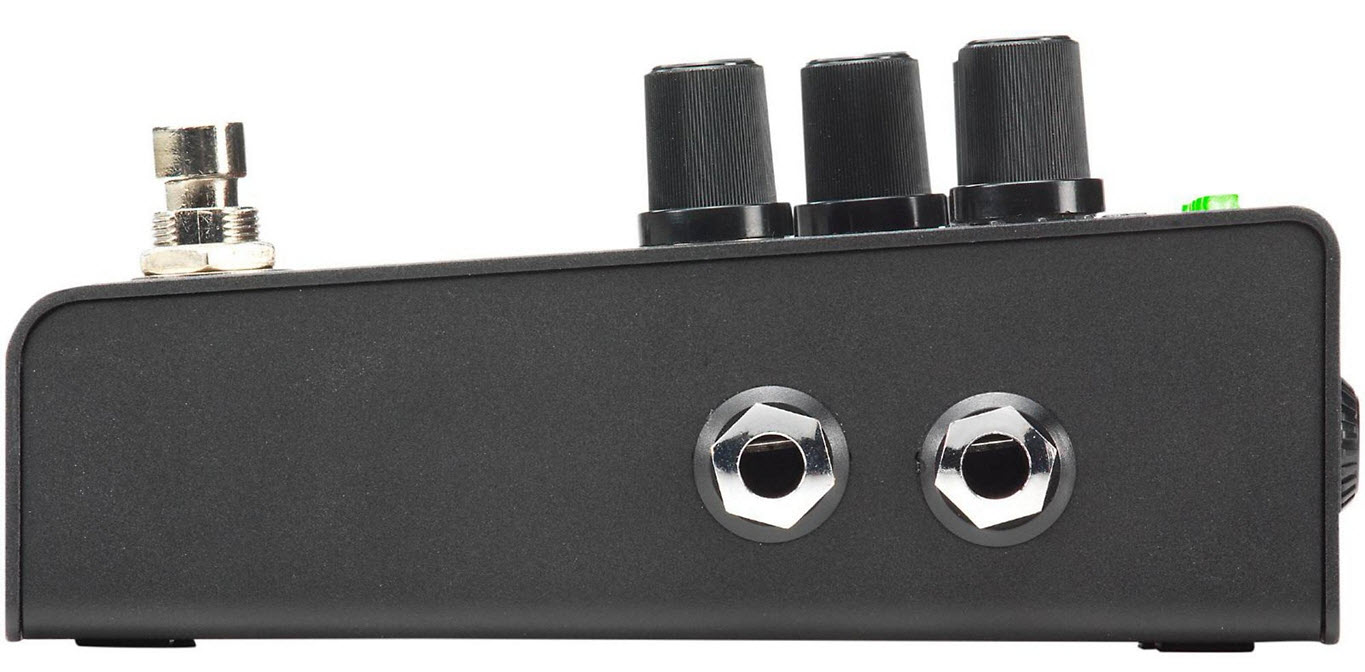
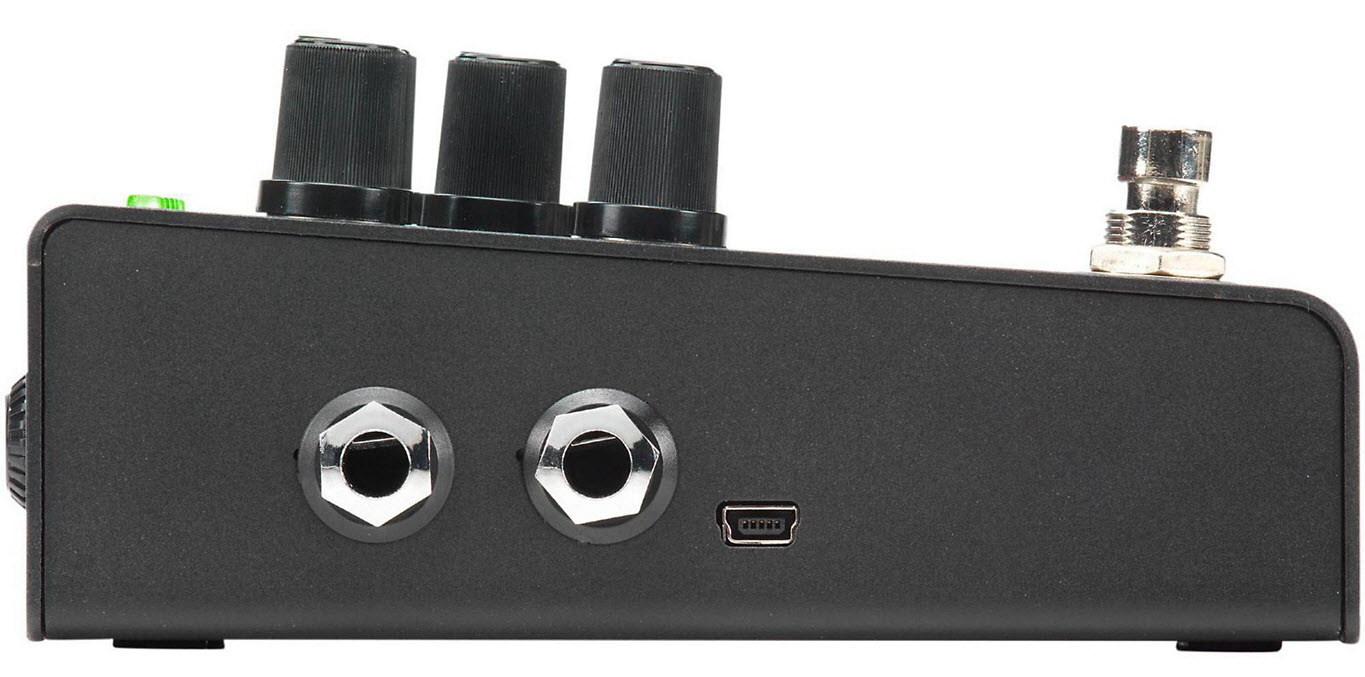
Laitteen oikeaan kylkeen on sijoitettu kaksi tuloa, joista toinen on kitarasignaalille ja toinen (lisävarusteena saatavalle) Digitech FS3X -jalkapedaalille, jolla Trioa voi ohjailla ilman käsiä.
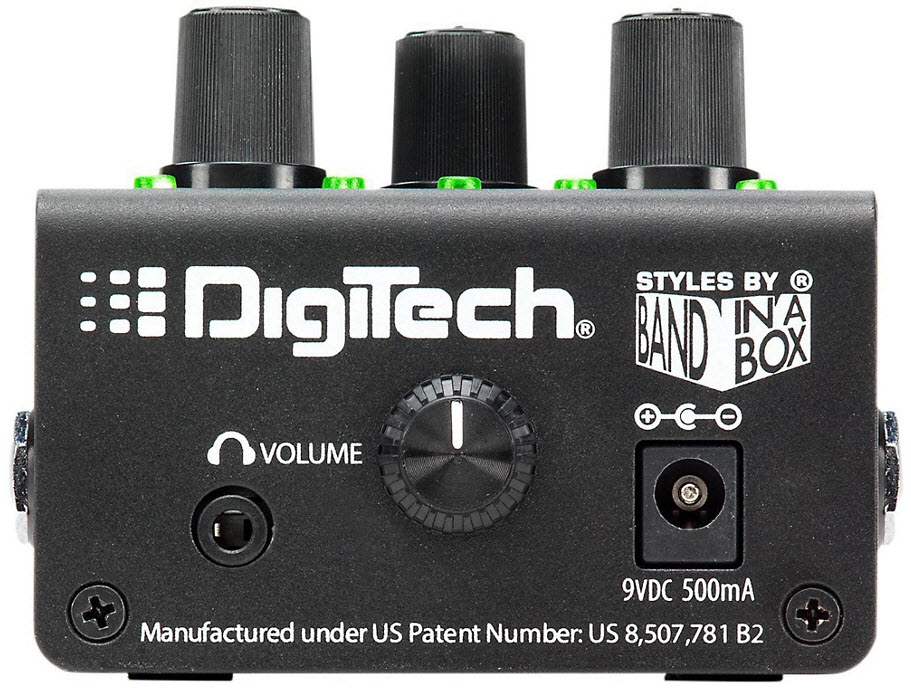
Pedaalin edessä on tulo pakettiin kuuluvalle virtalähteelle, sekä kuulokelähtö omalla volume-säätimellään.
USB-portti on firmware-päivityksiä varten, kun taas vasemman kyljen jakit ovat audiolähdöt kitaravahvistimelle ja mikserille/äänikortille.
Digitechin Trio tunnistaa automaattisesti mikä lähtö on käytössä:
Kun vain vahvistinlähtöön on kytketty plugi, rumpu- ja bassosignaali säädetään vahvistinkanavalle sopivaksi. Kun vain mikserilähtö on käytössä, kitarasignaaliin lisätään kaiutinsimulaatiota. Kun taas molempia lähtöjä käytetään samanaikaisesti, kitarasignaalia ohjataan vain vahvistinlähtöön, ja rumpu- ja bassokuviot tulevat vain mikserilähdöstä. Kuulokkeen kytkeminen Trioon mykistää automaattisesti sekä vahvistin- että mikserilähdön.
****
Tässä Kitarablogi-videossa näytetään miten Digitech Trio -pedaalia käytetään:
****
Toisen videon musiikkia on äänitetty käyttämällä Digitech Trio -pedaalia, soittamalla kolme Alt Rock -genren Styles-tyyliä:
****
Testin perusteella voin todeta, että Digitech Trio on hyvin helppo ja intuitiivinen käyttää. Minun mielestäni se on fantastinen laite olohuone-jammailuun, sekä uusien biisien työstämiseen.
Trio Band Creator -pedaali onnistuu tunnistamaan biisinpätkän tempon ja sointukierron yllättävän hyvin edellyttäen, että a) Learn-vaiheessa ei esiinny kitaransoitossa liikkaa synkopaatiota, ja että b) opetusvaiheessa käytetään selkeästi tunnistettavia duuri, molli- ja seiskasointuja.
Trion rumpu- ja bassosoundit ovat hyvin kelvollisia, ja Style-kuvioissa esiintyy riittävästi automaattista live-tyylistä vaihtelua, ettei lopputuloksesta tulee turhauttavan robottimaista.
Metal-genren puuttuminen on valitettavaa, mutta riffien tunnustaminen suoraan audiosignaalista (ja riffien tarkka toistaminen) olisi varmaan ollut niin monimutkaista, että laitteesta olisi tullut yksinkertaisesti liian kallis ja liian hankalaa käyttää.
Ei-metallimiehille (ja -naisille) Trio Band Creator on kuitenkin todella mahtava työkalu harjoitteluun, jammailuun, sekä biisien kirjoitteluun. ylös sohvalta, siis!
To celebrate the 20th anniversary of Ruokangas Guitars and the 10th anniversary of Mr. Fastfinger, Juha Ruokangas and Mika Tyyskä (the creative brain behind Mr. Fastfinger) threw an invite-only party in Helsinki’s Cinema Andorra/Dubrovnik Bar complex.
Juha Ruokangas (centre) and his wife Emma were on hand to greet their guests (yes, this is Finnish Prog Rock legend Jukka Tolonen on the right)…
…as was guitar virtuoso (and animator) Mika Tyyskä.
The Dubrovnik quickly filled with illustrious guests, such as Mad Professor’s main man Harri Koski (left) and – legendary Finnish band – Eppu Normaali’s guitarist Juha Torvinen (centre).
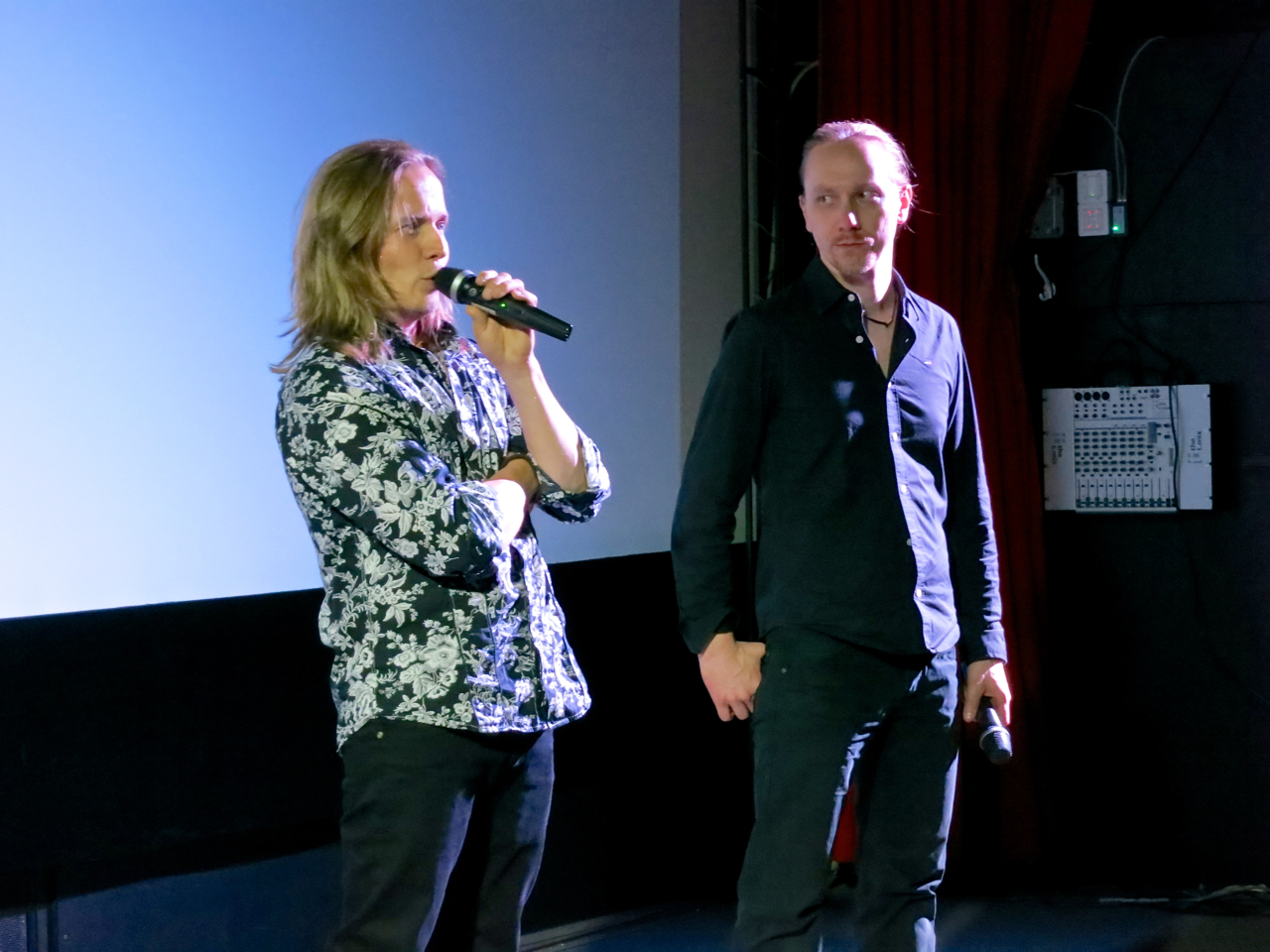
Juha and Mika officially opened the evening by taking to the stage and sharing a drink with their guests.
The centrepiece of the evening was the world premiere of Ruokangas Guitars’ and Mr. Fastfinger’s joint movie ”The Spirit of the Guitar Hunt”, which will be released in segments on You Tube. The invited guests were shown the full movie.
A few words from the hosts, and then it was time for the world premiere:
The film received standing ovations.
The creative team behind the ”Guitar Hunt”…
The premiere was followed by delicious food, as well as great live music from Antti Paranko and his band, and Mr. Fastfinger.
We’ve all been there, haven’t we? It’s a Wednesday evening, and you want to jam; but the drummer’s at the hairdresser’s and the bassist has to babysit all evening long.
So what do you do? You get bored to tears sitting on the sofa with your fingers widdling away idly on your favourite couch guitar…
Actually, now there’s a better, much more creative way to spend your spare time – Digitech’s brand-new Trio Band Creator pedal lets you jam and work on new song ideas by supplying an indefatigable rhythm-section-in-a-box.
****
The Digitech Trio (current street price in Finland approx. 240 €) uses a learn function that detects the chord changes (and tempo) of a part straight off your guitar’s audio signal. There’s no need for complicated step-by-step programming or an expensive (and fiddly) MIDI-pickup – just plug in your guitar lead, and you’re ready to go.
The Trio offers you seven musical Genres to choose from, each offering a whopping 12 Styles (meaning: different pattern templates for the drum rhythm and bass pattern). The patterns have all been developed for the best-selling Band In A Box computer software.
Digitech’s new wonder box picks up the tempo directly from your playing, but you can fine-tune the speed after the fact using the Tempo control. You can also switch between a normal and a half-time feel.
Digitech’s Trio also includes a very rudimentary guitar effects section, should you want to jam without using your guitar amp.
The Trio Band Creator comes in a very compact, yet very sturdy pedal format.
There are two jacks on the right side of the pedal – one is the guitar input, while the second one allows you to connect Digitech’s own FS3X footswitch unit for hands-free Part-switching.
The pedal’s front sports the input for the power supply unit (included), as well as a headphones output with its own volume control.
The USB-port on the unit’s left side is for firmware updates, while the two output jacks are the guitar amp and mixer outputs.
The Digitech Trio automatically detects which of the outputs are in use:
If only the amp output is used the drum and bass parts are pre-EQ’d to work well with a clean guitar amp. When using only the mixer out the guitar signal will run through the pedal’s cabinet emulation. Using both outputs simultaneously sends the guitar signal to the amp output and the rhythm section to the mixer. Plugging in headphones into the pedal’s headphone output automatically mutes both the mixer and amp outputs.
****
Here’s Kitarablogi’s video clip showing you how to use the Digitech Trio:
****
And here’s the Digitech Trio used in context, playing a three-part song (using Alt Rock styles):
****
I found Digitech’s Trio very easy and intuitive to use. In my view it’s a fantastic little unit in a living room jamming and song developing context.
The Trio Band Creator does a surprisingly good job of learning the tempo and chord changes of a part straight off your guitar playing, provided you a) don’t syncopate too wildly, and b) stick to major, minor and 7th chords for the most part.
The drum and bass sounds are very decent, and an ample amount of automatic Style variation keeps enough semblance of the ”human” element in the accompaniment, to keep it from sounding robotic.
I would have liked to have seen a Metal Genre included in the Digitech Trio. On the other hand, this would have meant the inclusion of a riff-learning function of some sort, which probably would have made the pedal too complicated and expensive.
For non-Metal guitarists, though, the Trio Band Creator is a fantastic tool to keep your playing chops up, as well as for jamming and coming up with new songs. No need to noodle aimlessly on the sofa, anymore!
Marco de Virgiliis’ company Markbass has made its mark spearheading the use of Class D power amps, which have made it possible to pack an amazing amount of output power into very small and lightweight bass amp heads. Markbass’ sister brand, DV Mark, concentrates on guitar amps, for the most part.
Markbass and DV Mark have recently changed their distributor in Finland. Their products are now distributed by Musamaailma, which celebrates its 30th year in business in 2015.
The combos in DV Mark’s Jazz series – the DV Little Jazz (current price in Finland:393 €) and the DV Jazz 12 (462 €) – are very lightweight guitar amps, meant for professional use, and designed to concentrate solely on one thing – a top grade clean tone.
****
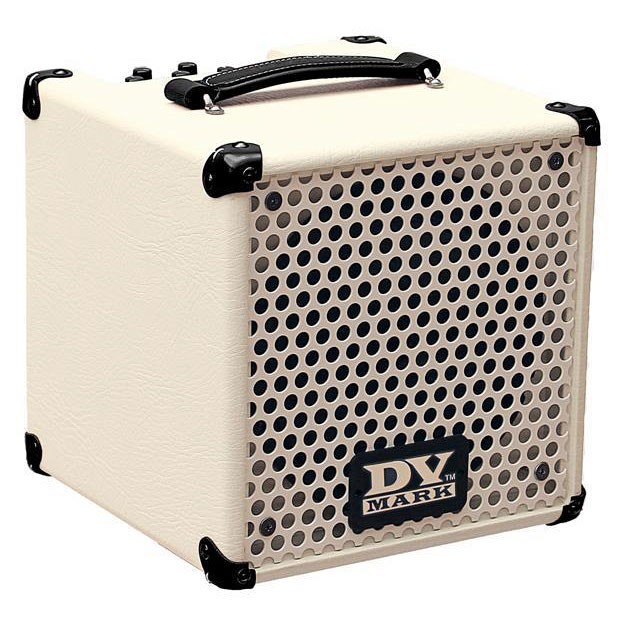
The DV Little Jazz is a surprisingly small combo in the shape of a cube (27 x 27 x 26 cm). Thanks to its diminutive size and small weight (just under seven kilos), you can easily take it on a bus or tram on the way to your next gig or rehearsal.
The cream white cabinet is home to an eight-inch speaker that was specially designed for this amp.
The corner protectors and the Little Jazz’ sturdy metal grille give this small combo a suitably chunky look.
The DV Jazz 12 is a good deal larger in size (43 x 42 x 30 cm), with a more traditional guitar combo look and a stylish cloth grille.
Thanks to its special-design, neodymium 12-inch speaker, the Jazz 12 weighs in at just under nine kilos.
Both combos have a partially open back, and they share an identical, fan-cooled amplifier module dishing out 45 watts of power.
The back panel offers a speaker output, a balanced DI output (XLR), as well as a headphones output and an on/off-switch for the internal speaker.
In addition to the Master volume, the control panel sports a three-band EQ section, a level control for the built-in digital reverb, as well as an auxiliary input for your phone, tablet or mp3-player.
****
The sound of both DV Mark Jazz-combos is really clean, warm and beautiful, but never lifeless or one-dimensional. The inherent character of your chosen guitar is kept intact, and the same holds true for all the intricacies of your playing technique.
You can then fine-tune the tone to your liking by using the musical EQ section.
A fantastically realistic spring reverb simulation works as the basis for the reverb sound in these DV Mark combos. To add even more character and depth to the overall tone, DV Mark’s designers have chosen to add some pitch modulation to the reverb. Adding reverb in moderate amounts, the modulation adds a chorus-like breadth to proceedings. At full-on Surf-style settings, though, the pitch modulation could prove to be a tad distracting to some guitarists.
My only real criticism regarding the Little Jazz and Jazz 12 combos has to do with their continuous fan-cooling. On stage the – relatively quiet – whoosh of the PC-type fan won’t be a problem, but in intimate recording studio settings some fan noise may end up on ”tape”.
I would really like to stress that, despite looking like a small practice amp, the DV Mark Little Jazz really is meant for active onstage use – it’s not a toy! The combo’s 45 W will be enough in many situations, and if you need more power, you can simply stick a mic in front of it or use the excellent built-in DI-output.
For such a small amp the Little Jazz sounds surprisingly big and warm, even though there’s a small trace of boxiness to the tone, when compared directly with the Jazz 12. DV’s Little Jazz sounds like the grown up guitar combo it really is.
Here’s a short clip using a Fender Telecaster and recorded with a Shure SM57:
This is what a double humbucker Hamer sounds like through the Little Jazz:
Here’s a short clip of the built-in reverb:
The DV Jazz 12 could be called the Little Jazz’ deluxe edition, thanks to its bigger and slightly more open sound. The larger speaker combined with a larger cabinet gives the brilliant clean tone more space to breathe. The end result is one of the best clean sounds I’ve ever heard.
The first clip has been played on a Telecaster:
Here’s a similar clip with my Hamer USA Studio Custom:
I’ve used an Epiphone Casino (equipped with Göldo pickups) for the demo track. The first pass is the Little Jazz, the second pass has been recorded with the Jazz 12:
****
The DV Mark Little Jazz and Jazz 12 are two great combos for the gigging guitarist. And I don’t just mean Jazzers.
These DV Mark combos are also fantastic choices for players who like to get their sounds from pedals or multi-effect boards. By combining a pair of Little Jazzes or Jazz 12s you’ll end up with a great-sounding stereo rig, which will still be easy to transport.
Marco de Virgiliisin perustama Markbass on tunnettu edelläkävijänä D-luokan päätevahvistimien käytössä, mikä on mahdollistanut tehokkaiden bassovahvistimien tarjoamista erittäin kompaktissa ja kevyessä muodossa. Markbassin sisarbrändi DV Mark taas keskittyy kitaravahvistimiin.
Markbassin ja DV Markin edustus Suomessa on muuttunut hiljattain – uusi maahantuoja on Musamaailma.
DV Markin Jazz-sarjan kombot – DV Little Jazz (393 €) ja DV Jazz 12 (462 €) – ovat ammattikäyttöön tarkoitettuja, hyvin kevyitä kitaravahvistimia, jotka keskittyvät täysin yhteen asiaan – erittäin laadukkaaseen puhtaaseen soundiin.
****
DV Little Jazz on todella pienikokoinen, kuutiomainen (27 x 27 x 26 cm) kitarakombo, joka kulkee erittäin helposti soittajan mukana. Paino pysyy jopa seitsemän kilon alapuolella.
Kermanvaalean kotelonsa uumeniin on asennettu 8-tuumainen, juuri tätä vahvistinta varten suunniteltu kaiutin.
Kestävä metallinen eturitilä antaa kombolle sopivasti tukevan ulkonäön.
Selvästi isomman (43 x 42 x 30 cm) DV Jazz 12 -kitarakombon ulkonäkö on perinteisempi, ja sen tumma etukangas kenties myös tyylikkäämpi.
Erikoisvalmisteisen, 12 -tuumaisen neodyymikaiuttimensa ansiosta Jazz 12:n paino pysyy jopa alle 9 kiloa.
Molemmissa komboissa on identtinen, tuulettimella jäähdytetty 45-wattinen vahvistinmoduuli, sekä puoliavoin takaseinä.
Takapaneelista löytyy lähtö lisäkaiuttimelle, balansoitu DI-lähtö, päälle/pois-kytkin sisäiselle kaiuttimelle, sekä kuulokelähtö hiljaista harjoittelua varten.
Etupaneeli taas tarjoaa master-volumen lisäksi kolmikaistaisen EQ-osaston, digitaalisen kaiun, sekä aux-tulon mp3-soittimelle.
****
DV Markin Jazz-sarjan kombojen soundi on todella puhdas, lämmin ja kaunis, muttei koskaan tylsä tai yksiulotteinen. Käytetyn soittimen luonne säilyy täysin ehjänä, ja myös kitaristin soittotekniikan jokaista yksityiskohtaa vahvistetaan uskollisesti.
Erittäin tervettä perussoundia voi sitten maustella itselleen sopivaksi kombon oivilla Bass-, Mid- ja Treble-säätimillä.
Kaiun perustana toimii DV Mark -kaksikossa erittäin luonnollisen kuuloinen jousikaiun mallinnus. Kaikuun on kuitenkin lisätty pikkuannos sävelkorkeuden huojuntaa, joka syventää kaiun maltillisilla asetuksilla (chorus-efektin lailla) sopivasti vahvistimen soundia. Surf-tyylisillä asetuksilla (= kaiku täysille) kaiun modulaatio voi kuitenkin mahdollisesti häiritä huojunnalle herkkää kultakorvaa.
Ainoa kritiikkikohta koskee Little Jazzin ja Jazz 12:n tuuletinta – lavalla tuulettimen (sinänsä hiljainen) käyntiääni ei varmasti koidu ongelmaksi, mutta erittäin intiimeissä studiotilanteissa pieni annos aktiivituuletuksen suhinaa voi joskus päätyä ”nauhaan”.
Haluaisin korostaa sitä, että vaikkapa DV Little Jazz näyttääkin pieneltä harjoituskombolta, se on todellakin live-käyttöön tarkoitettu kitaravahvistin, eikä lelu! Kombon 45 wattia riittävät mainiosti moniin tilanteisiin, ja lisätehoa saa helposti joko mikittämällä tai mainion sisäänrakennetun DI-lähdön kautta.
Soundiltaan Little Jazz on yllättävän iso ja lämmin, vaikka suorassa vertailussa Jazz 12:een pikkuinen annos soinnillista ahtautta on toki havaittavissa. DV Little Jazz kuulostaa kuitenkin aikuiselta kitarakombolta.
Tässä Telecasterilla soitettu esimerkki:
Ja tältä humbuckereilla varustettu Hamer kuulostaa:
Tässä yksi lyhyt näyte kaikusoundista:
DV Jazz 12 -komboa voi mielestäni kutsua Little Jazzin deluxe-versioksi, sen isomman ja hieman avoimemman soundinsa ansiosta. Jazz-sarjan loistava perussoundi saa suuremman kaiuttimen ja isomman kotelon kautta yksinkertaisesti enemmän tilaa hengittää. Lopputulos on vaikuttavaa.
Ensimmäinen esimerkkipätkä on soitettu Fender Telecasterilla:
Toisessa soi Hamerin Studio Custom -kitara:
Demobiisissä käytin (Göldo-mikrofoneilla varustettua) Epiphone Casinoa. Ensimmäinen läpimeno on äänitetty Little Jazzilla, kun toisessa puoliskossa kuullaan Jazz 12 -komboa:
****
Kauniilla clean-soundilla varustetut Little Jazz- ja Jazz 12 -kombot ovat mielestäni loistava valinta monille kitaristeille, ei ainoastaan Jazz-musiikin ystäville.
DV Mark -kombot tekevät nimittäin myös erinomaista yhteistyötä pedaalilaudan (tai multiefektin) kanssa. Kahdella kombolla voi rakentaa itselleen tehokkaan ja hyväkuuloisen stereojärjestelmän, joka on silti vielä todella helppoa roudata.
Halla Custom Instruments on pieni kitarapaja Tampereelta. Firma on erikoistunut custom-tilauksiin, joissa valmistetaan kaikenlaisia kielisoittimia asiakkaiden toivomuksien mukaan. Halla Customin vetäjä on soitinrakentaja-artesaani Ville Mattila. Mattila kuluu Suomen Soitinrakentajien Kiltaan.
Kitarablogi sai Halla Customilta oikean kaunottaren testiin. Kitara vaikuttaa ensisilmäykseltä kunnianosoitukselta Gibson SG:lle, mutta asiat eivät ole niin suoraviivaisia kuin miltä ne näyttävät!
****
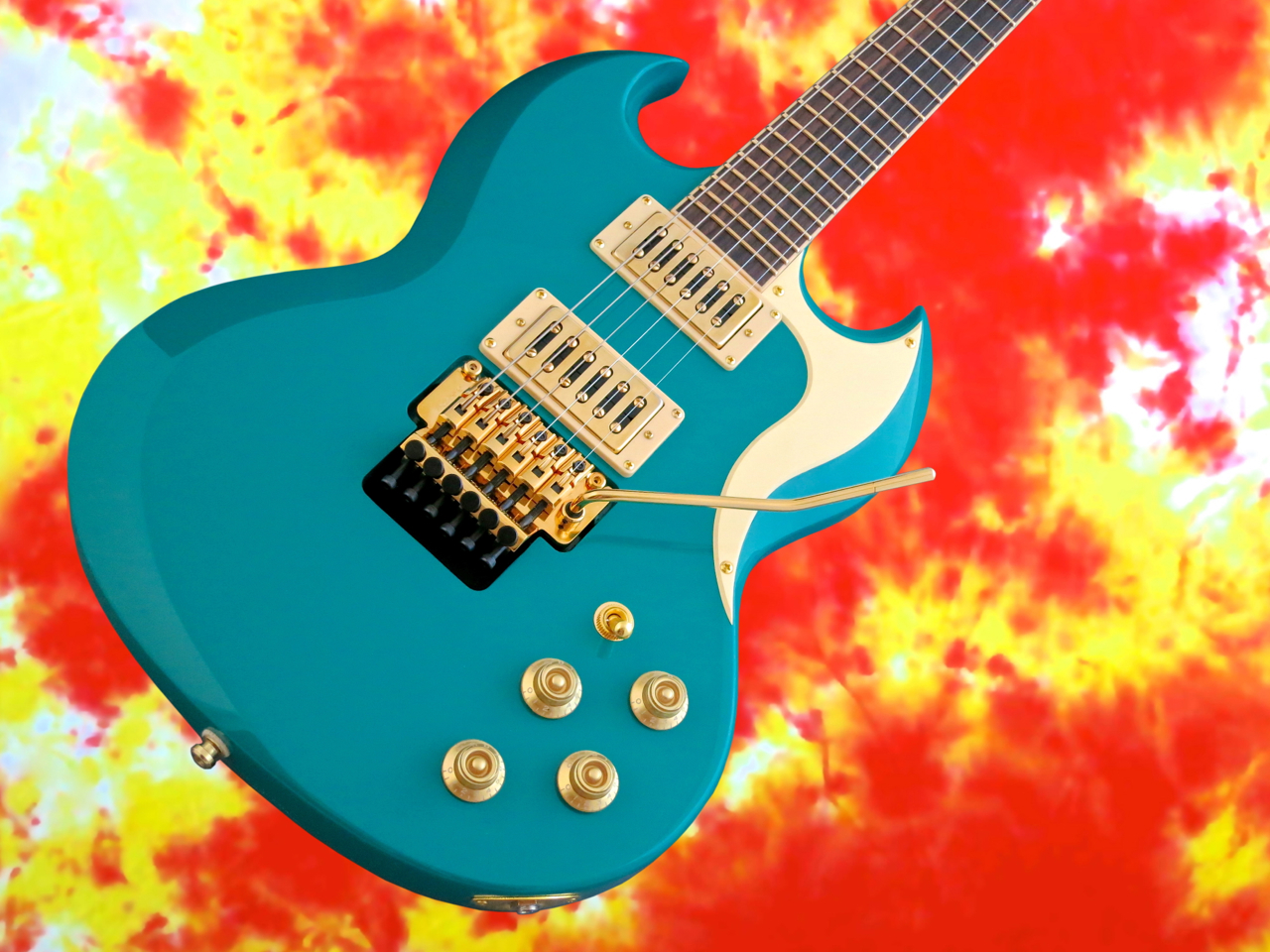
Kyllä tämä Halla Custom SG (hinta noin 3.000 €) on varsin henkeäsalpaava ilmestys. Se on turkoosinvärinen, uhkeanmuotoinen soitin, johon metalliosien kultainen hohto sopii kuin nakutettu.
Mutta tämän kitaran upea viimeistely (kovalla akryylilakalla) ei ole Halla Custom SG:n tärkein piirre: ”It’s an SG, Jim, but not as we know it!”
Tässä Halla Custom -kitarassa yhdistetään saumattomasti kahden klassikkokitaroiden ominaisuuksia – Gibson SG:n muotoiluun on sekoitettu reilusti Fender Stratocasterilta tuttuja piirteitä:
Vaikka tässäkin kitarassa on Gibson-klassikon virtaviivaistettu runko ja liimattu kaula (tosin paljon sulavammalla liitoksella), käytetään Halla Customissa Fenderille tyypillisiä materiaaleja – nimittäin vaahterakaulaa ja leppärunkoa – sekä täysipitkää mensuuria (25,5 tuumaa/64,8 cm).
Floyd Rosella varustetulla Hallalla on kartiomaisesti muuttuva otelaudan radius (ns. compound radius), jossa otelaudan kaarevuudesta tulee sitä loivempi mitä lähemmäksi runkoa mennään. Reunalistoitettuun ruusupuisen otelautaan on asennettu 24 kullanväristä teräsnauha.
Kaksi grafiittitankoa kaularaudan vieressä lisäävät entisestään kaulan lujuutta.
Laadukkaat, kullanväriset virittimet ovat peräisin japanilaisen Gotohin valikoimasta.
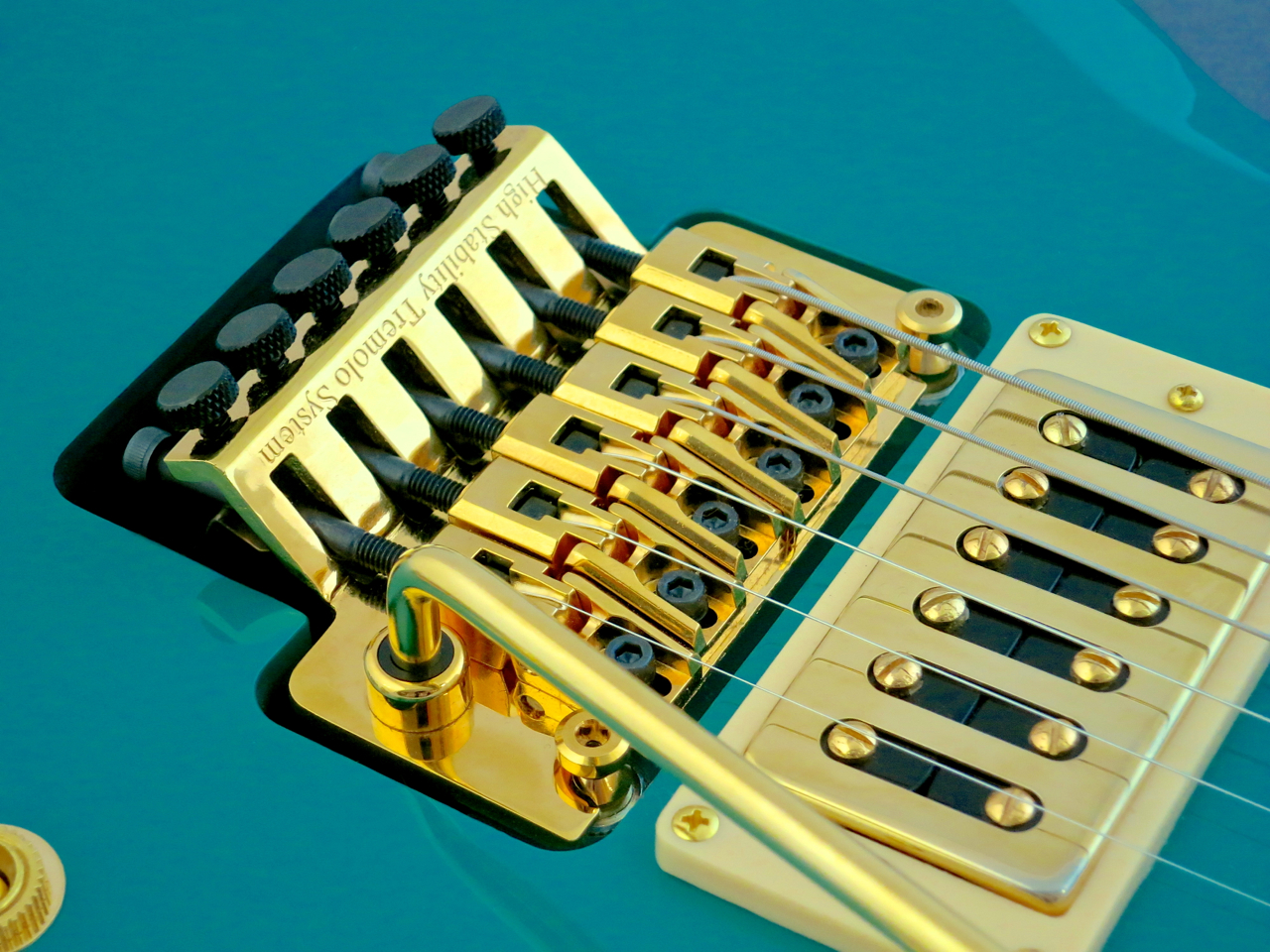
Huippulaadukas Floyd Rose tulee sekin Gotohilta. Ruuvattavan vibrakammen istuvuutta säädetään nailonkauluksella ja pienellä kuusiokoloruuvilla.
Halla Custom SG -kitaraan on asennettu kaksi firman omaa humbuckeria. Halla Venla -nimiset kaksikelaiset ovat vintagea selvästi kuumempia tapauksia.
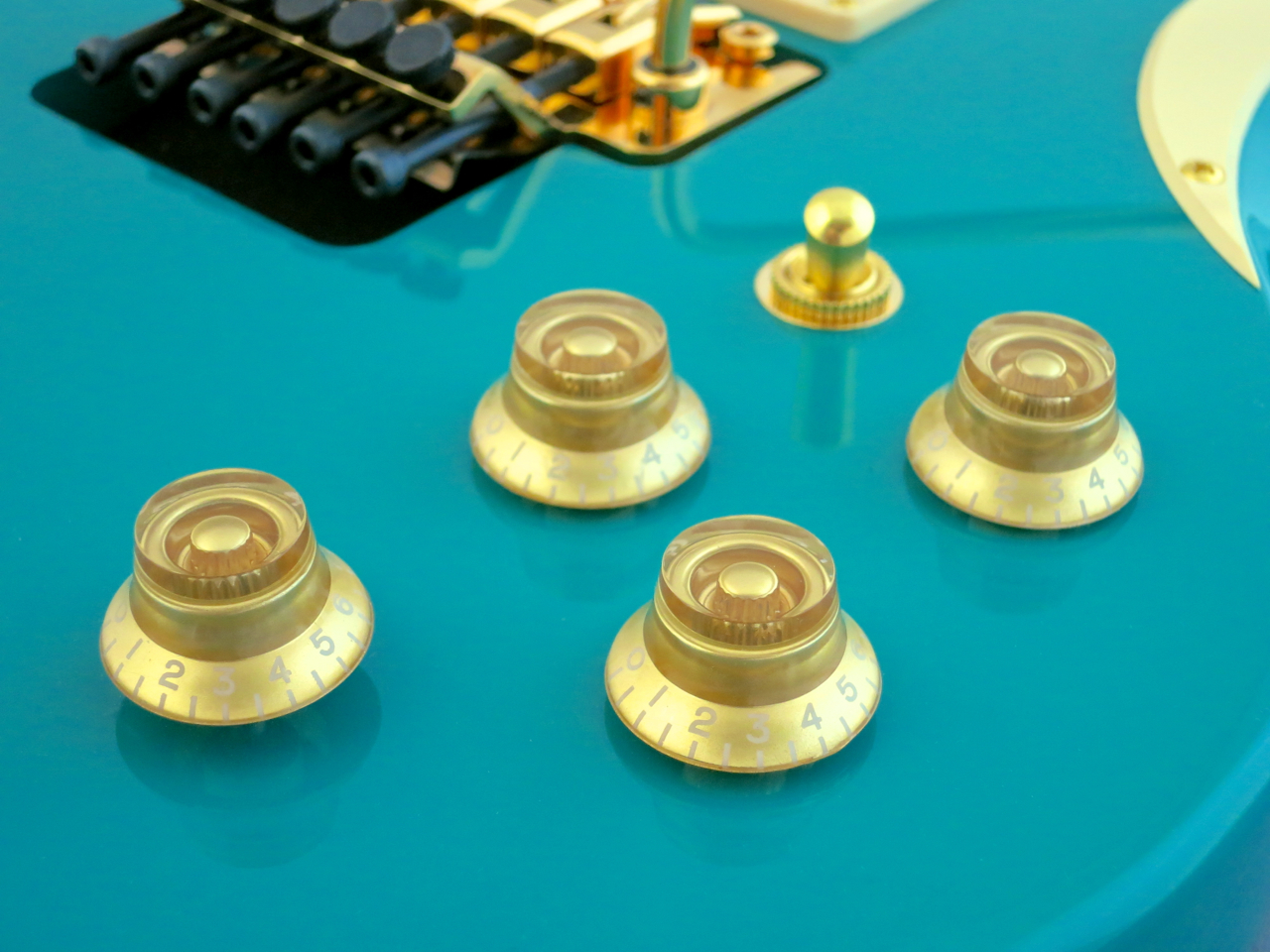
Neljä säädintä ja kolmiasentoinen vipukytkin – asetelma näyttää harmittomalta, mutta tähänkin on lisätty yksi herkullinen lisäominaisuus:
Tässä Halla Customissa on mukana passiivinen (= ei tarvitse paristoa) säröpiiri, joka laitetaan päälle kaulamikin tone-säädintä nostamalla.
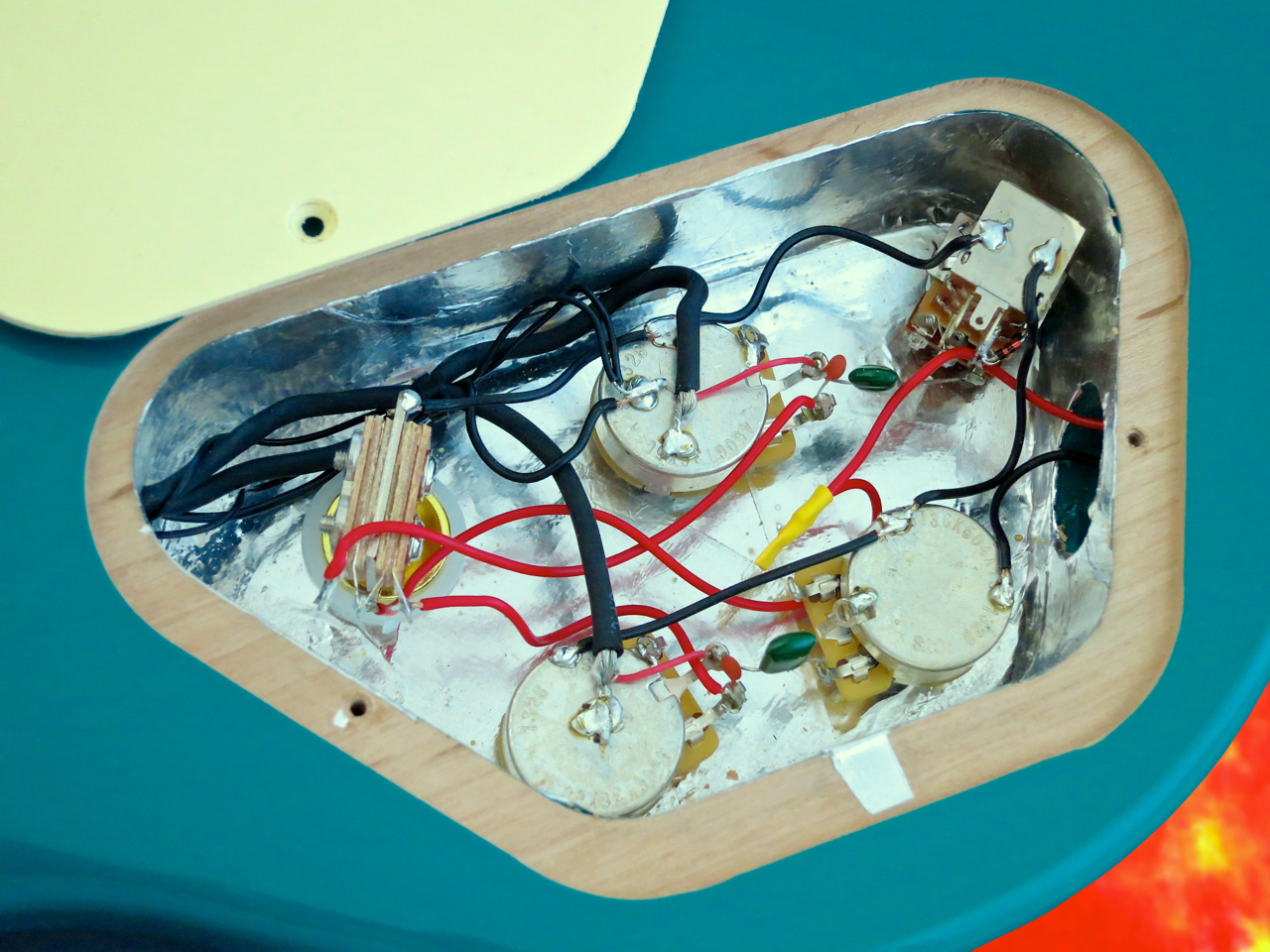
Myös sisäisesti Hallan työnjälki edustaa ehtaa custom shop -laatua, jollaista on lähes mahdotonta löytää ison tuotannon soittimista.
Asiantuntijat ovat varmasti jo huomanneet, että volume-potikoihin on myös lisätty treble-bleed kondensaattoreita.
****
Tätä Halla Custom SG:tä on tilattu hot-rod Rock-kitaraksi, jossa on Gibson-kaltainen ulkonäkö, mutta Superstrat-tyylinen soundi.
Voin vain todeta, että tuli täysosuma. Tämä on suorastaan fantastinen ja erittäin inspiroiva soitin!
Jotkut Gibson SG:t voivat tuntua hieman hauraalta, ja monilla yksilöillä on sisäänrakennettuja vireongelmia soitintyypin erittäin pitkän kaulan takia. Halla Custom SG on täysin vapaa tällaisista ongelmista – soittotuntuma on (sanojen parhaassa mielessä) erittäin tukeva ja tanakka. Tämä kitara rokkaa!
Omistajan valitsema paksu kaulaprofiili, kaulan grafiittivahvennukset, Hallan Gibsonia paksumpi leppärunko, sekä Ville Mattilan osaaminen soitinrakentajana nostavat Halla Custom SG:n selvästi valtavirran yläpuolelle.
Testikitara oli säädetty omistajan toivomuksien mukaisesti Es-vireeseen ja se tuli hyvin matalalla kielten korkeudella. Soittotuntuma oli erittäin nopea ja vaivaton, ja kevyellä plektrakädellä kitara soi rämisemättä koko otelaudalla.
Myös soittimen Gotoh-floikka toimi kiitettävästi.
Halla Customin valmistamien Venla-mikrofonien soundi sopii täydellisesti rankempaan Rock- ja Metal-meininkiin. Mikrofonien lähtötaso on suhteellisen korkea, mutta – ihme kyllä – niiden soundi on silti vintage-maisesti avoin ja helisevä:
Halla-kitaran sisäinen passiivinen säröpiiri on erittäin kätevä lisäys, etenkin kun käytössä on yksikanavainen kitaravahvistin:
Tätä kitaraa on kuitenkin luotu rokkaamaan rankasti, ja niin se tekeekin selkeällä atakilla ja rouhealla äänellään:
****
Halla Customin SG on loistava esimerkki soitinrakentamisen erittäin korkeasta tasosta täällä Suomessa.
Tällaisella käsintehdyllä laadulla on luonnollisesti hintansakin, mutta vastineeksi saa tässä aidon custom-soittimen, joka on tehty kokonaan omien toivomusten mukaan.
****
Halla Custom Instruments SG-Style
Halla Custom -kitaroiden hinnat lähtevät noin 1.200 eurosta ylöspäin, riippuen kitaratyypistä, sekä soittimen varustelusta ja viimeistelystä. Testatun kitaran hinta olisi noin 3.000 €.



























 Kitarablogi.com – Finland's premier Guitar and Bass blog