Review: Blackstar ID:Core 20 + 40

****

Blackstar IDCore 20 + 60 – opener

Earlier this year, Blackstar Amplification have released their new ID:Core series, which comprises three stereophonic practice amps (at the moment of writing).

Blackstar’s ID:Core combos are powered by the same modelling technology used in the company’s full-blown ID-series. The ID:Core amps simply take this technology to a smaller format.

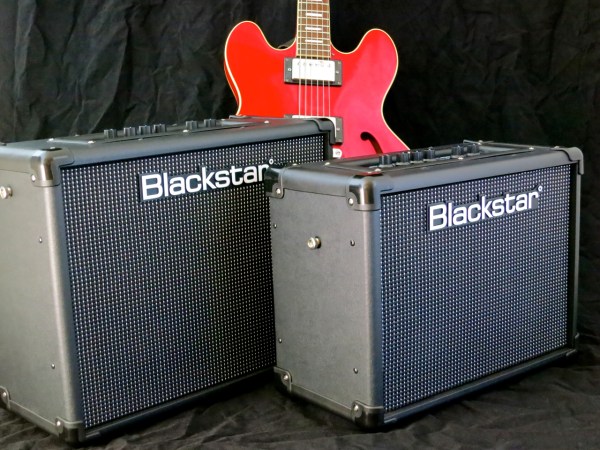
Kitarablogi had the pleasure of testing the new series’ middle model – the ID:Core 20 (2 x 10 W) – as well as the largest member of the ID:Core family – the ID:Core 40 (2 x 20 W).

****
Blackstar ID_Core 20 – beauty 1

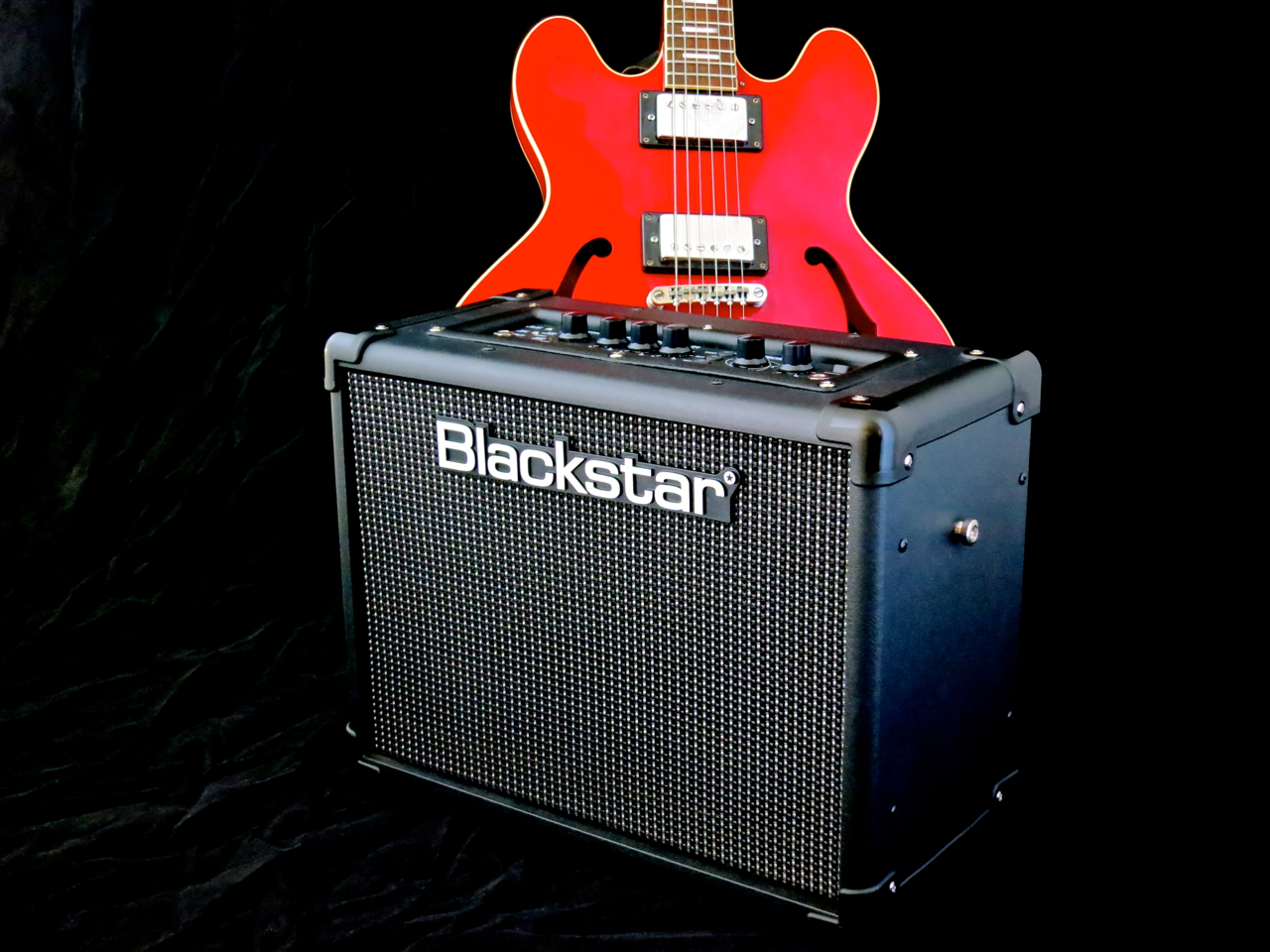
The Blackstar ID:Core 20  (current price in Finland: 149 €) comes equipped with a pair of five-inch speakers.
Blackstar ID_Core 40 – beauty 1

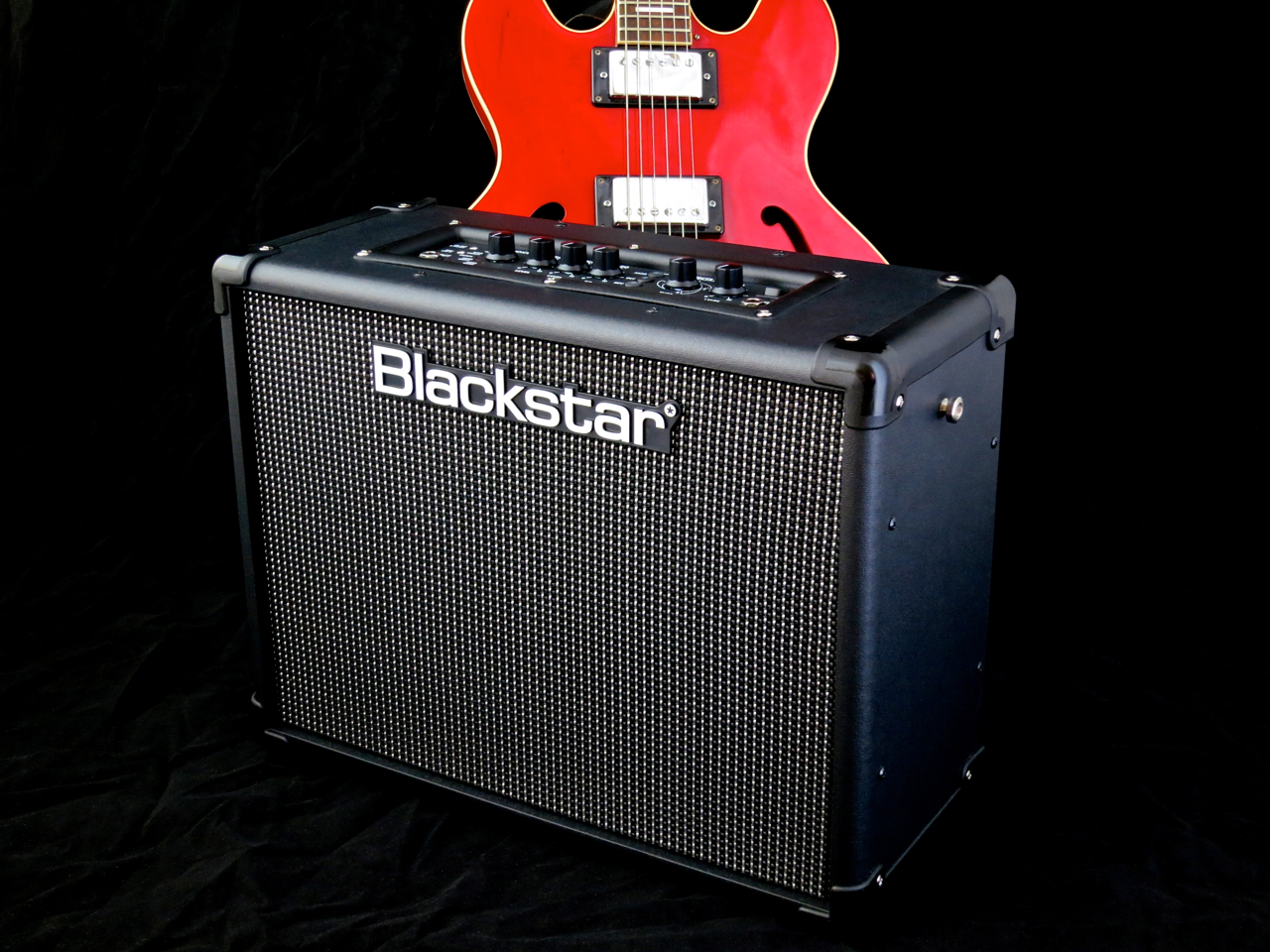
The larger Blackstar ID:Core 40 combo (current price in Finland: 195 €) uses two 6.5-inch speakers to get its message across.

Except for the differences in power amp-, cabinet- and speaker-sizes, the rest of the specifications are identical in these two guitar combos. To make this review more readable I will concentrate on the Blackstar ID:Core 40, and mention any possible differences found in the ID:Core 20.

idcore40-gallery-front-big

The new Blackstar combo has a very handy size, and it is easy to carry. In addition to the carrying strap, you will find the power supply unit and a quick start guide in the shipping box. You can download the full owner’s manual as a PDF-file from Blackstar’s website or HERE.

Even though the ID:Core series, naturally, isn’t really built to withstand the rigours of touring, these combo’s are rather sturdy little numbers. These may be mere practice amps, but toys they are most definitely not!
idcore40-gallery-top-big

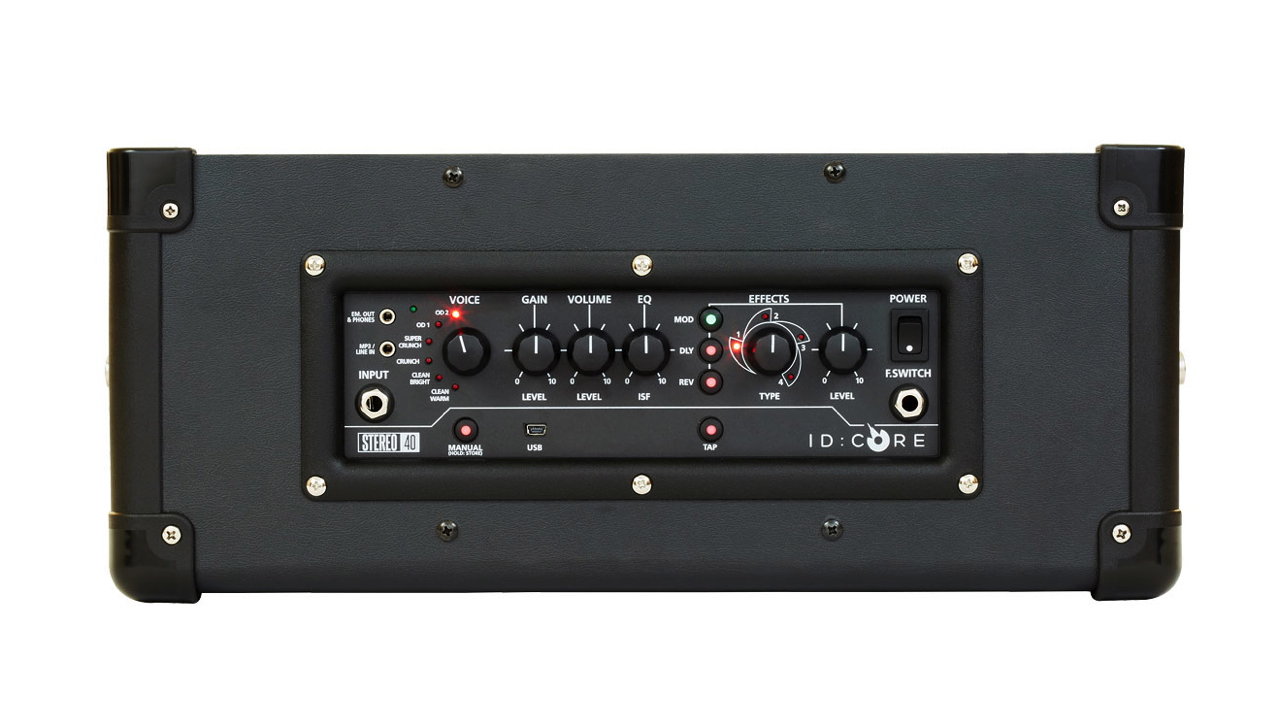
The electronics have been installed into the ID:Core’s top.

All the controls, push-buttons and inputs/outputs are identical throughout the whole series, with the exception of the smallest combo (the ID:Core 10) not offering the option of connecting a FS-11 footswitch unit (not included).
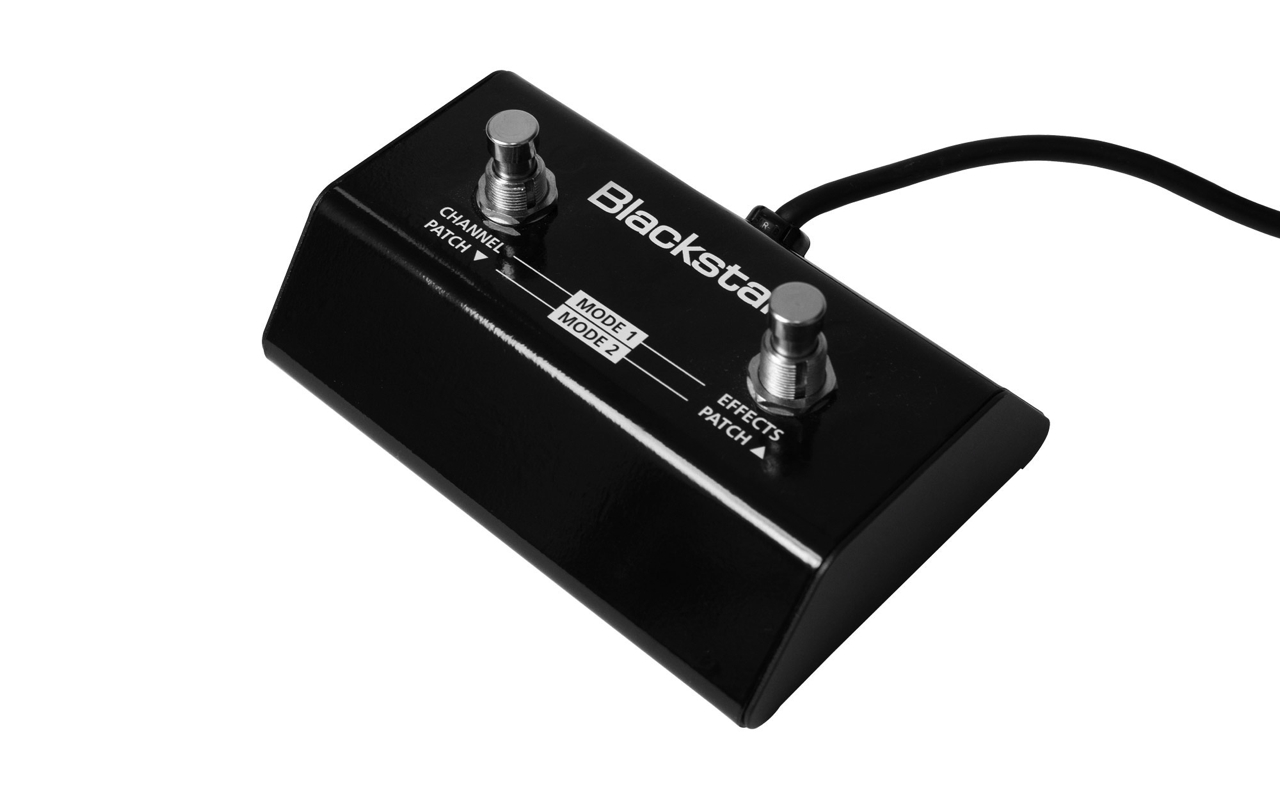
fs11-gallery-big

The ID:Core 40’s factory default uses the FS-11’s left switch for switching between two Voice-channels, with the right switch functioning as an effect mute for the selected channel.

The free Blackstar Insider -software (PC and Mac) also lets you select a different footswitch mode that offers you all Voice-channels, and which uses the two switches to step through all the channels, either up (right switch) or down (left switch).

****

Blackstar ID_Core 40 – control panel

The ID:Core 40 is very easy to use:

The Voice-selector lets you choose one of the combo’s six Voice-channels (= digital amp models). In Preset-mode calling up a channel automatically recalls all the stored preset settings, like gain, ISF or effects. In Manual-mode switching to a different Voice only changes the selected amp type, with the other settings staying the way you have manually set them.

Naturally, all presets can be adjusted by the user, and the changes can then be stored in the ID:Core combo’s memory, wiping the factory preset in the process.

The new Blackstar-combos also come equipped with a digital tuner, which springs to life when you hold down the Manual- and Tap-buttons simultaneously for a couple of seconds. In Tuner-mode the combo’s red Voice-LEDs represent the six guitar strings, while the LEDs in the Effect-buttons tell you whether the pitch is flat (REV), sharp (MOD) or right on the money (DLY).
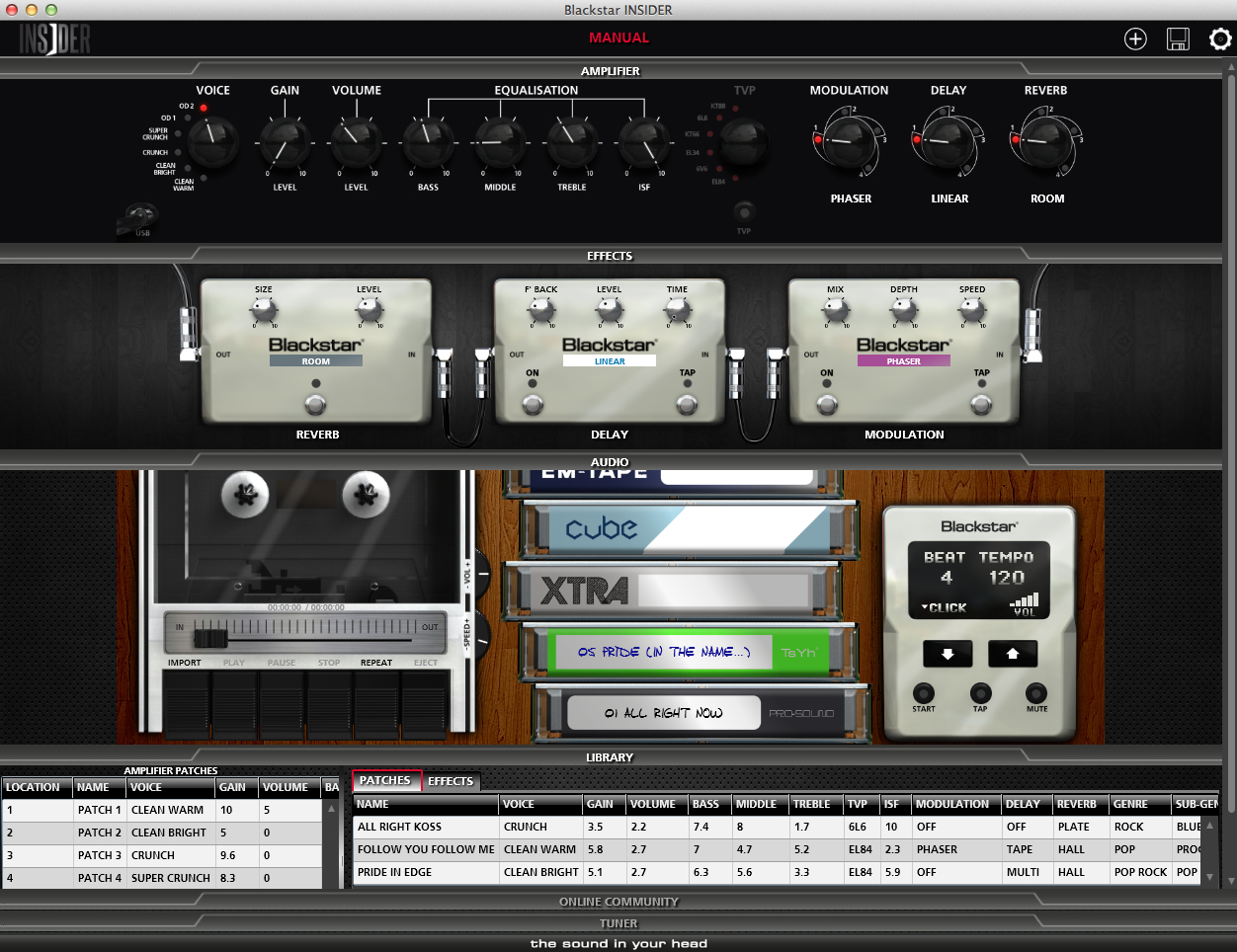
Blackstar Insider software

By downloading Blackstar’s Insider-software you get access to additional features of the ID:Core combo via its mini-USB-port (Hey, Blackstar: Why isn’t a USB-cable included with the amp?):

The most crucial of the additional functions, in terms of the combo’s tone, is the access to its internal three-band EQ. The combo only offers you a physical knob for the ISF-setting, which lets you change the amp’s character from bright-ish ”American” (ISF = 0) to chunkier ”British” (ISF = 10). The Insider-programme also lets you fine-tune each preset’s Bass, Middle and Treble EQ-settings.

Insider also allows you to create you own ID:Core-presets, save as many as you like, and send them to your combo for use. But note that each preset is always tied to the Voice-channel used as its basic ingredient. This means that an ID:Core combo will always offer six different Voice-channels – you cannot load six different Warm Clean patches, or six OD1 Metal sounds, into the combo’s six Voice-channels.

If you want, you can set up an Insider-account, which enables you to share your own patches with other ID:Core users around the globe.

The Blackstar Insider software also includes some tools for practicing. There’s a simple rhythm box, as well as a music player (looking like an old cassette recorder), which even allows you to change a music file’s tempo and/or loop a certain part.

Insider’s tuning section gives you an on-screen, graphically-enhanced version of the combo’s internal tuner.

Thanks to its USB-connectivity you can also use the ID:Core combos as an external sound-card for direct recording to your audio sequencer. You can even configure the combo for re-amping (using the Insider-software), but I wasn’t quite satisfied with the way the ID:Core performed as a sound-card (at least with the tested firmware version). I’d like to see an even shorter audio latency, as well as a hotter audio signal, before I would seriously consider using the ID:Core for direct recording.

****

idcore40-gallery-angle-big

Blackstar’s advertisements are placing quite a lot of emphasis on the ID:Core series’ Superwide Stereo function. With Superwide Stereo turned on (factory default, you can also switch it off via Insider) especially the delays and reverbs sound impressively lush. You feel enveloped in a cloud of sound, with some of it seeming to even come from behind you.

Actually, the ID:Core’s effects aren’t really stereophonic at all – you shouldn’t expect ping-pong delays, or anything of that sort. In reality, these Blackstar combos have a signal path that is completely monophonic, up to the point the signal reaches the power amp section (and headphone amp). It is only at this point that a stereo signal is created from the mono by splitting the mono signal in two, and by changing the phase of one of the signals. The result is a lush, broad, and fairly natural ”stereo” sound.

This method of creating ”fake stereo” has long been used in analogue modulation effects. There’s nothing ”wrong” or ”deceitful” in doing things this way, and Blackstar’s Superwide Stereo sure sounds impressive, but I’m not sure I’d want to trumpet this amp series’ ”stereo-ness” so loudly.

But now to the most important aspect of an amp – it’s tone:

I could sum it all up by saying that the amps sound great! Regardless of the fact that we’re talking about very pocket-friendly practice amps here, the sounds and dynamic response Blackstar’s excellent ID-modelling technology dishes out will leave you with a big grin on your face. Six well-chosen Voices and 12 quality effect types shouldn’t leave anybody wanting.

The ID:Core 40, naturally, sounds noticeably ”bigger”, compared to the ID:Core 20, with its smaller speakers and cabinet. Nonetheless, you get the feeling that both combos make the most of their respective wattage. Miked up both combos sound virtually the same.

The following sound clips have been recorded with the Blackstar ID:Core 40, using the factory presets as a basis, which I then fine-tuned to my liking. I played these clips on my Kasuga (a Japanese ES-335 copy from the Seventies), recording the sound with two dynamic Shure microphones.

Clean Warm:

Clean Bright:

Crunch:

Super Crunch:

OD1:

OD2:

****
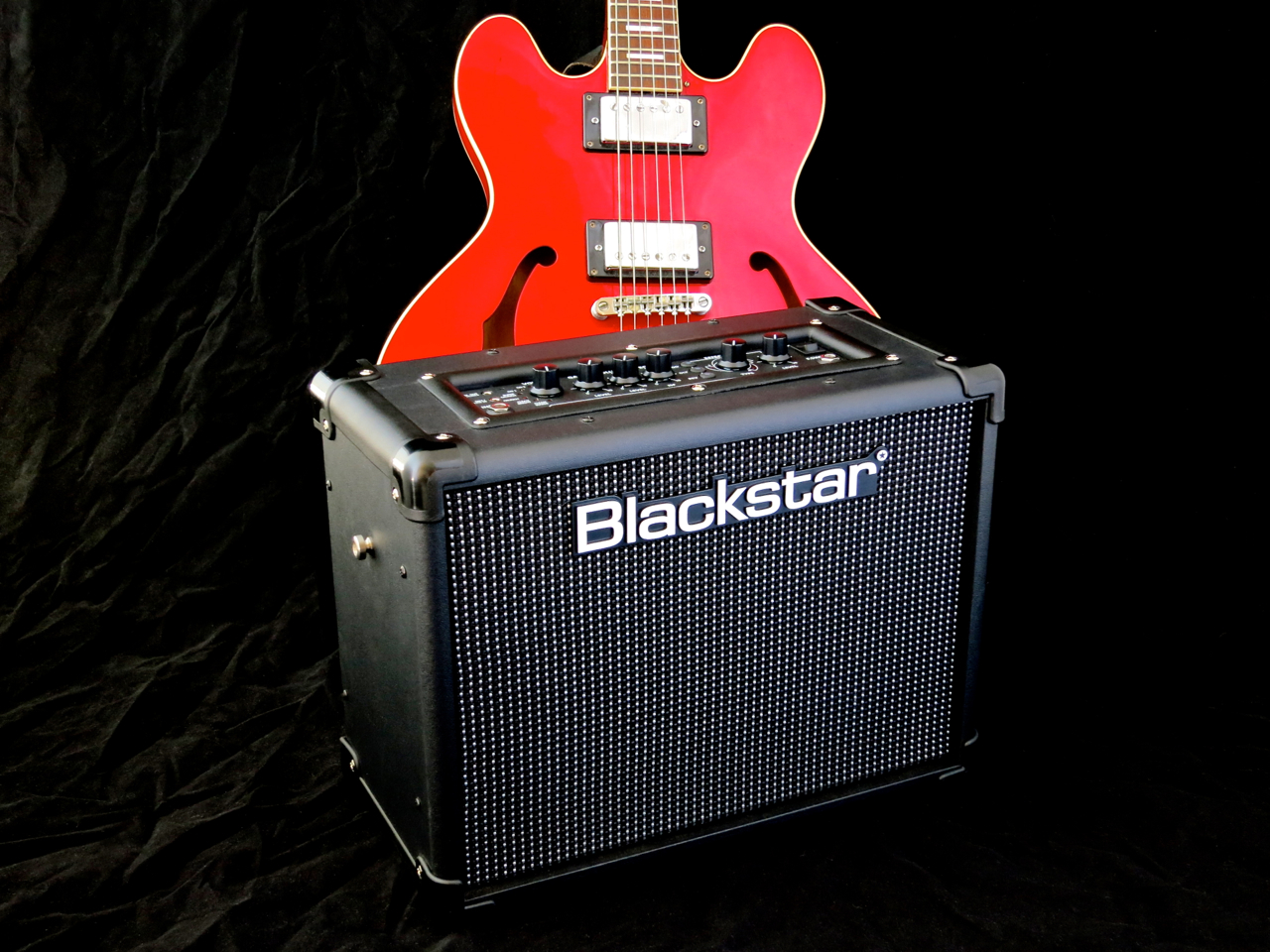
Blackstar ID_Core 20 – beauty 2

Blackstar have successfully managed to transfer the great sounds of their ”grown-up” ID Series amps to the ID:Core practice combos. Together with Blackstar’s Insider-software, the ID:Core 20 and ID:Core 40 combos are fully-spec’ed and inspiring tools for practice, home recording, teaching and warm-up. You get genuine Blackstar tone in a handy package!
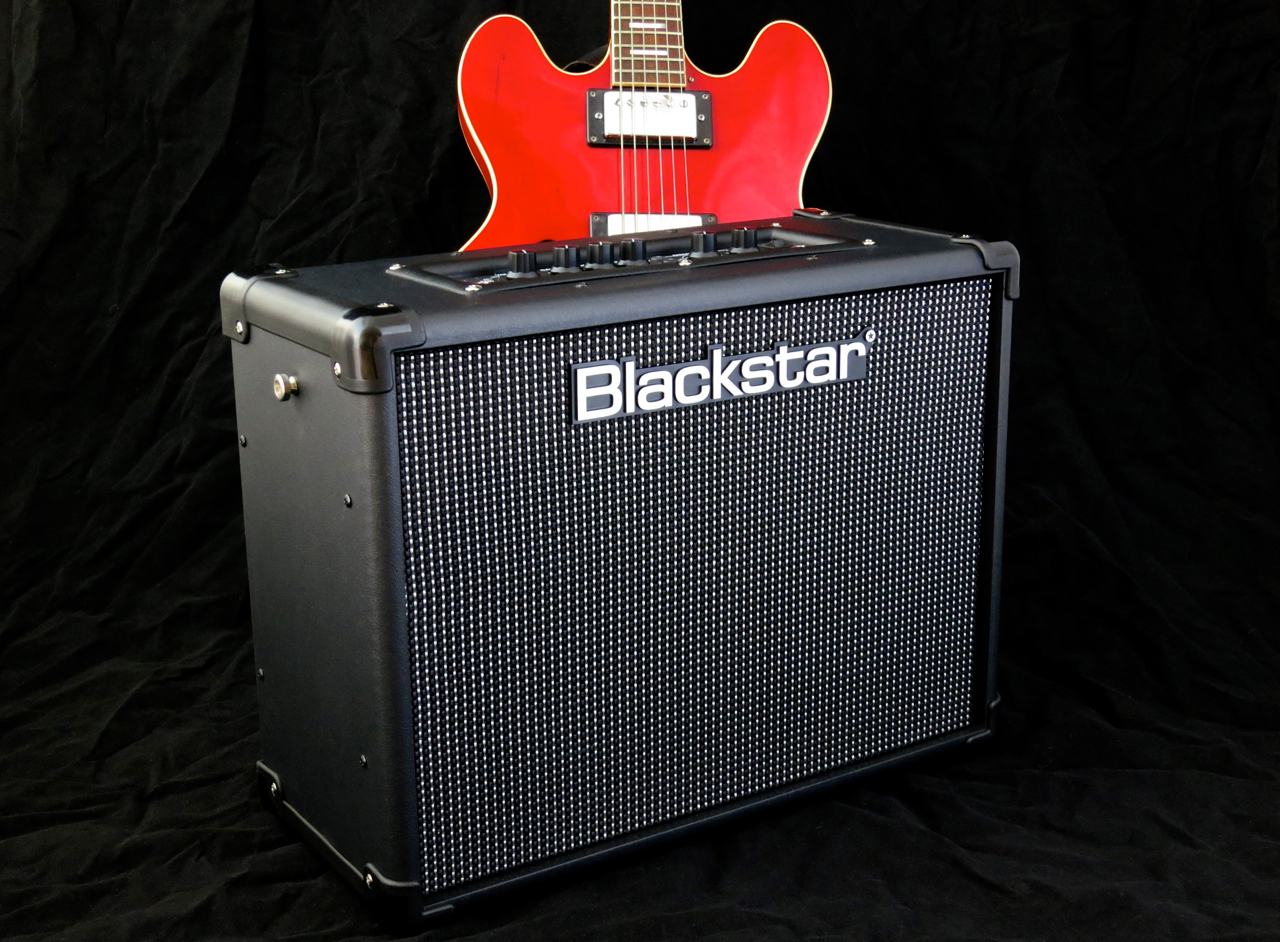
Blackstar ID_Core 40 – beauty 2

****

Blackstar ID:Core -kombot

ID:Core 20 – 149 €

ID:Core 40 – 195 €

Finnish distributor: Musamaailma

****

Pros:

+ workmanship

+ versatile sound

+ up to three simultaneous effects

+ built-in USB sound-card

+ Blackstar Insider -compatible

Cons:

– latency in USB-recording

Review: Roland Cube-10GX

****

cube-10gx_angle_black_gal

The new Roland Cube-10GX approaches the company’s popular Cube-concept from a slightly different angle.

****

cube-10gx_front_gal

The 10-watt Roland Cube-10GX (Finnish price approx. 125 €) slots into the model range right between the 3-watt Micro Cube GX and the 20-watt Cube-20GX combo.

Despite its very affordable price, the 10GX is built as sturdily as the larger Cube models, featuring chunky corner protectors, and the metal grille typical of this series.

An eight-inch speaker has been installed into the closed-back, front-ported cabinet.

cube-10gx_back_gal

The backpanel sports connections for DC In (the PSU comes included), Aux In, as well as a combined line level output/headphones jack.

cube-10gx_top_gal

The Cube-10GX combo’s architecture differs somewhat from the rest of the GX-models:

The 10GX doesn’t feature a built-in tuner or an i-Cube-Link, like the rest of the GX-models, but offers a much more open way of offering its COSM-generated amp models.

cube-kit-image_1800

The Cube-10GX lets you choose from a number of different amp models via the new Roland Cube Kit app (Android and iOS). At the moment of writing the app offers eight guitar amp models, plus one bass amp and one amp for acoustic guitar.

Despite the fact that the control panel reads ”Clean”, ”Crunch” and ”Lead”, you can load any of the COSM amp models on offer into any of the amp’s three channels. If you’re a Jazzer, for example, you might prefer to use only clean amps, like Acoustic, JC Clean and Black Panel.

****

cube-10gx_angle_gal

Let me deal with the ”bad news” first: Sadly, the Cube-10GX offers only a single effect section, in contrast to all the other Cube GX -combos. The 10GX gives you the choice between either a chorus or a delay or a hall reverb or a (very wet) spring reverb. And there are no effect combinations on offer.

The new combo’s main focus lies in the easy-to-swap amp models, and improvements in the sound of both the amp and the COSM-models. For a 10-watter the Cube-10GX is surprisingly loud. Thanks to its much larger speaker the new combo sounds much fuller and more grown up than the Micro Cube.

The updated COSM-models sound noticeably more transparent and fresher, without any additional background hiss or noise. The 10GX’ well-designed three-band EQ section lets you tailor the sound to your requirements.

Loading a new amp model into one of the Cube-10GX’ channels via the Cube Kit app is fast and easy, and doesn’t require any special cables. You only need a fitting mini-jack adapter to hook up the guitar lead to your smartphone (or tablet). All the necessary data is then transmitted from the Android- or iOS-device to the amp via the guitar cable. The whole process takes only a few taps and a couple of seconds.

The factory default has the Jazz Chorus amp model loaded into channel 1. I’m playing my Fender Telecaster with a little chorus added from the combo:

Here’s another Jazz Chorus clip, but this time seasoned with some Surf-type spring reverb:

The Classic Stack model is the factory setting for channel 2. It is Roland’s version of a Marshall-stack. I’ve added some delay for this clip:

I loaded the Brit Combo (AC30) model into channel 2, using the Cube Kit app. I’m playing my Telecaster with some reverb from the combo:

”Orng Stack” stands for Orange-stack. This is what it sounds like, played with my Gibson Melody Maker SG:

The factory default for channel 3 is the R-fier Stack model. First a clip using the Telecaster, and then an example Played with the Melody Maker SG:

The Cube Kit’s Acoustic model provides an easy solution for amplifying your acoustic guitar. I’ve used a Tanglewood dreadnought equipped with a magnetic soundhole pickup by Seymour Duncan:

The Cube-10GX even sounds surprisingly good as a tiny bass combo (all audio clips have been recorded with a Shure SM57):

****

Roland’s Cube-10GX (and the cool Cube Kit app) makes it possible to turn this little combo into the amp you really need. A Blues player will probably load his (or her) Cube-10GX with the Black Panel-, Brit Combo-, and Tweed-models, while a Metal guitarist will prefer the chunkier COSM-models on offer (like the Classic-, Metal- and R-fier-stacks).

The Cube-10GX sounds great and is a real little shouter. Despite offering fewer built-in effects than the rest of the GX-range, the Roland Cube-10GX still offers a lot of fun at a very competitive price.

cube-header

****

Roland Cube-10GX

Price range in Finland approx. 125 €

Maahantuoja: Roland Scandinavia

****

Pros:

+ fair price

+ powerful

+ wide range of available amp models (via the Cube Kit app)

+ three-band EQ

+ sturdy build

+ sound

Cons:

– only one effect section

spring reverb offers only little scope for adjustment

Review: DigiTech HardWire Supernatural

****

Digitech Hardwire Supernatural – angled w LED

Digitech’s new Hardwire Supernatural reverb pedal lays seven genuine Lexicon-reverb algorithms at your feet.

****

Digitech Hardwire Supernatural – top view

The Hardwire Supernatural (Finnish street price approx. 140 €) is Digitech’s newest digital reverb in pedal form.

The pedal sports three controls:

Mix is used for setting the mix of the dry and wet signals in the output. Liveliness lets you adjust the reverb’s treble content and brilliancy. The length of the delay is controlled using the Decay-knob.

The Supernatural can be used monophonically (mono signal in –> mono signal out), as well as in stereo (mono or stereo signal in –> stereo signal out). The pedal automatically detects which jacks are used at any given time and puts itself into the correct mode of operation accordingly.

Digitech Hardwire Supernatural – Stomplock

In addition to the manual, the box also includes a glow-in-the-dark sticker to put on the switch, Hardwire’s Stomplock rubber cover (which protects the controls from accidental parameter changes), as well as a velcro base for pedalboard installation.

Even though the new Hardwire pedal will work for an hour or two running on a 9 V block, you should really use a PSU with a power-hungry digital effect, such as this. A power supply isn’t included with the Supernatural, but the pedal is conforming to the (de facto) Boss-standard.

****

Digitech Hardwire Supernatural – right w LED

The Hardwire Supernatural offers you seven different reverb types, with a strong emphasis on processed reverbs. There are two ”pure” reverb types, with the rest offering combinations of reverb and modulation effects.

Plate reverb is one of the unmodulated, classic algorithms:

All the other sound clips have been recorded with the three controls set to 12 o’clock, but here’s a taste of the Plate type with Mix set to 3 o’clock and Decay turned up all the way:

Plate Mod adds a chorus effect on top of a plate reverb:

Shimmer combines an open-sounding Hall reverb with an octaver:

Supernova is a very intense-sounding reverb with a deep flanger and a pitch shifter modulating:

Shine is a chorus-endowed version of the Shimmer reverb:

Pherb modulates a Hall-style reverb with some hefty phasing:

Last, but not least, there’s a tasty version of an unadulterated spring reverb, called Spring:

****

Digitech Hardwire Supernatural – left

In my view, Digitech’s Hardwire Supernatural is a superb reverb pedal, which gives you the two most important traditional reverb types for guitar – namely Plate and Spring – along with some excitingly strange modulated reverb effects.

The Supernatural is a great pedal for it’s spring and plate reverbs alone, but you will get most out of this stompbox, if you’re into experimental and/or colourful guitar sounds.

****

Digitech Hardwire Supernatural

Finnish street price approx. 140 €

Finnish distributor: EM Nordic

A big thank you to DLX Music Helsinki for the loan of the review sample!

****

Pros:

+ seven genuine Lexicon-reverbs

+ Stomplock control cover

+ sound

Testipenkissä: DigiTech HardWire Supernatural

****

Digitech Hardwire Supernatural – angled w LED

Digitechin uusi Hardwire Supernatural -kaikupedaali tuo seitsemän aitoa Lexicon-kaikutyyppiä kitaristien ulottuville.

****

Digitech Hardwire Supernatural – top view

Hardwire Supernatural (katuhinta noin 140 €) on Digitechin uusi, pedaalimuotoinen digikaiku.

Pedaali tarjoaa kolme säädintä: Mix-säätimellä määrätään kuivan signaalin ja kaiun keskenäinen suhde, Liveliness-nupilla säädetään kaiun kirkkautta ja eloisuutta kohdalleen, ja Decayllä valitaan kaiun pituus.

Supernatural toimii sekä monona (monosignaali sisään –> monosignaali ulos) että stereona (mono- tai stereosignaali sisään –> stereosignaali ulos). Efektipedaali tunnistaa automaattisesti mitkä tulot ja lähdöt on kytketty ja asettaa itsensä sitten oikeaan toimitilaan.

Digitech Hardwire Supernatural – Stomplock

Paketista löytyy englanninkielisen käyttöoppaan lisäksi vielä pimeässä hohtavan tarran jalkakytkintä varten, Hardwiren Stomplock-kumikuvun – joka suojaa pedaalin säätimiä tahatonta muuttamista vastaan – sekä tarranauhalta tehdyn vaihtopohjan, jolla Supernaturalia voi asentaa pedaalilautaan.

Uusi Hardwire-pedaali toki toimii jonkun aikaa yhdeksän voltin paristolla, mutta koska kyseessä on kuitenkin virtaa ahmiva digitaalinen efekti, valmistaja suosittelee virtalähteen käyttöä (Boss-standardin mukainen; ei kuulu hintaan) Supernatural-efektin kanssa.

****

Digitech Hardwire Supernatural – right w LED

Hardwire Supernatural tarjoaa seitsemän eri kaikuefektiä. Painopiste on sanassa efekti, sillä uutuuspedaalin tarjonnassa on mukana ainoastaan kaksi ”puhtasta” kaikuja. Muut kaikutyypit yhdistävät kaikuun vielä erilaisia modulaatio-efektejä.

Plate-kaiku on toinen Supernaturalin kahdesta perinteisestä kaikutyypistä:

Muut audiopätkät on soitettu kaikki säätimet keskiasennolla, mutta seuraavalla Plate-pätkällä Mix-säädin on kello kolmessa ja Decay avattu täysille:

Plate Modissa kaikuun on lisätty chorusefekti:

Shimmer yhdistää avoimen Hall-kaiun ja oktaaverin:

Supernova on soundiltaan hyvin laaja ja syvä kaiku, johon on lisätty sekä flangeri että pitch shifter -efekti:

Shine tarjoaa Shimmer-kaiun paksulla choruksella höystettynä:

Pherb yhdistää hallikaiun voimakkaan phaserin kanssa:

Viimeisenä on Hardwire Supernaturalin näkemys perinteisestä jousikaiusta:

****

Digitech Hardwire Supernatural – left

Digitechin Hardwire Supernatural on mielestäni erittäin laadukas ja maukas kaikupedaali. Kitaristi saa pedaalista kahden tärkeimmän peruskaiun (Spring ja Plate) lisäksi myös viisi muhkeansoundista kaikutyyppiä lisämausteilla.

Jo pelkästään Supernaturalin herkullisten Plate- ja Spring-kaikujen takia uuden pedaalin hankinta kannattaa mielestäni, mutta eniten hyötyä uudesta Hardwiresta saa irti kokeiluhalukas, erilaisia soundimaailmoja piirtävä kitaristi.

****

Digitech Hardwire Supernatural

katuhinta noin 140 €

Maahantuoja: EM Nordic

Kiitos DLX Musiikille testipedaalin lainasta!

****

Plussat:

+ seitsemän aitoa Lexicon-kaikua

+ Stomplock-suojakupu

+ soundi

Testipenkissä: Blackstar ID:Core 20 + 40

****

Blackstar IDCore 20 + 60 – opener

Yksi Blackstar Amplificationin tämänvuotisista uutuuksista on firman ID:Core-sarja, johon kuuluu kolme stereofonista harjoitusvahvistinta.

Blackstarin ID:Core-komboissa pyörii firman ID-vahvistimista tuttu digitaalinen mallinnusteknologia, nyt vain kompaktissa koossa, sekä stereopäätteellä höystettynä.

Kitarablogi sai tällä kertaa sarjan keskimmäisen mallin – ID:Core 20 (2 x 10 W) – sekä malliston isoimman kombovahvistimen – ID:Core 40 (2 x 20 W) – arvioittavaksi.

****

Blackstar ID_Core 20 – beauty 1

Blackstar ID:Core 20 -kombon (149 €) koteloon on asennettu kaksi viisituumaista kaiutinta.

Blackstar ID_Core 40 – beauty 1

Hieman isommassa Blackstar ID:Core 40:ssa (195 €) taas löytyy kaksi 6,5-tuumaista ämyriä.

Muilta ominaisuuksilta parivaljakko on identtinen. Keskityn tässä jutussa selkeyden nimessä enemmän ID:Core 40:een, mutta tulen mainitsemaan mahdollisia eroja ID:Core 20:een jos ja kun niitä löytyy.

idcore40-gallery-front-big

Uusi Blackstar-kombo on kätevän kokoinen ja kevyt kantaa. Paketissa löytyy kantohihnan ohella myös vahvistimen verkkolaite, sekä lyhyt pikaohje käyttöönottoon. Täydellisen käyttöohjeen kaikille ID:Core-mallille voi ladata PDF-muotoisena joko Blackstarin nettisivuilta tai TÄÄLTÄ.

Vaikka ID:Core-sarja ei luonnollisesti ole luotu kestämään suuren Rock-kiertueen kolhuja, tuntuvat molemmat kombot melko kestävältä. Näistäkin Blackstareista lelumaisuus on hyvin kaukana!

idcore40-gallery-top-big

ID:Core-vahvistimien säädinpaneeli on upotettu kombojen kanteen.

Säädin- ja liitinvalikoima on kaikissa kolmessa mallissa sama, paitsi että pienimmässä mallissa (ID:Core 10) ei ole liitintä FS-11-jalkakytkimelle (ei kuulu hintaan).

fs11-gallery-big

ID:Core 40:n tehdasasetuksilla FS-11 toimii niin, että vasemmalla kytkimellä vaihdetaan kahden vahvistinkanavan välillä edestakaisin, kun taas oikealla laitetaan valitun kanavan efektit joko päälle tai pois.

Ilmaisella Blackstar Insider -softalla (PC ja Mac) pystyy myös valitsemaan vaihtoehtoisen jalkakytkinmoodin, jossa kaikki kombon kanavat ketjutetaan ja vaihdetaan kytkimillä eteen- tai taaksepäin läpi.

****

Blackstar ID_Core 40 – control panel

ID:Core 40 -komboa on erittäin helppo käyttää:

Voice-kytkimellä valitaan yhden vahvistimen kuudesta vahvistinmallista/kanavasta. Preset-moodissa kanavan valinta on samalla tallennettujen presettien valinta, joka palauttaa kaikki muut vahvistin- ja efektiasetukset kombon muistista. Manual-moodissa taas Voice-kytkimen pyöriminen aiheuttaa pelkästään vahvistintyypin vaihtamista, kaikki muut asetukset – niin kuin esimerkiksi Gain, ISF tai efektivalinnat – pysyvät muuttumattomina.

Jokaista presettia pystyy luonnollisesti editoimaan, ja muutokset voi tallentaa ID:Coren muistiin valitun presetin tilalle.

Uudet Blackstar-kombot tarjoavat myös sisäisen viritysmittarin kitaralle, jonka saa päälle painamalla samanaikaisesti Manual- ja Tap-napit. Viritintilassa ID:Coren punaiset Voice-ledit ilmaisevat juuri viritettävän kielen (E, A, D, jne.), kun taas Effect-nappien ledistä näkee onko kieli viritetty liian matalaksi (REV), liian korkeaksi (MOD) tai oikeaan vireeseen (DLY).

Blackstar Insider software

Lataamalla itselleen Blackstarin Insider-softan käyttäjä pääsee käsiksi muutamaan lisätoimintoon kombon usb-portin kautta (usb-johto on hankittava erikseen):

Soundin kannalta tärkein näistä on varmaan kombon sisäinen, kolmikaistainen EQ-osasto, johon ei pysty vaikuttamaan suoraan vahvistimen säätimien kautta. ID:Core-komboissa itse on fyysisenä säätimenä tarjolla ainoastaan se kokonaisvaltaisesti vaikuttava ISF-säädin, jolla vahvistimen karakteeria voi muuttaa purevammasta jenkkityylistä (ISF = 0) selvästi muhkeampaan brittimeininkiin (ISF = 10). Insider-ohjelman kautta voi säätää myös kombon sisäiseen softaan upotetut basso-, middle- ja diskanttisäätimet.

Insider-softalla pystyy myös luomaan ja tallentamaan niin monta omaa patchia kuin haluaa, ja lähettää niitä usb:n kautta ID:Core-komboon presettiksi. Täytyy vain huomata, että myös Insiderista lähetettyjä patcheja voi kombossa tallentaa ainoastaan siihen Voice-kanavaan, joka on toiminut oman patchin perustana. Tämä tarkoittaa, että myös Insider-softallakaan ei ole mahdollista ladata ID:Core-vahvistimeen kuutta eri Warm Clean -patchiä tai vaikkapa täyslaidallisen OD1-metallisoundeja.

Kun perustaa ensin oman Insider-tilin, pystyy laitamaan omia patcheja esille muille ID:Core-käyttäjille ladattavaksi ja imuroimaan itselleen toisten tekemiä presettejä.

Blackstar Insiderissä on myös harjoitusosio, joka tarjoaa sekä yksinkertaisen rytmikoneen että mahdollisuuden tuoda musiikkikirjastolta tiedostoja softan omaan playeriin. Hauskasti kassettisoittajan näköisellä soittimella pystyy muuttamaan soitetun biisin tempoa ja/tai loopata halutun pätkän.

Insiderilla pääsee myös käyttämään kombon sisäistä viritysmittaria.

USB-väylän ansiosta ID:Core-vahvistimia voi käyttää myös äänikorttina audiosekvensseriä varten. Vaikka uutuuskomboja pystyy konfiguroimaan Insider-softalla jopa reampingia varten, usb-väylän audiokäyttö ei mielestäni ole (ainakaan testatussa firmware-versiossa) kombojen vahvin osa-alue. Toivoisin vielä jonkin verran lyhyempää latency-viivettä, sekä hieman kuumempaa signaalitasoa audiosignaaliin, jotta homma toimisi täysin vakuuttavasti.

****

idcore40-gallery-angle-big

Blackstar mainostaa näkyvästi ID:Core-sarjan Superwide Stereo -ominaisuutta, ja kyllä, kun Superwide on päällä (tehdasasetusta voi myös muuttaa Insider-softalla) kitarasoundit – ja etenkin kaiut ja viiveet – kuulostavat todella makeilta. Soittaja on ikään kuin soundin ympäröimä, kaiku vaikuttaa tulevan jopa kitaristin takaa.

Kyse ei kuitenkaan ole siitä, että ID:Core-kombojen efektit olisivat stereofonisia, ja esimerkiksi delayt tai modulaatioefektit kulkisivat stereokuvassa vasemman ja oikean kanavan välillä edestakaisin. Totuus on, että näiden Blackstar-vahvistimien signaalitie on monona aina siihen asti, kunnes se saapuu päätevahvistimen (ja kuulokevahvistimen) eteen. Siinä kohdassa vasta luodaan keinotekoista stereovaikutelmaa splittaamalla signaali kahtia ja muuttamalla yhden kanavan vaihetta hieman suhteessa toiseen kanavaan. Siitä syntyy hyvin luonnollisen kuulostava, avoin tilavaikutelma.

Tässä menetelmässä ei ole mitään ”väärää”, ”huonoa” tai ”kiellettyä” – juuri näin toimivat lähes kaikkien analogisten (modulaatio-) efektipedaalien ”stereolähdöt”! Minusta Blackstarin Superwide-toiminto onkin erittäin hyvänkuuloinen lisäys, mutta olisin henkilökohtaisesti Blackstaria varovaisempi mainostamaan sitä ”oikeaksi” stereoksi.

Mutta nyt pääasiaan – siis vahvistinmallinnuksien ja kitaraefektien soundiin:

Voisi sanoa lyhyeksi, että kyllä toimii! Vaikka kyse onkin melko edullisista harjoitusvahvistimista, tarjoavat Blackstarin ID:Core-sarjalaiset täyden kattauksen loistavia, ID-teknologialla mallinnettuja vahvistimia, sekä 12 maukasta efektiä.

ID:Core 40 soundaa isomman kotelonsa ja isompien kaiuttimiensa ansiosta luonnollisesti vähän muhkeammalta kuin sen pienempi veli, vaikka ID:Core 20:n soundi onkin yllättävän iso noin pieneksi komboksi. Lähimikitettyinä tai linjasoiton kautta näiden kahden mallien väliset erot kuitenkin häviävät täysin.

Käytin näitä esimerkkipätkiä varten Blackstar ID:Core 40:n presettejä pohjaksi, joita editoin kevyesti oman makuni mukaan. Soitin japanilaisella puoliakustisella kitaralla 1970-luvulta (ES-335:n kopio), ja kombo on mikitetty kahdella dynaamisella mikrofonilla.

Clean Warm:

Clean Bright:

Crunch:

Super Crunch:

OD1:

OD2:

****

Blackstar ID_Core 20 – beauty 2

Blackstar on onnistunut oikein kiitettävästi pakkaamaan ”isojen” ID-vahvistimien loistavat soundit ID:Core-sarjan harjoitusvahvistimiin. Yhdessä oivan Insider-softan kanssa, sekä ID:Core 20 että ID:Core 40 tarjoavat tuhdin ja inspiroivan paketin ensimmäiseksi kitaravahvistimeksi, työkaluksi opetuskäyttöön tai vaikkapa kotistudion työjuhdaksi. Tässäpä aito Blackstar-soundi kätevässä koossa!

Blackstar ID_Core 40 – beauty 2

****

Blackstar ID:Core -kombot

ID:Core 20 – 149 €

ID:Core 40 – 195 €

Maahantuoja: Musamaailma

****

Plussat:

+ työnjälki

+ säätimien tuntuma

+ monipuoliset soundit 

+ kolme samanaikaista efektiä

+ sisäinen usb-äänikortti

+ Blackstar Insider -softa

Miinukset:
– usb-väylän latency-viive

Pidä blogia WordPress.comissa.

Ylös ↑