Review: LTD Phoenix Arctic Metal, Phoenix-1000 Vintage White & Phoenix-1000 See-Thru Black Cherry

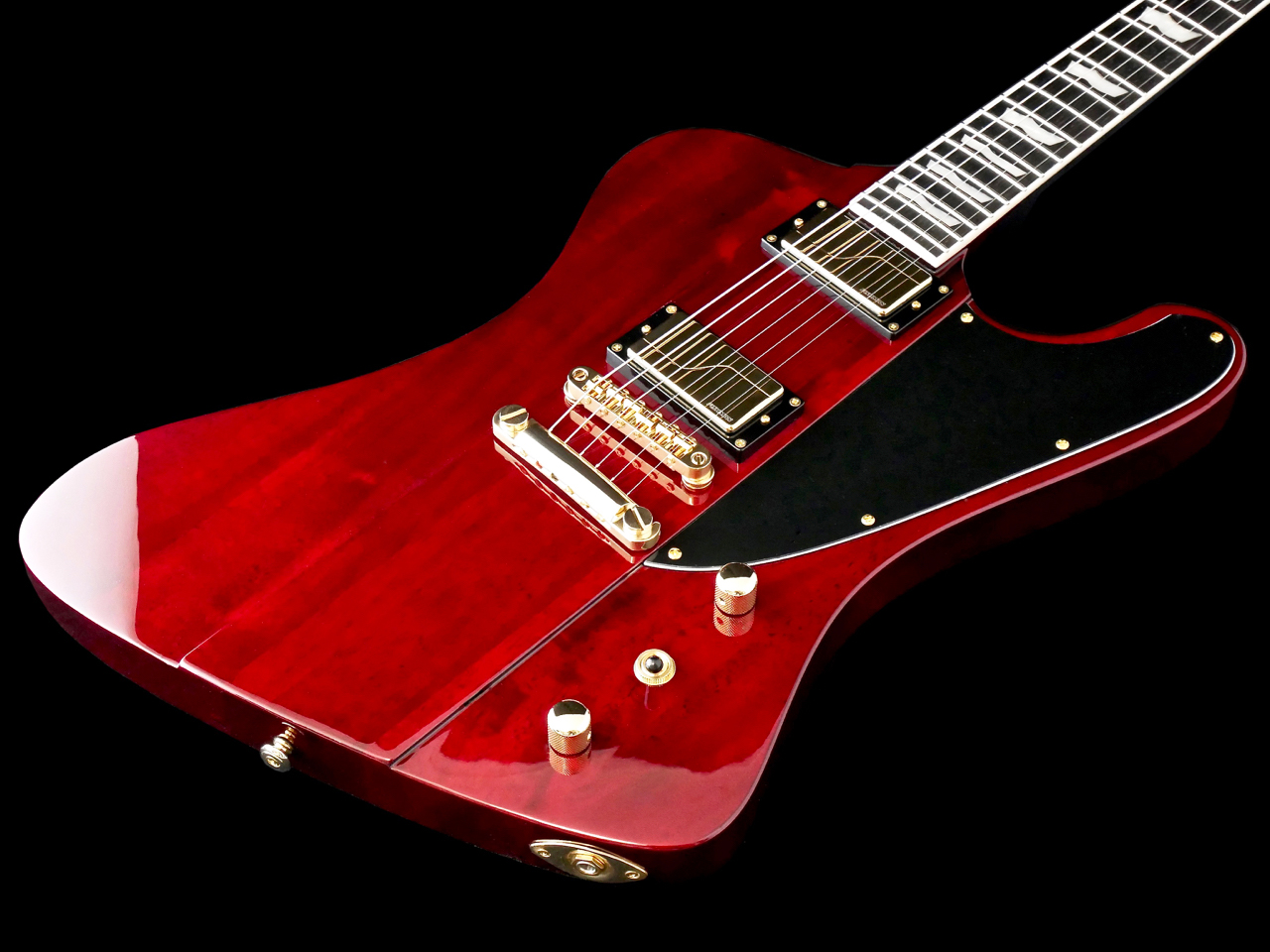
LTD Guitars’ Phoenix Series has been around for over a decade now, but recently the company has given this Firebird-inspired guitar range a cosmetic and electronic overhaul that – at least in my opinion – makes the instruments even more attractive.

Over the past couple of years LTD has also diversified the model range, prompting us at Kitarablogi.com to take a closer look at the current crop of Phoenixes.

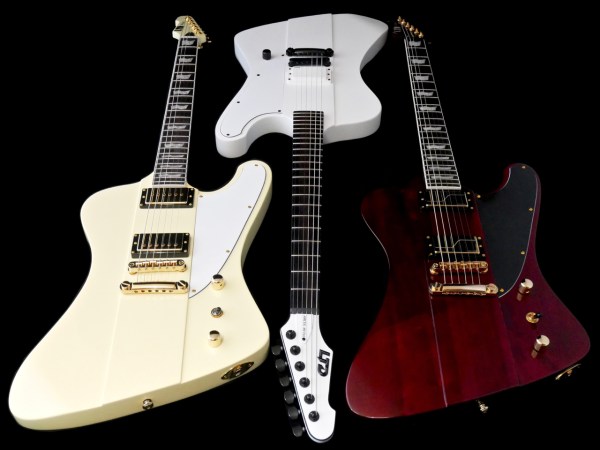
LTD Phoenix-1000 Vintage White

The LTD Phoenix-1000 Vintage White (current price in Finland: 1,082 €) is the most ”traditional” of the trio of models on review in this article, sporting a pair of passive Seymour Duncan pickups.

LTD Phoenix Arctic Metal

LTD’s Phoenix Arctic Metal (current price in Finland: 1,099 €) is part of the company’s stripped-down Arctic Metal range of guitars aimed at Metal guitarists. It comes with a single active EMG pickup.

LTD Phoenix-1000 See-Thru Black Cherry

The LTD Phoenix-1000 See-Thru Black Cherry (current price in Finland: 1,320 €) introduces Fishman’s new active Fluence humbuckers to the Phoenix Series.

All three models share many features between themselves:

The Phoenix Series instruments are neck-through guitars, built around a neck and central body core made of three long strips of mahogany going from the tip of the headstock all the way down to the end of the body. Two slightly thinner wings are then added on either side of the through-neck as the guitar’s body. The body wings have been glued from two to three side-by-side blocks of mahogany for each wing to keep down production costs and to make more economical use of the available timber.
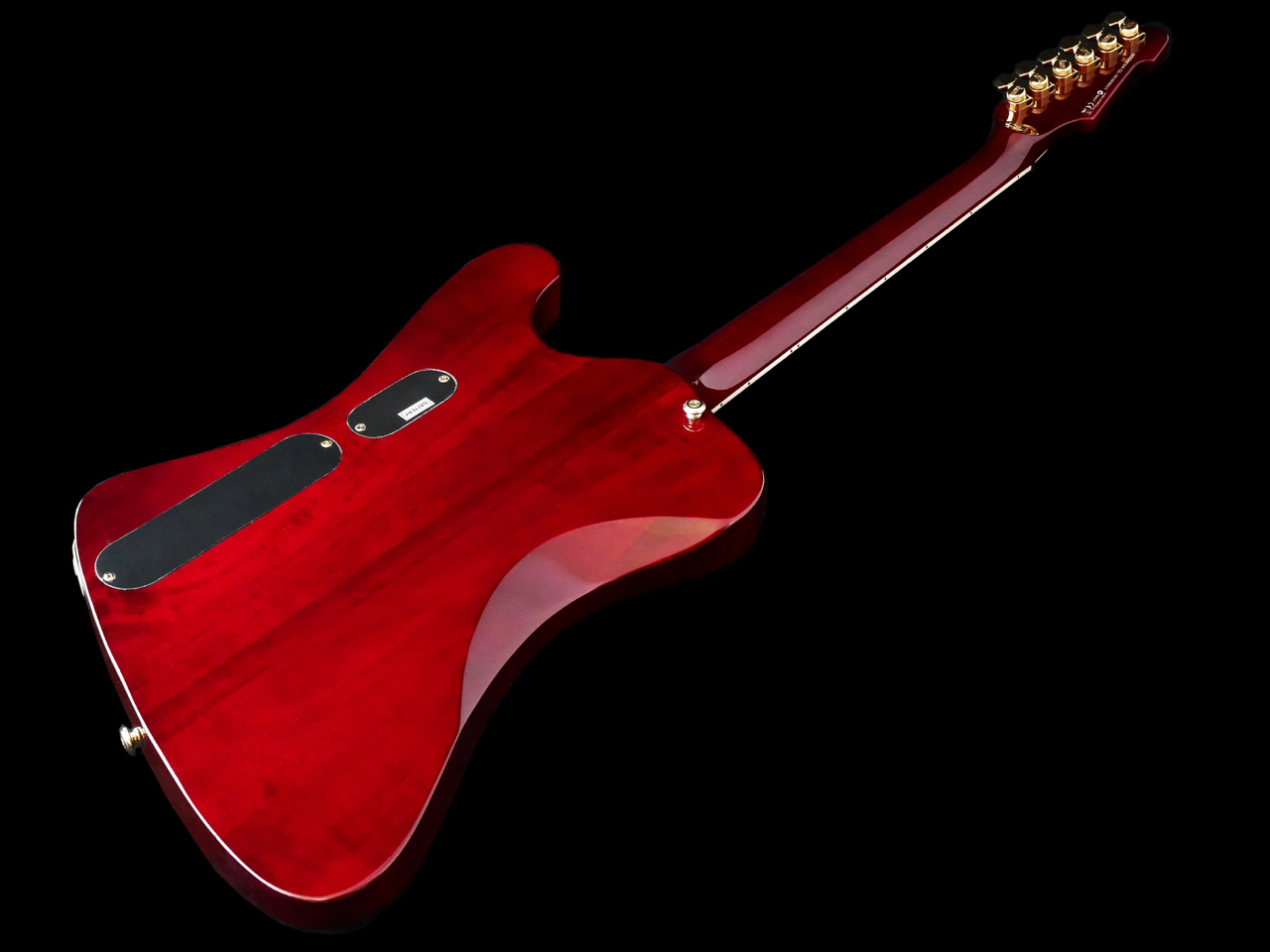
In contrast to a Gibson Firebird an LTD Phoenix has a level back without the stepped neck core, which makes the LTDs much more comfortable to carry and play. The Phoenix models also have a deeper ribcage contour on the back of the body, as well as a nice smooth forearm chamfer on its front.
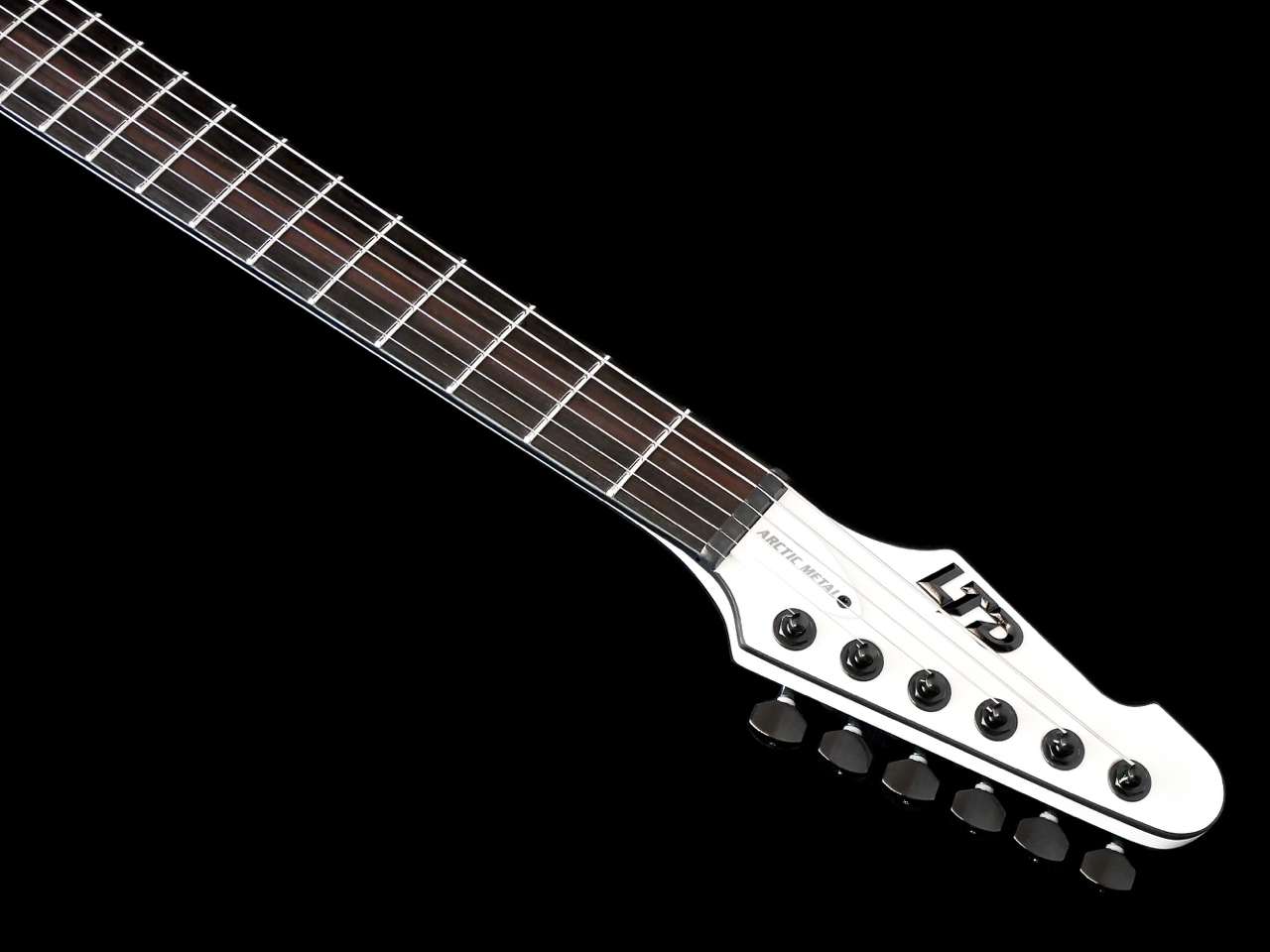
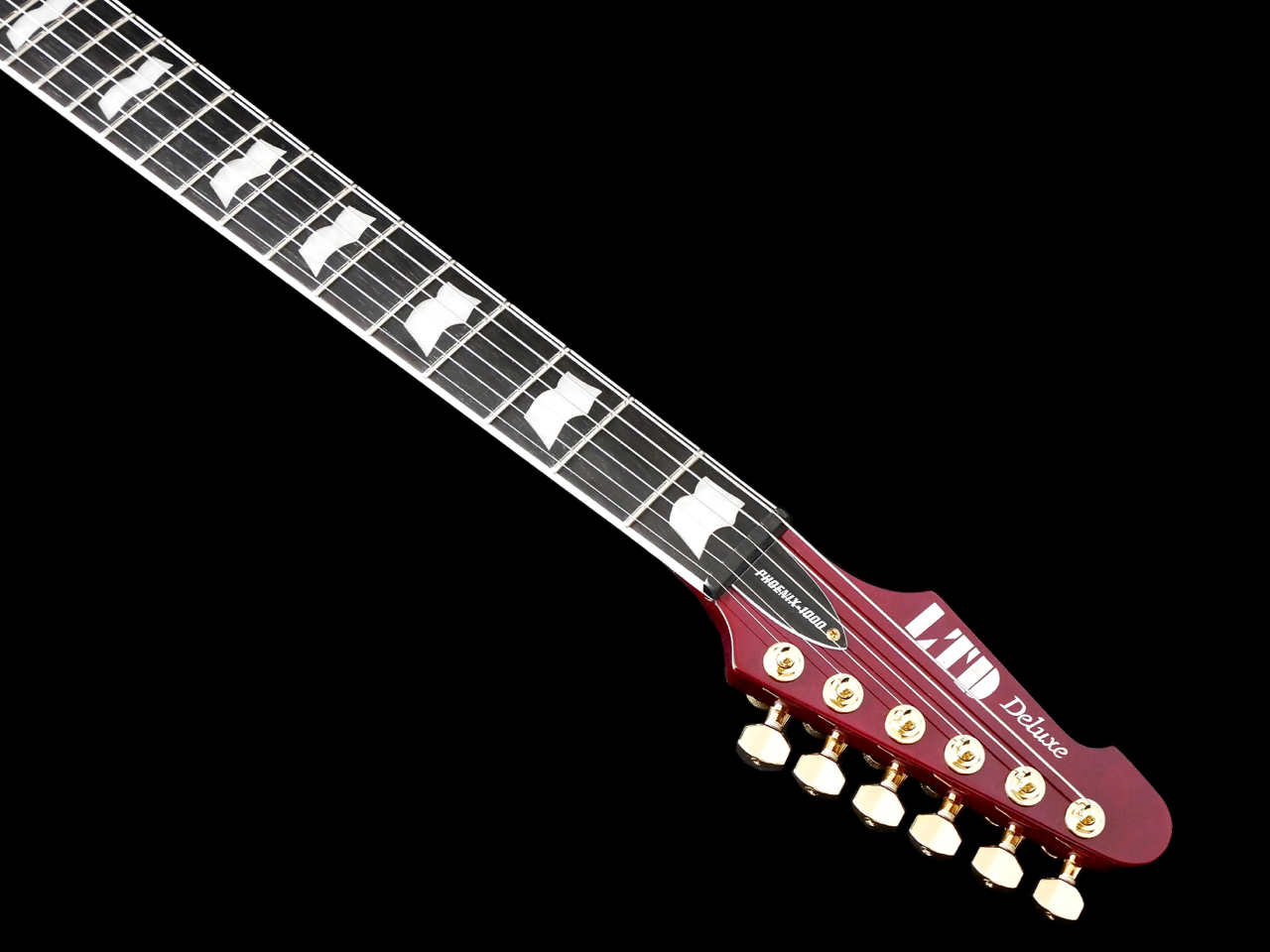
The LTD Phoenixes feature reverse headstocks and friction-reducing nuts.

All models come with Macassar ebony fingerboards – in the Arctic Metal’s case the ’board has been left unadorned, except for its special glow-in-the-dark side dots, while both Phoenix-1000 versions sport ESP/LTD’s stylish flag inlays and binding.

The 22 jumbo-size frets are made from stainless steel, which is still a rather deluxe feature in this price range. The scale length on all Phoenix guitars is 25.5 inches/64.8 cm.

All LTD Phoenix models come with a very smooth set of locking machine heads.

The tune-o-matic bridge and tailpiece combination are locking units made by TonePros.
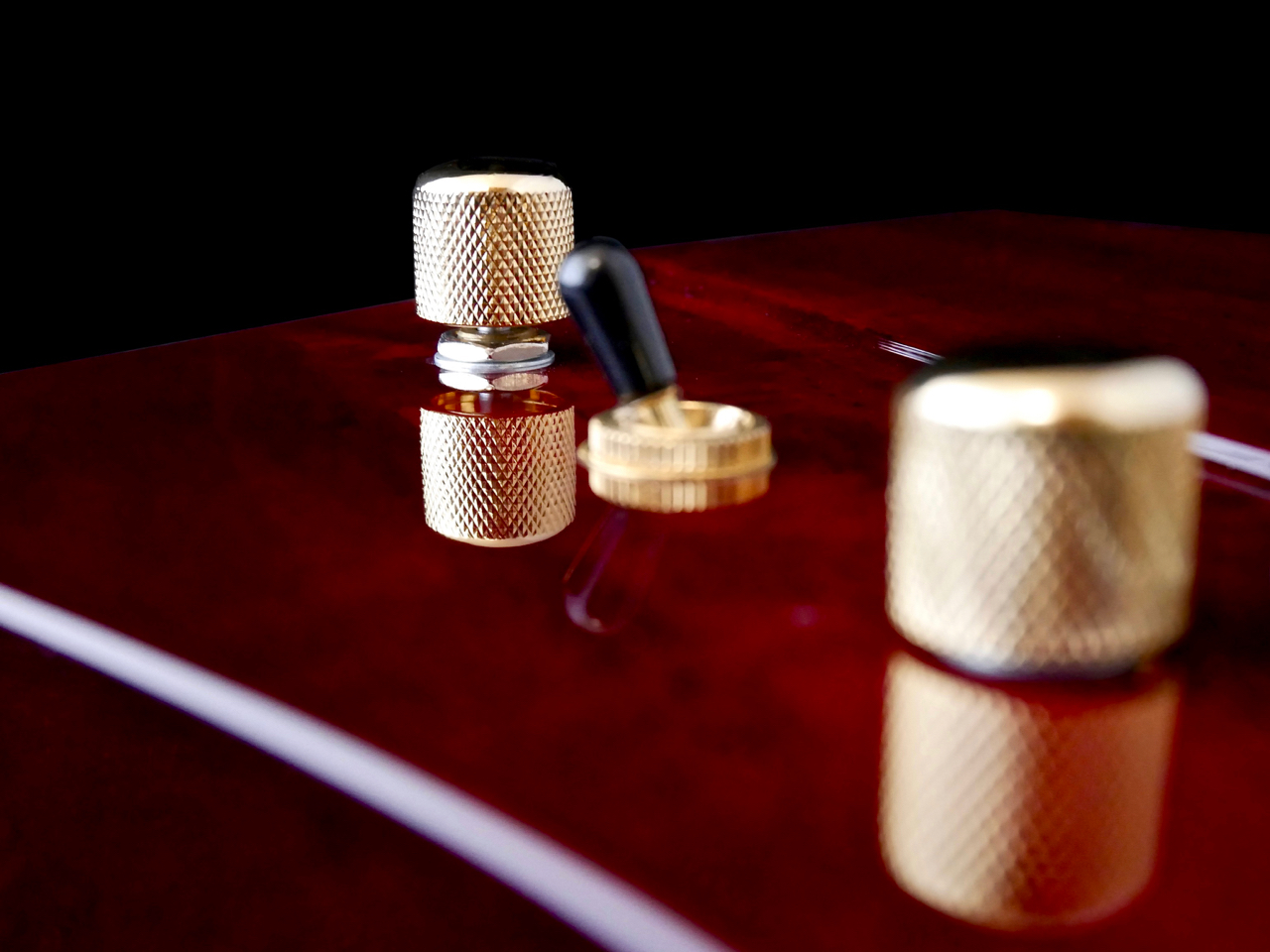
All three Phoenix models come equipped with a push/pull-switch for additional sounds, read about the details in the section below.

****

The Phoenix-1000 Vintage White is the lightest of the tested trio by a small margin.

Thanks to its passive pickups the Vintage White could be described as the Phoenix Series’ most traditional guitar.

The neck pickup is a Seymour Duncan Phat Cat, which is a humbucker-sized P-90 singlecoil. The Duncan Custom in the bridge position is a slightly hotter version of a typical PAF-style humbucker. The tone control’s push/pull-switch lets you choose between the full humbucker for full power and the split humbucker for faux singlecoil tones. This gives you five different tonal variations that cover a surprisingly wide amount of musical ground.

Sequence: neck PU – both with split humbucker – both with full humbucker – split bridge PU – full bridge PU

There are still quite of lot of incorrigible doubters, who never cease to claim that active pickups sound dull and lifeless, without any real character.

C’mon guys, have you ever really tried any of the plethora of inspiring active pickups that have come out over the past two decades?

Even though the Phoenix Arctic Metal is aimed squarely at the players preferring heavier genres of music, I’m sure the active EMG 81TW will go a long way in winning over guitarists from many different styles.

The EMG 81TW is an ingenious new version of the company’s classic Model 81 humbucker that offers two authentic-sounding variants in one pickup. The EMG 81TW is a three-coil design giving you the full humbucker tone, as well as a genuine singlecoil (not a split humbucker) sound when you pull the volume pot’s push/pull-switch up. By using one of the humbucker coils as a phantom coil during singlecoil use, the Model 81TW manages to give you noiseless singlecoil action!

Sequence: single coil – humbucker

The LTD Phoenix-1000 See-Thru Black Cherry is the heaviest guitar in this round-up by a small margin.

The special feature of the Black Cherry model is the pair of active Fishman Fluence humbuckers. Fishman’s Fluence pickups bring together the traditional advantages of active pickups – low impedance, larger dynamics, (often) higher output – with hum-reduction and microphone/pickup modelling technology transferred from the company’s preamps for acoustic instruments.

In the LTD Phoenix-1000’s case this means you get six different basic tonalities:

With the tone control’s switch in the ”up” position you get classic (read: passive) alnico neck humbucker, classic ceramic bridge humbucker, and both classic ’buckers on in the toggle switch’s middle position.

With the push/pull-switch in ”down” you get modern (read: active) counterparts of the sounds mentioned above.

Now you might ask: ”What’s the buzz? We’ve seen active/passive switching before!” And right you are – but this isn’t what’s happening with the Fishman Fluence humbuckers. The Fluence pickups stay active all the time, which means that the ”passive” tones are delivered with the same advantages active pickups offer. And there’s no drop in the nominal output levels between the classic and modern modes, only the basic tonality changes from a chunkier mid-range in classic mode to more bottom end punch and treble bite in modern mode.

Sequence: ”Classic” neck PU – both – bridge PU; ”Modern” neck PU – both – bridge PU

****

In terms of playability and handling there’s virtually nothing to divide this trio of LTD Phoenixes. They all come with a great-feeling neck that’s somewhere between a chunky late-Fifties Gibson neck profile and an early-Sixties Fender neck. The stainless steel frets offer a super-smooth playing surface, and the Phoenixes’ flat 13.8″/350 mm fingerboard radius couldn’t be any more eager to please during string bending.

My personal favourite of these three instruments would be the LTD Phoenix Arctic White, because I simply love the no-nonsense, no-compromise attitude of single pickup guitars. If you need a wider variety of tonal options your choice would depend on whether you are more of an out-and-out Rock and Metal player (LTD Phoenix-1000 See-Thru Black Cherry), or whether clean and only slightly overdriven sounds are also a vital part of your tonal arsenal (LTD Phoenix-1000 Vintage White).

In any case, all three guitars are fantastic players and quality instruments that will never leave you feel wanting. Try one now!

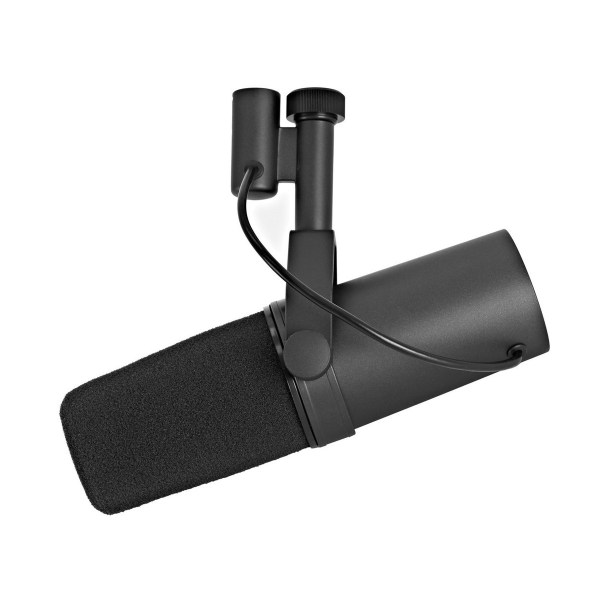
Shure SM7B – You Tube: Electric Demo

Here’s a short electric demo song recorded with a Shure SM7B.

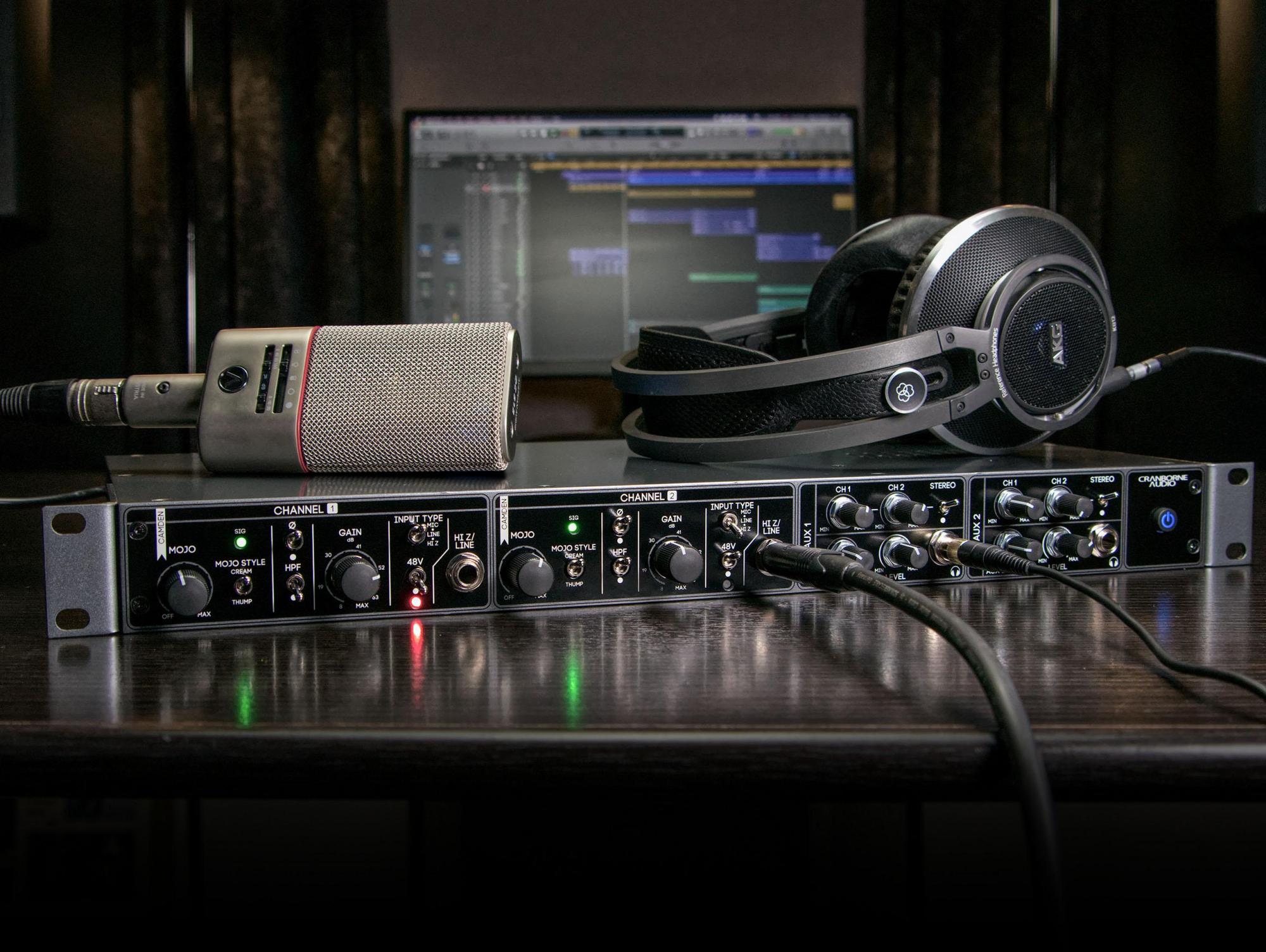
The Shure SM7B was recorded using a Cranborne Audio Camden EC2 preamp.

****

The following tracks were recorded with the Shure SM7B:
• Squier Bronco Bass through a Bluetone Bass 200 tube hybrid combo
• Two Fender Stratocaster rhythm guitar tracks with an EHX Nano Small Stone phaser through a Bluetone Black Prince Reverb all-valve combo
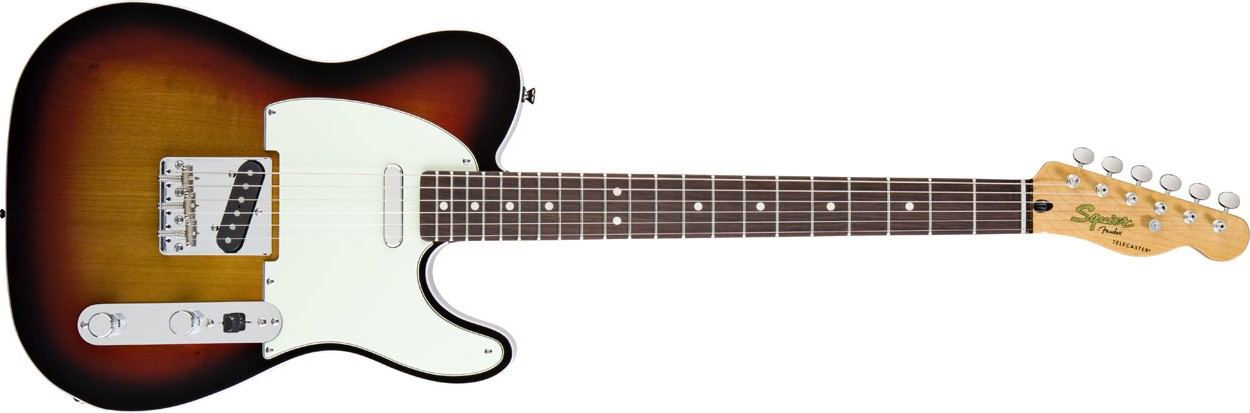
• Fender Telecaster rhythm guitar through a Bluetone Black Prince all-valve combo
• Fender Telecaster lead guitar with a Mad Professor Simble Overdrive through a Bluetone Black Prince all-valve combo
• A shaker
• A Sonor tambourine
• Male voice
****

The Shure SM7B was recorded using a Cranborne Audio Camden EC2 preamp.

Preview: GrassRoots (by ESP) LPS-Mini

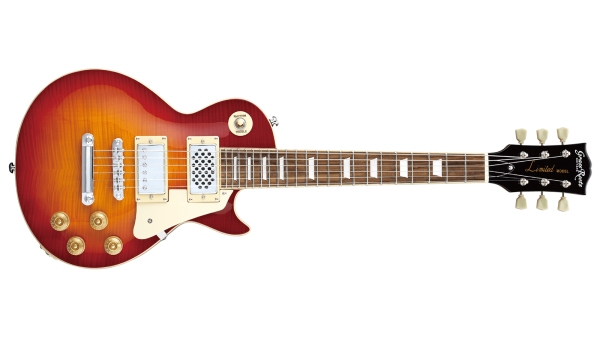
”Honey, I’ve shrunk my guitar!” The GrassRoots LPS-Mini may look cute and cuddly, but it’s a real electric guitar.
It’s built like a full-size LP-type guitar, but has a short scale of only 20.5 inches. The LPS-Mini sports a single (bridge) humbucker, and it also comes with a built-in guitar amp and speaker (inside the ”neck pickup”).
Use a set of 011-gauge strings for a fairly normal feel in standard tuning, or use it with a lighter gauge if you want to tune a few steps up.
****
Here’s a short version of Erroll Garner’s timeless classic ”Misty”.
• All guitar parts were played on the GrassRoots (by ESP) LPS-Mini.
• The guitar was plugged into a Bluetone Black Prince Reverb combo.
• The guitar tracks were recorded with an inexpensive ribbon microphone and a Cranborne Audio Camden EC2 preamp.

GrassRoots (by ESP) SE-50R – the Kitarablogi-video

Here’s a short cover version of U2’s classic track ”Pride (In the Name of Love)”.


• All guitar tracks played on a GrassRoots (by ESP) SE-50R.
• Bass guitar: GrassRoots (by ESP) JB-55R.
• Guitar signal chain: SE-50R – Joyo Analog ChorusBluetone Shadows Jr guitar combo – Shure MV7X – Cranborne Audio Camden EC2 preamp. Reverbs and delays added in the DAW.
• The bass guitar was recorded direct through the Cranborne Audio EC2, spiced with some preamp ”Thump”.

Tulossa Rockway-blogiin: Neljä Jet Guitars -mallia

Jet Guitars

JT-300 – perinteinen, Tele-tyylinen kitara

JS-300 – perinteinen, Strato-tyylinen kitara vintage-vibratallalla

JS-500 – Strato-tyylinen HH deluxe-malli nykyaikaisella vibralla ja lukkovirittimillä

JS-600 – Strato-tyylinen HSS deluxe-malli nykyaikaisella vibralla ja lukkovirittimillä

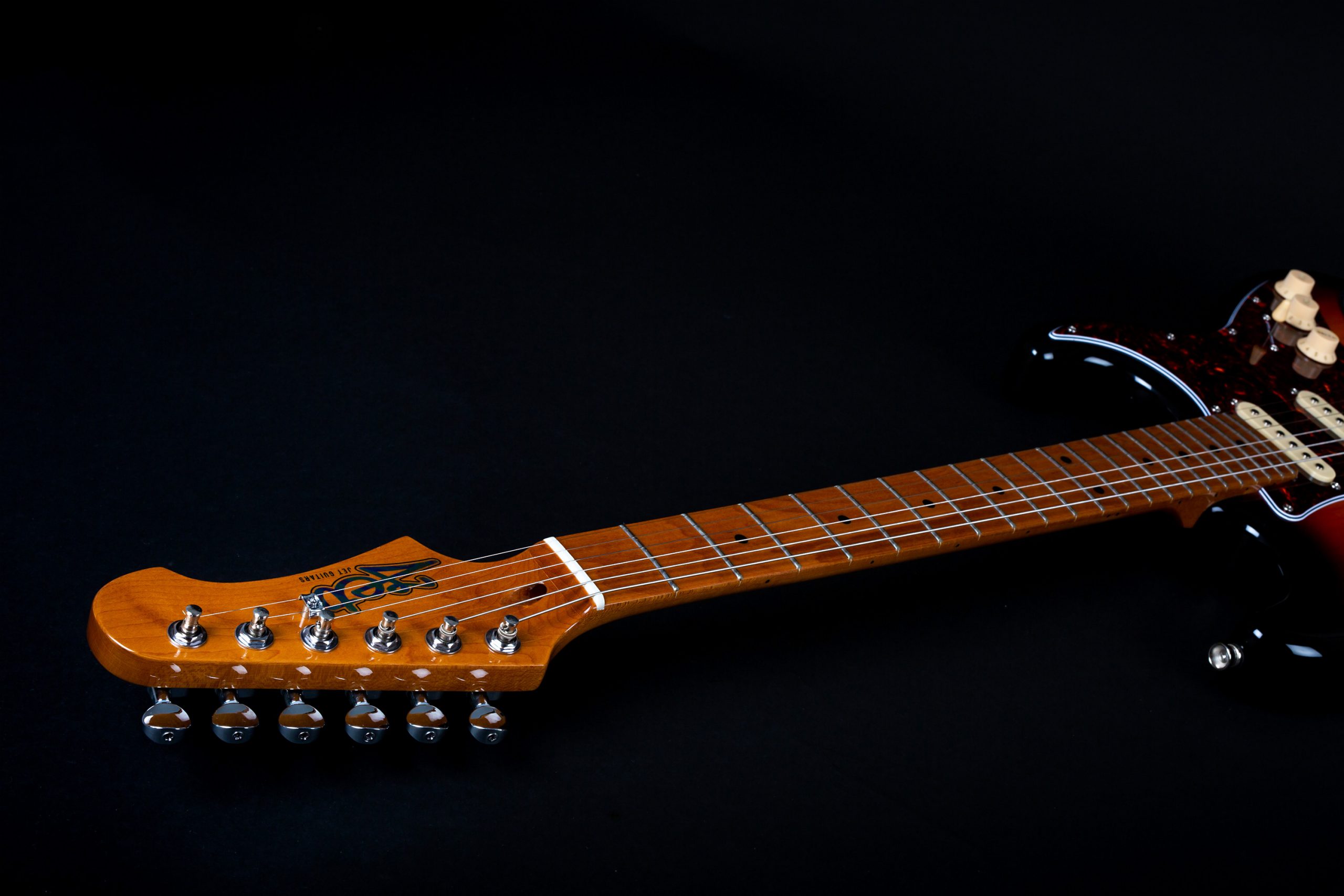
Kaikissa Jet-kitaroissa kaula on paahdettua vaahteraa.

Lisää infoa: Millbrook Musiikki

****

• Komppikitarat: JT-300 (vasen kanava), JS-300 EHX phaserilla (oikea kanava), JS-300 Morley-wahilla (keskellä)

• Soolokitarat (Mad Professor Simble -säröpedaalin läpi): JT-300 (tallamikki), JS-300 (kaulamikki), JS-500 (kaulamikki), JS-600 (tallamikki humbuckerina)

• Vahvistin: Bluetone Black Prince Reverb

• Mikrofoni: Shure SM57

• Mikrofonivahvistin: Cranborne Camden EC2

Testipenkissä: Bluetone Black Prince Reverb – vuoden 2021 päivitetty versio

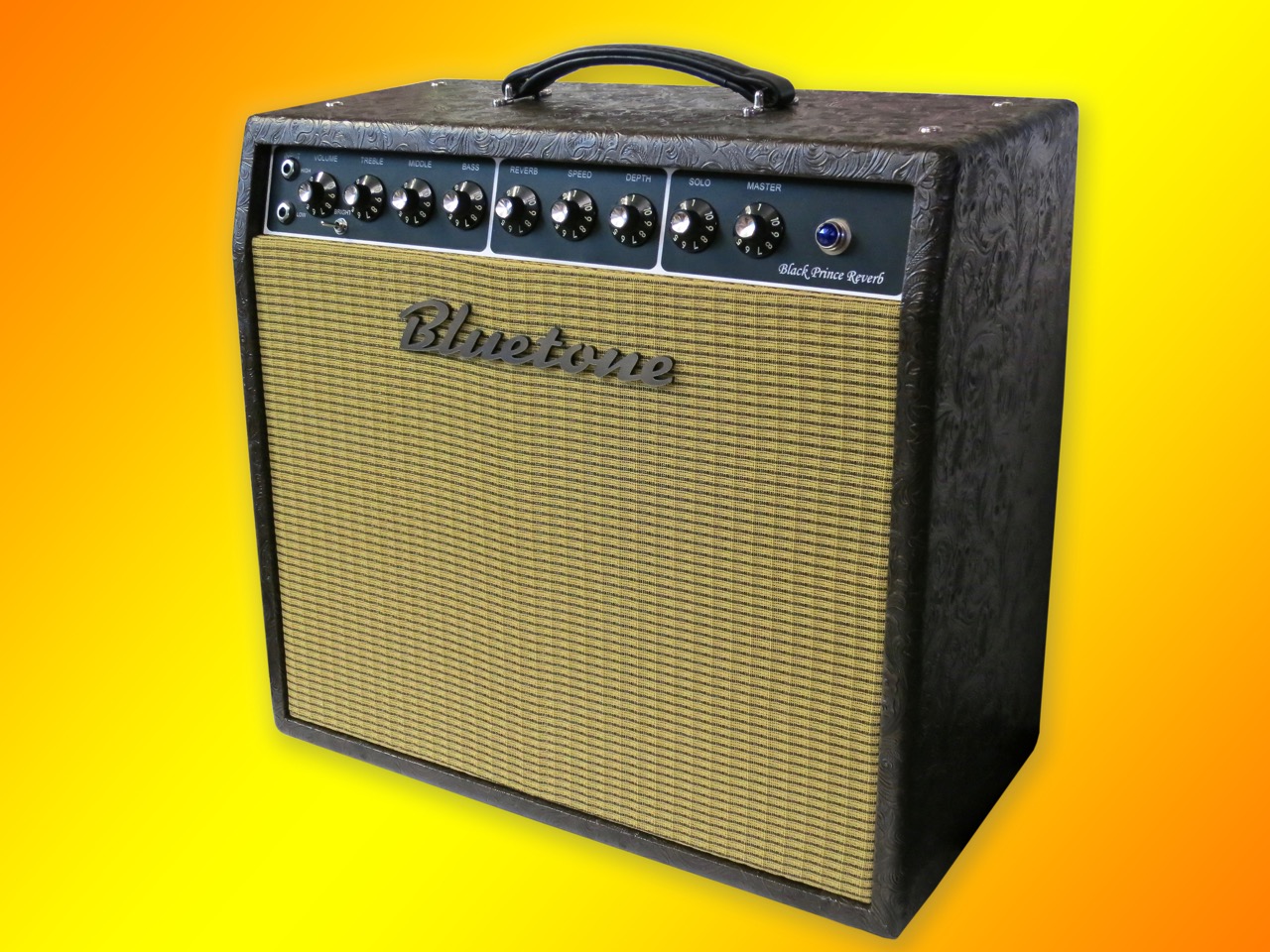
Testasin Bluetone Black Prince Reverb -komboa ensimmäistä kertaa vuonna 2016 ja tykkäsin siitä kovasti. Paljon on kuitenkin tapahtunut tämän jälkeen, ja tänä vuonna Bluetone on yhdistänyt kaikki Black Princen halutuimmat custom optiot ja laittanut ne uuteen ja parannettuun 2021 -versioon, joka korvaa edeltäjänsä.

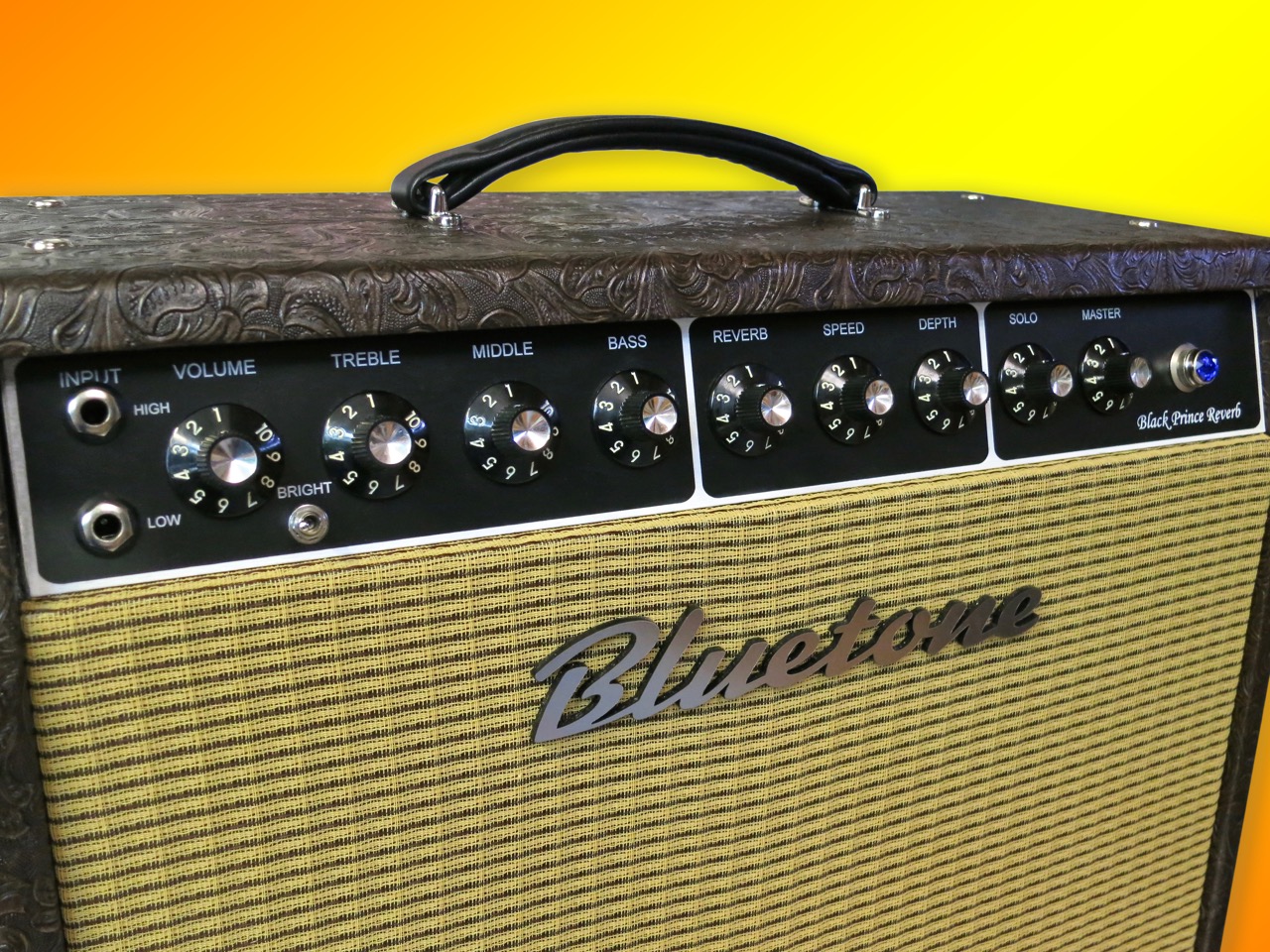
Ensimmäiseksi huomataan varmaan kaikki kosmetiset seikat. Vanhalla versiolla oli hyvin siisti ja asiallinen ulkonäkö. Uuden version myötä Bluetone on viennyt suosikkimallinsa ulkonäköä kuitenkin selkeästi Boutique-vahvistimien piiriin – Fender-tyylisessä kombossa on nyt western-tyylinen keinonahkapäällystys, etupaneeli ja säätimien nupit ovat Blackface-tyylisiä, ja vahvistimen etukangas muistuttaa väriltään vehnän oljet.

Ratkaisevat päivitykset on tehty kuitenkin Black Prince Reverbin elektroniseen varustukseen.

Tämän putkikombon sähköinen rakenne perustuu edelleen löyhästi Fenderin klassiseen Blackface Princetoniin – gain-rakenteen, tremolon ja jousikaiun suhteessa – mutta uutena ominaisuutena on lisätty jalkakytkimellä toimiva Solo-boostaus.

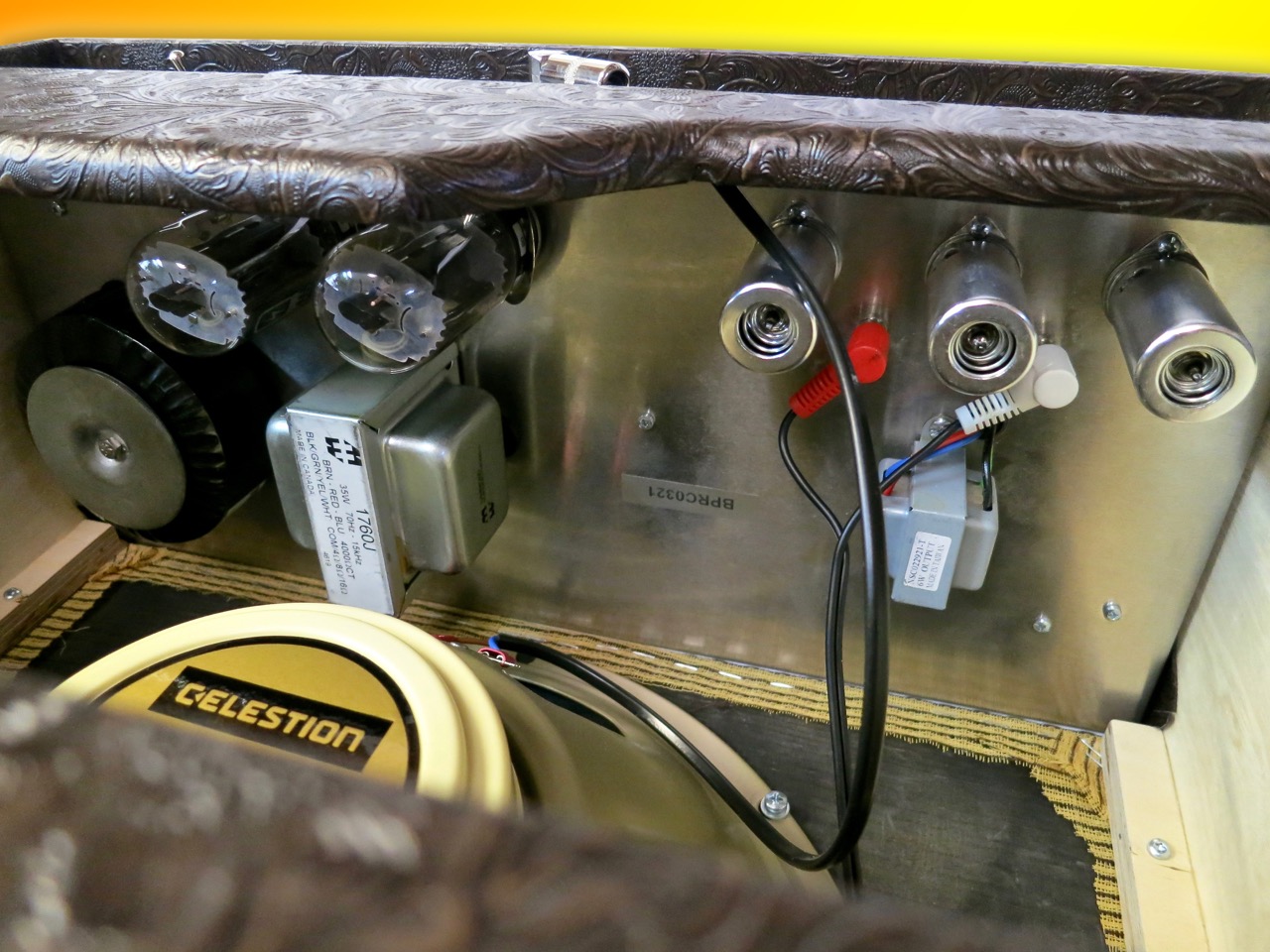
Kenties tärkein parannus Black Princen uudessa versiossa on uusi, isompi kaiutin. Vanhassa mallissa oli mukana Princeton-tyylisesti 10 tuuman elementti. Nykyiseen vahvistimeen voi valita yhden kahdesta 12-tuumaisista vaihtoehdoista – joko Celestionin G12 Neo Creamback -kaiutin (niin kuin testikoneessa) tai Warehouse Guitar Speakersin malli G-12 C/S. Isomman kaiuttimen vuoksi nykyversiossa on entistä isompi kotelo, joka on lähellä Blackface Deluxen kokoluokkaa.

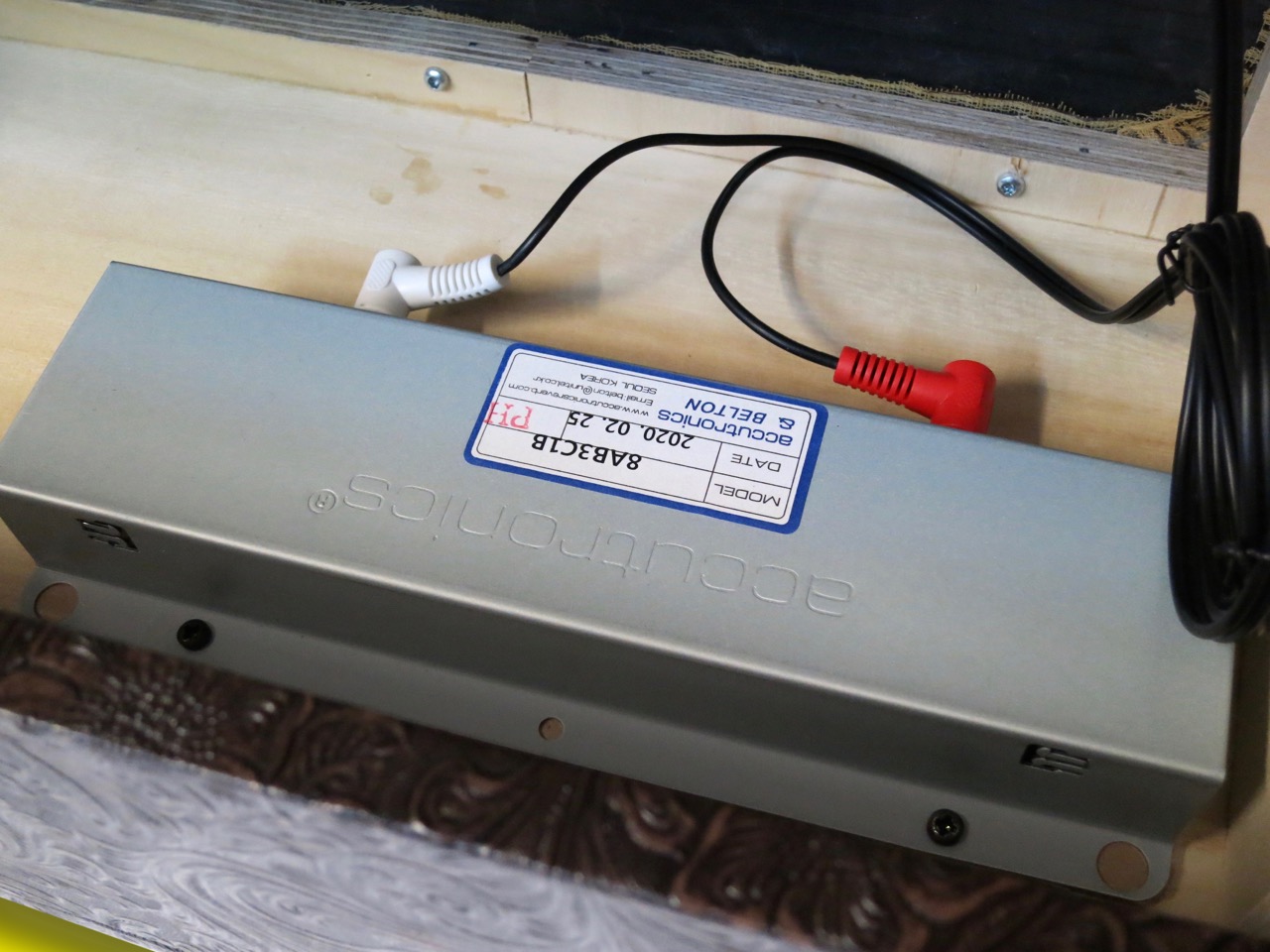
Bluetonen Harry Knecktin mukaan myös jousikaiun (ja sen vahvistuspiirin) tarkkaa rakennetta on parannettu entisestä, minkä ansiosta kaiku soi paremmin ja sen omakohina on selkeästi vähennetty. Black Princen lyhyt jousitankki tulee Accutronicsin mallistosta.

Tämän Bluetone-vahvistimen etuvahvistin on rakennettu kolme 12AX7-putkia käyttäen, kun taas päätevahvistin käyttää kaksi putkia.

Päätevahvistin tarjoaa maksimaalista soundillista monipuolisuuta, sillä sen rakenne mahdollistaa käytännössä kaikien oktaaliputkien käyttöä. Päätevahvistimeen voi laitta 6V6GT-, 6L6GC-, 5881-, EL34-, KT66- ja KT77-putkipareja ilman tarvetta biasointiin!

Parilla 6V6GT-putkilla Black Prince Reverb -kombosta lähtee ääntä noin 15 watin voimalla, kun taas kahdesta 6L6GC-putkista (niin kuin testikoneessa) tai EL34:stä vahvistimen teho nousee noin 28-30 wattiin.

Vaikka kombo ei vaadi uudelleenbiasointia, on hyvinkin tärkeä laittaa pääteputkien ja toroidisen muuntajan välistä pikkukytkintä oikeaan asentoon (katso käyttöohjetta), muuten pääteputket (tai jopa sisäiset kompponentit) voivat pahimmassa tapauksessa hajota liian suurten sähkövirtojen takia.

Takapaneelista löytyy kolme kaiutinlähtöä, sekä DIN-mukainen liitin pakettiin kuuluvaa jalkakytkinyksikköä varten.

****

Näitä klippejä on äänitetty Fender Stratocaster -kitaralla ja Shure SM57 -mikrofonilla.

Ensimmäinen seikka jota huomataan, kun laittaa uuden Bluetone Black Prince Reverb -vahvistimen päälle, on miten hiljaa se on tyhjäkäynnissä. Brummin tai kohinan määrä on pitkälti riippuvainen laadukkaista komponenteista ja osien fyysisesta sijoittelusta, esimerkiksi päämuuntajaan nähden. On selvää, että Bluetonen väki tietää mitä se tekee.

Koska Black Prince ei yritä olla tarkka Princeton-klooni, Bluetonen kombo voi tarjota laajemman soundivalikoiman kuin vanha Fenderin klassikko. Tässä tarjotaan kaikkea mikä on hyvä Blackface-kombojen soundissa, ilman klassikkovahvistimien huonoja puolia, niin kuin esimerkiksi välillä löysästi soivia Jensen-kaiuttimia tai – Princetonin tapauksessa – EQ:sta puuttuvaa keskialuen säädin ja alkuperäinen pieni kaiutin.

Sooloboosteri on erittäin tervetullut uudistus, kun taas Bluetonen Master Volume -säätimen ansiosta saa omat lempisoundit tarvittaessa esille myös hiljaisella volyymillä.

Päätevahvistimen monipuolisuus mahdollistaa myös erilaisia hybridisoundeja, yhdistämällä kombon Fender-tyylisen etuvahvistimen myös britti-tyyliseen päätevahvistimeen (EL34), perinteisten 6V6GT- ja 6L6GC-parivaljakkojen sijaan.

Black Princen tremolo on suorastaan herkullinen, ja se tarjoaariittävästi säätövaraa sekä efektin nopeudessa että sen syvyydessä. Itse tykkään erittäin paljon myös kombon päivitetystä jousikaiusta, koska se kuulostaa kermaiselta ja sillä on aitoa syvyyttä. Jotkut rautalankka-kitaristit voisivat ehkä toivoa vielä enemmän kaiun ”roisketta”, mutta se on selvästi makuasia…

Demobiisin kitararaidat on äänitetty nauhamikrofonilla. Soolokitarana toimii Hamer USA Studio Custom -kitara, kun taas komppiosuudet on soitettu Gibson Les Paul Juniorilla (vasen kanava) ja Fender ’62 Telecaster Custom -uusintapainoksella (oikea kanava).

****

Bluetonen vuoden 2021 Black Prince Reverb -painos on huippuluokan versio Blackface-aikakauden täysputkikombosta, höystettynä erilaisilla päivityksillä ja nykyaikaisilla parannuksilla. Tästä kombosta on käytännössä mahdotonta saada huonoa soundia.

Niin kuin kaikki Bluetone-tuotteet, myös Black Prince Reverbiä tehdään käsityönä Suomessa. Tästä huolimatta tämä kombo on jopa edullisempi kuin Fenderin oma tämänhetkinen ’64 Princeton -uusintapainos.

Ei ole siis ihme, että Bluetone Black Prince Reverb on ollut jo jonkun aikaa firman eniten myyty vahvistin. Itse asiassa uuden Black Princen soundi oli niin hyvä, että testikombosta tuli – Bluetone Shadows Jr. -kombon lisäksi – Kitarablogin referenssivahvistin.

****

Bluetone Black Prince Reverb

• Hinnat alkaen 1.450 €

Pidä blogia WordPress.comissa.

Ylös ↑