Review: Morley M2 Wah, M2 Wah Volume + M2 Passive Volume

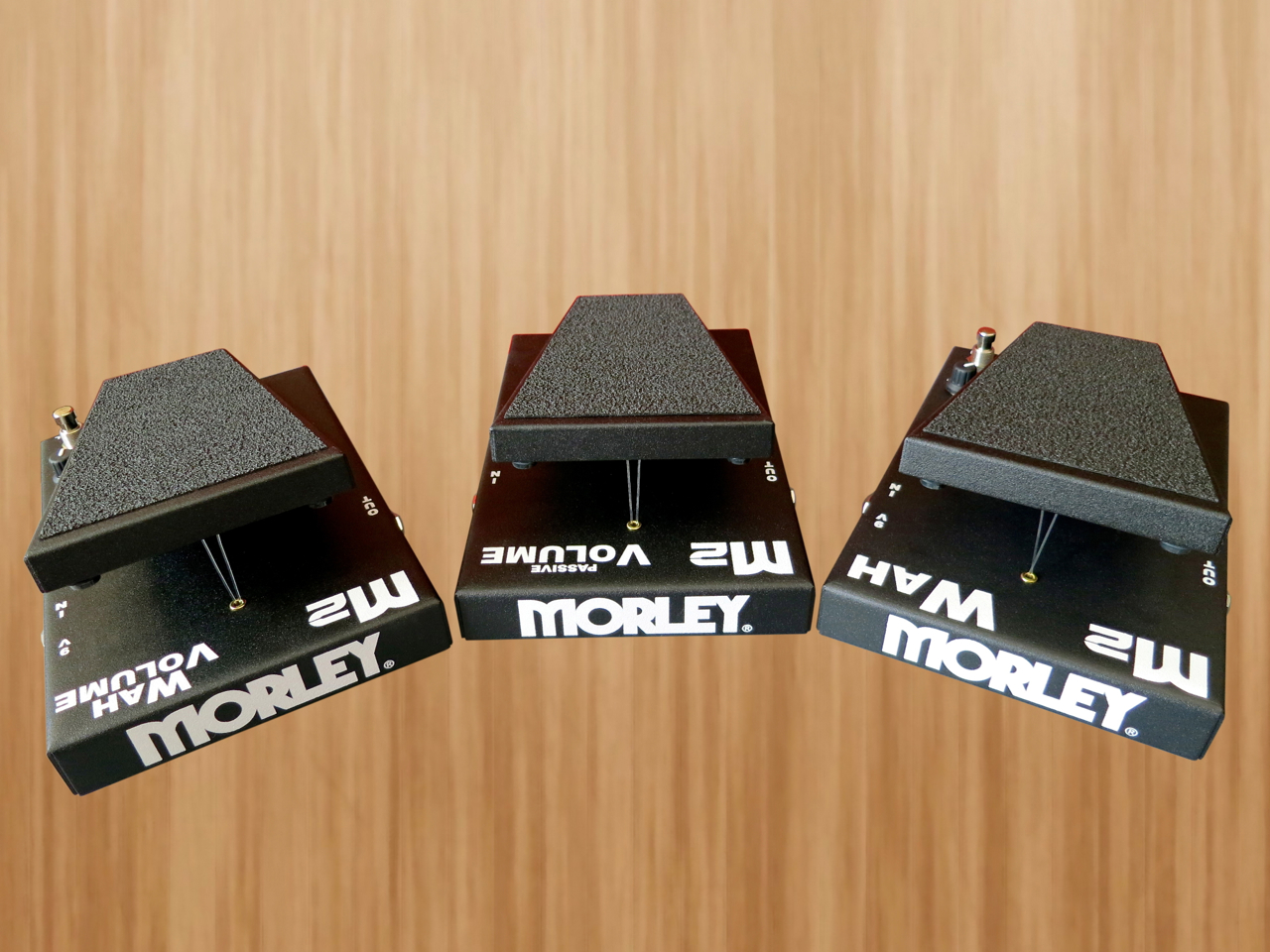
Morley M2 – group shot – final

US brand Morley are best known for their pro-quality wahs and volume pedals that many players – like Steve Vai, George Lynch and Mark Tremonti – rely on in their setups. Morley’s original series uses electro-optical electronics, instead of traditional potentiometres. The big advantage in going electro-optical lies in the fact that such a pedal won’t ever become scratchy or intermittent, because there is no mechanical control pot to wear out or become dirty.

There are quite a few guitarists, though, which – for some reason or other – prefer the ”feel” and ”sound” of a mechanically controlled pedal to that of an electro-optical one. Morley’s new M2-series is a nod to the more traditional players.
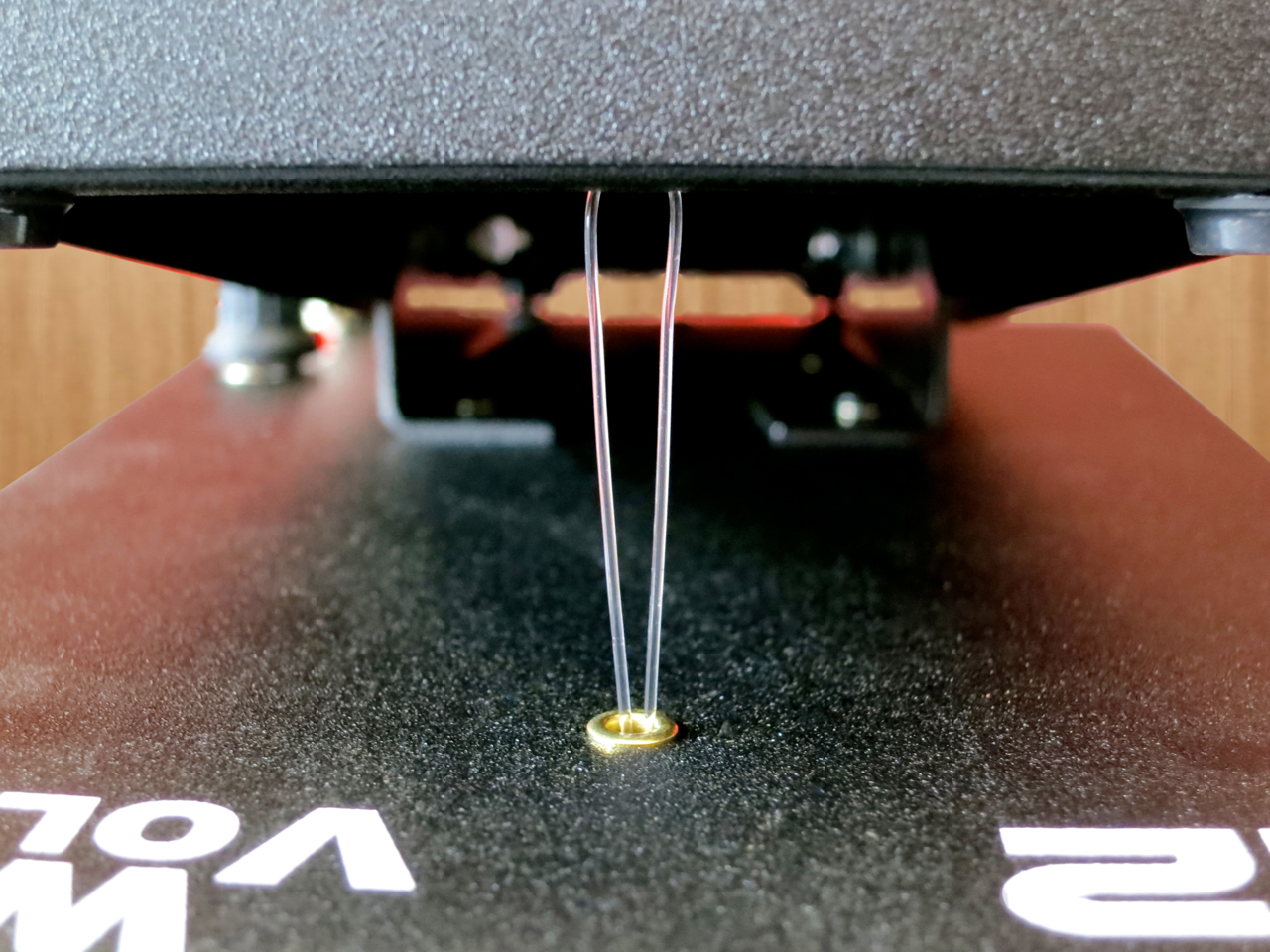
Morley M2 Wah Volume – nylon string

Nevertheless, Morley still like to do things their own way, which is why the company has come up with a different type of mechanical control for their M2-pedals:

Traditional pedals (and their descendants) use a rack, mounted beneath the treadle, to turn the pinion of a large control pot attached to the top of the pedal’s casing. Hanging in this exposed position, the pot is prone to take in dirt, moisture and dust, which in turn shortens its lifespan and affects signal quality. Sooner or later you will have to change the old pot for a brand-new one.

Morley’s M2-pedals use a top grade, sealed fader, tucked away neatly inside the pedal’s casing. The fader is moved by sturdy nylon strings attached to the front and back of the treadle.

****
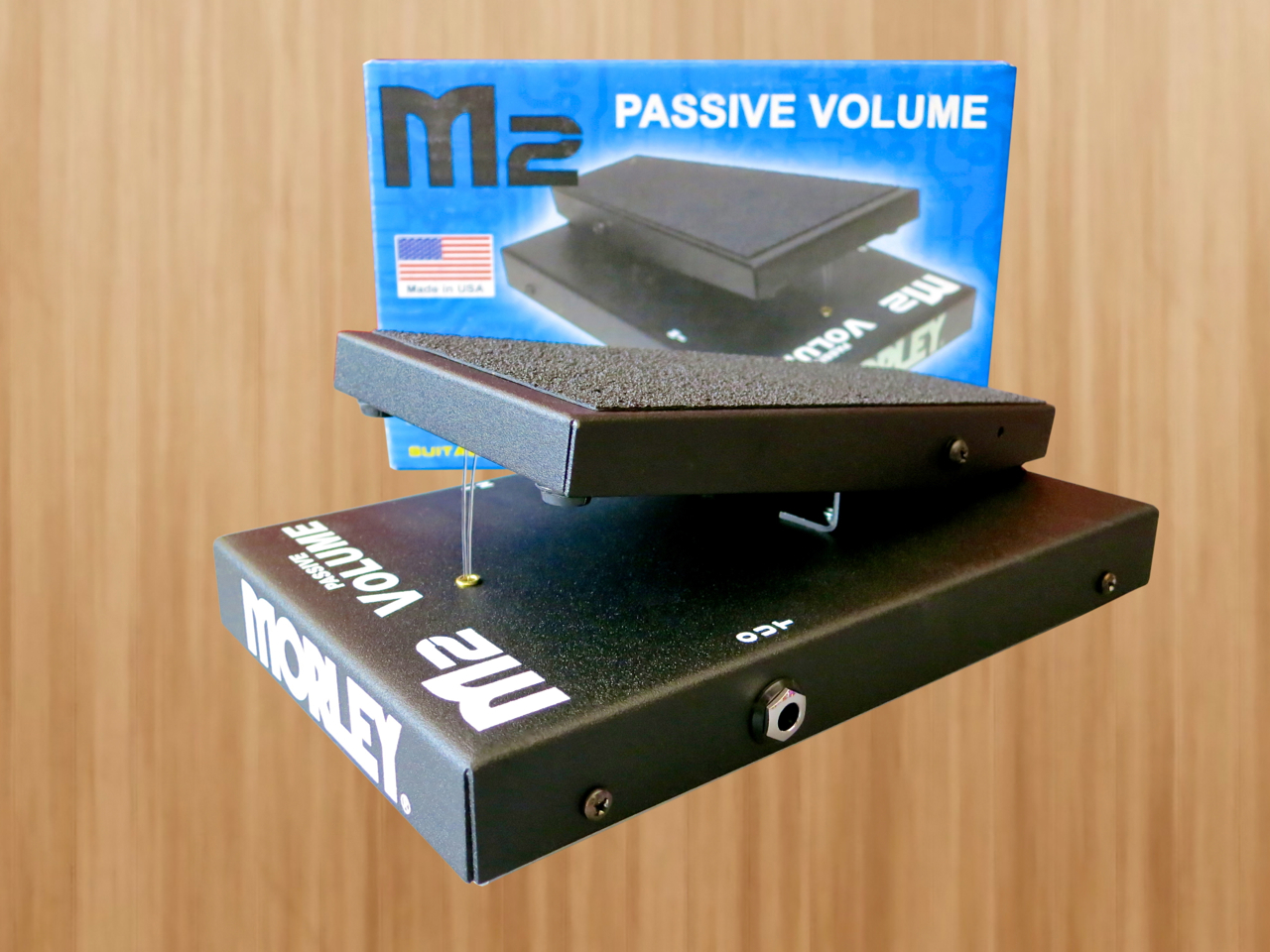
Morley M2 Passive Volume – with box

For this review we got three M2 models from Vantaan Musiikki:

The first pedal is the Morley M2 Passive Volume (current price in Finland: 76 €), which works without the need for a battery.
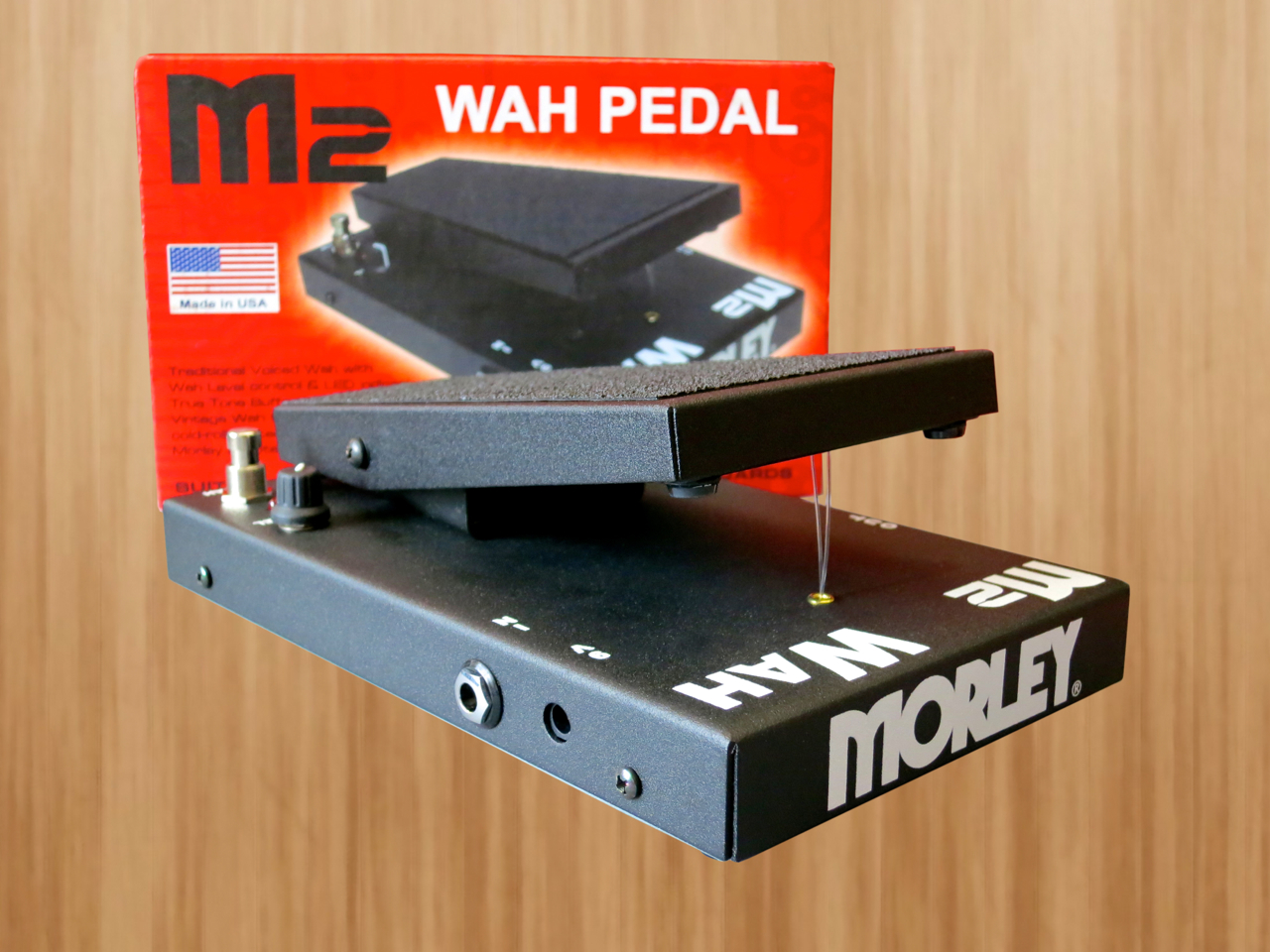
Morley M2 Wah – with box

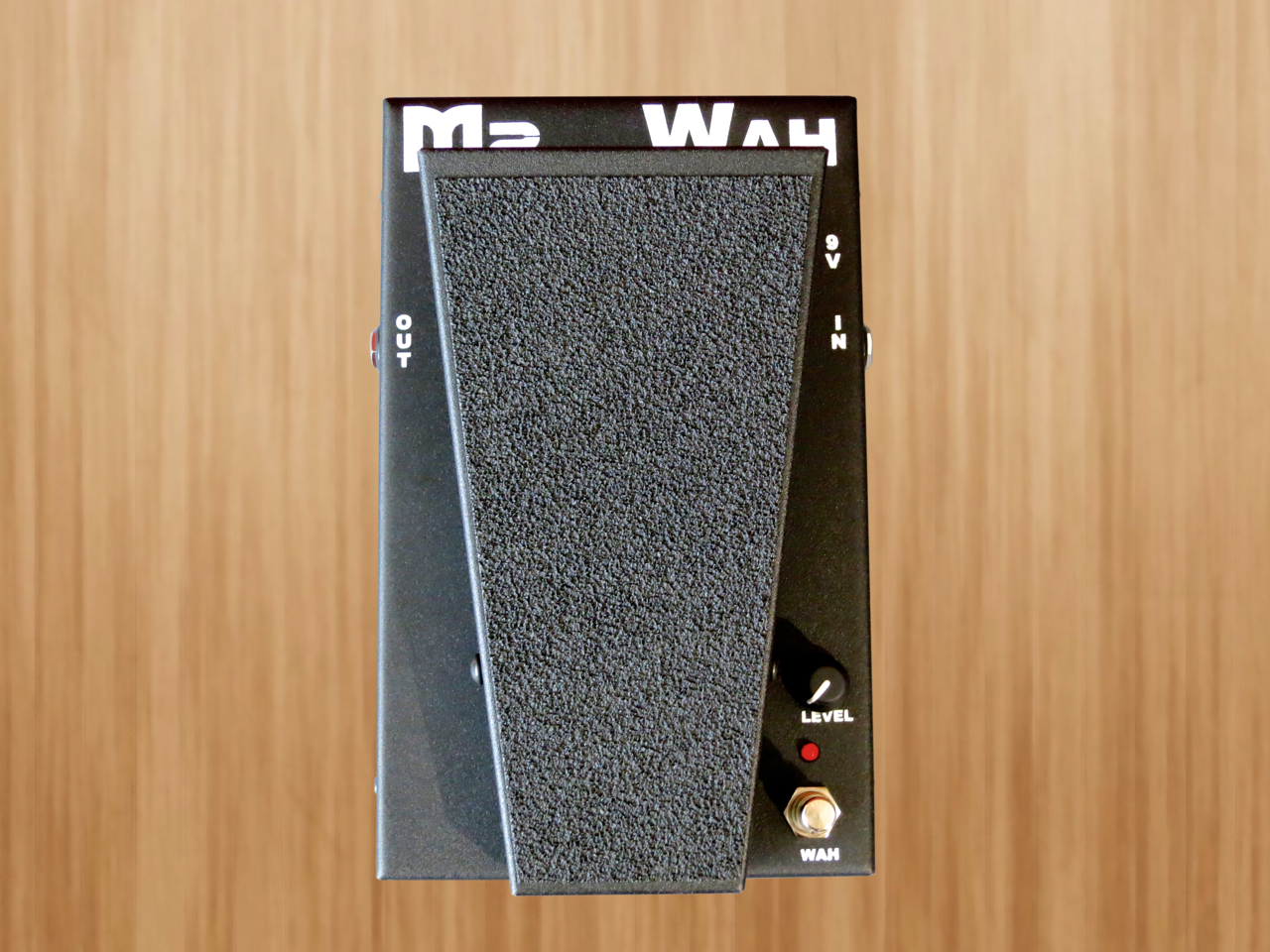
The second model is the Morley M2 Wah (83 €), which promises to deliver vintage-toned wah-goodness.

Morley M2 Wah Volume – with box

And, last but not least, there’s a cool twin-mode pedal – the Morley M2 Wah/Volume (94 €).
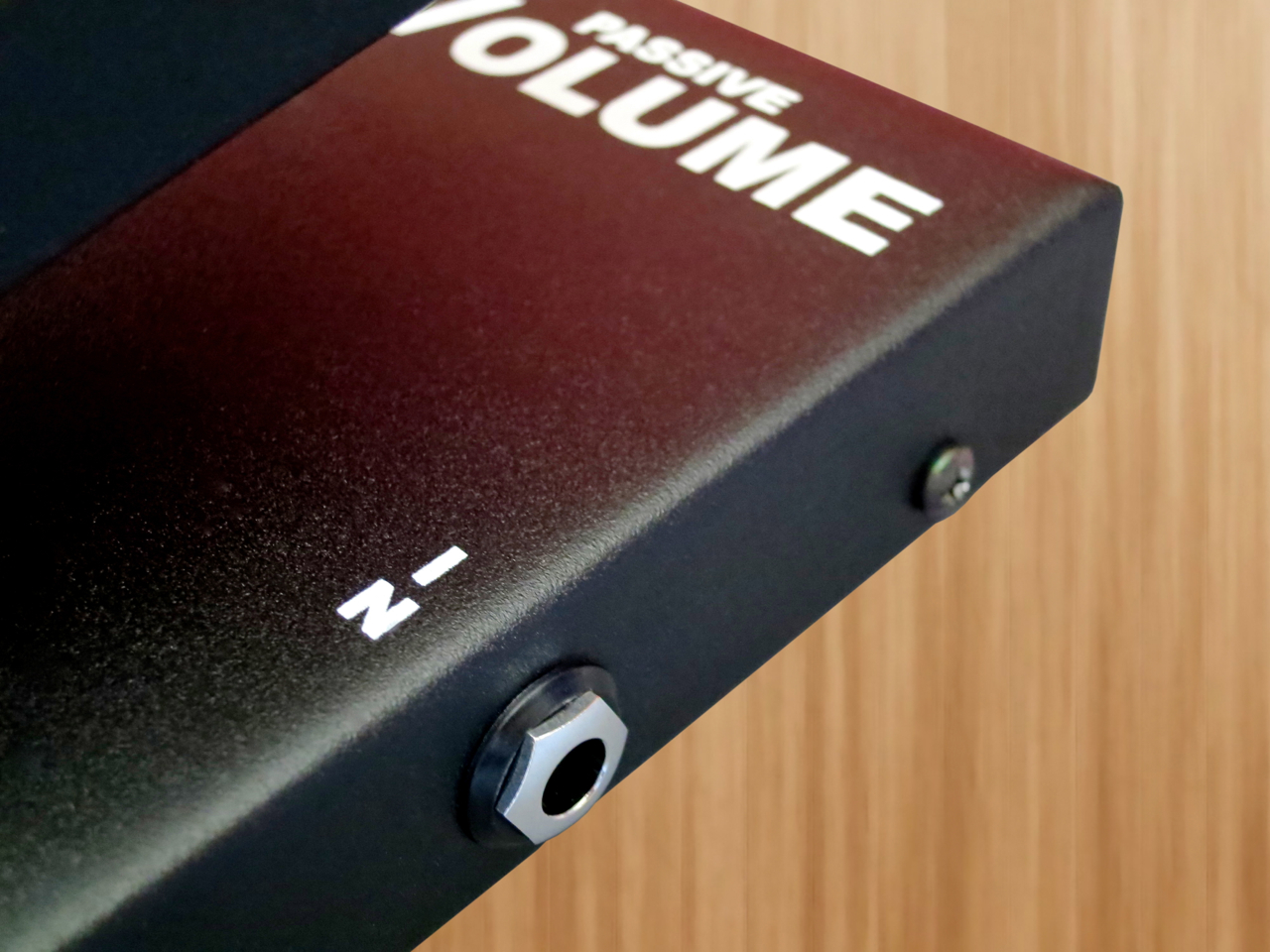
Morley M2 Passive Volume – input

This trio of M2-pedals share the same basic build:

The housing is made from folded, cold-rolled steel, resulting in very sturdy and trustworthy pedals. The treadle sports a thick cover of non-slip material that will keep your foot safely on the pedal, no matter what.

The guitar input is on the Morley’s right flank.
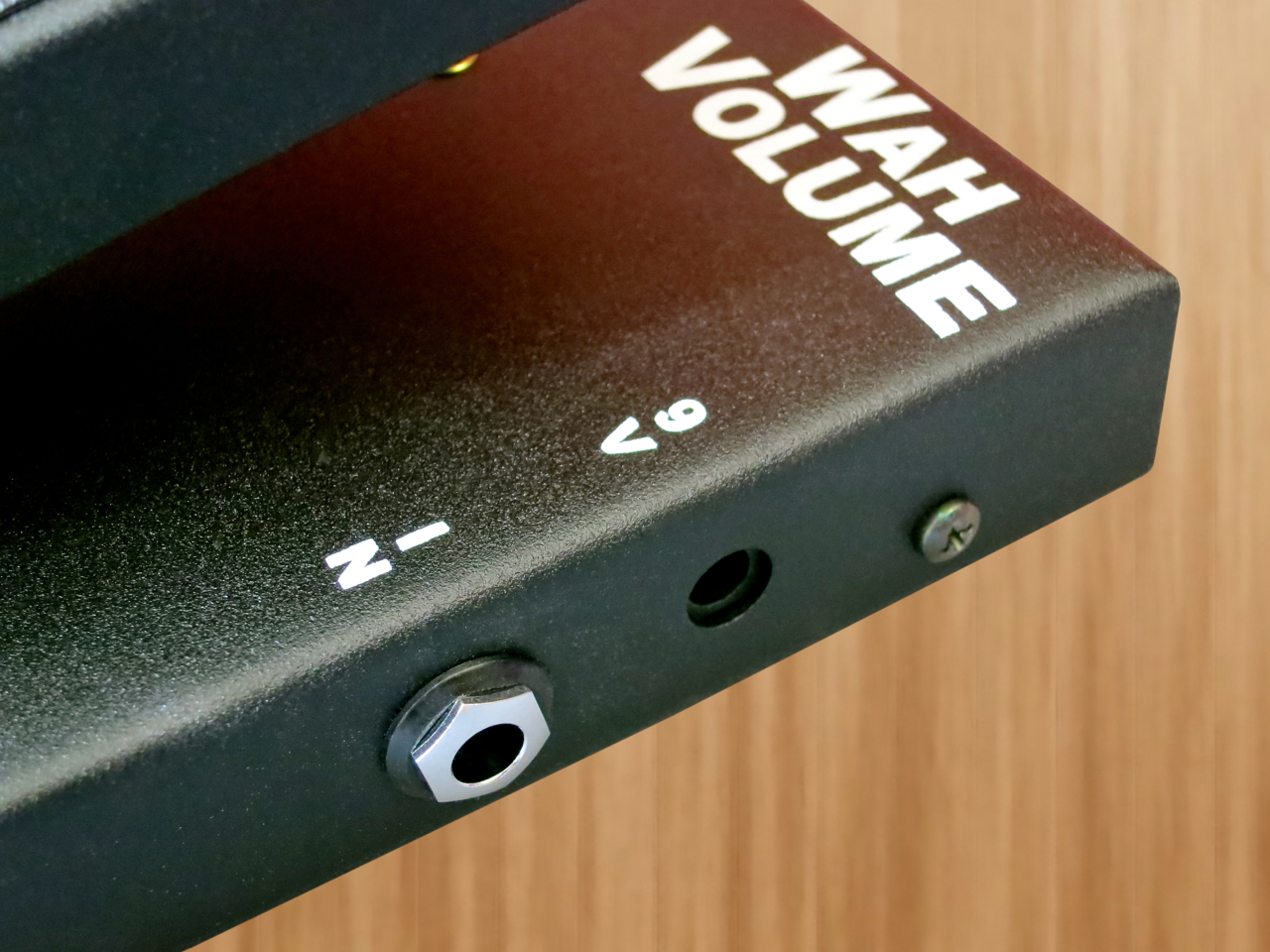
Morley M2 Wah Volume – input

The two active pedals – the M2 Wah and the M2 Wah/Volume – additionally feature a standard 9 Volts DC input.

Morley M2 Wah – base plate

You can also run the active pedals using a 9 V battery. The battery compartment comes equipped with an easy-to-open quick clip lid.
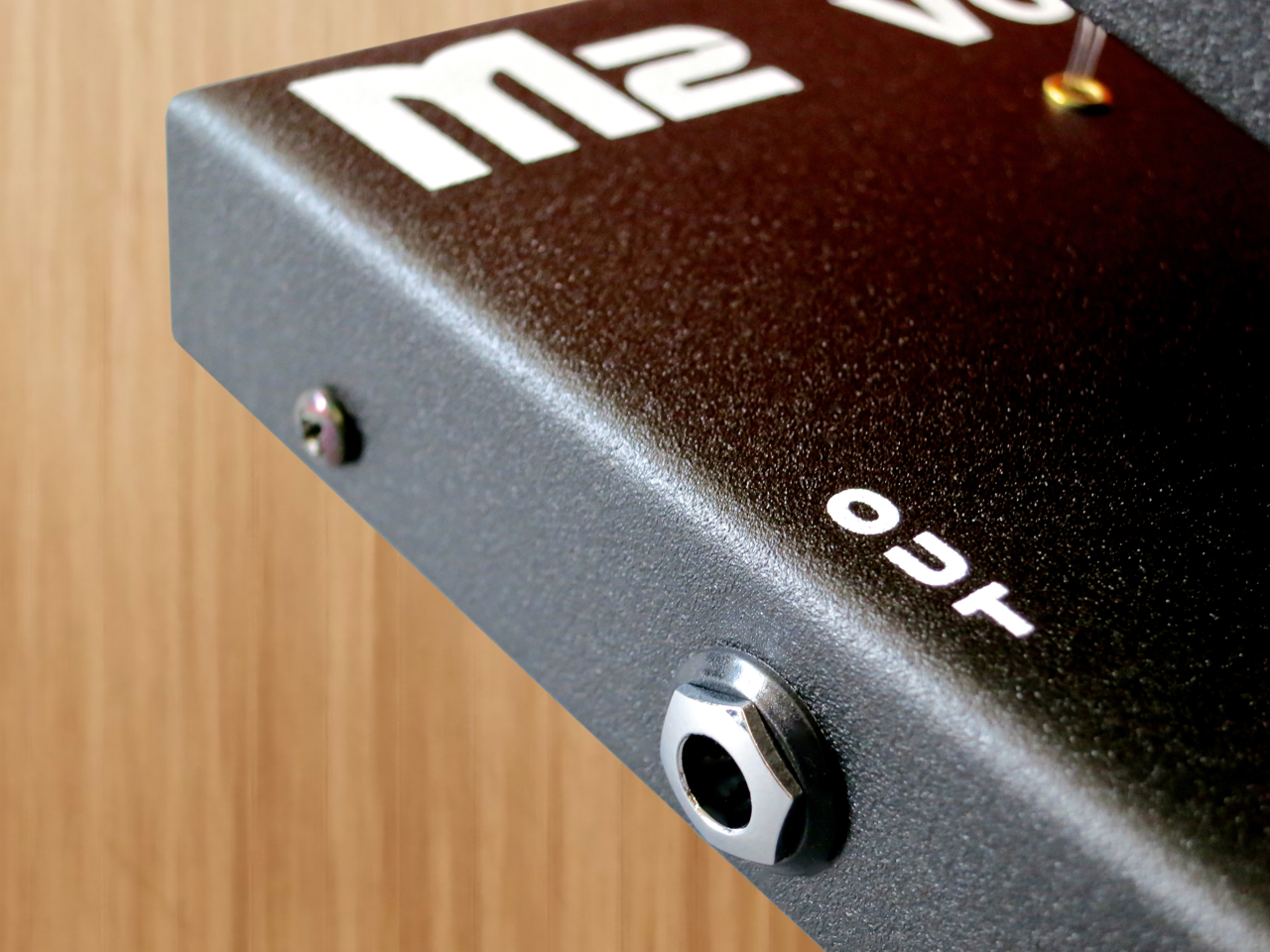
Morley M2 Passive Volume – output

The output has been placed on the left side of the M2-pedals.
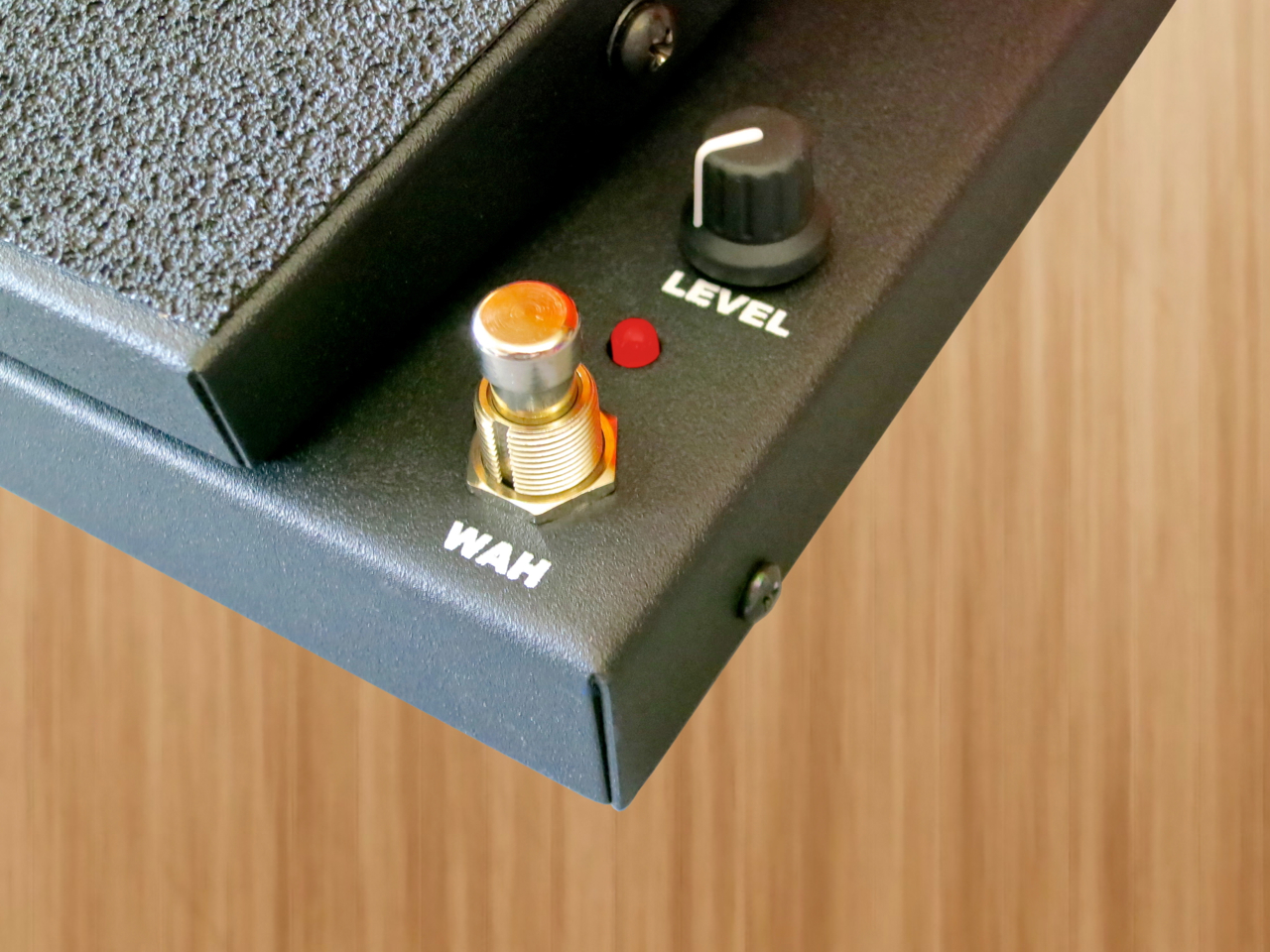
Morley M2 Wah – switch and control

The M2 Wah features an On/Off-switch for the wah-effect (with a red indicator LED), as well as a dedicated level control for the effect signal.

Morley M2 Wah Volume – switch and control

The control setup on the M2 Wah/Volume looks identical, but it functions a bit differently:

The footswitch toggles between volume mode (LED off) and wah mode (LED on). The level knob works only on the wah side of things.

****

Morley M2 Passive Volume – front view

Morley’s M2 Passive Volume-pedal works extremely smoothly, evenly and precisely. There are no jumps or wobbles in the volume level, instead the Passive Volume works just as it should, and without having any noticeable effect on your guitar’s inherent tone. The M2 Passive Volume clearly is a pro-quality choice at a very fair price.

Morley M2 Passive Volume – left

****

Morley M2 Wah – top view

Morley’s M2 Wah comes equipped with an internal active buffer (the Morley True Tone Buffer), which stays on, even with the wah-effect turned off. An active buffer will prevent audible signal deterioration, even if you’re using a long line of (true bypass) effect pedals or a very long cable between you effects and the amp. The only ”drawback” of an active buffer is that the pedal will draw a tiny bit of current, even with the effect turned off.

Oh, boy, Morley’s wah-sound is just what the doctor ordered! The M2 Wah’s filter sounds really juicy, and the pedal works in a very musical and organic way.

Morley M2 Wah – left

****

Morley M2 Wah Volume – right

The M2 Wah/Volume combines both volume control and wah-wah with an active buffer, meaning you do need a battery (or power supply) to run the pedal’s volume side, too.

Morley’s Wah/Volume-pedal manages to combine both effects in an easy-to-use, handy package. This pedal’s volume mode works just as evenly and smoothly as the M2 Passive Volume, while the wah side of things sounds just as tasty as in the stand-alone M2 Wah.

The M2 Wah/Volume was simply too good to let go – I had to buy one!
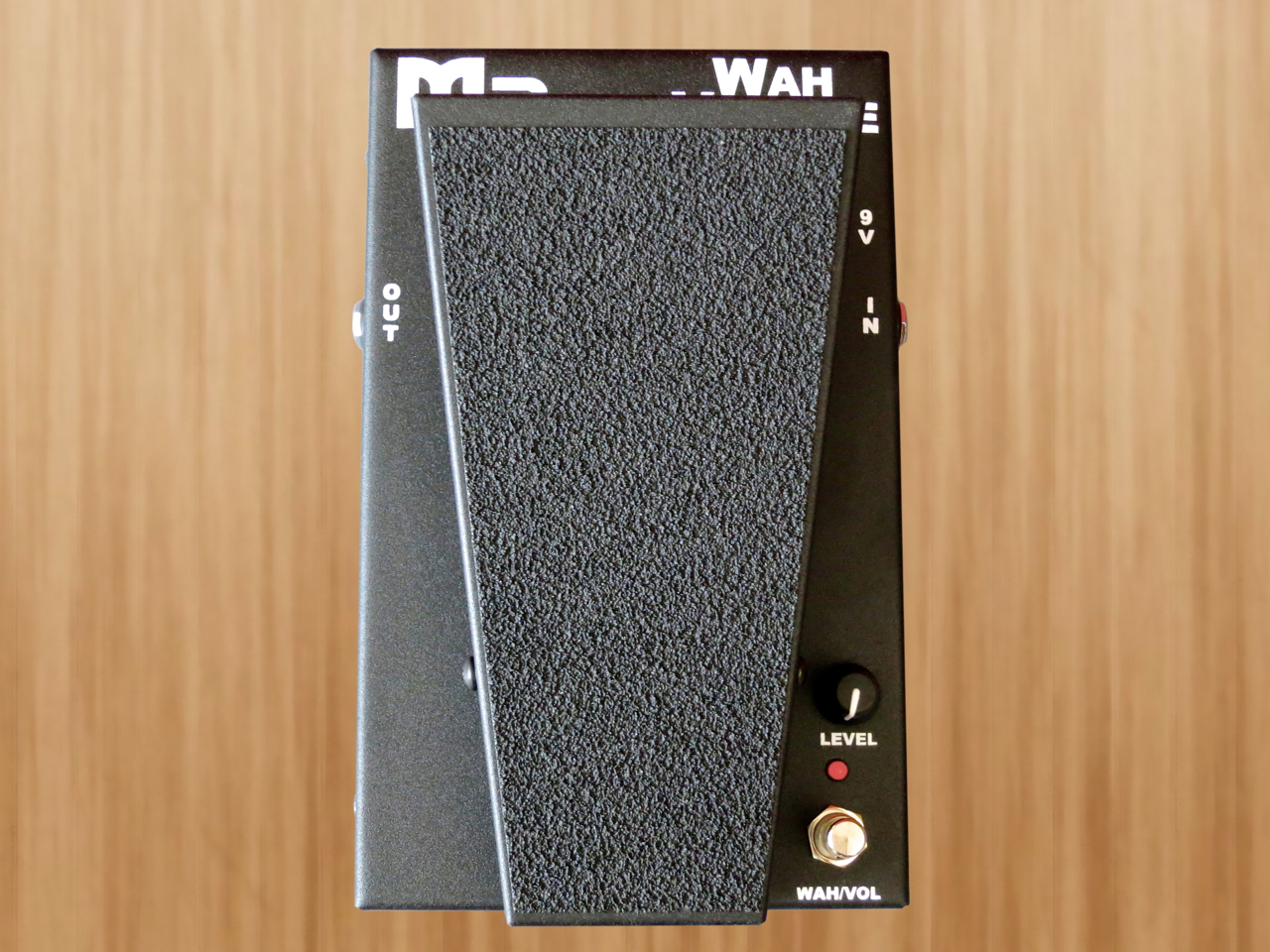
Morley M2 Wah Volume – top view

****

Morley M2 Wah – right

For some reason, I’ve always dug Morley’s straightforward and unsentimental design. The new M2-series, too, has that famous big, black and square ”Morley look”. Morley’s M2-pedals sure don’t look cute, but they more than make up for it when it comes to roadworthiness and reliability.

Many professionals rely on a Morley for their sound. I’m sure that these M2-series pedals will find their way into many a musician’s arsenal.

I’d suggest you go and check them out!

Morley M2 Wah Volume – left

****

Morley M2 -series

M2 Volume – 76 €

M2 Wah – 83 €

M2 Wah/Volume – 94 €

Finnish distributor: Musiikki Silfverberg

Many thanks to Vantaan Musiikki for the loan of the review pedals!

****

Pros:

+ excellent value-for-money

+ made in USA

+ sturdy build

+ work smoothly

+ sound

+ buffered output (M2 Wah and M2 Wah/Volume only)

Testipenkissä: Morley M2 Wah, M2 Wah Volume + M2 Passive Volume

Morley M2 – group shot – final

Amerikkalaisvalmistaja Morley on tunnettu laadukkaista wah- ja volume-pedaaleistaan, jotka kuuluvat esimerkiksi Steve Vain, George Lynchin ja Mark Tremontin vakiotyökaluihin. Alkuperäiset Morley-pedaalit on usein toteutettu optisella tavalla, ilman perinteistä mekaanista potentiometriä polkimen alla.

Joidenkin kitaristien mielestä mekaaninen säädin kuulostaa ja tuntuu kuitenkin – vaikeasti selitettävällä tavalla – ”paremmalta” kuin optisesti toteutettu wah-pedaali, ja juuri heitä varten Morley on kehittänyt uuden M2-sarjansa.

Morley M2 Wah Volume – nylon string

Morley on kuitenkin Morley, ja firma on päättänyt käyttää M2-sarjassa omaa säätömekanismiaan:

Perinnepedaaleissa (ja niiden kopioissa) polkimen etupäähän on kiinnitetty hammastanko, joka kääntää kotelon kanteen asennettua säädintä. Näiden pedaalien iso potikka altistuu pölylle ja lialle, mikä voi johtaa siihen, että signaali alkaa jossain vaiheessa rahista. Silloin on useimmiten edessä potentiometrin vaihto.

Morley M2 -pedaaleissa käytetään military-speksattua, kotelon uumeniin asennettua liukusäädintä, jota säädetään polkimen etu- ja takapuoliin kiinnitetyillä nailonsiimoilla.

****

Morley M2 Passive Volume – with box

Saimme Vantaan Musiikilta kolme M2-pedaalia testiin:

Ensimmäinen on ilman paristoa toimiva Morley M2 Passive Volume (76 €).

Morley M2 Wah – with box

Toinen pedaali on sarjan klassisia wah-soundeja tarjoava Morley M2 Wah (83 €).

Morley M2 Wah Volume – with box

Ja kolmas on todella kätevä yhdistelmäpedaali – Morley M2 Wah/Volume (94 €).

Morley M2 Passive Volume – input

M2-kolmikon perusrakenne on sama:

Pedaalit on rakennettu täysin taitetusta teräksestä, ja lopputulos vaikuttaa erittäin kestävältä ja luotettavalta. Poljin on päällystetty paksusti luistamattomalla materiaalilla, joka pitää kengän pohjan tiukasti ja turvallisesti pedaalilla.

Tulo kitarajohdolle on Morley:ssa pedaalin oikeassa laidassa.

Morley M2 Wah Volume – input

Kolmikon aktiivipedaaleissa – M2 Wah ja M2 Wah/Volume – on kitaratulon lisäksi vielä liitin virtalähteelle.

Morley M2 Wah – base plate

Näitä kahta pedaalia voi luonnollisesti myös käyttää yhdeksän voltin paristolla, ja paristolokeroon päästään ilman ruuvimeisseliä.

Morley M2 Passive Volume – output

Vasemmasta kyljestä taas löytyy kaikissa M2-pedaaleissa lähtöjakki.

Morley M2 Wah – switch and control

M2 Wahissa on efektille tarkoitettu päälle/pois-jalkakytkin, punainen led-valo, sekä Level-säädin efektin lähtötasolle.

Morley M2 Wah Volume – switch and control

M2 Wah/Volume-pedaalin kattaus näyttää samanlaiselta, mutta yhdistelmäpedaalissa jalkakytkin vaihtaa pedaalin käyttötilaa volumesta (ledi pois päältä) wahiin (valo on päällä) ja takaisin.

****

Morley M2 Passive Volume – front view

Morley M2 Passive Volume -pedaali toimii erittäin jouhevasti, sulavasti ja tarkasti. Äänenvoimakkuutta säädettäessä ei esiinny minkäänlaisia kuoppia, eikä hyppelehtimistäkään, vaan volyymimuutokset ovat tasaisia polkimen koko liikeradalla. Pedaali vaikuttaa siis luotettavalta ja oivalta työkalulta.

Morley M2 Passive Volume – left

****

Morley M2 Wah – top view

M2 Wah -pedaalissa on aktiivinen bufferi (Morley True Tone Buffer), joka on päällä myös silloin, kun wah-efekti on pois päältä. Bufferivahvistimen ansiosta signaali ei huonone käytännössä lainkaan, vaikka pedaalin jälkeen olisi käytössä tavallista isompi määrä muita efektejä, tai vaikkapa erittäin pitkä johto vahvistimeen. Bufferin ainoa ”huono” puoli on se, että pedaali tarvitsee aina pienen määrän käyttövirtaa.

Morleyn wah-soundi on täysin minun makuuni! M2 Wah:n filtteri kuulostaa erittäin mehevältä ja koko pedaali toimii erittäin orgaanisella ja hyvin musikaalisella tavalla.

Morley M2 Wah – left

****

Morley M2 Wah Volume – right

Erittäin kätevässä M2 Wah/Volume-pedaalissa molemmat puolet käyttävät efektin sisäistä bufferia – siis: tässä pedaalissa myös volume-toiminto tarvitsee toimiakseen pariston (tai virtalähteen).

Morleyn Wah/Volume-pedaali onnistuu yhdistämään hyvin käytännöllisellä tavalla sekä wah-efektin että äänentason säätämistä. Volume-puoli toimii yhtä jouhevasti ja tarkasti kuin Passive Volume -pedaalissa, ja wah-soundi on yhtä herkullinen kuin M2 Wah -polkimessa.

Itse asiassa pidin tästä pedaalista niin paljon, että ostin sen itselleni!

Morley M2 Wah Volume – top view

****

Morley M2 Wah – right

Jostain syystä Morleyn suorasukainen ja epäsentimentaalinen muotoilu on aina vedonnut minuun. Myös uusi M2-kolmikko koostuu kolmesta isosta mustista laatikosta. Morley ei ehkä saa koskaan design-palkintoa, mutta M2-pedaalien jämeryys ja kestävyys on vailla vertaa.

Morleyn soundiin luottavat monet ammattimuusikot, ja M2-sarja on selvästi rakennettu kestämään myös rankempaa kiertue-elämää mukisematta.

Kokeilemisen arvoisia polkimia siis!

Morley M2 Wah Volume – left

****

Morley M2 -sarja

M2 Volume – 76 €

M2 Wah – 83 €

M2 Wah/Volume – 94 €

Maahantuoja: Musiikki Silfverberg

Kiitos Vantaan Musiikille testipedaalien lainaamisesta!

****

Plussat:

+ loistava hinta-laatu-suhde

+ valmistettu USA:ssa

+ jämerä rakenne

+ toimivat jouhevasti ja tarkasti

+ soundi

+ bufferoitu lähtö (vain M2 Wah ja M2 Wah/Volume)

Review: Music Man John Petrucci Majesty

Music Man Majesty – teaser

Dream Theater’s guitar wizard John Petrucci has a long and very fruitful association with Music Man. Over the years, the company has released several signature models, both US-made and as part of their less-expensive Sterling brand.

Last year Ernie Ball/Music Man have released a new top-of-the-line John Petrucci signature instrument – the Music Man Majesty (Majesty was the original name of the Progressive Rock band that became Dream Theater).

****

Music Man Majesty – case

The first thing that will strike you about the new package is the sensationally low weight:

When I went to pick up the Music Man Majesty for this review (from DLX Music Helsinki), I had to open the case and check, because I suspected the guitar was missing. No, it really was in there…

Music Man Majesty – full front – video

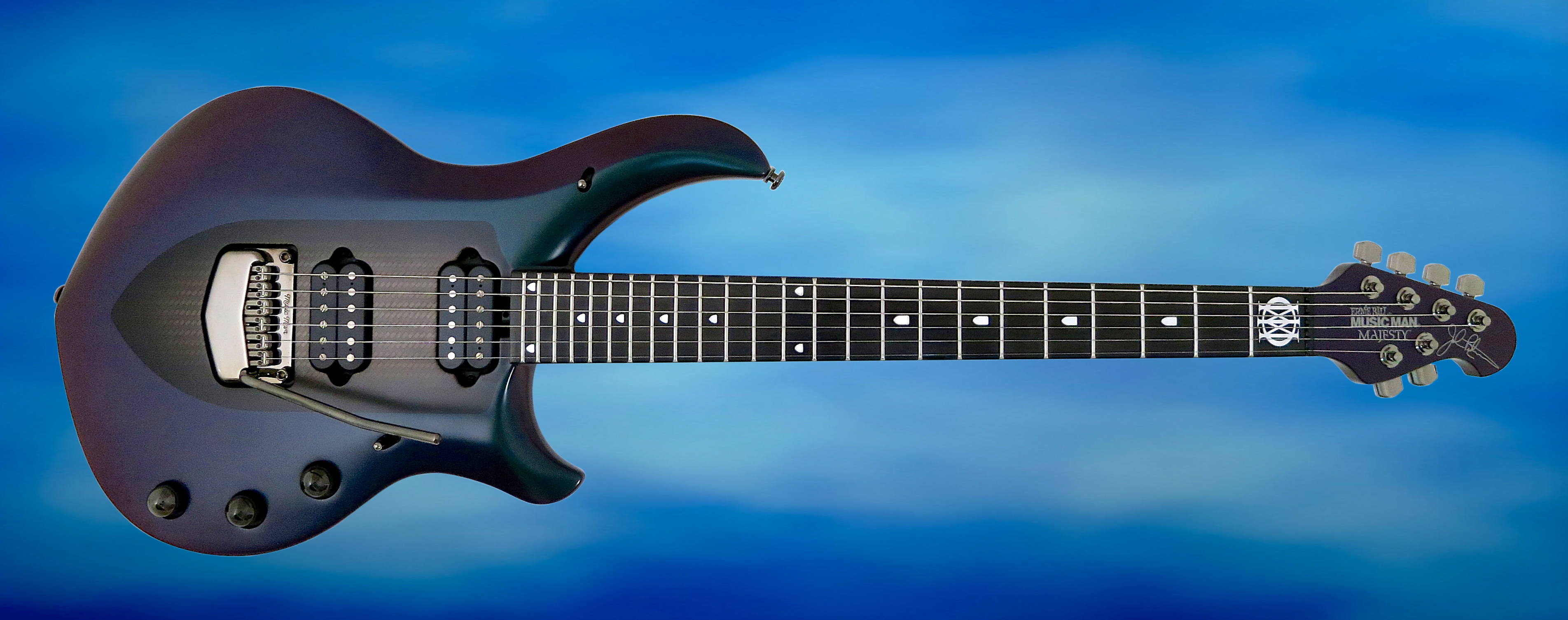
Music Man’s Majesty (current price in Finland approx. 3,900 €) is a modern top-drawer signature model, which conveys the artist’s clear vision of what his dream guitar should be like. This isn’t simply a souped-up classic model – Petrucci and Music Man started with a clean slate.

Music Man’s new signature model is a Neck-Through design with a two-octave mahogany neck, and a very smooth neck joint at the 23rd fret.

Music Man Majesty – beauty shot 2

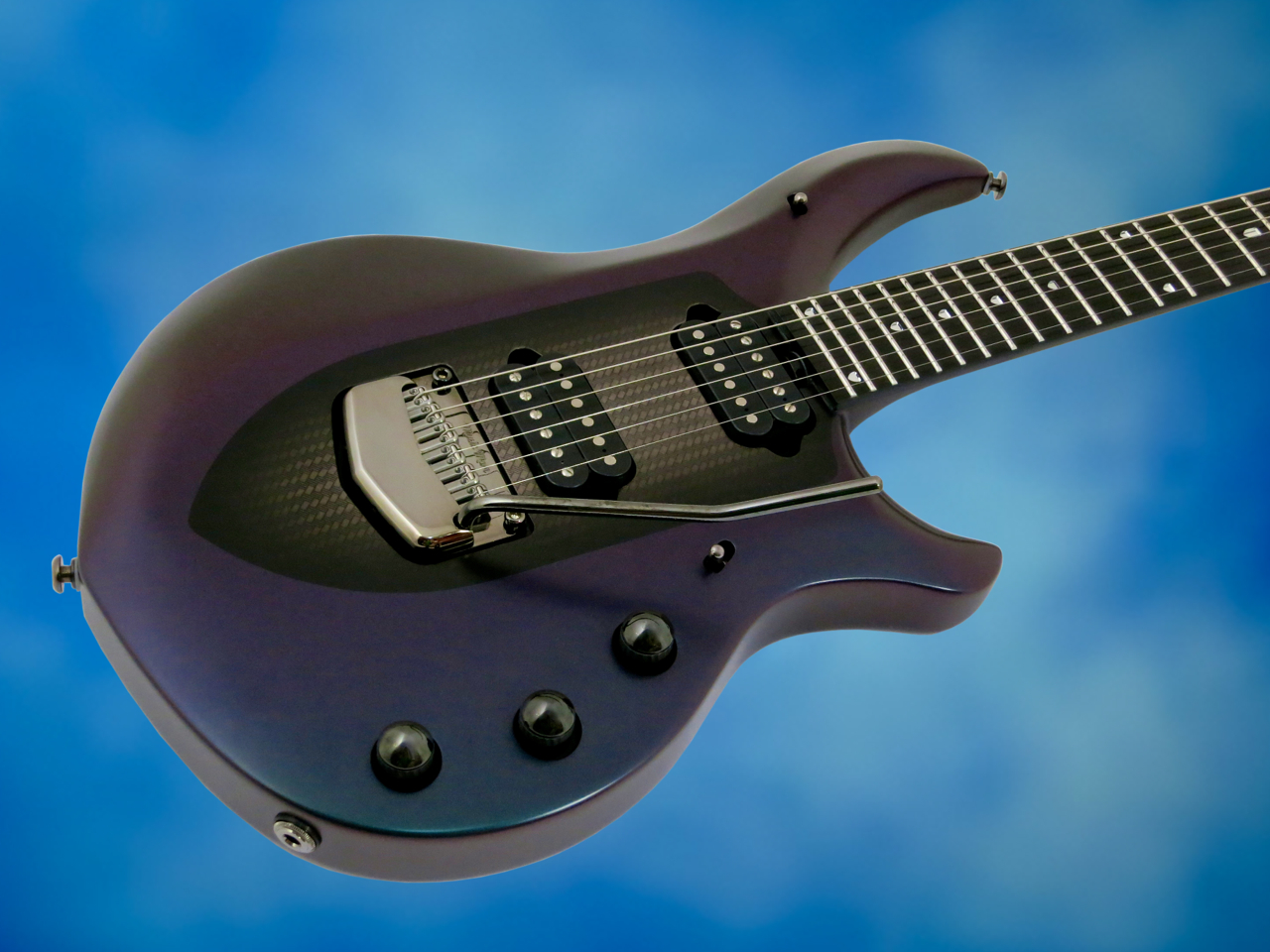
The Majesty’s body, too, is highly sculpted – you could call it streamlined – and it fits the player’s body perfectly.

The body wings, made from basswood, are capped by a maple top. The area on the top, which forms a sort of shield or crest, may look like graphite weave at first glance. In reality, this is a translucent area of the maple top, and what you see is a laser-etched graphic design resembling the look of carbon composite.

The review guitar’s finish is called Arctic Dream, which is a matte finish changing from violet to a dark green hue, depending on how the light hits the body.

Music Man Majesty – tuners

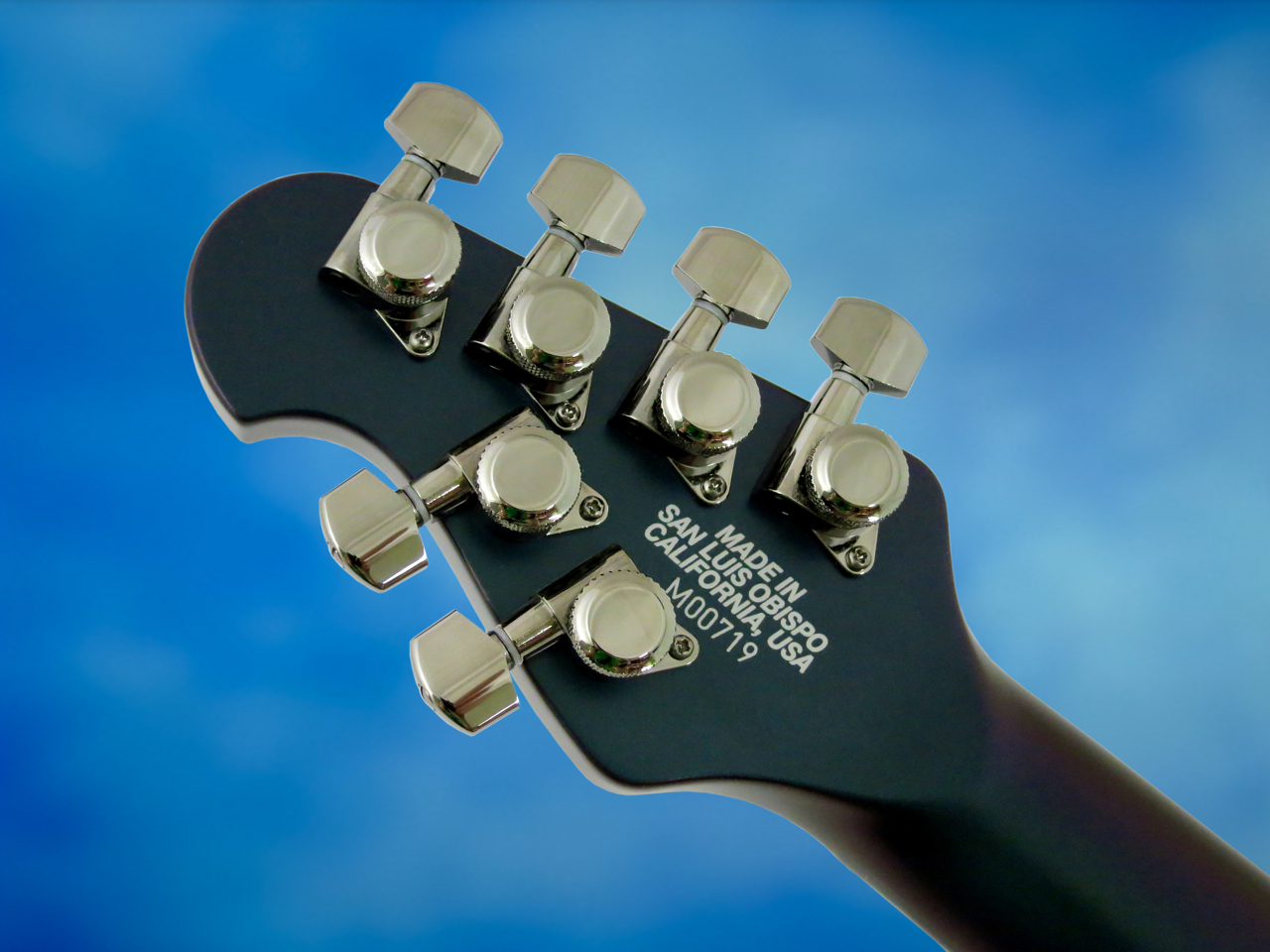
Music Man’s classic four-and-two headstock sports a set of locking Schaller M6-tuners.

Music Man Majesty – headstock

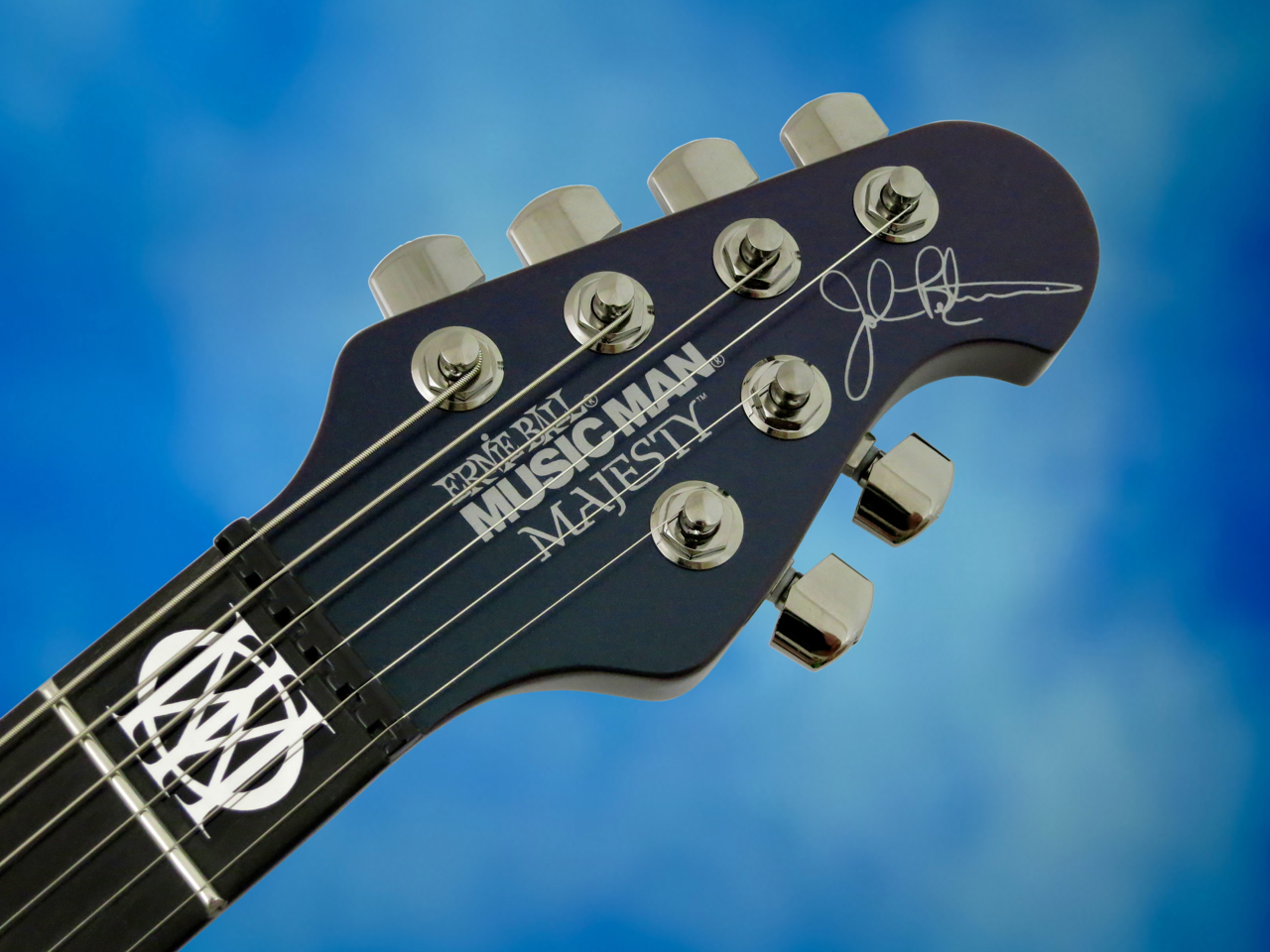
Below the compensated – and self-lubricating nut – you can see the metallic Dream Theater-logo inlay.

Music Man Majesty – fretboard

The quality of the fretwork on the Majesty is outstanding. We can find 24 jumbo-sized, stainless-steel frets installed into the ebony fingerboard.

The shield inlays are in fact tiny mirrors.

Music Man Majesty – vibrato bridge

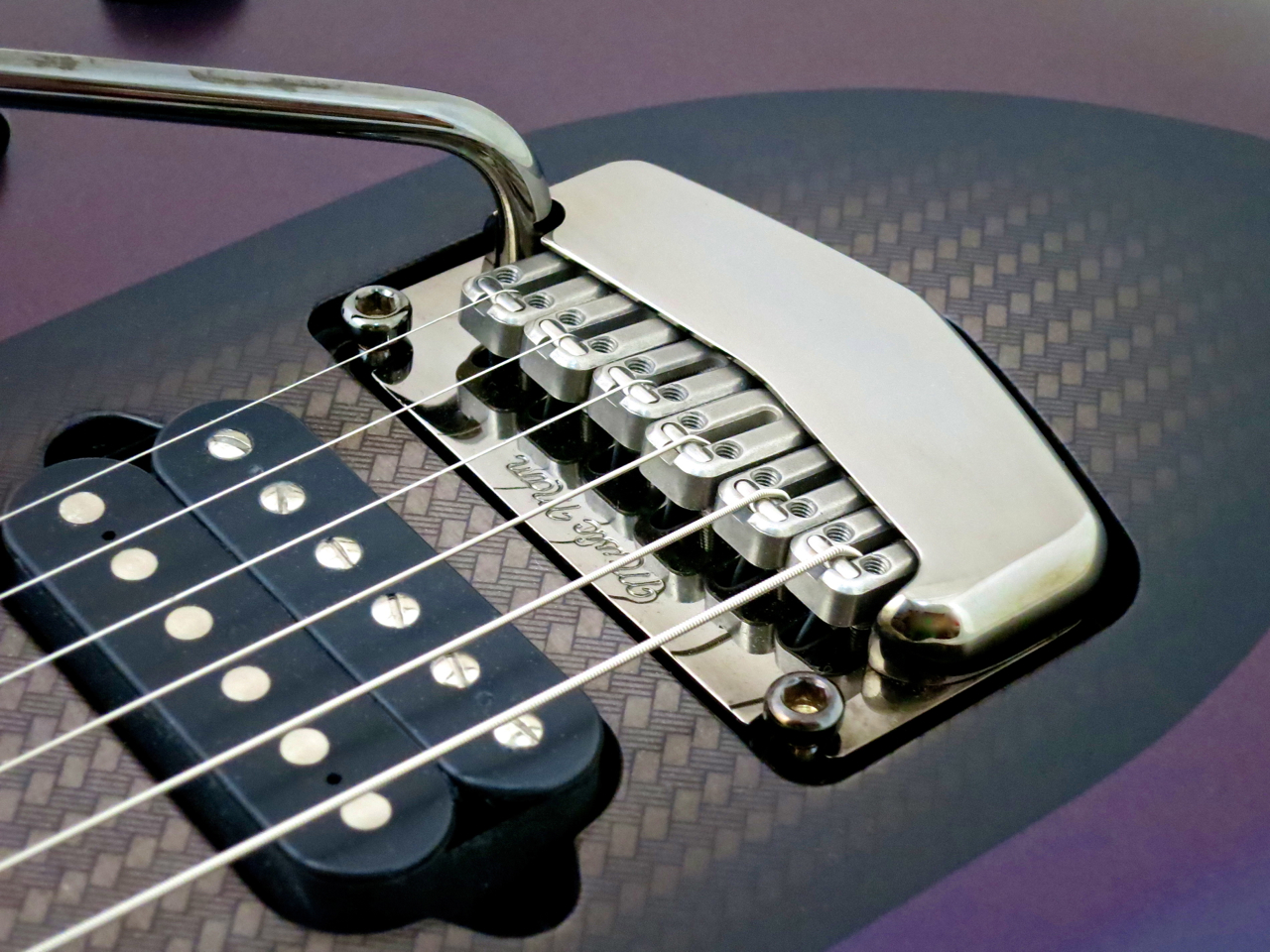
The floating vibrato bridge is Music Man’s own, cool design, which features steel saddles equipped with Fishman piezo elements for acoustic-style tones.

Music Man Majesty – pickups

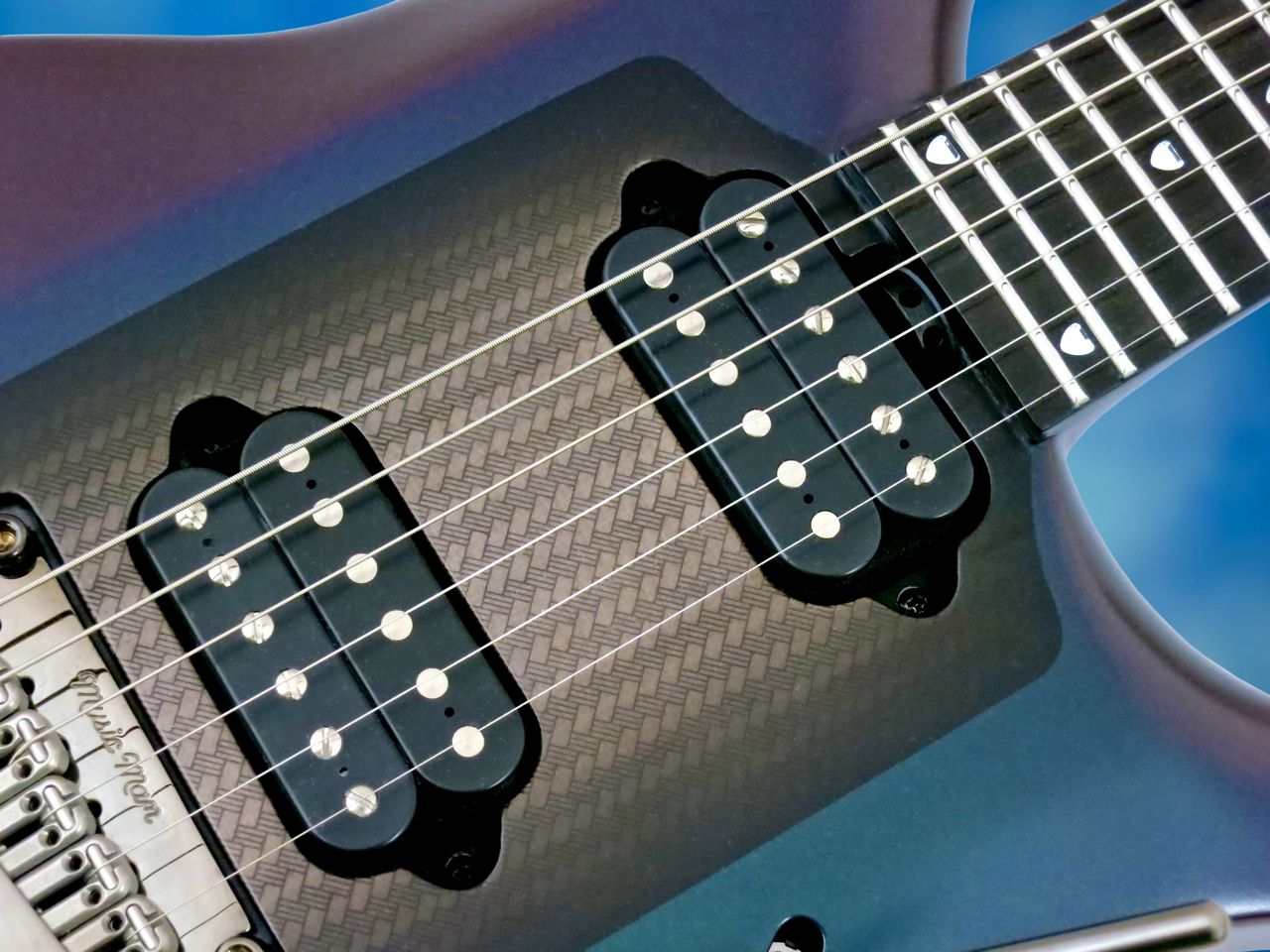
The Majesty’s magnetic side comprises a pair of DiMarzio Illuminator humbuckers (John Petrucci’s signature pickups), installed straight into the body wood.

Music Man Majesty – piezo switch

Music Man’s Majesty comes with a very dedicated, special switching system; the technically-minded among you can take a look at the schematics:

Music Man Majesty – schematics

The three-way switch in the top horn lets the player select between piezo-only, magnetic-only, and piezo-plus-magnetic settings.

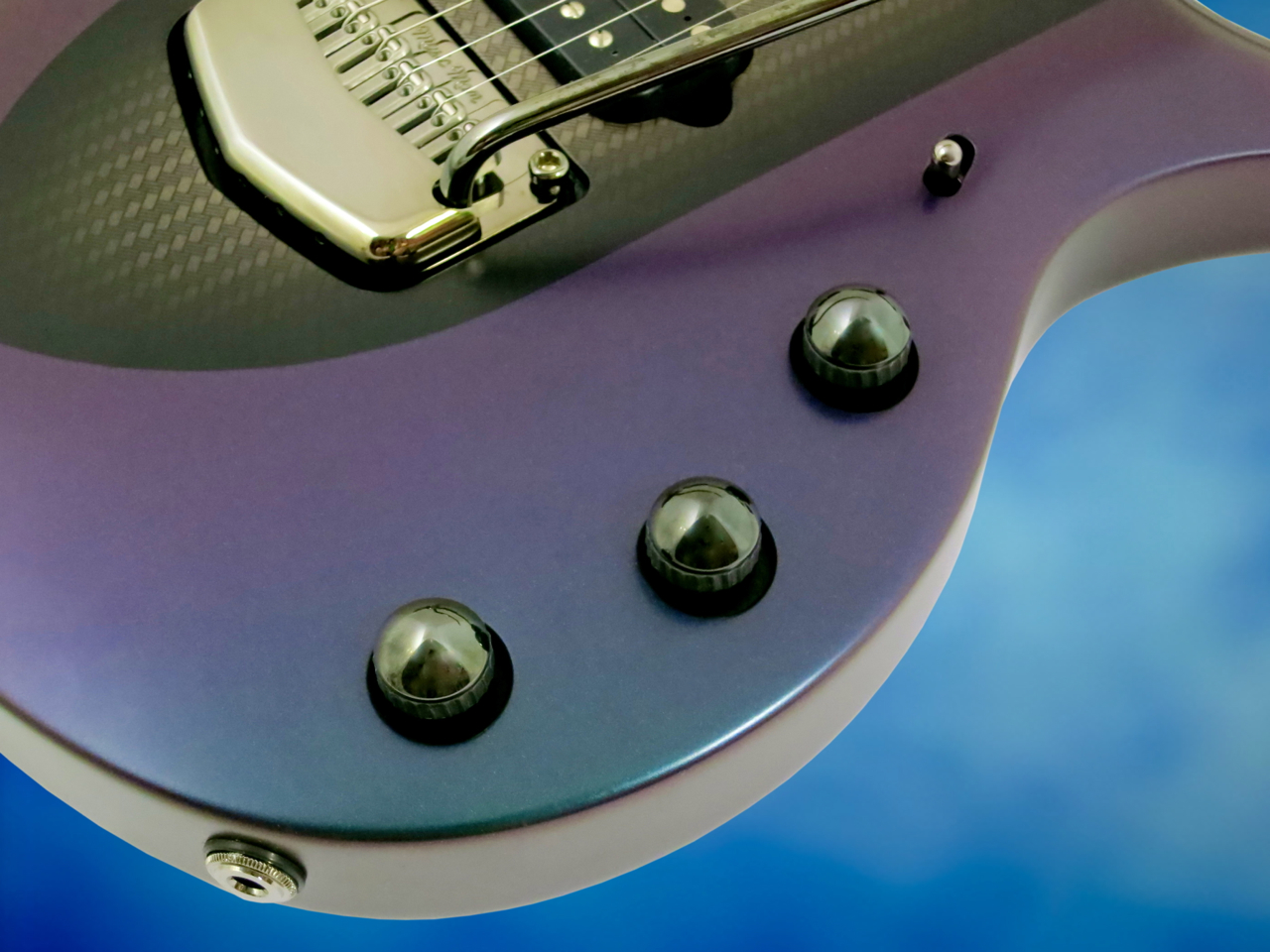
Music Man Majesty – controls

Beneath the strings you will find a second three-position toggle switch, that works as a pickup selector for the DiMarzios.

The control next to it is the volume control for the humbuckers. It also contains a push-push switch for engaging the Majesty’s active signal boost.

The second knob is a passive tone control, whose push-push switch works in the pickup selector’s middle position. ”Down” gives you the full sonic attack of two humbuckers, while the ”up” position switches off the outer coils of both pickups for thinner, more Fender-style sounds.

The third switch (near the output jack) is the volume control for the piezo signal. This knob sports a momentary switch, which allows you to reconfigure the output from standard mono – both the piezo and magnetic signals are sent to the same amplifier – to ”stereo”, enabling you to use a Y-cable to send the piezo’s output to a dedicated acoustic amp (or to a mixing console).

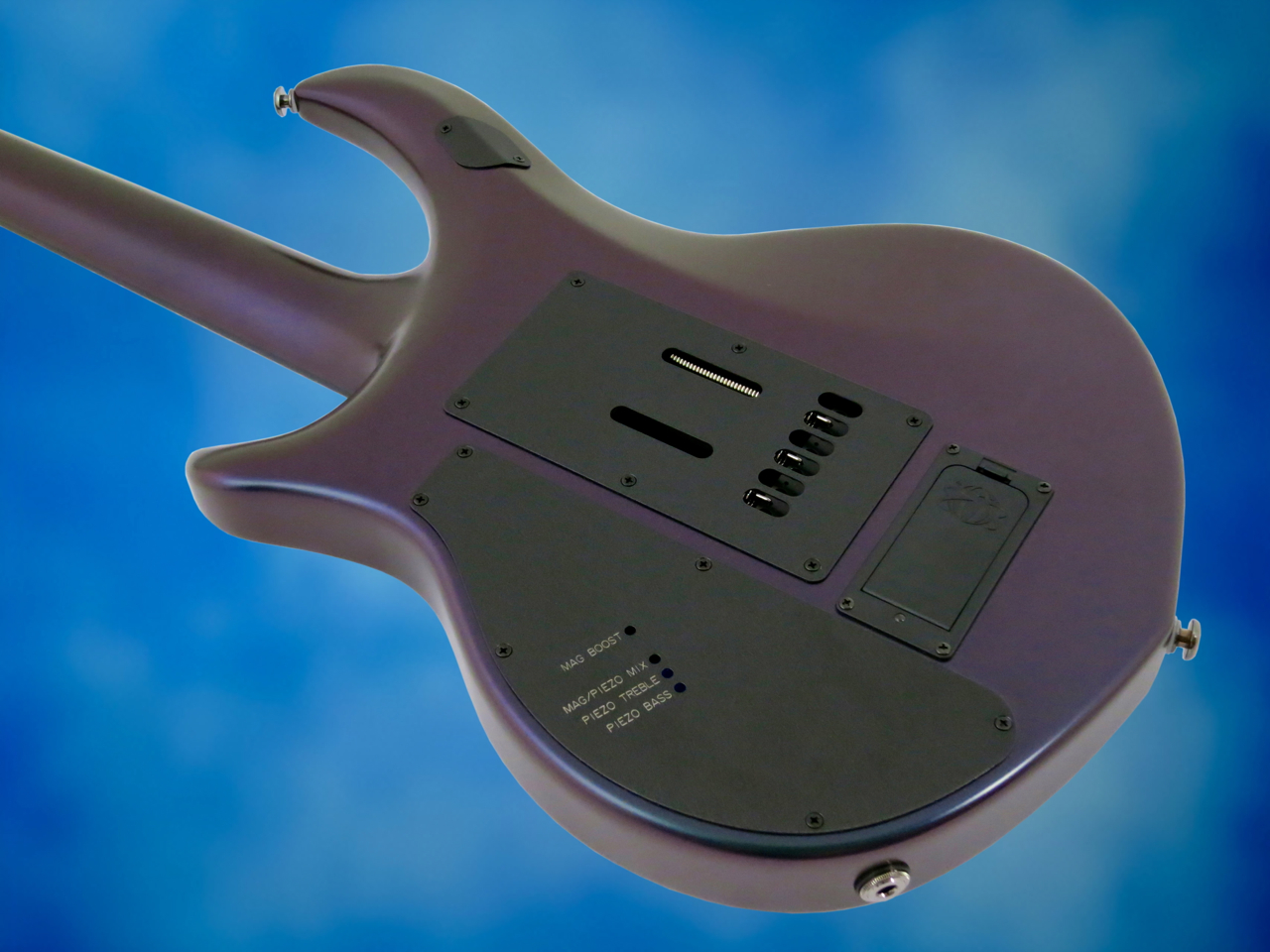
Music Man Majesty – trim pots

By using a tiny screwdriver you can adjust the active signal booster for the humbuckers, as well as set the maximum volume of the piezo signal, and the Fishman two-band EQ.

Music Man Majesty – back beauty

The Majesty’s active electronics are powered by a 9 V block.

****

Music Man Majesty – body beauty

Some ”signature models” are only for posing. Others are simply souped-up, or slightly tweaked, versions of classic guitar models.

Music Man’s Majesty is one of the few instances, when a guitar hero had very clear and strong views regarding the look, the features, and the sounds of his dream guitar. Petrucci and Music Man set to work, and no compromises were accepted.

The Majesty is a fantastic instrument, and each guitar leaves the factory set up to Mr Petrucci’s exacting specifications. You get the exact guitar the master himself plays on stage and in the studio.

As already mentioned, this guitar is extremely light and comfortable, and balances perfectly on a guitar strap.

The neck profile is a relatively thin D. The satin-finished neck feels very fast and friendly, without being insubstantial.

Thanks to the jumbo frets and the flat fingerboard radius (17″) the Majesty is very bend-friendly. The action is low, but completely free of fret buzz (low-E: 1.7 mm/high-e: 1.6 mm).

The Majesty’s floating vibrato works very smoothly, and has excellent return-to-pitch.

The piezo system works great! It gives you a credible ”acoustic” tone in the context of a Rock or Metal band, and also comes in handy to ”freshen up” the Majesty’s magnetic signal (the clip has the following order:  piezo –> piezo + coil split –> coil split):

Here’s an example of the clean magnetic tones you can get from this Music Man. The powerful DiMarzio Illuminators are loaded with ceramic magnets (neck PU –> both (full) –> both (coil split) –> bridge PU):

The Majesty’s coil split and active boost give you three different degrees of distortion without even stepping on a single pedal. This clip has the coil split first, followed by the full middle position:

The active boost on this Petrucci-guitar is a great addition to any guitarist’s tool-pack, used here on the bridge pickup:

And, lastly, the audio track off the Youtube-video:

Music Man Majesty – body beauty 2

****

Music Man Majesty – beauty shot

The Music Man John Petrucci Majesty is a top-grade signature guitar with an extremely wide array of sounds. In addition to the high quality and exemplary workmanship on display, the best thing about this guitar is that the Majesty’s features, its playability and its versatile sound also make it a great choice for many other guitarists, too.

****

Music Man John Petrucci Majesty

approx. 3,900 € (hard case included)

Finnish distributor: EM Nordic

A big thank you to DLX Music Helsinki for providing the review guitar!

****

Pros:

+ workmanship

+ finish

+ non-locking vibrato bridge

+ playability

+ versatile electronics and switching

+ sound

Testipenkissä: Music Man John Petrucci Majesty

Music Man Majesty – teaser

Progressiivisen Rockin mestarilla ja Dream Theater -bändin keulakuvana tunnetulla John Petruccilla on jo pitkään ollut hedelmällinen suhde Music Manin kanssa. Firmalla on ollut jo pitkään useampi nimikkomalli valikoimassaan, ja myös Sterling-alabrändiltä löytyy Petrucci-malleja.

Viime vuonna ilmestyi uusin, kaikilla herkuilla varustettu nimikkomalli – Music Man Majesty.

****

Music Man Majesty – case

Ensimmäinen asia jonka huomaa, on varmaan koko paketin yllättävän alhainen paino:

Kun hain Music Man Majestyn testiin (Helsingin DLX Musiikilta) piti ensin tarkistaa, onko laukussa edes kitara, koska laukku tuntui tyhjältä. Kyllä, siinä se kaunotar oli…

Music Man Majesty – full front – video

Music Man Majestyn (hintaluokka noin 3.900 €) tapauksessa kyseessä on todellakin huippumoderni nimikkomalli, jolla on selvästi ihan omat näkemyksensä siitä, millainen nykyaikaisen sähkökitaran pitäisi olla. Majestyn suunnittelu lähti liikkeelle lähes tyhjältä pöydältä.

Music Manin uutuusmallissa mahonkikaula jatkuu yhtenäisenä läpi koko rungon (ns. Through-Neck), mikä mahdollistaa erittäin sulavan kaulan ja rungon liitoksen 23. nauhan kohdalla.

Music Man Majesty – beauty shot 2

Myös Majestyn runko on veistetty erittäin sulavaksi, minkä ansiosta se myötäilee täydellisesti soittajan kehoa.

Runko on tehty kahdesta lehmussiivestä, joiden päälle on liimattu suhteellisen ohut vaahterakansi. Kilpeä (tai vaakunaa) muistuttava, tumma keskiosa näyttää ensisilmäykseltä hiilikuidulta, mutta todellisuudessa vaahteran pintaan on poltettu laserilla grafiittia muistuttava kuvio.

Testikitaran viimeistelyn nimi on Arctic Dream, ja sen väri vaihtelee katselukulmasta riippuen syvästä violetista tumman vihreään.

Music Man Majesty – tuners

Music Man -viritinlapaan on asennettu Schallerin laadukkaita lukkovirittimiä.

Music Man Majesty – headstock

Kompensoidun satulan ja ensimmäisen nauhan välillä näkyy Dream Theaterin logo.

Music Man Majesty – fretboard

Majestyn nauhatyö on ensiluokkaista. Eebenpuiseen otelautaan on asennettu 24 jumbonauhaa ruostumattomasta teräksestä.

Kaikki otemerkit uudessa Petrucci-mallissa ovat pieniä peilejä.

Music Man Majesty – vibrato bridge

Music Manin omassa kelluvassa vibratallassa on teräksisiä tallapaloja, joihin on upotettu Fishmanin piezoelementtejä.

Music Man Majesty – pickups

Majestyn magneettiset mikrofonit taas ovat kaksi DiMarzio Illuminator -humbuckeria – John Petruccin nimikkomalleja, siis – jotka on asennettu suoraan runkoon ilman kehyksiä.

Music Man Majesty – piezo switch

Music Man Majesty -mallin kytkentä on hyvin erikoinen, mikä näkyy myös firman kytkentäkaaviosta:

Music Man Majesty – schematics

Yläsarvessa on kolmiasentoinen kytkin, jolla valitaan käytetäänkö ainoastaan piezopuolta, magneettimikrofoneja vai molempia yhdessä.

Music Man Majesty – controls

Kielten alapuolelta löytyy perinteinen kolmiasentoinen mikkikytkin DiMarzio-humbuckereille.

Ensimmäinen säädin on humbuckerien volume. Tähän potikkaan on piilotettu myös push-push-nostokytkin, jolla voi ottaa käyttöön Majestyn aktiivisen signaaliboosterin.

Toinen säädin on passiivinen tone-nuppi. Tässäkin säätimessä on push-push-kytkin, jolla kytketään mikkien uloimmat kelat pois päältä, silloin kun mikkivalitsin on keskiasennossa. Näin saadaan Music Manilta myös ohuempia, Fender-tyylisiä soundeja.

Jakkilähdön lähellä oleva, kolmas säädin on piezo-puolen volume. Tässä säätimessä on painokytkin, jolla voi valita, käytetäänkö kitaran lähtöä monona – jolloin sekä piezo- että magneettiset mikrofonit menevät samaan vahvistimeen – tai stereona (Y-johdolla), jolloin piezosignaalin voi kytkeä akustiseen vahvistimeen tai suoraan mikseriin.

Music Man Majesty – trim pots

Elektroniikkalokeron kannen läpi voi säätää pikkuruuvarilla booster-toiminnon ja piezosignaalin tasoja, sekä Fishmanin kaksikaistaista EQ:ta piezopuolelle.

Music Man Majesty – back beauty

Majesty-malli saa tarvitseman virtansa yhdestä 9 voltin paristosta.

****

Music Man Majesty – body beauty

Joidenkin artistien ”nimikkomallit” ovat pelkästään mainoskuvia varten. Toiset nimikkomallit taas ovat kevyesti muunneltuja versioita jostain tietystä klassikkokitarasta.

Music Man Majesty sen sijaan on yksi niistä harvinaisista tapauksista, jossa kitarasankarilla oli erittäin selkeät näkemykset soittimen ulkonäön, ominaisuuksien, sekä soundien kannoilta, joita on sitten lähetty toteuttamaan ilman turhia kompromisseja.

Majesty on huippusoitin, ja jokainen yksilö lähtee Music Manin tehtaalta prikulleen samoilla säädöillä, joita John Petrucci itse käyttää.

Kuten jo mainittu, tämä kitara on ultrakevyt, ja se roikkuu hihnassa täydellisessä tasapainossa.

Satiinipintaisen kaulan profiili on suhteellisen ohut D. Se on siis melko nopealta ja mukavalta tuntuva tapaus, joka ei kuitenkaan ole vielä epämiellyttävän ohut.

Jumbo-kokoisten nauhojen ja loivan otelautaradiuksen (17 tuumaa) ansiosta kielten venytykset onnistuvat vaivattomasti.
Kieltenkorkeudetkin on säädetty melko matalaksi (matala E: 1,7 mm/korkea e: 1,6 mm), mutta kitara soi silti puhtaasti ja rämisemättä.

Majestyn kelluva vibra toimii mukavan sulavasti ja ilman vireongelmia.

Majestyn piezosignaali kuulostaa todella hyvältä. Se toimii hyvin akustisen kitaran sijaisena Rock-bändin kontekstissa, tai sitten magneettisen soinnin raikastajana (järjestys: piezo –> piezo + coil split –> coil split):

Tältä kuulostavat Music Manin puhtaat magneettiset soundit. Tehokkaissa DiMarzion Illuminator-humbuckereissa on keraamiset magneetit (järjestys: kaulamikki –> molemmat (täysillä) –> molemmat (coil split) –> tallamikrofoni):

Majesty-mallin humbucker-puolitus ja kitaran kytkettävä boosteri luovat pohjan kolmelle eri särösoundille, ja täysin ilman efektipedaaleja. Tässä soivat ensin puolitettu keskiasento ja sitten sama täysillä mikrofoneilla:

Petrucci-kitaran tehokas boosteri on oiva lisäys työkalupakkiin (käytössä tässä tallamikrofoni):

Ja viimeisenä vielä videon demobiisi:

Music Man Majesty – body beauty 2

****

Music Man Majesty – beauty shot

Music Man Majesty on erittäin laadukas ja todella monipuolinen nimikkosoitin. Laadukkaan toteutuksen lisäksi parasta tässä soittimessa kuitenkin on, että Majestyn kattavat ominaisuudet ja laaja sounditarjonta sopivat – John Petruccin ohella – varmasti myös monelle muulle kitaristille.

****

Music Man John Petrucci Majesty

Hintaluokka: noin 3.900 € (kova laukku kuuluu hintaan)

Maahantuoja: EM Nordic

Kiitos DLX Musiikille testisoittimen lainaamisesta!

****

Plussat:

+ työnjälki

+ viimeistely

+ vibratalla

+ soitettavuus

+ erittäin monipuolinen elektroniikka

+ soundi

Review: Squier Vintage Modified Cabronita Telecaster

Squier Cabronita Telecaster – beauty shot 2

When the Fender Custom Shop introduced the La Cabronita Especial in 2009, nobody would have thought that this Telecaster and Gretsch mongrel would go on to become the huge hit it is today.

The Cabronita Tele’s success can be seen in the way new, more affordable versions of the model started creeping up – first as Fender models, and now as very affordable Squier guitars. At the moment of writing there are, in fact, two Squier-versions – one with a Bigsby vibrato, and one with a hardtail bridge.

****

Squier Cabronita Telecaster – full front

The Squier Vintage Modified Cabronita Telecaster (price in Finland approx. 300 €) is basically a hot-rodded Telecaster.

Squier Cabronita Telecaster – back beauty

The body of the Squier Cabronita is made from a plank of several pieces of basswood, while its classic one-piece neck has been crafted from hard rock maple.

Squier Cabronita Telecaster – headstock

There is no separate fretboard, instead the instrument’s 22 medium jumbo frets have been installed straight into the radiussed face of the neck.

A welcome nod to modernity is the truss rod access from the headstock side.

Squier Cabronita Telecaster – tuners

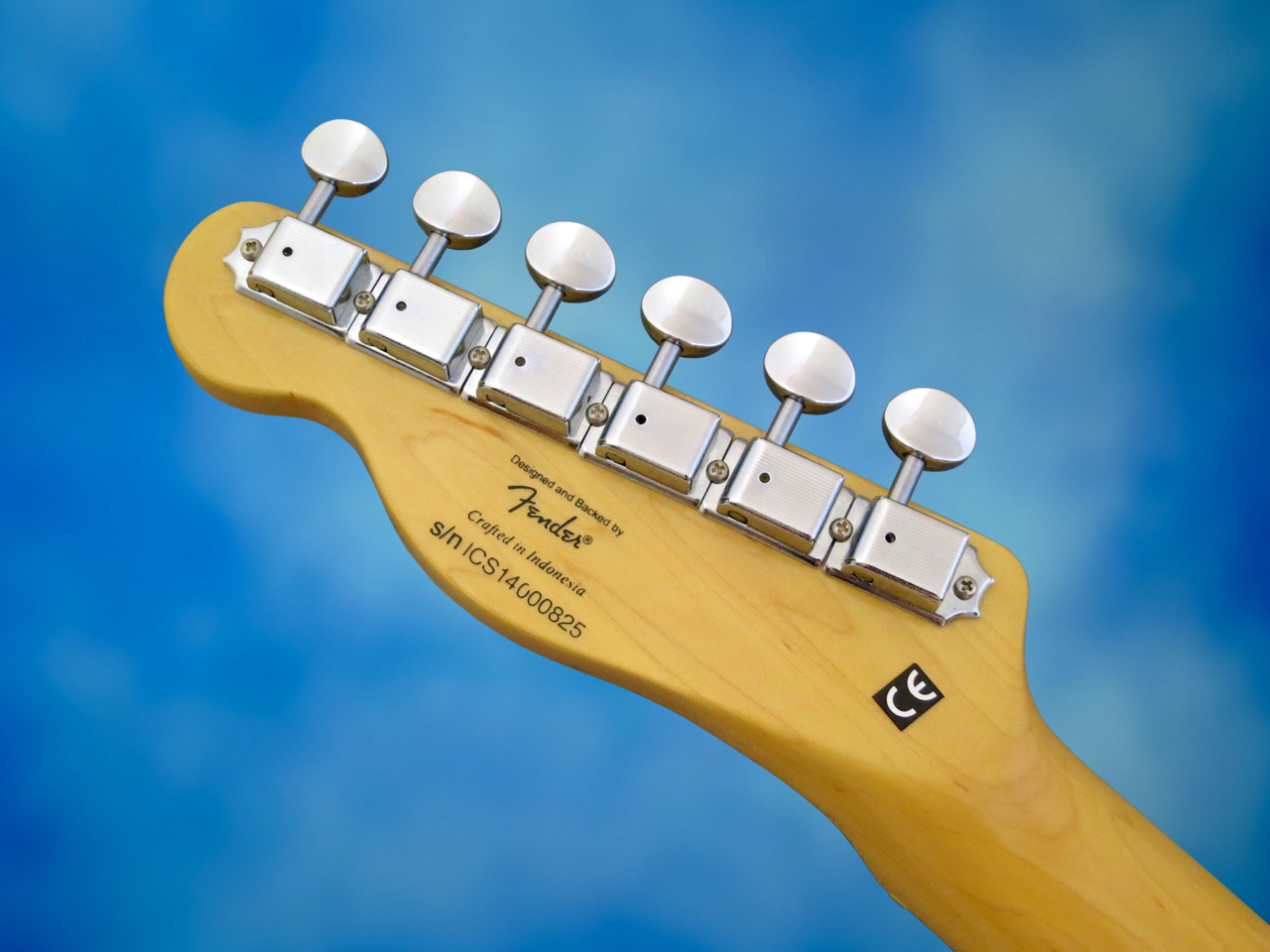
A set of very decent Kluson-copies has been selected for tuning duties on this Squier.

Squier Cabronita Telecaster – bridge

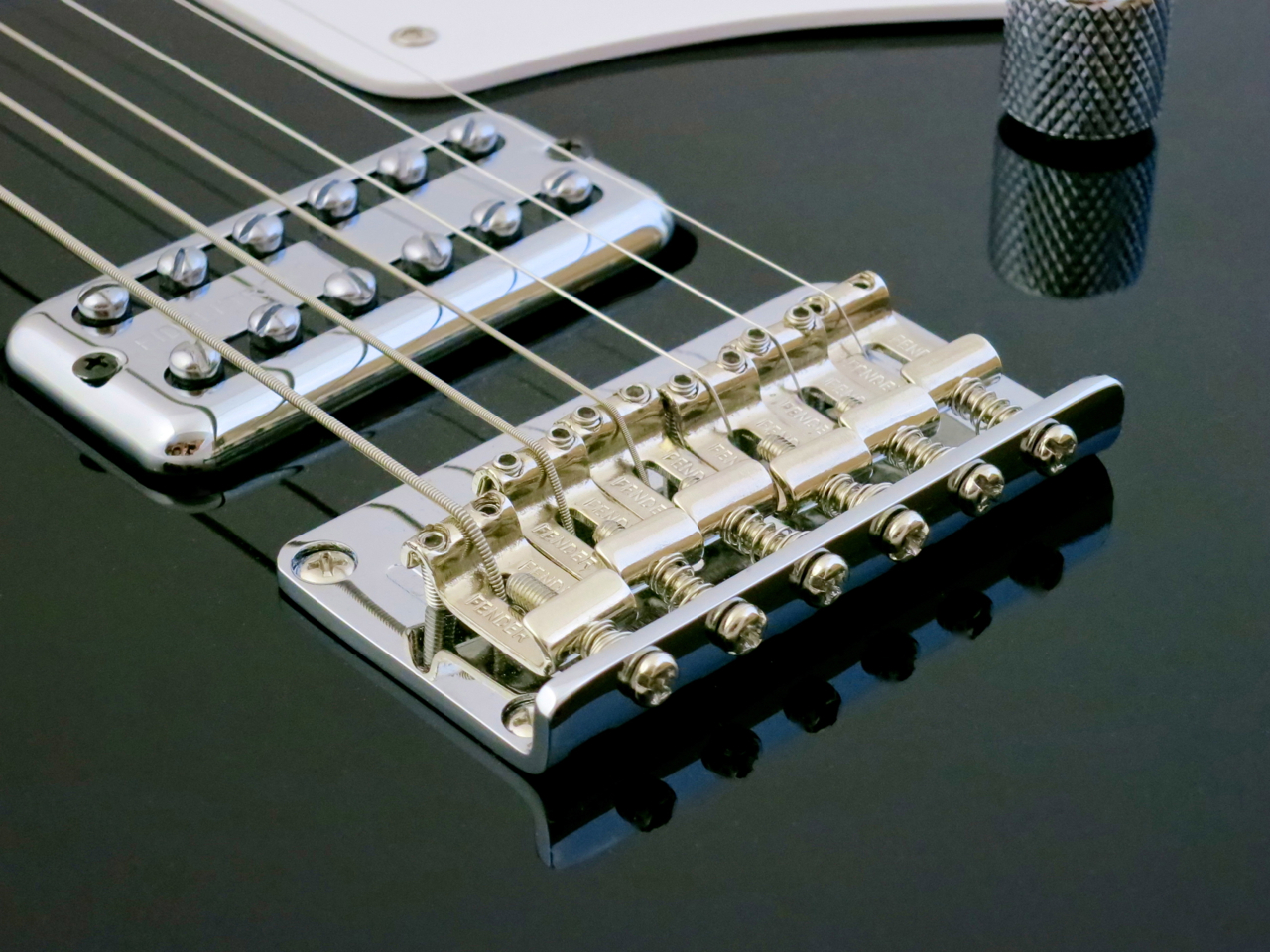
Instead of a classic Telecaster ashtray, the Cabronita employs a hardtail, six-saddle bridge with vintage-type Stratocaster saddles.

The extremely low price tag of the Squier can be seen in a couple of small things, such as the bridge being installed a tiny bit askew on the review instrument.

Squier Cabronita Telecaster – pickups

Central to the Cabronita-concept is the use of Gretsch Filtertron-style pickups. Squier make their own version for this guitar model, and call it the Fideli’Tron.

Squier Cabronita Telecaster – controls

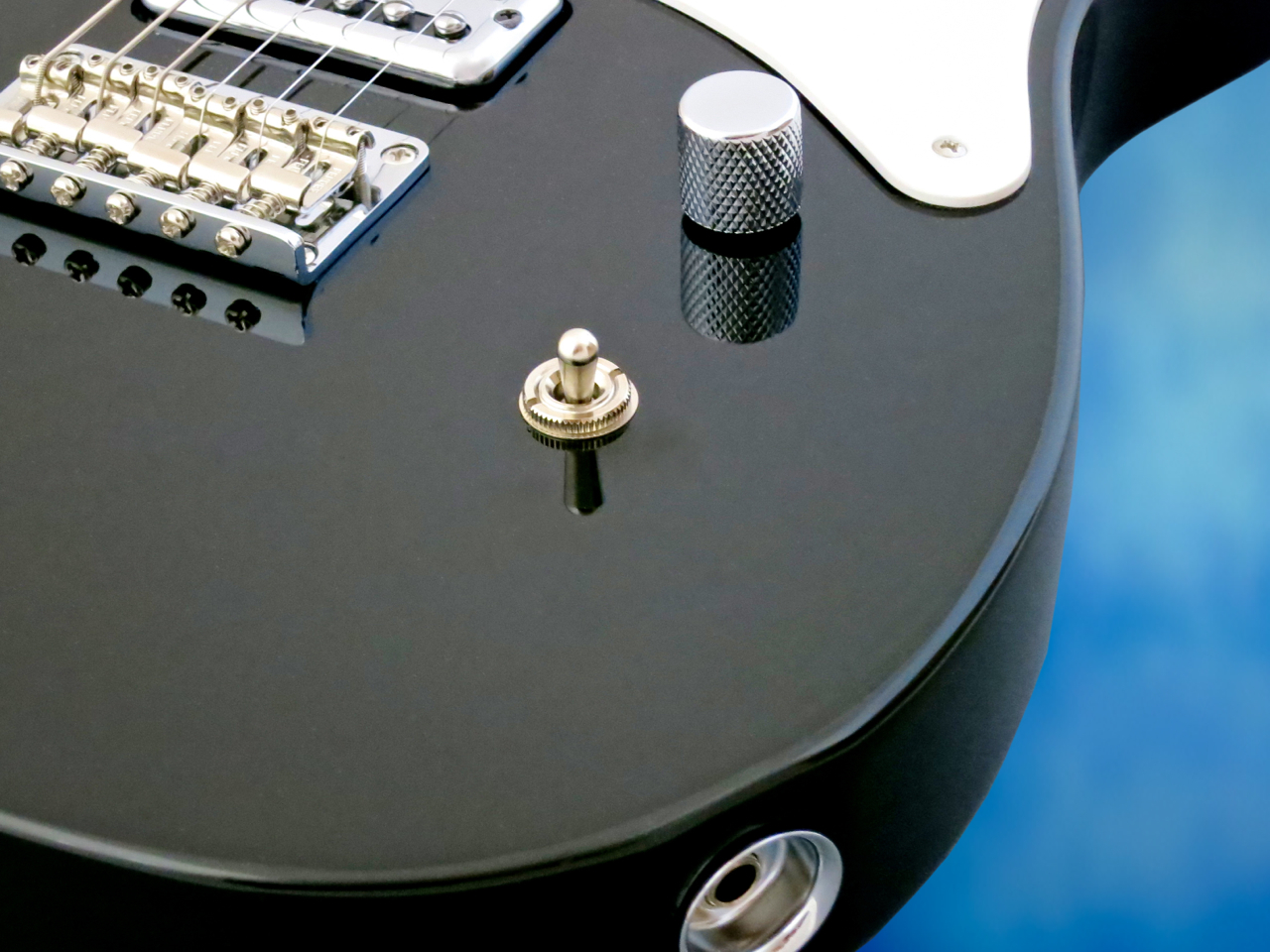
As befits such a Hot Rod guitar, the Squier Cabronita Tele is equipped with just a single volume control, and a three-way toggle pickup selector.

Squier Cabronita Telecaster – control + switch

At prices like these you cannot seriously expect custom shop build quality:

The volume control works very smoothly, but the toggle switch of our review guitar was a bit temperamental, sometimes adding crackling, or even muting the signal, in the middle position. This could be a glitch on this specific guitar, but I’d probably upgrade to a better switch.

****

Squier Cabronita Telecaster – body beauty

Squier’s Vintage Modified Cabronita Telecaster offers a whole lot of musical fun for the money.

In the sub-500 € price bracket, manufacturers generally tend to achieve savings in production costs, by reducing man-hours spent on each instrument’s production. Very often these savings are directed at the final set-up stage. Straight out of the box, many guitars in this price bracket suffer from top nuts left too high and/or dodgy intonation, and it is then up to the local distributor or the individual music shop to give these instruments a proper set-up prior to sale. This is one of the reasons why I think you should prefer an actual guitar dealer to ordering your affordable guitar over the internet, as the dealer will make sure the guitar plays to the best of its abilities, before it is sold.

Helsinki’s DLX Music were kind enough to supply me with the review instrument, and – naturally – they keep all their stock shipshape. No problems here, then! The reviewed Squier Cabronita is a lightweight solidbody guitar, with a very comfortable C-profile neck. Thanks to its larger-than-vintage frets, as well as the modern fingerboard radius of 9.5 inches, the Cabronita is easy to play, and the string-bending feel is rather slinky, even with a set of 010s.

Acoustically, the Squier Cabronita sounds more like a hardtail Strat than a vintage Tele, which is due to this model’s different bridge. There is a good deal of that typical Fender- attack and -cluck, but much less of the famous, nasal twang of the treble strings.

Generally speaking, Filtertron-type pickups tend to fall right in the middle of your typical singlecoil/humbucker-divide. Filtertrons are doublecoil pickups (= humbuckers), but thanks to their special construction, and their smaller size, they sound much brighter than a traditional, PAF-style humbucker. Generally, there’s a lot of clarity and attack on tap in this kind pickup.

Squier’s own Fideli’Tron-pickups sound surprisingly good, belying their affordable pedigree. On clean amp settings you will get a clear attack to each note, plenty of chime, and superb string separation (this clip starts with the neck pickup):

Driven into distortion Squier’s Fideli’Trons satisfy with a healthy dose of bite and snarl:

And here’s the audio track from the Youtube-video:

Squier Cabronita Telecaster – body beauty 2

****

Squier Cabronita Telecaster – beauty shot

I simply love the way that this Squier Cabronita Telecaster manages to give you the essence of what this model is all about, at such an affordable price point. You get a great-feeling neck with a very decent fretjob, coupled with – for the money – fantastic tone. This Squier really gives you the original ”bastardised Tele” experience, and is very hard to put down, indeed.

****

Squier Vintage Modified Cabronita Telecaster

Current street price approx. 300 €

Additional info: Fender

A big thank you goes to DLX Music Helsinki for the loan of the review guitar!

****

Pros:

+ value-for-money

+ fretwork

+ playability

+ sound

Cons:

– bridge slightly askew

– temperamental toggle switch

Pidä blogia WordPress.comissa.

Ylös ↑