Review: Maono PD400X ja PM500 microphones

****

Even though I follow the musical instrument and musical equipment industry quite closely, it can always happen that some new piece of gear, or a new manufacturer, goes unnoticed by me. For this reason, I was very happy when Joni from Vantaan Musiikki recently introduced me to the products of the Maono brand.

Maono is a Chinese company that specializes in podcasting, vlogging and livestreaming products. The brand offers studio microphones, wireless camera mics, podcast/streaming mixers, headphones, and audio interfaces.

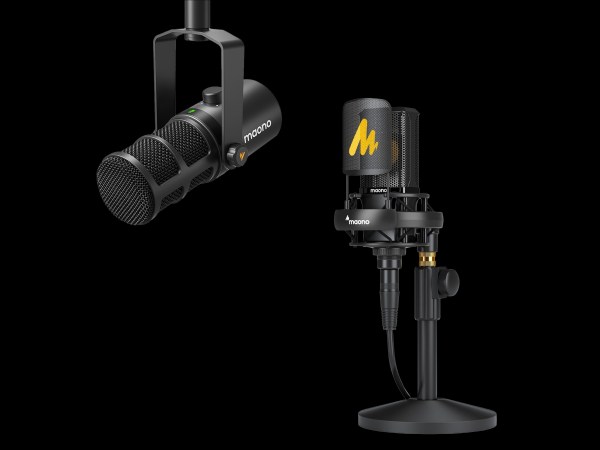
I received two Maono microphones for testing:

The Maono PD400X (145 €) is a dynamic microphone that works both as a stand-alone microphone (via its XLR output) and as a USB microphone (using USB-C) with a richly specced, internal audio interface.

The Maono PM500 (159 €), for its part, is a large-diaphragm condenser mic (34 mm läpimitta).

****
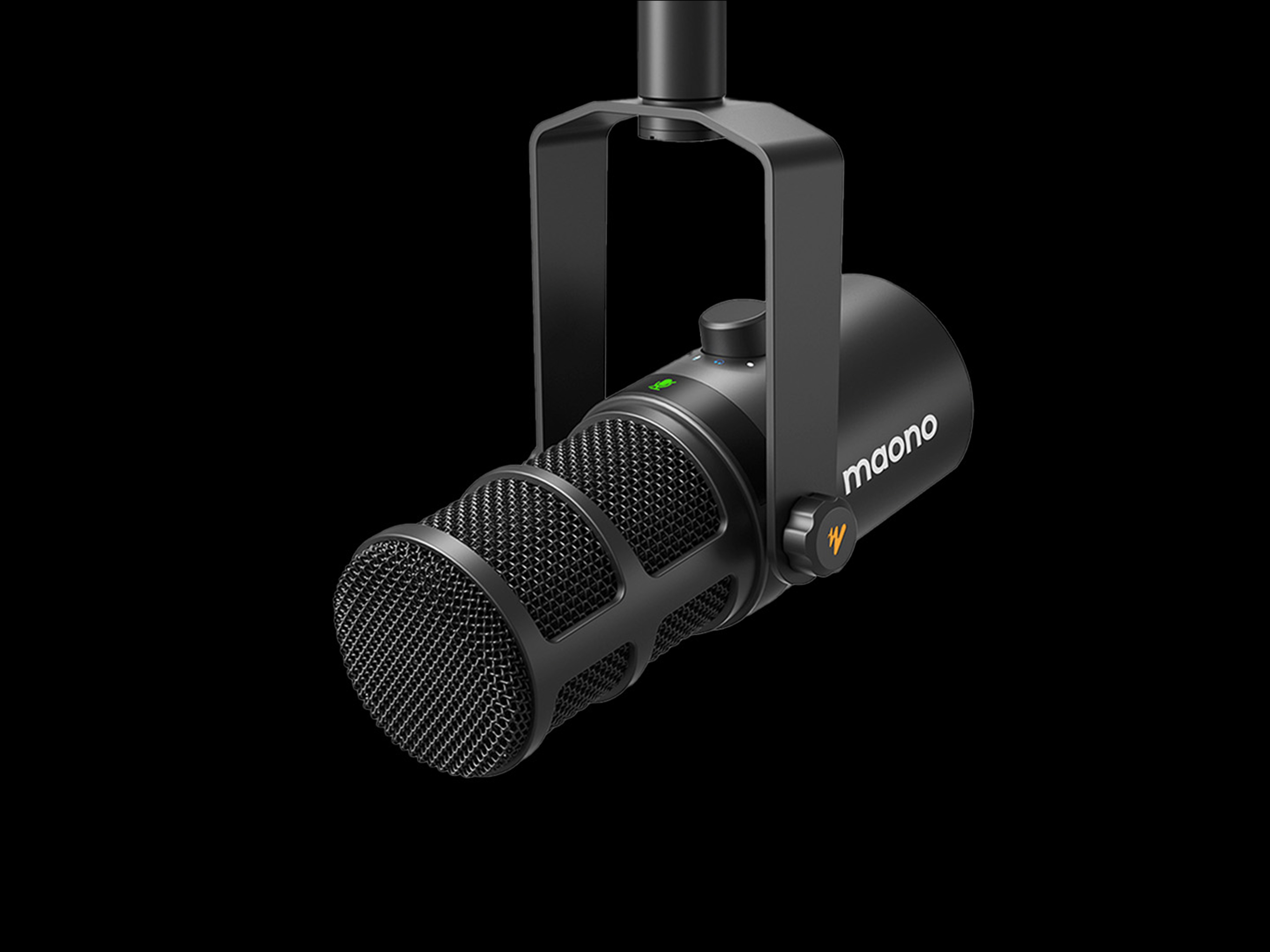
The Maono PD400X microphone’s appearance suggests its intended use as a podcast studio speech microphone. The PD400X is equally suitable for hanging from a suspension stand…
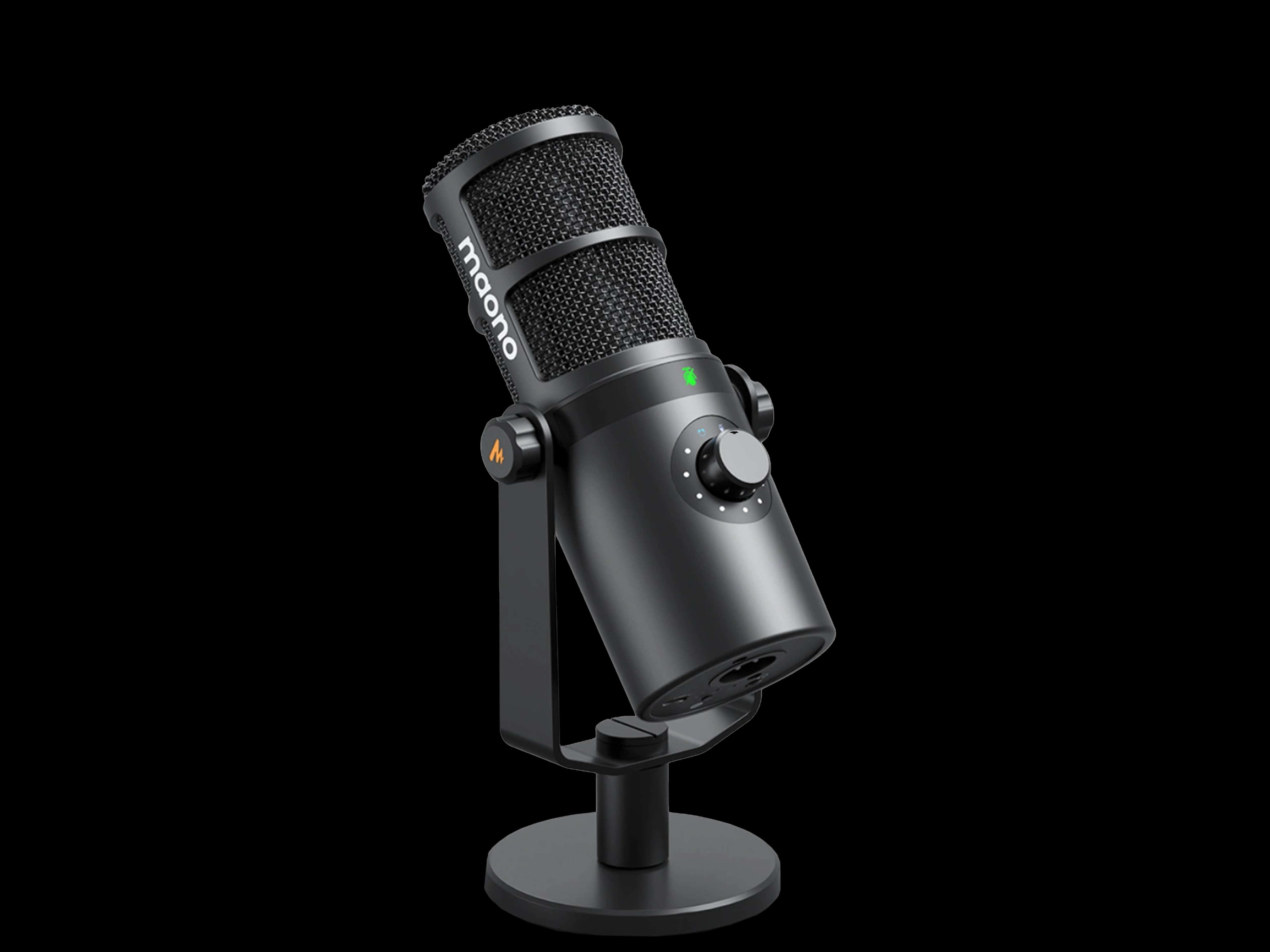
…as it is for use with a table stand.

The package includes the desk stand shown in the picture and a thick foam windscreen, as well as XLR and USB-C cables. The PD400X seems to be solidly made, and the weight of the microphone indicates that it is definitely not some nasty Temu-trash.

With the XLR cable, this Maono is a very straightforward dynamic microphone with an effective cardioid pattern and a very big sound.
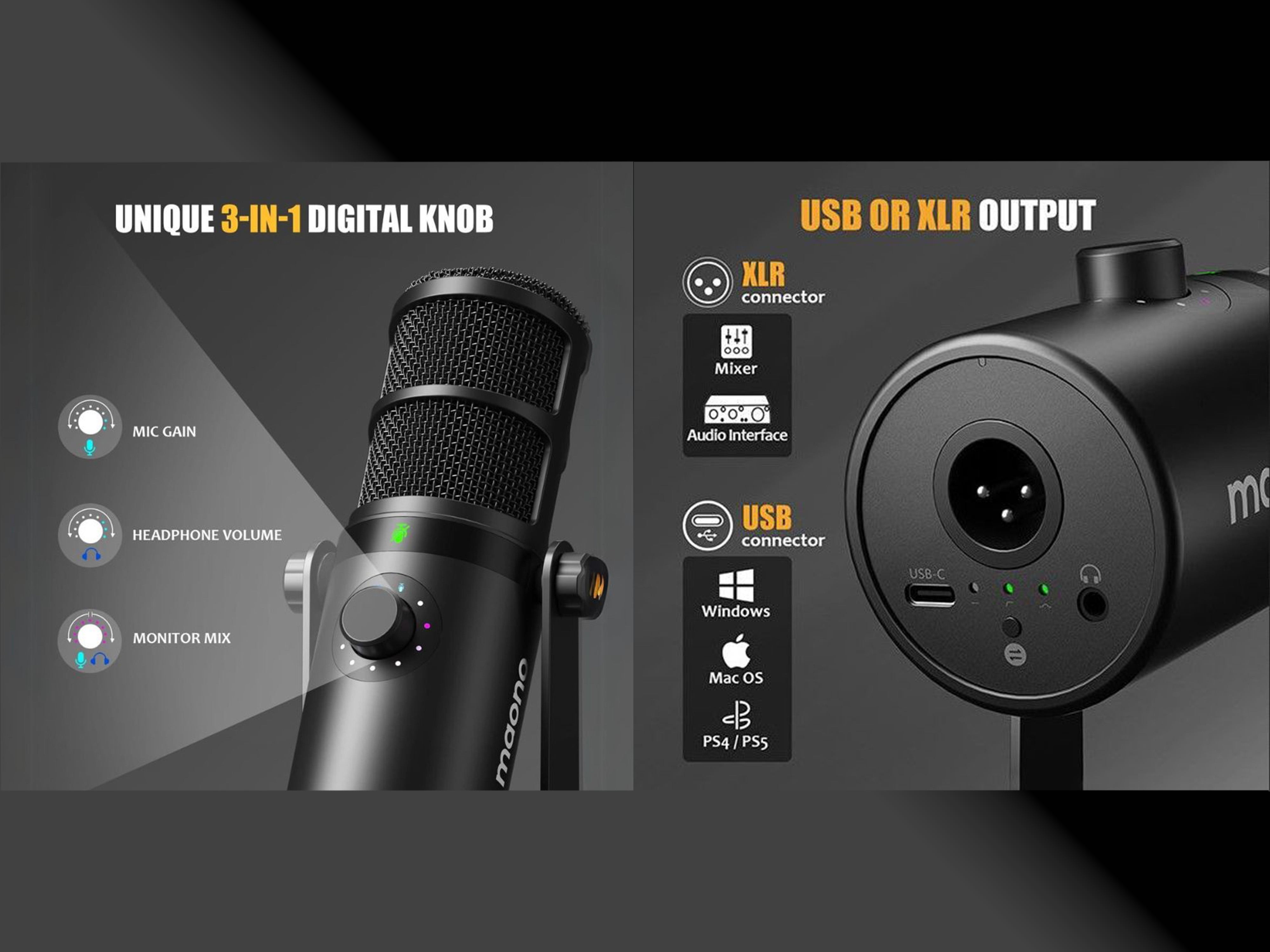
The Maono PD400X’s internal digital sound card (48 kHz/24 bit) is activated via the USB port. At the base of the mic, you’ll find a headphone output and a three-position pre-EQ (bass cut, presence boost, as well as both simultaneously). The microphone’s large control knob works in four different ways – a short press mutes – and unmutes – the PD400X, while a longer push selects one of three control modes (microphone gain, headphone volume, and monitor balance).

The PD400X is directly compatible with Windows and Mac computers via USB, as well as Sony PS4 and PS5 consoles.

If you want to access all the microphone’s cool additional functions, you should definitely download the company’s Maono Link app. With Maono Link, you can, among other things, optimise the sound of the PD400X mic for different distances of the sound source to the microphone, use the internal audio interface’s own compressor and limiter, and adjust the equalisation more precisely.

****

****
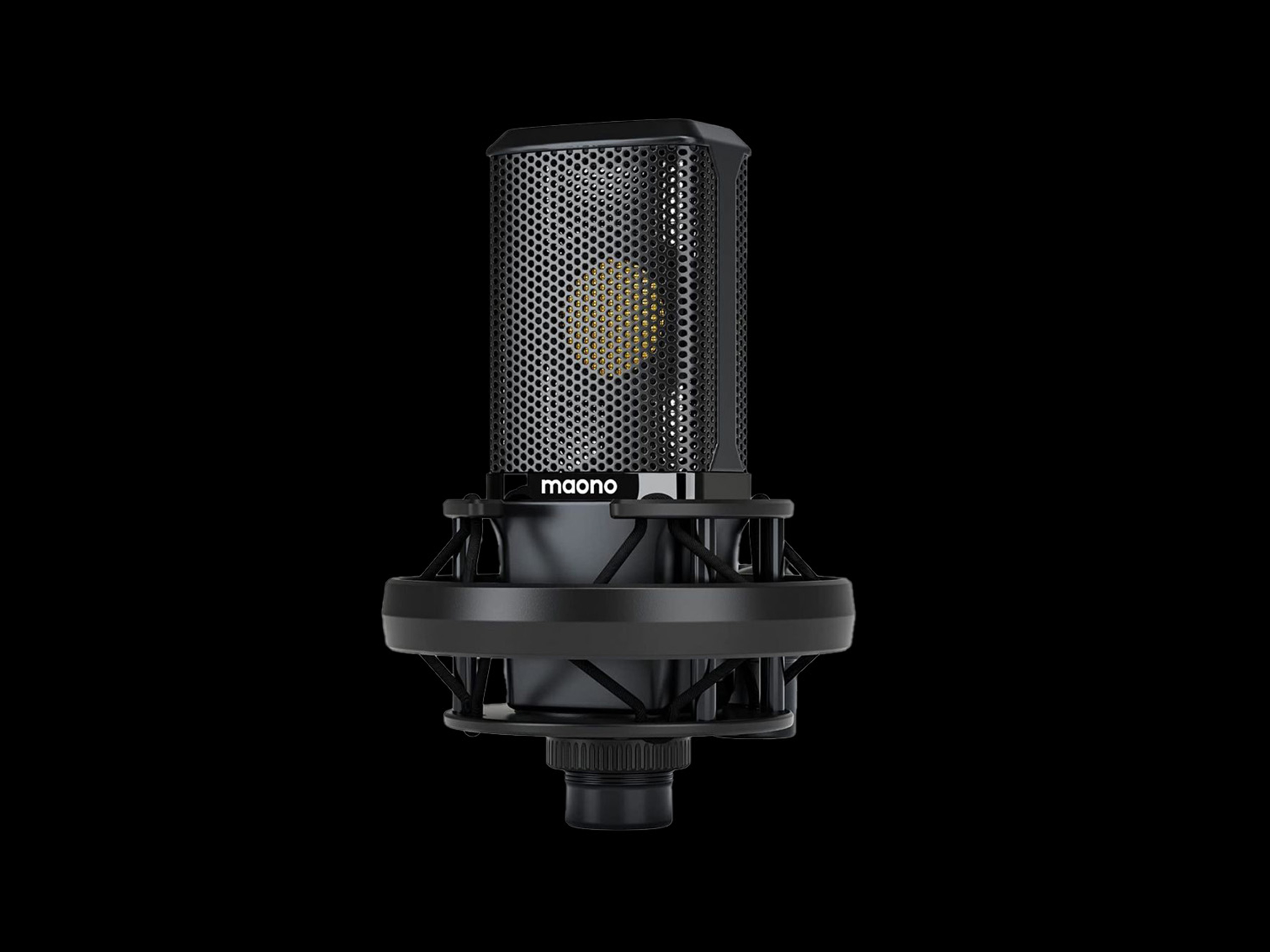
The Maono PM500 is the company’s straightforward, cardioid studio microphone with a large capsule (34 mm). It operates on 48 volts of phantom power.

The PM500’s solid build makes it look and feel much more expensive than it actually is.
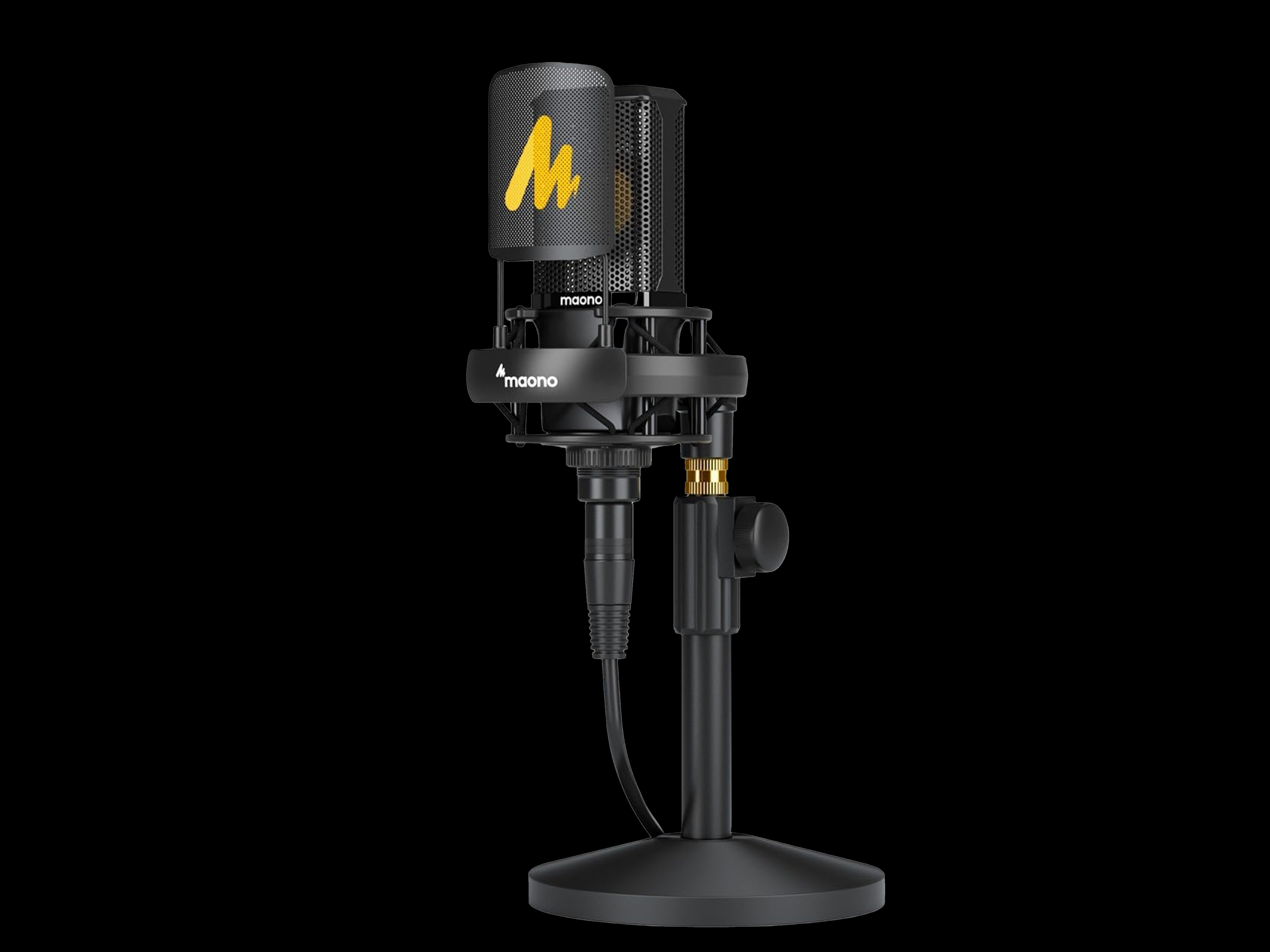
The package includes a high-quality cradle mount, a metal pop filter that easily attaches to the cradle, an XLR cable, and a height-adjustable desk stand.

As you would expect in this price range, the Maono PM500 doesn’t offer any additional on-board features, such as a bass filter. This mic is simply placed in front of the sound source, and that’s it.

****
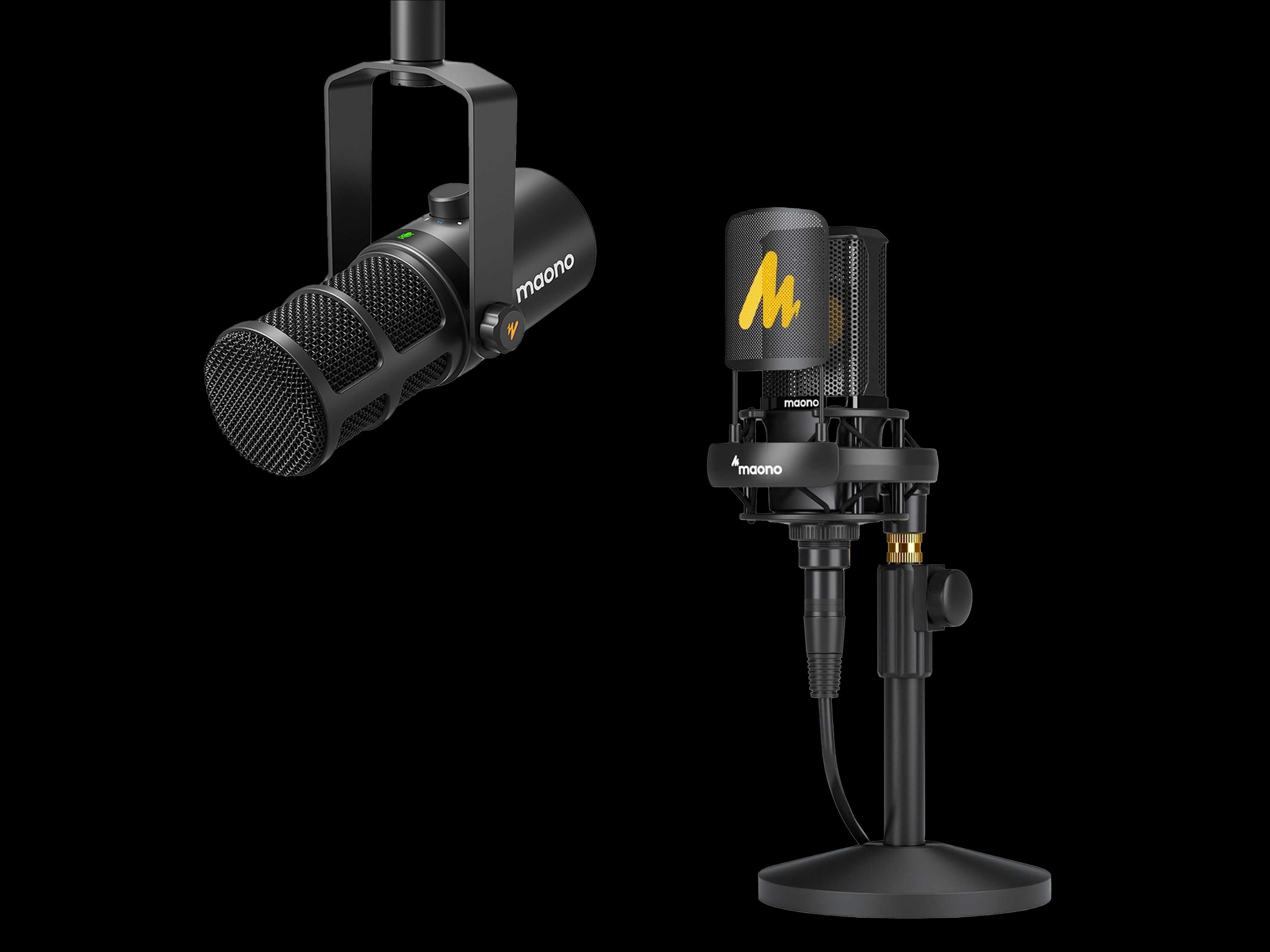
I have to take my proverbial hat off to these Maono microphones. Despite being relative newcomers, they have managed to jump straight into the ranks of well-known quality microphones.

In terms of sound and features, the Maono PD400X is very comparable to, for example, Shure’s MV7 or MV6 microphones. The PD400X already has a big ”radio sound” from the start, to which the mic’s excellent internal audio interface (and Maono Link app) gives a professional touch.

In my opinion, the Maono PM500 plays in the same league as the recently released AKG C104. As with the PD400X, the basic sound of the PM500 is also very healthy. In studio work, the sound of the leakage picked up from the sides and back of the mic is also important, and in this area the quality of the Maono PM500 becomes very obvious.

With these specs at these affordable prices, I think it’s definitely worth checking out Maono microphones in person.
Testipenkissä: Maono PD400X ja PM500 -mikrofonit

****

Vaikka seuraan soitin- ja soitinlaitealaa melko tiiviisti, aina voi tapahtua että jokin uusi laite tai valmistaja jää minulta huomaamatta. Tästä syystä olin hyvin iloinen, kun Vantaan Musiikin Joni esitteli minulle hiljattain Maono-brändin tuotteita.

Maono on kiinalainen yritys, joka on erikoistunut podcast-, vloggaus- ja livestream-tuotteisiin. Brändiltä saa studiomikrofoneja, langattomia kameramikkejä, podcast-/striimausmiksereitä, kuulokkeita, sekä audio interfaceja.

Sain testattavaksi mukaan kaksi Maono-mikrofonia:

Maono PD400X (145 €) on dynaaminen mikrofoni, joka toimii sekä pelkkänä mikrofonina (XLR-lähdön kautta) että USB-mikrofonina (USB-C) runsaasti speksatulla, sisäisellä audio interfacella.

Maono PM500 (159 €) taas on isolla kapselilla (34 mm läpimitta) varustettu konkkamikki.

****

Maono PD400X -mikin ulkonäkö viittaa sen käyttötarkoitukseen podcast-studion puhemikrofonina. PD400X sopii yhtälailla roikkutettavaksi jousitetulta telineeltä…

…kuin seisovaksi vaikkapa omalla pöytäständillä.

Paketista löytyy kuvassa näkyvä pöytäteline ja paksu vaahtomuovinen tuulisuoja, sekä XLR- ja USB-C-johdot. PD400X vaikuttaa olevan vankkaa tekoa, ja mikrofonin paino kertoo että kyse ei todellakaan ole mistään Temu-krääsästä.

XLR-johdolla tämä Maono on hyvin suoraviivainen dynaaminen mikrofoni tehokkaalla herttakuviolla ja erittäin isolla soundilla.

USB-portin kautta aktivoituu Maono PD400X:n sisäinen digitaalinen äänikortti (48 kHz/24 bit). Mikin tyvessä löytyy silloin kuulokelähtö ja kolmiasentoinen esi-EQ (bassoleikkuri, preesensiboosti, sekä molemmat samanaikaisesti). Mikrofonin isokokoinen säädin toimii neljällä eri tavalla – lyhyt painallus laittaa PD400X:n mutelle, kun taas napin pidempi painaminen valitsee yhden kolmesta säädintilasta (mikrofonin gain, kuulokkeiden volyymi, sekä monitorin balanssi).

USB:n kautta PD400X on suoraan yhteensopiva Windows- ja Mac-tietokoneiden kanssa, sekä Sony PS4- ja PS5 -koneiden kanssa.

Jos haluaa päästä kiinni mikrofonin kaikkiin hienoihin lisätoimintoihin, kannattaa ehdottomasti ladata firman Maono Link -appia. Maono Linkillä pystyy mm. optimoida PD400X-mikin soundia äänilähteen eri etäisyyteen mikrofonista, käyttää sisäisen audio interfacen oman kompressorin ja limitterin, sekä säätää ekvalisoinnin tarkemmin.

****

****

Maono PM500 on firman suoraviivainen, herttakuvioinen studiomikrofoni isolla kapselilla (34 mm). Se toimii 48 voltin phantomisyöttöllä.

PM500 vaikuttaa vankalta olemukseltaan selvästi kalliimmalta kuin mitä se todellisuudessa on.

Paketissa tulee mikin mukana laadukas kehtoripustus, helposti kehtoon kiinnittävä metallinen pop-filtteri, XLR-johto, sekä korkeussäädettävä pöytäständi.

Niin kuin tässä hintaluokassa sopii odottaa, Maono PM500 ei tarjoa lainkaan lisäominaisuuksia, kuten vaikkapa bassofiltterin. Tätä mikkiä yksinkertaisesti pystytetään äänilähteen eteen, ja sillä siisti.

****

Täytyy nostaa kuvitteellista hattuani näiden Maono-mikrofonien edestä. Uusina tulokkaina ne ovat onnistuneet hyppimään heti mukaan laadukkaiden mikrofonien joukkoon.

Soundiltaan ja ominaisuuksiltaan Maono PD400X on hyvinkin verrattavissa esimerkiksi Shure MV7- tai MV6-mikrofoneihin. PD400X:llä on jo lähtökohtaisesti iso ”radiosoundi”, johon mikin erinomainen sisäinen audio interface (ja Maono Link -appi) antaa vielä ammattimaisen silauksen.

Minun mielestäni taas Maono PM500 pelaa samassa liigassa kuin vähän aikaa sitten julkaistu AKG C104. Niin kuin PD400X:n kohdalla, myös PM500:n tapauksessa mikin perussoundi on erittäin terve. Studiotyöskentelyssä tärkeää on myös mikin sivusta ja takana poimittujen vuotoäänien soundi, ja myös tällä alueella Maono PM500:n laatu on hyvin selkeä.

Näillä spekseillä ja näillä edullisilla hinnoilla kannattaa mielestäni ehdottomasti tutustua henkilökohtaisesti Maono-mikrofoneihin.

Review: Bluetone Black King 15 Reverb

****

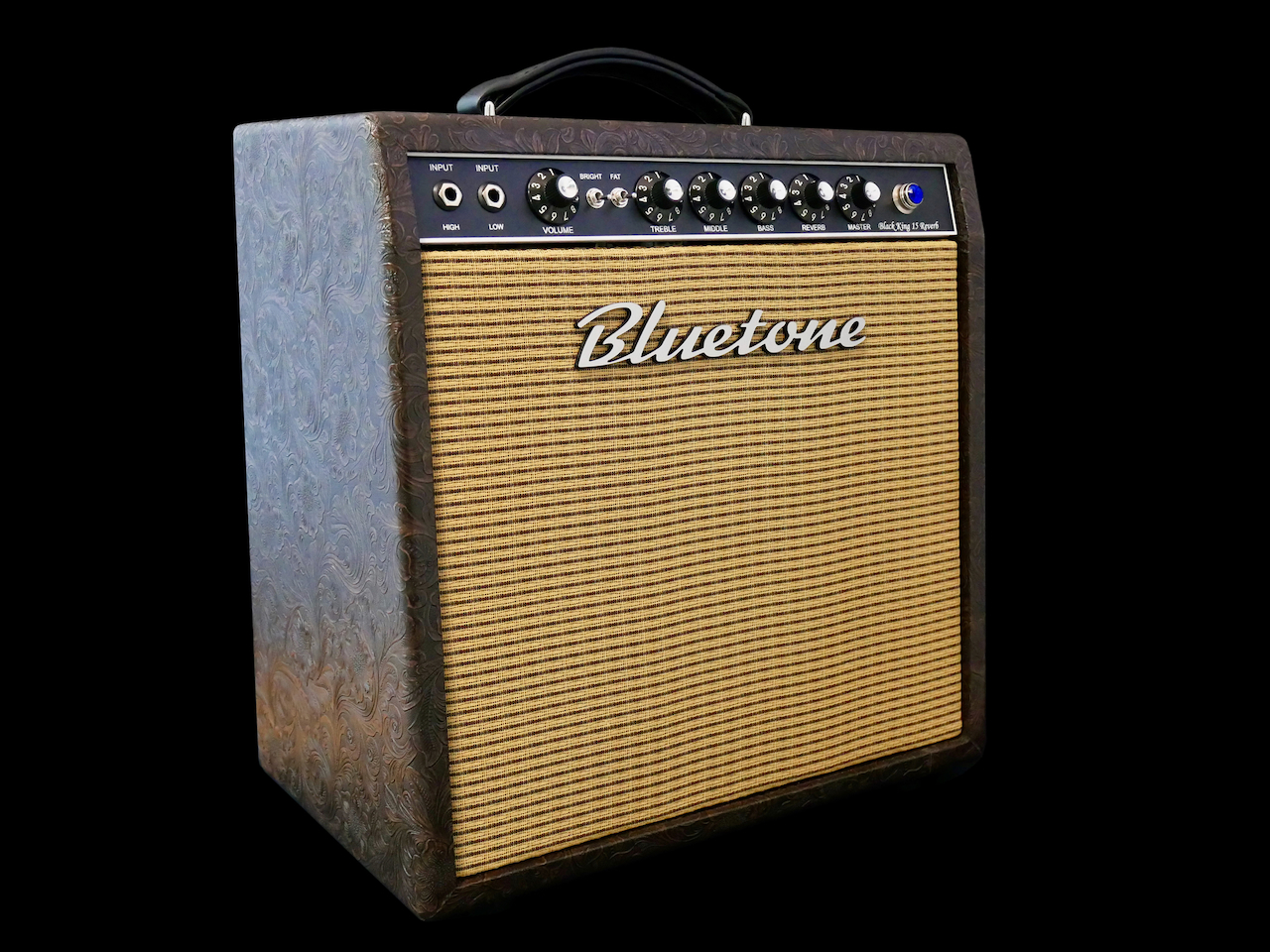
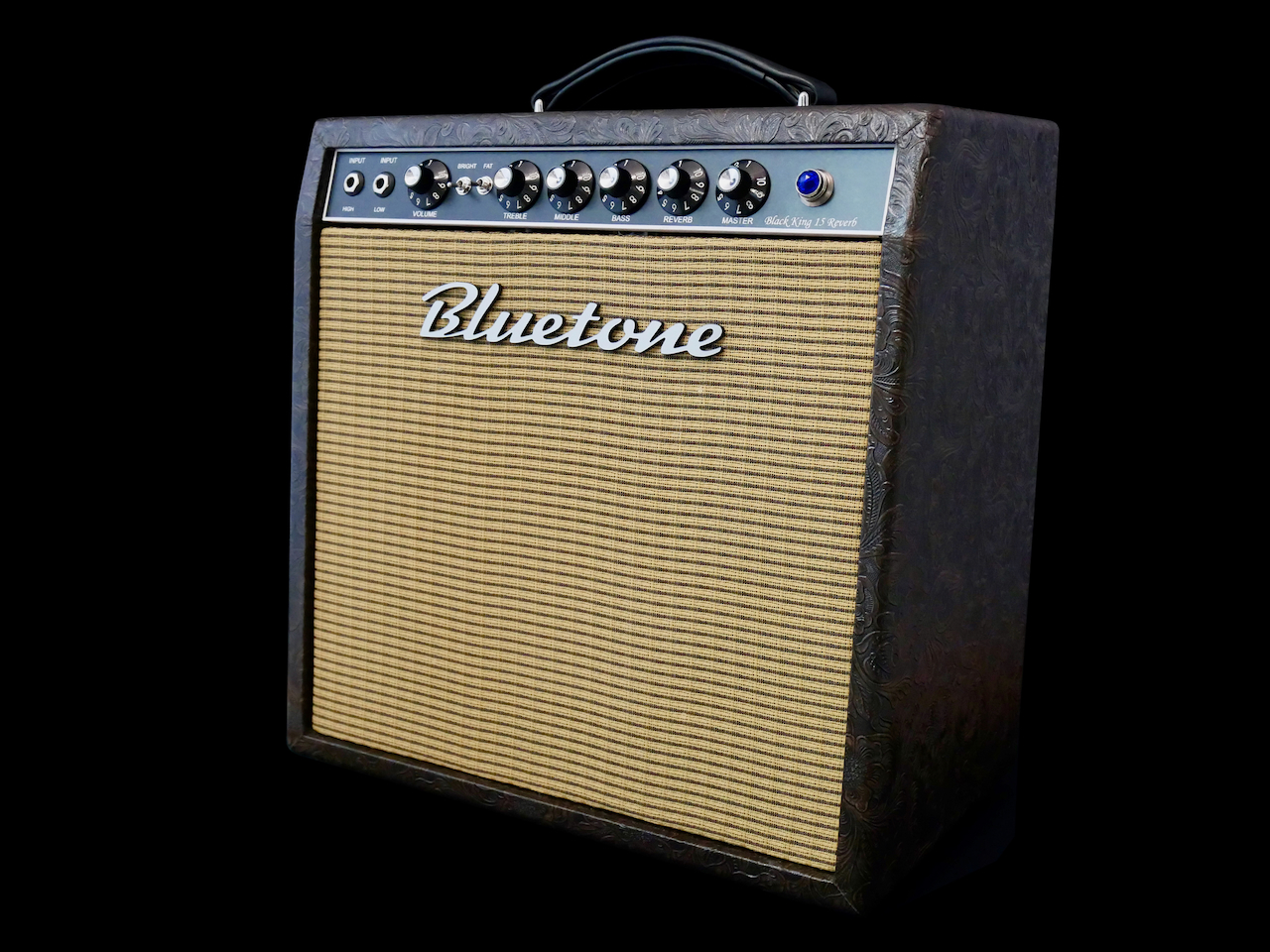
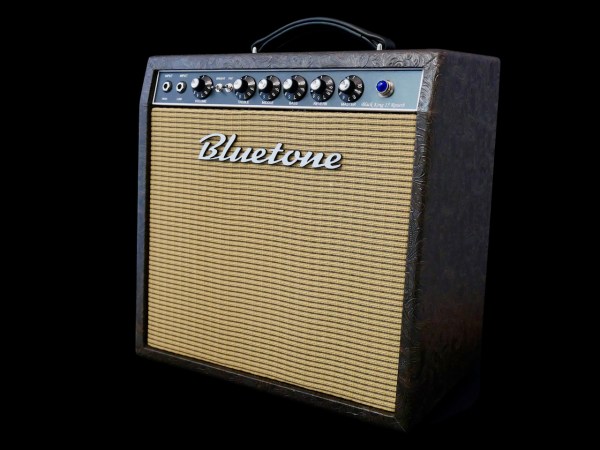
Bluetone’s new combo, the Black King 15 Reverb (prices start from 1,440 €), is a compact and lightweight (9 kg), handcrafted single-channel all-valve guitar amplifier. It’s the small brother of the Black King Reverb, offering 15 watts of output power from a pair of 6V6GT-valves.

The Black King 15 Reverb’s sound takes its cue from a rather rare Fender combo, the Vibro King, which was in production between 1993 and 2003, and which has become The Who’s Pete Townshend’s favourite live amp.

In terms of its sound and touch sensitive behaviour, the most crucial feature of the Black King 15 is the preamp’s gain structure and character, which is more aggressive than, say a Fender ”Blackface” amp, putting the new Bluetone combo squarely in the middle between ”Blackface”, ”Tweed” and Marshall-style amps.

****

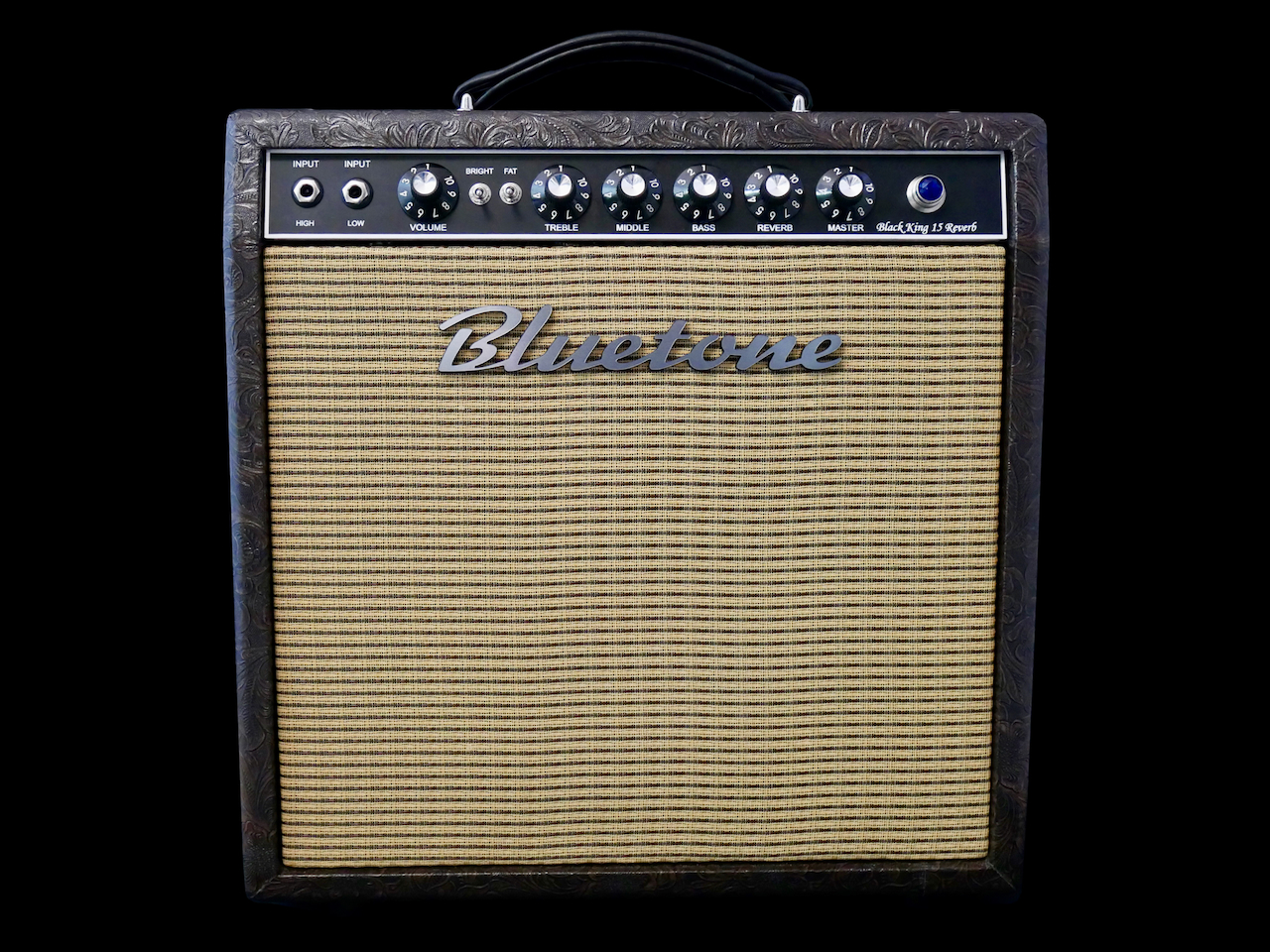
Bluetone’s Black King 15 Reverb comes in a Fender-type combo cabinet of approximately the same size as a 1960s Fender Princeton combo. The fetching Country & Western covering, as well as the wheat-coloured grille cloth come as standard.

In addition to the Volume-control the front panel gives you access to a three-band EQ-section with two additional switchable boosts – Bright and Fat. There’s a control for the spring reverb, as well as for the (post phase inverter) Master Volume.

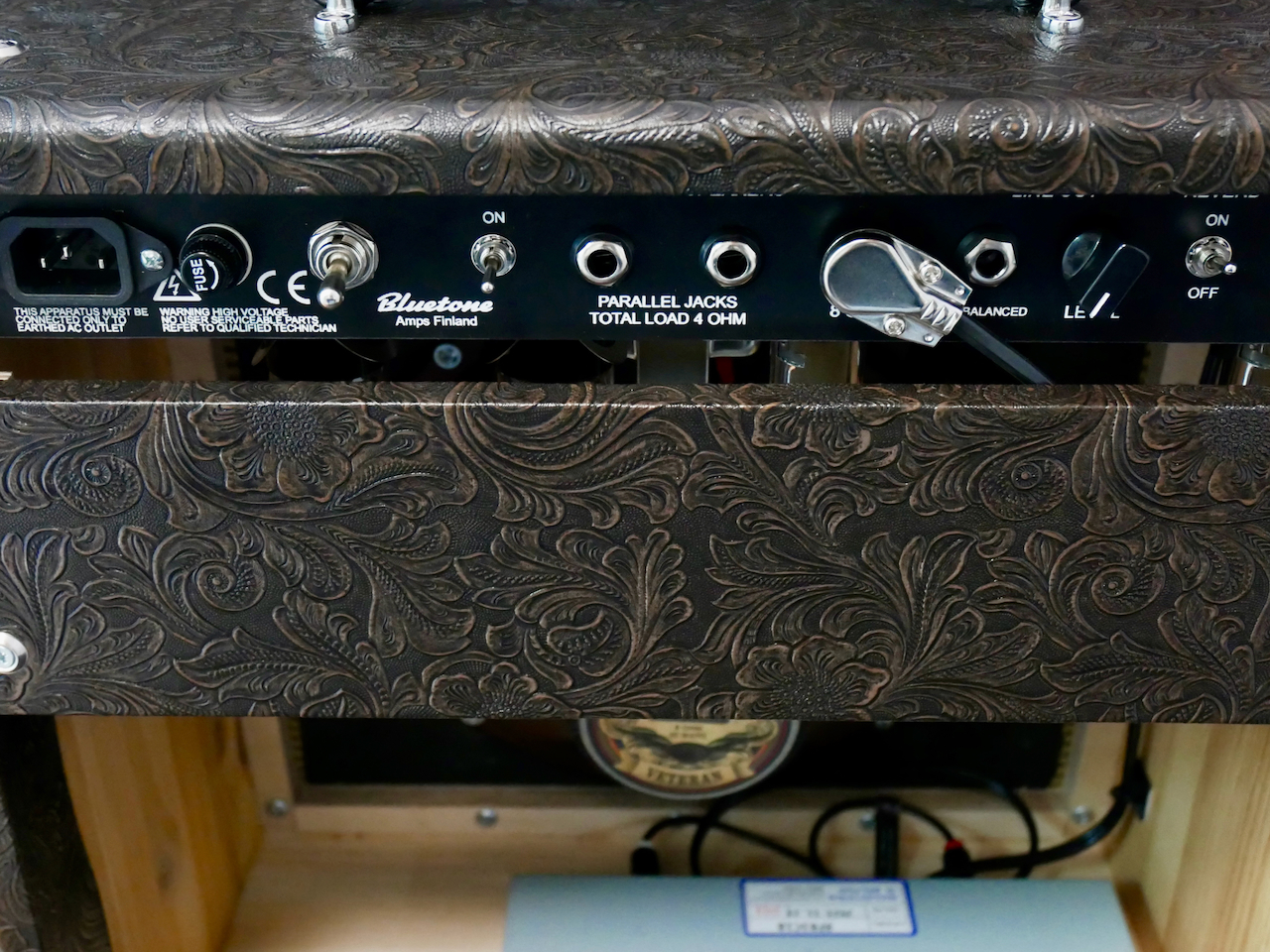
In addition to the Power On/Off-switch the back panel gives you a switchable internal dummy load that makes it possible to record the amp direct via its line output with the speaker turned off. There are also two outputs for external speakers, as well as an on/off-switch for the spring reverb.

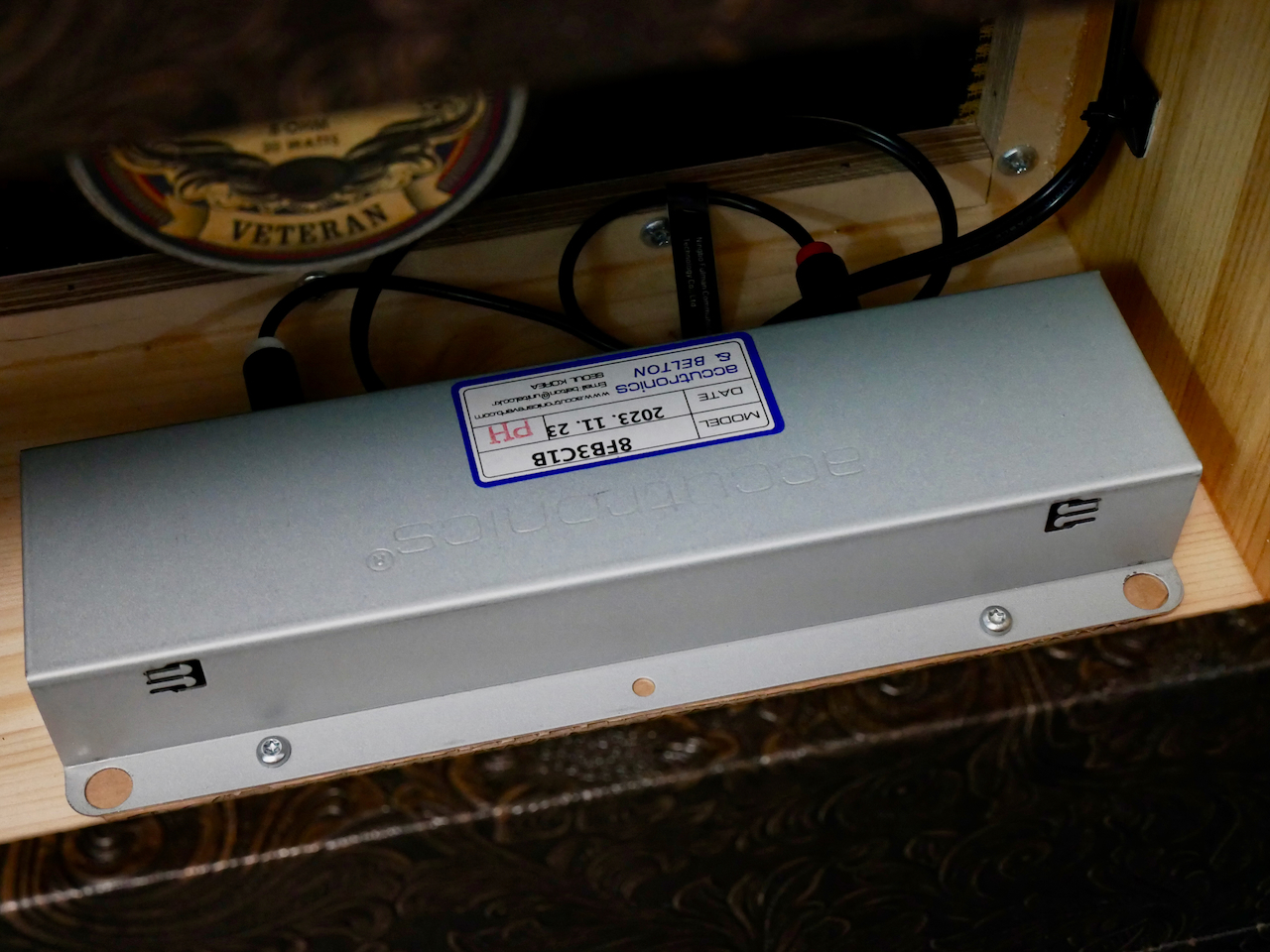
The combo we got for review came with a ten-inch 20 watts Warehouse Speakers Veteran speaker. You can also order your Black King 15 Reverb with a model G10-C/S from the same company.

****

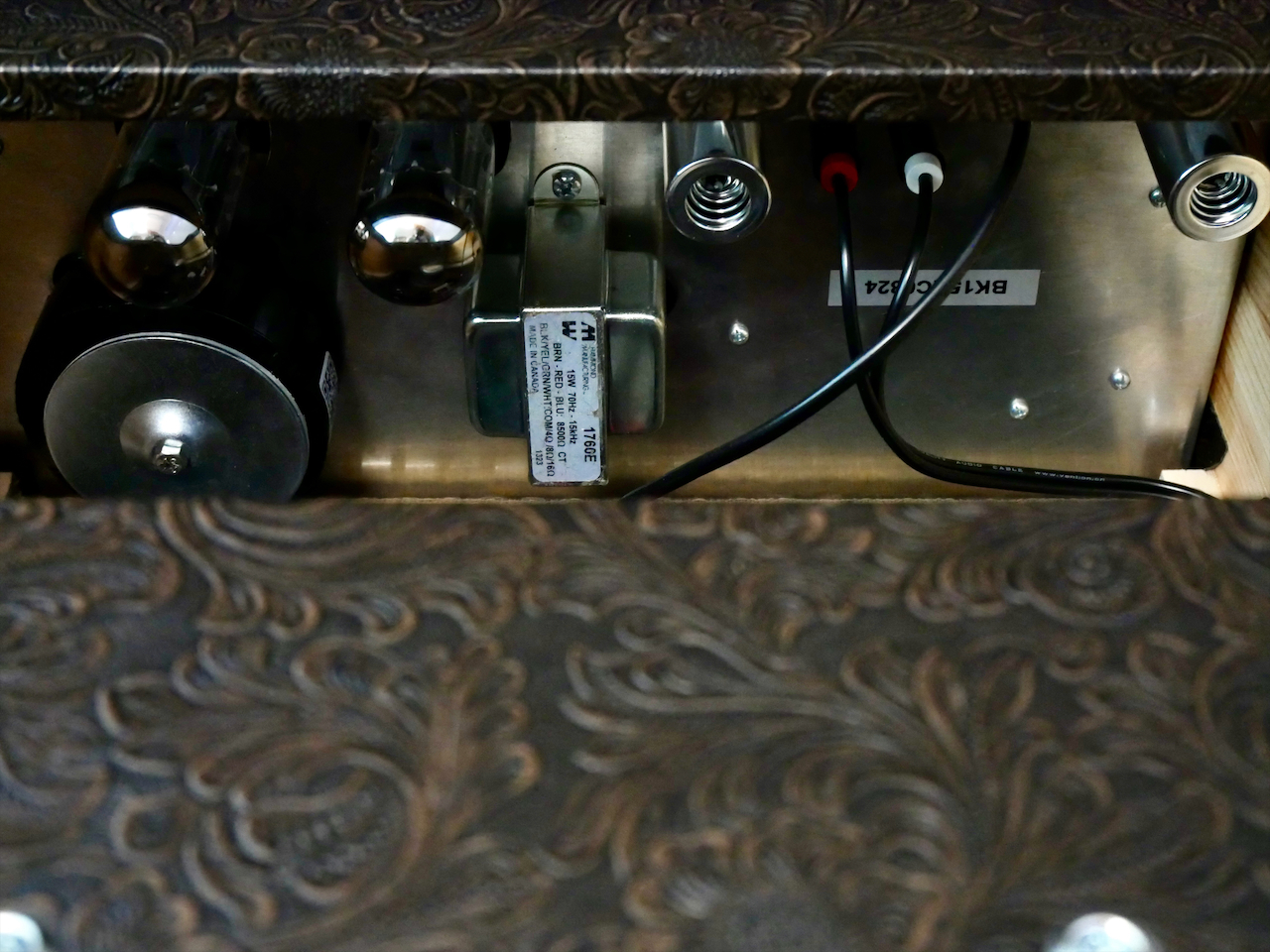
The Bluetone Black King 15 Reverb exudes an air of top-notch quality right from the get-go. Switching the combo on you’ll find an extremely low noise floor – the mark of a well-made boutique amp. Low self-noise is a direct result of careful planning, low-tolerance components, and the sensible placement of hum-inducing transformers on the amp chassis.

The Black King 15’s 6V6GT-powered power amp naturally adds a nice dose of Fender-ish character to proceedings. There’s a healthy amount of clean headroom to be had from this combo’s preamp, but tasty break-up sounds start entering the picture earlier than in a typical ”Blackface” amplifier.

In the ”break-up zone” the Black King Reverb 15 is very touch sensitive and dynamic. The more you put in the more distortion you get out.

The Black King 15 Reverb offers plenty of distortion, which can be had at low volume levels, thanks to the master volume control. This combo also likes effect pedals.

Thanks to the preamp’s excellent EQ-section and the additional boosts, dialling in a wide range of sounds is easy, making the Black King 15 suitable for many different musical genres.

If you’re looking for a combo with more aggression than a ”Blackface” has to offer, you should definitely try the Bluetone Black King 15 Reverb. This amp offers boutique-grade quality a a very reasonable price.

Testipenkissä: Bluetone Black King 15 Reverb

****

Bluetonen uusi Black King 15 Reverb (hinta alkaen 1.440 €) on kätevän kokoinen (9 kg), yksikanavainen ja käsintehty putkivahvistin. Se on vuoden alussa ilmestyneen Black King Reverb -kombon pikkuveli, joka tarjoaa 15 wattia päätetehoa kahdesta 6V6GT-putkista.

Black King 15 Reverbin soundillinen esikuvana on toiminut suhteellisen harvinainen Fender Vibro King -vahvistin, joka oli tuotannossa vuodesta 1993 vuoteen 2003, ja josta on sittemmin tullut The Who -yhtiön Pete Townshendin luottotyökalu livenä.

Tärkein ominaisuus soundin ja soitettavuuden kannalta on Bluetone Black King 15 -kombossa etuvahvistimen gain-rakenne, joka on hieman Blackface-tyyliä ärhäkkäämpi, ja joka istu soundiltaan Blackface-, Tweed- ja Marshall-tyypisten vahvistimien muodostuman kolmion keskipisteellä.

****

Bluetone Black King 15 Reverb -kombo on Fender-tyylisessä kotelossa, joka on samaa kokoluokkaa 1960-luvun Princeton-kombon kanssa. Country and Western -tolex ja vaaleanruskea etukangas ovat tässä mallissa standardia.

Etupaneelista löytyy etuasteen Volume-säätimen lisäksi kolmialueinen EQ-osasto kahdella lisäboosteilla – Bright (diskantti) ja Fat (ala-middle). Jousikaiulle löytyy oma säädin, samoin kuin vaihekääntäjän jälkeiselle Master-volyymille.

Takapaneeliin on päälle/pois-kytkimen lisäksi sijoitettu sisäisen keinokuorman kytkin, jolla saa kombon oman kaiuttimen kytkettyä turvallisesti pois päältä, jos haluaa käyttää pelkästään Black King 15:n omaa linjalähtöä. Lisäksi takapaneelista löytyy jakkeja ulkoisille kaiuttimille, sekä jousikaiun oma päälle/pois-kytkin.

Testikomboon on asennettu Warehouse Speakersin 20-wattinen kymppituumainen Veteran-kaiutin. Vaihtoehtoisesti Black King 15 Reverbiä saa myös saman firman G10-C/S-kauittimella varustettuna.

****

Bluetone Black King 15 Reverb -kombo on erittäin siististi toteutettu vahvistin, joka vaikuttaa laadukkaalta heti kättelyssä. Yksi silmiinpistävä ero tällaisen laadukkaan boutique-vahvistimen ja monen massatuotetun putkikombon välillä on Bluetonen todella alhainen kohina- ja hurinataso. Se kielii kombon laaddukkaista komponenteista ja tärkeiden osien – esimerkiksi muuntajien – osaavasta sijoittelusta laitteessa.

Black King 15 -vahvistimen 6V6GT-putkilla toimiva päätevahvistin antaa soundille luonnollisesti hyvin Fender-maisen karakteerin. Etuvahvistimen gain-rakenne tarjoaa hyvin headroomia puhtaille soundeille, mutta alkaa lisätä herkullista rosoa selvästi aiemmin kuin esimerkiksi tyypillinen Blackface-kombo.

Breakup-vyöhykkeellä Black King 15 Reverb mahdollistaa hyvin dynaamista soittoa, jossa vahvistin reagoi dynamiikkaan eriasteisella säröllä.

Black King 15 Reverb tarjoaa runsaasti säröä, ja kombon Master-volumen ansiosta se on saatavilla myös hyvin maltillisella volyymitasolla. Vahvistin myös pelaa erittäin hyvin efektipedaalien kanssa.

Etuvahvistimen loistava EQ-osasto Bright- ja Fat-lisäkytkimillä antaa kitaristille laajan skaalan erilaisia soundeja, minkä ansiosta Bluetone Black King 15 toimii ongelmitta monissa genreissä.

Jos Blackfacea hieman ärhäkkäämpi kompakti Fender-tyylinen kombovahvistin kiinnosta, kannattaa minun mielestäni ehdottomasti tutustua Bluetone Black King 15 Reverbiin. Se tarjoaa ehtaa boutique-laatua reiluun hintaan.

Bluetone Black King 15 Reverb + Testi tulossa + Working on a review

The Bluetone Black King 15 Reverb is a lightweight 15-watt all-valve guitar combo handmade in Finland. The preamp is inspired by a Fender Vibro King amp. The power amp runs on two 6V6GT tubes. Find out more HERE.

****

• lead guitar: Hamer USA Studio Custom; neck pickup; distortion adjusted with the guitar’s volume control

• rhythm guitars: Fender (Japan) ’62 Telecaster Custom reissue + Epiphone Casino with Göldo pickups

• all guitar tracks were recorded with a Shure SM7B microphone running into a Cranborne Audio Camden EC2 preamp

• no pedals used

• a little bit of delay and reverb was added during mix down

****

• rhythm guitars: Brownsville Choirboy 12-string electric (left), Fender Stratocaster (centre), Fender Telecaster (right) – no pedals used

• lead guitar: Hamer USA Studio Custom through a Uraltone Fuzz Face Si clone with delay added at mixdown

• mic used: Shure SM7B

• audio interface: Universal Audio Volt 2

Nyt Rockway-blogissa: Kolme epätavallista Ohana-ukulelea

• Sopraano-kokoinen SKB-35 on Ohanan versio vanhasta Washburn Bell -ukulelesta.
• Concert-kokoisen VKC-70:n inspiraationa on toiminut Harmonyn Roy Smeck Vita -nimikkomalli.
• Ohana BKT-70G yhdistää tenori-pituisen kaulan ja baritoni-uken kaikukopan.
****
Komppiosuudet on soitettu oikean käden peukalolla ja etusormella. Stereokuvassa SKB-35 tulee vasemmalta, BKT-70G on keskellä ja VKC-70 kuuluu oikealta. Soitin melodiaosuudet 3 mm paksulla huopaplektralla.
****
Kaikki ukuleleraidat on äänitetty Shure 545SD -mikrofonilla ja Cranborne Audio Camden EC2 -etuvahvistimen kautta.

****

Testi on nyt luettavissa TÄÄLTÄ.

Pidä blogia WordPress.comissa.

Ylös ↑