Contact: EM Nordic
Kitarablogi.com – Finland's premier Guitar and Bass blog
Juttuja kitaroista ja bassoista


Contact: EM Nordic
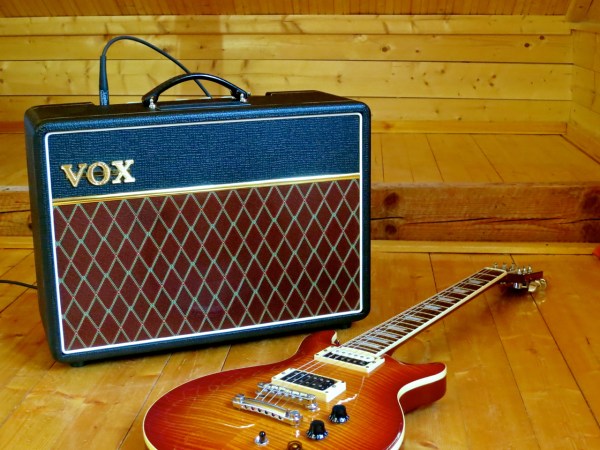

The new Vox AC10C1 combo amp nicely bridges the gap between the Custom Series’ AC4C1 four-watter and the 15-watt AC15C1.
****
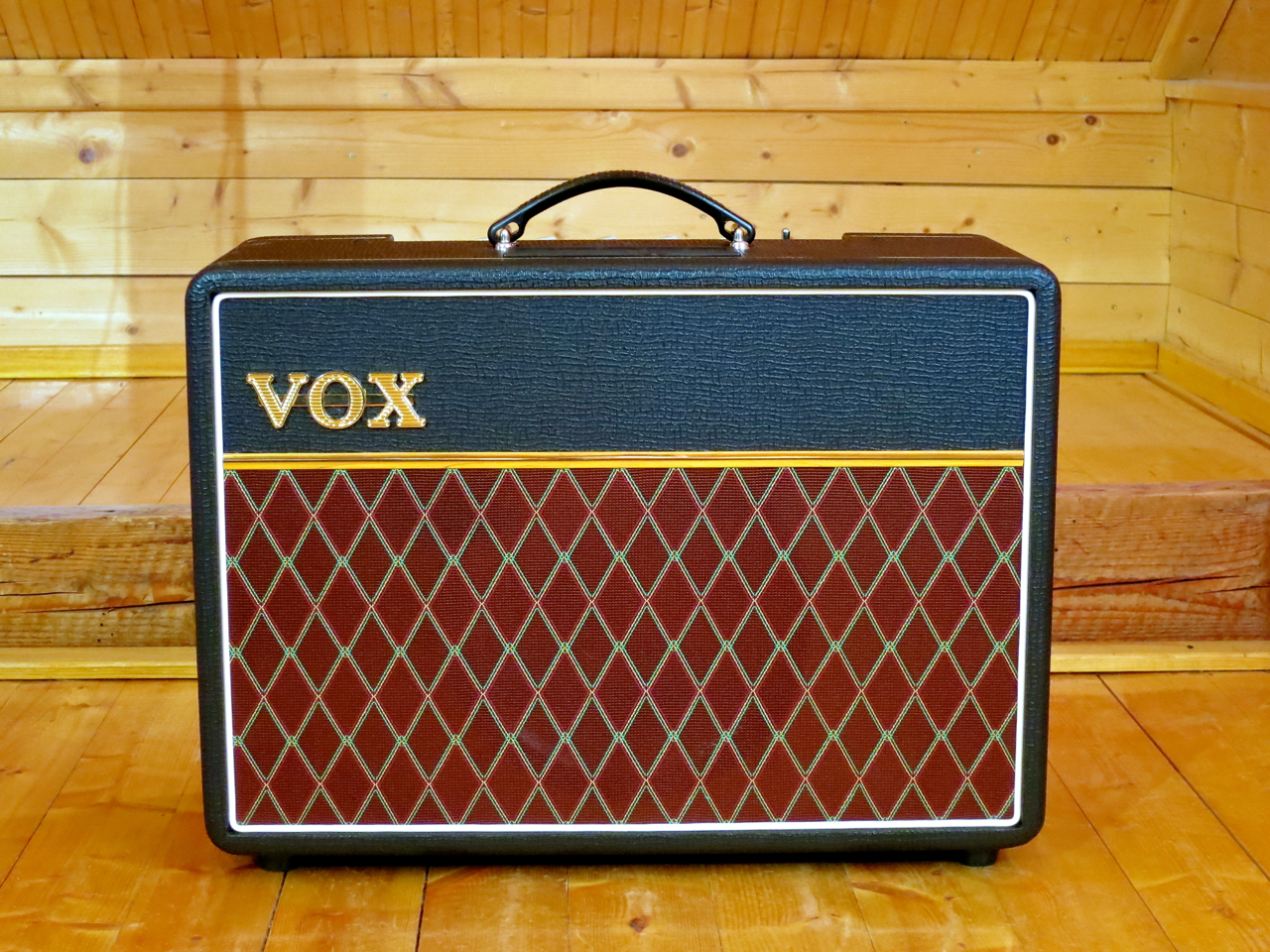
The Vox AC10C1 (street price in Finland approx. 520 €) isn’t a copy or reissue of any of the AC10 versions from the 1950s or 60s, but rather a modern reinterpretation of the company’s Top Boost-theme in a more compact guise, and made in China, just like the rest of the Custom Series.
This being so, the new AC10C1 amp does away with the old version’s vibrato effect, adding instead such welcome modern features as a quality digital reverb, and separate Gain and (Master) Volume controls.
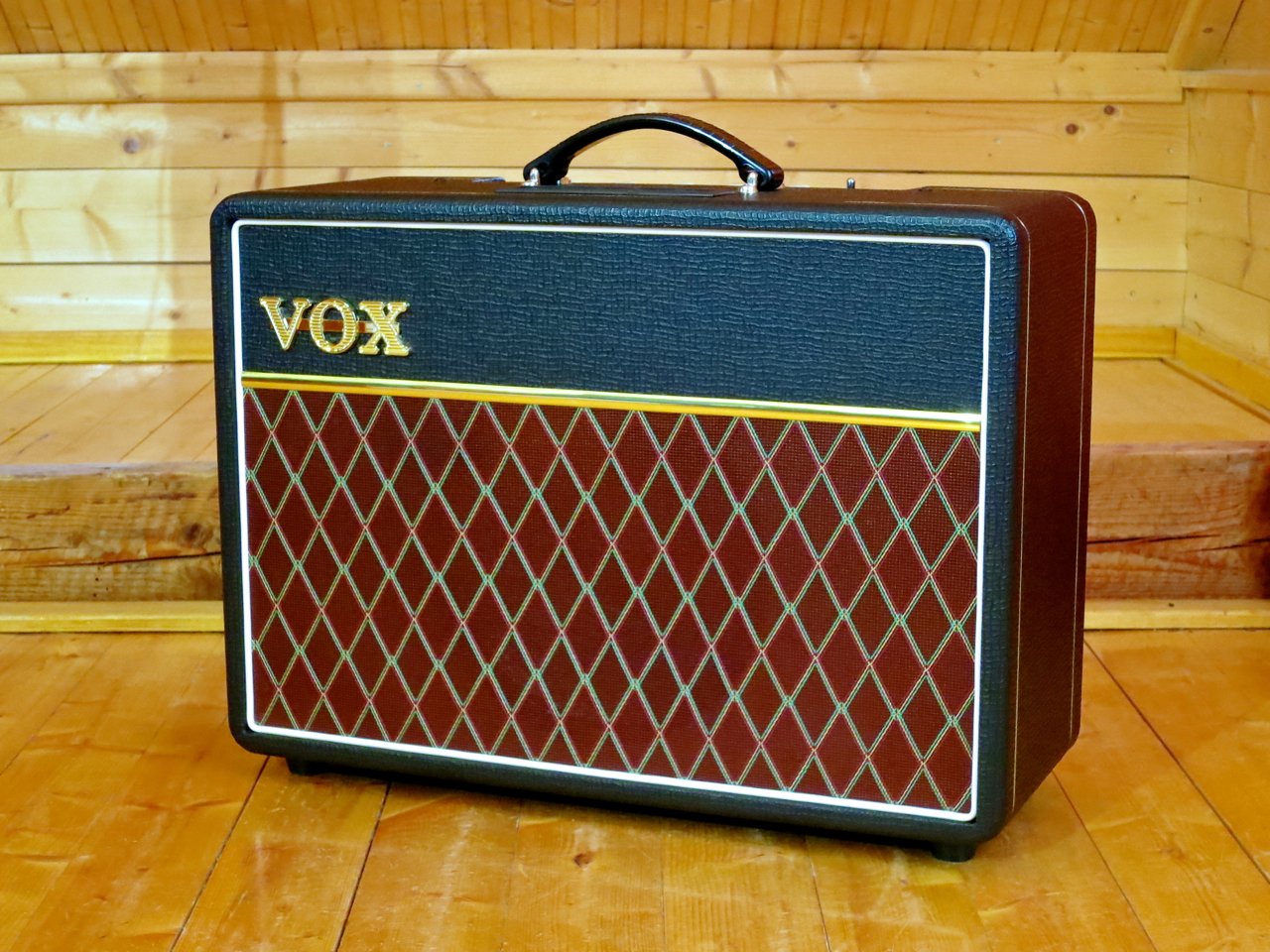
Vox’ new combo looks like a smaller version of their legendary AC30 combo, which isn’t a coincidence, I’m sure. It sports lots of black vinyl, white piping, a golden metal rail, and the famous maroon front cloth with the diamond pattern.
The AC10C1 only weighs 12 kilos, which means it’s very easy to carry by its single top handle.
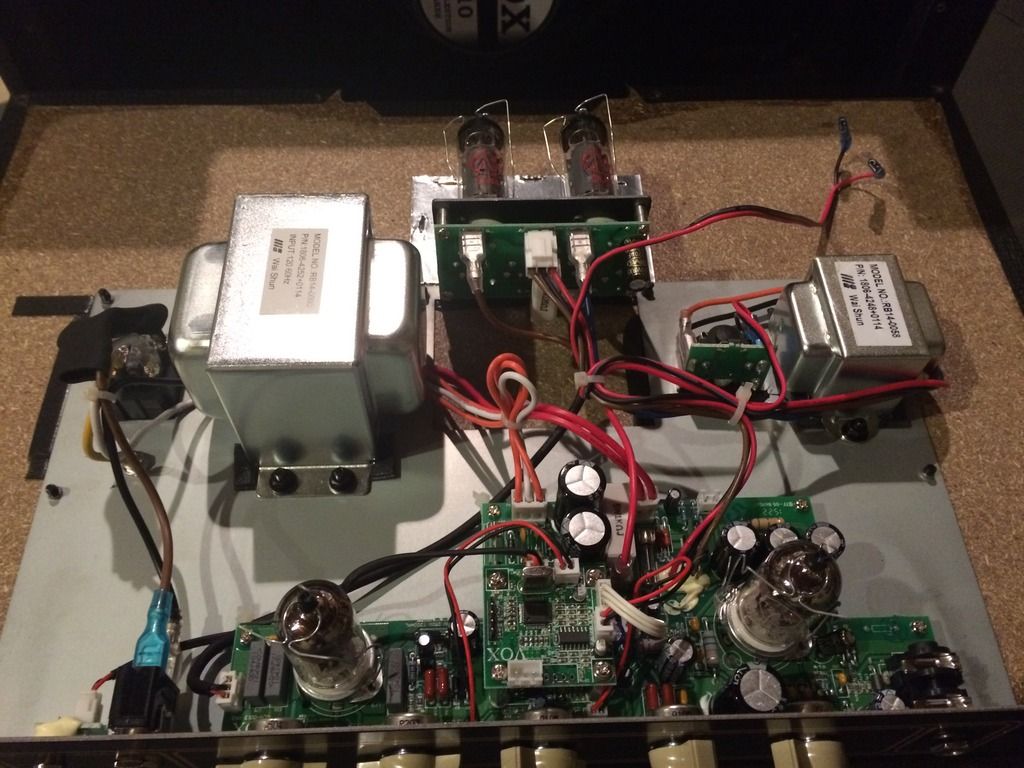
As we are looking at a production line, Chinese valve amp, it would be totally unrealistic to expect hand soldered point-to-point wiring inside this combo. The AC10C1’s electronic components – tubes and all – are mounted on three PCBs. You can have a good looks at this combo’s innards in this picture.
The little Vox’ two EL84 main amplifier valves have been placed just beneath the ventilation grille on the top (next to the handle). The preamp valves – a pair of 12AX7s – get their ventilation via a small slot at the bottom end of the cabinet’s back wall.

The control panel sports the classic Vox chicken head knobs.
In addition to Gain and Volume, you will find a two-band EQ section, and the reverb control.
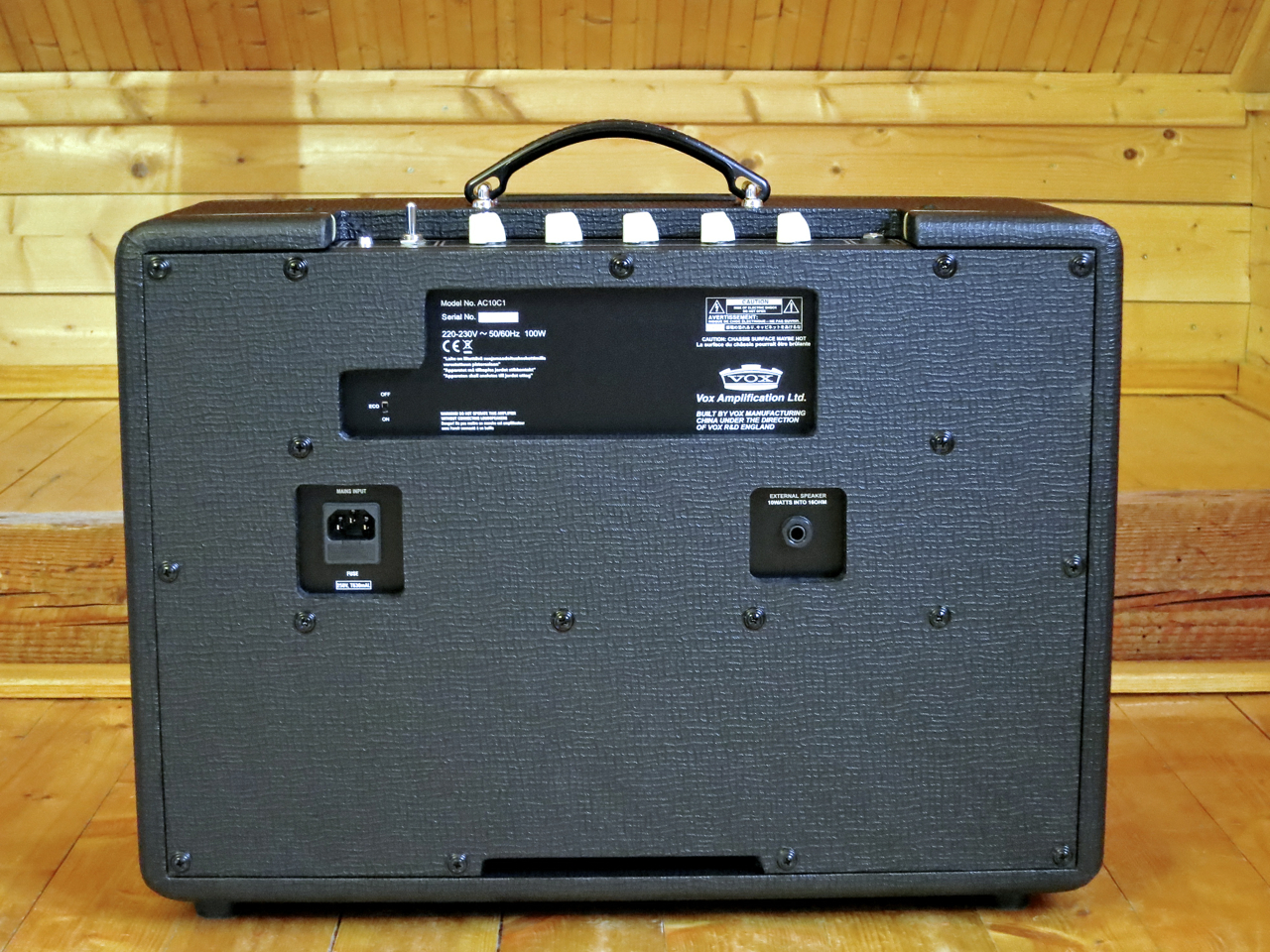
In practical terms, the Vox AC10C1 is a closed-back combo, despite the small opening for preamp tube ventilation.
A ten-inch Celestion VX10 has been chosen as the combo’s sole speaker.

In the EU the new combo is sold with an Eco-feature. When the Eco-switch is set to ”on”, the AC10C1 will power off automatically if the amp isn’t played for two hours.
The AC10C1 can be connected to an external speaker cabinet, as long as the load is kept to 16 Ohms.
****

Let me say something about the Vox AC10C1’s volume first:
This little amp is quite the belter for a combo rated at only 10 Watts! Yes, it does have a master volume control, but I still wouldn’t recommend using this Vox as a living-room amp in an apartment block. The Volume control really has to be set to 10 o’clock, or higher, to make this baby come to life.
The basic character of this Vox combo is rather bright and bitey – I had to take the Treble knob down to below 10 o’clock to find the sounds that I like.
This AC10C1 doesn’t have oodles of clean headroom, still there are some very nice clean tones to be had in the first third of the Gain control’s range, when you use Fender-type single coil pickups (Fender Stratocaster; amp gain at 10 o’clock):
Many valve amp snobs will view a digital reverb circuit as a big no-no, but in my view, the AC10C1’s reverb is one of the very best I’ve ever heard in an amp in this price range. The reverb is a digital version of a spring tank, and has a charming sense of depth. At higher settings you can even get some ”spring splash” by attacking the strings with gusto:
Due to its higher output a P-90-type pickup will require you to adjust the volume knob(s) on the guitar, if you want to achieve genuinely clean sounds. Here’s a clip of an Epiphone Casino (with Göldo P-90s), with the guitar’s volumes turned about halfway down (amp gain at 9 o’clock):
Here’s the same Casino with its volume controls set to 8 (the amp settings stay untouched):
Humbuckers, too, mean you will have to turn the guitar down a bit for clean sounds, otherwise the AC10C1 will start adding some of that famous Top Boost grit. The first clip uses a Hamer USA Studio Custom with its volume controls turned down to 5 (amp gain at 9 o’clock):
Same guitar, same amp settings, but the Hamer’s volumes have been set to 7:
You could sum up the AC10C1’s distorted sounds with one word – classic! This isn’t a high gain combo by no stretch of the imagination. This Vox feels most at home with Pop-, Blues-, and Rock-sounds of the Sixties and Seventies (and their modern descendants). If you want a piece of that classic Vox Top Boost tone (think Beatles, Queen, U2), the AC10C1 has it in spades at manageable volume levels.
Stratocaster; amp gain 3 o’clock:
Casino; amp gain 1 o’clock:
Hamer; amp gain 1 o’clock:
Stratocaster; full amp gain:
Casino; full amp gain:
Hamer; full amp gain:
****
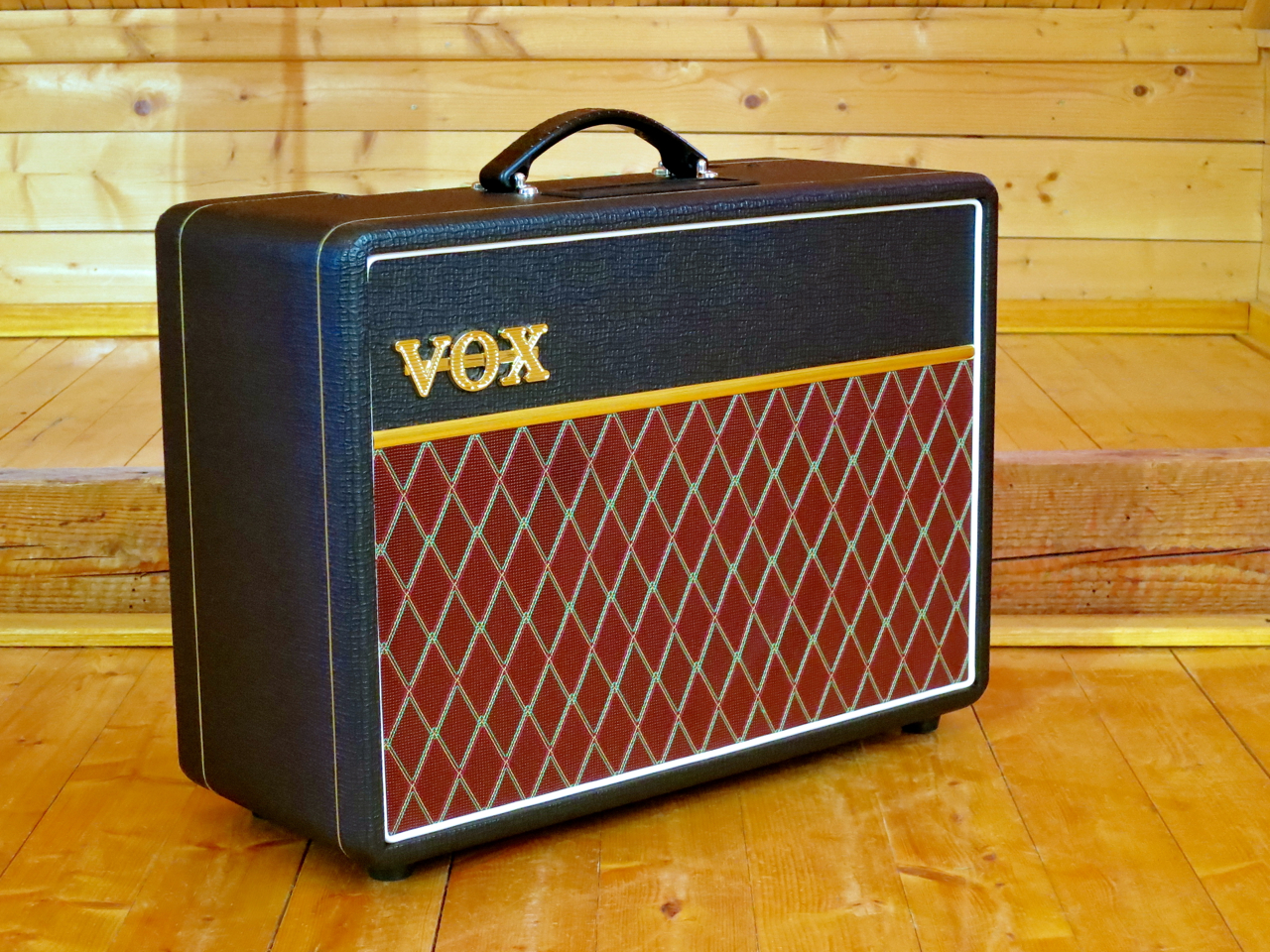
In my opinion, the Vox AC10C1 is just the ticket if you’re after genuine Vox tones in a compact, easy-to-handle package.
Clean headroom isn’t to be had in abundance, but luckily this Vox combo reacts extremely well to volume changes on the guitar. The sound cleans up nicely, while the amp retains its full vigour and liveliness.
The Vox AC10C1 is loud enough for most rehearsal situations, and you might even use it in some small venues without a mike.
For studio work, too, I feel Vox’ AC10C1 has a lot to offer, because it enables you to get chunky Vox tones with much less bleed-through into other microphones, like the drum mikes.

****
Vox AC10C1
current street price in Finland approximately 520 €
Finnish distribution: EM Nordic
A hearty ”thank you” goes to DLX Music Helsinki for the loan of the review combo!
Pros:
+ value for money
+ compact size
+ reverb sound
+ amp sound
Cons:
– limited clean headroom
Uusi Vox AC10C1 on teholtaan oiva väliaskel firman Custom-sarjassa neliwattisen AC4C1:n ja 15-wattisen AC15C1-kombon välillä.
****
Vox AC10C1 (katuhinta noin 520 €) ei ole alkuperäisen (1950 tai 60-luvun) AC10-kombon uusintapainos, vaan uutuuskombo on Kiinassa rakennetun, nykyaikaisen Custom-sarjan jäsen.
Näin ollen AC10C1-vahvistimesta löytyy – alkuperäisen vibratoefektin sijaan – laadukas digikaiku, sekä erilliset Gain- ja (Master) Volume-säätimet.
Uusi Vox-kombo näyttää pienennetyltä versiolta firman legendaarisesta AC30-mallista – paljon mustaa vinyyliä, kultaiset ja valkoiset koristelistat, sekä vinoneliökuvioilla koristettu, ruskea etukangas.
AC10C1 painaa vain 12 kiloa, minkä ansiosta komboa on helppo kantaa sen ainoasta muovikahvasta.
Koska kyse on kiinalaisesta sarjatuotannosta, ei tässä voi odottaa käsinjuotettua, kallista point-to-point elektroniikka, vaan AC10 on toteutettu kolmella piirilevyllä, joihin myös vahvistimen putkikannat on kiinnitetty. Hyvän kuvan AC10C1:n elektroniikan arkkitehtuurista saa tästä linkistä.
Voxin kaksi EL84 päätevahvistinputkea sijaitsevat kombon kotelossa suoraan kahvan viereisen tuuletusritilän alla. Etuvahvistimen putket (2 x 12AX7) taas löytyvät kombon pohjan läheltä, jossa niille on takaseinässä toinen tuuletusaukko.
Myös kombon säädinpaneeli on ulkonäöltään tyypillinen Vox-kombolle.
Paneeli tarjoaa Gain- ja Volume-säätimien lisäksi vielä kaksikaistaisen EQ-osaston, sekä säätimen kaiulle.
Vox AC10C1 on käytännössä suljetulla takaseinällä varustettu kombovahvistin, vaikka takaseinässä onkin pieni tuuletusreikä.
Kaiuttimeksi on valittu yksi kymppituumainen Celestion VX10.
EU:ssa uutuuskomboa myydään uudella Eco-ominaisuudella. Kun Eco-kytkin on päällä-asennossa, AC10C1 menee omatoimisesti pois päältä, jos kombo on kaksi tuntia tyhjäkäynnissä.
AC10C1:n kanssa voi käyttää sellaista lisäkaappia, jolla on 16 ohmin impedanssi.
****
Ensin sana Vox AC10C1:n tehosta:
Tämä vahvistin on 10-wattiseksi komboksi erittäin kovaääninen! Uutuus-Voxi ei mielestäni oikein sovi kerrostaloasunnon olohuonekomboksi, koska tämä AC-kymppi alkaa soida kunnolla vasta, kun Volume-säädin on avattu ainakin ”kello kymmeneen”.
Vox-kombon perusääni on melko kirkas – löysin minua miellyttäviä soundeja vasta, kun Treble-säädin oli kello 10:ssä (tai vielä enemmän kiinni).
Vaikka uutuus-Voxi ei tarjoa valtavia määriä puhdasta headroomia, löytyy Gain-säätimen alkumetreillä kuitenkin kauniita puhtaita soundeja Fender-tyylisillä yksikelaisilla mikrofoneilla varustetun kitaran kanssa (tässä soi Fender Stratocaster, AC10C1:n Gain: kello 10):
Monille putkipuristeille digitaalinen kaiku putkikombossa on kuin punainen vaate, mutta ainakin minun mielestäni Vox AC10C1 tarjoaa yhden parhaista digikaiuista tässä hintaluokassa. Kaikutyyppi on muhkea jousikaiku, joka myös ”pärskii” mukavan autenttisesti isoilla säädöillä ja kovalla atakilla:
Gibson P-90 -yksikelainen vaatii jo – isomman lähtötason takia – kitaran omien volume-namikoiden säätämistä hiukan alaspäin, jos halutaan, että AC10C1 pysyy puhtaana. Ensimmäisessä klipissä soi Epiphone Casino, ja sen omat volume-säätimet ovat puoliksi kiinni (AC10C1:n Gain: kello 9):
Tässä sama Casino, mutta omat volumet säädetty kahdeksaan:
Myös humbuckereilla täytyy säätää kitaran omat volumet alas, muuten Vox AC10:n soundi muuttuu jo hieman rosoiseksi. Tässä kaksi esimerkkiä Hamer USA Studio Custom -kitaralla:
AC10C1:n särösoundien kirjo menee hyvin vahvasti ”klassisen” puolelle. Tämä ei ole mikään high gain -kombo, vaan Voxin luontevin ympäristö ovat 60- ja 70-luvun Pop-, Blues- ja Rock-soundit. Kombo tarjoaa kätevästi tyypilliset (Top Boost) AC30-soundit kompaktissa – ja ei ihan niin kovaäänisessä – formaatissa.
Stratocaster, Gain – kello 3:
Casino, Gain – kello 1:
Hamer, Gain – kello 1:
Stratocaster, Gain täysillä:
Casino, Gain täysillä:
Hamer, Gain täysillä:
****
Vox AC10C1 on mielestäni juuri oikea vahvistin, jos etsii aitoa Vox-soundia helposti hallittavassa kokonaisuudessa.
Puhdasta headroomia ei ole tarjolla valtavasti, mutta onneksi tämä Vox reagoi todella hyvin kitaran volume-säätimillä, eikä näin saavutettu clean-soundi muutu elottomaksi tai ponnettomaksi.
Vox AC10C1 on riittävän kovaääninen bändikäyttöön treenikämpässä, ja pienissä keikkapaikoissa jopa livenä ilman mikkiä.
Myös studiokäyttöön Vox AC10C1 on mielestäni hyvä valinta, koska kombosta saa aidon Vox-soundin ratkaisevasti vähemmällä vuotoäänellä.
****
Vox AC10C1
katuhinta noin 520 €
Lisätiedot: EM Nordic
Kiitos DLX Musiikille testikombon lainaamisesta!
Plussat:
+ hinta-laatu-suhde
+ kompakti koko
+ kaiun soundi
+ soundi
Miinukset:
– puhdas headroom rajallinen
Lisätiedot: EM Nordic


Lisätiedot: EM Nordic


Marco de Virgiliis’ company Markbass has made its mark spearheading the use of Class D power amps, which have made it possible to pack an amazing amount of output power into very small and lightweight bass amp heads. Markbass’ sister brand, DV Mark, concentrates on guitar amps, for the most part.
Markbass and DV Mark have recently changed their distributor in Finland. Their products are now distributed by Musamaailma, which celebrates its 30th year in business in 2015.
The combos in DV Mark’s Jazz series – the DV Little Jazz (current price in Finland: 393 €) and the DV Jazz 12 (462 €) – are very lightweight guitar amps, meant for professional use, and designed to concentrate solely on one thing – a top grade clean tone.
****
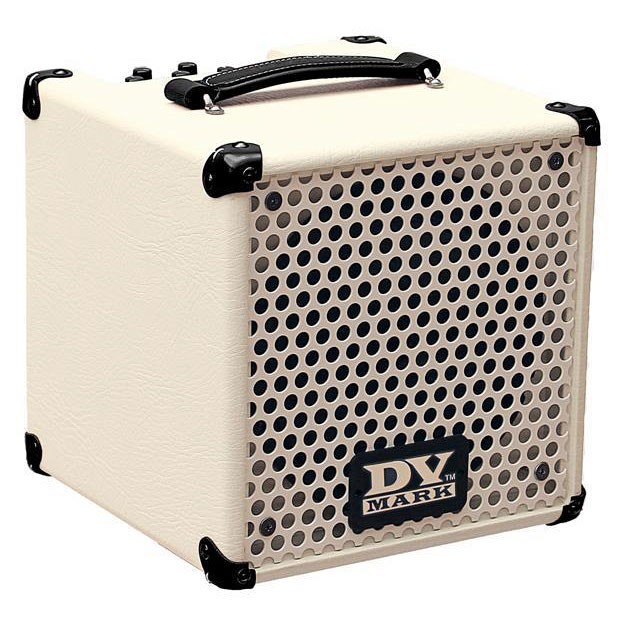
The DV Little Jazz is a surprisingly small combo in the shape of a cube (27 x 27 x 26 cm). Thanks to its diminutive size and small weight (just under seven kilos), you can easily take it on a bus or tram on the way to your next gig or rehearsal.
The cream white cabinet is home to an eight-inch speaker that was specially designed for this amp.
The corner protectors and the Little Jazz’ sturdy metal grille give this small combo a suitably chunky look.

The DV Jazz 12 is a good deal larger in size (43 x 42 x 30 cm), with a more traditional guitar combo look and a stylish cloth grille.
Thanks to its special-design, neodymium 12-inch speaker, the Jazz 12 weighs in at just under nine kilos.


Both combos have a partially open back, and they share an identical, fan-cooled amplifier module dishing out 45 watts of power.
The back panel offers a speaker output, a balanced DI output (XLR), as well as a headphones output and an on/off-switch for the internal speaker.

In addition to the Master volume, the control panel sports a three-band EQ section, a level control for the built-in digital reverb, as well as an auxiliary input for your phone, tablet or mp3-player.

****

The sound of both DV Mark Jazz-combos is really clean, warm and beautiful, but never lifeless or one-dimensional. The inherent character of your chosen guitar is kept intact, and the same holds true for all the intricacies of your playing technique.
You can then fine-tune the tone to your liking by using the musical EQ section.
A fantastically realistic spring reverb simulation works as the basis for the reverb sound in these DV Mark combos. To add even more character and depth to the overall tone, DV Mark’s designers have chosen to add some pitch modulation to the reverb. Adding reverb in moderate amounts, the modulation adds a chorus-like breadth to proceedings. At full-on Surf-style settings, though, the pitch modulation could prove to be a tad distracting to some guitarists.
My only real criticism regarding the Little Jazz and Jazz 12 combos has to do with their continuous fan-cooling. On stage the – relatively quiet – whoosh of the PC-type fan won’t be a problem, but in intimate recording studio settings some fan noise may end up on ”tape”.
I would really like to stress that, despite looking like a small practice amp, the DV Mark Little Jazz really is meant for active onstage use – it’s not a toy! The combo’s 45 W will be enough in many situations, and if you need more power, you can simply stick a mic in front of it or use the excellent built-in DI-output.
For such a small amp the Little Jazz sounds surprisingly big and warm, even though there’s a small trace of boxiness to the tone, when compared directly with the Jazz 12. DV’s Little Jazz sounds like the grown up guitar combo it really is.
Here’s a short clip using a Fender Telecaster and recorded with a Shure SM57:
This is what a double humbucker Hamer sounds like through the Little Jazz:
Here’s a short clip of the built-in reverb:
The DV Jazz 12 could be called the Little Jazz’ deluxe edition, thanks to its bigger and slightly more open sound. The larger speaker combined with a larger cabinet gives the brilliant clean tone more space to breathe. The end result is one of the best clean sounds I’ve ever heard.
The first clip has been played on a Telecaster:
Here’s a similar clip with my Hamer USA Studio Custom:
I’ve used an Epiphone Casino (equipped with Göldo pickups) for the demo track. The first pass is the Little Jazz, the second pass has been recorded with the Jazz 12:
****

The DV Mark Little Jazz and Jazz 12 are two great combos for the gigging guitarist. And I don’t just mean Jazzers.
These DV Mark combos are also fantastic choices for players who like to get their sounds from pedals or multi-effect boards. By combining a pair of Little Jazzes or Jazz 12s you’ll end up with a great-sounding stereo rig, which will still be easy to transport.
****
DV Mark Little Jazz + Jazz 12
DV Little Jazz – 393 €
DV Jazz 12 – 462 €
Finnish distributor: Musamaailma
****
Pros (both models):
+ lightweight
+ compact
+ ample output power
+ workmanship
+ sound
+ DI-output
Cons (both models):
– continuous fan-cooling
Marco de Virgiliisin perustama Markbass on tunnettu edelläkävijänä D-luokan päätevahvistimien käytössä, mikä on mahdollistanut tehokkaiden bassovahvistimien tarjoamista erittäin kompaktissa ja kevyessä muodossa. Markbassin sisarbrändi DV Mark taas keskittyy kitaravahvistimiin.
Markbassin ja DV Markin edustus Suomessa on muuttunut hiljattain – uusi maahantuoja on Musamaailma.
DV Markin Jazz-sarjan kombot – DV Little Jazz (393 €) ja DV Jazz 12 (462 €) – ovat ammattikäyttöön tarkoitettuja, hyvin kevyitä kitaravahvistimia, jotka keskittyvät täysin yhteen asiaan – erittäin laadukkaaseen puhtaaseen soundiin.
****
DV Little Jazz on todella pienikokoinen, kuutiomainen (27 x 27 x 26 cm) kitarakombo, joka kulkee erittäin helposti soittajan mukana. Paino pysyy jopa seitsemän kilon alapuolella.
Kermanvaalean kotelonsa uumeniin on asennettu 8-tuumainen, juuri tätä vahvistinta varten suunniteltu kaiutin.
Kestävä metallinen eturitilä antaa kombolle sopivasti tukevan ulkonäön.
Selvästi isomman (43 x 42 x 30 cm) DV Jazz 12 -kitarakombon ulkonäkö on perinteisempi, ja sen tumma etukangas kenties myös tyylikkäämpi.
Erikoisvalmisteisen, 12 -tuumaisen neodyymikaiuttimensa ansiosta Jazz 12:n paino pysyy jopa alle 9 kiloa.
Molemmissa komboissa on identtinen, tuulettimella jäähdytetty 45-wattinen vahvistinmoduuli, sekä puoliavoin takaseinä.
Takapaneelista löytyy lähtö lisäkaiuttimelle, balansoitu DI-lähtö, päälle/pois-kytkin sisäiselle kaiuttimelle, sekä kuulokelähtö hiljaista harjoittelua varten.
Etupaneeli taas tarjoaa master-volumen lisäksi kolmikaistaisen EQ-osaston, digitaalisen kaiun, sekä aux-tulon mp3-soittimelle.
****
DV Markin Jazz-sarjan kombojen soundi on todella puhdas, lämmin ja kaunis, muttei koskaan tylsä tai yksiulotteinen. Käytetyn soittimen luonne säilyy täysin ehjänä, ja myös kitaristin soittotekniikan jokaista yksityiskohtaa vahvistetaan uskollisesti.
Erittäin tervettä perussoundia voi sitten maustella itselleen sopivaksi kombon oivilla Bass-, Mid- ja Treble-säätimillä.
Kaiun perustana toimii DV Mark -kaksikossa erittäin luonnollisen kuuloinen jousikaiun mallinnus. Kaikuun on kuitenkin lisätty pikkuannos sävelkorkeuden huojuntaa, joka syventää kaiun maltillisilla asetuksilla (chorus-efektin lailla) sopivasti vahvistimen soundia. Surf-tyylisillä asetuksilla (= kaiku täysille) kaiun modulaatio voi kuitenkin mahdollisesti häiritä huojunnalle herkkää kultakorvaa.
Ainoa kritiikkikohta koskee Little Jazzin ja Jazz 12:n tuuletinta – lavalla tuulettimen (sinänsä hiljainen) käyntiääni ei varmasti koidu ongelmaksi, mutta erittäin intiimeissä studiotilanteissa pieni annos aktiivituuletuksen suhinaa voi joskus päätyä ”nauhaan”.
Haluaisin korostaa sitä, että vaikkapa DV Little Jazz näyttääkin pieneltä harjoituskombolta, se on todellakin live-käyttöön tarkoitettu kitaravahvistin, eikä lelu! Kombon 45 wattia riittävät mainiosti moniin tilanteisiin, ja lisätehoa saa helposti joko mikittämällä tai mainion sisäänrakennetun DI-lähdön kautta.
Soundiltaan Little Jazz on yllättävän iso ja lämmin, vaikka suorassa vertailussa Jazz 12:een pikkuinen annos soinnillista ahtautta on toki havaittavissa. DV Little Jazz kuulostaa kuitenkin aikuiselta kitarakombolta.
Tässä Telecasterilla soitettu esimerkki:
Ja tältä humbuckereilla varustettu Hamer kuulostaa:
Tässä yksi lyhyt näyte kaikusoundista:
DV Jazz 12 -komboa voi mielestäni kutsua Little Jazzin deluxe-versioksi, sen isomman ja hieman avoimemman soundinsa ansiosta. Jazz-sarjan loistava perussoundi saa suuremman kaiuttimen ja isomman kotelon kautta yksinkertaisesti enemmän tilaa hengittää. Lopputulos on vaikuttavaa.
Ensimmäinen esimerkkipätkä on soitettu Fender Telecasterilla:
Toisessa soi Hamerin Studio Custom -kitara:
Demobiisissä käytin (Göldo-mikrofoneilla varustettua) Epiphone Casinoa. Ensimmäinen läpimeno on äänitetty Little Jazzilla, kun toisessa puoliskossa kuullaan Jazz 12 -komboa:
****
Kauniilla clean-soundilla varustetut Little Jazz- ja Jazz 12 -kombot ovat mielestäni loistava valinta monille kitaristeille, ei ainoastaan Jazz-musiikin ystäville.
DV Mark -kombot tekevät nimittäin myös erinomaista yhteistyötä pedaalilaudan (tai multiefektin) kanssa. Kahdella kombolla voi rakentaa itselleen tehokkaan ja hyväkuuloisen stereojärjestelmän, joka on silti vielä todella helppoa roudata.
****
DV Mark Little Jazz + Jazz 12 -kombot
DV Little Jazz – 393 €
DV Jazz 12 – 462 €
Lisätiedot: Musamaailma
****
Plussat (molemmat mallit):
+ alhainen paino
+ kompakti koko
+ vahvistinteho
+ työnjälki
+ soundi
+ DI-lähtö
Miinukset (molemmat mallit):
– tuuletin aina päällä

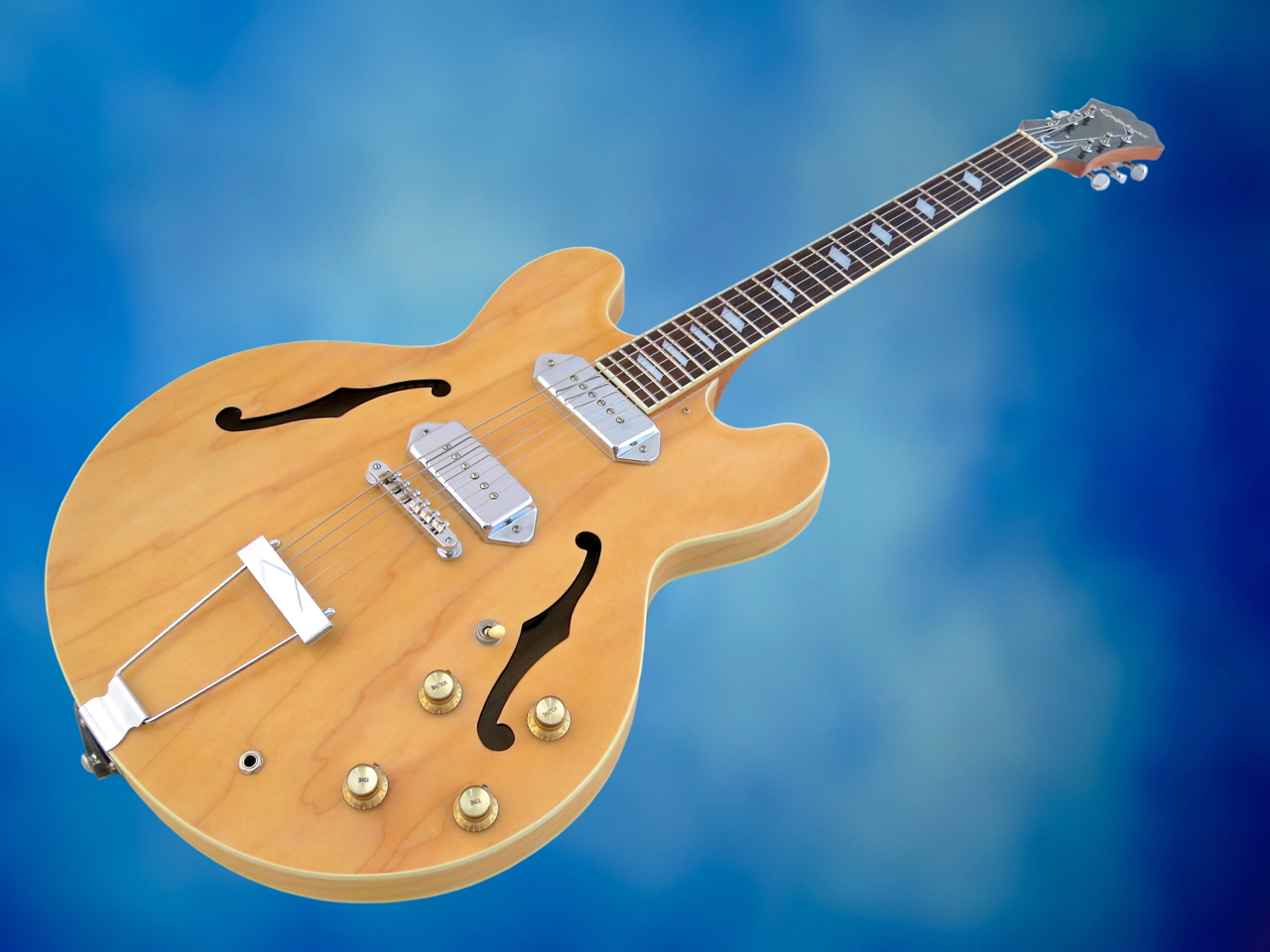
Here’s a guitar-only mix:


 Kitarablogi.com – Finland's premier Guitar and Bass blog