
Iso juttu Kitarablogin vierailusta AJL-Guitarsin pajalla tulossa ensi viikolla!
If you’re into Selmer-Maccaferri-style guitars you shouldn’t miss our report on AJL-Guitars, coming out sometime next week!
Kitarablogi.com – Finland's premier Guitar and Bass blog
Juttuja kitaroista ja bassoista

Iso juttu Kitarablogin vierailusta AJL-Guitarsin pajalla tulossa ensi viikolla!
If you’re into Selmer-Maccaferri-style guitars you shouldn’t miss our report on AJL-Guitars, coming out sometime next week!


The Passport C200/SMe-T acoustic-electric guitar is inspired by the Breedlove Custom Shop concert in it’s shape and voice. The Passport C200/SMe-T is a versatile, comfortable, and efficient traveler guitar. This instrument plays like a full-scale guitar just with a slightly smaller body. The Breedlove Passport C200/SMe-T guitar features amazing tone, sustain, and complexity in each note. A solid Sitka Spruce top and beautiful mahogany back and sides generate a warm sound with good note clarity. The Breedlove Passport C200/SMe-T has both integrated electronics and top-quality bracing in the top and back for increased resonance. The Passport Active VTC pickup lets you be heard in any venue and a built-in chromatic tuner with backlit screen makes it easy to stay in tune. A 9-volt battery is easily accessed near the endpin area.
****
Lisätiedot: EM Nordic

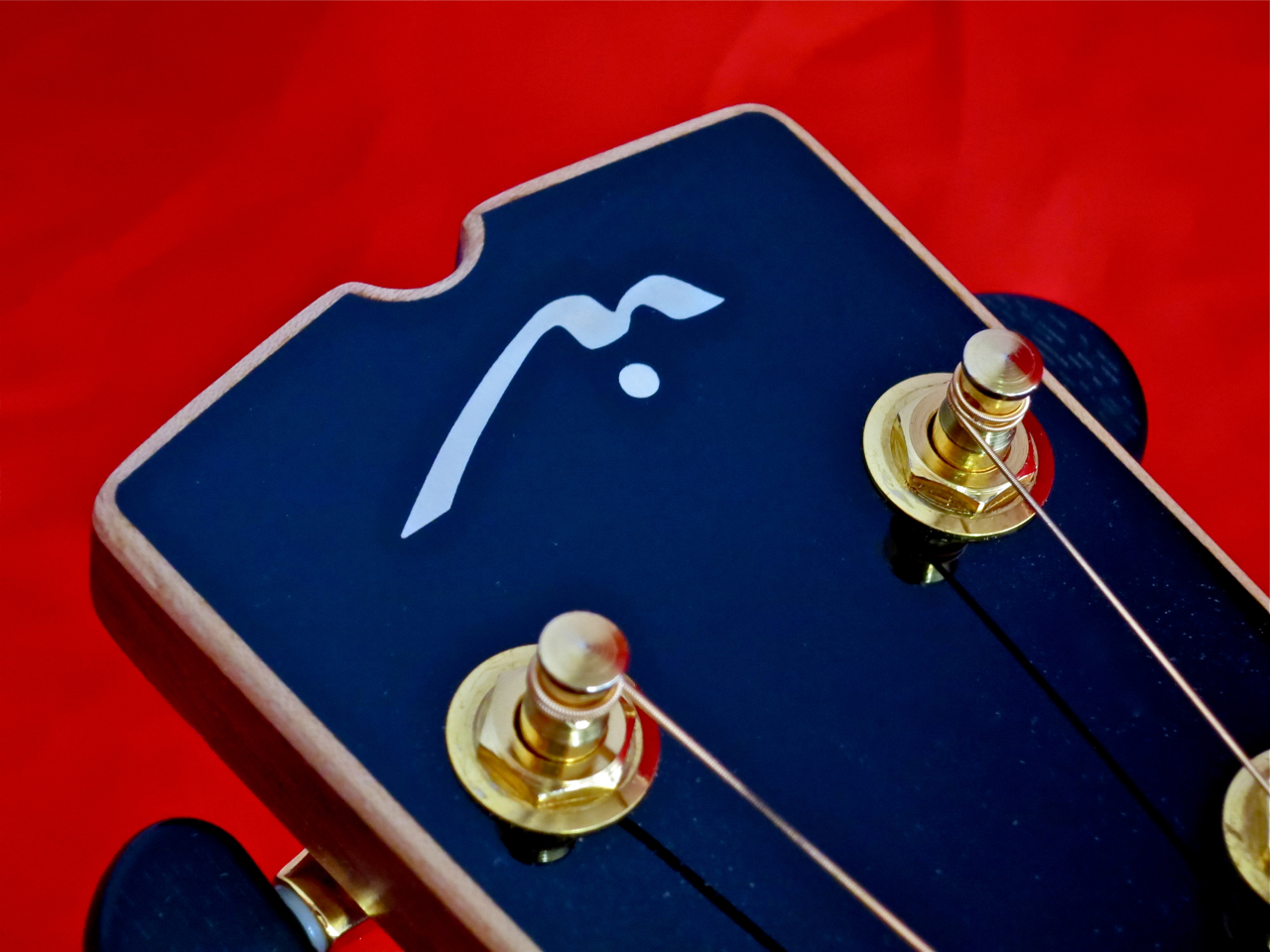
Mannedesign is the more affordable, Far Eastern-produced brand of Italian company Manne Guitars.
Apart from Mannedesign’s wide array of electric guitars and basses the brand’s model range also includes several steel-string acoustics, two of which are featured in this review:
The Parlour-sized Mannedesign PFM and Roberto Dalla Vecchia’s signature-Dreadnought, the RDV.
****

The Mannedesign PFM (660 €) is an all-solid, small-bodied instrument for the Blues-, Folk- and Roots-guitarist, who is looking for a vintage-toned guitar.
The deep and rich matte finish on the PFM’s cedar top embues the instrument with a good dose of street credibility.

The mahogany neck is one-piece, save for the upper half of the headstock, and a another piece used to get the neck heel up to its full length. The neck joint is a the 12th fret, just like it was on many guitars in the 1930s.
The back and rims of the soundbox have been crafted from beautiful solid mahogany.
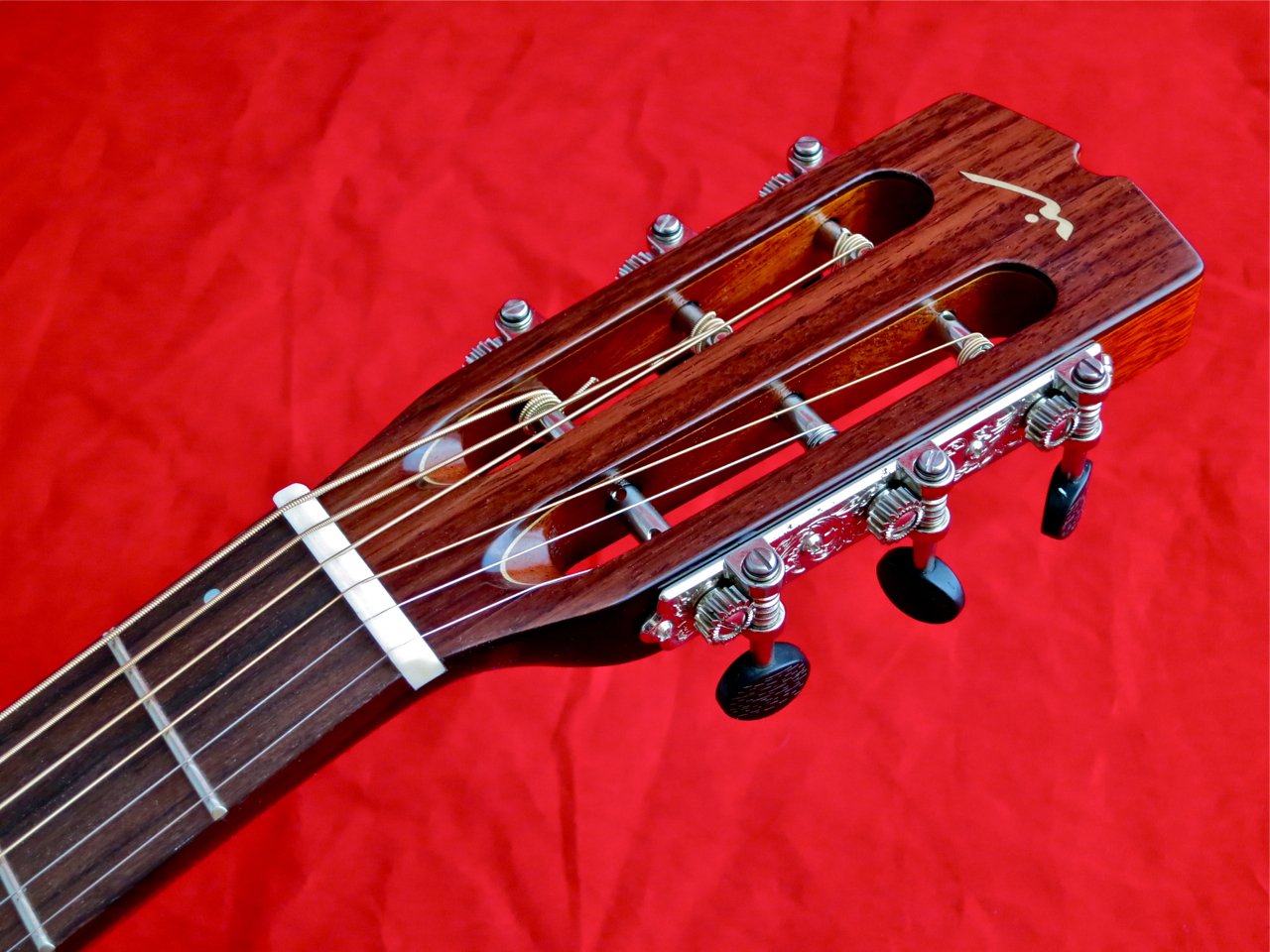
The headstock sports a rosewood veneer, which has been beautifully inlaid with a maple Mannedesign-logo.
TRhe top nut has been carved from genuine bone.

Gotoh supplies this model’s quality open tuning machines, which are a well-designed update on vintage tuners.

The Mannedesign’s rosewood fingerboard holds 19 well-seated, medium-sized frets.

The PFM’s body has been adorned with stylish flame maple binding, while the guitar’s beautiful rosette sports abalone inlays.
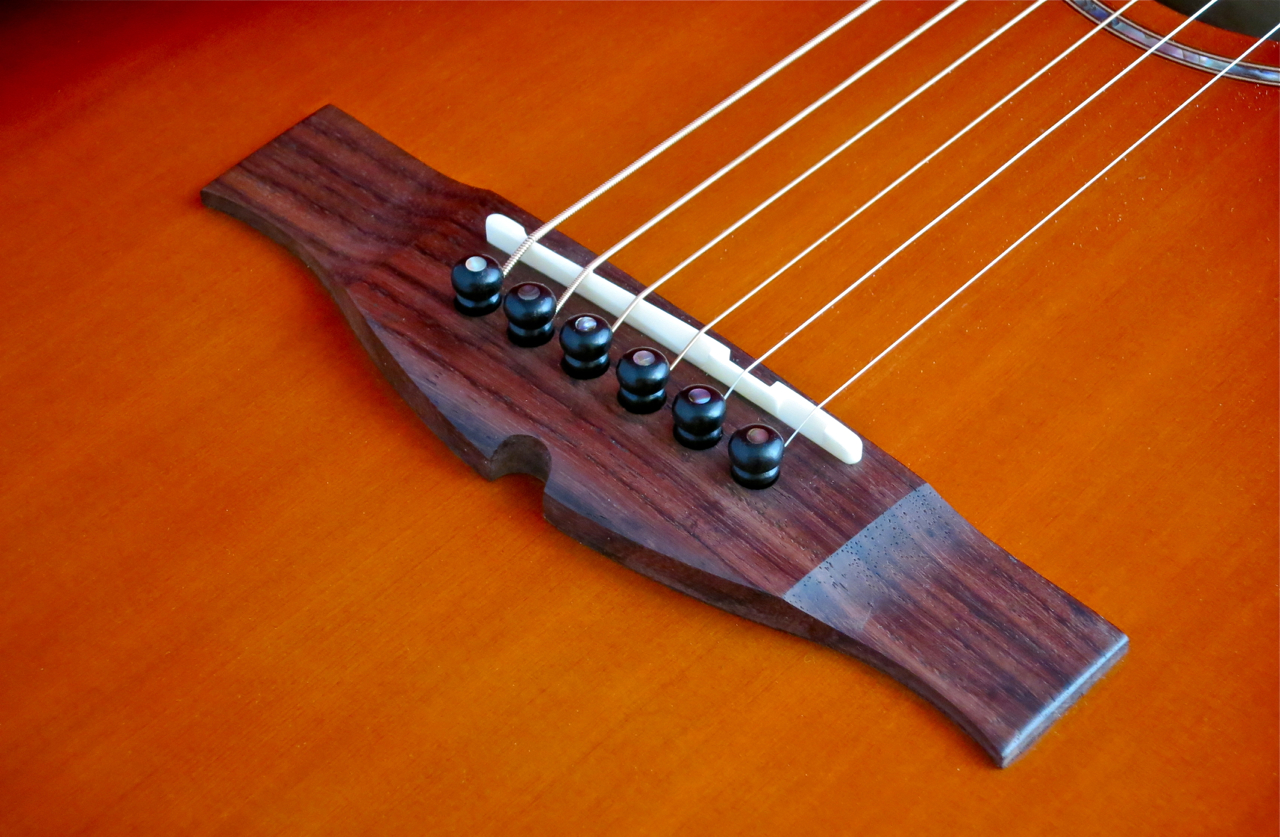
The characteristic dip of the Mannedesign’s headstock is mirrored in the rosewood bridge’s design.
The compensated bridge saddle has been made – just like the top nut – from bovine bone, which is still one of the best materials for this purpose.

****

Roberto Della Vecchia is an Italian Fingerstyle-wizard – I can only recommend hopping over to his website to check the man out!
Della Vecchia’s Mannedesign RDV -signature model (950 €) is a gorgeous Dreadnought guitar carefully crafted from traditional materials. AA-quality sitka spruce is used for the guitar’s solid top.

The RDV’s mahogany neck is one-piece, save for a separate bit used to make up the neck heel.
The solid Indian rosewood used for the back and the rims is stunningly beautiful.
The body of the guitar comes with a gloss finish, while the neck has been finished with a matte lacquer.

The headstock facing is black ebony, inlaid with a mother-of-pearl Mannedesign-logo.
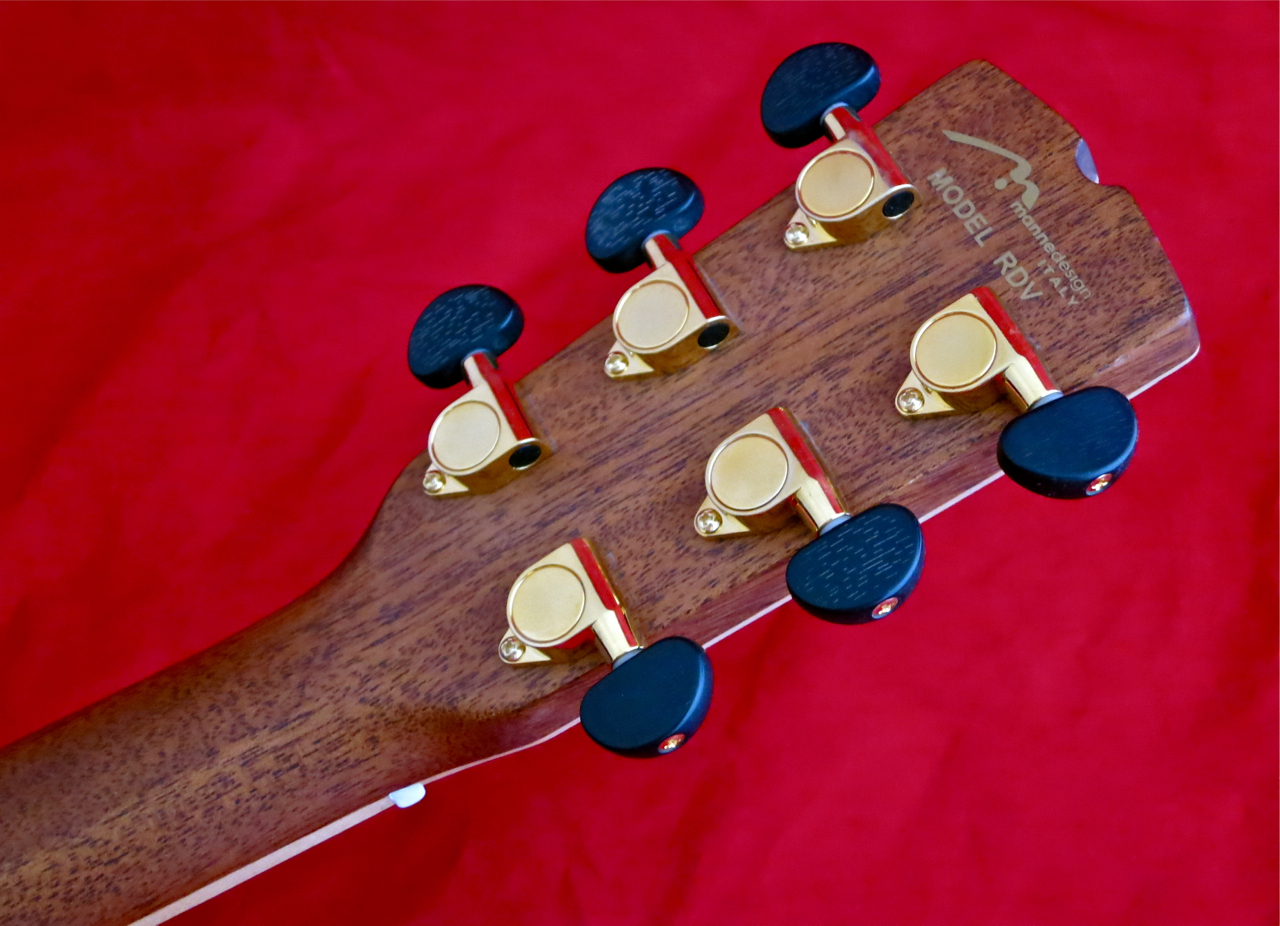
The RDV comes equipped with gold-coloured Gotoh tuners with ebony-styled plastic tuning buttons.

Maple binding frames the ebony fingerboard. The RDV is equipped with 20 medium-sized frets.

The back’s centre line has been inlaid with a very beautiful black-and-white motif.
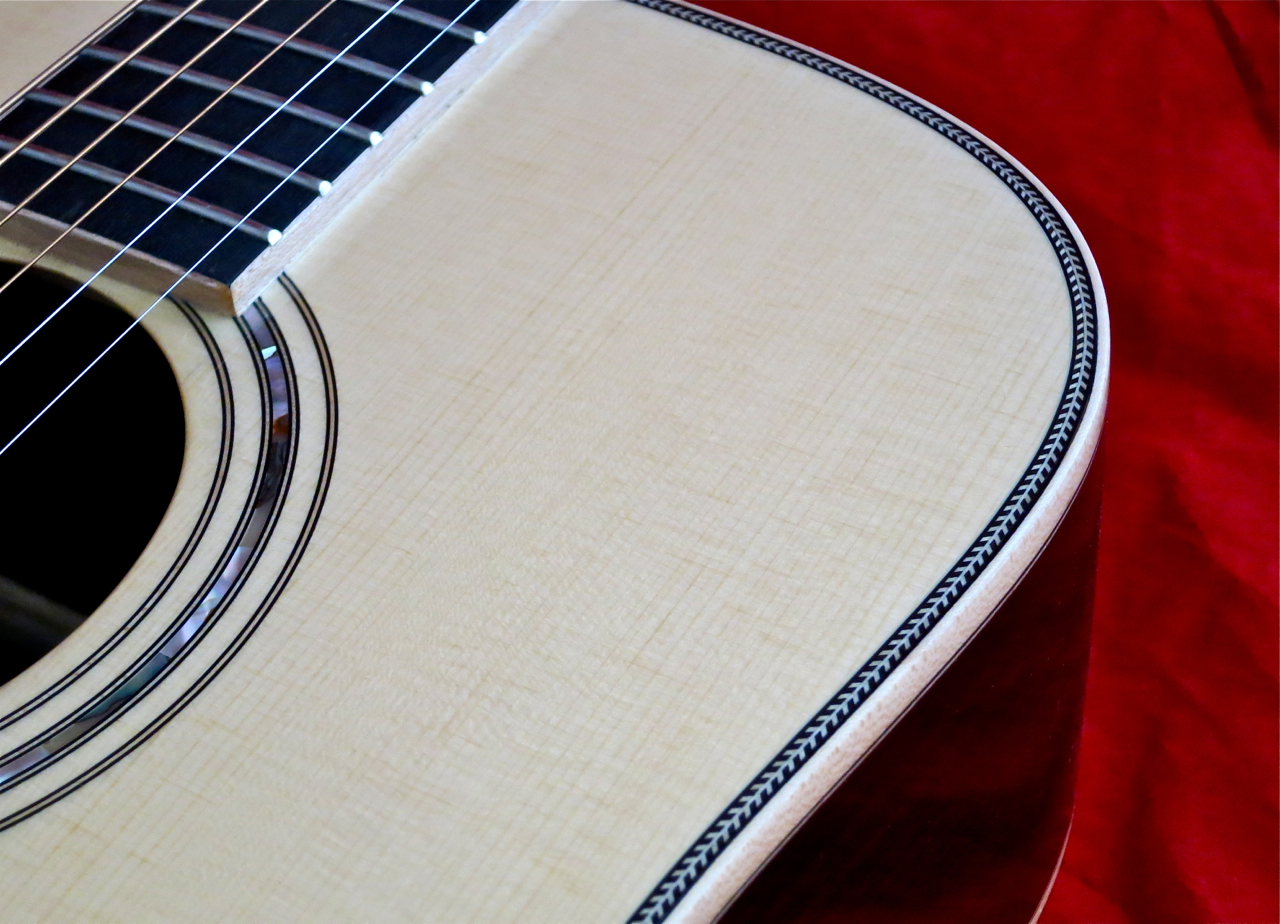
In addition to the maple edge binding the top also sports very crisp-looking herringbone purfling.
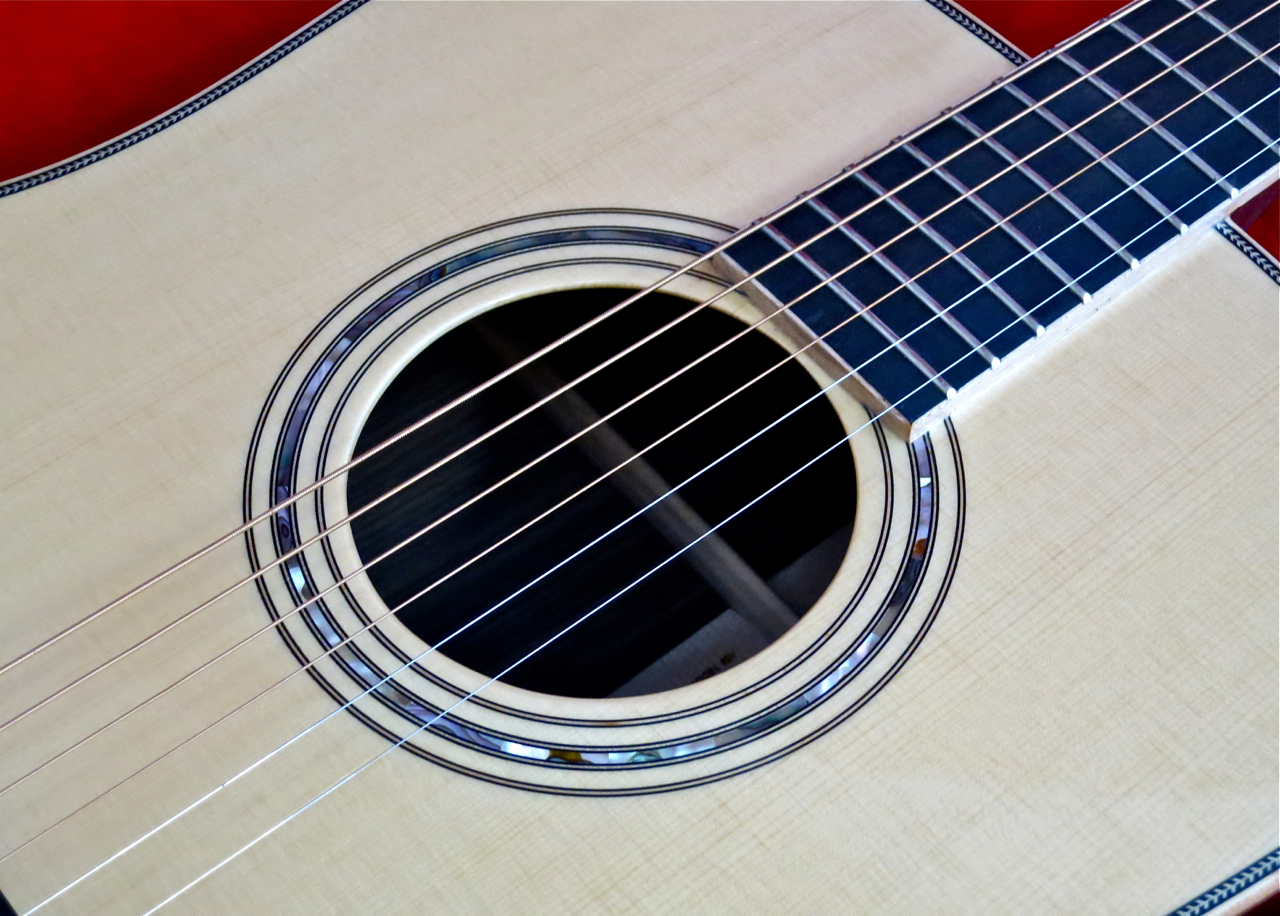
The rosette’s central ring is made up of genuine mother-of-pearl.

The RDV’s bridge is the same design we’ve already seen on the PFM, but this time crafted from deep black ebony.

****
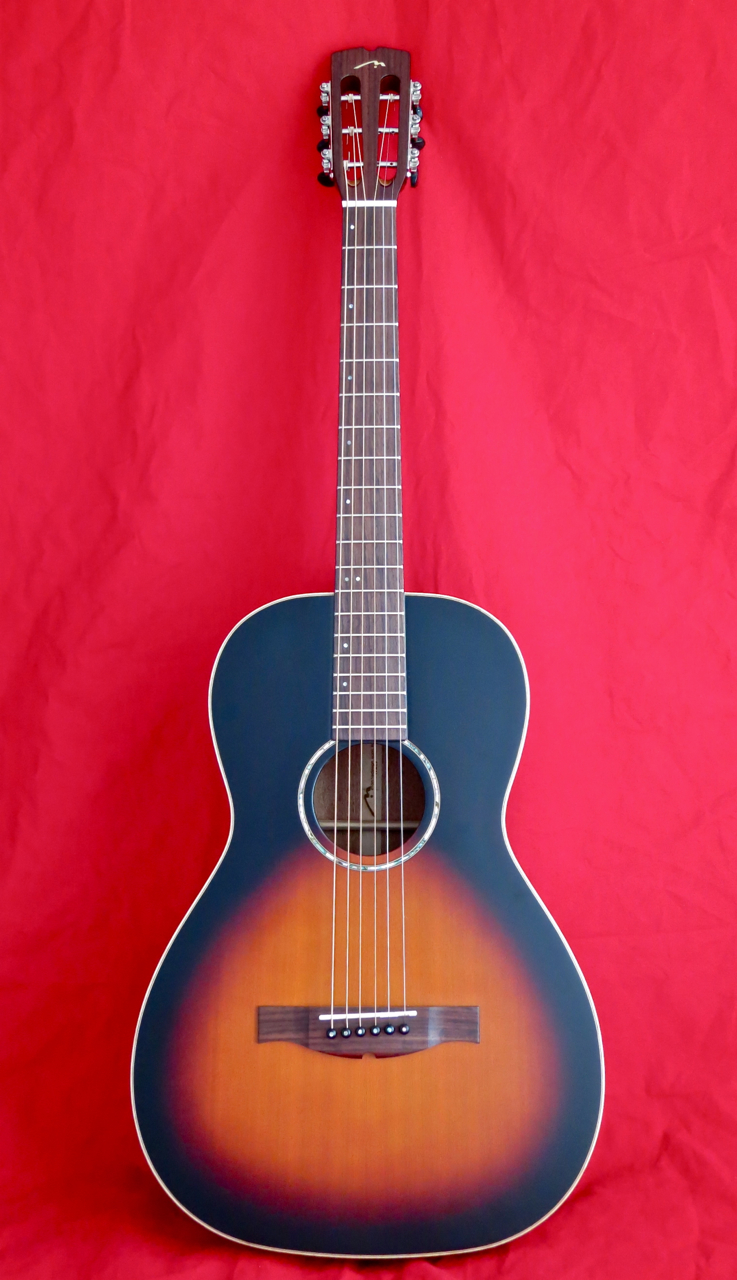
As most do Parlour-sized guitars, the Mannedesign PFM has a medium-length scale of 63 cm, which makes bending the 012-gauge strings relatively easy to bend. Instead of a ”vintage-correct” – and often loathed – V-profile neck, Mannedesign have opted for a more sensible and nice-feeling middle-of-the-road D-profile. The guitar’s nut width measures 4,4 cm, while the string spacing (E to e) at the bridge stands at 5,4 cm – good for both plectrum player, as well as fingerstylists. The test sample was set up with a very friendly action (E: 1,9 mm/e: 1,5 mm).
The Mannedesign PFM is a typical Parlour-guitar in the best possible sense. The guitar’s sound is quite dry and has a barking attack, with a strong and slightly nasal overall mid-range focus. Fingerstyle-guitarists will love the relatively light bass register, which keeps things transparent. When using a plack, you will be positively surprised by how well the PFM is able to cut through and project – great for Ragtime and early Blues. The Mannedesign PFM also records really well, because it doesn’t clutter the low-mid and bass registers.

****

The Mannedesign RDV has the long scale (63 cm) typical of a Dreadnought. Roberto Della Vecchia requested a slightly wider-than-usual string spread at the bridge (5,9 cm) to accommodate the needs of fingerstyle players. The neck profile is a very nice, oval C. The Della Vecchia model’s set-up was superb, with a nice and comfortable action (E: 2,0 mm/e: 1,5).
Rosewood-bodied Dreads often turn out to be great ”shouters”, which also holds true for the RDV’s healthy volume levels. There’s plenty of lush bass on tap, with a warm mid-range and shimmering top-end to boot. The Mannedesign RDV is a prime exponent of the famous Dreanought-sound, offering you volume, character and dynamics in spades.


****
Mannedesign-instruments still have a rather low profile here in Finland. Still, based on this review I can only recommed a closer look at the brand’s acoustic offerings.
****
Mannedesign PFM + RDV
PFM – 660 €
RDV – 950 €
Finnish distributor: Nordsound
****
Pros (both models):
+ value-for-money
+ workmanship
+ playability
+ sound
****


****
If you feel your guitar-playing is stuck in a rut, it might be a good idea to broaden your horizon – either by immersing yourself in a new genre, or by taking up a different string-instrument.
For some time I have been interested in lap steels, and for some reason – probably due to their their special sound – especially in Weissenborn-type, acoustic lap steels.
About 100 years ago a Californian luthier (of German origin), named Hermann Weissenborn, came up with an idea to make the then-popular acoustic lap steel guitar louder: Weissenborn simply extended the body into the neck, all the way up to the top nut. As the neck was sort of redundant on a lap steel anyway, the luthier figured, he might as well use it to further amplify the instrument’s voice.
Although the new instrument worked very well, Weissenborns were supplanted relatively quickly by even louder designs, such as resonators and electric steel guitars. Over recent years interest in Hermann Weissenborn’s invention has been growing slowly but steadily, thanks to this guitar’s idiosyncratic looks and sounds being featured by such musicians as Ben Harper and Xavier Rudd.
Thanks to this renaissence, new and affordable Weissenborn-copies are readily available for the beginner. Most of these guitars are built in China to the distributors’ specifications and then branded with the respective company’s logo.
There are also a few luthiers out there who build high-quality replicas of Weissenborn-type lap steels for the connoisseur – check Google (”Weissenborn guitar”).
At the moment of writing no Finnish distributor is importing Weissenborn-style guitars, so I got some support for preparing this article from Germany: Bediaz Music are a small, specialised company, dealing mostly in acoustic lap steels – starting with vintage Weissenborns and modern boutique-versions – but the guys are also importing their own range of affordable Bediaz-branded instruments.
****
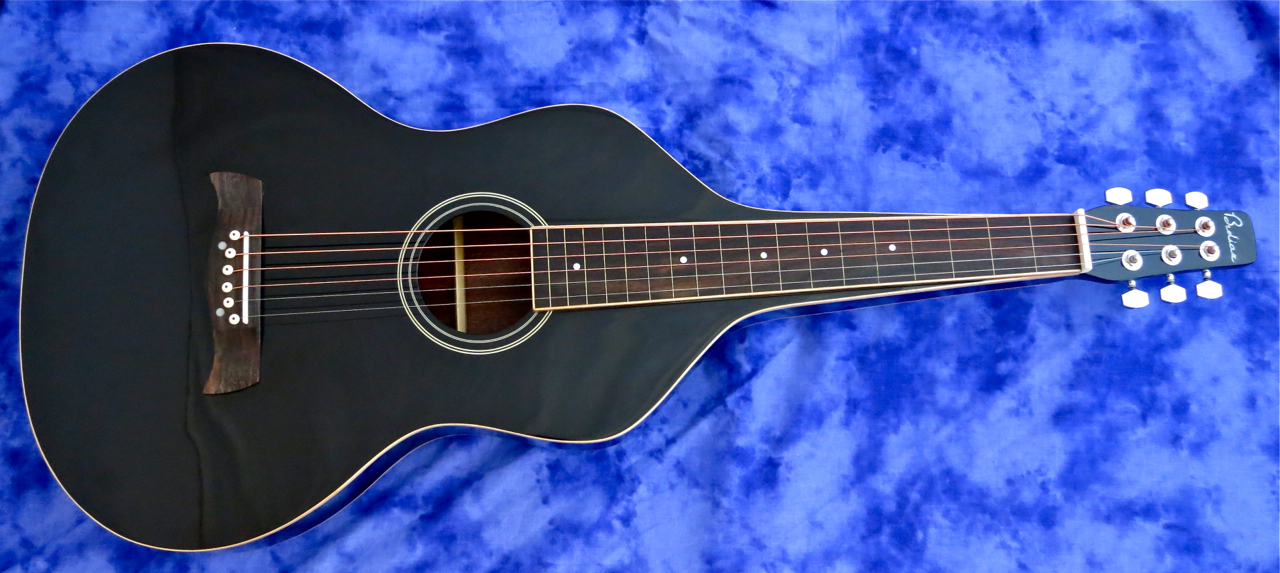
I decided to get acquainted with a Bediaz Black Gloss, the company’s most affordable model (289 €).
This is a copy of the guitar-shaped Weissenborn, but Bediaz also offer Teardrop-models, as well as deep-bodied and/or wider alternatives.

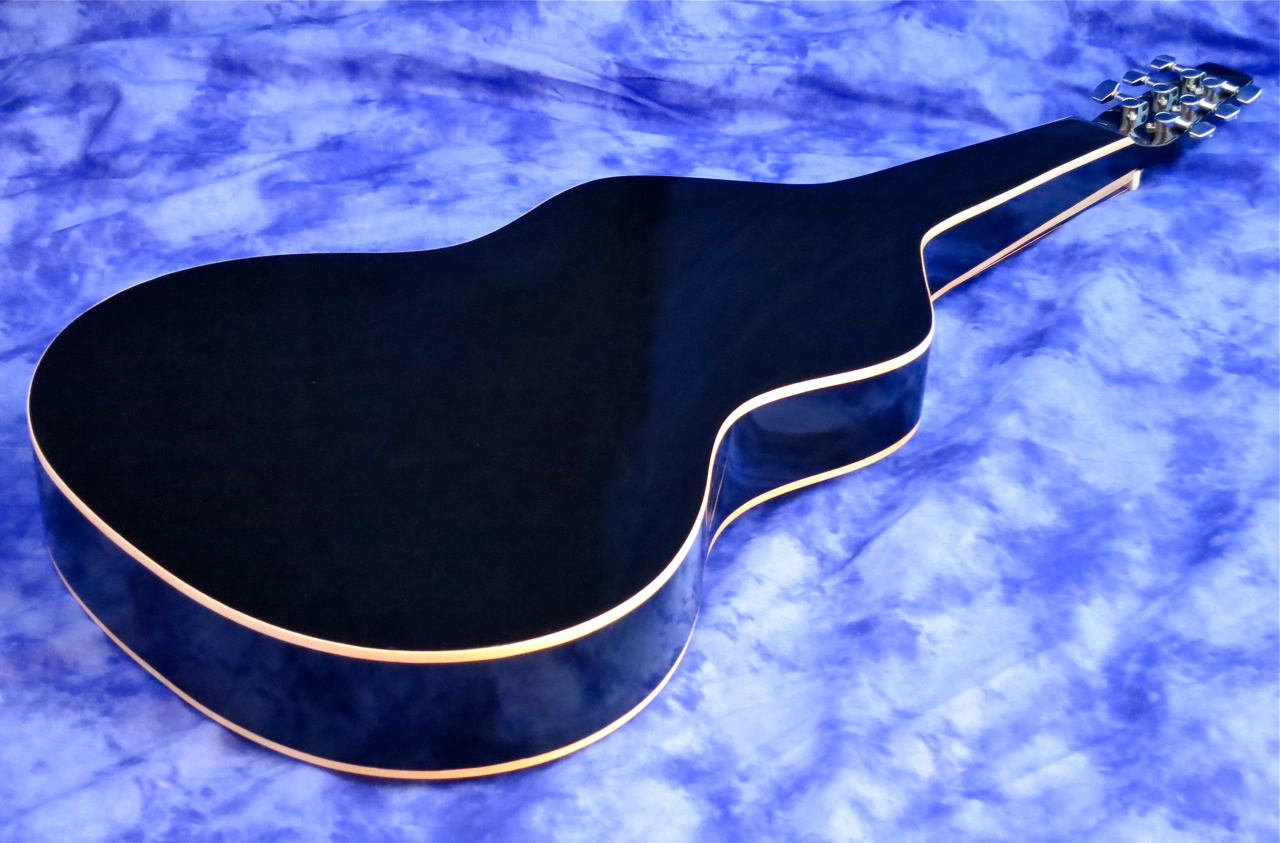
At this price point you cannot expect solid-wood bodies. The Bediaz has a body build from laminated mahogany, and sports a gloss black finish.
Only the guitar’s headstock – which is glued into the hollow neck near the first fret – is a solid piece of wood.

Affordable doesn’t mean cheap, though:
The Bediaz displays a very clean build (for the most part), and looks rather fetching with its luscious finish and the stylish, contrasting maple binding.
The fret lines seem to be maple, too. There were a couple of slightly wobbly-looking fret lines, but this is a mere cosmetic glitch on a lap steel, and nothing to worry about in this price range.

The silkscreened silver logo also isn’t the crispest either, due to some bleed, but this also is a very minor cosmetic niggle, which surely won’t spoil our fun.
A chunky bit of bovine bone has been used for the Bediaz’ tall top nut.

Tuning is simple and steady, thanks to the modern sealed tuning machines.

Stylishly understated white rings make up this instrument’s rosette.

The Bediaz also displays rather clean workmanship on the inside – something which isn’t always a given in this low price bracket.

A Weissenborn-bridge is a steel-string bridge’s taller sister. On the Bediaz it has been crafted from a sandwich of two pieces of rosewood.
****
This is what a Weissenborn can sound like in the right hands:
****
Playing a lap steel guitar opens up the gates to a new kind of playing-experience, and forces you to readjust your approach.
In a certain way, a lap steel is much more restricted than a standard (Spanish) guitar, as you’re always tied closely to your chosen tuning, with the bar giving you only a little room for breaking out of the key you’re in. If you’re in an open major-tuning, for example, achieving minor chords requires you to apply string muting, if you want to go somewhere else than the parallel minor tonic chord (like: Em –> G).
On the other hand, the tone bar frees you from the constraints of the traditional western 12-semitone scale, making it possible to find notes outside our usual major/minor-tonalities. This is one of the reasons why acoustic lap steels are gaining a growing following among Blues-guitarists and World-musicians.
Playing in tune and hitting the correct pitch takes a lot of practice on a lap steel, though. I, for my part, am still on the way there…
😉

Due to their hollow neck Weissenborn-type guitars are a little more delicate when it comes to the rigours of string-pull. High-pitched open tunings should only be attempted with lighter gauge strings. It’s best to start your Weissenborn-journey with lower tunings, such as open D (D-A-D-f#-a-d), open C (C-G-C-e-g-c), open G (D-G-D-g-h-d) or DADGAD. Many lap steel buffs also use their own – often ”secret” – tunings to fit their own signature sound and style.
Click HERE for more information, or try Google.
The Bediaz Black Gloss has a nice fresh and open tone with a charmingly raunchy mid-range. For a standard-depth acoustic Weissenborn-copy the sheer volume on offer is a positive surprise.

A lap steel’s sound is also defined by which tone bar is used, and the bar also has an influence on the guitar’s playability. I have taken my first steps using a classic bullet-shaped tone bar – the sound was good, but I found the bar hard to hold. I have since switched to a Shubb SP-1 bar, which I find much easier to hold and manoeuvre. Other players swear by much lighter ceramic tone bars, so check them out as well.
While I don’t kid myself into thinking I might become a great lap steel guitarist, I still find playing the Bediaz-Weissenborn very refreshing and fun.
The affordable Bediaz-guitar makes it easy to start your own path down a new road – it’s a pretty and well-sounding instrument. And once you progress you can always step up to an even better model.
****
Here are two tracks I recorded on the Bediaz:
The Bediaz Weissenborn-copy even made it onto a song demo already:
****
I’d like to thank Bediaz Music for their vital support in making this article happen!

****
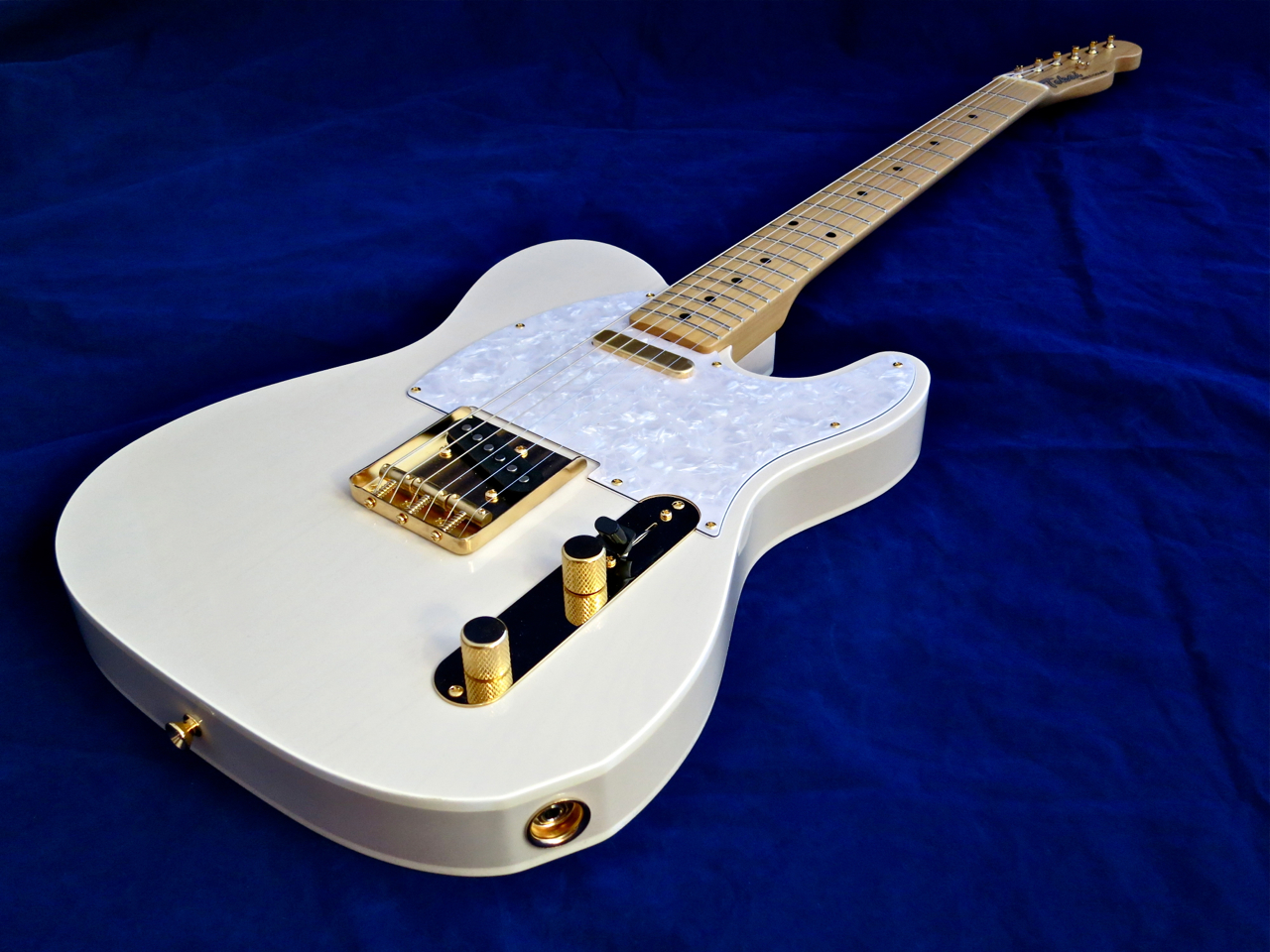
Tokai’s TTE-55 is the company’s newest made-in-Japan Tele-type guitar. The TTE-55 isn’t meant to be a dead-on copy of a Tele from a certain period, but rather something like a Tokai ”best-of-vintage-T” model.
****
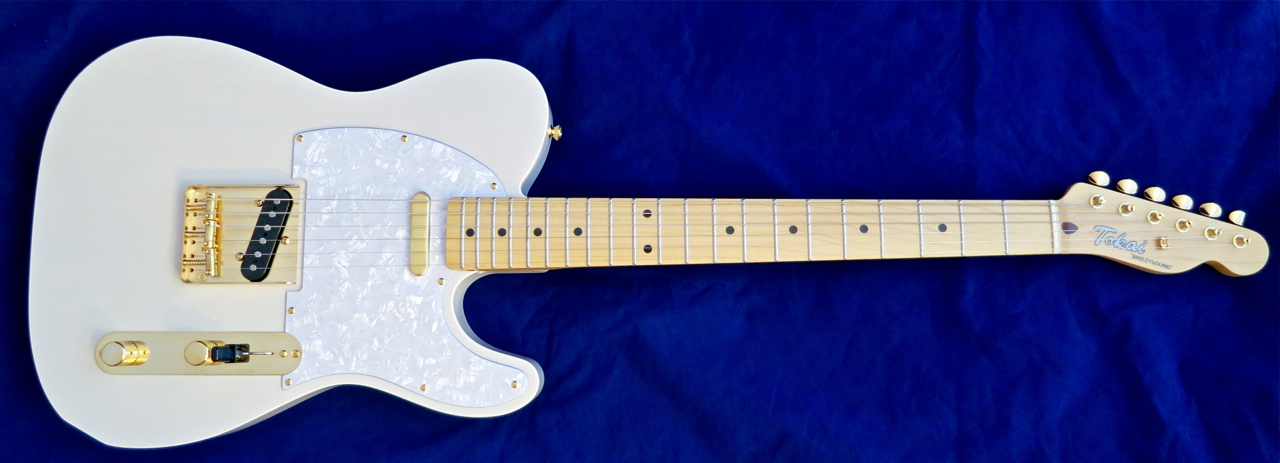
You can get the Tokai TTE-55 (current price in Finland: 848 €) with either a one-piece maple neck – as on our White Blonde review sample – or equipped with a rosewood ’board.
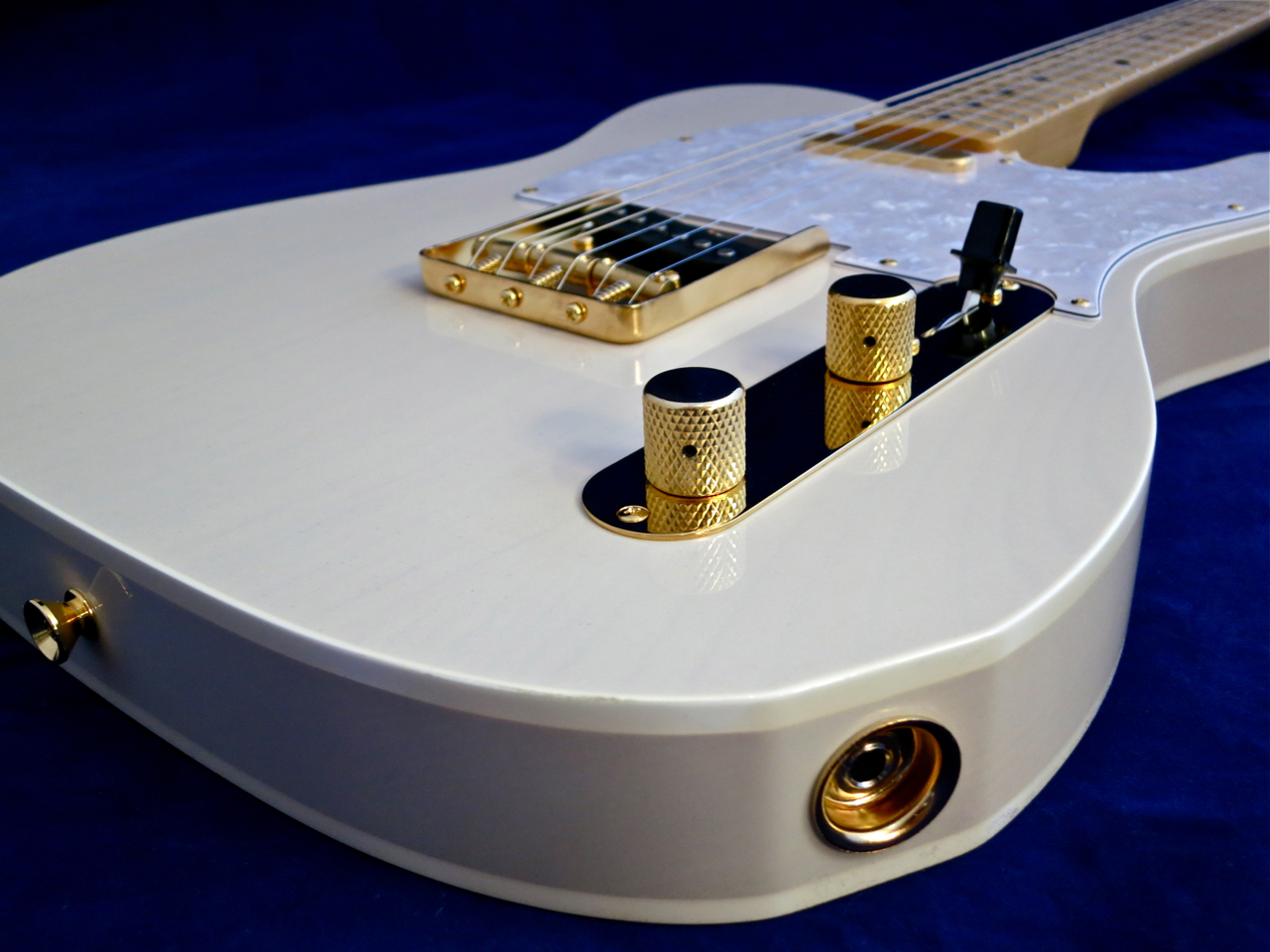
The finish of the hardware is dependent on the body’s colour – in our case here the Tokai sports gold coloured hardware, which embues this Tele with a good dose of Mary Kaye -style panache.
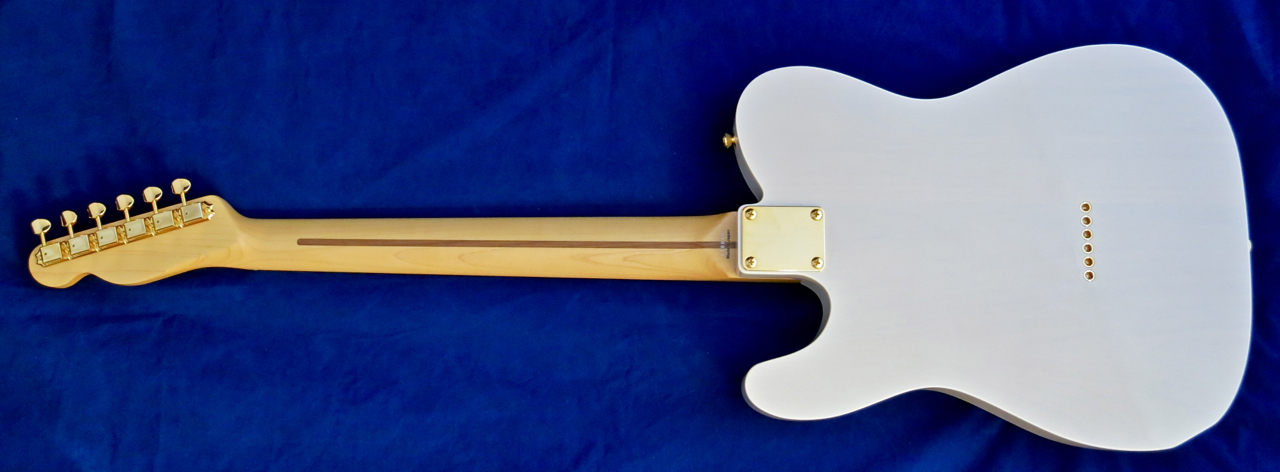
The 1950s-type neck is screwed to a Sixties-type, bound alder body.
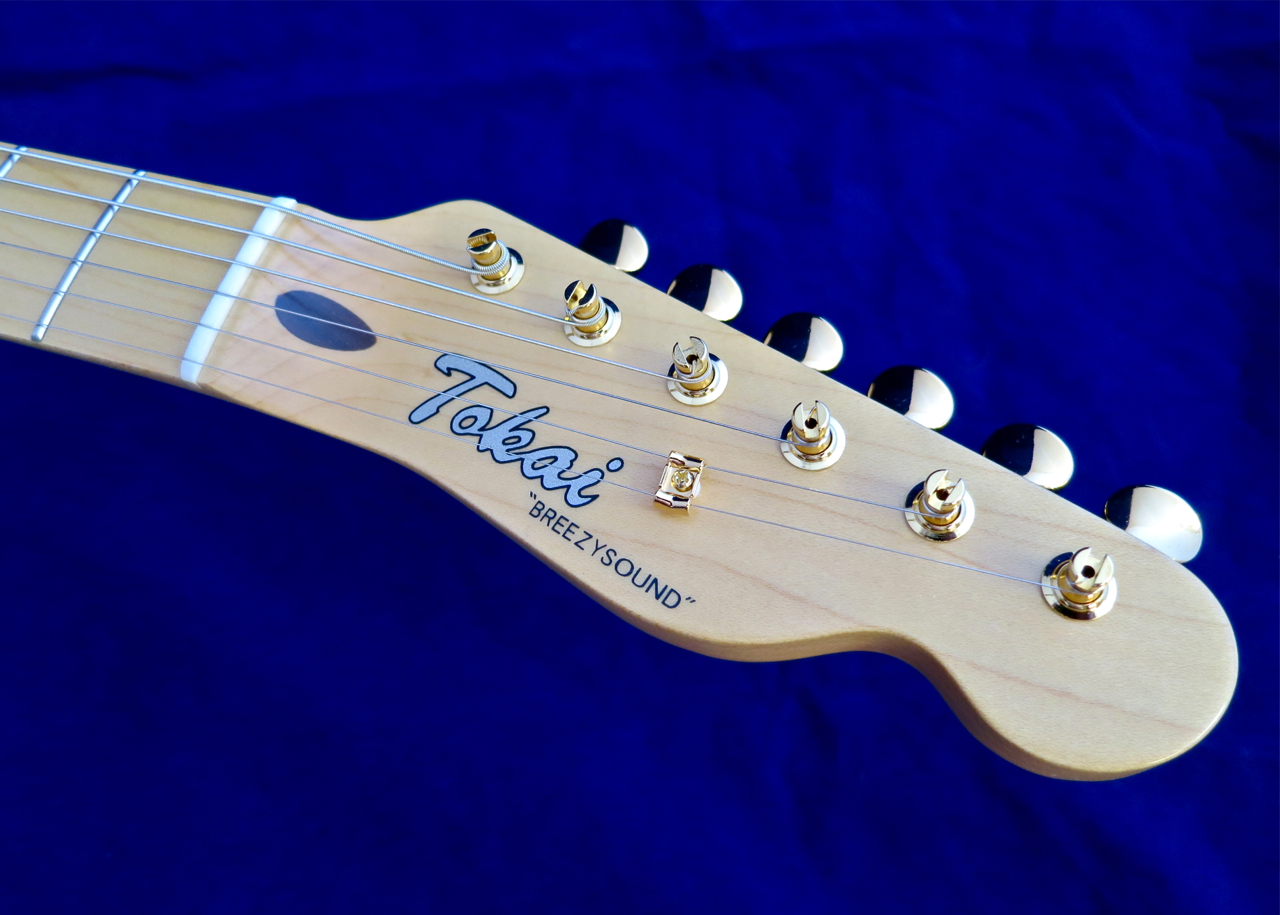
The fine Kluson-copies have one major advantage over more recent designs: The nifty safety posts prevent any sharp string ends from sticking out.
The neck’s silky-smooth satin finish is a much more modern feature, as are the 21 jumbo-sized frets. Top marks to Tokai for the quality of their fretwork!
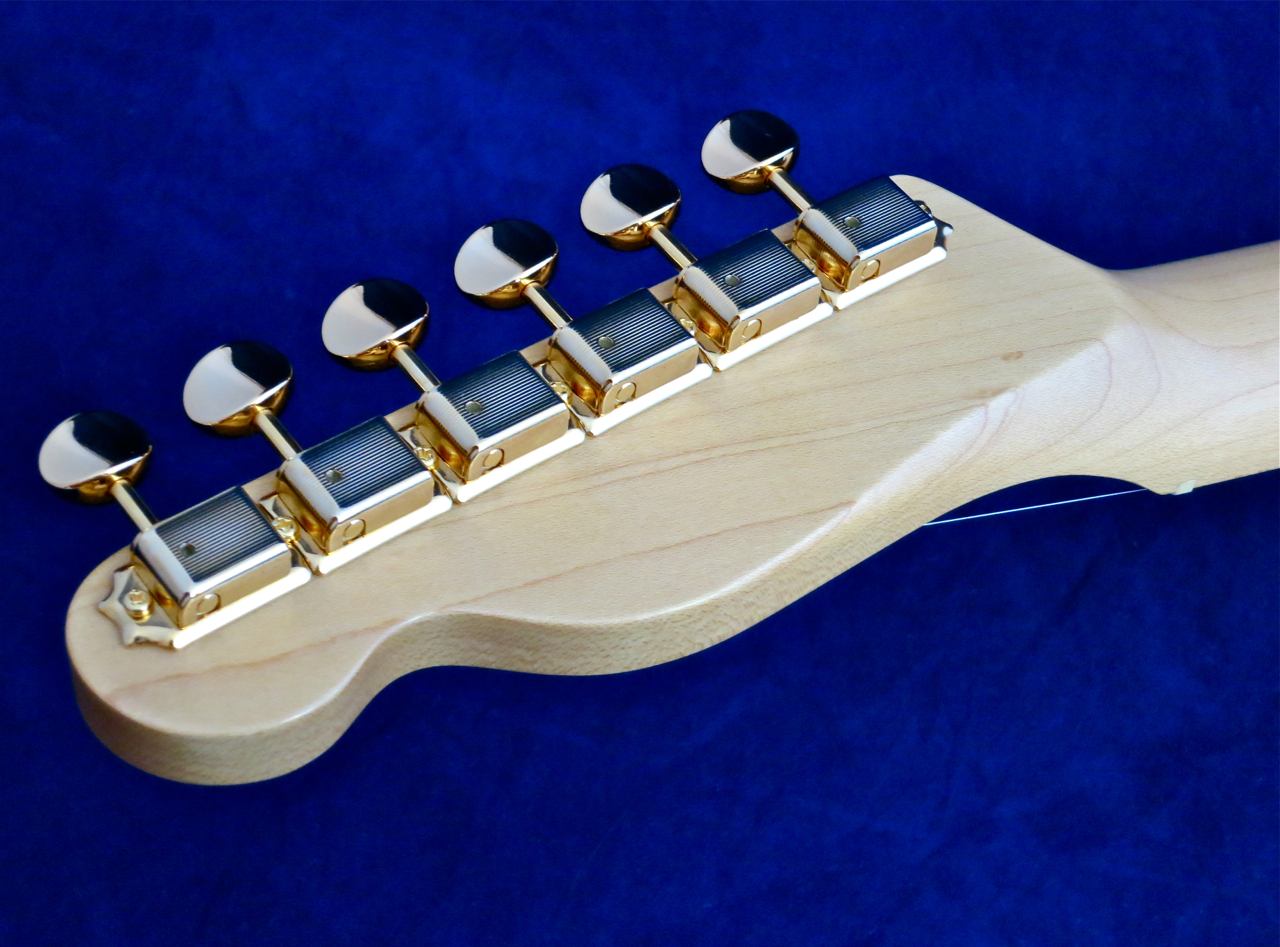
Timeless beauty – this is a sight I never tire of…
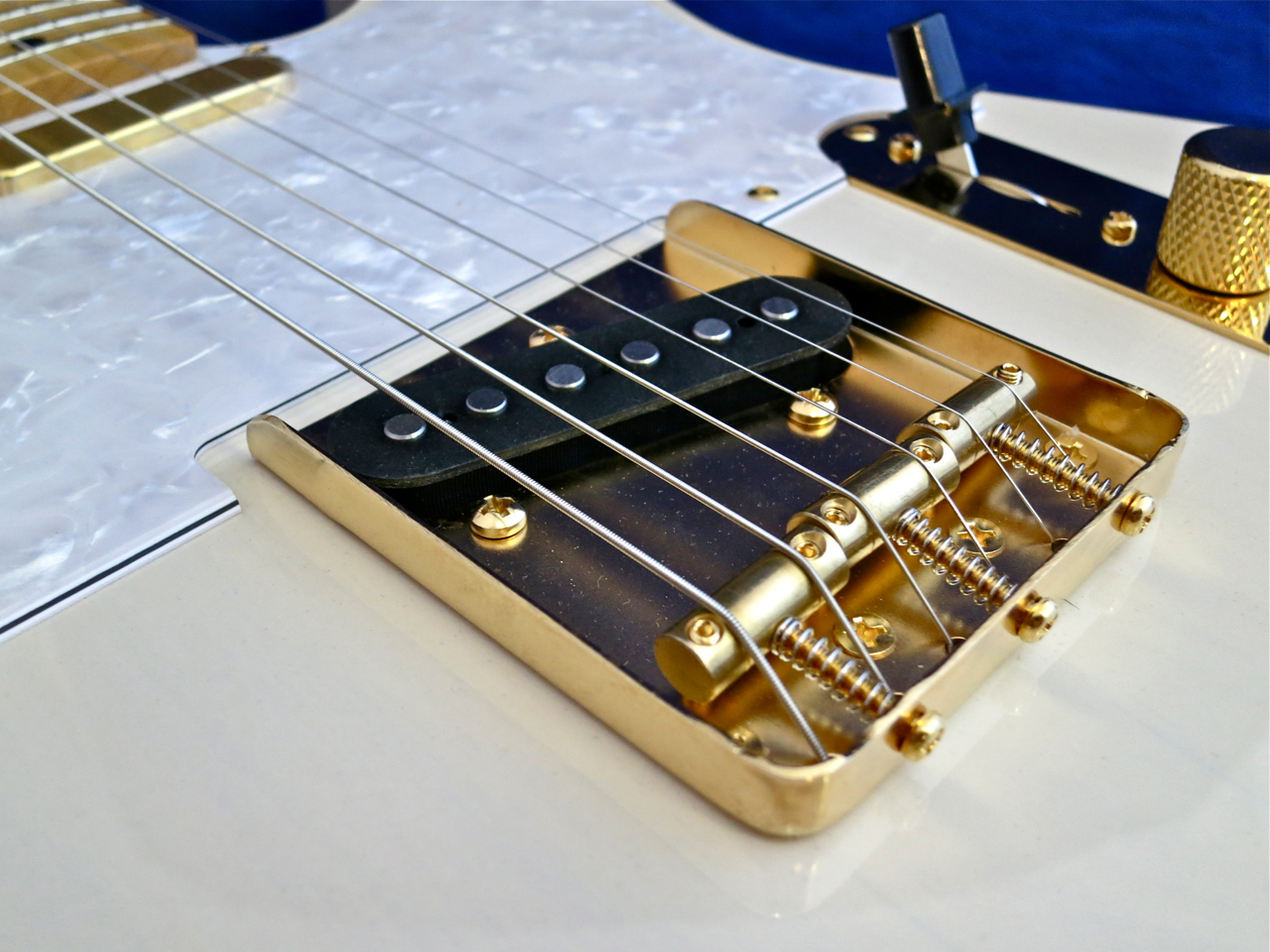
Not all vintage Tele-bridges are the same – the originals went through several different incarnations between the Fifties and now, especially when it comes to the material chosen for the bridge saddles. Tokai’s TTE-55 sports brass saddles, which is the favourite choice for juicy tone among vintage-anoraks.
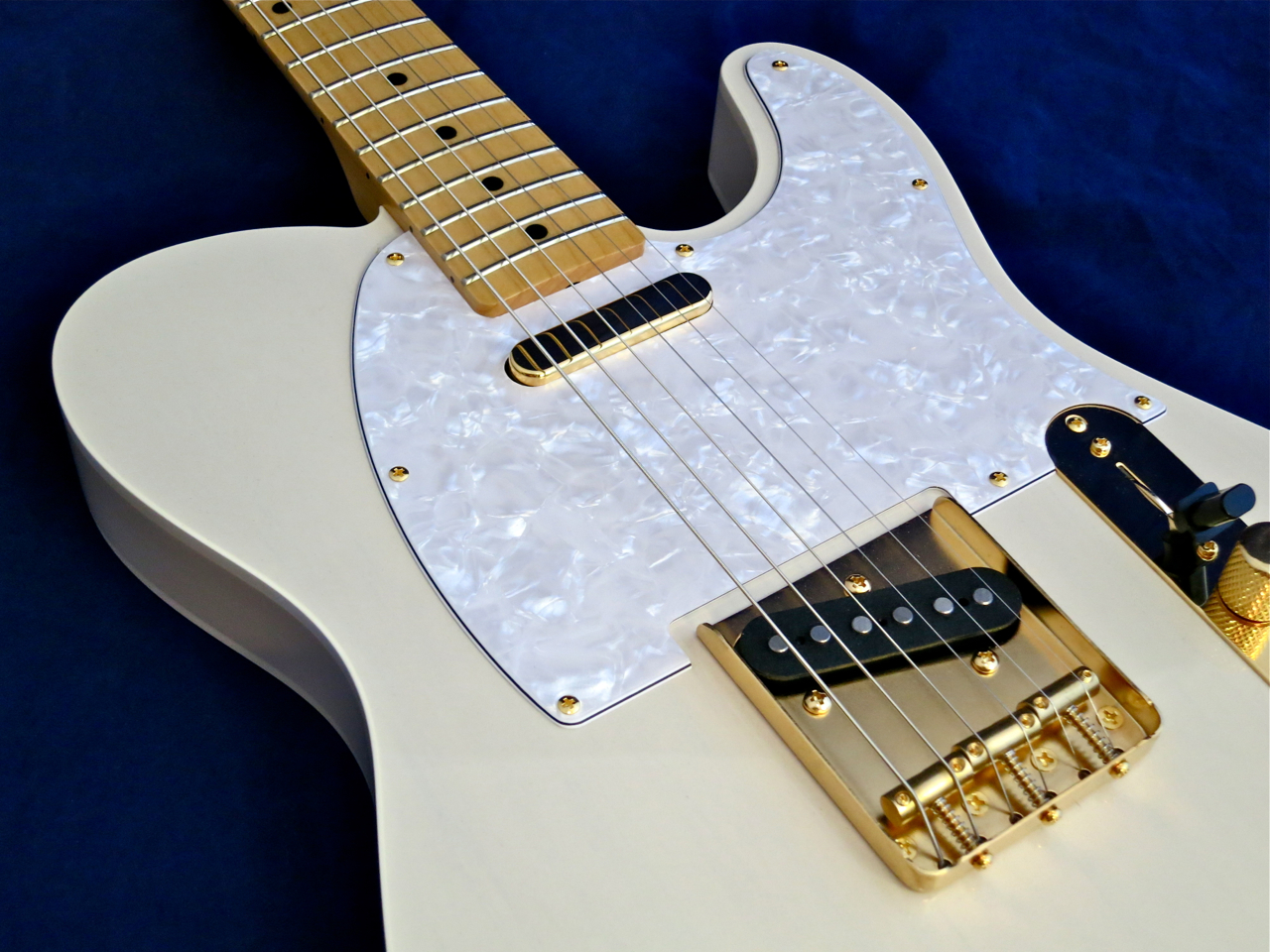
You can’t get more classic than a Tele-type guitar’s pickup combination: The neck pickup is a narrow unit with its own shielding metal cover, while the chunkier bridge pickup hangs suspended from the bridge plate.
In 1967 the Tele’s switching was changed to the now-classic format of a three-way blade switch for neck/both/bridge-selection, coupled with a master volume and a master tone control.
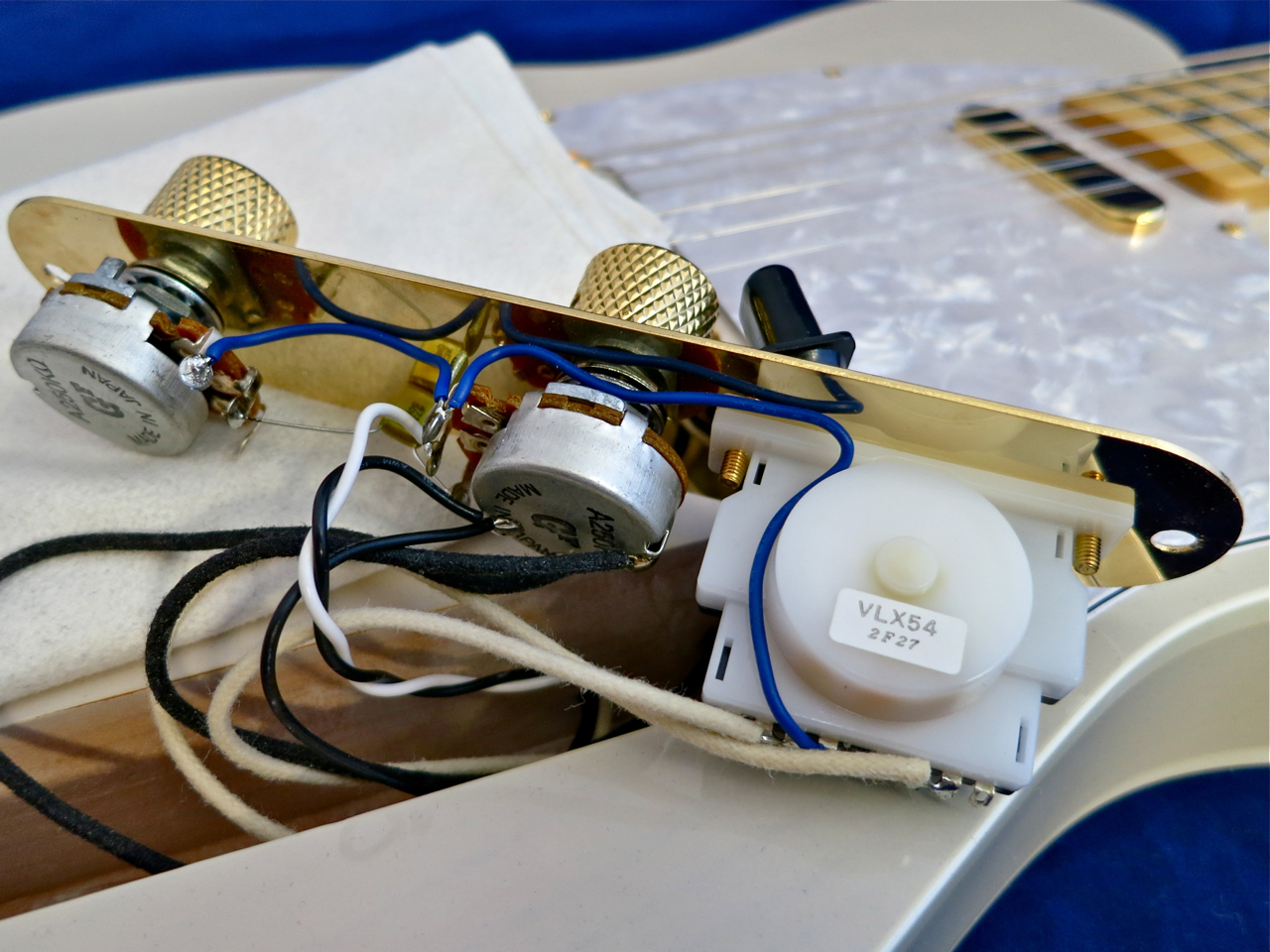
There’s plenty of quality on offer on the inside, too, with a VLX-switch and two GF-potentiometers keeping everything ship-shaped.
Vintage-freaks will dig the cloth-covered pickup leads.
****
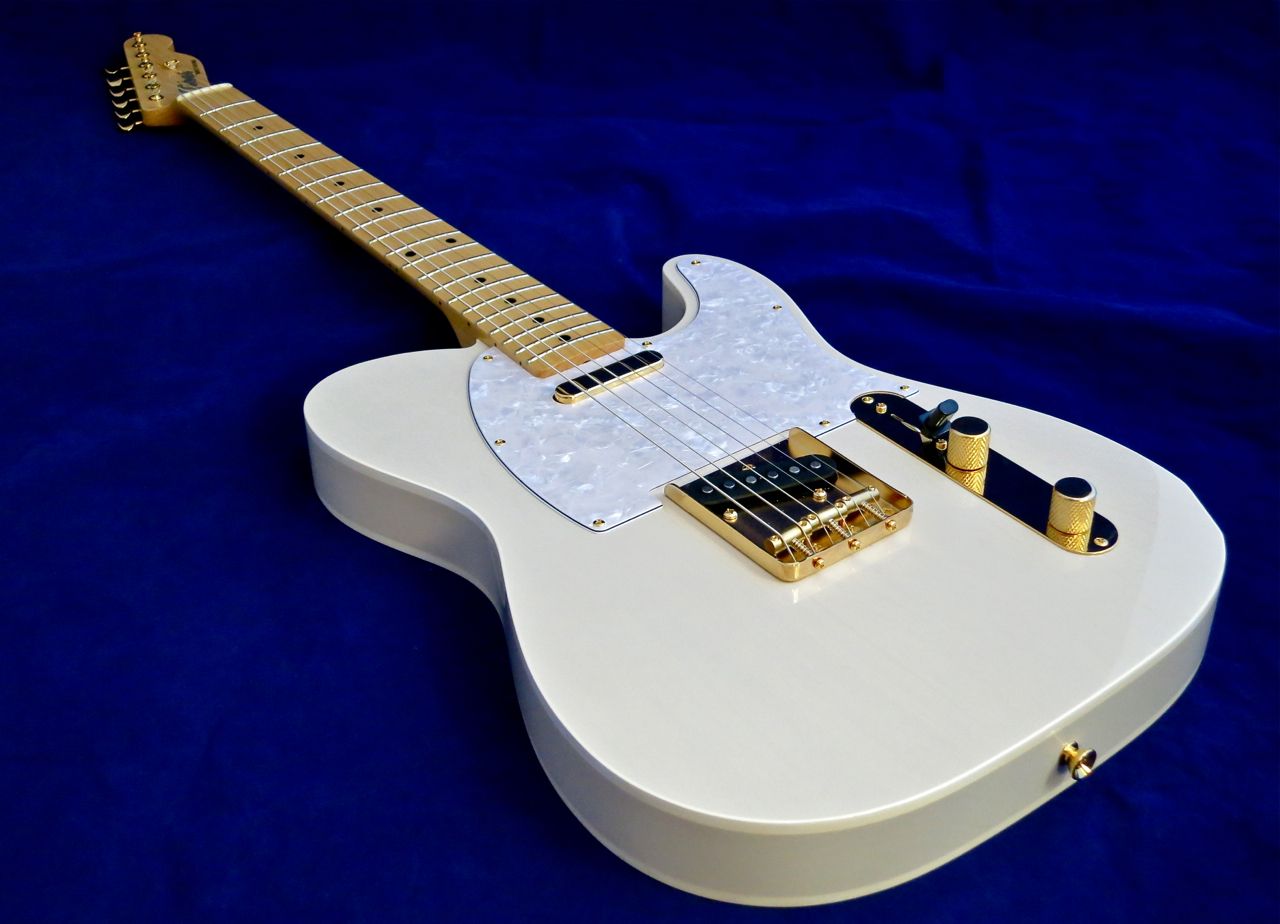
Our test sample is of medium weight – not the lightest Tele ever, but still really comfortable.
The Tokai TTE-55’s neck profile is right down my alley, being a well rounded and full ”D”. There’s enough girth to support your left hand nicely, but not so much as to make the neck feel too fat or hard to play .
The neck’s contemporary finish and the modern fret size result in a very bend-friendly guitar with a great action (E: 1,9 mm/e: 1,7 mm).
There’s always a bit of compromise to deal with, when it comes to a Tele-type guitar’s intonation, due to the shared bridge saddles. But this hasn’t prevented this guitar type to become a true classic – the compromises one can deal with easily.
It’s build like a Tele, it looks like a Tele, and, yes, the Tokai TTE-55 also sounds like a Tele. The neck pickup’s tone is well rounded, with a charming amount of wood to its voice. Put the switch in the middle position, and you’ll be funking with Prince. And the bridge pickup on its own is bang on the money for all your Country-, Rockabilly- and Blues-needs.
Tokai’s TTE-55 is a great choice for virtually any musical genre, with the exception of Hard Rock and Metal.
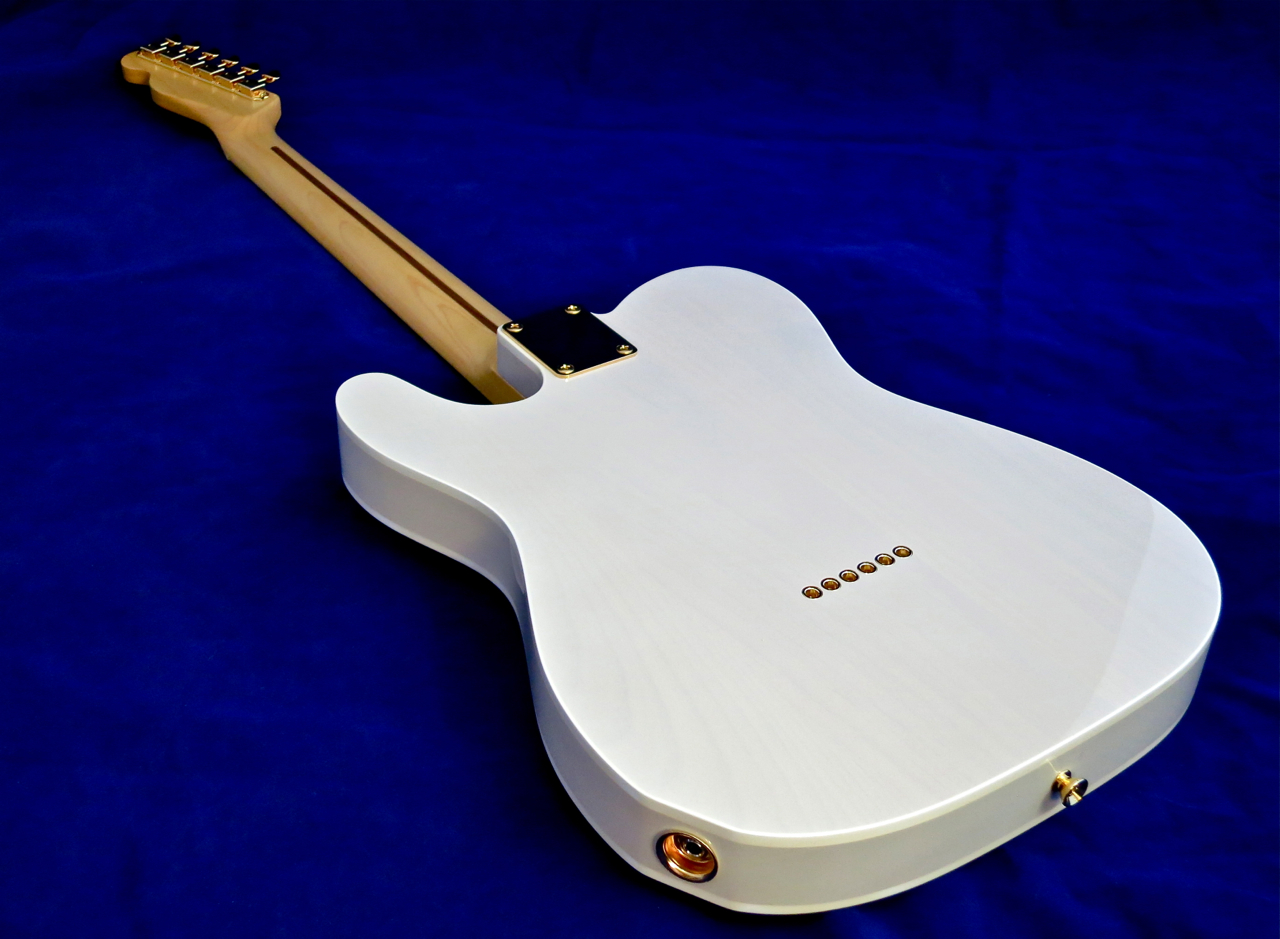
In light of this review, I can only conclude that the Tokai TTE-55 is a top quality instrument, which offers a whole lot of Tele-goodness at a very moderate price.
****
Tokai TTE-55
848 €
Finnish distributor: Musamaailma
****
Pros:
+ value-for-money
+ workmanship
+ component quality
+ neck profile
+ sound
Cons:
– the traditional Tele-compromise when it comes to exact intonation
****
Jos oma kitaransoitto tuntuu polkevan paikallaan, on usein hyvä idea laajentaa omaa horisonttia – joko kokeilemalla itselleen uutta genreä tai perehtymällä uuden kielisoittimen saloihin. Astumalla ulos tutuista kuvioista voi helposti löytää uusia lähestymistapoja ja tuoreita ideoita omaan soittoon.
Minua alkoi jonkin aikaa sitten kiinnostaa lap steel -kitaroiden soittaminen, ja jostain syystä niiden soundin kannalta etenkin Weissenborn-tyylisiä, akustisia lajin edustajia.
Noin sata vuotta sitten saksalaissyntyinen, kalifornialainen soitinrakentaja Herman Weissenborn keksi keinon, kuinka saadaan akustisesta Havaji-kitarasta enemmän volyymiä irti: Weissenborn jatkoi yksinkertaisesti soittimen kaikukoppaa otelaudan alla satulaan asti. Kun kerran lap steeleissä kaula makaa soittajan sylissä, voi käyttää sitä tällä tavalla hyväksi.
Weissenbornin soittimet jäivät silloin valitettavasti melko nopeasti resonaattori- (Dobro, jne.) ja sähkökitaroiden jalkoihin, mutta viime aikoina niiden omaperäinen soundi on saanut kokea jonkinsorttisen renessanssin, etenkin Ben Harperin ja Xavier Ruddin ansiosta.
Uuden suosion ansiosta saa nykyään myös edullisia Weissenborn-kopioita monelta pieneltä yritykseltä. Nykykäytännön mukaisesti nämä soittimet rakennetaan Kiinassa maahantuojien toiveiden mukaan, jotka sitten brändäävät kitarat omilla logoillaan.
On toki olemassa myös juuri Weissenborn-tyylisiin kitaroihin erikoistuneita kitararakentajia, joilta saa hyvin laadukkaita versioita aiheesta. Googlaamalla selviää (”Weissenborn guitar”).
Koska Weissenborn-tyylisille soittimille ei tietääkseni tällä hetkellä ole suomalaista maahantuojaa, löysin itselleni tätä juttua varten yhteistyökumppanin Saksasta: Bediaz Music on pieni, lap steel -kitaroihin erikoistunut liike, jolta saa vintage- ja boutique-kitaroiden lisäksi myös omia, Kiinassa valmistettuja Bediaz-soittimia.
****
Testissä käynyt Bediaz Black Gloss on firman edullisin malli (289 €).
Tämä kitara on kitaranmuotoinen Weissenborn-kopio, mutta on olemassa myös ns. Teardrop-malleja, jotka muistuttavat muodoltaan hyvin paljon irlantilaisia mandoliineja. Lisäksi on saatavilla myös erikoissyviä tai –leveitä vaihtoehtoja.
Niin kuin kaikissa tämän hintaluokan Weissenborn-soittimissa, myös tässä Bediaz-mallissa kitaran isokokoinen kaikukoppa on rakennettu täysin vanerista. Tässä tapauksessa käytetään kauttaaltaan mahonkia.
Ainoa puuosa, joka näissä soittimissa ei ole ontto, on kitaran viritinlapa, joka on liimattu ”kaulaan” kiinni suurin piirtein ensimmäisen ”nauhan” kohdalla.
Edullinen ei kuitenkaan tarkoita halpaa tai rumaa: Bediaz-kitara on suurilta osin erittäin siististi rakennettu ja viimeistelty soitin, jolla on kauniisti kiiltävää musta lakkaus, sekä tyylikkäät reunalistat vaahterasta.
Nauhamerkit näyttävät nekin olevan vaahterasta. Niiden joukosta löytyy pari hieman epäsiistiä tapausta, mutta siitä on lap steel kitaroissa ainoastaan lievää kosmeettista haittaa, eikä sellainen ole tässä hintaluokassa kovinkaan epätavallista.
Myös testisoittimen logo on jäänyt hieman epäsiistiksi, mutta se ei varmastikaan haittaa soittamista.
Bediazin korkea satula on aitoa naudanluuta.
Nykyaikaisten virittimien ansiosta kitaran virittäminen on helppoa.
Kaikuaukon rosettina toimivat yksinkertaisen tyylikkäät valkoiset renkaat.
Bediaz-kitaran sisäinenkin siisteys ja työnjälki ovat nekin hintaluokkaan nähden hyvällä tasolla.
Weissenborn-talla on tavallisen teräskielisen selvästi korkeampi sisar. Tässä Bediaz-soittimessa se on kahdesta päällekkäisestä palisanteripalasta veistetty malli.
****
Tällaiselta Weissenborn voi kuulosta parhaissa tapauksissa:
****
Lap steel -kitaran soittaminen avaa ovet ihan uuteen soittokokemukseen ja lähestymistapaan.
Tietyllä tavalla lap steel -maailma on tavallista kitaraa rajoitetumpi, koska ollaan koko ajan sidottuna soittimelle valittuun viritykseen, eikä steel-rauta anna kovinkaan helppoja keinoja rikkoa virityksen rajoja. Jos ollaan esimerkiksi avoimessa duurivirityksessaä, mollisoinnun aikaan saaminen toimii joko mykistämällä tai käyttämällä rinnakkaista duurisointua käyttämällä (esim. Em –> G).
Toisaalta tonebar-raudalla saa myös ihan uutta vapautta käyttää mikrotonaalisia askelmia tavallisten duuri- ja molliasteikoiden ulkopuolella. Juuri tämän ansiosta akustiset lap steel -kitarat ovat saavuttaneet uuden suosionsa Bluesissa ja maailmanmusiikin genressä.
Vaativinta lap steelin soittamisessa onkin juuri sen tasan oikean sävelkorkeuden löytäminen – puhtaan soiton saavuttamiseen menee rutkasti aikaa. Minäkin olen vasta matkalla sinne…
😉
Koska Weissenborn-tyylisillä soittimilla ei ole kiinteää kaulaa, ne eivät kestä korkeiden avoimien virityksien kieltenvetoa (ainakaan tavallisella kielisatsilla). Parhaiten sopivat aluksi varmasti sellaiset viritykset kuin avoin-D (D-A-D-f#-a-d), avoin-C (C-G-C-e-g-c), avoin-G (D-G-D-g-h-d) tai Dadgad. Oikeat lap steel -ketut käyttävät toki eri biiseihin erilaisia virityksiä, ja kirjoittavat usein biisejä myös ihan omien viritysten varassa.
Löydät lisätietoa soitintyypistä, sen historiasta ja eri virityksistä esimerkiksi TÄSTÄ tai googlaamalla.
Bediaz Black Gloss -kitaralla on hyvin raikas ääni pienellä keskialueen korostuksella. Matalakoppaiseksi akustiseksi tällä Weissenborn-kopiolla on yllättävän iso soundi.
Lap steel -kitaran lopulliseen sointiin vaikuttaa melko paljon myös millainen tonebar on käytössä. Ensikokeiluissa yritin soittaa perinteisellä putkilomaisella raudalla, mutta minulla oli vaikeuksia pitää sitä kädessä. Hankin sitten Shubbin SP-1 raudan, jolla soittamiseni onnistuu paljon paremmin, koska saan pidettyä sen tukevasti kädessä. Jotkut soittajat pitävät kuitenkin myös kevyemmistä keraamisista tonebareista.
Vaikka itsestäni ei ehkä koskaan tule loistavaa lap steel -kitaristia, on minun mielestä Weissenborn-kopion soittaminen kuitenkin erittäin hauska ja mieltä avartava kokemus. Edullisella Bediaz-kitaralla pääsee vaivattomasti kokeilemaan uutta soitintyyppiä – kitara on nätti ja se soi hyvin. Ja jos uusi soittoharrastus vie mennessään, voi aina myöhemmin investoida vielä parempaan malliin.
****
Äänitin kaksi soundiesimerkkiä pelkästään Bediaz-kitaralla:
Bediazin Weissenborn-kopio ehti myös jo mukaan yhteen biisidemoon:
****
Suuri kiitos Bediaz Musicille avustuksesta tämän jutun toteuttamisessa!


****

Upouusi PRS P22 Trem on vibratallalla varustettu versio P22-hybridimallista.
P22 Trem -kitarassa on passiivinen elektroniikka PRS:n omia 57/07-humbuckereita varten, sekä aktiivinen L R Baggs -piezosysteemi. Magneettiselle ja piezosignaalille on kummallakin oma lähtöjakki, mutta Blend-säätimen ansiosta piezosignaalia voi myös lisätä humbuckersignaaliin.
Lisätiedot: EM Nordic
****
 Kitarablogi.com – Finland's premier Guitar and Bass blog