Review: Tokai AJB-55BB + Basslines SJB-3

AJB-55BB? Is this bass Tokai’s Big Brother -special edition? No!
The BB stands for ”big blocks”.

****

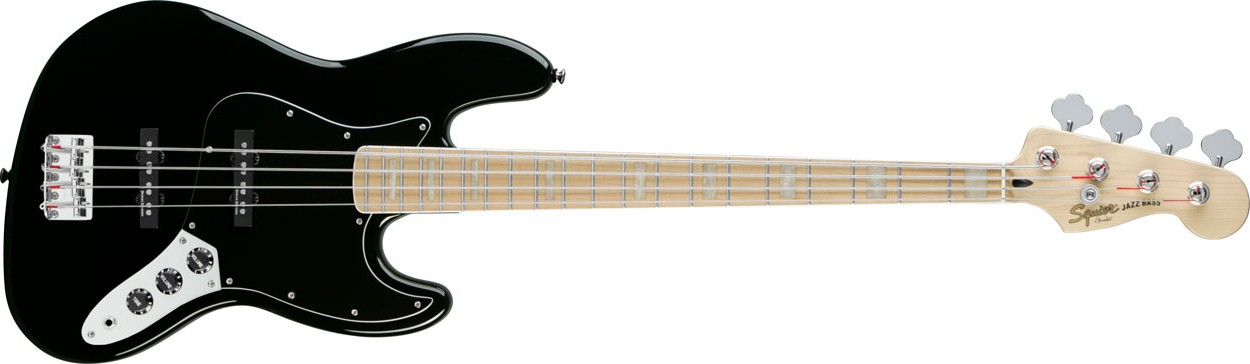
The Tokai AJB-55BB is a special edition run of the company’s Jazz Bass -inspired model with block inlays instead of the usual small dots. Finnish importer Musamaailma has equipped the test sample with a pair of Seymour Duncan Basslines SJB-3s, which promise a hotter-than-vintage output. As supplied, the whole package would set you back about 888 € here in Finland.

This Japanese bass is a streamlined beauty with a maple fingerboard and a tortie-type scratchplate (sometimes this model also comes with a three-ply black pickguard).

Even though the large block inlays invoke a Seventies-look, the Tokai’s deep body chamfers talke you back all the way to the Sixties-period Fender Jazz.

Tokai uses Gotoh-tuners with smaller diameter tuning posts on the AJB-55BB, compared to the usual Kluson- or Schaller-types on many other basses of this type.
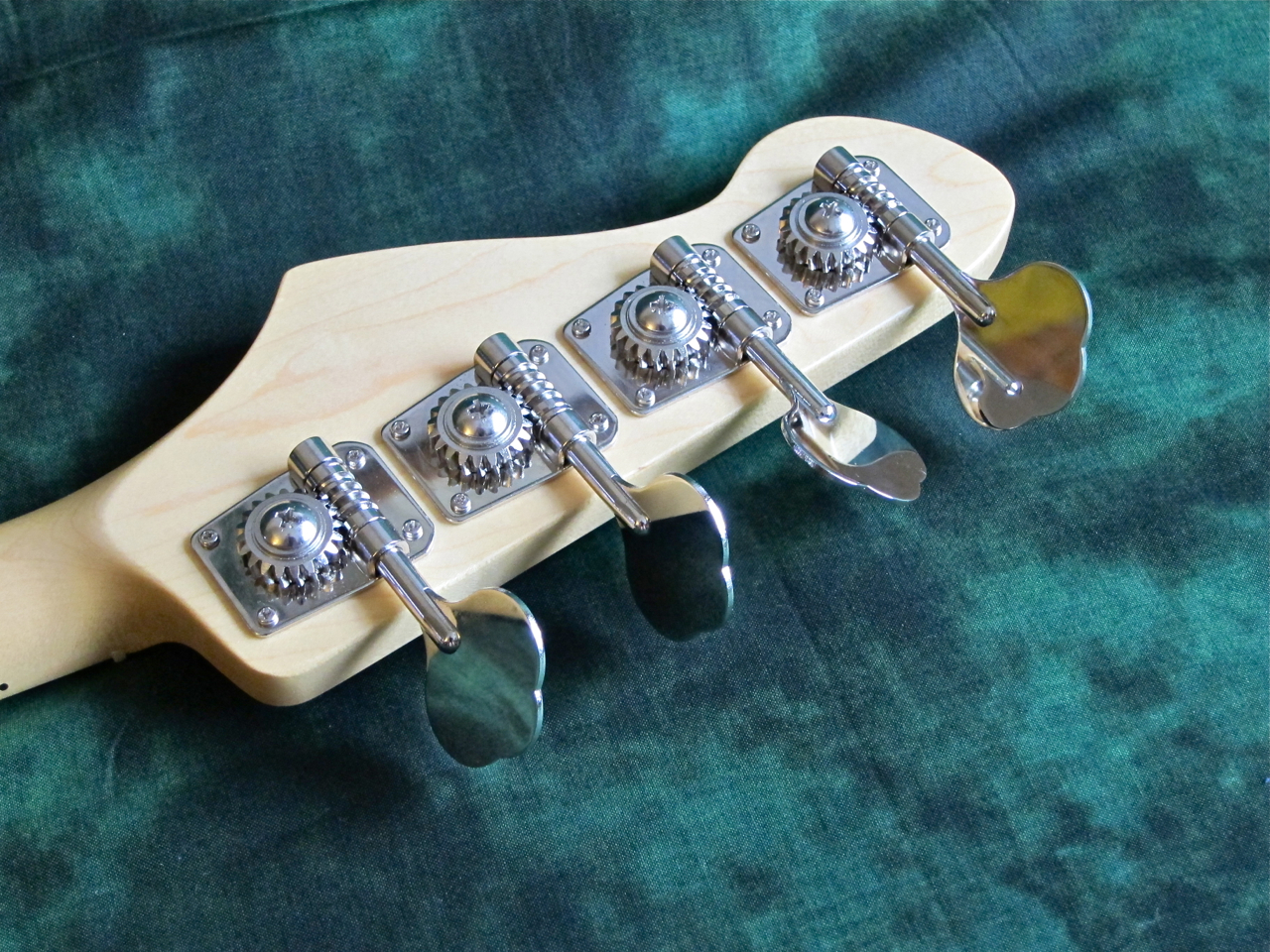
Slimmer tuning posts, as well as smaller base plates, translate into less weight on the headstock – which is great for the instrument’s overall balance.

The whole of the neck – fingerboard and all – has been finished in a super-smooth clear satin finish. The fretwork as well as the workmanship on the inlays is exemplary. The AJB-55BB sports 20 medium-sized frets.

The test sample’s sturdy and tight neck joint is executed in traditional fashion, employing four wood screws and a steel neck plate.
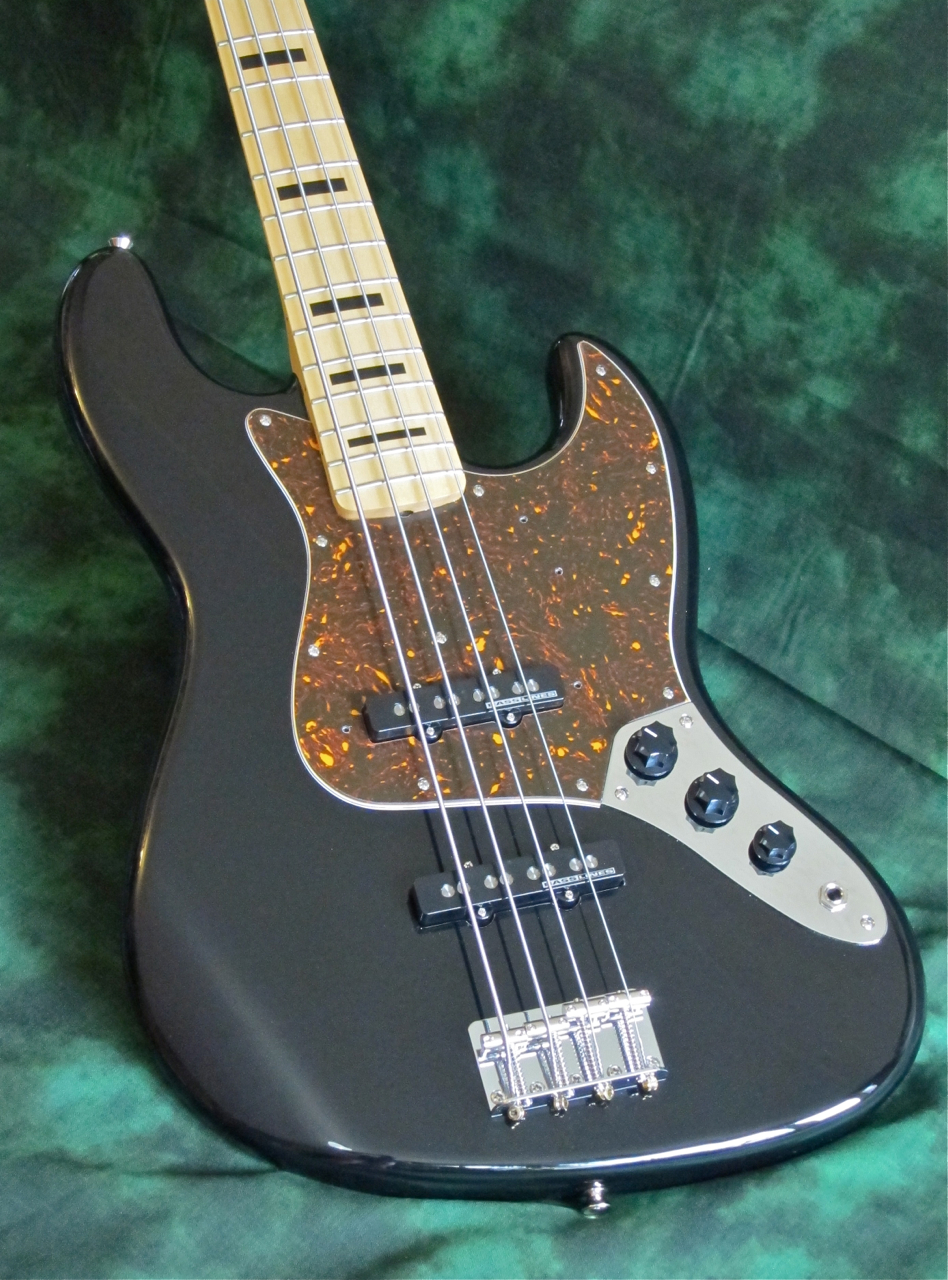
The Tokai AJB-55BB leaves the factory with the company’s own, high-quality 60s-type MK2-pickups.

As already mentioned before, this bass has been customised by Musamaailma with two Basslines SJB-3 -pickups, which are also known as Quarter Pounds for Jazz Bass, as their polepieces have a diameter of a quarter of an inch. The polepieces are left inside the pickup covers on purpose, to avoid the unpleasant noises made by the strings hitting the polepieces.

For some reason the test bass’ neck pickup was contained in a (slightly wider) bridge pickup cover, which is why the holes in the cover don’t correlate exactly with the polepiece positions. But this is really only a small cosmetic glitch, which doesn’t affect the bass’ playability or amplified performance in any way.

The Tokai AJB-55BB’s passive controls follow tradition offering two volume controls (one per pickup) and a shared master tone control.

Japanese quality-parts and clean soldering – what more can one ask for?

The AJB’s bridge is Gotoh’s copy of a 70s Fender bass bridge – simple, yet toneful.

For some reason Tokai have chosen to place the bridge in the same position it was on Fender’s 1970s originals, meaning about 3 mm further from the neck as on 60s examples. With normal string gauges this placement often results in the bridge saddles sitting near the tip of the intonation screws. In extreme cases the intonation screw (especially on the g-string) may work itself loose, and fall off in the middle of a performance, leaving the bassist red-faced. The current set-up works OK, but I’d rather see a Sixties-style bridge placement on Tokai-basses in the future.

****

Many players feel that the Jazz Bass – as well as the basses it inspired – is the best of the classic designs. The reasons for this are its excellent balance, its narrow and tapered neck, as well as the versatility of its singlecoil pickups.

The Tokai AJB-55BB nails these features to a tee: It is a winner in the ergonomics stakes and sounds great.

I have to admit, I was a bit sceptical concerning hot pickups, but the Duncan Quarter Pounds are really doing it for me. These Basslines pickups offer plenty of dynamics and don’t take away anything from the bass’ inherent tonal character. The SJB-3s take the vintage Jazz Bass tone and remaster it for today’s bassist – the bass sounds louder, bigger and even better.

Tokai AJB-55BB – fingerstyle

Tokai AJB-55BB – slap

Tokai-AJB55BB – plectrum

****

Tokai AJB-55BB + Basslines SJB-3

Current price in Finland: 888 €

Finnish distributor: Musamaailma

Pros:

+ value-for-money

+ workmanship

+ playability

+ sound

Cons:

– bridge placement

– neck pickup’s cover (see text)
****

Testipenkissä: Tokai AJB-55BB + Basslines SJB-3

AJB-55BB? Onko kyse Tokain Big Brother -erikoispainoksesta? Ei!
Mallitunnuksen BB-lyhenne tulee englannikielisistä sanoista ”big blocks”.

****

Tällä kertaa testissä oleva Tokai AJB-55BB on erikoispainos firman Jazz-basson johdannaisesta, jolla on tavallisten, pistemäisten otemerkkien sijaan isokokoisia neliskulmaisia upotuksia otelaudassa. Testiä varten Musamaailma on vaihtanut mikrofonit Seymour Duncan Basslines SJB-3-malleihin, jotka lupaavat vintagea kuumempaa signaalitasoa. Koko komeuden hinta on noin 888 €.

Japanissa valmistettu sähköbasso on sulavalinjainen kaunotar vaahteraotelaudalla ja kilpikonna-kuvioisella pleksillä (tuotantoerästä riippuen käytetään joissakin yksilöissä myös kolmikerroksista mustaa pleksiä).

Vaikka basson etupuoli näyttääkin suoraan 1970-luvulta poimitulta, ovat AJB-55BB:n mukava paino sekä rungon erittäin syvät viistokset nyökkäys kuuskytluvun Fender-klassikkoiden suuntaan.

Tokai käyttää tässä mallissa Gotohin laatuvirittimia, joiden tapit ovat läpimitaltaan hieman pienemmät kuin perinteiset Kluson- tai Schaller-vastineet.

Solakampien viritintappien sekä pienempien pohjalevyjen ansiosta virittimien paino kevenee, mikä parantaa AJB-55BB:n tasapainoa.

Koko kaula on viimeistelty erittäin ohuella mattalakalla – myös Tokain vaahteraotelauta. Sekä upoukset otelaudassa että nauhoitus näyttää esimerkillisen siistiltä. AJB-55BB:n otelauta tarjoaa 20 keskikokoista nauhaa.

Vaahterakaula on liitetty basson leppärunkoon perinteisesti neljällä puuruuvilla ja metallisella aluslevyllä. Testiyksilössä liitos oli erittäin tarkka ja luja.

Tavallisesti AJB-55BB:hen kuuluvat Tokai JB-Vintage MK2 -mikrofonit, jotka ovat firman laadukkaat versiot 1960-luvun Jazz-basso mikeistä.

Kuten mainitsin jo jutun alussa, testiyksilöön on asennettu maahantuojan toimesta Basslines SJB-3 -mikkejä, jotka tunnetaan myös nimellä Quarter Pound. Mikrofonien suurikokoiset napapalat – niiden läpimitta on tasan 0,25 tuumaa (engl. quarter inch) – on jätetty tahallaan mikrofonikuorien sisään. Näin kielet eivät osu soitettaessa niihin, mikä muuten aiheuttaisi ikäviä ja kovaäänisiä naksahduksia vahvistimesta.

Jostain syystä testibasson kaulamikrofoni oli upotettu tallamikrofonille tarkoitettuun mikrofonikuoreen, minkä takia napapalat ja kuoreessa olevat reiät eivät kohtaa sataprosenttisesti. Tämä on pikkuinen kosmettinen lipsahdus, joka ei vaikuta millään tavalla soittimen soundiin tai soitettavuuteen.

Tokai AJB-55BB:n elektroniikka on perinteiden mukainen – siis: passiivi – ja se tarjoaa kaksi volumea (yksi per mikrofoni) sekä yhden master tonen.

Japanilaisia laatuosia ja siistiä juotostyötä – Tokai tarjoaa iloa sekä silmille että korville.

AJB:n talla on Gotohin versio 1970-luvun Fender-tallasta – yksinkertainen, mutta erittäin toimiva.

Tokai on asentanut tallan samaan kohtaan kuin missä se oli 70-luvun Fendereissä, mikä on noin kolme millimetriä kauemmas kaulasta, jos verrataan klassikkomallin 60-luvun yksilöihin. Tämän takia talla tarjoaa tavallisella kielisatsilla vain melko vähän säätövaraa eteenpäin (kaulaa kohti), koska tallapalat istuvat ihan säätöruuvien kärjillä. Ääritapauksissa tämä voi johtaa siihen, että (etenkin g-kielen) intonaation säätöruuvi irtoaa ajan myötä itsestään tallapalasta ja putoaa pois kesken soiton noloin seurauksin. Tokailla olisi tässä mielestäni hieman parantamisen varaa.

****

Monien mielestä Jazz-basso – ja sen johdannaiset – on kaikista klassikkobassoista se mukavin vaihtoehto. Syyt tähän ovat soittimen erinomainen tasapaino, kaulan kapea ja pyöreä profiili, sekä basson kahden yksikelaisten tuoma soundillinen monipuolisuus.

Tokai AJB-55BB on erinomainen tulkinta tästä teemasta: basso istuu kun nakutettu, kaula tuntuu erittäin nopealta ja tutulta, ja sen soundi…

Täytyy myöntää, että olen tavallisesti hieman skeptinen ”kuumien” mikrofonien suhteen, mutta Duncanin Quarter Poundit kyllä räjäyttävät potin. Nämä Basslines-mikit eivät kavenna soittimen dynamiikkaa lainkaan, vaan basson luonnollinen ääni pysyy mallikkaasti ennallaan ja sen karakteeri säilyy. SJB-3-mallin lähtökohta on se perinteinen klassikkosoundi, jonka mikki ikäänkuin remasteroi tätä päivää varten – lopputulos on äänekkäämpi, isompi ja vielä entistäkin herkullisempi.

Tokai AJB-55BB – sormisoitto

Tokai AJB-55BB – släppäys

Tokai-AJB55BB – plektralla

****

Tokai AJB-55BB + Basslines SJB-3 -mikkisetti

888 €

Maahantuoja: Musamaailma

Plussat:

+ hinta-laatu-suhde

+ työnjälki

+ soitettavuus

+ soundi

Miinukset:

– tallan sijainti

– kaulamikin kuori (kts. teksti)
****

Review: Zoom B3

****

The red Zoom B3 (current price in Finland: 219 €) is a multi-effect for bass, and the bass equivalent of Zoom’s grey G3 guitar pedal.

Both effect boards are based on the same user-friendly interface and they share their basic structure. Central to the B3 is the idea to combine a huge palette of different effects with the ease-of-use of three traditional single-effect pedals side-by-side.

The Zoom B3’s offers astounding flexibility: each of the pedal’s three sections offers a whopping 111 different effect types, which can be assigned freely according to taste and personal requirements. The selection of effect types, as well as adjusting their parameters, is fast and easy thanks to the pushbuttons above each display, as well as the control knobs below the displays.

A chain of three effects is called a patch in Zoom-speak, with the B3 offering 100 freely programmable memory slots for patches.

The back panel sports a surprising array of connectors: the input jack can be switched to accept high gain active circuits alongside traditional passive basses. The output jacks can be run in stereo or mono, and the left side jack also doubles as a headphones output. Additionally, the B3 also features a professional balanced XLR-output for direct injection into a mixing console. Using two small pushbuttons you can decide, whether to send the dry or wet signal to the mixer, and you can safely cut the ground connection to defeat hum from grounding problems. The USB-port can be used to exchange effect patches between the B3 and your computer (Win/Mac).

Additionally the Zoom can also be run as a USB-soundcard for direct recording into your sequencer.

There are three ways to power the Zoom B3 – using the supplied power supply, using four AA-batteries or utilizing USB-power.

The Zoom B3 has two main display modes – Patch and Home. In Patch-mode you use the footswitches to select an effect patch. Using either the middle or the right side switch on their own you step down or up one patch at a time. You can also jump ten patches at once by stepping onto the left and middle or the middle and right footswitch simultaneously – this is as intuitive as it is quick.

Home-mode shows you the effects used in the chosen patch side-by-side, and the footswitches can be used to switch each effect on or off separately. Home-view is also the place where you can fine-tune each effect’s parameters or create a new patch from scratch.

I found the Zoom’s graphic design and user-interface really easy to use – the icons used for the effect- and amp-types give you a very good idea of where each effect is heading sonically, and the control settings in the icons follow the actual current parameter values.

As you can see in these pictures…

…the B3 offers a wide variety of different effects and modelled amplifiers.

As compressors are an important part of many a bassist’s signature sound, this effect is offered in several different permutations, with each featuring its own tonal fingerprint.

In addition to its effects and amp models the red Zoom also sports a chromatic tuner, a simple rhythm box/metronome…

…an a 40-second looper, which can also be synched to the internal rhythm machine.

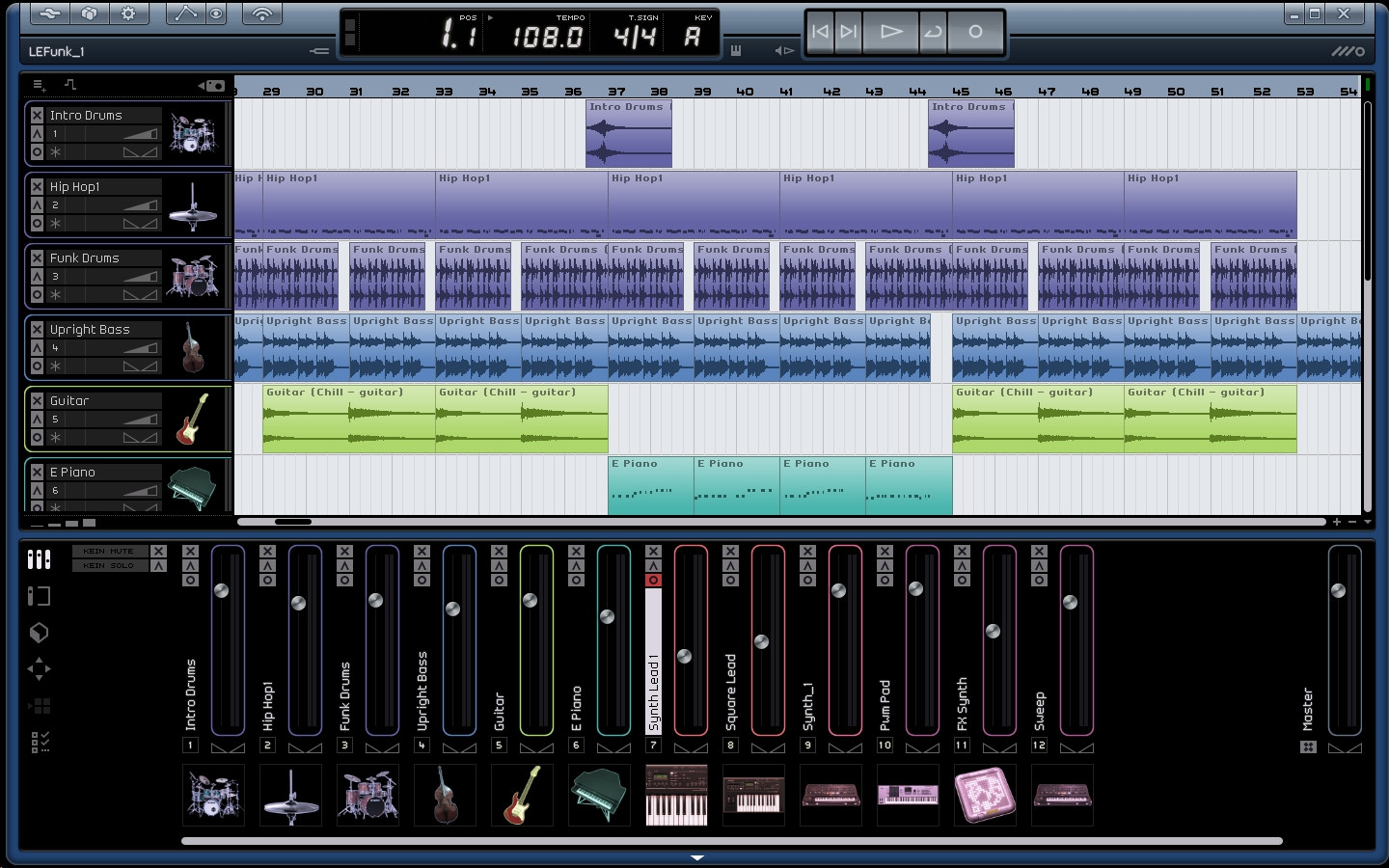
As a bonus Steinberg’s Sequel LE -sequencer (Win/Mac) is included in the box. Zoom also offers its own Edit & Share editor software for download, which runs on both Windows and Mac, and which enables you to edit patches, as well as share them with other B3-users.

****

In my opinion the Zoom B3 is a very well-designed multi-effect for bass, and one of the best units currently on offer in its price bracket. The effects on offer sound great and the range of different effects on offer is very broad. Being designed especially for bass, the B3 always preserves the signal’s punch.

The user-interface is very intuitive and easy to grasp – you can really enjoy the B3’s the wealth of different effects, because you get to grips with the unit straight away. Making your own patches is fast, easy and enjoyable.

This all makes the Zoom B3 a great choice regardless of your own musical preferences.

All examples have been recorded using my trusty Japanese Squier Jazz Bass, going via the XLR-output into Apple Garageband:

Zoom B3 – clean amp (Mark Bass -style)

Zoom B3 – flanger

Zoom B3 – fat octaver

Zoom B3 – envelope filter

Zoom B3 – Jaco’s defretter

Zoom B3 – octave distortion

Zoom B3 – synthesizer

Zoom B3 – drum machine pattern

****

Zoom B3

Current price in Finland: 213 €

Finnish distributor: Studiotec

****

Pros:

+ sound

+ sturdy build

+ compact size

+ wide variety of amp models and effect types

+ intuitive user-interface

+ can be run on batteries

+ USB-soundcard

****

Testipenkissä: Zoom B3

****

Punainen Zoom B3 (hinta: 219 euroa) on multiefekti bassolle ja harmaan G3-kitaraefektin sisarmalli.

Molemmissa laitteissa on sama, soittajaystävällinen käyttölogiikka ja perusrakenne. B3:n keskeinen ajatus on se, että se on, runsaasta varustelustaan huolimatta, yhtä helppokäyttöinen kuin kolme vierekkäistä efektilootaa.

Zoom B3:n suuri etu on sen muunneltavuus: kukin kolmesta efektistä tarjoaa peräti 111 efektityyppiä, joita voi vapaasti yhdistellä omien tarpeiden mukaan. Efektityyppien valinta ja parametrien säätäminen tapahtuu kätevästi suurien näyttöjen yllä olevien painonappien ja alle sijoitettujen säätimien avulla.

Kolmen efektin yhdistelmää kutsutaan Zoomissa patchiksi, ja B3 tarjoaa 100 muistipaikkaa vapaasti muunneltaville patcheille.

Pedaalin takapaneelista löytyy yllättävän laaja valikoima erilaisia tuloja ja lähtöjä: jakkituloon voi liitää sekä perinteisiä passiivisia soittimia että aktiivielektroniikalla varustettuja bassoja. Jakkilähtöistä saa joko stereo- tai monofonista signaalia, ja vasemman kanavan lähtöön voi kytkeä myös korvakuulokkeet. Jakkilähtöjen lisäksi voi käyttää B3:n balansoitua xlr-lähtöä, ja sen viereissä sijaitsevien kytkimien avulla voi määrittää, tuleeko signaaliin efektejä vai ei, ja onko maadoitus kytketty vai ei. Usb-portin kautta voi vaihtaa patcheja tietokoneen (Win/Mac) ja B3:n välillä.

Lisäksi laitetta voi myös käyttää ulkoisena äänikorttina, ja täten äänittää suoraan sekvensseriin.

Zoom B3 saa virran joko virtalähteestä (kuuluu hintaan), neljästä AA-paristosta tai tietokoneelta usb:n kautta.

Zoom B3:ssa on kaksi eri päänäkymää – Patch ja Home. Patch-näkymässä siirrytään efektipatchistä toiseen. Kun painaa ainoastaa keskimmäistä tai oikeaa jalkakytkintä alas efektiohjelma vaihtuu edeltävään tai seuraavaan patchiin. Polkemalla samanaikaisesti joko vasenta ja keskimmäistä tai keskimmäistä ja oikeaa kytkintä B3 siirtyy kerralla kymmenen efektipaikkaa taakse- tai eteenpäin – intuitiivista ja nopeaa toimintaa siis.

Home-näkymässä taas B3 näyttää käytössä olevan patchin yksittäiset efektit vierekkäin, jolloin jalkakytkimillä voi potkaista lennossa efektejä päälle tai pois. Home-näkymä on myös se tila, jossa hienosäädetään efektien parametrejä tai luodaan kokonaan uusia efektipatcheja.

Zoom B3:n graafinen toteutus on mielestäni erittäin onnistunut – efekti- ja vahvistintyyppien ikonit antavat heti hyvän tuntuman siitä, mistä efektistä on kyse, ja niiden namikat vastaavat efektien tämänhetkisiä asetuksia.

Kuten näistä kuvista jo näkyy…

…on B3:n efektityyppien ja vahvistimallien tarjonta todella laaja.

Esimerkiksi bassosoundille usein niin tärkeä kompressori on edustettuna monena eri versiona, joilla kaikilla on oma karakteerinsä.

Maukkaiden efektien lisäksi punaisesta Zoomista löytyy vielä tarkka kromaattinen viritysmittari, harjoituskäyttöön sopiva metronomi/rytmikone…

…sekä 40:n sekunnin loopperi, jonka voi tahdistaa tarvittaessa sisäiseen rytmikoneen.

Lisäarvoa pakettiin tuovat helppokäyttöinen Steinberg Sequel LE -audiosekvensseri (Win/Mac), sekä Zoomin oma Edit & Share -softaeditori, jolla Windows- ja Mac-käyttäjät voivat luoda, etsiä ja järjestää patcheja tietokoneella.

****

Mielestäni Zoom B3 on erittäin onnistunut multiefekti bassistille, ja se sijoittuu hintaluokassaan selvästi parhaimmistoon. Efektivalikoima on todella laajamittainen ja efektien laatu kiitettävää tasoa. Basson signaalissa säilyy potku ja Zoomin oma kohina on käytännössä olematon.

Myös B3:n käyttöliittymä on mielestäni todella onnistunut – tässä lootassa efektien runsaudesta voi todellakin nauttia, eikä uusien patchien luomiseen menee tolkuttomasti aikaa, vaan touhuun pääsee käytännössä heti mukaan.

Zoom B3 on siis laadukas pakettiratkaisu kaikille basisteille, riippumatta musiikkityylistä.

Seuraavat pätkät on äänitetty Squier Jazz -bassolla (vm. 1985) suoraan XLR-lähdön kautta Apple Garagebandiin:

Zoom B3 – puhdas vahvistin (Mark Bass -malli)

Zoom B3 – flanger

Zoom B3 – fat octaver

Zoom B3 – envelope filter

Zoom B3 – Jaco’s defretter

Zoom B3 – octave distortion

Zoom B3 – synthesizer

Zoom B3 – rumpukoneen soundi

****

Zoom B3

213 €

Maahantuoja: Studiotec

****

Plussat:

+ soundi

+ kestävä rakenne

+ pieni koko

+ laaja vahvistin- ja efektivalikoima

+ intuitiivinen käyttöliittymä

+ toimii myös paristoilla

+ USB-äänikortti

****

Fender Select – USA-tehtaan parhaimmisto

Uusi Fender Select -sarja edustaa parasta mitä firman sarjantuotannolla on tarjota.

Mallistossa löytyy uusia versiota Fenderin neljästä päämallista – Telecaster, Precision Bass, Stratocaster ja Jazz Bass. Rungoissa on erittäin kauniit kannet loimuvaahterasta tai koa-puusta, ja soittimien muut speksit vastaavat American Deluxe -sarjaa.

Classic Basses, part 2: Fender Jazz

It took quite some time for the electric bass to really catch on. Fender introduced the Precision Bass in 1951, but had to wait for almost a whole decade, before they felt that the market was ready for a second bass guitar from the company.

In 1960 Fender released its deluxe update – the Jazz Bass.

Leo Fender listened to the most common complaints made by players and sampled their suggestions for improvements, and he addressed these issues with the new model. The Jazz has a more slender neck profile, a more ergonomic body shape and it offers a wider sound palette (thanks to its two singlecoil pickups) compared to its forebear.

The very first batch of Jazz Basses was equipped with stacked concentric controls, which offered separate volume and tone controls for each of the two pickups (see the sunburst bass above).

But already in 1961 the electronics were updated to the less fussy combination now widely known as the Jazz Bass -set-up – separate volume controls with one master tone.

The pickups are reverse wound/reverse polarity, which means that when used together they defeat transformer hum and electromagnetic buzz effectively.

While the standard version was offered in three-tone sunburst only, the Jazz Bass was ordered in Custom Color -finishes quite regularly in the 1960s, often with matching headstock faces.

From the end of the ’60s and all through the ’70s the fretboard was bound and featured large block inlays. Maple fingerboards were quite common during the ’70s.

Despite the changes in its looks the Jazz Bass’ sound always stayed excellent. Its sound is slightly more slender and transparent than that of its equally famous stablemate. The front pickup is full, but less throaty than a P-Bass’ split-coil unit. The bridge pickup has a nice, nasal timbre, and the combination is slightly hollowed out with a fresh zing, which made funky slap bass styles so fashionable.

________________________________________________________

Check out the sound of my own Squier Jazz Bass (Made in Japan, 1985) here.

Pidä blogia WordPress.comissa.

Ylös ↑