

Kitarablogi.com – Finland's premier Guitar and Bass blog
Juttuja kitaroista ja bassoista


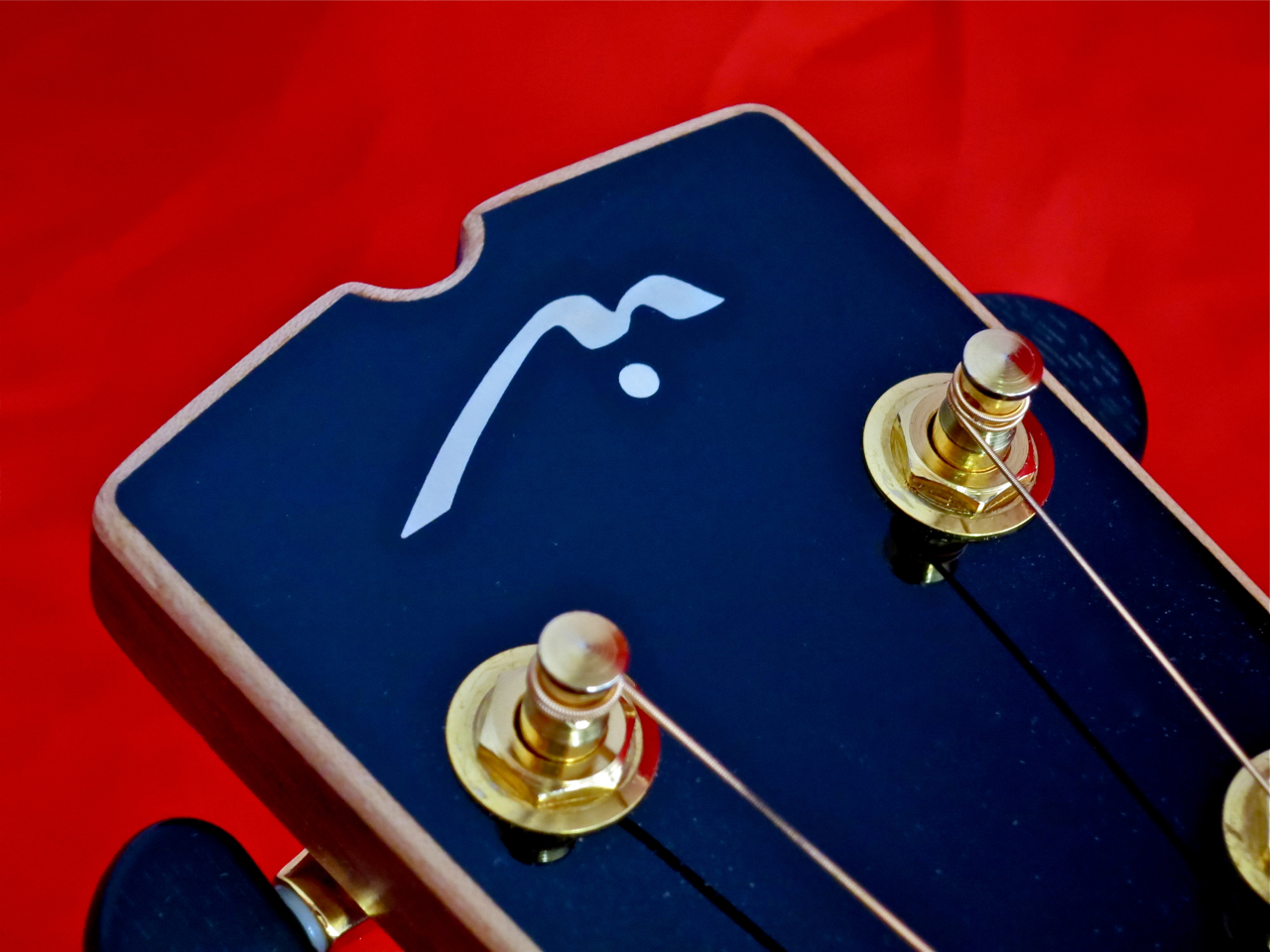
Mannedesign is the more affordable, Far Eastern-produced brand of Italian company Manne Guitars.
Apart from Mannedesign’s wide array of electric guitars and basses the brand’s model range also includes several steel-string acoustics, two of which are featured in this review:
The Parlour-sized Mannedesign PFM and Roberto Dalla Vecchia’s signature-Dreadnought, the RDV.
****

The Mannedesign PFM (660 €) is an all-solid, small-bodied instrument for the Blues-, Folk- and Roots-guitarist, who is looking for a vintage-toned guitar.
The deep and rich matte finish on the PFM’s cedar top embues the instrument with a good dose of street credibility.

The mahogany neck is one-piece, save for the upper half of the headstock, and a another piece used to get the neck heel up to its full length. The neck joint is a the 12th fret, just like it was on many guitars in the 1930s.
The back and rims of the soundbox have been crafted from beautiful solid mahogany.
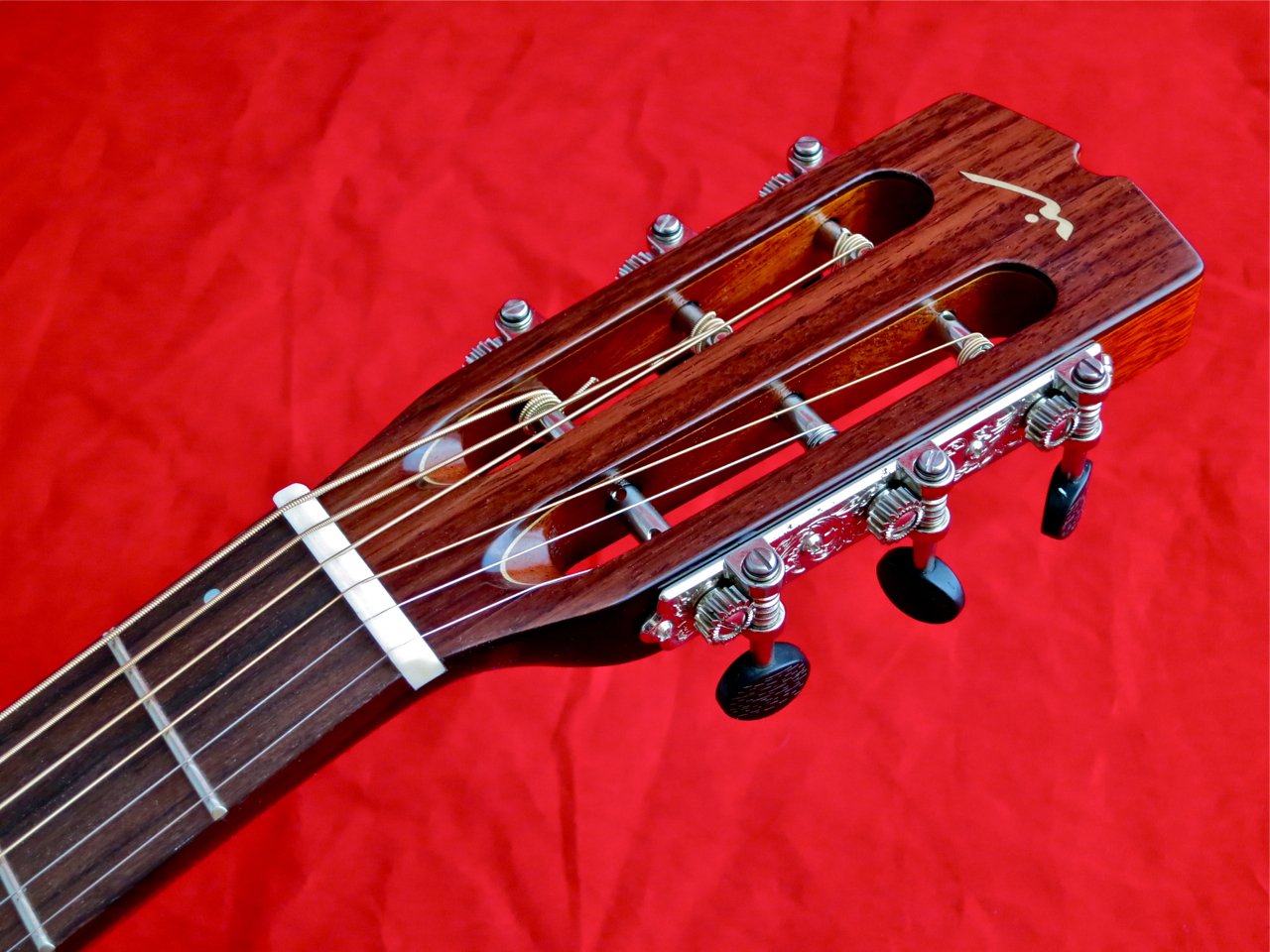
The headstock sports a rosewood veneer, which has been beautifully inlaid with a maple Mannedesign-logo.
TRhe top nut has been carved from genuine bone.

Gotoh supplies this model’s quality open tuning machines, which are a well-designed update on vintage tuners.

The Mannedesign’s rosewood fingerboard holds 19 well-seated, medium-sized frets.

The PFM’s body has been adorned with stylish flame maple binding, while the guitar’s beautiful rosette sports abalone inlays.
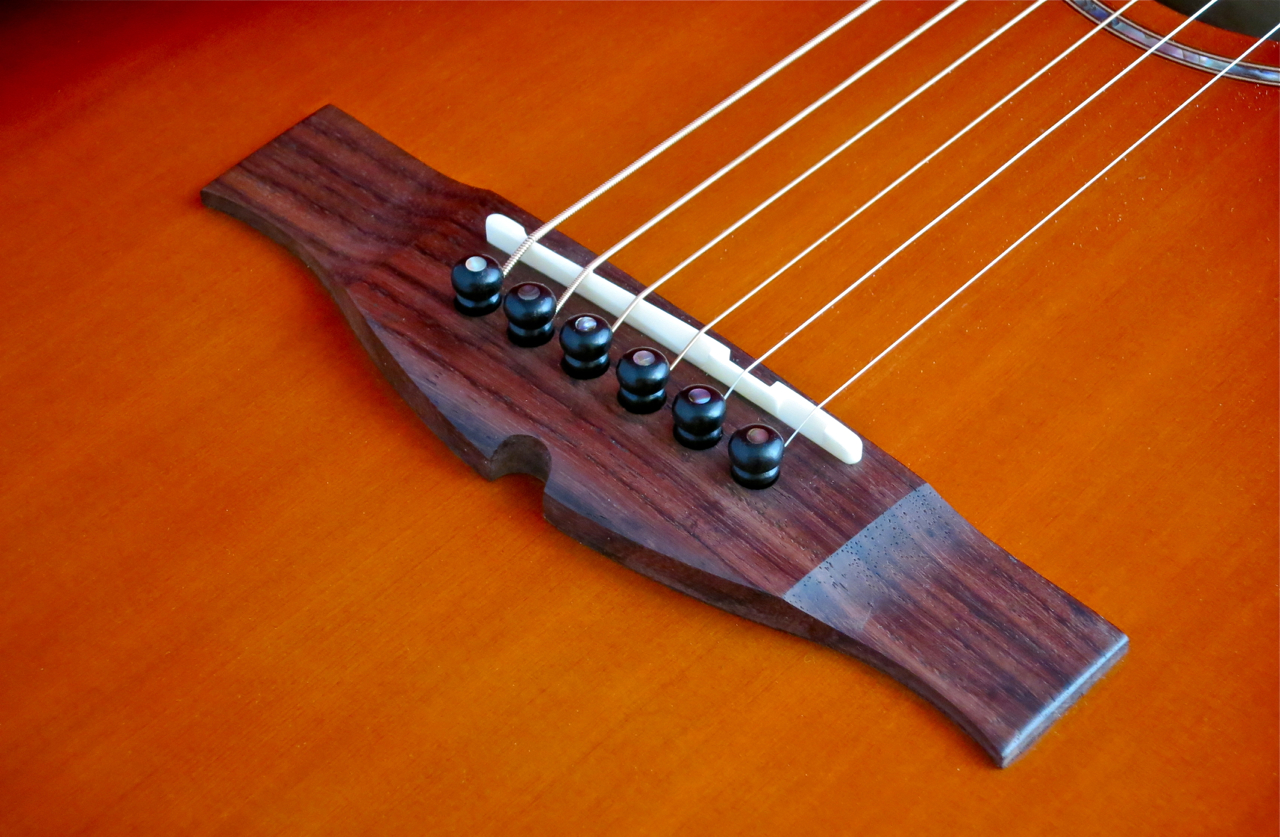
The characteristic dip of the Mannedesign’s headstock is mirrored in the rosewood bridge’s design.
The compensated bridge saddle has been made – just like the top nut – from bovine bone, which is still one of the best materials for this purpose.

****

Roberto Della Vecchia is an Italian Fingerstyle-wizard – I can only recommend hopping over to his website to check the man out!
Della Vecchia’s Mannedesign RDV -signature model (950 €) is a gorgeous Dreadnought guitar carefully crafted from traditional materials. AA-quality sitka spruce is used for the guitar’s solid top.

The RDV’s mahogany neck is one-piece, save for a separate bit used to make up the neck heel.
The solid Indian rosewood used for the back and the rims is stunningly beautiful.
The body of the guitar comes with a gloss finish, while the neck has been finished with a matte lacquer.

The headstock facing is black ebony, inlaid with a mother-of-pearl Mannedesign-logo.
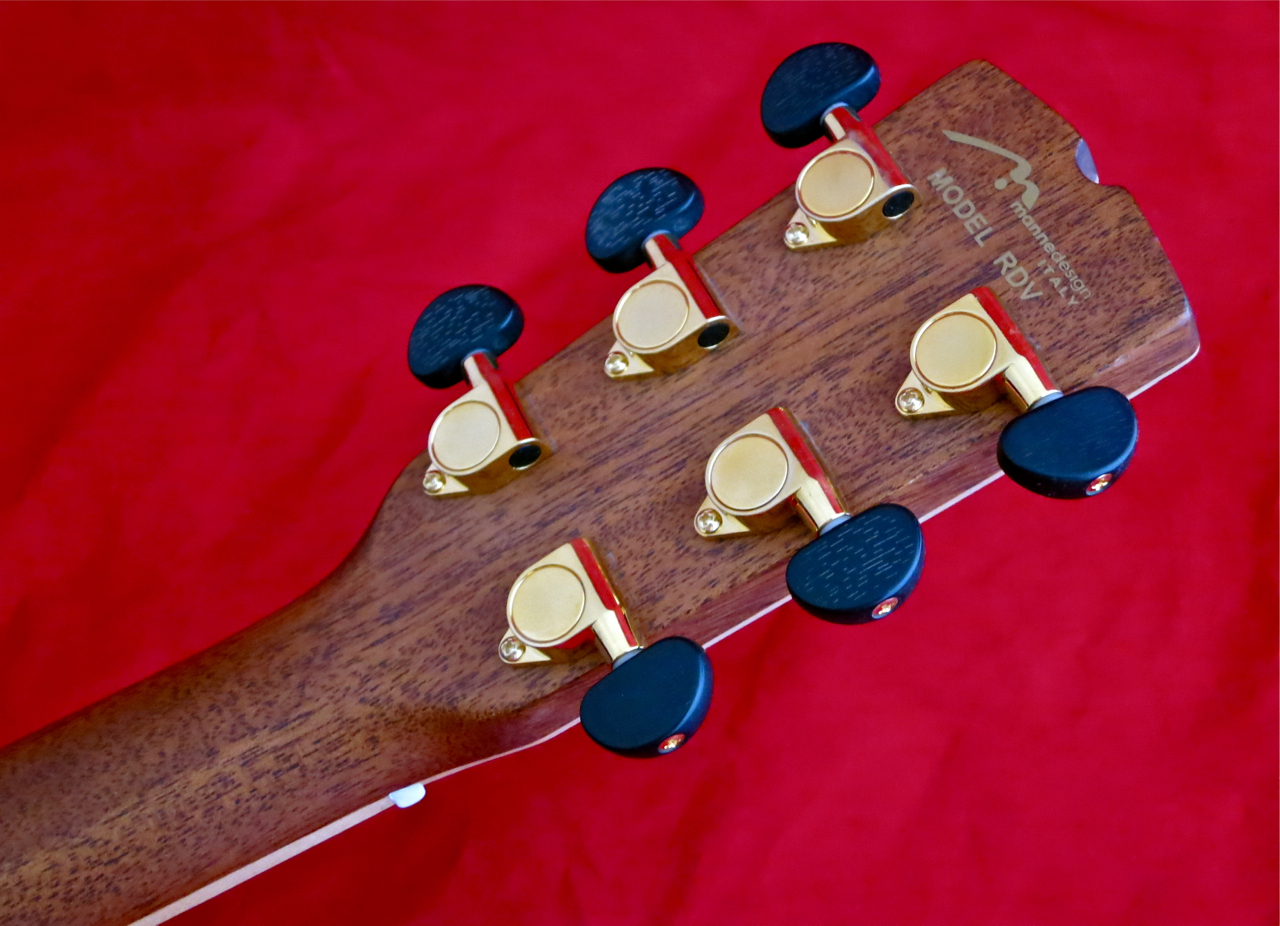
The RDV comes equipped with gold-coloured Gotoh tuners with ebony-styled plastic tuning buttons.

Maple binding frames the ebony fingerboard. The RDV is equipped with 20 medium-sized frets.

The back’s centre line has been inlaid with a very beautiful black-and-white motif.
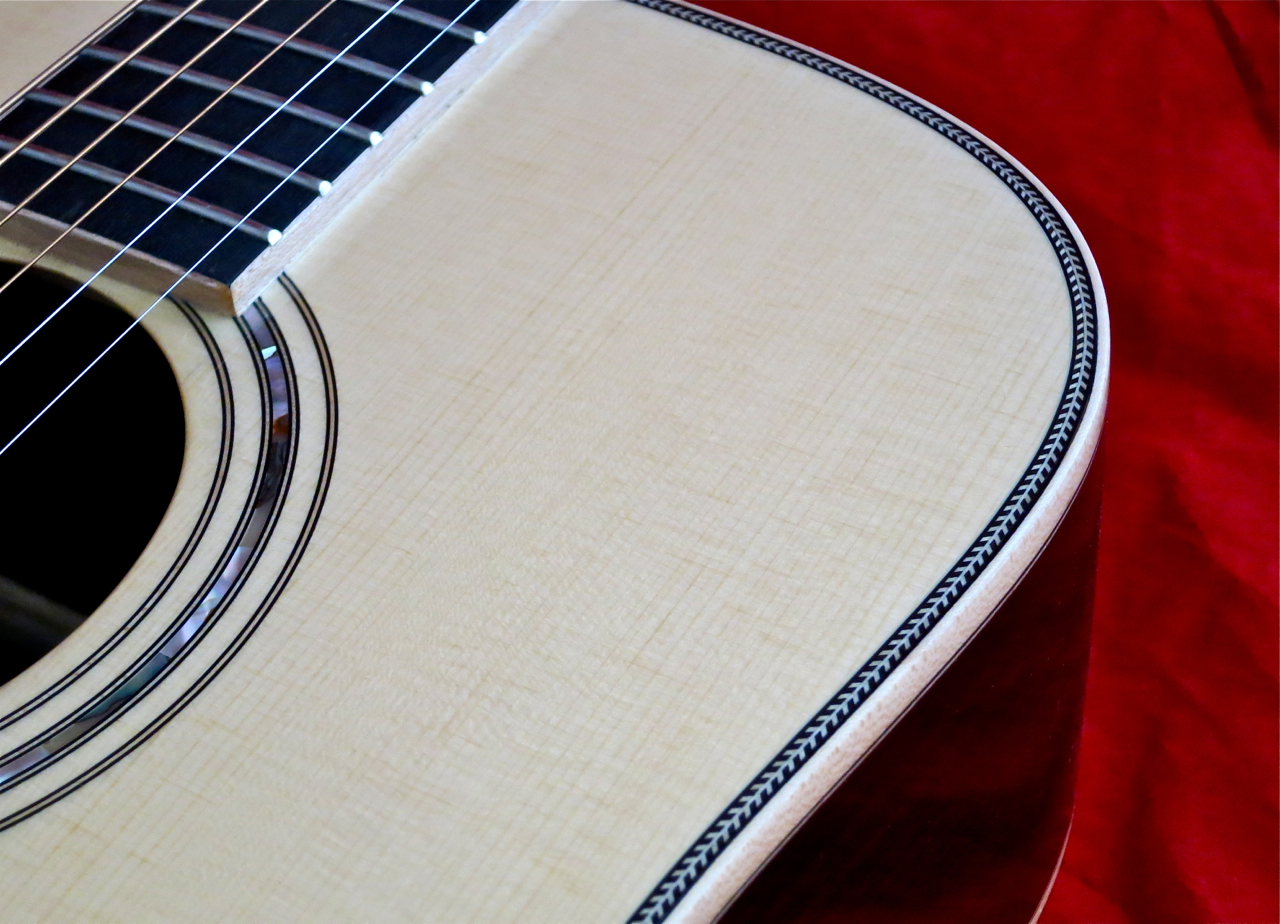
In addition to the maple edge binding the top also sports very crisp-looking herringbone purfling.
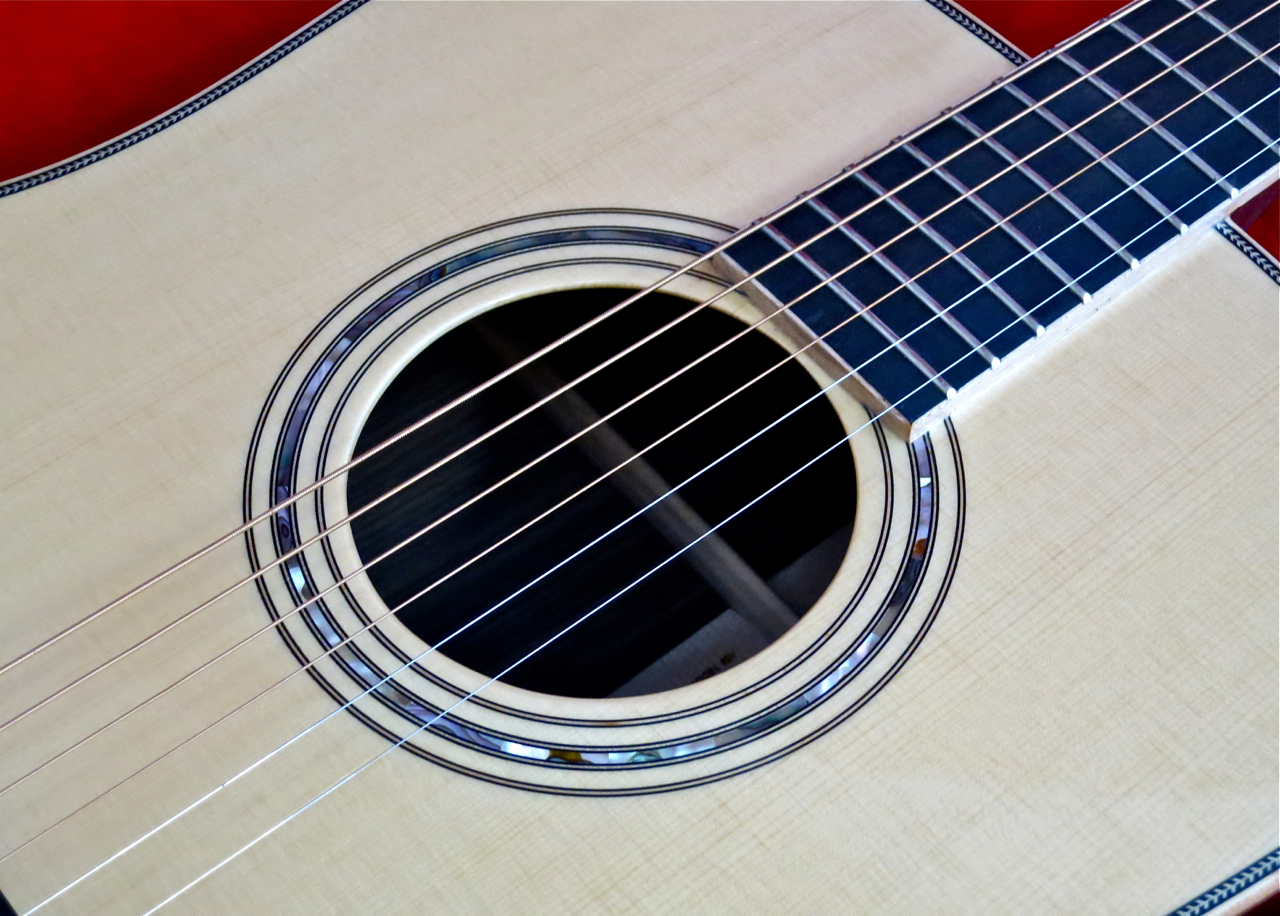
The rosette’s central ring is made up of genuine mother-of-pearl.

The RDV’s bridge is the same design we’ve already seen on the PFM, but this time crafted from deep black ebony.

****
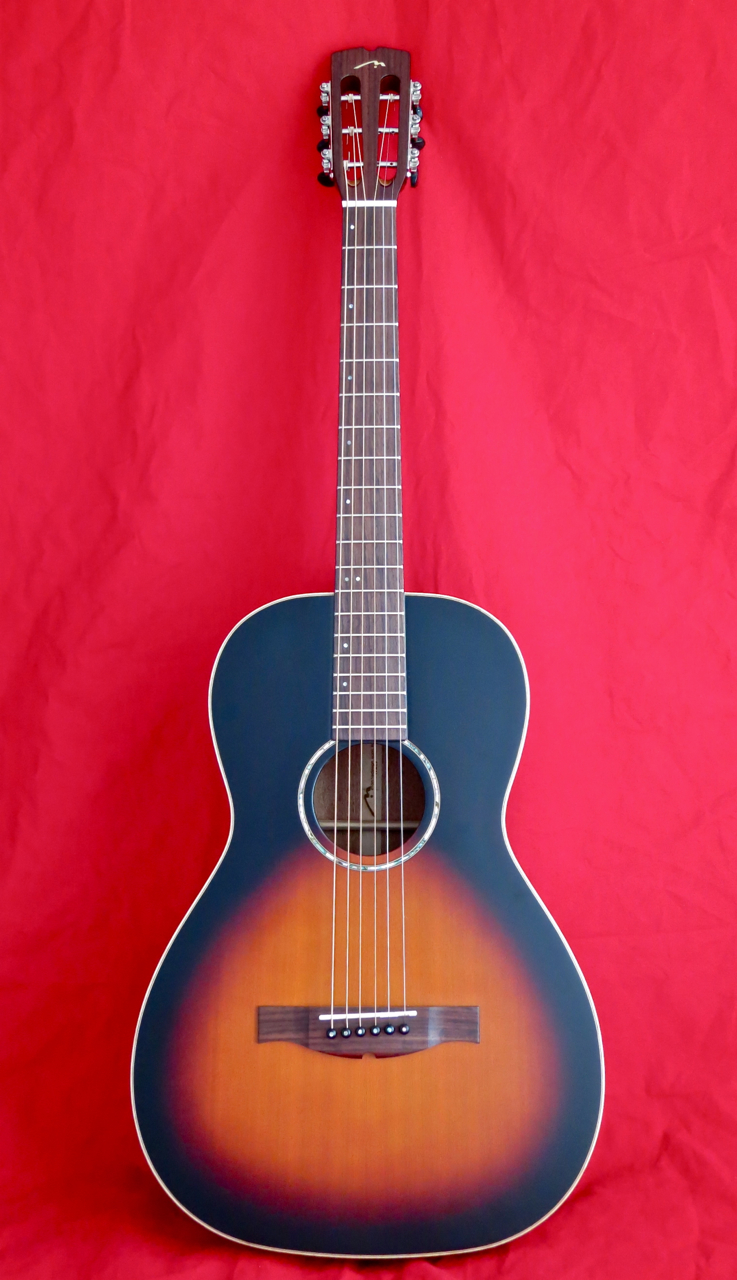
As most do Parlour-sized guitars, the Mannedesign PFM has a medium-length scale of 63 cm, which makes bending the 012-gauge strings relatively easy to bend. Instead of a ”vintage-correct” – and often loathed – V-profile neck, Mannedesign have opted for a more sensible and nice-feeling middle-of-the-road D-profile. The guitar’s nut width measures 4,4 cm, while the string spacing (E to e) at the bridge stands at 5,4 cm – good for both plectrum player, as well as fingerstylists. The test sample was set up with a very friendly action (E: 1,9 mm/e: 1,5 mm).
The Mannedesign PFM is a typical Parlour-guitar in the best possible sense. The guitar’s sound is quite dry and has a barking attack, with a strong and slightly nasal overall mid-range focus. Fingerstyle-guitarists will love the relatively light bass register, which keeps things transparent. When using a plack, you will be positively surprised by how well the PFM is able to cut through and project – great for Ragtime and early Blues. The Mannedesign PFM also records really well, because it doesn’t clutter the low-mid and bass registers.

****

The Mannedesign RDV has the long scale (63 cm) typical of a Dreadnought. Roberto Della Vecchia requested a slightly wider-than-usual string spread at the bridge (5,9 cm) to accommodate the needs of fingerstyle players. The neck profile is a very nice, oval C. The Della Vecchia model’s set-up was superb, with a nice and comfortable action (E: 2,0 mm/e: 1,5).
Rosewood-bodied Dreads often turn out to be great ”shouters”, which also holds true for the RDV’s healthy volume levels. There’s plenty of lush bass on tap, with a warm mid-range and shimmering top-end to boot. The Mannedesign RDV is a prime exponent of the famous Dreanought-sound, offering you volume, character and dynamics in spades.


****
Mannedesign-instruments still have a rather low profile here in Finland. Still, based on this review I can only recommed a closer look at the brand’s acoustic offerings.
****
Mannedesign PFM + RDV
PFM – 660 €
RDV – 950 €
Finnish distributor: Nordsound
****
Pros (both models):
+ value-for-money
+ workmanship
+ playability
+ sound
****


Kitarablogin kuvakirja on nyt myös saatavilla Android- ja Windows-mobiililaitteille yhteensopivassa PDF-muodossa!
Lataa itsellesi yli 100 sivua kitarakuvia ja esimerkkisoundeja – klikkaa TÄHÄN.
Jos sinulla ei vielä ole Adobe Reader For Mobile -appia saat sen TÄSTÄ.
****
Kitarablogi’s photo book is now also available in the Android- and Windows-compatible PDF-format!
Treat yourself to over 100 pages of guitar photography and sound clips – just click HERE.
You can download Adobe’s free Reader For Mobile app HERE.

****

Zoom’s A3 is the company’s brand-new, next-generation modelling effects unit for acoustic guitar.
The Zoom A3’s user interface is very similar to the one used in their MS-50G-pedal for electric guitar, but in terms of its features the A3 offers a whole plethora of stuff developed specially for use with acoustic guitars.
****

Zoom have managed to pack an unbelievable amount of processing prowess into its new compact contender (current street price in Finland approx. 170 €), yet the A3 is still easy to use. The most vital functions have been given their own knobs and pushbuttons, which makes the A3 easy to use and cuts back on unnecessary menu-jumping at the same time.
The Zoom’s main sections are the quality dual preamp with its three-band EQ, the pedal’s versatile guitar-modelling department, as well as the A3’s large assortment of effects.
Additionally, the pedal offers a switchable solo boost (up to 12 dB) with its own tone control, an automatic feedback remover (that can defeat up to three different frequencies simultaneously) and a digital tuner.

The Zoom A3 is a programmable unit, which can store up to 20 patches. The patches can also be lined up in an A/B-list, which enables you to select patches for on-the-fly switching.

The effect pedal comes with its own power supply unit, but it can also be run on four AA-size batteries.

The A3’s microphone input – which can run phantom power (+24V or +48V) for condenser mics – and the unit’s balanced XLR-output (with a dedicated ground lift switch) have been placed on the front panel.

Your guitar’s output goes into the Zoom’s pickup input on the unit’s right hand side. A three-way slider lets you select two pre-EQ curves – magnetic or piezo – as well as a linear option (flat).

The stereo outputs have been placed on the opposite side, next to the USB-port for (firmware updates).
****

Each of the A3’s patches can run up to three different effects simultaneously, so you could use the first slot for one of the Zoom’s 28 virtual guitars, the second slot for one of three virtual microphones (SM57, C414, U87) and the third for something like a reverb.
On the other hand, you can also use the A3 as a ”pure” multieffect, by not using any digital guitar-modelling and creating patches with three effects in them. You can choose from 40 different effect types – from compression and chorus all the way to pitch-shifting and reverb. The sound quality is very good, and each effect offers plenty of leeway for precise adjustment.

Still, I think the A3’s biggest selling point is its excellent modelling section, which makes it possible to achieve astonishingly realistic results with only a few clicks of a button.
To work properly the modelling section needs a clean guitar signal, so the first thing is to make sure you’ve got the input gain settings for your straight guitar output and/or the mic put in front of your guitar just right.
Once the levels are OK, miraculously changing the character of your guitar is quick and easy: First, use the rotary switch above the Zoom’s display to select the body type corresponding best to the guitar you’re using – for example, choose ”Mold Body” if you’re playing an Ovation or ”YMH” if your guitar is a Yamaha LL-series instrument.

Next, you select a virtual guitar of your liking for the first effect slot in the chosen patch. You can access all of the A3’s 28 virtual guitars by using the Type-buttons. The guitars are displayed using their model names – like J-45, LG-2 or F-55 – as well as by an icon in the display.
If you’re using only a direct piezo signal as a starting point, you can add a good dose of authenticity by selecting a virtual microphone for the second effect slot of the patch. Each of the three virtual mics lets you choose between close- and ambient-miking, and whether the mic has been placed in front of the virtual sound-hole or near the virtual guitar’s bridge.
I have recorded three audio examples to give you an idea of the modelling technology’s sound:
The first clip features a Godin Acousticaster with an LR Baggs piezo system. First you’ll hear the straight piezo signal, followed by the these virtual guitars: A D-28, an OM-28, a 00-18 and an SJ-200. I’ve used Zoom’s virtual version of an AKG C414, and a touch of reverb:
The second clip has been recorded with me playing my Takamine N-20 -jumbo into a real condenser mic (an AKG C3000). The sequence of virtual guitar models is the same as above:
In the third clip I play my Tanglewood TW28-CSN -dreadnought, with the physical microphone and the sequence of virtual guitars staying the same:
****
In my opinion the Zoom A3 is a very serious contender for the title of ”Best compact multieffect for acoustic guitar”. It is a fantastic little tool for both live use and in the studio, where it can act as your own production centre for acoustic guitars. The Zoom is very easy to use and it sounds great. The on-board anti-feedback circuitry works very nicely and the solo boost is a handy tool to have in a unit such as this.
The best bit is, nonetheless, the A3’s surprisingly organic-sounding modelling section. The Zoom’s biggest advantage, when compared to other similar effect units, lies in its versatility and the wide range of different virtual guitars on offer. It is very easy to find a good body-style match for your physical guitar’s input signal, and the amount of different virtual guitar models makes it almost hard to choose. The option to creatively misuse the Zoom A3 – by selecting the ”wrong” body-type for your input signal – is also fun, and yields some nice new flavours.
But, don’t listen to me, go out and give it a try yourselves.
****
Zoom A3
Current street price in Finland approx. 170 €
Finnish distributor: Studiotec
****
Pros:
+ value-for-money
+ quality preamp
+ mic input with phantom power
+ great-sounding virtual guitar models
+ effect quality
+ EQ-section has physical control knobs
+ Boost & Anti-Feedback functions
****

****

Are you looking for something off the beaten path of Strat- and Les Paul-clones? One interesting guitar might be the Tokai AJG-88 – an homage to the Fender Jazzmaster, factory-modded for the modern player.
****

The Tokai AJG-88 (current price in Finland: 1,099 €) is a bolt-on-neck instrument with a long scale.

We find a one-piece maple neck fastened to a streamlined alder body, crafted from three side-by-side pieces.
The Tokai comes in an all-gloss finish: The neck has been sprayed with clear lacquer, with the body showing off a sumptuous three-tone sunburst.

One welcome nod to the 21st century is the AJG-88’s truss rod access, which has been moved from the traditional body-facing end of the neck up to the headstock for easy accessibility.

The AJG-88 comes equipped with a nice set of sealed Gotoh tuners.

The chocolate-coloured rosewood fingerboard sports 22 medium-jumbo frets, which have been expertly seated and well polished. That’s full full marks for Tokai’s fretwork!

The classic screw-on neck joint coupled with Japanese workmanship…

Up to this point Tokai’s AJG-88 may have looked like a full-on Jazzmaster-copy, but the pickups, wiring and the choice of bridge make quite clear that this Tokai has its own, more contemporary, thing going.

Original Jazzmasters feature a front-mounted vibrato paired with a rocking bridge, designed to work correctly with the fat string gauges of yore (.012 or bigger). Putting a .009-set on a vintage-type Jazzmaster will lead to all sorts of problems, from rattling bridge saddles to strings not staying in their respective grooves – not good for sustain or tone.
On the Tokai AJG-88 these problems won’t occur, because this model is equipped with a tune-o-matic and stopbar combination (made by Gotoh). As a result the tuning is rock solid regardless of string gauges or tuning preferences. Tuning down for Metal isn’t a problem for the Tokai.

Both the original Jazzmaster, as well as its younger sister the Jaguar, were equipped with singlecoil pickups and rather complicated electronics with a separate rhythm-circuit for their neck pickup.
Instead of a dizzying array of knobs and switches, Tokai offer you two genuine Seymour Duncan humbuckers. The neck pickup is their famous Jazz-model (SH-2N), with the slightly chunkier-than-vintage Jeff Beck-model (SH-4) placed next to the bridge.

A three-way toggle switch and master volume and tone controls – nice and easy does it…
****

I can only recommed giving the Tokai AJG-88 a spin. If you haven’t tried a Jazzmaster-style guitar before, you’ll be surprised at the well-balanced ergonomics that this large-bodied classic holds in store. The feel is different – in a very good way – and the AJG-88 is easy to hold, both standing up and sitting down.
The neck profile is a nice, medium-thickness vintage-style ”D”. Thanks to the excellent fretwork our test sample came with a really low action (low E: 1.6 mm, high e: 1.0 mm), yet was free from fret buzz.
Acoustically Tokai’s AJG-88 sounds open with a tight bottom end, as well as a charming, slightly hollow mid-range.
Played with a clean amp the Tokai’s neck pickup gives you warm and full tones with a nicely rounded top end. As is the case with most two-humbucker guitars, putting the AJG-88’s toggle in the centre position will result in the most useable clean rhythm tones. The sound is open and airy, with a nice helping of plectrum attack. The bridge pickup on its own displays a chunky mid-range colour – quite useable for clean tones, but, naturally, not as biting and wiry as a Fender-type singlecoil.
This Tokai really loves overdriven sounds, with the excellent-sounding humbuckers dishing out the goods aplenty for all your Blues-, Rock- and Metal-needs. This isn’t your granddad’s Jazzmaster – this Tokai really knows how to rock:
Tokai’s AJG-88 is a classy quality-guitar from Japan. I found it to be a very intriguing and well-executed mix of Fenderish looks and playability, coupled with Gibson-style tones, and offered at a fair price.
****
Tokai AJG-88
1,099 €
Finnish distributor: Musamaailma
****
Pros:
+ Made in Japan
+ value for money
+ workmanship
+ playability
+ Seymour Duncan pickups
+ sound
****

****
Uusi Zoom A3 on firman uusimman sukupolven mallintava etuvahvistin ja efektipedaali akustisille kitaroille.
Zoom A3:n käyttölogiikka on pitkälti samanlainen kuin firman sähkökitaralle tarkoitetussa MS-50G-pedaalissa, mutta ominaisuuksiltaan uutuus tarjoaa monia uusia ominaisuuksia, joita on kehitetty varta vasten akustiselle kitaralle.
****
Uutuuspedaali (katuhinta noin 170 €) tarjoaa uskomattoman paljon pienessä koossa, mutta samalla käyttäjälle ystävällisellä tavalla. Kaikilla tärkeimmillä toiminnoilla on omat säätimensä ja/tai napinsa, minkä ansiosta valikkojen välinen hyppäily on pidetty A3:ssa minimissä.
Zoomin kolme pääpilaria on sen erittäin laadukas, kaksikanavainen etuvahvistin kolmialueisella EQ:lla, laitteen monipuolinen digitaalinen kitaramallinnus, sekä sen runsas efektiosasto.
Tämän lisäksi on tarjolla vielä tehokas (12 dB) boosteri omalla EQ:lla, sekä kierronpoistaja, jolla voi vaimentaa jopa kolme eri feedbacktaajuutta samanaikaisesti. Myös digitaalinen viritysmittari on mahdutettu mukaan.
Zoom A3 on ohjelmoitava laite, ja se tarjoaa 20 muistipaikkaa omille patcheille. Patcheja voi myös ketjuttaa A/B-List-tilassa niin, että omassa setissä käytettäviä patcheja voi vaihtaa lennossa kytkinpolkaisulla.
Efektipedaali toimii joko pakettiin kuuluvalla yhdeksän voltin virtalähteellä, tai sitten vaihtoehtoisesti neljällä AA-paristolla.
A3:n etupuolelta löytyy laitteen mikrofonitulo – johon voi kytkeä phantomvirran (+24V tai +48V) kondensaattorimikrofoneja varten – balansoitu XLR-lähtö (maadoituskytkimellä), sekä liitin virtalähteelle.
Soittimen sisäiselle mikrofonille on omistettu oma tulo Zoomin oikeassa kyljessä. Kolmiasentoisella kytkimellä voi kytkeä päälle etuvahvistimen esisuodatusta piezo- tai magneettiselle mikrofonille, tai päästää muokkaamaton signaali eteenpäin (Flat).
Zoomin toisesta laidasta löytyy stereofoniset jakkilähdöt (vasempaan jakkiin voi kytkeä suoraan myös kuulokkeet), sekä USB-portti firmwarepäivityksiä varten.
****
Jokaiseen Zoom A3:n efektipatchiin kuuluu maksimissaan kolme yksittäistä efektiä, joista ensimmäinen voisi olla esimerkiksi yksi laitteen 28:sta digitaalisista kitaramalleista, toinen yksi kolmesta mikrofonimallinnuksista (SM57, C414, U87) ja kolmas vaikkapa kaiku.
Zoomia voi toki käyttää myös ”pelkkänä” efektilaitteena, ilman kitara- ja mikkimallinnuksia, jolloin patchin kaikki kolme palikkaa vapautuvat puhtaaseen efektikäyttöön. Tarjolla on 40 eri efektityyppiä laidasta laitaan – kompressorista chorukseen ja pitch shifteristä kaikuun. Jokaista efektityyppiä voi räätälöidä omien tarpeiden mukaan, ja efektien laatu on kauttaaltaan hyvin korkea.
Veikkaisin kuitenkin, että monien käyttäjien näkökulmasta mielenkiintoisin ominaisuus Zoom A3:ssa on juuri sen digitaalinen kitaramallinnus. Ja syystäkin, sillä mallinnusosastoa on helppo käyttää, ja sen tuottama soundi useimmissa tapauksissa jopa ällistyttävän autenttinen.
Mallinnusosaston toimivuuden kannalta on tietysti hyvin tärkeää, että soitetun kitaran tulosignaali on mahdollisen laadukas, ja kitaran piezomikrofonin ja/tai kitaran eteen laitetun mikrofonin tasot on säädetty sopiviksi.
Tämän jälkeen fyysisen kitaran soinnin muuttaminen toisen kitaratyypin soundiksi on hyvin helppoa: Ensin valitaan 16-pykäläisestä kiertokytkimestä sen koppatyypin, joka vastaa eniten käytettyä fyysistä kitaraa – esimerkiksi ”Mold Body”, jos käytössä on Ovation-malli, tai vaikkapa ”YMH”, kun soitetaan yhden Yamahan LL-malleista.
Tämän jälkeen valitaan patchin ensimmäiselle efektilohkolle Type-napeilla sen Zoomin tarjoamista 28 kitaramallista – esimerkiksi J-45, LG-2 tai F-55 – joksi halutaan tulosignaalia muuttaa.
Jos fyysiseltä kitaralta tulee pelkästään piezosignaali A3:een, voi lisätä lopputulokseen vielä aimo annoksen autenttisuutta käytämällä patchia toisessa lohkossa yhden Zoomin kolmesta virtuaalimikrofoneista. Virtuaalimikrofonin kohdalla pystyy säätämään, onko kitara läheltä mikitetty vai ei, ja onko virtuaalimikki laitettu virtuaalisen kaikuaukon eteen vai suunnattu virtuaalikitaran tallaa kohti.
Tässä ovat kolme esimerkkipätkää Zoom A3:n mallinnuksista:
Ensimmäiseksi äänitin sähkökitaraa muistuttavaa Godin Acousticasteria, jossa on LR Baggs -mikrofonijärjestelmä. Virtuaalikitaramallien järjestys – efektoimattoman osion jälkeen – on D-28, OM-28, 00-18 ja SJ-200. Virtuaalimikrofoniksi valitsin Zoomin versiota C414-studiomikrofonista:
Toinen esimerkki on äänitetty Takamine N-20 -jumbolla ja fyysisellä AKG C3000 -mikillä. Myös tämä pätkä alkaa muokkaamattomalla osiolla, minkä jälkeen seuraa samat virtuaalikitarat samassa järjestyksessä kuin yllä:
Kolmas – ja viimeinen – esimerkki on äänitetty C3000:n kautta Tanglewood TW28-CSN -kitaralla. Virtuaalikitarat ovat jälleen samat (ja samassa järjestyksessä) kuin muissa pätkissä:
****
Mielestäni uusi Zoom A3 kuuluu selvästi pienten, akustisille kitaroille tarkoitettujen, multiefektien aatelistoon. A3 on erinomainen työkalu sekä livekäytössä lavalla että akustisten raitojen tuotantokeskukseksi studiossa. Zoomia on helppo käyttää, ja sen efektit kuulostavat erittäin terveeltä. Kierronpoistaja toimii tehokkaasti, ja sooloboosteri omalla tone-asetuksella on todella tervetullut lisäys tällaiselle multiefektille.
Parasta A3:ssa on omasta mielestäni kuitenkin sen kitaramallinnusosasto. Mallinnuksen luonnollisuus ja autenttisuus on erittäin hyvällä mallilla. Moniin muihin systeemiin verrattuna Zoomin suurin etu on sen monipuolisuudessa ja mallien runsaudessa. On hyvin vaivatonta löytää omalle kitaralle sopiva koppa-asetus, ja virtuaalikitaroiden määrä luo jo lähes liikkaakin valinnanvaraa. Myös tahallisesta väärinkäyttämisestä – valitsemalla tulopuolella väärää koppatyyppiä – voi saada monta käyttökelpoista soundia aikaiseksi.
Kokeileminen kannattaa siis.
****
Zoom A3
Katuhinta noin 170 €
Maahantuoja: Studiotec
****
Plussat:
+ hinta-laatu-suhde
+ etuvahvistimen laatu
+ phantomsyöttö
+ virtuaalikitaroiden soundi
+ efektien laatu
+ EQ:n säätimet suoraan etupaneelissa
+ Boost- ja Anti-Feedback-toiminnot
****

****
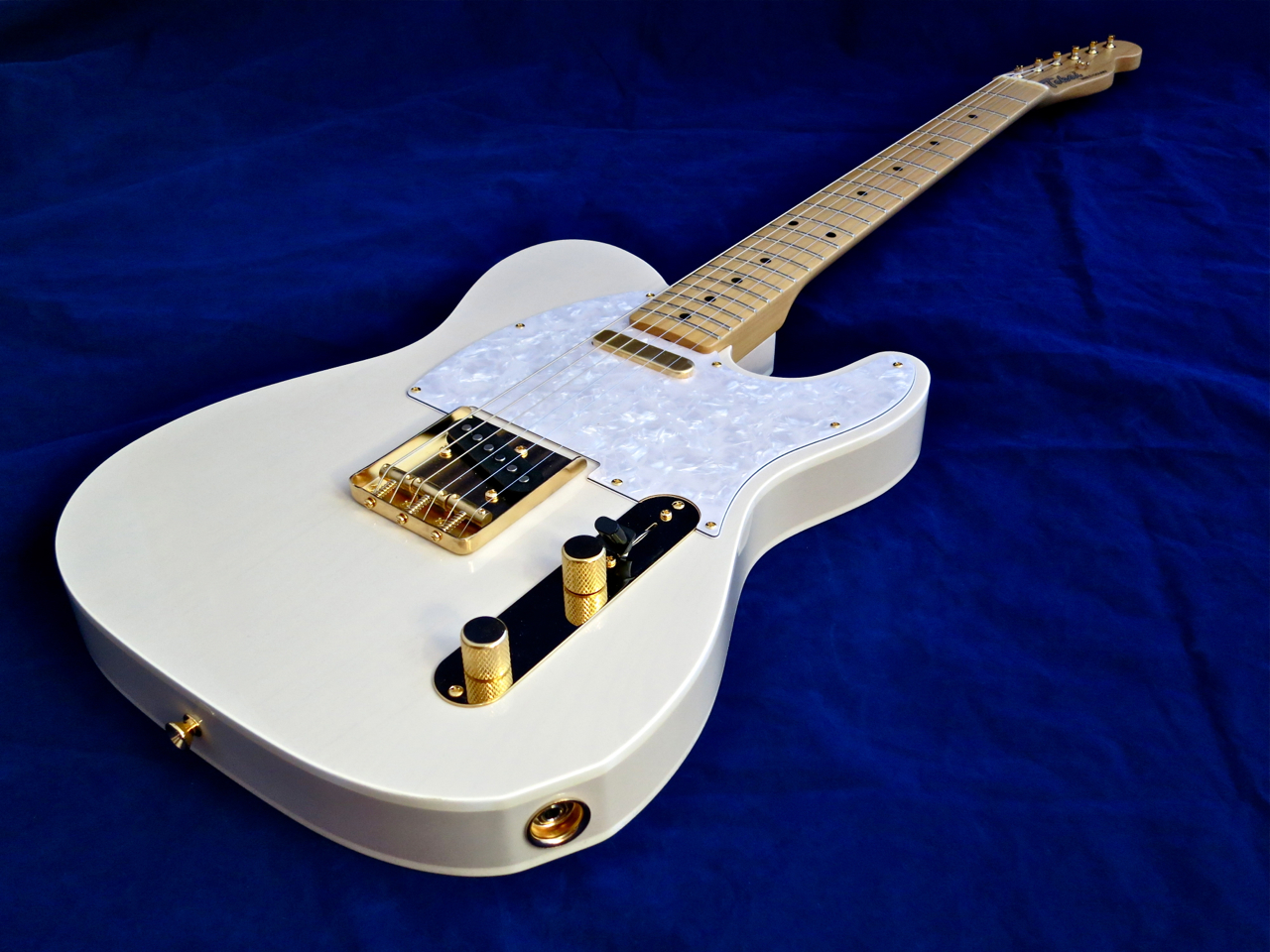
Tokai’s TTE-55 is the company’s newest made-in-Japan Tele-type guitar. The TTE-55 isn’t meant to be a dead-on copy of a Tele from a certain period, but rather something like a Tokai ”best-of-vintage-T” model.
****
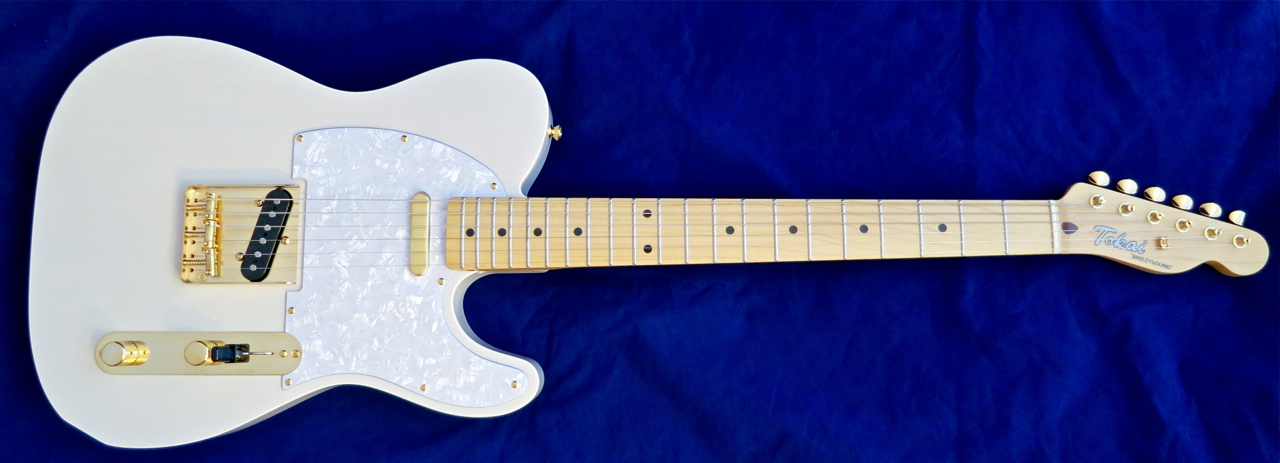
You can get the Tokai TTE-55 (current price in Finland: 848 €) with either a one-piece maple neck – as on our White Blonde review sample – or equipped with a rosewood ’board.
The finish of the hardware is dependent on the body’s colour – in our case here the Tokai sports gold coloured hardware, which embues this Tele with a good dose of Mary Kaye -style panache.
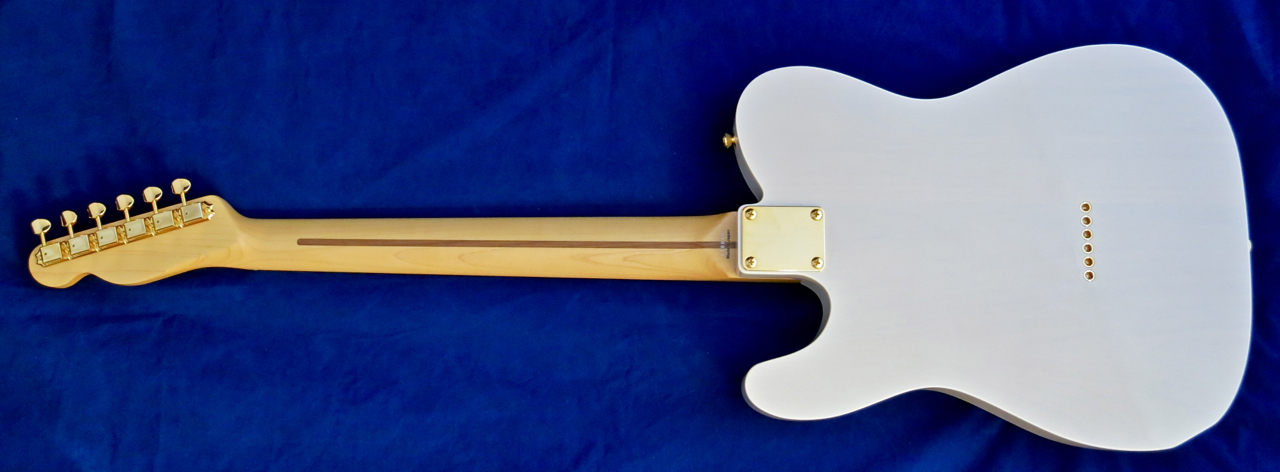
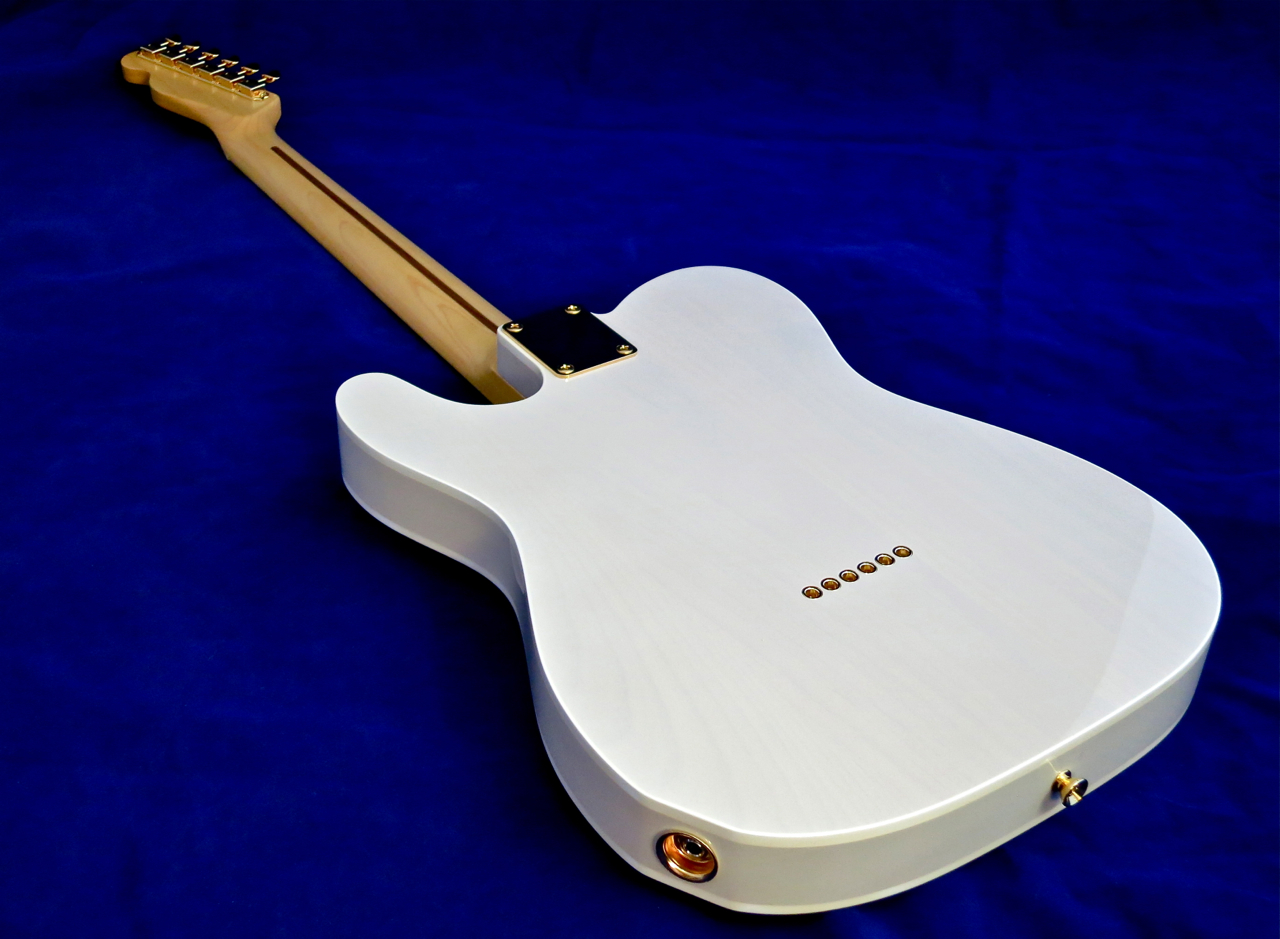
The 1950s-type neck is screwed to a Sixties-type, bound alder body.
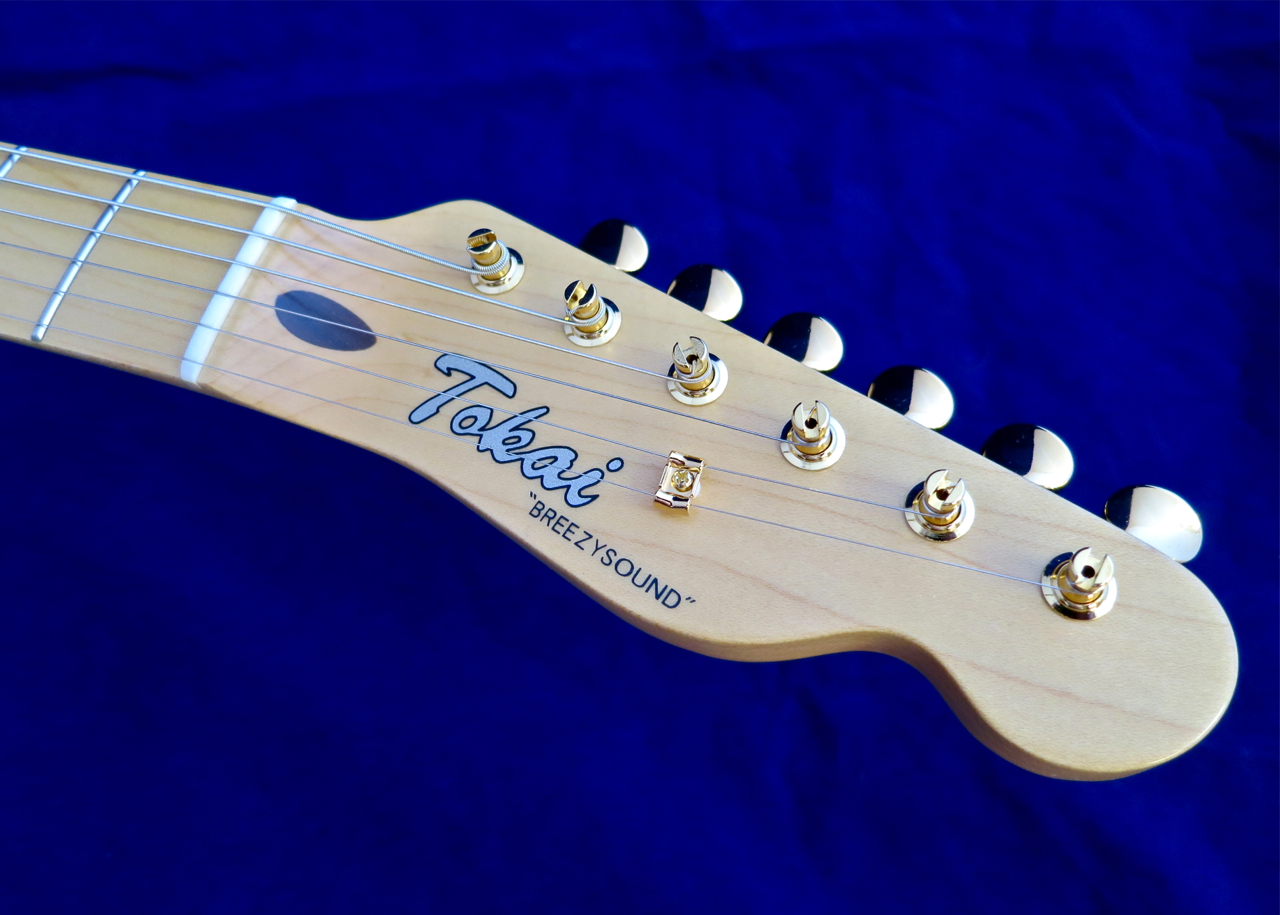
The fine Kluson-copies have one major advantage over more recent designs: The nifty safety posts prevent any sharp string ends from sticking out.
The neck’s silky-smooth satin finish is a much more modern feature, as are the 21 jumbo-sized frets. Top marks to Tokai for the quality of their fretwork!
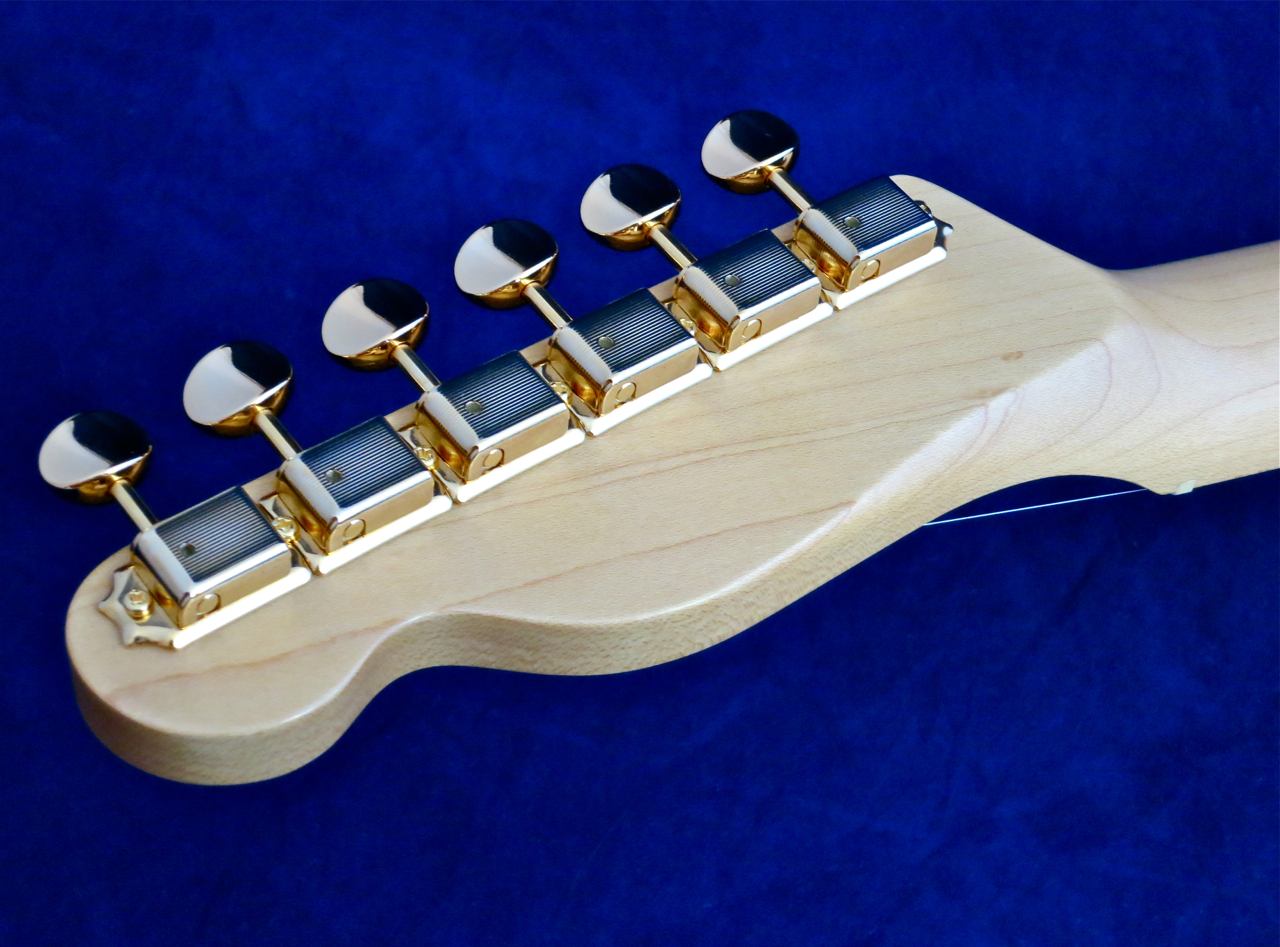
Timeless beauty – this is a sight I never tire of…
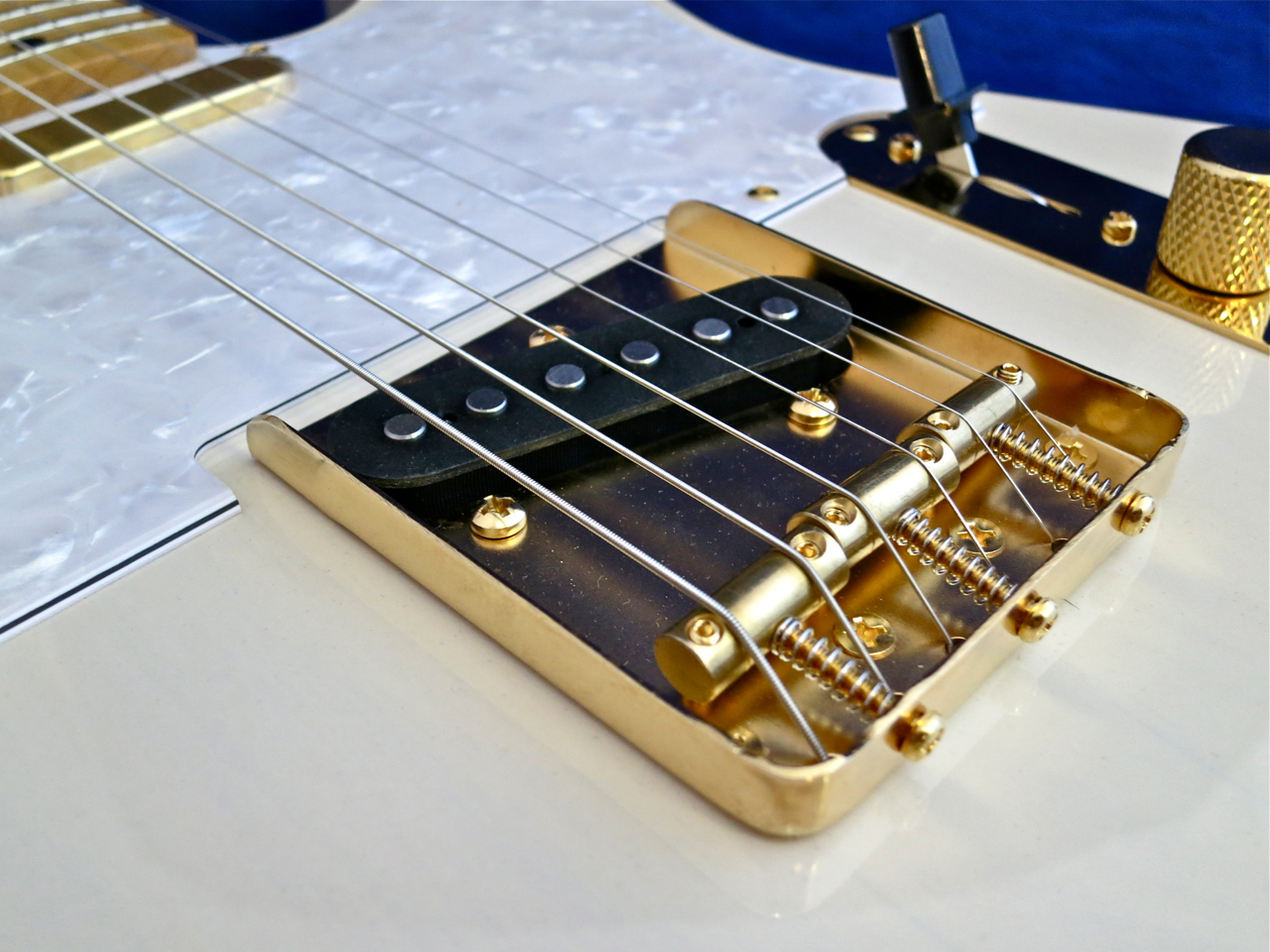
Not all vintage Tele-bridges are the same – the originals went through several different incarnations between the Fifties and now, especially when it comes to the material chosen for the bridge saddles. Tokai’s TTE-55 sports brass saddles, which is the favourite choice for juicy tone among vintage-anoraks.
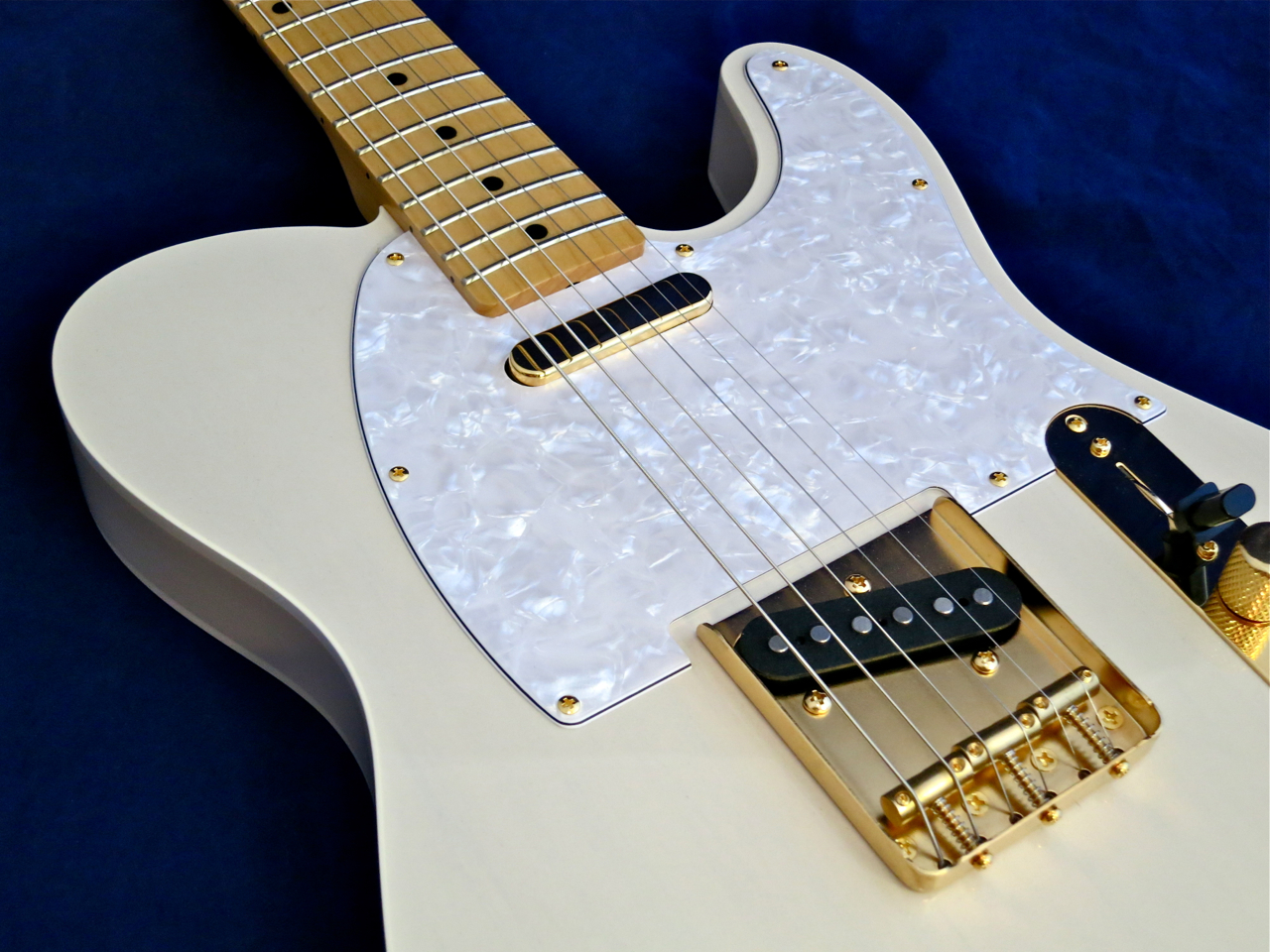
You can’t get more classic than a Tele-type guitar’s pickup combination: The neck pickup is a narrow unit with its own shielding metal cover, while the chunkier bridge pickup hangs suspended from the bridge plate.
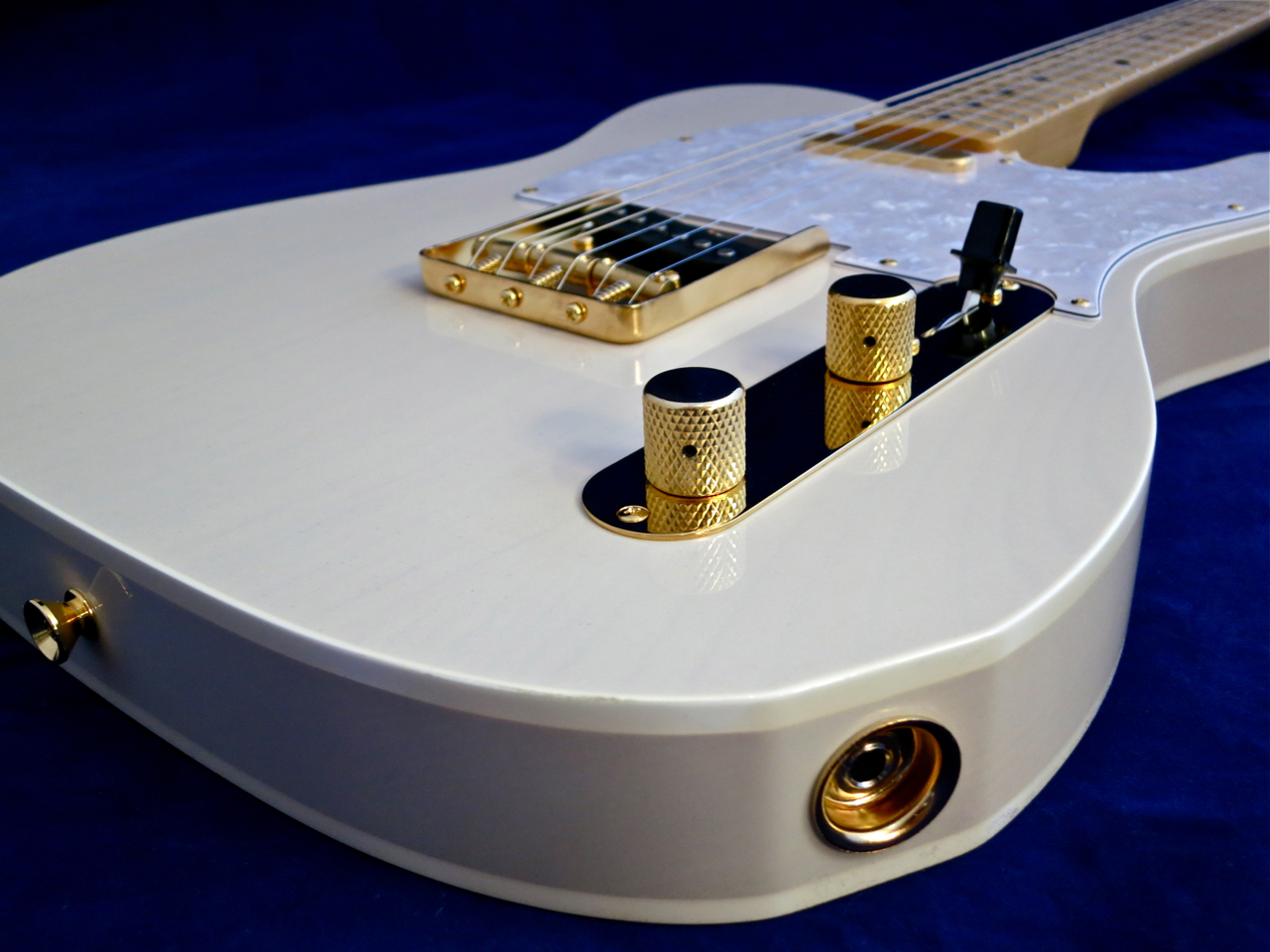
In 1967 the Tele’s switching was changed to the now-classic format of a three-way blade switch for neck/both/bridge-selection, coupled with a master volume and a master tone control.
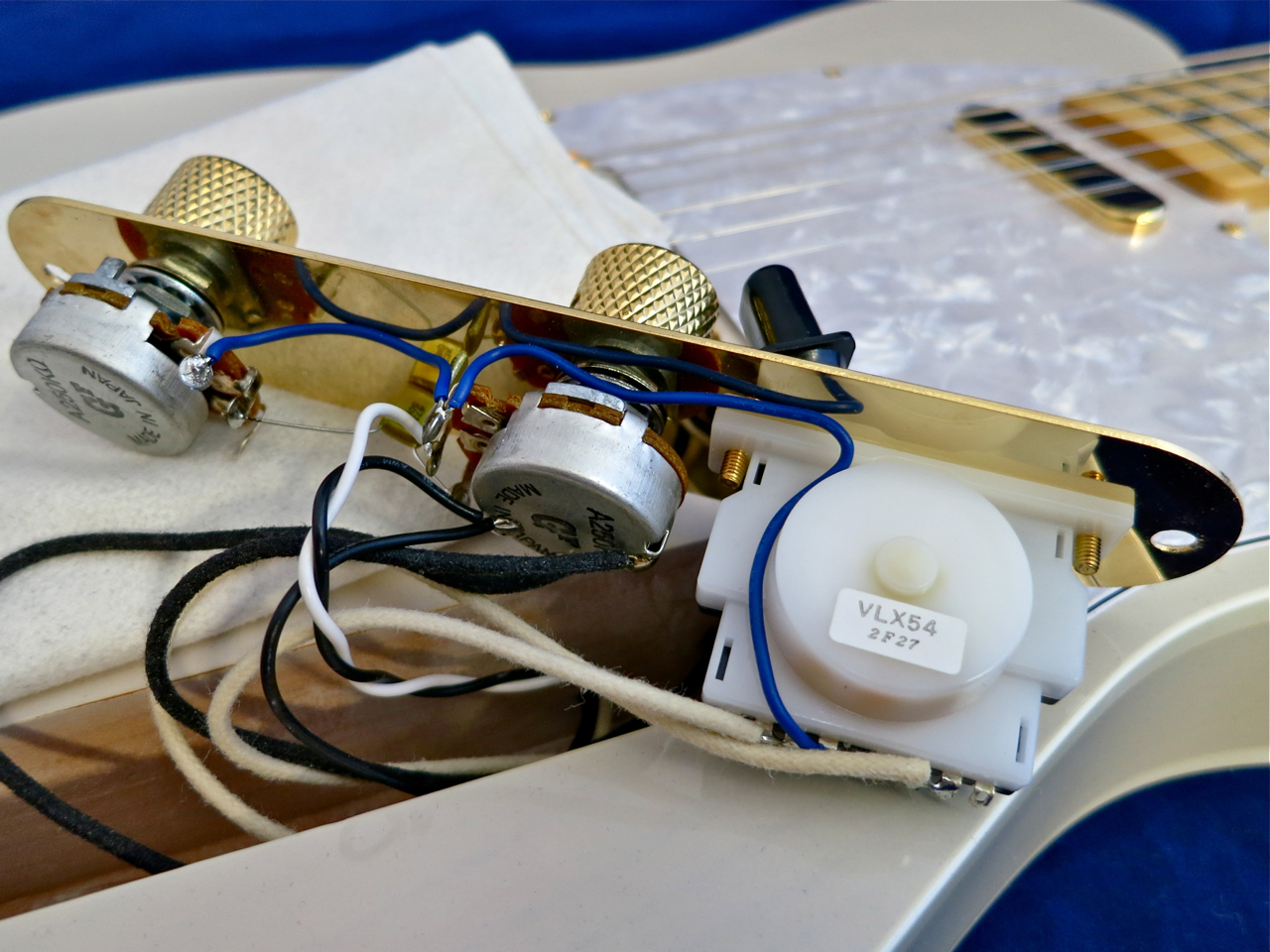
There’s plenty of quality on offer on the inside, too, with a VLX-switch and two GF-potentiometers keeping everything ship-shaped.
Vintage-freaks will dig the cloth-covered pickup leads.
****
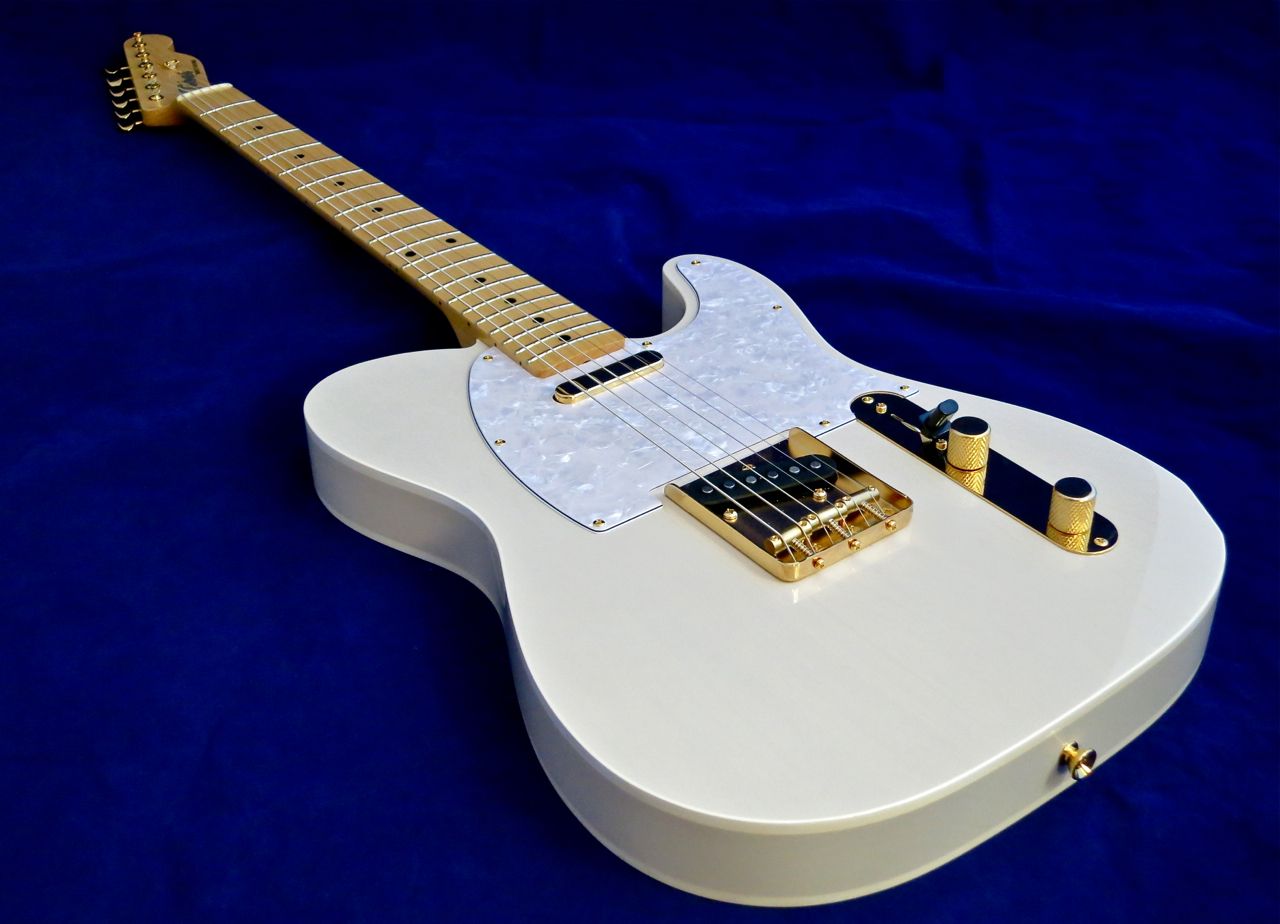
Our test sample is of medium weight – not the lightest Tele ever, but still really comfortable.
The Tokai TTE-55’s neck profile is right down my alley, being a well rounded and full ”D”. There’s enough girth to support your left hand nicely, but not so much as to make the neck feel too fat or hard to play .
The neck’s contemporary finish and the modern fret size result in a very bend-friendly guitar with a great action (E: 1,9 mm/e: 1,7 mm).
There’s always a bit of compromise to deal with, when it comes to a Tele-type guitar’s intonation, due to the shared bridge saddles. But this hasn’t prevented this guitar type to become a true classic – the compromises one can deal with easily.
It’s build like a Tele, it looks like a Tele, and, yes, the Tokai TTE-55 also sounds like a Tele. The neck pickup’s tone is well rounded, with a charming amount of wood to its voice. Put the switch in the middle position, and you’ll be funking with Prince. And the bridge pickup on its own is bang on the money for all your Country-, Rockabilly- and Blues-needs.
Tokai’s TTE-55 is a great choice for virtually any musical genre, with the exception of Hard Rock and Metal.
In light of this review, I can only conclude that the Tokai TTE-55 is a top quality instrument, which offers a whole lot of Tele-goodness at a very moderate price.
****
Tokai TTE-55
848 €
Finnish distributor: Musamaailma
****
Pros:
+ value-for-money
+ workmanship
+ component quality
+ neck profile
+ sound
Cons:
– the traditional Tele-compromise when it comes to exact intonation


 Kitarablogi.com – Finland's premier Guitar and Bass blog