Kesä tulee – mistä löytyy sopiva ukulele?


Kitarablogista ja myös Rockwayn blogista löytyy useampi ukulele-aiheinen juttu. Olen kerännyt kaikki linkit tähän postaukseen.

Perustietoa ukulelen anatomiasta löytyy täältä.
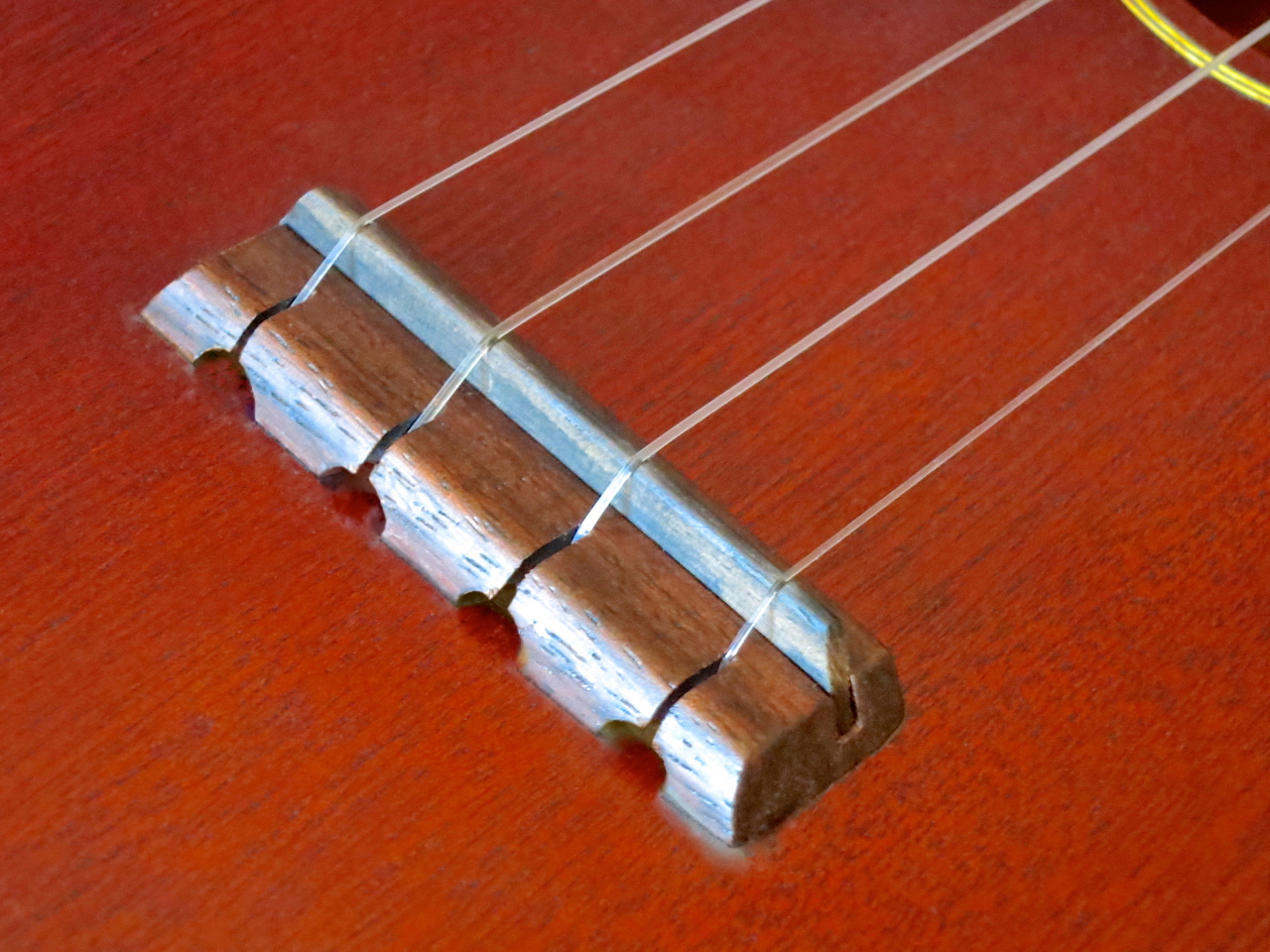
Millaisia eroja on eri ukulelekielissä?

Vuonna 2013 ilmestyi Kitarablogin Tanglewood-mallien testi.

Vuonna 2017 ilmestyi Kitarablogin suuri ukulelekatsaus.

Rockway-blogissa ilmestyi vuoden 2017 lopussa kaksiosainen sopraanoukulele-katsaus.
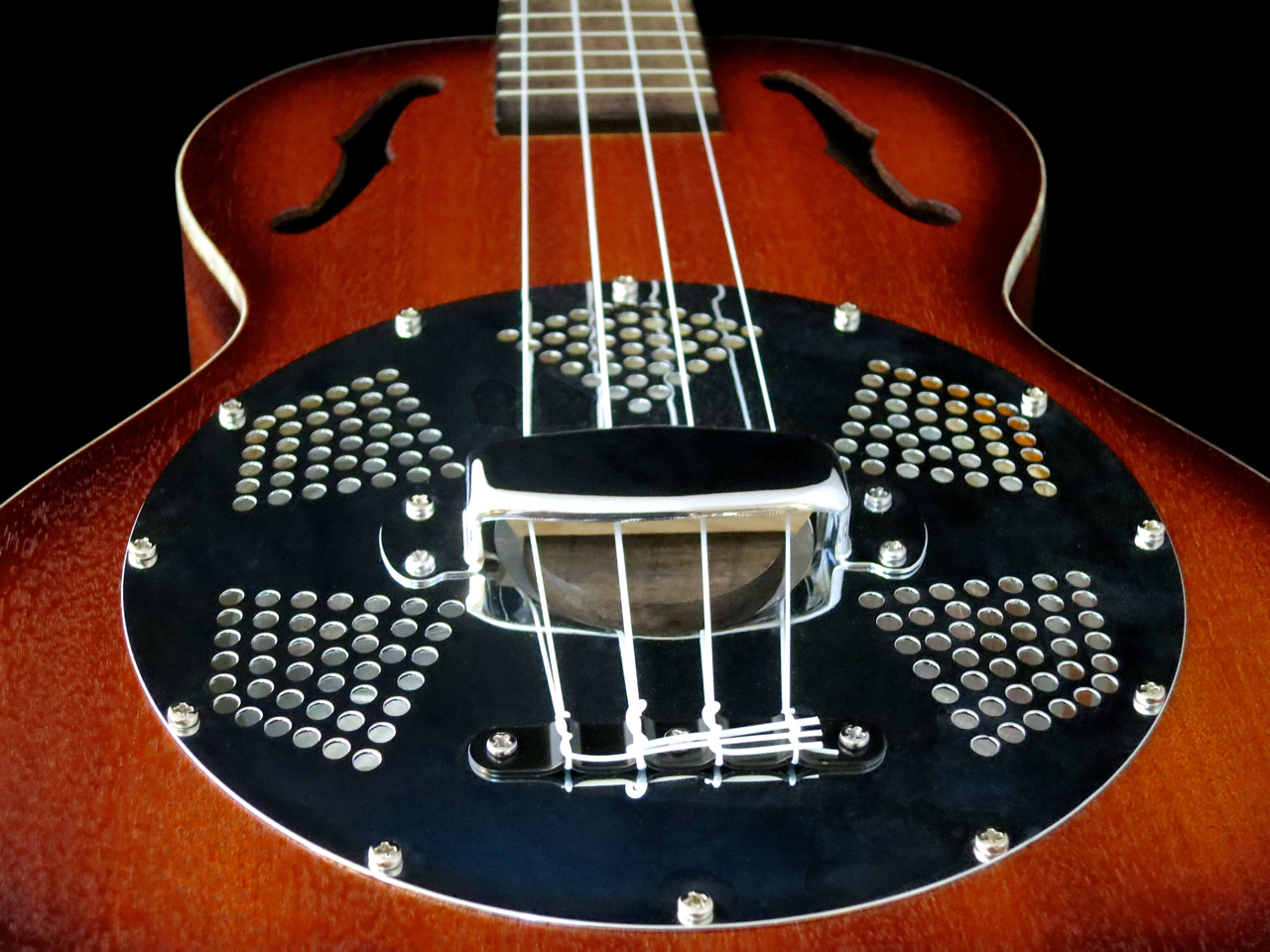
Tässä Rockway-jutussa esitetään useampi erikoinen ukulele-tyyppi.

Testipenkissä: Hagström Fantomen
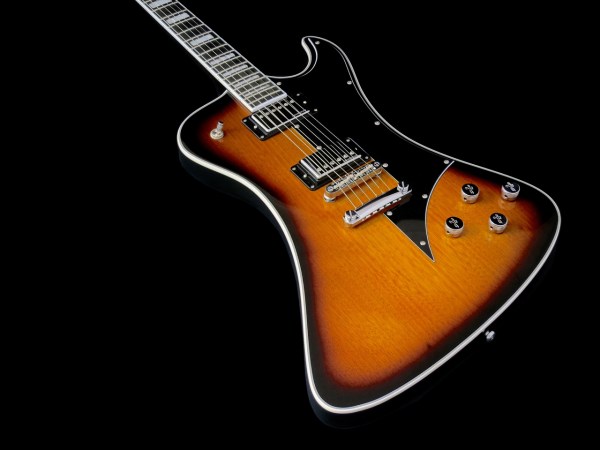

Hagströmin uusi Fantomen on tavallaan nimikkomalli, sillä kitaraa on kehitelty yhteistyössä ruotsalaisen metallibändi Ghost:in kanssa.
Ulkonäöltään Fantomen tuo mieleen vanhan Gibson-klassikon 1970-luvulta, RD:n, jonka suosion rajoitteena silloin toimi Moogin kehittämä aktiivielektroniikka. Hagströmin Fantomen taas on suunniteltu suoraviivaiseksi ja käytännönläheiseksi, mutta monipuoliseksi rock- ja metal-kitaraksi. Tutustutaan siis tarkemmin…
****

Hagström Fantomen -mallilla (katuhinta noin 850 €) on mahonkikaula ja suhteellisen ohut mahonkirunko (paksuus: 3,5 cm).
Vaikka Fantomen on saatavilla myös valkoisena tai mustana, minun täytyy sanoa, että testiyksilön sunburst-viimeistely on erittäin näyttävä.

Runko on tehty kahdesta isosta mahonkipalasta, ja sen etupuolta on reunalistoitettu useammalla mustalla ja valkoisella kerroksella. Rungon takapuoleen on veistetty mukavuusviiste.

Hagströmin viritinlapa on jo itse saavuttanut klassikon aseman, samoin kuin virittimien art deco -tyyliset nupit.
Kaikissa Hagström-kauloissa löytyy kaksi erikoispiirrettä:
Firman itse kehittämä Hagström H-Expander -kaularauta on oiva keksintö. Systeemin säädettävä kaularauta on rakennettu metallikiskoon, jolla on H-muotoinen poikkileikkaus. Koko rakennelma istuu kaulapuuhun tehtyyn samanmuotoisen aukon sisällä. H-Expander-järjestelmää varten ei tarvitse poistaa kaulasta niin paljon puuta kuin perinteisille kaularaudoille, mikä parantaa kaulan kestävyyttä, ja samalla myös kitaran soundia ja sustainia.
Hagström on myös jo pitkään käyttänyt ruusupuun ja eebenpuun sijaan firman omaa Resinator-materiaalia otelaudoissaan. Kauan ennen kuin ruusupuun käyttöä rajoitettiin oli Hagström löytänyt tavan yhdistää ohuet puukerrokset hartsin kanssa keinotekoiseksi eebenpuuksi, joka ei rasita maailman sademetsiä.
Fantomenilla on Fender-tyylinen pitkä mensuuri (64,8 cm/25,5″), ja se tarjoaa 22 medium-jumbo nauhaa, sekä loivan 15 tuuman otelautaradiuksen.

Kitaran kromattuun metallitavaraan kuuluu tune-o-matic-tyylinen talla, palkkimainen kieltenpidin, sekä ”Hagström H:lla” koristetut säädinnupit.

Hagström Fantomen -kitarassa käytetään ruotsalaisen mikrofonigurun, Johan Lundgrenin, suunnittelemia Lundgren Designed -humbuckereita.
Kaulamikissä on alnico II -magneetti, kun taas tallamikrofonissa on vahvempi alnico V -vastine.
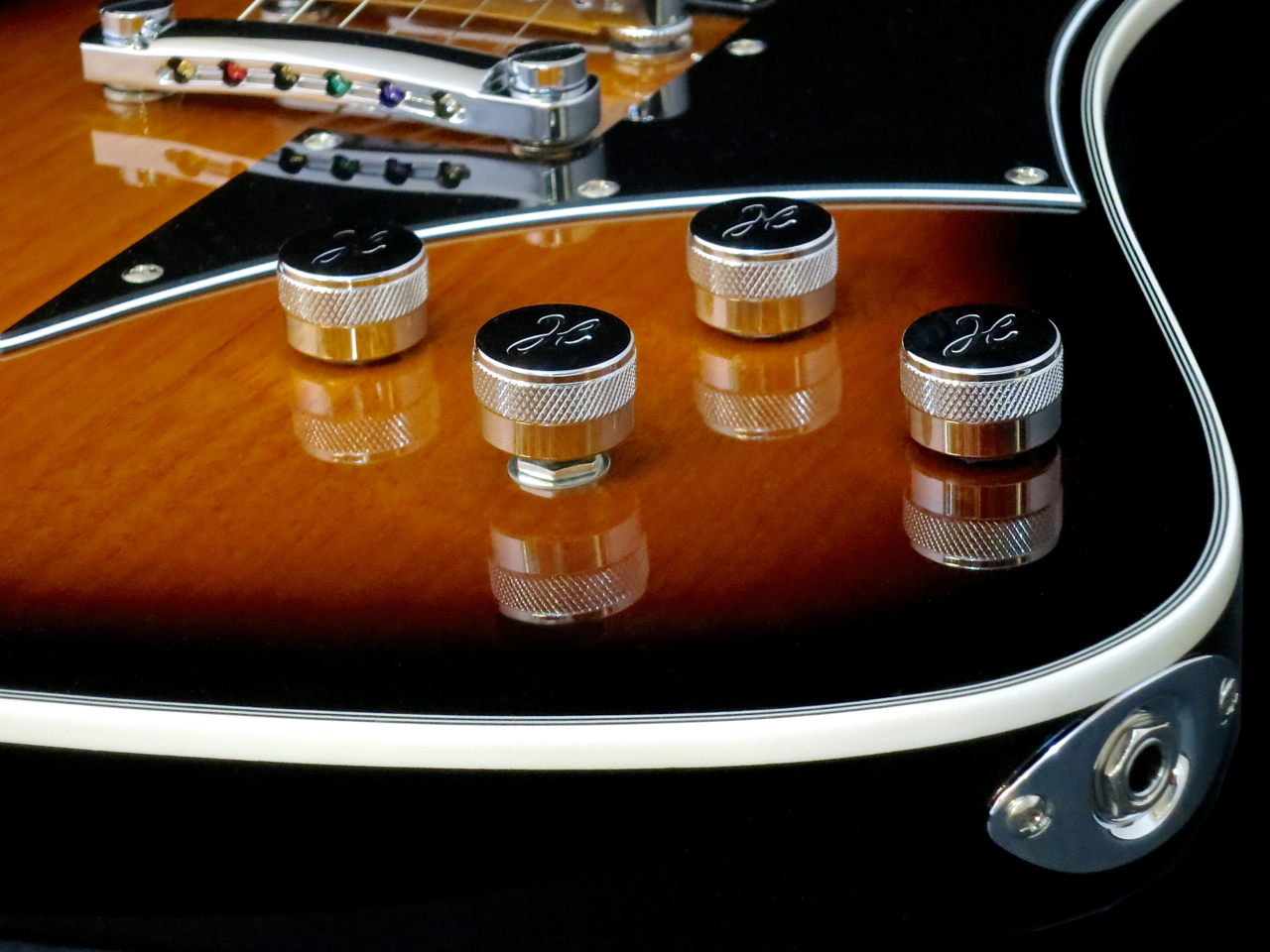
Gibson-tyylistä säädinjärjestelmää (kaksi volumea, kaksi tonea) on laajennettu tone-säätimiin upotetuilla nostokytkimillä, joilla humbuckerit saa puolitettua.
****

Vaikka tämän mallin runko on melko isokokoinen, tuntuu Hagström Fantomen kuitenkin hyvin mukavalta. Testiyksilön paino on vähän keskivertoa kevyempi.
Kaulaprofiiliksi on valittu hoikka D, ja testisoittimen erinomaisen setupin ansiosta Fantomen on erittäin vaivaton soittaa. Nauhatyö on tärkeimmissä kohdissa laadukas, vain viimeiseen kiillottamiseen olisi voitu käyttää hieman enemmän vaivaa ja aikaa. Suoraan kuljetuslaatikosta vedettynä nauhat tuntuvat kielten venytyksissä hieman karhealta, mutta karheus katoaa nopeasti soittamisen kautta.
Minusta päätös käyttää Fantomenissa maltillisen voimakkaita humbuckereita on ehdottomasti hyvä, koska se tekee kitarasta monipuolisemman, dynaamisemman ja kolmiulotteisemman. Fantomen reagoi mallikkaasti soittodynamiikkaan, ja se voi soida sekä pehmeän lempeästi että purevan hyökkäävästi. Mikrofonien puolitus toimii hyvin, kun tarvitsee välillä Fender-tyylisiä soundeja.
Tässä esitetään kitaran pääsoundeja puhtailla vahvistinasetuksilla (käsintehty Bluetone Shadows Jr. -kombo). Täydet humbuckerit tulevat ensimmäisinä:
Demobiisissä käytin sekä Juketone True Blood -vahvistinta (Tweed Champ -klooni) että Bluetone Shadows Jr. -komboa. Biisi on äänitetty ilmain efektipedaaleja:
****

Vaikka Fantomen-kitaran takana on yhteistyö metallibändin kanssa, Hagström ei tehnyt sellaista virhettä, että malli olisi kehitetty vain ja ainoastaan metallikitaristeja varten. Fantomen ei ole tylsä huutaja, vaan sen sävyissä löytyy myös pehmeyttä ja syvyyttä. Hagströmin Fantomen on ulkonäöltään selvä rocksoitin, mutta kitara tarjoaa todellisuudessa selvästi laajemman soundimaailman.
****
Hagström Fantomen
Katuhinta noin 850 €
Maahantuoja: EM Nordic
Plussat:
+ työnjälki
+ soundi
+ monipuolisuus
+ vastinetta rahalle
Miinukset:
– gigbag ei kuulu hintaan
Review: Bluetone Load Box

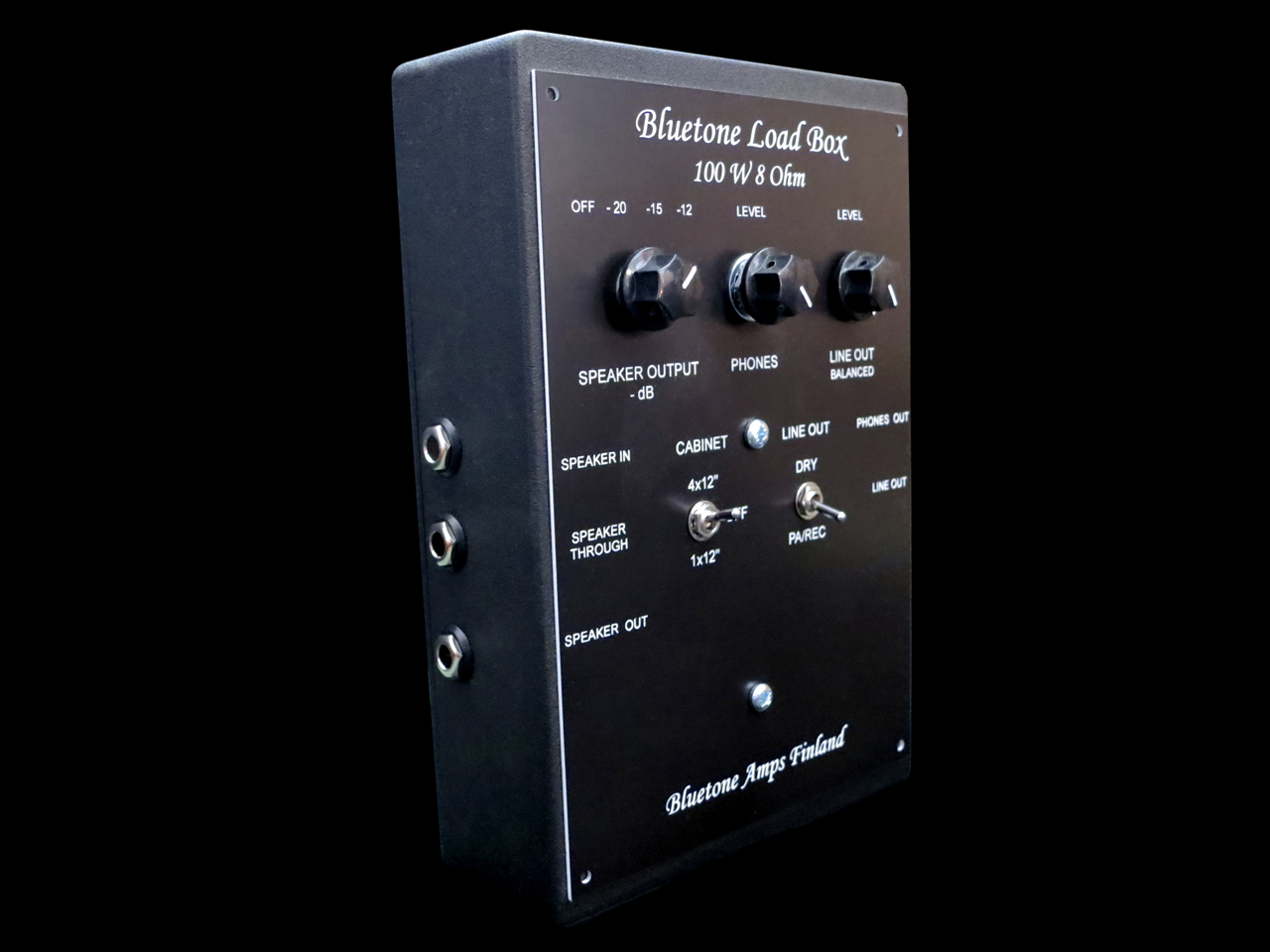
Finnish boutique amp company Bluetone has released a Swiss Army Knife-style lifesaver for valve amp users on stage and in the studio.
The Bluetone Load Box (370 €; incl. 1.5 metre speaker cable) is a professional quality dummy load (100 W/8 Ω) in a very compact format (only slightly larger than a big paperback) that doubles as a DI-box for guitar amps.
As any valve amp user should know, using an amplifier with a valve-driven power amp without a speaker (cabinet) connected – unless expressly allowed by the manufacturer – is a surefire path to disaster. The results of driving an amp without a speaker load can range from the output transformer catching fire to larger-scale component meltdown inside the amp, depending on the volume levels the amplifier is played at, and how quickly the fuses react.
This is where load boxes – also called dummy loads – come in. A load box allows you to run a valve amp safely without any speaker connected, while usually also offering signal attenuation and/or line level outputs. As a result, you are able to direct inject any amp into a PA system or recording equipment, as well as running the amp at full tilt without blasting everybody off the stage.
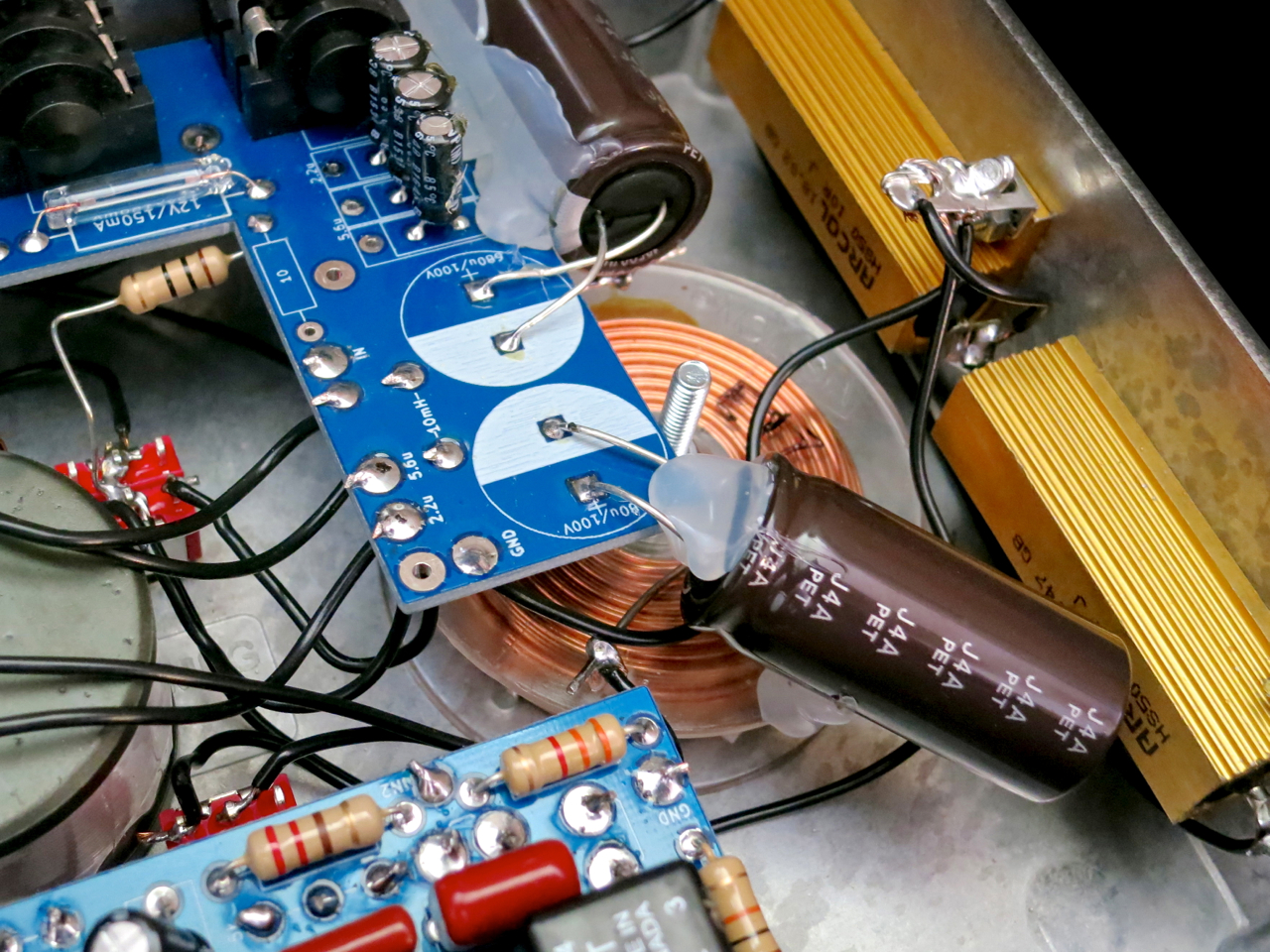
Doing away with the speaker (cabinet) isn’t as straightforward as you might think, because the impedance stated on a speaker is only nominal. The speaker, being an electromechanical transducer, behaves in a frequency- and signal level-dependent way, which results in dynamically shifting impedance values.
This means that a dummy load is a much more involved design than just a few resistors thrown together. Dummy coils, and a heap of capacitors and resistors are needed to simulate realistically the behaviour of a speaker, to attenuate the speaker signal (by dissipating part of it as heat), and to produce a quality DI-signal.
****
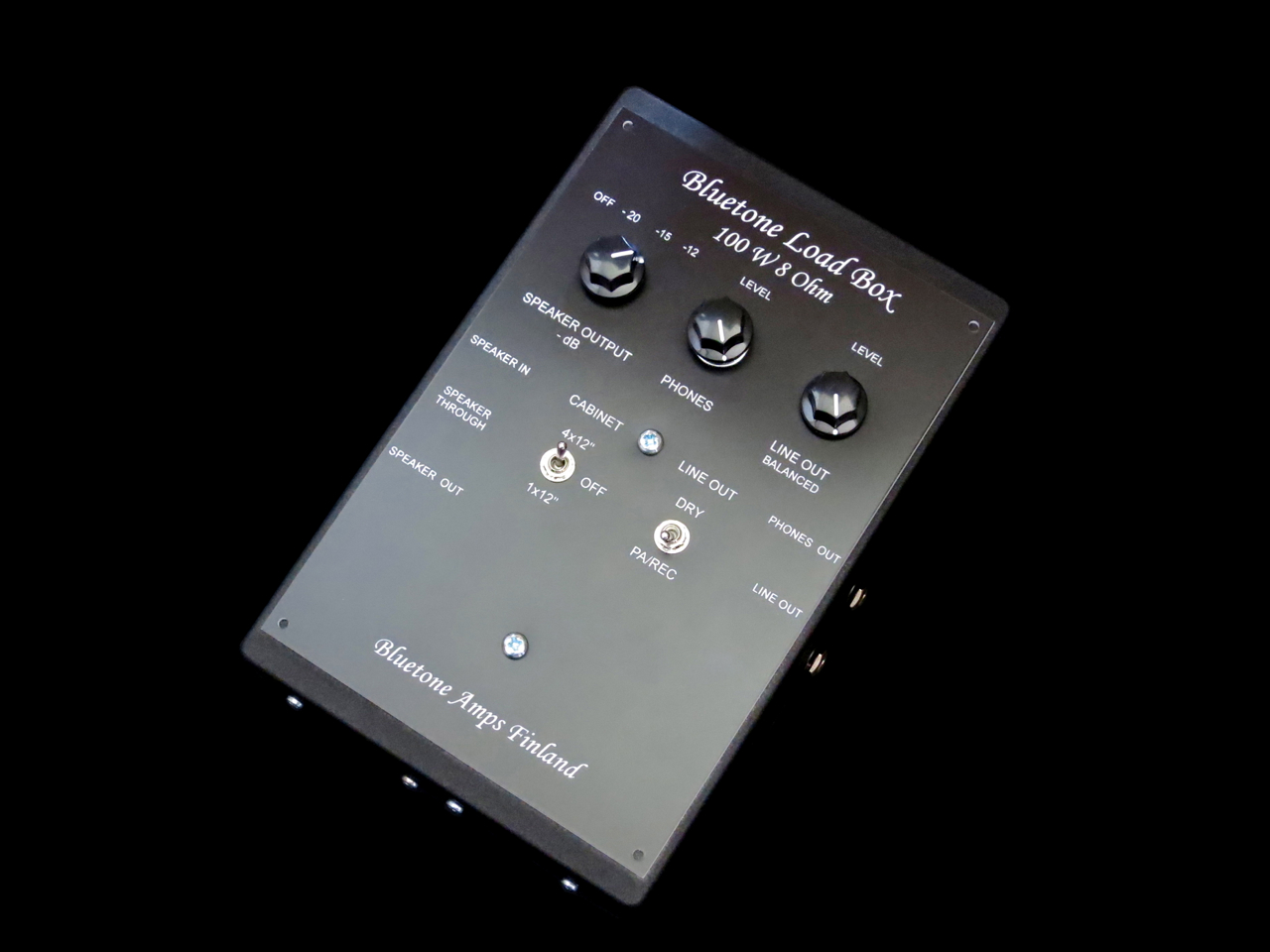
Bluetone’s Load Box has a very clear and logical layout:
The left side carries all speaker-related connectors, offering an input, as well as both an attenuated output (Speaker Out) and a straight speaker output (Speaker Through). Why would anyone need two speaker outputs? The answer is simple: If you want to run an isolated cabinet backstage at full speaker output for the FOH engineer, and an attenuated speaker signal for the backline to keep onstage volume levels manageable.
The right side sports two output jacks – one is carrying a headphone signal, while the other one is the balanced output for connection to a mixing console or a soundcard.
The controls and switches are self-explanatory:
Top left is a four-way rotary switch for speaker attenuation, with ”Off” muting the Speaker Out signal completely. I should also mention that you can use the Bluetone Load Box without any speakers connected, regardless of the selector setting.
The middle knob is the headphone level control. Because the Load Box is a completely passive design – meaning there’s no need for any sort of power supply – the output level of the headphone output is directly dependent on the signal level (and wattage) of the connected amplifier. On the early production model used for this review the headphone signal can be a tiny bit on the quiet side, when using a low-wattage amp and power hungry headphones. This is a known issue, and Bluetone will increase the signal level in future.
The line level output offers a healthy output levels. If you need an XLR connector for the Load Box’ balanced output, Bluetone offers a handy adapter for 20 €.
A three-way mini toggle gives you two different types of cabinet simulation – 1 x 12″ and 4 x 12″ – while its two-way counterpart makes it possible to bypass speaker simulation for the Line Out signal.
The Bluetone Load Box’ dummy load and attenuator work really well in dropping volume levels while keeping virtually all of your amp’s tone intact. Now you can run your non-master volume valve amp at pub-friendly levels, without sacrificing your sound.
Bluetone’s DI-output captures your amp’s tone without the need for a speaker cabinet and microphones, which is great news for home recordists and small project studios. The Load Box’ analogue speaker modelling offers a fine solution for capturing your sound with the least amount of fuss.
Here’s what my Fender Strat sounds like played through a Bluetone Shadows Jr. combo on clean settings, and recorded with a Shure SM57:
Here’s the same clean example direct recorded with the Load Box set to 1 x 12″:
Here’s a distorted clip with the sound of the Shadows Jr. recorded with the SM57:
And the same clip recorded through the Load Box:
****
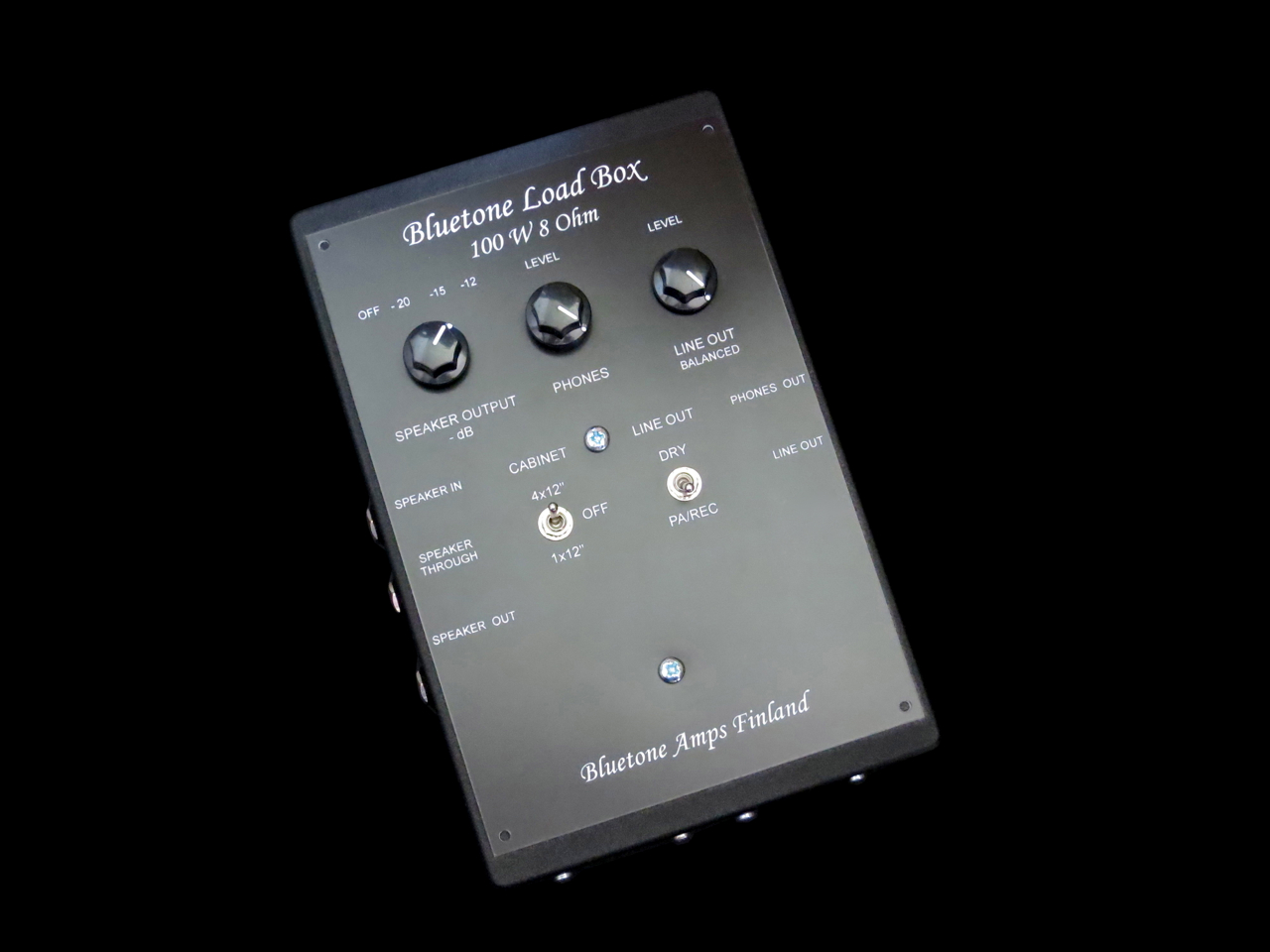
In my opinion the Bluetone Load Box offers great value for money. Bluetone’s compact Load Box is a product every owner of a valve amp that doesn’t come with output attenuation built in should at least consider adding to his/her equipment.
The clever bit is how Bluetone has managed to fit the different functions into a lightweight, easy-to-carry, handcrafted piece of equipment. The Load Box is a sturdy device that will get the job done with the minimum amount of fuss, and it comes at a fair price.
****
Bluetone Load Box
370 € (including a 1.5 metre speaker cable)
Contact: Bluetone Amps
****
Pros:
+ handcrafted in Finland
+ lightweight and compact
+ features
+ sound
Now on SoundCloud: Bluetone Load Box
• 100 W/8 Ohm passive, reactive load box
• Four-stage speaker attenuation
• Line level out with analogue speaker emulation
• Headphone output
****
Audio clips recorded with a Bluetone Shadows Jr. combo (1 x 10″ WGS Green Beret speaker), and the Bluetone Load Box set to 1 x 12″ speaker emulation.
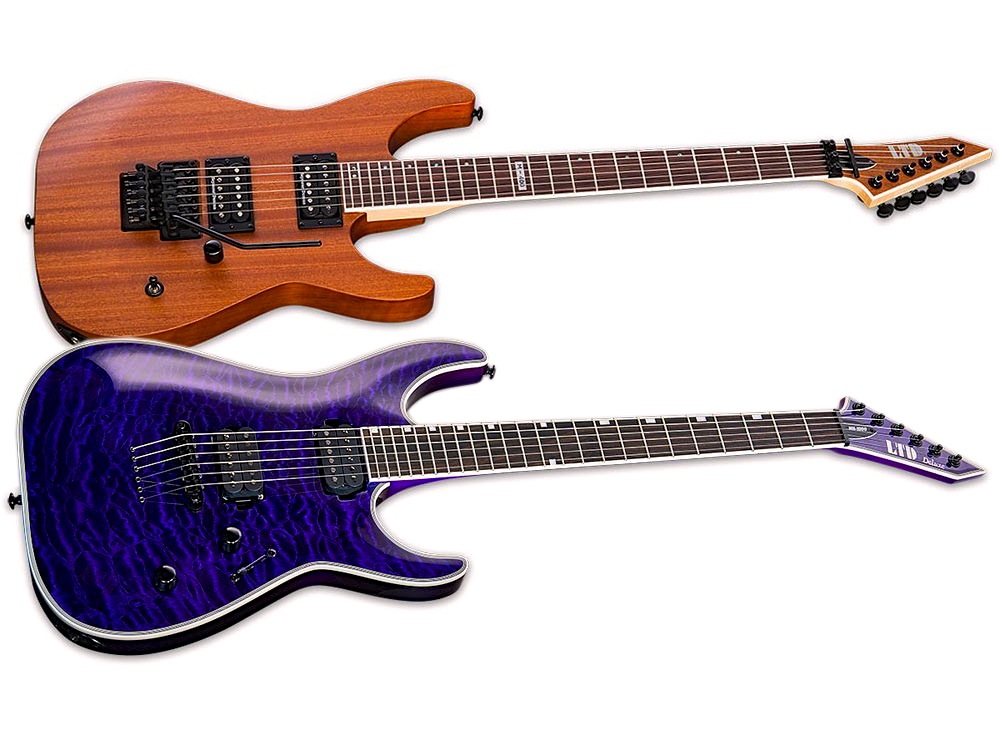
Now on Soundcloud: LTD M-400M & MH-1000NT
Demo track recorded with a Blackstar HT-1R.
Rhythm guitars – MH-1000NT (left) & M-400M (right)
First solo – MH-1000NT
Second solo – M-400M
Testipenkissä: Nux B-2 Wireless


Jos olet harkinnut langattoman järjestelmän ostamista jo pidemmän aikaa, mutta monet järjestelmät tuntuivat tähän mennessä liian monimutkaisilta, kannattaa jatkaa lukemista.
Nux B-2 (129 €) voisi kuvailla langattomaksi kitarajärjestelmäksi iPhone-sukupolvelle. B-2:n pienikokoinen ja sulavalinjainen lähetin ja vastaanotin voisivat tyylikyydessään olla myös Applen tuotteita.
Järjestelmän pieni koko on saatu aikaiseksi sisäisillä Li-ion-akuilla, jotka tarjoavat – käyttötilanteesta riippuen – täyteen ladattuina 6-20 tuntia käyttöaikaa. Lataaminen hoituu tavallisella usb-laturilla (ei kuuluu hintaan), tarvittava splitterijohto on pakattu mukaan.

Nuxin B-2 toimii maailmanlaajuisesti vapaalla 2,4 GHz -taajuuskaistalla, ja järjestelmän tekniset ominaisuudet vaikuttavat hyvin laadukkailta:
B-2 on täysdigitaalinen järjestelmä 32 bitin ja 48 kilohertsin signaaliprosessoinnilla. Latency-viive pysyy valmistajan mukaan alle 5 ms, ja järjestelmän kantavuus on ideaalitapauksissa (ei esteitä lähettimen ja vastaanottimen välillä; tai vähän muuta langatonta trafiikkia) jopa yli 35 metriä.
Nux B-2:n käyttö ei voisi olla helpompaa. Vastaanotin liitetään suoraan 220 astetta käännettävällä plugilla kitaraan, kun taas vastaanotin kytketään samalla tavalla suoraan joko vahvistimen tuloon tai efektiketjun ensimmäiseen pedaaliin. Kummankin moduulin paino on vain 45 grammaa, minkä ansiosta moduulit eivät vahingoita käytettyjen laitteiden jakkeja. Lähettimen muoto ja plugin käännettävyys takaavat, että moduuli mahtuu ilman ongelmia myös Strato-tyyliselle jakille, ilman että se olisi vibrakammen tiellä.
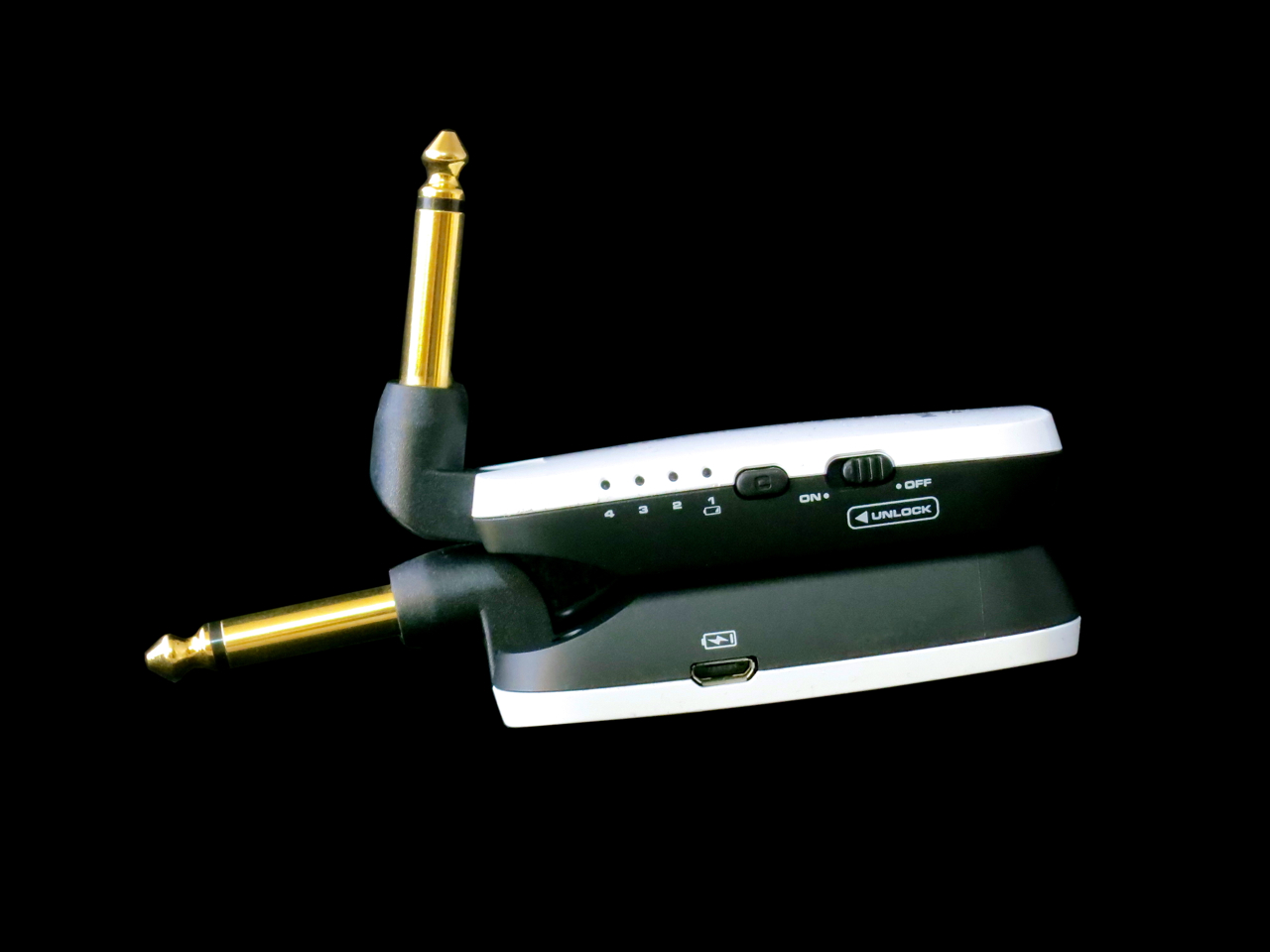
Liittämisen jälkeen moduulit laitetaan päälle ja valitaan painonapeilla yhden neljästä kanavasta. Järjestelmä menee automaattisesti ensimmäisellä kanavalle, mutta jos bändillä käytetään useampaa langatonta, voi kanava olla jo varattu, jolloin toinen käyttäjistä joutuu vaihtamaan oman järjestelmän kanavaa.
Nux B-2 kulkee kätevästi mukana kitaran bägissä tai laukussa. Moduulit pystyy lukitsemaan mekaanisesti yhteen kuljetusta tai varastointia varten.
Testin aikana Nux B-2 on toiminut moitteettomasti. Langattoman järjestelmän käyttöönotto on nopea ja vaivaton. Vanhoista (analogi-) langattomista tuttu kohinan hengittäminen ja signaalin katkeilu yli-innokkaan kohinasalvan takia ei B-2:lla esiinny lainkaan.
Nuxin langaton myös välittää kitarasignaalin soundia ja dynamiikka käytännössä täysin muuttumattomana eteenpäin, minkä ansiosta efektipedaalit ja vahvistin reagoivat samalla tavalla kitaran volumepotikkaan kuin mihin on totuttu johdosta.
Hyvin matalan latency-viiveen ansiosta Nux B-2 ei tunnu lainkaan fraseerauksen jarruna, vaan järjestelmä pysyy kiltisti pois soittajan jaloista. Järjestelmän kantavuus riitti hyvin myös puurakenteisen omakotitalon toiseen kerrokseen ilman artefakteja tai signaalin katkeilua.
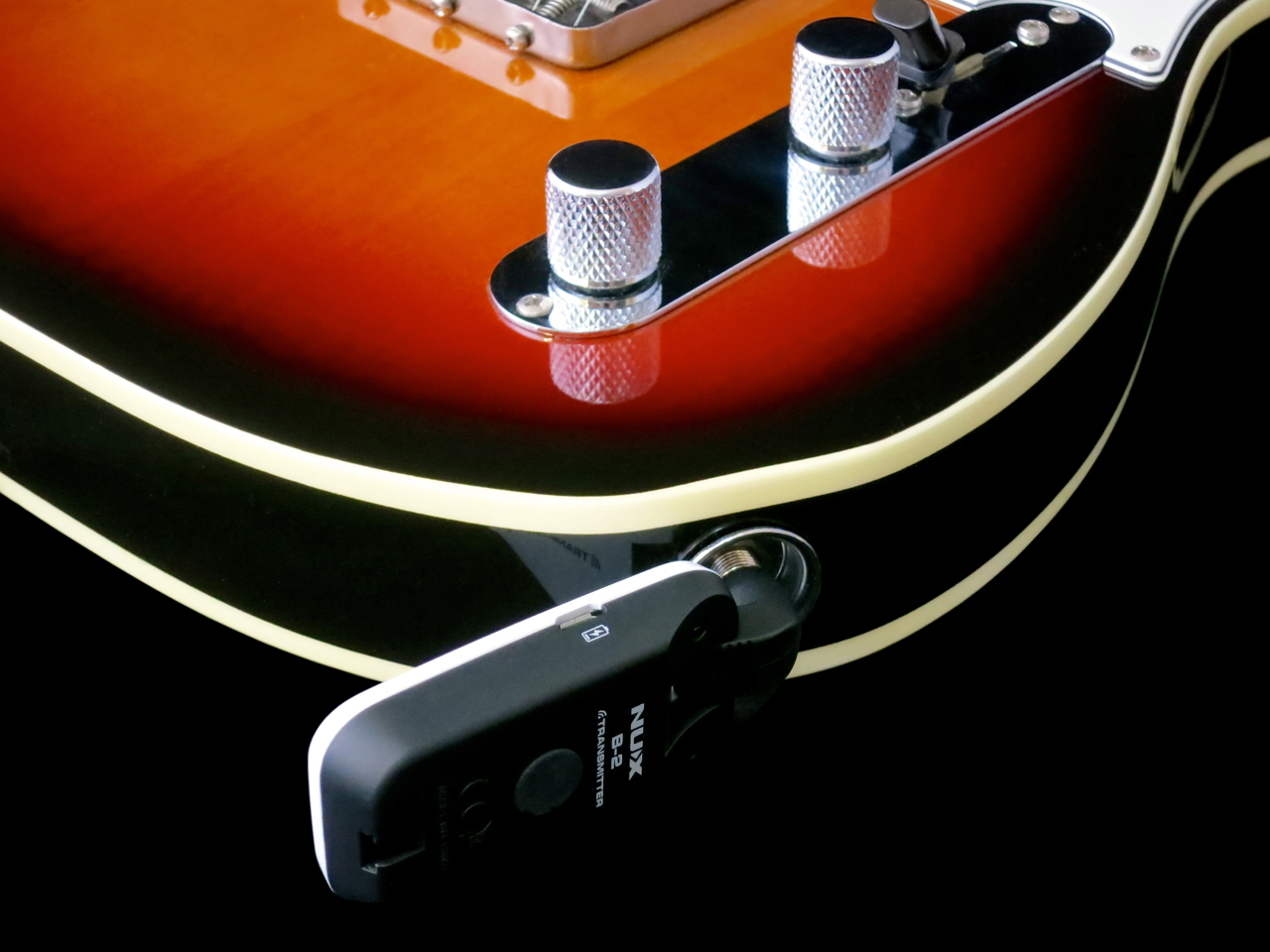
Nux B-2 -langatonta voi hyvällä omatunnolla suositella mukavuudenhaluisille kitaristeille (ja basisteille), joille helppokäyttöisyys menee monipuolisempien, mutta usein myös monimutkaisempien, kanavavalintojen eteen. Tavallisessa pubibändissä, jossa on kolme kielensoittajaa langattomilla, sekä langatonta mikrofonia käyttävä solisti, tullaan varmasti enemmän kuin hyvin toimeen helppokäyttöisellä ja kevyellä Nux-langattomalla.
****
Nux B-2 Wireless
Kompakti langaton järjestelmä
129 €
Maahantuoja: Musiikki Silfverberg
Kiitos Vantaan Musiikille testilaitteiden lainaamisesta!
****
Plussat:
+ kompakti
+ helppo käyttää
+ laadukas soundi
+ toimii sisäisillä akuilla


 Kitarablogi.com – Finland's premier Guitar and Bass blog