”Just one more!” – Living with G.A.S.

****

Just one more…pleeeeeeze!

einstein_guitar1

We’ve all seen the memes on social media, haven’t we? And let’s be honest – there’s plenty of truth in them!

Many – if not most – of us guitarists seem to have an annoying tendency to want to amass a wide selection of instruments and/or effect pedals and/or guitar amps for personal use. This gear lust, which often leads to crammed living conditions, empty pockets, and considerable trouble with our significant other, is generally known as Gear Acquisition Syndrome, colloquially shortened to G.A.S. (or GAS).

It seems that GAS has become ever more prevalent over the last couple of (or three) decades, but the roots of this problem reach as far back as popular music and the advent of mass media.
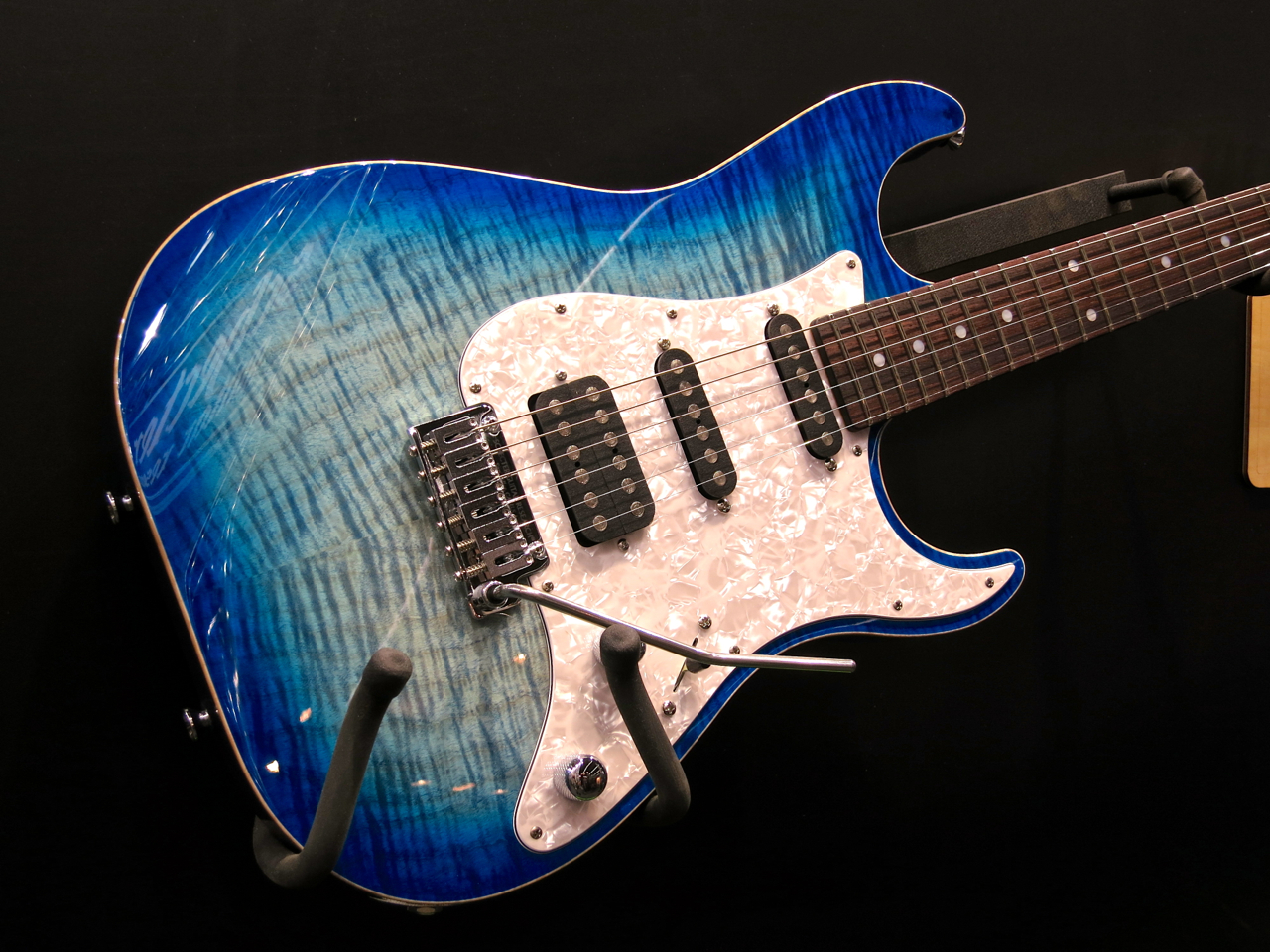
MM2015 – Schecter USA Sunset Custom

****

G.A.S. through the decades

The early days

Gibson Nick Lucas Signature

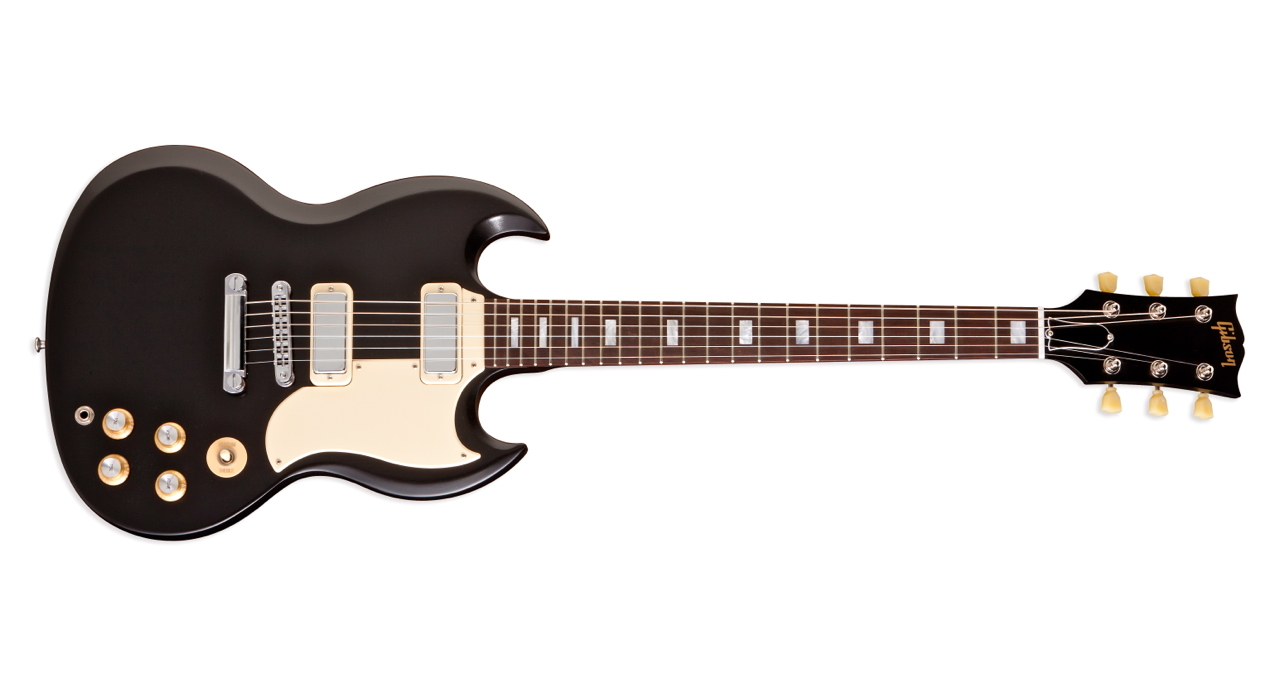
It’s hard to pinpoint exactly the onset of GAS, but many people would agree that Gibson’s Nick Lucas Special signature model (first released in 1927) played a crucial part.

Nick Lucas (1897-1982) was an accomplished guitarist and popular crooner, whose biggest hits (in the late Twenties and early Thirties) coincided with the popularity of the radio and the wider availability of phonograph records.

The Nick Lucas Special was Gibson’s first signature guitar, laying the groundwork for the endorsement deals we’re familiar with these days. Apart from riding on an artist’s popularity, a signature guitar also tends to suggest to the guitarist that, were he (or she) to play this particular instrument, some of the magic (as well as the technical prowess) of the endorsing artist might rub off. In short, the message is ”buy this guitar, and you will become a better and more popular player!”

As most male guitarists not only care for their playing technique, but also for the opposite sex, becoming more popular always sounded (and still sounds) like a good idea.

The Fifties and Sixties – the guitar boom

Squier Cabronita Telecaster – body beauty

During the first half of the 20th Century the guitar grew from a not-very-common, specialist instrument into a popular mainstream choice – not least thanks to Country music and the ”singing cowboys” featured on radio and records, as well as in the movie theatres.

But it was Rock ’n’ Roll that put the guitar in all its shapes on the top of the desirability list for masses of youngsters in the so-called Western World.

Yet, GAS wasn’t such a serious issue at that time, because musical instruments were outrageously expensive then, and some of the top US-brands almost impossible to get hold of in Europe.

Andy Babiuk’s fantastic book ”Beatles Gear” gives the reader a very good idea of how difficult it was for the guitarists of the late Fifties and early Sixties to even scrape together enough money to buy a single guitar (or amp). Owning multiple guitars was the privilege of the biggest stars only. Back in 1965 a new, baby blue Fender Stratocaster would have set you back around 3,000 euros in today’s money! This makes a current American Standard Stratocaster seem dead cheap at approximately 1,500 euros. And remember, back then there was no such thing as a quality (licensed) copy, and even substandard instruments from Eastern Europe weren’t really cheap (Harrison’s Czech-made Futurama cost him the better part of 1,200 euros in today’s money).

Still, young players were brand-conscious, at least to some degree, and lusting for the exact guitar they knew their idol was playing. Even if they couldn’t afford it…

They don’t make ’em like they used to

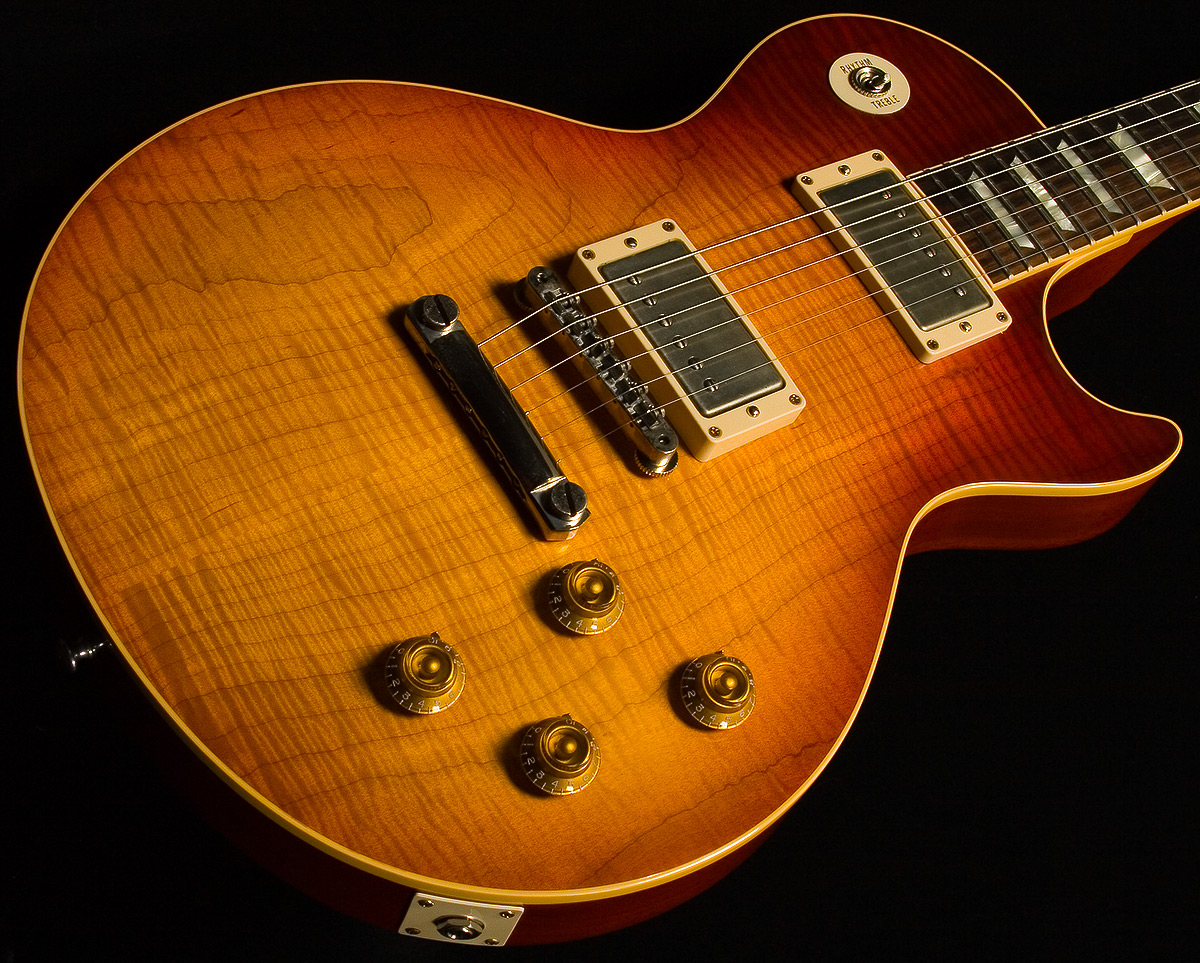
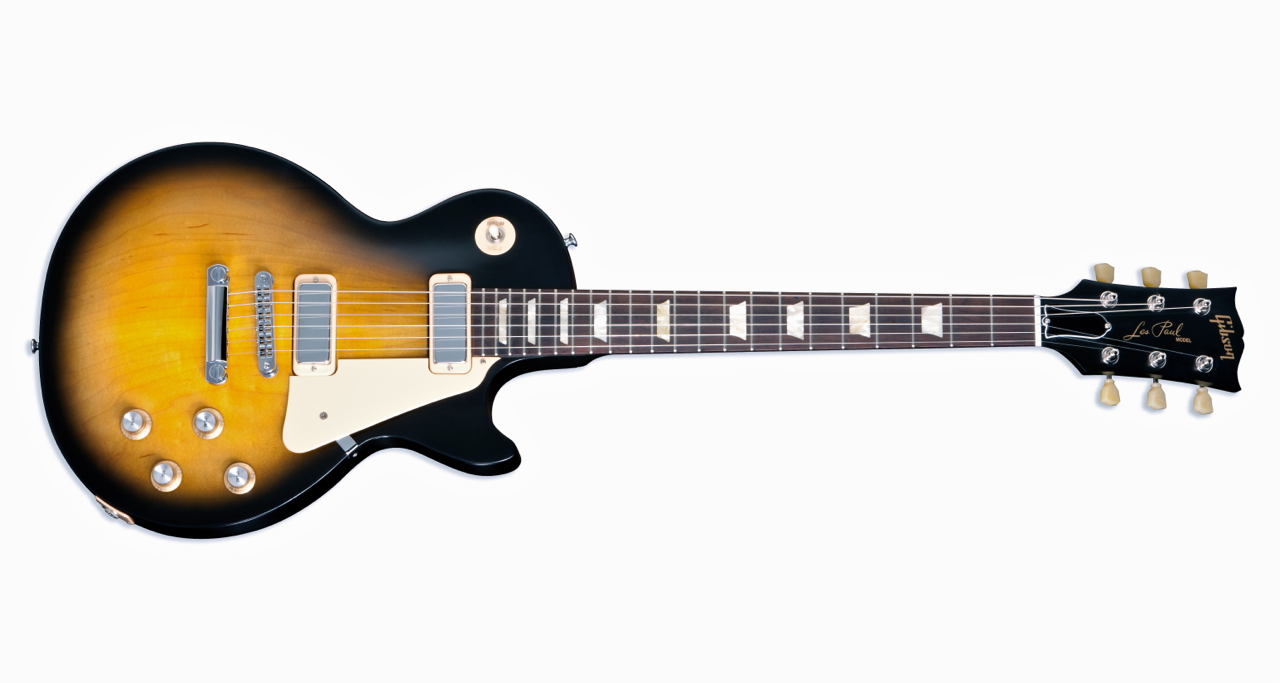
Les Paul Burst

The transition of the plain old ”used guitar” to the ”vintage guitar” we all know today got to a start in the late Sixties, mostly fuelled by the two best-known brands – Gibson and Fender:

When flagging sales of the Gibson Les Paul prompted the company to scuttle the model in favour of the instrument we now know as the Gibson SG, nobody could have foreseen that the move would lead to the first run on a discontinued electric guitar model ever. Caused by the exposure given to the ”out of print” Les Paul Standard by the new wave of Blues players, spearheaded by Mike Bloomfield and Eric Clapton, many serious guitarists started actively searching for used Les Pauls. The fact that Gibson chose to reissue the Les Paul in the late Sixties, but failed to sense that the crowd lusted for the double-humbucker Burst (instead of the Goldtop and the Custom), quickly turned the original Standards produced between 1958 and 1960 into the stuff of legend.

Both Fender and Gibson became parts of large business conglomerates before the Sixties were over, and a feeling started to seep into the guitar community that the earlier instruments were of a higher quality than those produced under the new managements.

Big in Japan

Tokai ES-162 – body beauty

The proliferation of reasonably well-made guitars from Japan – often dead-on copies of US classics – at reasonable prices was what truly kicked off the phenomenon we now call GAS.

For the first time amateur and semi-professional guitarists could afford to own more than a couple of guitars. Effect pedals, too, would start to benefit from Far Eastern efficiency and mass-production.

Many of the 1970s Tokai-, Ibanez- and Yamaha-guitars – as well as the earliest Roland/Boss-effects – are now considered vintage classics in their own right.

Tokai ATE-33N Thinline – body beauty 1

Licensed copies

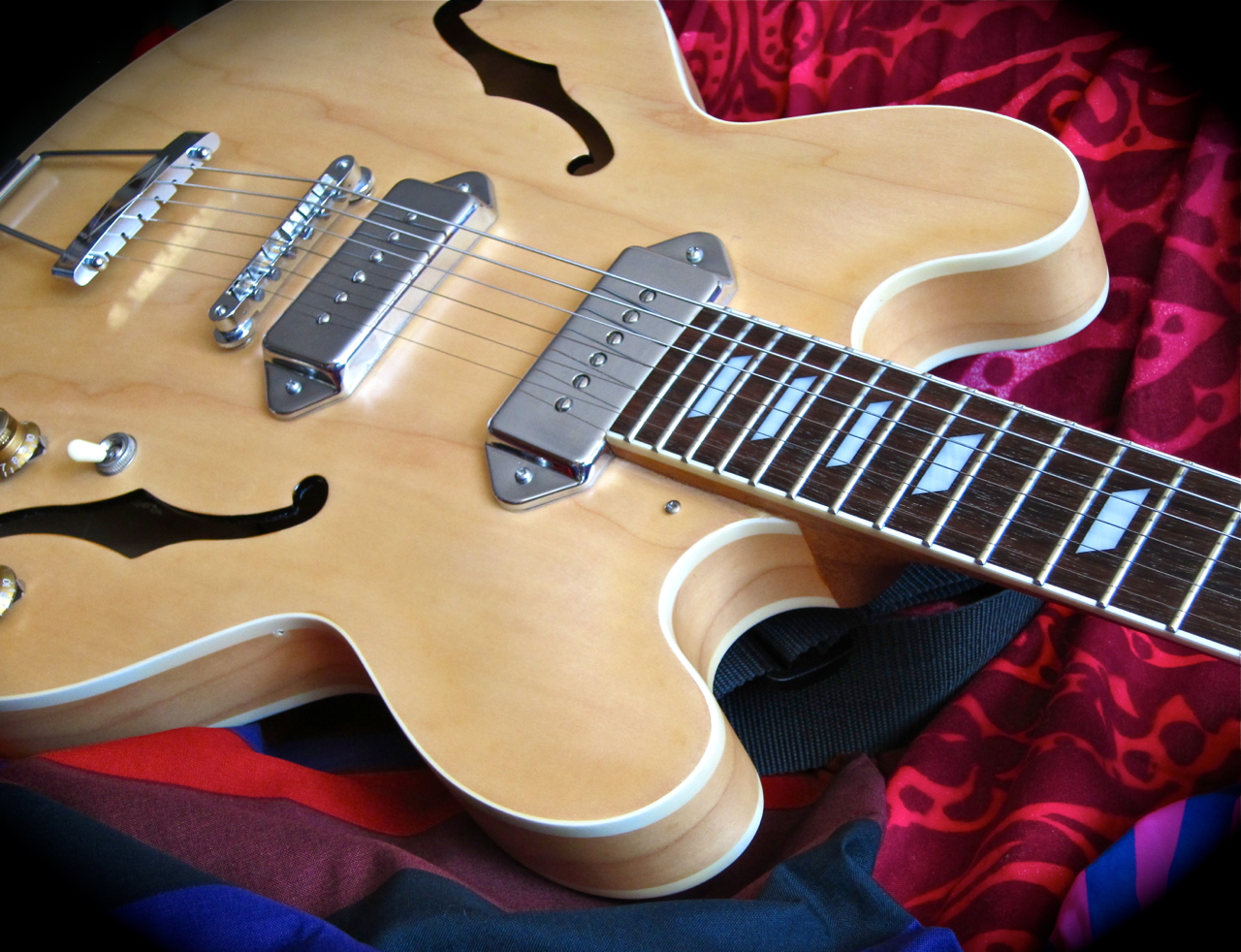
Epiphone Casino – April 2012 – close-up

The Eighties finally ”sealed our fate”, when it comes to GAS.

Many large brands started to release official (=licensed) copies of their own instruments in the 1980s, with the rest following suit in the following decades. Brands like Squier, Epiphone, or Sterling make it affordable to hoard instruments that offer at least some of the clout of their famous, upmarket brethren.

Sterling SUB Ray4 – body beauty

****

The Five Types of GAS-sufferers

J Leachim Jazzcaster – body beauty

We are all different – we don’t all lust after the same guitars, and we don’t all accumulate gear for the same reasons or in the same way.

I think one could divide us Gassers up into five basic categories, according to how and why we ”simply have to have that guitar”.

1. The Fan

The Fan is a hardcore follower of one (or two) Rock bands (or guitar gods), and he (or she) focusses on acquiring as much of the gear used by their idol as humanly possible. The Fan hopes to come as close as possible to their idol’s famous guitar tone, and he/she wants to feel (and look) the way his (or her) idol does when playing those classic riffs and songs.

2. The Nostalgist

The Nostalgist comes from a similar place as the Fan, having a clear vision of what it is he’s looking for. But, instead of trying to relive a certain band’s or player’s tone, as the Fan does, the Nostalgist wants to reclaim the (his/her own?) past. The Nostalgist longs for the classic looks and tones gleaned off vintage equipment, the sounds of a cooler, more vibrant place than the current here-and-now. Some Nostalgists also buy all the stuff they wanted, but couldn’t afford to get, when they were young.

3. The Hunter and Gatherer

The Hunter and Gatherer simply loves to get new toys, especially when he can claim to have ”snapped up a real bargain”. These are the guys that constantly trail the Internet, on the lookout for something, anything really, that might whet their considerable appetite. Very often it doesn’t even matter if it is an instrument (or other piece of gear) the Hunter and Gatherer really ”needs”; as long as it’s cool and ”a bargain” it’s a viable acquisition.

4. The Specialist

The Specialist has a strong focus on one, two or three specific pieces of equipment, that he (or she) simply cannot get enough of. These are the guys who seem to have a perfectly good reason for buying several dozen Telecasters, or a whole flock of Fender Tweed-era amps – or maybe they zone in solely on gear manufactured during one specific year…

5. The Pragmatist

The Pragmatist comes over as very reasonable, even though he’s an addict like the rest of us. The Pragmatist tells his wife that he doesn’t yet own an archtop guitar with DeArmond pickups, but that he needs just such a guitar to complete his ”colour palette” or ”toolbox”. Some Pragmatists – like professional guitarists, studio owners, or guitar reviewers – can make a real art form of their Gassing, meaning it takes the unsuspecting wife years (if not decades) to see through this charade.

Fuzz 2015 – Nice, old Tellies!

Naturally, things aren’t always as clear cut in real life as they might seem on paper. Most of us GAS-sufferers tend to display a mixture of two of three of the above GAS-categories.

****

”You can’t play more than one guitar at a time!”
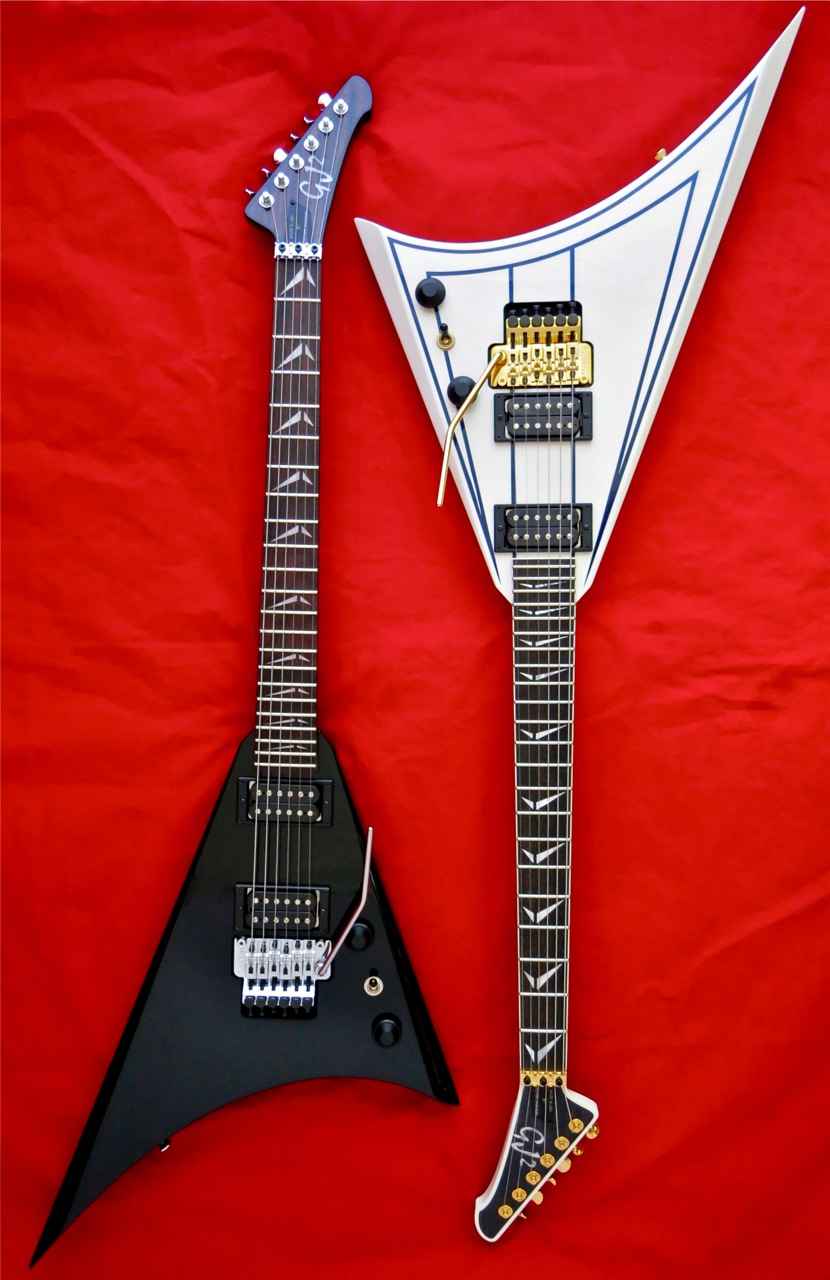
GJ2 Guitars – Concorde 4-Star + 5-Star

Does owning more than one or two guitars have real advantages? If you ask me, my answer would be a resounding ”yes and no”!

The ”yes” part of my answer has to do with the fact that playing guitar (or bass guitar) is always a tactile experience. Different instruments have different neck profiles, they have different overall dimensions, different actions, different fret sizes, different fingerboard radii, and they simply smell and feel differently.

This is probably the main reason why we don’t all play Line 6 Variax guitars. They might be decent instruments with an astonishingly realistic array of different tones, but they completely lack the important tactile element that is so crucial in inspiring you to come up with different licks and different ways of approaching the guitar as an instrument.

A big, fat Jazz box will make you play noticeably differently to a sleek Strat or SG, and the same holds true for the differences between, say, an ES-335 and a Floyd Rose-equipped Metal axe.

On the ”no” side of the equation, buying a new piece of equipment will surely inspire you, but it won’t automatically turn you into a ”better” guitarist. Even though it’s hard to admit, only regular practice will move you forward on the long and winding road to improvement.

Tokai SG-75 – body angle

****

Damned If You Do…

In a way, we’re extremely lucky these days. There has never been a better time to be a guitarist than now. There’s an abundance of cool gear available, and much of it at rather reasonable prices.

The downside to this is, of course, that it’s so much easier to become a gear addict, because the price tag doesn’t necessarily act as much of a threshold, anymore.

Still, I tend to see the positive side of things, because the affordability of decent equipment makes it much easier for guitarists these days to try out different stuff on their way to finding the gear that’s most suitable for the music they make.
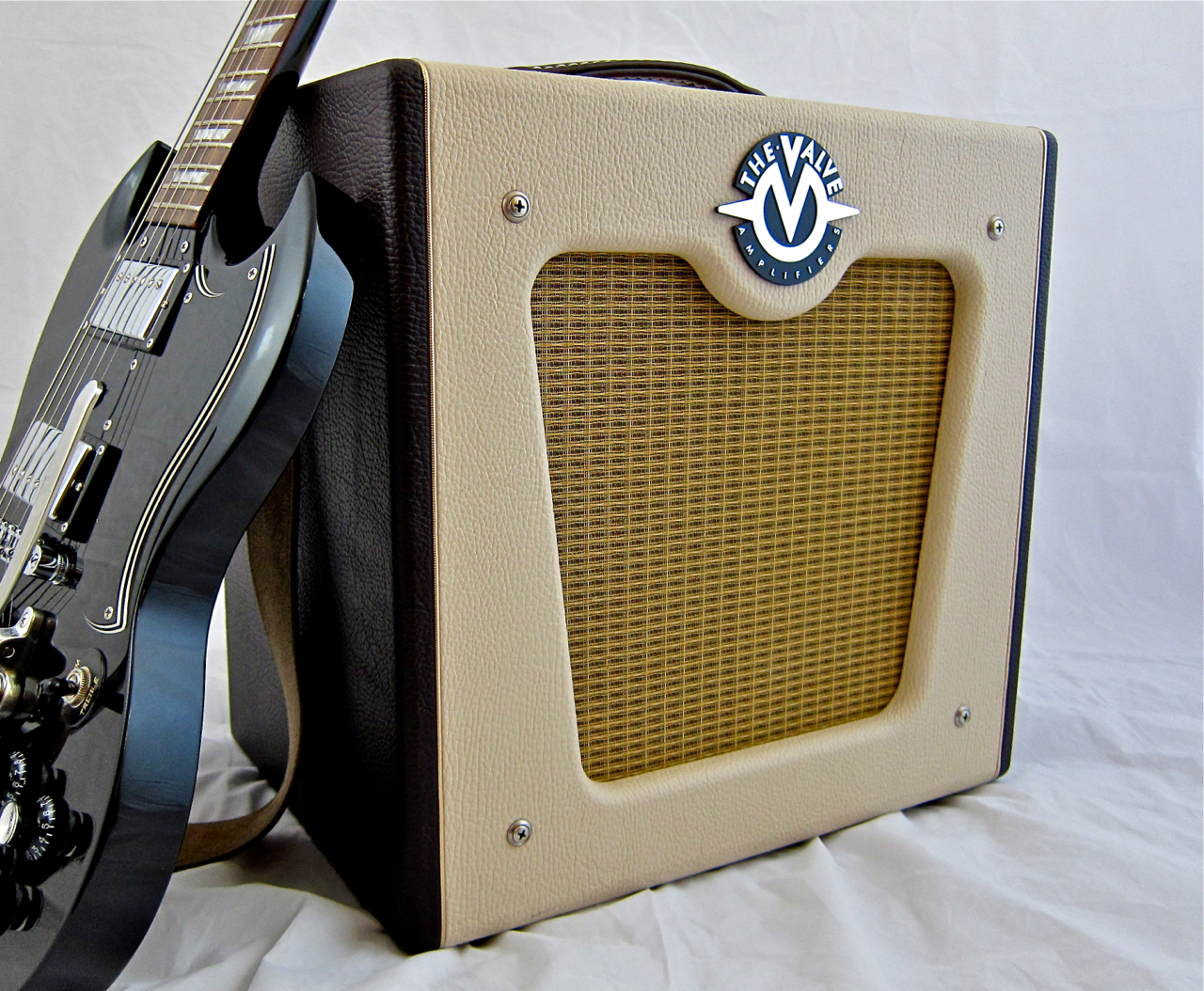
The Valve Bimbo – with SG

Mikä ihmeen ”vintage”?

No1 Guitar Center Vintage

Kitara- ja bassopiireissä käytetään usein sanaa ”vintage”: vintage-sitä, vintage-tätä, vintage-tyylinen, vintage-mainen…

Mitä ”vintage” oikeistaan tarkoittaa? Miten ns. vintage-ilmiö syntyi?

****

Vintage Gibsons

Mikä ihmeen vintage?

Webster’s-sanakirjan mukaan vintage tarkoittaa vuosikertaa, ja alun perin sana käytettiin ainoastaan viiniharrastajien piireissä. 1960-luvulla termi siirtyi myös vanhoille autoille, etenkin surffarien ja hotrod-fanien keskuudessa.

Nykyään vintage-sanaa käytetään yleisesti sellaiselle vanhoille esineelle, jolla on nostalginen arvo, ja joka tuo mieleen niitä (menneitä) ”hyviä vanhoja aikoja”. Usein tällaisilla tavaroilla on myös keräilyarvo.

…ja juuri tässä viimeisessä tarkoituksessa vintage-termiä käytetään myös kitaristien välillä.

****

Vintage Gibson 2011

Ilmiön synty

Vintage-himo ja -tietoisuus syntyivät ilmiöinä 1970-luvulla ensi alkuun sähkökitarapuolella, mutta se laajensi nopeasti myös akustisille kitaroille (ja muille kielisoittimille).

Vielä seiskytluvun alkupuoleen saakka vanhat, käytetyt kitarat myytiin USA:ssa juuri sellaisina – vanhoina ja käytettyinä kitaroina – mutta tämän jälkeen samoista soittimista tuli arvoesineitä. Mistä se johtui?

Taustalla ovat kaksi päätekijää:

• Gibson Les Paul -villitys

• kitaratehtaiden siirtyminen suurille yrityksille

****

Les Paul

Gibson Les Paul -villitys

1950- ja 60-luvulle uskottiin vielä lujasti siihen, että uusi on aina parempi kuin vanha. Uskottiin kehitykseen ja parempaan tulevaisuuteen.

Tämän valossa ei ole mikään ihme, että alkuperäisessä Gibson Les Paul (Regular/Standard) -mallissa tehtiin muutoksia lähes joka vuosi sen lyhyessä elinkaareessa (1952-60).

Les Paul oli Gibson Guitarsin ensimmäinen lankkukitara, ja alussa haettiin vielä soittimen loppullista, definitiivistä kokonaisuutta. Tallaratkaisua muutettiin useamman kerran, ja yksikelainen P-90-mikrofoni sai lähteä firman uuden PAF-humbuckerin tieltä.

Vasta 1958 Les Paul -kitara oli saanut sen loppulliset (nykyään legendaariset) speksit, mutta ihme kyllä uudistettu liukuvärinen Sunburst-versio ei mennyt myyntiin läheskään niin hyvin kuin odotettiin. Gibsonin johtoportaassa tultiin siihen päätökseen, että syy tähän oli kitaran ”vanhanaikaisuus”. Alkuperäisen Les Paulin valmistus lopetettiin, ja sen tilalle tuli vuonna 1961 uusi Les Paul -malli, jonka tunnetaan nykyään nimellä Gibson SG.

Uusi SG-malli möi hyvin, ja Gibsonilla oltiin hyvin tyytyväisenä ratkaisuun. Kuuskytluvun toisen puoliskon Gibson Les Paul -villitys tuli firmalle kuin puun takaa.

Embed from Getty Images

Villitys syntyi ensin Isossa Britanniassa, jossa 60-luvun alussa purettiin sodan jälkeistä tuontikieltoa, joka koski monia USA:n tuotteita – myös soittimia. Ilmiön ensiasteita havaittiin, kun Rolling Stones -yhtiön Keith Richards osti käytetyn Les Paul -mallin (vm. 1959), ja alkoi käyttää sitä näkyvästi (esimerkiksi Satisfaction-biisissä).

Embed from Getty Images

Varsinainen lähtölaukaus villitykseen oli kuitenkin Eric Claptonin ilmiömäinen soitto John Mayall And The Bluesbreakers -albumissa (tunnetaan myös nimellä Beano-levy), joka sai Blues-faneja himoitsemaan sankarikitaristin kitaraa ja soundia. Les Paul Standard -kitarasta tuli erittäin haluttu ja arvostettu soitin.

Ikävä kyllä mallin valmistus oli jo vuosia sitten lopetettu, eikä uusia soittimia oli saatavilla, minkä seurauksena käytettyjen Les Paul -kitaroiden hinta alkoi nousta tuntuvasti. Kitaran suhteellinen harvinaisuus ja sen soundista syntynyt maine saivat vintage-ilmiön (sekä kitarakeräilyn) rattaat hitaasti käyntiin. Kitaratehtaiden siirtyminen suurille yrityksille laittoi tämän jälkeen kunnon vettä tähän myllyyn.

****

OLYMPUS DIGITAL CAMERA

Kitaratehtaat myyntiin

Kuuskytluvun Beat Boomin ansiosta suurissa yhdysvaltalaisissa yrityksissä herättiin siihen, että soitinbisneksessä liikkuu paljon rahaa. Soitinvalmistajilla taas oli laajentamispaineita, koska useimmissa tapauksissa tilauksien määrä ylitti jo firmojen tuotantokapasiteetin, ja ulkopuolista investointia haettiin aktiivisesti.

Näistä yhtälöistä syntyi USA:ssa 1960-luvun loppupuoliskolla suuri aalto soitintehtaiden myyntejä, fuusioita ja – valitettavasti – myös konkursseja. Tunnetuimpia tapauksia ovat Fenderin myynti mediajätti CBS:lle (Columbia Broadcasting Systems), sekä Gibsonin emoyhtiön (Chicago Musical Instruments) fuusioituminen Ecuadorilaisen panimon (!) ECL:n kanssa uudeksi Norlin-yhtiöksi.

Aikomukset olivat näissä molemmissa tapauksissa pelkästään hyviä: haluttiin taata investointien kautta soitinvalmistajien mahdollisuuksia innovointiin, päivittää tehtaiden vanhenevaa laitekantaa, sekä suurentaa tuotantokapasiteettia laajentamalla tehtaita.

Aluksi näitä tavoitteita myös saavutettiin, mutta melko pian isojen yrityksien rakenteet ja paineet voittojen maksimointiin alkoivat murentaa soittimien laatua.

Tällaiset muutoksen huonompaan suuntaan olivat Fender Stratocasterin tapauksessa esimerkiksi kaulan kiinnitys kolmella ruuveilla, hyvin paksu polyesterilakka, huonoimmat mikrofonit, sekä valumetallista valmistettu uusi vibratalla.

Three-bolt

Gibson Les Paulissa listaan kuului esimerkiksi jyrkempi kaulakulma, loivempi lapakulma, ohut ja kapea kaulaprofiili, moniosainen mahonki- tai vaahterakaula (yksiosaisen mahonkikaulan sijaan), sekä kaksikerroksiset mahonkirungot.

pancake

Monet rivimuusikot eivät huomanneet näitä muutoksia tai eivät pitäneet niitä huonoina, mutta kasvava joukko kitarafaneja ja soitinmyyjiä alkoivat kritisoida näitä muutoksia jo 70-luvun alkupuolella. Näissä piirreissä syntyi sellainen tunne, että valmistajat eivät halua tai kykene rakentamaan yhtä hyviä soittimia kuin aiemmin (”They don’t make them like they used to.”). Kiinnostuksen keskipiste alkoi siirtyä uusimmista malleista vanhoihin 50- ja 60-luvun kitaroihin, ja nämä soittimet muuttoivat silloin melko ripeästi asemansa käytetyistä kitaroista vuosikertakitaroihin.

Vintage-ilmiö oli syntynyt ja siirtyi ajan kanssa keräilijöiden (ja kitaralegendojen) sisäpiireistä laajemman yleisön tietoisuuteen.

Monet isot kitaravalmistajat heräsivät sekä omien laatuongelmiinsa että vintage-ilmiöön vasta 1980-luvun alussa, ja silloin ilmiöstä syntyi taas uusi soitinlaji – uusintapainokset, tai englanniksi vintage reissues.

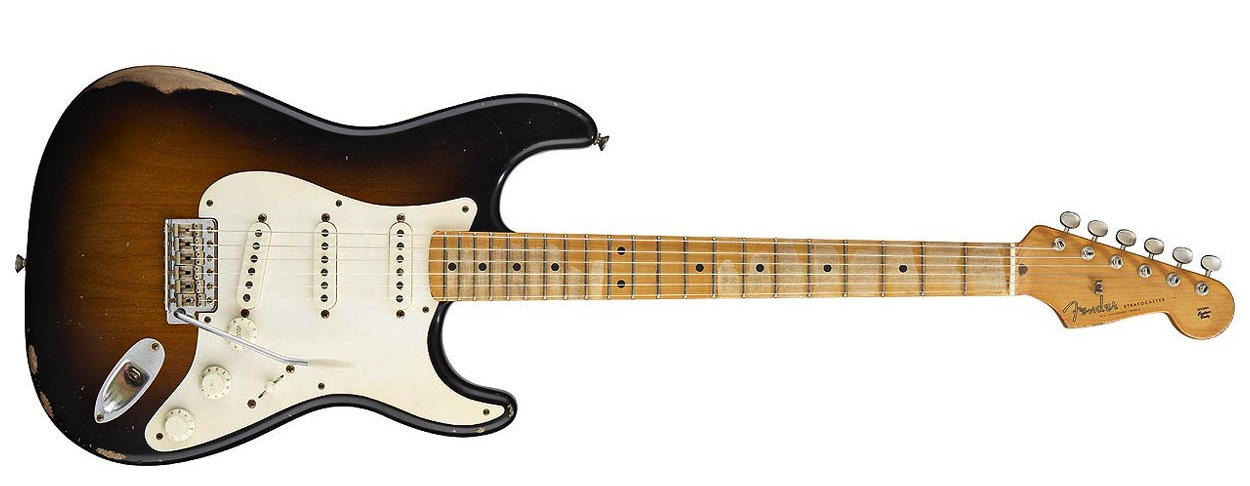
Fender Road Worn Strat

Review: Tokai SG-75

Tokai SG-75 – body angle

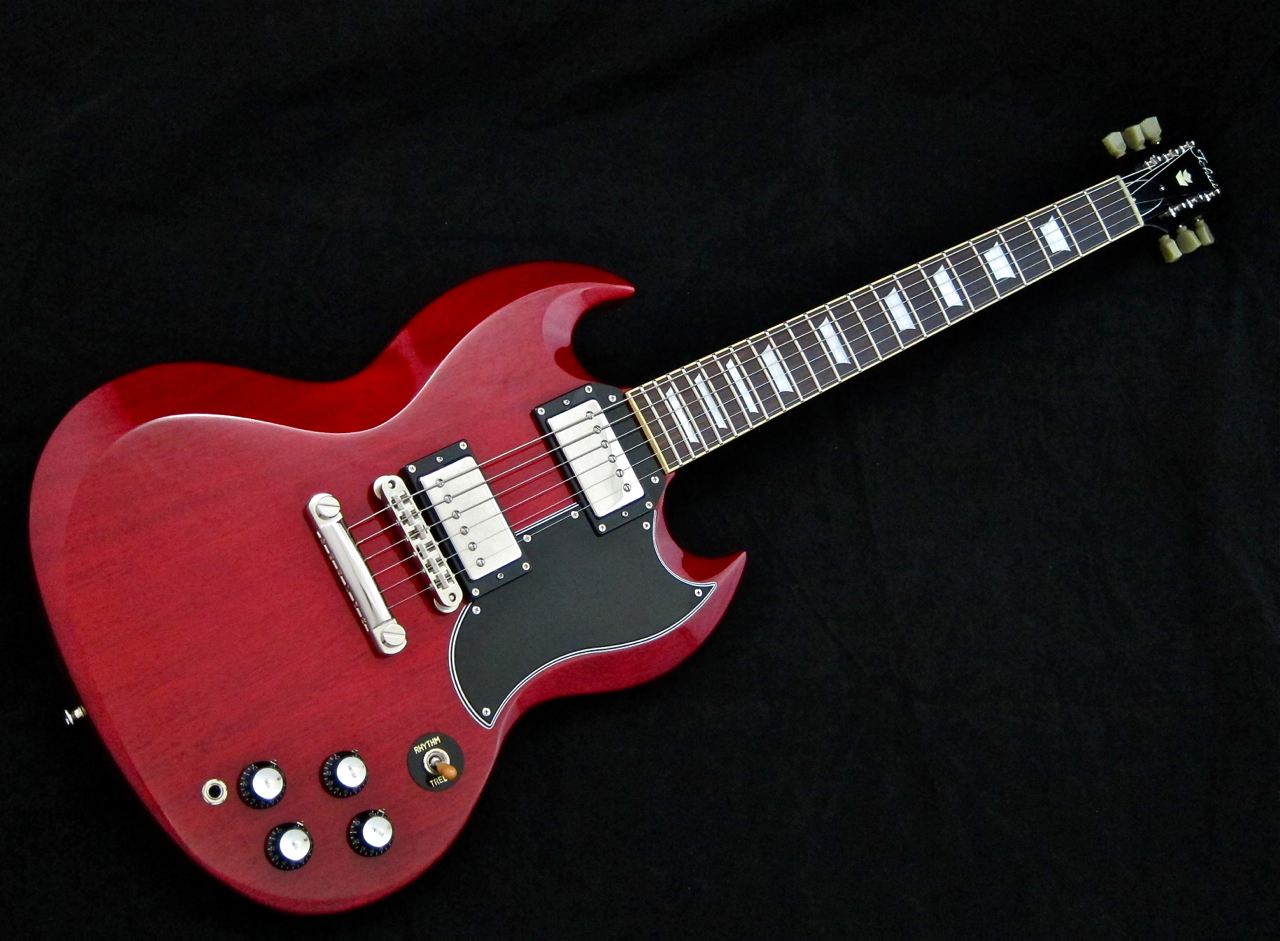
Tokai Guitars’ SG-75 is the company’s top model in their line of Gibson SG copies – a carefully crafted, Japanese version of the American original from the 1960s.

****

Tokai SG-75 – full front horizontal

The Tokai SG-75 (current price in Finland: 928 €) is based on the first version of the Gibson SG, which was introduced in 1961 as the new Les Paul Standard guitar. At that time the original Les Paul -range started showing seriously flagging sales figures, so Ted McCarty instigated a complete rethink of Gibson’s main solidbody model. The idea was to create a sleeker and lighter guitar.

Mr Paul wasn’t pleased with the result and didn’t renew his endorsement deal, which is why the new model was renamed the Gibson SG (= Solid Guitar) in 1963.

Tokai SG-75 – full back angle

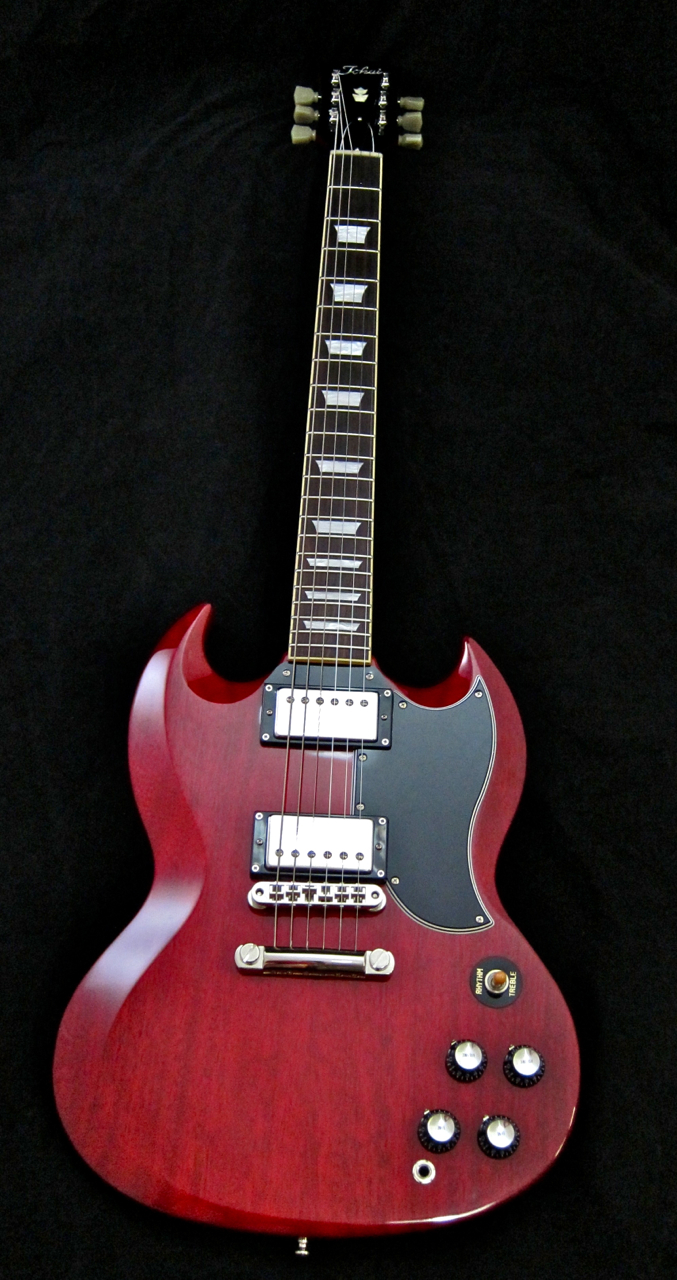
Tokai’s SG-75 is a great recreation of the classic model, and stays very faithful to the original design, displaying exemplary attention to detail in the process.

Take the body, for example: Its two pieces of fine mahogany have been matched so well it took a magnifying glass to make out the glue line at all! The well-applied red dye and the expertly executed thin finish really show off the guitar’s curves, as well as the nice grain of the wood.

Tokai SG-75 – headstock

Tokai SG-75 – tuners

Vintage-style tuners are a tasteful choice for the SG-75 model.

Tokai SG-75 – fretboard

The rosewood fretboard is bound in single-ply cream plastic, and sports the traditional ”crown” inlays associated with guitars of this type. The workmanship on the frets can only be called exemplary.

Tokai SG-75 – neck joint

The neck joint on the Tokai SG-75 sits – as tradition dictates – at the last fret (22nd). This arrangement gives you unhampered access to the uppermost frets, but the trade-off is a slightly weaker neck joint in comparison to, say, LP-style guitars. Buying a secure guitar stand and a quality hard case for this type of guitar is a very good idea.

Tokai SG-75 – body angle 2

In terms of its pickups, controls and hardware the Tokai SG-75 is a typical Gibson-type guitar.

Tokai SG-75 – tuneomatic

The bridge is a modern update of the venerable Tune-o-Matic-bridge: The intonation adjustment screws are properly secured to the bridge’s base. On 1960s originals only a flimsy retaining wire keeps the saddles from falling off mid-song, should you break a string.

Tokai SG-75 – pickups

The pickups on most SG-type guitars are placed differently, compared to LP-style double-humbucker guitars:

The neck pickup has been moved a good two centimetres away from the end of the fretboard to add a little strength to the neck joint. In order to keep the tonal difference between the neck ’bucker and the bridge unit as wide as possible, the bridge humbucker has also been moved a few millimetres closer to the bridge.

Tokai SG-75 – controls

The control set-up is also pure SG, with the three-way toggle, the four controls (two volumes, two tones) and the output jack all crammed together in the lower bout.

Using an angled plug is a very good idea on SG-type guitars, as it reduces weight-induced stress – and thus breakages – on the rather thin area of mahogany routed out around the jack.

Tokai SG-75 – control cavity

One word says it all – quality!

****

Tokai SG-75 – full vertical Tokai SG-75 – full back vertical

Vintage 1960s examples of Gibson SGs all feature rather thin necks, many (from about 1966/67 onwards) of which also have a narrower nut width. Some guitarists – like Angus Young – actually prefer these necks, but for many others this type of neck profile is simply too insubstantial.

Luckily, Tokai have decided not to paint themselves into a corner here: The neck profile of the SG-75 is a nice, not-too-chunky D, which is a tad more muscular than Gibson’s current 60s-profile.

In addition to the improvement in playability there’s also an improvement in tone and sustain to be had from slightly bigger necks on SG-style guitars. More wood means added stiffness and less damping due to vibrational absorption in the long, unsupported neck.

The extremely lightweight Tokai SG-75 is a fine example of how an SG-style guitar differs from a LP-type in its acoustic and electric tones. The acoustic tone is a good deal more open, and it displays a lovely vocal mid-range timbre, as well as a slightly lighter bass response. The SG-75 feels very alive and is brimful of dynamic nuances.

Tokai’s fine PAF-Vintage Mk3 -humbuckers work exceedingly well in this context, because these vintage-type, moderately-powered pickups have an open and dynamic sound, and don’t clog up the guitar’s mid-range frequencies.

The more ”trebly” pickup placement does its bit to underscore the SG-75’s clear and crisp acoustic tone. The bane of LP-type guitars – the muddy neck humbucker sound – is, thankfully, completely absent here, and the bright and airy top end of the bridge pickup will make you think twice about an SG’s suitability for traditional Country music.

Here’s a clean clip:

Here’s the Tokai through an overdriven channel:

And here’s the music from the video:

Tokai SG-75 – full beauty 2

The Tokai SG-75 is the best SG-type guitar I’ve played so far. The Tokai offers fine workmanship, great playability and tasty tones in a surprisingly affordable package.

****

Tokai SG-75

Current price in Finland: 928 €

Finnish distribution: Musamailma

****

Pros:

+ value-for-money

+ workmanship

+ neck profile

+ pickups

+ playability

+ sound

****

Tokai SG-75 – full beauty


Testipenkissä: Tokai SG-75

Tokai SG-75 – body angle

Tokai Guitarsin SG-75 on firman Gibson SG -kopioiden aatelia – laadukas, Japanissa huolellisesti valmistettu uusintapainos 1960-luvun soittimesta.

****

Tokai SG-75 – full front horizontal

Tokai SG-75 (928 €) perustuu Gibson SG -mallin alkuperäisversioon, joka esiteltiin vuonna 1961 uutena Les Paul -nimikkomallina. Alkuperäisen Les Paul -mallin myyntiluvut olivat silloin kuihtumassa kasaan, minkä vuoksi Ted McCarty antoi tuotekehittelyosastolle määräyksen kehittää uusi, kevyempi sähkökitaramalli.

Herra Paul ei pitänyt uudesta, virtaviivaisesta kitarasta, ja jätti endorser-sopimuksensa uusimatta, minkä takia malli sai 1963 uuden nimen – Gibson SG.

Tokai SG-75 – full back angle

Tokai SG-75:n muotoilu on pienimpiä yksityiskohtia myöten erittäin onnistunut ja työnjälki on esimerkkillisen huolellinen.

Esimerkiksi rungon kaksi mahonkipalaa oli sovitettu testiyksilössä niin hyvin yhteen, että tarvitsin liimasauman löytämiseen hyvän valaistuksen lisäksi vielä suurennuslasia! Puun punainen värjäys ja soittimen ohut, täydelliseen peilipintaan kiilotettu lakkaus korostavat kitaran onnistunutta muotoilua, sekä mahongin syykuvioita.

Tokai SG-75 – headstock

Tokai SG-75 – tuners

Viritinlapaan on asennettu vintage-tyyliset virittimet.

Tokai SG-75 – fretboard

Palisanteriotelauta on koristeltu kermanvaalealla muovilistalla. Nauhatyön huolellisuus on testiyksilössä suorastaan esimerkkillistä.

Tokai SG-75 – neck joint

Tokai SG-75:n kaulaliitos on – perinteen mukaisesti – viimeisen nauhan (22.) kohdalla. Siten mahdollistuu vapaa pääsy ylimmille nauhoille, mutta tällainen kaulaliitos on suhteellisen haavoittuva – laadukkaan kitaratelineen ja kovan laukun hankkiminen on suositeltavaa.

Tokai SG-75 – body angle 2

Metalliosien ja elektroniikankin osalta Tokai SG-75 on tyyppillinen Gibson-tyylinen sähkökitara.

Tokai SG-75 – tuneomatic

Tässä Tokaissa käytetään parannettua versiota alkuperäisestä Tune-o-Matic-tallasta: tallan ulkomitat pysyvät samoina, mutta tallapalojen säätöruuvit istuvat turvallisesti sen rungossa. 1960-luvun alkuperäisissä talloissa ainoastaan heppoinen metallivaijeri estää tallapalojen putoamisen, kun kieli katkeaa.

Tokai SG-75 – pickups

SG-tyylisissä kitaroissa humbucker-mikrofonit on asennettu eri paikkoihin kuin esimerkiksi Les Paul -malleissa:

Kaulaliitosta on hieman vahvistettu siirtämällä kaulamikrofonia kaksi senttimetriä kauemmas otelaudasta, ja jotta mikrofonien väliset soundilliset erot säilysivät mahdollisimman isoina, on myös tallamikrofonia siirretty muutaman millimetrin lähemmäs tallaa.

Tokai SG-75 – controls

Tokai-mallistakin löytyy SG-kitaroille tyyppillinen asetelma – kolmiasentoinen vipukytkin, neljä säädintä (kaksi volumea, kaksi tonea) sekä lähtöjakki, kaikki tiiviissä rykelmässä.

Koska lähtöjakki on asennettu suoraan runkopuuhun, joka on siitä kohtaa vain muutaman millimetrin paksuinen, kannattaa SG-kitaroiden kanssa käyttää kulmaplugilla varustettua johtoa.

Tokai SG-75 – control cavity

Tätä näkymää voi kuvailla osuvasti yhdellä sanalla – laatutyötä!

****

Tokai SG-75 – full vertical Tokai SG-75 – full back vertical

Aidoissa 60-luvun Gibson SG:ssä on melko ohut, suhteellisen kapea kaulaprofiili, joka sopii vain harvoille kitaristeille hyvin (esim. Angus Young).

Onneksi Tokai on päätynyt tässä kohtaa selvästi järkevämpään ratkaisuun: SG-75:n kaulaprofiili on hyvin yleispätevä ja mukavan täyteläinen D, joka on hieman paksumpi kuin Gibsonin 1960-kaula.

Paremman soitettavuuden lisäksi tuhdimpi kaulaprofiili myös parantaa SG-tyylisissä sähkökitaroissa soittimen soundia ja sustainia. Paksumpi, ja tämän ansiosta jäykempi kaula absorboi nimittäin vähemmän kielten värähtelystä syntyvää energiaa kuin ohuempi vastine.

Erittäin kevyt Tokai SG-75 ei ole ainoastaan soittotuntumaltaan selvästi erilainen soitin kuin tyyppillinen LP-tyylinen kitara, vaan myös sen akustinen sointi eroaa selkeästi isoveljestään. SG soi hyvin avoimella äänellä, jossa on hieman kevyempi bassorekisteri kuin monissa LP-tyylisissä kitaroissa. SG-75 on hyvin eloisa kitara, jolla on laaja dynaaminen spektri, sekä laulava keskialue.

Tokain erinomaiset PAF-Vintage Mk3 -mikrofonit tukevat kitaran akustista ääntä esimerkkillisesti, koska vintagemaisesti matalatehoiset humbuckerit eivät värjää (tehokkaiden mikkien tavoin) kitaran signaalia honottavalla keskialueella.

Mikkien sijainti korostaa sopivasti SG-75:n tuoretta akustista ääntä – LP-kitaroista tuttu kaulahumbuckerin mutaisuus pysyy kokonaan poissa kuvasta, ja yllättävän kirkkaan tallamikrofonin ansiosta tällä kitaralla pystyy vetämään uskottavasti myös vanhan liiton Country-musiikkia.

Tokai SG-75 – puhdas

Tokai SG-75 – säröllä

Tokai SG-75 – videon musiikki

Tokai SG-75 – full beauty 2

Tämän jutun loppupäätelmä on yksinkertaisesti se, että Tokai SG-75 on paras kokeilemani SG-tyylinen kitara. Tokai tarjoaa loistavan soitettavuuden, erittäin huolellisen työnjäljen ja erinomaisen soundin yllättävän edullisessa paketissa.

****

Tokai SG-75

928 €

Maahantuoja: Musamailma

****

Plussat:

+ hinta-laatu-suhde

+ työnjälki

+ kaulaprofiili

+ mikrofonit

+ soittotuntuma

+ soundi

****

Tokai SG-75 – full beauty

Uutuudet: Gibsonilta tribuutteja 1970-luvulle

Gibson jatkaa menneiden vuosikymmenien juhlimista edullisilla erikoismalleilla. Uusinta ovat 1970-luvun tribuutteja, joita on saatavilla peräti kolmena kappaleena.

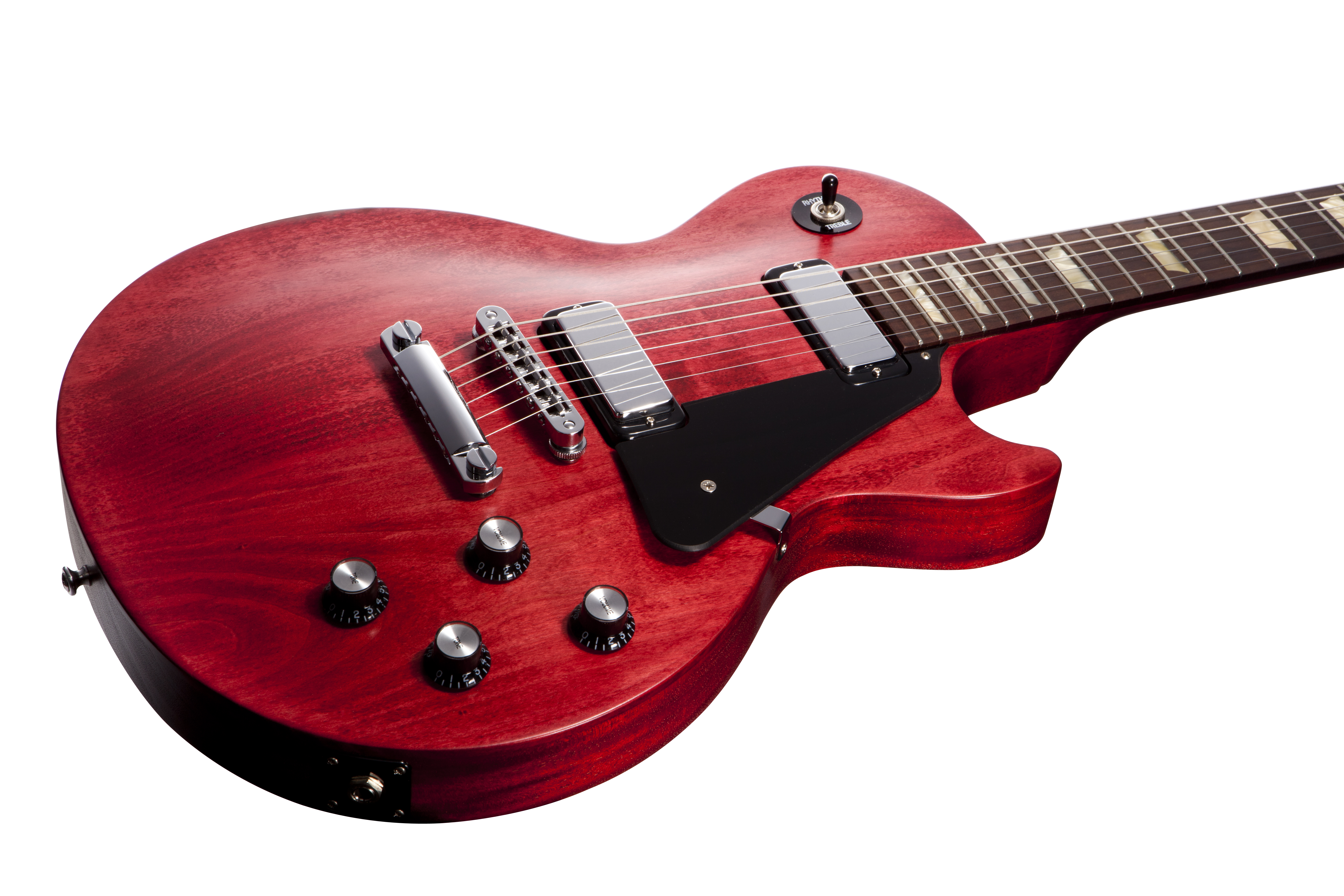
Les Paul Studio ’70s Tribute -mallissa on mahongista ja vaahterasta veistetty runko ilman reunalistoituksia. Sekä kaula että otelauta ovat vaahteraa, viimeksi mainitun tapauksessa kyse on lämpökäsiteltystä puusta.

1970-luvun tavoin viritinlapa on huomattavasti isompi kuin 1950-luvun (ja nykypäivänkin) malleissa yleensä. Kaulaprofiilikin on teeman mukainen – kaula alkaa hyvin kapeana ja ohuina satulan kohdalla, mutta kasvaa nopeasti paksuutta ja leveyttä matkalla runkoa kohti.

SG Special ’70s Tribute on SG-malliston vastine Les Paul ’70s Tribute -kitaralle. Tässäkin mallissa sekä kaulaa että otelautaa on veistetty vaahterasta.

SG ’70s -tribuutissa käytetään samaa kapeaa kaulaprofiilia kuin Les Paulissa. Kaulaprofiilin lisäksi myös SG:n pienet neliskulmaiset otemerkit on lainattu suoraan 1970-luvun SG-kitaroista.

Vaikka Firebird Studio ’70s Tribute -mallissa käytetään reverse-tyylistä mahonkirunkoa, tämän kitaran vaahterakaula on liitetty runkoon liimaamalla, kun taas vanha klassikko oli kaula-läpi-rungon malli.

Kaikkiin kolmeen malliin on asennettu upouudet minihumbuckerit. Niiden ulkonäkö on hyvin lähellä 70-luvun alkuperäisiä mikrofonia, mutta uusissa malleissa käytetään mikrofonikuorien alla veitsenterän tyylisiä pitkiä magneetteja. Alkuperäisissä 70-luvun minihumbuckereissa taas oli keloissa vain napapaloja ja magneetti itse oli kiinnitetty kelojen alle.

Uusille Dual Blade Alnico II -humbuckerille luvataan mehukas ja dynaaminen soundi, jossa on enemmän kirkkautta kuin tavallisissa humbucker-mikrofoneissa.

****

Lisätiedot: Into-Luthman

Uutuus: Paul Landers Les Paul

Rammstein-kitaristi Paul Landers on saanut Gibsonilta oman nimikkosoittimensa.

Tuhti kaula on veistetty mahongista, ja otemerkitön otelauta on apassista (obeche). Runko taas on valmistettu perinteisellä tavalla paksusta mahonkitakaosasta ja kaarevasta vaahterakannesta.

Paul Landers Les Paul on varustettu kovaa kyytiä kestävillä metalliosilla: virittimet ovat lukittavat Grover-koneistot, ja Tune-o-Matic-talla tulee TonePros:n mallistolta.

Landers-mallissa käytetään kaksi aktiivista EMG-mikrofonia – EMG 60 kaulamikrofonina ja EMG 81 tallahumbuckerina.

Rammstein-kitaristille riittää yksi volume-säädin tallamikrofonin lähellä.

****

Lisätiedot: Into-Luthman

****

What do the terms ”Gibson 50’s neck” and ”Gibson 60’s neck” mean?

When Gibson overhauled their very successful Les Paul Standard -guitar about ten years ago, it was decided to offer the model with two different neck profiles.

Most Gibson-fans agree that the best Les Paul necks were the ones on the original Sunbursts, produced from 1958 to 1960:

• In 1959 the neck profile was a well-rounded, but not too big D-shape

• In 1960 the profile was changed to a flatter and thinner shape, resulting in a C-profile

These two neck profiles are today represented in Gibson’s 50’s- and 60’s-necks. Their cross-sections look something like this:

****

As most things in life, Gibson’s neck profiles aren’t as simple a matter as the company’s terminology will have us believe:

• The ”50’s neck” should really be called a ”1959”-profile, because earlier in the Fifties Gibson-necks were much fatter.

• The ”60’s neck”, on the other hand, is really an ”early 60’s”-profile, as the company moved on to an even flatter – as well as narrower – profile in the latter part of the Sixties.

But still, Gibson’s current 50s/60s-terminology works well with most players when talking about neck shapes.

****

Gibson’s newest feature on some models is an asymmetrical neck profile, which has a fuller bass side and a thinner treble side.

Pidä blogia WordPress.comissa.

Ylös ↑