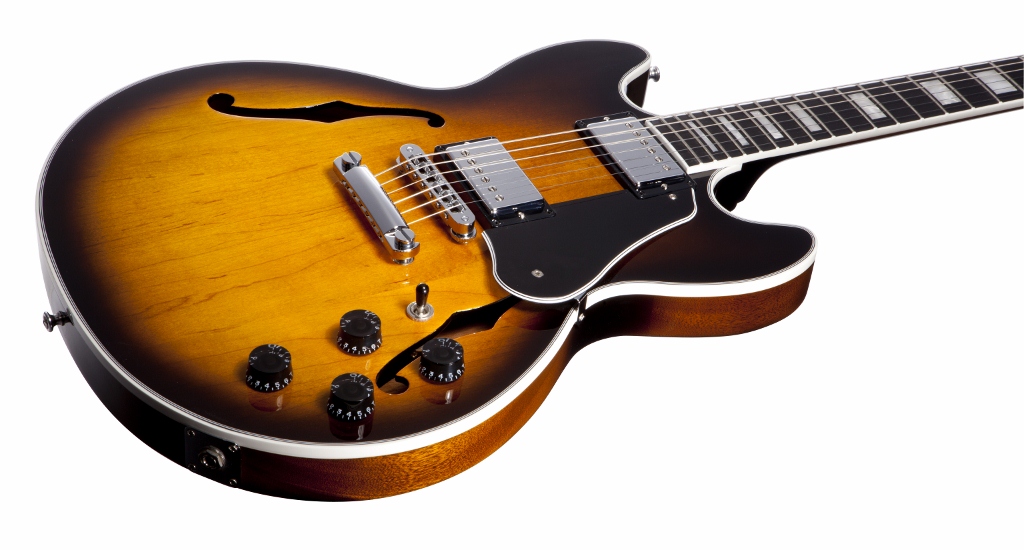
Gibson lanseeraa 1980-luvun alkupuolen erikoisuus uudestaan. Mallin nimi on Gibson 335-S, ja se näyttää tältä:
335-S:llä on lankkumallinen vaahterarunko, joka muistuttaa piennettyä ES-335-mallia. Kaulakin on vaahterasta, kun taas otelauta on värjätty grenadillo.
Mikrofoneiksi on valittu kaksi alnico II -magneeteilla varustettua Burstbuckeria – kaulahumbuckeri on hyvin mieto Burstbucker 1, ja tallamikrofonina käytetään hieman mehukkaampi Burstbucker 2 -versio.
Gibson 335-S tarjoaa kolmiasentoisen vipukytkimen lisäksi kaksi volumea sekä yhden master tonen.
Kitara on saatavilla Vintage Sunburstin lisäksi Silverburst-viimeistelyllä.
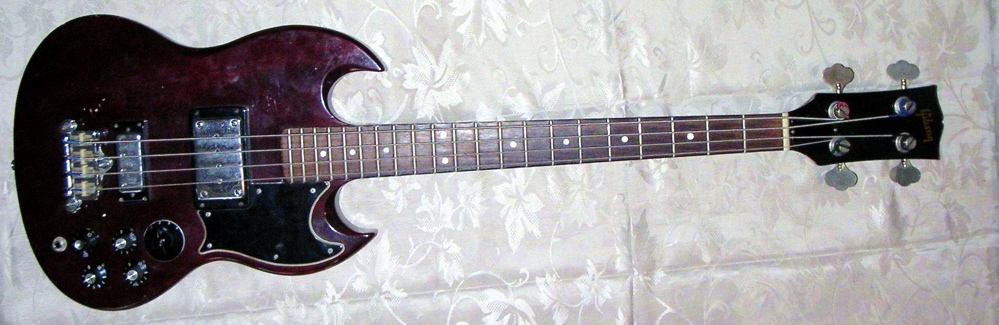
I don’t quite know why, but the GibsonEB-3 has long seemed very exciting to me.
Probably, this is because it was the first electric bass I ever played.
I was only 14 years old, and played with architecture students – all the guys were much older than me. But I had two trump cards, which were my door into this band: a) I could play the piano and b) I was rather good at transcribing songs off records (or tape machines). The bassist was the band’s leader, and he played a genuine Gibson EB-3, which I was allowed to play a few times – wow! 🙂
In its day the Gibson EB-3 was the company’s most popular bass by far. The now legendary Thunderbird, for example, was a complete and utter flop, and only in production for six years (1963-1969). The EB-3, on the other hand, was in continuous production from 1961 all the way to 1979.
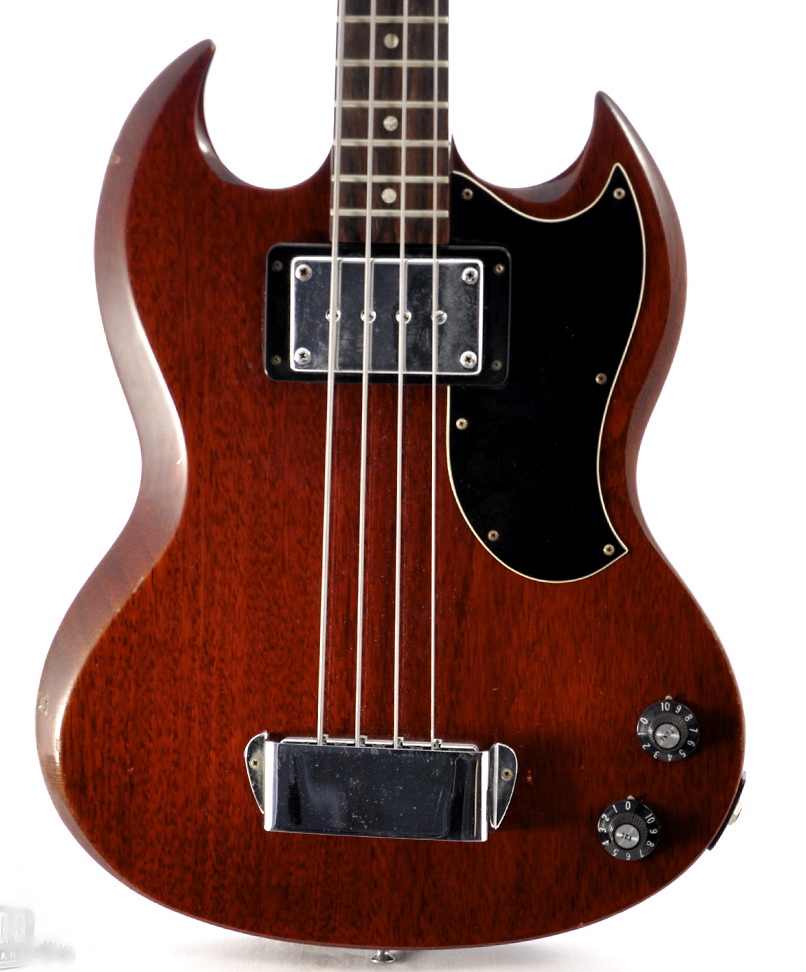
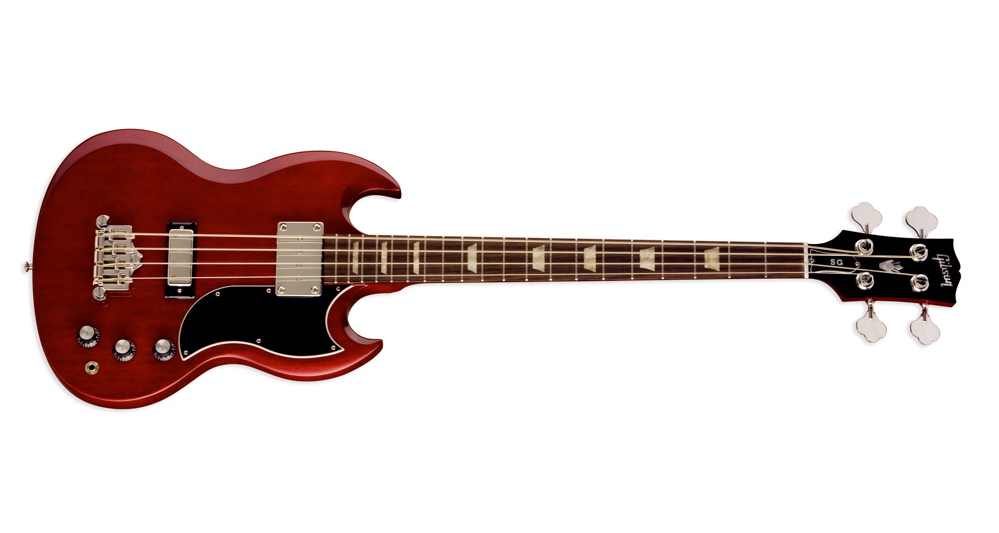
The EB-3 shared the same mahogany body, as its SG-cousins, and because it was a short-scale bass, the whole package was comfortably compact and light.
The neck pickup is a huge mother of a humbucker, with a much smaller companion mounted close to the bridge. The very first instruments had a black plastic cover on the front pickup, which was painted silver-metallic, but soon Gibson introduced a proper metal cover on the neck humbucker. The four-way rotary selector gives you each pickup on its own, both pickups together, as well as the rather strangled-sounding baritone-variant.
At the start of the Seventies the neck material was changed to maple for added strength, with the neck humbucker’s position moved to halfway between the end of the fingerboard and the bridge pickup.
During the years 1969-74 Gibson also offered a long-scale version – the EB-3L – most of which featured a spanish-style headstock (see below). Because of its longer neck the EB-3L was noticeably neck-heavy, though.
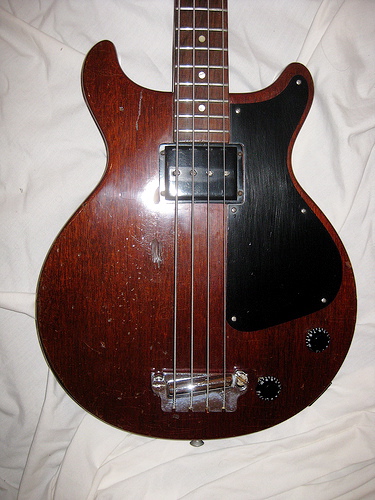
The EB-3’s kid brother is actually the model’s predecessor: the EB-0 was first introduced in 1959 with a double-cutaway Les Paul Junior -style body (see above).
In 1961 the EB-0 was changed to conform to the SG-look. In the mid-Seventies the EB-0’s single pickup was also moved closer to the bridge. From 1962 to ’65 a fuzz-equipped version was also available (the EB-0F).
****
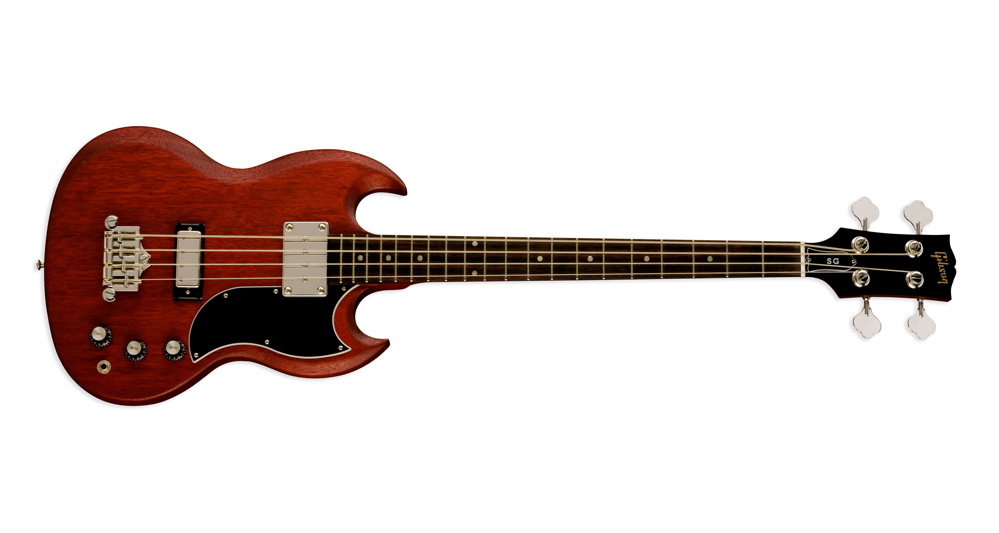
At the moment Gibson offers two USA-made SG-basses: The SG Standard Bass Faded comes in Gibson’s faded finish and sports dot inlays in the fretboard. The SG Standard Bass is gloss-finished and features crown-style inlays. Both basses use a Jazz Bass -style volume-volume-tone-setup in place of the original four controls plus rotary switch.
****
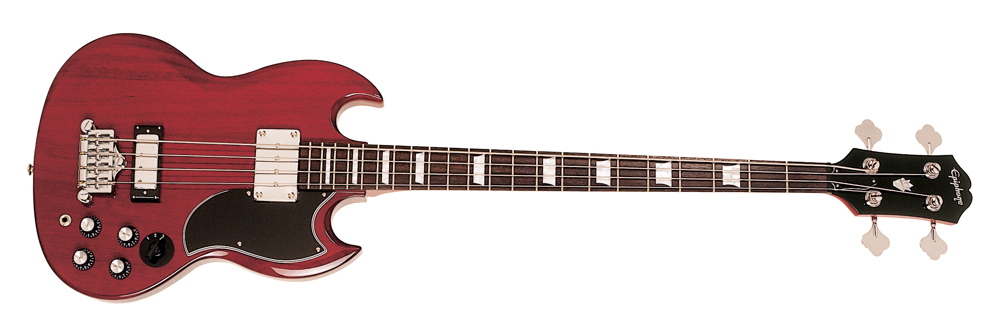
Epiphone’s cost-conscious EB-3 is only offered as in a long-scale version.
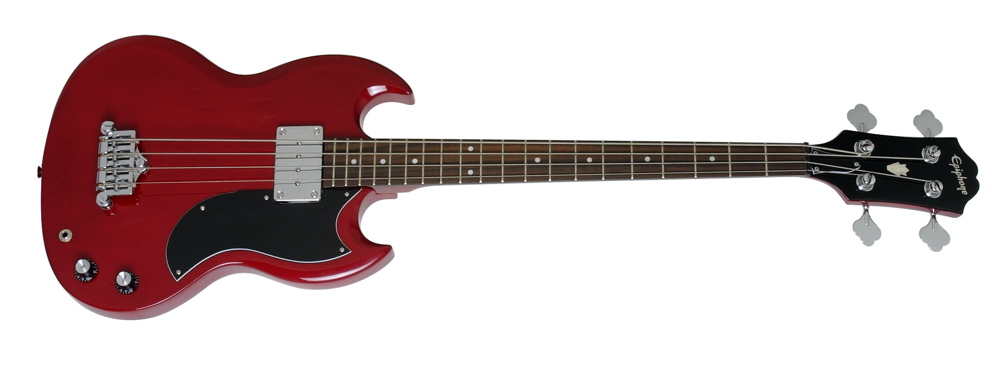
The Epiphone EB-0 is an even more affordable, bolt-on short-scale bass.
****
The fat and flexible tone of the EB-3 (as well as the EB-0) was well received by many Blues and Rock bassists in the late-Sixties and early-Seventies.
The best-known EB-3-users have been The Cream’s Jack Bruce and Free’s bassist Andy Fraser.
Here are Gibson’s own sound examples for the SG Standard Bass:
Onko ketään teistä huomannut, että Gibson on alkanut ”salaa”, takaportin kautta kokeilla muita puulajeja kuin niitä, joita on firmassa perinteisesti käytetty?
Voi olla, että tämä johtuu firman huolesta maapallon hupenevista raaka-aineista jalopuiden sektorissa. Mutta voi ollakin, että muutosta tehdään puhtaasti kokeilumielessä. Riippumatta syistä ainakin minusta tällainen muutos on hyvästä.
Tässä muutama esimerkki viime vuosista:
Upouusi Midtown Custom on veistetty suurilta osin perinteisistä puulajeista – vaahterasta ja mahongista – mutta sen sysimusta otelauta on Richlite-materiaalia. Richlite on puukuidun ja hartsin mikstuura, vähän samalla tavalla kuin Hagströmin Resinator. Myös Martin Guitars käyttää Richlitea joissakin malleissaan.
***
Raw Power -sarjan Les Paulit ja SG:t olivat mielenkiintoisia, koska ne oli tehty kokonaan vaahterasta.
***
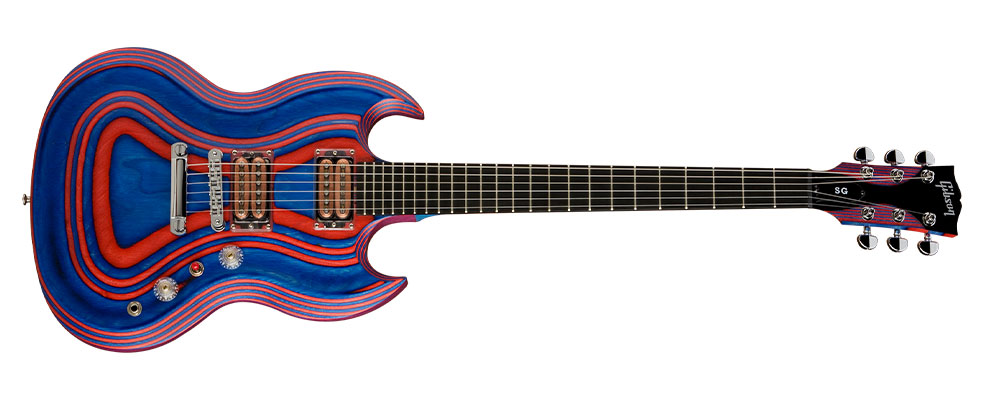
Zoot Suit SG:ssä käytettiin runsaasti värikästä Stratabond-materiaalia. Stratabond on tavaramerkki laadukkaalle koivuvanerille.
***
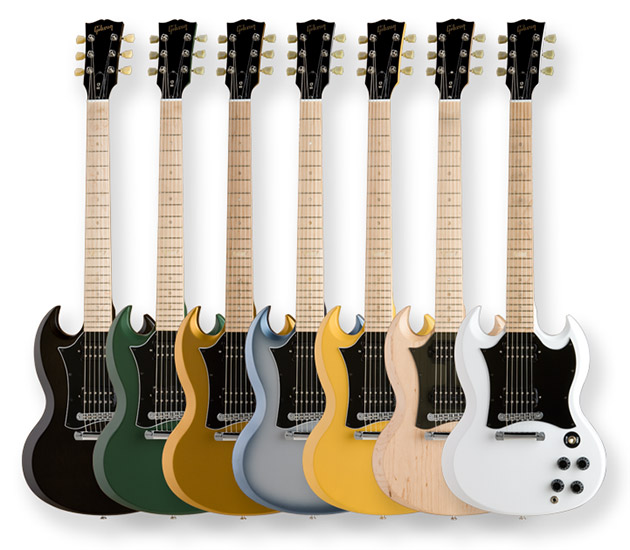
Tämänhetkiset Melody Maker-mallit – Flying V, Les Paul, SG ja Explorer – rakennetaan kyllä tavallisilla mahonkikauloilla ja (ei ihan perinteisillä) vaahterarungoilla, mutta otelaudat ovat kuitenkin ruskeaksi ”paahdetusta”, lämpökäsitellystä vaahterasta.
***
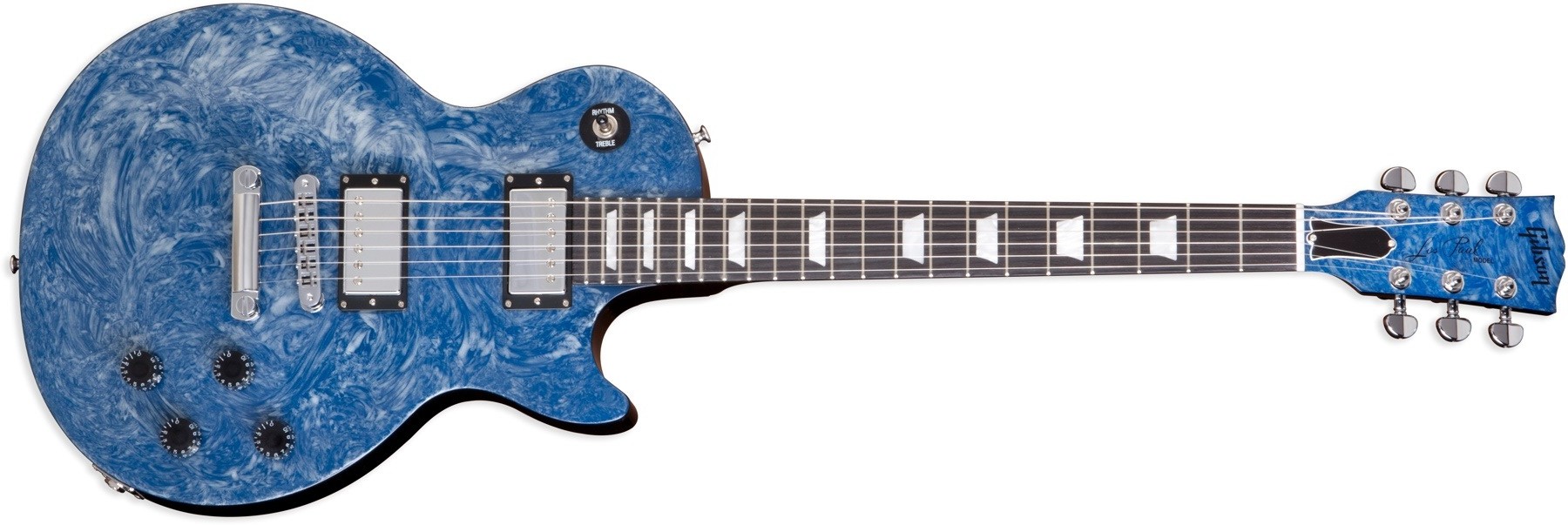
Uuden Les Paul Studio Swirlin otelauta on apassista – ei-uhatusta afrikkailaisesta puulajista – joka on tullut käytöön viime aikoina myös useissa muissa Gibson-kitaroissa.
Is it just me or has anybody else noticed that Gibson Guitars seems to try to get us guitarists to slowly accept non-traditional woods in their Guitars?
If this move is conscious I can only applaud it in light of growing efforts to conserve our Mother Earth’s dwindling resources of precious woods. But if these changes have sprung from the mere desire to ”try something else” I think Gibson should be given credit for it, too.
Here are some recent examples:
The Midtown Custom uses traditional maple and mahogany for its body and neck, but features Richlite (a composite of wood fibres and resin) as the fingerboard.
***
The Raw Power -series of SGs and Les Pauls had been crafted using nothing but maple.
***
The Zoot Suit SG used plenty of dyed Stratabond – a fancy brand name for birch (or similar hardwood) plywood.
***
The current Melody Makers – Flying V, Les Paul, SG and Explorer – all feature maple bodies and mahogany necks. The dark fingerboard is also maple – torrefied (”baked”) maple!
***
The Les Paul Studio Swirl uses obeche for its fretboard, an African timber Gibson has started using more regularly these days.
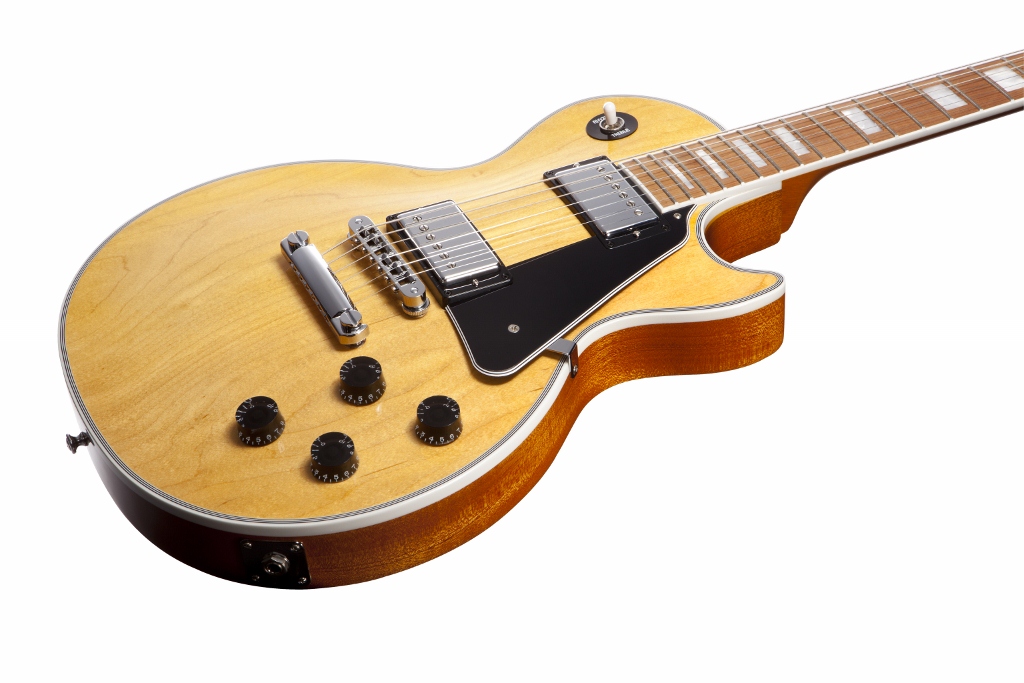
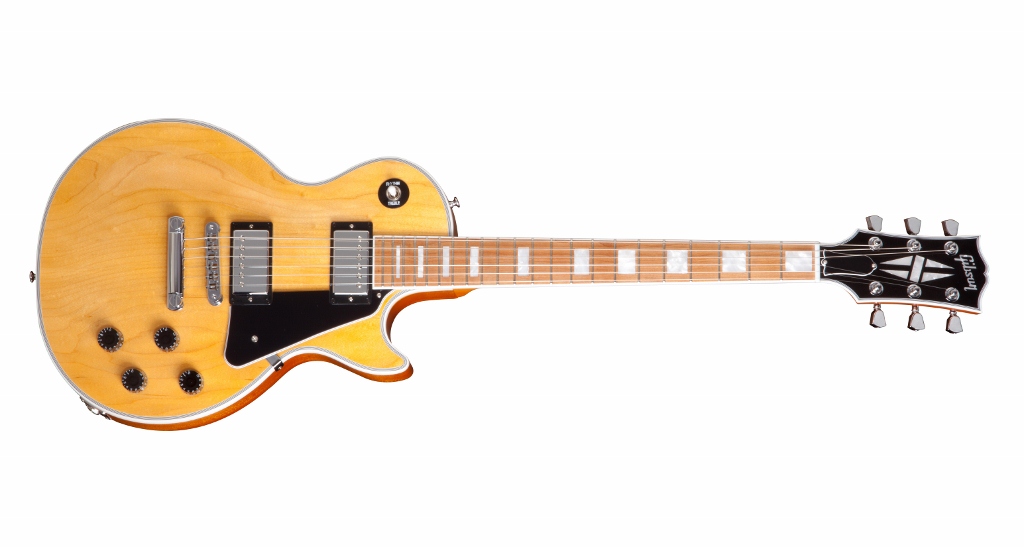
Uusi Gibson Les Paul Classic Custom on erehdyttävästi tavallista Les Paul Customia muistuttava malli, jolla on kuitenkin yksi ratkaiseva ero – otelauta paahdetusta vaahterasta.
Oikeaoppinen nimi on lämpökäsittely tai englanniksi ”torrefaction”. Prosessi stabiloi ja lujittaa puun ja muuttaa sen sointua lähemmäksi hyvin vanhaa puuta.
Les Paul Classic Customin mikrofonit ovat Gibsonin omia ’57 Classic- ja ’57 Classic Plus -malleja.
”I have toasted your Les Paul, Milord!”
Gibson’s new Les Paul Classic Custom is very similar to the original Les Paul Custom, but it features one important twist – a baked maple fingerboard.
The baking or torrefaction of wood stabilises the material, makes it stronger and makes it sound quite similar to really old wood.
The pickups on the Les Paul Classic Custom are a ’57 Classic in the neck position paired with a slightly hotter ’57 Classic Plus at the bridge.
1970-luvun malli oli silloisen mainonnan mukaan ”maailman monipuolisin kitara”, ja mannekiineina toimivat mainoksissa Carlos Santana ja Al DiMeola.
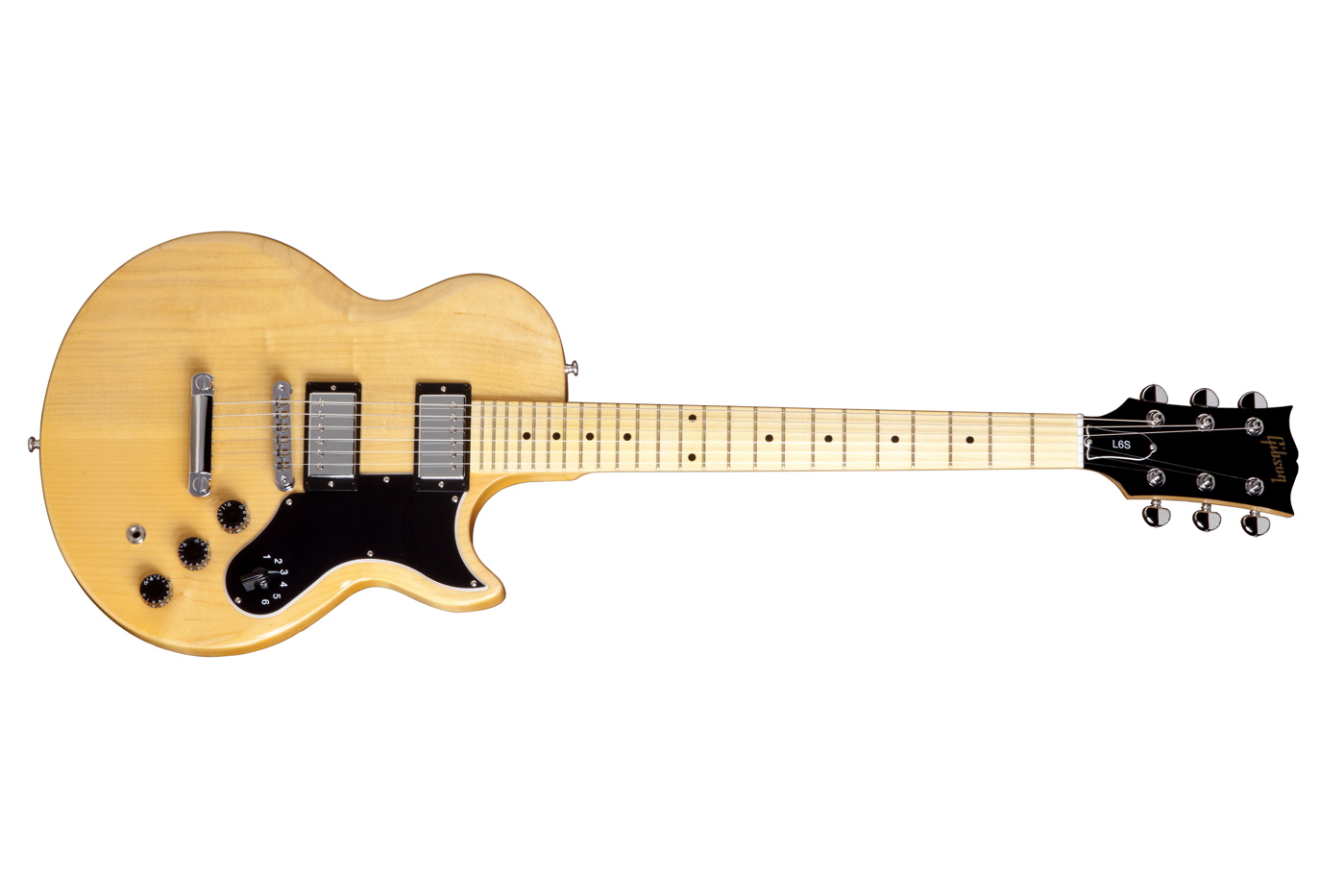
Gibson L6S on täysin vaahterasta tehty sähkökitara. Master volumen ja kahden tone-säätimien lisäksi soittimessa on vielä kuusipykäläinen kiertokytkin, jolla voi valita täysien humbuckereiden ja puolitettujen vaihtoehtojen välillä.
When it was released in the 1970s the L6S was hailed in Gibson’s advertisements as ”the world’s most versatile guitar”, and endorsed by Carlos Santana and Al DiMeola.
The Gibson L6S is crafted in its entirety from maple. In addition to a master volume and two tone controls the guitar features a 6-way rotary switch for pickup switching (full humbuckers or coil-splits).
Vuonna 1957 Ted McCartyn mitta oli täynnä. Gibsonin toimitusjohtajaa ärsyttivät ainaiset puheet firman vanhanaikaisuudesta ja tylsyydestä muiden valmistajien ja joidenkin kitaristien keskuudessa. Etenkin Fenderin tuomat uudet tuulet kitaroiden valmistuksessa ja markkinoinnissa saivat McCartya uskomaan, että Gibson tarvitsi jotain mullistavan uutta mallistossansa.
Pidettiin kokonainen sarja aivoriihi-istuntoja, jossa yritettiin löytää mahdollisimman omanlaatuisia kitaroita. Pomo itse keksi tällaiset muodot:
Kun ensimmäinen prototyyppi oli valmis, joku nauroi ”Hehee, tämä näyttää lentävältä V-kirjaimelta!”, ja siinä olikin uutukaiselle sopiva nimi.
Kun Flying V näytettiin ensimmäistä kerta NAMMissa (1958, samalla esiteltiin myös Explorer-mallin), varsin erikoinen kitara oli yksi messujen kohokohtista. Kaula ja runko veistettiin korina-puusta ja metalliosat olivat kullattuja.
Ongelma oli vain, että omintakeinen kitara oli aikansa edellä, minkä takia siitä ei tullut myyntimenestys. Alkuperäinen painos (1958–’59) jäi alle 100 kappaletta, ja myös niistä jotkut käytettiin vain mainoskylttinä joidenkin musiikkiliikeiden edessä.
Kuuskytluvun keskivaiheella musiikkimaku oli jo muuttanut sen verran raskaampaan suuntaan, että Gibson päätti yrittää uudestaan. Uusi Flying V oli mahongista, ja sillä oli perinteinen Gibson-kieltenpidin. Myös säätimet oli hieman eri järjestyksessä tässä uusintapainoksessa (katso alle).
Jimi Hendrix käytti juuri sellaista 60-luvun mallia, aina kun halusi Stratoa paksumpia soundeja.
Mutta vasta 1970-luvulla, kun Hard Rock ja Metal keksittiin, tuli Veestä muodikas lavakitara, sekä lavakarismansa että Gibson-soundinsa ansiosta.
Ja se lentää yhä vain eteenpäin; juuri tällä hetkellä Gibson tarjoaa upouuden seitsenkielisen Veen aktiivimikityksellä rankkaan riffitykseen.
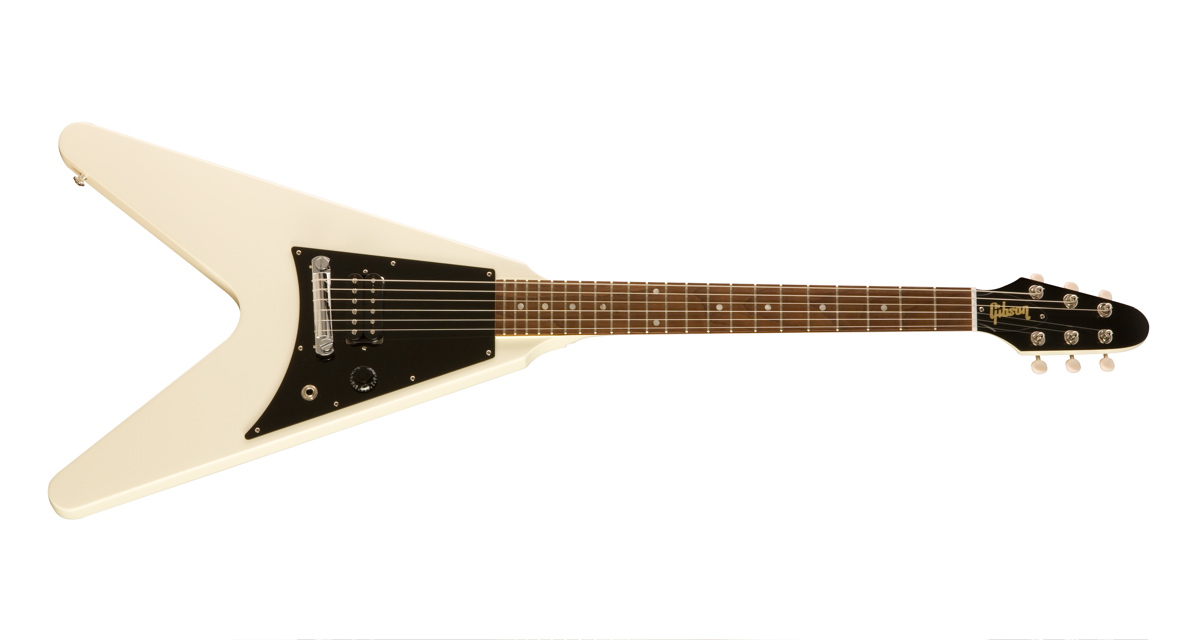
Myös uudesta, laajennetusta Melody Maker -sarjasta löytyy Flying V – Flying V Melody Maker – jolla on mahonkikaula, vaahterarunko, tallahumbucker omalla volume-säätimellä sekä yksinkertainen wraparound-talla – that’s it.
Flying V:n ainoa huono ominaisuus on, ettei mallia voi soittaa istuen. Toisaalta, kukahan moshaa istuen?
In 1957 Gibson’s then president, Ted McCarty, grew tired of the company being slagged off as ”boring old farts” by some of its competitors. Especially the fresh touch brought to guitar-making (and marketing) by young upstarts Fender, made McCarty determined that something had to be done to put the ”stuffy” image behind them.
They held a series of brain-storming sessions with a view to coming up with the most outrageous designs imaginable. Ted McCarty himself came up with this:
When the first prototype was built somebody said (laughing, no doubt): ”Hey, this thing looks like a flying Vee!”, and the name stuck.
When the Flying V was first shown at the Winter NAMM show in 1958 – along with its sister model the Explorer – it sure was the show-stopper McCarty had hoped for, with its radical shape, korina neck and body and gold parts.
The problem was the model was way ahead of its time, and didn’t really sell well in its original form. Less than 100 Flying V’s were shipped to dealers during 1958-9, with some ending up as shop signs (!) to draw in customers.
In the mid-60s times had changed, though, and heavier music was becoming en vogue, so Gibson decided to reissue the Flying V, albeit with a standard stop-tailpiece, a different control layout and the company’s customary mahogany used for the body and neck.
It was this version that Jimi Hendrix used whenever he needed a fatter sound than his Stratocaster could provide him with.
But it was really only with the advent of Hard Rock and Metal in the 1970s that the Vee really took off as a fashionable guitar, as it offered both cool looks and fat Gibson-tone in the right proportions.
Since then the Flying V has never really left us; right now, for example, Gibson are offering an EMG-equipped, active 7-string version for ultra-brutal riffing.
And brand-new is a budget version of the Vee, called the Flying V Melody Maker, which gives you the essence of what the Vee’s about in a nutshell: a mahogany neck glued to a maple body, one powerful humbucker, a single volume control and a simple wraparound bridge topping it all off – that’s it.
The Flying V only has one single drawback – you can’t play the model sitting down. But then again, headbanging doesn’t really work sitting down…








 Kitarablogi.com – Finland's premier Guitar and Bass blog