Testipenkissä: Bogner Harlow, Wessex ja Burnley

Reinhold Bogner

Tällä kertaa Kitarablogissa on testissä kahden legendan yhteistyön hedelmät:

Saksalaisamerikkalainen vahvistinguru Reinhold Bogner

Rupert Neve

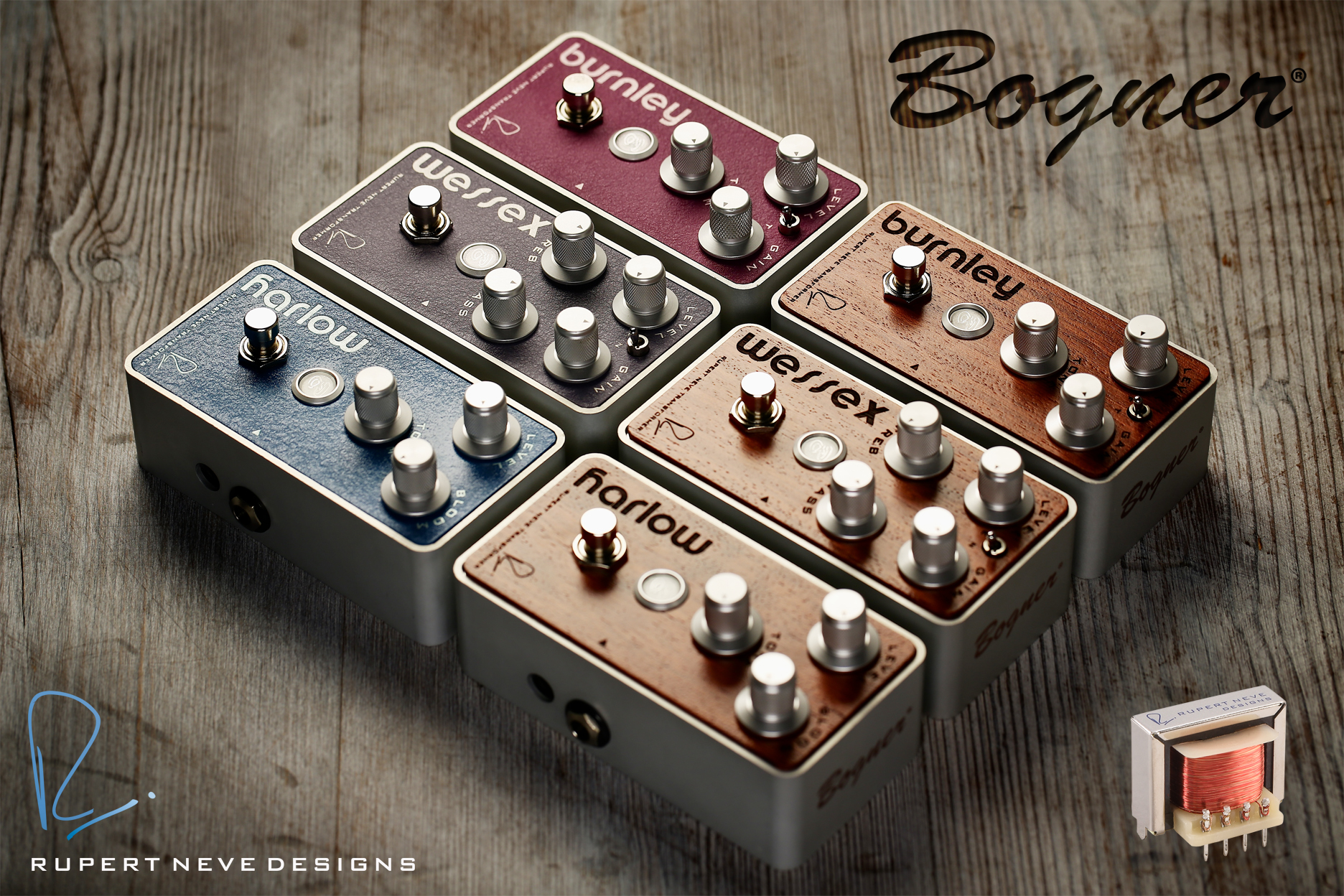
…ja studiotekniikan grand old man Rupert Neve esittelivät hiljattain USA:ssa valmistetun Bogner kitaraefektimalliston, jossa käytetään Rupert Neve Designsin erikoisvalmisteisia audiomuuntajia.
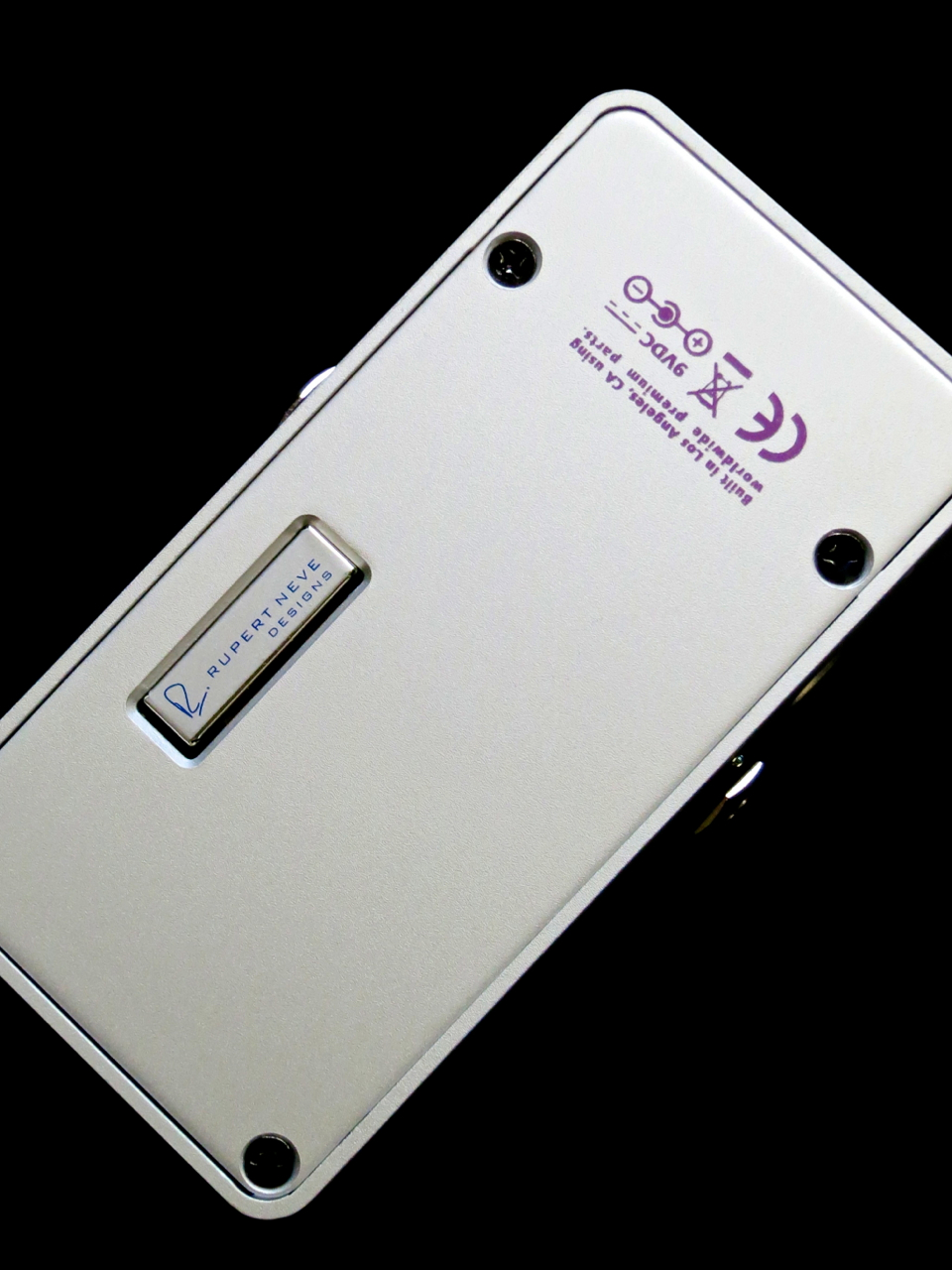
Bogner – Neve transformer

Audiomuuntajia nähdään perinteisesti erittäin harvoin lattiaefekteissä, sekä kustannus- että tuotannollisista syistä.

Putkivahvistimissa audiomuuntajalla on sen sijaan keskeinen rooli, mikä tulee syntyvän kitarasoundin äänenlaatuun ja dynamiikkaan. Laadukas audiomuuntaja vahvistaa audiosignaalia niin, että sen dynamiikka ja soundi pysyvät täysin ehjinä ja muuttamattomina.

Bogner-pedals teaser – w lights

Tällä hetkellä Bogner/Neve-mallisto koostuu kolmesta pedaaleista – Harlow-boosteri (235 €), Wessex-overdrive (229 €), sekä Burnley-distortion (235 €).

Kaikissa pedaaleissa on optisena lisämausteena värisilmä, josta näkyy läpikulkevan signaalin voimakkuus.

****

Bogner Harlow – with box

Bogner Harlow tarjoaa kaksi efektiä samassa kuoressa:

Boost-vahvistuksen lisäksi Harlow-pedaalissa on myös Bognerin kehittämä Bloom-kompressori, jolle luvataan hyvin orgaanista, kolmiulotteista ja musikaalista soundia.

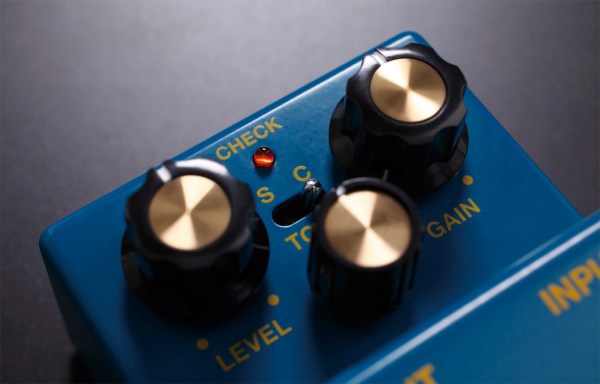
Harlow:ssa on kolme säädintä – Level-nuppi boostille, Bloom-säädin kompressiolle, sekä yleis-Tone.

Bogner Harlow – full front 2

****

Bogner Wessex – with box

Bogner Wessex on Bogner/Neve-malliston overdrive-tyyppinen säröpedaali.

Gain- ja Level-säätimien lisäksi Wessexissä on kaksikaistainen EQ, sekä E/N-kytkin. N-asennossa (= normal) Wessexin soundi on perinteisempi, siis hieman keskiäänivoittoinen, kun taas minikytkimen E-asennossa (= enhanced) efektistä lähtee entistä voimakkaampi, maukkaampi ja laajempi soundimaailma.

Bogner Wessex – full front 2

****

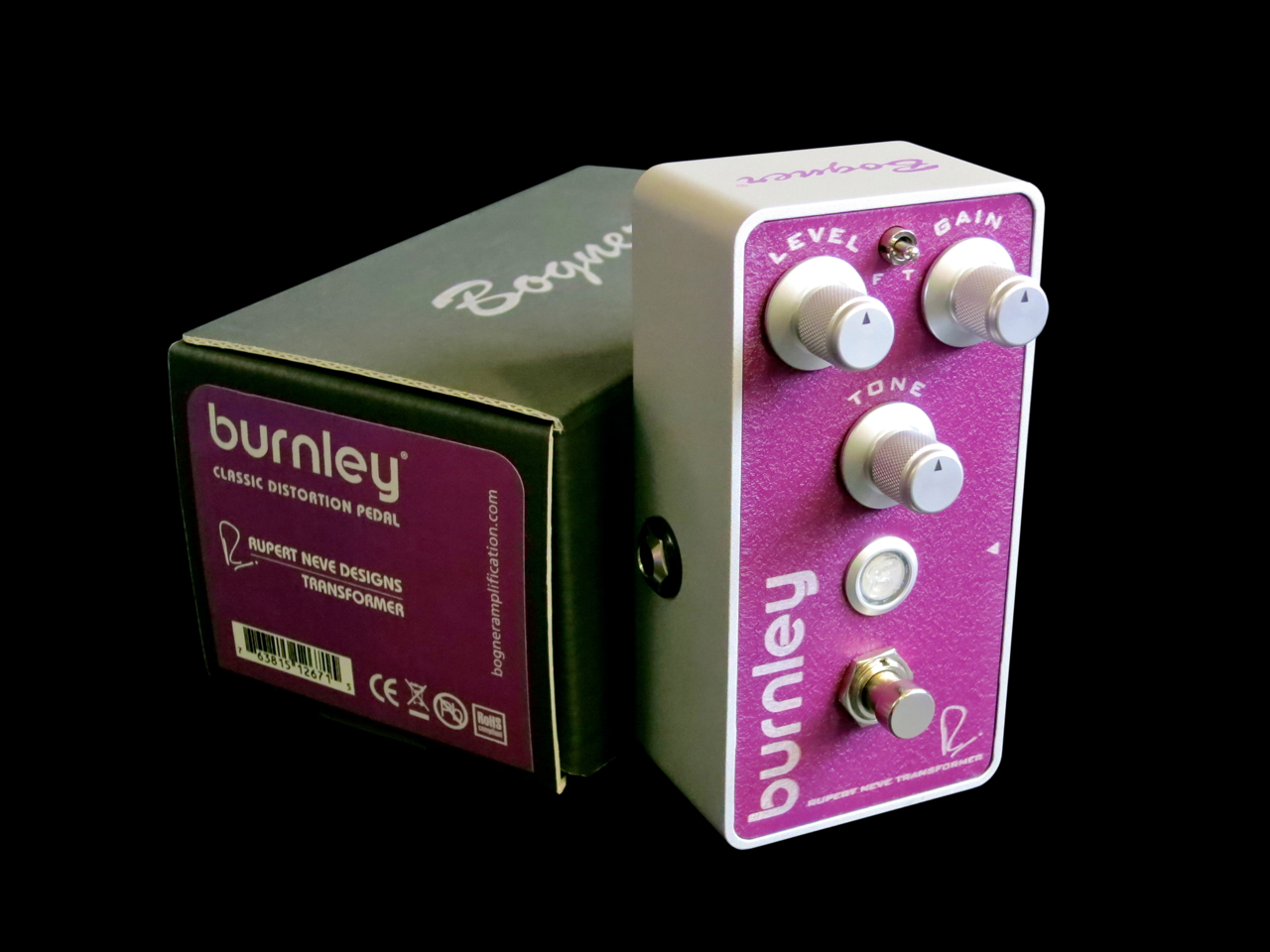
Bogner Burnley – with box

Bogner Burnley on tämän kolmikon distortion-särö.

Burnleystä löytyy kolme säädintä – Level, Gain ja Tone – sekä F/T-minikytkin. T-asennossa (= tight) Burnleyn soundikirjo on aggressiivisempi ja tiukempi kuin selvästi muhkeammassa F-vaihtoehdossa (= fat).

Bogner Burnley – full front 2

****

Bogner Harlow – inside

Sekä Bogner että Neve ovat legendaaristen soundien lisäksi tunnettuja myös tuotteidensa kompromissittomasta laadusta ja siististä työnjäljestä, mikä näkyy hyvin myös Bogner/Neve-pedaalien toteutuksessa.

Bognerin piirilevy jää piiloon mustan muovikuvun alle. Ratkaisu estää edes hieman laitteen suoraa kopiointia, mutta ei vaikeuta mahdollisia korjauksia samalla tavalla kuin esimerkiksi mustaan hartsiin valettu elektroniikka.

Kuten kuvasta näkyy, kaikkia kolmea efektipedaalia voi käyttää joko yhdellä yhdeksän voltin paristolla tai (Boss-standardin mukaisella) virtalähteellä.

****

Bogner Harlow – left 2

Bogner ei kerro missään Harlow-pedaalin tarkkoja vahvistusmääriä, mutta testin perusteella voin vain todeta, että sitä ääntä kyllä riittää. Jos siihen on tarve, pystyy tällä boosterilla yliohjaamaan minkä vahvistimen tahansa!

Bogner Harlow:n Bloom-kompressori kuulostaa erittäin maukkaalta ja musikaaliselta.

Bognerin Harlow on juuri sellainen kitaraefekti, jota haluaa pitää koko ajan päälle, koska kitara kuin kitara soi yksinkertaisesti kauneimmin ajettuna sen läpi. Tämä maustepurkki reagoi mallikkaasti myös kitaran volume-säätimeen.

Straton soundissa kuulee mukavasti atakin klikkiä:

Harlow pysyy myös selkeänä silloin, kun sen läpi soitetaan (Hamer USA -kitaran) kaulahumbuckerilla:

Bogner Wessex – right 2

Bogner-vahvistimien särösoundit ovat legendaarisia, ja mestari on onnistunut paketoimaan ne Bogner/Neve-sarjan kahteen särölootaan.

Bogner Wessex ei ole (onneksi) jälleen yksi Tubescreamer-klooni, vaan vahvistingurun oma näkemys täydellisestä overdrive-pedaalista.

Wessex tarjoaa runsaasti gainia, mutta soundi pysyy aina selkeänä ja erottelevana, eikä mene koskaan mössöksi. Myös kitaran oma luonne säilyy esimerkillisesti.

Wessexin Enhanced-moodin ansiosta jopa vintage-tyylinen Stratocaster soi lihaksikkaasti:

Tämä overdrive-pedaali ei honota, vaan soundi pysyy myös humbuckereiden kanssa selkeänä ja maukkaana:

Bogner Burnley – left 2

Burnleyn Fat-moodin kautta jokainen Hendrix-fani löytää varmasti soundillisen nirvanansa. Jopa puhtaalla vahvistimella ja olohuonevolyymillä Strato soi kuin Woodstockissa konsanaan:

Myös Bognerin Burnley reagoi todella hyvin (kitaran) volume-potikan muutoksiin. Tight-moodissa humbuckerilla varustetulta kitaralta lähtee tiukka ja nykyaikainen särösoundi:

Bogner-pedals teaser

Tässä vielä videon ääniraita, jossa soitan kaikki kitaraosuudet yhdellä P-90-mikrofonilla varustetulla Gibson Les Paul Juniorilla:

****

Bogner Harlow – right 2

Bogner Wessex – left 2

Bogner Burnley – right 2

Rupert Neve ja Reinhold Bogner eivät ole miehiä, jotka jättävät asiat puolitiehen, ja sen kyllä huomaa!

Bogner/Neve-sarjan efektipedaalit tarjoavat Bognerin boutique-luokan soundeja mukavan kompaktissa muodossa kilpailukykyiseen hintaan. Kolmikko on mielestäni ehdottomasti kokeilemisen arvoinen!

****

Bogner Amplification Harlow, Wessex & Burnley

Harlow – 235 €

Wessex – 229 €

Burnley – 235 €

Maahantuoja: Musamaailma

****

Plussat:

+ työnjälki

+ kompakti koko

+ boutique-luokan soundi

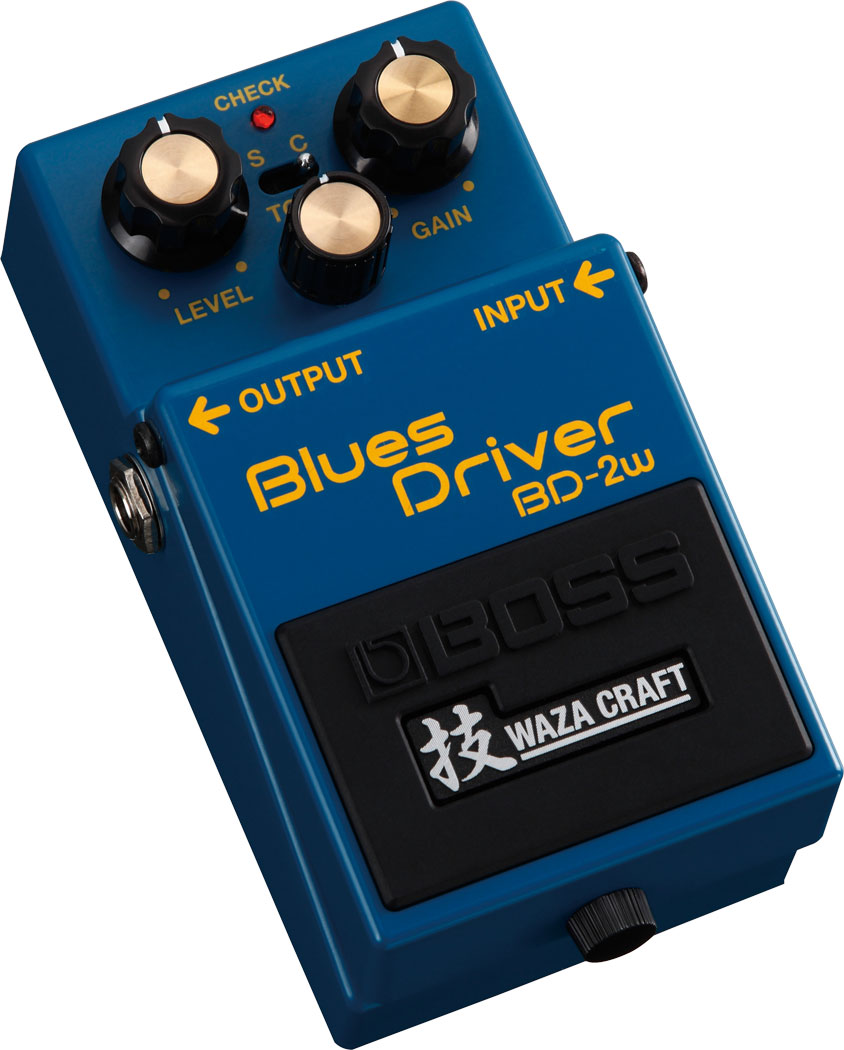
Review: Boss Waza Craft BD-2W + SD-1W

bd-2w_angle_zoom_gal

sd-1w_side_zoom_gal

Boss’ Waza Craft pedals are the company’s brand-new all-analogue, top-of-the line compact effects. The Waza Craft range has been designed to give the quality-conscious guitarist the full boutique-pedal experience in the well-loved Boss format.

The Japanese word ”waza” can be translated as art, artistry or technology, and hints at the fact that the three new pedals (the overdrives reviewed here, plus the DM-2W delay) are a return to old-school, all-analogue circuitry, and that the effects are factory-modded for your convenience.

****

bd-2w_top_gal

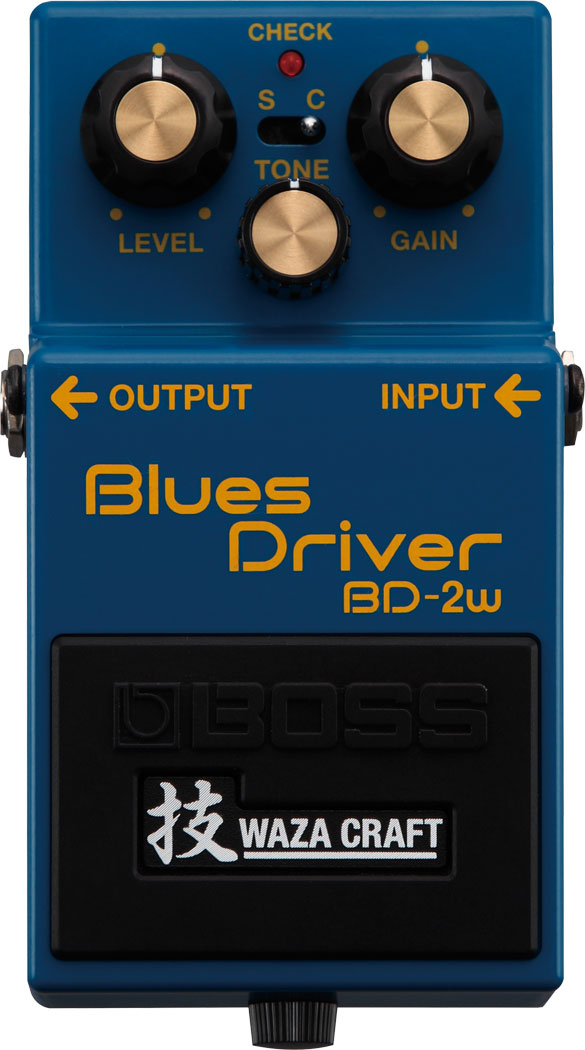
The Boss Blues Driver BD-2W Waza Craft (current price in Finland around 155 €) is a ”waza-treated” update of the popular Blues Driver overdrive.

In the late 1970s Boss came up with the now-legendary, compact guitar pedal format, which has since become an industry standard. The typical Boss pedal is made from a cast metal casing with the quick-access battery compartment tucked away beneath the pedal’s switch flap.

The BD-2W comes with the standard three controls for Gain, Tone and Level.

The Waza Craft range’s special feature lies in their twin mode set-up. You can use the mini-switch to toggle between Standard- and Custom-mode. Standard will give you a boutique version of the regular Boss Blues Driver experience, while Custom ups the ante by offering you a wider dynamic range, as well as a warmer tonality with added top-end sparkle.

The first clip gives you an idea of the BD-2W’s sound with the Gain control at 12 o’clock. The first half is played in Standard-mode, switching over to Custom-mode for the second half:

For the second clip I turned Gain up to full:

bd-2w_angle_gal

****

sd-1w_top_gal

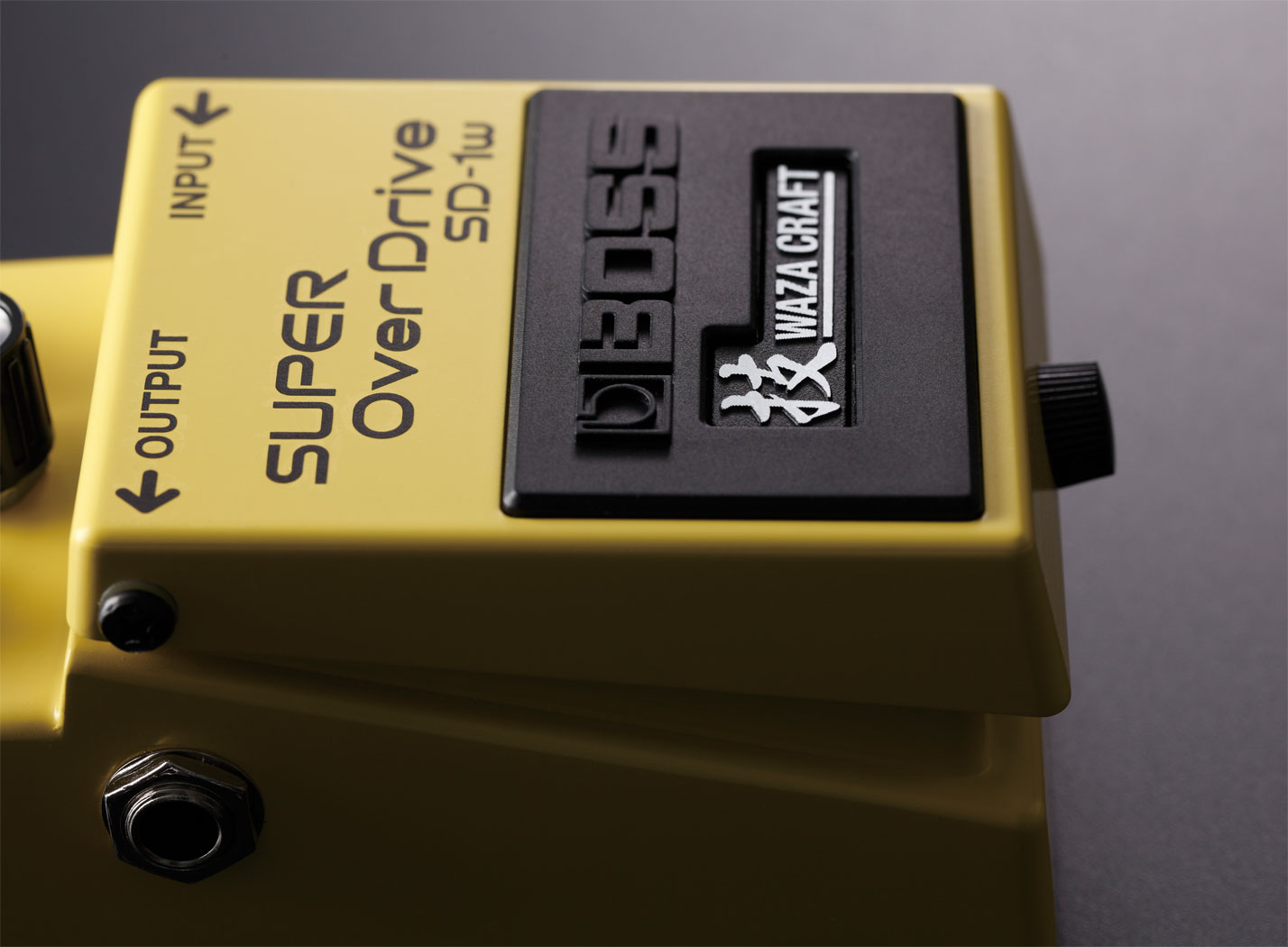
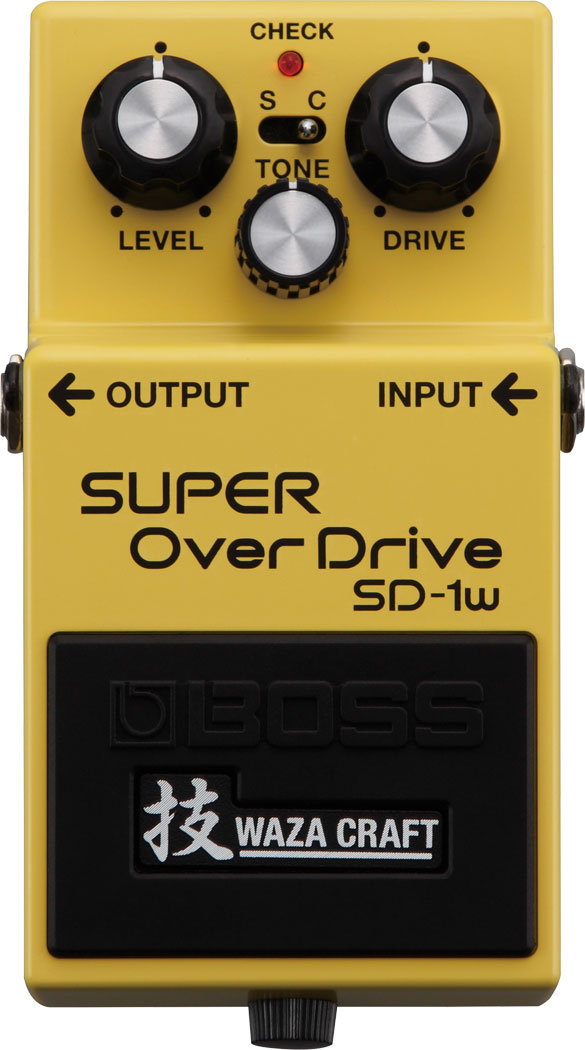
The Boss Super OverDrive SD-1W Waza Craft (current price in Finland around 155 €) is the top-of-the-line version of the company’s yellow-clad classic.

The name gives it away – we’re looking at an overdrive stompbox, so we should expect a dynamic performance with a dense mid-range. As a rule of thumb, distortion-type effects tend to have more bite and a creamier compression than an overdrive.

The Boss SD-1W, too, sports three controls – Drive, Tone and Level – and a mode switch. Standard-mode is meant to give you an upmarket counterpart of the regular SD-1 pedal, while Custom-mode promises a wider frequency range (especially handy for ultra-low tunings).

Here’s a clip of the SD-1W with Drive set to 12 o’clock. Standard-mode comes first, followed by Custom-mode:

And this will give you an idea of this pedal’s sound with Drive turned all the way up:

sd-1w_angle_gal

****

bd-2w_angle_2_gal

What do terms like ”boutique-pedal” and ”premium range” really mean?

In the case of the Waza Craft pedals the answer lies in both the sound and the ”feel” of these effects:

Both overdrive boxes sound even creamier than the standard versions, while also adding a small degree of clarity to proceedings. These premium versions also manage to keep hiss levels even lower than their ”ordinary” counterparts. Both the BD-2W and the SD-1W feel somewhat more organic and responsive, when compared to their (well-made) standard range brethren. The overdrive tones are very natural, and both effects react very nicely to changes in playing dynamics or guitar volume settings. You never get the feeling of the effect being pasted on, instead there’s a real interaction going on between the player, his guitar and the effect pedal.

In isolation Boss’ Waza Craft overdrives might even seem a little underwhelming, but when you A/B them with their standard series counterparts the differences become quite clear rather quickly. Don’t get me wrong, the standard versions are reliable industry standards with a more than decent sound, but for the ultimate Boss-experience you should take the path to Waza Craft.

sd-1w_angle_2_gal

****

Boss BD-2W + SD-1W Waza Craft

approx. 155 €

Finnish distribution: Roland Suomi

****

Pros:

+ classic format

+ all-analogue

+ two modes

+ sound

Review: JAM Pedals

JAM Pedals is a Greek maker of boutique effect pedals, whose products are now available in Finland, too (distributed by R-Jam Group).

JAM Pedals’ products are all-analogue, built by hand from first-rate components. Some models even rely on hard to come by NOS-chips and -transistors for their sound.

Most JAM-models can also be ordered in point-to-point versions, or with customised specifications and/or artwork.

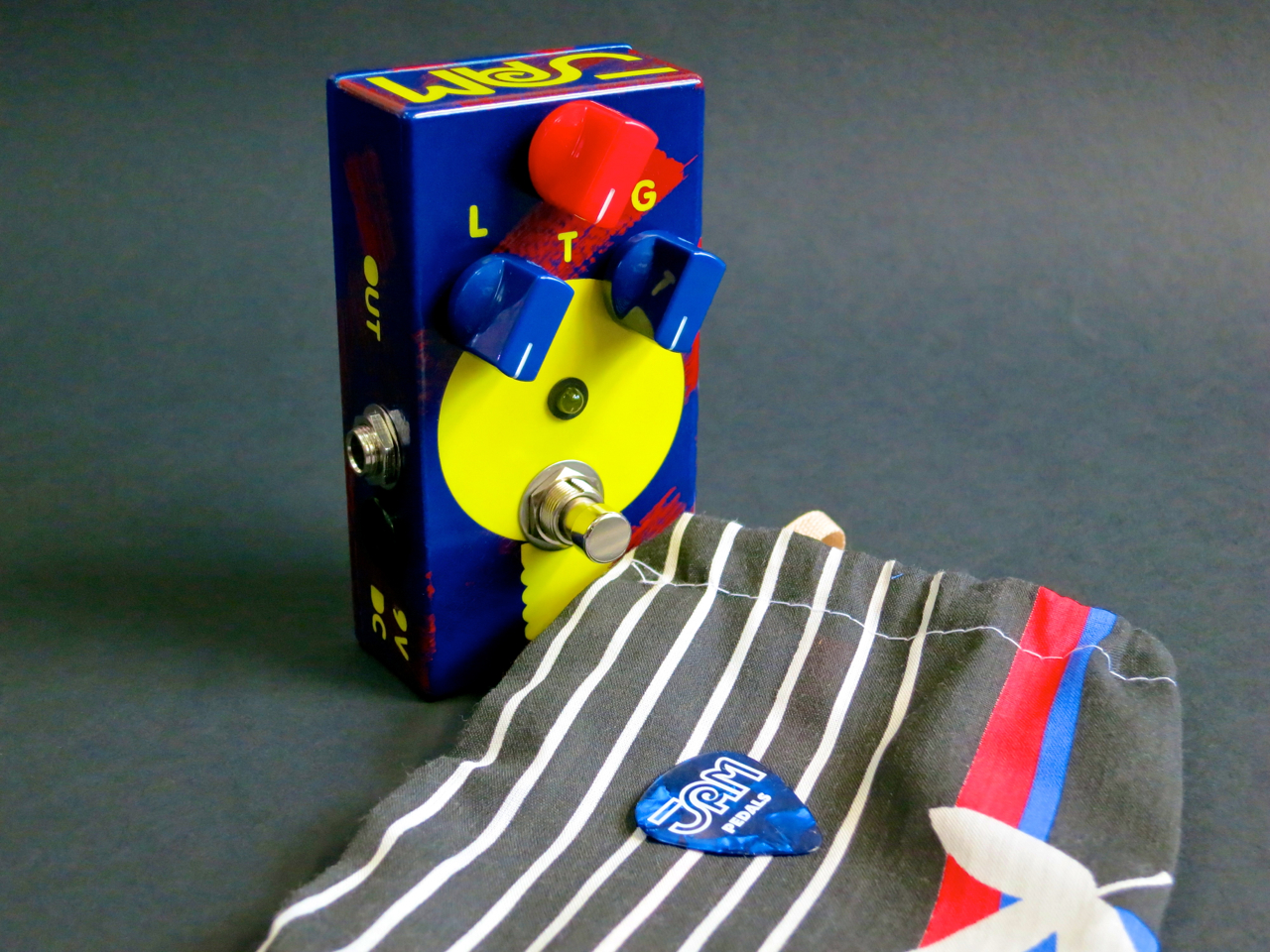
All JAM Pedals come in hand-painted, unique designs, and are delivered with a cloth sack for storage, as well as a JAM-logo’d plectrum.

All the effects tested in this review run on a nine volt battery or a (Boss-type) power supply (not included).

****

Jam pedals – Tube Dreamer 58 + bag

JAM Pedals offers four different versions of its Tube Dreamer overdrive pedal.

Their compact Tube Dreamer 58 is the company’s take on the ultimate Ibanez Tube Screamer 808 pedal. The circuit is built around an original JRC4558D-chip.

Jam pedals – Tube Dreamer 58 pic 1

The JAM Tube Dreamer 58 (current price in Finland: 185 €) wins you over with a healthy dose of that classic, creamy Tube Screamer mid-range. The TD58’s forte, though, is the vastly improved dynamic range of the JAM-model, and the more organic, amp-like overdrive structure, achieved by using three diodes for asymmetrical clipping.

This sound clip – like all the others in this review – has been recorded using a Fender Stratocaster and a Blackstar HT-1R valve combo:

Jam pedals – Tube Dreamer 58 pic 2

****

Jam pedals – Tube Dreamer+ and bag

The flagship model Tube Dreamer pedal is called the JAM Tube Dreamer+ (current price in Finland: 225 €), and is the deluxe version of the JAM Tube Dreamer 72, which is designed a ”secret chip”.

Jam pedals – Tube Dreamer+ pic 1

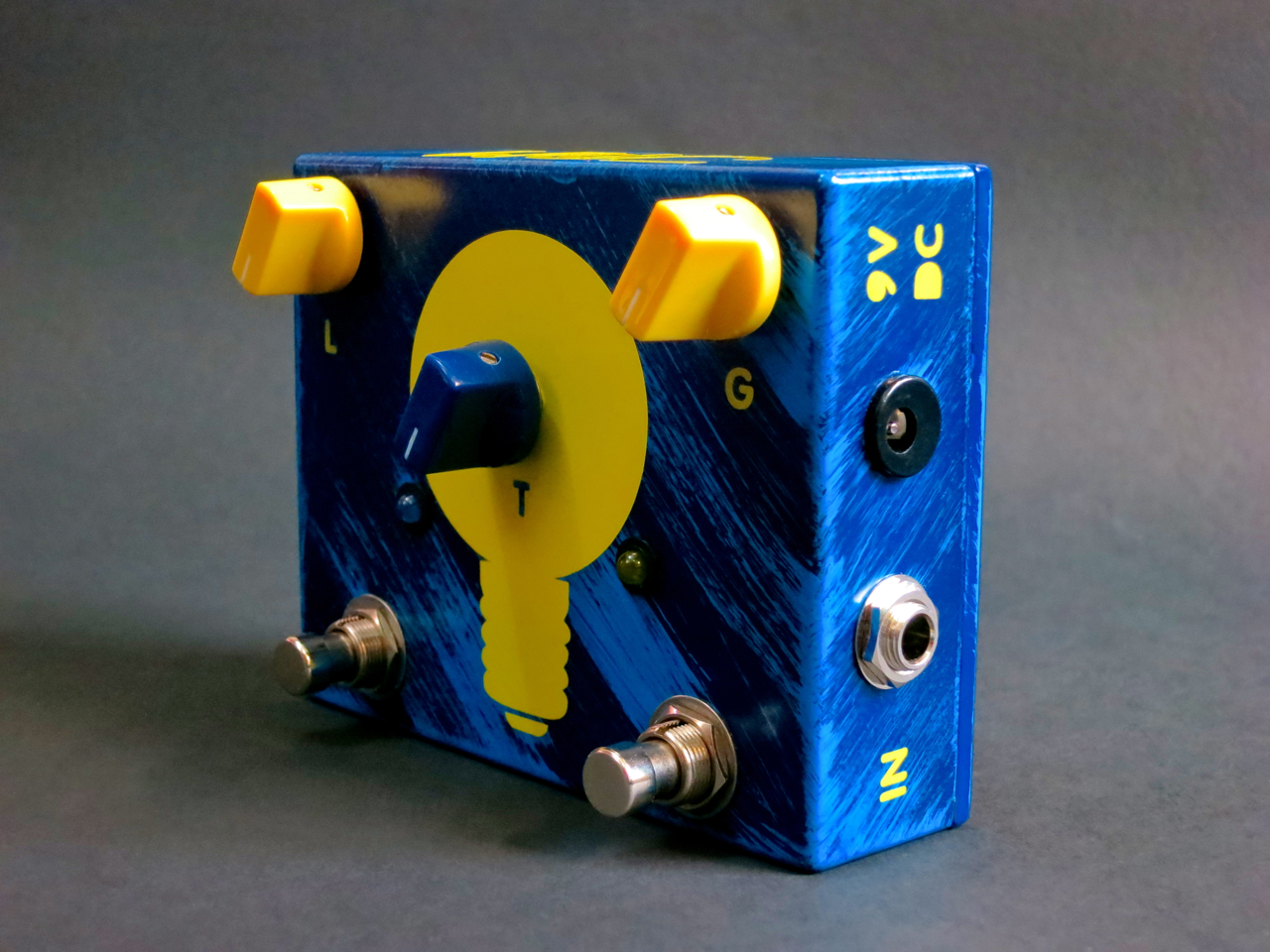
The Plus-version adds a high-gain-/boost-circuit (left footswitch) on top of the moderate-gain overdrive section (right footswitch).

The Tube Dreamer+ is shipped with the high-gain circuit adding only more gain to proceedings, but you can also adjust the high-gain circuit’s internal trimmer to deliver copious amounts of signal boost, whenever it is switched on.

In terms of its sound, the Tube Dreamer+ gives more than a passing nod to 1970s Blues Rock and Heavy Metal. Despite its high-gain boost, this JAM-model hasn’t been designed for contemporary Thrash Metal.

Jam pedals – Tube Dreamer+ pic 2

****

Jam pedals – Red Muck + bag

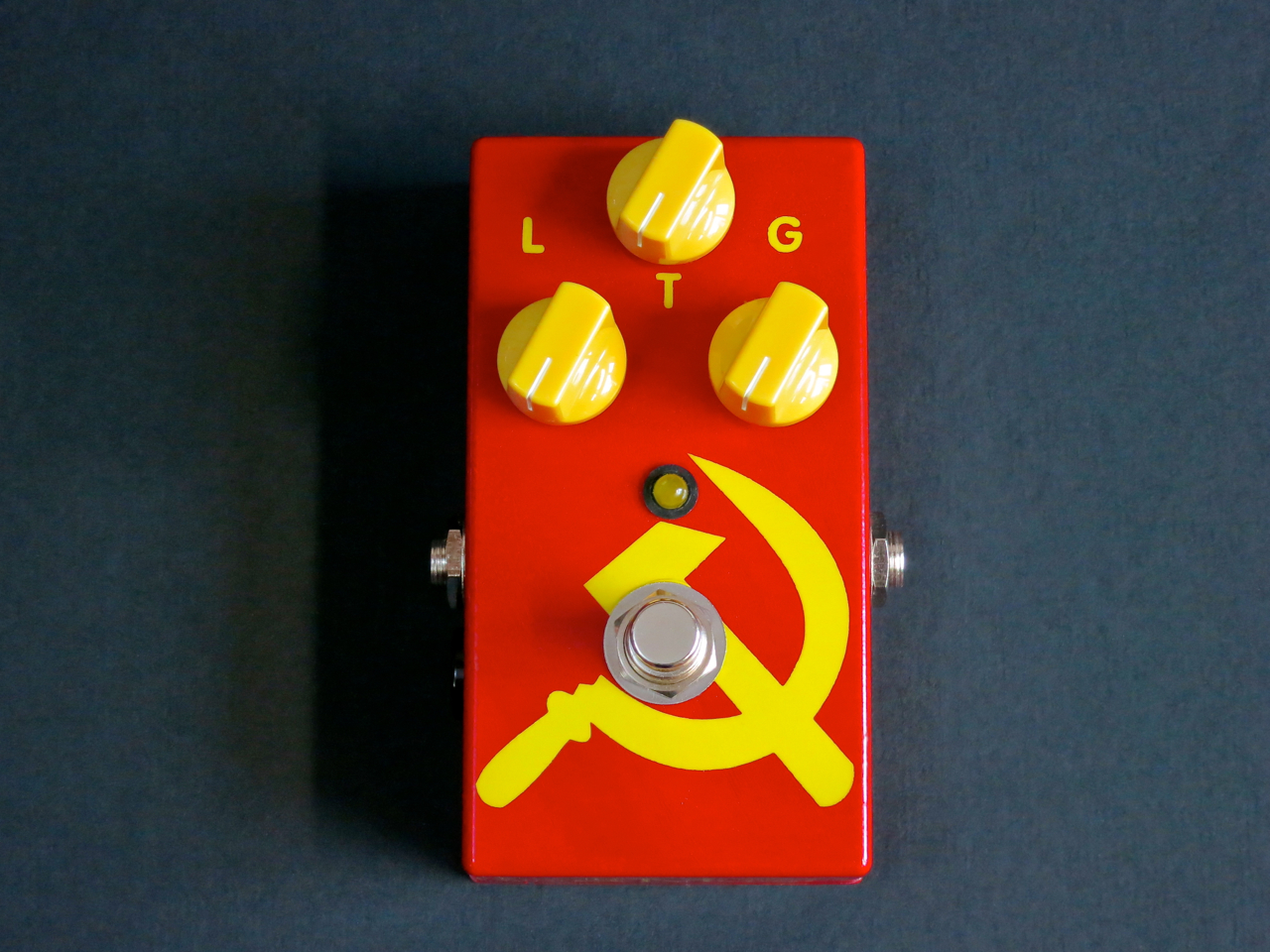
JAM Pedals’ stompbox fuzz is called Red Muck, and it comes in a Soviet-inspired colour scheme, complete with hammer and sickle graphics.

Jam pedals – Red Muck pic 1

The starting points for the Red Muck fuzz’ (current price in Finland: 209 €) tone were the classic, early Big Muff -sounds.

JAM has refined the original fuzz character to come up with a much more versatile pedal. JAM’s Red Muck reacts extremely well to changes in the guitar’s volume knob settings, while the overall delivery is noticeably fatter and creamier, when compared to many other fuzz-effects. This pedal also takes well to full chords, and doesn’t mush up so quickly.

I have to admit that JAM’s Red Muck has quickly become my favourite fuzz box.

Listen for the tonal changes, as I slowly raise the volume control at the beginning of this clip:

Jam pedals – Red Muck pic 2

****

Jam pedals – Waterfall + bag

The JAM WaterFall (259 €) is a dual-function effect pedal, offering chorus and vibrato in one compact package.

Jam pedals – Waterfall pic 1

The two effects in the WaterFall have been designed around two legendary Panasonic-chips (the MN3101 and the MN3007), on which some of the earliest Boss modulation effects were also based.

The mini-switch on the right is for selecting the effect – chorus or vibrato (v) – while the switch on the opposite side lets you choose between a milder, vintage (-) version of the chosen effect, or its more drastic, modern counterpart.

The WaterFall’s chorus is simply superb, sounding very natural and musical:

Vibrato may not be the most-commonly used effect, but the WaterFall’s reading must surely be one of the sweetest-sounding there is:

Jam pedals – Waterfall pic 2

****

Jam pedals – Ripple + bag

JAM Pedals’ The Ripple (199 €) is an easy-to-use phaser. There’s only a single Speed-control for the effect, and that’s all.

Jam pedals – Ripple pic 1

This is one lush-sounding phaser – you can’t get more musical than this! The Ripple has a rich and organic tone, broadening your guitar sound, yet it never seems to usurp the show or hog the limelight.

Jam pedals – Ripple pic 2

****

Jam pedals – Delay Llama + bag

The Delay Llama?! The guys at JAM HQ sure do have a sense of humour!

JAM’s Delay Llama (265 €) is an analogue, lo-fi delay pedal in the spirit of the early Eighties.

Jam pedals – Delay Llama pic 1

The Delay Llama features a classic bucket-brigade circuit, which uses an updated version Panasonic’s legendary MN3205-chip. The maximum delay time offered is approximately 600 ms. An internal trim port allows you to adjust the maximum number of repeats available from the Repeats-control.

The Delay Llama will bring sonic fulfilment to fans of the BBD-sound – there’s plenty of grease on tap, and each new repeat degenerates noticeably from the one before. Factory settings even allow for the Repeat-control to cause infinite and distorting feedback loops, something for the fans of psychedelic and experimental music.

Jam pedals – Delay Llama pic 2

****

Jam pedals – teaser

In my opinion, these JAM Pedals offer the genuine boutique pedal experience at fair prices! They sound great, they look cool, their noise floor is low, and the pedals consume surprisingly little (battery) power. Give them a try!

****

JAM Pedals

effect pedals from Greece

Tube Dreamer 58 – 185 €

Tube Dreamer+ – 225 €

Red Muck – 209 €

WaterFall – 259 €

The Ripple – 199 €

Delay Llama – 265 €

****

Pros:

+ handmade

+ hand-painted

+ sound

+ low power consumption

Review: DOD Bifet Boost 410

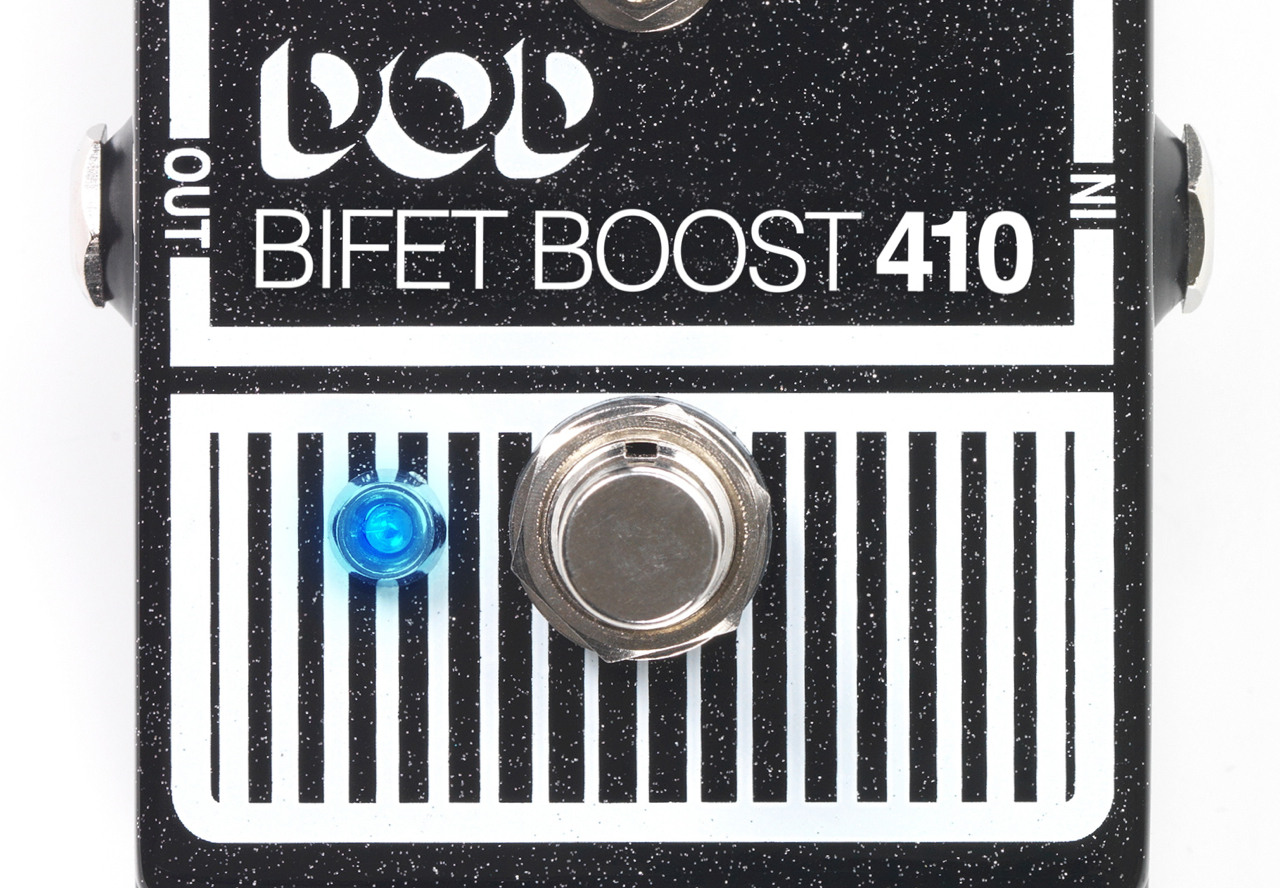
DOD Bifet Boost 410 – status led

DOD has introduced an updated version of its Bifet Boost 410 pedal this year – the 2014-version adds a switchable buffer to the circuit.

****

DOD Bifet Boost 410 – full top

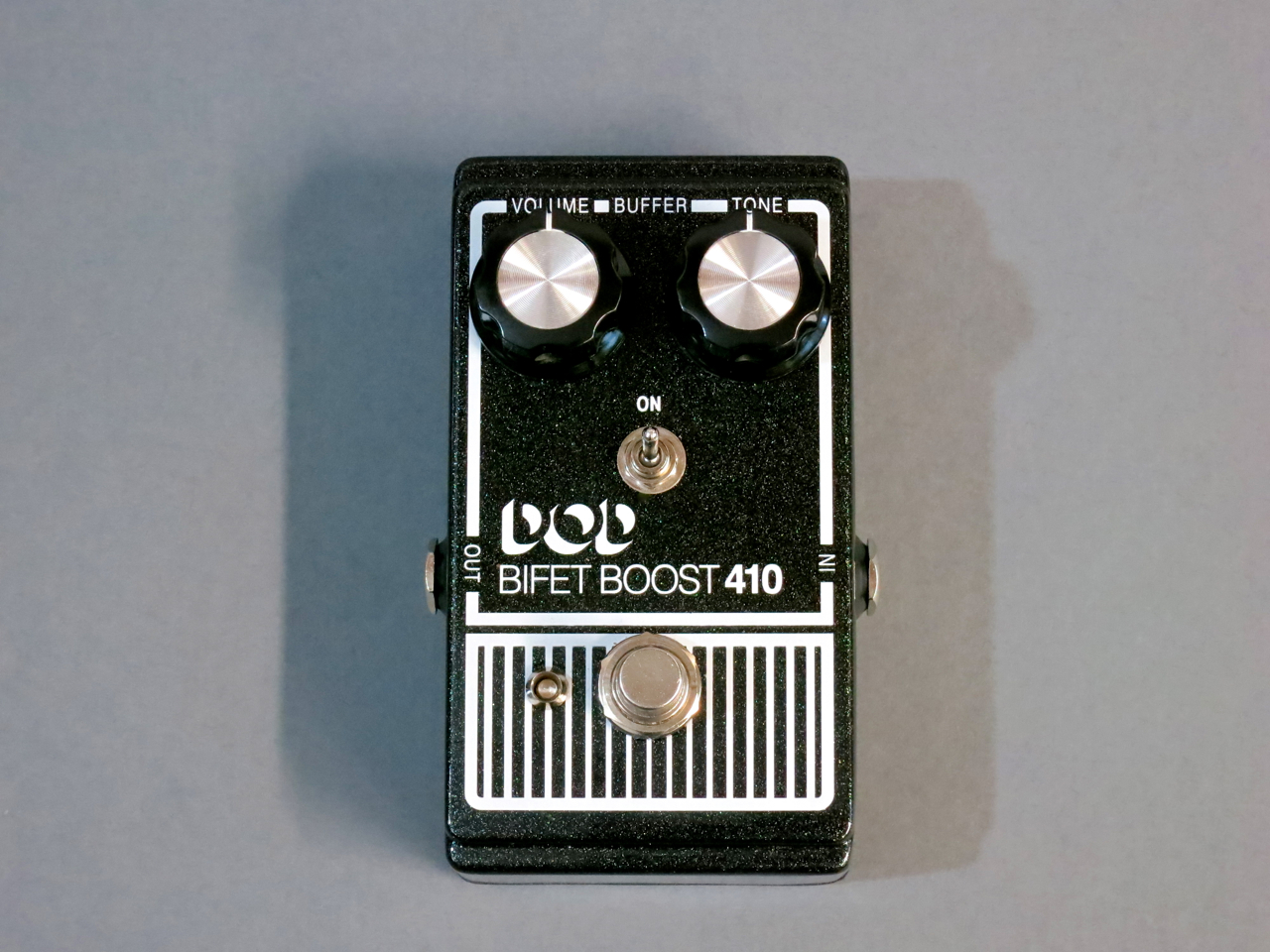
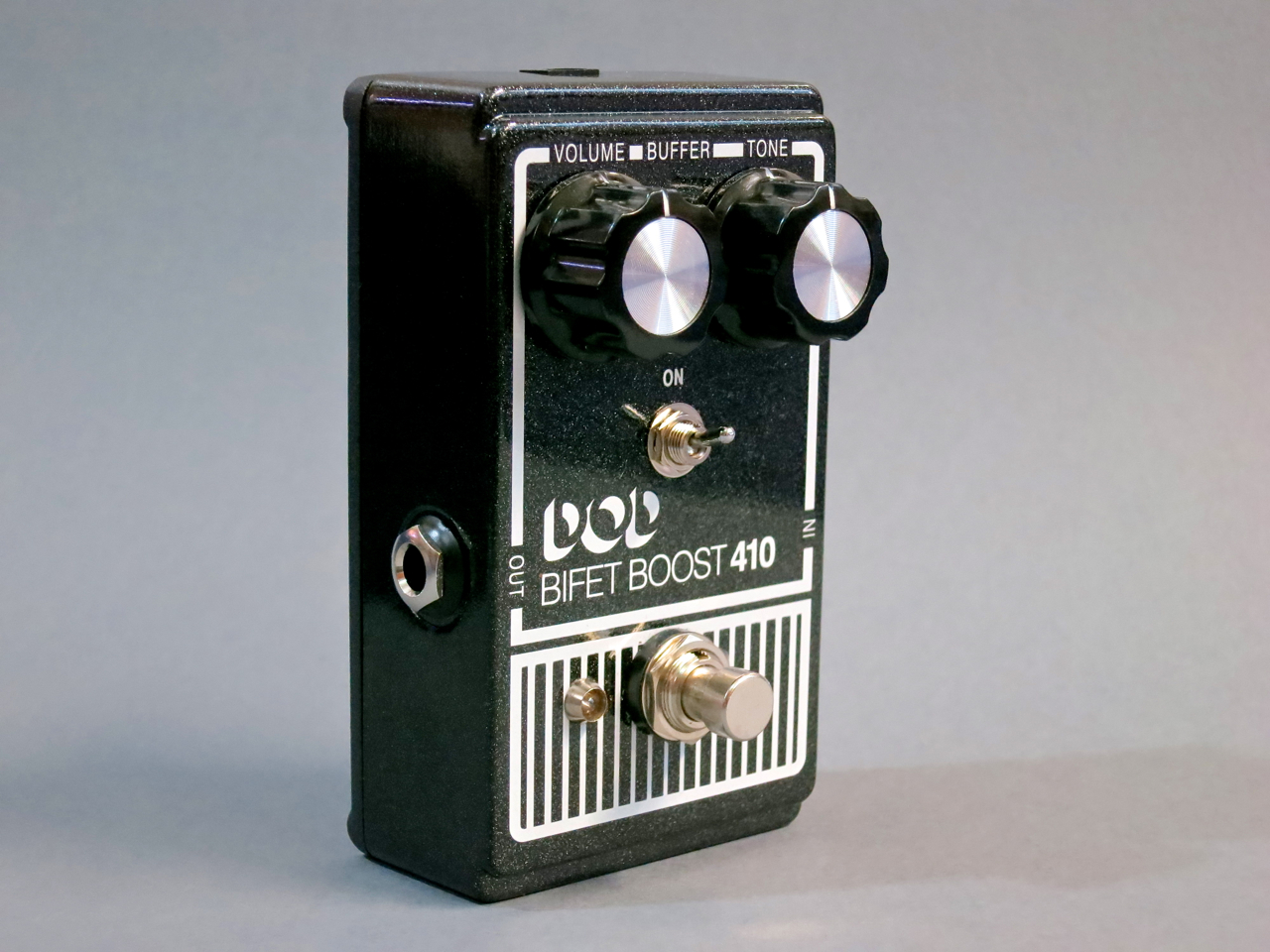
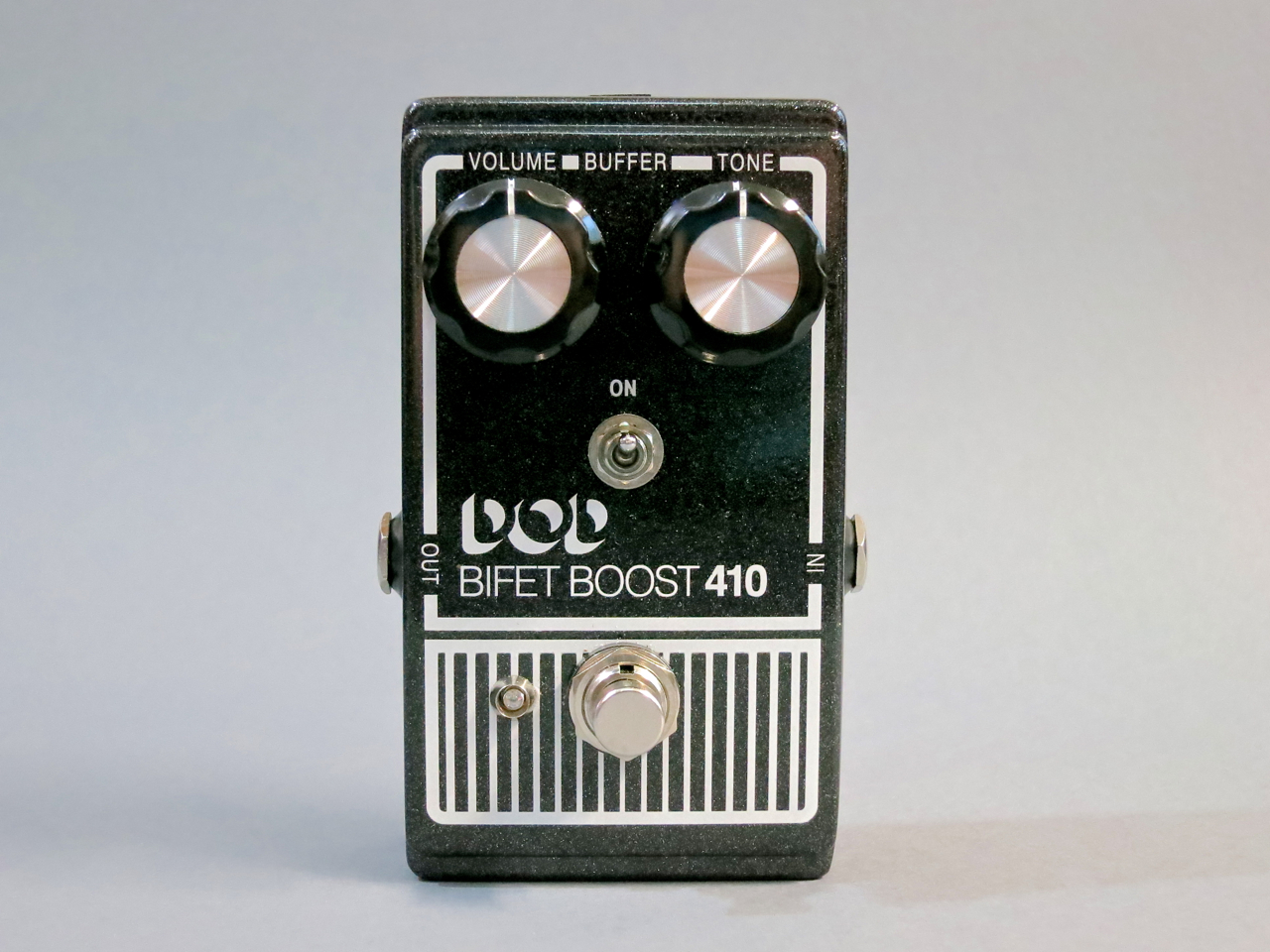
The DOD Bifet Boost 410 (current price in Finland: 99 €) is a signal level booster, giving you up to a whopping 20 dB of amplification.

DOD Bifet Boost 410 – right 1

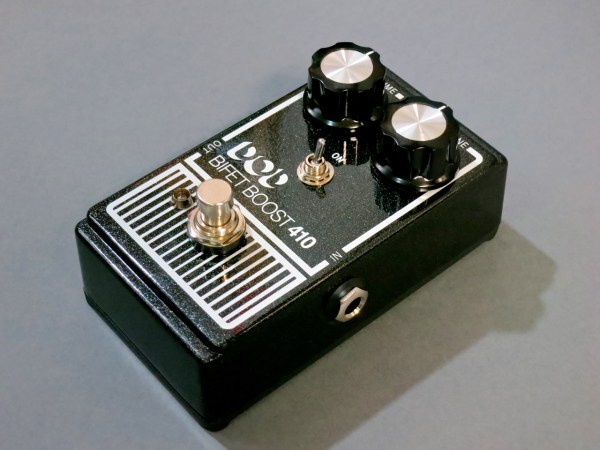
The booster sports two controls – one for volume and one for tone.

Over the last few years, the term ”true bypass” has become the new marketing buzzword, bandied about frequently to ”prove” one pedal’s superiority over another. In reality there’s no mystique attached to true bypass – it simply means that when the pedal is switched off the input is hardwired straight to the output, without passing through any of the effect’s circuitry. If a pedal’s manufacturer doesn’t state true bypass in the spec list, chances are the pedal in question has an internal buffer, which stays in the signal chain even when the effect is off. A buffer is a small amplifier, whose main purpose lies in changing the signal’s impedance from high to low. Most buffer amps don’t amplify the signal level at all (= a gain ratio of 1:1), while some add a tiny bit of treble boost. A high impedance signal suffers from far greater degradation, when fed through a long signal chain (or very long guitar leads), than a low impedance signal. This means that a buffered bypass can come in handy, if you’re using a lot of effect pedals in series. True bypass is usually preferable in smaller set-ups, or if the effect in question sits in front of a fuzz pedal (fuzz pedals generally need a high impedance signal to function properly).

The updated DOD Bifet Boost 410 pedal offers a switchable buffer, so you can decide whether you want to use a buffer or not. You get the buffer in the mini-switch’s On-position, or true bypass with the switch turned off.

DOD Bifet Boost 410 – DC input

The Bifet Boost 410 can be run using a 9 volt battery or a (Boss-type) power supply (not included).

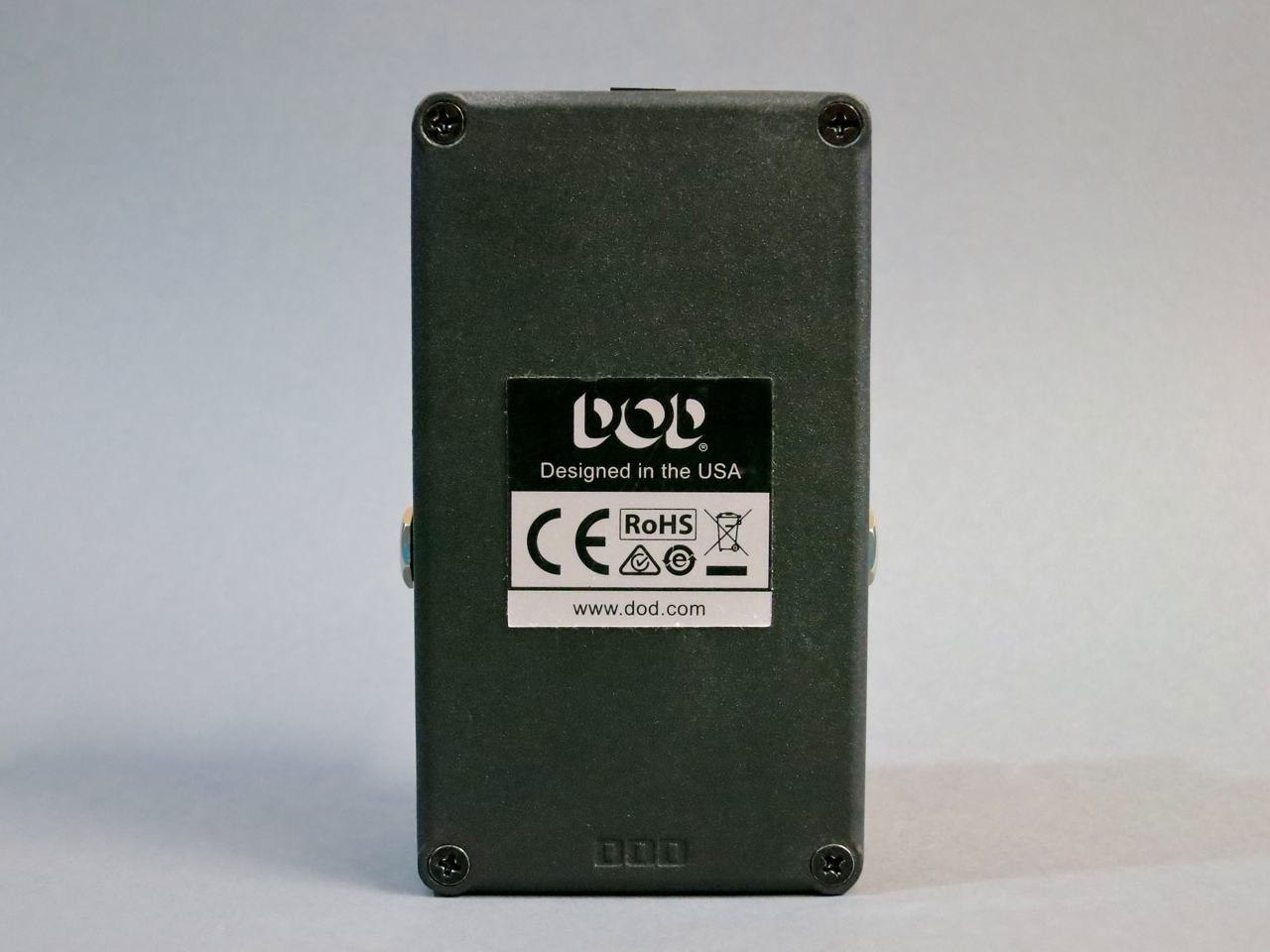
DOD Bifet Boost 410 – base plate

You need to take off the pedal’s metal base plate to change batteries.

The package includes four small stick-on rubber feet, which you can use when the pedal’s not used on a pedalboard.

****

DOD Bifet Boost 410 – left 2

Usually, boost pedals can be divided into two categories: Those who provide a completely clean and neutral boost, and those who add a little colour and/or grit to the signal. The DOD Bifet Boost 410 belongs in the latter category, adding a little extra character to the mid-range frequencies, along with the raise in signal level.

Using the booster on a clean amp channel may push the guitar signal into overdrive, depending on the amount of headroom offered by the amp used. In this example you can clearly hear the Blackstar HT-1R’s sound break up and distort:

Used into a crunchy channel, the DOD-booster will add more chunky gain to to your tone:

You can use the tone control to add quite a lot of top end to your sound. You have to remember, though, that the sheer amount of gain on tap in this pedal will also boost any noise (hiss, hum) in your signal chain:

DOD Bifet Boost 410 – right 2

****

DOD Bifet Boost 410 – upright

DOD’s Bifet Boost 410 is a pro-quality boost pedal and very easy to use. The added buffer switch lets you decide for yourself, whether you need a bypass buffer or not.

****

DOD Bifet Boost 410 (2014)

Current price in Finland: 99 €

Finnish distributor: EM Nordic

Thanks to DLX Music Helsinki for the loan of the review sample!

****

Pros:

+ up to 20 dB boost

+ tone control

+ switchable buffer

Testipenkissä: Boss Waza Craft BD-2W + SD-1W

bd-2w_angle_zoom_gal

sd-1w_side_zoom_gal

Uusien Boss Waza Craft -pedaalien on tarkoitus antaa laatutietoiselle kitaristille sen ultimatiivisen, boutique-tyylisen Boss-elämyksen.

Japanilainen sana ”waza” tarkoittaa taidetta, taidokkuutta ja tekniikka, mikä uudessa Boss-sarjassa viittaa siihen, että ensinnäkin sarjan pedaaleissa käytetään vanhan liiton analogitekniikka, ja toiseksi sarjan efektit (tällä hetkellä: tässä jutussa testatut kaksi säröpedaalia, plus DM-2W-viive) ovat valmiiksi modattuja firman tehtaassa.

****

bd-2w_top_gal

Boss Blues Driver BD-2W Waza Craft (noin 155 €) on täysanaloginen, päivitetty versio Bossin suositusta Blues-säröstä.

Boss on keksinyt 1970-luvun lopussa efektipedaaleilleen tämän kompaktin muodon ja rakenteen, josta on tullut sittemmin alan standardi. Tyypilliseen Boss-pedaaliin kuuluu valumetallinen runko, sekä pedaaliläpän alta löytyvä paristokotelo.

BD-2W tarjoaa kolme säädintä: Gain-säätimellä määrätään särön määrää, Tone-potikalla soundin kirkkautta, ja Level-säätimellä taas asetetaan efektille haluttu lähtötaso.

Waza Craft -pedaalien pikkukytkimellä valitaan Standard- ja Custom-tilan välillä. Standard-tilassa BD-2W käyttäytyy dynamiikan ja soundin kannalta kuin perinteinen Boss Blues Driver, kun taas Custom-tilassa on tarjoilla entistäkin laajempi dynamiikka, sekä lämpimämpi ja avoimempi soundi.

Tässä soundiesimerkissä Gain-nuppi on avattu kello 12. Soitan kaksi samankaltaista pätkää – ensin Standard-tilassa, ja sen jälkeen Custom-tilassa:

Toisessa äänitteessä pedaalin Gain-potikka on avattu täysille:

bd-2w_angle_gal

****

sd-1w_top_gal

Boss Super OverDrive SD-1W Waza Craft (noin 155 €) on keltaisen klassikkosärön boutique-versio.

Nimensä mukaisesti tässä on kyse overdrive-säröstä, eli odottavissa on dynaaminen ja keskialueella rikas särösoundi. Distortion-säröt taas ovat yleensä purevampia ja vahvemmin kompressoivia kuin overdrive-pedaalit.

Myös SD-1W tarjoaa kolme säädintä – Drive, Tone ja Level – sekä kaksiasentoisen minikytkimen. Standard-tilassa odotettavissa on premium-luokan versio legendaarisesta SD-1-soundista, kun taas Custom-tilassa soundiin on lisätty enemmän bassorekisteriä.

Tässä ensin yksi esimerkkipätkä, jossa SD-1W:n Drive-säädin on avattu puoleen. Ensin käytän efektiä Standard-tilassa, minkä jälkeen soitan samankaltaisen riffin Custom-tilassa:

Seuraavassa klipissä Super OverDriven Drive-säädin on avattu täysille:

sd-1w_angle_gal

****

bd-2w_angle_2_gal

Mitä tarkoittavat käsitteet ”boutique-pedaali” ja ”premium-luokan efekti”?

Waza Craft -pedaalien tapauksessa vastaus on sekä kuultavissa että tuntuvissa:

Molemmissa testatuissa säröpedaaleissa soundi on vielä entistäkin kermaisempi ja selkeämpi. Efektien oma kohina on näissä premium-versioissa saatu vielä aavistuksen verran alemmas. Sekä BD-2W että SD-1W tuntuvat myös vielä orgaanisemmilta kuin niiden (perushyvät) tavalliset rinnakkaisversiot. Särösoundi on erittäin luonnollinen ja hyvin herkkä muutoksiin soittodynamiikassa tai kitaran volyymipotikan asetuksessa. Säröefekti ei tunnu millään lailla päälle liimatulta, vaan kitaran ja pedaalin välille syntyy luonnollinen ja hyvin musikaalinen vuoropuhelu.
Waza Craft -säröjen ensivaikutelma ei ehkä ole niin korostetun erilainen kuin mikä ehkä odottaisi, mutta suorassa A/B-vertailussa rivipedaalien ja Waza Craft -sarjalaisten väliset erot ovat helposti havaittavissa. Tavallisetkin Boss-efektit toimivat mielestäni moitteettomasti, mutta Waza Craft -säröissä on kiistämattä vielä luokkaa makeampi soundi.

sd-1w_angle_2_gal

****

Boss BD-2W + SD-1W Waza Craft

hinnat noin 155 €

Maahantuoja: Roland Suomi

****

Plussat:

+ tuttu formaatti

+ täysin analogiset

+ kaksi toimitilaa

+ soundi
Pidä blogia WordPress.comissa.

Ylös ↑