Kun pyysin testisoittimia Rockway-blogin Jazzmaster-testiin, sain samalla Musamaailmalta tarjouksen testata myös Suhr Guitarsin versio aiheesta ”Jazzmaster kiinteällä tallalla”.
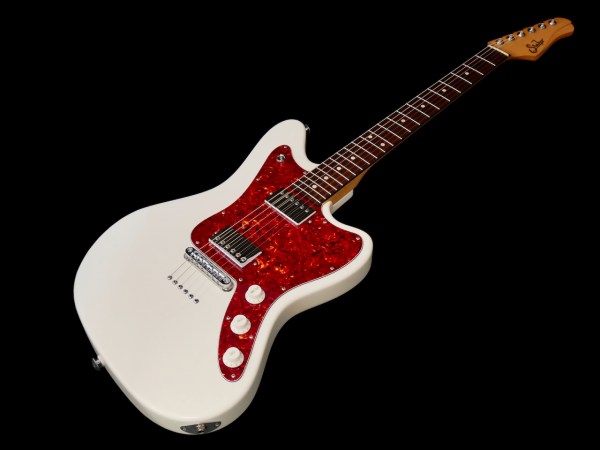
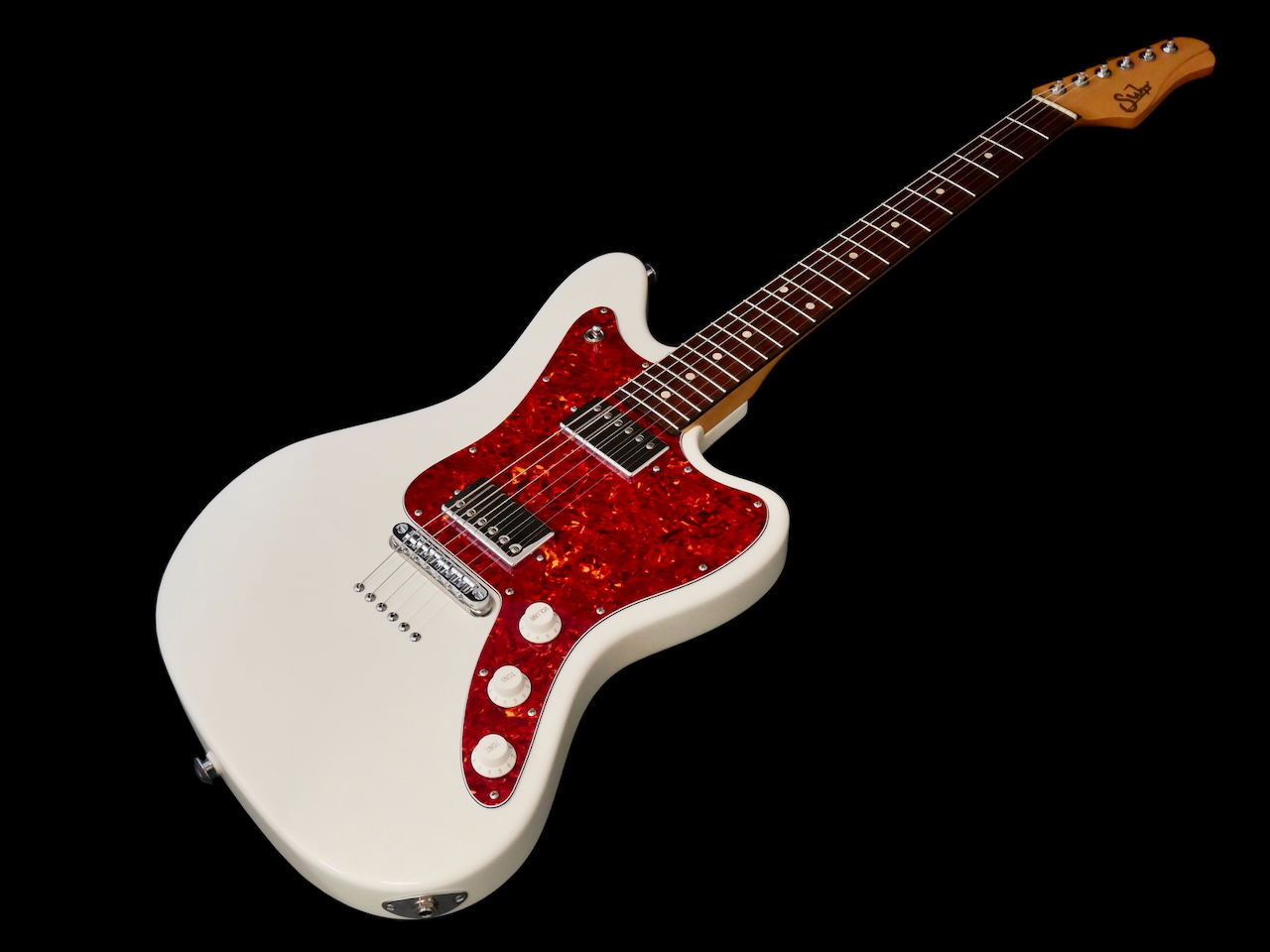
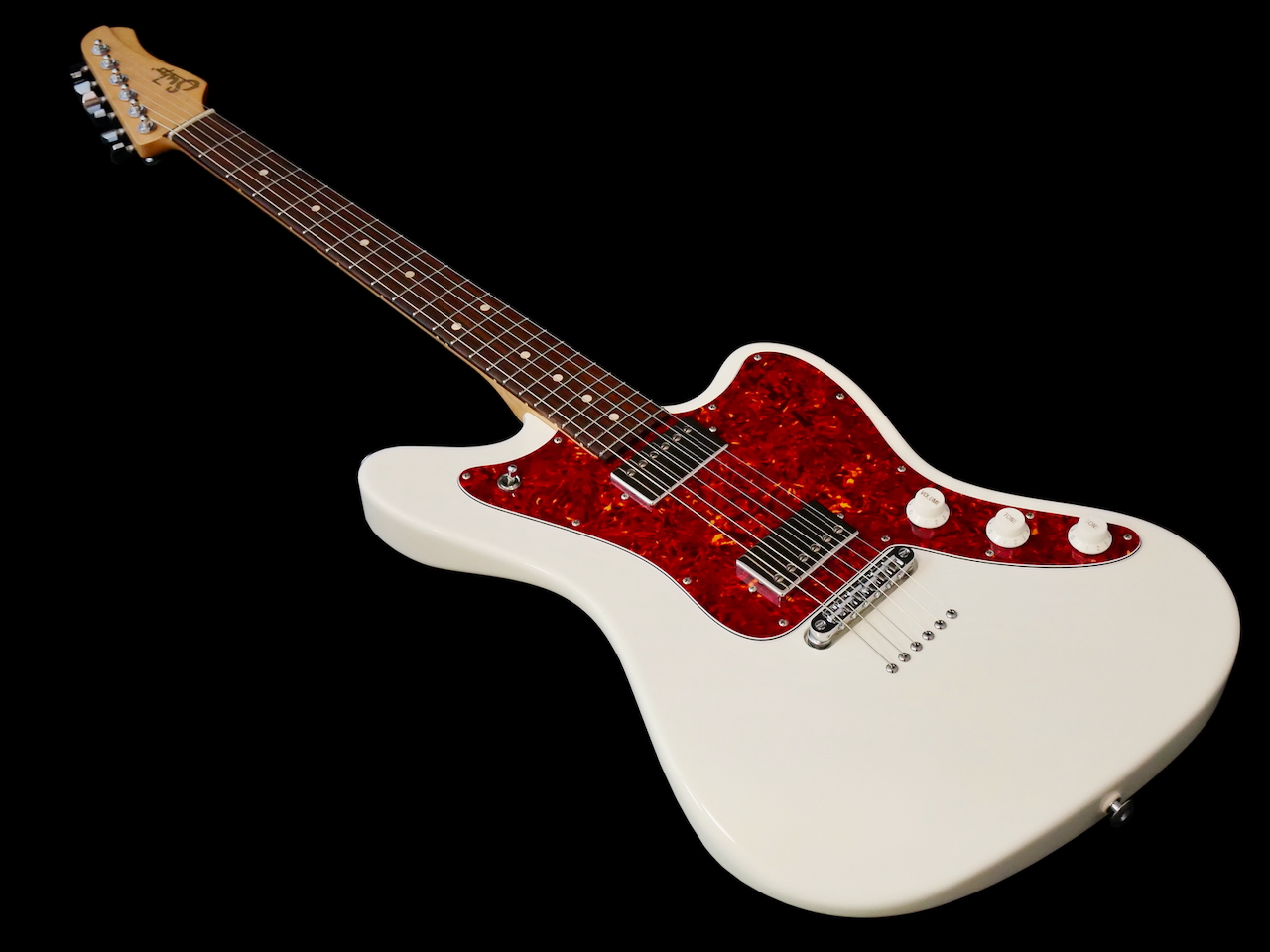
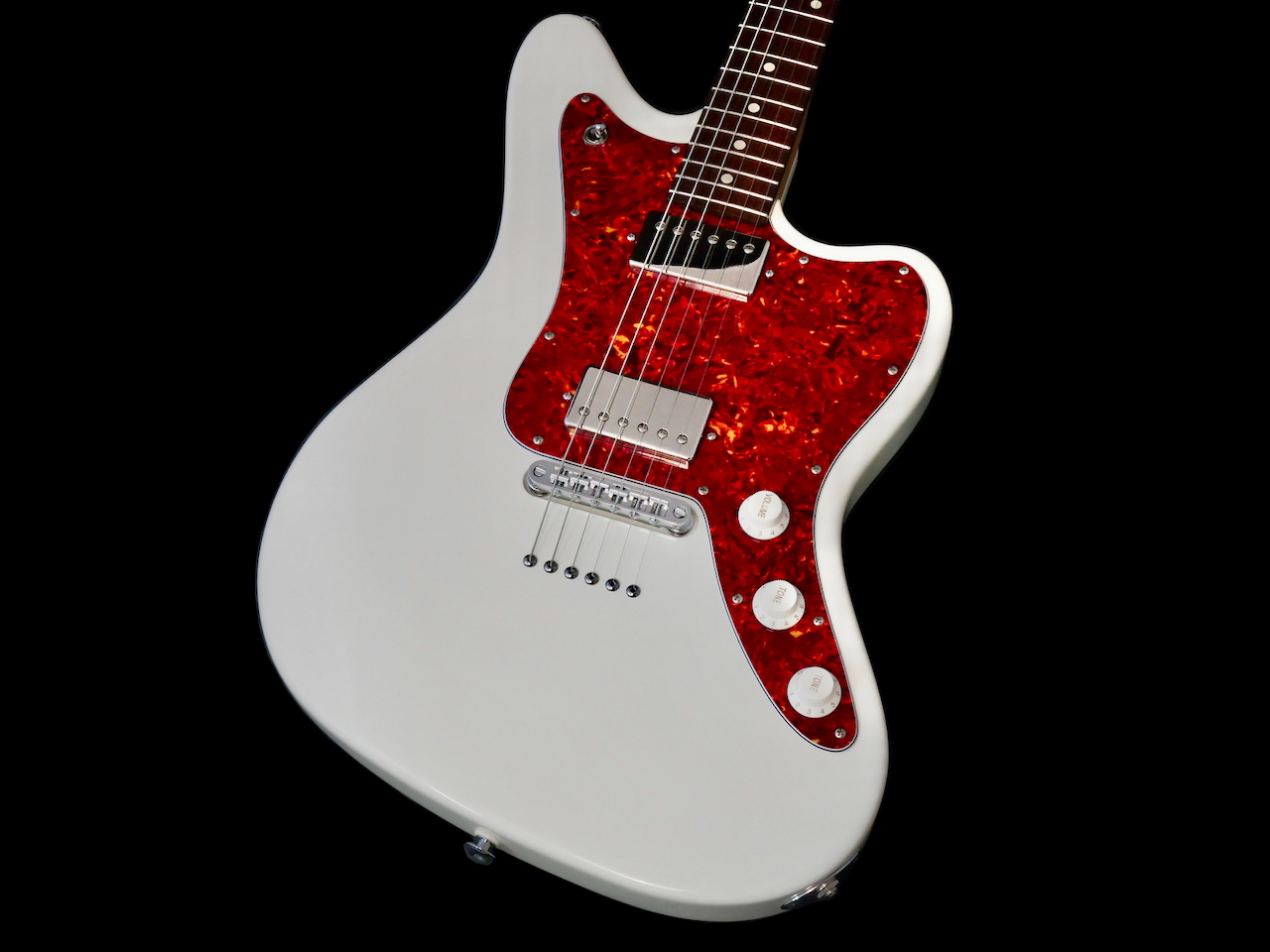
Suhr Classic JM TP6 (3.481 euroa) on nykyaikainen versio Fender Jazzmaster -mallista, jossa 1950-luvun kitaran liian monimutkainen elektroniikka erillisine säätimillä kaulamikrofonille on korvattu huomattavasti suoraviivaisemmalla ratkaisulla. Myös esikuvan kelluva vibrato sai tässä väistää; kiinteä talla on sustainin kannalta parempi ratkaisu, ja lisäksi se mahdollistaa myös nopeita vaihtoja eri virityksien välillä ilman vireongelmia.
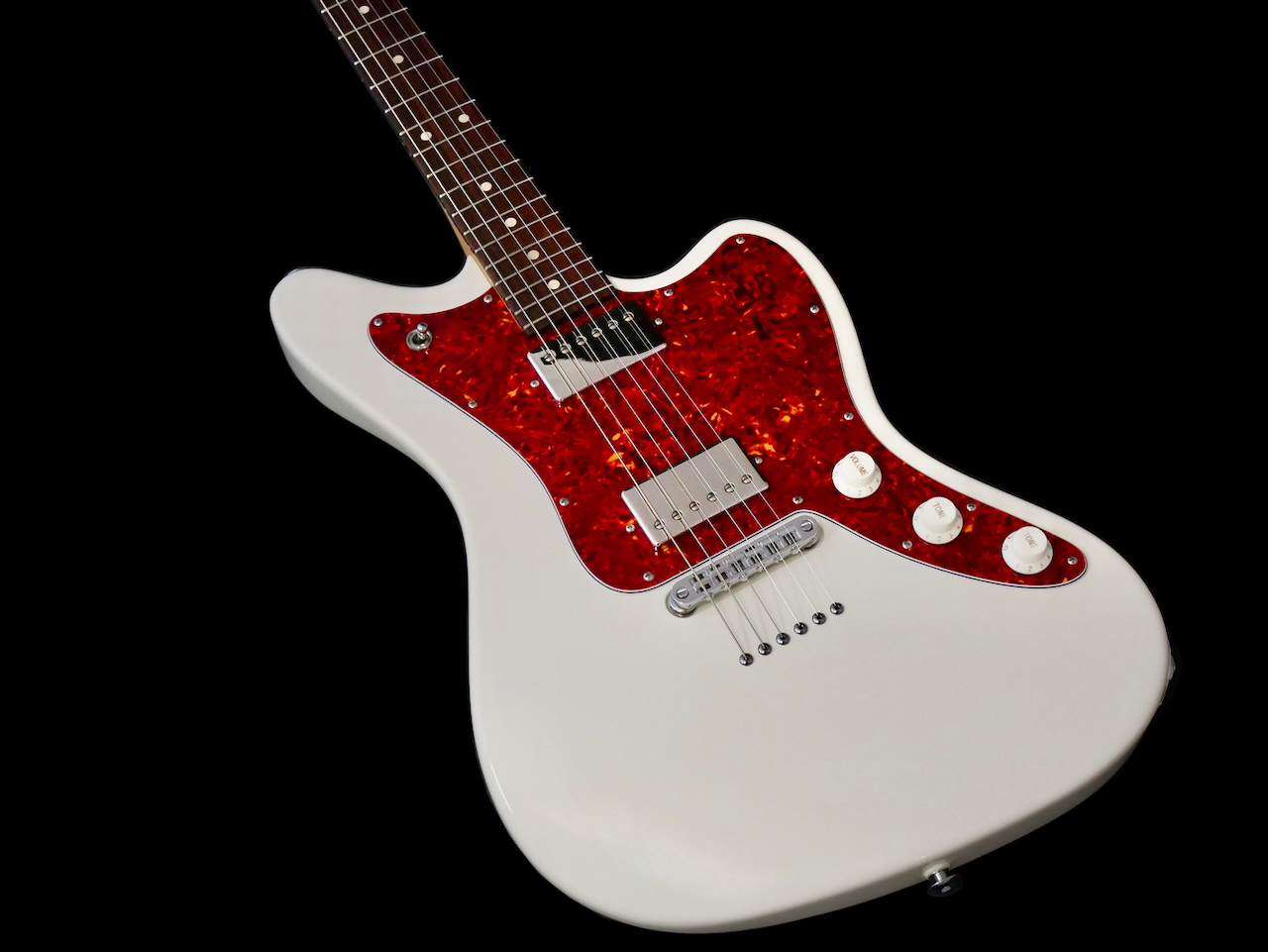
JM-tyylisen kitaran tärkeimmästä seikasta on luonnollisesti pidetty myös Classic JM:n kohdalla kiinni – soittimen suhteellisen iso leppärunko on erittäin ergonominen, jonka ansiosta se istuu mallikkaasti soittajan kehoa vastaan.
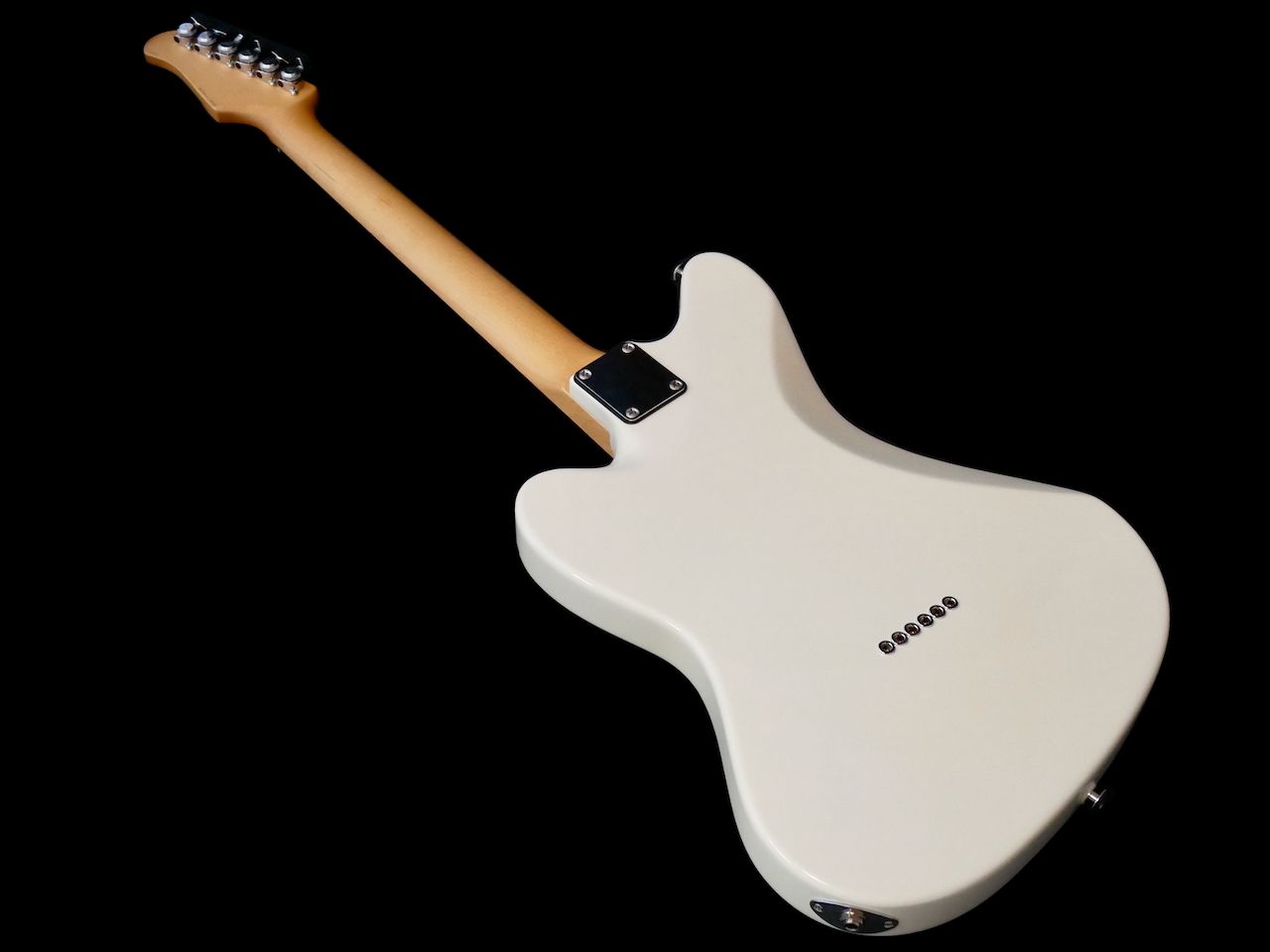
Suhrin oma lisäys on hyvin sulava viiste kaulalevyn ympärillä, joka helpottaa pääsyn ylimmille nauhoille.
Suhr Classic JM -mallissa kaula on veistetty vaahterasta, ja se on saanut ylleen ohuen satiinipintaisen viimeistelyn.
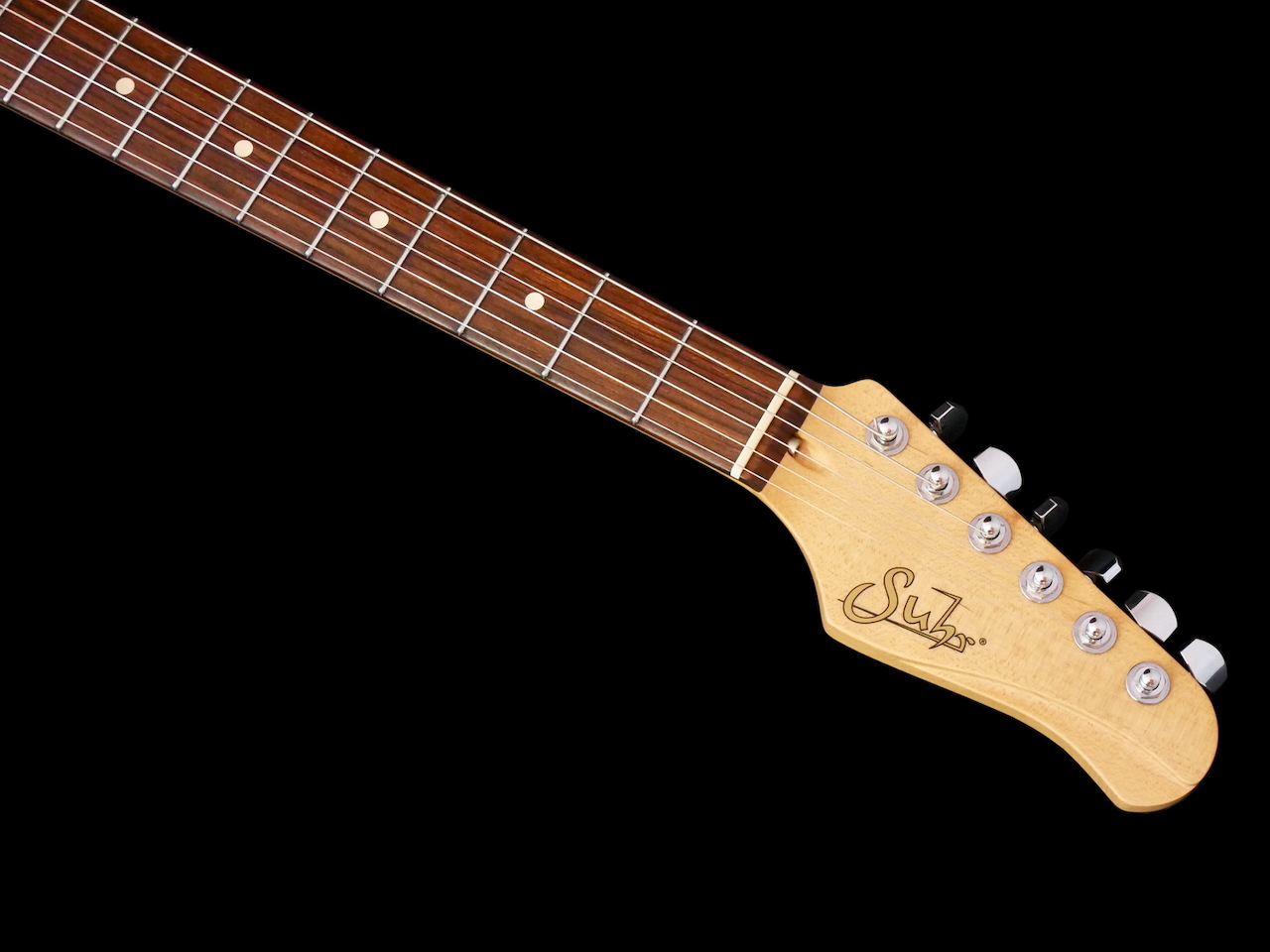
Kitaran otelauta aidosta intialaisesta ruusupuusta näyttää suorastaan herkulliselta. Otelautaan on veistetty ns compound-radius, mikä tarkoittaa että otelaudan kaarevuus on lavan lähellä kaarevampi (10 tuumaa) kuin rungon lähellä (14 tuumaa). Compound-radiuksen suuri etu on, että perussointujen soittaminen tuntuu yleensä mukavammalta juuri kaarevalla otelaudalla, kun taas soolokitaran venytyksiä on helpompi toteuttaa siististi tasaisemmalla otelaudalla.
Otelautaan on asennettu 22 medium-kokoista rosterinauhaa. Nauhatyö on ensiluokkaista.
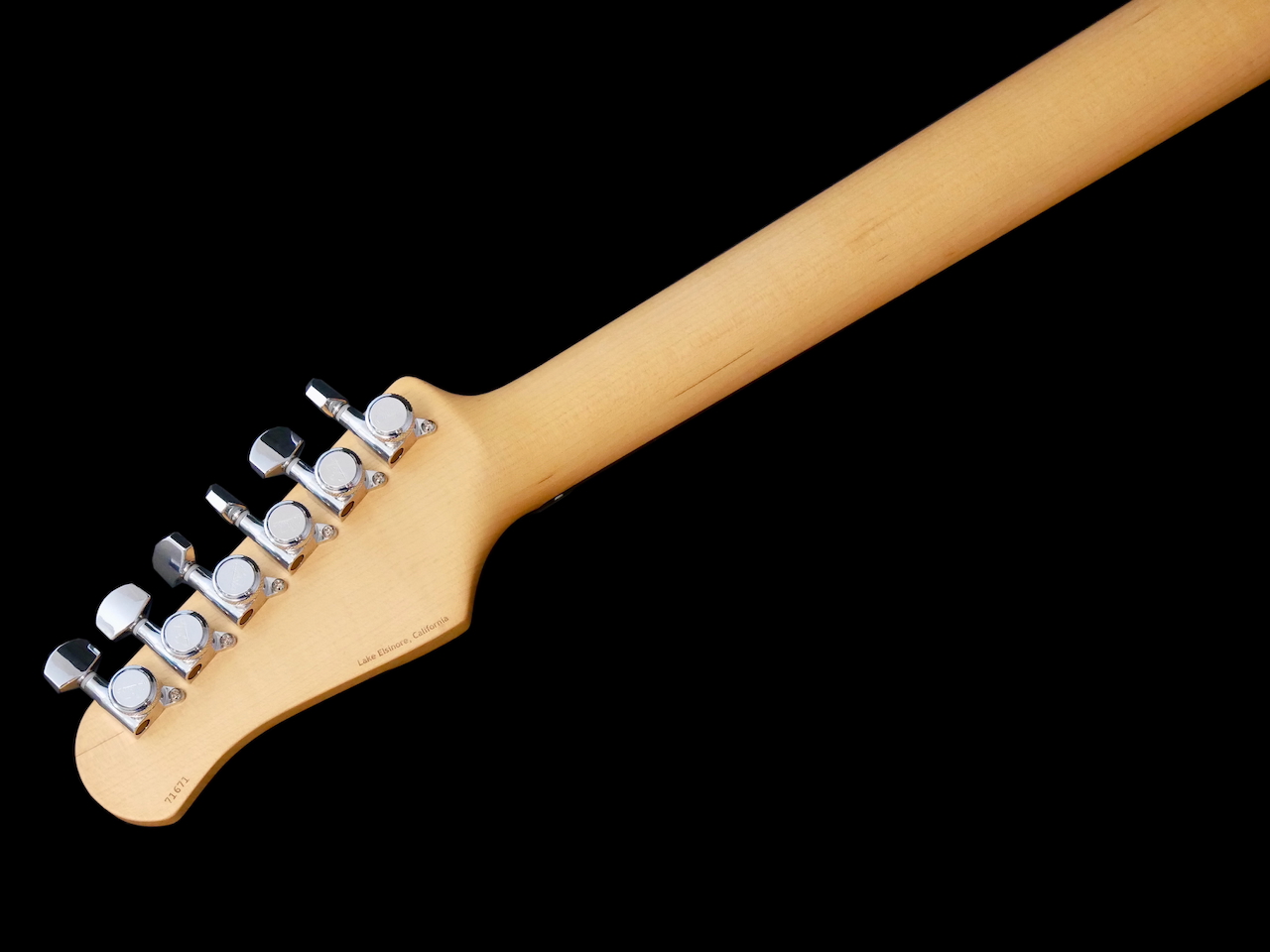
Virittimet ovat Suhr-logolla varustetut lukkovirittimet, joilla on eripituisia tappeja, kun taas kaularaudan säätämistä hoidetaan kätevästi lavan puolelta.
Suhr Classic JM -mallin tune-o-matic-tyylinen talla tulee ToneProsin valikoimasta – sen mallitunnus on TP6. Kielet on ankkuroitu rungon takapuoleen, niin kuin Telecastereissa yleensä, ja viety rungon läpi.
Kilpikonnakuvioiseen pleksiin on asennettu kaksi Suhr SSV -humbuckeria, joilla on alnico 5 -magneetteja, sekä kromattuja kansia.
Kolmiasentoinen vipukytkin on nykyaikaista sorttia, jolla on lyhyempi vipu, minkä ansiosta holtiton plektrakäsi ei osu siihen niin helposti kuin isompaan vintage-malliin. Säätimet on tässä tarjolla kolme kappaletta, joista ensimmäinen on master volume -nuppi, ja ne kaksi muuta kummankin mikin oma tone-säädin.
Suhr Classic JM TP6 myydään omassa laadukkaassa keikkakassissaan.
****
Kerran Guitarist-lehden haastattelija kysyi Carlos Santanalta, mikä on laadukkaan kitaran tärkein ominaisuus. Santana vastasi: ”Laadukas kitara ei anna sinulle lainkaan mahdollisuuta turhiin selityksiin. Jos laadukas kitara ei soi, se ei johda kitarasta tai vahvistimesta. Jos kuulee vääriä nuotteja, se ei silloin ole kitaran vika. Laadukas soitin ei seiso sinun tiellä, vaan se auttaa sinua saada sinun musiikkia, joka tulee sun päästä ja sun sydämestä, esiin ja kuuluville.”
Suhrin JM Classic on juuri tällainen soitin, josta tulee muutamassa minuutissa oman sielun ja ruumiin pidennys.
Huomattava osa tällaisen laatukitaran hinnasta tulee nykyään laadukkaiden puiden hinnoista. Suhrin kaltainen valmistaja etsii esimerkiksi runkoa varten mahdollisimman isokokoisia paloja, mahdollisimman kevyellä painolla, koska kahdesta tai kolmesta kevyestä palasta yhteen liimattu runko soi huomattavasti vapaammin kuin pikkurimoista kasattu vastine.
Ja sitä kyllä huomaa – vaikka offset-tyyliset rungot ovat lankkukitaroiden isommasta päästä, on Suhr Classic JM erittäin kevyt sähkökitara. Offset-runkojen erinomainen ergonomia tulee näin vielä paremmin esille.
Sana ”Classic” viittaa vintage-tietoisuuteen, joka liittyy mm. varhaisen 1960-luvun kaulaprofiiliin. Tällainen oval-C muotoinen profiili istuu mallikkaasti ainakin minun omaan käteen.
Myös Suhr SSV -humbuckerien soundi on vintage-tyylinen. Legendaaristen 50-luvun Gibson PAF -mikrofonien lailla myös Suhrin humbuckerit ei ole vahattu täysin kuoliaaksi, eikä ne ole liiallisella teholla pilattu, vaan tässä on satsattu täysin dynamiseen ja avonaiseen soundiin. SSV-mikrofonien hallittu, kevyt mikrofonisuus mahdollistaa myös toivotun feedbackin lisäämistä omaan työkalupakkiin.
Suhr Classic JM:n soitettavuus on sen sijaan silkkaa nykyaika. Otelaudan compound-radius ja laadukkaasti asennetut rosterinauhat takaavat vaivattoman soitettavuuden, ja ne mahdollistavat myös hyvin matalat säädöt ilman kielten ylimääräistä räminää nauhoja vasten.
Kokonaisuudessa voi vain toteaa, että Suhr Classic JM TP6 on yksi parhaimmista kitaroista, joita olen koskaan soittanut.
In 1960, Sennheiser’s perhaps best-known microphone, the Sennheiser MD421, was released. The MD421 is a rather large and heavy microphone, and it is designed in quite a unique way.
This microphone uses a rather massive capsule with a large (27 mm/1.1 inch) diaphragm, which is carefully protected from handling and wind noise. In addition, the capsule has its own humbucker coil, which filters out electromagnetic hum and buzz out of the microphone signal.
A short “bass pipe” extends from the bottom of the capsule into the center of the microphone housing, which acts as a “bass chamber.” Depending on the year of manufacture of the MD421, this chamber may be either simply the plastic housing of the mic, or there may even be an injection-molded metal chamber inside the microphone.
A five-position rotary switch for the bass cut is embedded in the end of the housing – one extreme position “M” (Musik; music) lets the MD421 pass through the entire frequency range, while the second extreme position “S” (Sprache; speech) effectively removes most of the bass frequencies from the signal.
The new Sennheiser MD421 was available in versions with the German Klein-Tuchel connector (a larger and sturdier cousin of the DIN connector), as well as with an XLR connector.
The new model’s stand adapter was quite unique; the adapter had a long swivel leg on the stand side, while on the side that went into the microphone there was a rail with a spring mechanism. This rail is pushed into a groove in the belly of the microphone until the mechanism clicks into place.
The Sennheiser MD421 model became a huge sales success upon its release. Although the new microphone was relatively expensive, the quality of the MD421 was so convincing that the microphone was seen in almost every TV studio, concert stage, podium, and recording studio in the 1960s and 1970s – especially in Europe. When I was six years old, I had two things I wanted desperately to own – a Fender Jazz bass and “that creamy white Sennheiser”.
Although the MD421 was originally intended to be “everywhere”, over time the special strengths of the microphone led to it being seen most often in front of brass instruments, drums, and guitar and bass amplifiers.
The Sennheiser’s light-colored housing was permanently changed to black sometime in the late 1970s, and parallel versions of the MD421 were also introduced, for example some without an internal bass filter.
The Sennheiser MD421 has maintained its position, especially in the recording studio, to this day. The only criticisms are the model’s large size and weight, which can make it difficult to position the mic, and the reliability of the mic adapter, especially in heavy use. A microphone bouncing from a tom onto the drummer’s lap is not likely to inspire much confidence.
****
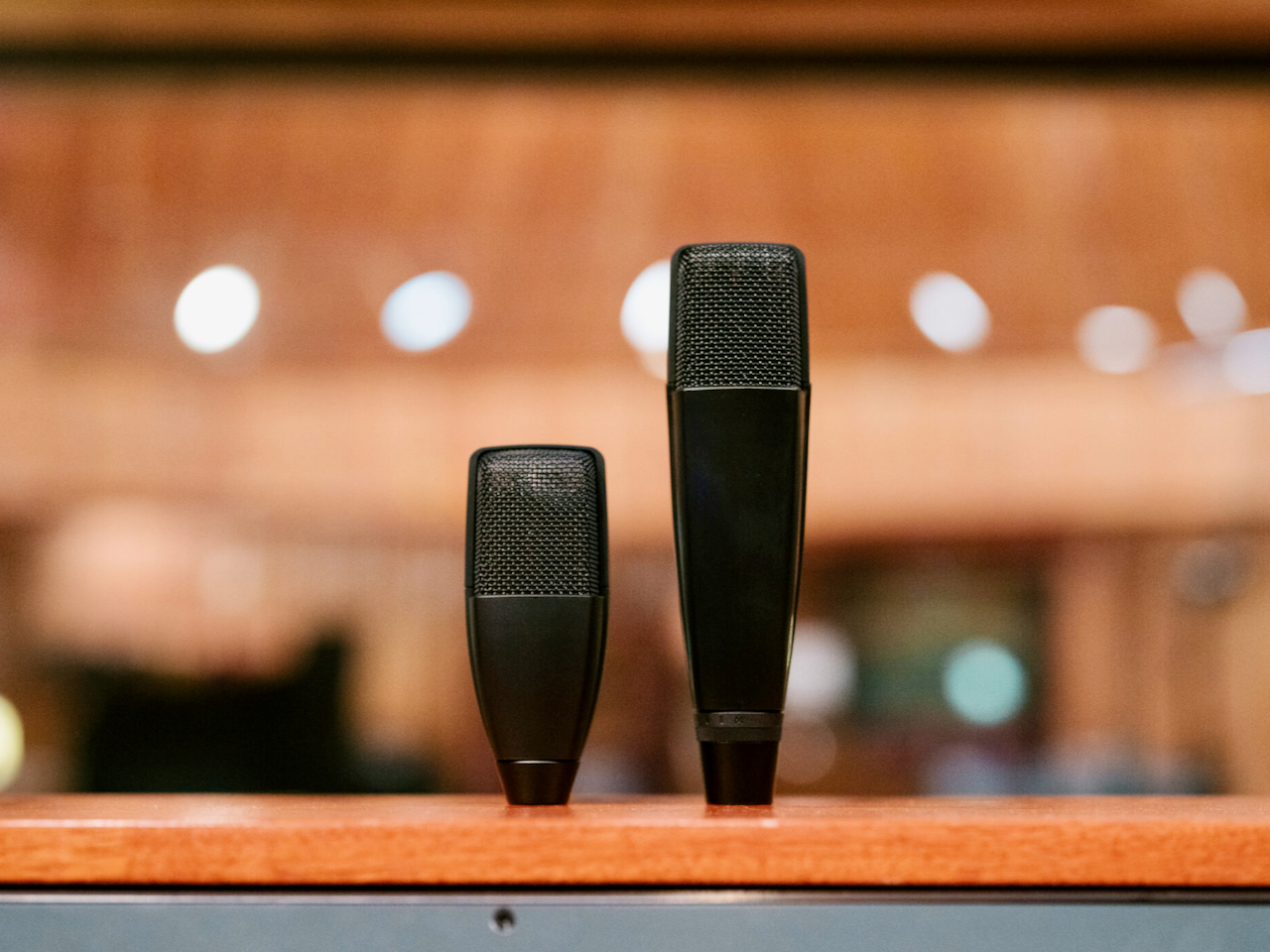
Sennheiser has finally listened to everyone who has been asking for a scaled-down version of the MD421 model. A few weeks ago, the Sennheiser MD421 Kompakt, a compact parallel version of the old classic, was released.
The microphone capsule in the new Kompakt version is exactly the same as in the classic version, and the volume of the bass chamber in the shorter body has been kept the same size. Thanks to this, it is no surprise that the frequency response (30 Hz – 17 kHz) and other technical values of the MD421 Kompakt are also identical. The microphone’s shrinkage has been achieved by removing the bass filter unit of its big brother from the Kompakt.
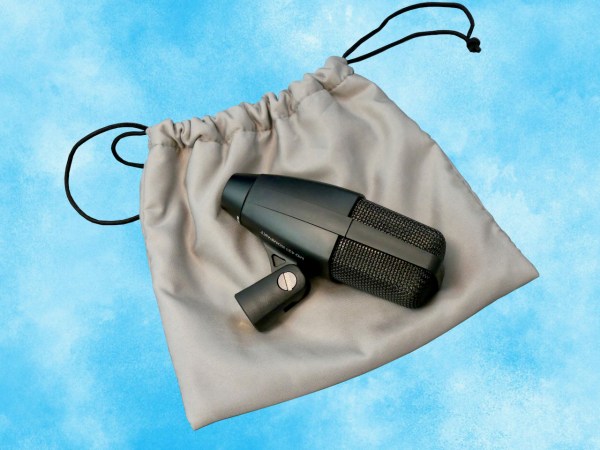
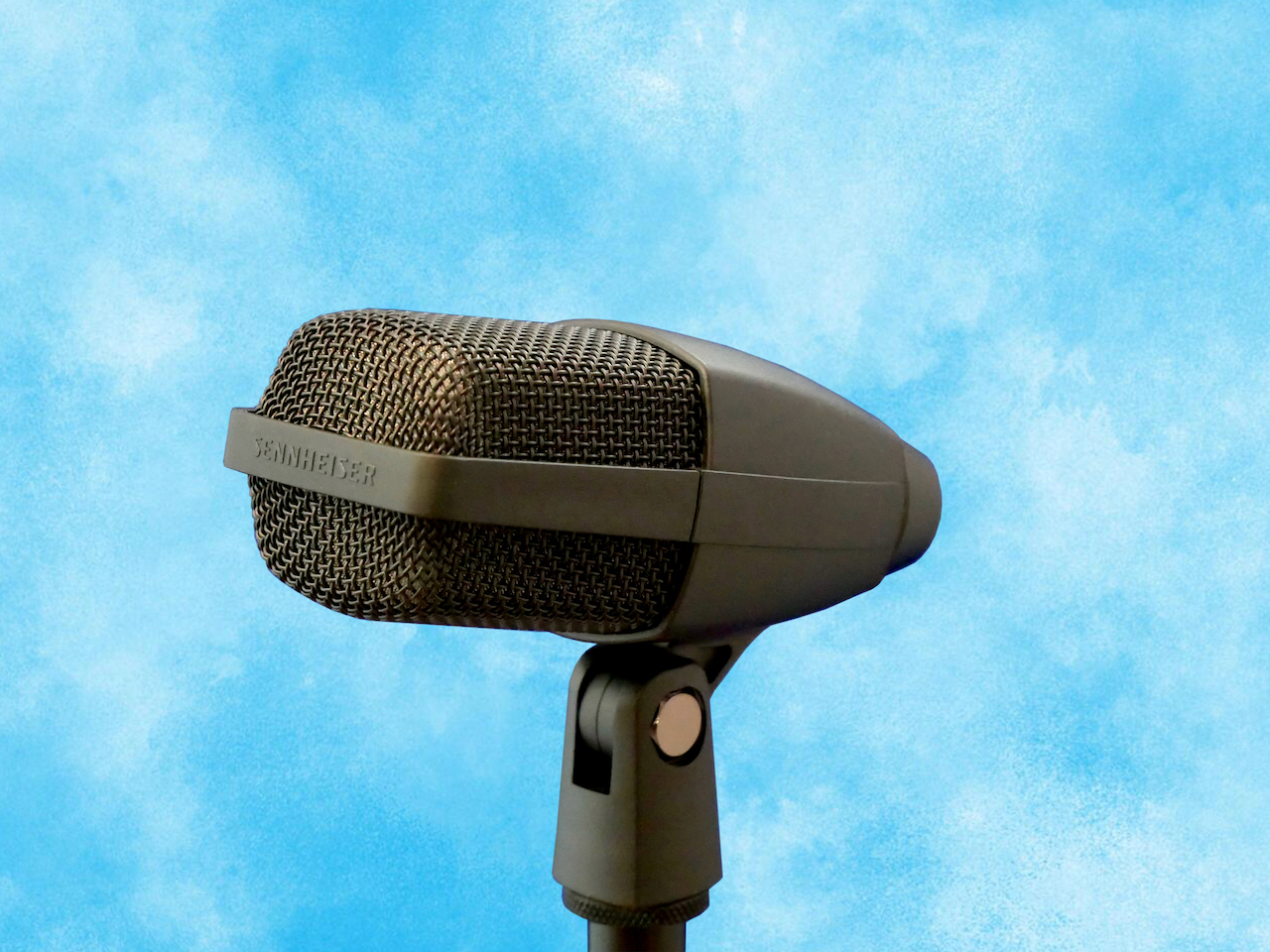
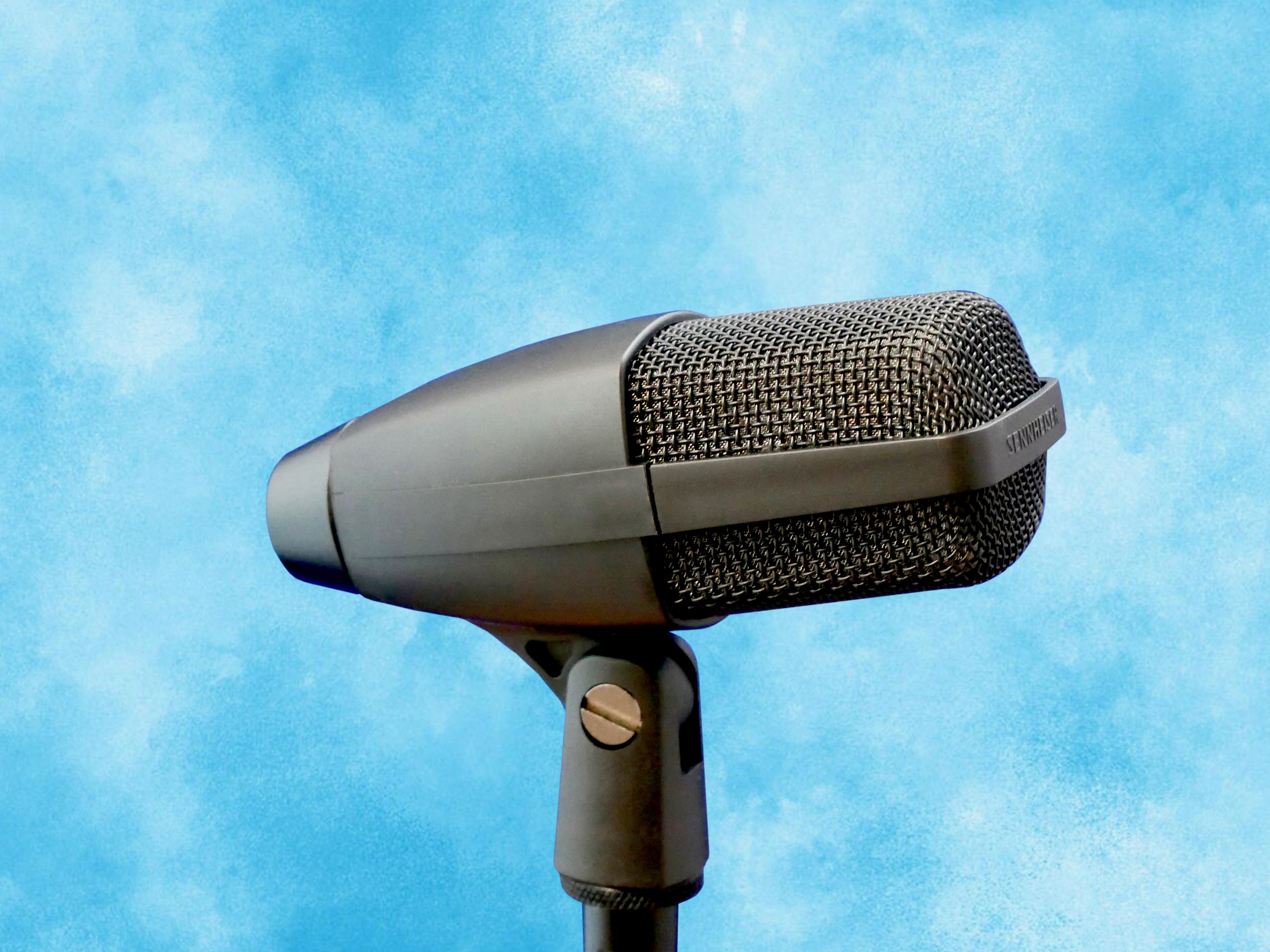
The Sennheiser MD421 Kompakt does not have a separate stand adapter, but here it is implemented as part of the microphone body. For drum recordings, the new mic is also available in a set version (street price approximately 315 euros), which already includes the MZH drum adapter suitable for the Kompakt. A storage bag is included in both sales packages.
The convenient size and low weight of the MD421 Kompakt make it very easy to place the new mic. The more compact body does not feel toy-like at all, but the mic has the same solid construction as its big cousin. I think the MD421 Kompakt would also be an excellent choice for a vocal mic on stage, as you don’t have to worry about your teeth, as you would with the full-size version, if someone hits the mic stand while you’re singing.
****
At least to my ears, the Sennheiser MD421 Kompakt sounds a little warmer than a Shure SM57, and the new mic’s presence emphasis is also at a higher frequency than the Shure. Whether this is a “good” or “bad” feature depends entirely on the source signal and your own preference.
****
For this review I recorded two demo songs with the Sennheiser. The first demo is a completely acoustic song, where every instrument and sound has been recorded with the MD421 Kompakt and a Cranborne Camden EC2 mic preamp. Song number two is a rock song, where the drums sounds are samples, but the bass and guitars have been captured with the MD421 Kompakt and the built-in microphone preamp of Universal Audio’s Volt 2 interface.
The classical – or nylon-string – guitar is still the first instrument for many beginners, which is why this type of guitar is also available in smaller versions, like stringed instruments.
A three-quarter-size guitar is suitable for people 130-155 centimeters tall. It is also a great choice as a travel or summer cottage guitar, because it takes up less space than a full-size guitar, and its 58-59 cm scale length does not feel too loose in larger hands.
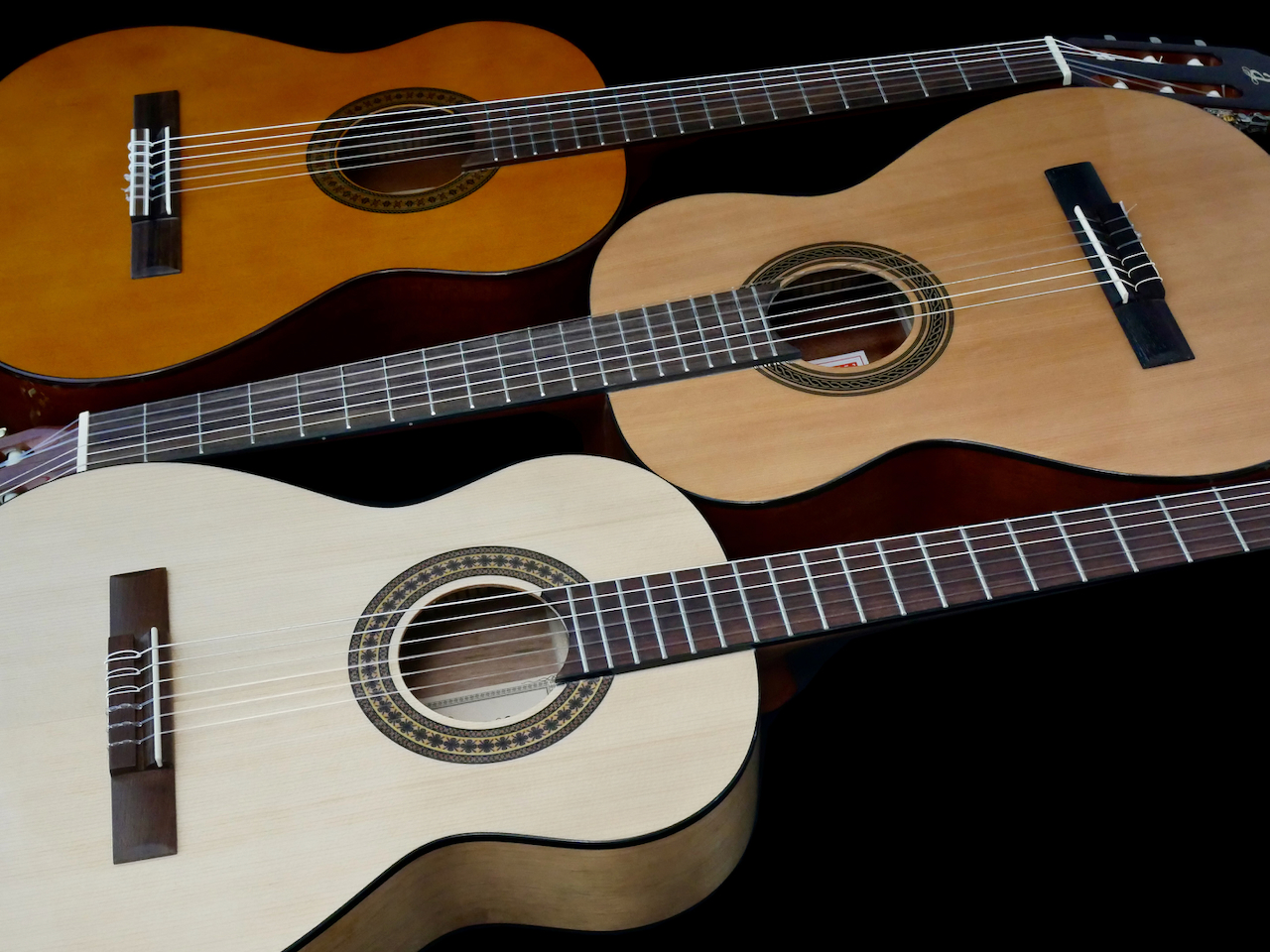
In this review, I will introduce you to three high-quality 3/4-size guitars in the 200 euro price range.
****
The Admira Juanita (€229; Musamaailma) is a beginner’s instrument from this well-known Spanish guitar manufacturer, available in all traditional sizes, and is made in Spain, despite its affordable price.
The top of the Juanita 3/4 model is made of Douglas fir plywood, while the back and sides are made of sapele mahogany. The long part of the mahogany neck, as well as the lower part of the headstock, are carved from three adjacent pieces of wood. An additional piece is glued to this to complete the headstock, as well as for the traditional neck heel of a classical guitar.
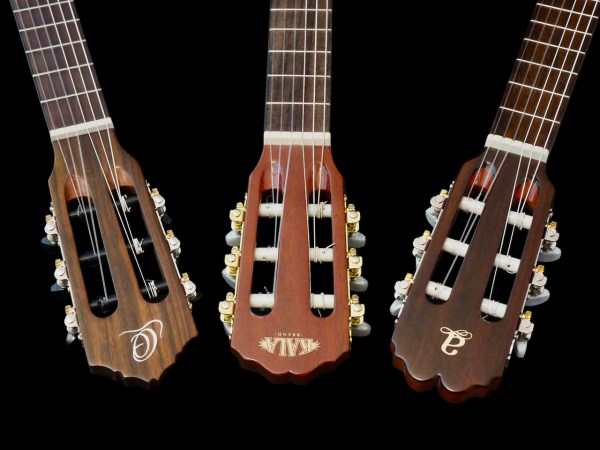
The fingerboard and bridge of the Admira Juanita are made of a beautiful wood called mangoy. The name was unknown to me, but after googling I found out that it is just another name for a familiar instrument wood, ovangkol. The fingerboard has 18 traditional, narrow frets, which have been installed very neatly. The chrome-plated tuners seem to be of high quality. The Juanita 3/4 model’s top nut and bridge saddle appear to be made of Graph Tech’s Tusq material.
In terms of appearance, the Admira Juanita clearly presents a beautiful traditional line with the guitar’s honey finish.
The guitar arrived in excellent trim and equipped with high-quality strings.
Three-quarter guitars usually also have a narrower neck than full-size classical guitars. In the Juanita 3/4 model, the reading at the top nut is 44 millimeters. The guitar’s neck profile is a flat D, but the traditional, relatively angular shoulders, have been softened quite a bit in this model, and that’s a good thing.
Anyway, the playing feel is excellent. The sound of a plywood-bodied guitar can never be as big and full-bodied as a solid-top one, but the Admira Juanita 3/4 is a far cry from the lifeless sound of cheap instruments. The Juanita 3/4 plays with a beautiful and warm sound, offering plenty of dynamic nuances.
****
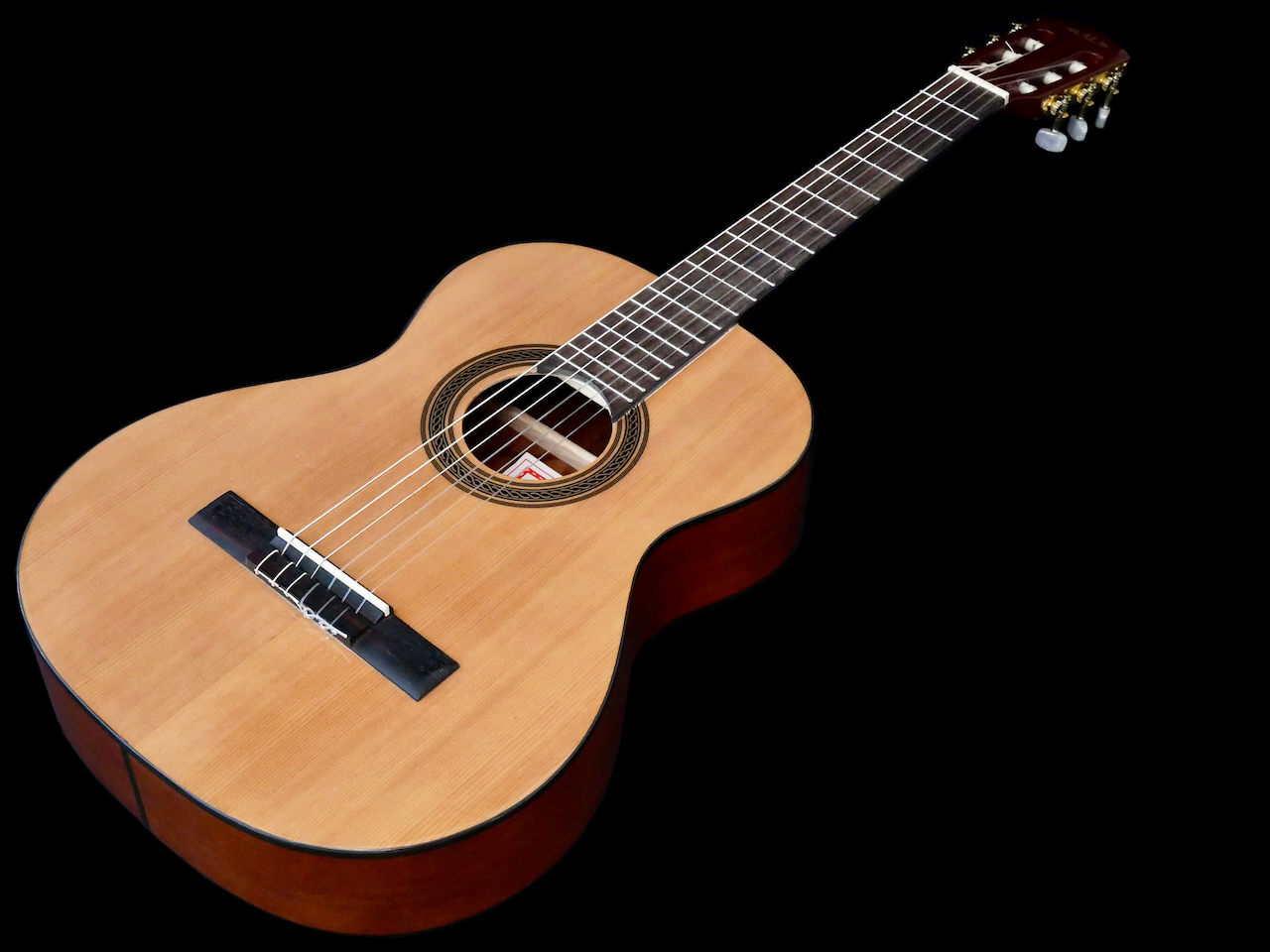
Kala Brand is known as a ukulele manufacturer with a very wide range of these small instruments. However, Kala also makes a few classical guitar models, of which the 3/4-size Kala NY-23 is one.
The Kala NY-23’s plywood top is made of cedar, while the back and sides are made from mahogany. The long section of the mahogany neck is carved from a single piece, to which separate pieces for the headstock and neck heel are then glued. The grain pattern of the heel piece is so well matched to the neck in the instrument reviewed that it was very difficult to find a glue joint.
According to the manufacturer, the NY-23’s fingerboard and bridge are made of rosewood. The fingerboard has a thin black binding. The Kala model offers no less than 19 narrow frets. The tuners are gold-colored and have pearloid-patterned plastic buttons.
The test instrument’s high-quality plastic bridge saddle was left a bit too high at the factory, and the bass strings had also seemed to have taken taken a bit of a beating on the way from the Chinese factory to Finland. The trim on the test instrument didn’t match the high-quality image I have come to expect from Kala instruments thus far. This one must have slipped past quality control.
I usually try to always test instruments with the so-called factory settings, and I usually do not make fundamental adjustments either. Due to scheduling reasons and the poor playability of the guitar, however, I decided to lower the bridge saddle myself, and to also change the strings on the test guitar. In a purchase situation, such things are the responsibility of the instrument store, and St. Paul’s Sound in Nummela is known for its very good customer service. This time I was simply in a bit of a hurry.
The nut width on the Kala NY-23 is 48 mm. The guitar’s neck profile is closer to steel-string necks, as it is a very nice rounded C.
Lowering the bridge – and putting on a new set of strings – really paid off. The bass E height is now 3.4 mm at the 12th fret, and the playability of the NY-23 has become very comfortable. The sound of the Kala NY-23 has also come into full bloom, and is now beautifully lyrical and lively.
****
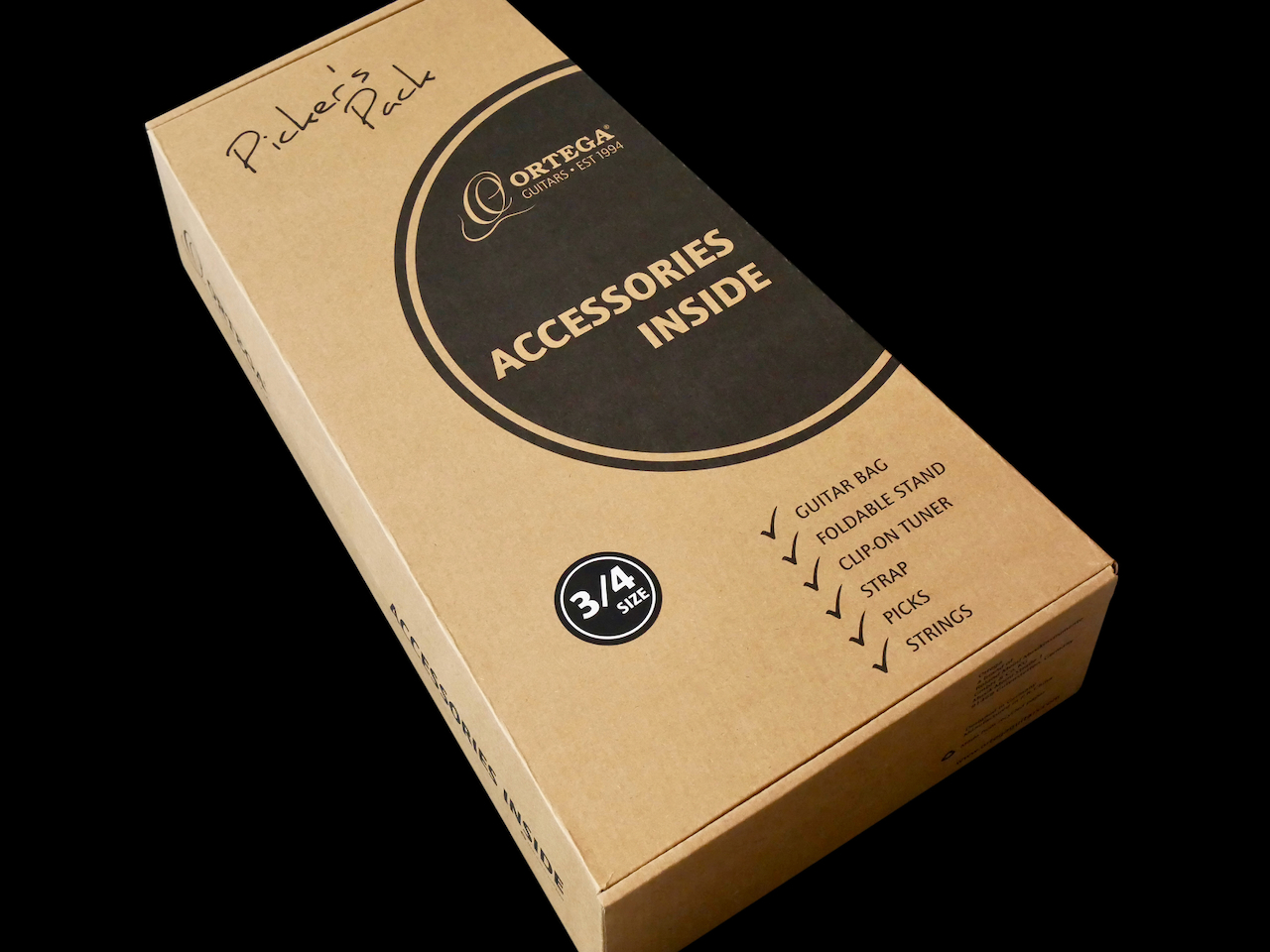
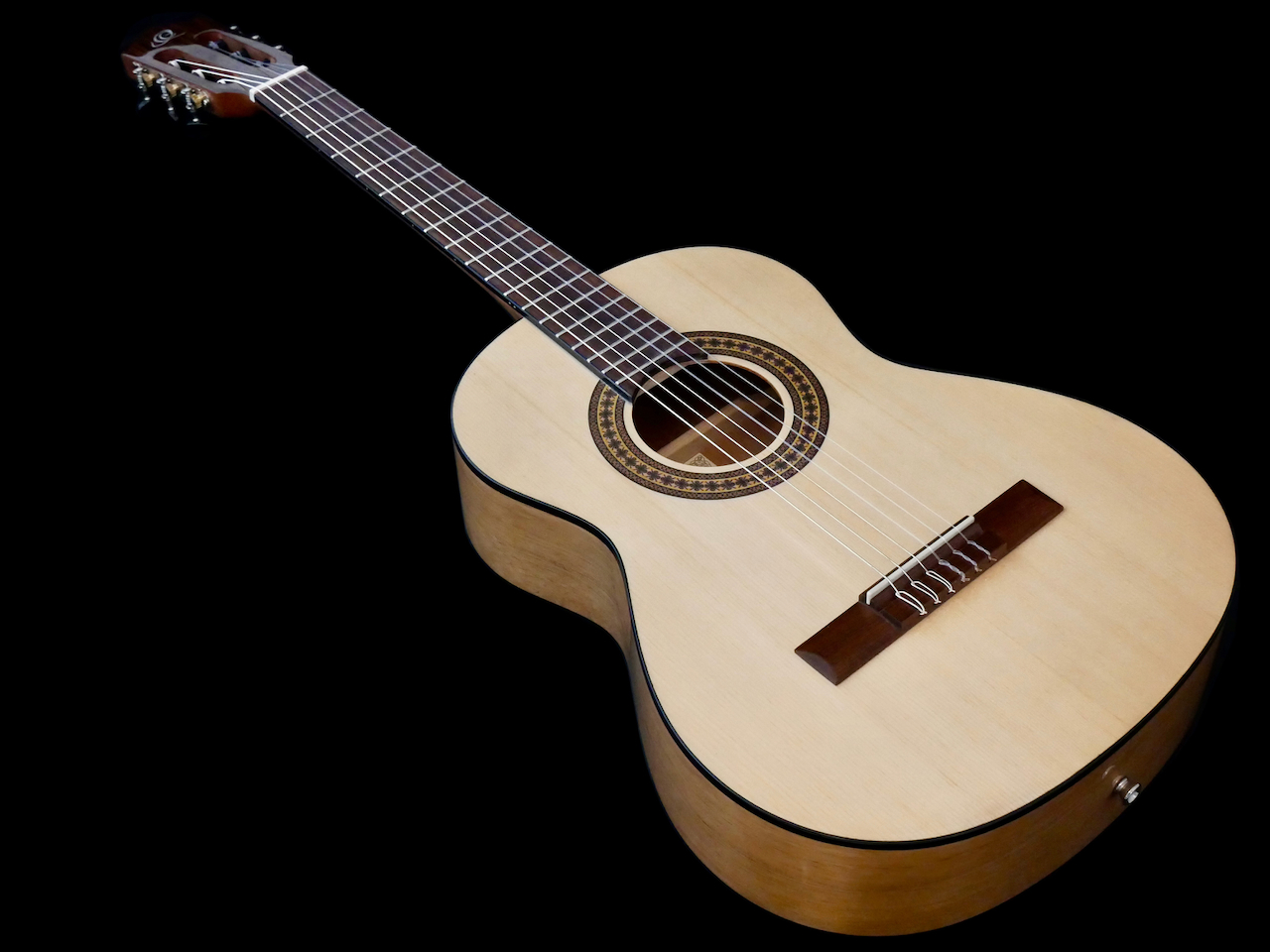
The Ortega Picker’s Pack Classic 3/4 (203 €; F-Musiikki) is a package aimed at beginners, which includes a lightly padded bag, a strap, three picks, a digital tuner, a set of strings, and a foldable guitar stand.
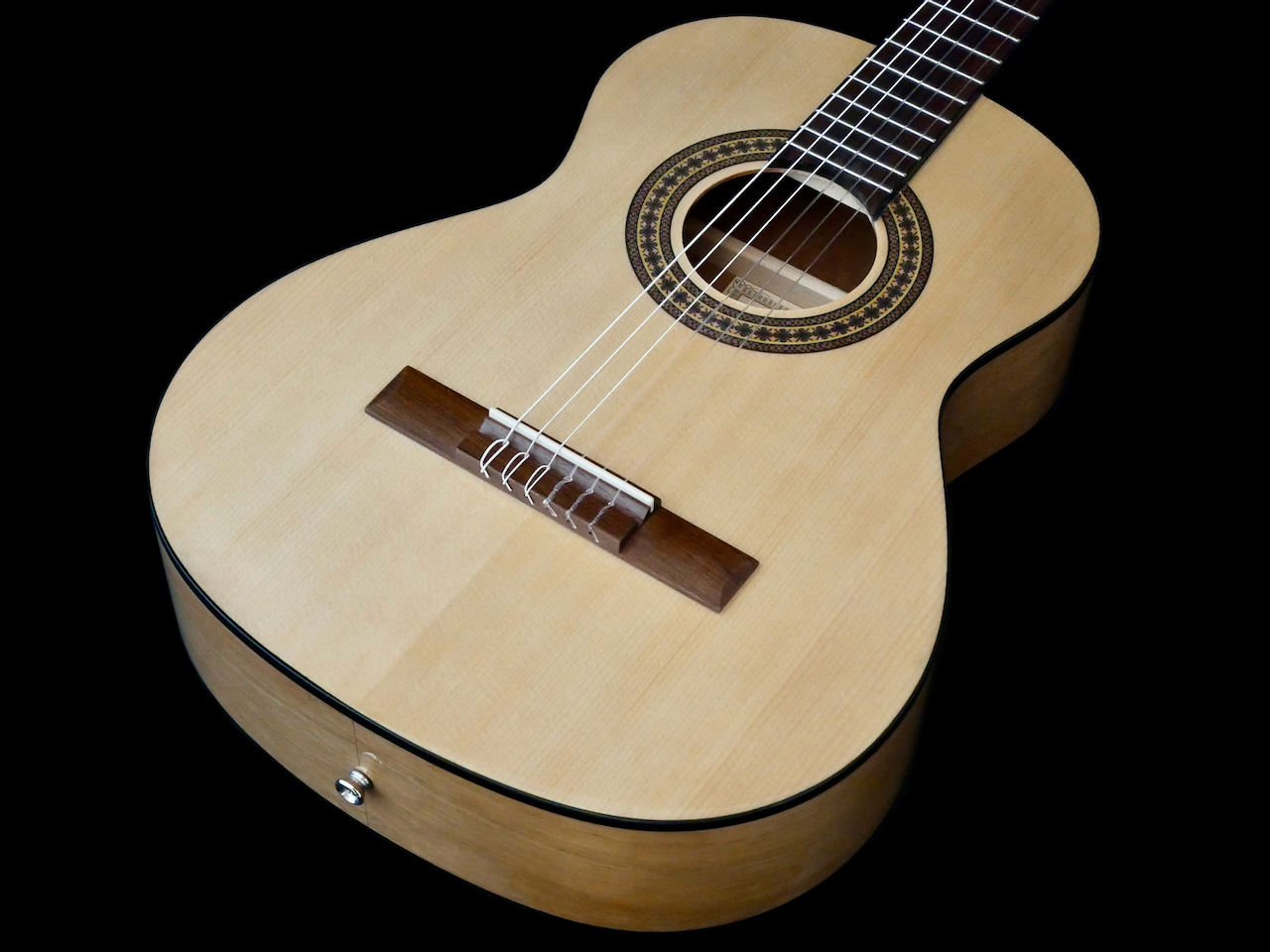
However, the main focus of this article is the excellent 3/4-size guitar in the package called the Ortega RPPC34. The RPPC34, made in China, has been given a beautiful natural finish. The plywood body has a spruce top, while the sides and back are made of very light-coloured catalpa wood. This gives the Ortega an appearance very much like that of a flamenco guitar, which traditionally use very light-coloured cypress or maple for the back. The RPPC34’s mahogany neck is carved from three parts, with additional parts for the neck heel and headstock glued to the long neck.
Both the Ortega’s fingerboard and bridge are made of walnut. A thin black binding has been added to the fingerboard. The RPPC34 has 18 narrow frets. The Ortega’s fretwork is of high quality. The chrome tuners have black buttons.
The guitar arrived in excellent trim and equipped with high-quality strings.
The Ortega RPPC34’s neck width at the nut is 45 mm. The neck profile is a bit unusual for a classical guitar, but at the same time very comfortable. It’s a nice mash-up of a C- and a soft V-profile.
The Ortega’s playing feel is excellent. The RPPC34 model plays with a very dynamic sound, with a tight bass register and a sparkling touch of treble.
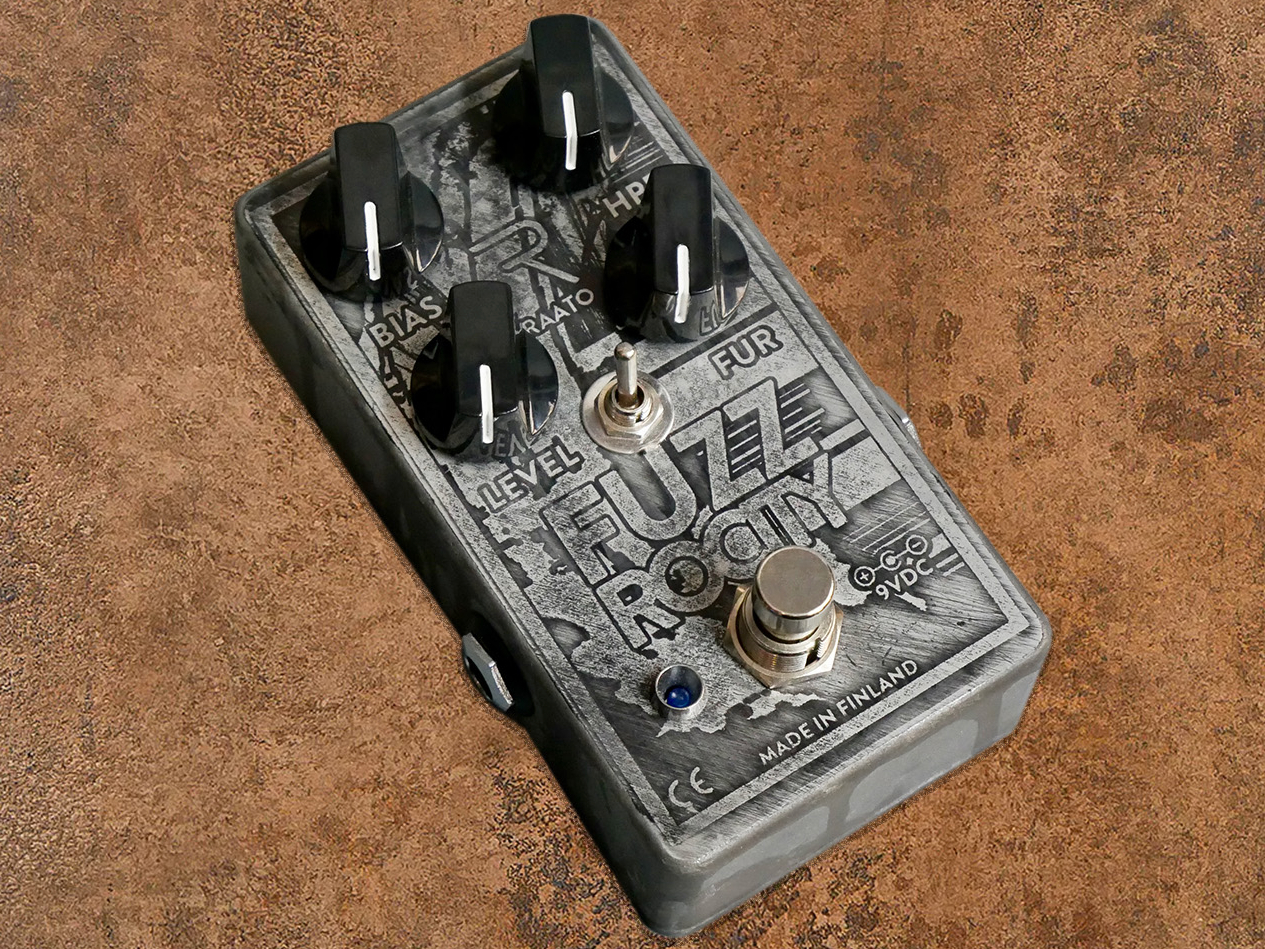
Upouusi Raato Fuzzrocity (268 €) on Fuzz Face -tyylinen piipohjainen fuzz-särö nykyajan kitaristeille. Tässä yhteydessä ”Fuzz Face -tyylinen” tarkoittaa nimenomaan efektin soundimaailma, sillä Fuzzrocity ei ole missään nimessä jonkun vintage-pedaalin klooni.
Kun kävin pajalla, Mika näytti minulle muutaman työn alla olevan Fuzzrocity-pedaalin. Hän käyttää erittäin laadukkaita osia, sekä oman suunnittelun mukaan tehtyjä piirilevyjä. Myös pedaalien grafiikat etsataan itse Raato Guitarsilla. Toimiakseen Raato-pedaalit tarvitsevat Boss-standardin mukaista yhdeksän voltin virtalähdettä.
Hyvä vintage Fuzz Face voi olla taivaallinen soundikokemus, mutta valitettavasti sillä ei ole paljon mahdollisuuksia säätää sitä soundia, kun tarjolla on ainoastaan Fuzz- ja Volume-säätimet. Riippuen soittajan musikkillisista tarpeista, sekä käytetystä kitarasta ja vahvistimesta, vintage-fuzz voi kuulostaa liian terävältä tai liian mutaiselta, etenkin nykyaikaisten alavireisten (tai seitsenkielisten) kitaroiden kanssa.
Lisäksi vanhat Fuzz Facet voivat aiheuttaa ongelmia yhteiskäytössä wah-pedaalin kanssa. Pedaalien välinen impedanssin yhteensopimattomuus voi aiheuttaa korvia raastavaa ulinaa.
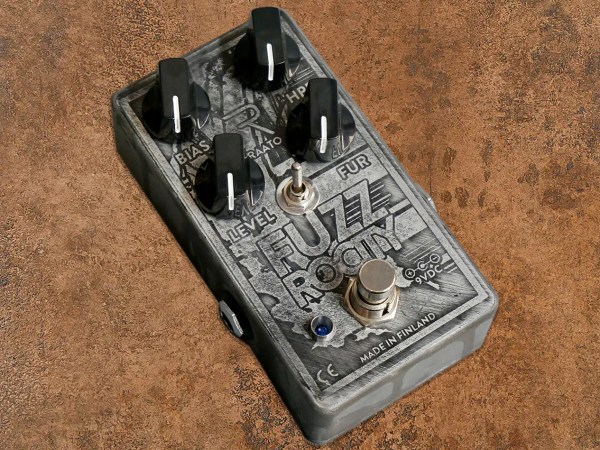
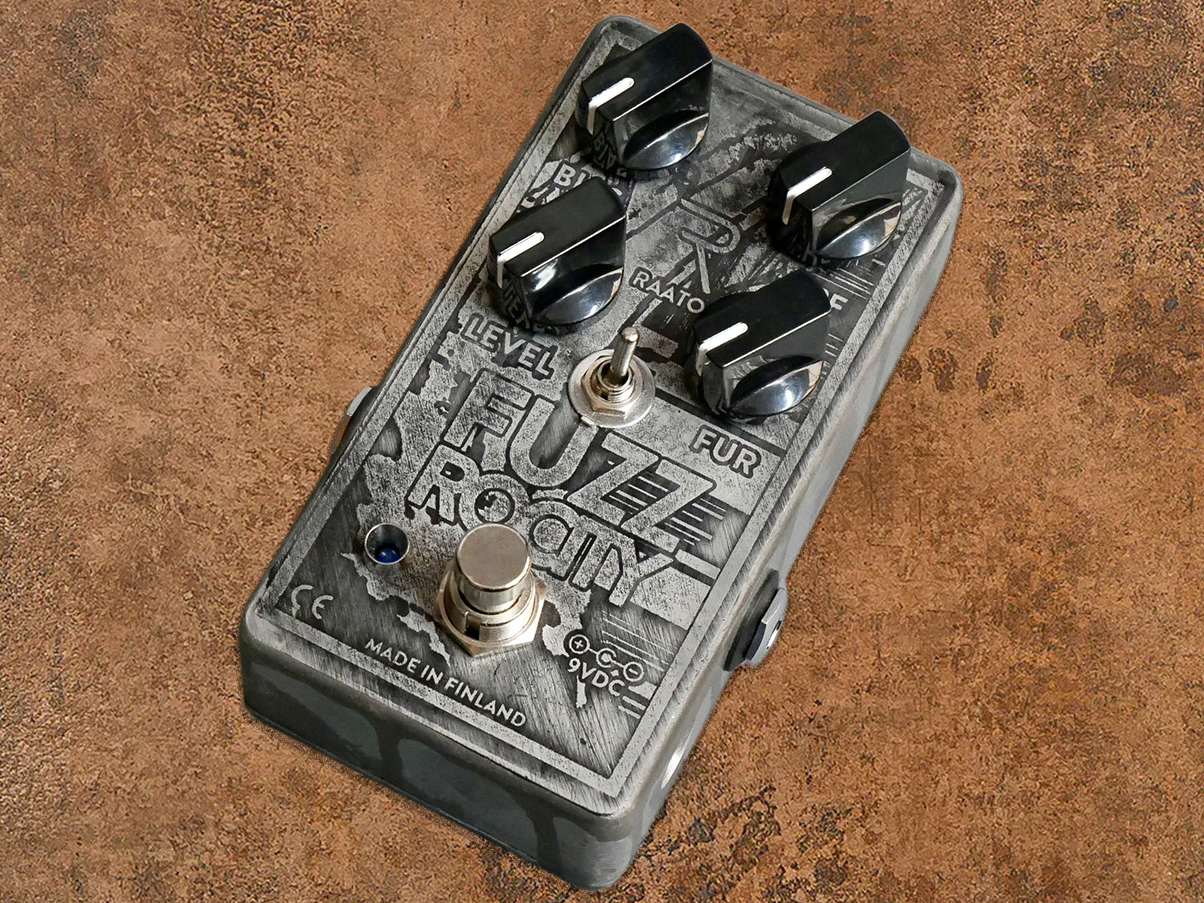
Raato Fuzzrocity on suunniteltu nykykitaristin tarpeita silmällä pitäen – pedaali tarjoaa laajan valikoiman herkullisia säröjä, sekä paljon säätövaraa eri genrejä ja tarpeita varten. Efektistä löytyy neljä säädintä:
BIAS antaa sinun säätää piitransistorien käyttöjännitettä, kun taas HPF tarkoittaa ylipäästösuodatinta, jolla voit poistaa särösignaalista mahdollisesti häiritseviä bassotaajuuksia. FUR vastaa tavallista fuzz- tai gain-säädintä tulosignaalille, kun taas LEVEL ohjaa lähtösignaalin voimakkuutta.
Lisäksi Fuzzrocitysta löytyy kolmisuuntainen minikytkin, joka antaa sinulle kaksi eri treble-filtteriä (sekä ohituksen keskiasennossa), jolla voi kesyttää tarvittaessa signaalin diskanttia.
Saat nykyaikaisen version Fuzz Face soundista, kun BIAS on lähes täysillä ja HPF pois päältä, jolloin FUR ja LEVEL toimivat vintage-faced Fuzz- ja Volume-säätimien tavalla. Ehdottaisin, että laitat tässä tapauksessa diskanttifiltterin kytkimen ala-asentoon.
Raato Fuzzrocity tarjoaa kuitenkin paljon laajemman kattauksen eri fuzz-soundeja, kun ottaa kaikki säätimet käyttöön.
BIAS-säätimen asetuksilla on erittäin suuri vaikutus tämän pedaalin luonteeseen ja dynamiikkaan. Matalilla BIAS-asetuksilla saat ”kuolevan pariston” soundeja, joissa esiintyy vahva geittaaminen ja hyvinkin rakeinen särösoundi. Avaamalla BIASia fuzz-sounds muuttuu kiinteämmäksi ja dynaamisemmaksi. Monet nyky-rock- ja metal-kitaristit hyötyvät pedaalin HPF-säätimestä, joka on tärkeä työkalu, silloin kun halutaan pitää mutaisia bassotaajuuksia aisoissa. FUR-säädin käyttäytyy – luonnollisesti – vuorovaikutteisesti BIAS-säätimen kanssa, ja sen soundien skaala ulottuu ”rikkinäisen sitarin” soundeista mietojen overdrive-soundien kautta tuomiopäivän fuzziin. Kolmiasentoinen treble-kytkin toimii hienosti purevuuden annostelijana.
Mika Ruotsalainen on suunnittelut Raato Fuzzrocity -pedaalinsa toimimaan saumattomasti myös vintage-tyylisten wah-wah-pedaalien kanssa, niin kuin kuulee tämän jutun alussa olevassa videossa, jossa käytin Voxin V845 suoraan Fuzzrocityyn.
Jutun lopussa oleva video taas näyttää, kuinka hyvin Fuzzrocity reagoi kitaran volume-säätimen muutoksiin.
Minun mielestäni Raato Guitarsin Fuzzrocity-särö on täysosuma, koska sillä saa erittäin laajan valikoiman erilaisia vintage-vivahteisia fuzz-soundeja, täysin ilman vintage-klooneille tyypillisiä ongelmia monissa nykypäivän genreissä.
Fuzzrocity-pedaali on piensarjoissa käsin tehty efekti, ja saatavilla hyvin järkevällä hinnalla. Pedaalilla on selkeästi luottotyökalun ainekset.













 Kitarablogi.com – Finland's premier Guitar and Bass blog