Lisätiedot: Musamaailma
Tiedote: Fenderin uusi American Professional -sarja on nyt saatavilla
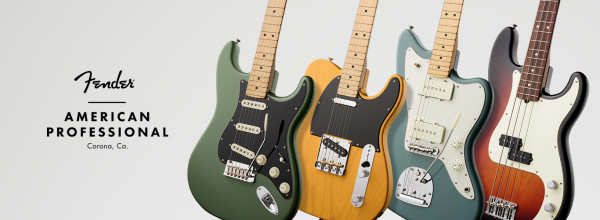
Upouusi American Professional -sarja on vanhan American Standard -sarjan perusteellisesti päivitetty seuraaja.
Ratkaisevin kohta uudistuksiin löytyy kitaroiden ja bassojen mikrofoniosastolta:
Fenderin oma mikrofoniguru Tim Shaw on kehittellyt jokaista mallia varten oman V-Mod-mikrofonisetin. V-Mod-mikrofonien erikoisuus löytyy tarkkaan valikoiduista magneeteista – esimerkiksi American Pro Stratocasterissa on eri alnicovahvuuksia mikrofonista toiseen, sekä yksittäisen mikrofonin sisällä basso- ja diskanttikielille.
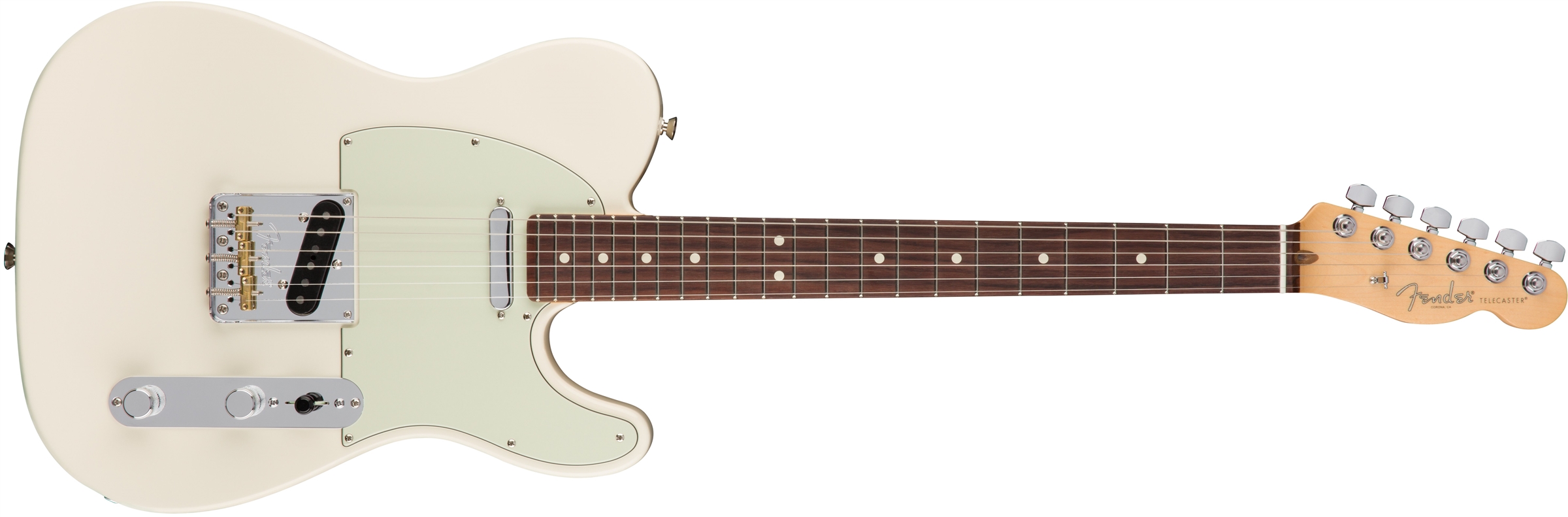
American Pro Telecasterissa on vintage-tyylinen talla, jossa on kuitenkin kolme esikompensoitua tallapalaa.
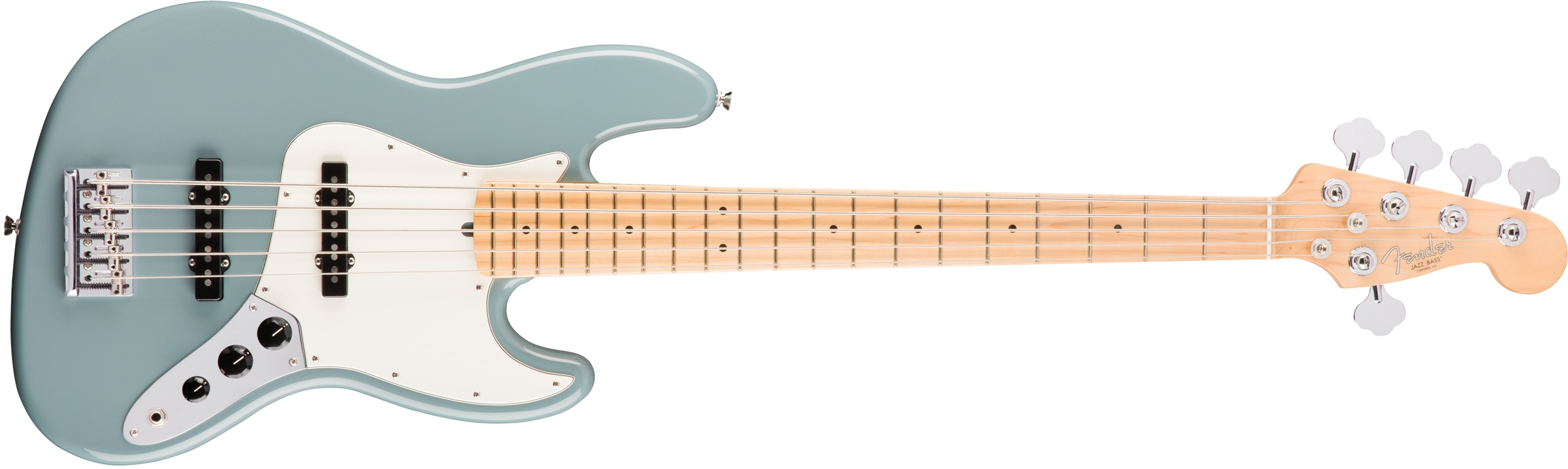
Tällä hetkellä mallistosta löytyy American Professional Stratocaster, HSS ja HH Stratocaster Shawbuckereilla, Telecaster, Telecaster Deluxe Shawbuckereilla, Jaguar, Jazzmaster, neli- ja viisikieliset Jazz-bassot (myös nelikielinen nauhaton), sekä neli- ja viisikieliset Presarit. Myös vasenkätisiä versioita on tarjolla.
Testi tulossa +++ Working on a review +++ Tokai LS-200F-5A
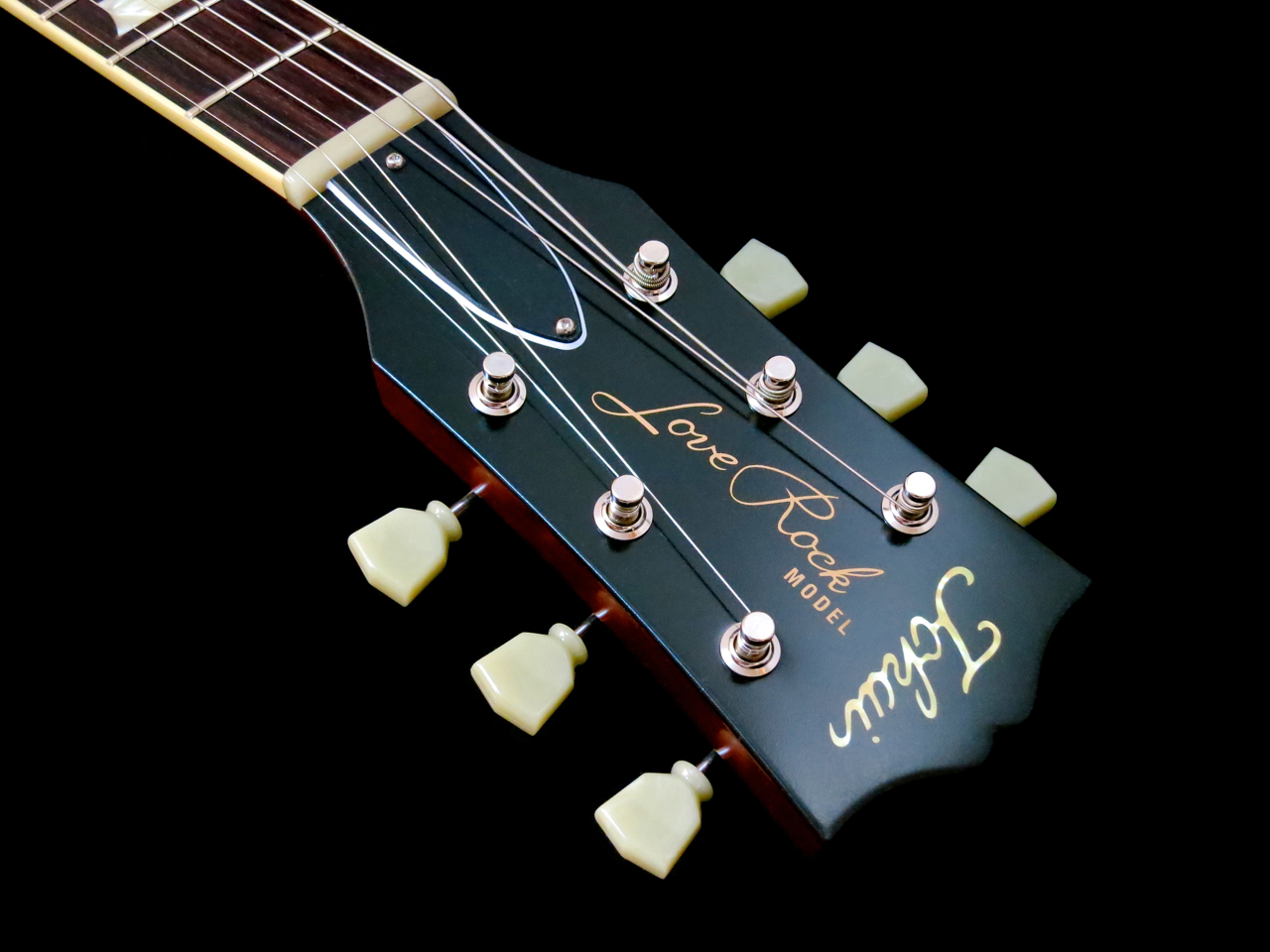
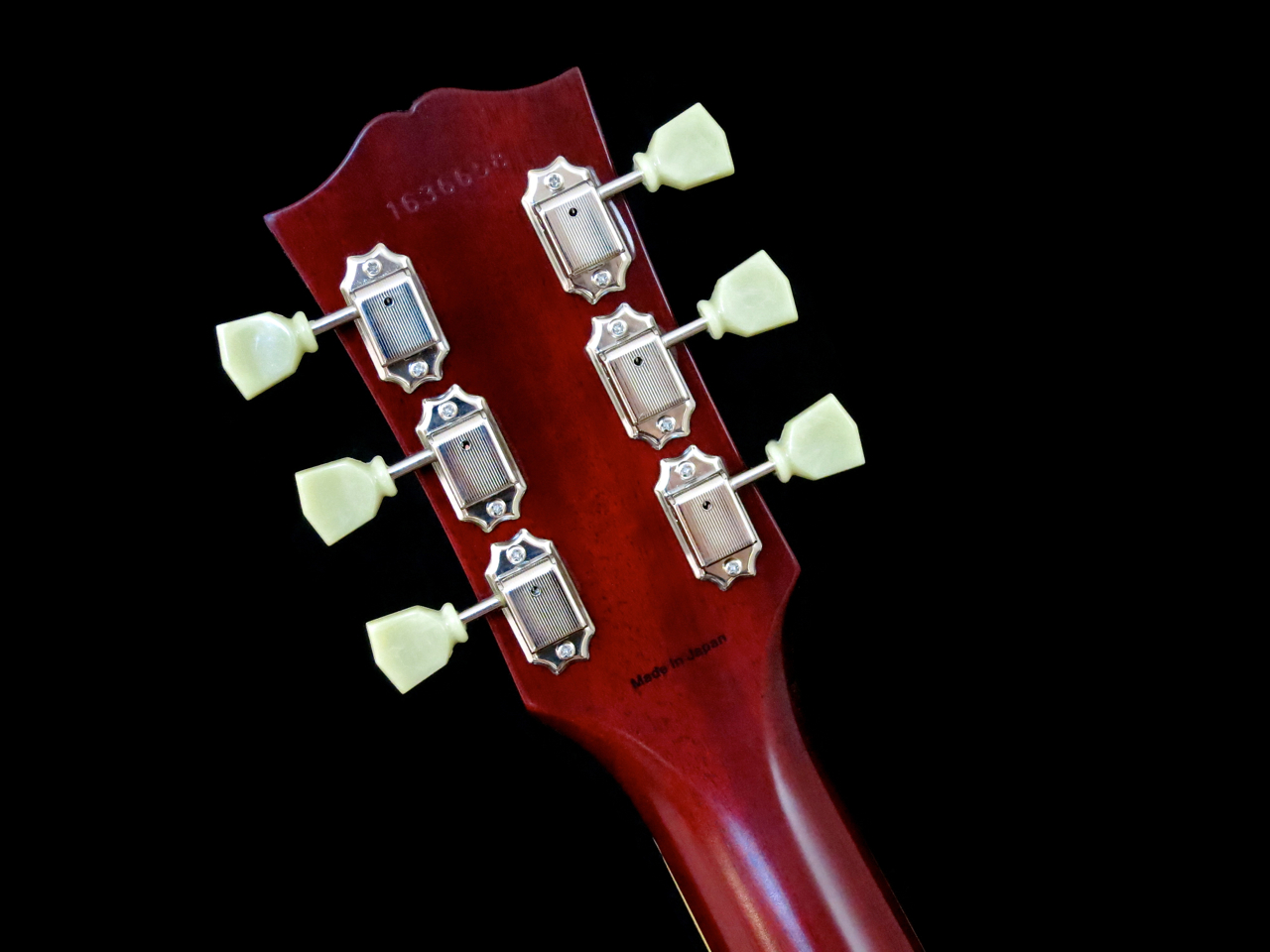
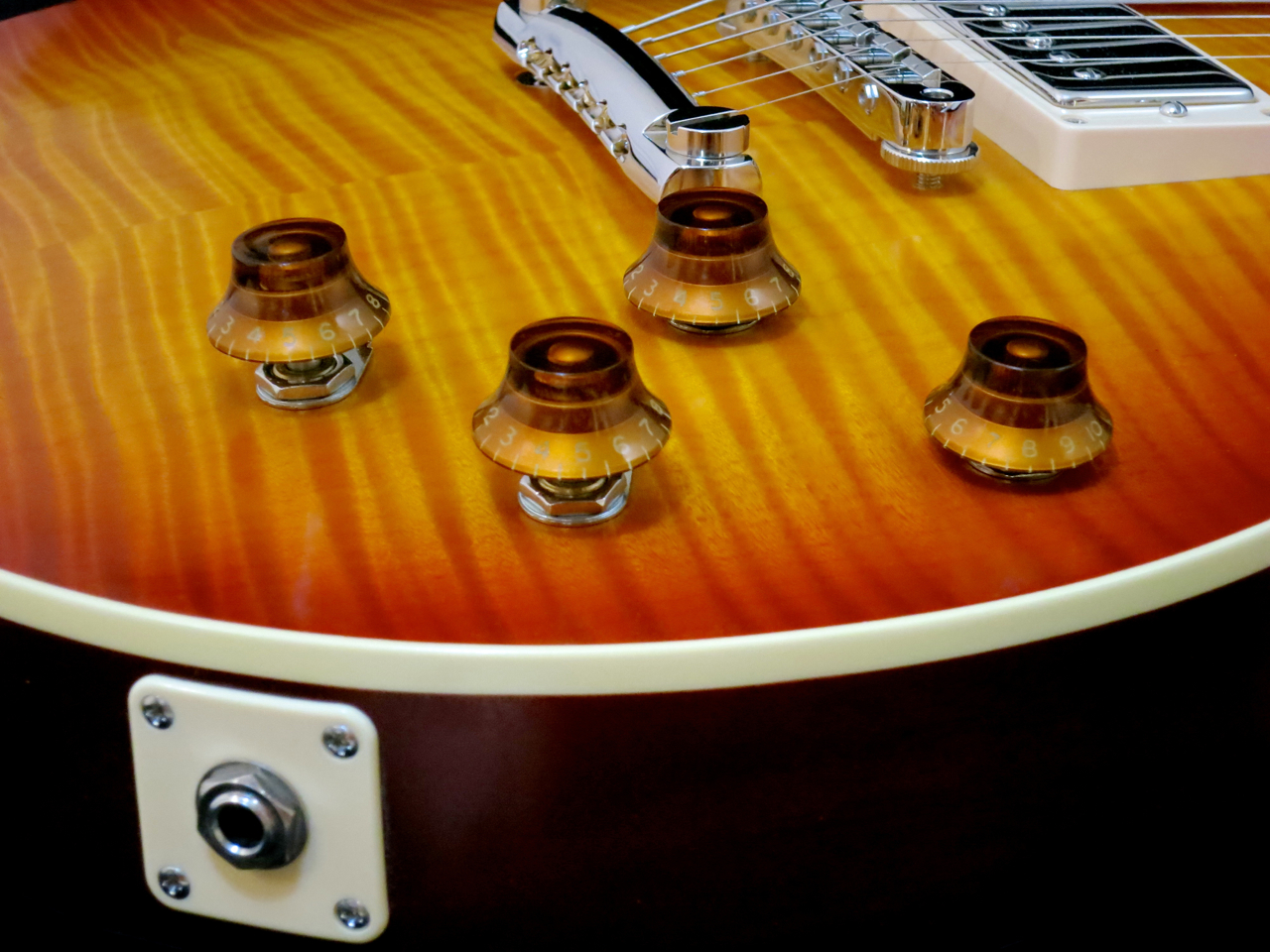
TOKAI LS-200F-5A
• Very limited edition
• Handcrafted in Japan
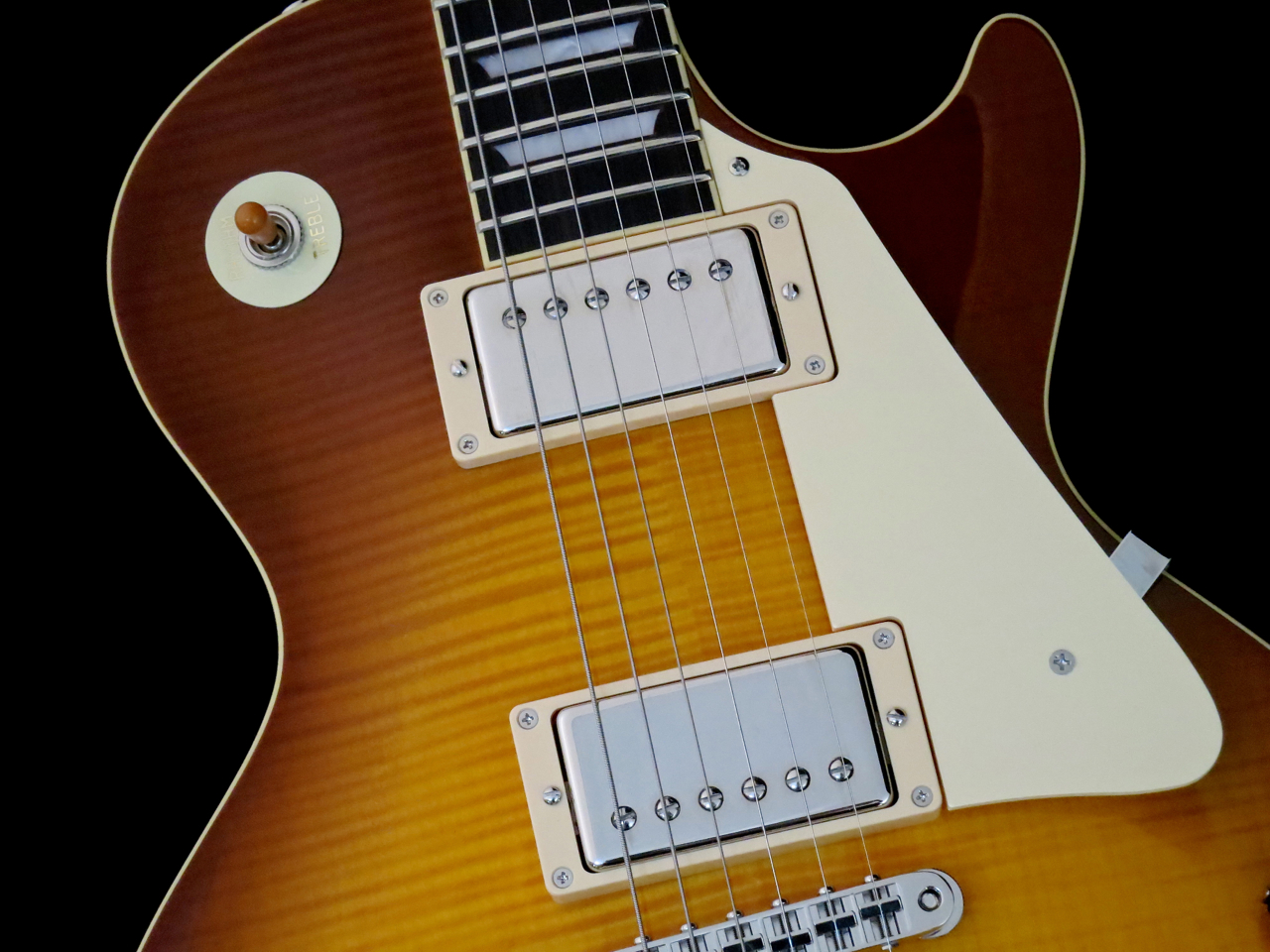
• AAAAA flame maple top
• Seymour Duncan Antiquity Humbucker set
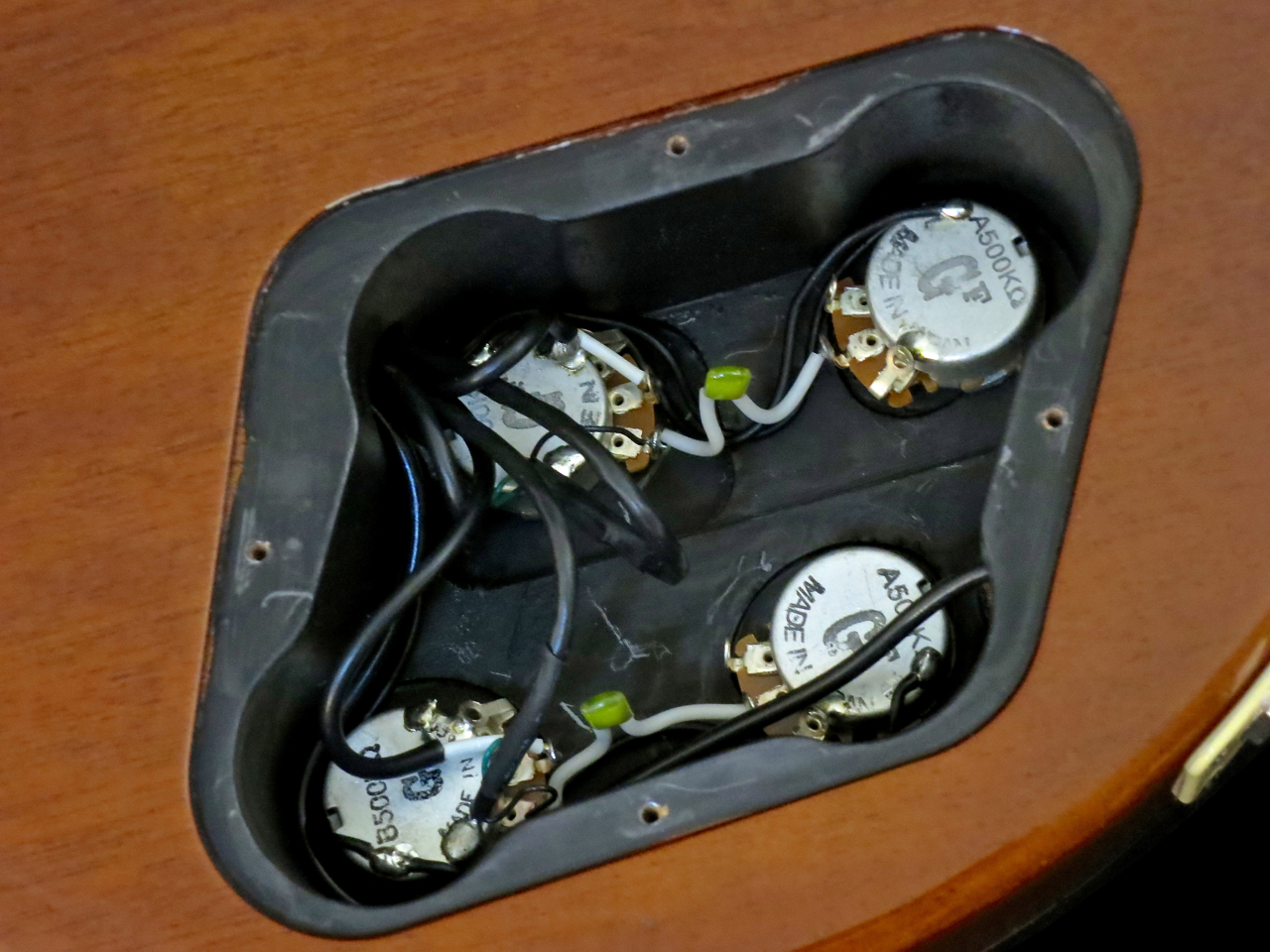
• Push/push switches in tone controls for coil-splitting
****
Demo Track
• Rhythm guitar – both pickups in split mode
• Lead guitar – starts with split neck pickup; second pass with full neck pickup
• Amp used – Juketone True Blood (handwired 5F1 Champ-clone)
• Recorded with a Shure SM57
****
Contact: Tokai Guitars Nordic
Testi tulossa –– Review coming soon –– Tokai LS-100F Pearly Gates
Tokai LS-100F Pearly Gates
• Handcrafted in Japan
• Les Paul Standard replica
• Seymour Duncan Pearly Gates pickup set
• Case included
****
Demo Track
• All guitar tracks recorded with the Tokai LS-100F Pearly Gates
• Amps used: Blackstar HT-1R & Juketone True Blood
• Effects used: Boss SD-1, Joyo Analog Chorus, Morley M2 Wah/Volume
Contact/Lisätiedot: Musamaailma
Jam Track: Electric Blues in E (162 BPM)
Find a longer version of this track HERE.
Buying an electric guitar, part 4 – What accessories do I need?
In this last part of our series we take a look at what a beginner needs to make the most of his/her new guitar.
****
• Amplification
An electric guitar needs some type of amplification. Yes, it’s true that you can play an electric guitar unplugged, too, but to develop a good technique you should use an amplifier regularly. Especially with solid body guitars there’s always the temptation to play them too hard, when playing unplugged.
You can either go for a headphone amp…
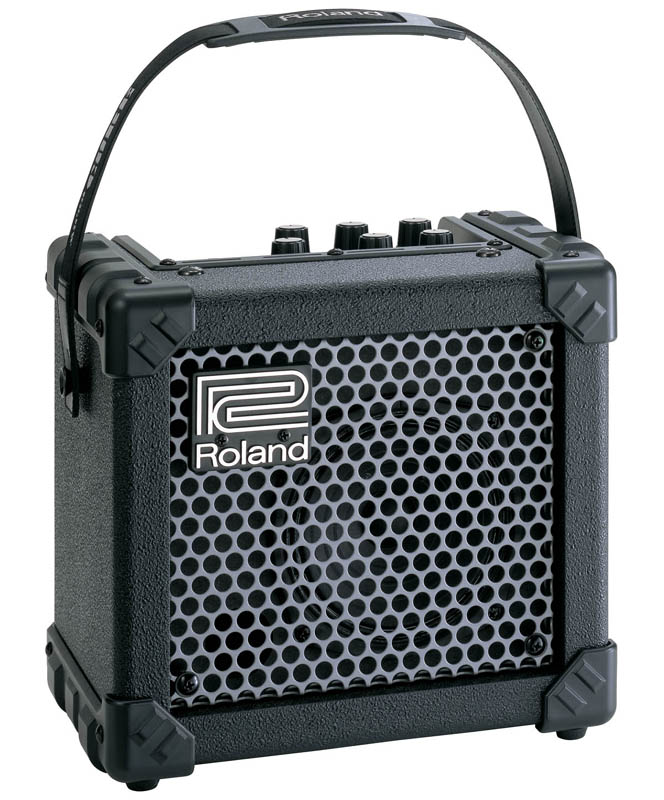
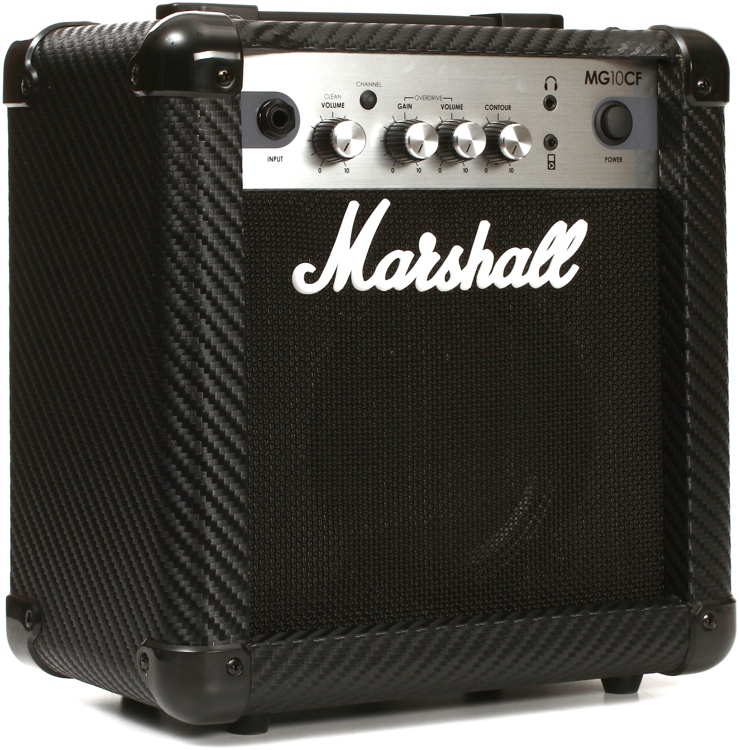
…or a practice amp, meaning a small, low-powered combo.
****
• A cable (aka a lead)
You will need an instrument cable to connect your guitar to your amp. Most leads that come with less expensive guitars (sub 1,000 €) are very cheap and nasty – don’t use them.
A quality guitar cable is made from sturdy cable material, which is well-shielded from electromagnetic interference, and it sports two quality plugs.
If you use a Gibson SG-type guitar or any semiacoustic with an output jack mounted to its top, you should get a guitar lead that has an angled plug to use with the guitar. The angled plug will put less mechanical stress on the crucial area around the jack.
****
• A bag or a case
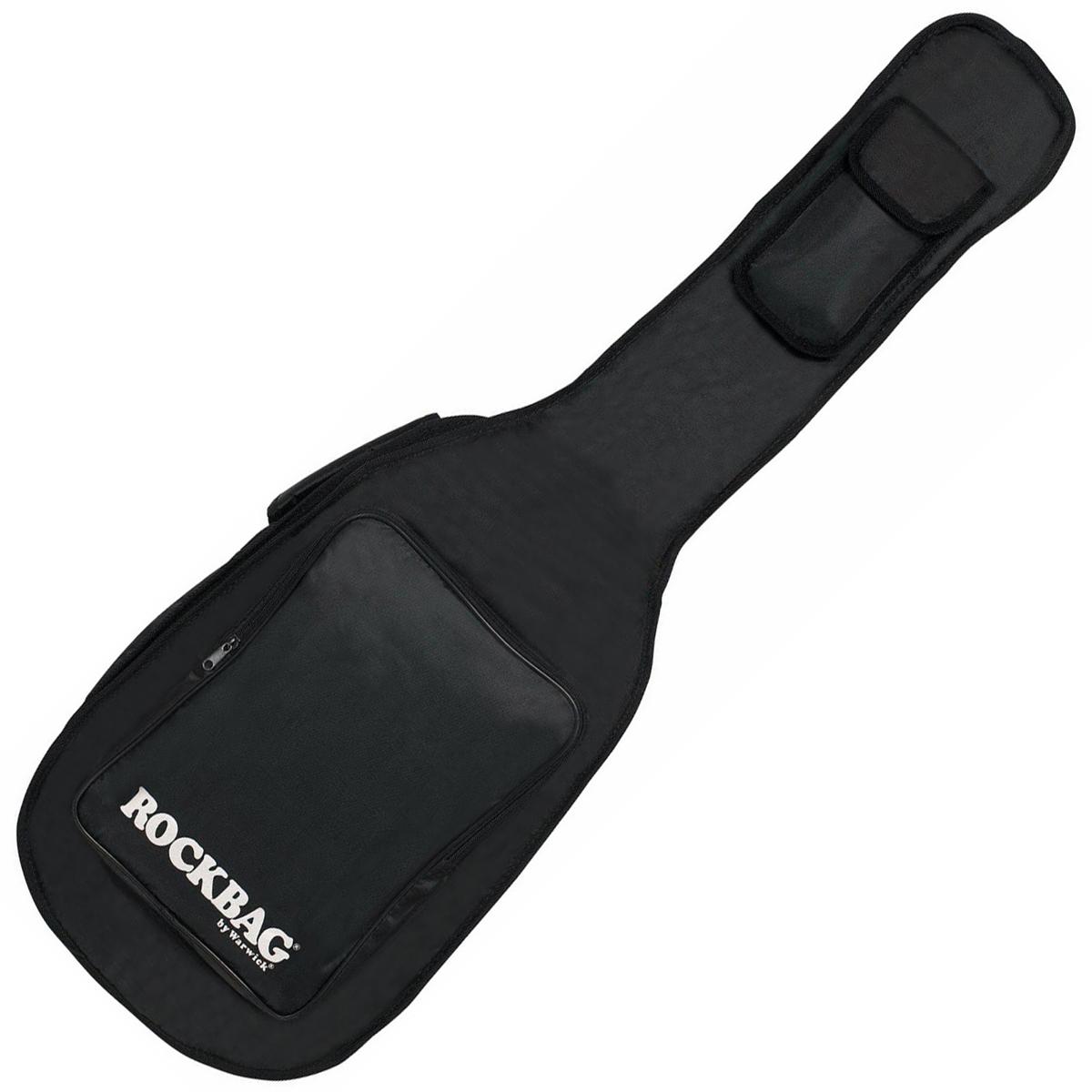
The safest place for your instrument, when it’s not played, is a well-made gig bag or a hard case.
A well-padded gig bag is lightweight and easy to transport, especially if you travel by public transport or by bike.
More expensive guitars – especially those with set necks – should really be stored in a case. You should also opt for a case if you plan on transporting your instrument in the back of a van or in a trailer, as a case is much sturdier than a gig bag.
****
• A stand
On stage – or during practice session breaks – you should put your guitar in a guitar stand, when you’re not playing it. Leaning it against the amp or leaving it lying on the floor will result in accidents sooner rather than later.
If your guitar is finished in nitrocellulose lacquer (which means all Gibsons, some upper range Fenders, many luthier-made instruments), you have to make sure to buy a stand that won’t react chemically with your guitar’s finish. Some stands have padding that can leave marks on your guitar, or even cause the finish to blister. Some guitarists even line the contact areas of their stands with linen or cotton cloth to protect their nitro-finished instrument.
****
• A tuner
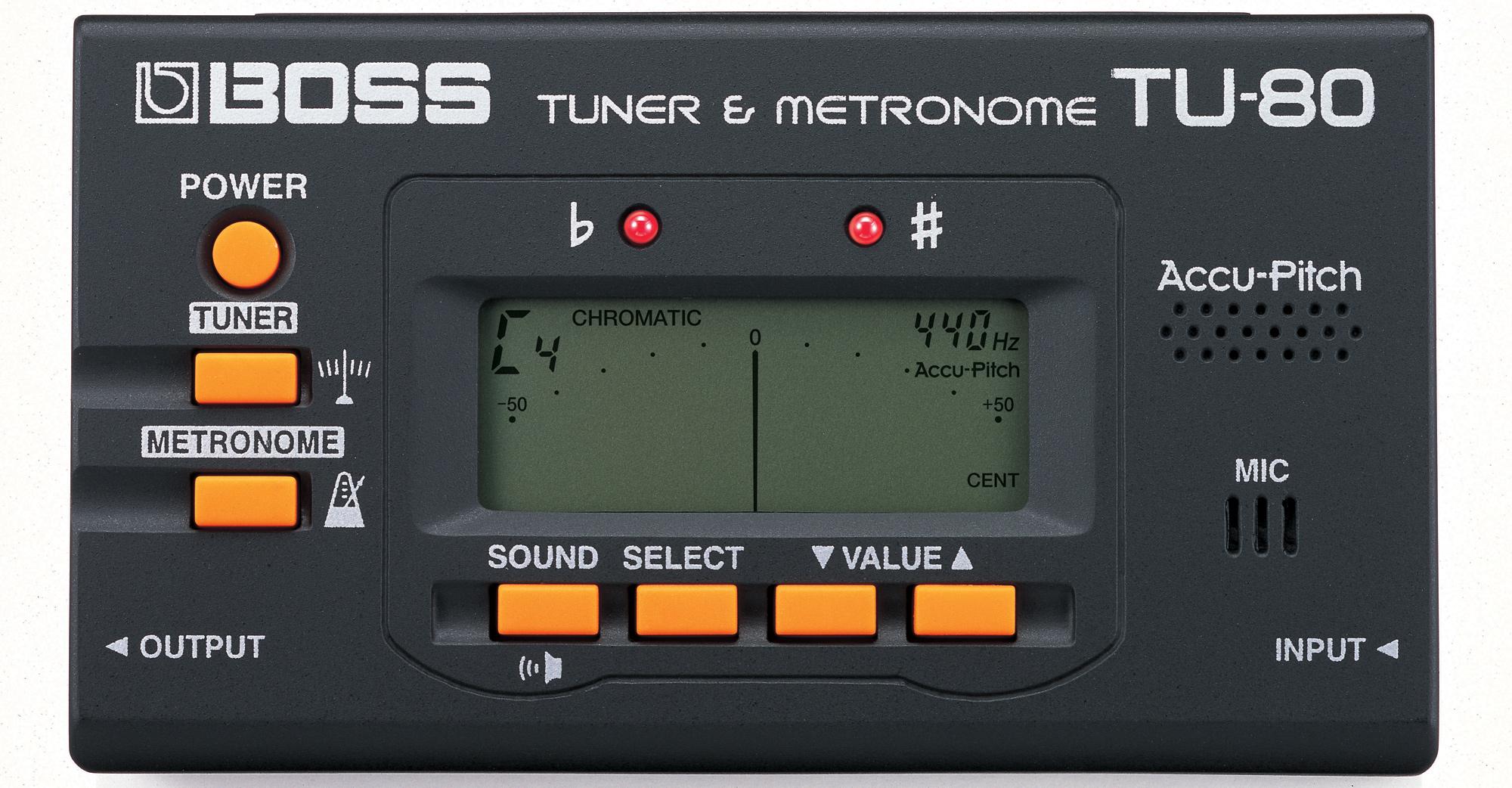
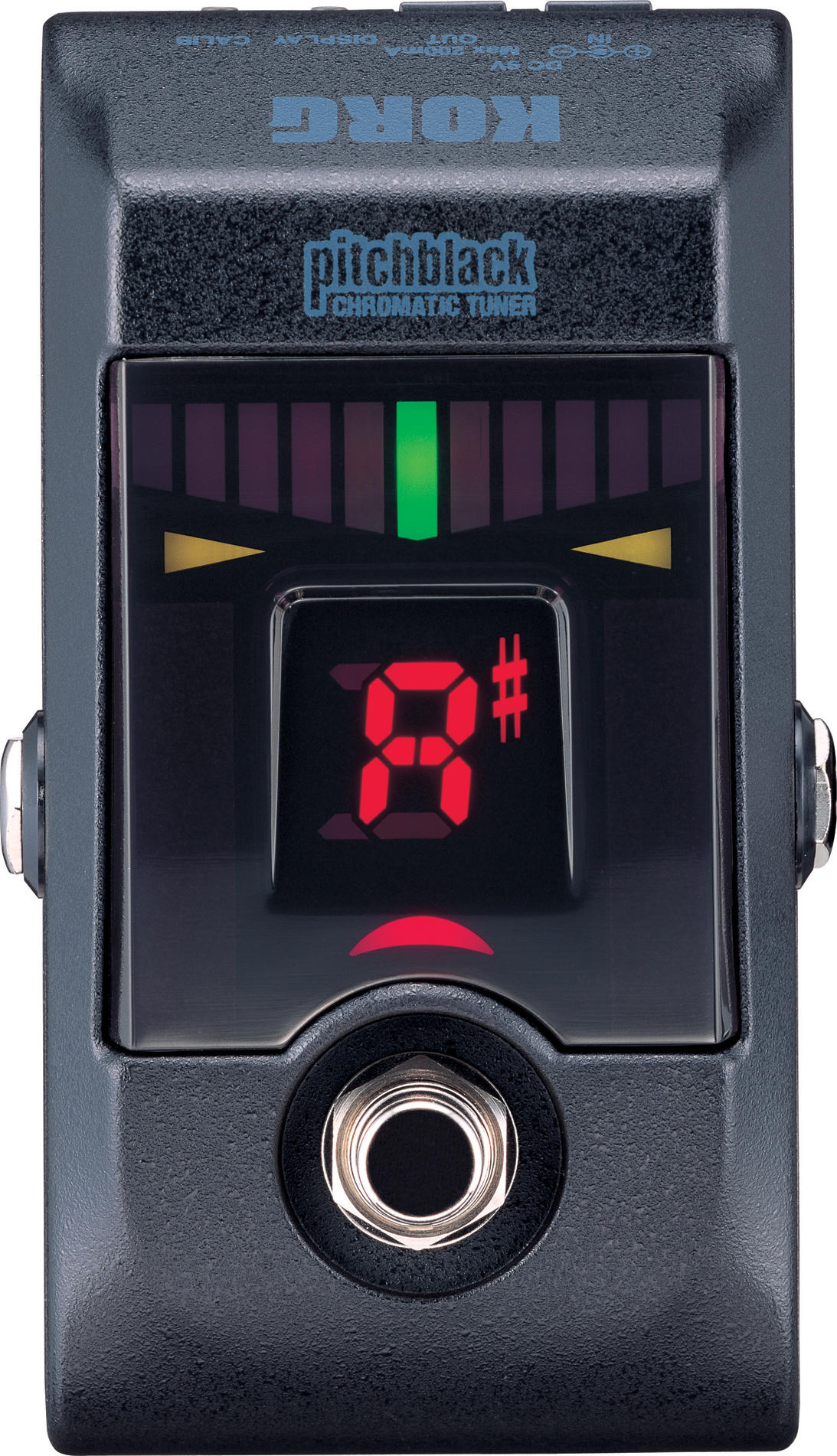
A digital tuner will help you play in tune with the rest of the band. It is also an indispensable tool for setting your guitar’s intonation.
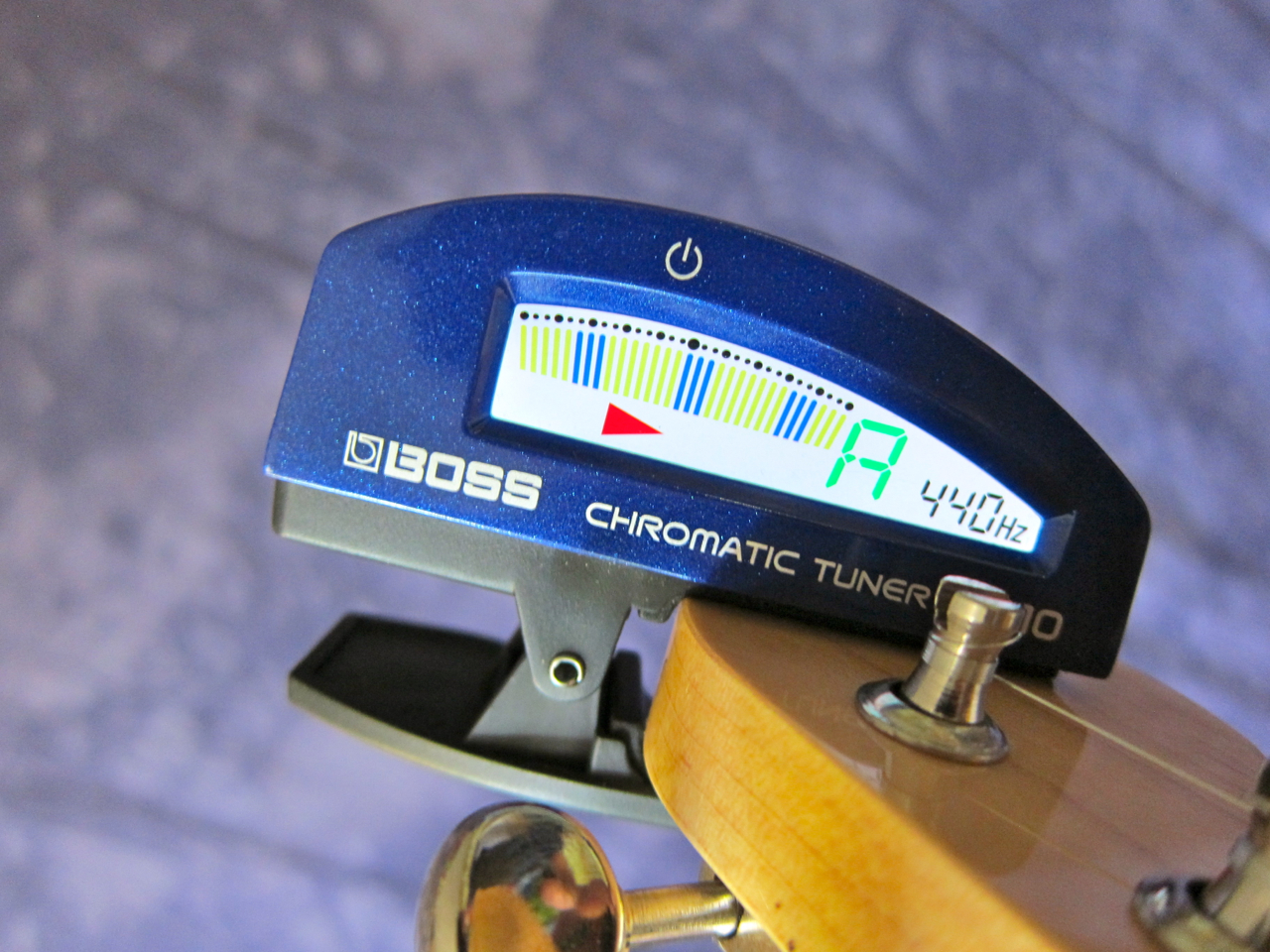
Tuners are available as clip-on units…
…table top tuners…
…or as floor ”effects”.
****
• Strings
It’s a very good idea to have one or two sets of strings in your gig bag or case, in case you break a string.
If you’re unsure about the correct gauge, ask the shop assistant (or the seller) to tell you what gauge the current string set on the guitar is. You can find more information about string changes HERE.
****
• Plectrums
Most guitarists use a plectrum (aka a pick) to strum their electric guitar.
Picks are available in a plethora of different materials, thicknesses, colours and sizes. Luckily, plectrums are also quite inexpensive, so I’d suggest you try a few different picks, before deciding on your personal preference.
Buying an electric guitar, part 3 – Assessing a guitar’s condition
How do you assess the condition of an instrument?
In my view, the condition of any guitar can be gauged by dividing up any possible issues into three groups:
• Group 1 – Things that can be changed/corrected easily:
++ truss rod settings
++ dead strings/”wrong” string gauge
++ intonation
++ string height (action)
++ pickup height
++ pickup model (if no woodwork/modification is required)
++ worn-out tuners (if no woodwork is required)
***
• Group 2 – Small and slightly bigger issues that a qualified repairperson can solve:
++ a cracked top nut
++ string slots in nut too deep or not deep enough
++ a faulty vibrato system
++ worn frets or high/low frets
++ crackling controls
++ faulty switches
***
• Group 3 – Issues that are difficult and/or expensive to repair:
++ a badly warped neck (so-called corkscrew)
++ a set neck that is out of alignment
++ a broken truss rod
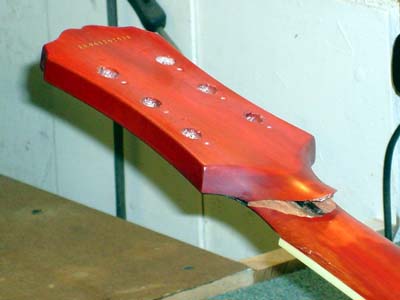
++ unrepaired (or badly fixed) cracks in the wood (for example a broken-off headstock)
++ a botched DIY ”customisation”
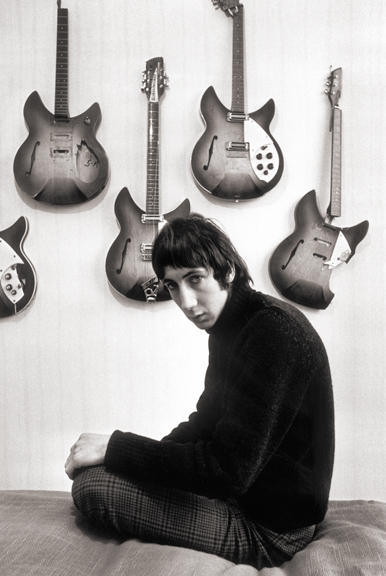
Would you buy a guitar from Pete?
****
Here’s one way of assessing the condition of a guitar systematically:
• Tune the instrument and play it for a minute or two. You’ll get an idea of the current set-up, as well as of the general condition and sound of the instrument.
• Is the neck correctly aligned to the body (especially important in set-neck instruments)?
Look at the distance of the e-strings to the fingerboard edges at the 14th fret. If both e-strings are approximately the same distance from the edge of the fingerboard, you’re good to go.
• The truss rod setting (aka relief):
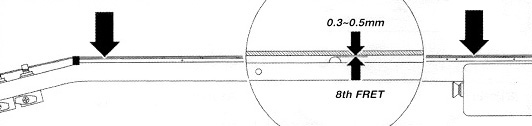
Press the bottom E-string down simultaneously at the 1st and 14th frets (you can use a capo at the first fret), and use it as a straightedge. Take a look at the string at the 8th fret; there should be a small gap between the top of this fret and the E-string – that’s what we call the relief. If the gap is around 0.5 mm, the truss rod is set as it should be. Check the treble e-string in the same way. If there’s a substantial difference between the relief at the low E and the treble e, you’re most likely looking at a warped neck.
If the truss rod setting is not ideal (too tight = no relief; too loose = relief greater than 0.5 mm) you should ask the seller to adjust the truss rod for you.
• Check the nut slots:
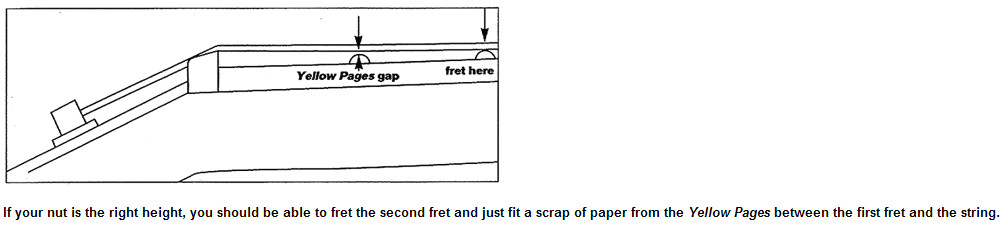
Each string is pressed down in turn at the 3rd fret. The string should now be resting on the second fret. Look for a small gap between the 1st fret and the string you’re pressing down. Using a regular 009- or 010-gauge set, there should be a tiny gap beneath the treble e-string and the first fret (when fretting the string at the third fret), just about large enough to fit a sheet of printer paper in there. Because the bass strings need more clearance to vibrate freely, the gap between the first fret and the bottom of each string increases slightly going from the top e-string to the bass E-string.
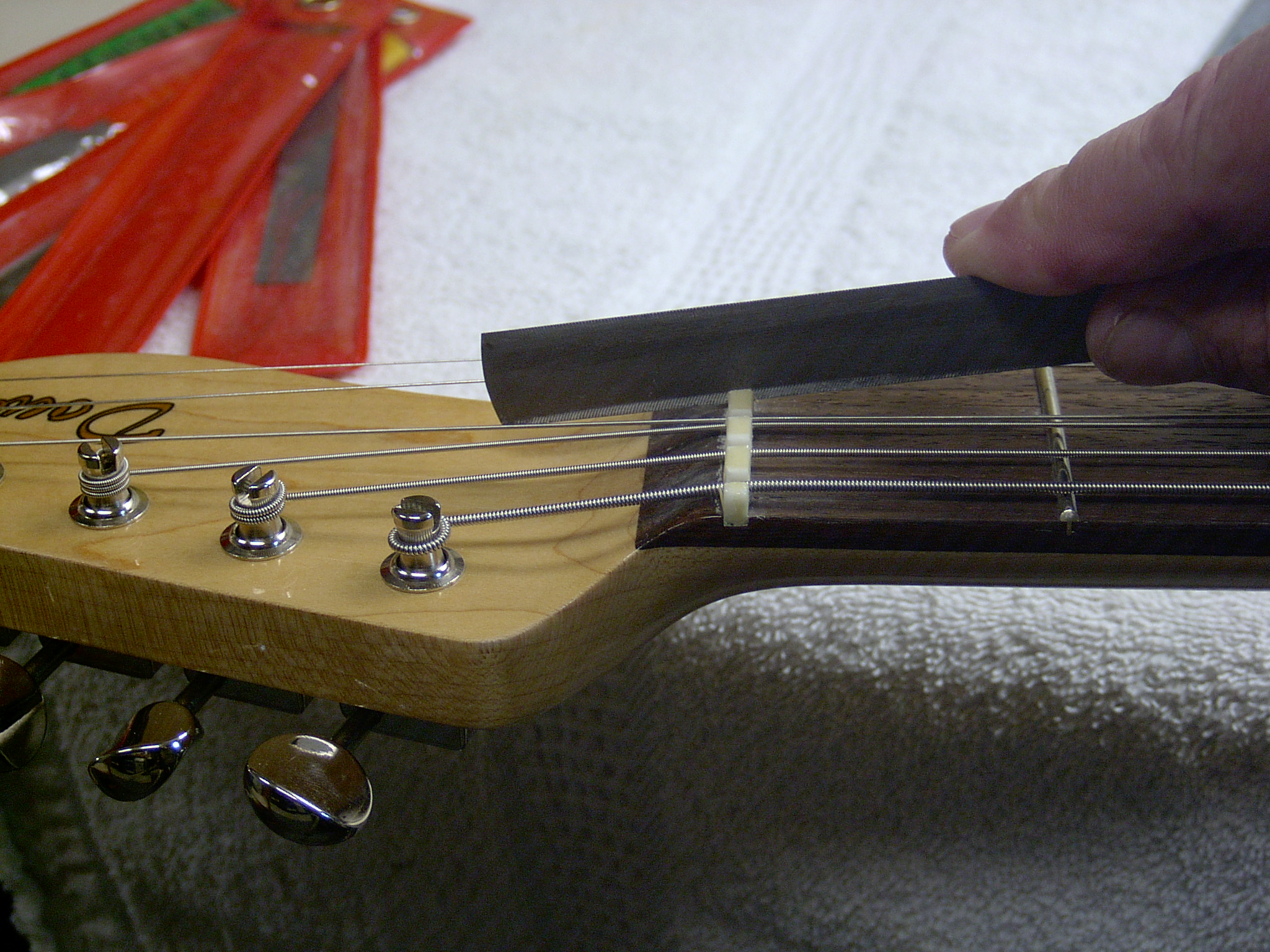
If the nut slots aren’t cut deep enough, the guitar will be hard to play, and sound badly out of tune in the lowest (open) positions, regardless of action settings and intonation. A luthier will be able to correct the matter for a small charge using a set of special nut files.
If the string slots are too deep (= the strings rest on the first fret, when pressed down at the third), a nut replacement will be in order (except with locking nuts that can be shimmed). Nut slots that are too deep will result in rattling open strings, even if the action and the truss rod have been adjusted correctly. Note: You should check for string rattling using clean amp settings. Playing the guitar unamplified might make you whack the strings harder than necessary.
In most cases replacing a nut is an easy procedure for a repairperson.
• The condition of the frets:
On a used guitar, slight wear marks on the frets are the result of normal use, and this light wear won’t cause any problems.
If the frets are very worn (like the ones in the picture below), you should take the cost of a fret dress (or even a complete refret) into consideration, and maybe try to get the seller to lower his/her asking price.
Refretting bound fingerboards is more complicated and time-consuming than dealing with unbound ’boards, which is usually reflected in the cost. Ask you luthier.
• Check the bridge:
Are all the screws and bridge saddles in working order? Is there ample scope for intonation adjustment?
If the guitar’s set-up is unsatisfactory – the action may be too high or too low; the intonation may be off – ask the seller to adjust the guitar for you before making a buying decision!
• Check the electronics:
Play around with all controls and switches – is everything working as it should? Do all the pickups work?
Scratchy, crackling pots and faulty switches are quite easy for a luthier to exchange. If we’re talking about a new guitar, the shop should take care of this before you buy. With a pre-owned instrument, you will have to take care of the repairs. Note: Replacing electrical components and pickups in semi-acoustic and archtop guitars is generally much more complicated, which will be reflected in the luthier’s quote.
• Check the vibrato:
Does the vibrato (aka the tremolo or the whammy bar) work as it should? Are all the parts in working condition, or are you faced with rusty screws or even broken parts? Is there ample scope for action and intonation adjustment?
If the vibrato bridge looks very worn, or if there are structural problems, like a broken off (or loose) bridge post, you might be facing a complete replacement or a costly repair.
• And finally: Plug the guitar into an amp, and play it some more. Listen to the sound of the instrument. Check its playing feel, its ergonomics, and make a final assessment of its overall condition.
• Based on this checklist (and any possible issues you might have found) you should ask yourself two questions:
- Do I like this instrument?
- Do I think this guitar is worth its asking price?
Review: Tokai TST-50-FS Modern
The guitar maker Tokai is known worldwide for its high-quality versions of classic vintage guitars, and the instruments are loved and played by many.
But now there’s an interesting new model, devised by Tokai Guitars Nordic, called the Tokai TST-50-FS Modern (current price in Finland: 1,650 €; hard case included). This is an S-type guitar for the player who wants classic looks combined with modern features.
****
Tokai’s brand-new TST-50-FS Modern is available in three different versions, which share the same basic build and features, but which differ in terms of finish and pickup choice.
The Modern is available in a traditional Three-Tone Sunburst …
… a beautiful Sienna Sunburst …
… and in a cool, dark Ebony Transparent.
The TST-50-FS’ body is made from two pieces of beautiful swamp ash, with a – near invisible – centre glue line.
The new model makes it a jiffy to adjust the truss rod by moving the adjustment to the headstock side of the neck.
The TST-50-FS Modern sports a high-quality set of Gotoh Magnum Lock locking machine heads, resulting in lightning-fast string changes and rock steady tuning stability.
The neck comes with a thin satin finish.
We find a rosewood fretboard with a modern radius (9.5″), as well as 22 gleaming medium jumbo-sized frets (Dunlop 6105), making string bending much easier than on a vintage guitar.
The bridge on the Tokai TST-50-FS Modern represents Gotoh’s view of the perfect updated Strat-style vibrato.
Gotoh’s 510T-SF bridge is a two-post affair made of steel. The height-adjustable posts can be locked inside the threaded ferrules to increase vibrational transfer into the body.
In terms of its pickups, the Three-Tone Sunburst version is the most traditional of the new trio:
The neck and middle pickups are genuine single coils (Seymour Duncan SSL-1), while the bridge humbucker is Duncan’s vintage-voiced Model ’59 (SH-1B Zebra).
The Sienna Sunburst-variant is completely noise-free thanks to its stacked-coil neck and middle pickups (Seymour Duncan STK-S4; aka Classic Stack Plus). The bridge unit is a hotter-than vintage, covered JB (SH-4).
The hottest guitar in our trio is the TST-50-FS in Ebony Transparent, which comes with a pair of Hot Stack Plus pickups (STK-S7) and the sheer force of nature that is Seymour Duncan’s SH-14 Custom 5 humbucker.
****
The Tokai TST-50-FS Modern is part of the brand’s Made-in-Japan Premium Series, and all three instruments are perfect examples of the excellent workmanship Tokai has to offer.
The new model comes with a rounded neck profile (Tokai call it ”Thin U”) that feels and plays like a dream. The modern fingerboard radius and excellent fretwork make string choking a thing of the past.
The vibrato feels very precise and stays in tune far better than any vintage-style vibrato bridge ever could.
The ash body, locking tuners and steel bridge give the TST-50-FS Modern a sparkling unplugged voice with a long and clear sustain.
Played with an amp the differences between the three versions become very clear:
The Three-Tone Sunburst version gives you the tones you’d expect from a factory-modded vintage S-type.
Thanks to the vintage-style single coils – as well as the PAF-inspired bridge humbucker – you get a lot of clarity, dynamics and spank.
I’d call the FS Modern’s Sienna Sunburst variant the ”LA Studio model”, which will deal with any musical situation by giving you a first-rate West Coast sound.
The stacked coil pickups are free from hum and buzz, and they give you a fine, slightly ”pre-compressed” sound that sits well in any mix. The JB-humbucker offers just the right amount of ”push” to complement the neck and middle pickups perfectly.
If you look for an S-style electric that will take to high gain settings like the proverbial duck to water, you need look no further. The TST-50-FS Modern in Ebony Transparent simply loves gain and distortion, while still making a great figure when it comes to clean tones.
This is noise-free high gain heaven with a healthy dose of bottom end punch and a chunky mid-range.
The demo track features the trio in the following order: Sienna Sunburst –> Ebony Transparent –> Three-Tone Sunburst. Each guitar plays both the rhythm as well as the lead parts of its section:
****
The new Tokai TST-50-FS Modern really made a big impression on me.
This is a fantastic alternative to the traditional, vintage-flavoured Tokai models. Both the playability and sounds this trio has to offer are top-notch, and I’m sure you will find your favourite modern S-type guitar from one of the three alternatives.
Tokai’s TST-50-FS Modern offers you custom shop quality at a very fair price.
****
Tokai TST-50-FS Modern
1,650 € (hard case included)
Distributor: Musamaailma
****
Pros:
+ value-for-money
+ workmanship
+ three different pickup configurations
+ playability
+ sound