Maahantuoja: Musamaailma
Kitarablogi.com – Finland's premier Guitar and Bass blog
Juttuja kitaroista ja bassoista

Maahantuoja: Musamaailma

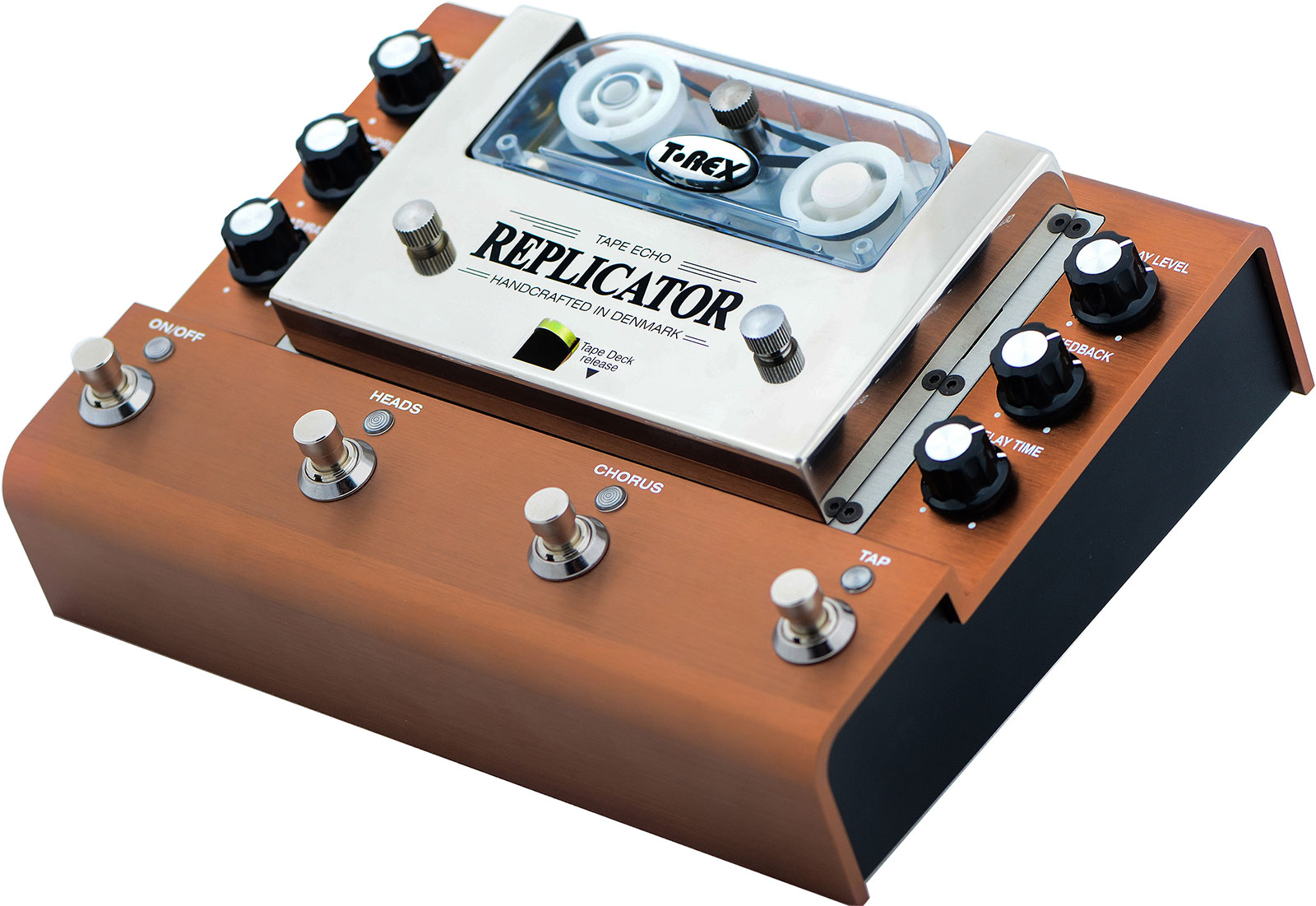
• Genuine tape echo
• 100% analog signal
• True bypass
• Two playback heads for three modes of operation
• Tap tempo
• ”Kill dry” switch
• Expression pedal control of time and feedback
• Comes with second tape cartridge and soft bag
****
Demo Track
• All guitar tracks recorded using the Replicator and a Blackstar HT-1R valve combo
• Rhythm guitars – Fender Stratocaster (left channel) & Fender Telecaster (right channel)
• Lead guitar – Fender Stratocaster
Maahantuoja: Custom Sounds


• Two-channel valve amp
• 15 Watts
• 2 x ECC83
• 2 x 6L6
• Channel 1: Volume + Tone
• Channel 2: Gain, Volume, 3-Band EQ, ISF
• Master Volume
• Digital Reverb
• Speaker-emulated line output
• Single 12-inch Celestion V-Type speaker
****
Demo Track
• Rhythm guitars – Kasuga ES-335-copy (left of centre), Fender Stratocaster (right of centre)
• Lead guitars – Kasuga ES-335 (Japanese ”lawsuit copy” from the Seventies)
• All guitar tracks recorded with a Shure SM57
****
Maahantuoja: Musamaailma


Vox Amplification’s new AV-series comprises three affordable guitar combos. The Vox AV15, AV30 and AV60 – named according to their power amp wattage – are modelling valve hybrid amplifiers that combine the best elements of solid state and tube technology.
****
****
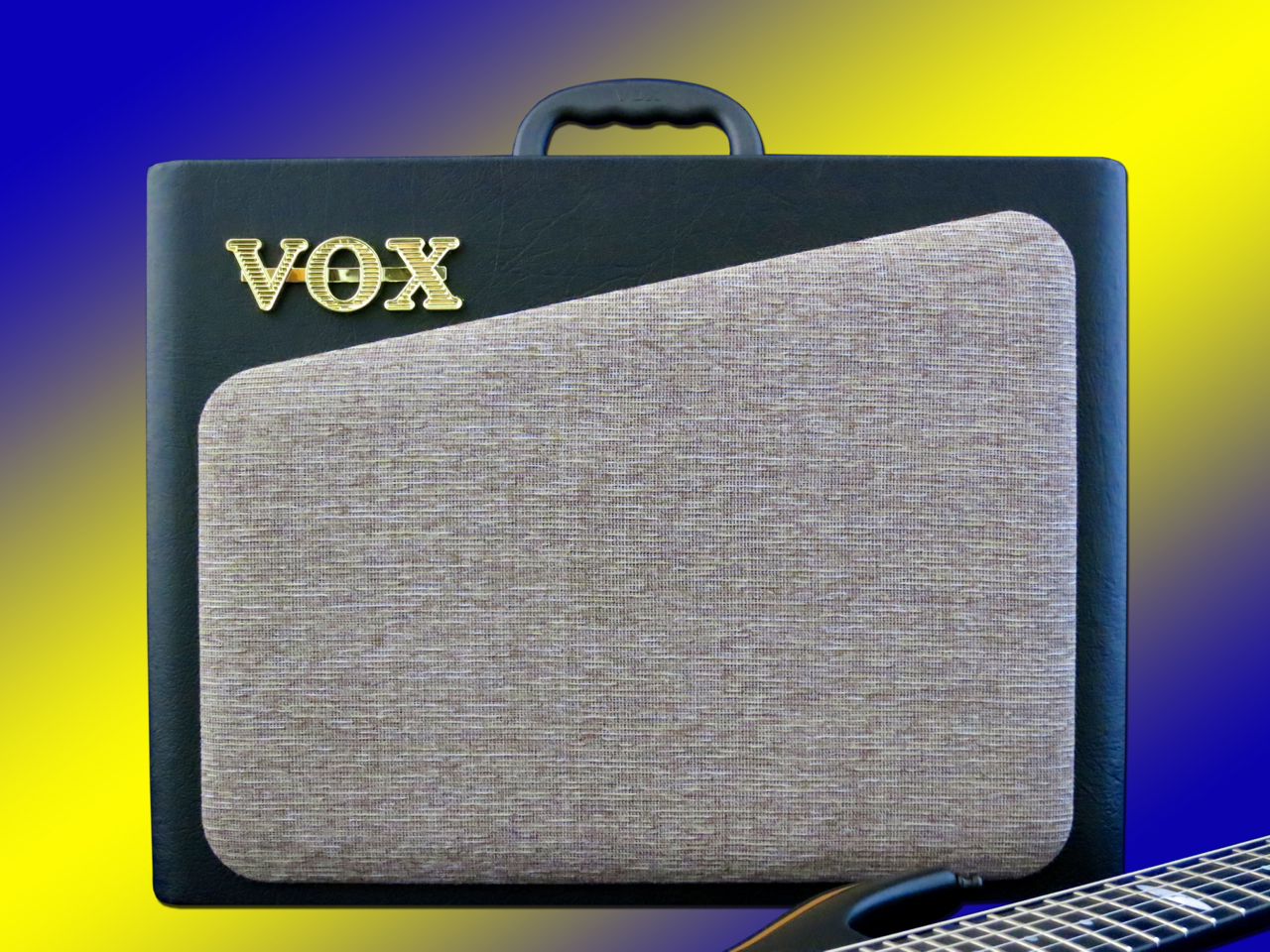
KitarablogiDotCom took the smallest of the trio, the Vox AV15 (street price in Finland approx. 269 €) for a spin.
The AV15 is a compact little combo (height: 37 cm, width: 45 cm, depth: 23 cm), weighing in at just below eight kilos.

The combo’s cabinet has taken a big leaf out of the book of hi-fi speaker construction. Normally a guitar cab is meant to add its own bit of tonal modification into the mix, but when dealing with a modelling amplifier meant to imitate a number of different amp and speaker configurations, the more linear frequency response of a bass reflex cabinet is highly desirable.


The only thing you’ll find on the Vox AV15’s back panel is the connector for the amp’s external power supply unit (12 VDC, included).
****
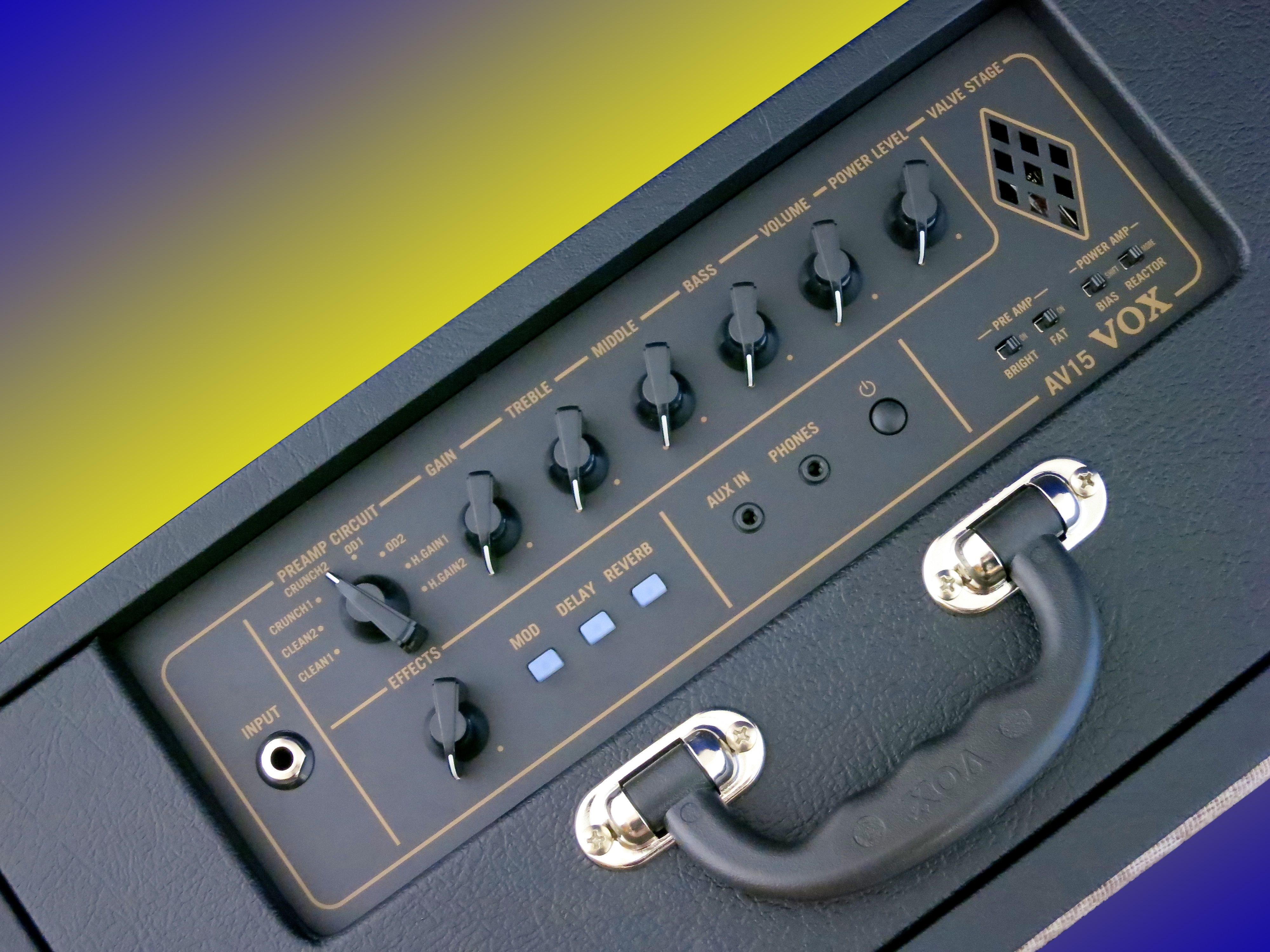
The Preamp Circuit-switch lets you select one of the eight amp models offered by the Vox. The selection takes you from Fender Twin-style cleans, and Vox- and Marshall-type crunch, all the way to Rectifier-like high gain tones.
You can fine-tune your tone using the three-band EQ section. The AV15 also comes equipped with an effects section made up of three different effects – reverb, delay and chorus (called modulation on the front panel). You are free to choose any or all of the effects. Each effect allows you to control a second parameter (in addition to the effect level) by keeping the respective effect’s effect button depressed while turning the Effects-control. You can change the modulation speed of the chorus, the delay time for the delay effect, and the length of the reverb tail of the reverb effect. The effects are the only digital bits in the AV-combo’s architecture, the rest of the Vox’ signal path – including the amp modelling – is kept all-analogue.
Here are three short clips illustrating the AV15’s effects (Gibson Les Paul Junior, Shure SM57):
CHORUS (with a little added reverb)
DELAY
REVERB
It may seem a bit unusual, but the AV15 features three different ”volume controls”, which all have a different bearing on the combo’s sound:
The Gain-knob sets the signal level before the signal is sent to the preamp’s valve stage. Low Gain settings result in a clean sound, while higher Gain settings will lead to preamp break-up and (depending on the chosen amp model) distortion. The Volume-control adjusts the signal level right in front of the power amp’s tube stage. Lower Volume settings will give you a clean and dynamic signal, while higher settings will bring in some power amp compression and saturation (= distortion). The last volume knob – called Power Level on the Vox AV15 – determines the final volume level in your room (or in your headphones).

While its bigger siblings – the AV30 and the AV60 – feature two valves in their architecture (one for the preamp, one for the power amp), the smaller Vox AV15 makes do with just a single tube for both pre- and power amp duties. This is made possible by the way the good-old 12AX7-valve is constructed, offering you two triodes in one single tube. This means, you can split this valve type to perform two jobs simultaneously.
This Vox’ Valve Stage-section features four small slider switches that you can use to modify the way the two valve stages react and sound:
The Pre Amp side of things sports a Bright-switch for adding sparkle to your top end, as well as a Fat-switch that will boost the bass response.
The switches labelled ”Power Amp” really do make a significant difference to this combo’s ”feel”. The Bias- and Reactor-switches let you select how much the power amp’s tube section is ”pushed” and how much power amp compression will be audible.
Listen to these two sound clips – clean and crunch – to get an idea of how the Valve Stage switches change the combo’s sound (Gibson Les Paul Junior, Shure SM57). Both clips start with all the switches in the left position. Then I put one switch after the other to its right position (starting with the Bright-switch, and continuing left to right):

****

Snobbism seems to be the fashion of the day – we’ve got cork sniffers, we’ve got vinyl snobs, and we’ve got valve amp anoraks.
But in our heart of hearts, most of us ”old farts” would have been more than happy, if we would have had such a great-sounding and versatile amp as the Vox AV15 when we started playing in the 1970s and 80s! The AV15 really wins you over with its array of inspiring tones and its affordable price tag.
The Vox AV15 is a real amp, not a plastic toy sucking all of the sheer joy of playing out of an eager novice. Vox AV-series hybrid combos can also serve more advanced players as fun living room amps, they can be used for backstage warm-up, and they also make a good figure as home studio amps (as you can hear in the demo songs).
BLUES demo
Rhythm guitars: Fender Telecaster (left channel) & Epiphone Casino (right channel)
Lead guitar: Fender Stratocaster
ROCK demo
Rhythm guitars: Fender Telecaster (left channel) & Gibson Les Paul Junior (right channel)
Lead guitar: Gibson Melody Maker SG
METAL demo
Rhythm guitars: Gibson Melody Maker SG (left channel) & Fender Stratocaster (right channel)
Lead guitar: Hamer USA Studio Custom
****

In my opinion Vox Amplification’s new AV15 is a fine choice as a practice amp, for guitar teachers, or for school bands. The affordable Vox AV15 is easy to use and sounds great.
****
Vox AV15
Finnish street price approx. 269 €
Finnish distributor: EM Nordic
A big ”thank you” goes to DLX Music Helsinki for the loan of the review amp!
Pros:
+ compact
+ lightweight
+ versatile
+ Valve Stage-section
+ sound
+ value-for-money

Vox Amplificationin upouusi AV-sarja koostuu kolmesta edullisesta kombovahvistimesta kitaralle. Lähtötehonsa mukaan nimetyt Vox AV15-, AV30- ja AV60 -vahvistimet ovat mallintavia putkihybridejä, jotka yhdistävät puolijohde- ja putkielektroniikan parhaimpia puolia.
****
****
Kitarablogi sai testiin Vox AV15 -kombon (arvioitu katuhinta noin 269 €), joka on AV-perheen kuopus.
AV15 on mukavan kompakti kokonaisuus (korkeus: 37 cm, leveys: 45 cm, syvyys: 23 cm), ja se painaa vain hieman alle kahdeksan kiloa.
Vahvistinkotelon (= kaiutinkaapin) rakenne on selvästi ottanut inspiraatiota hifi-kaapeista. Tavallisesti kitarakaappi antaa oman lisämausteensa lopulliselle kitarasoundille, mutta AV-sarjan kaltaisissa mallintavissa vahvistimissa refleksikaapin lineaarisempi taajuusvaste auttaa useiden eri soundien jäljittämisessä.
Vox AV15:n takaseinästä löytyy ainoastaan virtaliitin kombon mukana tulevalle ulkoiselle virtalähteelle (12 V DC).
****
Preamp Circuit -kytkimellä saa valittua yhden Vox-kombon kahdeksasta vahvistinmallista. Tarjolla on riittävästi vaihtoehtoja Fender Twin -tyylisestä cleanista, sekä Vox- ja Marshall-mallinnuksien kautta jopa Rectifier-tyyliseen High Gain -meininkiin.
Vahvistinsoundien maustamiseksi tämä Voxi tarjoaa kolmikaistaisen EQ-osaston, sekä kolme efektiä (chorus, viive, kaiku). Kaikkia kolmea efektiä voi käyttää samanaikaisesti. Jokaisessa efektissä pystyy säätämään efektitason lisäksi vielä toisen parametrin (pitämällä efektinappia alas painettuna, samalla kun kääntää Effects-säädintä) – vatkaamisnopeutta choruksessa, viiveaikaa delayssä, sekä kaiun pituutta reverbissä. AV-kombon efektit ovat muuten vahvistimen ainoat digitaalisesti toteutetut osat, Voxin muu signaalitie – mallinnusta myöten – on täysin analoginen.
Tässä kolme lyhyttä pätkää efektiosaston soundeista (Gibson Les Paul Junior, Shure SM57):
CHORUS (ja pieni annos kaikua)
DELAY
REVERB
Hieman epätavallisesti löytyy AV15-kombosta jopa kolme eri ”volyymi-säädintä”, joiden toiminta vaikuttaa soundiin eri lailla:
Gain-säätimellä säädetään tulosignaalin tasoa, ennen kun signaali menee etuvahvistimen putkiasteelle. Pienillä Gain-asetuksilla soundi pysyy puhtaana, kun taas isommat Gain-asetukset tuovat signaaliin rosoisuutta ja/tai (vahvistinmallista riippuen) selkeätä etuastesäröä. Kombon Volume-säätimen rooli taas on säätää etuvahvistimesta tulevan signaalin tasoa juuri ennen päätevahvistimen putkiastetta. Pienillä Volume-asetuksilla signaali pysyy puhtaampana ja dynaamisempana, kun taas isot Volume-asetukset lisäävät signaaliin hieman kompressiota ja päätevahvistimen saturaatiota (= säröä). Power Level -nupilla sitten säädetään kuinka kovalla kitarasoittosi kuuluu kaiuttimen (tai kuulokkeiden) kautta.
Vaikka AV30:ssä ja AV60:ssä on kahdet putket – yksi etu- ja toinen päätevahvistimelle – Vox AV15 tulee toimeen vain yhdellä putkella, joka toimii sekä etu- että päätevahvistimessa. Tämän mahdollistaa perinteikkään 12AX7-putken nerokas rakenne, joka tarjoaa kaksi erillistä triodia samassa kuoressa, minkä ansiosta tätä putkityyppiä voi ja saa splitata.
Valve Stage -osio tarjoaa neljä liukukytkintä, joilla voi vaikuttaa suoraan putkiasteiden toimintaan ja soundiin:
Etuvahvistimelle (Pre Amp) löytyy sekä Bright-kytkin diskantin lisäämiseksi että Fat-kytkin, jolla bassontoistoa saadaan muhkeammaksi.
Päätevahvistimen (Power Amp) kytkimillä on vielä suurempi vaikutus vahvistimen soundiin ja ”tuntumaan”. Bias- ja Reactor-kytkimillä valitaan kuinka ”kuumana” päätevahvistimen putkipuolikas toimii ja miten dynaamisesti päätevahvistin reagoi etuvahvistimesta tulevaan signaaliin.
Tässä kaksi ääniesimerkkiä – clean ja crunch – joissa aloitetaan kaikilla kytkimillä vasemmassa asennossa, ja jossa laitan sitten kytkimet peräkkäin (aloitan Bright-kytkimestä) oikeaan asentoon (Gibson Les Paul Junior, Shure SM57):
****
Snobismi näyttää olevan tällä hetkellä muodissa – on viinisnobismi, on vinyylisnobismi, on putkisnobismi.
Mutta kun ollaan ihan rehellisiä olen ihan varma, että moni meistä ”vanhoista pieruista” olisi ollut enemmän kuin onnellinen, jos hänellä olisi ollut aloittelijana 1970-/80-luvun taitteessa ollut näin hieno vekotin kuin Vox AV15! AV15 on nimittäin hyvin monipuolinen – ja todella hyvällä soundillaan vakuuttava – hybridikombo erittäin soittajaystävällisellä hinnalla.
Vox AV15 on kunnon vahvistin kunnon soundilla, eikä muovinen lelu, joka lannistaisi kitarauntuvikon heti alkumetreillä. Varttuneellekin soittajalle AV-sarjalaiset voivat olla järkevä hankinta olohuonekomboksi tai backstage-lämmittelyyn, ja myös kotistudiossa AV15-kombosta on paljon iloa (kuten demobiiseissä kuulee).
BLUES-demo
Komppikitarat: Fender Telecaster (vasen kanava) ja Epiphone Casino (oikea kanava)
Soolokitara: Fender Stratocaster
ROCK-demo
Komppikitarat: Fender Telecaster (vasen kanava) ja Gibson Les Paul Junior (oikea kanava)
Soolokitara: Gibson Melody Maker SG
METAL-demo
Komppikitarat: Gibson Melody Maker SG (vasen kanava) ja Fender Stratocaster (oikea kanava)
Soolokitara: Hamer USA Studio Custom
****
Minun mielestäni Vox Amplificationin AV-uutuussarja on oiva valinta esimerkiksi omaksi harjoitusvahvistimeksi, opetuskäyttöön tai vaikkapa bändikerholaisille. Edullinen Vox AV15 on helppo käyttää ja se kuulostaa mielestäni todella hyvältä.
****
Vox AV15
Arvioitu katuhinta noin 269 €
Maahantuoja: EM Nordic
Suuri kiitos DLX Musiikille testikombon lainaamisesta!
Plussat:
+ kompakti
+ kevyt
+ monipuolinen
+ Valve Stage -osio
+ soundi
+ hinta-laatu-suhde


Contact: EM Nordic

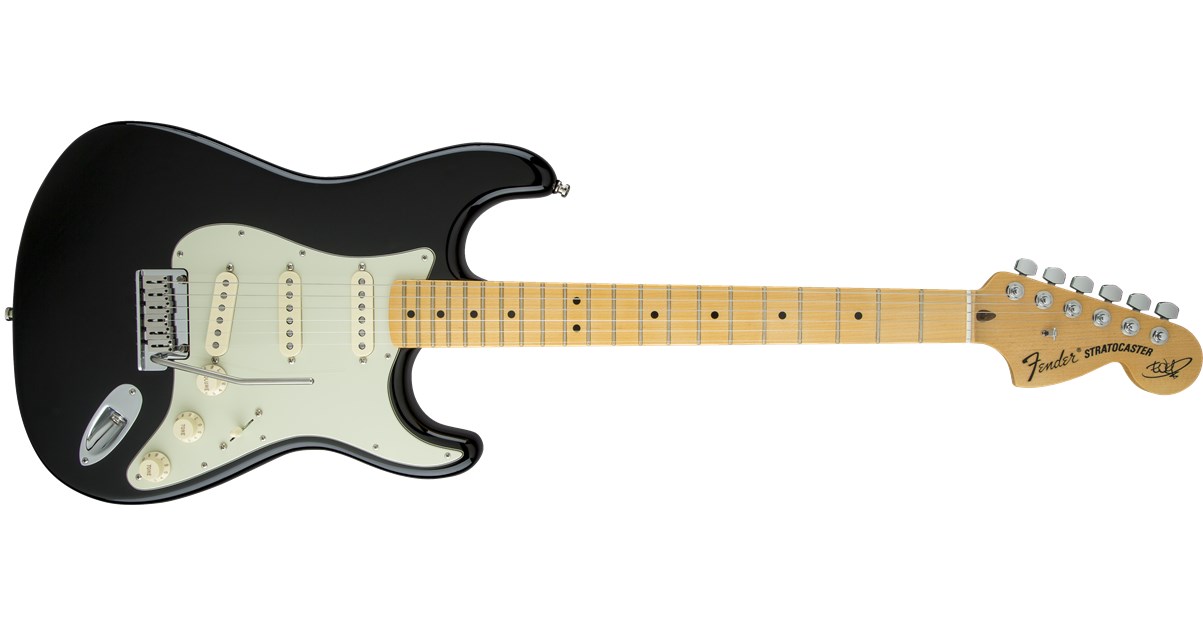
The Edge Strat is engineered for top-notch performance with versatile tone and effortless playing. Unique features include a pair of special Custom Shop Fat 50s single-coil pickups with flat pole pieces, a DiMarzio® FS-1™ bridge pickup, upgraded quartersawn maple neck with “C”-shaped profile and 9.5” maple fingerboard, modern two-point synchronized tremolo bridge with pop-in arm and fully adjustable saddles. The Edge’s signature is also included on the front of the large ‘70s-style headstock.
The elegant guitar combines the classic curves, appointments and effortless playability of the Stratocaster with modern enhancements and materials to create a dream instrument for players and U2 fans alike.
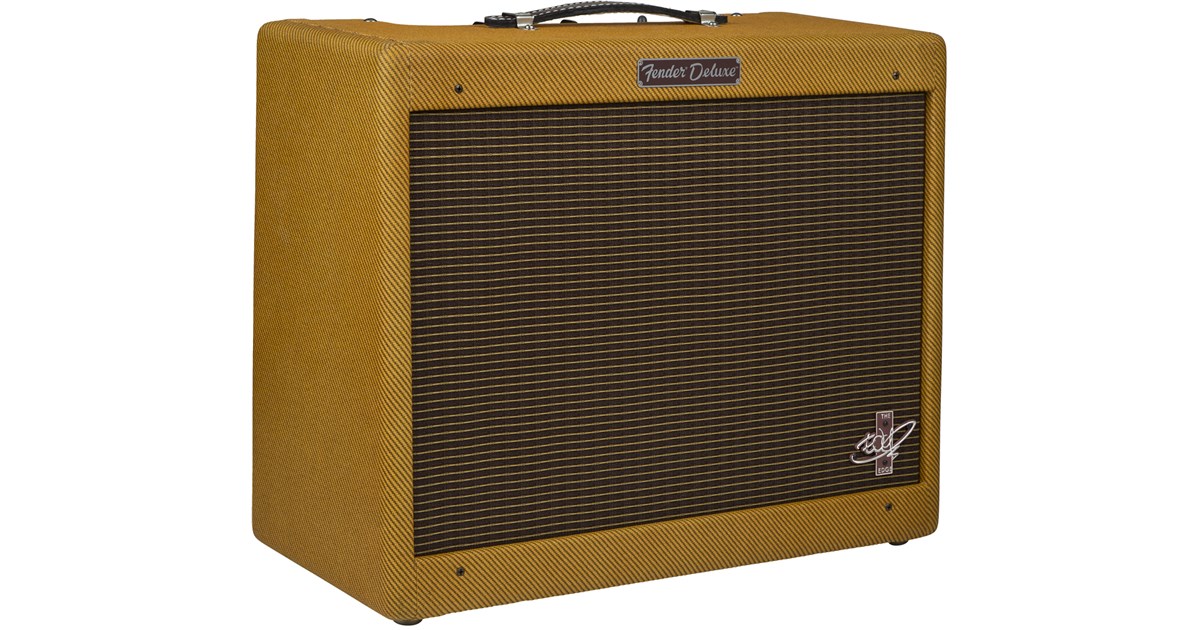
The Edge Deluxe signature model is an updated take on the classic ’57 tweed Deluxe used to craft the Edge’s sonic identity. This amp also produces the tone and articulation of the vintage Fender Deluxe amps that are an important part of the artist’s complex multi-amp effects setup.
This 12-watt hand-wired amp features modified circuitry for tighter low-end response and high-impact tone, a 12” Celestion® Blue speaker, custom-tapered volume control and altered component values that tighten up low-end frequency response. The Edge himself also hand-designed the special grille logo badge, which distinguishes the traditional tweed amp as a distinctive tool for guitarists everywhere.

Jimi Hendrix’ simply doesn’t seem to wane, even though the genial guitar hero himself died in London in 1970 at 27 years of age. There’s still so much interest in Hendrix’ music that he continues to rank among the top ten of best-earning dead celebrities in Forbes magazine.
The Fender Stratocaster was the master’s favourite instrument, so it’s not really surprising that the man has been honoured with a signature model by Fender last year. This guitar is now also available in Finland.
The new Made-in-Mexico Fender Jimi Hendrix Stratocaster isn’t the first Hendrix model that Fender has released:
In 1980 a small, semiofficial run of Hendrix Strats was made, sporting a white body and a left-handed neck with a large headstock. Fender’s Custom Shop came out with 100 Monterey Stratocasters, which where close copies of the guitar instrument played and burned at the 1967 festival. It was a right-handed Stratocaster with a small headstock and a hand-painted body, set up for left-handed playing. Along with the guitar the Monterey Set also included a flight case and a leather gig bag. In the same year (1997) Fender USA started to produce the Jimi Hendrix Voodoo Strat. The Voodoo Strat was in fact a a left-handed (!) copy of Hendrix’ (right-handed) Woodstock Stratocaster, with the headstock decals turned into mirror images, so that you would look (a bit) like Hendrix, whenever you stepped in front of a mirror. 😀
****

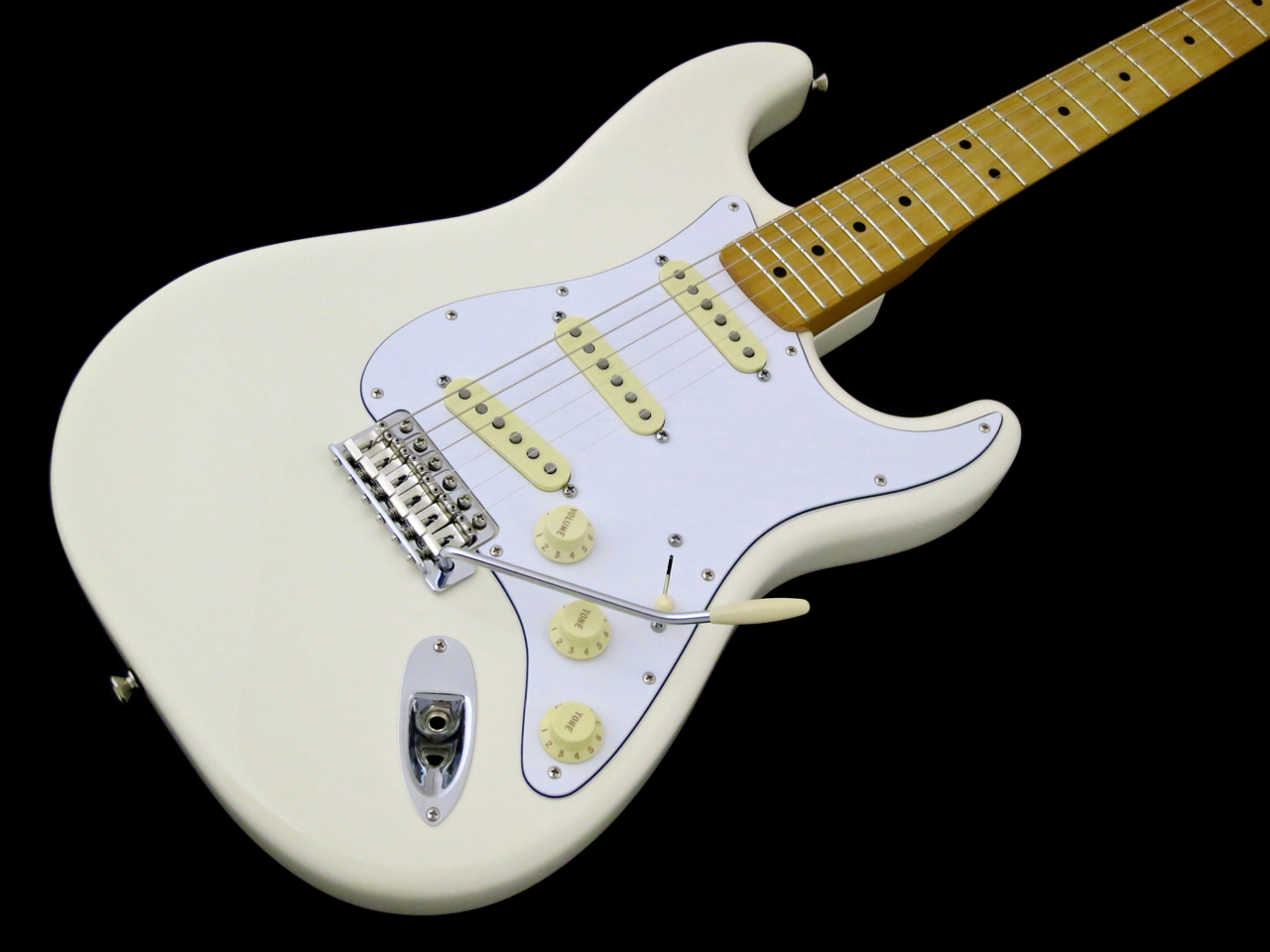
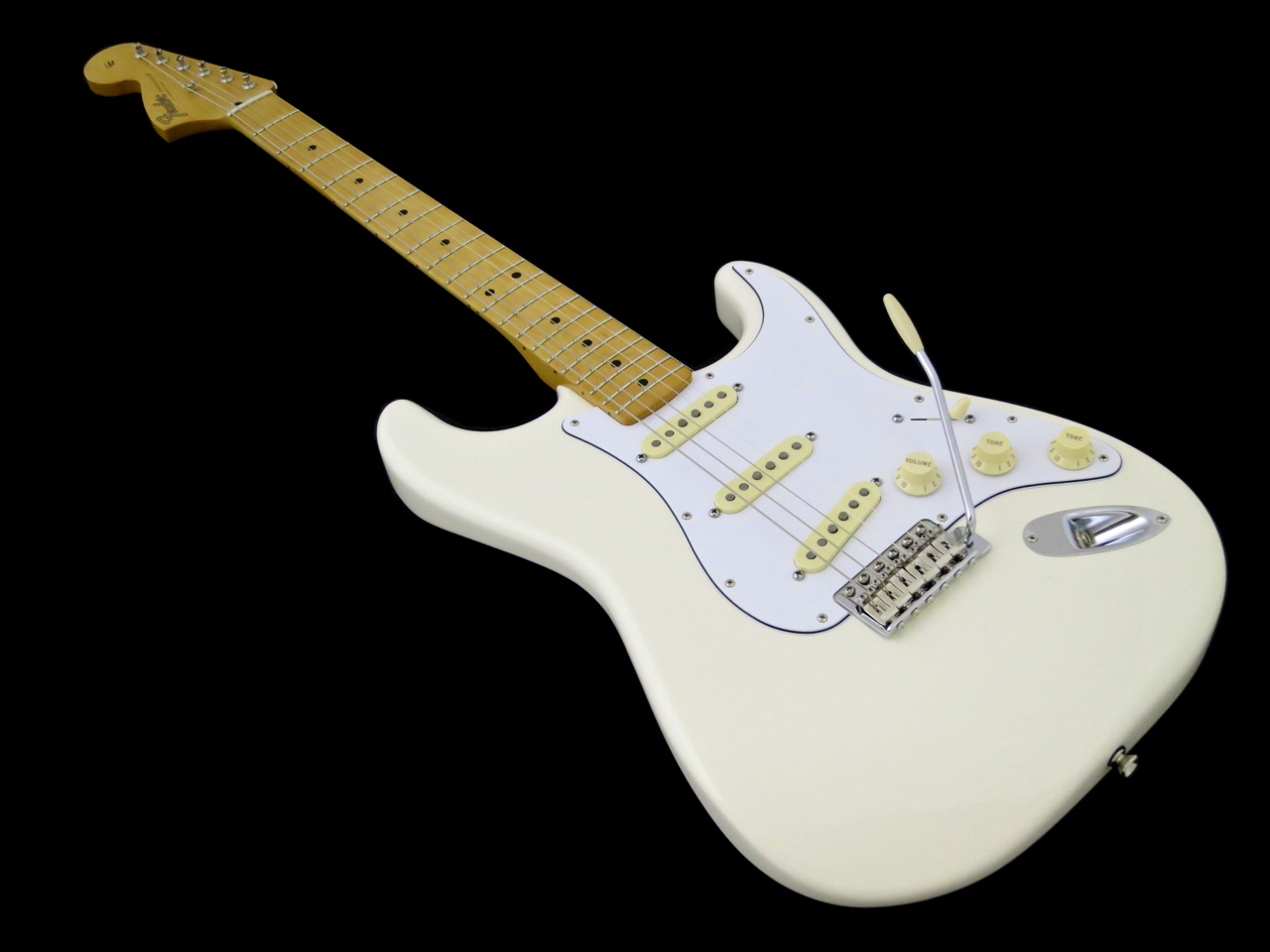
The brand-new Fender Jimi Hendrix Stratocaster (approx. 950 € in Finland) also has some features resembling the guitar Hendrix used at the Woodstock festival:
The right-handed alder body is finished either in black or in white, while the neck is a large headstock-carrying, left-handed, all-maple affair.
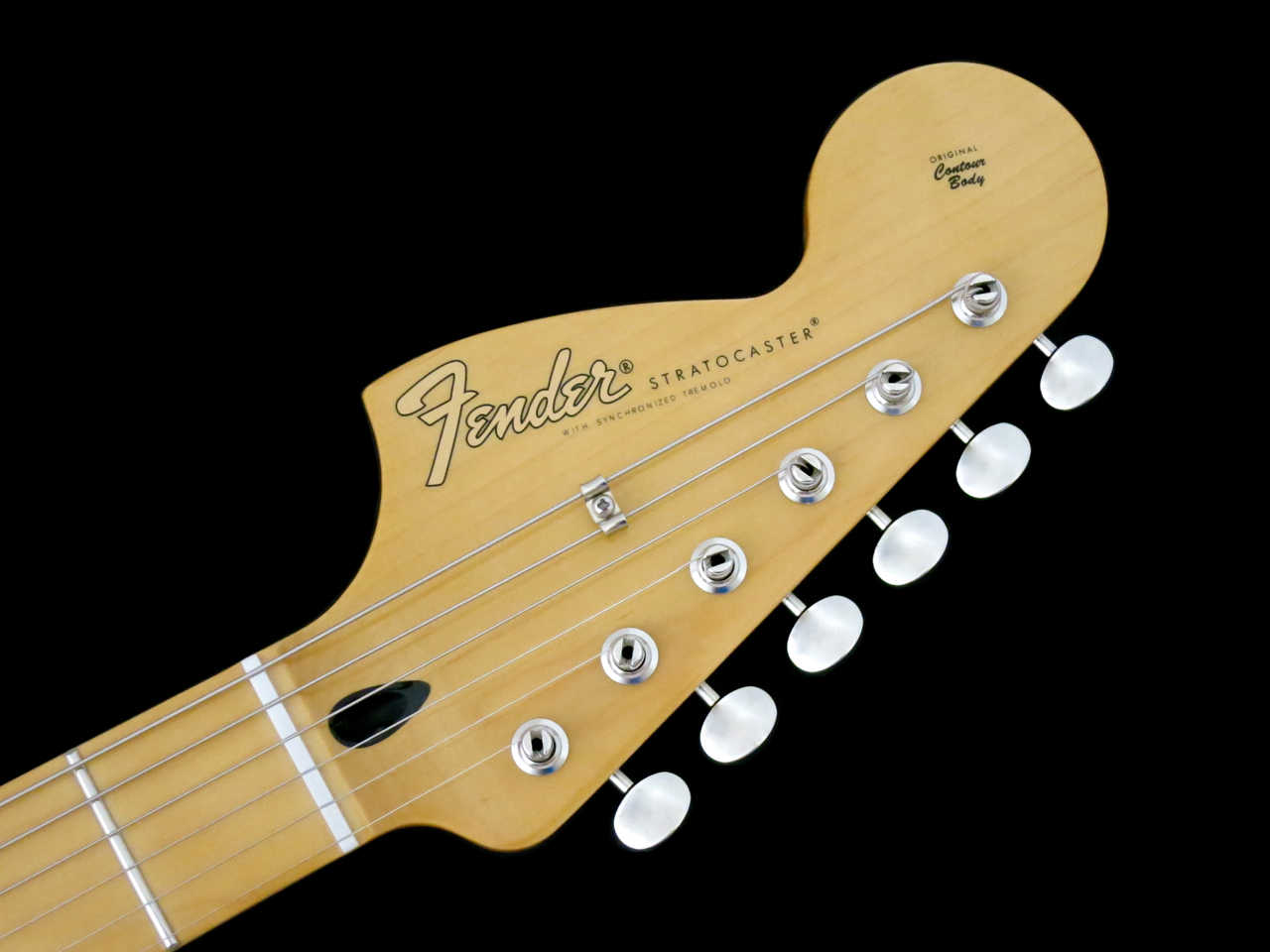
The headstock carries the so-called transition logo from the mid-Sixties, which was much larger than the Fifties’ spaghetti logo, but still gold coloured. By the end of the Sixties the logo was changed to black and the model name was written in large, bold lettering – that would be called the the CBS logo.
Modern improvements on the Hendrix Strat include truss rod access from the headstock side, as well as a flatter, more bend-friendly fretboard radius of 9.5 inches.

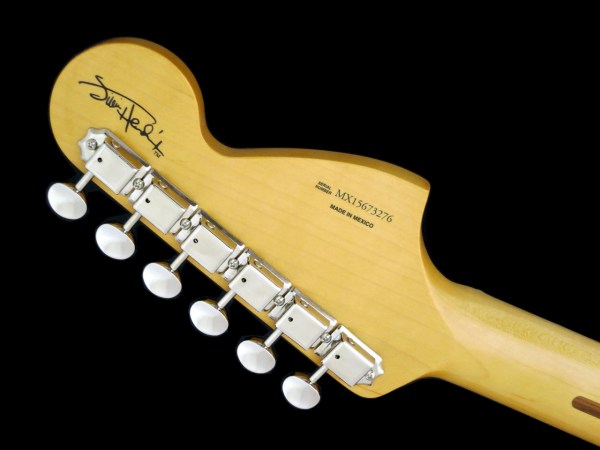
The headstock’s flip side displays Hendrix’ signature, and a very decent set of Kluson copies.

The neck joint has been kept very traditional, but for the Authentic Hendrix-logo on the neck plate.

The most important differences between the Hendrix model and a bog standard Strat can be found in the pickup department:
The Mexican signature guitar comes equipped with a pukka set of American Vintage ’65 Gray-Bottom Fender-pickups, which have been installed into this guitar, as if this were a left-handed model turned over. Both the neck and middle pickup have been flipped over by 180 degrees, while the bridge pickup has been flipped over first, before being installed at a reverse angle. Usually the bridge pickup is placed so that its bass side is closer to the neck with the treble side being closer to the bridge. On the Hendrix Strat the bridge pickup’s bass side is closer to the bridge and the treble side closer to the neck.
This reverse installation means that the magnet stagger is ”wrong”, changing slightly the balance between the strings in terms of output. Furthermore, the bridge pickup will give you a slightly changed range of overtones, due to its reverse angle.
We’ll find out in the listening test, whether these changes really make any discernible difference.

The controls follow the vintage recipe – master volume, neck tone, middle tone – while the pickup selector on the Hendrix model is a modern five-way unit.
The American Vintage ’65 pickup set is true to the original specs and does not feature a reverse-wound/reverse-polarity middle pickup for hum-cancelling in positions two and four, like many updated Strats!

Fender’s vintage vibrato bridge (the ”Sychronized Tremolo”) sports bent steel saddles.
****

Fender Strats are well-known for their excellent ergonomic properties and the Hendrix signature model stays true to this heritage.
Our review instrument was of comfortable moderate weight. The neck’s mid-Sixties C-profile feels great, thanks to not being overly chunky.
The guitar arrived strung with a set of 010s and tuned to E-flat, but the setup wasn’t quite spot-on. The vibrato bridge was tipped a little too steeply, and the intonation was a bit off on the bass strings. But it only took me a couple of minutes (and the correct pair of screwdrivers) to get this Strat shipshape. The result was a great-playing and great-sounding guitar (string height at 12th fret: bottom-E: 2.2 mm/high-e: 1.7 mm).
The flatter-than-vintage fretboard radius really helps to make the Hendrix Strat a very bend-friendly guitar, while also minimising the possibility of fret choke during large-interval bends.
I must admit that I’m not quite sure, whether I really hear much of a difference in the amplified sound of the reversed pickups, though.
Jimi’s guitar tech and effects guru, Roger Mayer, has often stated that Hendrix was satisfied with the sound of his (right-handed) Strats right off the peg. According to Mayer, the only ”customisation” the pair ever did on newly bought guitars, was to take off the neck and remove all possible finish residue inside the neck pockets to improve the stability of the neck joints. Hendrix’ effects, on the other hand, were a regular target for fine-adjustment and electronic customisation.
Anyway, the new Fender Jimi Hendrix signature guitar sounds just like a great Strat should. Here’s a clean clip first:
Here’s an example of the Hendrix Strat’s distorted tone:
I was eager to start recording with the Fender Hendrix model. The first demo track puts the signature Strat into a slightly more contemporary context. The signal chain for this track was: Fender Hendrix Stratocaster –> Electro-Harmonix Germanium 4 Big Muff Pi –> Morley M2 Wah/Volume –> Blackstar HT-1R:
Next I recorded a demo track with a more Hendrix-like arrangement. The signal path was: Hendrix Stratocaster –> Morley M2 Wah/Volume –> Electro-Harmonix Nano Big Muff Pi –> Blackstar HT-1R. The Uni-Vibe style sound at the end of the track was achieved with a phaser plug-in during mixdown:

****

Even though Jimi Hendrix was known for his avant-garde use of effects in the studio – buoyed by the creativity of his sound engineer Eddie Kramer – his signal chain on stage was surprisingly straightforward. Here’s a short and basic rundown of Hendrix’ live rig.
1. Marshall Model 1959 ”Plexi” stack
Jimi Hendrix used what we now call a vintage-type, non-master volume amplifier stack, which wasn’t especially high-gain by today’s standards. Usually Hendrix had two 100 Watt Marshall-stacks running in parallel, which meant things got very loud. His Strats would cause his amp to break up, but the type of distortion was closer to what we’d now call a 60s Blues sound than to 70s Metal, and far removed from the high-gain saturation of our time.
I simulated this type of amp response by turning my Blackstar HT-1R’s gain control up to get the clean channel to overdrive.
2. Dallas-Arbiter Fuzz Face
In my view, the fuzz pedal is the most important ingredient in Jimi’s sound, because it adds a lot of oomph, creamy compression, and aggression to proceedings.
A British importer of musical equipment, a man called Ivor Arbiter, came up with the Fuzz Face in 1966, because he wanted to have a fuzz pedal in his product range. He came up with a chunky package by having the Fuzz Face circuit built into the base of a 60s microphone stand. The round enclosure, coupled with the unit’s two controls and single footswitch, looked like a smiley face, which is where the pedal got its name from.
Fuzz Faces are built by the Jim Dunlop company these days. There are also cheap alternatives available, from companies such as Mooer or Rowin. I’m using an Electro-Harmonix Nano Big Muff Pi for the demo tracks:
3. Vox Wah-Wah
Hendrix generally used his Vox Wah in front of his Fuzz Face, but keeping it behind the fuzz will also result in some cool tones. Great wah-pedals can also be head from Boss, Mission Engineering or Jim Dunlop.
I’ve used my Morley M2 Wah/Volume pedal in front of the Big Muff Pi:
4. Octavia +Uni-Vibe
Roger Mayer’s Octavia-pedal was sometimes used as an additional ingredient in Jimi’s live sound. This strange-sounding effect combines distortion with an artificial upper octave and some slight ring-modulation. Hendrix also used a Uni-Vibe effect, which was one of the first pedals that tried to create a Leslie-like sound in a compact format.
A genuine Octavia-pedal is only made by Roger Mayer, but Joyo’s inexpensive JF-12 Voodoo Octave stomp box sets you off in a very similar direction.
Korg has introduced the NuVibe, which is a pukka re-imagination of the original Uni-Vibe-pedal. Voodoo Lab’s Micro Vibe is a high-quality proposition at a fair price.
You can also simulate Uni-Vibe-style tones by using a suitable phaser. The Boss PH-3 is a modern and versatile phaser. If you want something even more affordable, you could check out Mooer’s range of effects.
This clip uses a combination of two phaser plug-ins in my audio sequencer:
****
If you want to go all the way to ”become Hendrix”, you will need to buy a left-handed Stratocaster and turn it into a right-handed instrument. The result will be authentic, but also much less comfortable than a regular Strat, because the controls are all in the wrong place.
Fender’s new Jimi Hendrix Stratocaster will give you the (very slight) difference a reversed headstock brings to the playing feel, as well as the (very slight) tonal differences of the reversed pickups, while keeping all of the Stratocaster’s great ergonomics intact.
Fender’s Hendrix model is a fine Strat, which you can use for all types of music. Still, it’s the ”Hendrix-thing” this guitar does the best!
If I could only have the maestro’s long fingers and musical imagination…
****
Fender Jimi Hendrix Stratocaster
Price approx. 950 €
Contact: Fender
A big ”thank you” goes to DLX Music Helsinki for the kind loan of the review guitar!
Pros:
+ musician-friendly price tag
+ workmanship
+ American Vintage pickups
+ playability
+ sound
Cons:
– factory setup

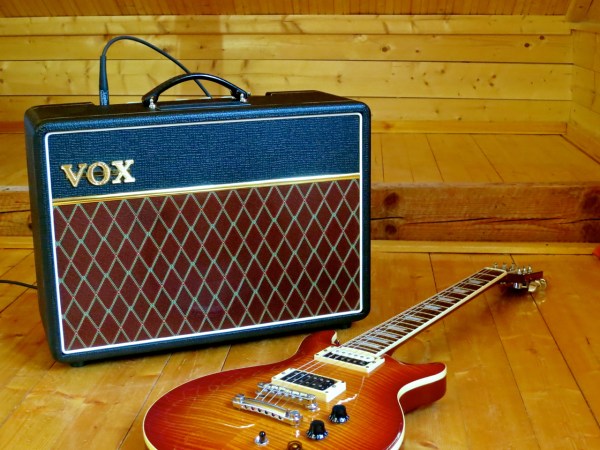

The new Vox AC10C1 combo amp nicely bridges the gap between the Custom Series’ AC4C1 four-watter and the 15-watt AC15C1.
****
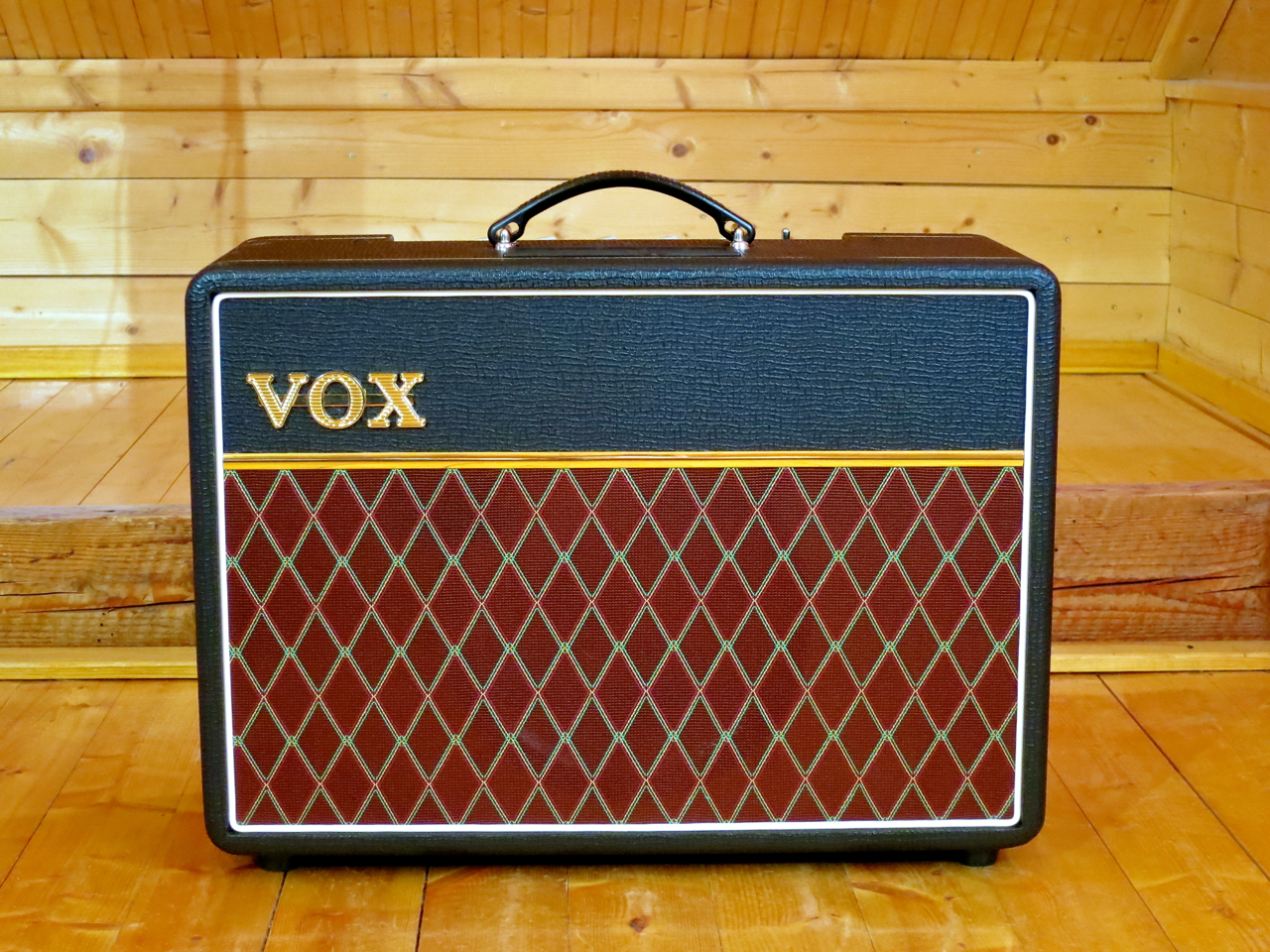
The Vox AC10C1 (street price in Finland approx. 520 €) isn’t a copy or reissue of any of the AC10 versions from the 1950s or 60s, but rather a modern reinterpretation of the company’s Top Boost-theme in a more compact guise, and made in China, just like the rest of the Custom Series.
This being so, the new AC10C1 amp does away with the old version’s vibrato effect, adding instead such welcome modern features as a quality digital reverb, and separate Gain and (Master) Volume controls.
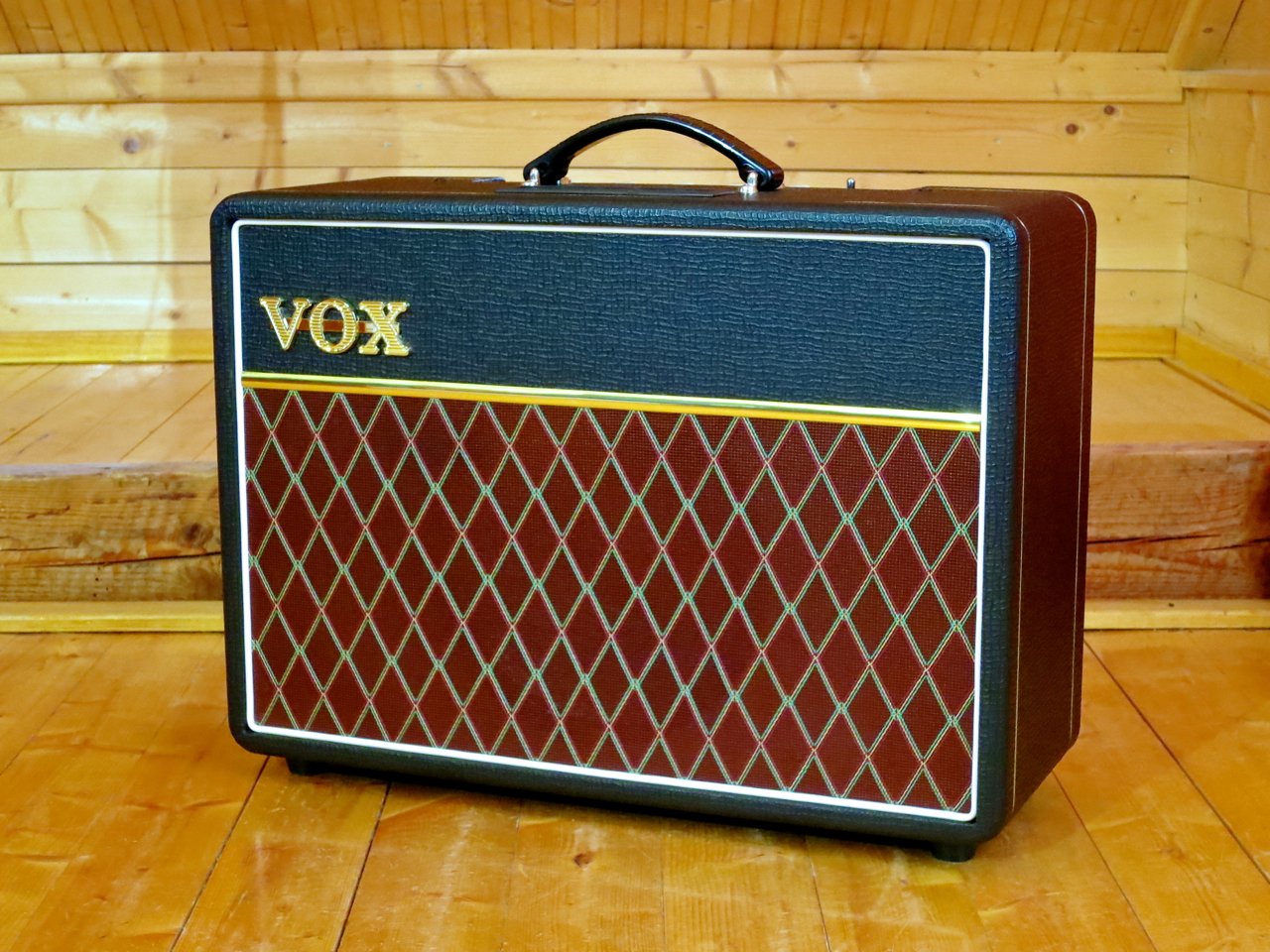
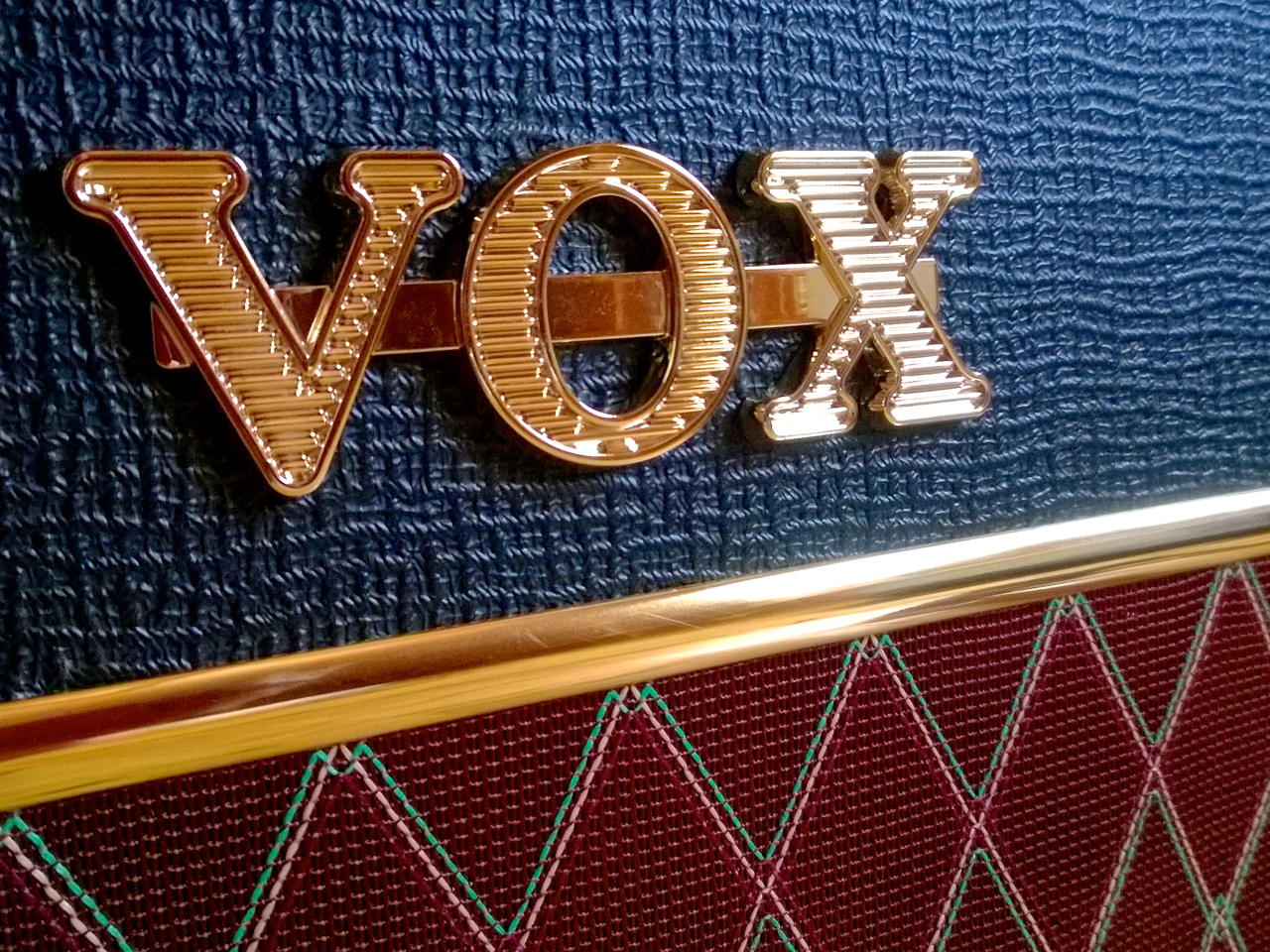
Vox’ new combo looks like a smaller version of their legendary AC30 combo, which isn’t a coincidence, I’m sure. It sports lots of black vinyl, white piping, a golden metal rail, and the famous maroon front cloth with the diamond pattern.
The AC10C1 only weighs 12 kilos, which means it’s very easy to carry by its single top handle.
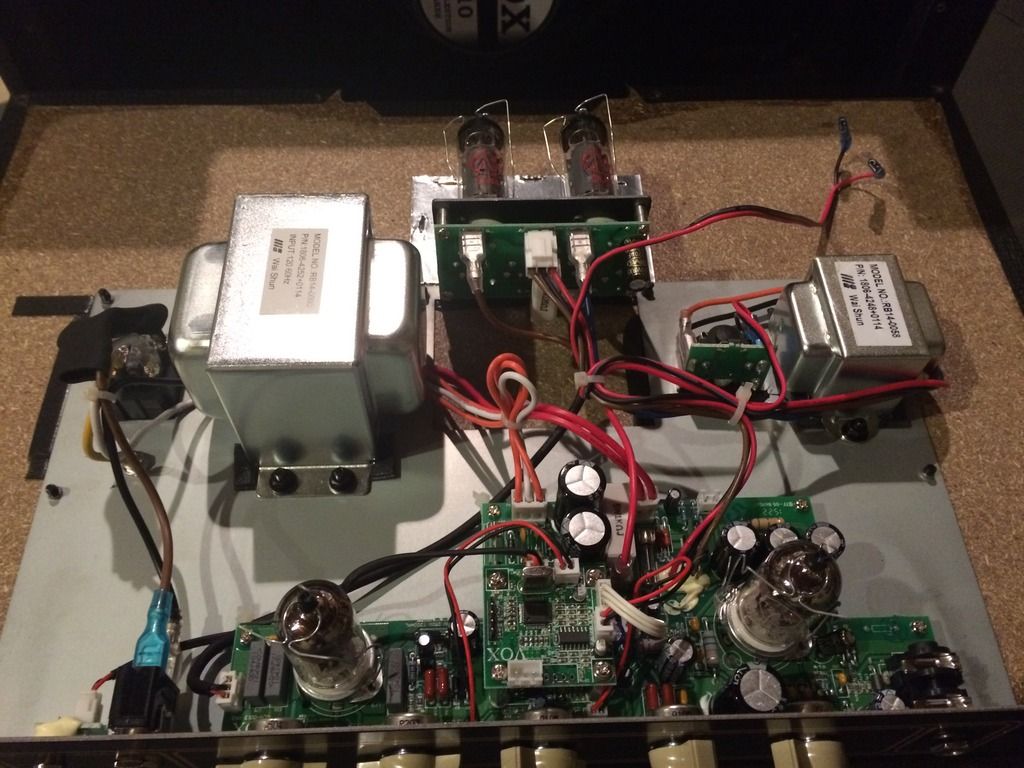
As we are looking at a production line, Chinese valve amp, it would be totally unrealistic to expect hand soldered point-to-point wiring inside this combo. The AC10C1’s electronic components – tubes and all – are mounted on three PCBs. You can have a good looks at this combo’s innards in this picture.
The little Vox’ two EL84 main amplifier valves have been placed just beneath the ventilation grille on the top (next to the handle). The preamp valves – a pair of 12AX7s – get their ventilation via a small slot at the bottom end of the cabinet’s back wall.

The control panel sports the classic Vox chicken head knobs.
In addition to Gain and Volume, you will find a two-band EQ section, and the reverb control.
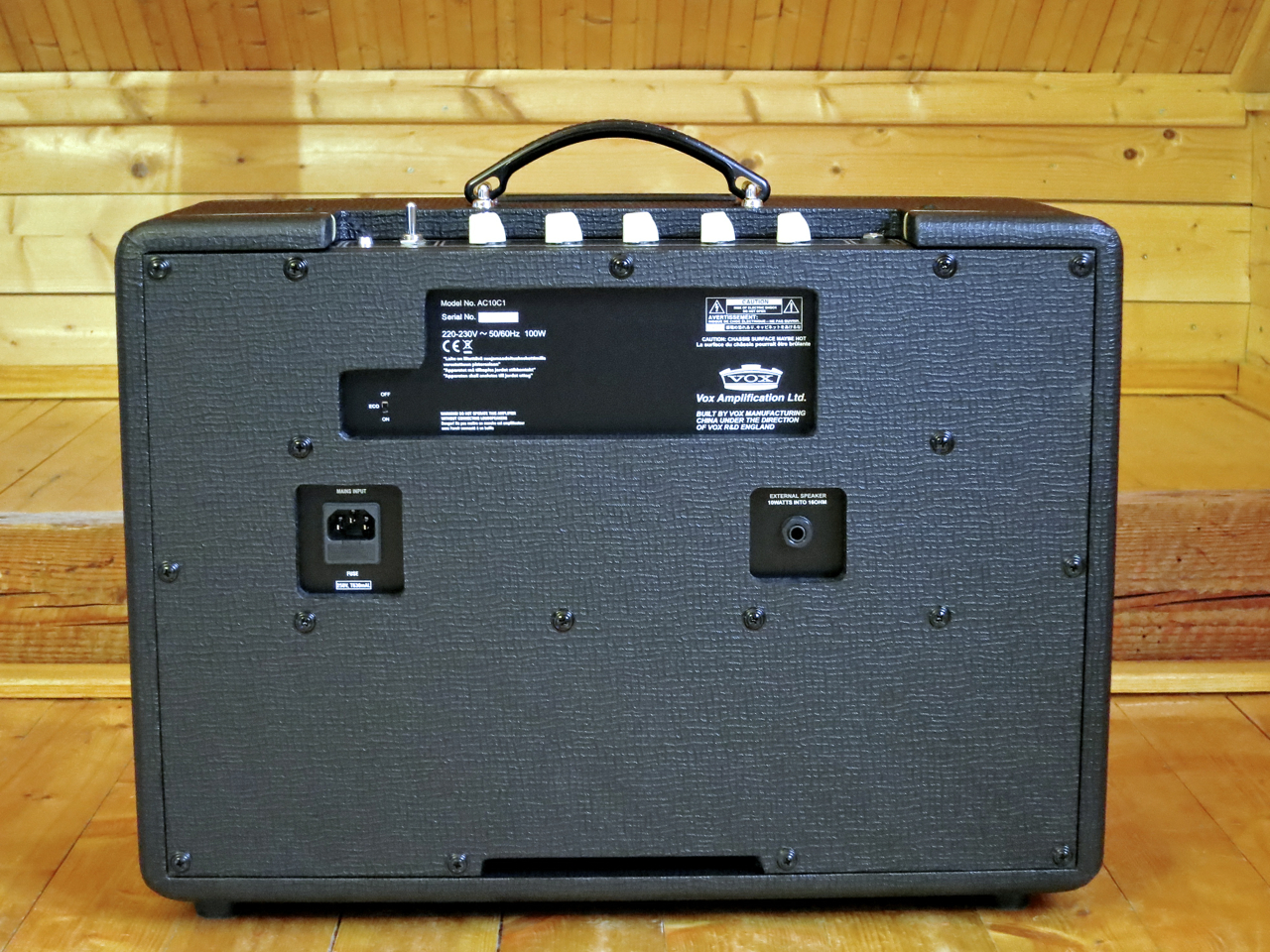
In practical terms, the Vox AC10C1 is a closed-back combo, despite the small opening for preamp tube ventilation.
A ten-inch Celestion VX10 has been chosen as the combo’s sole speaker.

In the EU the new combo is sold with an Eco-feature. When the Eco-switch is set to ”on”, the AC10C1 will power off automatically if the amp isn’t played for two hours.
The AC10C1 can be connected to an external speaker cabinet, as long as the load is kept to 16 Ohms.
****

Let me say something about the Vox AC10C1’s volume first:
This little amp is quite the belter for a combo rated at only 10 Watts! Yes, it does have a master volume control, but I still wouldn’t recommend using this Vox as a living-room amp in an apartment block. The Volume control really has to be set to 10 o’clock, or higher, to make this baby come to life.
The basic character of this Vox combo is rather bright and bitey – I had to take the Treble knob down to below 10 o’clock to find the sounds that I like.
This AC10C1 doesn’t have oodles of clean headroom, still there are some very nice clean tones to be had in the first third of the Gain control’s range, when you use Fender-type single coil pickups (Fender Stratocaster; amp gain at 10 o’clock):
Many valve amp snobs will view a digital reverb circuit as a big no-no, but in my view, the AC10C1’s reverb is one of the very best I’ve ever heard in an amp in this price range. The reverb is a digital version of a spring tank, and has a charming sense of depth. At higher settings you can even get some ”spring splash” by attacking the strings with gusto:
Due to its higher output a P-90-type pickup will require you to adjust the volume knob(s) on the guitar, if you want to achieve genuinely clean sounds. Here’s a clip of an Epiphone Casino (with Göldo P-90s), with the guitar’s volumes turned about halfway down (amp gain at 9 o’clock):
Here’s the same Casino with its volume controls set to 8 (the amp settings stay untouched):
Humbuckers, too, mean you will have to turn the guitar down a bit for clean sounds, otherwise the AC10C1 will start adding some of that famous Top Boost grit. The first clip uses a Hamer USA Studio Custom with its volume controls turned down to 5 (amp gain at 9 o’clock):
Same guitar, same amp settings, but the Hamer’s volumes have been set to 7:
You could sum up the AC10C1’s distorted sounds with one word – classic! This isn’t a high gain combo by no stretch of the imagination. This Vox feels most at home with Pop-, Blues-, and Rock-sounds of the Sixties and Seventies (and their modern descendants). If you want a piece of that classic Vox Top Boost tone (think Beatles, Queen, U2), the AC10C1 has it in spades at manageable volume levels.
Stratocaster; amp gain 3 o’clock:
Casino; amp gain 1 o’clock:
Hamer; amp gain 1 o’clock:
Stratocaster; full amp gain:
Casino; full amp gain:
Hamer; full amp gain:
****
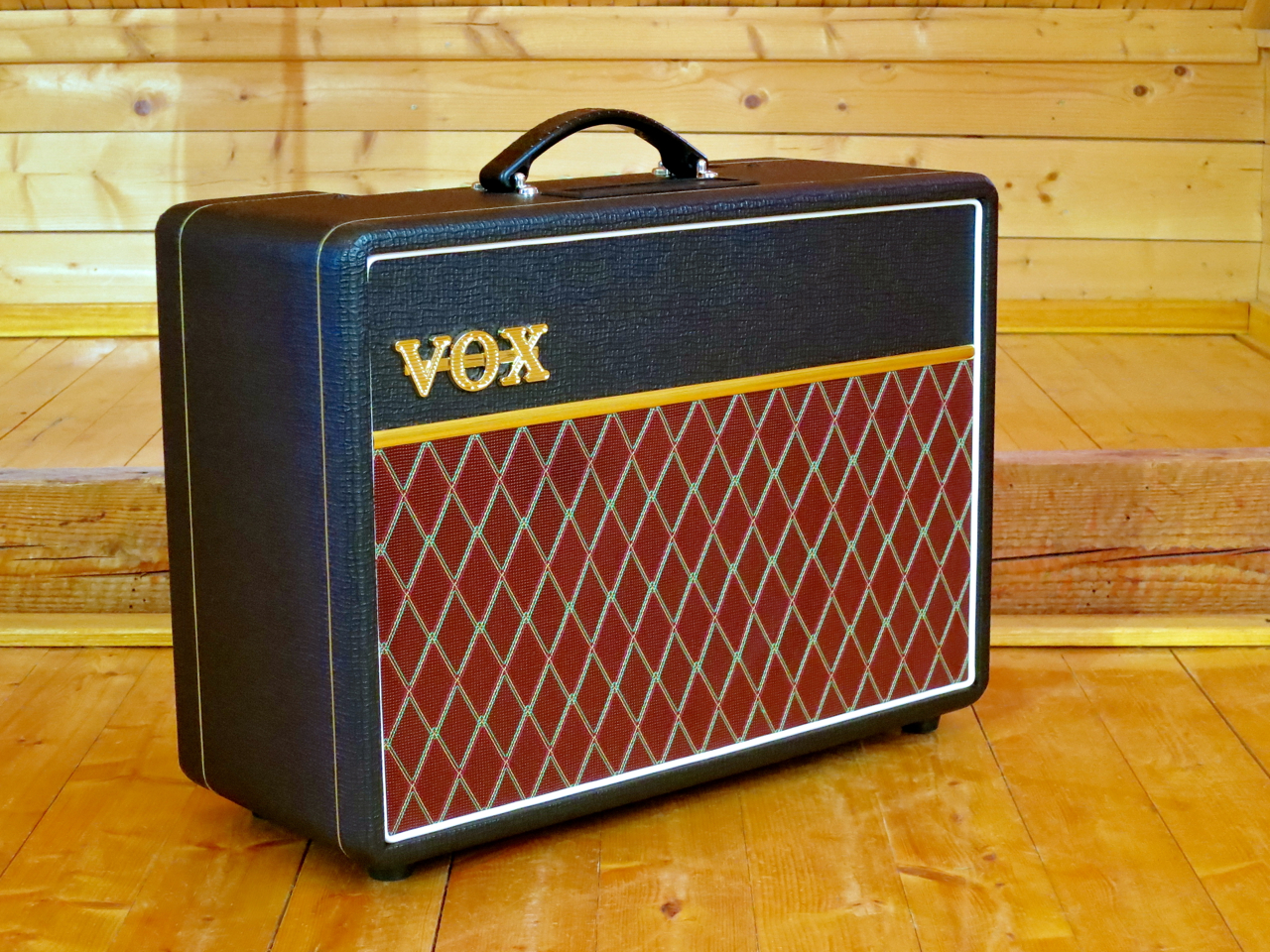
In my opinion, the Vox AC10C1 is just the ticket if you’re after genuine Vox tones in a compact, easy-to-handle package.
Clean headroom isn’t to be had in abundance, but luckily this Vox combo reacts extremely well to volume changes on the guitar. The sound cleans up nicely, while the amp retains its full vigour and liveliness.
The Vox AC10C1 is loud enough for most rehearsal situations, and you might even use it in some small venues without a mike.
For studio work, too, I feel Vox’ AC10C1 has a lot to offer, because it enables you to get chunky Vox tones with much less bleed-through into other microphones, like the drum mikes.
****
Vox AC10C1
current street price in Finland approximately 520 €
Finnish distribution: EM Nordic
A hearty ”thank you” goes to DLX Music Helsinki for the loan of the review combo!
Pros:
+ value for money
+ compact size
+ reverb sound
+ amp sound
Cons:
– limited clean headroom

 Kitarablogi.com – Finland's premier Guitar and Bass blog