• plain numbers are ”channel blown”; 2 = second channel blow
• minus numbers are ”channel drawn”; -4 = fourth channel draw
• brackets mean ”slider pressed in”; (-7) = seventh channel draw with the slider pushed in
Kitarablogi.com – Finland's premier Guitar and Bass blog
Juttuja kitaroista ja bassoista
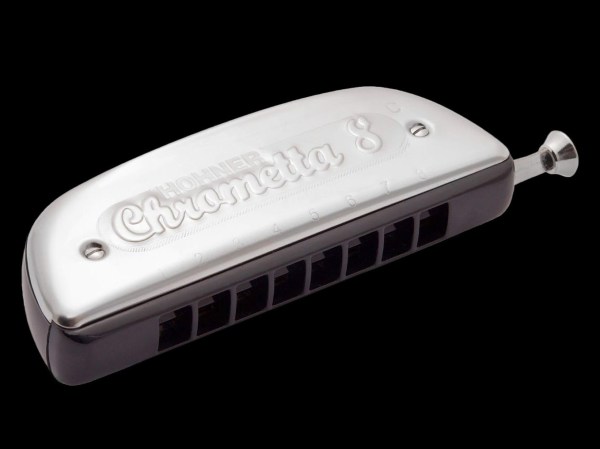

Vanhan koulukunnan bluesiin kuuluu luonnollisesti huuliharppu, joko puhtaana PA:n kautta tai sitten murealla säröllä höystettynä pienen tweed-vahvistimen läpi soitettuna.
Ihme kyllä perinteisesti bluesia on soitettu tahallaan väärinkäyttämällä iloisia kansanlauluja varten keksittyä duuri-pohjaista soitinta. Perushuuliharppu on kymmenreikäinen soitin ns. Richter-vireessä. Böömiläinen Joseph Richter keksi tätä viritystä noin 200 vuotta sitten juuri sitä varten, että sillä pystyi soittamaan sekä melodian, että perussoinnut vaivattomasti.
Joskus 1880-90 luvulla muusikot Yhdysvalloissa keksivät, että aloittamalla huuliharpun skaalaa toisesta reiästä vetämällä – ns cross harp -soitto – ja bendaamalla muutama soittimen äänistä, duuri-soittimesta tuli suhteellisen helposti bluesille sopiva soitin. ”Suhteellinen” on tässä yhteydessä se ratkaiseva sana, koska bendaamiselle tarvittavat tekniikat – oikea hengitys, oikea suun muoto, oikea kielen käyttö – vaativat jonkin verran opettelua ja harjoittelua.
Huuliharppujen valmistajat ovat jo pitkään tarjonneet eri genreille sopivia hieman muunneltuja virityksia, niin kuin esimerkiksi Seydelin rock-musiikille optimoitu Wilde-viritys, mitkä kaikki kuitenkin ovat Richter-virityksen johdannaisia, joissa kaikissa bendaukset ovat yhä tärkeässä osassa.
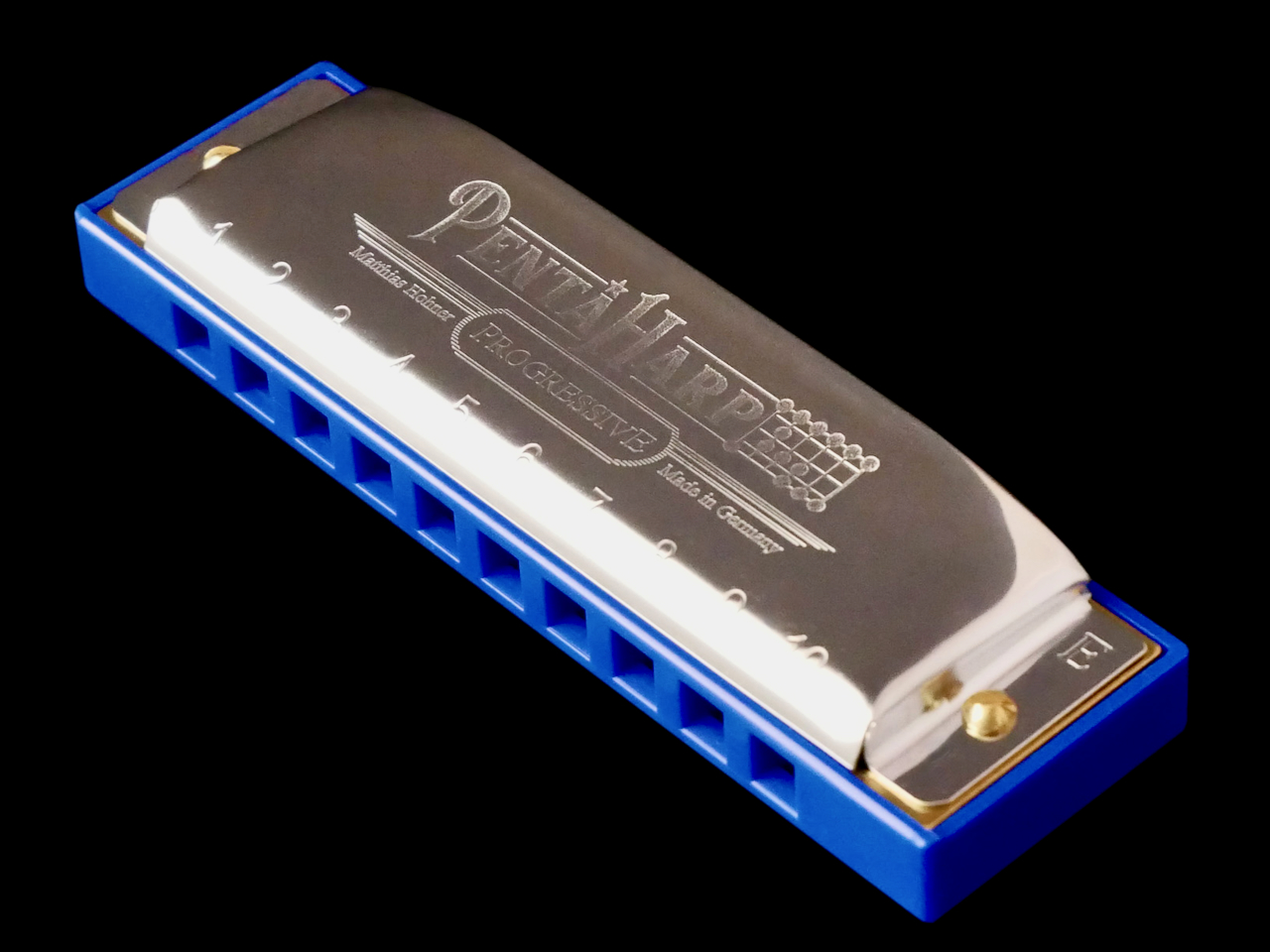
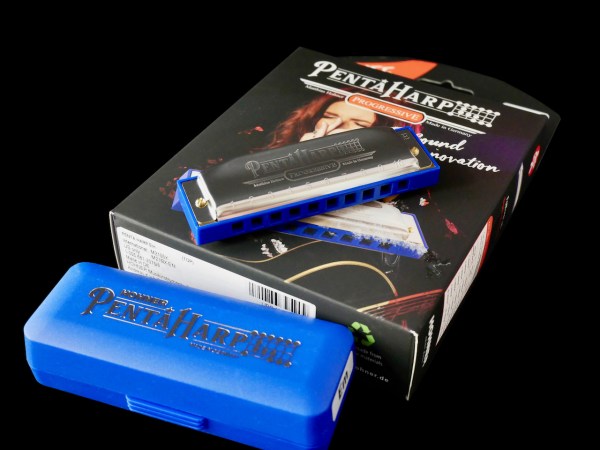
Hohnerin PentaHarp (hinta noin 55 €) menee tässä selvästi pidemmälle. Tässä on huuliharppu, joka on tarkoitettu vaivattomaan blues- ja rock-soittoon, ilman tarvetta bendaamiselle tai muille erikoistekniikoille. PentaHarpin kanssa riittää, että pystyy puhaltamaan ilmaa tasaisesti ulos (ja vetämään sisään).

Hohner PentaHarp perustuu firman erittäin suosittuun Special 20 -malliin. Soittimen sininen runko viittaa siihen, että kyseessä on erikoisesta huuliharpusta.
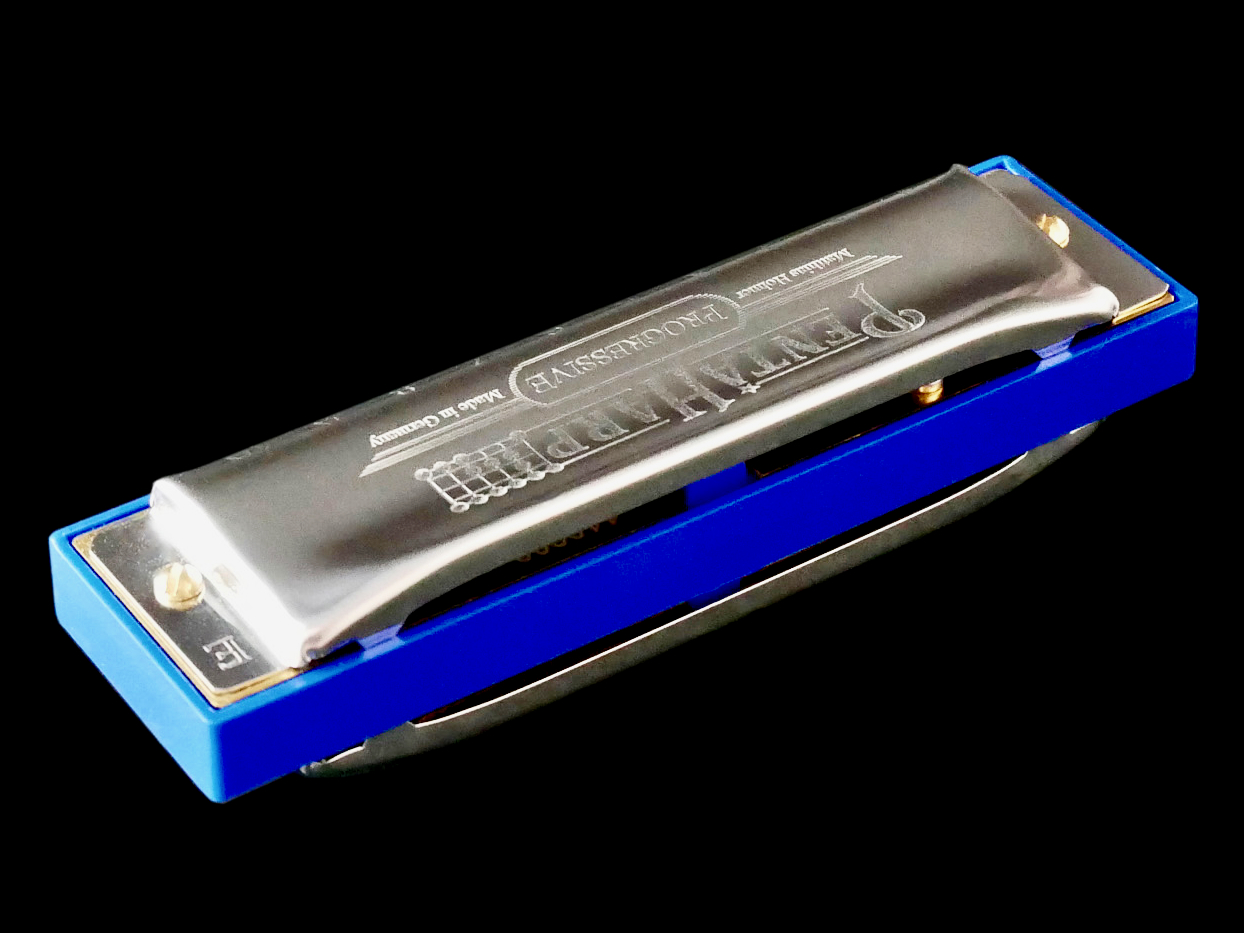
PentaHarpin viritys tarjoaa hieman kolmen oktaavin verran pentatonista molli-skaalaa, johon on lisätty alennettu kvartti (ns. blue note). Kitaristien keskuudessa niin suositussa E-bluesissa äänet ovat siis: e-g-a-ais/b- h-d, minkä jälkeen sama toistuu seuraavassa oktaavissa.
PentaHarpilla pystyy siis soittamaan ongelmitta kitaristille tutulla ”in the box” -ajatelulla, ilman mitään kommervenkkejä soittotekniikan osalta. Hohner on perustanut PentaHarpille oman nettisivuston, jossa voi tutustua laajemmin mallin tuomien mahdollisuuksiin.
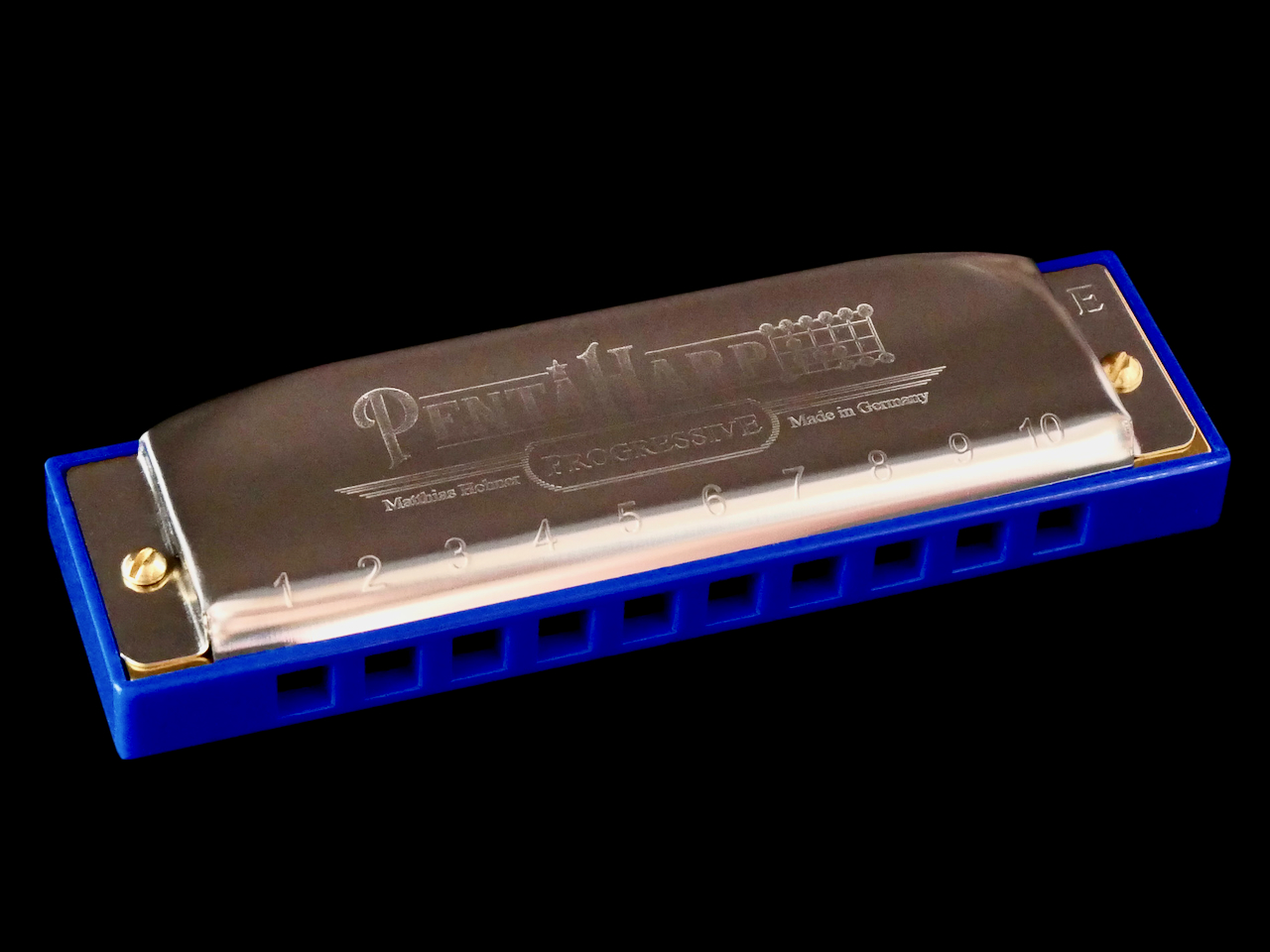
Hohnerin PentaHarp on laadukas soitin, joka tarjoaa perusharppua helpomman tavan tutustua bluesharpun soittamiseen. Jos haluat esimerkiksi lisätä silloin tällöin huuliharppua omaan soittoosi, ilman bendauksien opettelua, PentaHarpilla kyllä onnistuu.
PentaHarpin viritys tekee tästä huuliharpusta kuitenkin myös hieman rajoitetun, koska soittimella ei voi vaihtaa bluesista tai rockista suoraan folkille tai kantrille. PentaHarpissa ei oikeastaan onnistu vaivaton sointujen tai terssistemmojen soittaminen, koska vierekkäiden kanavien soittaminen ei aina soi harmonisella tavalla, toisin kuin Richter-harpuissa.
Hohnerin PentaHarp on hyvä soitin aloittelijoille, koska oikeiden nuottien etsimisen sijaan uusi bluesharpisti voi/täyttyy keskittyä hyvän perustekniikkaan, nimittäin oikean kanavan löytämiseen ja tasaiseen sisään- ja uloshengittämiseen. Etenkin liian voimakas ilman sisään vetäminen voi aiheuttaa tahattomia bendauksia tai ongelmia äänen syttymisen kanssa – huuliharpun virityksestä riipumatta.
****
Alkuperäistä, laajempaa Rockway-juttua voi lukea TÄÄLLÄ.
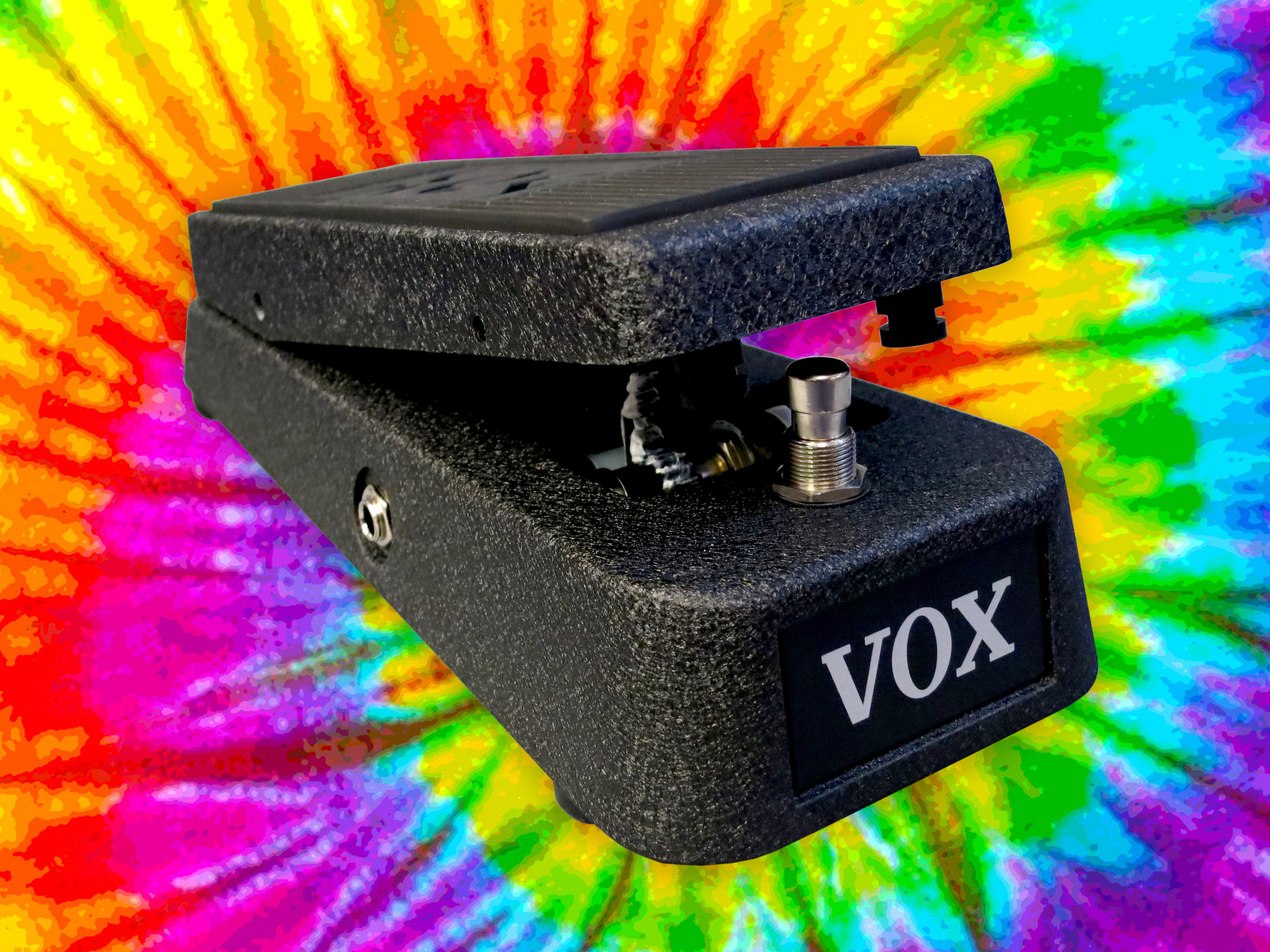
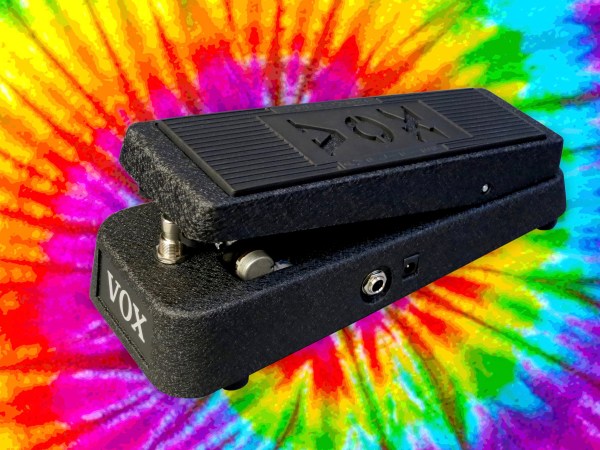
The Vox V845 is an interesting wah-pedal for at least three reasons – it’s made by the inventors of the wah-wah, it is very affordable (around 70-75 euros in Finland), and it is much lighter than regular Vox- or Dunlop-made wah-wahs (only 900 g compared to approx. 1.6 kg).
This drastic difference in weight is achieved by using a plastic core for both the main casing and the treadle. This core is then coated with an aluminium-based coating that gives the V845 the traditional look of a wah.

Electronically the Vox V845 is virtually identical to a vintage Vox-wah, apart from being built with a couple of PCBs and modern components.
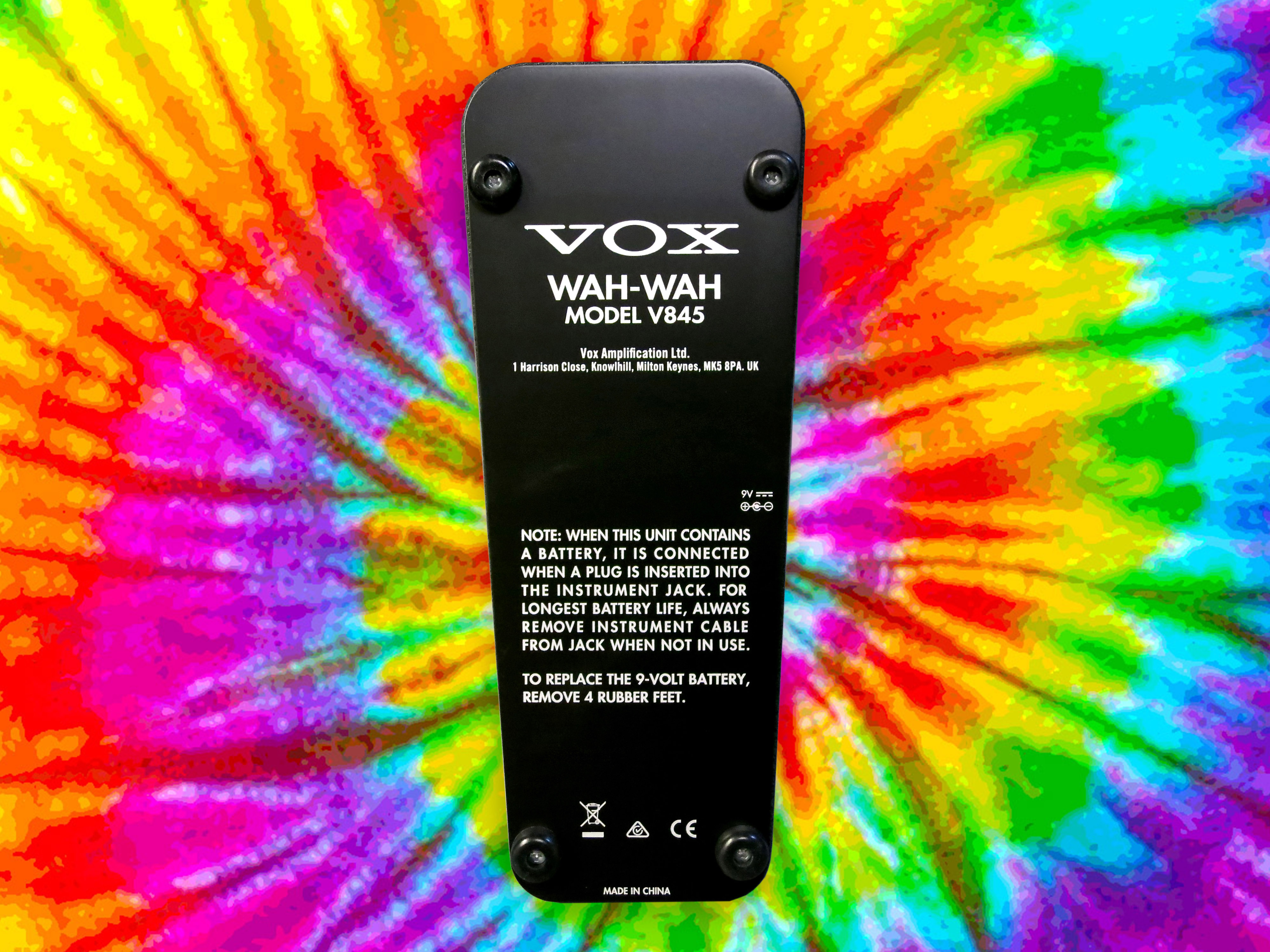
An important improvement over the originals from the 1960s and 70s is the addition of a DC input, which allows you to power the V845 from a modern power supply.

The Vox V845 looks like a wah-wah, feels like a wah-wah, so it’s no surprise that it also sounds like a genuine Vox-wah. The V845 switches on and off in the traditional way by giving the switch beneath the treadle a push in the toe-down position. The sound is big and warm, and, typical for a Vox, a little less abrasive in the top end than a standard Dunlop Cry Baby. What’s not to like?
I’ve been using the Vox V845 for four years by this point, and it hasn’t given me any trouble so far. Check it out!
****
Here are two recent recordings I’ve used the V845 on:

Yllättävän monelle kompressori on jotenkin mystinen laite, joka käyttää musta magiaa soundin muokkaamiseksi. Todellisuudessa kompressori (yleiskielessä: kompura) on (puoli-) automaattisesti toimiva signaalitasoon vaikkuttava piiri, jolla kavennetaan signaalin dynamiikka – siis: hiljaisten ja kovien äänien välinen ero – toivotulla tavalla.
Etenkin puhtailla kitarasoundeilla kompressorista voi olla paljon apua, silloin kun kaivataan lisää sustainea, tukevampaa soundia, tai vaikkapa rauhallisempaa äänikuvaa. Esimerkiksi monille kantrikitaristeille kompura on lähes pakollinen varuste, jolla saadaan nopeat lickit, joissa usein sekoittuvat otetut äänet ja avoimet kielet, kuulostamaan tasaisempana ja sliipattuina.
Kitaristille tarjotaan nykypäivänä monta eri kompuraa pedaalin muodossa, joista suurin osa toimii ”enemmän tai vähemmän” -periaatteella, ehkä vielä lisätyllä atakki-kytkimellä.
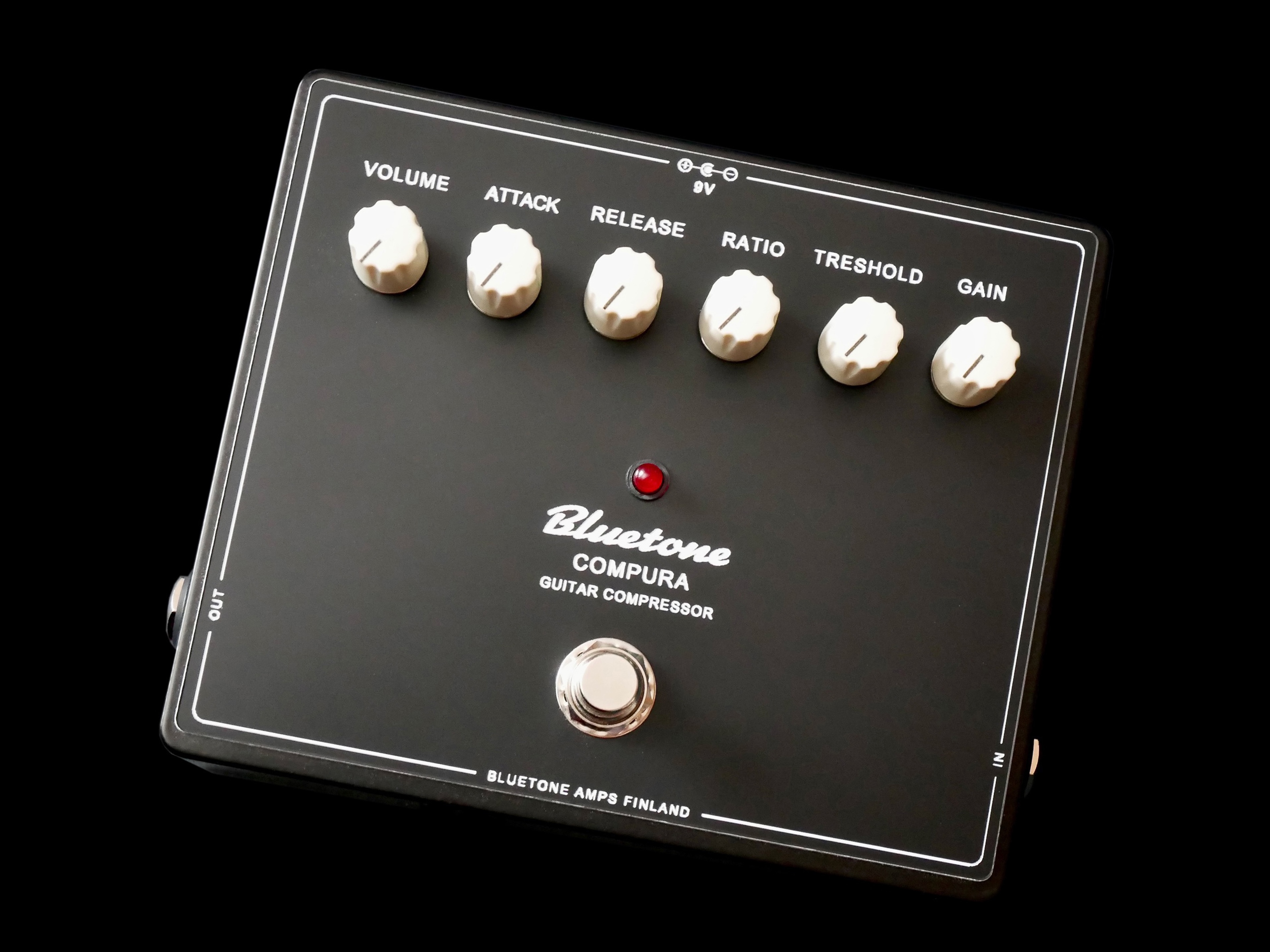
Suomalainen Bluetone Compura (330 €) lähestyy aihepiiriä toiselta kulmalta tarjoamalla laajasti säädettävän studiokompressorin kitarapedaalissa. Kuusi säädintä voivat aluksi näyttää hieman pelottavalta, mutta kun niiden toimintaa käy ensin rauhallisesti läpi, niin homma alkaa nopeasti selvenemään.
• GAIN on Compuran esivahvistus. Tässä ei ole kyse säröstä, vaan siitä, että eri kitaroissa (ja bassoissa) on eri mikrofonien vuoksi erilaiset lähtötasot. Gain-säätimellä pystyy siis optimoimaan valitun kitaran signaalitasoa kompressiopiiriä varten.
• THRESHOLD (kyllä, kuvan varhaisessa tuotantomallissa on pieni kirjoitusvirhe) tarkoittaa kynnystasoa. Threshold-tason alle jäävä signaali pysyy kompressoimatta, kun taas kynnyksen ylle menevät osuudet puristetaan dynamiikan osalta kasaan.
• RATIO on kompressiosuhteen säädin. Studiokompressoreissa lukee ratio-säätimen vieressä tavallisesti numeerinen suhde, jossa esimerkiksi ”1:1” tarkoittaa, ettei kompressoida lainkaan, kun taas ”8:1” tarkoittaa, että jos tulosignaalin taso nousee kahdeksan desibeliä kynnystason yli signaalia kompressoidaan niin, että lähtötaso nousee vain yhden dB:n verran. Bluetone Compurassa säädöt tehdään korvakuulolla.
• ATTACK ja RELEASE säätävät kuinka nopeasti kompressori alkaa vaikuttamaan signaalin tasoon sen jälkeen, kun kynnystaso ensin ylittyy (Attack-säädin), sekä silloin kun tulosignaalin taso taas laskee kynnystason alle (Release-säädin). Attack-säätimellä pystyy siis vaikuttamaan esimerkiksi siihen, kuinka paljon äänten atakista säilyy muuttumattomana, kun taas Release-säädin vaikuttaa siihen kuinka nopeasti kompressiopiiri ”nollauttuu” signaalipiikkien välissä.
• VOLUME-säädin on Bluetone Compura -pedaalissa lähtötason säädin, siis sama säädin jota kutsutaan monessa studiokompressorissa make-up gainiksi. Volume-nuppia säädetään korvakuulolla omien tarpeiden – esimerkiksi signaaliketjun muiden efektien – mukaan. Jotkut tykkäävät käyttää kompressorit miedoina boostereina, kun taas toiset haluavat, että kompressorin toiminta on signaalitason osalta lähes huomaamaton.
****
Studiossa kompressorin mittaristo on hyvin tärkeä työväline, josta saa tietoa siitä kuinka ”kuuma” tulosignaali on, kuinka monta desibeliä signaalin dynamiikka puristetaan kasaan, ja millä tasolla efektin lähtösignaali on.
Kitarapedaalissa tällainen mittarointi on minusta usein tarpeeton; usein värikkäät mittarit lattialla jopa vievät soittajan huomiota pois kaikkein tärkeämmästä – omasta soundista.
Tärkein on minun mielestäni se että muistetaan, ettei ole olemassa ”ainoa oikea tapa” käyttää sellaista kompressoria kuin Bluetonen Compura, koska mukana on aina kokonainen kasa muuttajia, kuten soitin, oma soittotatsi, musiikkigenre, muu signaalitie, käytössä oleva vahvistin jne.
Kun ottaa itselleen ensin hieman tutustumis- ja kokeiluaikaa Bluetone Compuran kanssa, löytyy hyvin helposti ja nopeasti sellaiset parametrien asetukset, jotka toimivat sinun omassa musiikillisessa työympäristössä. Se mikä sinun mielestäsi toimii sinun omassa musiikissa, on oikea riippumatta siitä, mitä toiset ehkä sanovat.
Helsingissä käsintehty Bluetone Compura ei ole halpakompura, vaan huippulaadukas pro-tason kompressoripedaali, joka tarjoaa studiokompressoreista tuttua säädettävyyttä kompaktissa muodossa. Siihen nähden laitteen hinta on jopa edullinen.
****
****
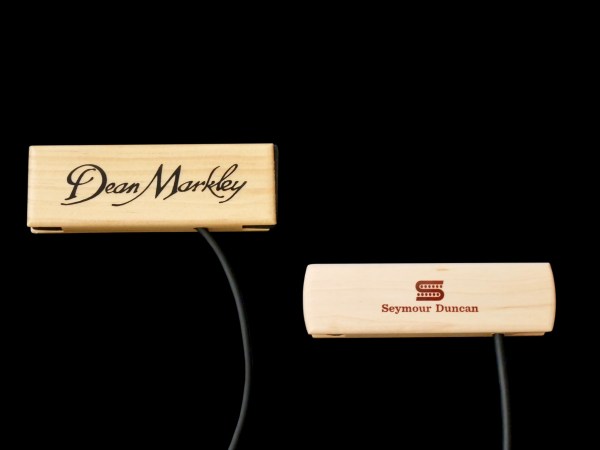
Magneettisien ääniaukolle menevien mikrofonien testi löytyy TÄÄLTÄ.
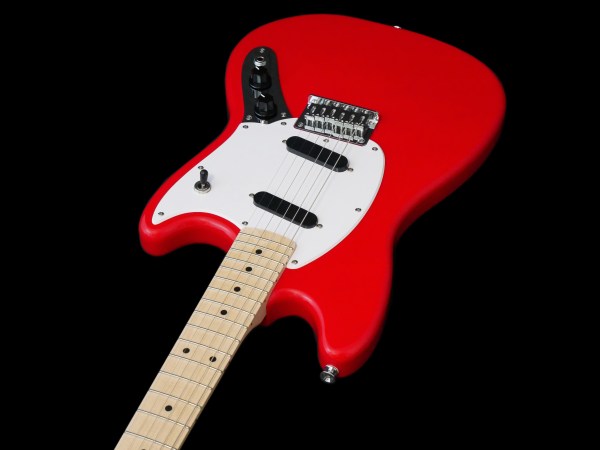
From the late 1970s on, Fender’s student-oriented models began to find their way into the hands of musicians from the Punk, New Wave, Grunge and Alternative Rock genres.
The reasons for this can be found both in the musicians’ budgets, as well as in the guitars’ image. The average guitarist wanted to play with ”familiar and safe” models, and in Fender’s case, these were the Telecaster and Stratocaster.
At the end of the 1970s, Fender’s so-called student instruments, that were very popular in the 1950s and 60s, could be found very inexpensively second-hand. With the Mustang, Duo-Sonic or Musicmaster, the young New Wave musician got genuine Fender quality at a very affordable price, and since these instruments were not – at least at the time – collector’s items, modifying the guitars to suit the needs of the ”new music” was no problem.
Many guitarists of the new genres – e.g. the Talking Heads’ David Byrne, Sonic Youth’s Thurston Moore and Nirvana’s Kurt Cobain – added more powerful pickups to their Duo-Sonic or Mustang to better suit their sound. This resulted in distinctive guitars that certainly weren’t ”your dad’s Country guitar”.


Last year, Fender’s subsidiary Squier Guitars changed the name of its most affordable line from Affinity to Sonic, and at the same time expanded the range of instruments in the series.
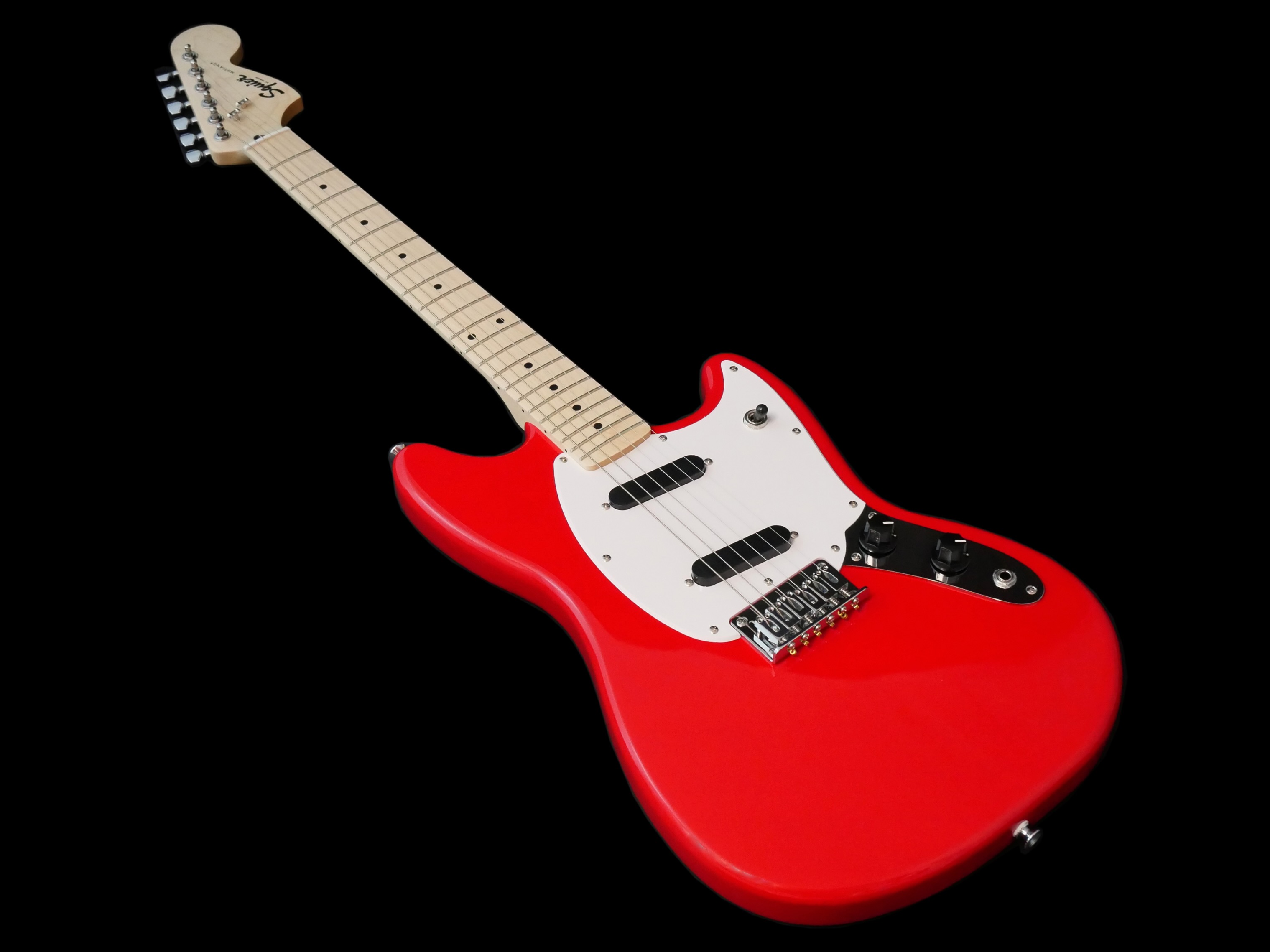
There are now two different Mustang guitars in the Sonic series, of which the Mustang HH offers two humbucker pickups, while the Mustang SS, like the original Fender, comes equipped with two single coils. Both models are offered in two different colour options as standard, which in the case of the Mustang SS model are sunburst and Torino Red. The Mustang HH comes in light blue and pink. The Sonic Bronco bass is now available in three different colors – white, red and black.

A vintage enthusiast would be the first to point out that, according to Fender’s original terminology, the Squier Sonic Mustang SS (street price approx. 180-200 €) is not a Mustang, but a Duo-Sonic, as the model has a fixed bridge and a three-position pickup selector. I would bet that Fender and Squier have decided that the name Mustang is simply cooler and better known than Duo-Sonic, which is why all their short-scale models with the same body shape are currently called Mustangs, despite the streamlined electronics and bridge.

However, the familiar basic recipe still applies:
The Squier Mustang SS is an electric guitar with a 24-inch scale. The bolt-on maple neck has a maple fingerboard and well-installed 22 vintage-style frets.
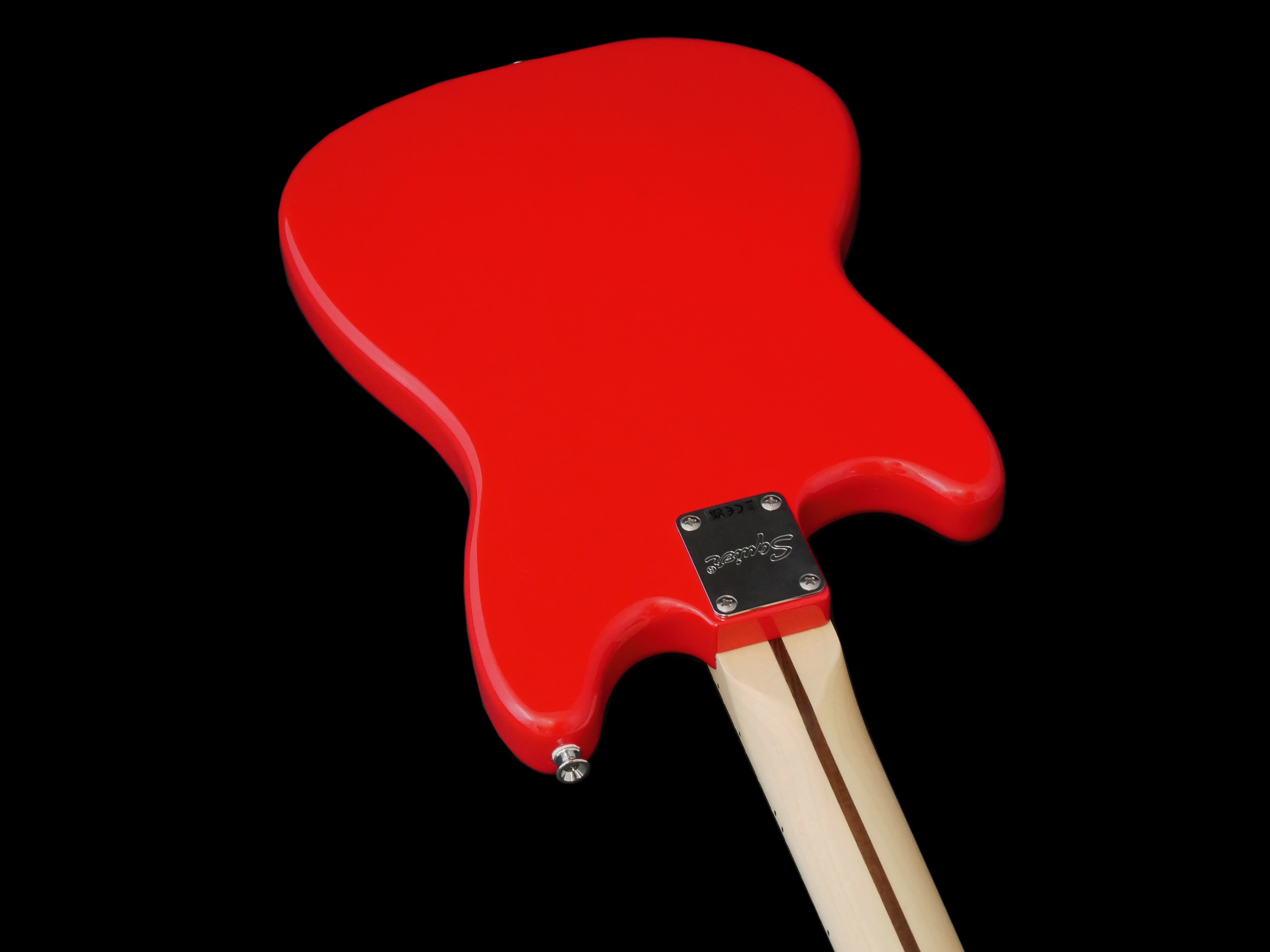
The offset body of the Mustang SS is a slab number with rounded edges, but without any chamfers.

The thick single-layer plastic pickguard is typical for Sonic series instruments. Mustang’s two single-coil pickups – with closed black plastic covers – and a three-position mic selector are installed onto the pickguard.
The Squier guitar’s volume and tone controls, as well as the output jack, are placed on a chrome-plated metal plate.
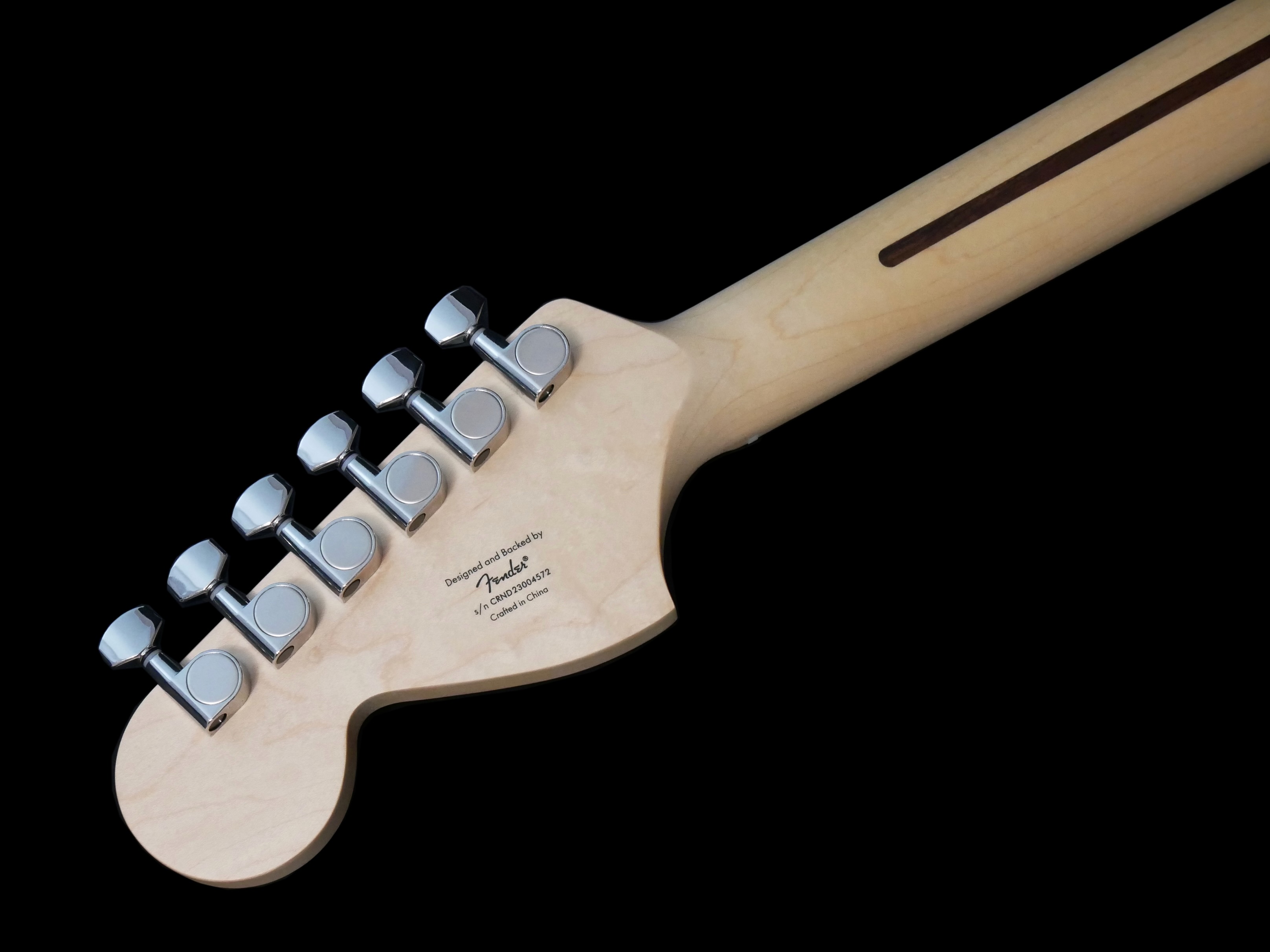
The Mustang’s modern sealed tuners work well, as does the Sonic model’s fixed bridge with six separate saddles.
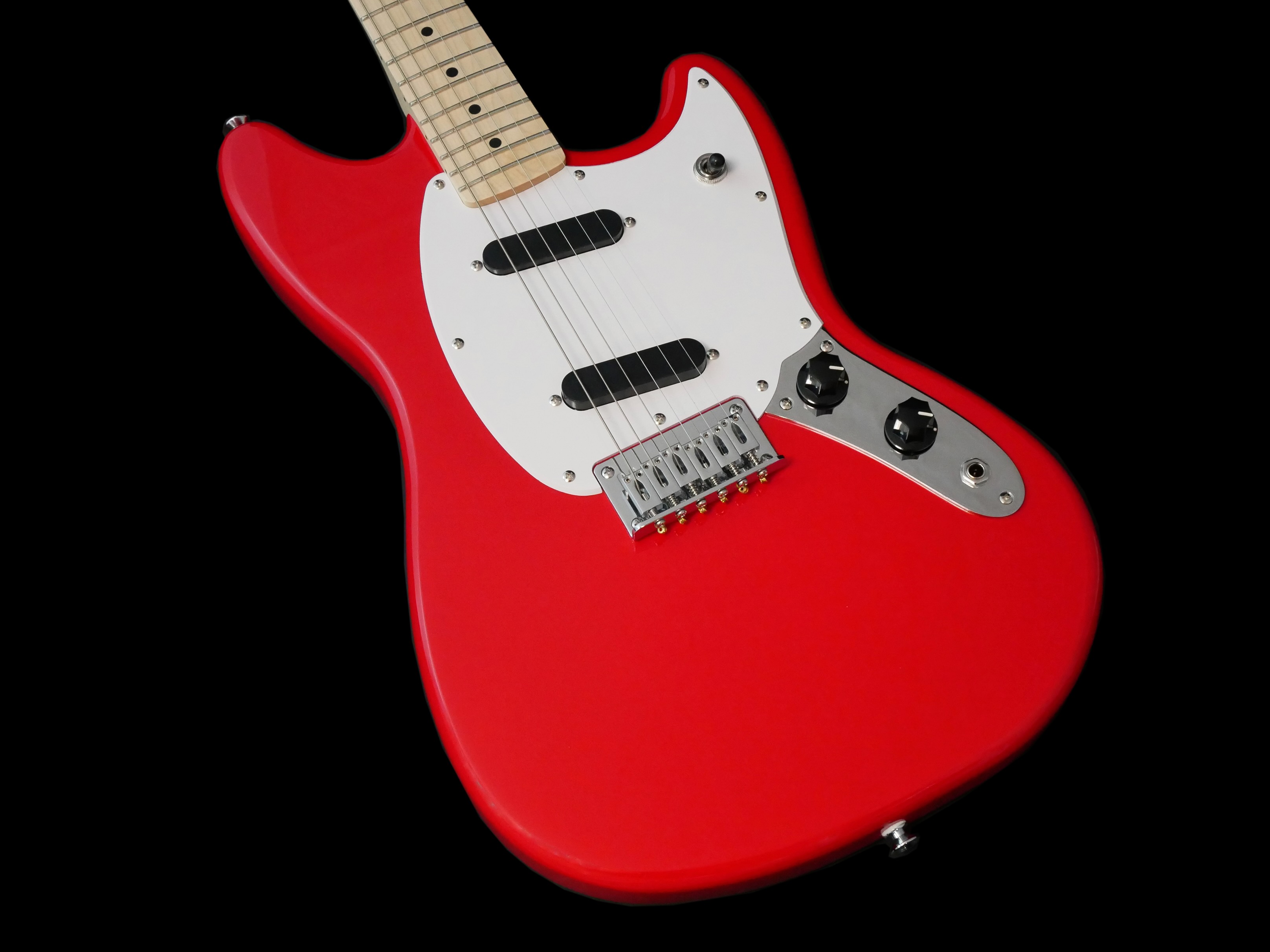
Straight out of the shipping carton, the test guitar is almost ready to play – only the action and intonation had to be fine-tuned. The guitar doesn’t suffer from sharp fret ends sticking, or other ”cheap guitar” problems. The workmanship seems fine.
The new Squier Sonic Mustang SS weighs a bit more than the original edition from the 1960s, but in light of the Mustang’s very affordable price, this is to be expected and perfectly okay.
The Squier Sonic Mustang SS model has a decent 009 set of strings installed at the factory, which is probably a good choice for the guitar’s target group (children and young people). The playing feel is very effortless and light, and the Mustang chimes very nicely. I played all the guitar tracks in the demo video with Squier’s factory-installed strings.
However, the feel of the 009 string set on a guitar with a 61 cm scale is too loose for me, which is why I changed over to the same 010-052 strings that I use in all my electric guitars. With these strings, the Sonic Mustang SS immediately has a firmer playing feel, which is not very different from, for example, a Gibson SG.
Although the scale of the Sonic Mustang is much shorter than that of Telecasters or Strats, there is a definite dose of ”Fender-ism” in the sound of the guitar, thanks to the single-coil pickups. Because the Mustang’s pickups are placed in somewhat different places relative to the scale than, for example, in the Telecaster, the model always displays its own recognisable sound. The Mustang’s tone rings like a bell, but is never as biting as, for example, the output of a Stratocaster.

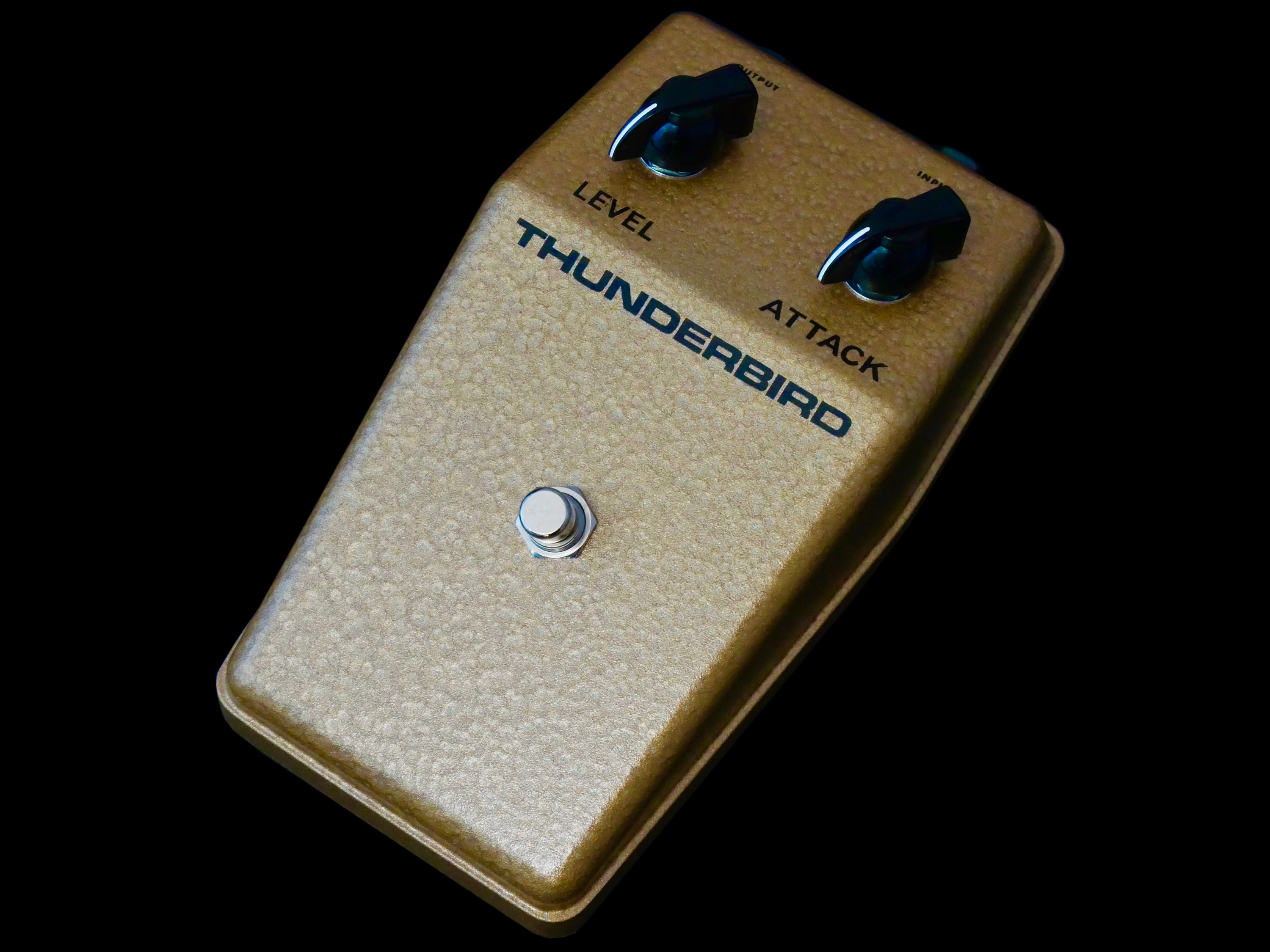
Laundromat is the name Finnish fuzz builder Antti Karttu has chosen for his line of handcrafted fuzz pedals.
The Thunderbird Mk I (390 €) is based on Gary Hurst’s legendary Tone Bender Mk I. The 1965 Tone Bender was one of the first fuzz pedals ever, and it started the fuzz craze in the UK.
Laundromat uses its own extremely rugged case design and only the best available components. The Thunderbird Mk I circuit is built around three NOS germanium transistors – namely a pair of Mullard OC75s and a Texas Instrument.

Like the original, the Laundromat Thunderbird Mk I isn’t a subtle fuzz pedal. This pedal grabs you by the lapels and shakes you, screaming in your face.
There isn’t much in the way of dialling down the fuzz with your guitar’s volume control, like on Fuzz Face-style circuits. This here is more of an on-off-affair.
The sound and behaviour of the Thunderbird Mk I is just as you’d expect – this is a rude sounding fuzz with a clear tendency towards gating, which adds crackles and spitting sounds to note attacks.
Vintage Tone Bender’s these days command silly prices, even for road-weary units.
Laundromat’s Thunderbird Mk I is clearly built to last, meaning it will give you delicious fuzz tones reliably.